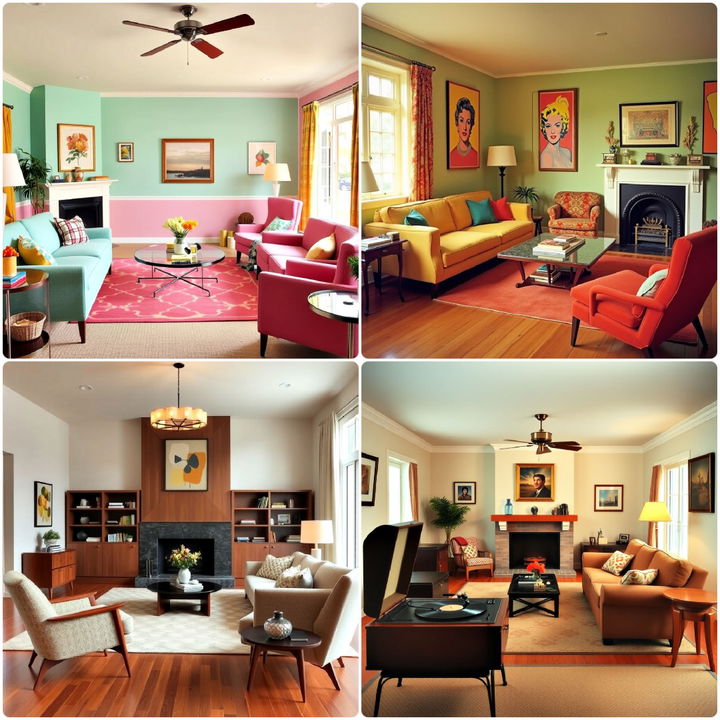
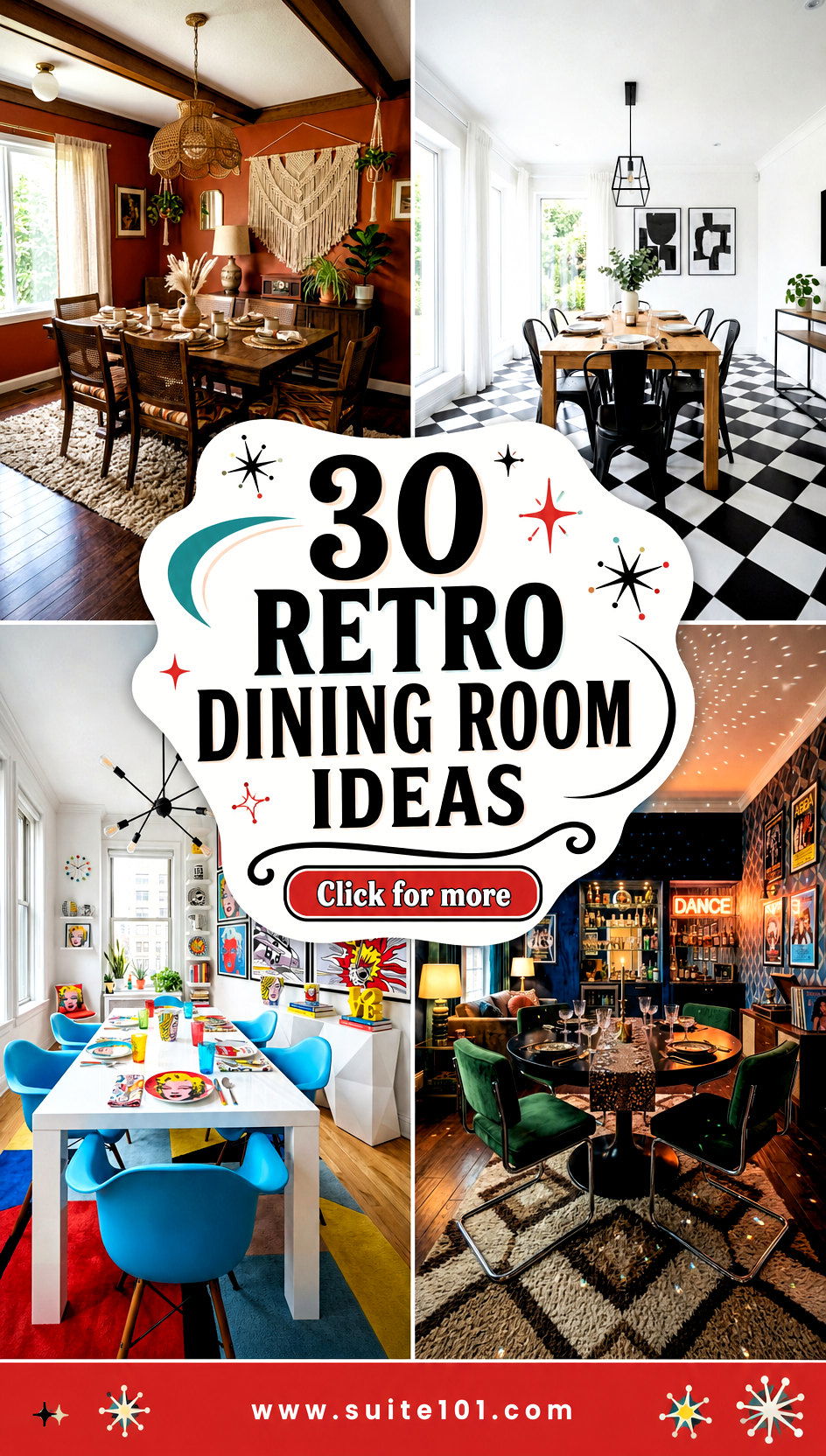
Stepping back in time while staying firmly rooted in the present is the ultimate goal of a retro-inspired dining space. This design aesthetic celebrates the bold colors, unique textures, and iconic silhouettes from the middle of the twentieth century. Whether you are drawn to the sleek lines of the fifties or the funky patterns of the seventies, there is something inherently nostalgic and comforting about vintage decor. Creating a cohesive look requires a balance of authentic antique finds and modern reproductions that pay homage to the past. This guide explores a wide variety of creative ways to infuse your home with timeless charm and vibrant energy through carefully curated furniture and decor.
1. Mid Century Modern Dining Room
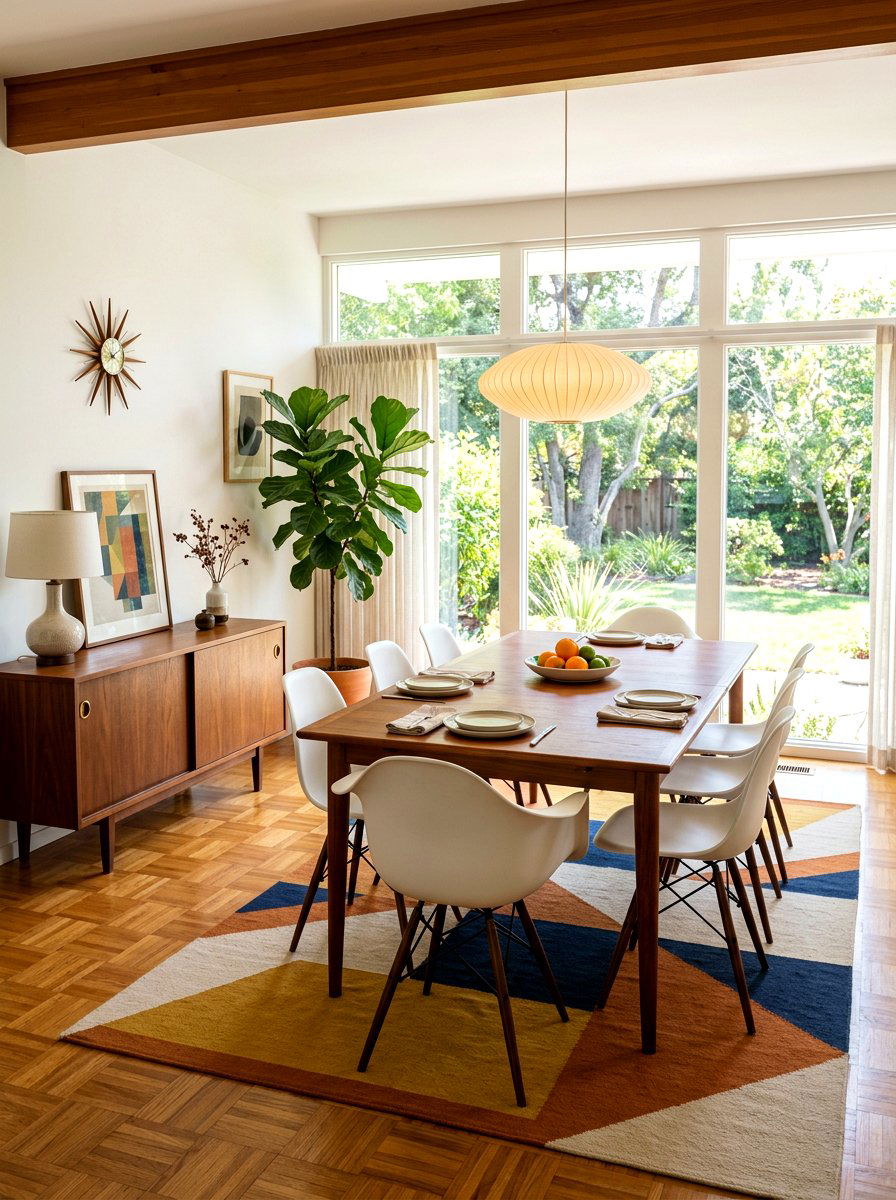
The hallmark of mid-century modern design lies in its seamless blend of organic shapes and functional simplicity. To achieve this iconic look, focus on furniture featuring tapered legs and warm wood tones like teak or walnut. A rectangular table paired with classic wishbone or shell chairs creates an instantly recognizable silhouette that feels both sophisticated and approachable. Keep the surrounding decor minimal to let the craftsmanship of the furniture stand out as the primary focal point. Incorporating a large indoor plant or a simple geometric rug can add a touch of nature and texture without overcrowding the space. This style remains a perennial favorite for its clean lines and timeless appeal.
2. 1950s Diner Style Dining Room
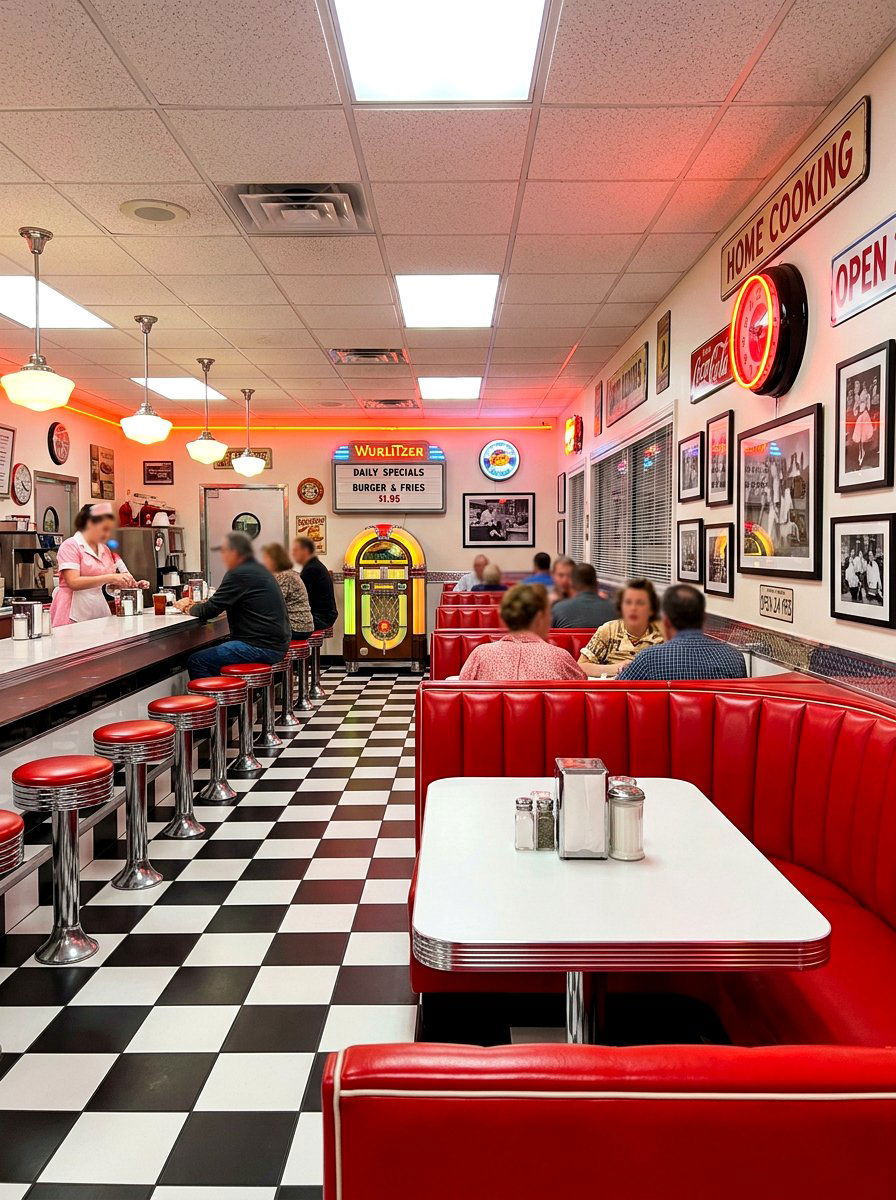
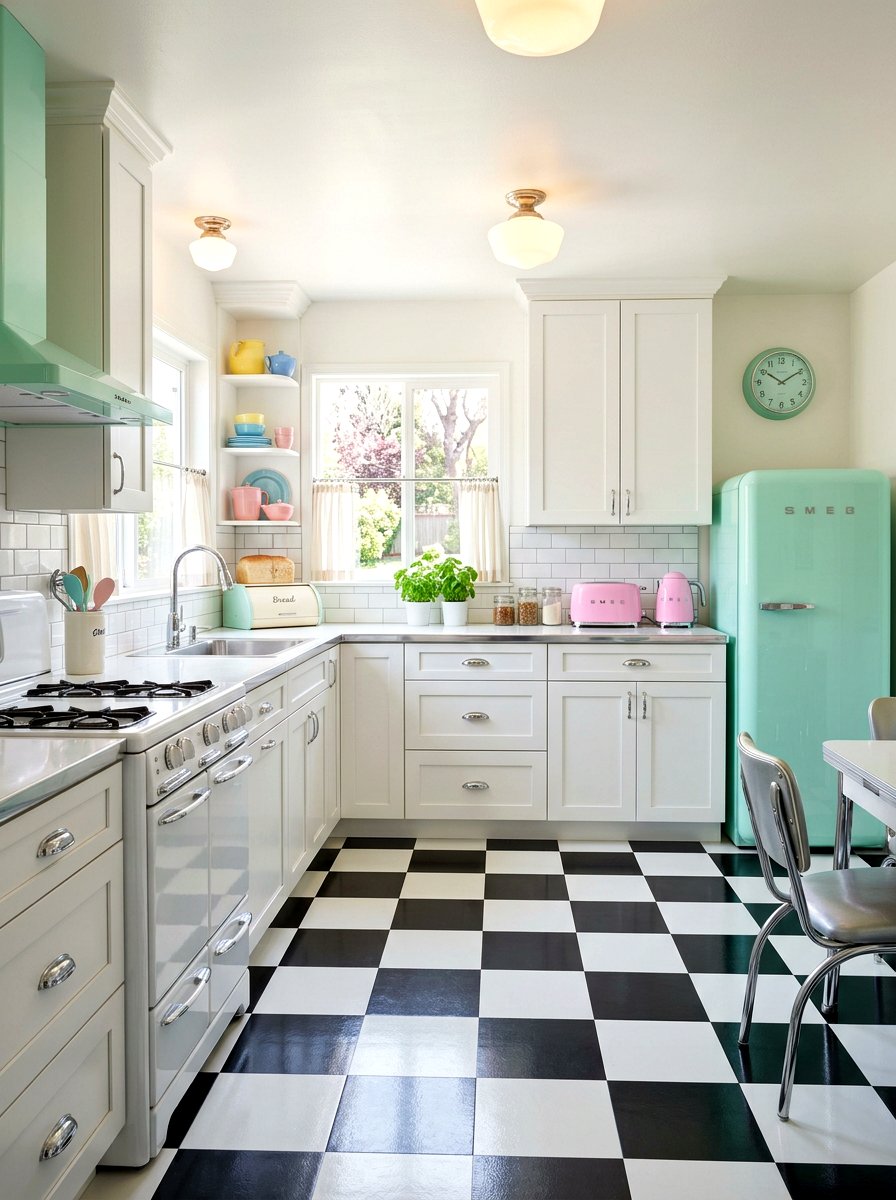
Transforming your eating area into a classic fifties diner brings a sense of playful energy and vintage Americana to your home. Start with a foundation of black and white checkered flooring to set the stage for high-contrast drama. Use a chrome-rimmed table with a laminate top for an authentic feel that is both durable and stylish. Bright red vinyl chairs or a built-in booth can provide comfortable seating while echoing the vibrant spirit of the era. Don't forget small details like a vintage napkin holder or a salt and pepper set to complete the look. This nostalgic theme is perfect for families who enjoy casual and fun meals.
3. 1970s Orange Dining Room
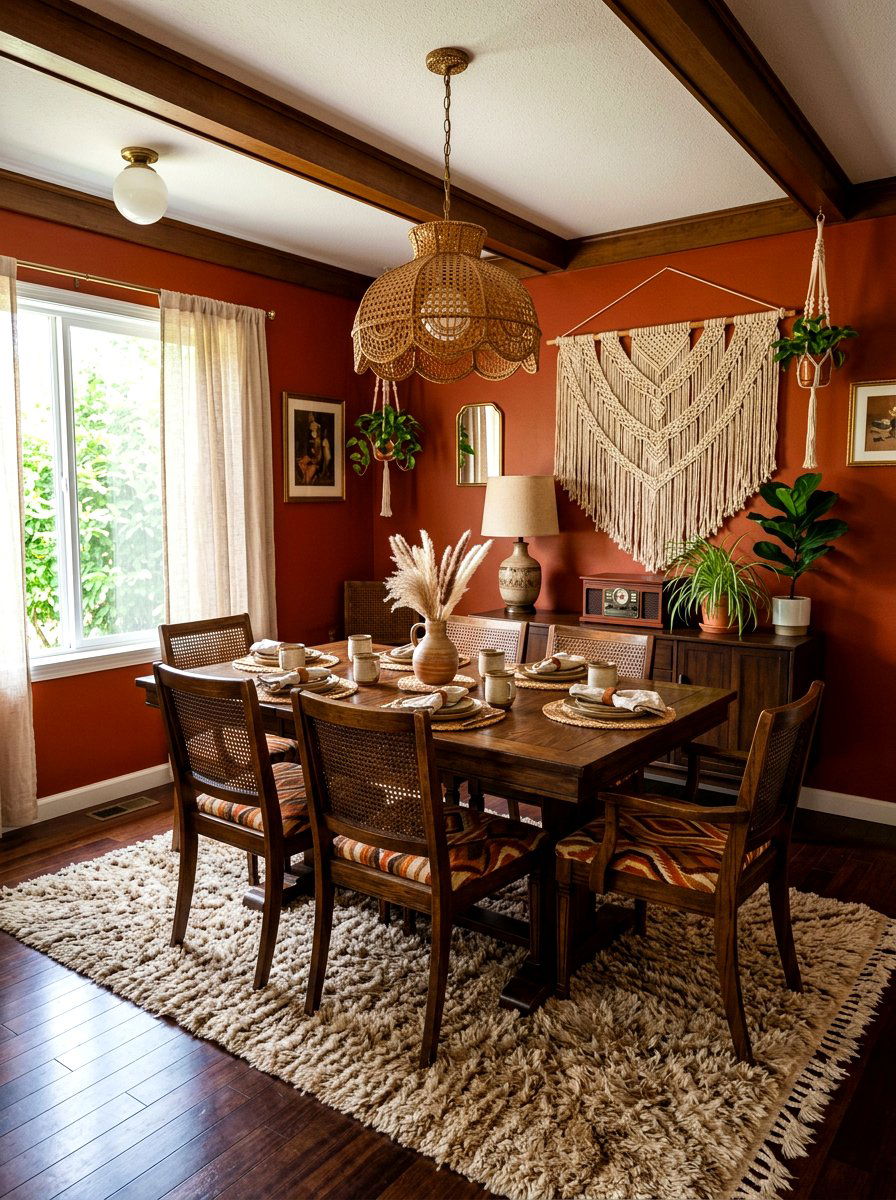
Embracing the warm and earthy tones of the seventies can create a cozy and inviting atmosphere for your dinner parties. Deep orange walls paired with dark wood furniture provide a rich backdrop that feels grounded and full of character. To prevent the color from becoming overwhelming, balance it with neutral elements like cream-colored curtains or a beige area rug. Incorporating textures such as macramé wall hangings or shaggy textiles can further enhance the bohemian vibe of the decade. This color palette encourages conversation and warmth, making it an excellent choice for a space dedicated to gathering and sharing. It is a bold move that pays off.
4. Pastel Pink Retro Dining Room
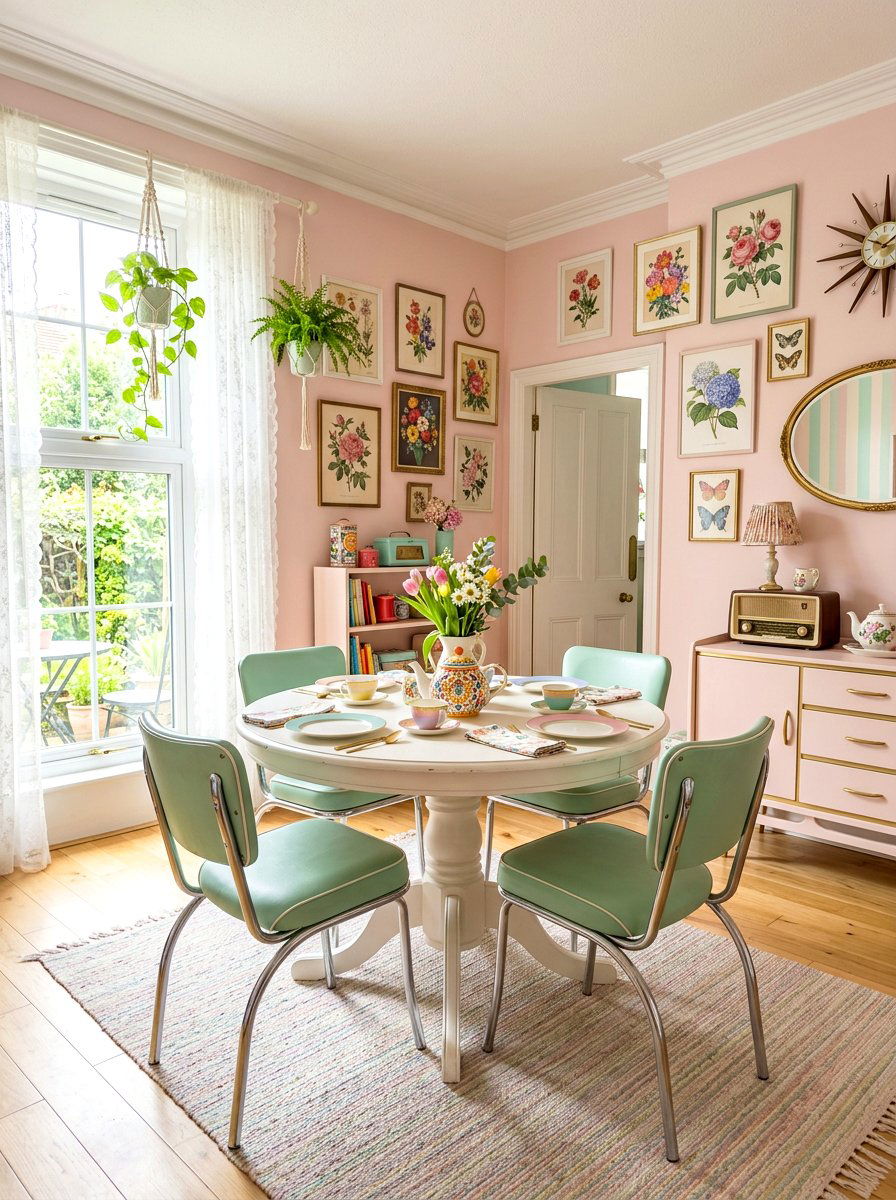
A softer approach to vintage design involves using a palette of delicate pastels to create a whimsical and lighthearted space. Soft pink walls paired with mint green or baby blue accents evoke the charming aesthetics of the late fifties and early sixties. Choose furniture with graceful curves and light wood finishes to maintain the airy feel of the room. This style works beautifully in smaller spaces where bright, light-reflective colors can help the area feel larger and more open. Adding vintage-inspired floral prints or delicate ceramic accessories can further enhance the feminine and nostalgic charm. It is a refreshing take on traditional retro styles.
5. Checkered Floor Dining Room
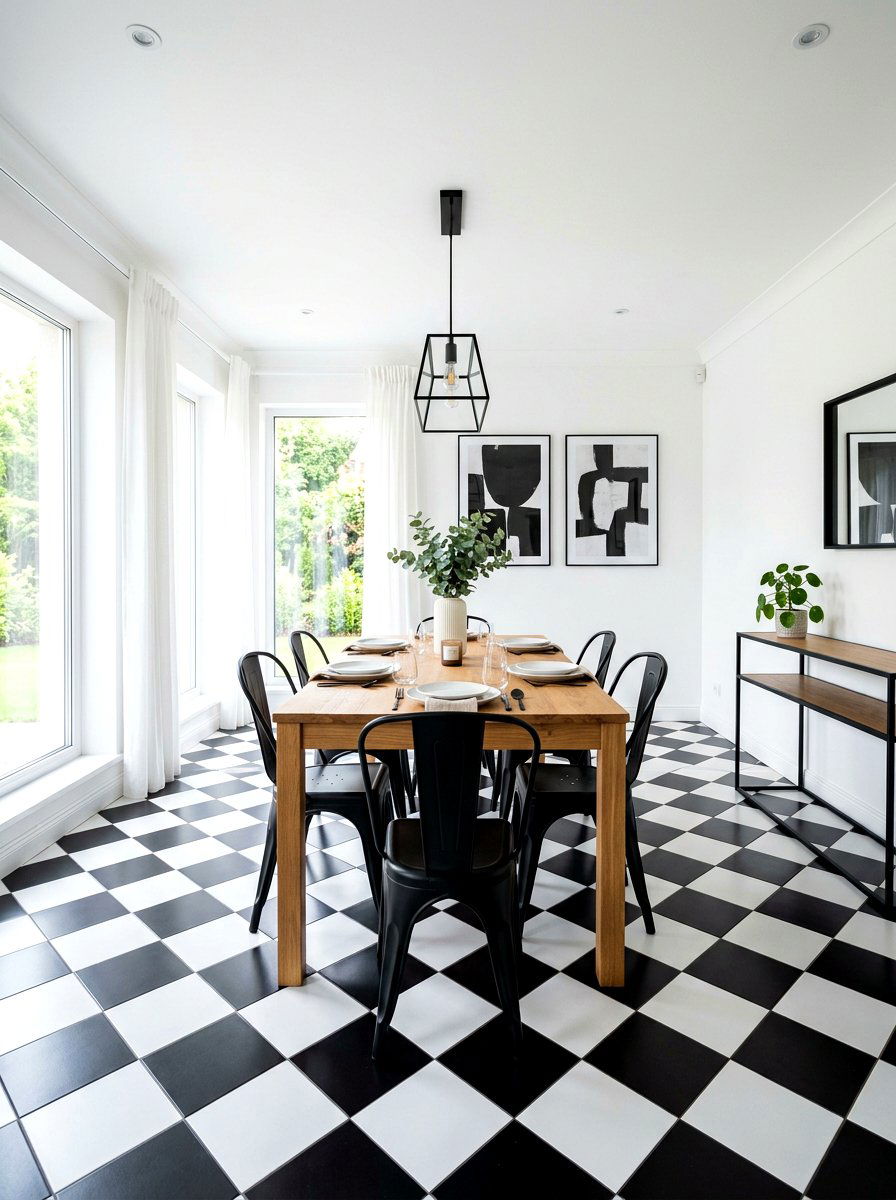
A bold checkered floor is one of the most effective ways to ground a retro dining space with a sense of history and style. While black and white is the classic choice, you can experiment with other color combinations like red and cream or blue and white for a unique twist. This pattern provides a strong visual foundation that allows the rest of your furniture to pop against the floor. Pair it with simple wooden chairs or sleek metal frames to keep the focus on the graphic pattern. This design element works well in both traditional and modern homes, offering a versatile base for various vintage themes.
6. Tulip Table Dining Room
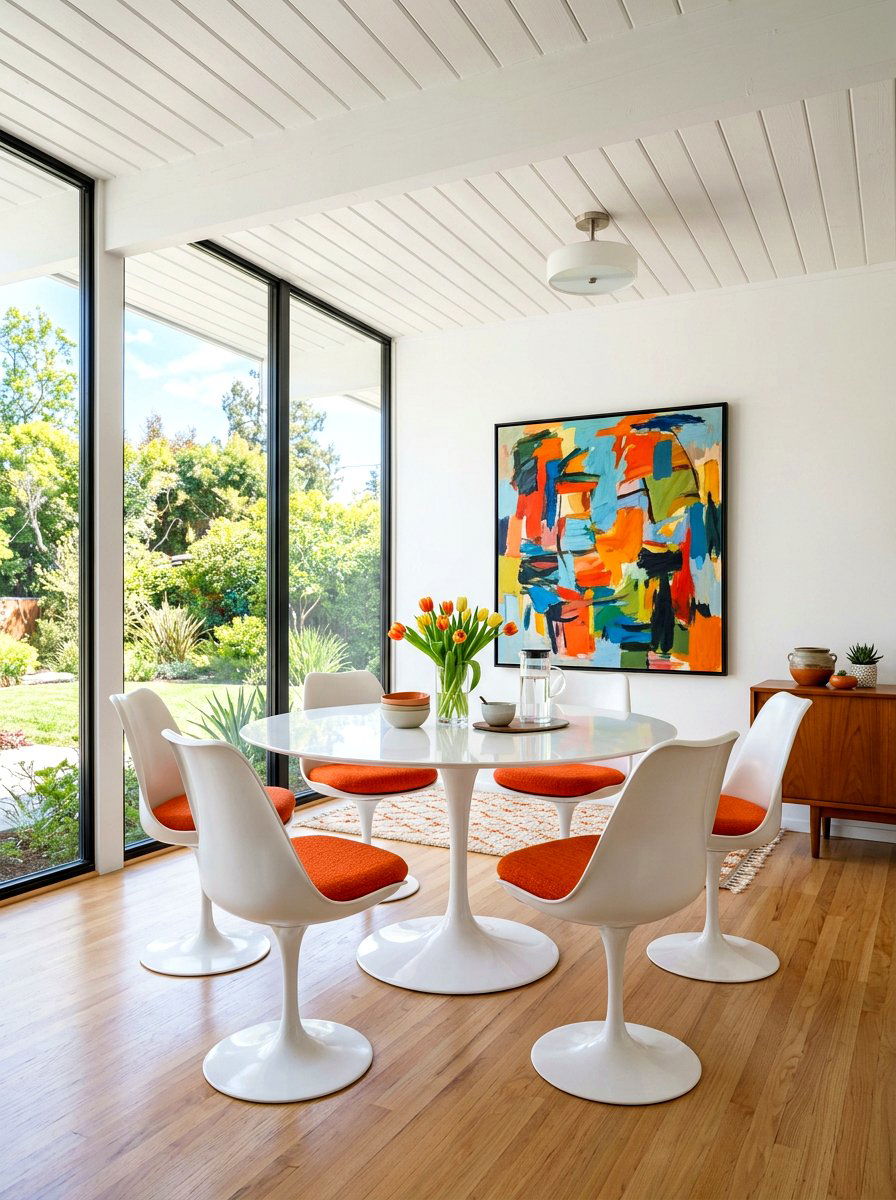
The iconic tulip table, designed by Eero Saarinen, is a masterpiece of mid-century design that continues to influence modern interiors. Its sleek pedestal base eliminates the clutter of traditional table legs, making it a perfect choice for smaller dining rooms. Pair this minimalist table with matching tulip chairs or mix it up with colorful plastic seats for a more eclectic look. The smooth, white surface of the table provides a clean canvas for vibrant centerpieces or bold placemats. This design choice is both functional and sculptural, adding a sense of futuristic elegance to your dining area. It remains a timeless staple for many.
7. Sputnik Chandelier Dining Room
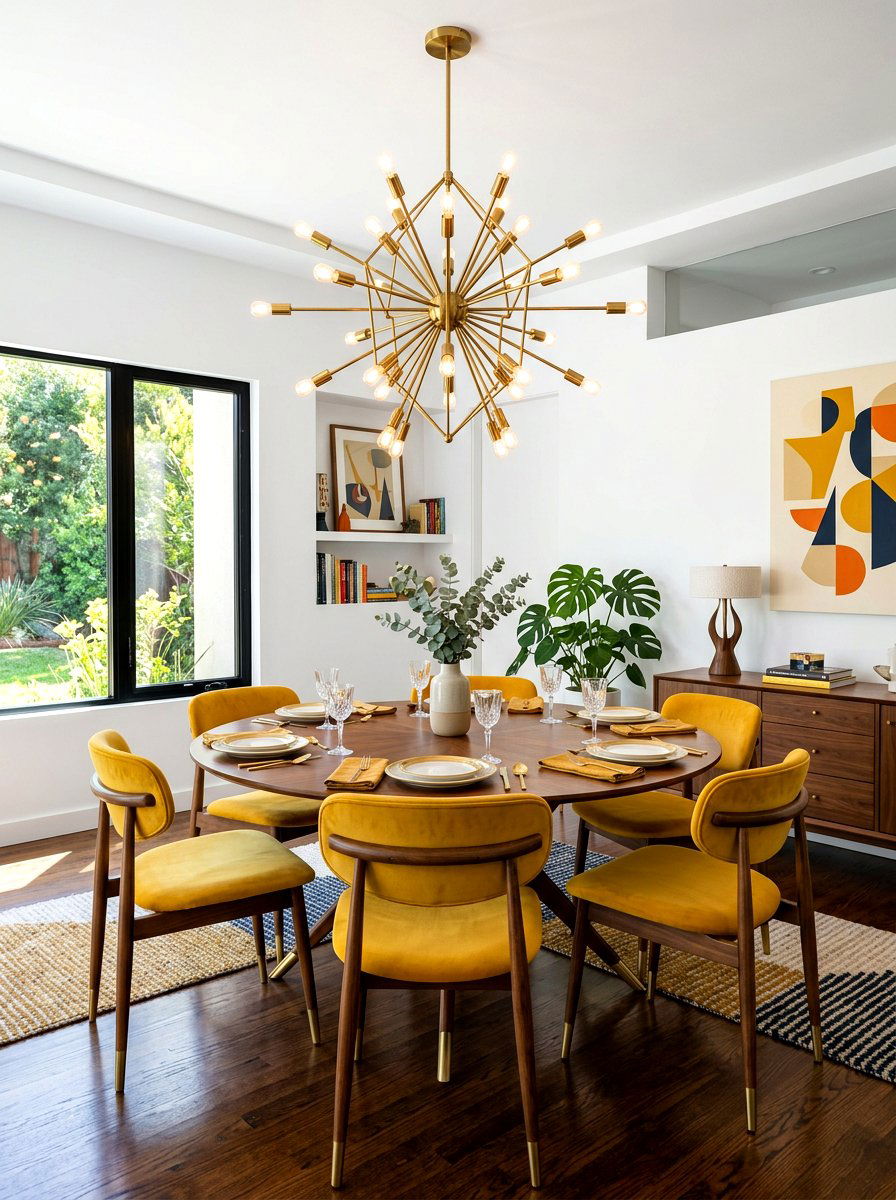
Lighting serves as the jewelry of a room, and a Sputnik chandelier is the ultimate statement piece for a retro-inspired space. This starburst-shaped fixture adds a sense of "atomic age" optimism and futuristic flair to your ceiling. It works particularly well over a round dining table, drawing the eye upward and creating a clear focal point. Choose a brass finish for a warm, vintage feel or chrome for a sleeker, more modern look. The multiple bulbs provide ample light, ensuring your dining area is bright and welcoming for evening gatherings. It is an easy way to instantly elevate the style of any dining room.
8. Retro Booth Seating Dining Room
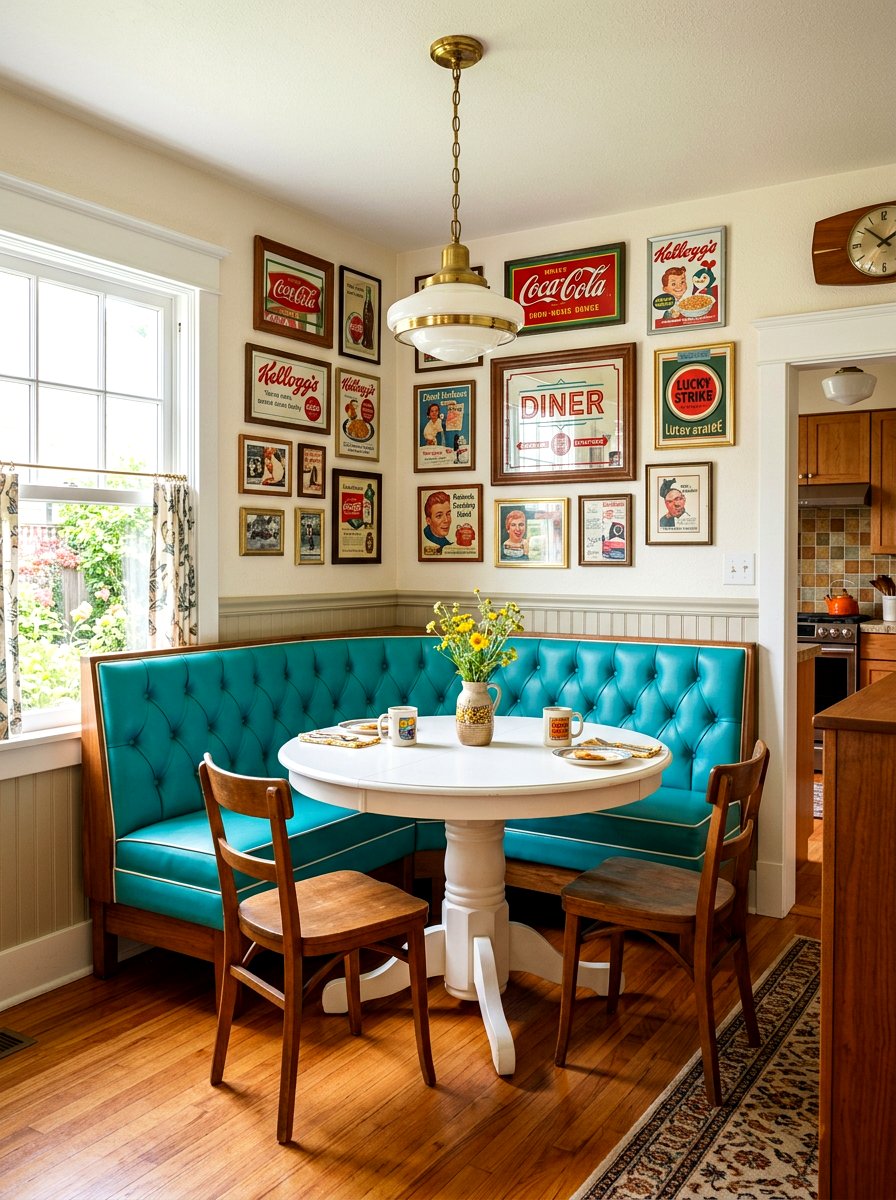
Installing a built-in booth or banquette is a fantastic way to maximize space while adding a cozy, restaurant-style vibe to your home. This seating arrangement encourages a more relaxed and communal dining experience, perfect for long breakfasts or late-night chats. Use upholstered cushions in bold vinyl or patterned fabric to reflect the retro theme of your choice. A booth tucked into a corner or placed against a wall can free up floor space in smaller homes. Pair the booth with a simple pedestal table to ensure easy access for everyone. This practical yet stylish solution adds a touch of charm and comfort to your space.
9. Mustard Yellow Dining Room
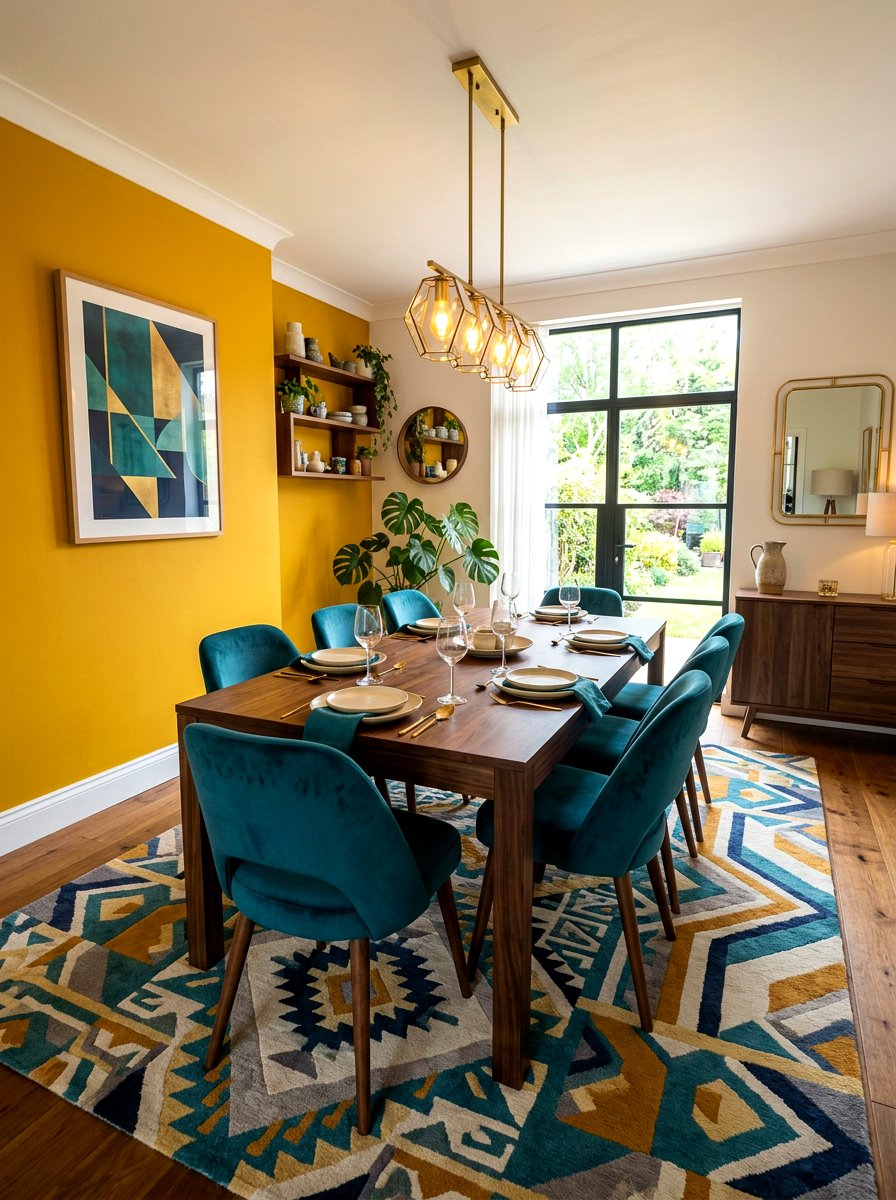
Mustard yellow is a quintessential retro color that brings a sense of warmth and sunshine to any interior. This rich, golden hue works beautifully as an accent color for chairs or as a bold statement on the walls. Pair it with dark walnut furniture and teal accents for a classic mid-century color palette that feels both sophisticated and energetic. The color's depth makes it feel more mature than brighter yellows, providing a cozy backdrop for evening meals. Incorporating textured fabrics like velvet or wool in this shade can add another layer of luxury and comfort to your dining room. It is truly vibrant.
10. Wood Paneled Dining Room
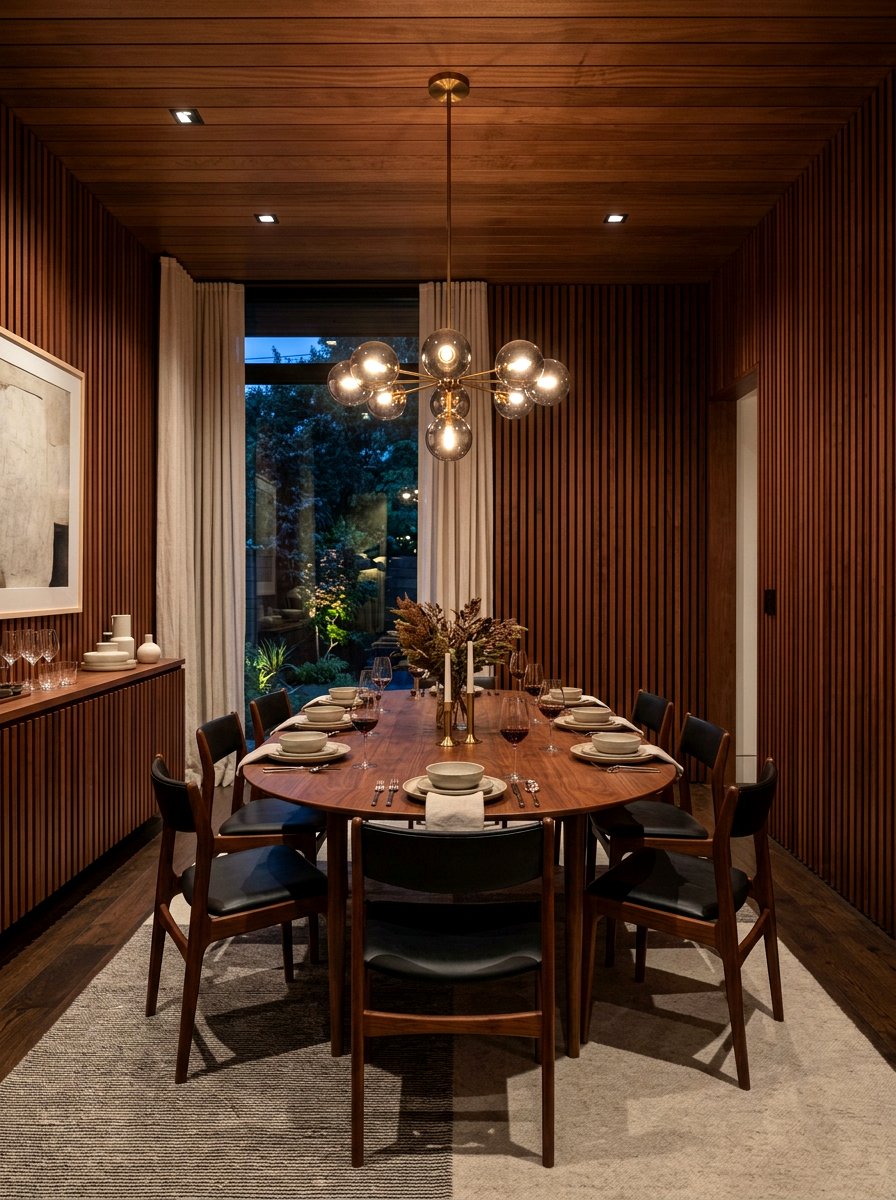
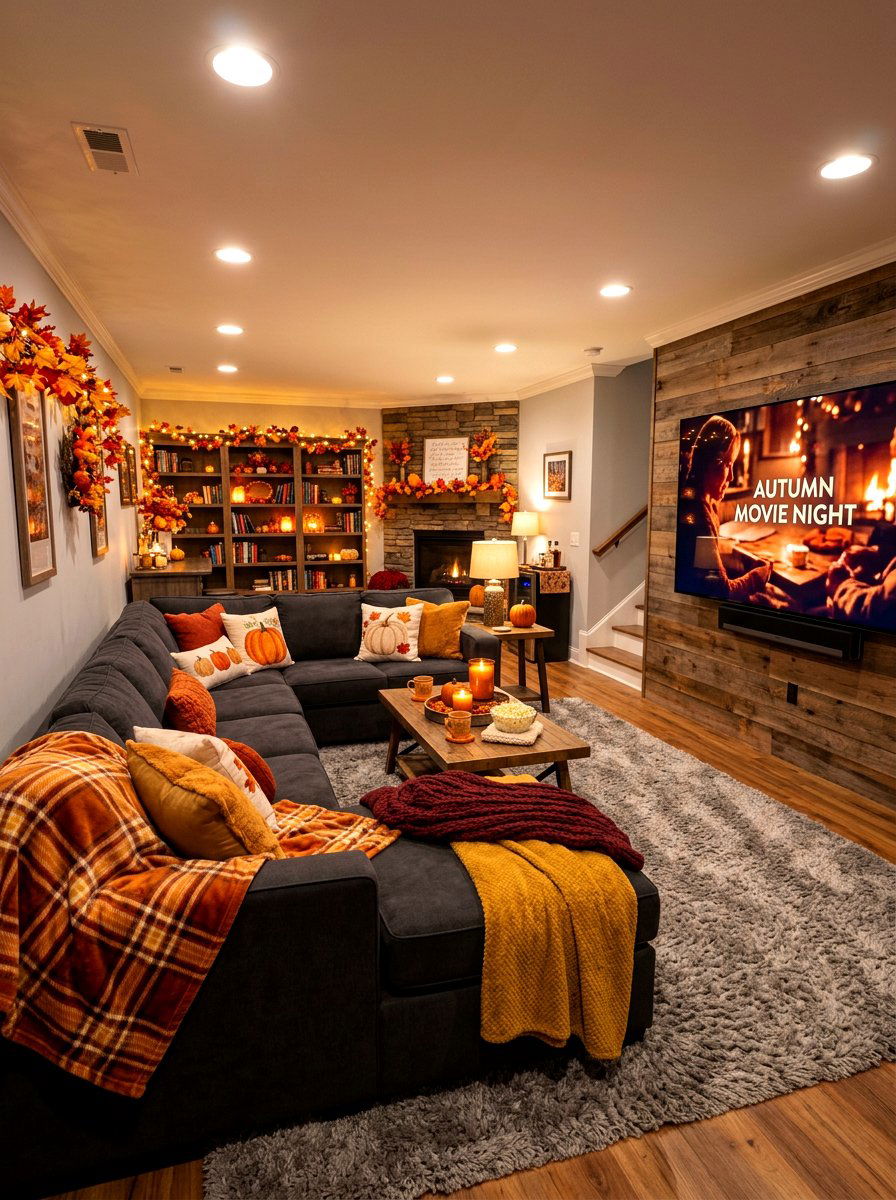
Reclaiming the look of vintage wood paneling can add immense warmth and a sense of architectural history to your dining area. Instead of the thin, dark sheets from decades ago, modern retro designs often use high-quality vertical slats or rich mahogany veneers. This wall treatment provides a textured backdrop that complements mid-century furniture and organic shapes. Enhance the look with warm, dimmable lighting to create a moody and intimate atmosphere perfect for dinner parties. The natural grain of the wood brings a sense of the outdoors inside, making the room feel grounded and tranquil. It is a classic way to achieve a high-end look.
11. Terrazzo Floor Dining Room
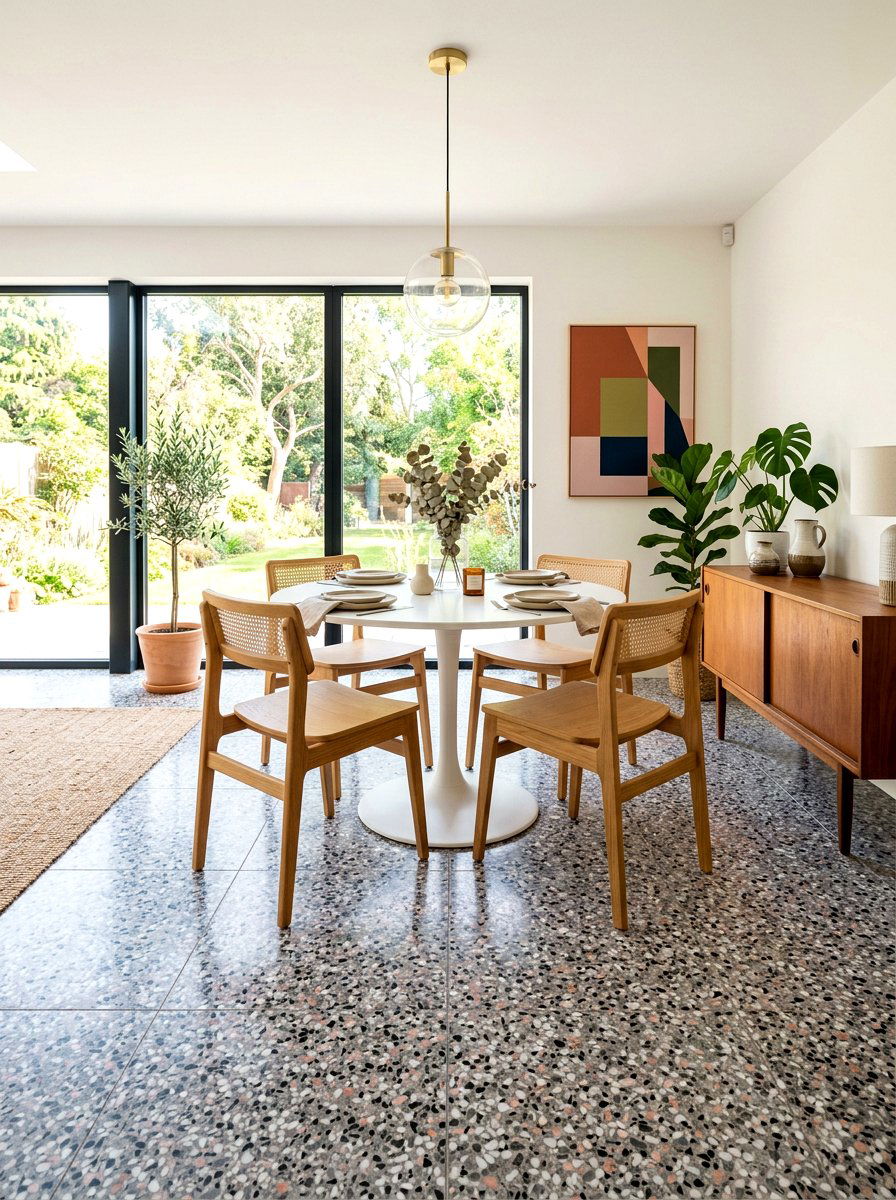
Terrazzo is a versatile and durable flooring material that has seen a massive resurgence in contemporary and retro-themed homes. Its unique speckled appearance, created by mixing chips of marble, quartz, or glass into cement, adds a playful yet sophisticated texture to the floor. Use terrazzo in a dining room to provide a durable surface that is easy to clean and visually interesting. The variety of colors available in the chips allows you to tie in other elements of your room's color scheme seamlessly. Pair it with sleek, minimalist furniture to let the floor shine as a decorative element. It offers a wonderful and lasting finish.
12. Sunburst Mirror Dining Room
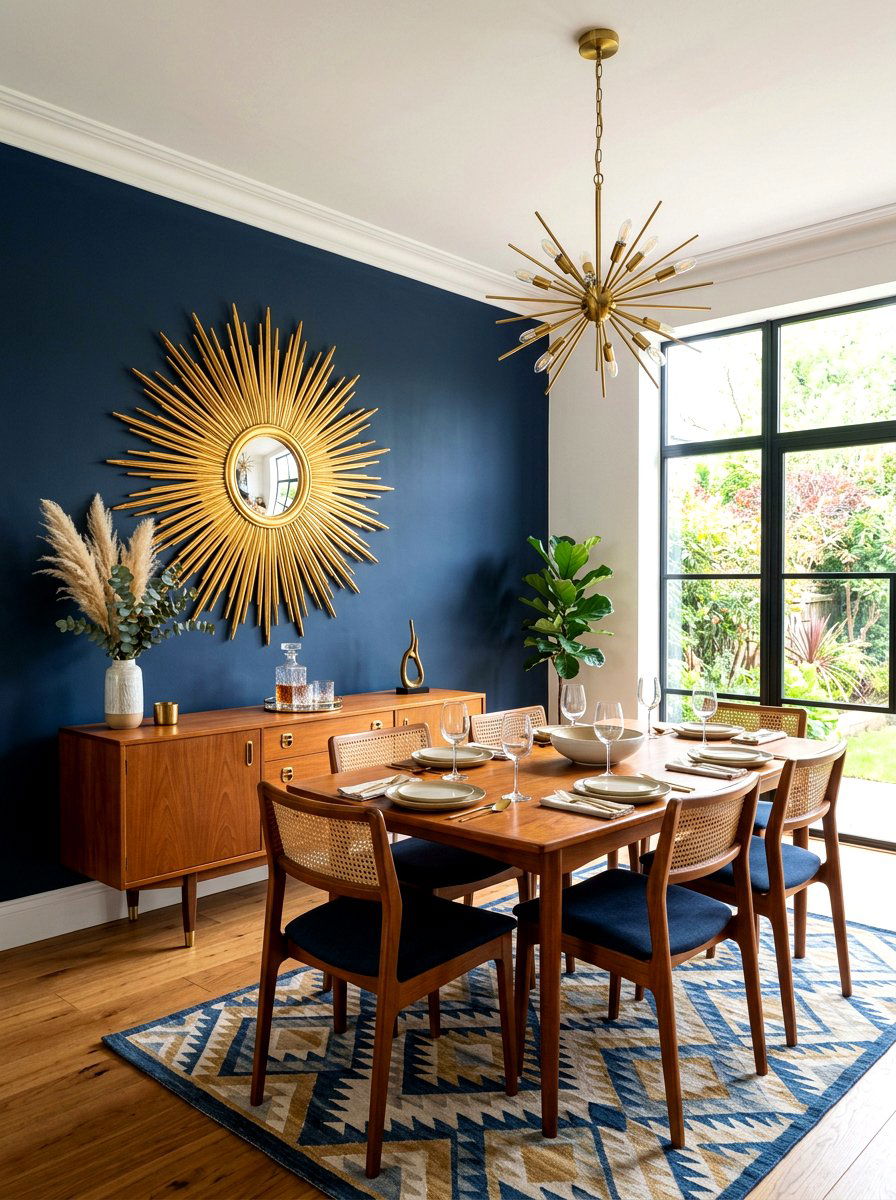
A sunburst mirror is an iconic mid-century accessory that adds a sense of movement and shine to your dining room walls. This decorative piece works beautifully as a focal point above a sideboard or credenza, reflecting light and making the space feel brighter. The radiating spokes of the mirror mimic the rays of the sun, bringing an optimistic and energetic vibe to the room. Choose a large scale mirror to make a bold statement or group several smaller versions for a unique gallery wall. This simple addition can instantly transform a plain wall into a stylish tribute to the atomic era. It is truly a stunning accent.
13. Pop Art Dining Room
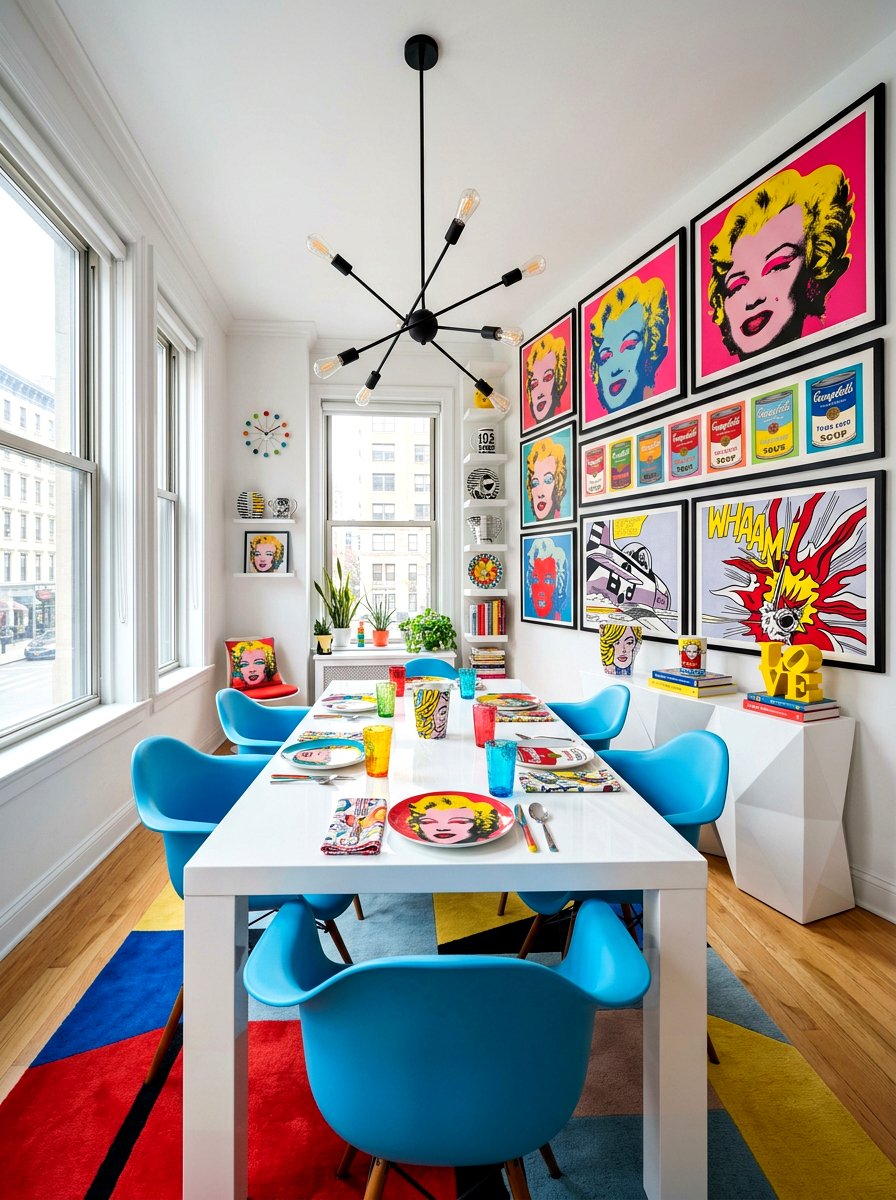
Infusing your dining room with the bold colors and graphic prints of the pop art movement creates a high-energy and playful environment. Inspired by artists like Andy Warhol, this style uses vibrant primaries and comic-book-inspired patterns to make a statement. Consider hanging large-scale prints of everyday objects or celebrities to serve as the main decor. Pair these bold visuals with sleek, monochromatic furniture to prevent the space from feeling too cluttered. Use colorful plastic chairs or a bright accent wall to further enhance the theme. This approach is perfect for those who want a dining room that reflects a fun and artistic personality.
14. Retro Wallpaper Dining Room
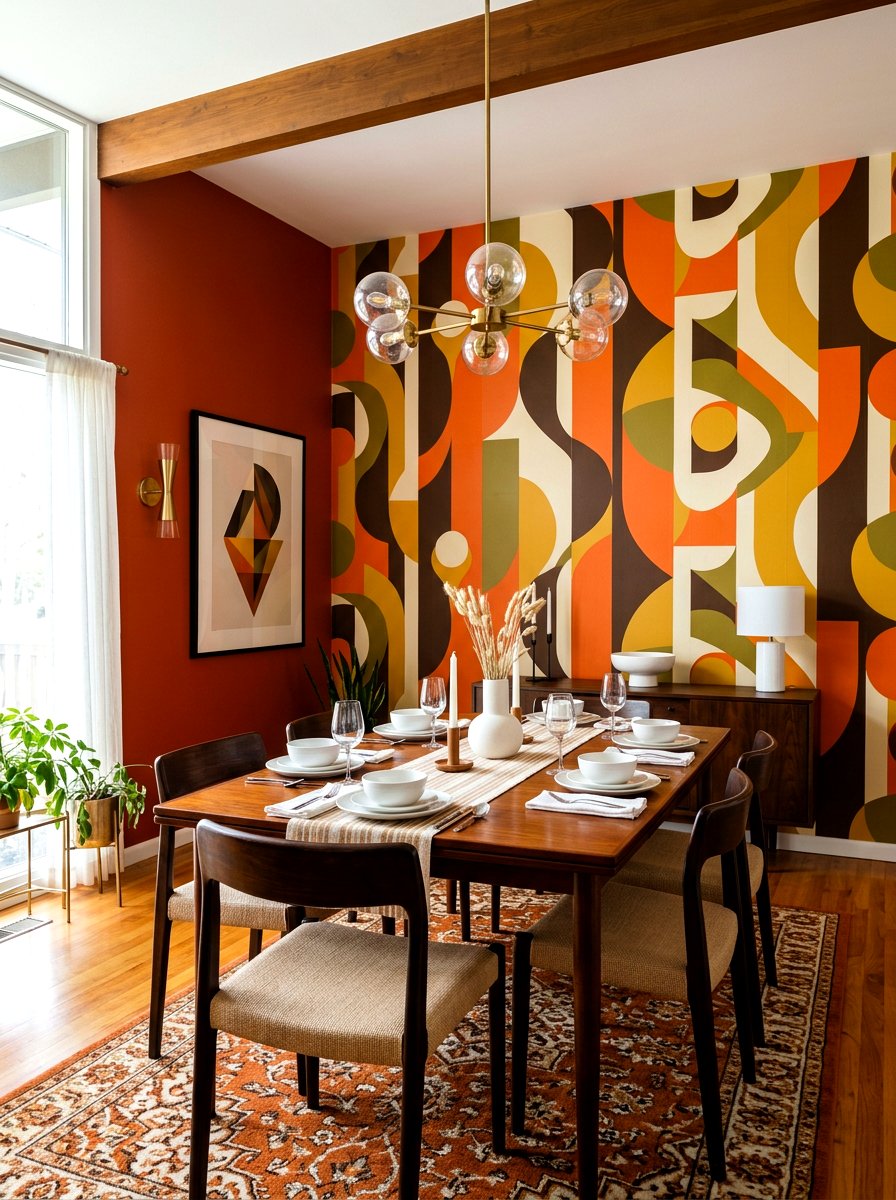
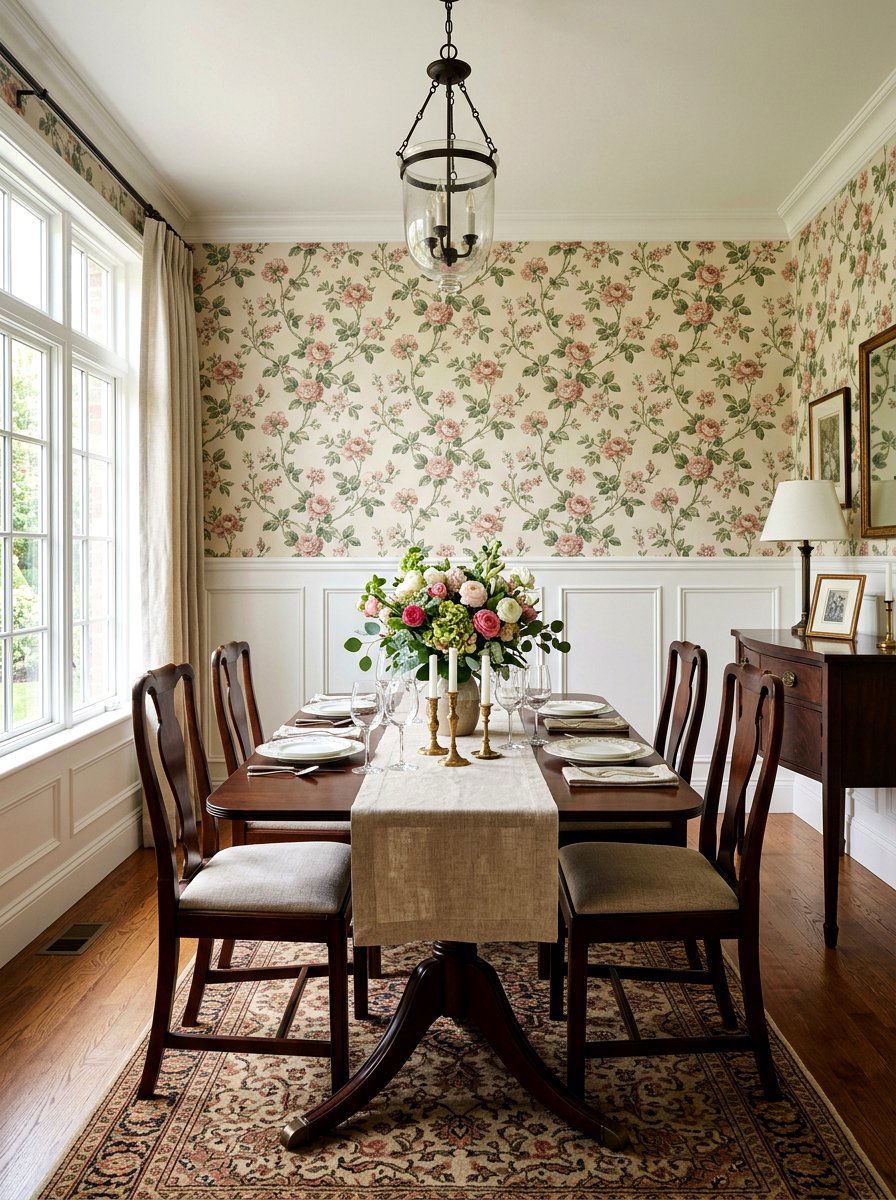
Wallcoverings are a powerful tool for establishing a vintage theme, especially when using bold geometric or floral patterns. Look for wallpaper featuring large-scale repeating motifs in classic retro colors like avocado green, harvest gold, or burnt orange. Applying wallpaper to a single accent wall can provide a dramatic backdrop for your dining set without overwhelming the entire space. Modern peel-and-stick options make it easier than ever to experiment with these bold designs. Pair patterned walls with simple, solid-colored furniture to maintain a sense of balance. This design choice adds instant character and a professional, designer-finished look to your home. It creates a very unique atmosphere.
15. Cantilever Chair Dining Room
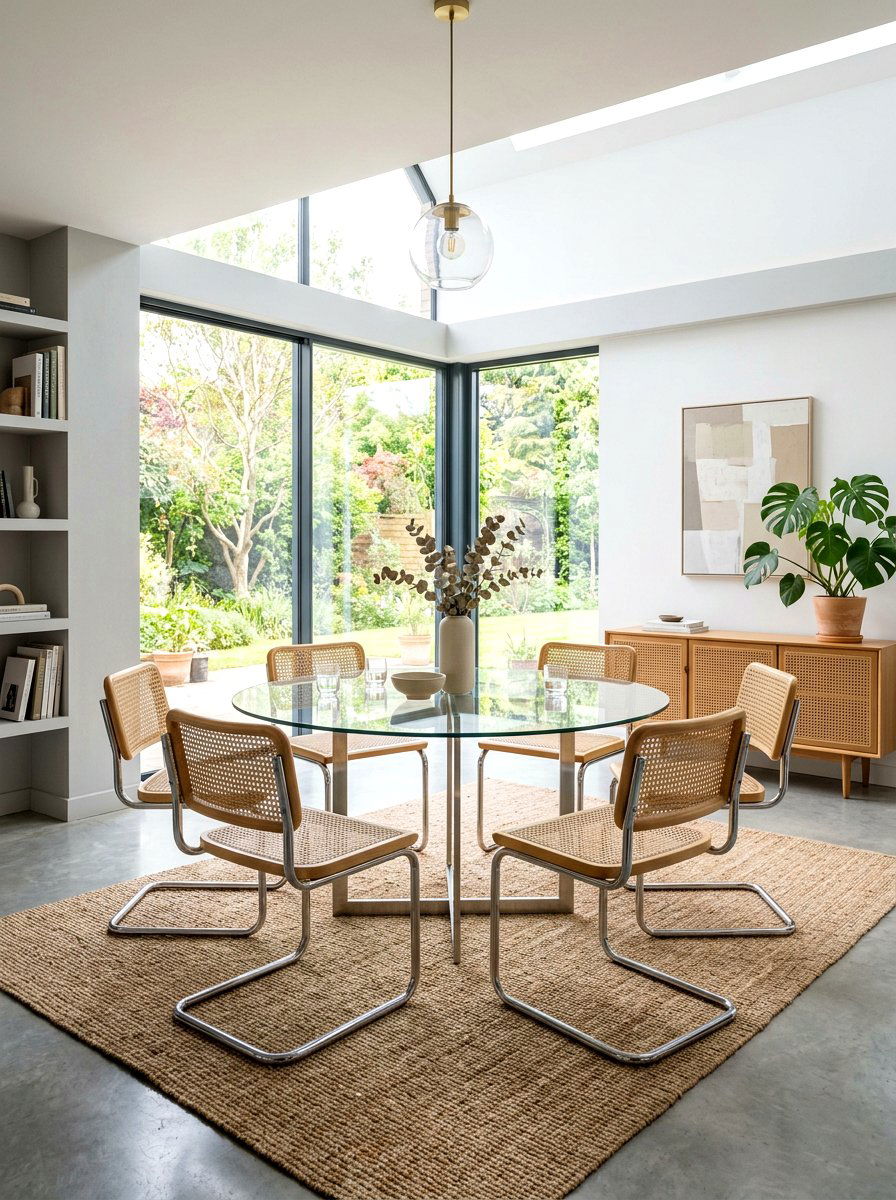
The cantilever chair, characterized by its lack of back legs and its distinctive S-shaped frame, is a marvel of twentieth-century engineering and design. Most famously represented by Marcel Breuer’s Cesca chair, these pieces offer a slight bounce that enhances comfort during long meals. The combination of chrome frames with cane or leather seats provides a perfect blend of industrial and natural materials. These chairs pair beautifully with almost any table style, from heavy wood to sleek glass. Their airy silhouette keeps the room feeling light and spacious. Using these iconic chairs is a subtle way to incorporate high-design history into your everyday living and dining routine.
16. Teal Retro Dining Room
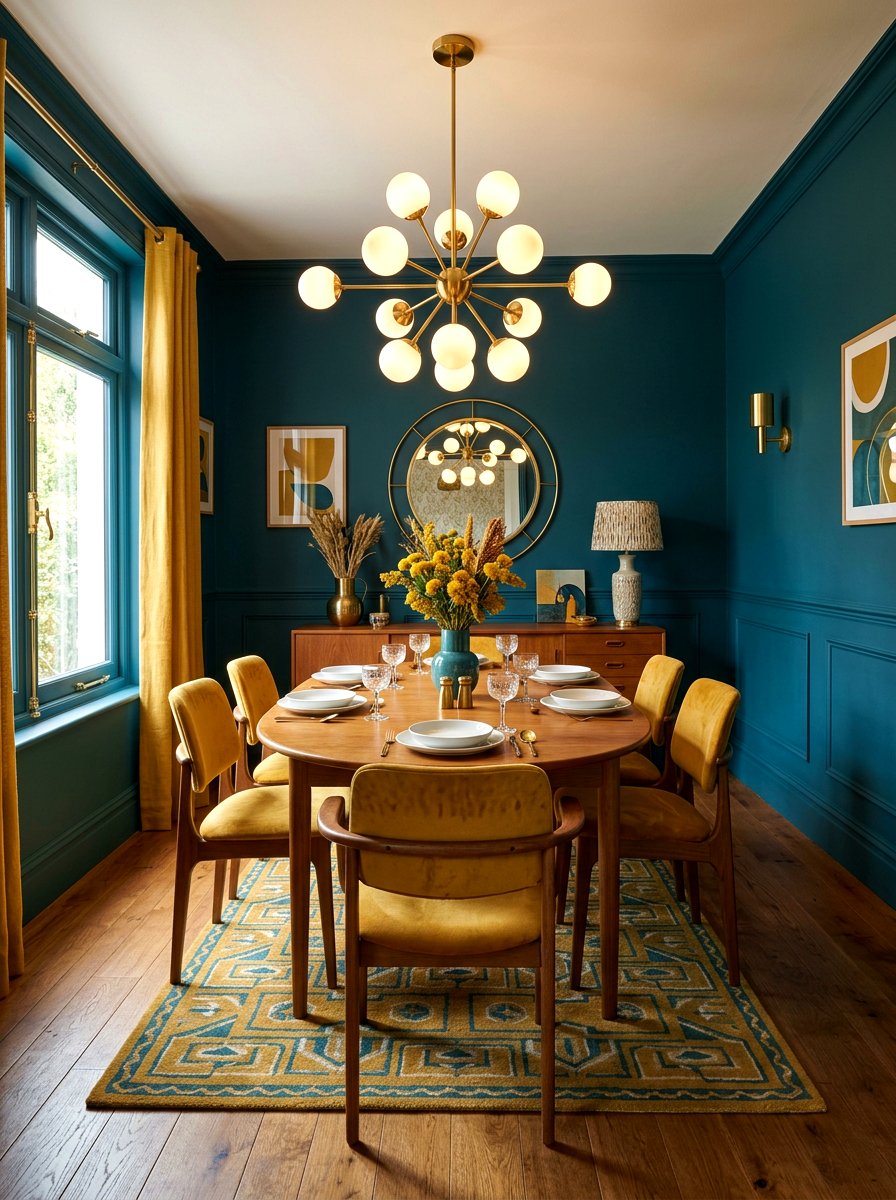
Teal is a sophisticated and versatile color that was widely used in both the fifties and the seventies. This deep, blue-green shade provides a calming yet rich environment for dining, working well on either walls or upholstery. Pair teal chairs with a warm oak table for a refreshing contrast that feels both vintage and contemporary. You can also use teal as an accent color through glassware, table runners, or artwork to tie the room together. When combined with brass hardware and soft lighting, teal creates a moody and luxurious atmosphere that is perfect for hosting elegant dinner parties. It is a timeless and very stylish color choice.
17. Rattan Retro Dining Room
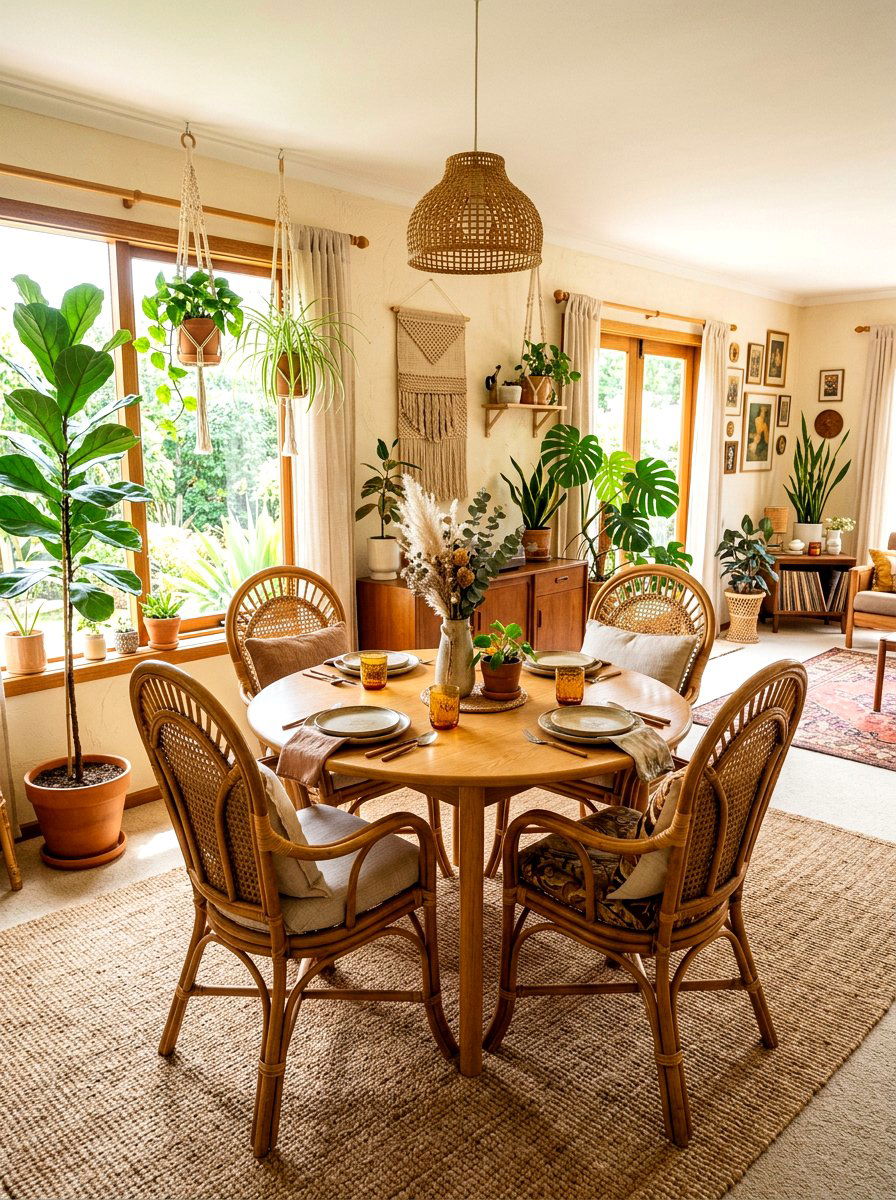
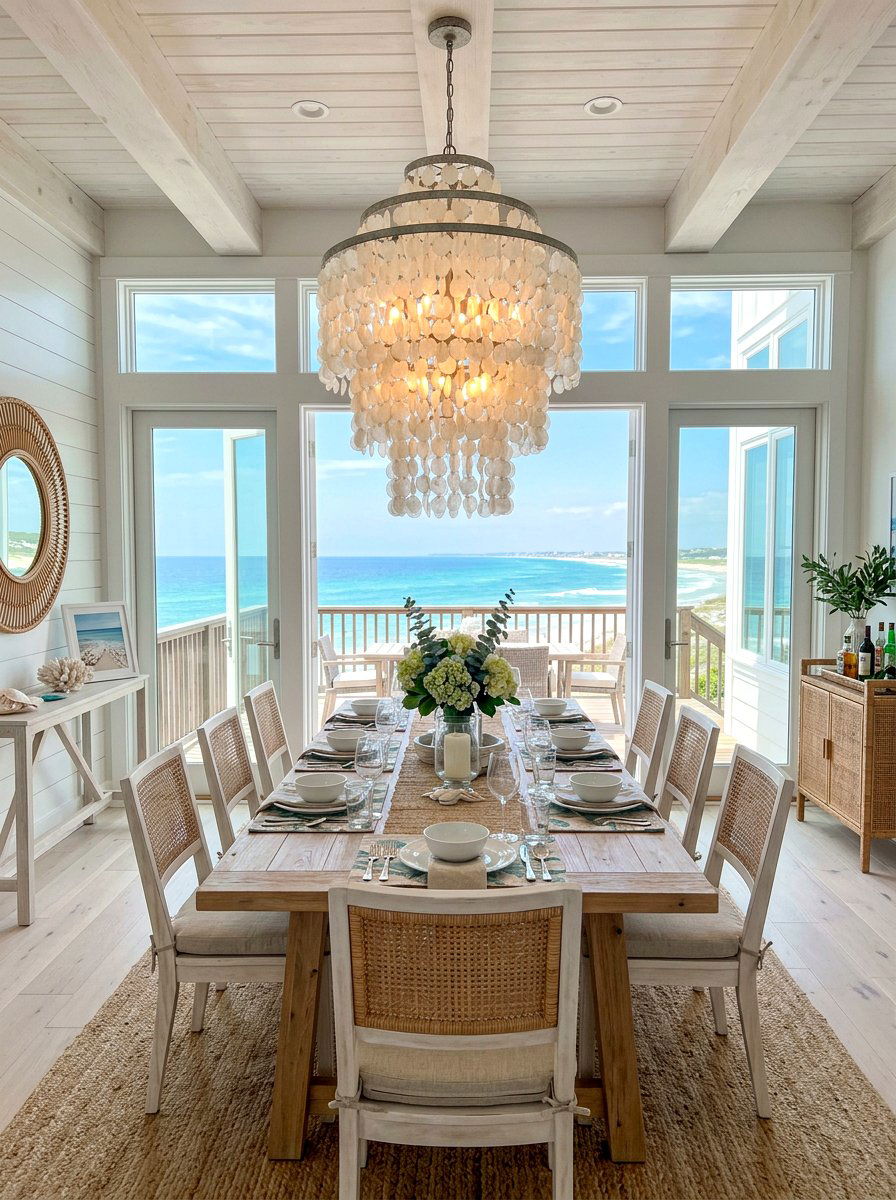
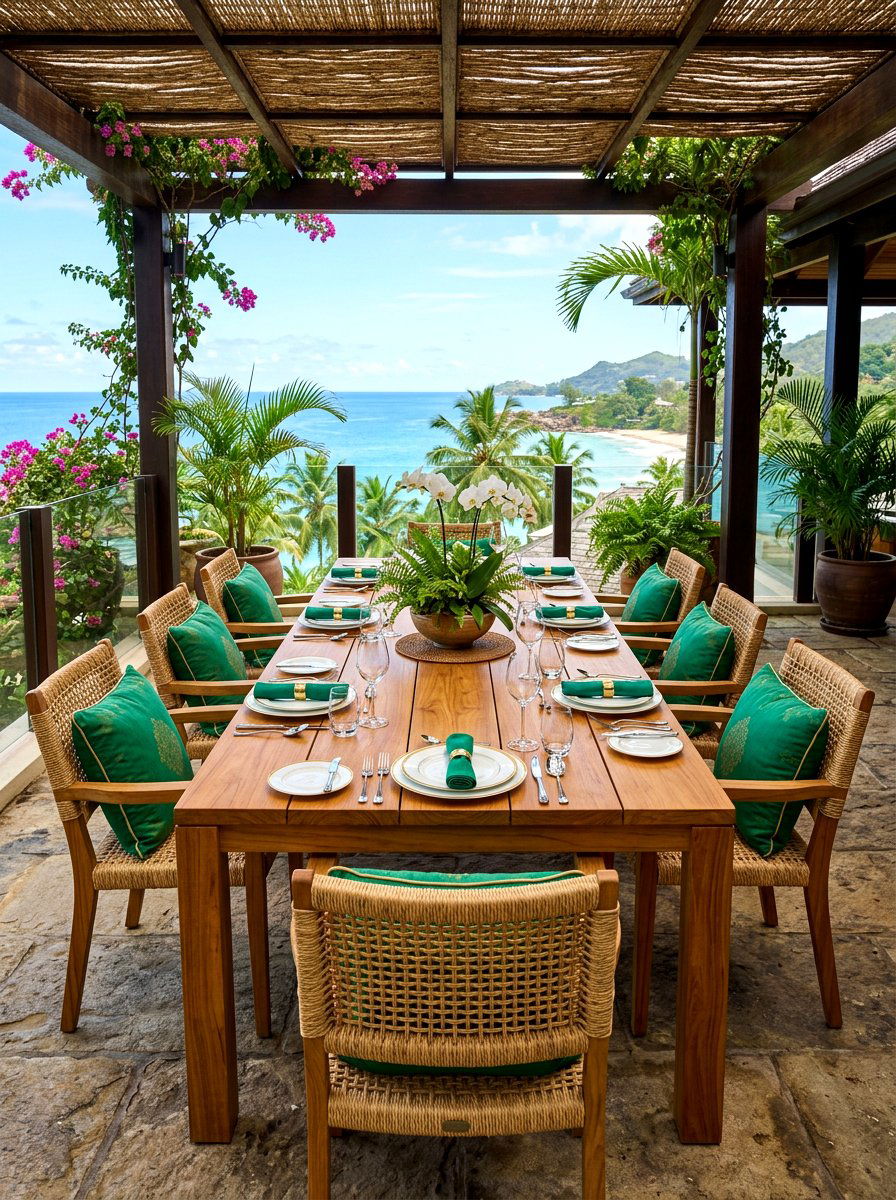
Incorporating rattan and wicker furniture brings a touch of seventies bohemian charm and natural texture to your dining space. These lightweight materials are perfect for creating a relaxed and informal atmosphere that feels like a permanent vacation. Choose high-backed rattan chairs with colorful cushions to add both comfort and style to your table. Pair these natural elements with plenty of indoor greenery and warm wood tones to complete the earthy look. Rattan works exceptionally well in sunlit dining areas, where the natural fibers can glow in the light. This style is ideal for those who prefer a more organic and laid-back version of retro design.
18. Disco Ball Dining Room
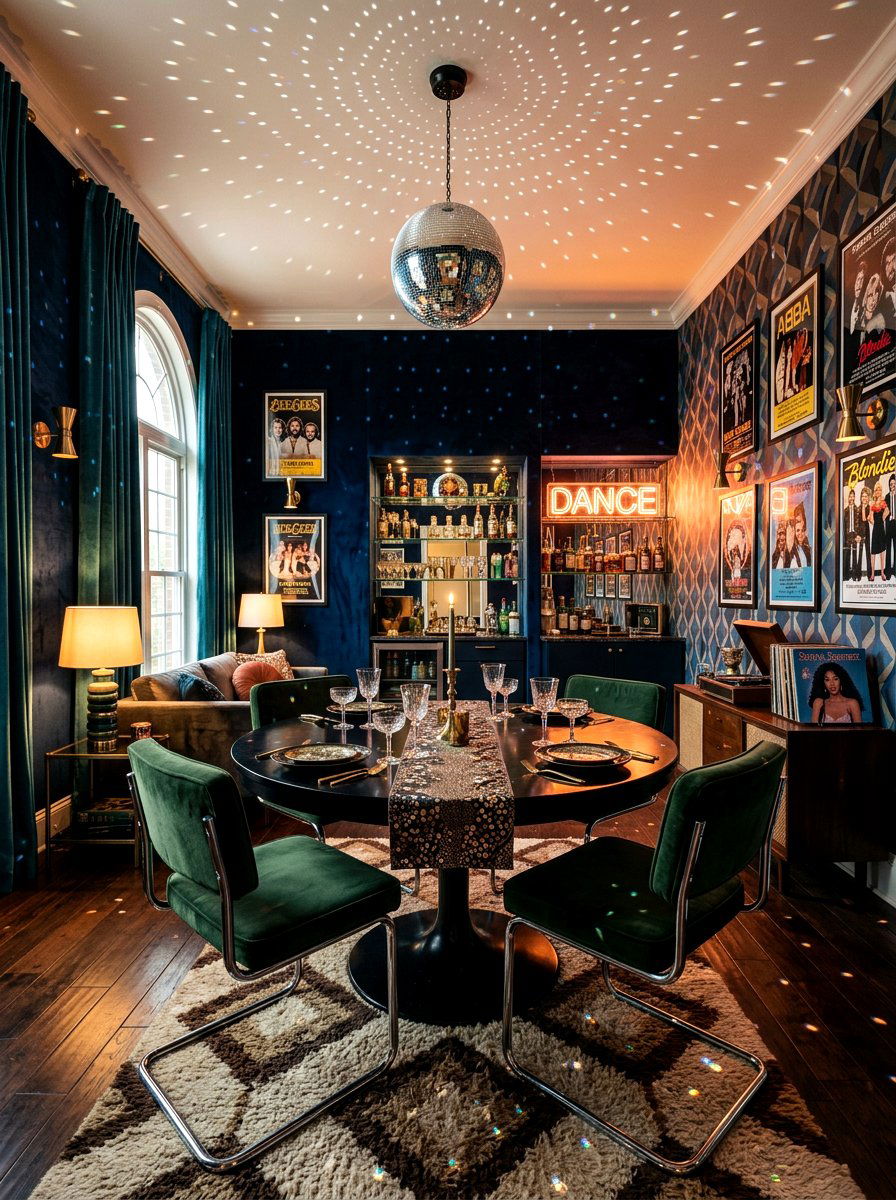
For those who love to entertain and want a dining room with a sense of party-ready fun, a disco ball is an unexpected yet delightful addition. Hanging a small mirror ball over your dining table can create beautiful light patterns on the walls when the sun hits it. This playful element adds a touch of 1970s glitz and glamour without requiring a full room makeover. Pair it with velvet chairs and atmospheric lighting to lean into the disco theme. This whimsical choice is sure to be a conversation starter and brings a sense of joy and celebration to every meal you host in your home.
19. Retro Bar Cart Dining Room
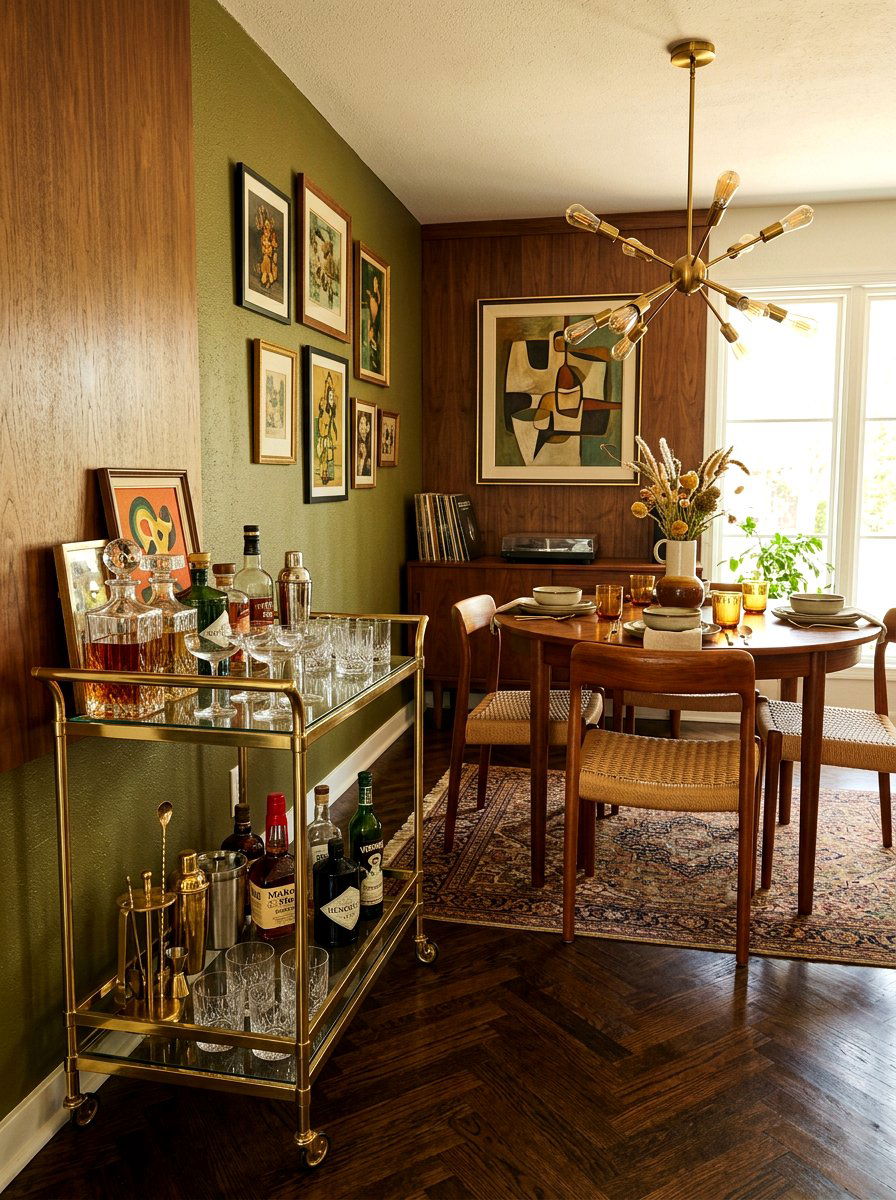
A stylish bar cart is a functional and decorative essential for any retro dining room, especially for those who enjoy making cocktails. Look for a vintage brass or chrome cart with glass shelves to display your collection of colorful glassware and decanters. Position the cart in a corner or next to a sideboard to create a dedicated station for drinks. You can decorate it with a small plant, a bowl of citrus, and vintage bar tools to enhance the look. This mobile piece of furniture adds a sense of mid-century sophistication and makes hosting guests much more convenient. It is a chic and practical addition.
20. Geometric Rug Dining Room
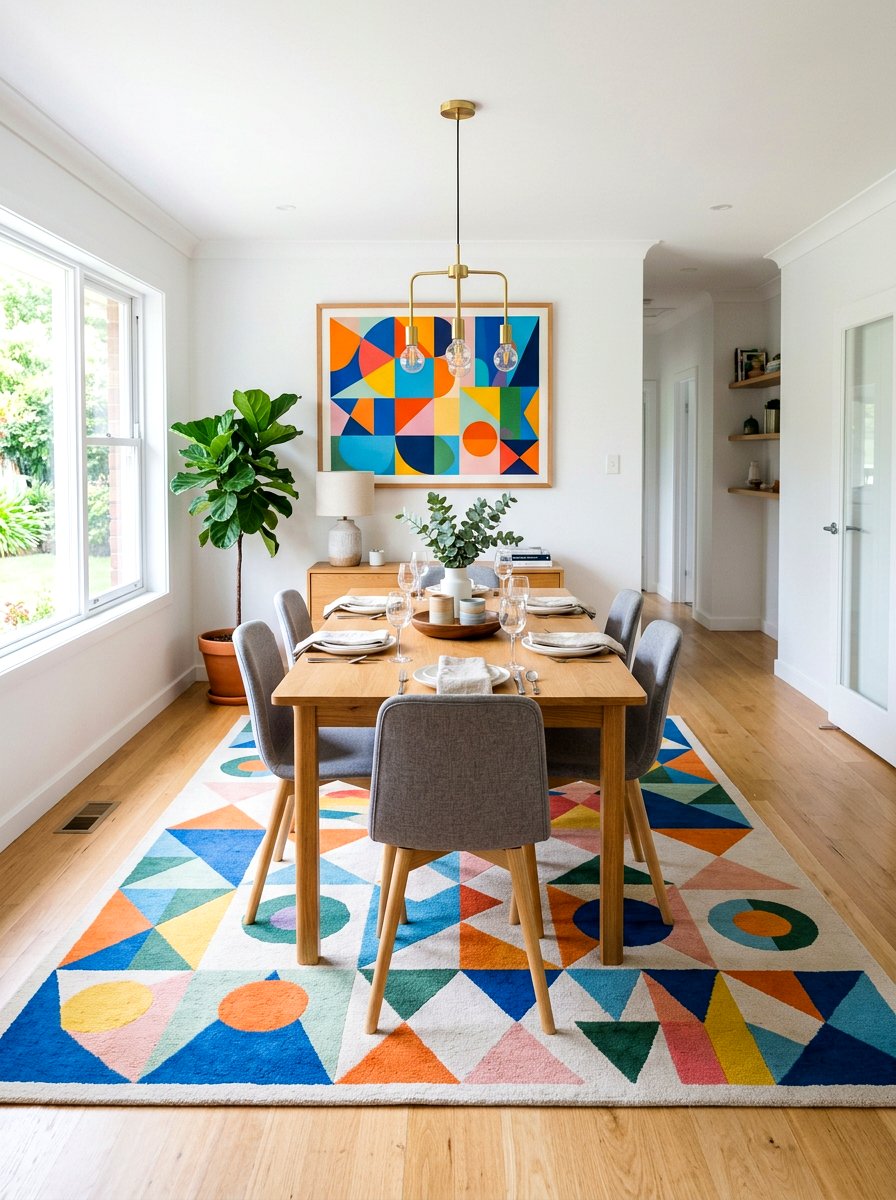
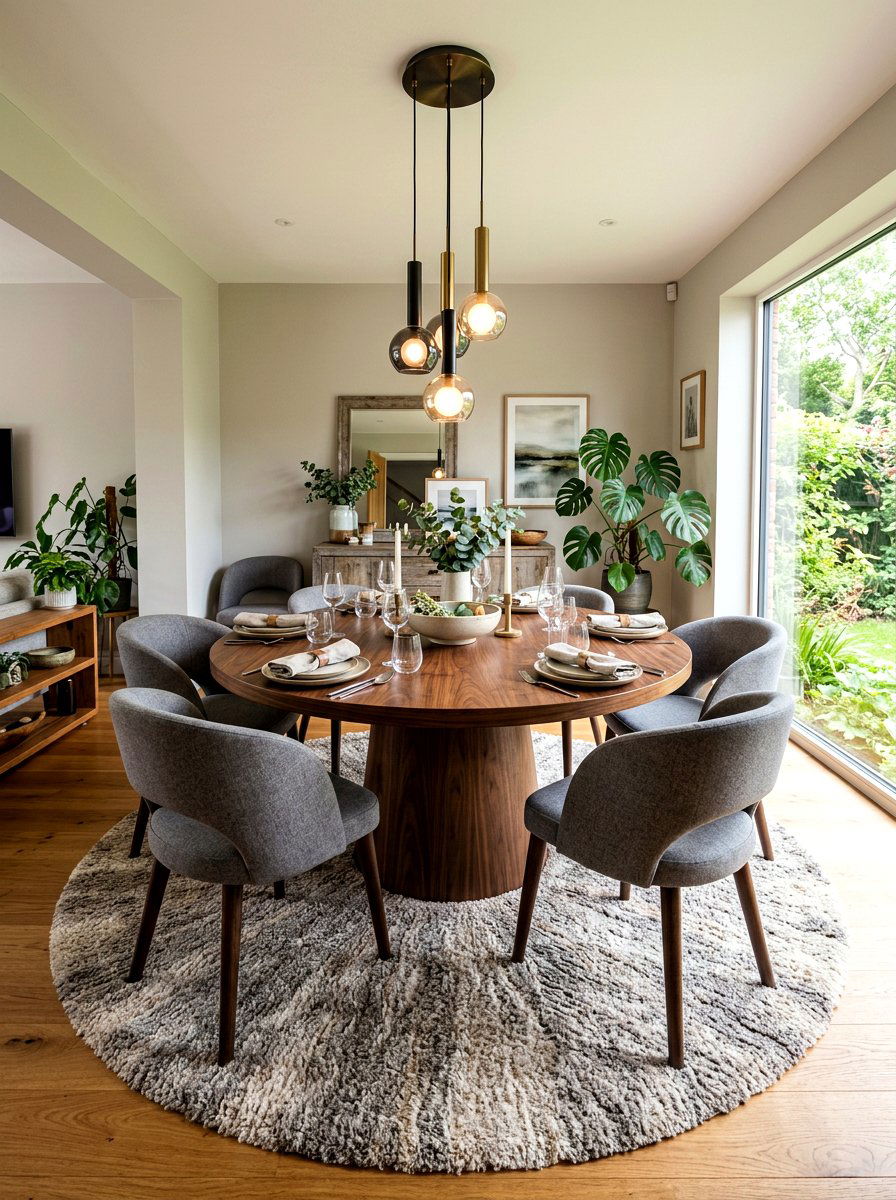
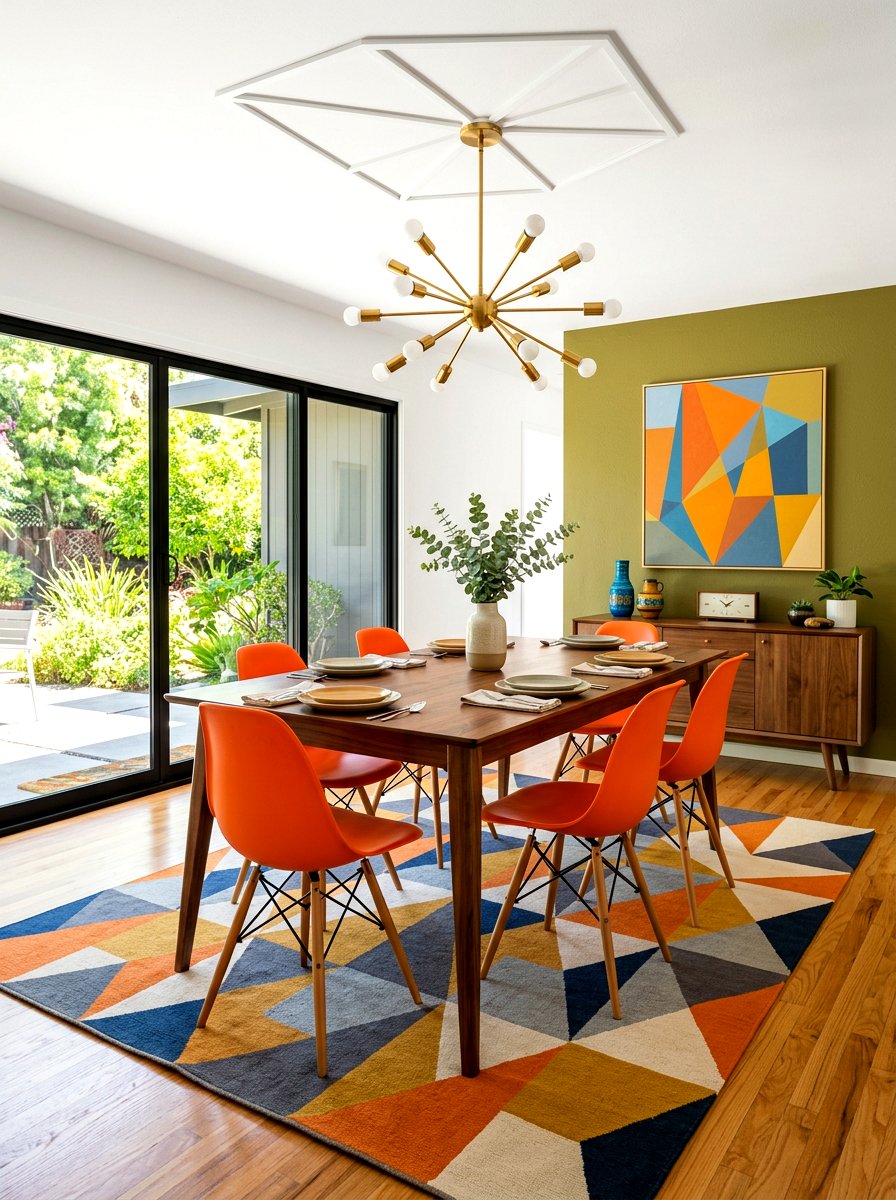
A rug with a bold geometric pattern can anchor your dining furniture while adding a significant layer of visual interest to the room. Look for designs featuring circles, triangles, or abstract shapes in a palette that complements your existing decor. A high-quality wool rug not only protects your flooring but also provides acoustic benefits, making dinner conversations feel more intimate. Ensure the rug is large enough so that all chair legs remain on it even when pulled out. This simple addition can pull together disparate elements of the room, creating a cohesive and well-designed space. It is a great way to inject color and pattern.
21. Chrome Leg Dining Table Room
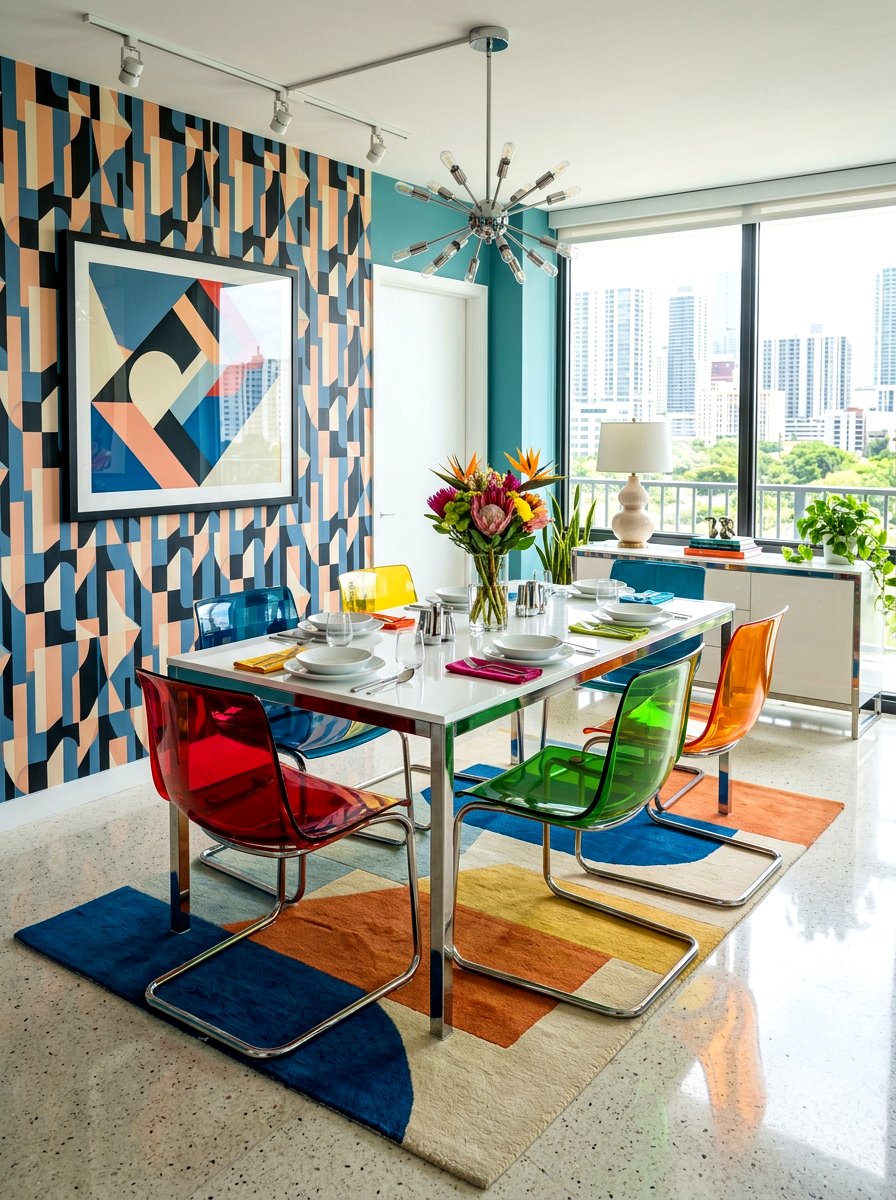
Furniture with chrome legs was a staple of mid-century and 1980s design, offering a sleek and reflective quality that brightens a room. A table with a simple glass or laminate top supported by polished chrome legs creates a visually light silhouette. This style is particularly effective in modern apartments where you want to maintain a sense of openness and flow. The reflective surface of the chrome adds a touch of glamour and pairs perfectly with other metallic accents like light fixtures or picture frames. It is a durable and easy-to-clean option that remains stylish across many different decades of design trends. It is very polished.
22. Retro Kitsch Dining Room
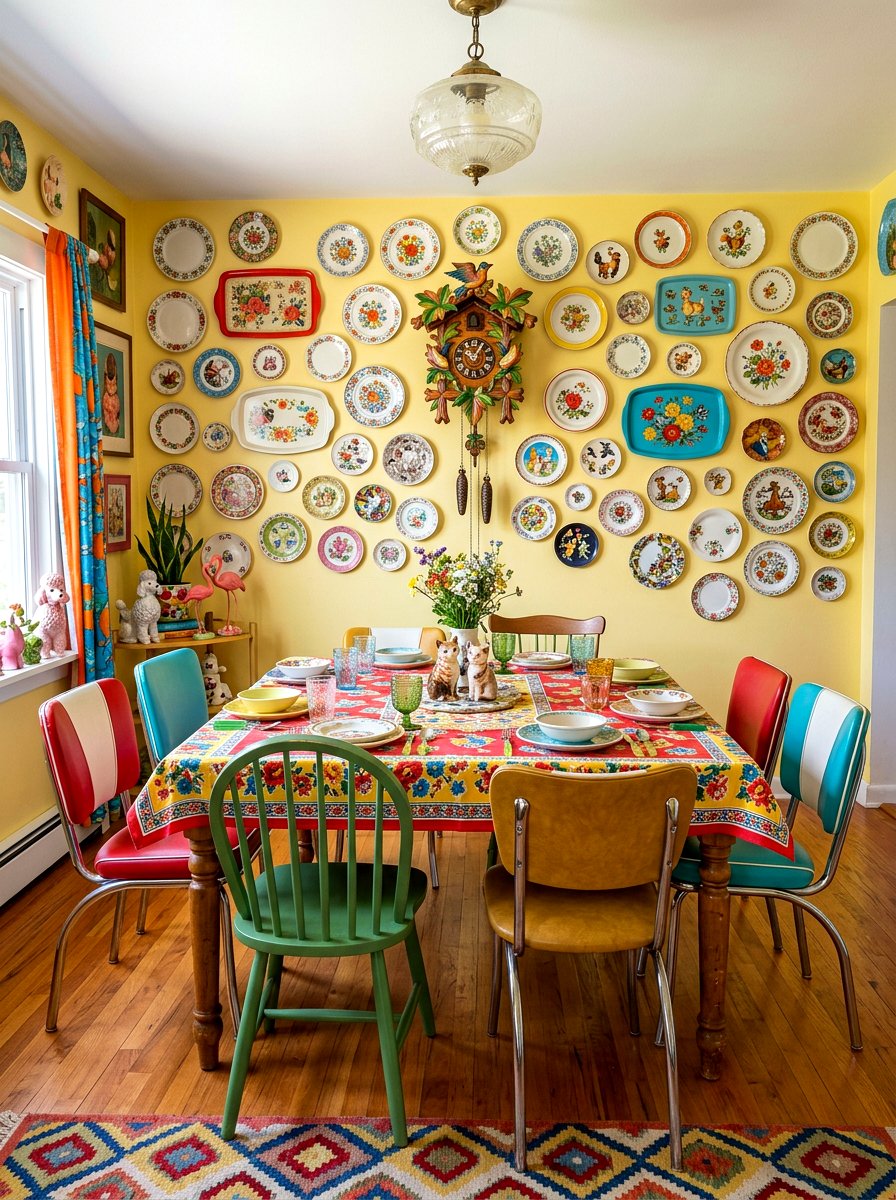
Embracing the quirky and kitschy side of vintage decor allows you to showcase your personality through fun and eclectic collectibles. This style involves mixing and matching various eras and styles to create a space that feels lived-in and full of stories. Decorate your walls with vintage plates, cuckoo clocks, or colorful advertisements from the past. Use mismatched chairs or a collection of unique salt and pepper shakers to add more charm to the table. The key to successful kitsch is a sense of humor and a focus on items that genuinely bring you joy. It is a delightful way to create a unique and very welcoming home.
23. Avocado Green Dining Room
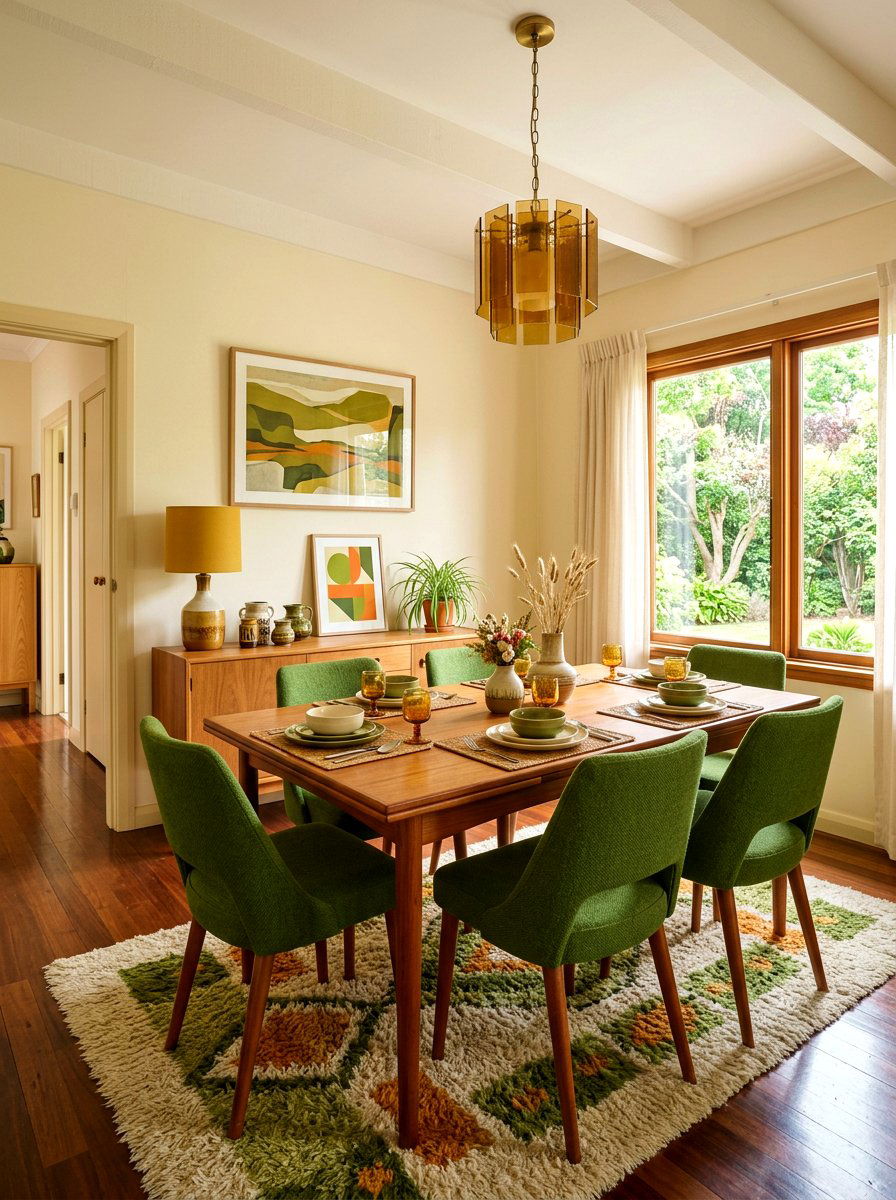
Avocado green is perhaps the most iconic color of the 1970s, and it is making a major comeback in modern interior design. This muted, earthy green provides a sense of calm and a strong connection to nature. Use it for upholstered chairs or as a statement wall color to create a grounded and cozy dining environment. Pair it with natural wood furniture and cream accents to keep the space feeling fresh and updated. Incorporating this shade through vintage-inspired appliances or ceramic dishes can also add a subtle touch of nostalgia. It is a rich and comforting color that adds immediate character to your space.
24. Velvet Chair Dining Room
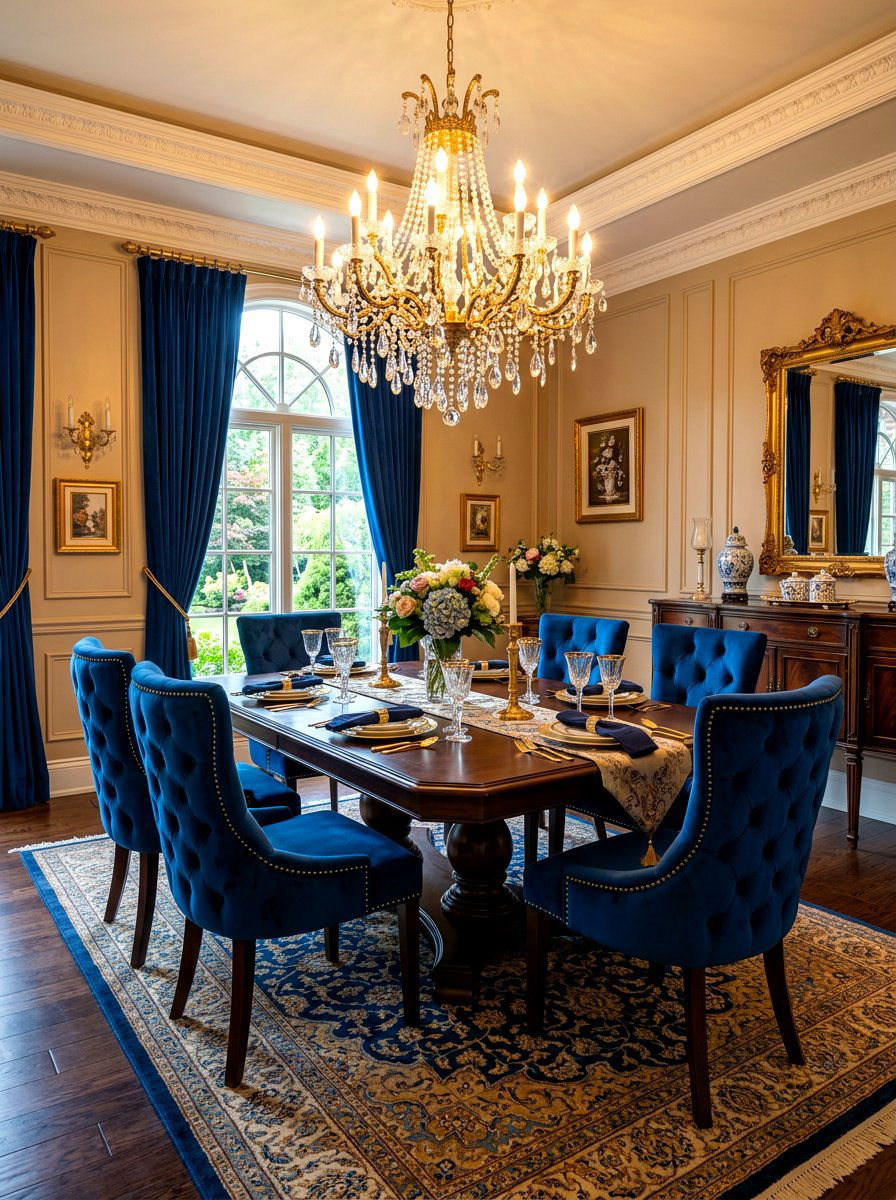
Velvet is a luxurious fabric that adds depth, texture, and a touch of 1970s glamour to any dining room. Choosing velvet-upholstered chairs in jewel tones like emerald green, sapphire blue, or deep burgundy can instantly elevate the space. The soft sheen of the fabric catches the light beautifully, making the room feel more sophisticated and inviting. Pair these rich textures with a sleek marble or dark wood table for a stunning contrast of materials. Velvet is also surprisingly durable and comfortable, making it a practical choice for long dinner parties. This material adds a sense of warmth and high-end style to your vintage-inspired dining area.
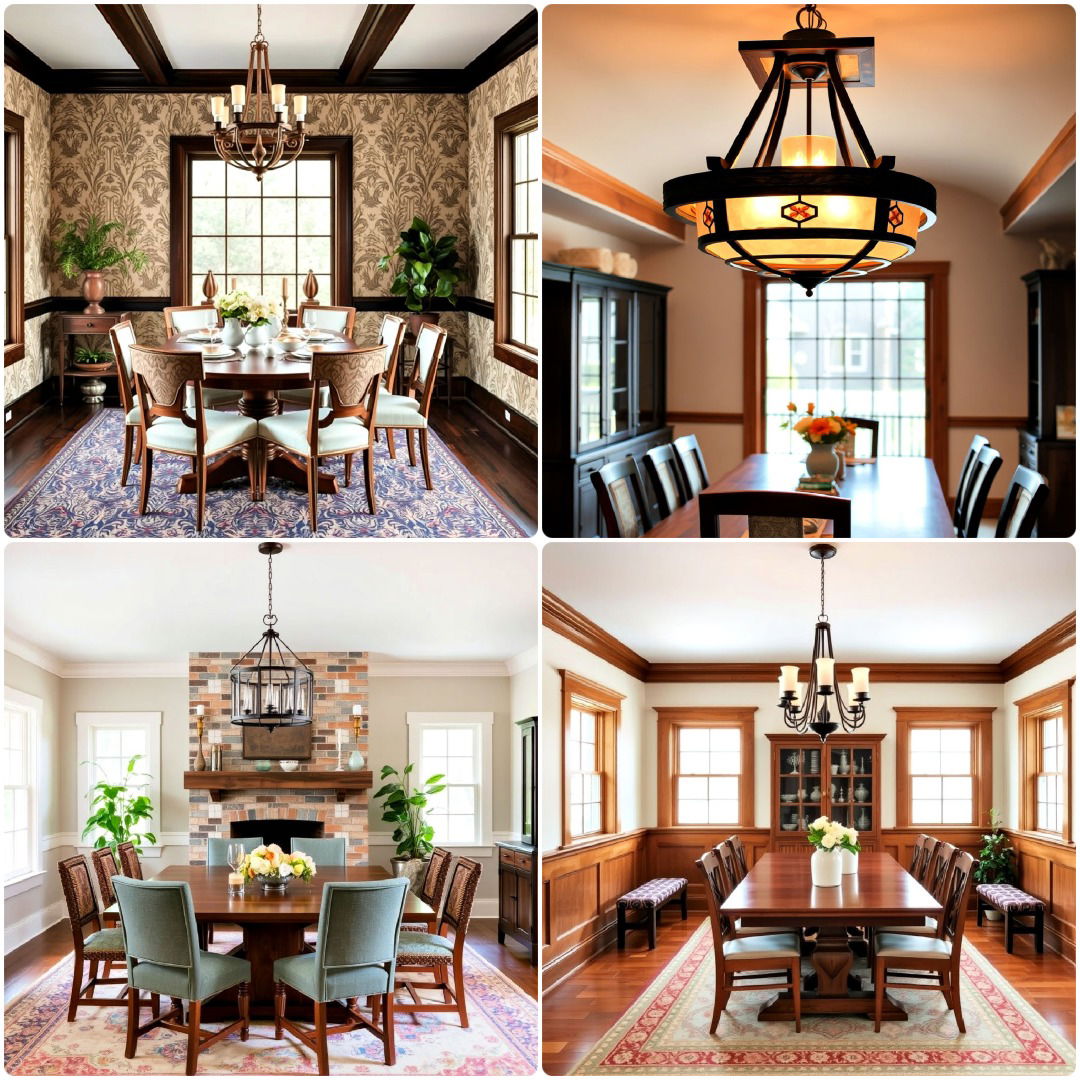
25. Retro Corner Nook Dining Room
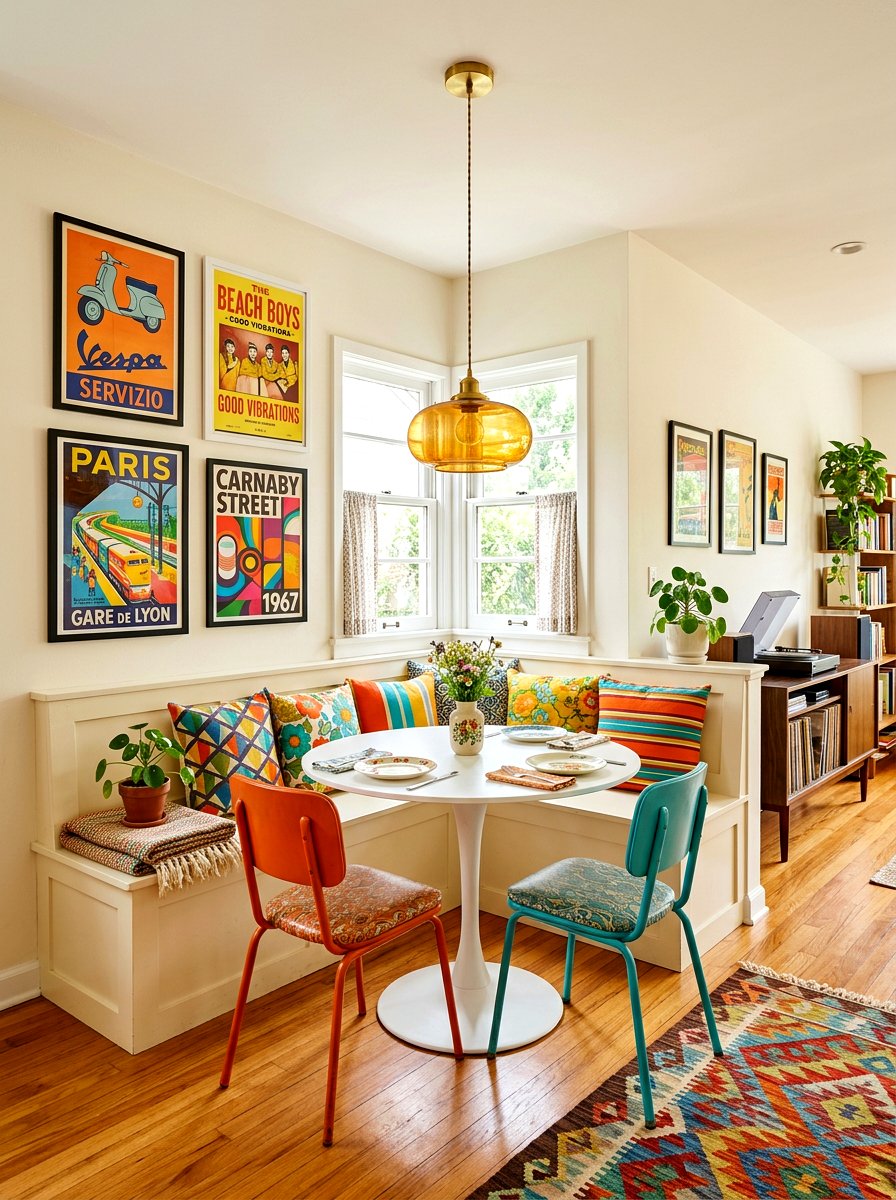
Creating a cozy corner nook is a smart way to turn an underutilized area into a charming and functional dining spot. Use an L-shaped bench or a small round table to fit perfectly into a corner of your kitchen or living room. Decorate the walls with vintage-inspired art or a small shelf for your favorite cookbooks to define the space. This intimate setting is perfect for casual morning coffees or small family meals. Use colorful cushions and a low-hanging pendant light to make the nook feel like a destination within your home. It is a practical and very stylish solution for smaller living spaces.
26. Vinyl Record Dining Room
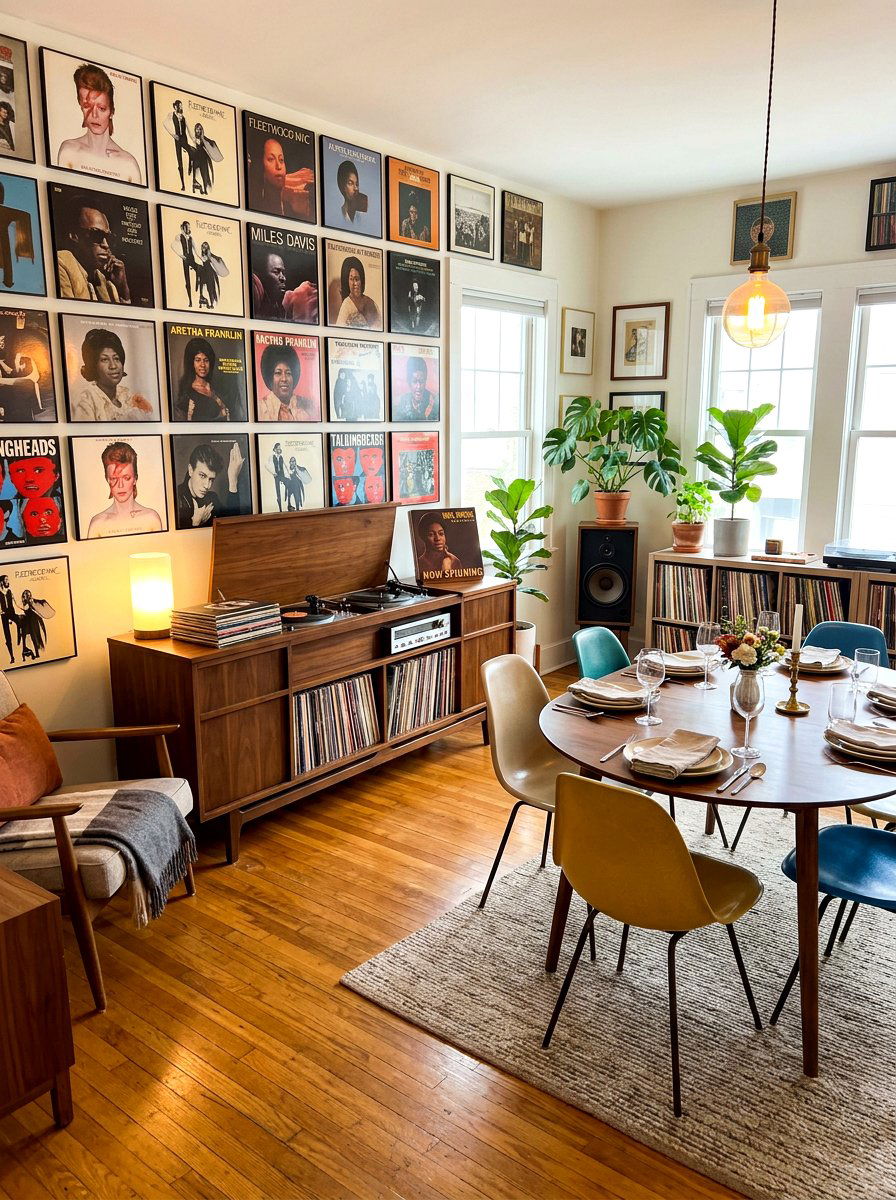
For music lovers, incorporating a vinyl record station into the dining room creates a wonderful atmosphere for entertaining. Use a mid-century sideboard or a dedicated console to hold your record player and a curated selection of albums. This functional decor piece adds a sense of history and provides the perfect soundtrack for your dinner parties. You can even frame vintage album covers to serve as unique and personal wall art. The presence of music and physical records encourages a slower, more intentional way of living and enjoying meals. It is a soulful addition that makes your dining room feel like the true heart of the home.
27. High Gloss Dining Room
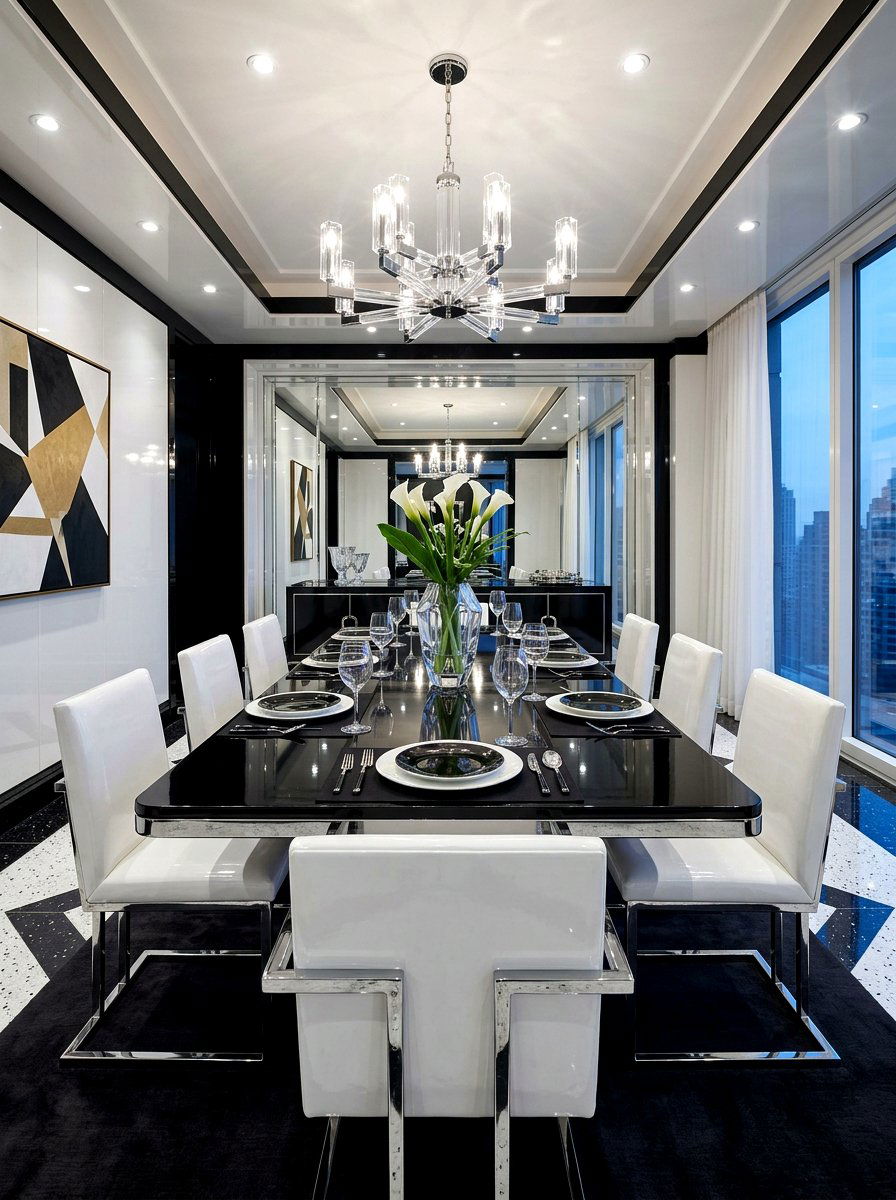
A high-gloss finish on furniture or walls can evoke the sleek and glamorous aesthetic of the late 1970s and early 1980s. Lacquered tables or chairs in bold colors like black, white, or red reflect light and create a high-impact look. This style works best when paired with clean lines and minimal clutter to let the reflective surfaces stand out. Use soft textiles and warm lighting to balance the hard, shiny finishes and keep the room feeling comfortable. This sophisticated approach to retro design is perfect for those who want a dining room that feels polished and modern. It is a bold choice for a very contemporary home.
28. Scandi Retro Dining Room
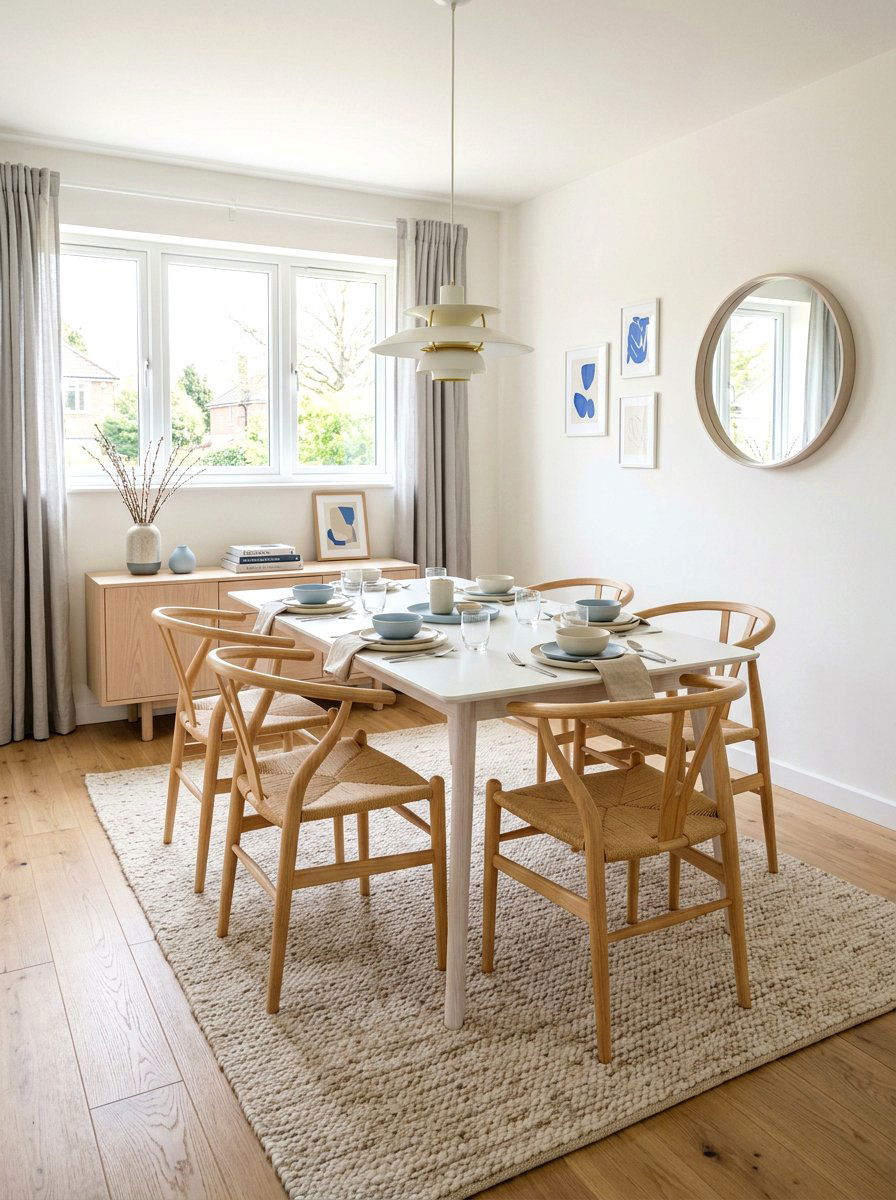
Scandinavian design and mid-century modern style are closely linked, sharing a focus on simplicity, functionality, and natural materials. To achieve this look, choose light wood furniture like ash or beech and keep the color palette neutral with pops of soft color. A simple wooden table with clean-lined chairs creates a serene and clutter-free environment for meals. Incorporate natural textures like wool throws, linen napkins, and woven baskets to add warmth and "hygge" to the space. This minimalist approach to retro design is timeless and works well in any home. It creates a calm and inviting atmosphere that is perfect for everyday living.
29. Industrial Retro Dining Room
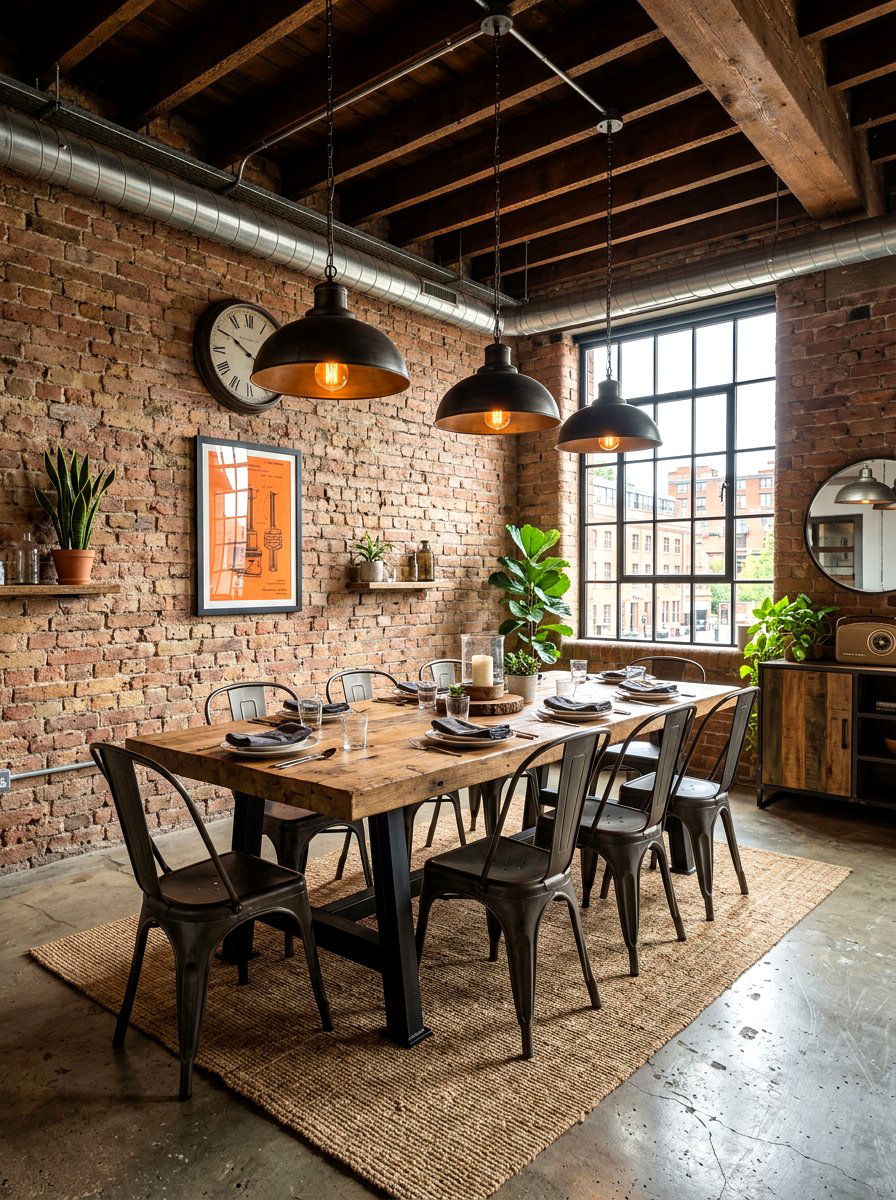
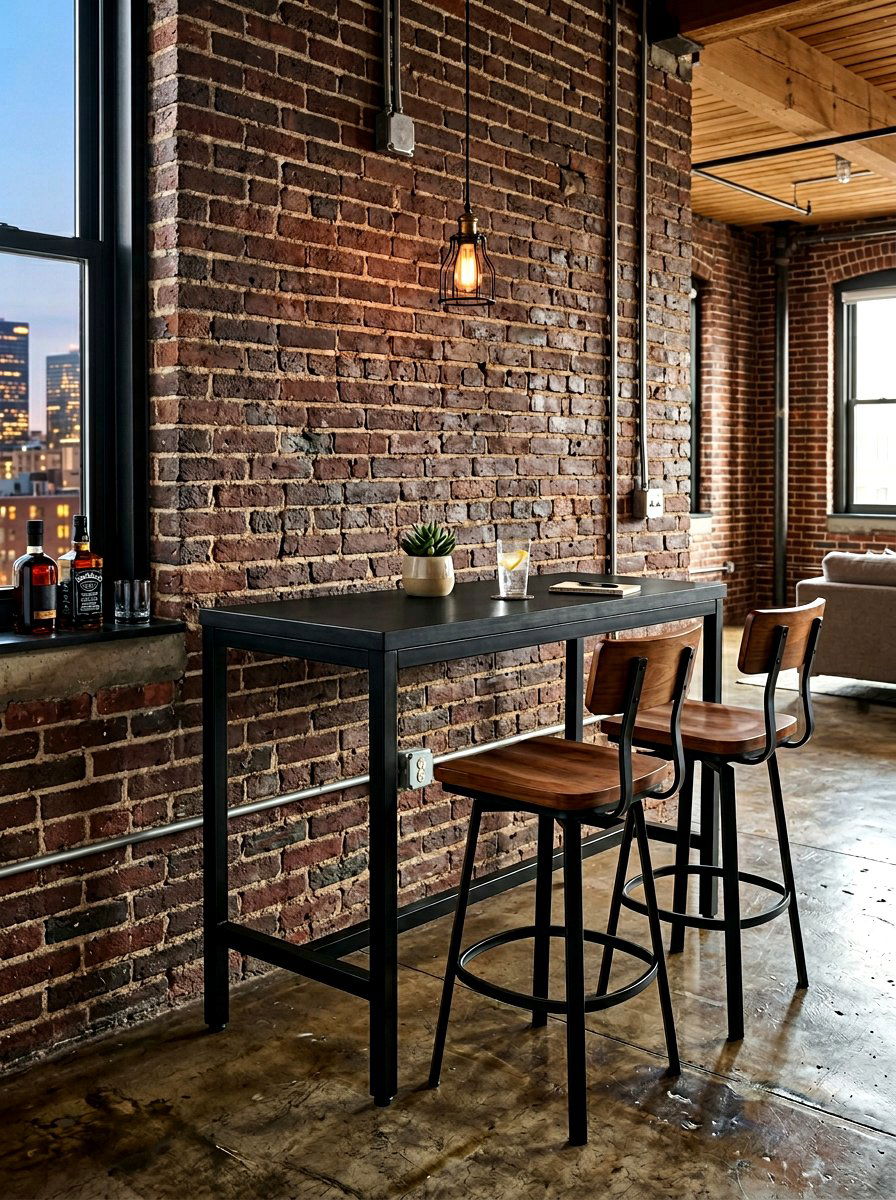
The industrial retro style blends the raw, unfinished feel of factories with the iconic furniture of the mid-twentieth century. Think exposed brick walls, metal pendant lights, and sturdy wooden tables with iron legs. Pair these rugged elements with classic molded plastic chairs or vintage leather seating to add a touch of comfort and style. This look is perfect for loft-style apartments or homes with an edgy, urban vibe. Use large-scale vintage clocks or old factory signs as wall decor to reinforce the theme. The combination of hard and soft materials creates a dynamic and visually interesting space. It is a very cool and modern aesthetic.
30. Plywood Furniture Dining Room
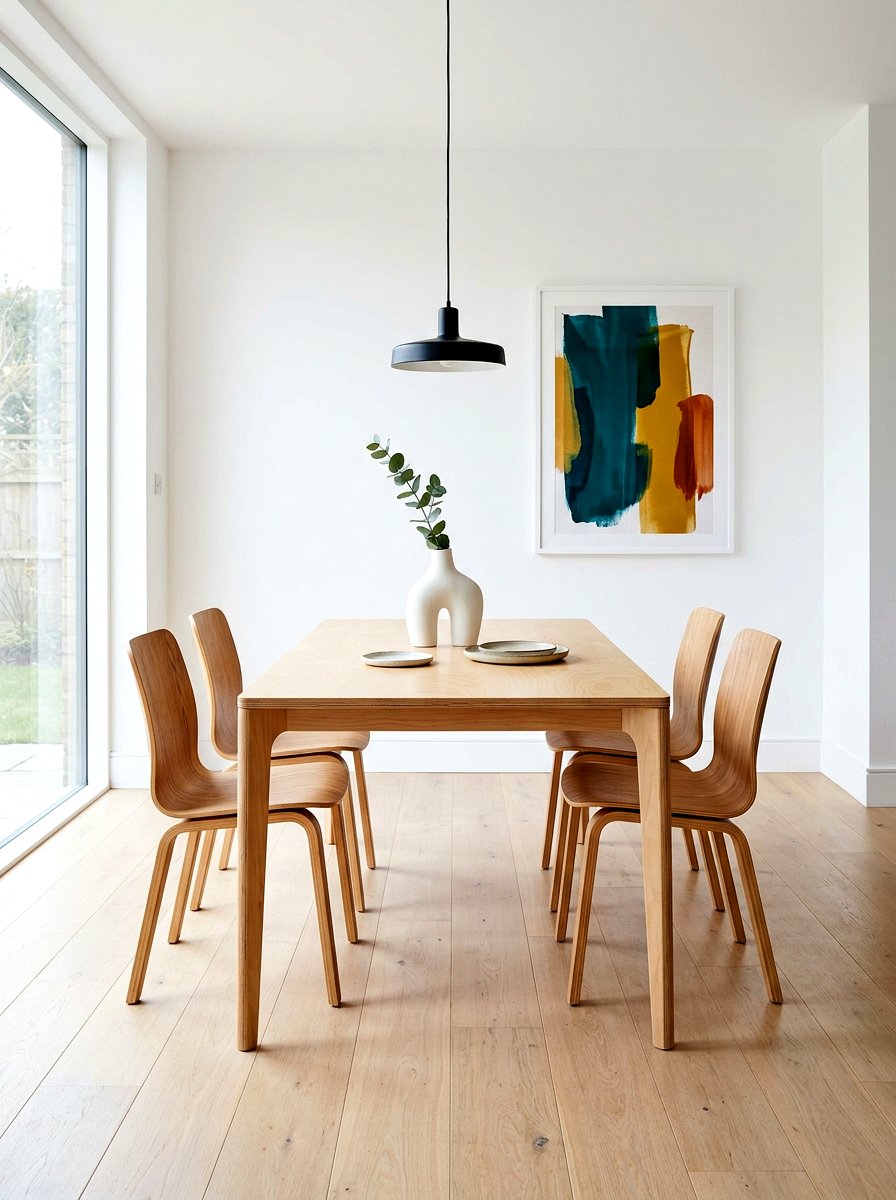
Plywood was a revolutionary material in the mid-century era, allowing designers to create innovative, curved forms that were both lightweight and affordable. Incorporating bentwood or molded plywood chairs into your dining room adds a sense of architectural interest and historic design significance. These pieces often feature beautiful natural wood grains and a minimalist silhouette that fits perfectly into any modern home. Pair a set of plywood chairs with a simple solid wood table to celebrate the beauty of natural materials. This style is both sustainable and stylish, offering a timeless look that never goes out of fashion. It is a brilliant way to showcase classic furniture design.
Conclusion:
Designing a retro dining room is a wonderful way to express your creativity while honoring the iconic styles of the past. By carefully selecting furniture, colors, and accessories that resonate with you, you can create a space that feels both nostalgic and perfectly suited for modern life. Whether you prefer the sleek minimalism of the fifties or the bold, earthy energy of the seventies, the key is to find a balance that feels authentic to your home. We hope these thirty ideas have inspired you to start your own vintage-inspired transformation. A well-designed dining room not only looks beautiful but also serves as a warm and welcoming backdrop for making new memories with family and friends.

Related posts: