Creating a rustic dining room involves more than just picking out a wooden table; it is about crafting a warm, inviting atmosphere that feels both timeless and grounded. This design style celebrates natural materials, raw textures, and a sense of history that makes every meal feel like a special occasion. Whether you prefer the rugged look of reclaimed timber or the refined elegance of a modern farmhouse, there are countless ways to incorporate organic elements into your home. By focusing on cozy textiles, earthy color palettes, and sturdy furniture, you can transform your eating area into a soulful sanctuary for family and friends that feels authentic and beautiful.
1. Reclaimed Wood Dining Table
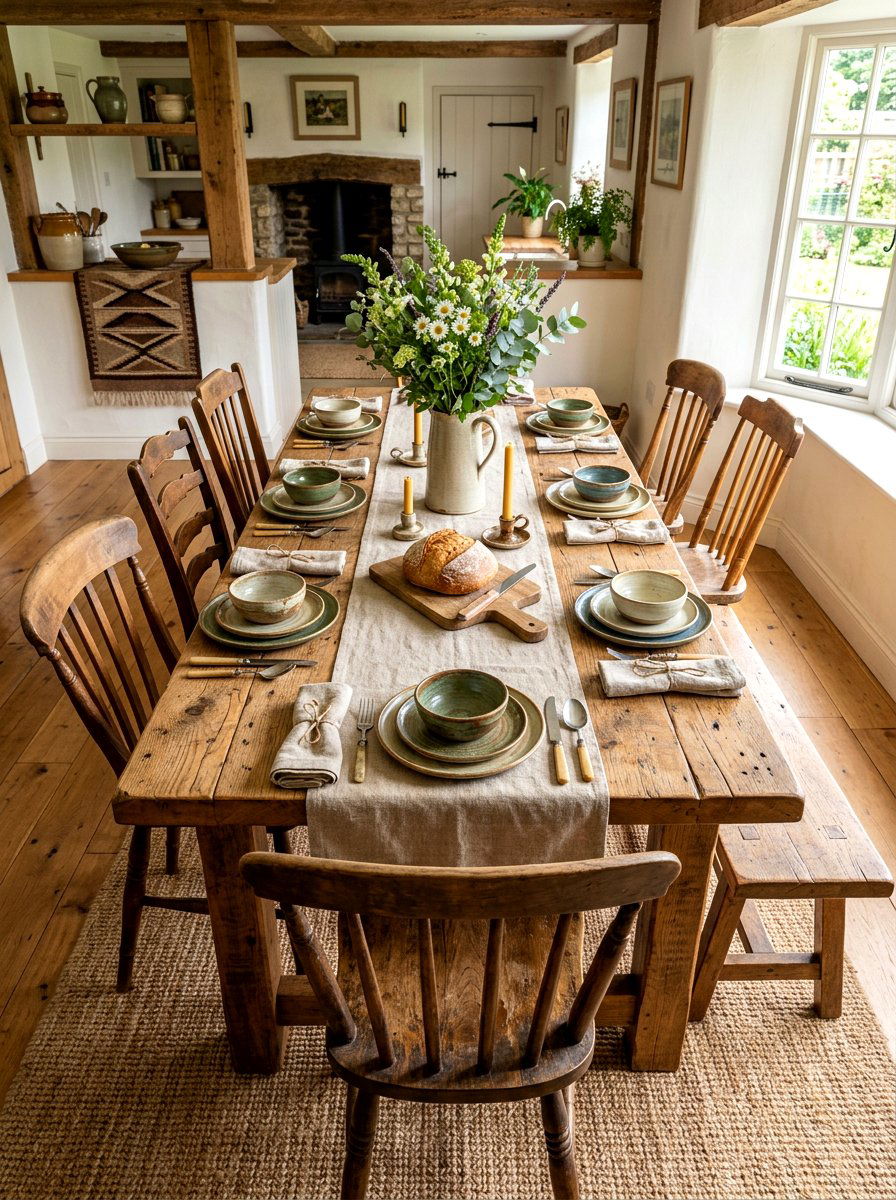
Can you imagine the stories a piece of salvaged timber could tell if it were the centerpiece of your home? A reclaimed wood dining table serves as the ultimate anchor for any rustic space, offering unique grains and imperfections that new furniture simply cannot replicate. These tables often feature knots, nail holes, and weathered patinas that add instant character to the room. When you pair such a heavy, textured surface with simpler chairs, the contrast highlights the natural beauty of the wood. It creates a rugged yet sophisticated focal point that encourages long conversations and shared meals in a space that feels deeply connected to the earth and history.
2. Exposed Ceiling Beams
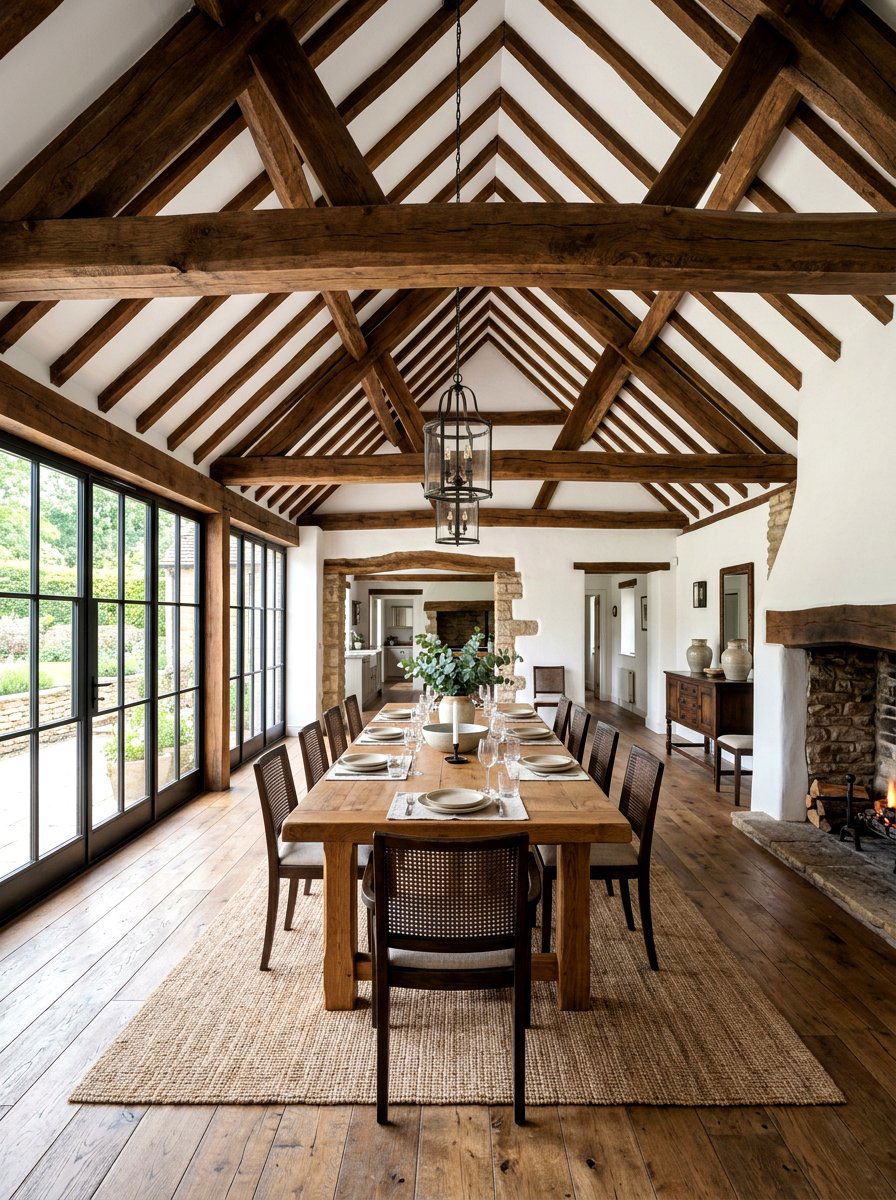
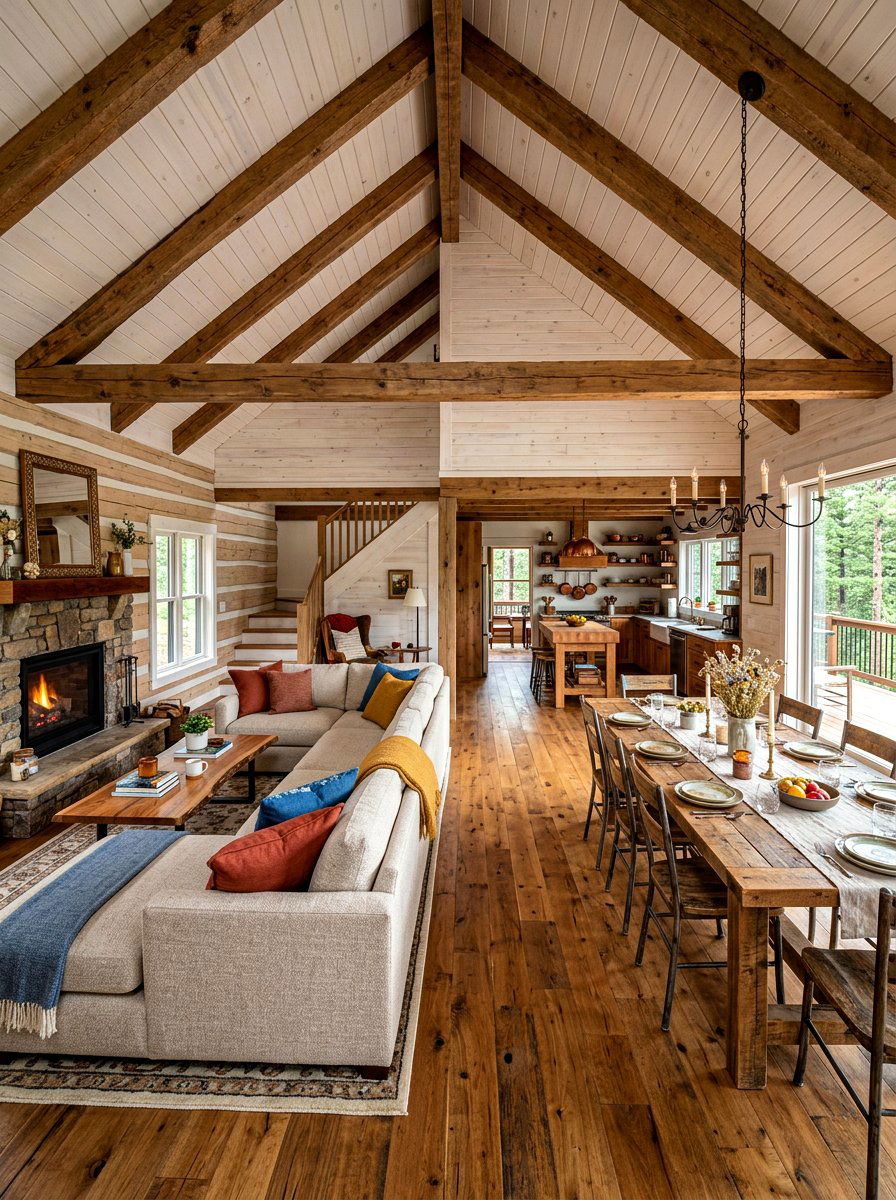
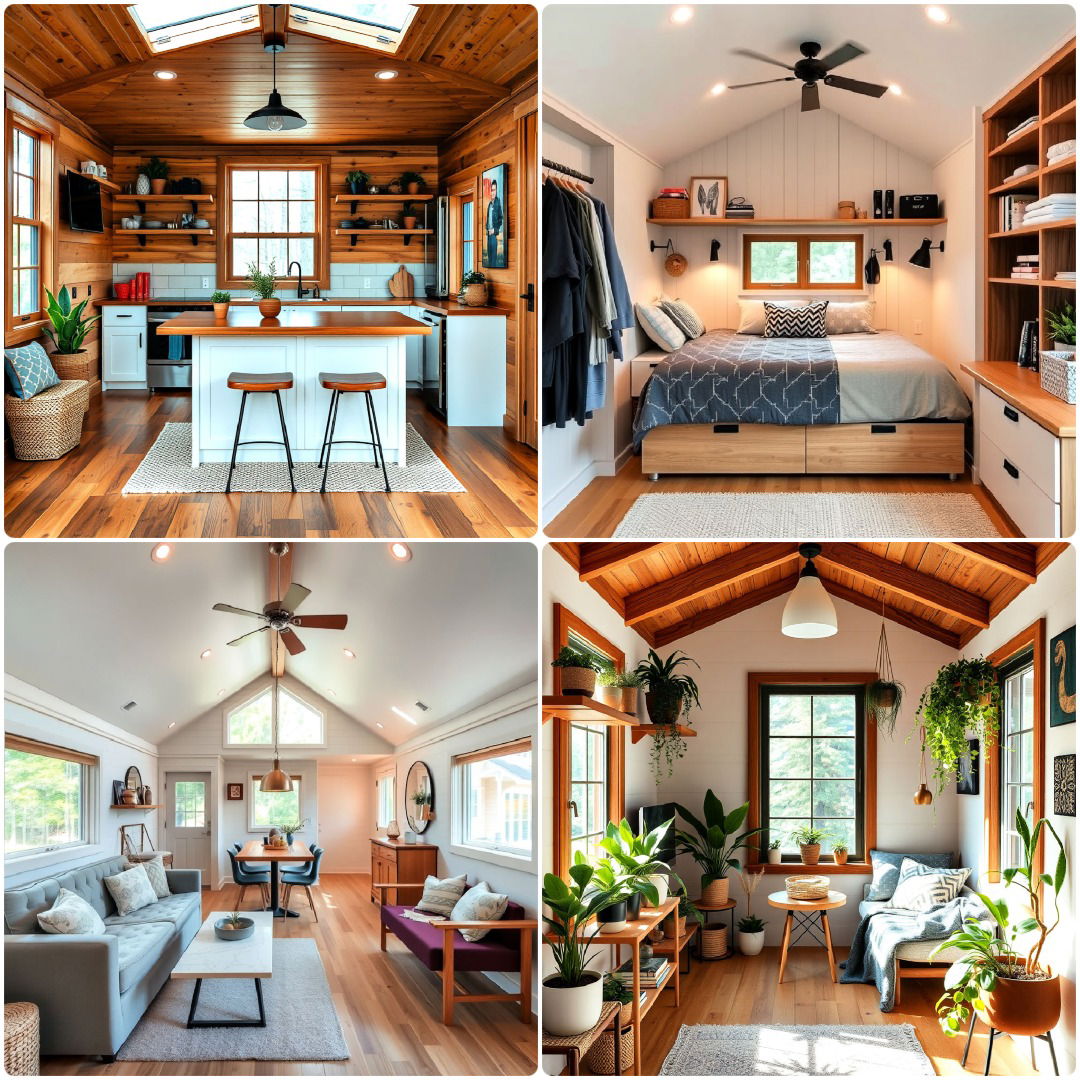
Looking upward can often reveal the most dramatic design potential in a rustic home. Exposed ceiling beams bring a sense of architectural history and structural honesty to a dining area, making the room feel larger and more grounded simultaneously. Whether they are original structural elements or decorative additions, these wooden beams add vertical interest and a cozy, cabin-like feel. They work beautifully when stained in a dark, rich walnut or left in their pale, natural state to match a lighter floor. This overhead detail frames the entire dining experience, drawing the eye upward and emphasizing the craftsmanship that defines a truly well-designed rustic interior space for guests.
3. Stone Accent Wall
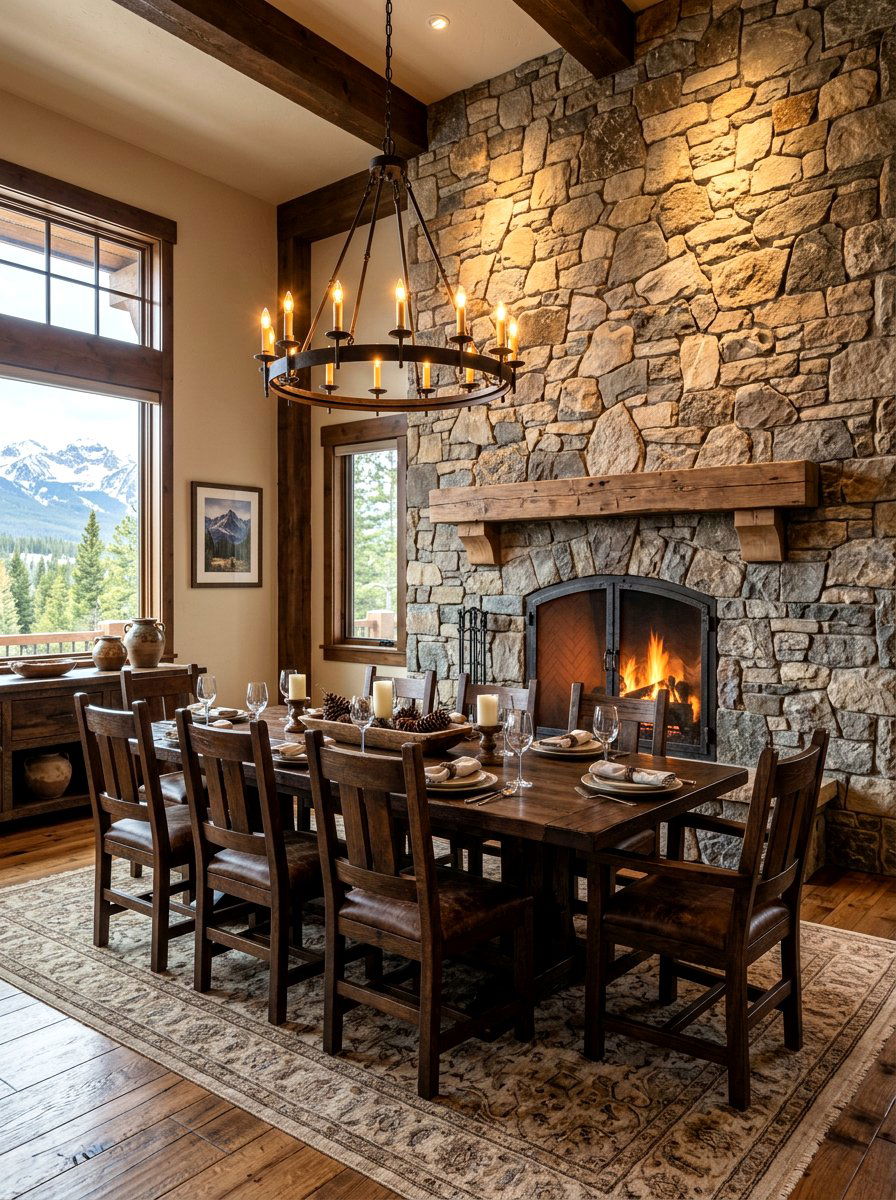
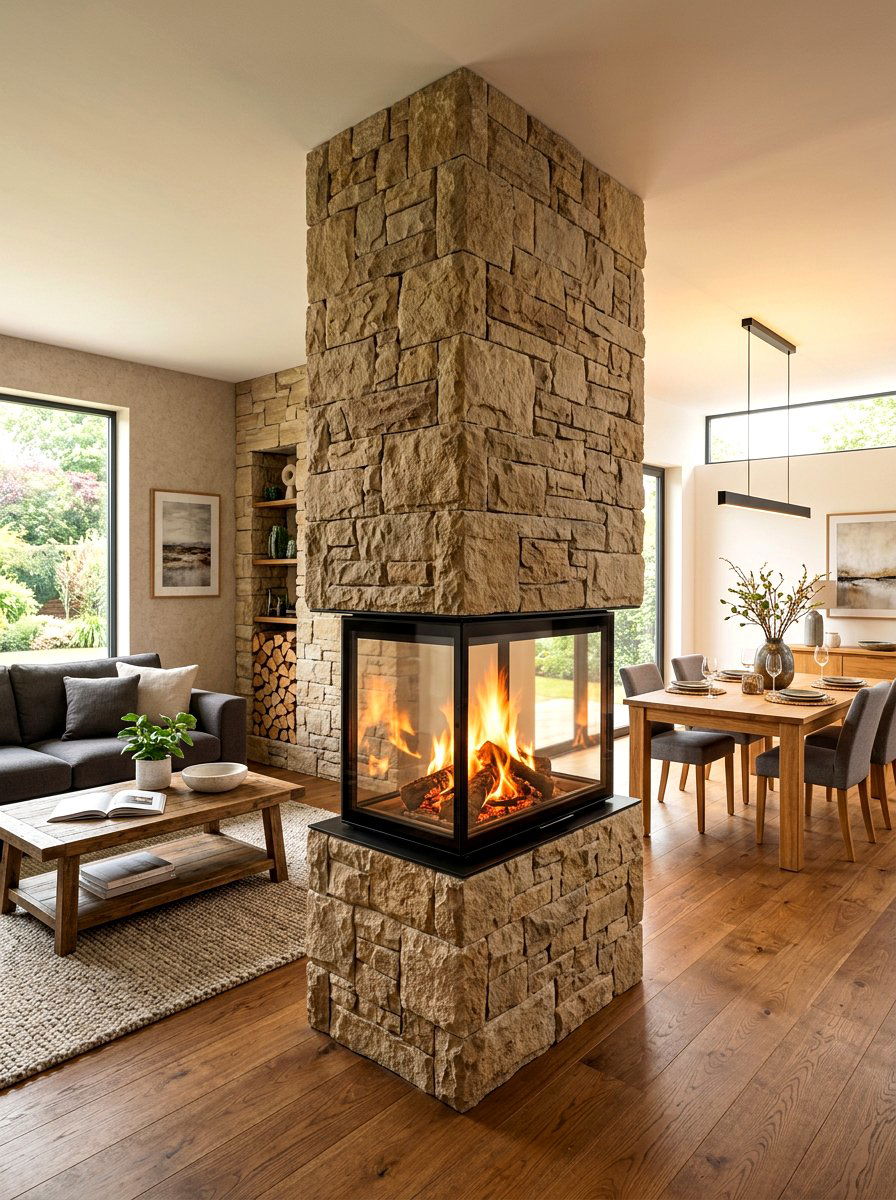
Have you ever noticed how natural stone can instantly make a room feel more permanent and stately? Incorporating a stone accent wall into your dining room provides a stunning backdrop that mimics the look of an old European cottage or a mountain lodge. The varying textures and earthy tones of the stones create a multi-dimensional surface that catches light and shadow beautifully. This feature pairs exceptionally well with soft candlelight or a glowing fireplace nearby. By layering these raw, cold materials with warm wooden furniture, you achieve a perfect balance of elements. It transforms a standard wall into a masterpiece of organic texture and timeless architectural interest.
4. Farmhouse Bench Seating
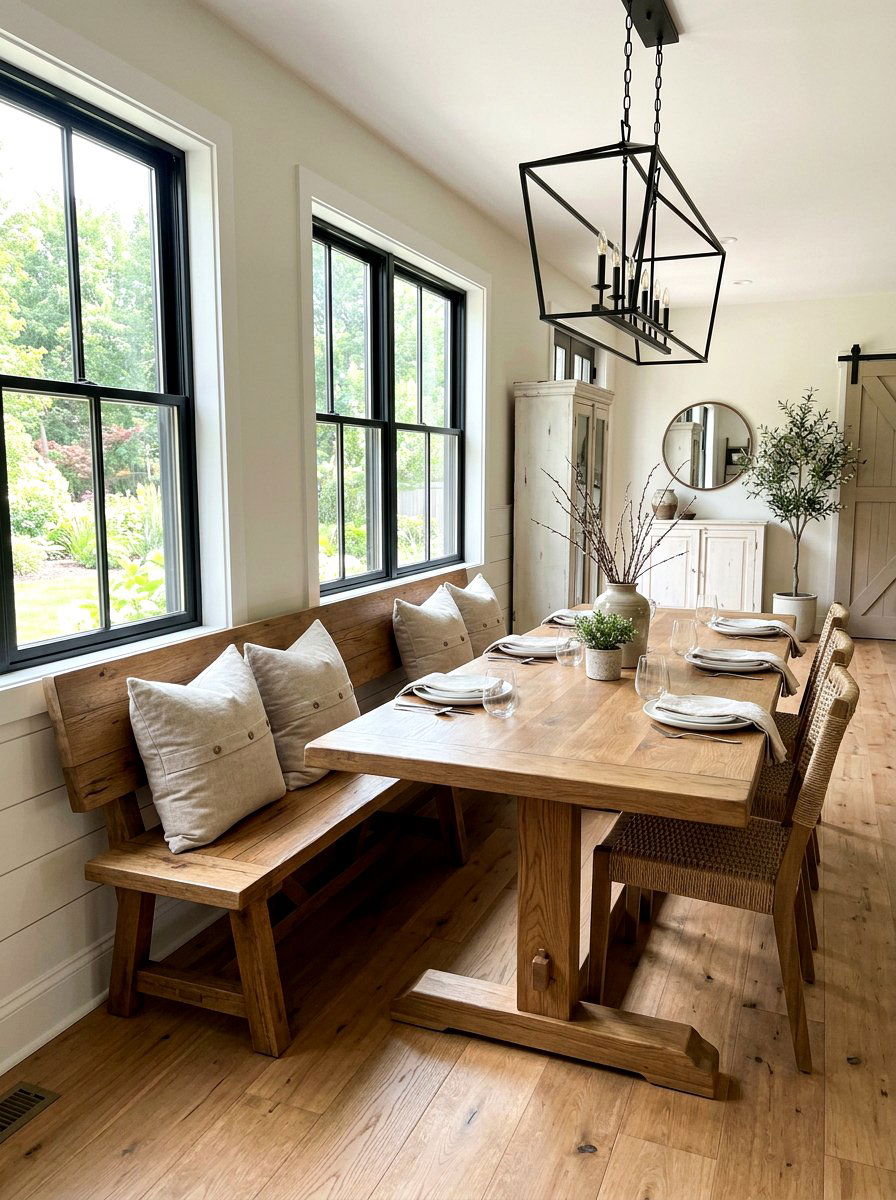
Is there anything more welcoming than a long wooden bench that invites everyone to squeeze in closer together? Farmhouse bench seating is a practical and stylish choice for rustic dining rooms, offering a casual alternative to traditional individual chairs. Benches allow for more flexible seating arrangements, which is perfect for hosting large family gatherings or holiday dinners. They can be tucked under the table when not in use to save space, keeping the room looking tidy and open. Often crafted from thick planks of oak or pine, these benches reinforce the sturdy, communal vibe of the rustic style while providing a clean, horizontal line in the design.
5. Industrial Metal Lighting
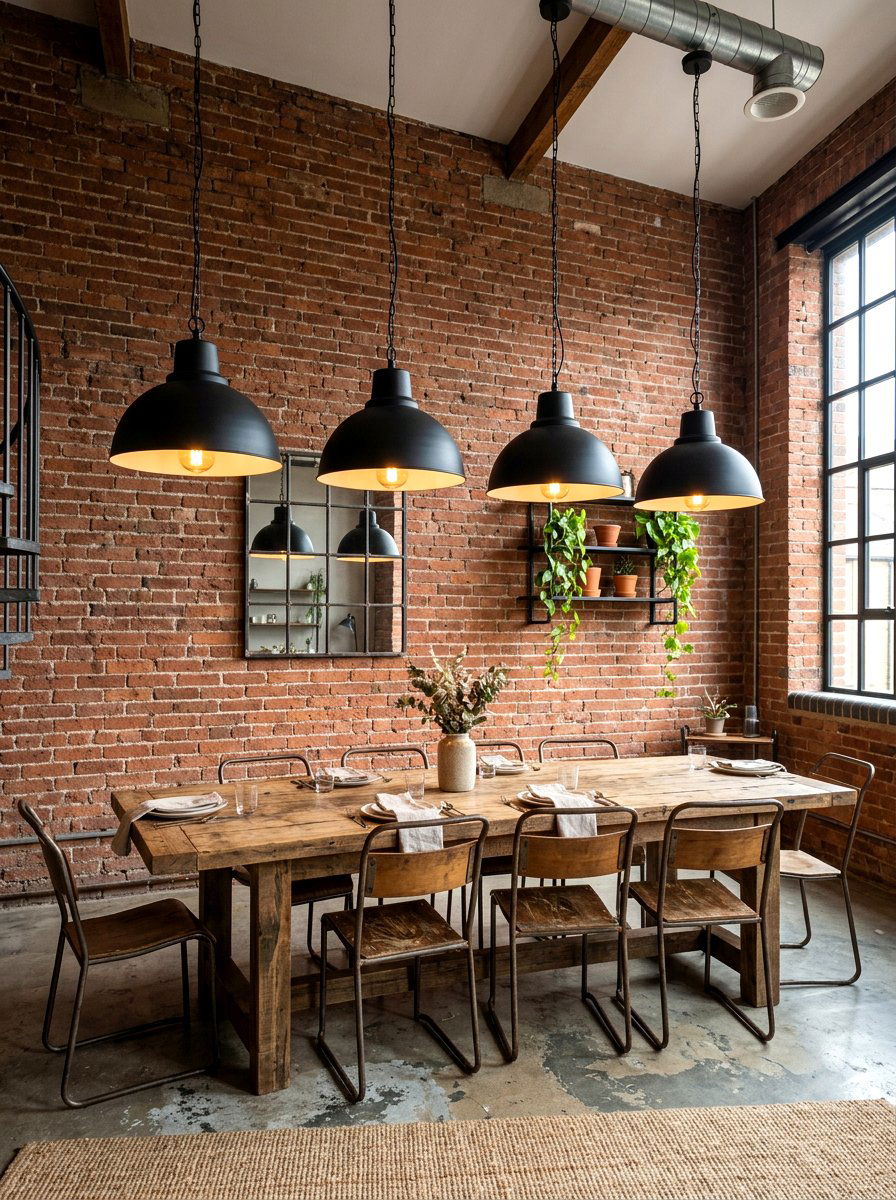
Why settle for ordinary fixtures when you can add a touch of vintage character with industrial metal lighting? Large dome pendants or multi-bulb chandeliers made of blackened steel or aged bronze provide a necessary edge to the soft textures of a rustic room. These light fixtures act as a bridge between old-world charm and modern functionality, casting a warm glow over the dining table. The contrast between the cold metal and the warm wood of the furniture creates a dynamic visual tension that is very popular in contemporary rustic design. Proper lighting is essential for setting the mood, ensuring your dining space feels bright during the day and intimate at night.
6. White Slipcovered Chairs
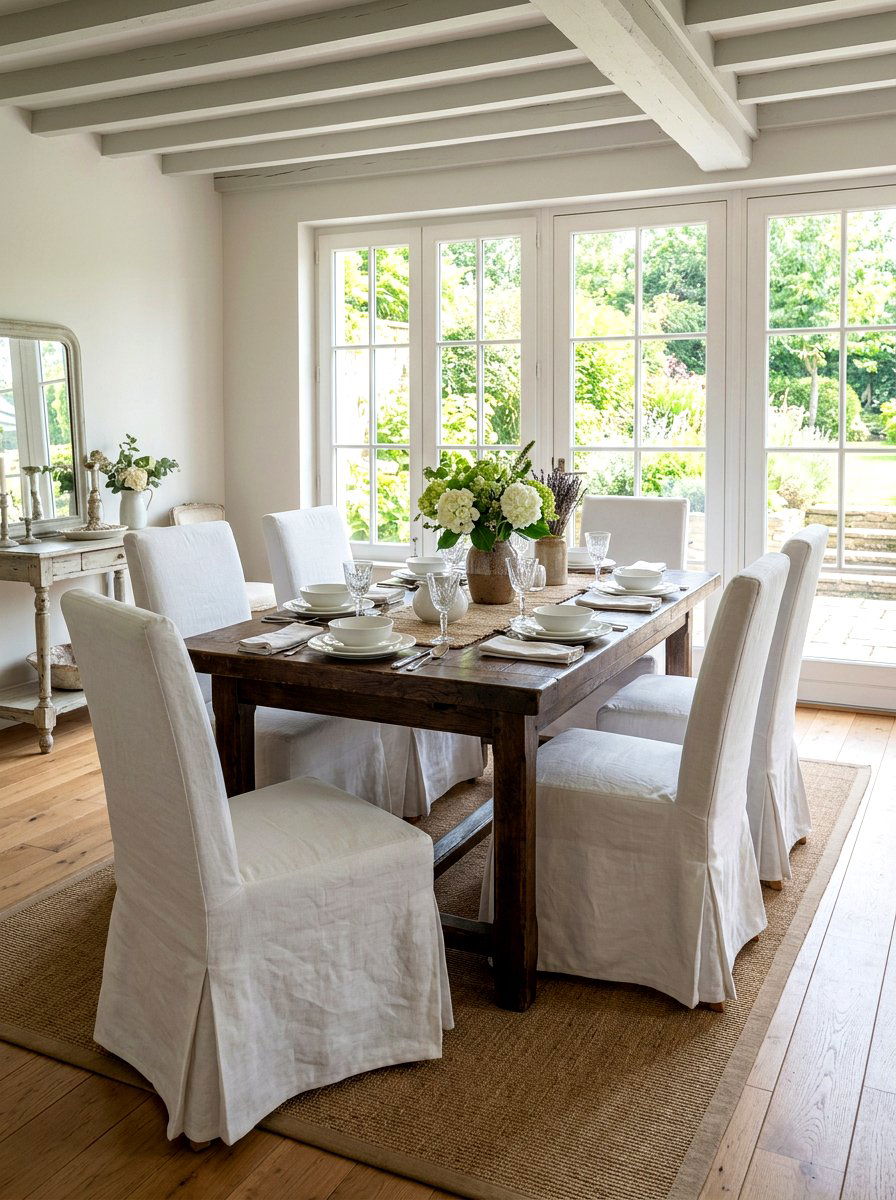
What if you could combine the ruggedness of wood with the soft comfort of high-quality linen fabrics? White slipcovered chairs are a staple in French country and coastal rustic dining rooms because they provide a bright, clean contrast to dark timber. These covers offer a relaxed, effortless look while being incredibly practical for families since they can be easily removed and laundered. The flowing fabric softens the hard lines of a large dining table and adds a layer of sophisticated comfort to the seating area. Choosing a neutral, light color helps to open up the space, making the entire dining room feel airy, refreshed, and exceptionally inviting for guests.
7. Natural Wood Flooring
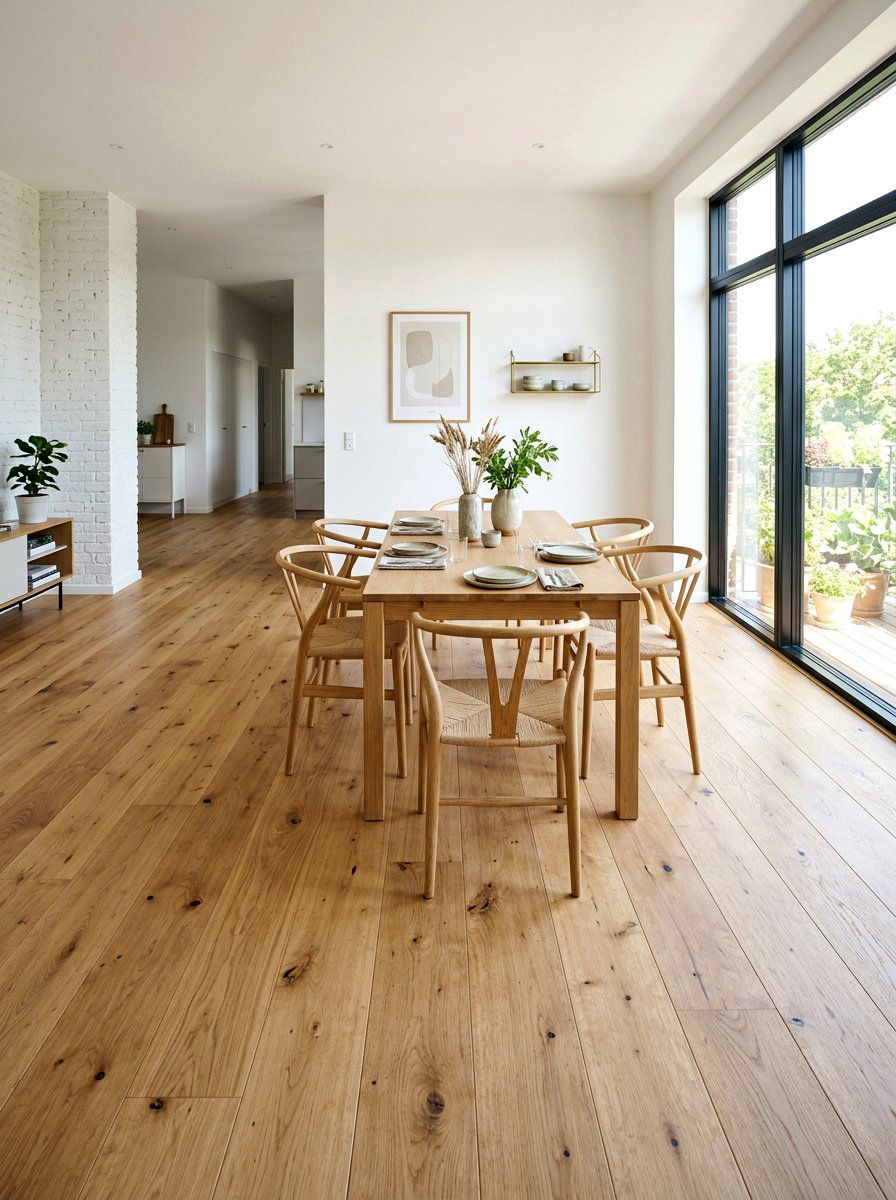
The foundation of any great rustic room starts with what is right beneath your feet every single day. Natural wood flooring, especially in wide planks, provides a warm and continuous flow that ties all the other design elements together. Whether you choose a matte finish or a slightly distressed texture, the floor sets the tone for the entire home’s aesthetic. Light oak can make a small dining room feel expansive, while dark hickory adds a sense of tradition and weight. The natural variations in the wood grain ensure that no two floors are exactly alike, giving your dining area a unique personality that feels authentic, high-quality, and deeply welcoming for everyone.
8. Vintage Rug Under Table
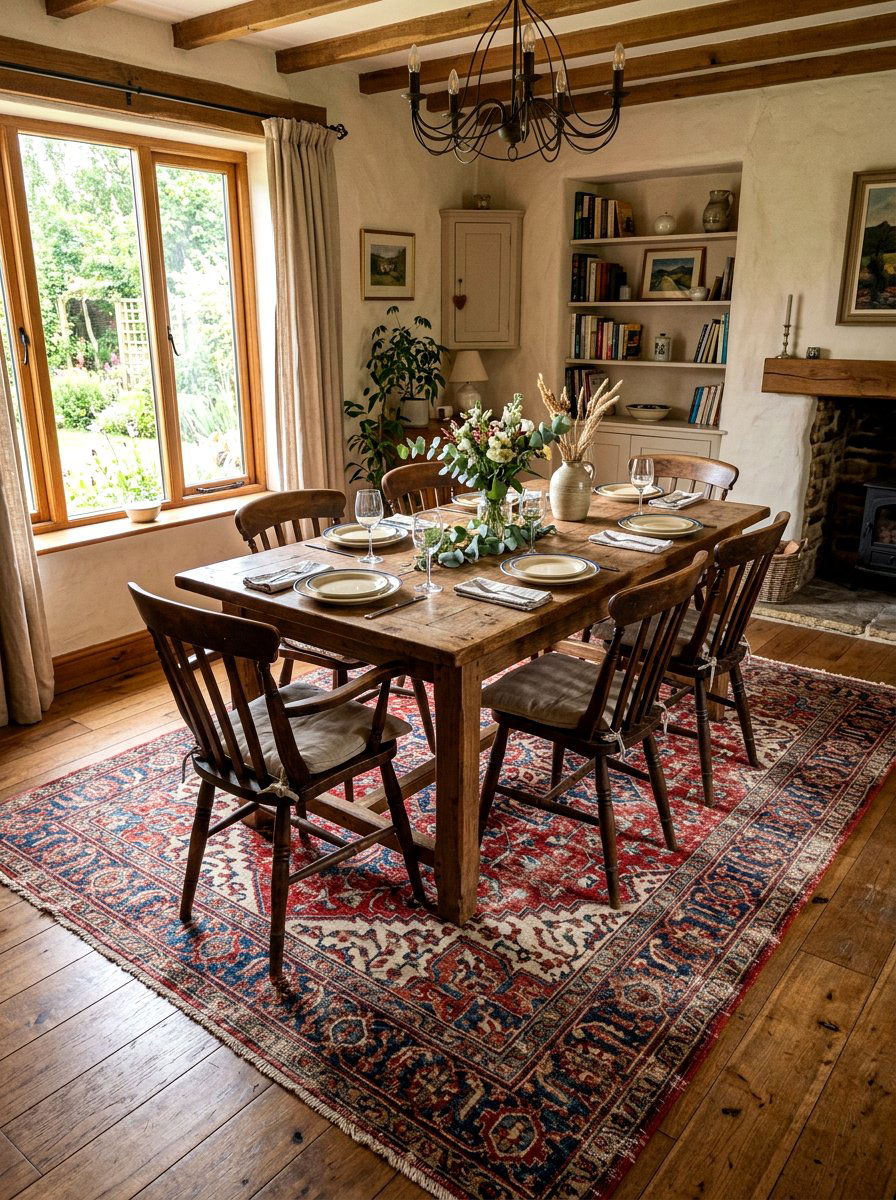
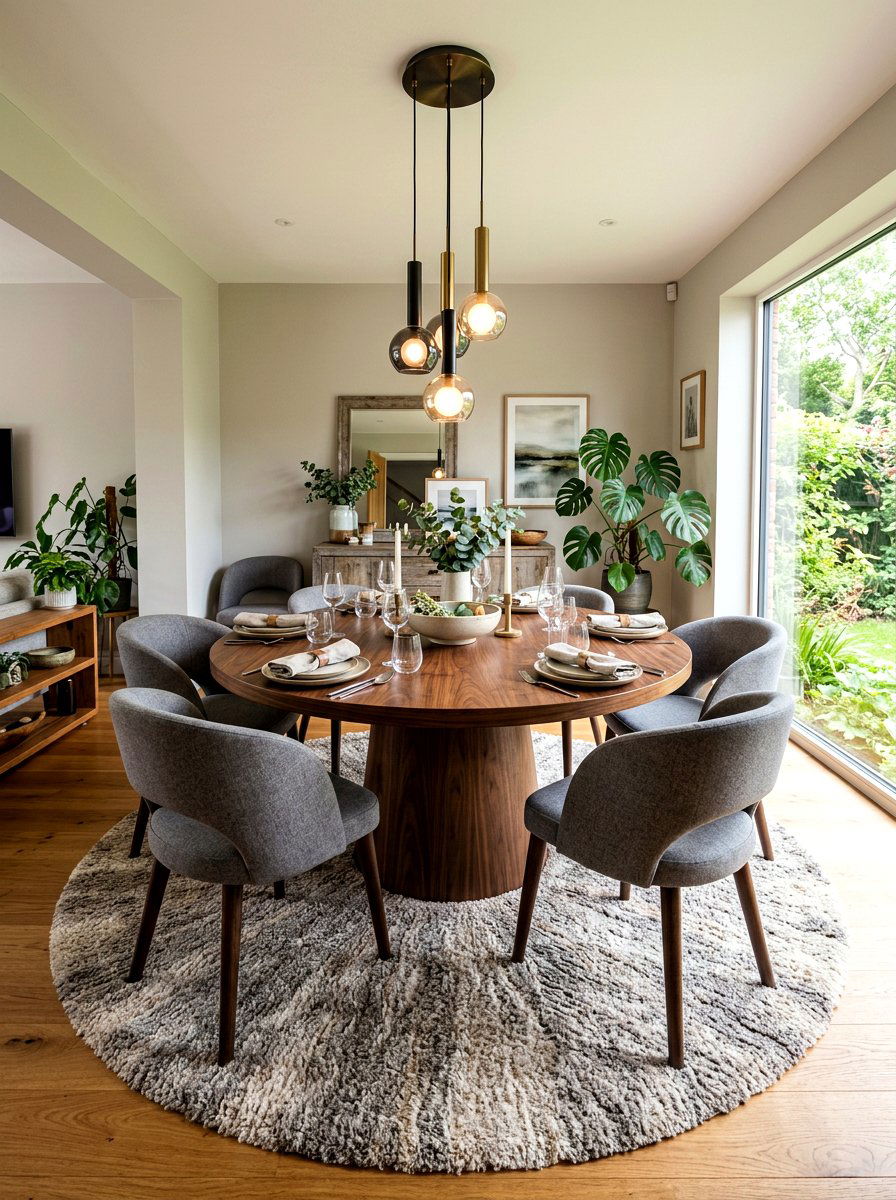
Could a single textile change the entire mood of your dining space from cold to cozy in an instant? Placing a vintage Persian or Turkish rug under the dining table adds a layer of history and vibrant pattern to a rustic room. These rugs often feature faded colors and intricate designs that complement the raw textures of wooden furniture and stone walls. Beyond their beauty, rugs help define the dining zone in open-concept homes and provide a soft surface for feet. They also act as an acoustic buffer, dampening the sound of chairs moving and voices chatting. A well-chosen rug anchors the furniture and brings a sense of warmth.
9. Black Hardware Accents
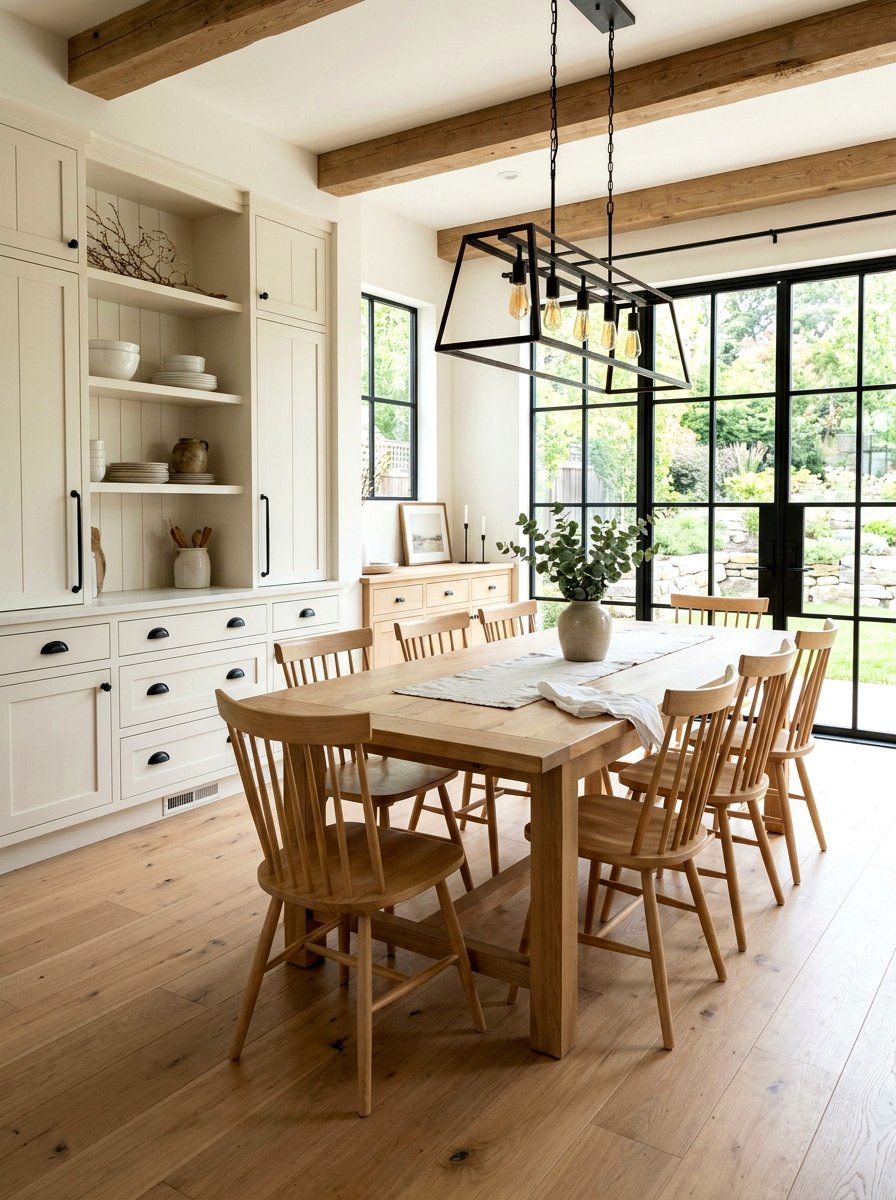
Sometimes the smallest details make the biggest impact when you are trying to pull a specific interior style together. Black hardware accents, such as drawer pulls, door handles, and window frames, provide a sharp, modern contrast to the organic shapes found in rustic decor. These dark elements act like punctuation marks, defining the space and adding a touch of industrial sophistication. When used on a built-in hutch or a nearby barn door, black metal ties different parts of the room into a cohesive design story. This subtle touch of black helps to ground the lighter wood tones and prevents the rustic look from feeling too one-dimensional or overly dated.
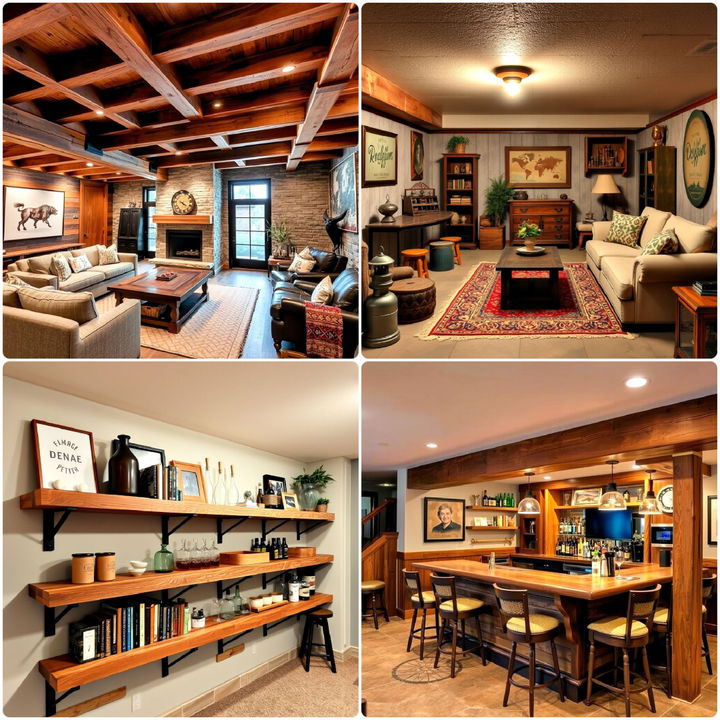
10. Sliding Barn Door
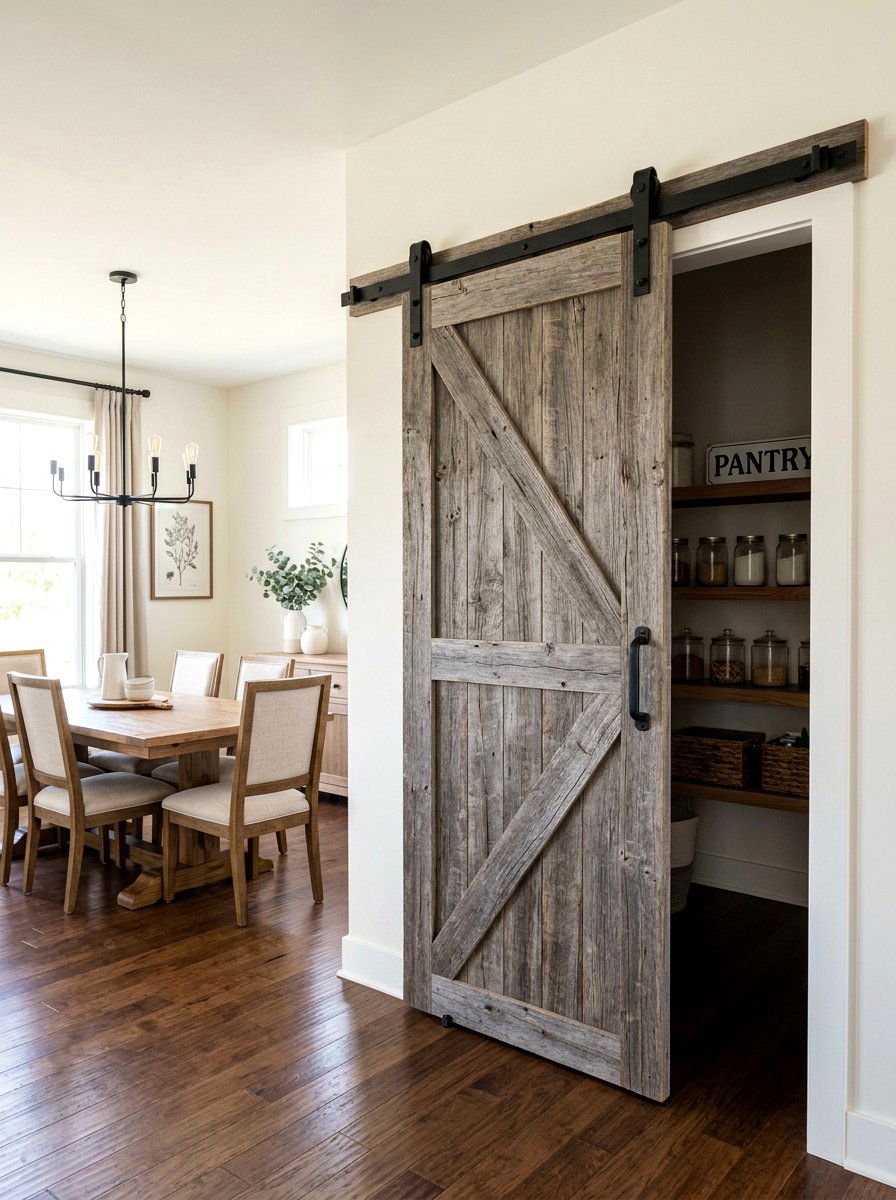
Have you considered using a functional piece of farm equipment as a stunning architectural feature in your home? A sliding barn door is a quintessential rustic element that serves both as a space-saver and a major visual statement. Instead of a traditional swinging door, a barn door slides along a metal track, adding a sense of movement and vintage charm to the room. It is an excellent way to separate the dining area from a pantry or a hallway while maintaining a cottage-like atmosphere. Whether painted a bold color or left in a natural wood finish, the barn door becomes a conversation piece that reinforces the rustic theme.
11. Large Jute Rug
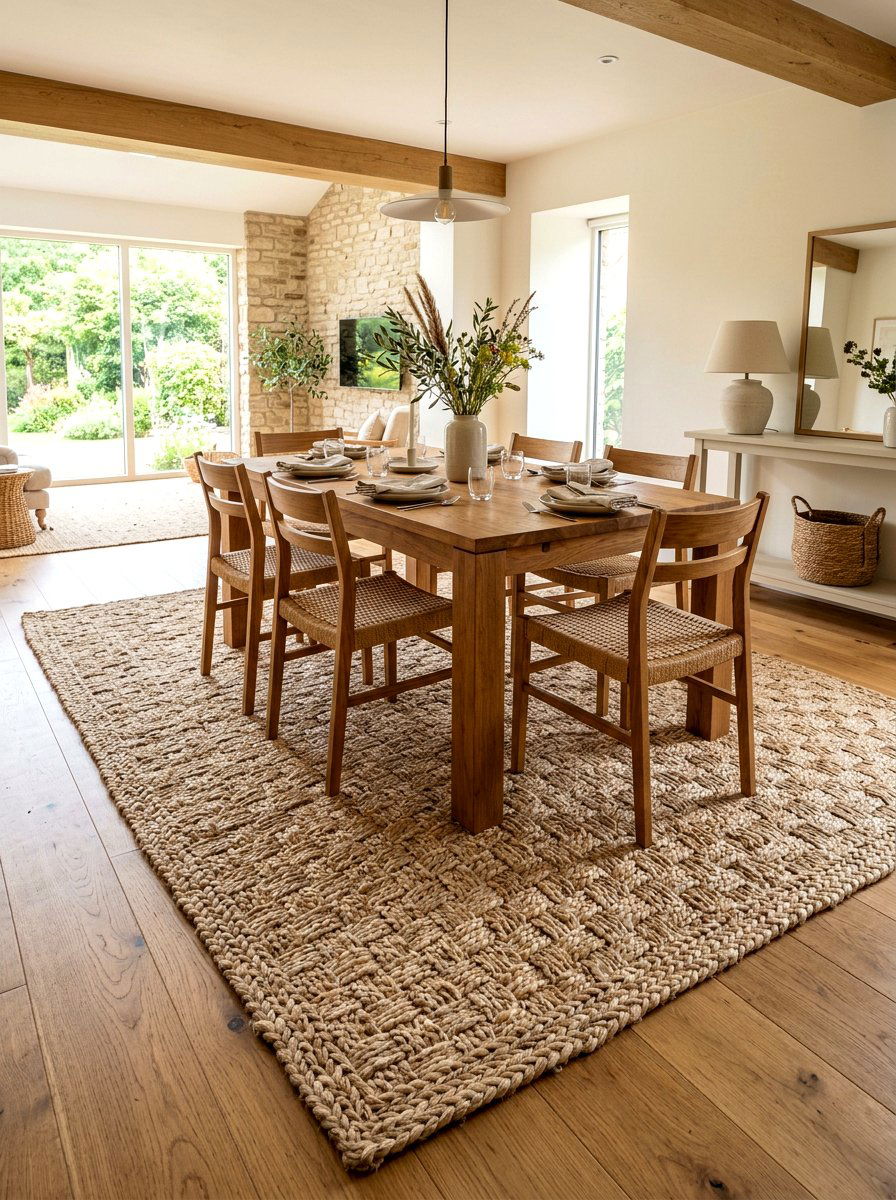
Texture is the secret ingredient that makes a rustic dining room feel truly finished and expertly curated for comfort. A large jute or sisal rug provides an incredible amount of organic texture while maintaining a very neutral and versatile color palette. These natural fiber rugs are durable enough to withstand the movement of heavy dining chairs and high foot traffic. The golden, earthy tones of jute coordinate perfectly with almost any wood finish, from light pine to dark walnut. By placing a rug with such a chunky weave on the floor, you add a layer of rustic simplicity that feels grounded and unpretentious, perfect for a relaxed family home.
12. Antique Buffet Sideboard
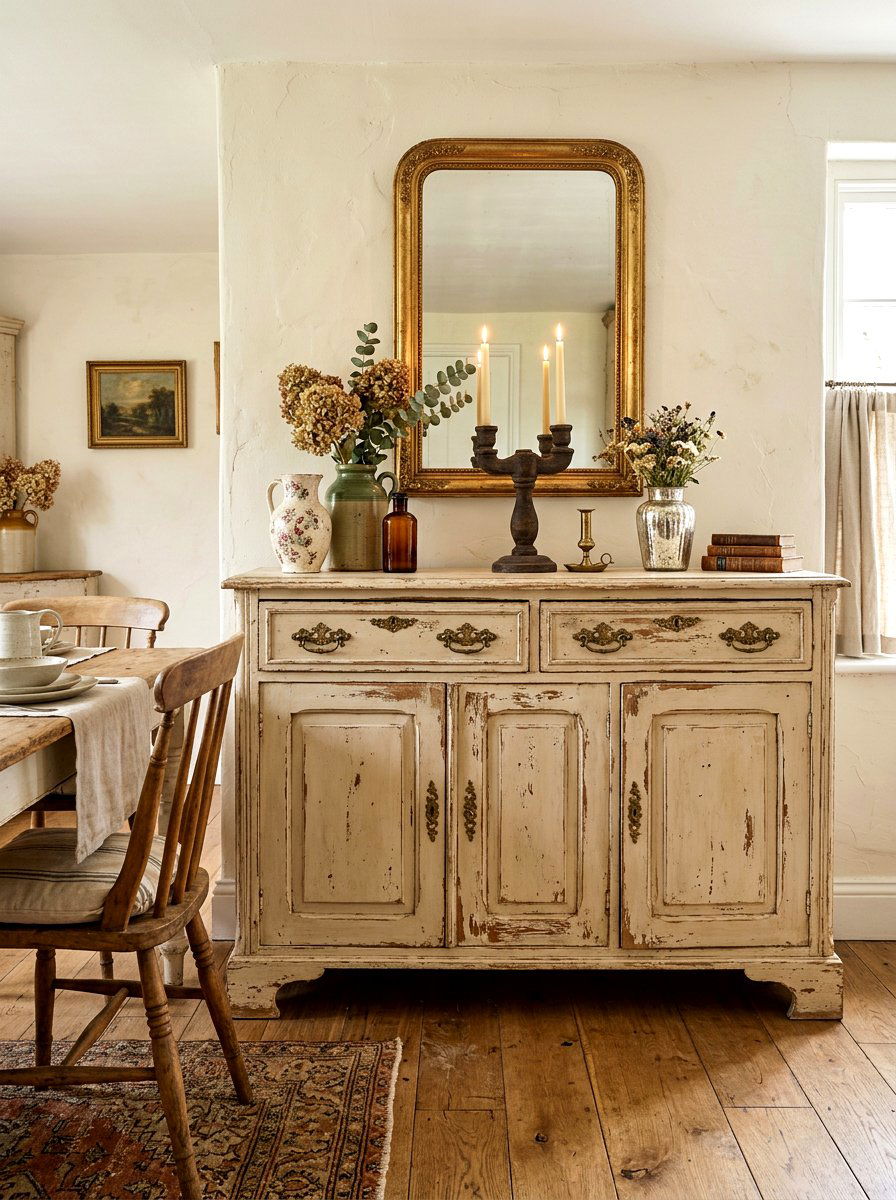
Where do you store your heirloom china and linens while also adding a touch of historical elegance to the room? An antique buffet or sideboard is the perfect functional addition to a rustic dining space, offering plenty of storage and a surface for decor. Look for pieces with carved details, original brass hardware, or a slightly weathered paint finish to add a sense of age and story. This piece of furniture acts as a secondary focal point, allowing you to display vintage vases, candles, or framed family photos. It fills empty wall space effectively and provides a convenient place to serve food during large holiday gatherings or casual weekend brunches.
13. Open Timber Framing
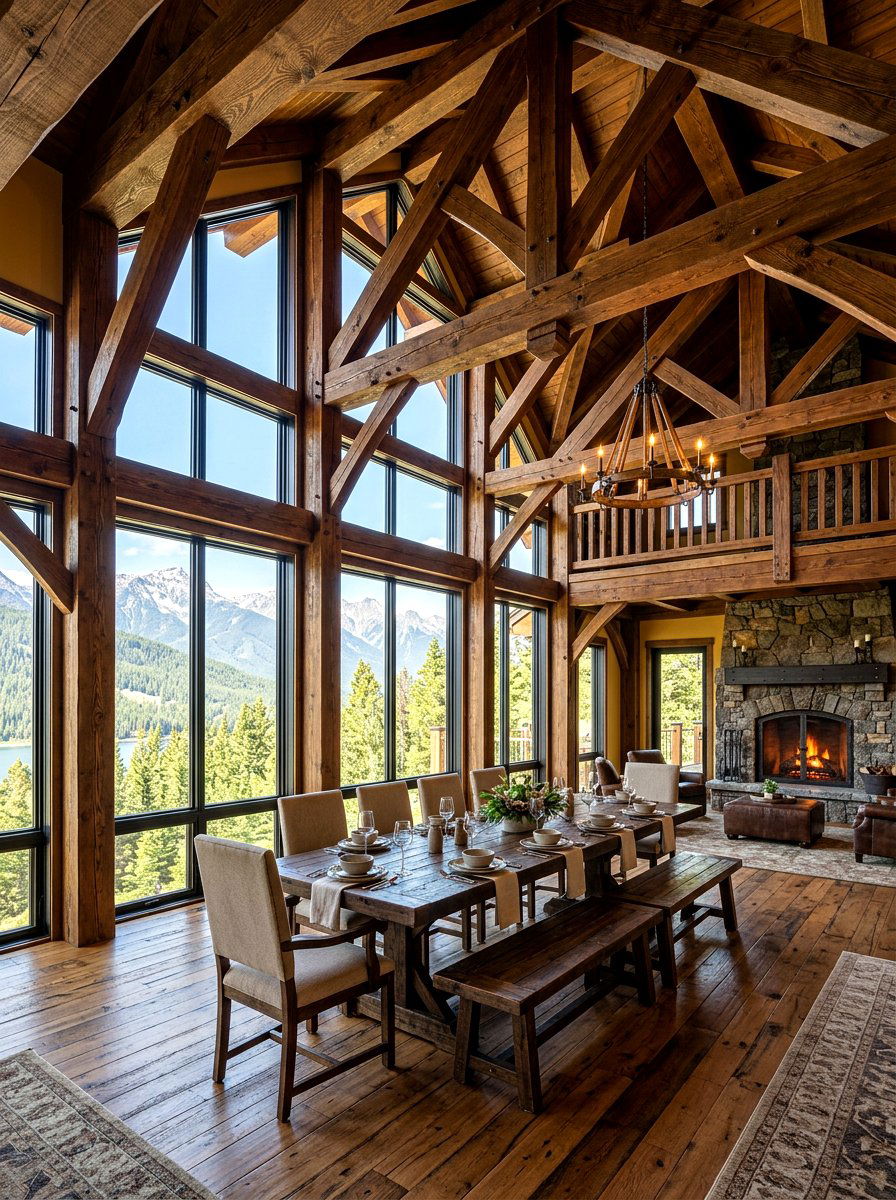
Walking into a room with open timber framing feels like stepping back into a time when craftsmanship was the highest priority. These heavy wooden posts and lintels create a structural rhythm that defines the boundaries of the dining area without the need for solid walls. The raw, massive scale of the timber provides a sense of security and architectural permanence that is rare in modern construction. This style works beautifully in large, open-plan homes where you want to create a distinct dining zone. The visible joinery and natural cracks in the wood add a layer of honesty and rugged beauty that celebrates the materials used in the building process.
14. Woven Rattan Chairs
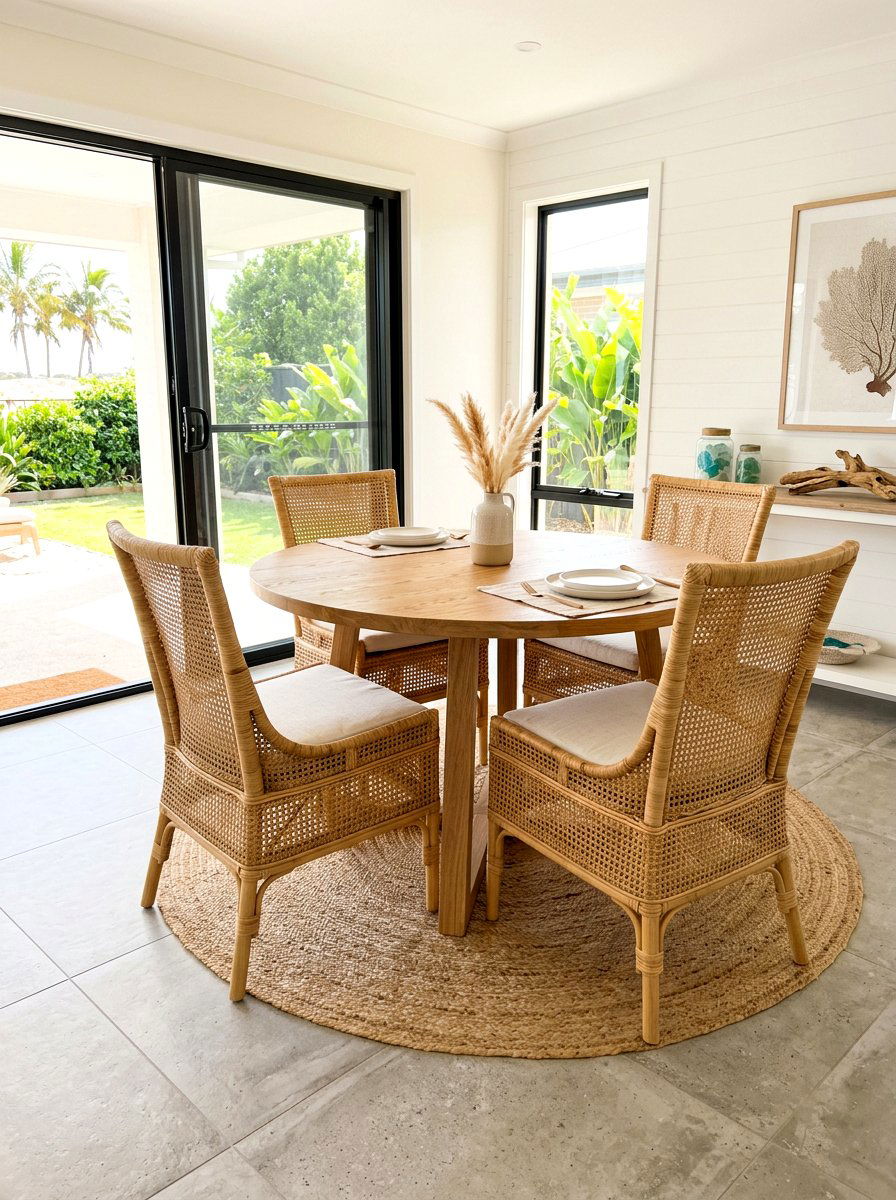
How can you bring a touch of the outdoors inside while keeping your dining room feeling sophisticated and light? Woven rattan or wicker chairs are an excellent choice for adding a lighter, more organic feel to a heavy wooden dining table. The intricate weaving adds visual interest and a soft, curved silhouette that breaks up the straight lines of the room. These chairs are surprisingly comfortable and bring a hint of coastal or bohemian rustic style to the space. They work well in both casual and formal settings, providing a relaxed elegance that feels breezy and timeless. The natural variations in the rattan fibers complement other wood tones.
15. Brick Wall Backdrop
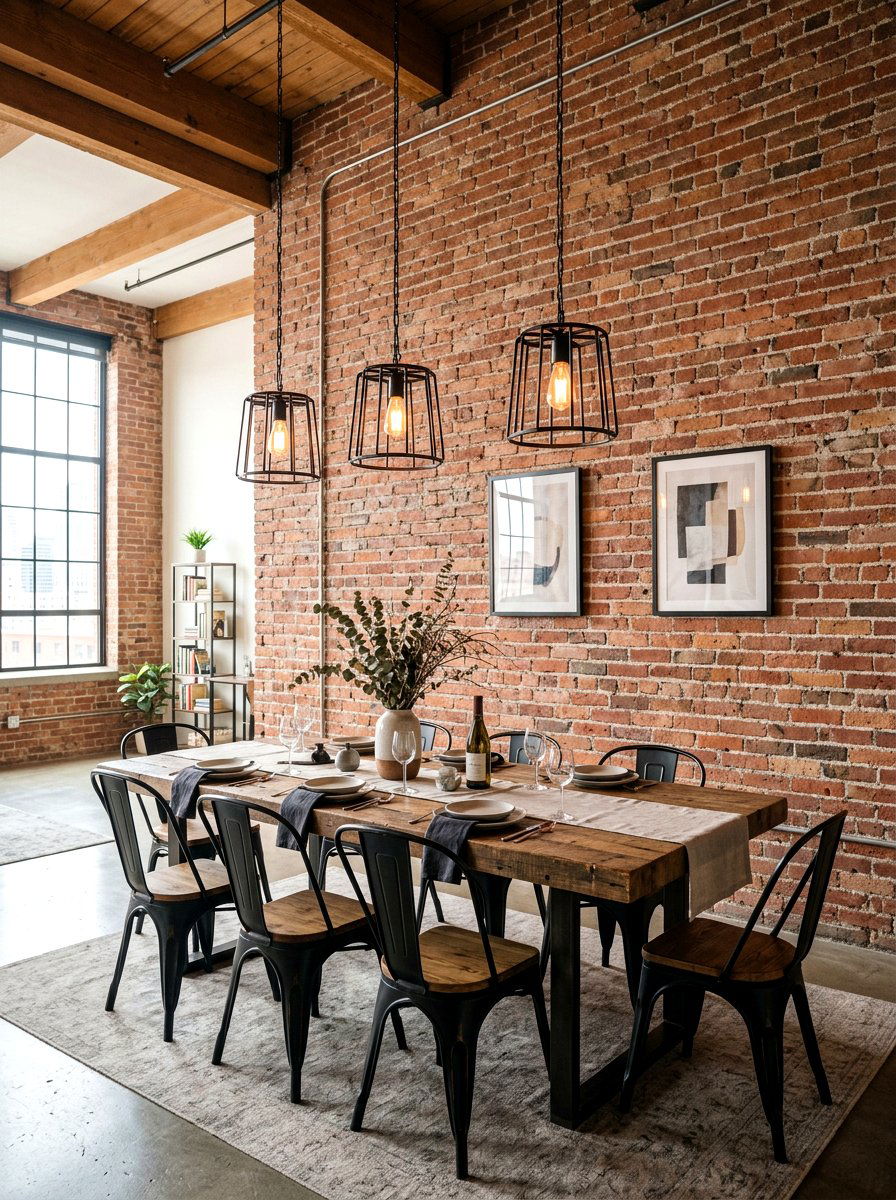
Is there anything quite as charming as the warmth and history radiating from an original or reclaimed brick wall? Using a brick wall as a backdrop for your dining table adds incredible texture and a sense of urban rustic flair to the home. The reddish-brown tones of the clay bring a cozy, grounded feeling that works well with both light and dark furniture. If you prefer a brighter look, a white-washed brick wall offers the same texture with a more airy, farmhouse feel. This architectural element provides a sturdy and timeless foundation for the room, making it feel like a space that has evolved naturally over many decades.
16. Distressed Wood Finish
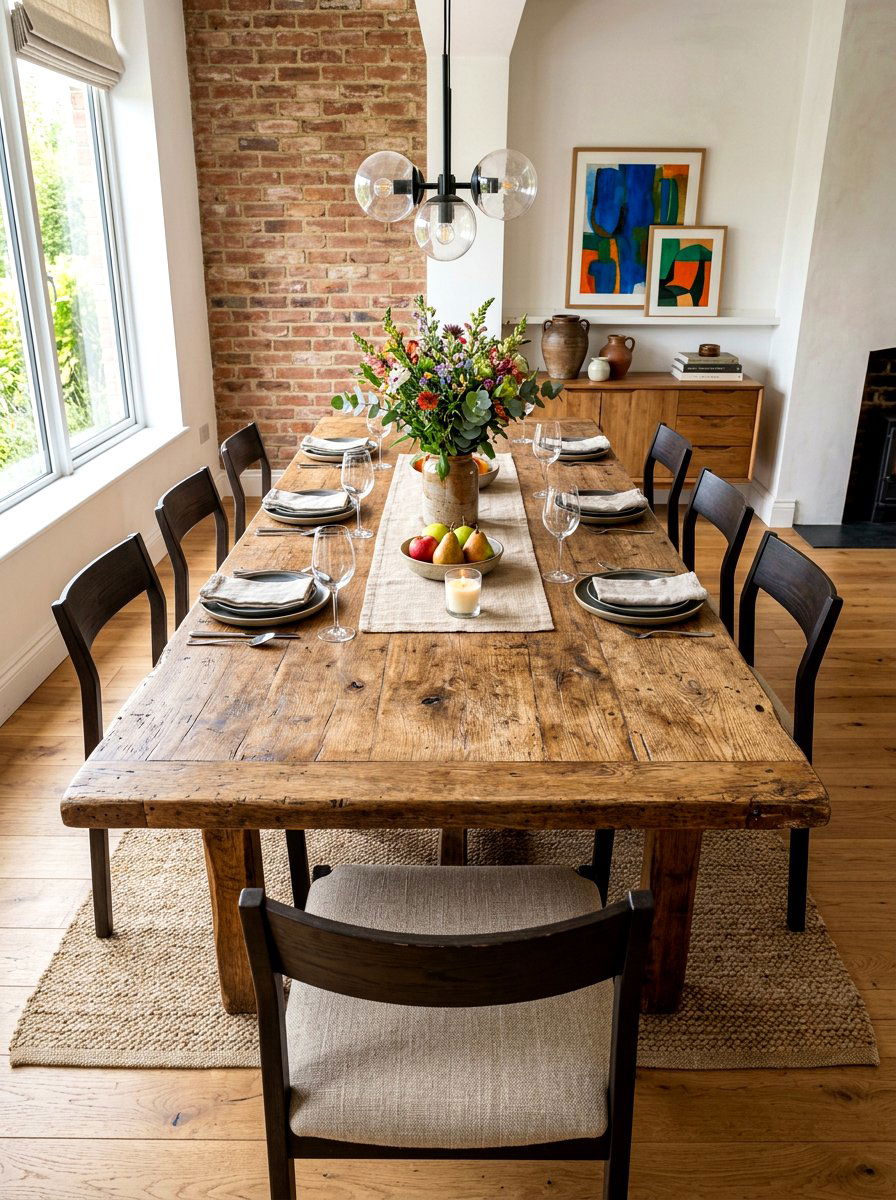
Sometimes a little bit of wear and tear can actually make a piece of furniture look more expensive and authentic. A distressed wood finish on a dining table or cabinet mimics the natural aging process, featuring sanded edges, small dents, and varied stains. This technique adds a layer of "lived-in" comfort, meaning you don't have to worry about every little scratch or spill during a busy dinner. The imperfect surface reflects light in a soft, diffused way, contributing to the overall relaxed mood of a rustic interior. It is an ideal choice for families who want a beautiful home that is also practical.
17. Iron Chandelier Lighting
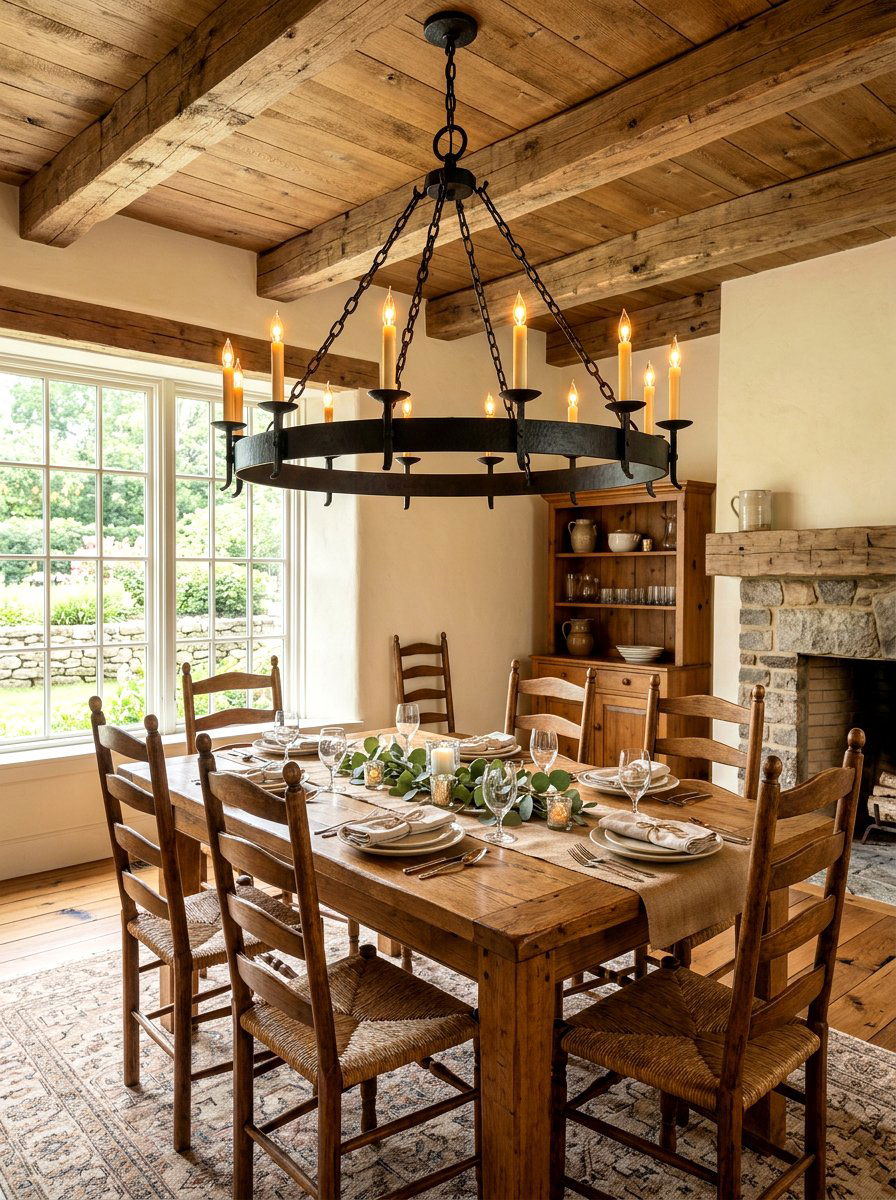
Can a single light fixture really define the entire character of a room from the moment you flip the switch? An iron chandelier, with its heavy metal frame and classic candle-style bulbs, provides a regal yet rustic centerpiece for the dining area. The dark metal contrasts sharply with light-colored ceilings, creating a striking visual hierarchy that draws the eye toward the center of the room. Whether the design is a simple circular ring or a more ornate branch-like structure, iron lighting adds a touch of old-world weight and tradition. It provides a warm, ambient glow that makes every evening meal feel more intimate and special.
18. Live Edge Table
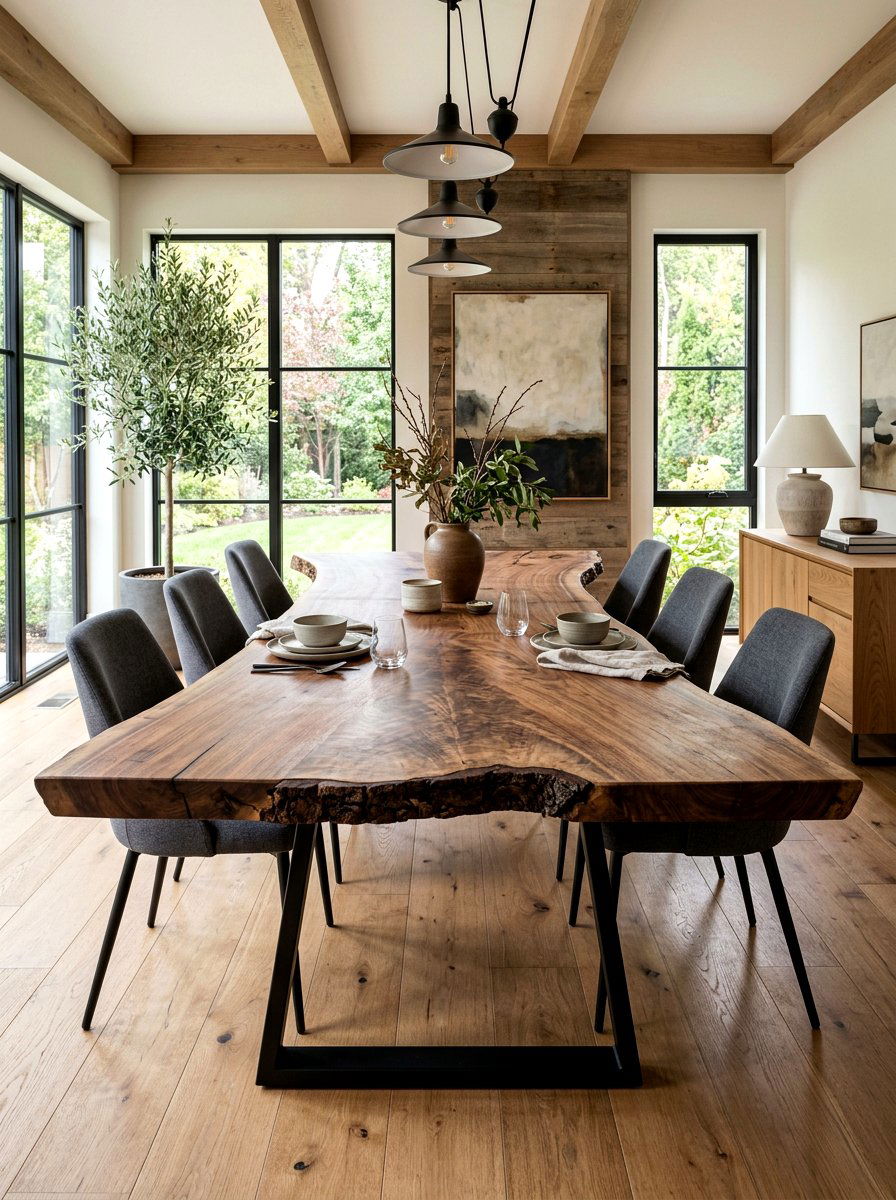
What if your furniture could retain the exact shape and silhouette of the tree from which it was carefully crafted? A live edge table features the natural, undulating perimeter of the wood slab, showcasing the bark line and the organic curves of the tree. This style is the ultimate expression of rustic design because it celebrates nature in its most raw and unedited form. Each table is a one-of-a-kind work of art that brings a sense of the forest directly into your dining room. When paired with sleek, modern legs made of steel, the live edge top creates a stunning look that is both modern and timelessly rustic.
19. Neutral Color Palette
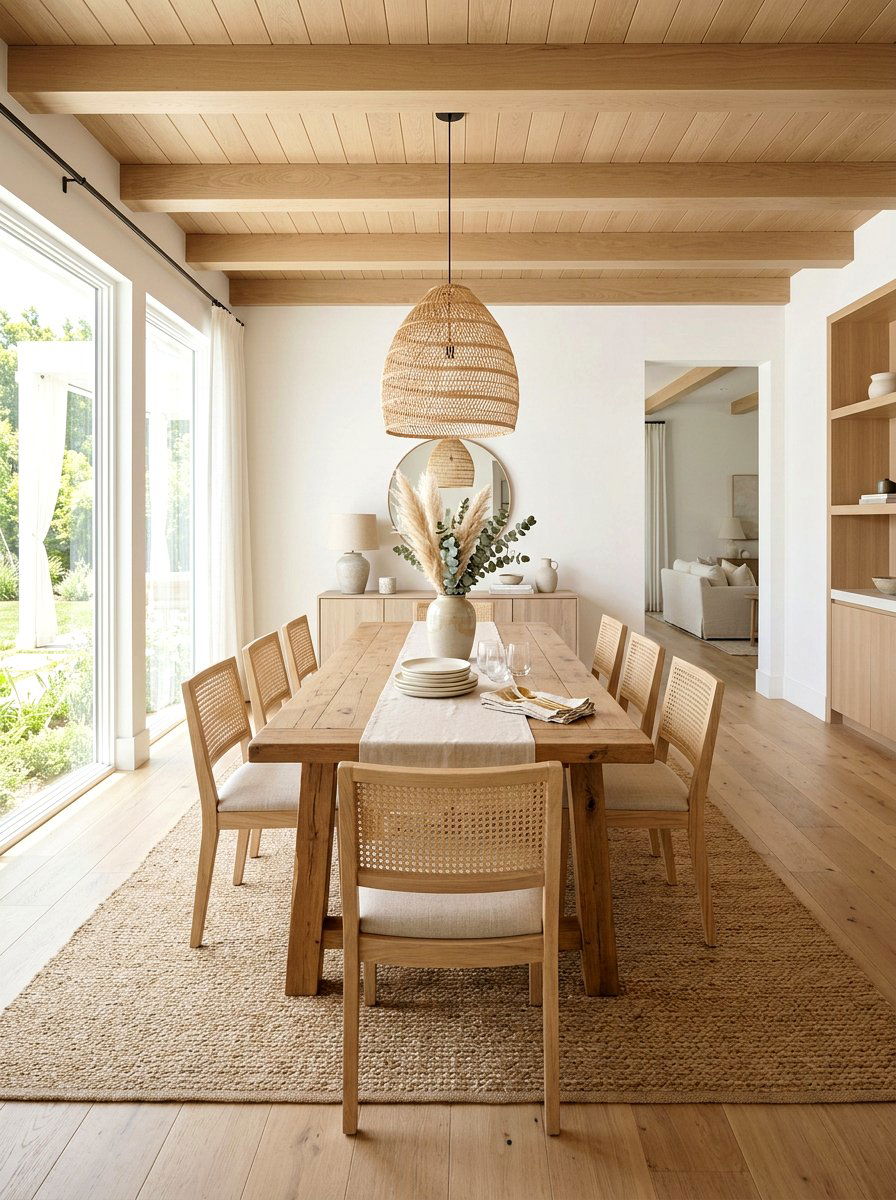
Why do the most peaceful and inviting rooms often stick to a very simple and cohesive range of natural colors? A neutral color palette — consisting of whites, creams, beiges, and soft greys — is the perfect foundation for a rustic dining room because it lets textures shine. By keeping the walls and large furniture pieces in muted tones, you create a calm environment that feels spacious and clean. These light colors highlight the warmth of wooden beams and the coolness of stone features without competing for attention. You can easily add pops of color through seasonal flowers, but the neutral base ensures the room always feels balanced.
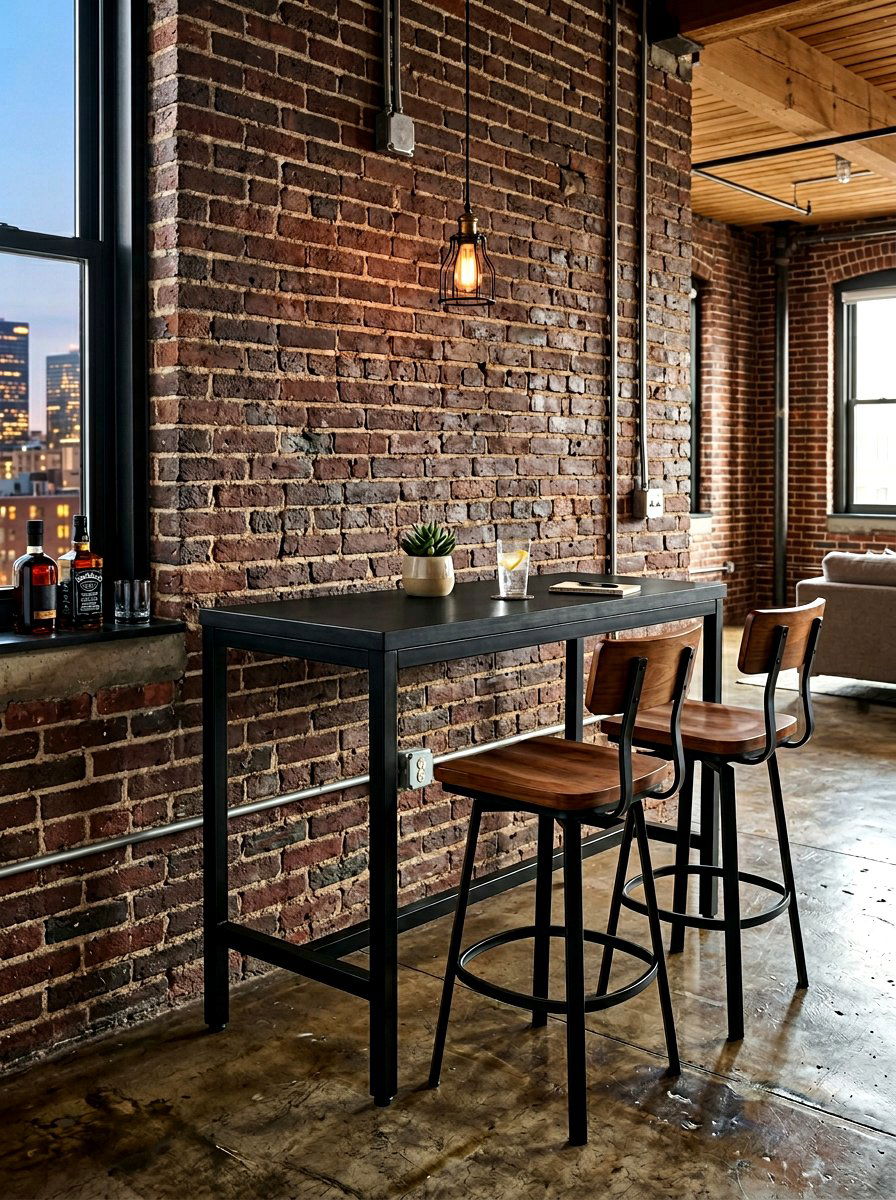
20. Shiplap Wall Treatment
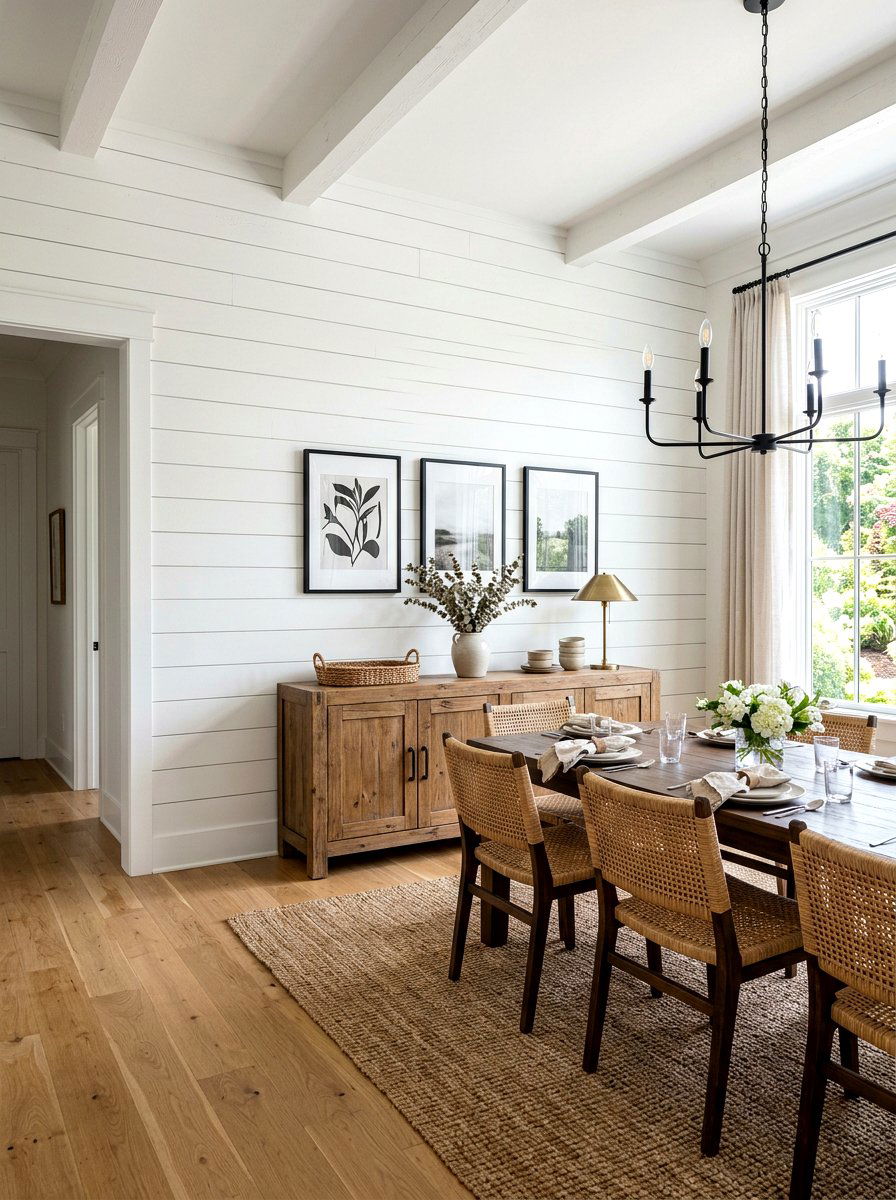
Have you ever wanted to add a sense of cozy, historic charm to a plain room without doing a full structural renovation? Shiplap wall treatments involve installing horizontal wooden boards that overlap, creating subtle shadow lines and a clean, rhythmic pattern. This technique is a hallmark of the modern farmhouse style and works perfectly in a dining room to add visual interest and texture. Whether painted a crisp white or left in a natural wood finish, shiplap makes a space feel more finished and high-end. It provides a beautiful, textured backdrop for artwork and mirrors, helping to define the room’s boundaries while adding a layer of detail.
21. Trestle Base Table
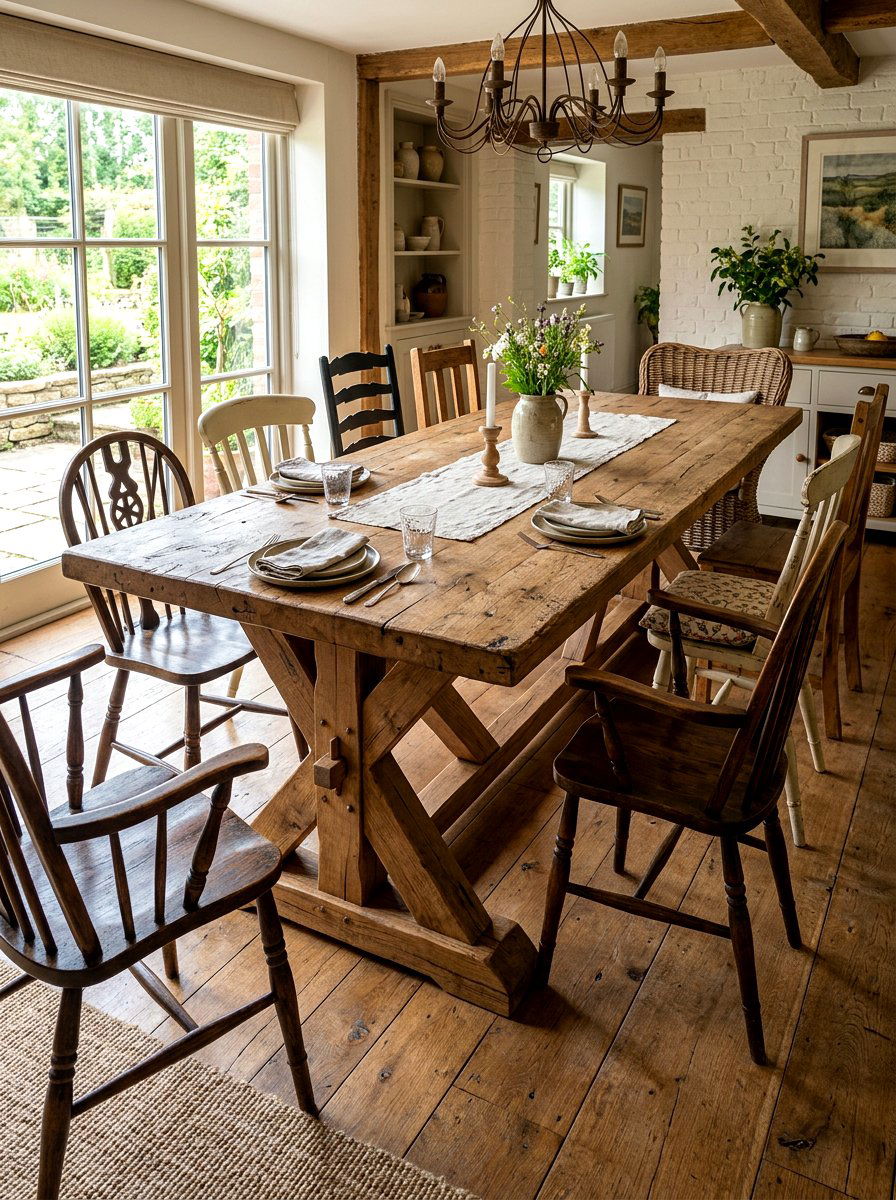
Is there a table design that feels more sturdy and architecturally significant than the classic and timeless trestle base? A trestle base dining table features a solid horizontal beam supported by two sturdy vertical ends, a design that has been used for centuries. This construction provides excellent stability and offers a grand, farmhouse aesthetic that instantly anchors a dining room. Because the legs are positioned toward the center, it allows for more legroom and easier seating for guests around the entire perimeter of the table. The heavy, chunky look of the wood reinforces the rustic theme, making the table feel like a permanent part of the home.
22. Mismatched Vintage Chairs
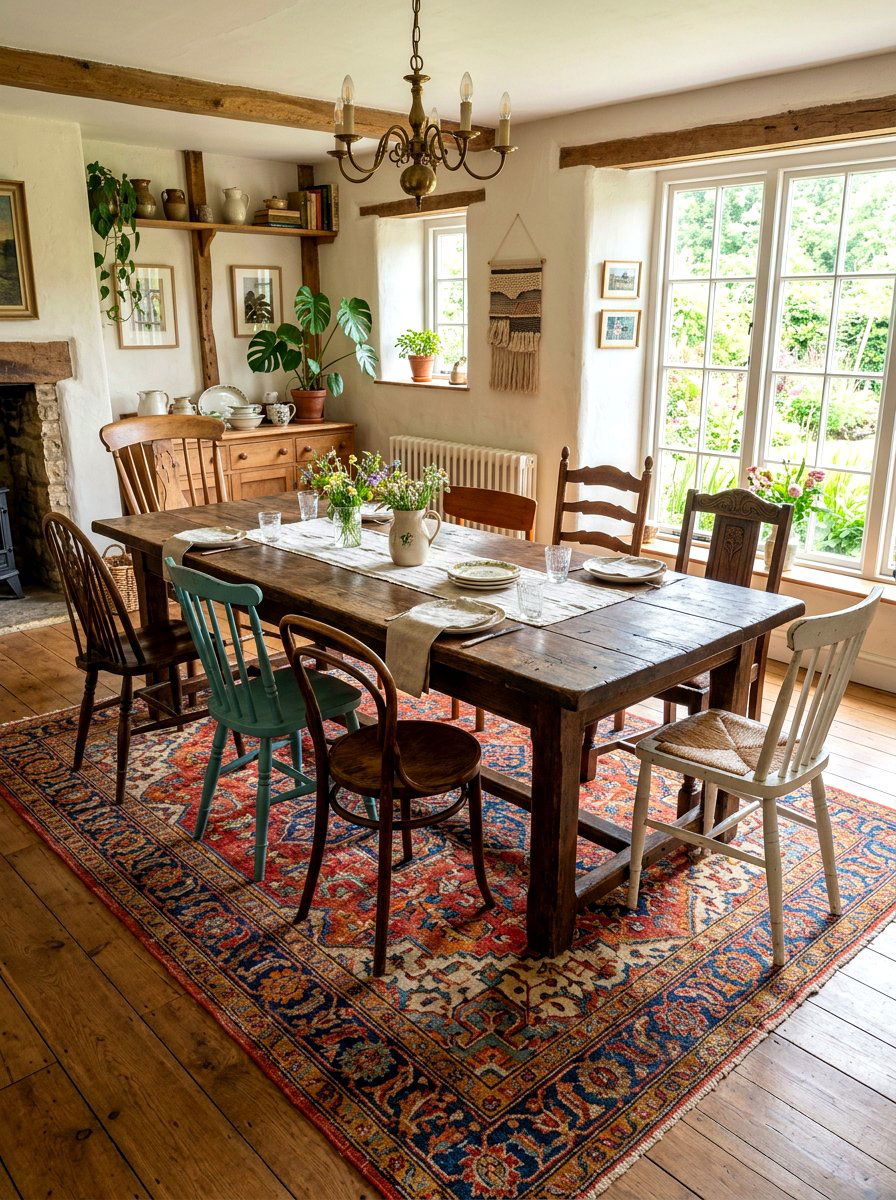
What if you could create a dining space that feels curated over time rather than purchased all at once from a store? Using mismatched vintage chairs around a large rustic table adds an eclectic and soulful vibe that is full of personality and charm. You can collect different styles of wooden chairs — such as Windsor, ladder-back, or bistro chairs — and tie them together by painting them the same color or leaving them in their natural wood tones. This approach creates a relaxed, "undecorated" look that feels approachable and lived-in. It encourages guests to feel at home and adds a layer of visual storytelling to every shared meal.
23. Large Window View
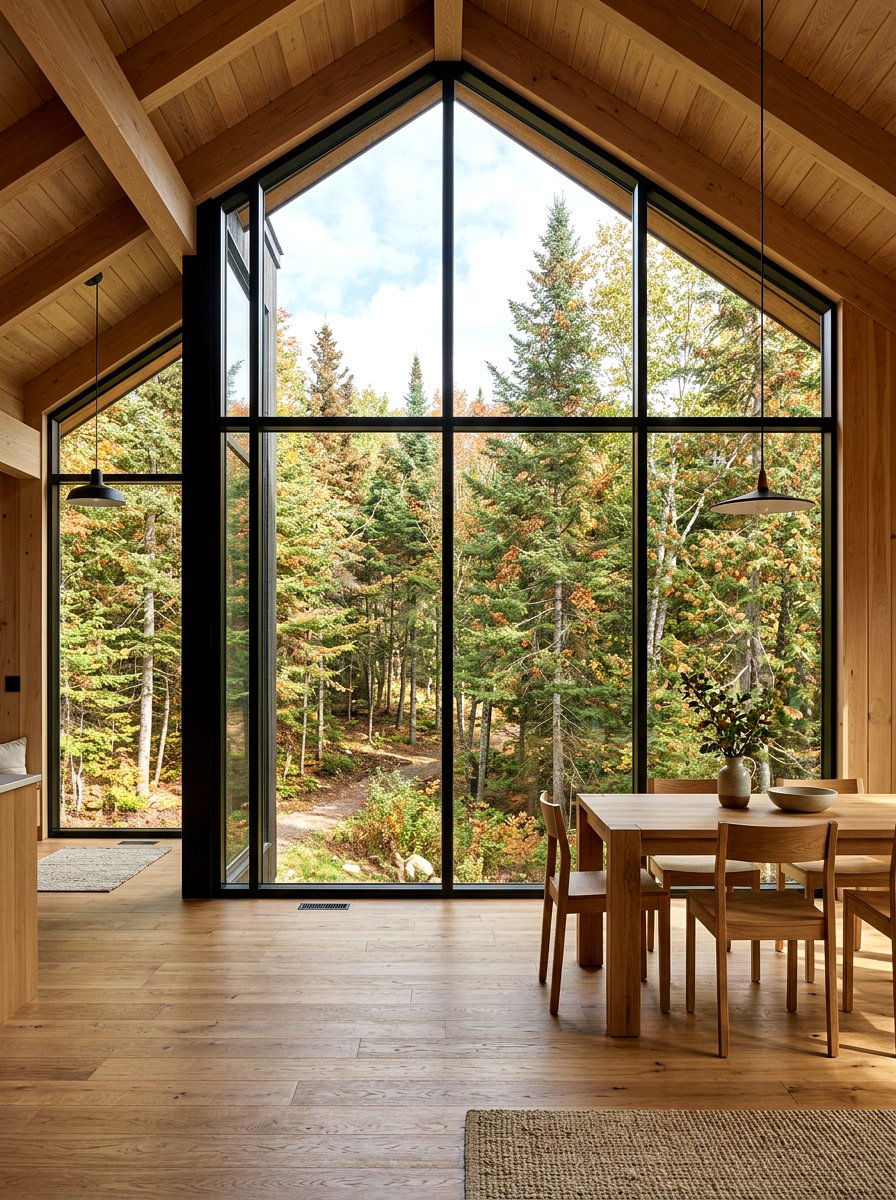
Can the view outside your window become the most important part of your interior design if you frame it correctly? A dining room with large, expansive windows allows natural light to flood the space, highlighting the textures of wood and stone. By keeping the window treatments simple or even non-existent, you bring the colors of the changing seasons directly into your home. This connection to the outdoors is a core principle of rustic living, where the boundary between nature and the interior is intentionally blurred. The sunlight makes the room feel larger during the day, while providing a view of the stars during your evening dinner.
24. Minimalist Rustic Decor
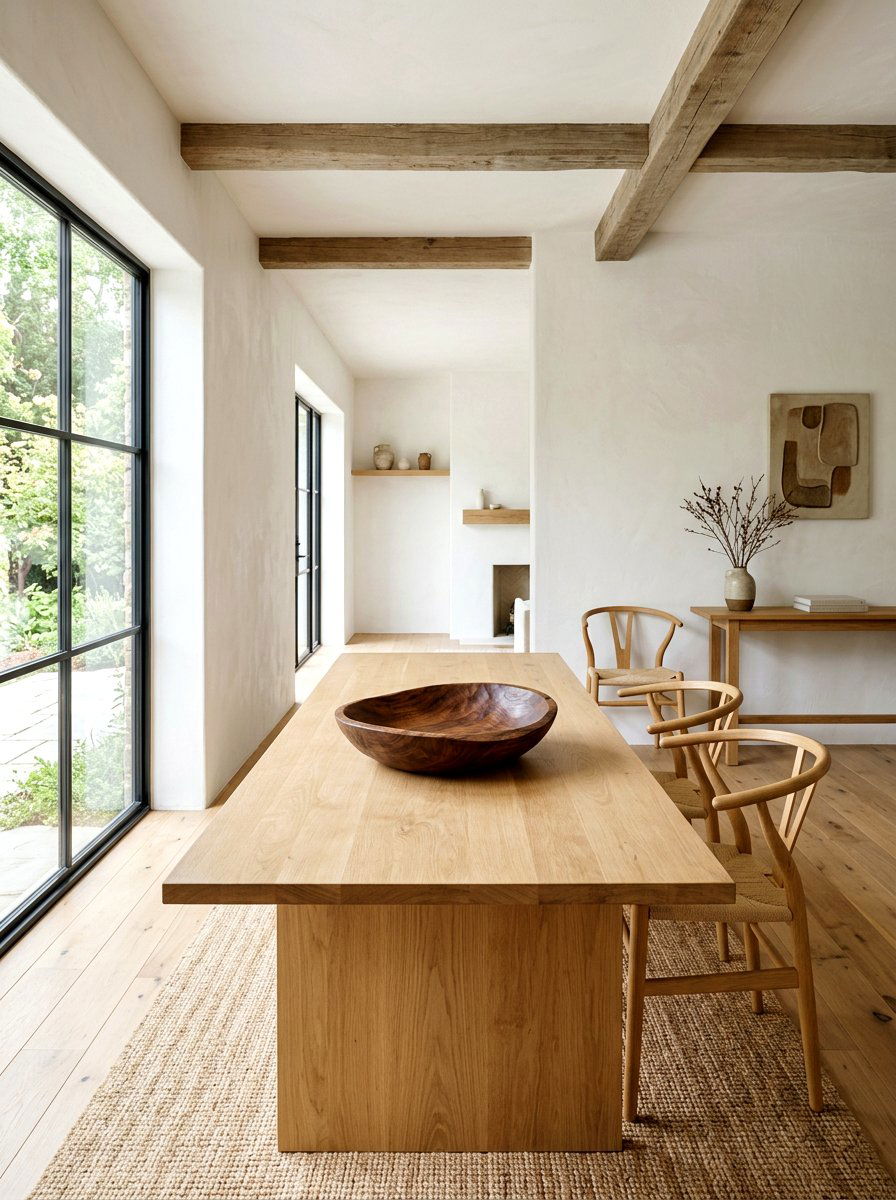
Does a room need to be filled with countless small items to feel warm, or is there power in choosing just a few? Minimalist rustic decor focuses on quality over quantity, featuring a few large-scale items like a single oversized wooden bowl or a tall ceramic vase with dried branches. This approach prevents the room from feeling cluttered while still maintaining a cozy, organic atmosphere. By leaving plenty of open space on the table and sideboard, you allow the architectural features and the beauty of the materials to take center stage. This clean look is perfect for those who want a serene, clutter-free environment.

25. Dark Wood Beam
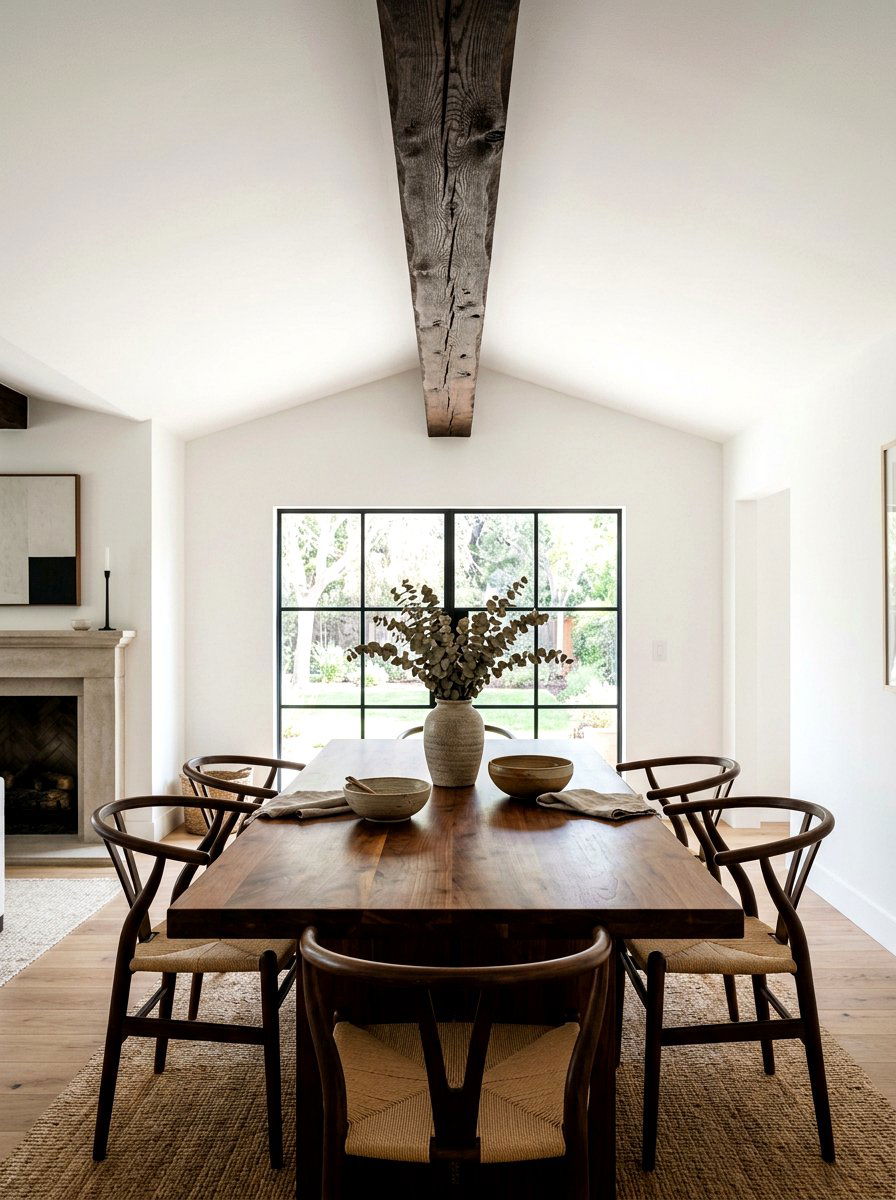
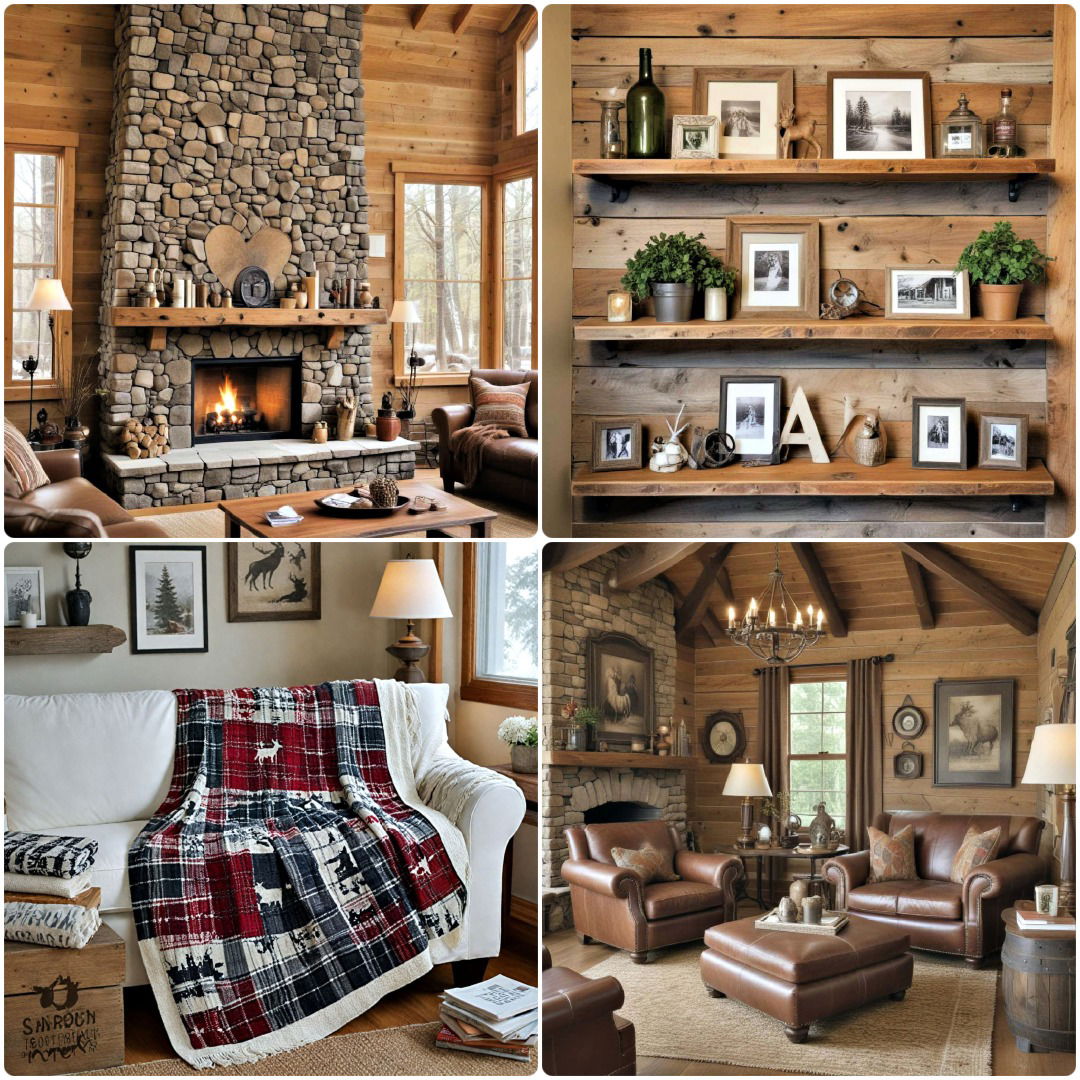
How does the addition of a dark wood beam completely change the visual weight and mood of a bright dining room? Incorporating dark-stained timber against a light ceiling or white walls creates a high-contrast look that feels incredibly sophisticated and grounded. These beams act as strong architectural lines that frame the space and add a sense of history to the room. Whether they are used on the ceiling or as a mantel over a nearby fireplace, dark wood elements provide a masculine edge to the rustic style. This depth of color brings a richness to the design, ensuring the room feels cozy even in a large house.
26. Plaster Wall Finish
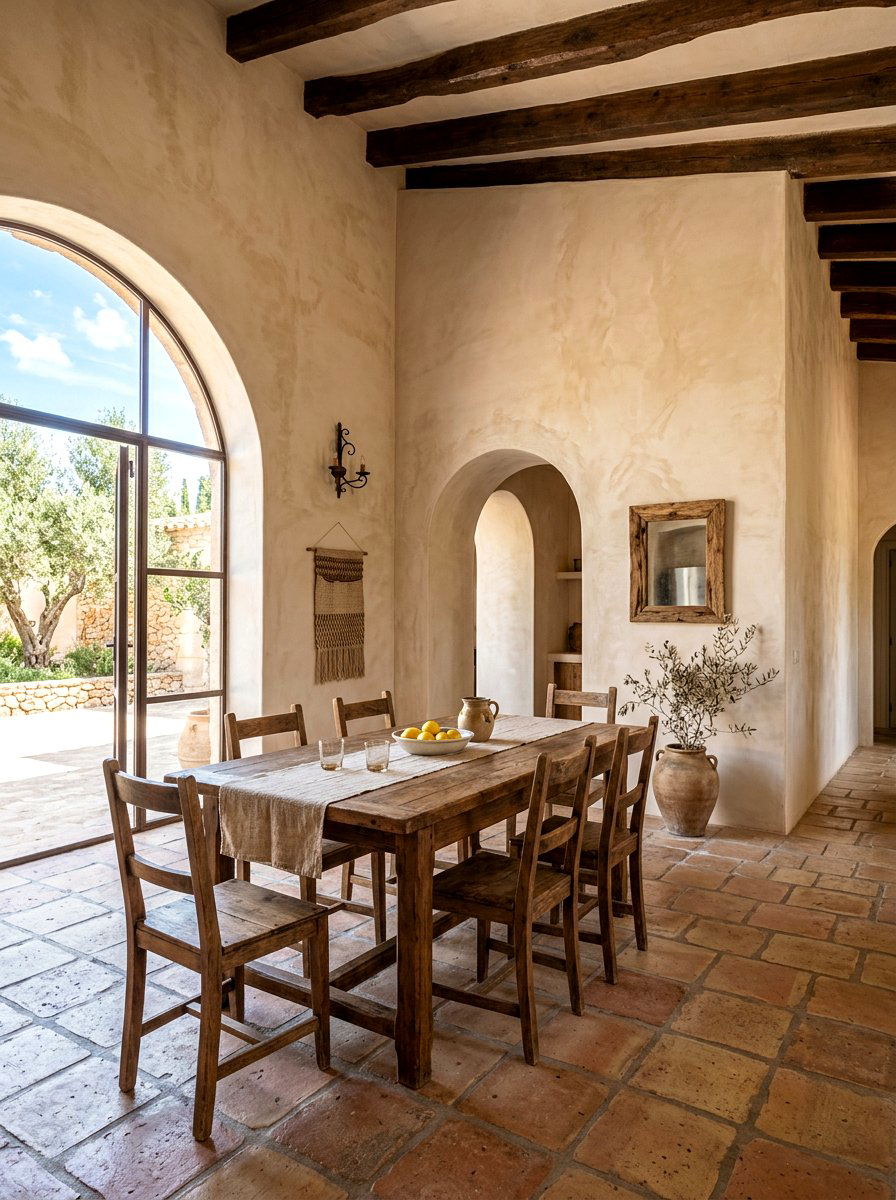
Have you ever touched a wall that felt more like a piece of art than a flat, painted surface in your home? A plaster wall finish, often referred to as Venetian or lime plaster, adds a soft, tactile depth to a rustic dining room. Unlike standard drywall, plaster has a subtle sheen and variegated color that mimics the look of old stone or adobe. This treatment creates a hand-crafted feel that perfectly complements raw wooden furniture and natural textiles. The way light dances across the slightly uneven surface of a plastered wall adds a layer of quiet luxury and timelessness to the entire dining space.
27. French Country Style
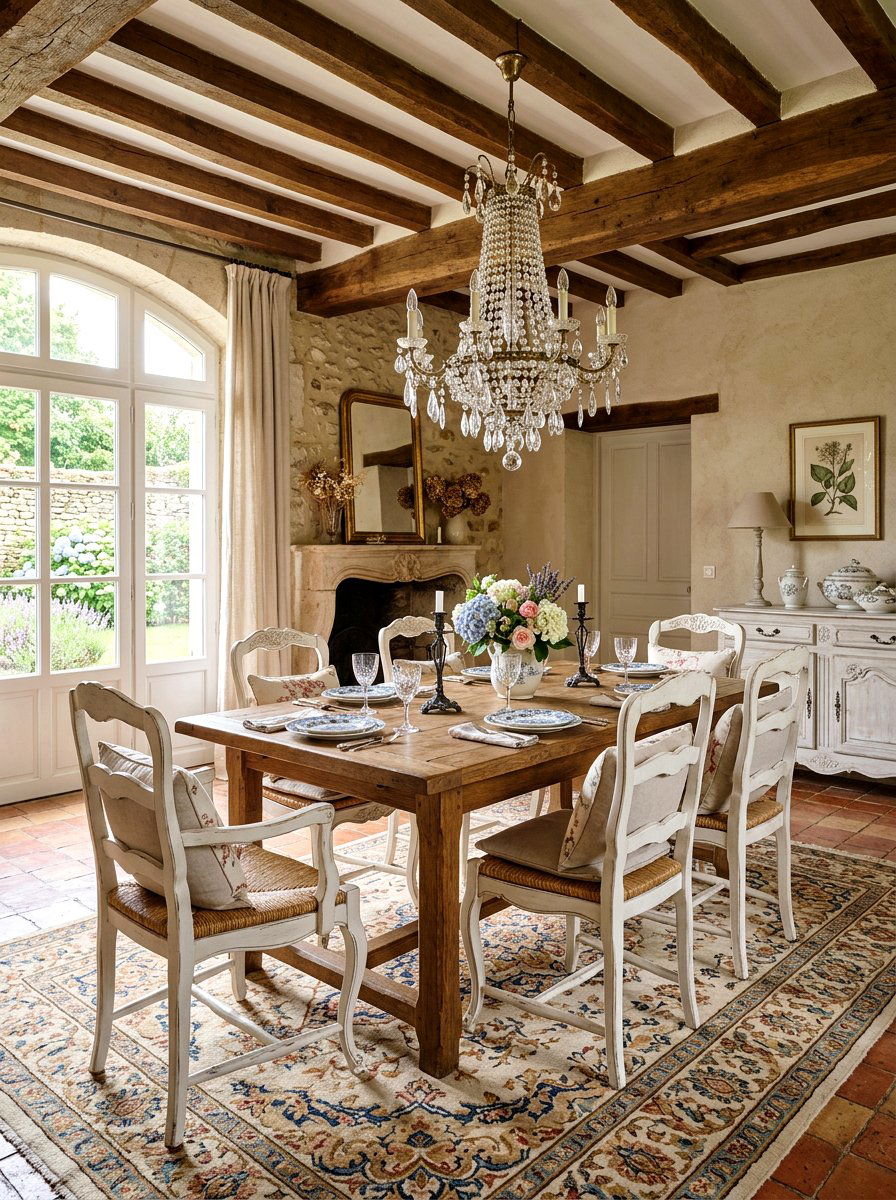
What happens when you mix the ruggedness of a rustic cabin with the refined elegance of a provincial French estate? French country style in a dining room combines curved wooden furniture, soft floral patterns, and ornate chandeliers with raw textures like linen and stone. This aesthetic is all about "shabby chic" elegance, where pieces look beautifully aged and well-loved. Soft pastel colors, white-washed woods, and wrought iron accents create a space that feels both formal enough for a dinner party and cozy enough for a family breakfast. It is a romantic take on rustic design that emphasizes comfort and a connection to rural life.
28. Modern Rustic Fusion
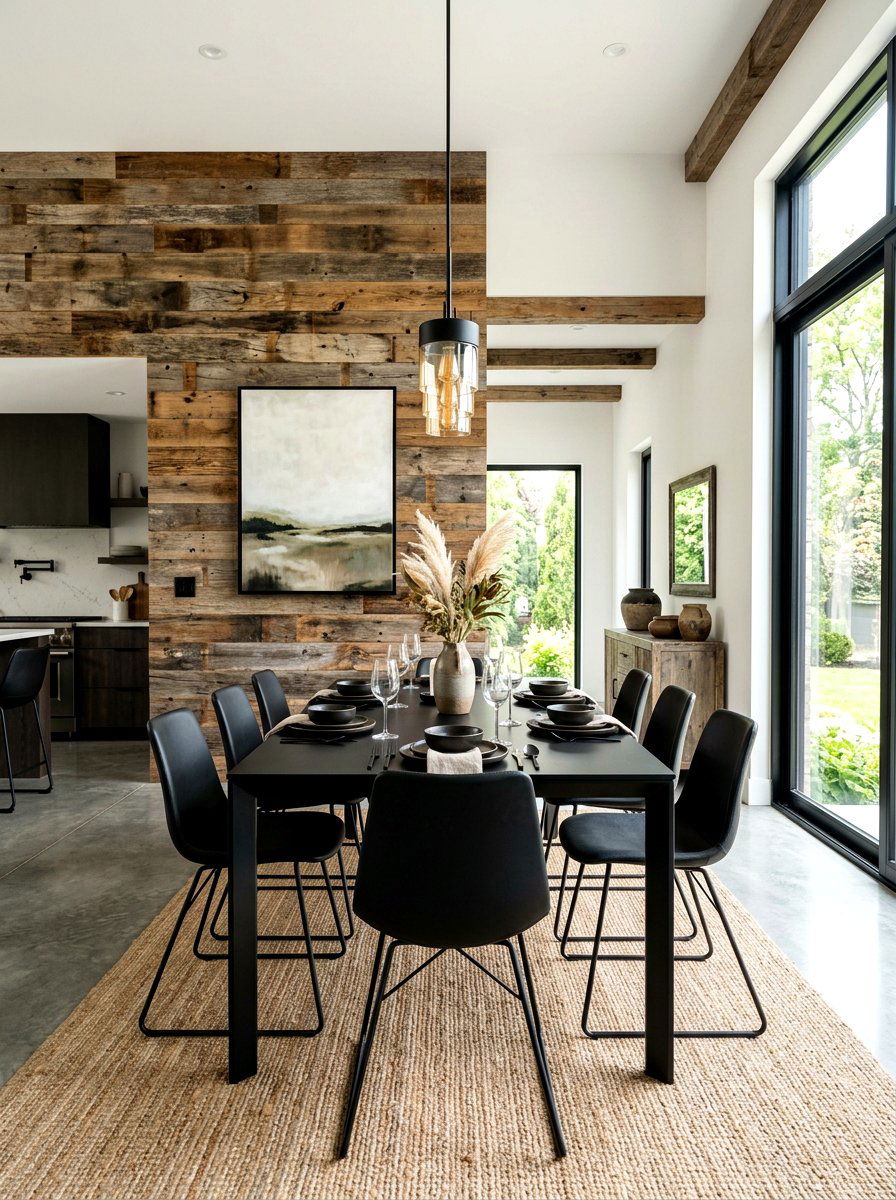
Can you have a home that feels both cutting-edge and deeply traditional at the exact same time without it feeling messy? Modern rustic fusion is a design style that blends clean, sharp lines and industrial materials with warm, organic elements like reclaimed wood and fur throws. Imagine a sleek black dining table paired with a heavy timber-framed ceiling, or minimalist chairs surrounding a live-edge table. This balance creates a space that feels current and trendy while still having the soul and warmth of a traditional rustic home. It is the perfect solution for homeowners who love contemporary design but want their space to feel cozy.
29. Cozy Fireplace Setting
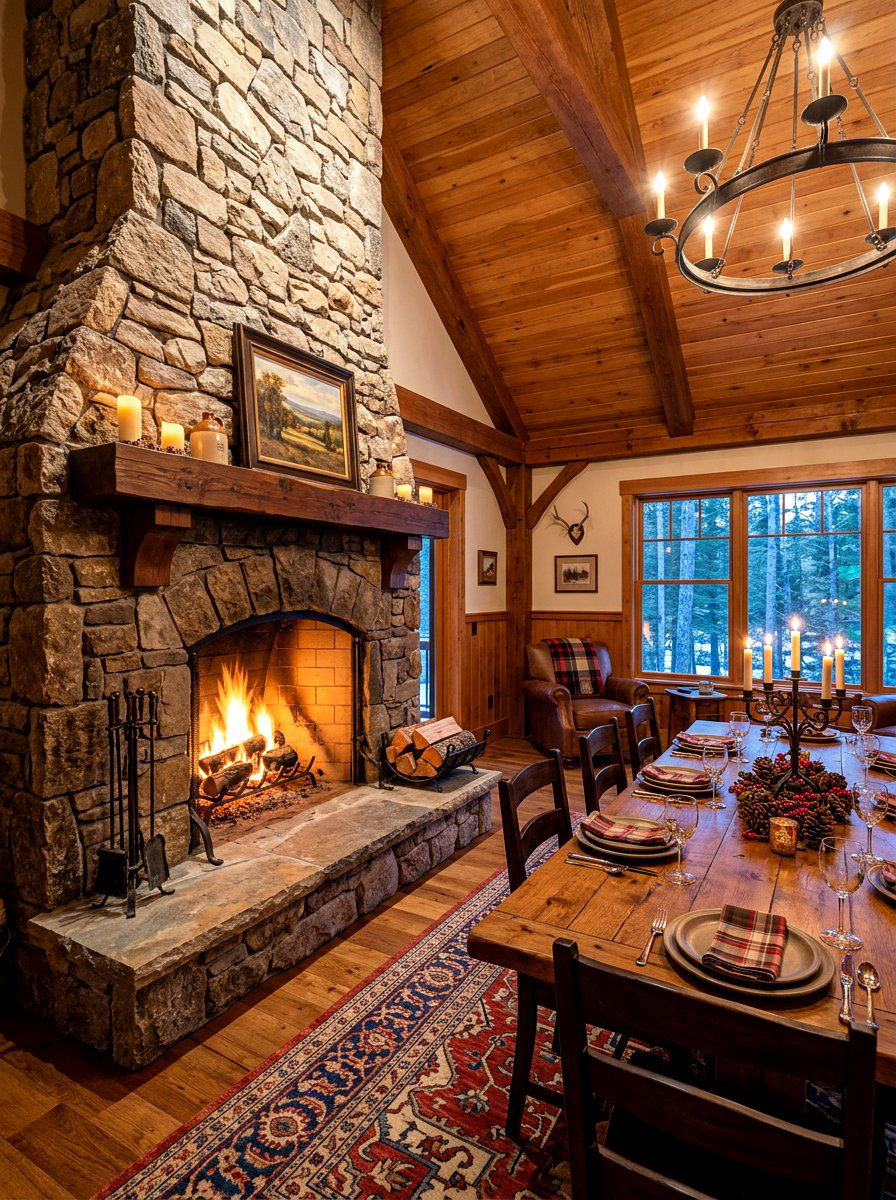
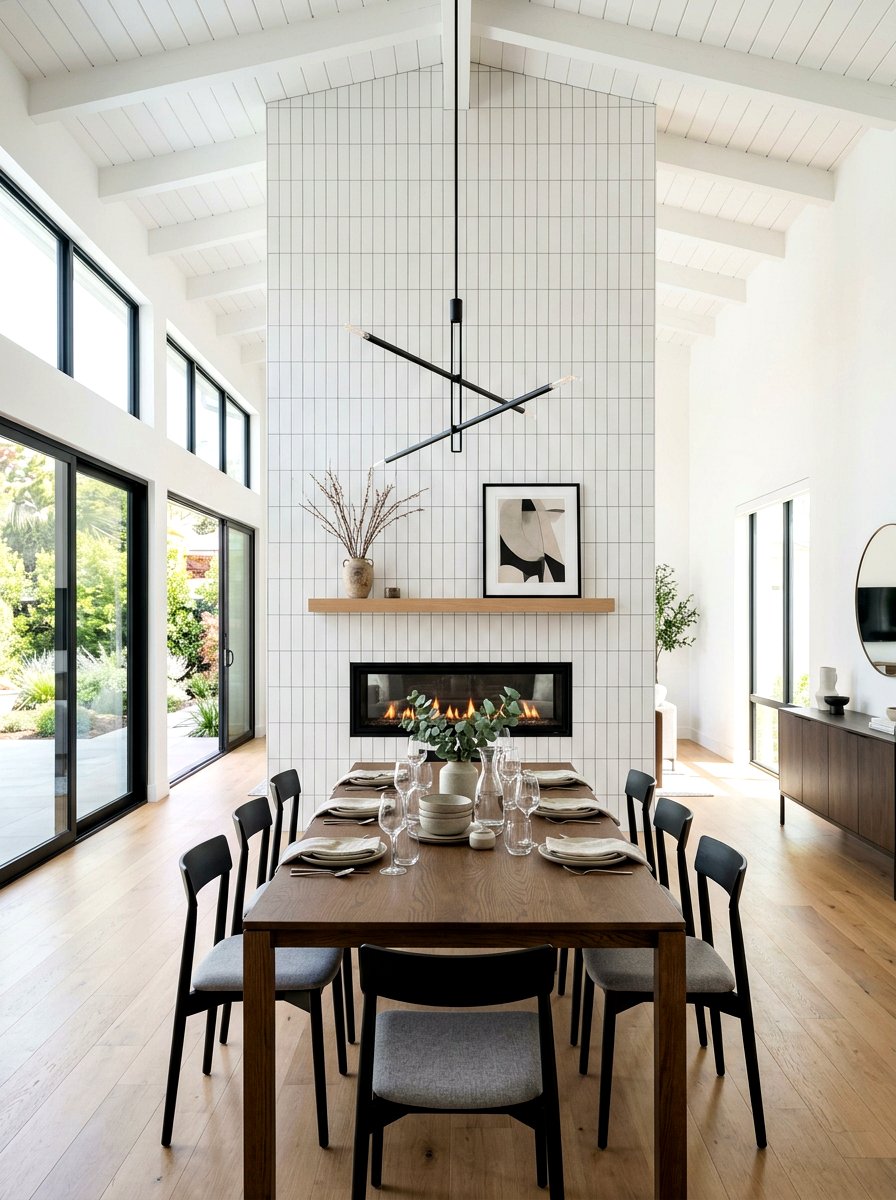
Is there anything more quintessential to a rustic home than the crackle of a warm fire during a cold winter evening? A dining room centered around or adjacent to a fireplace becomes the ultimate gathering spot for family and friends. A stone or brick hearth adds a massive vertical element that provides both physical warmth and a beautiful visual focal point for the room. Imagine enjoying a slow-cooked meal while the orange glow of the fire reflects off the wooden table and silver cutlery. This setting creates an atmosphere of safety and comfort that is hard to replicate, making the dining room the heart.
30. Built In Shelving
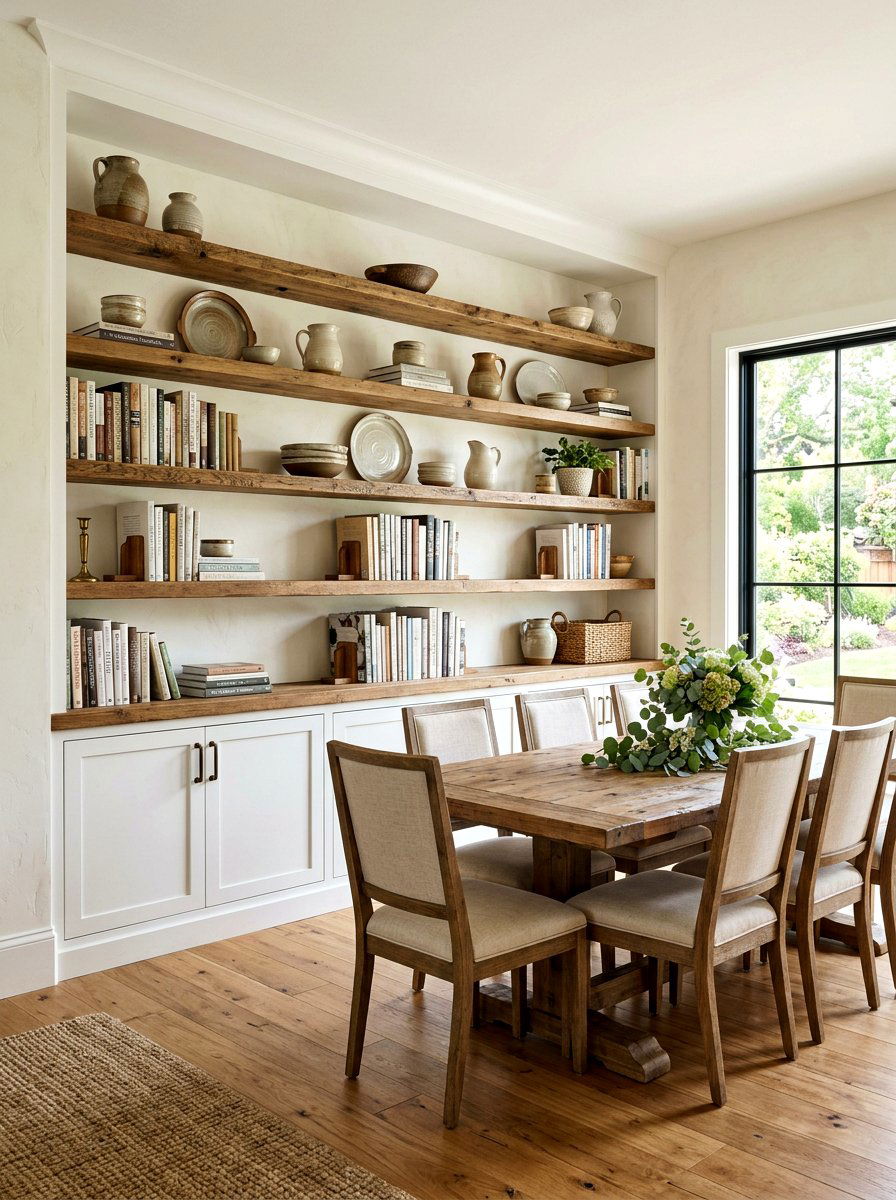
How can you display your favorite cookbooks and vintage pottery while also making the room feel more structured and intentional? Built-in shelving made from thick, natural wood planks offers a functional and beautiful way to add character to a rustic dining room. These shelves can be installed directly into a wall nook, providing a place to showcase curated decor without taking up extra floor space. By using reclaimed wood for the shelving, you add more texture and a sense of permanence to the design. This feature allows you to personalize the room with items that tell your family’s story, making it truly unique.
Conclusion:
Transforming your dining area with these rustic ideas allows you to create a space that is as functional as it is beautiful. By focusing on natural materials like reclaimed wood, stone, and woven fibers, you can craft an environment that feels grounded and full of character. Whether you choose the bold statement of a live-edge table or the subtle charm of shiplap walls, the goal is to design a room where people feel truly at home. Rustic design is not just about a specific look; it is about celebrating the imperfections and the warmth of the natural world. Use these inspirations to build a soulful sanctuary that will host cherished memories and delicious meals for many years to come with family and friends.

Related posts: