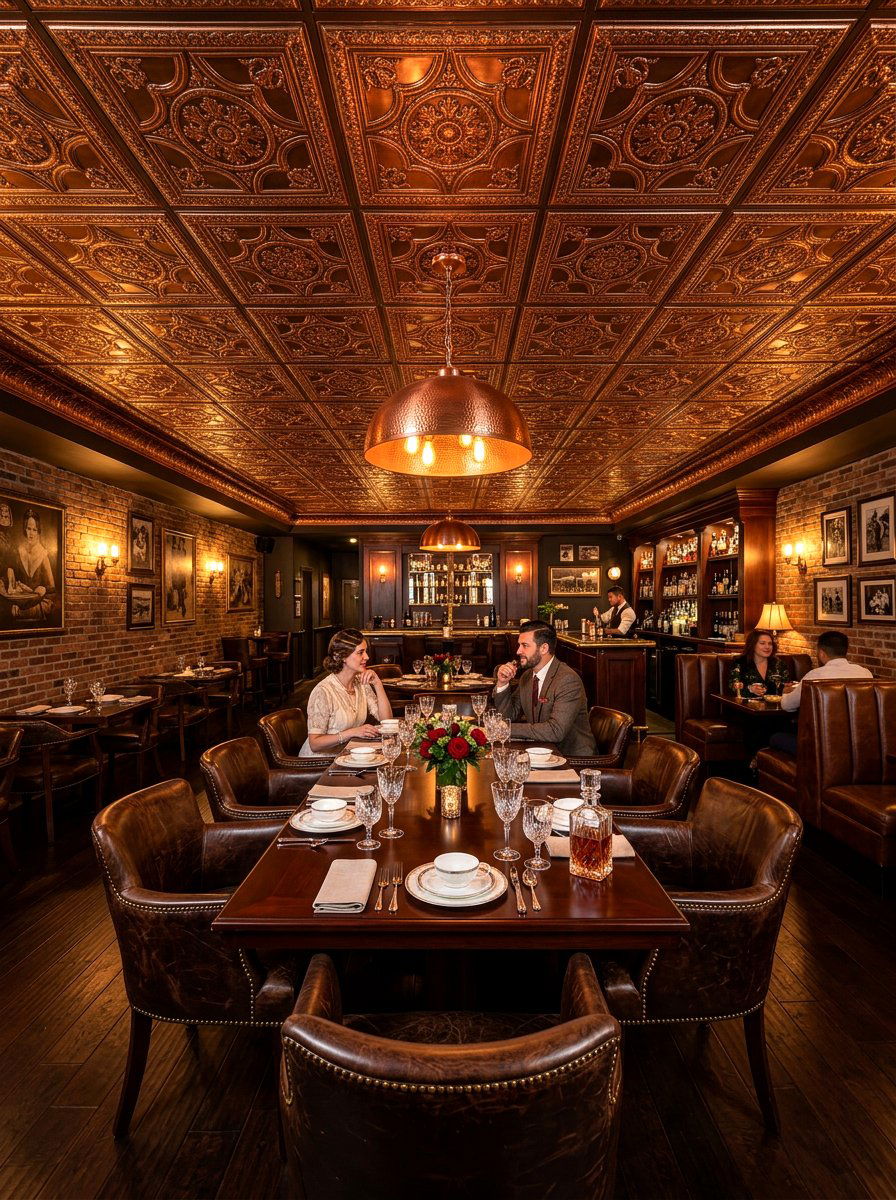
Creating a warm and inviting atmosphere in your home often begins with the heart of the gathering space, where the spirit of the Italian countryside can truly come alive. The Tuscan style is celebrated for its ability to blend rustic charm with an effortless elegance that makes every evening meal feel like a special occasion. By focusing on natural materials, sun-drenched color palettes, and architectural details like arches and exposed beams, you can transform a standard dining area into a soulful retreat. This aesthetic values history and craftsmanship, encouraging a relaxed environment where family and friends can linger long after the food is served.
1. Stone Wall Dining Room
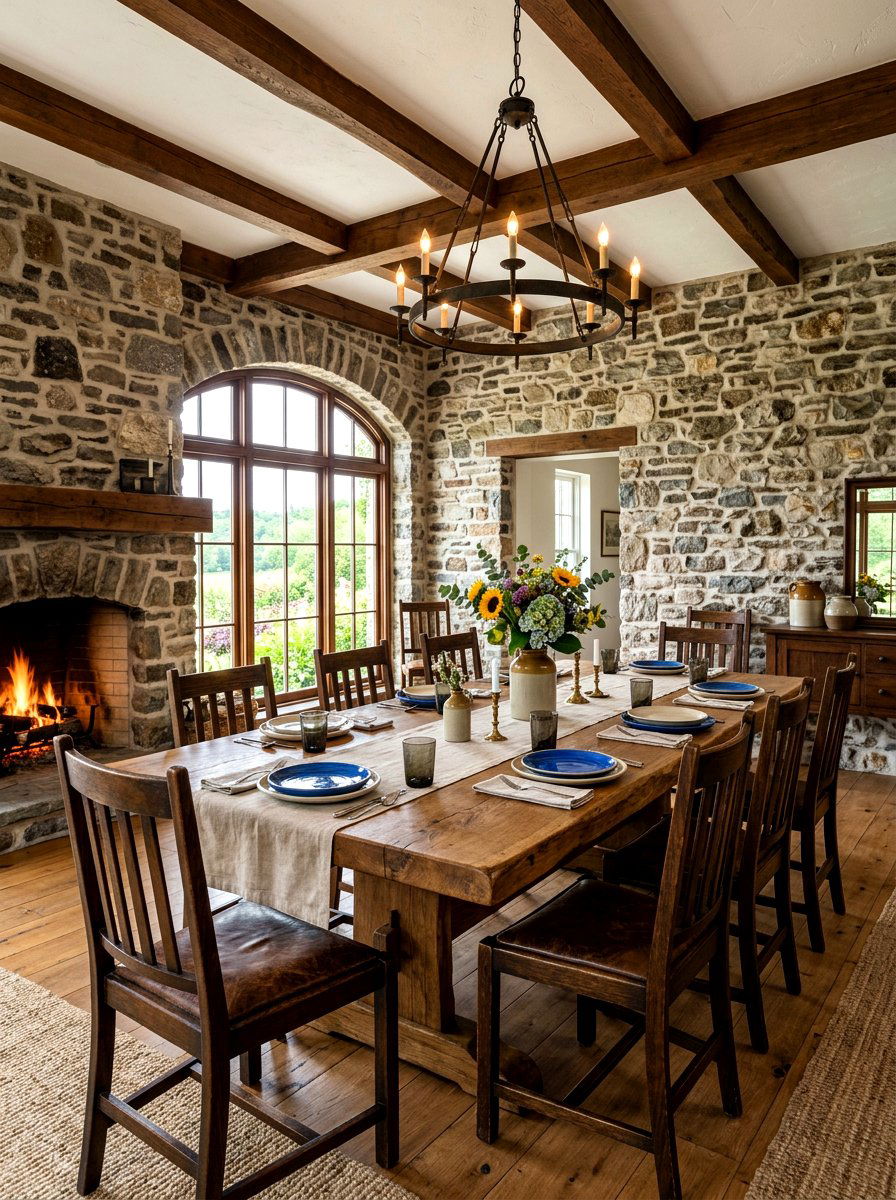
Integrating a natural stone wall into your dining space immediately grounds the room in the rugged beauty of the Italian landscape. This design choice provides an incredible tactile texture that serves as a stunning backdrop for every evening meal you host. You can choose rough-hewn fieldstone for a more rustic feel or polished limestone for a touch of refined elegance. Pairing the heavy masonry with soft, ambient lighting creates a cozy atmosphere that mimics the interior of an ancient hillside villa. The cool temperature of the stone contrasts beautifully with warm wooden furniture, creating a balanced and visually interesting environment that feels both historic and permanent.
2. Exposed Ceiling Beam Room
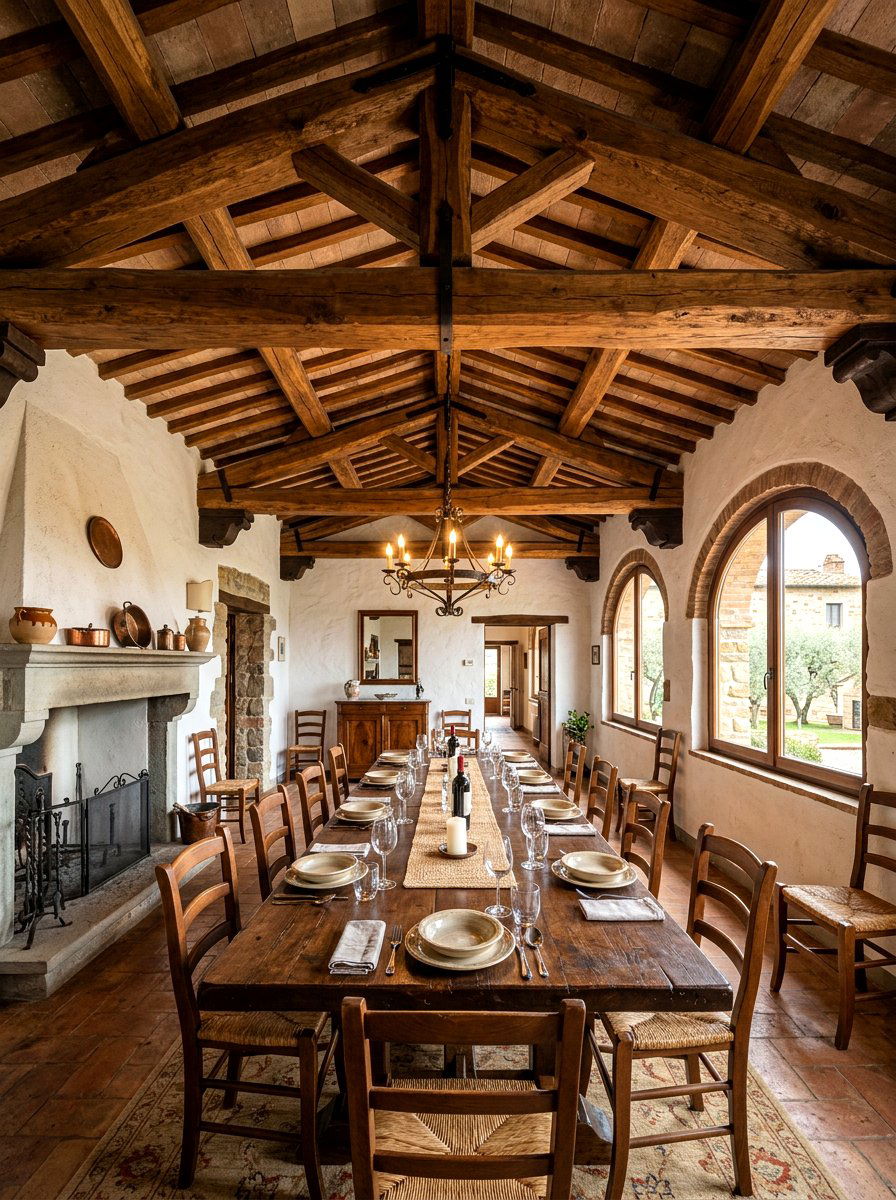
Heavy timber beams across the ceiling are a hallmark of traditional Italian architecture, adding architectural interest and a sense of structural honesty to the room. These raw or dark-stained wood elements draw the eye upward, making even smaller spaces feel more significant and grounded. By leaving the wood in its natural state, you emphasize the organic origins of the design and create a direct link to old-world craftsmanship. This overhead detail works harmoniously with plaster walls and terracotta floors to complete the classic look. The presence of these beams adds a layer of warmth and coziness, wrapping the room in a protective and sturdy embrace.
3. Mediterranean Earth Tone Room
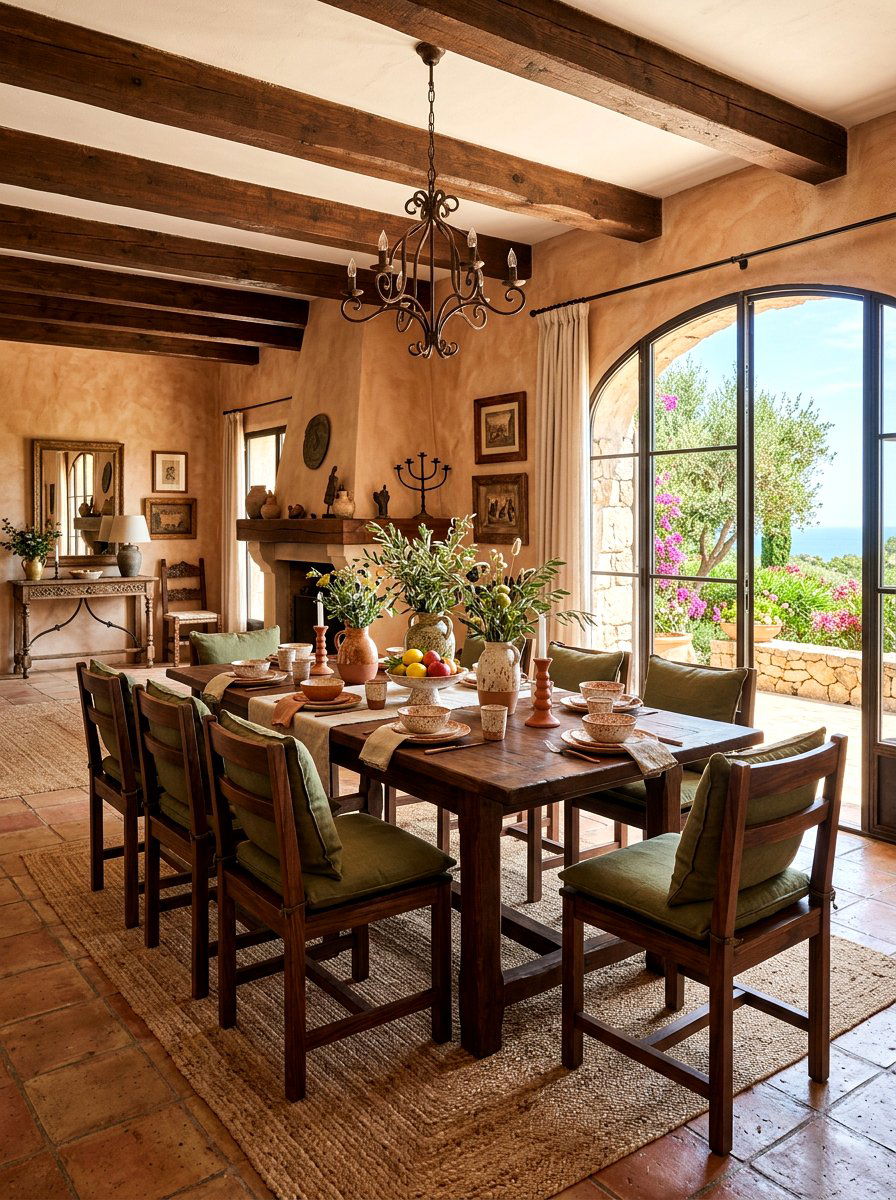
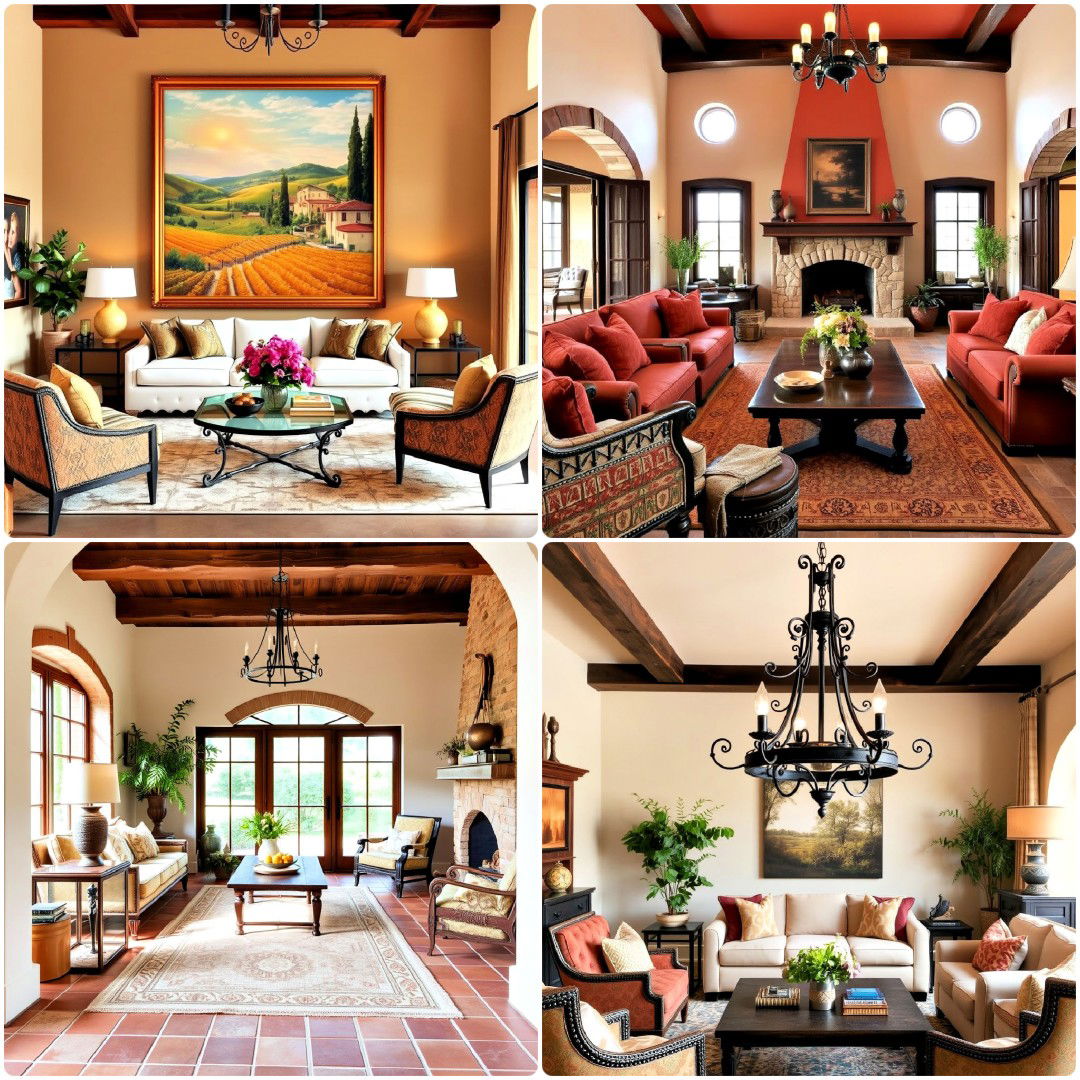
Embracing a color palette inspired by the clay soil and sun-baked hills of Tuscany is essential for creating an authentic atmosphere. Rich terracottas, deep ochres, and warm siennas bring an instant glow to the room, making it feel welcoming at any time of day. These hues reflect the natural environment and provide a soothing backdrop that complements a variety of furniture styles. Using these colors on the walls or through large-scale textiles creates a cohesive and grounded look. This warm environment encourages guests to relax and stay a while, fostering a sense of comfort and belonging that is central to the Italian way of living.
4. Rustic Italian Farmhouse Room
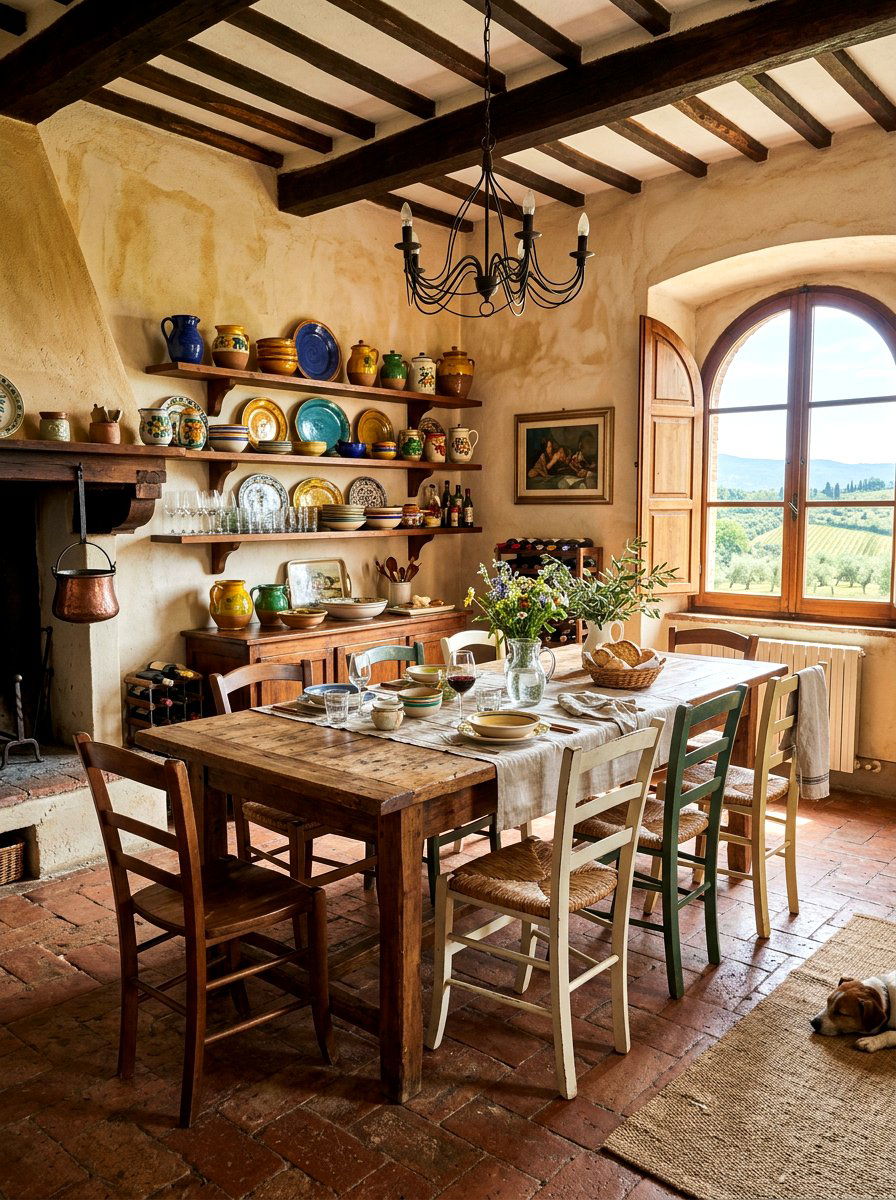
A rustic farmhouse approach focuses on simplicity and the beauty of functional objects, creating a space that feels lived-in and unpretentious. Centering the room around a large, reclaimed wood table with visible grain and knots emphasizes a connection to the land and history. Mismatched wooden chairs or simple benches add to the casual charm, making the space feel approachable for daily family gatherings. This design often features open shelving to display handcrafted pottery and functional kitchen tools, blending utility with decor. The overall effect is one of quiet sophistication and humble beauty, where the focus remains on the food and the company.
5. Arched Interior Doorway Room
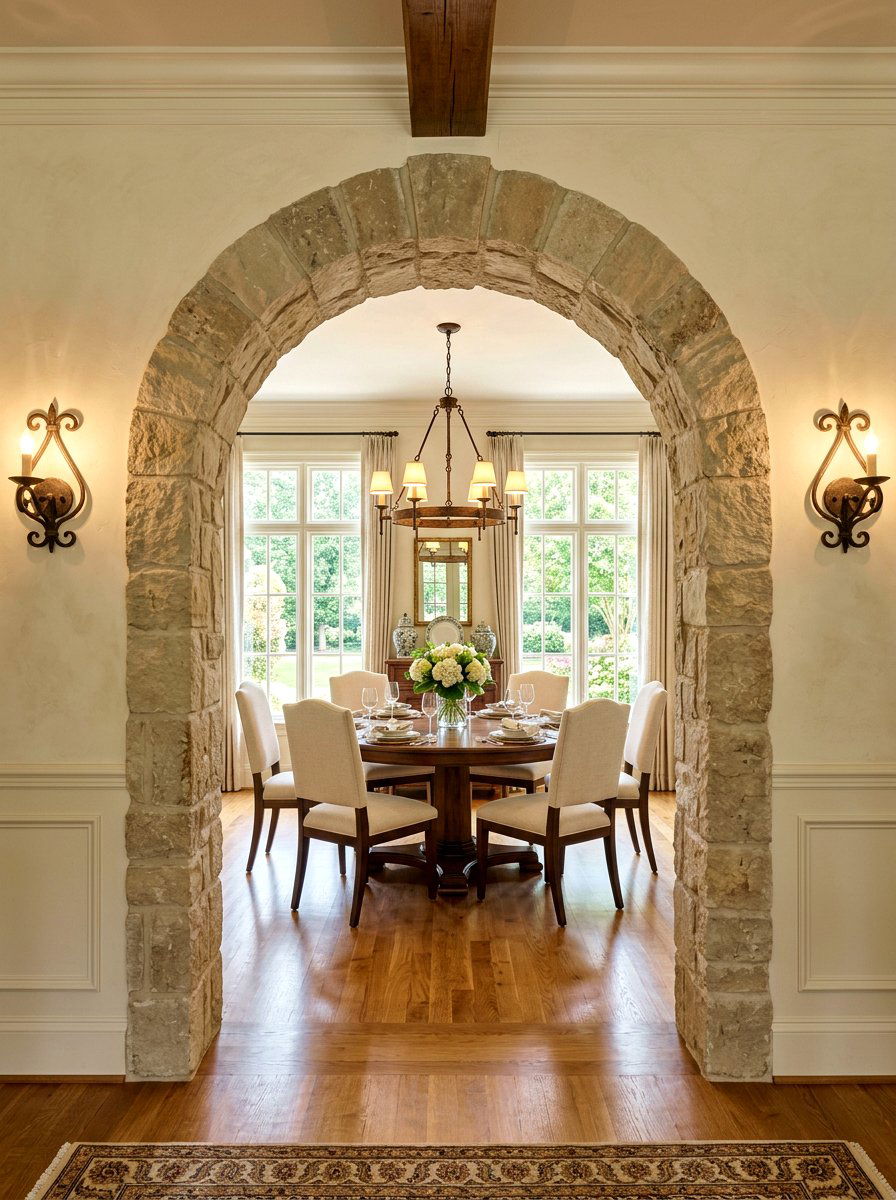
Softening the lines of your dining space with an arched doorway or window provides a graceful architectural transition that is quintessential to Mediterranean homes. These curved shapes break up the harsh angles of modern construction and add a romantic, classical elegance to the layout. An archway serves as a beautiful frame for the dining table, drawing guests into the room with an inviting sense of flow. Whether left as a simple opening or accented with stone or brick, this feature adds historical weight and character. It creates a sense of continuity between rooms while maintaining a distinct and intimate feel for the supper area.
6. Terracotta Floor Dining Room
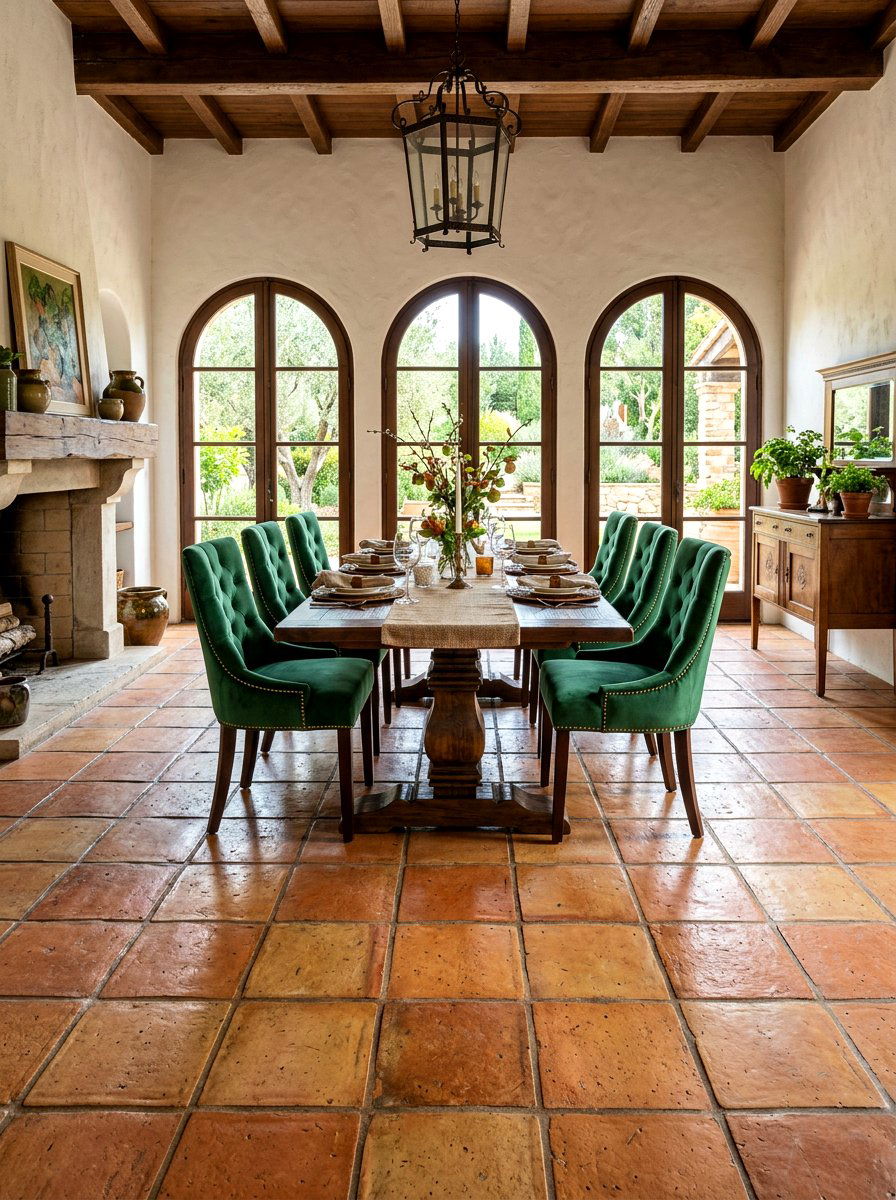
The warm, reddish-brown tones of terracotta floor tiles offer a durable and timeless foundation for any Italian-inspired space. These tiles provide a natural variation in color and texture that adds depth to the room and feels wonderfully cool underfoot during summer. Laying the tiles in a classic herringbone or grid pattern reinforces the traditional aesthetic and provides a sturdy surface for heavy furniture. The matte finish of the clay reflects light softly, contributing to the overall glow of the interior. This flooring choice is not only beautiful but also practical, as it ages gracefully and develops a unique patina over years of use.
7. Wrought Iron Chandelier Room
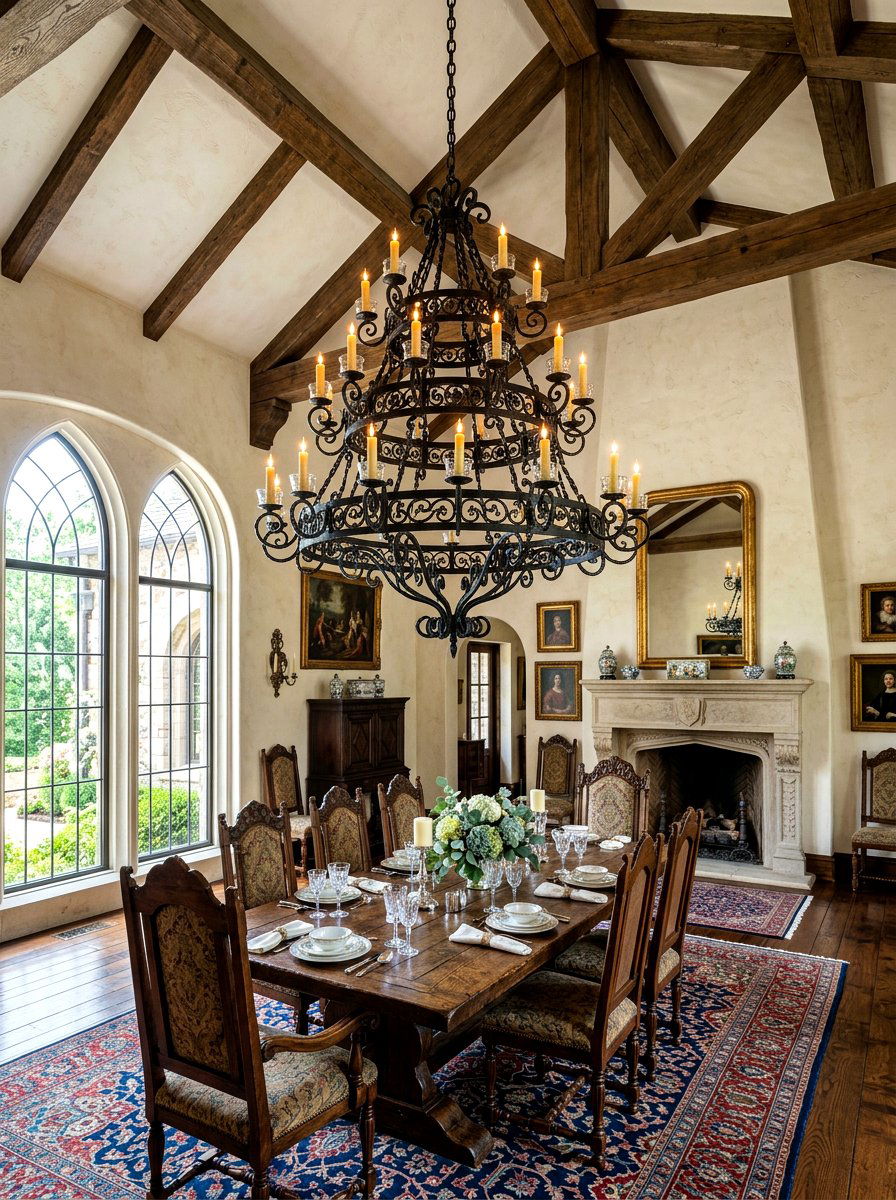
Hanging a large wrought iron chandelier above the main table provides a striking focal point that combines strength with delicate craftsmanship. The dark, hand-forged metal contrasts sharply with lighter wall colors, adding a touch of drama and old-world sophistication to the ceiling. Choose a design with multiple tiers or intricate scrolls to enhance the historical feel of the space. The warm light from the bulbs mimics the soft flicker of candles, casting a gentle glow over the dinner setting. This light fixture acts as an anchor for the room's design, tying together other metal accents and reinforcing the theme of timeless elegance.
8. Textured Plaster Wall Room
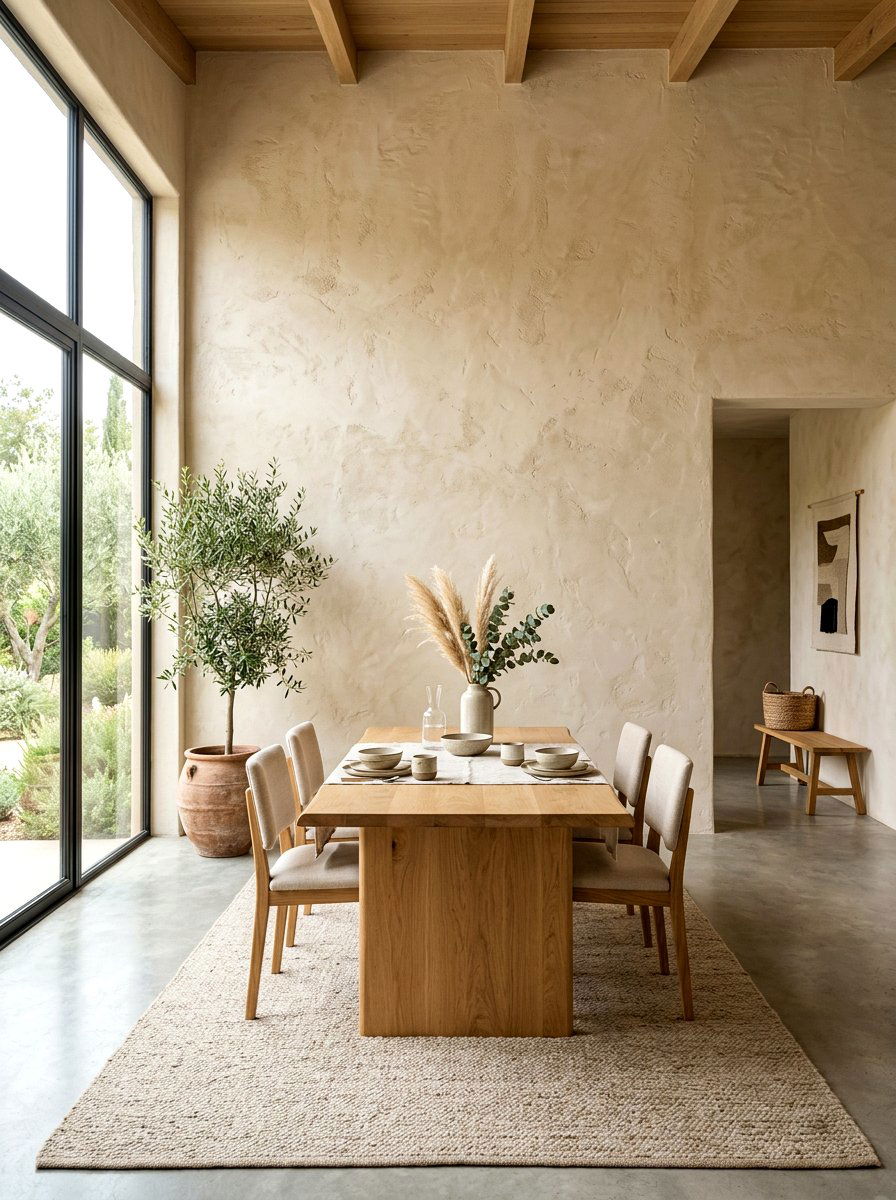
Applying a textured plaster or lime wash finish to the walls adds a layer of visual depth that plain paint simply cannot achieve. This technique mimics the aged surfaces of historic villas, giving the room a sense of history and character even in a new home. The subtle variations in color and the way the surface catches the light create a dynamic backdrop that feels soft and organic. You can choose a sandy neutral or a warm beige to keep the space feeling bright and airy while still maintaining that essential Tuscan grit. It provides a sophisticated foundation that allows art and furniture to truly stand out.
9. Modern Tuscan Dining Room
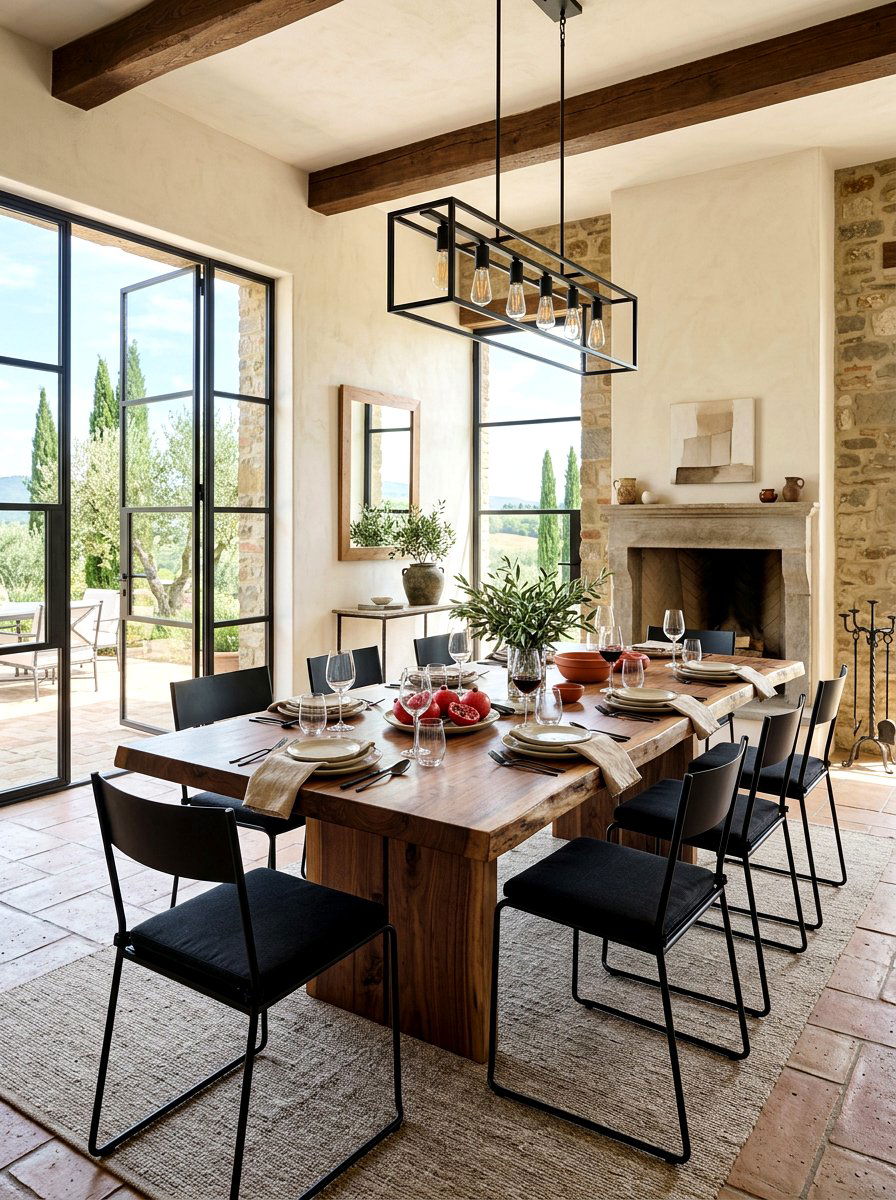
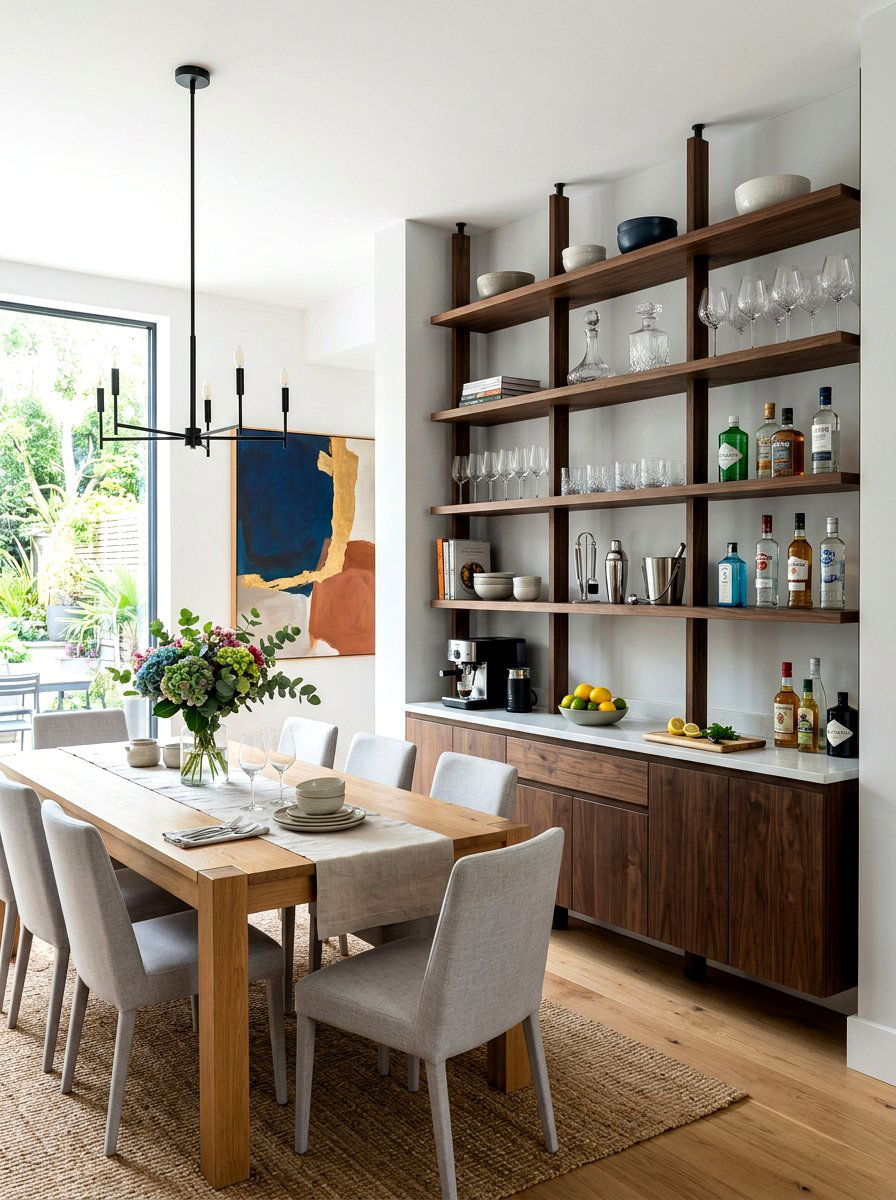
Creating a modern interpretation of this classic style involves keeping the essential elements while streamlining the overall look for a cleaner aesthetic. Focus on a lighter color palette with soft creams and greys, accented by a few carefully selected rustic pieces like a live-edge wooden table. Minimalist wrought iron fixtures and simpler window treatments allow more natural light to fill the space, making it feel fresh and updated. This approach removes the heaviness of traditional decor while retaining the warmth and soul that makes the style so popular. It is perfect for those who want the comfort of Italy with a contemporary, clutter-free edge.
10. Traditional Italian Villa Room
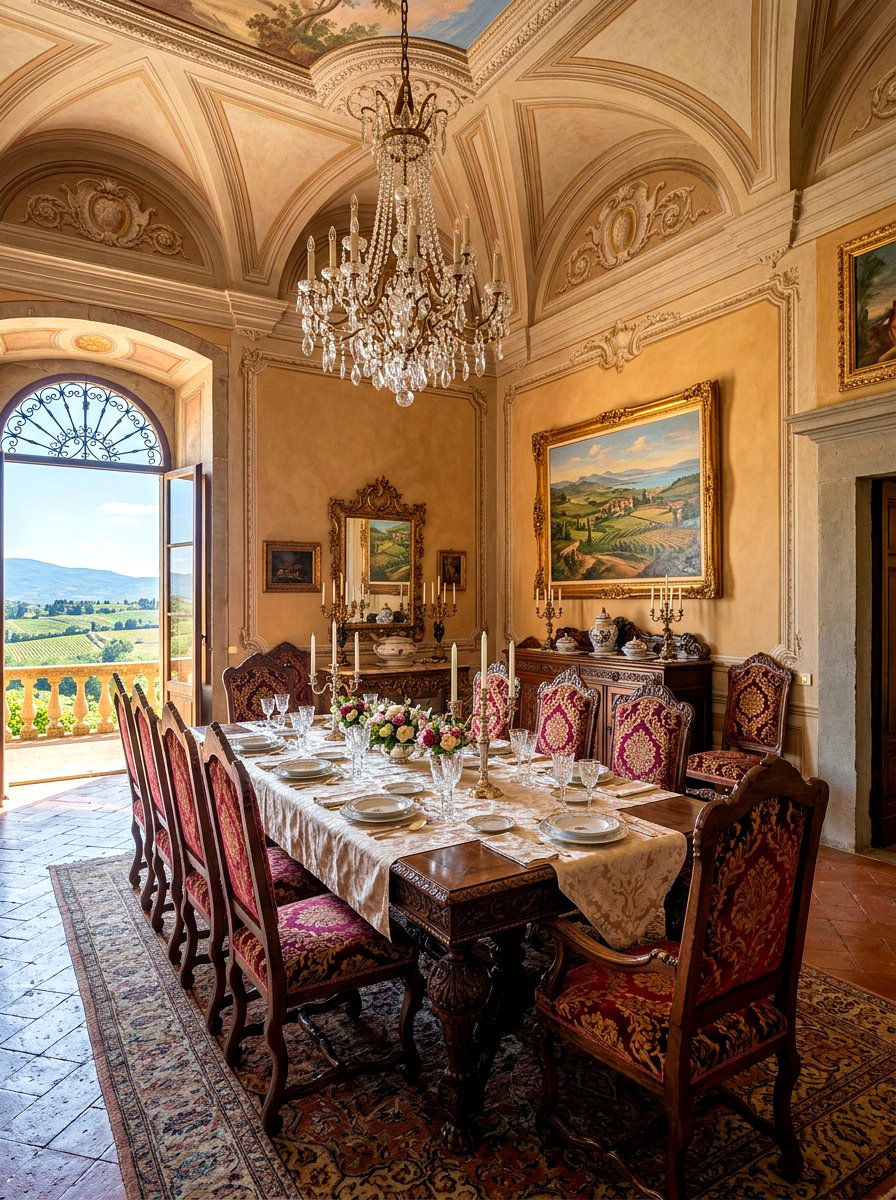
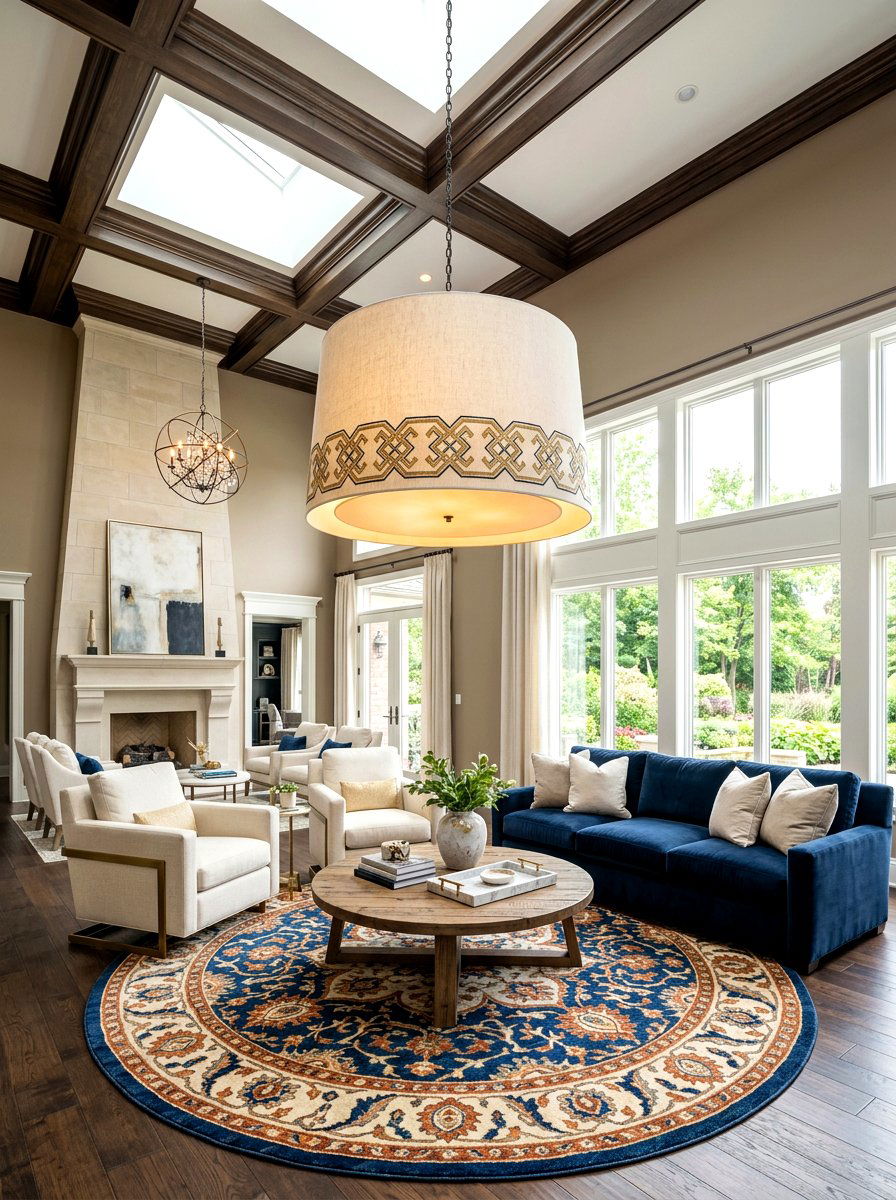
Drawing inspiration from grand country estates, this design focuses on formal elegance and high-quality materials to create an impressive dining environment. Incorporate ornate details like carved chair legs, velvet upholstery, and large-scale paintings of the Italian countryside to set a sophisticated tone. A long, dark-stained table serves as the centerpiece, surrounded by comfortable seating that encourages formal entertaining. Decorative moldings and ceiling medallions add a layer of architectural richness that feels expensive and historic. This style is about celebrating heritage and fine craftsmanship, resulting in a room that feels like a permanent sanctuary for refined gatherings and memorable family holiday meals.
11. Green Vineyard Theme Room
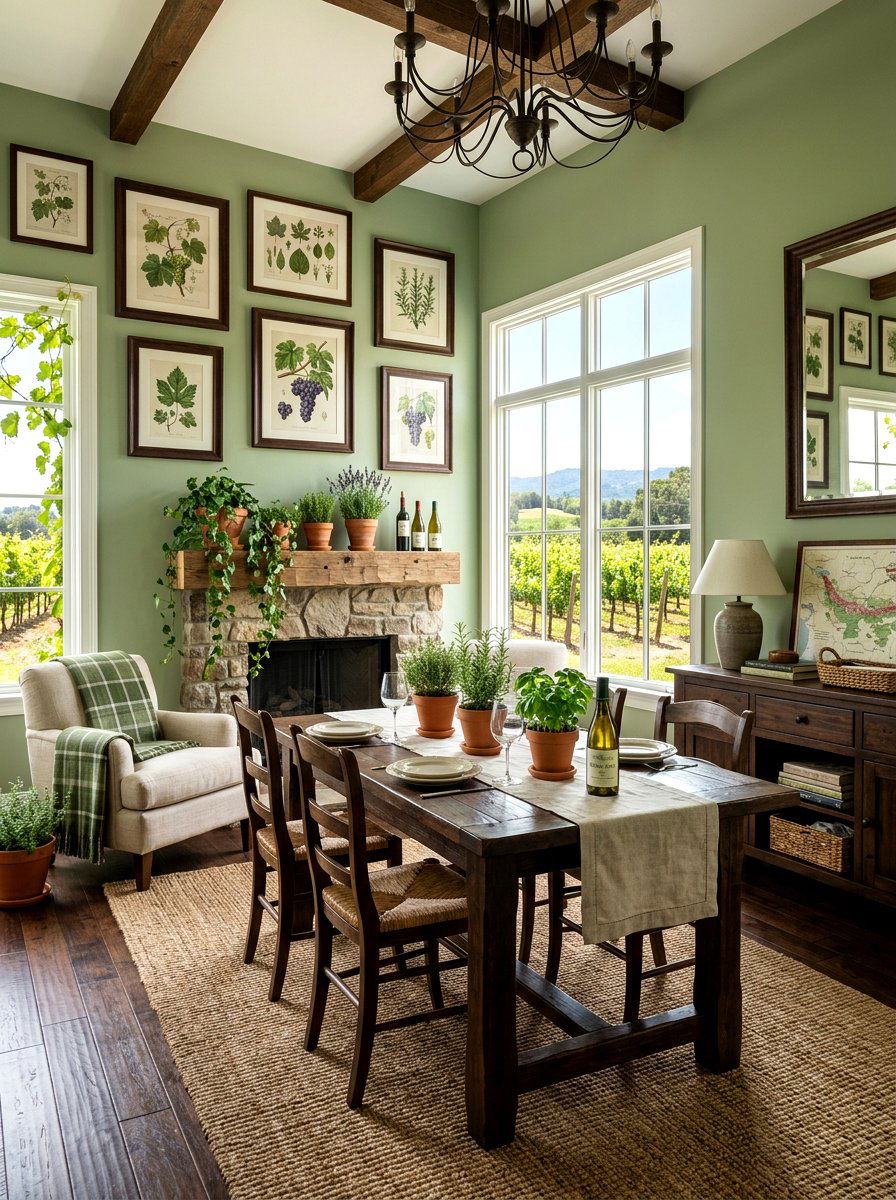
Bringing the lush colors of a hillside vineyard into your dining space creates a refreshing and vibrant atmosphere. Using shades of olive, sage, and deep forest green on the walls or through upholstery connects the interior to the natural beauty of the groves. Accenting the room with botanical prints and fresh greenery in terracotta pots reinforces this biophilic connection. This color palette is naturally calming and pairs beautifully with dark woods and stone accents. It evokes the feeling of a sun-drenched afternoon spent among the vines, providing a peaceful backdrop for enjoying fresh produce and light, refreshing beverages with your loved ones.
12. Open Concept Dining Room
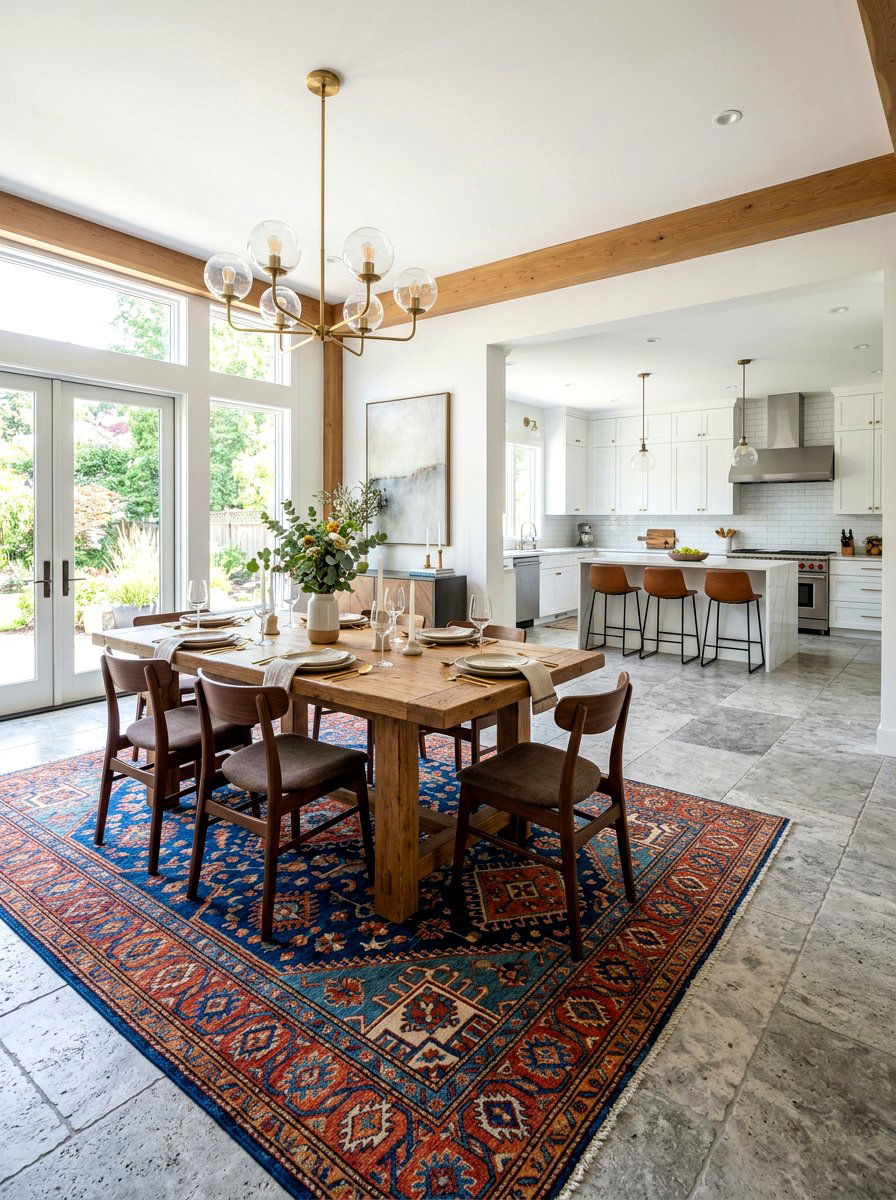
Designing a Tuscan-inspired supper area within an open floor plan requires a careful balance of materials to define the space without closing it off. Use a large area rug with a traditional pattern to anchor the dining set and distinguish it from the adjacent kitchen or living room. Consistent flooring, such as hardwood or stone, helps maintain a sense of flow while matching wooden elements across the different zones creates visual harmony. Incorporating a shared architectural feature, like an arched ceiling or continuous wood beams, ties the entire space together. This layout is ideal for modern families who enjoy a seamless transition between cooking and eating.
13. Formal Banquet Style Room
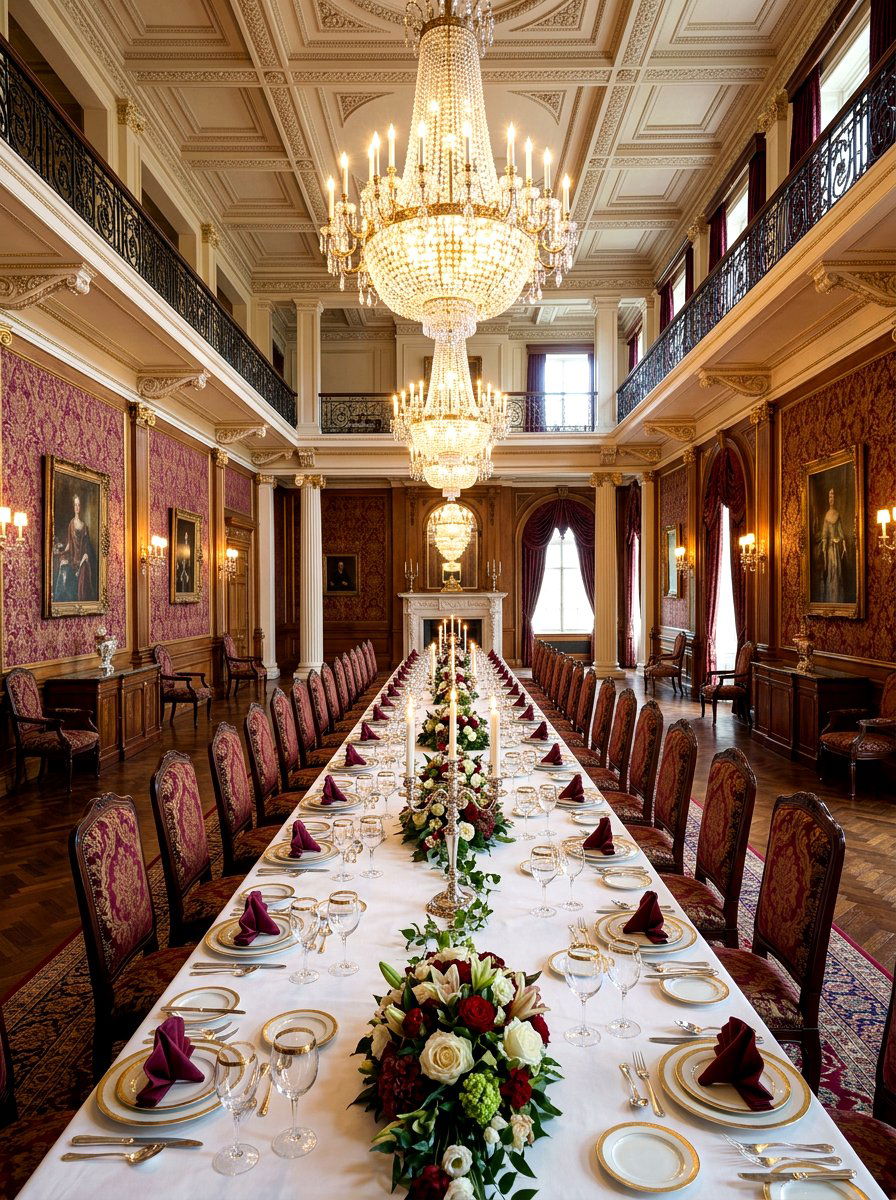
A banquet-style arrangement focuses on a grand scale, featuring a massive table and dramatic lighting to create a sense of theater. This design is perfect for large families or those who frequently host large dinner parties and want everyone to feel included. High-backed chairs upholstered in rich fabrics like linen or leather provide comfort and a sense of luxury for guests. A series of matching chandeliers or a very long pendant light can help illuminate the entire length of the table evenly. The focus here is on abundance and celebration, making the supper room the primary destination for all significant social gatherings.
14. Compact Tuscan Dining Room
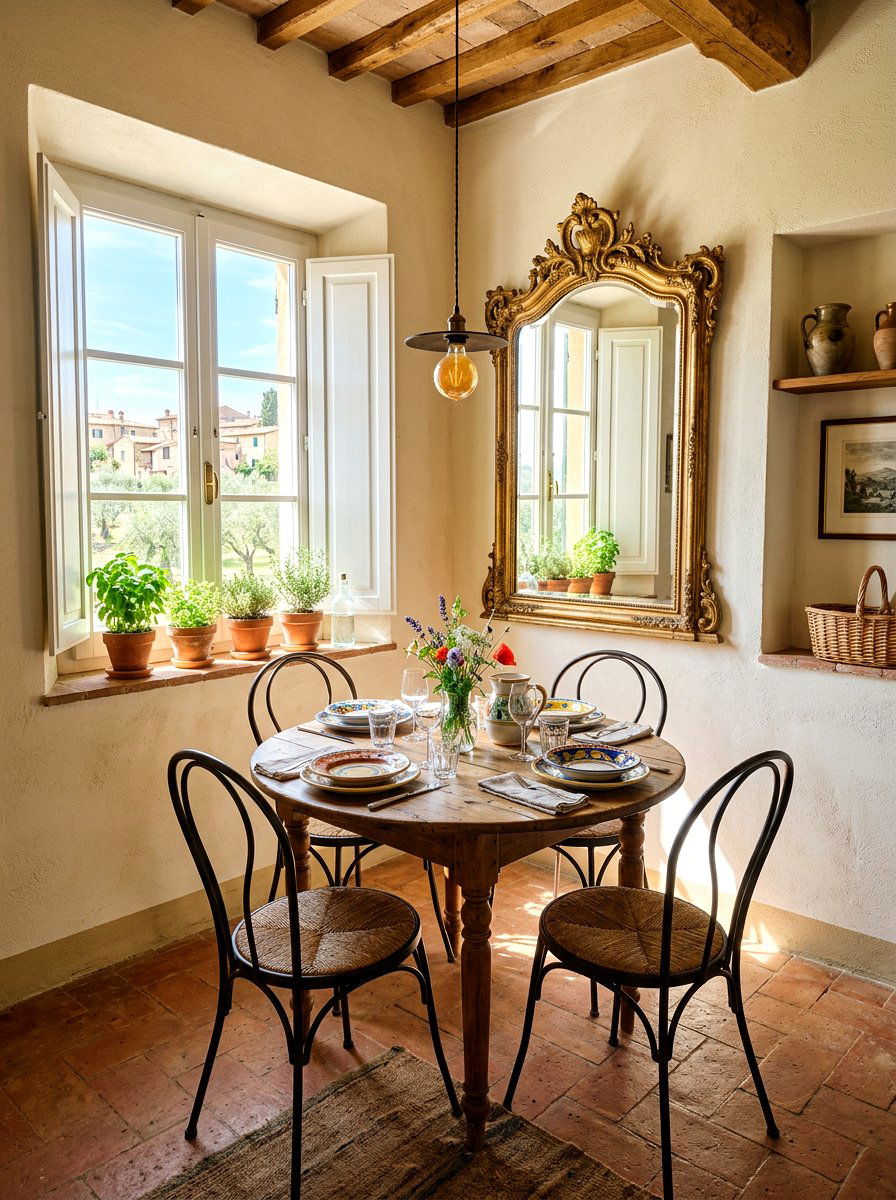
Even a small space can capture the essence of Italy by focusing on scale and essential textures rather than an abundance of items. Choose a round wooden table to improve flow in a tight corner and pair it with slim wrought iron chairs to keep the visual weight light. Use a large mirror with an ornate frame to reflect light and create the illusion of more space. A single textured wall in a warm ochre or cream can provide all the character you need without overwhelming the room. By being intentional with every piece, you create a cozy and intimate nook that feels purposeful and charming.
15. Long Harvest Table Room
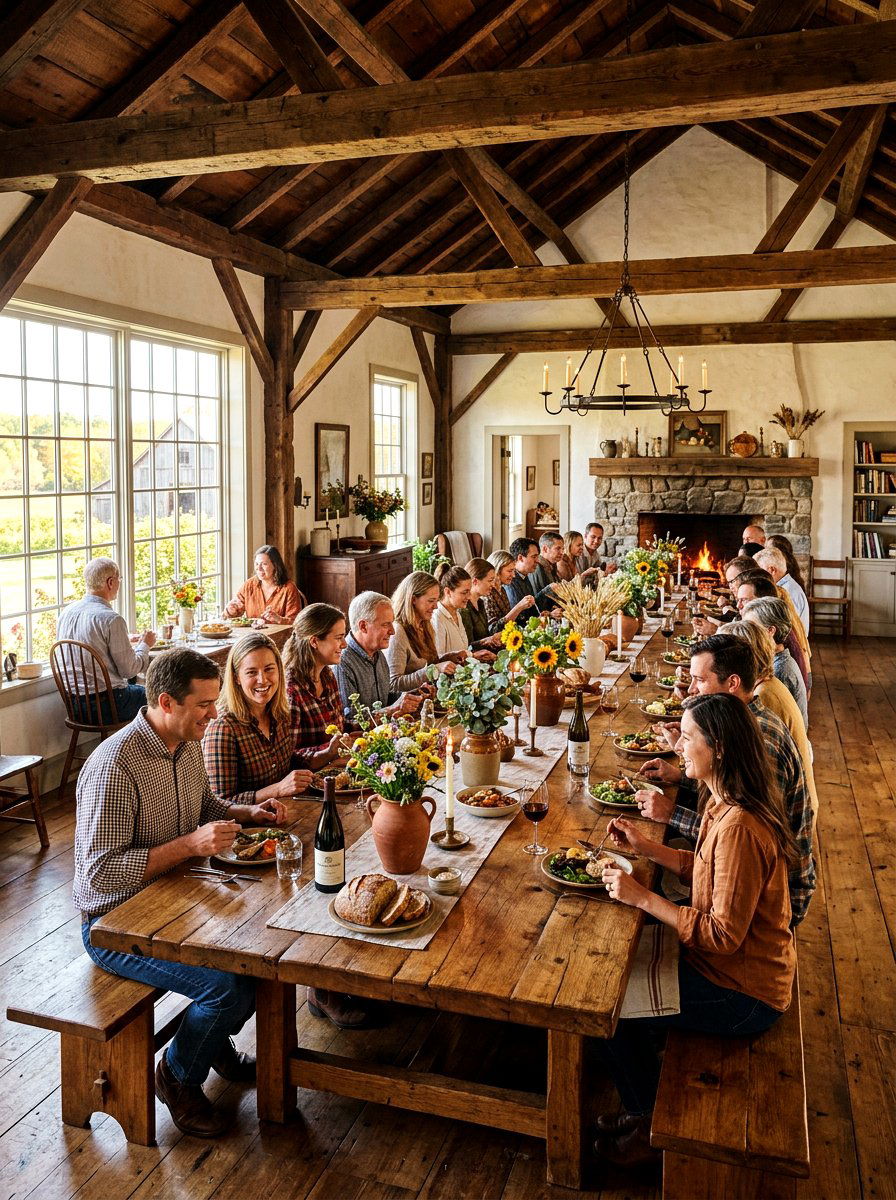
The harvest table is the ultimate symbol of community and sharing, designed to accommodate a crowd for a bountiful meal. Choosing a table made from thick, solid planks of wood provides a sturdy and honest centerpiece that only gets better with age. Pair it with long benches on the sides to encourage a casual, communal seating arrangement that is perfect for large family dinners. This look is completed with a simple linen runner and a few oversized ceramic pitchers for a touch of rustic utility. It is a functional design that prioritizes the experience of togetherness and the simple joy of sharing food.
16. Bright Sunlit Dining Room
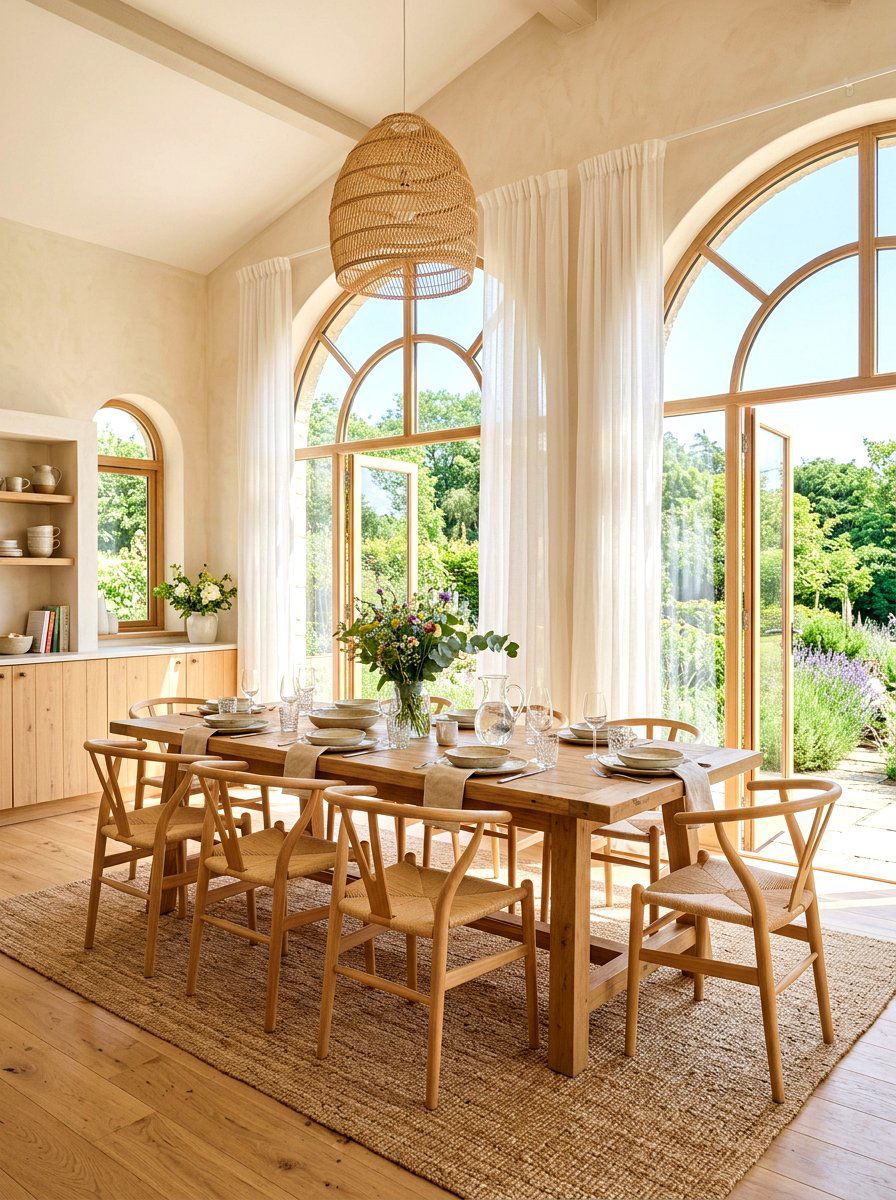
Maximizing natural light is key to making the warm earth tones of this style feel vibrant rather than heavy or dark. Large windows, preferably with arched tops, should be left unobstructed or dressed in sheer, light-colored fabrics to allow the sun to pour into the room. The golden hour light hitting textured plaster walls creates a magical, glowing effect that is incredibly inviting. Using a lighter color palette for the ceiling and floor can help bounce the light around the space even further. A bright room feels more spacious and uplifting, perfectly capturing the sun-drenched spirit of a summer afternoon in the hills.
17. Warm Ochre Wall Room
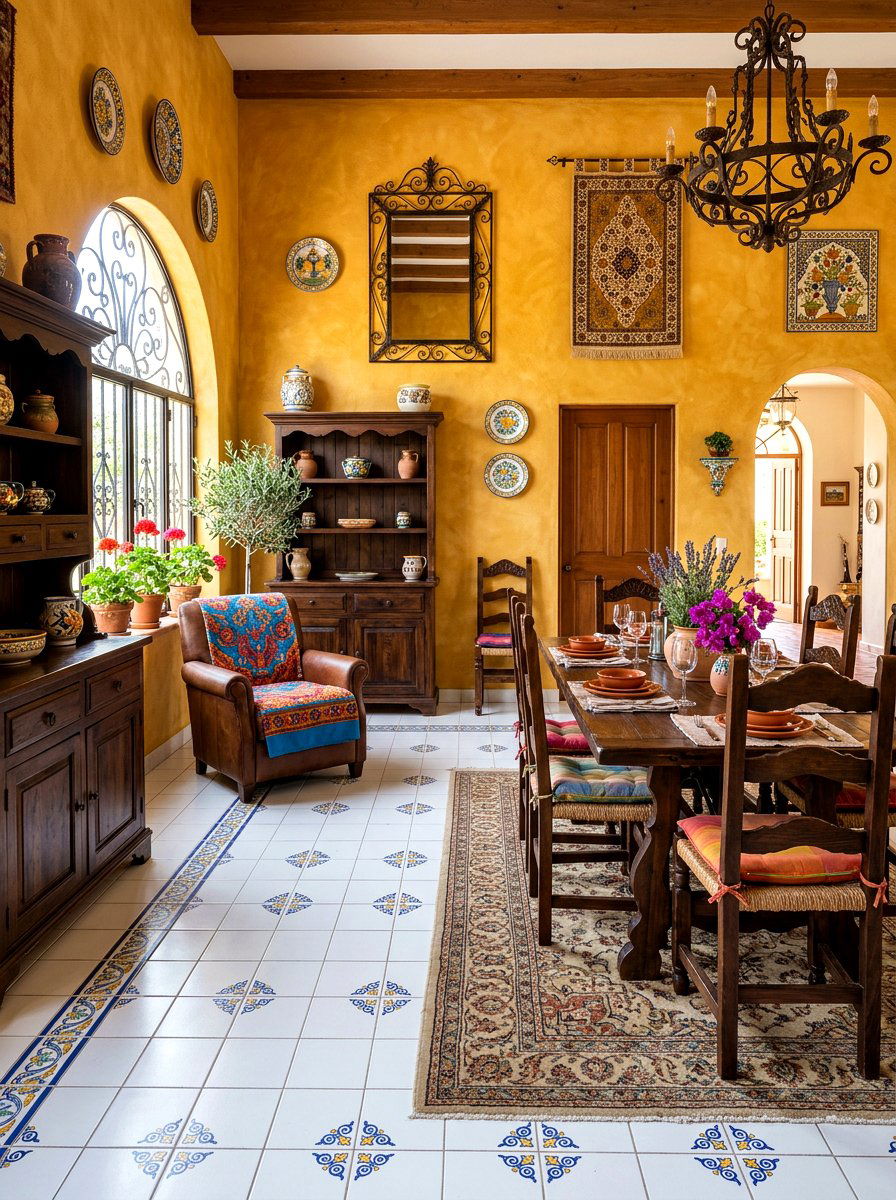
Ochre is a classic Italian color that brings the warmth of the sun into any interior, creating a cheerful and energetic environment. This golden-yellow hue works exceptionally well in dining spaces because it stimulates the appetite and feels naturally cozy under artificial light. You can apply it as a solid color or use a rag-rolling technique to add a subtle, aged texture that feels more authentic. Pairing ochre walls with dark wood furniture and green accents creates a classic Mediterranean contrast that is timeless. It is a bold yet comforting choice that makes the room feel like it is always bathed in a warm sunset.
18. Antique Wood Furniture Room
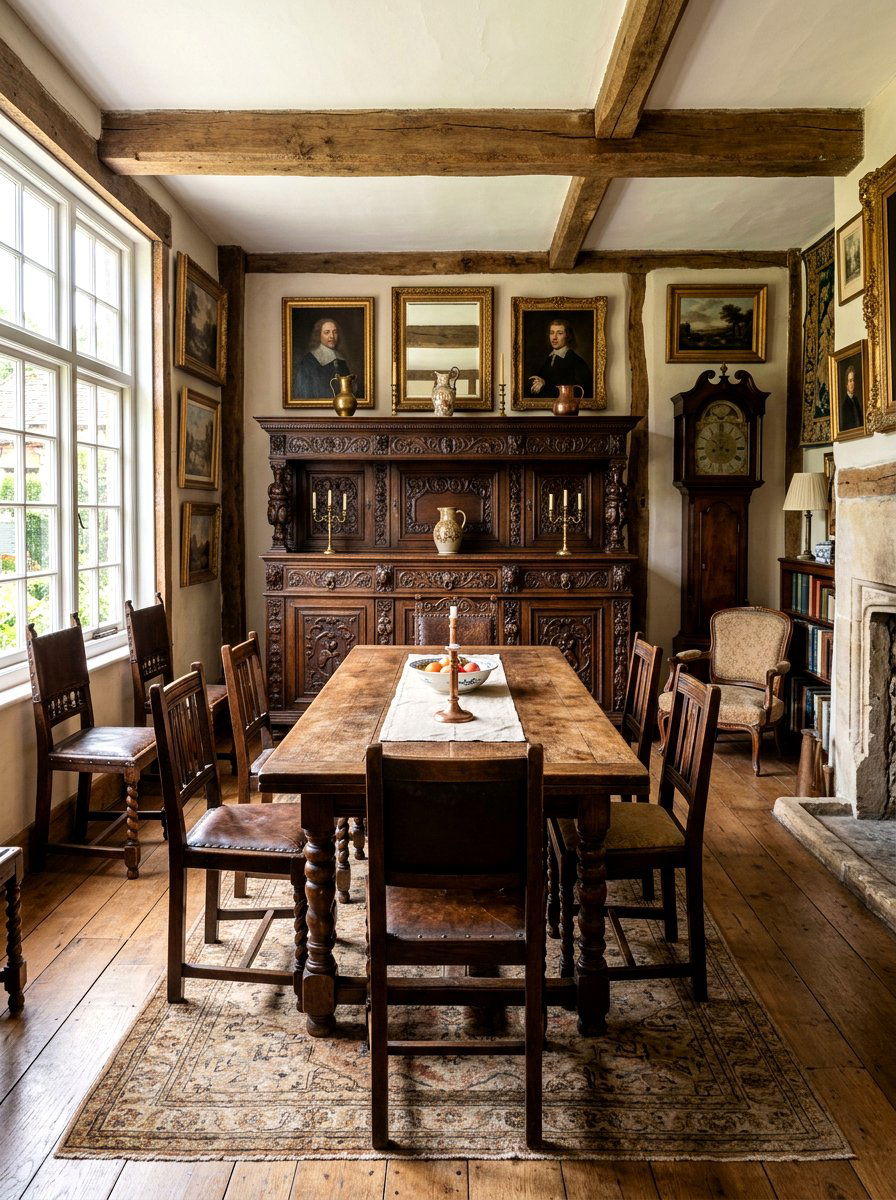
Incorporate pieces with a history to add soul and a sense of continuity to your dining area. An antique sideboard or a set of vintage chairs brings a unique character that modern, mass-produced furniture simply cannot replicate. Look for items with hand-carved details, worn edges, and a rich patina that tells a story of years of use. Mixing these older pieces with a newer table can prevent the room from feeling like a museum while still honoring the past. This approach emphasizes the value of quality and longevity, creating a space that feels curated and deeply personal rather than just decorated for a trend.
19. Decorative Tray Ceiling Room
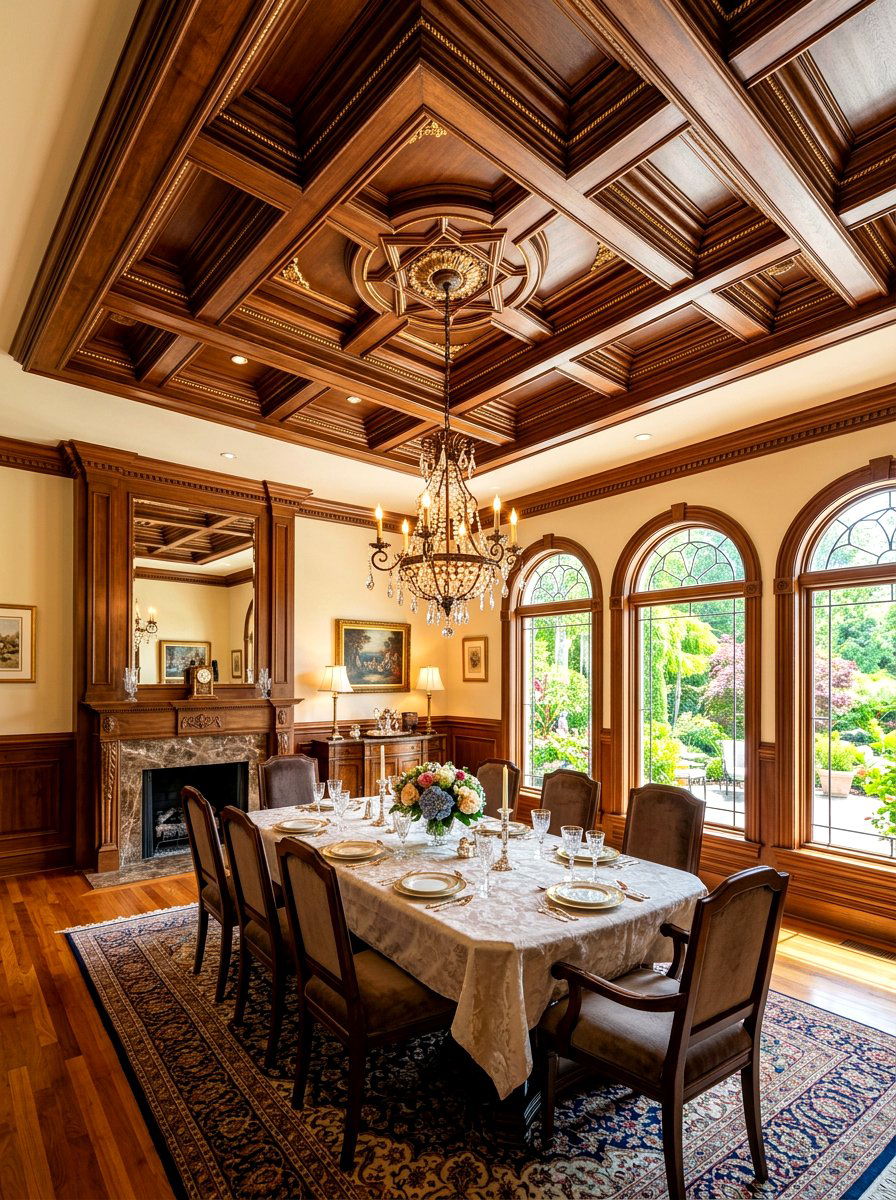
Adding a tray ceiling with recessed lighting or decorative painting provides an extra layer of architectural sophistication to the dining room. You can paint the inner portion of the tray a contrasting color or add a subtle plaster texture to make it a focal point. This feature helps to define the dining area within a larger room and adds a sense of height and grandeur. Incorporating a decorative border or even a soft mural of the sky can bring a touch of Italian artistry into the home. It is a sophisticated detail that elevates the entire design and makes the space feel more finished.
20. Exposed Brick Accent Room
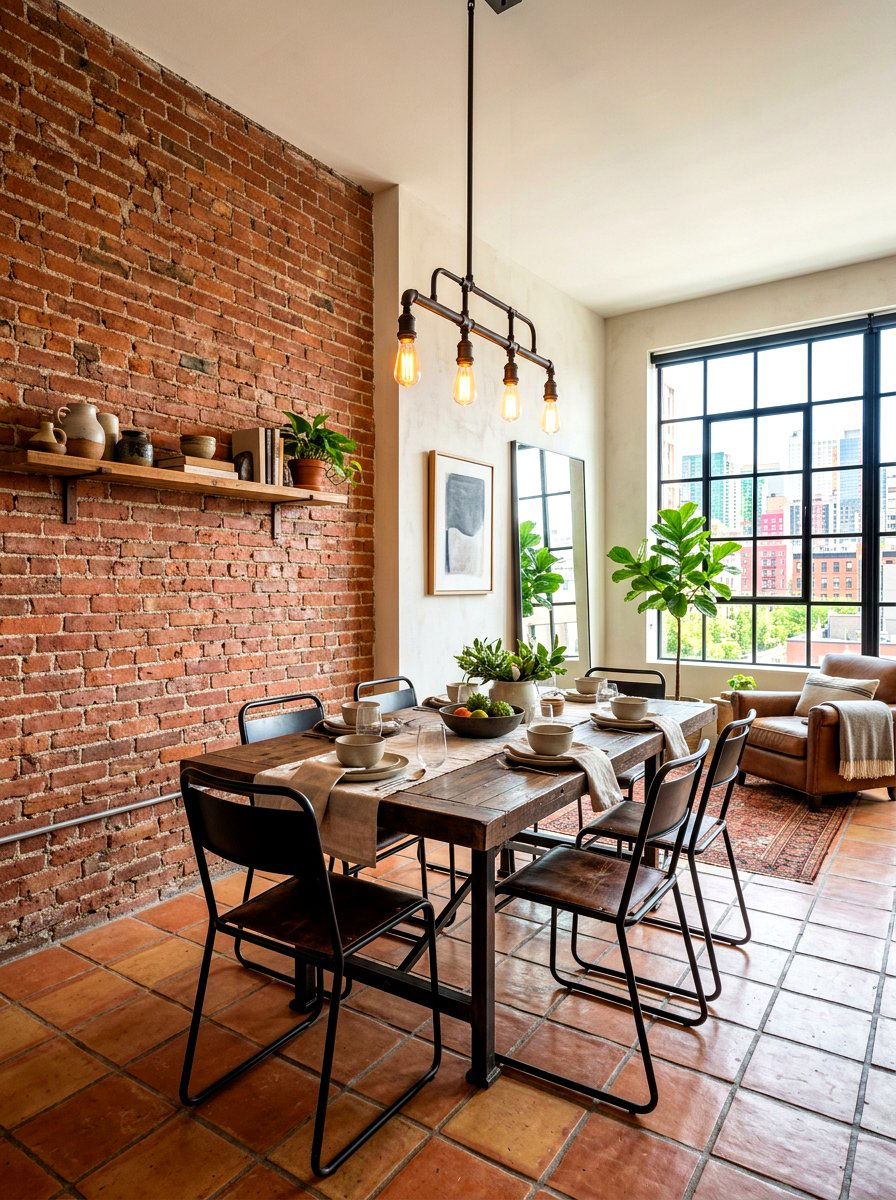
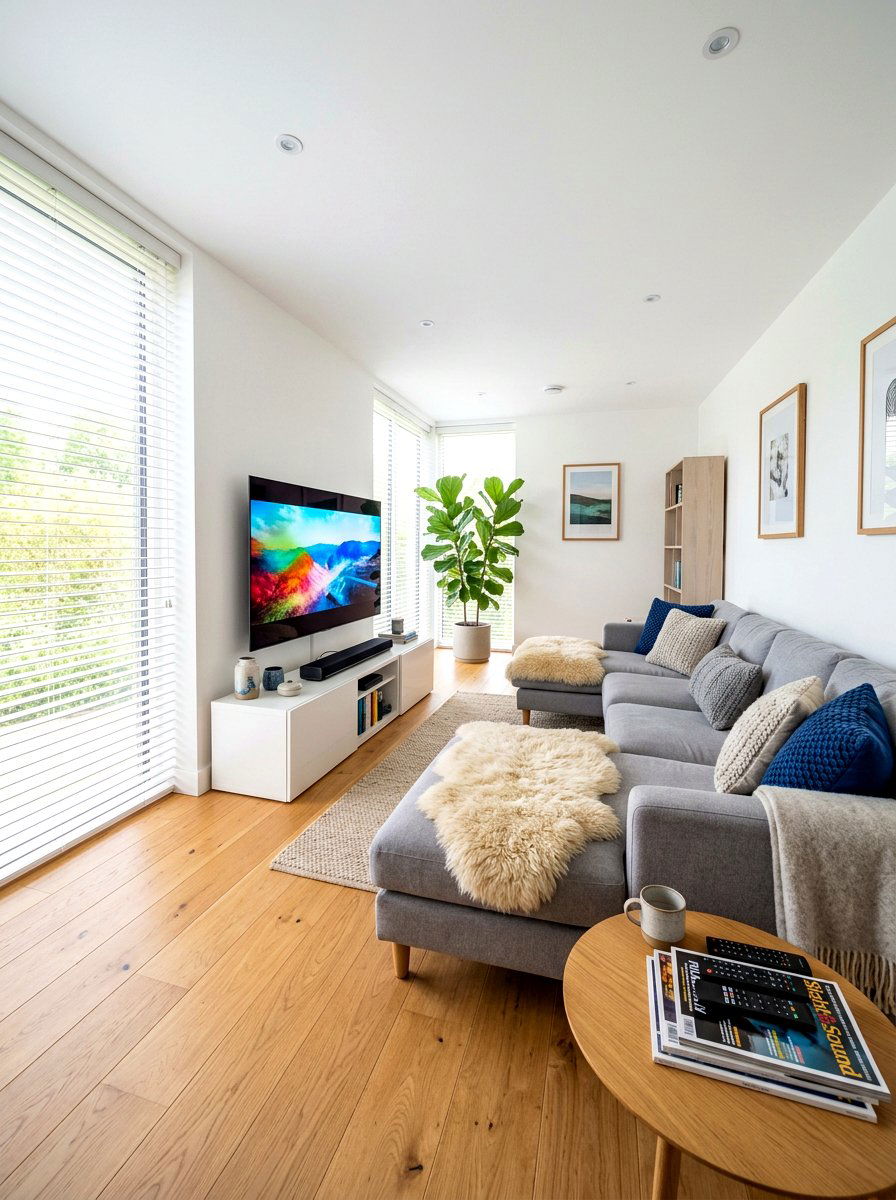
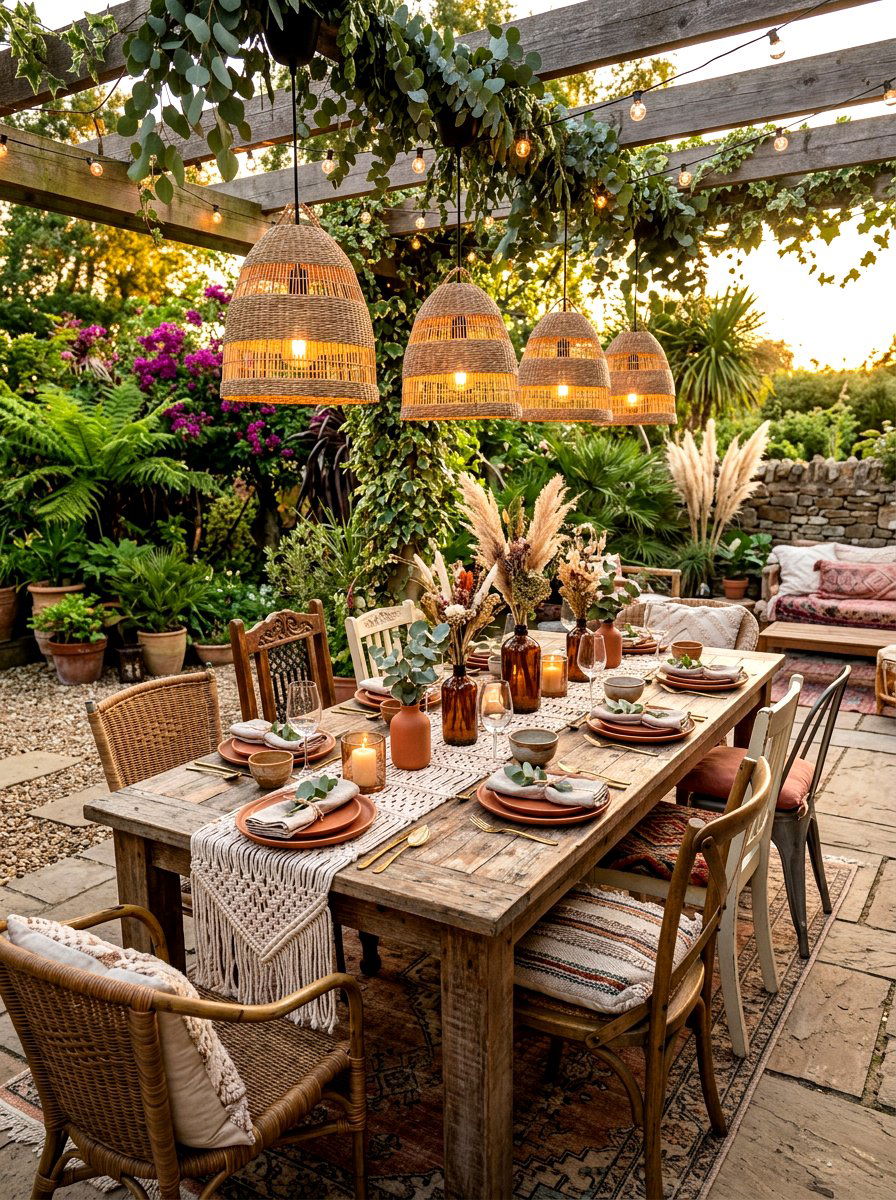
Using exposed brick adds an urban yet rustic touch to the Mediterranean aesthetic, providing a varied texture and a warm, red-toned palette. A brick accent wall or a brick-lined archway creates a sense of structural history, making the room feel like it was built into an old farmhouse or factory. The natural irregularities in the brick surfaces add a cozy, lived-in feel that pairs perfectly with reclaimed wood and iron. You can leave the brick in its natural state or apply a light whitewash to soften the look for a more modern, airy vibe. It is a versatile element that adds instant character and warmth.
21. Courtyard View Dining Room
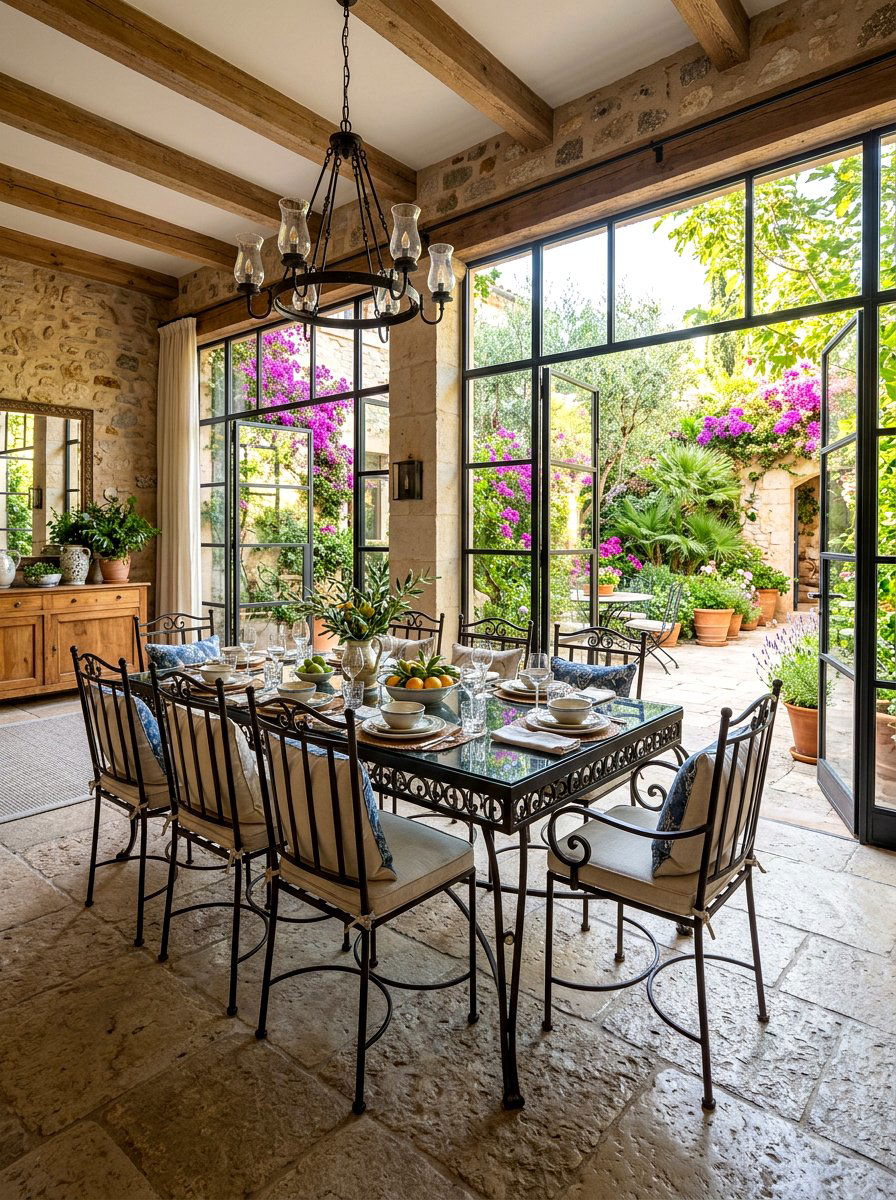
Positioning your dining table near a large set of glass doors that open onto a garden or courtyard creates a beautiful indoor-outdoor connection. This layout allows the beauty of your landscaping to serve as the backdrop for your meals, mimicking the alfresco dining experience of Italy. Being able to see greenery and feel a breeze while eating makes the space feel larger and more connected to nature. Using similar materials inside and out, like stone flooring or wrought iron furniture, helps to blur the lines between the two areas. It creates a serene and peaceful environment that is perfect for slow, evening gatherings.
22. Light Coastal Tuscan Room
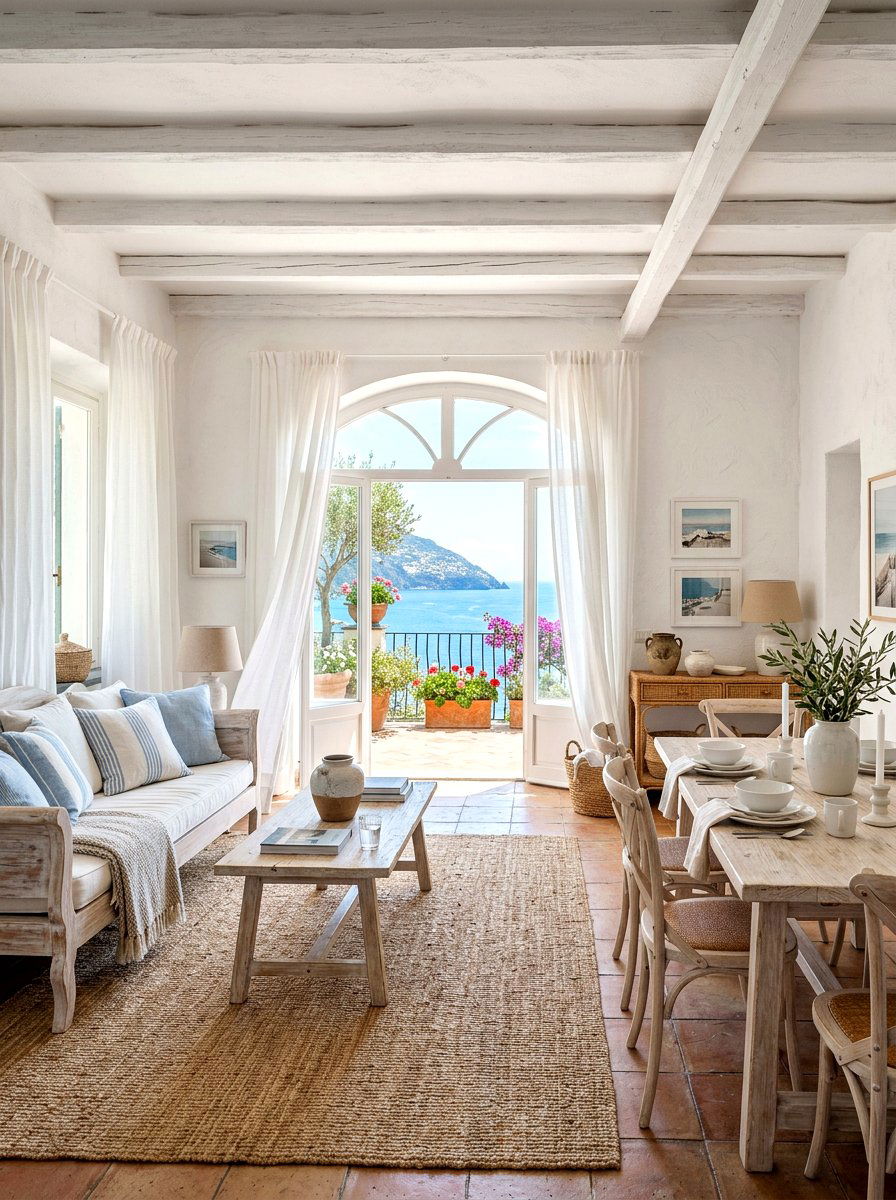
A coastal variation of the style incorporates lighter blues and sandy neutrals to reflect the beauty of the Italian shoreline. Instead of heavy, dark woods, choose bleached oak or white-painted furniture to keep the atmosphere feeling breezy and fresh. Incorporate natural textures like jute rugs, linen curtains, and seagrass baskets to add warmth without the weight. This version of the design is perfect for homes near the water or for anyone who wants a more relaxed, airy version of the classic aesthetic. It retains the rustic charm of the countryside while embracing the brightness and clarity of a seaside retreat.
23. Simple Minimalist Tuscan Room
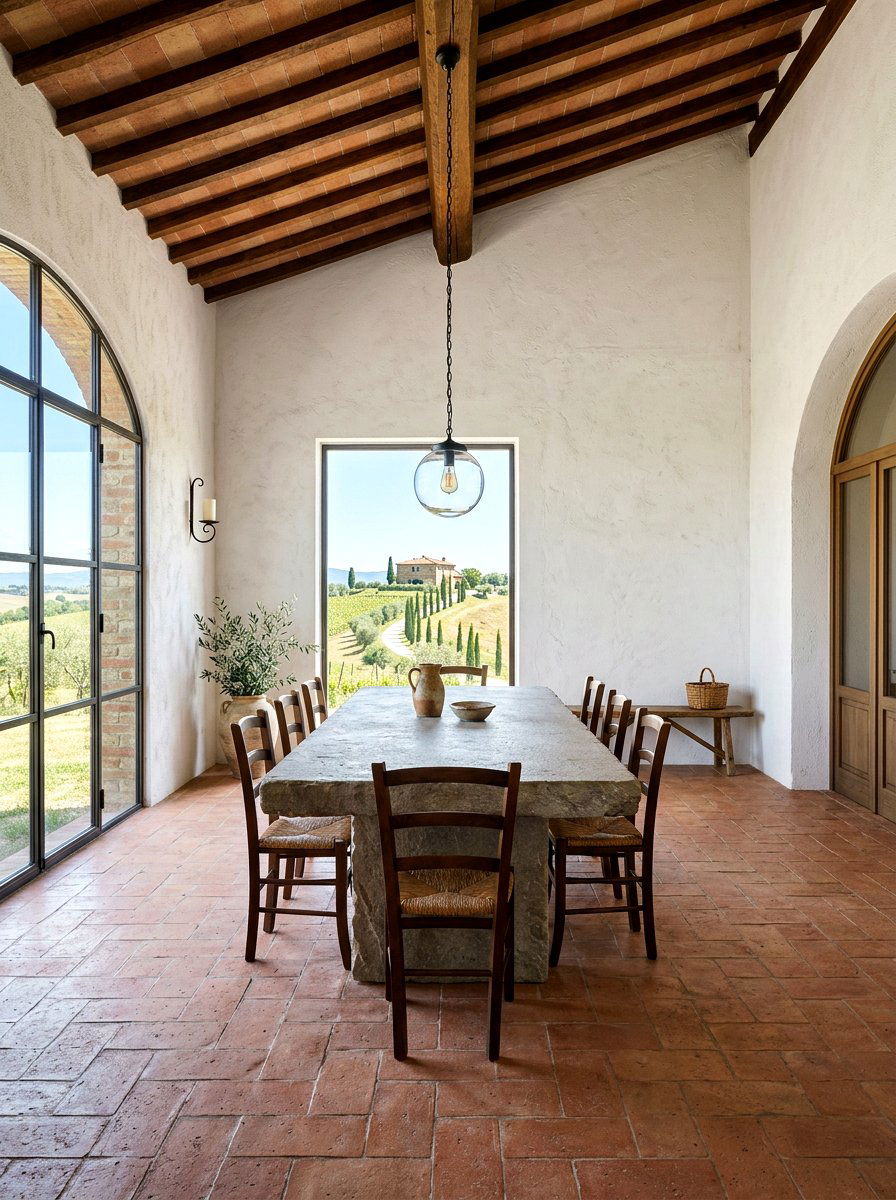
Focusing on quality over quantity allows the natural beauty of the materials to shine in a minimalist dining space. Choose one or two statement pieces, such as a large stone table or a single oversized iron light fixture, and keep the rest of the decor very simple. Bare walls in a soft cream plaster and a clutter-free floor allow the eye to rest and appreciate the architectural details. This approach creates a calm and sophisticated environment that feels modern yet deeply rooted in tradition. It proves that you don't need a lot of ornamentation to achieve a warm and inviting Mediterranean feel.
24. Grand Luxury Dining Room
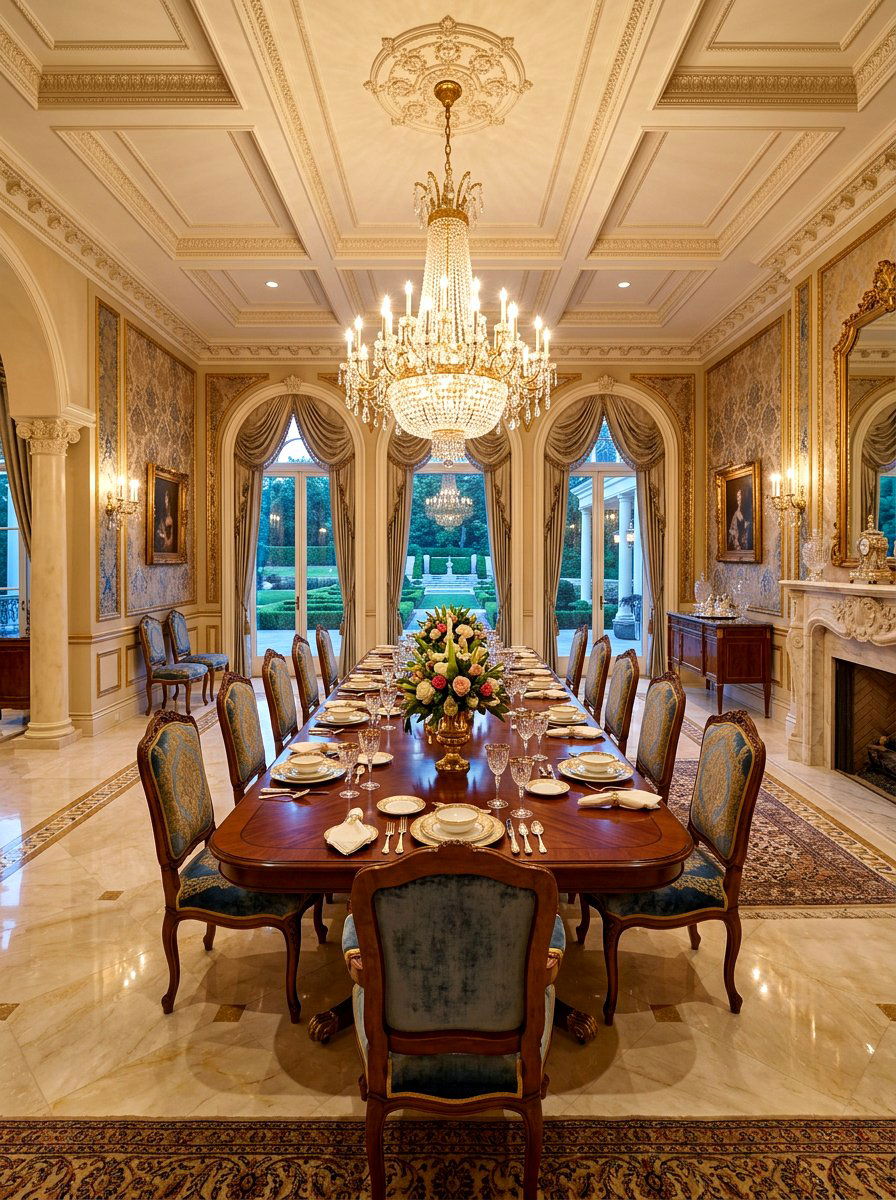
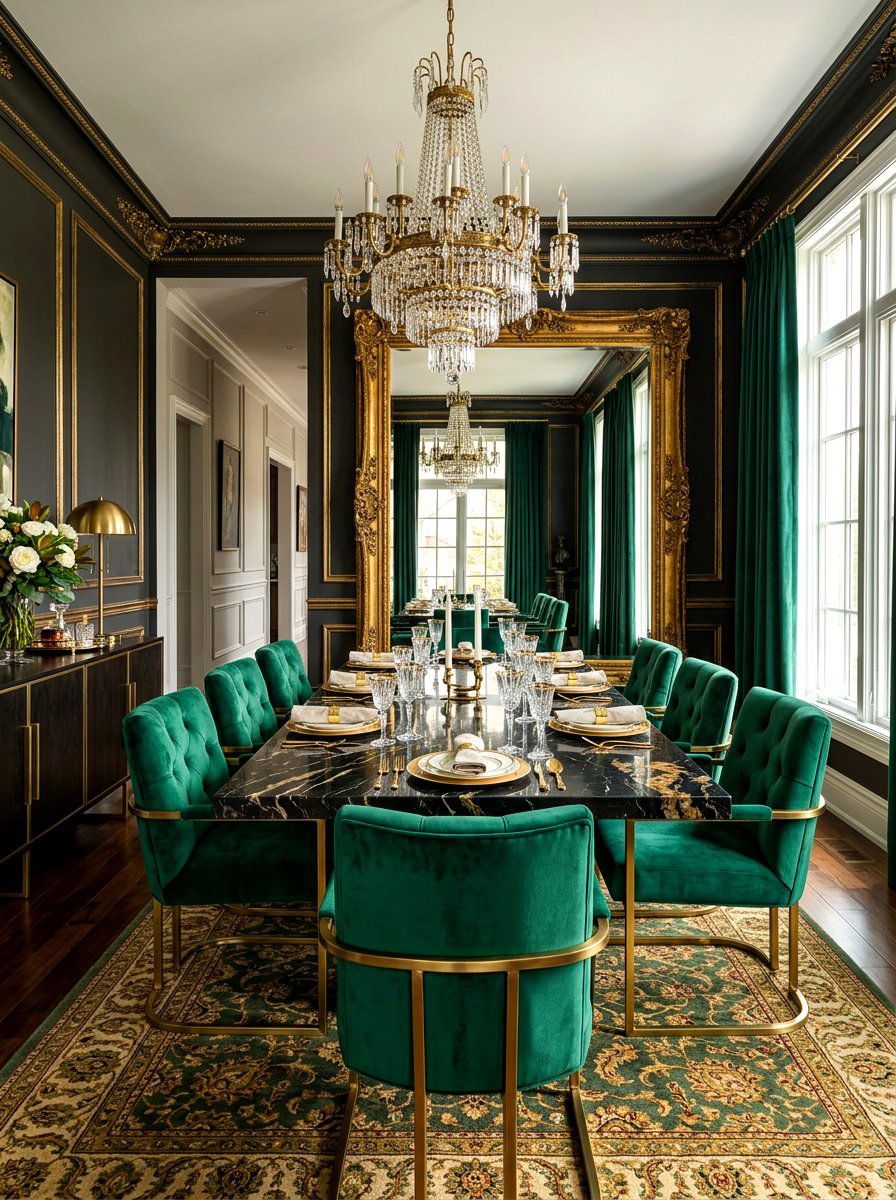
For a truly opulent experience, focus on high-end finishes like marble flooring, silk draperies, and crystal accents within a traditional framework. A massive, polished mahogany table surrounded by plush, upholstered armchairs sets a tone of extreme comfort and status. Incorporate gold leaf details on picture frames or light fixtures to add a touch of royal elegance to the space. Large-scale architectural features like Corinthian columns or a coffered ceiling reinforce the sense of grandeur. This design is about creating a breathtaking environment for formal entertaining that leaves a lasting impression on every guest who sits at your table for a meal.

25. Warm Rustic Cottage Room
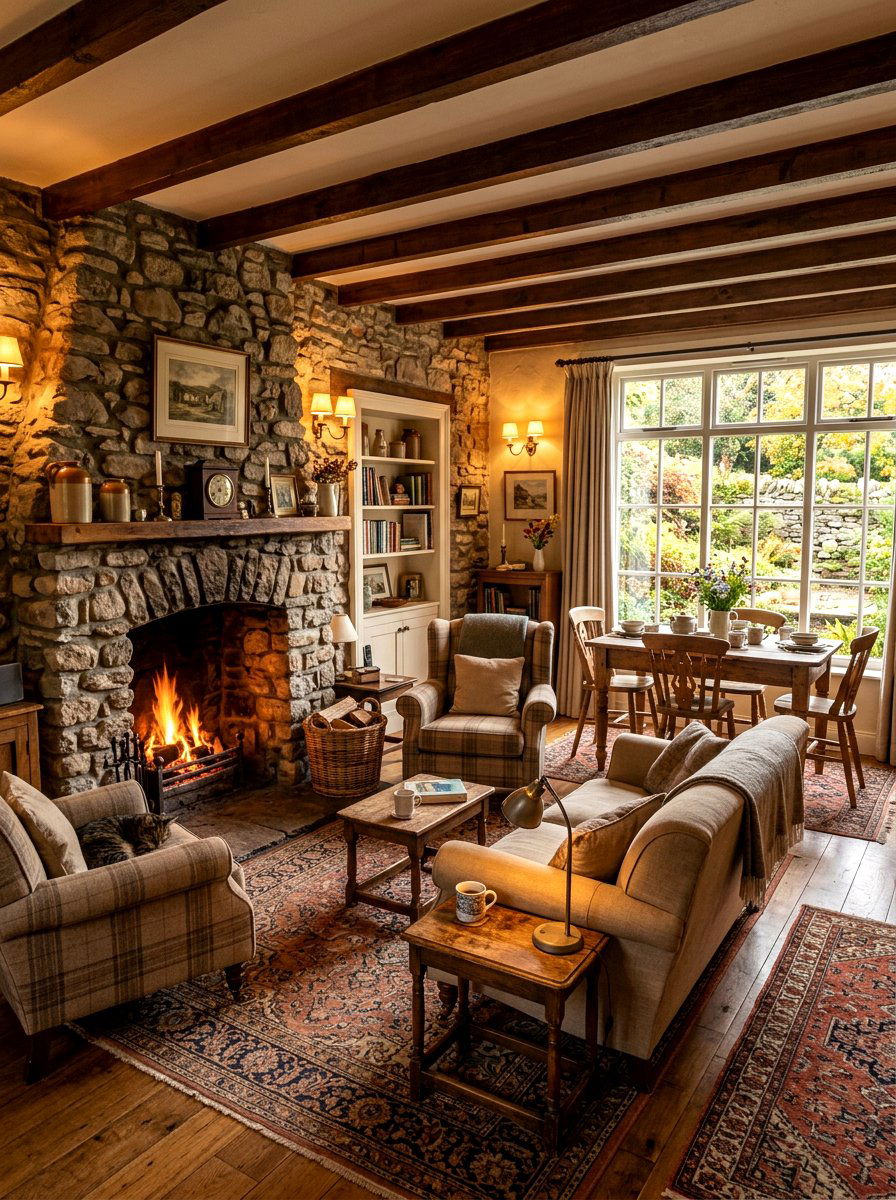
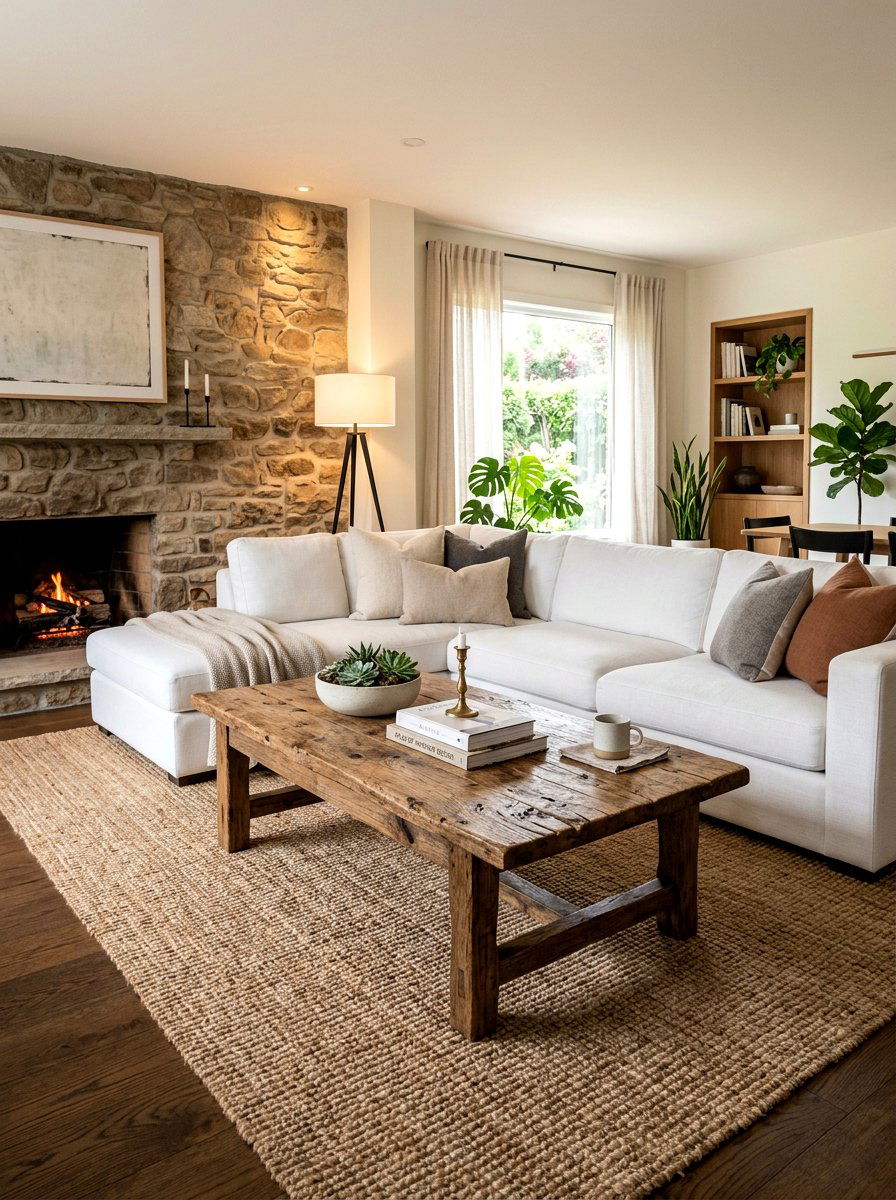
Creating a cottage-style version of the aesthetic involves using softer textures and a more intimate scale for a cozy, protected feel. Incorporate plenty of textiles like woven throws over chairs, thick rugs, and soft cushions to add physical warmth to the room. Use smaller, more delicate wrought iron pieces and light-colored woods to keep the space from feeling cramped. A stone fireplace or a wood-burning stove can serve as a secondary focal point, providing actual heat and a flickering light source during winter evenings. This approach makes the dining room feel like a safe and comfortable nest for close family and friends.
26. Authentic Old World Room
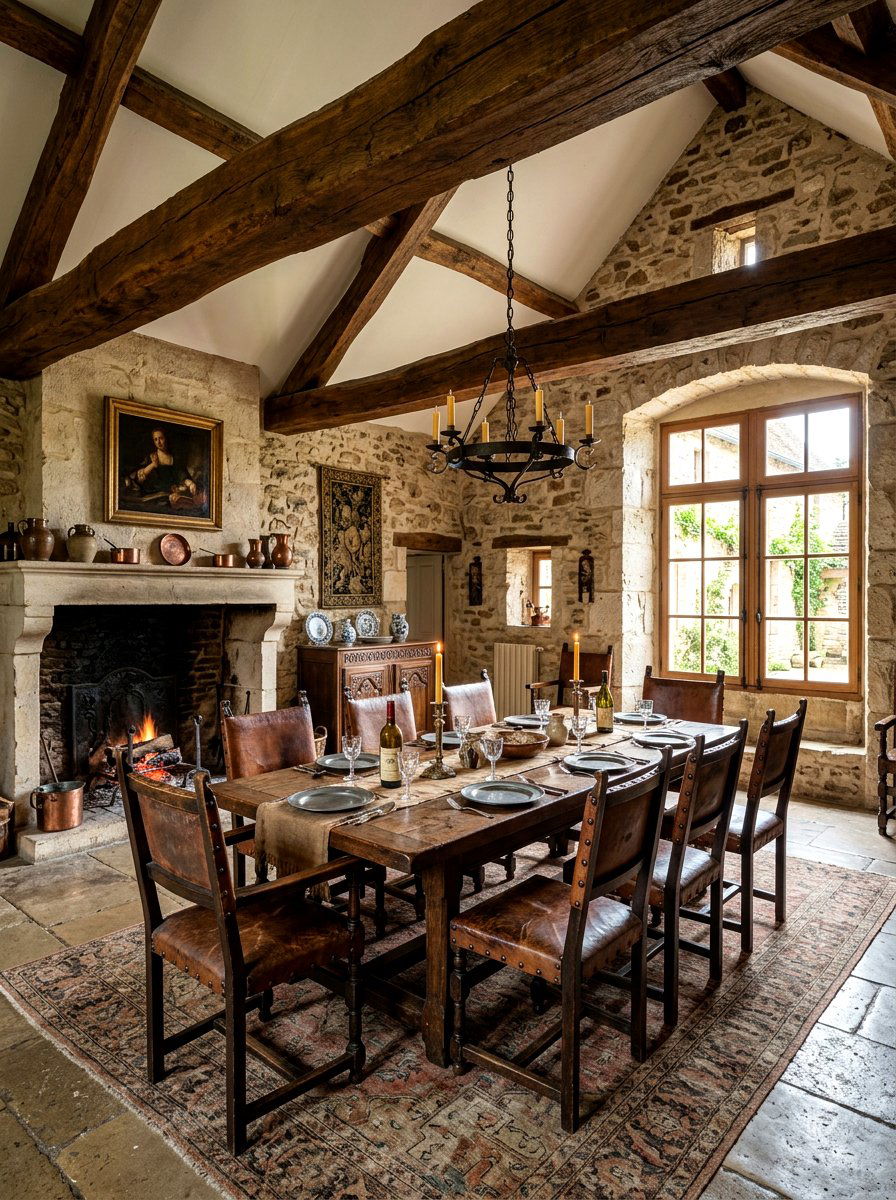
An authentic old-world design prioritizes historical accuracy and a sense of timelessness through the use of traditional building methods and materials. Look for hand-hewn beams, reclaimed stone, and furniture that follows classical Italian proportions. Avoid modern plastics or synthetic fabrics, opting instead for leather, linen, and wool. The color palette should be muted and look as though it has faded naturally over decades of sun exposure. This style is not about being "new" but about feeling as though the room has always been there, providing a stable and historic anchor for the home and its many future family traditions.
27. Sage Green Dining Room
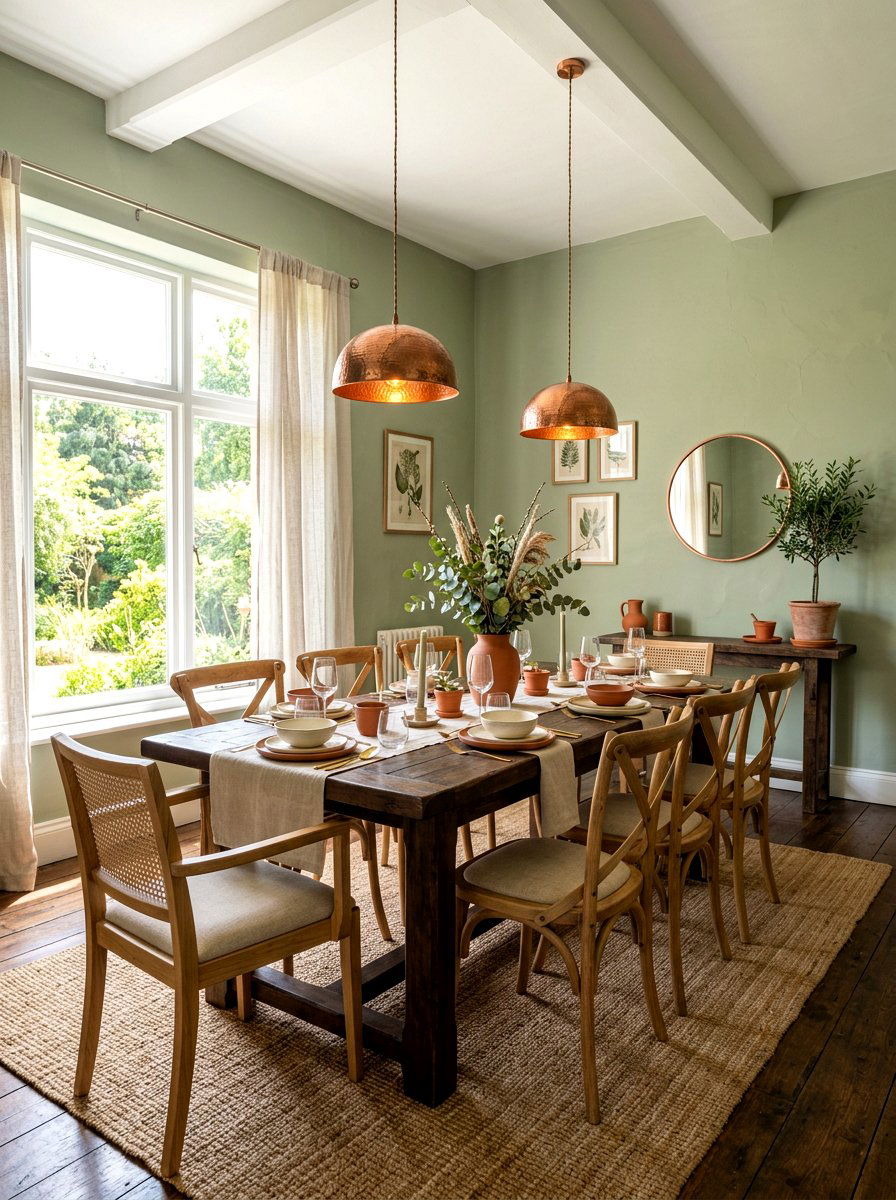
Sage green is a sophisticated and versatile color that brings the dusty hues of olive leaves into the home for a calming effect. Using this color on the walls or for large cabinetry provides a soft, organic backdrop that works well with both light and dark accents. It is a neutral-adjacent color that feels more intentional and stylish than a basic beige or grey. Sage green pairs beautifully with terracotta floors and copper accents, creating a harmonious and natural palette. This choice makes the room feel fresh and connected to the garden, providing a peaceful atmosphere for enjoying a quiet, healthy evening meal.
28. Circular Pedestal Table Room
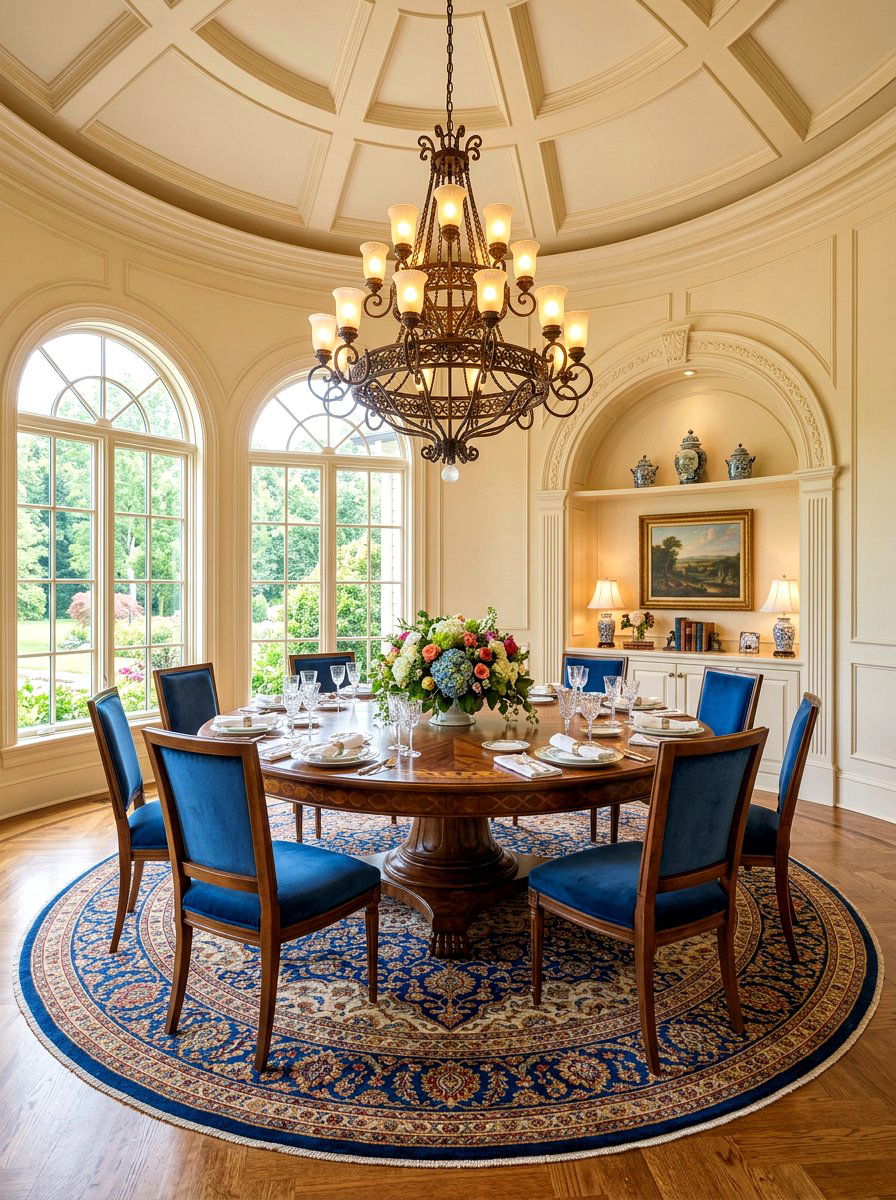
A round table is the most social shape for dining, as it allows everyone at the table to see and speak to each other easily. Choosing a heavy pedestal base in dark wood or stone adds a sense of importance and stability to the furniture. This layout is excellent for encouraging conversation and making every guest feel equally important during the gathering. A round rug underneath can help to define the circular zone and add a layer of comfort. It is a practical and elegant solution for square or irregularly shaped rooms, providing a soft focal point that naturally draws people together.
29. Vaulted Ceiling Dining Room
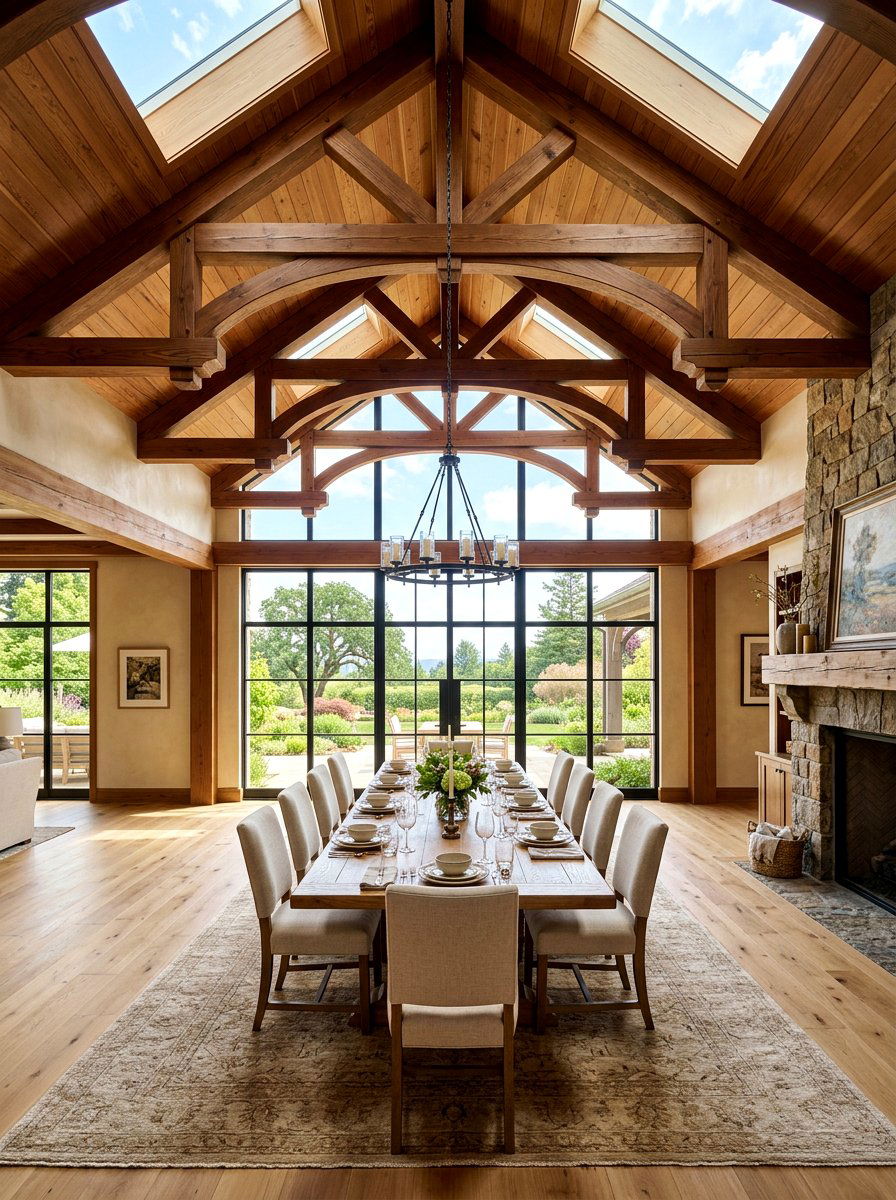
A high, vaulted ceiling provides a sense of drama and airiness that can make a dining room feel truly special and grand. Whether it is a simple cathedral peak or a more complex barrel vault, the extra height allows for larger light fixtures and better airflow. You can accent the vault with wood planks or plaster detailing to draw the eye upward and highlight the architectural shape. This feature makes the room feel grand and spacious, even if the actual footprint is modest. It provides a sense of openness that is perfect for large gatherings and adds a luxurious, villa-like quality.
30. Built In Bench Room
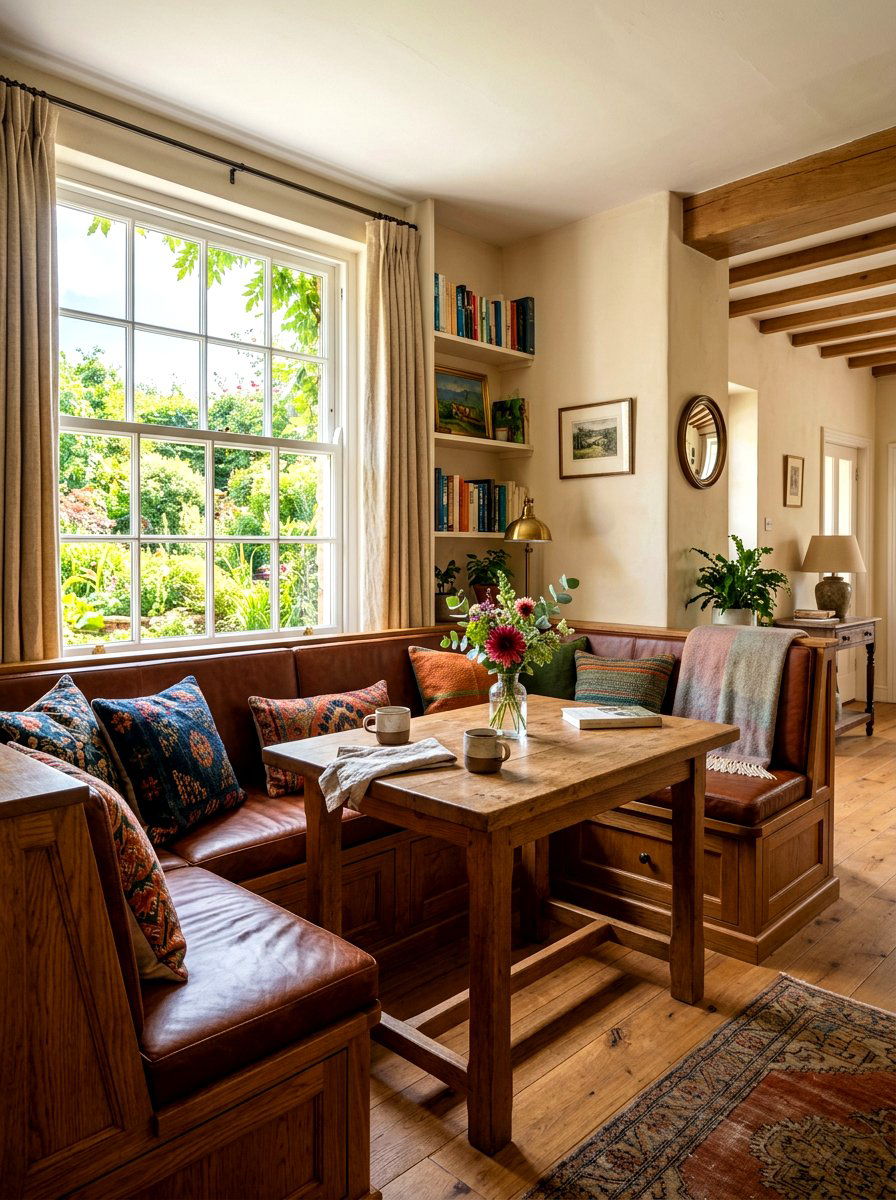
Incorporating a built-in bench or banquette along one wall provides a space-saving and cozy seating solution that feels custom and permanent. This feature can be tucked into a corner or under a window to create an intimate breakfast nook or a casual supper spot. Upholstering the bench in a durable, rustic fabric like leather or heavy linen adds comfort and style. Using the space underneath the seat for storage is a practical bonus for keeping table linens or large serving platters tucked away. It creates a relaxed, bistro-like atmosphere that encourages guests to slide in and get comfortable for the night.
Conclusion:
Designing a Tuscan-inspired supper room is about more than just choosing the right furniture; it is about creating a space that honors the slow and intentional lifestyle of the Italian countryside. By combining rugged materials like stone and iron with soft textures and warm, sun-kissed colors, you can craft an environment that feels both historic and incredibly welcoming. Whether you prefer a formal villa look or a rustic farmhouse vibe, the key is to prioritize comfort and authenticity in every detail. As you gather with your loved ones in this soulful space, you will find that the beauty of the design only enhances the joy of the meal.

Related posts: