Creating a peaceful sanctuary at home has never been more important for mental well-being and stress relief in our busy lives. A meditation garden serves as a dedicated outdoor space where you can disconnect from digital distractions and reconnect with the natural world. Whether you have a sprawling backyard or a tiny urban balcony, you can design a tranquil oasis that promotes mindfulness and deep breathing. This guide explores various ways to blend soft textures, soothing sounds, and calming colors into your landscape. By carefully selecting elements like flowing water, soft greenery, and comfortable seating, you transform any patch of earth into a private retreat that rejuvenates your spirit and provides a sense of profound inner peace every day.
1. Zen Sand Garden
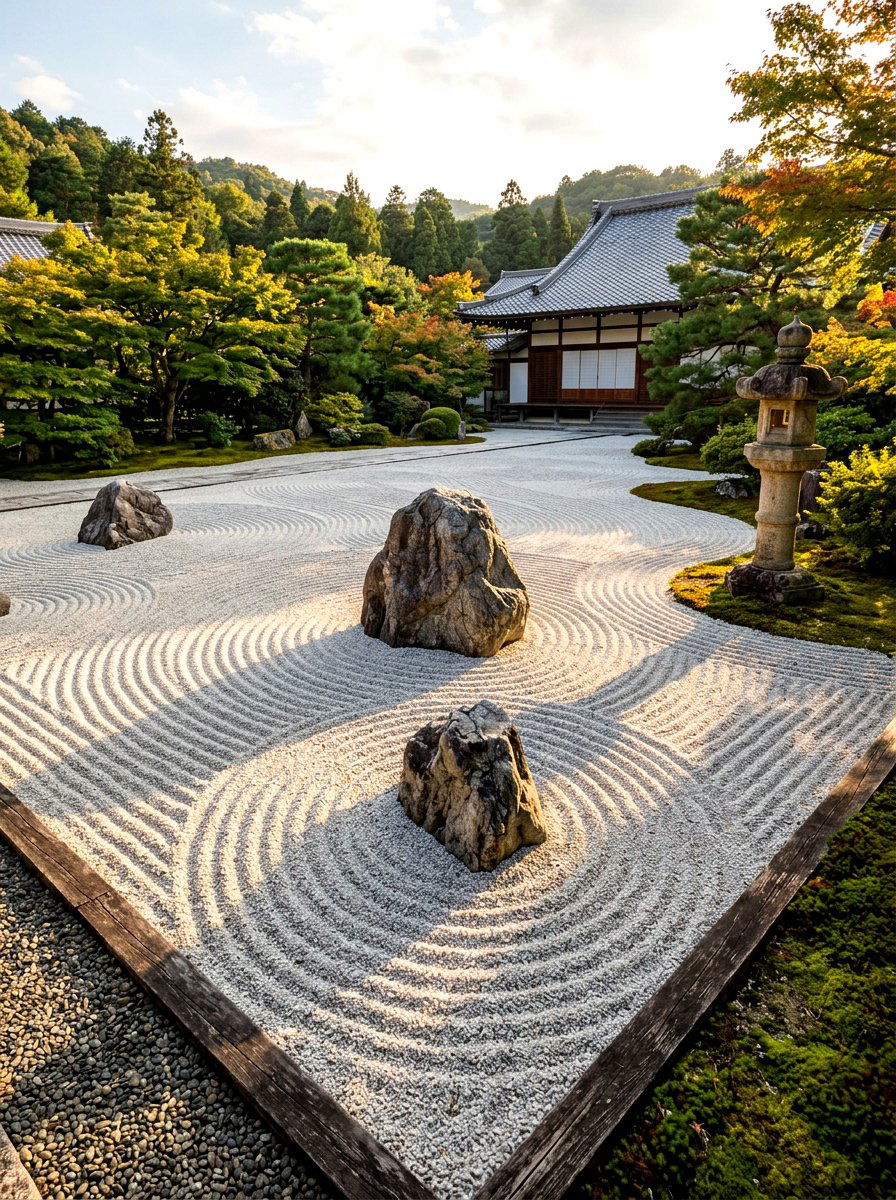
A traditional Zen sand garden offers a minimalist approach to finding peace through repetitive motion and visual simplicity. This design typically features large areas of finely crushed gravel or sand that represent water when raked into swirling patterns. You can place large, weathered rocks within the sand to symbolize mountains or islands, creating a miniature landscape that invites contemplation. The surrounding area should remain uncluttered with simple timber edging or low stone walls to maintain a clean aesthetic. Adding a single stone lantern or a low wooden bench nearby provides a place to sit and admire the patterns. This type of garden focuses on the beauty of emptiness and the calm of careful maintenance routines.
2. Small Backyard Fountain
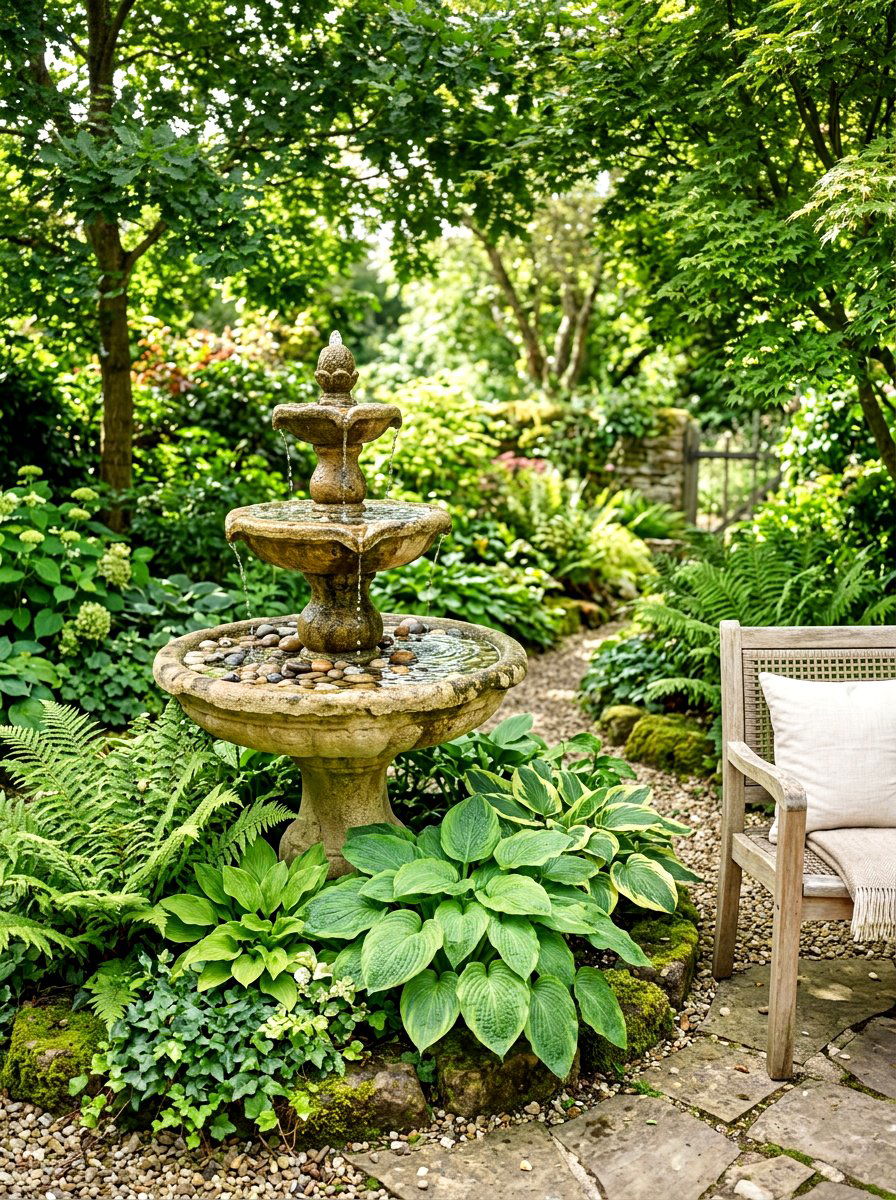
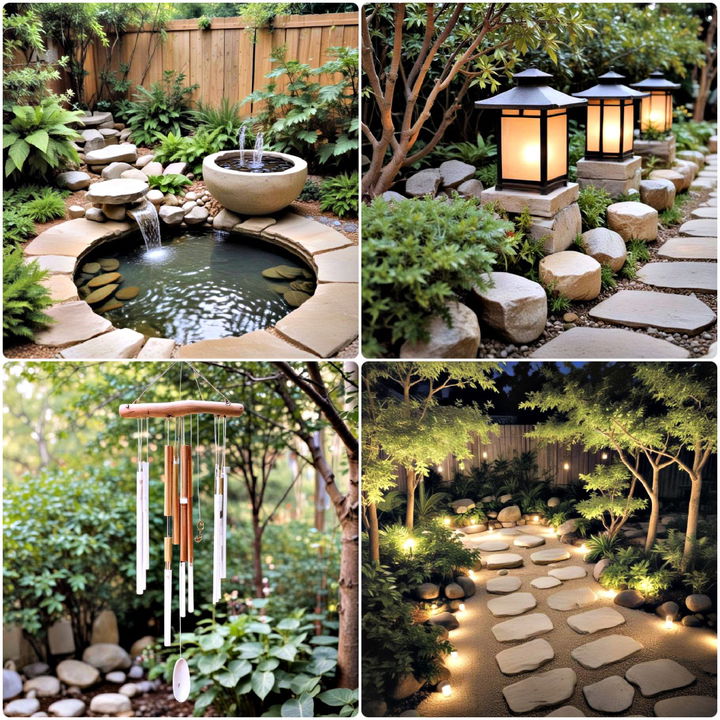
The gentle sound of trickling water is one of the most effective ways to mask neighborhood noise and induce a state of relaxation. A small backyard fountain serves as a perfect focal point for a compact meditation zone, drawing the eye and the ear toward a central point of calm. You can choose a tiered stone fountain for a classic look or a sleek basalt column for a modern vibe. Surround the base with smooth river rocks and moisture-loving ferns to create a lush, integrated appearance. Placing the fountain near your primary seating area ensures you get the full sensory benefit of the bubbling water while practicing deep breathing or quiet reflection.
3. Japanese Maple Tree
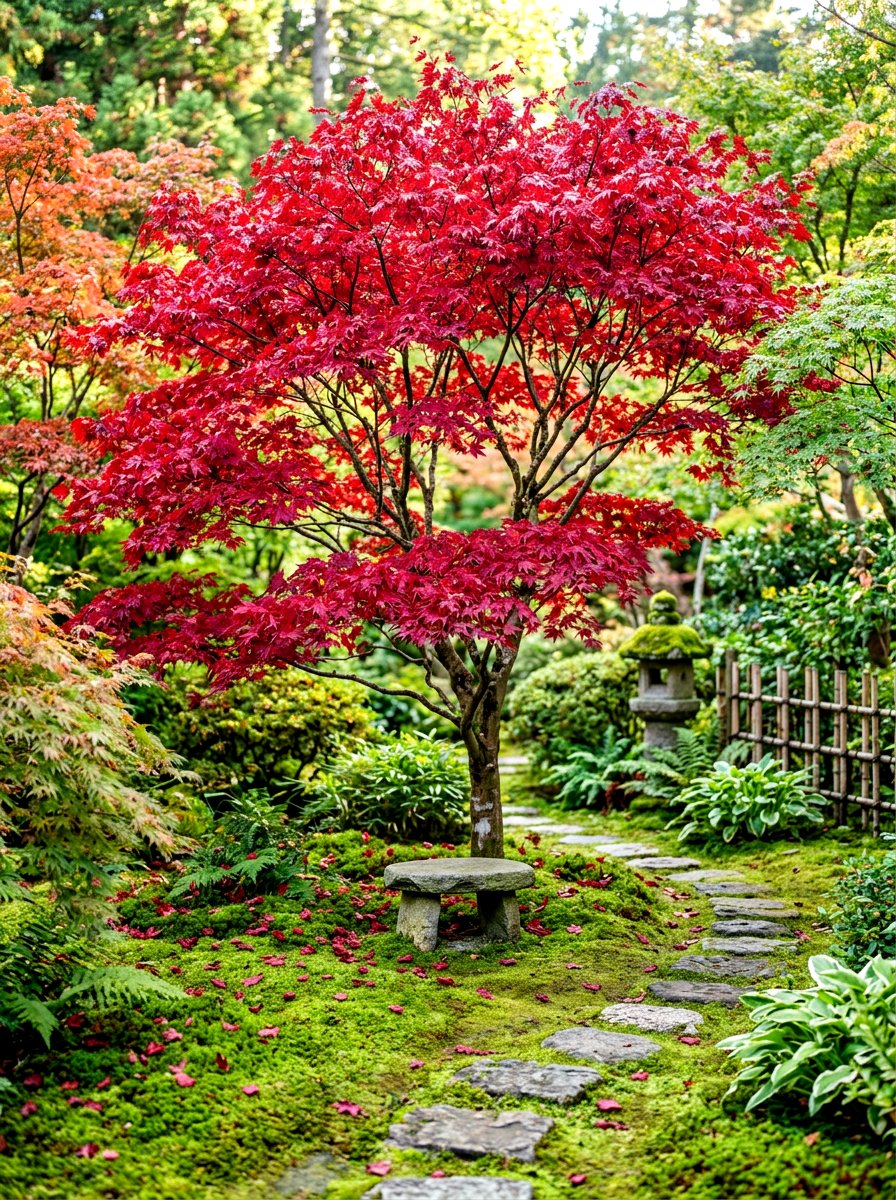
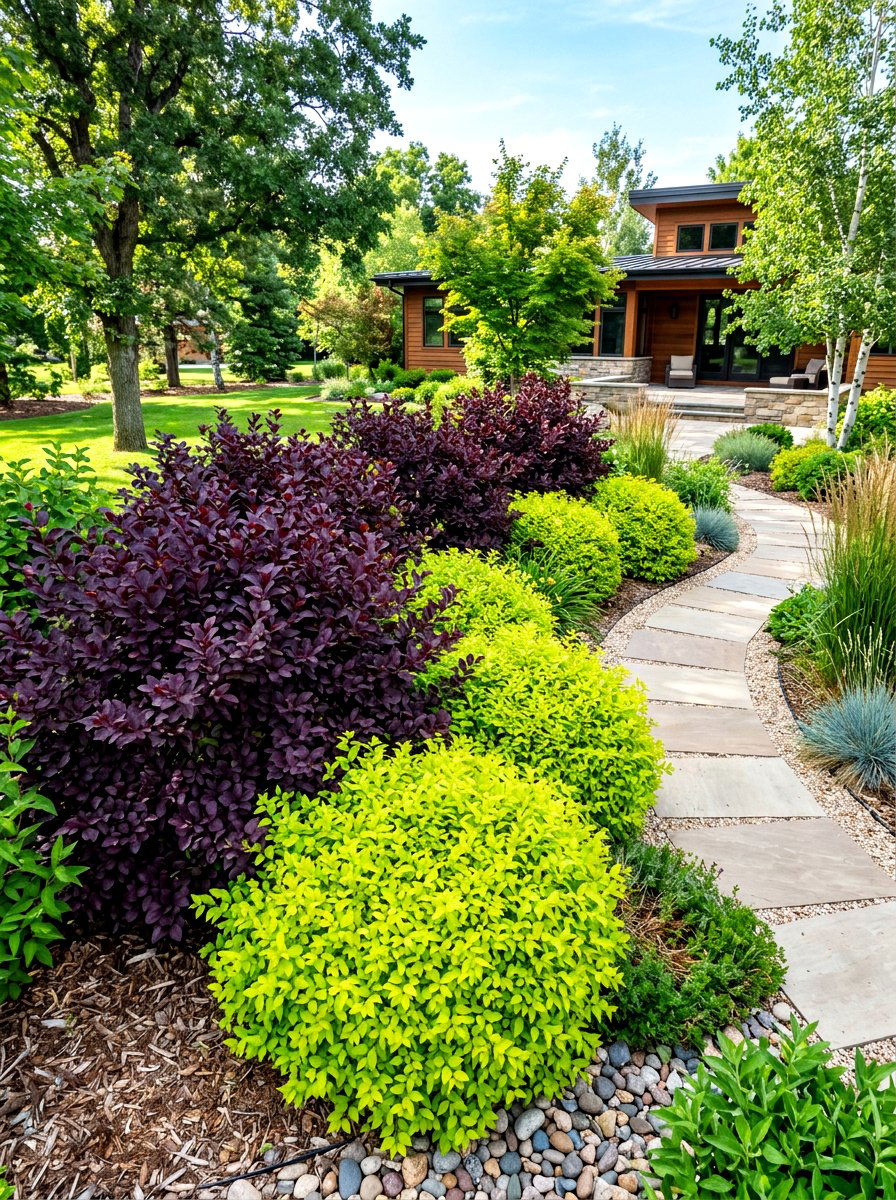
Incorporating a Japanese maple tree into your garden provides a stunning architectural focal point that changes beautifully with the seasons. These trees are prized for their delicate, lacy foliage and vibrant colors, ranging from deep burgundy to bright lime green. Their slow-growing nature makes them ideal for smaller meditation spaces where they can be planted in the ground or in large ceramic pots. Underneath the spreading canopy, you can create a simple seating area with a weather-resistant cushion or a small stone stool. The play of light through the fine leaves creates a shifting dappled pattern on the ground, offering a mesmerizing visual element for those practicing open-eye meditation.
4. Stone Pathway
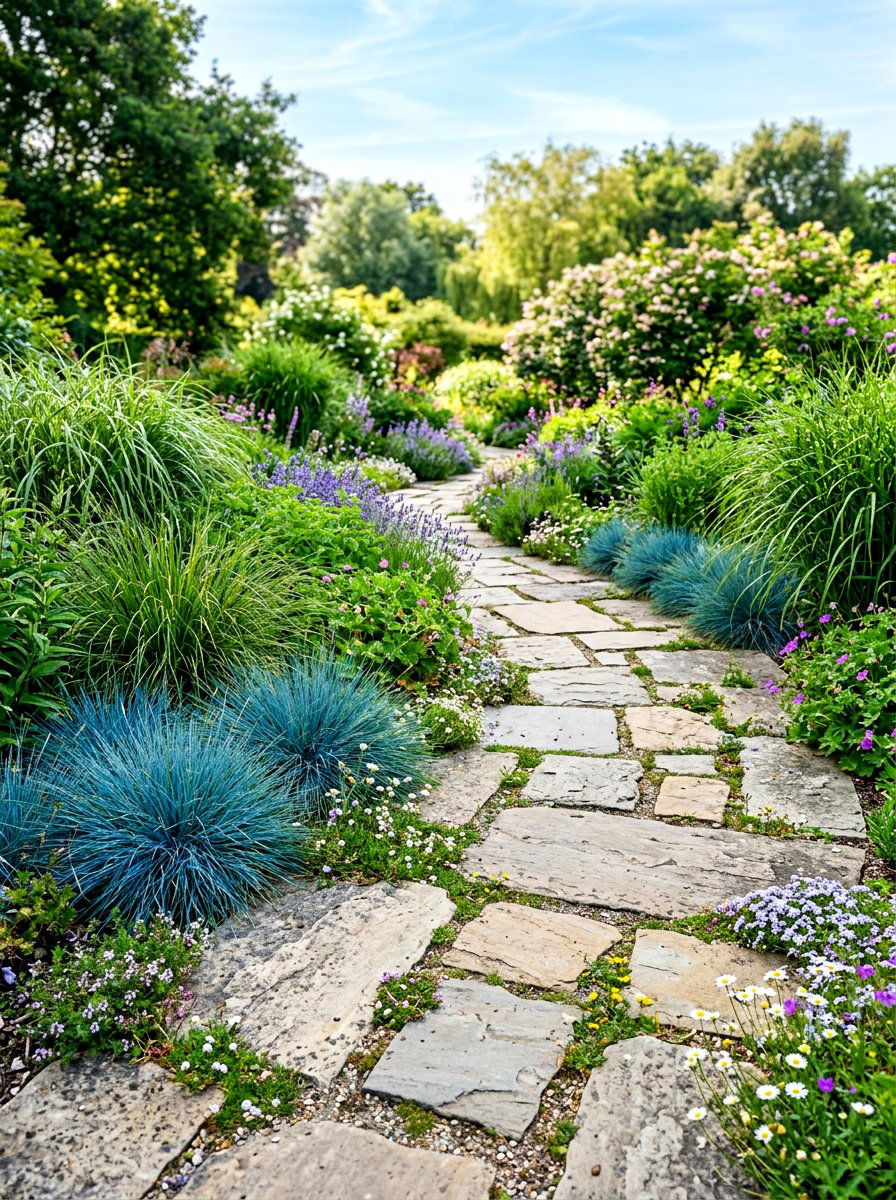
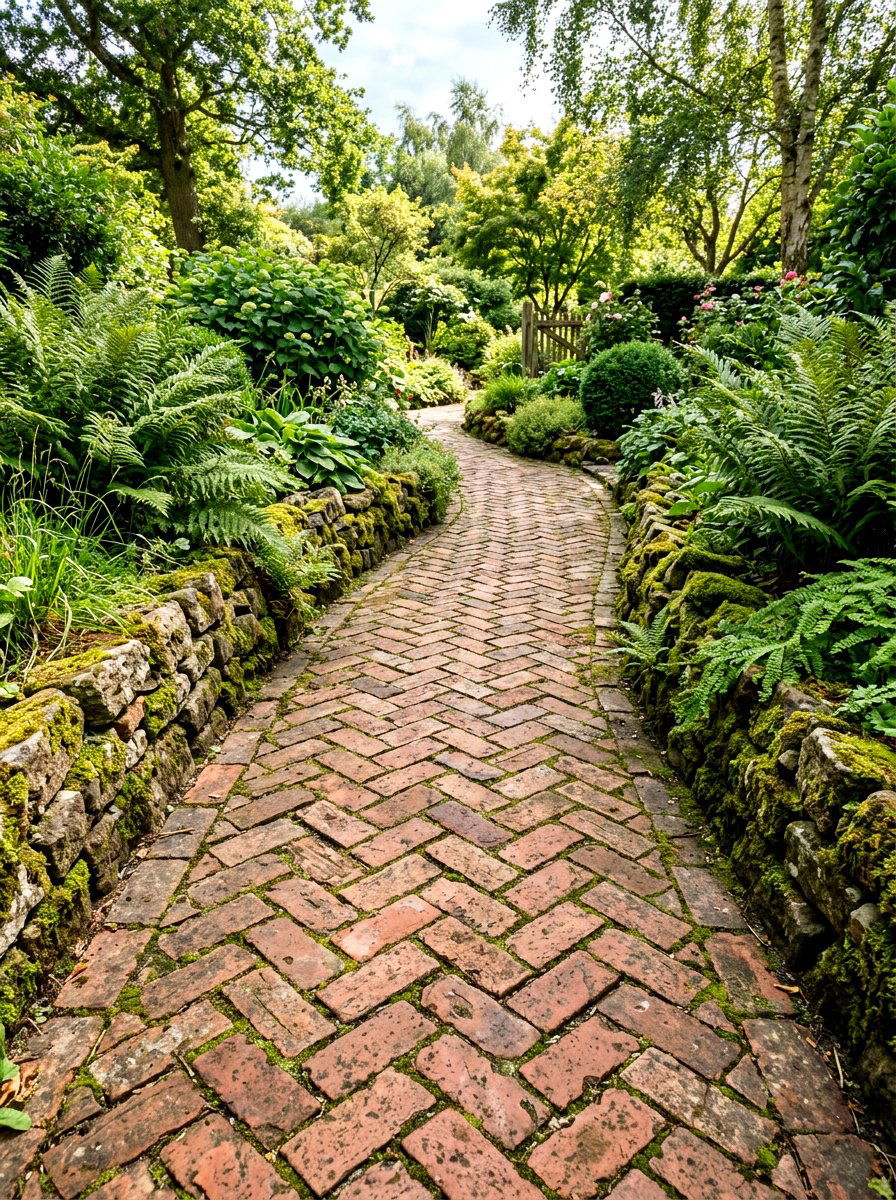
A winding stone pathway guides you slowly through your garden, encouraging a mindful pace as you move toward your dedicated meditation spot. Using irregularly shaped flagstones or smooth stepping stones creates a natural, organic feel that encourages you to watch your step and remain present. You can fill the gaps between the stones with low-growing groundcovers like creeping thyme or moss to soften the hard edges. This path acts as a physical transition from the busy world into your personal sanctuary. Flanking the walkway with tall grasses or flowering shrubs provides a sense of discovery, making the journey to your seating area feel like a peaceful and deliberate ritual.
5. Bamboo Privacy Screen
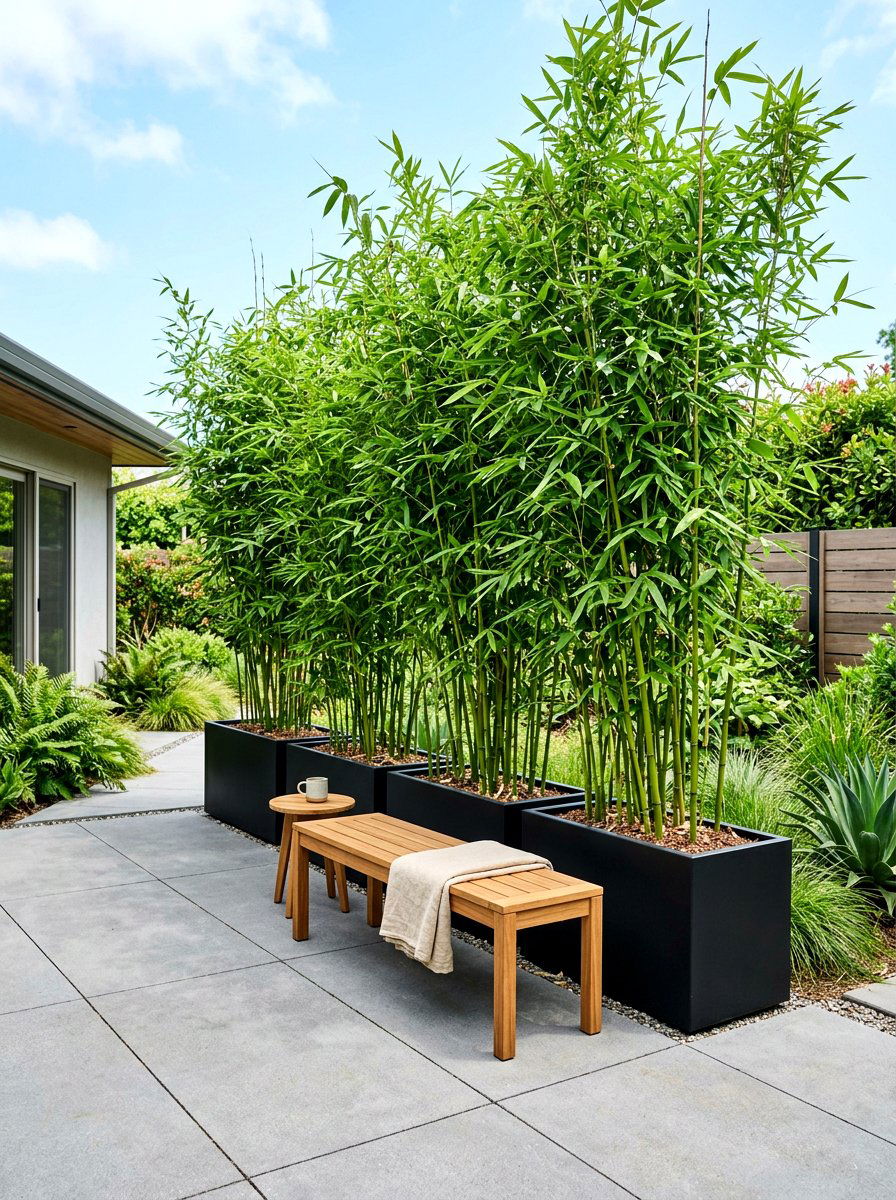
Creating a sense of enclosure is vital for a successful meditation garden, and a bamboo privacy screen offers a natural and fast-growing solution. Bamboo provides a dense green backdrop that blocks out visual distractions from neighbors or nearby streets. The tall, slender stalks also produce a soothing rustling sound when the wind blows through them, adding an extra layer of sensory tranquility. You can plant bamboo in deep trenches with root barriers or use tall rectangular planters to keep it contained. This living wall creates a private "outdoor room" feeling, allowing you to feel safe and secluded while you focus on your internal thoughts and deep, rhythmic breathing patterns.
6. Outdoor Yoga Deck
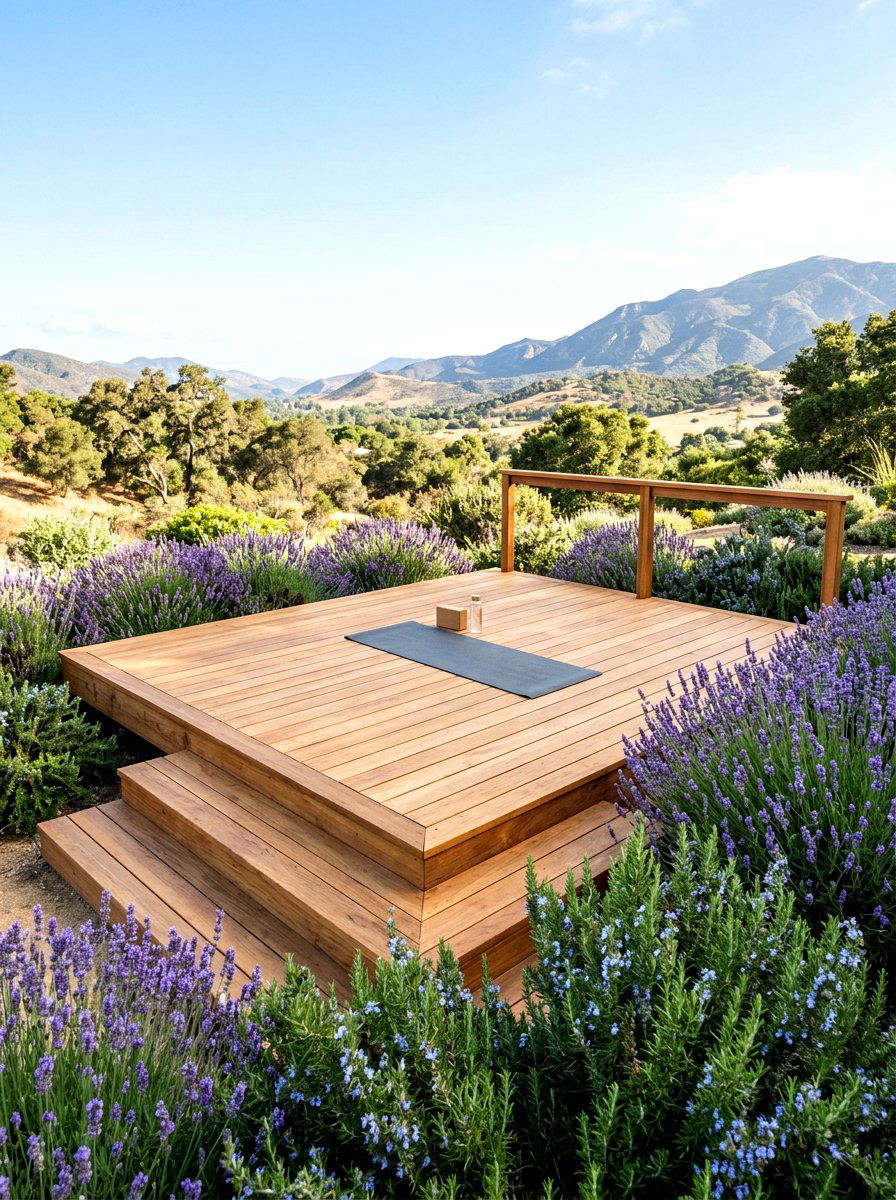
An outdoor yoga deck provides a flat, stable surface for physical movement and seated meditation, elevating you slightly above the surrounding garden. Using natural wood or composite decking in soft, neutral tones helps the structure blend seamlessly into the environment. You can design the deck with clean lines and leave plenty of open space to avoid a cluttered feeling. Surround the platform with low-growing plants like lavender or blue fescue to soften the perimeter and provide a fragrant boundary. This dedicated space serves as a clear mental signal that it is time to slow down. The warmth of the wood underfoot adds a grounding tactile element to your daily wellness practice.
7. Gravel Garden
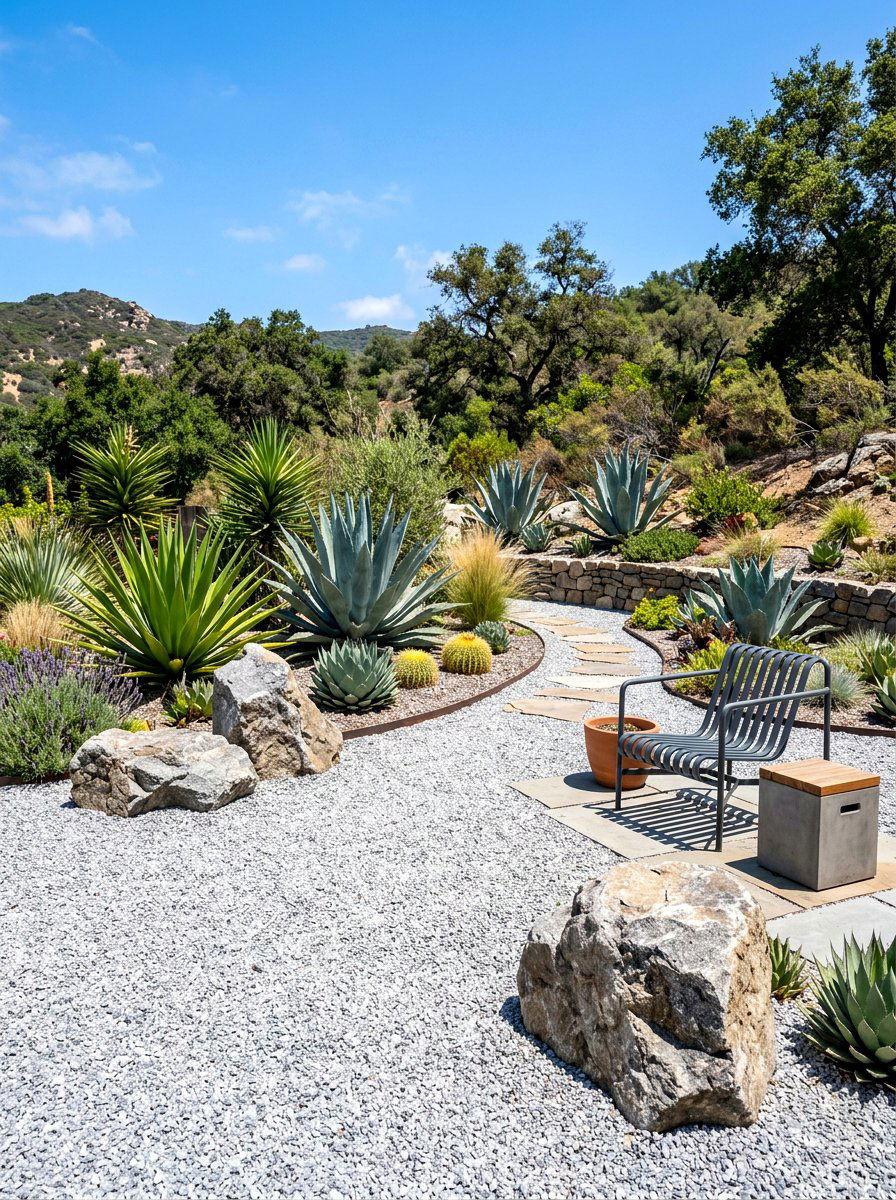
A gravel garden is an excellent low-maintenance option that provides a clean, textured surface for a modern meditation space. Using different shades of pea gravel or crushed granite allows you to define distinct zones within the garden without needing heavy structural walls. You can place large, sculptural boulders or drought-tolerant plants like agave and yuccas directly into the gravel for a desert-inspired look. The crunch of gravel underfoot provides a rhythmic sound that can help you stay grounded during walking meditations. This style of garden is particularly effective for those who prefer a minimalist aesthetic that requires very little water or regular upkeep to remain looking pristine and peaceful.
8. Wood Garden Bench
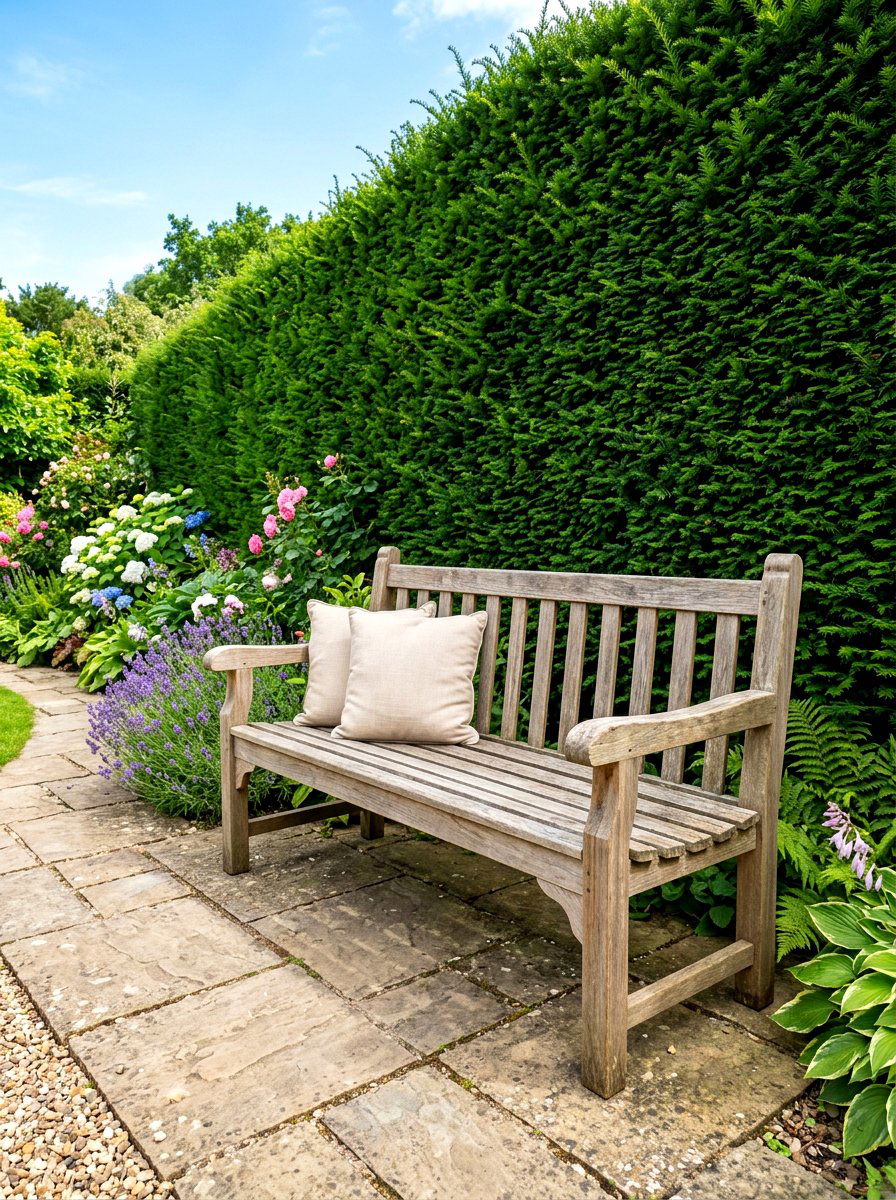
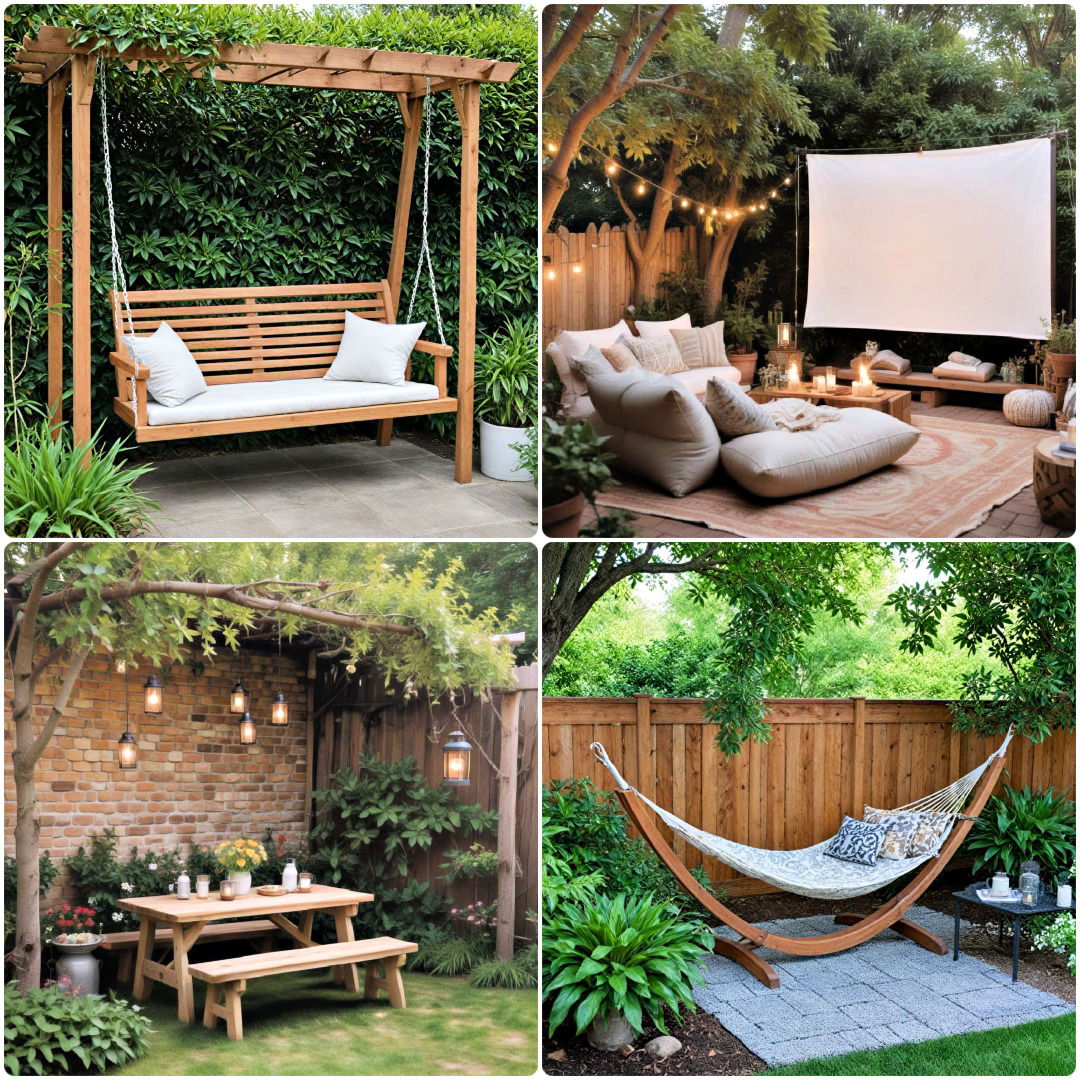
A sturdy wood garden bench offers a classic and inviting place to sit and observe the beauty of your outdoor surroundings. Teak or cedar are popular choices because they age gracefully and resist the elements, eventually turning a beautiful silvery-grey color. Positioning the bench against a solid wall or a dense hedge provides a sense of security and "backing, " which is often recommended for deep relaxation. You can add a couple of outdoor pillows in muted earth tones to make the seat more comfortable for longer sessions. Watching the birds or the movement of clouds from a comfortable bench helps you develop a sense of stillness and appreciation for the present moment.
9. Koi Pond
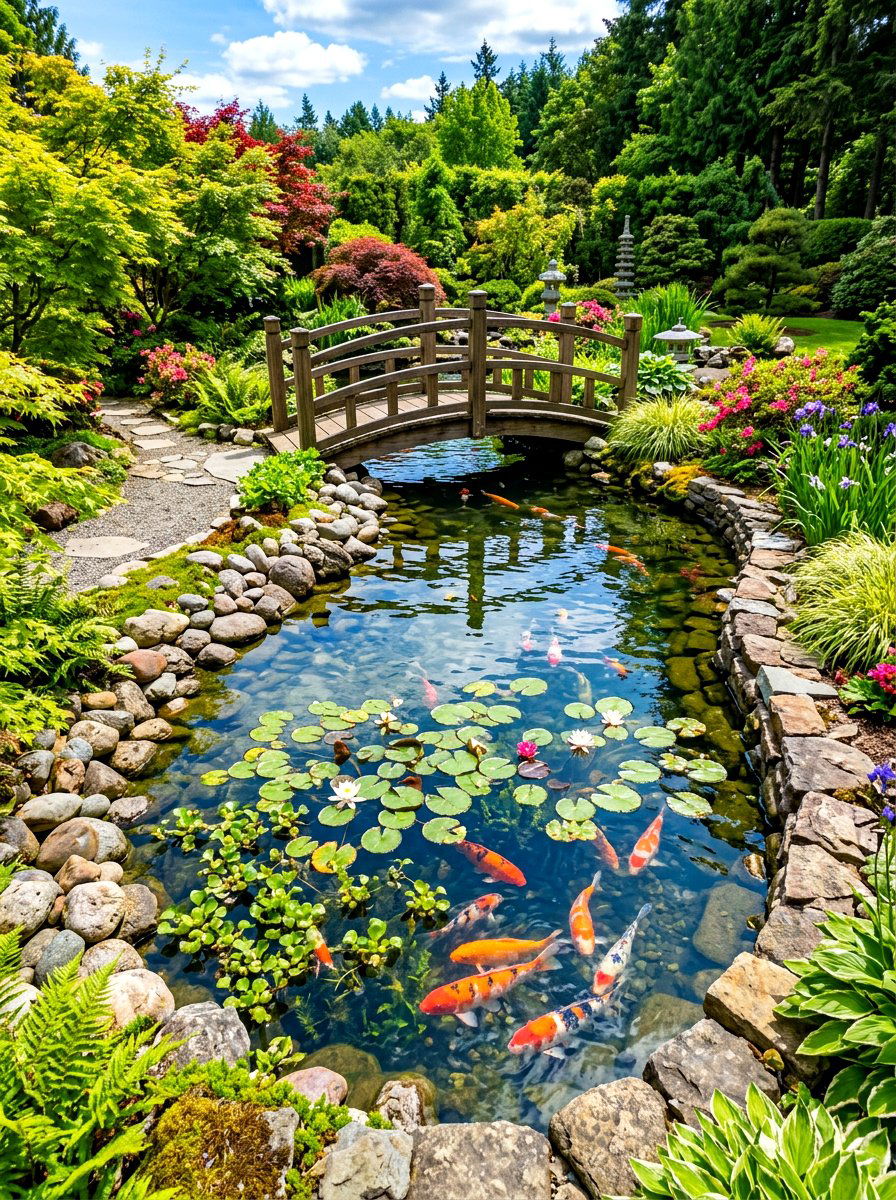
A koi pond brings a dynamic and life-filled element to your meditation garden, offering a deep sense of connection to nature. The sight of brightly colored fish gliding slowly through the water provides a hypnotic focal point that can easily pull you into a meditative state. You can include a small wooden bridge or a series of flat stepping stones across the water to create a sense of adventure. Surrounding the pond with water lilies and papyrus plants helps filter the water and provides shade for the fish. The combination of reflective water surfaces and gentle movement creates a peaceful atmosphere that is perfect for cooling down after a long, stressful day.
10. Rock Garden
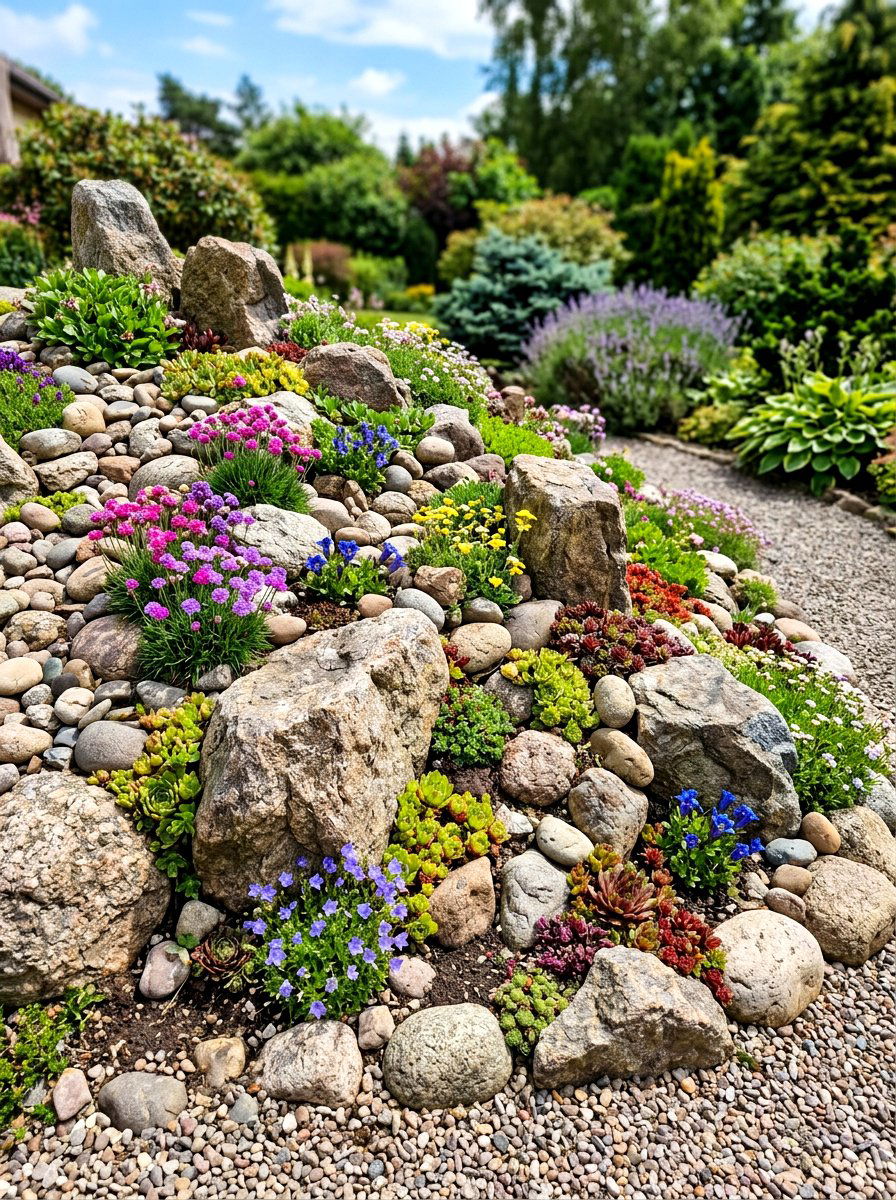
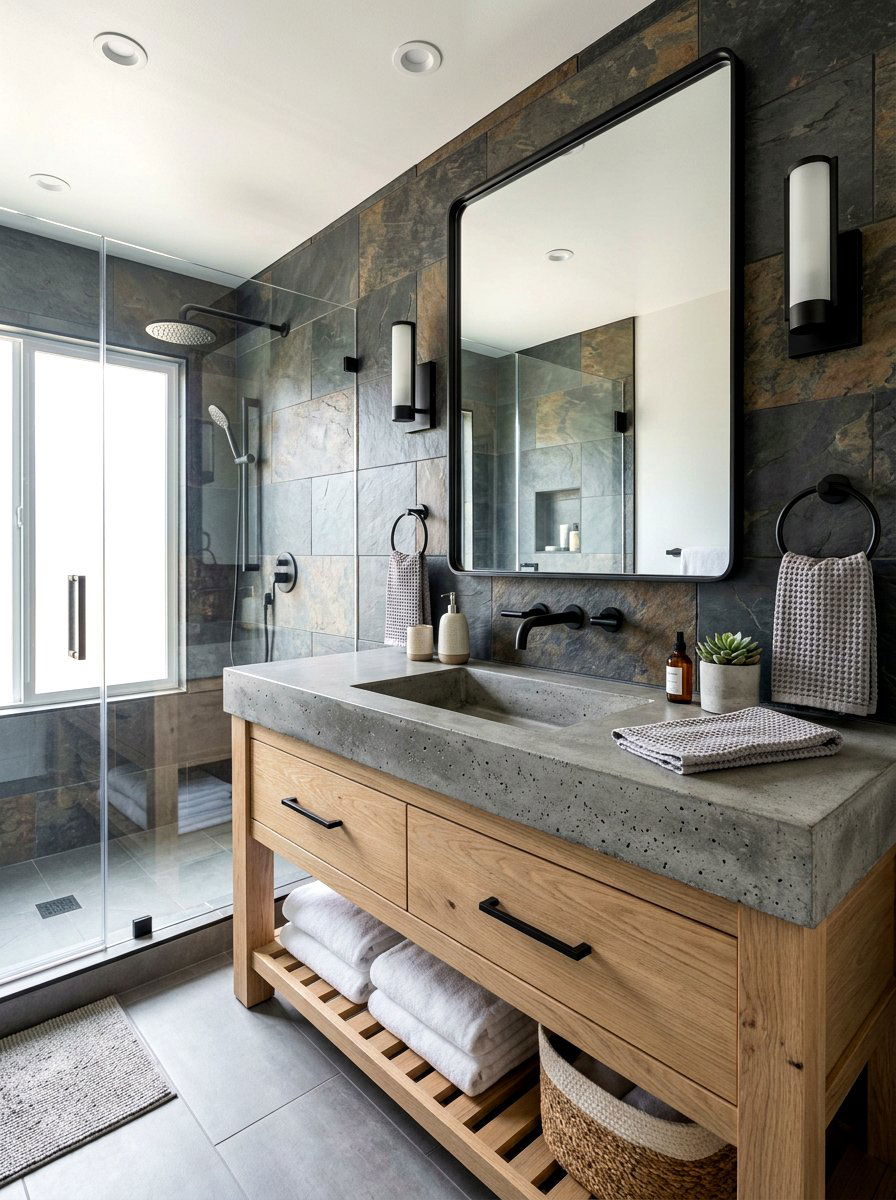
A rock garden utilizes the grounding energy of natural stone to create a rugged yet serene landscape. By arranging different sizes of boulders and river rocks, you can mimic a mountain scene or a dry creek bed that feels ancient and timeless. Nestling small alpine plants or succulents between the stones adds pops of color and texture without overwhelming the simplicity of the rock. This type of garden is very tactile and encourages you to touch the cool, hard surfaces of the stones to feel connected to the earth. A rock garden requires very little water and remains beautiful throughout the winter, providing a consistent place for year-round outdoor reflection and mental clarity.
11. Buddha Statue
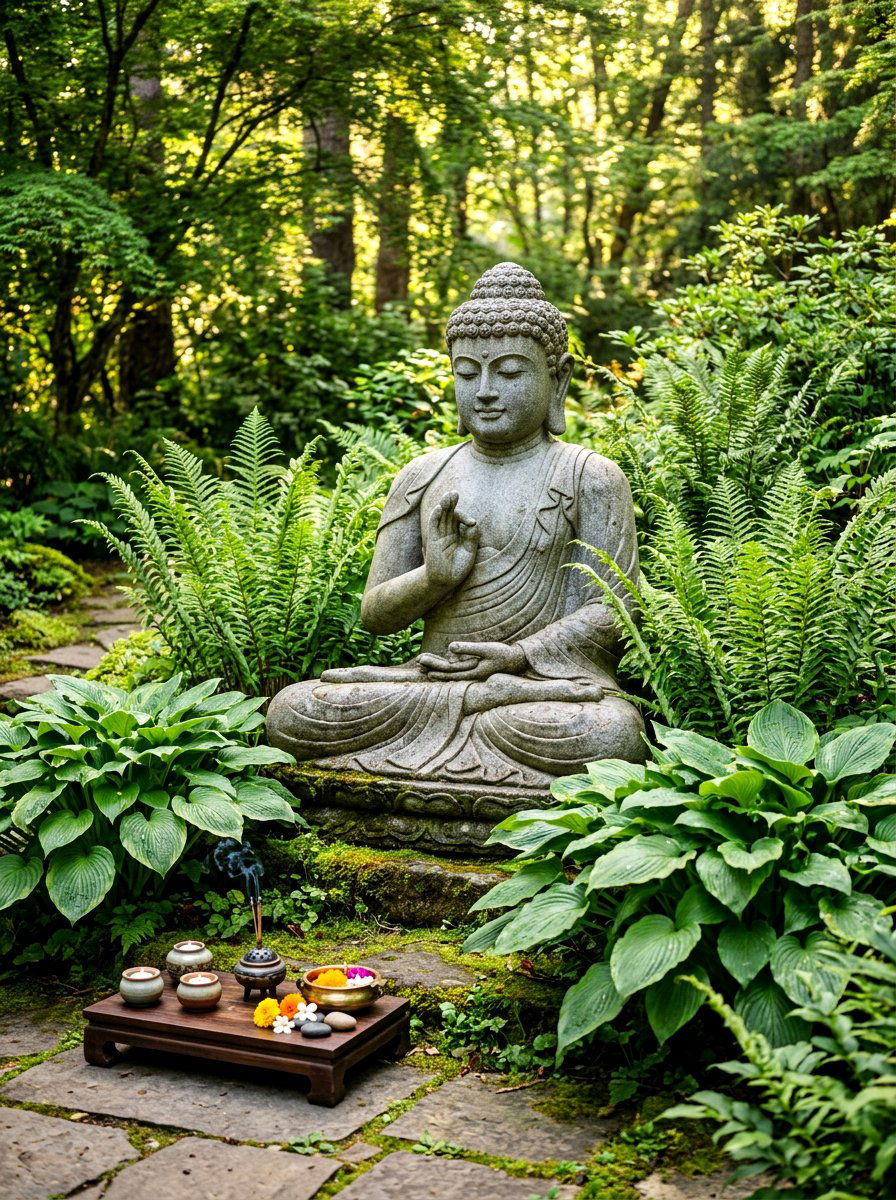
Incorporating a Buddha statue into your garden provides a traditional symbolic focal point that represents peace, wisdom, and inner stillness. You can place the statue at the end of a path or nestled within a cluster of ferns to create a small shrine-like area. Choosing a statue made of natural stone or weathered bronze helps it blend into the greenery rather than standing out too harshly. Surrounding the base with a few flat stones for offerings or small candles can enhance the spiritual atmosphere of your space. The serene expression on the statue serves as a gentle reminder to maintain a calm mind and a compassionate heart during your meditation practice.
12. Flower Garden Border
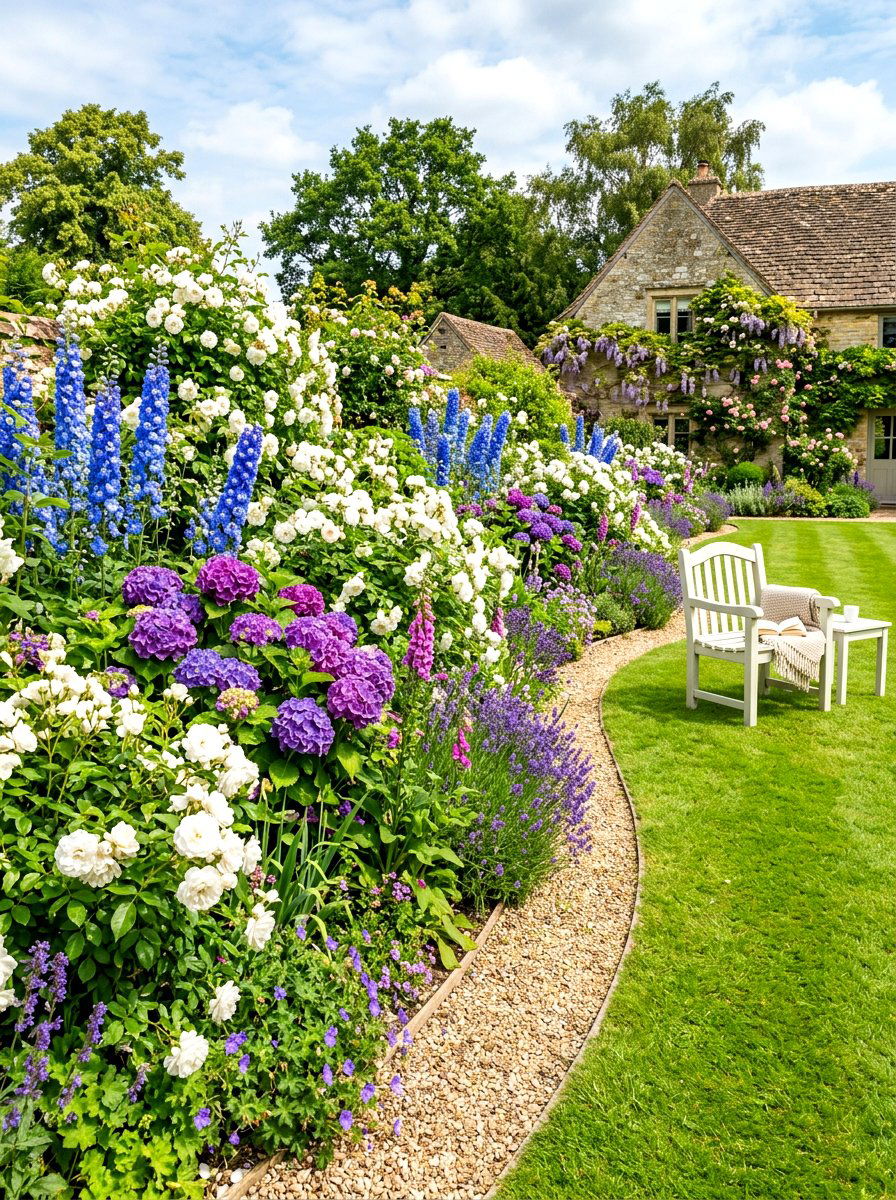
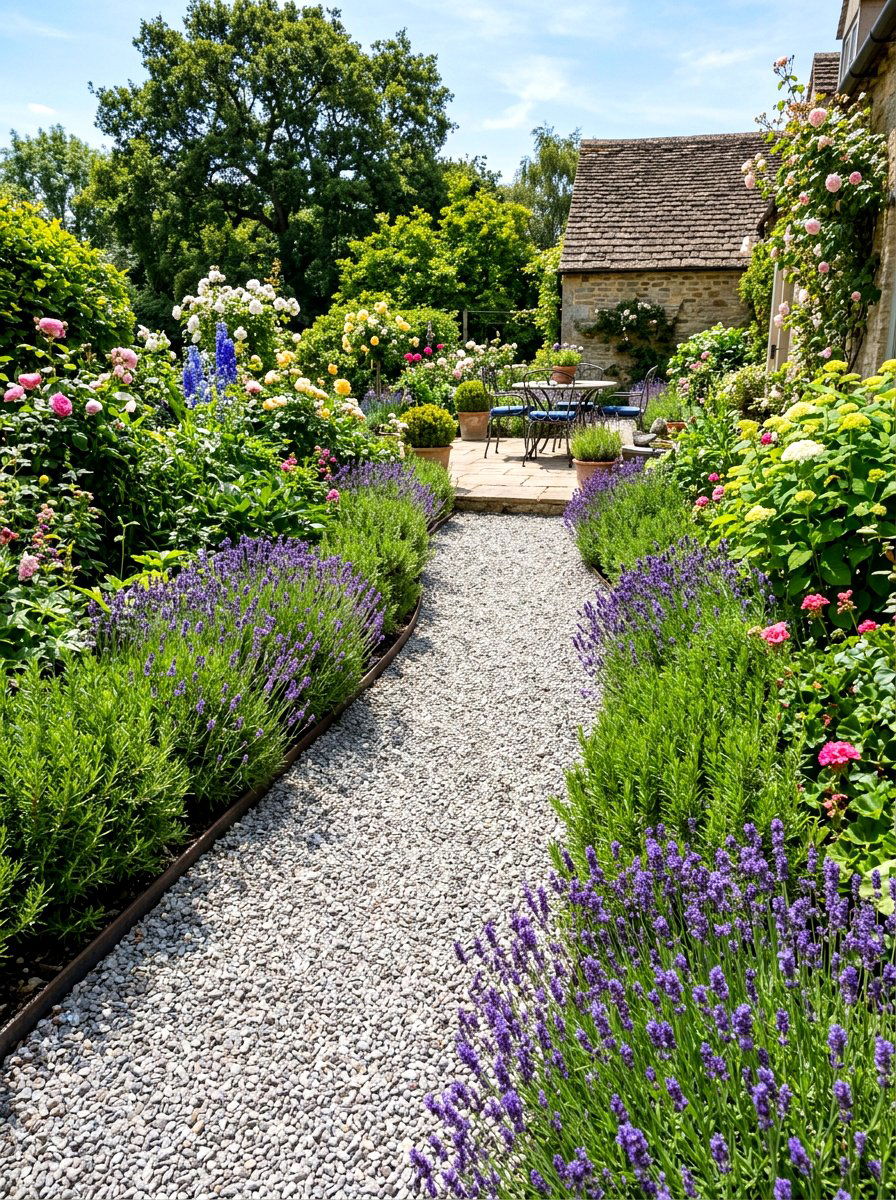
A flower garden border adds soft colors and delicate textures that can uplift your mood and engage your sense of sight. Choosing a palette of cool blues, soft purples, and whites creates a more calming effect than using hot reds or oranges. Consider planting flowers like hydrangeas, delphiniums, and white roses to create a lush, romantic feel around your seating area. The presence of butterflies and bees visiting the blooms adds a gentle layer of natural activity that is wonderful to observe quietly. Maintaining the border through deadheading and light weeding can also become a form of "active meditation, " allowing you to clear your mind while caring for your living plants.
13. Vertical Green Wall
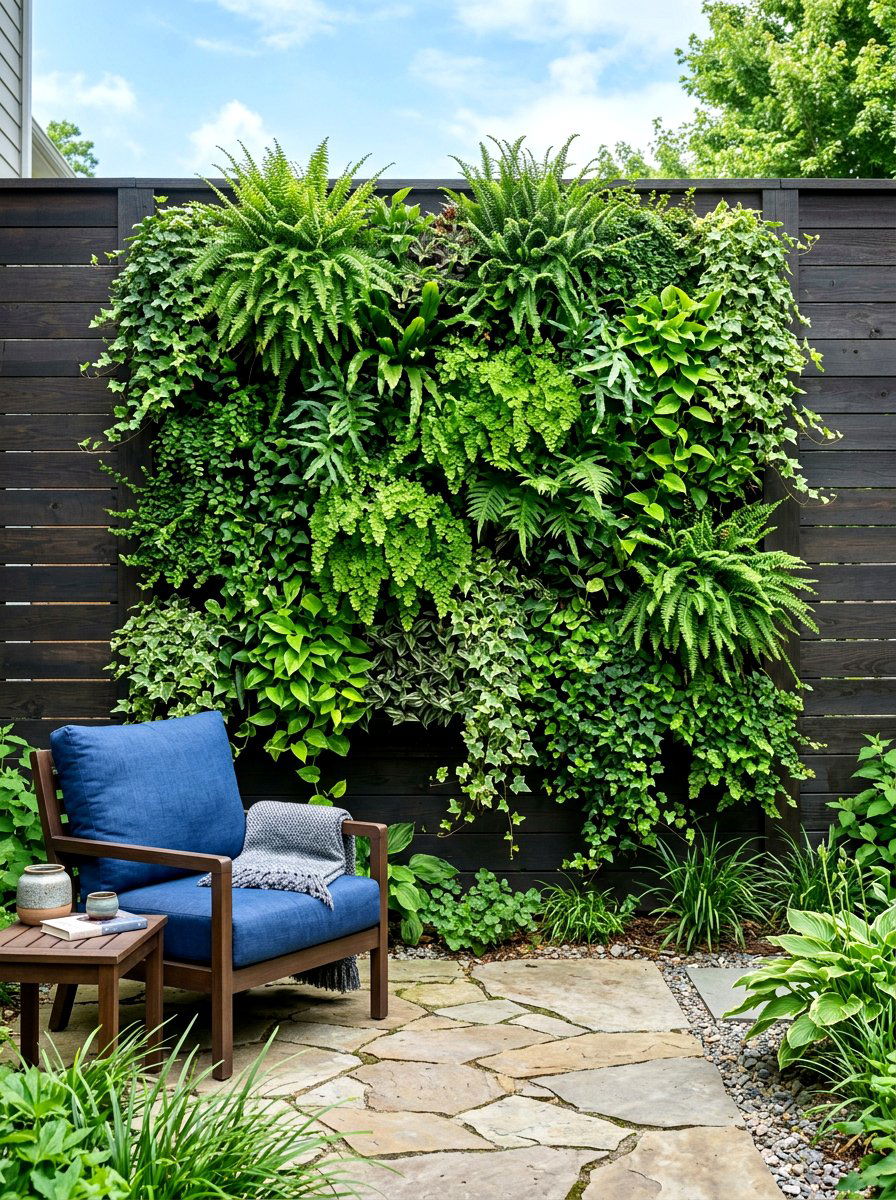
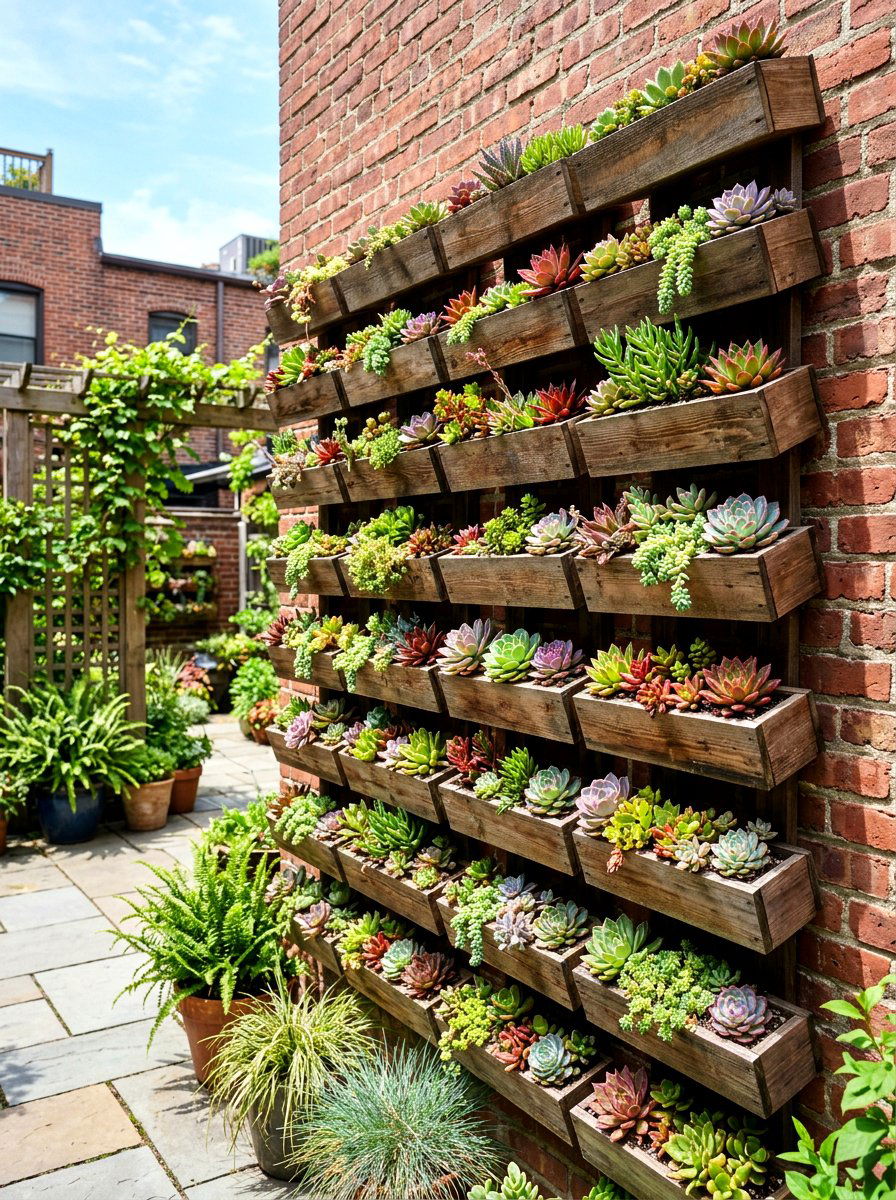
For those with limited ground space, a vertical green wall transforms a plain fence or exterior wall into a lush tapestry of living plants. You can use felt pockets or modular plastic containers to host a variety of ferns, ivies, and small flowering perennials. This wall of greenery acts as a natural acoustic buffer, absorbing sounds and making your meditation area feel much quieter. The dense foliage also helps cool the air through transpiration, creating a refreshing microclimate on hot summer days. Looking at a wall of green is scientifically proven to reduce stress levels, making this a highly effective feature for any urban or small-scale backyard retreat.
14. Cedar Garden Pergola
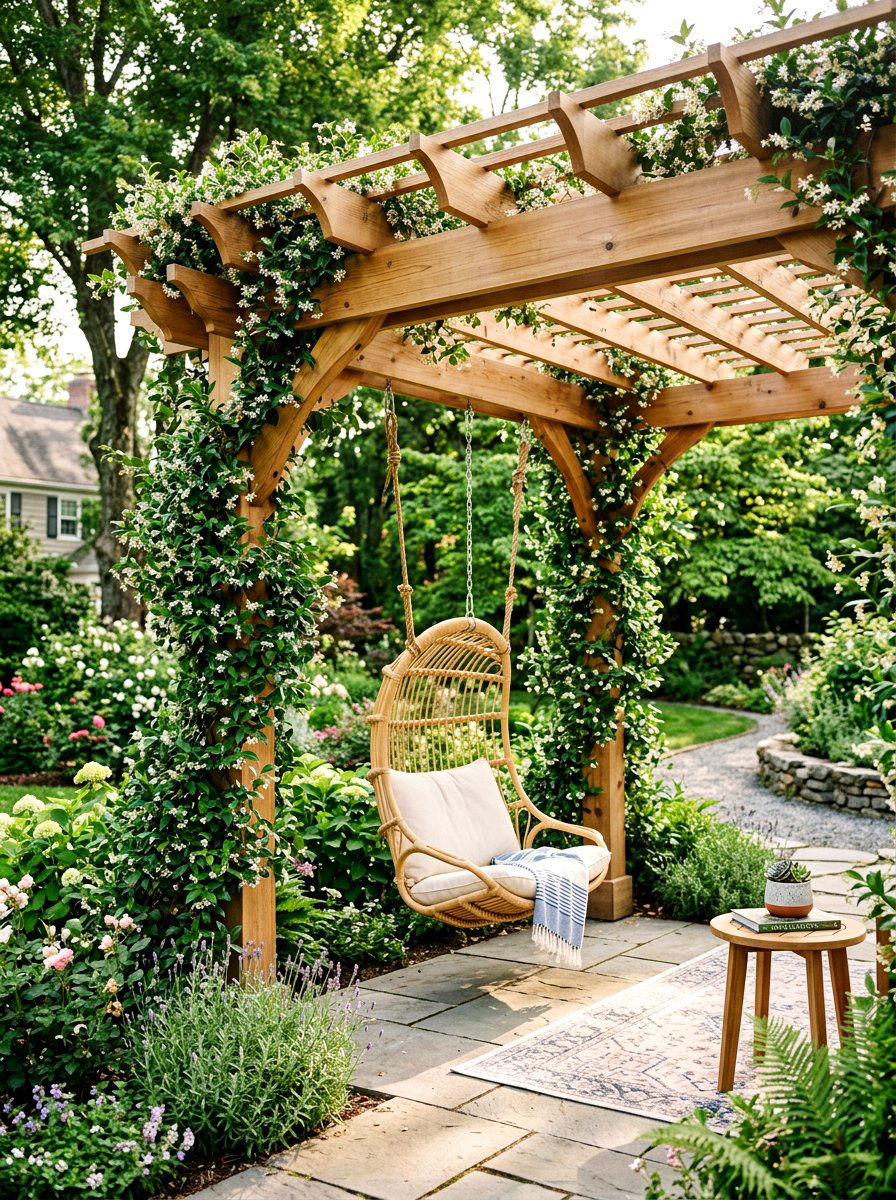
A cedar garden pergola provides a structured overhead canopy that defines your meditation space while still allowing you to feel connected to the sky. The warm scent of cedar wood adds an aromatic layer to your garden, especially after a light rain. You can grow climbing plants like jasmine or clematis up the posts to create a fragrant living roof that offers dappled shade. Hanging a set of sheer outdoor curtains from the sides can provide extra privacy and protection from light breezes. This architectural element creates a "room" in the garden, giving you a designated destination that feels separate and special from the rest of your home and yard.
15. Hammock Retreat
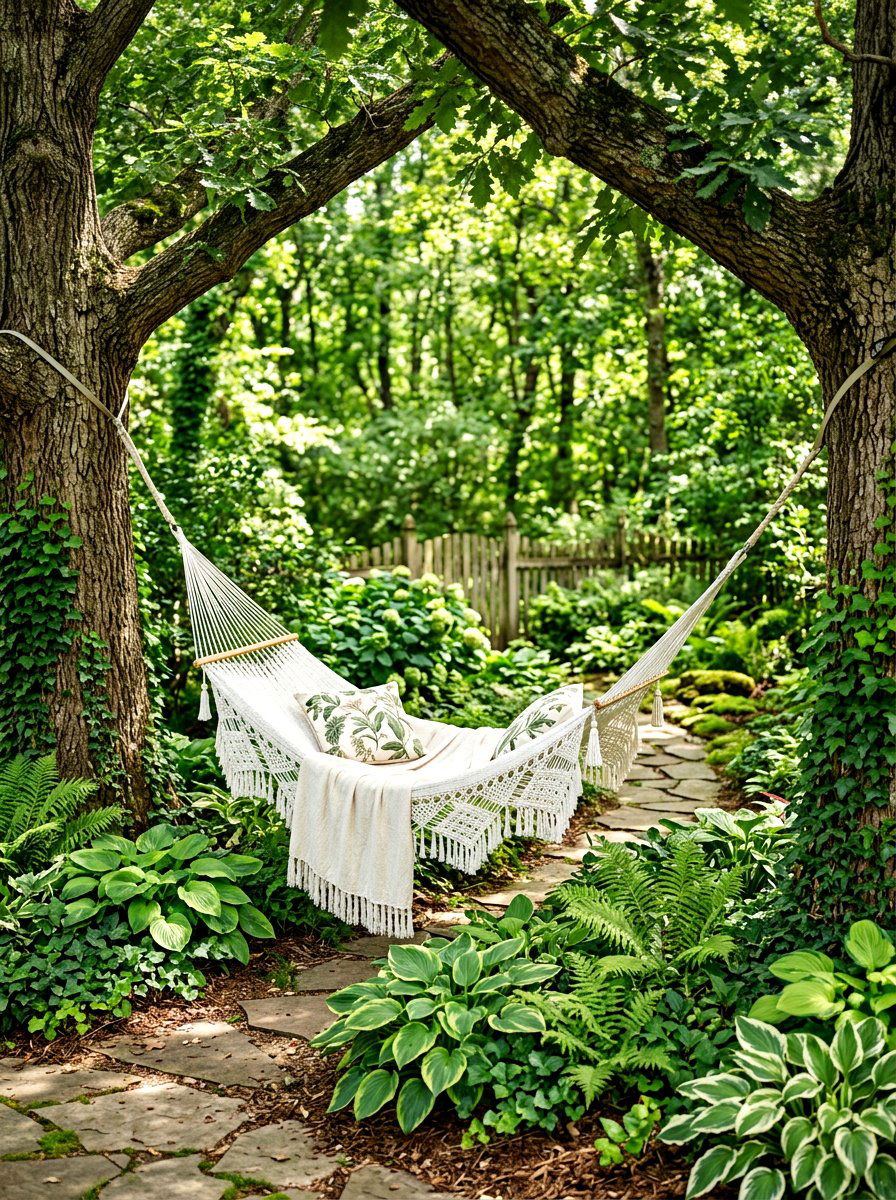
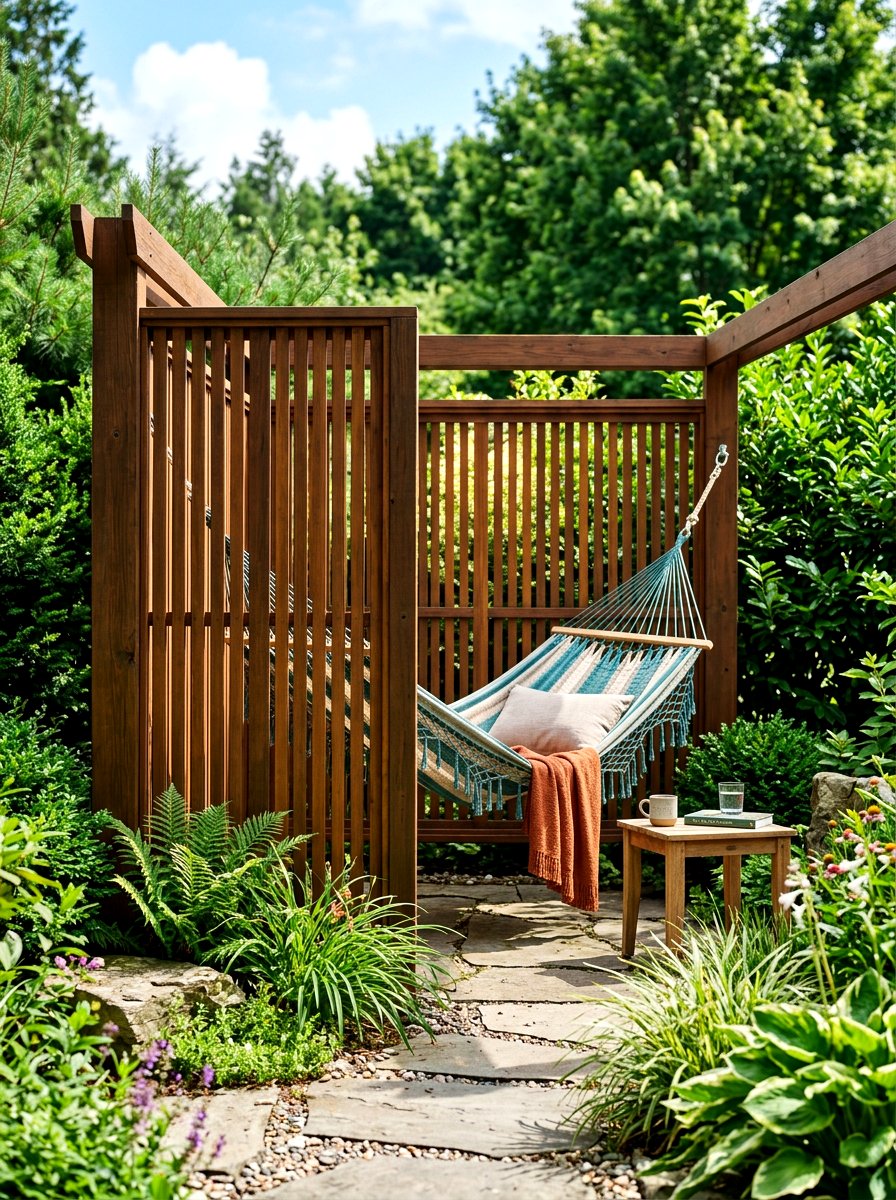
A hammock retreat offers a unique way to meditate while gently swaying in the breeze, which can be incredibly soothing for the nervous system. You can hang a cloth or rope hammock between two sturdy trees or use a standalone metal frame if your garden is more open. Placing the hammock in a shaded corner ensures you stay cool and comfortable while you relax. The feeling of weightlessness helps release tension in the muscles, making it easier to enter a deep state of relaxation. Surrounded by the sounds of leaves and birds, a few minutes in a hammock can feel like a miniature vacation, restoring your energy and clearing your mental fog.
16. Scented Herb Garden
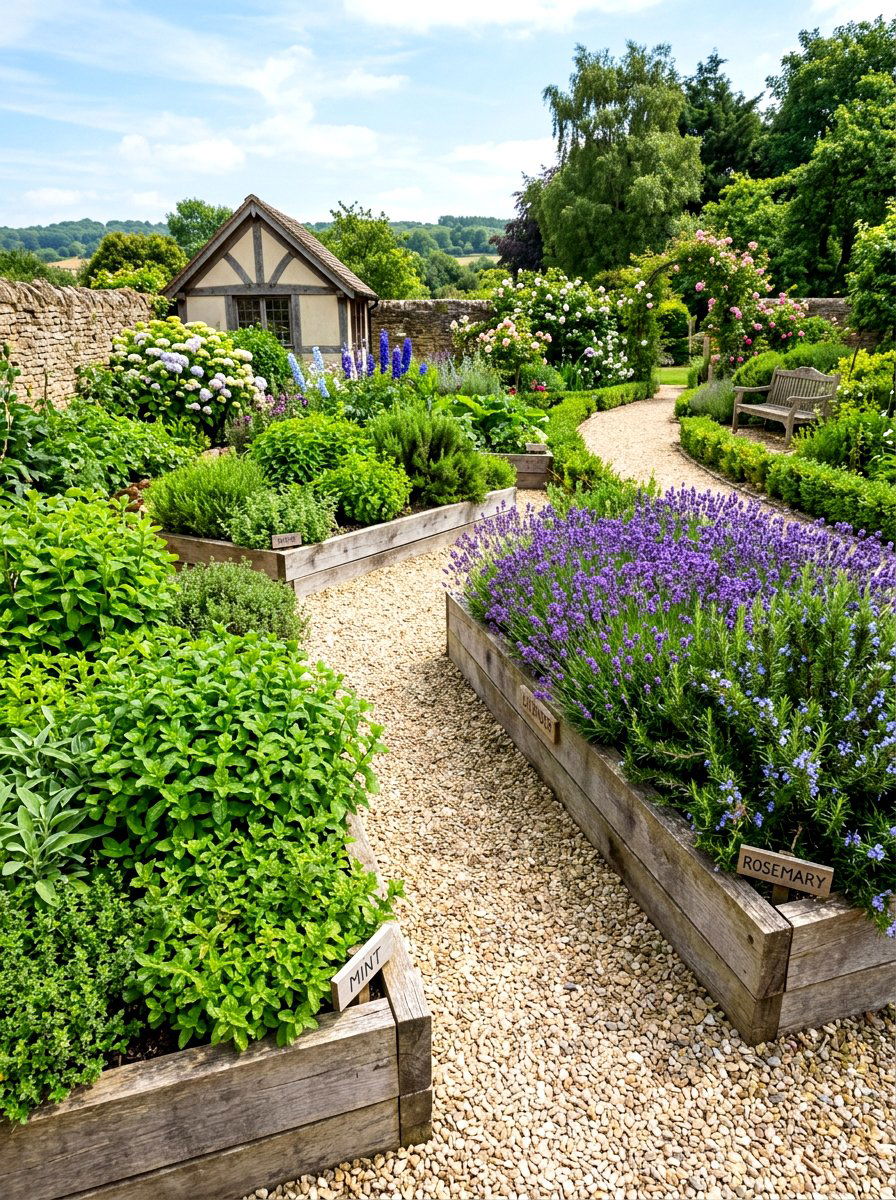
A scented herb garden engages your sense of smell, which is directly linked to the emotional centers of the brain. Planting aromatic herbs like lavender, rosemary, mint, and lemon balm around your seating area releases calming scents whenever you brush against them. You can even include a few "steppable" herbs like creeping chamomile in between your paving stones for a fragrant walkway. The act of picking a leaf and crushing it between your fingers to release the oils can be a powerful grounding exercise during your meditation. These plants are often hardy and easy to grow, providing both visual beauty and therapeutic benefits throughout the growing season and into the fall.
17. Solar Lantern Lighting
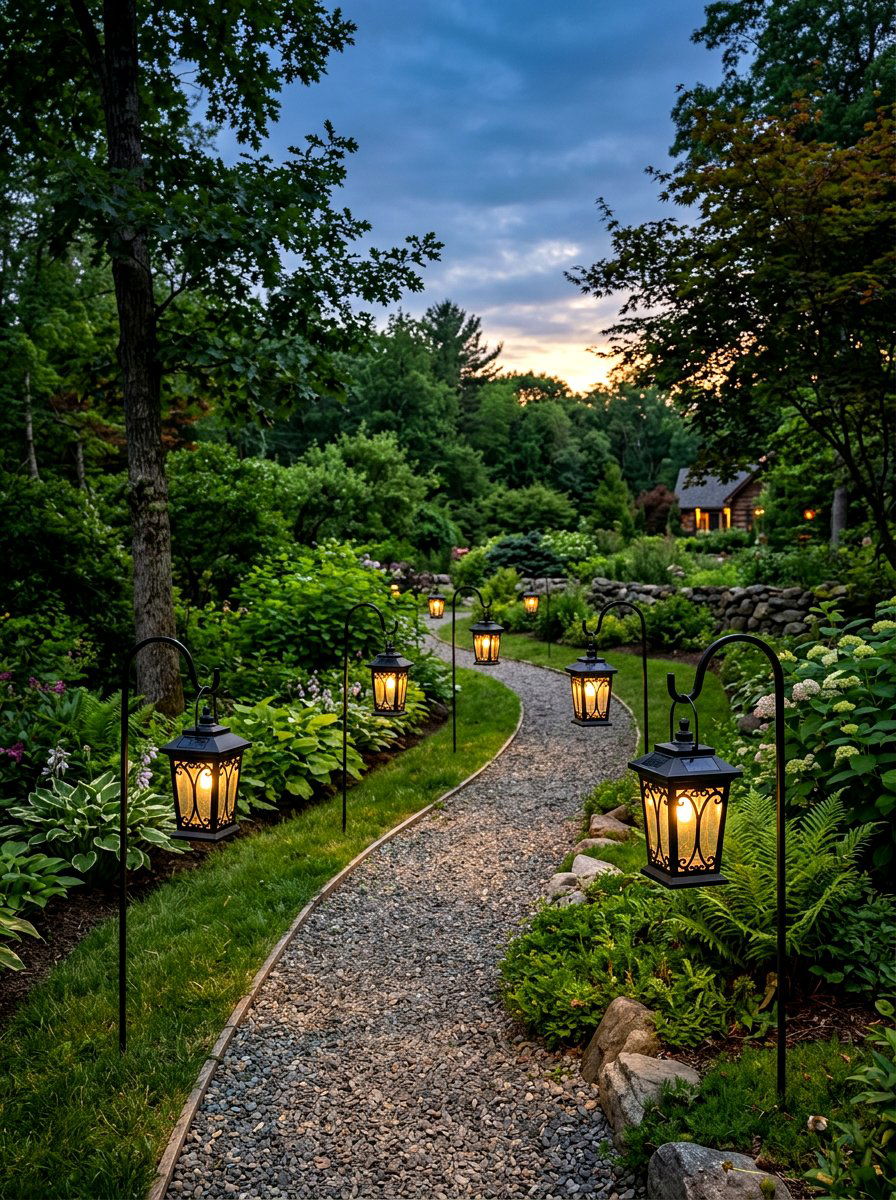
Solar lantern lighting allows you to extend your meditation practice into the evening hours, creating a magical and atmospheric environment. Using soft, warm-toned LED lanterns provides a gentle glow that is much more relaxing than bright floodlights. You can hang lanterns from tree branches, place them along pathways, or cluster them around your seating area to create a cozy perimeter. The flickering light mimics the movement of candles, providing a soothing visual rhythm that helps slow down your heart rate. Because they are solar-powered, these lights are eco-friendly and automatically turn on as the sun sets, welcoming you into your garden for a peaceful end-of-day reflection session.
18. Circular Stone Patio
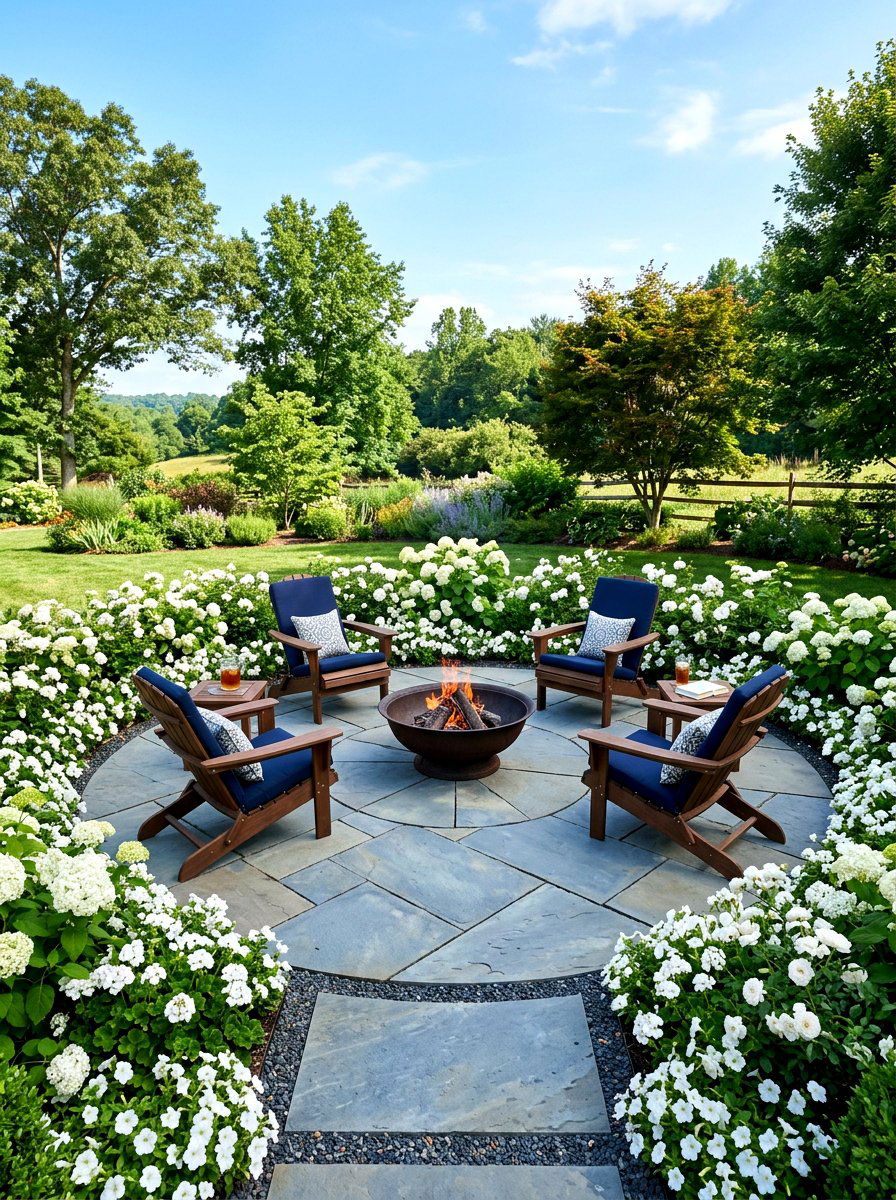
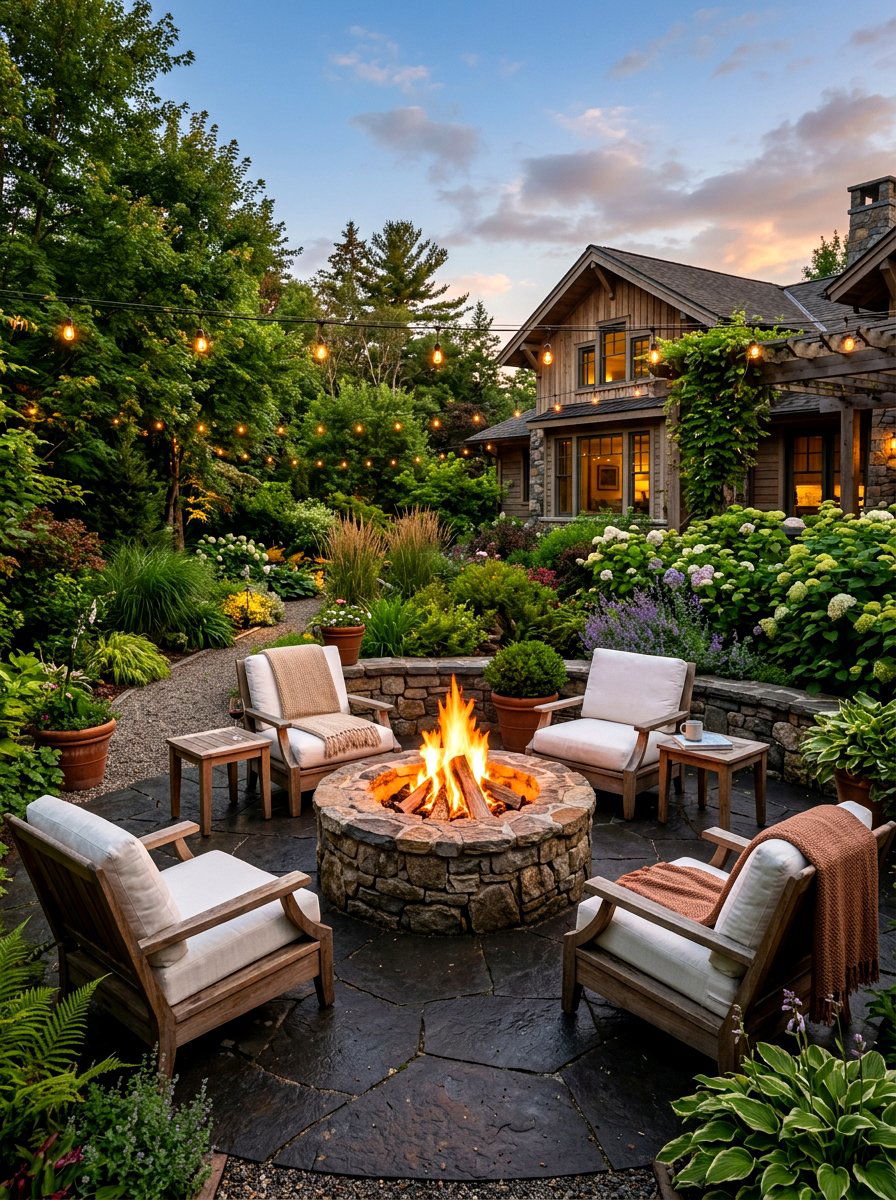
A circular stone patio creates a sense of wholeness and enclosure, making it an ideal foundation for a meditation or fire pit area. The circle is a powerful symbol of unity and infinity, which can subtly influence the energy of your space. Using natural materials like Pennsylvania bluestone or limestone pavers adds a high-quality, timeless feel to the garden. You can arrange your seating in the center to feel completely balanced within the design. Surrounding the circular edge with a low boxwood hedge or a ring of colorful perennials helps define the boundary and makes the patio feel like a private island of calm within the larger landscape of your backyard.
19. Native Plant Garden
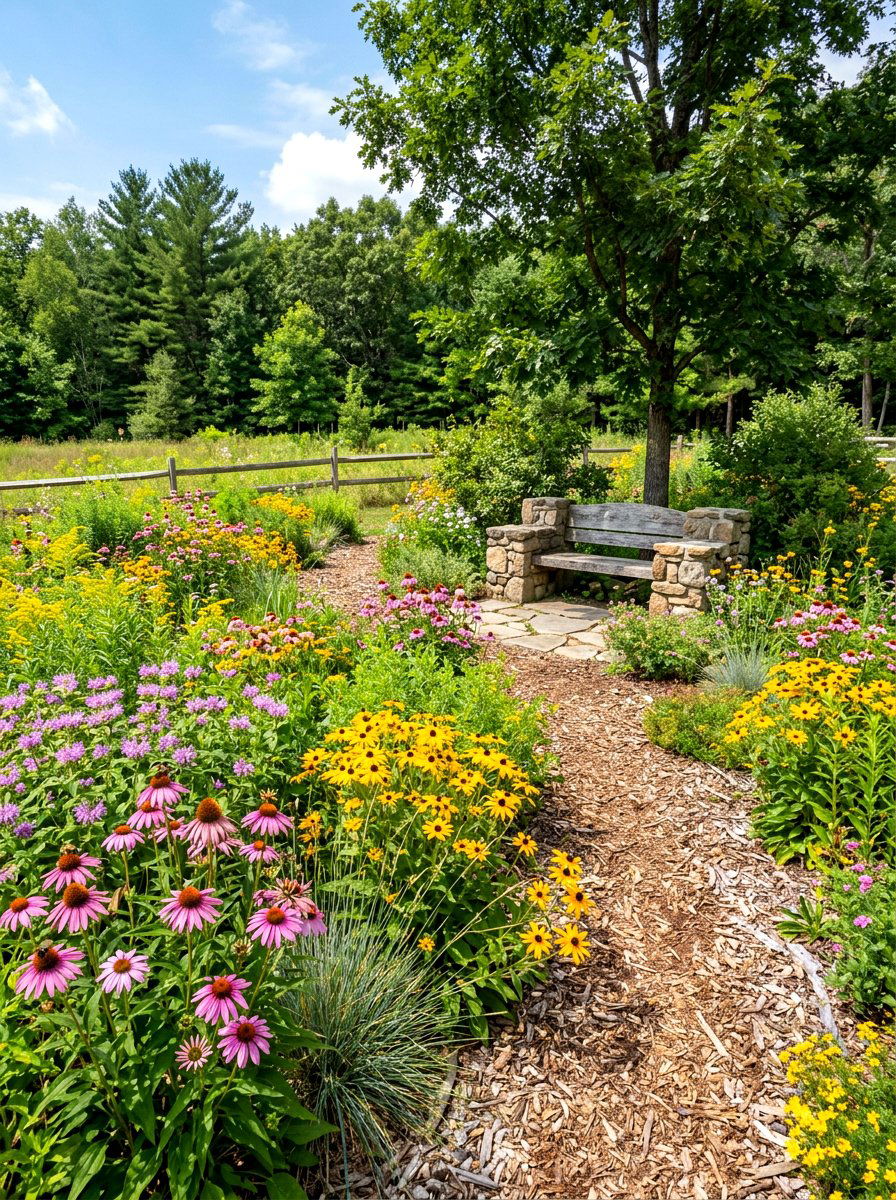
A native plant garden connects you directly to the local ecosystem, attracting indigenous birds and beneficial insects to your meditation space. Native plants are typically more resilient and require less water and fertilizer, making your garden more sustainable and easier to maintain. This type of landscape often has a more wild and natural appearance, which can help you feel like you are deep in the woods rather than in a suburban yard. Observing the seasonal cycles of local wildflowers and grasses can deepen your appreciation for the natural world and the passage of time. This connection to the local environment fosters a sense of belonging and groundedness during your practice.

20. Lush Moss Garden
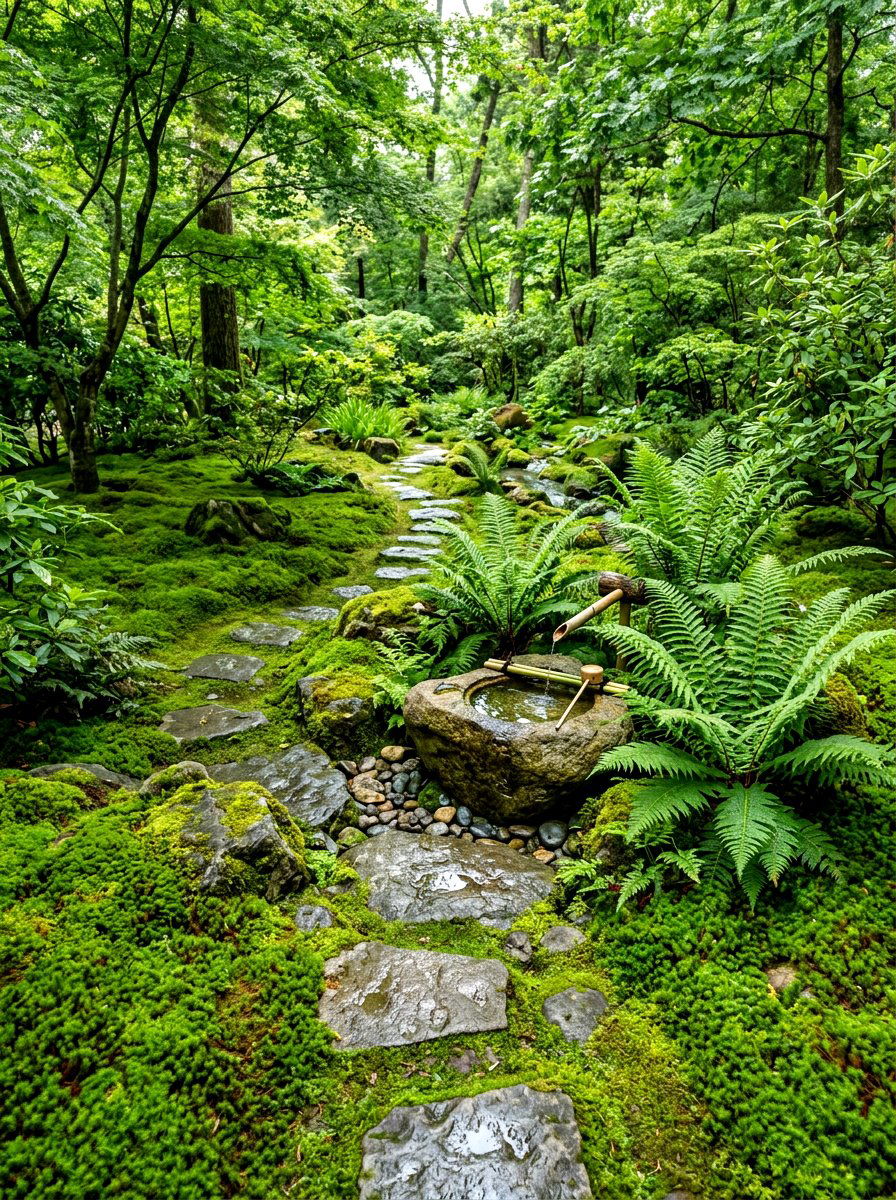
A lush moss garden provides a soft, velvety green carpet that feels incredibly peaceful and old-world. Moss thrives in shaded, moist areas where traditional grass might struggle, making it perfect for a secluded woodland meditation nook. The deep green color is exceptionally soothing to the eyes, and the spongy texture is wonderful for walking on barefoot. You can encourage moss to grow over rocks and statues to give them an aged, weathered appearance that suggests long-term stability and calm. Because moss doesn't require mowing, it remains a quiet and undisturbed part of your garden, allowing you to focus entirely on the gentle sounds of the wind and the local wildlife.
21. Secluded Garden Corner
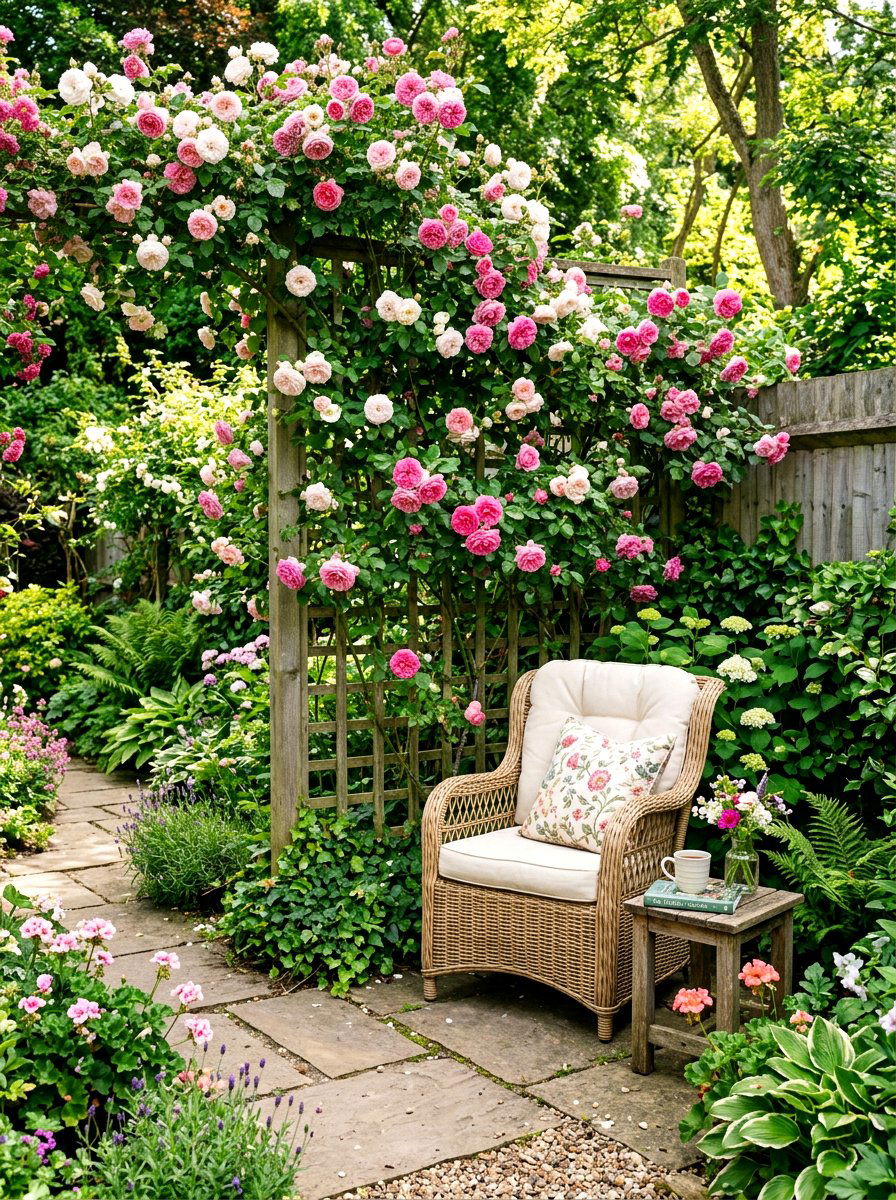
A secluded garden corner makes use of an underutilized part of your yard, transforming it into a private hideaway. By using tall shrubs, a decorative trellis, or even a small fence, you can tuck away a single chair or meditation mat where no one can see you. This sense of being "hidden" can help you lower your guard and relax more deeply than you would in an open space. You can decorate this small area with personal items like a small wind chime, a favorite potted plant, or a weather-proof box to keep your meditation supplies. This tiny retreat serves as a powerful reminder that you don't need a large space to find peace.
22. Metal Wind Chimes
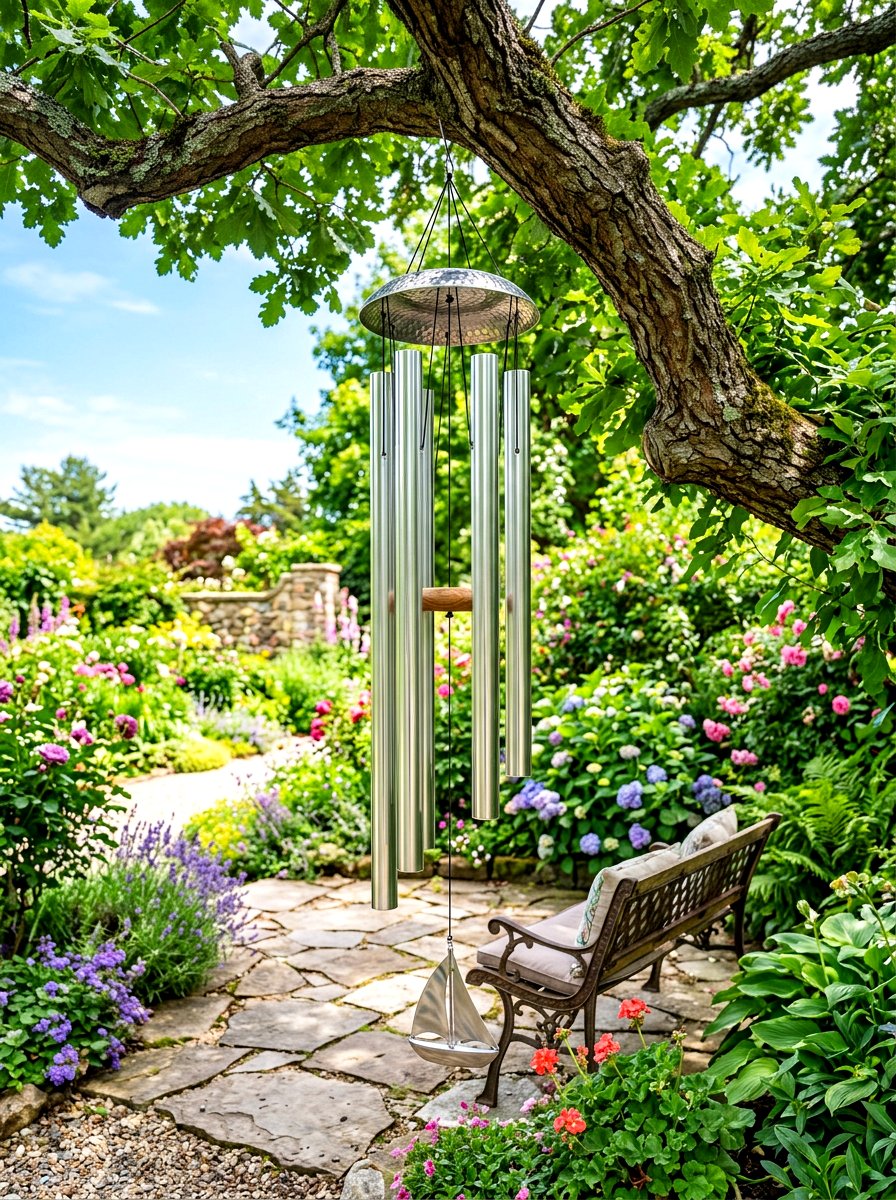
Metal wind chimes introduce a musical element to your garden that responds directly to the invisible movement of the air. High-quality chimes are tuned to specific scales, producing deep, resonant tones that can linger in the air and help you focus on the present moment. Placing them near a window or your primary seating area ensures you can hear their gentle song even during a light breeze. The metallic sound provides a clear, sharp contrast to the soft rustling of leaves, acting as a "mindfulness bell" that pulls your attention back to your breath whenever your mind starts to wander. The rhythmic and unpredictable nature of the sound is both calming and fascinating.
23. Pollinator Butterfly Garden
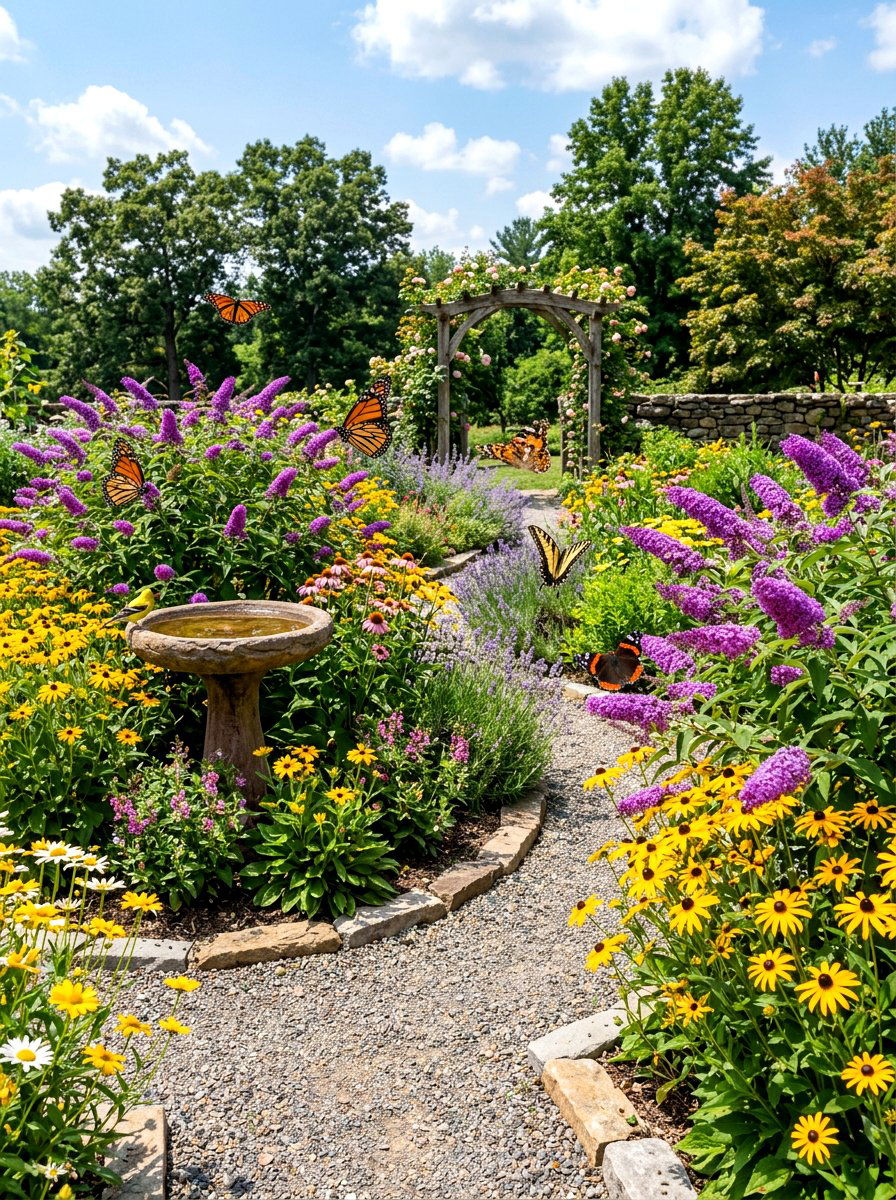
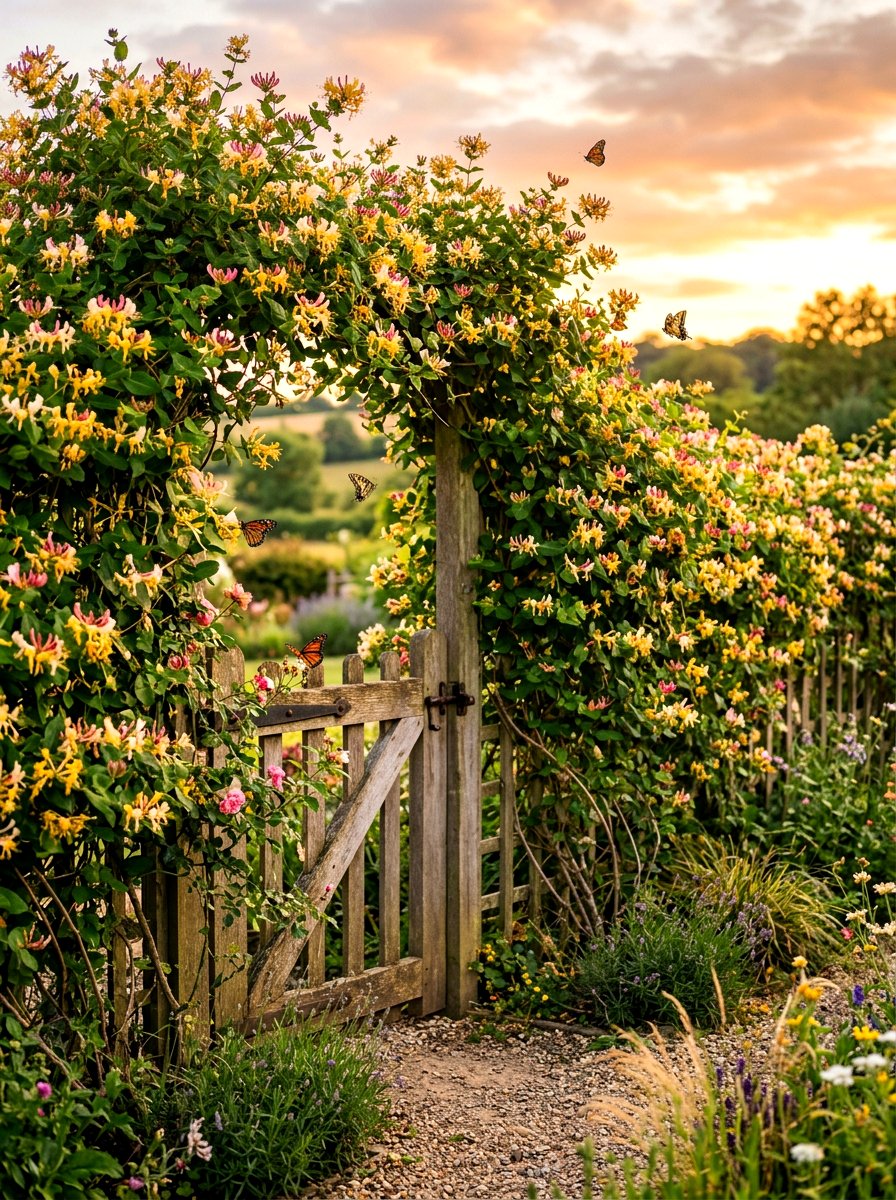
A pollinator butterfly garden fills your meditation space with the graceful movement of wings and the bright colors of nectar-rich flowers. Planting species like milkweed, coneflowers, and buddleia attracts butterflies, hummingbirds, and bees, creating a vibrant ecosystem. Watching a butterfly land on a flower and slowly open its wings is a beautiful exercise in patience and observation. This type of garden reminds you of the interconnectedness of all living things and the importance of supporting life in all its forms. The gentle activity of these creatures provides a "soft fascination" that helps rest the mind and reduce cognitive fatigue, making your meditation session even more restorative and rewarding.
24. Wildflower Meadow
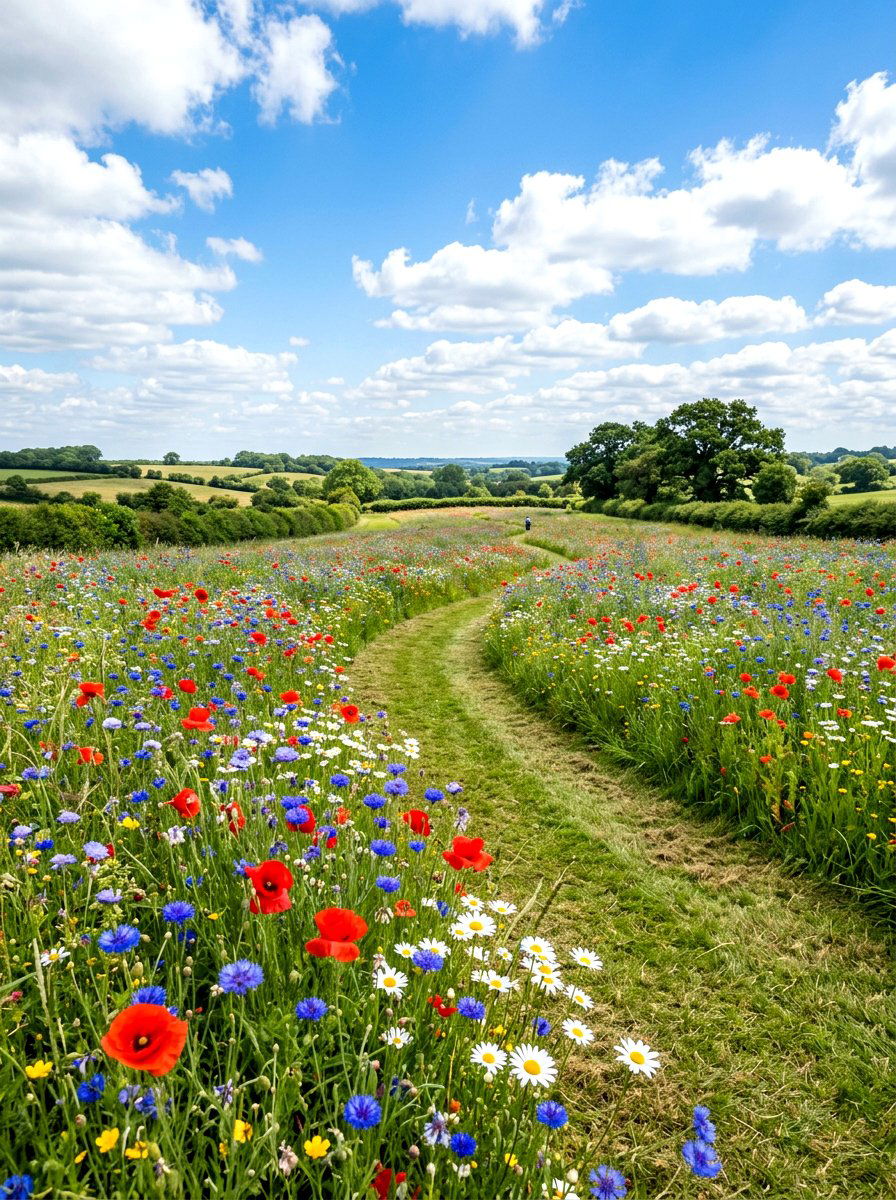
A wildflower meadow offers a more relaxed and informal alternative to a traditional lawn, filled with a diverse mix of native grasses and blooms. This type of garden requires very little intervention, allowing nature to take the lead in how the space looks and feels. You can mow a simple path through the tall grass to reach a small clearing for meditation. The sight of a field of flowers swaying in the wind is incredibly peaceful and evokes a sense of freedom and openness. A meadow changes dramatically throughout the seasons, offering new colors and textures to contemplate each time you visit your garden for a morning or afternoon session of quiet reflection.
25. Potted Succulent Garden
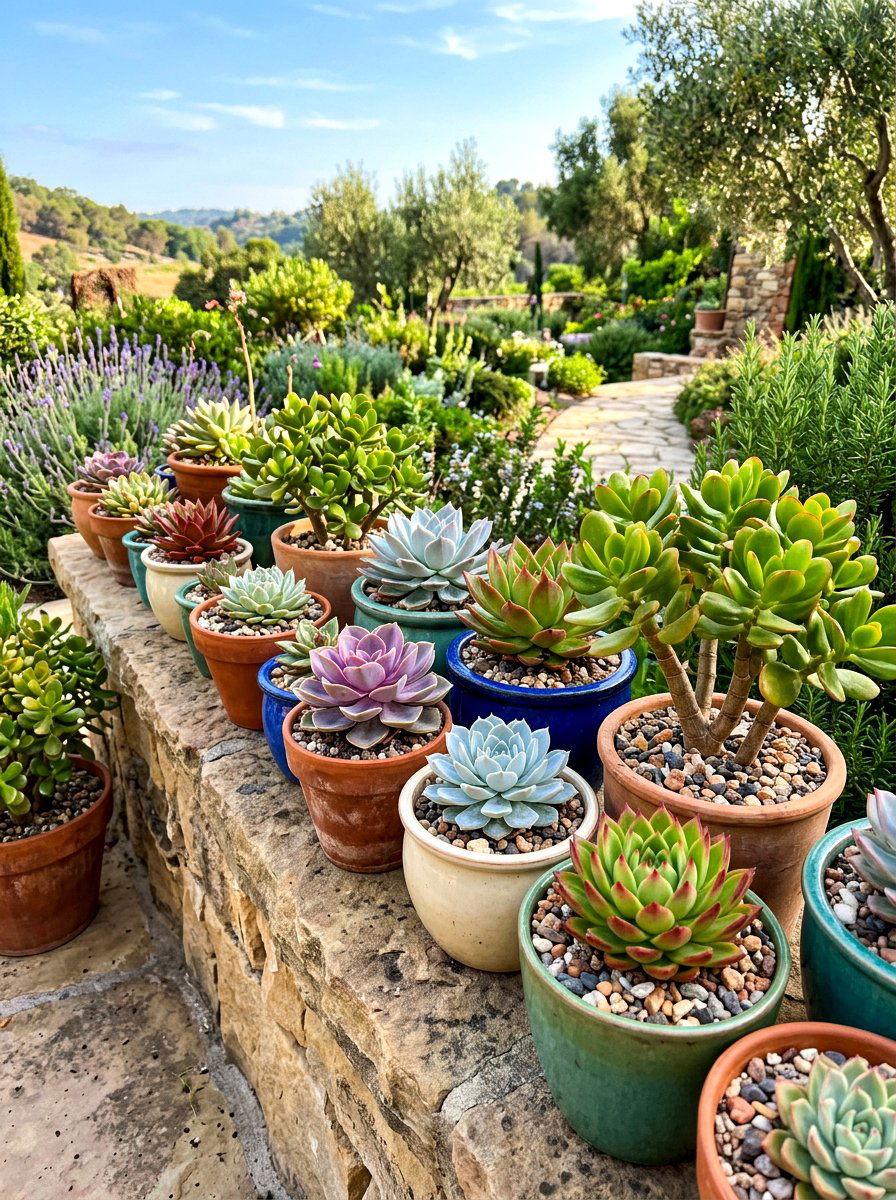
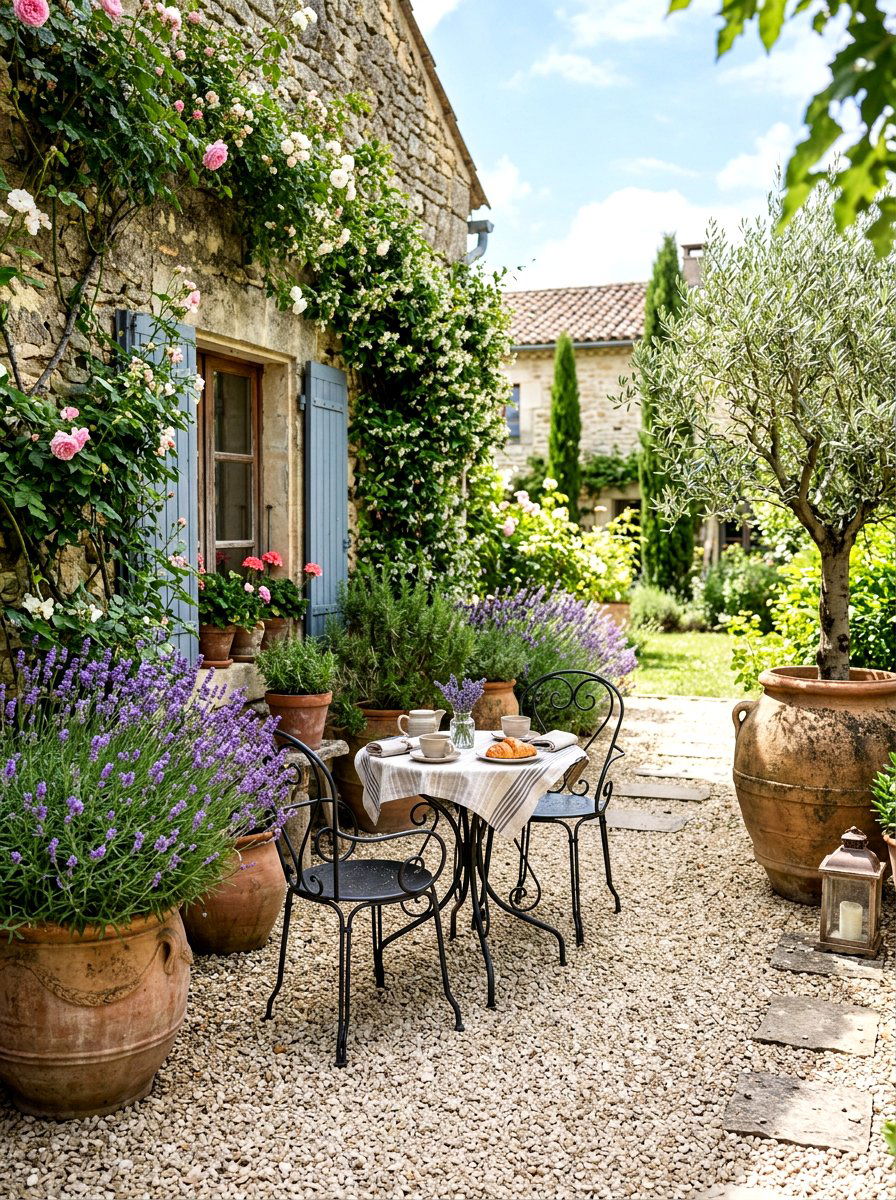
A potted succulent garden is a fantastic choice for modern meditation spaces or those with limited water resources. Succulents come in an incredible variety of geometric shapes and colors, from soft blue rosettes to tall, architectural cacti. Arranging them in a series of minimalist ceramic pots allows you to create a structured and organized display that is very pleasing to the eye. The slow growth and low maintenance needs of succulents mirror the slow, steady pace of a consistent meditation practice. You can place these pots on a tabletop or along a stone ledge to create a "mini-landscape" that you can observe closely while focusing on your breath and mental clarity.
26. Stepping Stone Path
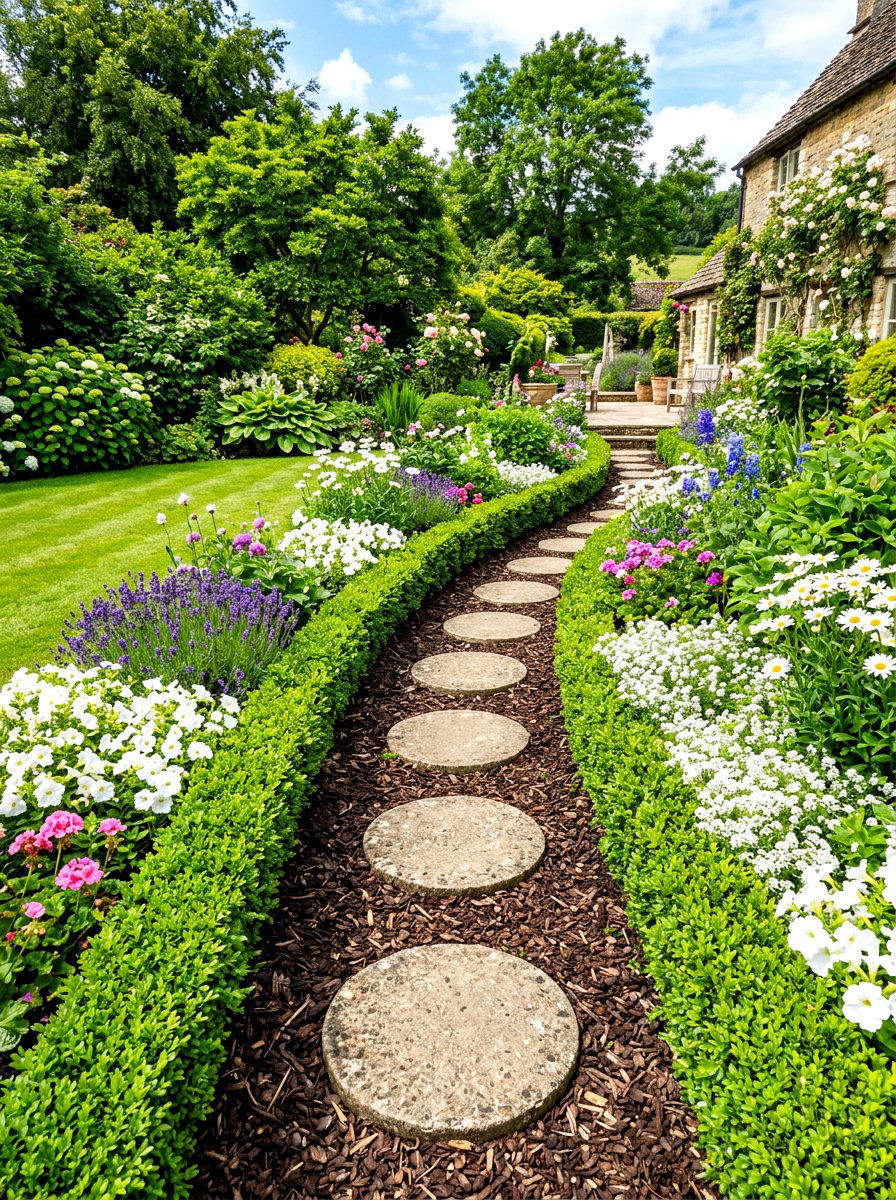
A stepping stone path provides a clear, rhythmic guide for walking meditation, where each step is taken with full awareness. Placing the stones slightly further apart than your natural stride forces you to slow down and focus on your balance and the feeling of your feet touching the ground. You can choose smooth, flat river stones or hand-poured concrete rounds to match your garden's style. Surrounding the stones with soft moss or fine gravel helps highlight the path and provides a nice textural contrast. This intentional walkway serves as a physical bridge between the activities of your day and the stillness of your dedicated meditation area, helping you transition your mind slowly.
27. Ornamental Grass Garden
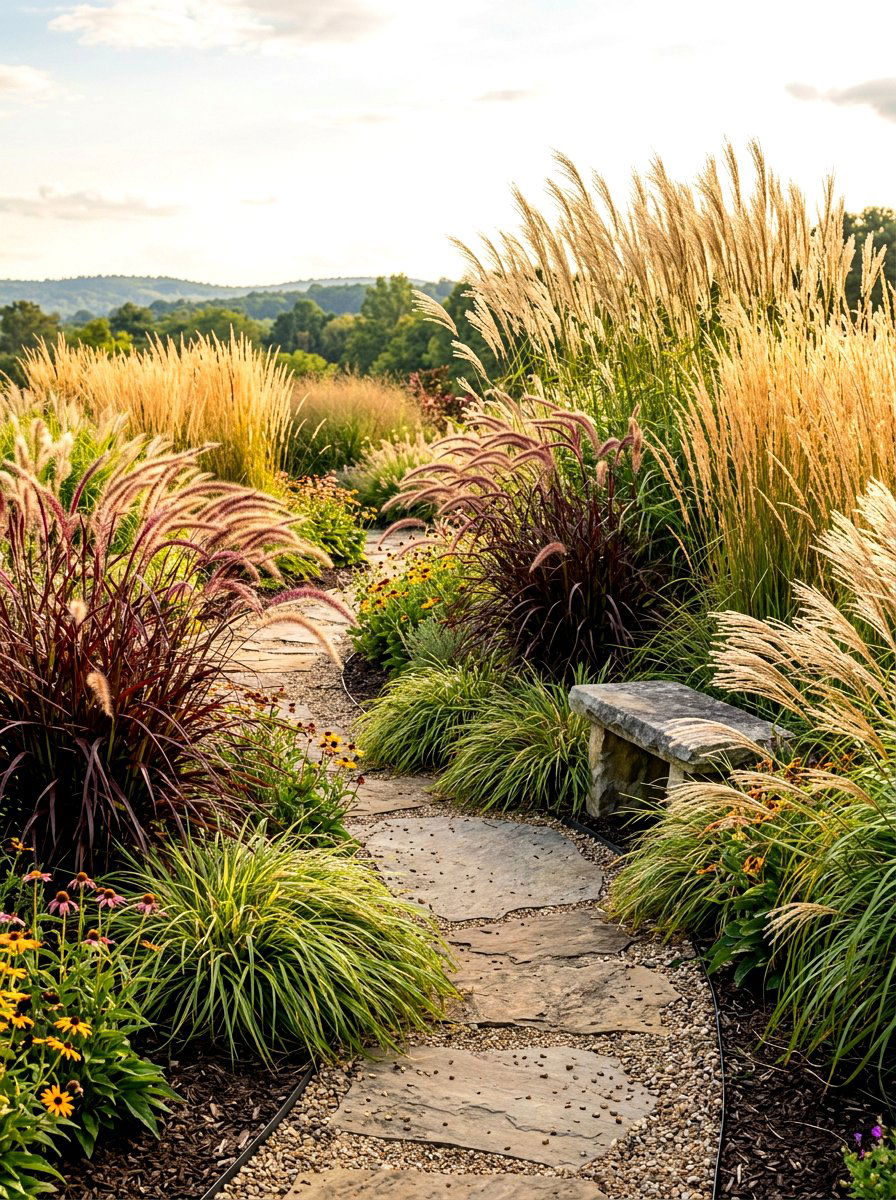
An ornamental grass garden focuses on movement and texture rather than bright colors, creating a very sophisticated and calming environment. Varieties like fountain grass, switchgrass, and feather reed grass catch the light and the wind beautifully, creating a constant sense of gentle motion. The tall plumes and fine blades provide a soft visual screen that can help enclose a meditation area without feeling heavy or dark. In the autumn and winter, the dried grasses turn golden and provide a soothing rustling sound that persists even when other plants have gone dormant. This type of garden celebrates the beauty of simplicity and the subtle changes that occur in nature over time.
28. Stone Retaining Wall
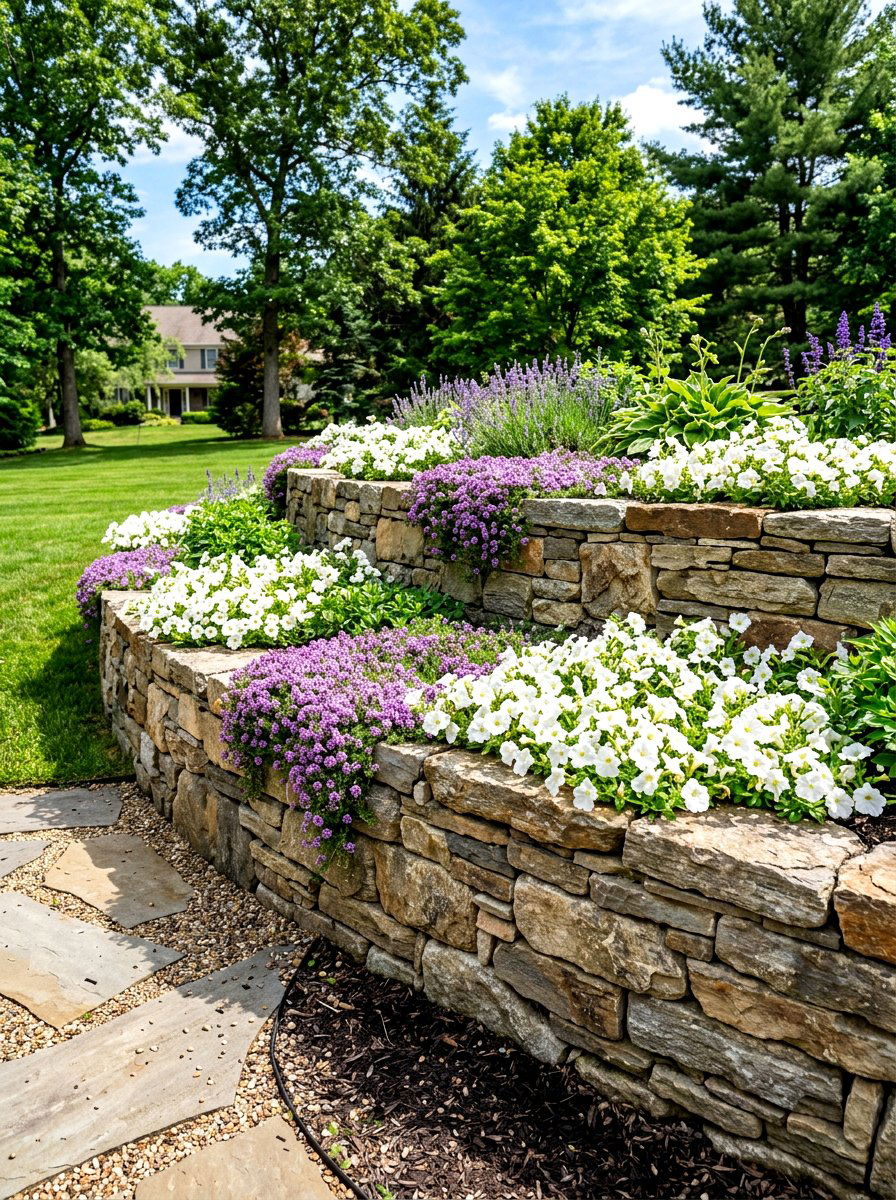
A stone retaining wall can be used to create a tiered meditation garden, adding vertical interest and a sense of structure to a sloped yard. Building the wall from natural fieldstone or dry-stack ledge stone provides a rugged, earthy look that feels like it has been part of the landscape for decades. You can use the flat top of the wall as a bench or a place to set lanterns and small statues. Planting cascading flowers or vines over the edge of the stone helps soften the hard lines and integrates the structure into the surrounding greenery. A tiered garden allows you to create different "levels" of privacy and perspective for your daily mindfulness practice.
29. Modern Fire Pit
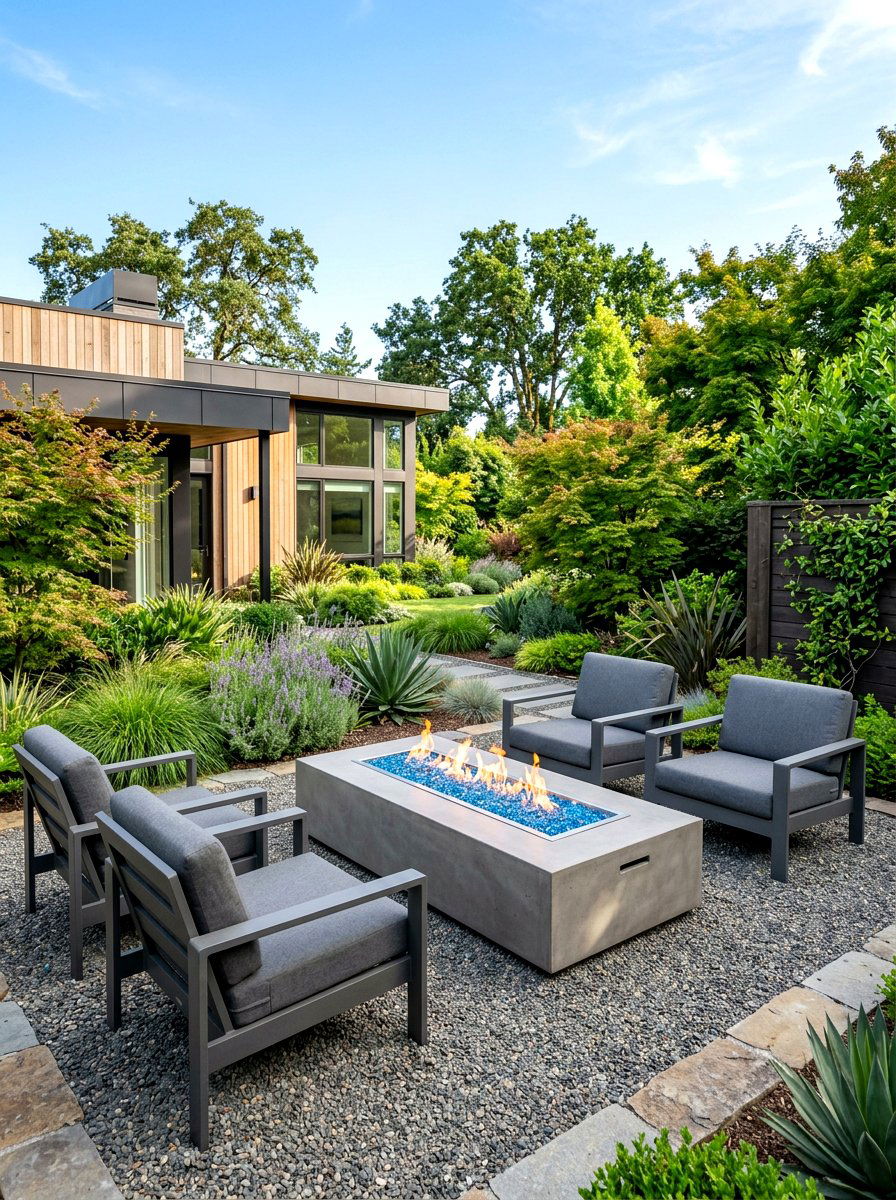
A modern fire pit introduces the element of fire into your meditation garden, providing warmth and a mesmerizing visual focus. Sitting by a fire has been a primal form of meditation for humans for thousands of years, helping to quiet the mind and encourage deep thought. You can choose a sleek gas-powered fire table for convenience or a traditional wood-burning steel bowl for a more authentic experience. Surrounding the fire pit with comfortable outdoor lounge chairs creates a cozy and inviting gathering spot for evening reflection. The dancing flames and the crackle of wood provide a rhythmic sensory experience that is perfect for grounding yourself after a long, busy day.
30. Garden Gazebo
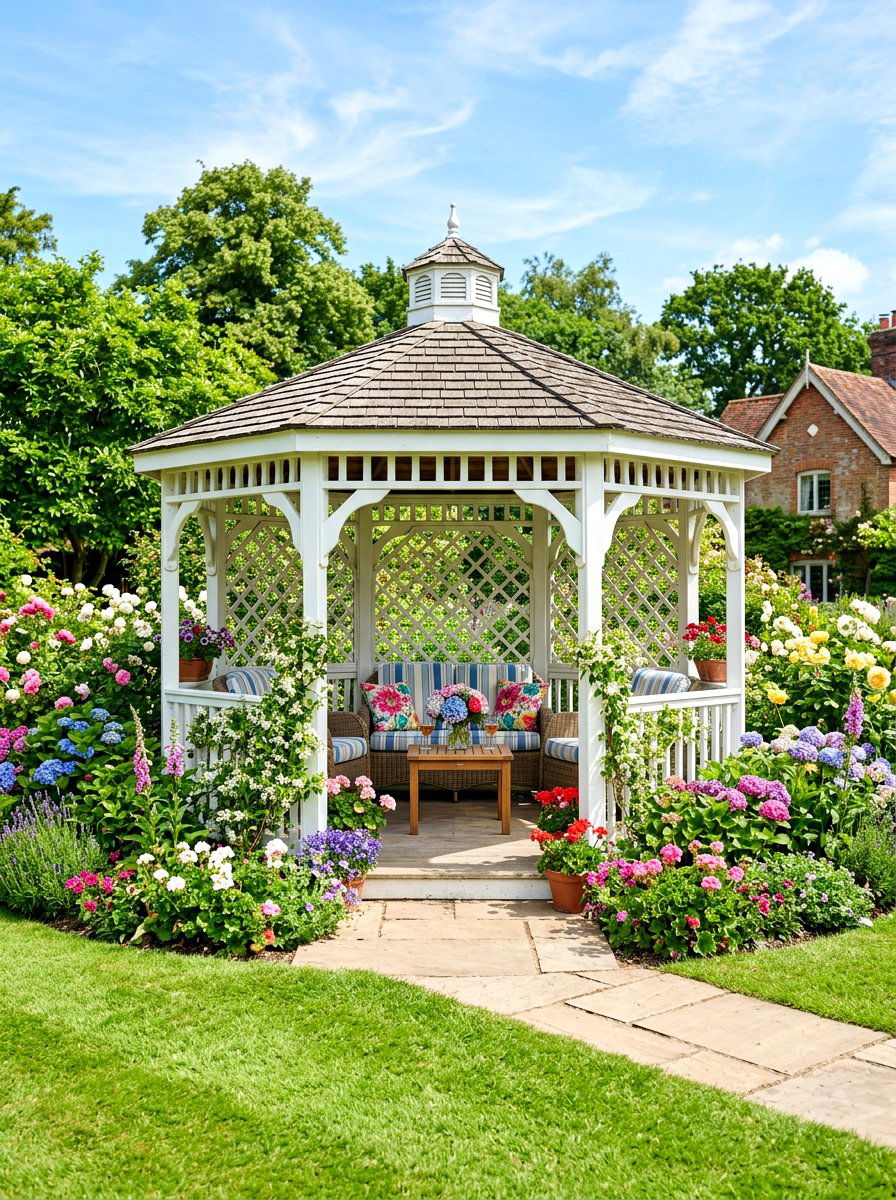
A garden gazebo offers a fully sheltered space for meditation, allowing you to enjoy your outdoor sanctuary even during light rain or intense midday sun. This traditional structure provides a clear sense of destination and importance, serving as a dedicated temple for your wellness routines. You can add comfortable furniture, soft outdoor rugs, and even a small table for tea to make the gazebo feel like a true extension of your living space. Hanging plants or climbing roses around the perimeter adds a layer of natural beauty and privacy. Being inside a gazebo provides a "nested" feeling of safety, which is highly conducive to reaching deeper states of relaxation and mental peace.
Conclusion:
Designing a meditation garden is a deeply personal journey that allows you to create a physical reflection of your inner need for peace. By incorporating elements like flowing water, natural stone, and sensory-rich plants, you build a space that supports your mental health and encourages a daily practice of mindfulness. Whether you choose a minimalist Zen design or a lush, flower-filled retreat, the key is to prioritize comfort and tranquility. As your garden grows and matures, it will become an increasingly powerful sanctuary where you can escape the noise of the world. Take your time to select the features that resonate most with your spirit and enjoy the process of cultivation.

Related posts: