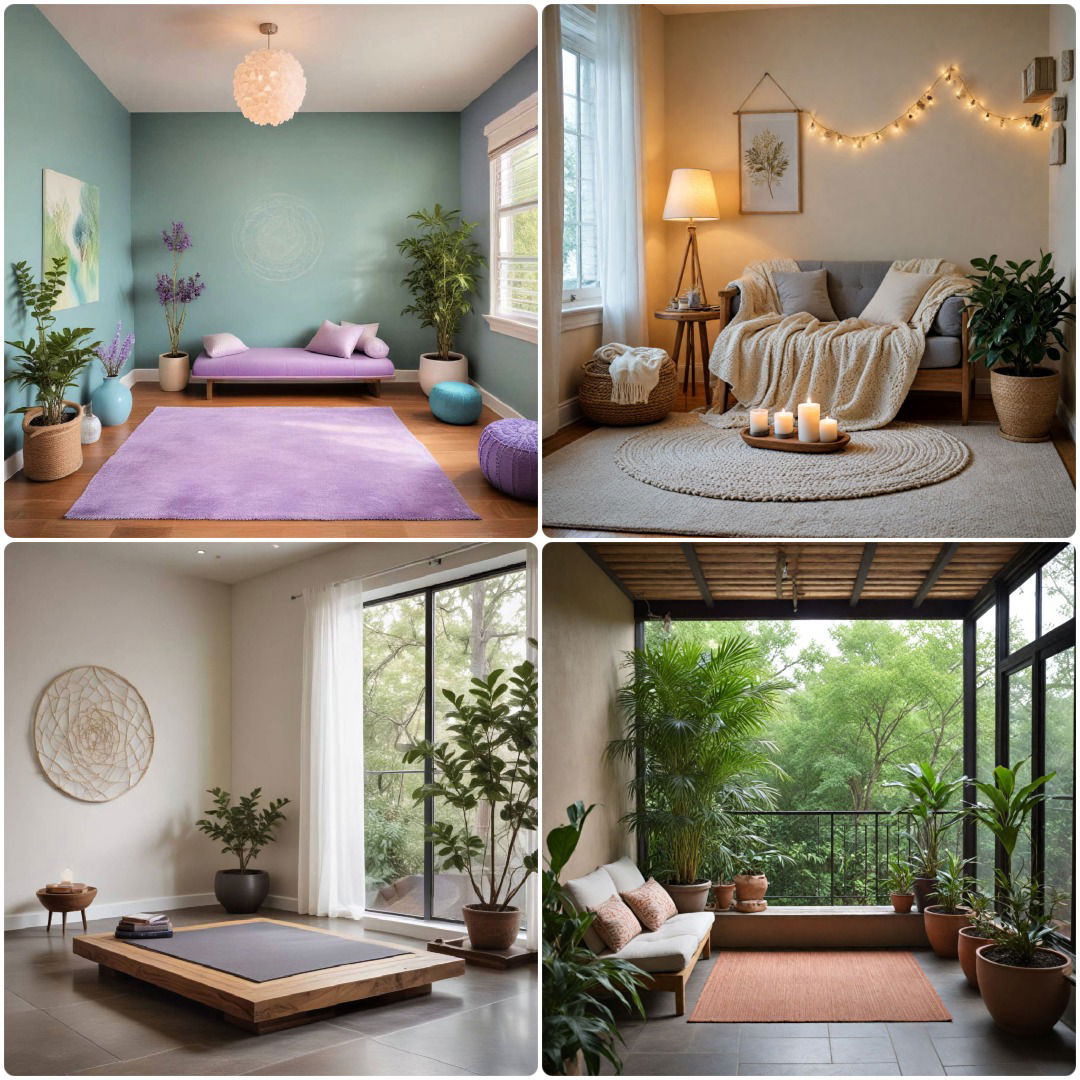
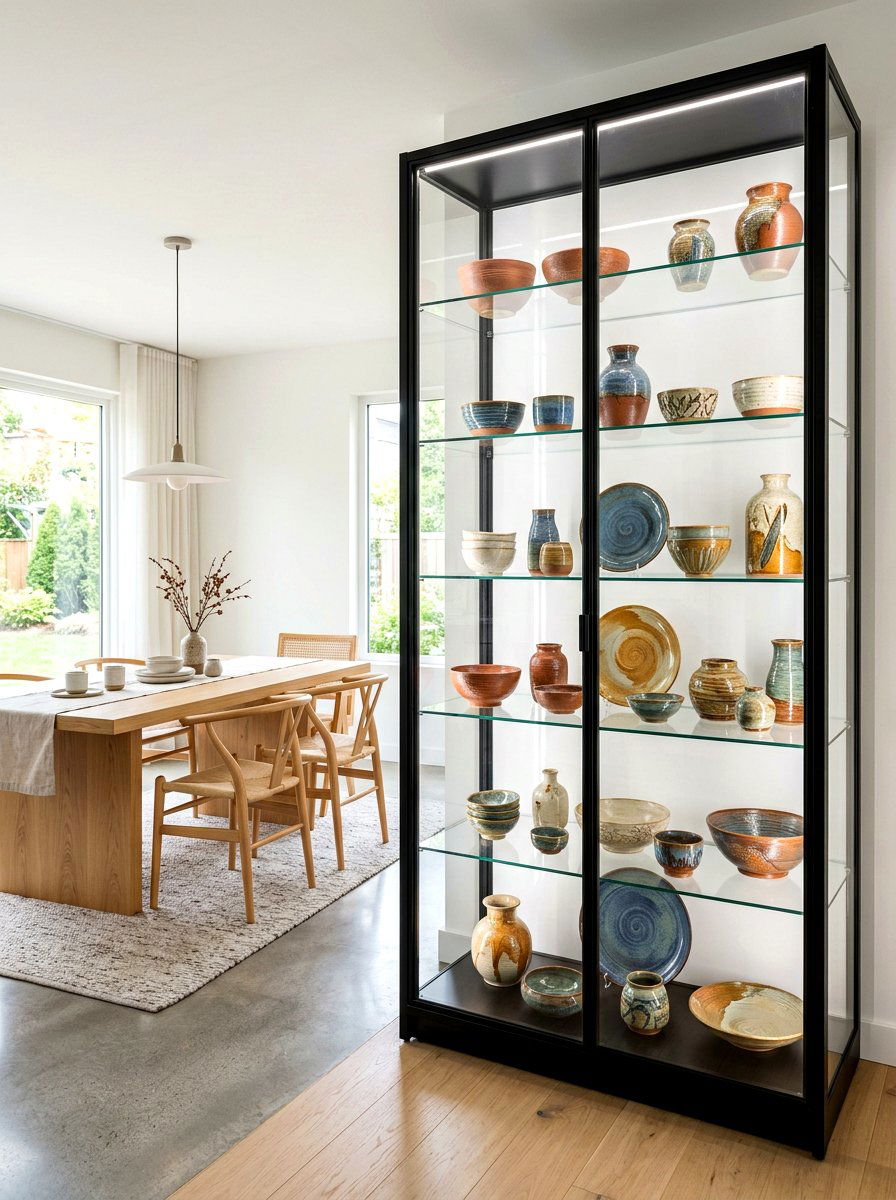
Creating a dedicated space for mindfulness at home is a powerful way to enhance your mental well-being and find a daily escape from the stresses of modern life. A meditation room serves as a personal sanctuary where you can disconnect from external noise and reconnect with your inner self. Whether you have a large spare room or a small, unused corner, the way you design this area can significantly impact your ability to focus and relax. By intentionally selecting colors, textures, and lighting, you can build an environment that fosters peace, clarity, and grounding. These various concepts will help you transform any area of your house into a tranquil retreat that supports your spiritual journey and daily routine.
1. Minimalist Zen Room
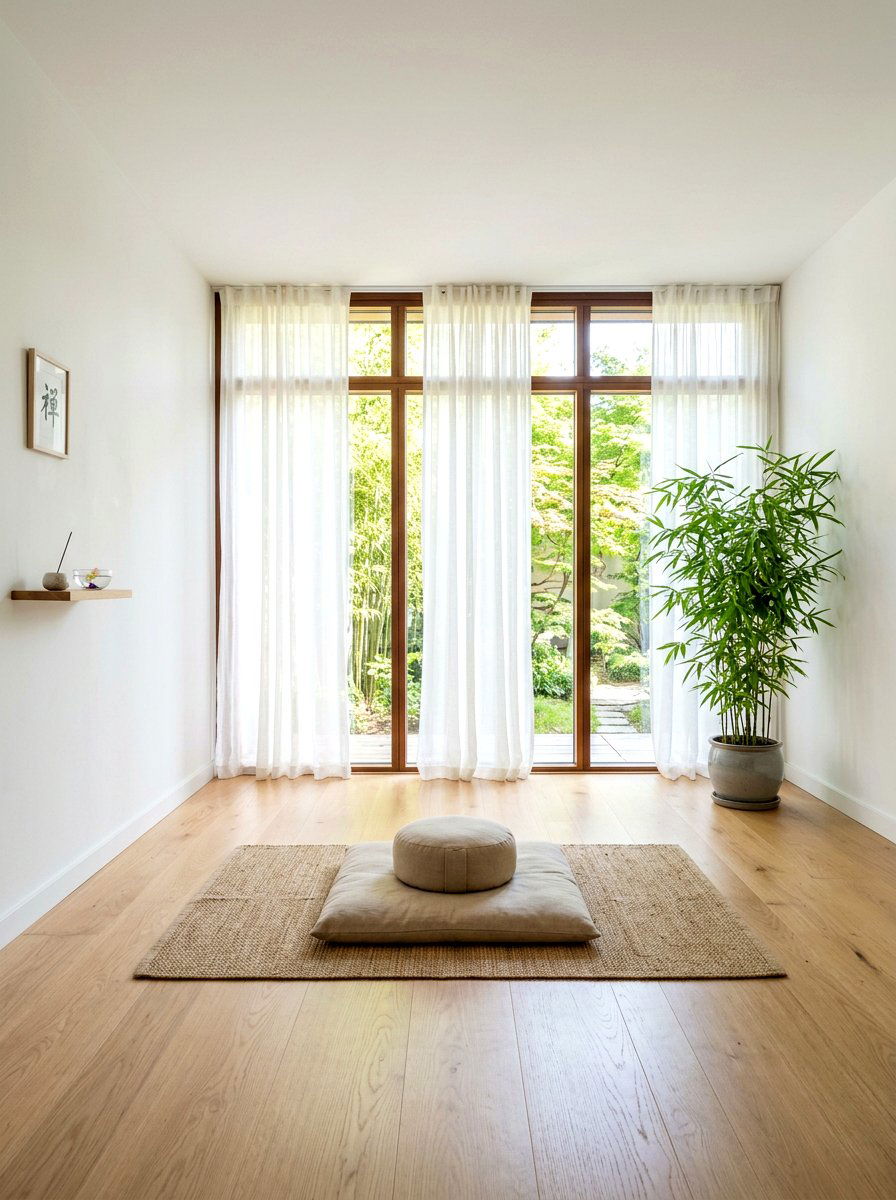
A minimalist zen room focuses on the philosophy of less is more to create an environment completely free from mental and visual clutter. This design typically features a clean, neutral color palette with whites, soft beiges, and light grays that make the entire space feel open and airy. You might include a single high-quality tatami mat or a simple zabuton cushion in the center of the room as the primary focal point. Low-profile furniture and bare walls help to eliminate distractions, allowing your mind to settle quickly into stillness. By keeping the decor sparse and intentional, you emphasize the importance of the present moment and the inner work of meditation.
2. Boho Floor Seating
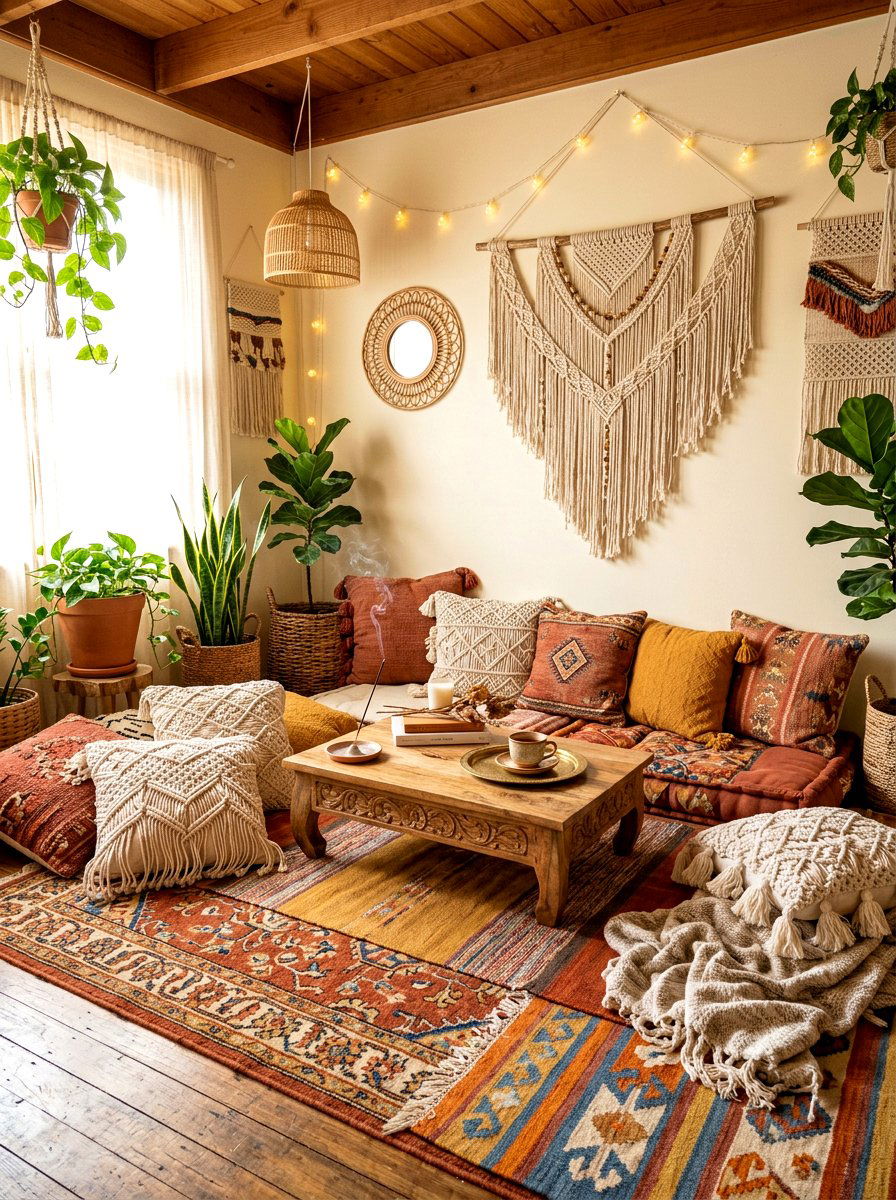
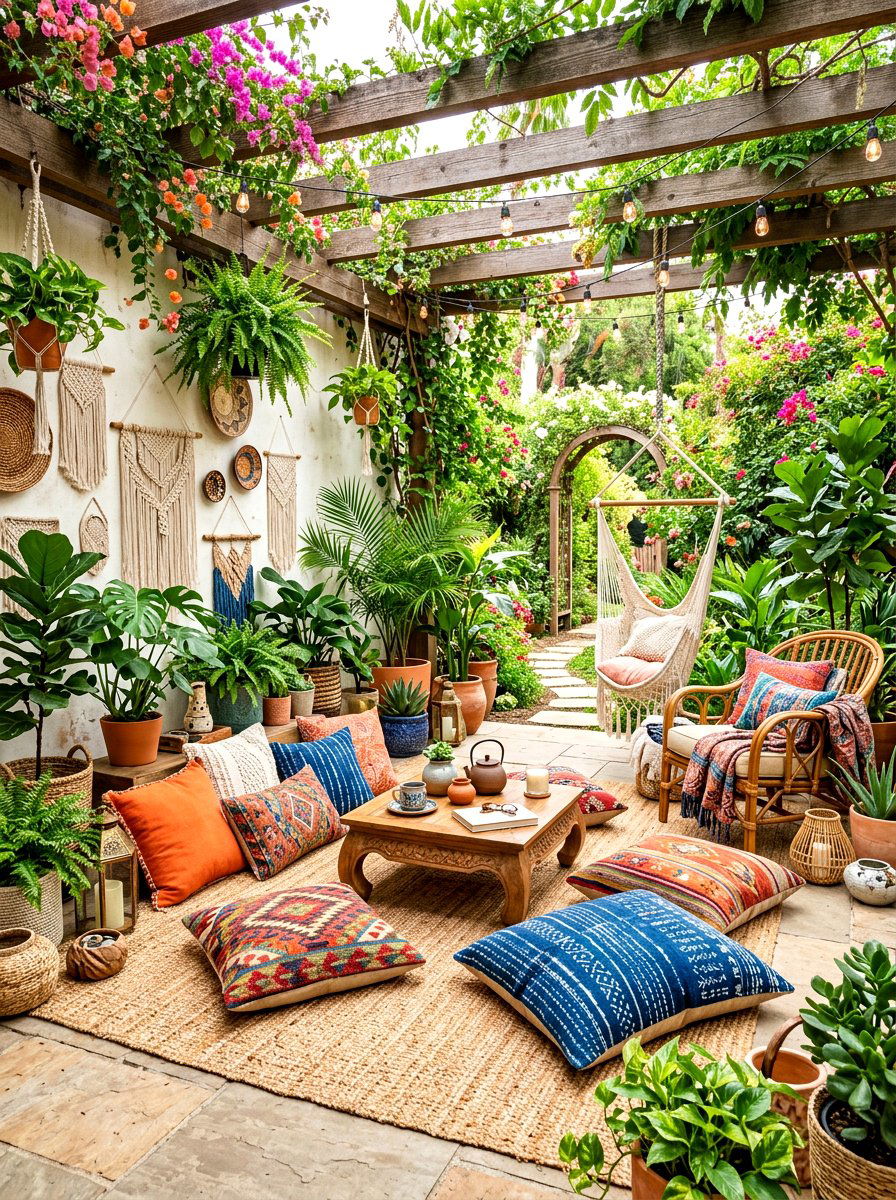
A boho floor seating room embraces a more eclectic and relaxed aesthetic that uses layers of textiles to create a cozy and inviting atmosphere. This setup often features various oversized floor pillows, colorful woven rugs, and macrame wall hangings that add a sense of warmth and personality. You can incorporate low-to-the-ground wooden tables to hold candles or incense while keeping the overall layout grounded and informal. The use of vibrant patterns and warm earth tones like mustard, rust, and olive green helps to foster a creative yet peaceful environment. This style is perfect for those who want a sanctuary that feels lived-in, soulful, and deeply personal.
3. Indoor Garden Sanctuary
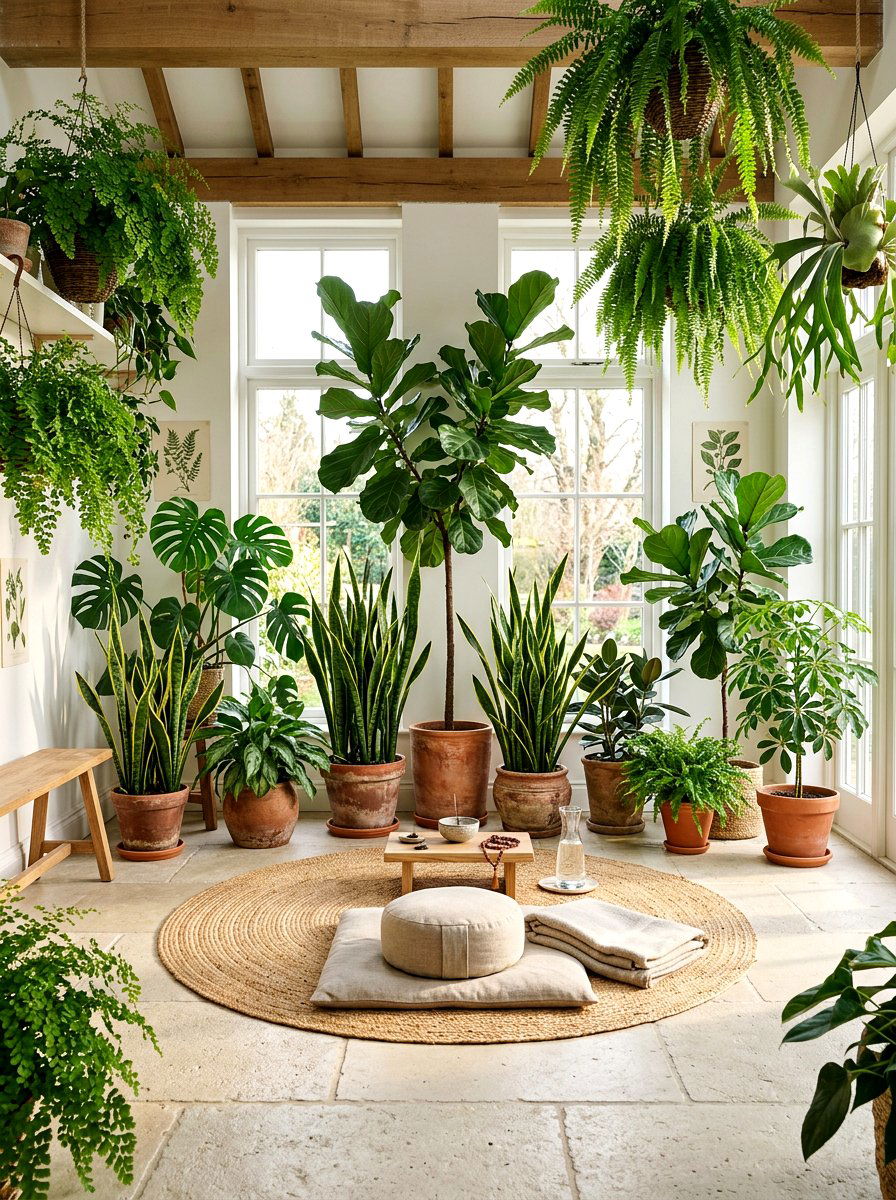
An indoor garden sanctuary brings the healing power of nature directly into your home by surrounding your meditation area with lush greenery and plants. This design uses various species like snake plants, peace lilies, and ferns to improve air quality while creating a refreshing visual landscape. You can arrange large potted trees in the corners and hanging planters from the ceiling to create a literal cocoon of nature. Using natural materials like stone flooring or wooden benches further enhances the organic feel of the space. Being surrounded by living plants can lower stress levels and provide a grounding connection to the earth during your daily mindfulness practice sessions.
4. Crystal Healing Room
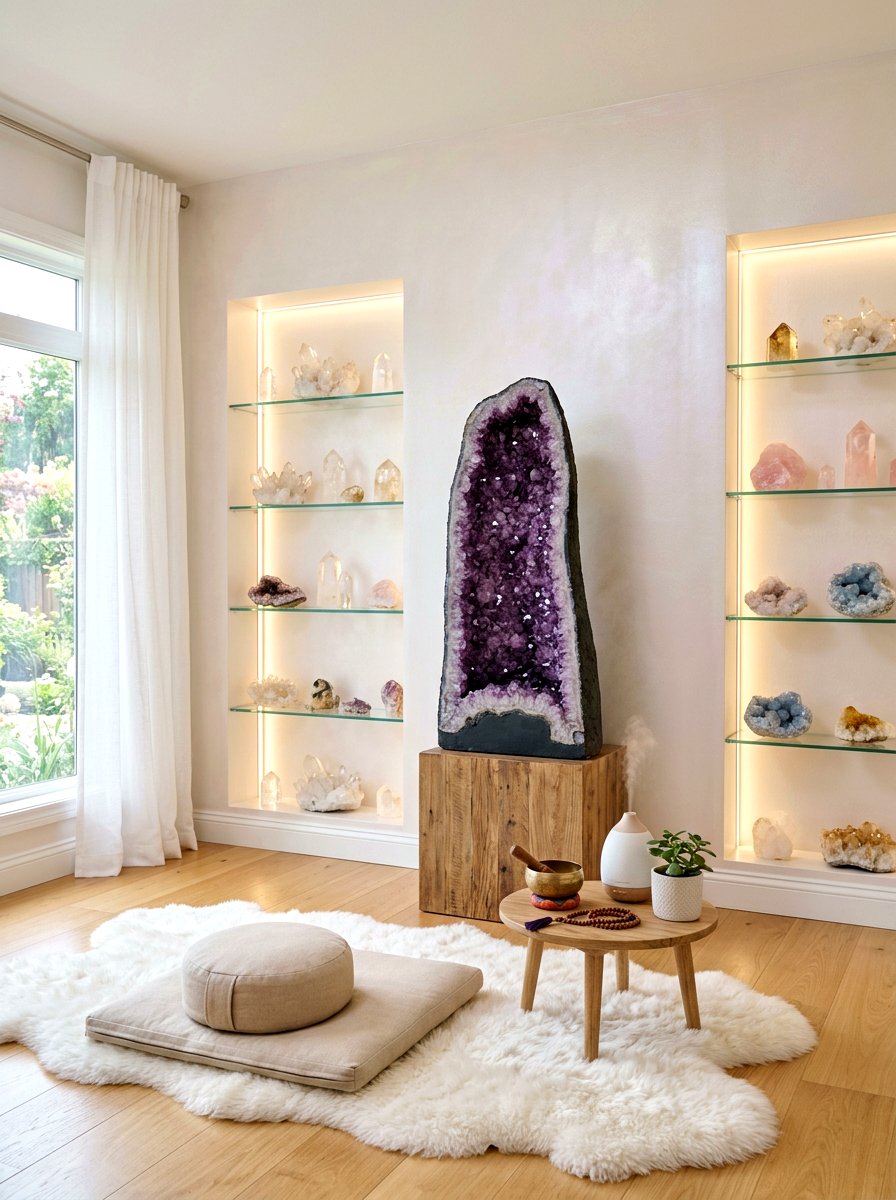
A crystal healing room is designed to harness the energetic properties of various stones and minerals to create a spiritually charged meditation environment. This space often features large amethyst geodes, clear quartz points, and rose quartz clusters strategically placed around the room to promote specific intentions like peace or clarity. You can incorporate backlit shelving to showcase your collection while providing a soft, ambient glow that enhances the mood. The color palette usually includes soft iridescent tones or muted pastels that complement the natural beauty of the stones. This type of room offers a unique way to combine visual beauty with a focused, high-vibration atmosphere for deep meditation.
5. Japandi Style Space
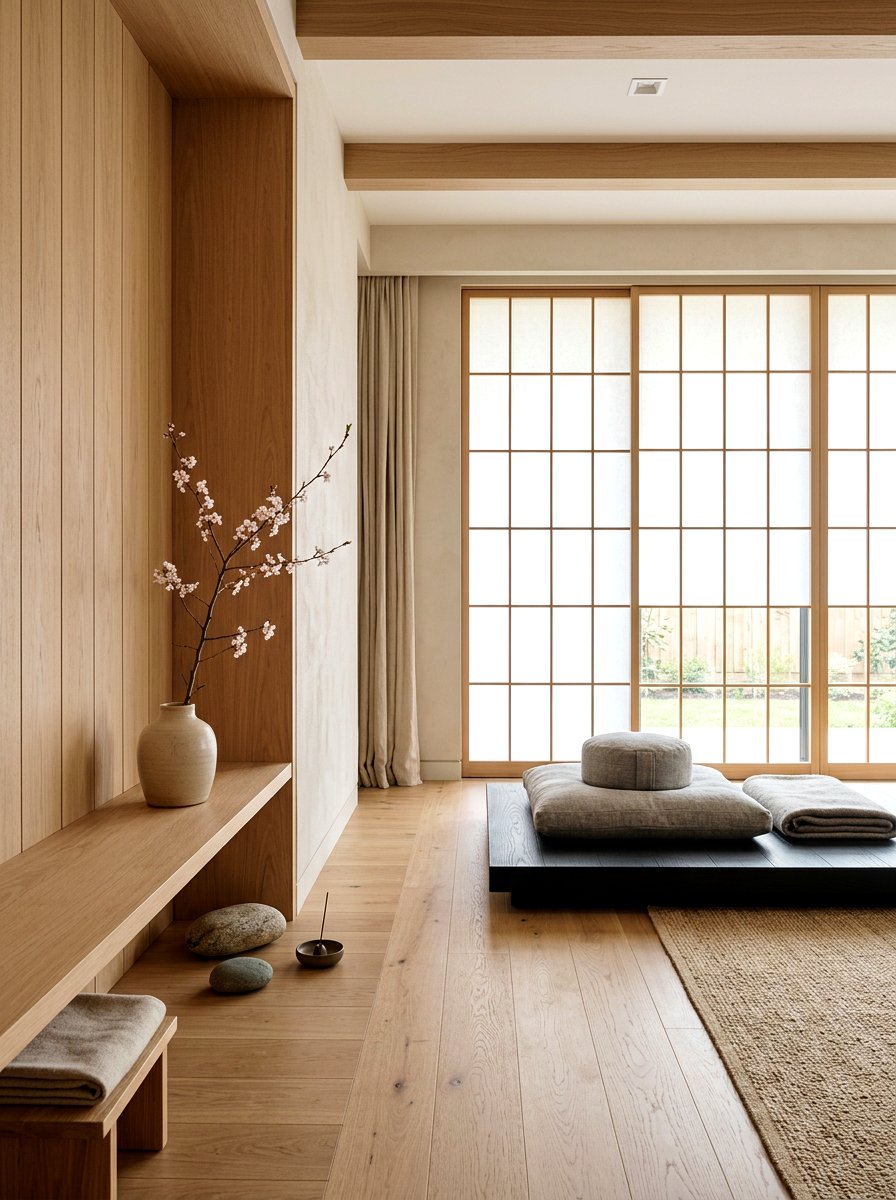
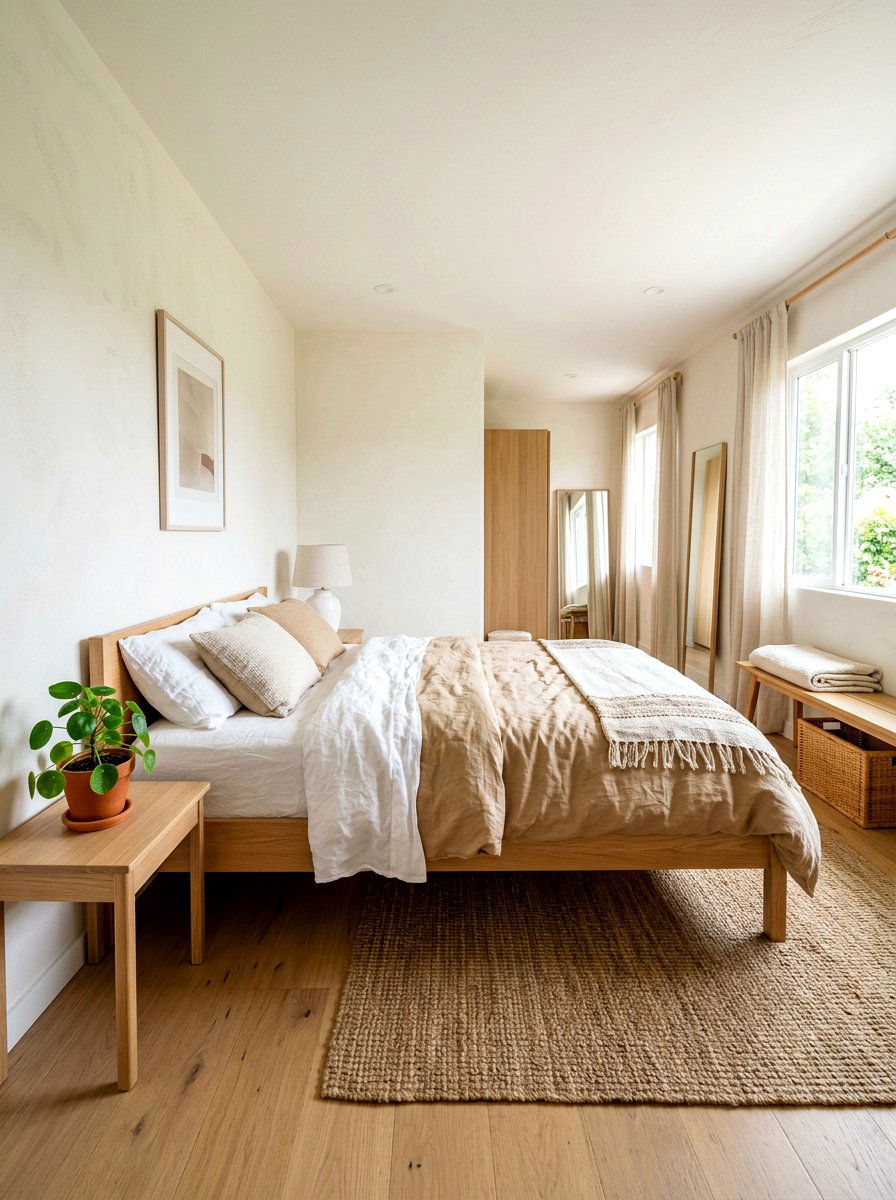
A Japandi style space blends the functional minimalism of Scandinavian design with the rustic elegance of Japanese aesthetics to create a perfectly balanced sanctuary. This room typically features clean lines, light-colored woods like oak or ash, and a palette of warm neutrals and soft black accents. You might use a low-profile platform for seating and shoji-inspired screens to gently filter natural light coming through the windows. The focus is on high-quality craftsmanship and organic textures that feel both modern and timeless. By avoiding excess ornamentation, this design promotes a sense of calm and order that is ideal for clearing the mind during your meditation.
6. Sunroom Meditation Area
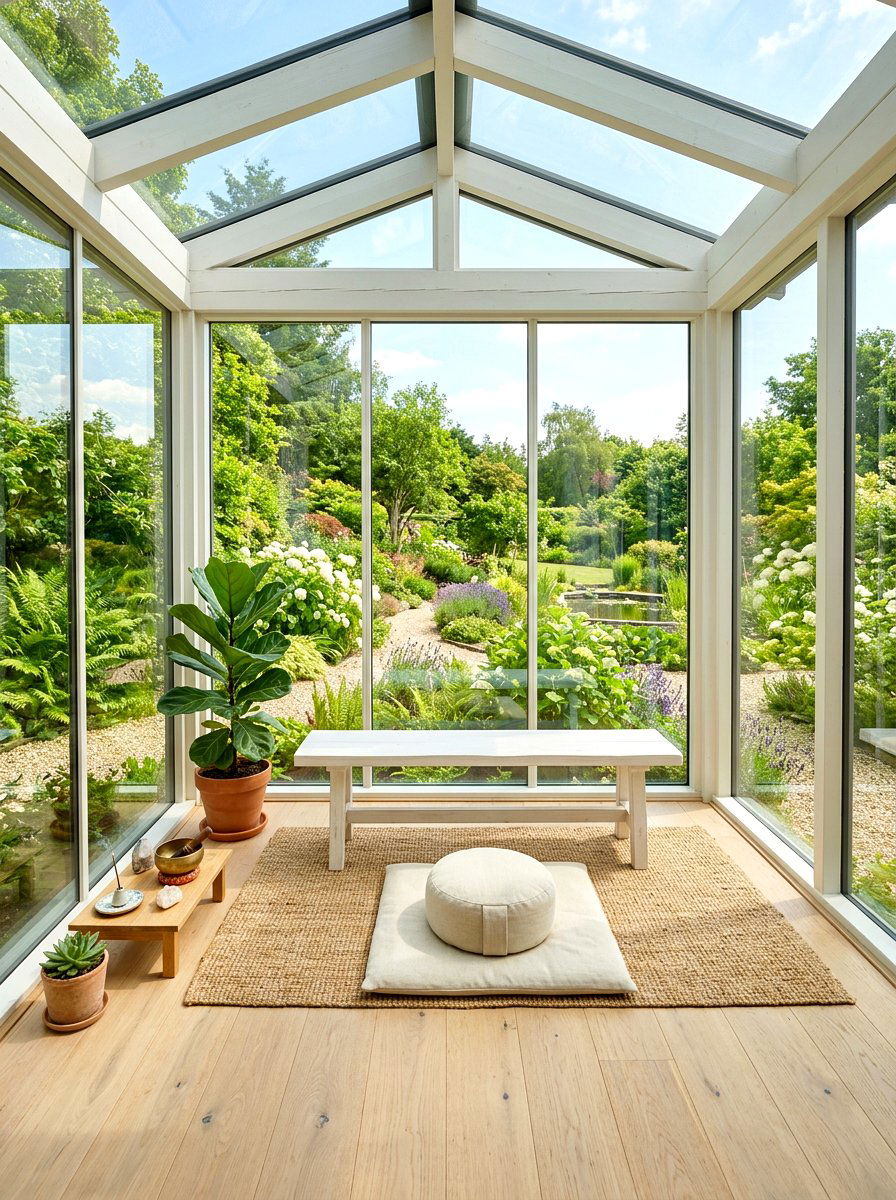
A sunroom meditation area takes full advantage of abundant natural light to create a bright and uplifting space for your daily mindfulness routines. This design usually features large, floor-to-ceiling windows or even a glass ceiling that allows you to feel connected to the sky and surroundings. You can use light, sheer curtains to soften the glare while maintaining a glowing, ethereal atmosphere throughout the day. Minimalist furniture and light-colored flooring help reflect the sunlight, making the room feel larger and more expansive. This type of setup is especially beneficial for morning meditation, helping to align your internal clock and start the day with positive, vibrant energy.
7. Attic Meditation Nook
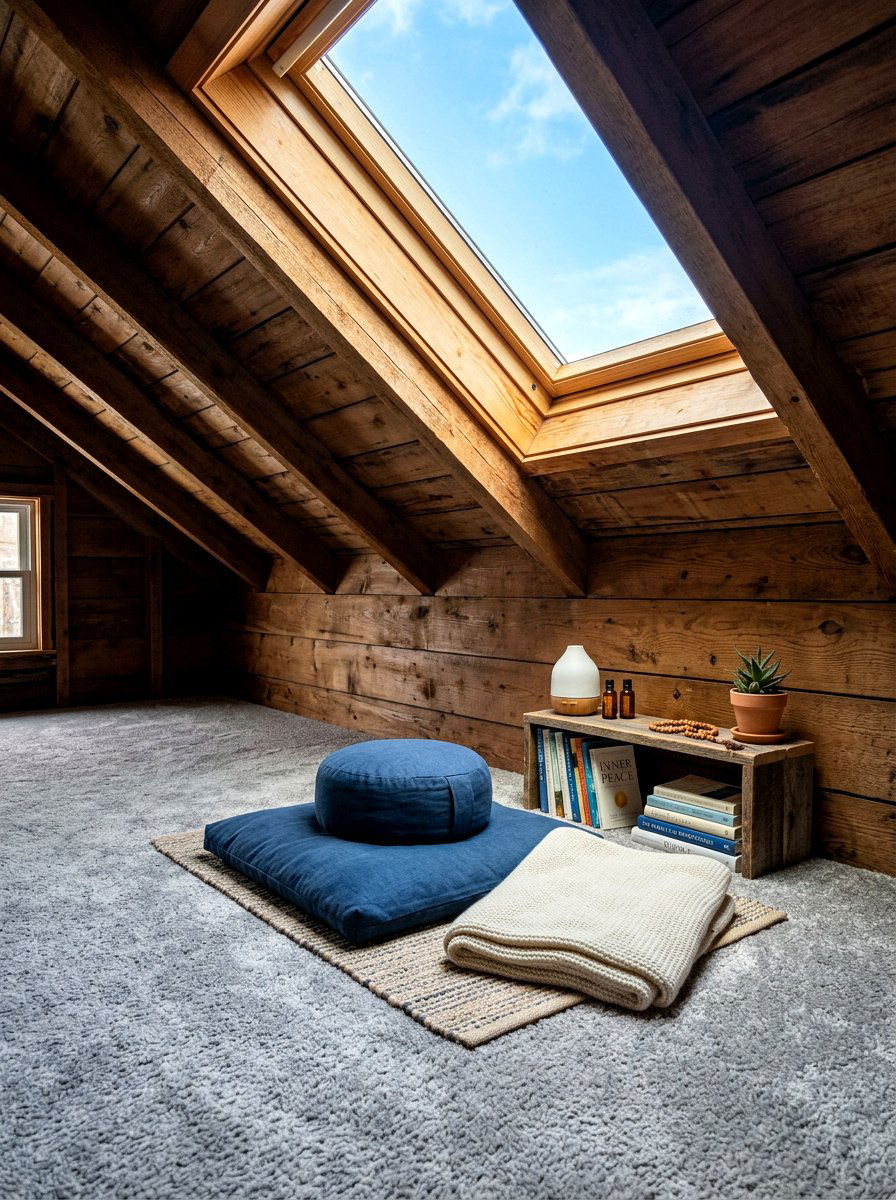
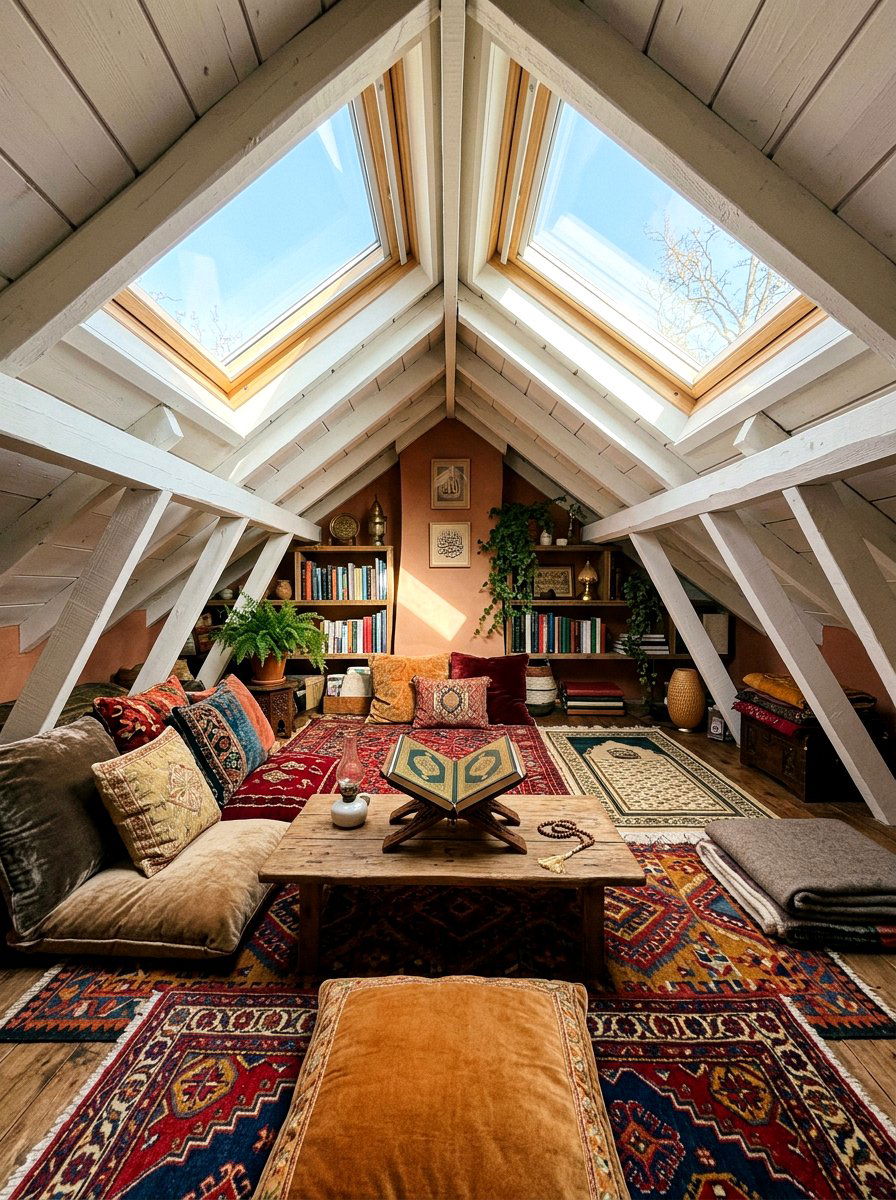
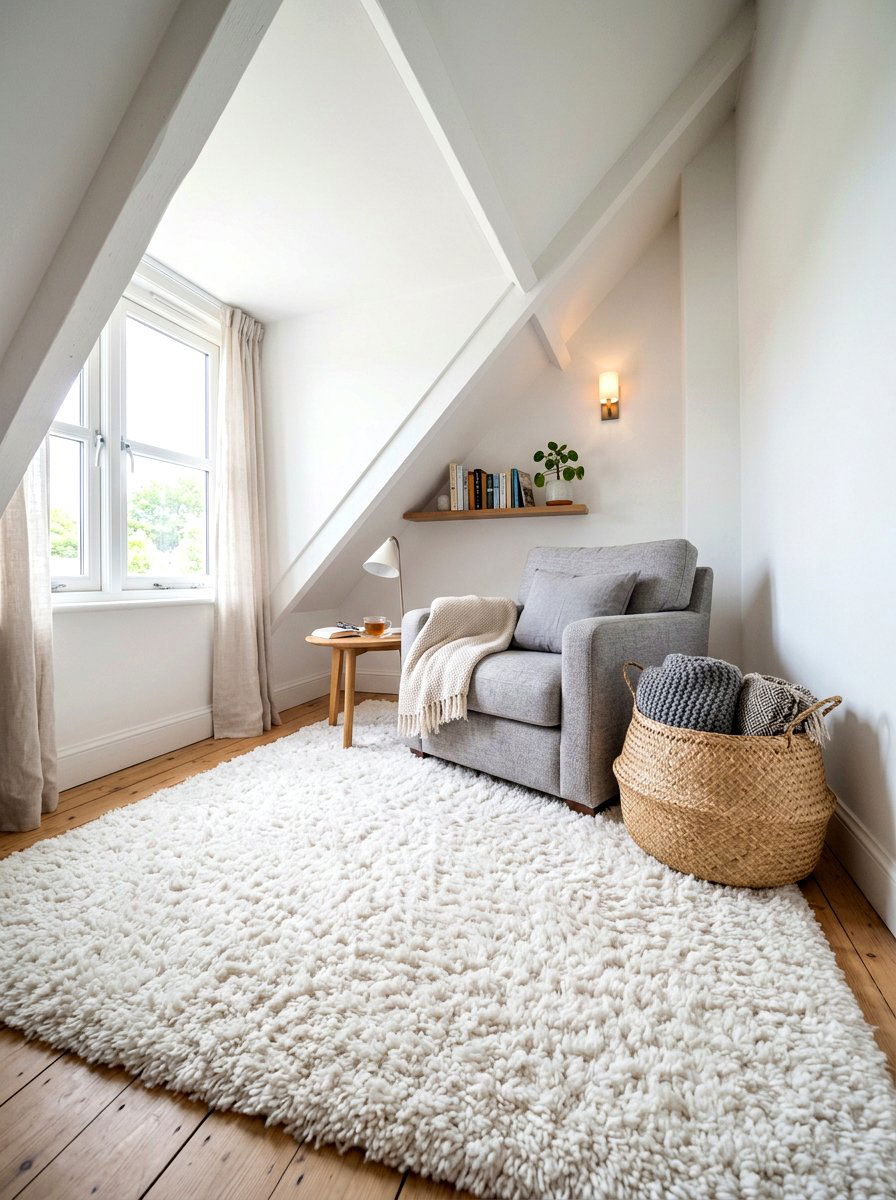
An attic meditation nook utilizes the unique architectural angles and secluded nature of a top-floor space to create a private and quiet retreat. The sloped ceilings can make the area feel incredibly cozy and womb-like, which is perfect for deep introspection and focusing inward. You might install a skylight to bring in natural light from above, providing a direct view of the clouds or stars during your practice. Soft carpeting and floor cushions help to maximize the limited headroom while adding to the comfortable, tucked-away feel of the room. This secluded location ensures you are far away from the distractions and noises of the household.
8. Dark Moody Sanctuary
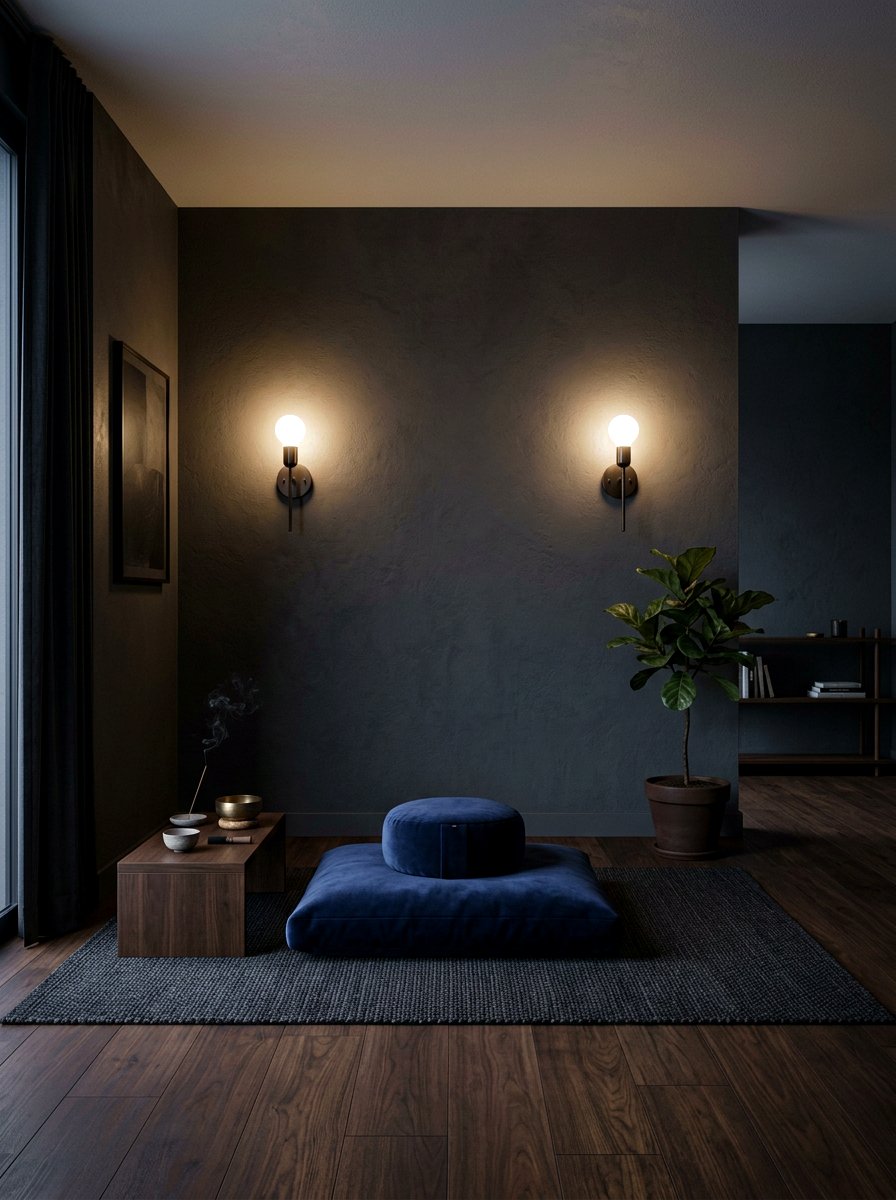
A dark moody sanctuary uses deep paint colors like charcoal, navy, or forest green to create a sophisticated and enveloping environment for meditation. This design prioritizes a sense of luxury and stillness by minimizing bright reflections and focusing on rich textures like velvet or dark wood. You can use dimmable wall sconces or low-placed lamps to create pools of soft light that guide your focus without being overwhelming. The darker palette helps to signal to the brain that it is time to rest and look inward, making it an excellent choice for evening meditation. This aesthetic feels grounded and protective, offering a unique departure from traditional bright spaces.
9. White Airy Studio
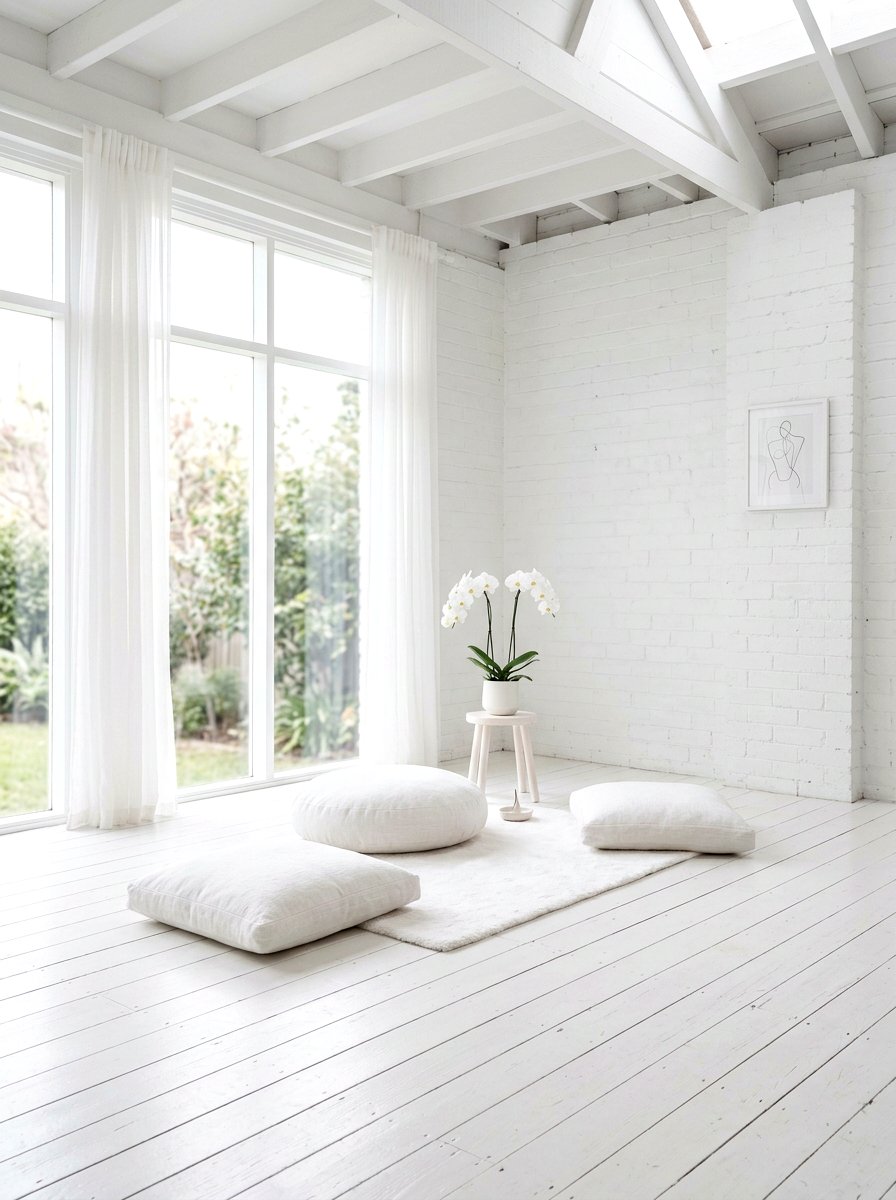
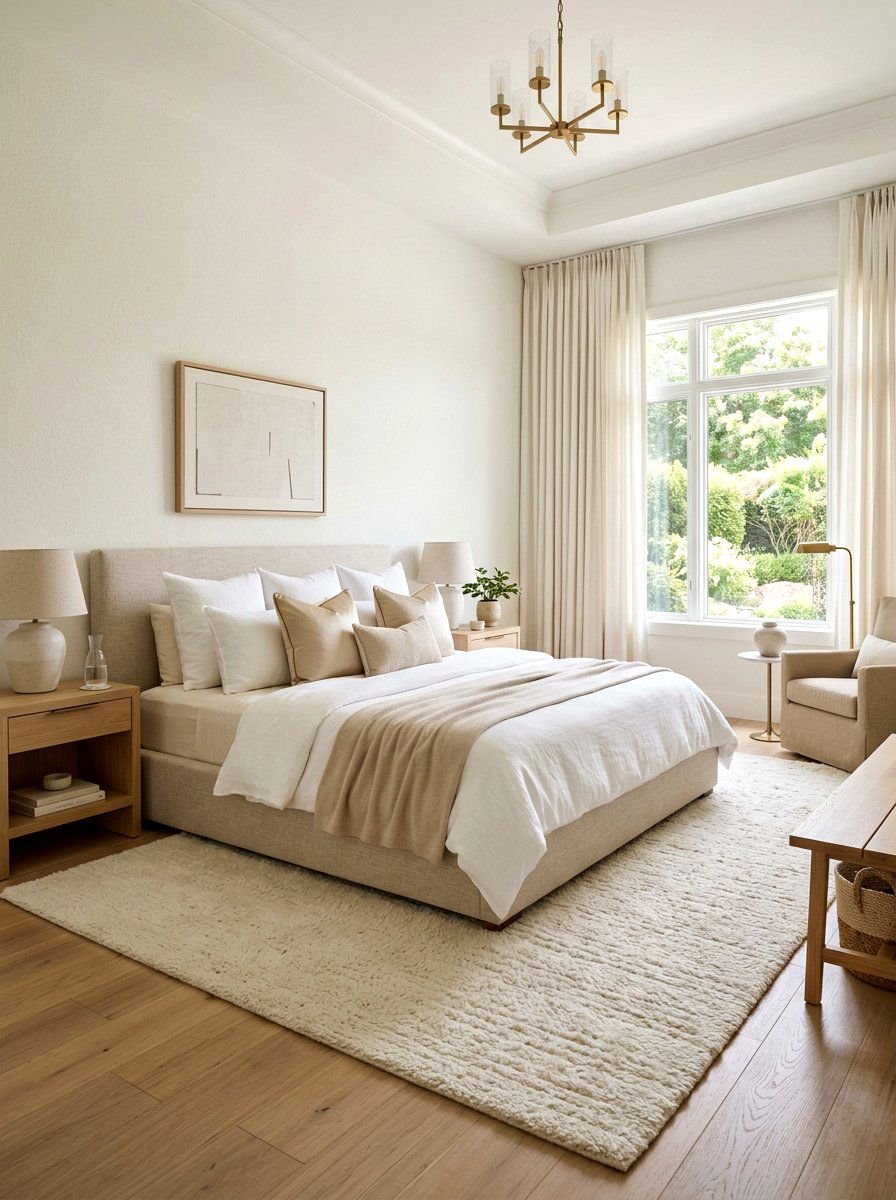
A white airy studio focuses on brightness and purity to create a space that feels completely open, fresh, and full of limitless potential. This room design uses various shades of white on the walls, floors, and furniture to eliminate visual boundaries and make the space feel infinite. You can add texture through white linens, sheepskin rugs, and light-colored wood accents to prevent the room from feeling too clinical or cold. Large windows and mirrors can be used to further amplify the light and create a sense of weightlessness. This environment is perfect for practitioners who want to feel energized, clear-headed, and connected to a sense of spaciousness.
10. Sound Bath Space
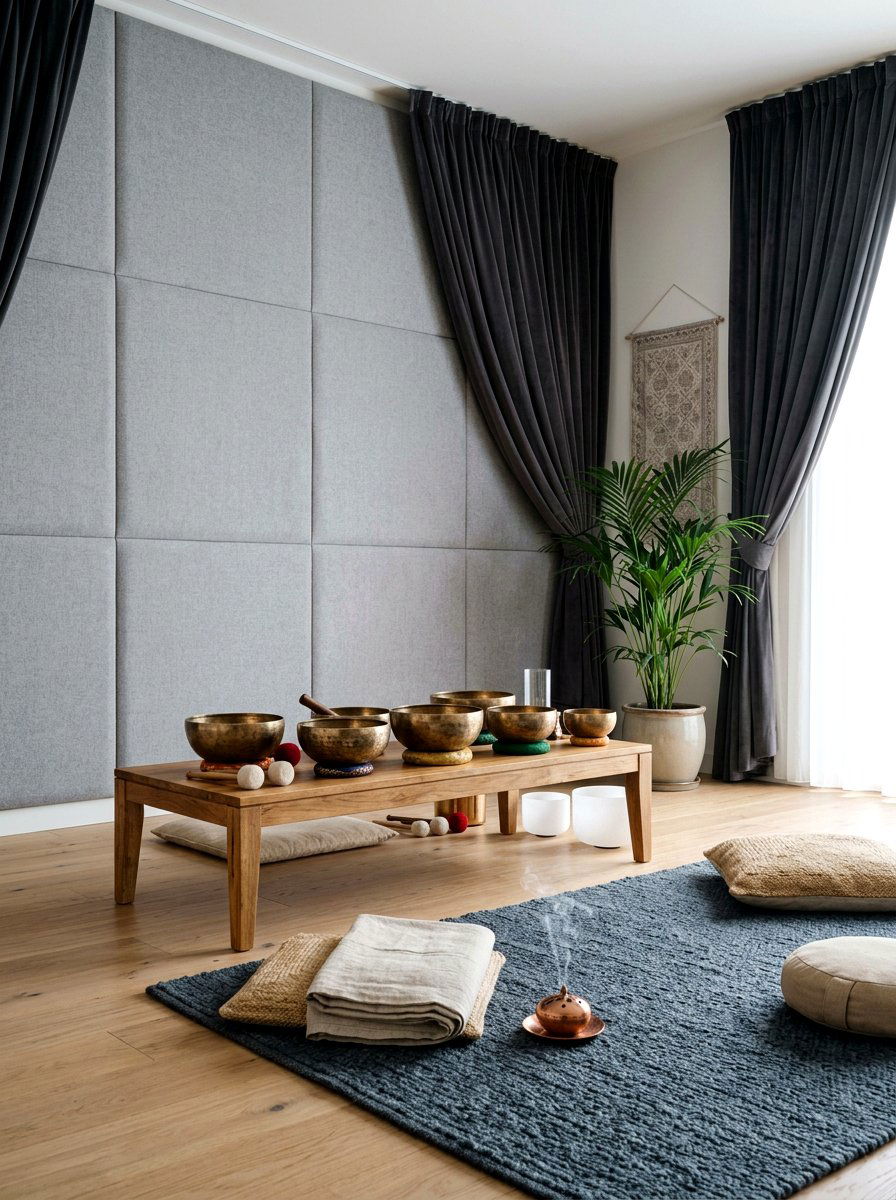
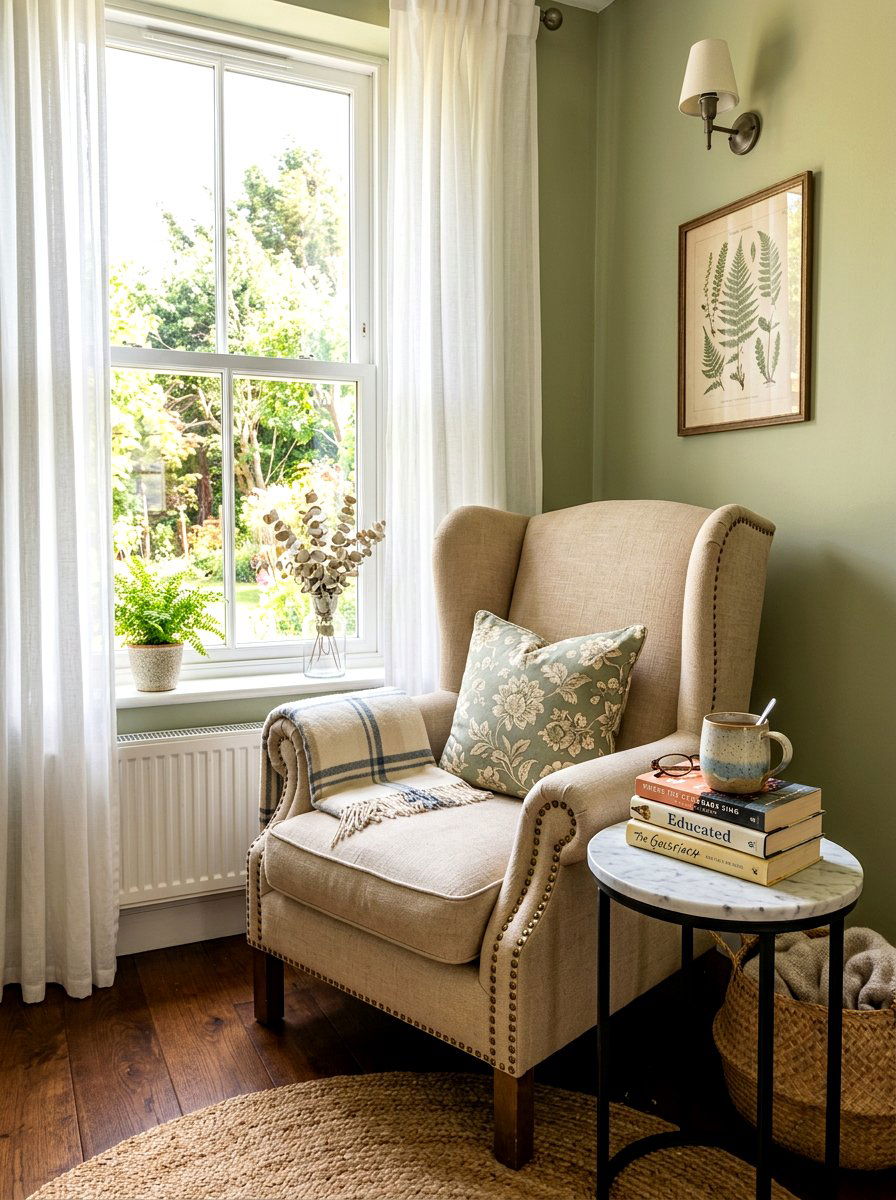
A sound bath space is specifically designed to accommodate various acoustic instruments like singing bowls, gongs, and chimes for a multisensory meditation experience. This room often includes sound-absorbing materials like acoustic panels, thick rugs, and heavy curtains to ensure the best possible sound quality and resonance. You can arrange your instruments on a low wooden table or a dedicated shelf where they are easily accessible for your sessions. The seating is usually focused on comfort, with plush mats or reclined chairs that allow you to fully relax and absorb the vibrations. This design creates an immersive environment that uses sound to help bypass the active mind and enter deep states.
11. Aromatherapy Room
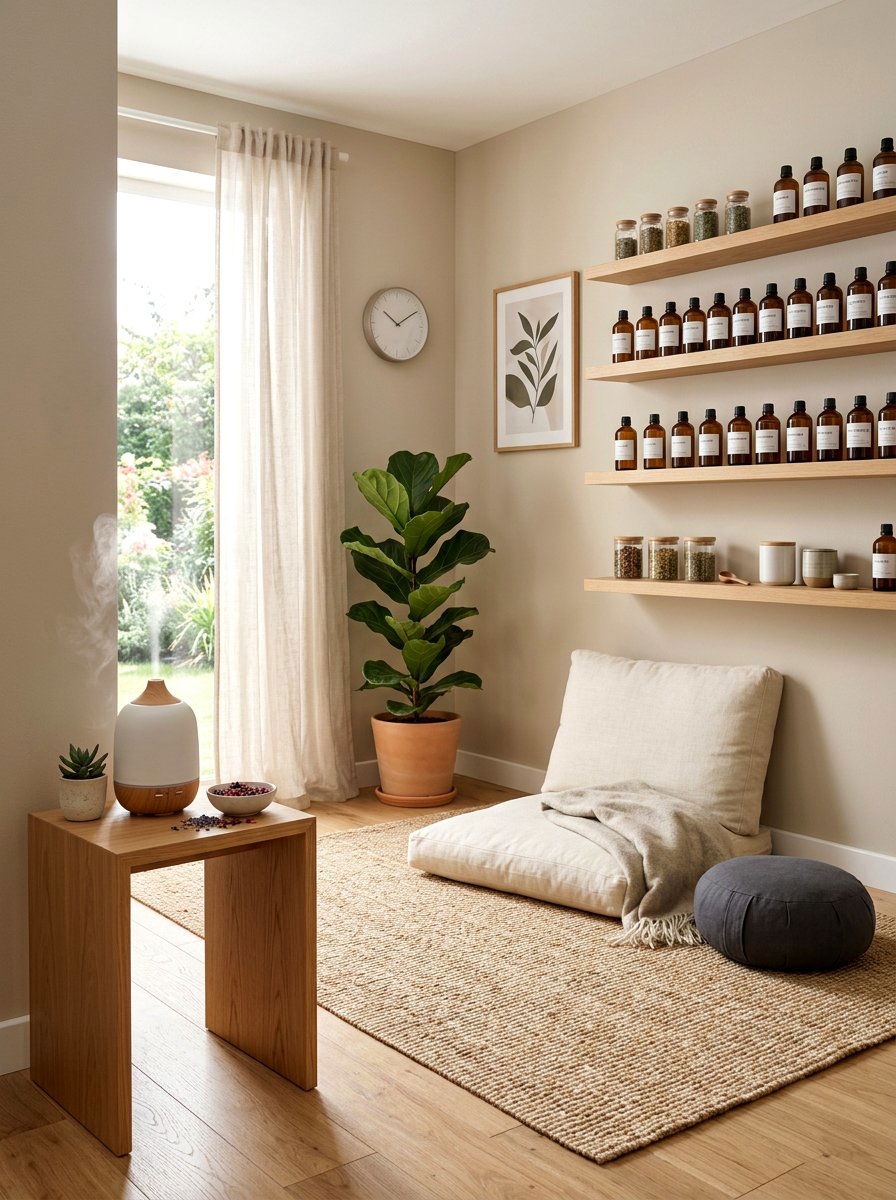
An aromatherapy room prioritizes the sense of smell to create a calming and restorative environment through the use of essential oils and natural scents. This space often features a dedicated area for a high-quality diffuser, along with storage for various oils like lavender, frankincense, and eucalyptus. The design remains simple and uncluttered to allow the scent to become the primary focus of the meditation experience. You might include subtle natural elements like dried herbs or cedarwood furniture to complement the fragrances used in the room. By engaging the olfactory system, this room helps to quickly shift your mood and create a consistent mental anchor for your practice.
12. Salt Lamp Haven
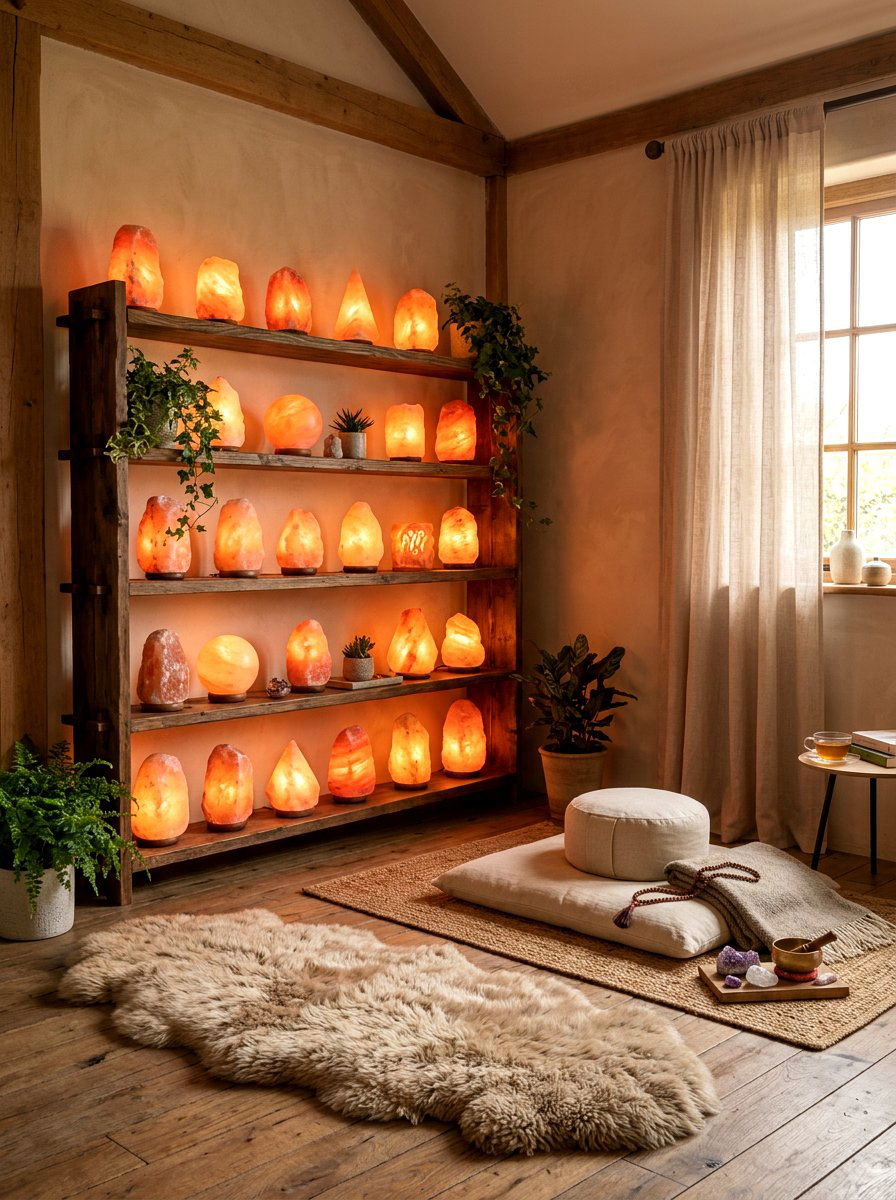
A salt lamp haven uses the warm, orange-pink glow of Himalayan salt lamps to create a soft and soothing ambiance throughout the entire space. This design often incorporates multiple lamps of different sizes placed at various heights to ensure a gentle, even distribution of warm light. The natural, rough-hewn textures of the salt blocks add an earthy and organic element to the decor that feels both rustic and comforting. You can pair these lamps with neutral-toned textiles and wooden accents to enhance the warm color palette of the room. This type of lighting is known for being easy on the eyes and creating a deeply relaxing environment.
13. Modern Concrete Space
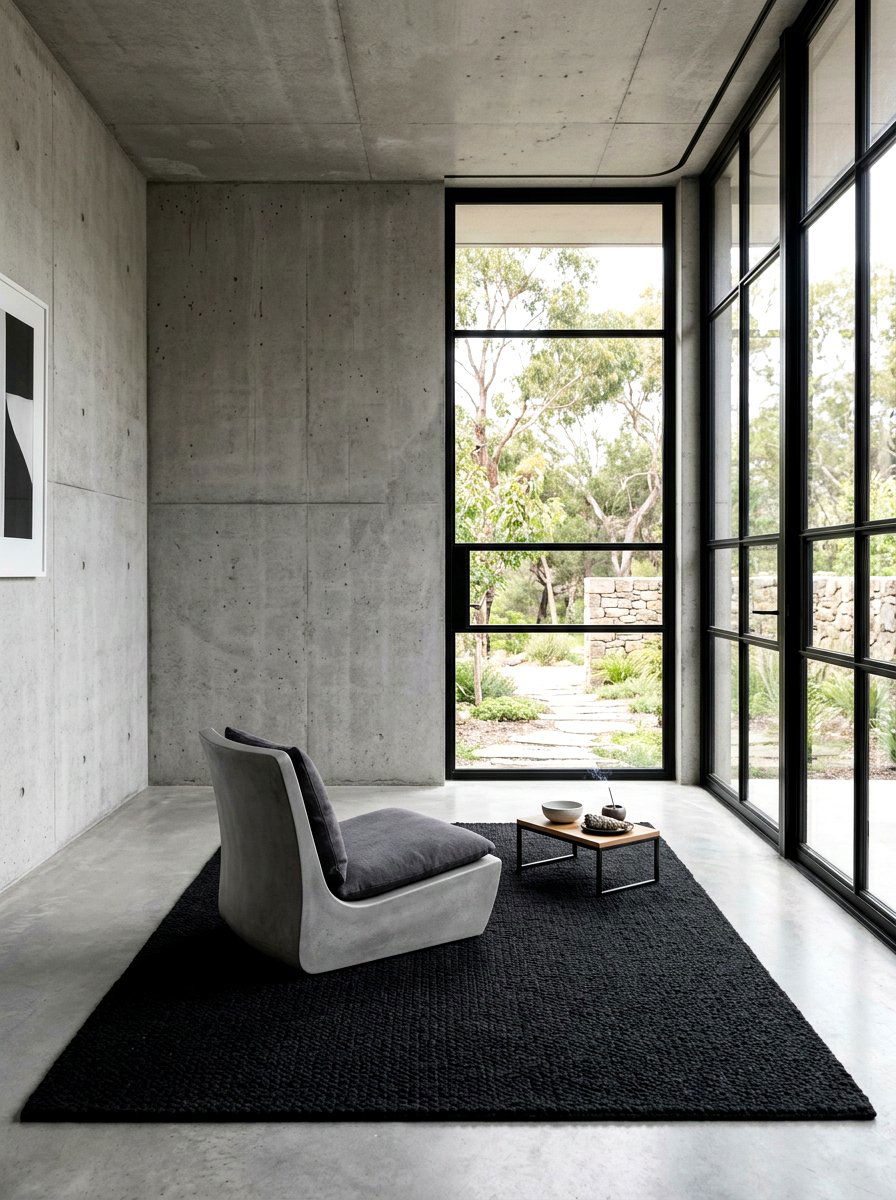
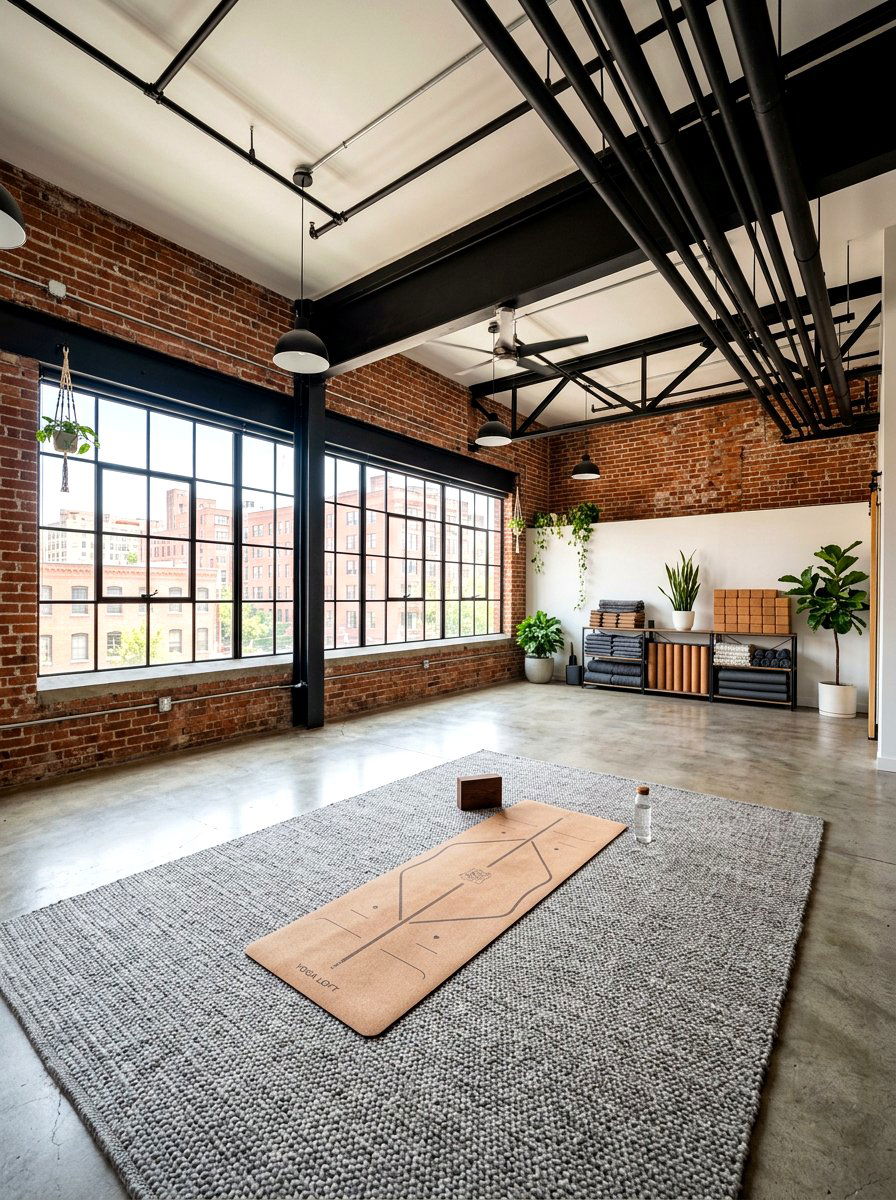
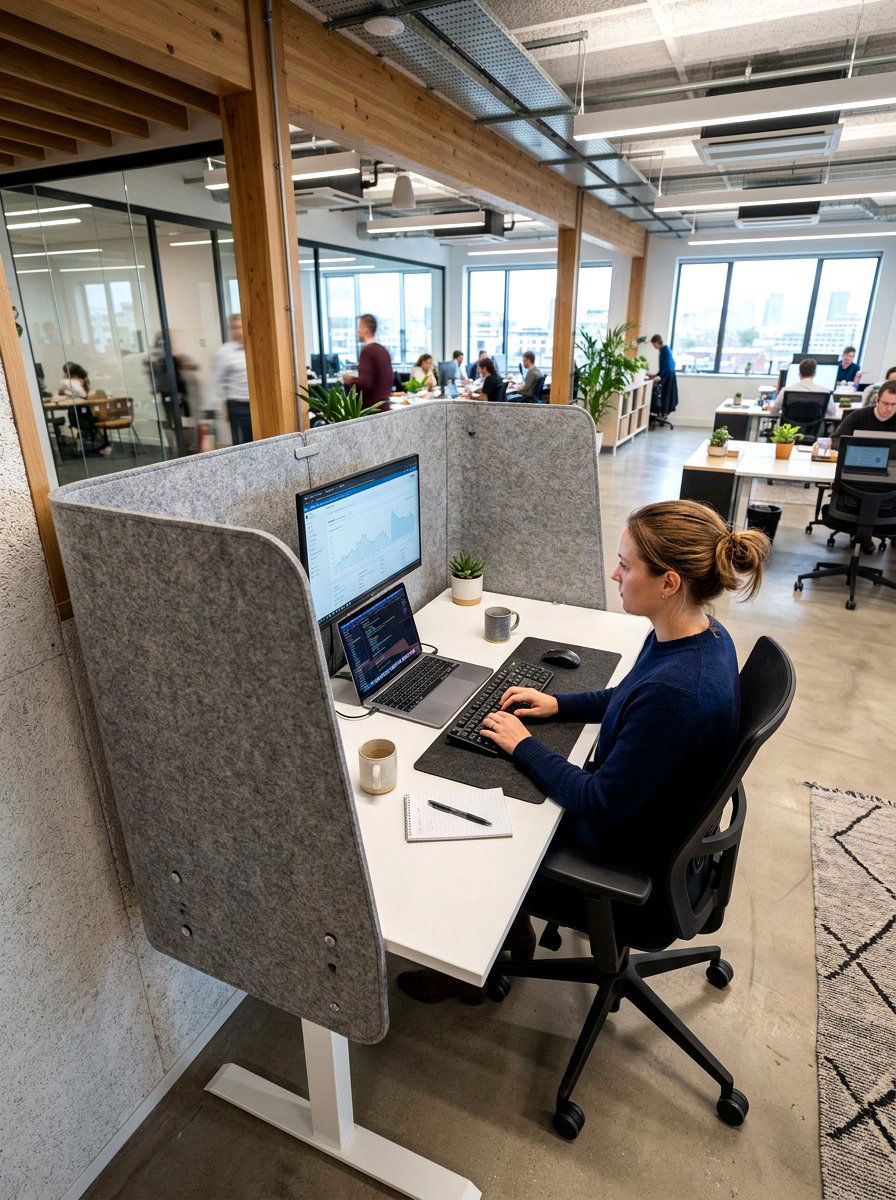
A modern concrete space uses industrial materials and a sleek, architectural approach to create a meditation environment that feels solid, grounded, and very contemporary. This design features smooth concrete walls or floors paired with minimalist furniture and high-end lighting fixtures to create a sophisticated aesthetic. You can soften the hard surfaces with a high-quality wool rug and a plush meditation cushion to ensure the space remains comfortable for long sessions. The gray tones of the concrete provide a neutral backdrop that doesn't compete for your attention, allowing for deep focus. This style is perfect for urban homes where a clean, strong, and uncluttered look is highly desired.
14. Wabi Sabi Space
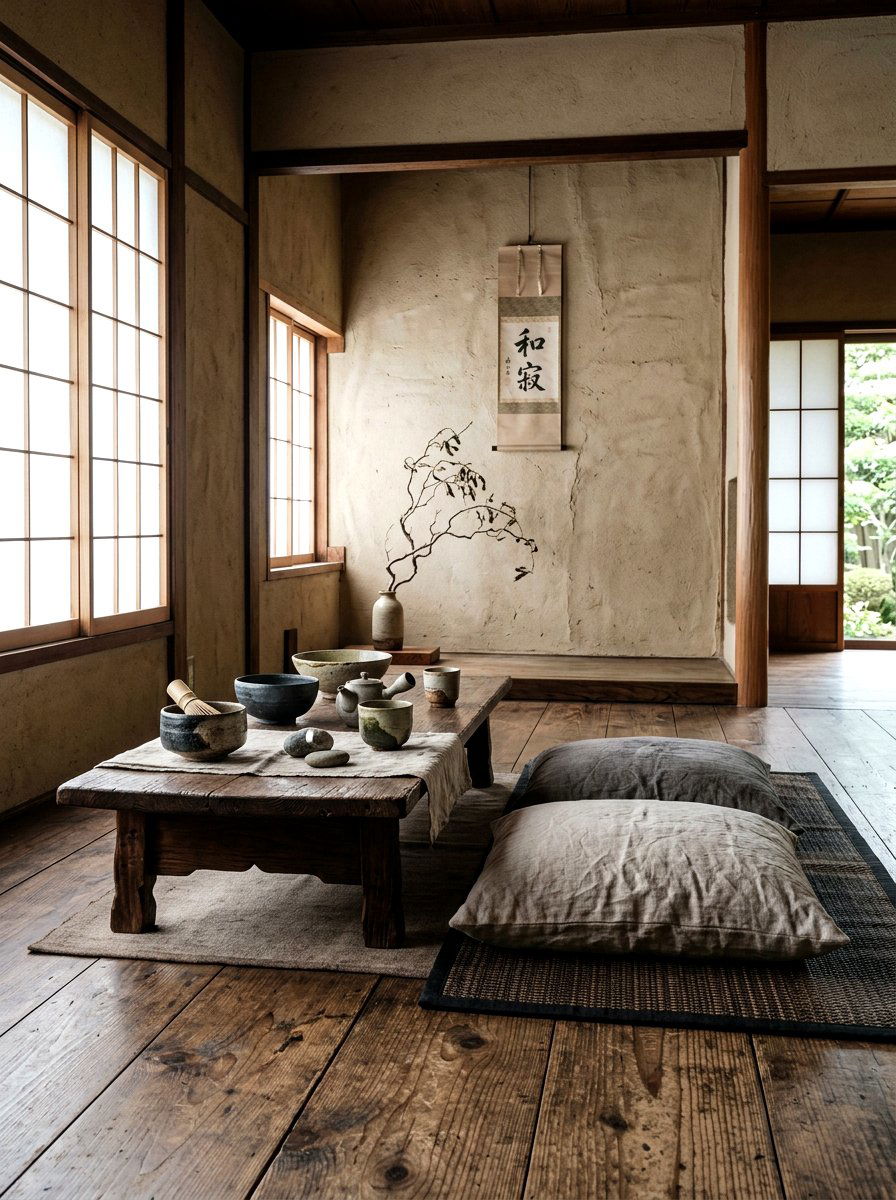
A wabi sabi space celebrates imperfection, transience, and the beauty of natural materials that have aged gracefully over time. This room design often features reclaimed wood, handmade ceramics with irregular shapes, and textured plaster walls that show the marks of the artisan. You might use linen fabrics that are naturally wrinkled and a color palette of muted, desaturated tones that feel deeply connected to the earth. The layout is simple and unforced, emphasizing a sense of peace with the way things are rather than striving for perfection. This environment encourages a mindset of acceptance and humility, which are core components of many traditional mindfulness and meditation practices.
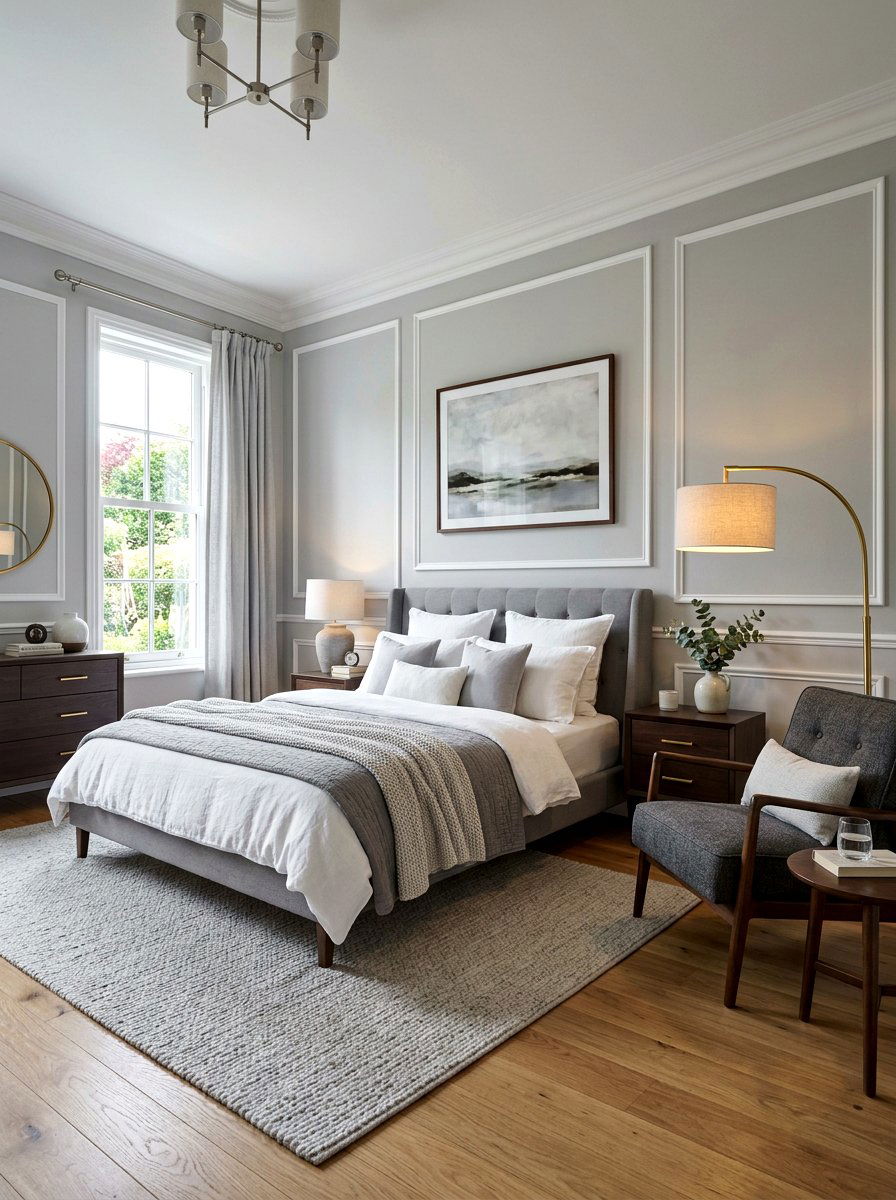
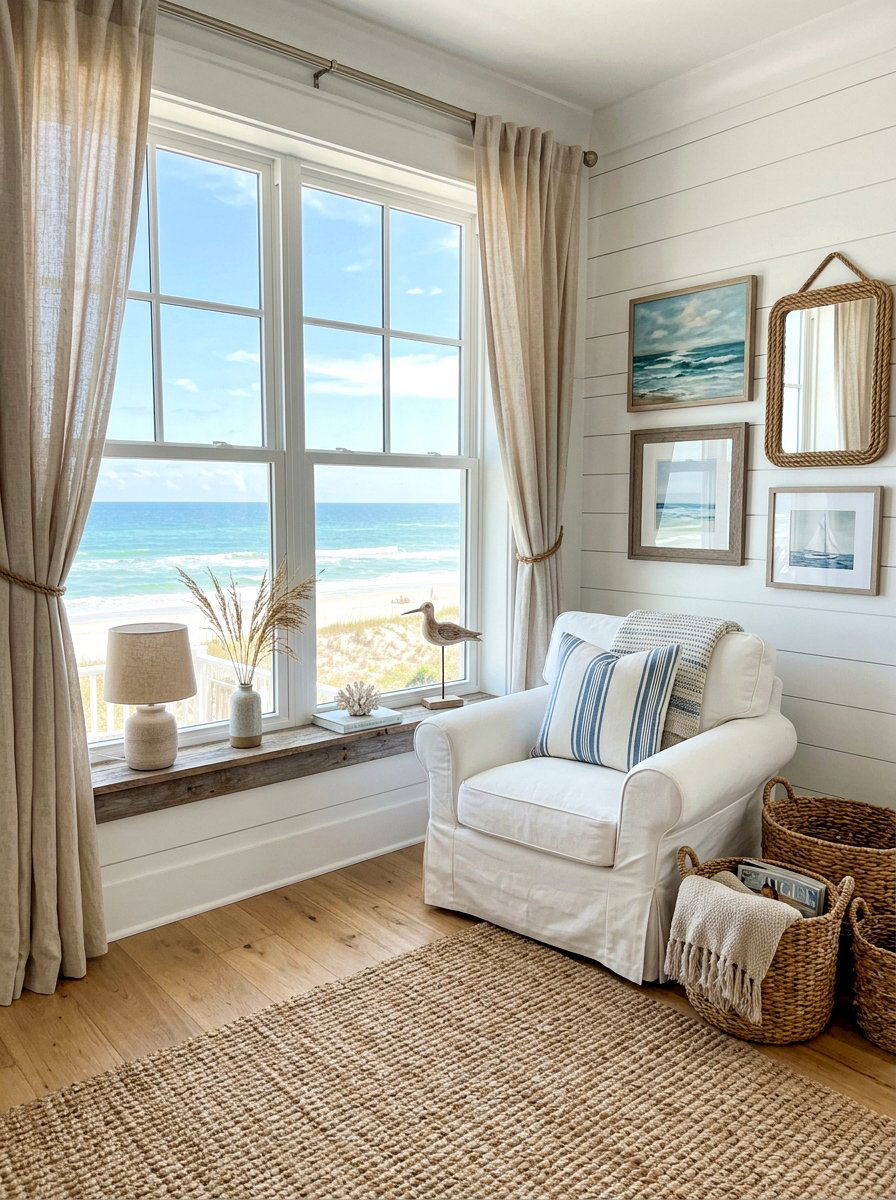
15. Blue Calm Room
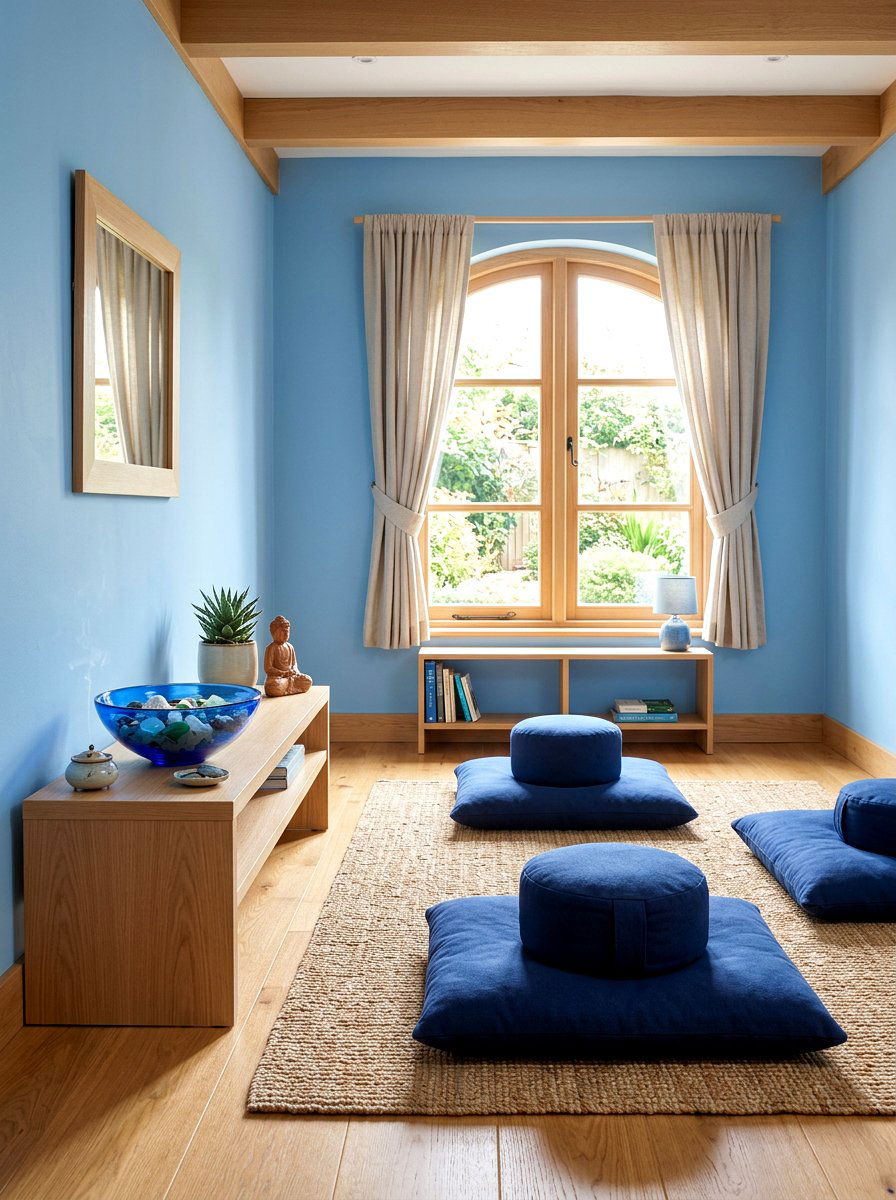
A blue calm room utilizes various shades of blue, from pale sky to deep navy, to create a space that feels inherently tranquil and serene. This color is scientifically known to lower the heart rate and promote a sense of peace, making it a perfect choice for a meditation sanctuary. You can incorporate blue through wall paint, soft textiles, and decorative glass elements that catch the light in different ways. Pairing these cool tones with light wood or white accents keeps the room from feeling too dark or heavy. This design creates a visual representation of the ocean or the sky, fostering a sense of vastness and mental clarity.
16. Natural Wood Room
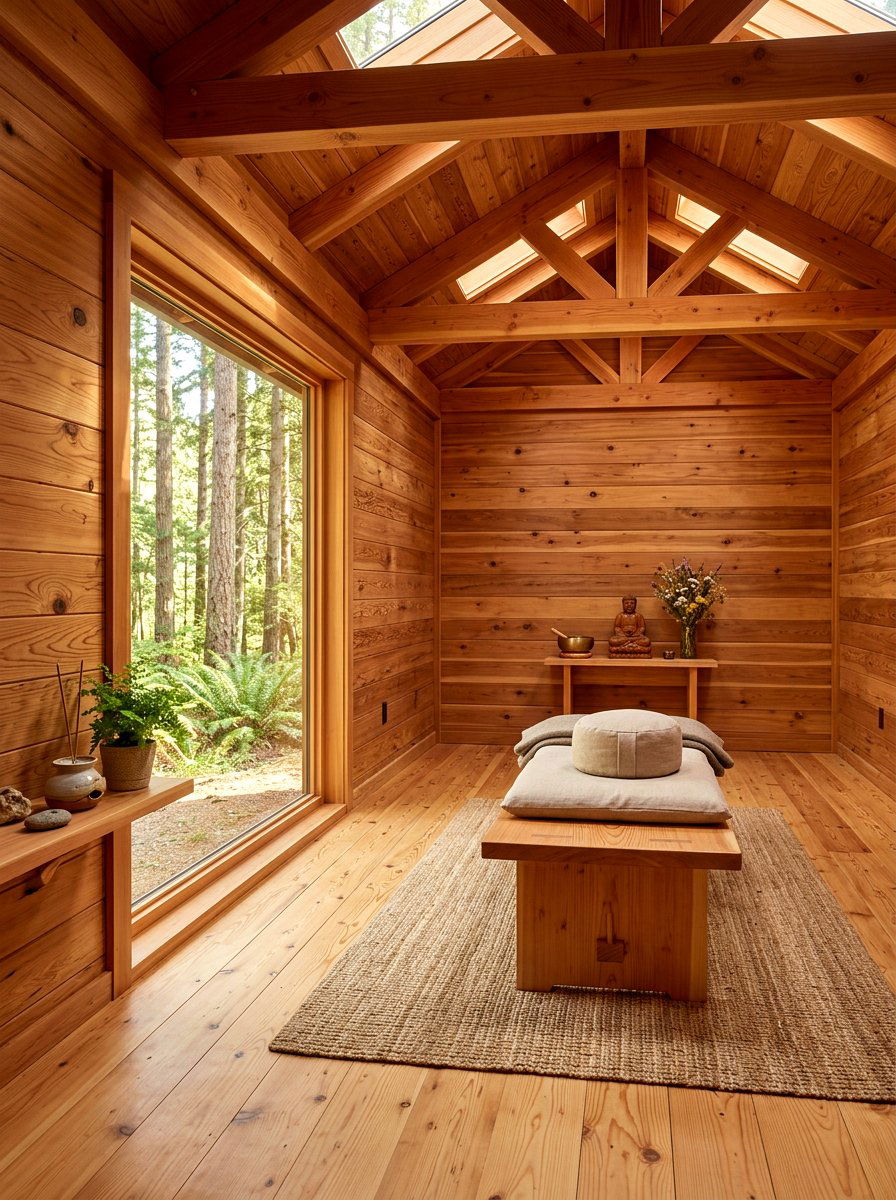
A natural wood room emphasizes warmth and organic beauty by using timber for the walls, flooring, and even the ceiling to create a cabin-like feel. This design provides a sense of enclosure and protection that can make you feel more secure and grounded during your daily meditation sessions. You can choose different wood grains and finishes, from light birch to rich walnut, to create visual interest without the need for excessive decor. The natural scent of wood also contributes to the sensory experience, bringing a subtle hint of the forest indoors. This type of space feels timeless and traditional, offering a sturdy and peaceful environment for focus.
17. Moroccan Style Lounge
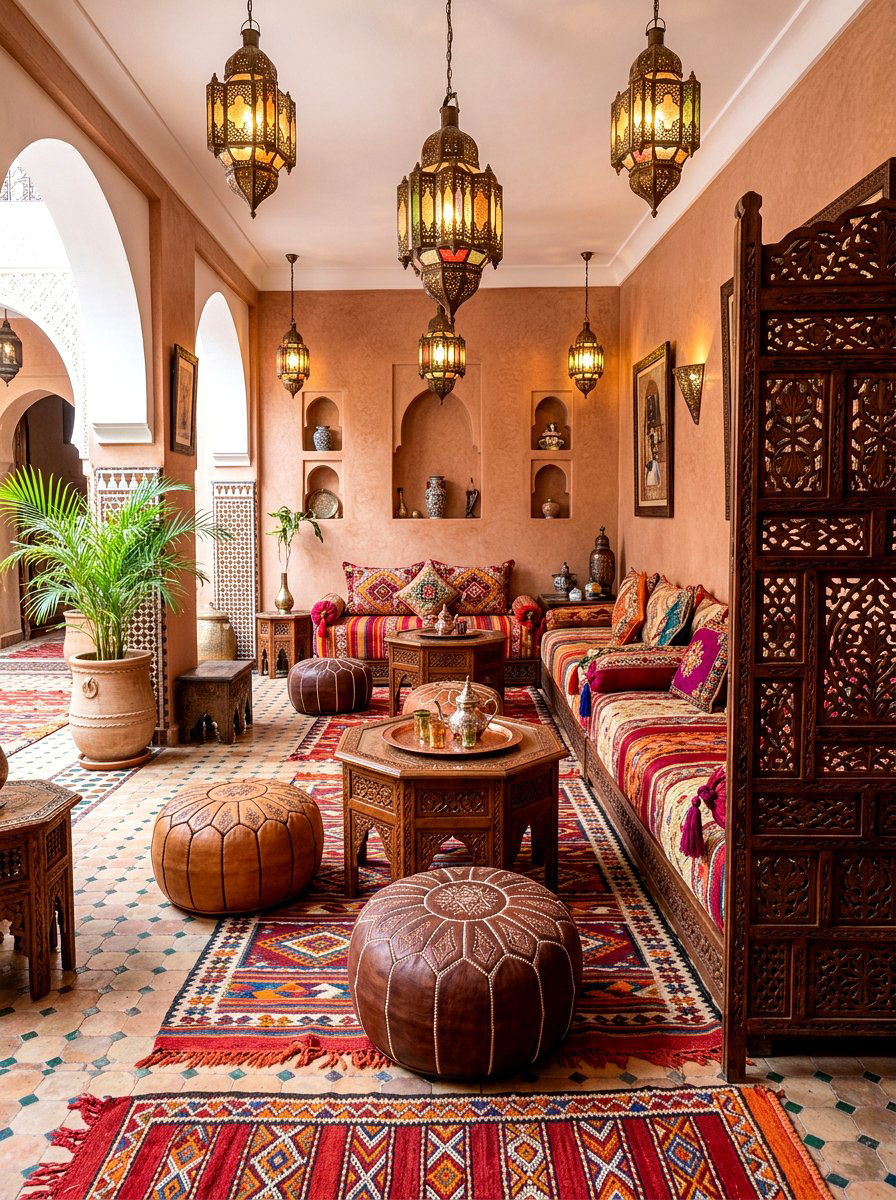
A Moroccan style lounge brings a sense of exotic luxury and rich cultural heritage to your meditation space through intricate patterns and bold textures. This design features low-slung seating with ornate poufs, colorful kilim rugs, and lanterns that cast beautiful, patterned shadows on the walls. You can use carved wooden screens to divide the room and create a sense of mystery and privacy for your practice. The warm color palette of oranges, reds, and deep purples creates a vibrant yet cozy atmosphere that feels deeply nourishing for the soul. This style is perfect for those who want a meditation room that feels like a sensory journey.
18. Water Feature Room
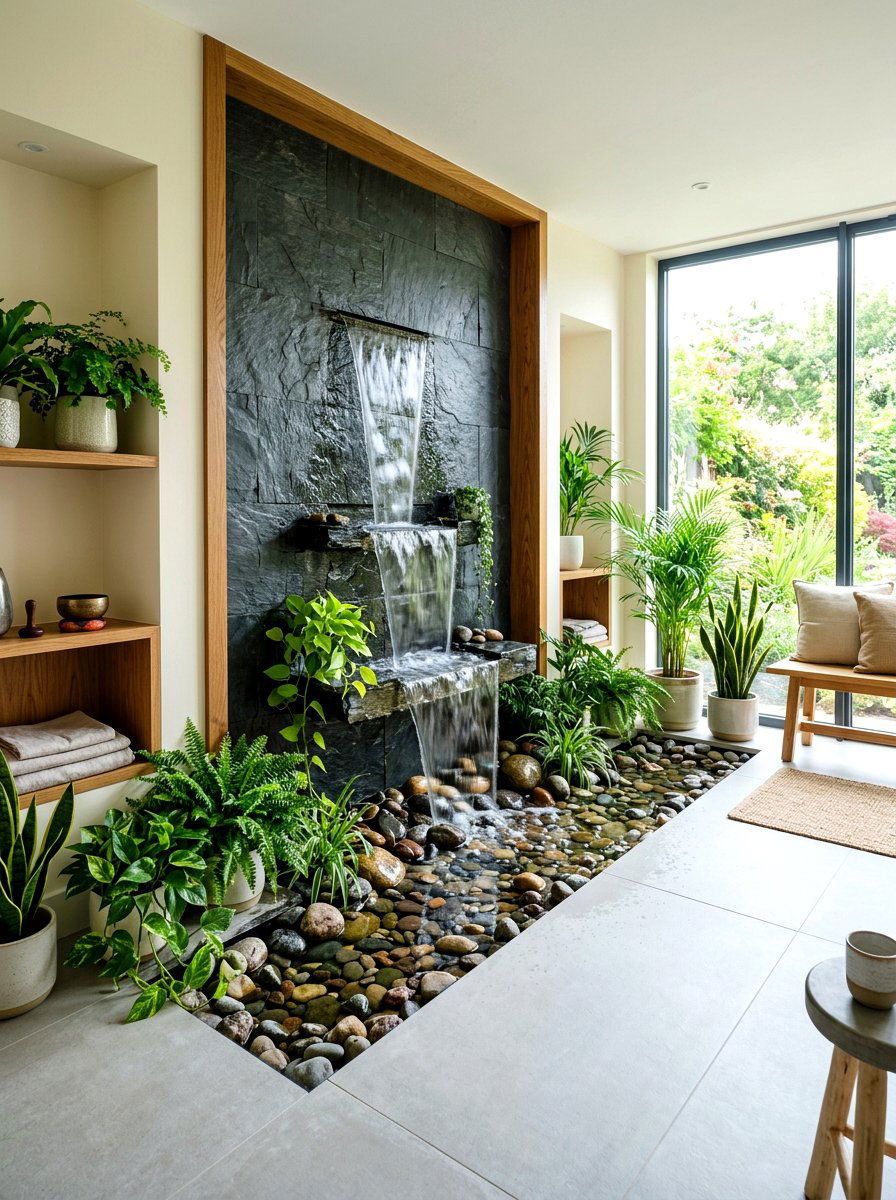
A water feature room incorporates the soothing sound of flowing water as the primary focal point to create a deeply relaxing and meditative atmosphere. This design might include a large wall-mounted waterfall or a sculptural floor fountain that serves as both a piece of art and a sound machine. The constant, rhythmic sound of water helps to drown out external noises and provides a natural white noise that facilitates deeper concentration. You can complement the water feature with smooth river stones, slate tiles, and moisture-loving plants like ferns or moss. This environment feels fresh and alive, providing a constant reminder of the flow of energy and life.
19. Library Meditation Space
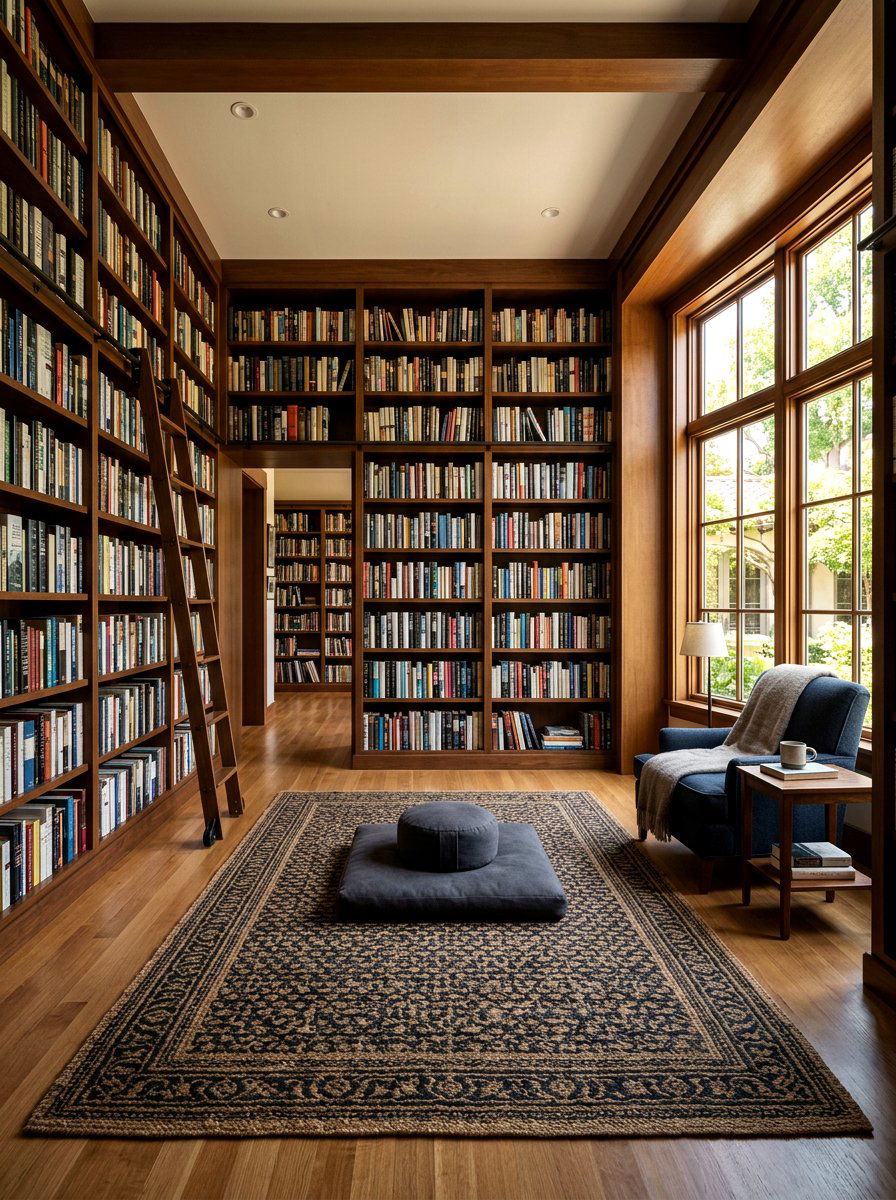
A library meditation space combines a love for knowledge and quiet reflection by surrounding your practice area with floor-to-ceiling bookshelves and comfortable seating. This design creates a room that feels intellectual, quiet, and deeply peaceful, as books naturally act as sound insulators to keep the area hushed. You can place your meditation cushion in a central spot or a cozy corner where you are surrounded by the wisdom of your favorite authors. Soft lighting and a comfortable armchair for reading before or after your session can help to create a holistic routine for mental growth. This room feels like a private sanctuary for the mind and spirit.
20. Greenhouse Meditation Room
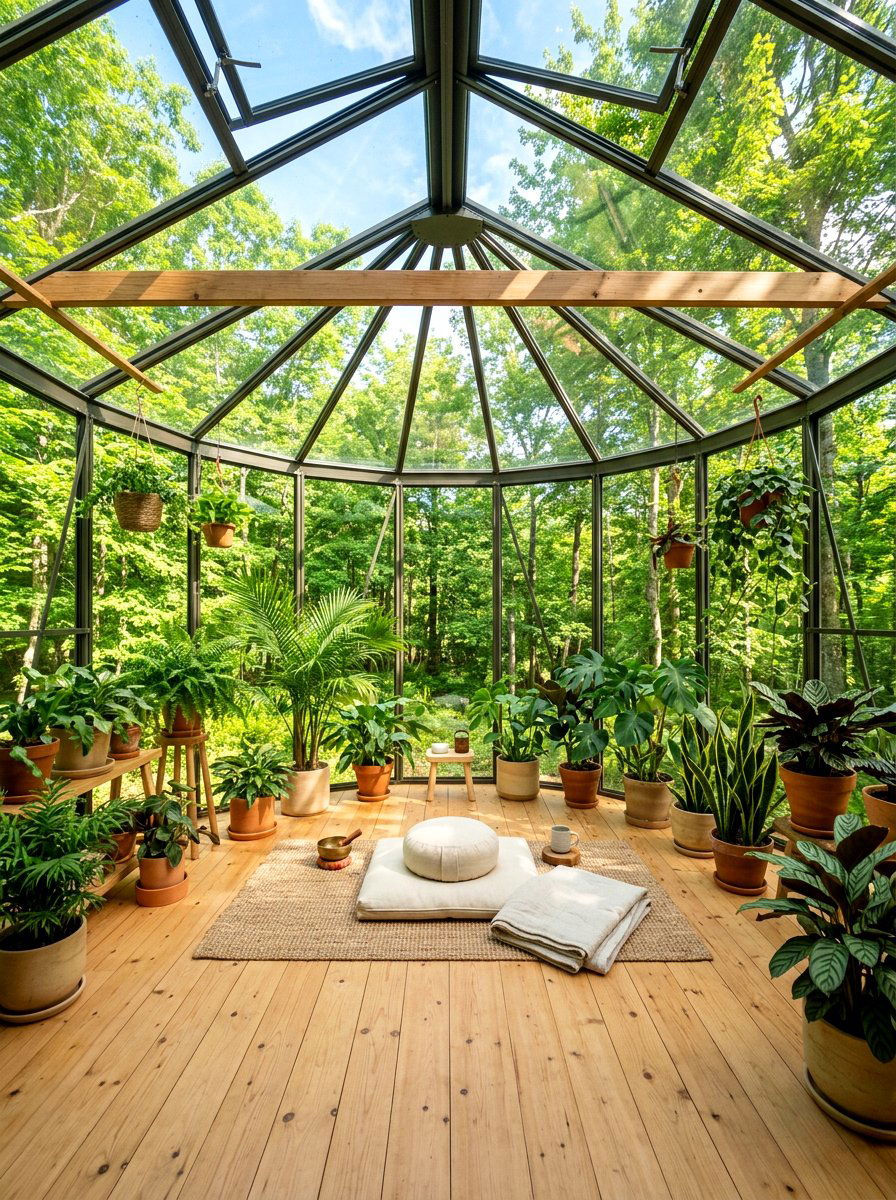
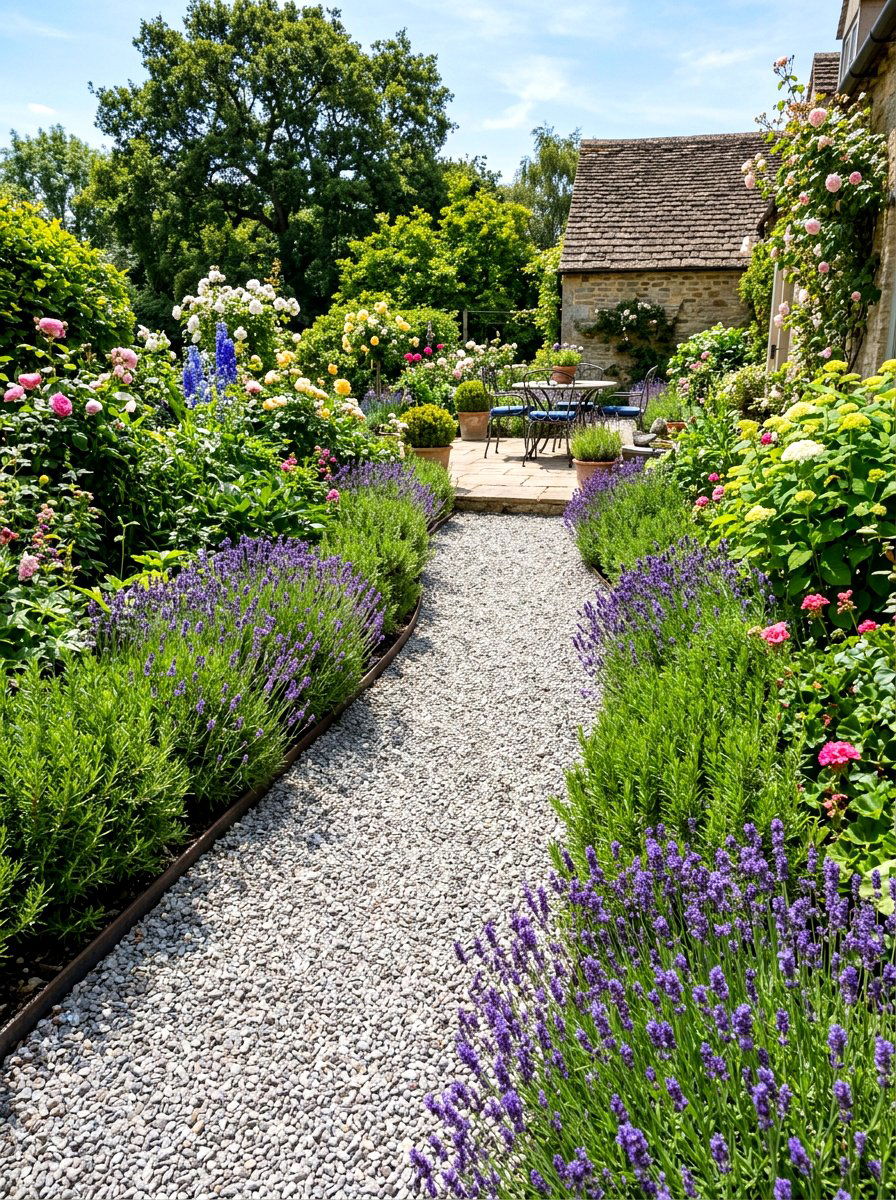
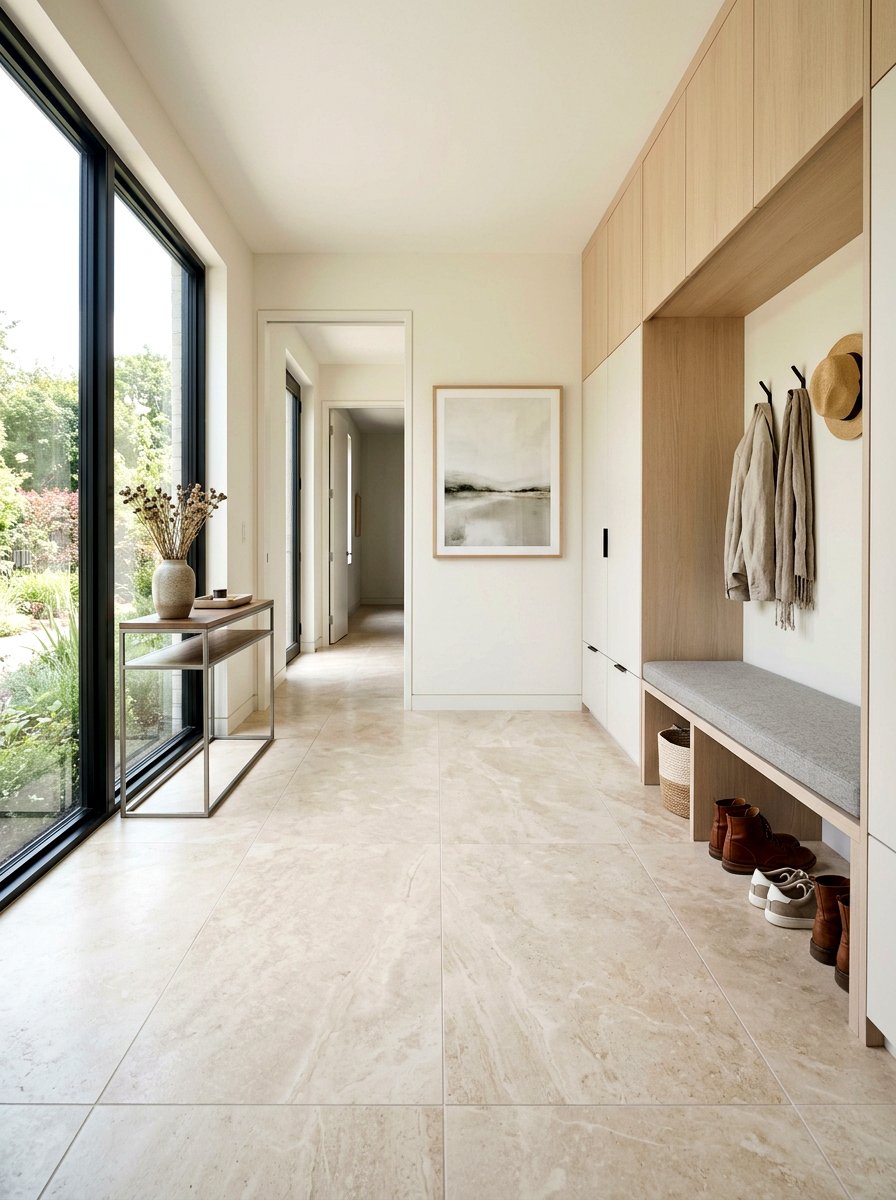
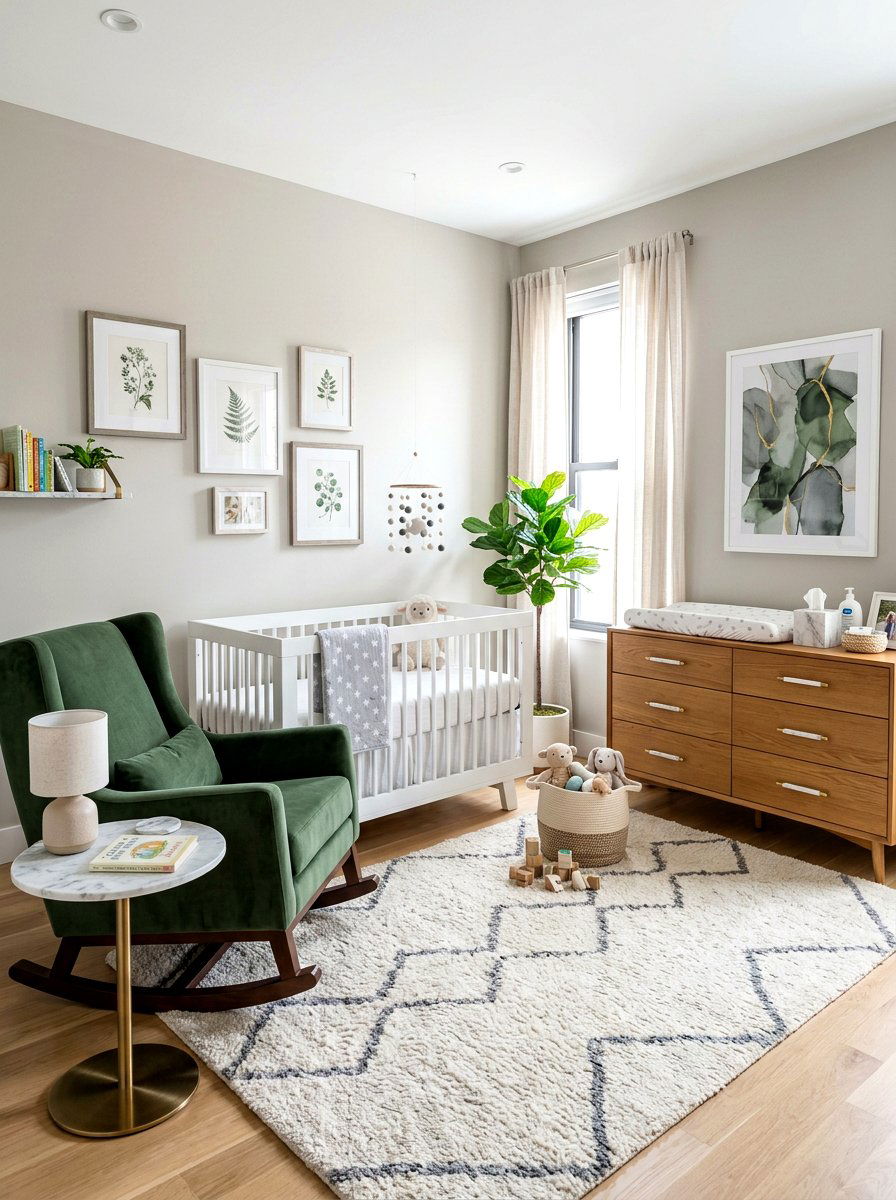
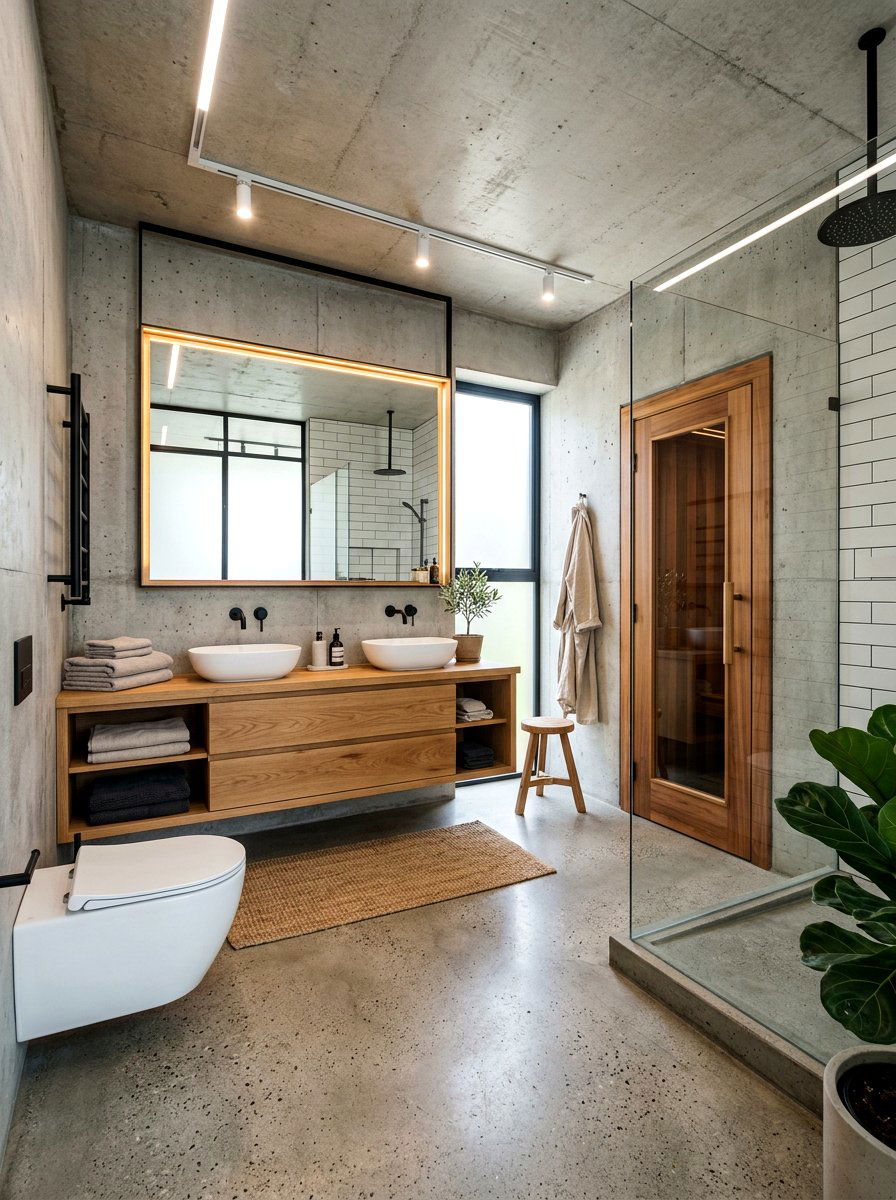
A greenhouse meditation room offers the ultimate connection to nature by placing your practice space inside a structure made almost entirely of glass and surrounded by plants. This environment allows you to feel the warmth of the sun and see the rain or snow while remaining in a climate-controlled and comfortable space. The abundance of oxygen from the surrounding greenery makes the air feel incredibly fresh and invigorating, which can improve your breathing exercises. You can use natural stone paths and simple wooden furniture to keep the focus on the vibrant life all around you. This design creates a truly immersive and life-affirming meditation experience.
21. Yoga Meditation Space
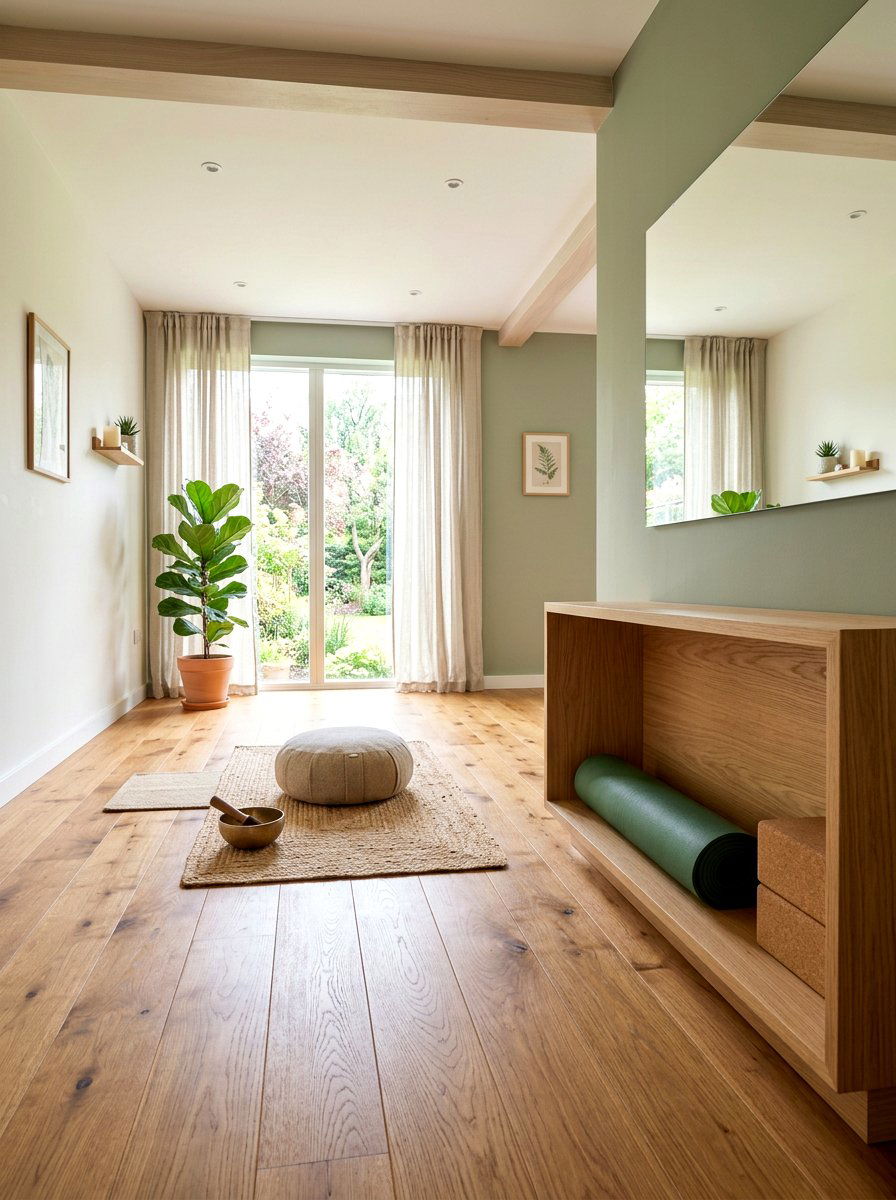
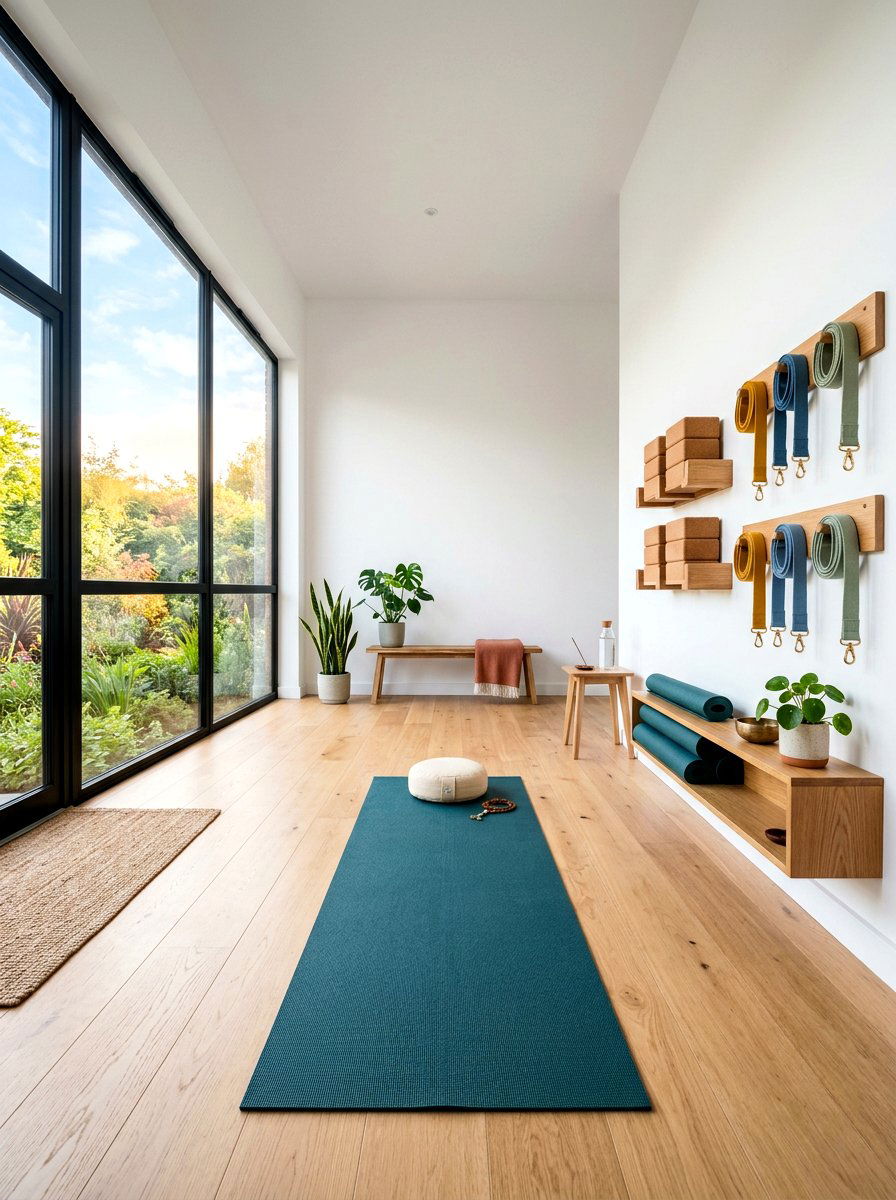
A yoga meditation space is designed to be multi-functional, providing enough open floor area for physical movement while maintaining a tranquil atmosphere for seated stillness. This room usually features high-quality hardwood or cork flooring that is comfortable for both stretching and sitting for long periods. You can include a dedicated wall for mirrors to check your form, but keep them subtle so they don't become a distraction during your quiet time. Storage cubbies for mats, blocks, and bolsters help to keep the room organized and clutter-free when not in use. This integrated design supports a holistic approach to wellness that combines physical activity with mental clarity.
22. Sacred Geometry Space
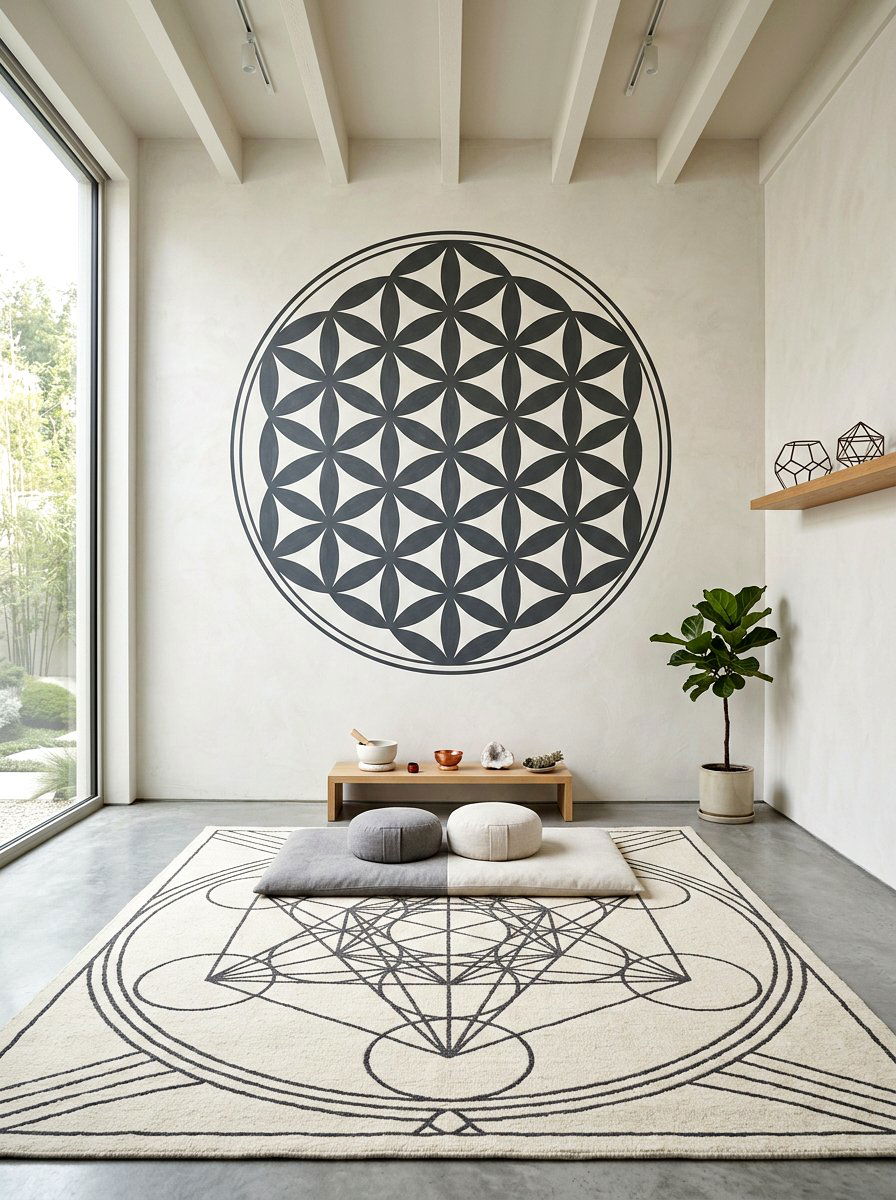
A sacred geometry space uses mathematical patterns and ancient symbols like the Flower of Life or Metatron’s Cube as the central design theme. These patterns can be incorporated through wall murals, inlaid flooring, or even the layout of the furniture to create a sense of cosmic order and harmony. This environment is designed to resonate with the underlying structures of the universe, providing a powerful visual aid for focused meditation and spiritual connection. You can use a monochromatic color scheme to let the complexity of the geometric patterns stand out without overwhelming the senses. This room feels structured and purposeful, appealing to those who appreciate symbolic depth.
23. Vintage Meditation Space
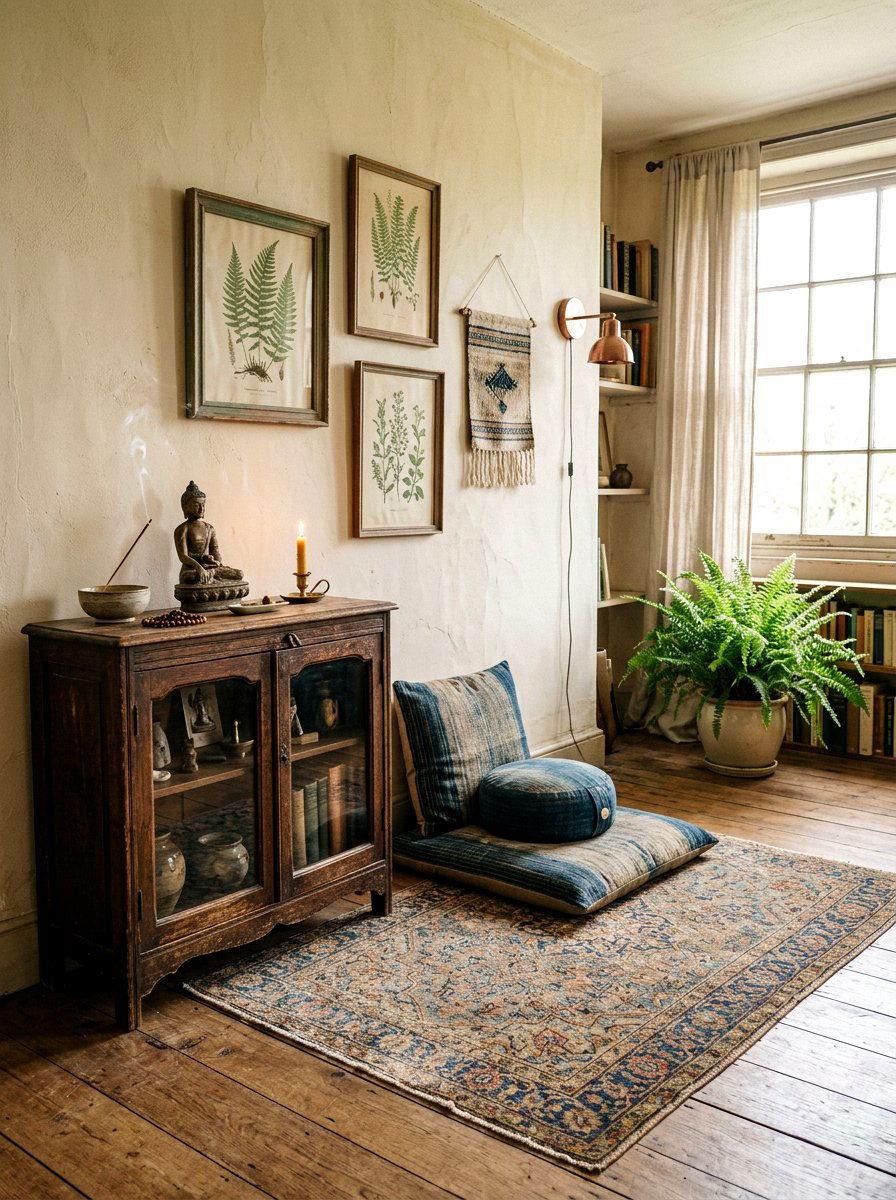
A vintage meditation space uses antique furniture and heirloom decor to create a room that feels full of history, character, and a sense of timelessness. This design might feature a weathered wooden cabinet to hold your ritual items, a classic Persian rug, and framed botanical prints from a bygone era. Using older materials that have a story to tell can help you feel connected to the past and a sense of continuity that is very grounding. You can incorporate soft, faded colors and brass accents to add a touch of elegance and warmth to the sanctuary. This style feels nostalgic and comforting, offering a unique and soul-stirring retreat.
24. Hygge Meditation Room
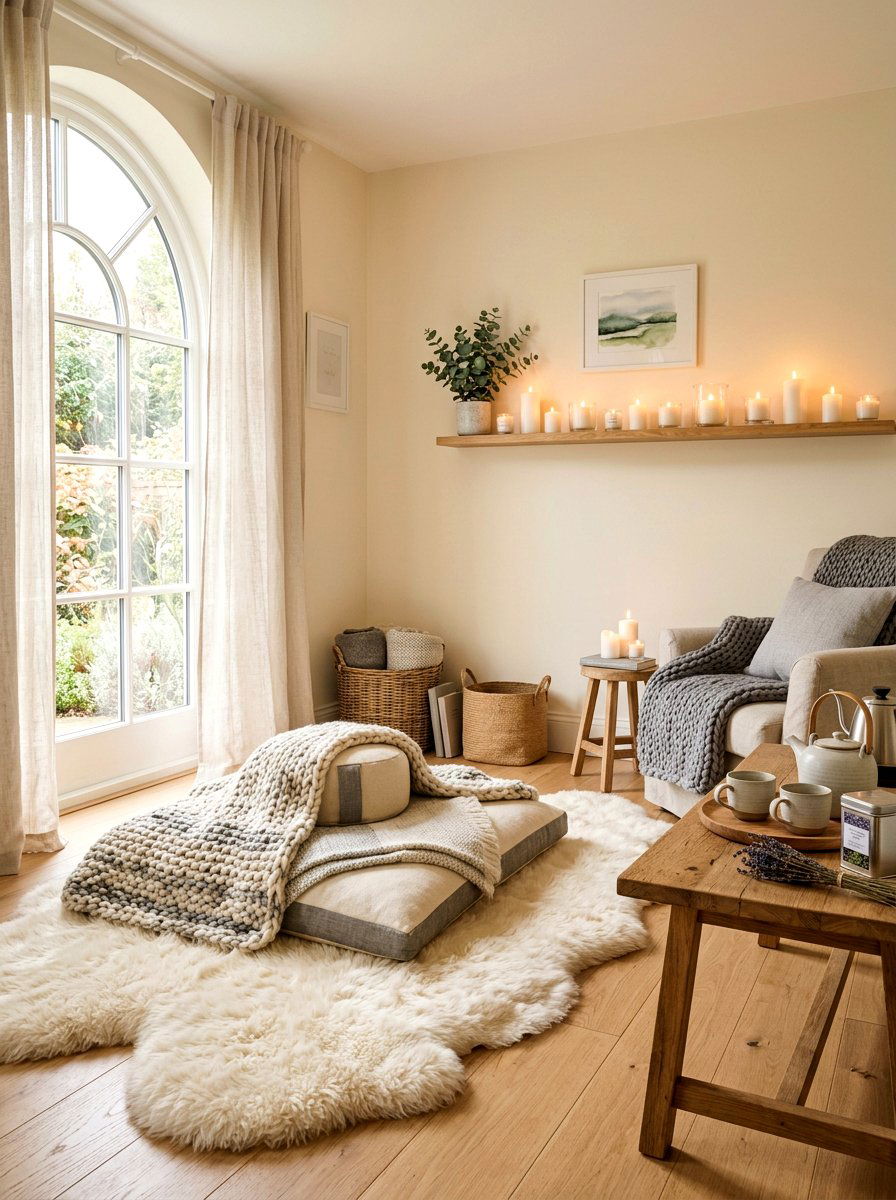
A hygge meditation room focuses on the Danish concept of coziness and contentment by using incredibly soft textures and warm lighting to create a snug sanctuary. This space often features chunky knit blankets, faux fur rugs, and an abundance of candles to make the environment feel as inviting as possible. The color palette usually sticks to warm creams, soft grays, and light wood tones that feel gentle and soothing to the eyes. You might even include a small fireplace or a dedicated tea station to enhance the feeling of warmth and self-care. This design is all about creating a space where you feel completely safe, relaxed, and nurtured.
25. Closet Meditation Space
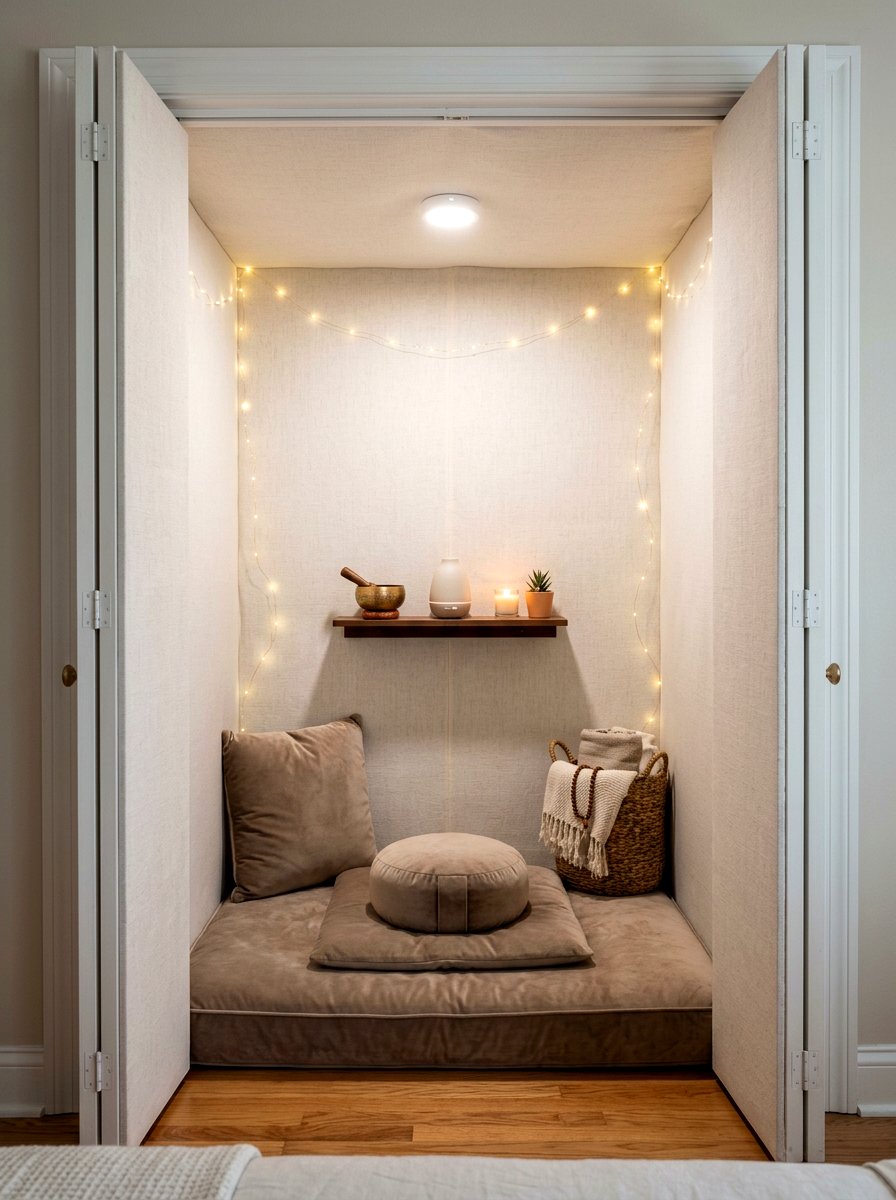
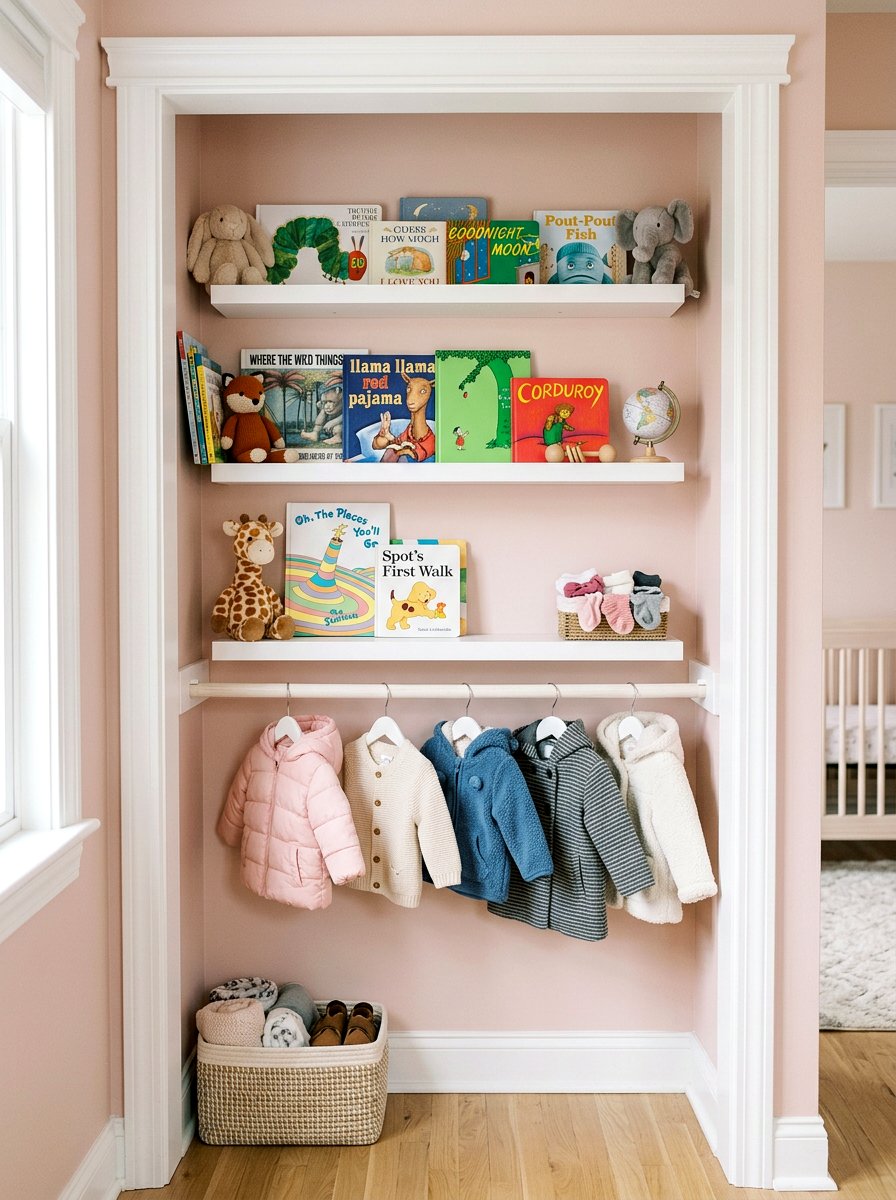
A closet meditation space is a clever way to repurpose a small, underutilized area into a private and sound-insulated nook for your daily mindfulness practice. By removing the doors and adding soft lighting, you can transform even a tiny reach-in closet into a cozy sanctuary that feels completely separate from the rest of the room. This enclosed space provides a sense of privacy and focus that can be harder to achieve in larger, more open areas of the home. You can line the walls with fabric or wallpaper to add personality and use a thick floor cushion to maximize the comfort of the limited floor space.
26. Balcony Zen Space
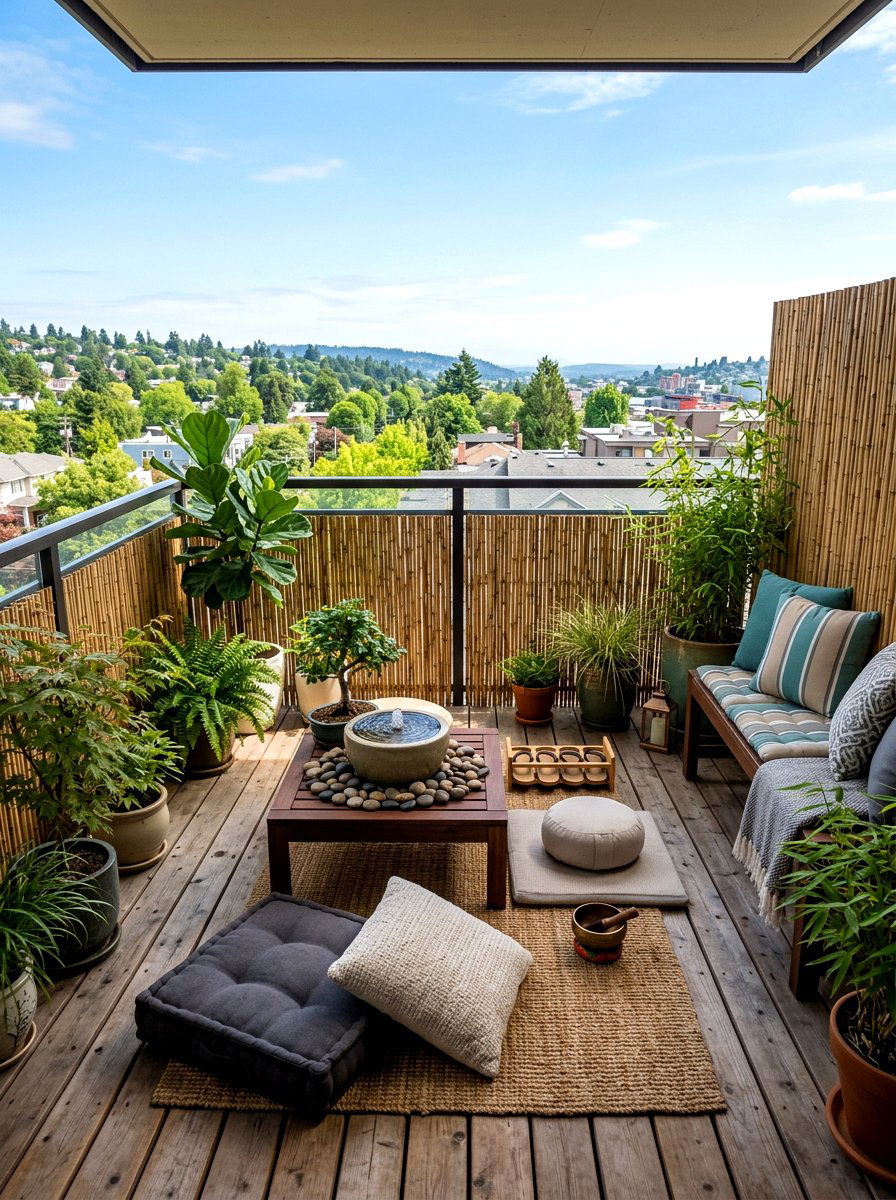
A balcony zen space allows you to enjoy the benefits of outdoor meditation even if you live in a high-rise apartment or have a limited yard area. This design uses weather-resistant materials like teak furniture, outdoor rugs, and bamboo screens to create a private oasis in the open air. You can incorporate a small tabletop fountain and vertical planters to bring the elements of water and greenery to the space without taking up valuable floor area. The feeling of the breeze and the sounds of the neighborhood can be integrated into your practice as a way to find peace amidst the activity of life.
27. Industrial Loft Room
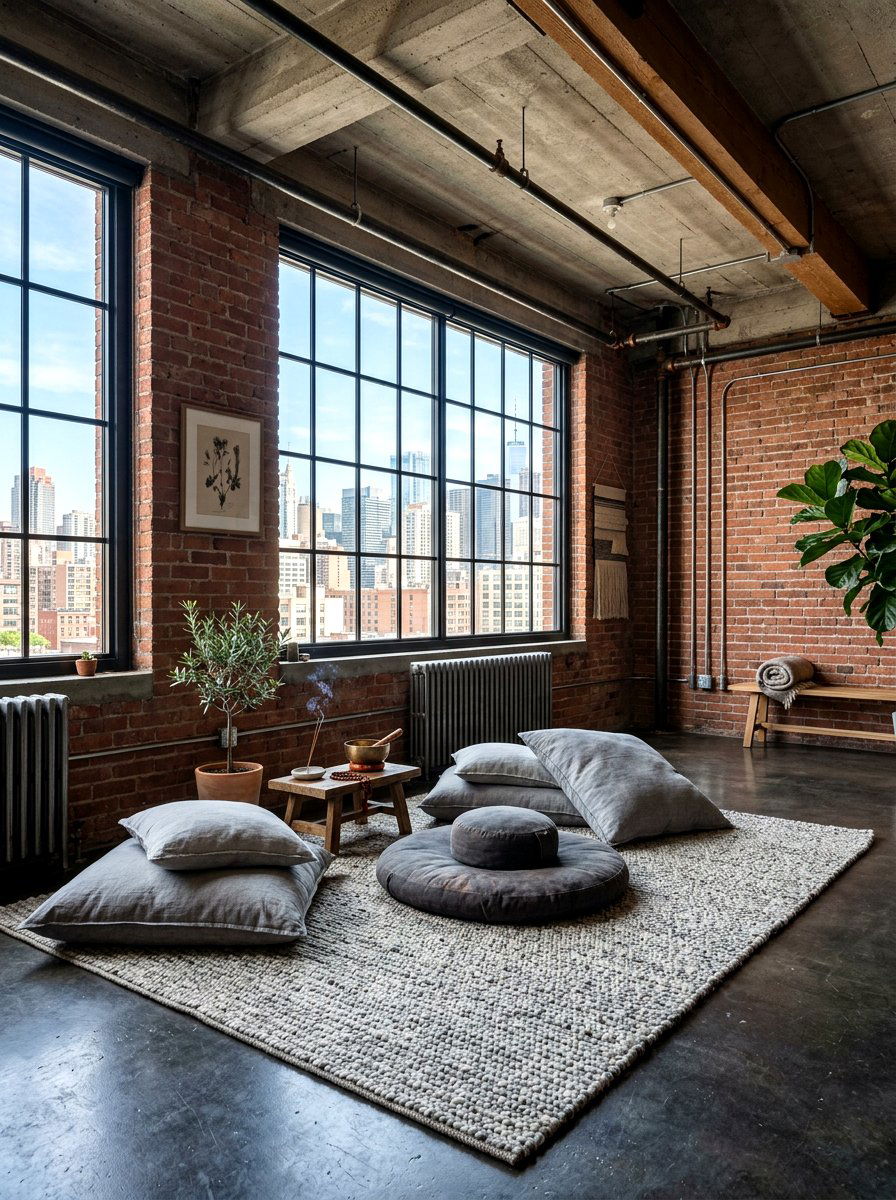
An industrial loft room uses the raw and unfinished elements of urban architecture, such as exposed brick walls and metal pipes, to create a unique meditation environment. This design pairs these rugged materials with soft, high-quality textiles like a large wool rug and oversized cushions to create a striking contrast between hard and soft. Large industrial windows can provide an expansive view of the city, which can be used as a point of focus for open-monitoring meditation techniques. The high ceilings and open floor plan give the room a sense of grandeur and airiness that feels modern and sophisticated. This style is perfect for those who love urban energy.
28. Soft Textile Room
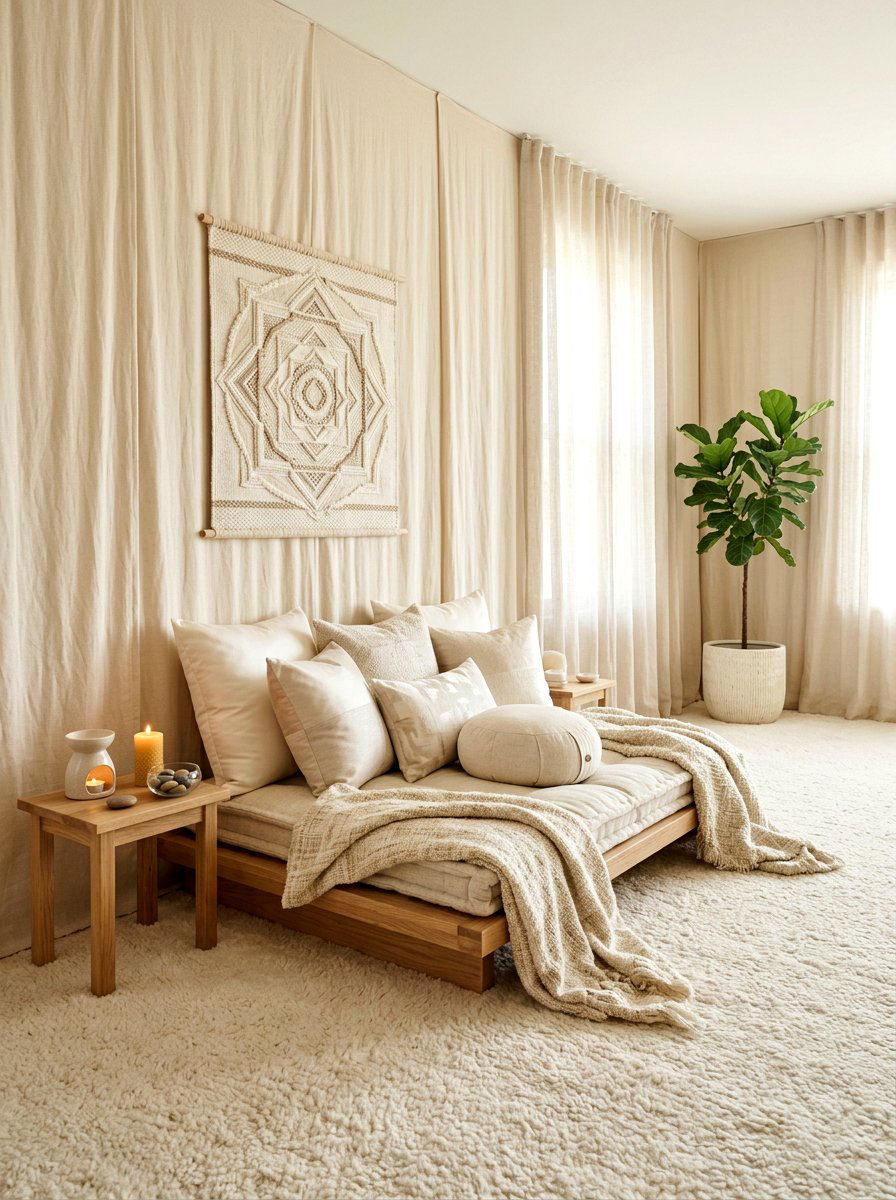
A soft textile room focuses entirely on the tactile experience of meditation by covering almost every surface with plush and comfortable materials to create a sensory retreat. This design might include fabric-draped walls, thick wall-to-wall carpeting, and an abundance of pillows and throws in various textures like silk, wool, and linen. The goal is to create an environment that feels like a giant hug, allowing your body to fully relax so your mind can focus on the meditation. Using a monochromatic or analogous color scheme helps to keep the visual stimulation low while the rich textures provide a sense of luxury and deep comfort.
29. Candlelit Meditation Space
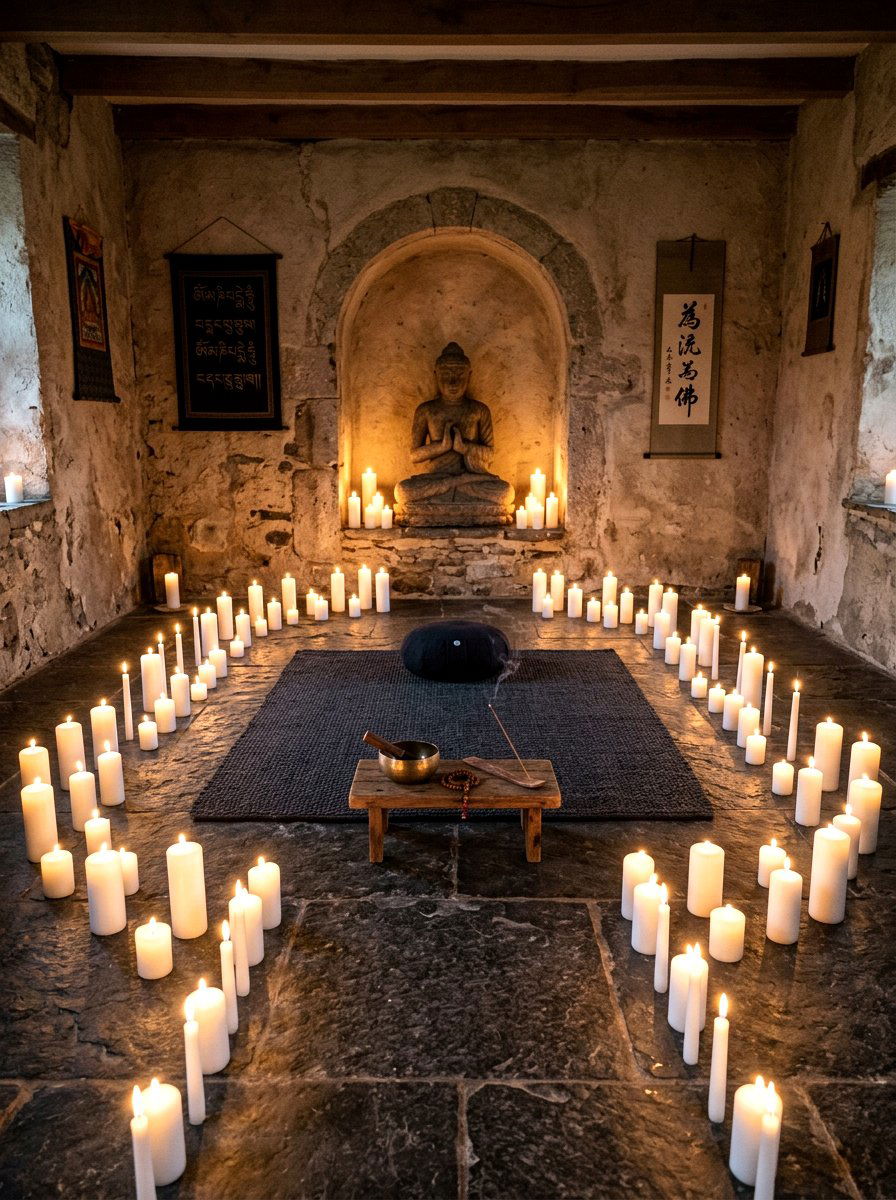
A candlelit meditation space prioritizes the primitive and soothing element of fire to create a flickering, warm environment that is perfect for deep relaxation and focus. This design features multiple candle holders of various heights placed around the room, creating a soft and dancing light that traditional electric bulbs simply cannot replicate. You can use unscented beeswax candles for a natural glow or scented ones to add an aromatherapy element to your practice. The shadows created by the candlelight add a sense of depth and mystery to the room, helping to draw your attention inward. This setup is particularly effective for evening sessions or during the winter months.
30. Earthy Tone Room
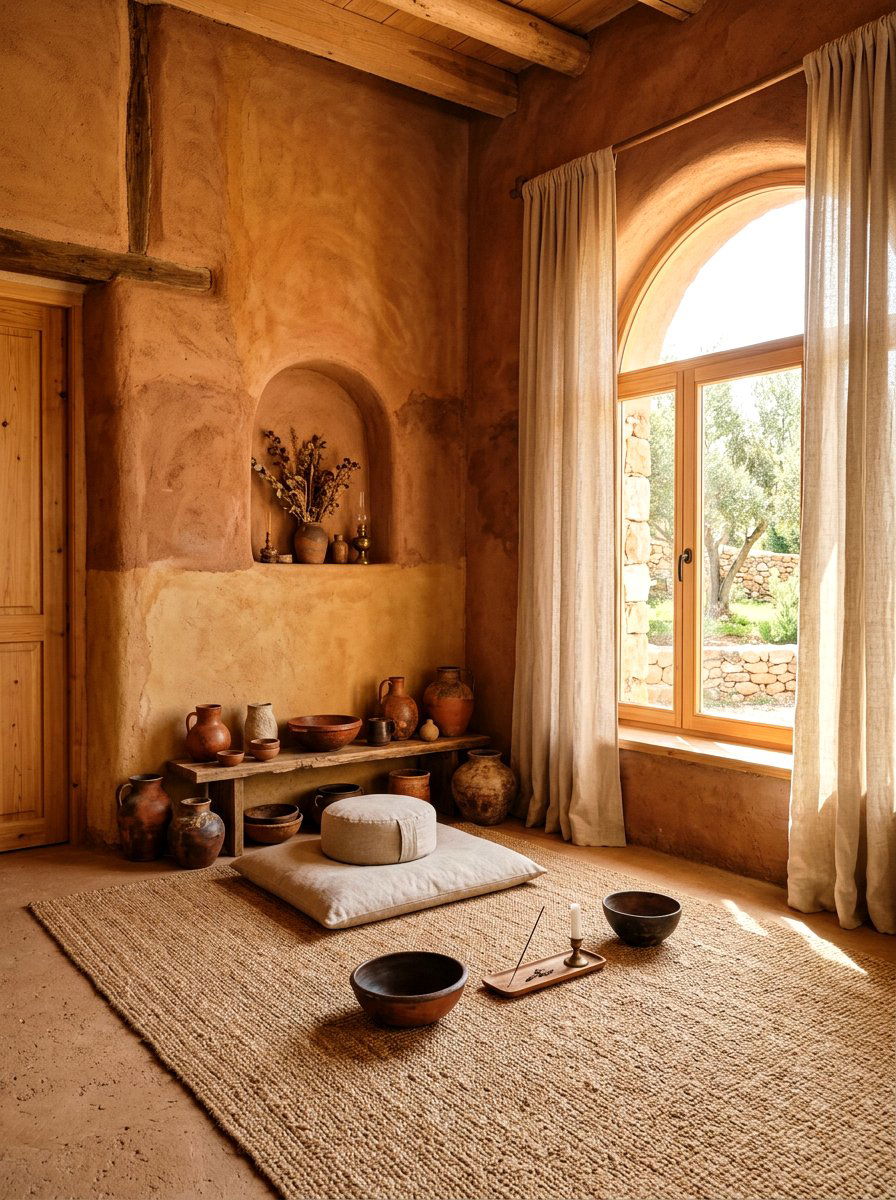
An earthy tone room uses a palette inspired by the natural world, featuring shades of terracotta, ochre, sienna, and olive to create a deeply grounded and stabilizing environment. These colors are inherently warm and comforting, reminding us of our connection to the soil and the cycles of the earth. This design often incorporates natural materials like clay pottery, jute rugs, and raw linen curtains to enhance the organic feel of the space. The layout is usually simple and centered, providing a clear and focused area for your daily mindfulness routines. This environment feels solid and supportive, helping you to feel rooted and balanced during your practice.
Conclusion:
Designing a dedicated meditation room is a deeply personal project that can transform the way you experience your home and your inner life. By choosing a style that truly resonates with your personality — whether it is the simplicity of a zen space or the richness of a boho sanctuary — you create a physical anchor for your wellness journey. These rooms are not just about aesthetics; they are about creating a functional environment that supports focus, reduces stress, and encourages a daily habit of mindfulness. As you build your sanctuary, remember that the most important element is how the space makes you feel, providing you with a reliable retreat for peace.

Related posts: