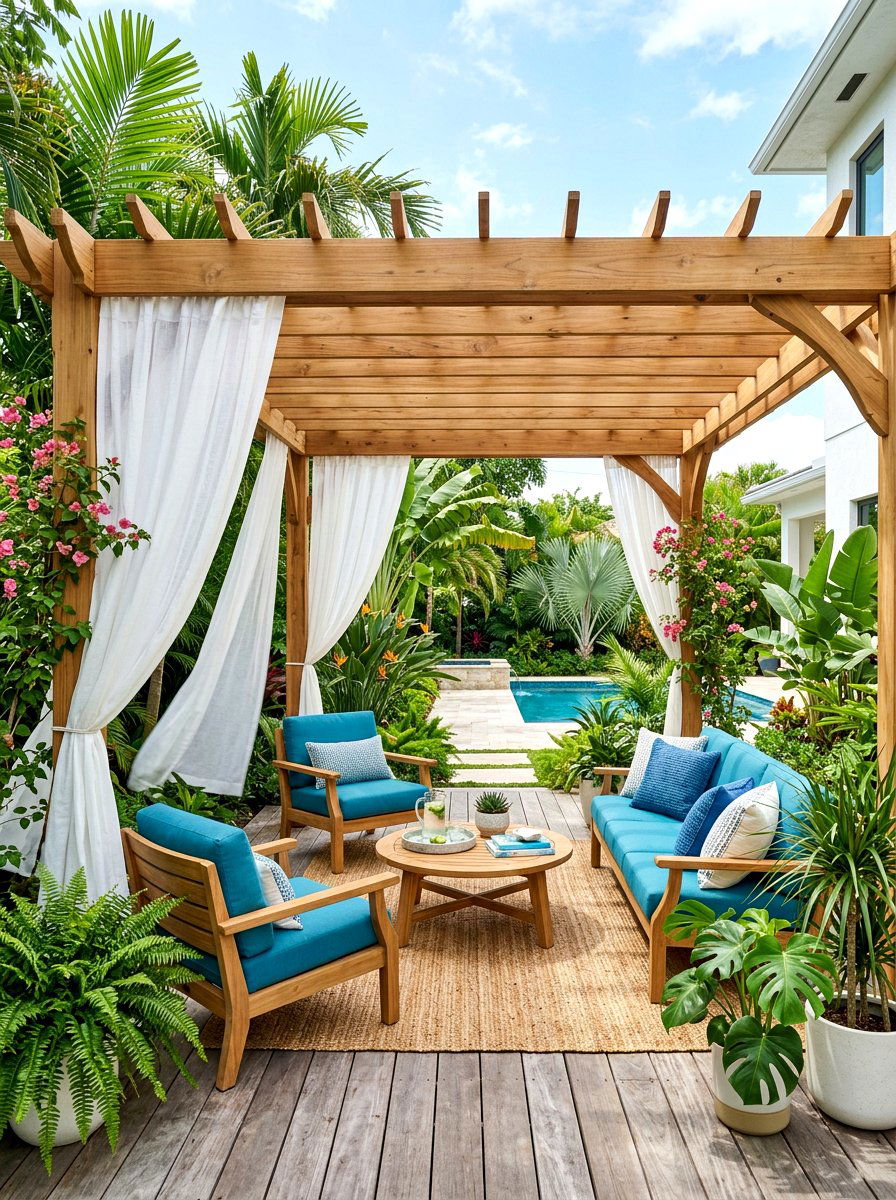
Finding a peaceful sanctuary within the walls of your own home has become an essential part of modern living and mental well-being. With the constant noise of digital devices and busy schedules, creating a dedicated space for silence allows your mind to rest and recover. A quiet room is not just a trend but a functional necessity that promotes deep focus, lowers stress, and enhances overall happiness. Whether you have an entire spare room or just a small corner, these thoughtful layouts provide the perfect escape from daily chaos. Every design element contributes to a sensory-friendly environment that helps you reconnect with yourself and find lasting tranquility.
1. Meditation room layout
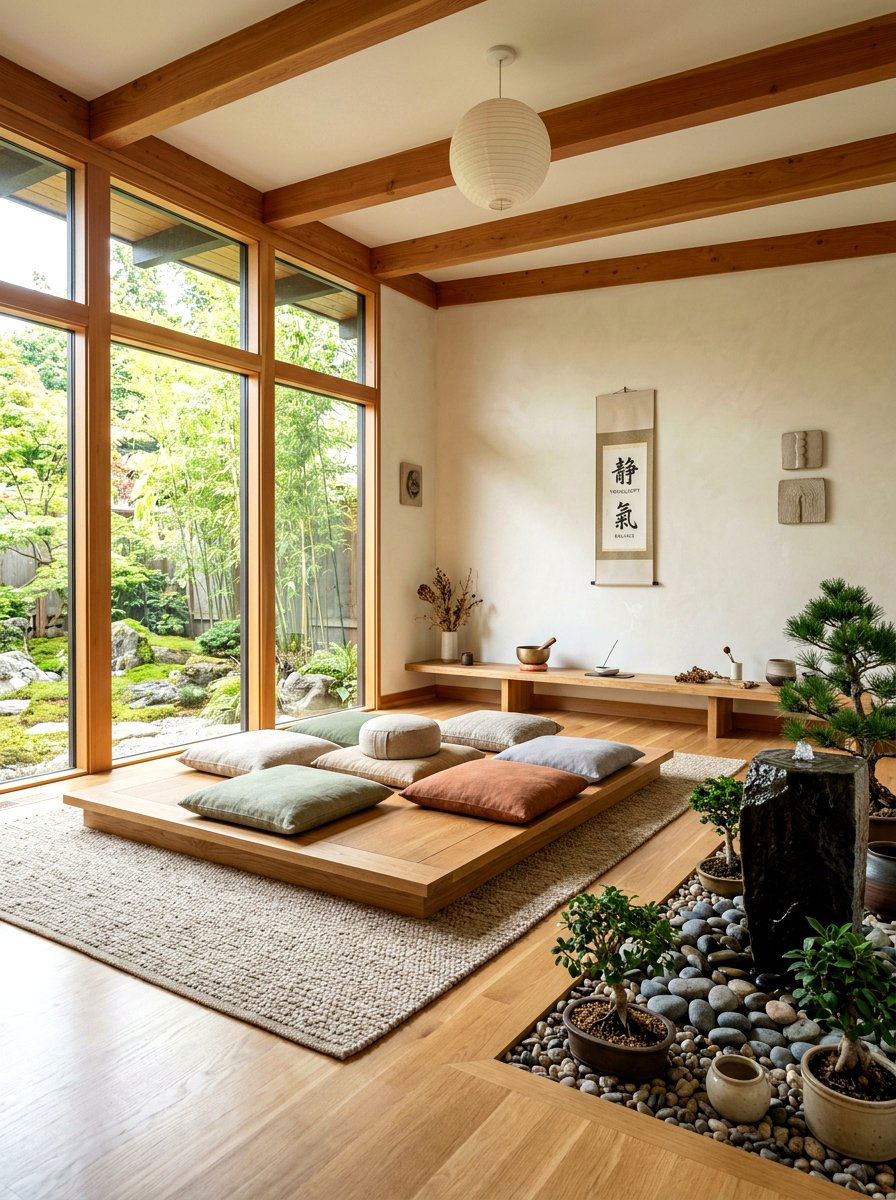
A dedicated meditation room layout focuses on floor-level comfort and visual simplicity to encourage deep breathing and mindfulness. Start by clearing the space of all clutter to minimize mental distractions and create a sense of openness. Use a soft, neutral area rug or a set of traditional tatami mats to define the primary seating zone. Add a high-quality zafu cushion or a padded floor chair for ergonomic support during long sessions. Incorporate natural elements like a small stone fountain or a single potted plant to ground the space. Soft, sheer curtains allow diffused natural light to fill the area without creating harsh glares or unwanted shadows.
2. Reading nook furniture
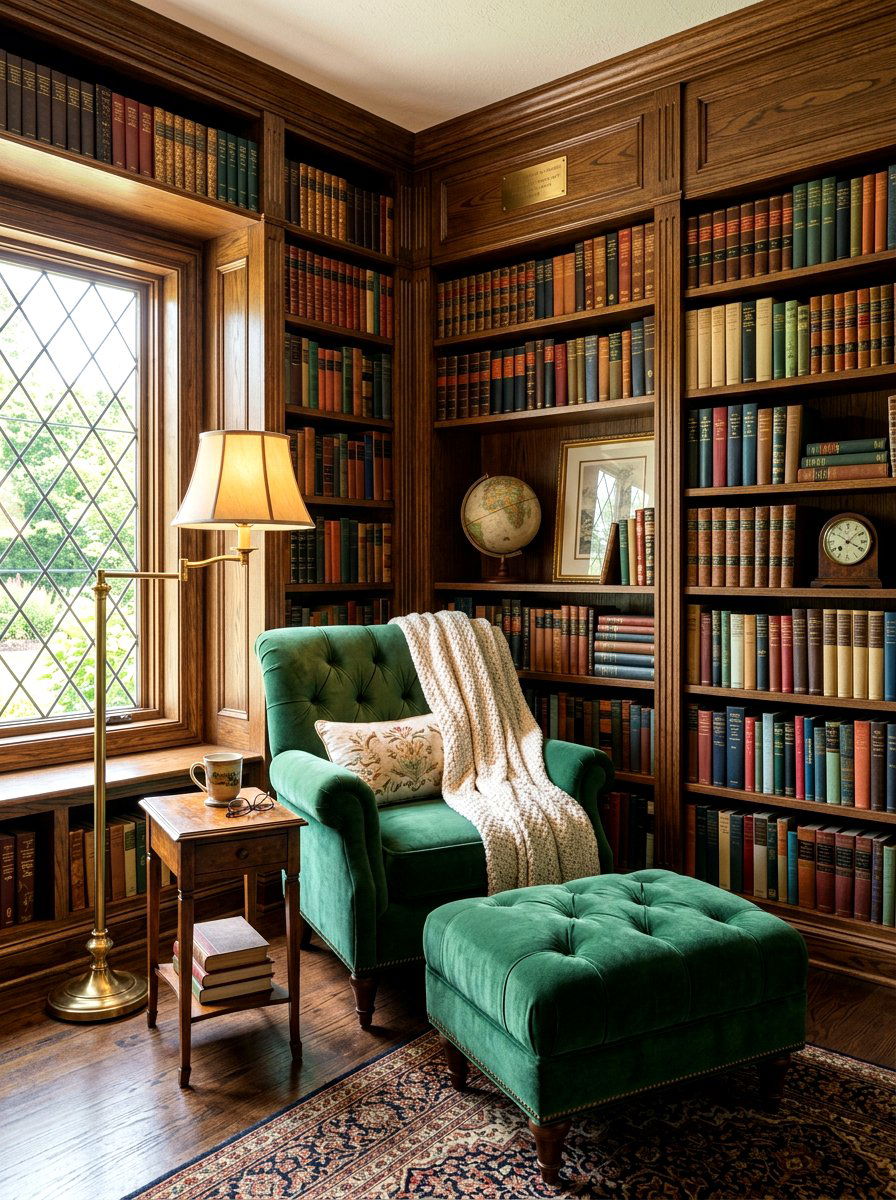
Selecting the right reading nook furniture is the key to transforming a quiet corner into a literary escape. A deep, oversized armchair with velvet or linen upholstery provides a luxurious place to sink in and get lost in a story. Pair the seating with a matching ottoman to allow for full leg extension and maximum relaxation. A small, sturdy side table is necessary for holding a warm cup of tea and a reading lamp. Choose a floor lamp with an adjustable neck and a warm LED bulb to provide focused task lighting. Built-in bookshelves or a slim vertical unit keep your favorite novels within arm's reach.
3. Sunroom sanctuary setup
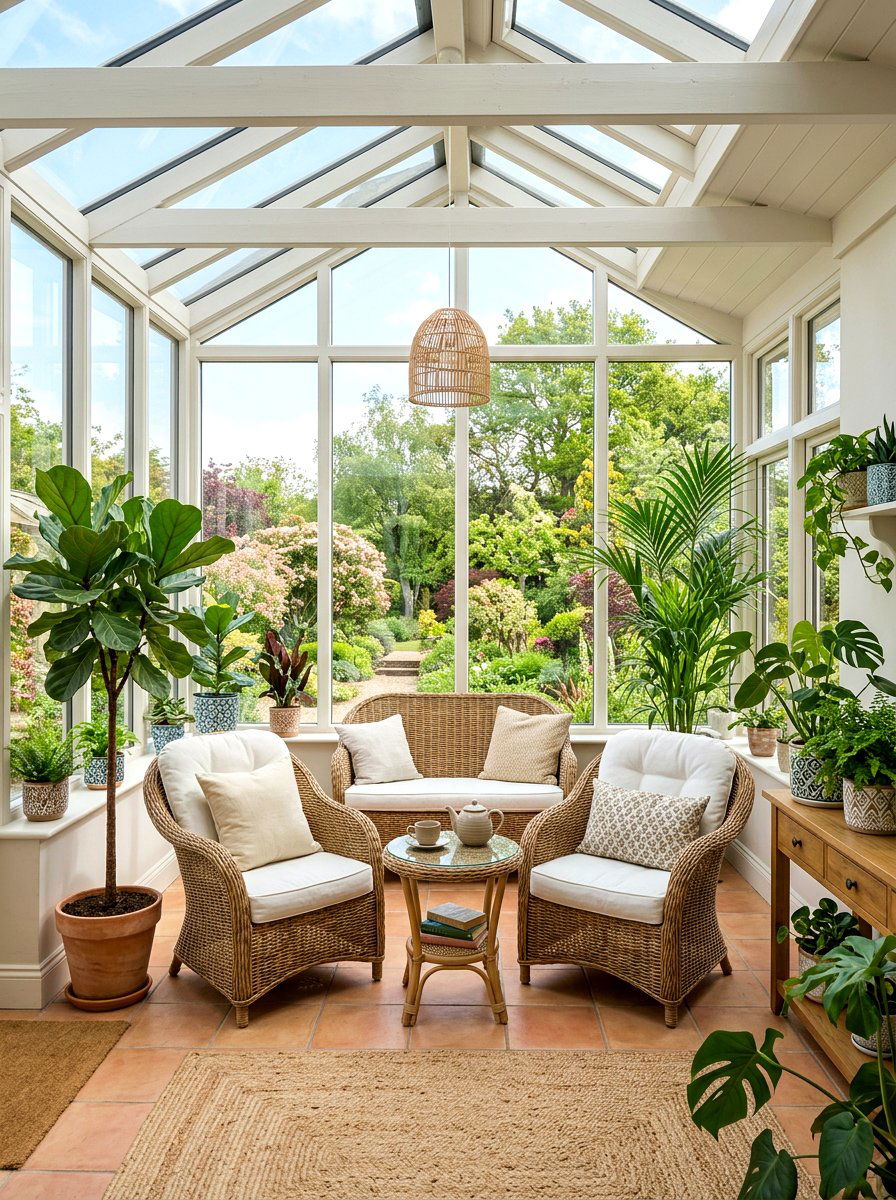
A sunroom sanctuary setup maximizes the healing power of natural sunlight while providing a comfortable transition between the indoors and outdoors. Use lightweight wicker or rattan furniture with plush, weather-resistant cushions to maintain an organic and airy aesthetic throughout the space. Position the primary seating toward the largest windows to capture the morning light and offer views of the garden. Large-scale indoor trees like a fiddle-leaf fig or a bird of paradise add a lush, tropical feel that purifies the air. Consider installing motorized solar shades to control temperature and glare during the hottest parts of the day for ultimate year-round comfort.
4. Minimalist yoga space
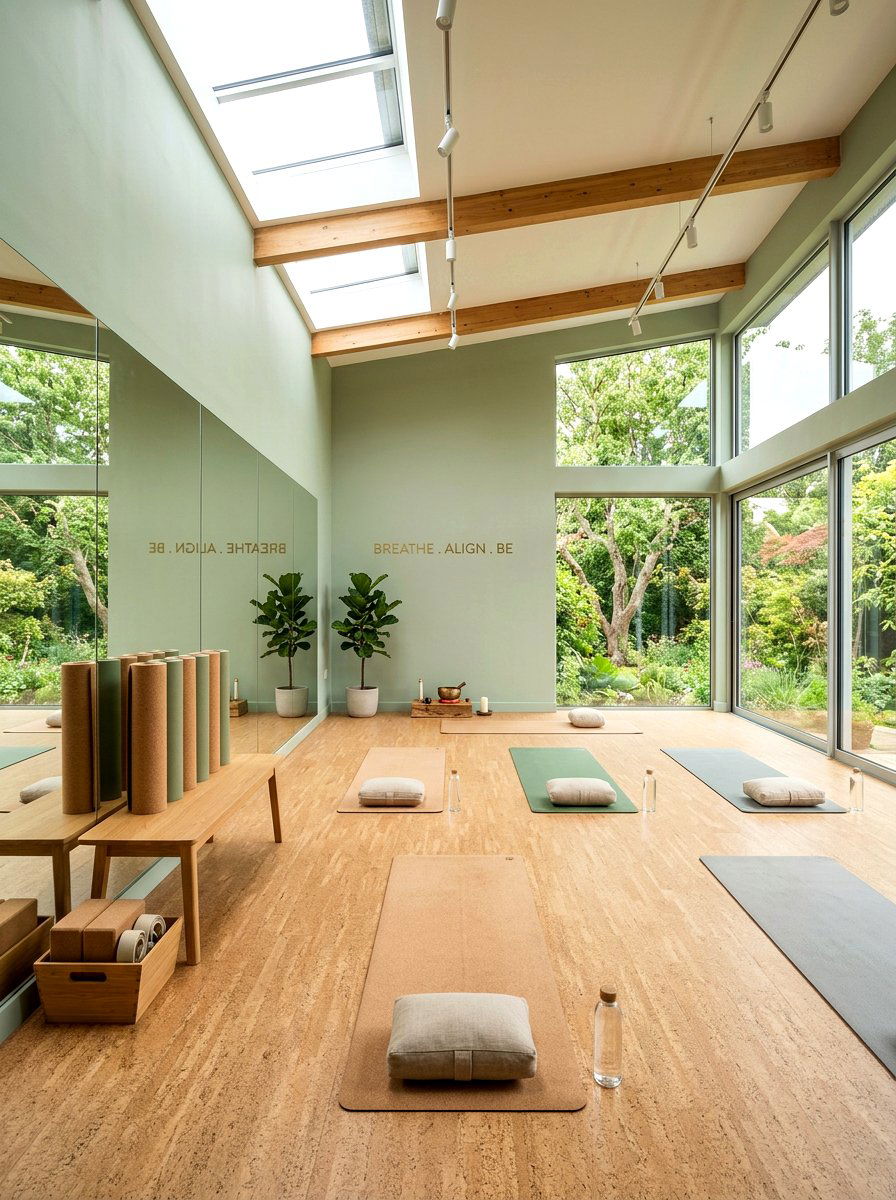
Creating a minimalist yoga space involves prioritizing open floor area and calming surfaces that invite gentle movement and physical stretching. Choose a durable, non-slip hardwood or cork flooring that feels warm and natural under your feet and hands. Limit furniture to a low wooden bench or a simple storage cabinet for keeping blocks, straps, and rolled mats tidy. Paint the walls in a soft, matte off-white or light sage green to evoke a sense of organic tranquility and peace. Large wall mirrors can be added to help you monitor your form and reflect light, making even a small room feel significantly more spacious.
5. Attic hideaway nook
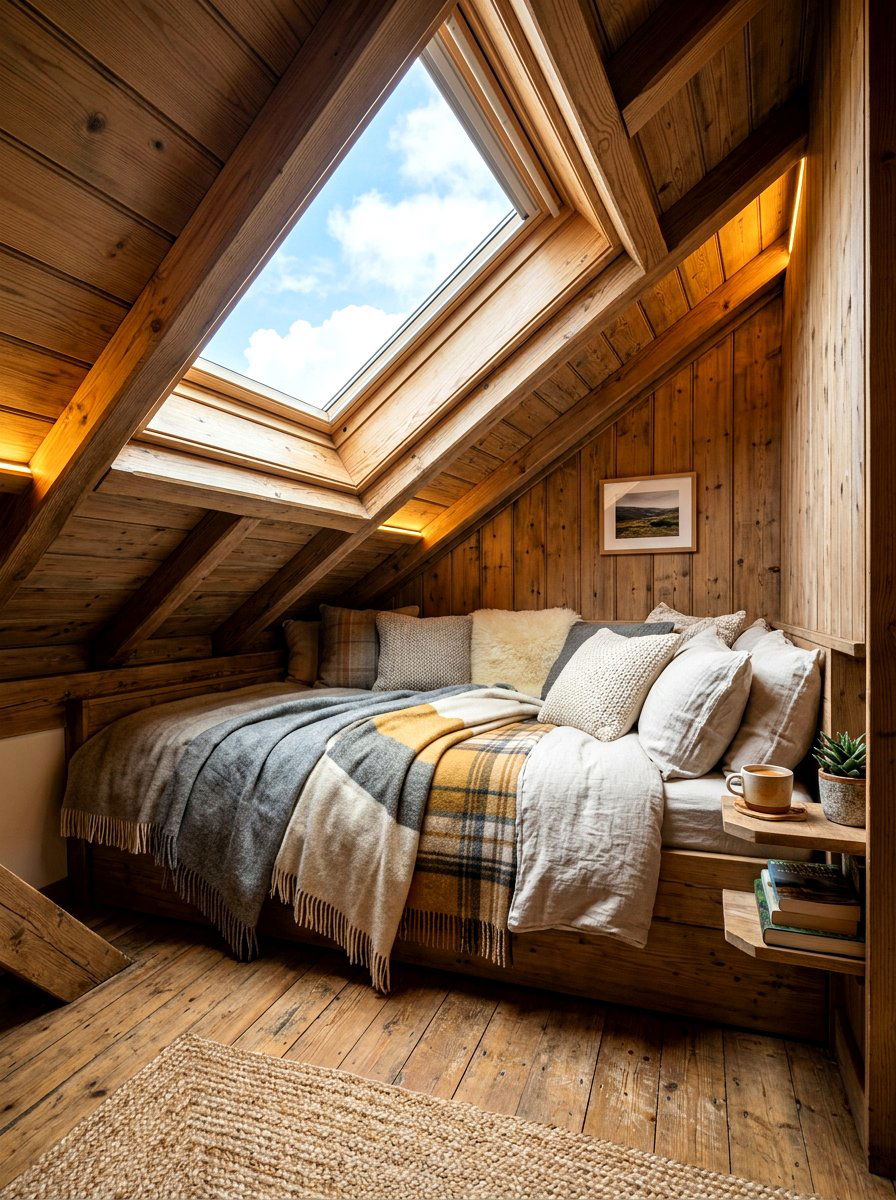
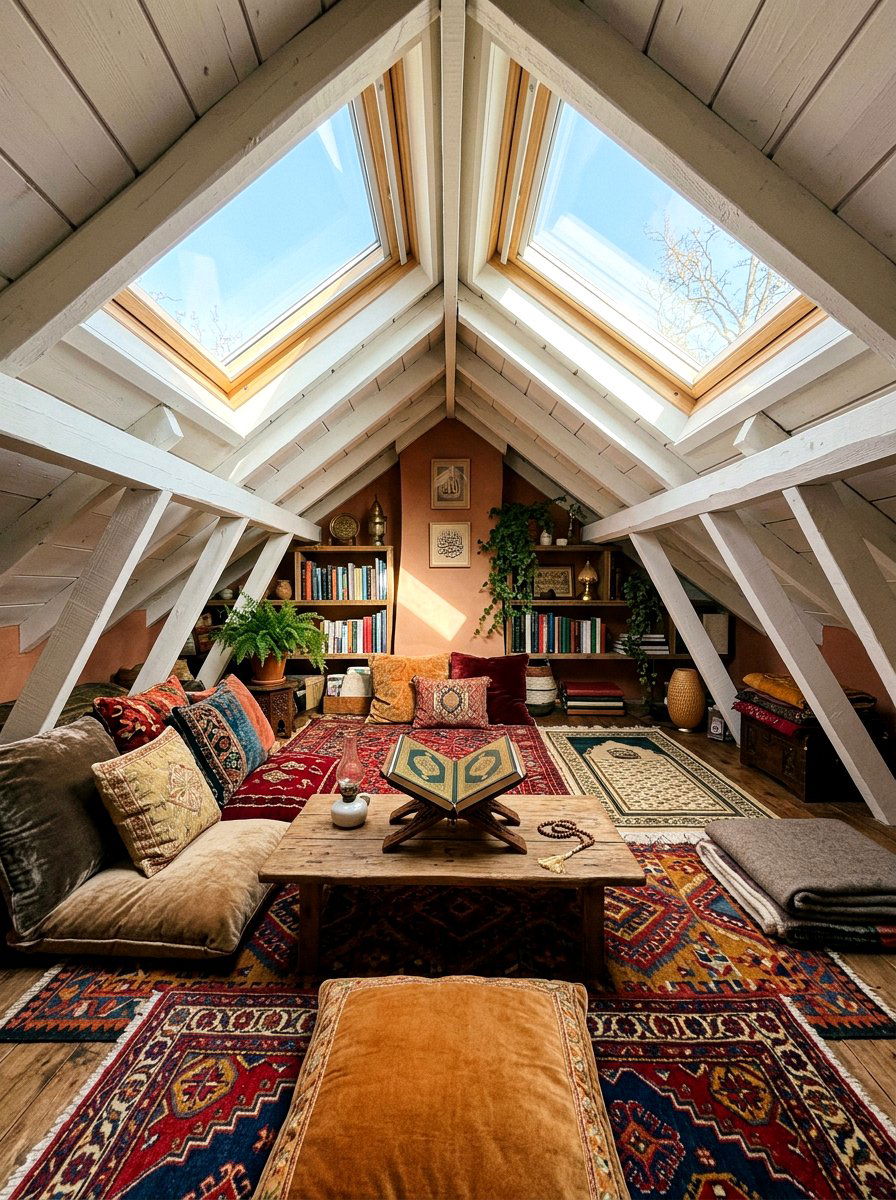
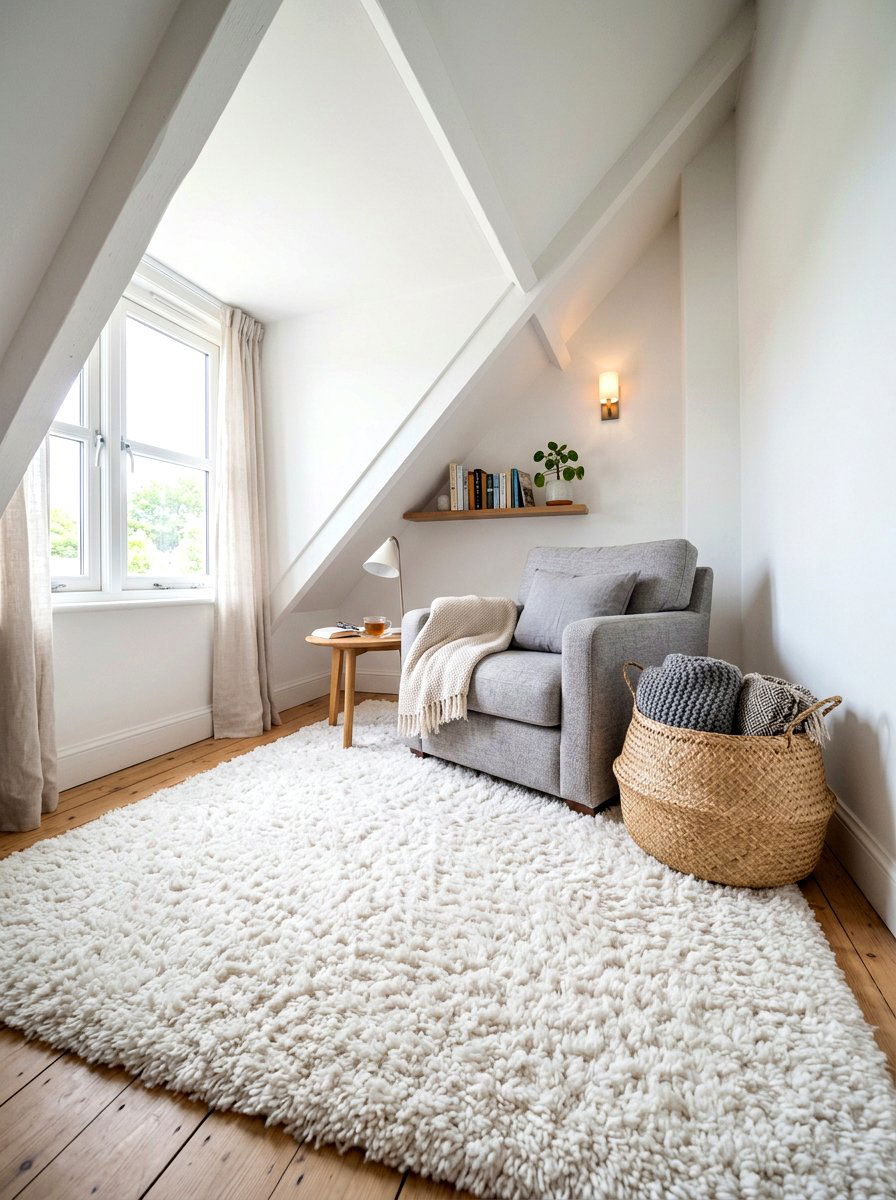
An attic hideaway nook takes advantage of sloped ceilings and secluded locations to create a cozy and private retreat for rest. Utilize the unique architectural angles by installing a custom-built daybed directly under a skylight for a perfect view of the clouds. Soften the wood or drywall surfaces with plenty of layered textiles, including wool throws, faux fur pillows, and a thick shag rug. Use recessed lighting with a dimmer switch to maintain a moody and intimate atmosphere during the evening hours. This tucked-away space is ideal for escaping the noise of the main house while providing a unique sense of safety.
6. Window seat retreat
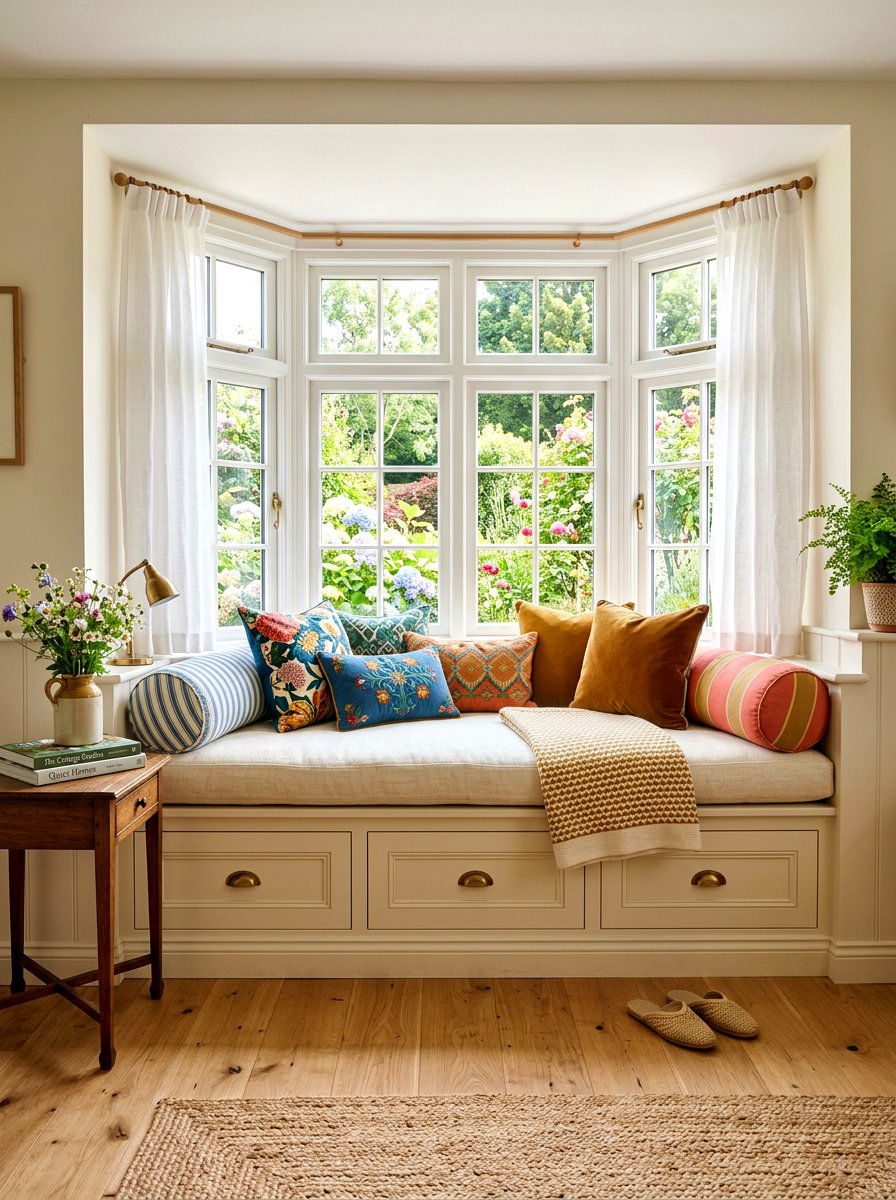
A window seat retreat serves as a functional and beautiful way to utilize the transition space between your interior and the outside world. Design a custom bench with integrated storage drawers to keep extra blankets or pillows hidden away and the area completely clutter-free. Use a thick foam cushion covered in a durable outdoor fabric that resists fading from direct and constant sun exposure. Bolster pillows placed at either end of the seat provide comfortable back support for hours of gazing or light reading. This setup creates a serene observation point where you can quietly enjoy the changing seasons and natural bird activity.
7. Indoor garden room
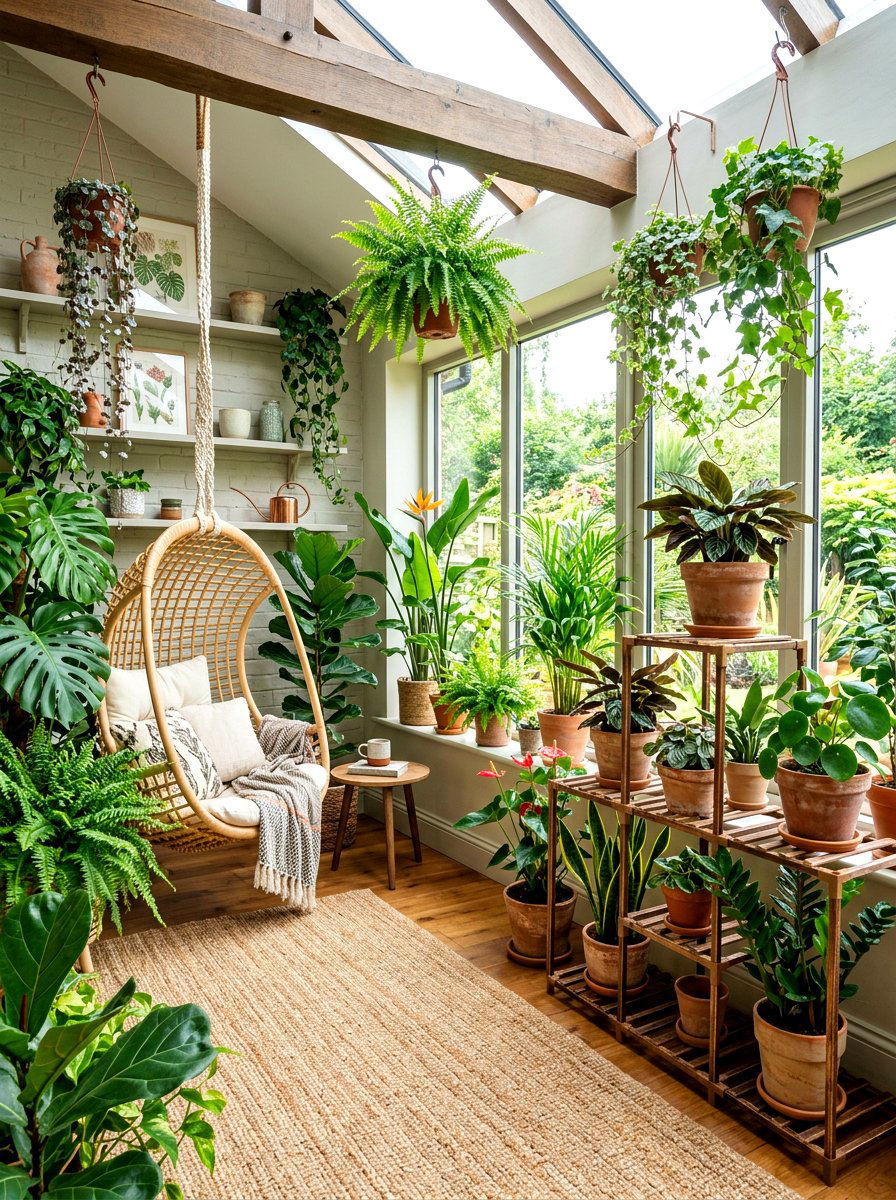
An indoor garden room brings the restorative power of nature directly into your living environment for a refreshing and quiet atmosphere. Group various plants with different leaf shapes and textures on multi-tiered wooden stands to create a lush, vertical wall of greenery. Use a comfortable hanging egg chair or a low-profile lounge chair to immerse yourself in the middle of your urban jungle. Natural materials like terracotta pots, jute rugs, and stone accents enhance the biophilic design and help to regulate indoor humidity levels. The combination of fresh oxygen and the scent of damp earth creates a deeply grounding and peaceful sensory experience.
8. Home library organization
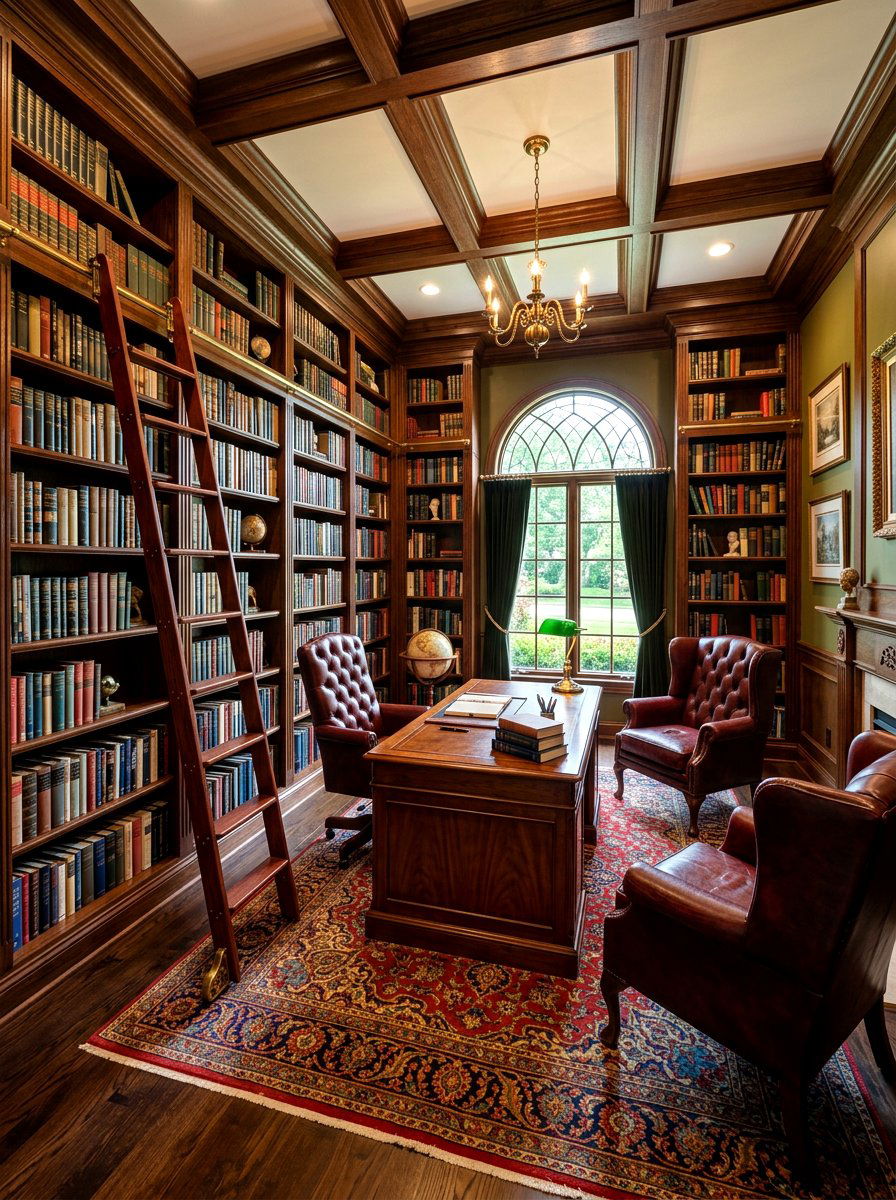
Effective home library organization transforms a standard room into a sophisticated and silent zone for deep research and intellectual exploration. Install floor-to-ceiling shelving units that wrap around the walls to maximize book storage and act as a natural sound insulator for the room. Organize your collection by color or genre to create a visually pleasing and easy-to-navigate system that reflects your personal interests. Place a large, shared table in the center for studying or a pair of high-back leather chairs for a more traditional and academic feel. Integrated ladder systems add a touch of classic charm while making high shelves accessible for everyone.
9. Soundproof home office
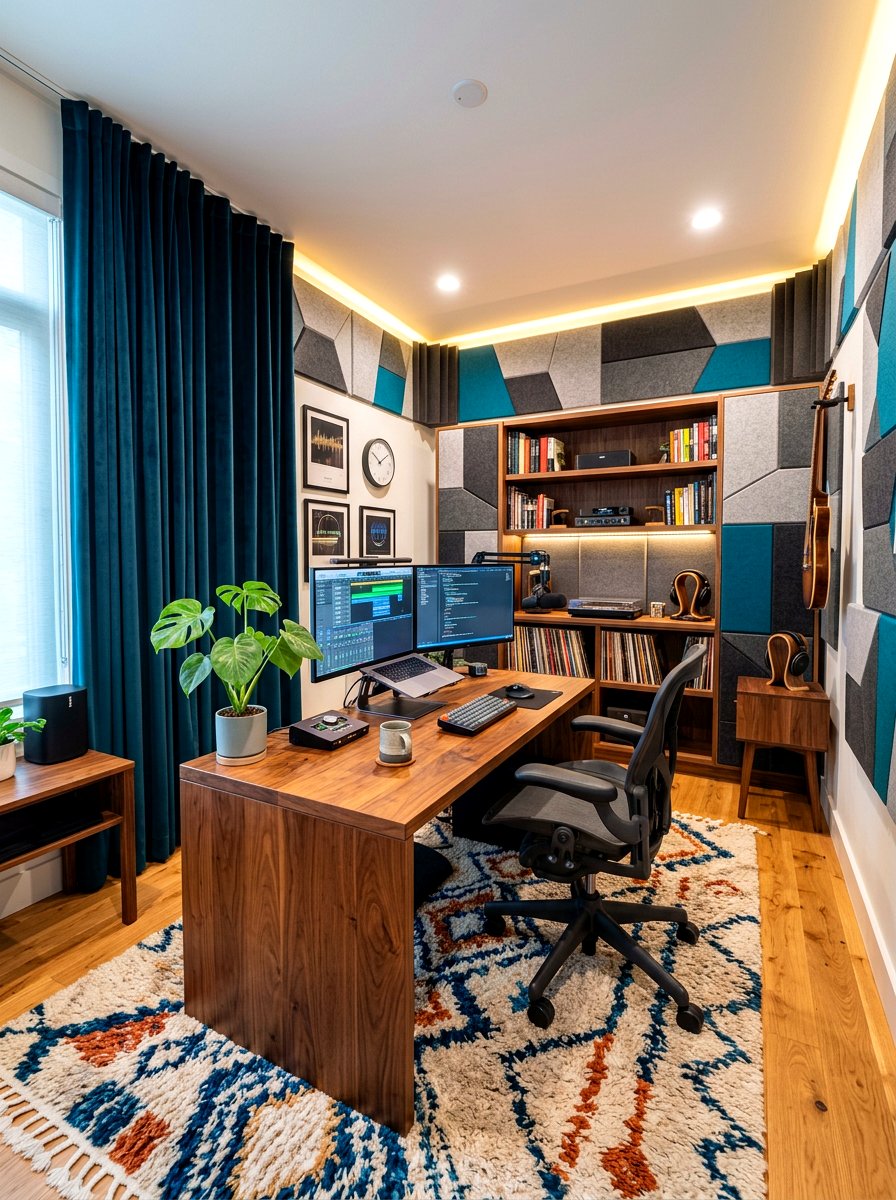
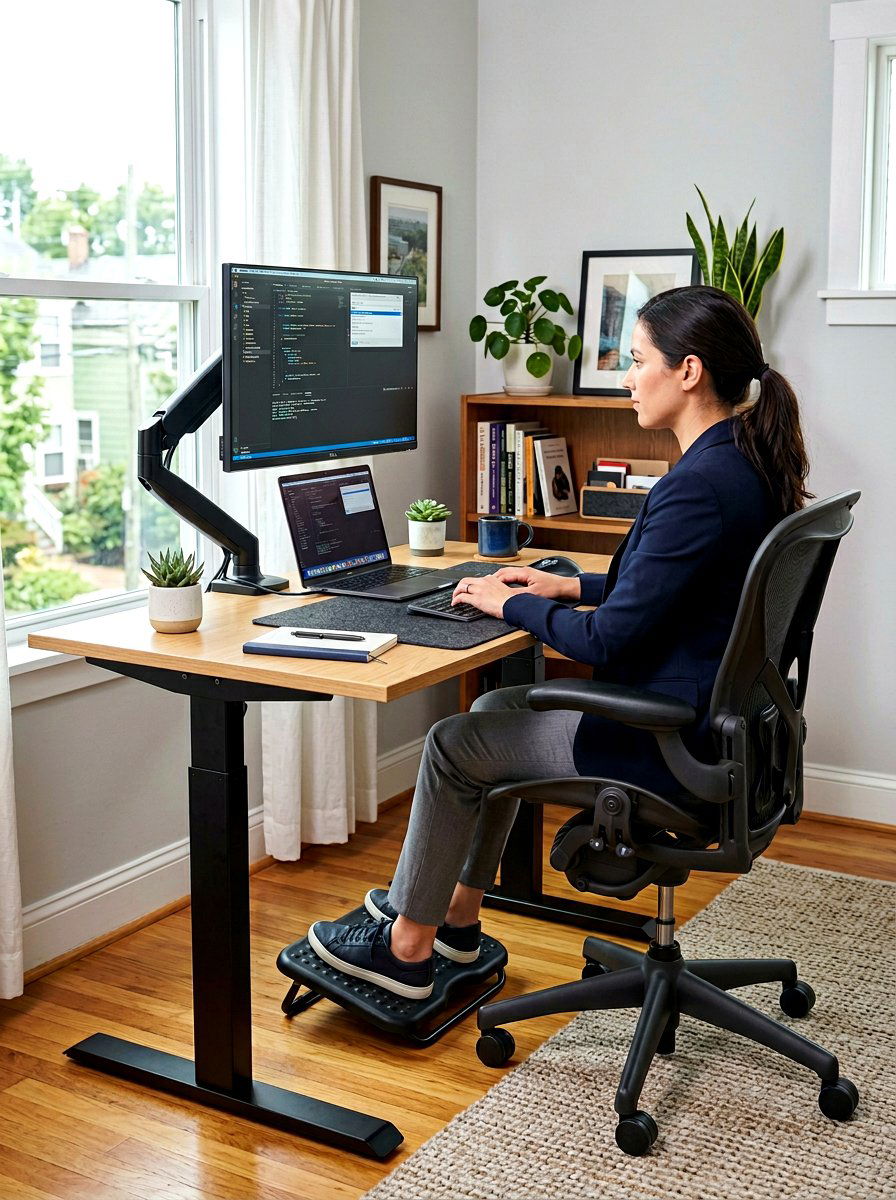
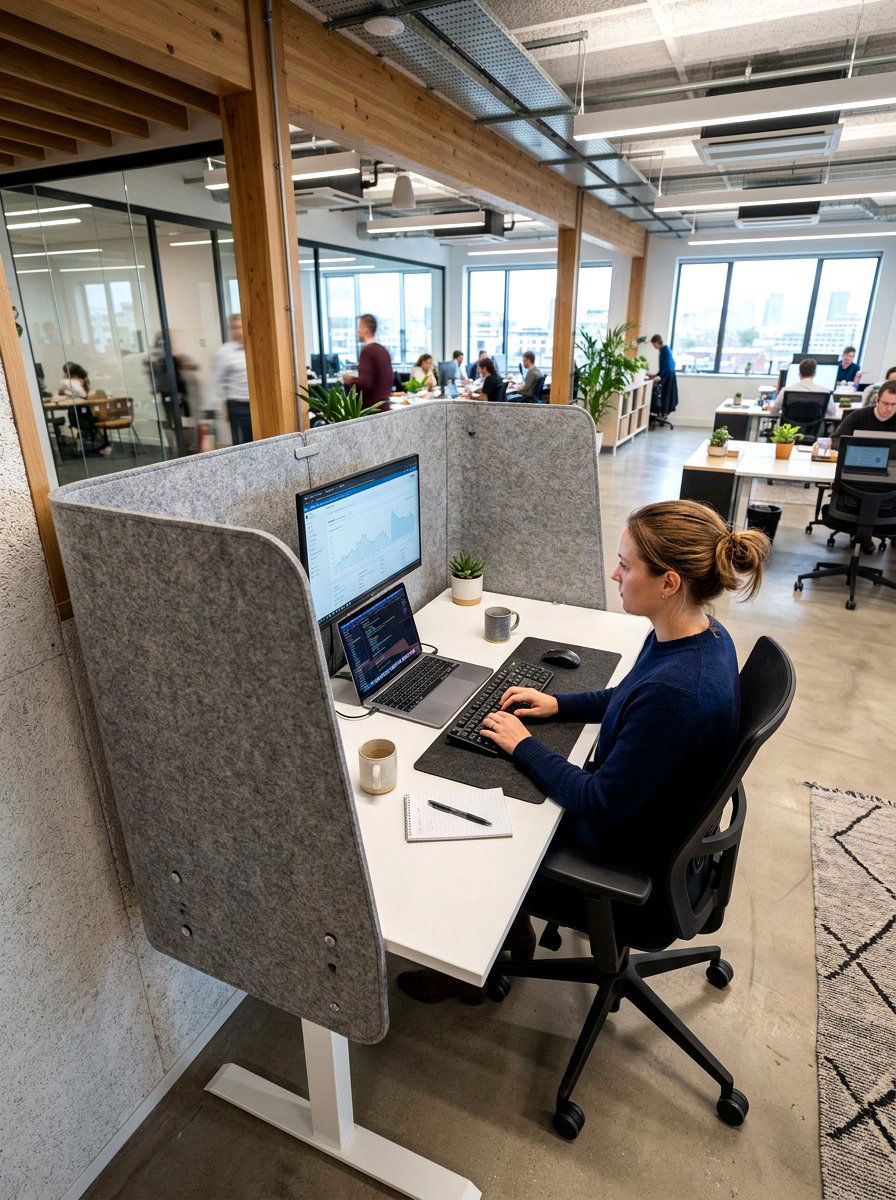
A soundproof home office is essential for maintaining productivity and focus when working from home in a busy or noisy household. Install thick acoustic wall panels or heavy-duty sound-dampening curtains to block out external traffic noise and internal family activities. Use a solid-core door with a high-quality door sweep to seal any gaps where sound might leak into your private workspace. A high-pile area rug over a dense rubber underlay further muffles the sound of footsteps and furniture movement for a quieter environment. This technical setup ensures that your professional environment remains a sanctuary of silence for important calls and deep concentration during the day.
10. Bedroom sitting area
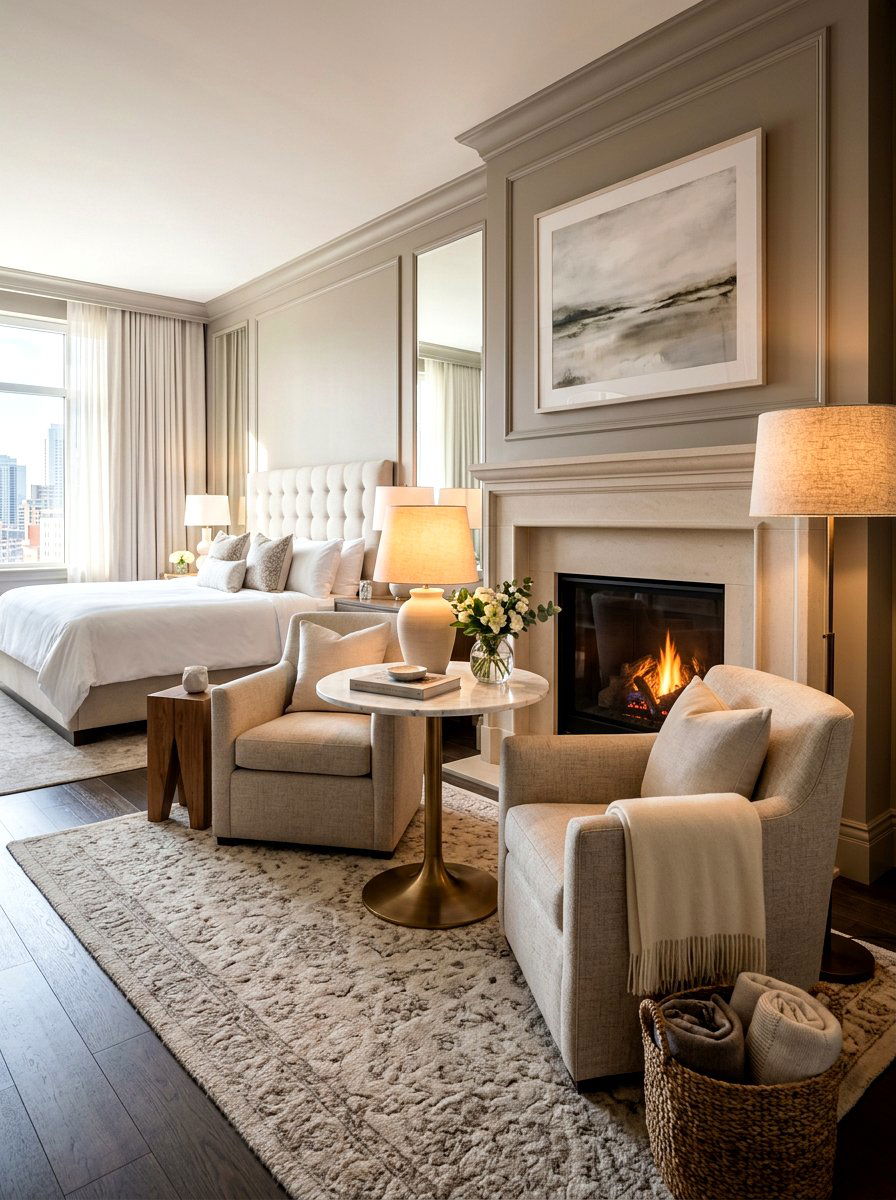
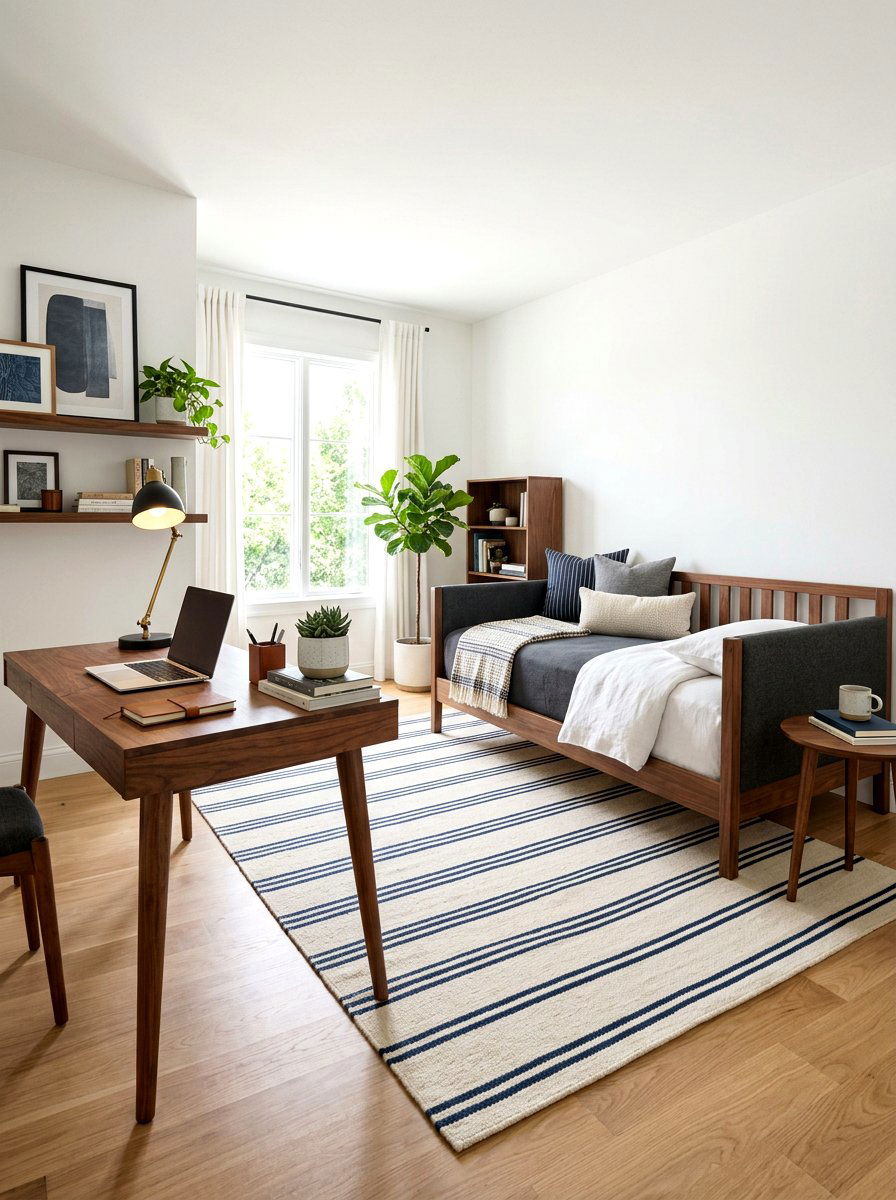
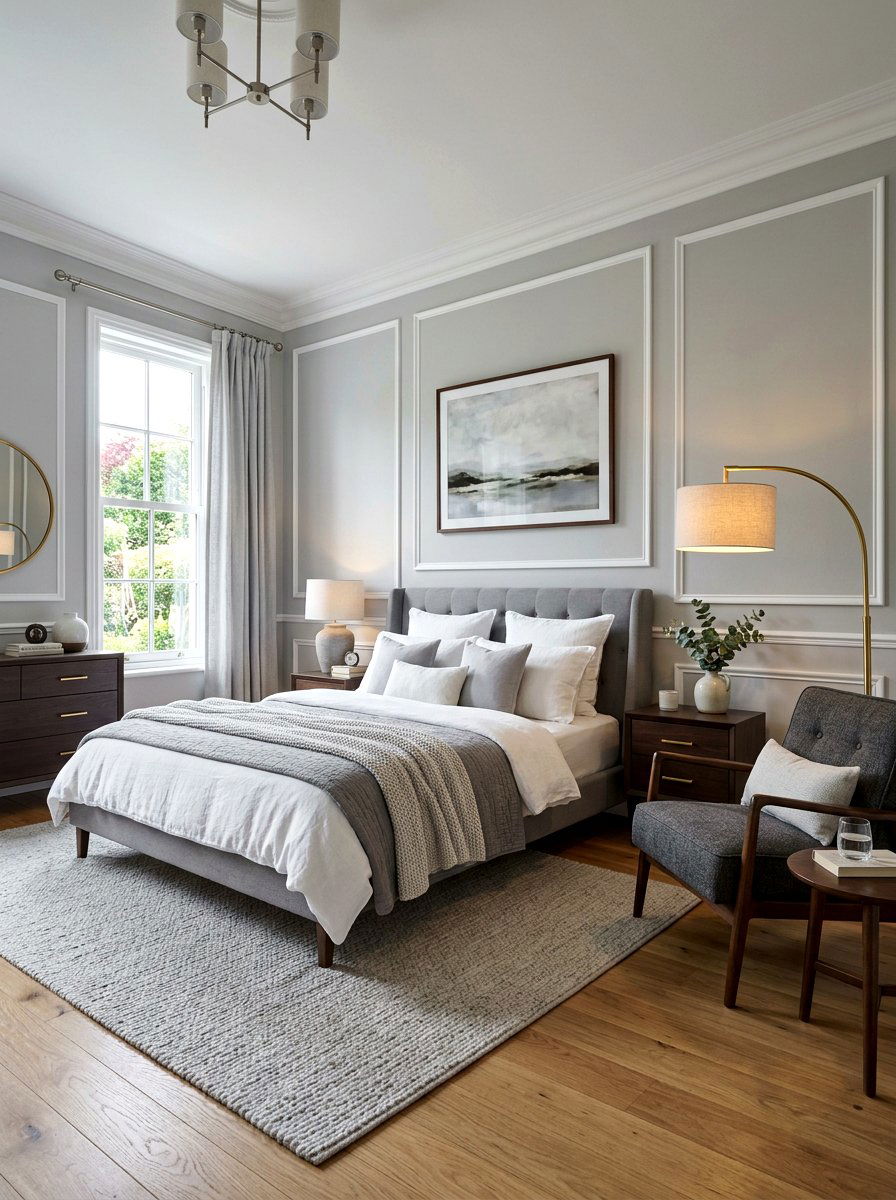
A bedroom sitting area provides a secondary zone of comfort within your primary suite, perfect for winding down before sleeping. Position a pair of slim-profile armchairs and a small round table in front of a fireplace or a large bedroom window. This layout encourages quiet conversation or personal journaling without the need to sit on the bed or leave the room. Use soft, ambient lighting like small table lamps or wall-mounted sconces to create a warm and inviting glow that signals relaxation. Choosing a monochromatic color palette for the furniture ensures the space feels integrated and doesn 't clutter the bedroom' s visual flow.
11. Zen garden corner
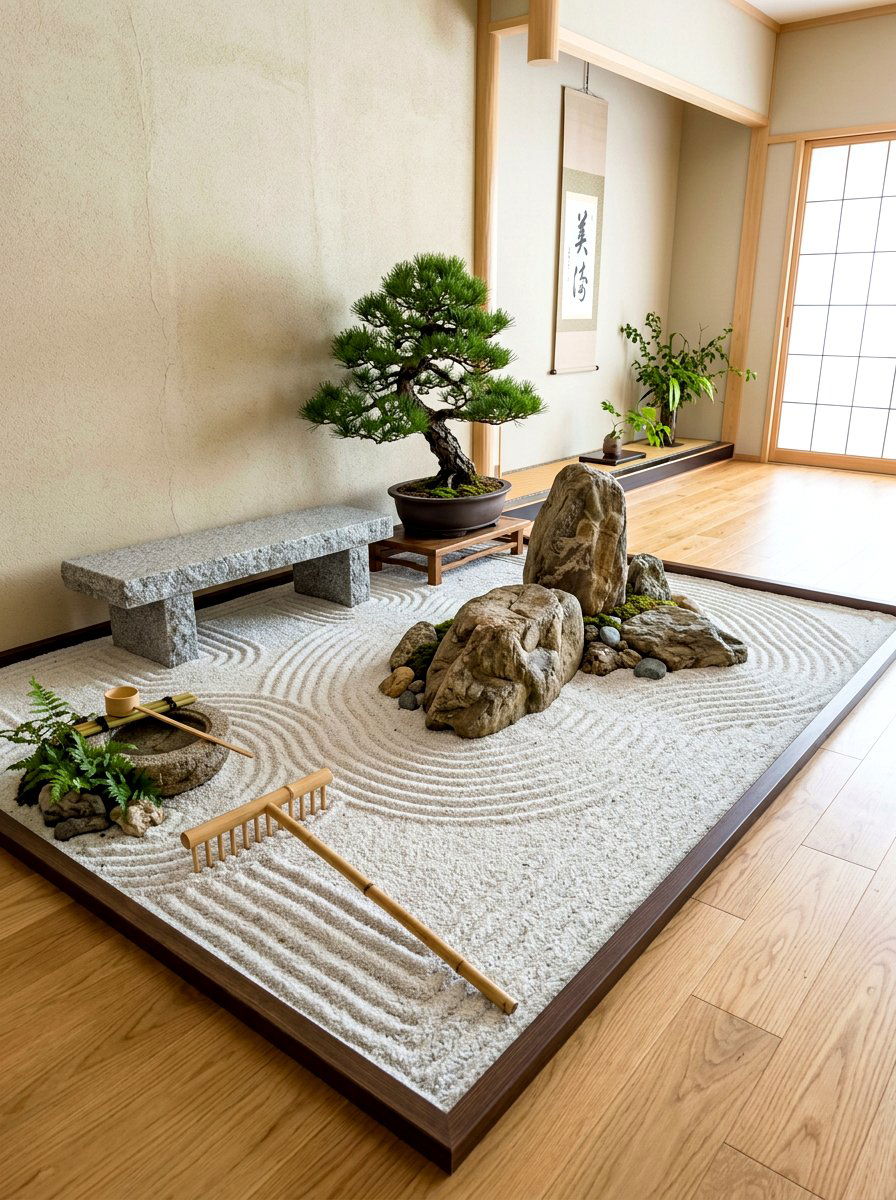
Transforming a small indoor or outdoor area into a Zen garden corner provides a visual and tactile focus for meditation. Use a shallow wooden frame filled with fine white sand or gravel, which can be raked into calming, flowing patterns. Incorporate several large, smooth river rocks and a singular bonsai tree to represent the natural balance and harmony of the earth. A simple stone bench or a low wooden stool nearby offers a place to sit and observe the minimalist landscape. This design encourages a state of "mushin" or clear mind, helping you to find stillness through the repetitive and artistic act of gardening.
12. Spa bathroom theme
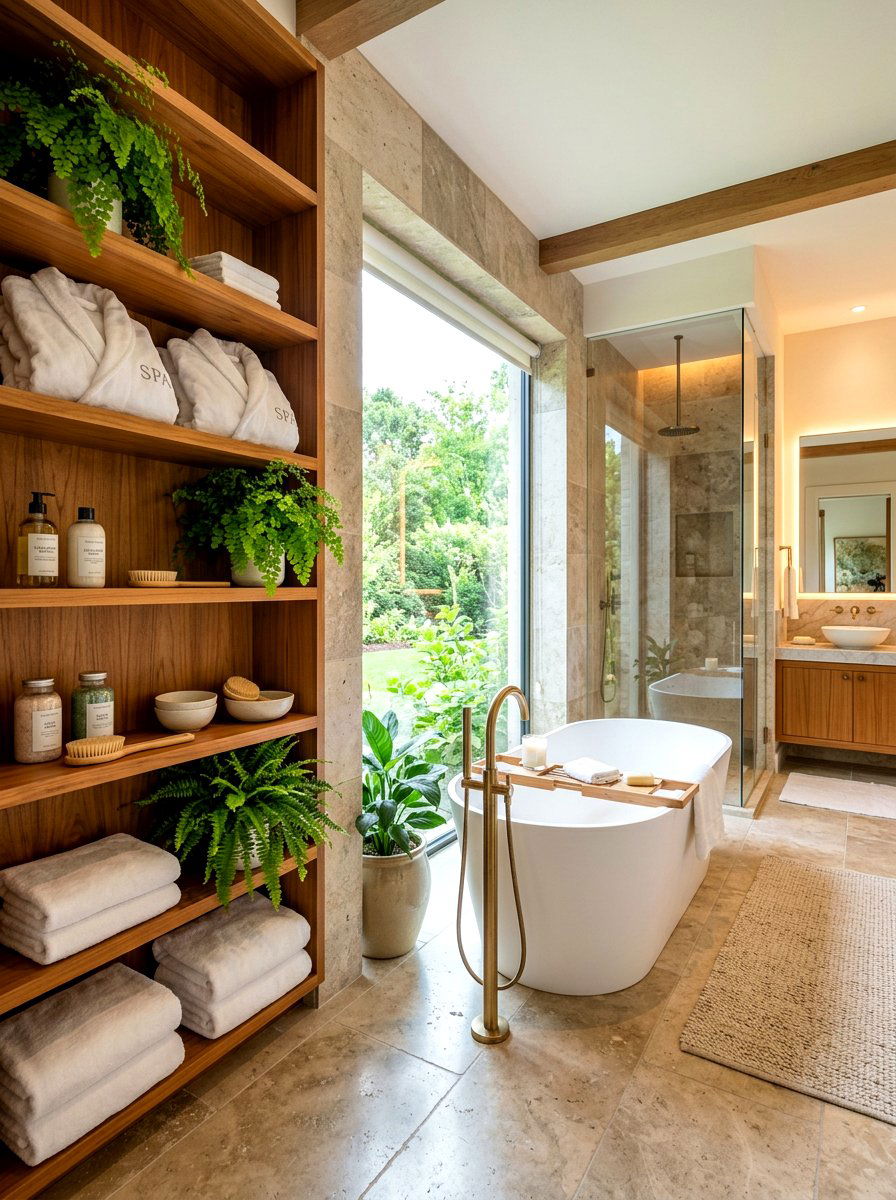
A spa bathroom theme focuses on creating a multi-sensory environment where water and warmth serve as the primary tools for daily relaxation. Install a deep soaking tub as the focal point, surrounded by natural stone tiles and teak wood accents for a warm feel. Use dimmable, recessed lighting and waterproof candles to set a soft mood during evening baths or refreshing morning showers. Incorporate high-quality linen towels and plush robes displayed on open wooden shelving for a high-end, boutique hotel aesthetic. Adding a few moisture-loving plants like ferns or orchids brings a touch of life and color to the clean, white-tiled space.
13. Under stairs nook
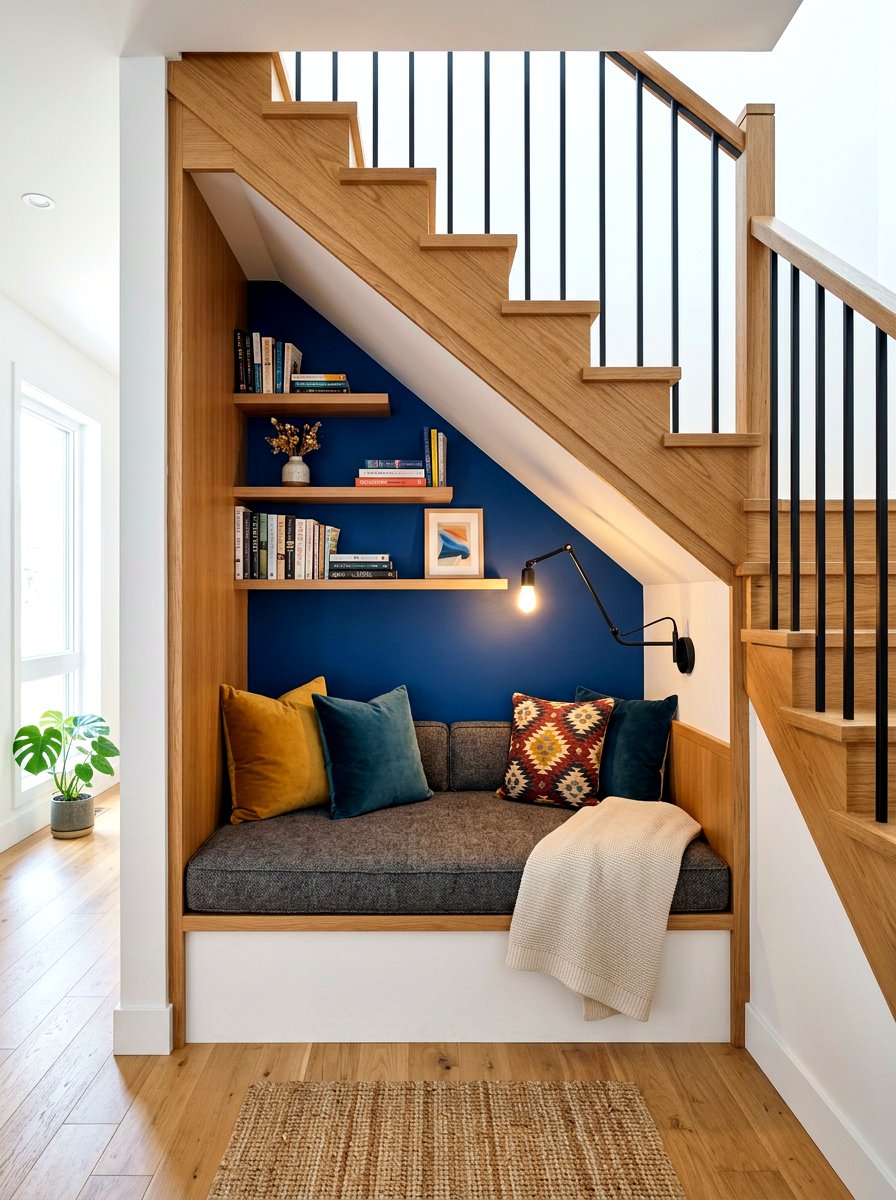
An under stairs nook is a clever way to reclaim unused architectural space and turn it into a tiny sanctuary. Design a custom-fitted bench or a small upholstered daybed that matches the dimensions of the cavity for a perfect fit. Install built-in ledges along the back wall to hold a lamp, a few books, and a small decorative plant. This enclosed, cave-like environment feels naturally protective and safe, making it a favorite spot for children or adults seeking total solitude. Soft lighting tucked into the upper corners of the nook prevents the space from feeling dark while maintaining its cozy and intimate appeal.
14. Small prayer room
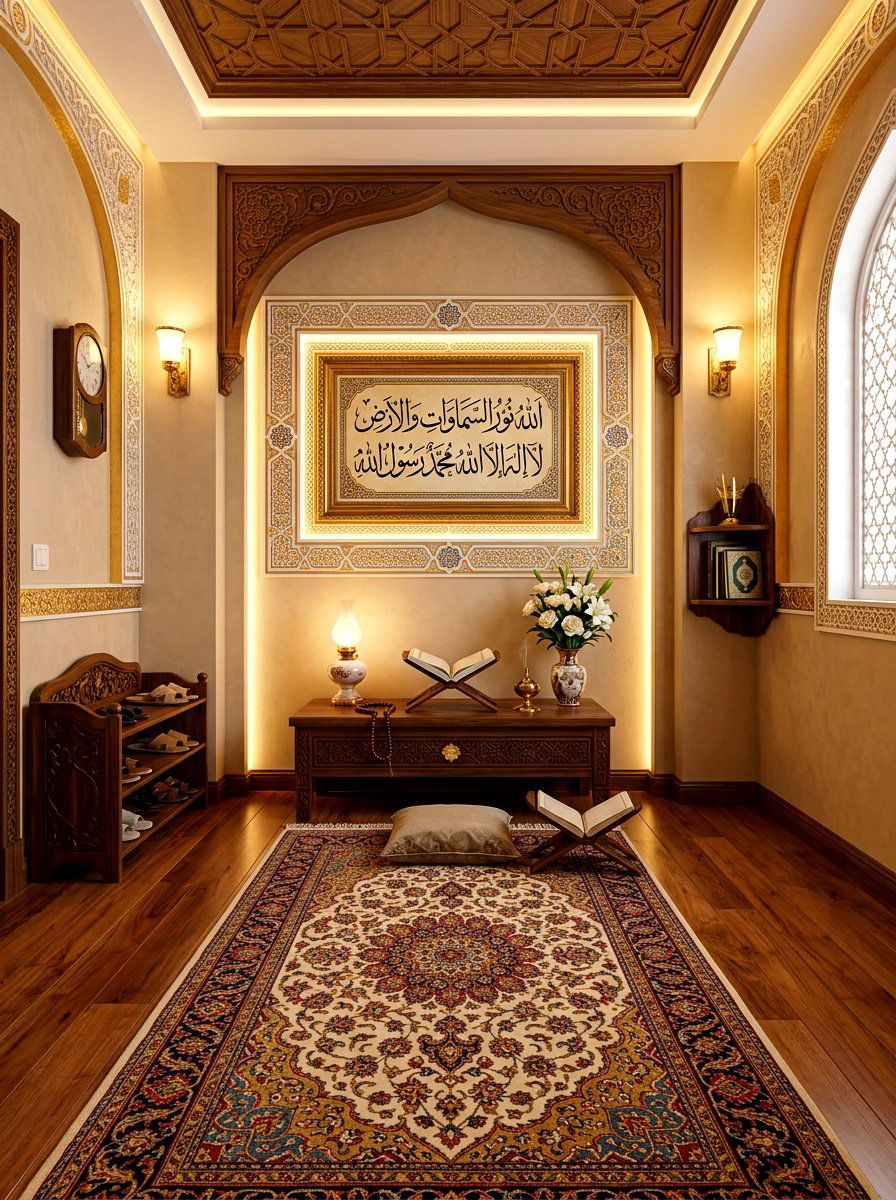
A small prayer room serves as a dedicated sacred space for spiritual reflection, worship, and finding inner peace within the home. Keep the decor minimal and intentional, using symbols or art pieces that hold deep personal meaning and foster a sense of holiness. A comfortable prayer rug or a low-profile altar table can act as the focal point for your daily religious practices. Soft, indirect lighting creates a reverent atmosphere that helps you focus your mind and heart on the present moment. Choosing a palette of warm creams and soft golds enhances the feeling of tranquility and timelessness throughout the entire space.

15. Sensory room layout
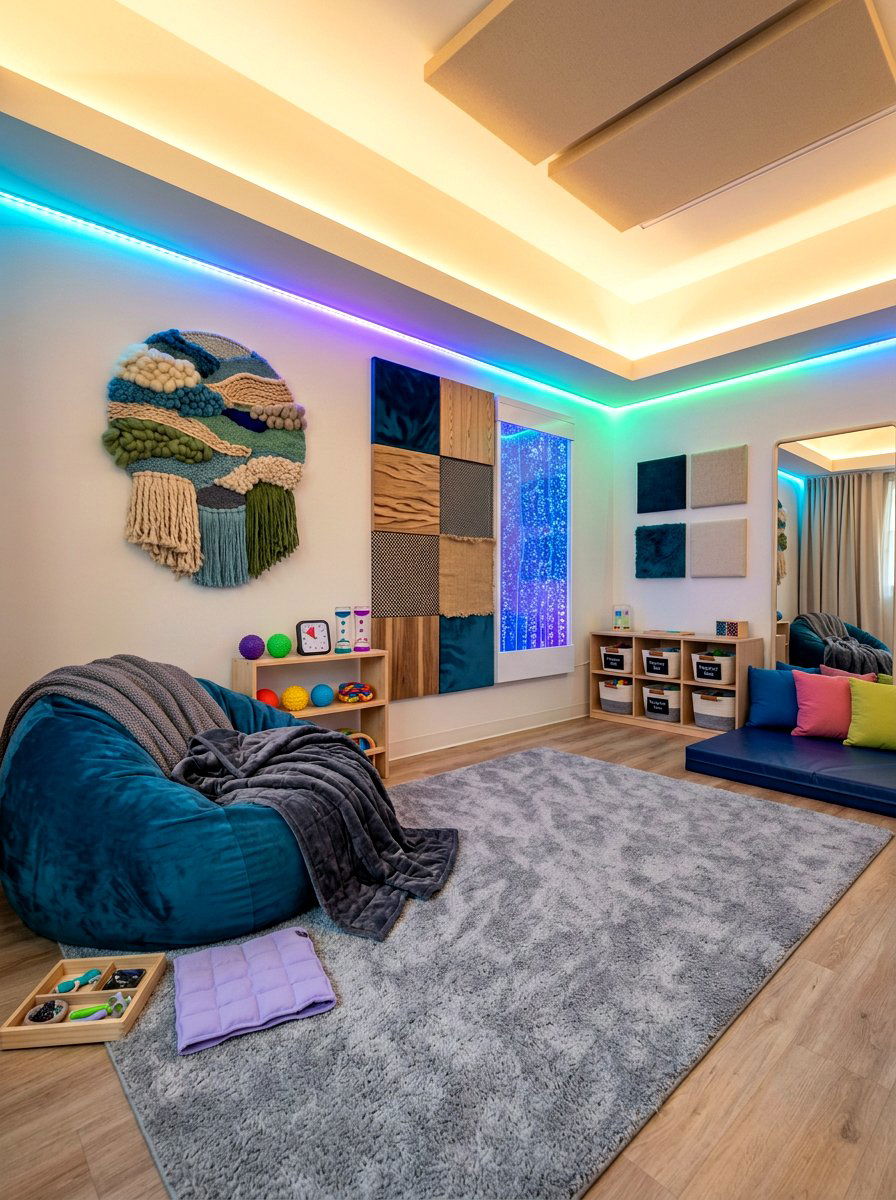
A sensory room layout is specifically designed to provide a controlled environment that helps regulate the nervous system through light and touch. Use adjustable LED strips that can change colors to create a calming blue or a warm amber glow depending on your mood. Incorporate various textures like a weighted blanket, a smooth velvet bean bag, and a thick, textured wall hanging for tactile exploration. Keep the floor space clear to allow for safe movement or lying down while listening to soft, ambient soundscapes or white noise. This room acts as a powerful tool for decompressing after a long day of high-stimulation activities and noise.
16. Art studio workspace
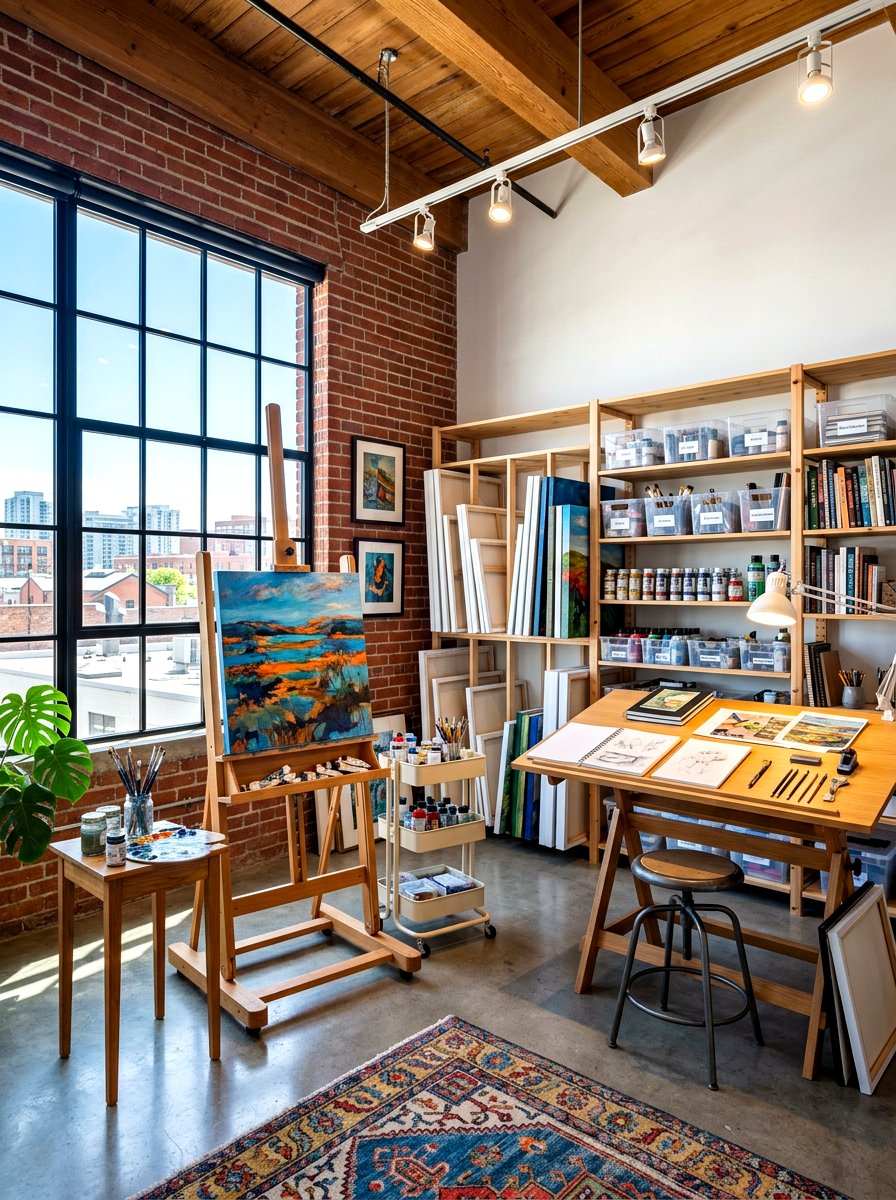
An art studio workspace provides a quiet and creative outlet where the focus is entirely on the process of making and imagining. Position a large, adjustable easel or a sturdy drafting table near a north-facing window to capture consistent and natural light for painting. Use open shelving and labeled bins to organize brushes, paints, and canvases, keeping the work surface clear for artistic production. A comfortable stool with lumbar support ensures you can work for hours without physical strain or distraction from your creative flow. Soft neutral walls allow the colors of your artwork to stand out and become the true soul of the room.
17. Music listening room
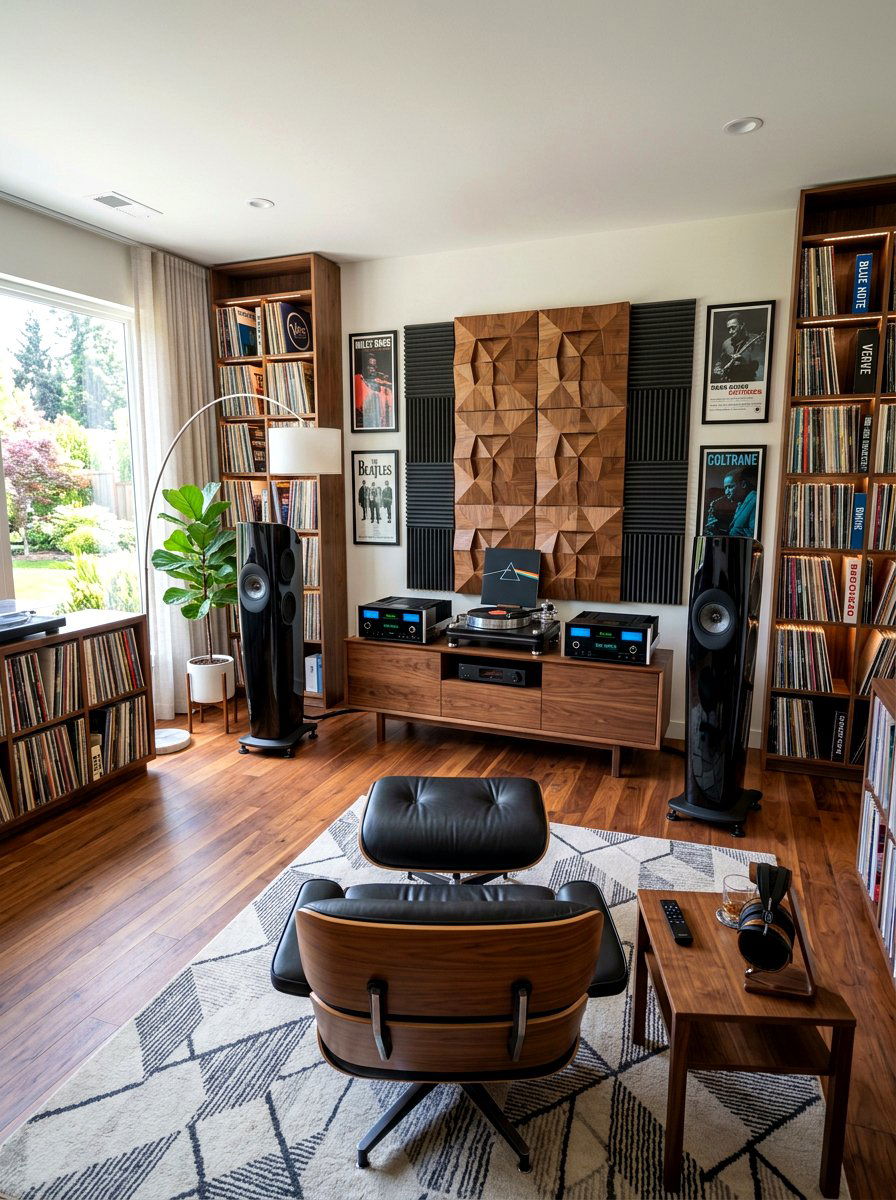
A music listening room is a specialized sanctuary designed for high-fidelity audio enjoyment and total immersion in your favorite musical albums. Arrange a single, high-quality lounge chair in the "sweet spot" of the room where the speakers provide the best stereo image. Use acoustic foam panels or decorative fabric wall art to manage sound reflections and improve the overall clarity of the audio. A dedicated shelf for your vinyl collection or a sleek media console keeps your equipment organized and easily accessible for use. This room encourages the rare practice of active listening, allowing you to appreciate the subtle details of every musical performance.
18. Tea room decoration
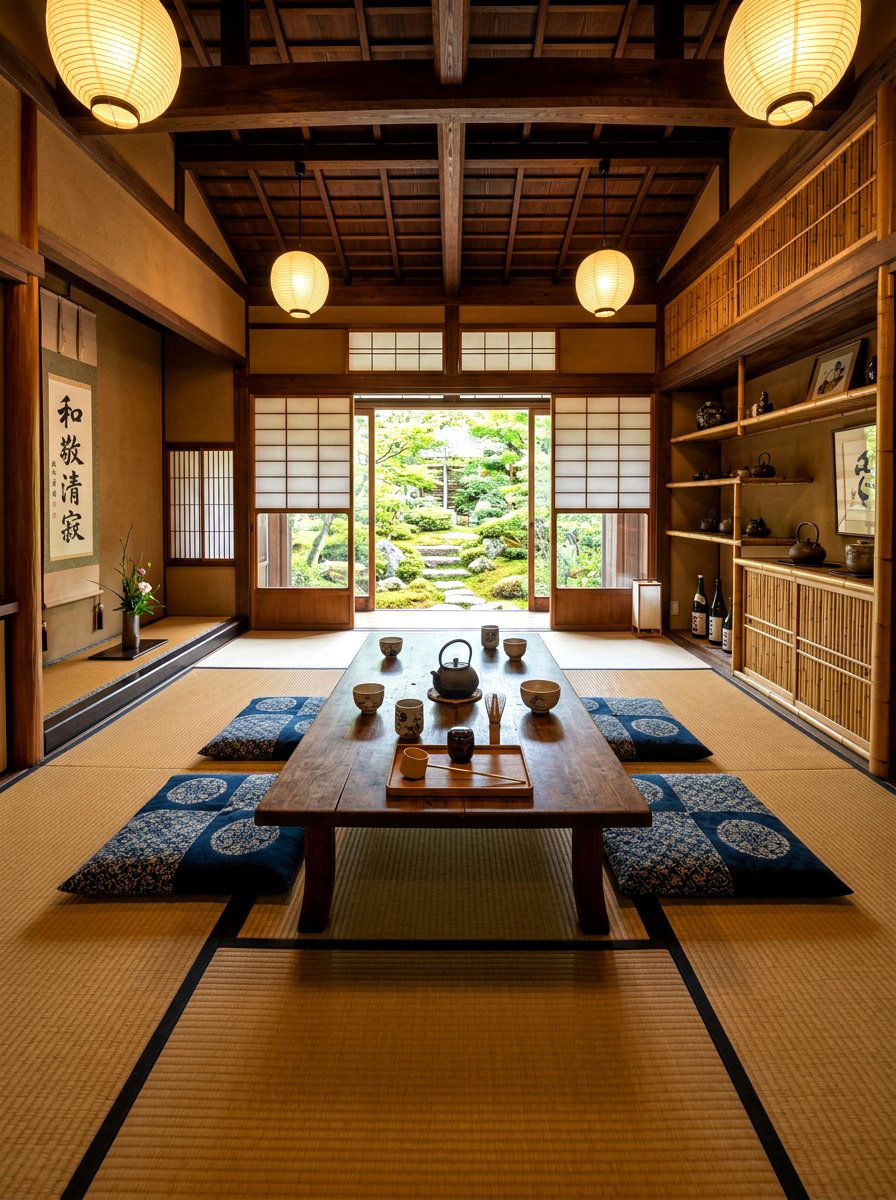
Tea room decoration focuses on the ritual of preparing and drinking tea in a space that feels culturally rich and peaceful. Use a low wooden table and floor cushions to create a traditional seating arrangement that encourages a slower pace of life. Display a curated collection of ceramic teapots and bowls on open bamboo shelving to act as both functional tools and decor. Soft, parchment-style lighting or paper lanterns provide a warm and diffused glow that complements the natural wood tones in the room. This setup creates a dedicated moment for mindfulness, where the only sound is the gentle pouring of warm water.
19. Screen free lounge
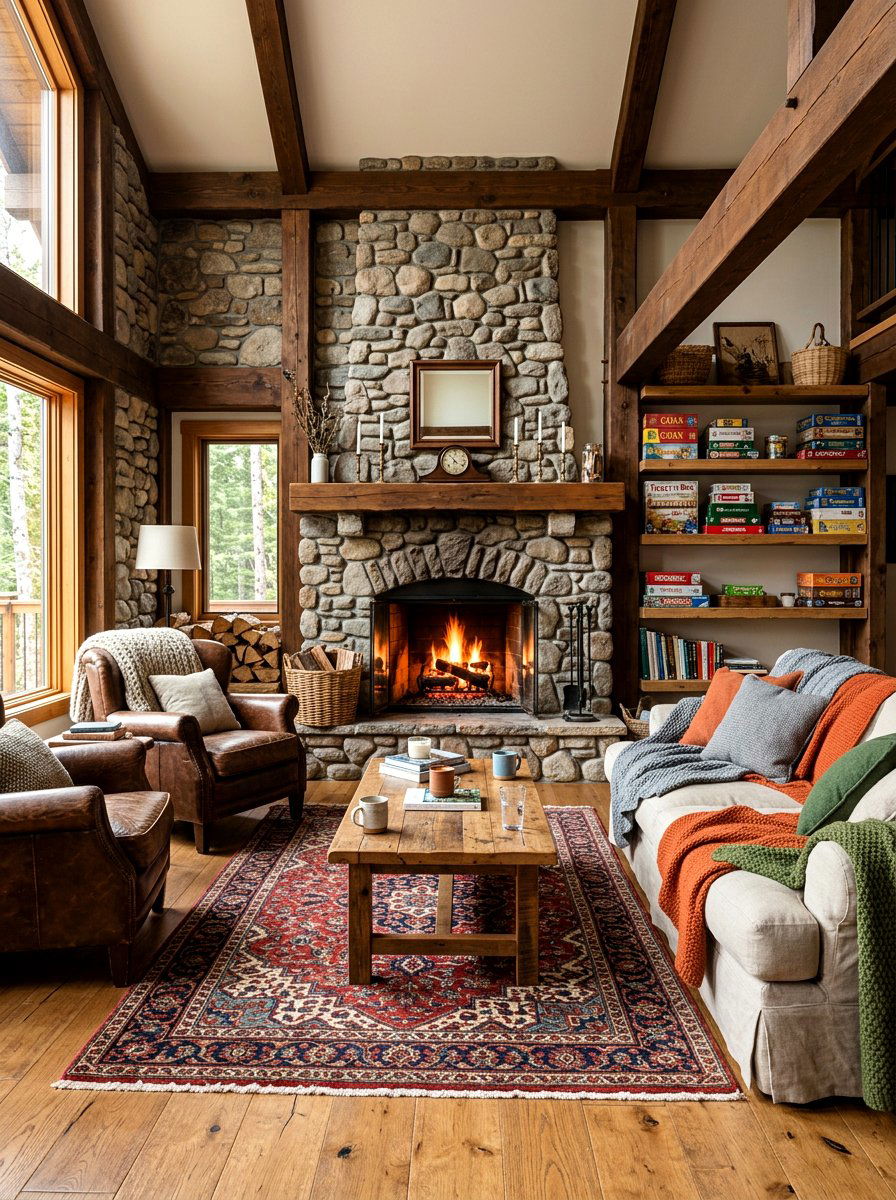
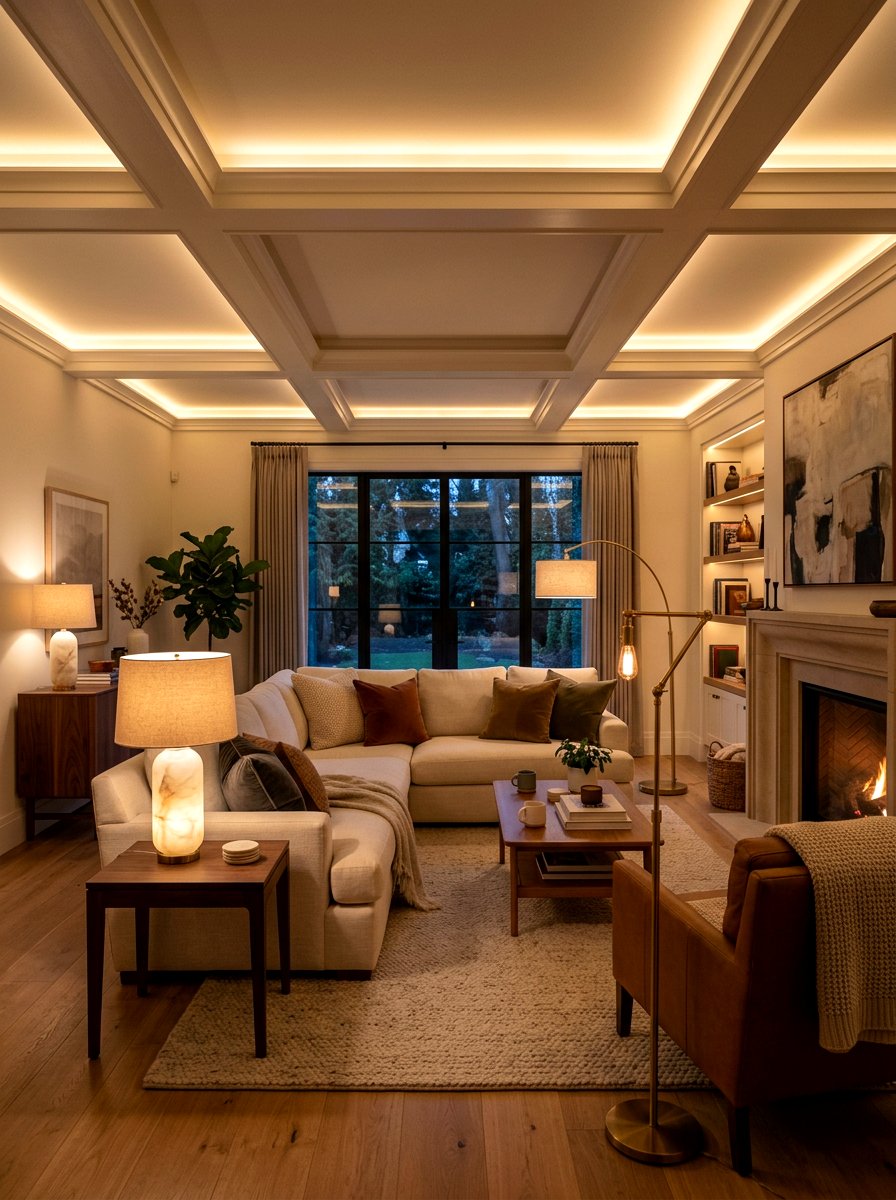
A screen free lounge is a deliberate design choice that removes televisions and computers to prioritize human connection and personal quiet time. Focus the furniture layout around a central coffee table or a crackling fireplace to encourage face-to-face conversation or solo contemplation. Stock the room with board games, puzzles, and a high-quality deck of cards to provide analog entertainment for family and friends. Use plenty of soft textiles, such as wool rugs and knitted throws, to make the space feel cozy and inviting for everyone. This tech-free zone helps to reset your circadian rhythm and reduce the mental fatigue caused by blue light.
20. Neutral nursery theme
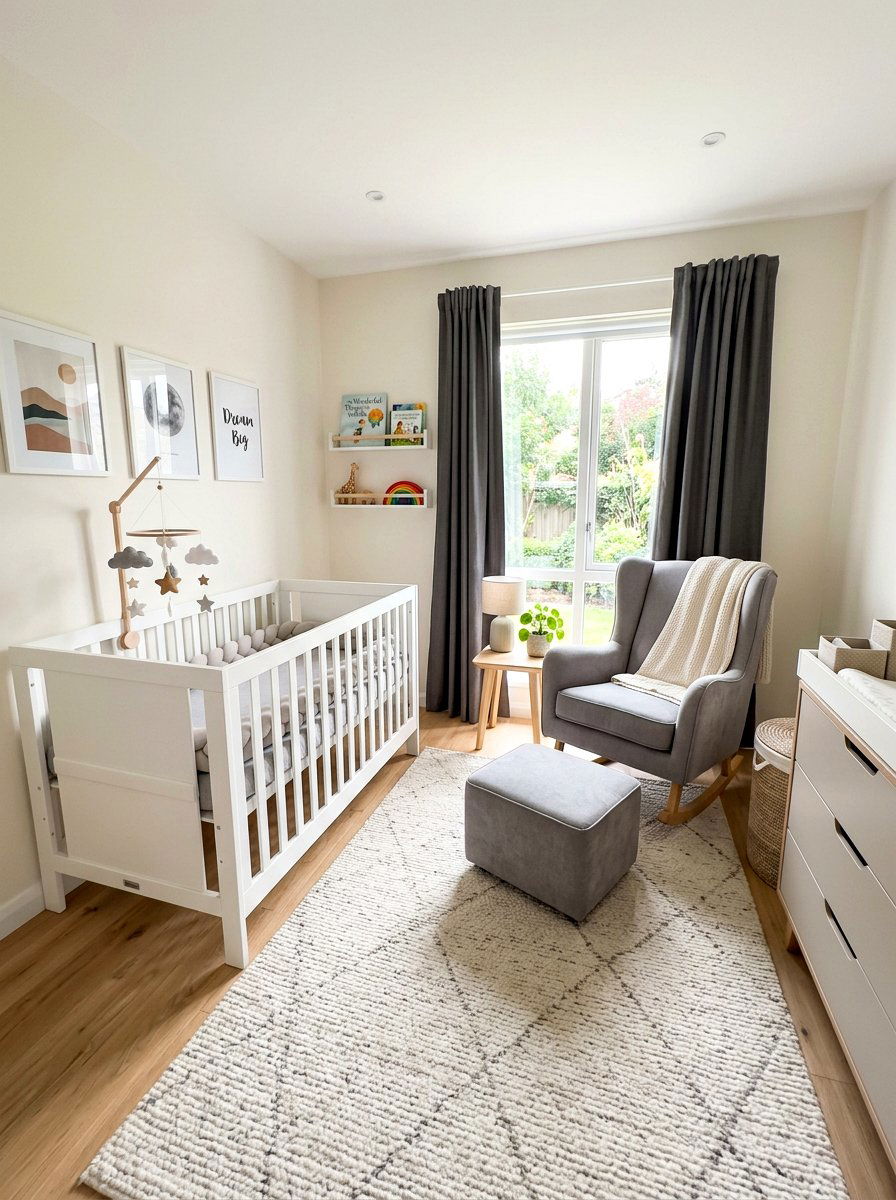
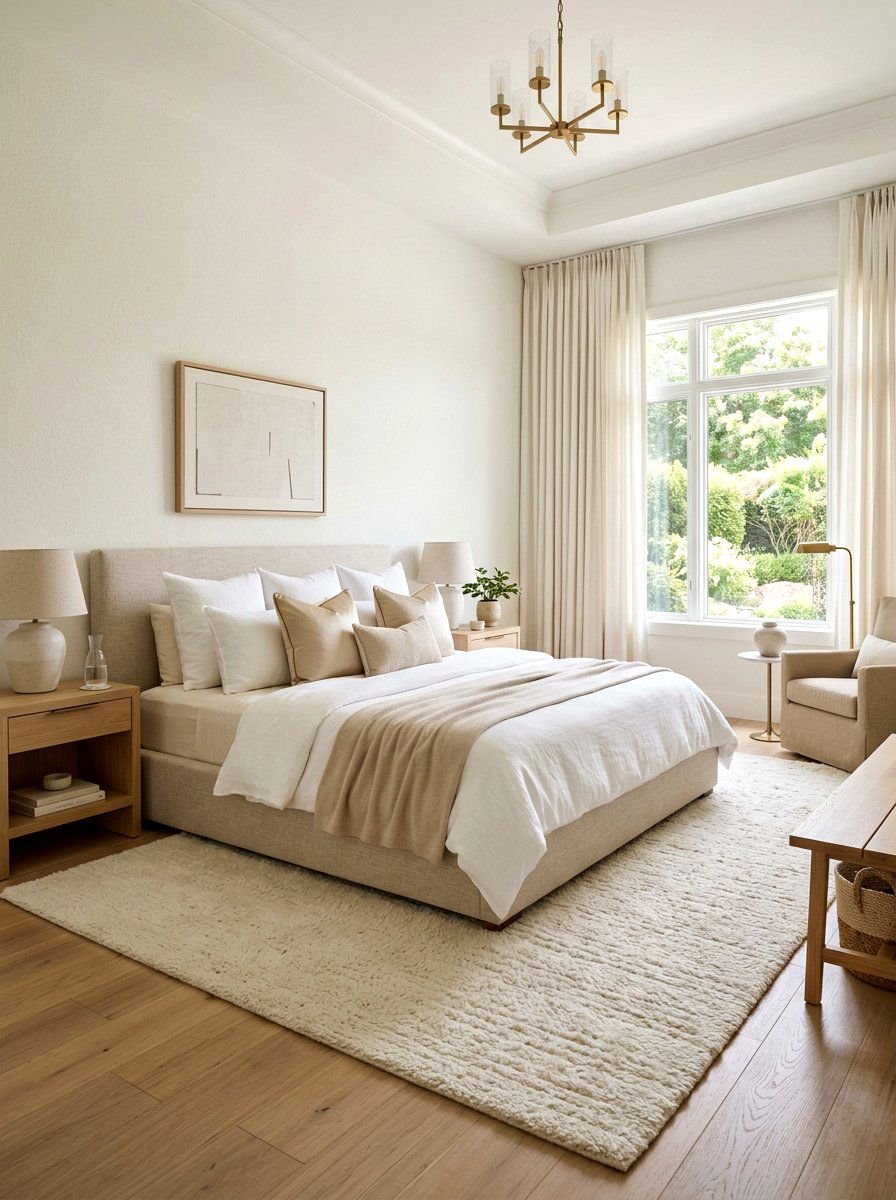
A neutral nursery theme creates a soothing and quiet environment for both infants and parents during the early stages of childhood. Use a palette of soft grays, warm beiges, and muted creams to promote a sense of calm and better sleep for the baby. Choose a comfortable rocking chair or a plush glider with a soft footstool for late-night feedings and gentle bonding moments. Blackout curtains are a essential addition to ensure the room stays dark and quiet during daytime naps and early summer evenings. Natural wood furniture and organic cotton linens add a layer of safety and softness to the overall design of the space.
21. Basement sanctuary setup
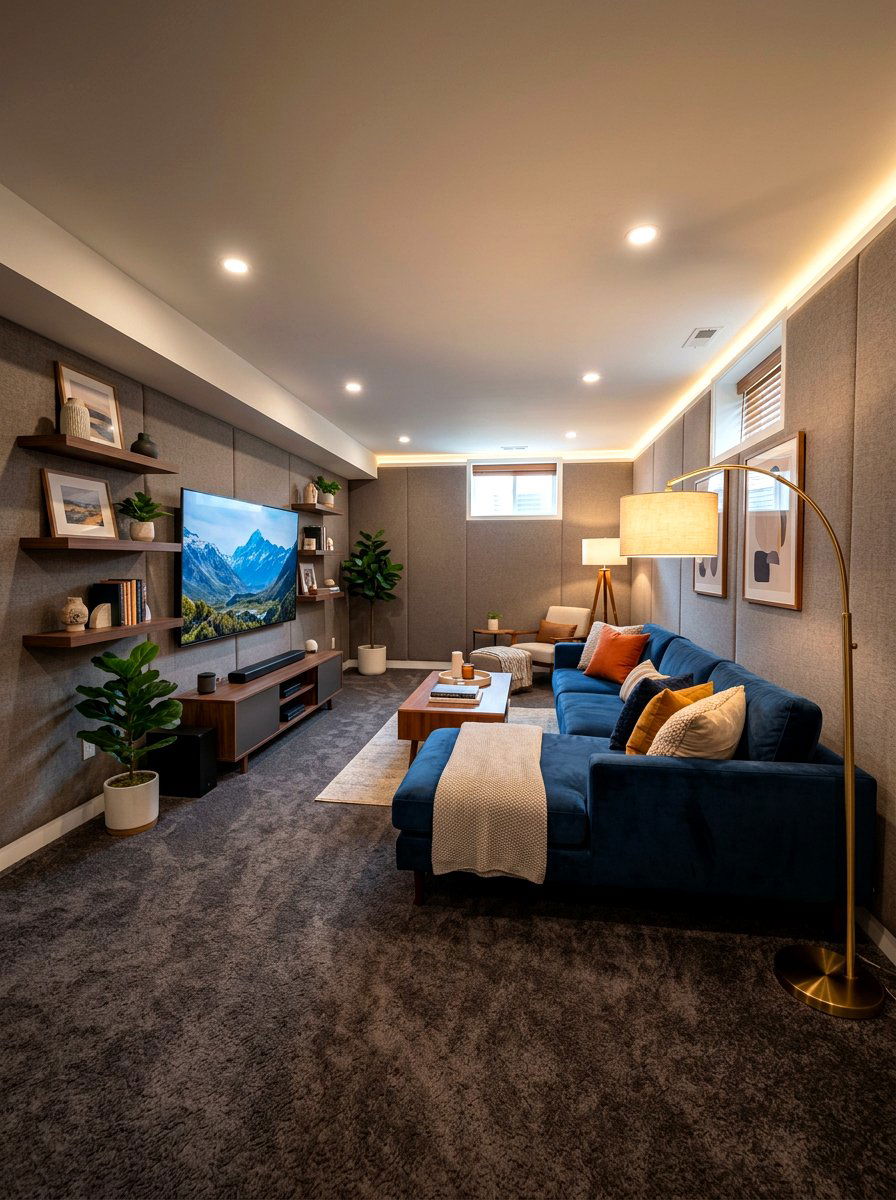
A basement sanctuary setup takes advantage of the natural isolation and coolness of the lower level to create a hidden retreat. Use wall-to-wall carpeting and upholstered wall panels to absorb sound and make the large subterranean space feel warm and cozy. Since natural light may be limited, use a layered lighting plan with dimmable floor lamps and warm-toned LED strips to prevent shadows. A large sectional sofa or a plush daybed provides plenty of room for napping, reading, or simply hiding away from the world. This underground escape is the perfect place for total solitude and deep relaxation far from household noise.
22. Balcony relaxation area
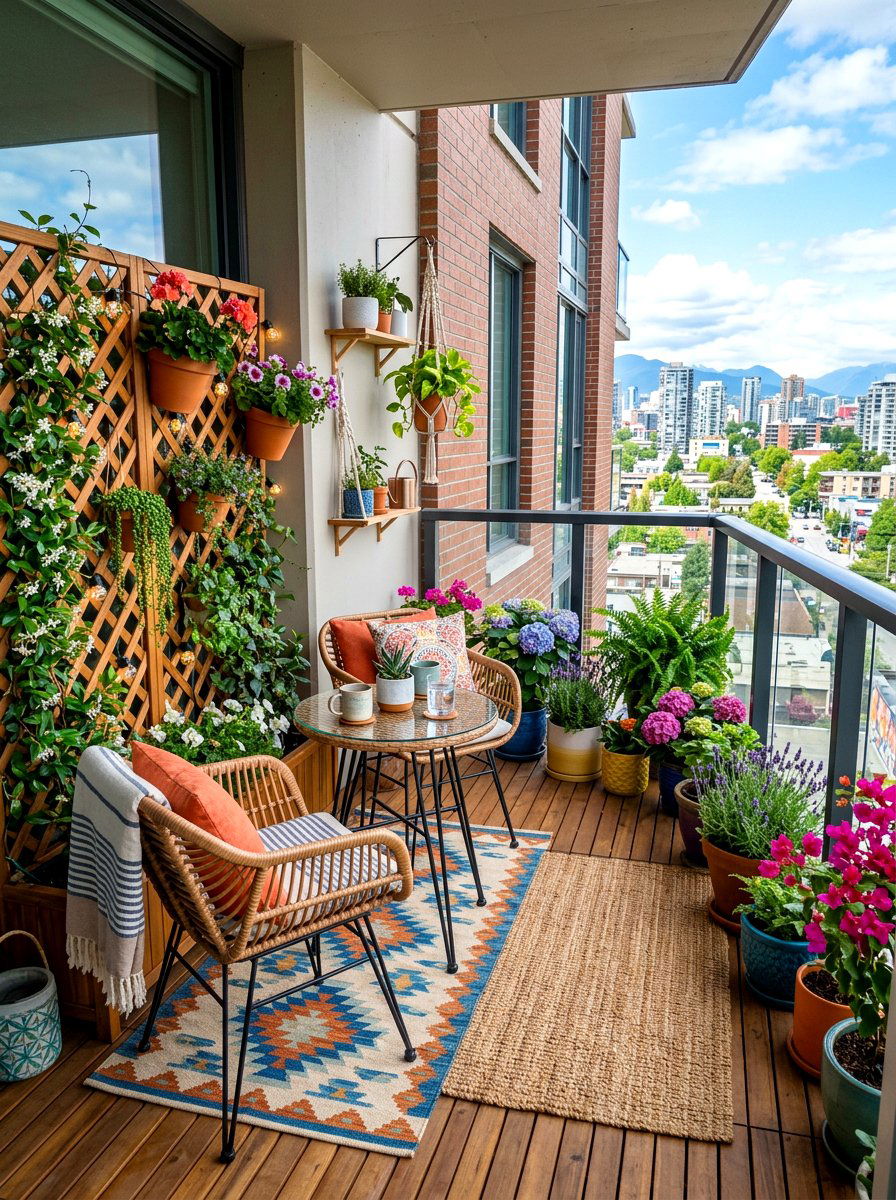
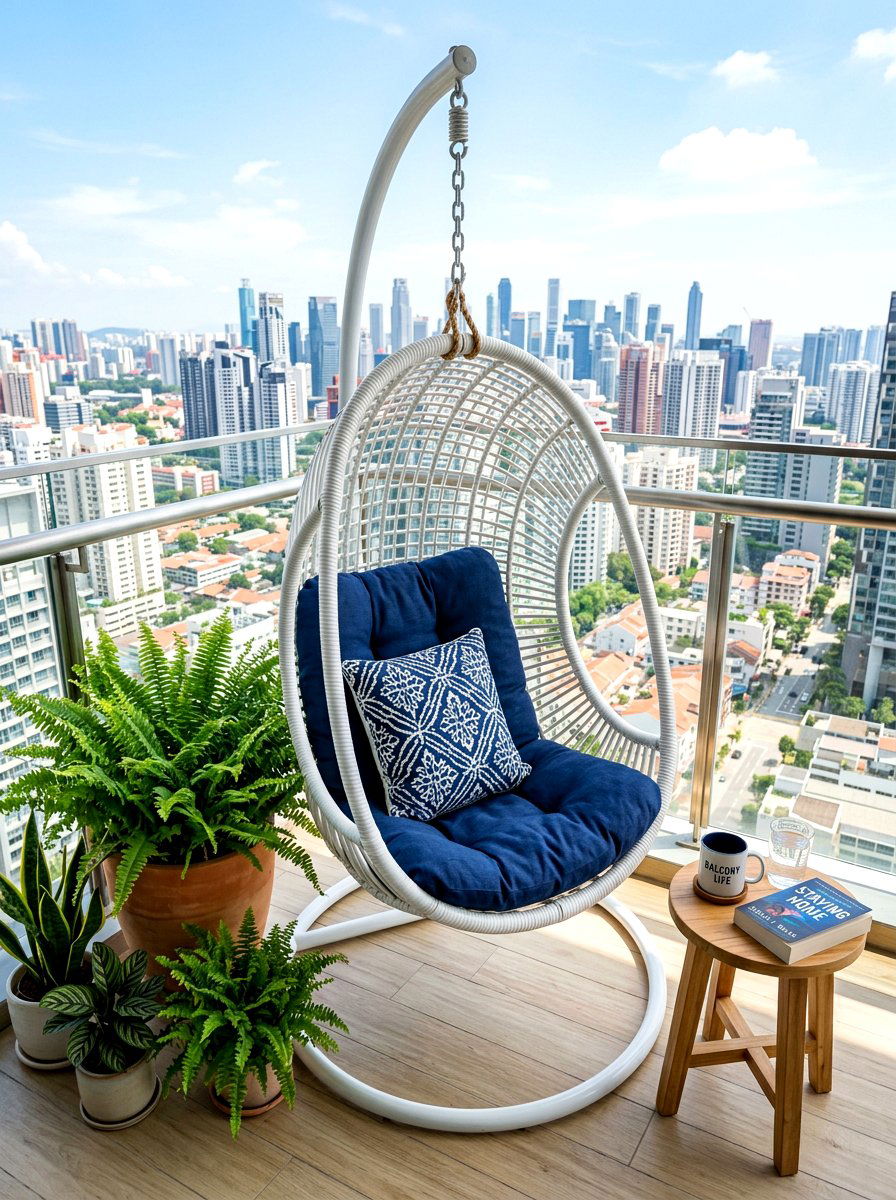
A balcony relaxation area allows you to enjoy the fresh air and outdoor views while maintaining a private and quiet pocket of space. Use weather-proof outdoor rugs and slim-profile furniture to maximize the small footprint without making the area feel crowded or cluttered. Install privacy screens made of wood slats or tall potted plants to block the view of neighbors and dampen street noise. A small bistro table and a comfortable chair with a high back provide a perfect spot for morning coffee or evening journaling. Adding a set of solar-powered string lights creates a magical and soft ambiance after the sun goes down.
23. Loft space retreat
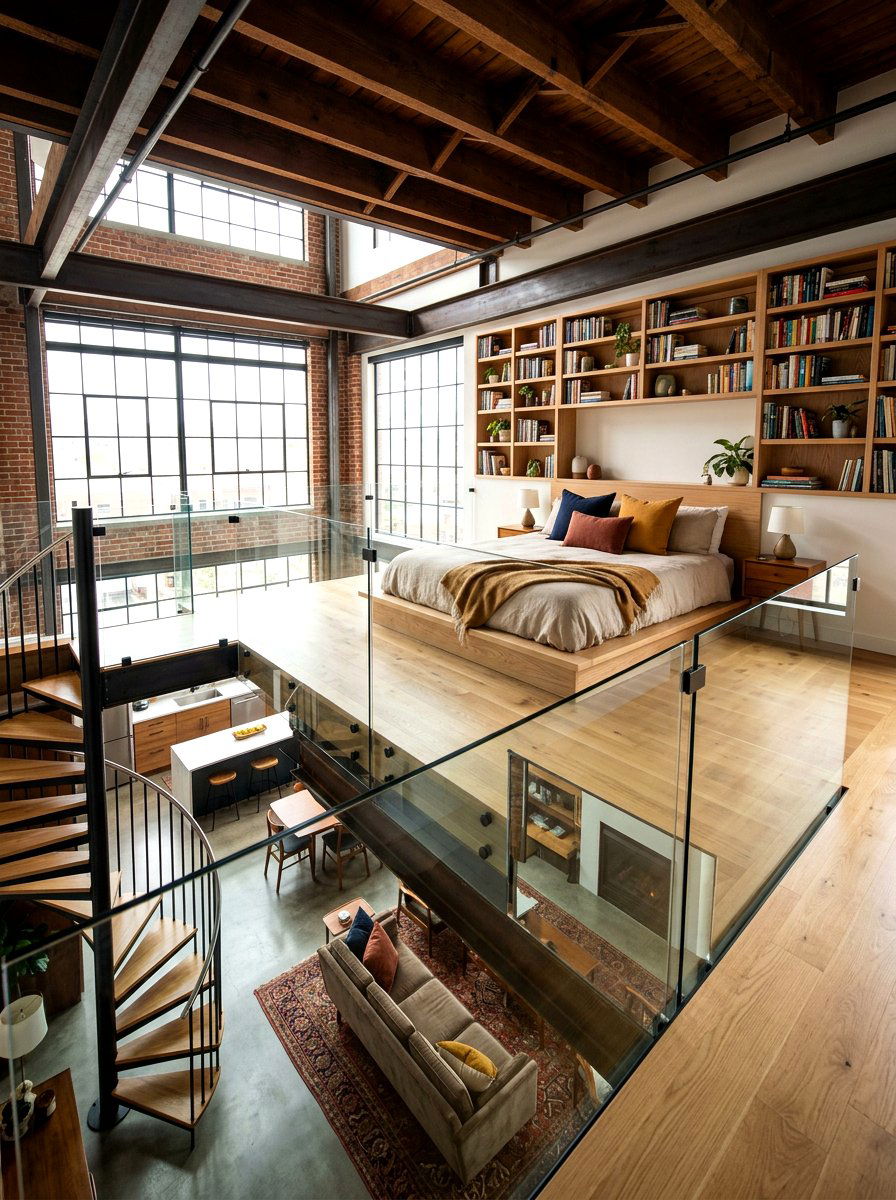
A loft space retreat utilizes the elevated perspective of a home to create a quiet zone that feels separate from the main living areas. Use a low-profile platform bed or a set of floor cushions to keep the visual weight low and maintain the airy feel. Clear glass railings allow light to flow through the house while keeping the loft safely enclosed and visually connected to the architecture. A dedicated desk for writing or a small bookshelf turns this high-up corner into a functional study or a private creative nook. This vertical separation provides a natural psychological barrier that helps you feel instantly more relaxed.
24. Guest room sanctuary
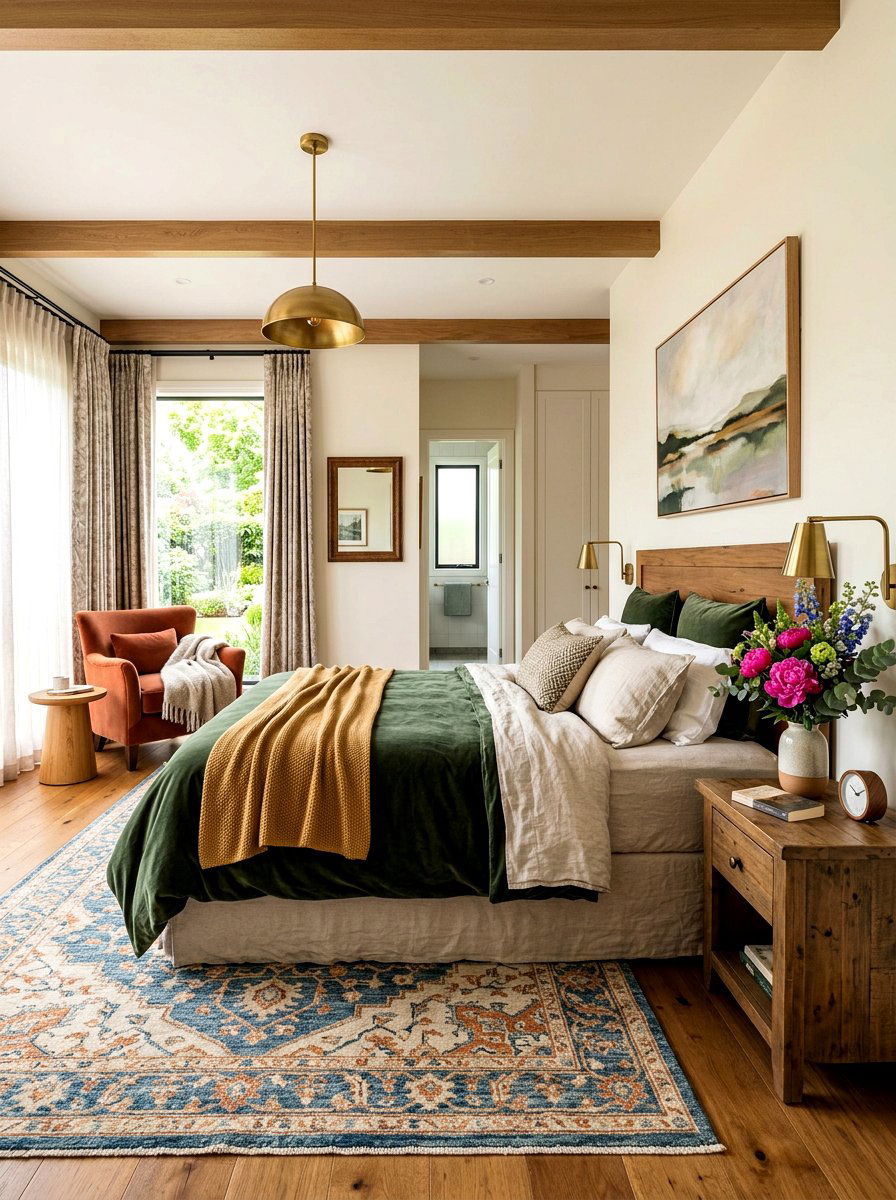
A guest room sanctuary is designed to make visitors feel instantly at home by providing a peaceful and clutter-free environment for rest. Invest in high-quality linens and a supportive mattress to ensure your guests have the most restorative and quiet sleep possible. Keep the decor simple with a few pieces of local art and a fresh vase of flowers on the nightstand. Provide a comfortable chair and a small selection of books so guests can enjoy their own private time without feeling obligated to socialize. This thoughtful approach turns a temporary stay into a luxurious and calming experience that your friends will always remember.
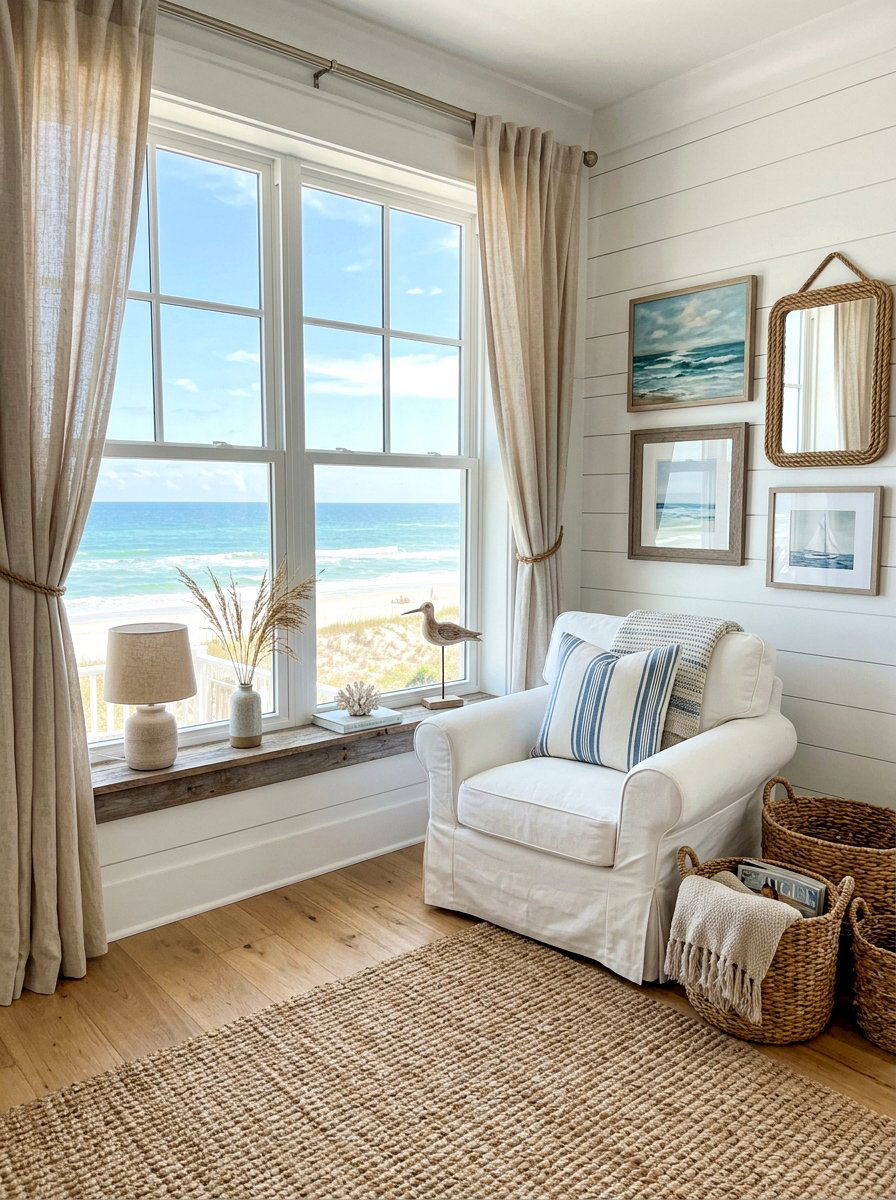
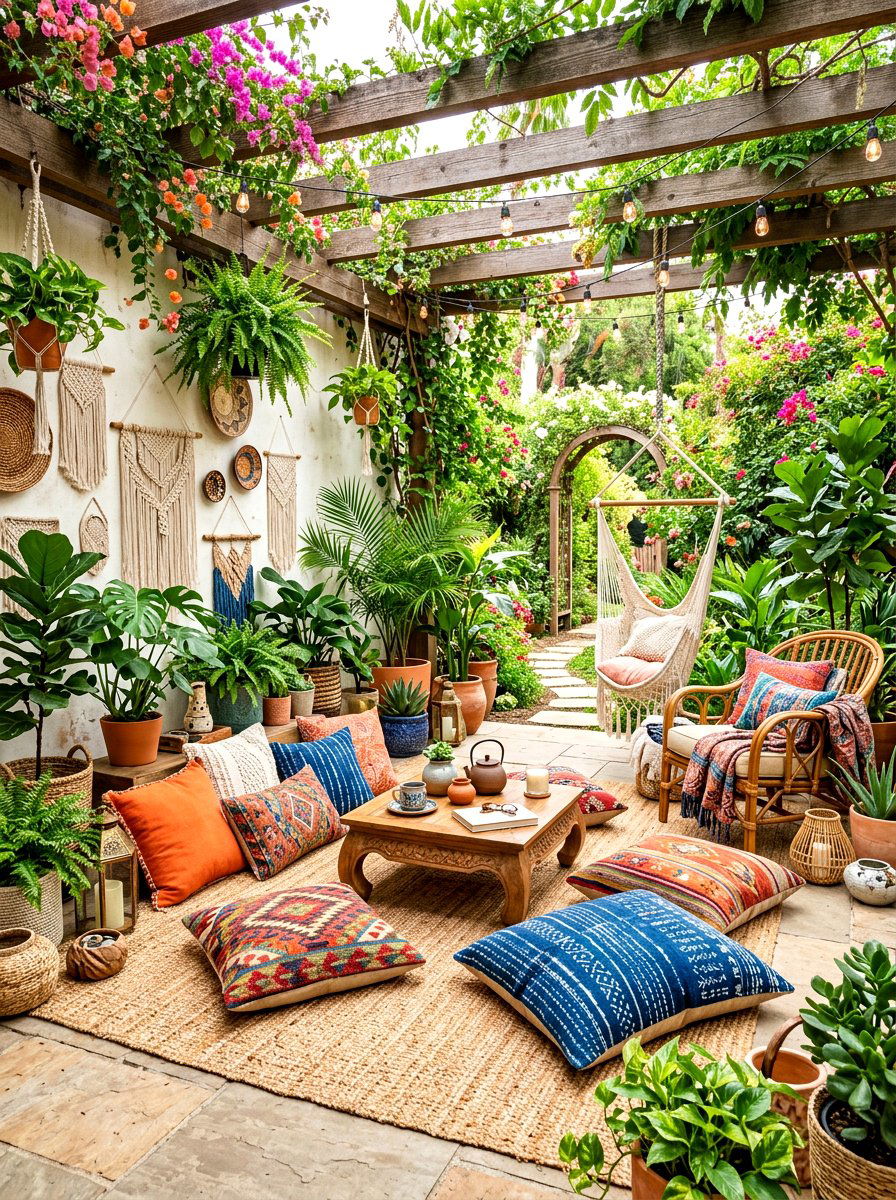
25. Japandi lounge area
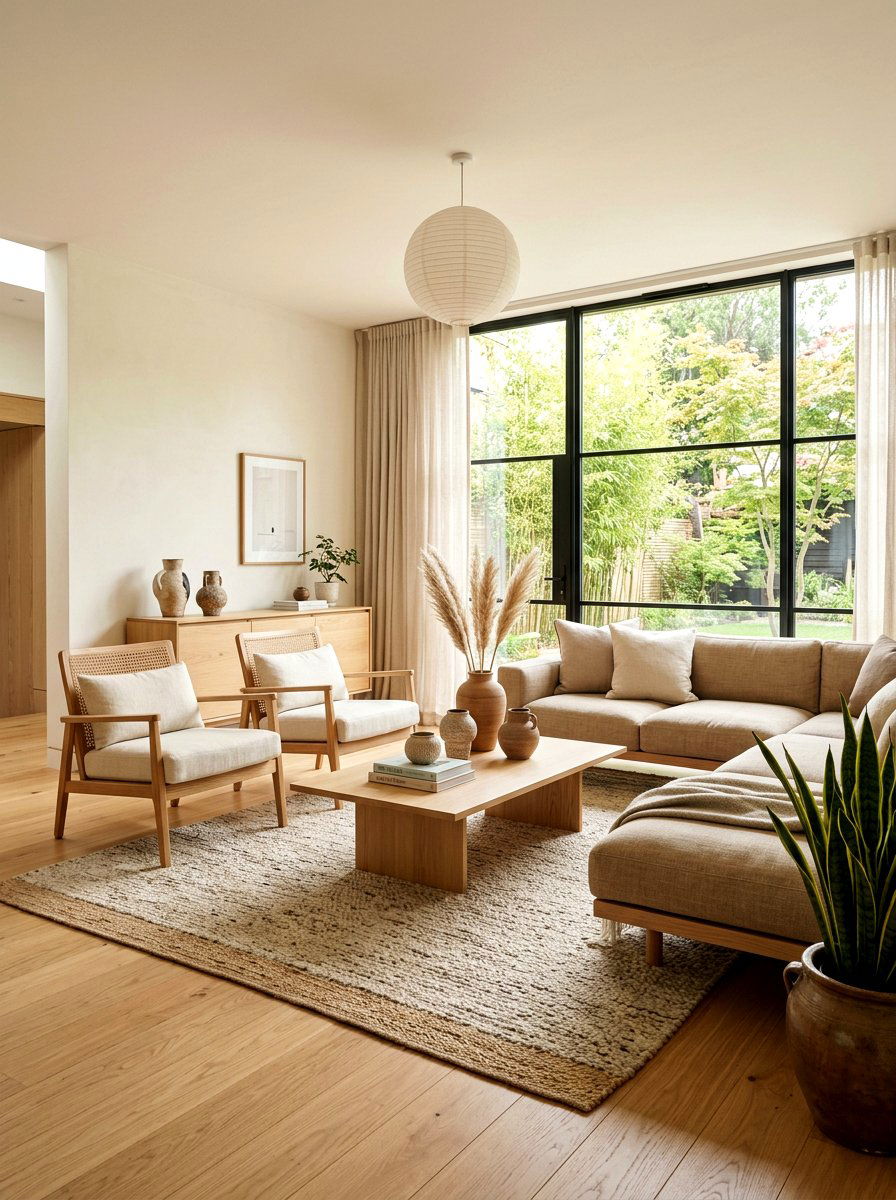
A Japandi lounge area blends the functionality of Scandinavian design with the rustic minimalism of Japanese aesthetics for a perfectly quiet space. Use furniture with clean lines made from light-toned woods like oak or ash, paired with natural textiles like linen and wool. The color palette should remain strictly neutral, focusing on soft whites, muted clays, and deep charcoal accents for a balanced look. Incorporate a few high-quality handcrafted items, such as a ceramic vase or a woven basket, to add warmth and personal character. This style prioritizes "wabi-sabi, " or finding beauty in imperfection, which helps to create a grounded and peaceful atmosphere.
26. Writing desk nook
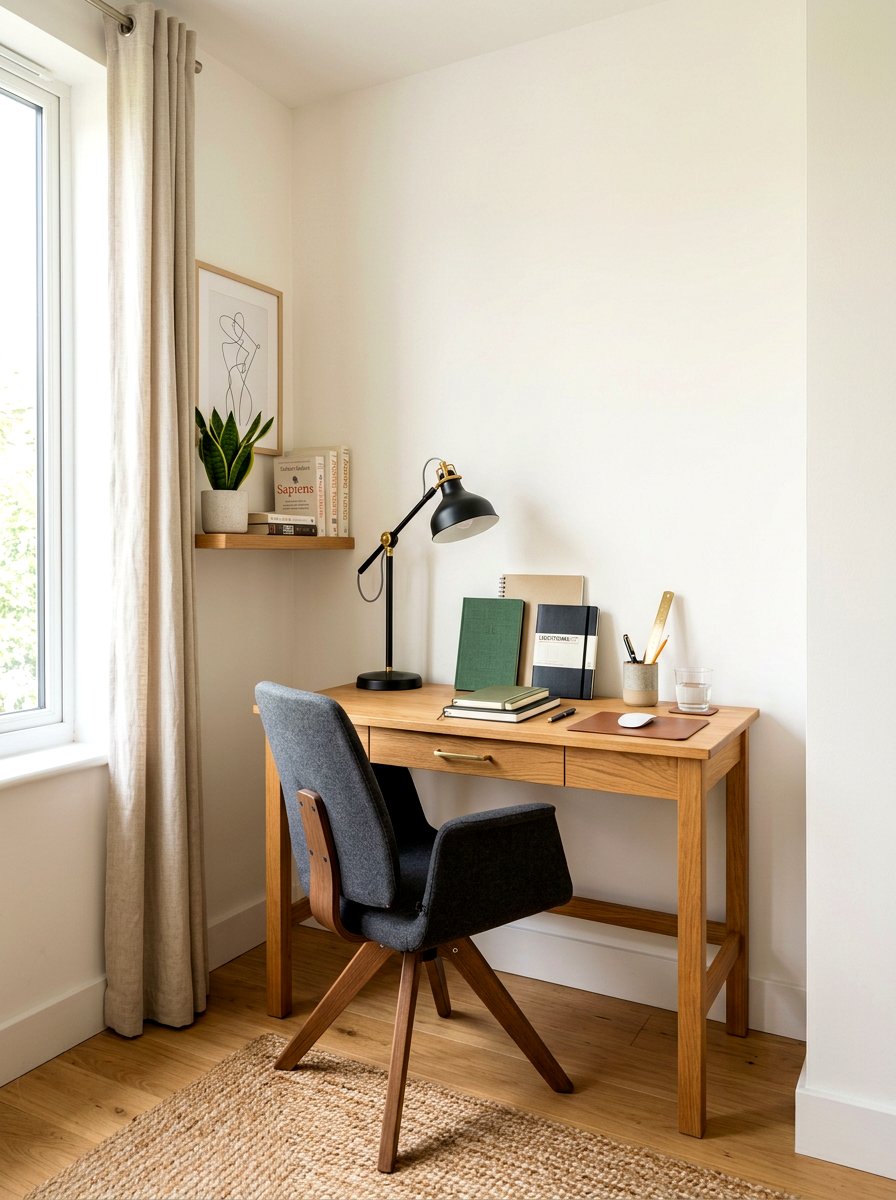
A writing desk nook provides a dedicated and quiet spot for journaling, letter writing, or creative work that requires deep mental focus. Position a small wooden desk in a quiet corner of a bedroom or living room, ideally facing a blank wall to minimize distractions. Use a comfortable chair with proper ergonomic support to ensure your body stays relaxed during long sessions of thinking and writing. Organize your pens, paper, and notebooks in small wooden trays to keep the work surface clear and visually appealing. A small desk lamp with a warm bulb provides focused lighting that makes the space feel intimate and very personal.
27. Relaxation corner setup
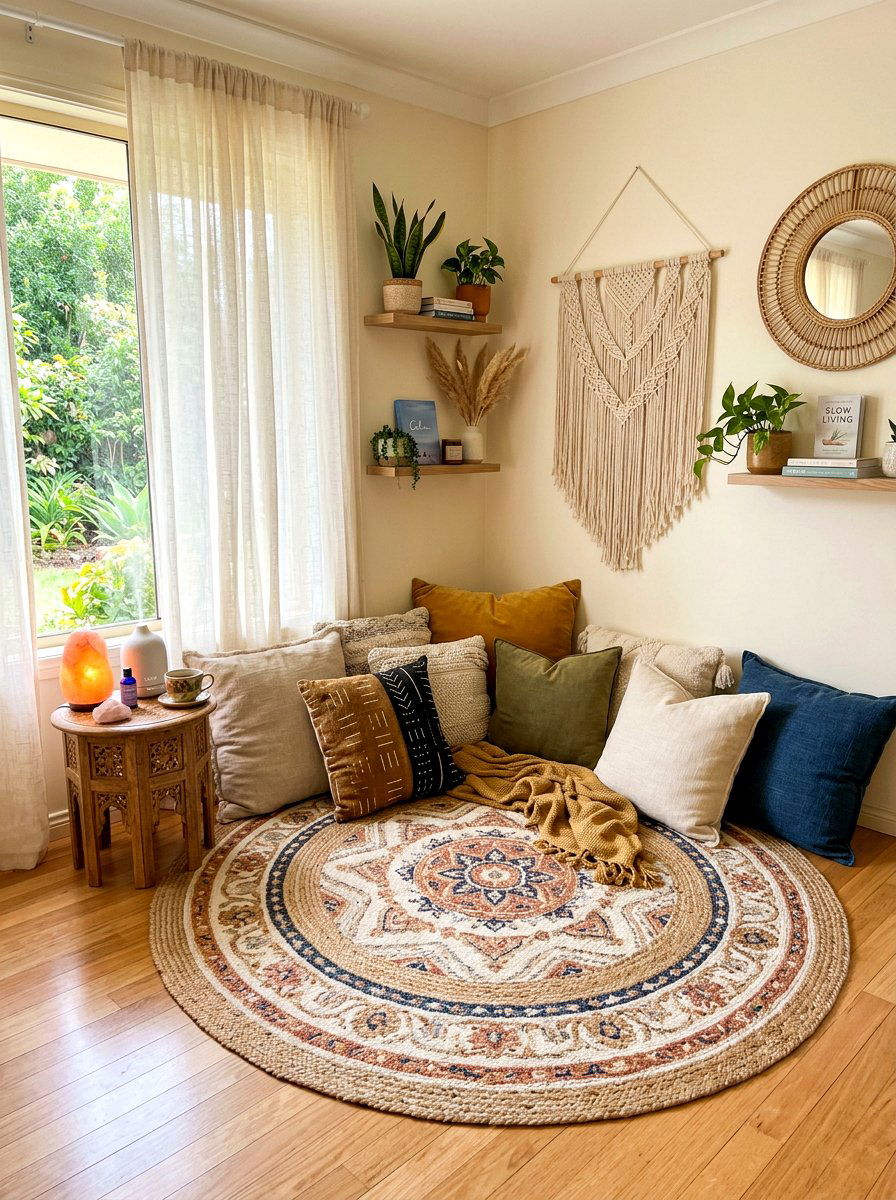
A relaxation corner setup is a simple and effective way to turn any small area of your home into a zone for decompressing. Use a large, circular floor rug and a pile of oversized pillows to create a soft landing spot for sitting or lying down. A small wooden stool can hold a salt lamp or an essential oil diffuser to fill the air with calming scents like lavender. This area is perfect for practicing deep breathing exercises or simply sitting in silence for ten minutes every day after work. Keeping this corner free of electronics ensures that it remains a true sanctuary for your mental health and peace.
28. Hammock room layout
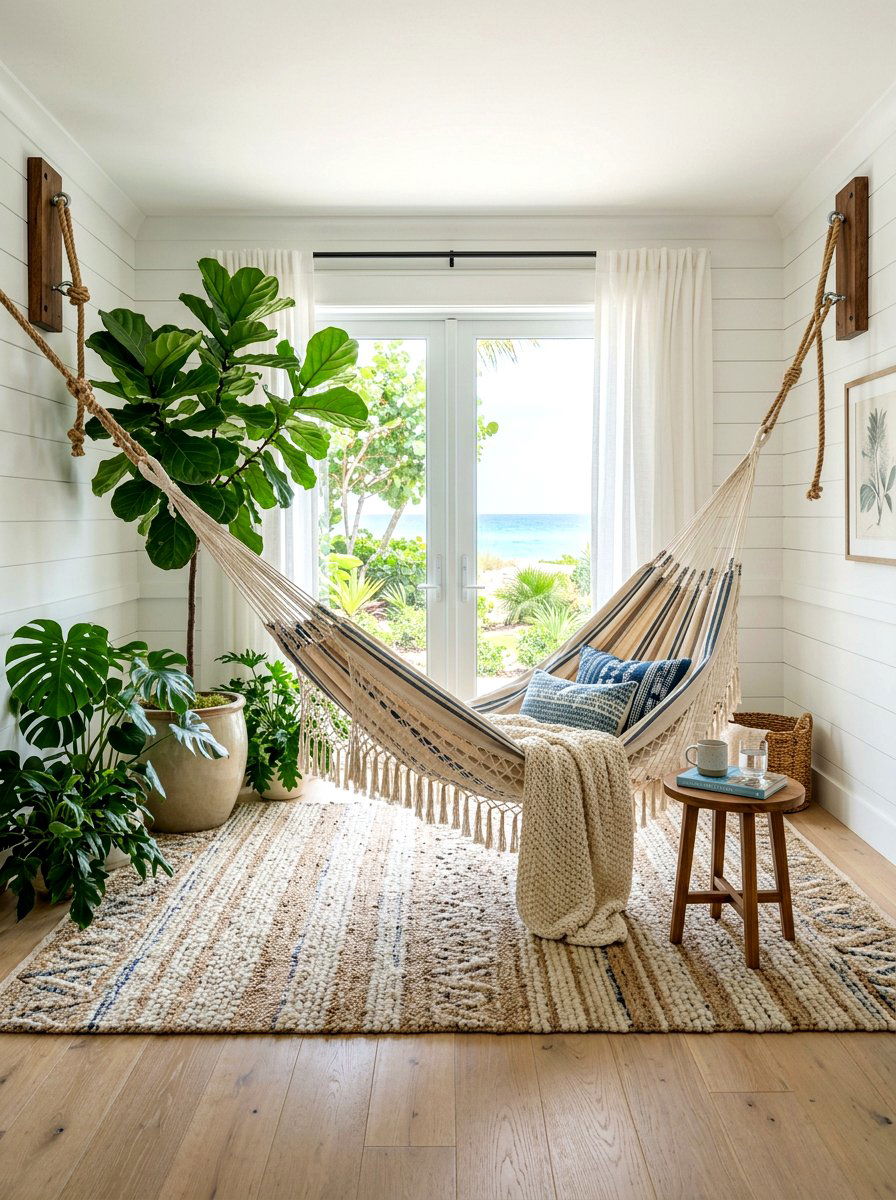
A hammock room layout brings a sense of playfulness and weightless relaxation to your home by using a suspended seating option as the focal point. Ensure the hammock is securely anchored into wall studs or a heavy-duty stand to provide a safe and stable swinging experience. Surround the hammock with soft elements like a thick rug and several large floor plants to create a cozy, forest-like environment. This unique seating encourages a gentle rocking motion that has been shown to reduce stress and help individuals fall asleep more easily. It is an ideal setup for a quiet afternoon nap or a long reading session.
29. Craft room organization
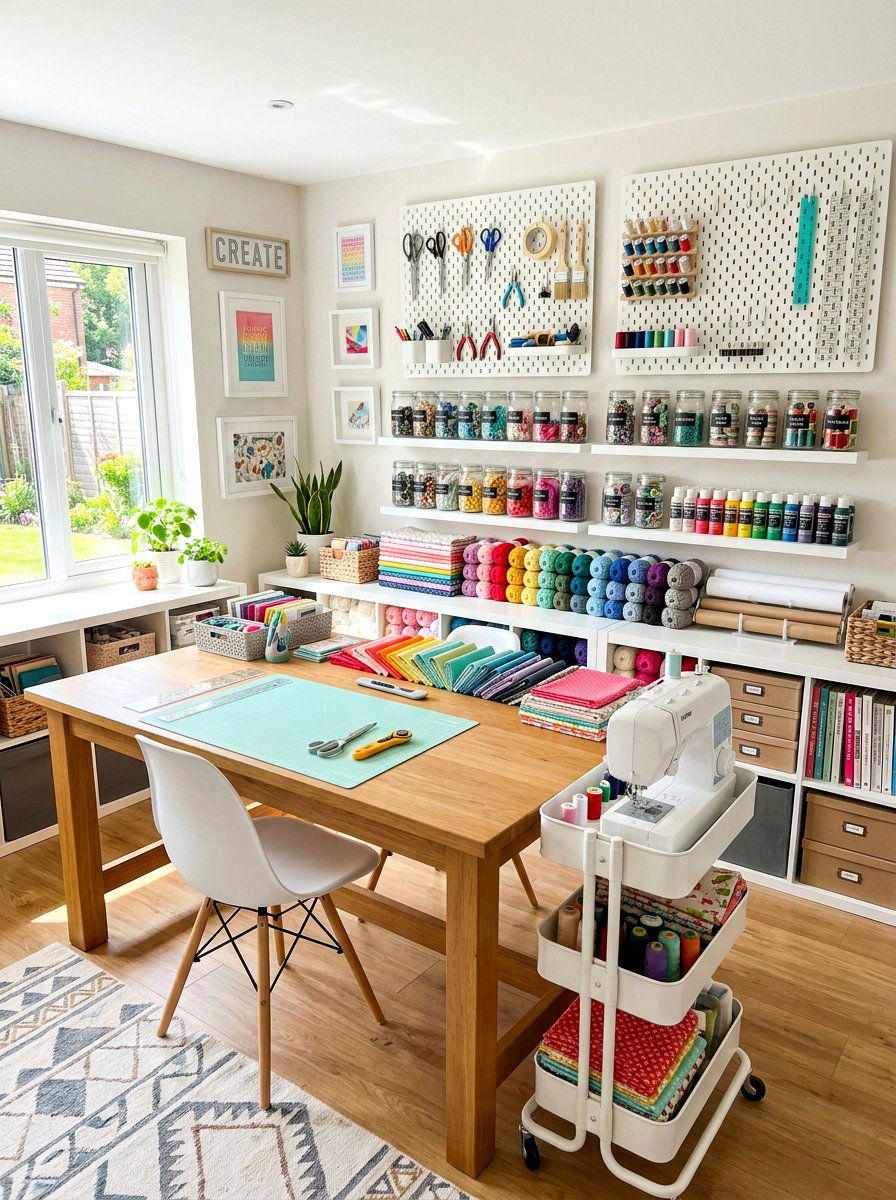
Craft room organization allows you to enjoy your favorite hobbies in a space that feels structured, quiet, and completely free of creative chaos. Use a combination of pegboards, clear jars, and labeled drawers to keep all your supplies visible but neatly tucked away when not in use. A large, flat work table with a durable surface provides plenty of space for sewing, scrapbooking, or model building without feeling restricted. Use bright, daylight-balanced lighting to ensure you can see small details and colors accurately while you work on your latest project. This organized environment helps you enter a state of "flow, " where time seems to disappear.
30. Conservatory seating area
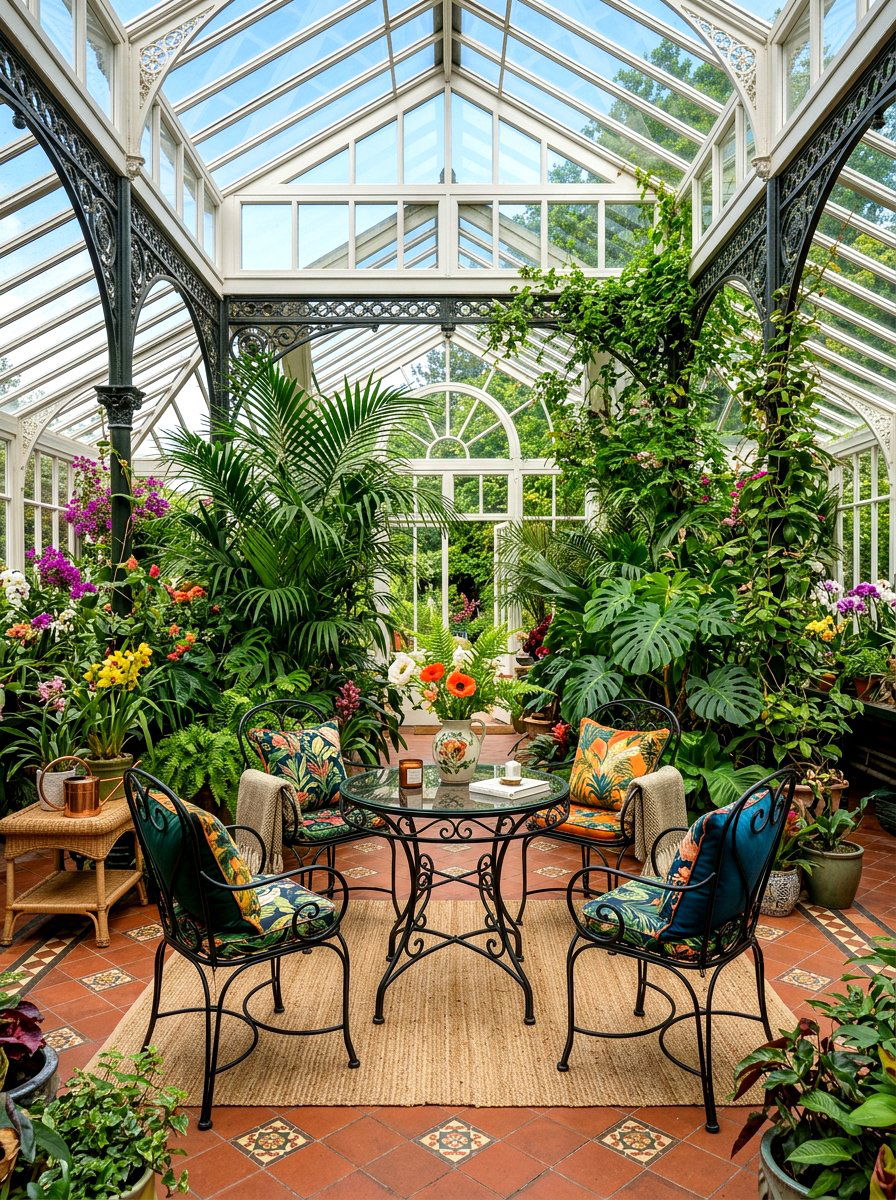
A conservatory seating area provides a year-round connection to nature by surrounding you with glass walls and a direct view of the sky. Use elegant wrought iron or teak furniture with plush cushions to create a sophisticated and comfortable spot for observation and quiet thought. Fill the space with a variety of sun-loving plants like citrus trees and succulents to create a vibrant and living backdrop for your rest. The abundance of natural light during the day and the view of the stars at night make this a truly magical and silent retreat. This space serves as a beautiful greenhouse for both your plants and your personal well-being.
Conclusion:
Designing a quiet room is one of the most rewarding investments you can make for your home and your long-term mental health. By intentionally removing distractions and focusing on soft textures, natural light, and calming colors, you create a space that truly nurtures your soul. These thirty ideas demonstrate that peace can be found in any corner, whether through a specialized soundproof office or a simple meditation nook. As you build your sanctuary, remember that the most important element is how the space makes you feel. A quiet home is a powerful tool that helps you recharge, reflect, and ultimately live a more balanced life.

Related posts: