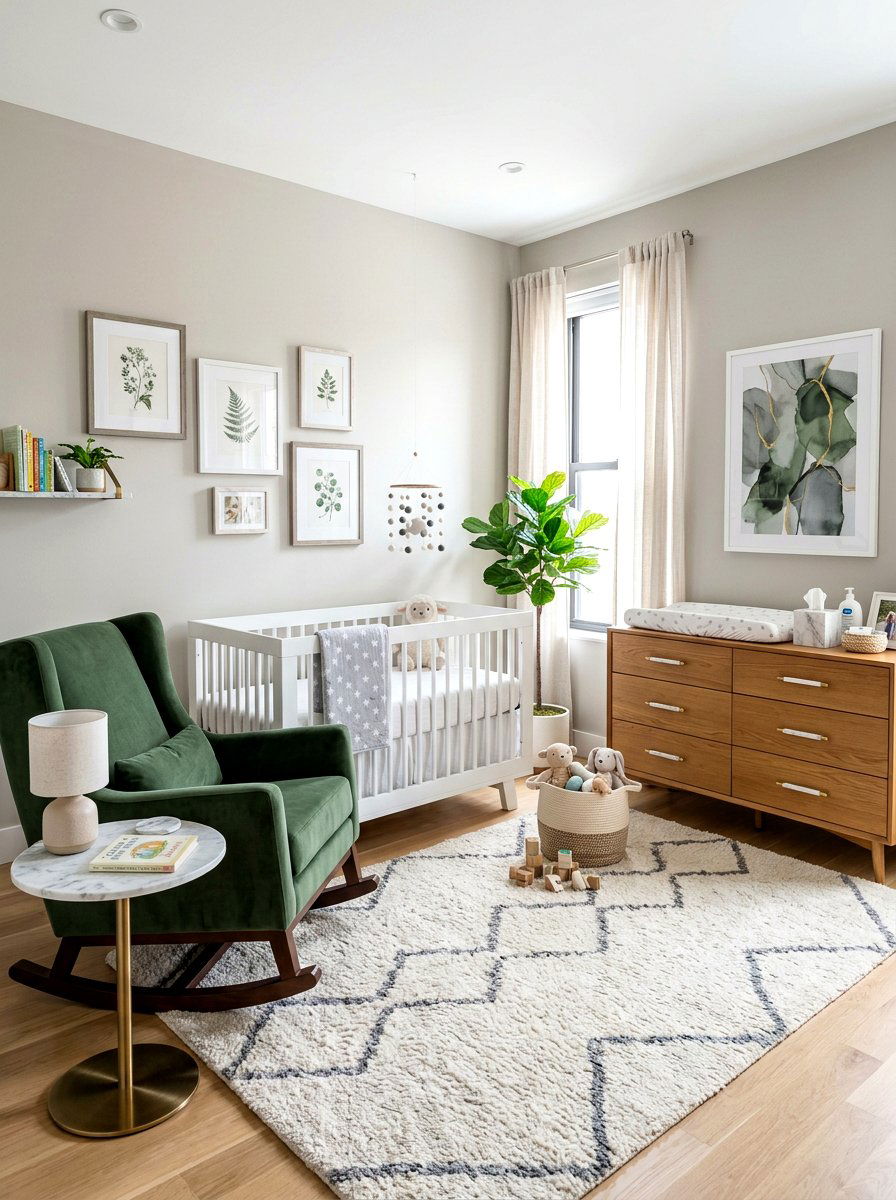
Creating a dedicated space for deep focus has become a top priority for professionals and creatives looking to escape the daily chaos of a busy household. A quiet work room is more than just a place to put a laptop; it is a carefully curated environment designed to foster productivity, reduce stress, and spark inspiration through thoughtful aesthetics. Whether you are transforming a spare bedroom, a forgotten corner, or even a small closet, the right design choices can significantly impact your mental clarity and output. By focusing on sound management, comfortable furniture, and intentional lighting, you can build a personal sanctuary that truly supports your professional goals.
1. Minimalist Home Office
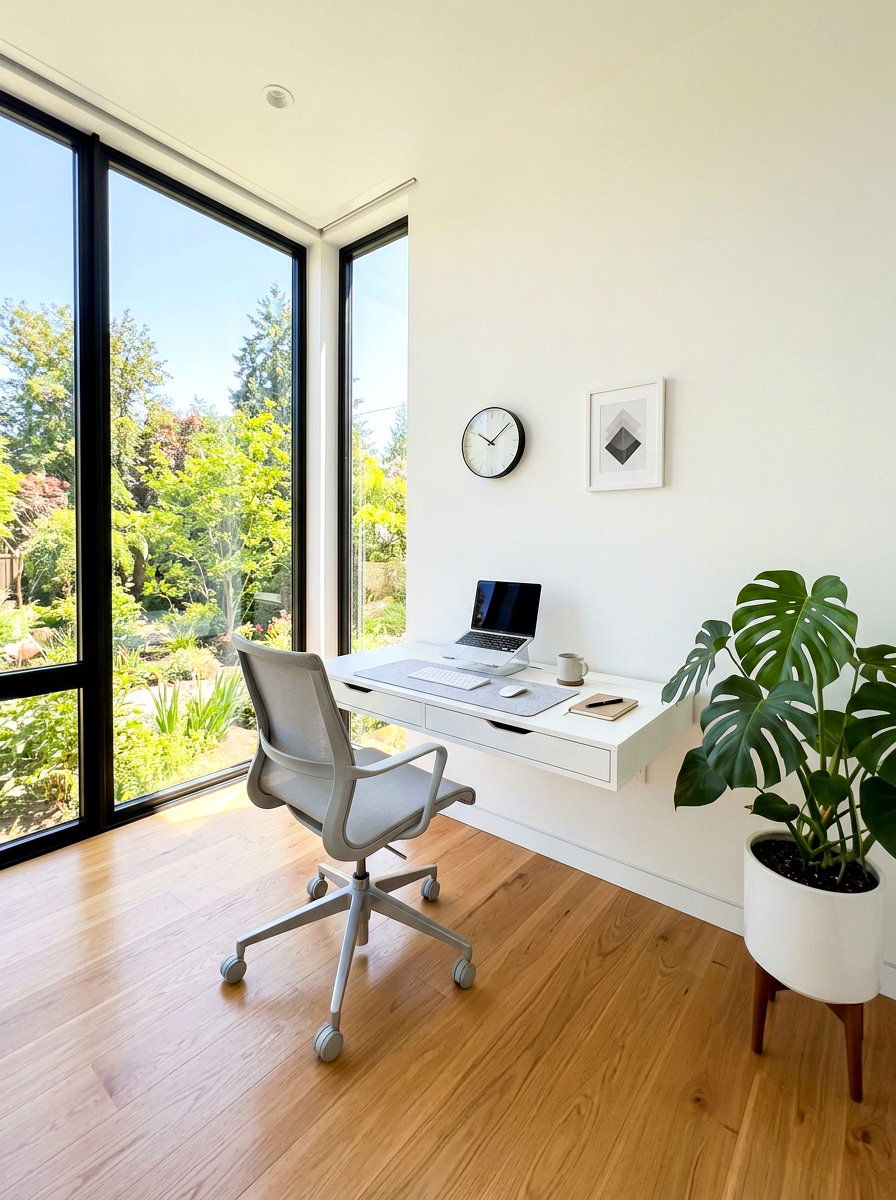
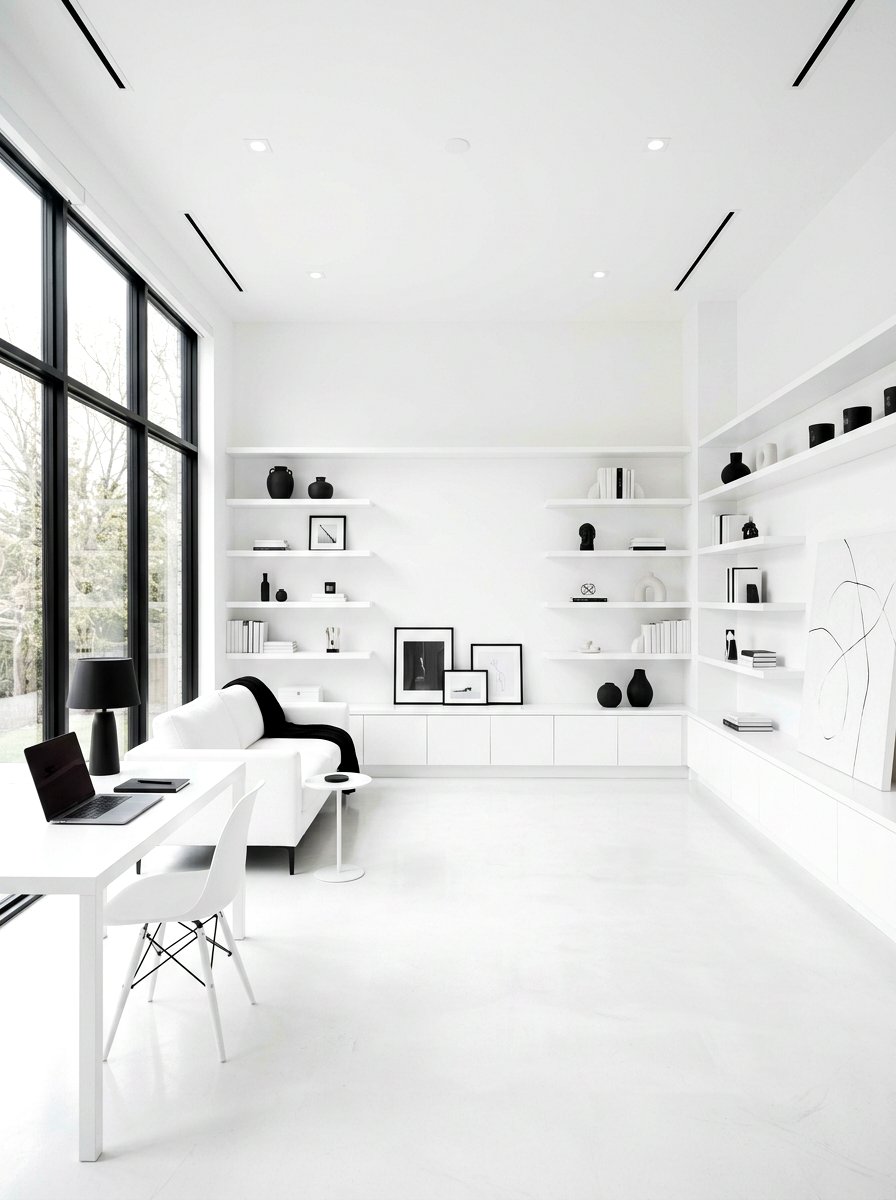
Have you ever noticed how much easier it is to focus when your surroundings are completely free from unnecessary clutter and visual noise? A minimalist home office prioritizes clean lines and a restricted color palette to create a sanctuary of absolute calm for deep work. By choosing a simple white or light gray desk paired with a high-quality ergonomic chair, you establish a professional environment that feels open and airy. This approach relies on high-quality materials and functional furniture rather than decorative excess. Keeping surfaces clear helps your mind stay on task without being distracted by piles of paper or random trinkets. It is a timeless aesthetic that promotes a peaceful state of mind.
2. Acoustic Wall Panel
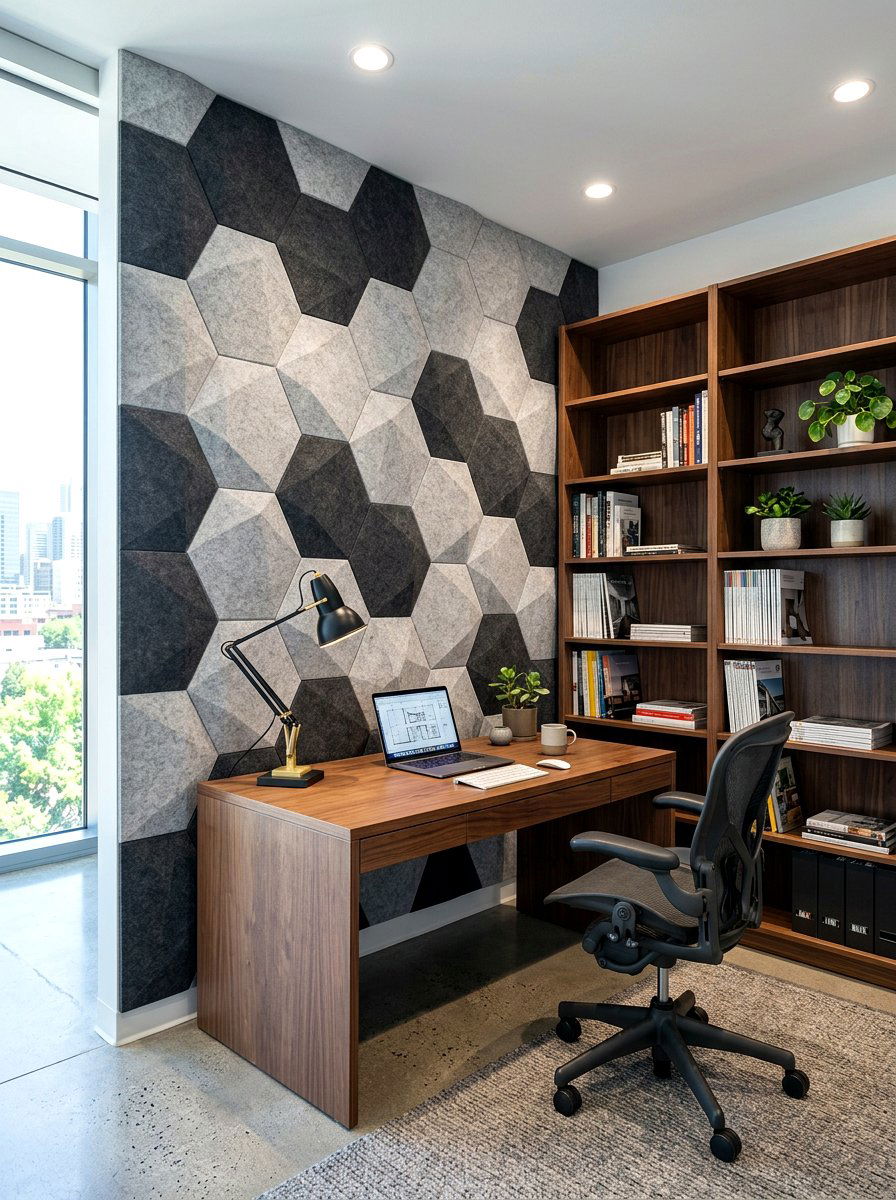
Does echo or outside noise constantly disrupt your concentration during important video calls? Installing acoustic wall panels is one of the most effective ways to treat a room for better sound quality and silence. These panels come in various shapes and fabrics, allowing you to create a stylish geometric pattern while simultaneously absorbing sound waves that bounce off hard surfaces. Beyond their functional benefits, they add a layer of soft texture to the room, making the environment feel more cozy and finished. You can choose neutral tones to blend in or bold colors to make a statement. This simple addition transforms a noisy echo chamber into a professional recording-quality studio.
3. Garden Office Pod
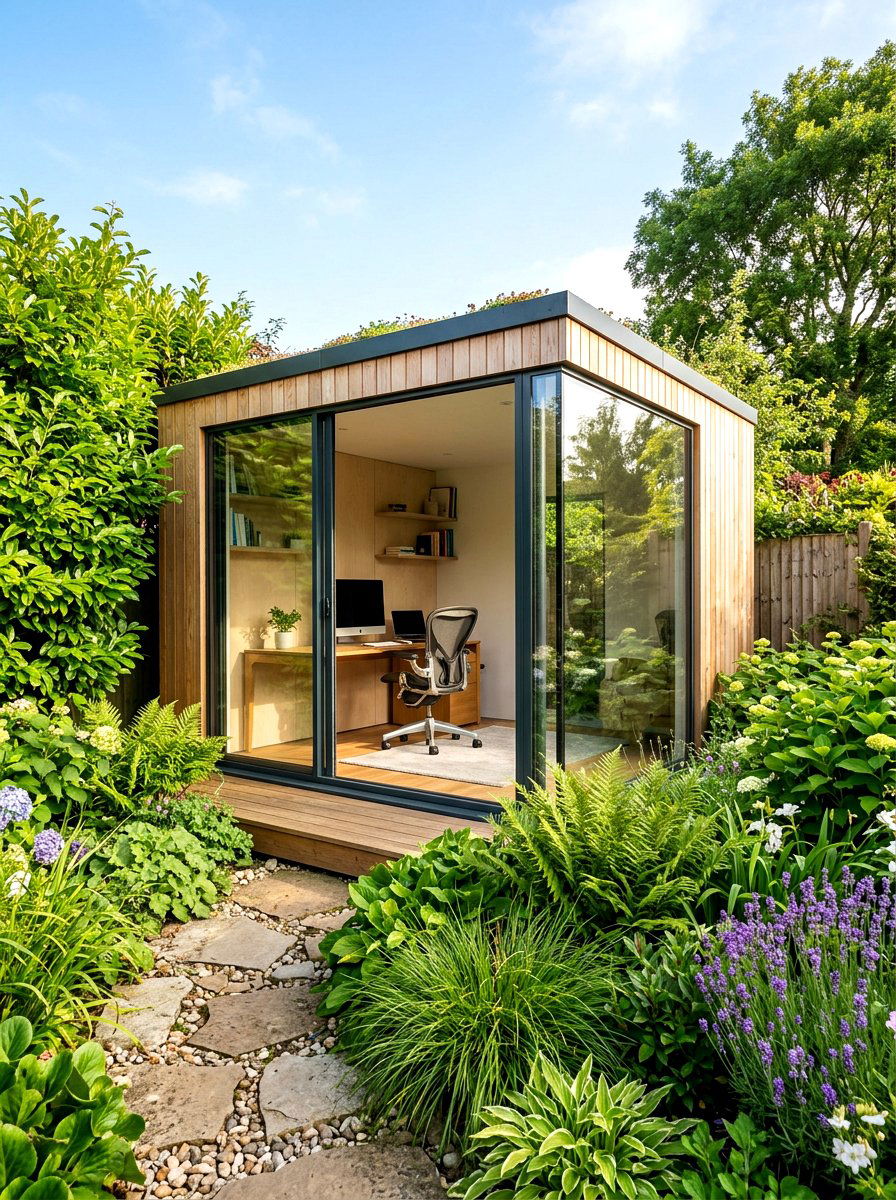
If your indoor space feels too cramped or noisy, why not consider moving your entire workstation into the backyard? A garden office pod provides a physical separation between your professional and personal life, which is essential for mental health. These standalone structures are often designed with large glass windows to let in plenty of natural light and offer views of greenery. Being surrounded by nature while you work can lower your cortisol levels and boost your creative thinking. Most pods are fully insulated and wired for electricity, making them a year-round solution for those who need a truly private and quiet retreat away from the main house.
4. Attic Work Space
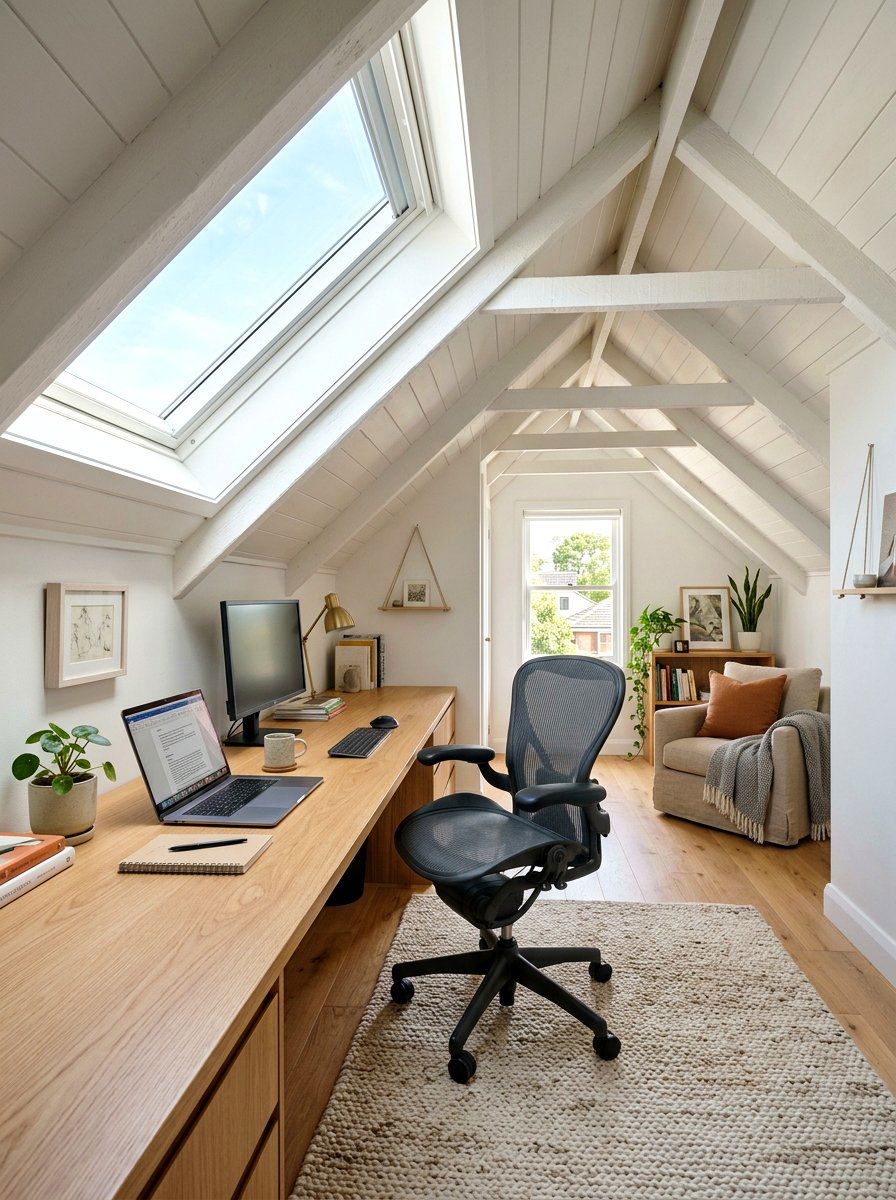
Converting an unused attic into a dedicated work room is a brilliant way to gain privacy and maximize your home's square footage. Because attics are naturally isolated from the main living areas, they offer a quiet atmosphere that is perfect for focused tasks. The unique architectural features, such as sloped ceilings and skylights, give these spaces a cozy and secluded character. You can install custom built-in desks under the eaves to save space and keep the floor area open. Adding a soft rug and a comfortable armchair for reading creates a versatile environment where you can spend long hours without feeling like you are in a traditional office.
5. Closet Office Setup
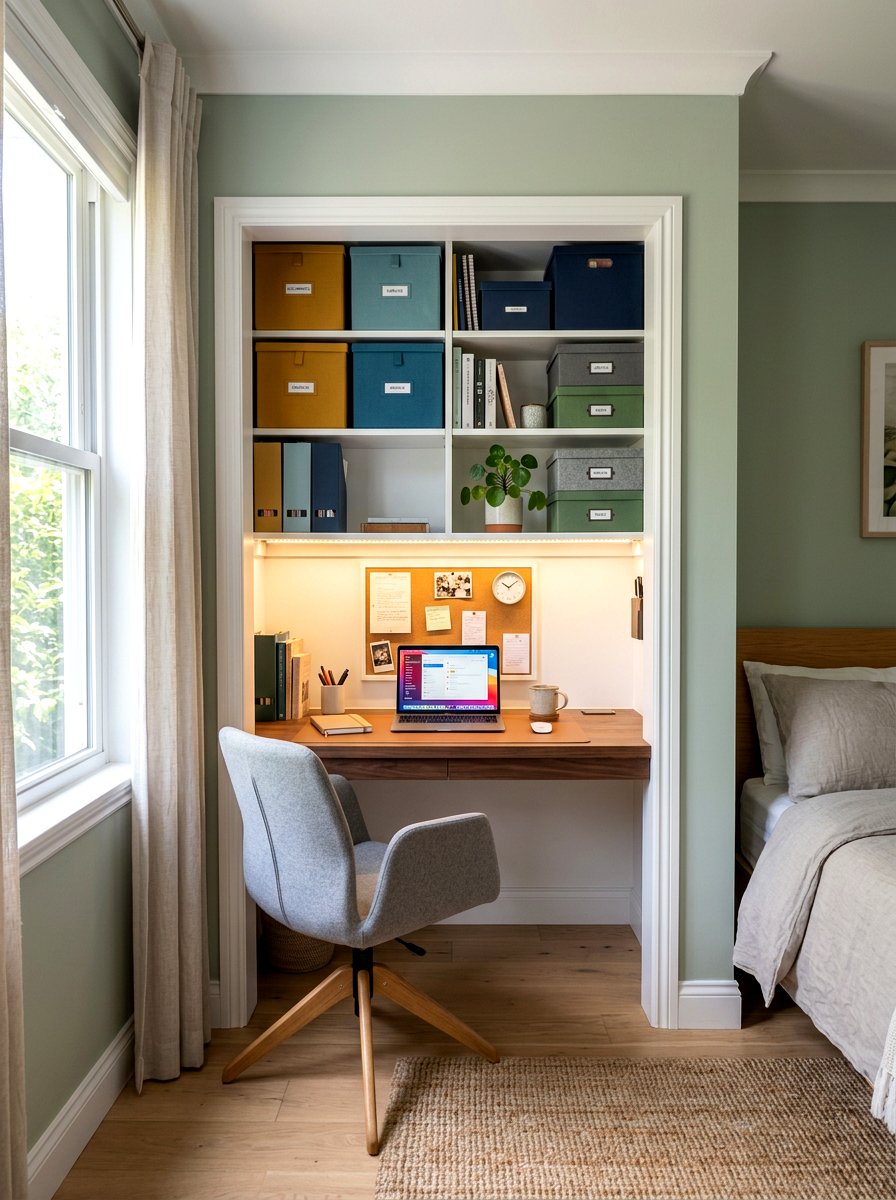
You do not need an entire spare room to create a functional and quiet place to work. A closet office, often called a cloffice, is a clever solution for small apartments or busy homes where every inch counts. By removing the doors and installing a deep shelf as a desk, you can turn a standard reach-in closet into a highly efficient workstation. Adding overhead shelving provides plenty of storage for supplies and tech, keeping everything organized and out of sight. When you are finished for the day, you can simply step away and reclaim your living space, making it an excellent option for maintaining a healthy work-life balance.
6. Soundproof Solid Door
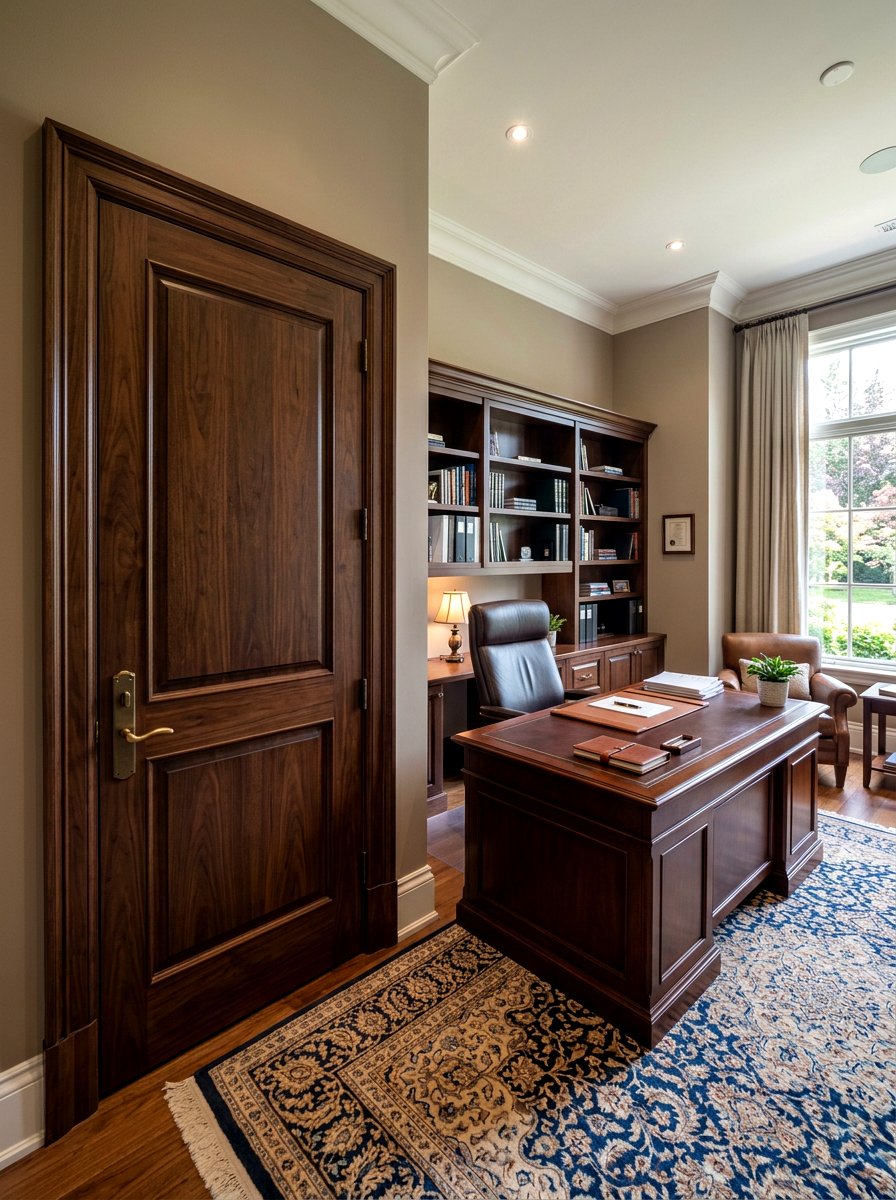
One of the most overlooked aspects of creating a quiet work environment is the entry point to the room itself. Most interior doors are hollow-core, which allows sound to pass through easily from the rest of the house. Upgrading to a solid-core wood door can significantly reduce the amount of noise that enters your workspace, providing the silence you need for deep concentration. Adding a simple weatherstripping seal or a door sweep at the bottom further blocks air gaps and sound leaks. This small structural change makes a massive difference in how private and professional your home office feels, especially if you have children or pets nearby.
7. Built In Bookshelf
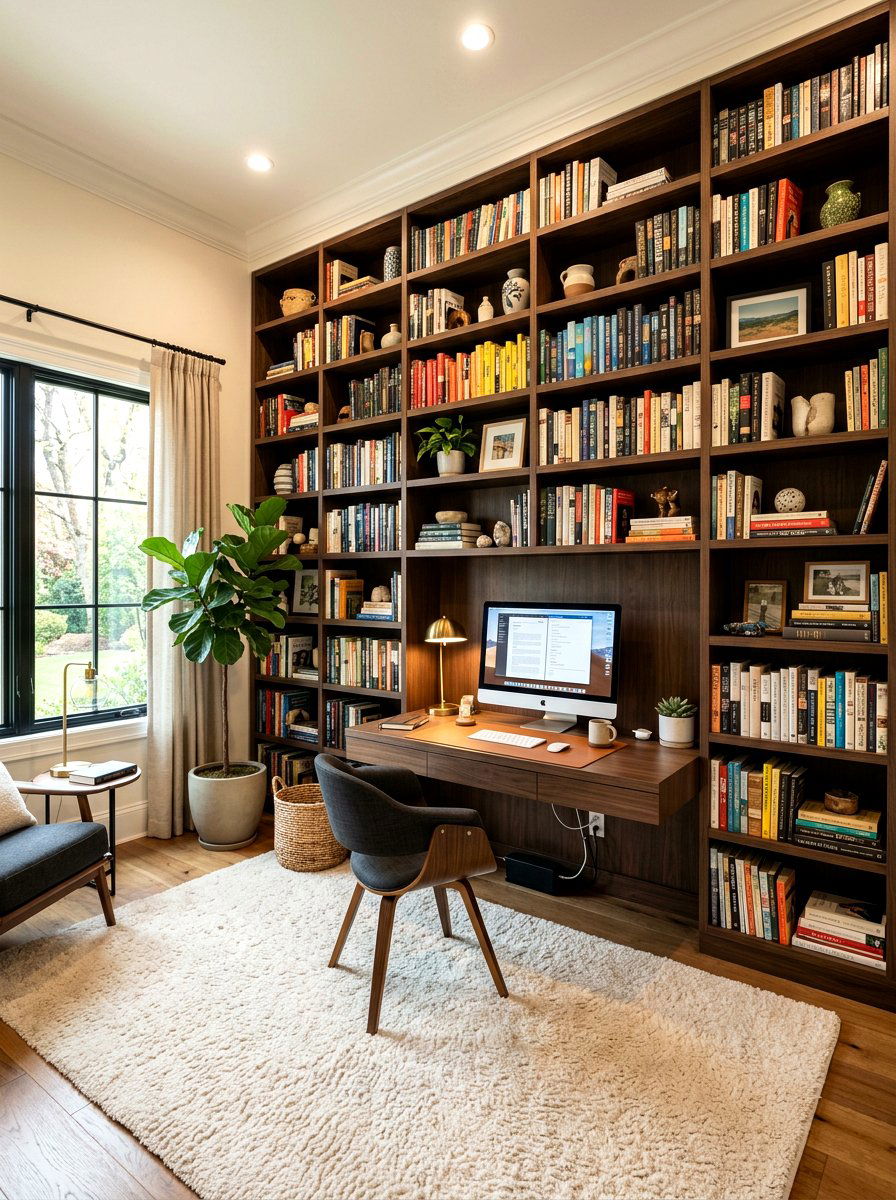
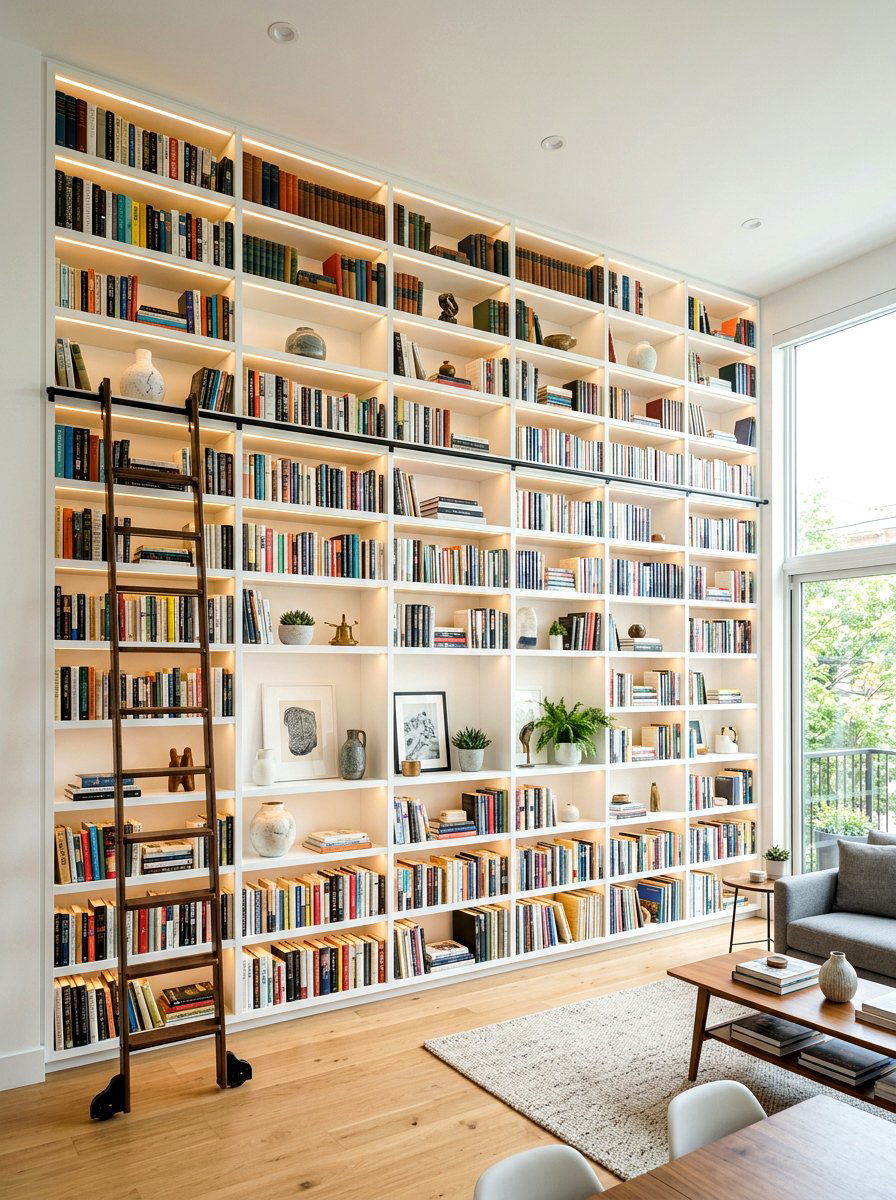
Transforming a wall into a massive floor-to-ceiling built-in bookshelf does more than just organize your library; it acts as a natural sound insulator. The sheer mass of the shelving and the books themselves helps absorb noise coming through the walls, creating a quieter interior environment. To make this setup functional for work, you can integrate a desk directly into the shelving unit. This creates a cohesive and scholarly look that feels sophisticated and permanent. Using warm wood finishes or classic white paint can help define the room's mood. It is a practical and beautiful way to surround yourself with inspiration while blocking out unwanted external distractions.
8. Corner Window Desk
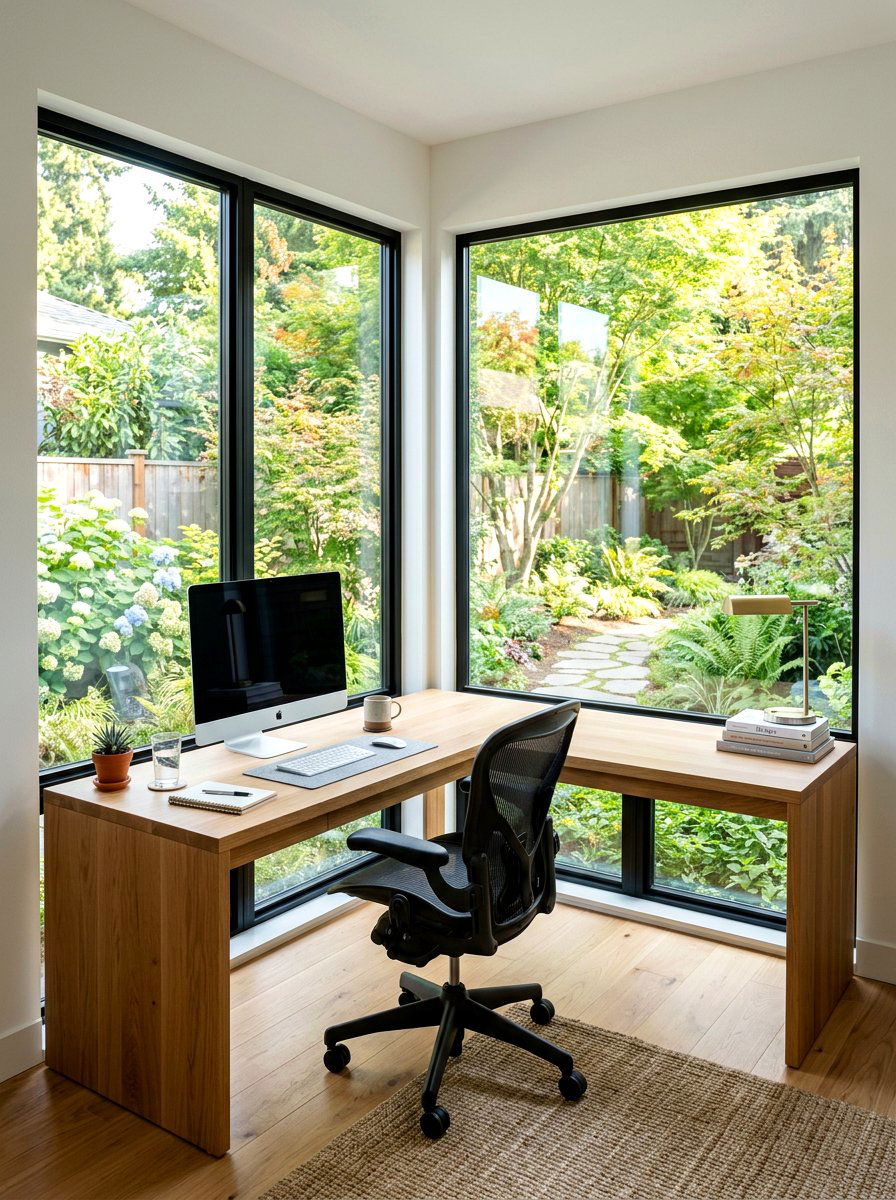
Positioning your workspace in a corner with large windows can completely change how you feel about your daily tasks. Natural light is a powerful tool for maintaining high energy levels and a positive mood throughout the day. By placing your desk directly in front of a window, you can take regular eye breaks by looking at the outdoor scenery, which reduces digital eye strain. A corner setup maximizes your view while keeping you tucked away from the main flow of the room. Using simple, light-filtering blinds allows you to control the brightness and prevent glare on your screen, ensuring your workspace remains both functional and incredibly serene.
9. Basement Office Room
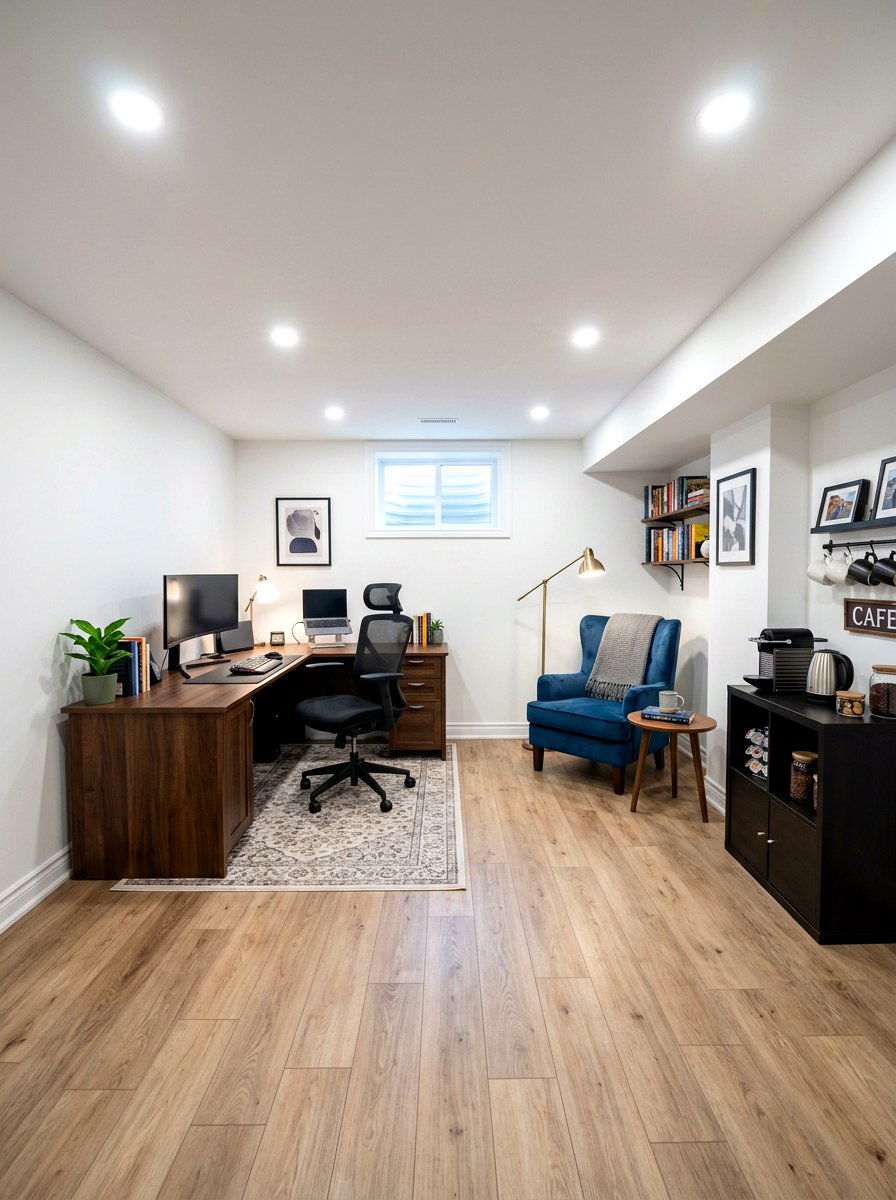
The basement is often the quietest part of a home because it is shielded by the foundation and earth, making it ideal for a focus-driven office. While some basements feel dark, you can transform yours with bright white paint, recessed lighting, and a few high-quality lamps. This subterranean setting provides an unmatched level of isolation from the noise of street traffic or family activities upstairs. To keep the space feeling warm and inviting, use luxury vinyl plank flooring with a thick rug and plush furniture. A basement suite can even include a small coffee station or lounge area, creating a self-contained professional environment that rivals any corporate office.
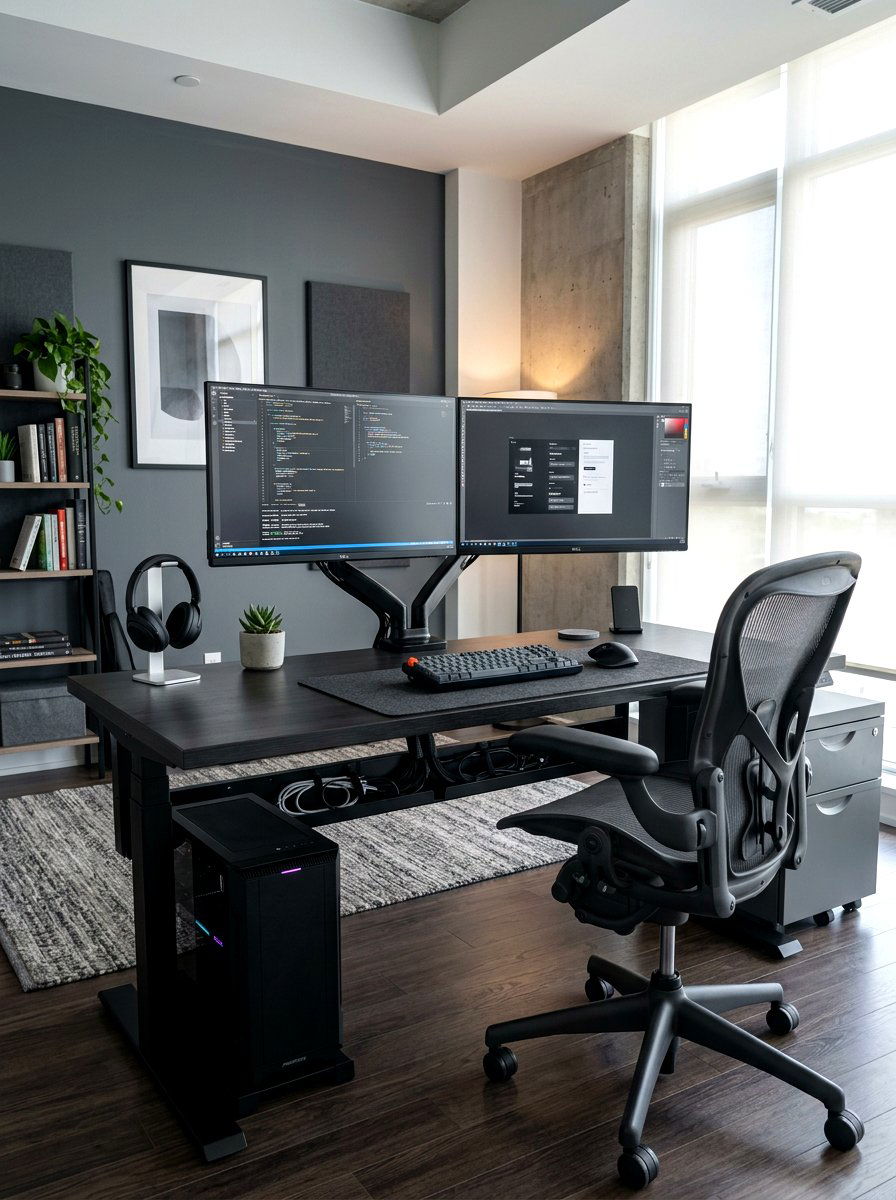
10. Biophilic Work Space
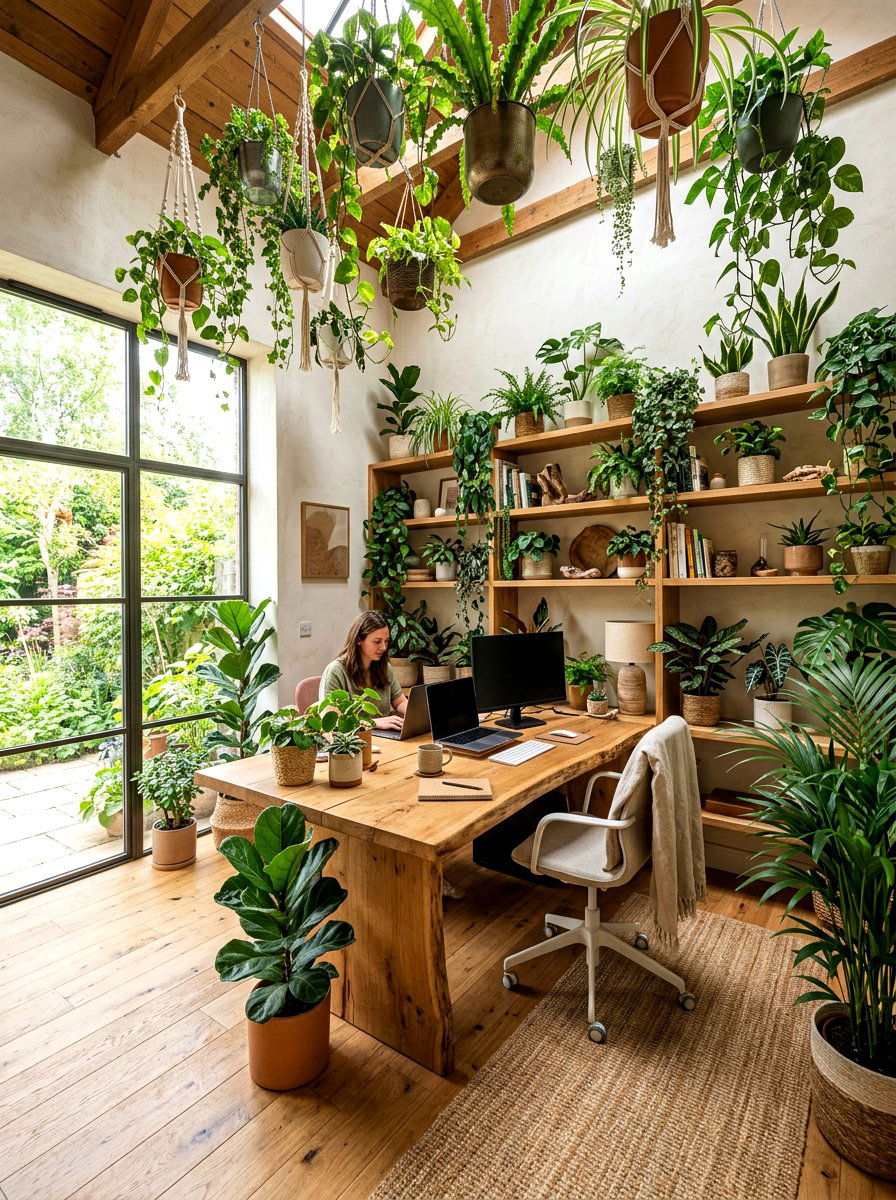
Bringing elements of the outdoors inside is a growing trend that focuses on improving mental well-being and productivity. A biophilic work space incorporates living plants, natural wood textures, and organic shapes to create a soothing and oxygen-rich environment. Studies show that having greenery in your sightline can significantly reduce stress and improve your ability to concentrate on complex projects. You can hang trailing plants from shelves, place a large potted tree in the corner, or even install a small vertical garden. Using earth tones like sage green and warm terracotta further enhances this connection to nature, making your quiet work room feel like a rejuvenating indoor forest.
11. Sound Dampening Curtain
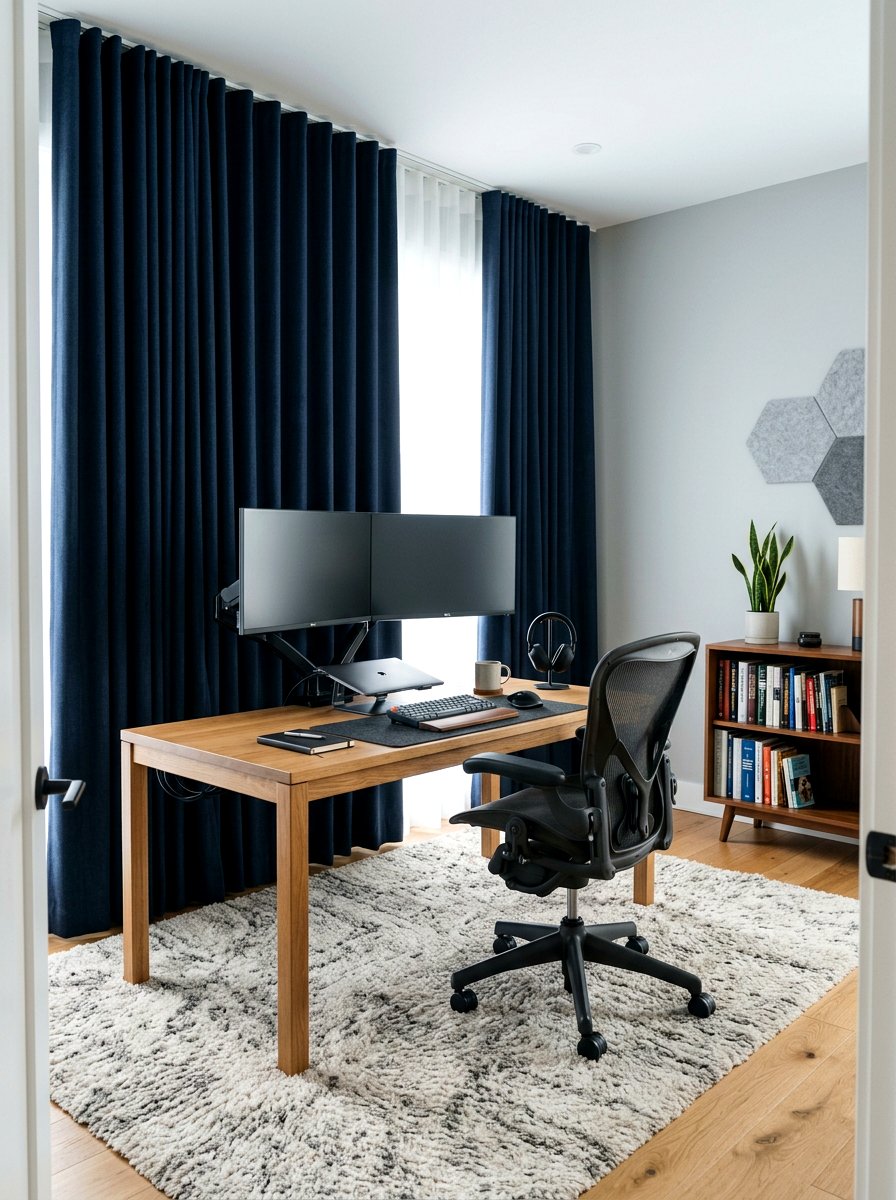
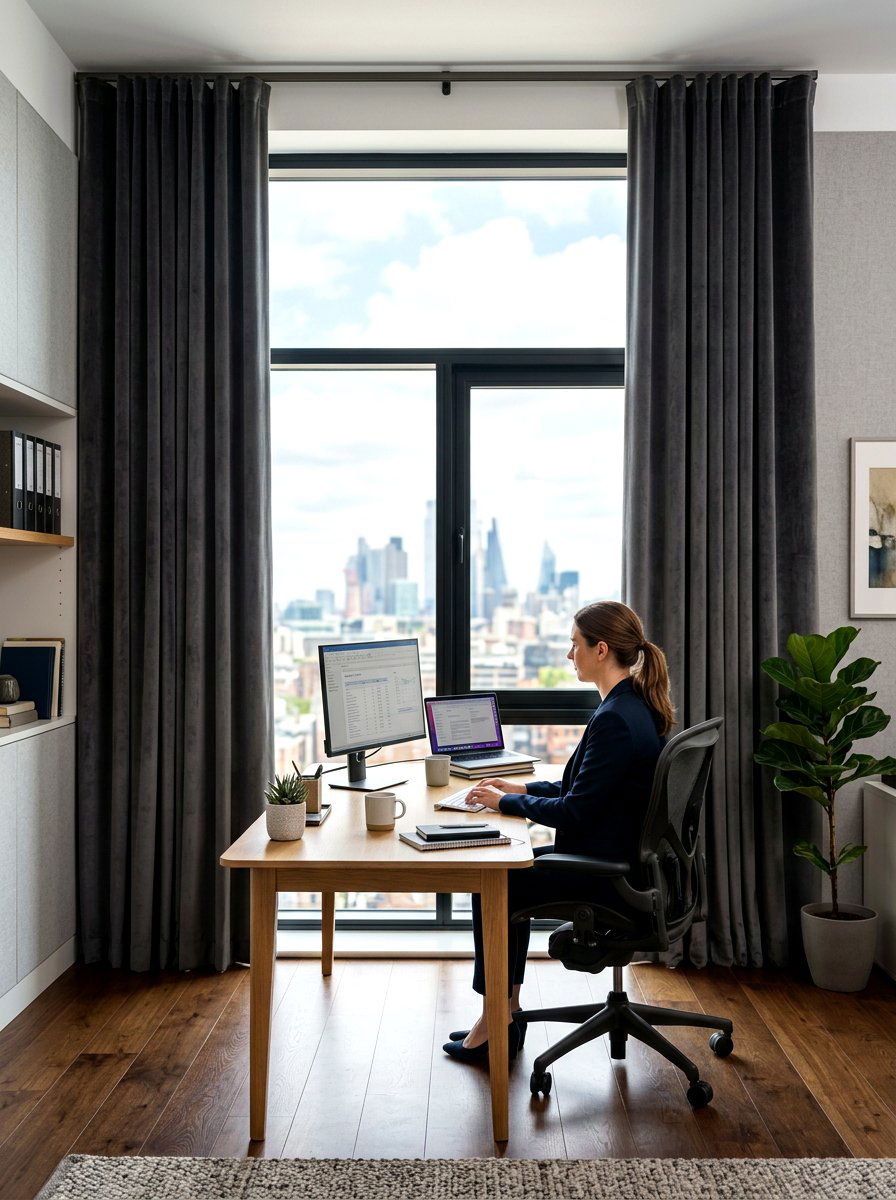
If you live in a noisy neighborhood or near a busy street, specialized sound-dampening curtains are a lifesaver for your home office. These heavy, multi-layered drapes are designed with thick fabrics and acoustic linings that act as a barrier against outside traffic noise. They also help improve the interior acoustics by preventing sound from bouncing off the glass windows, which can be very helpful for audio quality during meetings. Beyond their functional use, they add a touch of luxury and softness to the room's decor. Choosing a floor-to-ceiling length creates a more dramatic and professional look while providing the maximum amount of noise reduction for your workspace.
12. Hidden Desk Cabinet
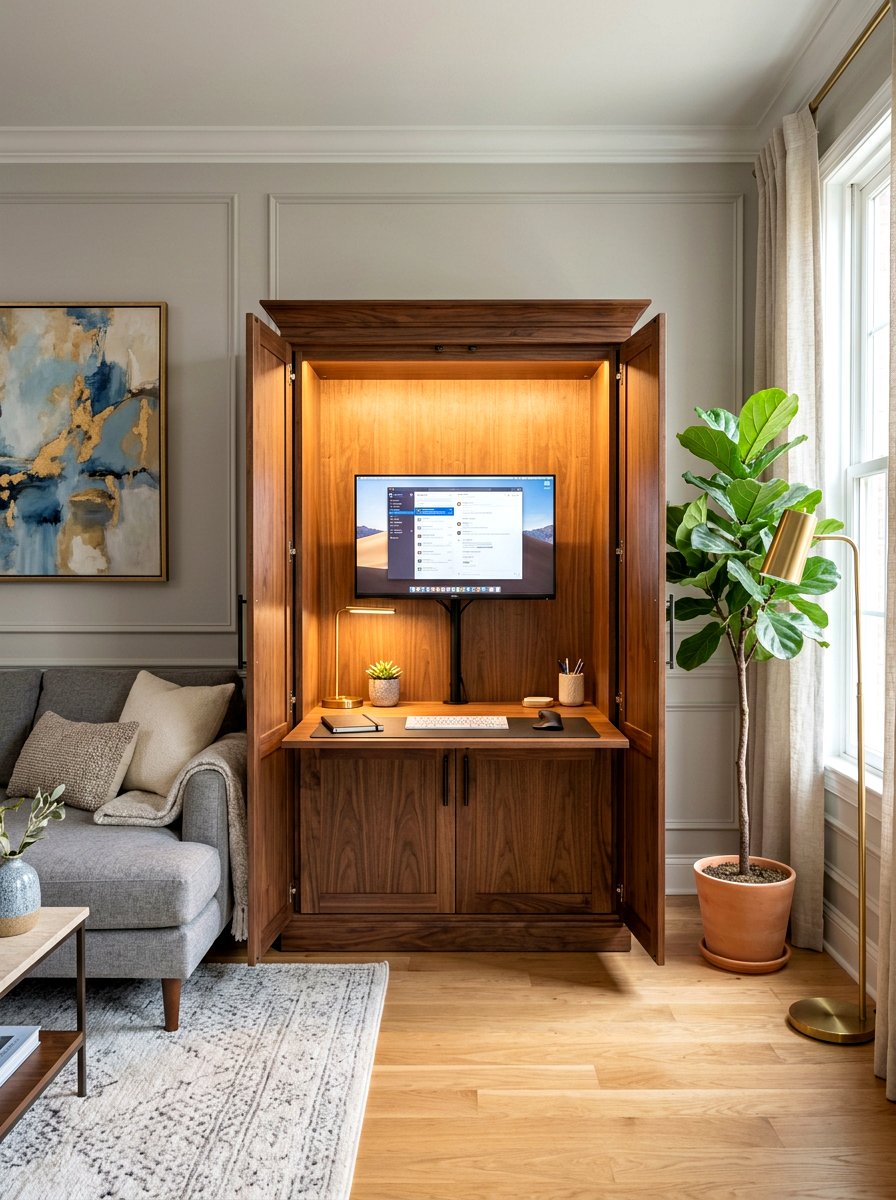
For those who live in multi-functional spaces, a hidden desk cabinet allows you to maintain a quiet work zone without it dominating your room's aesthetic. These units, sometimes known as armoire desks, feature doors that can be closed to hide your computer, monitor, and paperwork at the end of the day. This physical act of closing the doors helps your brain switch from work mode to relaxation mode instantly. The interior often includes built-in lighting, cord management, and adjustable shelving to keep your tech organized. It is a perfect solution for a bedroom or living room corner where you need a professional setup that can disappear when guests arrive.
13. Scandinavian Style Office
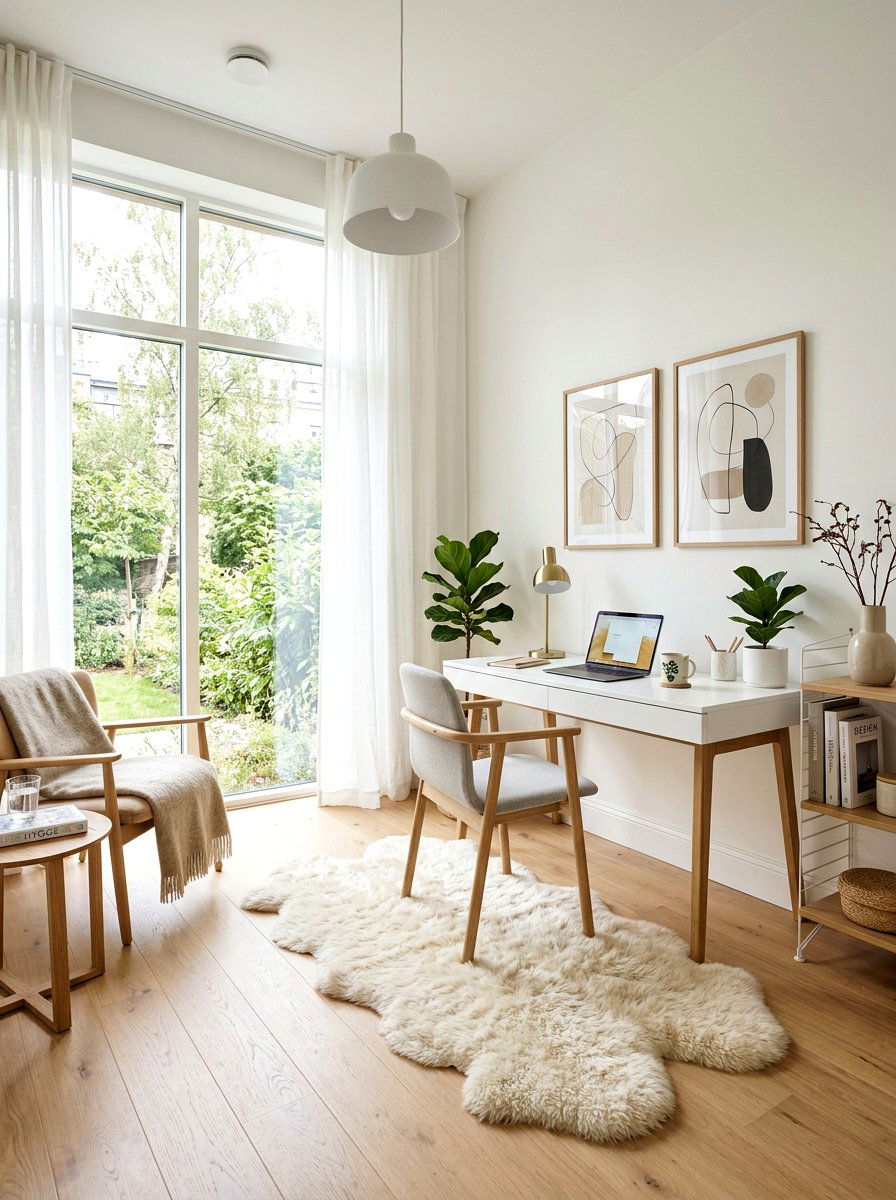
Scandinavian design is famous for its focus on light, simplicity, and functionality, making it a perfect fit for a quiet and productive work room. This style typically features light wood furniture, a neutral color palette of whites and grays, and plenty of natural light. By removing visual clutter and focusing on high-quality essentials, you create a space that feels calm and effortless. A Scandi-style office often includes cozy elements like a sheepskin rug or a soft knit throw to add warmth to the clean lines. This balance between minimalism and comfort, known as hygge, ensures that your workspace remains a place where you actually want to spend time.
14. Industrial Loft Workspace
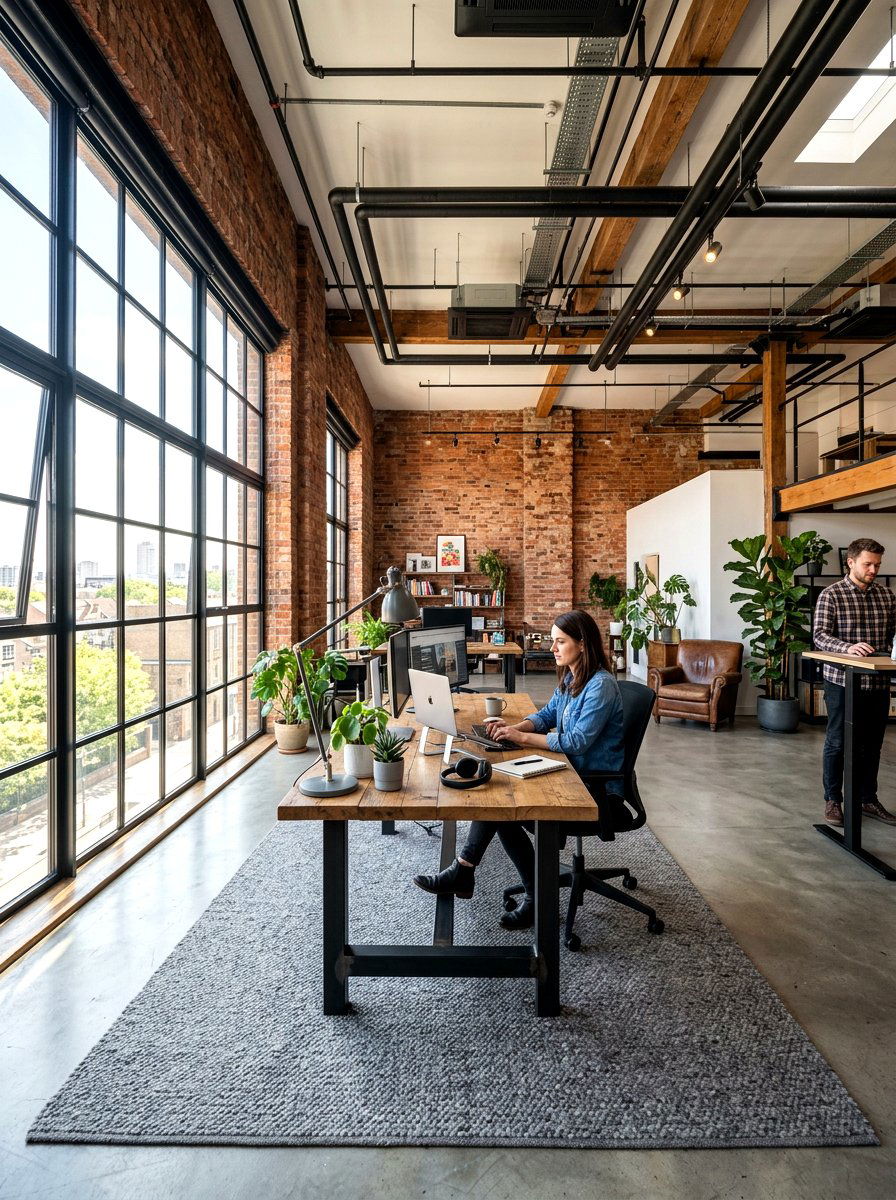
If you prefer a more rugged and urban aesthetic, an industrial loft workspace combines raw materials with a quiet, focused layout. Exposed brick walls, metal shelving, and reclaimed wood desks create a strong visual identity that feels professional and creative. To keep the space quiet, you can add large rugs and upholstered seating to absorb sound that might otherwise echo off the hard surfaces. High ceilings and large windows are common features that prevent the room from feeling cramped. This design style is particularly effective for people who work in creative fields like design or architecture, as the raw and open atmosphere encourages big-picture thinking and innovation.
15. Modern Home Library
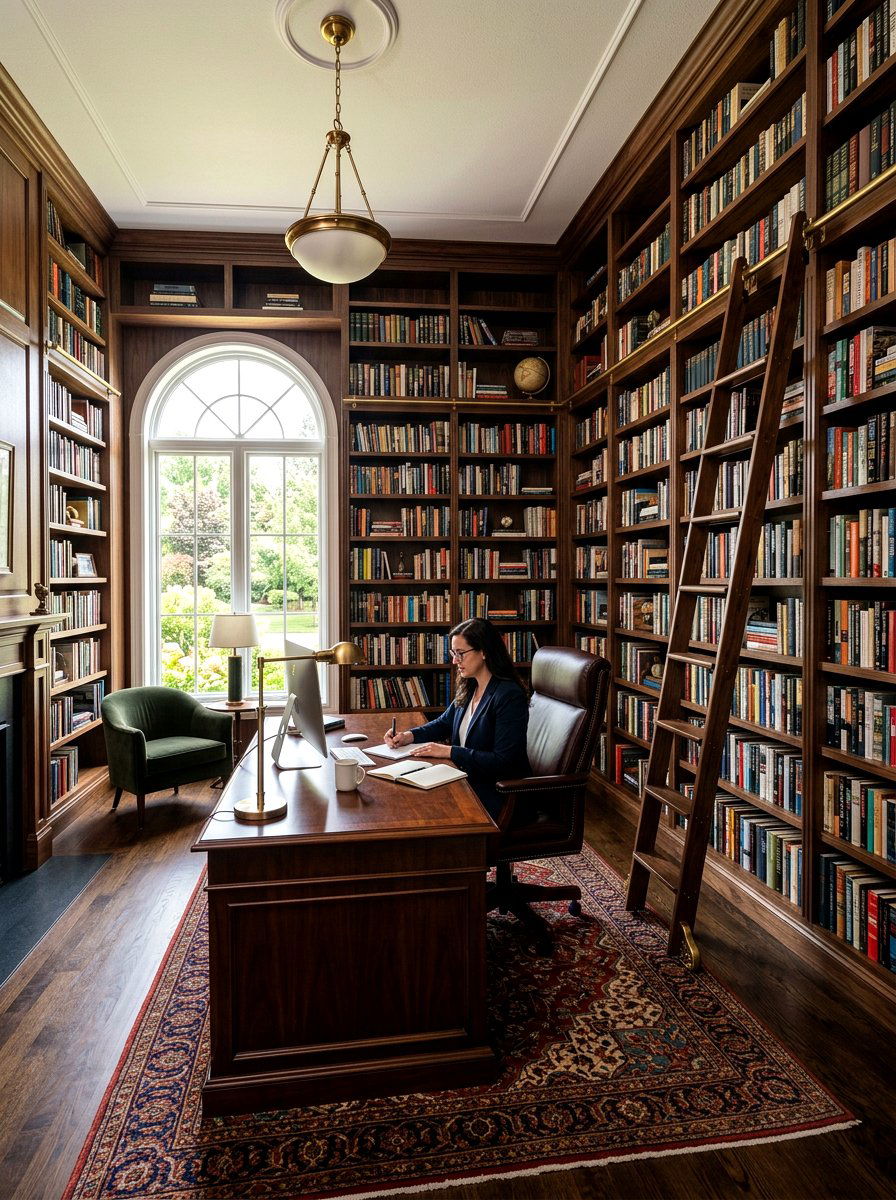
Is there anything more conducive to deep work than being surrounded by the quiet presence of hundreds of books? A modern home library functions as both a storage space and a high-end office, offering a sophisticated environment for research and writing. You can pair floor-to-ceiling shelving with a large dark wood desk and a classic leather executive chair for a timeless look. Adding a rolling ladder and a dedicated reading nook with a soft lamp makes the room feel like a private sanctuary. The dense collection of books naturally dampens sound, making this one of the quietest and most focused environments you can create in your home.
16. Under Stairs Office
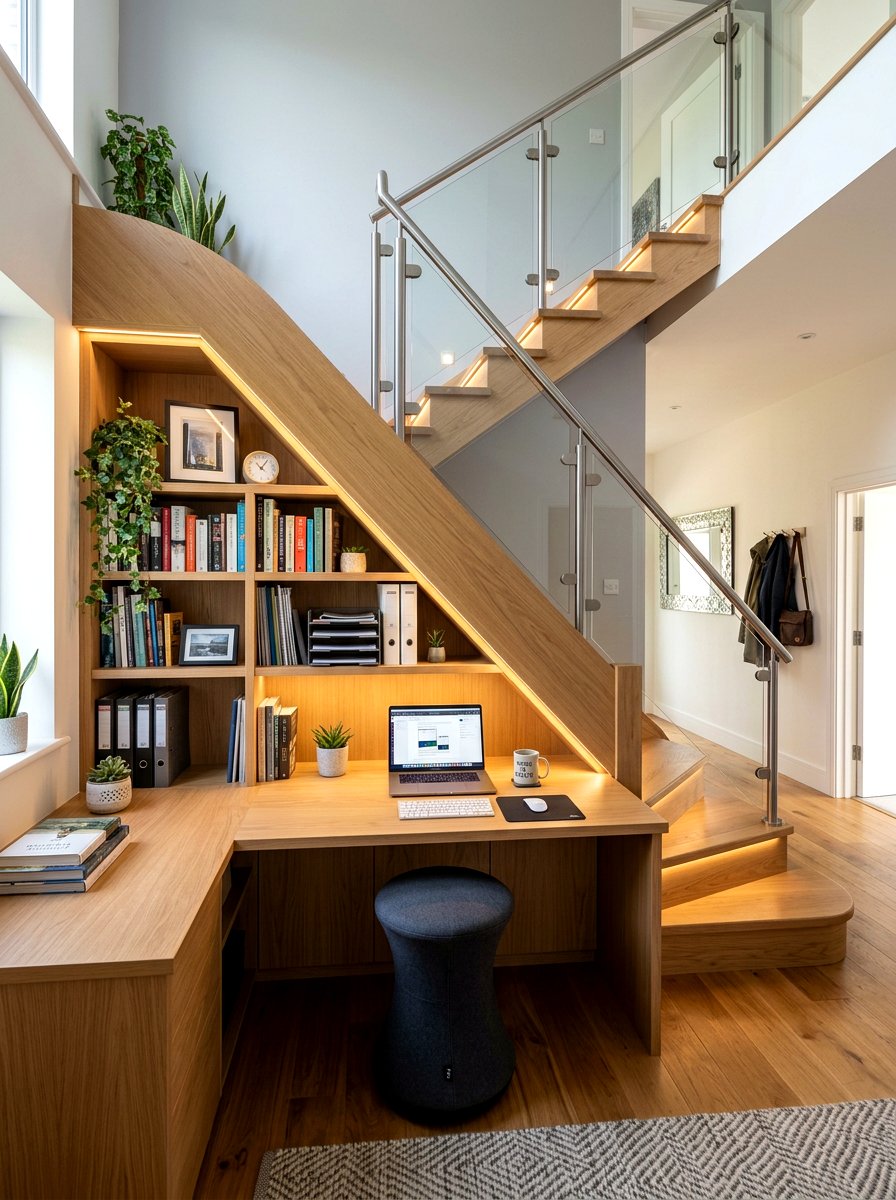
The awkward space under a staircase is often wasted, but with a bit of creativity, it can become a cozy and quiet work nook. This area is naturally tucked away from the main traffic flow, providing a sense of enclosure that helps you stay focused on your tasks. You can install a custom-fitted desk and a series of floating shelves to make the most of the unique angles. Proper lighting is essential here, so consider adding a sleek task lamp or under-shelf LED strips to keep the area bright. It is a clever way to add a dedicated workspace to your home without needing an entirely separate room for your office.
17. Glass Office Partition
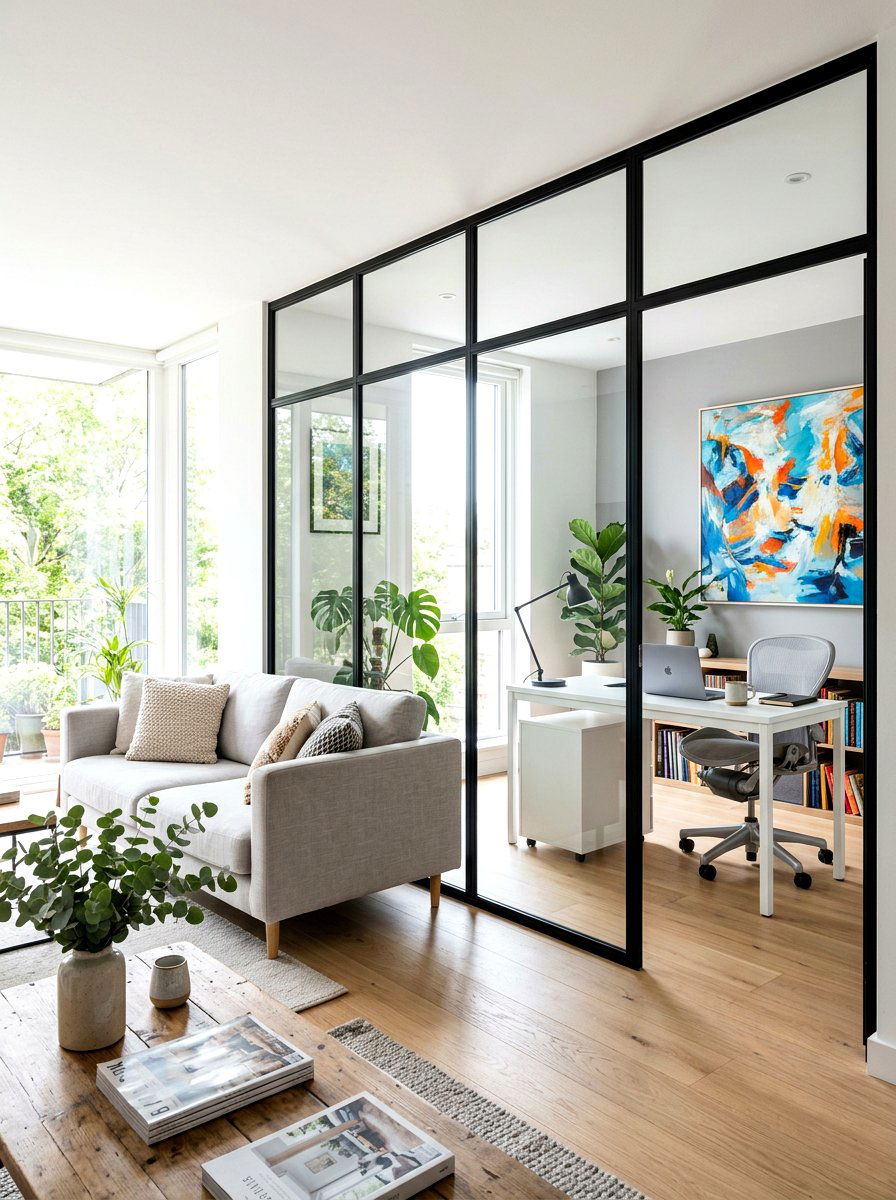
If you want to create a quiet work room within a larger open-plan area, a glass partition is a modern and stylish solution. Glass walls provide the necessary physical and acoustic separation while still allowing light to flow freely through the entire space. This prevents the office from feeling isolated or dark, which can happen with traditional solid walls. You can use black-framed industrial glass for a trendy look or frameless glass for a more minimalist feel. Adding a sheer curtain or frosted glass provides extra visual privacy when needed. It is a perfect compromise for homes that value both an open layout and a quiet, dedicated zone.
18. Monochromatic Work Room
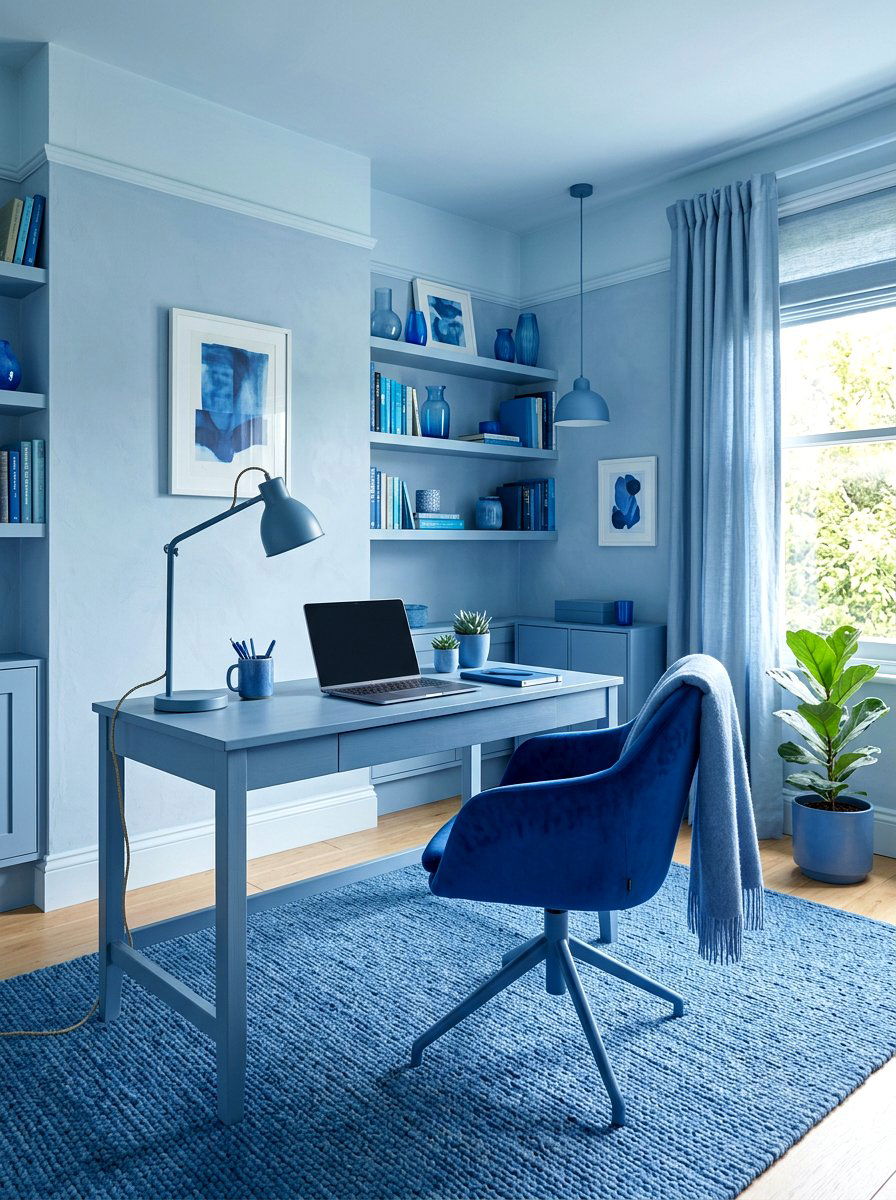
Creating a monochromatic color scheme in your work room is a sophisticated way to reduce visual distractions and foster a sense of harmony. By using different shades, tints, and textures of a single color, such as soft blue or warm beige, you create a cohesive and calming environment. This approach allows the eye to rest and prevents the brain from being overstimulated by contrasting colors. To keep the room from looking flat, incorporate various materials like a velvet chair, a wool rug, and a matte metal lamp. A monochromatic space feels intentional and professional, providing the perfect backdrop for high-level thinking and creative problem-solving without any unnecessary noise.
19. Standing Desk Setup
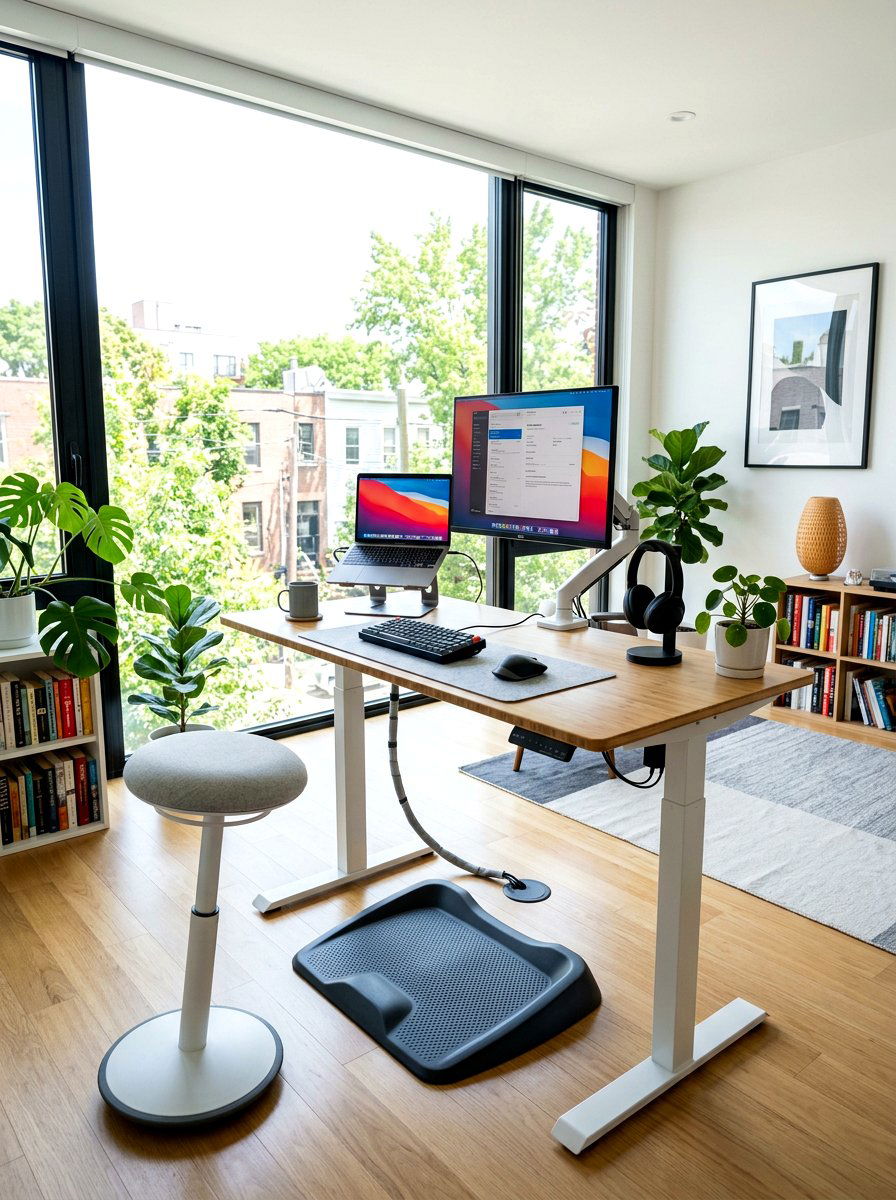
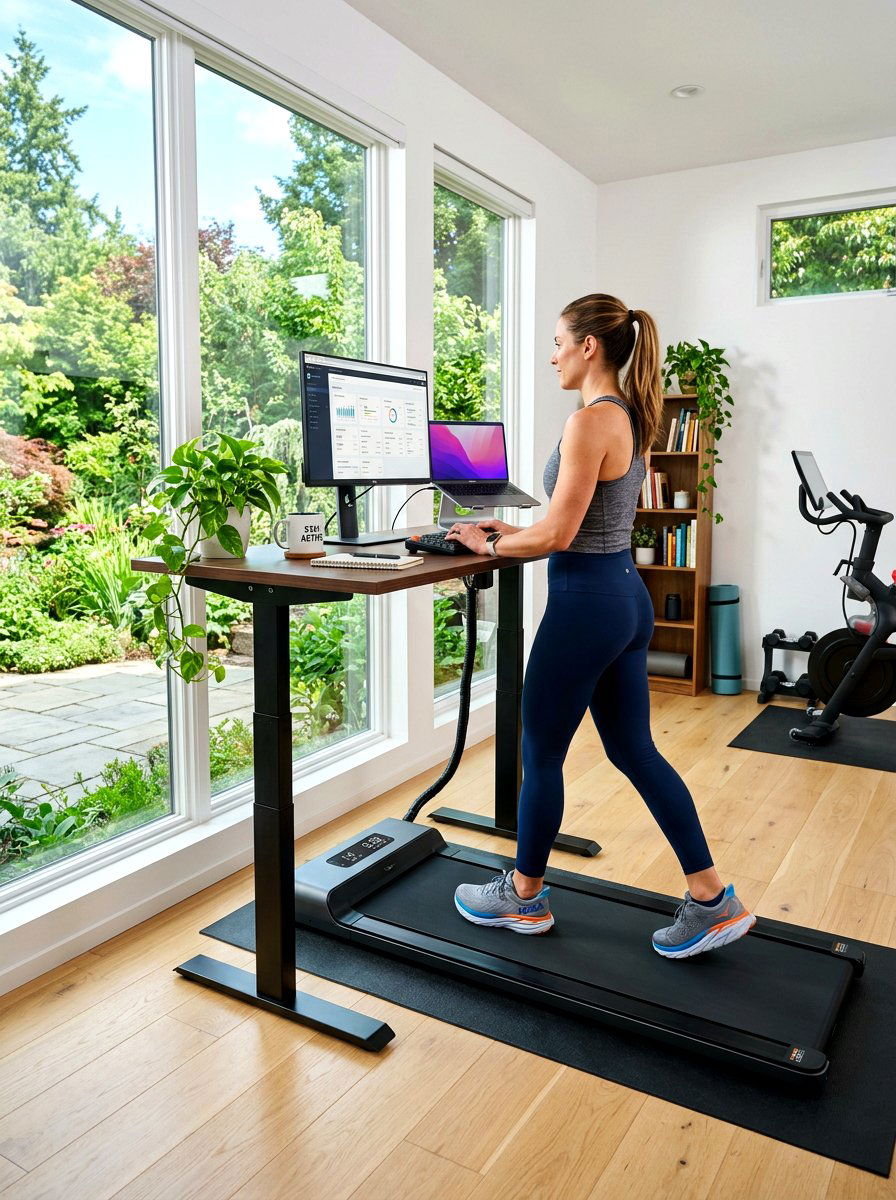
A quiet work room should be as beneficial for your physical health as it is for your mental focus. Integrating a high-quality standing desk allows you to switch between sitting and standing throughout the day, which can improve your blood flow and energy levels. Many modern standing desks feature silent motors, ensuring that your transitions do not disrupt the quiet atmosphere of the room. Pairing your desk with an anti-fatigue mat and an ergonomic stool provides the support your body needs for long work sessions. This setup promotes an active and engaged work style, helping you stay alert and productive without the physical strain of sitting for hours.
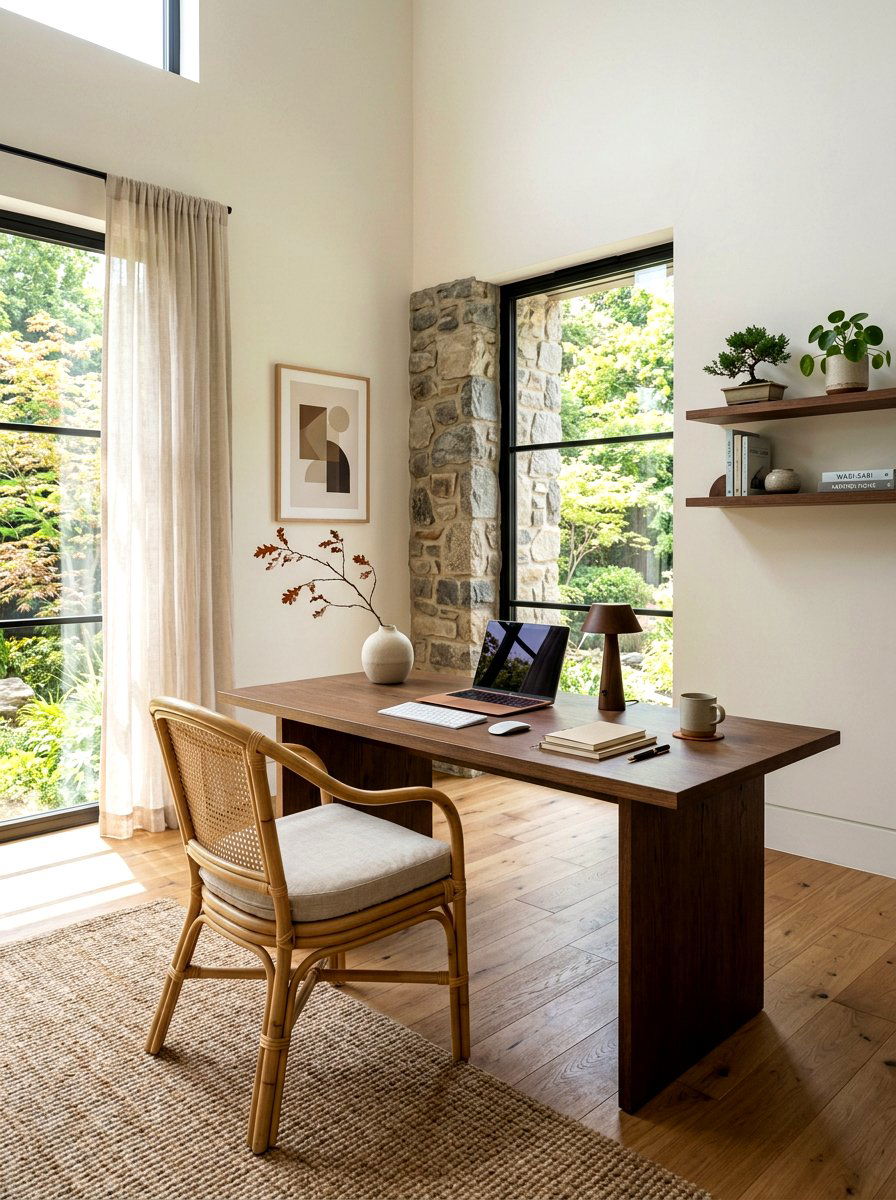
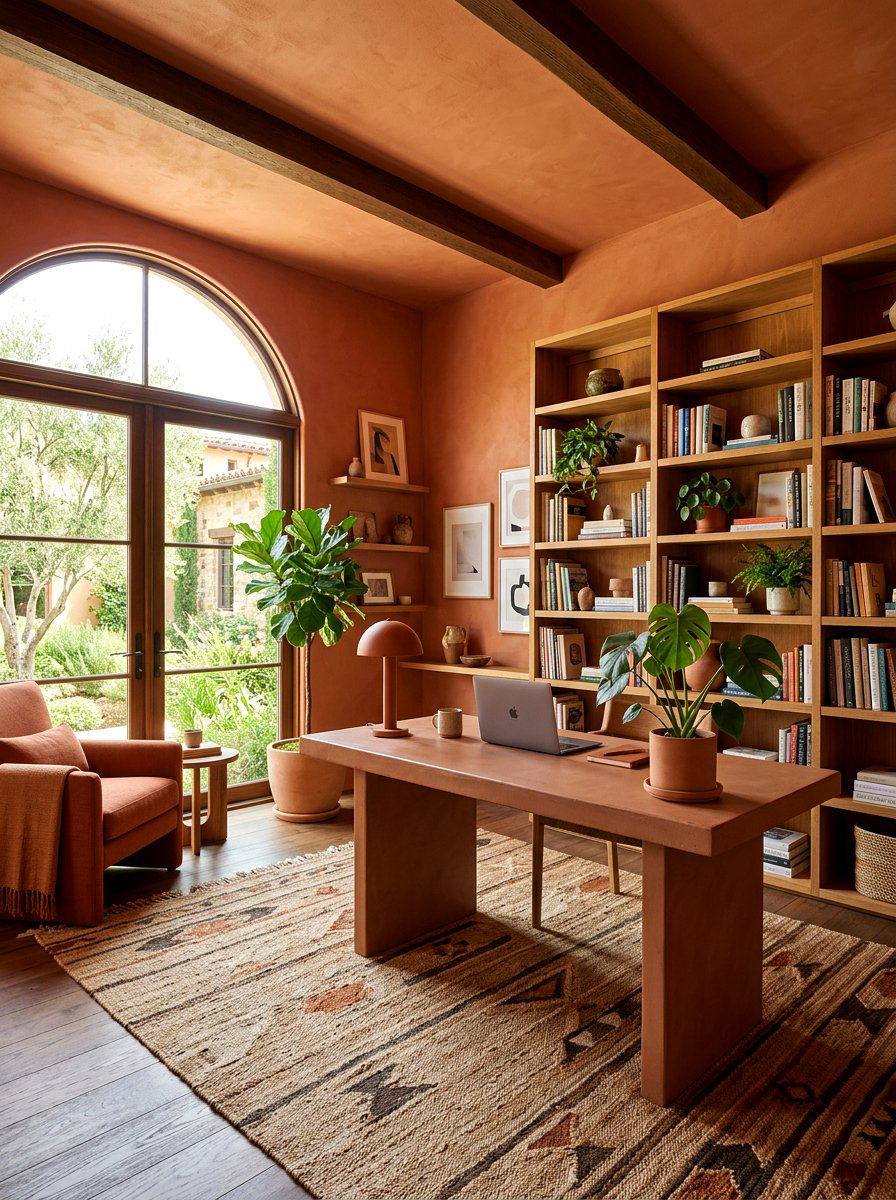
20. Ergonomic Home Studio
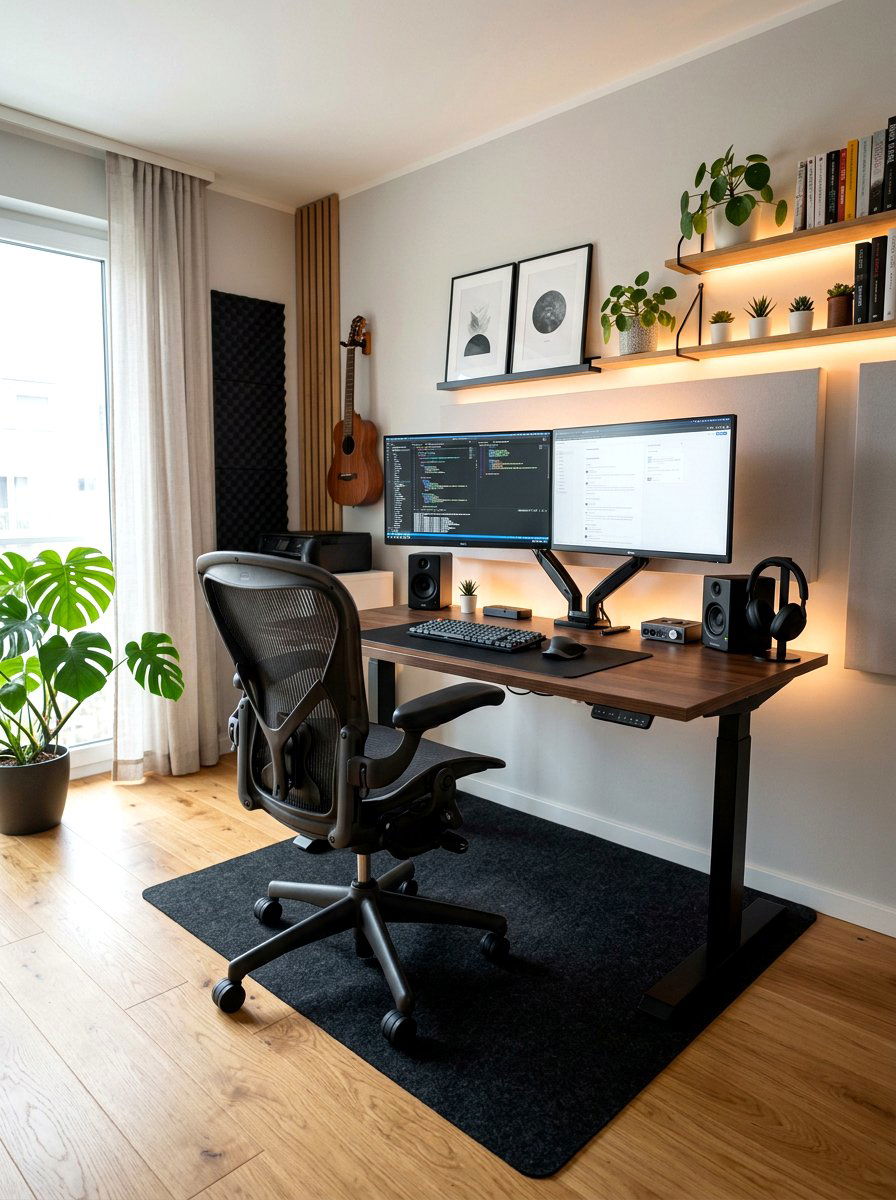
If your work involves long hours at a computer, investing in a fully ergonomic home studio is essential for maintaining comfort and quiet focus. This setup prioritizes adjustable furniture that supports your body's natural posture, including a high-end chair with lumbar support and a monitor arm that keeps your screen at eye level. When your body is comfortable, your mind is free to focus entirely on the task at hand rather than on physical discomfort. Keeping the layout organized with cable management systems and easy-access storage ensures that the room remains a clutter-free zone. An ergonomic studio is a long-term investment in your professional success and your personal well-being.
21. Natural Light Office
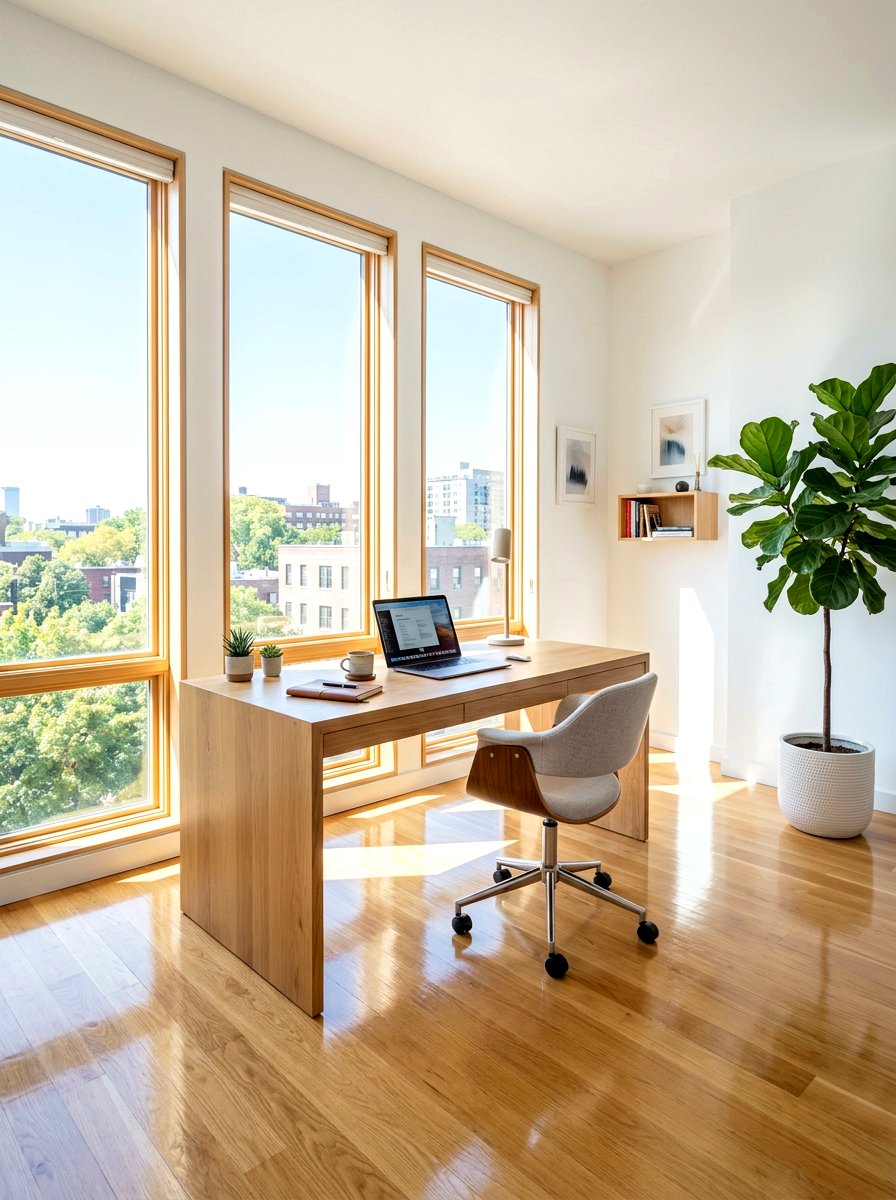
Maximizing natural light is one of the easiest ways to improve the mood and functionality of your quiet work room. Large windows, skylights, or even a glass door can flood the space with brightness, reducing the need for harsh artificial lighting. Position your desk so that the light comes from the side to avoid glare on your screen while still benefiting from the outdoor view. Using light-colored walls and mirrors can further reflect the sunlight, making a small room feel much larger and more inviting. A sun-drenched office feels vibrant and alive, providing a natural boost to your creativity and focus throughout the entire work day.
22. Dark Academia Study
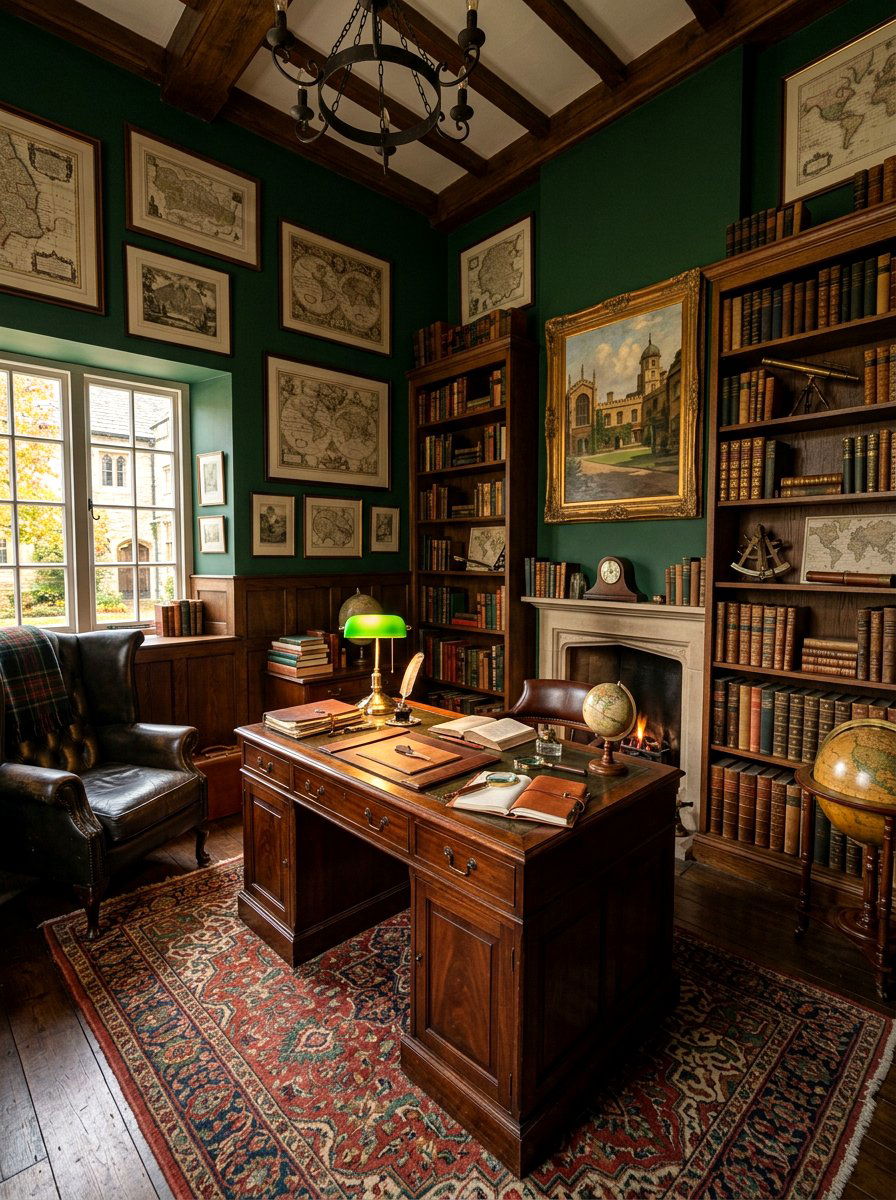
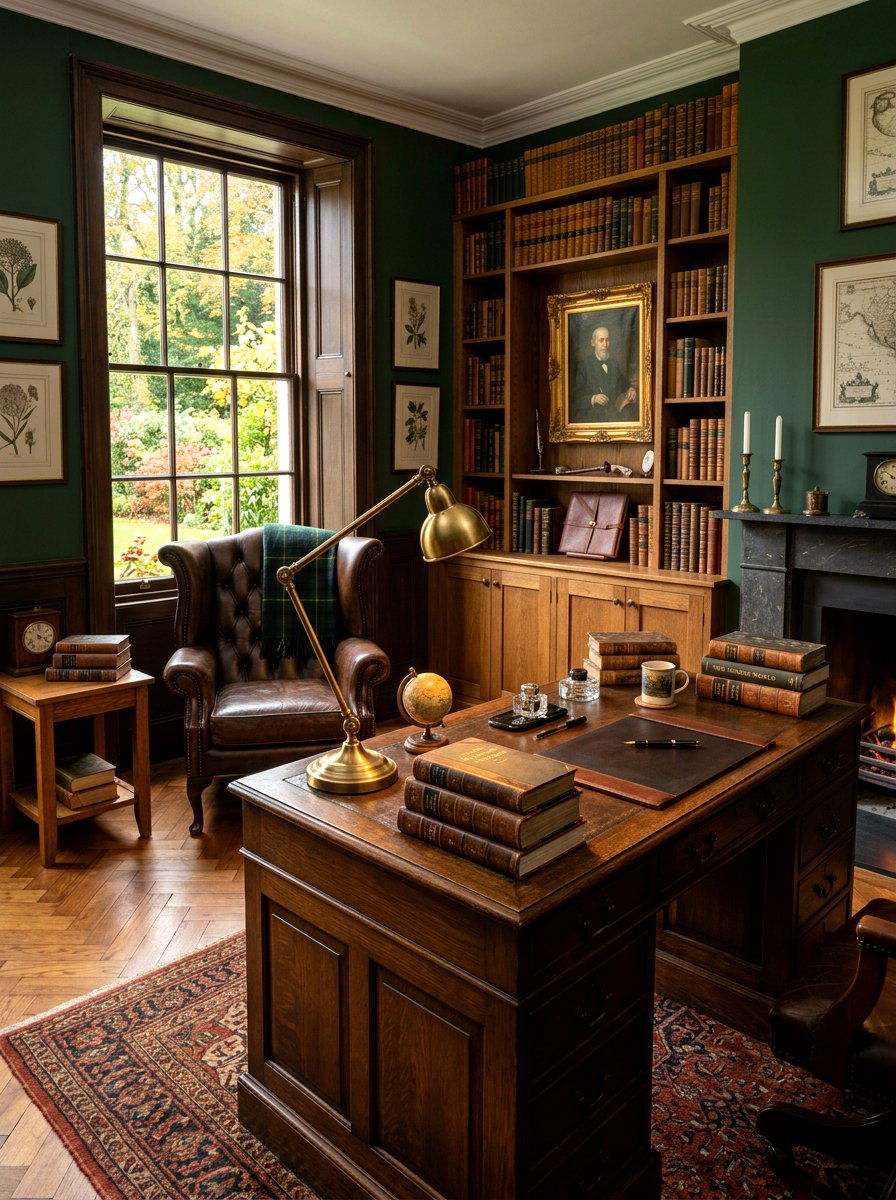
For those who find focus in a more dramatic and moody environment, the dark academia style offers a cozy and scholarly retreat. This aesthetic features deep colors like forest green, navy blue, or burgundy, paired with vintage-inspired furniture and classic accessories. Imagine a room with dark wood paneling, a heavy antique desk, and a warm brass lamp casting a soft glow. The darker color palette creates an intimate and cocoon-like feeling that is perfect for deep reading and intensive writing. Adding personal touches like framed botanical prints and old globes enhances the scholarly atmosphere, making your work room feel like a timeless and highly private sanctuary.
23. Floating Desk Nook
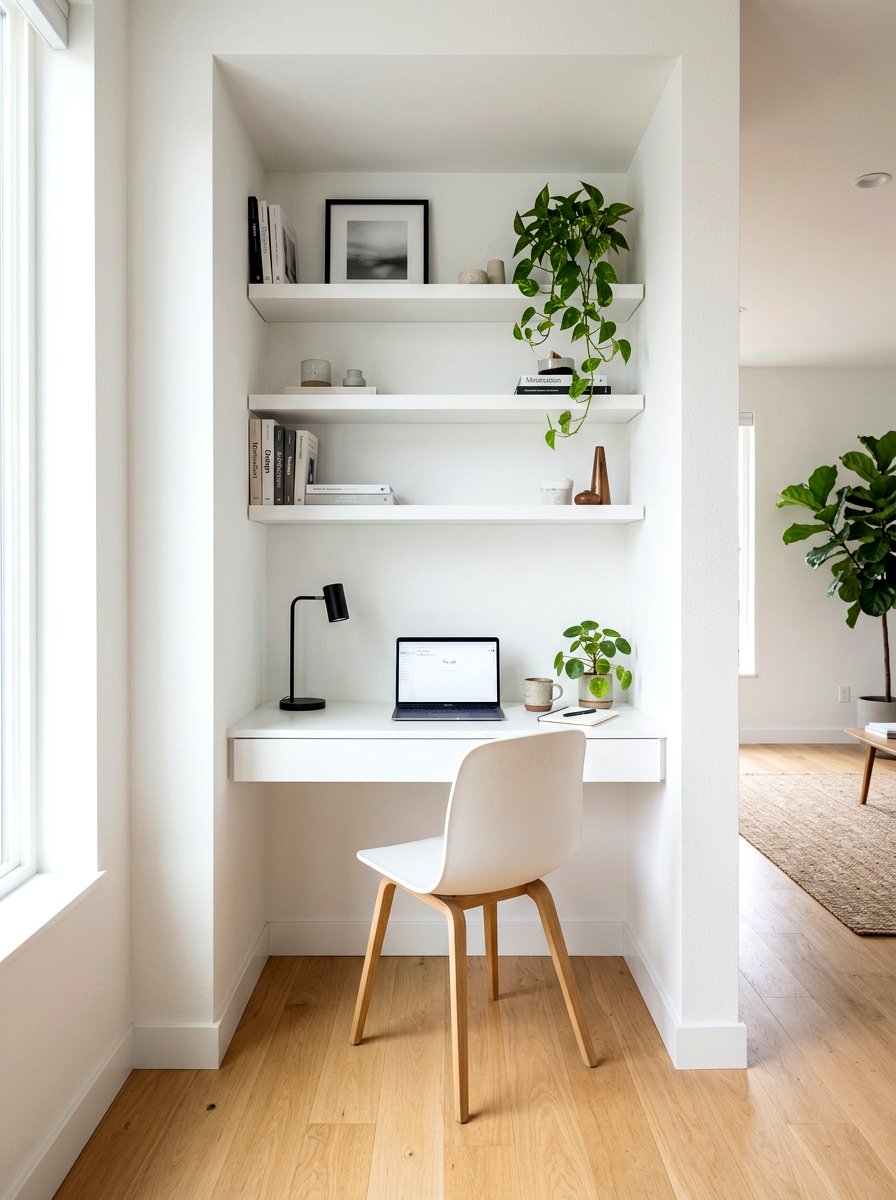
A floating desk is a fantastic space-saving solution that keeps your quiet work room feeling open and modern. By mounting the desk directly to the wall, you eliminate the need for bulky legs, which frees up valuable floor space and makes the room easier to clean. This setup is particularly effective in small bedrooms or hallways where a traditional desk might feel too heavy. You can complement the floating desk with matching wall-mounted shelves to store your books and office supplies vertically. Using a sleek, backless stool or a lightweight chair helps maintain the minimalist look, ensuring your workspace remains a focused and clutter-free environment for daily tasks.
24. Shared Home Office
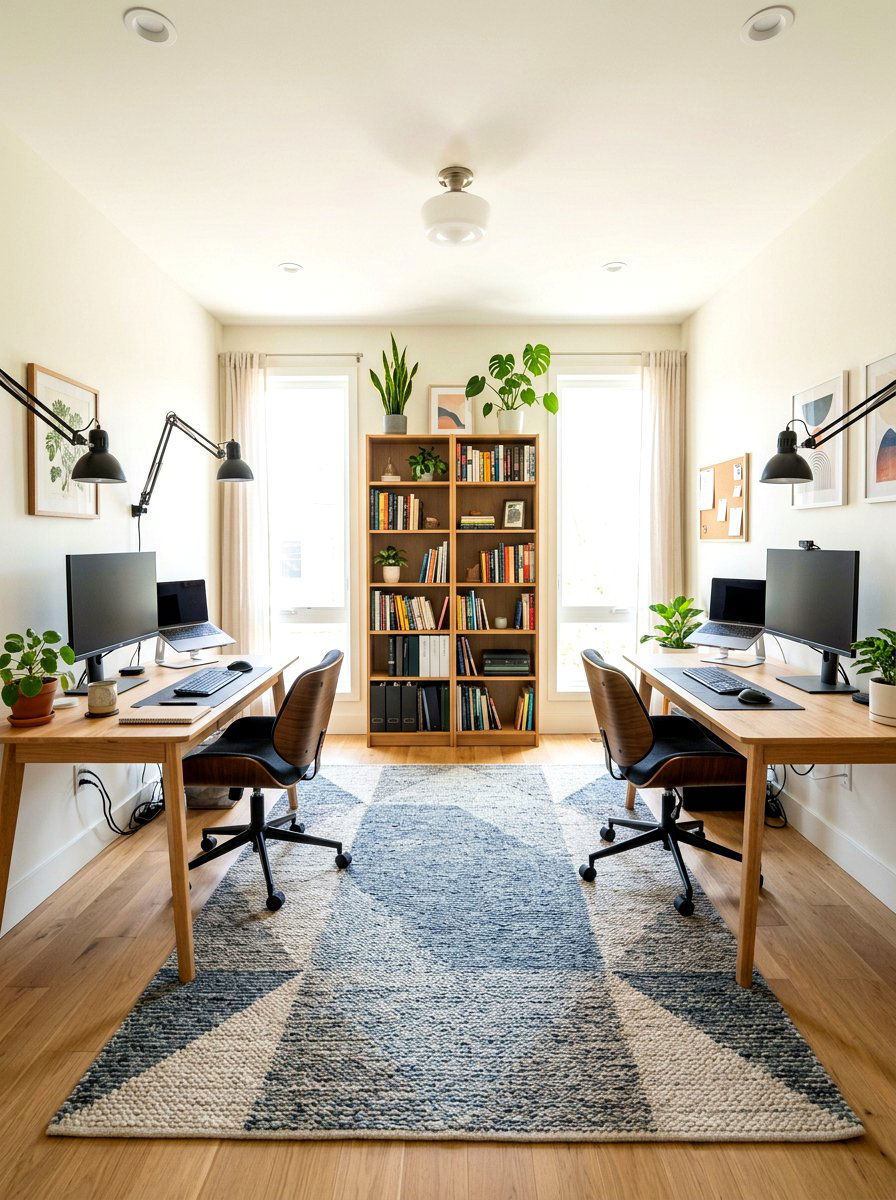
If you and your partner both work from home, a shared office can be a productive and quiet space if designed correctly. The key is to create two distinct workstations that provide enough room for both people to work without interfering with each other. Placing desks back-to-back or on opposite walls can help maintain a sense of personal space. Using individual task lighting and noise-canceling headphones allows each person to control their own environment. Incorporating a central storage unit or a shared bookshelf helps keep the room organized. A well-planned shared office fosters a supportive work atmosphere while ensuring that both individuals have the quiet they need.
25. Zen Office Decor
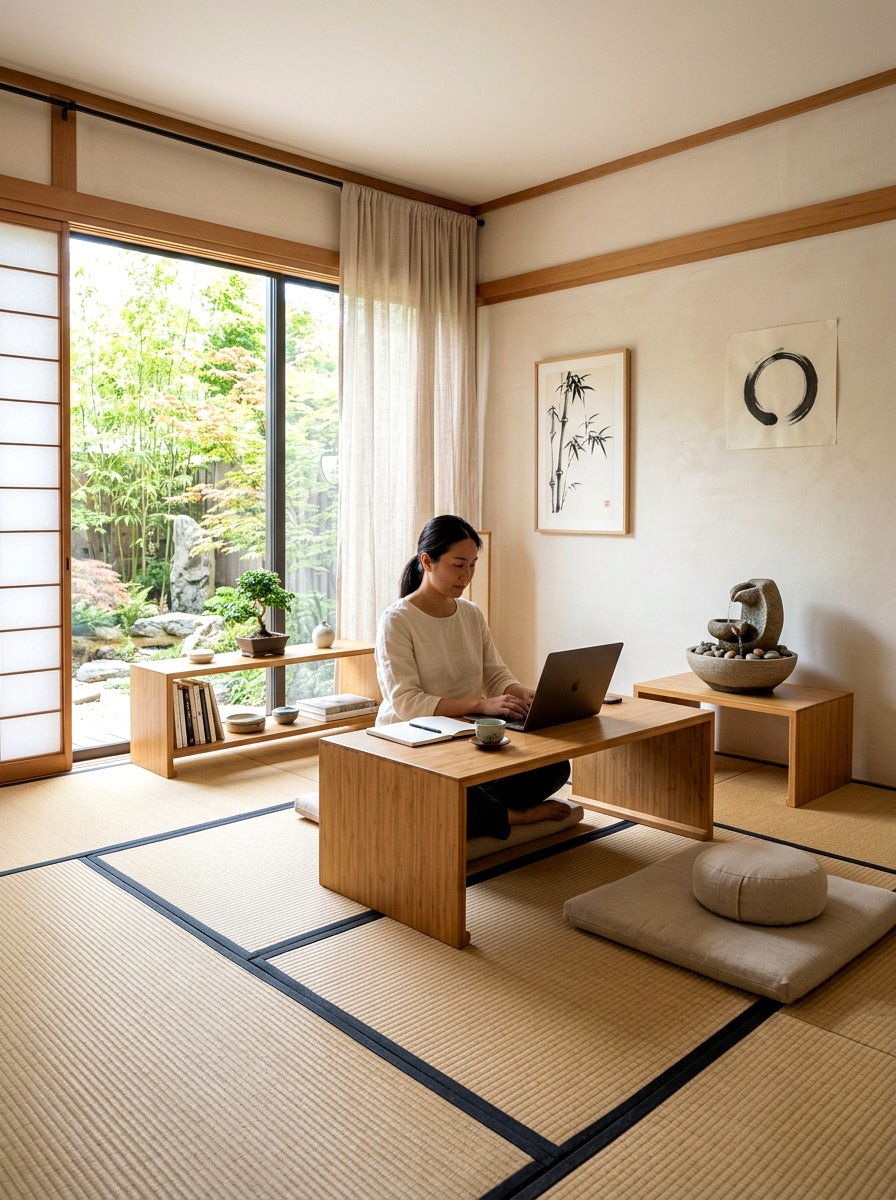
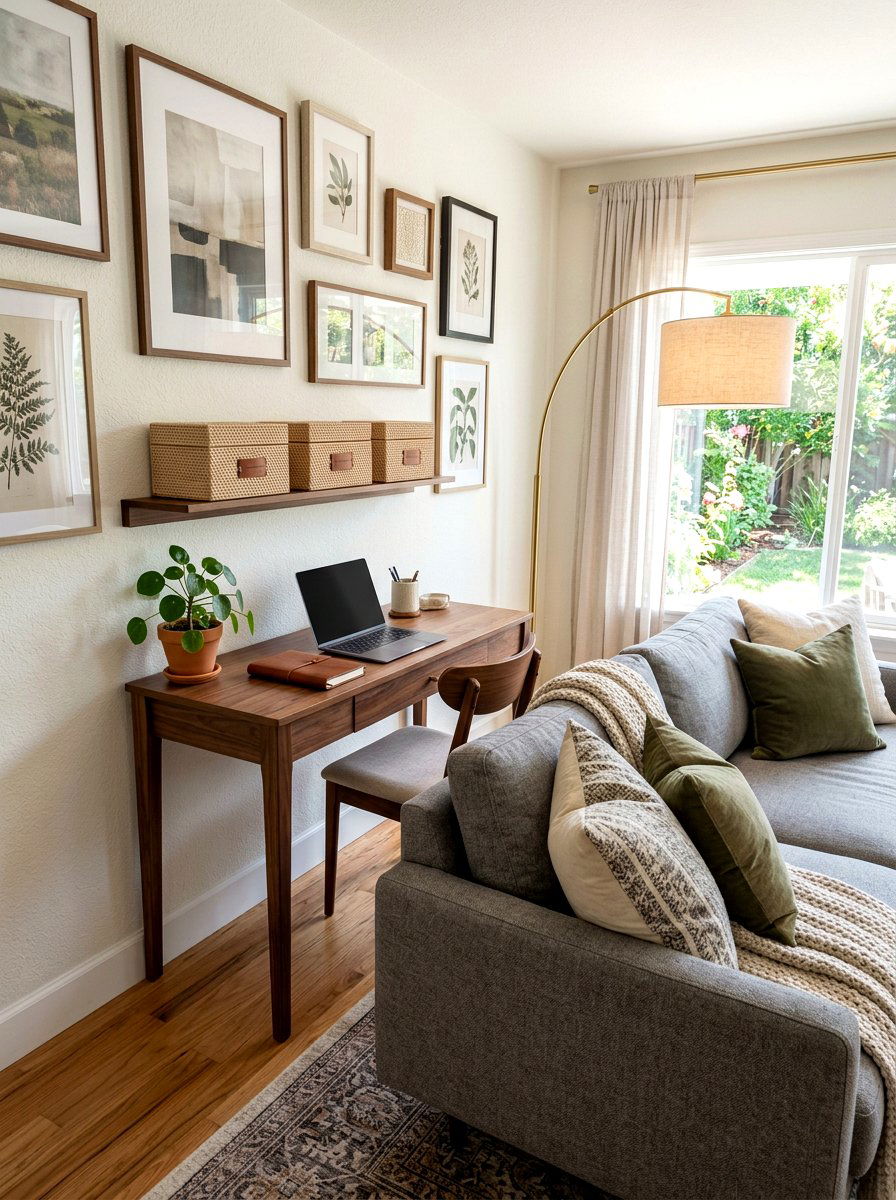
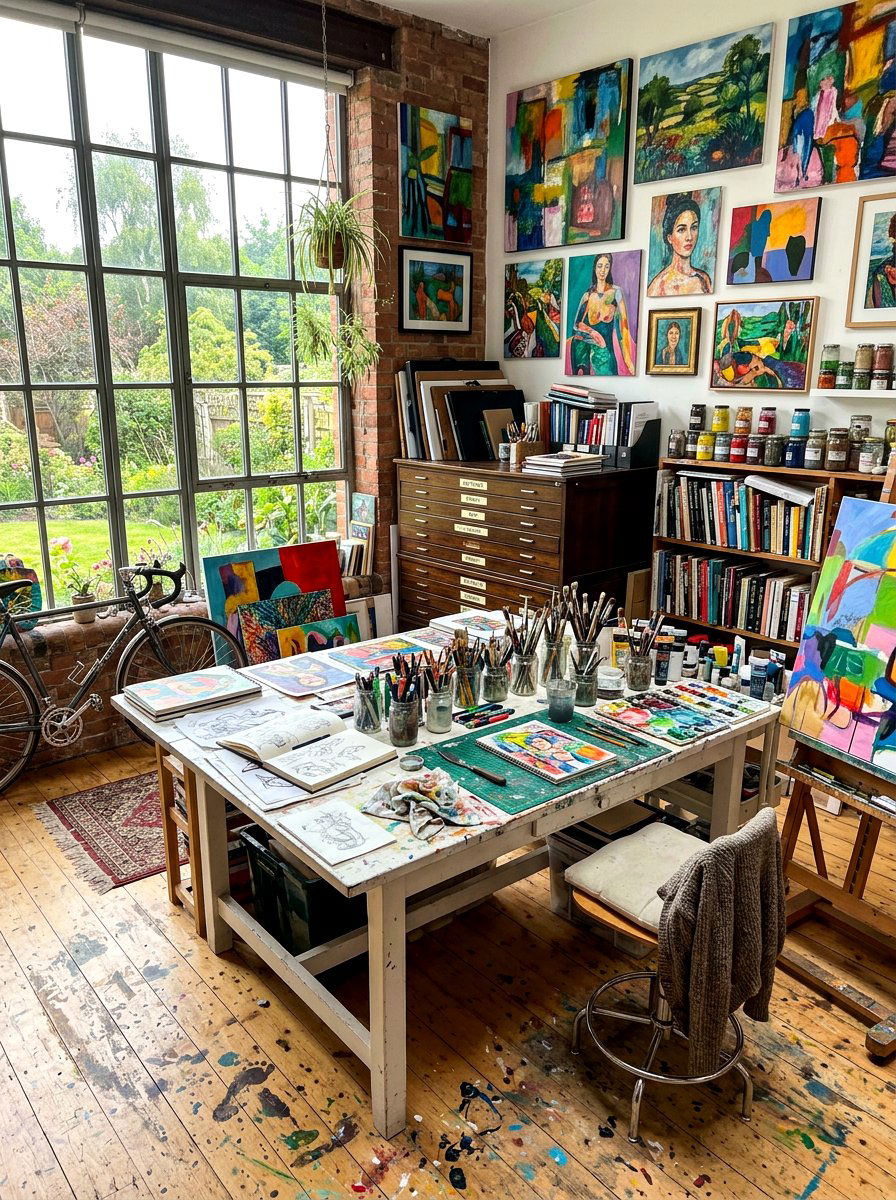
Creating a Zen-inspired workspace focuses on balance, simplicity, and a connection to the present moment. This design style uses low-profile furniture, natural materials like bamboo and stone, and a completely neutral color palette to create a meditative atmosphere. Incorporating a small indoor water fountain or a tabletop sand garden can provide a soothing auditory background that masks distracting household noises. The layout should be open and uncluttered, allowing for smooth movement and a clear mind. By removing all non-essential items and focusing on peace, you transform your work room into a tranquil haven where you can tackle even the most stressful projects with a calm and centered approach.
26. Sound Absorbing Rug
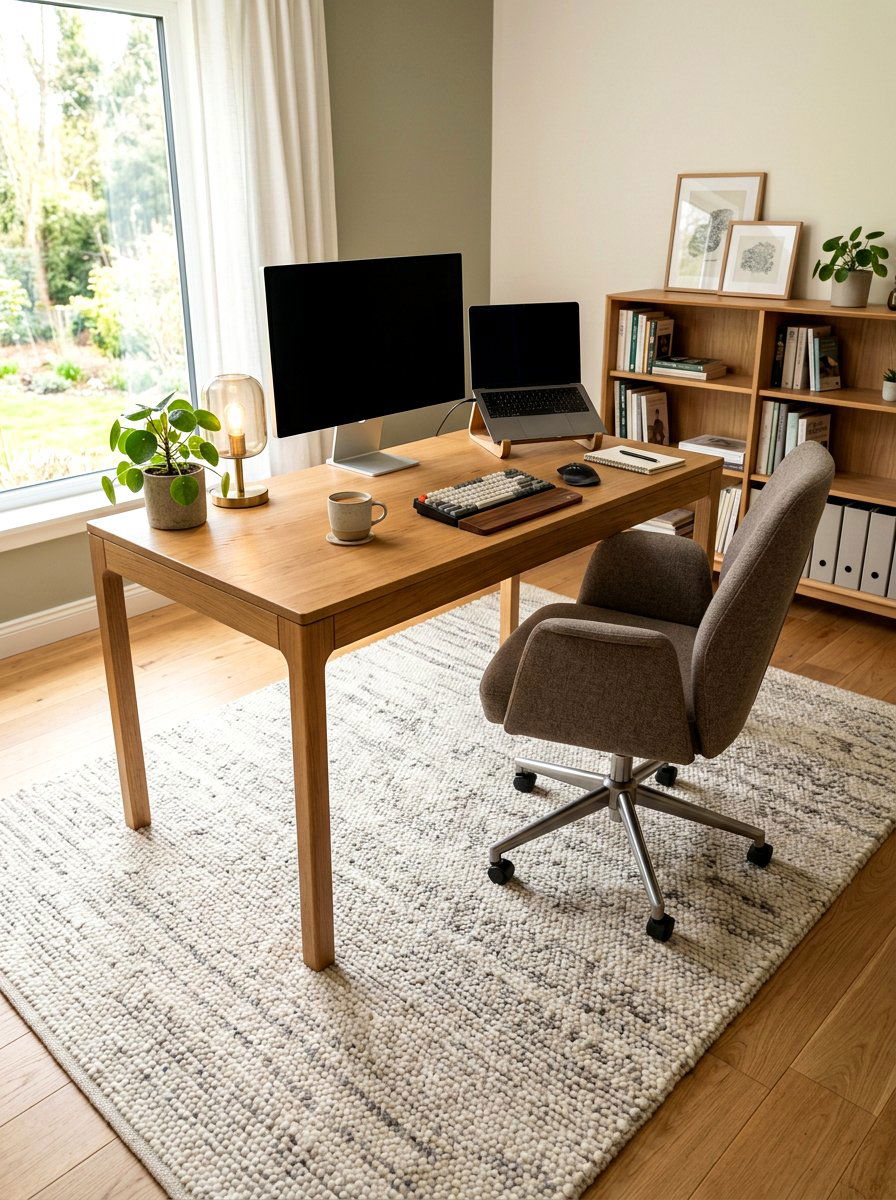
The floor is one of the largest surfaces in a room and can often be a major source of noise if it is made of hard materials like tile or hardwood. Adding a thick, high-pile area rug is a simple yet highly effective way to absorb sound and create a quieter workspace. Rugs prevent the sound of footsteps and rolling chairs from echoing, which makes the entire room feel more grounded and peaceful. Beyond their acoustic benefits, they also add a layer of warmth and comfort underfoot, making long hours at your desk more pleasant. Choosing a rug with a subtle texture or pattern can also help define the different zones within your office.
27. Smart Office Setup
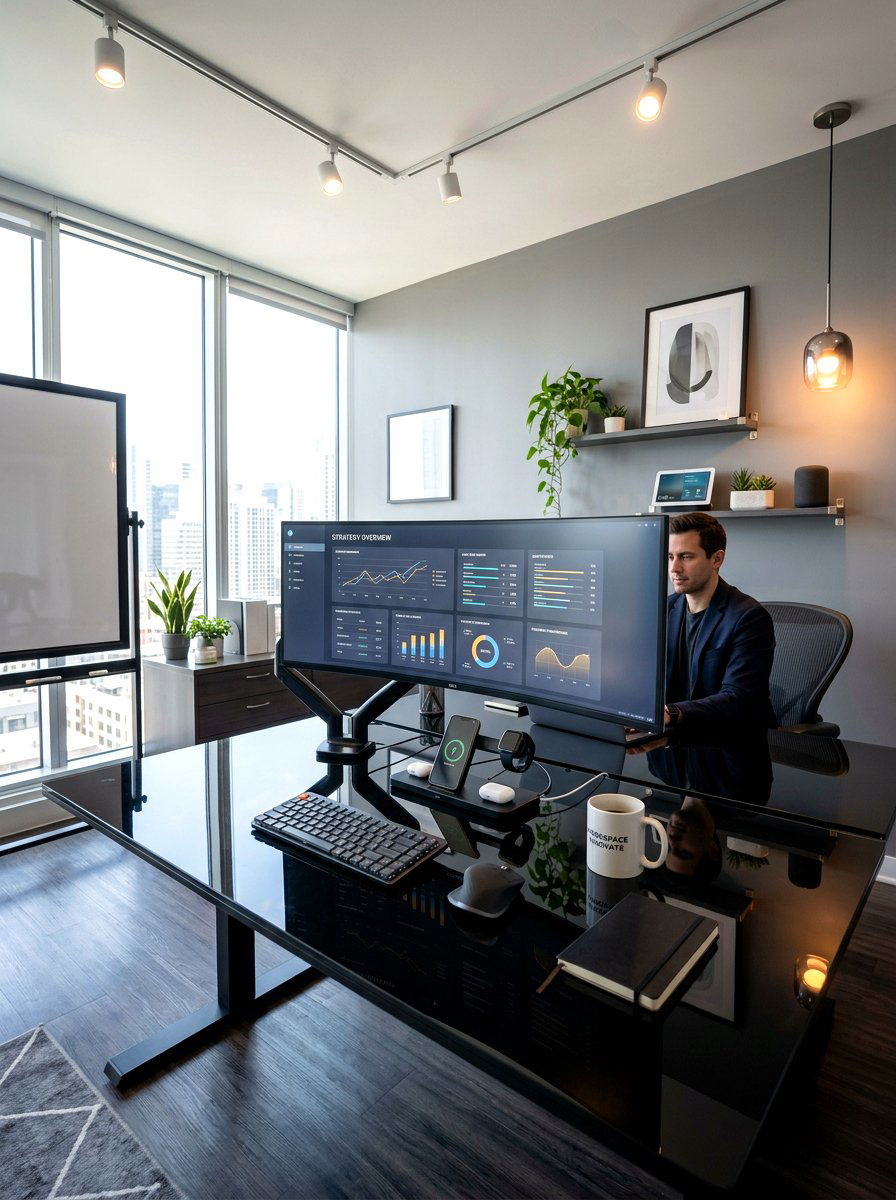
A smart office integrates the latest technology to create a seamless and highly efficient work environment. By using voice-controlled lighting, automated climate control, and smart plugs, you can customize your workspace with minimal effort. Imagine being able to adjust the brightness of your lamps or the temperature of the room without ever leaving your chair. High-quality wireless speakers can play white noise or focus-enhancing music to block out external distractions. Keeping your devices organized with a central charging station ensures that your room remains tidy and ready for work. A tech-forward setup reduces the small frictions of the day, allowing you to stay in a state of deep focus.
28. Mid Century Modern Study
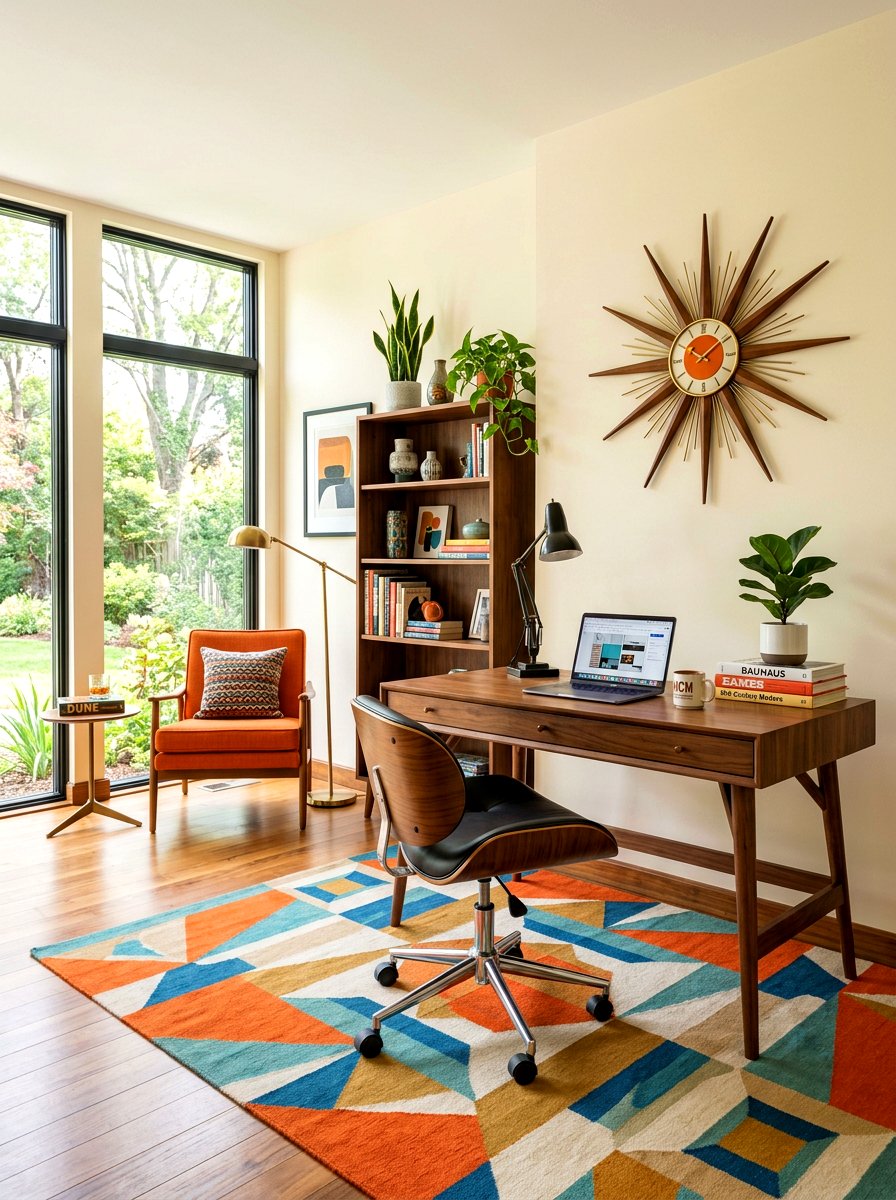
Mid-century modern design is a favorite for home offices because it blends vintage charm with functional simplicity. This style features iconic furniture pieces with tapered legs, rich wood tones like teak or walnut, and bold geometric patterns. A mid-century desk paired with a stylish molded plastic or leather chair creates a professional look that feels both classic and current. The use of large windows and indoor plants is common in this aesthetic, helping to bring a sense of life and light into your quiet work room. It is a sophisticated design choice that provides a structured yet creative environment, perfect for staying motivated and focused on your professional goals.
29. Desk Privacy Partition
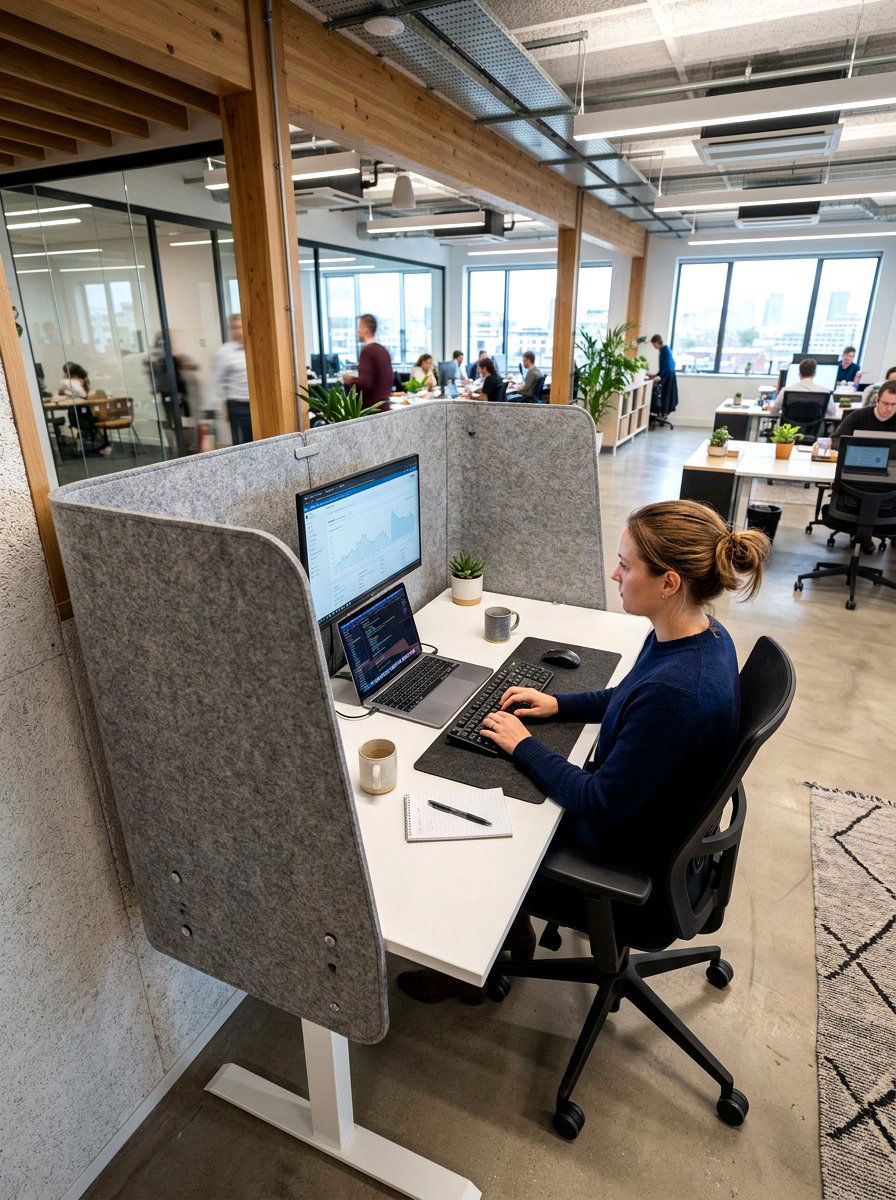
If you must work in a multi-purpose room, a desk privacy partition can help you create a quiet mental and visual boundary. These screens are available in various materials, including felt, wood, and frosted glass, and can be attached directly to your desk or stand freely on the floor. A felt partition is particularly useful because it also acts as a sound absorber, reducing noise from the rest of the house. By blocking out visual distractions, you can create a cocoon-like feeling that helps you enter a state of flow more quickly. When you are finished working, the partition can often be folded away, allowing the room to return to its original function.
30. Cork Wall Workspace
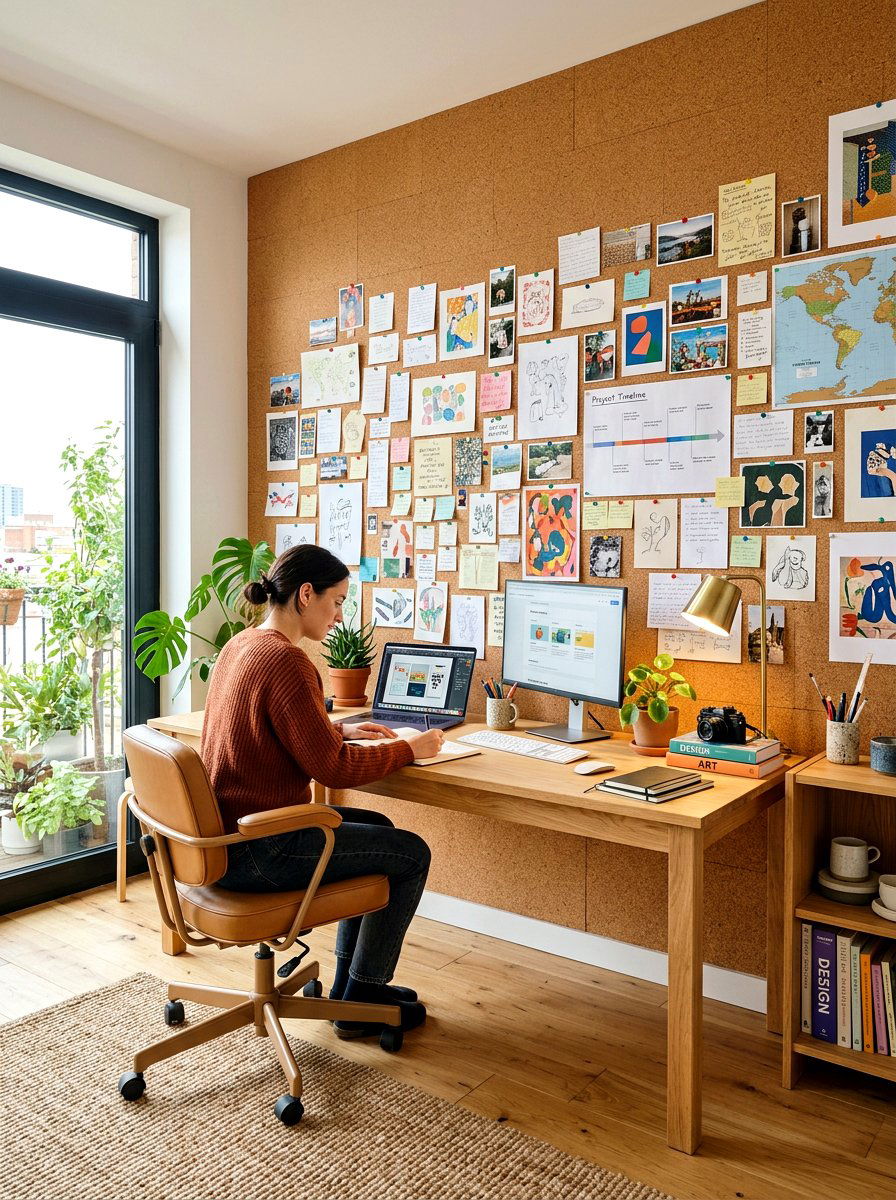
Turning an entire wall into a giant cork board is a functional and stylish way to organize your thoughts while improving the acoustics of your room. Cork is a natural sound-absorbing material that helps dampen echoes and prevent noise from traveling through the walls. It also provides a massive surface for pinning up project timelines, inspirational photos, and important notes, keeping your desk surface clear of clutter. This tactile approach to organization is great for visual thinkers and creative professionals. The warm, earthy texture of the cork adds a cozy and organic feel to the room, making your quiet work room feel like a personalized and highly productive studio.
Conclusion:
Investing time and effort into building a quiet work room is one of the most rewarding home projects you can undertake for your professional life. A well-designed workspace does not just look beautiful on a screen; it provides the physical and mental separation needed to balance work and home life effectively. By implementing soundproofing techniques, ergonomic furniture, and calming color palettes, you create an environment where creativity can truly flourish without constant interruptions. Whether your style leans toward modern minimalism or cozy classic libraries, your dedicated office should be a place where you feel motivated and peaceful. Start building your perfect quiet retreat today to enhance your focus and well-being.

Related posts: