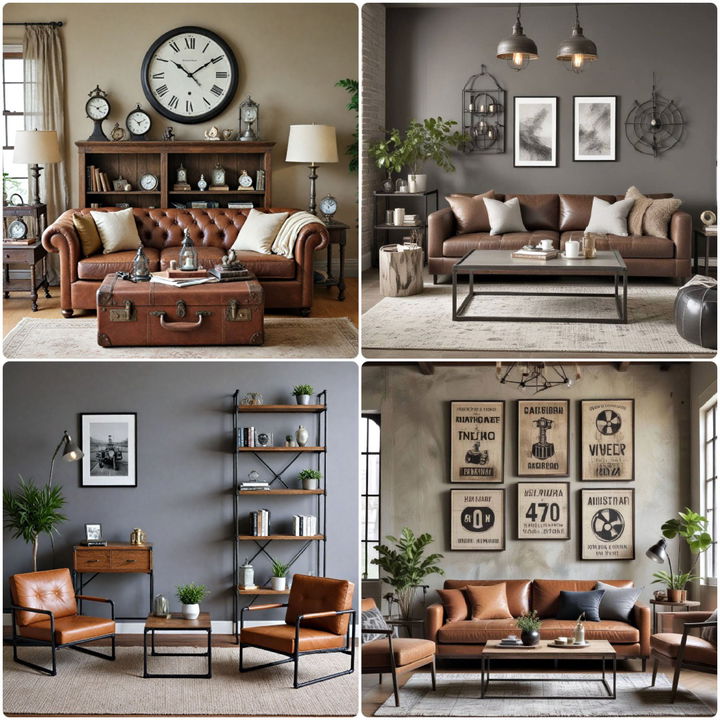
Creating a peaceful sanctuary within your home is more important today than ever before because the modern world is constantly filled with noise and digital distractions. A quiet room serves as a vital retreat where you can disconnect from external stress and reconnect with your inner self through mindful design and soothing aesthetics. By focusing on soft textures, intentional lighting, and a cohesive color palette, you can transform any ordinary space into a serene environment that promotes mental clarity and deep relaxation. This article explores thirty unique ways to curate a room that whispers calm, ensuring every corner of your home supports your well-being and personal tranquility.
1. Soft Neutral Room
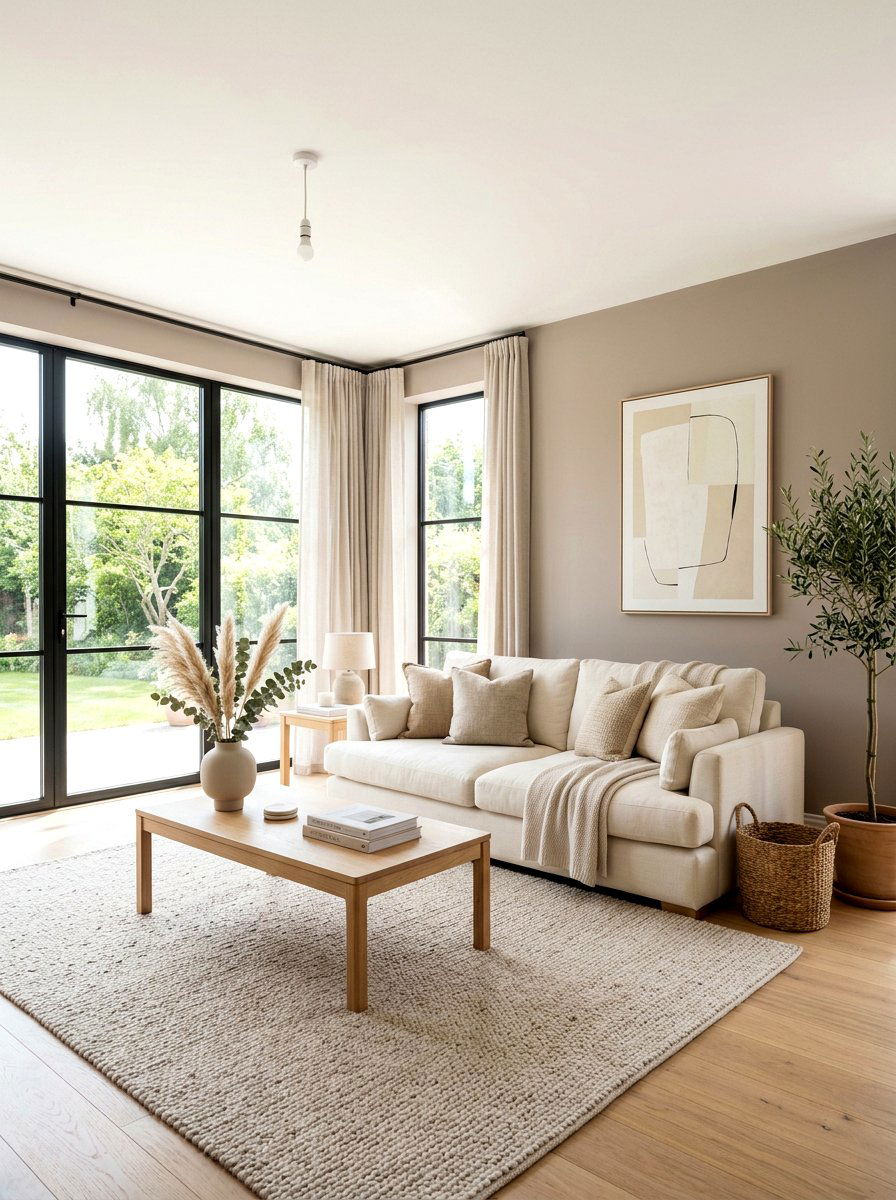
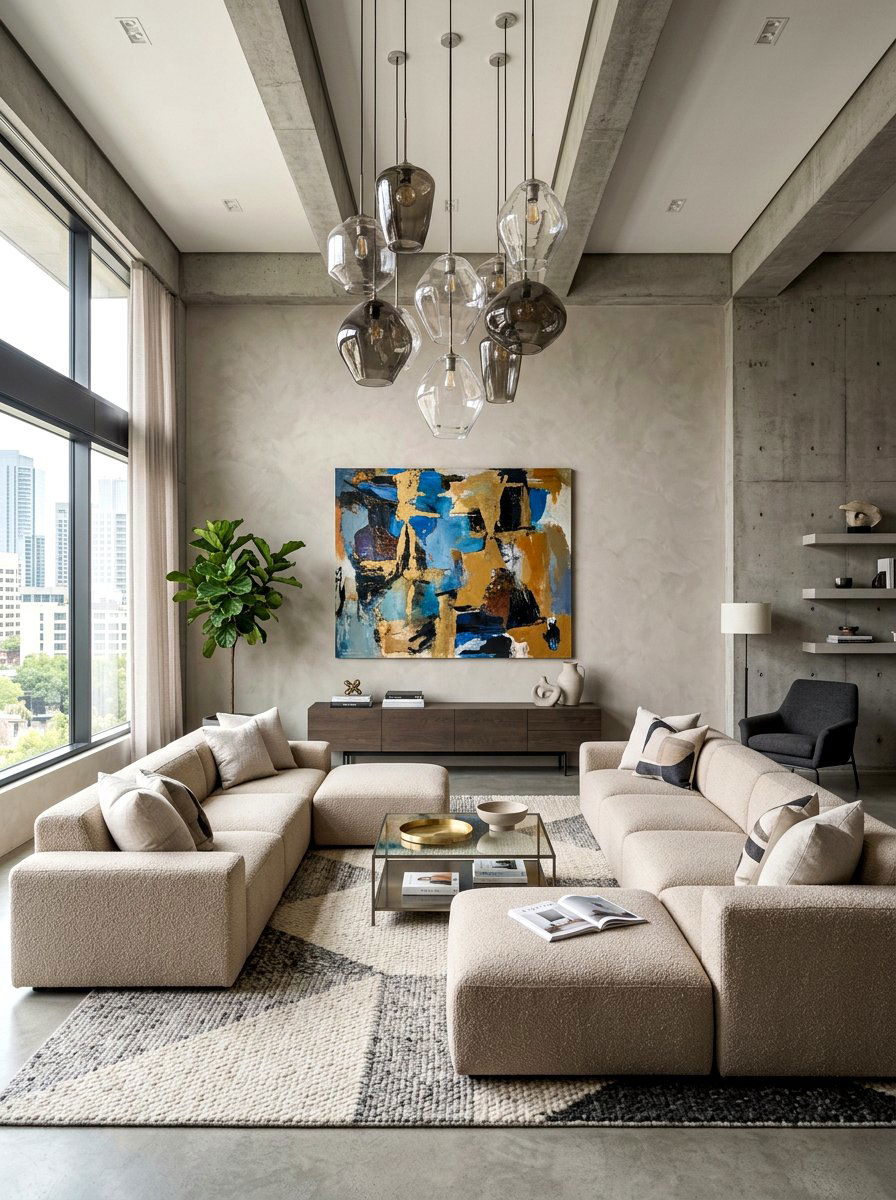
Designing a soft neutral room is the most effective way to establish an immediate sense of peace and openness in your home. You should prioritize colors like warm beige, creamy white, and soft taupe to create a backdrop that does not overstimulate the senses. These shades work beautifully because they reflect natural light softly, making the entire area feel airy and expansive throughout the day. To avoid a flat look, you can incorporate various textures such as a chunky knit throw or a linen-wrapped ottoman. This approach to interior design encourages a slower pace of life and allows your mind to rest the moment you step inside the door.
2. Sound Absorbing Curtains
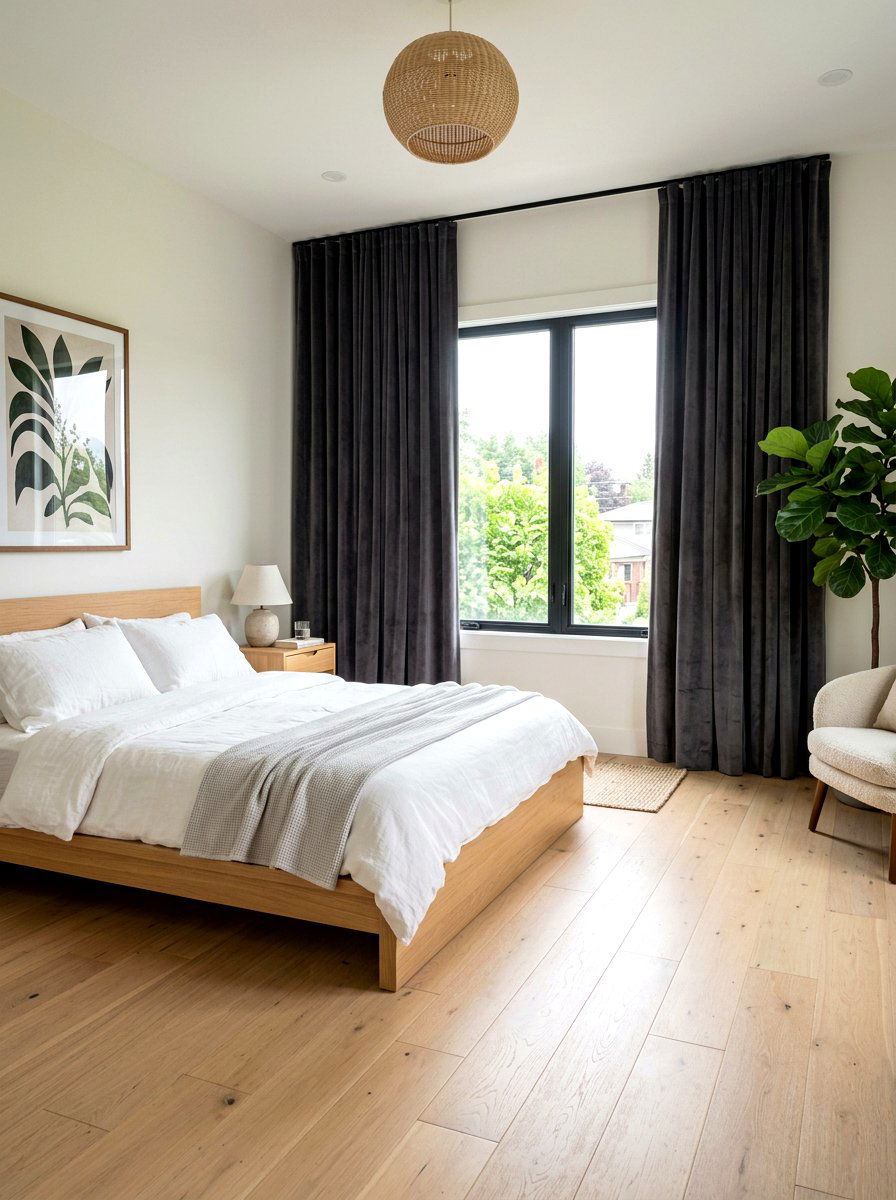
Installing heavy sound absorbing curtains is a practical and stylish way to block out the chaotic noise of the outside world effectively. You should look for drapes made from dense materials like velvet or thick linen blends that feature a specialized blackout lining for maximum quietness. These window treatments do more than just provide privacy; they actually dampen echoes within the room, creating a muffled and cozy atmosphere that is perfect for sleeping or reading. Choosing a color that matches your walls will help the curtains blend in seamlessly, which maintains a clean and minimalist look while providing the functional benefit of a much quieter environment.
3. Minimalist Japandi Space
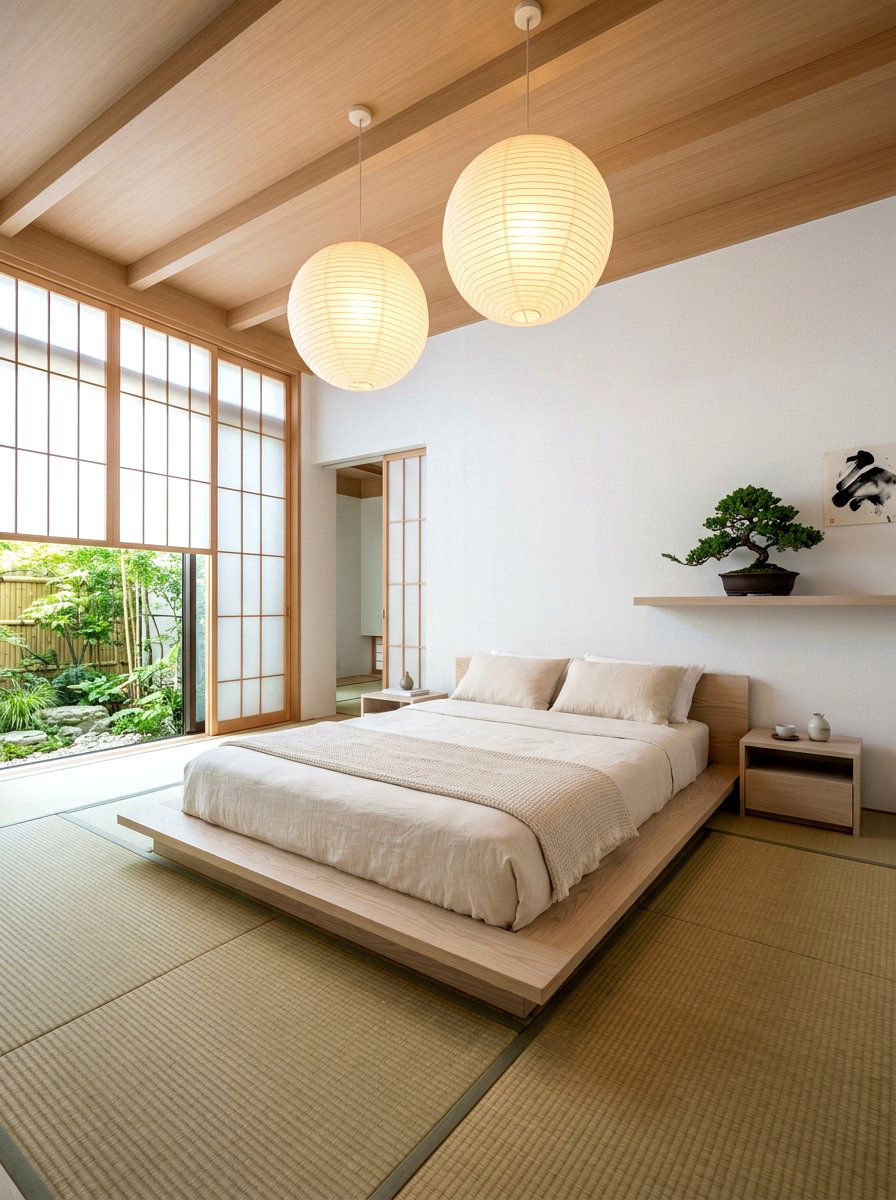
A minimalist Japandi space combines the functional simplicity of Scandinavian design with the timeless rustic elegance of Japanese aesthetics to create ultimate harmony. You can achieve this look by selecting low-profile furniture made from light-colored woods like ash or white oak to keep the visual field clear. Integrating natural materials like bamboo and jute adds an earthy warmth that feels both grounded and sophisticated in any home setting. Focus on keeping the layout uncluttered so that energy can flow freely through the room without any obstacles. This design philosophy celebrates the beauty of imperfection and encourages you to appreciate a lifestyle that values quality over quantity.
4. Indoor Plant Oasis
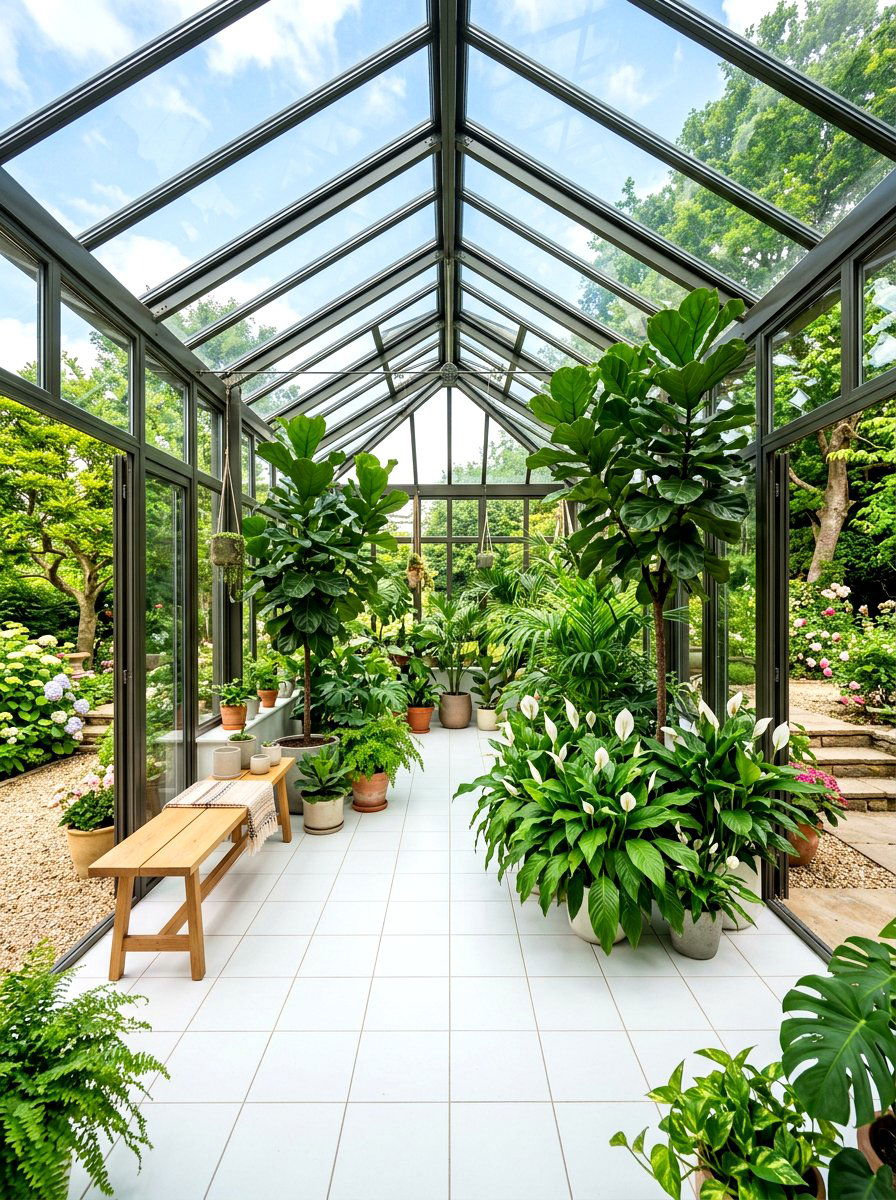
Transforming your living area into an indoor plant oasis is a wonderful way to bring the calming essence of nature directly into your home. You should select a variety of large leafy plants like peace lilies, snake plants, and fiddle leaf figs to improve air quality and provide visual interest. Greenery acts as a natural air purifier and has been scientifically proven to reduce stress levels while increasing feelings of happiness and productivity. Placing plants at different heights using wooden stands or hanging macramé planters creates a lush and immersive environment. This biophilic design approach anchors the room in natural beauty, making it feel like a private garden.
5. Wood Slat Wall
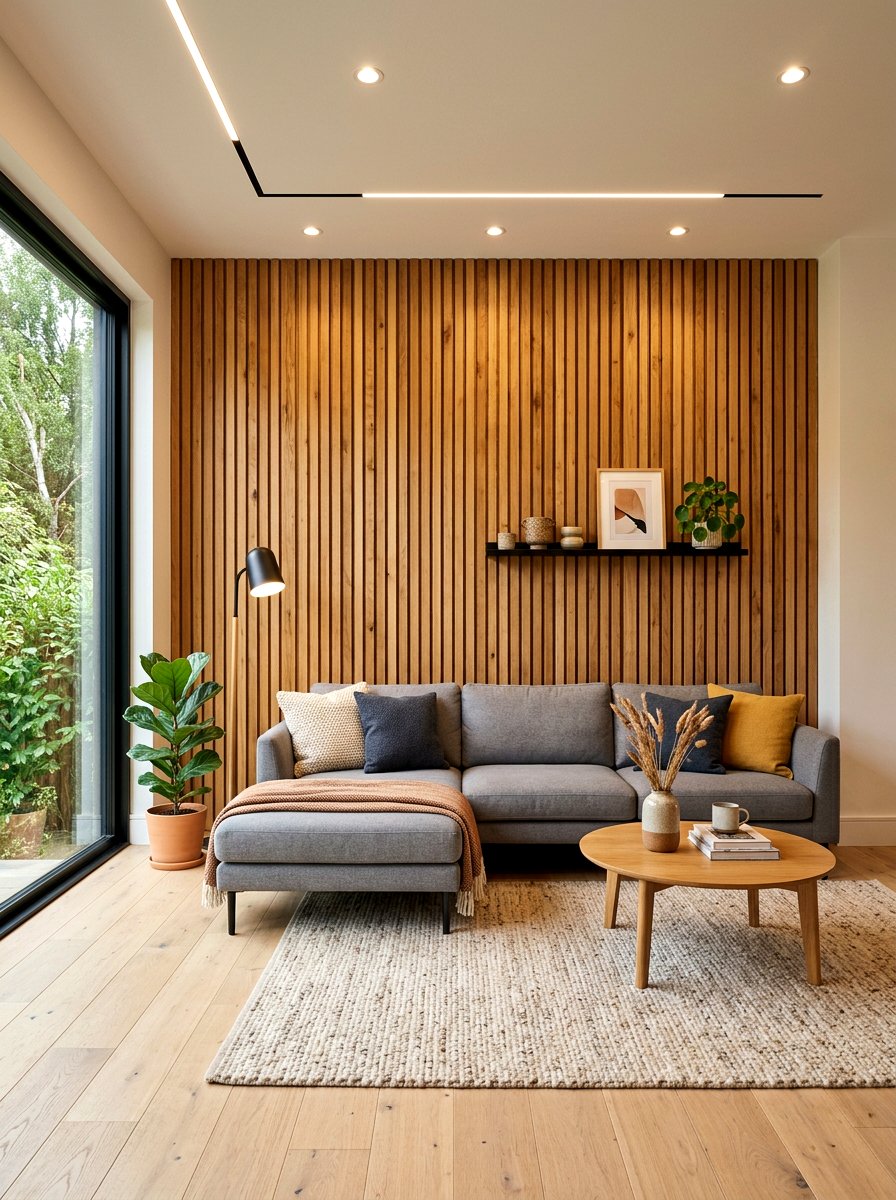
Adding a wood slat wall to your room provides a modern architectural focal point while also offering significant acoustic benefits for a quieter atmosphere. These vertical timber panels are excellent at breaking up sound waves, which prevents annoying echoes and makes the entire space feel much more intimate and private. You can choose a natural oak finish to keep the room feeling bright or a darker walnut for a moodier and more grounded aesthetic. The repetitive pattern of the slats creates a rhythmic visual effect that is incredibly soothing to look at. This design element perfectly balances industrial clean lines with the organic warmth of real natural wood.
6. Reading Nook Chair
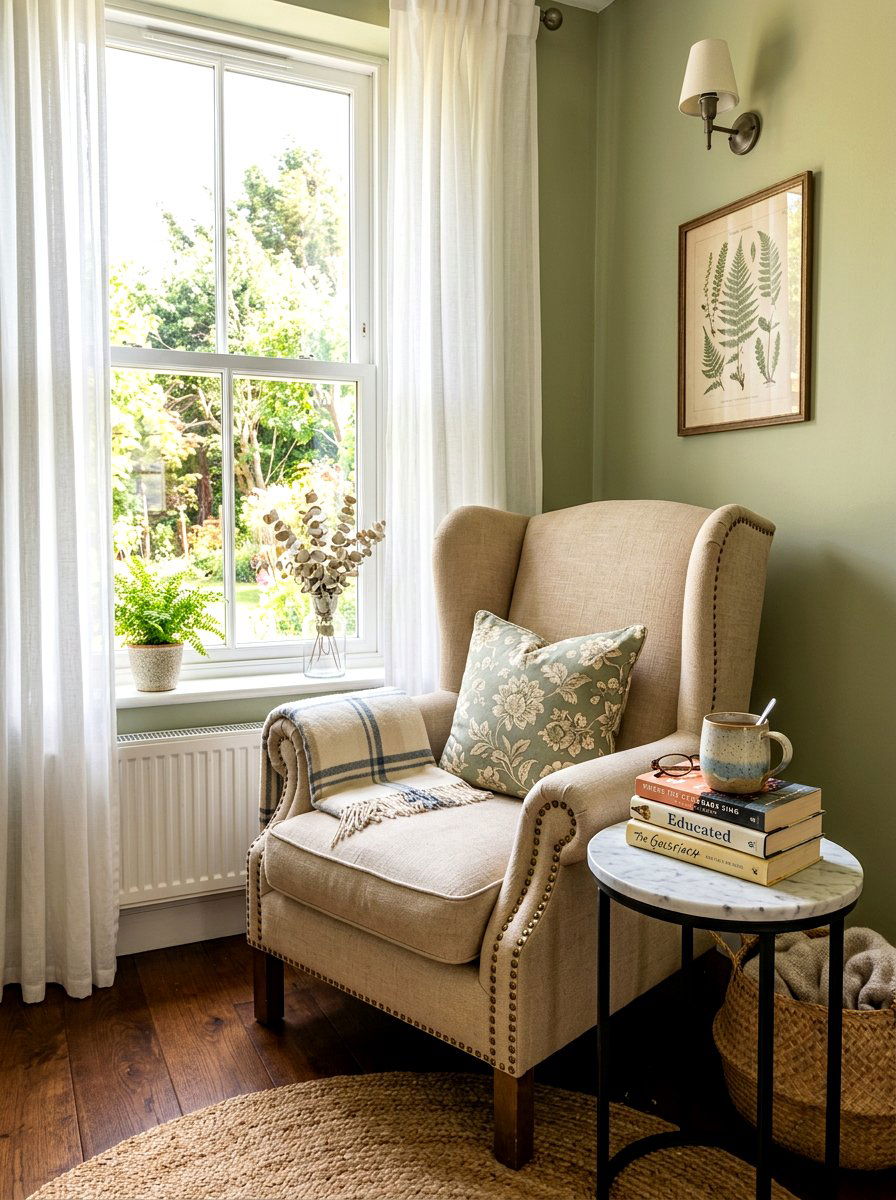
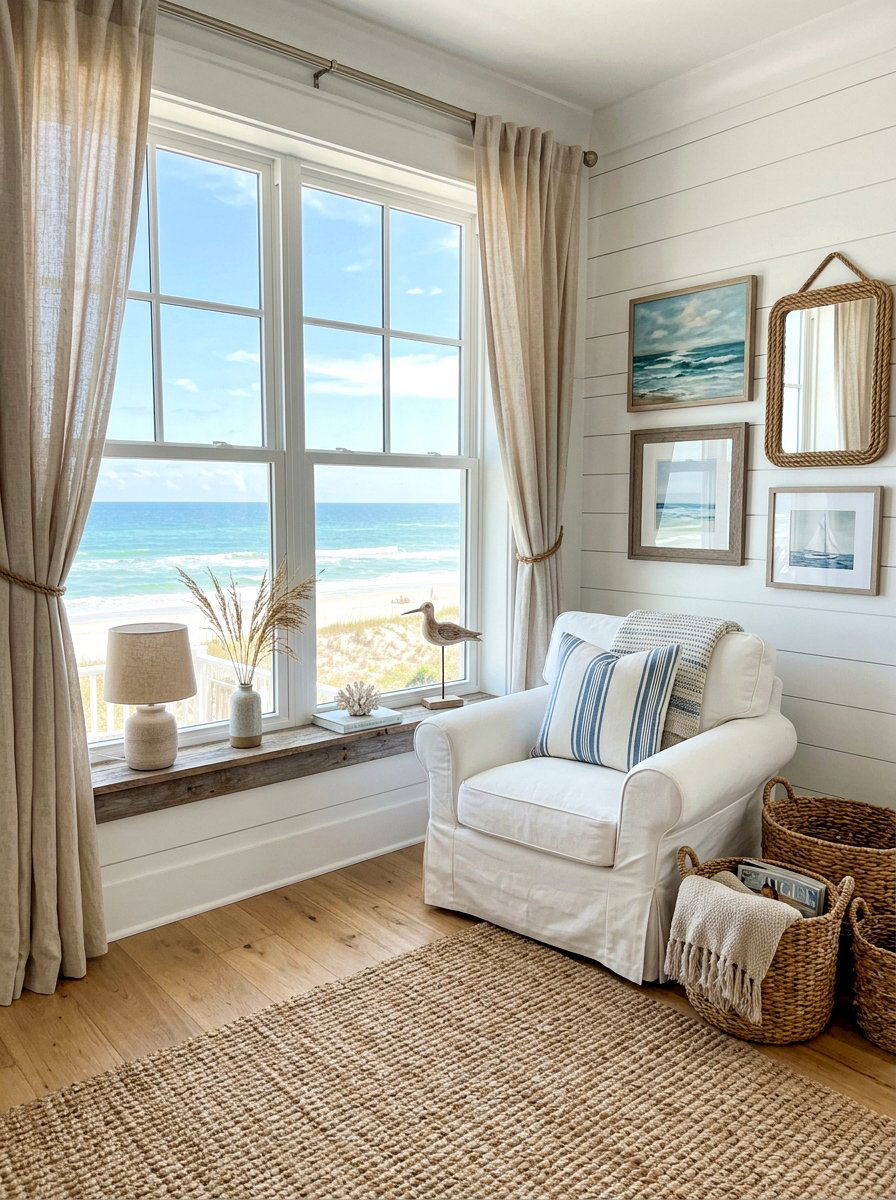
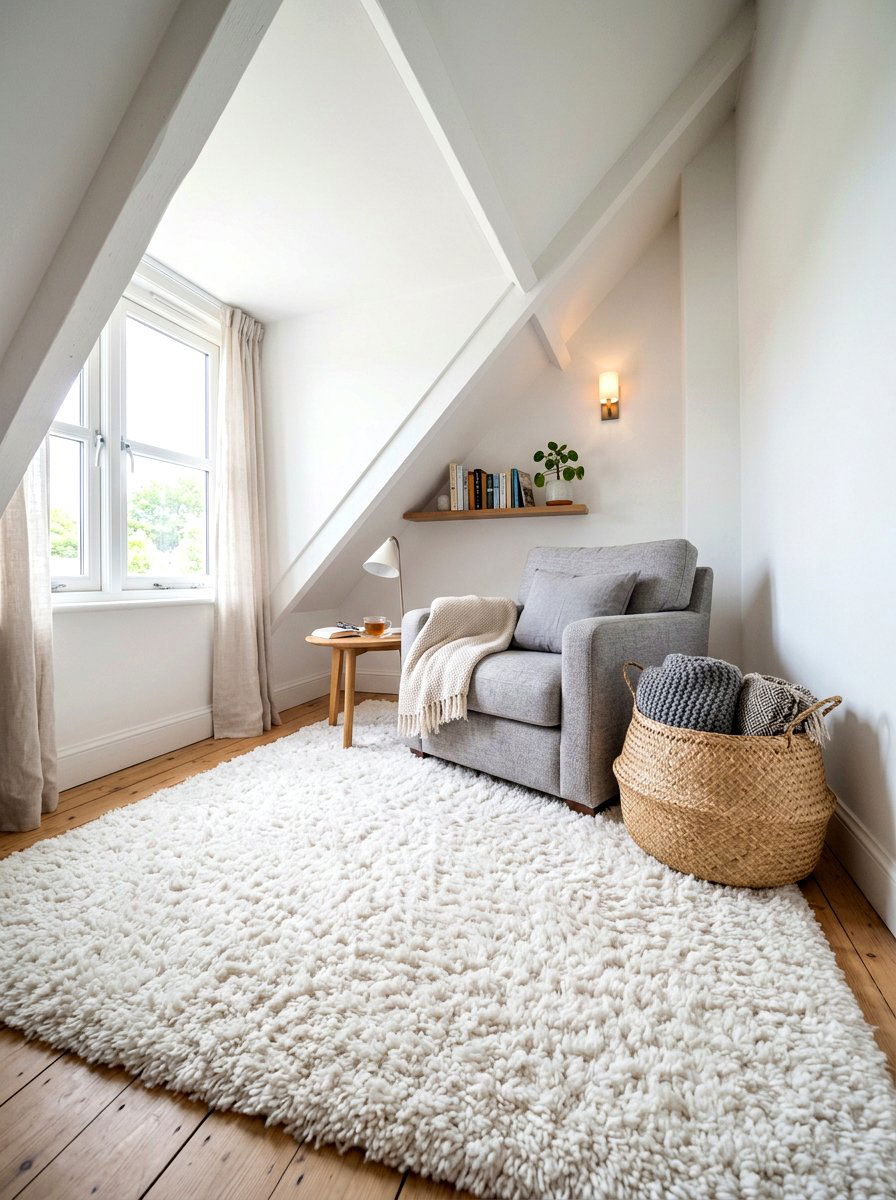
Every quiet room needs a dedicated reading nook chair that invites you to curl up and get lost in your favorite book for hours. You should choose an oversized armchair with high-quality upholstery and deep seating to ensure you have the maximum amount of physical comfort possible. Placing the chair near a large window allows you to enjoy natural light during the day while having a small side table nearby for your tea. Adding a soft velvet pillow and a matching footstool will enhance the lounging experience significantly. This specific corner becomes a personal destination within your home where you can escape daily chores and enjoy silence.
7. Floor Cushion Setup
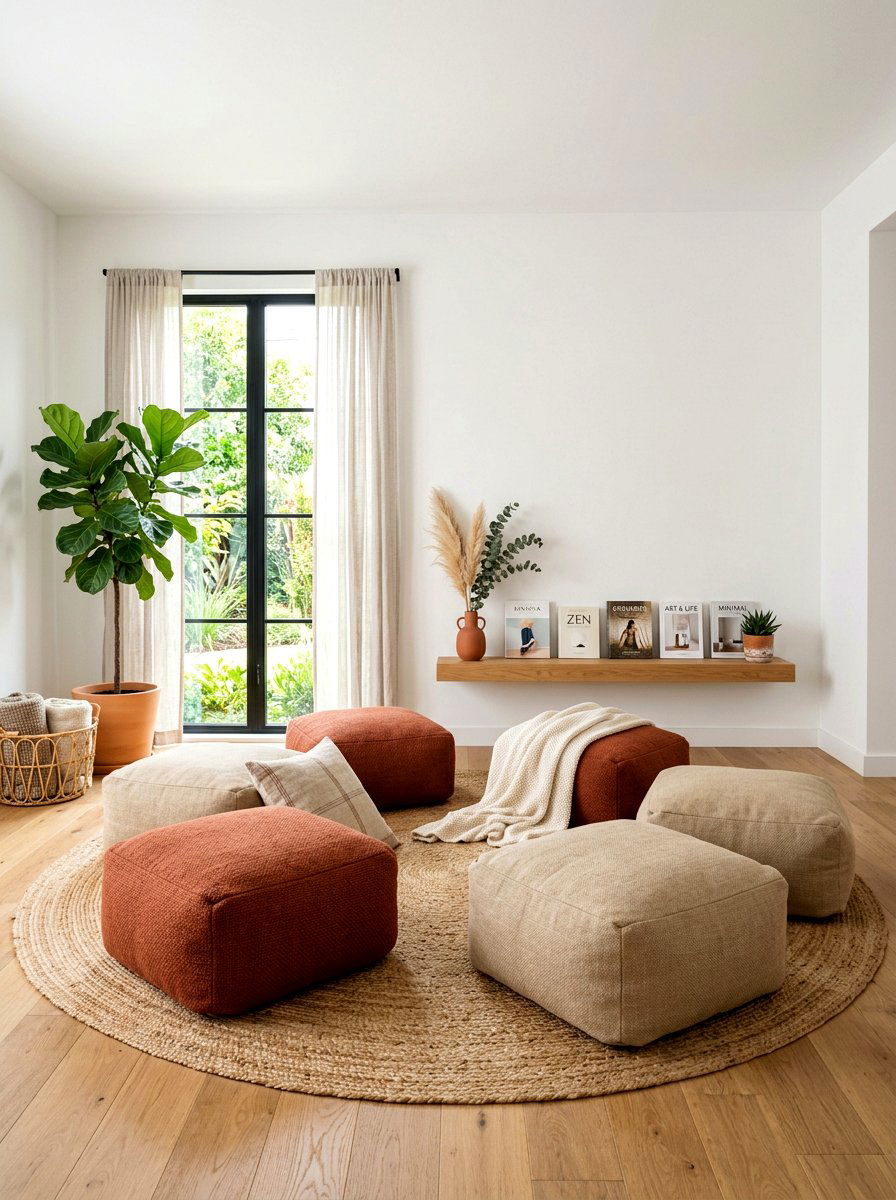
Creating a floor cushion setup is a fantastic way to encourage a grounded and informal lifestyle that prioritizes relaxation and mindful movement throughout the day. You can use large oversized poufs or traditional Japanese floor mats to create a comfortable seating area that does not require heavy or bulky furniture. This layout makes the room feel much more open and flexible, which is ideal for stretching, meditation, or casual conversations with close friends. Select fabrics in earthy tones like terracotta or sage green to maintain a connection with the natural world. This low-profile design approach helps lower your physical center of gravity and promotes a deep sense of calm.
8. Textured Fabric Lounge
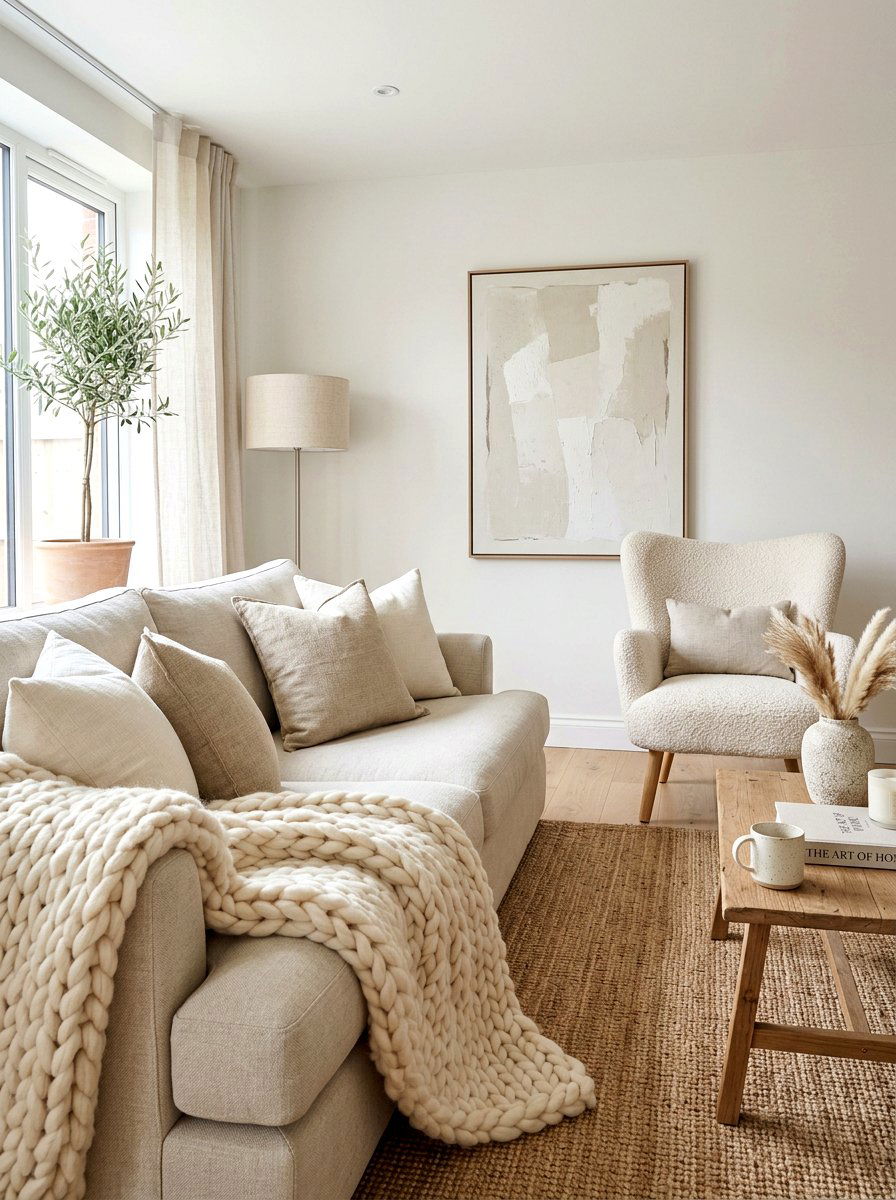
A textured fabric lounge is all about engaging the sense of touch to create a space that feels incredibly cozy and welcoming at all times. You should focus on layering different materials like wool, silk, and cotton to add visual depth without having to use any loud or distracting colors. For example, placing a high-pile Moroccan rug under a smooth linen sofa creates a beautiful contrast that is pleasing to both the eyes and the skin. These tactile elements help to soften the hard lines of a room, making the environment feel much more protected and safe. This design strategy ensures that your home feels like a soft and warm embrace.
9. Muted Gray Bedroom
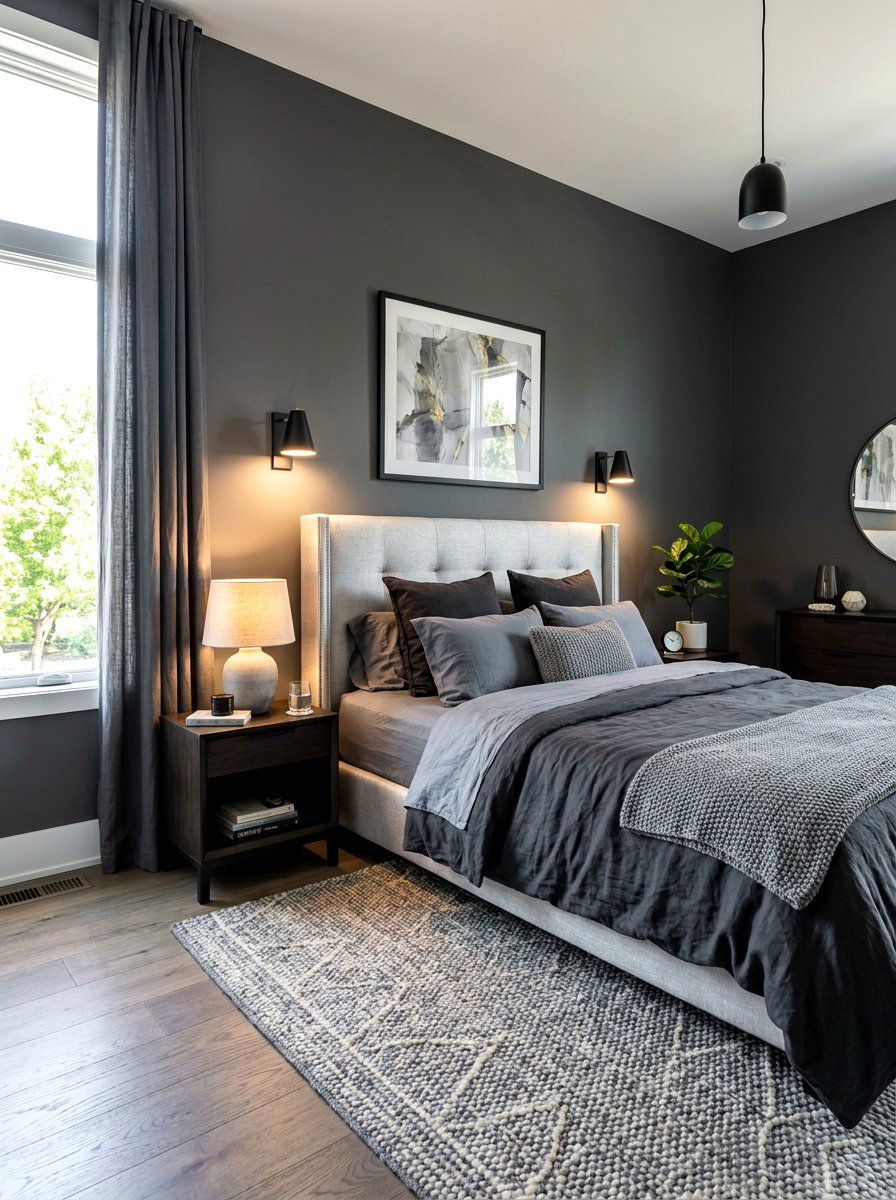
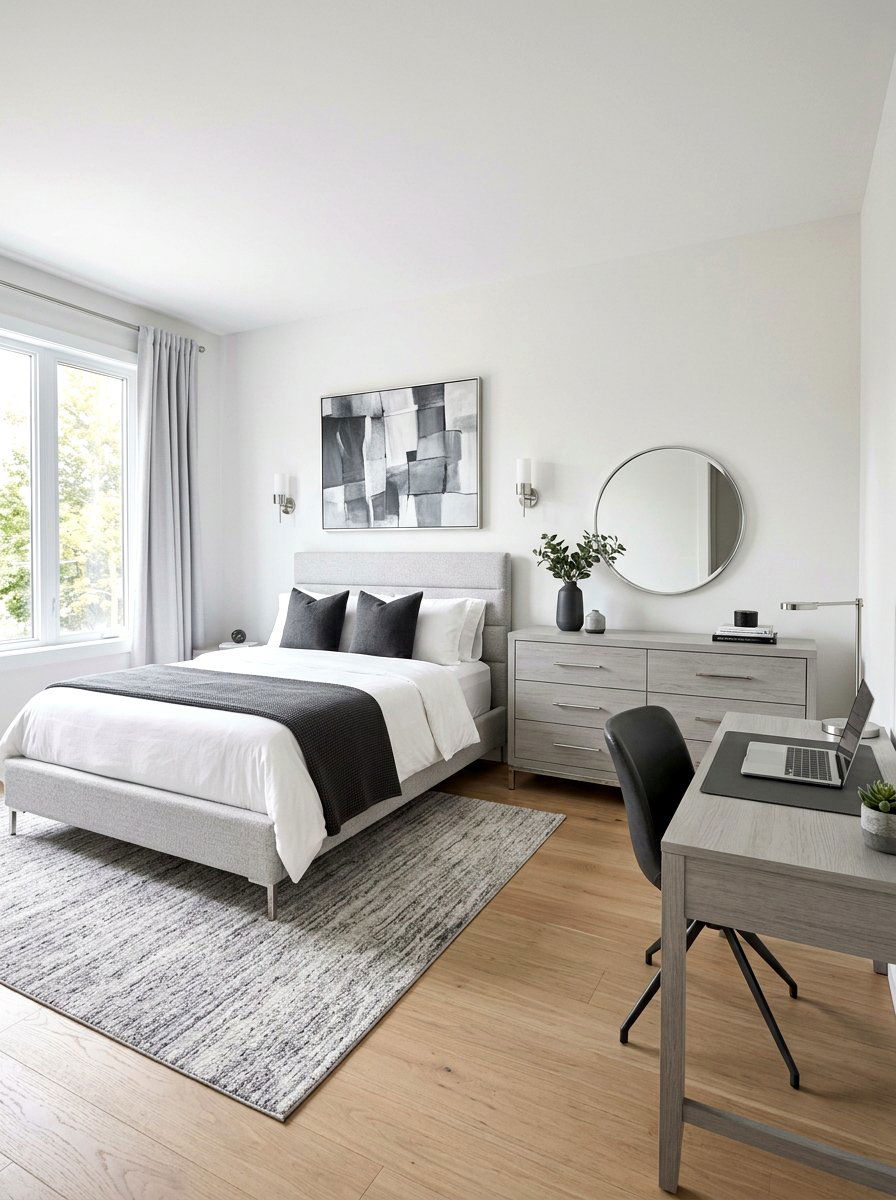
A muted gray bedroom offers a sophisticated and cool atmosphere that is perfect for those who want a modern yet incredibly tranquil sleeping environment. You should experiment with different shades of charcoal and light silver to create a monochromatic look that feels cohesive and very well organized. Using high-quality bedding in a charcoal gray hue can act as an anchor for the room, while lighter gray walls keep the space from feeling too dark or cramped. This color palette is naturally calming and helps to lower your heart rate before you go to sleep at night. It is a timeless choice that always looks elegant and very polished.
10. Zen Meditation Area
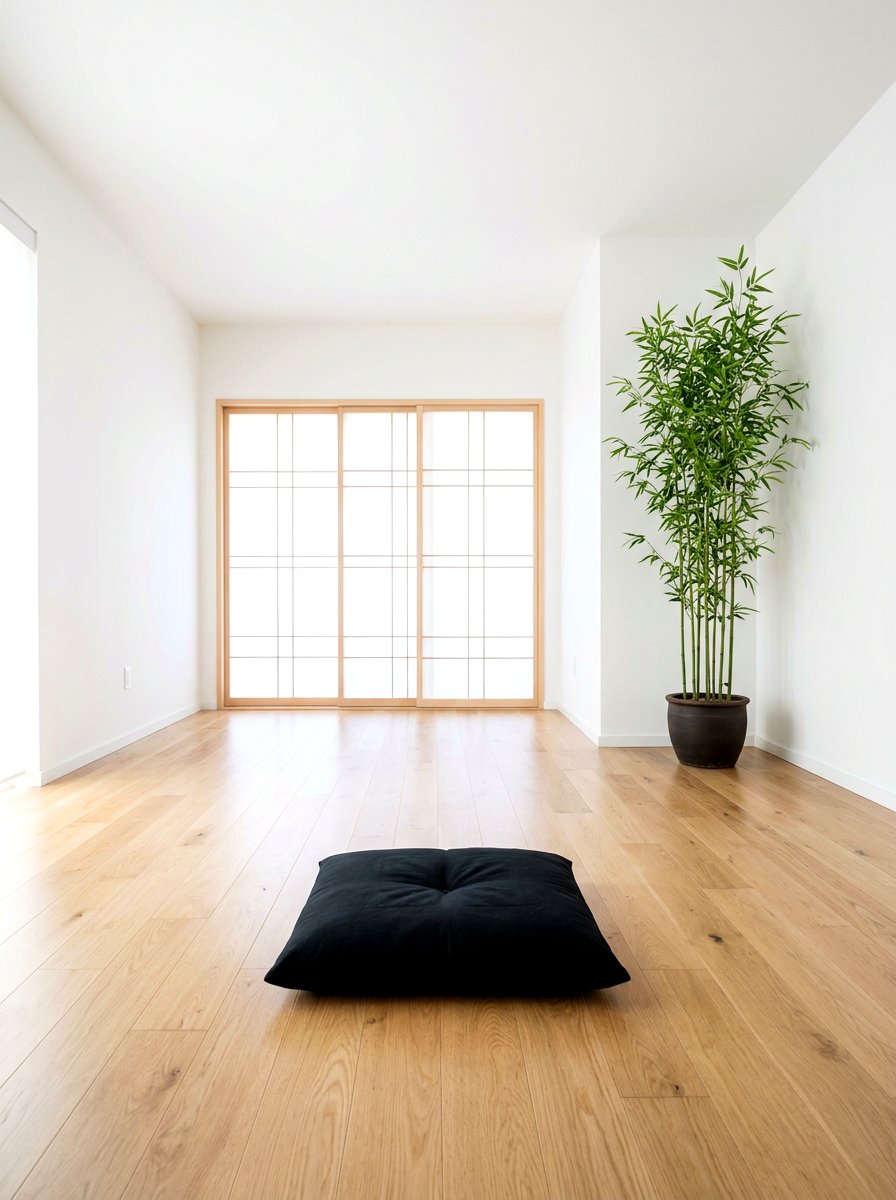
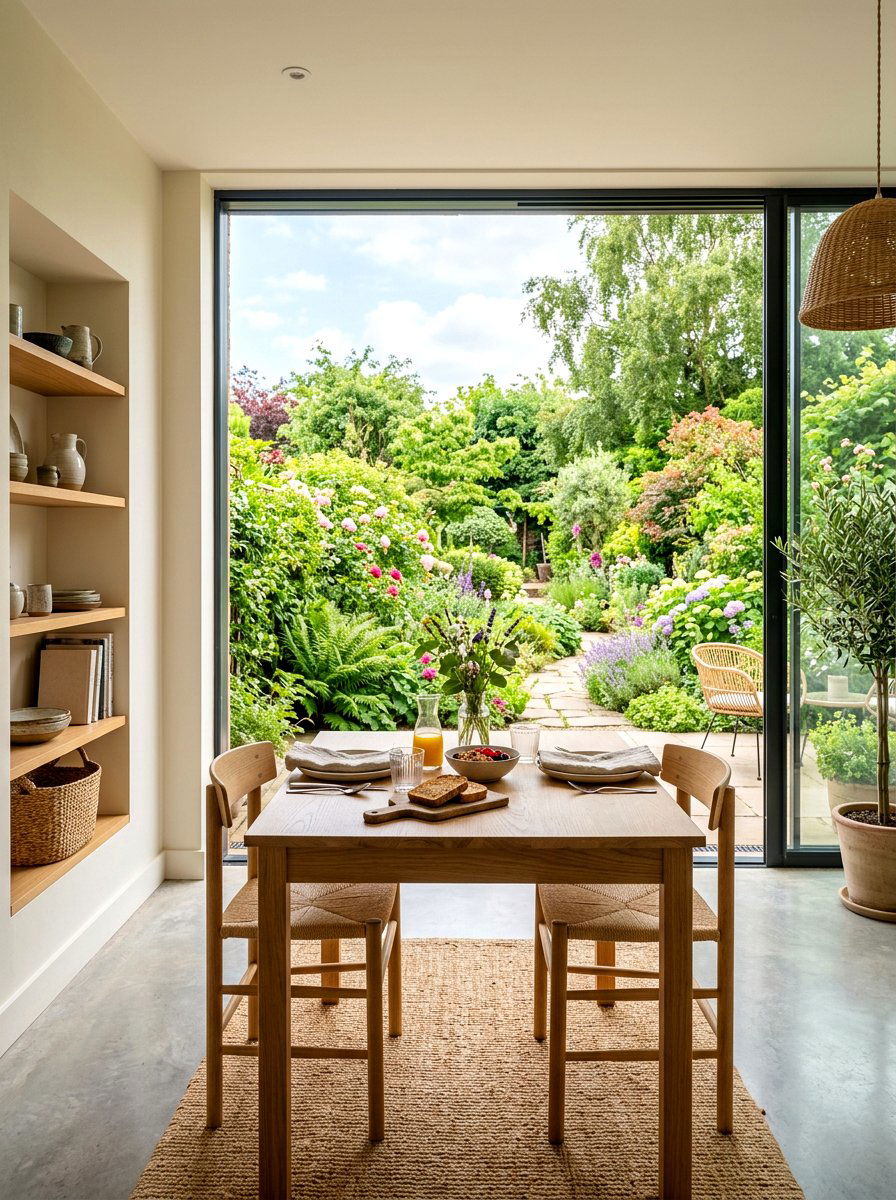
Designing a dedicated zen meditation area allows you to have a specific place in your home where you can practice mindfulness and deep breathing. You should keep this space as empty as possible, featuring only a high-quality meditation cushion and perhaps a small wooden altar for a single candle. Using a simple room divider made of rice paper can help to define the space without blocking the flow of natural light. The goal is to eliminate all visual distractions so that you can focus entirely on your internal thoughts and relaxation. This small sanctuary provides a necessary daily escape from the fast pace of modern life and digital screens.
11. Earthy Brown Decor
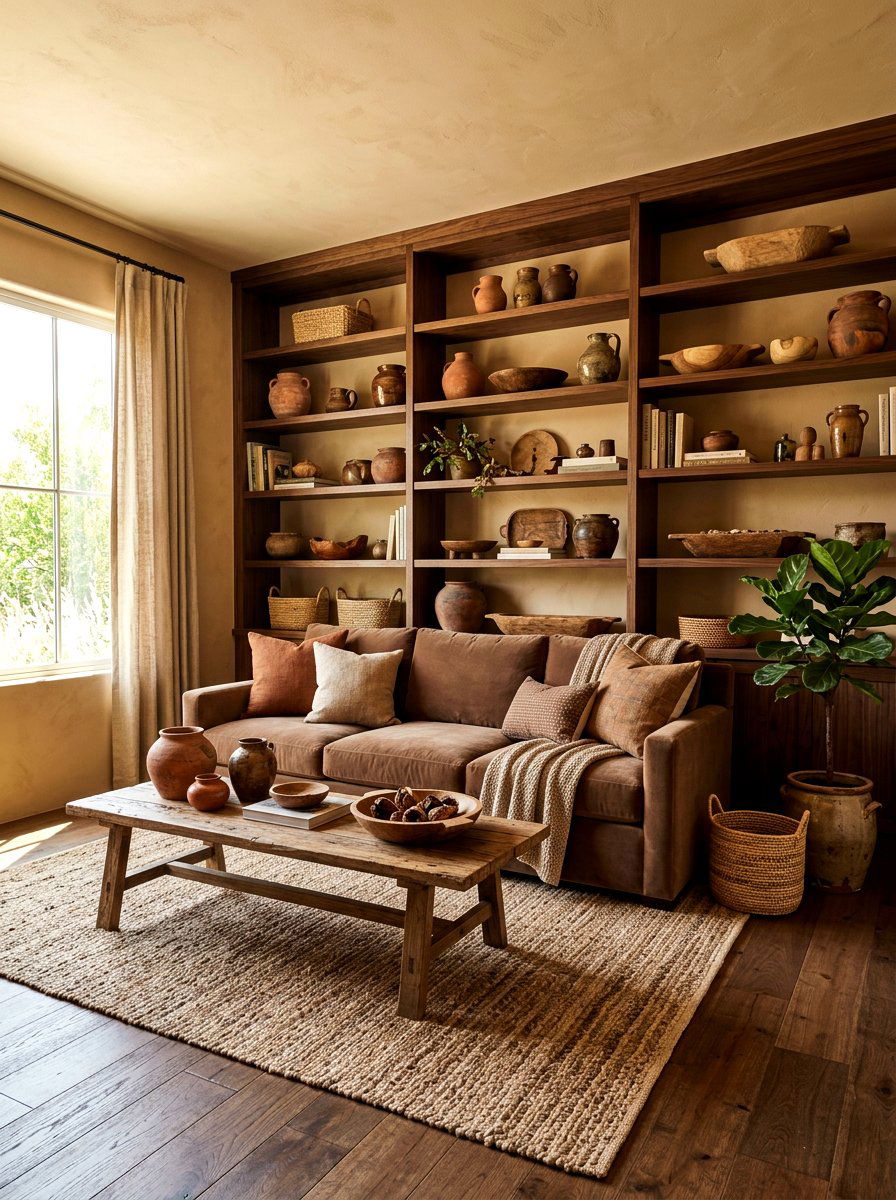
Earthy brown decor is making a significant comeback because it brings a sense of stability and warmth that feels incredibly grounding in a quiet room. You should look for furniture and accessories in rich chocolate, mocha, and sand tones to create a space that feels connected to the soil. Using natural clay pottery and wooden bowls as decorative accents adds an artisanal touch that celebrates raw and honest materials. This color scheme works exceptionally well in rooms with plenty of natural light, as it prevents the dark tones from feeling heavy or oppressive. It is a perfect choice for creating a cozy den or a very peaceful home office.
12. High End Minimalist
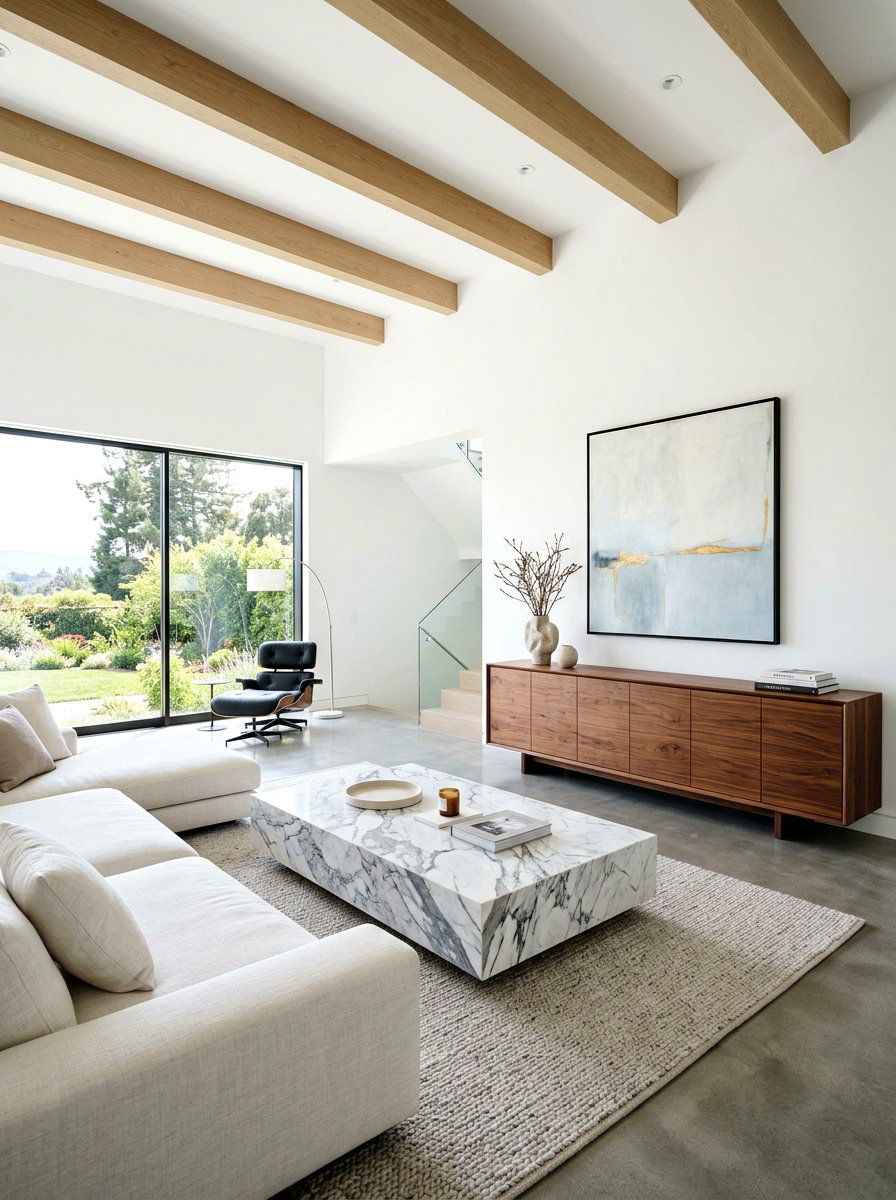
The high end minimalist style focuses on the idea that less is truly more when you invest in pieces that feature exceptional craftsmanship and materials. You should choose a few statement items, like a hand-carved stone coffee table or a custom-made solid wood bed frame, instead of many small decorations. This design approach creates a sense of luxury that is quiet and understated rather than being loud or flashy. By leaving plenty of open space, you allow the high-quality materials to speak for themselves and provide a sense of order. This style is perfect for those who appreciate clean lines and a very uncluttered and organized living environment.
13. Sensory Calming Space
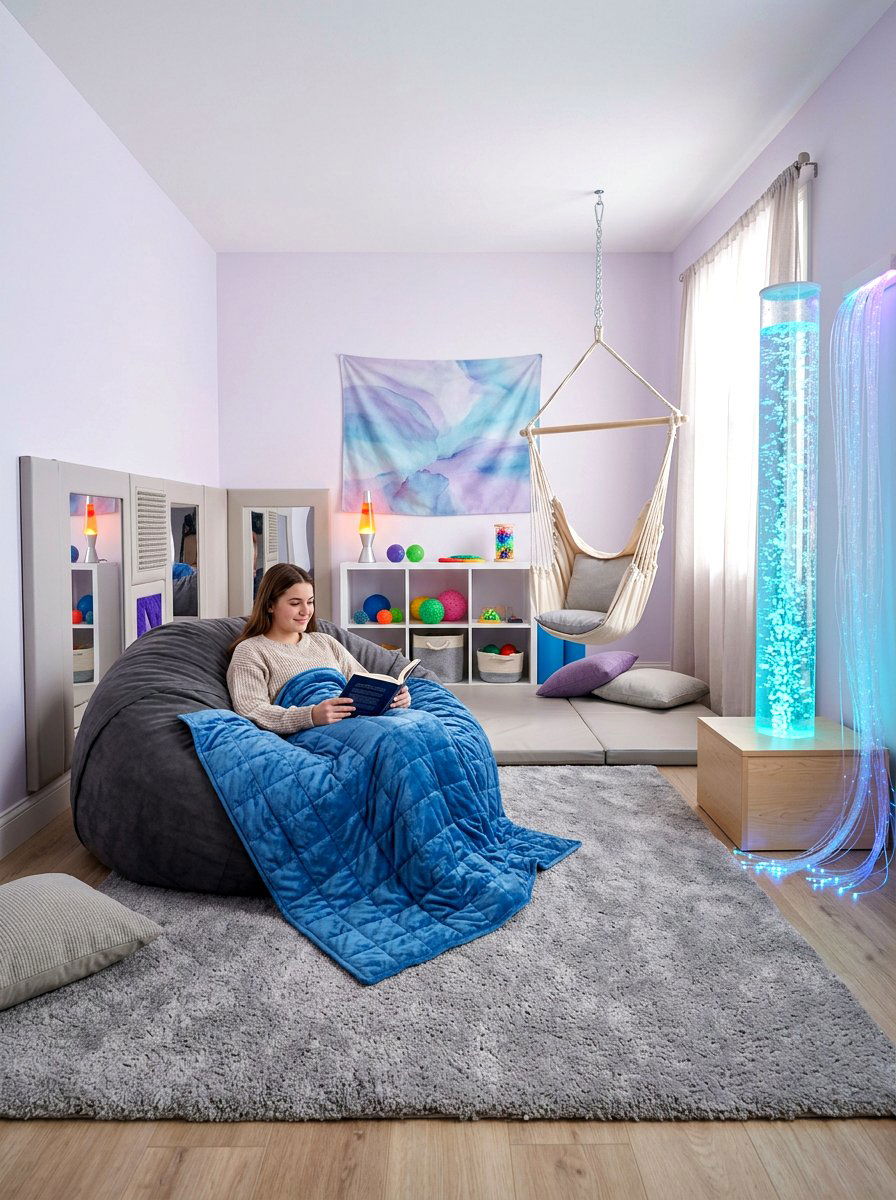
A sensory calming space is designed specifically to help regulate your nervous system by providing a gentle and controlled environment that avoids any sudden shocks. You can include elements like a weighted blanket on the sofa and a soft bubble tube that provides a rhythmic and soothing visual focus. Using a white noise machine can help to drown out any sharp or unpredictable sounds from neighbors or nearby traffic effectively. The lighting should be soft and adjustable so that you can create a dim environment whenever you feel overwhelmed by the world outside. This type of room is a vital tool for mental health and overall emotional well-being.
14. Dark Library Nook

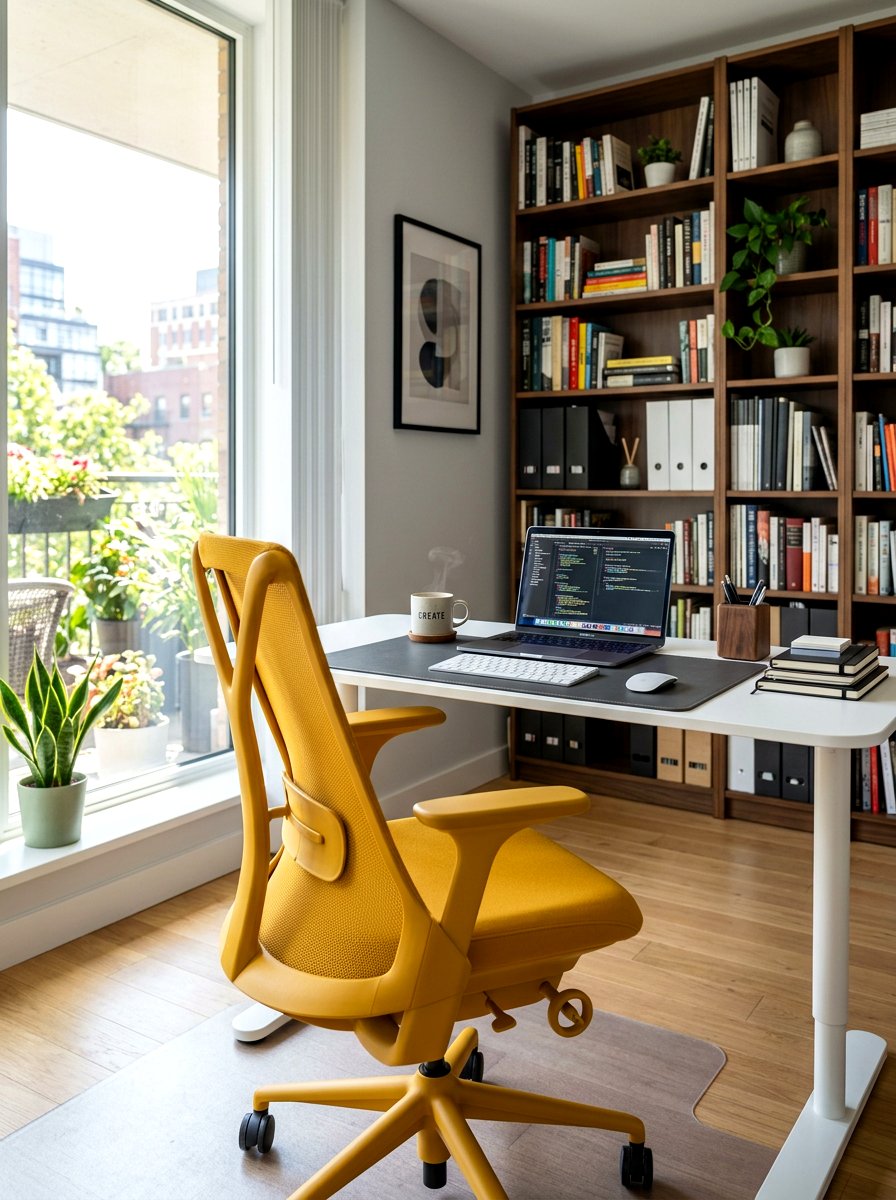
Creating a dark library nook is the perfect way to build a cozy and quiet sanctuary that feels like a classic hidden escape within your home. You should use deep wall colors like navy blue or forest green and install floor-to-ceiling wooden bookshelves to house your entire collection of books. The presence of so many books actually acts as a natural sound insulator, making the nook feel incredibly hushed and private for hours. Adding a leather reading chair and a small brass lamp creates a traditional and studious atmosphere that encourages long periods of focus. This space is ideal for anyone who finds comfort in the smell of old paper.

15. Scandinavian Living Space
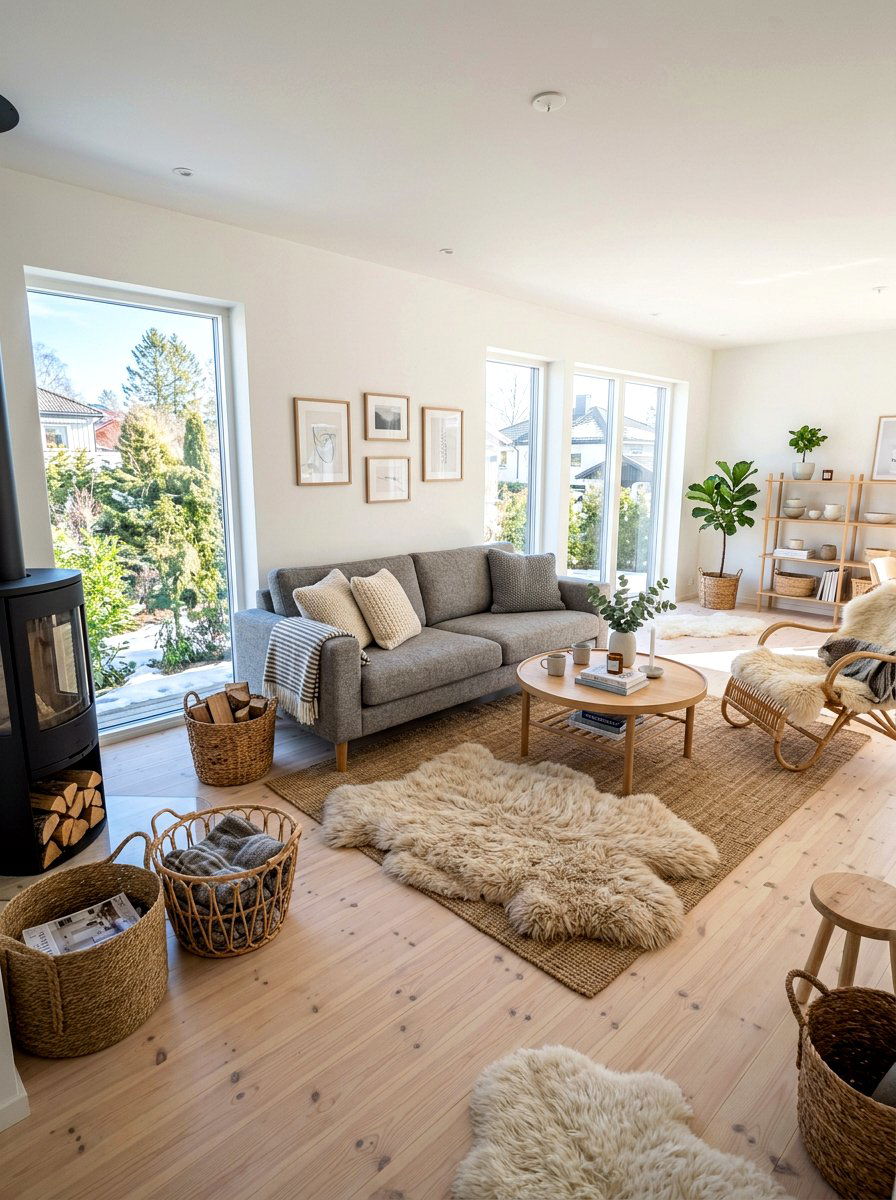
A Scandinavian living space is world-renowned for its ability to balance bright functionality with a warm and inviting feeling known as hygge. You should focus on using light-toned woods, white walls, and plenty of cozy textiles to create a room that feels cheerful even on the gloomiest days. The layout should be simple and practical, ensuring that every piece of furniture has a clear purpose and does not clutter the walking paths. Large windows should be left mostly unobstructed to let in as much natural daylight as possible to boost your mood. This design style is perfect for creating a family room that feels peaceful, organized, and very modern.
16. Indoor Water Fountain
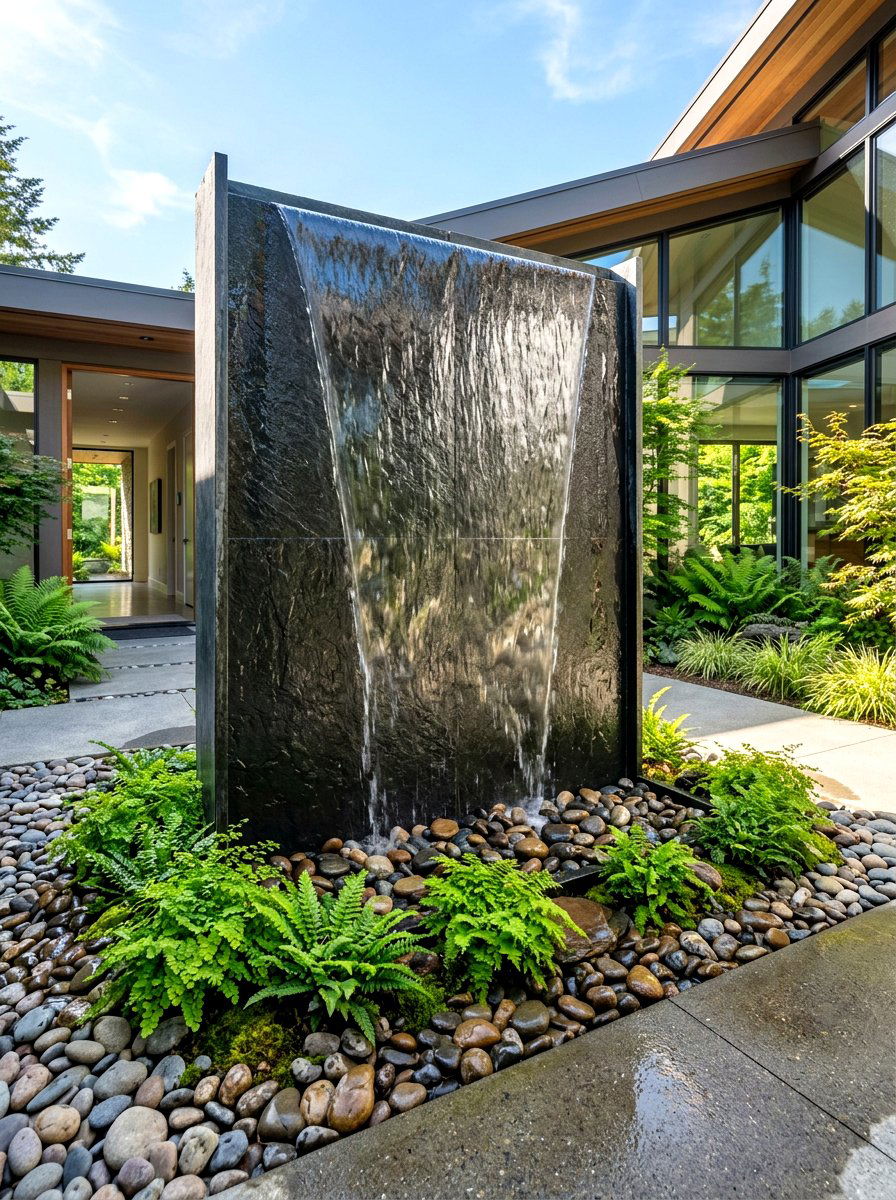
Incorporating an indoor water fountain is a powerful way to add the soothing sound of flowing water to your quiet room decor naturally. The gentle white noise produced by a fountain can mask disruptive sounds and create a spa-like atmosphere that is incredibly relaxing for the mind. You can choose a minimalist stone design that sits on a tabletop or a larger wall-mounted version to serve as a stunning visual focal point. Water features also help to humidify the air, which can make the room feel much more comfortable and easier to breathe in. This element connects the interior of your home with the calming rhythms of the natural environment.
17. Warm Dimmer Lighting
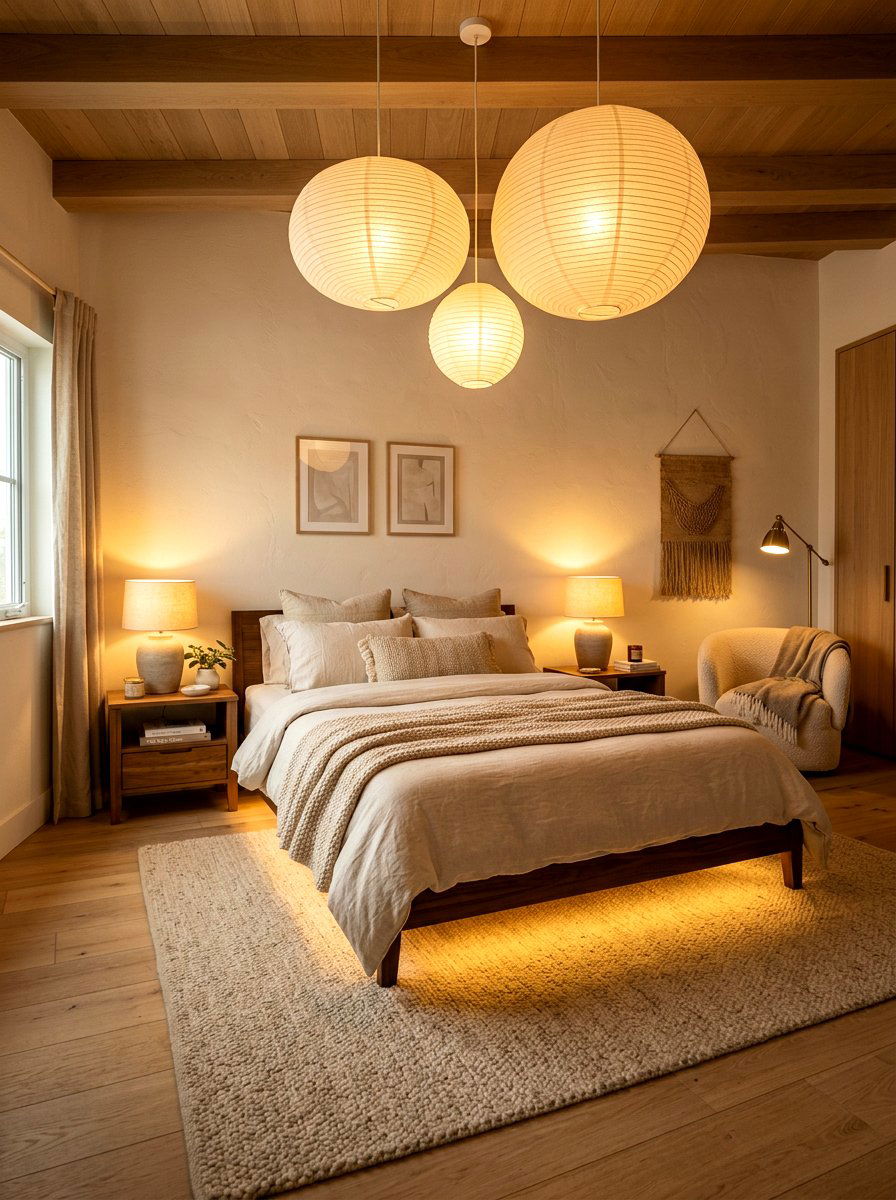
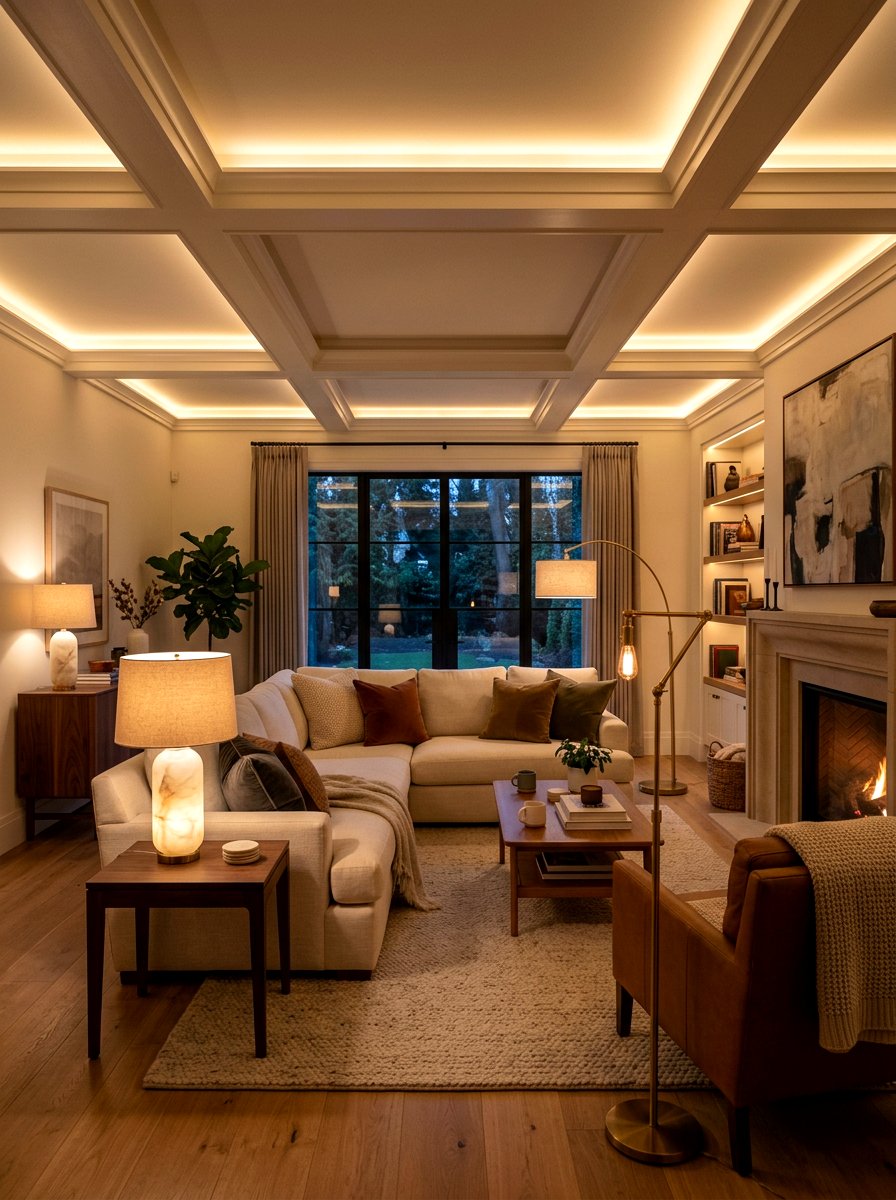
Warm dimmer lighting is an essential element for any quiet room because it allows you to control the mood and energy of the space instantly. You should avoid harsh overhead fixtures and instead use a variety of lamps, such as paper lanterns and floor lamps, to create a layered effect. Installing dimmer switches gives you the flexibility to transition from a bright and functional room to a soft and golden sanctuary in the evening. This type of lighting is much easier on the eyes and helps your body prepare for a restful night of sleep. It creates a cocoon-like feeling that makes any room feel much more expensive and very intimate.
18. Hidden Storage Wall
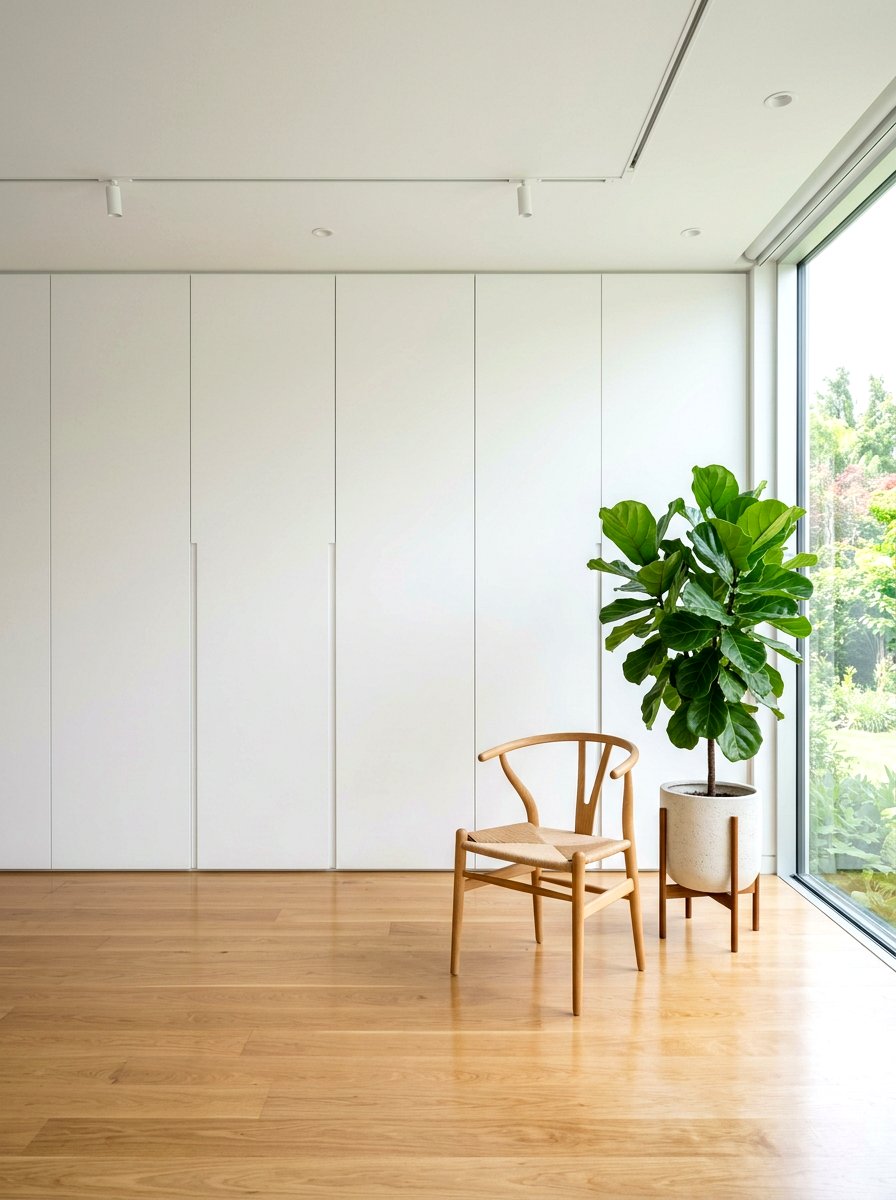
A hidden storage wall is the secret to maintaining a quiet room that stays clutter-free and visually organized without any effort at all. You should consider installing custom cabinetry that blends perfectly with your wall color to hide away electronics, toys, and other daily necessities. When everything is tucked away behind sleek doors, the room feels much more peaceful because there are no visual distractions to compete for your attention. This minimalist approach to storage allows you to focus on the beautiful furniture and decor that you actually want to see every day. It is an excellent solution for small apartments where space is limited and clutter grows quickly.
19. Stone Bathroom Design
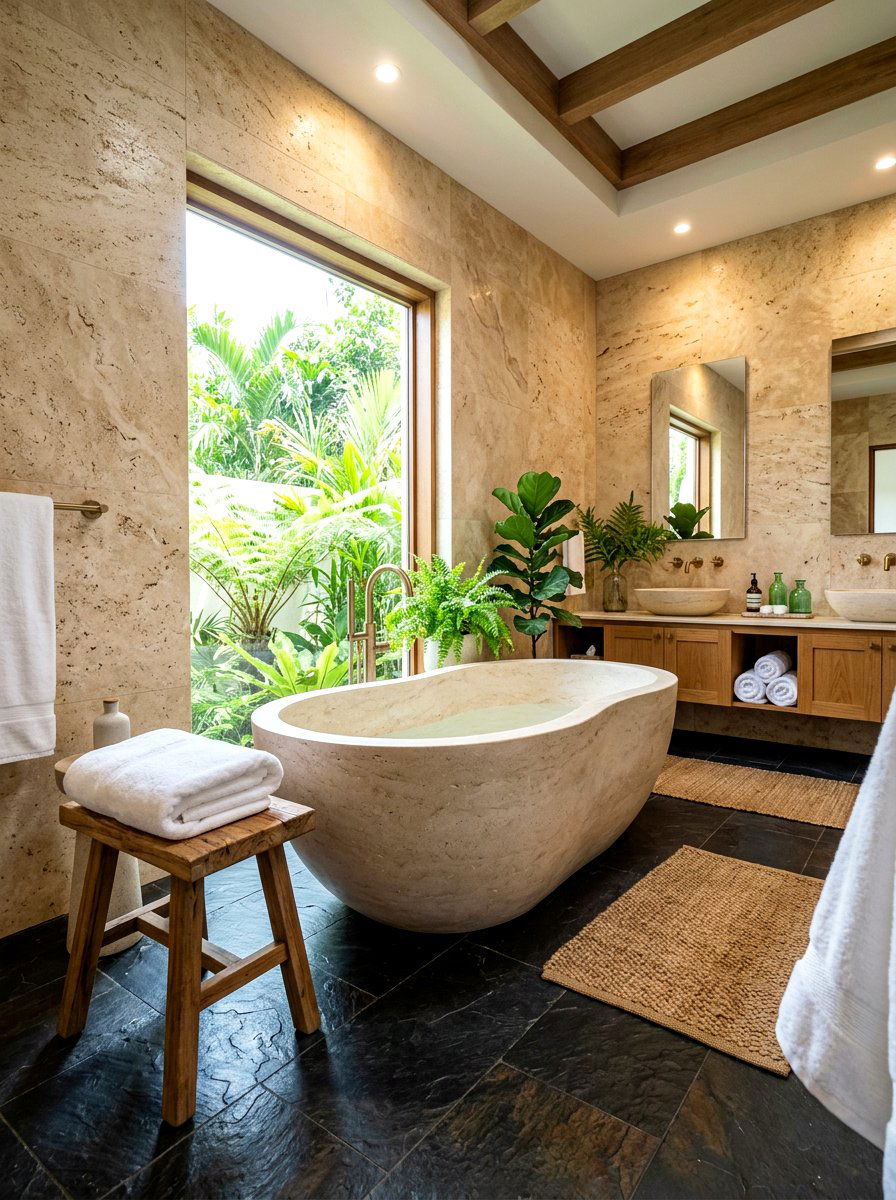
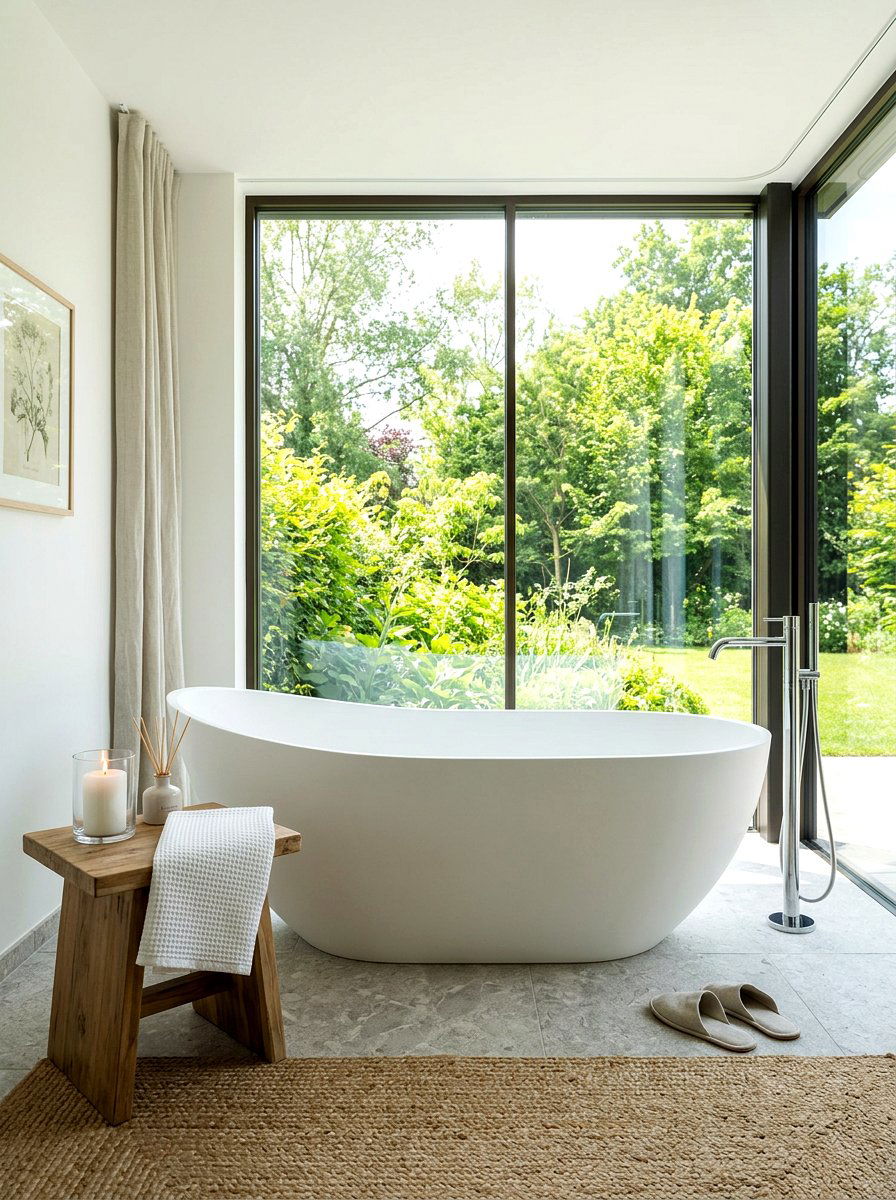
Transforming your bathroom into a stone sanctuary is the ultimate way to bring a quiet, spa-like atmosphere into your daily self-care routine at home. You should use materials like slate, marble, or travertine for the walls and floors to create a textured and grounded environment that feels very permanent. These natural stones hold heat well and provide a cooling visual effect that is incredibly refreshing after a long and stressful day. Adding a few wooden accents, such as a teak shower bench, prevents the stone from feeling too cold or sterile. This design choice turns a functional room into a private retreat where you can truly unwind and relax.


20. Velvet Upholstered Sofa
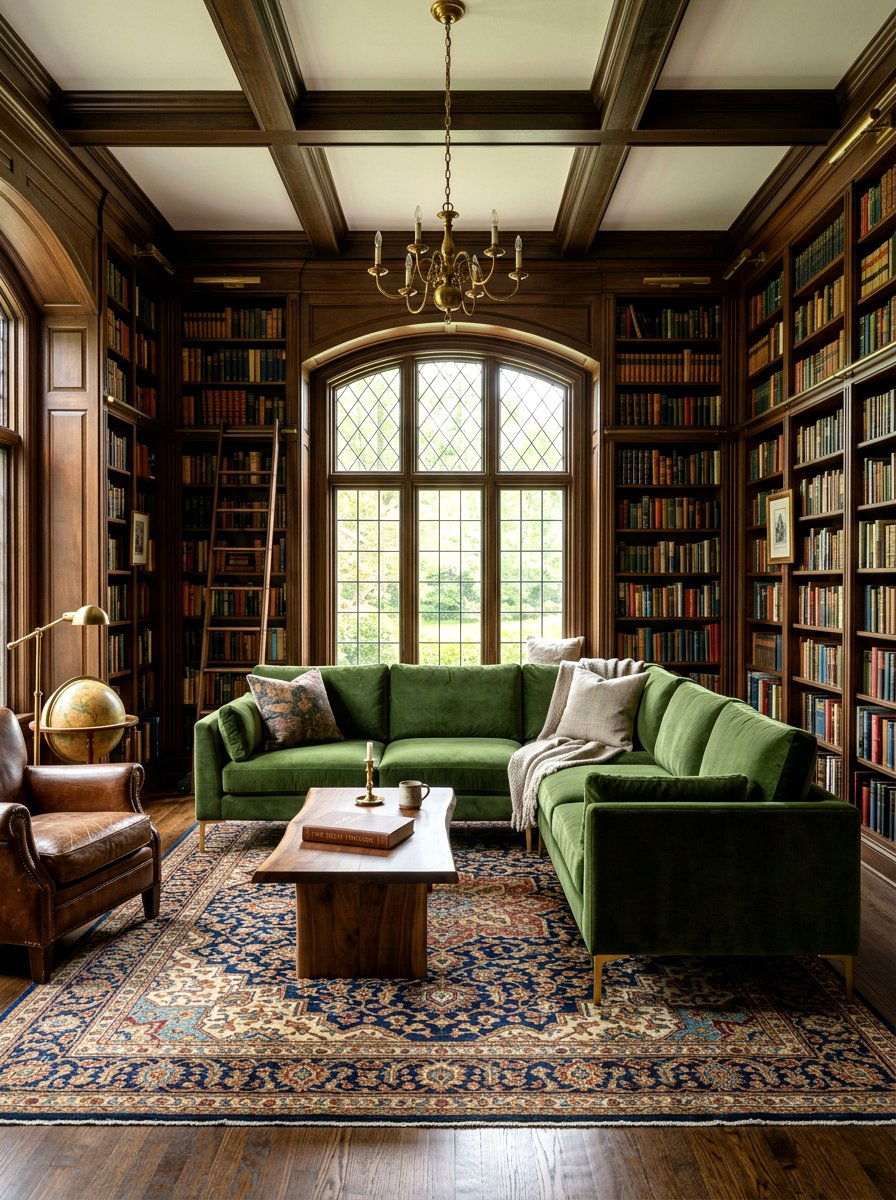
A velvet upholstered sofa serves as a luxurious and soft anchor for any quiet room that prioritizes comfort and high-end aesthetic appeal. You should choose a deep, muted color like moss green or navy to add a sense of richness and sophistication to the entire seating area. The soft pile of the velvet fabric is incredibly pleasing to the touch and helps to absorb sound within the room, contributing to a much quieter environment overall. This type of sofa invites you to slow down and enjoy a moment of stillness in a way that harder materials simply cannot do. It is a perfect blend of style, function, and pure tactile joy.
21. Sheer Window Drapes
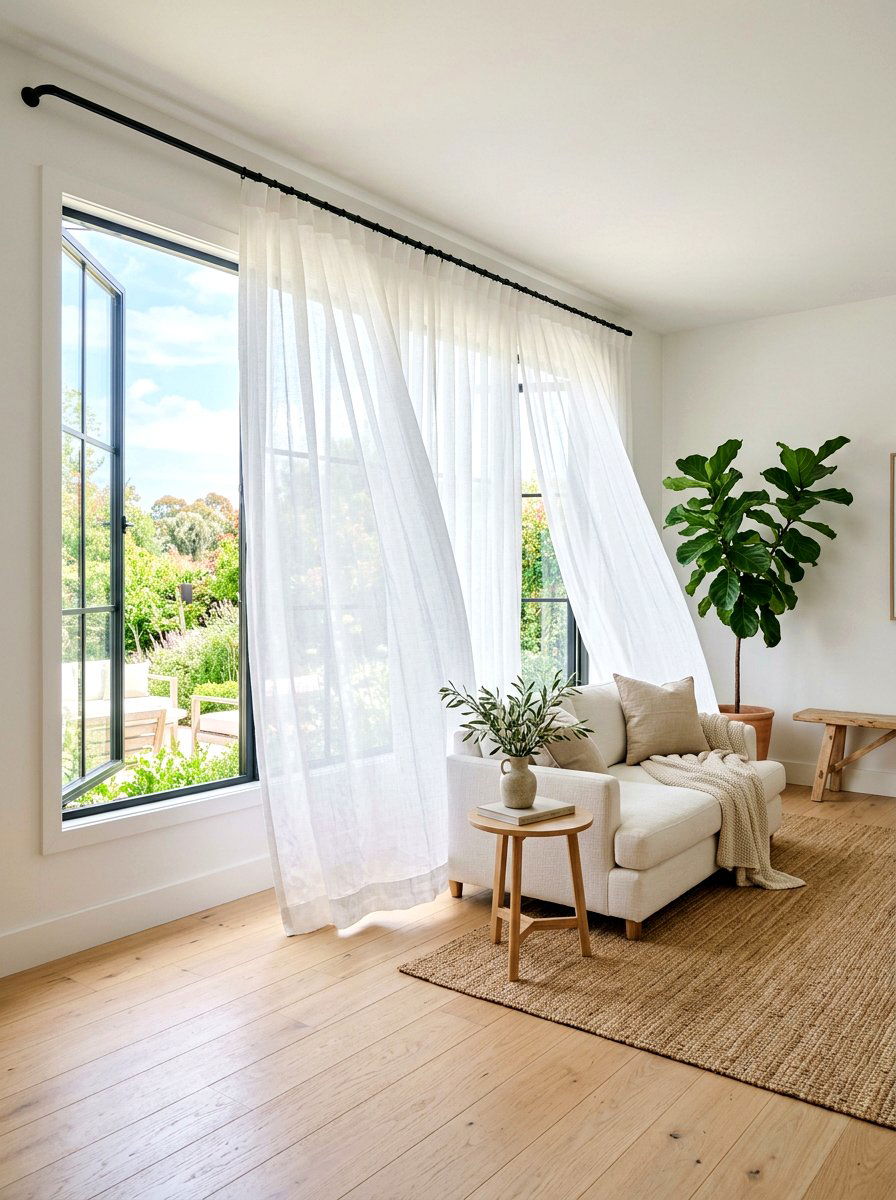
Using sheer window drapes is a beautiful way to filter natural light while maintaining a sense of privacy and softness in your quiet room. These lightweight fabrics allow a gentle glow to fill the space, which creates an ethereal and dreamy atmosphere that is perfect for a bedroom or lounge. Unlike heavy curtains, sheers move softly with the breeze, adding a sense of life and motion that is very subtle and not at all distracting. You can layer them with heavier drapes for extra sound insulation at night or leave them alone for a minimalist and airy look. They are an affordable way to instantly soften any harsh interior lines.
22. Curved Furniture Living
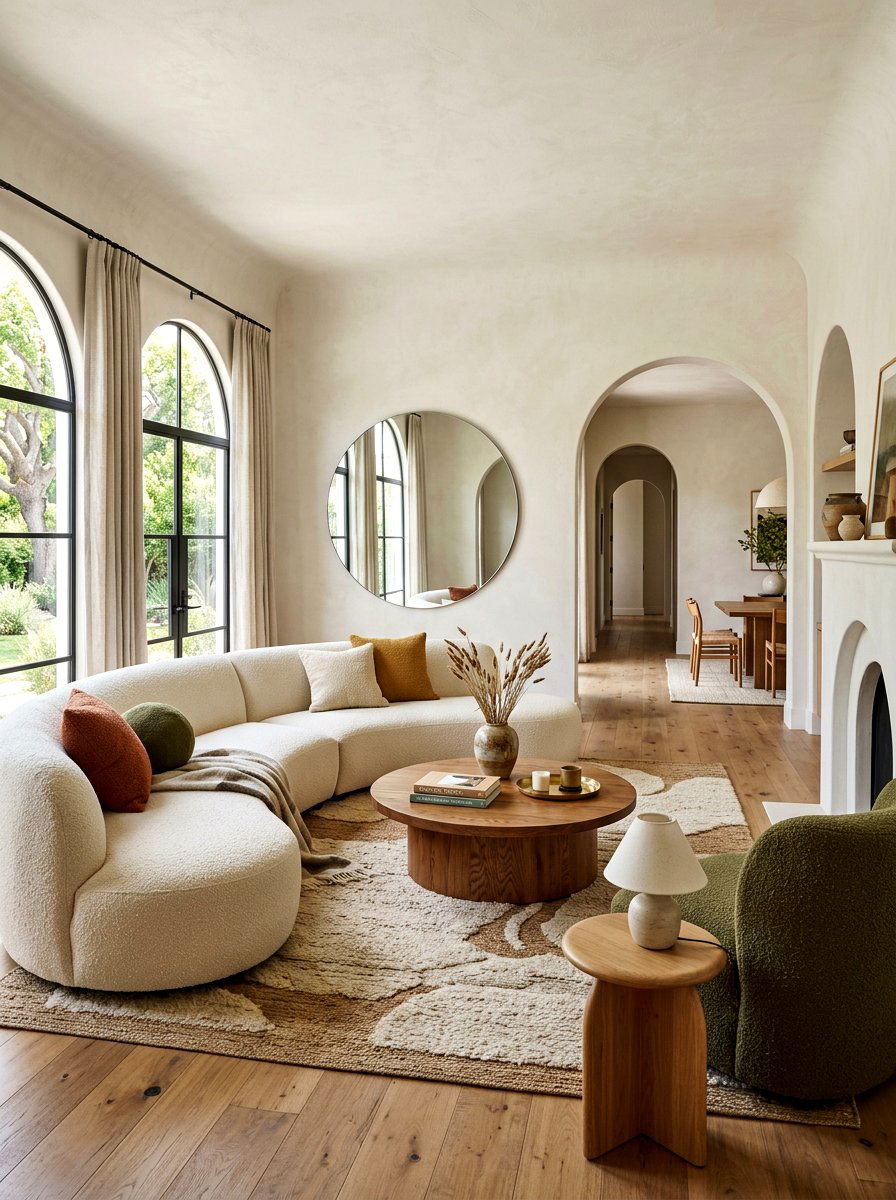
Choosing curved furniture for your living room is a great design trick to make the space feel much more organic and less rigid. You should look for sofas with rounded backs, circular coffee tables, and arched mirrors to break up the sharp corners often found in modern architecture. These soft silhouettes are naturally more pleasing to the human eye and create a sense of flow that encourages movement and relaxation. This design approach is often associated with high-end luxury because it feels more custom and thoughtful than standard square pieces. It helps to create an environment where you feel safe and completely at ease with your surroundings.
23. Minimalist Abstract Art
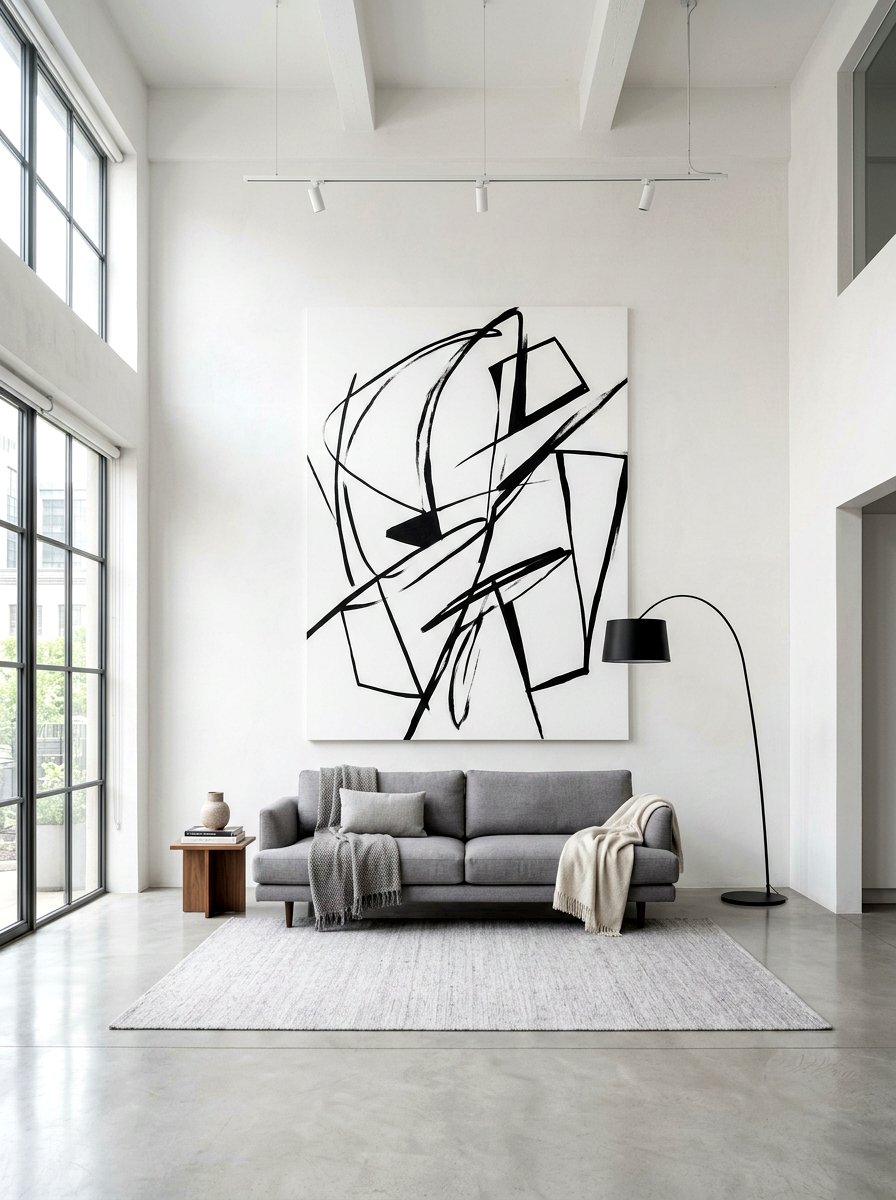
Decorating with minimalist abstract art is a wonderful way to add a personal touch to your walls without creating a lot of visual noise. You should choose pieces that feature simple lines, soft shapes, and a limited color palette to maintain the tranquil energy of the entire room. Large-scale canvases with plenty of white space can act as a window for the mind, allowing you to stare and reflect without being overwhelmed by complex details. This type of art serves as a focal point that anchors the room's design while reinforcing the overall theme of simplicity and peace. It is a sophisticated way to express your personal style.
24. Woven Rattan Accents
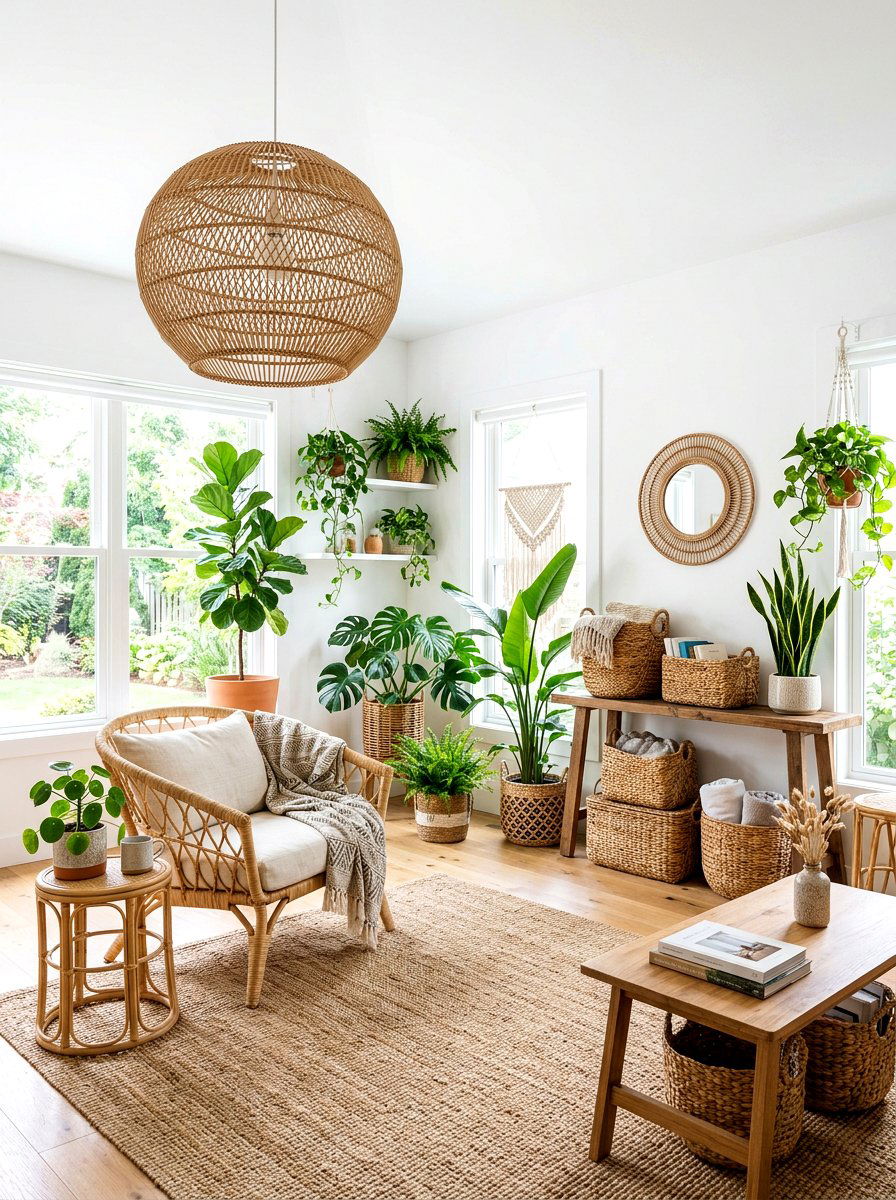
Integrating woven rattan accents into your quiet room decor is a fantastic way to add natural texture and a touch of artisanal warmth effortlessly. You can use rattan baskets for storage, a woven pendant light for the ceiling, or even a classic wicker side chair to bring in an organic feel. These materials are lightweight and breathable, making them perfect for creating a room that feels fresh and connected to the outdoors. The natural tan color of rattan pairs beautifully with green plants and neutral fabrics, creating a cohesive and earthy look. It is a durable and timeless material that never goes out of style for home interiors.
25. Smart Light Control
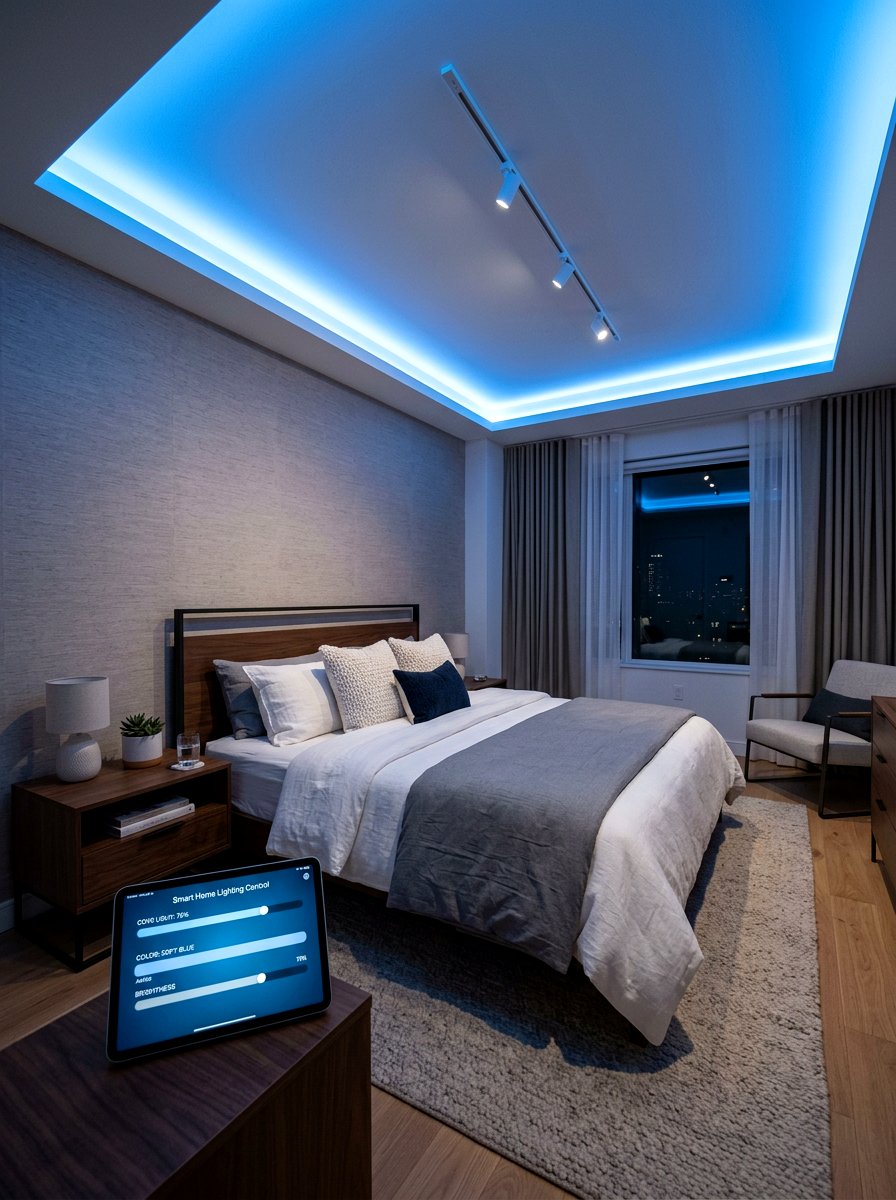
Investing in a smart light control system allows you to customize the atmosphere of your quiet room with just a single tap on your phone. You can program specific scenes, such as a "reading mode" with warm tones or a "meditation mode" with very dim, soft blue light. This technology ensures that you always have the perfect level of brightness for whatever activity you are doing, which prevents eye strain and fatigue. Being able to slowly fade the lights out at night can also help signal to your brain that it is time to wind down for sleep. It is a modern luxury that significantly enhances your daily living experience.
26. Weighted Blanket Bed
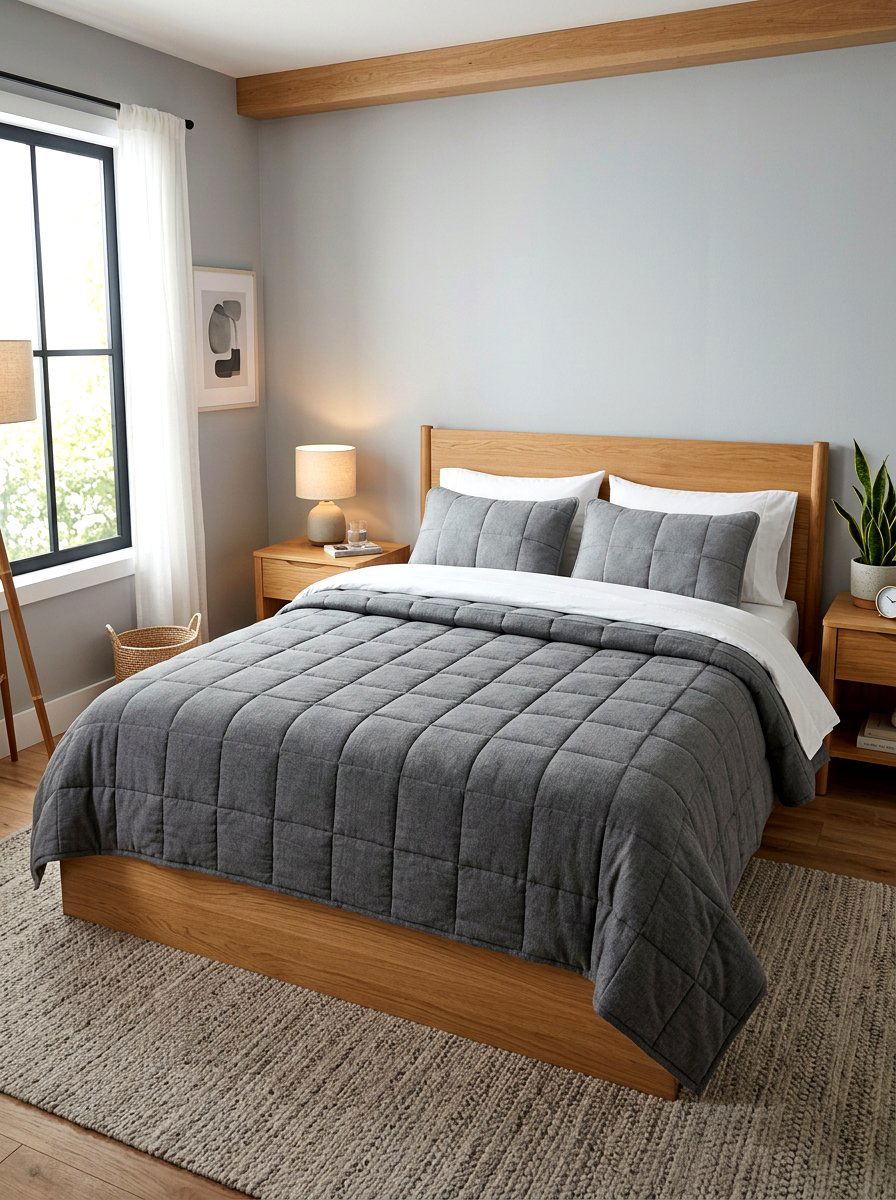
Setting up a weighted blanket on your bed is a simple yet life-changing addition for anyone looking to improve the quality of their rest and relaxation. These blankets use deep pressure stimulation to help reduce anxiety and promote a sense of security, much like a firm hug from a loved one. You should choose a cover made from breathable cotton or linen to ensure you do not get too hot during the night. The extra weight helps to keep you still, which can lead to a deeper and much more restorative sleep cycle. This functional decor item is a must-have for creating a sensory-friendly and incredibly peaceful bedroom environment.
27. Natural Wood Furniture
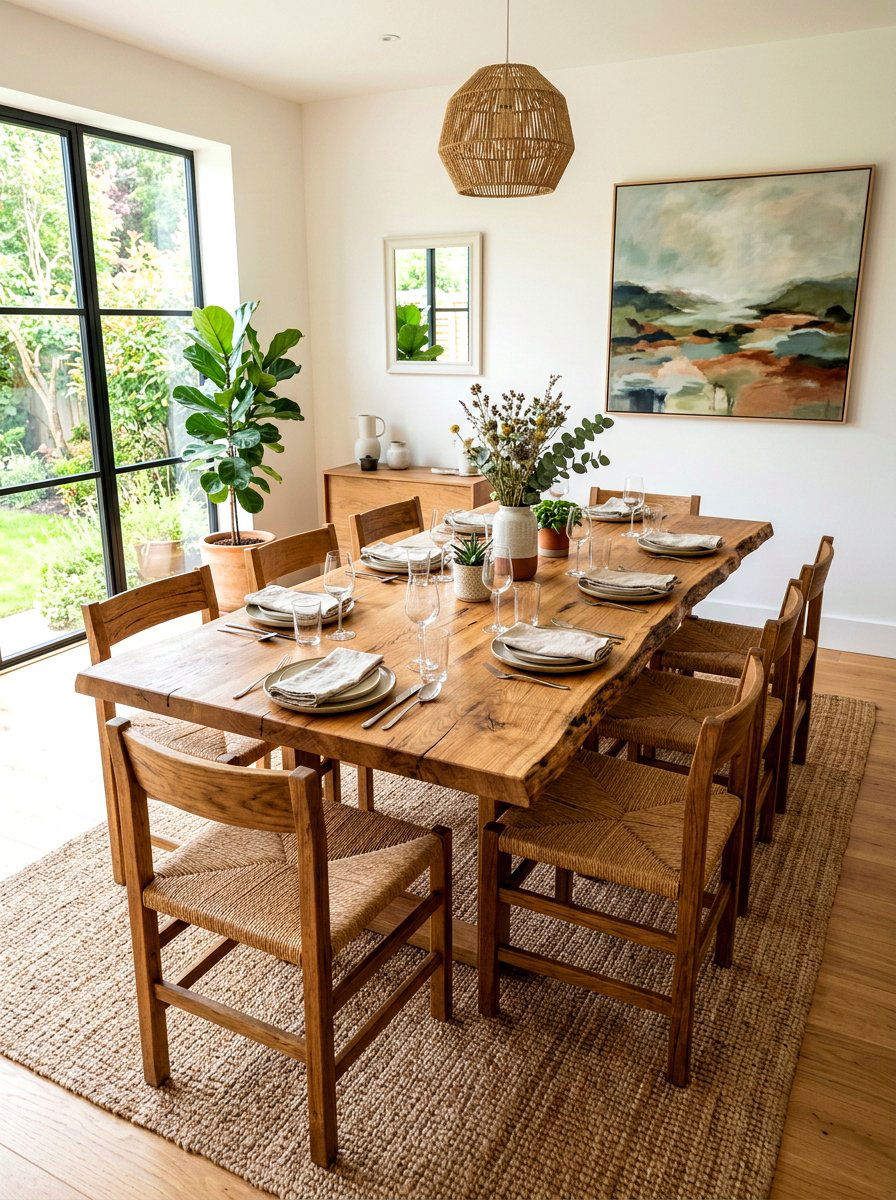
Using natural wood furniture is the most direct way to bring the grounding energy of the forest into your home for a peaceful atmosphere. You should prioritize pieces that show the original grain and texture of the wood, such as a live-edge dining table or a solid oak bed frame. Wood is a living material that adds a sense of history and character to a room, making it feel much more authentic and much less commercial. It is also incredibly durable and will last for many years, which aligns with the minimalist philosophy of buying fewer but better things. The warm tones of natural wood create an inviting and calm space.
28. Floating Shelf Display
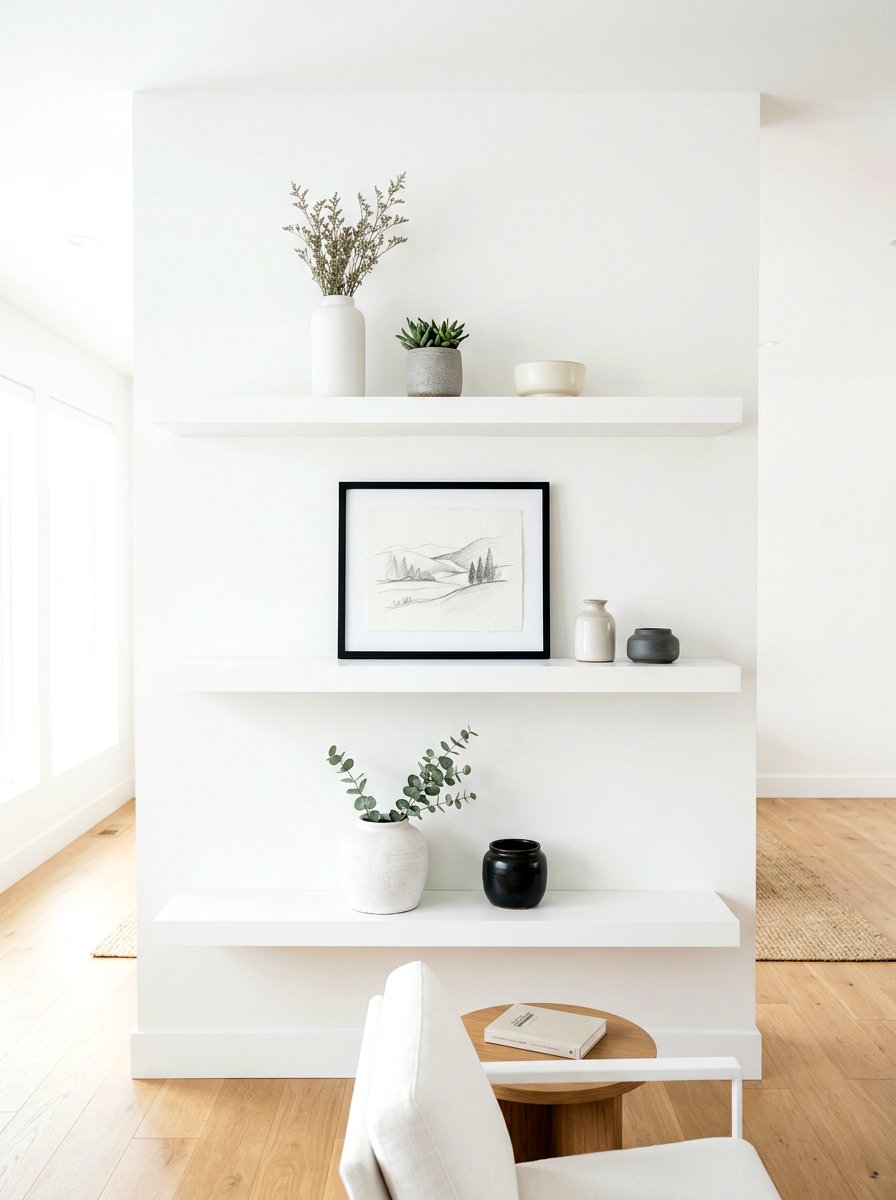
A floating shelf display allows you to showcase your favorite meaningful objects without taking up any valuable floor space or making the room feel crowded. You should keep the arrangement very sparse and intentional, featuring only a few ceramic vases, a single candle, or a small potted plant to maintain a quiet look. Because these shelves do not have visible brackets, they look much lighter and more modern than traditional bookcases, which helps to keep the walls feeling open. This design strategy is perfect for adding a touch of personality to a small room while keeping the overall aesthetic very clean and perfectly organized at all times.
29. Essential Oil Station
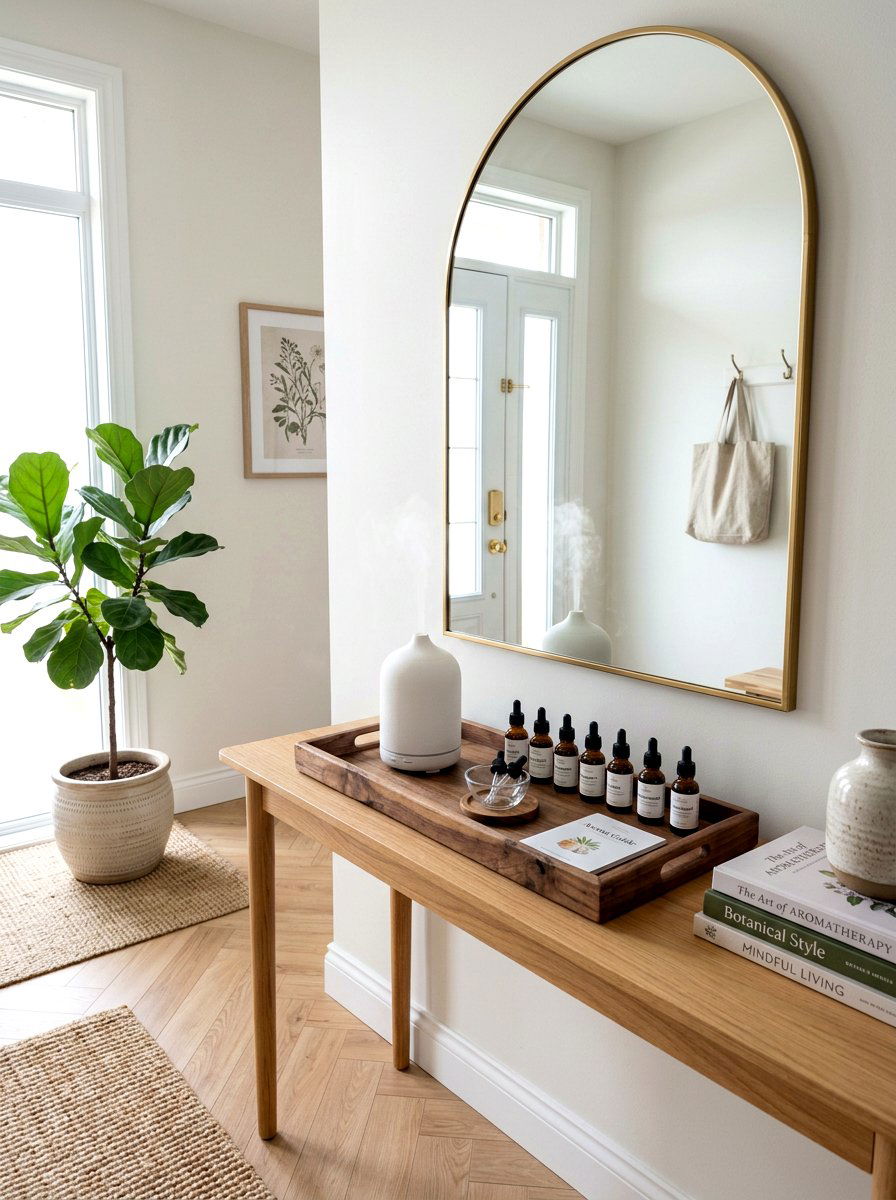
Creating an essential oil station is a beautiful way to engage your sense of smell and transform the mood of your quiet room through aromatherapy. You should set up a high-quality ceramic diffuser on a small tray alongside a curated selection of calming oils like lavender, cedarwood, and frankincense. Scent is one of the fastest ways to trigger a relaxation response in the brain, making this a powerful tool for daily stress management. Keeping your oils organized in a pretty wooden box makes the station look like a deliberate part of your decor rather than just a collection of small bottles. It is a simple self-care ritual.
30. Upholstered Window Bench
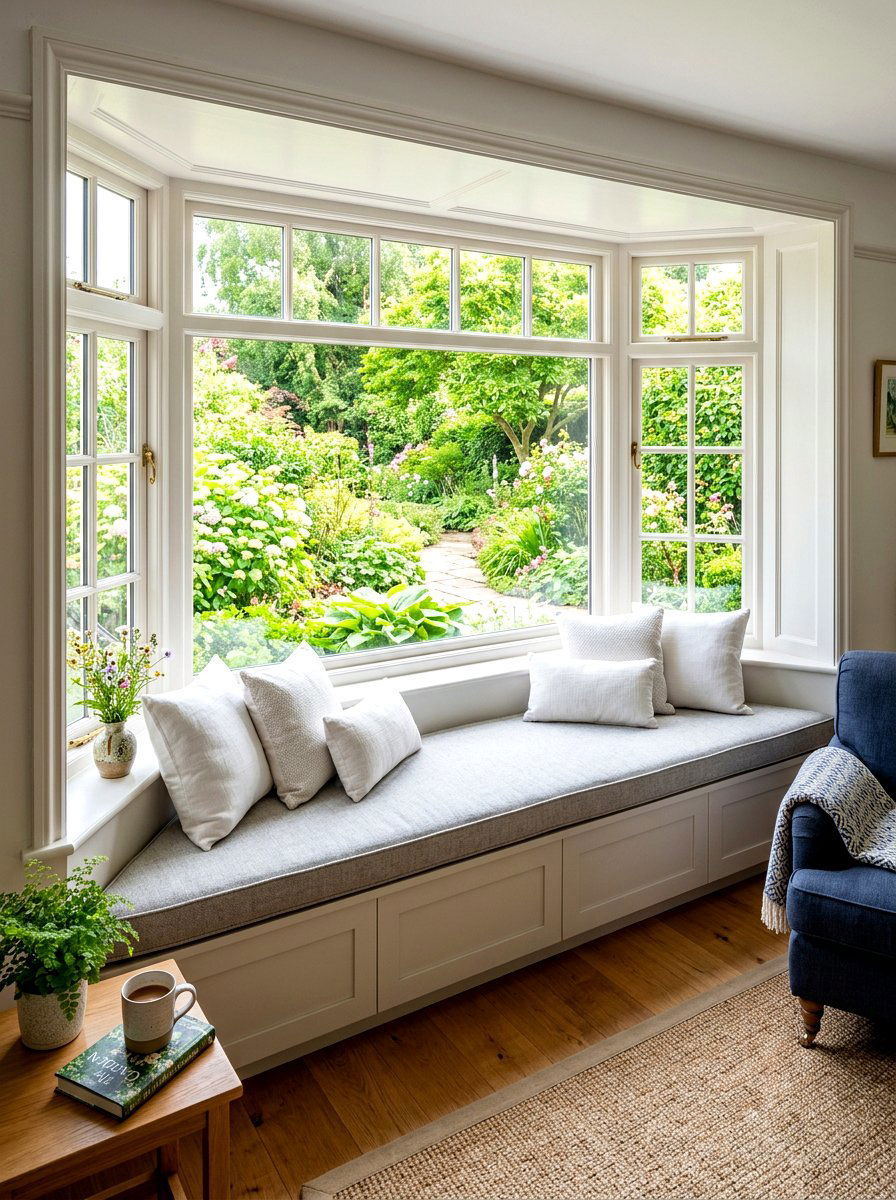
An upholstered window bench is the perfect finishing touch for a quiet room because it provides a comfortable spot to sit and enjoy the view outside. You should choose a thick cushion in a soft fabric like wool or cotton and add a few small pillows to make it feel extra cozy. This specific seating area allows you to connect with the passing of time and the changing of the seasons from the comfort of your own home. It is an ideal place for drinking your morning coffee in silence or watching the sunset after a long day. This small addition turns an unused window into a very valuable personal sanctuary.
Conclusion:
Building a quiet room is an ongoing journey of creating a space that truly reflects your need for peace and personal rejuvenation in a busy world. By carefully selecting each element — from the sound-absorbing textures to the grounding natural materials — you can craft an environment that actively works to lower your stress and improve your mental well-being every single day. Whether you choose a minimalist Japandi style or a cozy dark library nook, the most important factor is that the space feels authentic and comfortable to you. May your home always be a soft place to land, offering the silence and serenity you deserve for a balanced life.

Related posts: