Creating a dedicated space for your quilting hobby is about more than just finding a place to park your sewing machine. It is about crafting a sanctuary where inspiration flows freely and every tool has its rightful home. A well-organized quilting room allows you to focus on the intricate details of your patchwork without the stress of clutter or poor lighting. Whether you have a whole spare bedroom or a tiny corner in the living room, thoughtful design can transform your experience. From ergonomic tables to vibrant fabric displays, these spaces are designed to celebrate the beautiful art of needlework and textiles while keeping you productive and comfortable for hours of creative fun.
1. Modern Sewing Machine Station
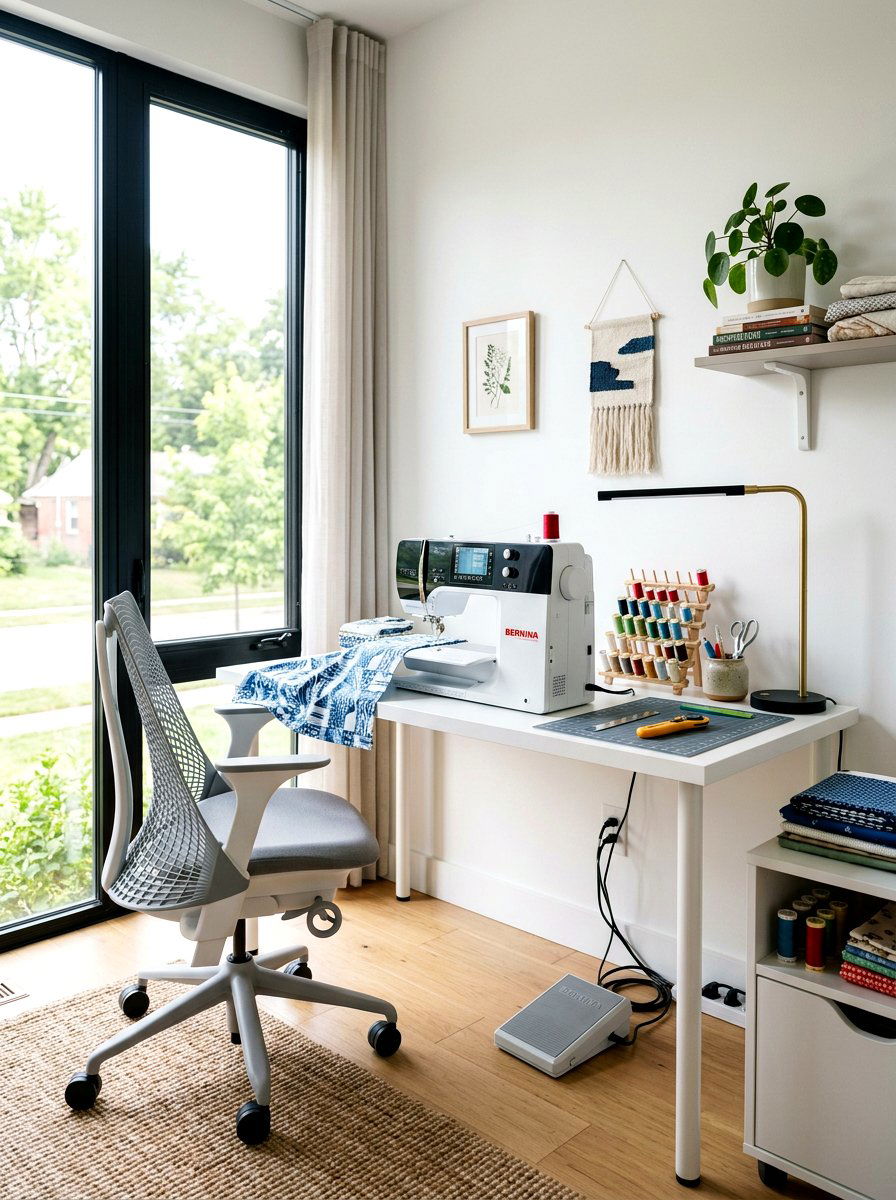
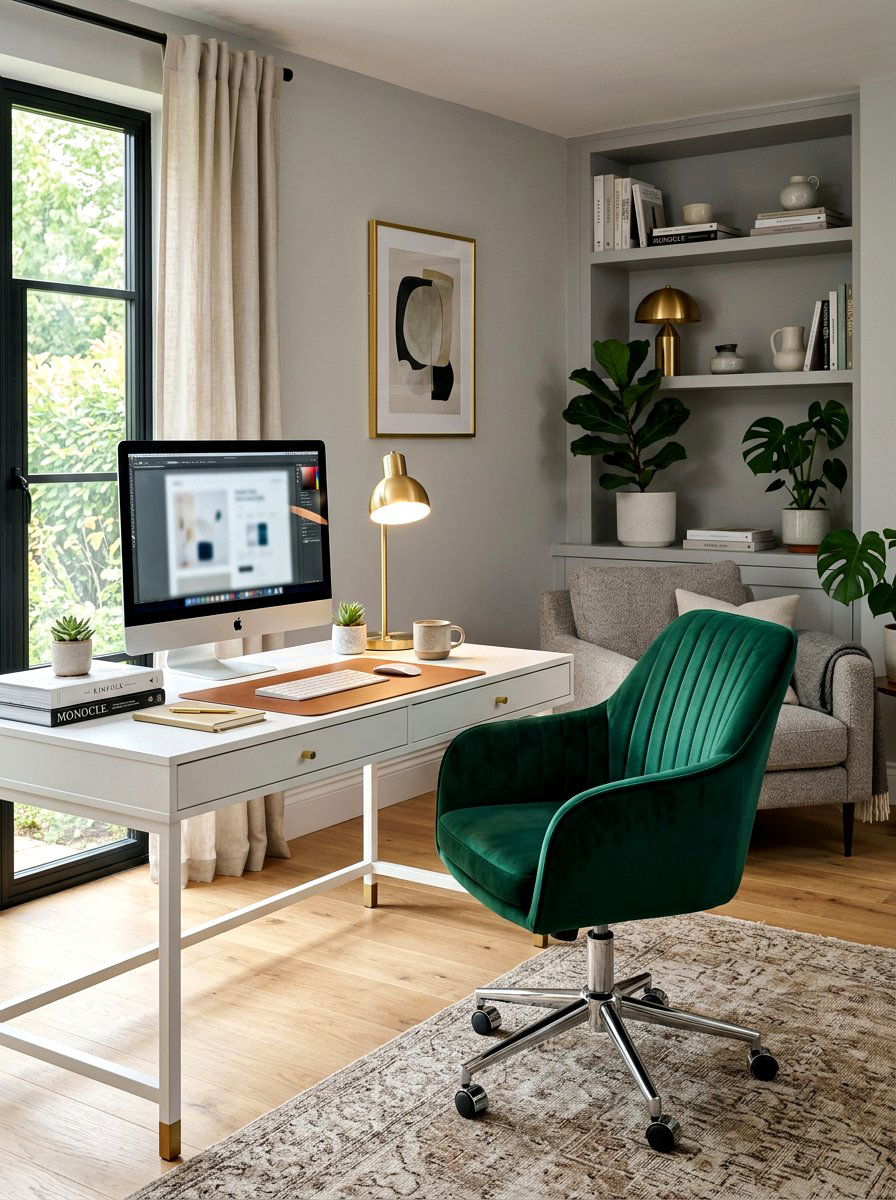
A modern sewing machine station serves as the central hub for any serious quilter who values efficiency and style. This setup usually features a sleek, sturdy desk that minimizes vibrations while you work at high speeds. You should look for a surface that offers plenty of room to support the weight of heavy quilts as they move through the machine. Placing the desk against a wall with integrated power outlets ensures that cords remain tidy and out of the way. Consider adding a small lamp with adjustable brightness to illuminate your stitches clearly during late-night projects. A clean, uncluttered desk surface helps maintain focus and precision throughout your entire creative process.
2. Large Fabric Storage Cabinet
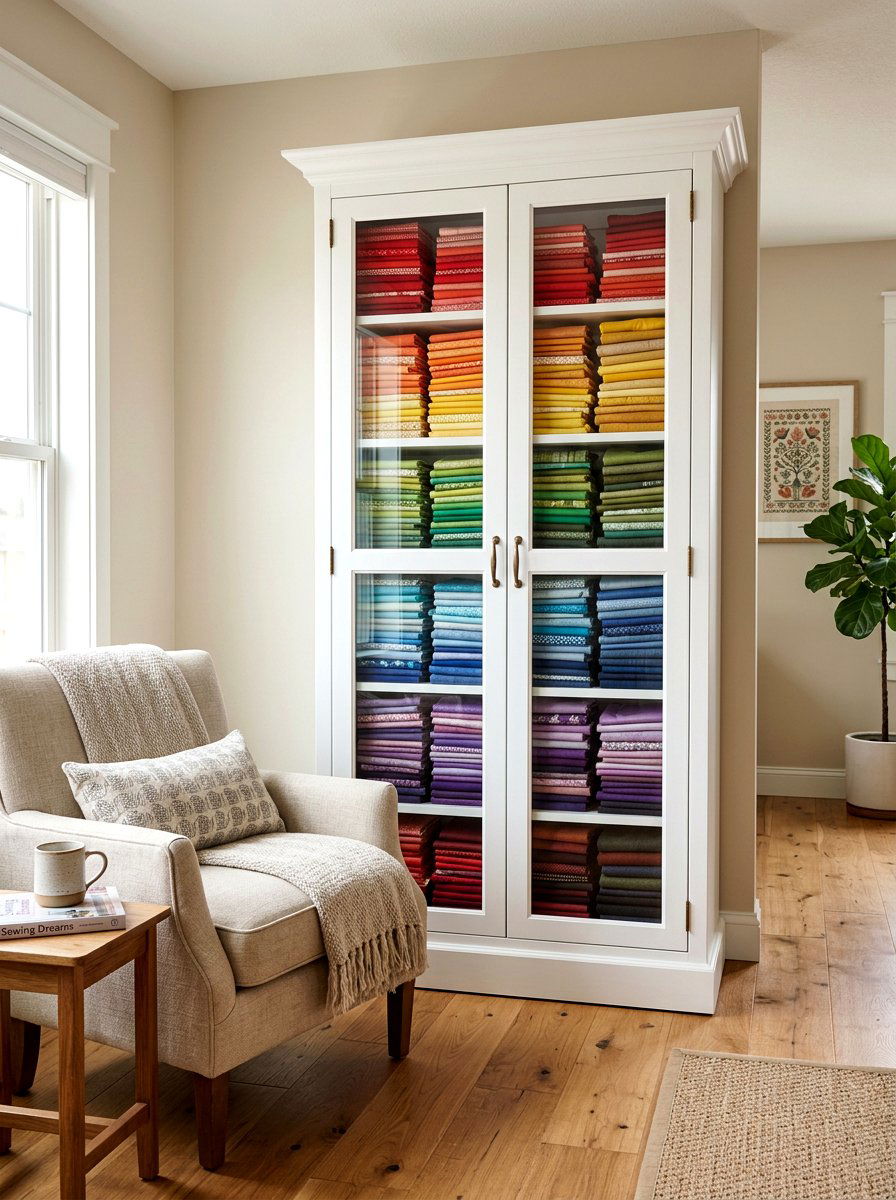
A large fabric storage cabinet is a dream come true for anyone who has built up a significant stash over the years. These substantial pieces of furniture allow you to organize your materials by color, designer, or fabric type. Using glass doors on the cabinet lets you see your beautiful collection without exposing it to dust or direct sunlight, which can fade colors over time. You can fold your yardage into uniform sizes or wrap them around comic book boards for a professional look. This organized approach makes it much easier to find the perfect scrap or focal fabric for your next big project without having to dig through messy bins.
3. Adjustable Height Cutting Table
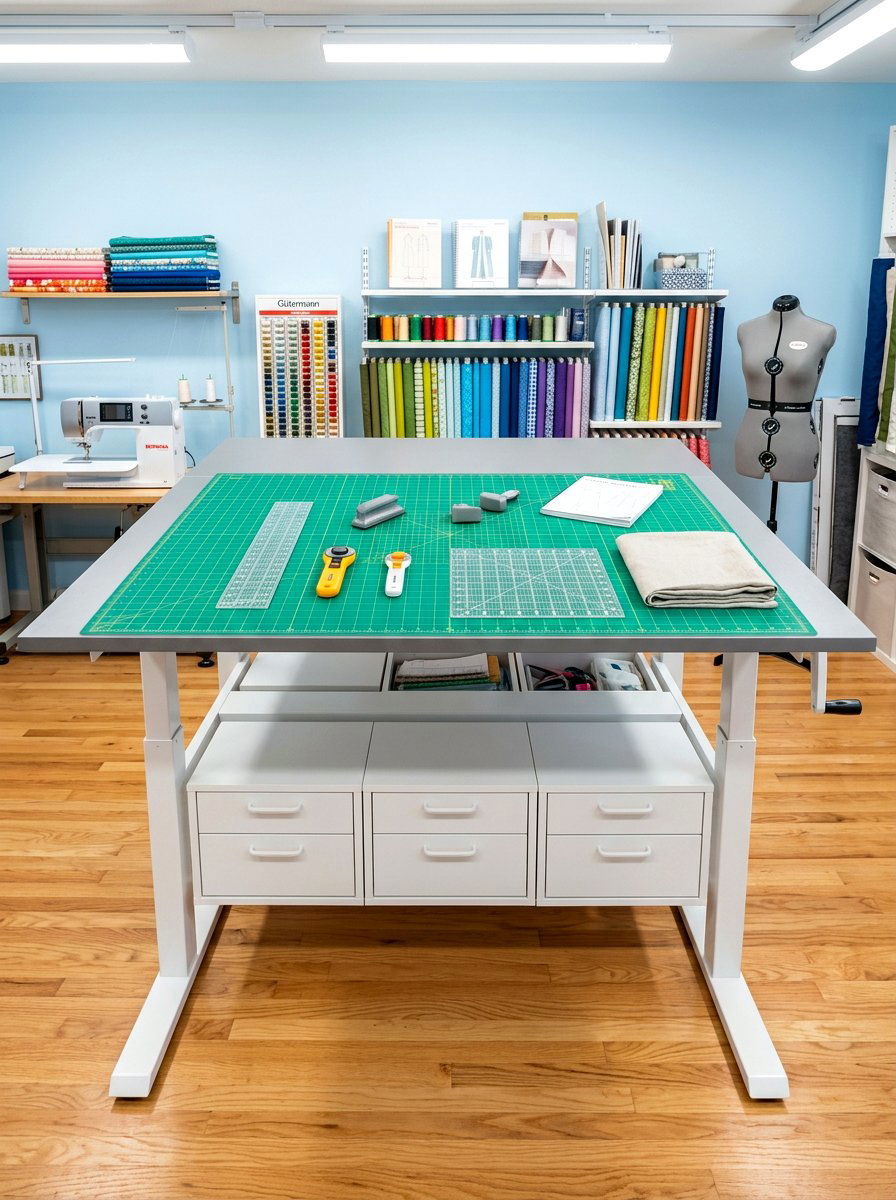
An adjustable height cutting table is a game changer for your physical comfort during long hours of preparing fabric. Standard tables are often too low, leading to back and shoulder strain from constant leaning. By choosing a table that can rise to your waist level, you can stand comfortably while using your rotary cutter and acrylic rulers. Many of these tables also come with built-in storage drawers or shelves underneath, providing a convenient spot for your cutting mats and extra blades. Having a dedicated space for cutting ensures that your sewing desk remains clear for construction, making your entire workflow more streamlined and enjoyable for every single quilting session.
4. Wall Mounted Pegboard Organizer
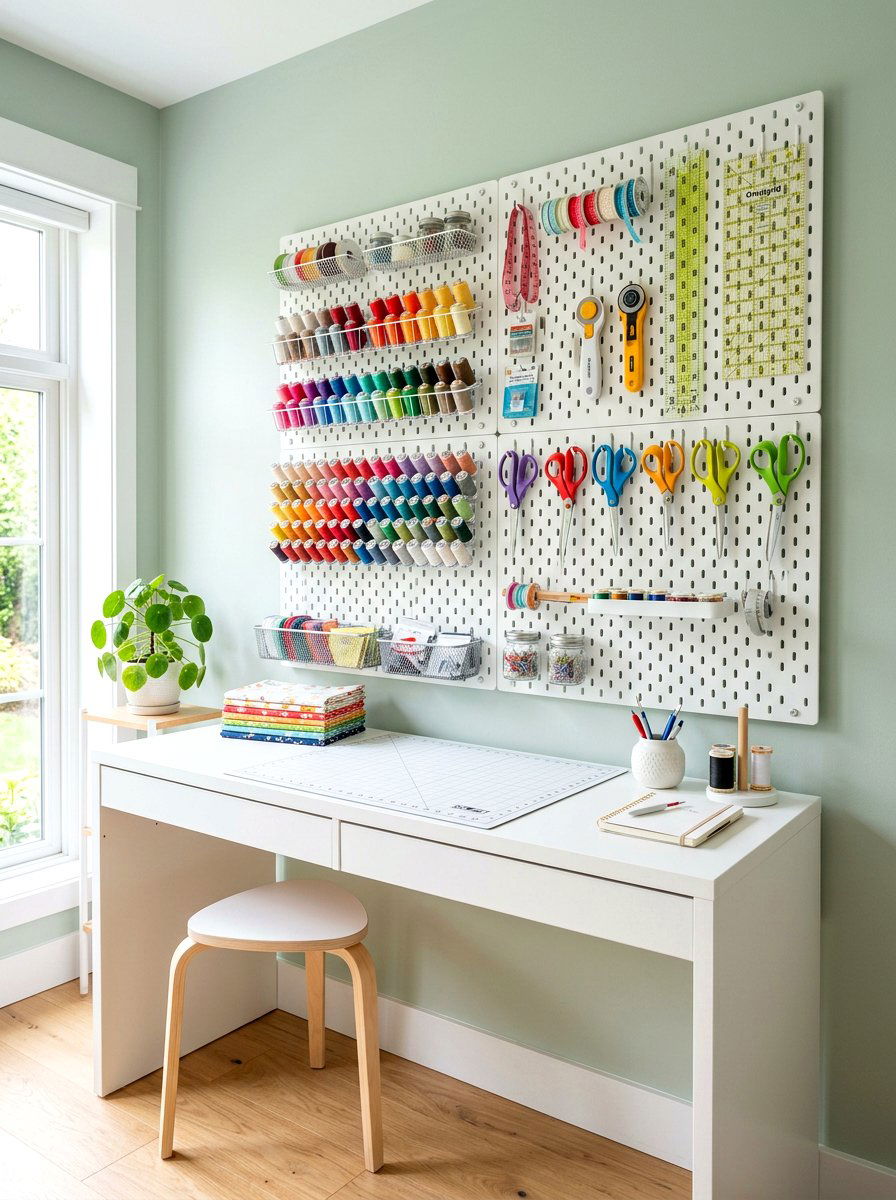
A wall mounted pegboard organizer is one of the most versatile ways to keep your most-used tools within reach. You can customize the layout with various hooks, baskets, and shelves to hold everything from scissors and seam rippers to spools of thread. This vertical storage solution clears up valuable desk space and keeps your work area looking tidy and professional. Many quilters choose to paint their pegboards in bright or pastel colors to match the room's aesthetic. Seeing all your colorful tools displayed neatly can actually serve as a form of inspiration. It turns your utility items into a decorative focal point while ensuring you never lose your favorite snips.
5. Natural Light Studio Workspace
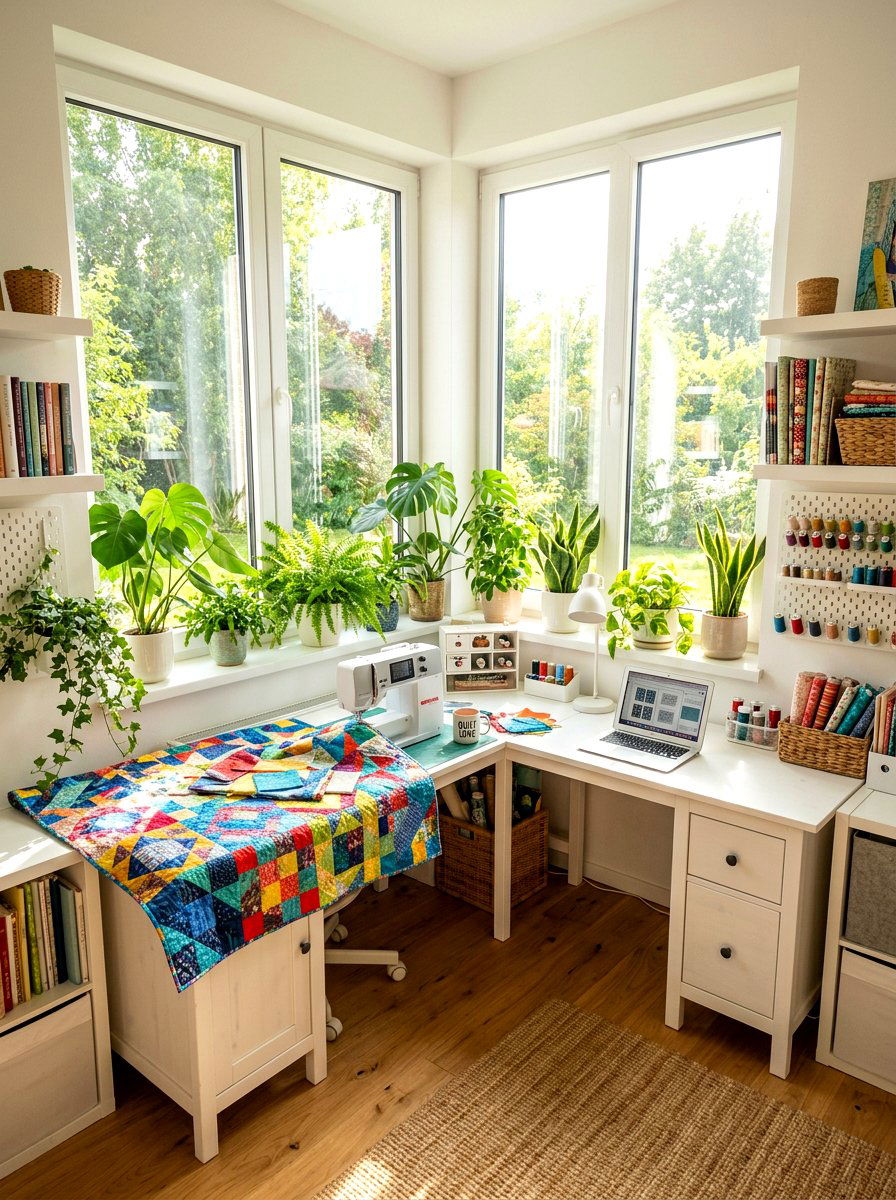
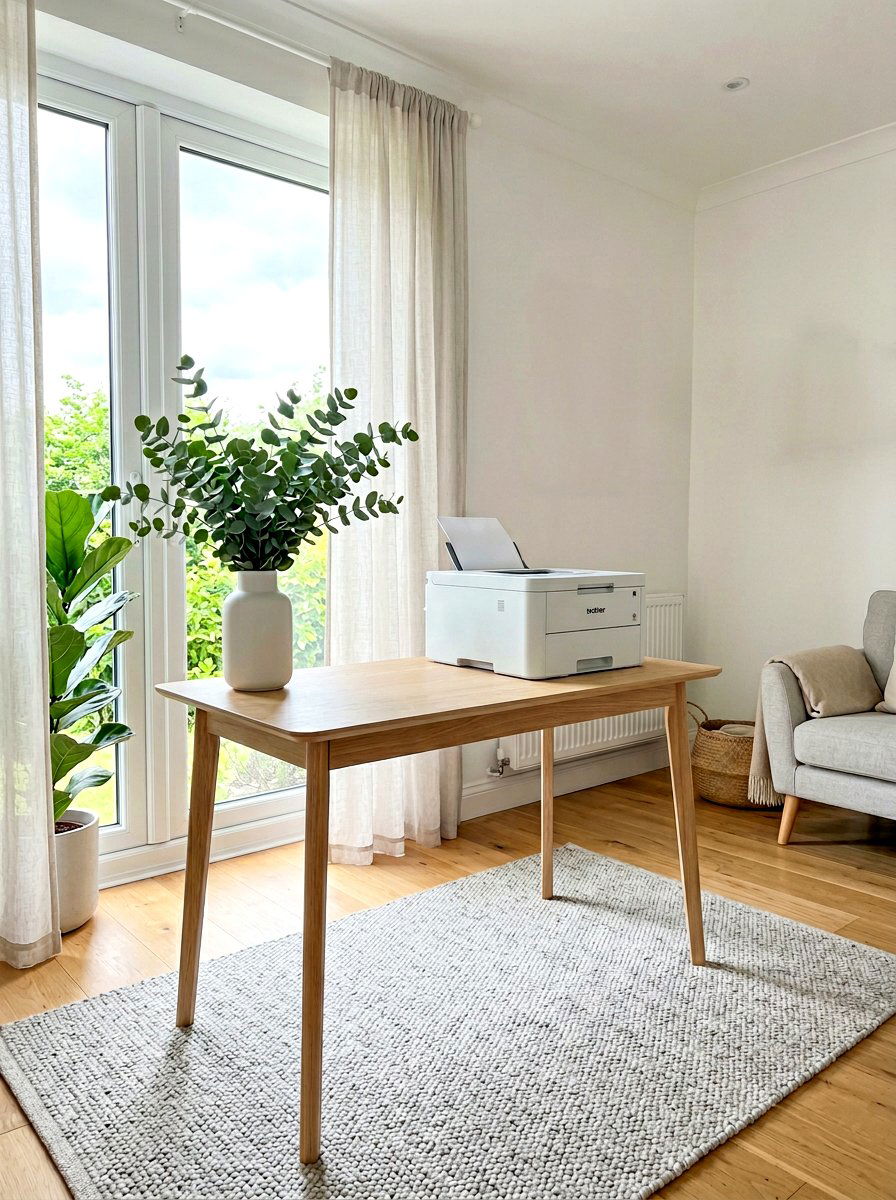
Creating a natural light studio workspace is ideal for accurately matching fabric colors and seeing fine details in your stitching. If possible, position your main sewing and cutting areas near large windows to take advantage of the sun's rays during the day. Natural light is much easier on the eyes than harsh artificial bulbs and can significantly improve your mood while you work. To control the light, you can install sheer curtains that soften the glare without blocking the brightness entirely. If your room lacks windows, consider using high-quality daylight LED bulbs that mimic the spectrum of the sun. This ensures your quilt colors look the same inside as they do outside.
6. Minimalist White Quilting Room
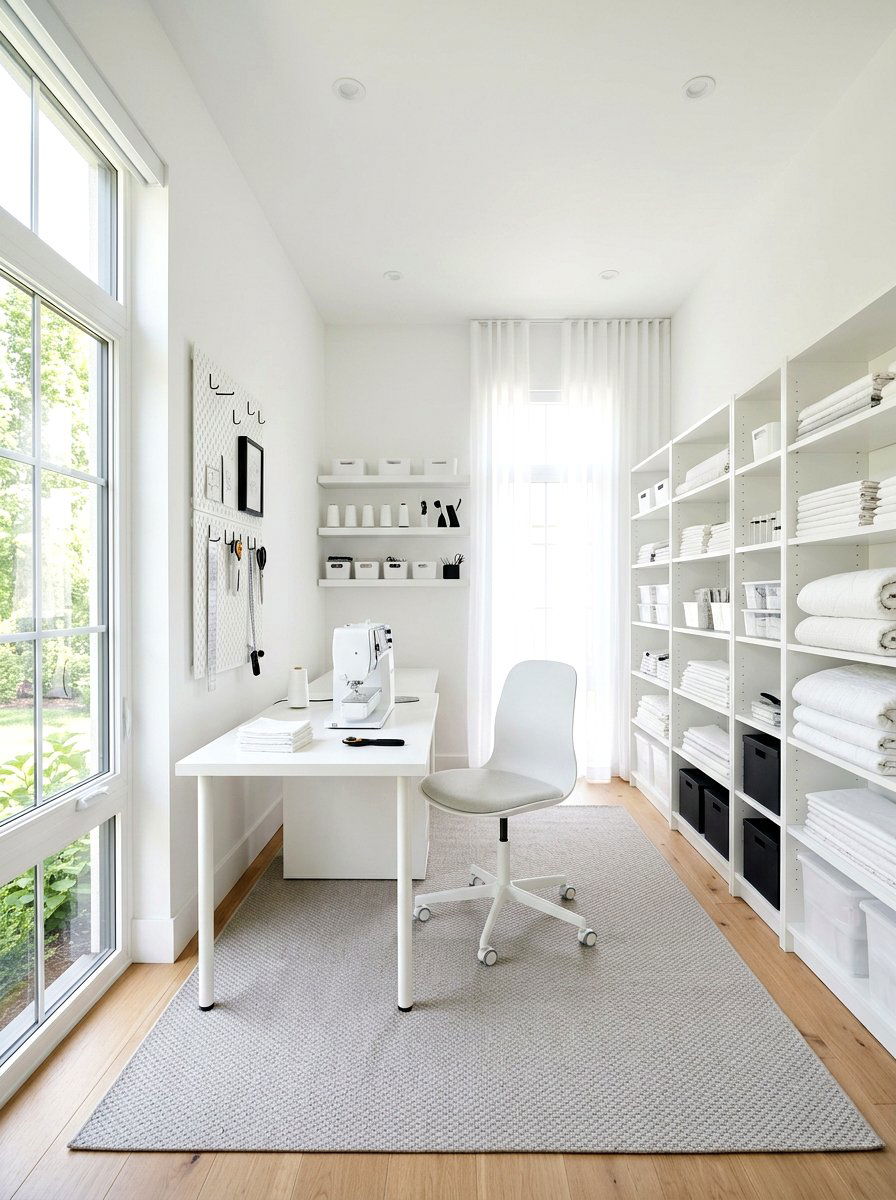
A minimalist white quilting room provides a clean and serene backdrop that lets your colorful fabrics take center stage. By using white furniture, walls, and shelving, you create a sense of openness and calm in what can often be a cluttered environment. This aesthetic approach helps reduce visual noise, allowing you to focus entirely on the patterns and textures of your current project. Minimalist designs often incorporate hidden storage solutions to keep supplies out of sight when they are not in use. This style is particularly effective in smaller rooms, as light colors reflect more brightness and make the space feel much larger than it actually is for sewing.
7. Multi Purpose Craft Room Furniture
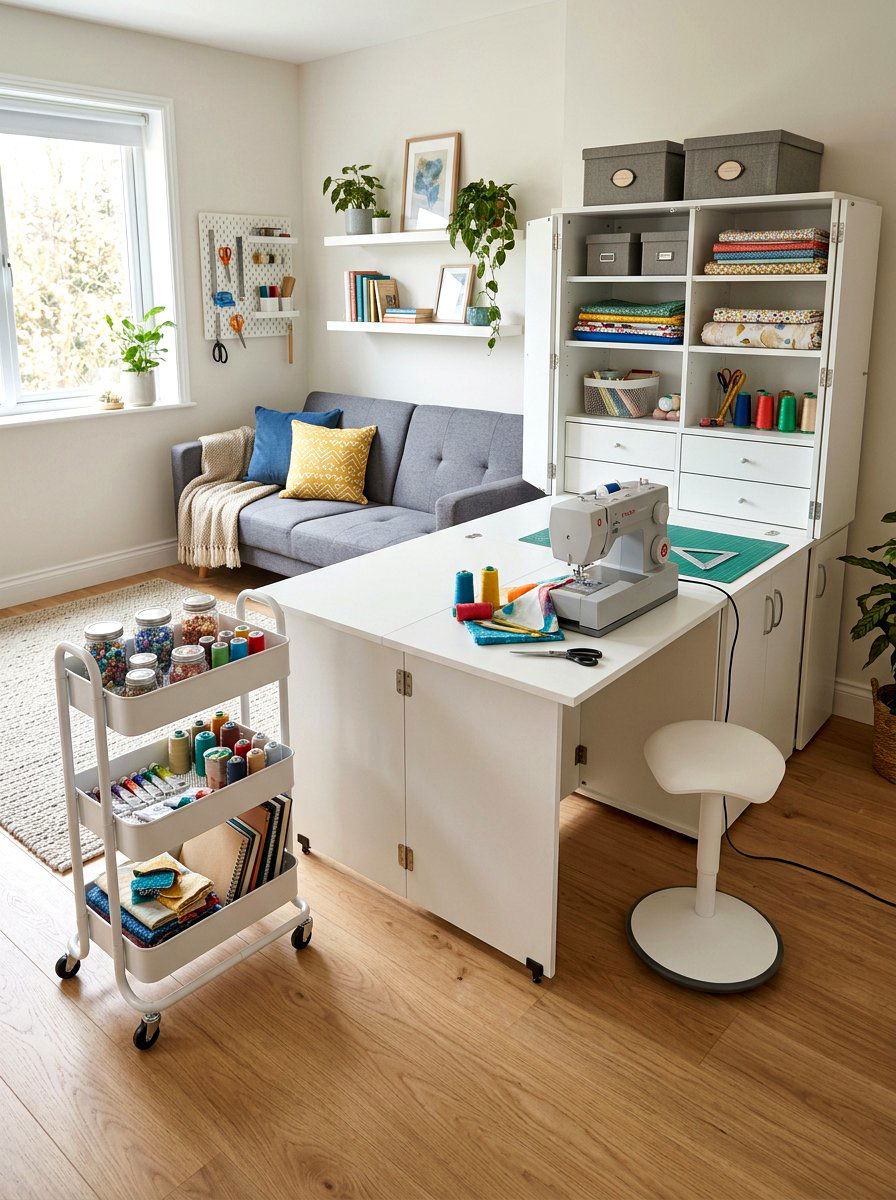
Multi purpose craft room furniture is essential for quilters who need to maximize their available space. Look for items like drop-leaf tables that can expand when you are working on a large quilt top and fold down when you need more floor space. Rolling carts are another fantastic option, as they can be moved from the sewing station to the cutting area as needed. Some cabinets are designed to house a sewing machine on a lift system, allowing the desk to function as a regular office space or guest room vanity when you are not quilting. Investing in flexible furniture ensures that your hobby can thrive without taking over the entire home.
8. Colorful Fabric Bolt Display
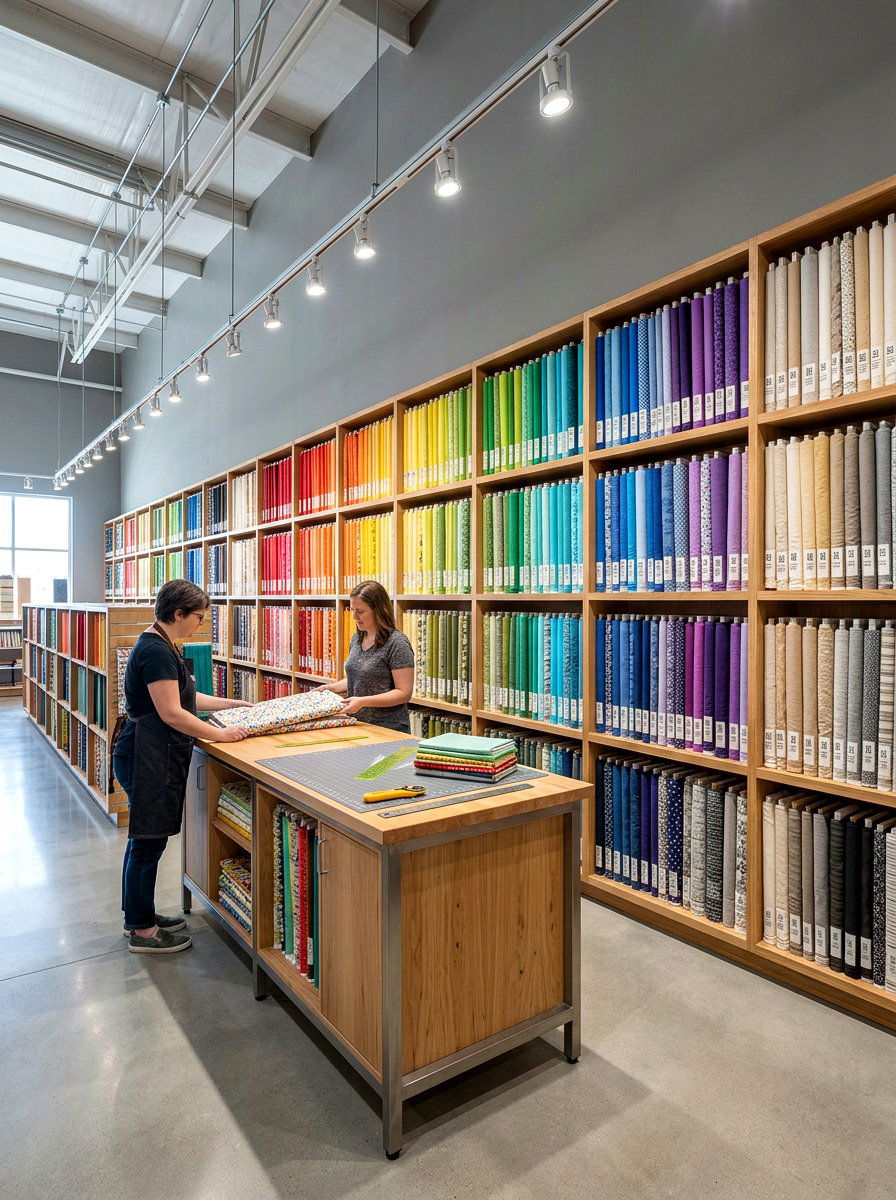
A colorful fabric bolt display turns your material collection into a stunning piece of wall art. Instead of hiding your yardage in dark bins, you can wrap your fabrics around cardboard bolts and line them up on open shelving. This method not only looks beautiful but also makes it incredibly easy to see exactly how much of each print you have left. Organizing the bolts by the colors of the rainbow creates a vibrant and energetic atmosphere in your studio. This visual accessibility encourages you to experiment with new color combinations you might not have considered before. It makes your room feel like a professional boutique quilt shop every day.
9. Corner Sewing Nook Layout
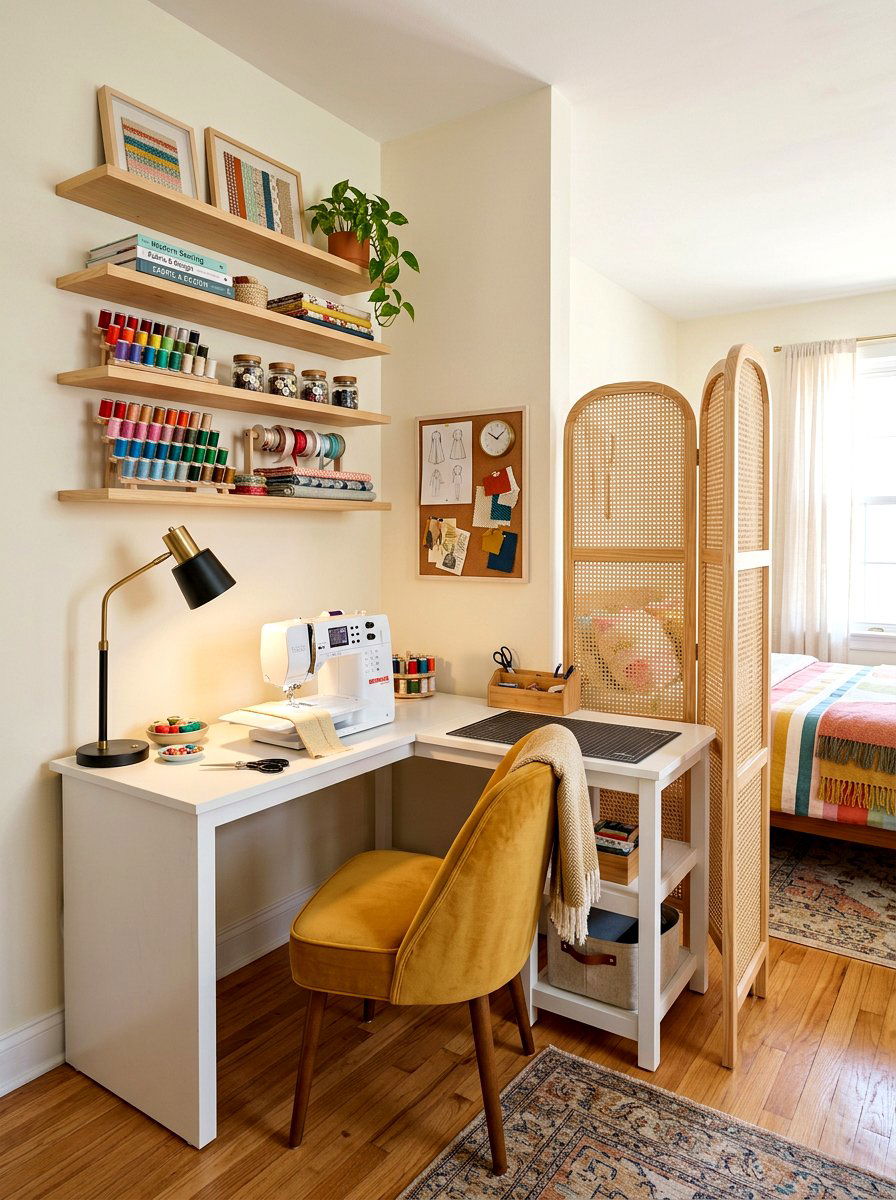
A corner sewing nook layout is the perfect solution for quilters who do not have a dedicated spare room for their craft. By using an L-shaped desk or a small secretary cabinet in the corner of a bedroom or living area, you can create a cozy and functional workspace. This layout often includes wall-mounted shelves above the desk to utilize vertical space for thread and small notions. Using a decorative screen can help separate your sewing area from the rest of the room, giving you a sense of privacy while you work. A well-planned corner nook proves that you do not need a massive studio to produce beautiful, high-quality handmade quilts.
10. Dedicated Quilt Design Wall
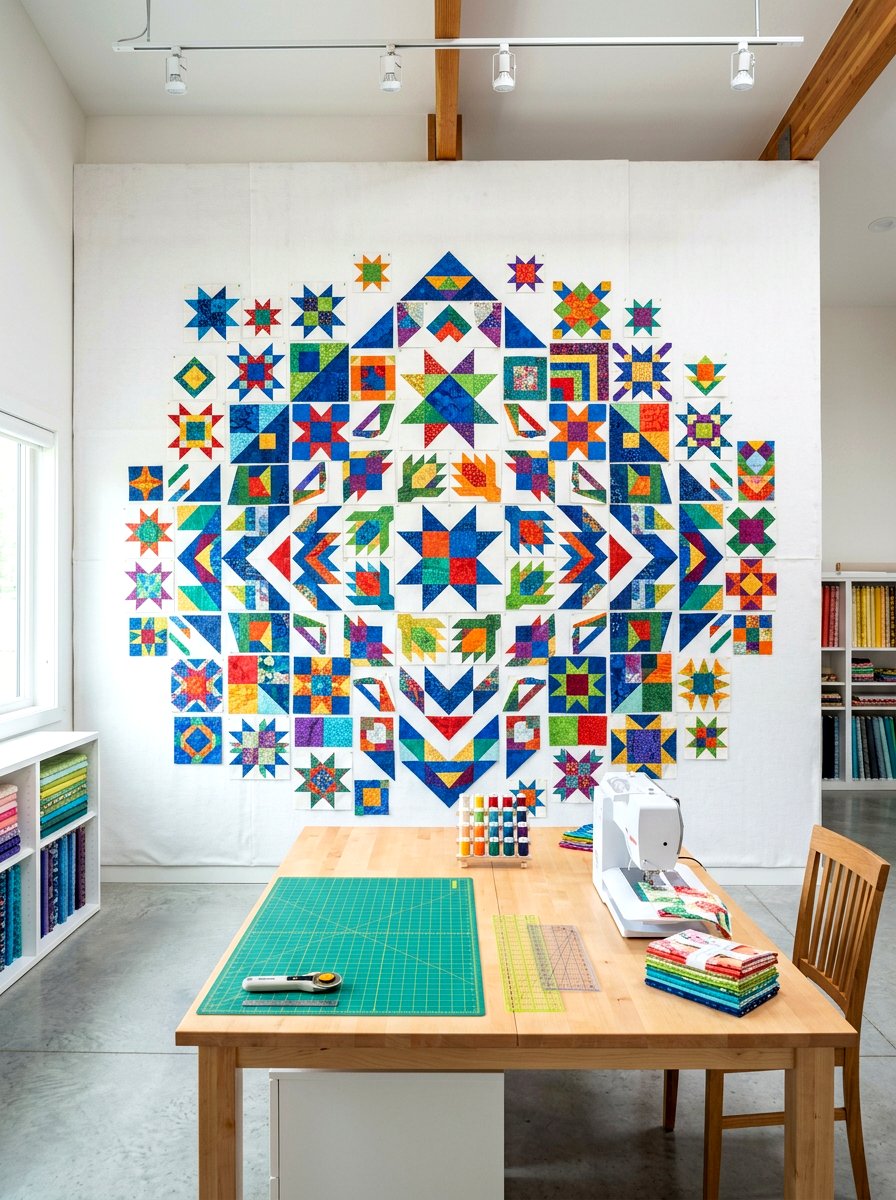
A dedicated quilt design wall is an indispensable tool for visualizing the layout of your blocks before you sew them together. These walls are usually covered in a textured fabric like flannel or felt, which allows cotton quilt blocks to "stick" to the surface without the need for pins. Having a vertical space to step back and look at your work helps you identify mistakes in block rotation or color balance that you might miss while looking down at a table. You can easily move pieces around until the composition is exactly right. This simple addition to your room significantly improves the professional quality and artistic flow of your finished quilts.
11. Rolling Utility Cart Storage
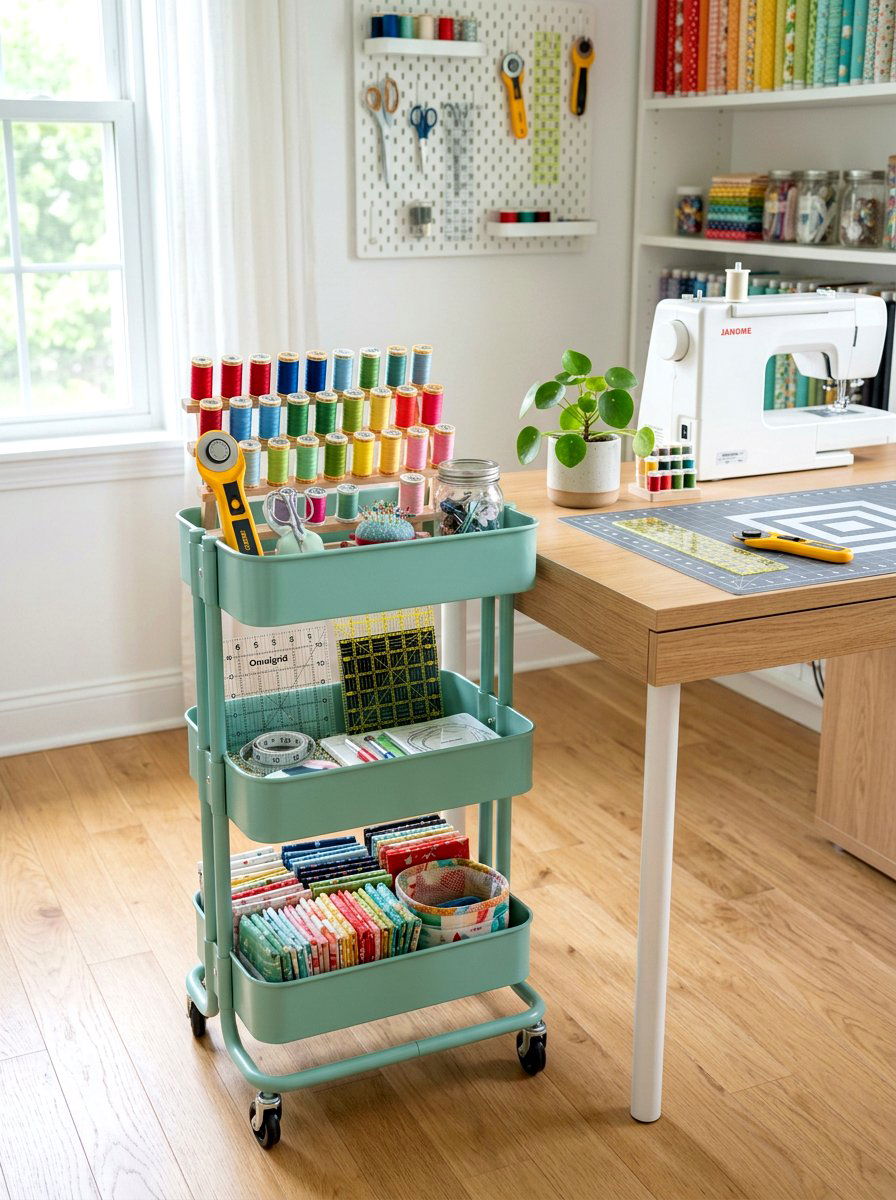
Rolling utility cart storage offers a flexible and mobile way to organize your essential quilting supplies. These tiered metal or plastic carts can hold everything from thread spools and bobbins to rulers and small cutting mats. Because they are on wheels, you can easily pull the cart right next to your sewing machine while you are piecing and then move it to the ironing board for pressing. This portability helps keep your main work surfaces clear of clutter. Many quilters use different tiers for different stages of a project, such as one tray for cutting tools and another for finishing supplies like binding clips and hand-sewing needles.
12. Rustic Farmhouse Quilting Studio
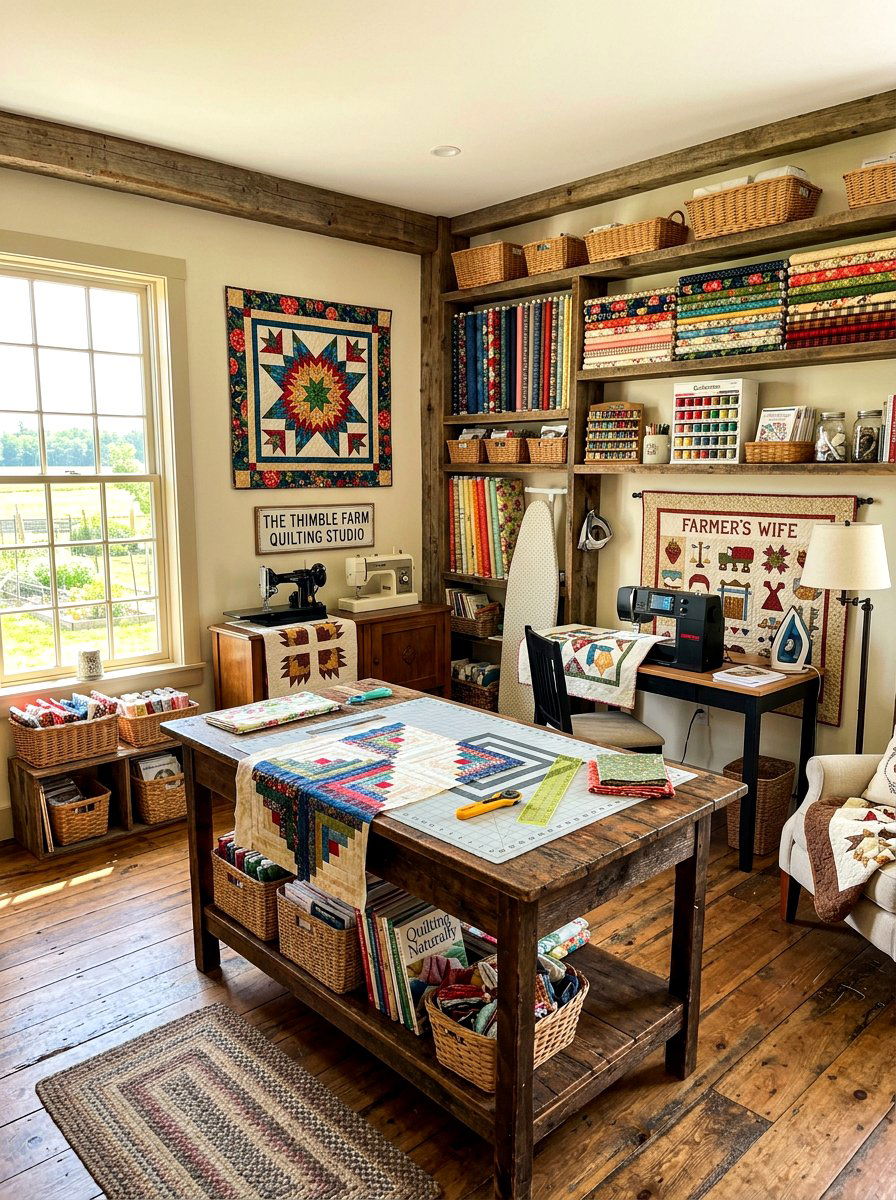
A rustic farmhouse quilting studio brings a sense of warmth and history to your creative space. This style often features reclaimed wood shelving, antique sewing machine displays, and woven baskets for fabric storage. Using a sturdy, vintage wooden table as a cutting surface adds character and a solid feel to the room. Soft neutral tones like cream, beige, and sage green complement the natural textures of the wood and the colorful fabrics of your quilts. Adding a cozy armchair in the corner with a handmade throw creates a perfect spot for hand-quilting or reading through your favorite patterns. This aesthetic celebrates the traditional roots of the quilting craft beautifully.
13. Bright White Craft Room Lighting
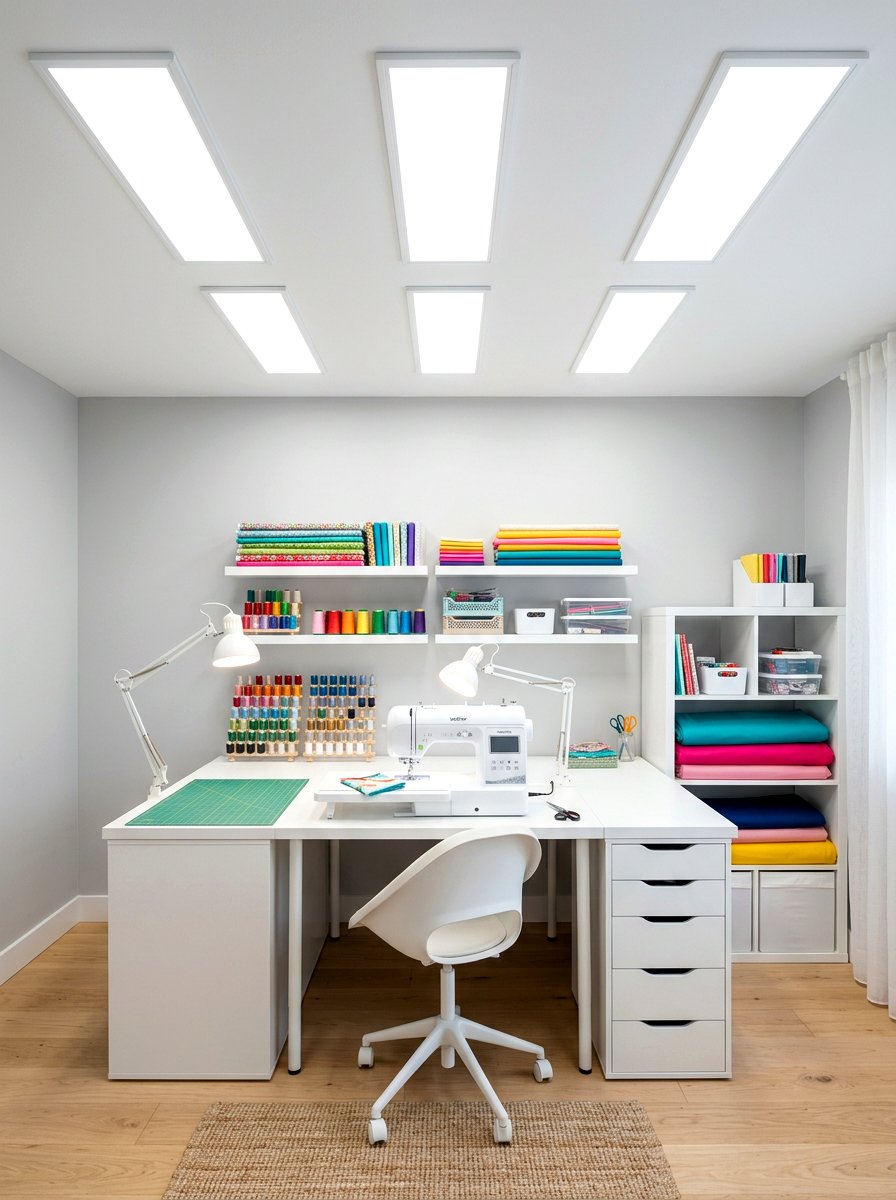
Bright white craft room lighting is essential for preventing eye strain and ensuring that you can see every tiny stitch with total clarity. A combination of overhead LED panels and targeted task lamps provides the best coverage for your workspace. Look for bulbs that have a high color rendering index to ensure that your fabrics look their most accurate under artificial light. Adjustable arm lamps are particularly useful at the sewing machine and cutting table, as they allow you to direct the light exactly where you need it most. Good lighting is not just about function; it also makes your entire room feel more inviting, energetic, and professional for work.
14. Hidden Sewing Room Closet
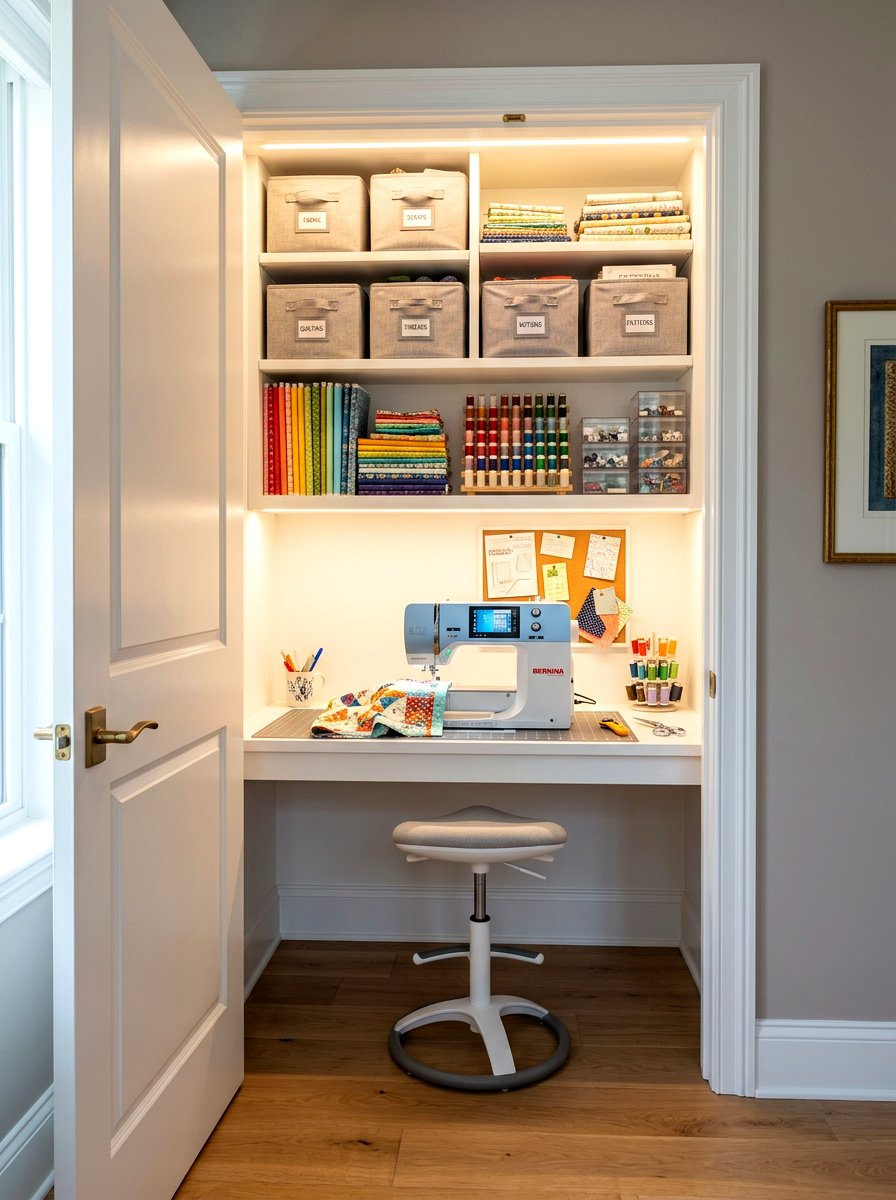
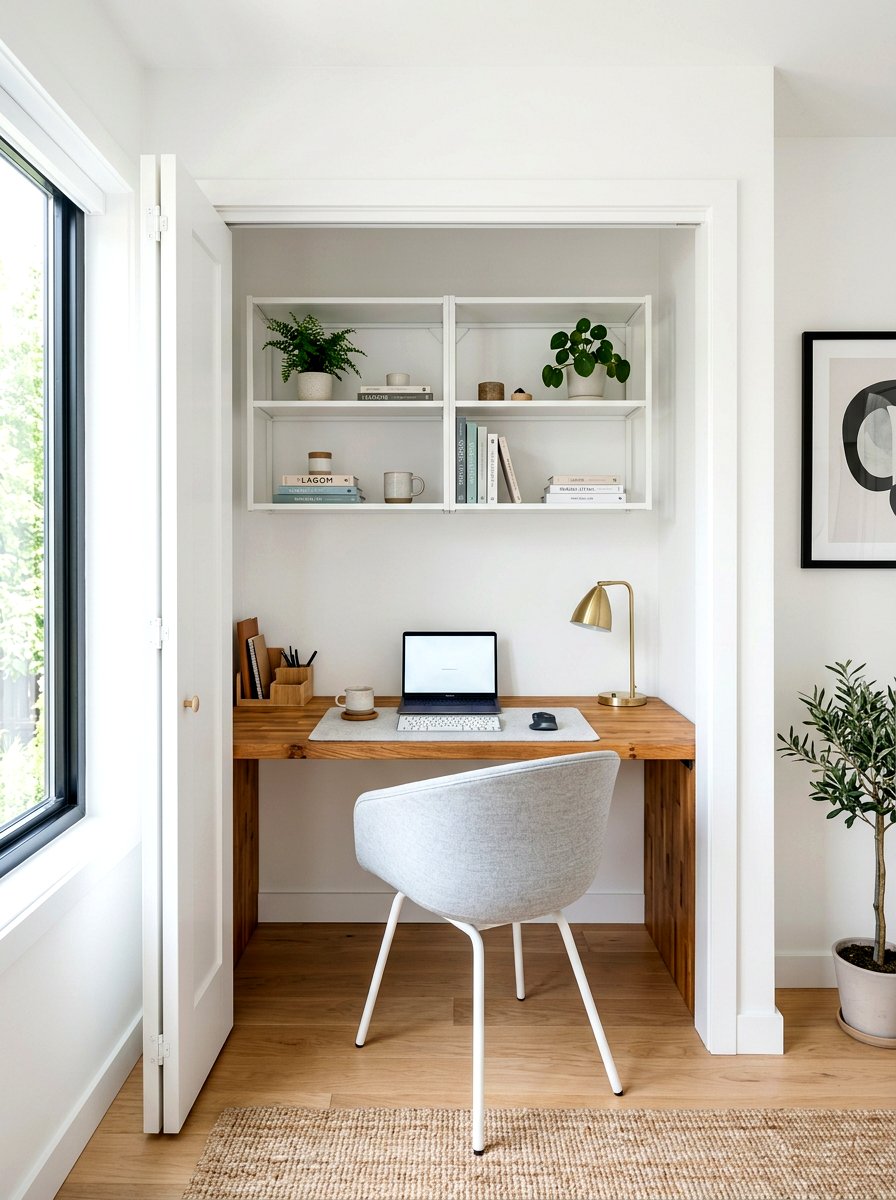
A hidden sewing room closet is a clever way to keep your hobby organized while maintaining a tidy home. You can transform a standard reach-in closet into a fully functional sewing nook by installing a built-in desk and shelving. The shelves can hold fabric bins and books, while the desk provides just enough room for your machine and a small cutting mat. When you are finished for the day, you simply close the closet doors to hide your project and supplies from view. This is an excellent option for those living in apartments or smaller homes where every square inch of living space must be utilized very efficiently.
15. Industrial Style Quilting Workshop
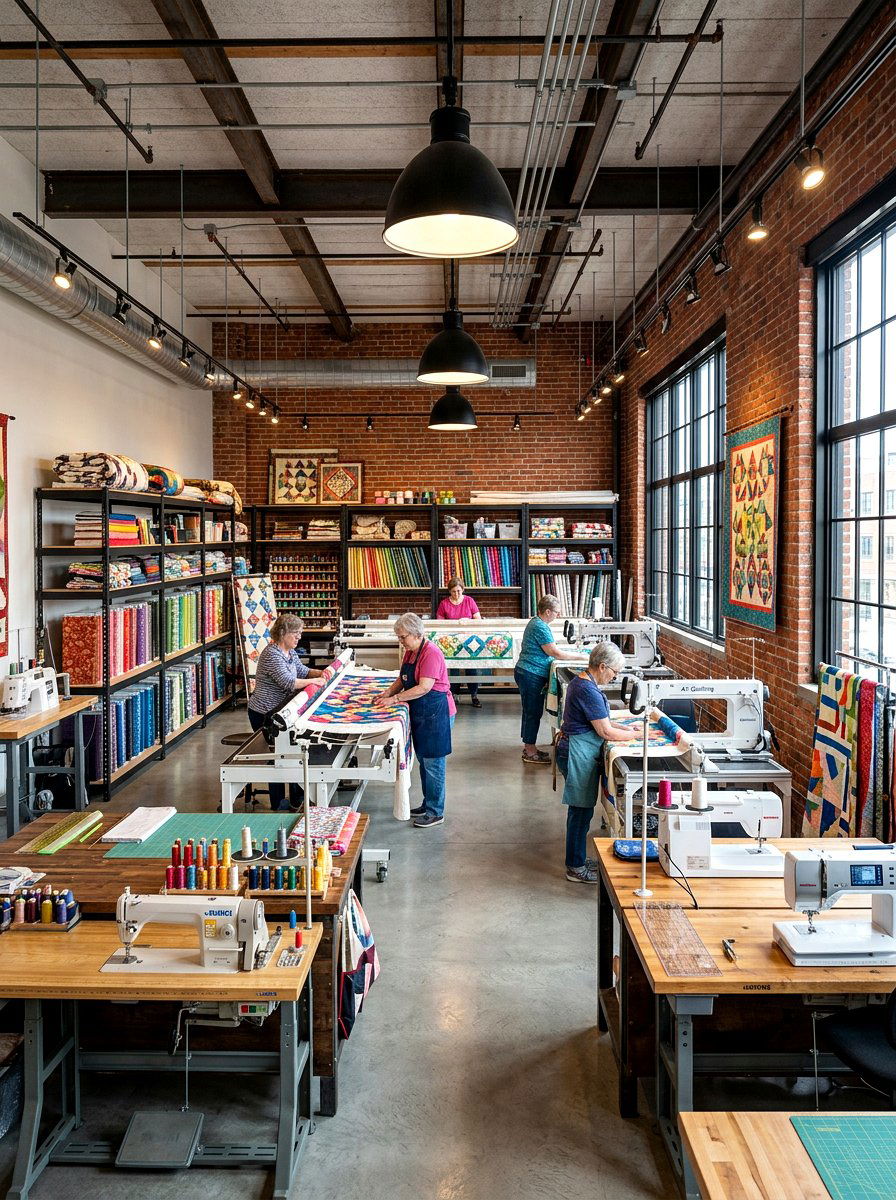
An industrial style quilting workshop combines rugged materials like metal and dark wood with a highly functional layout. This aesthetic often features open metal shelving, large pendant lights, and concrete or wood floors that are easy to clean up after a day of cutting fabric. Using heavy-duty workbenches as sewing stations provides a stable surface that can handle the weight of professional-grade machines. The industrial look is both modern and practical, focusing on durability and ease of use. It creates a space that feels like a true laboratory for textile art. Exposed brick walls or metal pegboards add to the raw, creative energy of this unique studio design.
16. Under Desk Storage Bins
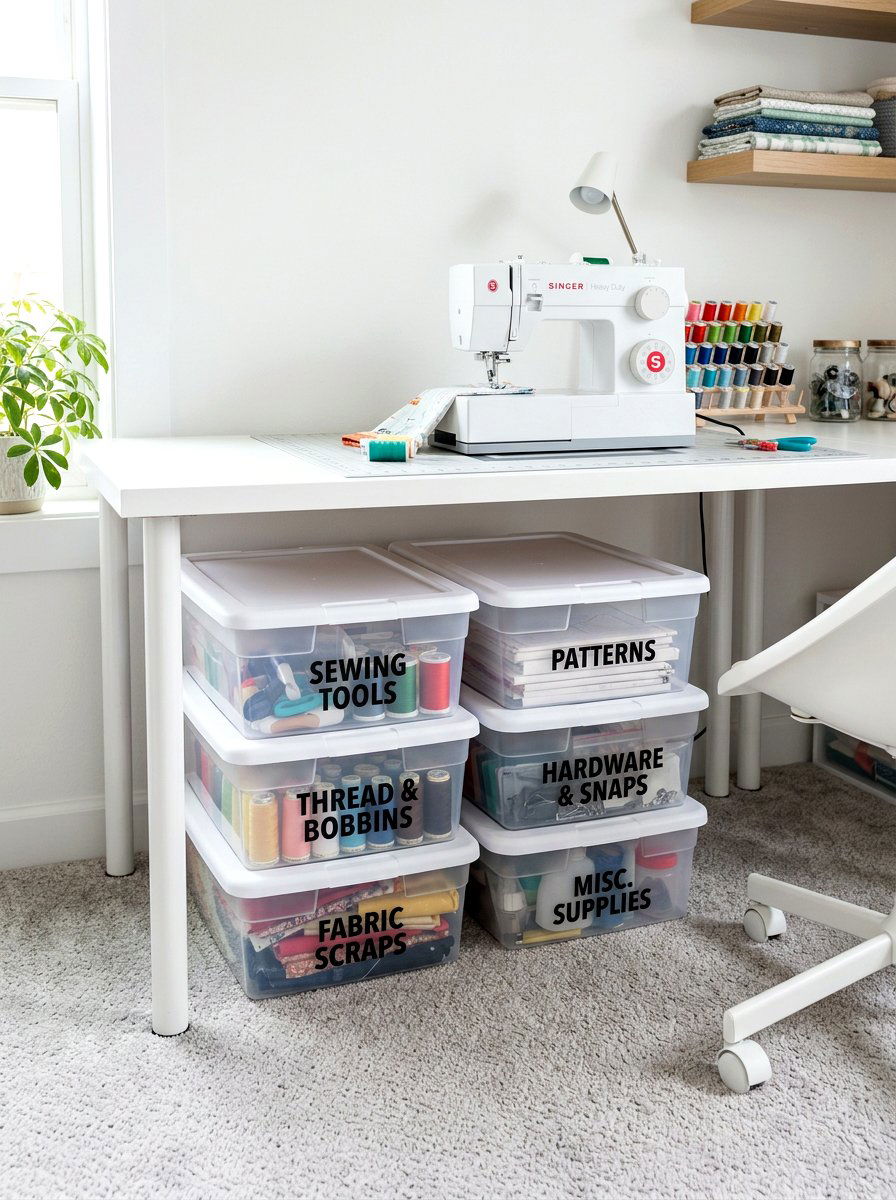
Under desk storage bins are a smart way to utilize the often-wasted space beneath your sewing or cutting tables. Clear plastic bins allow you to see exactly what is inside, making them perfect for storing works in progress or large pieces of batting. You can also use decorative wicker or fabric bins to hide away scraps and notions while keeping them easily accessible. Choosing bins with lids helps protect your materials from dust and pet hair, which is especially important for long-term projects. By keeping your supplies tucked under the table, you maintain a clean and open floor plan, making the entire room feel much less crowded and more organized.
17. Bohemian Style Craft Space
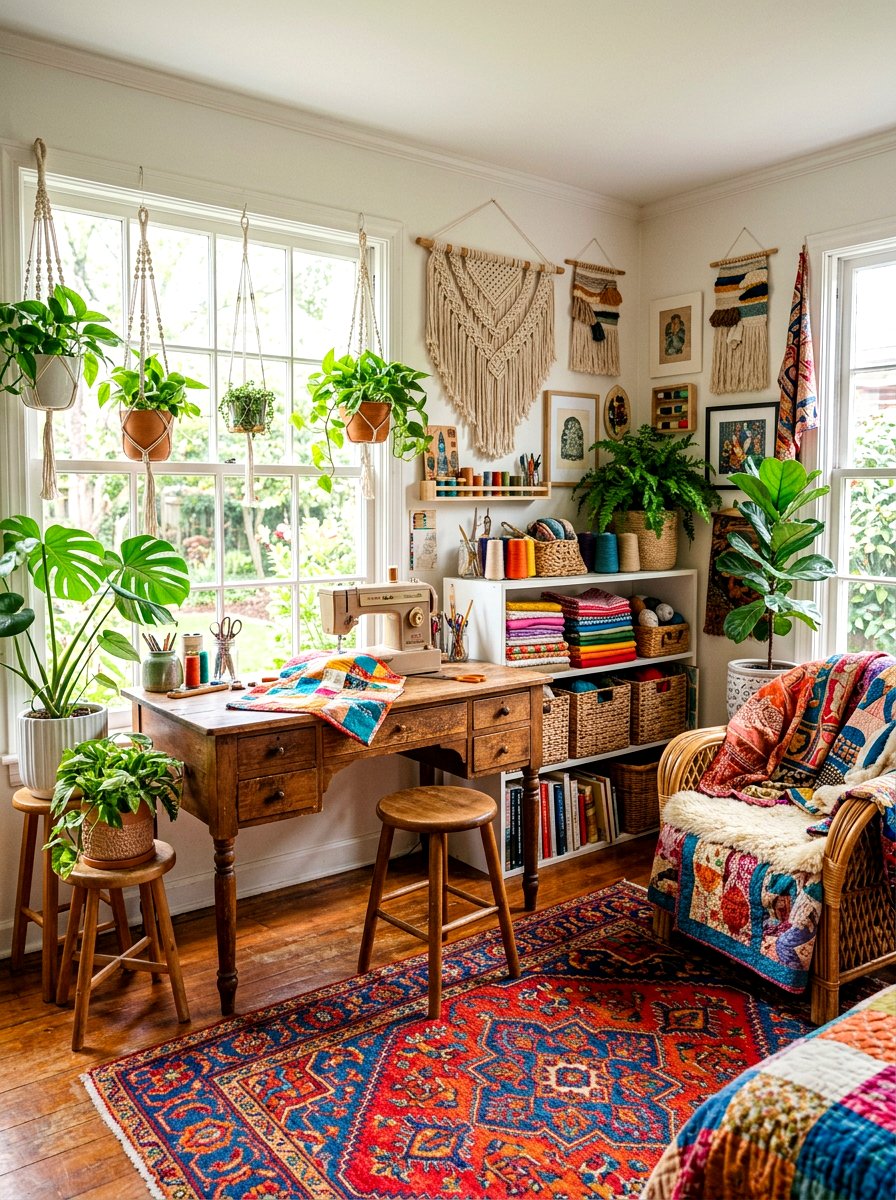
A bohemian style craft space is filled with vibrant colors, eclectic patterns, and a relaxed, creative vibe. This design approach encourages the use of mismatched furniture, colorful rugs, and plenty of plants to create an inspiring atmosphere. You might hang your favorite finished quilts on the walls like tapestries or use vintage suitcases to store your fabric scraps. Soft, layered lighting from floor lamps and string lights adds a cozy and magical feel to the room during evening sewing sessions. The "boho" style celebrates individuality and artistic freedom, making it a perfect match for quilters who love to experiment with bold designs and unique textile combinations.
18. Integrated Sewing Desk System
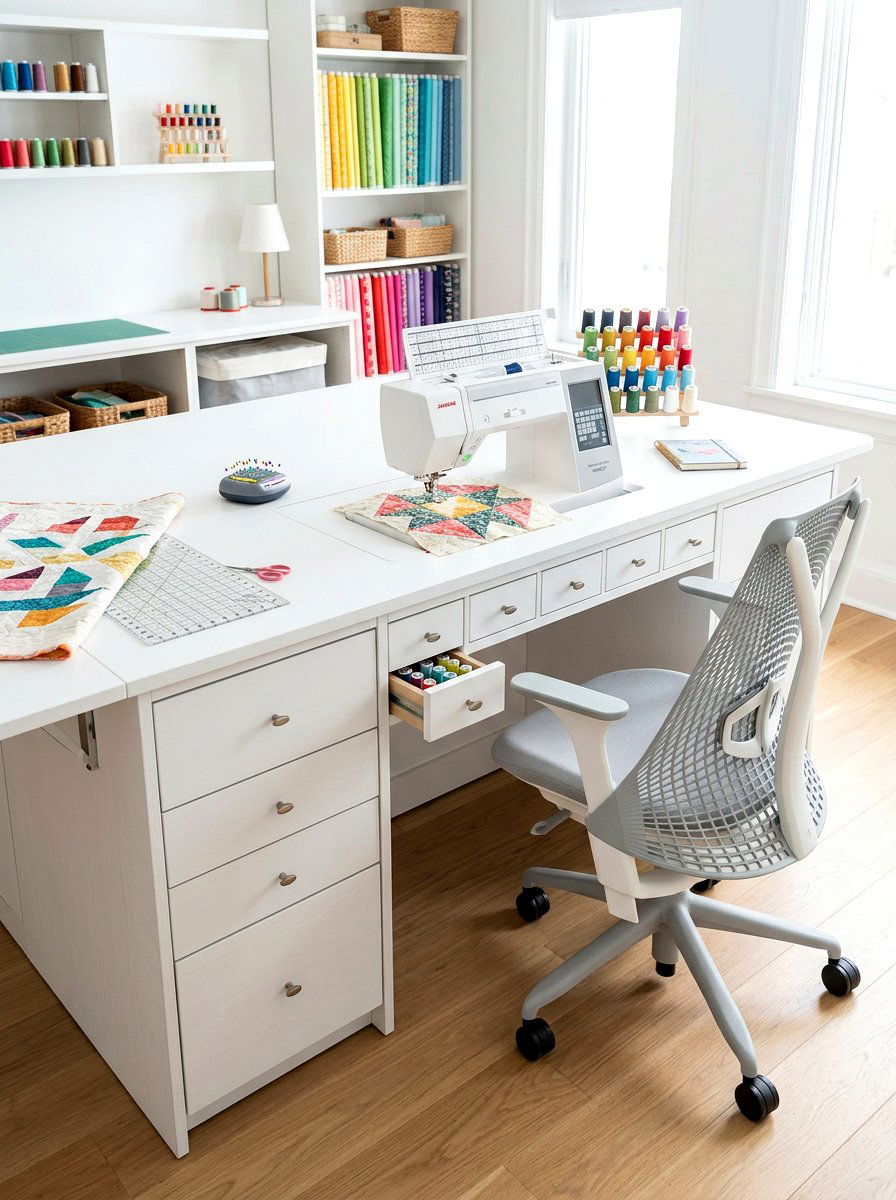
An integrated sewing desk system is a custom or semi-custom furniture setup designed specifically for the needs of a quilter. These desks often feature a recessed area for the sewing machine, allowing the machine's bed to sit flush with the tabletop. This creates a large, flat surface that is much easier for moving heavy quilts through the needle without them dragging or pulling. Many of these systems also include built-in drawers for bobbins, needles, and thread, ensuring that everything you need is right at your fingertips. High-quality sewing cabinets can be closed up to look like a beautiful piece of furniture when you are not actively working.
19. Longarm Quilting Machine Setup
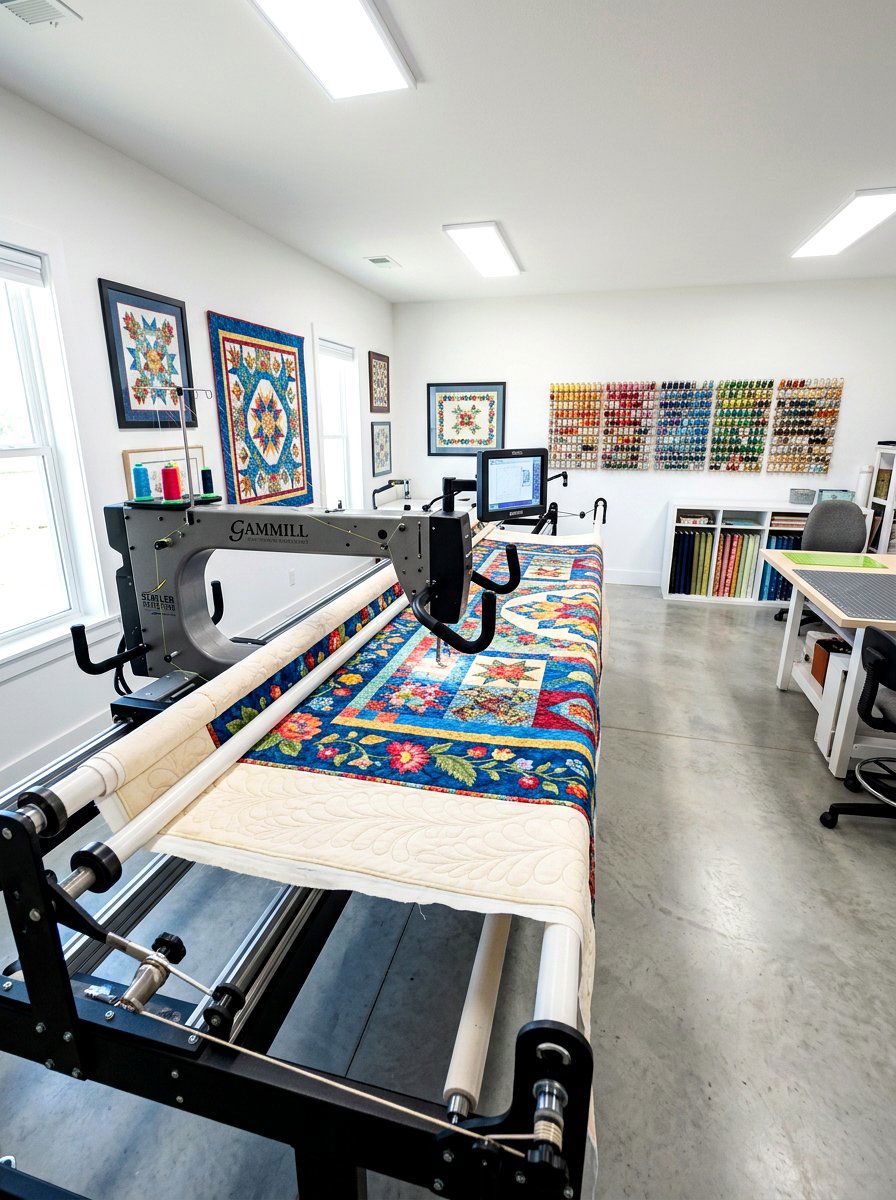
A longarm quilting machine setup requires a significant amount of floor space and a very sturdy frame. This professional-level equipment allows you to finish large quilts with intricate designs much faster than on a standard home machine. When designing a room around a longarm, it is crucial to leave enough walking space around the entire frame so you can easily access both the front and back of the machine. Good overhead lighting is especially important here, as the machine covers a large area of fabric at once. Many longarm owners use the space under the frame for storing rolls of batting or large fabric bolts to maximize their room's efficiency.
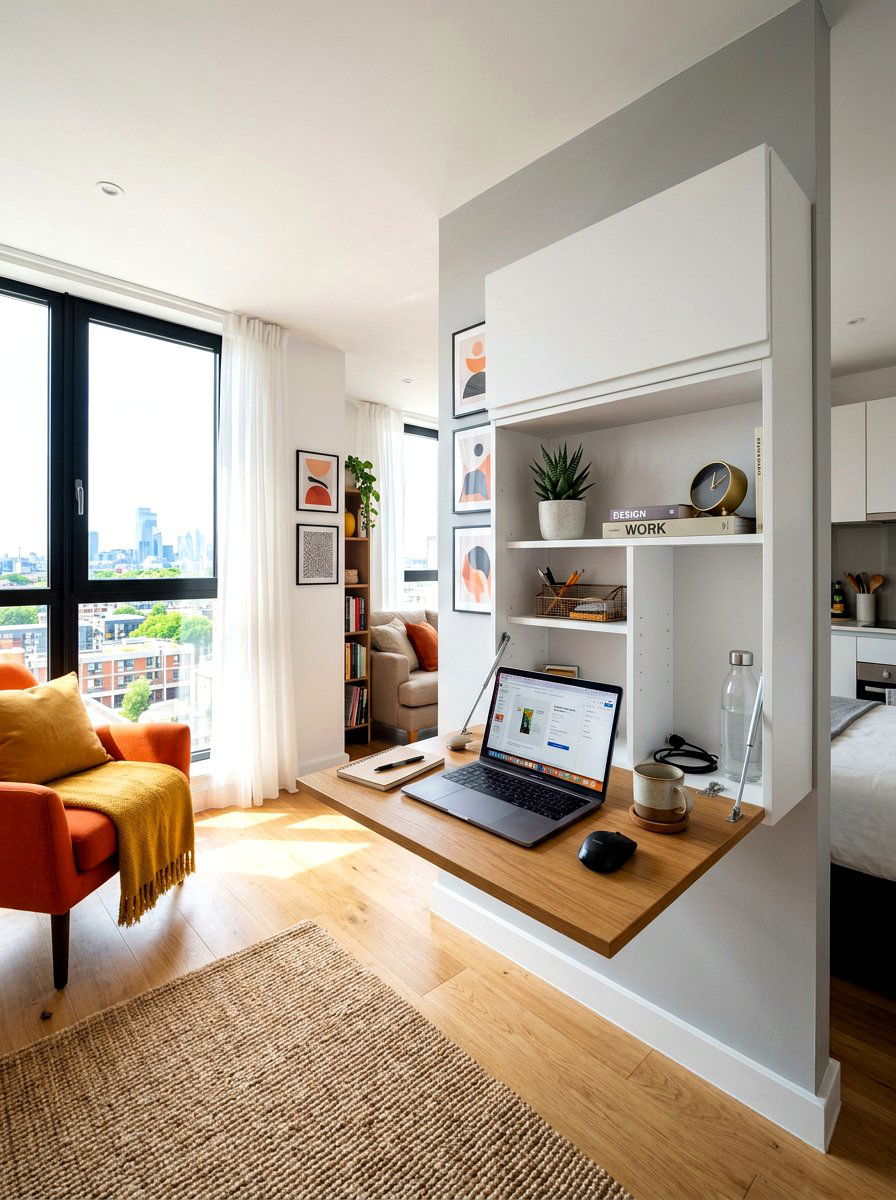
20. Foldable Craft Table Solution
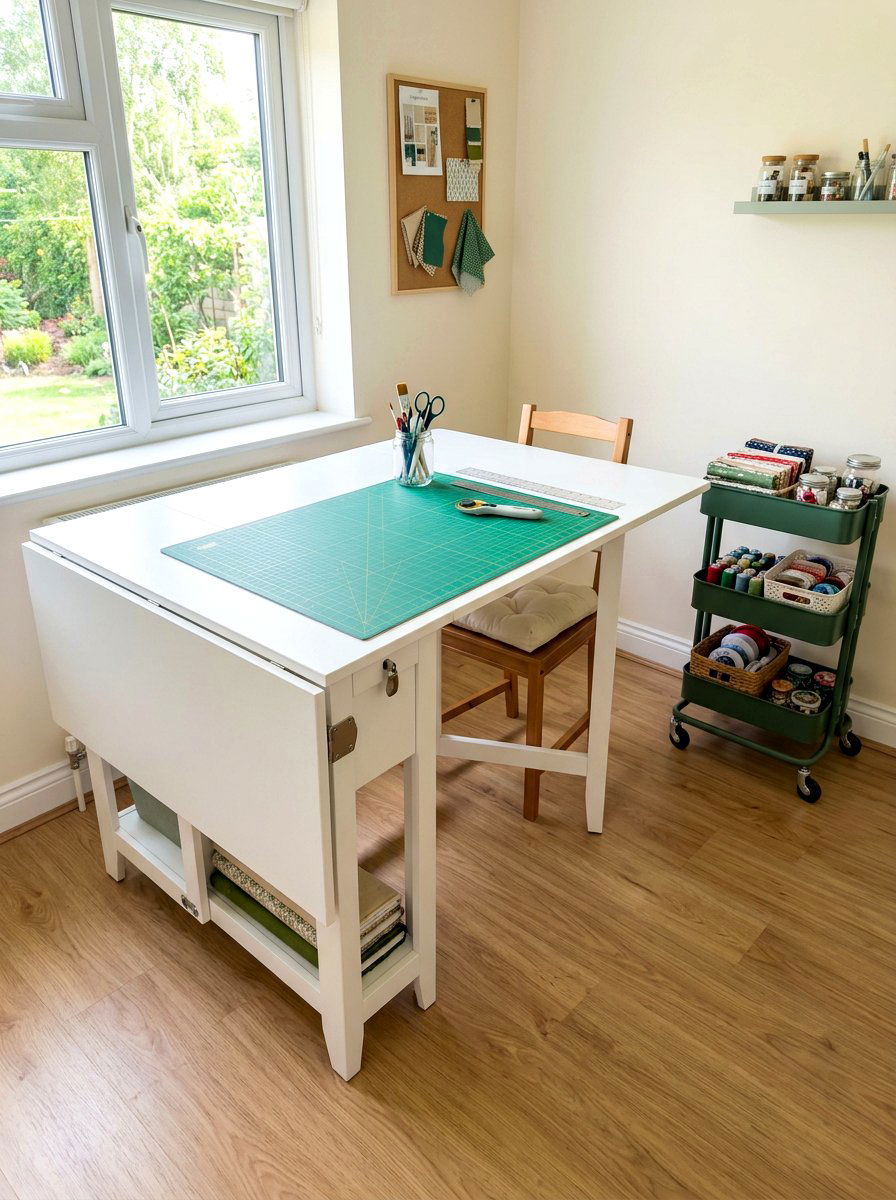
A foldable craft table solution is perfect for those who need a large cutting surface but do not have the room to keep one out all the time. These tables often feature wings that can be lifted up when you are ready to cut fabric and folded down when the task is complete. Some models are even equipped with wheels, allowing you to roll the table into a closet or behind a door for storage. This flexibility is ideal for quilters who use their dining room or a multi-purpose guest room as their creative space. It ensures that you always have a professional-sized surface available whenever inspiration strikes you.
21. Vintage Inspired Sewing Room
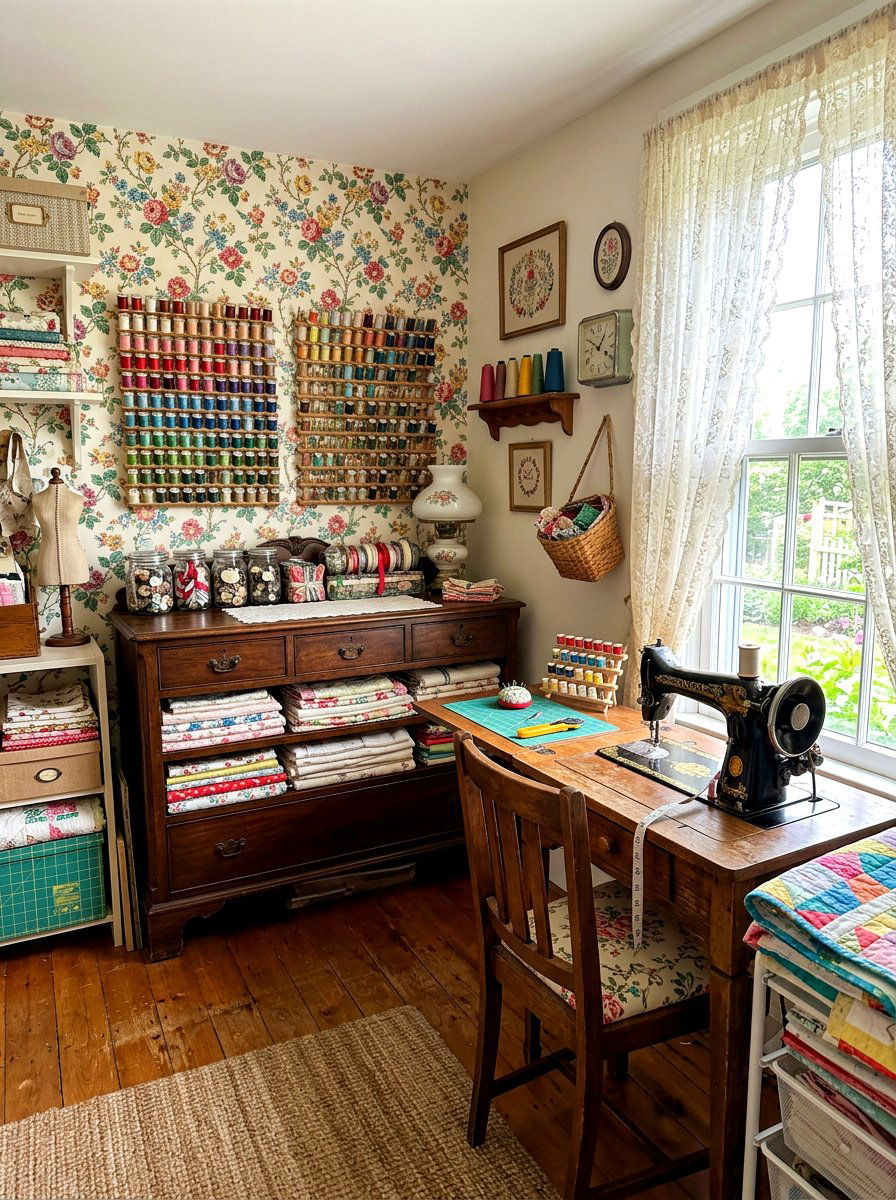
A vintage inspired sewing room pays homage to the long history of quilting with antique furniture and classic decor. You might feature an old treadle sewing machine as a decorative side table or use vintage glass jars to hold your colorful buttons and thread. Floral wallpapers and lace curtains can add a soft, nostalgic touch to the space. Using an antique dresser for fabric storage provides deep drawers that are perfect for keeping your stash organized and protected. This style creates a charming and cozy environment that feels connected to the many generations of quilters who came before us, making every project feel like a special tradition.
22. Glass Front Fabric Armoire
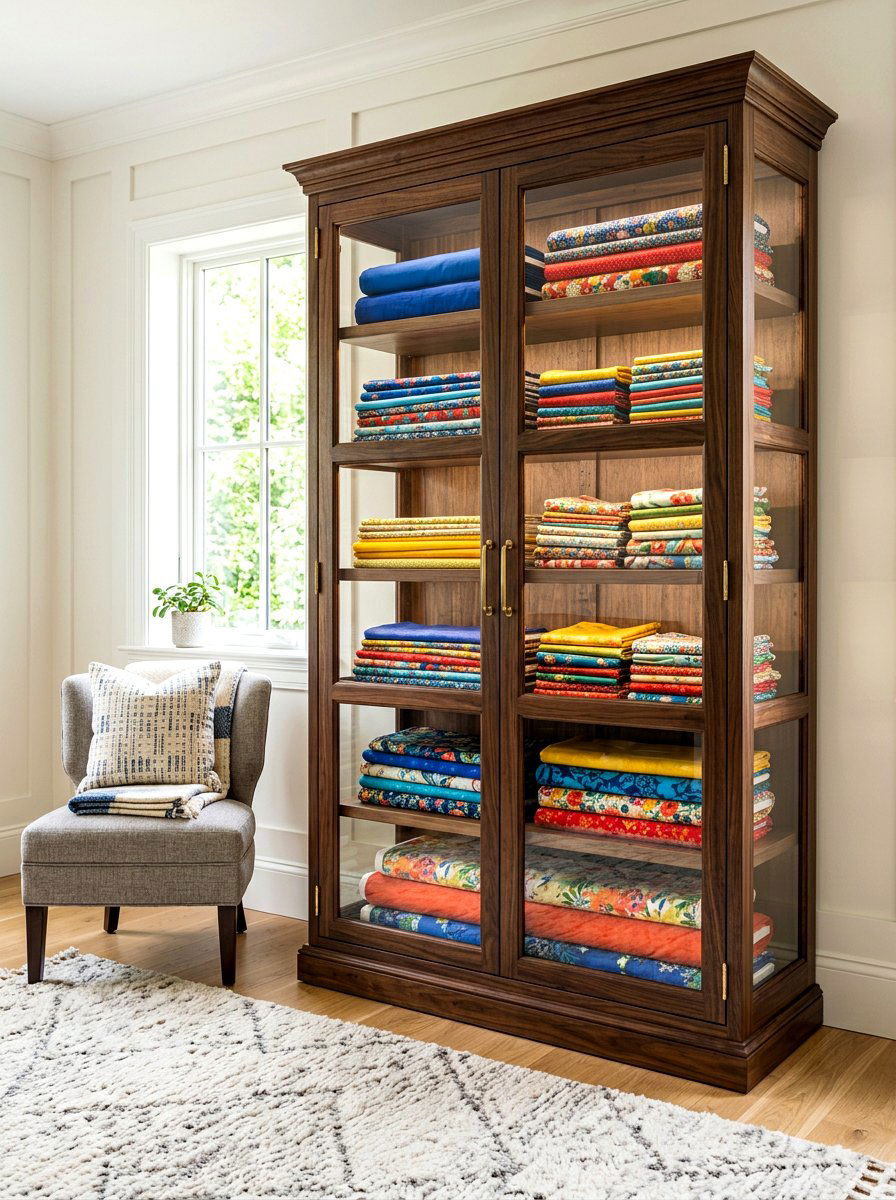
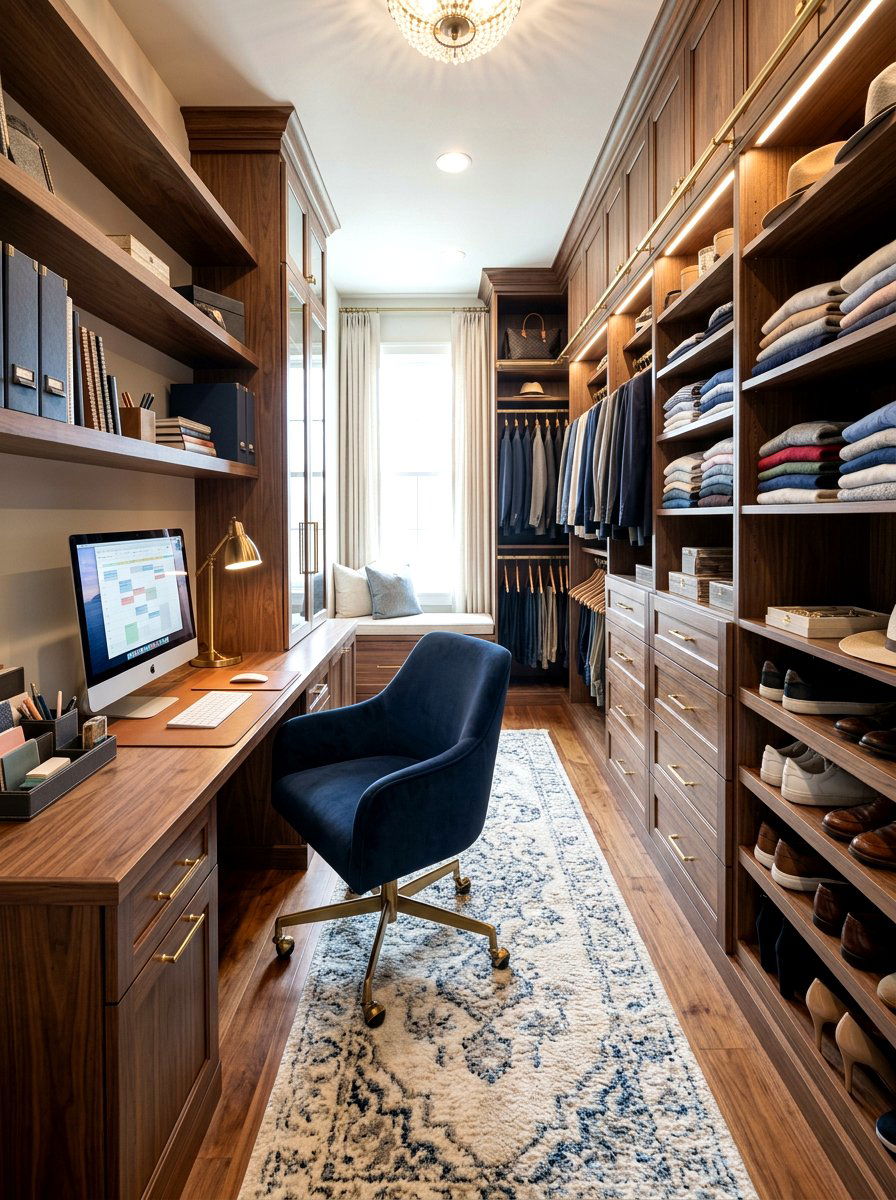
A glass front fabric armoire is a sophisticated way to display and protect your textile collection at the same time. These tall pieces of furniture provide ample vertical storage for folded fabrics, books, and patterns. Because the doors are made of glass, you can enjoy the visual beauty of your fabrics without them getting dusty or messy. You can organize the shelves by color or theme to create an eye-catching display that serves as the room's main focal point. This is a great alternative to open shelving for those who want a more polished and traditional look in their quilting studio while still keeping their supplies very visible.
23. Built In Wall Shelving
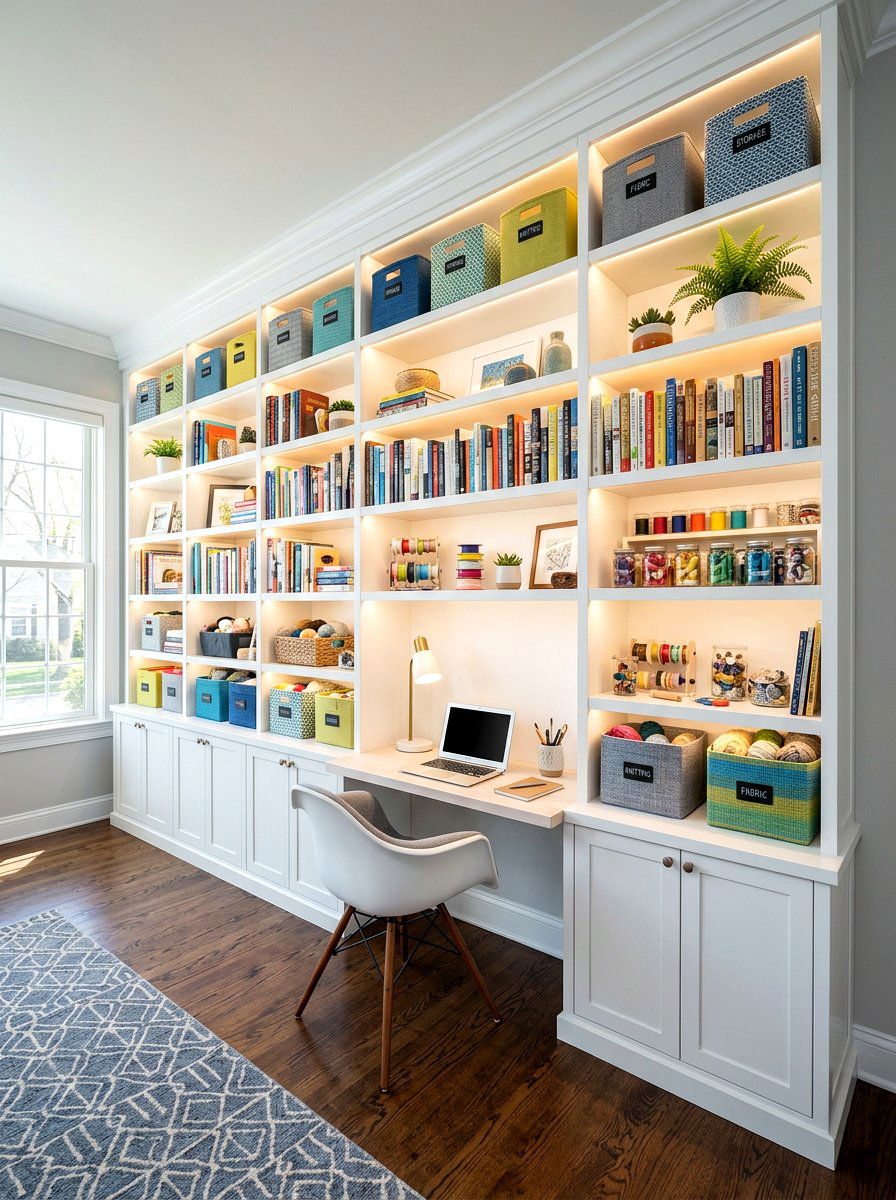
Built in wall shelving is the ultimate way to maximize storage in a quilting room of any size. By extending shelves from the floor to the ceiling, you can utilize every inch of vertical space for your fabric, books, and notions. Custom built-ins can be designed to include specific cubbies for standard-sized fabric bins or dedicated slots for large quilting rulers. Adding a library ladder can provide easy access to the highest shelves while adding a touch of elegance to the room. Integrated lighting within the shelves can highlight your fabric collection and make the entire room feel more luxurious and well-planned for your creative needs.
24. Pastel Theme Quilting Space
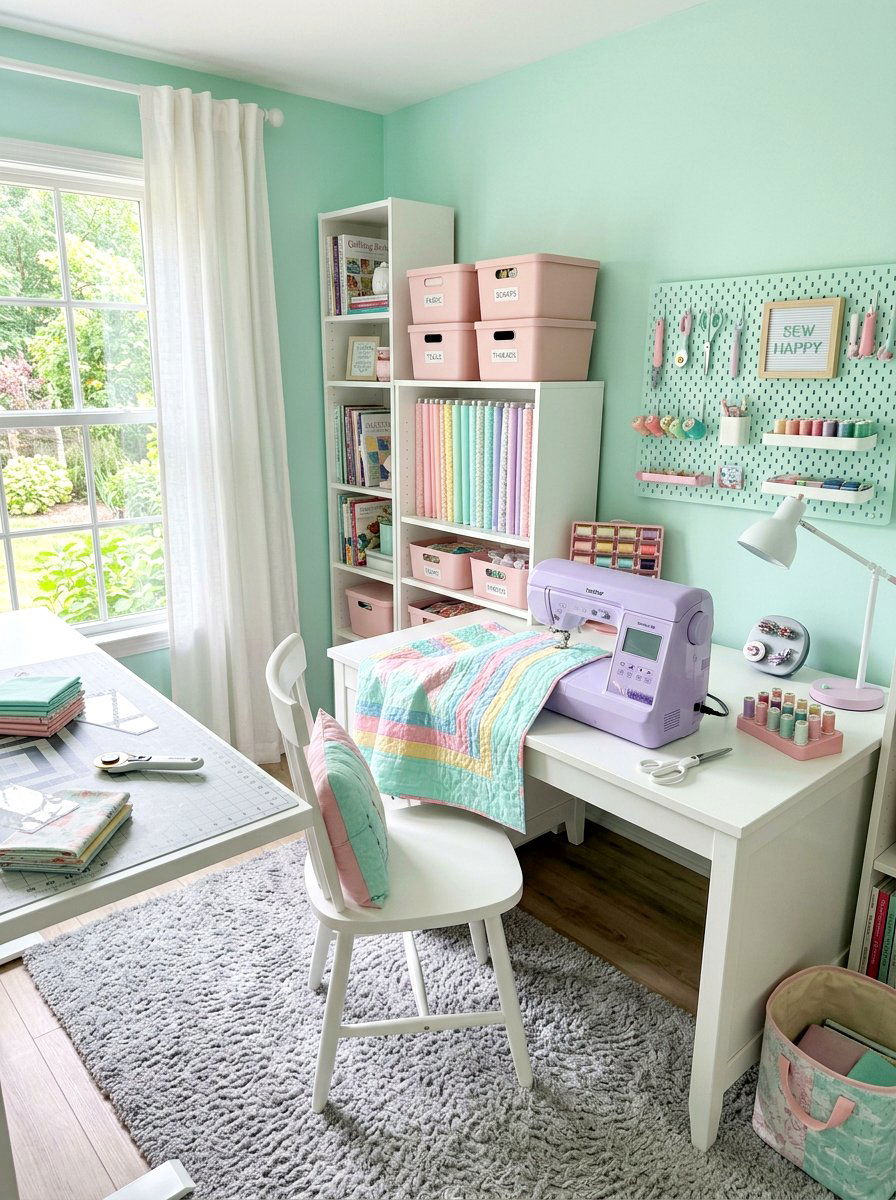
A pastel theme quilting space uses soft shades like mint green, lavender, and blush pink to create a calm and feminine atmosphere. These light colors make the room feel bright and airy, which can be very helpful for concentration during detailed needlework. You can coordinate your furniture, storage bins, and even your sewing machine with this gentle color palette. Pastel rooms often feel more like a retreat than a workspace, encouraging you to slow down and enjoy the process of making something by hand. This aesthetic works beautifully with floral fabrics and traditional quilt patterns, creating a cohesive and visually soothing environment for all of your sewing projects.

25. Ergonomic Sewing Chair Setup
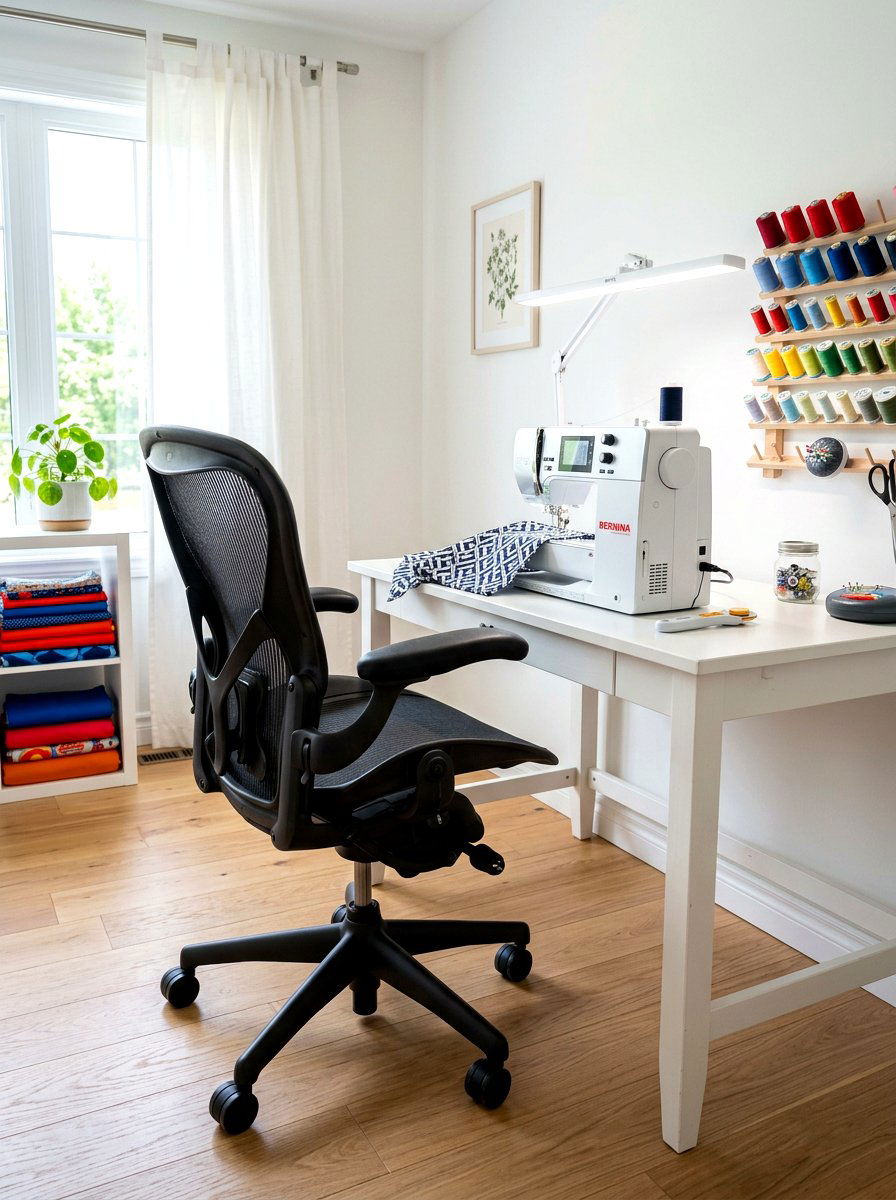
An ergonomic sewing chair setup is one of the most important investments you can make for your long-term health as a quilter. Standard dining chairs or stools often lack the necessary lumbar support and adjustability needed for long hours of sitting. A high-quality ergonomic chair allows you to adjust the height, tilt, and armrests to ensure your body is in the correct position while you sew. This reduces the risk of neck, back, and wrist pain. Look for a chair with a swivel base and smooth-rolling wheels, allowing you to move easily between your sewing machine, ironing board, and cutting station without straining your body at all.
26. Open Floor Plan Studio
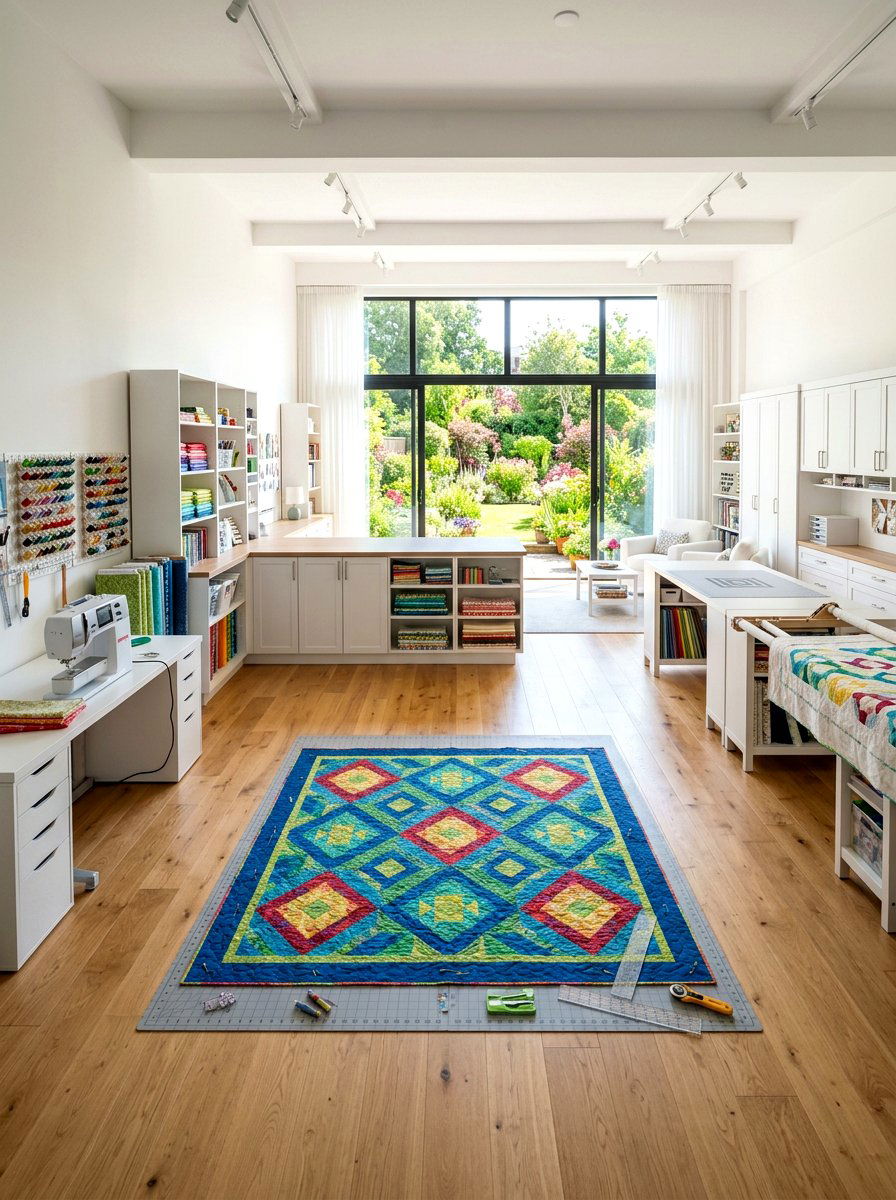
An open floor plan studio is ideal for quilters who want a sense of freedom and plenty of room to move around. By keeping the center of the room clear, you can easily lay out large quilt tops on the floor to check the placement of blocks or to baste your layers together. This layout works best with perimeter furniture, where desks and storage units are placed against the walls. Large windows can help connect the interior space with the outdoors, making the room feel even more expansive. An open layout encourages a fluid workflow, allowing you to move seamlessly between different stages of your project without feeling cramped or restricted.
27. Thread Spool Wall Rack
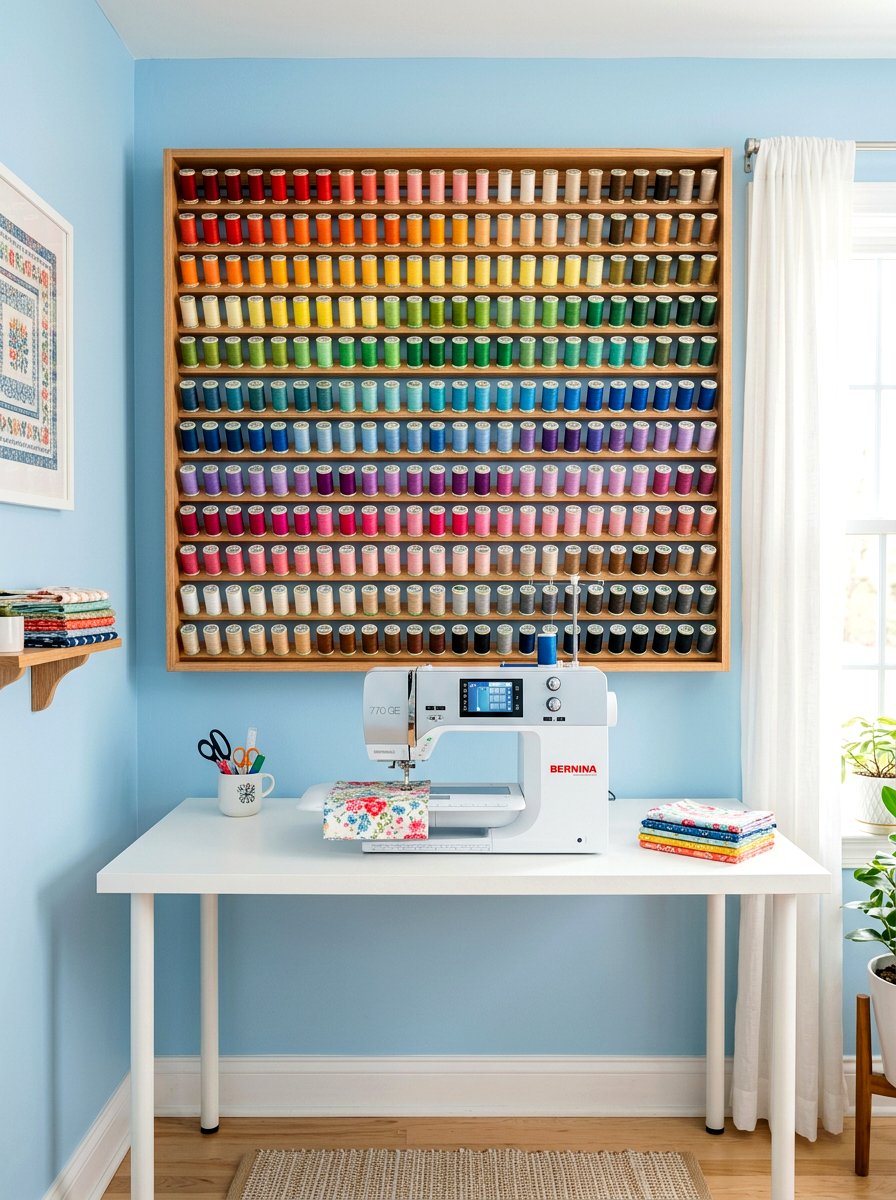
A thread spool wall rack is a practical and decorative way to keep your entire thread collection organized and visible. These racks can hold hundreds of spools, allowing you to sort them by color, weight, or brand. Hanging the rack on the wall near your sewing machine makes it easy to find the perfect match for your project in seconds. Seeing all the vibrant colors lined up like a rainbow adds a beautiful and professional touch to your studio decor. This system also prevents threads from getting tangled in a drawer, ensuring that they stay clean and ready for use whenever you need to start a new seam.
28. Large Window Sewing Desk
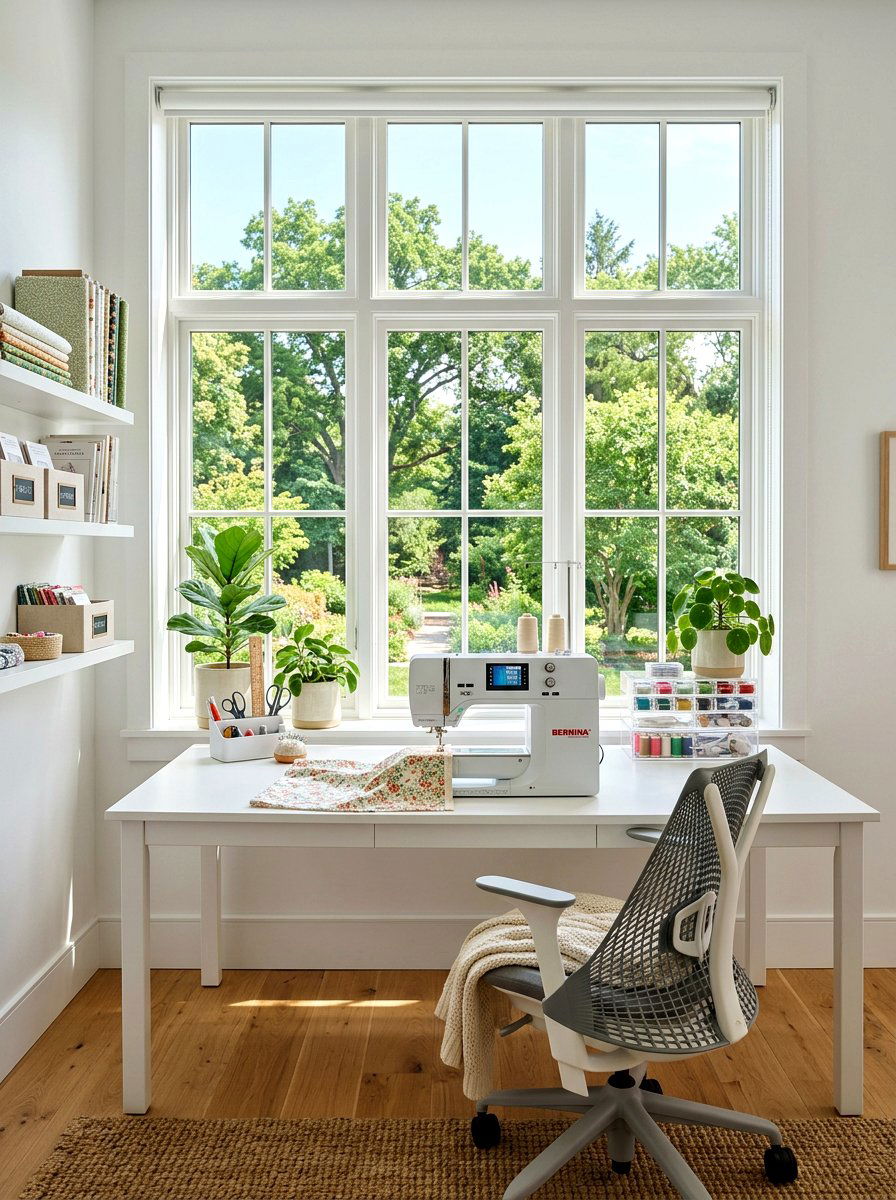
A large window sewing desk takes advantage of natural light and provides a beautiful view to enjoy while you work. Positioning your sewing machine directly in front of a window allows you to see fine details clearly without relying solely on artificial lamps. The changing light throughout the day can also provide fresh inspiration for your fabric choices and designs. If the view is distracting, you can use a decorative window film that lets light in while providing a bit of privacy. This setup makes the act of quilting feel more connected to the world outside, creating a peaceful and restorative environment for your favorite creative hobby.
29. Attic Quilting Room Conversion
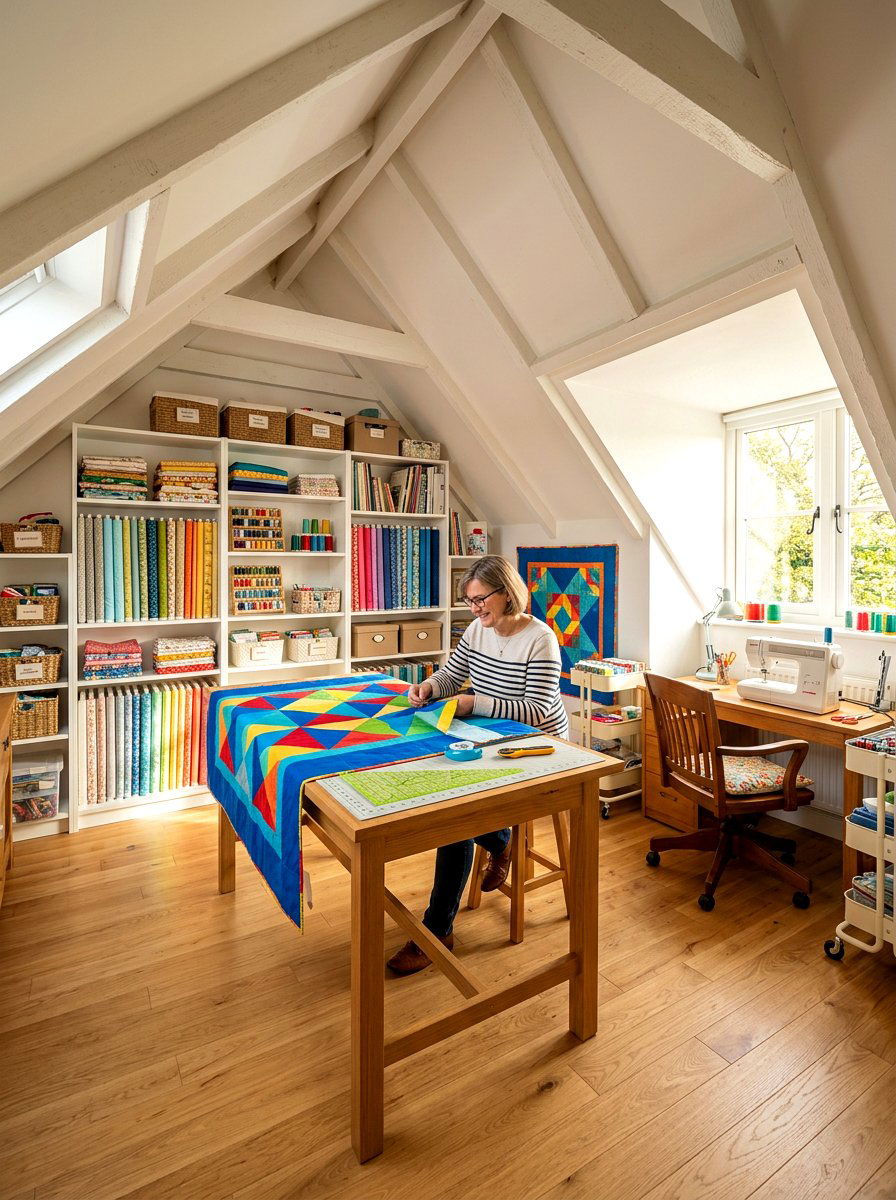
An attic quilting room conversion is a fantastic way to turn unused space into a private and quiet creative retreat. Attics often have unique architectural features like slanted ceilings and dormer windows, which add charm and character to your studio. You can use the low areas under the eaves for custom built-in storage or fabric bins. The separation from the rest of the house makes the attic a perfect spot for getting "in the zone" without interruptions. With the right insulation and lighting, an attic can become a bright and cozy sanctuary where you can leave your projects spread out and ready for your next session.
30. Basement Craft Studio Renovation
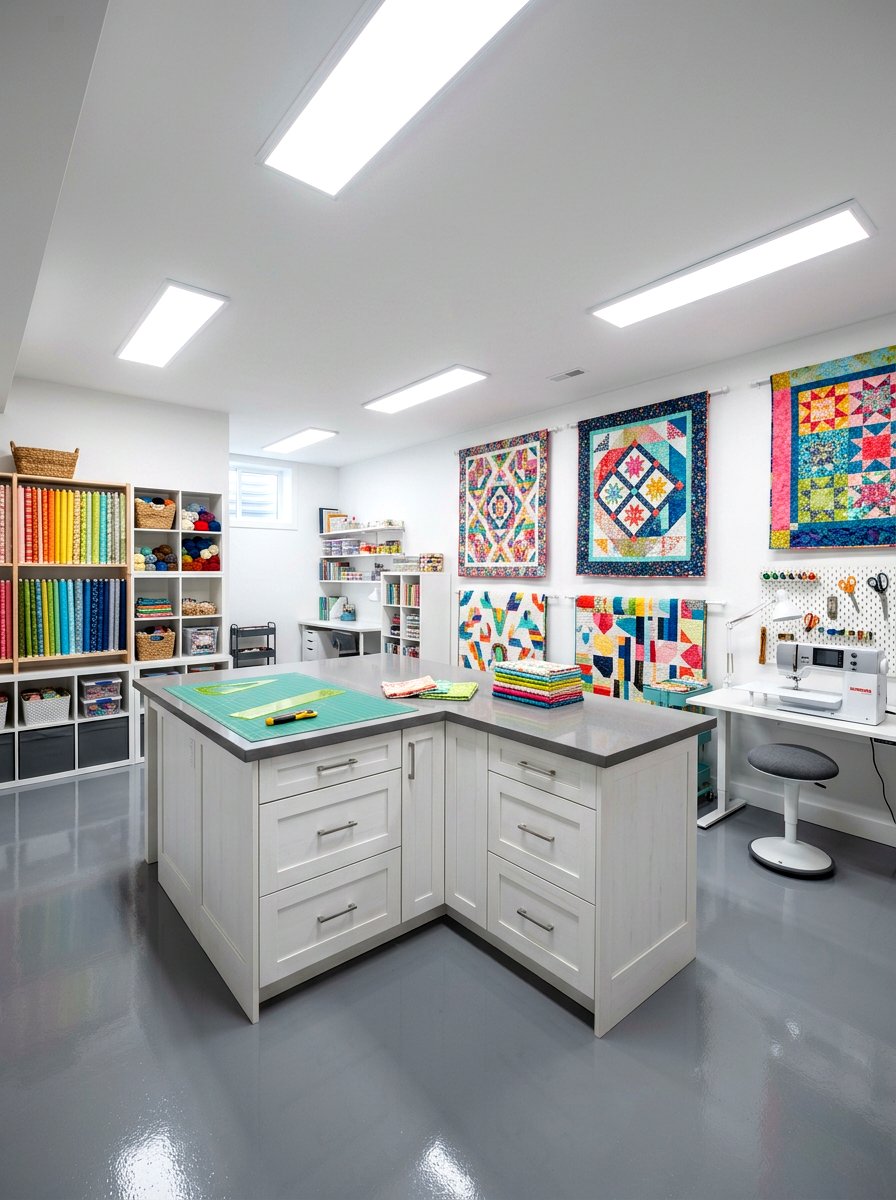
A basement craft studio renovation can provide a large, cool, and quiet space for all of your quilting needs. Because basements often have a lot of floor space, you can easily accommodate large cutting tables and even a longarm machine. To make the space feel less like a basement, focus on bright white walls, high-quality waterproof flooring, and plenty of powerful LED lighting. Using rugs and fabric wall hangings can help soften the acoustics and make the room feel much warmer and more inviting. A well-designed basement studio offers a dedicated "zone" where you can be as messy as you need to be while you create.
Conclusion:
Designing the perfect quilting room is a deeply personal journey that balances functionality with your own unique artistic style. Whether you are working in a spacious dedicated studio or a cleverly organized closet nook, the goal is to create a space that supports your creativity and keeps you comfortable. By incorporating smart storage solutions, ergonomic furniture, and high-quality lighting, you can transform any area into a professional-grade workshop. A well-planned room not only makes your quilting more efficient but also increases the joy you find in every stitch. Your quilting sanctuary is where memories are stitched together and beautiful heirlooms are born.

Related posts: