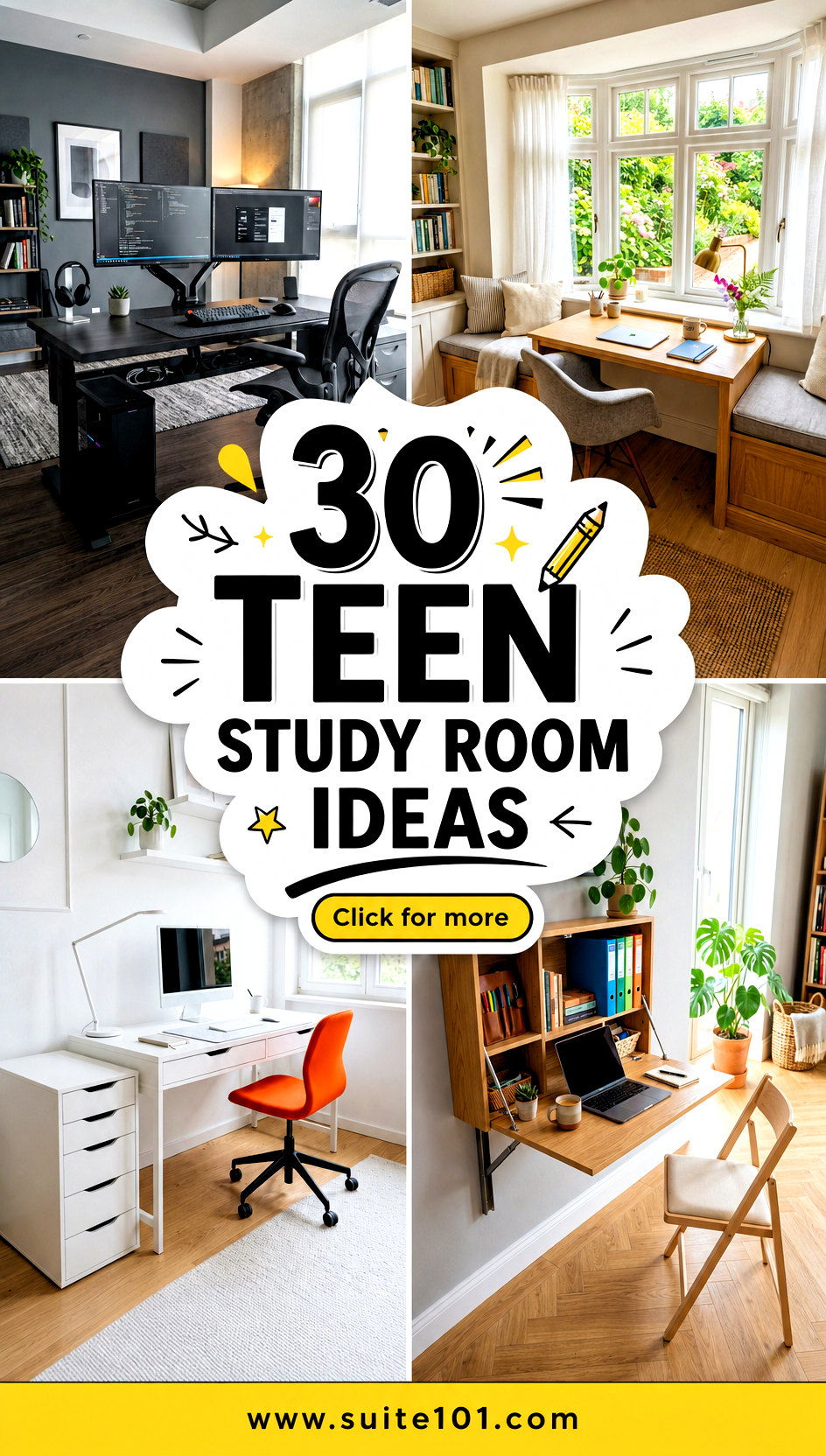
Creating a productive and stylish environment for a teenager is essential for their academic success and personal growth. A well-designed study room serves as a sanctuary where creativity meets focus, allowing young minds to flourish without the constant pull of external distractions. When planning these spaces, it is important to balance modern aesthetics with practical functionality, ensuring the layout supports long hours of concentration while reflecting the teen’s unique personality. From trendy lighting solutions to ergonomic furniture arrangements, the right setup can transform a simple bedroom corner into a high-performance workspace. This guide explores diverse concepts that prioritize organization, comfort, and visual appeal for any home.
1. Small Bedroom Desk Setup
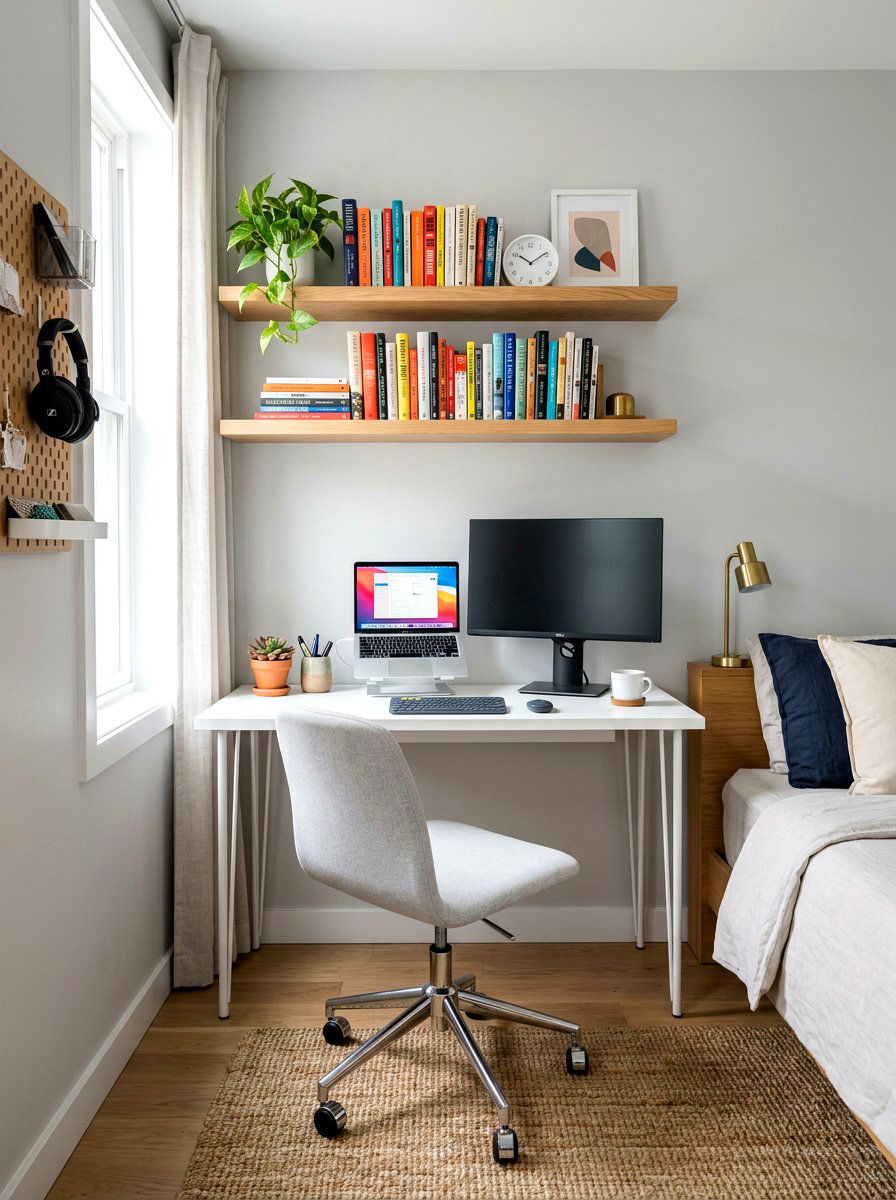
Maximizing a limited floor plan requires a strategic approach to furniture placement and vertical storage solutions. A slim, streamlined desk placed against a primary wall allows for plenty of legroom while keeping the walkway clear for daily movement. Integrating floating shelves above the workspace provides ample room for textbooks and decorative items without consuming valuable square footage. Using a light color palette, such as soft whites or pale grays, helps the area feel more open and airy rather than cramped. Consider adding a sleek, armless swivel chair that can easily tuck under the desk when not in use to maintain a clean and organized appearance.
2. Minimalist Study Space
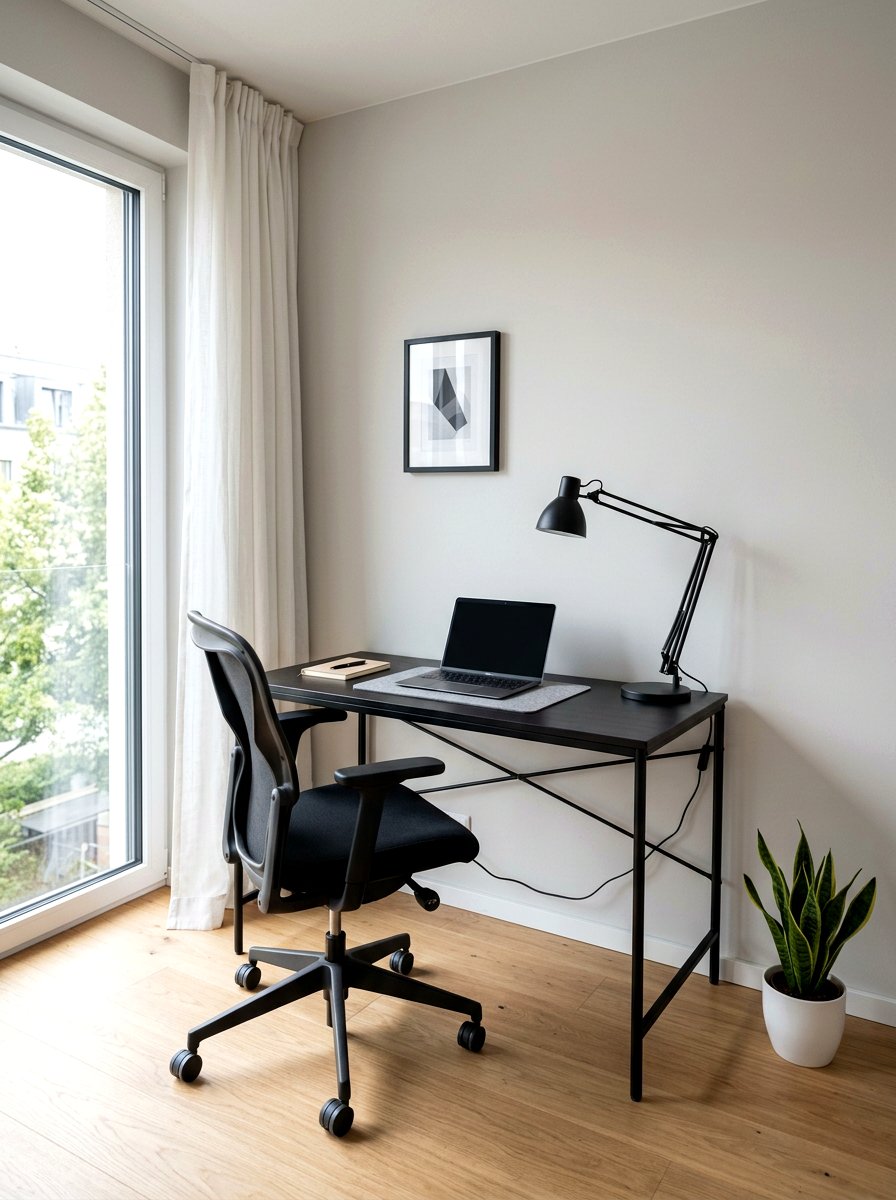
A minimalist approach focuses on the philosophy that less is truly more, especially when it comes to academic focus. This design features a clean, clutter-free surface paired with a single, high-quality task lamp to illuminate the immediate work area. By removing unnecessary decorations and keeping only essential stationery within reach, students can significantly reduce visual fatigue and mental distractions during intense sessions. Neutral tones and smooth surfaces dominate this aesthetic, creating a serene environment that encourages deep thinking. A simple wooden or metal desk with hidden cable management ensures that technology remains functional without creating a messy web of wires across the floor.
3. Loft Bed With Desk
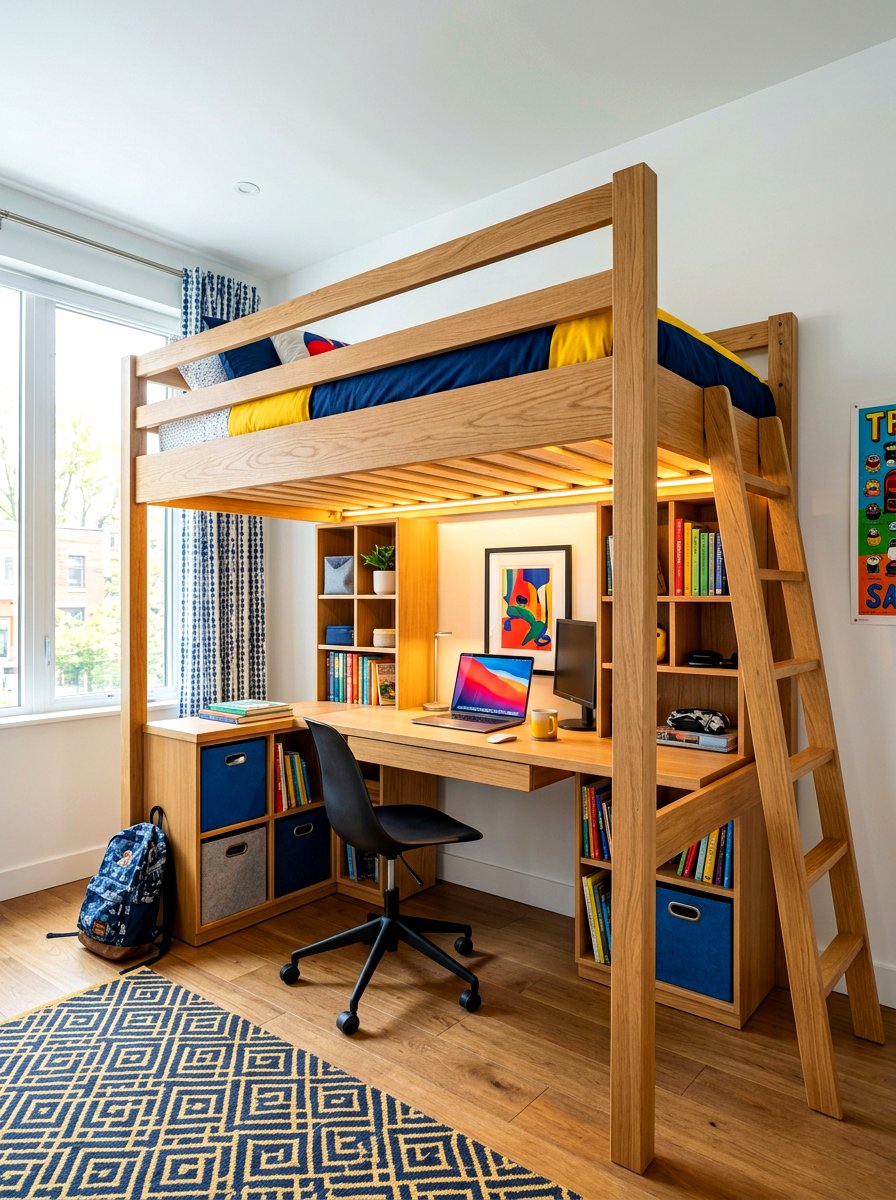
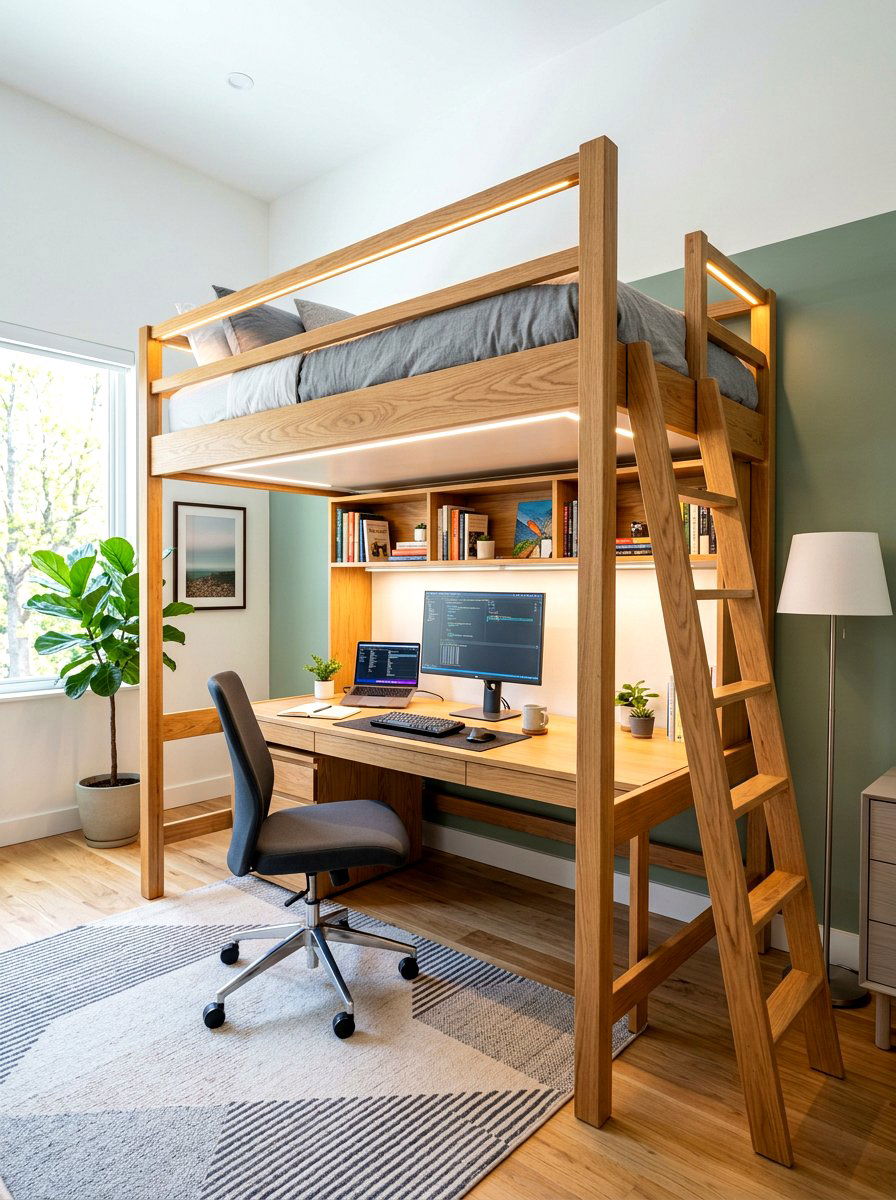
Utilizing vertical space is a brilliant way to incorporate a full workstation into a bedroom that lacks extra width. By elevating the sleeping area on a sturdy loft frame, the entire footprint underneath becomes available for a comprehensive and private study zone. This layout naturally creates a cozy, den-like atmosphere that many teenagers find helpful for staying in the "zone" while they work. Built-in LED strips under the bed frame provide consistent lighting for the desk surface, while the surrounding ladder or stairs can sometimes offer additional cubby storage. It is an efficient, all-in-one solution that keeps sleeping and working areas distinct.
4. Boho Teen Study Nook
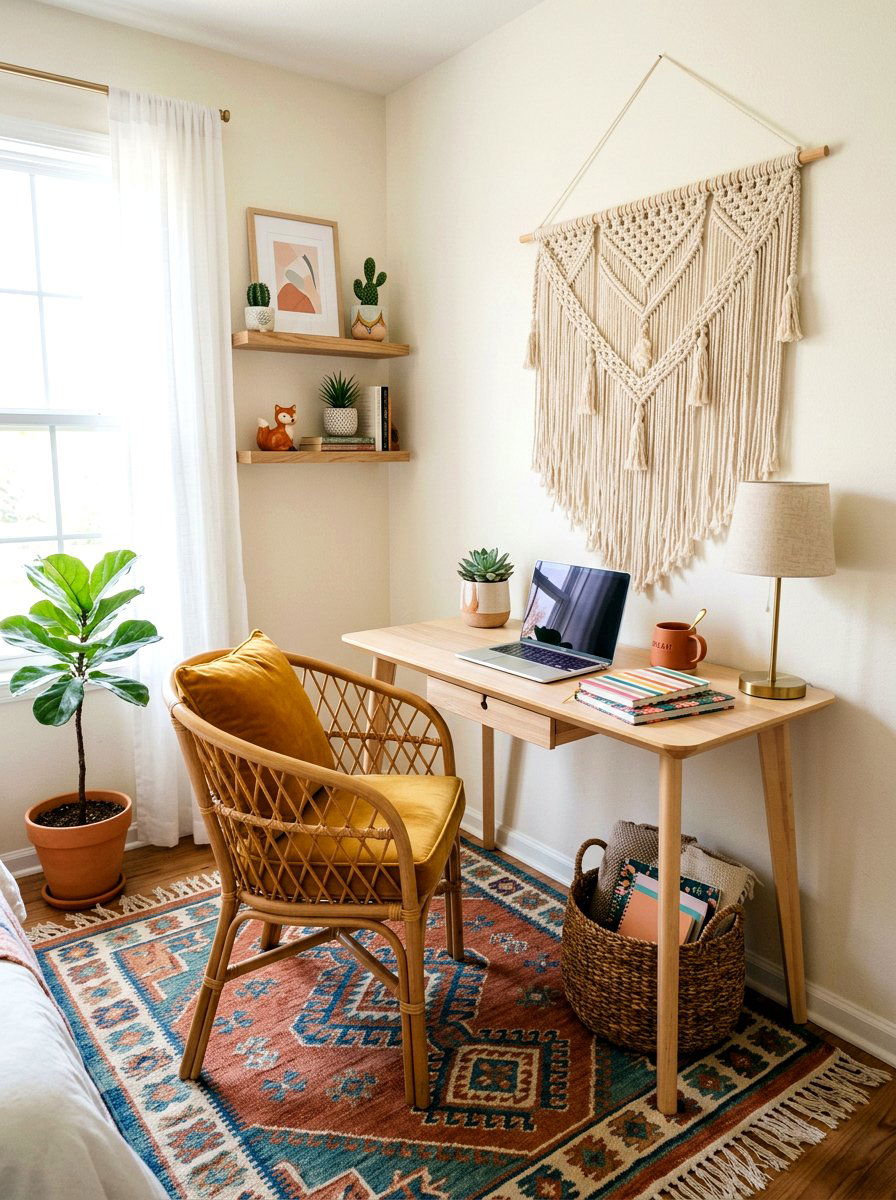
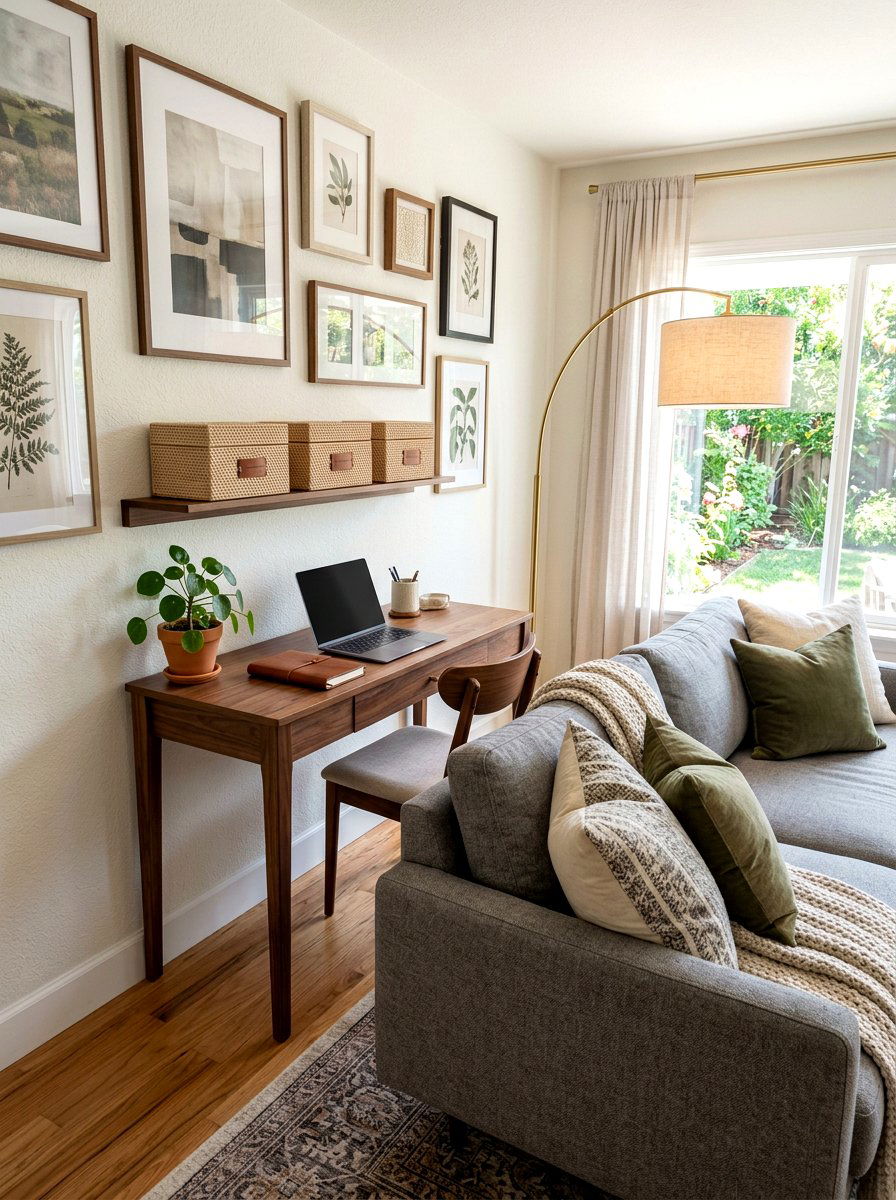
Incorporating bohemian elements into a workspace adds a layer of warmth and texture that makes studying feel far less like a chore. This style often features a natural wood desk paired with a woven rattan chair or a soft velvet seat for maximum comfort. Layering different textiles, such as a fringed rug or a chunky knit throw, helps soften the room's edges and creates an inviting atmosphere. Decorative accents like macramé wall hangings and small potted succulents bring a touch of the outdoors inside, promoting a calm and relaxed mindset. It is the perfect blend of artistic expression and a functional, dedicated learning area.
5. Modern Computer Desk
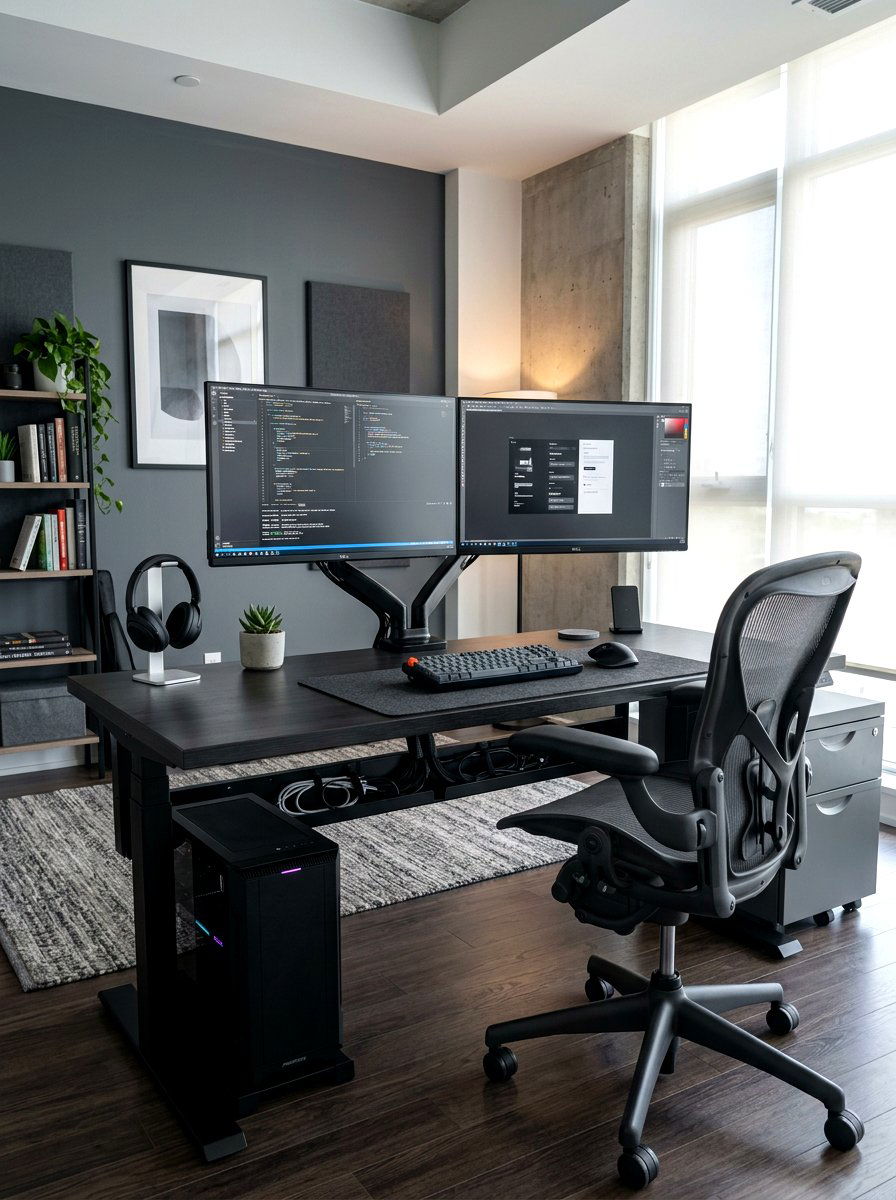
For the tech-savvy student, a modern computer setup focuses on high-performance gear and a sleek, industrial aesthetic. This design typically includes a large, sturdy desk capable of supporting dual monitors and various peripheral devices needed for digital assignments. Cable management trays are essential here to keep the workspace looking professional and tidy at all times. Neutral colors like charcoal, black, and silver create a sophisticated look that transitions well as the teen grows older. Ergonomic features, such as an adjustable monitor stand and a high-back mesh chair, ensure that long hours spent coding or writing are physically comfortable.
6. Pink Aesthetic Study Room
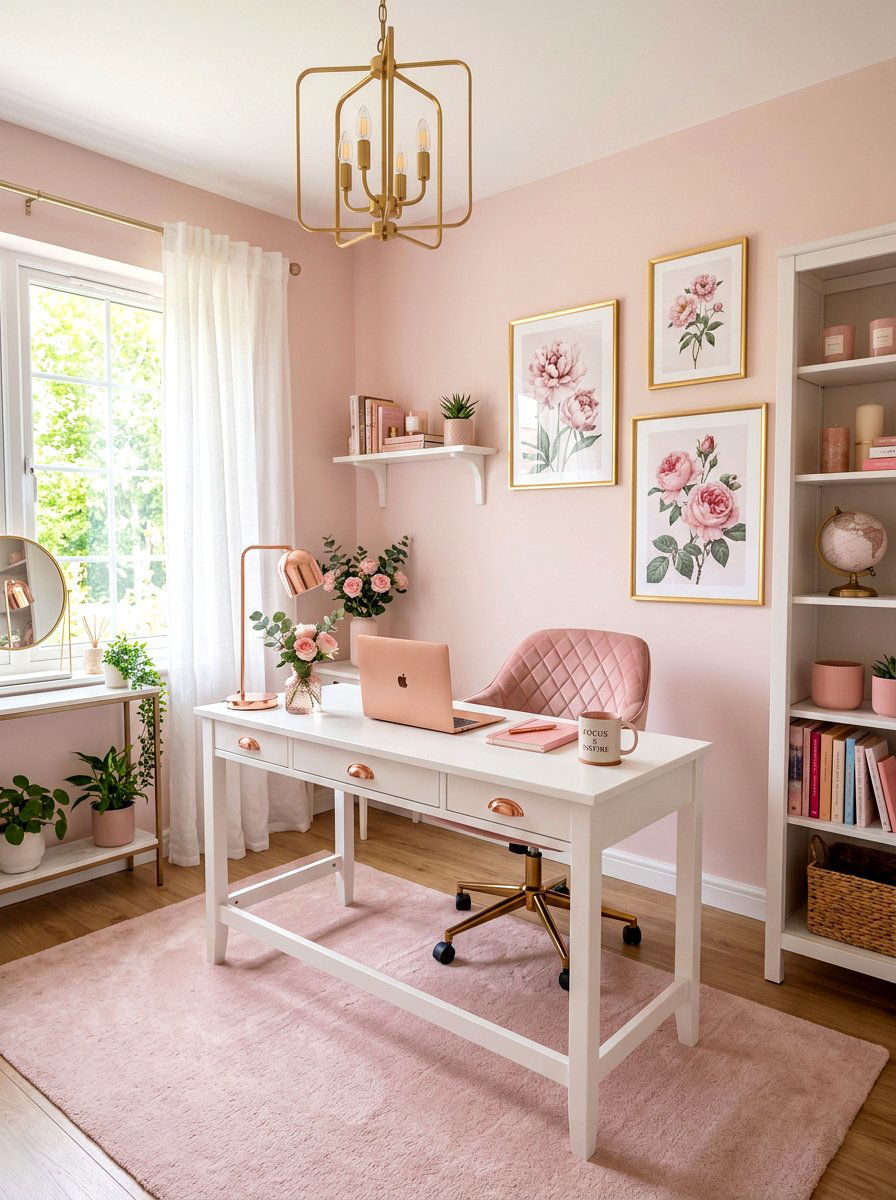
A soft pink palette can create a surprisingly sophisticated and motivating environment when balanced with the right metallic accents. Using varying shades like blush, dusty rose, and salmon adds depth to the room without making the space feel overly youthful or repetitive. Gold or rose gold hardware on the desk drawers and lighting fixtures provides a touch of luxury that elevates the overall design. Soft white furniture acts as a perfect backdrop, allowing the pink accents in the chair, rug, and wall art to pop. This theme is often paired with plush textures and floral arrangements to create a dreamlike, inspiring sanctuary.
7. Neutral Study Area
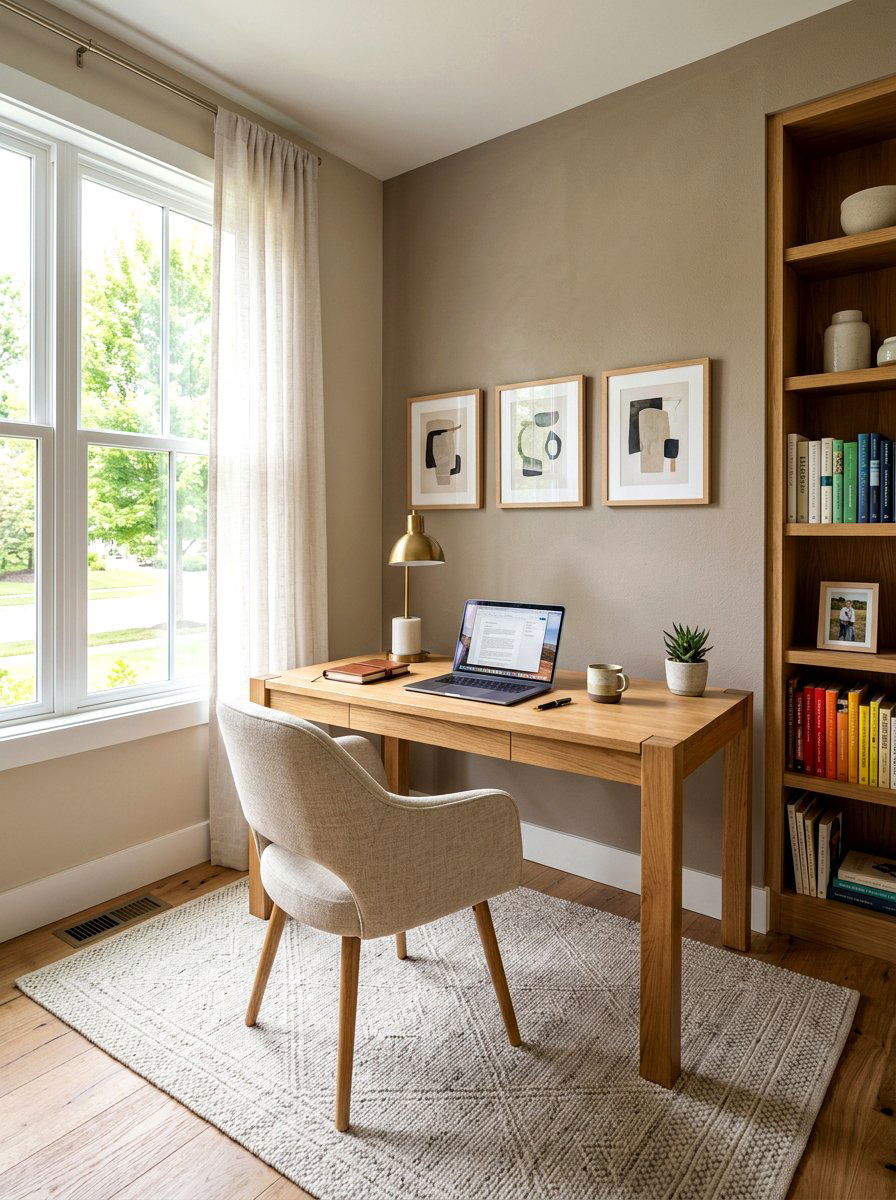
Creating a calm environment with a neutral color scheme is an excellent way to ensure the study space remains timeless and adaptable. Shades of beige, cream, and taupe work together to form a peaceful backdrop that doesn 't compete for the student' s attention. This design often relies on high-quality materials, such as a solid oak desk or a linen-upholstered chair, to provide visual interest through texture rather than bold colors. Natural light is a key component of this setup, so placing the desk near a window helps keep the area bright and energizing throughout the day. It is a mature, sophisticated choice.
8. Corner Desk Arrangement
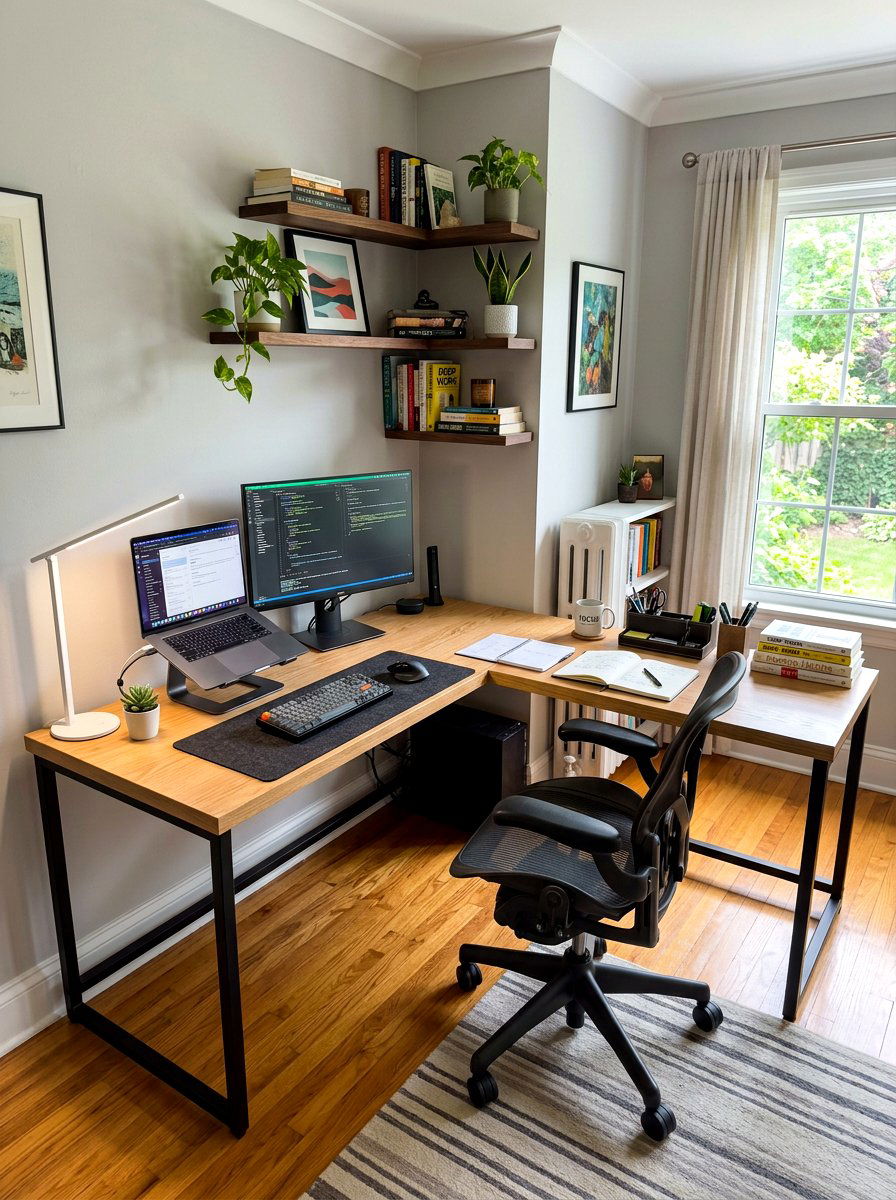
Transforming an unused corner into a productive hub is an efficient way to save space while providing a large work surface. L-shaped desks are particularly effective for this layout, as they offer separate zones for computer work and manual writing or art projects. This arrangement makes it easy to keep textbooks on one side and a laptop on the other, facilitating better organization for complex school subjects. Placing the desk in a corner also provides a sense of enclosure, which can help some students feel more grounded and focused. Adding a corner-specific shelf unit above can further maximize the storage potential of the space.
9. Floating Desk Workspace
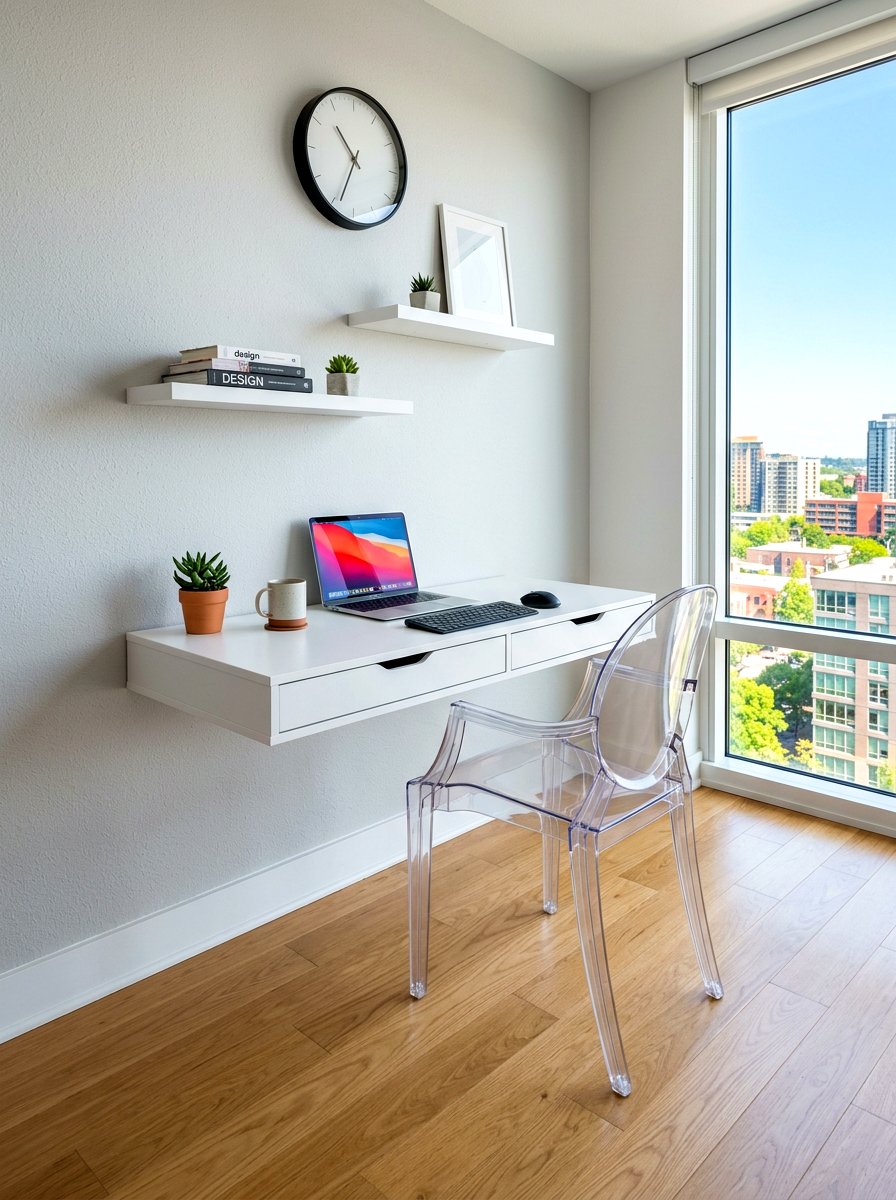
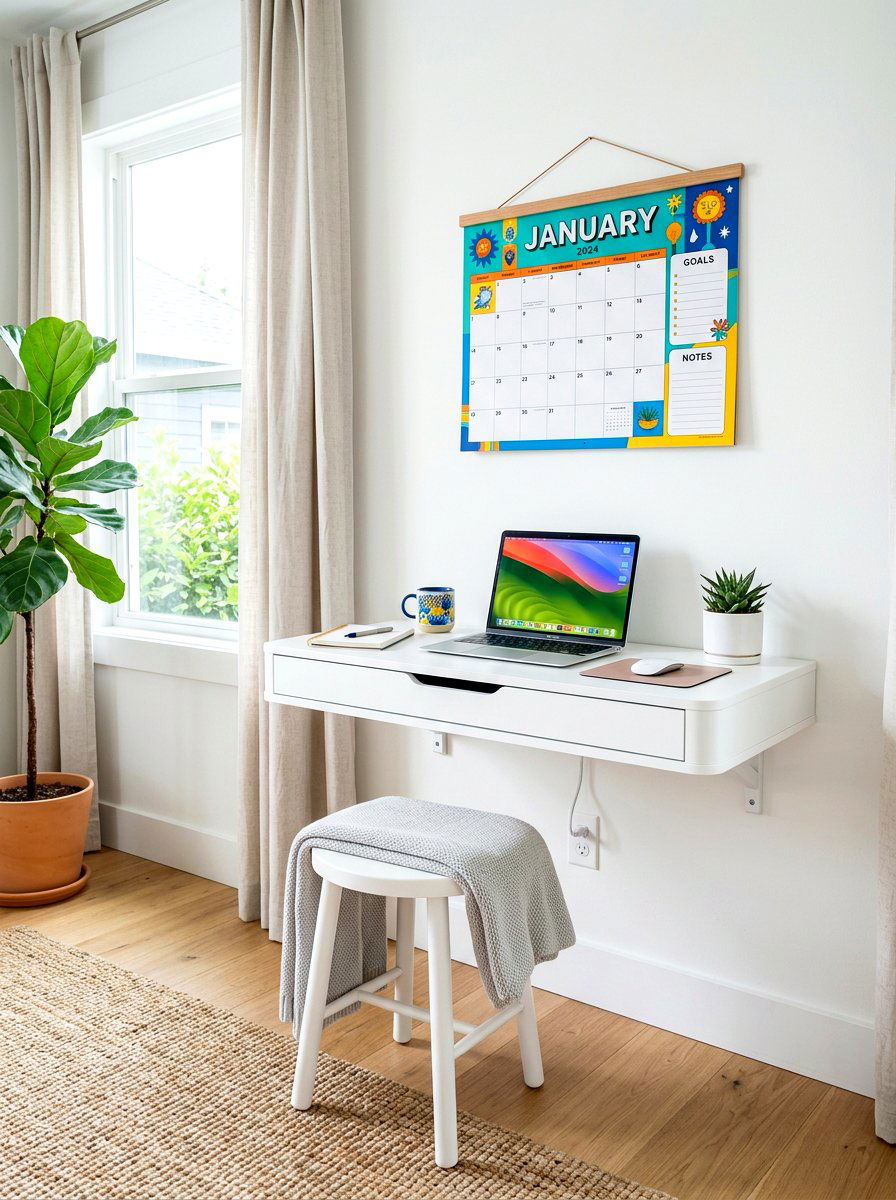
A wall-mounted floating desk is the ultimate solution for modern, minimalist homes where floor space is at a premium. Because it lacks traditional legs, this style of desk creates an unbroken floor line, which makes even the smallest rooms appear significantly larger. These units often come with integrated drawers or small cubbies to keep essential supplies hidden but accessible. This setup is ideal for lighter laptops and tablets, providing a dedicated spot for homework without the bulk of heavy furniture. Pairing it with a simple, transparent acrylic chair further enhances the "invisible" and airy aesthetic of the entire study area.
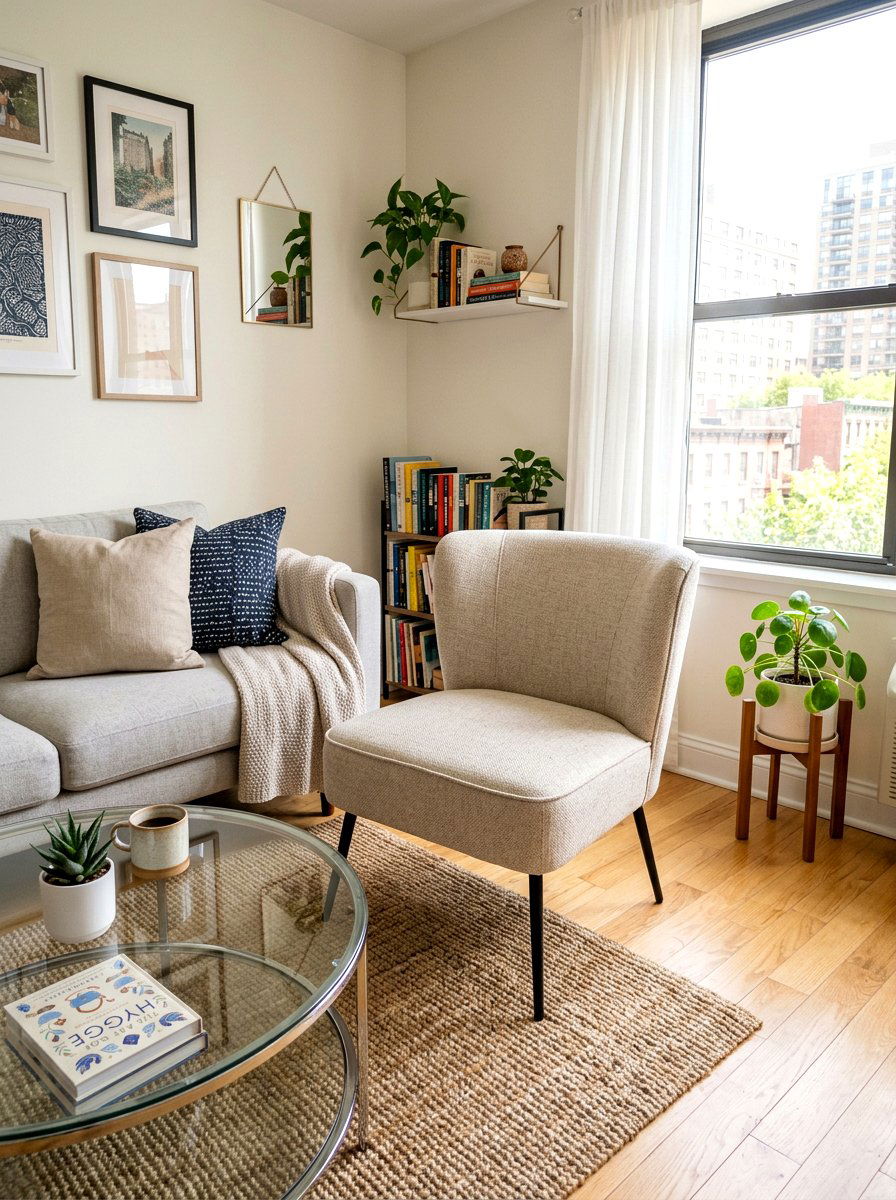
10. LED Light Study Setup
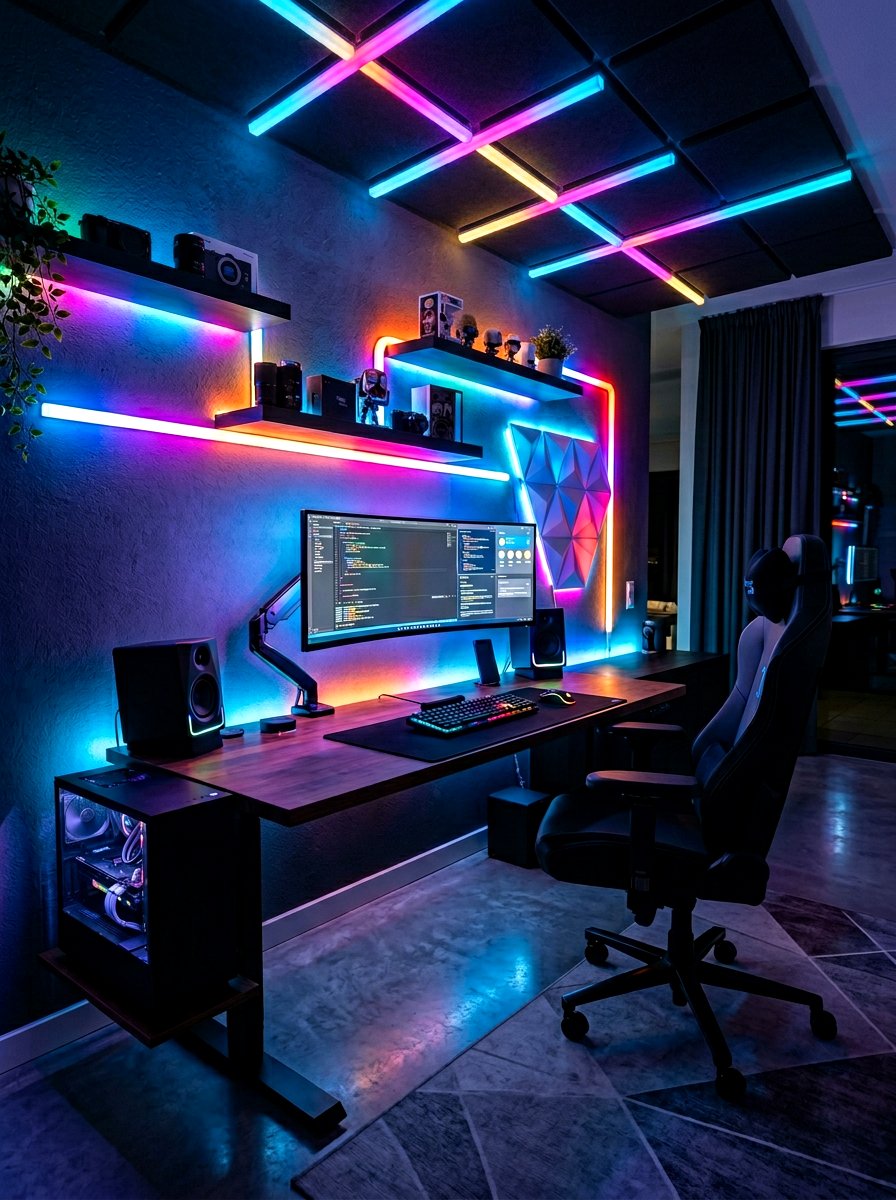
Infusing the workspace with customizable LED lighting allows a teenager to change the mood of their room at the touch of a button. Strips of RGB lights can be placed behind the desk or along the ceiling perimeter to create a vibrant, modern glow that feels futuristic. While bright white light is best for focus, softer hues can be used during evening reading or creative brainstorming sessions. This tech-forward approach is incredibly popular on social media because it adds a personalized, cinematic quality to the room. It bridges the gap between a high-energy gaming environment and a serious, dedicated academic workspace.
11. Dark Academia Study Room
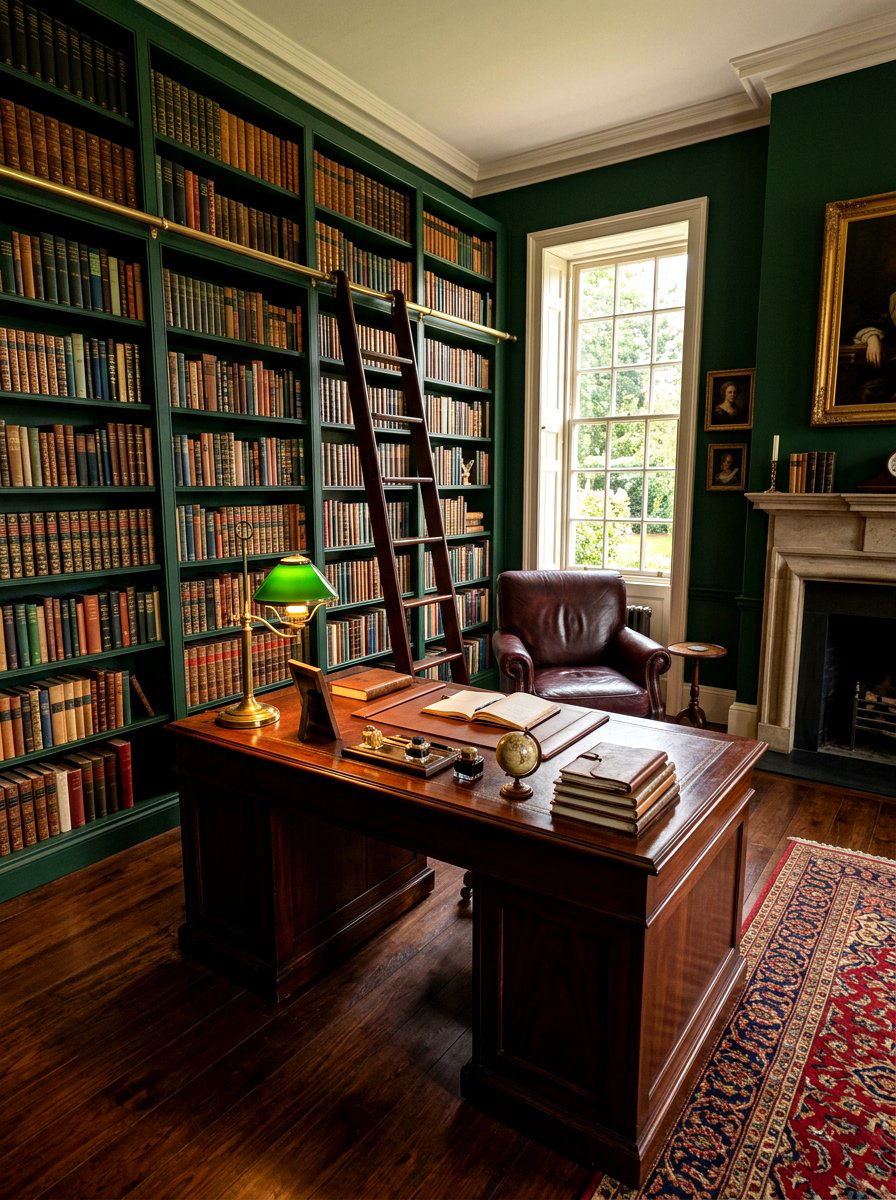
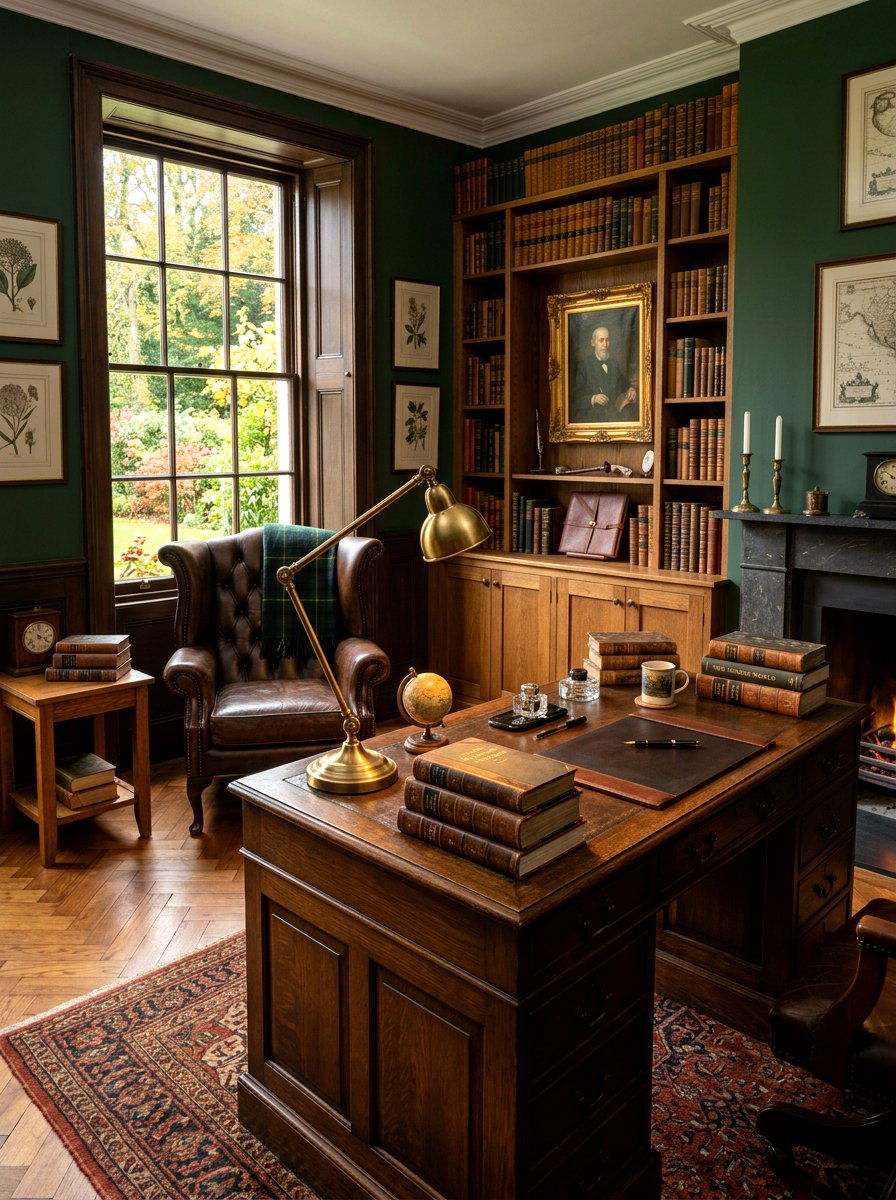
Inspired by vintage libraries and classical scholarly pursuits, the dark academia theme uses rich, moody tones to create a focused atmosphere. Deep forest greens, navy blues, and dark wood finishes give the room a sense of history and intellectual weight. Heavy bookshelves filled with hardback volumes and antique-style brass lamps serve as the primary decorative elements in this sophisticated layout. This style encourages a love for literature and traditional learning, making the desk feel like a place for serious contemplation. Adding a leather desk pad and framed botanical prints completes the look, transporting the student to a classic university setting.
12. Pastel Colored Study Space
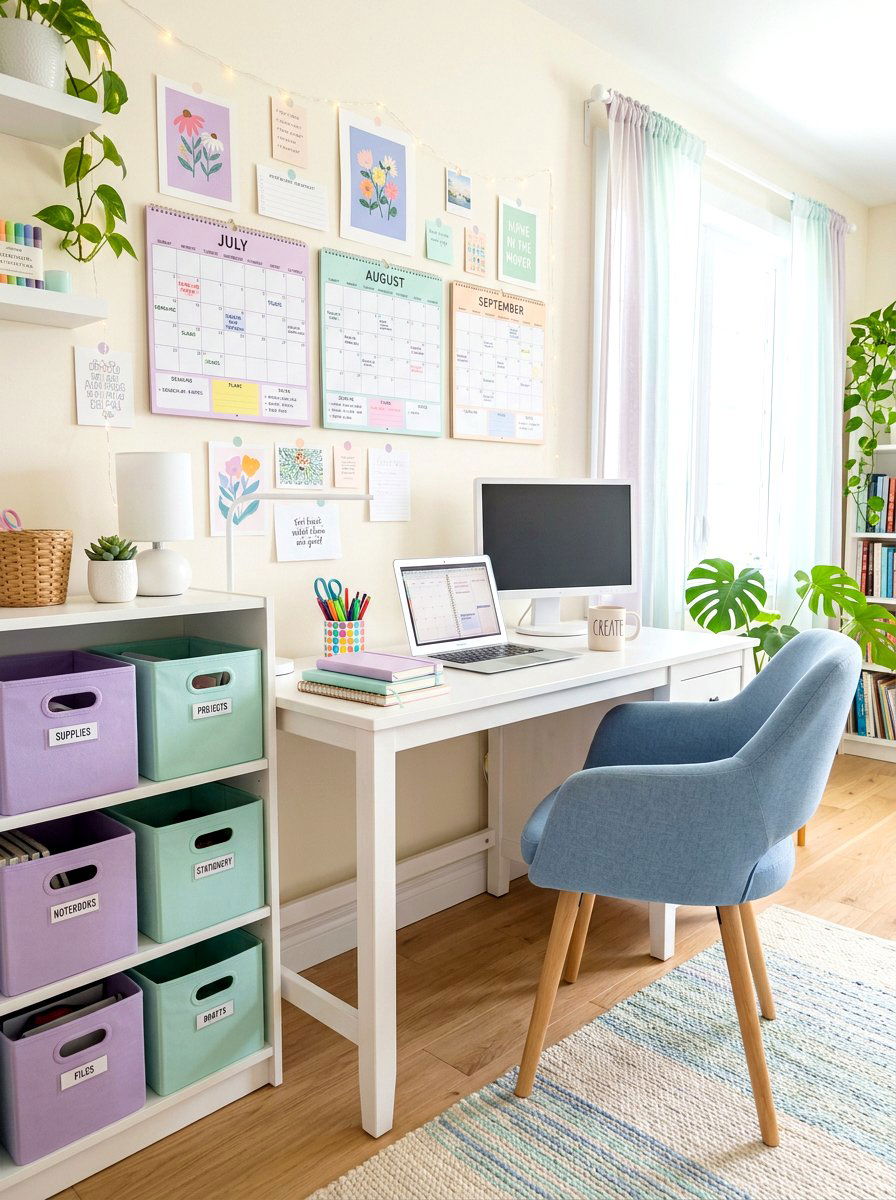
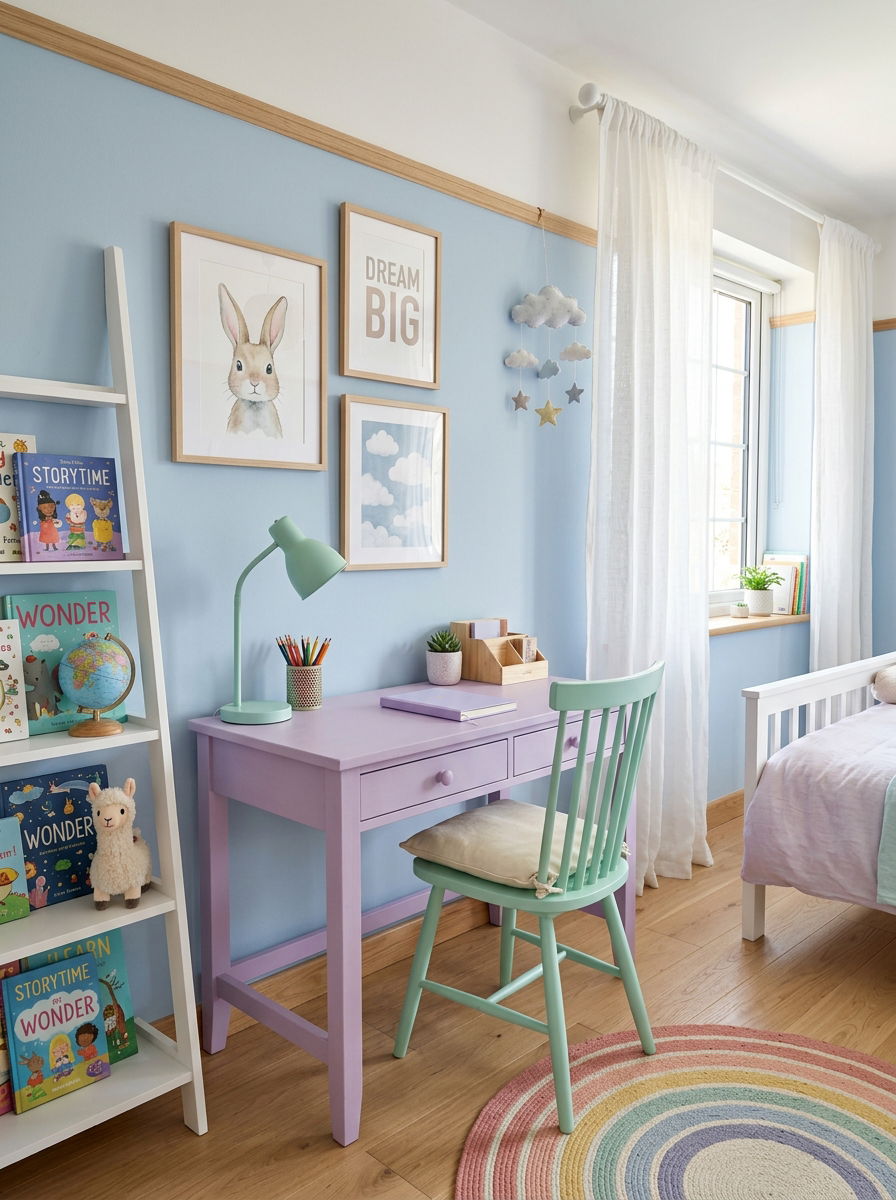
Soft pastel colors like mint green, lavender, and baby blue can brighten a room and provide a cheerful boost to a student's mood. These light-reflecting shades make a workspace feel fresh and energetic, which is especially helpful during early morning study sessions. Instead of a single color, mixing several muted pastels through accessories like storage bins, desk organizers, and wall calendars creates a playful yet cohesive environment. White furniture keeps the look modern and prevents the colors from becoming overwhelming. This aesthetic is great for creative teens who want a space that feels lighthearted, inspiring, and organized all at once.
13. Scandinavian Teen Study Room
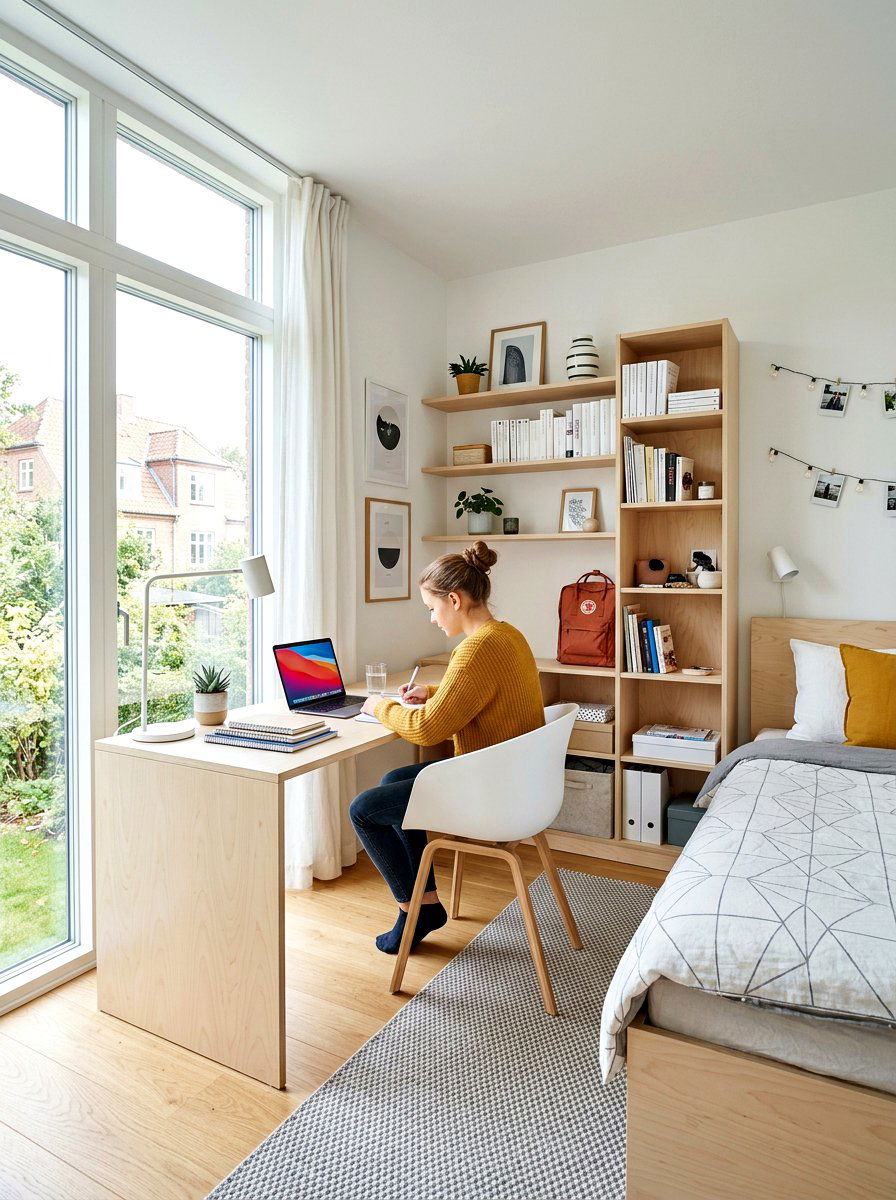
The Scandinavian design philosophy emphasizes functionality, simplicity, and a strong connection to natural elements. This study setup usually features light-toned woods, such as ash or birch, paired with crisp white walls and minimalist furniture silhouettes. Large windows are left largely unobstructed to invite as much natural daylight as possible into the room. A single, well-chosen piece of artwork or a designer chair provides a focal point without creating unnecessary clutter or visual noise. By focusing on high-quality basics and a bright, open layout, this style creates a clean mental slate that is perfect for tackling difficult school projects.
14. Industrial Style Study Corner
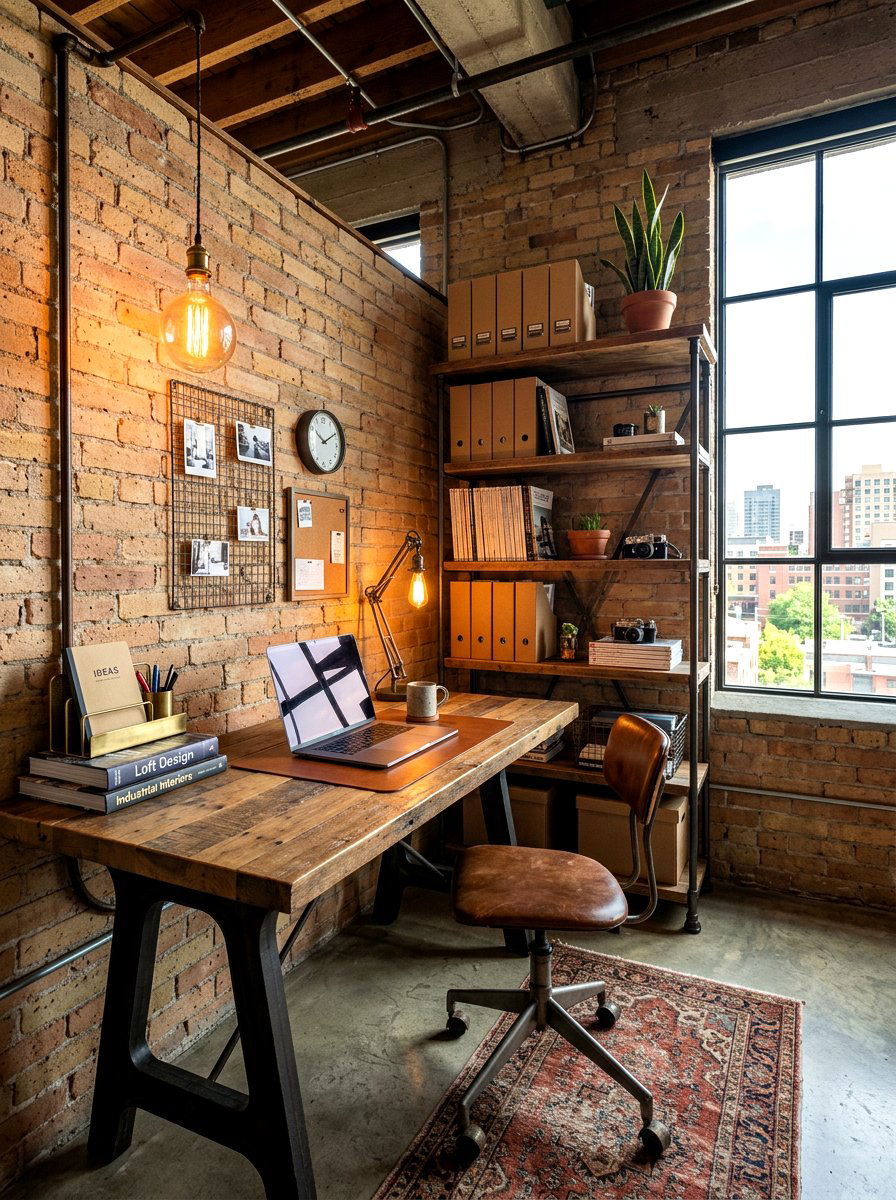
An industrial aesthetic brings a rugged, urban feel to the study room through the use of raw materials and exposed structures. A desk made of reclaimed wood with black iron pipe legs serves as a sturdy and stylish centerpiece for the workspace. Brick accent walls or metal shelving units enhance the loft-like vibe, making the room feel edgy and mature. This design is highly durable and practical, with plenty of room for heavy equipment or art supplies. Utilizing wire mesh organizers and vintage Edison bulb lamps adds to the authentic warehouse feel, creating a unique and inspiring environment for any teenager.
15. Multi Person Study Table
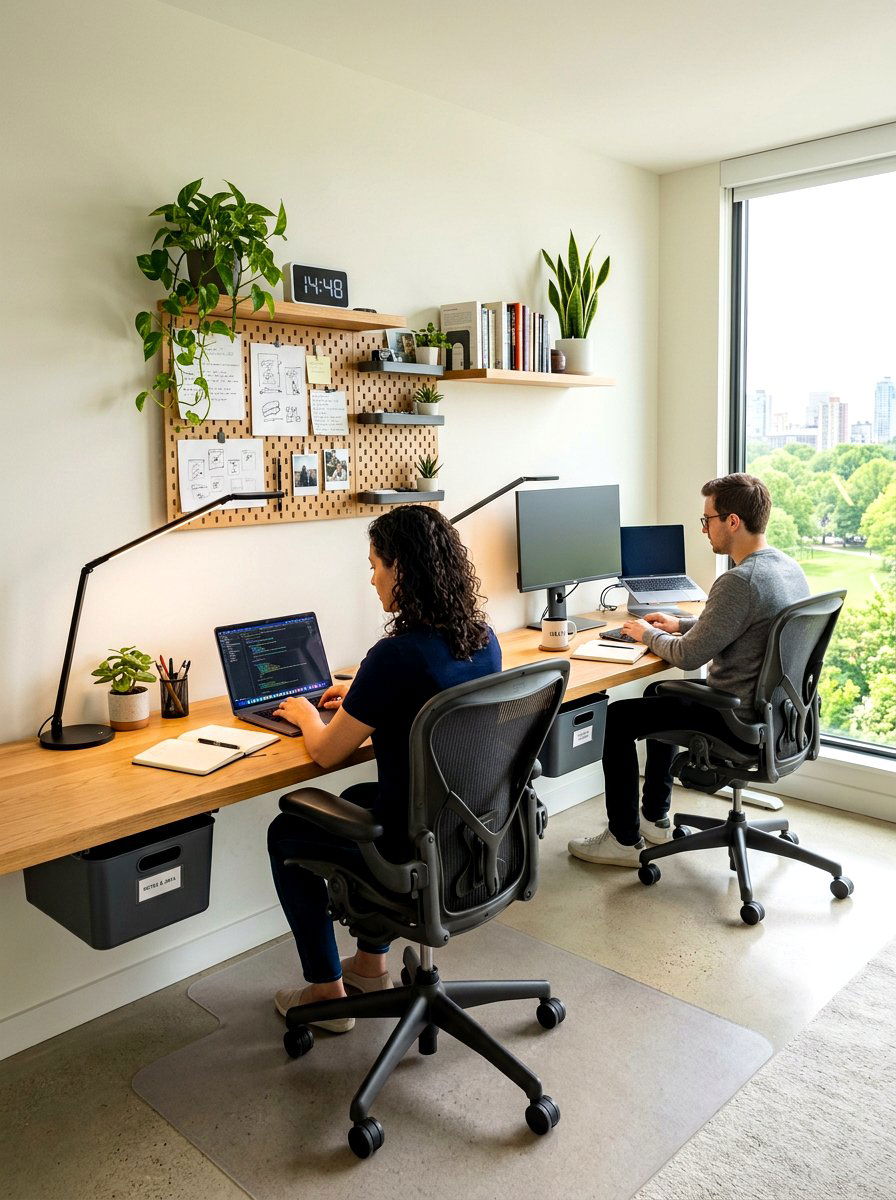
For siblings who share a room or friends who like to study together, a long, communal table provides plenty of collaborative space. This setup often features a single, extended countertop that spans most of an entire wall, allowing two or three people to work side-by-side. Each station should have its own dedicated lighting and storage to ensure everyone has their own personal zone within the shared environment. This layout is excellent for encouraging social learning and accountability, as it makes it easy to ask for help or discuss assignments. It also keeps the middle of the room open for other activities.
16. Pegboard Organization Wall
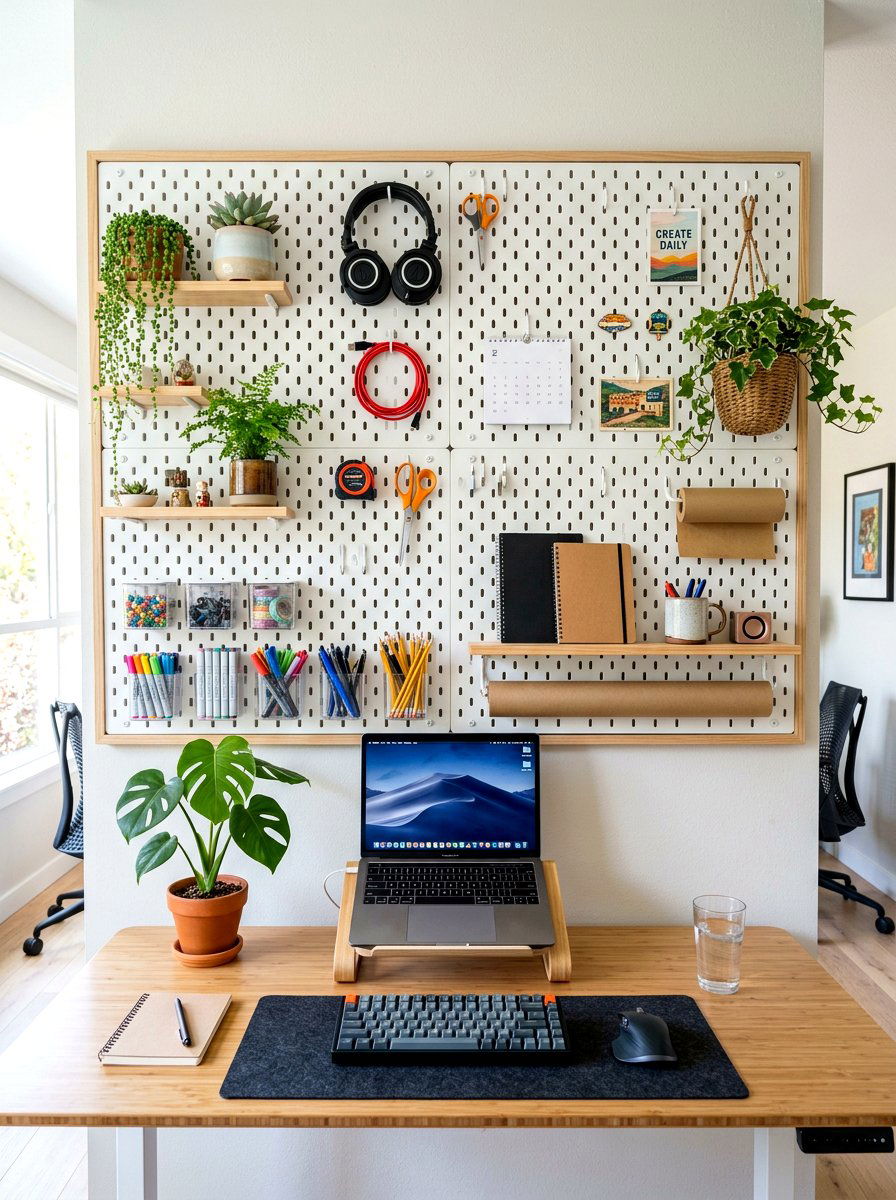
A large pegboard installed above the desk is one of the most versatile ways to keep a workspace organized and visually interesting. This modular system allows the teen to move shelves, hooks, and bins around as their needs change throughout the school year. It is perfect for holding everything from scissors and headphones to motivational photos and small potted plants. By moving these items off the desk and onto the wall, the actual work surface remains clear and ready for textbooks or laptops. The board itself can be painted a bold color to act as a functional piece of art in the room.
17. Window Seat Study Area
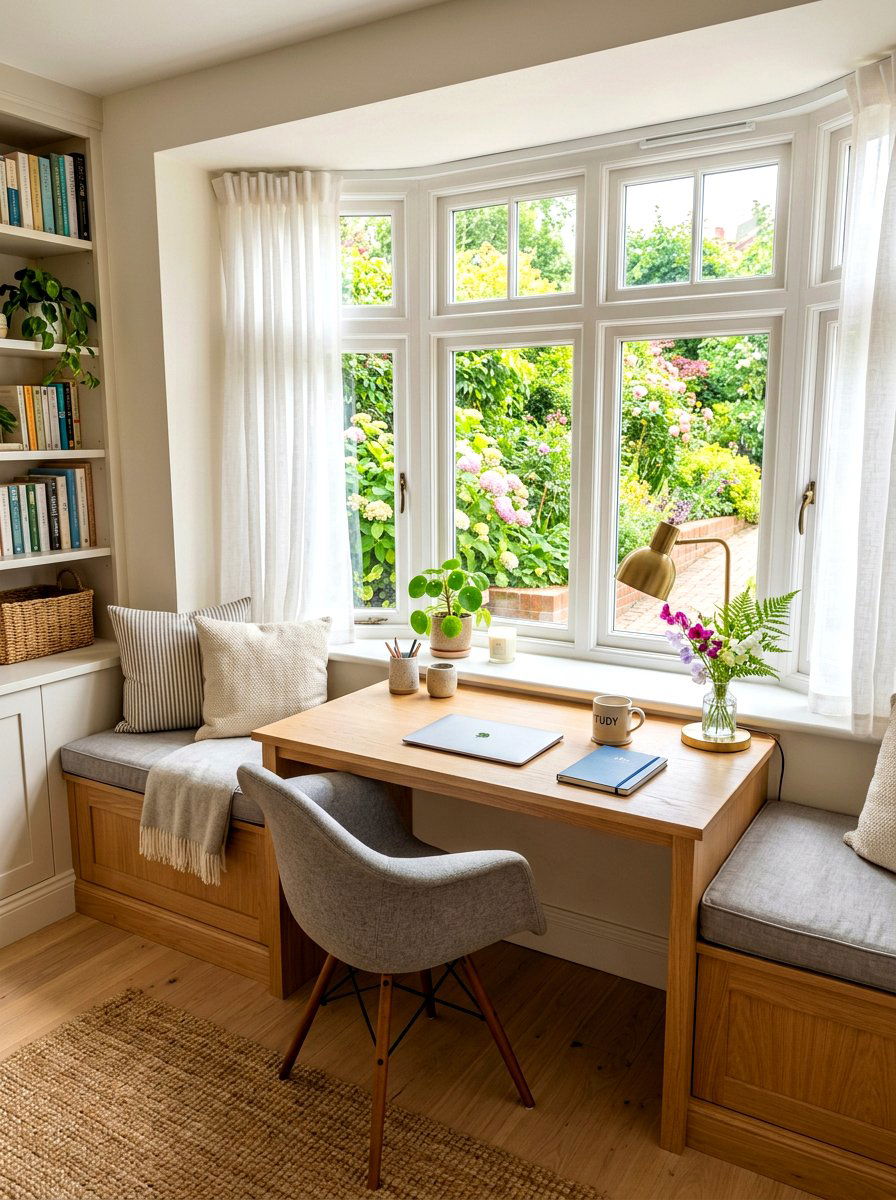
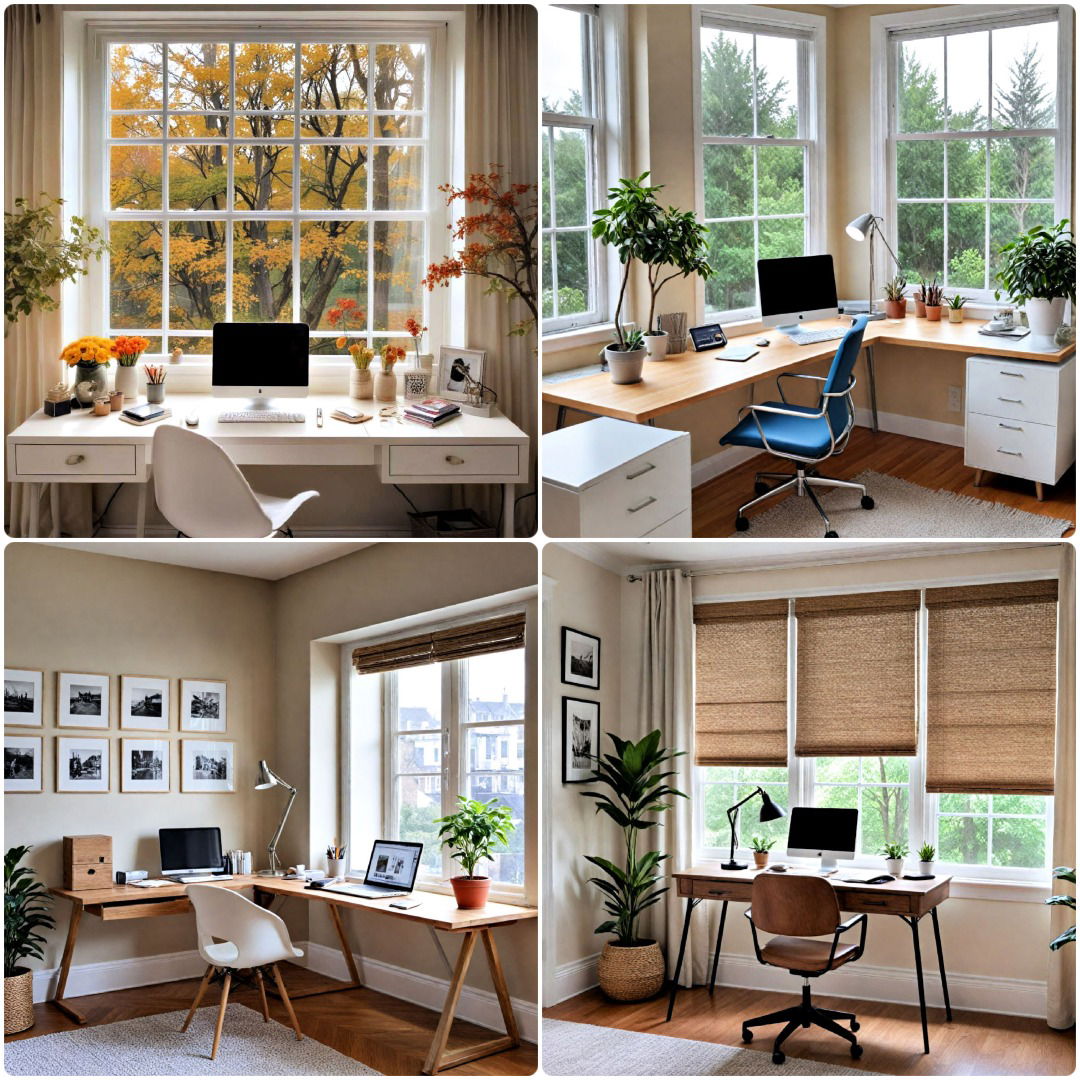
Placing a desk directly in front of or next to a window allows a student to benefit from the mood-boosting effects of natural light. This setup offers a refreshing view of the outdoors, which can provide a much-needed visual break during long hours of homework. To prevent glare on computer screens, consider using sheer curtains or adjustable blinds that can diffuse the sunlight when it becomes too intense. If the room has a built-in window seat, a small portable desk or a nearby table can turn the cozy nook into a functional workstation. It is an energizing way to start the school day.
18. White Minimalist Desk
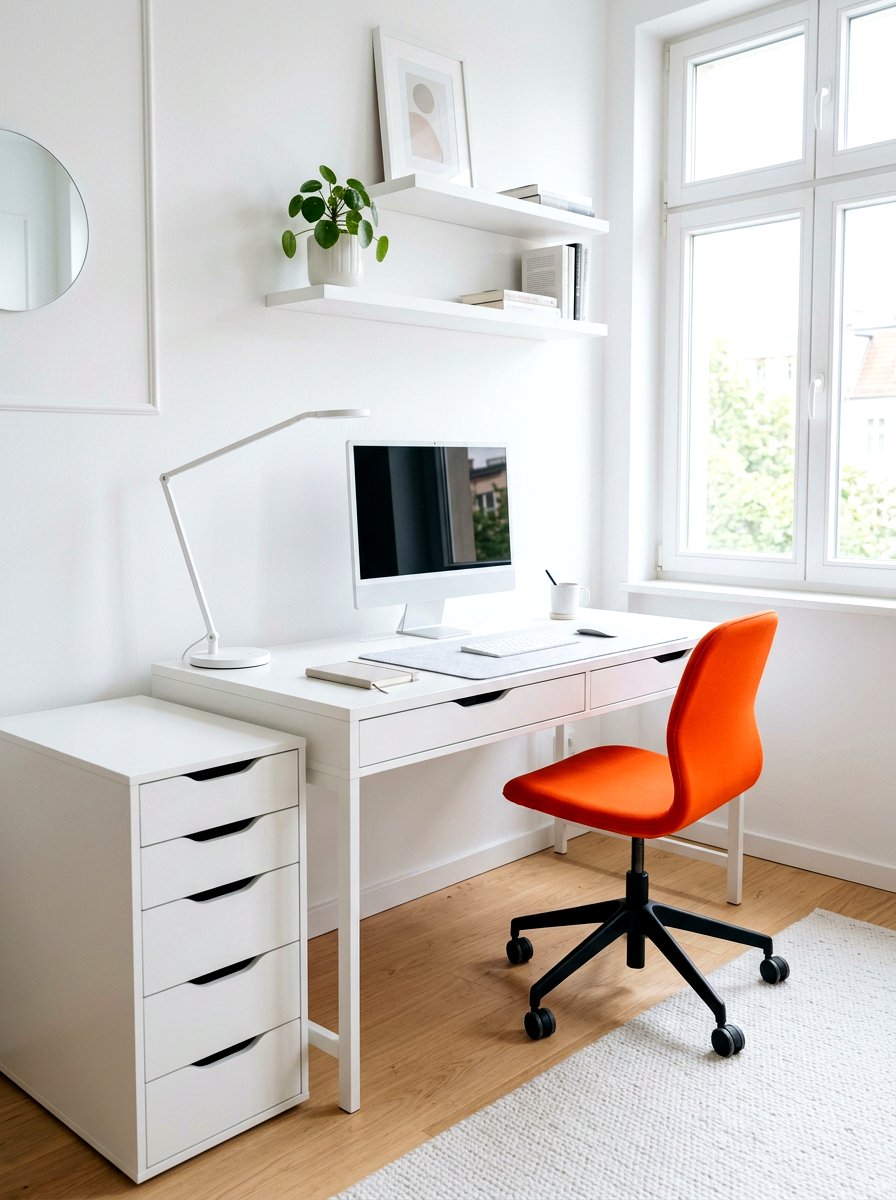
A solid white desk provides a bright, clean surface that acts as a blank canvas for any academic task. This choice is incredibly popular because it coordinates easily with any wall color or bedroom theme. Because the white surface reflects light so well, it helps the entire study area feel more illuminated and energetic. Using white-on-white storage solutions, such as sleek drawers and file organizers, keeps the look seamless and professional. To prevent the space from feeling too clinical, you can add small touches of color through a vibrant desk lamp or a plush, textured chair in a contrasting, bold shade.
19. Wood Desk Interior
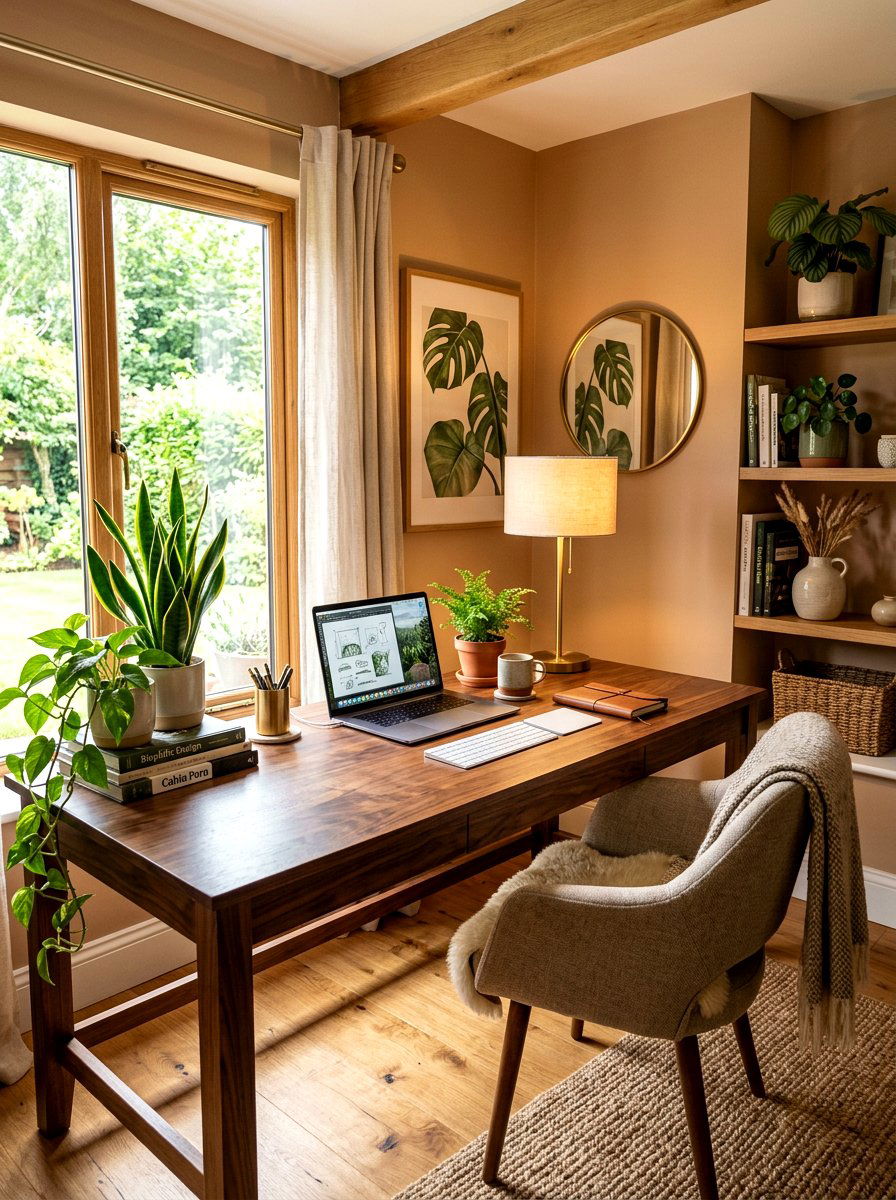
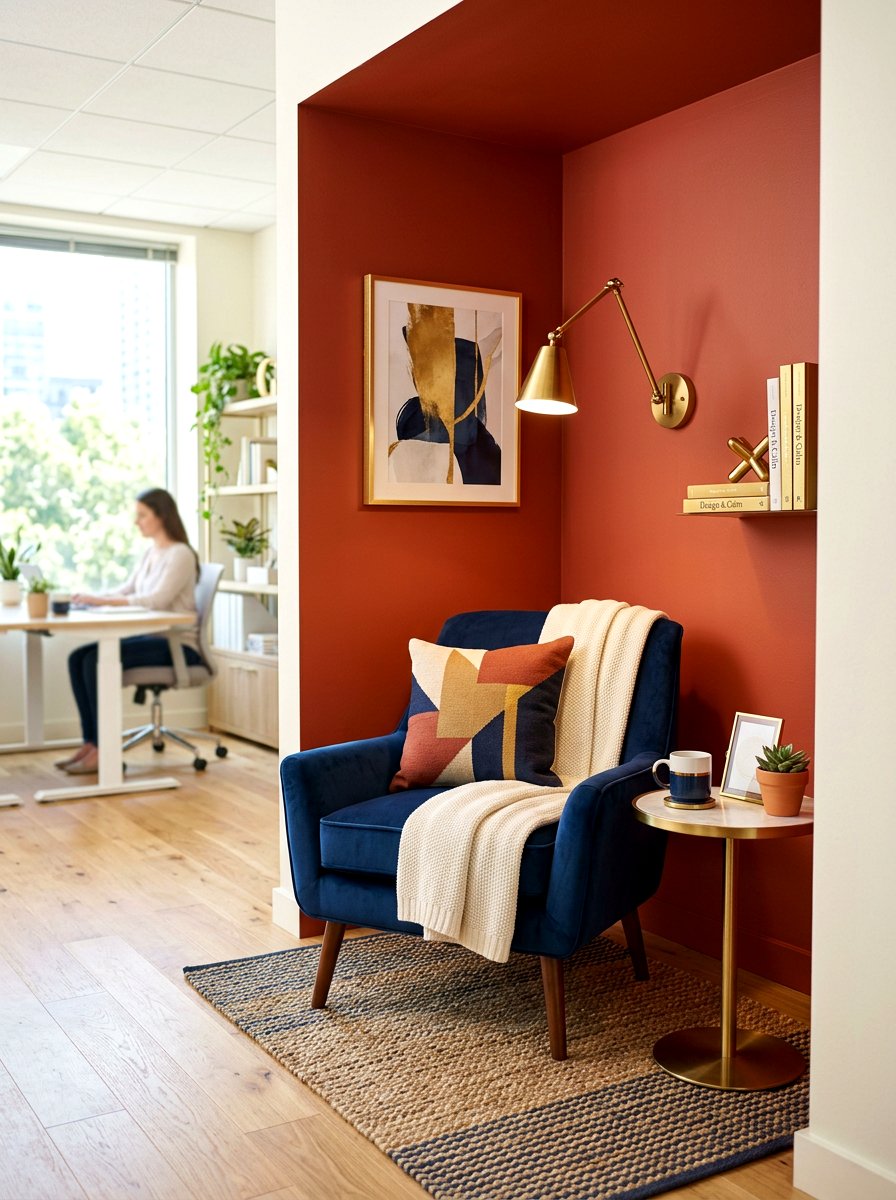
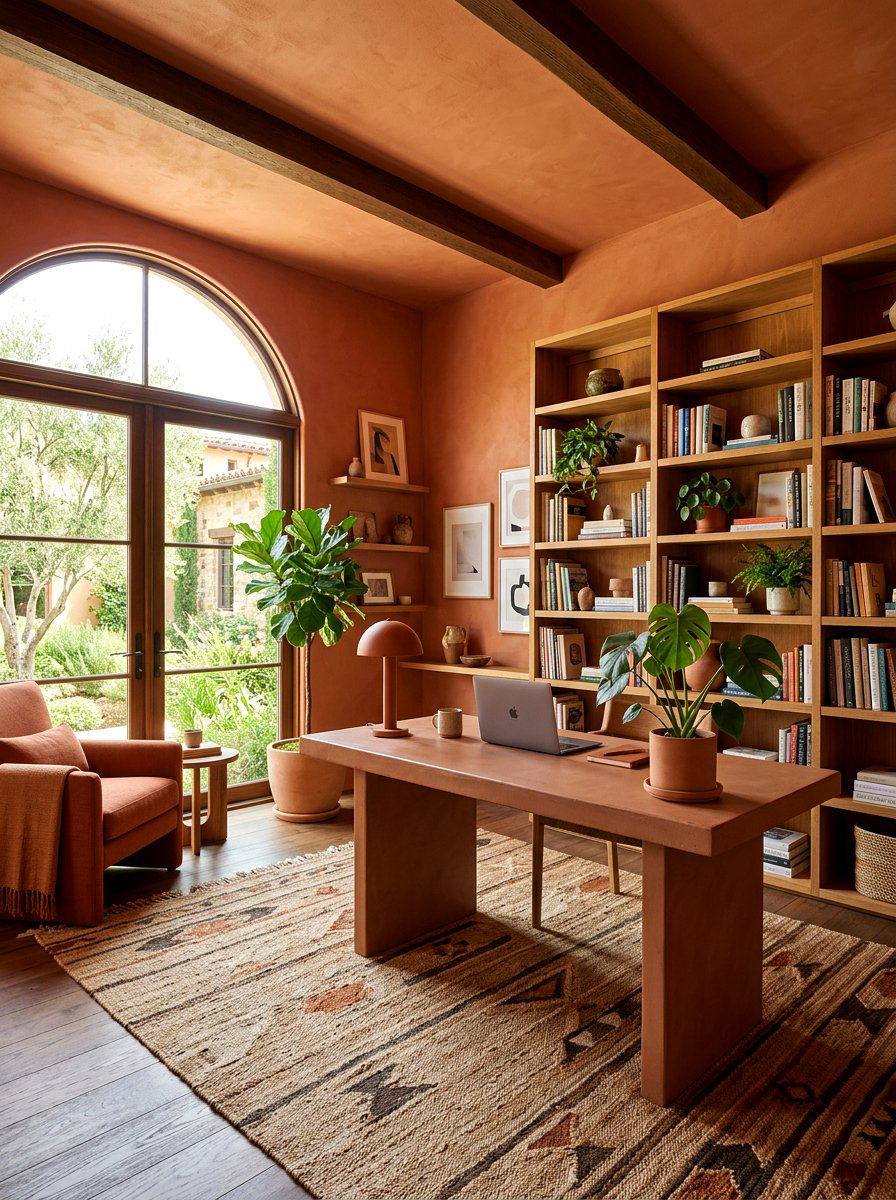
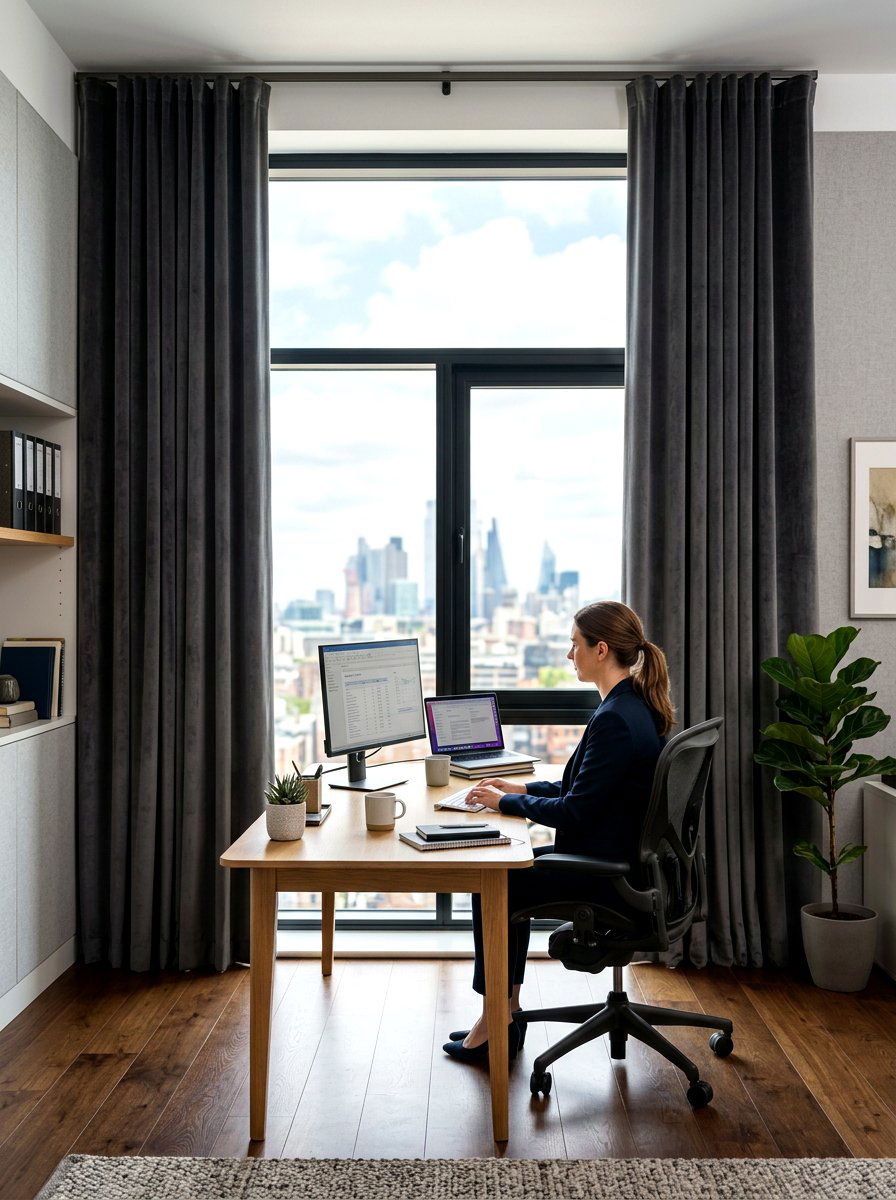
Natural wood furniture brings a sense of organic warmth and grounding to a modern teenager's study environment. Whether it is a light oak, a warm cherry, or a rich walnut, the grain of the wood adds a unique texture that synthetic materials simply cannot replicate. Pairing a heavy wooden desk with soft textiles and warm ambient lighting creates a cozy, comfortable atmosphere that makes focusing much easier. This style works exceptionally well in rooms with earth-toned walls or botanical decorations. It is a timeless choice that feels both sturdy and sophisticated, providing a reliable surface for years of high school and college work.
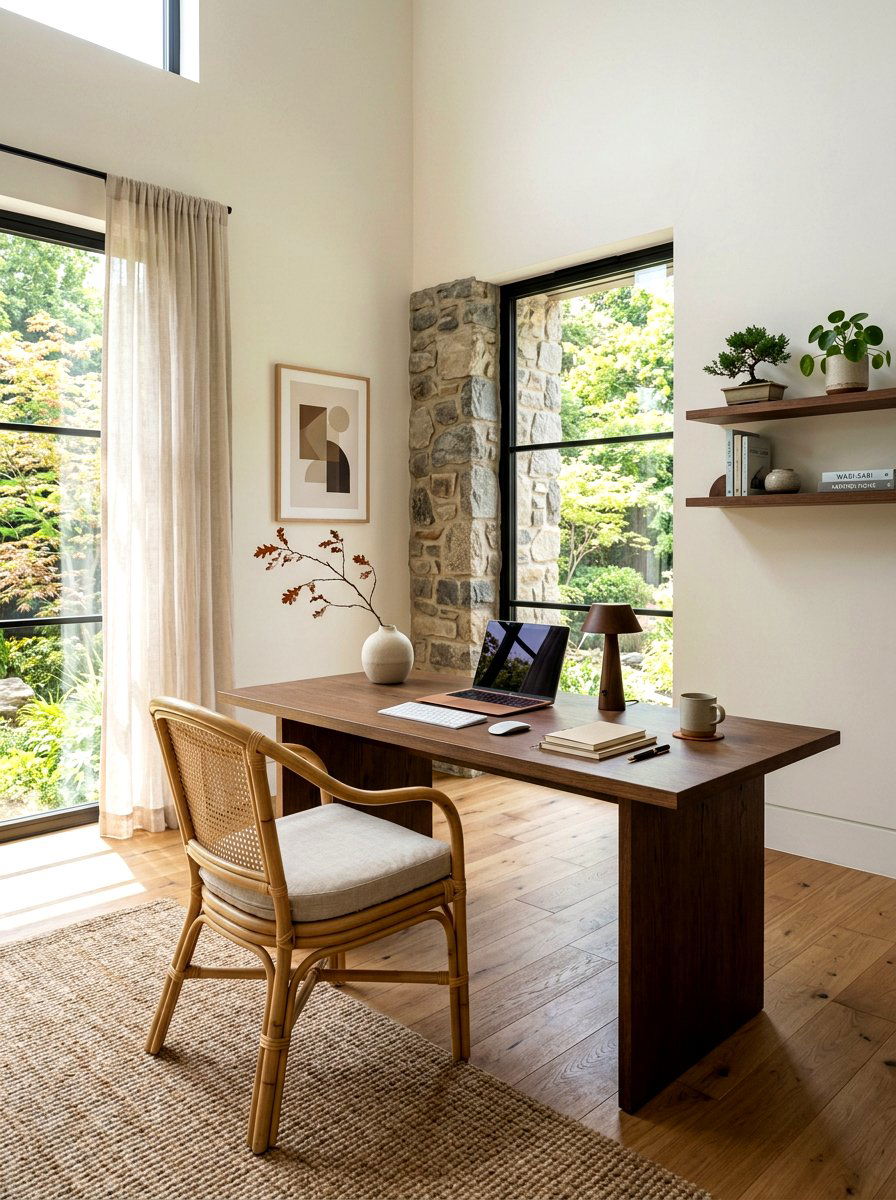
20. Greenery Themed Study Room
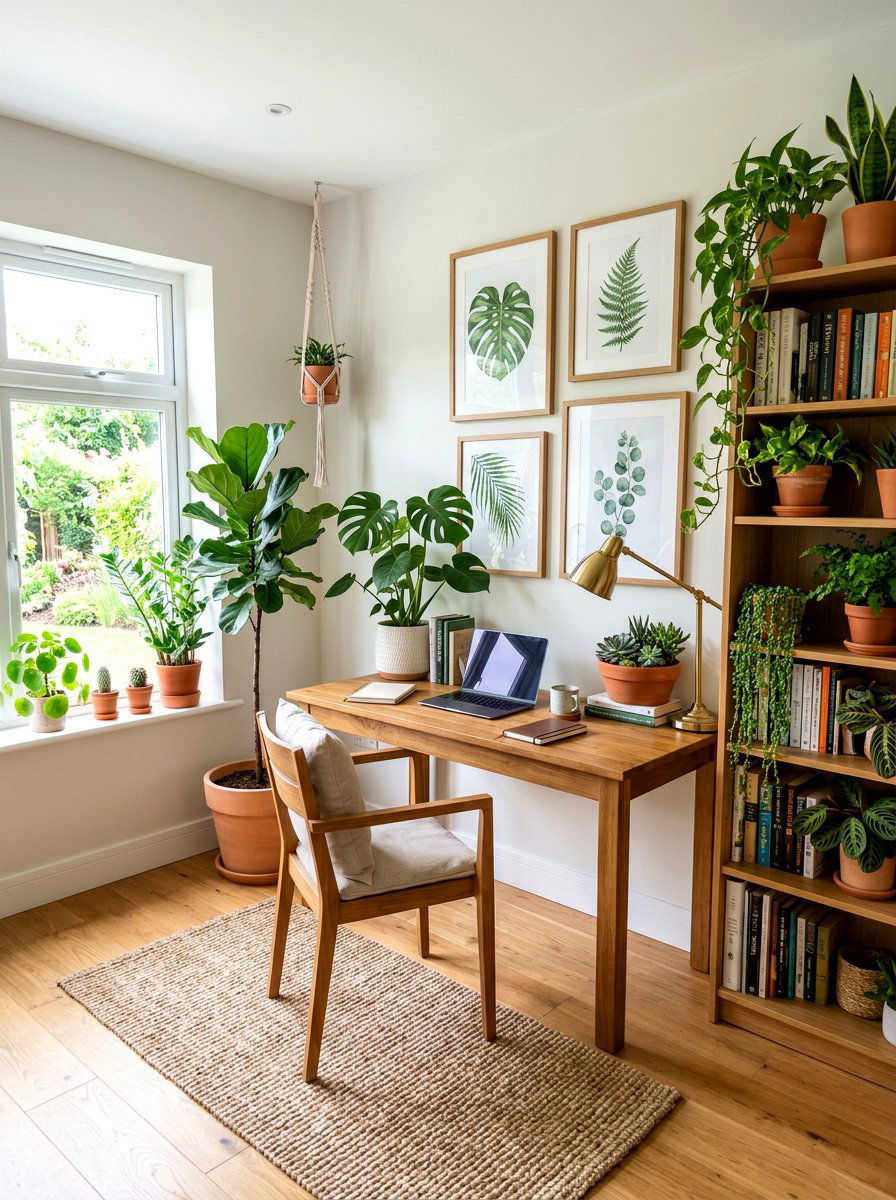
Integrating indoor plants into a study space does more than just look good; it can actually help purify the air and reduce stress levels. A botanical-themed room features plenty of greenery, ranging from large floor plants like Monstera to small succulents placed directly on the desk. Using leaf-print wallpaper or botanical art prints further enhances the theme, creating a lush, forest-like sanctuary for learning. Natural materials like terracotta pots, jute rugs, and wooden furniture complement the plants perfectly. This refreshing environment is ideal for students who feel most productive when surrounded by the calming and vibrant beauty of the natural world.
21. Compact Study Area
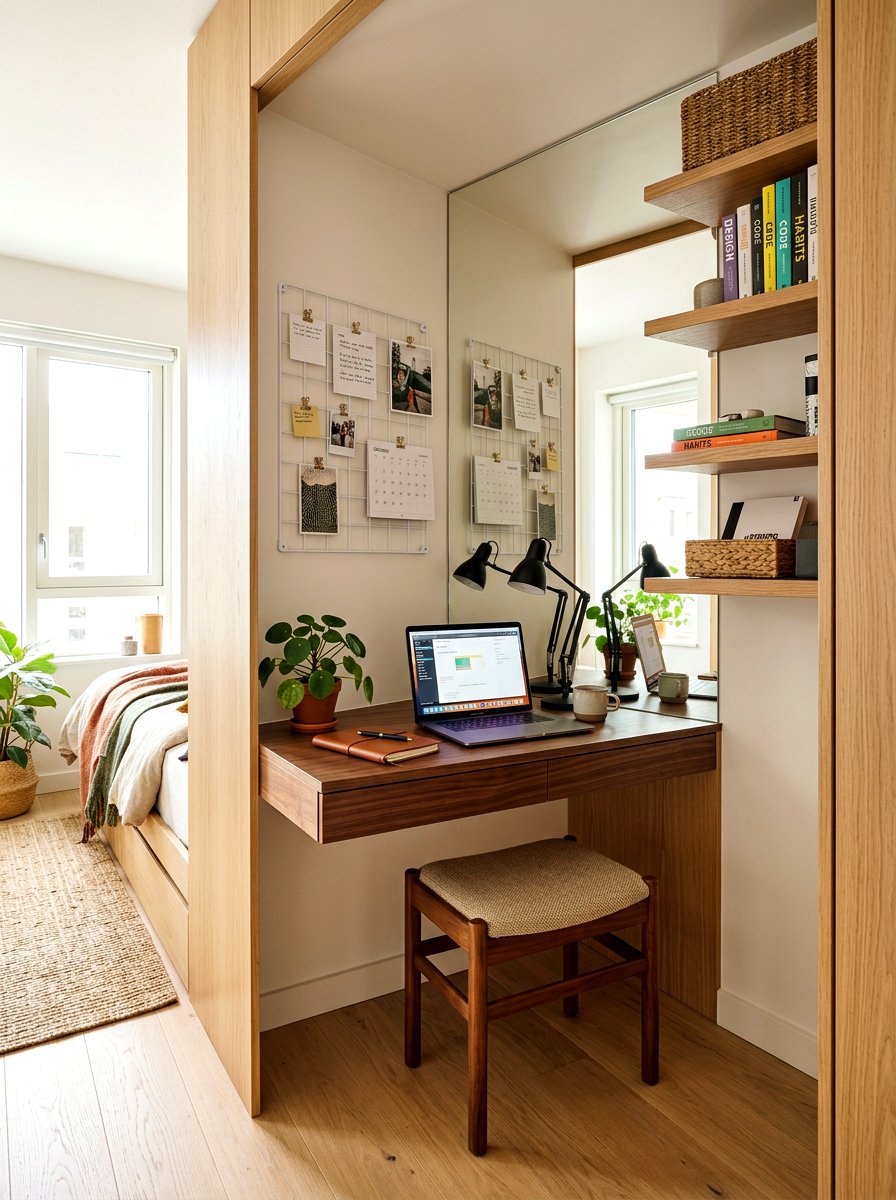
When dealing with a very small room, every inch of space must be used with extreme precision and creativity. A compact study area might involve a narrow desk that fits perfectly into a shallow alcove or at the end of a bed. Using a stool that can be fully hidden under the desk or a wall-mounted light instead of a bulky lamp can save significant space. Mirroring a nearby wall can also help reflect light and make the tiny workspace feel less enclosed. By focusing on essential items only and using vertical organizers, even the smallest corner can become a high-performance academic hub.
22. Wall Mounted Desk
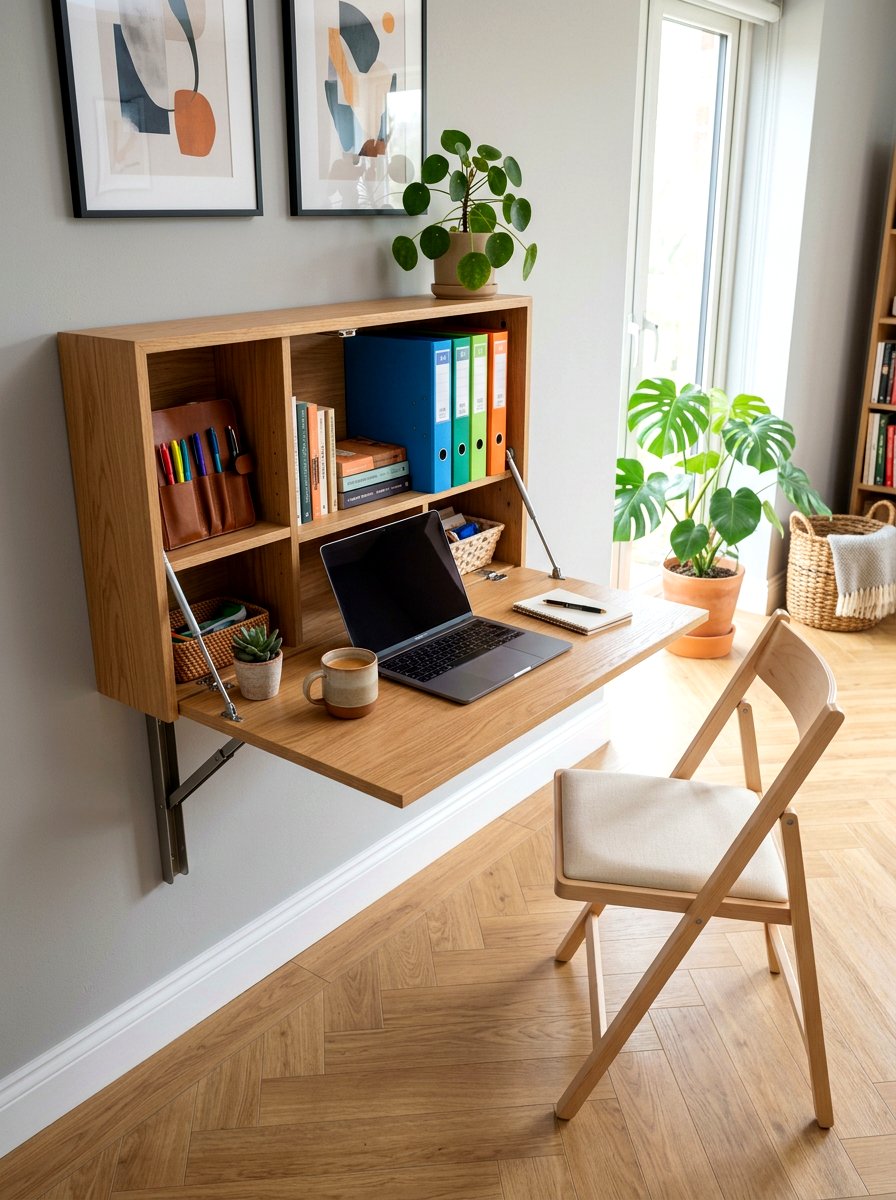
A wall-mounted desk that can fold down when needed is a revolutionary way to manage space in a multi-functional bedroom. When the school day is over, the desk can be flipped up against the wall, instantly clearing the floor for other activities like exercising or hanging out with friends. These desks often feature small interior shelves for pens and notebooks that remain hidden once the unit is closed. This setup is perfect for teens who struggle with keeping a permanent desk tidy, as it forces a clean slate at the end of every study session. It is a smart, modern engineering solution.
23. Comfy Study Chair Setup
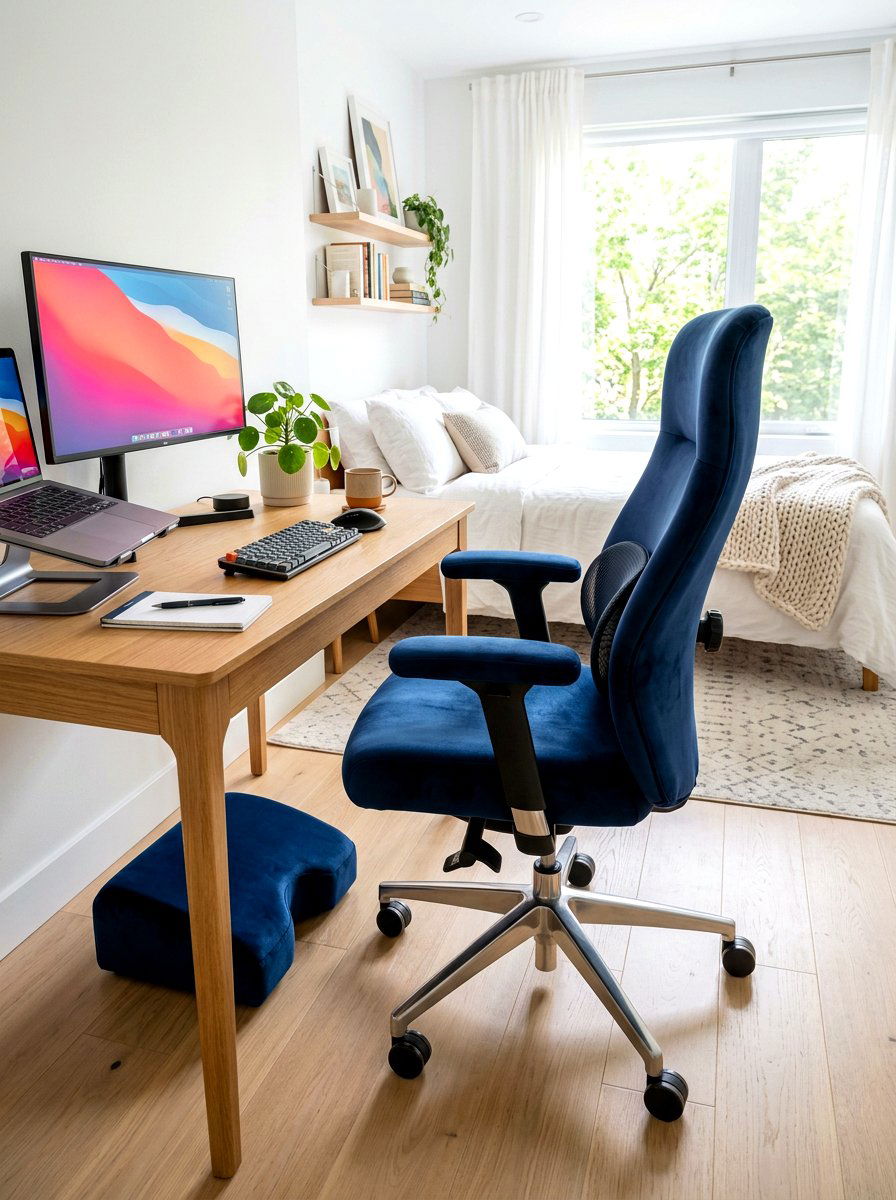
The most important investment in any study room is an ergonomic chair that provides proper support for long periods of sitting. A high-quality chair should have adjustable height, lumbar support, and comfortable armrests to prevent physical strain and fatigue. While traditional office chairs are highly functional, many teens prefer stylish options like velvet swivel chairs or modern mesh designs that come in various colors. Adding a small footrest or a soft seat cushion can further enhance the comfort level, making it easier for the student to remain focused on their tasks. Comfort is the key to maintaining a high level of productivity.
24. Bookshelf Wall Study Space
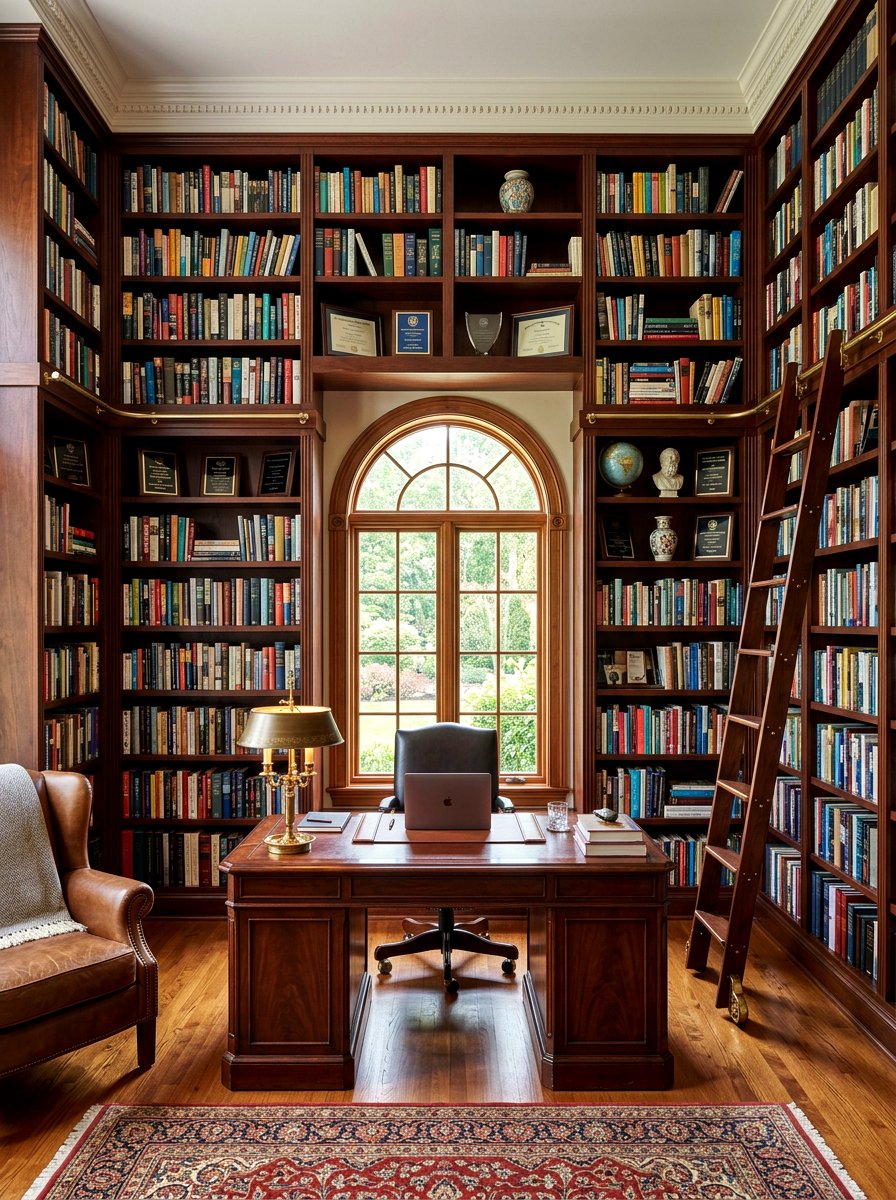
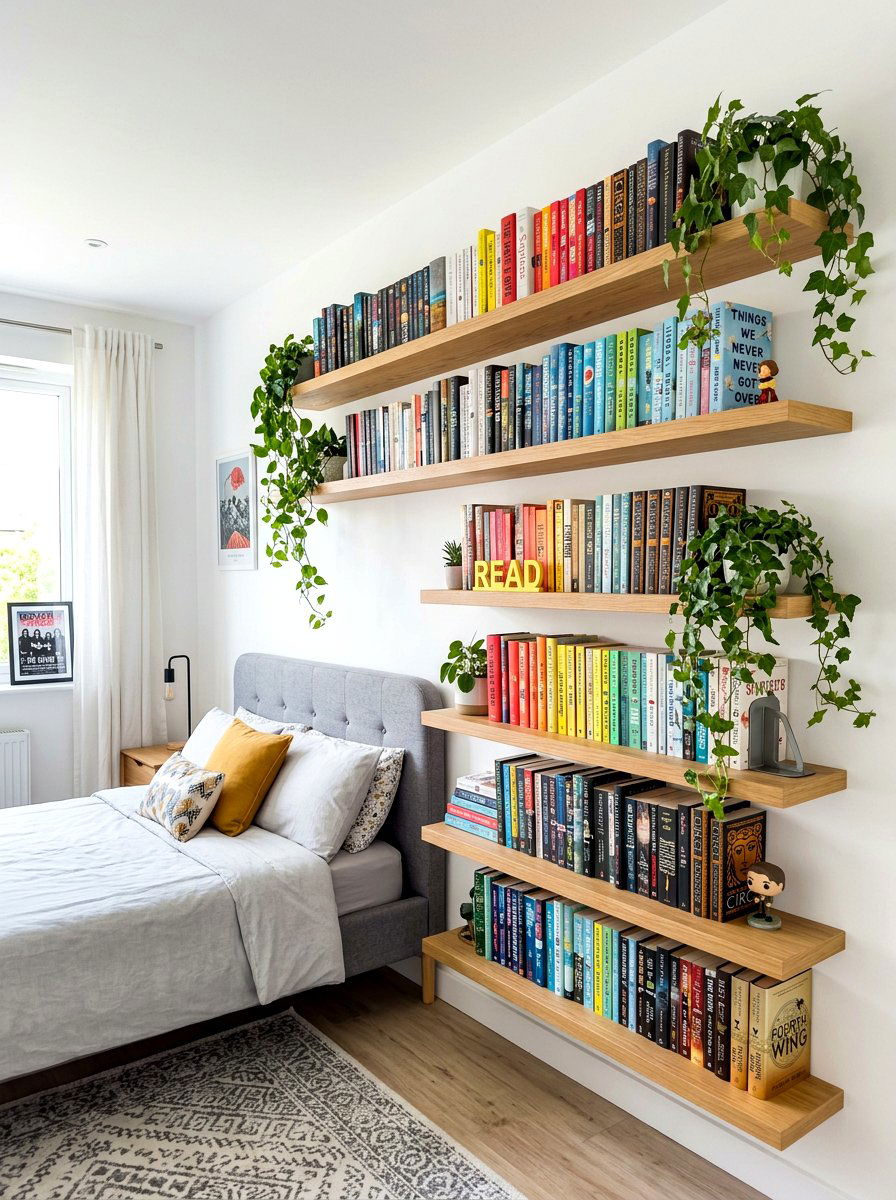
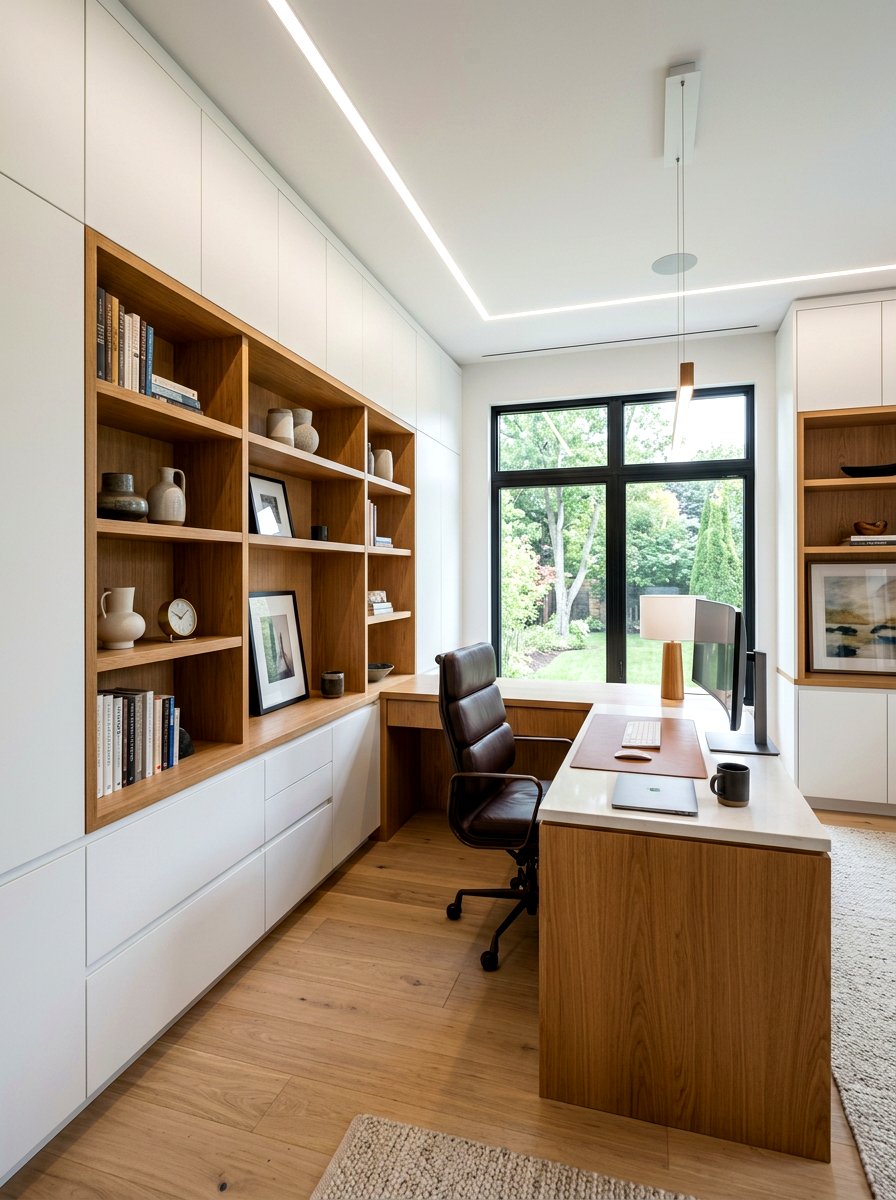
Surrounding a desk with floor-to-ceiling bookshelves creates an immersive, library-like atmosphere that is perfect for students who love to read. This layout provides massive amounts of storage for textbooks, reference materials, and personal collections, keeping everything within easy reach. The books themselves act as a form of insulation, making the room feel quieter and more private for deep concentration. Mixing in decorative objects, awards, and photos among the books adds a personal touch that makes the space feel unique. It is a classic design choice that emphasizes the importance of knowledge and academic achievement within the home.
25. Modern Teen Workspace
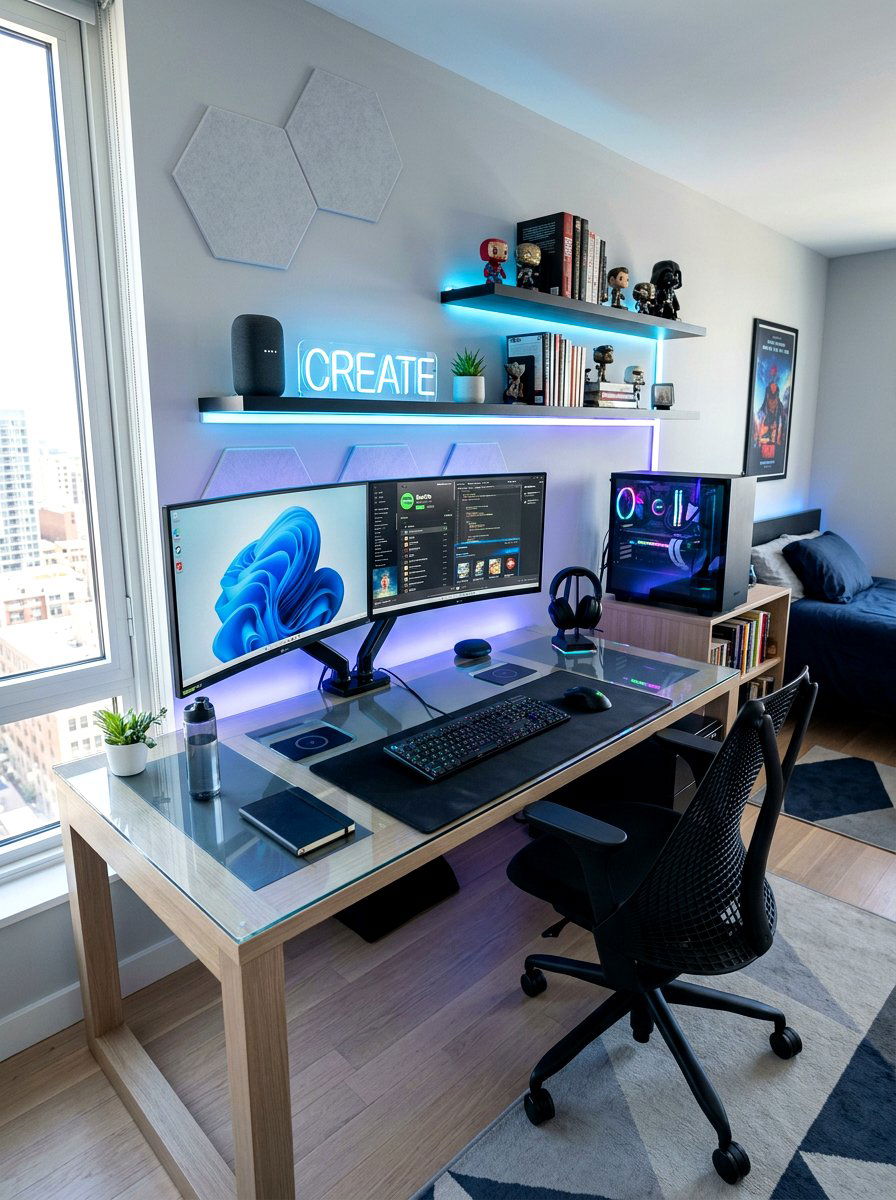
A truly modern workspace integrates sleek furniture with the latest technology and a minimalist color palette. This design often features a desk with built-in wireless charging pads and USB ports to keep devices powered up without cluttered cables. Using glass or high-gloss finishes on the furniture provides a reflective surface that looks sharp and sophisticated under cool-toned LED lighting. The layout is usually very structured, with dedicated spots for a laptop, a tablet, and a smart speaker for background music. This high-tech environment is perfect for the modern student who relies heavily on digital tools and prefers a clean, futuristic aesthetic.
26. High School Study Area
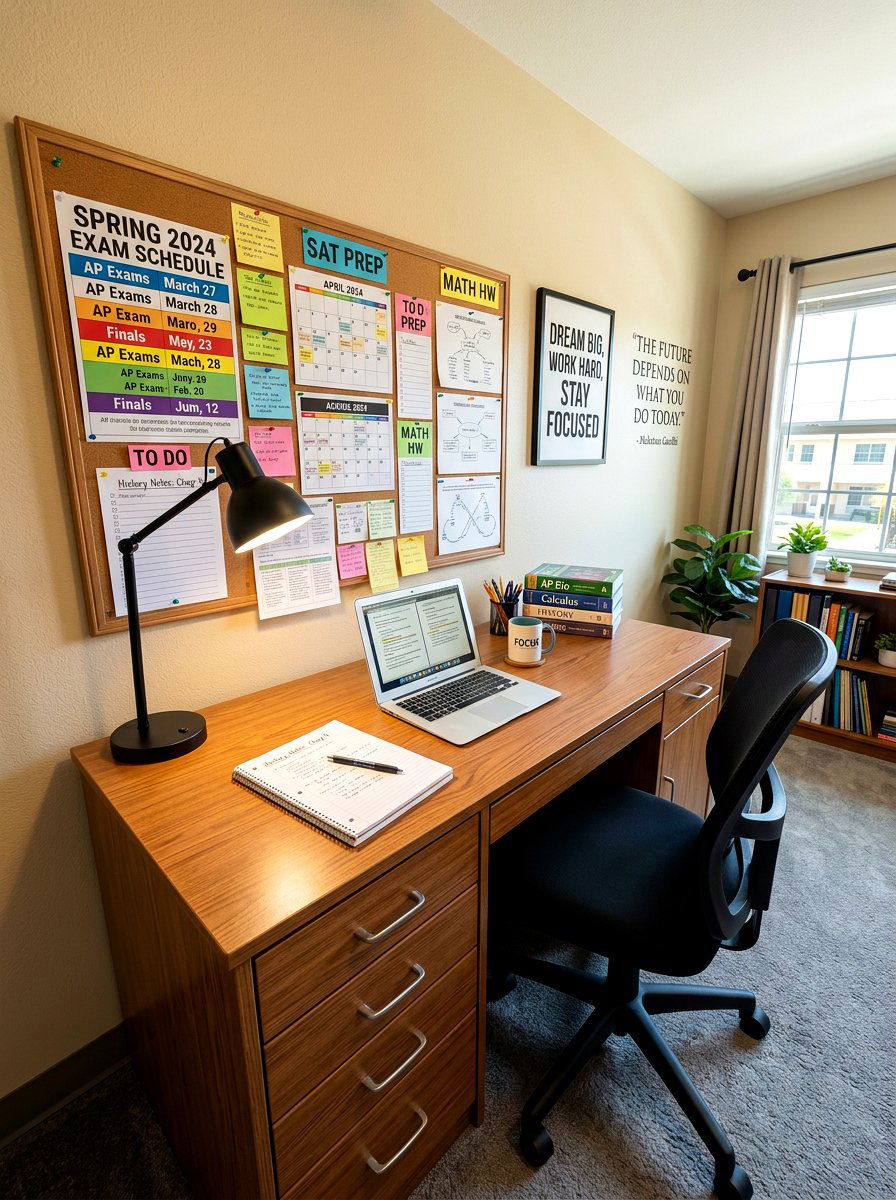
Preparing for the demands of high school requires a more serious and organized workspace that can handle heavy workloads. This setup often includes a large desk with multiple drawers for separating different subjects and a large pinboard for tracking exam dates and project deadlines. Proper lighting is crucial here, so a high-quality desk lamp with adjustable brightness levels is a must-have item. The decor should be inspiring but not distracting, perhaps featuring motivational quotes or a world map. By creating a professional-feeling environment, parents can help their teens transition into a more mature and disciplined mindset regarding their daily education.
27. Creative Art And Study Room
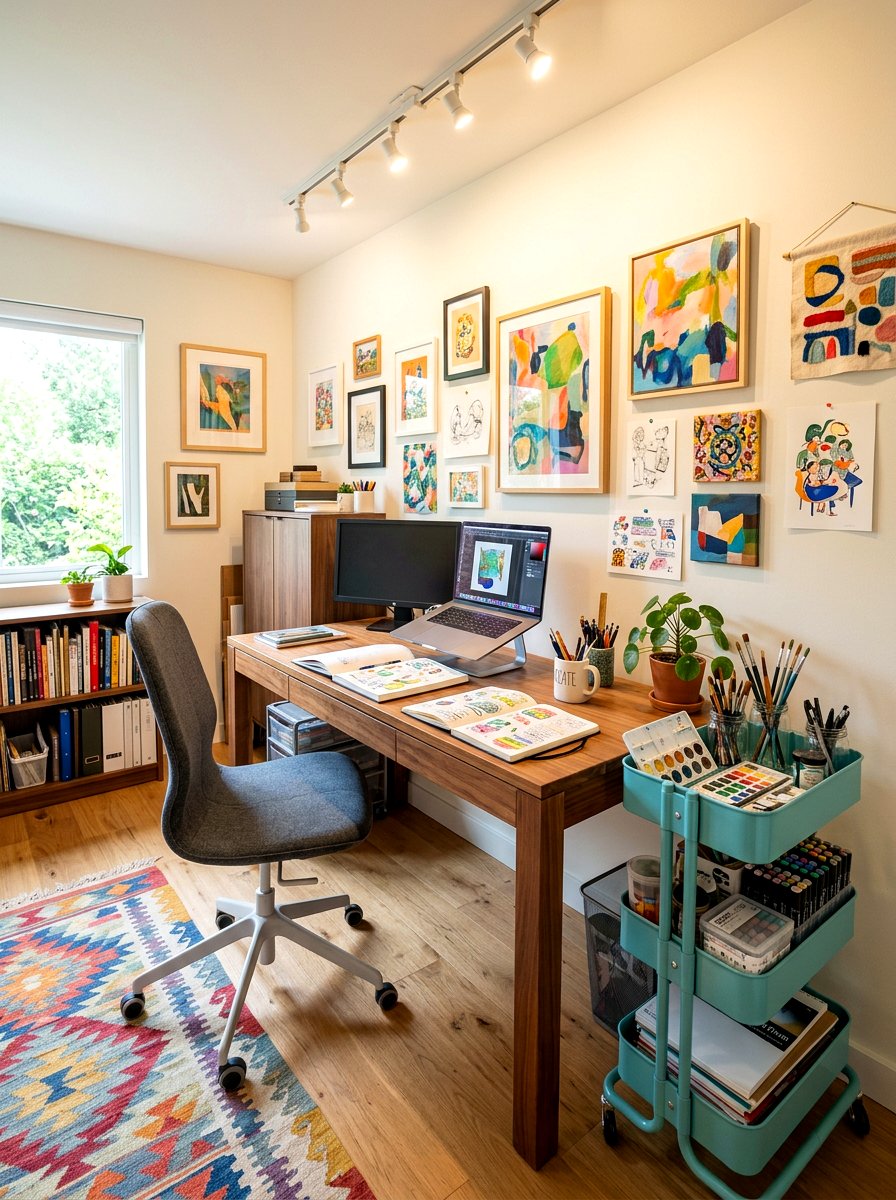
For the artistic teenager, the workspace must be flexible enough to accommodate both traditional schoolwork and creative hobbies. A large, flat-surface desk is essential for spreading out canvases or sketchbooks alongside a laptop for research. Storing art supplies in rolling carts or clear bins makes it easy to switch between different projects while keeping the main area tidy. Bright, color-accurate lighting is important for creative work, so full-spectrum bulbs are often the best choice for this setup. This dual-purpose room allows the teen to move seamlessly from a history essay to a painting, fostering a holistic approach to their personal development.
28. Cozy Reading And Study Nook
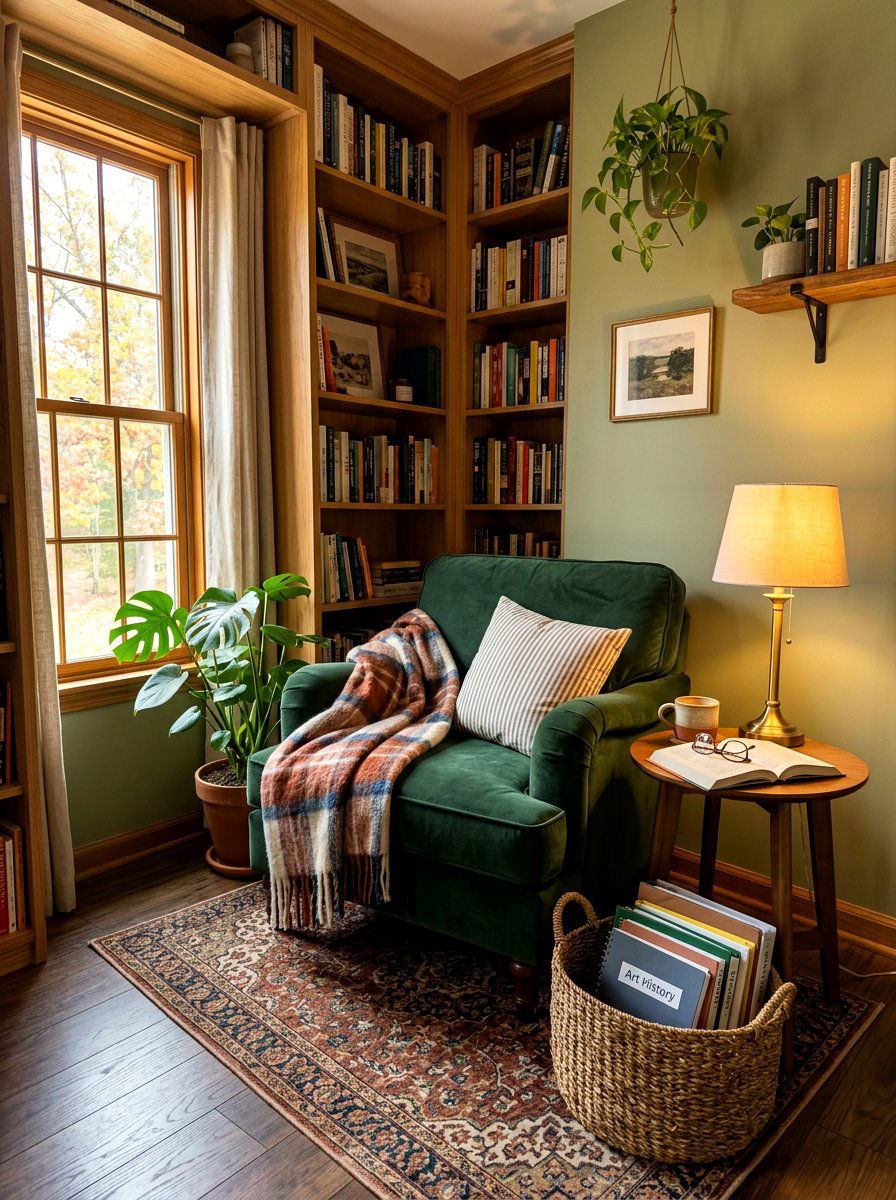
Sometimes, the best place to study isn't at a traditional desk but in a cozy, comfortable corner designed for reading. A plush armchair or a bean bag placed in a well-lit corner provides a relaxing alternative for subjects that involve heavy reading or memorization. A small side table can hold a lamp and a cup of tea, while a nearby basket stores textbooks and notebooks. This setup is particularly effective for students who get restless sitting in a stiff chair for too long. By offering a different environment for different tasks, the student can maintain their energy and focus throughout the evening.
29. Organized Study Desk
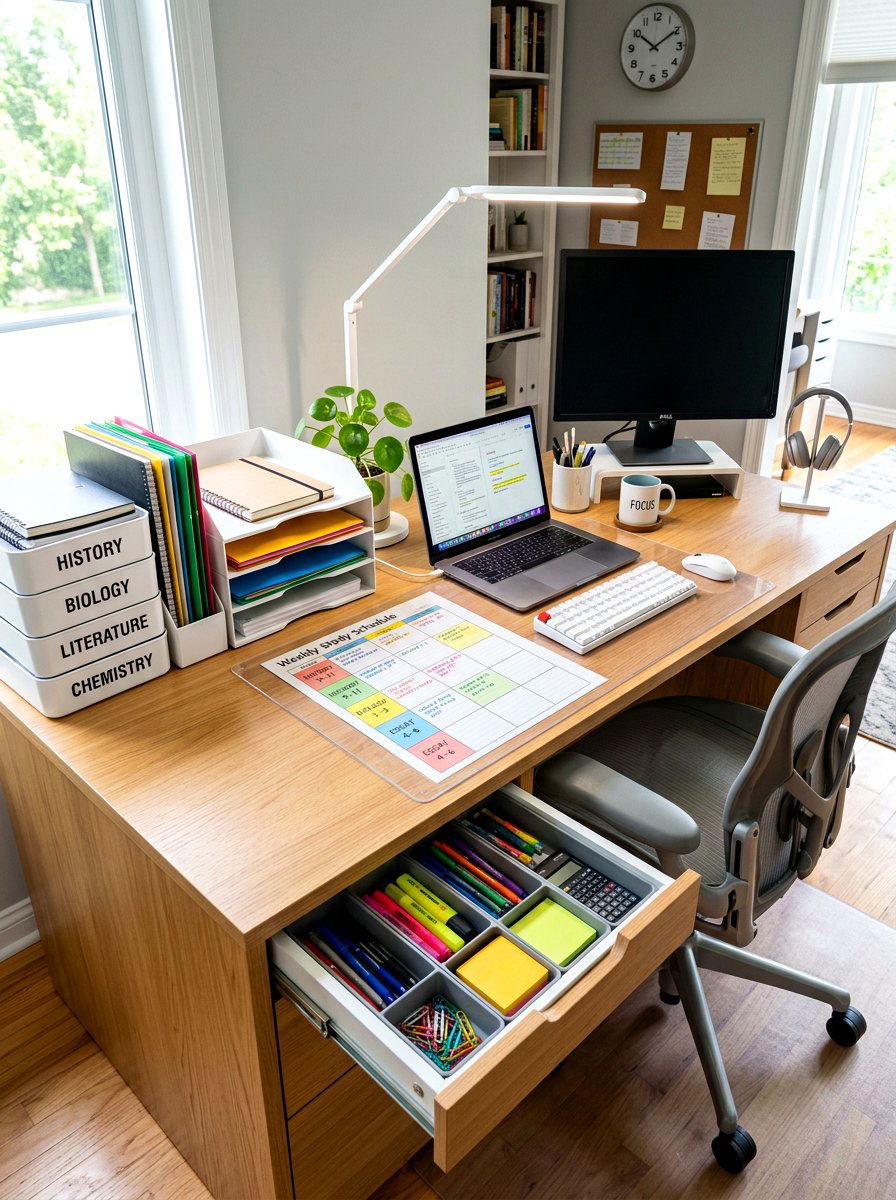
The foundation of a successful study session is a desk that is meticulously organized with every tool in its proper place. Using a combination of drawer dividers, desktop trays, and pencil cups ensures that stationery is always easy to find. Labeling different bins for specific subjects helps the teen stay on top of their various assignments and prevents papers from getting mixed up. A clear acrylic desk mat can protect the surface while allowing the student to slide important schedules or formulas underneath for quick reference. This systematic approach reduces the time spent searching for supplies and maximizes the time spent actually learning.
30. Gaming And Study Setup
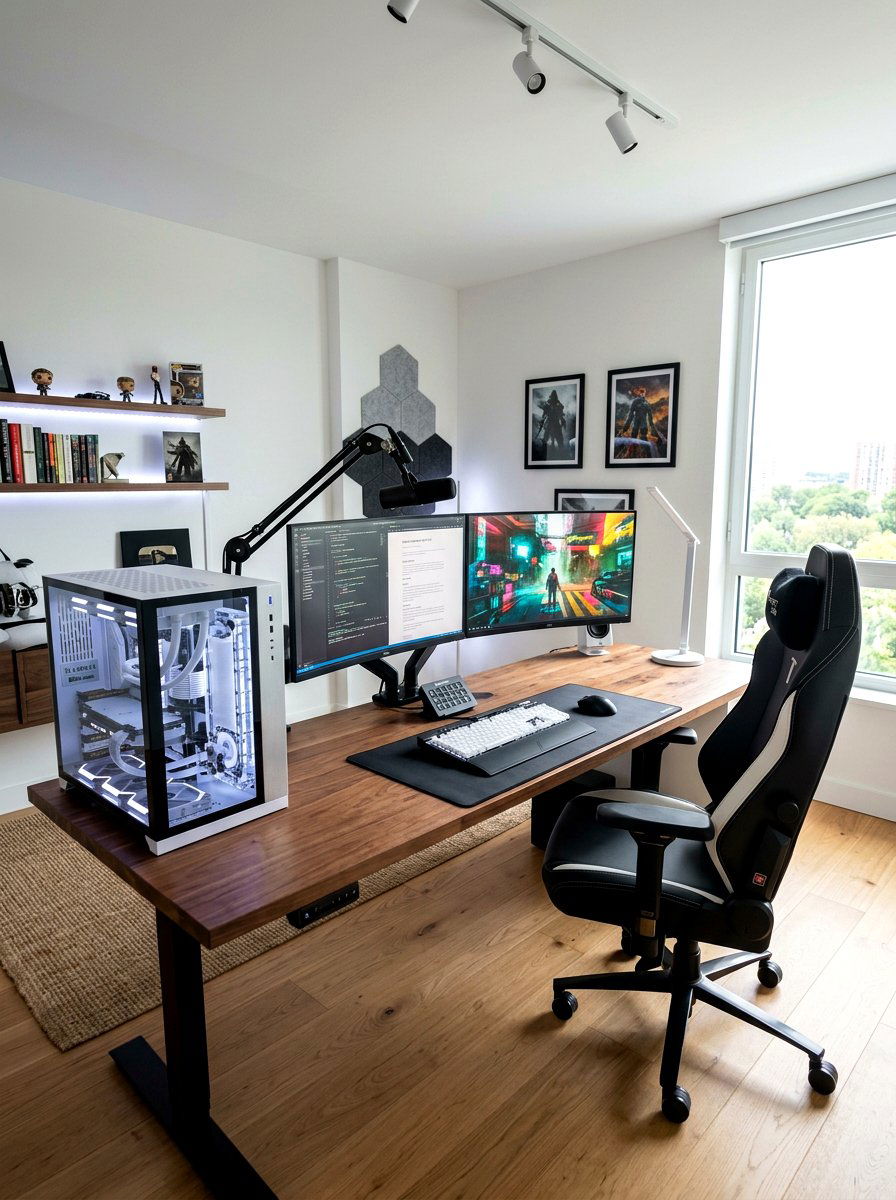
Many modern teenagers use the same space for both high-level gaming and serious academic study, requiring a versatile and powerful layout. This setup often features a wide desk that can hold a large PC tower, dual monitors, and a professional-grade keyboard. While the lighting might be colorful RGB for gaming, it should be switchable to a bright, focused white for schoolwork. Cable management is the biggest challenge here, but using under-desk trays can keep everything looking clean. A high-end gaming chair provides the necessary ergonomic support for both activities, making this a comfortable and highly functional multi-purpose zone for any teen.
Conclusion:
Designing a teen study room is about more than just picking out a desk and a chair; it is about creating a personalized environment that fosters focus and success. Whether your teenager prefers a minimalist sanctuary, a tech-heavy workstation, or a cozy bohemian nook, the key is to prioritize organization and comfort. By incorporating elements like proper lighting, ergonomic furniture, and smart storage solutions, you can help them develop better study habits that will last a lifetime. A well-planned space not only boosts academic performance but also gives them a sense of ownership and pride in their own dedicated learning area.

Related posts: