Creating a healthy sanctuary starts with the air we breathe inside our homes every single day. Many people focus on aesthetics, but the quality of your indoor environment is truly what makes a house feel like a home. By integrating smart design choices, you can significantly reduce pollutants, allergens, and toxins that often linger unnoticed in carpets or paint. This guide explores creative ways to enhance your living spaces while prioritizing fresh, clean air for your family. From selecting specific plants to choosing low-emission materials, these strategies ensure your home remains a vibrant and breathable haven that supports your overall well-being and long-term health.

1. Living Room With Indoor Plants
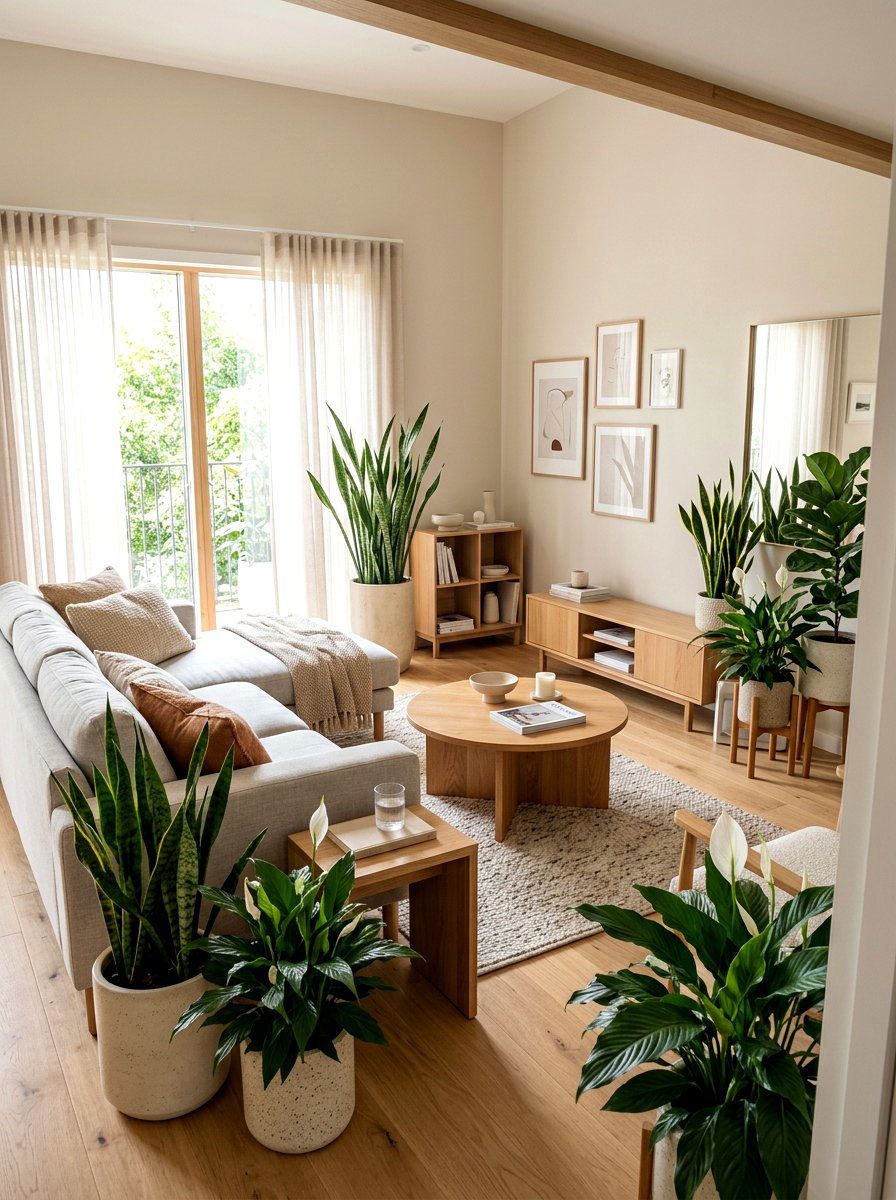
Adding greenery to your main living space does more than just look beautiful; it serves as a natural filtration system. Many popular houseplants, like snake plants or peace lilies, are famous for their ability to absorb common household toxins. When you arrange these plants throughout your living room, they work around the clock to convert carbon dioxide into fresh oxygen. Consider placing larger potted palms in corners to anchor the room while smaller succulents can sit on coffee tables. This organic approach to design creates a refreshing atmosphere where the air feels lighter and much cleaner. It is a simple way to bring nature indoors effectively.
2. Bedroom With HEPA Air Purifier
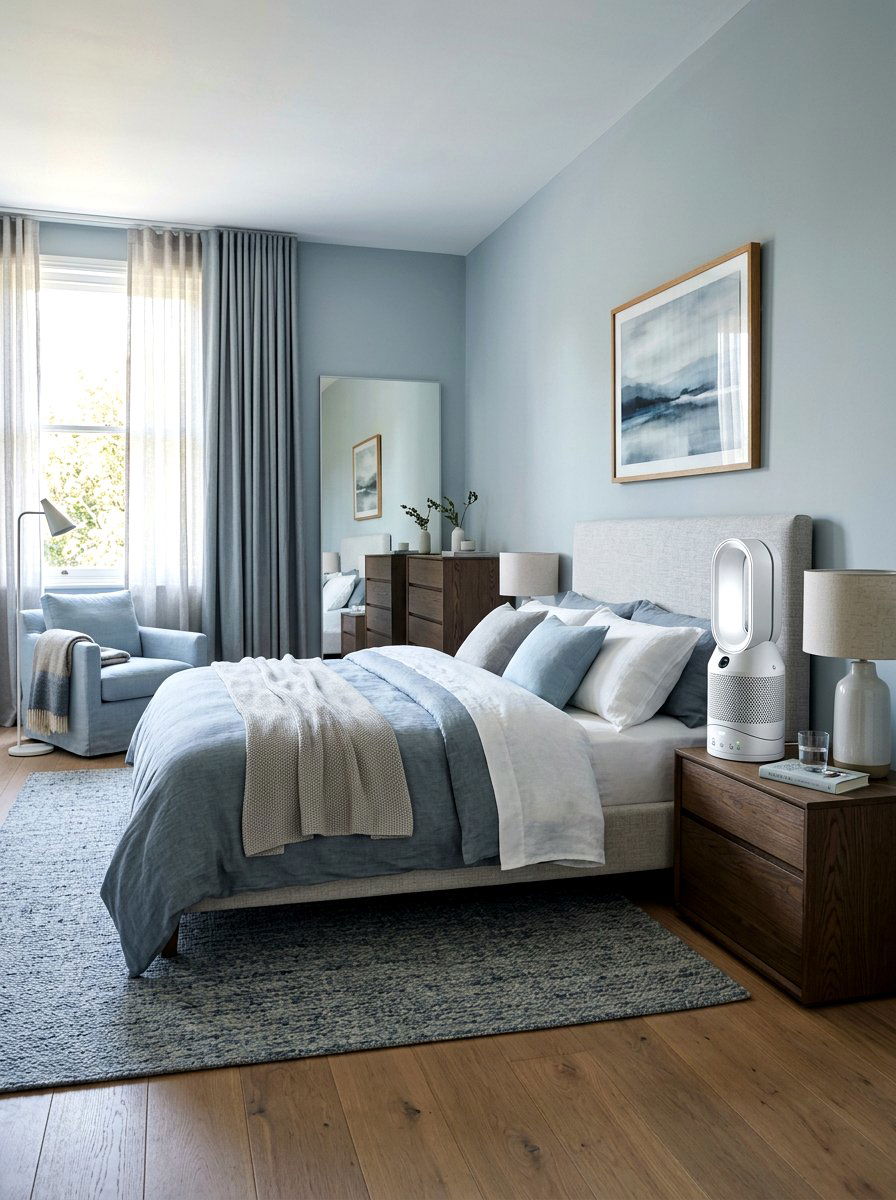
Have you ever wondered why you wake up feeling congested or tired even after a full night of sleep? Integrating a high-efficiency particulate air purifier into your bedroom layout can change everything for your sleep quality. These devices capture tiny particles like dust mites and pollen that often float around while you rest. For a cohesive look, choose a sleek, modern purifier that matches your nightstand or fits neatly into a corner. By keeping the device near your bed, you ensure the air you breathe during the night is consistently filtered. This small addition makes a huge difference in creating a restorative and healthy sleeping environment.
3. Kitchen With High Suction Hood
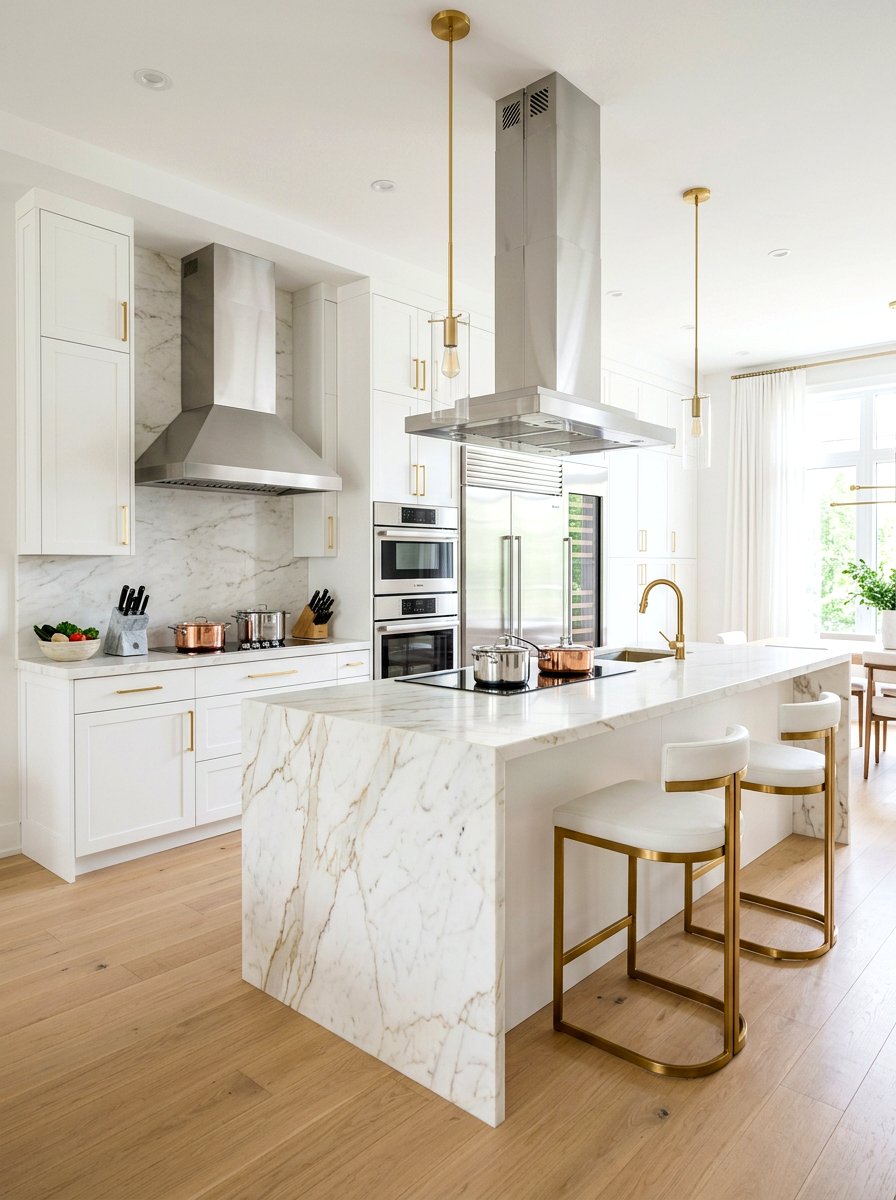
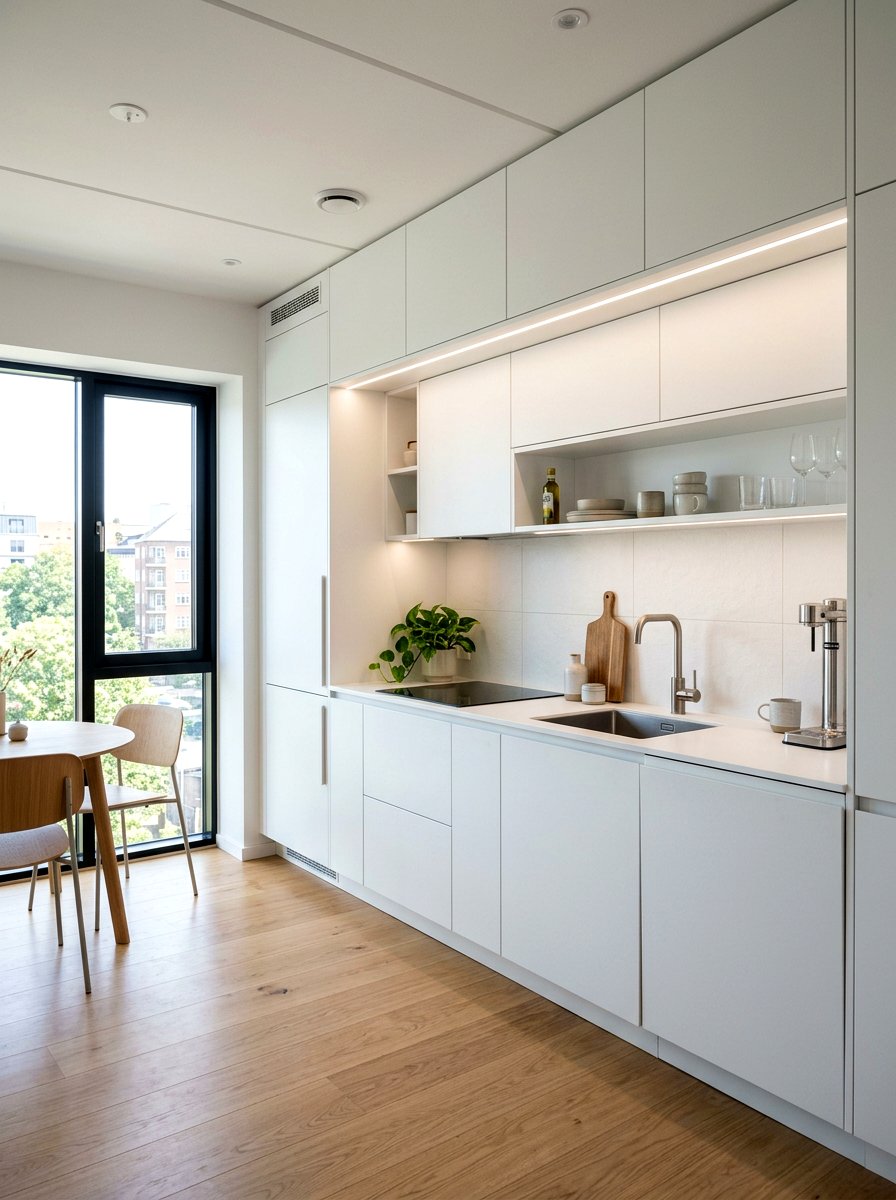
The sizzle of a hot pan often fills the kitchen with delicious smells, but it also releases grease and smoke into the air. Installing a high-suction vent hood is the best way to keep your cooking area smelling fresh and clear of pollutants. A professional-grade exhaust system pulls moisture and cooking byproducts out of the room before they can settle on your furniture. You can choose a stainless steel chimney style for a modern look or a hidden insert for a seamless cabinetry design. Clean air in the kitchen prevents that lingering heavy feeling after meals, making the heart of your home much more inviting.
4. Nursery With Low VOC Paint
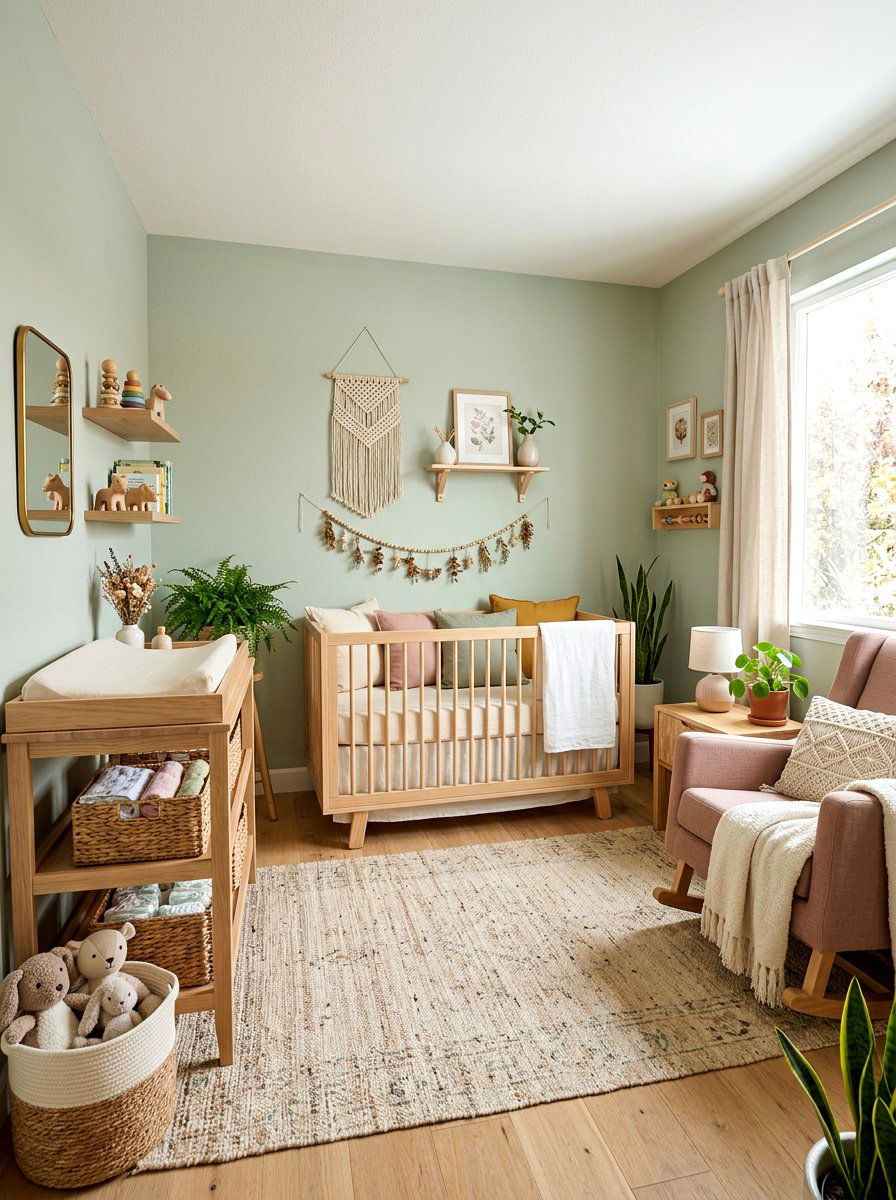
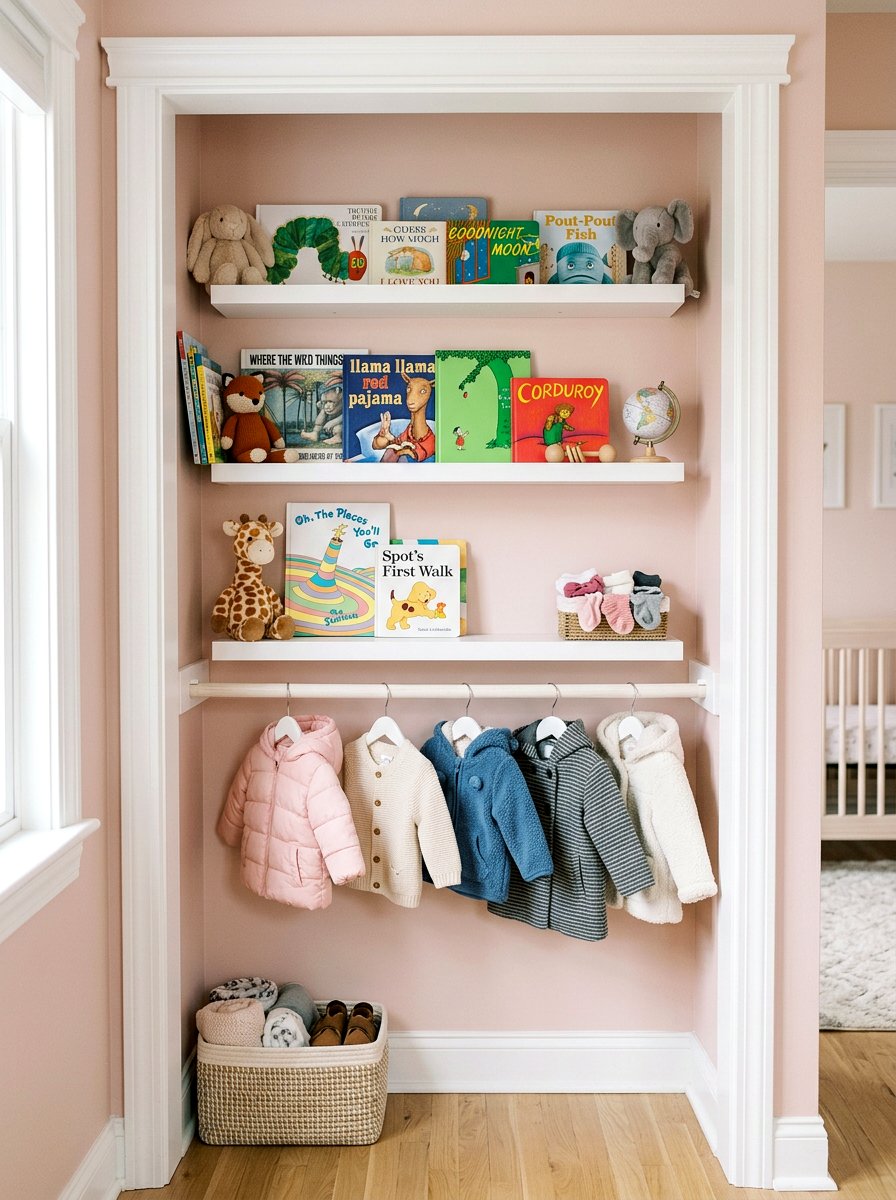
When preparing a room for a new arrival, the safety of the materials you use is the top priority for parents. Using low or zero VOC paint ensures that your baby’s nursery is free from harmful chemical off-gassing that traditional paints often emit. These specialized paints come in every color imaginable, allowing you to create a beautiful space without compromising air quality. Pairing these safe walls with natural wood furniture creates a gentle environment for a growing child. It is a thoughtful way to ensure the first breaths your little one takes are as pure and clean as possible in their new home.
5. Home Office With Natural Ventilation
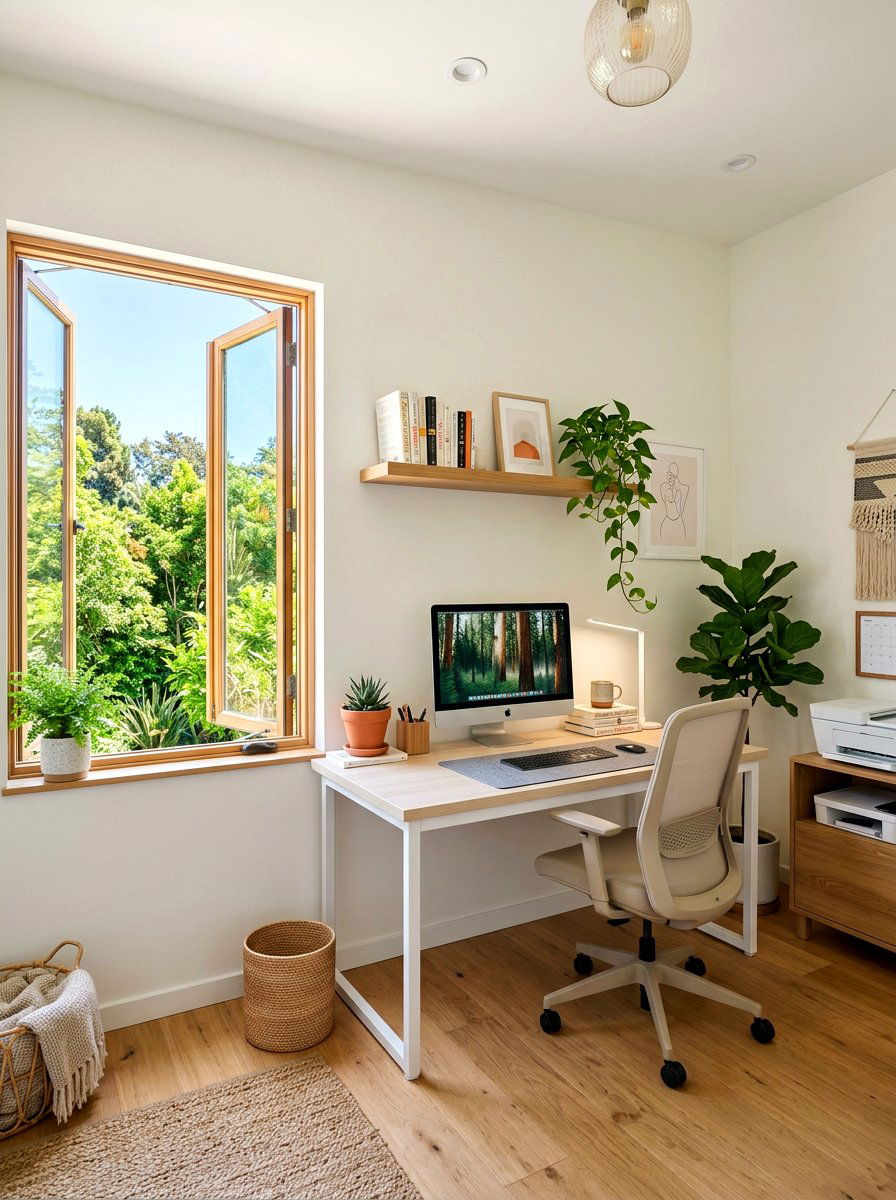
Do you find yourself losing focus or feeling sluggish during a long afternoon of working from your home office desk? Stale indoor air can often lead to a lack of productivity, which is why natural ventilation is so important. Designing your workspace with large, operable windows allows for a steady flow of fresh outdoor air to circulate throughout the room. Positioning your desk near a window not only provides natural light but also lets you enjoy a gentle breeze while you work. This simple design choice helps clear out indoor CO2 levels and keeps your mind sharp and energized all day long.
6. Bathroom With Smart Exhaust Fan
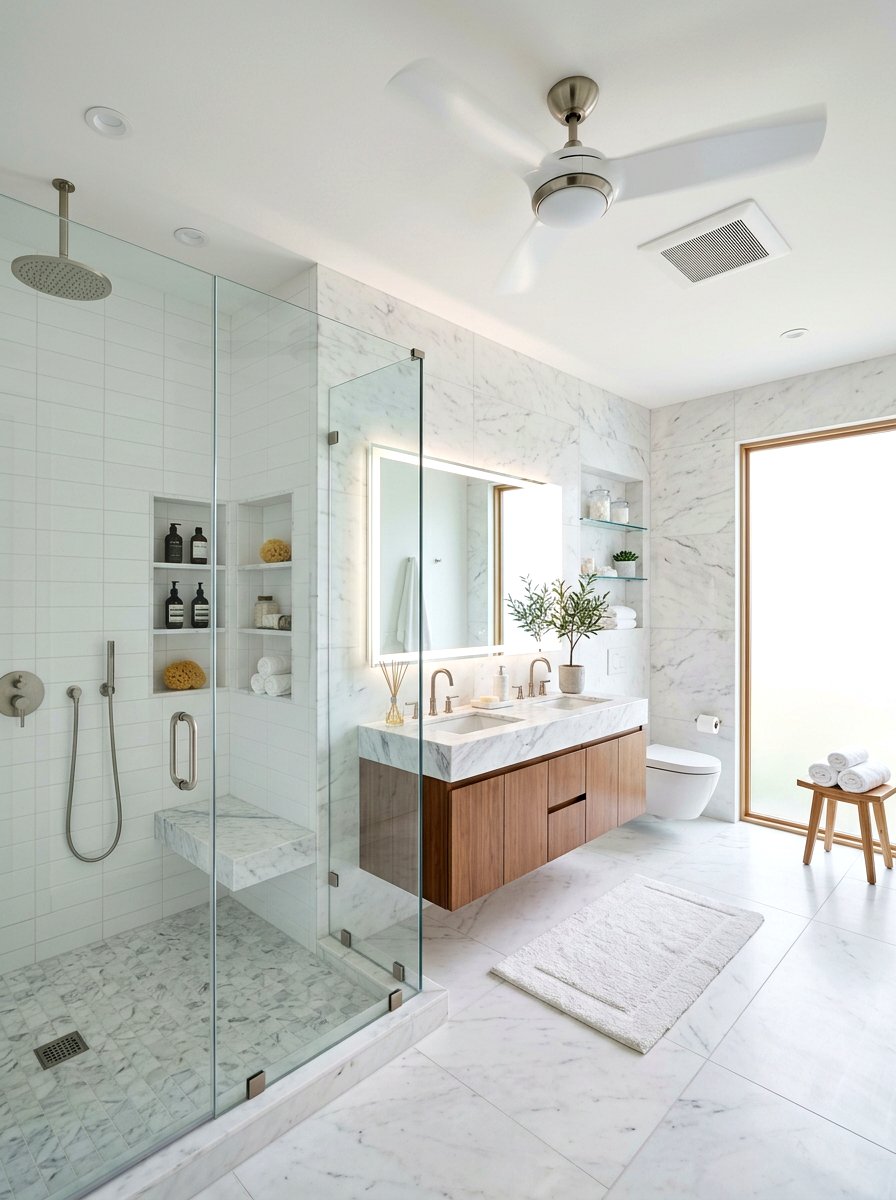
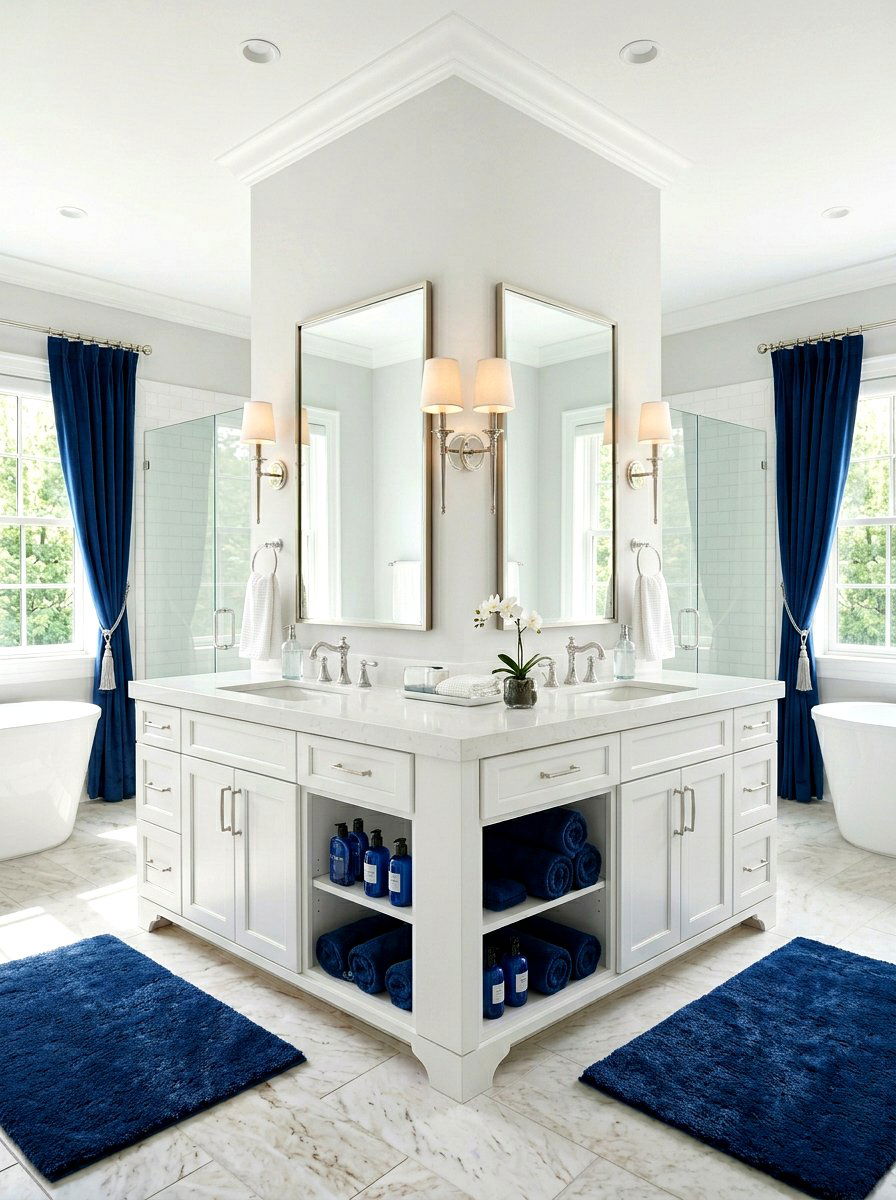
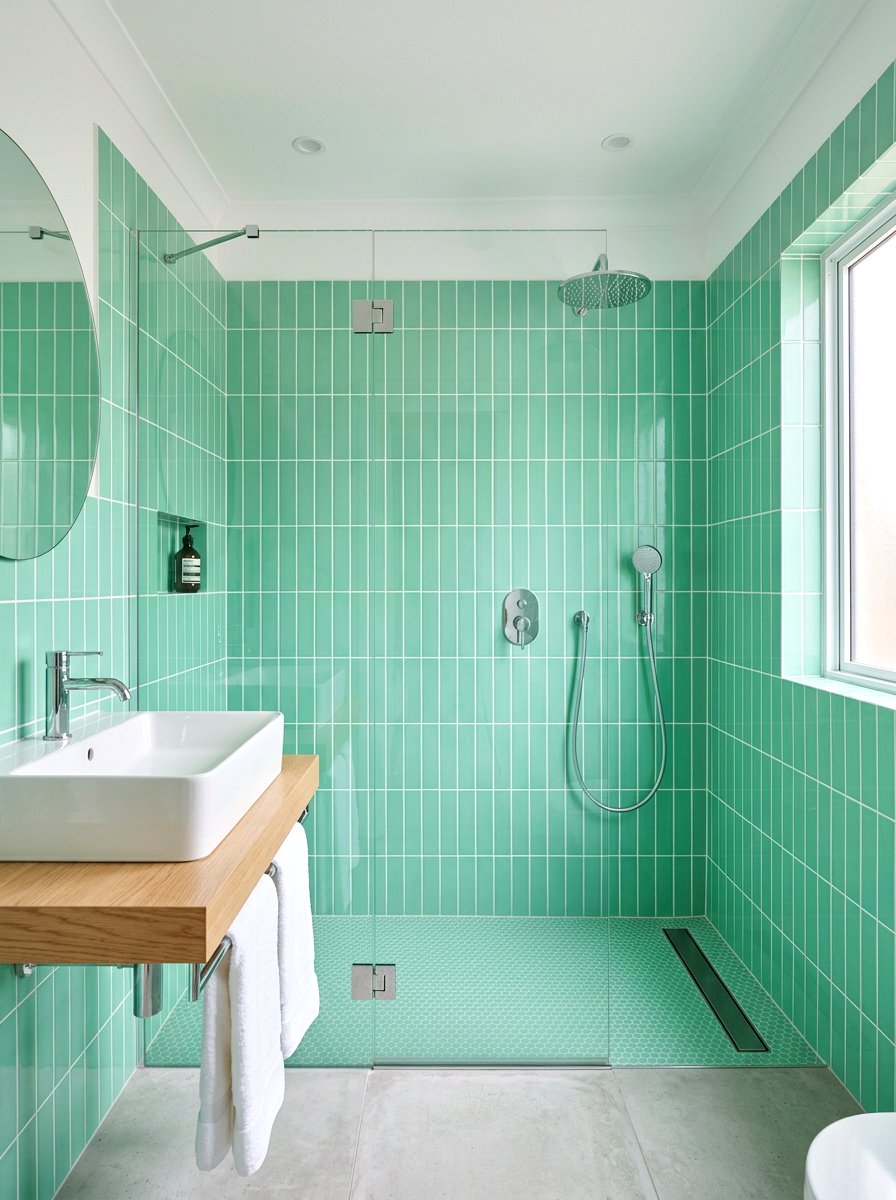
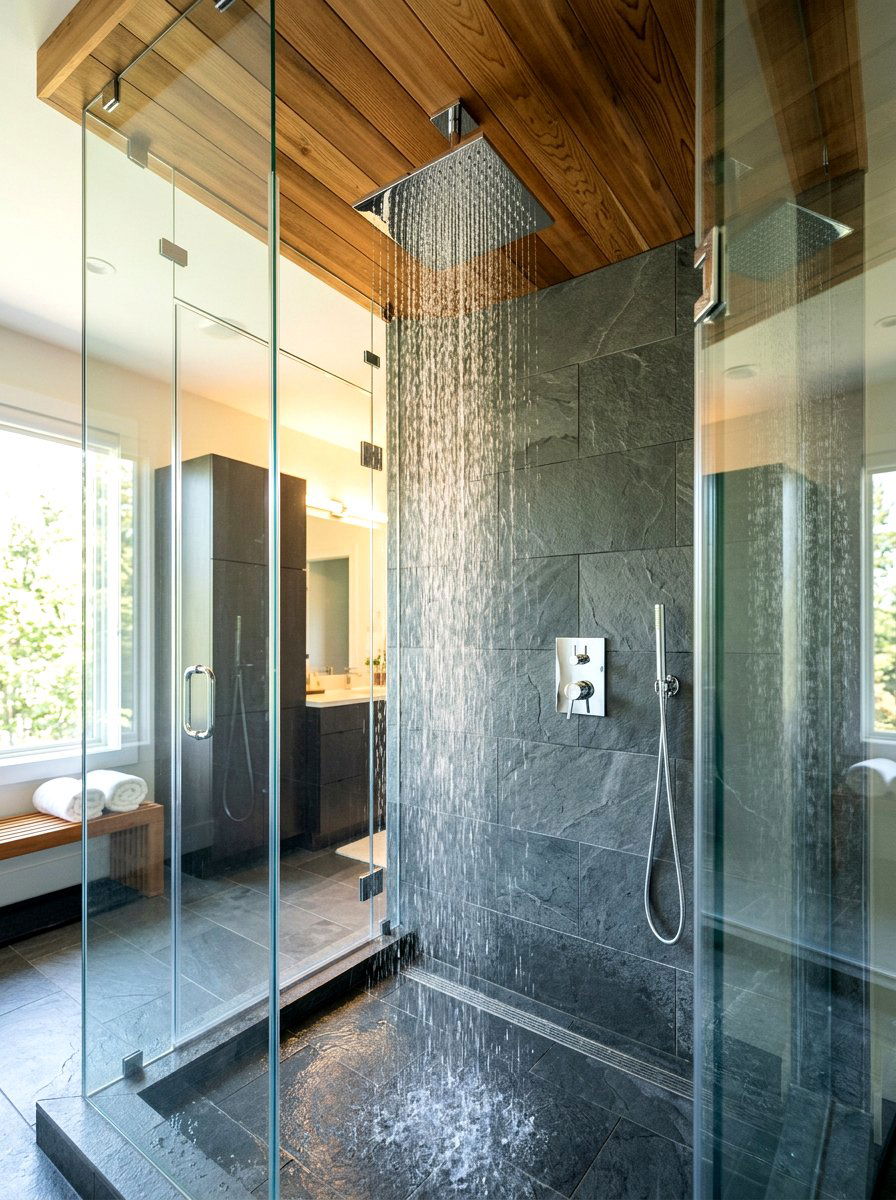
Excess moisture in the bathroom can quickly lead to mold and mildew growth, which negatively impacts the air you breathe. Installing a smart exhaust fan with humidity sensors is a brilliant way to keep this functional space dry and fresh. These modern fans automatically turn on when they detect rising moisture levels and stay running until the air is clear. By effectively removing steam after a hot shower, you protect your walls and prevent allergens from taking hold. This proactive approach to air quality ensures that your bathroom remains a clean, spa-like retreat without any hidden issues behind the tiles.
7. Entryway With Washable Area Rugs
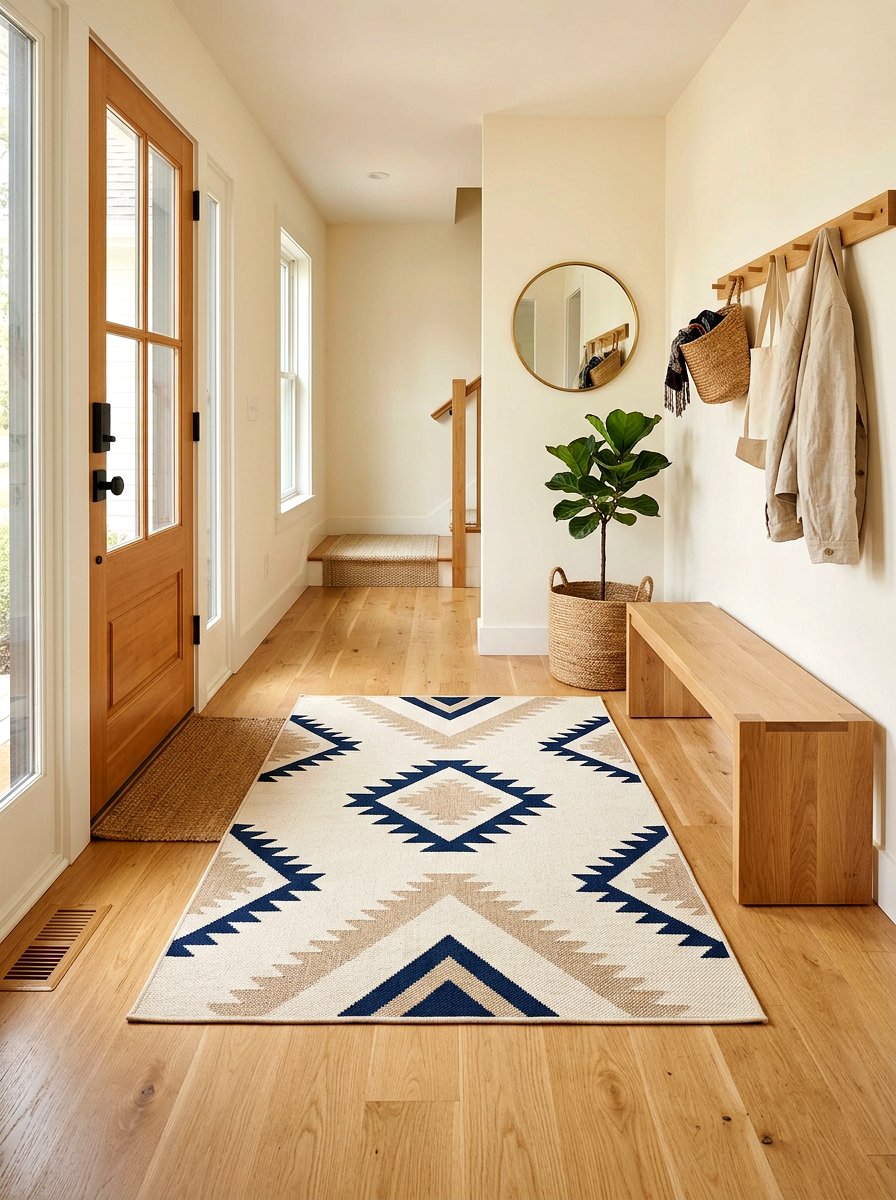
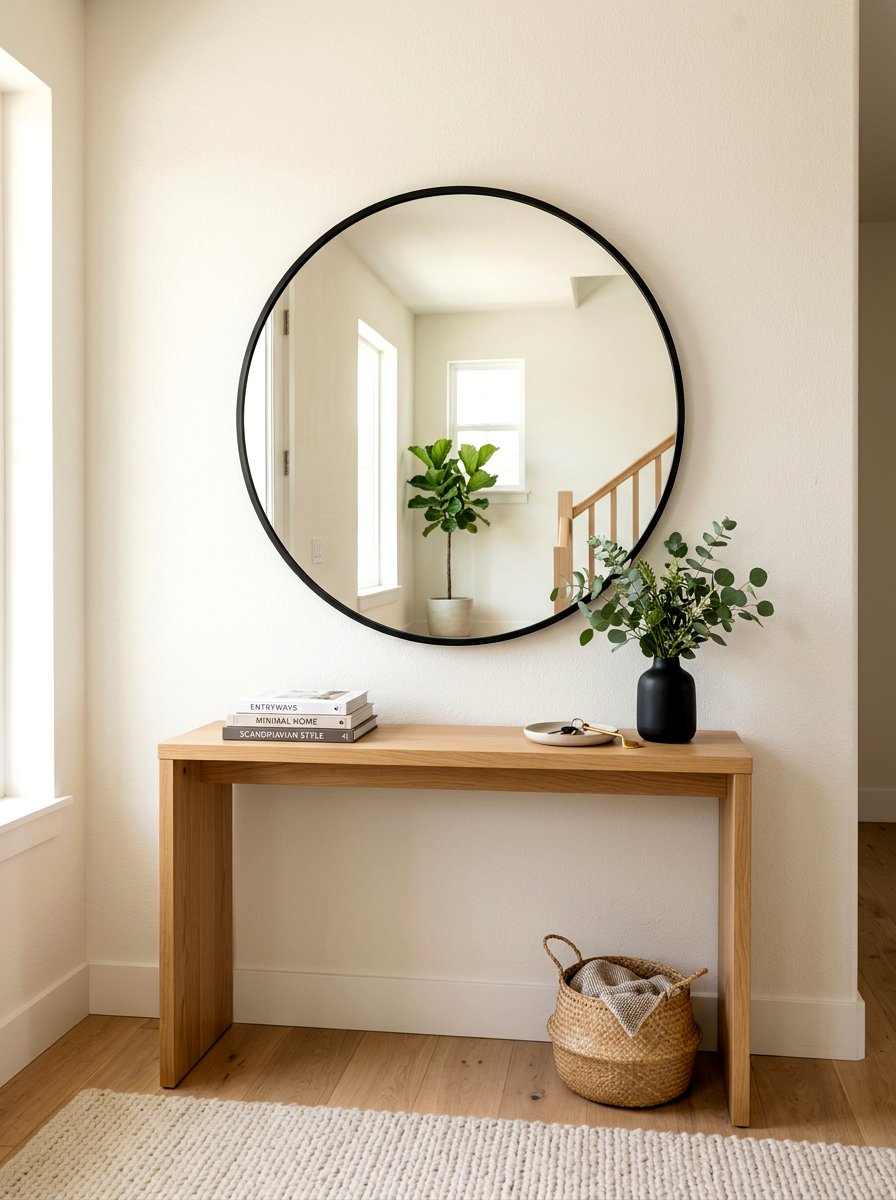
The entryway is the main gatekeeper for your home, and it often brings in dust and dirt from the outside. Using high-quality washable area rugs in your foyer allows you to easily trap and remove outdoor pollutants before they spread. Unlike traditional heavy carpets, these rugs can be tossed into the washing machine regularly to eliminate built-up allergens. Pairing these rugs with a "no-shoes" policy further enhances the cleanliness of your indoor air. This simple entryway setup creates a beautiful first impression while serving as a functional barrier that keeps the rest of your home feeling much fresher.
8. Sunroom With Floor To Ceiling Windows
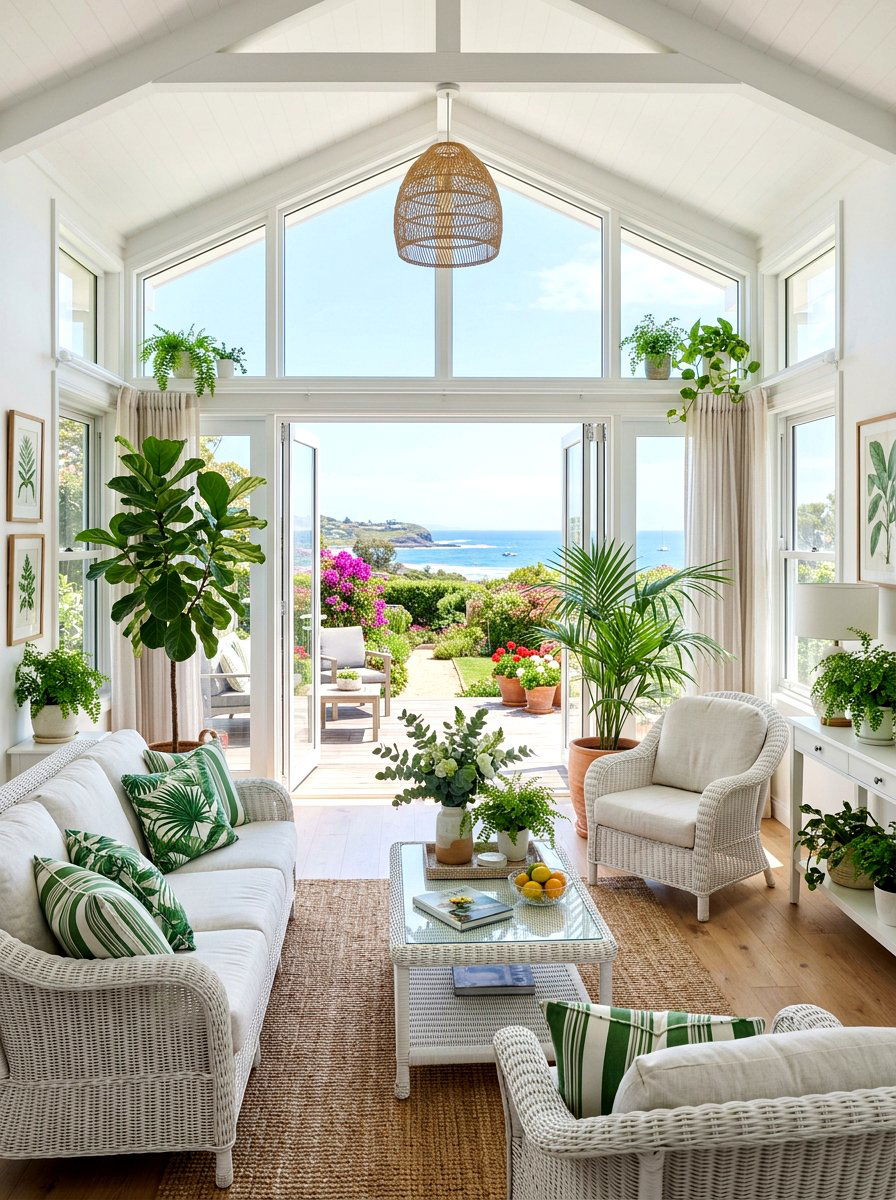
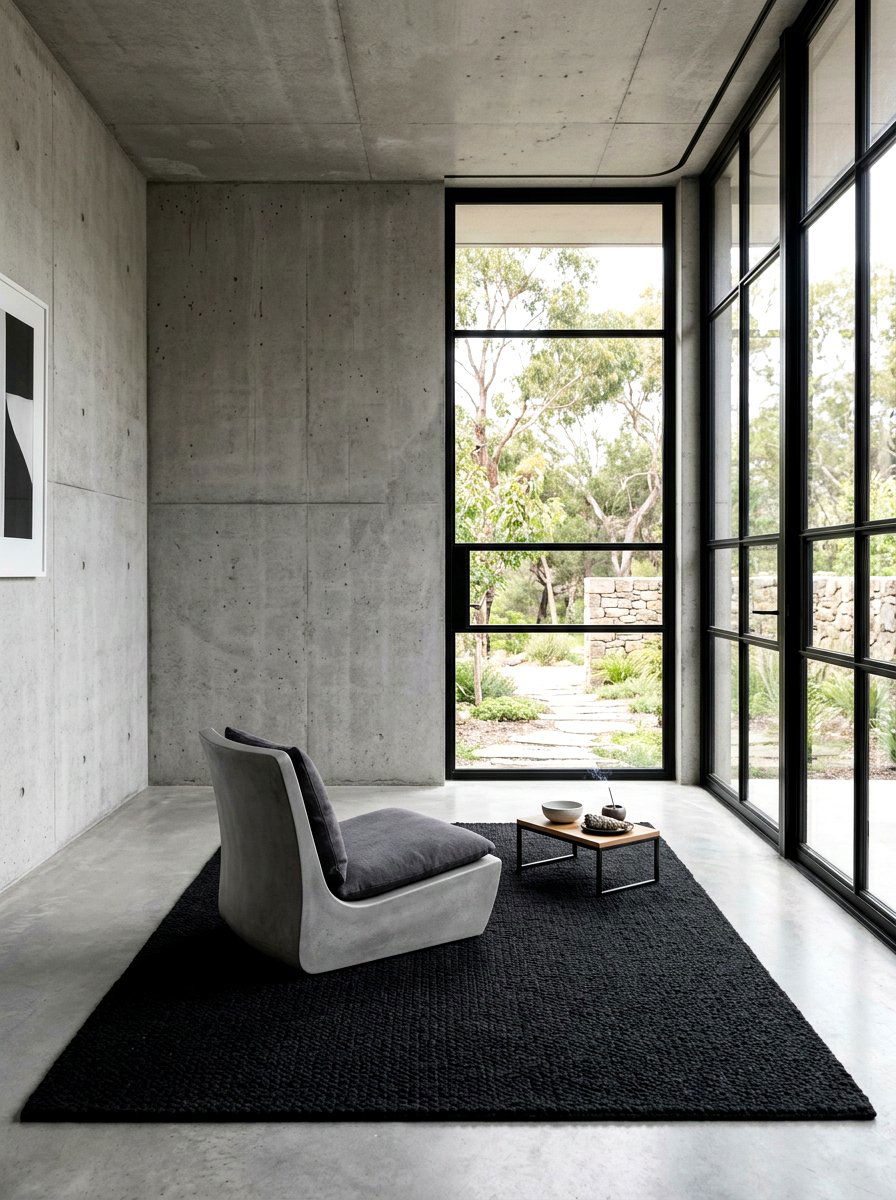
A sunroom designed with floor-to-ceiling windows offers more than just a great view; it provides an incredible opportunity for cross-ventilation. When you open windows on opposite sides of the room, you create a natural wind tunnel that flushes out stagnant air. This constant movement of fresh air makes the sunroom the perfect place to relax while enjoying the feeling of being outdoors. Large windows also flood the space with sunlight, which can naturally help reduce the survival of some airborne bacteria. It is a bright, airy design that prioritizes both visual beauty and a healthy, breathable living environment for everyone.
9. Dining Room With Solid Wood Furniture
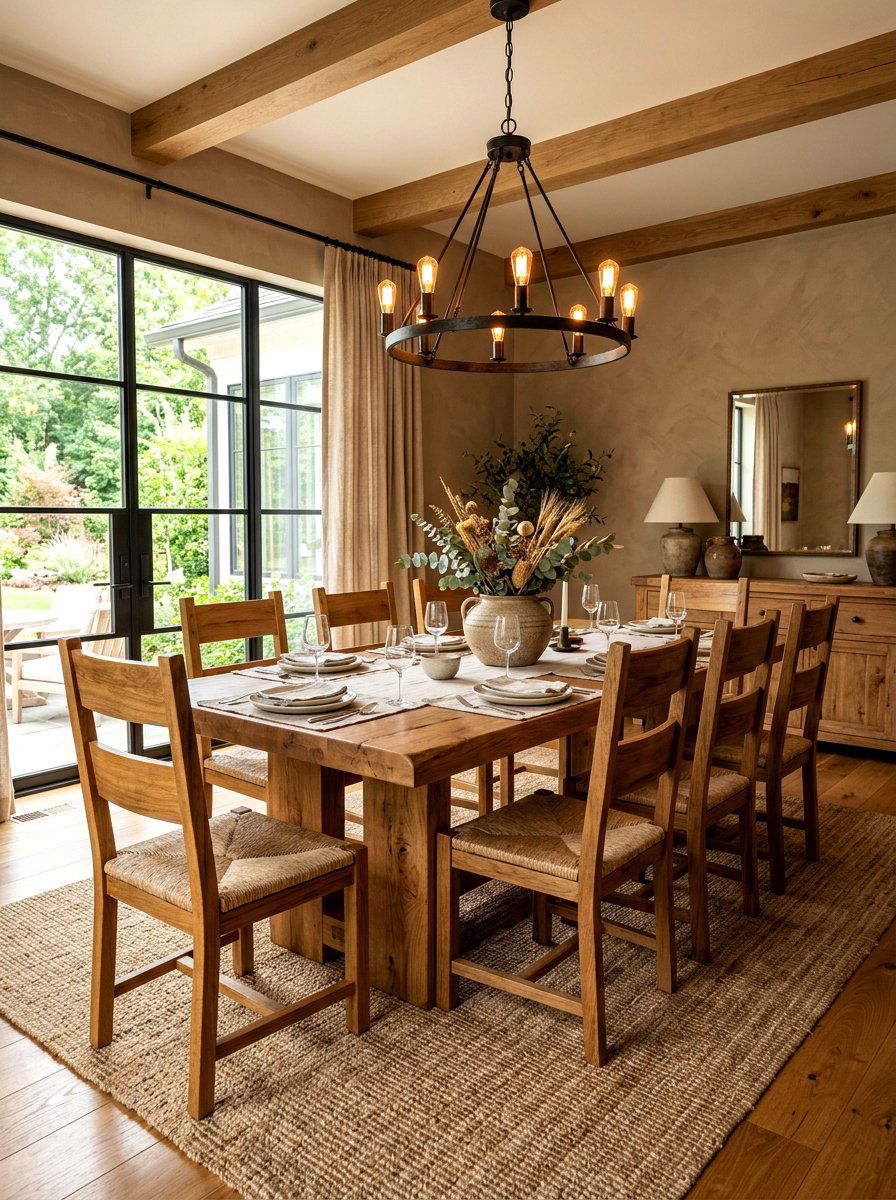
Many mass-produced furniture pieces are made with composite materials and glues that can release formaldehyde into your dining area. Choosing solid wood furniture for your dining room is a great way to avoid these hidden toxins and improve air quality. Natural wood is a durable, low-emission material that adds a warm and timeless aesthetic to your home. When paired with a minimalist design, it creates a space that is easy to keep clean and free of dust. Eating in an environment with natural materials makes every meal feel more wholesome and connected to the beauty of the natural world.
10. Yoga Space With Salt Lamp
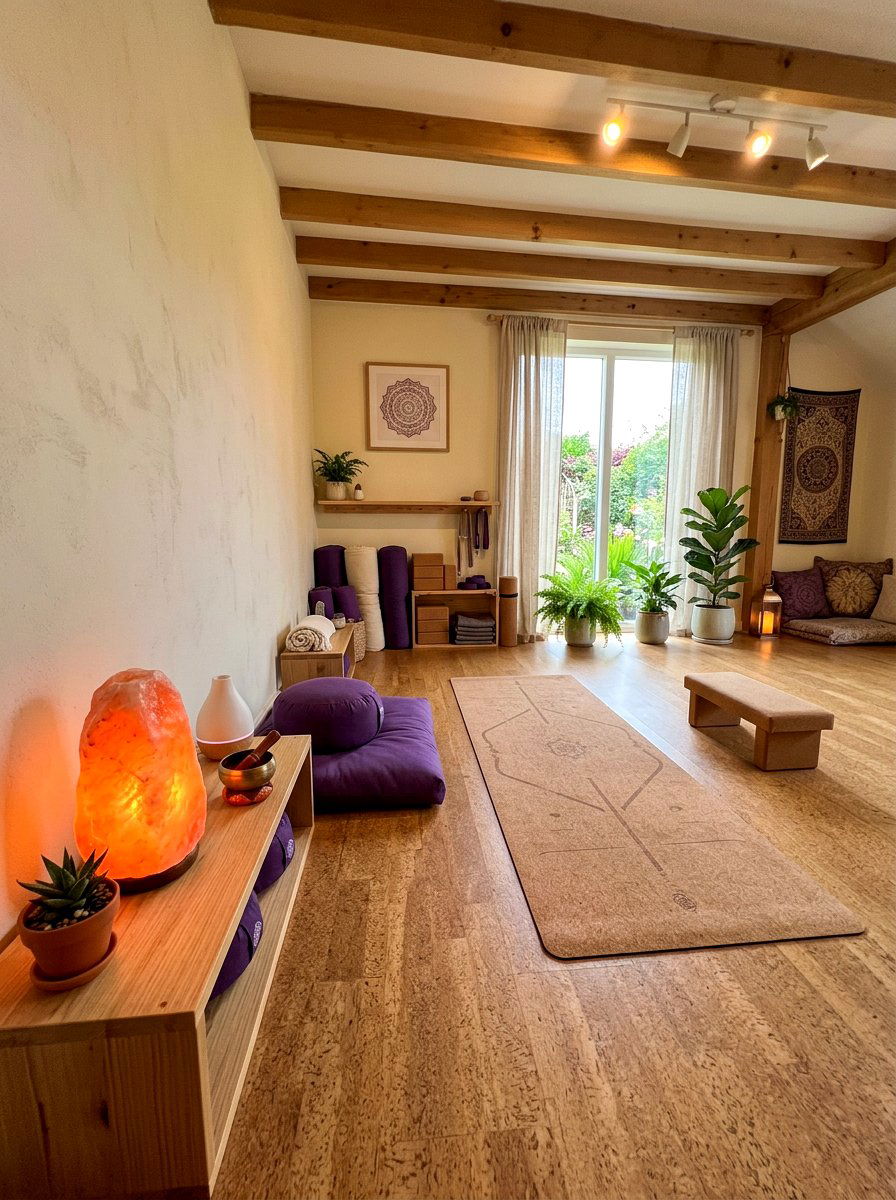
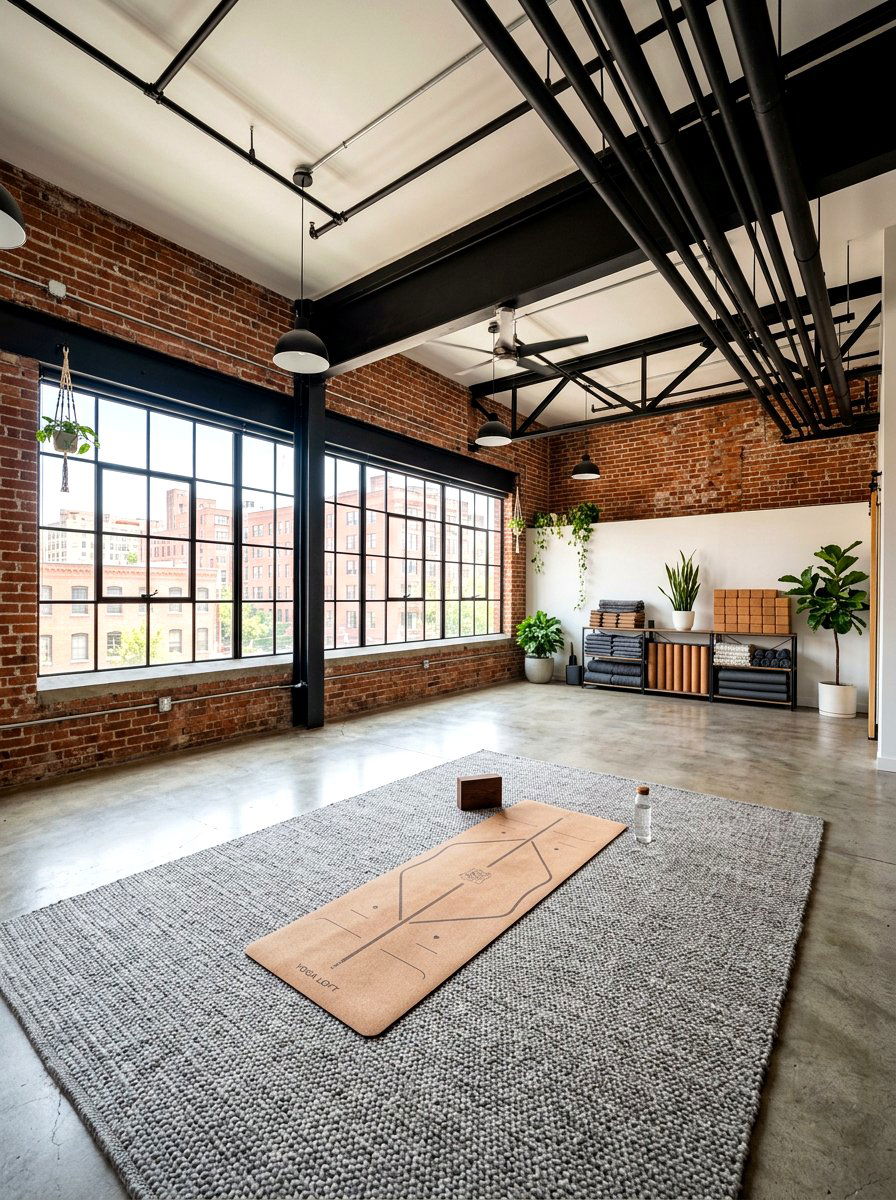
Creating a dedicated yoga or meditation space is all about finding balance and peace in your daily home routine. Many people enjoy adding a Himalayan salt lamp to these areas to help create a calming and grounded atmosphere. While the soft orange glow is visually soothing, these lamps are also believed to help clear the air by attracting moisture. Surrounding your yoga mat with a few of these lamps and some light, breathable fabrics makes the room feel incredibly fresh. This intentional design encourages deep breathing and mindfulness, ensuring that your wellness practice takes place in a clean and very supportive environment.
11. Laundry Room With Moisture Control
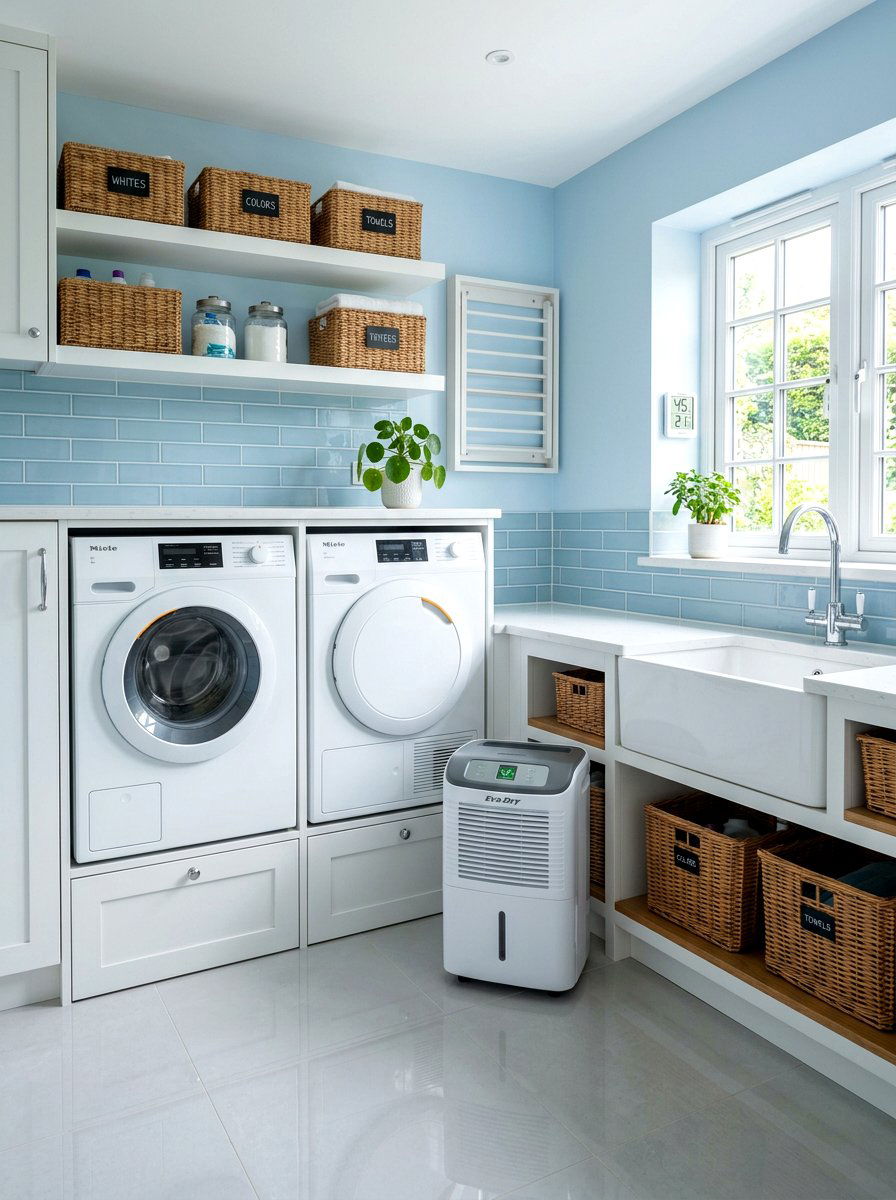
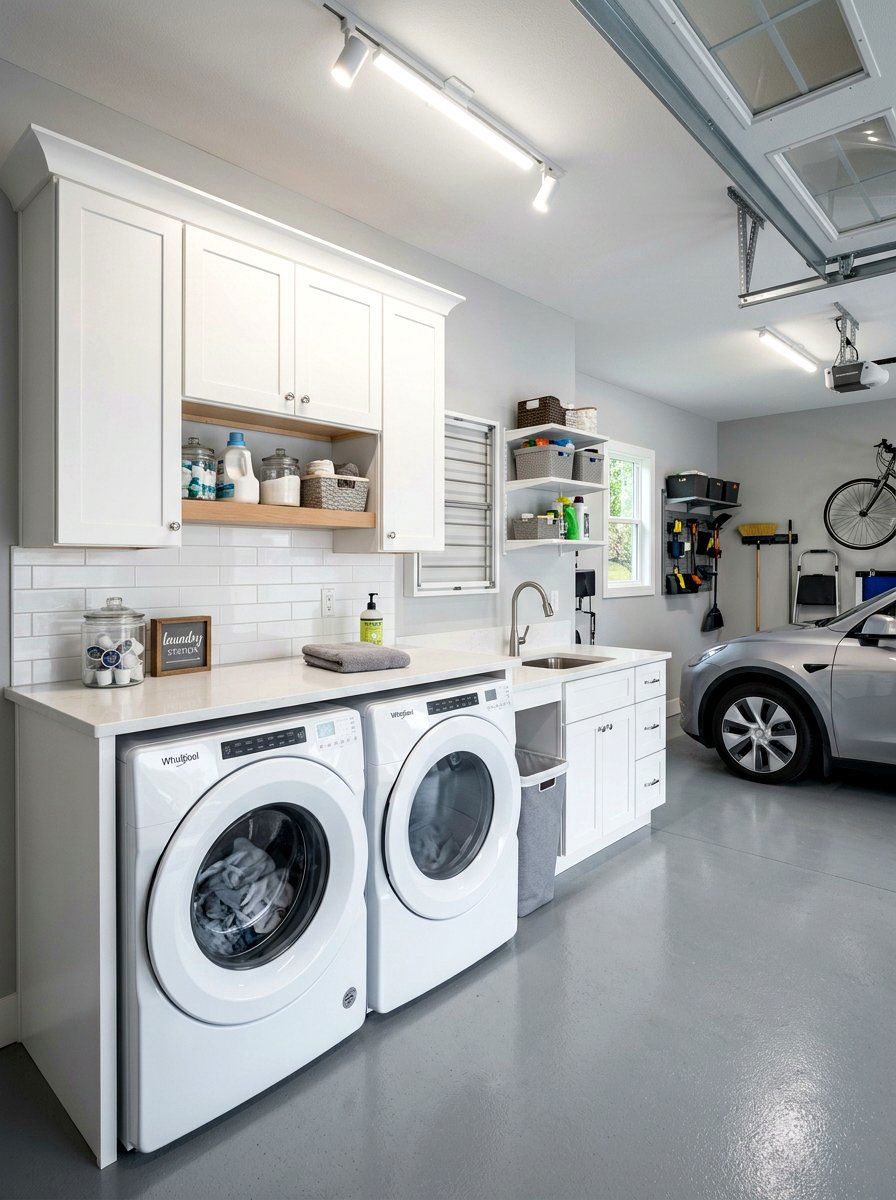
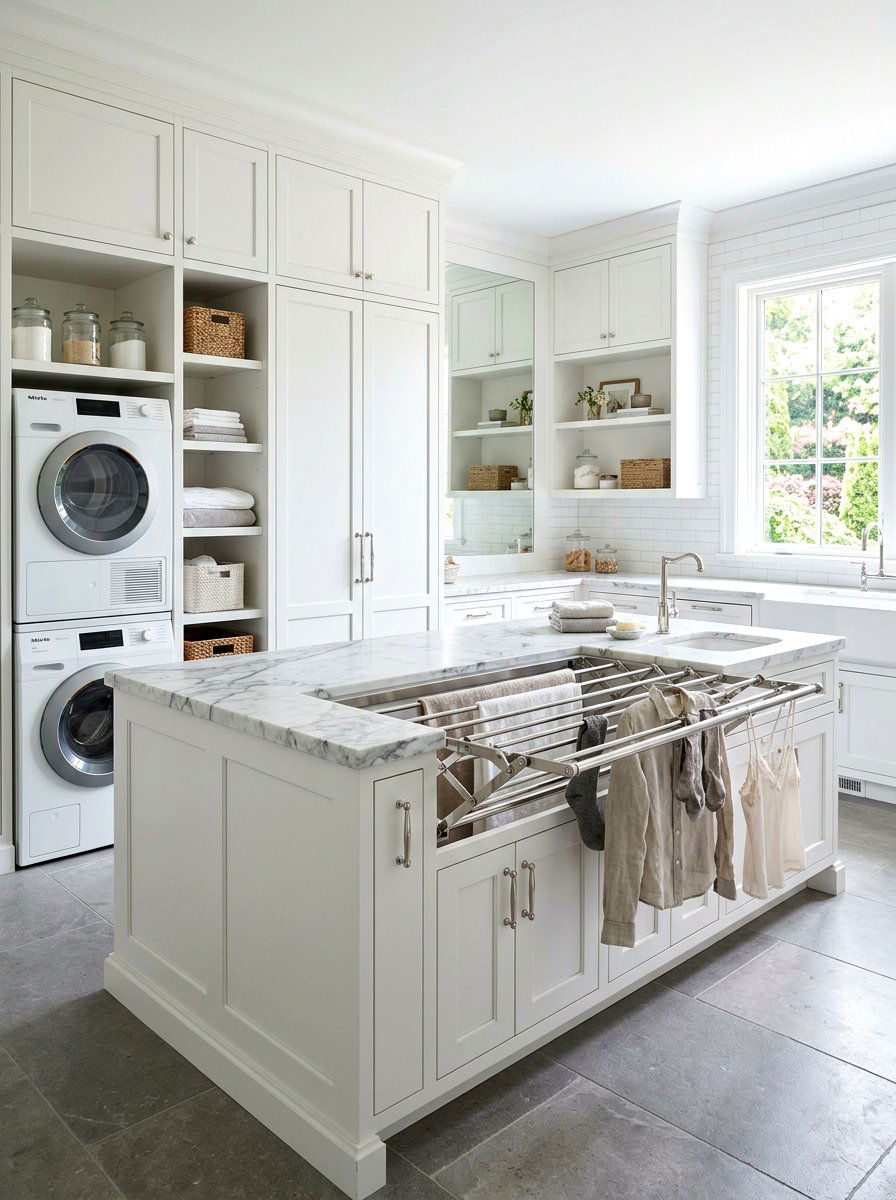
The laundry room is a high-traffic area that can often become a source of humidity and lint-related dust particles. Installing a dedicated moisture control system or a powerful dehumidifier ensures that the air stays dry even during back-to-back wash cycles. Proper venting for your dryer is also essential to prevent hot, moist air from escaping back into your home. By keeping the laundry room well-ventilated and dry, you prevent the musty smells that often plague utility spaces. This focus on air quality keeps your clothes smelling fresh and ensures the surrounding rooms remain free from excess indoor humidity levels.
12. Reading Nook With Cork Flooring
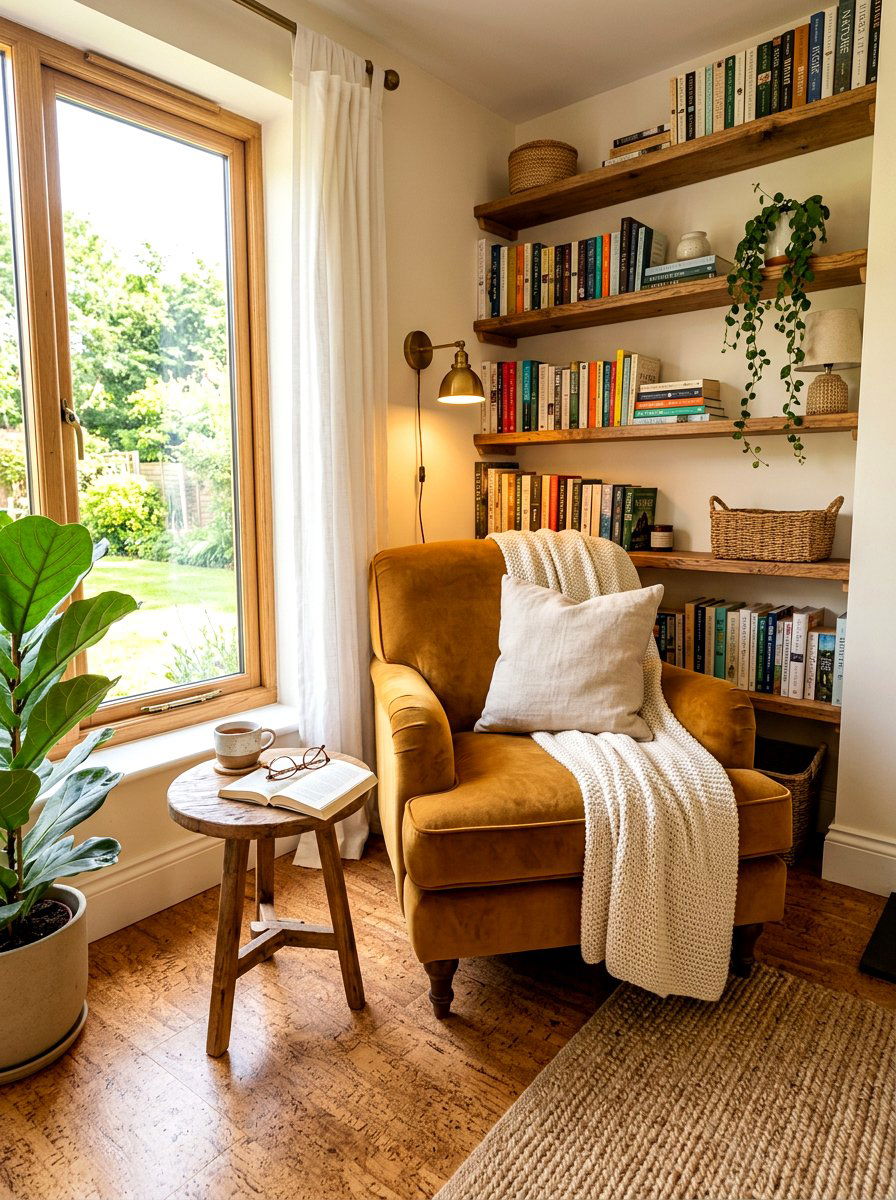
Cork is a fascinating natural material that is often overlooked when people are designing a cozy reading nook or small library. It is naturally resistant to mold, mildew, and pests, making it one of the cleanest flooring options for your indoor air. Cork is also incredibly soft and warm underfoot, which adds to the comfort of a dedicated space for relaxing with a book. Because it does not trap dust like traditional carpet, your reading nook will stay much fresher with minimal maintenance. This sustainable choice provides a quiet, healthy corner where you can breathe deeply and lose yourself in a story.
13. Guest Bedroom With Organic Bedding
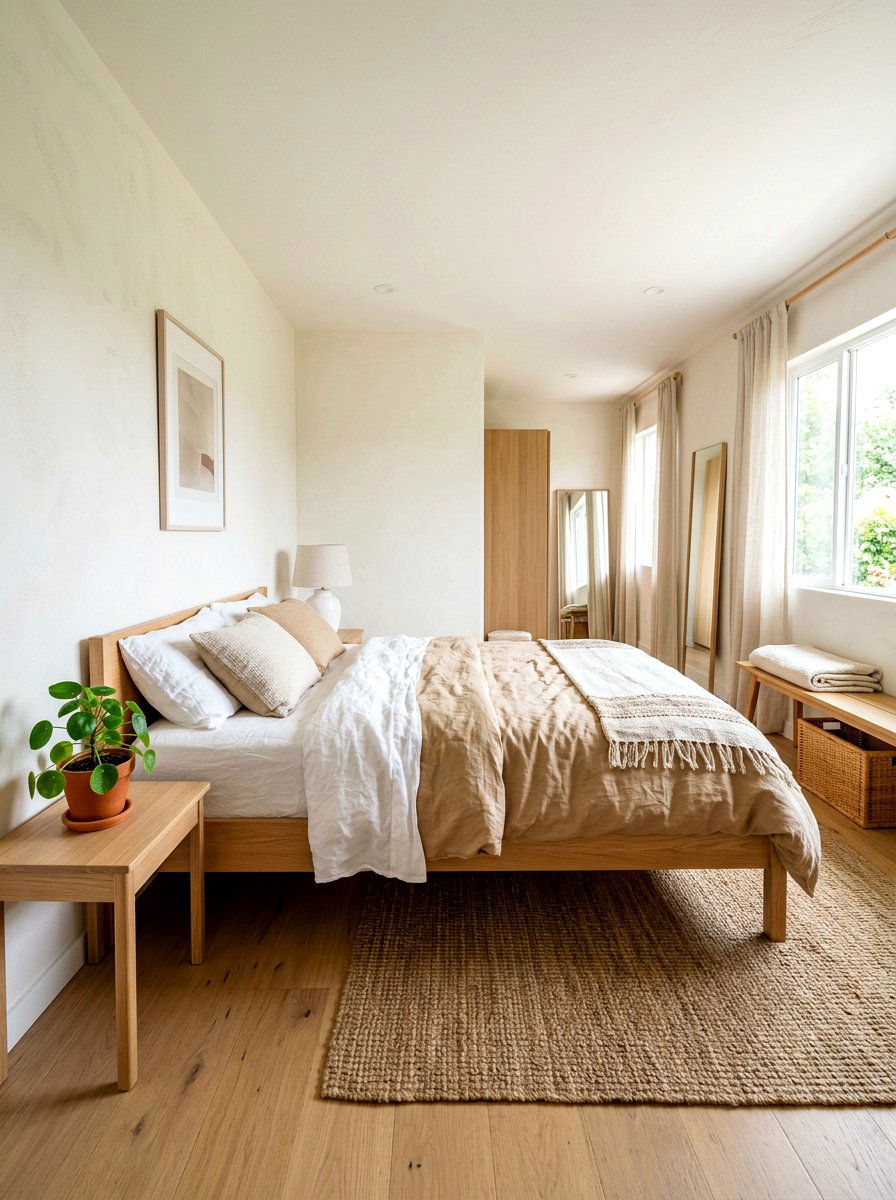
When you have friends or family staying over, providing a guest bedroom with organic bedding is a thoughtful and healthy touch. Traditional textiles are often treated with chemicals that can irritate sensitive lungs or cause minor allergic reactions during the night. Switching to organic cotton or linen sheets and pillows ensures a chemical-free sleep environment for your visitors. When combined with a minimalist room design and a small air-purifying plant, the guest room becomes a true retreat. Your guests will appreciate the freshness of the space, waking up feeling rested and rejuvenated thanks to the high quality of the air.
14. Basement With Portable Dehumidifier
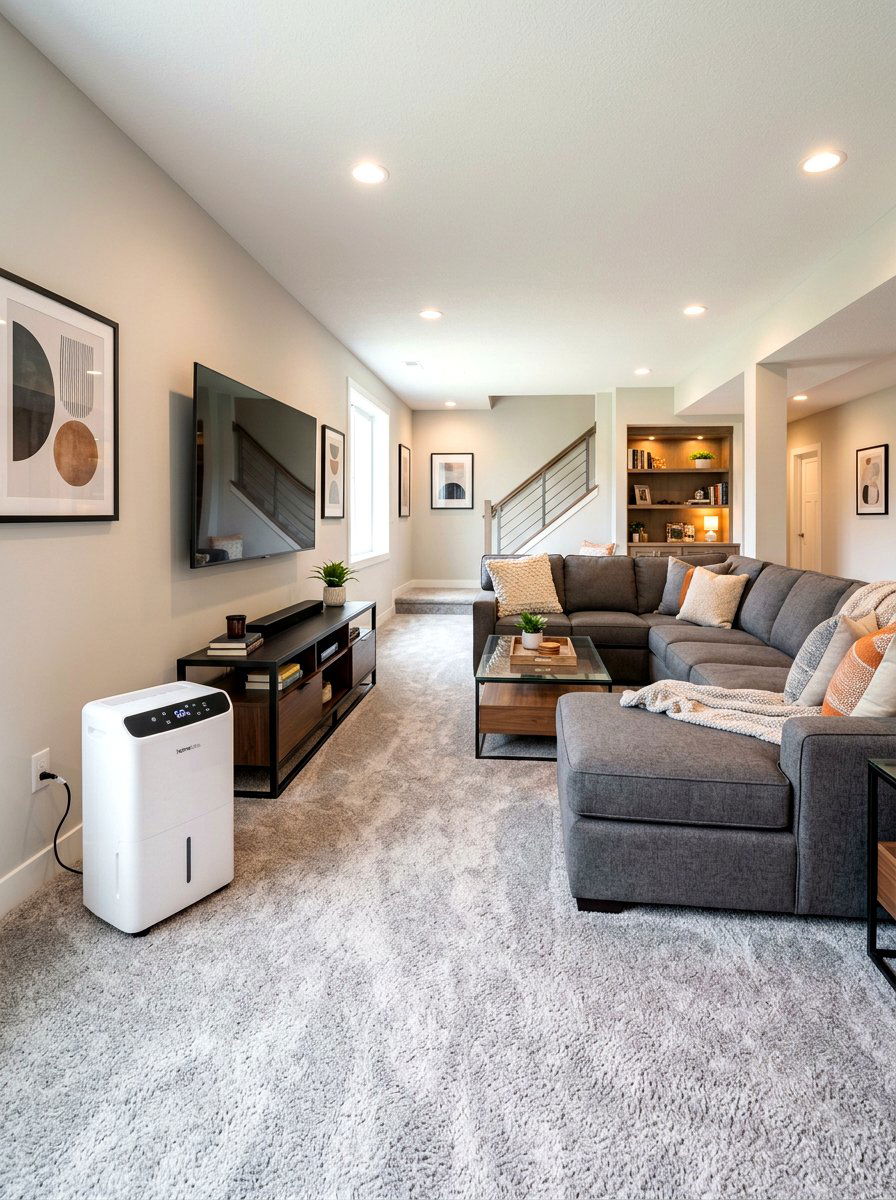
Basements are notorious for feeling damp and smelling musty because they are often located below ground level with limited airflow. Placing a high-capacity portable dehumidifier in your basement is the most effective way to transform the air quality in this space. By maintaining a consistent humidity level, you stop mold spores from ever having the chance to grow on your walls or storage. This simple mechanical addition makes the basement a much more usable and healthy part of your home. Whether you use it for storage or a media room, the air will feel crisp and clean rather than heavy or stale.

15. Attic With Spray Foam Insulation
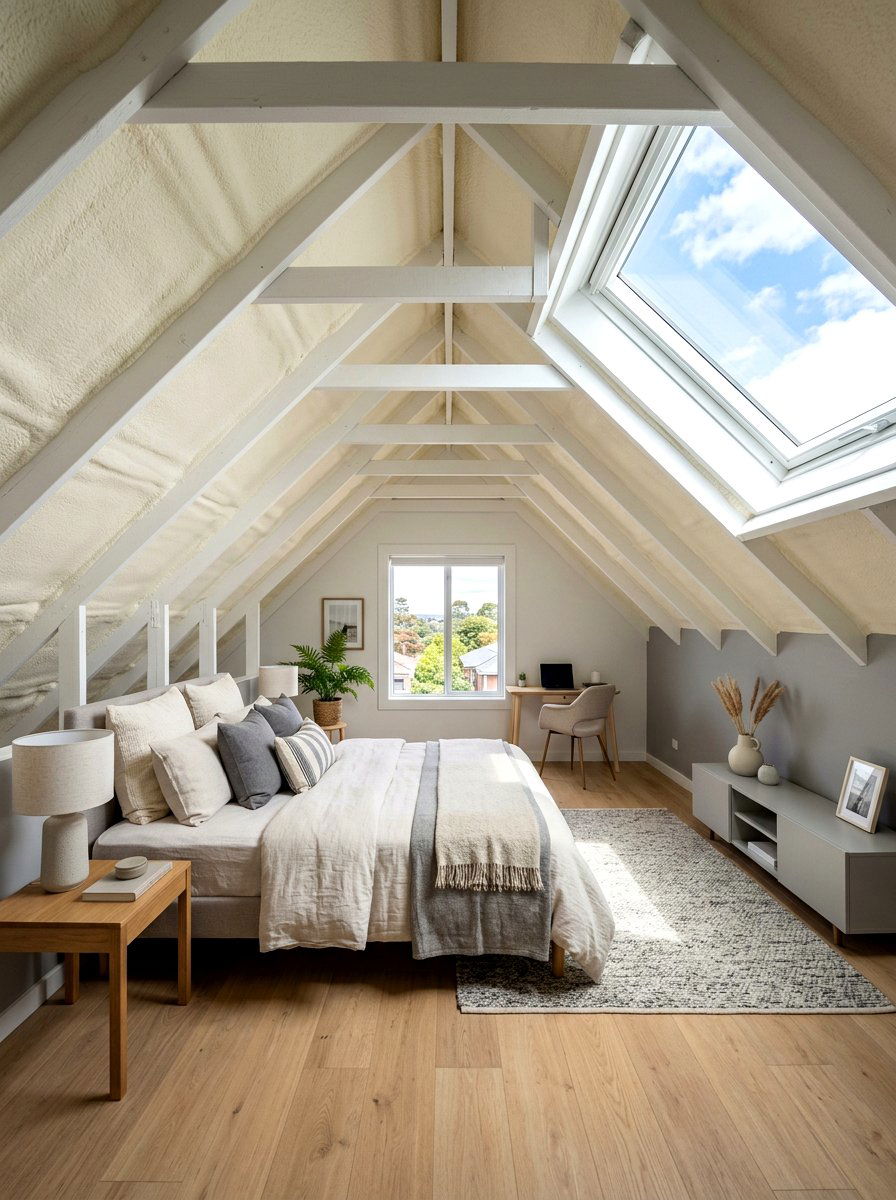
The insulation in your attic plays a massive role in the overall air quality of your entire house. Choosing spray foam insulation provides a superior airtight seal that prevents outdoor pollutants and allergens from seeping in through the roof. Unlike older types of insulation that can crumble and release dust into the air, spray foam stays intact and provides a clean barrier. This design choice also helps regulate your home's temperature more efficiently, reducing the workload on your HVAC system. A well-insulated attic ensures that the air circulating through your living spaces remains consistent, pure, and free from any external contaminants.
16. Mudroom With Enclosed Shoe Storage
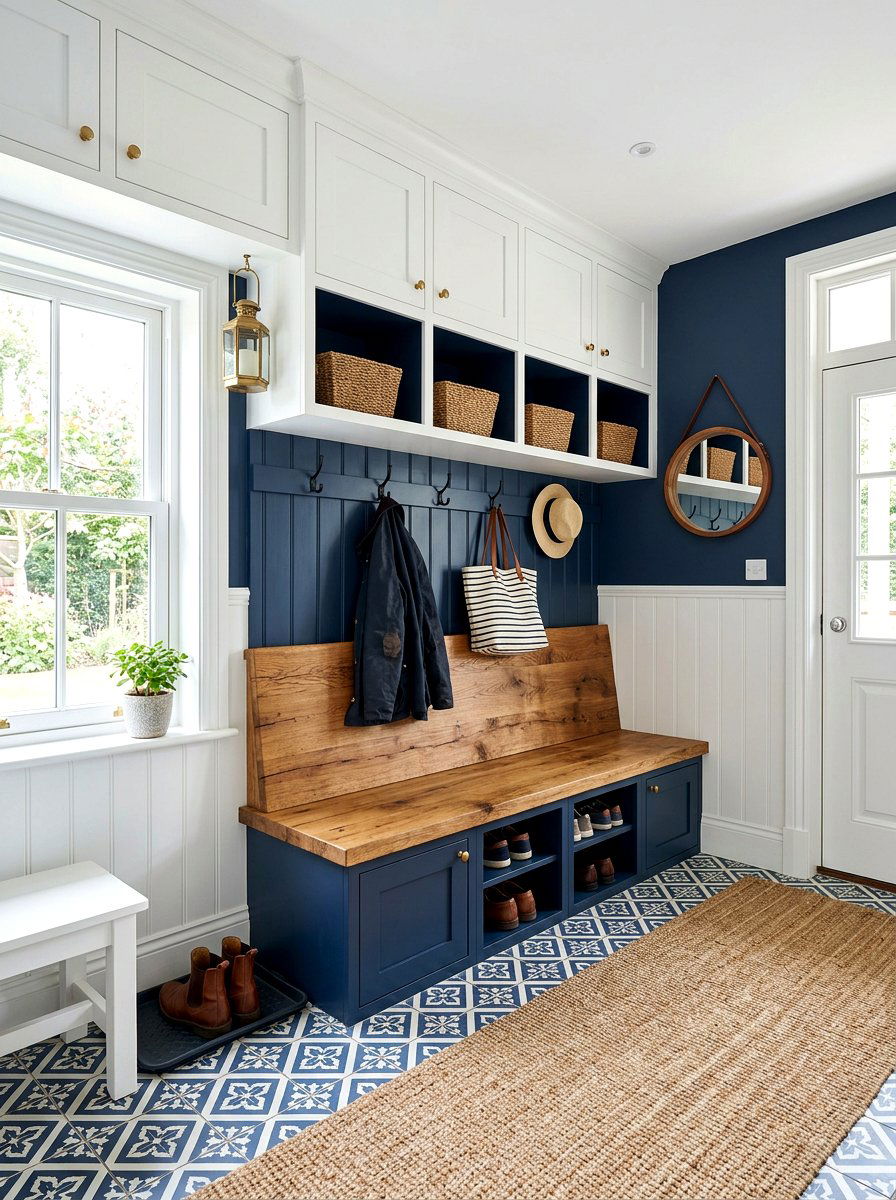
A mudroom is the perfect place to stop outdoor allergens from ever entering the main living areas of your home. By designing a mudroom with enclosed shoe storage cubbies, you keep dust, pollen, and dirt contained in one easy-to-clean spot. This prevents these particles from being tracked across your floors and eventually becoming airborne throughout the house. Adding a small bench and a durable tile floor makes the space functional and very simple to mop down regularly. This transition zone acts as a protective buffer for your indoor air quality, ensuring that the rest of your home remains a clean sanctuary.
17. Pantry With Glass Storage Jars
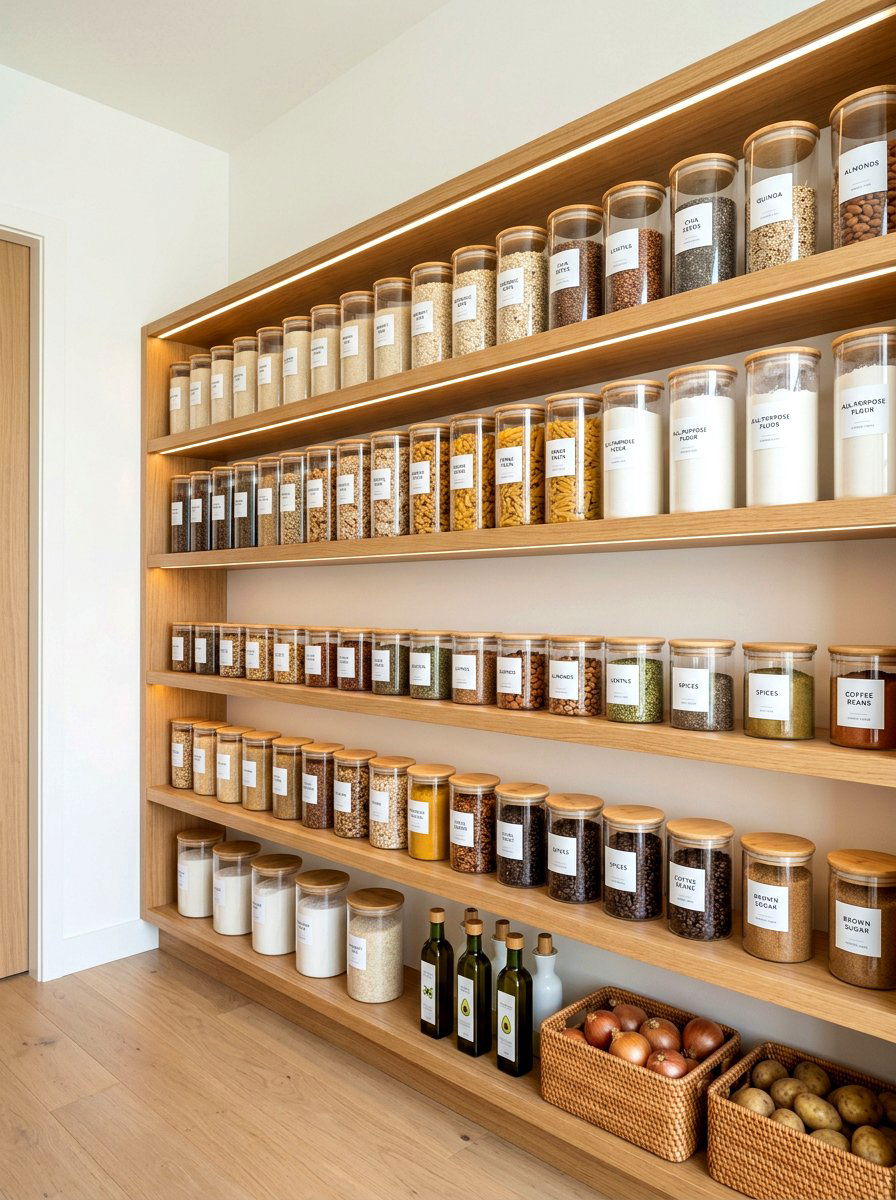
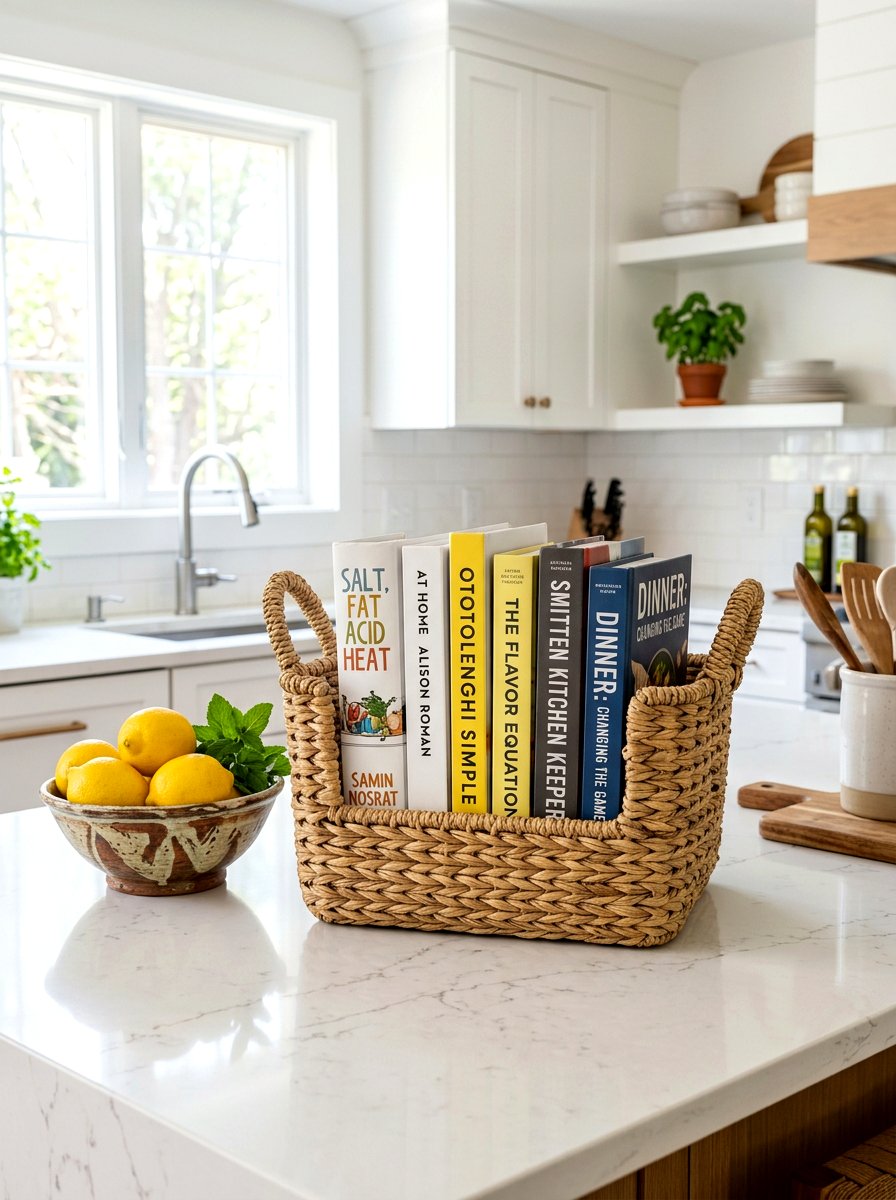
Keeping your food storage area clean is essential for maintaining a fresh-smelling kitchen and preventing any potential indoor air issues. Replacing plastic containers with glass storage jars in your pantry is a great way to reduce chemical exposure from plastic off-gassing. Glass is a non-porous material that is easy to wash and keeps your dry goods perfectly sealed and very fresh. This organized look also makes it easier to spot spills before they attract pests or lead to any unwanted odors. A clean, glass-filled pantry contributes to a healthier kitchen environment while looking beautiful and highly organized on your shelves.
18. Kids Playroom With Non Toxic Finishes
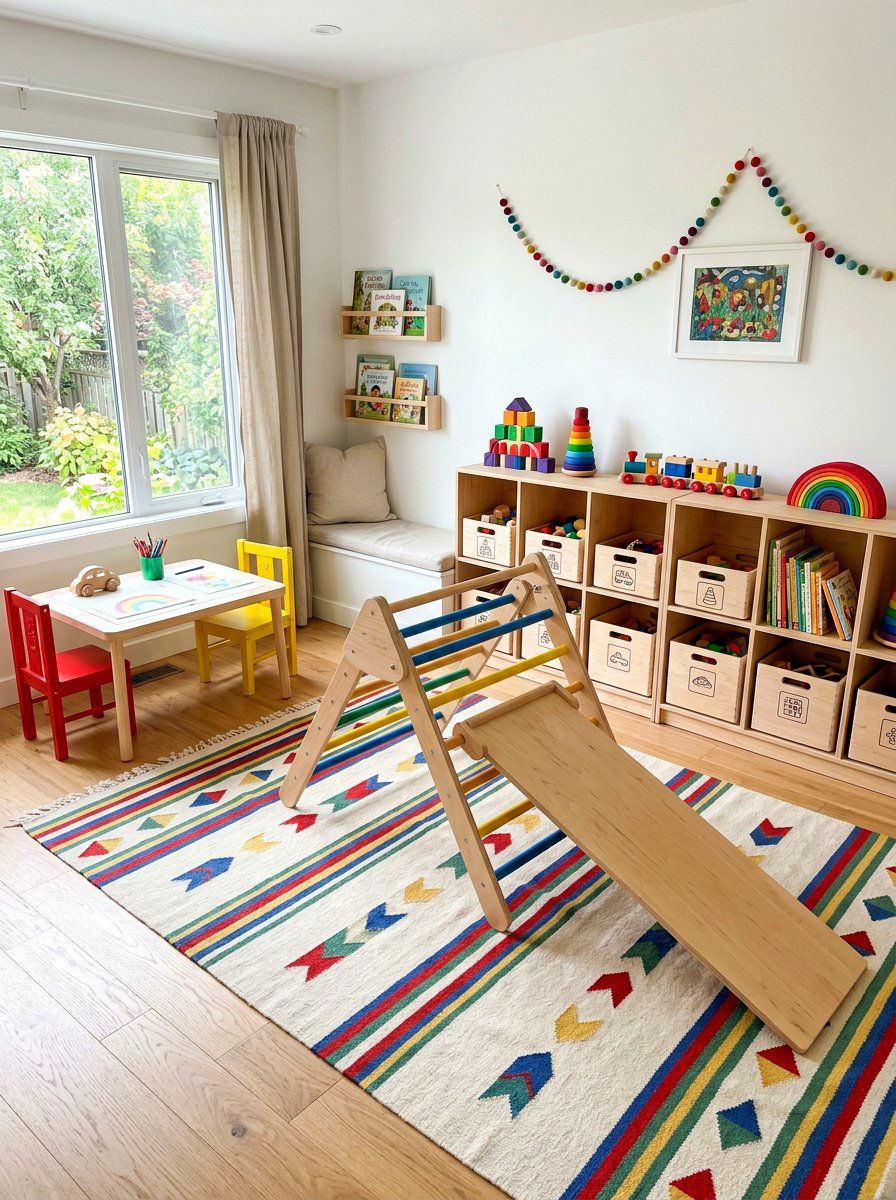
Children spend a lot of time on the floor, making the air and surfaces in their playroom incredibly important. Designing a playroom with non-toxic finishes, such as natural wood toys and water-based floor sealants, protects their health as they play. Avoid heavy plastic mats that might release strong chemical smells, and opt for natural rubber or cotton play rugs instead. These choices ensure that the air remains free from harmful fumes and that the room feels light and inviting. A healthy playroom allows kids to be creative and active in a space that supports their development and their respiratory well-being.
19. Master Suite With Wool Carpeting
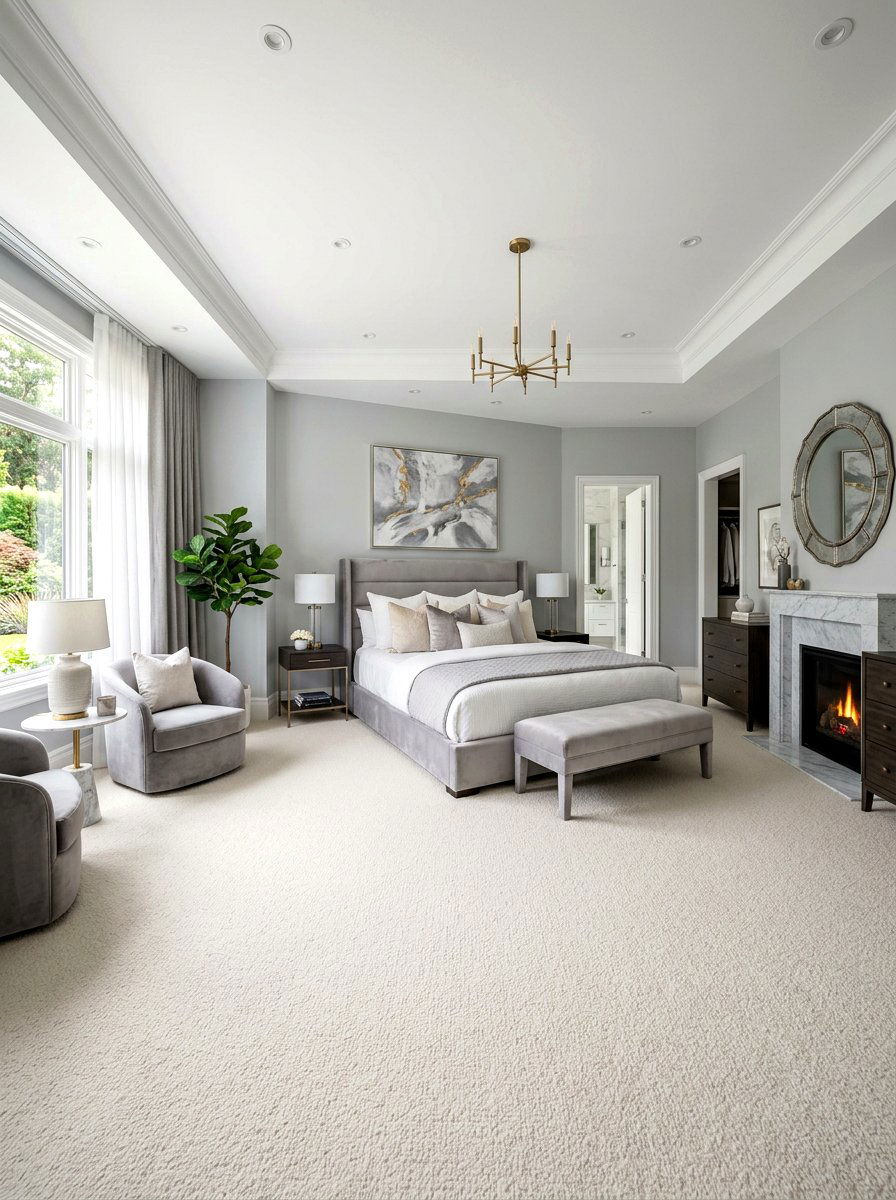
If you prefer the feel of soft flooring in your bedroom, wool carpeting is the absolute best choice for air quality. Natural wool fibers actually act as a passive air filter by trapping common indoor pollutants and preventing them from circulating. Unlike synthetic carpets, wool is a renewable resource that does not release harmful chemicals into your master suite over time. It is also naturally resistant to fire and moisture, making it a safe and durable luxury for your home. Walking on soft wool every morning feels wonderful while knowing the material is actively working to keep your bedroom air clean and fresh.
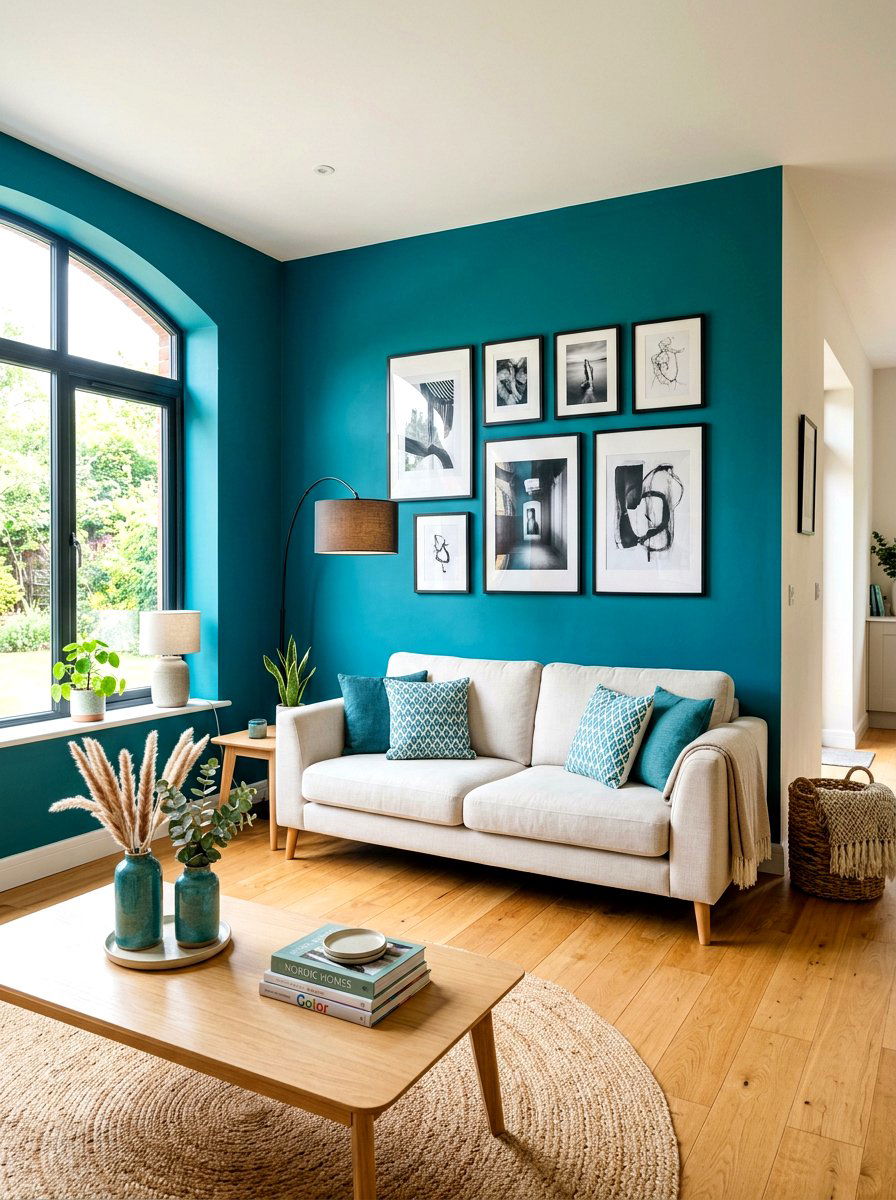
20. Breakfast Nook With Window Herb Garden
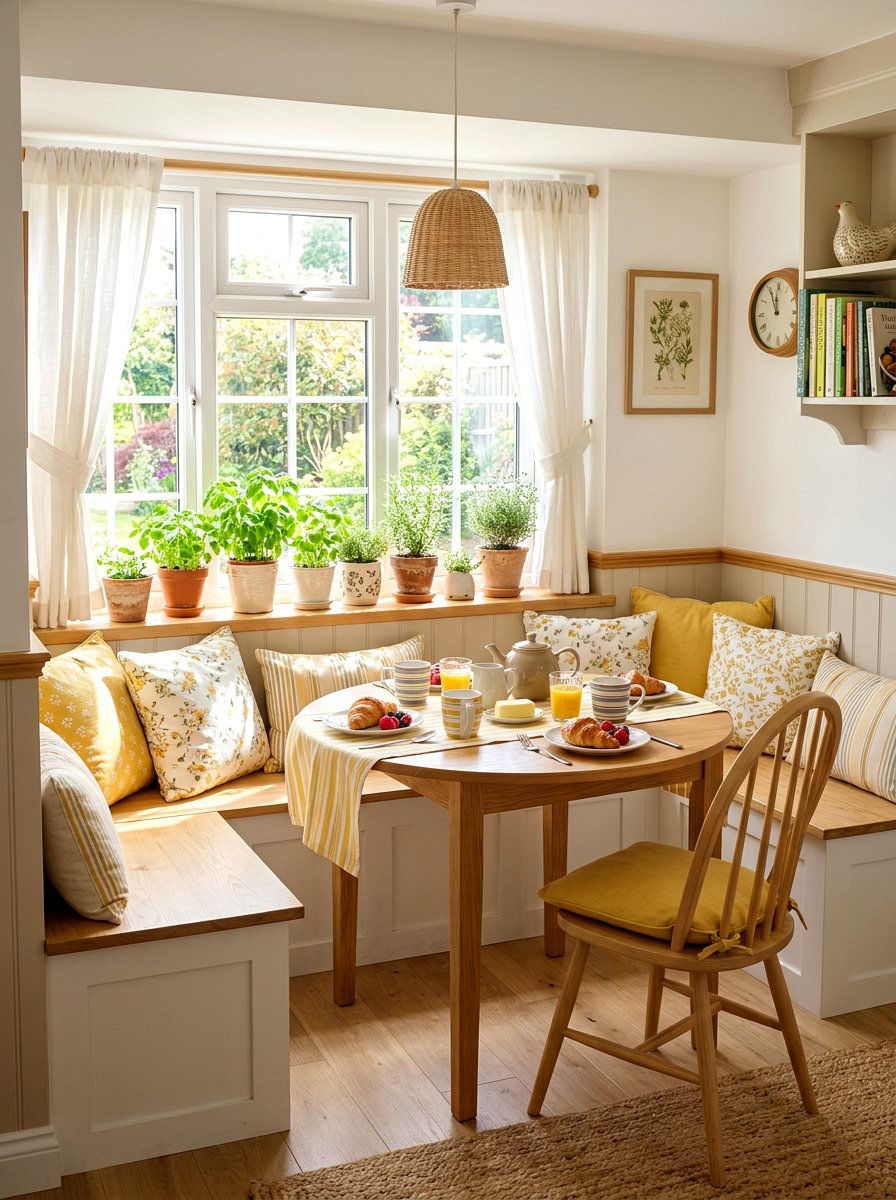
Starting your morning in a bright breakfast nook filled with fresh herbs is a wonderful way to boost your mood. Growing edible plants like mint, basil, or rosemary on your windowsill provides a natural fragrance that smells better than any synthetic spray. These plants also contribute small amounts of fresh oxygen to the room while you enjoy your morning coffee or tea. This functional design brings a touch of the outdoors into your dining area, making the space feel vibrant and alive. A window herb garden is a simple, low-cost way to enhance the air quality and the aesthetic of your kitchen.
21. Creative Studio With Air Filter
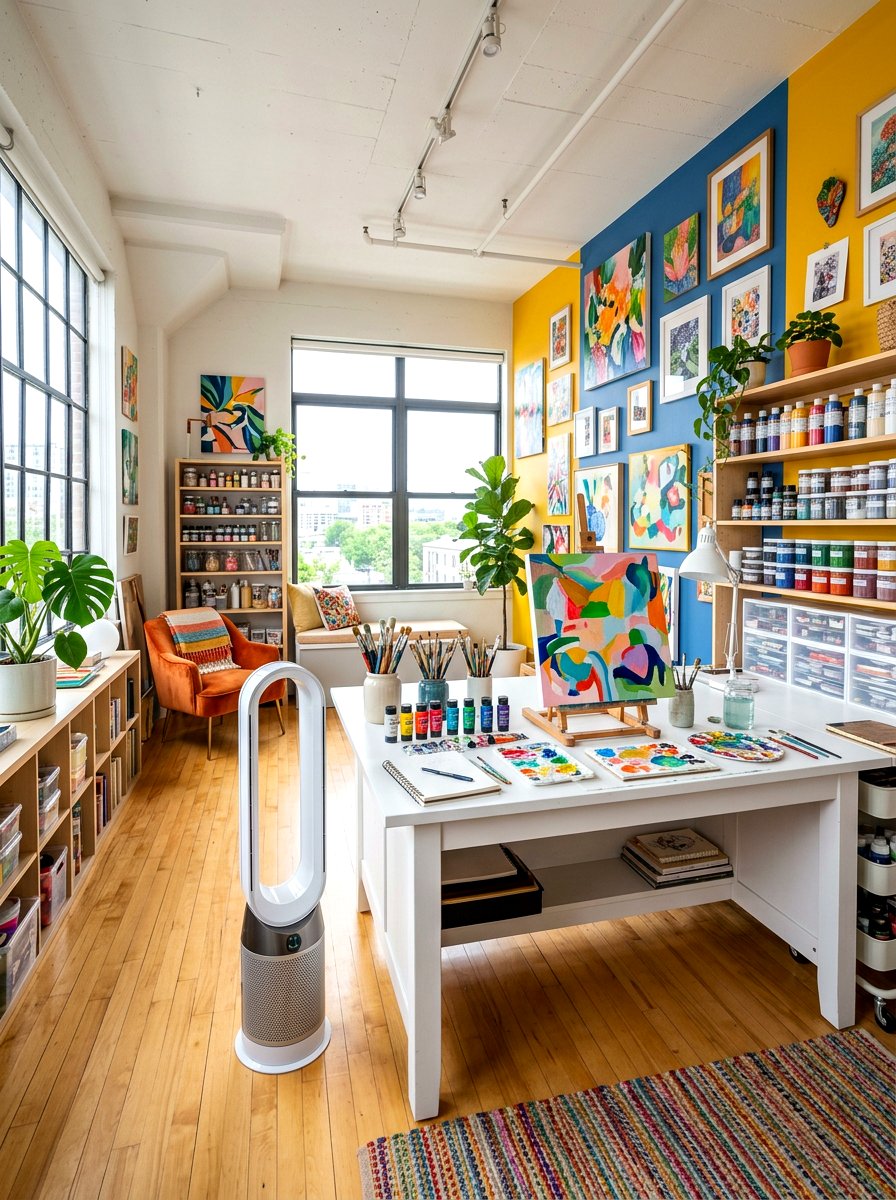
For those who enjoy painting, crafting, or DIY projects, a creative studio needs a dedicated strategy for handling fumes and dust. Installing a high-quality air filter specifically designed for small particles can help keep your workspace safe and very breathable. Many art supplies release strong odors that can quickly fill a room, so having a localized filtration system is a game-changer. Pairing this with a large desk and open shelving keeps the room organized and prevents dust from settling in hard-to-reach places. This setup allows you to focus on your art without worrying about the quality of the air you breathe.
22. Living Space With Ceiling Fan
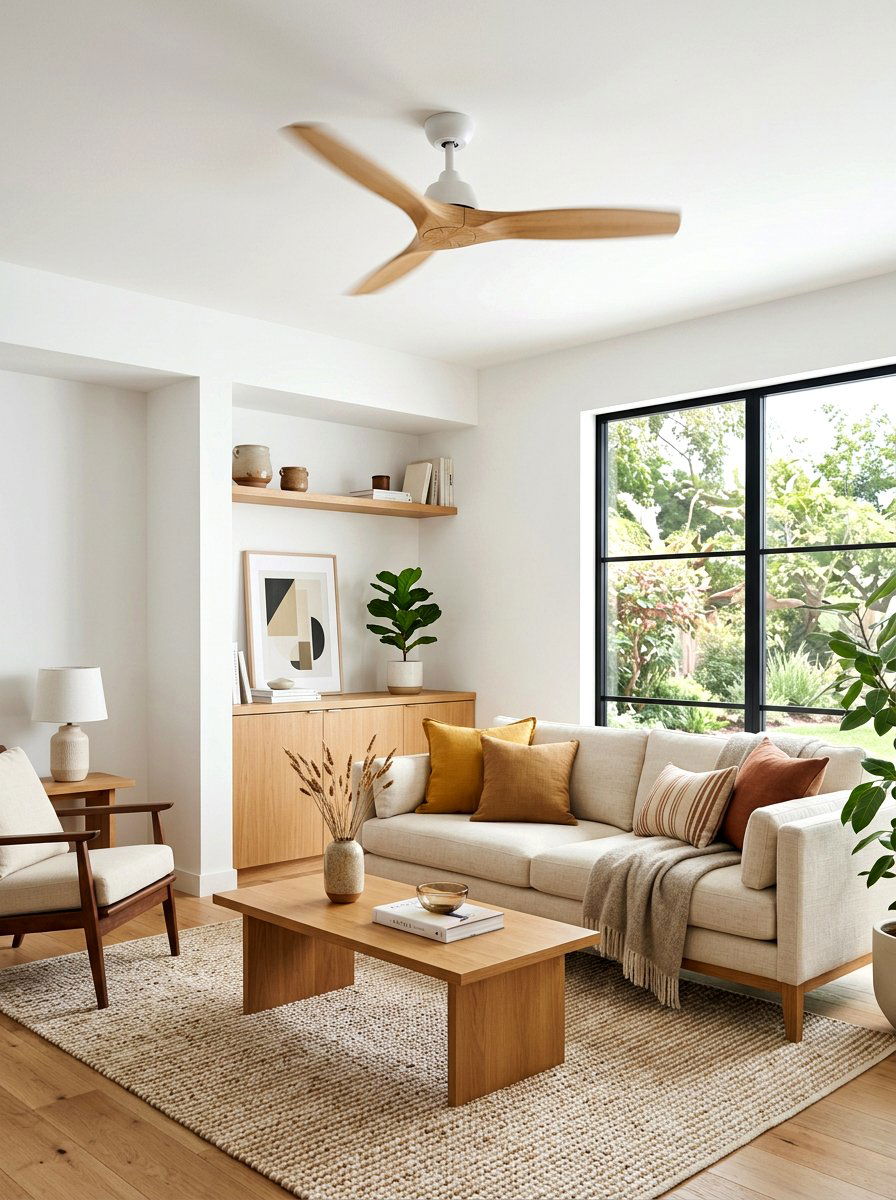
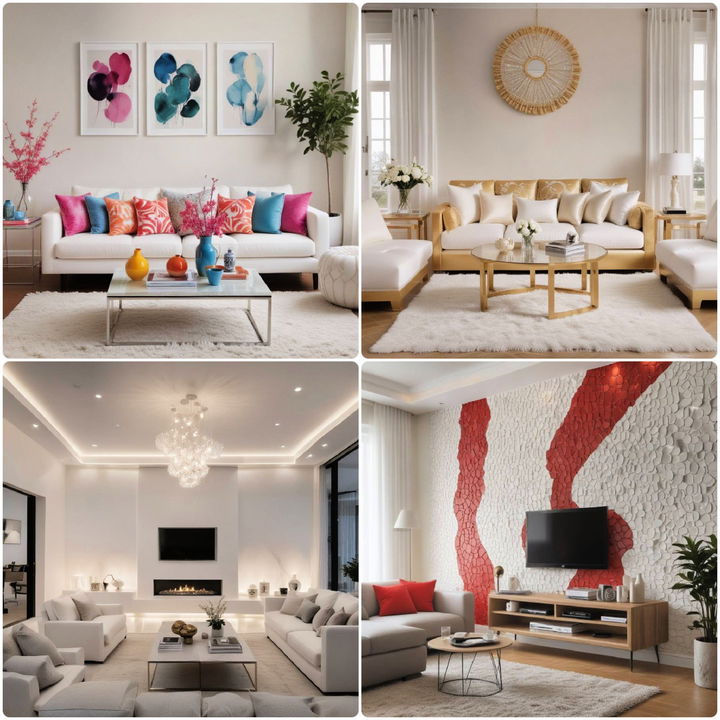
A ceiling fan is a classic design element that plays a vital role in keeping indoor air moving and fresh. In a large living room, a fan helps prevent air from becoming stagnant in corners by maintaining a gentle and constant circulation. This movement makes it easier for your home’s main filtration system to capture dust and other airborne particles more effectively. Modern fans come in many stylish designs that can serve as a beautiful focal point on your ceiling. By simply keeping the air in motion, you create a much more comfortable and breathable environment for your family to enjoy every day.
23. Modern Apartment With Smart Air Monitor
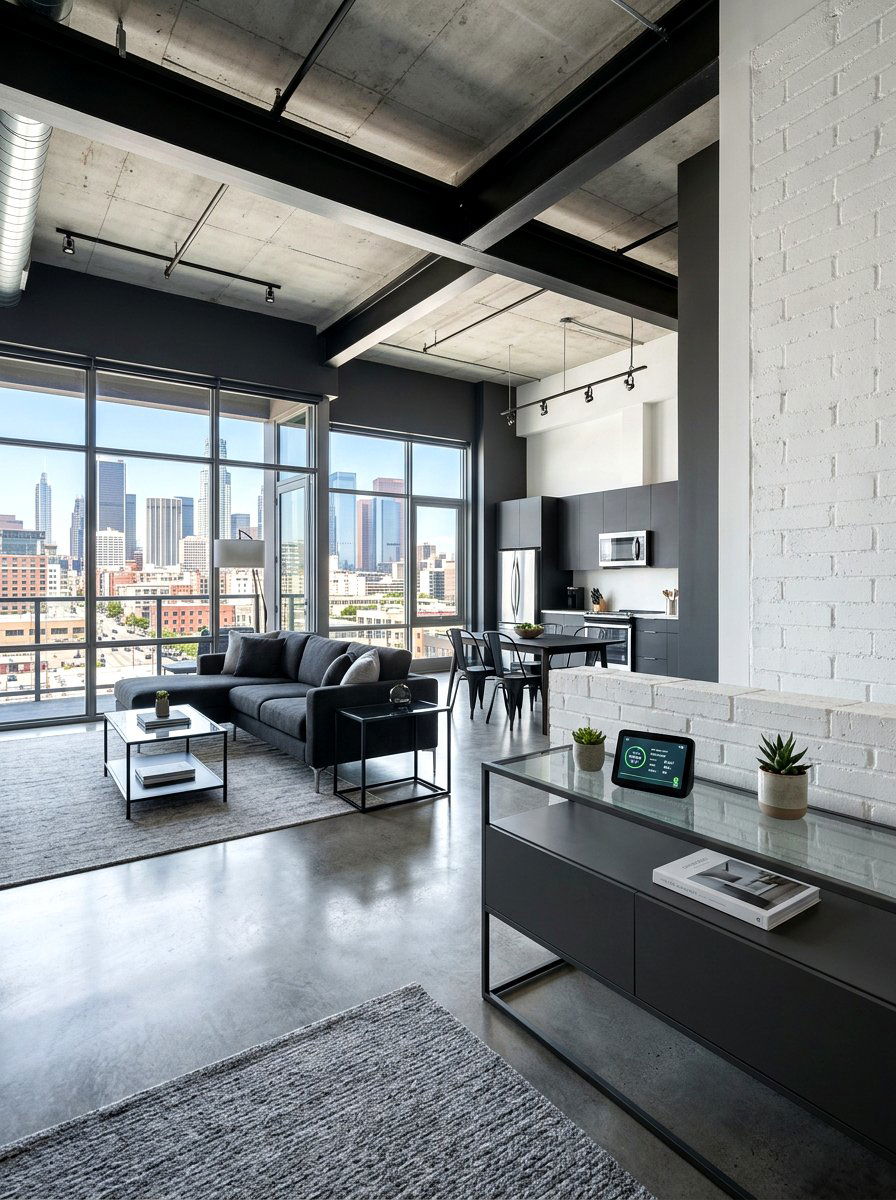
In smaller living spaces like modern apartments, it can be difficult to know exactly what is happening with your air quality. Installing a smart air monitor allows you to track levels of CO2, humidity, and volatile organic compounds in real-time. These devices connect to your smartphone and send alerts if the air quality starts to dip, allowing you to react quickly. You can then open a window or turn on a purifier to restore a healthy balance to your home. This technology-driven approach provides peace of mind and ensures that your compact living environment remains as fresh and clean as possible.
24. Workshop With Dust Collection System

Whether you enjoy woodworking or other hands-on hobbies, a home workshop can quickly become a major source of fine dust particles. Integrating a professional dust collection system into your workspace ensures that debris is captured at the source before it enters the air. This prevents sawdust from spreading to the rest of your house and protects your lungs while you work on your favorite projects. A clean workshop is not only safer but also much more enjoyable to use for long periods of time. Prioritizing this system makes your hobby more sustainable and keeps your home’s overall air quality in great shape.
25. Walk In Closet With Cedar Wood
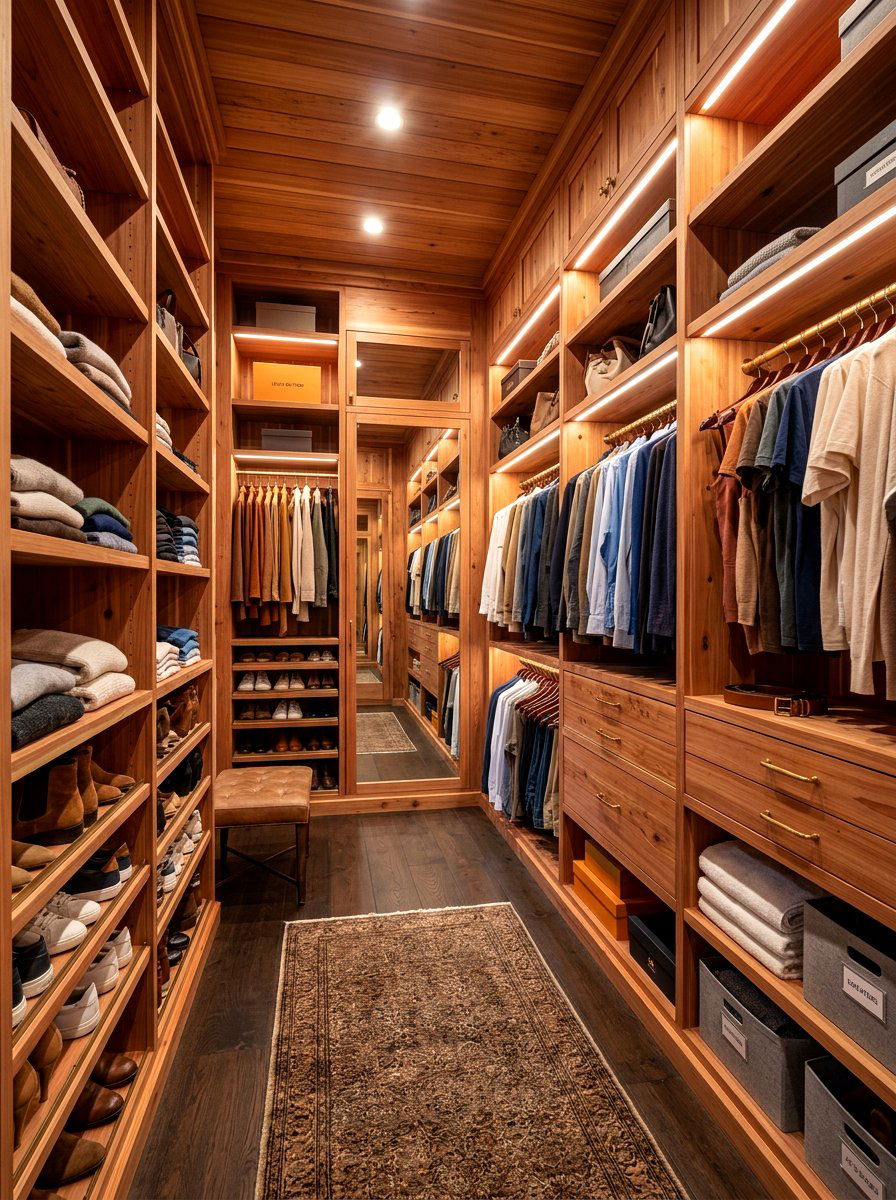
Natural cedar wood is a fantastic material to use in a walk-in closet because it provides a fresh, earthy scent. Cedar contains natural oils that repel pests like moths without the need for toxic mothballs or synthetic chemical fragrances. This makes your clothing storage area smell wonderful while protecting your favorite garments from damage in a natural way. The warm tones of the wood also add a touch of luxury and timeless style to your closet design. By choosing cedar over plastic or laminate, you create a breathable and chemical-free environment that keeps your wardrobe smelling fresh and very clean.
26. Meditation Room With Water Feature
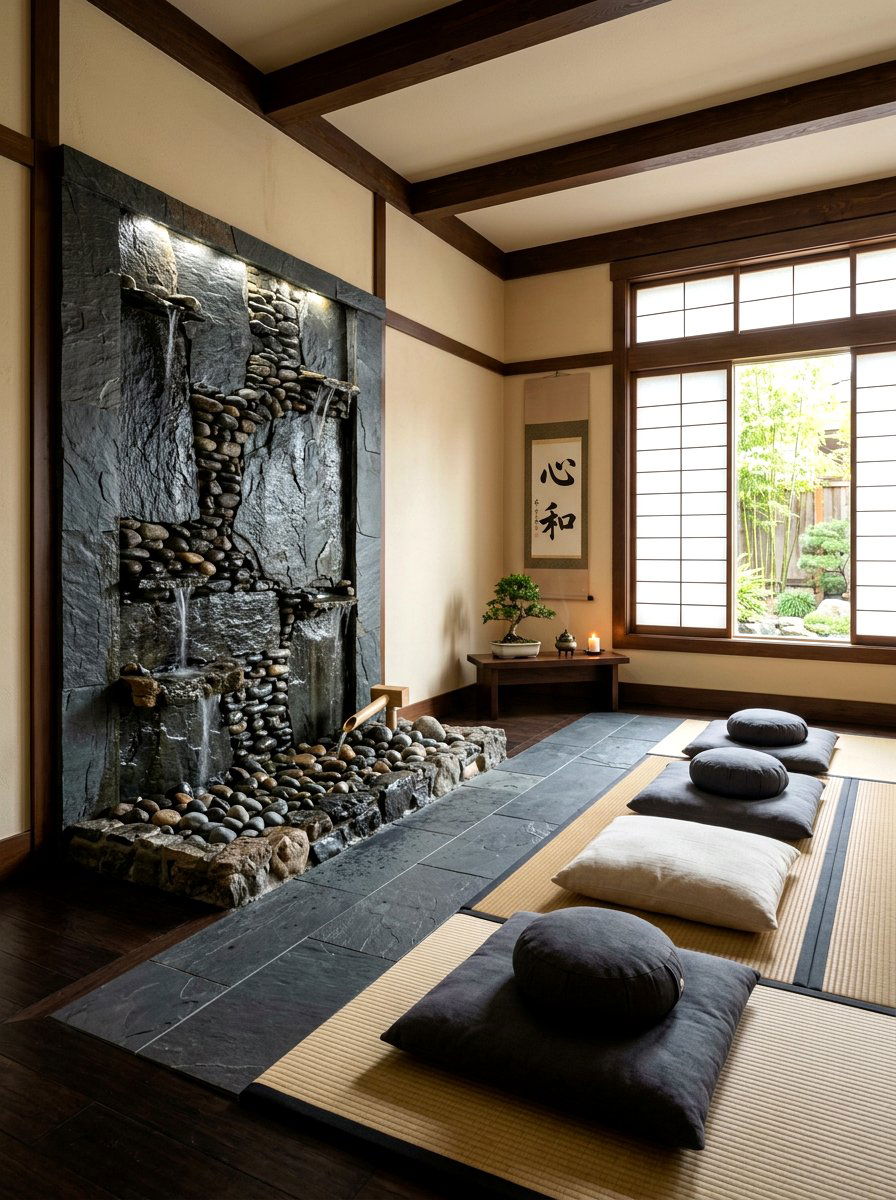
Adding a small indoor water feature to a meditation room creates a soothing soundscape while helping to naturally humidify the air. Moving water releases negative ions, which are believed to help clear the air and improve a person's overall sense of well-being. This gentle moisture is especially helpful in dry climates where indoor air can become irritating to the throat and skin. When surrounded by soft cushions and natural stone elements, the water feature becomes the heart of a very peaceful retreat. This design encourages relaxation and deep breathing, making your meditation practice feel much more effective and truly restorative.
27. Covered Patio With Outdoor Greenery

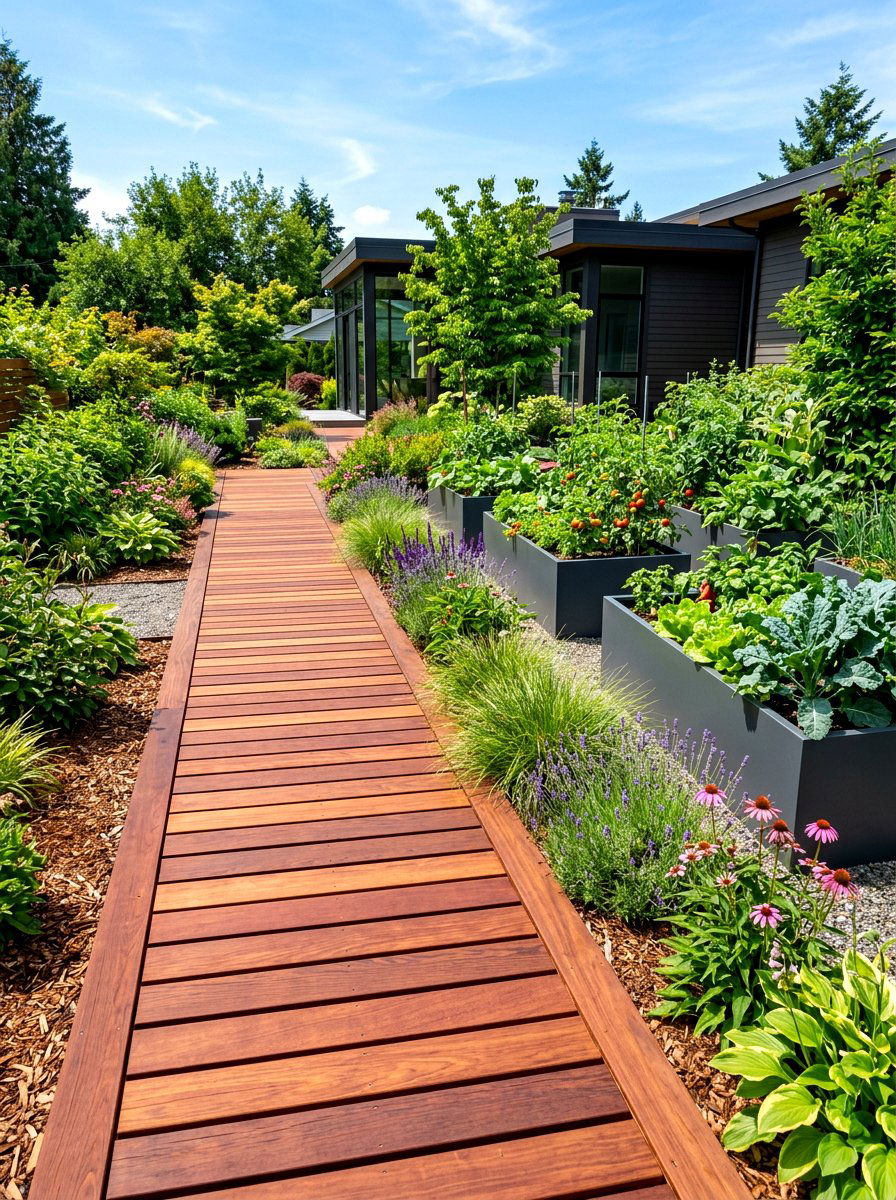
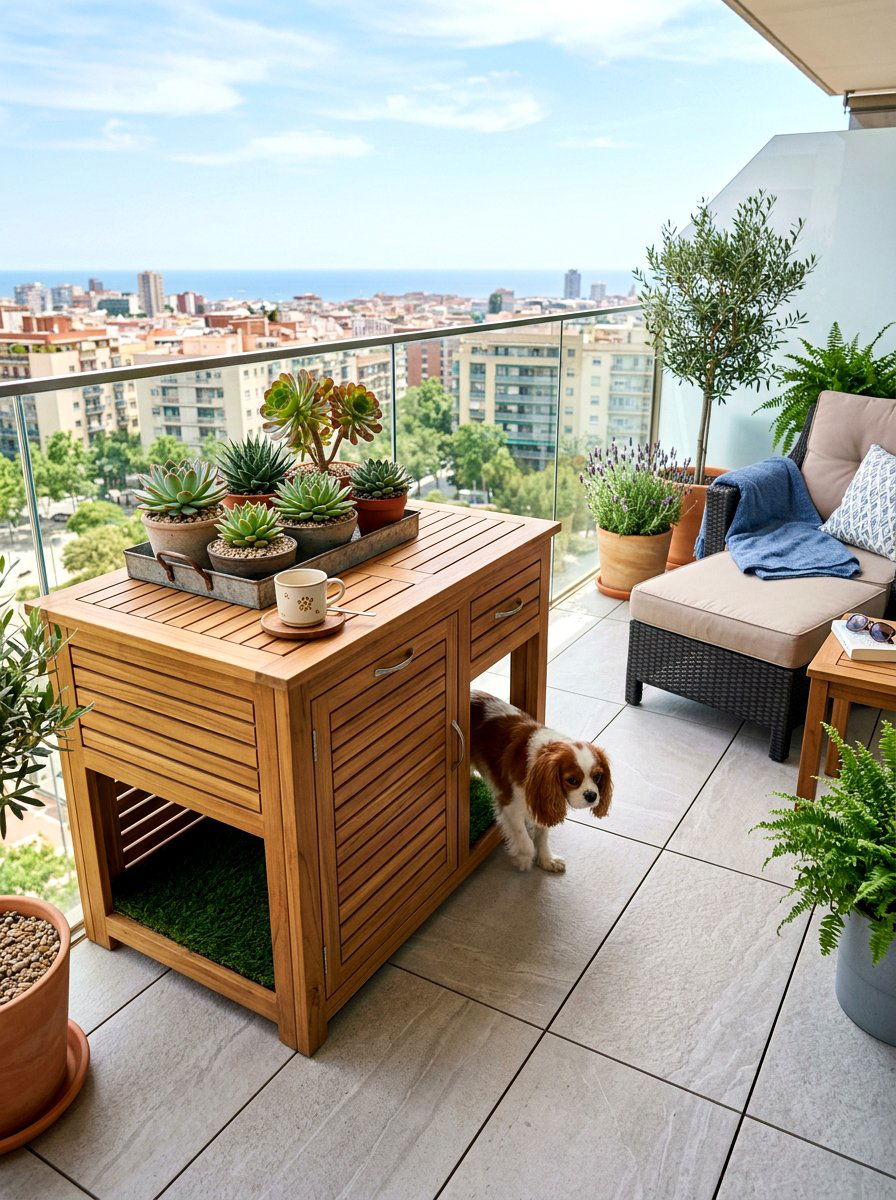
A covered patio serves as a beautiful transition between your indoor and outdoor spaces, offering a place to breathe fresh air. By filling this area with lush greenery and comfortable seating, you create a secondary living room that is naturally ventilated. The plants on the patio help filter the air before it even enters your home through nearby doors or windows. This outdoor extension allows you to enjoy nature while remaining protected from the sun or rain throughout the year. It is a perfect design choice for those who want to maximize their exposure to fresh air in a stylish and comfortable way.
28. Hallway With Activated Charcoal Bags
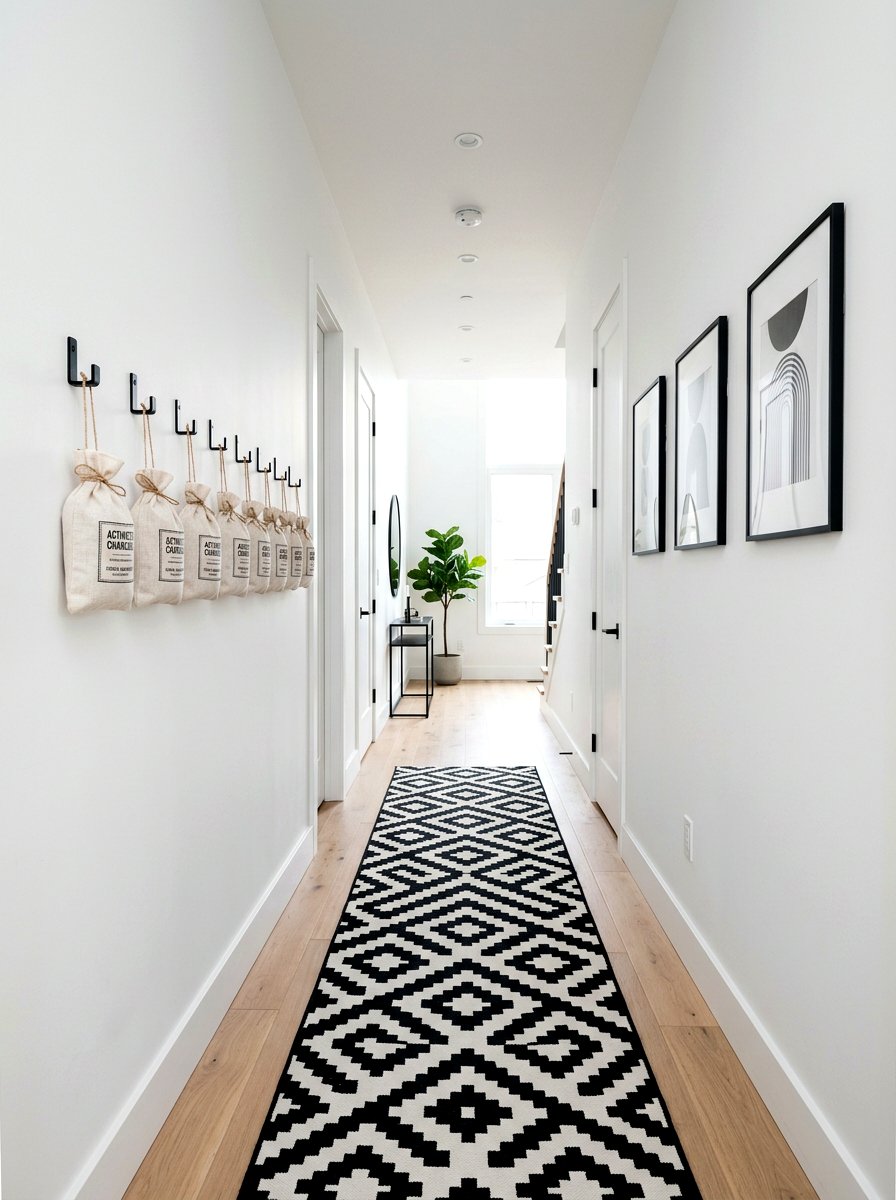
Hallways are often narrow spaces where air can become trapped, but adding activated charcoal bags is a simple and effective fix. These small, discreet bags are filled with bamboo charcoal that naturally absorbs odors and moisture from the surrounding environment. You can hang them behind doors or place them on decorative console tables to keep the hallway smelling fresh without any effort. Unlike synthetic air fresheners, charcoal bags do not release any chemicals, making them a safe choice for every home. This low-maintenance solution ensures that every transition through your home feels clean, breathable, and very welcoming for everyone.
29. Teen Bedroom With Beeswax Candles
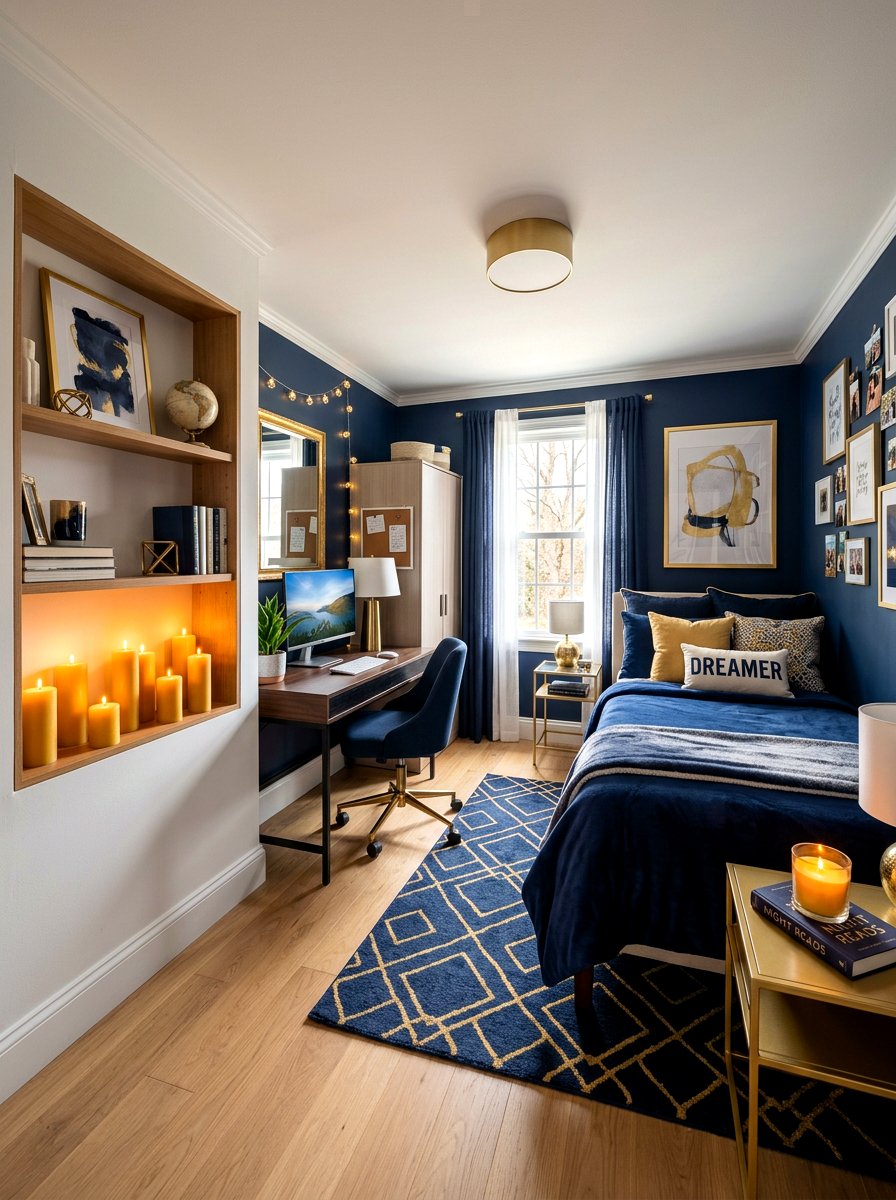
Teenagers often enjoy decorating their rooms with candles, but many standard paraffin candles can release soot and toxins into the air. Switching to 100% beeswax candles is a much healthier alternative that actually helps to clean the air as they burn. Beeswax candles release negative ions that can neutralize dust and odors, providing a subtle and completely natural honey scent. When paired with a modern desk and comfortable lounge seating, these candles help create a cozy and very healthy atmosphere. It is a simple swap that allows your teen to enjoy a relaxing vibe without compromising their indoor air quality.
30. Home Gym With Rubber Flooring
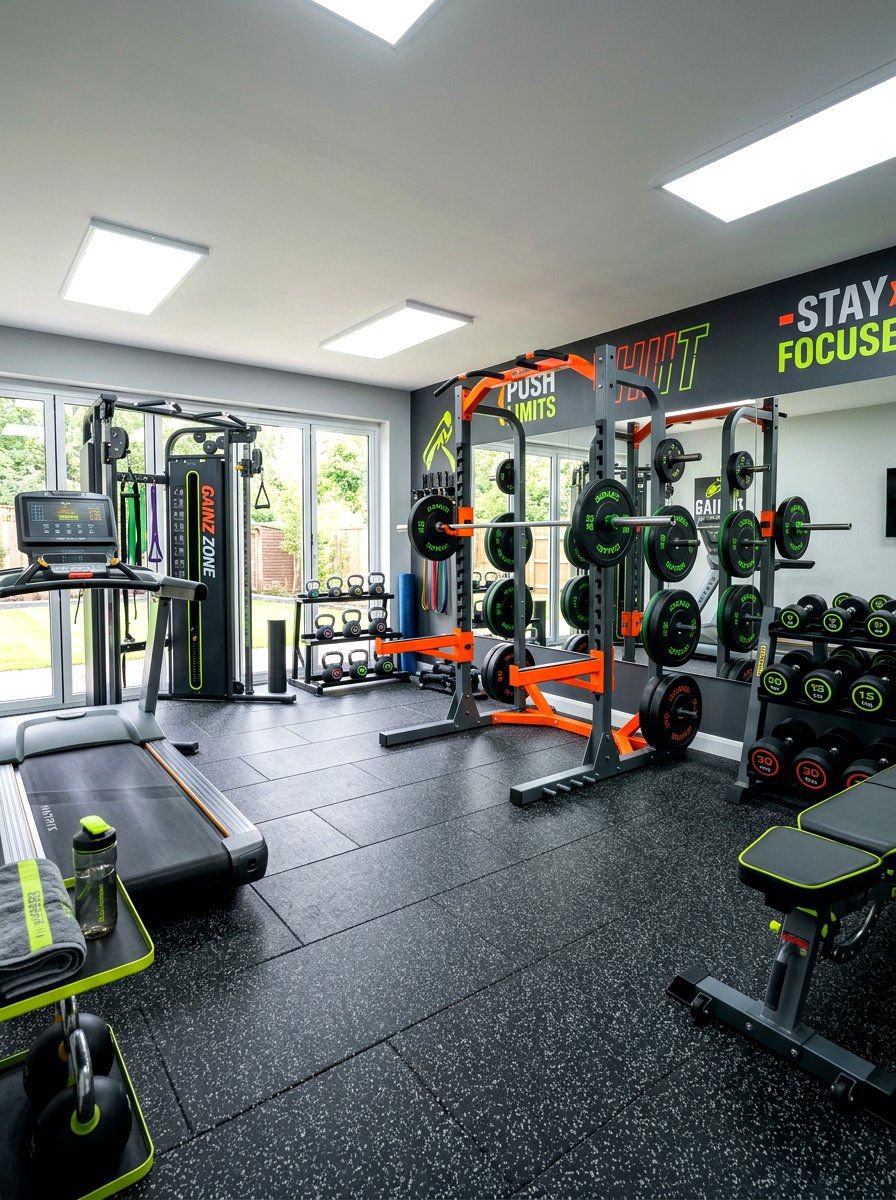
A home gym needs to be a place where you can breathe deeply during an intense workout without smelling chemicals. Choosing high-quality, low-odor rubber flooring provides the necessary cushion for your joints while maintaining a clean air environment for your exercises. Unlike some synthetic mats that have a strong "new car" smell, eco-friendly rubber is designed to be low-emission and very durable. When combined with a powerful fan and a large window, your gym becomes a space where you can truly focus on your fitness. This healthy design ensures that your physical training takes place in a fresh and supportive atmosphere.
Conclusion:
Designing a home that prioritizes clean air is one of the most rewarding investments you can make for your future. By moving away from synthetic materials and embracing natural, breathable alternatives, you create a space that truly supports your health and happiness. Each room offers a unique opportunity to integrate smart solutions, from air-purifying plants to high-tech filtration systems. As you implement these ideas, you will likely notice a significant improvement in how you feel, sleep, and think within your own walls. A home that breathes well is a home that thrives, providing a safe and vibrant sanctuary for many years.

Related posts: