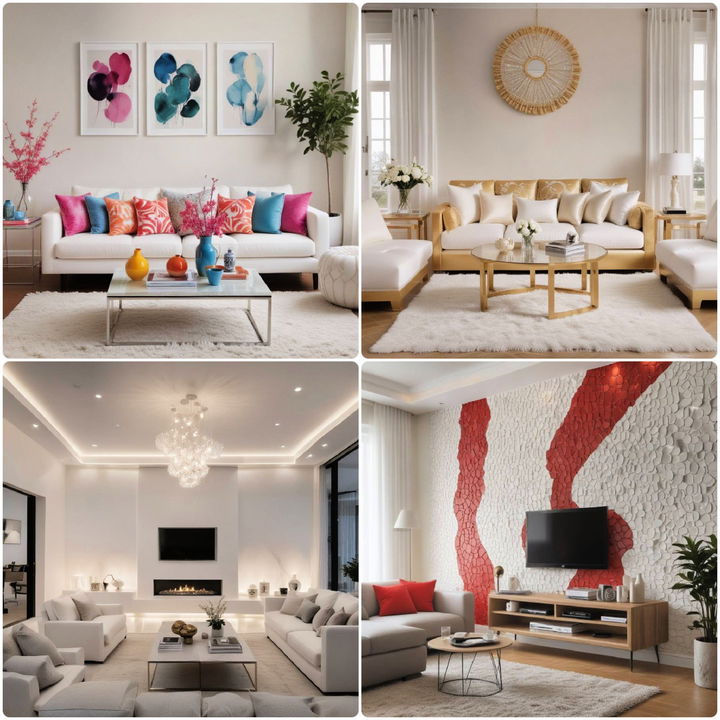
Stepping into a home that feels light, airy, and intentional is a transformative experience for any modern homeowner today. Minimalist living room concepts focus on the philosophy of less is more, where every piece of furniture serves a clear purpose. This approach removes the visual noise that often creates stress in our busy daily lives. By prioritizing quality over quantity, you can create a sanctuary that feels both high-end and incredibly relaxing. Whether you live in a small apartment or a large house, these principles help you curate a space that reflects your personal style without the overwhelming clutter of traditional decor. Let us explore how to achieve this timeless look.
1. White Minimalist Living Room
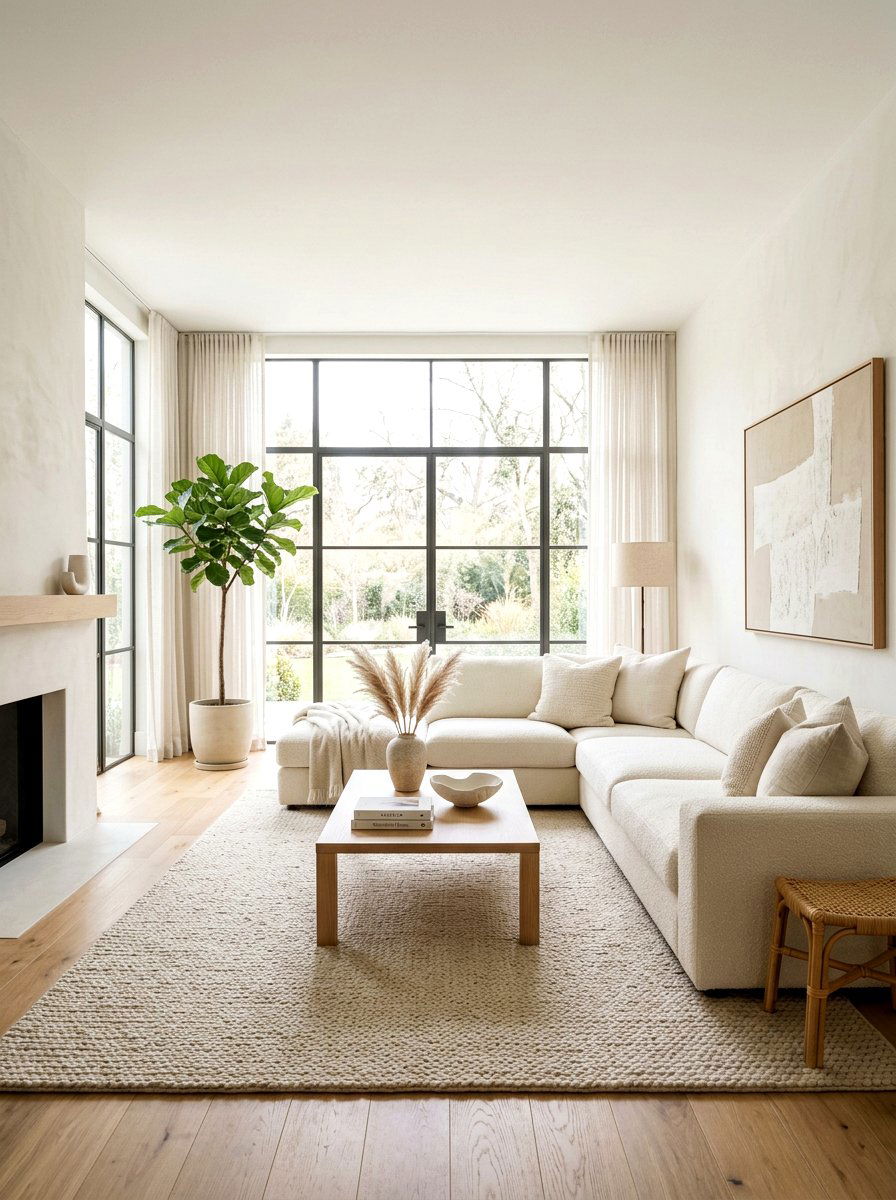
A white minimalist living room provides the ultimate blank canvas for a serene and peaceful lifestyle. You should focus on layering various shades like ivory, cream, and eggshell to prevent the space from feeling cold or clinical. Incorporating different textures such as a chunky knit throw or a linen sofa adds the necessary warmth and visual interest. Large windows are essential here to let in plenty of natural sunlight, which makes the white surfaces glow beautifully. Keeping the floor plan open and the surfaces clear of small knick-knacks ensures the room remains a true sanctuary for relaxation and modern living. It is a very clean and classic aesthetic choice.
2. Japandi Minimalist Living Room
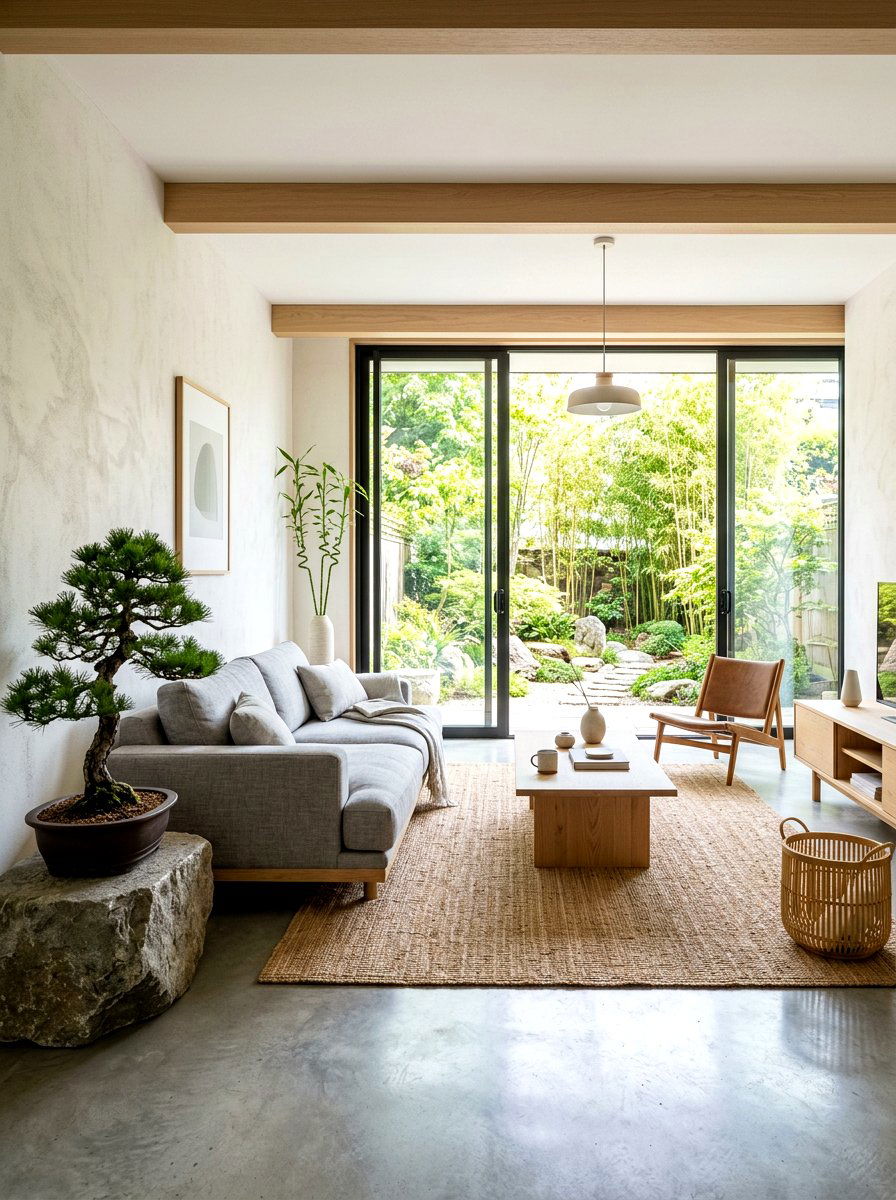
The Japandi minimalist living room combines the cozy comfort of Scandinavian hygge with the rustic elegance of Japanese aesthetics. This style relies heavily on natural materials like light-colored wood, bamboo, and stone to create a grounded atmosphere. You will want to choose low-profile furniture that sits close to the ground to emphasize a sense of space and tranquility. Use a neutral color palette dominated by beige and soft grey tones to keep things cohesive. Adding a single piece of handmade pottery or a small bonsai tree can act as a perfect focal point that honors the beauty of imperfection and simple living in your home.
3. Warm Minimalist Living Room
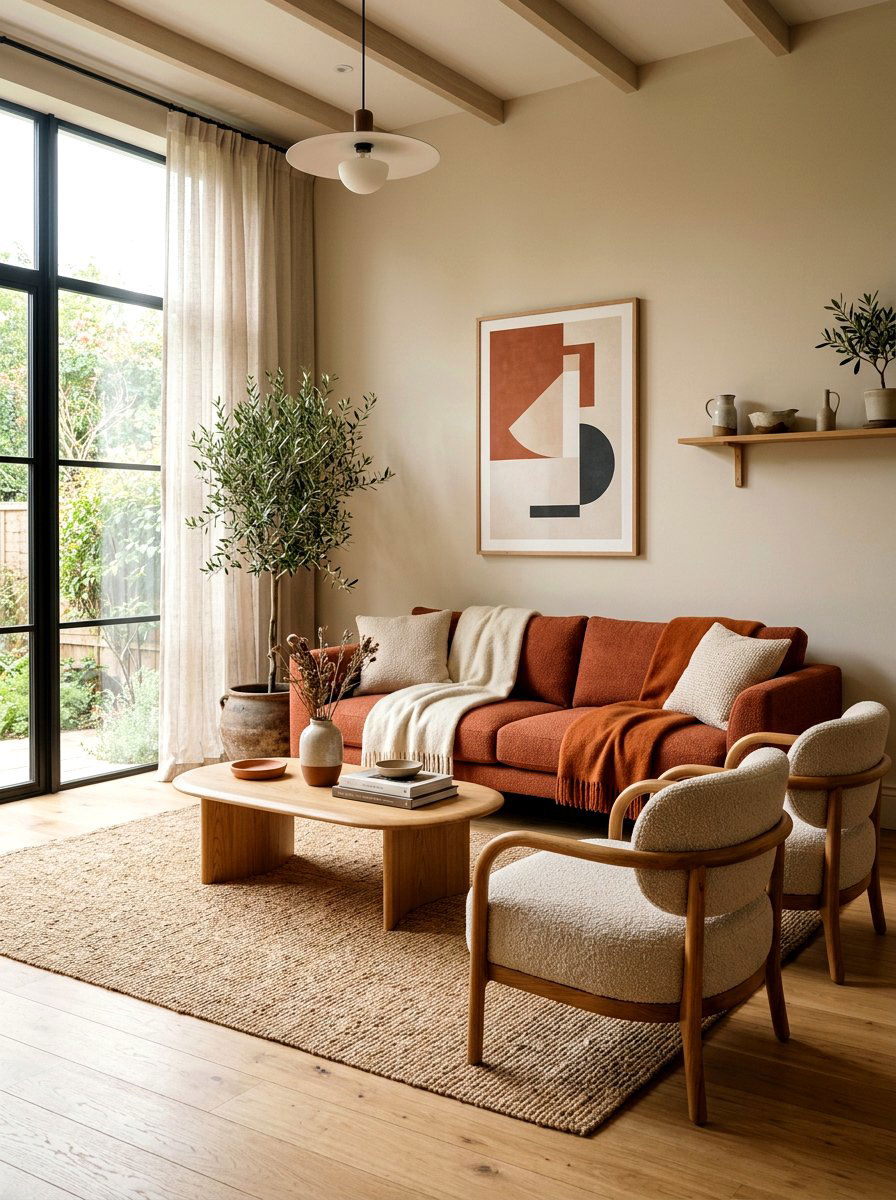
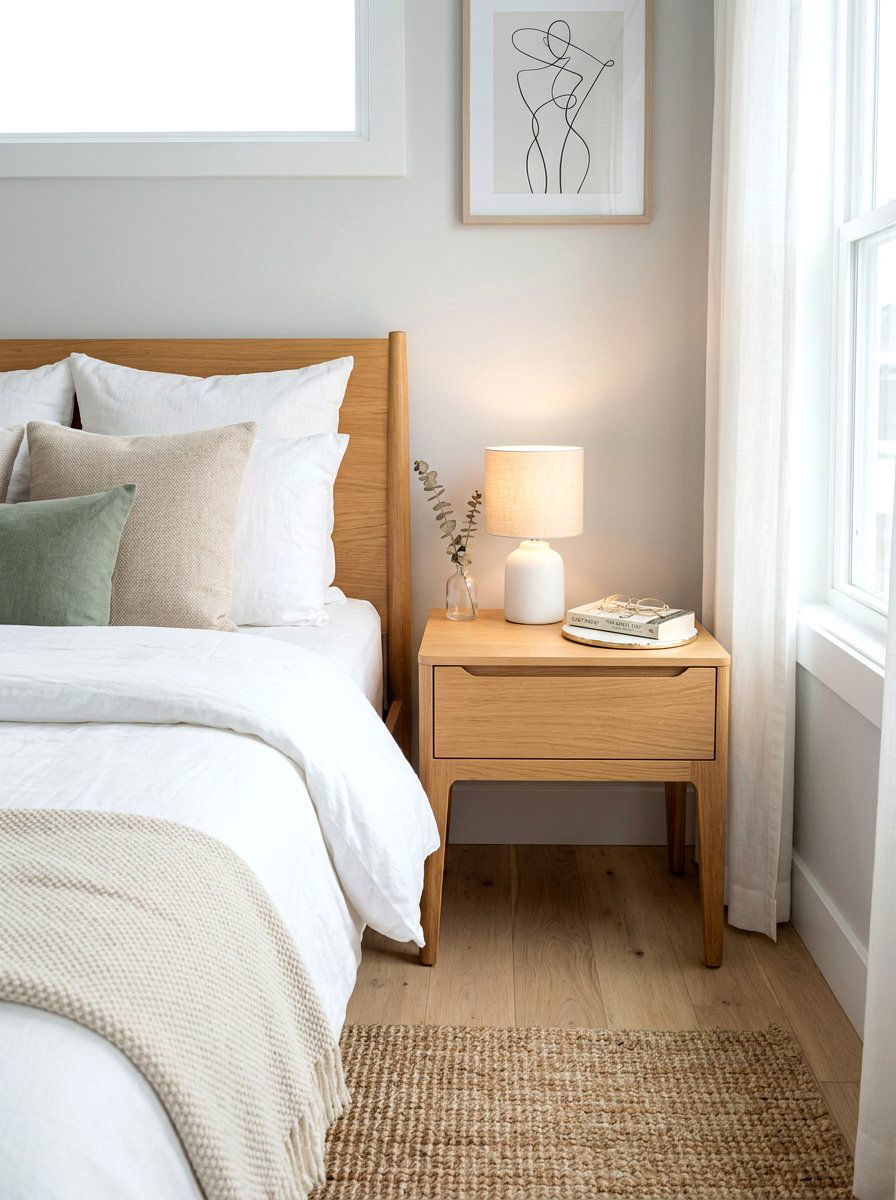
Creating a warm minimalist living room involves moving away from stark whites and embracing earthy, toasted tones. Think about using soft terracotta, sandy browns, and muted ochre to bring a sense of coziness to the minimalist structure. Instead of sharp metal edges, look for wooden furniture with soft, rounded corners that feel more approachable. Layering different natural textiles like wool and jute will make the seating area feel much more inviting for guests. The goal is to keep the clutter at a minimum while ensuring the room feels lived-in and comfortable. This style is perfect for those who want a peaceful yet very snug home environment.
4. Small Minimalist Living Room
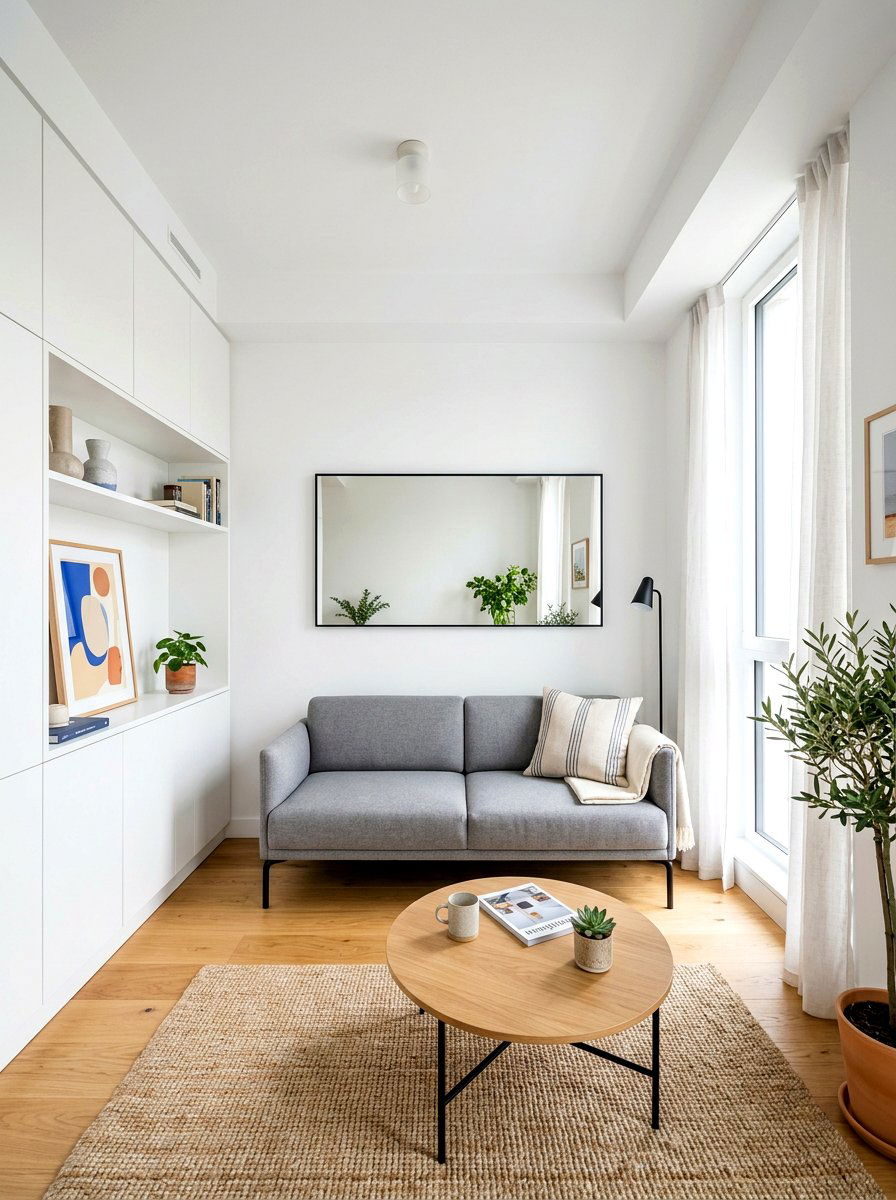
Designing a small minimalist living room requires a very clever use of space and multi-functional furniture choices. You can maximize the area by choosing pieces with slim profiles and legs that show the floor underneath. Using mirrors strategically on the walls helps reflect light and creates the illusion of a much larger room. Avoid heavy drapes and choose light-filtering shades to keep the atmosphere bright and open. Built-in storage solutions are excellent for hiding away daily essentials that might otherwise clutter the limited surface space. Focus on one main focal point, like a sleek sofa, to anchor the entire room without overwhelming the small dimensions.
5. Modern Minimalist Living Room
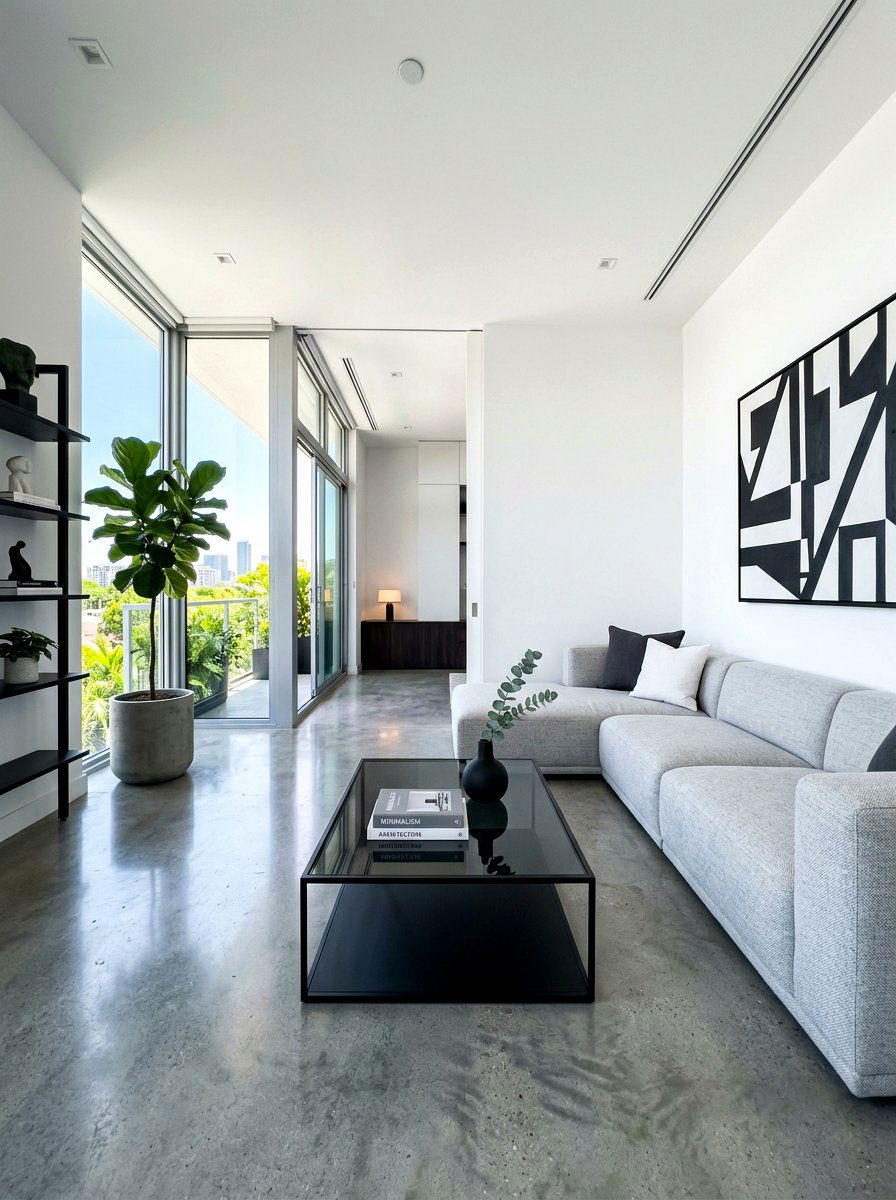
A modern minimalist living room is defined by its sharp lines and high-contrast color schemes. You might see a bold black coffee table paired with a light grey sectional to create a striking visual impact. This design emphasizes geometric shapes and polished surfaces like glass or lacquered wood. It is important to keep decor to an absolute minimum so the architectural features of the room can really shine. Consider using a single piece of oversized abstract art on a large wall to add character without needing multiple small items. Everything in this room should feel intentional, sophisticated, and very much ahead of the current design trends.
6. Contemporary Minimalist Living Room
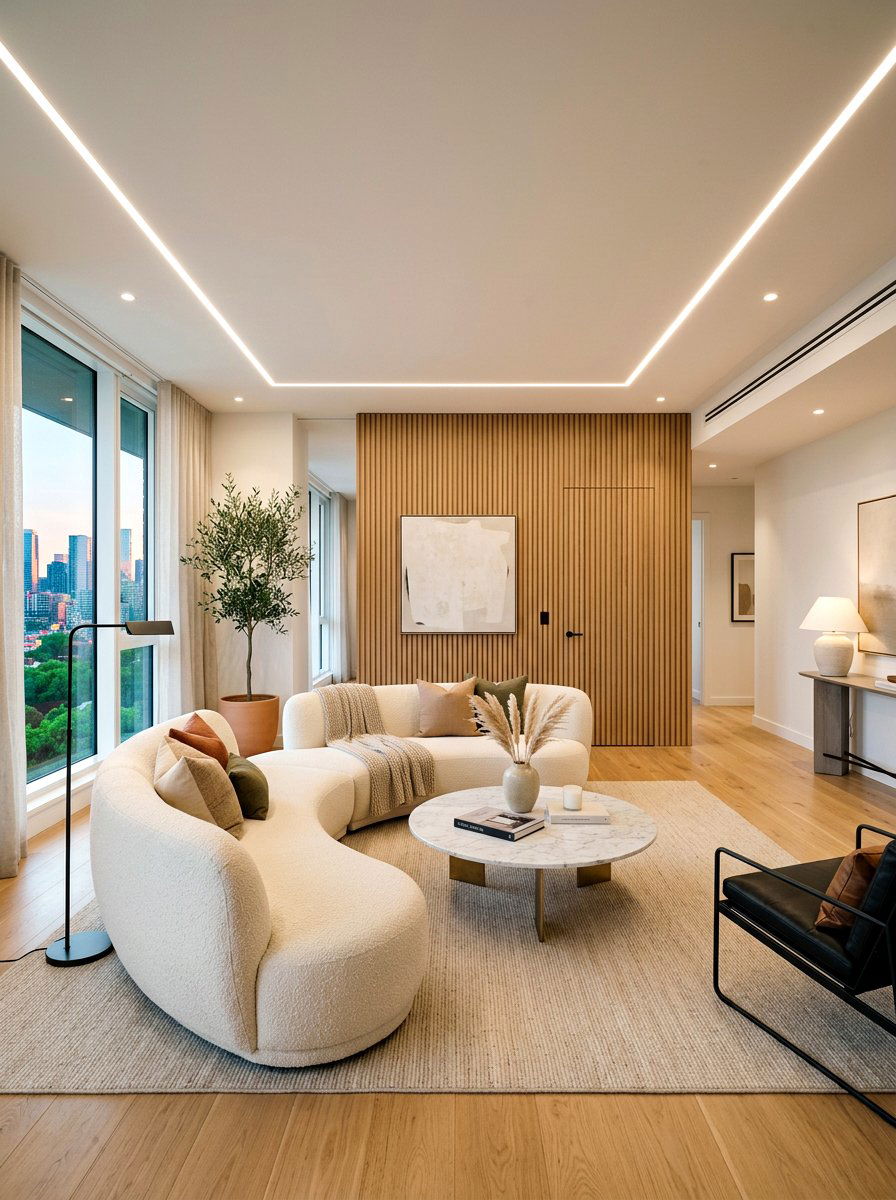
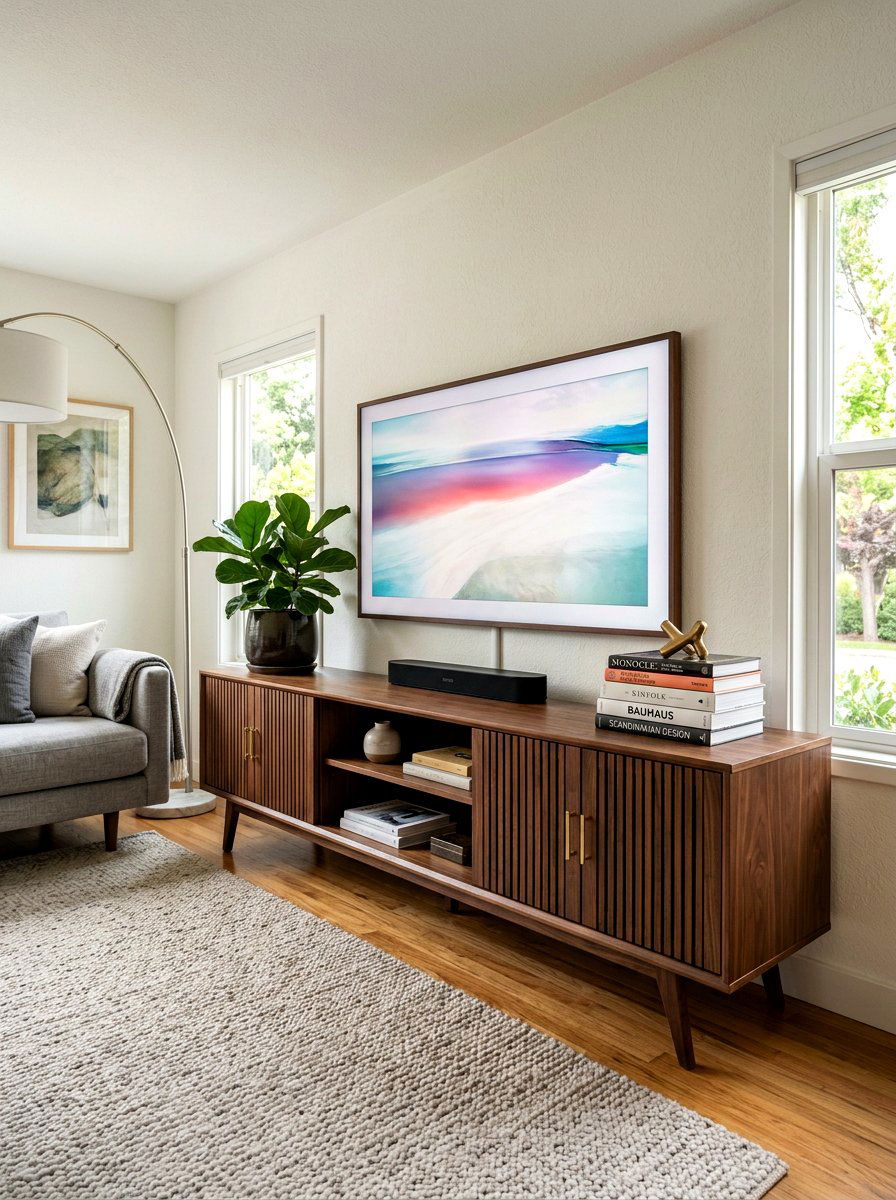
The contemporary minimalist living room often features the latest materials and a softer approach to traditional modernism. You will find a lot of curved furniture pieces that provide a more fluid and organic feel to the layout. Using a palette of soft greys and taupes keeps the room looking fresh and updated. This style often incorporates high-tech elements, such as hidden televisions or integrated sound systems, to keep the visual field clear. It is about balancing the latest design innovations with the core principles of simplicity. This approach creates a space that feels relevant, very functional, and incredibly easy to maintain for a busy family.
7. Minimalist Living Room With Wood Slat Panels
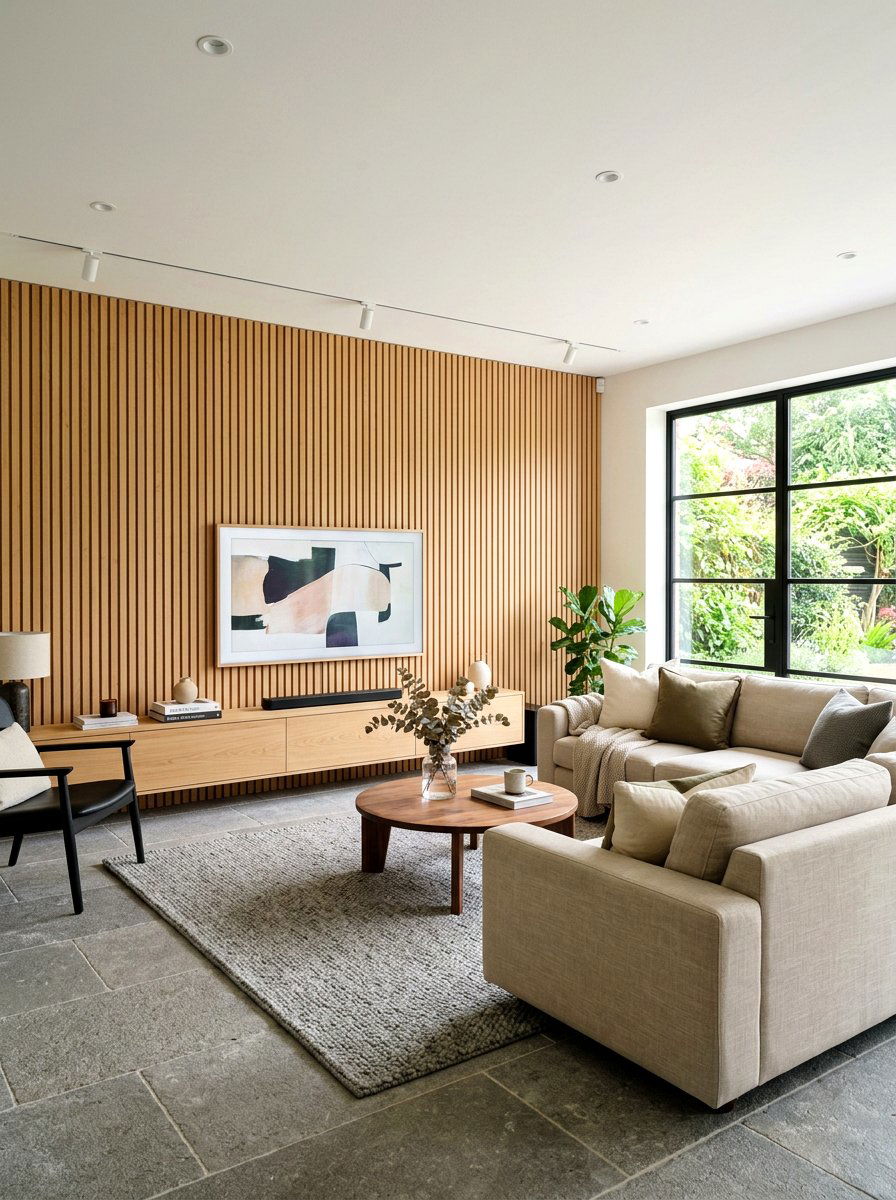
A minimalist living room with wood slat panels adds a wonderful architectural element that provides both texture and warmth. These panels can be used on a single accent wall to create a sophisticated backdrop for a sleek media console or a low sofa. The vertical lines of the slats help to draw the eye upward, making the ceilings feel much higher than they are. This design choice pairs beautifully with other natural elements like stone flooring or linen upholstery. It is a fantastic way to add visual depth to a minimalist space without the need for traditional wallpaper or busy gallery walls that can feel cluttered.
8. Minimalist Apartment Living Room
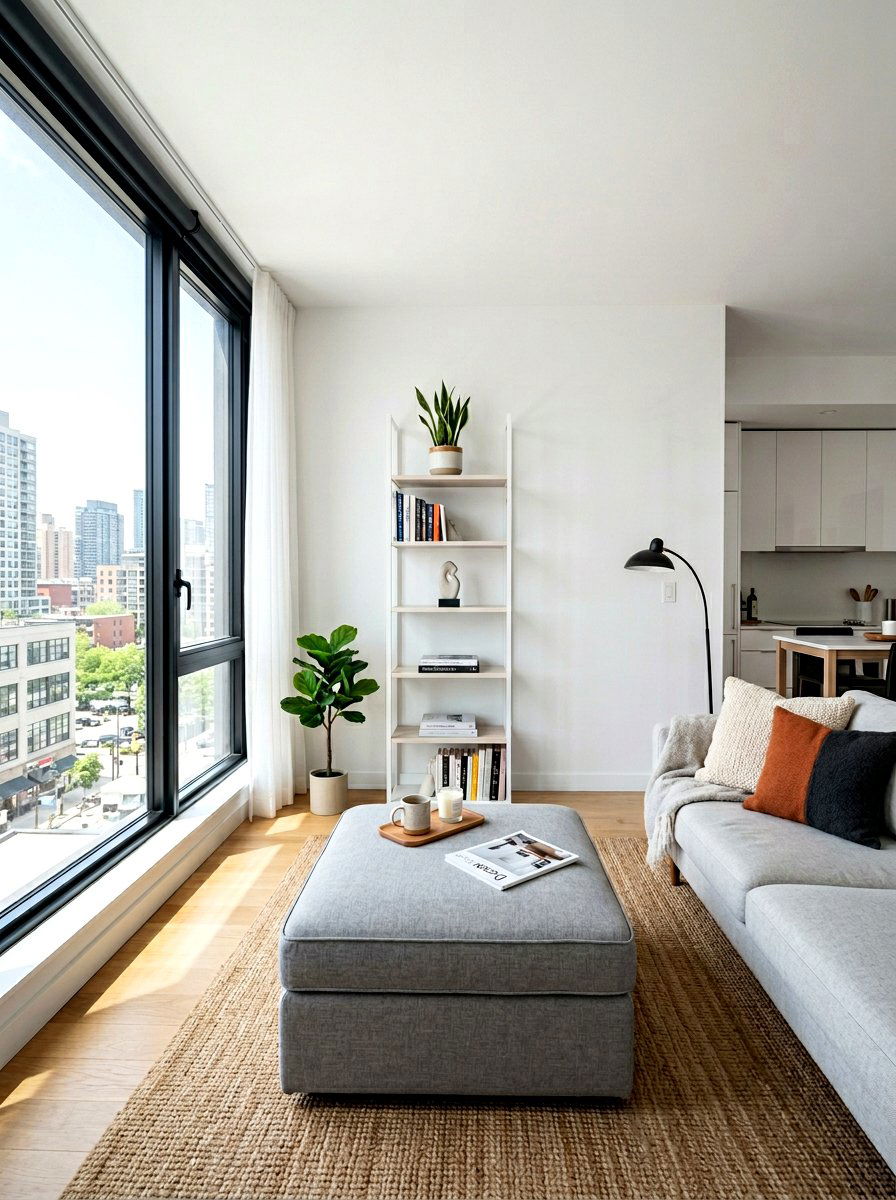
Crafting a minimalist apartment living room often means dealing with fixed layouts and limited square footage. You should prioritize furniture that can serve multiple roles, such as an ottoman that works as both seating and a table. Keeping the color scheme light and consistent across all walls will help the apartment feel more like a cohesive unit. Use vertical space for storage by installing floating shelves that hold a few curated books and one or two plants. By keeping the floor clear of unnecessary items, you create a sense of flow that makes apartment living feel much less cramped and far more luxurious.
9. Scandinavian Minimalist Living Room
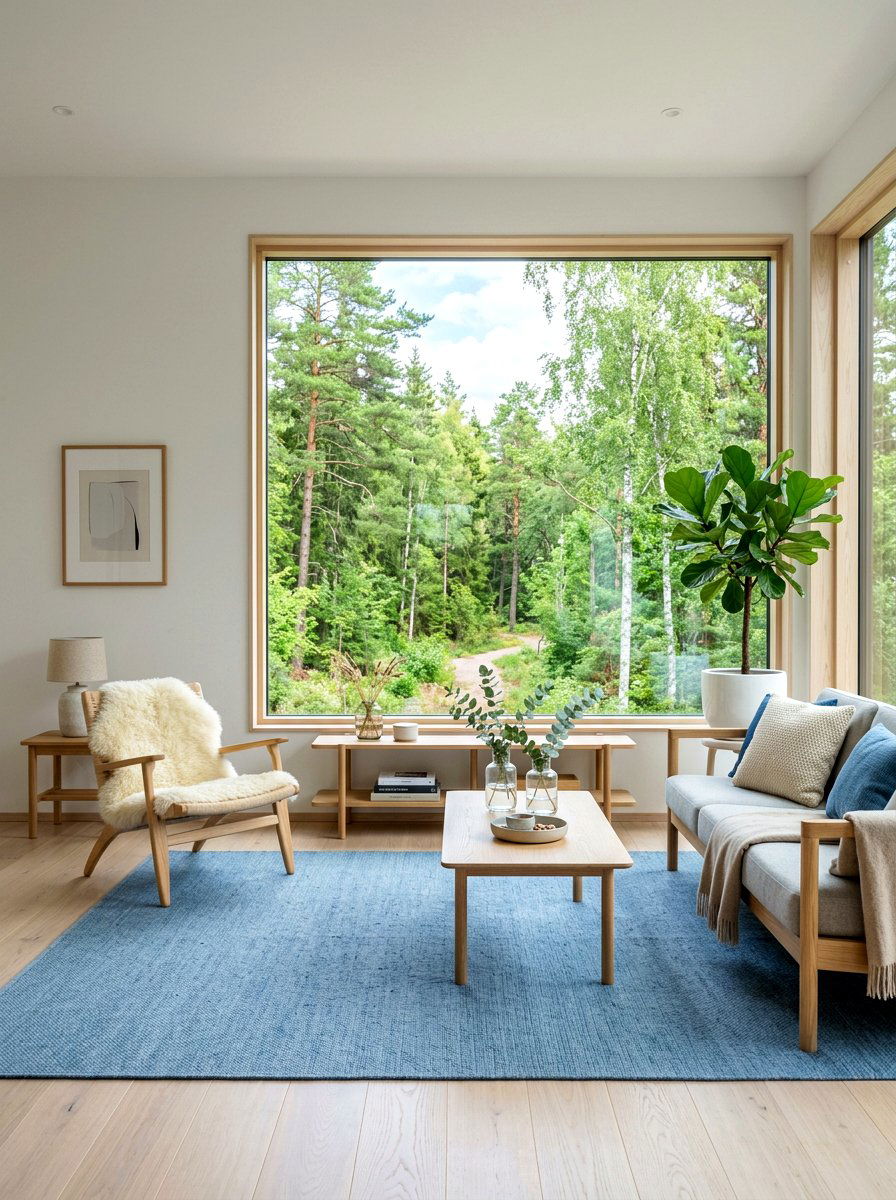
The Scandinavian minimalist living room is world-famous for its focus on functionality, light, and natural beauty. You should use a mix of light-toned woods like ash or birch and pair them with soft, woven fabrics in shades of blue or grey. The layout should be centered around a cozy fireplace or a large window to embrace the natural surroundings. Practicality is key here, so every piece of furniture should be as comfortable as it is beautiful. Adding a few high-quality sheepskin rugs or soft blankets will provide the texture needed to make the minimalist design feel warm and very much like a true northern home.
10. Minimalist Living Room Layout
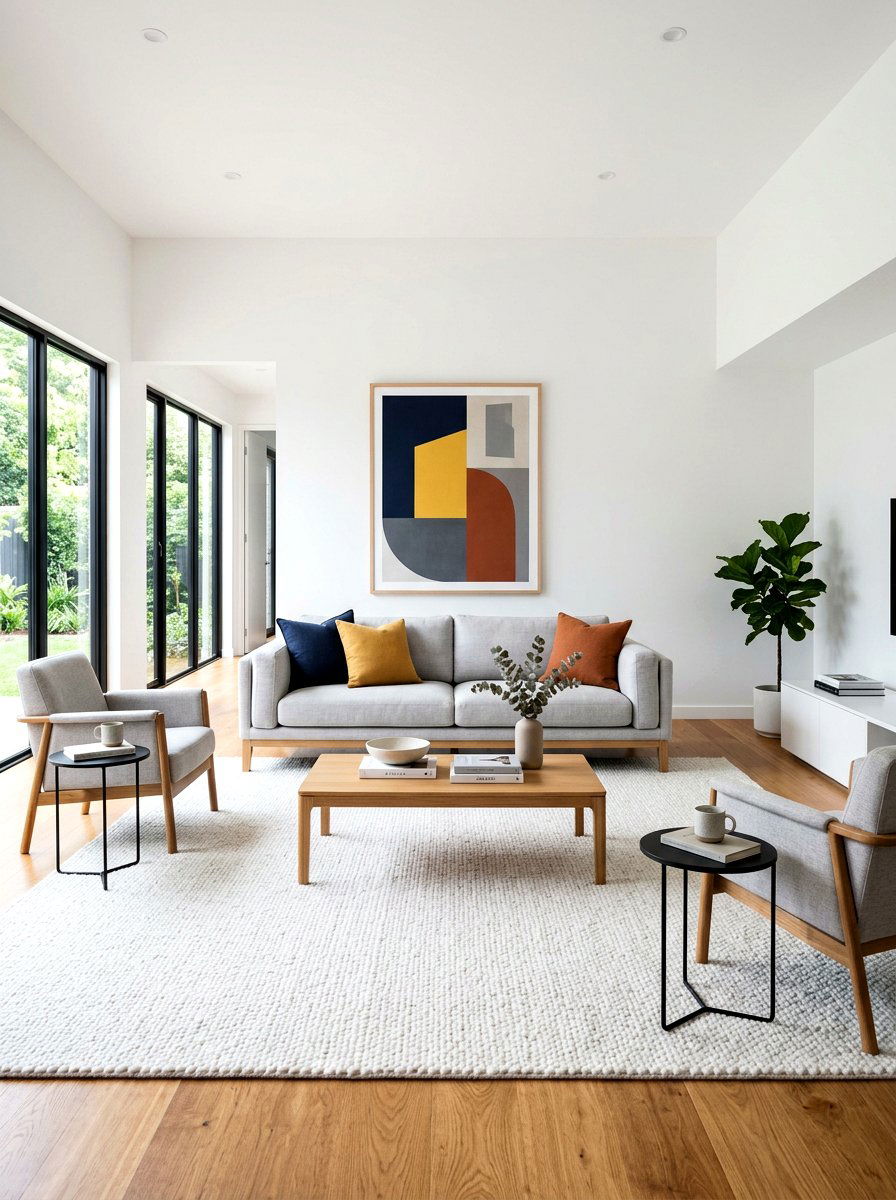
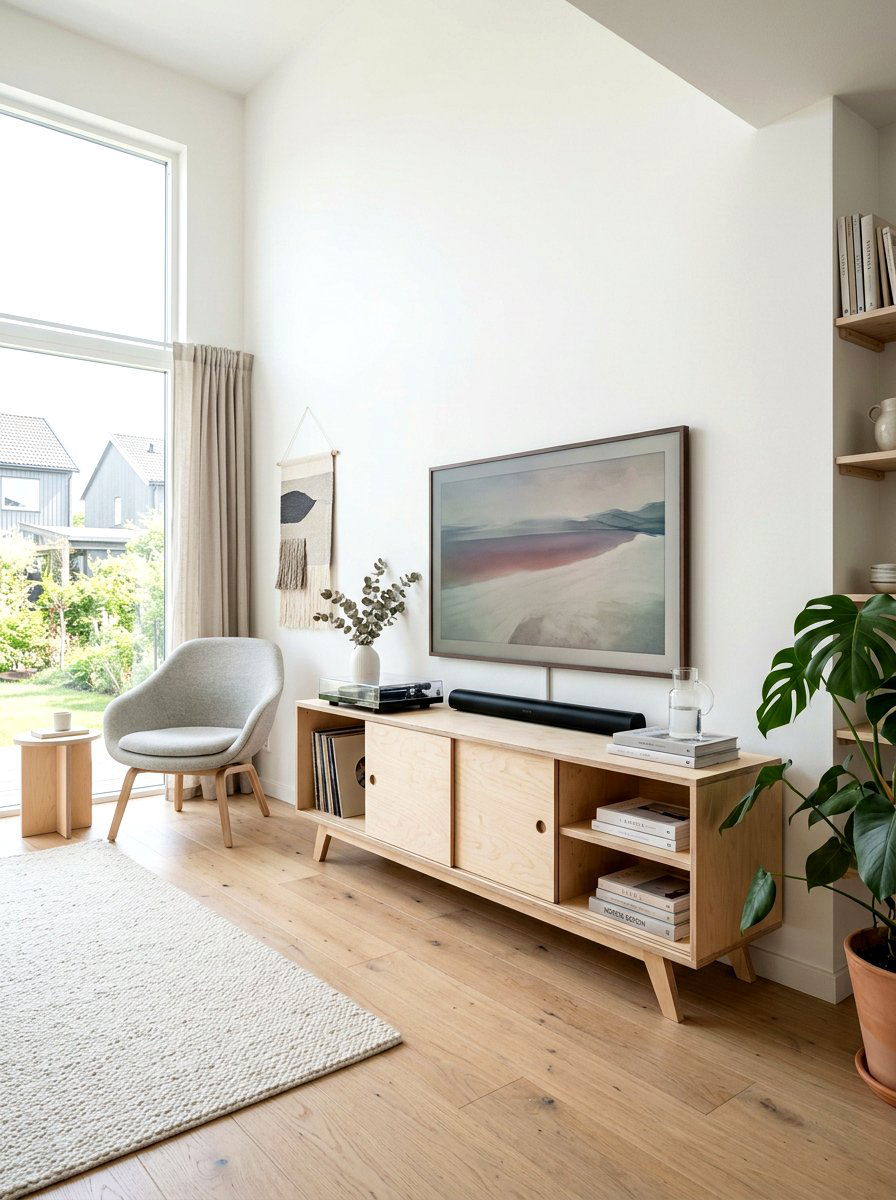
Perfecting a minimalist living room layout is all about the art of spacing and flow. You must ensure there is plenty of room to walk between furniture pieces to maintain an airy feel. Instead of pushing all the furniture against the walls, try floating the sofa in the middle of the room to create a more intimate seating area. This technique works especially well in larger spaces to define different zones without using heavy dividers. Use a large area rug to anchor the primary seating group and keep the rest of the floor bare. A thoughtful layout ensures that the room feels balanced, spacious, and very intentional.
11. Black And White Minimalist Living Room
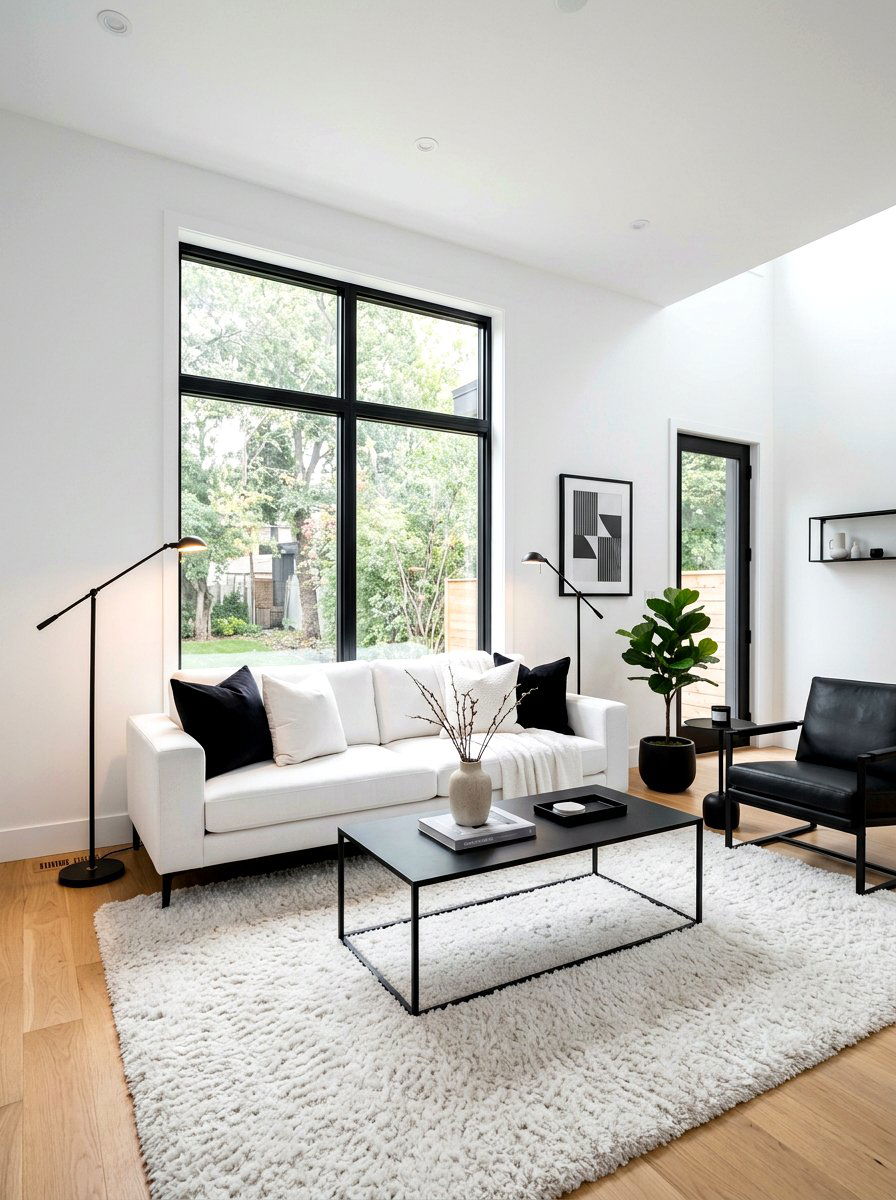
A black and white minimalist living room offers a high-drama look that remains incredibly clean and focused. You can use white as the primary color for the walls and large furniture to keep the space bright. Then, introduce black through thin-framed lighting fixtures, side tables, or picture frames to add sharp definition. This high-contrast approach is visually stimulating without being messy or cluttered. To keep the room from feeling too harsh, incorporate soft textures like a shaggy rug or velvet cushions. It is a bold design choice that speaks to a love for classic sophistication and very clear, sharp lines in a home.
12. Minimalist Living Room With Large Windows
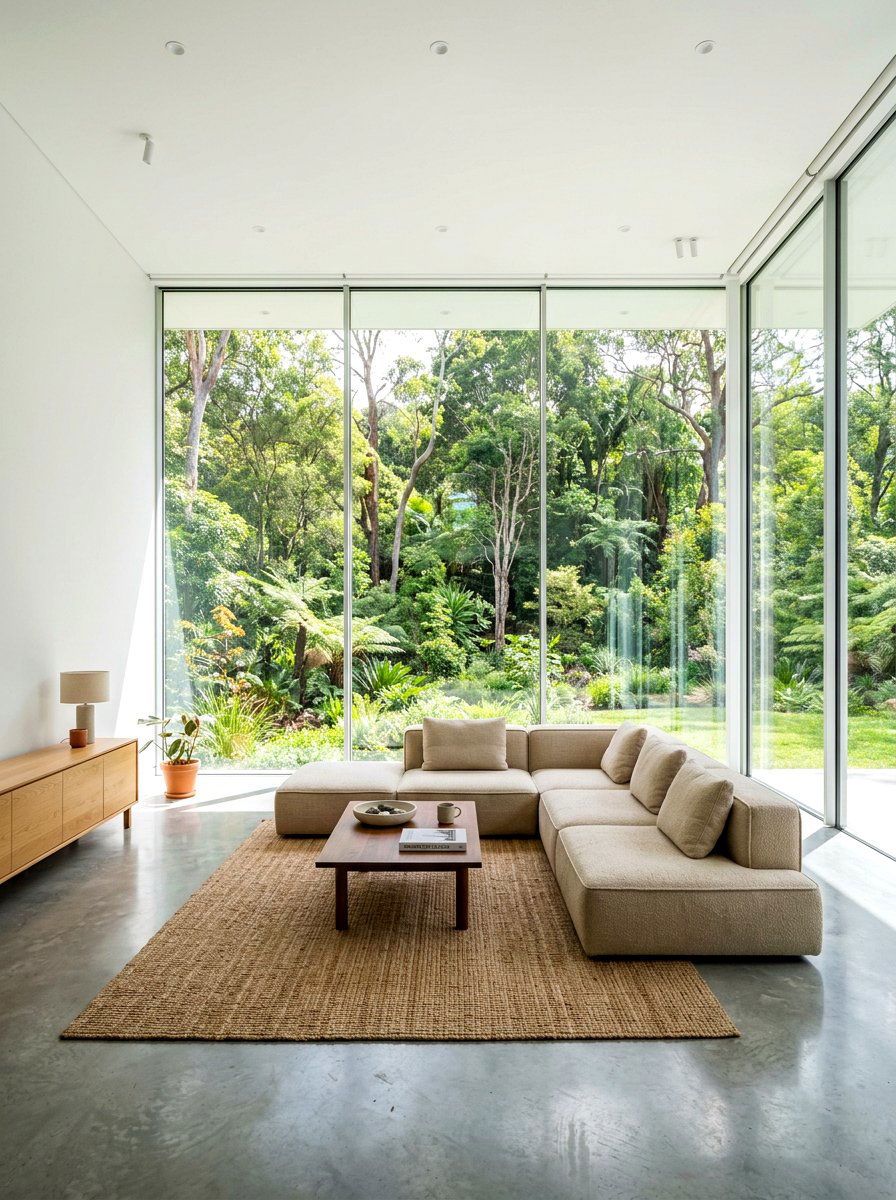
A minimalist living room with large windows makes nature the primary decoration of the space. You should keep the interior furniture simple and low-profile to avoid blocking the view of the outdoors. Using sheer curtains or no window treatments at all allows the maximum amount of light to flood the room throughout the day. This connection to the outside world creates a sense of peace that no amount of indoor decor can match. The changing light during the day will act as a natural way to shift the mood of the room. It is the perfect setup for anyone who values a bright and open atmosphere.
13. Neutral Tone Minimalist Living Room
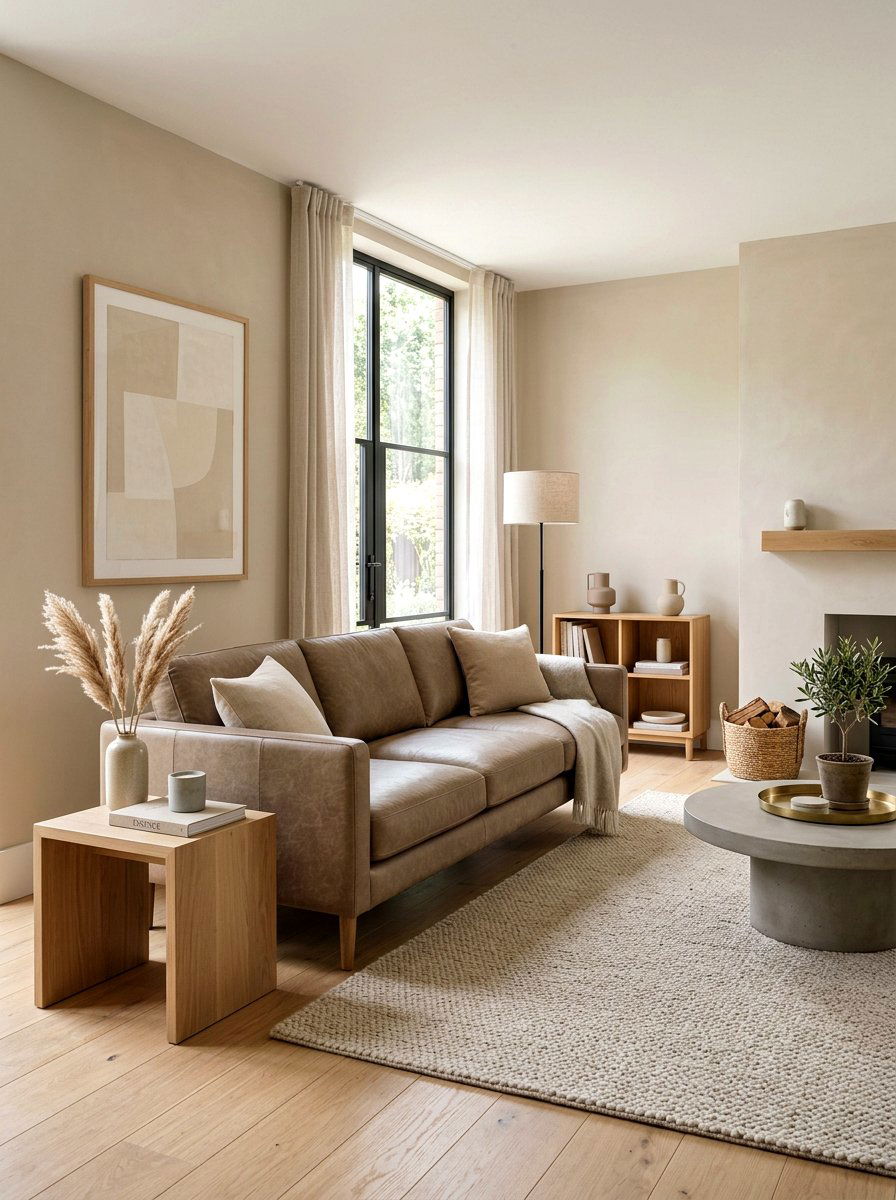
The neutral tone minimalist living room is the epitome of timeless elegance and relaxation. You can play with a sophisticated palette of greys, beiges, and soft tans to create a very cohesive look. By sticking to one color family, the eye can move easily across the room without any jarring distractions. This approach allows the quality of your furniture materials, like high-end leather or solid oak, to be the true stars of the design. You can add interest by mixing different finishes, such as matte walls with slightly glossy floor tiles. It is a foolproof way to design a space that will never go out of style.
14. Minimalist Living Room With Texture
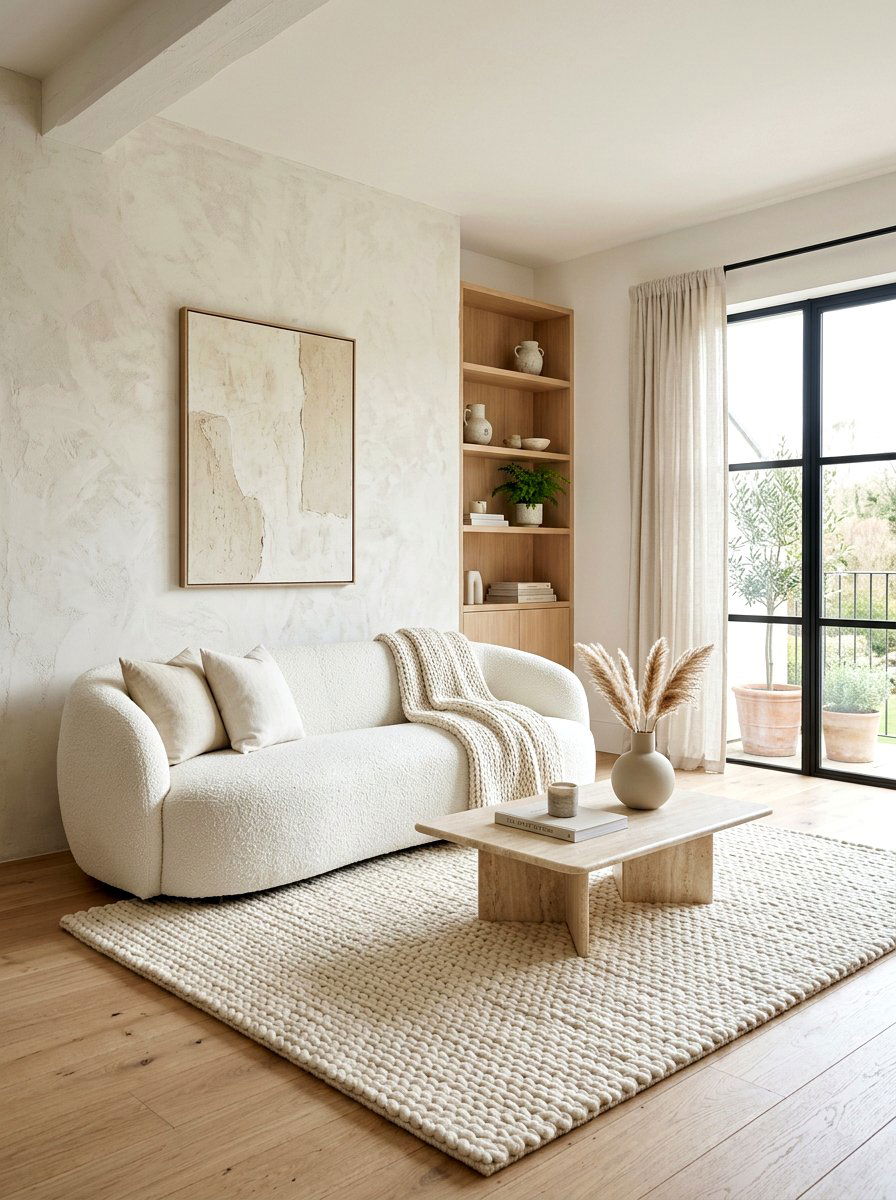
Focusing on a minimalist living room with texture is the best way to add character without adding clutter. Instead of using bright colors or busy patterns, you should look for fabrics with interesting weaves like bouclé, tweed, or heavy linen. A plaster finish on the walls can provide a subtle, tactile quality that catches the light in a very beautiful way. Mixing rough materials like raw wood with smooth surfaces like polished marble creates a sensory experience that feels very rich. This design style proves that you do not need a lot of items to make a room feel detailed, interesting, and deeply layered for comfort.

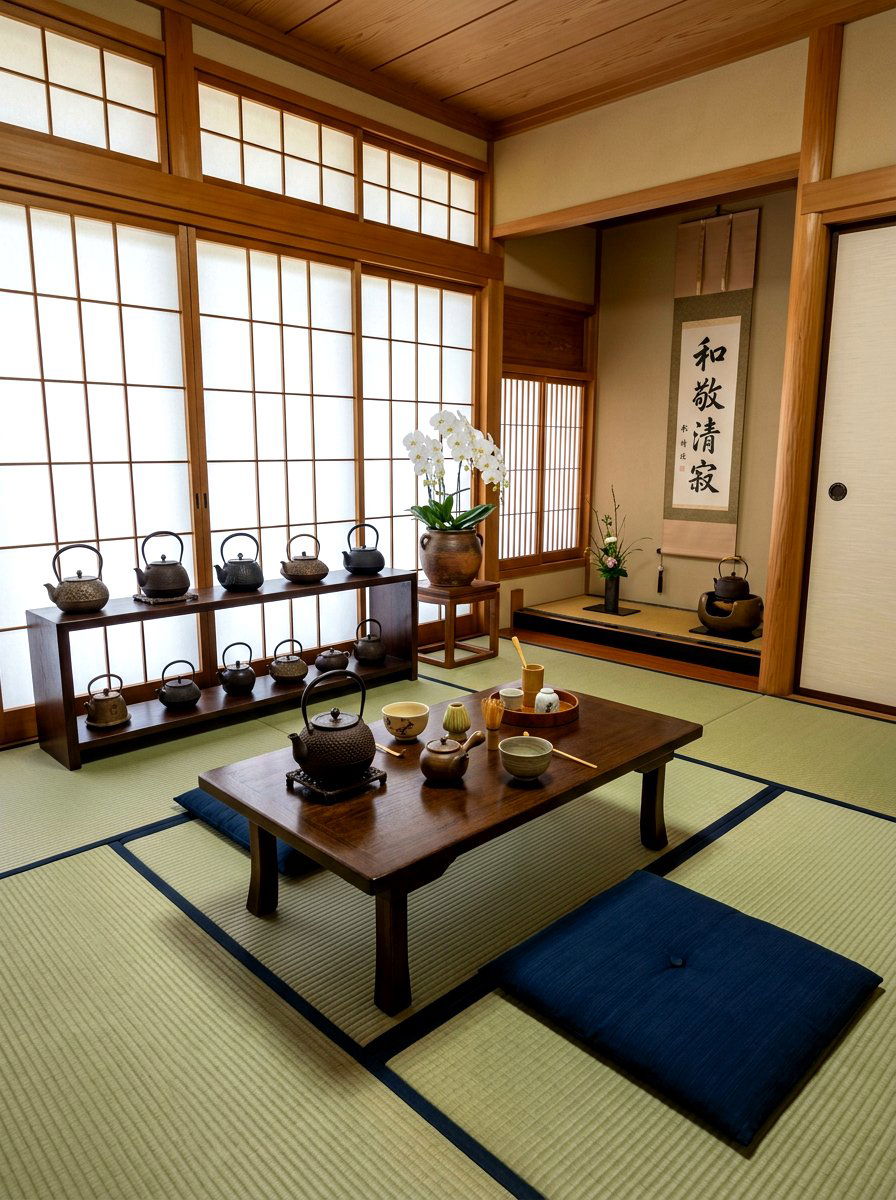
15. Minimalist Living Room With Sculptural Lighting
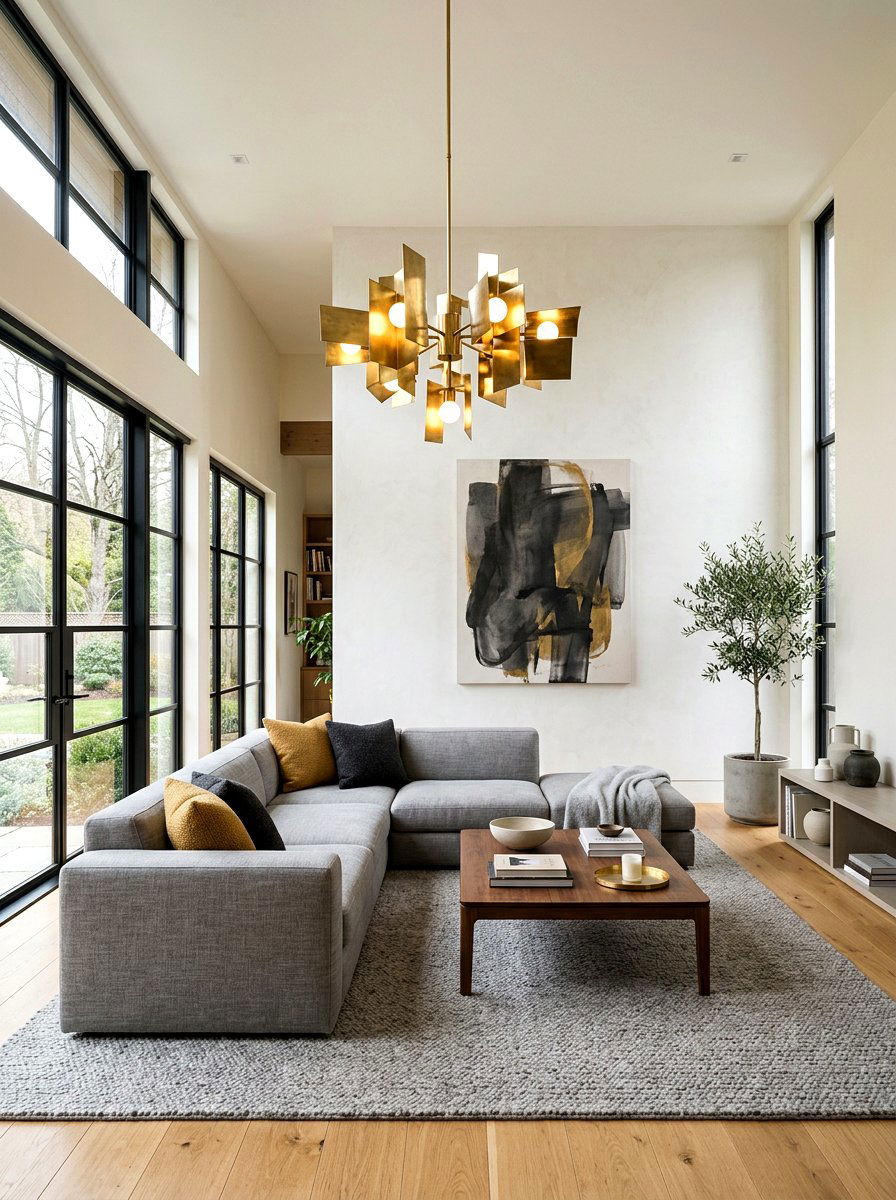
A minimalist living room with sculptural lighting uses functional items as the main artistic statement. You can choose a large, dramatic pendant light or a unique floor lamp with an interesting silhouette to anchor the space. Since the rest of the room is kept very simple, these lighting pieces can truly stand out as works of art. Look for designs that use materials like brass, matte black metal, or hand-blown glass to add a touch of luxury. During the evening, the way the light interacts with the simple furniture creates a beautiful atmosphere of shadows and highlights. It is a very smart way to decorate with purpose.
16. Industrial Minimalist Living Room
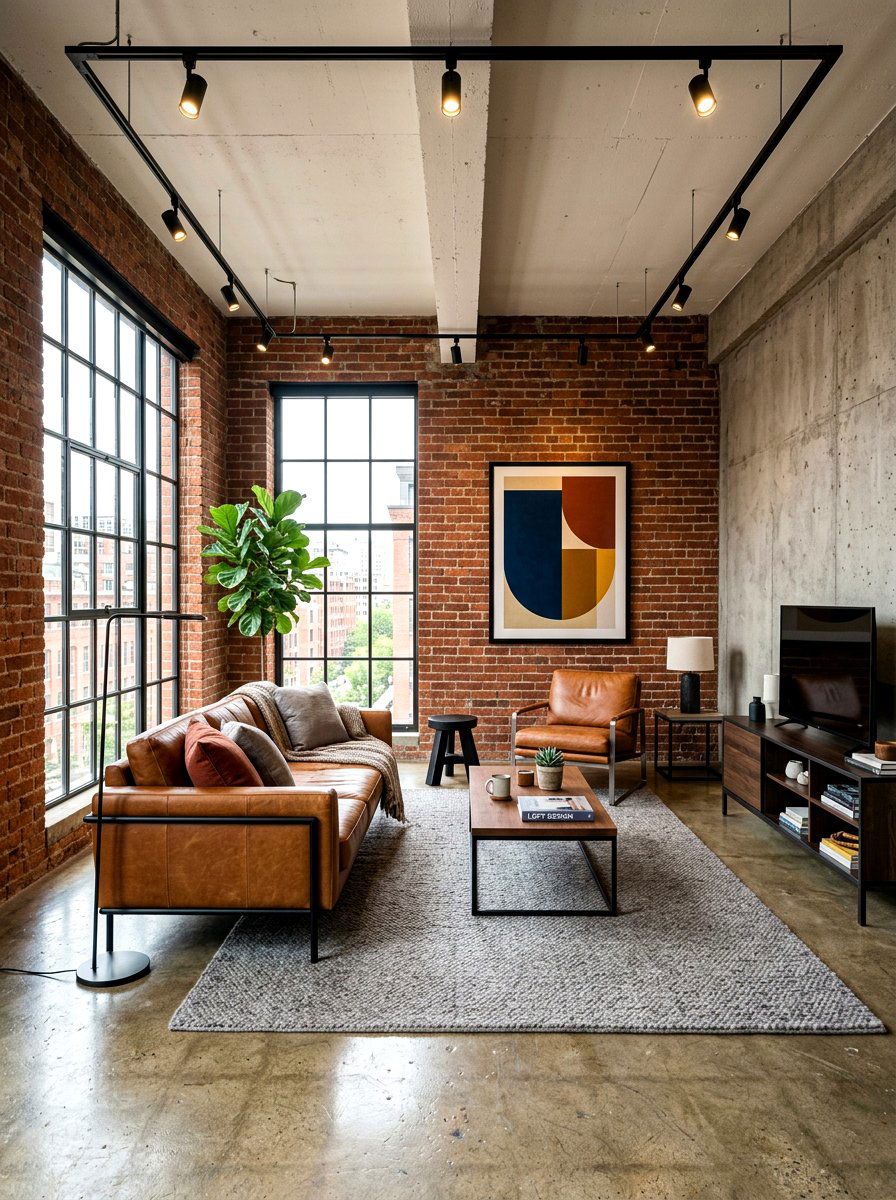
The industrial minimalist living room brings a raw and edgy vibe to the home by using utilitarian materials. You should embrace elements like exposed brick, concrete floors, and metal beams while keeping the furniture very sleek and modern. A leather sofa with a simple metal frame is a classic choice for this specific look. The key is to avoid the overly cluttered look of traditional industrial design and focus on a few high-impact pieces. Using a monochromatic palette of dark greys and blacks helps to unify the different raw textures. It is an excellent choice for urban lofts or anyone who appreciates a very strong, structural aesthetic.
17. Zen Minimalist Living Room
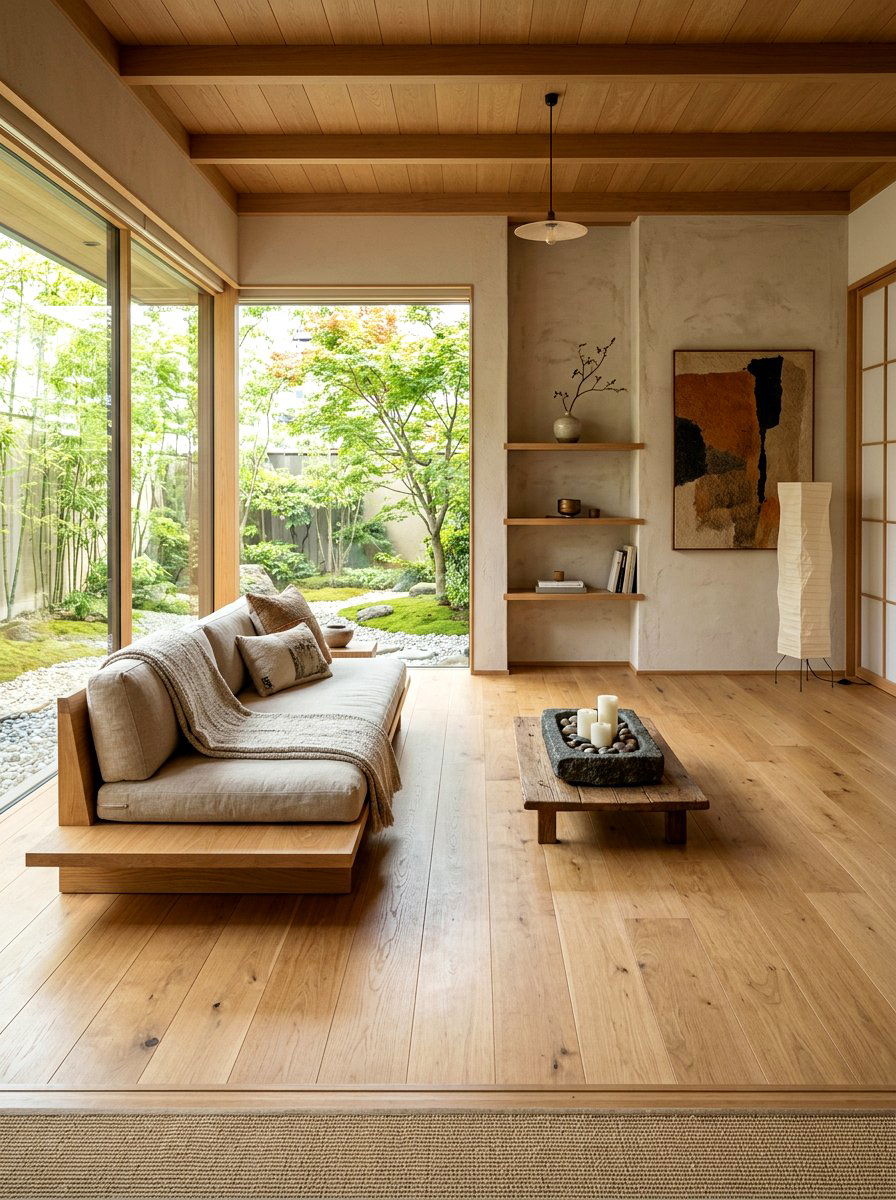
Designing a Zen minimalist living room is all about creating a space for meditation and total relaxation. You should prioritize low-profile furniture and leave plenty of open floor space to encourage a sense of freedom. Use a palette of soft, natural colors and incorporate elements like a small indoor water feature or a stone tray for candles. The absence of technology and loud distractions is a core part of this design philosophy. By keeping the room extremely simple and focused on natural materials, you create an environment that helps to lower stress and promote a very calm state of mind in your daily life.
18. Minimalist Living Room With Built In Shelves
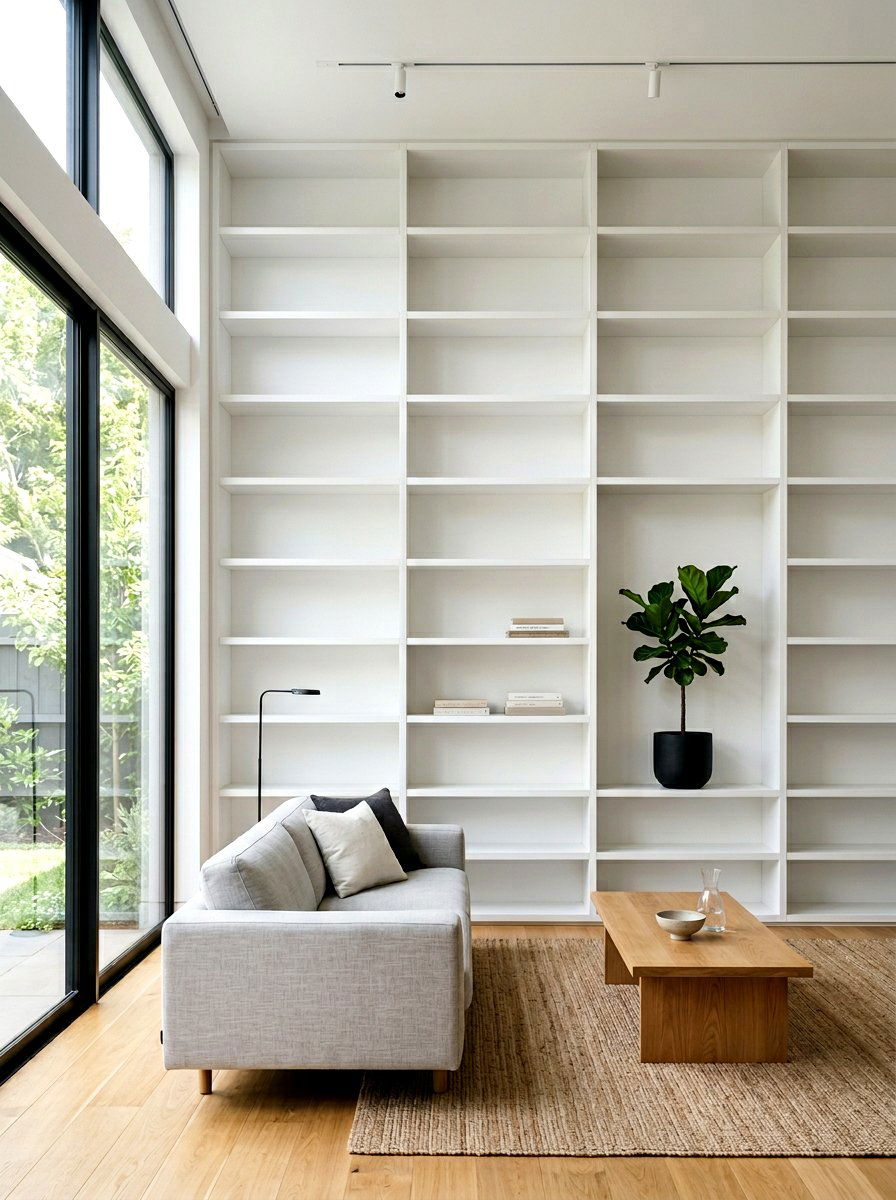
A minimalist living room with built-in shelves allows you to display a few curated items while keeping the rest of the room clear. The secret is to leave plenty of empty space on the shelves so they do not look overcrowded. You can paint the shelving the same color as the walls to help them blend seamlessly into the architecture. Use these areas to show off high-quality books, a few pieces of sculptural art, or a single beautiful plant. This design choice provides a permanent home for your most cherished items while maintaining the clean, organized look that is essential for any successful minimalist design scheme.
19. Cozy Minimalist Living Room
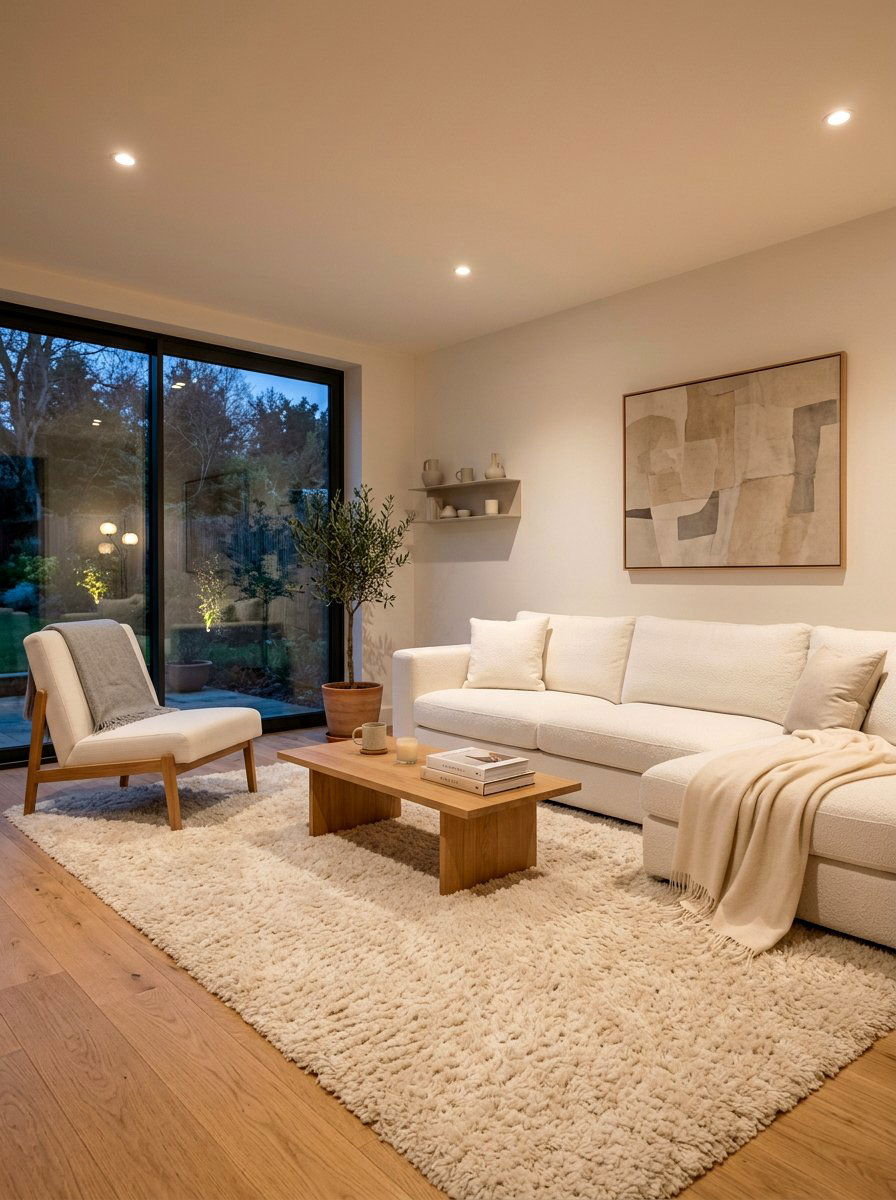
A cozy minimalist living room proves that you can have a clean aesthetic without sacrificing comfort. You should focus on high-quality seating with deep cushions and soft upholstery that invites you to sit and stay for a while. Adding a thick, plush rug will help to ground the space and provide a soft surface for your feet. Use warm, dimmable lighting to create a gentle glow that makes the room feel safe and inviting during the colder months. By choosing a few meaningful accessories, like a favorite scented candle or a soft throw, you add personality while keeping the overall design very simple and easy to clean.
20. Minimalist Living Room With Hidden Storage
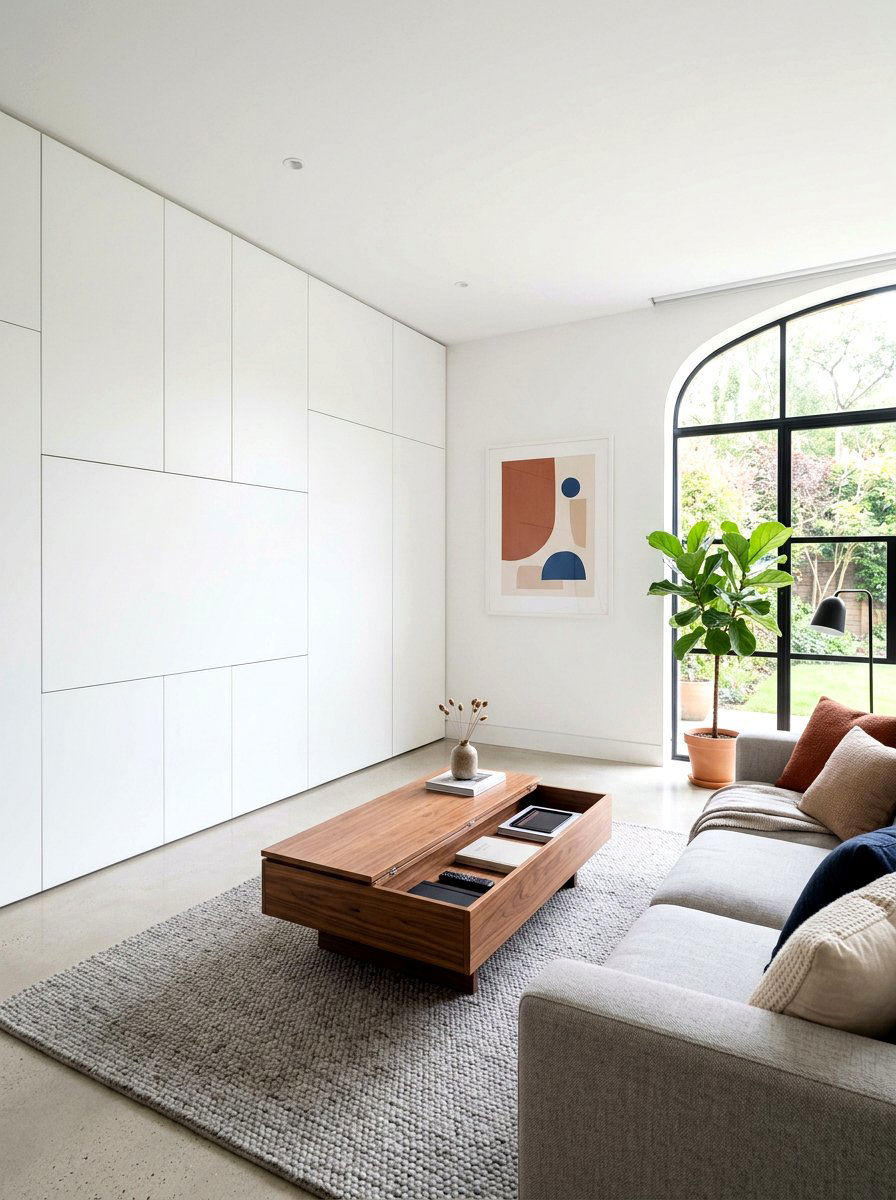
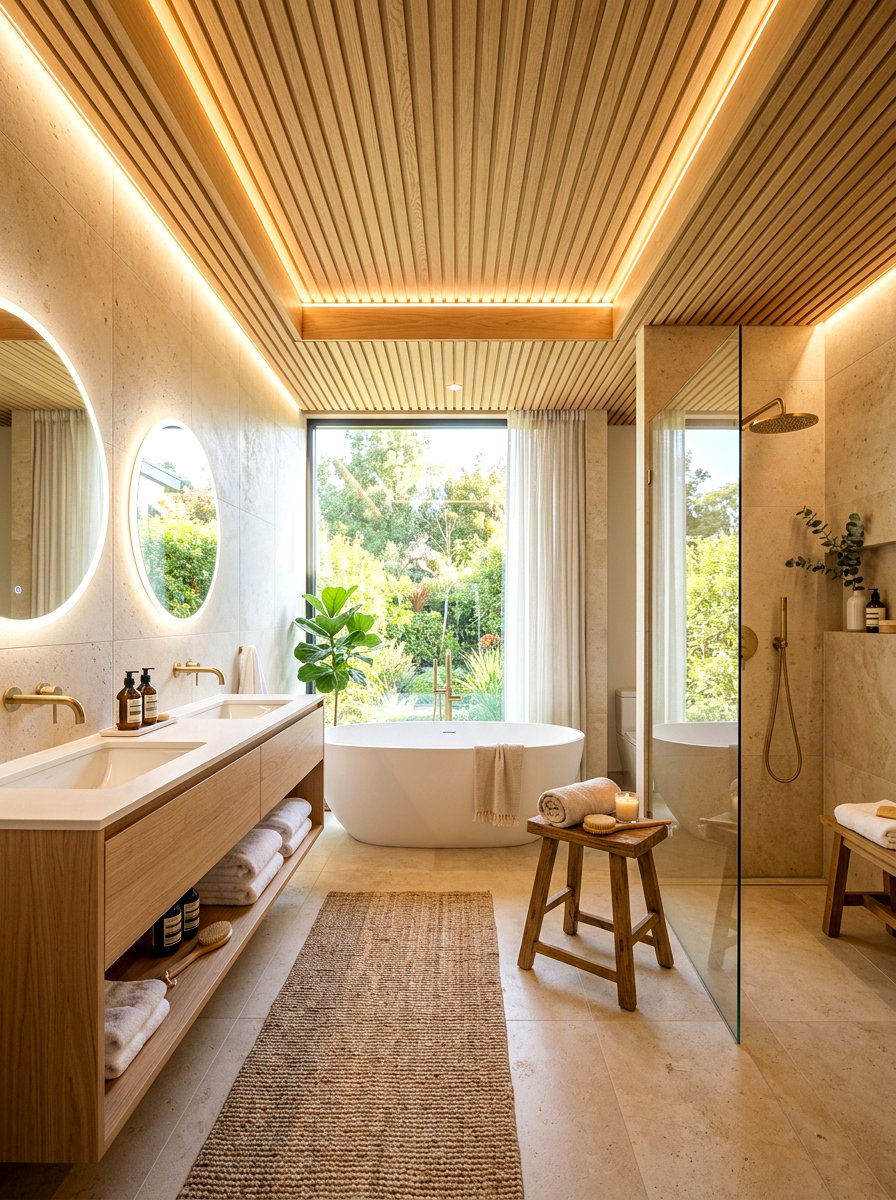
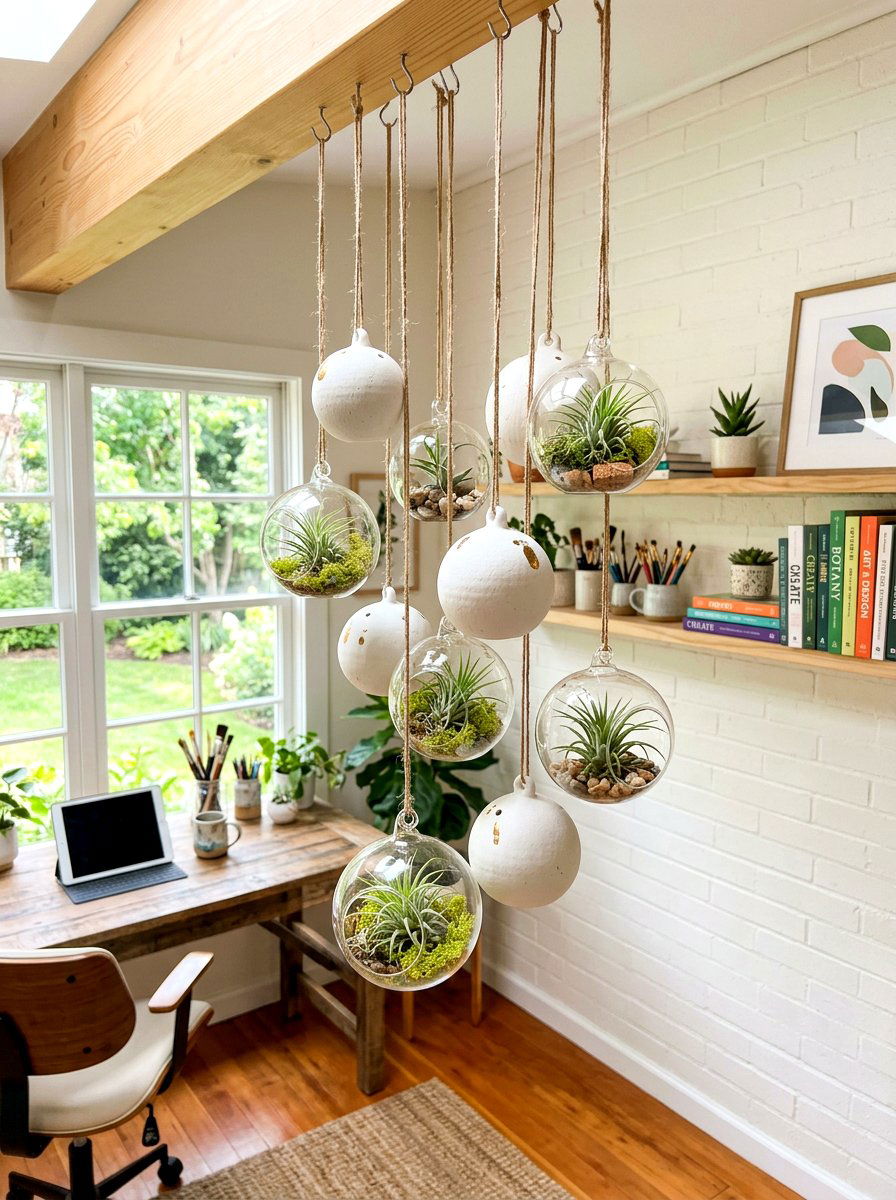
Implementing a minimalist living room with hidden storage is the ultimate way to maintain a clutter-free environment. You should look for coffee tables with secret compartments or media consoles with sleek, handle-less doors that blend into the wall. This allows you to tuck away remotes, chargers, and magazines so they are out of sight when not in use. Custom cabinetry that matches the wall color can hide an entire home office or a television behind sliding panels. By removing these daily distractions from view, the room feels much more peaceful and allows the beautiful lines of your primary furniture to remain the main focus.
21. Luxury Minimalist Living Room
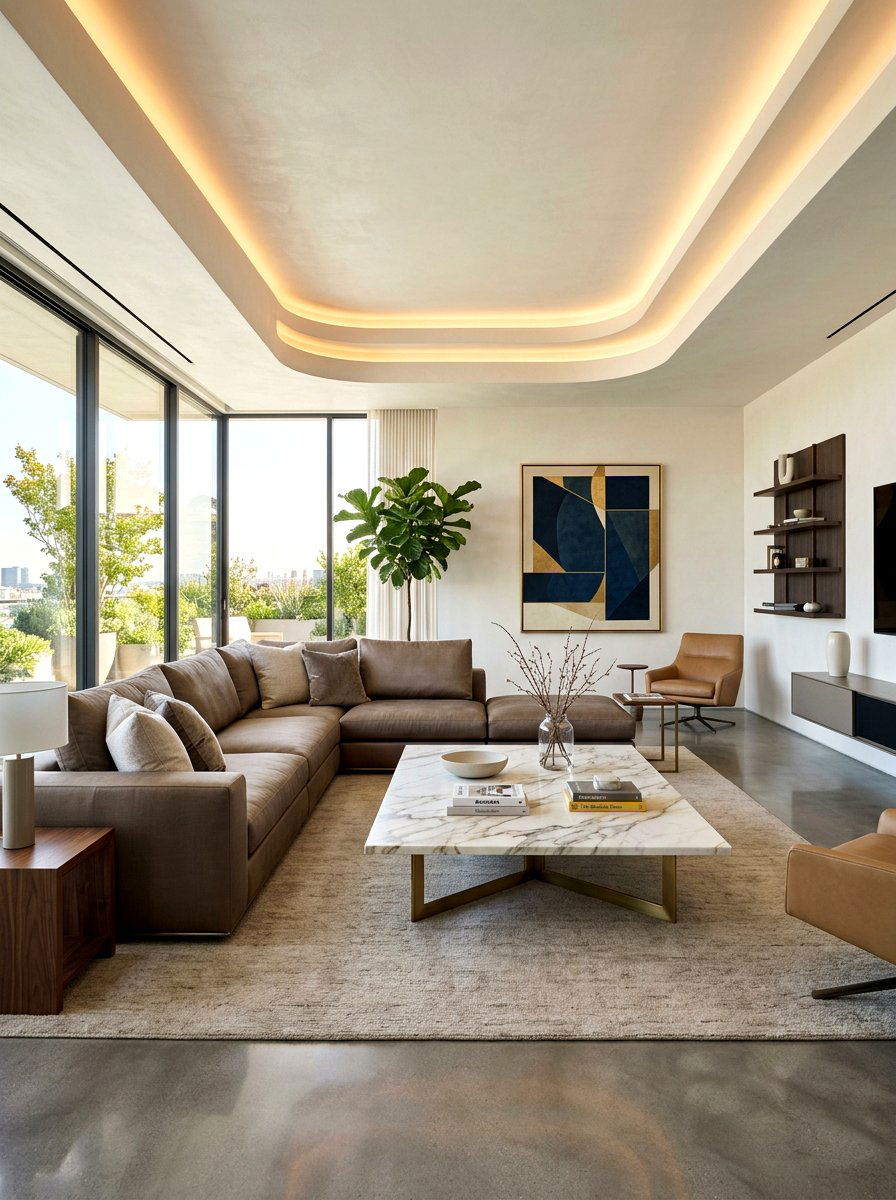
The luxury minimalist living room focuses on the highest quality materials and exquisite craftsmanship rather than excessive ornamentation. You can use large slabs of rare marble for the coffee table or fireplace surround to create a sense of opulence. Choose furniture from designer brands that prioritize perfect proportions and high-end finishes like silk or fine leather. The lighting should be layered and sophisticated, highlighting the architectural details of the room. Every item in a luxury minimalist space is a statement of quality and refined taste. This approach creates a very high-end environment that feels exclusive, incredibly polished, and absolutely breathtaking for any visitor or resident.
22. Biophilic Minimalist Living Room
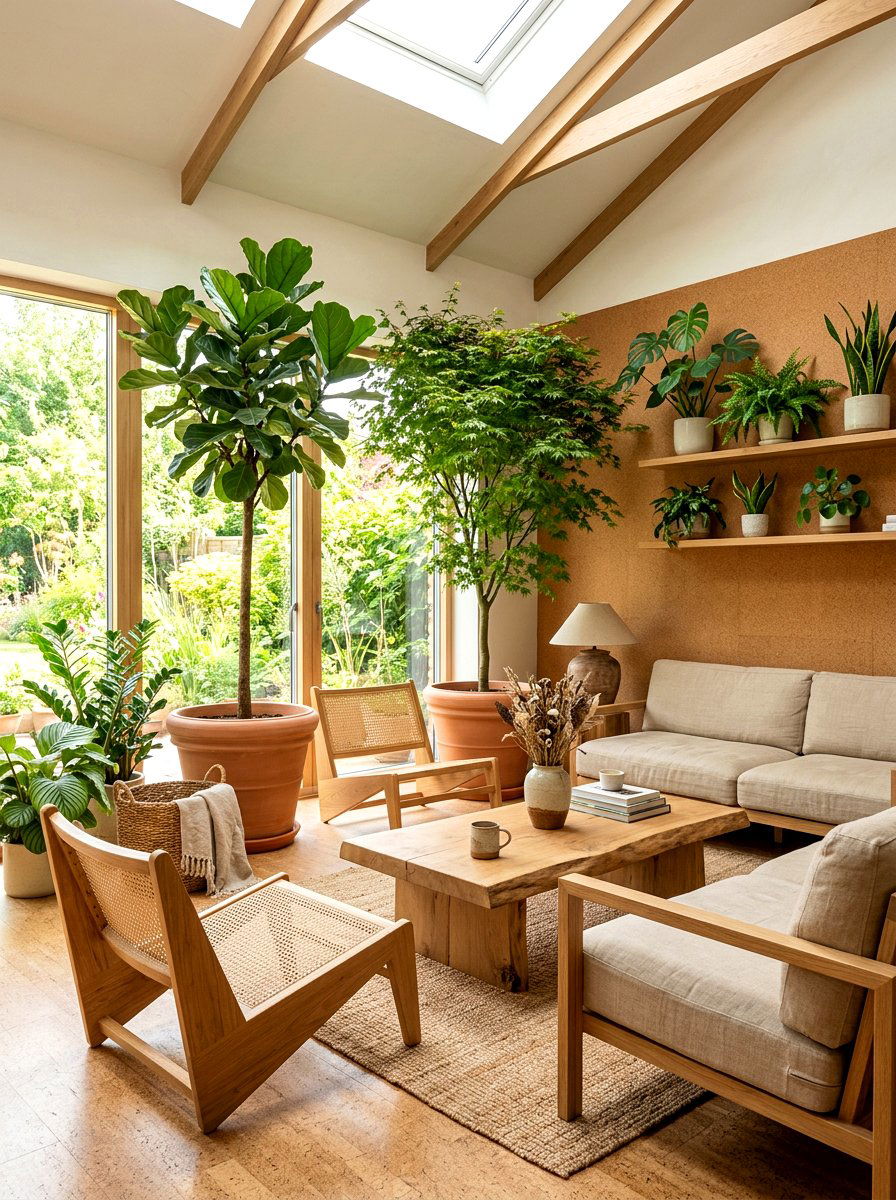
A biophilic minimalist living room brings the healing power of nature directly into your indoor space. You should incorporate a variety of green plants, from large floor palms to small succulents on a coffee table. The use of natural materials like unsealed wood, cork, and stone helps to strengthen the connection to the outdoors. Large windows that look out onto a garden or park are the perfect addition to this design. The presence of living things adds a dynamic element to the room that feels fresh and vital. It is a very healthy way to design a minimalist home that feels alive and constantly changing.
23. Minimalist Living Room With Low Seating
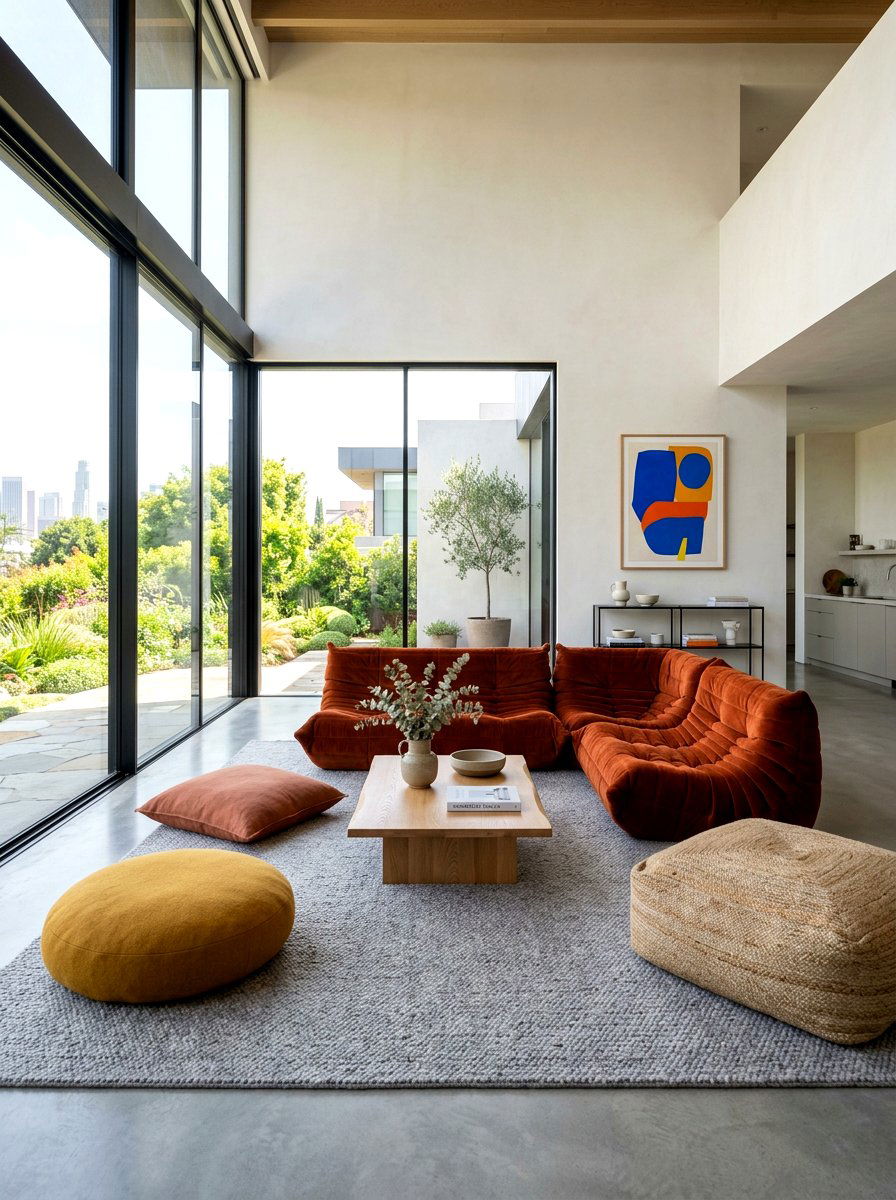
Choosing a minimalist living room with low seating creates a very relaxed and informal atmosphere that is perfect for socializing. Floor cushions, low-slung sofas, and bean bags can be arranged to encourage people to sit closer to the ground. this layout makes the room feel much larger because it leaves a lot of open space at eye level. It is a design choice often found in traditional Japanese or Mediterranean homes, where the focus is on a grounded lifestyle. Use a large, soft rug to make the entire floor area a comfortable place to sit. This style is very inviting and promotes a laid-back vibe.
24. Organic Modern Minimalist Living Room
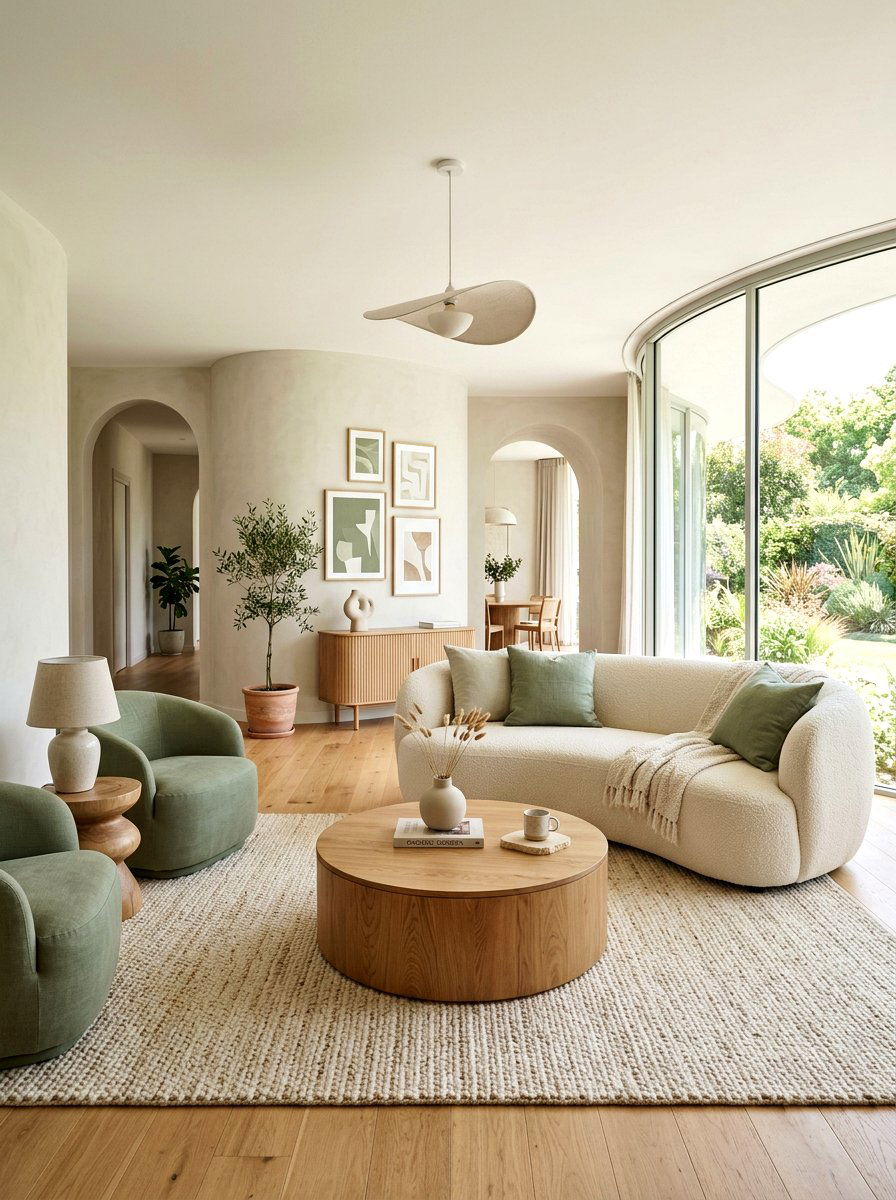
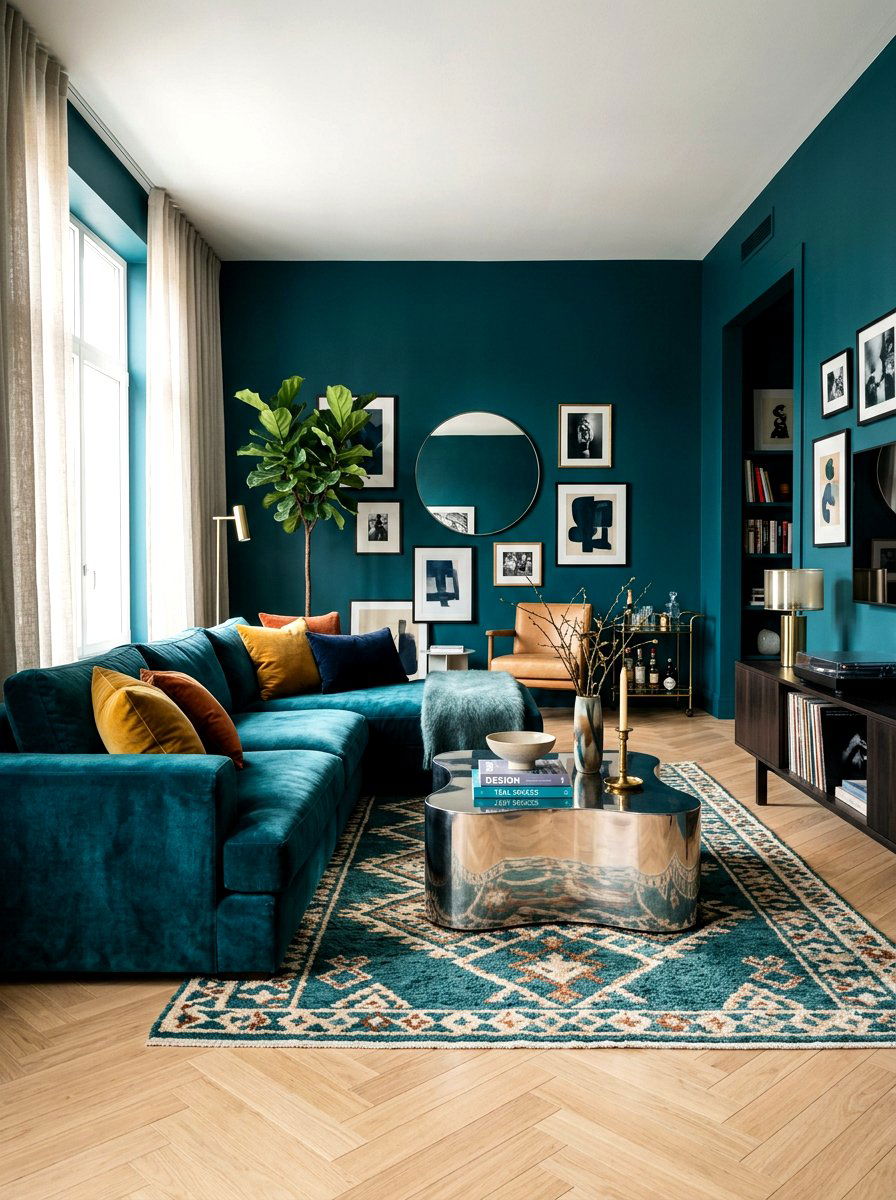
The organic modern minimalist living room blends contemporary design with the soft, flowing shapes found in the natural world. You should look for furniture with curved edges, like a kidney-shaped sofa or a round wooden coffee table. This approach helps to break up the harsh straight lines that can sometimes make minimalist rooms feel too stiff. Use a palette of soft whites, greens, and browns to reflect the colors of the forest or the sea. The result is a space that feels very balanced and harmonious. It is a sophisticated way to create a modern home that still feels deeply connected to the earth.
25. Concrete Minimalist Living Room
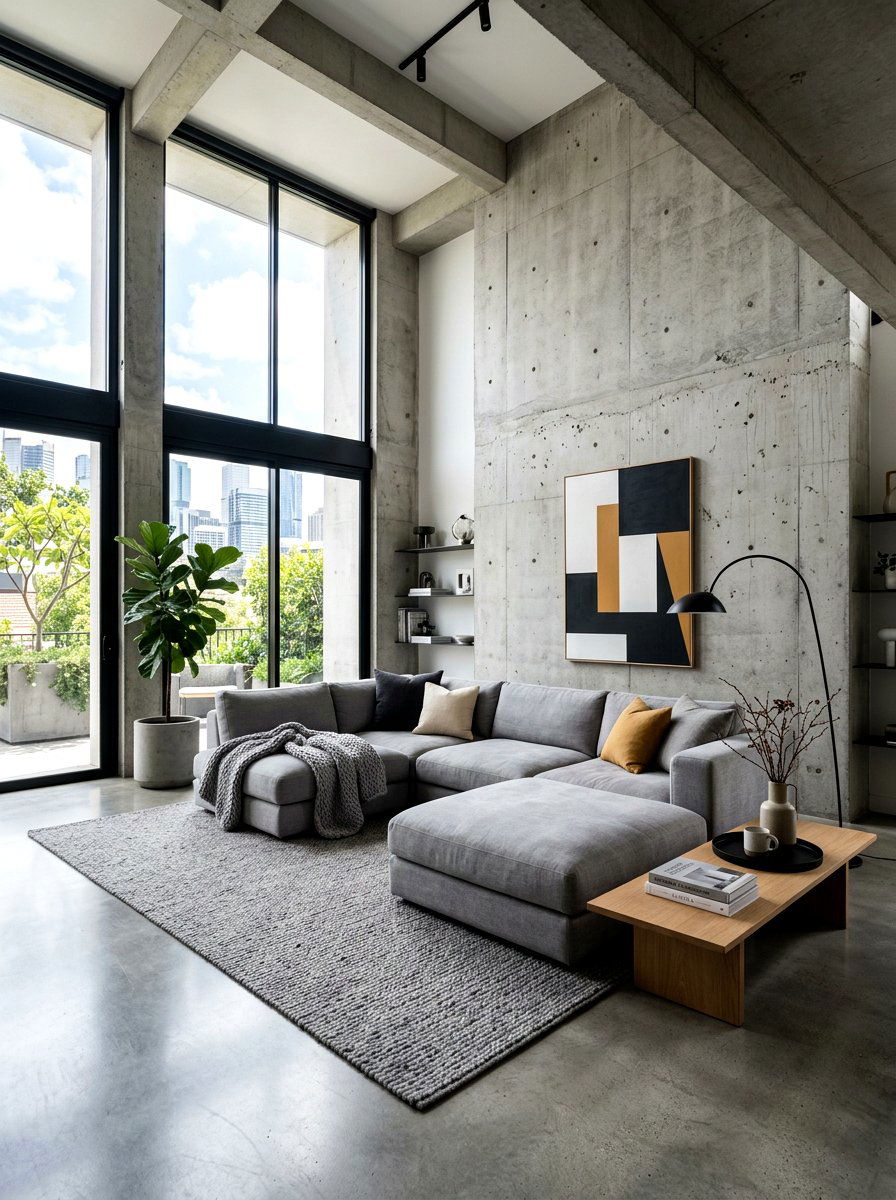
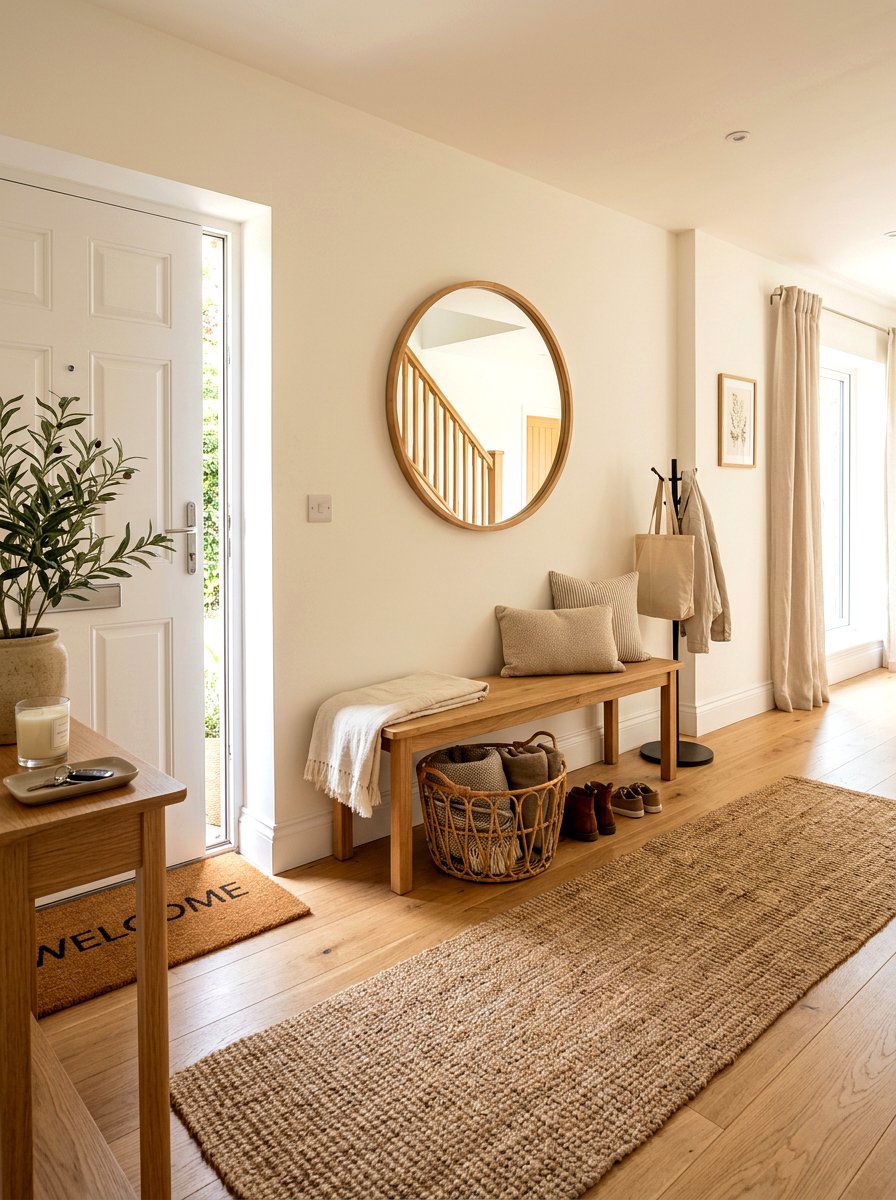
A concrete minimalist living room offers a very bold and architectural look that is perfect for modern homes. You can use polished concrete for the floors or even create a custom concrete feature wall to add a sense of weight and permanence. This cool, grey material provides a fantastic contrast to soft elements like an oversized fabric sofa or a plush wool rug. Lighting plays a huge role here, as the smooth surfaces of the concrete can reflect light in interesting ways. It is a very durable and low-maintenance design choice that appeals to those who love a clean, honest, and slightly industrial aesthetic.
26. Earth Tone Minimalist Living Room
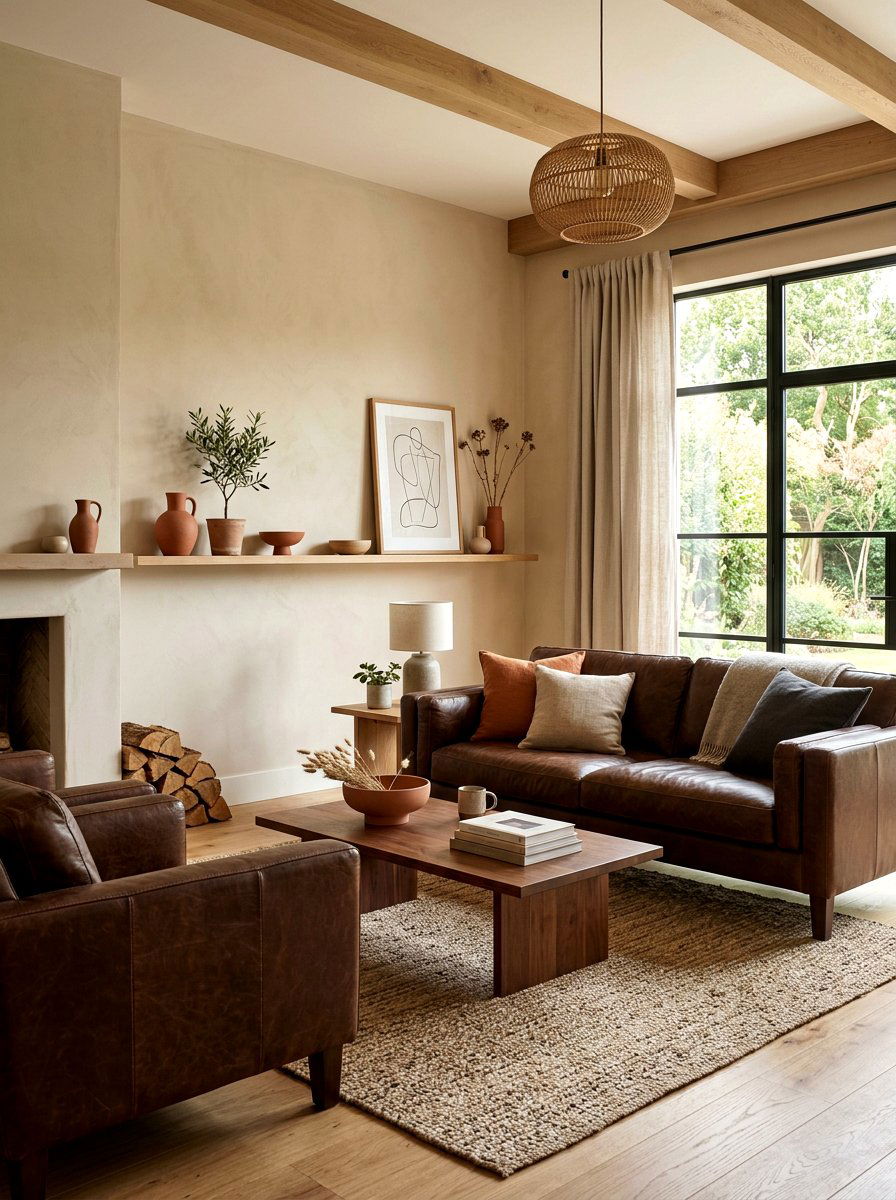
The earth tone minimalist living room is inspired by the colors of the soil, rocks, and trees. You should use a mix of deep browns, soft tans, and muted greens to create a very grounded and stable environment. This color palette is naturally soothing and works well with many different types of wood furniture. Instead of using shiny metals, look for matte finishes or even clay and terracotta accents. This style feels very authentic and honest, avoiding anything that looks too artificial or processed. It is the perfect choice for creating a home that feels like a quiet retreat from the busy outside world.
27. Minimalist Living Room With Abstract Art
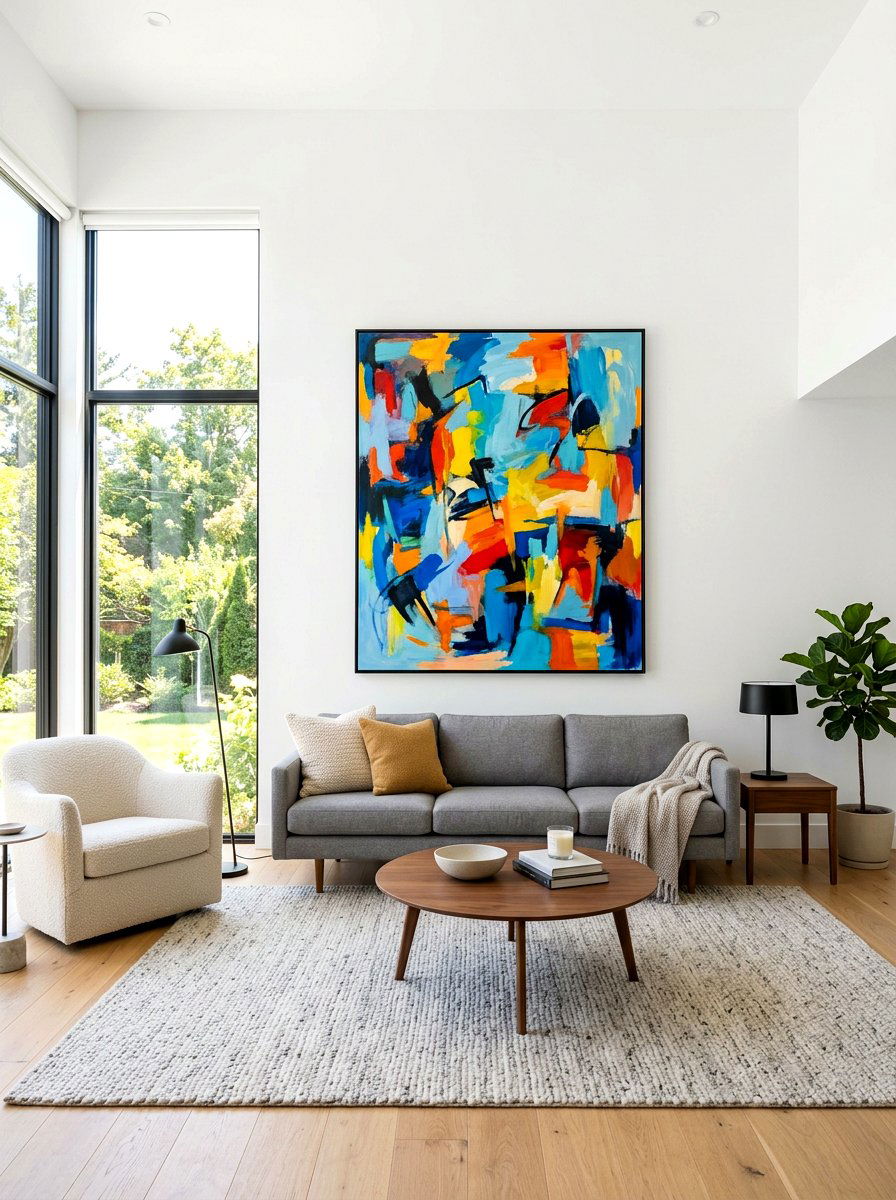
Using a minimalist living room with abstract art allows you to inject personality and color into a simple space. You should choose one large, high-impact painting or a series of minimalist line drawings to serve as the main focal point. Because the rest of the room is so clean, the art will receive all the attention it deserves. Look for pieces that complement your existing color palette or provide a single, exciting pop of color. This approach keeps the room from feeling empty or unfinished without the need for multiple small decorative items. It is a very sophisticated and curated way to decorate.
28. Minimalist Living Room With Central Fireplace
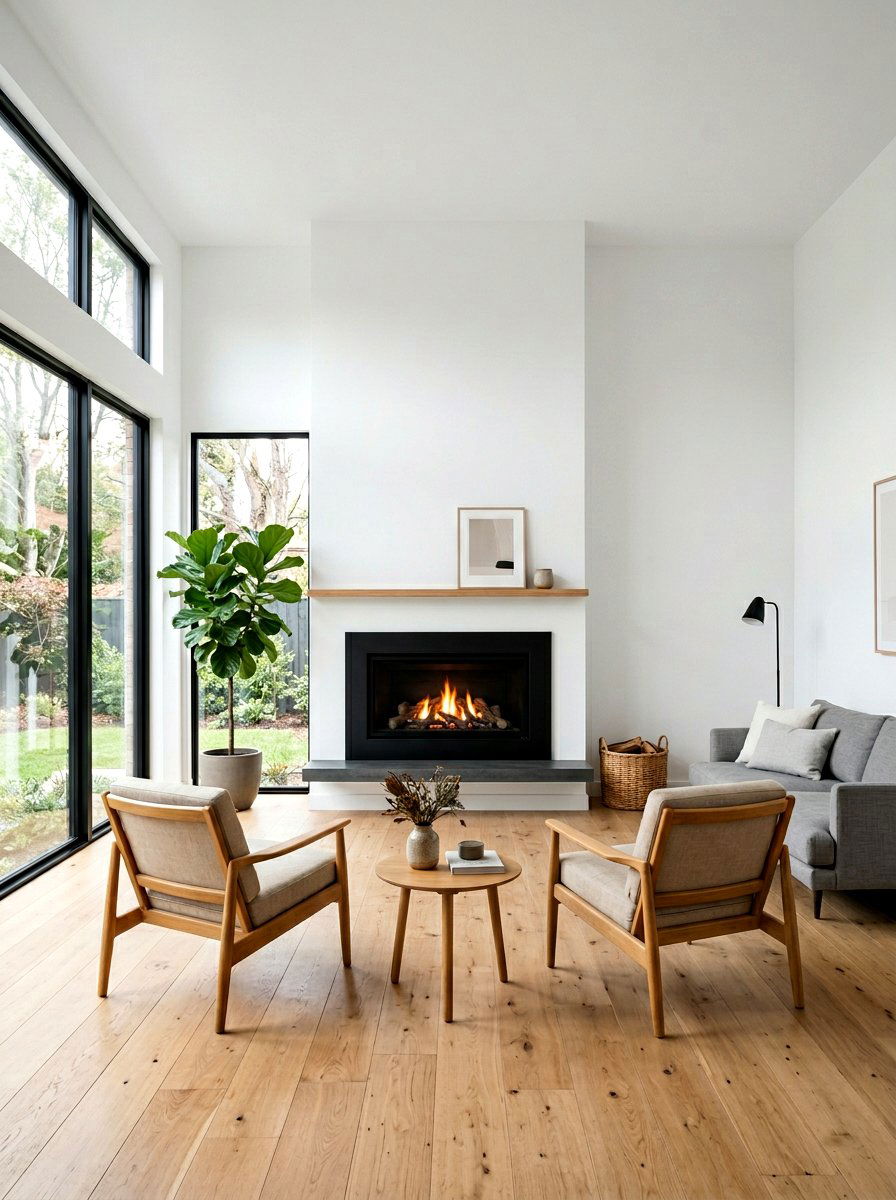
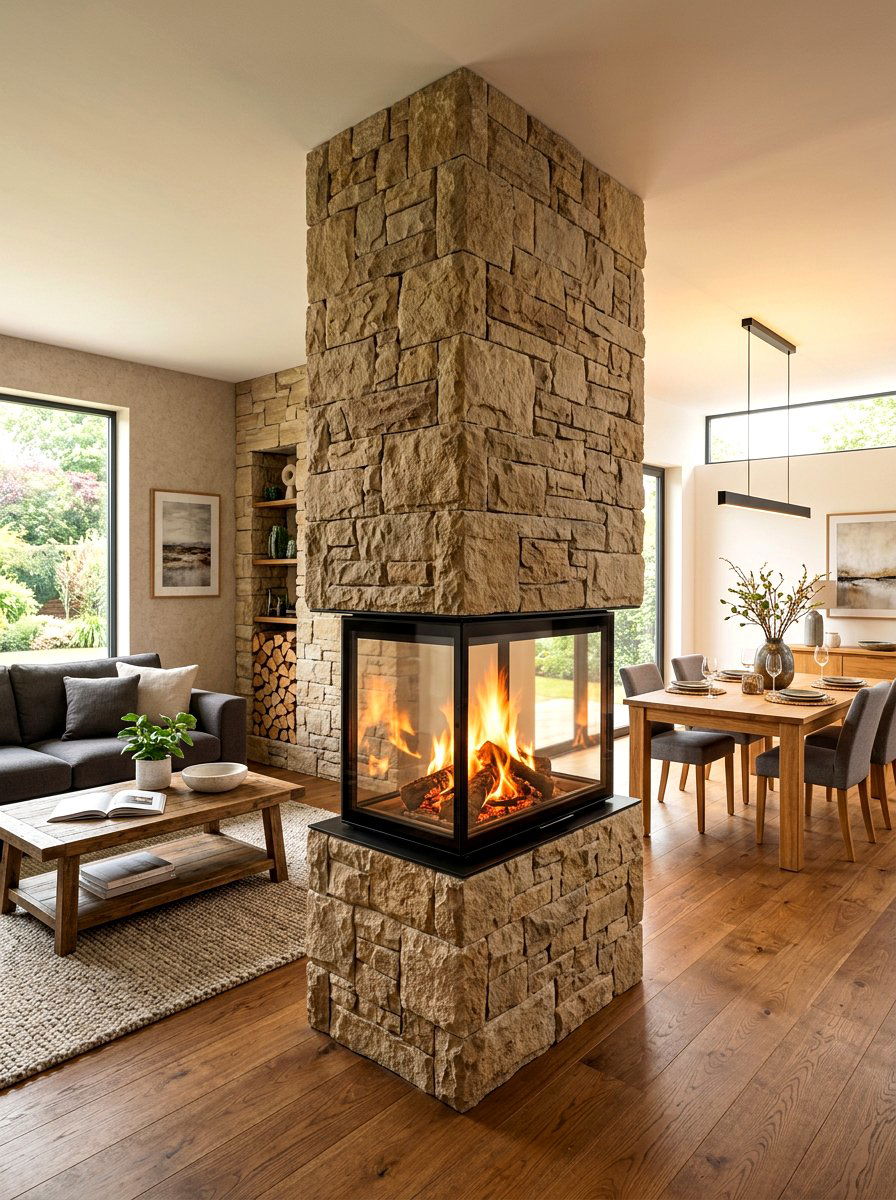
A minimalist living room with a central fireplace creates a warm and inviting heart for the entire home. You should choose a fireplace design with clean, simple lines and a hidden flue to maintain the minimalist look. Whether it is a traditional wood-burning stove or a sleek modern gas insert, it acts as a natural gathering point for family and friends. Surround the fireplace with simple seating and keep the mantel clear of clutter to let the flames be the main visual interest. This setup provides a wonderful sense of coziness and comfort that is perfect for long evenings during the winter months.
29. Open Concept Minimalist Living Room
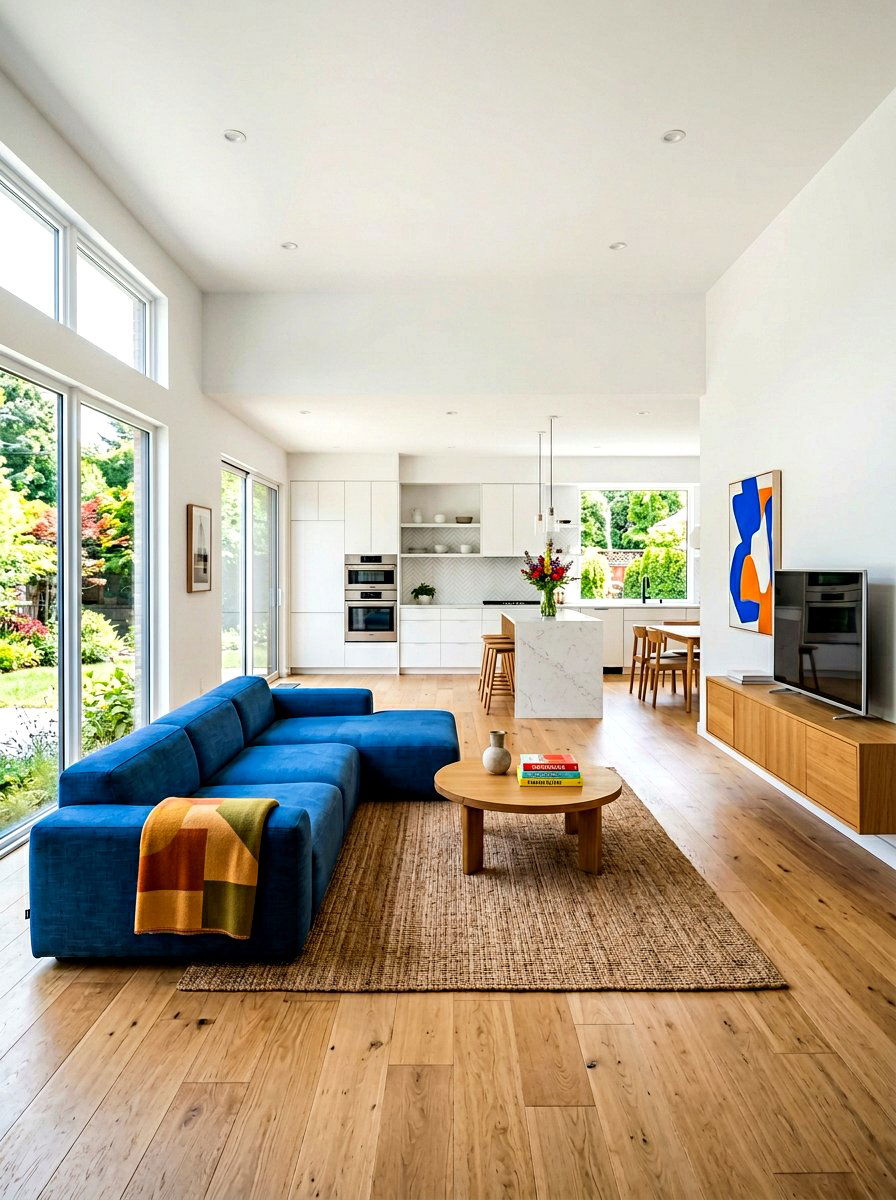
The open concept minimalist living room is designed to feel as large and unobstructed as possible. You should use the same flooring and wall color throughout the entire space to create a seamless transition between the living, dining, and kitchen areas. Minimalist furniture with thin legs helps to maintain sightlines across the room, making the whole area feel very bright and airy. Use area rugs to define the different zones without needing to build any walls or use heavy dividers. This layout is perfect for entertaining and allows for a lot of natural light to flow deeply into every corner of the house.
30. Wabi Sabi Minimalist Living Room
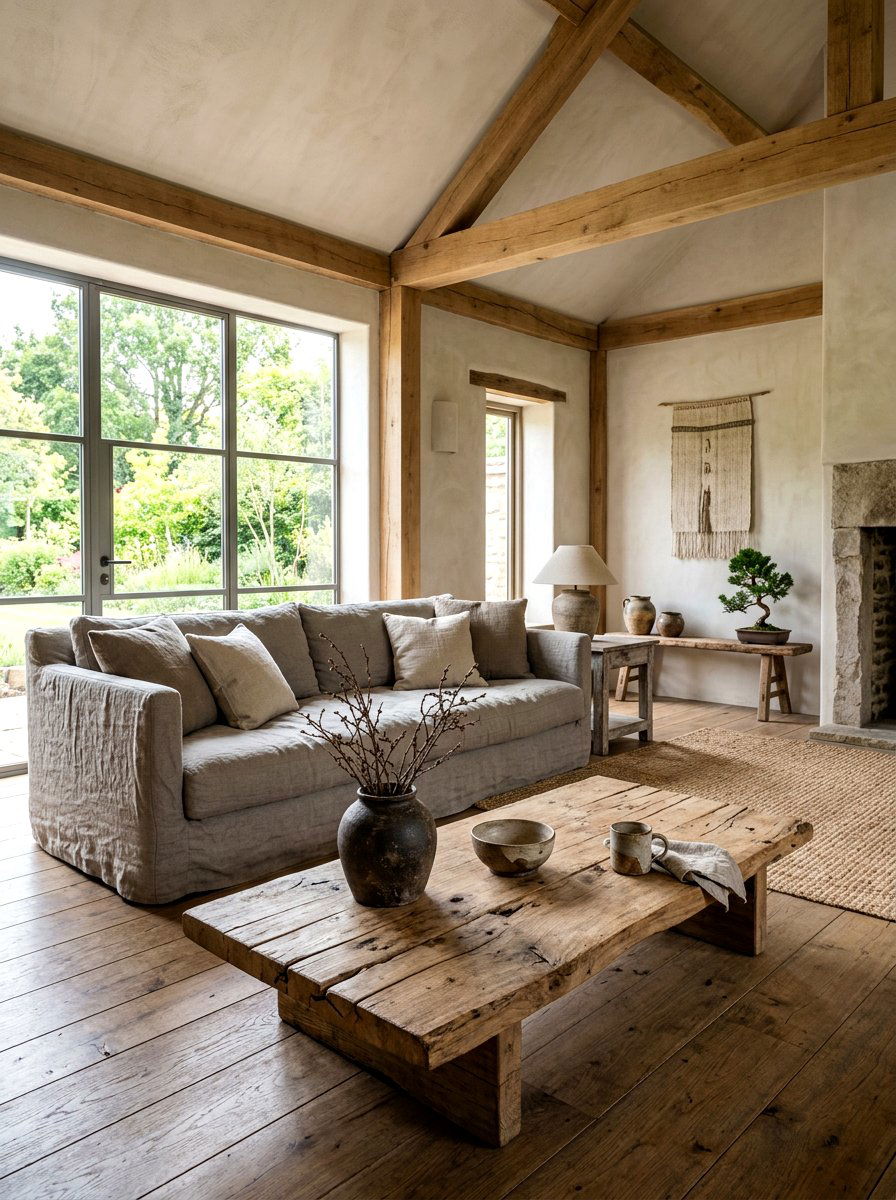
A Wabi Sabi minimalist living room embraces the beauty of imperfection and the passage of time. You should use natural materials that will age beautifully, such as reclaimed wood, linen, and hand-forged metal. Instead of looking for perfect, mass-produced items, look for handmade pieces that show the marks of the maker. A slightly wrinkled linen sofa or a table with a natural wood grain adds a sense of history and soul to the room. This philosophy encourages us to slow down and appreciate the simple things in life. It is a very honest and deeply personal way to design a truly minimalist living space.
Conclusion:
Adopting a minimalist living room design is about much more than just following a visual trend; it is about choosing a lifestyle of clarity and intention. By focusing on high-quality materials, thoughtful layouts, and a limited color palette, you can create a home that serves as a true sanctuary from the world. Each of the thirty ideas explored here offers a unique way to interpret the core principles of simplicity and functionality. Whether you prefer the warmth of earth tones or the sharp contrast of a black and white theme, minimalism allows your personal style to shine through without the noise. Start small and enjoy the peace.

Related posts: