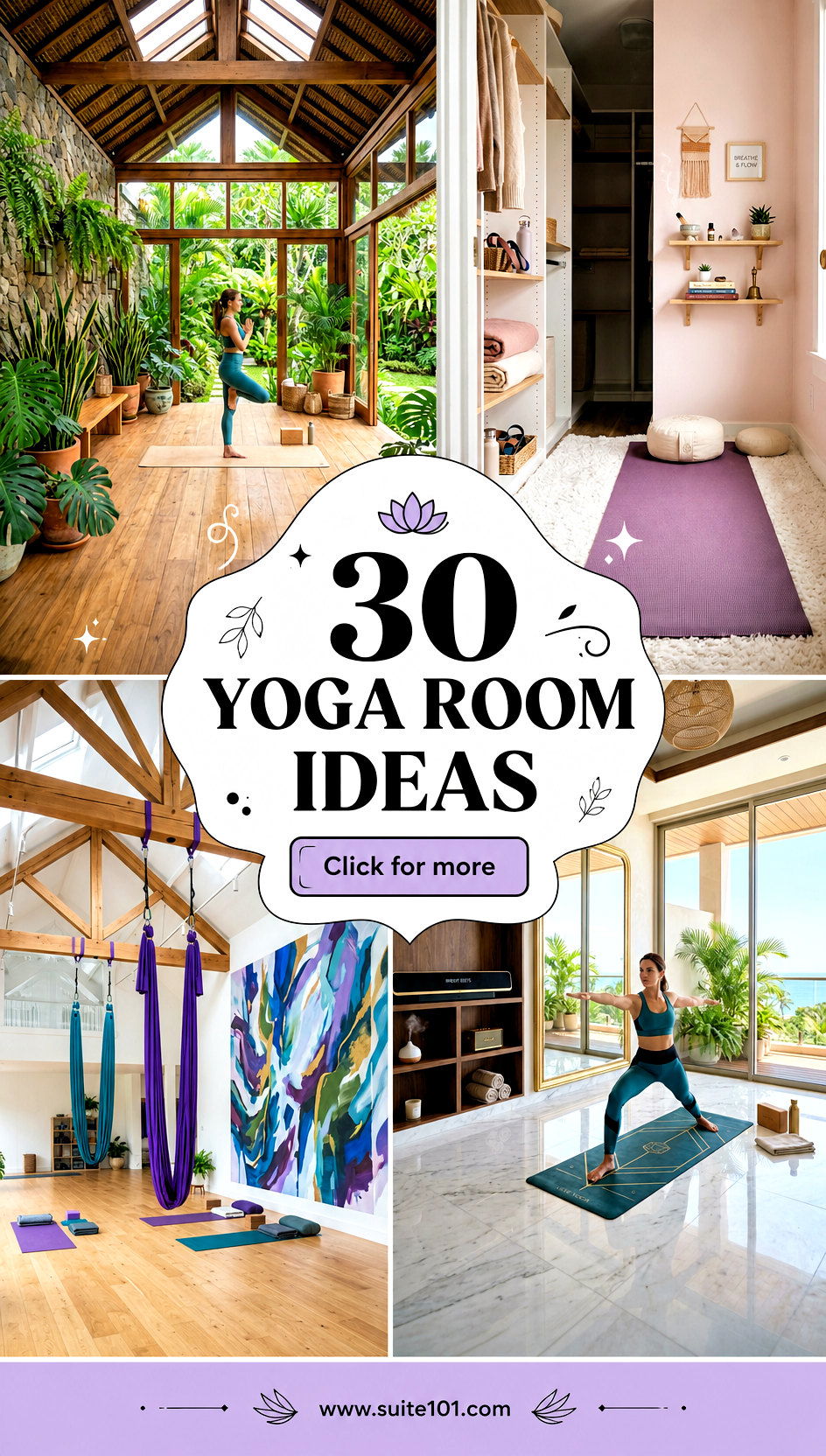
Creating a dedicated yoga room in your home is one of the most rewarding interior design projects you can undertake for your physical and mental well-being. A specialized space allows you to step away from daily distractions and fully immerse yourself in your practice. Whether you have an entire spare room or just a quiet corner, the design should focus on tranquility, functionality, and personal inspiration. Modern trends emphasize natural materials, soft lighting, and clutter-free environments that encourage deep breathing and focus. By intentionally choosing colors, textures, and layouts, you can transform any area into a sanctuary. This guide explores diverse styles to help you find the perfect aesthetic for your journey.
1. Minimalist Yoga Studio
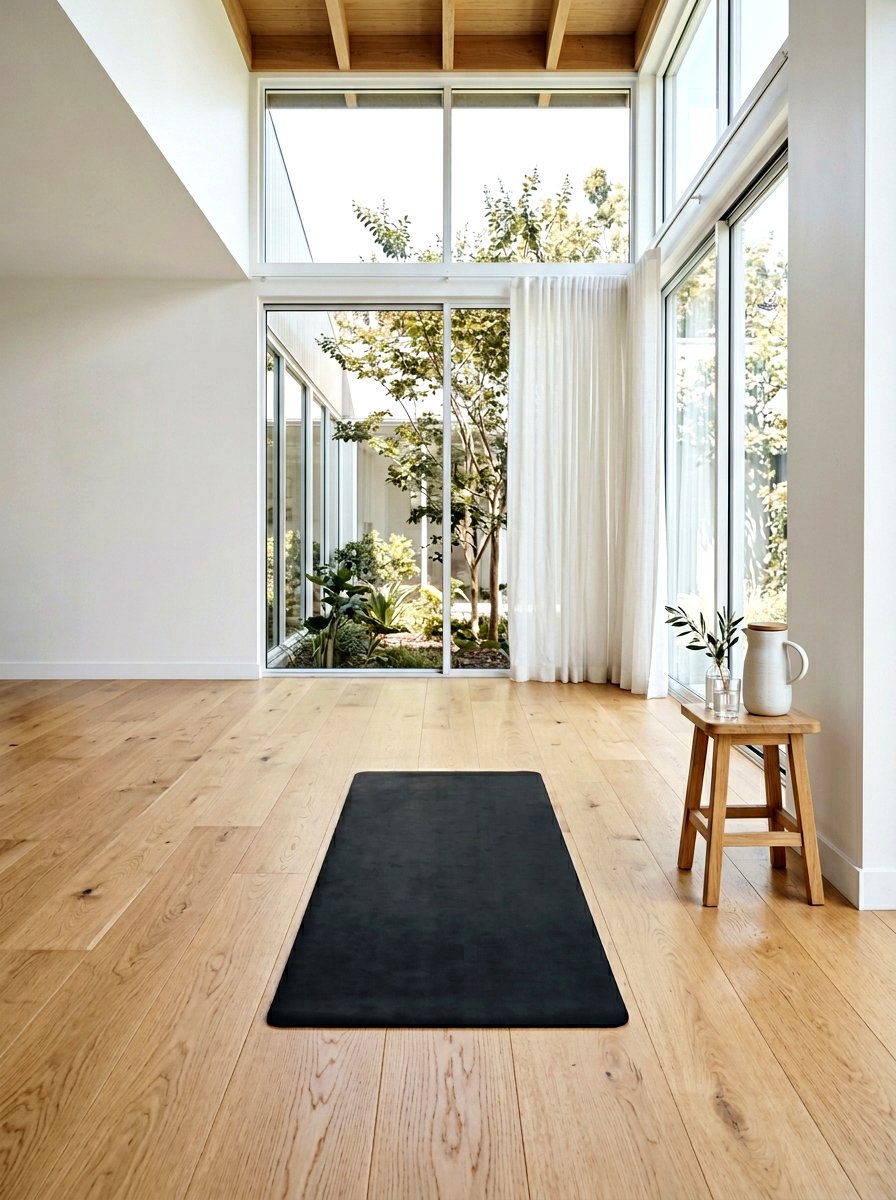
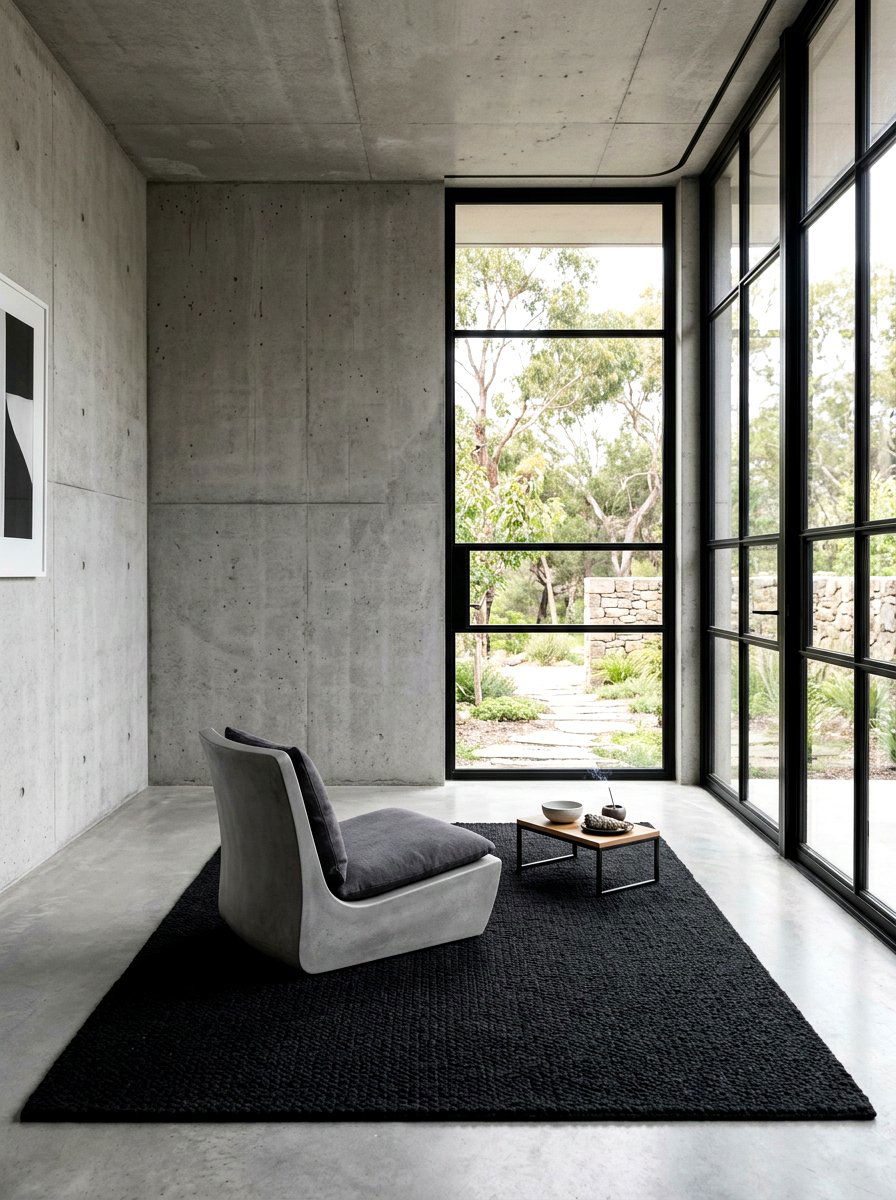
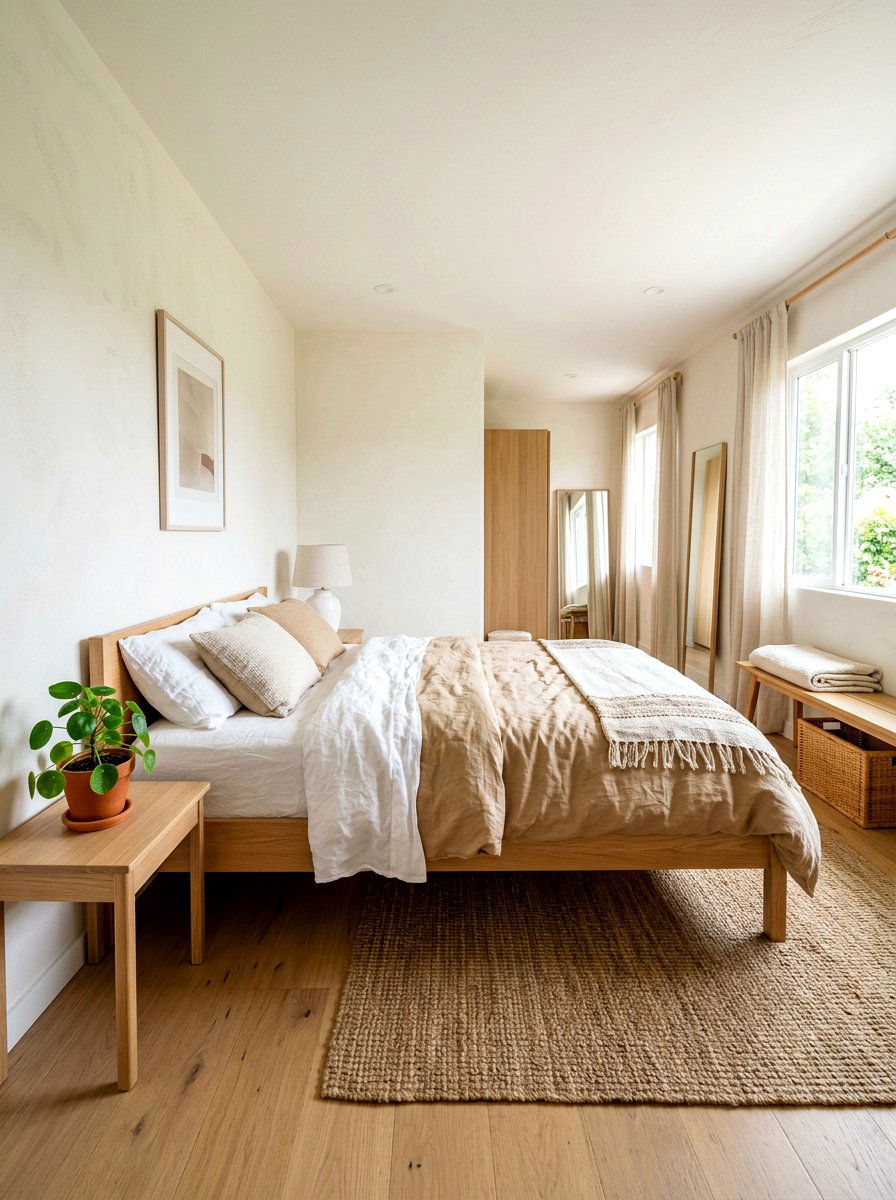
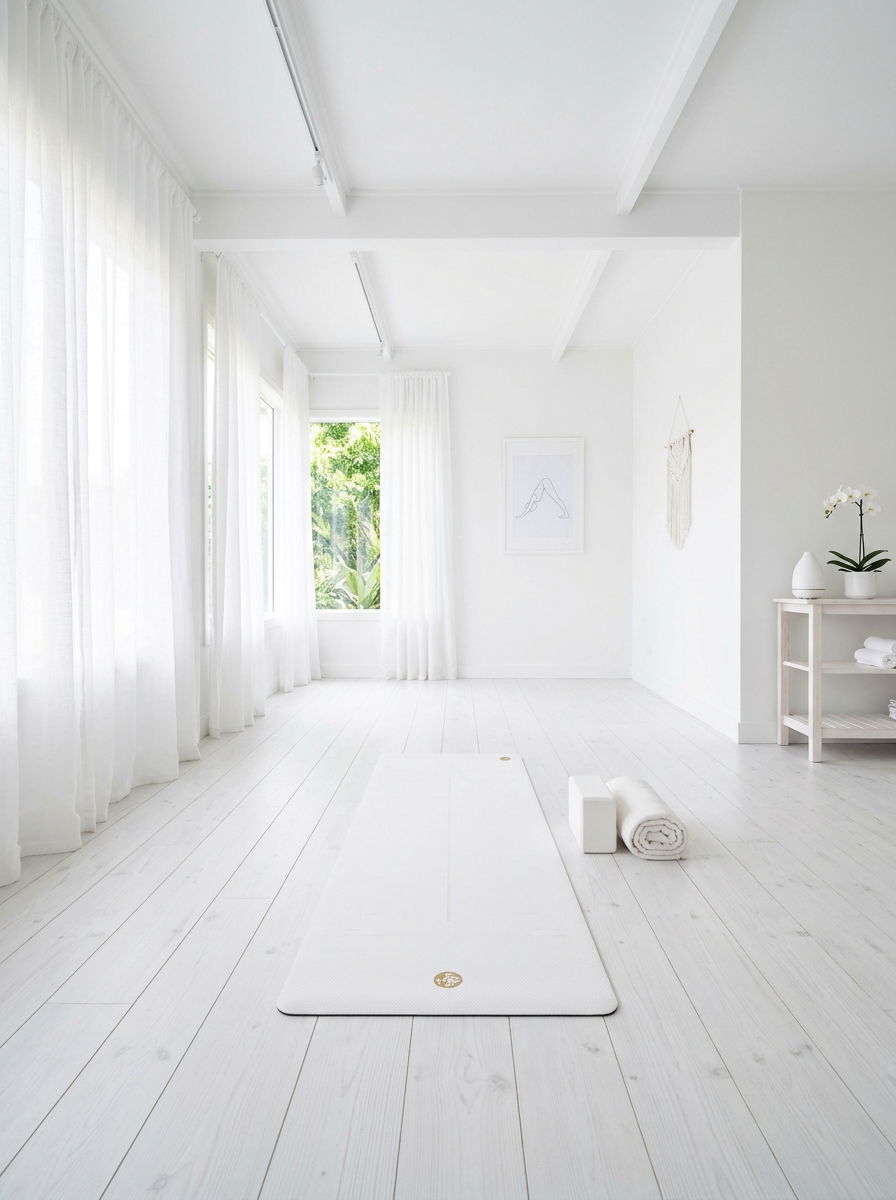
Embracing a minimalist yoga studio design means prioritizing open space and reducing visual noise to help clear your busy mind. Start with a neutral color palette featuring soft whites or light greys to make the room feel much larger and more airy. High-quality hardwood or bamboo flooring provides a stable surface for your mat and adds a touch of natural warmth to the area. Keep furniture to an absolute minimum, perhaps only including a simple low bench or a small wooden shelf for your essential props. This clean approach ensures that your breath remains the primary focus of every session without any physical clutter causing mental distractions.
2. Biophilic Yoga Space
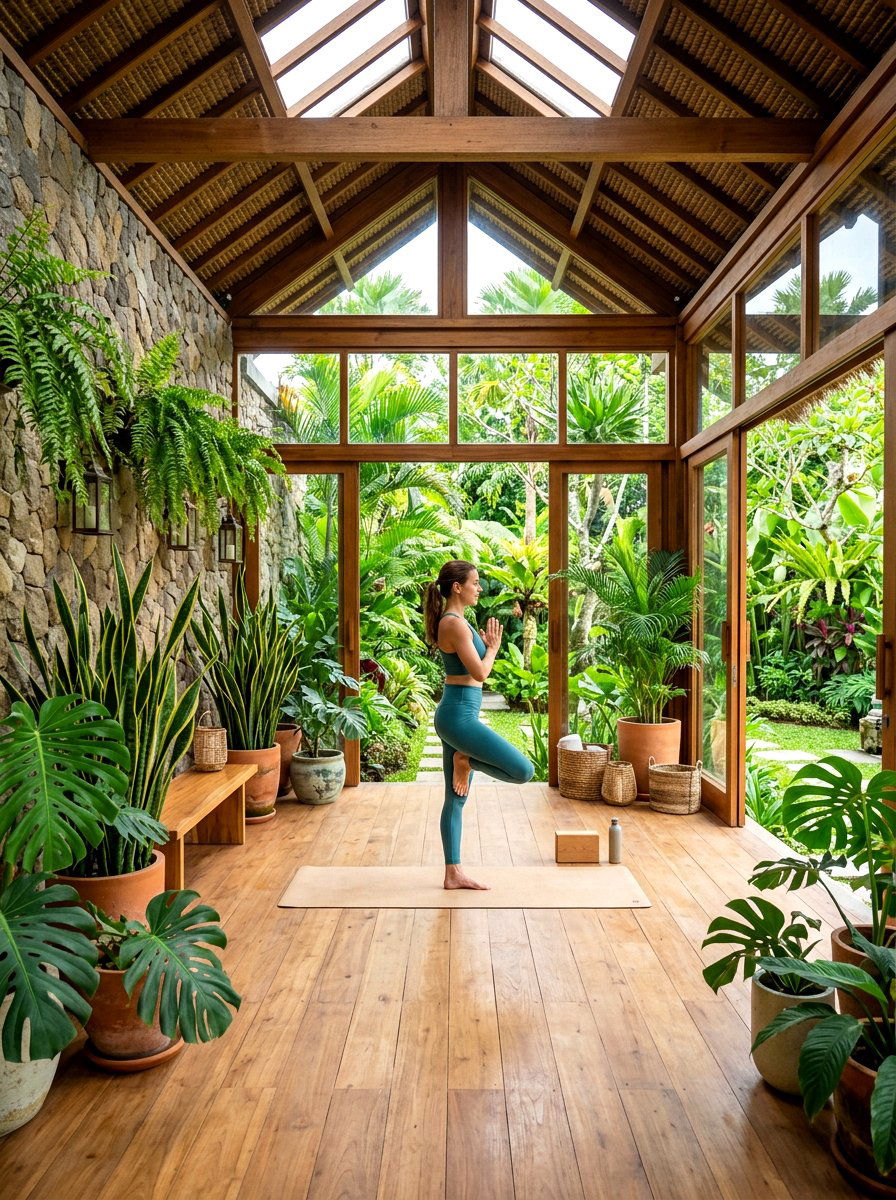
A biophilic yoga space connects your indoor practice with the healing power of the natural world through greenery and organic materials. Fill your room with air-purifying plants like snake plants, peace lilies, or hanging ivy to create a lush, living environment. Use natural wood accents for shelving and choose stone or clay containers for your plants to enhance the earthy vibe. Large windows that provide views of trees or a garden are ideal, but you can also use botanical art to achieve a similar effect. This design direction helps lower stress levels and makes you feel more grounded during balancing poses and deep meditation.
3. Bohemian Yoga Sanctuary
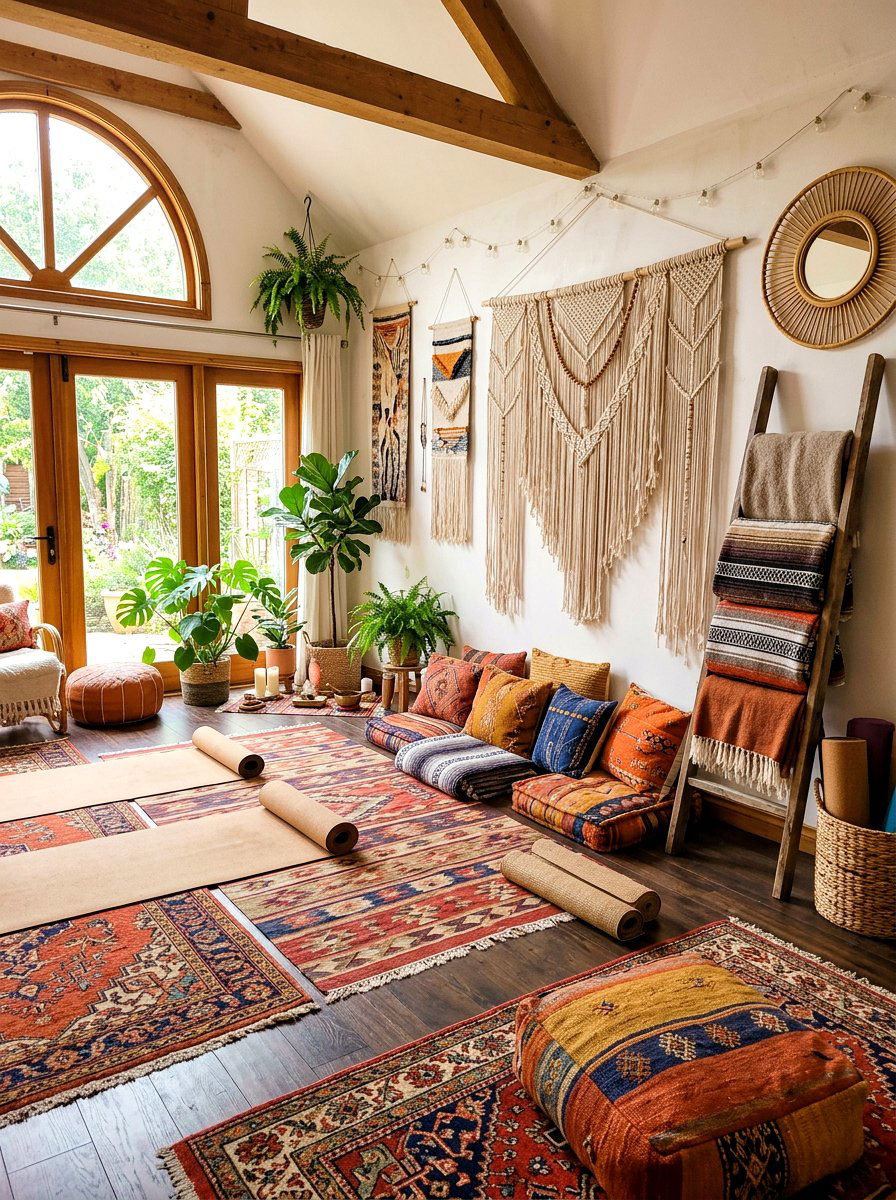
Creating a bohemian yoga sanctuary allows you to express your personality through rich textures, vibrant textiles, and cozy decorative layers. Start by layering several patterned rugs to provide extra cushioning and a warm, eclectic foundation for your yoga mat. Incorporate macrame wall hangings, colorful floor cushions, and woven baskets to store your blocks and bolsters in a stylish way. Soft, ambient lighting from Moroccan lanterns or string lights adds a magical glow to the room during evening practices. This style is perfect for those who want their wellness space to feel like a comfortable, lived-in retreat that celebrates creativity and spiritual freedom.
4. Small Apartment Yoga Nook
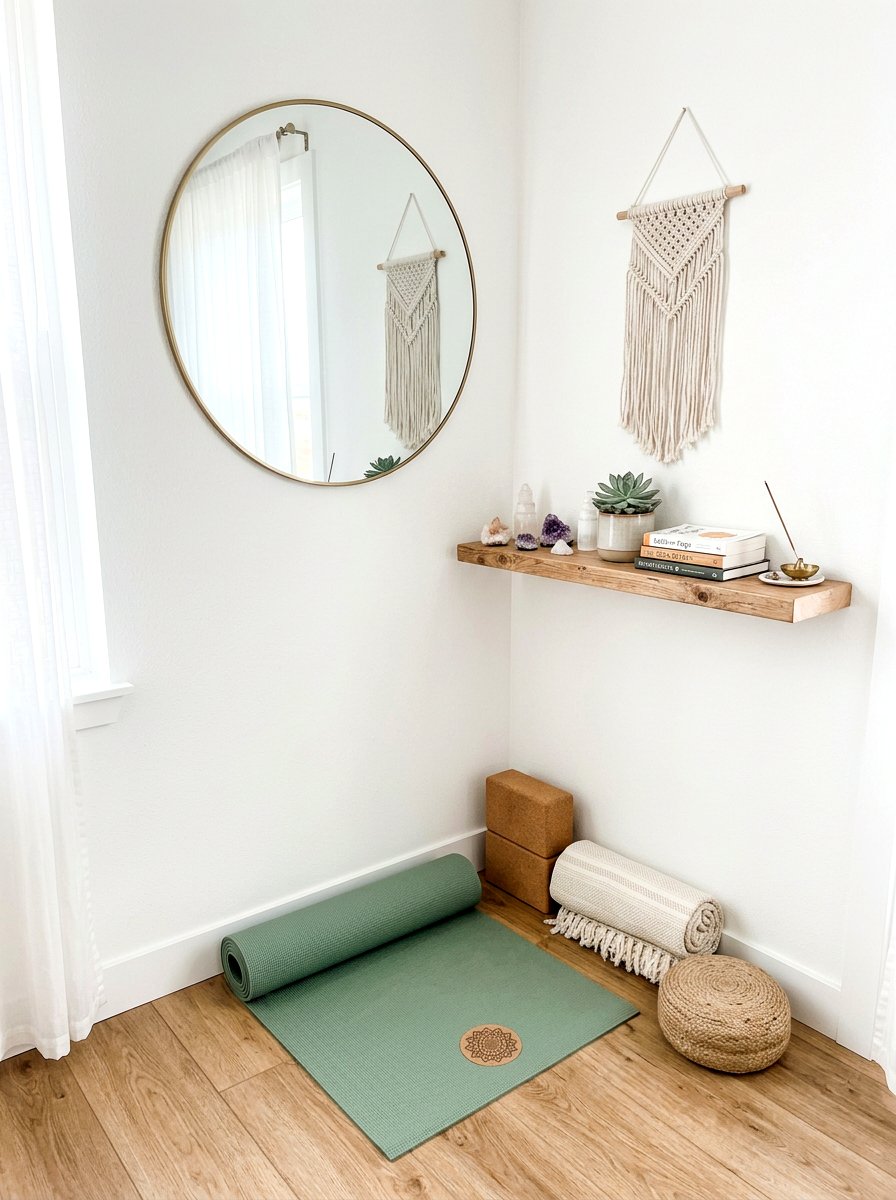
Designing a small apartment yoga nook requires smart space management to turn a tiny corner into a fully functional practice zone. Use a high-quality, foldable yoga mat that can be easily tucked away, and install floating shelves to keep props off the floor. A large wall mirror can help open up the tight space while allowing you to check your alignment during difficult poses. Consider using a room divider or a tall plant to visually separate the yoga area from the rest of your living room. This dedicated zone provides a mental boundary that tells your brain it is finally time to relax and focus.
5. Attic Yoga Studio
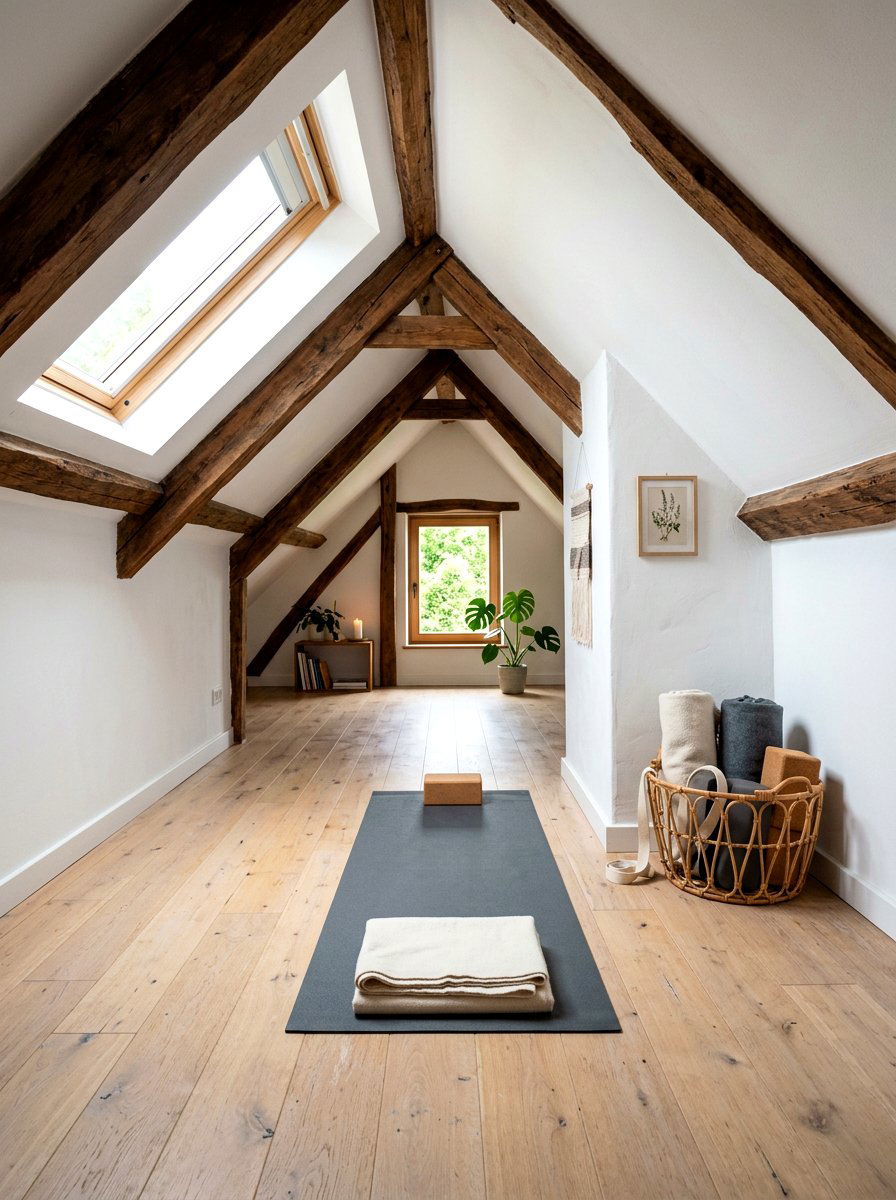
An attic yoga studio offers a unique sense of seclusion and privacy because it is physically removed from the main living areas. The slanted ceilings and architectural beams found in many attics create a cozy, cocoon-like atmosphere that is perfect for restorative yoga. If your attic has skylights, position your mat directly underneath them to soak up natural sunlight or watch the stars during evening shavasana. Use light-colored paint on the walls to prevent the space from feeling too cramped or dark. This elevated sanctuary is the ultimate escape for anyone looking to build a quiet, peaceful home practice away from household noise.
6. Sunroom Yoga Space
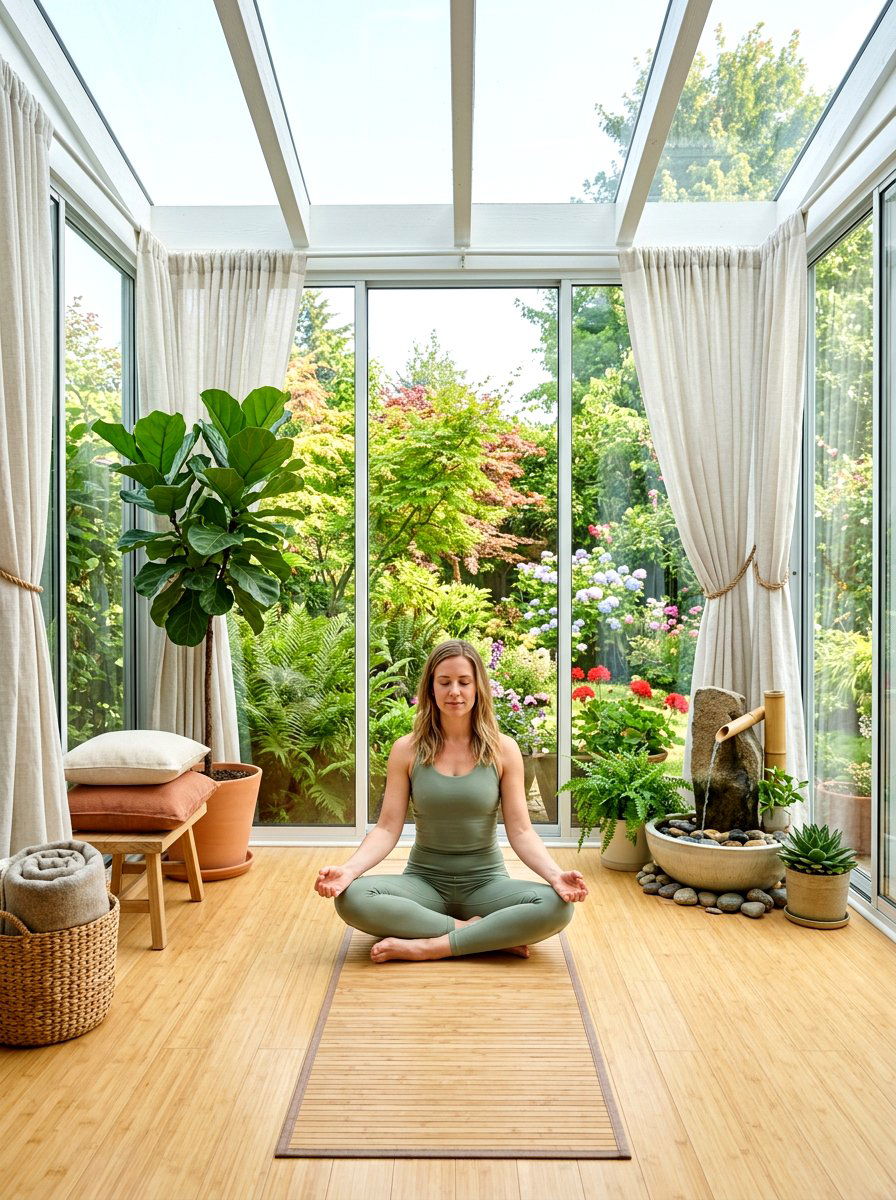
A sunroom yoga space is the ultimate luxury for those who love practicing in bright, natural light without being exposed to the elements. The glass walls provide an immersive experience with the outdoors, allowing you to watch the changing seasons while you move through your vinyasa flow. Use light, breezy linen curtains to control the temperature and provide a bit of privacy when needed. Since these rooms can get quite warm, consider adding a stylish ceiling fan or a small water feature to keep the air feeling fresh and cool. This bright environment is incredibly energizing and perfect for invigorating morning sun salutations.
7. Garage Yoga Conversion
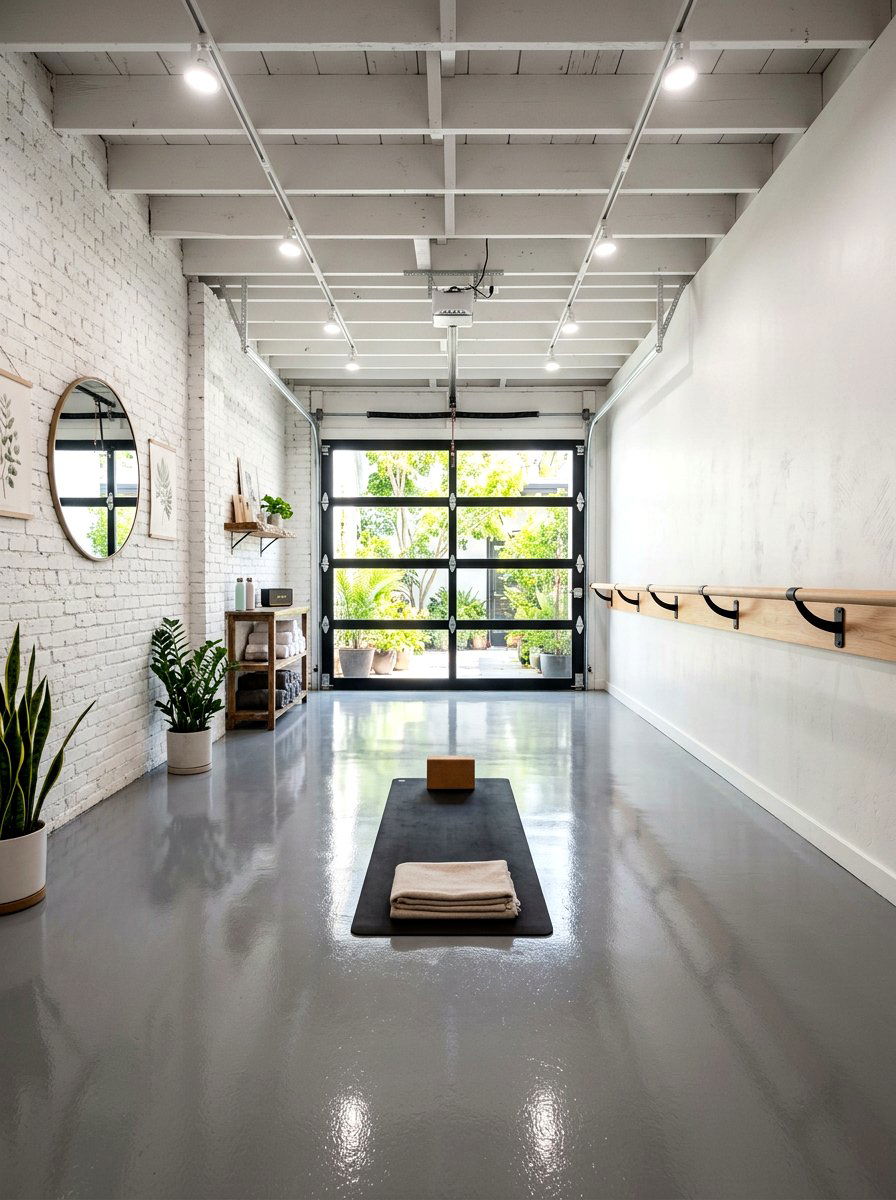
A garage yoga conversion is a practical way to turn an underutilized storage area into a professional-grade fitness and wellness studio. Start by installing high-density rubber flooring or interlocking foam tiles to provide excellent shock absorption and insulation against the cold concrete. Painting the walls a crisp white and adding bright LED lighting can instantly transform the industrial feel into a welcoming and modern space. If the garage is detached, you will enjoy a high level of quiet and separation from the rest of your home life. This large, open floor plan is ideal for those who need extra room for advanced movements.
8. Basement Yoga Room
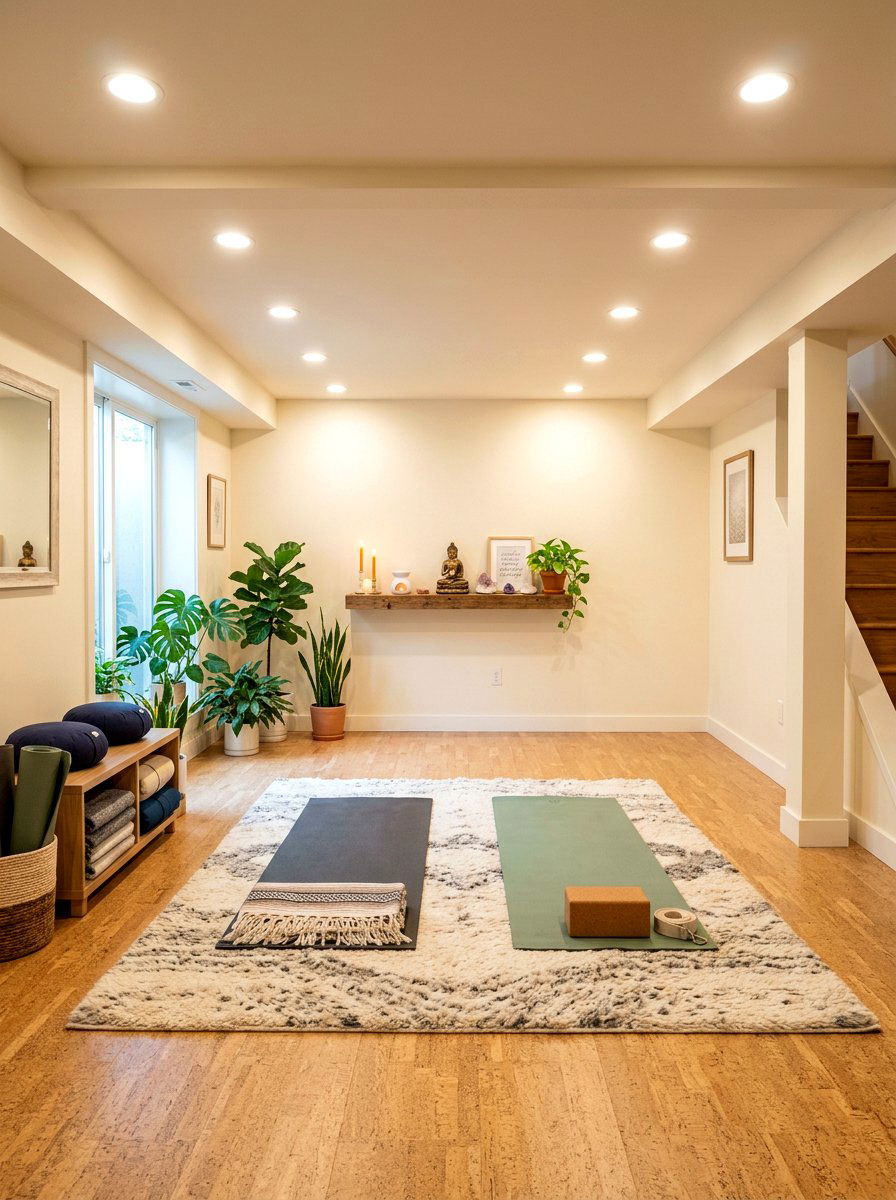
Transforming your lower level into a basement yoga room provides a naturally cool and quiet environment that is excellent for deep concentration. Focus on high-quality lighting solutions, such as dimmable recessed lights or warm floor lamps, to overcome the lack of natural windows. Use thick area rugs or cork flooring to add warmth and softness to the space, making it much more inviting for floor-based stretching. Soundproofing the ceiling can help block out footsteps from above, ensuring your meditation sessions remain completely undisturbed. This secluded retreat is perfect for long, slow practices where you want to feel tucked away from the world.
9. Industrial Yoga Loft
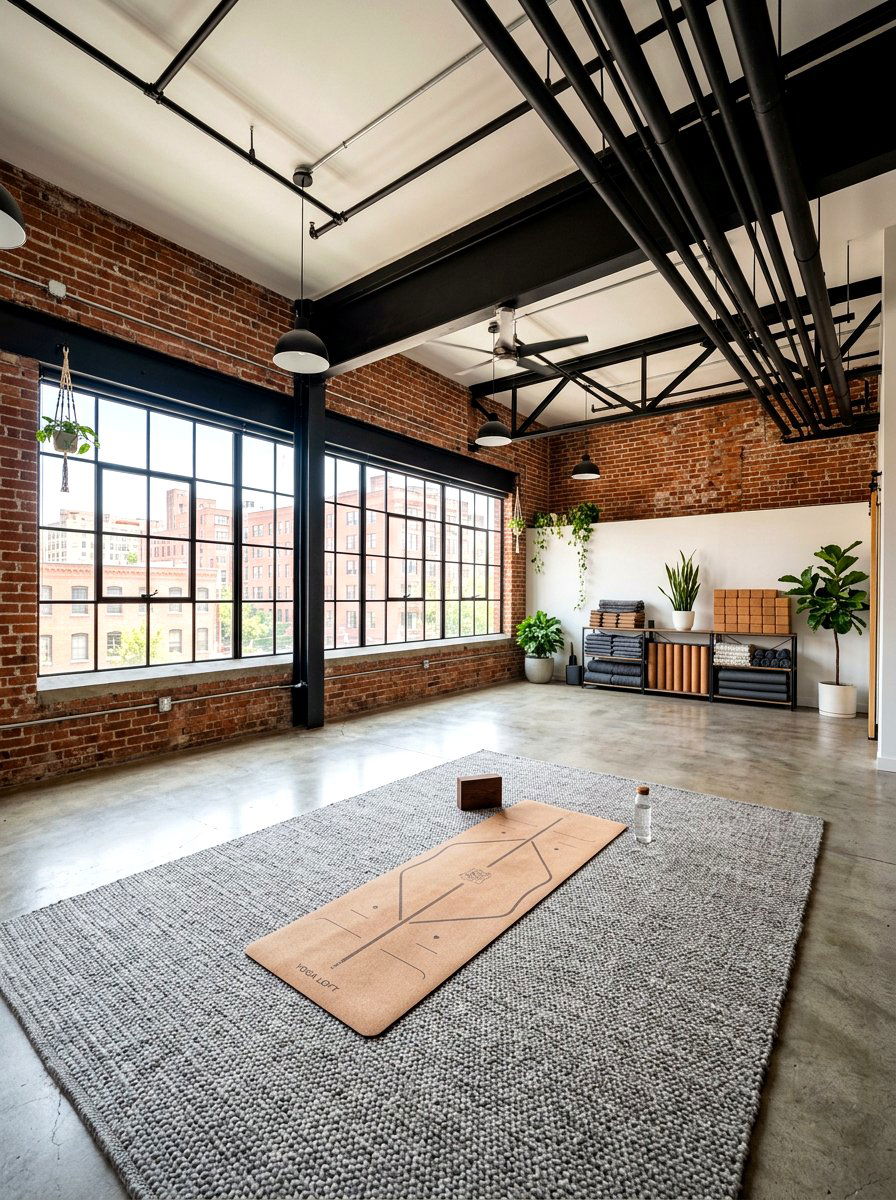
The industrial yoga loft aesthetic blends raw architectural elements like exposed brick and metal piping with soft, serene wellness decor. To achieve this look, keep the original textures of the building visible while adding large, plush rugs to soften the overall acoustic environment. Use reclaimed wood furniture for prop storage and choose a matte black finish for any hardware or lighting fixtures. The contrast between the rugged walls and your soft yoga accessories creates a sophisticated, urban vibe that feels both powerful and grounded. This style works beautifully in open-concept spaces with high ceilings and large windows that let in plenty of city light.
10. Scandinavian Yoga Studio
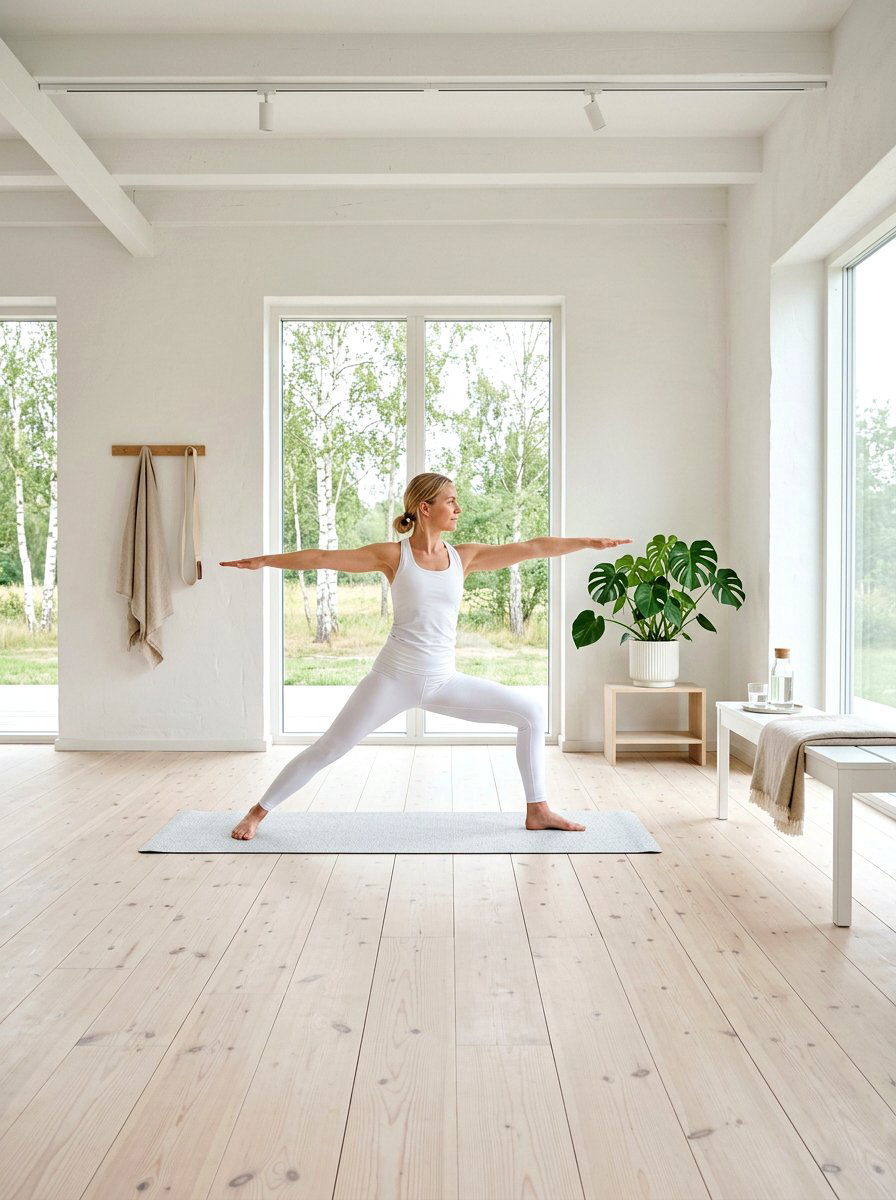
A Scandinavian yoga studio focuses on the concepts of functionality, simplicity, and light to create a peaceful and very organized environment. Use light-toned woods like ash or birch for the flooring and furniture to maintain a bright and airy aesthetic throughout the room. Incorporate "hygge" elements such as a soft wool throw, a few simple candles, and a minimalist clock to track your sessions. The color palette should remain very neutral, emphasizing whites, creams, and very pale wood tones to keep the space feeling fresh. This disciplined design style encourages a clear mind and a steady, focused practice without any unnecessary decorative fluff.
11. Coastal Yoga Room
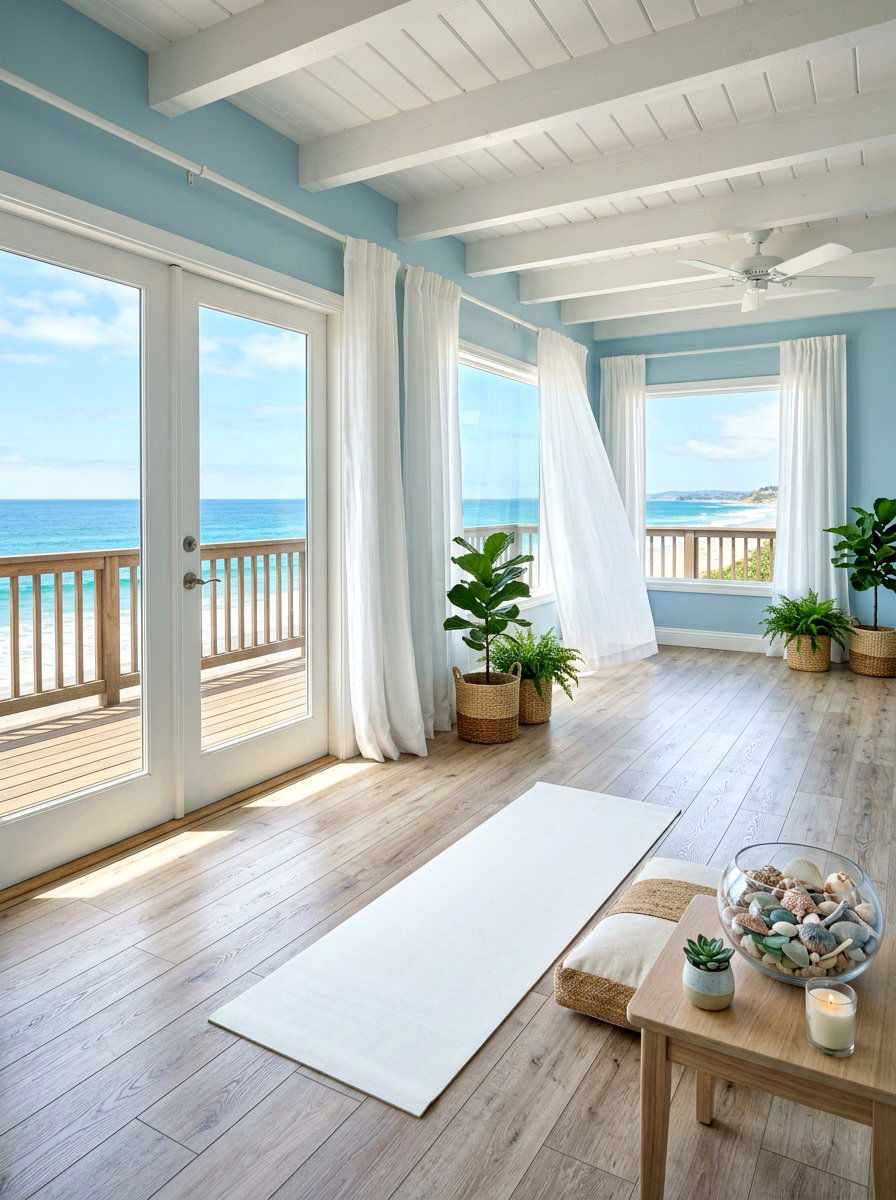
Bring the calming energy of the ocean into your home with a coastal yoga room designed around soft blues and sandy tones. Use light-colored wood flooring that mimics the look of driftwood and choose sheer white curtains that flutter gently in the breeze. Decorative accents like smooth sea stones, a bowl of white sand, or a piece of ocean-themed art can enhance the seaside atmosphere. The goal is to create a space that feels as refreshing and relaxing as a morning walk on the beach. This breezy environment is particularly effective for pranayama exercises, helping you visualize the rhythmic ebb and flow of the tide.
12. Japanese Zen Room
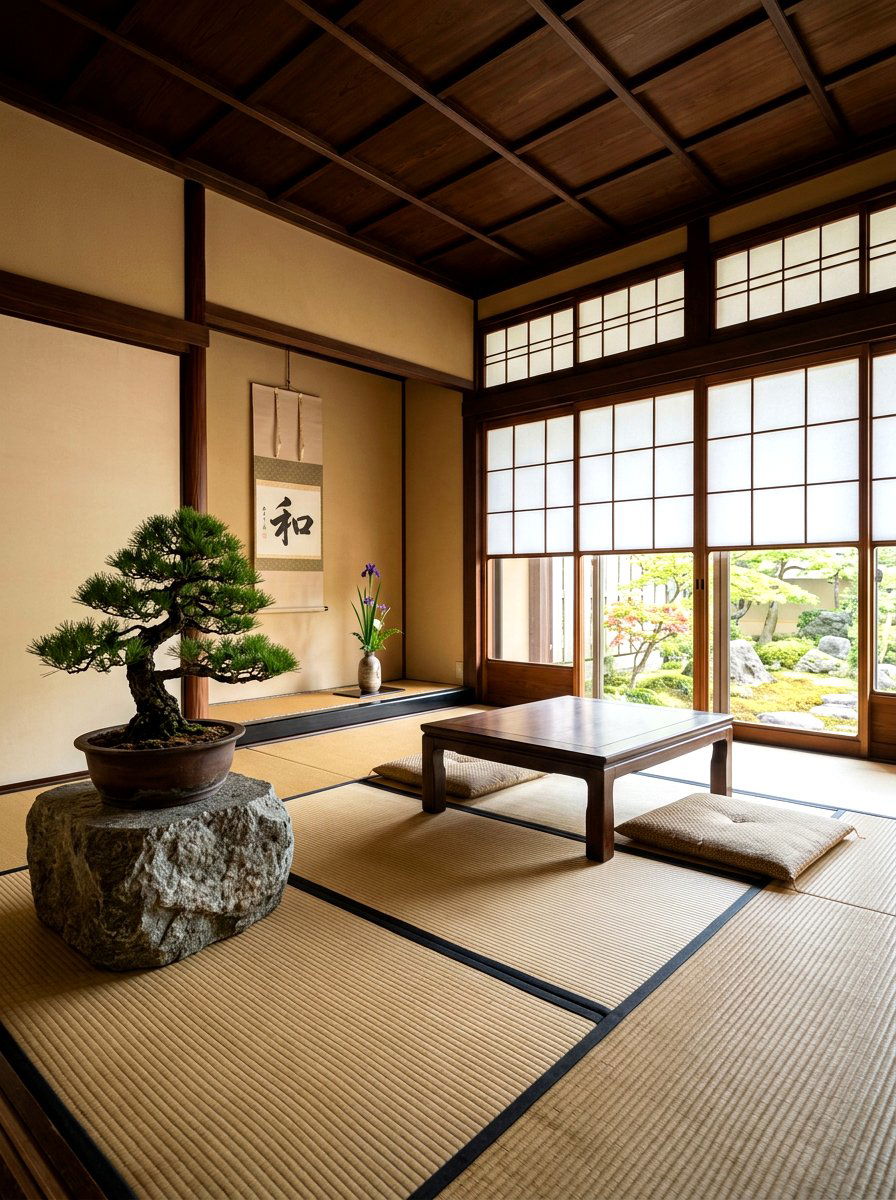
A Japanese zen room utilizes traditional design principles like balance, natural materials, and low profiles to create a deeply meditative atmosphere. Consider installing tatami mats for an authentic feel underfoot, or use a high-quality woven rug that offers a similar texture and look. Use shoji screens to gently diffuse natural light and provide a sense of privacy without making the space feel closed off. Keep the decor very sparse, perhaps featuring a single bonsai tree or a simple ink wash painting on one wall. This timeless aesthetic encourages profound stillness and helps you find your inner center during even the most challenging yoga sequences.
13. Tropical Yoga Space
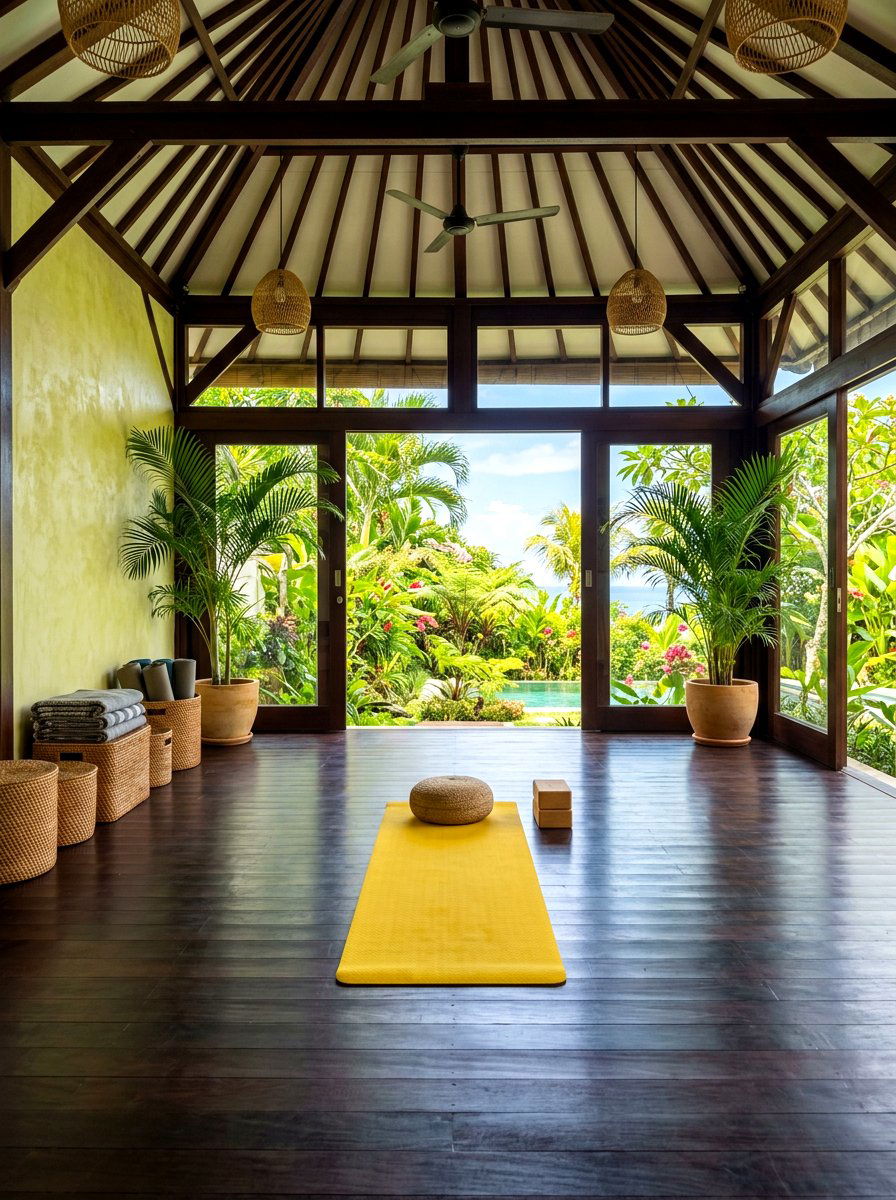
Infuse your practice with vibrant energy by designing a tropical yoga space that feels like a permanent vacation in a lush jungle. Use bamboo or rattan furniture and storage baskets to add warmth and a natural texture that complements the wellness theme perfectly. Large-leafed plants like monsteras or palms should be the focal point of the room, creating a green canopy that feels very alive. Use a color palette of deep greens, warm yellows, and rich wood tones to tie the whole look together. This energetic environment is wonderful for building heat in the body and staying motivated during your daily fitness routine.
14. Terracotta Yoga Studio
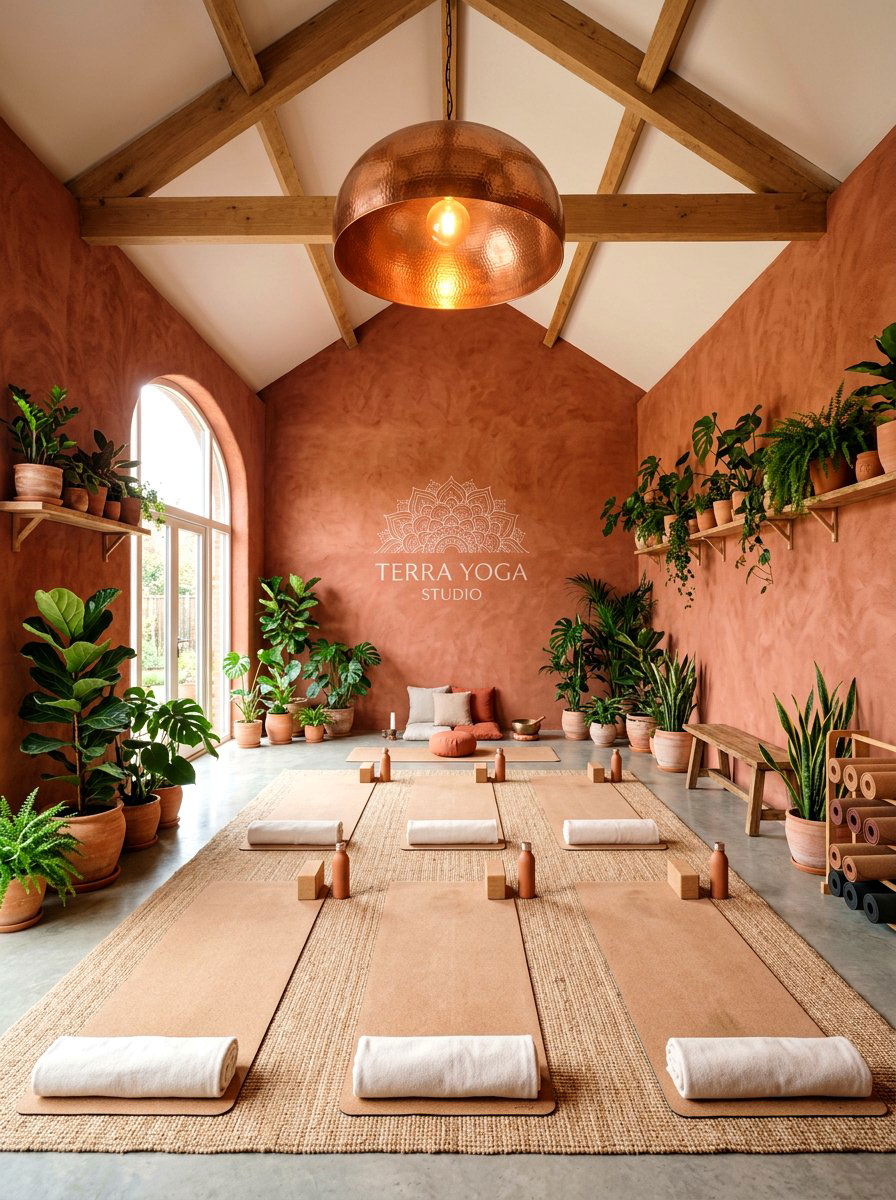
A terracotta yoga studio uses warm, earthy tones to create a grounding and stable environment that is excellent for restorative and hatha practices. Paint the walls a soft clay color or use terracotta tiles for the flooring to bring a sense of history and warmth. Natural fiber rugs, such as jute or sisal, pair beautifully with the reddish hues of the room and provide a durable surface. Use ceramic pots for your plants and copper accents for your lighting fixtures to enhance the rich, earthy aesthetic. This color palette is deeply soothing and helps you feel connected to the element of earth during balance.
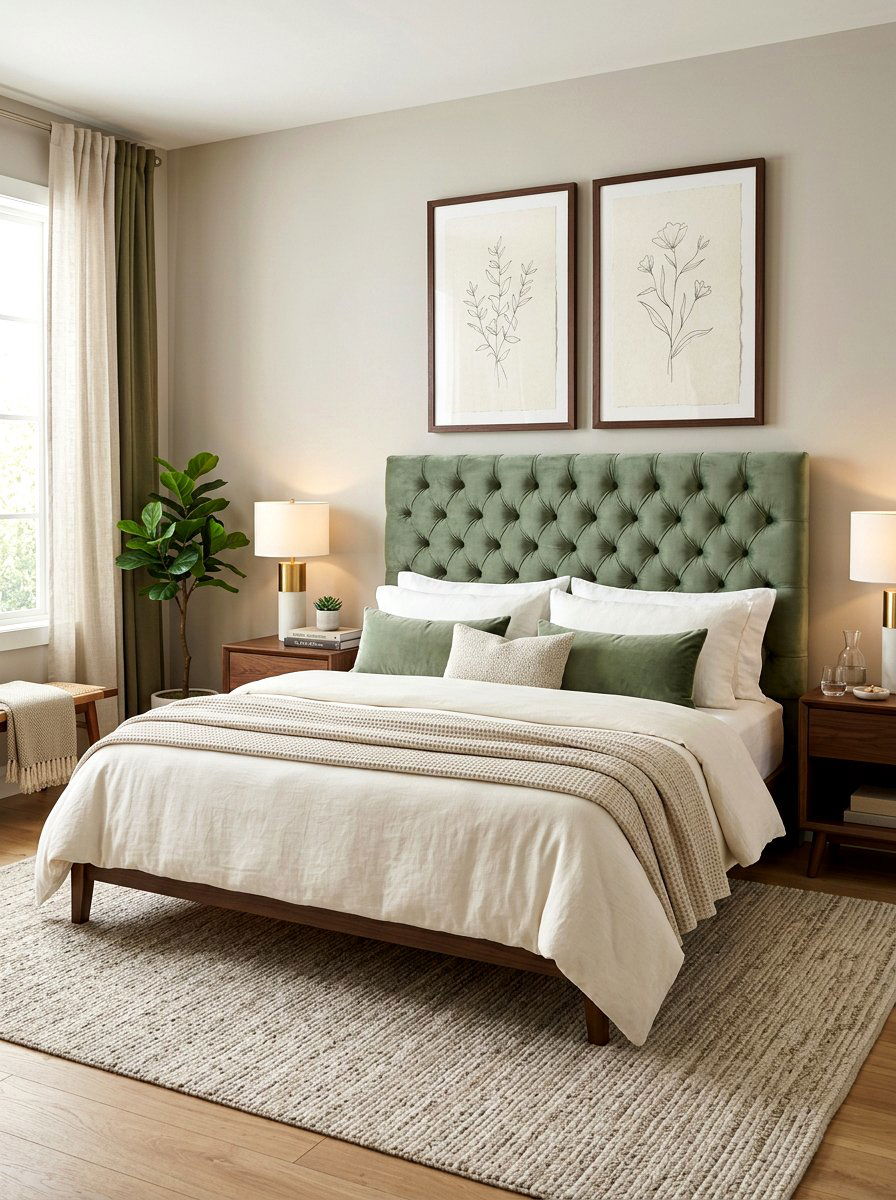
15. Sage Green Yoga Room
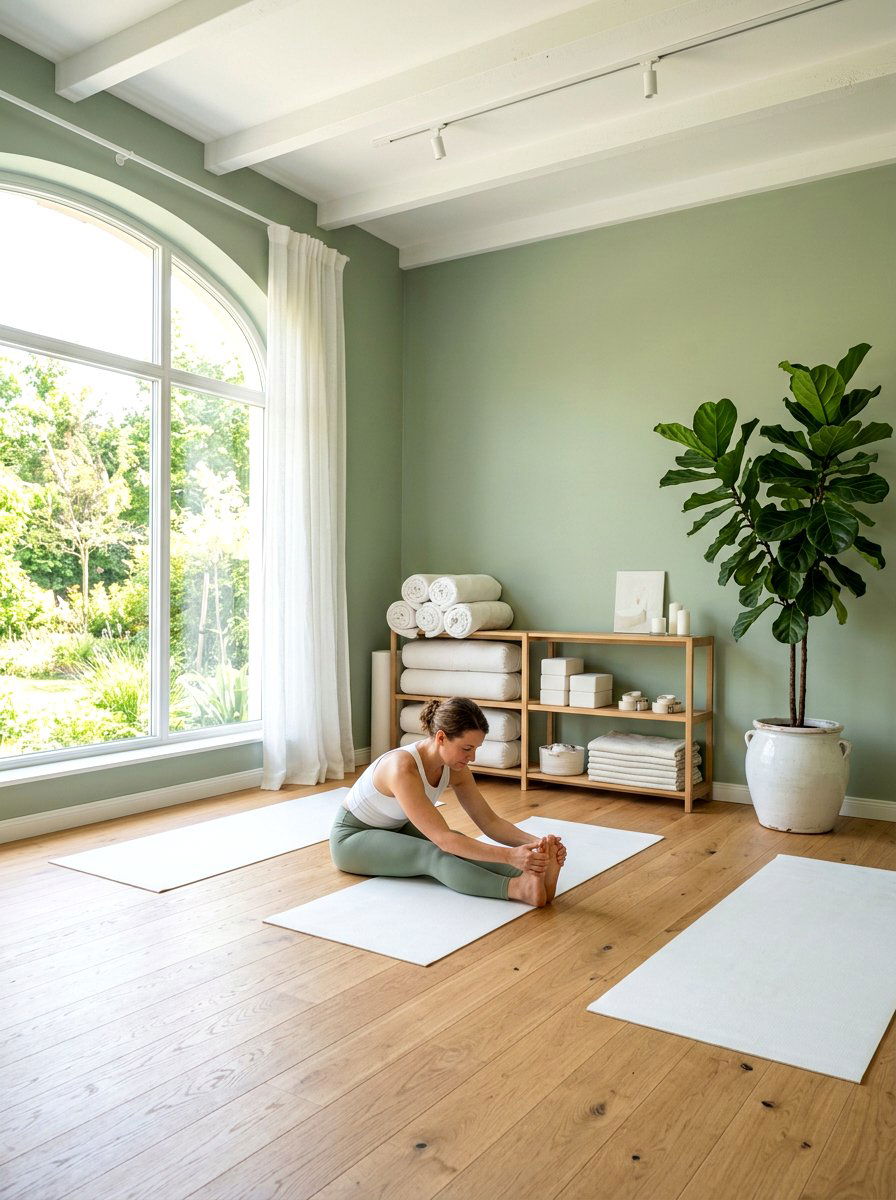
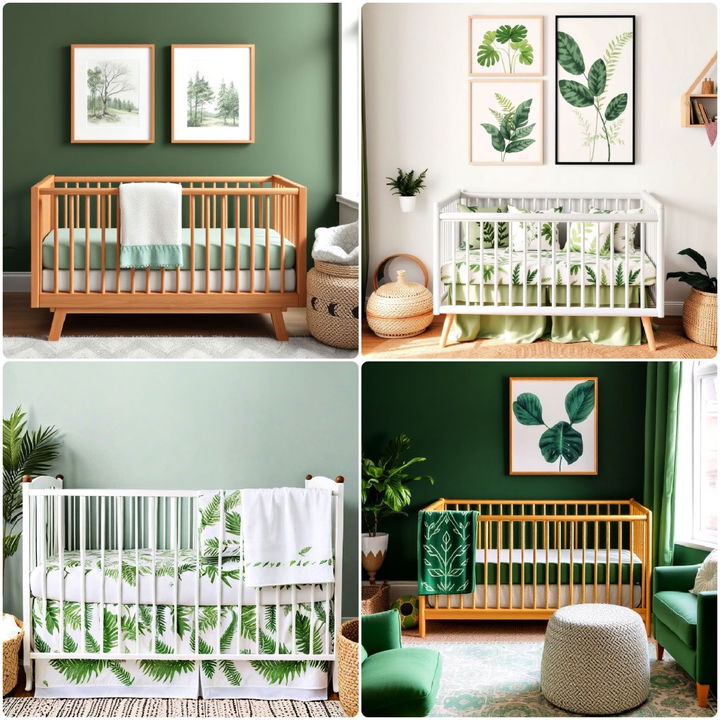
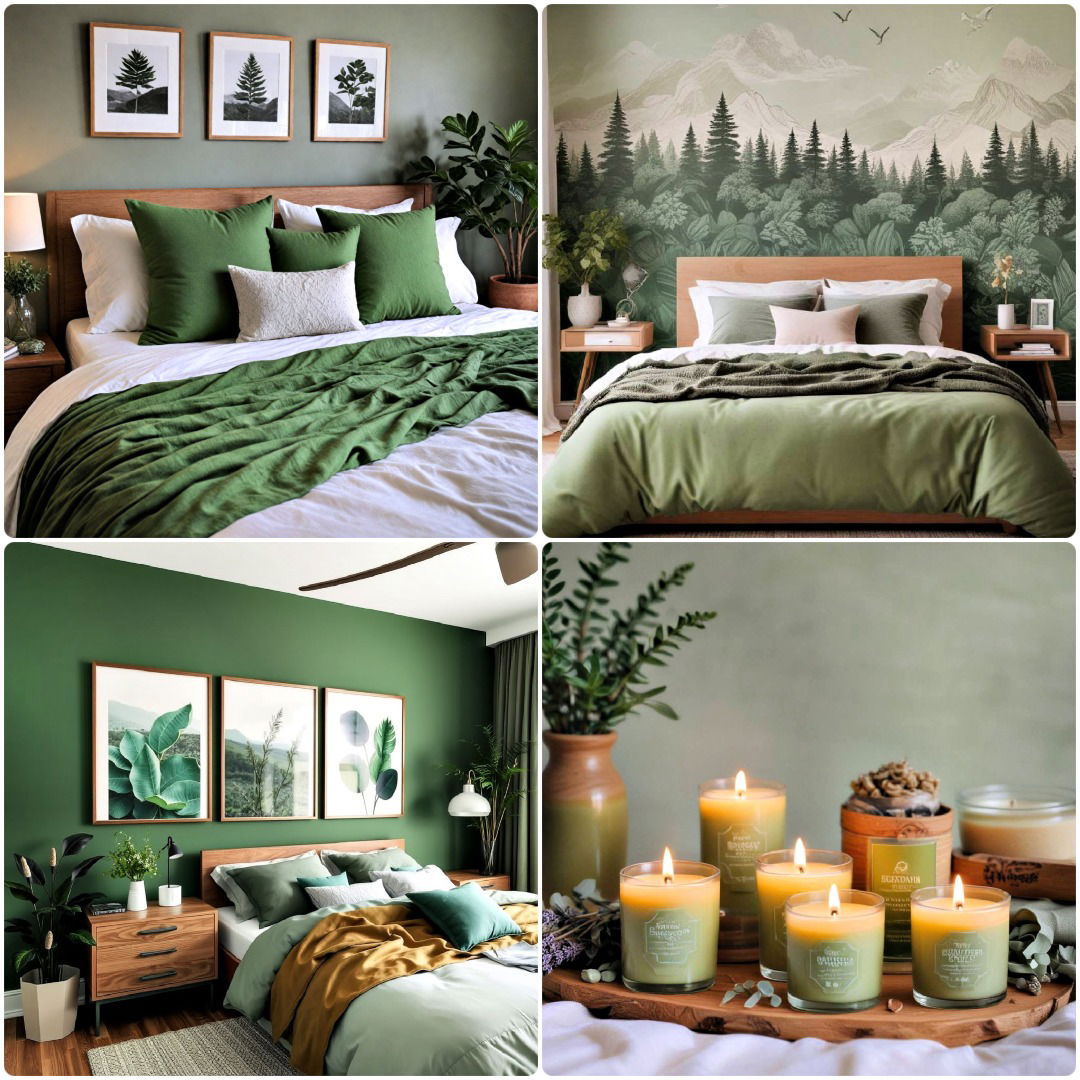
The sage green yoga room is currently one of the most popular trends in wellness design because of its calming effect. This soft, muted green shade mimics the colors of nature and has been shown to reduce stress and promote a sense of renewal. Pair the green walls with light oak furniture and white textiles to keep the room feeling bright and contemporary. You can add depth by using different shades of green in your yoga mat, cushions, and live plants throughout the area. This harmonious color scheme creates a gentle backdrop that supports both active flows and quiet, seated meditation sessions.
16. Mirrored Yoga Studio
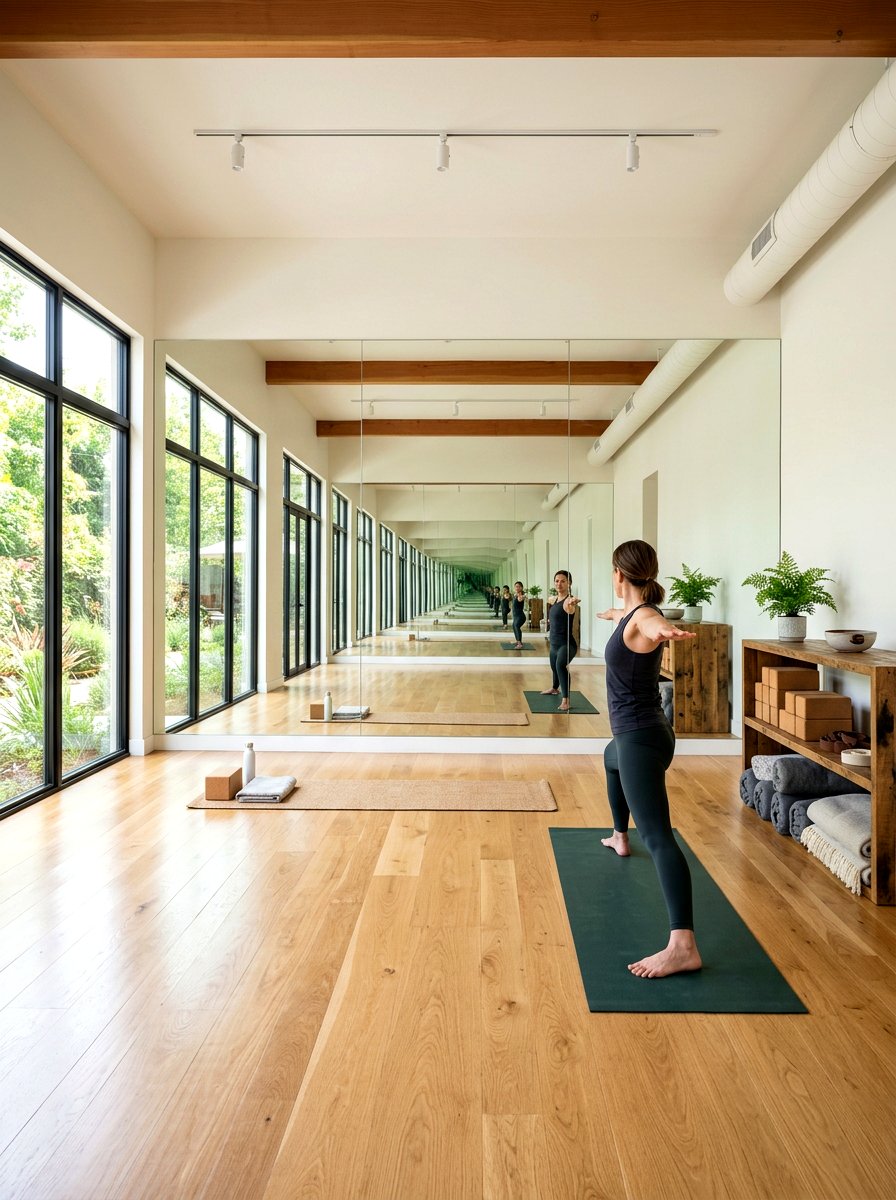
A mirrored yoga studio is a highly functional choice for practitioners who want to focus on perfect form and body alignment. Installing a full-length wall mirror allows you to see your posture from different angles, which is essential for preventing injuries and improving balance. Mirrors also have the added benefit of reflecting light and making a small room feel significantly larger and more professional. You can choose a sleek frameless look for a modern vibe or a decorative wood frame to match a more traditional home aesthetic. This design is perfect for those taking their home practice to a more advanced, technical level.
17. Home Gym Yoga Combo
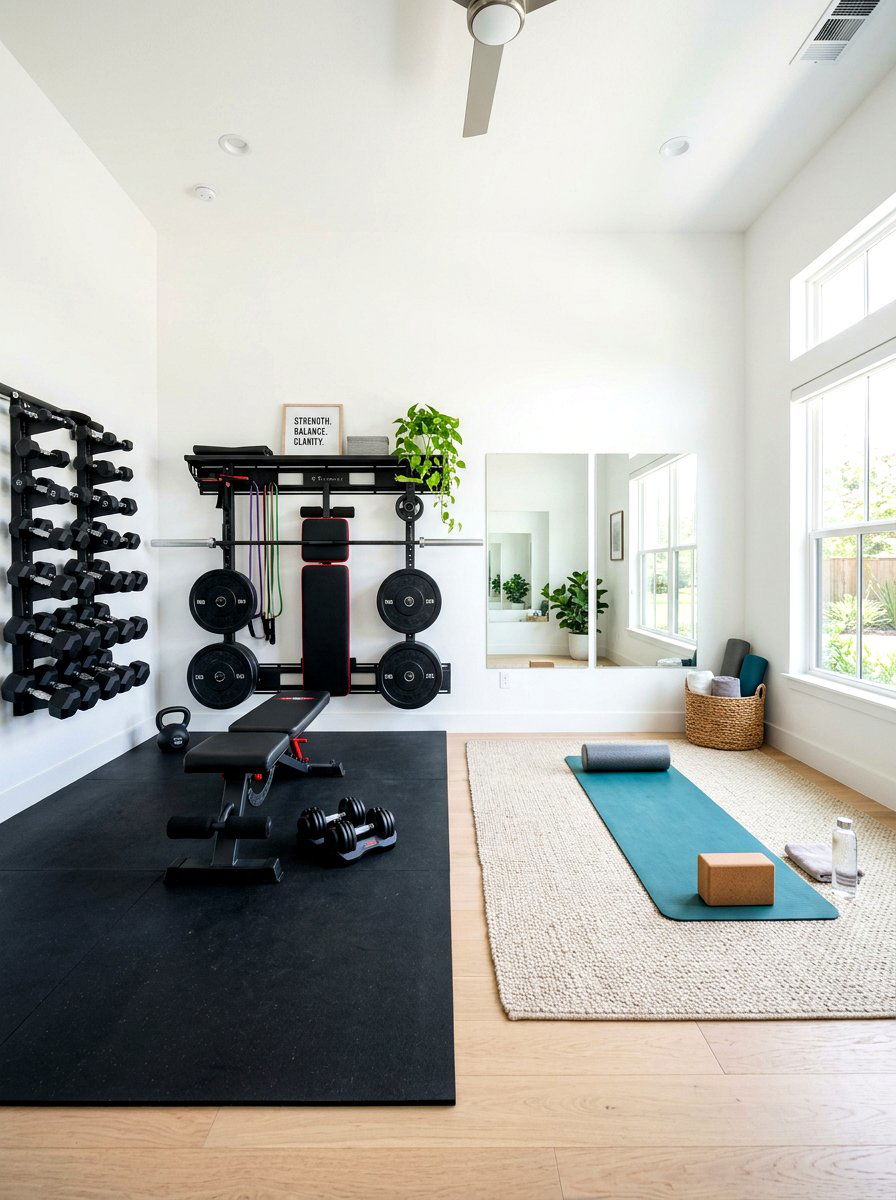
Creating a home gym yoga combo is the best way to maximize your available space for both high-intensity workouts and gentle recovery. Use clever storage solutions like wall racks for your weights and woven baskets for your yoga mats to keep the area organized. You can define the yoga zone with a large area rug or a change in floor texture to create a mental shift between activities. Keeping the space tidy is crucial for maintaining the peaceful energy required for yoga while still having the equipment needed for strength training. This multi-purpose room ensures you have a complete wellness destination right at home.
18. Rooftop Yoga Space
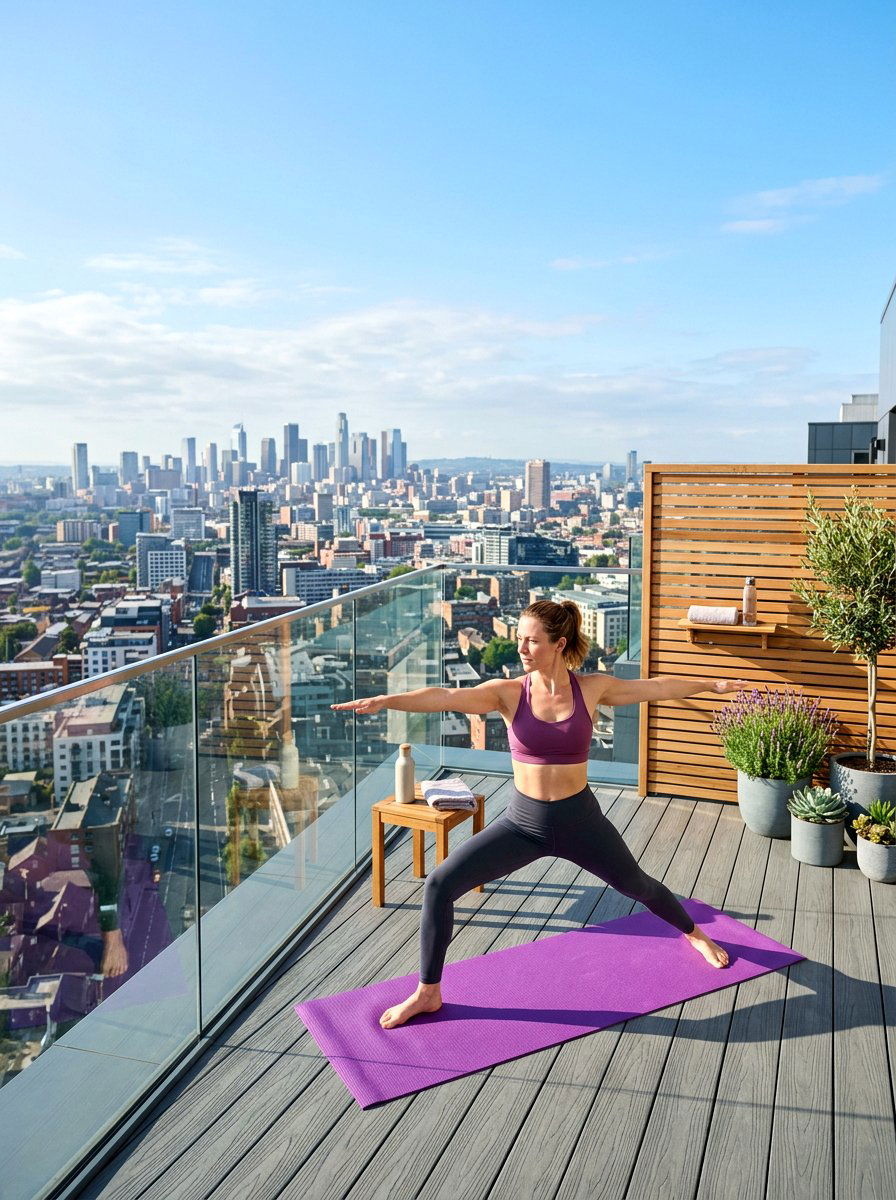
A rooftop yoga space offers an unparalleled sense of freedom with expansive views of the sky and the surrounding city or landscape. Use weather-resistant outdoor flooring and durable furniture that can withstand sun exposure and occasional rain without losing its aesthetic appeal. Privacy screens made of wood slats or tall planters can help create a secluded oasis away from neighboring eyes while still allowing air to circulate. Practicing under the open sky provides a unique connection to the elements, making your sun salutations and evening meditations feel truly special. This elevated retreat is perfect for those who thrive on fresh air and wide-open horizons.
19. Closet Yoga Studio
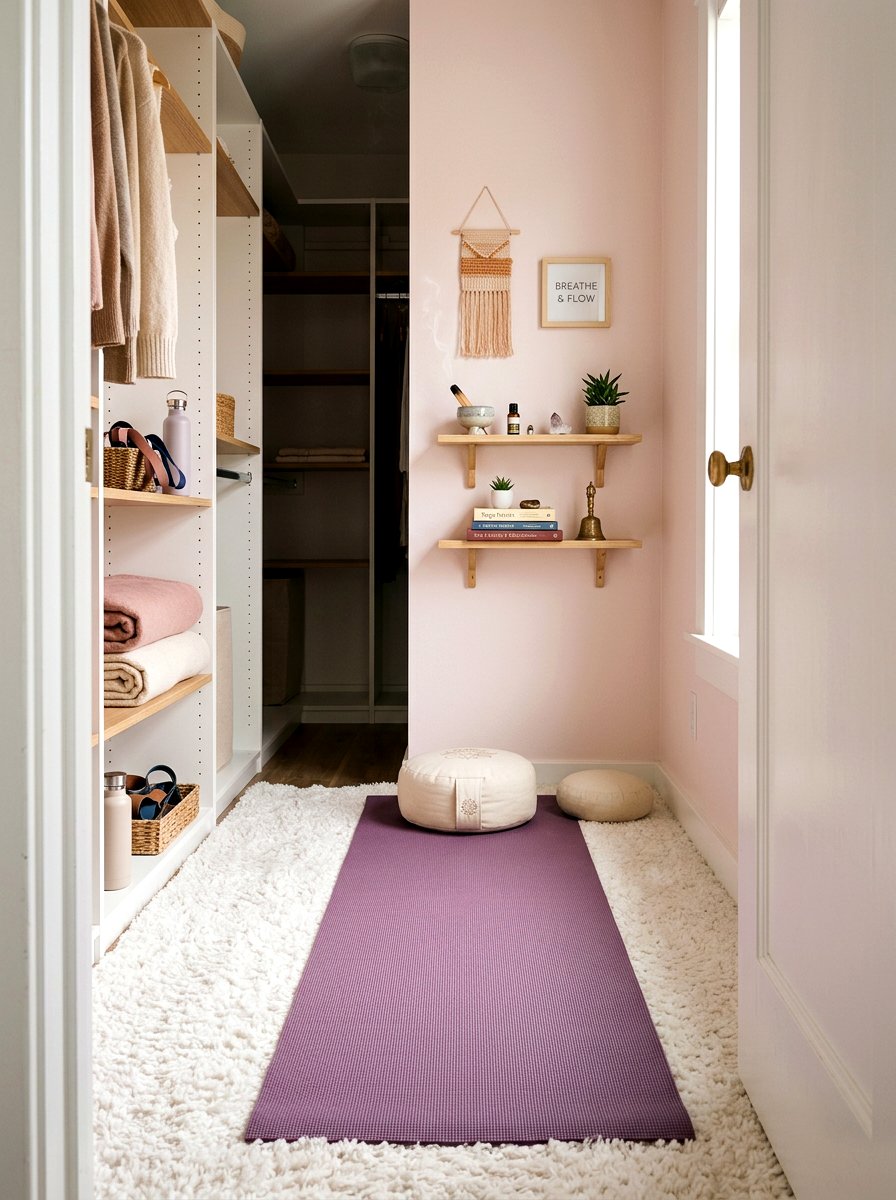
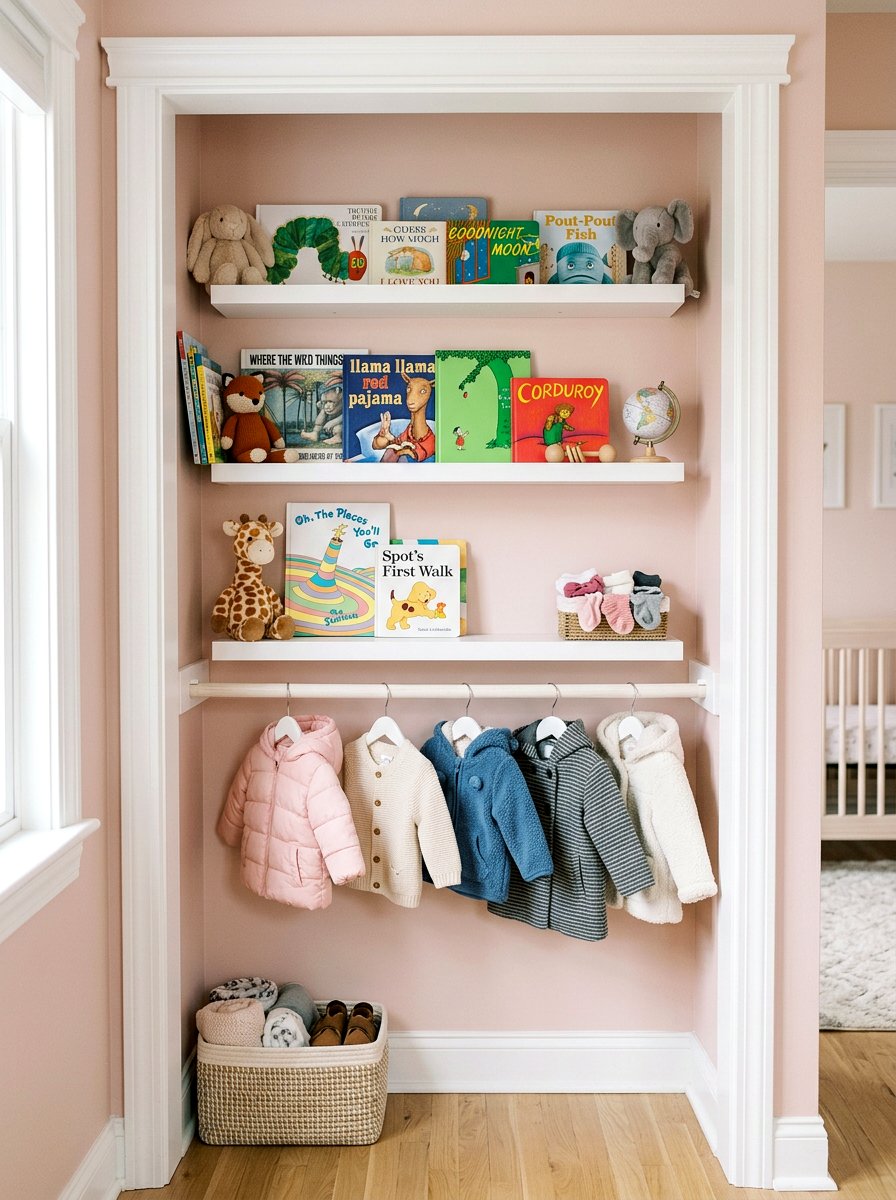
A closet yoga studio is a brilliant solution for those who live in small homes but still want a dedicated meditation space. By removing the doors and adding a few simple shelves, you can transform a standard walk-in closet into a cozy and private sanctuary. Paint the interior a soft, calming color and install a small dimmable light to create the perfect ambiance for your quiet practice. This small-scale design is perfect for seated meditation, restorative poses, and breathwork where you want to feel safe and tucked away. It proves that you do not need a large room to create a powerful wellness zone.
20. High Ceiling Yoga Loft
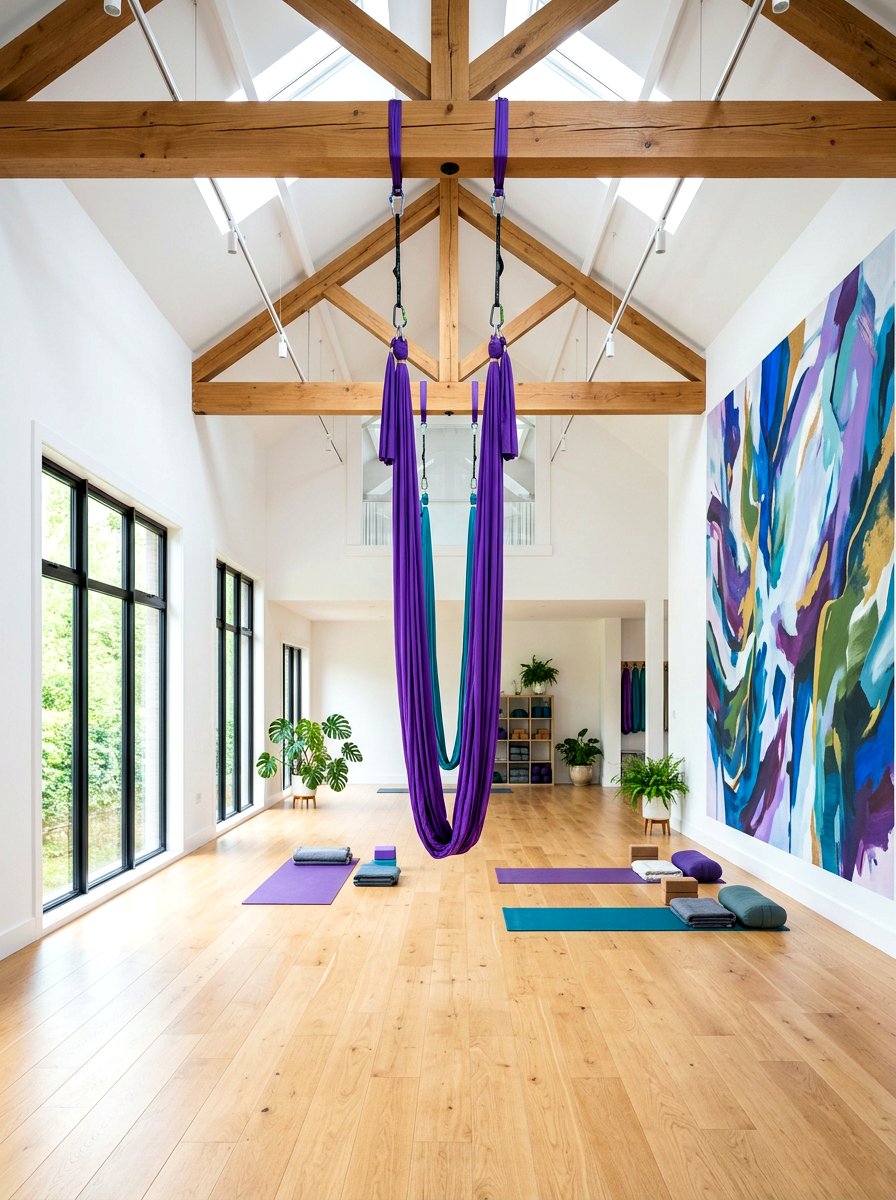
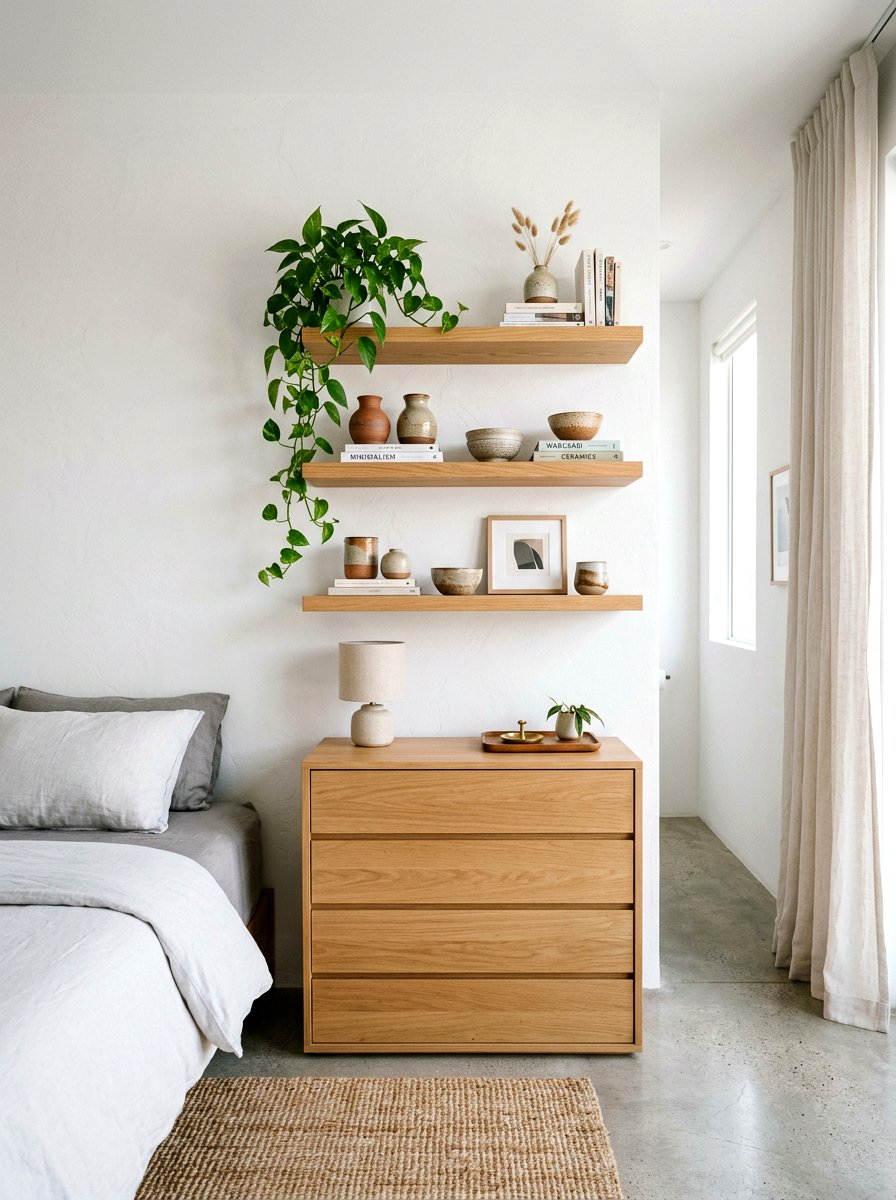
A high ceiling yoga loft provides a grand sense of openness and airiness that is perfect for expansive movements and aerial yoga. If you have the structural support, installing silk hammocks can add a whole new dimension to your practice and make use of the vertical space. Use long, flowing curtains to emphasize the height of the room and add a soft, ethereal quality to the natural light. Large-scale wall art or a tall indoor tree can help anchor the space and prevent it from feeling too cold or empty. This majestic environment is incredibly inspiring and encourages a sense of limitless physical and mental growth.
21. Cozy Carpeted Yoga Space
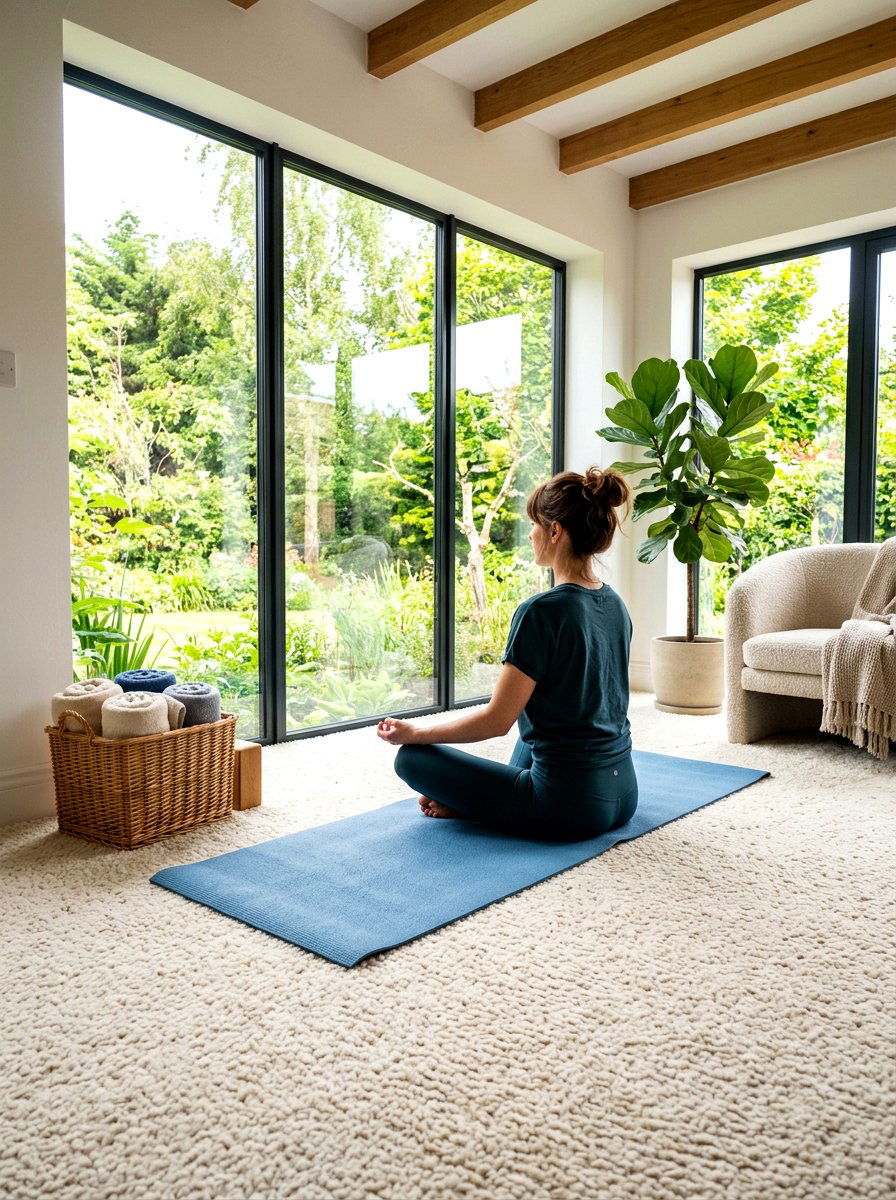
A cozy carpeted yoga space provides built-in cushioning and sound dampening, making it a very comfortable option for those who focus on floor-based yoga. Choose a low-pile, high-quality carpet in a neutral tone to provide a stable surface that will not bunch up under your mat. The soft texture underfoot adds an immediate sense of warmth and relaxation to the room, which is excellent for long, restorative sessions. You can add a decorative area rug on top of the carpet to define your practice area and add a splash of color or pattern. This soft environment is very inviting for evening wind-down routines and meditation.
22. Bamboo Floor Studio
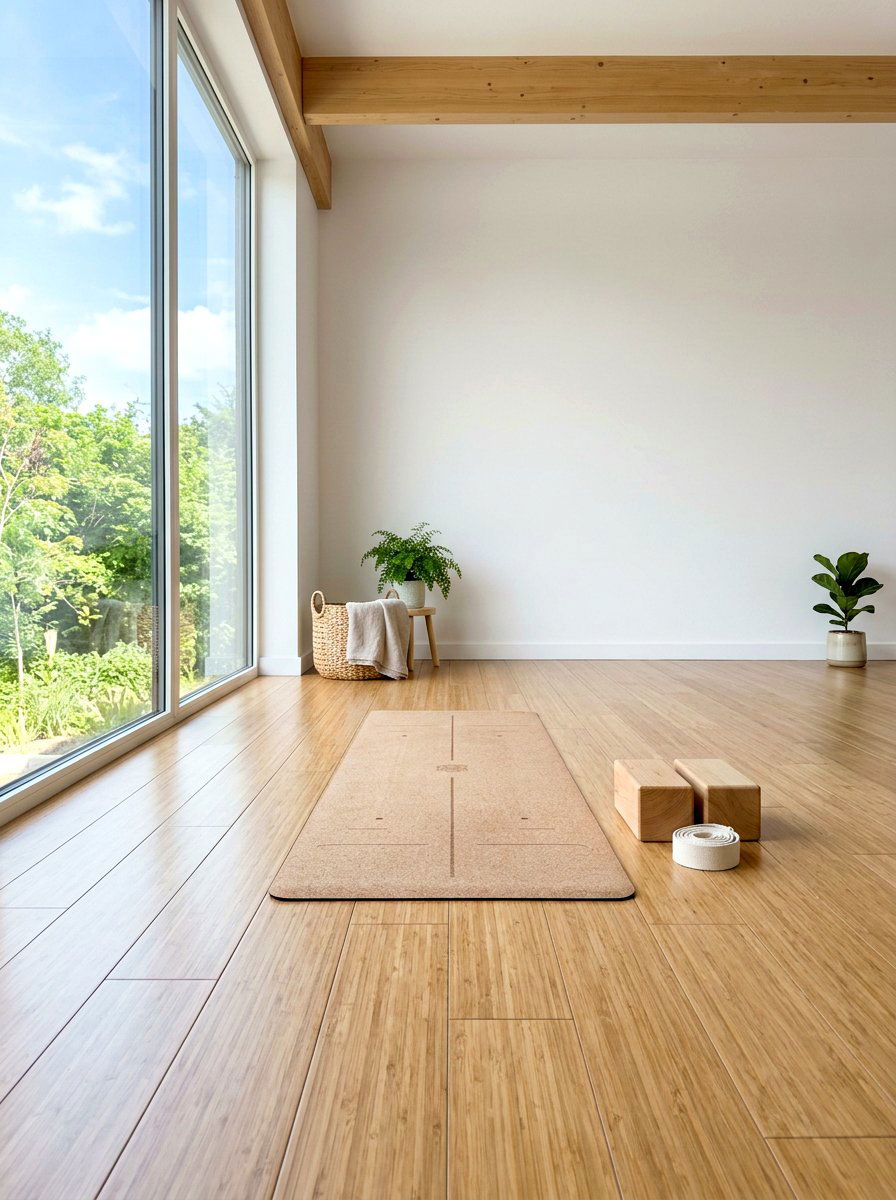
Choosing a bamboo floor studio design is an excellent way to combine modern aesthetics with eco-friendly and sustainable building materials. Bamboo is naturally durable, water-resistant, and has a unique grain that adds visual interest to the floor without being distracting. It feels warm and organic underfoot, providing a much more grounding experience than cold tile or laminate options. Pair the bamboo flooring with other sustainable decor items like organic cotton bolsters and cork blocks to complete the eco-conscious theme. This clean and natural foundation creates a high-vibration space that aligns perfectly with the ethical principles of a dedicated and mindful yoga practice.
23. Mid Century Yoga Room
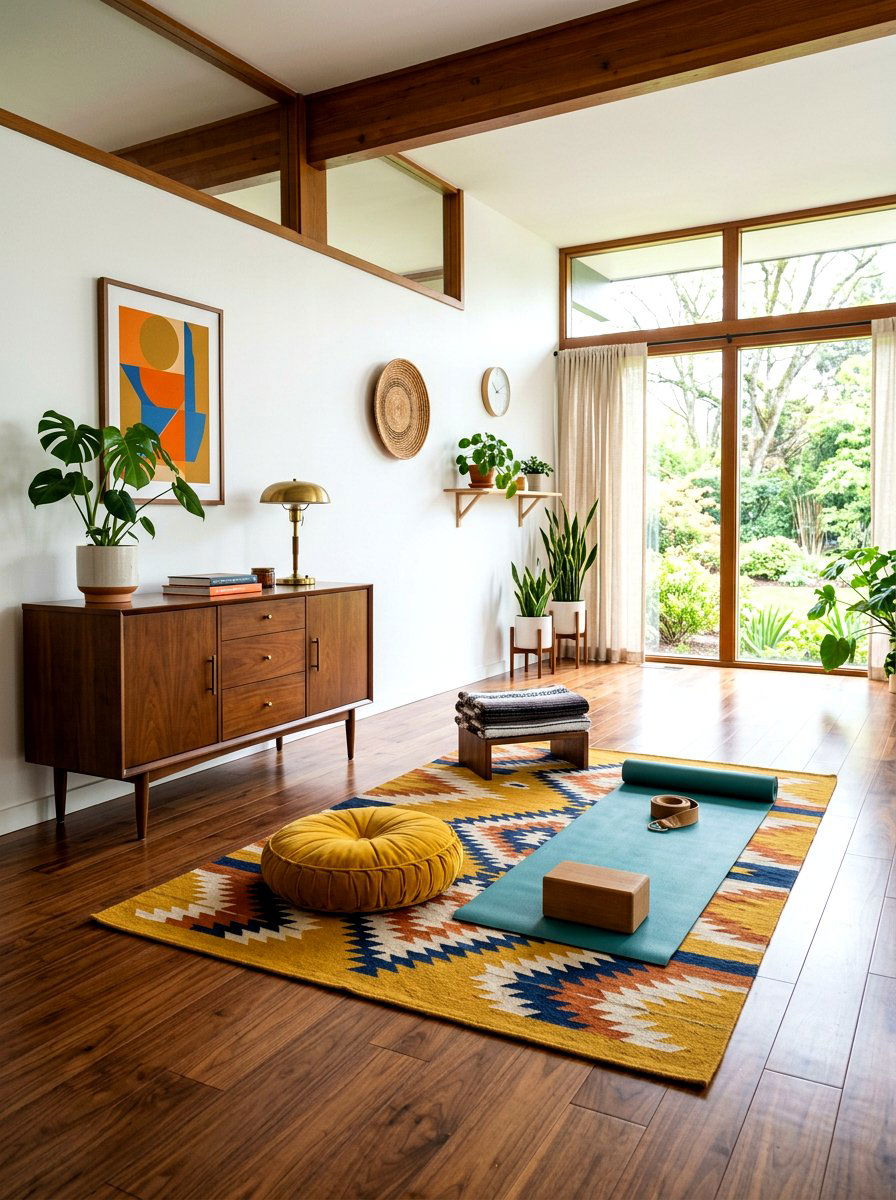
A mid century yoga room blends retro design elements with modern wellness functionality to create a stylish and very sophisticated practice space. Look for furniture with tapered legs, such as a small credenza to store your yoga gear and accessories in a tidy way. Use a color palette of warm walnut woods, mustard yellows, and muted teals to capture the classic aesthetic of the era. Geometric patterns on your floor cushions or a sunburst clock on the wall can add a playful yet organized touch to the room. This nostalgic style feels grounded and structured, providing a very stable environment for your daily movement.
24. Sustainable Yoga Space
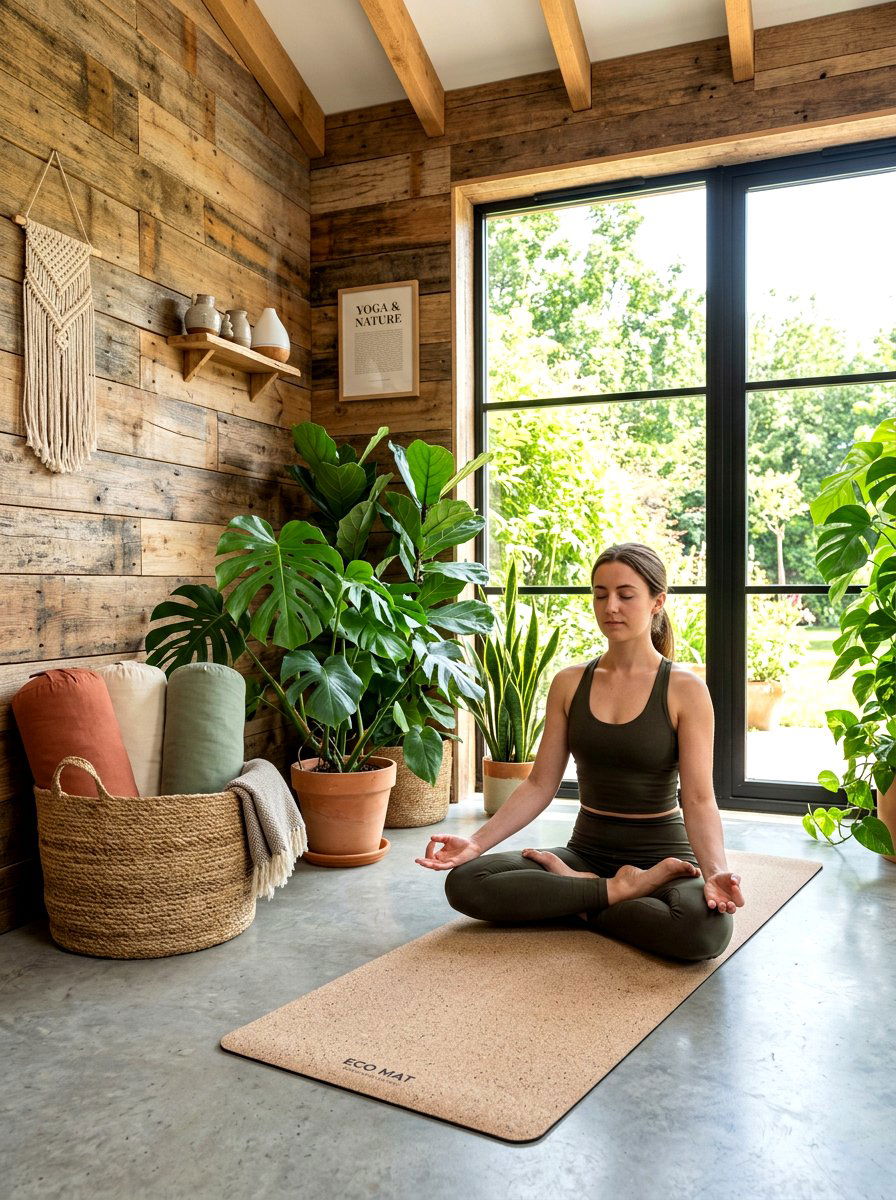
A sustainable yoga space prioritizes non-toxic materials and environmental consciousness in every aspect of the room's interior design and layout. Use VOC-free paints on the walls to ensure the air quality remains high during your deep breathing and pranayama exercises. Decorate with recycled glass jars for candles, natural rubber mats, and cork flooring which is both renewable and naturally antimicrobial. Incorporating vintage or second-hand furniture for your storage needs also reduces your environmental footprint while adding unique character to the studio. This ethical approach to design creates a space that feels good for both your body and the planet we all share.
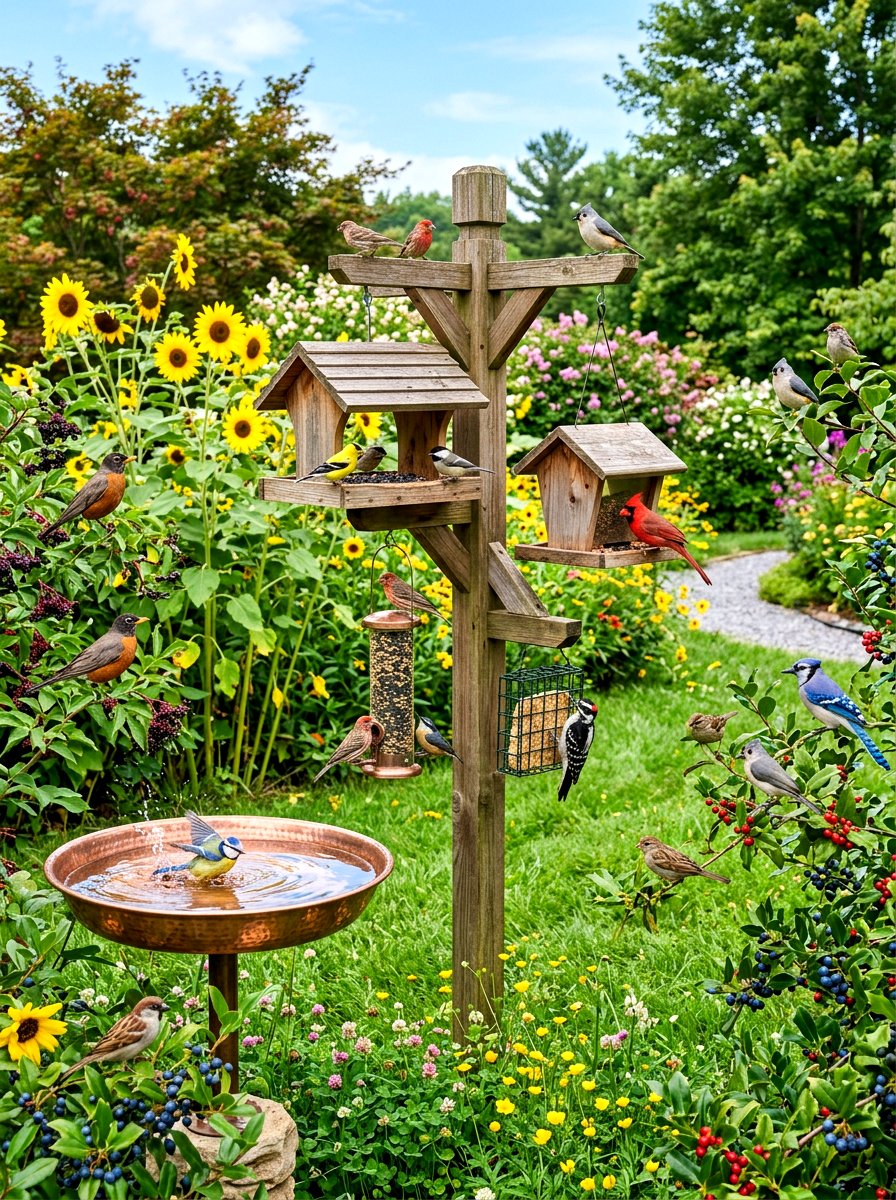
25. Luxury Yoga Suite
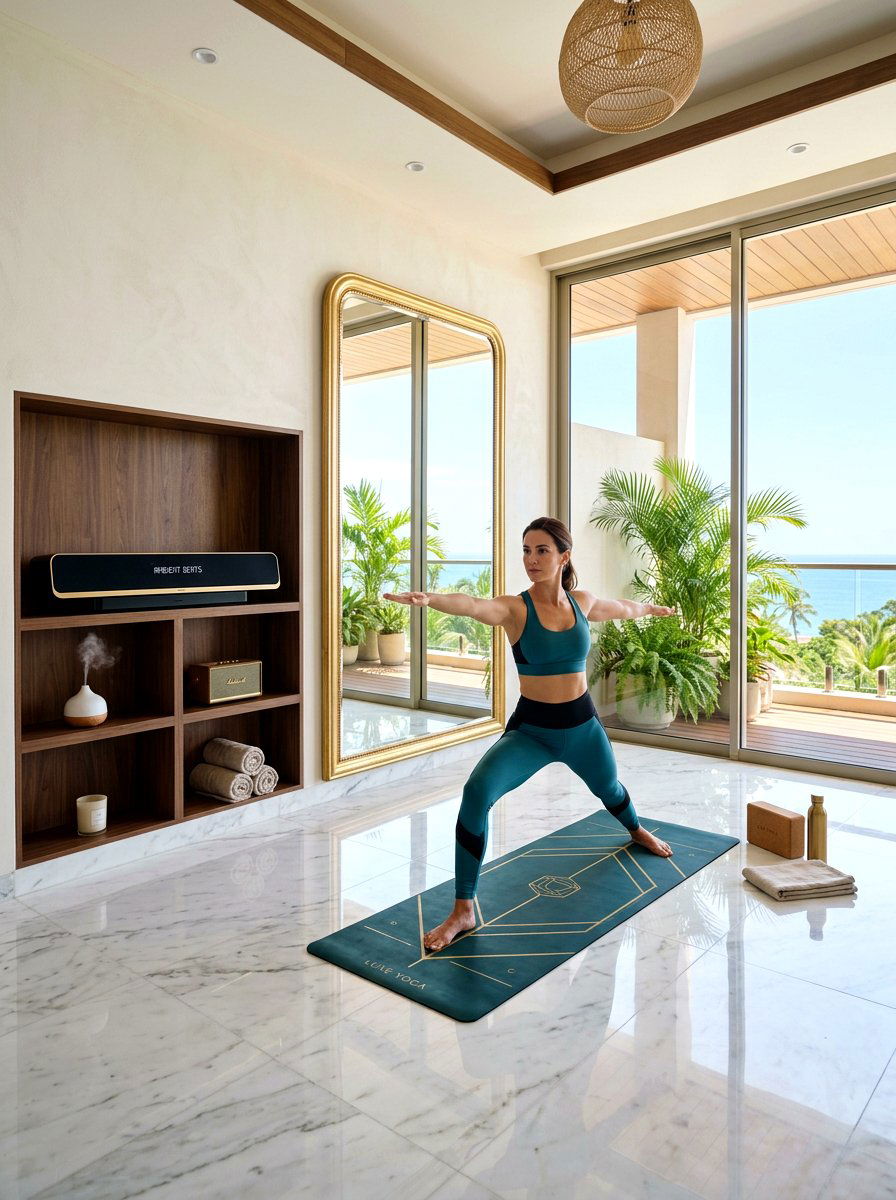
A luxury yoga suite offers a five-star spa experience within the comfort of your own home, featuring high-end materials and custom finishes. Consider installing a built-in sound system to play calming music and a sophisticated lighting system that can change colors to match your mood. Use premium materials like marble accents, silk wall coverings, and custom-built cabinetry to store your high-quality props and designer yoga mats. Adding a small tea station or a luxury essential oil diffuser can enhance the sensory experience and make every session feel like a special ritual. This opulent sanctuary is the ultimate investment in your long-term health and personal relaxation.
26. Colorful Yoga Room
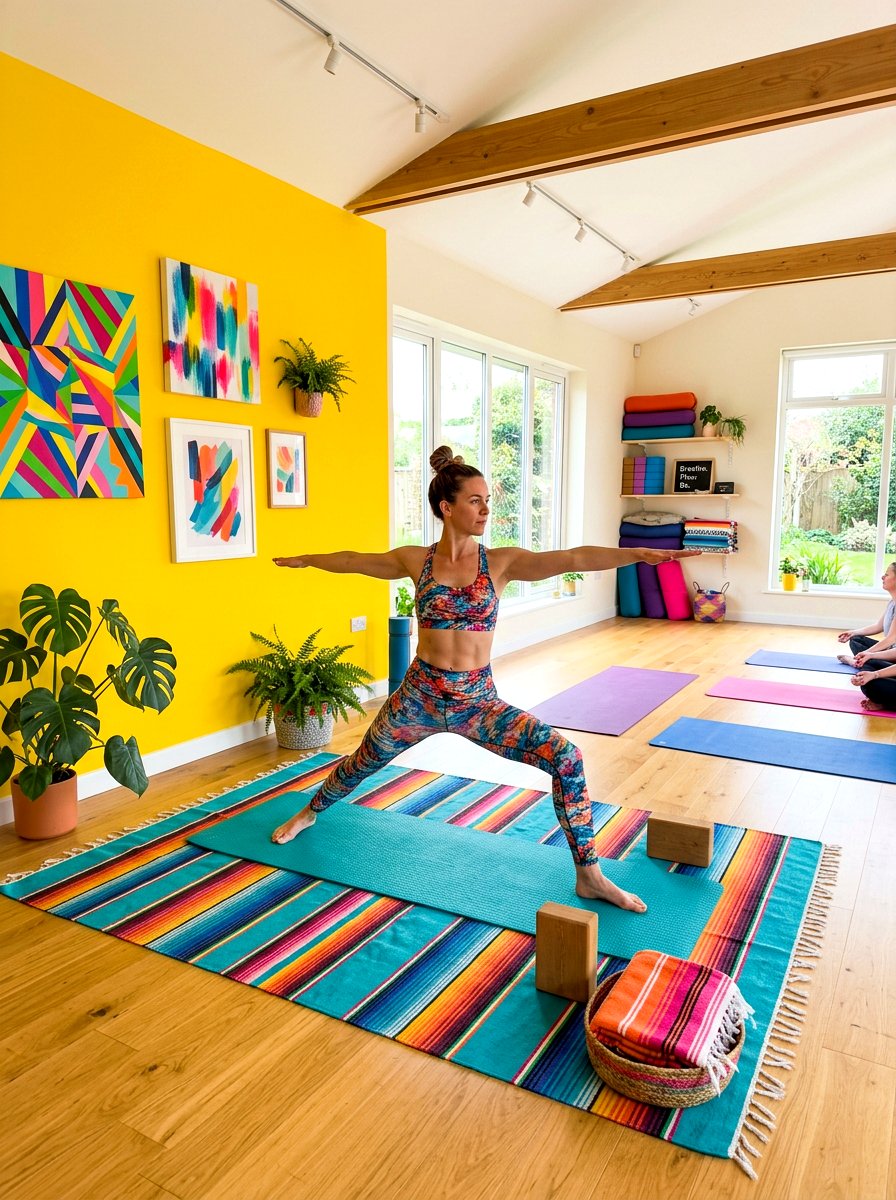
A colorful yoga room uses the principles of color therapy to energize your body and uplift your spirit during your daily workout. Instead of sticking to neutrals, experiment with soft lavender for relaxation, vibrant yellow for energy, or deep indigo for spiritual focus. You can introduce these colors through a bold accent wall, colorful rugs, or a collection of brightly hued yoga blocks and bolsters. The key is to choose shades that resonate with your personal energy and the specific goals of your practice. This lively environment keeps your routine feeling fresh and exciting, encouraging you to return to your mat with a joyful heart.
27. Desert Style Yoga Space
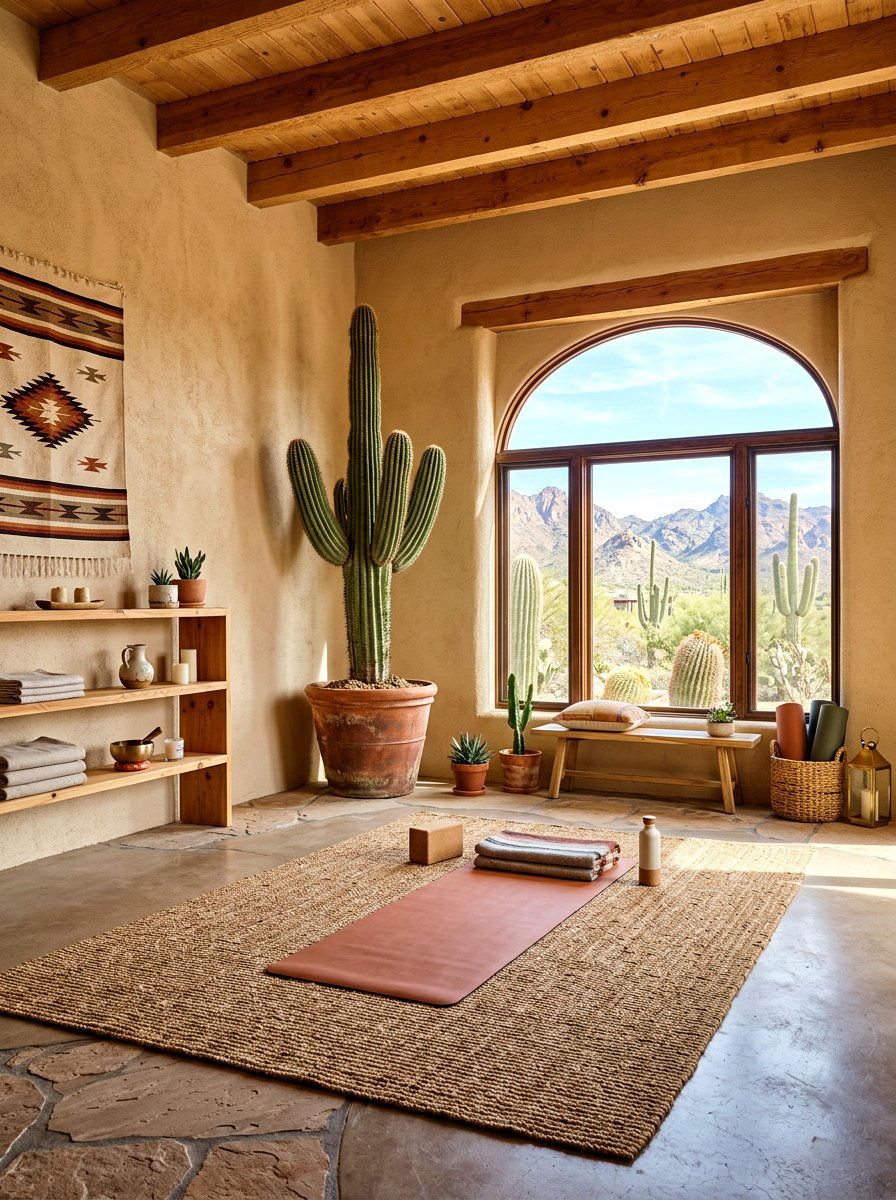
A desert style yoga space takes inspiration from the raw beauty of landscapes like Sedona or Joshua Tree to create a grounded vibe. Use a palette of warm sands, dusty pinks, and sage greens to mimic the colors of the high desert at sunset. Incorporate natural textures like raw wood shelves, woven baskets, and a few well-placed succulents or cacti to bring the arid environment indoors. Large windows that let in harsh, bright light can be softened with sheer linen panels to create a hazy, dreamlike atmosphere. This rugged yet serene aesthetic is perfect for deep grounding and finding strength in simplicity.
28. Chakra Yoga Studio
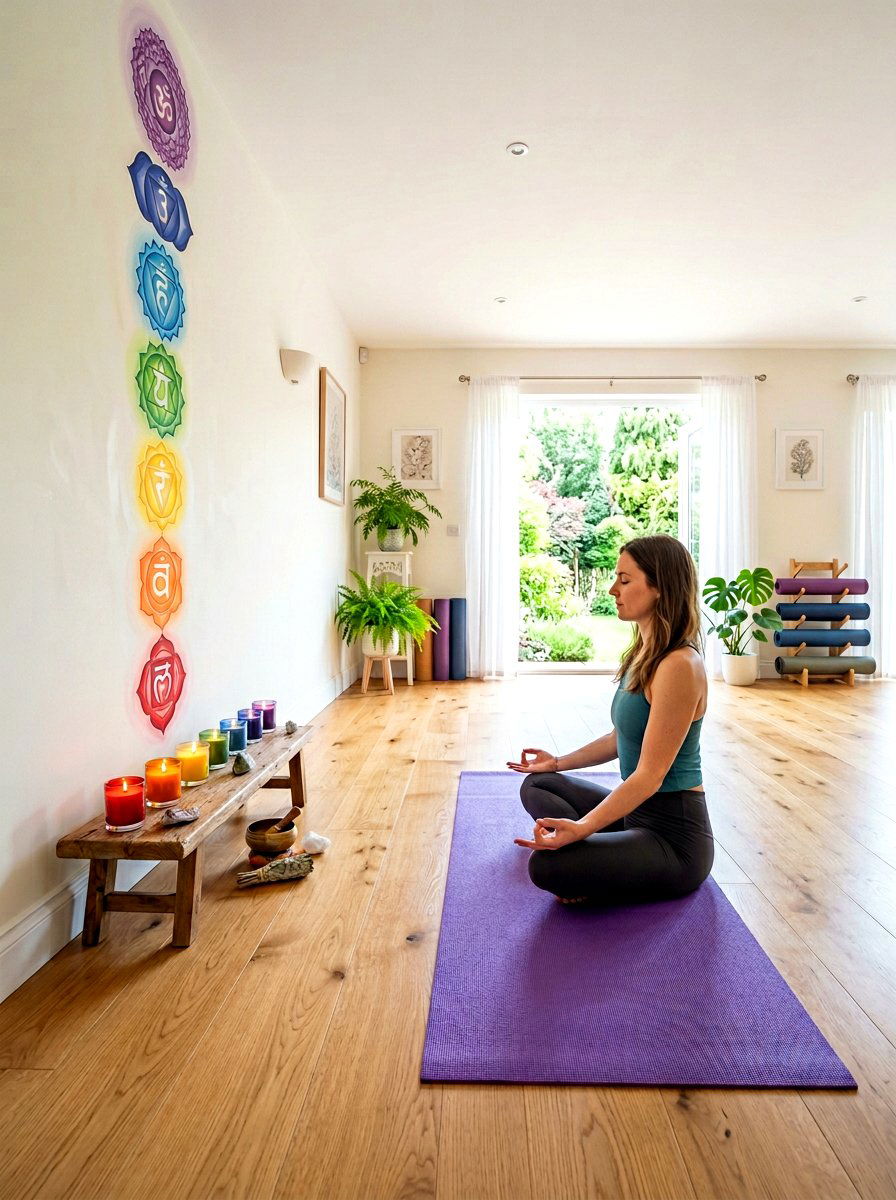
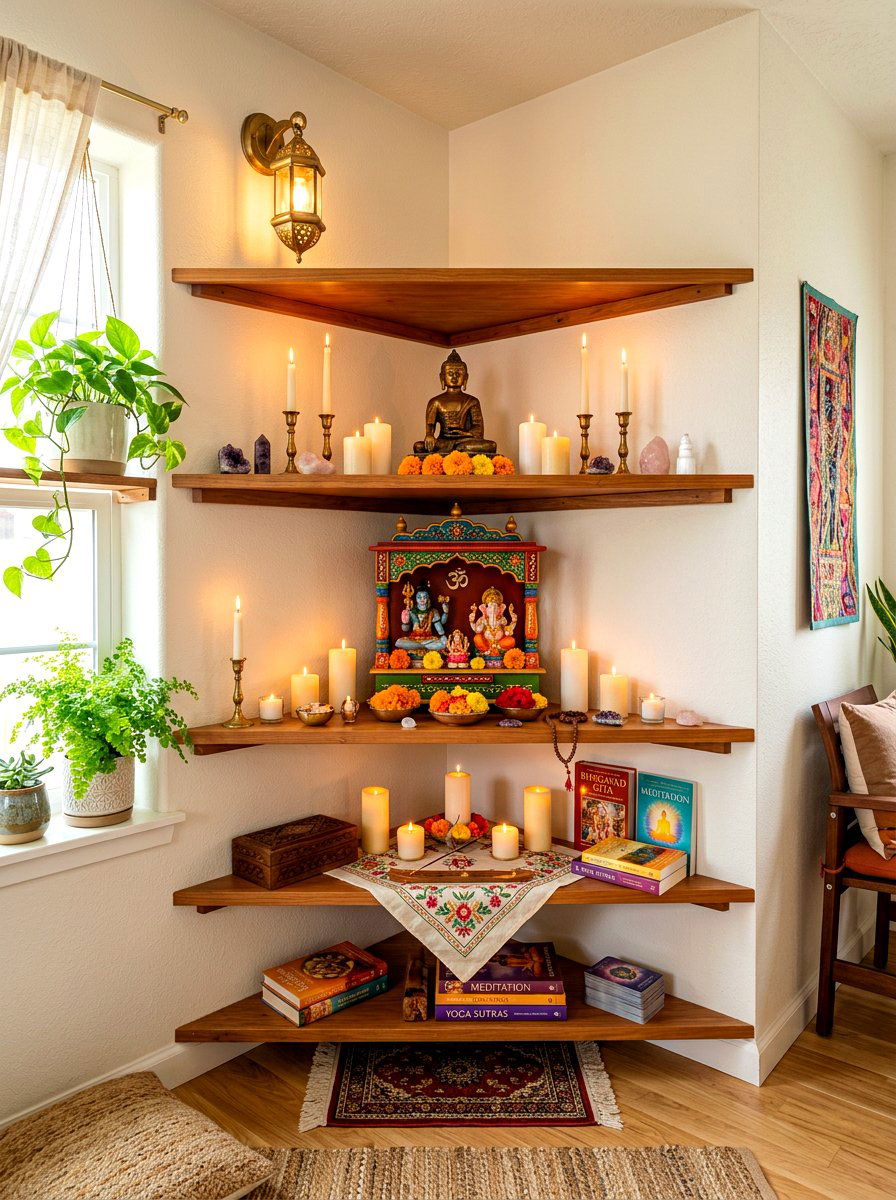
Designing a chakra yoga studio involves using the colors and symbols associated with the body's seven energy centers to enhance your spiritual practice. You can dedicate different zones of the room to specific chakras or use adjustable LED lighting to bathe the space in a particular hue. Incorporate meaningful decor like mandala wall art, gemstone collections, and symbolic sculptures to serve as visual reminders of your intentions. This intentional design approach helps you stay focused on your energetic alignment and makes your yoga sessions feel much more profound. It is a beautiful way to harmonize your external environment with your internal spiritual journey and growth.
29. Crystal Yoga Room
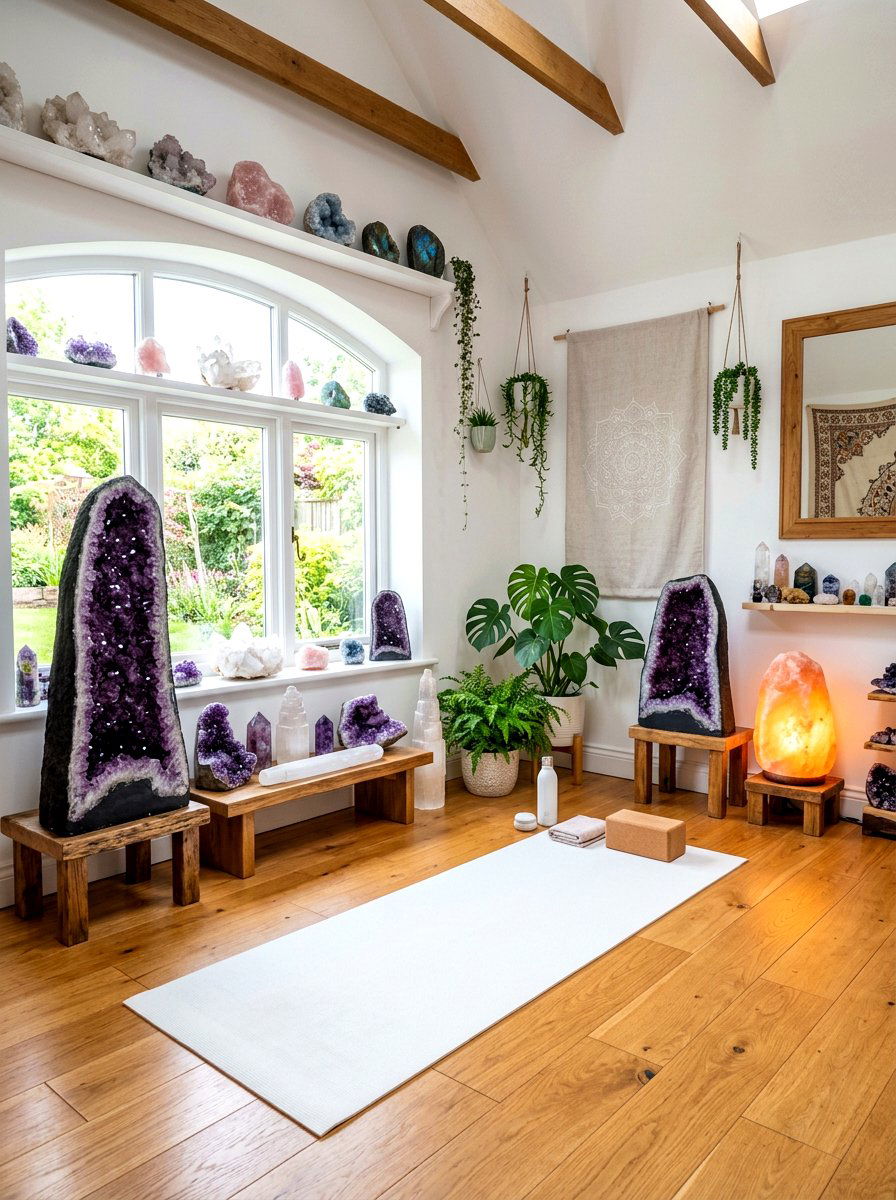
A crystal yoga room focuses on the energetic properties of minerals to create a high-vibration environment for healing and deep meditation. Place large amethyst or quartz clusters in the corners of the room and use a Himalayan salt lamp to provide a soft, orange glow. The presence of these natural elements can help cleanse the energy of the space and promote a sense of deep peace and clarity. You can even create a small crystal grid on a central altar to focus your energy during your daily practice. This sparkling sanctuary feels magical and helps you connect with the subtle energies of the natural world.
30. Moody Meditation Space
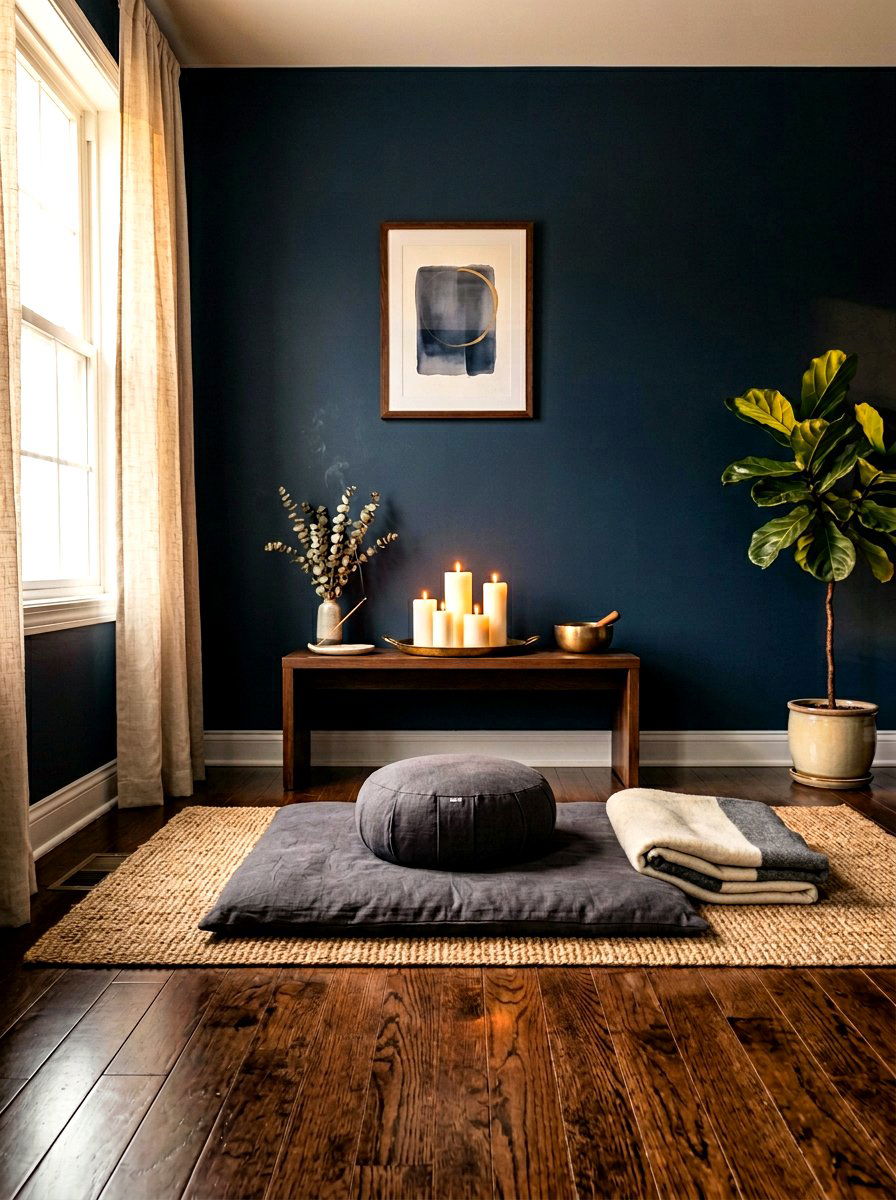
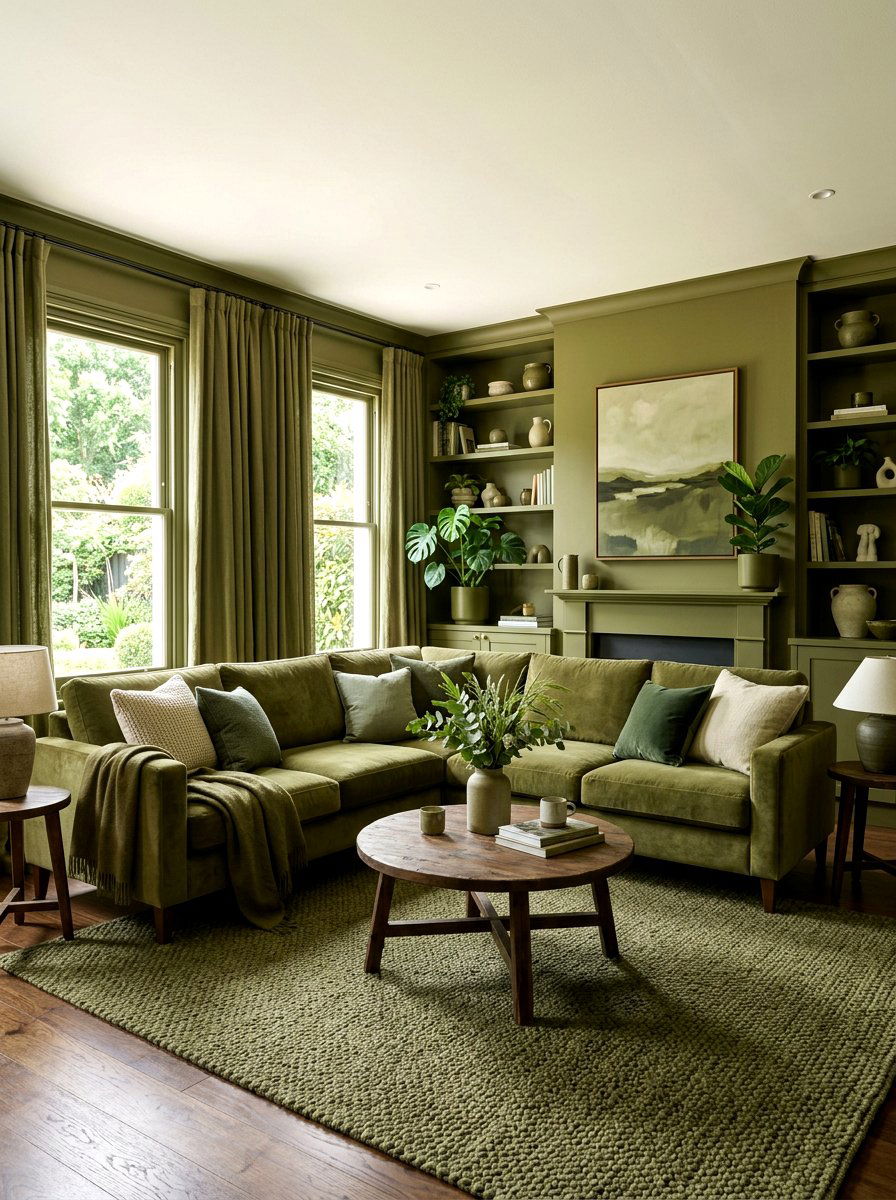
A moody meditation space uses dark, saturated colors like charcoal grey, navy blue, or deep forest green to create an introspective atmosphere. This design choice is excellent for restorative yoga and deep meditation because it minimizes external visual stimulation and encourages looking inward. Use warm, low-level lighting from floor lamps or candles to create soft shadows and a sense of profound quiet throughout the room. Plush velvet cushions and heavy drapes can add a sense of luxury and help dampen external noise for a more immersive experience. This dark sanctuary provides a safe, quiet place to explore your thoughts and find deep rest.
Conclusion:
Designing the perfect yoga room is a personal journey that involves balancing your functional needs with your aesthetic preferences. Whether you choose a minimalist studio or a lush tropical sanctuary, the most important factor is that the space feels welcoming to you. By carefully selecting your colors, materials, and layout, you create a dedicated environment that supports your long-term commitment to health and wellness. Remember that your space can evolve alongside your practice, so do not be afraid to add new elements or change the vibe as you grow. A well-designed yoga room is more than just a place to stretch; it is a sanctuary for your soul.

Related posts: