Planning your vegetable garden involves more than just selecting the right seeds and soil; the layout of your pathways plays a critical role in long-term success. These walkways provide essential structure, allowing you to navigate between rows without compacting the delicate soil where your plants grow. A well-designed path ensures that you can harvest your crops comfortably even after a heavy rainstorm while also helping to manage weeds and improve drainage. Whether you prefer a rustic organic look or a clean and formal aesthetic, the choice of material can completely transform your outdoor workspace. In this guide, we explore thirty practical and visually appealing solutions for your garden layout to enhance both productivity and beauty.
1. Wood Chip Path
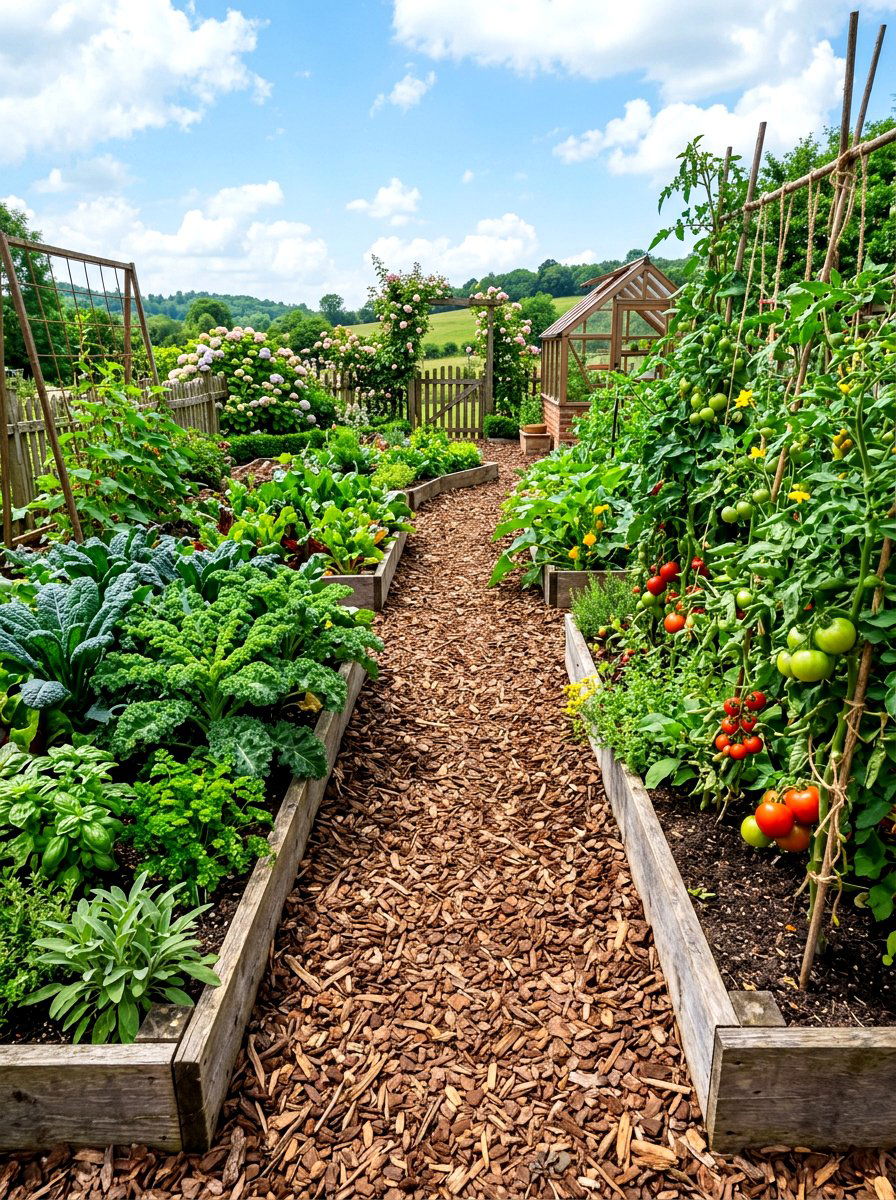
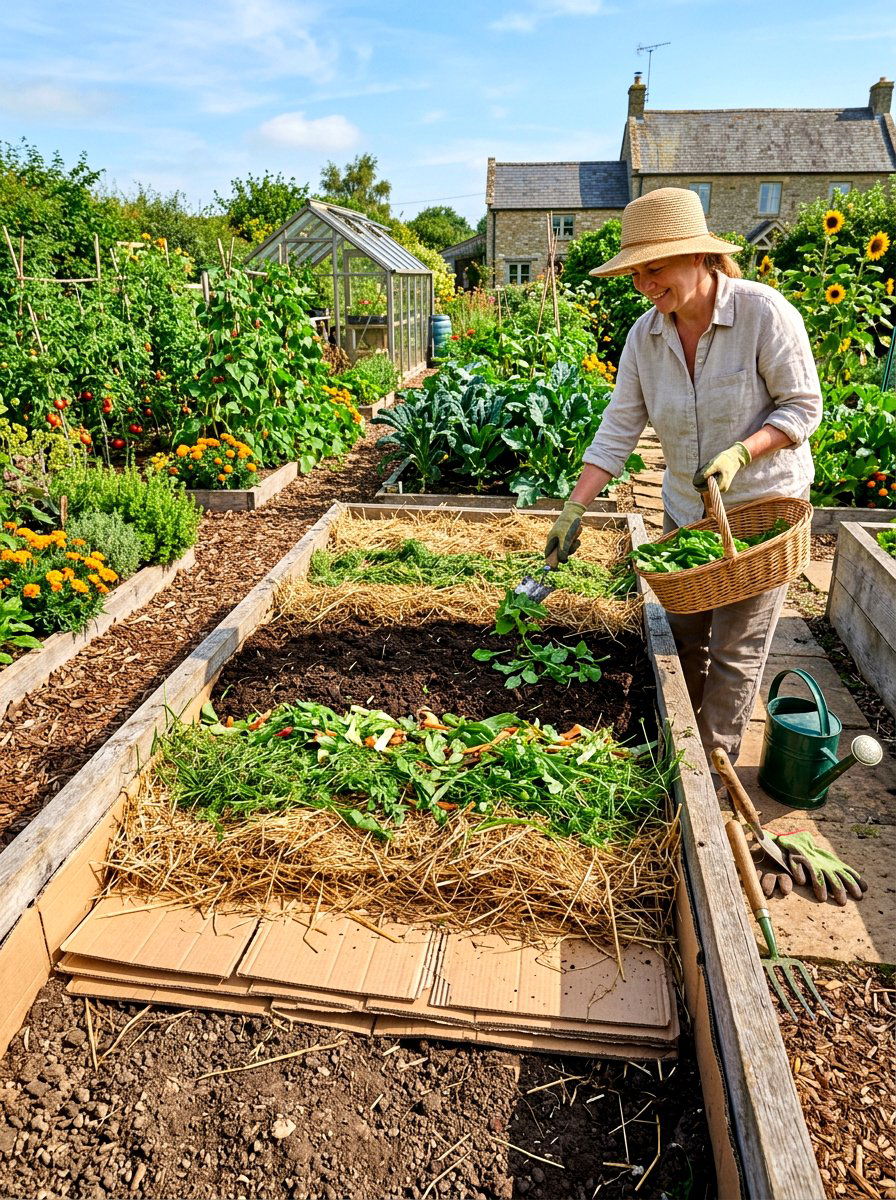
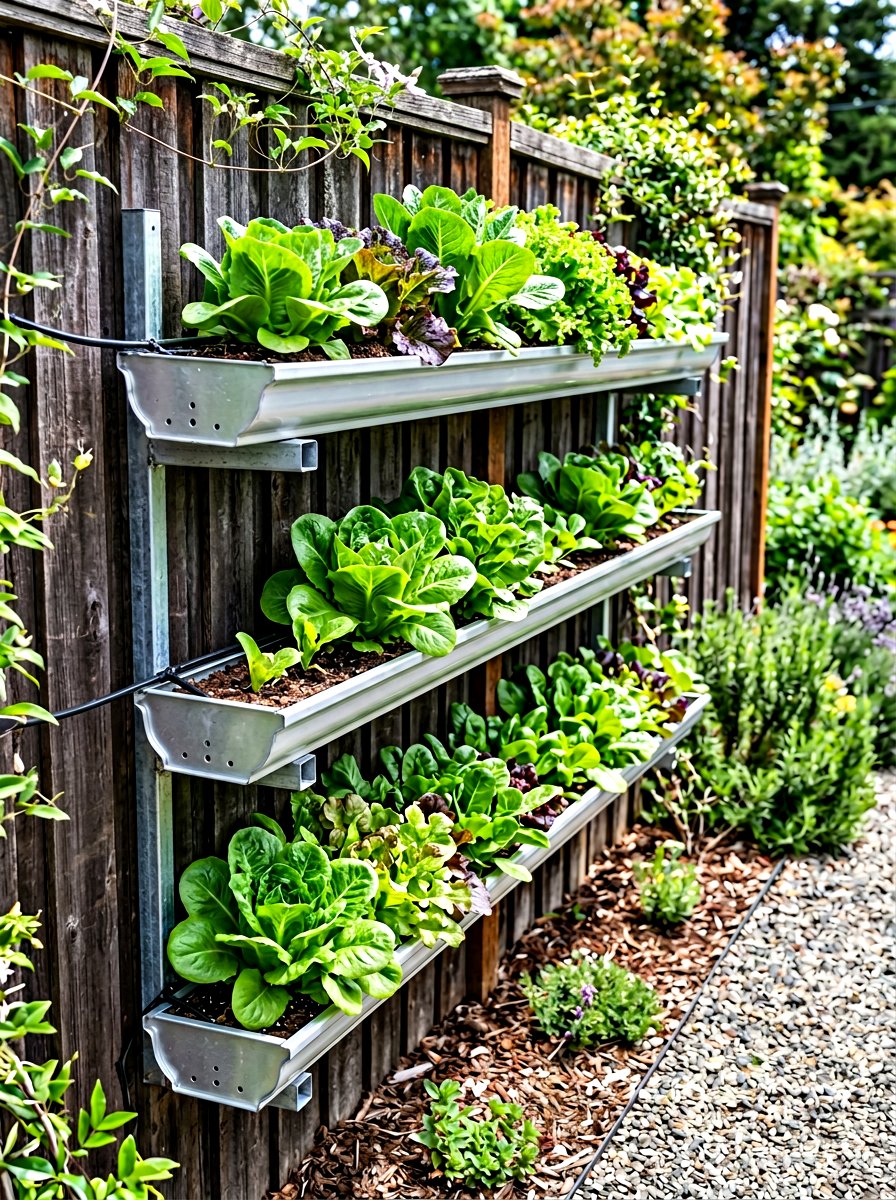
Wood chips are a top choice for backyard growers because they are cost-effective and easy to install in any layout. You can often obtain these materials for free from local arborists who are looking to dispose of their tree trimmings. This organic option provides a soft surface for walking while effectively suppressing weed growth between your raised beds. As the chips decompose over time, they add valuable organic matter back into the ground, which improves the overall health of your garden ecosystem. They work beautifully in cottage-style settings where a natural and slightly wild look is desired. Simply spread a thick layer over landscape fabric for a durable and low-maintenance solution.
2. Brick Walkway
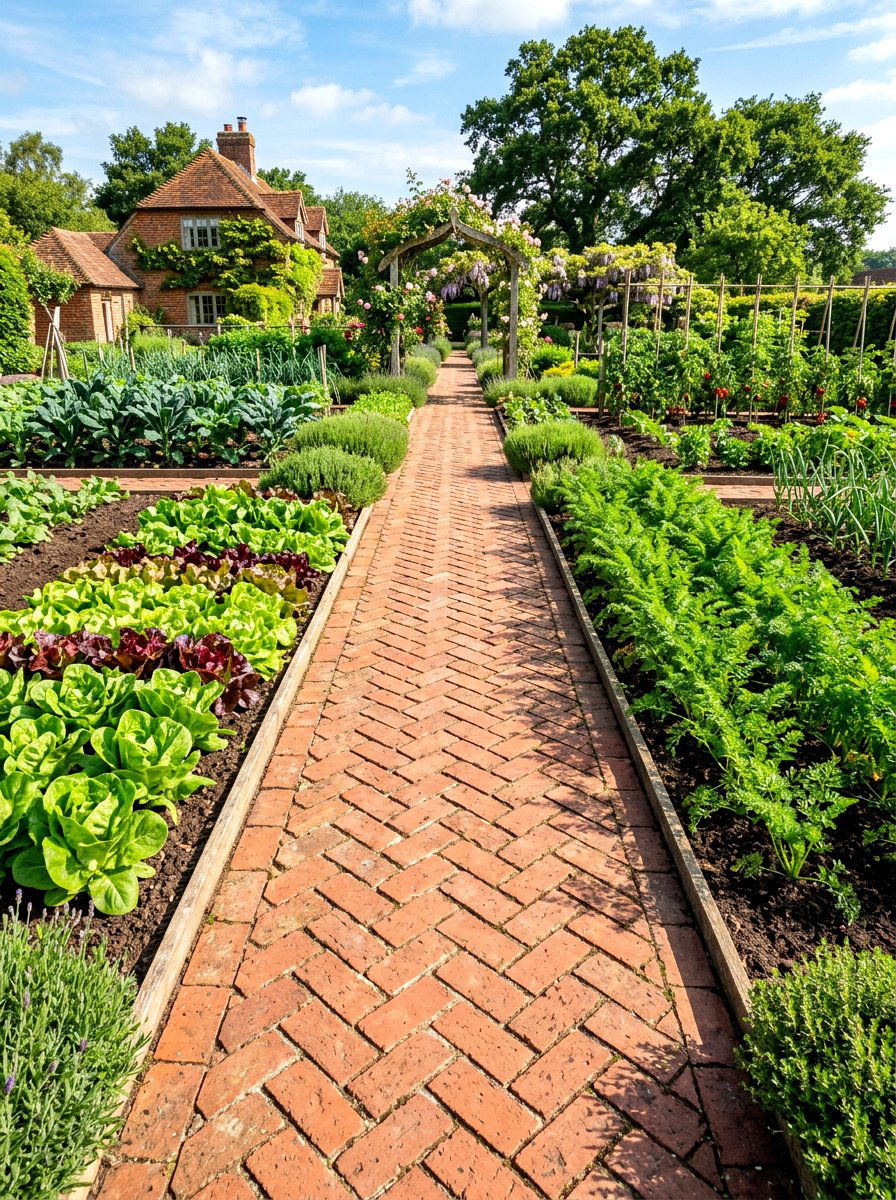
Using traditional bricks for your garden paths creates a timeless and structured appearance that looks better as it ages. Bricks are incredibly durable and can withstand heavy foot traffic and wheelbarrow use throughout the busy growing season. You can lay them in various patterns like herringbone or basketweave to add a touch of classic elegance to your vegetable patch. This material also absorbs heat during the day and releases it at night, which can slightly moderate the temperature for nearby plants in cooler climates. While the initial installation takes more effort than organic mulches, a brick walkway provides a permanent and stable surface that requires very little upkeep.
3. Gravel Path
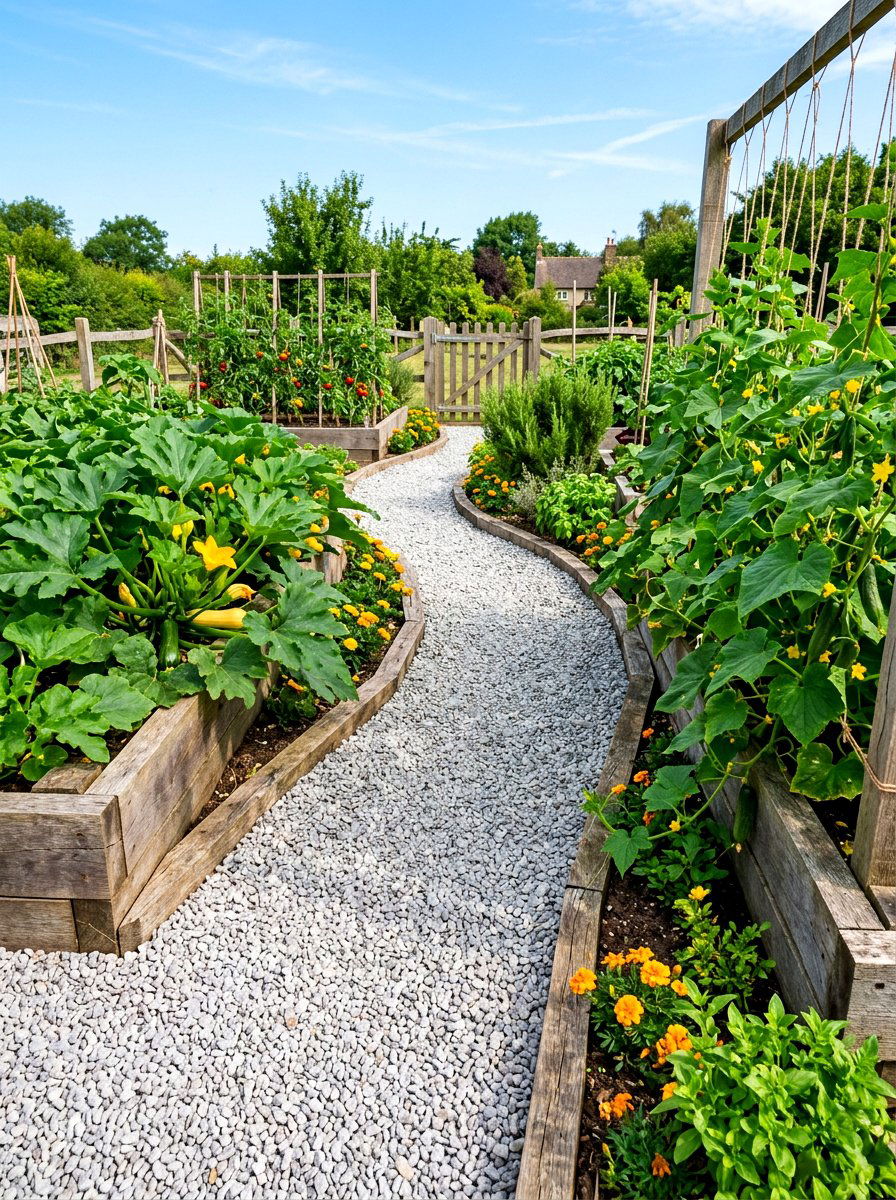
Gravel is a versatile and drainage-friendly material that works well in almost any vegetable garden setting. It comes in many colors and sizes, allowing you to customize the look to match your home’s exterior or surrounding landscape. Because gravel is permeable, it allows rainwater to soak directly into the ground, preventing puddles and runoff issues near your crops. It provides a satisfying crunch underfoot and helps keep your shoes clean and dry when you are out harvesting in the morning dew. For the best results, use a sturdy edging material like metal or wood to keep the small stones from migrating into your planting beds.
4. Stone Stepping Stones
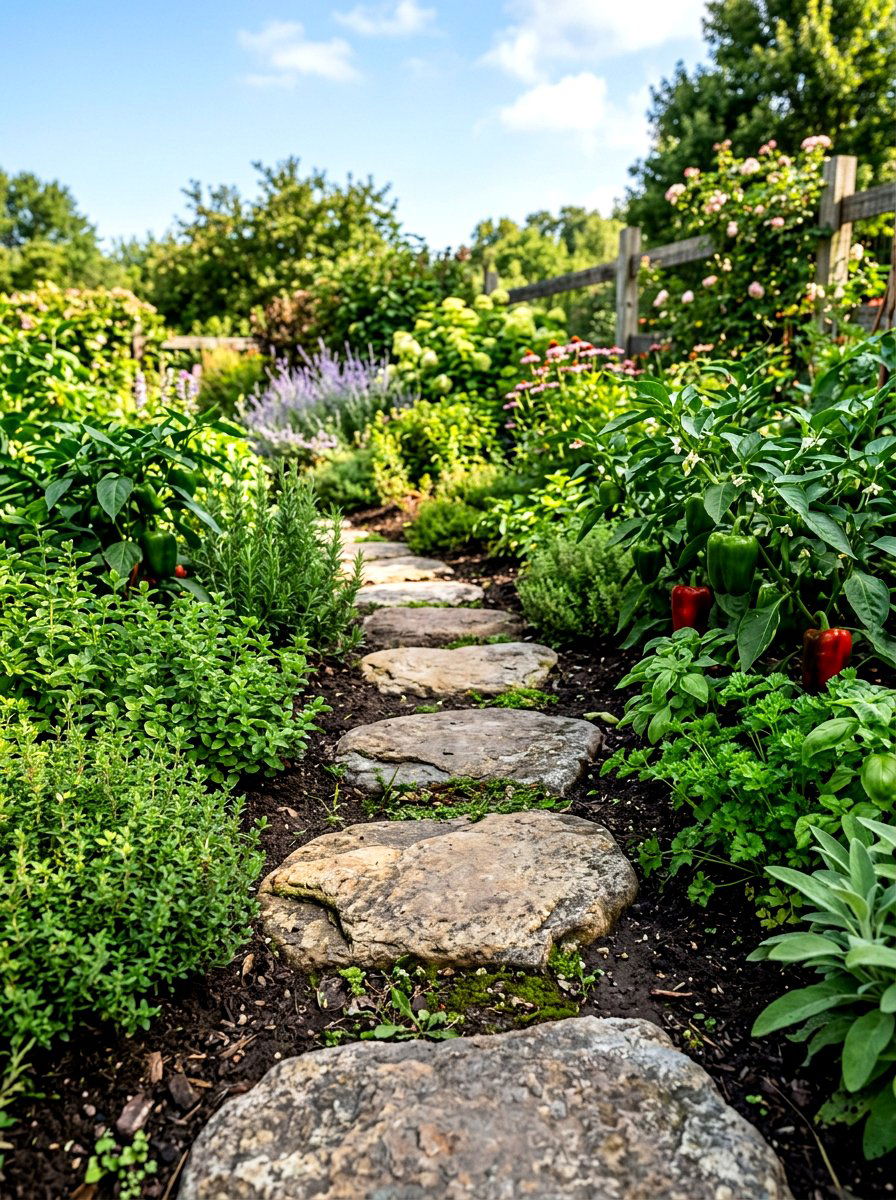
Have you ever considered using large natural stones to create a simple and artistic path through your rows of greens? Stepping stones offer a minimalist approach that leaves plenty of room for groundcover plants to grow in the gaps. This design is perfect for gardeners who want a path that feels integrated with the earth rather than a separate structure. You can choose flat river rocks, slate pieces, or even cast concrete slabs to suit your personal style. This method is also very flexible, as you can easily move the stones if you decide to change your garden layout in the future. It provides a firm footing while maintaining a soft appearance.
5. Grass Walkway
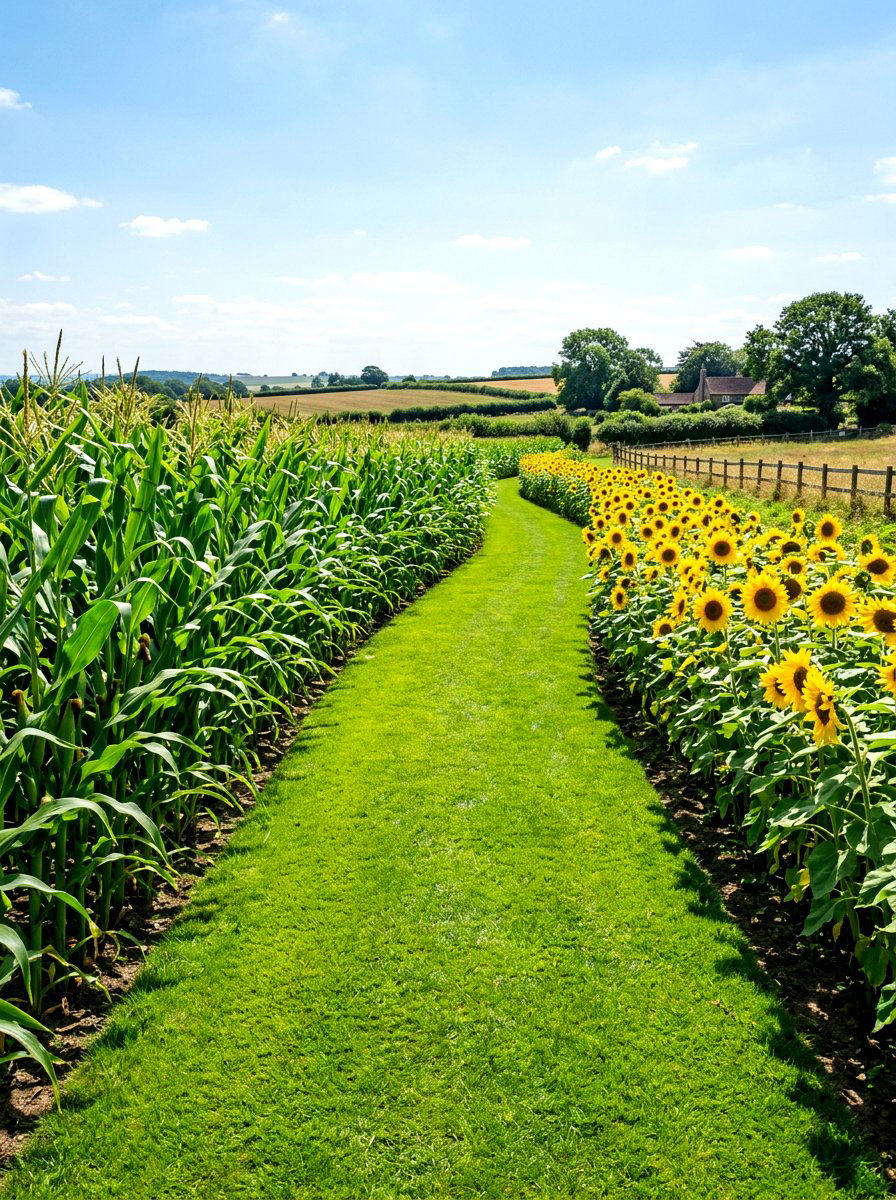
A lush grass walkway offers a refreshing and soft green border that contrasts beautifully with the dark soil and vibrant vegetables. This is a great choice if you have a larger garden space and want a path that feels like a natural extension of your lawn. Grass is very comfortable to walk on with bare feet and helps to cool the immediate environment during the hot summer months. However, this option does require regular mowing and trimming to keep it from encroaching on your vegetable beds. If you choose this path, ensure you have a clear border or edging to prevent grass roots from stealing nutrients from your crops.
6. Garden Mulch Path
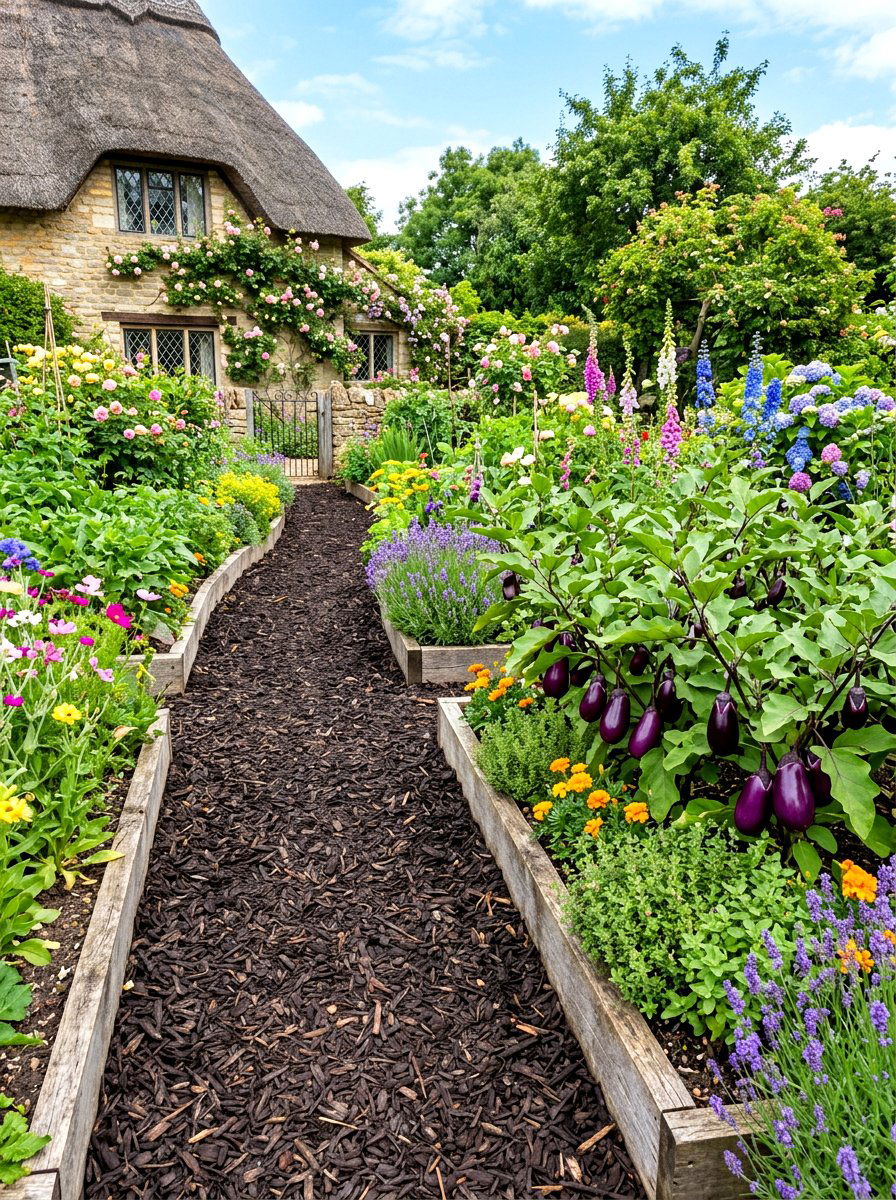
Standard garden mulch is a practical and budget-friendly solution for defining the walking areas in your vegetable plot. It is widely available at local nurseries and comes in various textures, from fine shredded bark to larger nuggets. Mulch does an excellent job of keeping the soil cool and moist while significantly reducing the amount of time you spend weeding. Because it is an organic material, it will eventually break down and need to be topped off every year or two. This constant renewal process ensures your garden always looks fresh and tidy. It is a wonderful choice for creating winding paths that feel cozy and approachable.
7. Flagstone Walkway
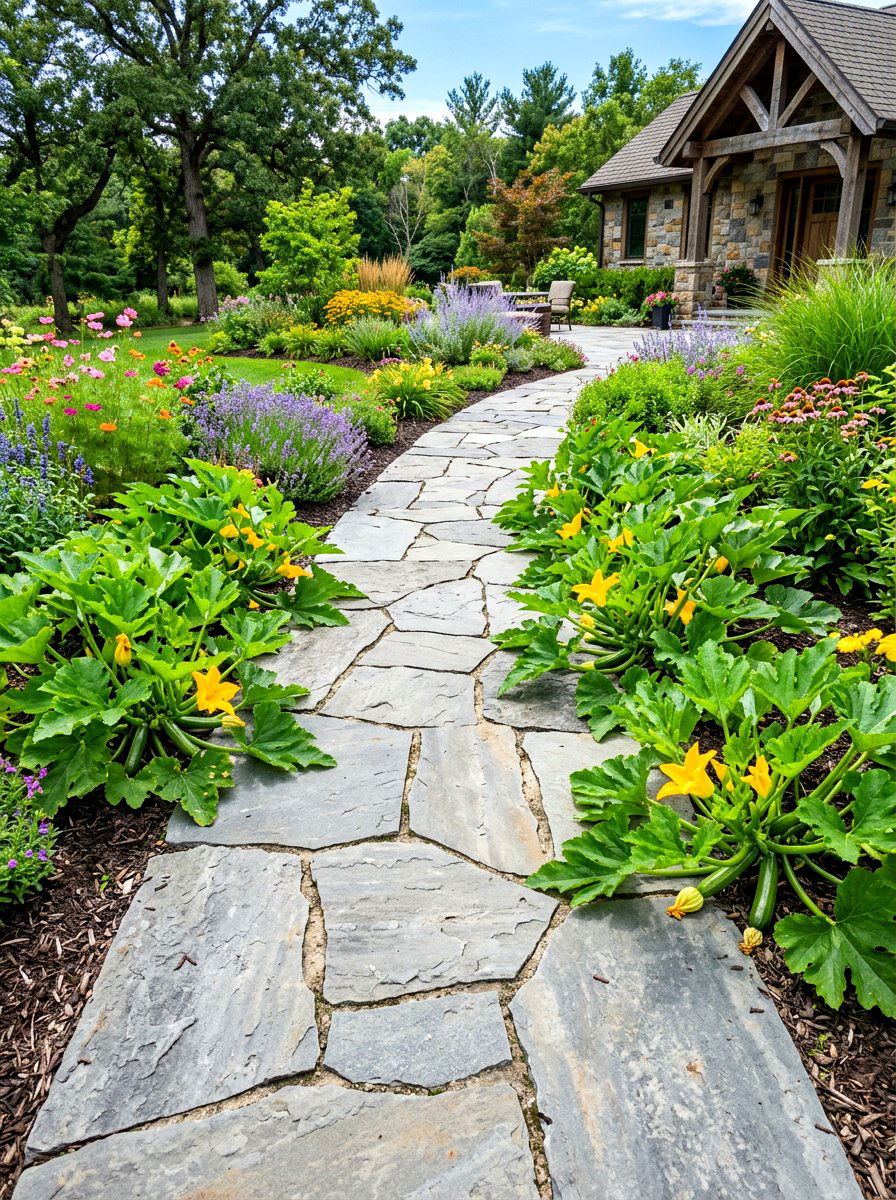
Flagstone is a premium material that brings a sense of permanence and high-end design to your outdoor growing space. These large, flat stones come in irregular shapes that fit together like a puzzle, creating a unique and handcrafted look for every garden. The natural texture of flagstone provides excellent grip even when the surface is wet, making it a safe choice for all seasons. Because the stones are heavy and wide, they stay firmly in place and create a very stable platform for heavy garden equipment. Pairing flagstone with a fine gravel or moss in the joints adds even more character and visual interest to your landscape.
8. Reclaimed Wood Path
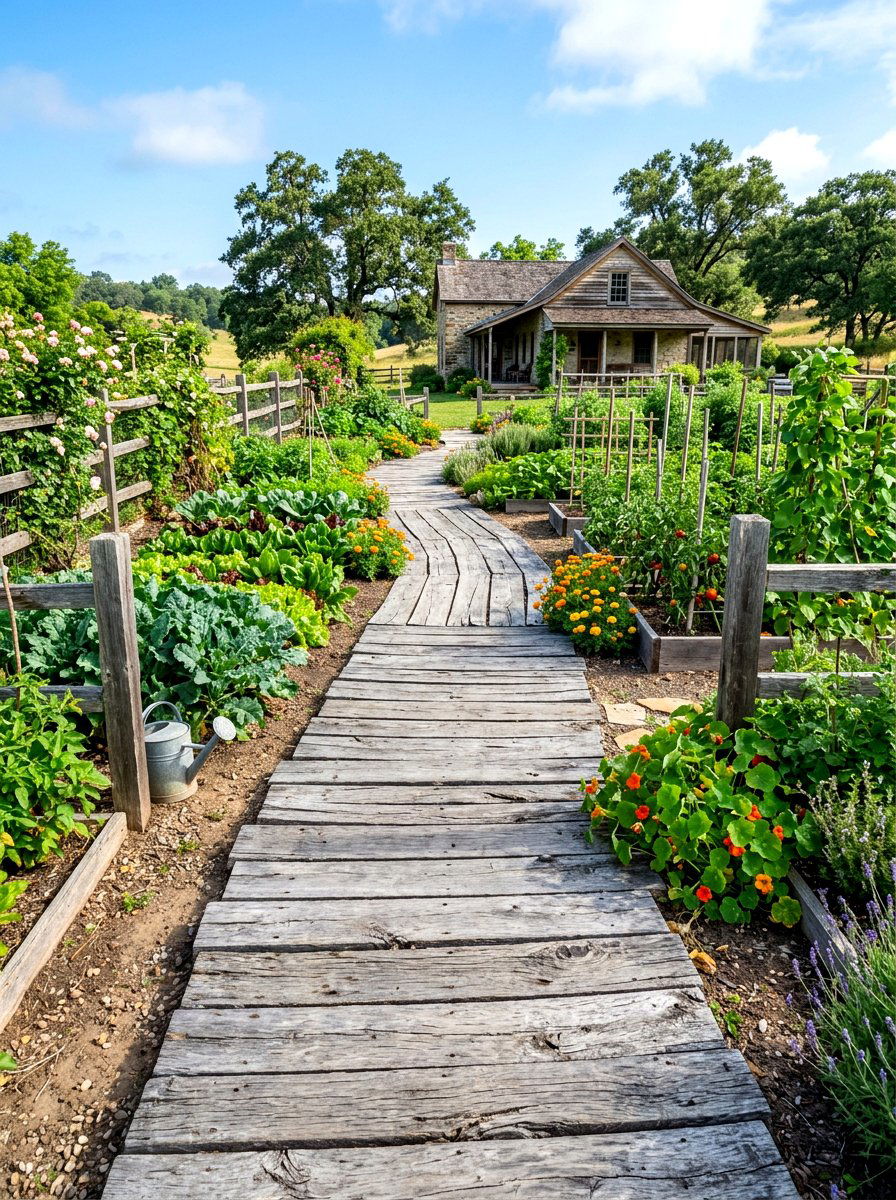
Are you looking for an eco-friendly way to build your garden paths while adding a rustic, lived-in feel to your yard? Reclaimed wood planks or old barn boards can be repurposed to create charming walkways that tell a story. This material is particularly effective for creating boardwalk-style paths that sit slightly above the ground, which is ideal for areas with poor drainage. The weathered texture of old wood complements the organic nature of a vegetable garden perfectly. To ensure longevity, it is important to treat the wood with a garden-safe sealant or choose rot-resistant species like cedar. This path type feels very artisanal and unique.
9. Cedar Plank Walkway
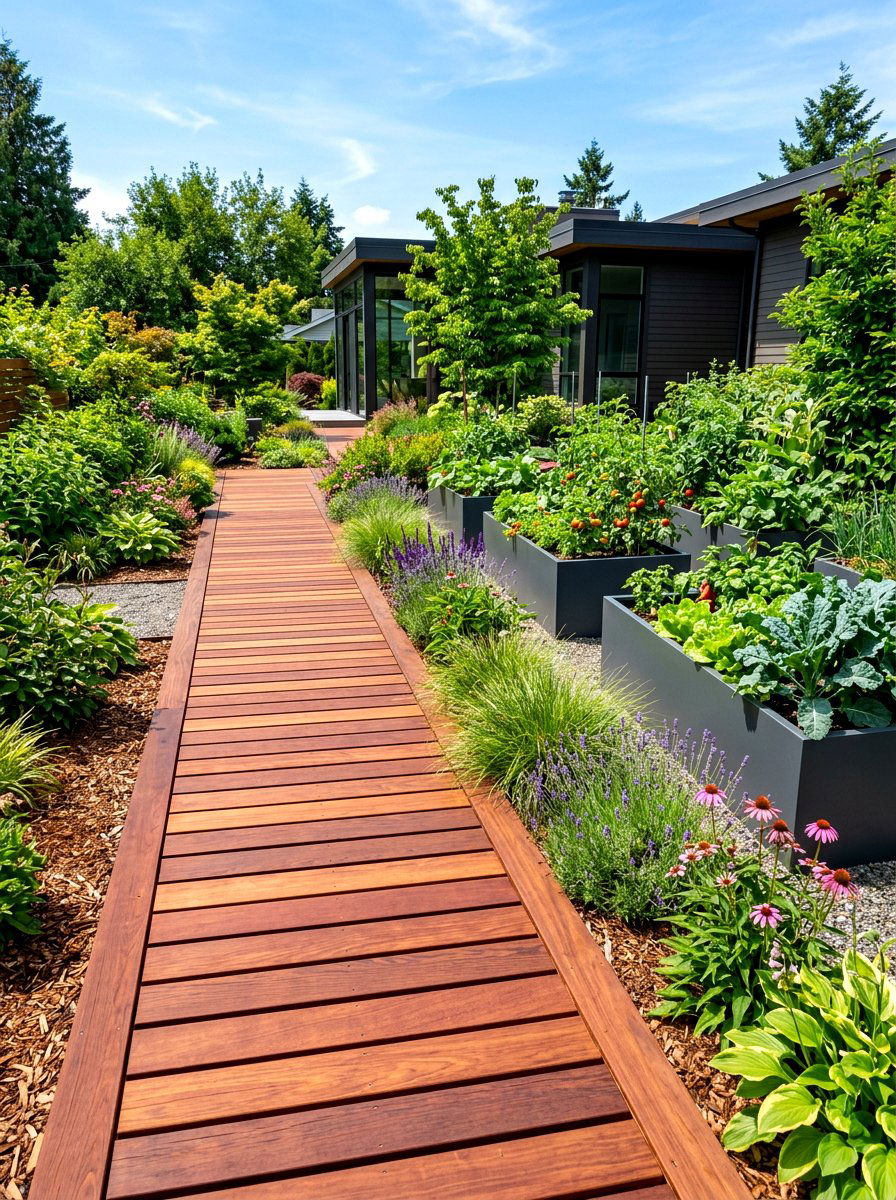
Cedar is a fantastic choice for garden construction because it naturally resists rot, decay, and insect damage without the need for harsh chemicals. A cedar plank walkway provides a clean, modern, and high-quality finish that stands out against the greenery of your plants. These paths are often built as low-profile decks or simple "ladder" style walkways that allow for excellent air circulation underneath. The light reddish-brown hue of new cedar eventually fades to a beautiful silvery gray, blending seamlessly into the natural environment. It is a durable investment that provides a flat and even surface, making it very easy to move tools and harvest baskets around.
10. Pea Gravel Path
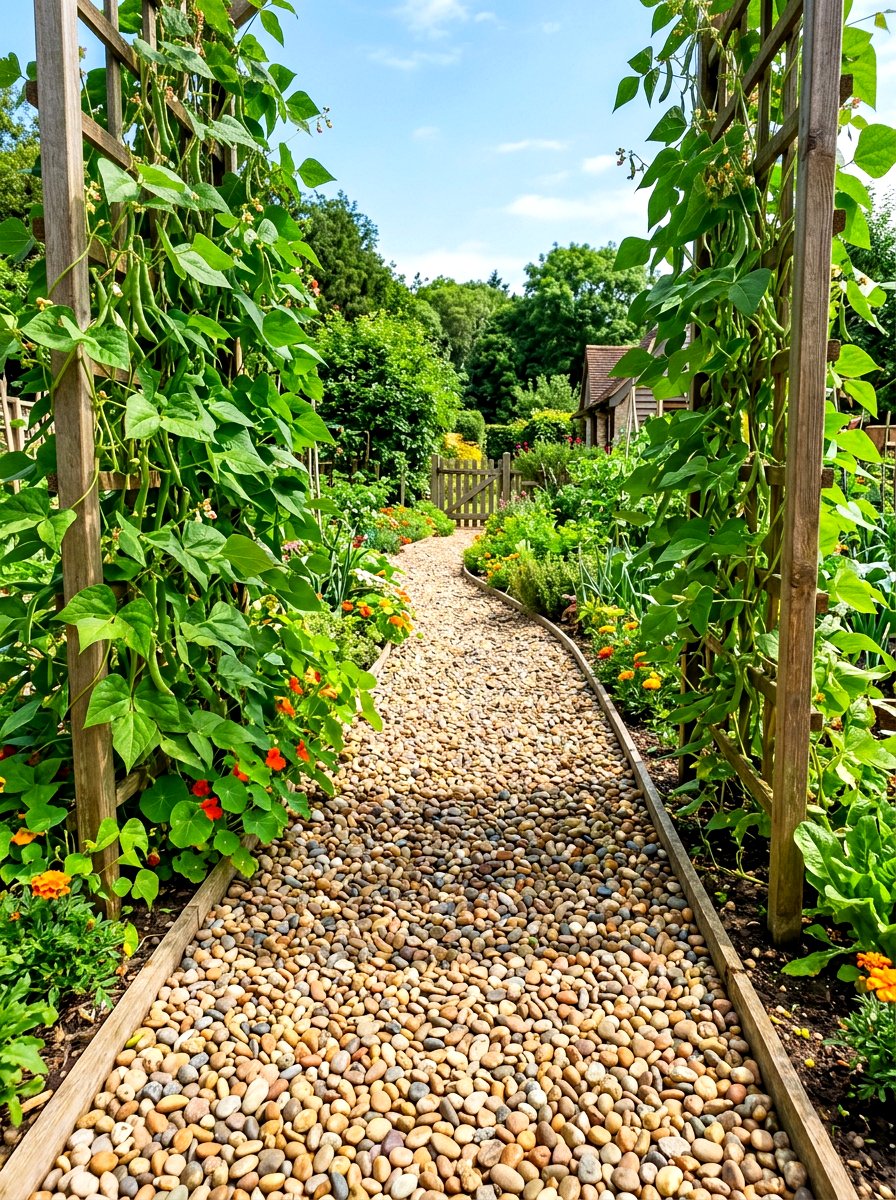
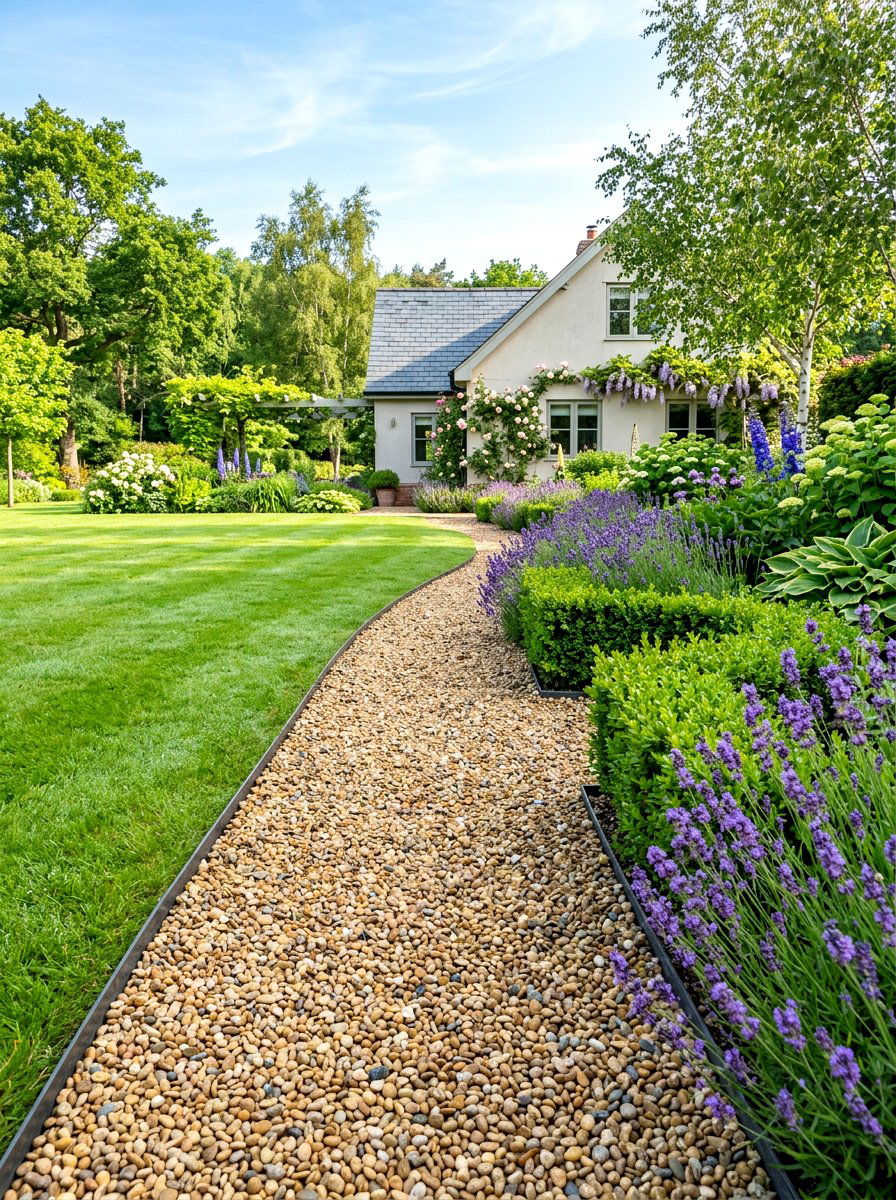
Pea gravel consists of small, rounded stones that are roughly the size of a pea, offering a smooth and comfortable walking surface. This material is prized for its aesthetic appeal, as the varied colors of the tiny stones create a soft and shimmering effect in the sunlight. It is very easy to spread and can be used to fill in curved or irregular path shapes with minimal effort. Because the stones are small, they provide excellent drainage and do not trap heat as much as larger pavers. To keep pea gravel looking its best, you should install a weed barrier underneath and use deep edging to keep the stones contained.
11. Concrete Paver Walkway
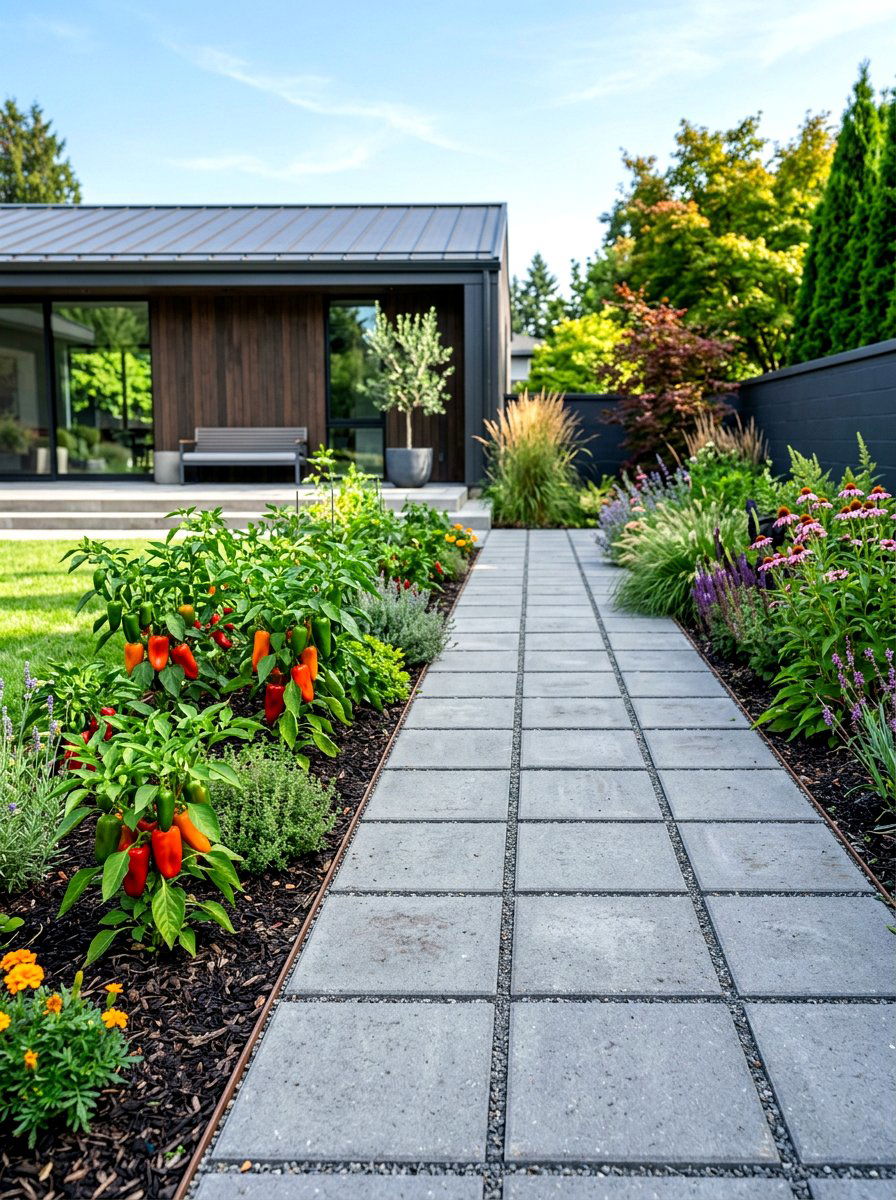
Concrete pavers are a highly functional and durable option for gardeners who want a modern and organized look. These manufactured stones come in a wide variety of shapes, sizes, and colors, allowing you to create very precise and geometric layouts. They are designed to interlock or sit closely together, providing a perfectly level surface that is easy to sweep and maintain. Concrete is extremely resistant to the elements and will not shift or crack easily over time if installed on a proper base. This path type is excellent for high-traffic areas where you need a reliable and solid foundation for your daily gardening tasks.
12. Garden Straw Path
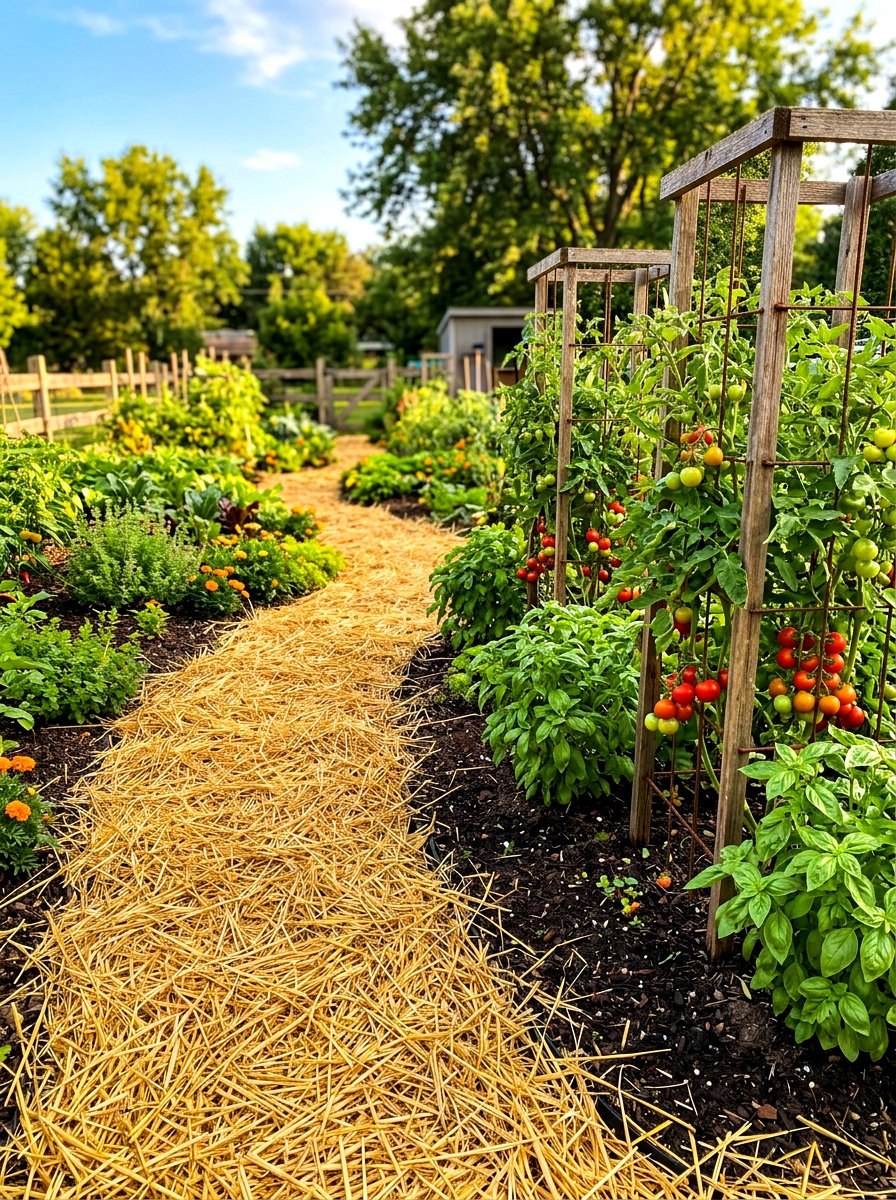
Straw is perhaps the most traditional and practical material for paths in an organic vegetable garden. It is incredibly affordable and provides a thick, protective layer that keeps your feet entirely out of the mud during the rainy season. Many gardeners love straw because it can be tilled into the soil at the end of the year to improve the soil structure. It also reflects sunlight, which can help keep the ground cool around heat-sensitive crops like lettuce or spinach. For the best results, ensure you are using weed-free straw rather than hay, as hay contains seeds that could sprout and create a mess.
13. River Rock Walkway
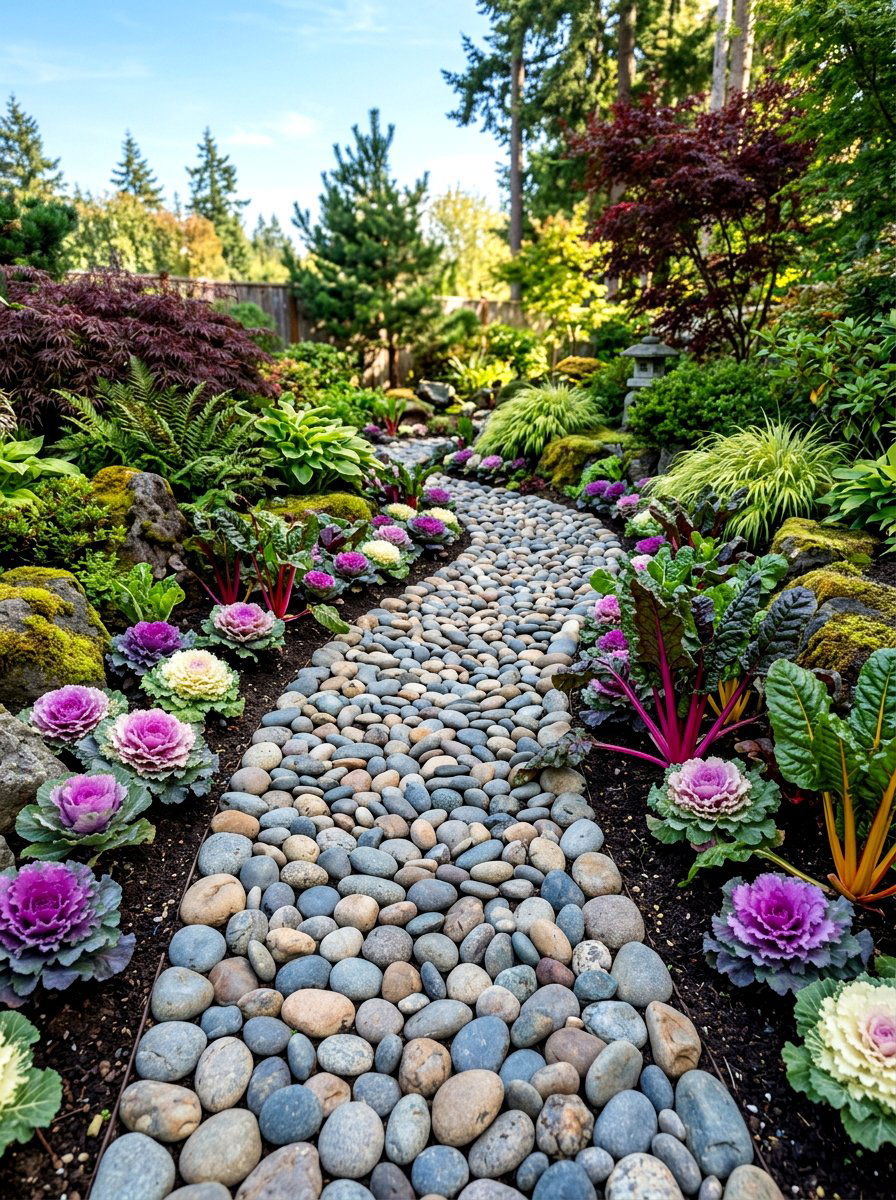
River rocks are larger, smooth stones that bring a serene and naturalistic element to your vegetable garden design. These stones are often used to create "dry creek bed" style paths that serve a dual purpose of beauty and drainage management. The various sizes and earthy tones of river rocks provide a textured look that pairs beautifully with ornamental vegetables and herbs. Walking on larger river rocks can be a bit uneven, so they are often used in combination with flat stepping stones for a more comfortable experience. This material is exceptionally durable and will never need to be replaced, making it a very sustainable choice.
14. Pine Bark Path
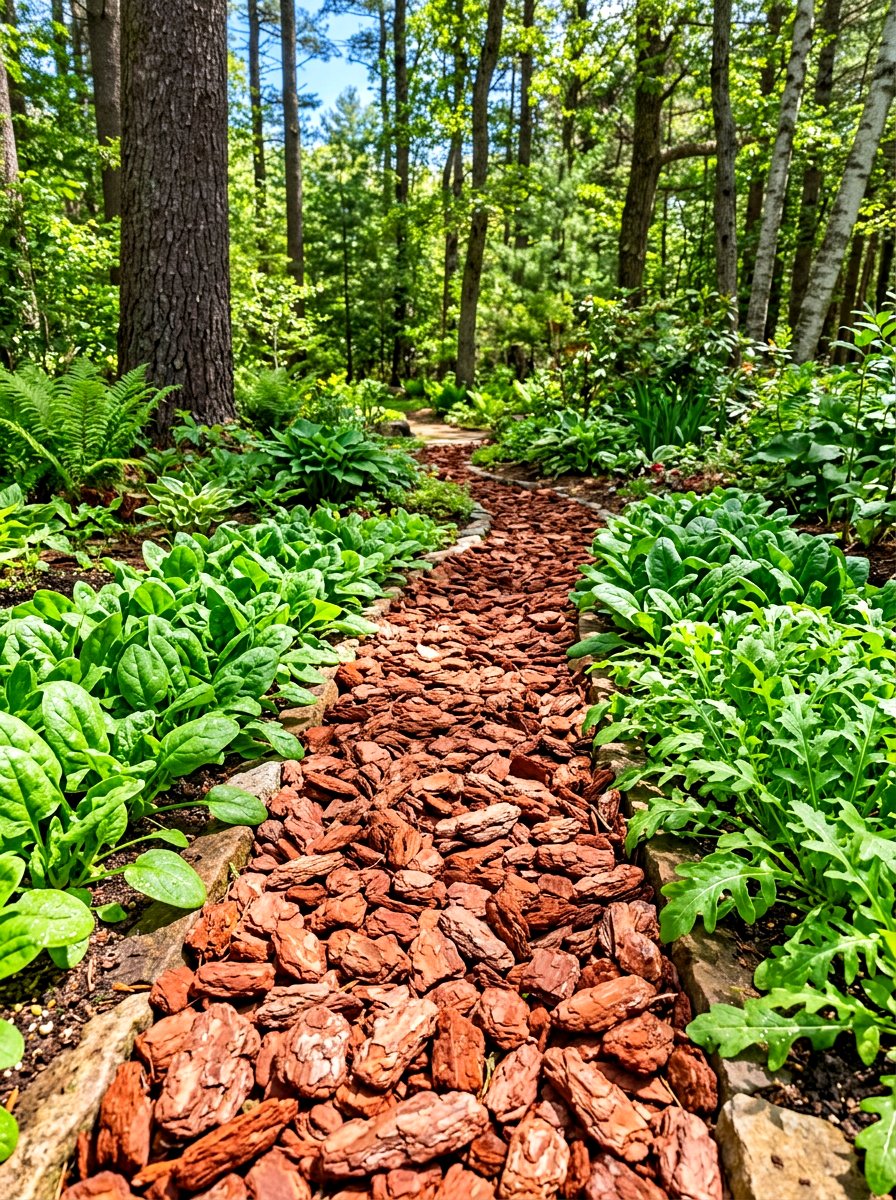
Pine bark nuggets or shredded pine bark offer a unique aesthetic and a pleasant, forest-like aroma to your garden. This material is slightly more acidic than other wood products, which can be beneficial if you are growing acid-loving plants nearby. The deep brown or reddish color of the bark provides a beautiful backdrop for the bright greens and reds of your ripening vegetables. Pine bark is lightweight and easy to handle, making it a great choice for a DIY weekend project. It holds its color well over time and provides a springy, cushioned feel underfoot that is very gentle on your knees while you work.
15. Pine Needle Walkway
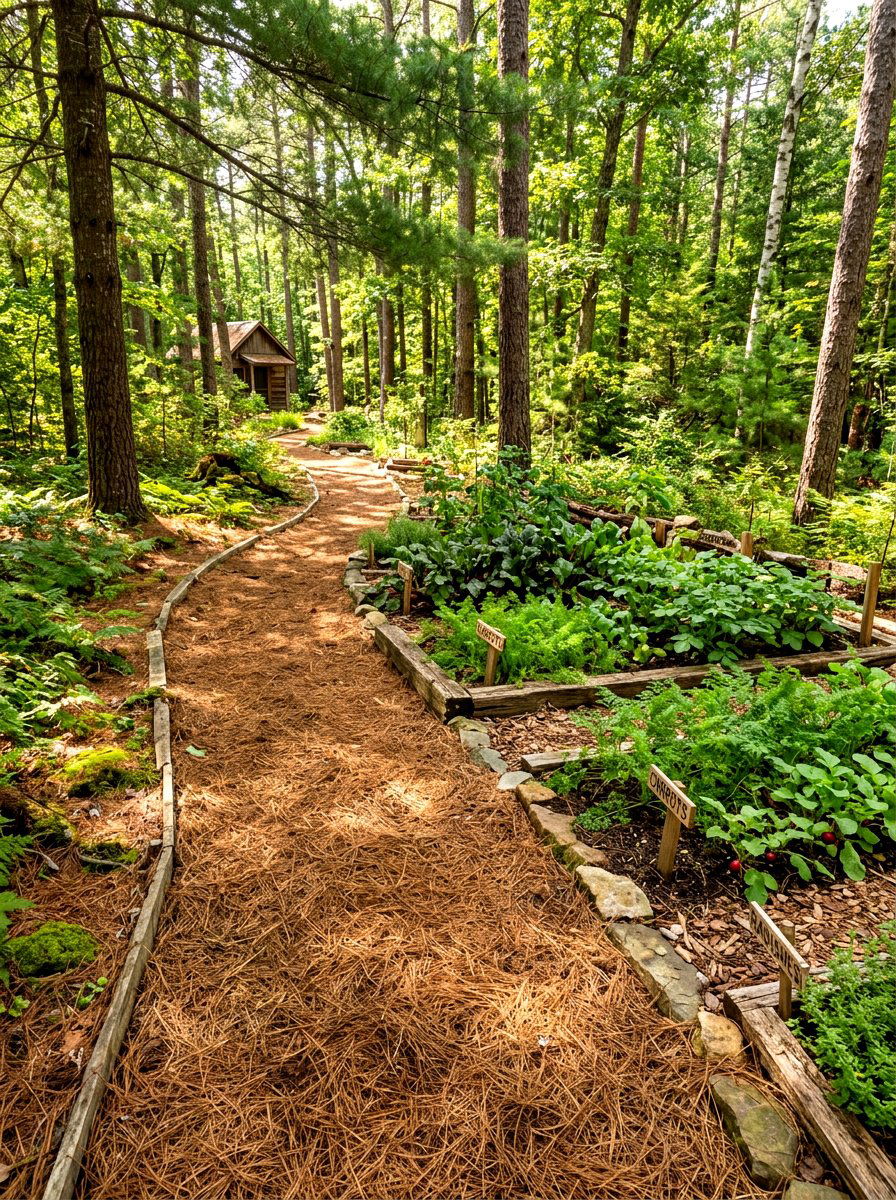
If you have pine trees on your property, using fallen pine needles as a path material is a clever and free way to recycle garden waste. Often called pine straw, these needles knit together over time to create a stable and slip-resistant surface that stays in place even on slight slopes. They provide excellent weed suppression and allow water to move freely into the soil below. The fine texture of pine needles creates a subtle and understated look that does not distract from the main attraction — your vegetables. This is an environmentally friendly option that adds a soft, organic touch to any woodland or rustic garden setting.
16. Crushed Shell Path
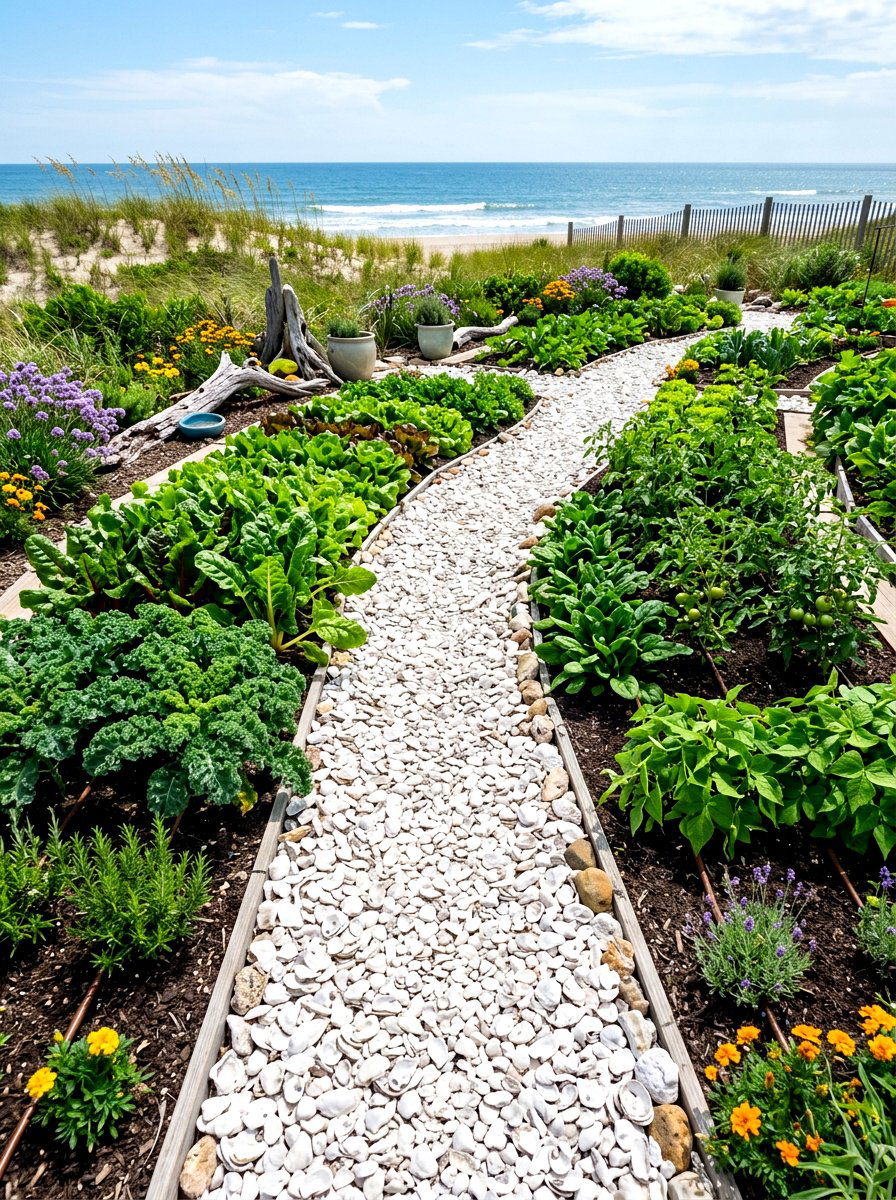
Crushed shells, such as those from oysters or clams, provide a unique and coastal feel to your backyard garden. This material is popular in seaside regions but can be shipped anywhere for a distinctive and bright look. The white and gray tones of the shells reflect light, making your garden paths visible even in the twilight hours of the evening. Over time, the shells break down and add calcium to the soil, which can be a subtle benefit for certain vegetable varieties. They provide a firm and crunching surface that drains exceptionally well. It is a creative way to add texture and a touch of the beach.
17. Decomposed Granite Walkway
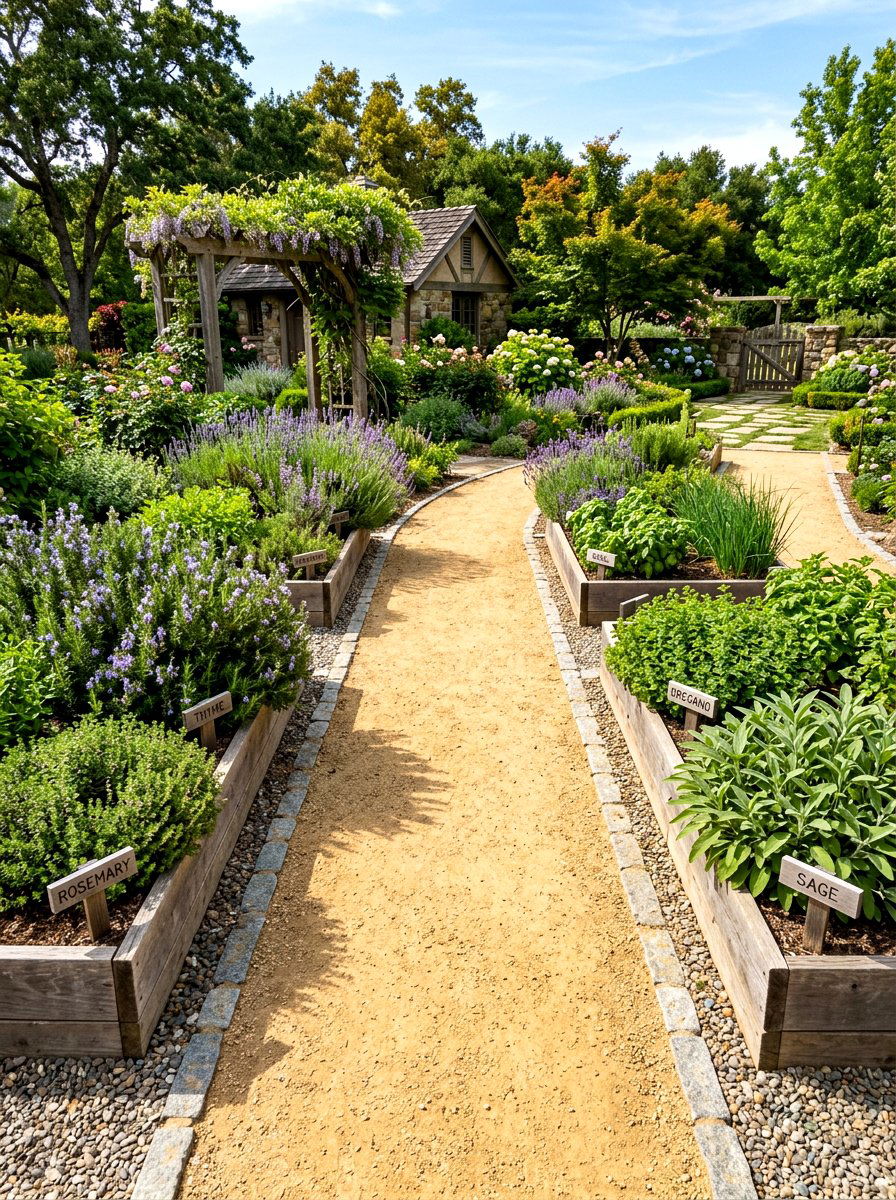
Decomposed granite is a natural stone material that has been weathered down into very small, sand-like particles mixed with tiny chunks of rock. When compacted, it creates a very hard and stable surface that feels almost like a natural trail. It is available in many warm tones like gold, tan, and rose, which can add a soft glow to your vegetable garden layout. This material is highly permeable and provides a professional, finished look that is less "loose" than traditional gravel. It is a favorite among landscape designers for its ability to create smooth, flowing curves that look integrated with the surrounding environment.
18. Wood Slice Path
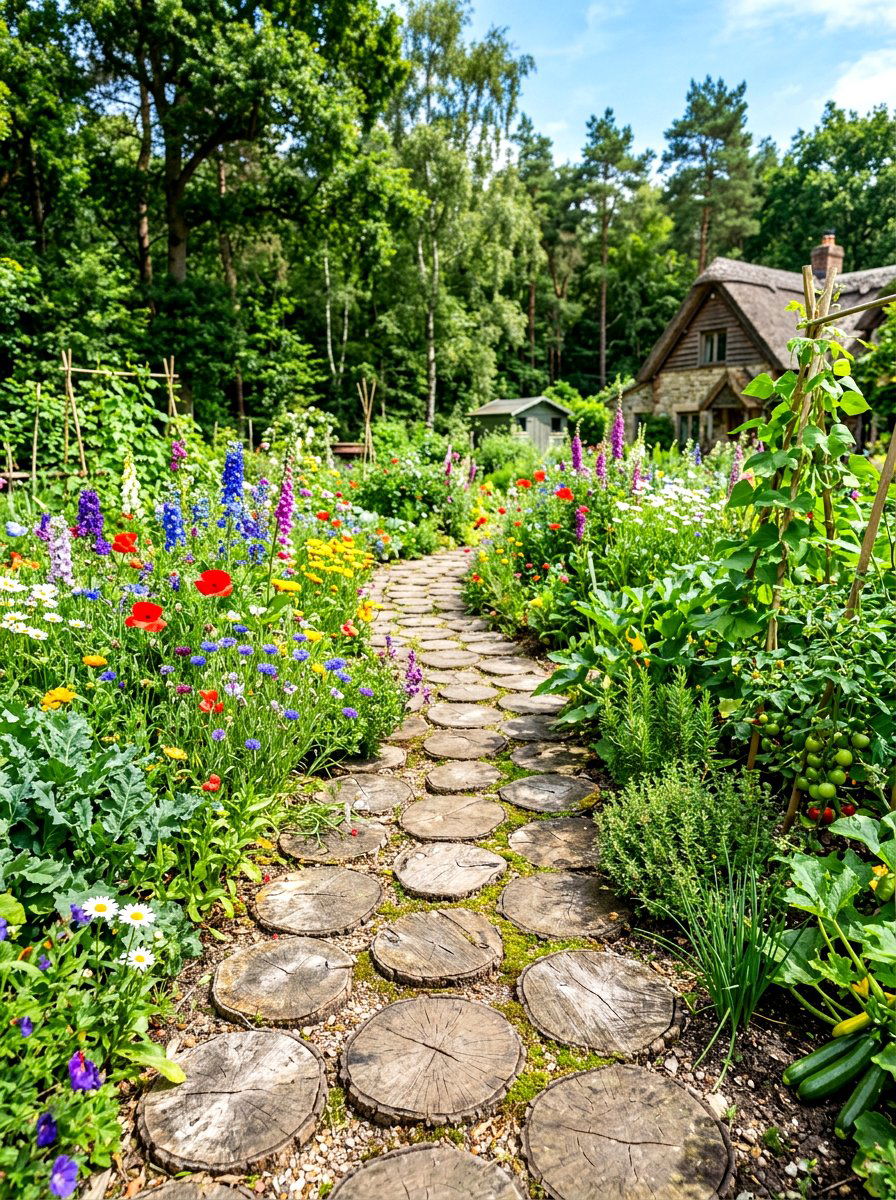
Using cross-sections of logs, often called wood "cookies, " is a whimsical and charming way to lead visitors through your garden beds. These circular slices reveal the natural rings of the tree and provide a rustic, woodland aesthetic that is completely unique. You can vary the sizes of the slices and set them into a bed of mulch or sand to keep them stable. This design is a great way to use wood from trees that have been removed from your property. To prevent the slices from becoming slippery when wet, you can add a bit of sand or non-slip grip to the surface of the wood.
19. Cobblestone Walkway
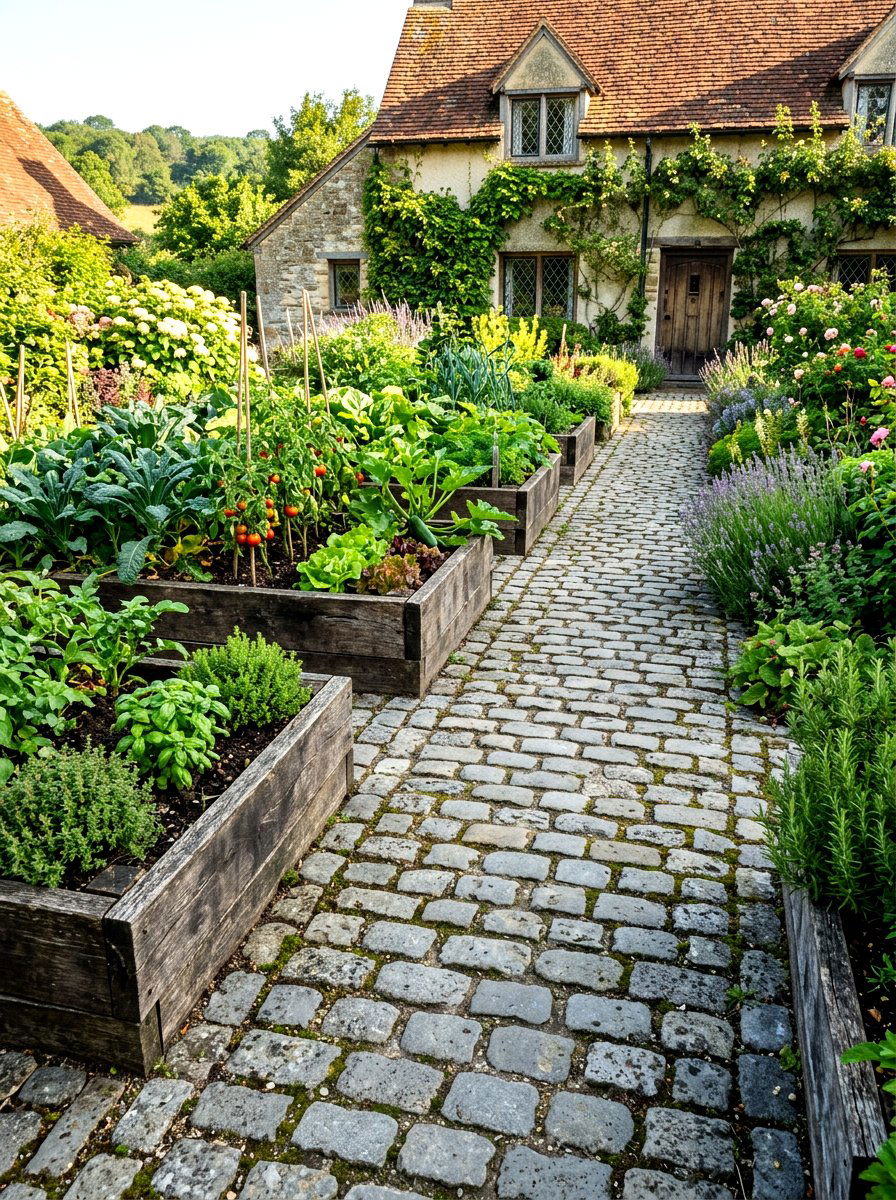
Cobblestones offer an old-world charm that can make your vegetable garden feel like a historic European kitchen garden. These rounded or squared stones are incredibly tough and can last for centuries with minimal maintenance. They provide a textured and slightly uneven surface that adds a lot of character and visual depth to your outdoor space. Cobblestones are excellent for defining the main "spine" of a garden, creating a clear and durable route for heavy traffic. While they require a bit more effort to install correctly on a sand base, the result is a beautiful and permanent feature that significantly increases the value of your landscape.
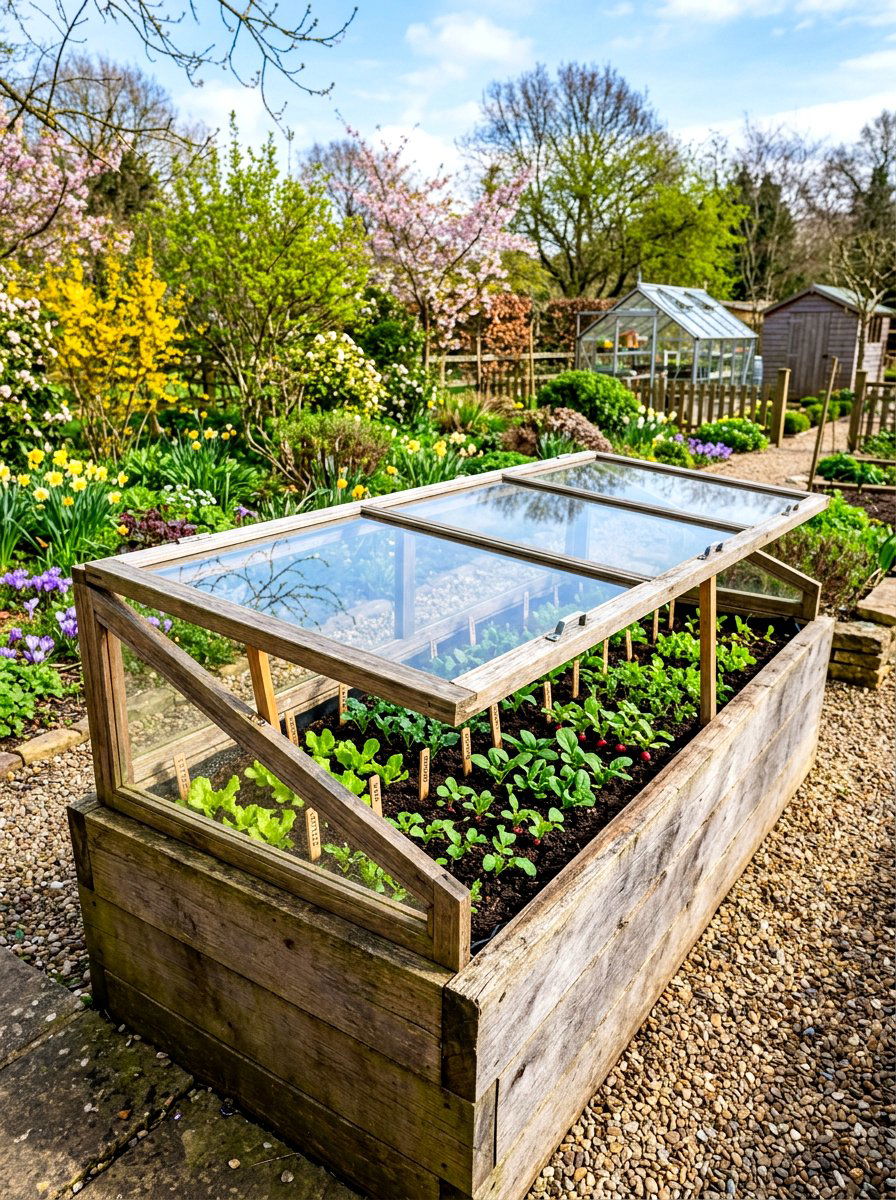
20. Slate Path
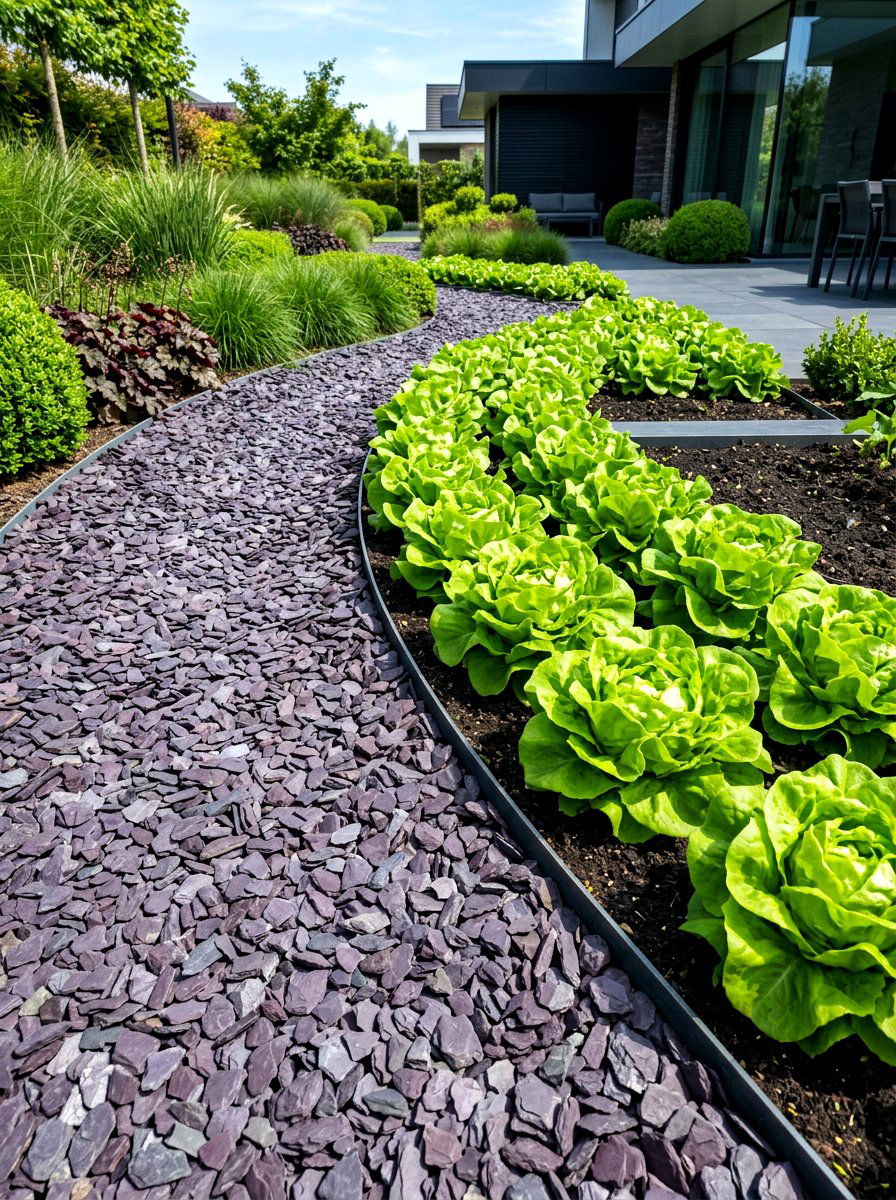
Slate is a metamorphic rock that naturally splits into flat, thin layers, making it an ideal material for elegant and modern garden paths. The dark gray, blue, and purple tones of slate provide a dramatic contrast against the vibrant colors of a productive vegetable patch. It is a very dense material that does not absorb much water, which means it resists staining and stays clean with just a quick rinse from the hose. You can use large slate slabs as stepping stones or use crushed slate chips for a more casual and flexible path. It is a sophisticated choice that brings a contemporary edge to your garden.
21. Dirt Garden Walkway
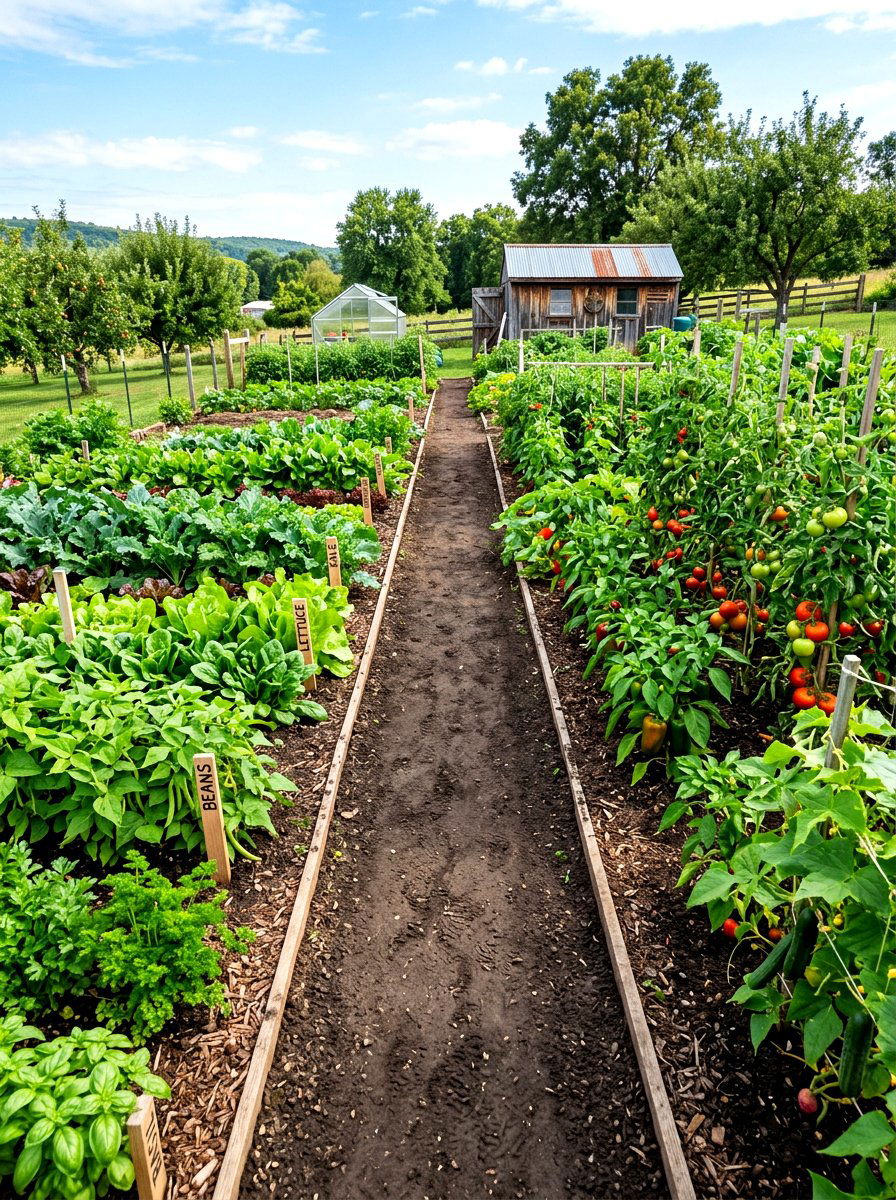
Sometimes the simplest solution is the best, and a well-maintained dirt path can be both functional and attractive. In many traditional gardens, the paths are simply cleared soil that has been compacted over time by daily use. To make a dirt path look intentional, keep the edges neatly trimmed and use a hand tamper to create a firm, level surface. While dirt paths can become muddy during heavy rain, they are the most cost-effective option and allow for total flexibility in your garden layout. Adding a bit of organic matter or sand can help improve the stability and drainage of the path without requiring expensive materials.
22. Sand Path
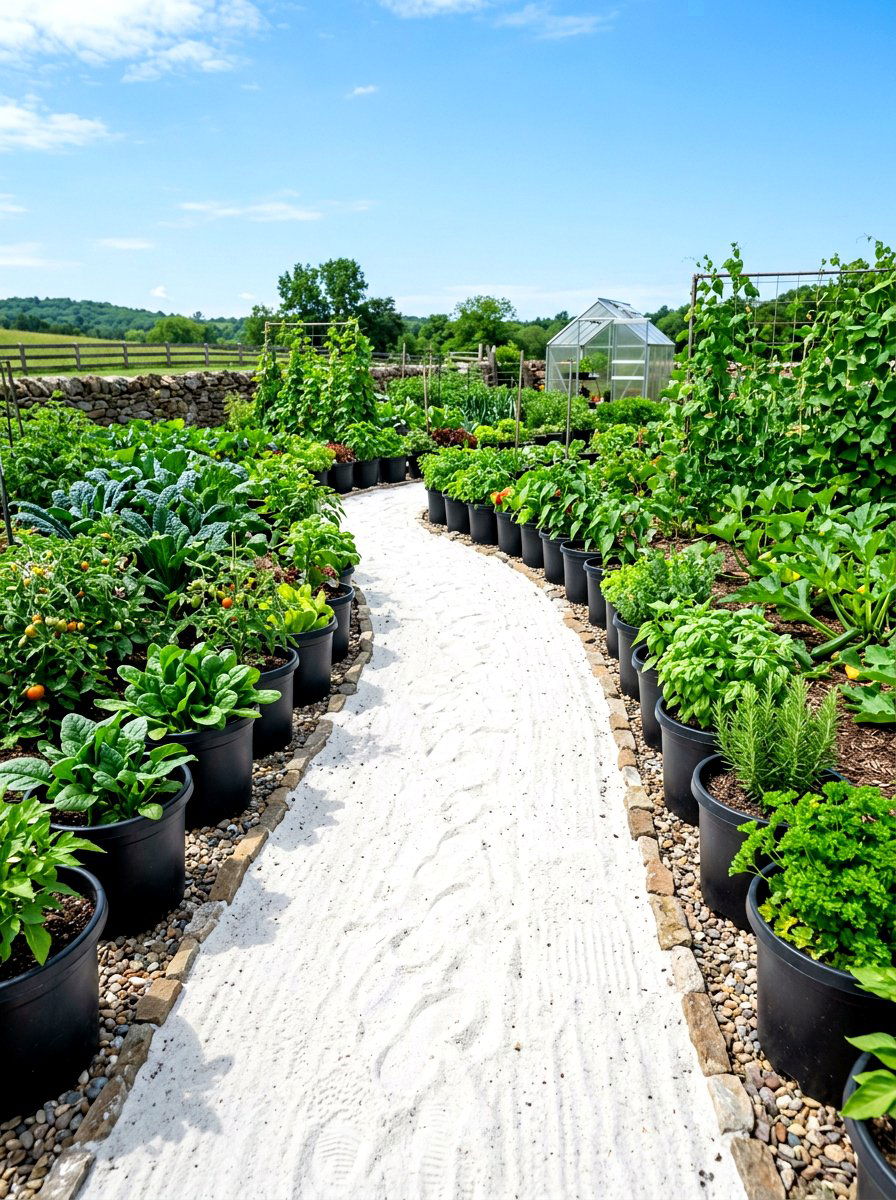
Sand provides a soft, beachy, and very level surface that is easy to maintain in a vegetable garden. It is an excellent material for filling in the gaps between other elements like pavers or bricks, but it can also stand alone as a primary path material. Sand drains instantly and does not provide a good environment for most weeds to grow, which helps keep your walkways looking pristine. It is very easy on the feet and creates a bright, clean appearance that reflects the sun’s warmth. For the best longevity, use a coarse builder’s sand that will compact more firmly than soft play sand or beach sand.
23. Clover Walkway
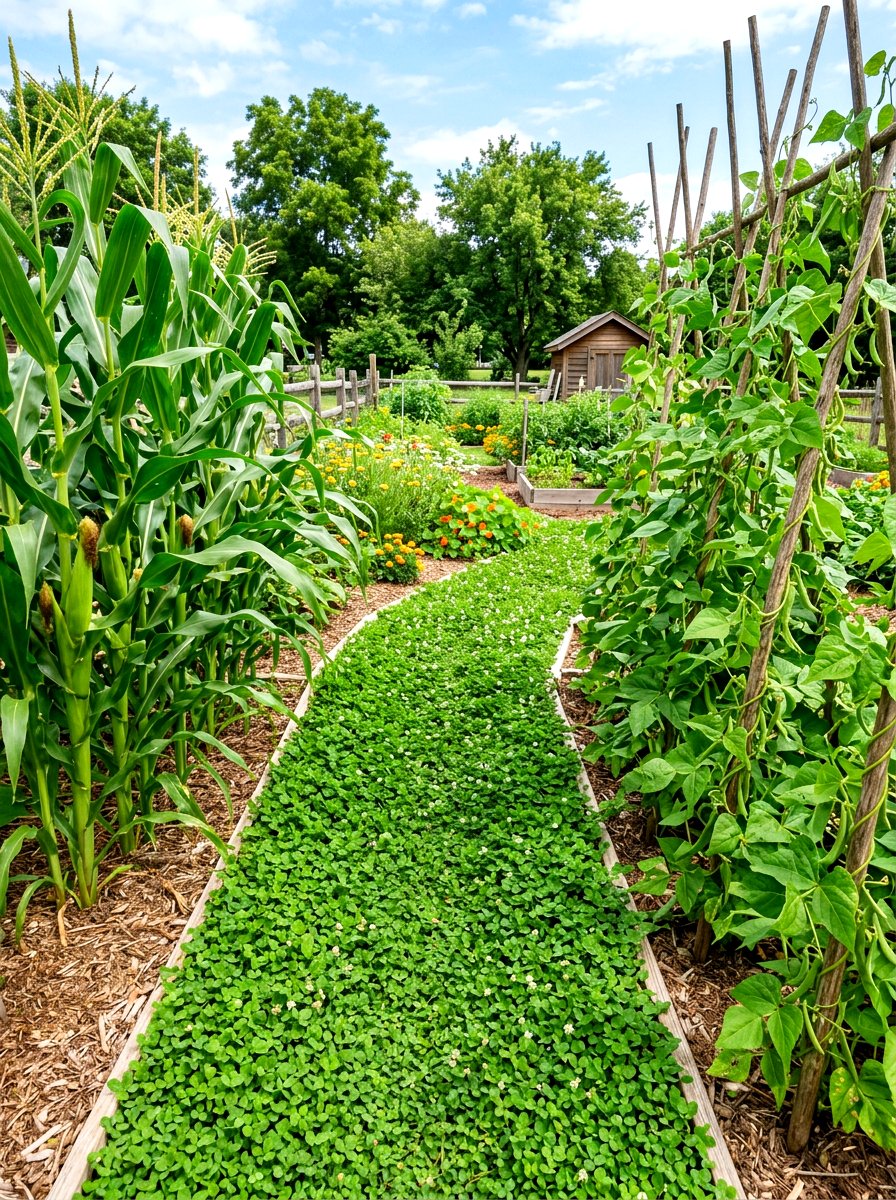
If you want a "living" path that is more durable and lower maintenance than grass, consider planting a walkway of white clover. Clover stays green even during dry spells and requires much less mowing than traditional lawn grasses. It is a nitrogen-fixing plant, which means it actually improves the soil quality for the vegetables growing in the adjacent beds. The soft, pillowy texture of clover is a joy to walk on, and its small white flowers attract beneficial pollinators to your garden. It is a beautiful, eco-friendly option that creates a lush and vibrant atmosphere while being very tough and resilient to frequent foot traffic.
24. Sawdust Path
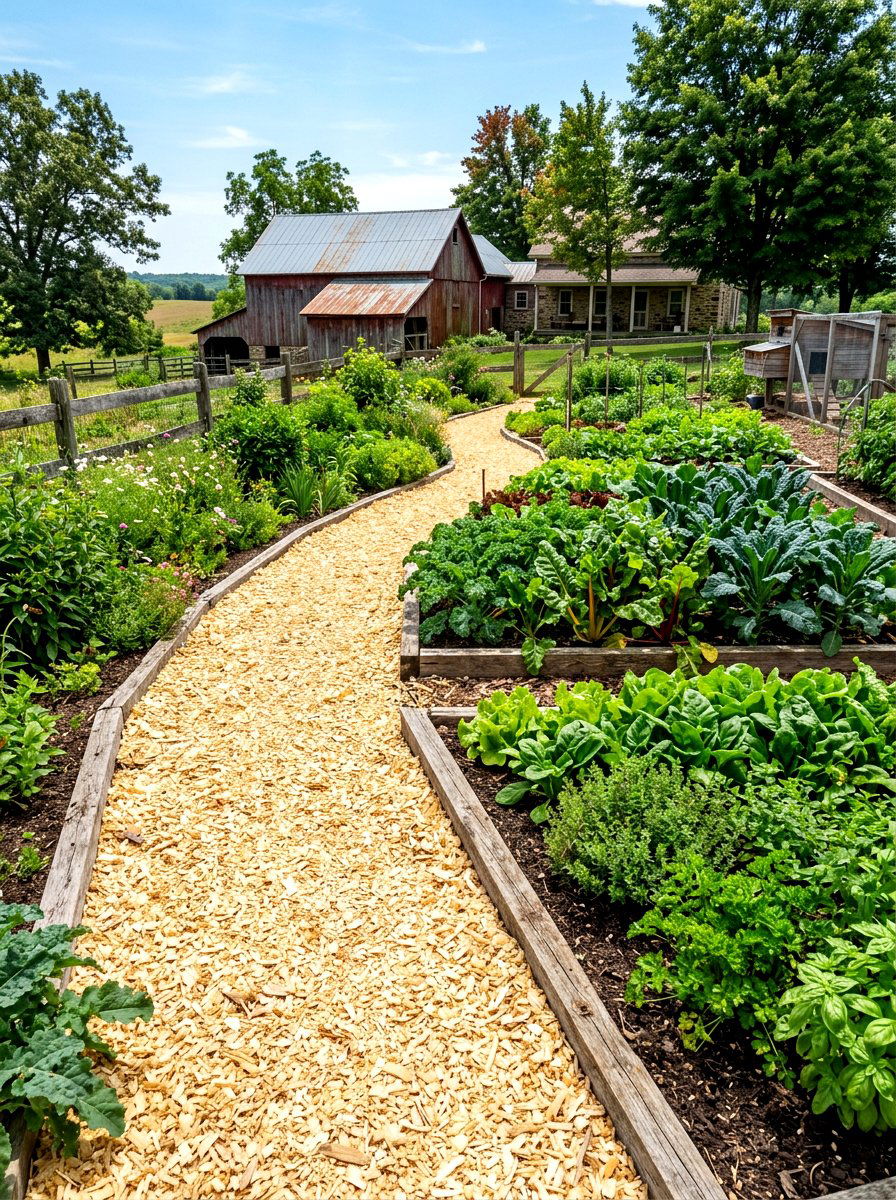
Sawdust is a very affordable and lightweight organic material that can be used to create soft, cushioned paths in your vegetable patch. It is often a byproduct of local wood mills or woodworking shops, making it an excellent example of sustainable gardening. Sawdust provides a clean look and a very comfortable walking surface that is easy to replenish as it breaks down. It is important to use sawdust from untreated wood to ensure no chemicals leach into your vegetable beds. Because it is very fine, it provides excellent coverage and weed suppression, keeping your garden looking tidy and well-organized with very little effort or expense.
25. Terracotta Walkway
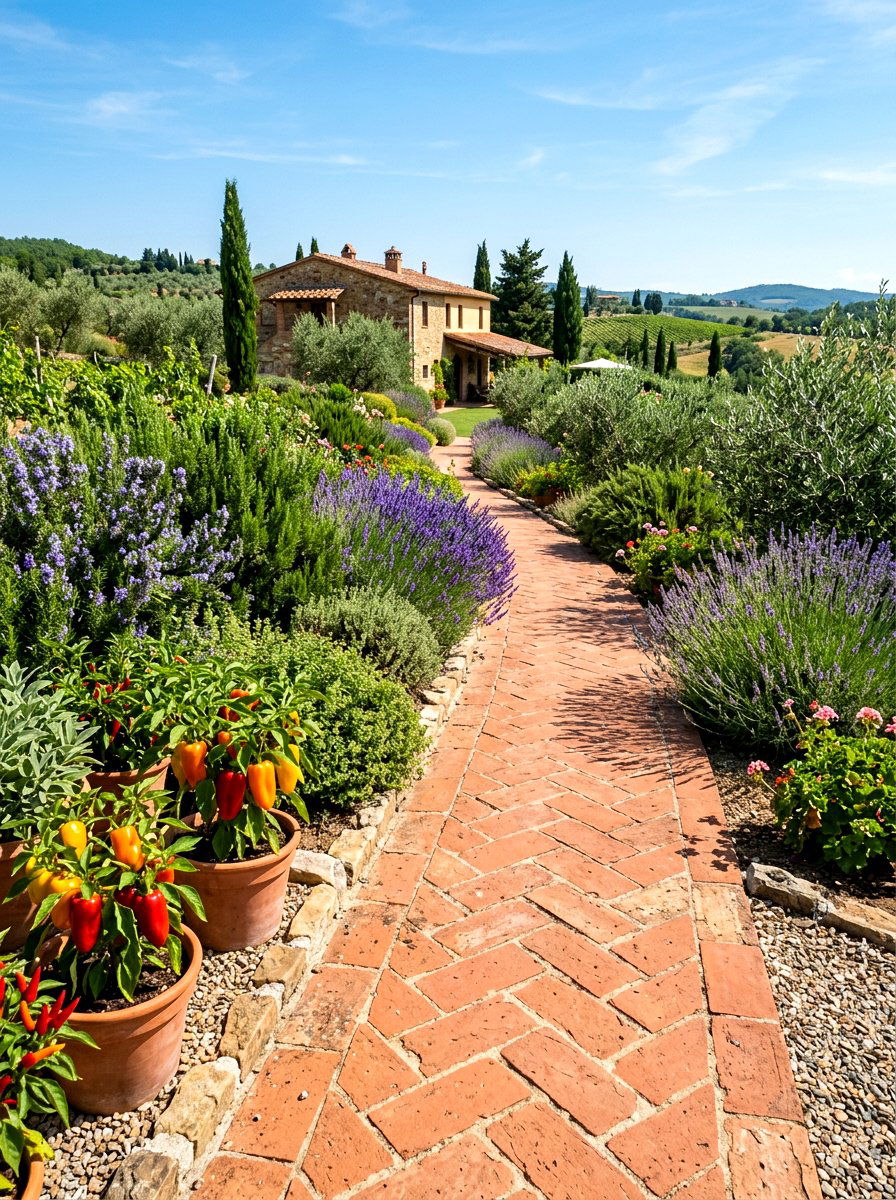
Terracotta tiles or broken pottery pieces can be used to create a warm, Mediterranean-inspired path that looks stunning in the sunlight. The earthy orange and red tones of the clay complement the natural colors of a kitchen garden perfectly. You can lay full tiles for a formal look or use a mosaic technique with broken pieces for a more artistic and informal feel. Terracotta is a breathable material that allows moisture to evaporate, which can help keep the path from becoming too hot or slippery. It is a creative way to add a splash of color and a touch of artisanal craftsmanship to your outdoor sanctuary.
26. Railroad Tie Path
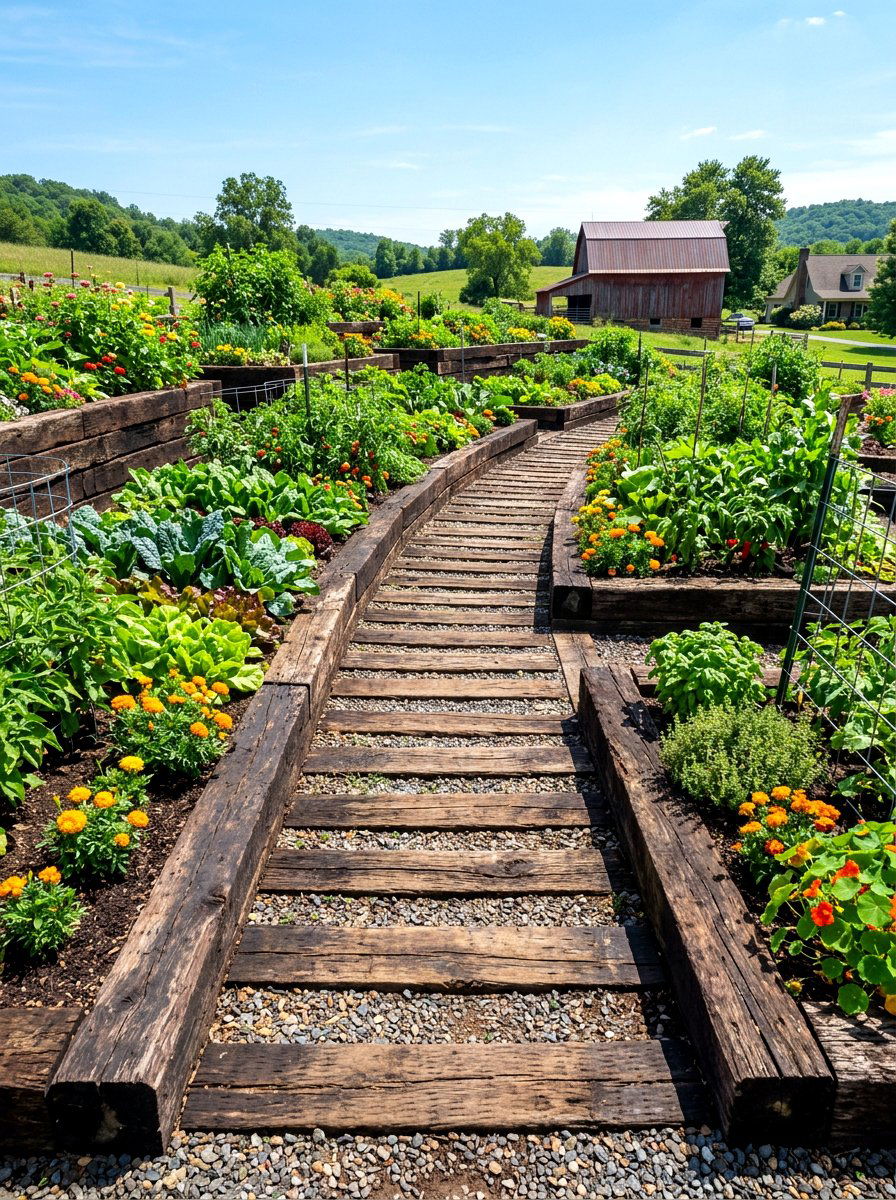
For a bold and industrial look, railroad ties or large timber sleepers can be used to create sturdy and wide paths. These heavy beams provide a very clear sense of structure and can be used to terrace a sloped garden area effectively. The dark, weathered wood provides a masculine and grounded aesthetic that pairs well with large-scale vegetable beds. Because they are so large and heavy, once they are set in place, they will not move or shift. It is essential to ensure that any reclaimed ties are safe for use near food crops, or better yet, use new, untreated cedar or redwood timbers for the same look.
27. Moss Walkway
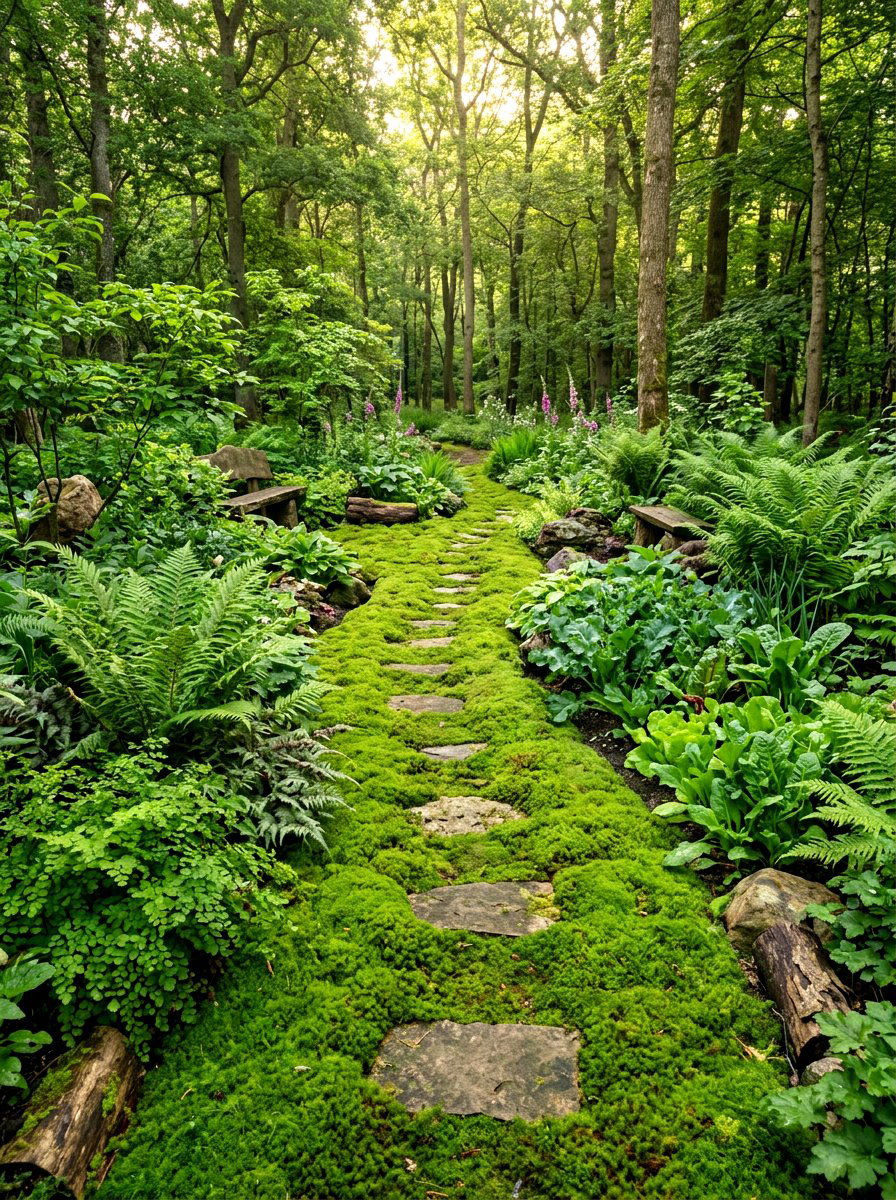
In shady or damp vegetable gardens, a moss walkway can create a magical and serene atmosphere that feels like a hidden forest. Moss is incredibly soft to walk on and requires no mowing or fertilizing, making it the ultimate low-maintenance living path. It thrives in conditions where grass often struggles, providing a vibrant green carpet all year round. While it takes some time to establish, once it fills in, it creates a dense layer that naturally outcompetes most weeds. Walking barefoot on a moss path in the early morning is a sensory experience that brings a sense of peace and connection to your garden space.
28. Crushed Limestone Path
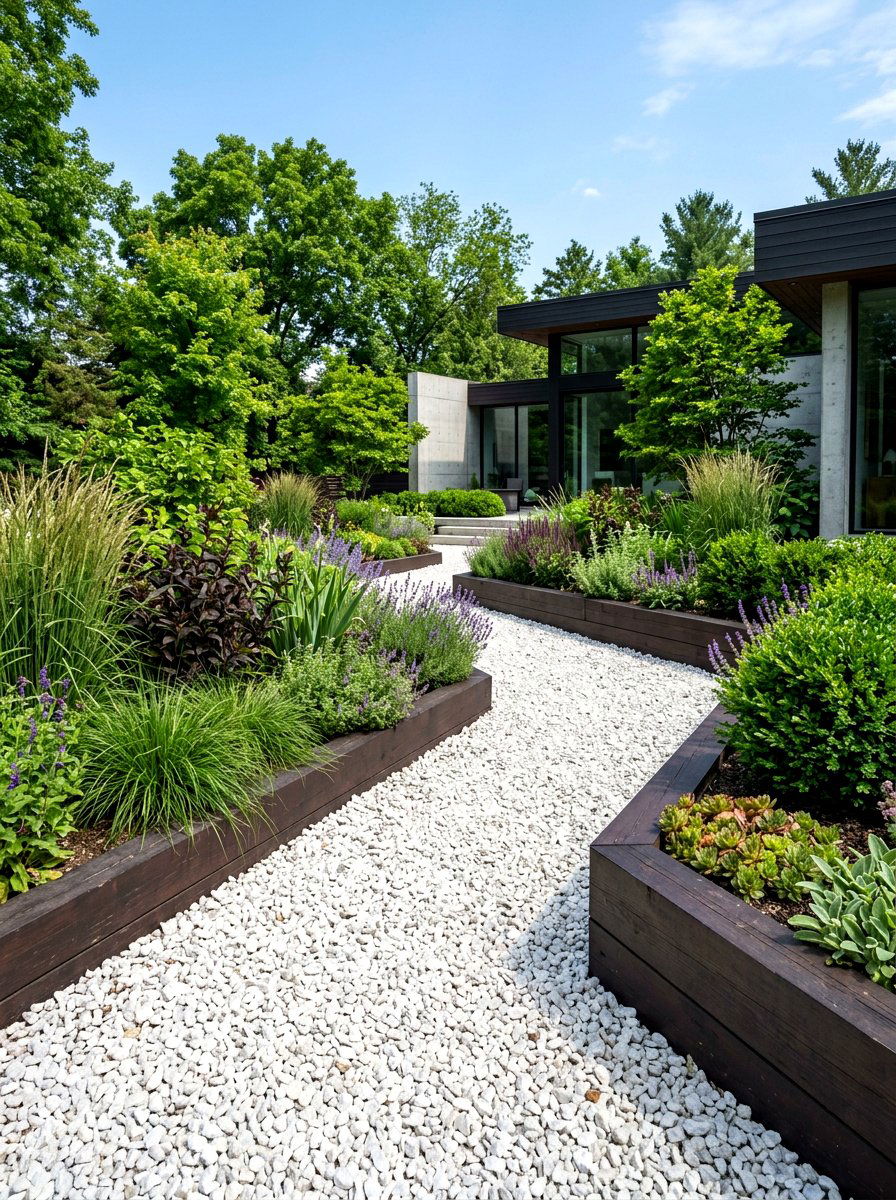
Crushed limestone is a durable and bright material that provides a professional look to any vegetable garden layout. It compacts very well, creating a firm and level surface that is ideal for moving heavy wheelbarrows and garden carts. The light gray or white color of the stone helps to brighten up shaded areas and makes the path easy to see at night. Limestone also has a natural ability to neutralize acidic soil, which can be a subtle benefit if you have very low pH levels in your garden. It is a high-performance material that stays in place well and requires very little maintenance over the years.
29. Log Slice Walkway
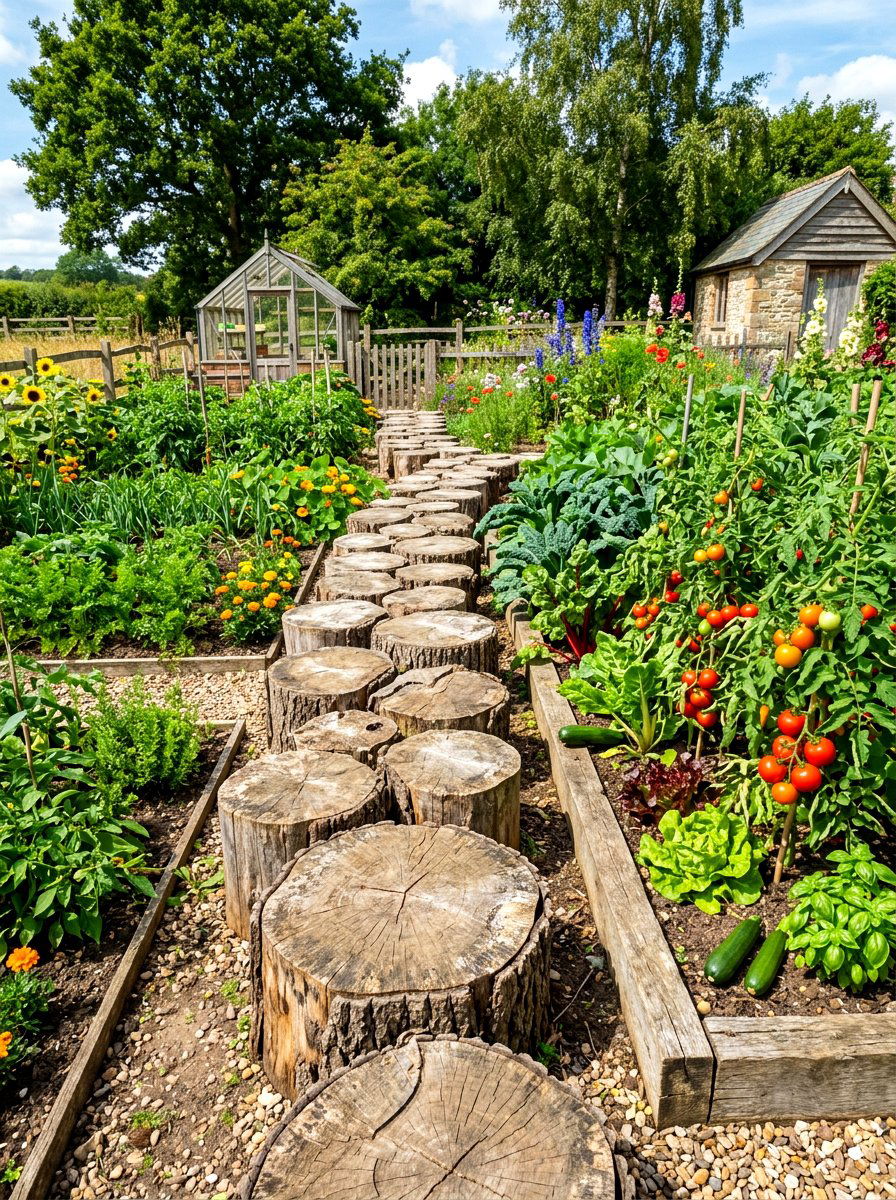
Similar to wood slices, using thick sections of logs can create a more substantial and chunky path that feels very grounded. These log slices can be partially buried in the ground to create a very stable and long-lasting walking surface. The varied heights and diameters of the logs add a lot of visual interest and a sense of rhythm to your garden design. This is an excellent way to use "waste" wood from your own property or a local tree service. Over time, the bark may fall away and the wood will weather, creating a beautiful and changing focal point in your productive vegetable landscape.
30. Pallet Wood Path
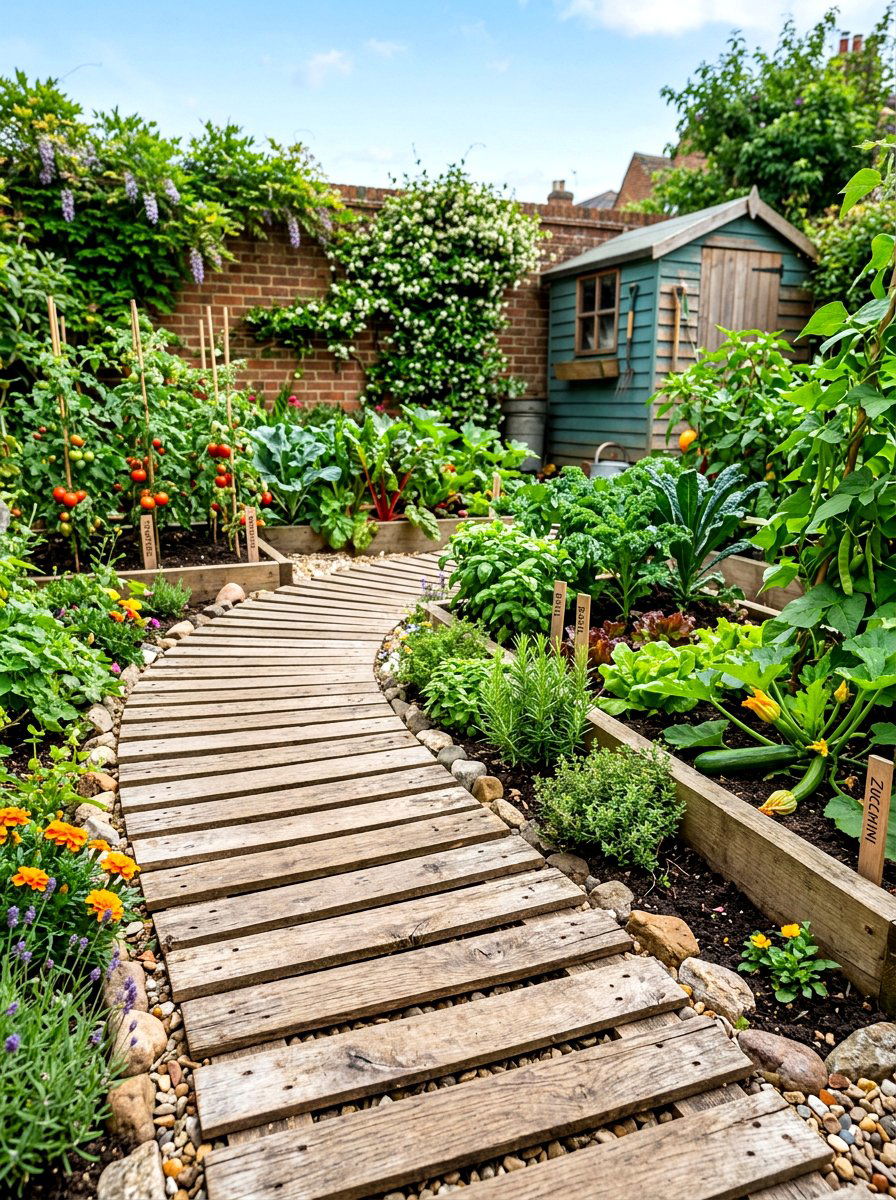
Recycled wooden pallets are a fantastic source of free or low-cost lumber for building quick and effective garden paths. You can take the pallets apart and use the individual slats to create a simple boardwalk or leave them whole for a wide and stable walkway. This is a very popular DIY project for gardeners on a budget who want to add a bit of height to their paths. To make the wood last longer, you can apply a simple oil-based finish or paint them in a fun color to add personality to your garden. It is a clever and functional way to repurpose materials.
Conclusion:
Selecting the right material for your vegetable garden path is a decision that balances functionality, budget, and personal style. Whether you choose a temporary organic solution like straw or a permanent architectural feature like brick, your walkways will define the character of your outdoor space. A well-planned path system not only makes your daily gardening tasks more enjoyable but also protects the health of your soil and plants. By considering factors like drainage, durability, and maintenance, you can create a garden that is as beautiful to look at as it is productive to harvest. Your garden paths are the threads that tie your entire landscape together.

Related posts: