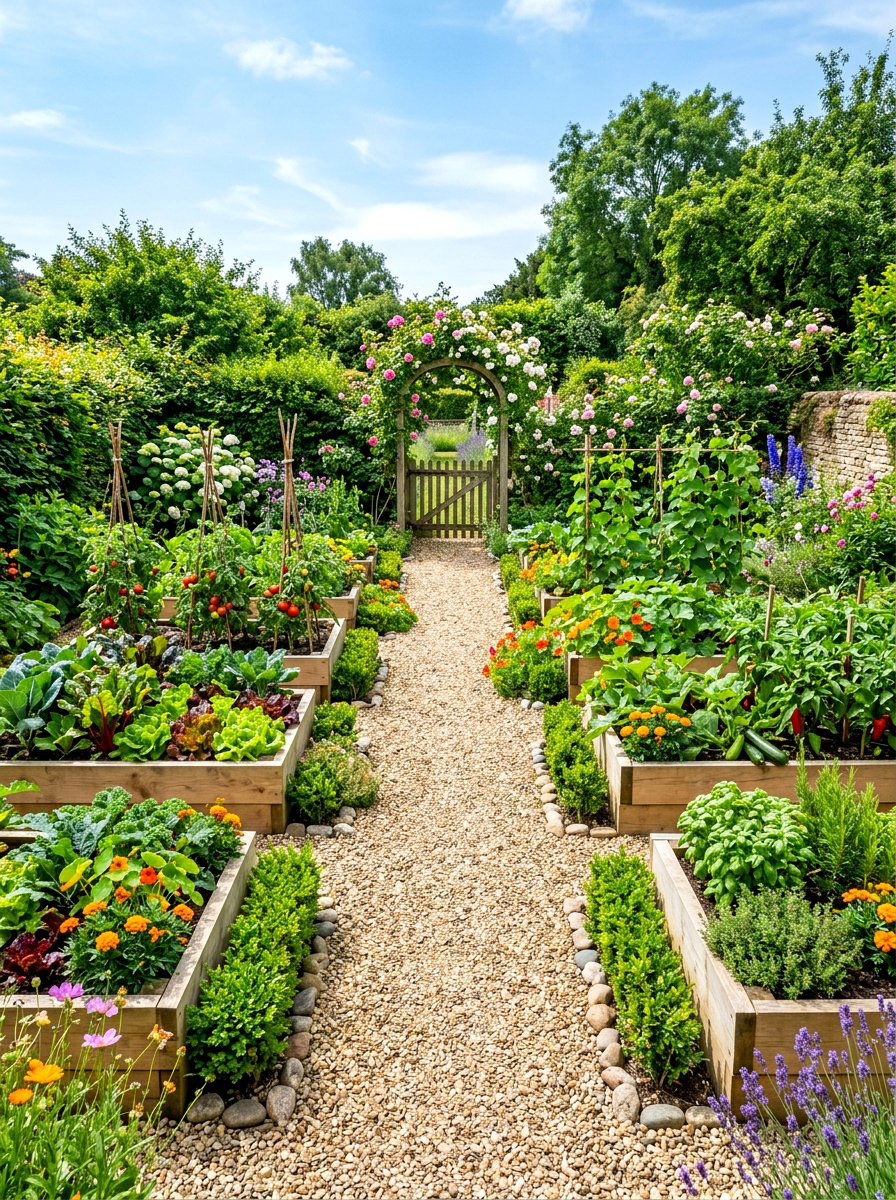
Starting your own fresh produce journey is incredibly rewarding when you focus on a vibrant salad garden. These outdoor spaces offer a perfect blend of functionality and aesthetic appeal that transforms any backyard into a lush sanctuary. Whether you have a sprawling lawn or a tiny balcony, growing your own greens allows you to control the quality of your food while saving money on groceries. A well-designed garden provides a sense of peace and a direct connection to nature that improves your daily wellbeing. You can experiment with various textures, colors, and flavors to create a personalized harvest that is far superior to store-bought options found in plastic containers.
1. Lettuce raised bed
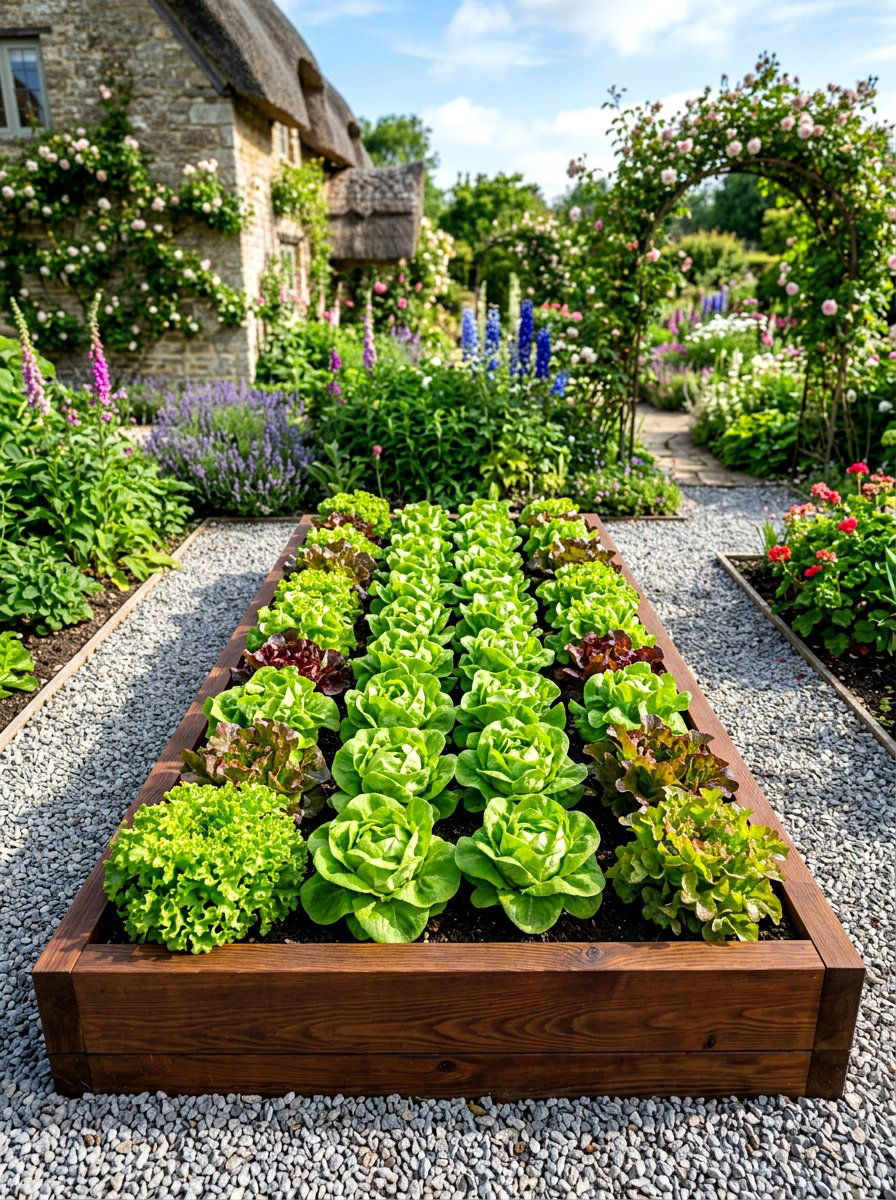
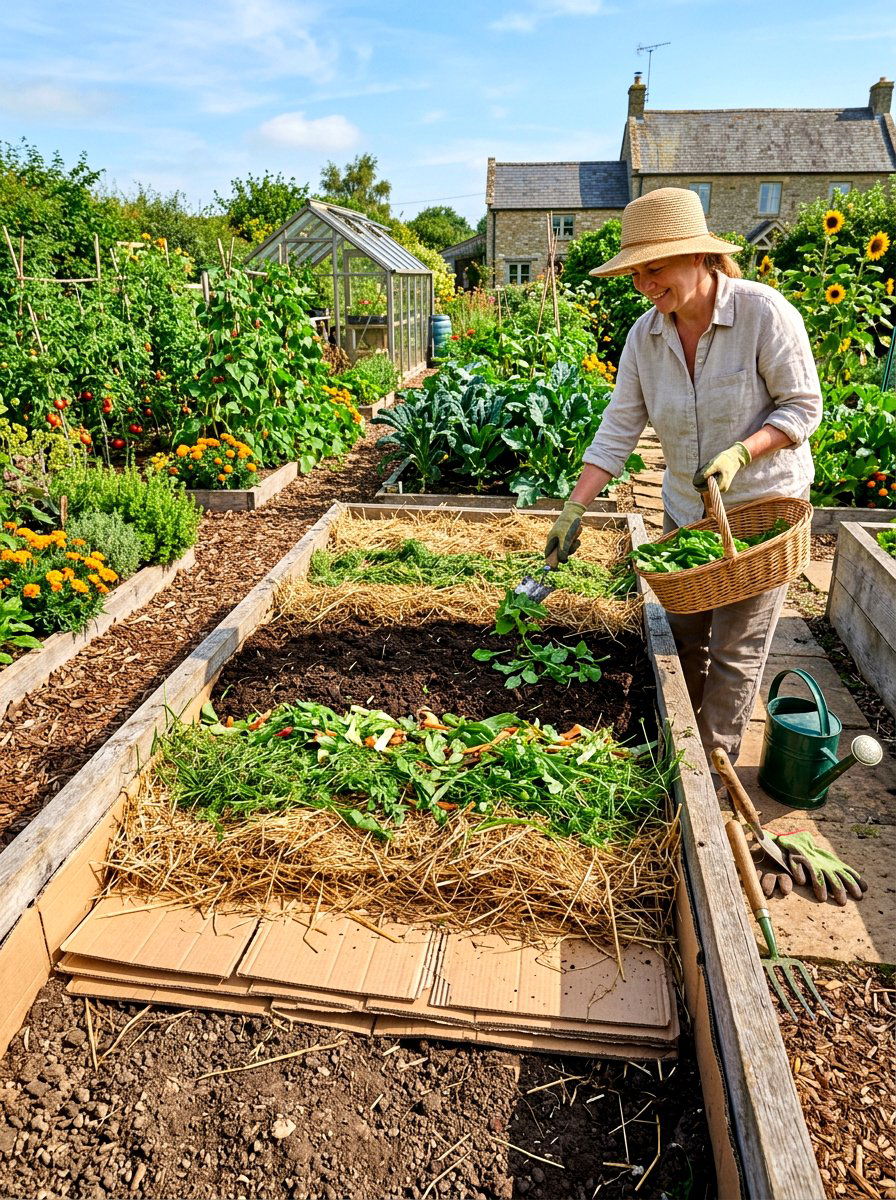
Imagine walking out to your backyard and seeing a lush, vibrant lettuce raised bed filled with various textures and shades of green. Building a dedicated space for loose-leaf varieties like oakleaf or butterhead ensures you have a continuous supply of crisp greens for every meal. A raised wooden structure provides excellent drainage and keeps pests like slugs away from your tender foliage. You can organize the rows by color to create a visually stunning pattern that looks amazing in photos. Adding a layer of organic mulch helps retain moisture during hot summer afternoons. This specific setup makes harvesting incredibly easy because you do not have to bend down too far.
2. Spinach container garden
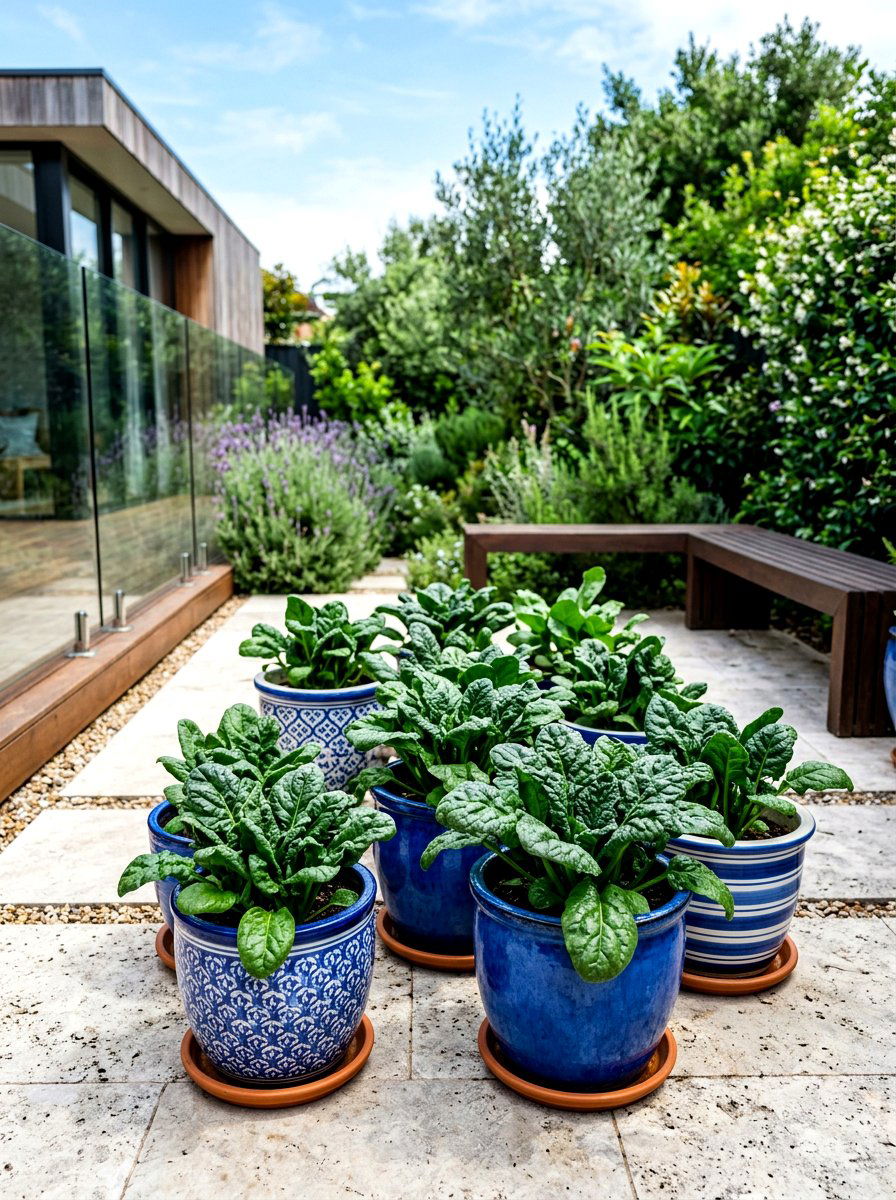
Growing a spinach container garden is the perfect solution for urban dwellers who have limited outdoor space but still want fresh greens. These hardy plants thrive in deep pots that allow their roots to establish firmly in nutrient-rich potting soil. You can place these containers on a sunny balcony or near a kitchen door for quick access while preparing dinner. Spinach loves cooler weather, so it is an excellent choice for early spring or late autumn harvests. Using a variety of pot sizes and colors adds a decorative element to your patio area. Regular watering and organic liquid fertilizer will keep the leaves dark green and tender.
3. Vertical kale planter
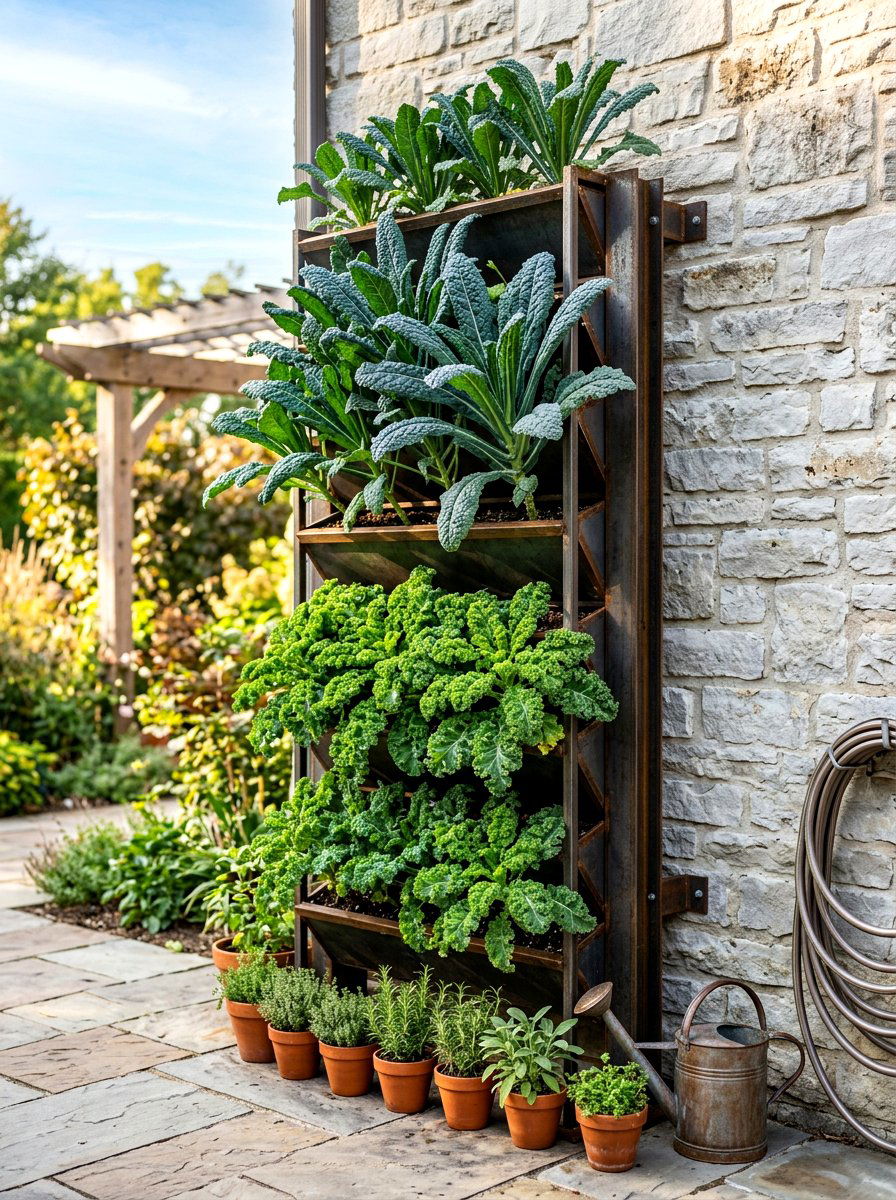
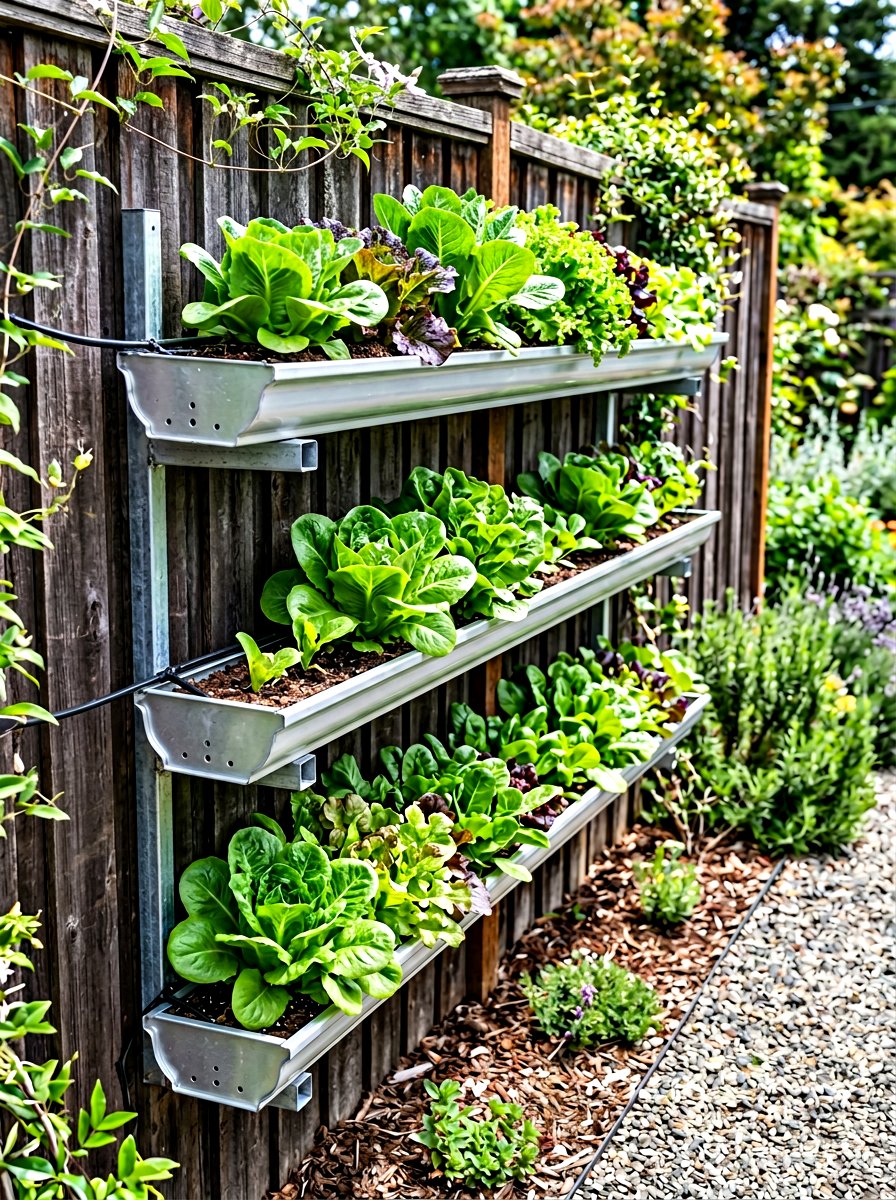
A vertical kale planter is an innovative way to maximize your growing area while adding a dramatic architectural element to your garden design. By stacking individual planting pockets, you can grow multiple varieties of kale, such as lacinato or curly leaf, in a very small footprint. This arrangement improves air circulation around the plants, which significantly reduces the risk of fungal diseases that often plague ground-level crops. The upright structure makes a bold statement against a fence or wall, turning your vegetable patch into a living work of art. It is also much easier to protect your greens from hungry rabbits when they are elevated high off the ground.
4. Arugula window box
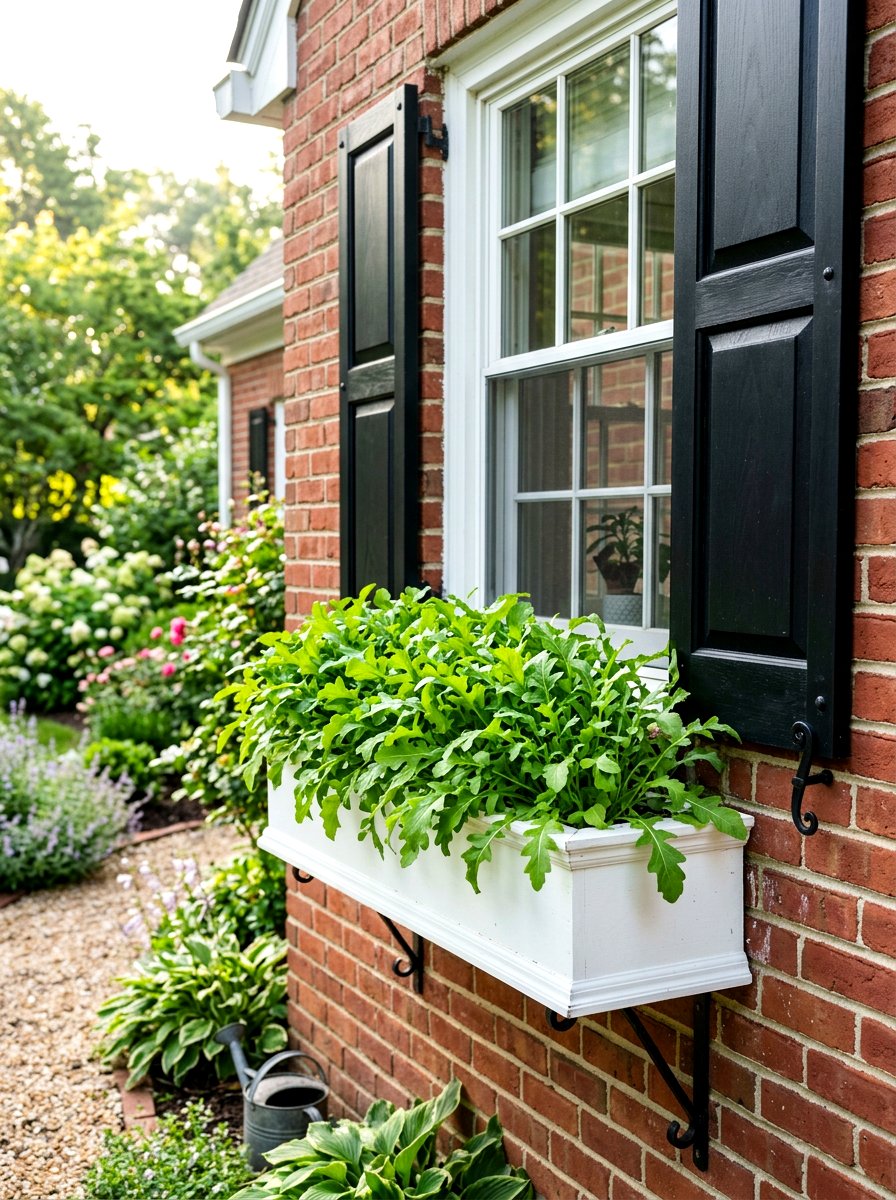
Installing an arugula window box brings the fresh, peppery scent of homegrown greens directly to your windowsill for a convenient harvest experience. This fast-growing herb is remarkably easy to cultivate from seed, often reaching edible size in just a few short weeks. The compact nature of a window box keeps the arugula contained and prevents it from spreading too far into other parts of your garden. You can enjoy the convenience of reaching out your kitchen window to snip a few leaves for a quick sandwich or salad. Proper drainage is essential for these boxes, so ensure you use a high-quality potting mix that does not become waterlogged.
5. Radish garden patch
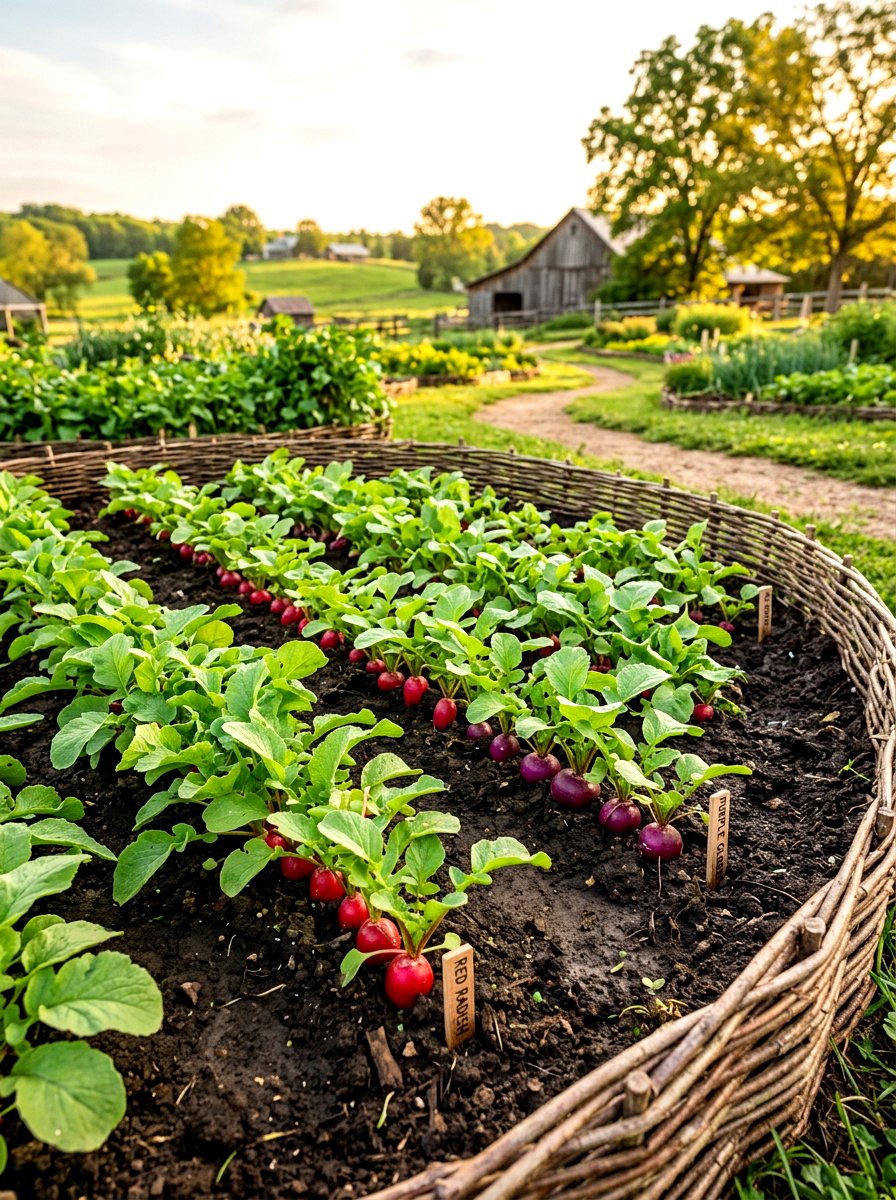
A dedicated radish garden patch offers a splash of color and a satisfying crunch to your homegrown salad bowl with very little effort. These root vegetables are famous for their rapid growth, making them an ideal choice for impatient gardeners or children who want to see quick results. You can plant them in neat rows or scatter the seeds for a more natural look among your leafy greens. The bright red, purple, and white varieties create a beautiful contrast against the green foliage of surrounding plants. Radishes are also excellent for breaking up heavy soil, which improves the overall health of your garden bed for future planting cycles.
6. Cucumber trellis bed
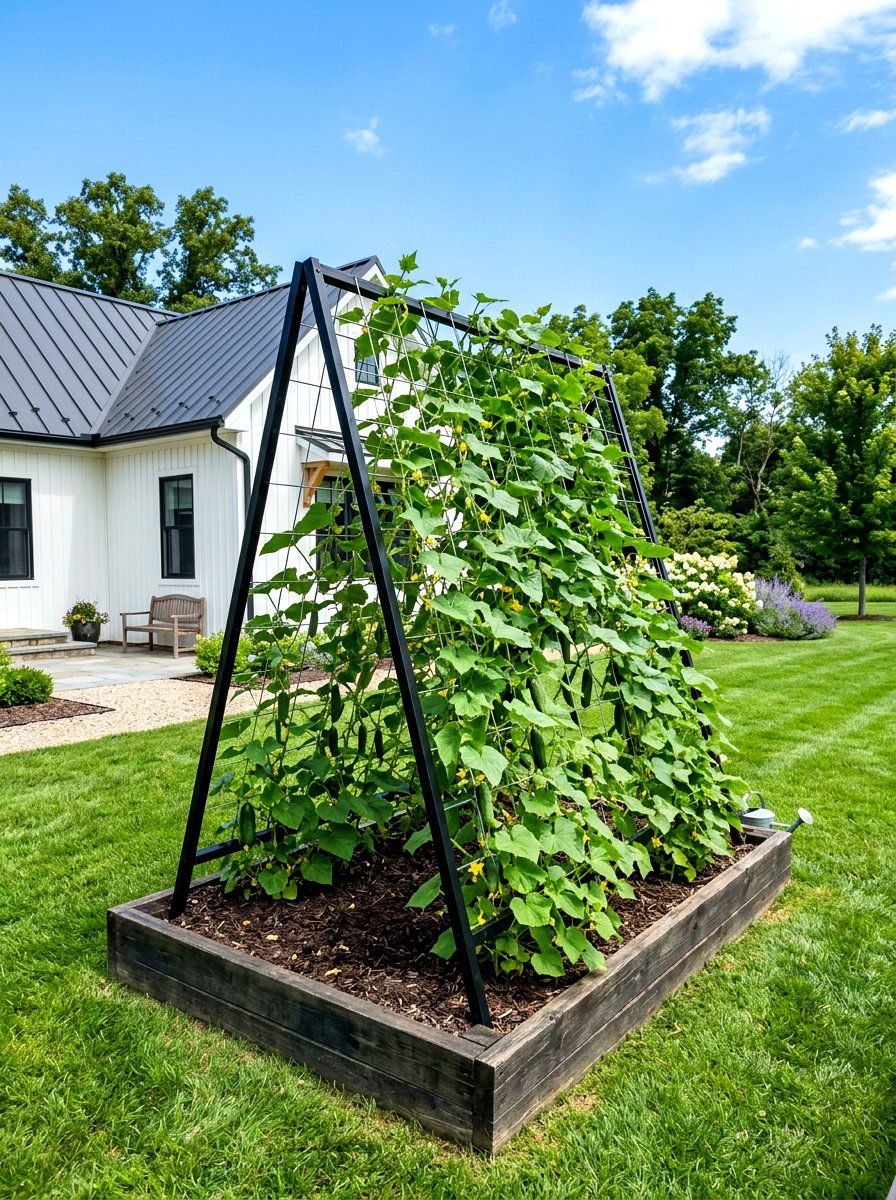
A cucumber trellis bed is a fantastic way to introduce vertical interest and save valuable ground space in your salad garden layout. Training your vines to grow upward on a sturdy metal or wooden frame keeps the fruit clean and away from ground-dwelling pests. This method also ensures that the cucumbers receive even sunlight on all sides, resulting in a more uniform shape and better flavor. You can plant smaller salad varieties that are perfect for slicing fresh into your bowls. The lush green wall created by the climbing vines provides a beautiful backdrop for other low-growing vegetables and creates a sense of enclosure in your outdoor space.
7. Microgreens kitchen station
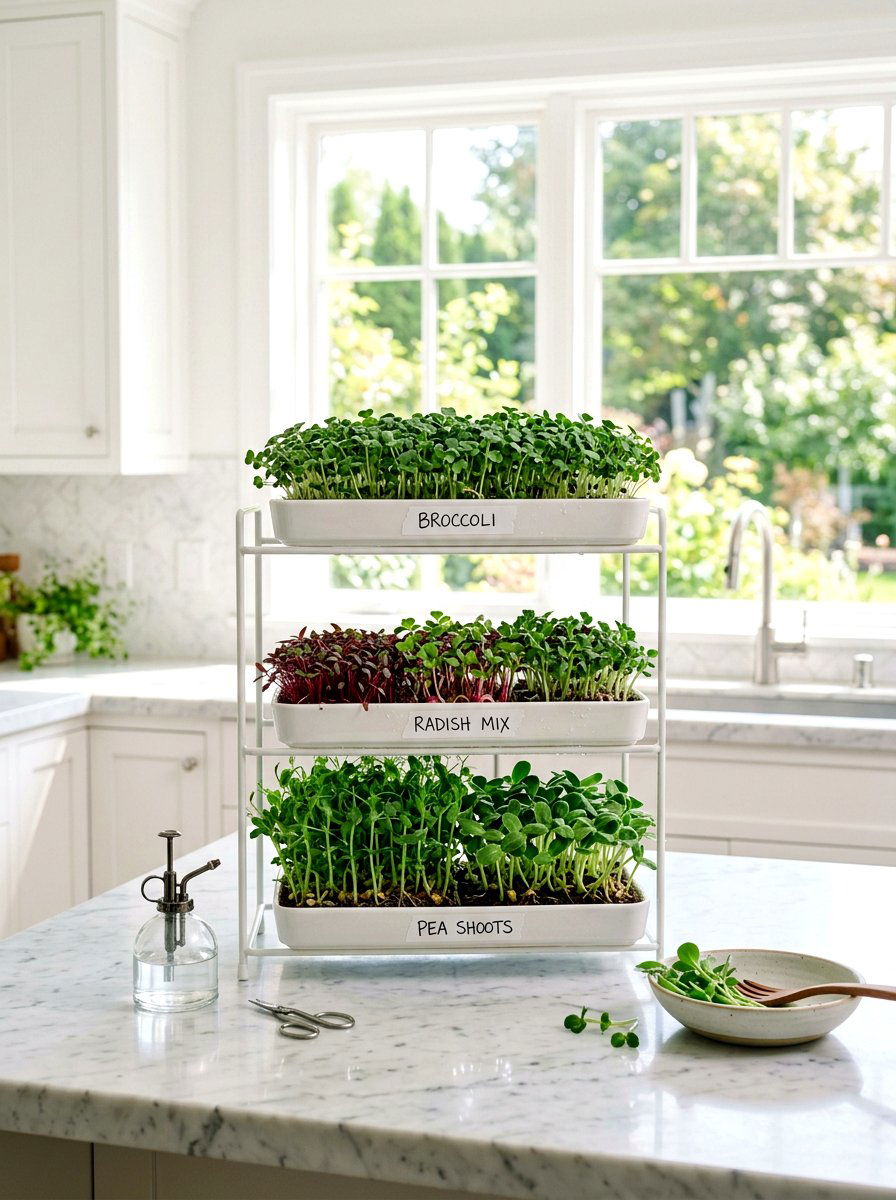
Creating a microgreens kitchen station allows you to grow nutrient-dense sprouts right on your countertop for year-round freshness regardless of the weather. These tiny greens are packed with intense flavor and can be harvested in as little as seven to ten days after planting. You only need shallow trays, a bit of seed-starting mix, and a sunny spot or a small grow light to get started. Popular choices like sunflower, pea shoots, and spicy radish add a professional touch to your homemade dishes. This setup is incredibly space-efficient and perfect for those living in apartments who want to experience the joy of harvesting their own food daily.
8. Edible flower garden
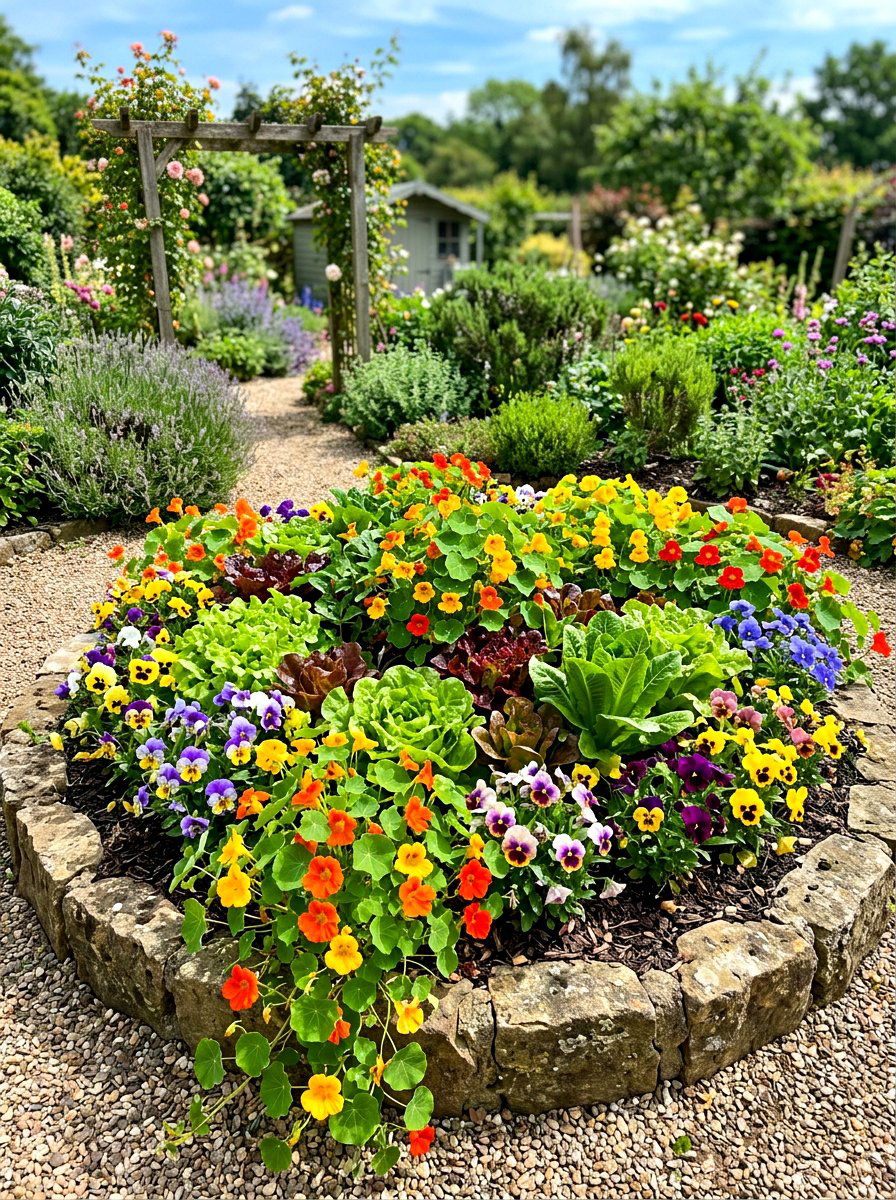
An edible flower garden adds a whimsical and colorful dimension to your salad bowls while attracting beneficial pollinators to your backyard space. Varieties like nasturtiums, pansies, and violas are not only stunning to look at but also offer unique flavors ranging from peppery to sweet. Mixing these blooms with your leafy greens creates a gourmet aesthetic that will surely impress your guests during summer dinner parties. These plants are generally easy to care for and can be grown in containers or directly in the ground. Watching the butterflies and bees visit your flowers adds a layer of life and movement that makes your garden feel like a true ecosystem.
9. Hydroponic salad system
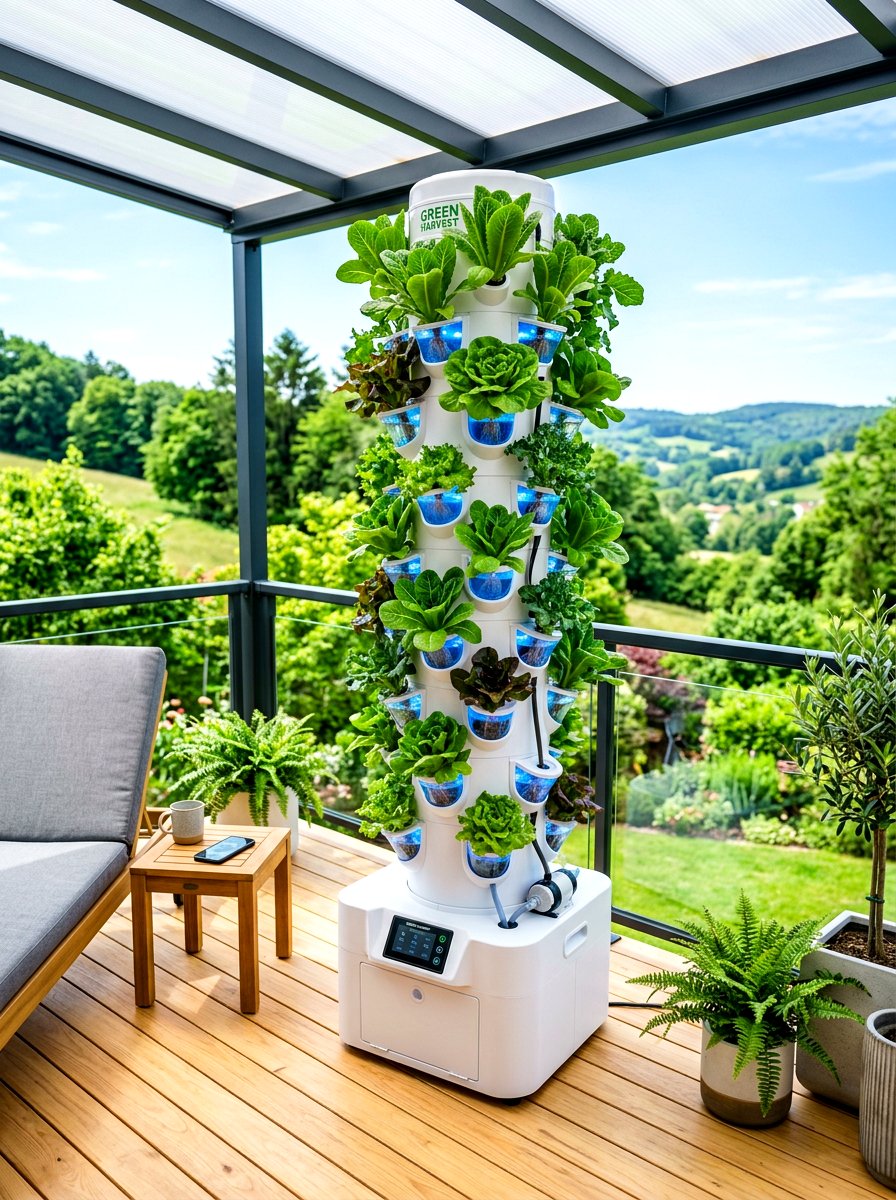
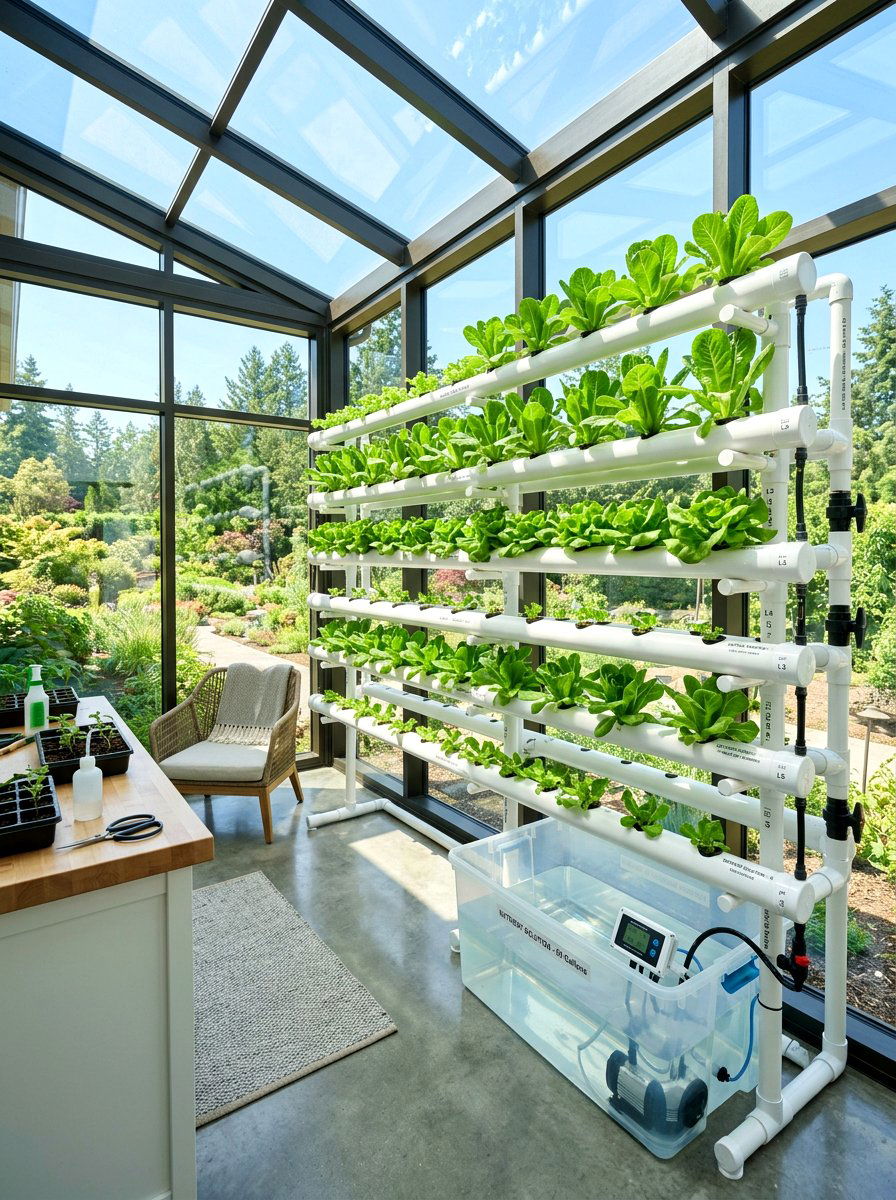
Investing in a hydroponic salad system is a modern and efficient way to grow greens without the need for traditional soil. This method uses nutrient-rich water to feed the plants directly, which often leads to faster growth rates and higher yields in smaller spaces. You can set up these systems indoors or on a protected patio to enjoy fresh lettuce and herbs all year long. Because there is no soil involved, you do not have to worry about weeds or many of the common soil-borne pests. Many systems come with automated timers for lights and water, making it a low-maintenance option for busy professionals who still value fresh ingredients.
10. Shady leaf garden
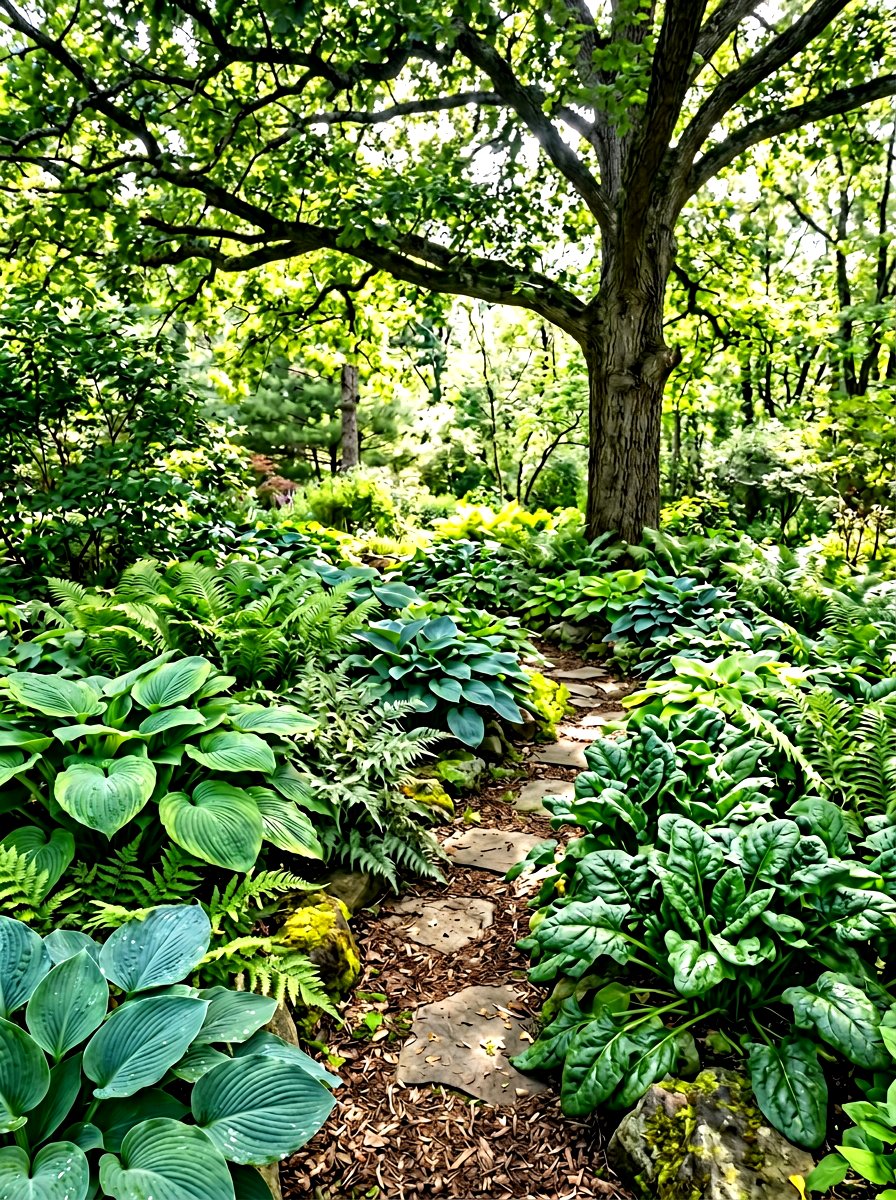
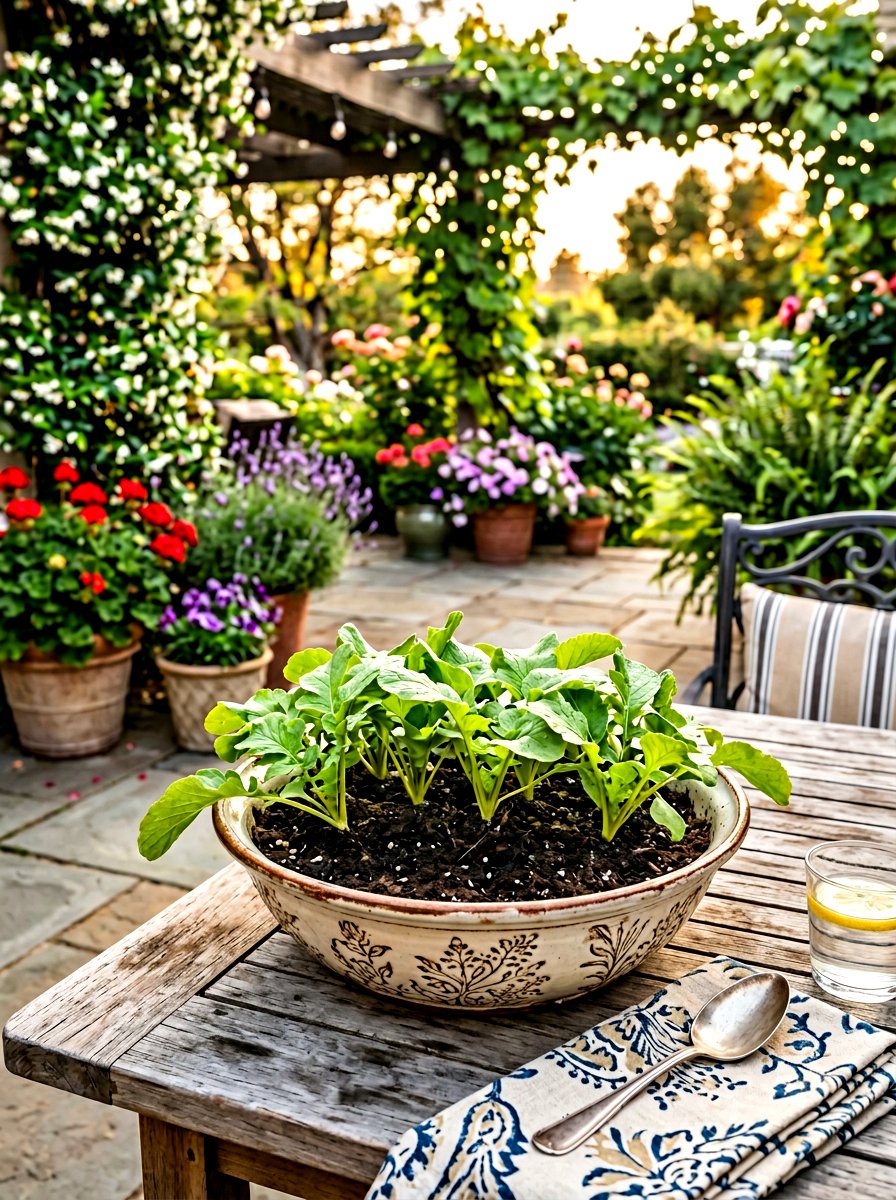
Designing a shady leaf garden is a smart strategy if your backyard does not receive full sun throughout the day. Many salad greens, such as spinach, swiss chard, and certain types of lettuce, actually prefer the cooler temperatures provided by partial shade. This environment prevents the plants from bolting too early in the heat of summer, which keeps the leaves tasting sweet and tender for a longer period. You can use the area under large trees or next to tall fences to create a productive and cool oasis. Incorporating light-colored mulch or decorative stones can help brighten up the space and create a clean, organized look.
11. Tiered strawberry spinach planter
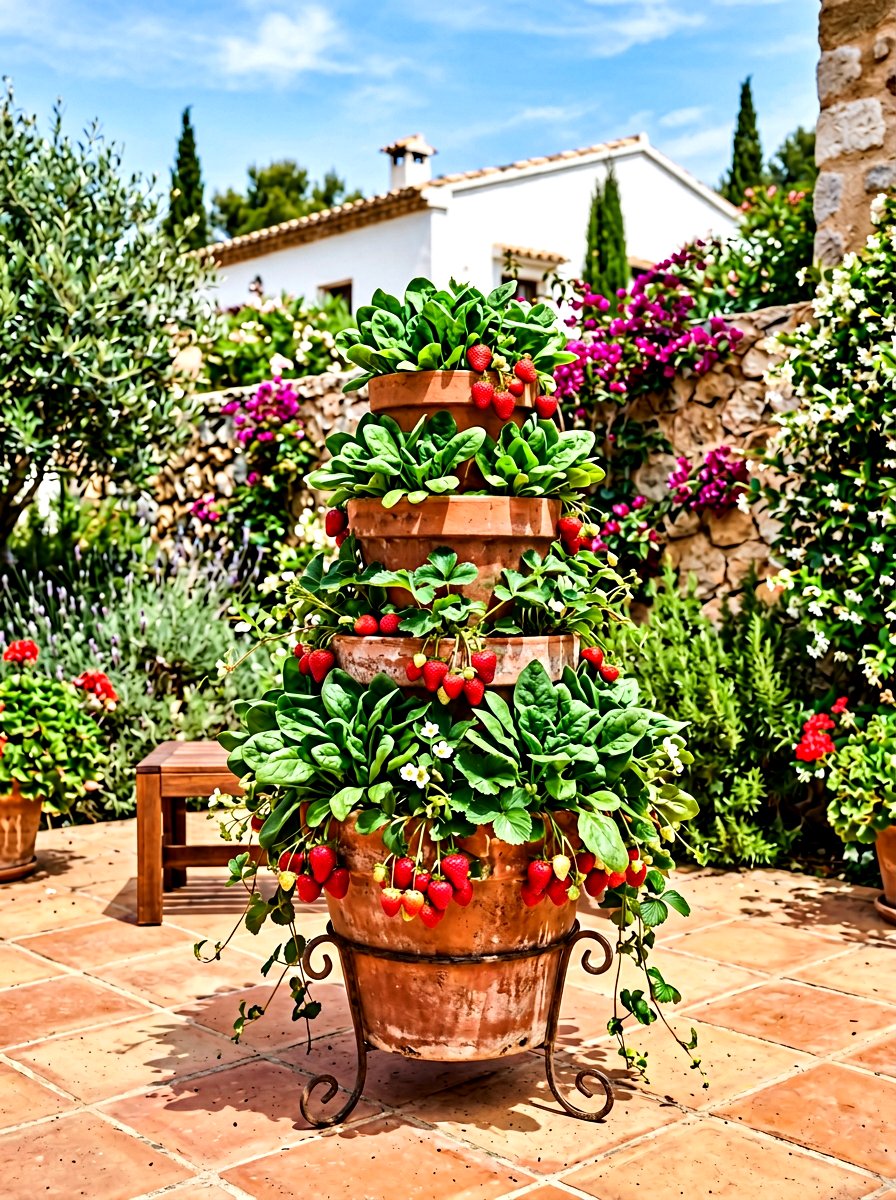
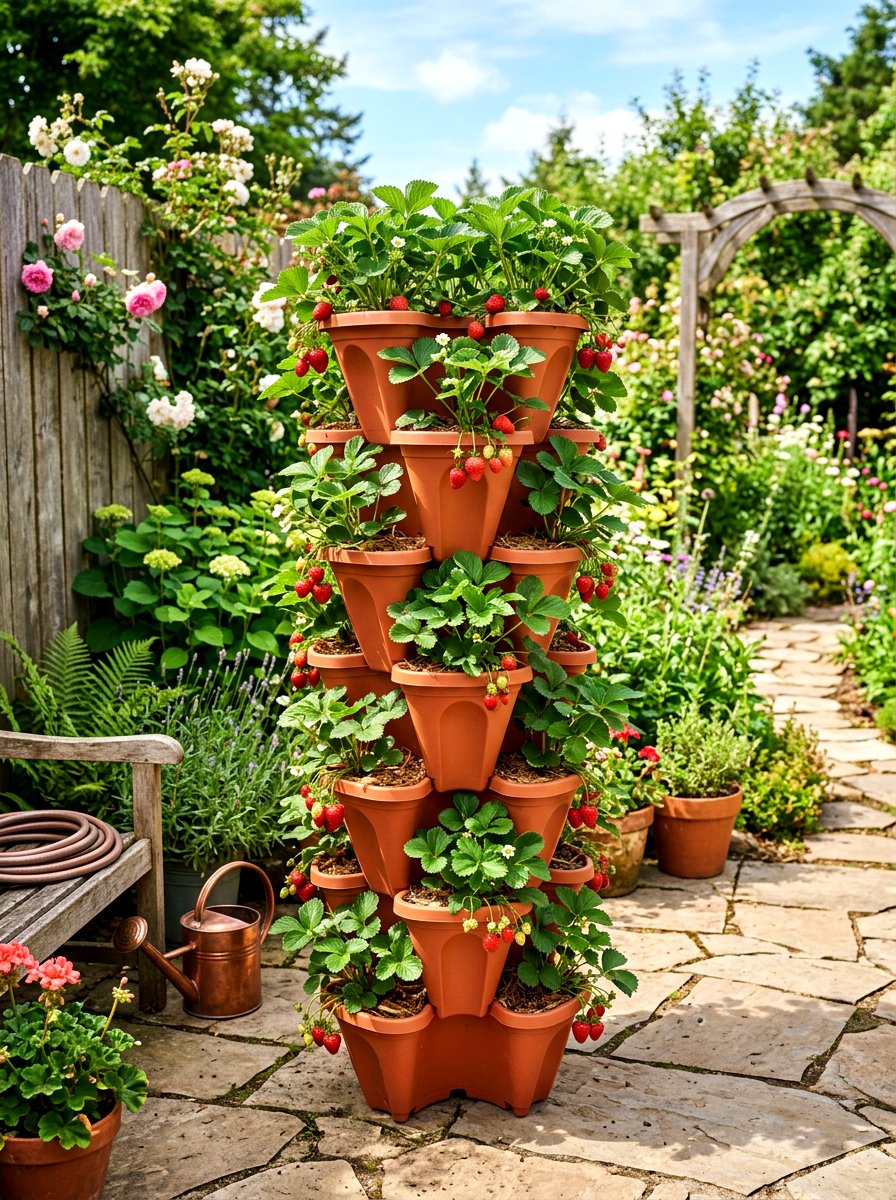
A tiered strawberry spinach planter is a unique and space-saving solution that allows you to grow two complementary salad ingredients in one vertical structure. The cascading effect of the strawberry runners mixed with the broad, dark leaves of spinach creates a beautiful visual display on your patio. By using multiple levels, you ensure that each plant receives adequate sunlight and air circulation for healthy growth. This setup is particularly effective for keeping the fruit and foliage off the ground, which reduces the risk of rot and pest damage. It serves as a stunning focal point that combines both beauty and utility in a very compact footprint.
12. Bell pepper patio garden
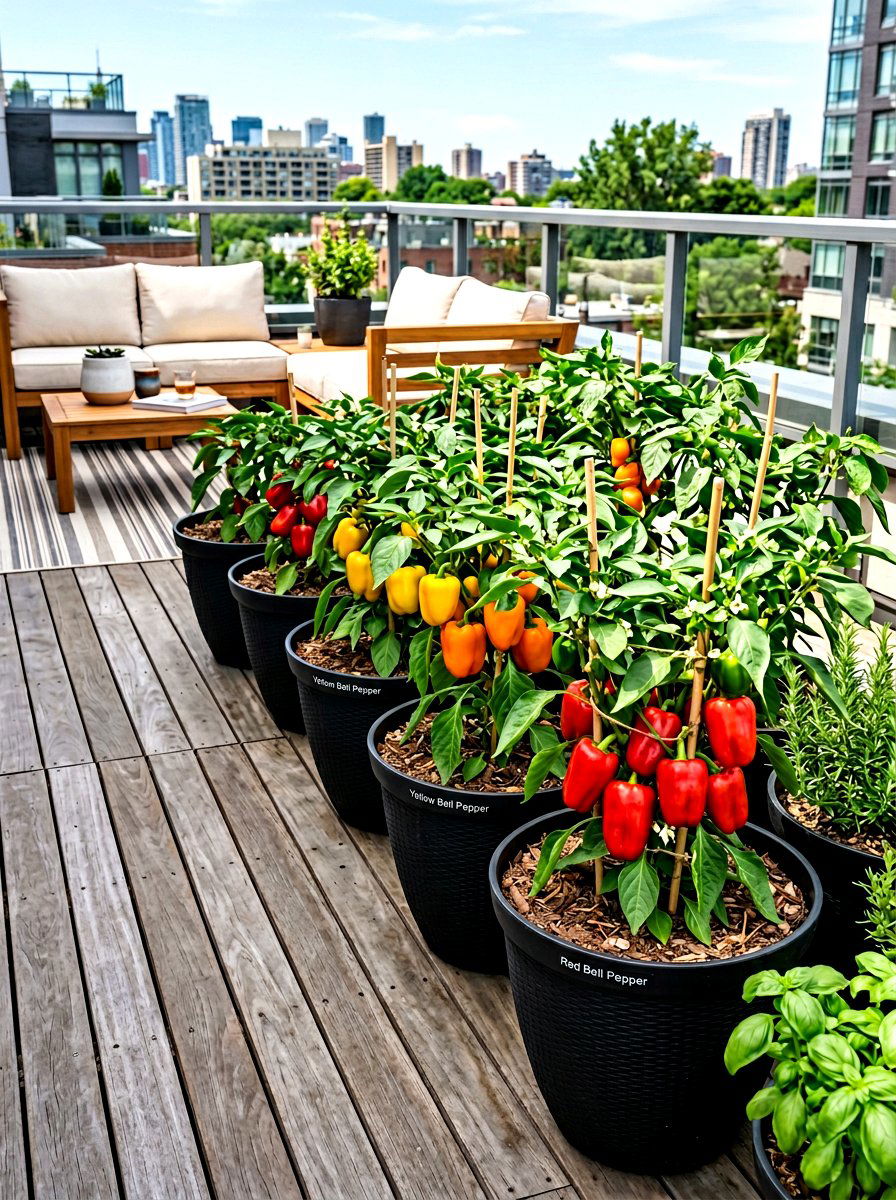
Creating a bell pepper patio garden is an excellent way to add vibrant colors and sweet flavors to your summer salad recipes. These heat-loving plants thrive in large containers placed in sunny spots where they can soak up plenty of warmth. You can choose from a wide range of varieties, including deep purple, bright orange, and classic red peppers, to make your patio look like a rainbow. Peppers are relatively low-maintenance once established, requiring only consistent watering and occasional feeding with a balanced fertilizer. Their glossy leaves and colorful fruits provide a sophisticated look that enhances the overall ambiance of your outdoor living area.
13. Spring onion border
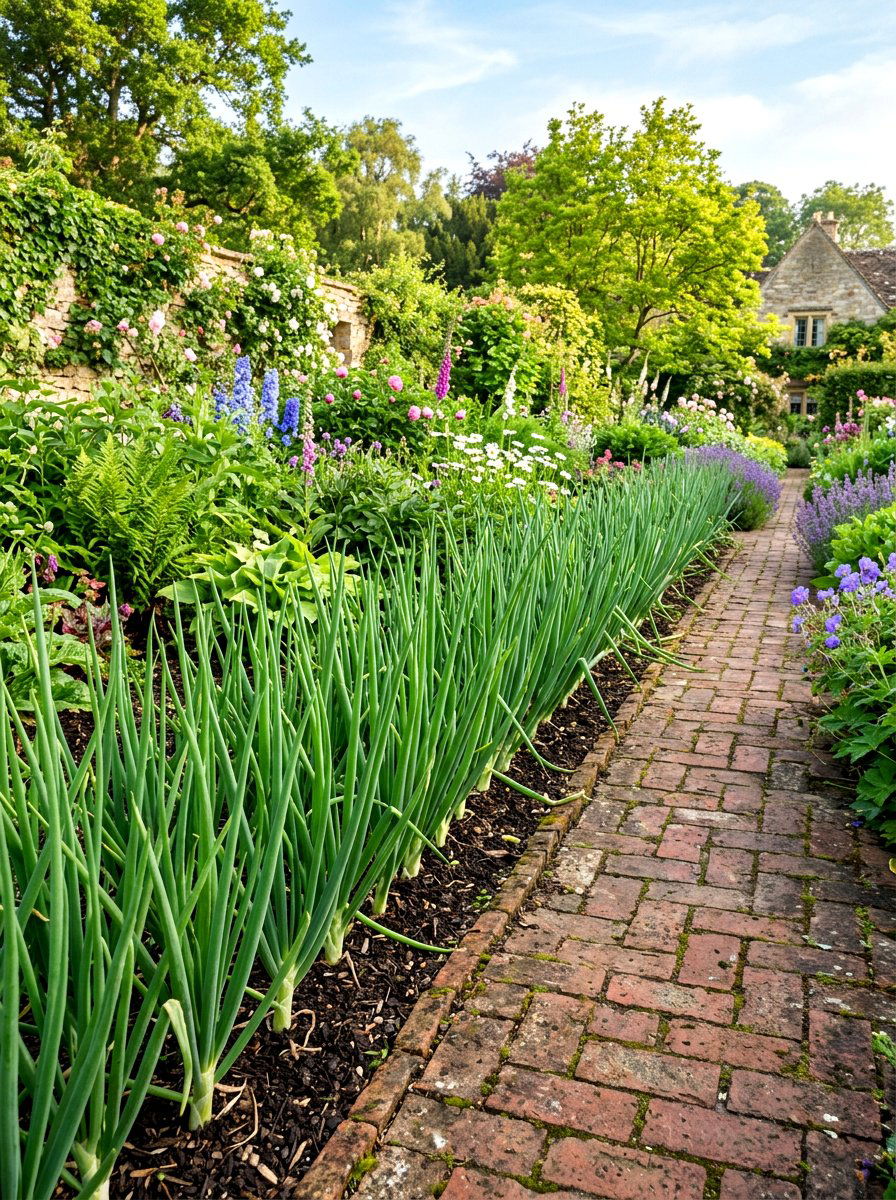
Using a spring onion border is a practical and attractive way to define the edges of your garden beds while growing a kitchen staple. These slender plants take up very little space and can be tucked into narrow gaps where other vegetables might struggle to thrive. Their upright, tubular leaves provide a sharp architectural contrast to the softer, rounded shapes of lettuce and spinach. Spring onions are incredibly versatile and can be harvested throughout the season by snipping the tops or pulling the entire plant. This border also acts as a mild natural deterrent for certain pests that are sensitive to the strong scent of the onion family.
14. Beets and chard bed
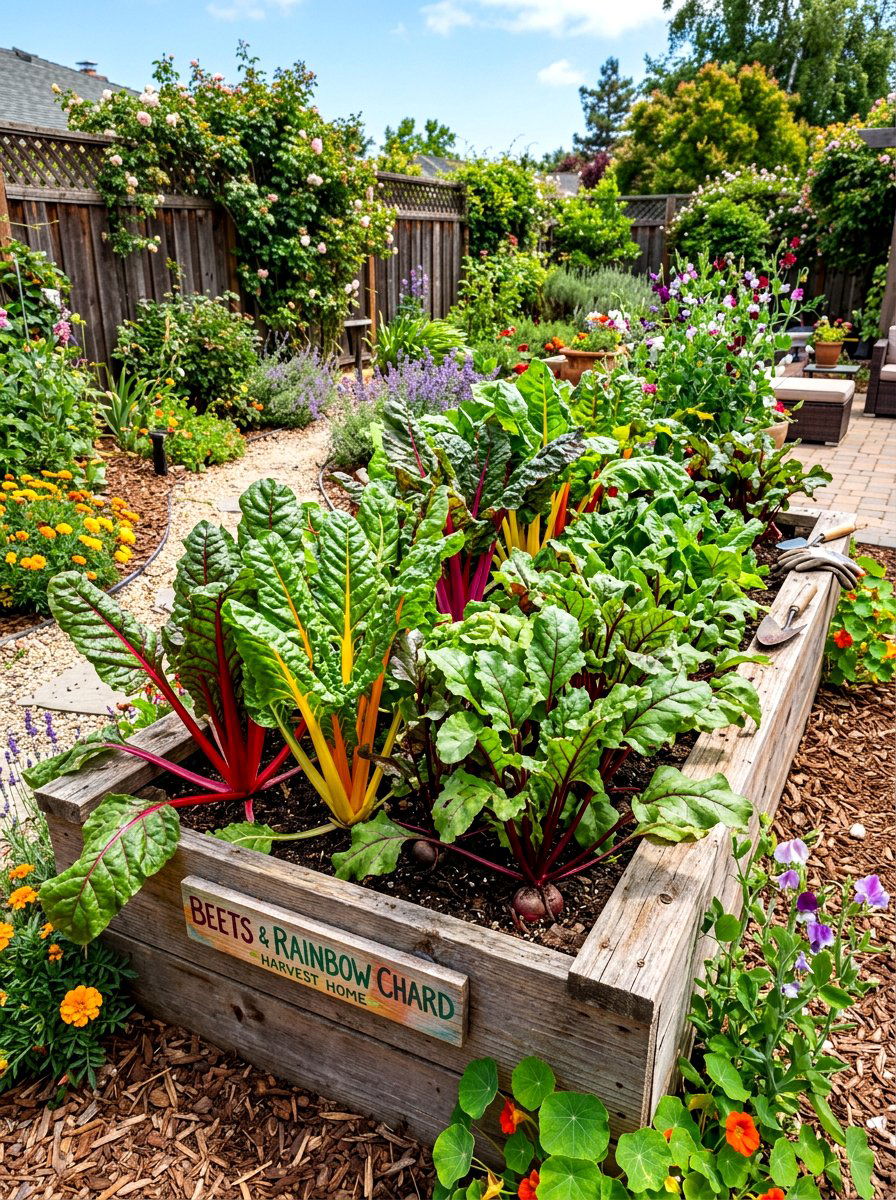
A beets and chard bed is a visual masterpiece because both plants are closely related and often feature stunning colorful stems in shades of ruby and gold. You can harvest the young beet greens for a nutritious addition to your salad mix while letting the roots mature for roasting later. Swiss chard is exceptionally hardy and will continue to produce large, crinkled leaves well into the cooler months of autumn. This combination provides a long harvest window and a rich variety of textures for your kitchen. The deep earthy tones of the foliage make this garden section stand out as a particularly elegant part of your landscape.

15. Companion planting garden
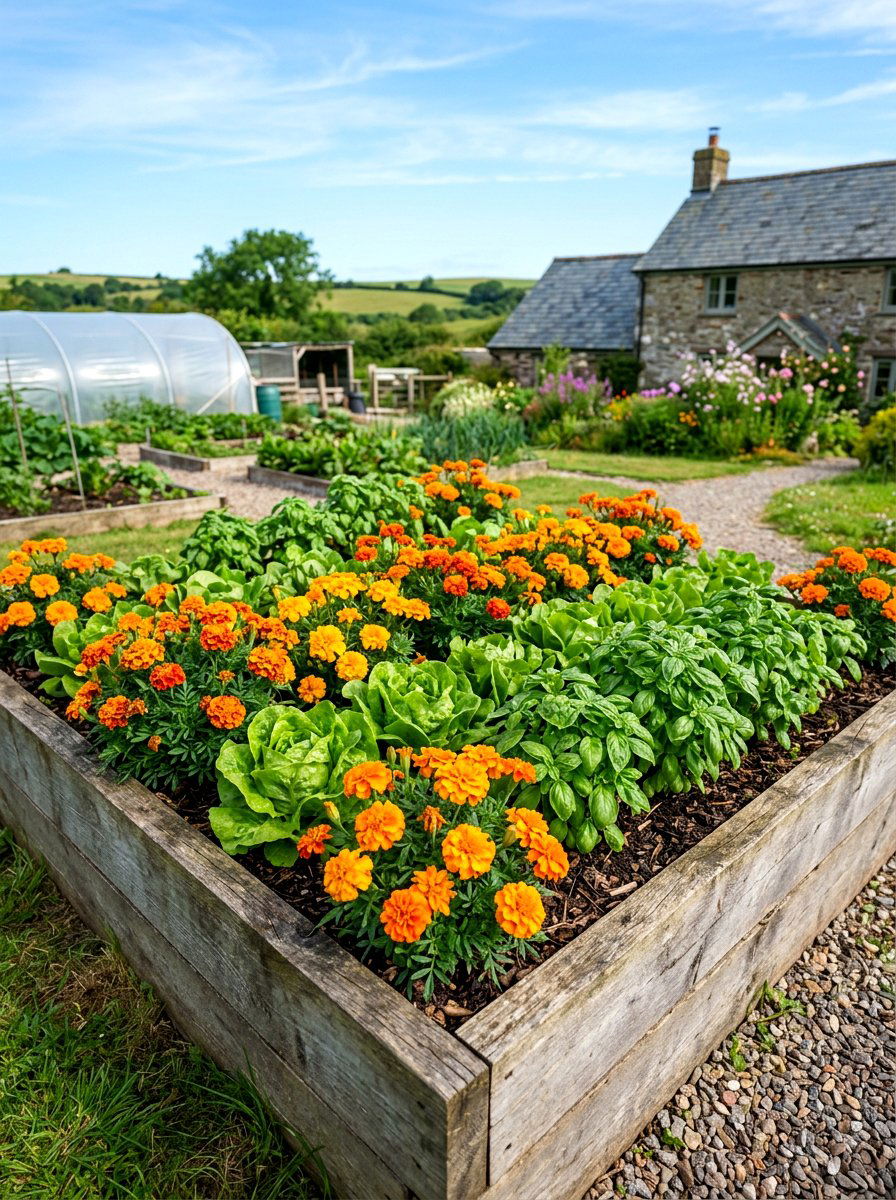
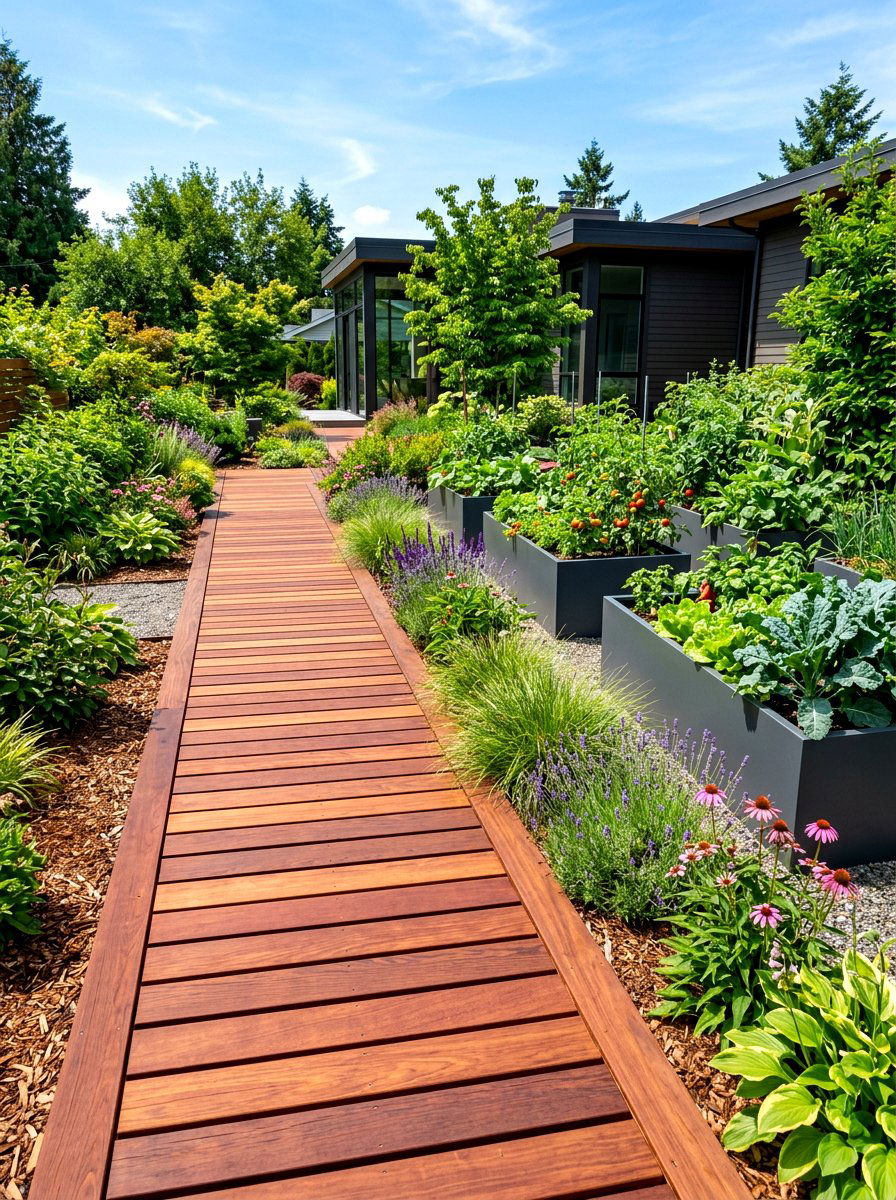
Designing a companion planting garden involves placing specific vegetables and herbs together to enhance growth and naturally repel unwanted pests. For a salad-focused space, you might plant marigolds alongside your lettuce to deter harmful insects while adding a pop of bright orange color. Fragrant herbs like basil and dill also make excellent companions, as their strong scents can confuse pests that might otherwise target your tender greens. This holistic approach reduces the need for chemical pesticides and creates a more balanced, self-sustaining ecosystem. It is a rewarding way to garden that prioritizes the health of your soil and the surrounding environment for long-term success.
16. Self watering salad planter
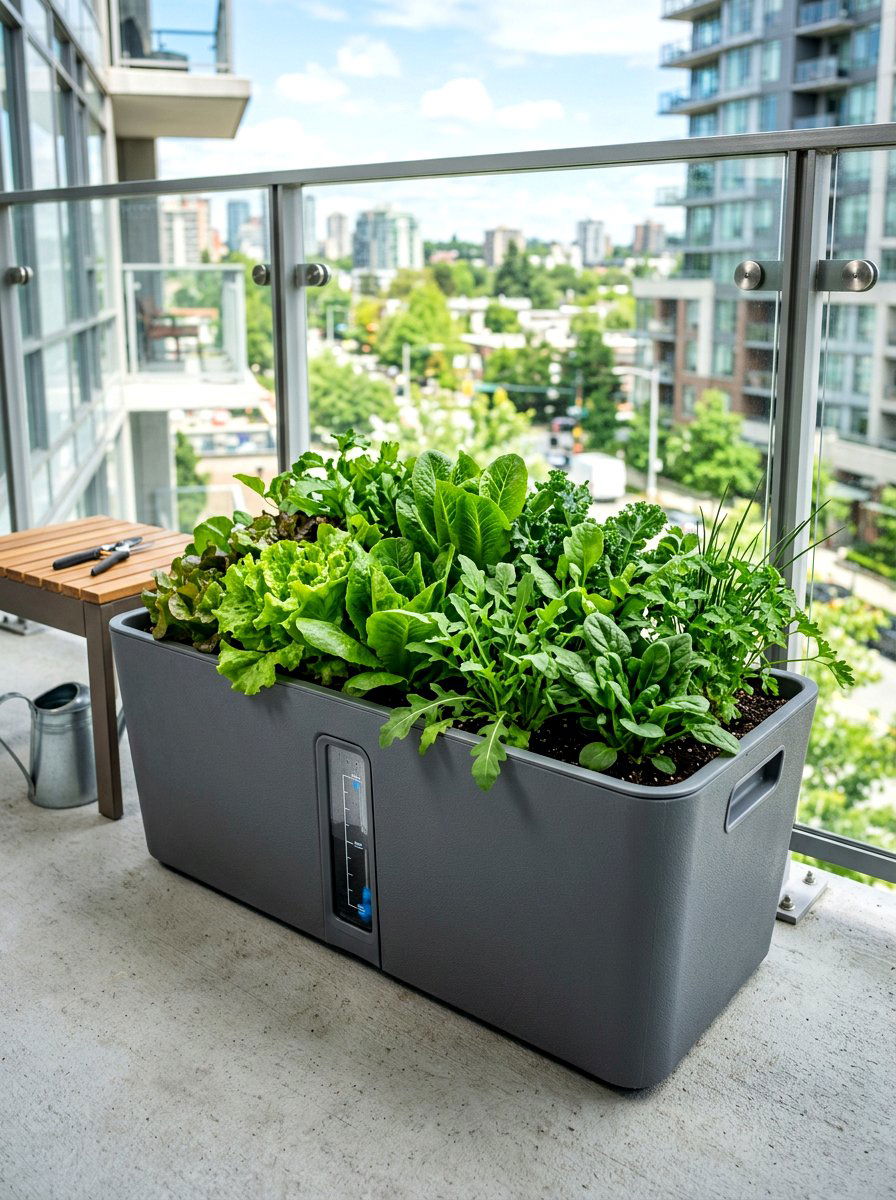
A self watering salad planter is a game-changer for gardeners who have busy schedules or live in particularly hot climates. These specialized containers feature a reservoir at the bottom that provides a consistent supply of moisture to the plant roots through capillary action. This prevents the soil from drying out completely, which is crucial for maintaining the crisp texture of lettuce and other leafy greens. You will find that your plants grow more vigorously and are less prone to wilting during the peak of summer heat. These planters come in various stylish designs that look great on any porch, deck, or balcony while significantly reducing daily maintenance.
17. Greenhouse salad station
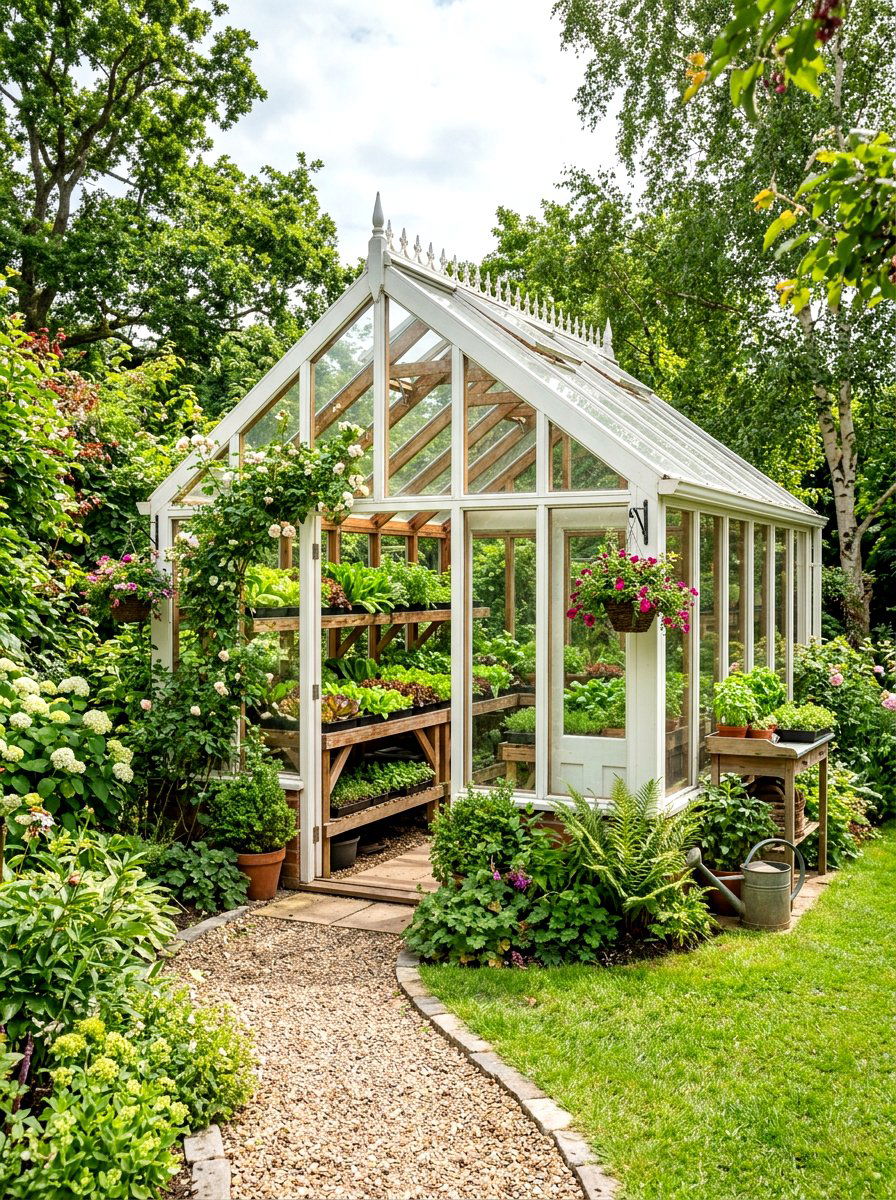
A greenhouse salad station provides the ultimate environment for year-round growing by protecting your delicate greens from harsh winds and extreme temperatures. Even a small, unheated greenhouse can significantly extend your growing season in the spring and fall, allowing for much earlier and later harvests. You can organize your space with benches and shelving to maximize every square inch of the protected area. This setup is perfect for starting seeds in trays before transplanting them into larger beds once the weather improves. The warm, humid atmosphere inside the greenhouse encourages rapid growth, ensuring you always have a fresh supply of ingredients for your daily meals.
18. Pallet herb garden
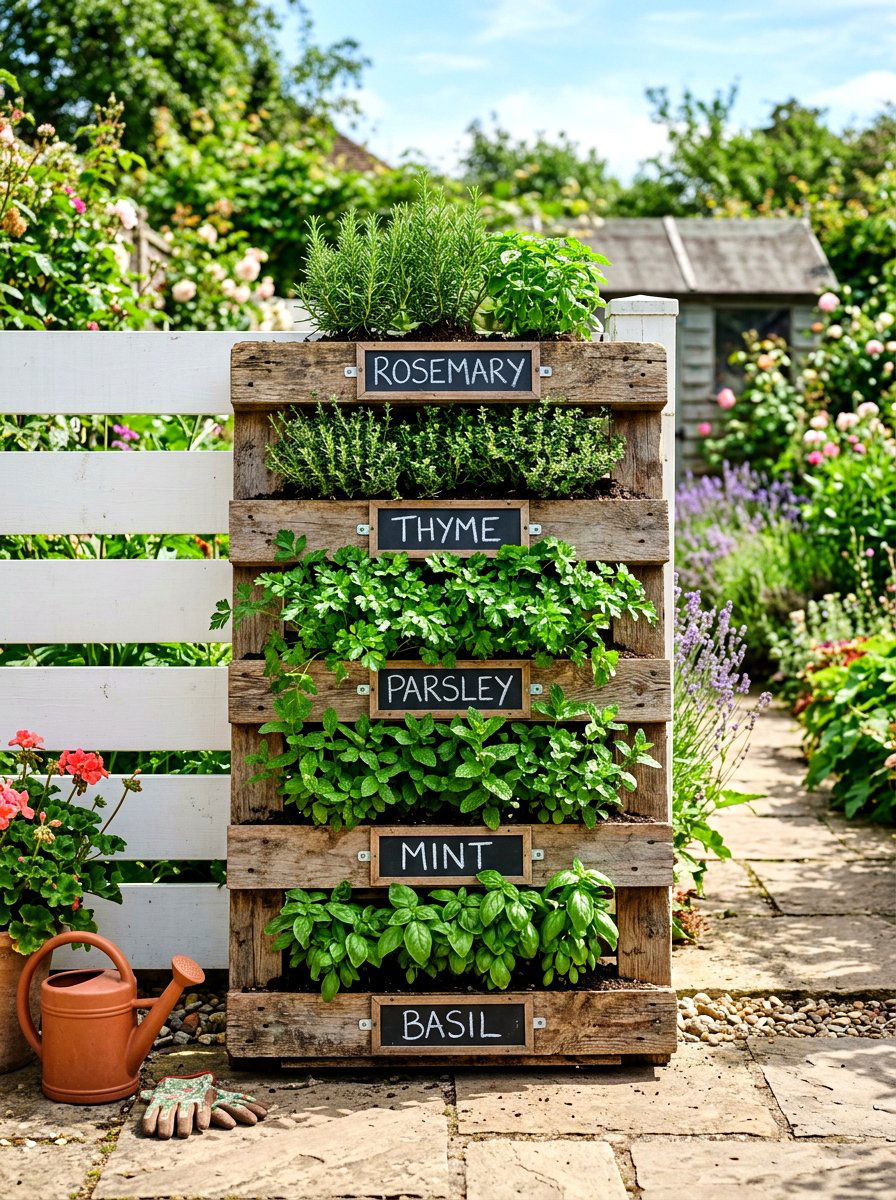
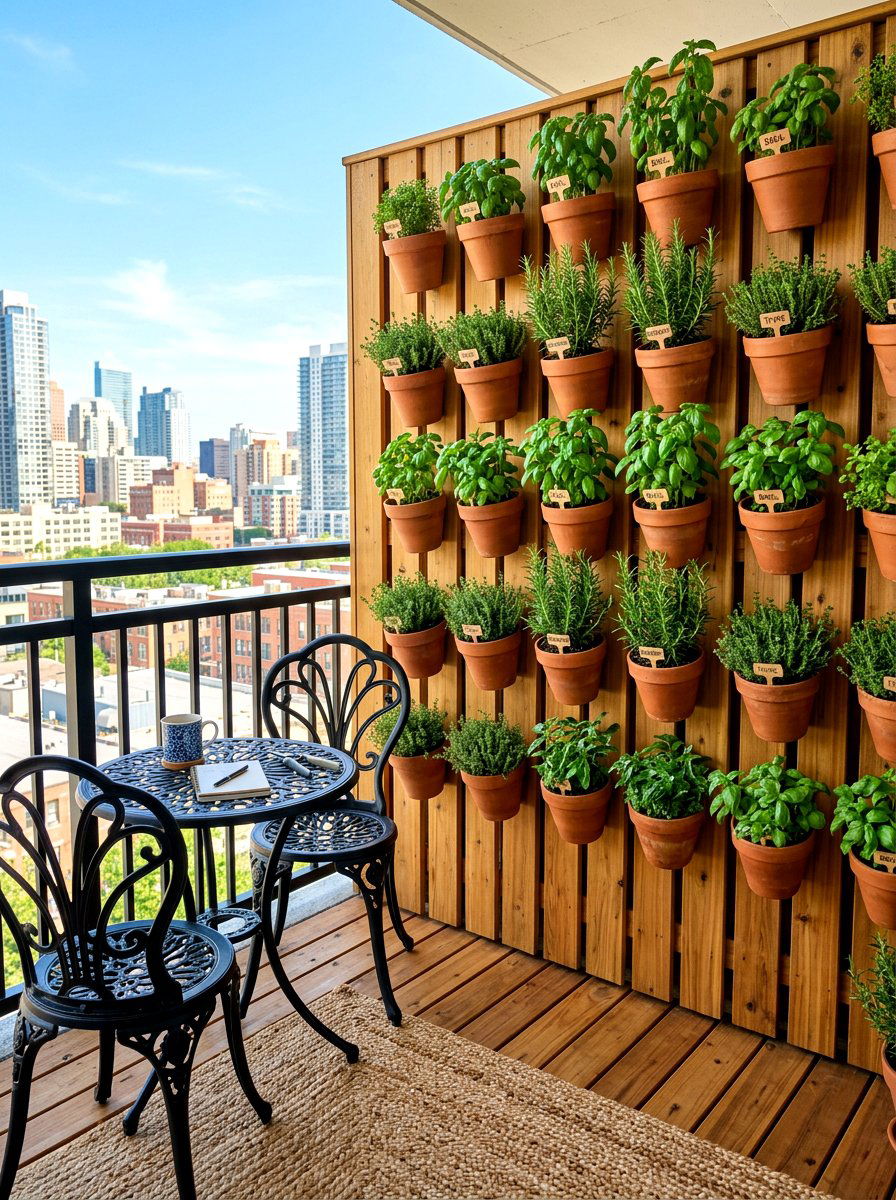
Transforming an old wooden pallet into a pallet herb garden is a creative and eco-friendly way to grow a wide variety of salad seasonings. By adding backing and landscape fabric, you can create multiple horizontal planting pockets that are perfect for low-growing herbs like parsley, cilantro, and mint. This vertical arrangement is incredibly space-efficient and can be leaned against a wall or fence for a rustic, charming look. Herbs grown this way are easy to reach and harvest whenever you need to add a burst of fresh flavor to your dressings. It is a fun DIY project that breathes new life into recycled materials.
19. Hanging lettuce basket
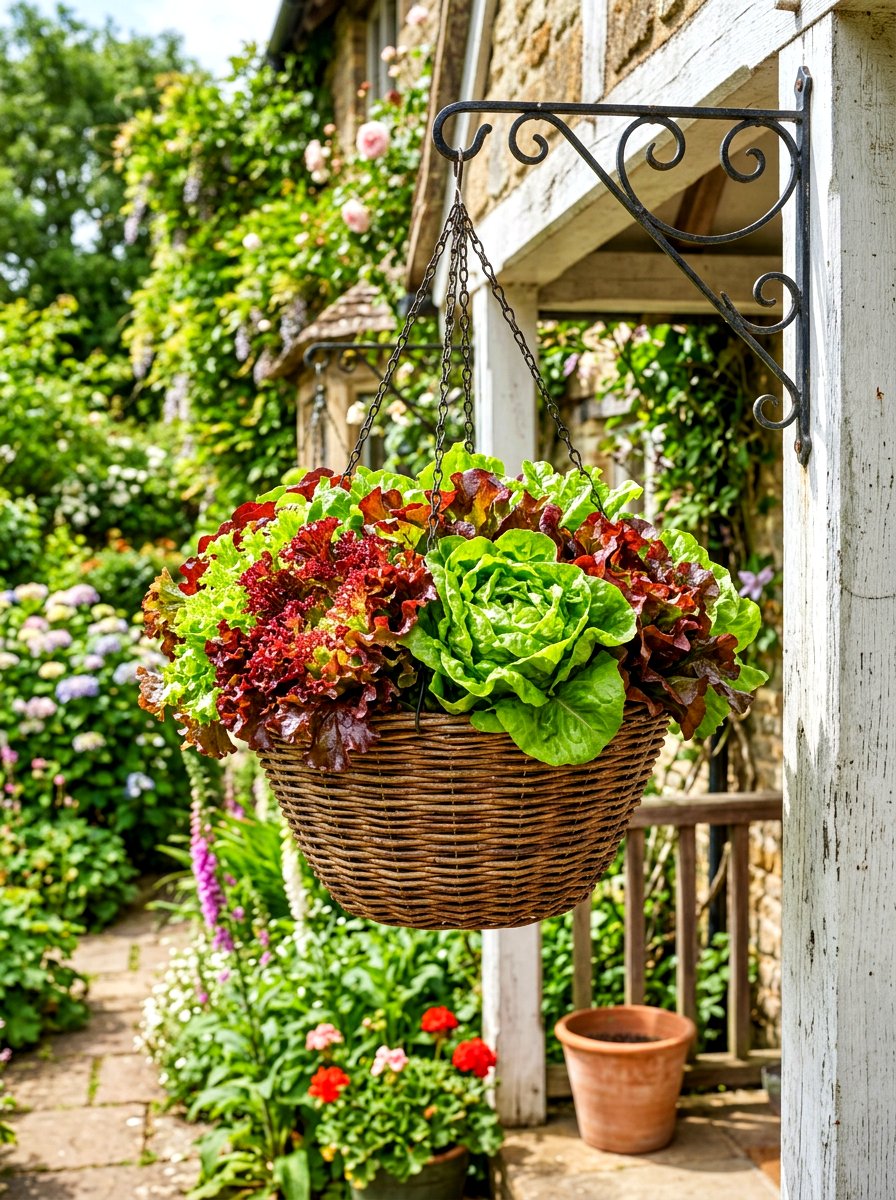
A hanging lettuce basket is a delightful and unexpected way to display your edible greens while keeping them safely out of reach from ground-level pests. You can use large moss-lined baskets filled with trailing varieties of lettuce or small herbs that spill over the edges for a lush, decorative effect. Hanging these baskets near your kitchen door or on a sunny porch makes harvesting incredibly convenient and adds a touch of greenery to your vertical space. This method also ensures excellent air circulation around the plants, which helps prevent common diseases. It is a beautiful solution for small balconies where floor space is limited but air is plentiful.
20. Cold frame winter garden
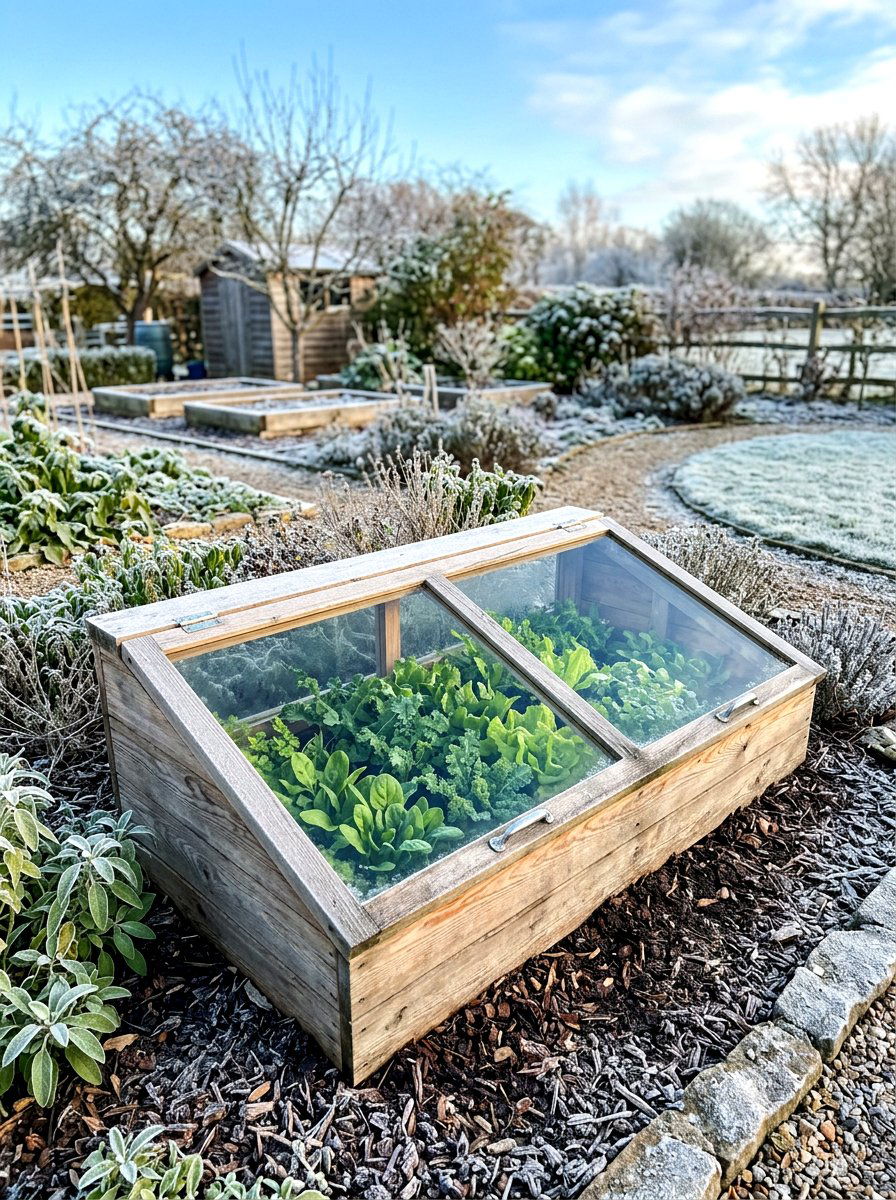
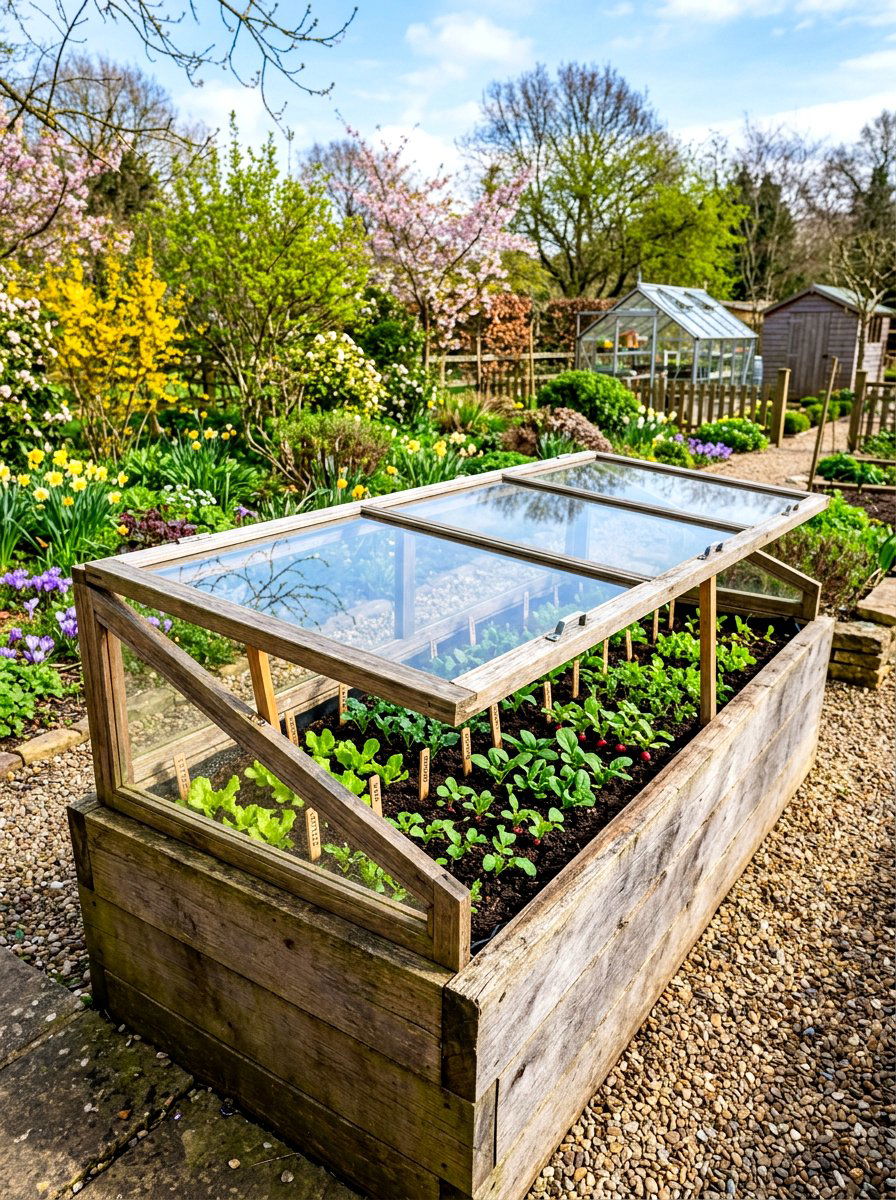
Establishing a cold frame winter garden is the best way to keep harvesting fresh greens even when the ground is covered in frost. This simple structure consists of a low wooden frame with a transparent lid that traps solar heat and creates a microclimate for your plants. You can grow hardy varieties like kale, claytonia, and mâche that can withstand low temperatures with minimal protection. The cold frame acts like a miniature greenhouse, allowing you to enjoy homegrown salads throughout the coldest months of the year. It is a low-cost investment that significantly increases the productivity of your garden and provides fresh vitamins during winter.
21. Pea and bean trellis
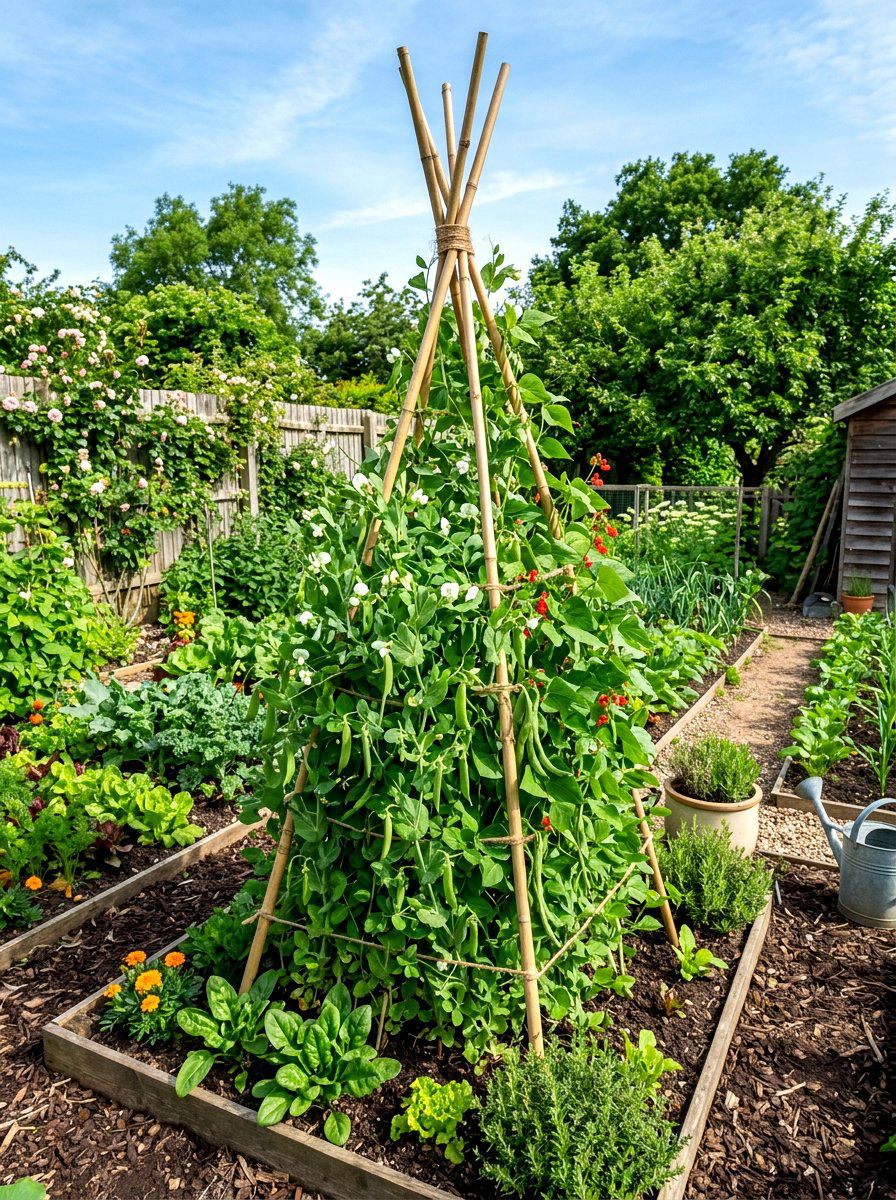
A pea and bean trellis adds height and structure to your garden while producing sweet, crunchy additions for your fresh summer salad bowls. These climbing plants are remarkably easy to grow and feature delicate flowers that add a touch of beauty to your edible landscape. As the vines reach upward, they create a dense green screen that can provide privacy or shade for other heat-sensitive greens growing nearby. You can choose from various trellis designs, from simple bamboo teepees to elegant metal arches, depending on your personal style. Harvesting peas and beans is a fun activity that yields delicious rewards for your culinary efforts.
22. Round metal garden bed
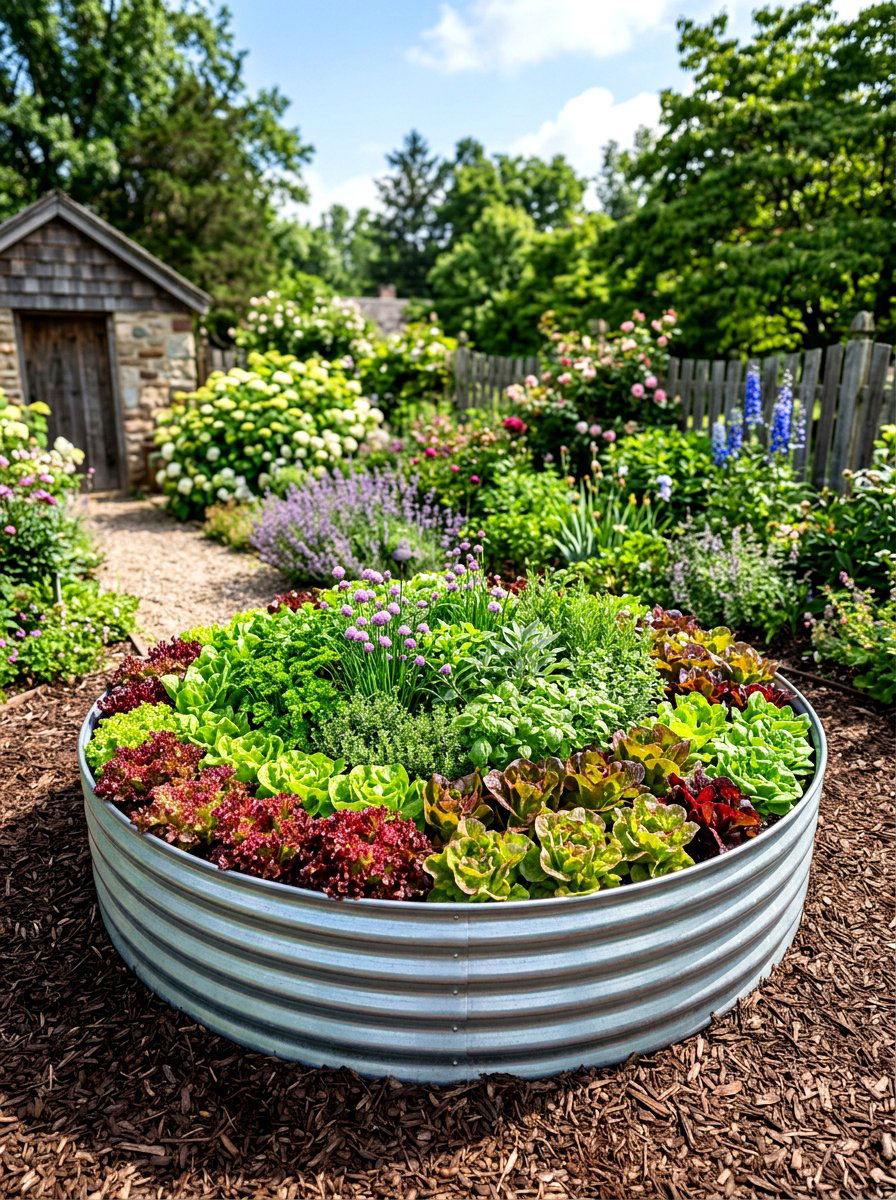
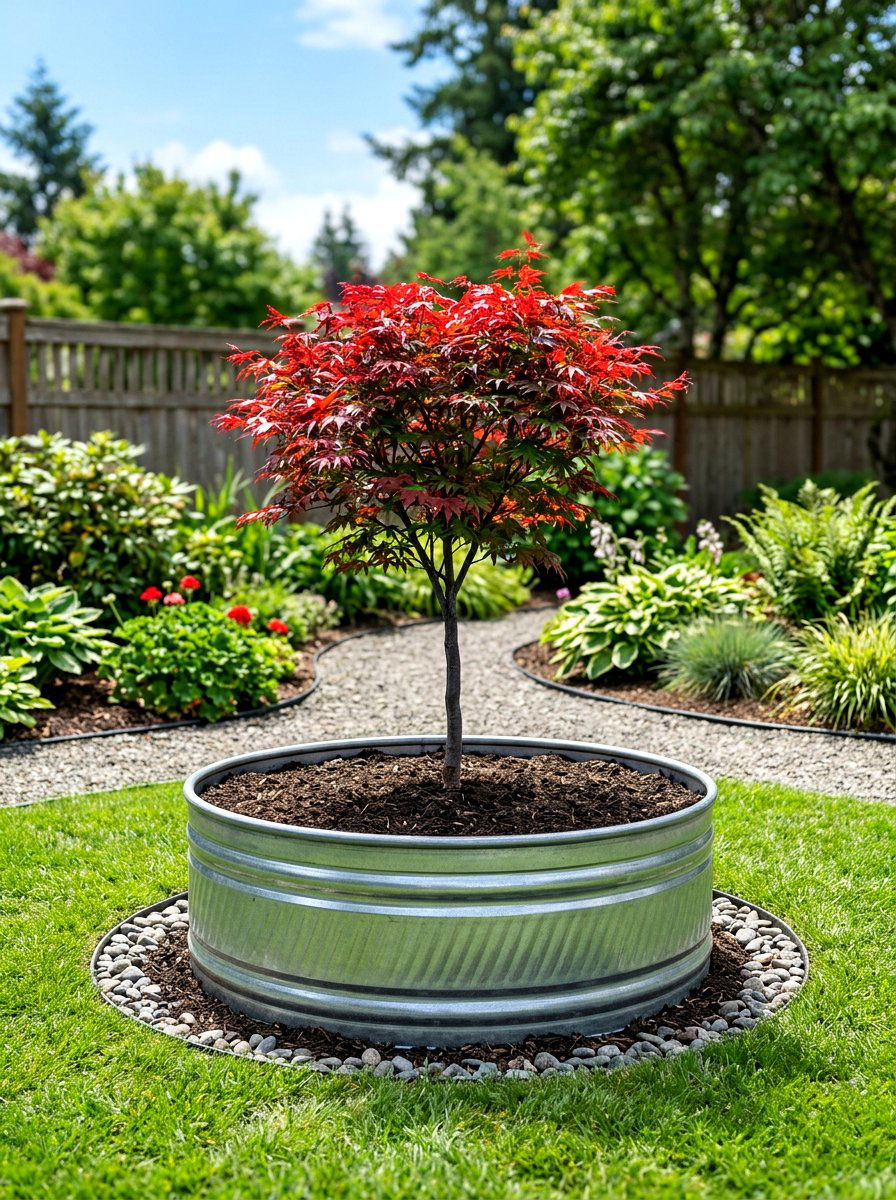
A round metal garden bed offers a sleek and modern aesthetic that looks particularly stunning when filled with a diverse mix of salad ingredients. These durable structures are often made from galvanized steel, which resists rust and provides a clean, industrial look for your outdoor space. The circular shape allows for easy access from all sides, making it simple to plant, weed, and harvest your greens without stepping into the bed. You can create a beautiful focal point by planting tall kale in the center and surrounding it with concentric rings of colorful lettuce and herbs. It is a stylish way to organize your garden.
23. Spiral herb greens garden
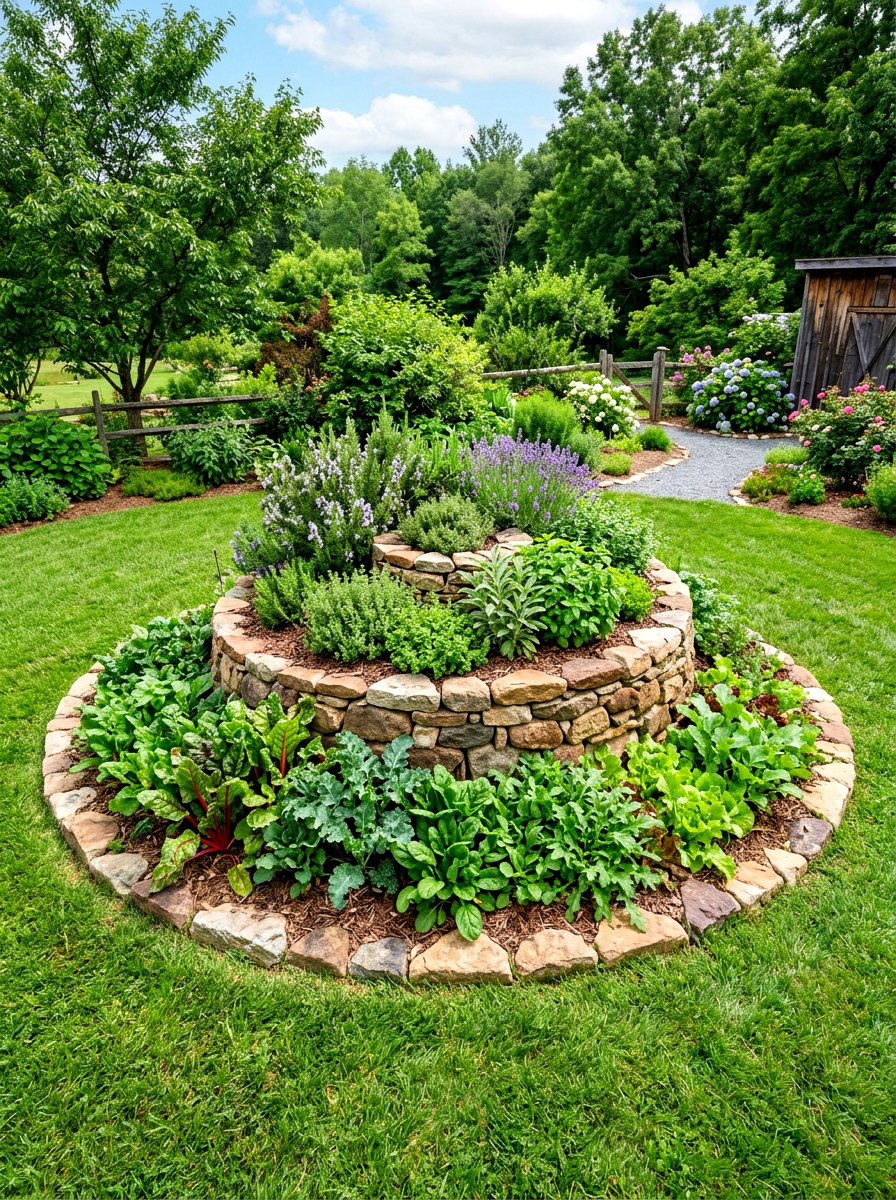
Designing a spiral herb greens garden is a permaculture-inspired technique that maximizes planting space and creates different microclimates in a single structure. By building a spiraling mound of stones or bricks, you can place heat-loving herbs at the sunny top and moisture-loving greens in the cooler, shaded base. This arrangement is not only highly productive but also serves as a beautiful architectural feature in your backyard. The vertical nature of the spiral makes it easy to harvest a wide variety of flavors without having to move around a large area. It is an efficient and visually striking way to integrate diversity into your personal salad garden.
24. Modern minimalist salad garden
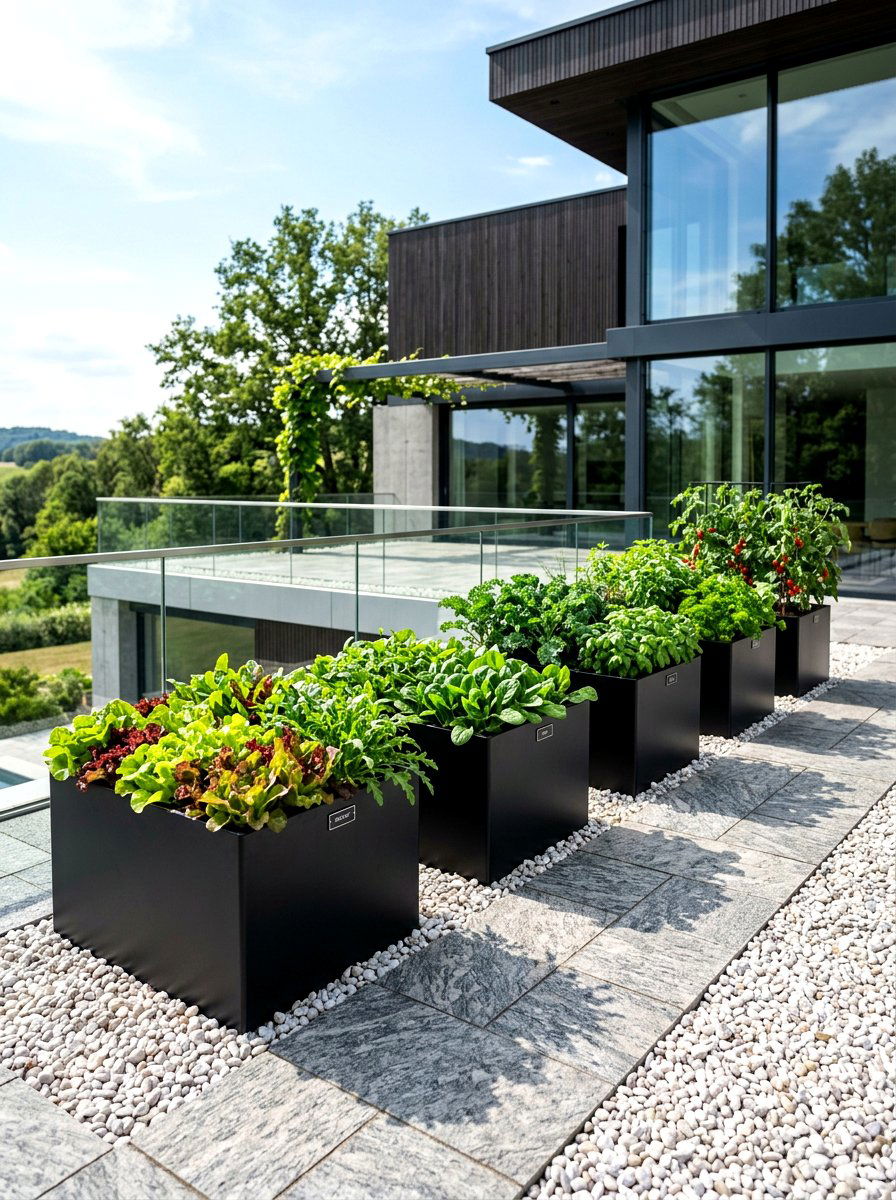
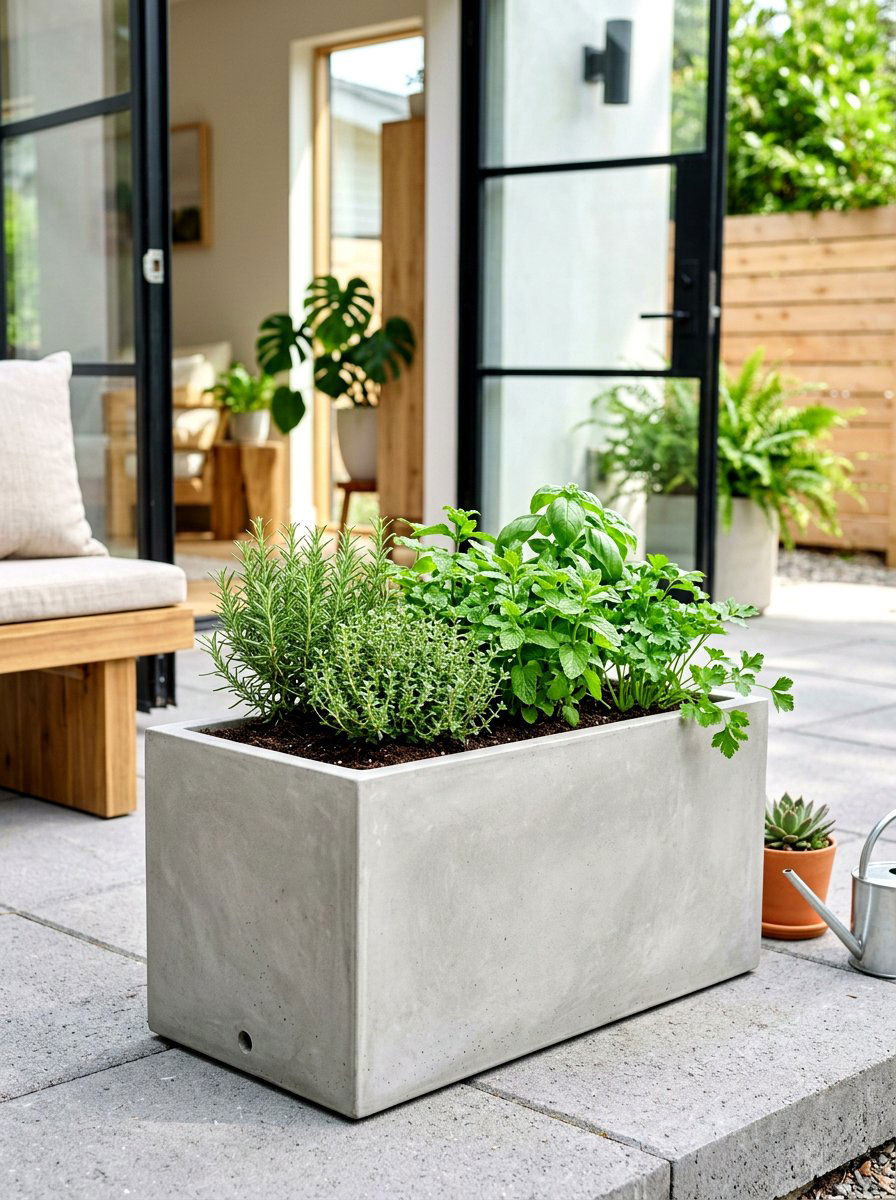
A modern minimalist salad garden focuses on clean lines, neutral colors, and a carefully curated selection of plants for a sophisticated look. You can achieve this style by using sleek black or white rectangular planters arranged in a symmetrical pattern on a stone patio. Focus on a few high-impact varieties, such as deep purple kale or bright green butterhead lettuce, to create a bold contrast against the minimalist containers. This approach emphasizes quality over quantity and ensures that your garden remains a calm and orderly retreat. It is the perfect choice for homeowners who want to grow their own food without sacrificing their contemporary home aesthetic.
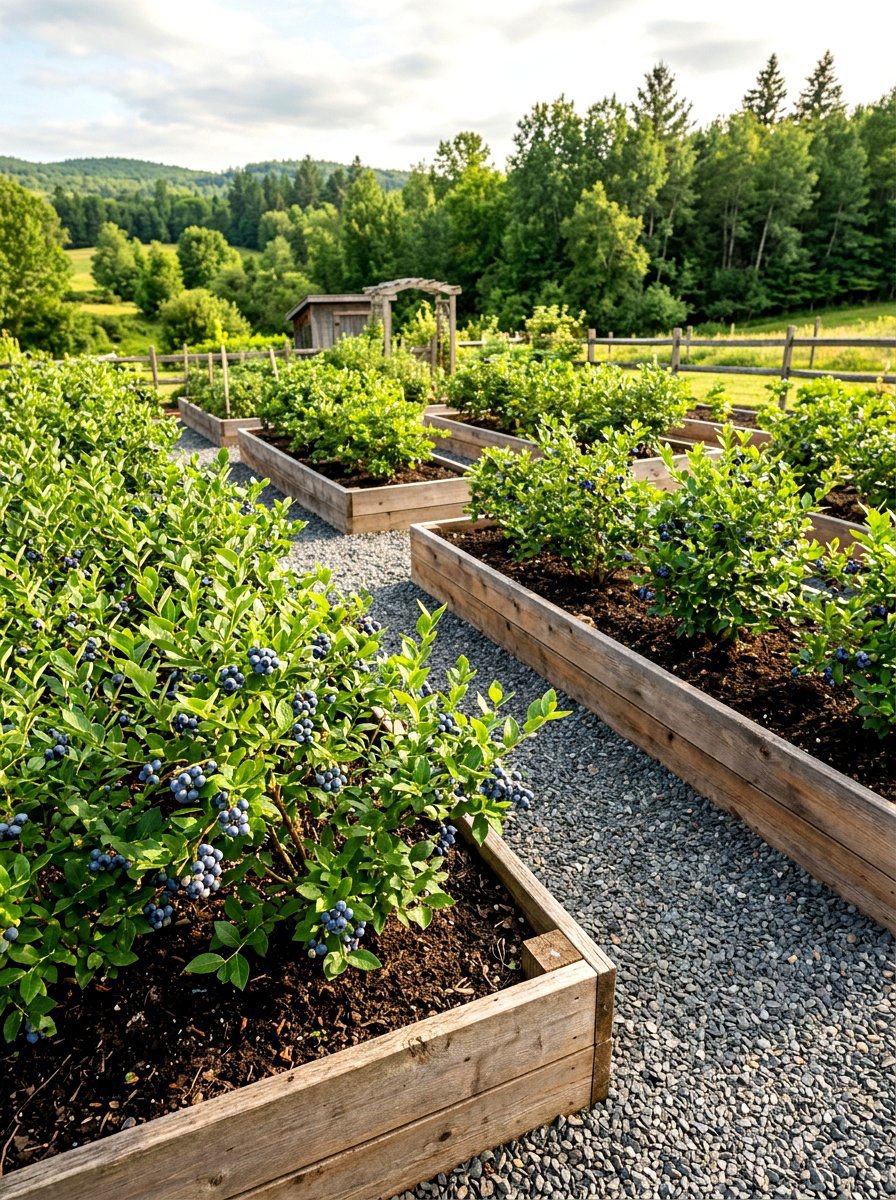
25. Raised wooden trough garden
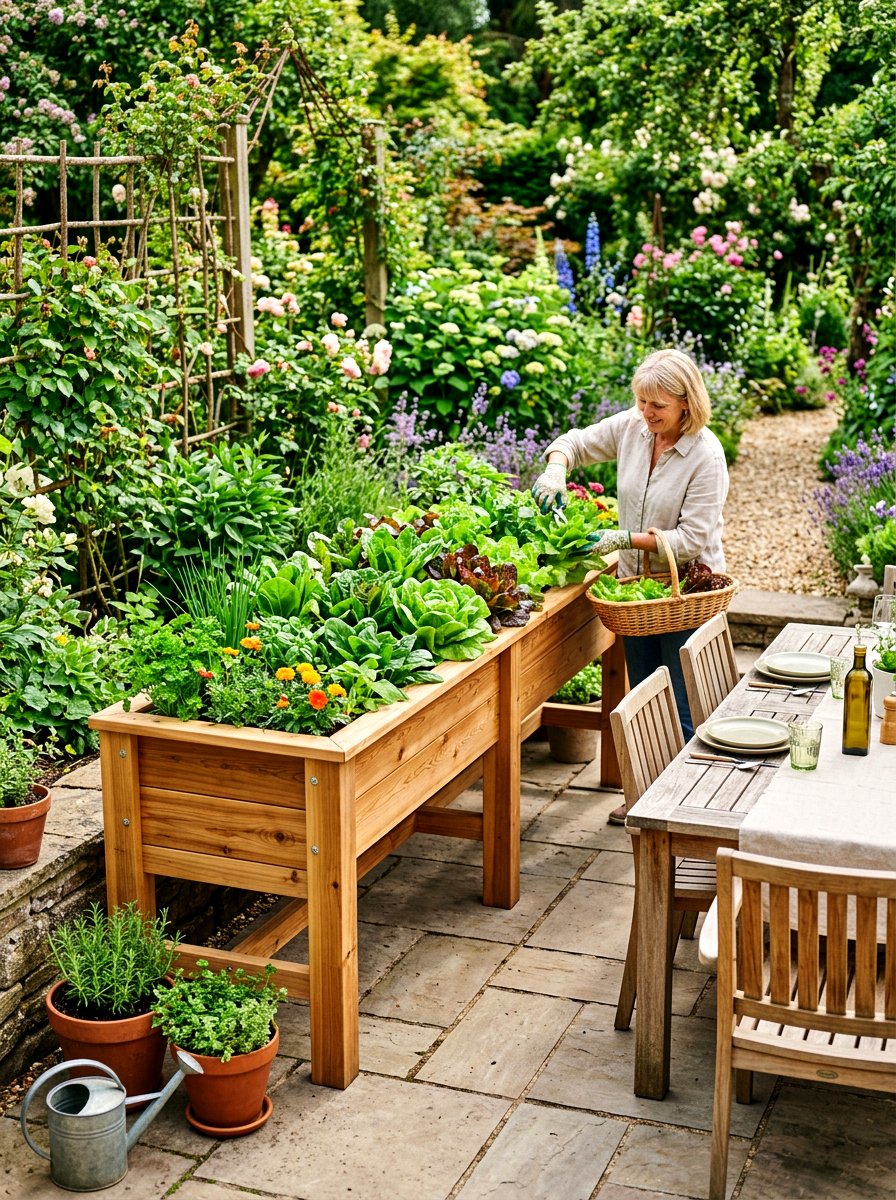
A raised wooden trough garden provides a comfortable gardening experience by bringing your plants up to waist height, which eliminates the need for bending or kneeling. These long, narrow structures are ideal for placing along a deck railing or a garden path for easy access. You can grow a surprising amount of salad greens in a single trough by using intensive planting techniques and choosing compact varieties. The natural wood finish adds a warm, organic feel to your outdoor space and blends seamlessly with traditional landscape designs. It is a practical and accessible way to enjoy the benefits of gardening regardless of your physical mobility.
26. Indoor grow light shelf
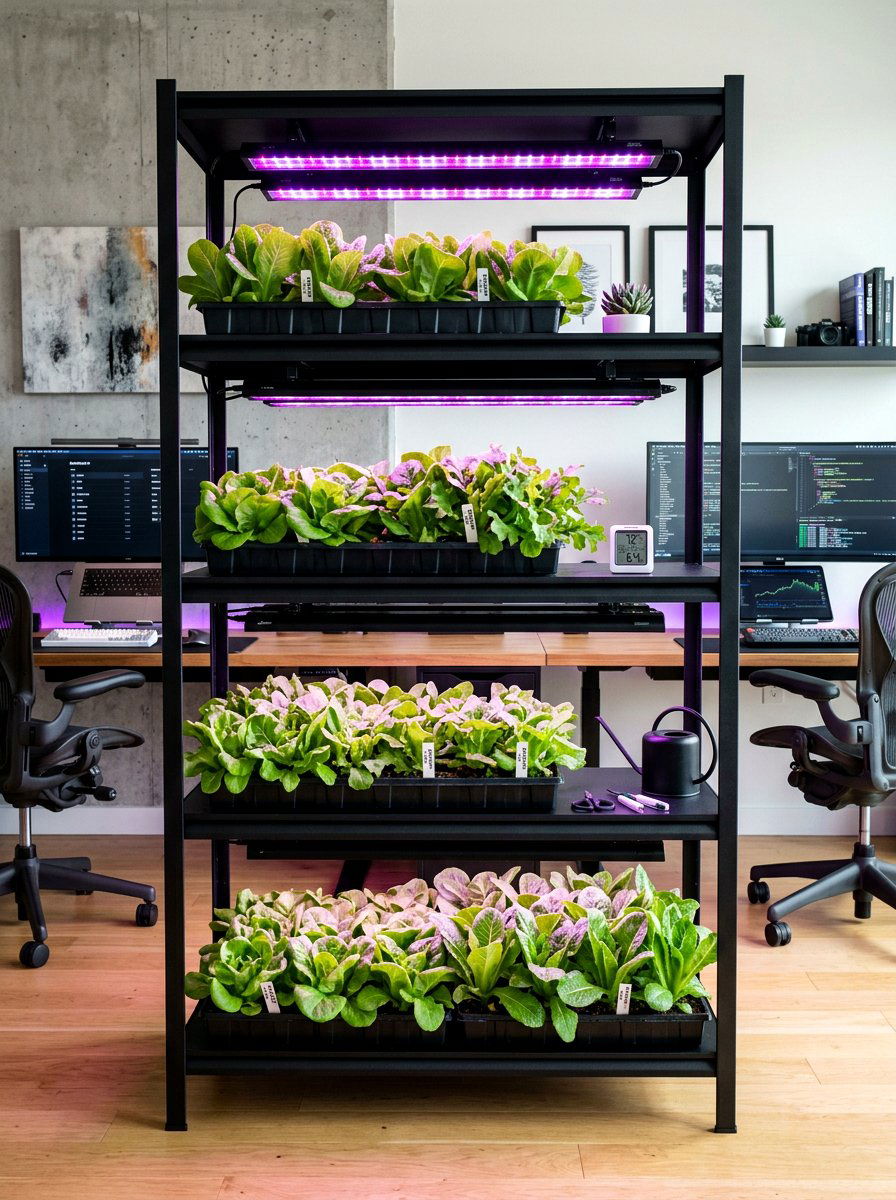
Setting up an indoor grow light shelf allows you to maintain a productive salad garden in the comfort of your home, regardless of the outdoor weather conditions. By using full-spectrum LED lights, you can provide your lettuce and herbs with the exact amount of light they need to grow lush and tender. This setup is perfect for basement spaces, laundry rooms, or even a corner of your living area where natural light is limited. You can enjoy the convenience of harvesting fresh ingredients for your dinner while it is snowing outside. It is a reliable way to ensure a consistent supply of organic greens all year long.
27. Organic heirloom lettuce patch
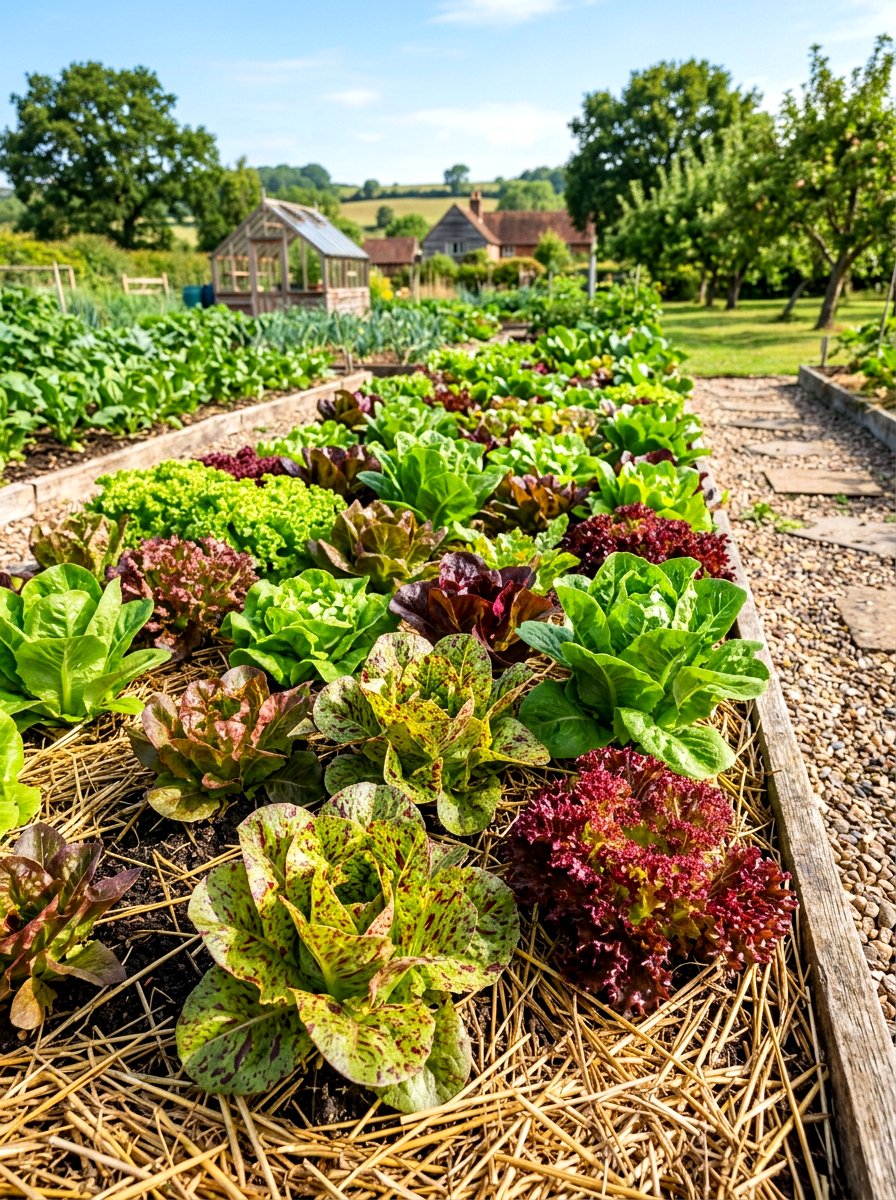
Creating an organic heirloom lettuce patch is a wonderful way to explore the incredible diversity of flavors and colors that are often missing from commercial grocery stores. These traditional varieties have been passed down through generations and often feature unique attributes, such as spotted leaves or exceptional heat resistance. Growing them organically ensures that your salads are free from synthetic chemicals and are packed with the highest possible nutritional value. You can save your own seeds from year to year, which creates a deep sense of connection to the history of gardening. This patch will become a conversation piece for everyone who visits your backyard.
28. Chicory and endive garden
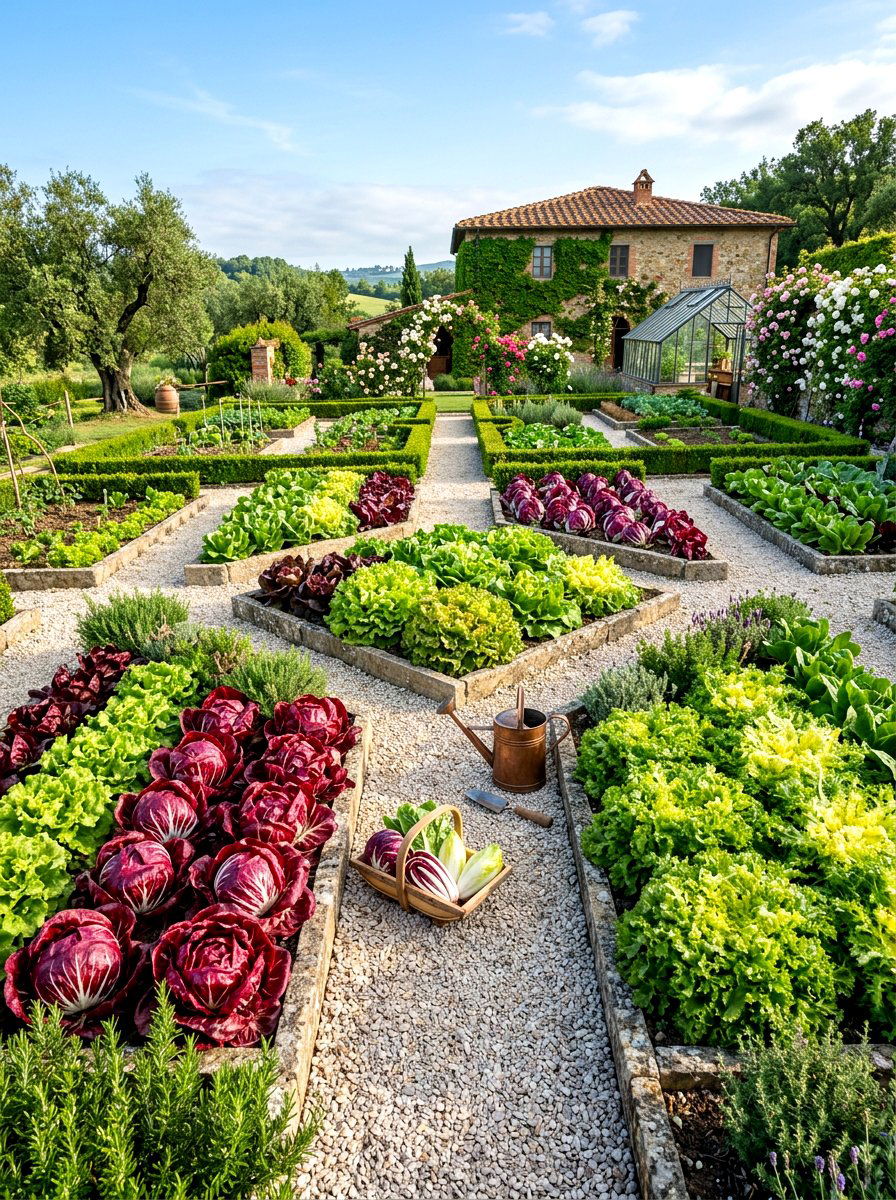
A chicory and endive garden introduces sophisticated, bitter flavors that are highly prized in gourmet salads and traditional European cuisine. These hardy plants are often more resistant to pests and diseases than standard lettuce, making them a reliable choice for your garden beds. Their unique leaf shapes, ranging from frilly curls to smooth broad leaves, add incredible texture and visual interest to your harvest baskets. Many varieties, such as radicchio, develop beautiful deep red colors as the weather cools in the autumn. This garden section offers a culinary adventure for those who enjoy experimenting with bold and complex flavor profiles in their daily meals.
29. Keyhole salad garden
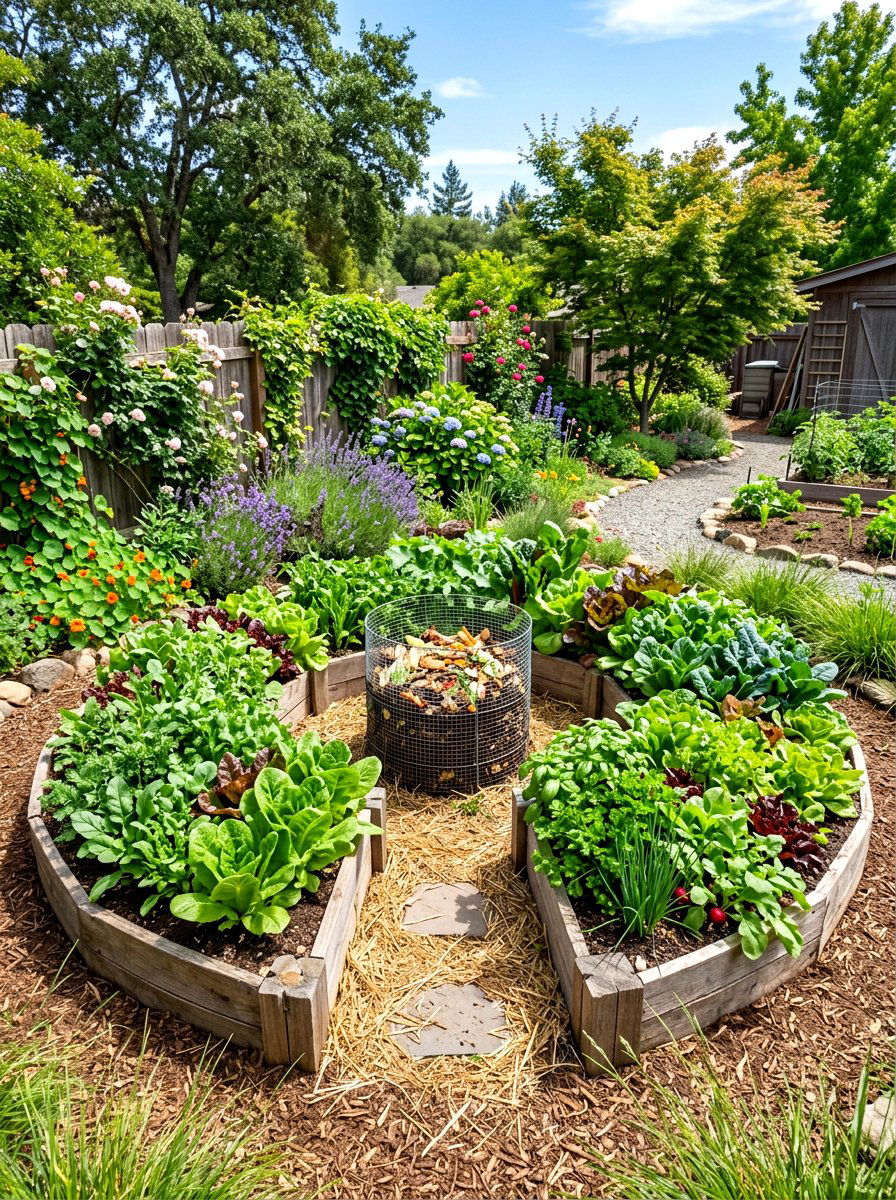
A keyhole salad garden is a sustainable and highly productive design that features a central composting basket to provide ongoing nutrients to your plants. This circular raised bed has a small notch, or "keyhole, " that allows you to walk directly to the center for easy maintenance and harvesting. As you add kitchen scraps to the central basket, they break down and naturally fertilize the surrounding soil, creating a self-sustaining system. This method is exceptionally water-efficient and perfect for areas with poor soil quality or limited rainfall. It is a clever way to recycle waste while growing a bountiful supply of fresh greens for your home.
30. Mobile salad cart garden
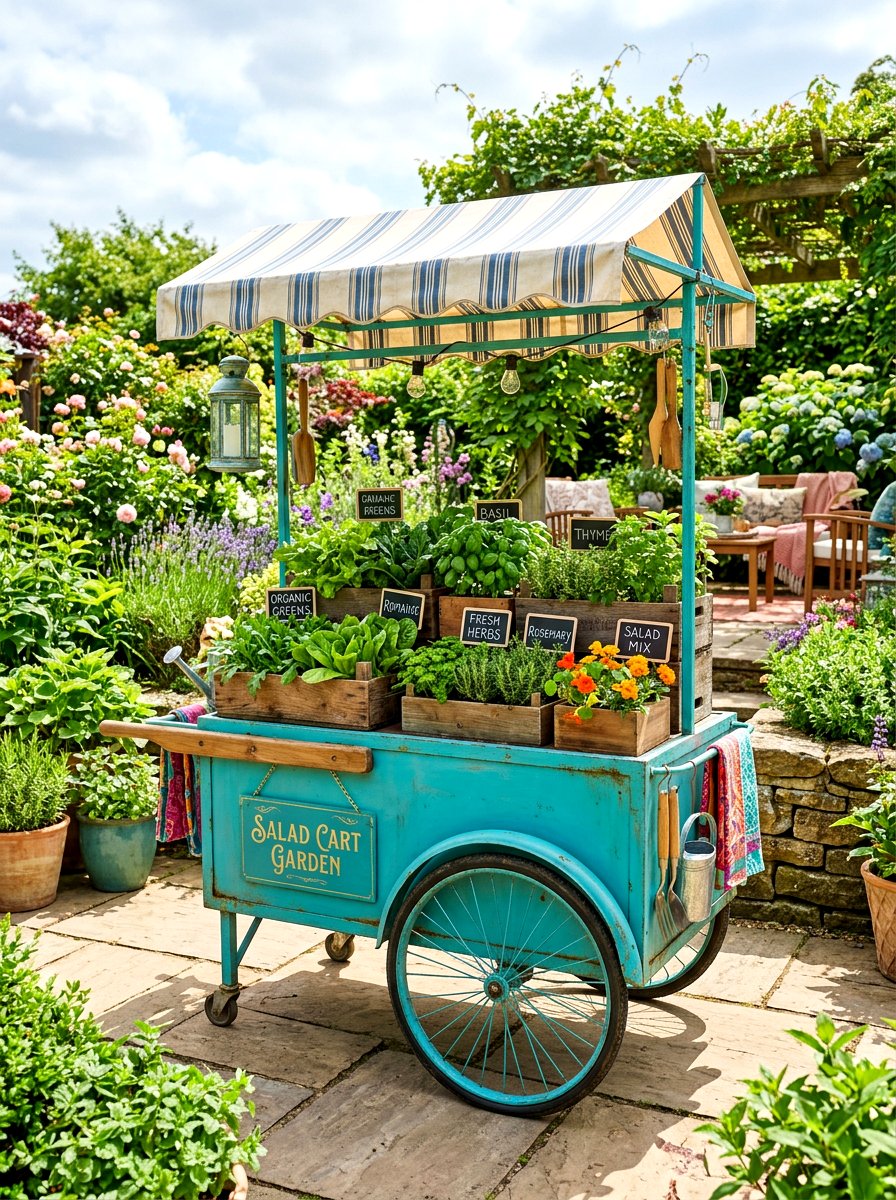
A mobile salad cart garden offers the ultimate flexibility by allowing you to move your plants to follow the sun or protect them from harsh weather. You can repurpose a vintage utility cart or a modern rolling planter to create a charming and functional mini-garden that fits on any patio. This setup is perfect for renters who may need to move their garden or for those who want to bring their greens closer to the outdoor dining table for guests to harvest. The mobility ensures that your plants always receive the optimal amount of light and protection throughout the day. It is a fun and stylish gardening solution.
Conclusion:
Transforming your backyard into a productive salad garden is a journey that offers endless rewards for your health and your home's aesthetic appeal. By following these various design concepts, you can create a personalized space that fits your lifestyle and provides a constant supply of fresh, organic ingredients. Growing your own food is a sustainable practice that reduces waste and connects you more deeply with the natural world around you. Whether you choose a simple raised bed or a complex vertical system, the result will be a beautiful and functional addition to your landscape. Start small and enjoy the process of watching your garden grow into a vibrant, edible masterpiece.

Related posts: