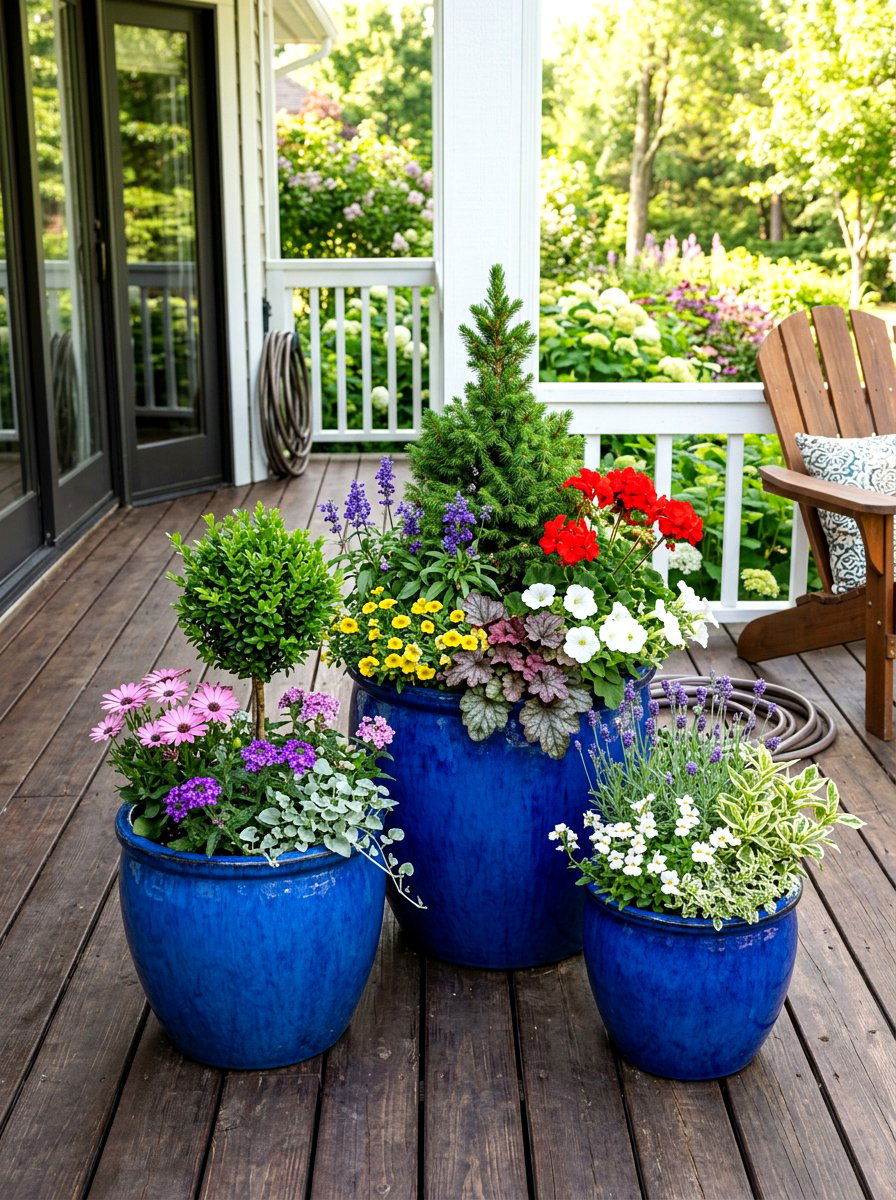
Creating a mixed border is one of the most rewarding ways to elevate your outdoor space and bring year-round beauty to your landscape. Unlike a single-species hedge or a simple flower bed, a mixed border blends various plant types including shrubs, perennials, ornamental grasses, and seasonal bulbs. This diversity ensures that your garden remains visually interesting even when specific flowers fade. By carefully selecting plants with different heights, textures, and bloom times, you can create a dynamic environment that supports local wildlife while providing a stunning backdrop for your home. Whether you have a sunny backyard or a shady corner, a well-planned mixed border offers endless possibilities for personal expression.
1. English Cottage Garden Border
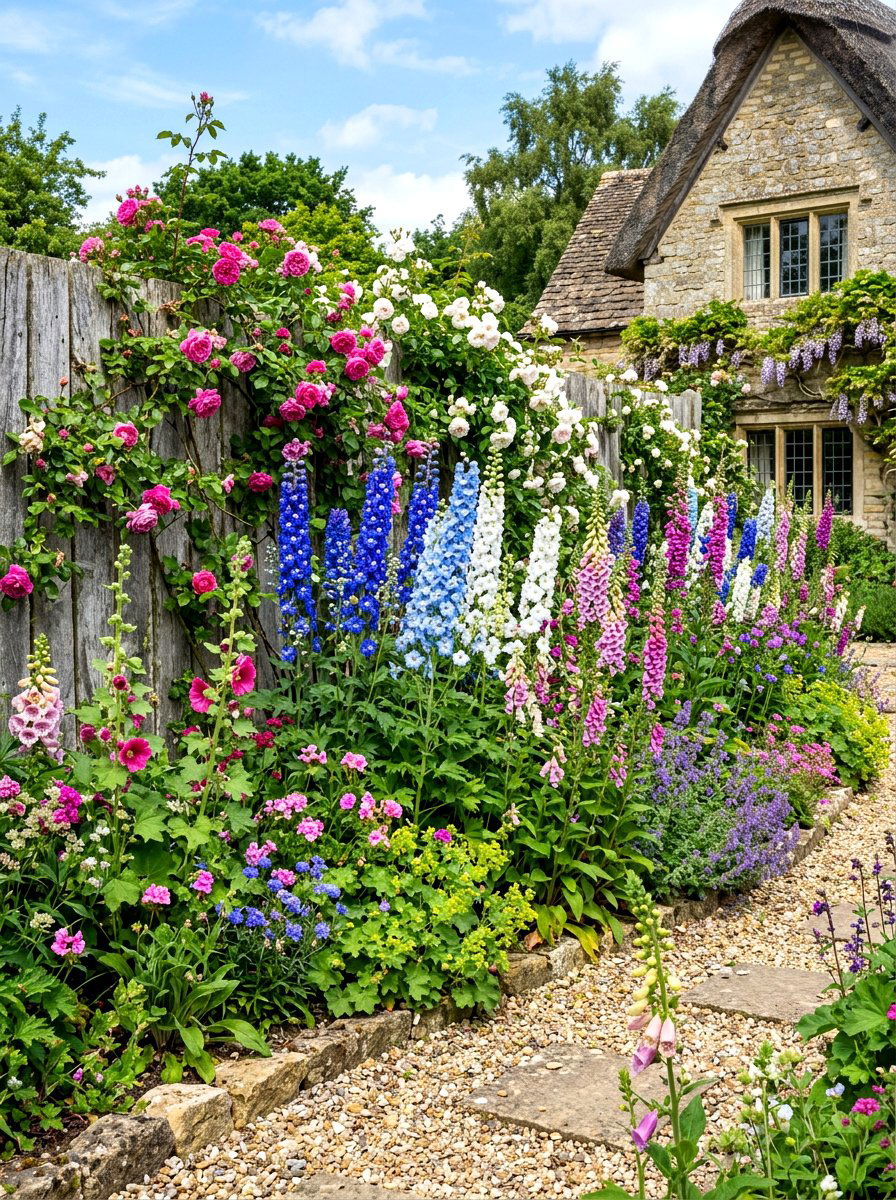
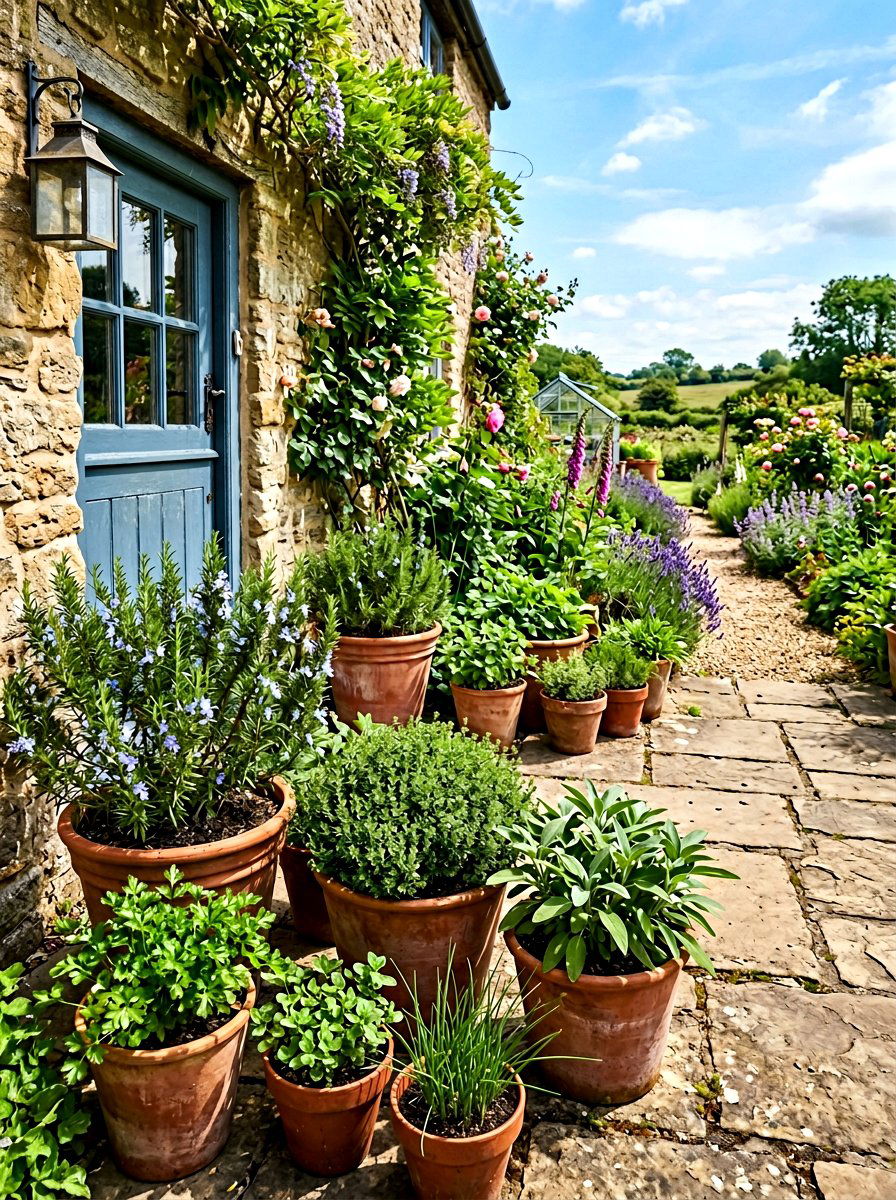
Do you want your garden to feel like a romantic escape from the everyday world? An English cottage border relies on a dense, informal arrangement of plants that spill over pathways and fill every available inch of soil. This style typically features classic favorites like delphiniums, foxgloves, and climbing roses mixed with sturdy shrubs for structure. The goal is to create a lush, overflowing look that appears natural rather than strictly manicured. Soft pastel colors and fragrant blooms define this aesthetic, making it a favorite for many homeowners. By layering taller plants in the back and shorter ones in front, you achieve a beautiful, cascading effect.
2. Low Maintenance Shrub Border
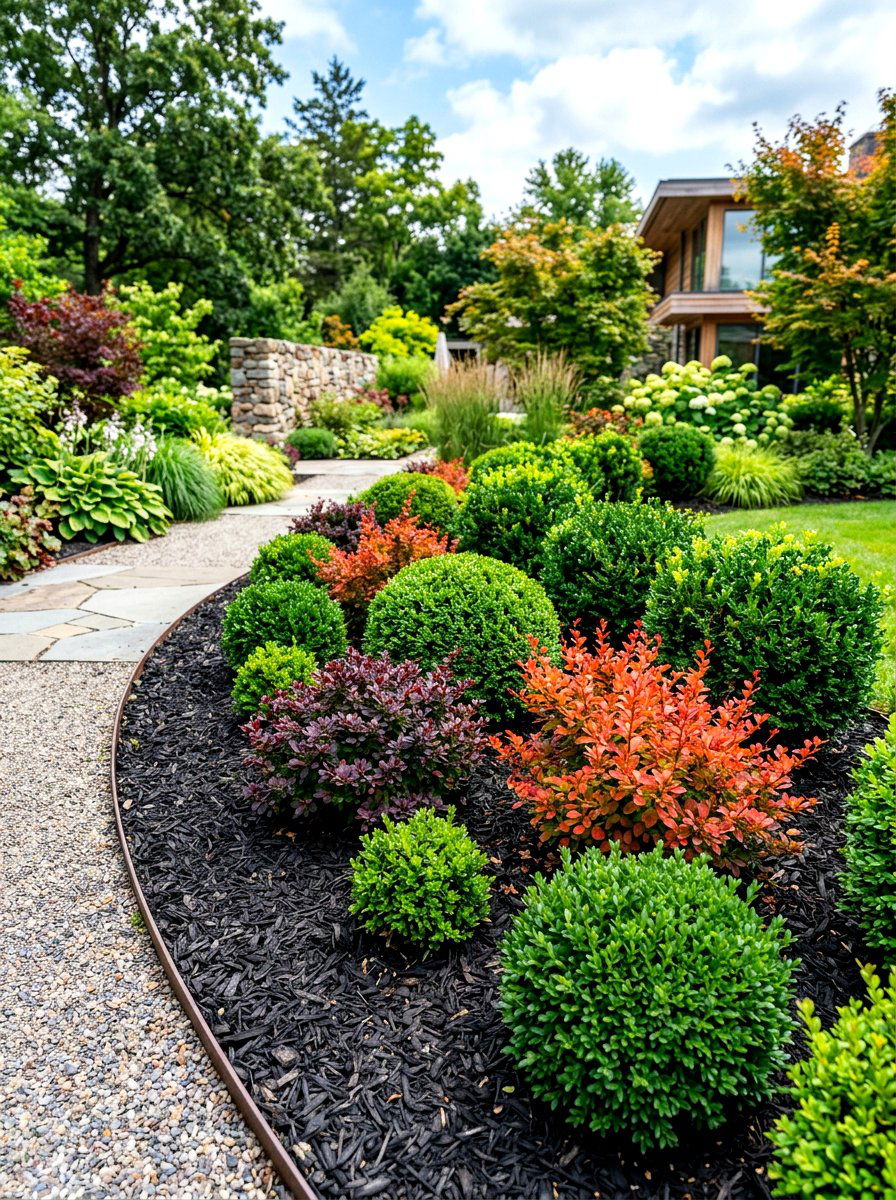
Are you looking for a way to enjoy a beautiful garden without spending every weekend weeding? A low-maintenance shrub border is an excellent solution that provides structure and color with minimal effort. By choosing slow-growing evergreens and deciduous shrubs with interesting foliage, you create a permanent framework that requires very little pruning. You can intersperse these with hardy groundcovers that suppress weeds naturally. This type of border looks great throughout the year, even in the dead of winter. It is perfect for busy families or anyone who wants a "set it and forget it" landscape that still offers plenty of curb appeal.
3. Shade Loving Woodland Border
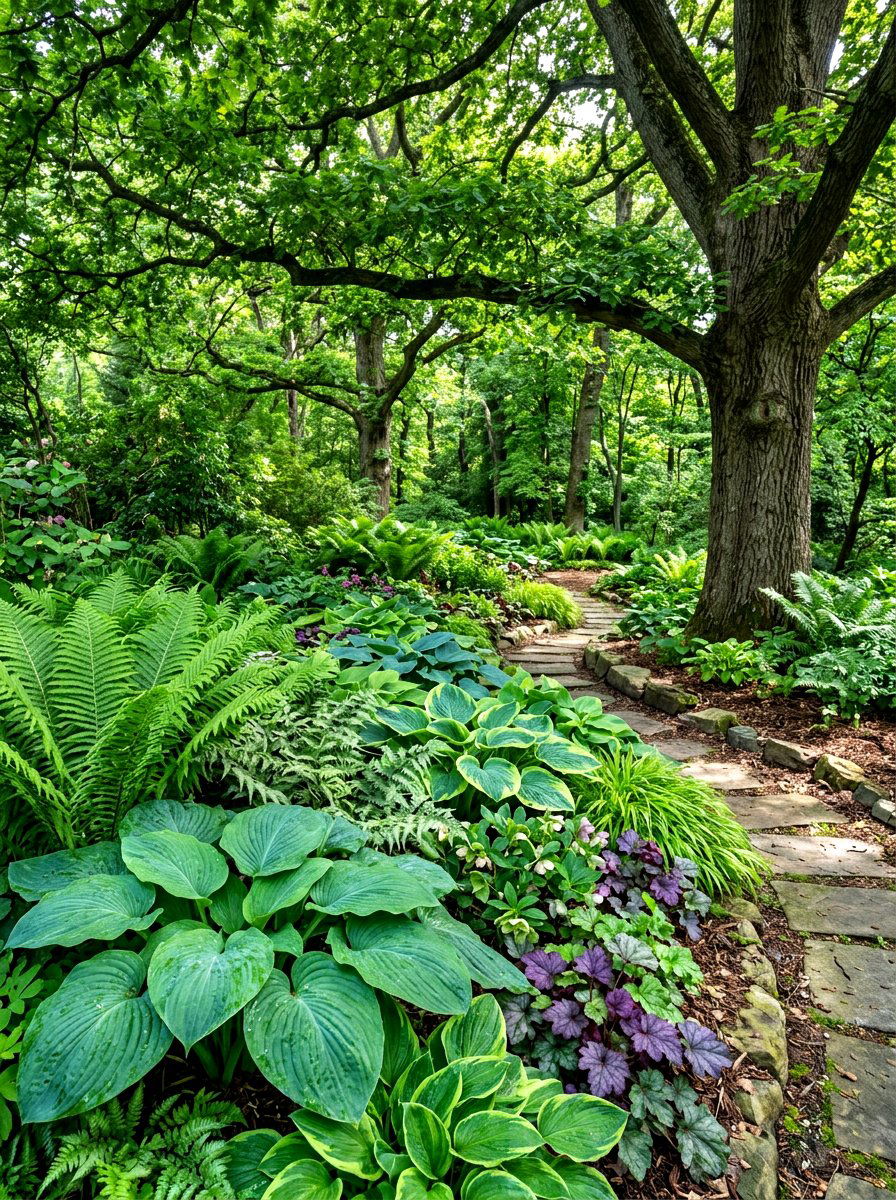
How can you breathe life into those dark, forgotten corners under your large trees? A shade-loving woodland border uses layers of ferns, hostas, and hellebores to create a lush, cool sanctuary. These plants thrive in filtered light and often feature dramatic foliage textures that stand out in the shadows. You might add small understory trees like Japanese maples to provide vertical interest and architectural form. The key is to play with different shades of green and varied leaf shapes to keep the eye moving. Adding white-flowering plants can also help brighten the area, making the space feel more open and inviting even on cloudy days.
4. Drought Tolerant Perennial Border
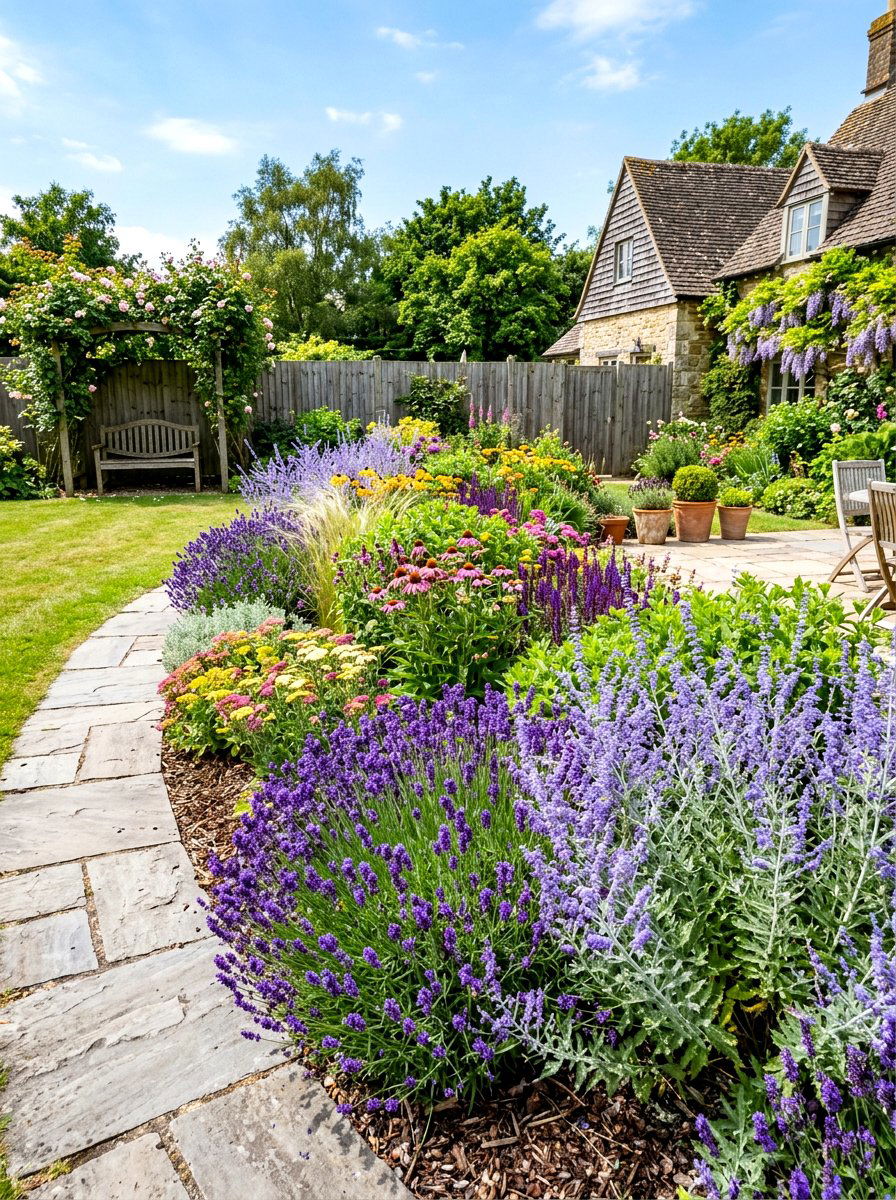
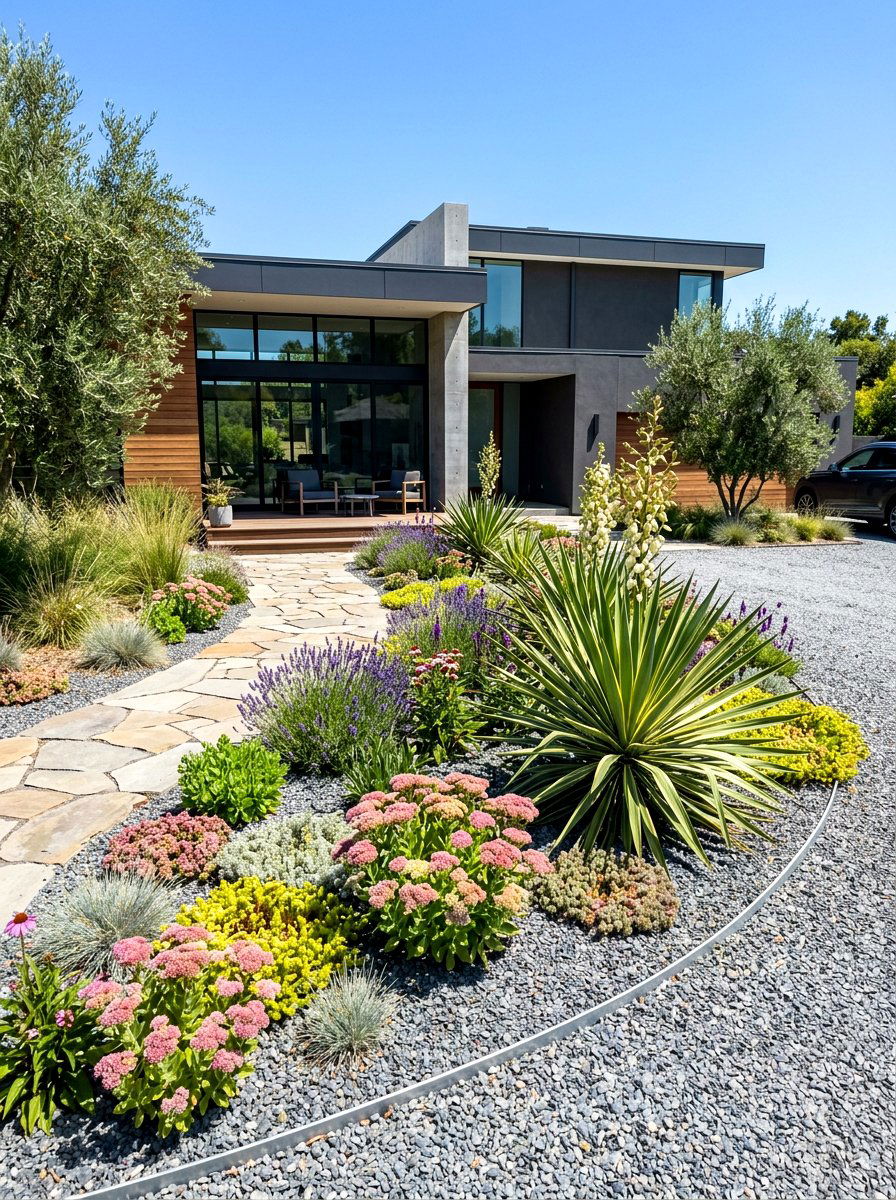
If you live in a region with limited rainfall, a drought-tolerant perennial border allows you to maintain a vibrant garden without wasting water. This design focuses on resilient plants like lavender, Russian sage, and sedum that can withstand long periods of dry heat. These species often have silver or fuzzy foliage, which helps them retain moisture while adding a unique texture to your yard. You can mix in ornamental grasses that sway beautifully in the breeze to add movement. This approach is not only environmentally friendly but also incredibly cost-effective over time. It creates a rugged, natural look that feels perfectly at home in sunny climates.
5. Modern Minimalist Garden Border
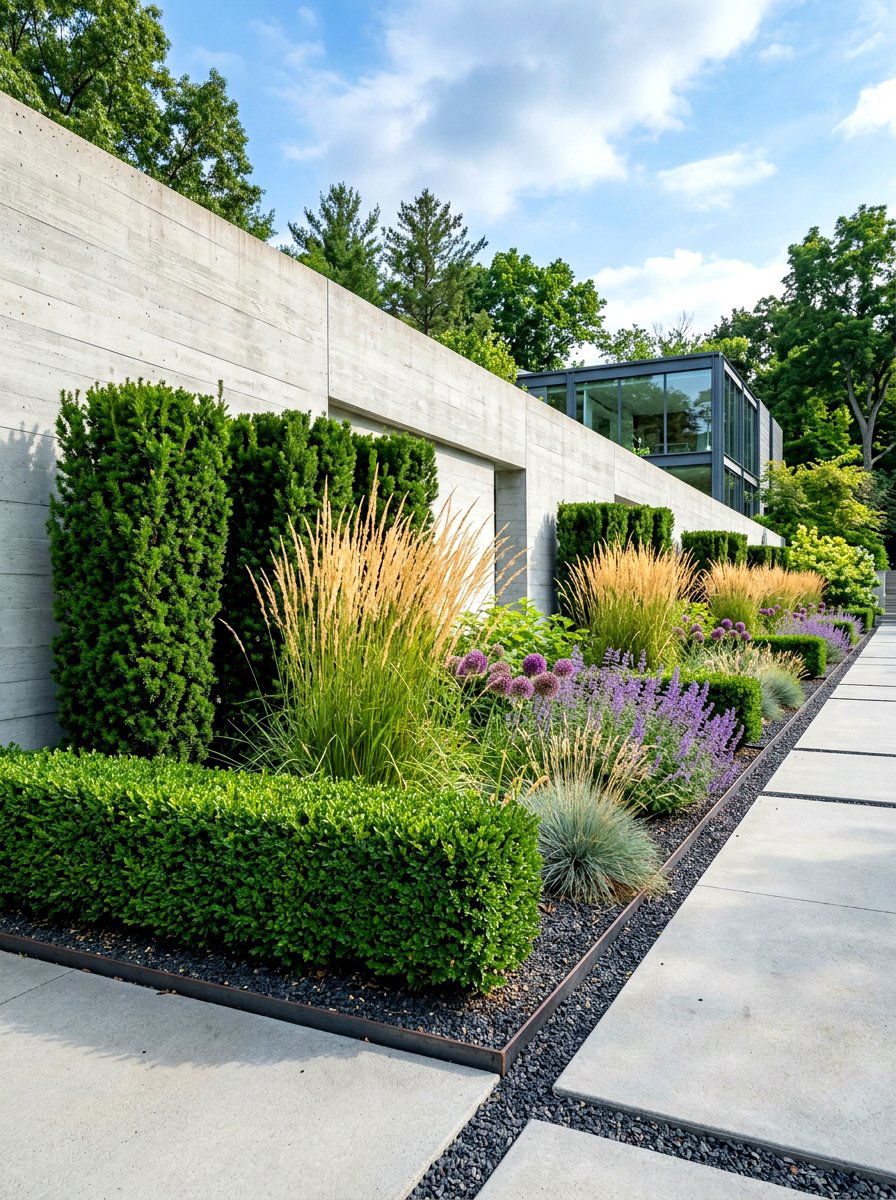
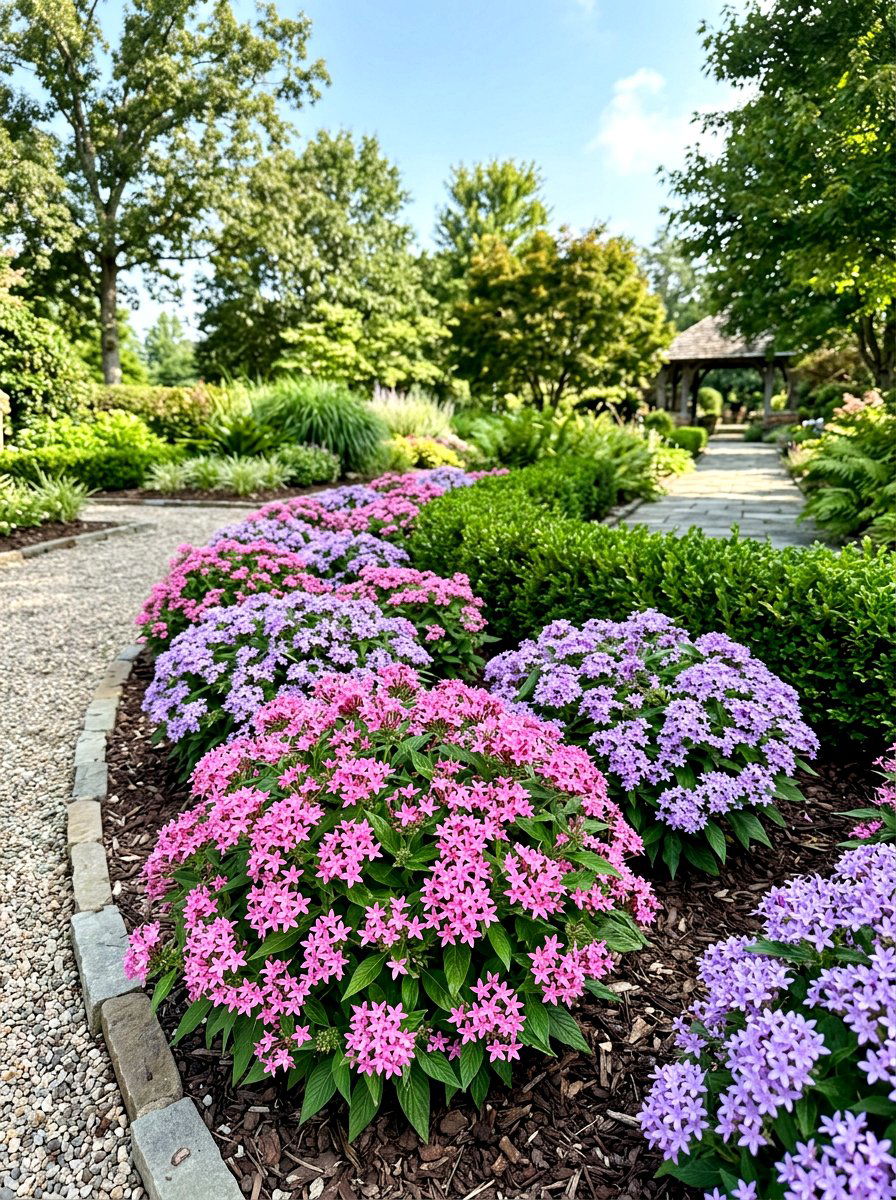
Can a garden be both simple and sophisticated at the same time? A modern minimalist garden border uses a limited palette of plants and clean lines to create a sense of calm and order. Instead of a riot of color, this style emphasizes form and repetition. You might see structured hedges of boxwood paired with tall, architectural grasses or a single species of flowering perennial planted in large drifts. This creates a powerful visual impact that complements contemporary architecture. By keeping the design uncluttered, you allow the individual beauty of each plant to shine through, resulting in a sleek and professional-looking outdoor space.
6. Winter Interest Mixed Border
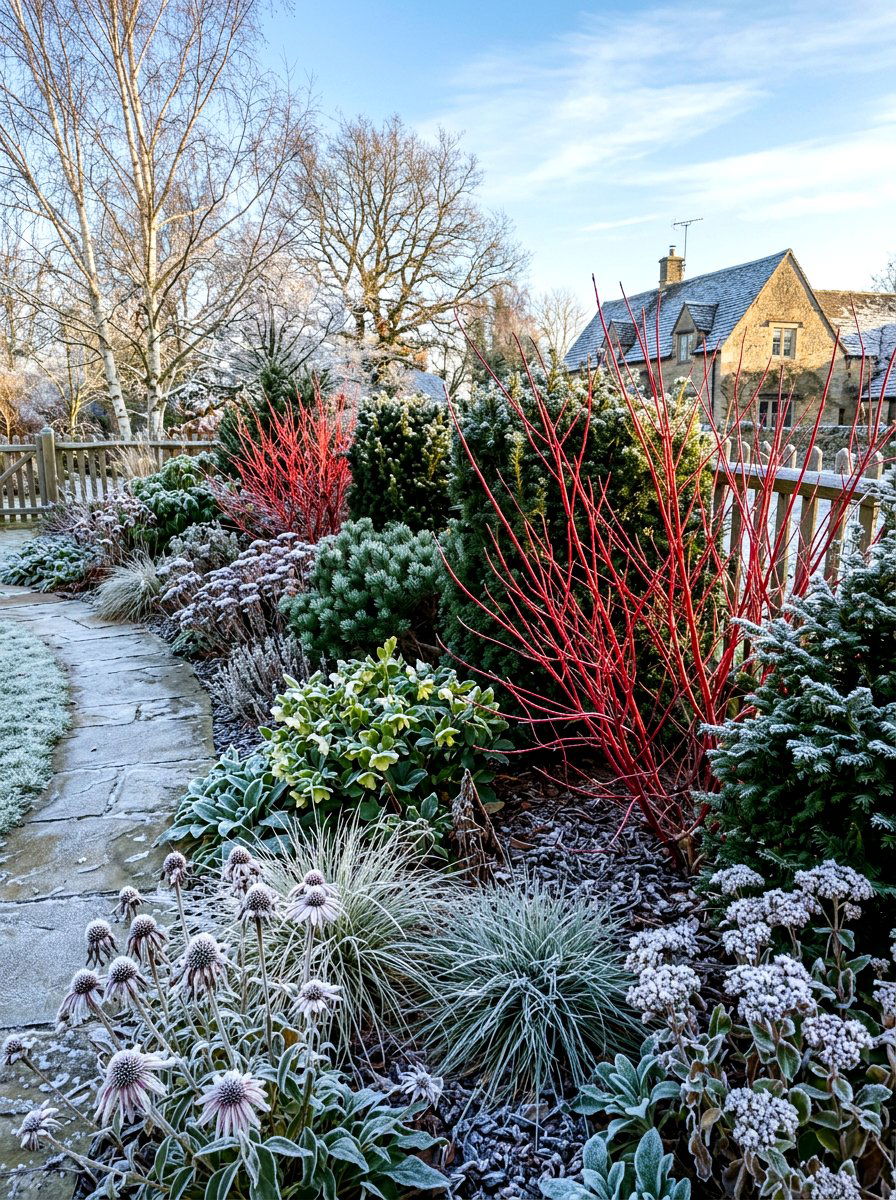
What happens to your garden when the colorful flowers of summer finally disappear? A winter interest mixed border is specifically designed to provide visual appeal during the coldest months of the year. This involves selecting plants with striking bark, like red-twig dogwood, or evergreens with unique textures and shapes. You can also include perennials with sturdy seed heads that catch the frost and snow beautifully. Berrying shrubs like winterberry or holly add pops of bright color against the gray winter sky. This thoughtful planning ensures that your landscape never looks barren or dull, providing a cheerful view from your windows all year long.
7. Wildlife Friendly Garden Border
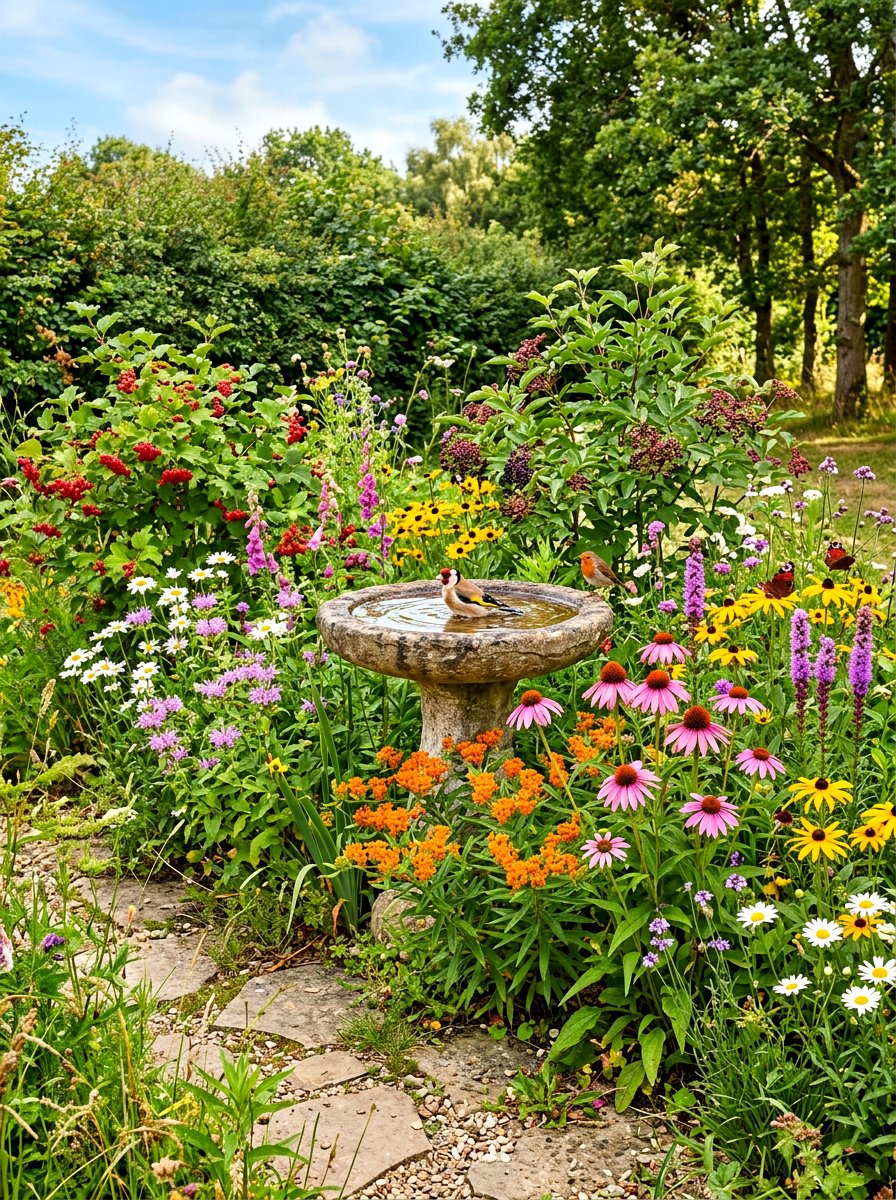
Do you enjoy watching birds and butterflies visit your backyard throughout the day? A wildlife-friendly garden border is designed to provide food and shelter for various local creatures. By incorporating native shrubs with berries, nectar-rich perennials, and even some taller grasses for nesting, you create a thriving ecosystem. It is important to avoid heavy pesticides and leave some seed heads intact for birds during the winter. This type of border is often more informal and wild in appearance, celebrating the natural beauty of your local environment. It is a rewarding way to give back to nature while enjoying a lively and ever-changing garden.
8. Mediterranean Gravel Border
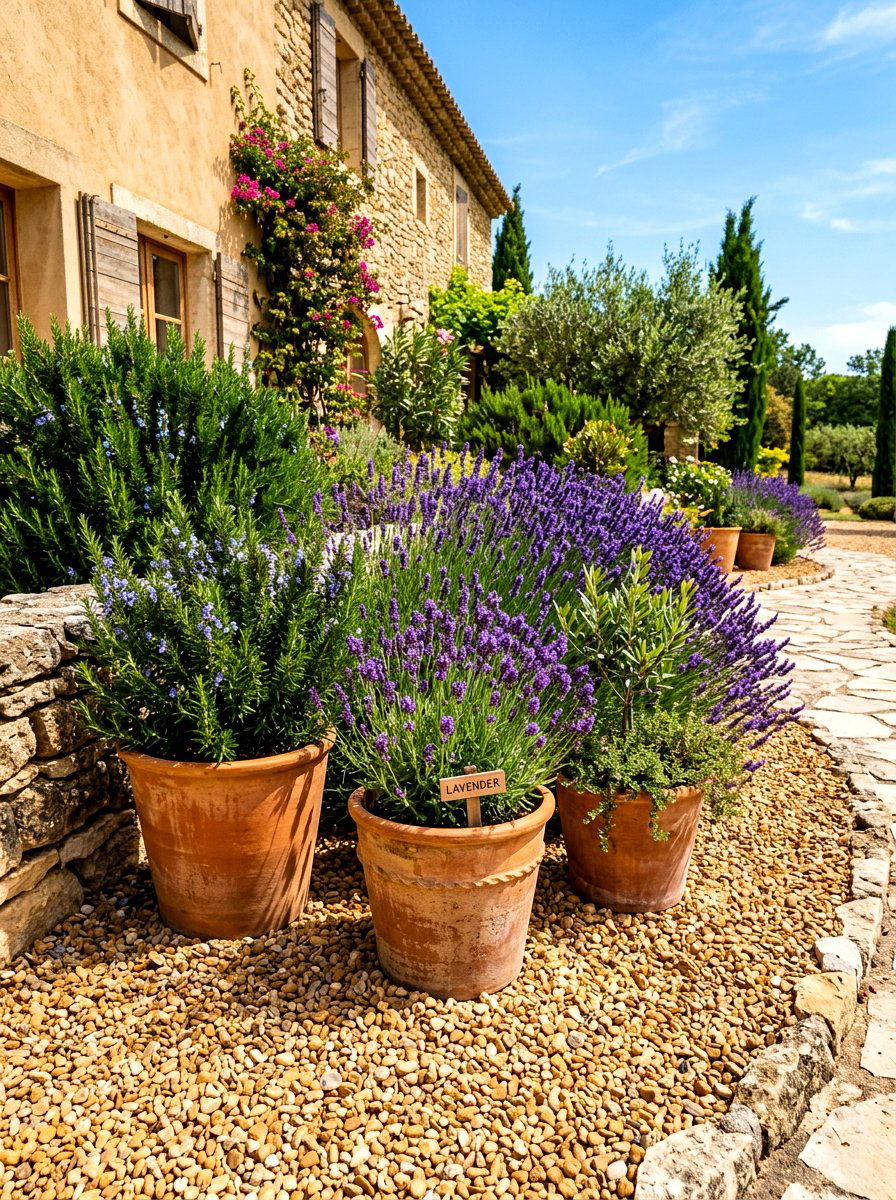
How do you create an exotic, sun-drenched feel in your own backyard? A Mediterranean gravel border uses heat-loving plants and a thick layer of stone mulch to replicate the dry, rocky landscapes of southern Europe. Plants like rosemary, thyme, and rockrose thrive in these conditions, offering both beauty and wonderful fragrance. The gravel helps keep the roots cool and prevents weeds from taking over the space. This design is particularly effective in small courtyards or south-facing gardens that get intense afternoon sun. The combination of aromatic herbs and warm stone creates a sensory experience that makes every trip outside feel like a mini vacation.
9. Small Space Mixed Border
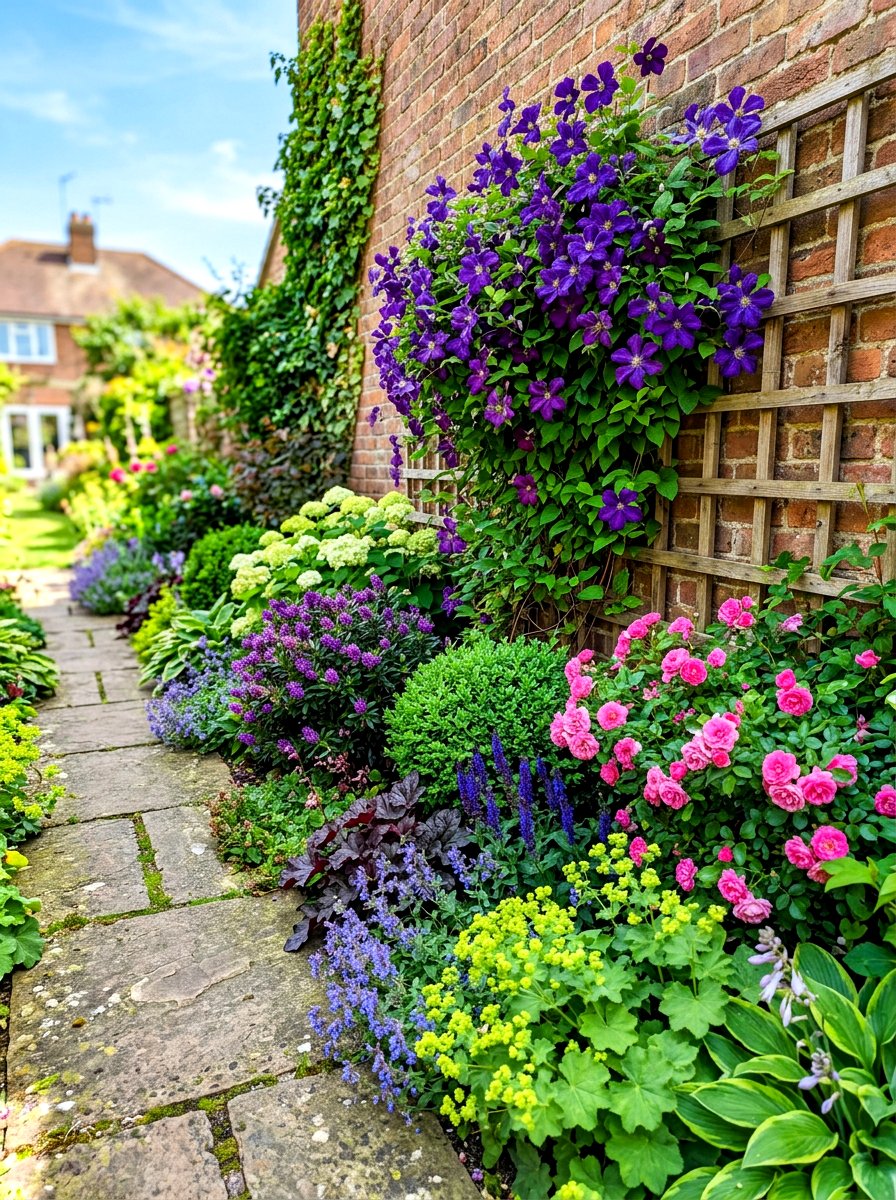
What if you only have a tiny patio or a narrow strip of land to work with? A small space mixed border maximizes every inch by focusing on verticality and compact plant varieties. You can use trellises for climbing plants like clematis to add height without taking up much ground space. Dwarf shrubs and mounding perennials provide layers of interest without overwhelming the area. The key is to choose plants that have multi-seasonal appeal, such as those with spring flowers and fall foliage. By being selective and organized, you can create a rich, detailed garden that feels much larger and more complex than its actual footprint.
10. Deer Resistant Garden Border
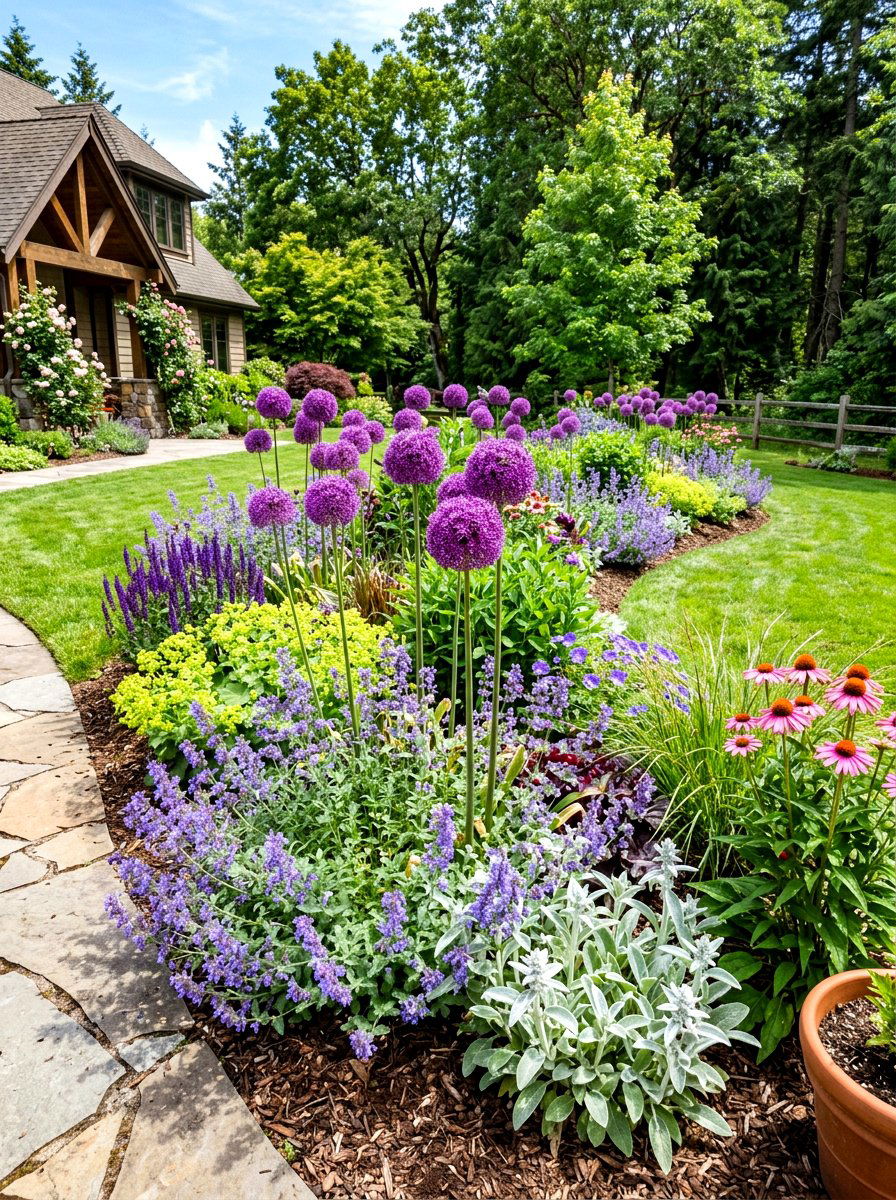
Are you tired of seeing your favorite plants chewed down to the ground by visiting wildlife? A deer-resistant garden border focuses on species that deer find unpalatable due to their scent, texture, or taste. Plants like nepeta, achillea, and ornamental onions are beautiful to look at but generally avoided by hungry deer. You can still achieve a lush, layered look by combining these tough perennials with spiny or aromatic shrubs. This allows you to maintain a gorgeous landscape without the constant need for fences or chemical repellents. It is a practical and beautiful way to coexist with the local wildlife while protecting your garden investment.
11. Fragrant Mixed Flower Border
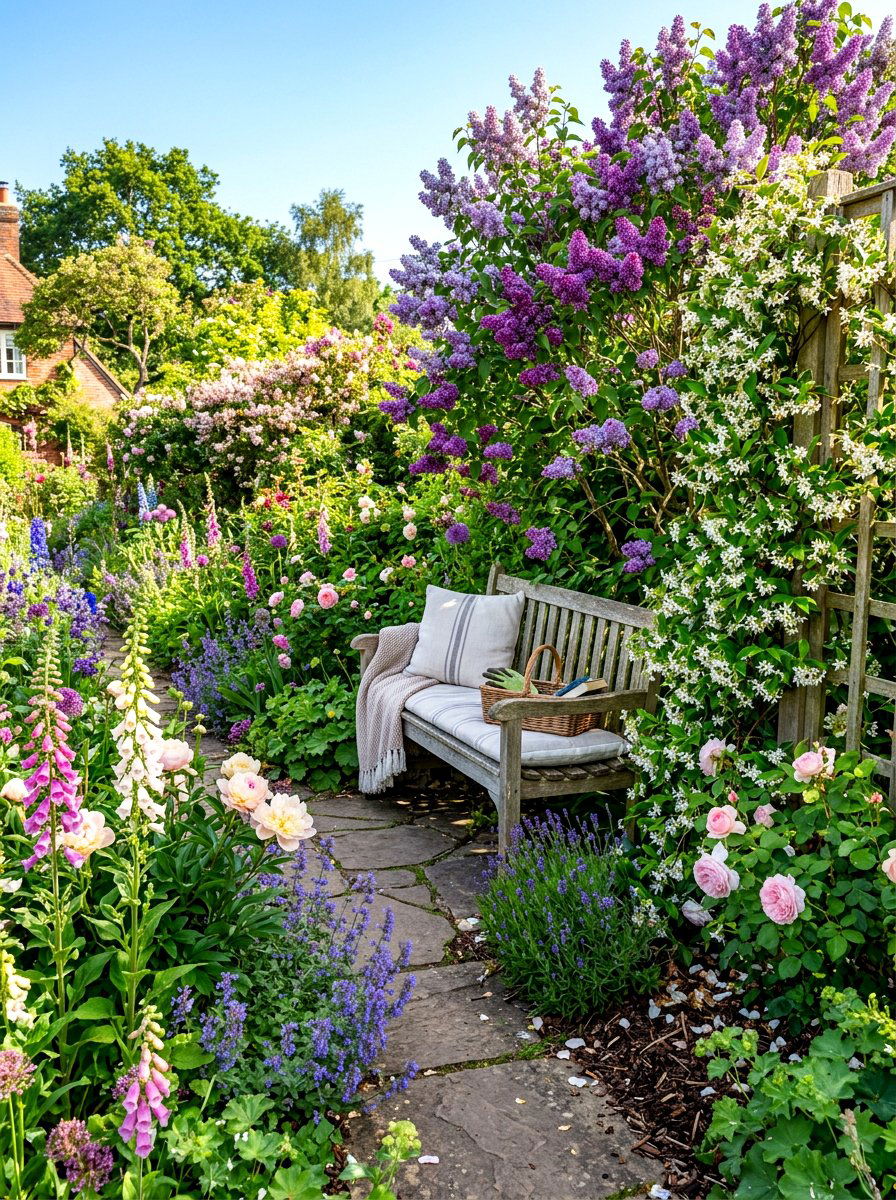
Why not design a garden that smells as good as it looks? A fragrant mixed flower border places a high priority on plants that release pleasing scents at different times of the day. You might include lilacs for spring, roses for summer, and sweet autumn clematis for the later months. Positioning these plants near a seating area or an open window allows you to fully enjoy their perfume. Mixing in aromatic herbs like mint or lavender adds another layer of scent whenever you brush past them. This sensory-focused approach creates an immersive experience that makes your garden a truly relaxing and therapeutic place to spend time.
12. Tropical Style Garden Border
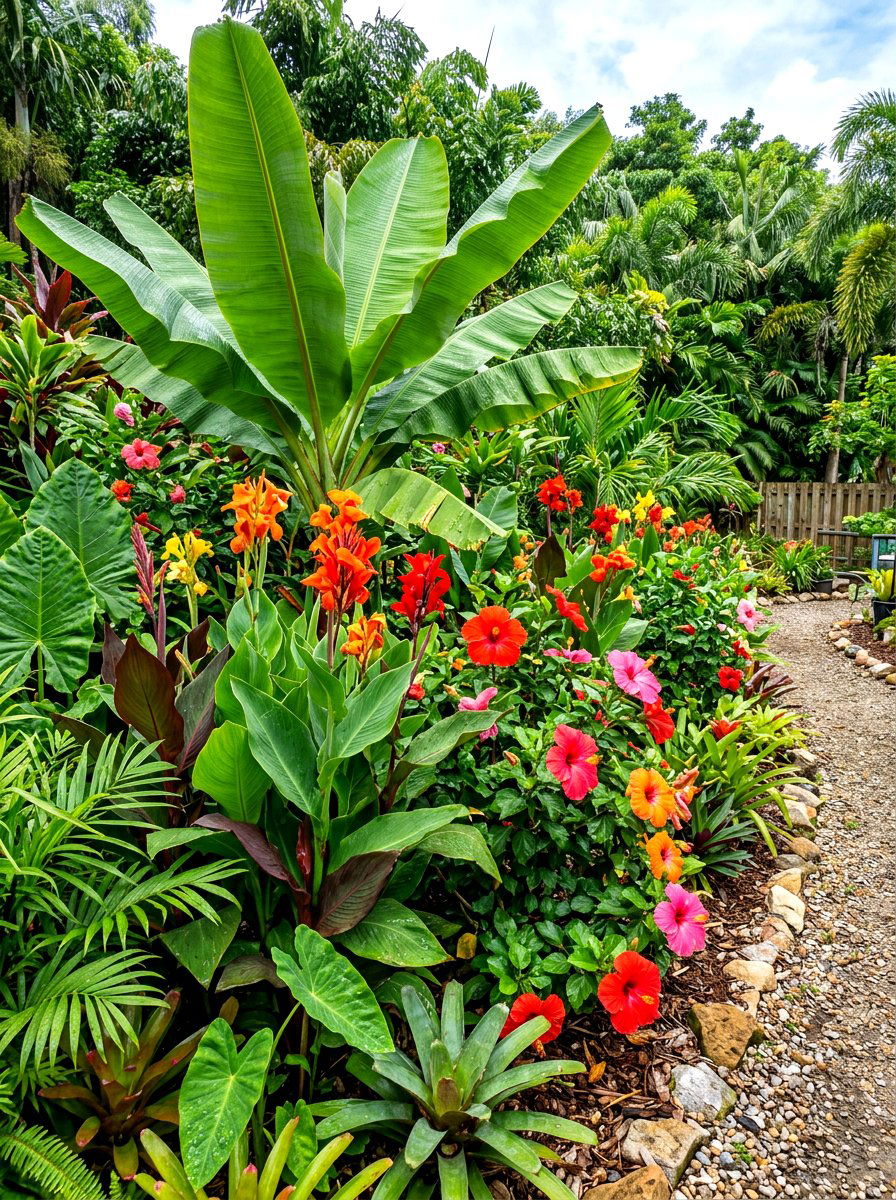
Can you bring the lush feel of the tropics to a cooler climate? A tropical style garden border uses large-leafed plants and bold colors to create a jungle-like atmosphere. You can use hardy palms, giant hostas, and even some types of canna lilies to achieve this look. The goal is to have leaves of different sizes and shapes overlapping to create a sense of abundance and mystery. While some plants may need to be brought indoors for winter, many "look-alike" hardy species can stay outside all year. This style is perfect for creating a dramatic focal point that feels exotic and exciting in any backyard.
13. Hot Color Perennial Border
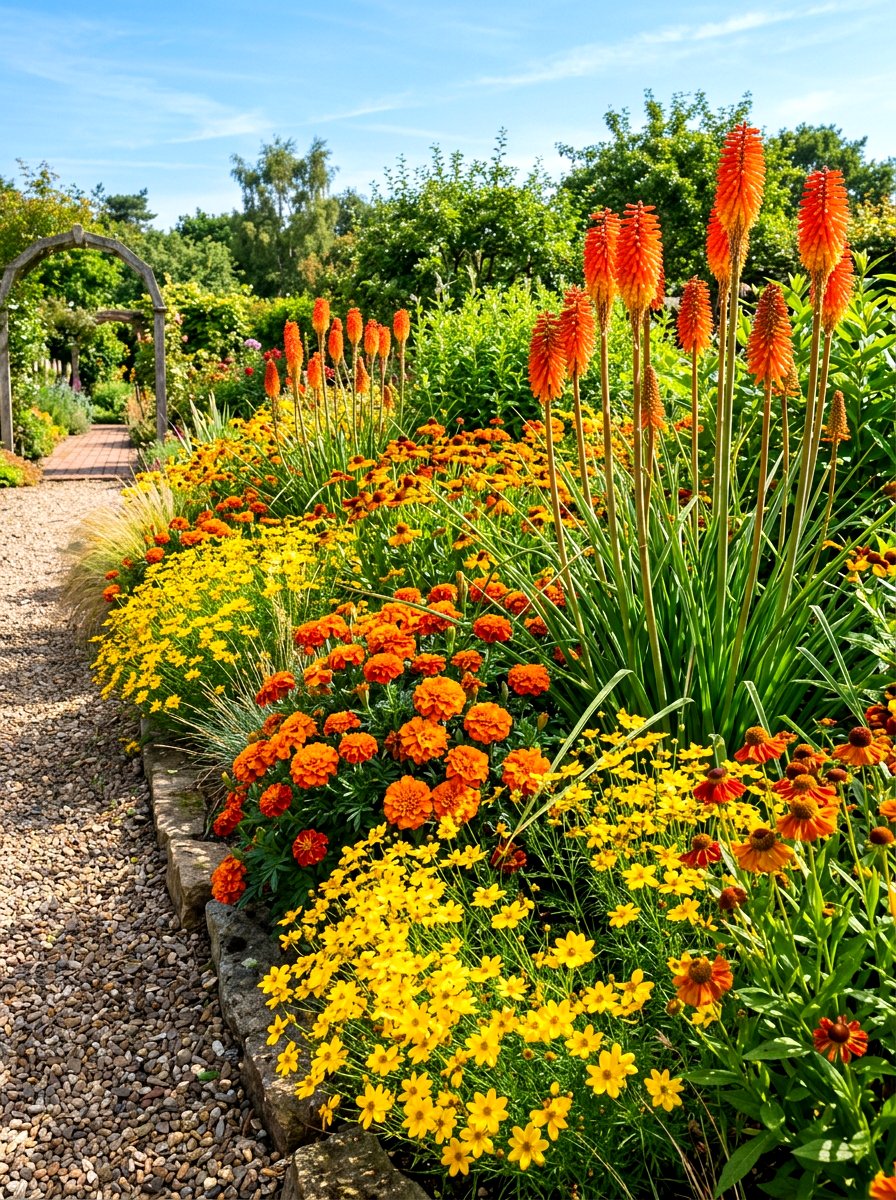
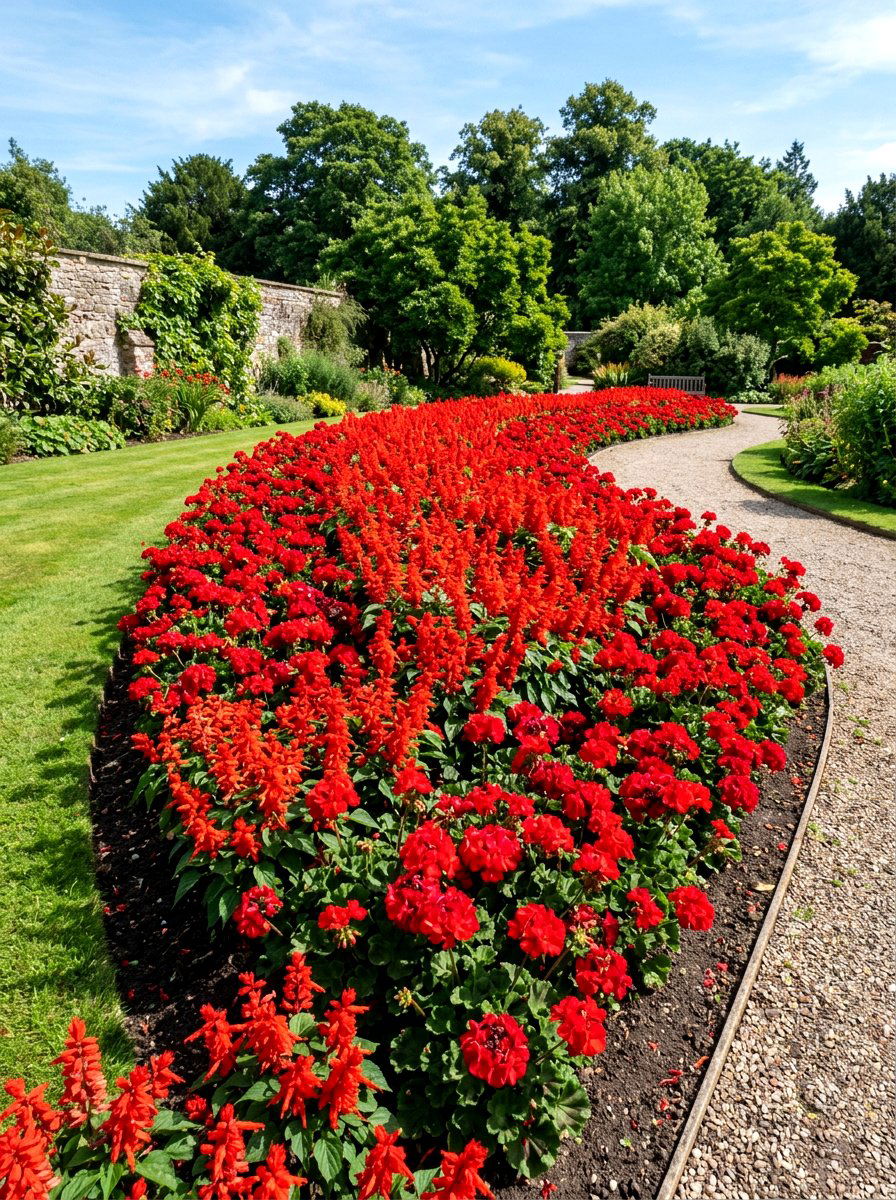
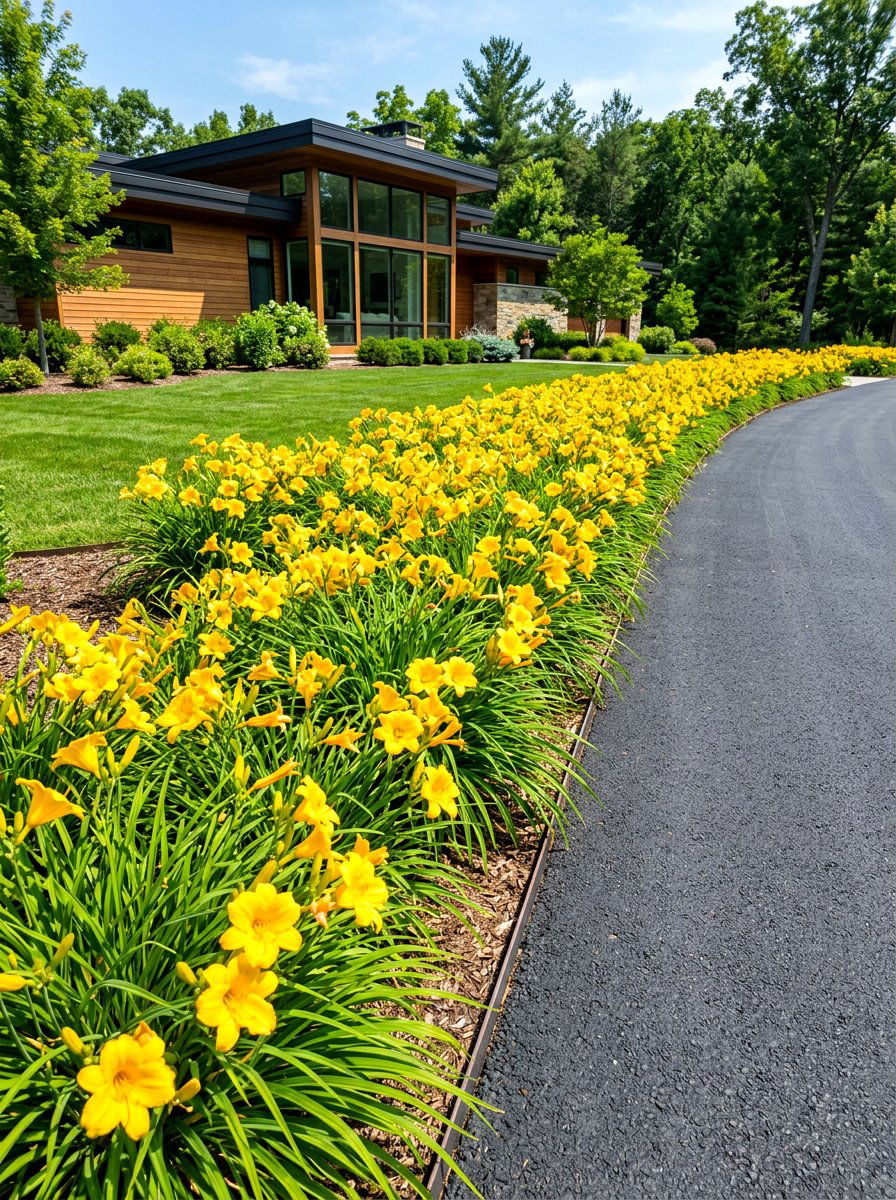
Do you love bold, energetic colors that make a statement from across the yard? A hot color perennial border focuses on vibrant reds, oranges, and bright yellows. This high-energy palette is perfect for sunny spots and creates a cheerful, sun-kissed vibe. You can use plants like crocosmia, coreopsis, and red hot pokers to build a fiery display. To keep the look cohesive, you might mix in some dark bronze foliage or deep green shrubs for contrast. This type of border is particularly striking during the peak of summer when the light is most intense. It is an excellent way to add excitement and warmth to your landscape.
14. Monochromatic White Garden Border
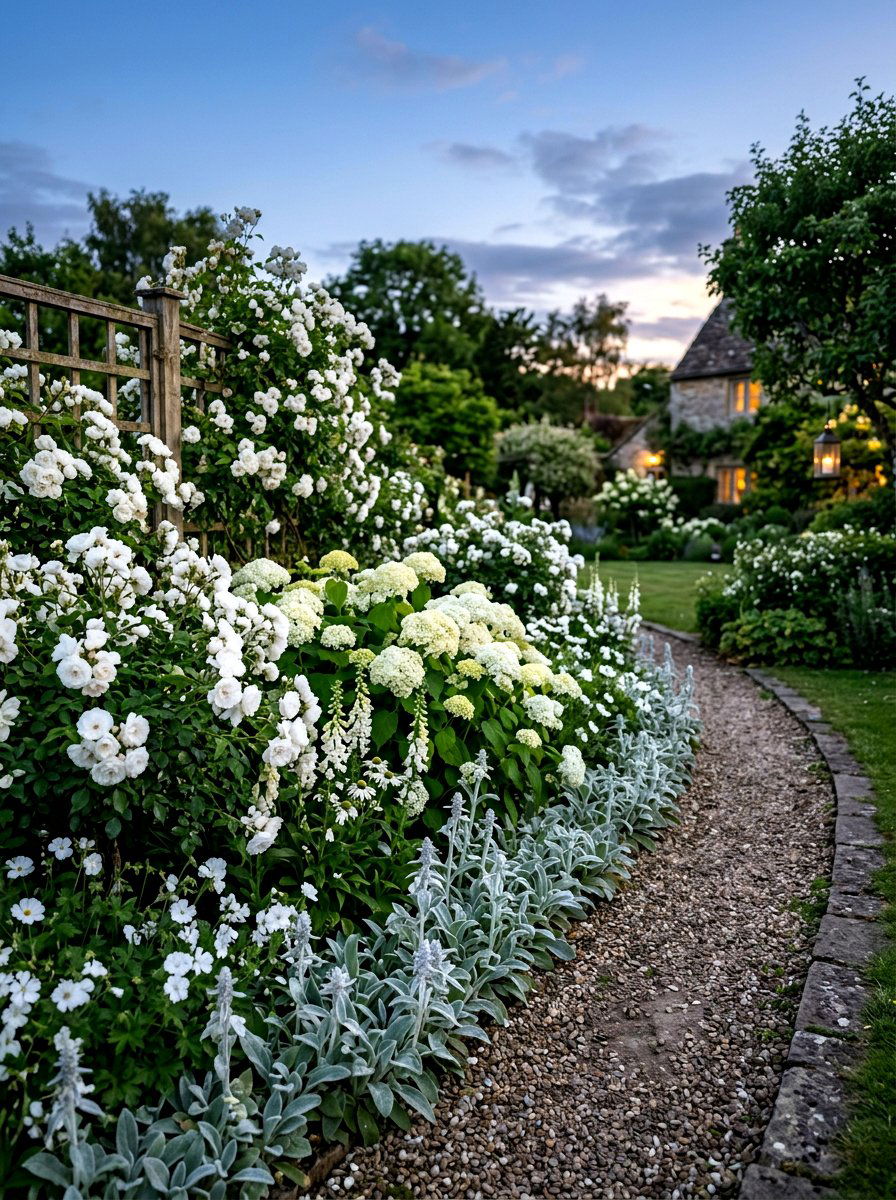
Is there anything more elegant and peaceful than a garden filled entirely with white flowers? A monochromatic white garden border, often called a "moon garden, " is designed to shine in the twilight and evening hours. White blooms reflect the moonlight, making the garden appear to glow after the sun goes down. To make this work, you must vary the textures of the foliage and the shapes of the flowers. Using silver-leaved plants like lamb's ear or dusty miller adds even more luminosity to the design. This sophisticated approach creates a serene and timeless look that feels incredibly high-end and meticulously planned for maximum relaxation.
15. Prairie Style Planting Border
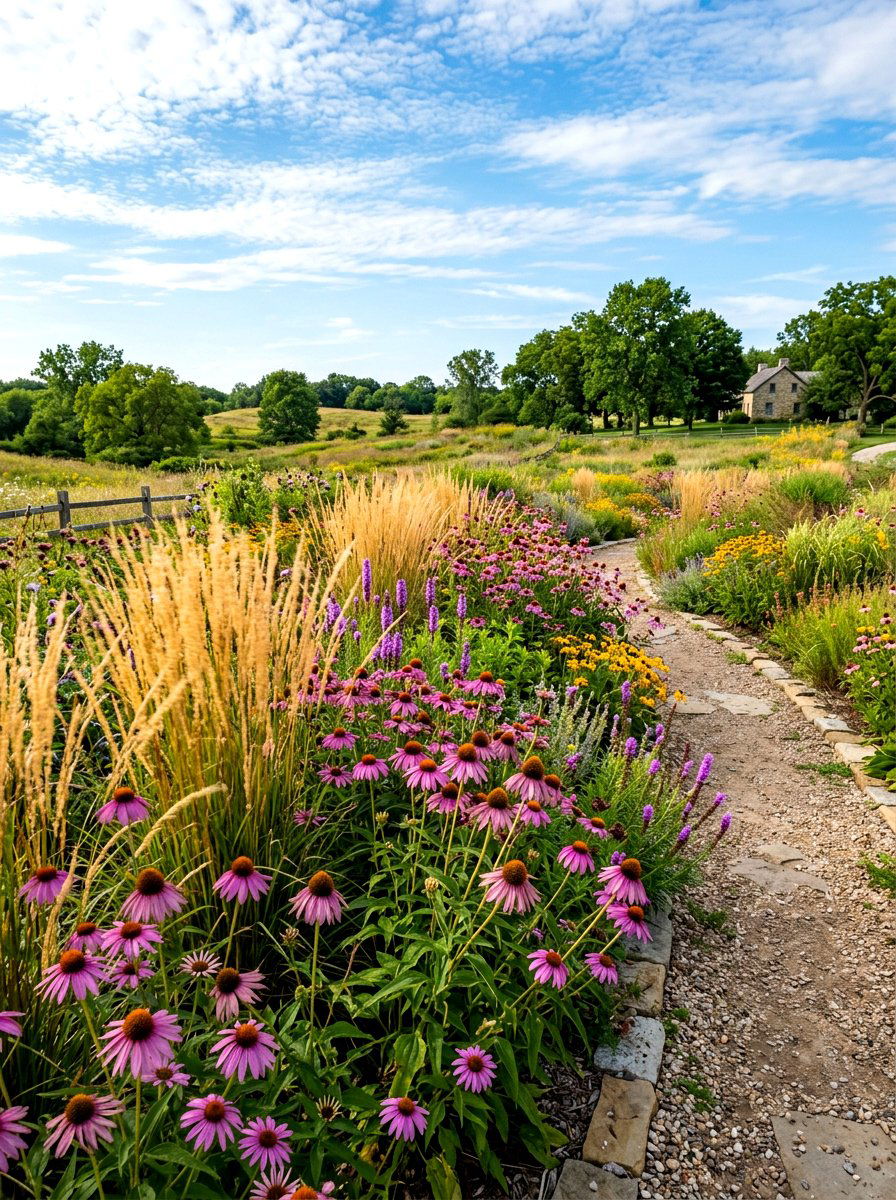
How can you capture the vast, open beauty of a natural meadow in your own yard? A prairie style planting border uses a mix of native grasses and hardy wildflowers to create a resilient and moving landscape. Instead of traditional rows, plants are placed in drifts that intermingle naturally. Tall grasses provide a soft, hazy background for colorful pops of coneflowers and black-eyed Susans. This style is incredibly low maintenance once established and provides vital habitat for pollinators. The way the grasses sway and change color in the autumn adds a dynamic element that traditional borders often lack, making your garden feel alive and spirited.
16. Formal Boxwood Mixed Border
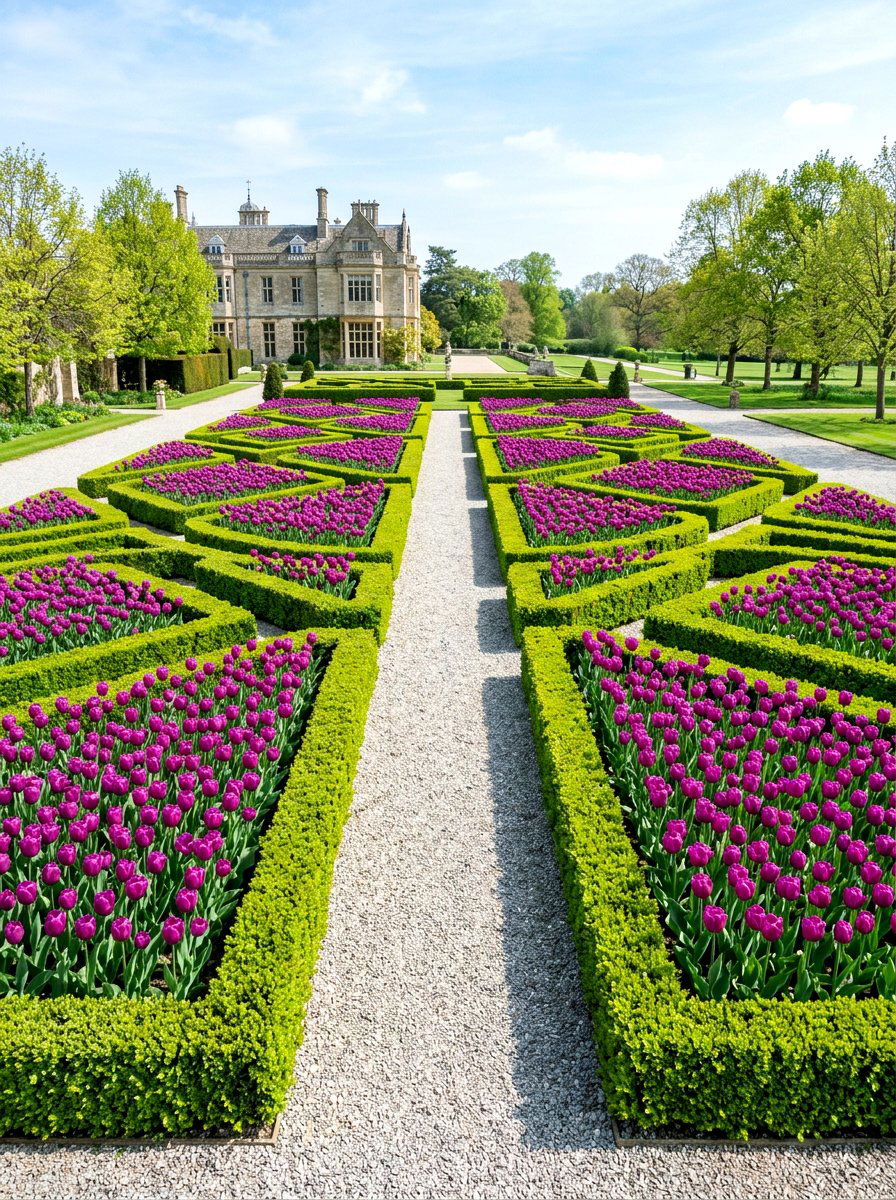
Do you prefer a garden that looks neat, structured, and perfectly organized? A formal boxwood mixed border uses clipped evergreen hedges to create a clear framework for other plants. Inside these green "walls, " you can plant symmetrical rows of perennials or seasonal bulbs. This style is inspired by classic European estate gardens and brings a sense of timeless elegance to any home. The contrast between the rigid, manicured hedges and the softer, flowing flowers inside creates a beautiful visual balance. It is a great way to define pathways and separate different areas of your yard while maintaining a polished and professional look throughout the year.
17. Rose And Perennial Border
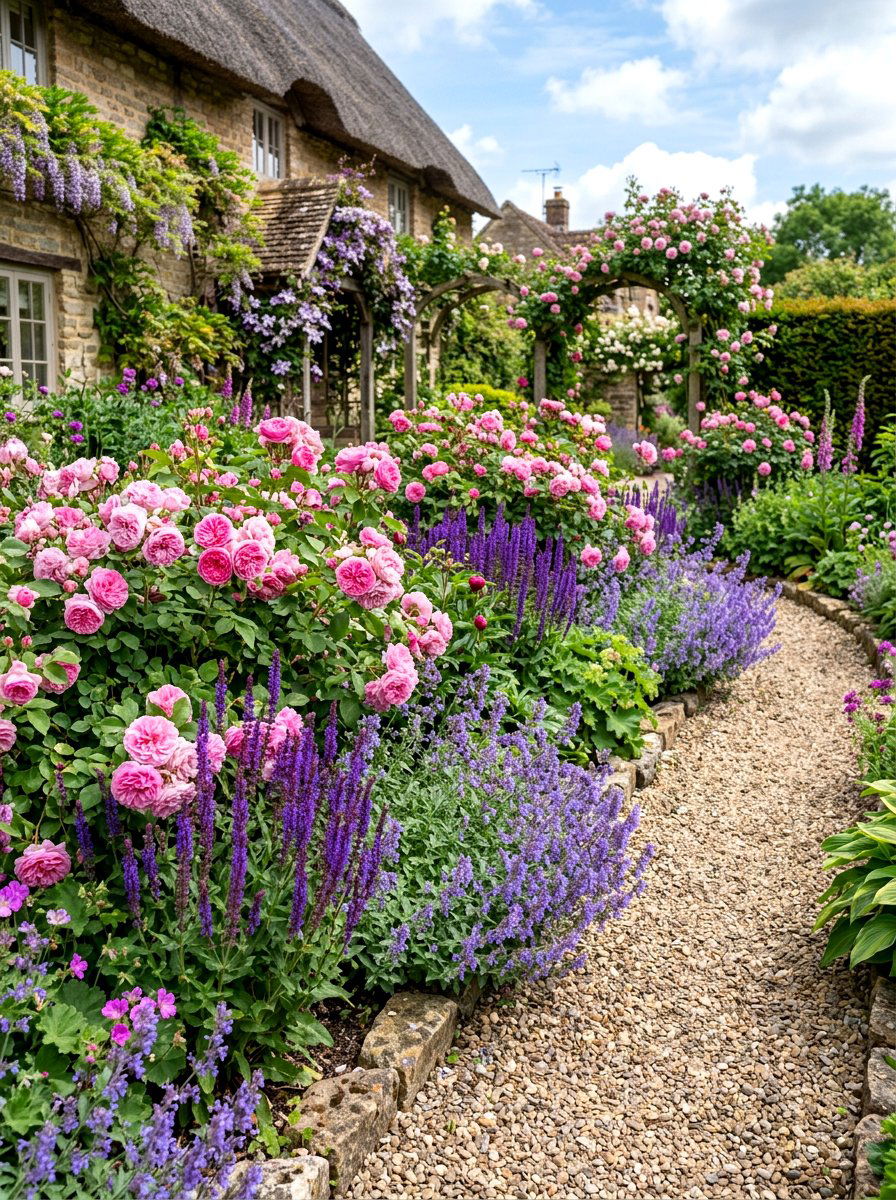
How do you make a traditional rose garden feel more modern and easier to care for? A rose and perennial border mixes various types of roses with hardy companion plants like catmint and salvia. This not only provides a longer season of interest but also helps hide the often "leggy" bases of the rose bushes. The companion plants can also help deter pests and attract beneficial insects. By choosing disease-resistant shrub roses, you can enjoy the beauty and fragrance of roses without the high maintenance usually associated with them. This combination creates a lush, romantic look that feels classic yet updated for today's busy homeowner.
18. Pollinator Friendly Garden Border
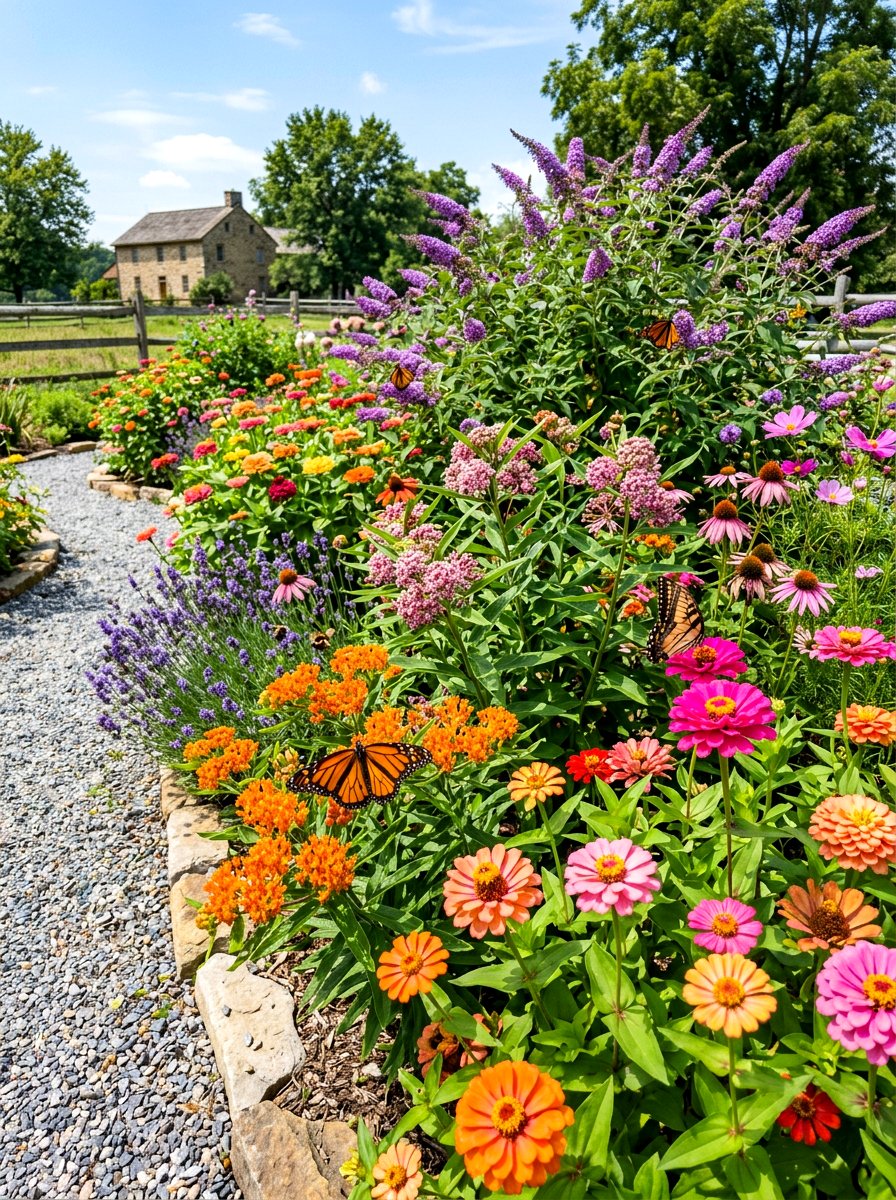
Are you looking for a way to help the bees and butterflies in your neighborhood? A pollinator-friendly garden border is filled with nectar-rich flowers that bloom in succession from early spring to late fall. You should include a variety of flower shapes, as different pollinators prefer different types of blooms. Lavender, zinnia, and butterfly bush are all excellent choices that are easy to grow. It is also important to provide some host plants for caterpillars, such as milkweed for monarchs. This type of border is usually very colorful and lively, making it a joy to observe as different insects visit throughout the day.
19. Coastal Style Garden Border
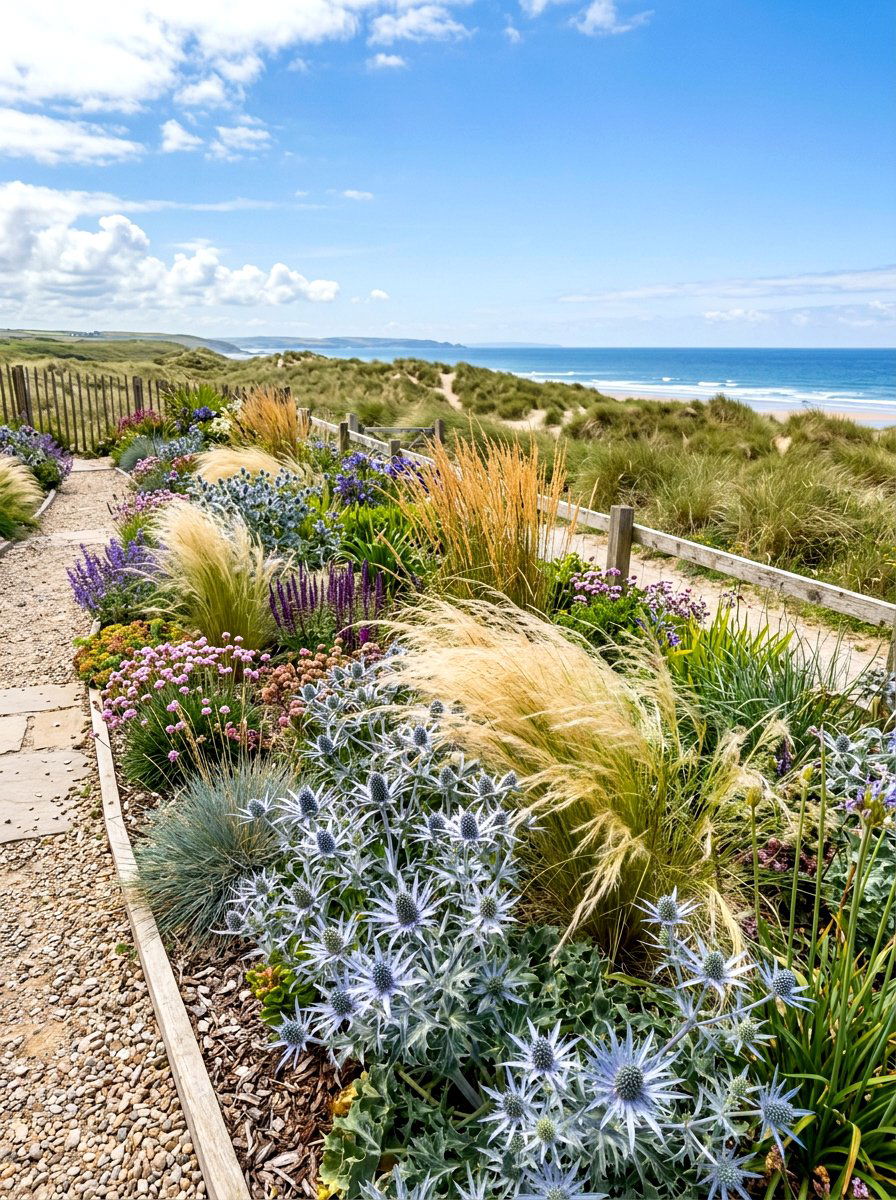
How do you design a garden that can withstand salty air and sandy soil? A coastal style garden border uses resilient plants that are naturally adapted to seaside conditions. You might see a mix of ornamental grasses, sea holly, and rugged shrubs that can handle the wind. The color palette often focuses on soft blues, silvers, and sandy tones to reflect the surrounding environment. Using weathered wood or local stone as edging can further enhance the beach-inspired aesthetic. Even if you don't live near the ocean, this style creates a breezy, relaxed atmosphere that feels like a permanent summer getaway in your own backyard.
20. Contemporary Grass Garden Border
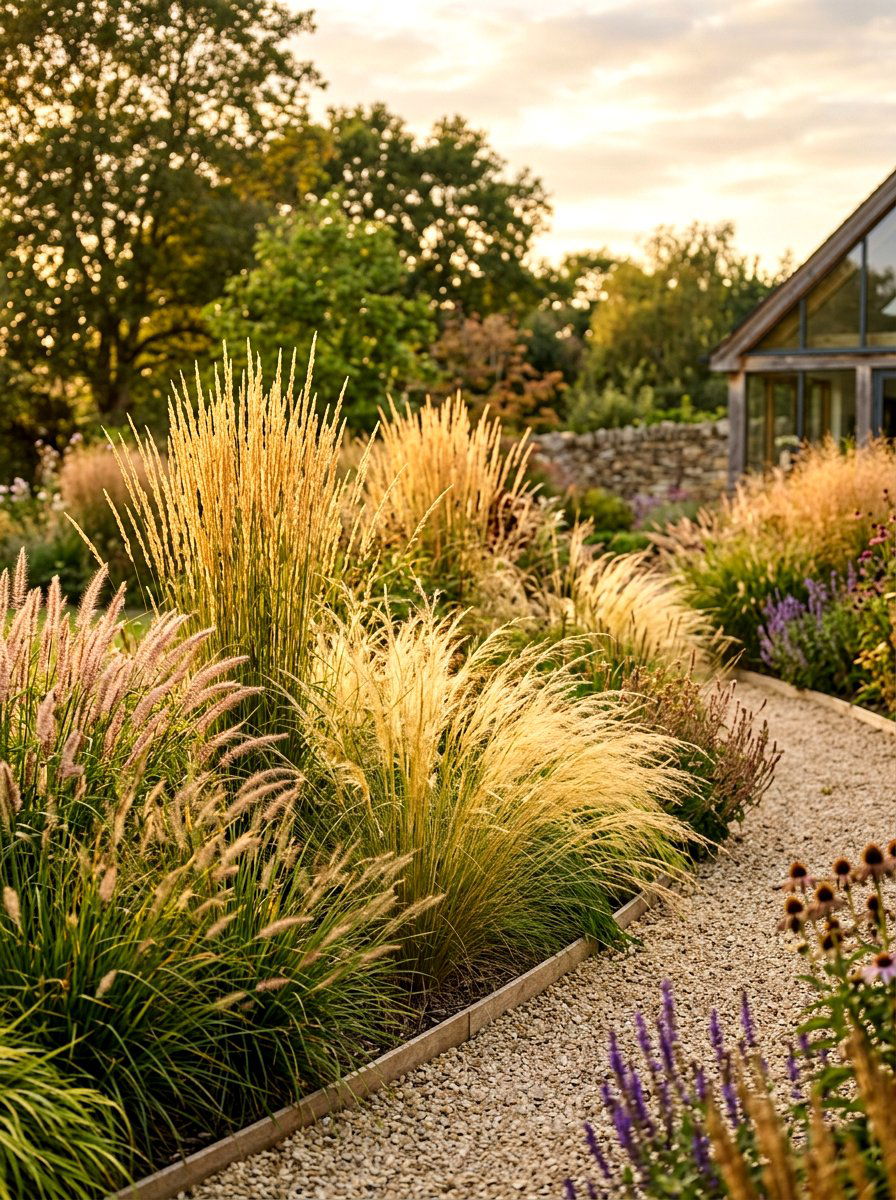
Can a garden focus primarily on texture and movement rather than just flowers? A contemporary grass garden border uses a variety of ornamental grasses to create a soft, ethereal look. These plants range from tiny blue fescues to towering miscanthus, offering a wide array of heights and colors. Because grasses are mostly green or gold, the focus shifts to the way they catch the light and move in the wind. You can add a few structural perennials for a bit of seasonal color, but the grasses remain the stars. This design is very low maintenance and looks particularly stunning in the late afternoon sun.
21. Vertical Layered Mixed Border
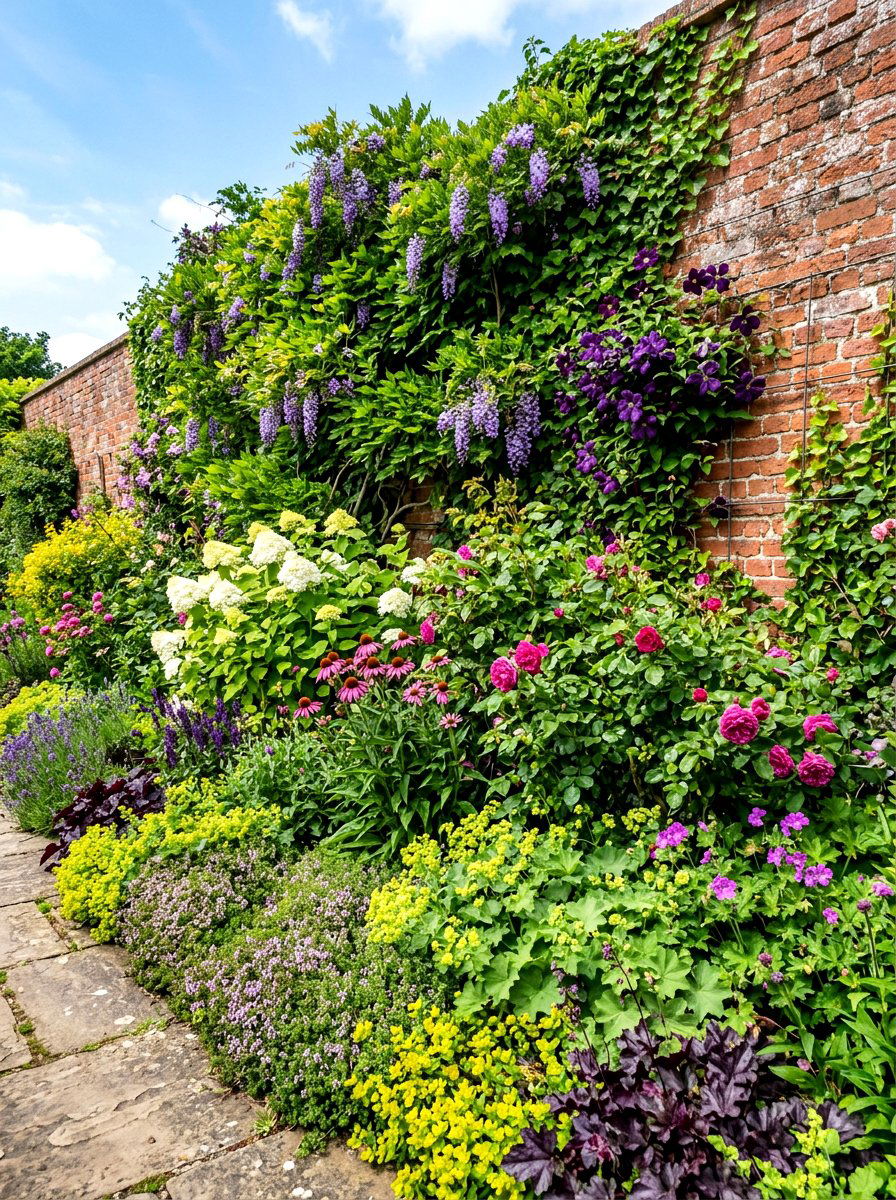
What is the secret to making a narrow garden bed look incredibly deep and complex? A vertical layered mixed border focuses on using every level of space, from the ground up to the sky. You start with low groundcovers, move to medium perennials, then add tall shrubs, and finally use climbing vines on the wall or fence behind. This creates a wall of greenery and color that draws the eye upward and makes the entire space feel more immersive. By choosing plants with different leaf sizes, you can create a sense of perspective that fools the eye into thinking there is more room than there actually is.
22. Woodland Edge Mixed Border
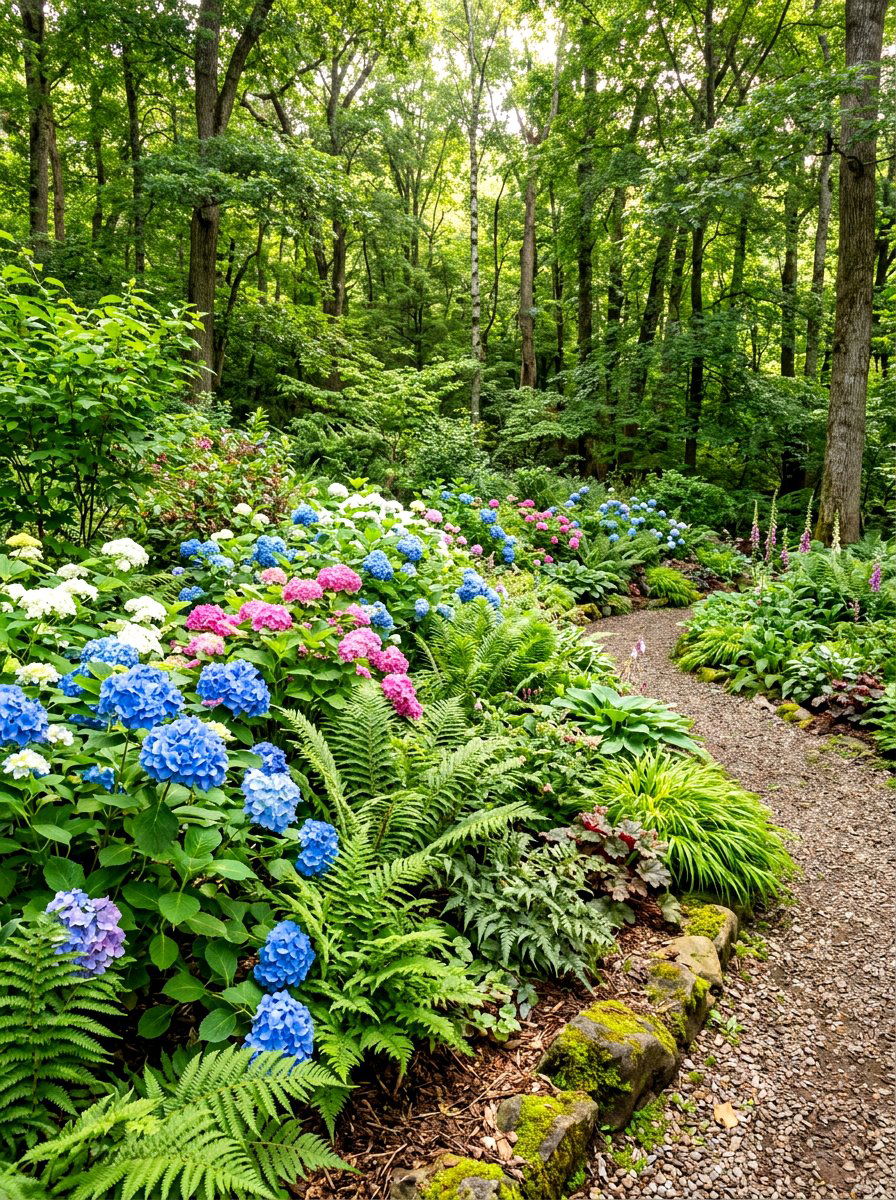
How do you bridge the gap between a manicured lawn and a more natural wooded area? A woodland edge mixed border uses a combination of native shrubs and shade-tolerant perennials to create a soft transition. This style mimics the way plants grow naturally at the forest's edge, where they get a mix of sun and shade. You might see hydrangeas, azaleas, and wildflowers like columbine growing together in a relaxed arrangement. This approach is great for larger properties where you want to maintain a sense of connection to the surrounding landscape. It creates a peaceful, natural-looking boundary that requires very little intervention once it is fully established.
23. Sunny Backyard Perennial Border
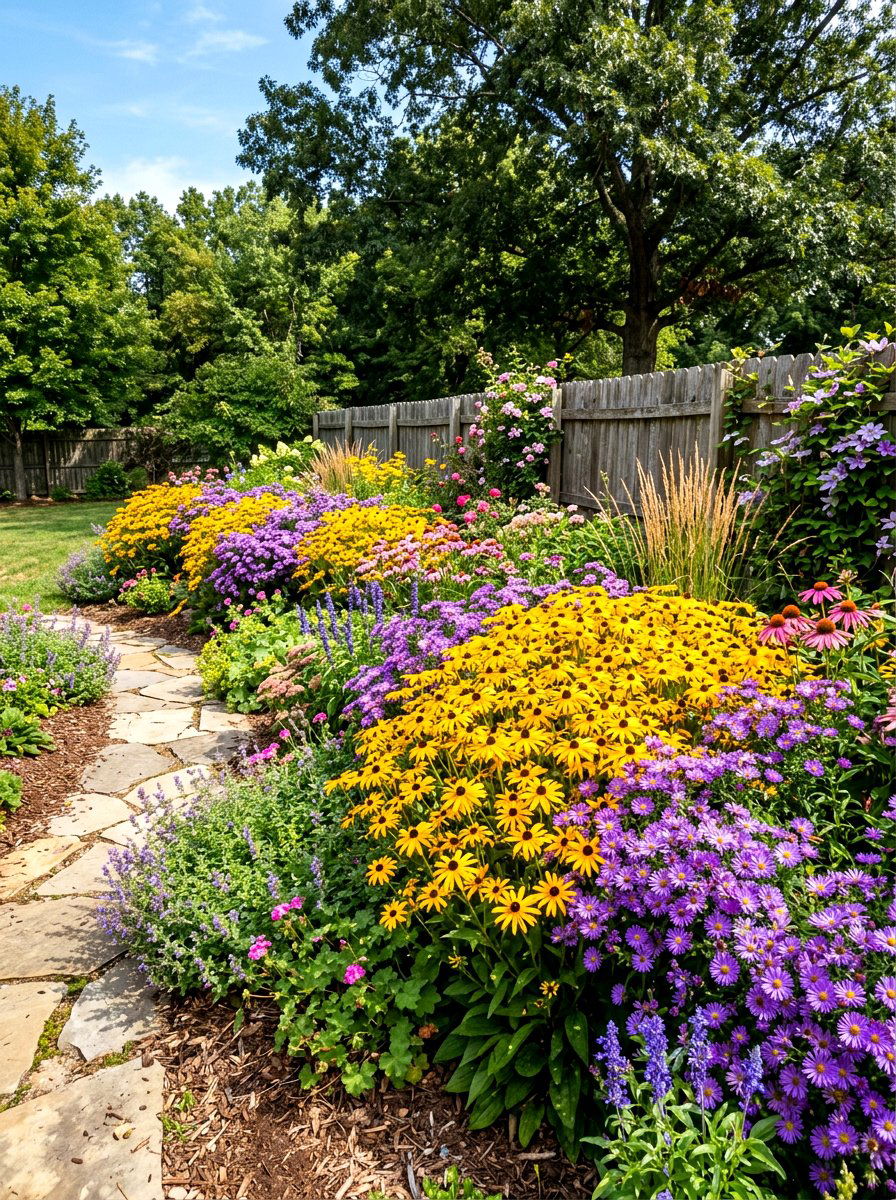
Do you have a wide-open backyard that gets sun all day long? A sunny backyard perennial border is the perfect place to grow a wide variety of colorful, sun-loving flowers. From towering sunflowers to low-growing sedums, the options are almost endless. The key to a successful sunny border is to group plants with similar water needs together and use plenty of mulch to keep the roots cool. You can create large drifts of color by planting in groups of three or five. This creates a vibrant, high-impact display that can be seen from inside the house, making your outdoor space feel like a natural extension of your home.
24. Texture Focused Mixed Border
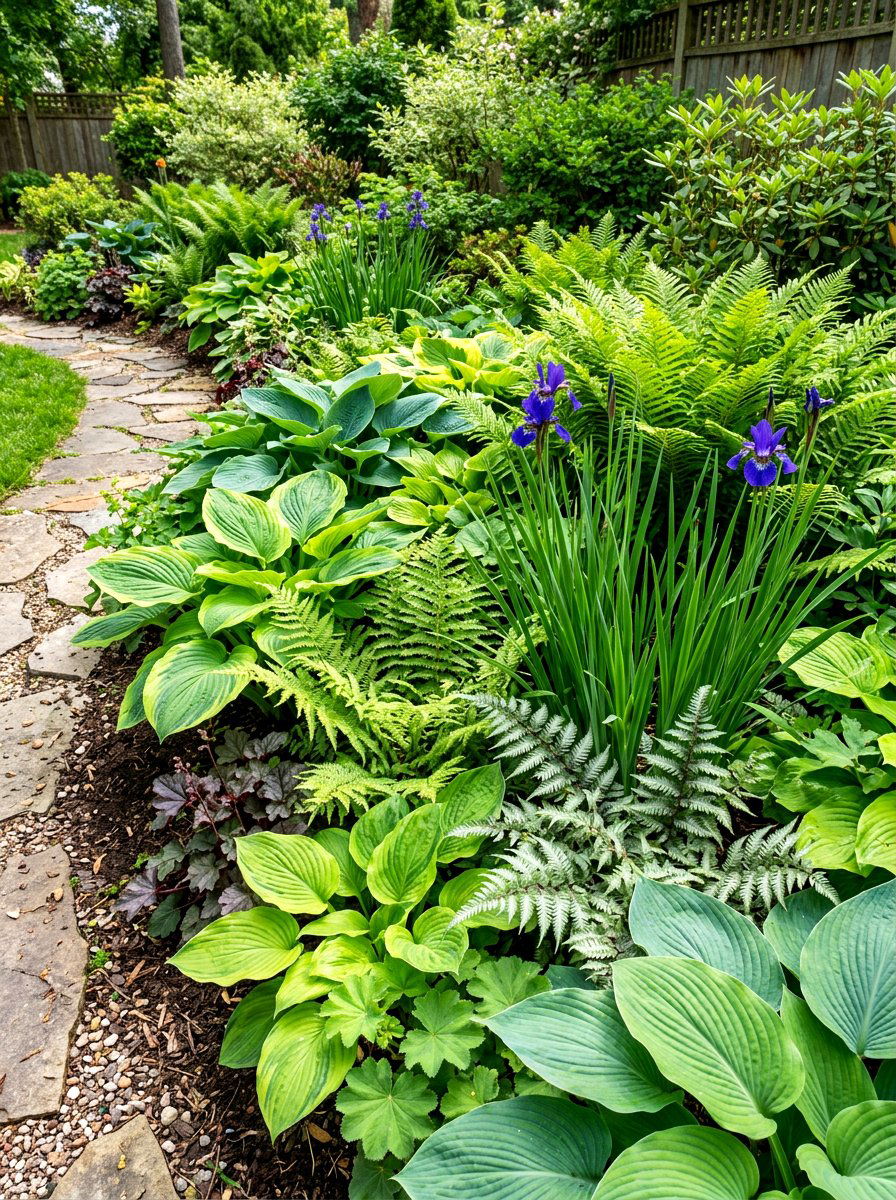
What if you ignored the flowers and chose plants based solely on how their leaves look and feel? A texture-focused mixed border uses a variety of foliage types, from soft and fuzzy to sharp and architectural, to create visual interest. You might pair the large, smooth leaves of a hosta with the fine, feathery fronds of a fern or the spiky blades of an iris. This creates a sophisticated and subtle design that remains interesting even when nothing is in bloom. By playing with different shades of green, variegated patterns, and even purple or bronze foliage, you can build a garden that is rich in detail and character.
25. Blue And Purple Flower Border
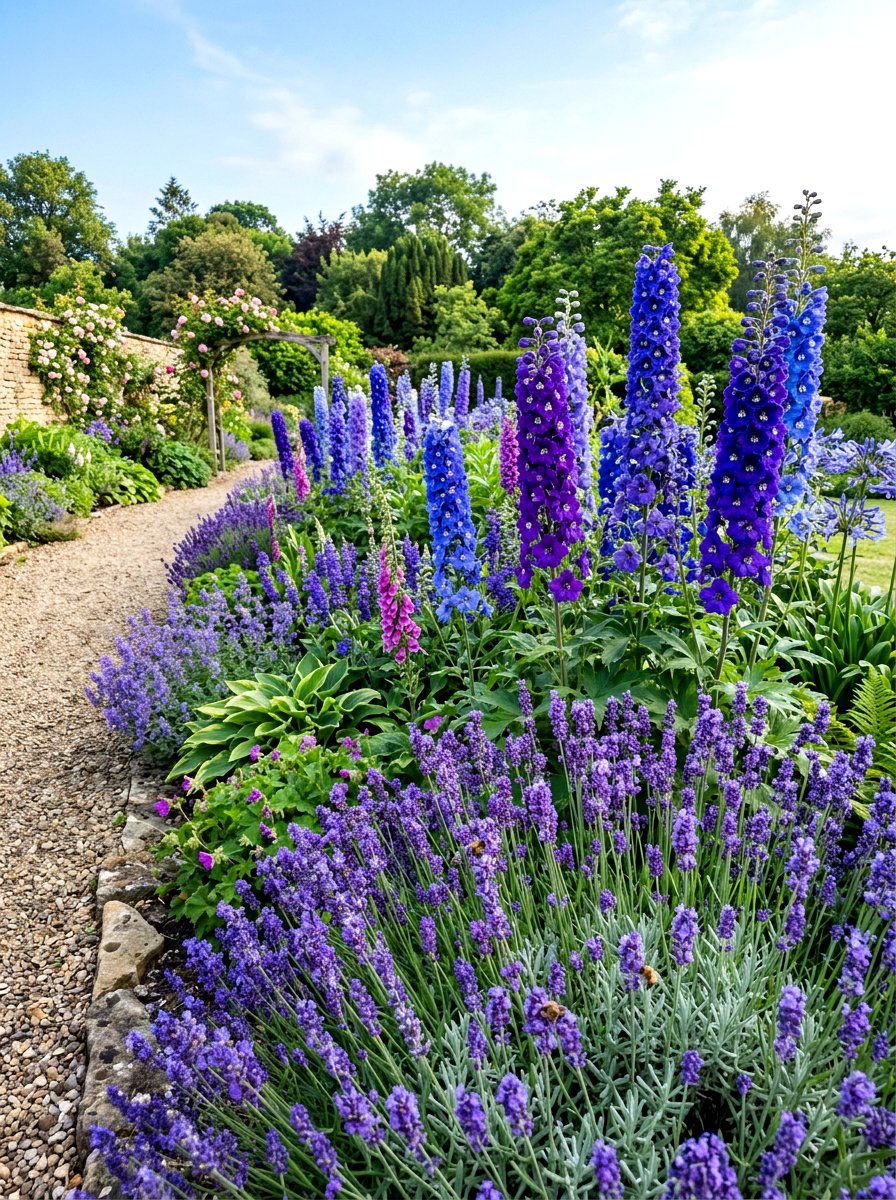
Is there a more calming and sophisticated color combination for a garden than blue and purple? A blue and purple flower border uses a cool color palette to create a sense of serenity and depth. These colors tend to recede visually, which can actually make a small garden feel larger. You can use plants like salvia, lavender, catmint, and delphiniums to achieve this look. To keep the design from feeling too dark, you might mix in some silver foliage or a few pale pink accents. This type of border looks especially beautiful in the soft light of early morning or late evening, providing a peaceful retreat from a busy day.
26. Japanese Inspired Garden Border
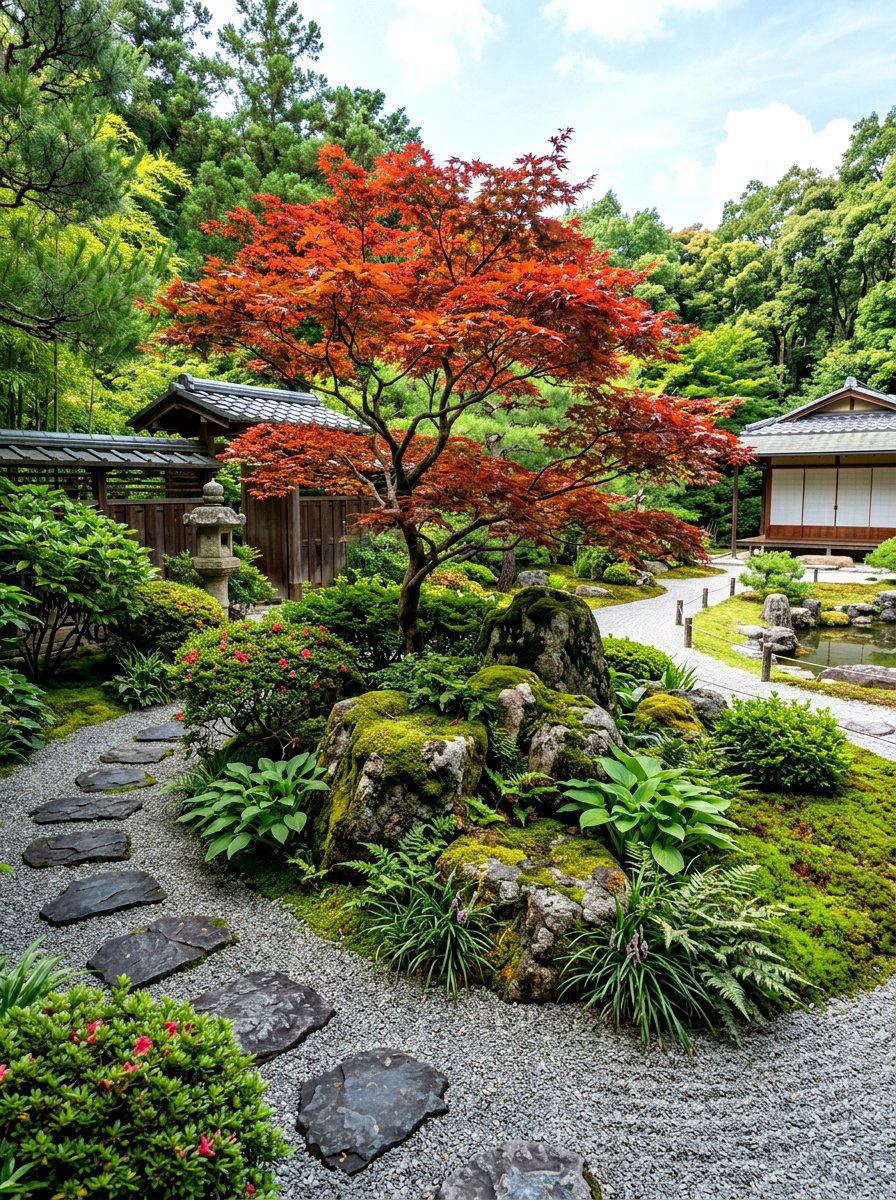
How can you create a garden that feels like a work of art and a place for meditation? A Japanese-inspired garden border uses carefully placed stones, manicured evergreens, and graceful maples to create a sense of balance and harmony. Every element is chosen for its symbolic meaning and visual weight. You might see mossy groundcovers paired with clipped azaleas and a single, perfectly placed boulder. This style is not about having the most flowers, but about creating a peaceful composition that encourages reflection. It is an excellent choice for a quiet corner of the yard where you can sit and enjoy the subtle beauty of nature.
27. Front Yard Mixed Border
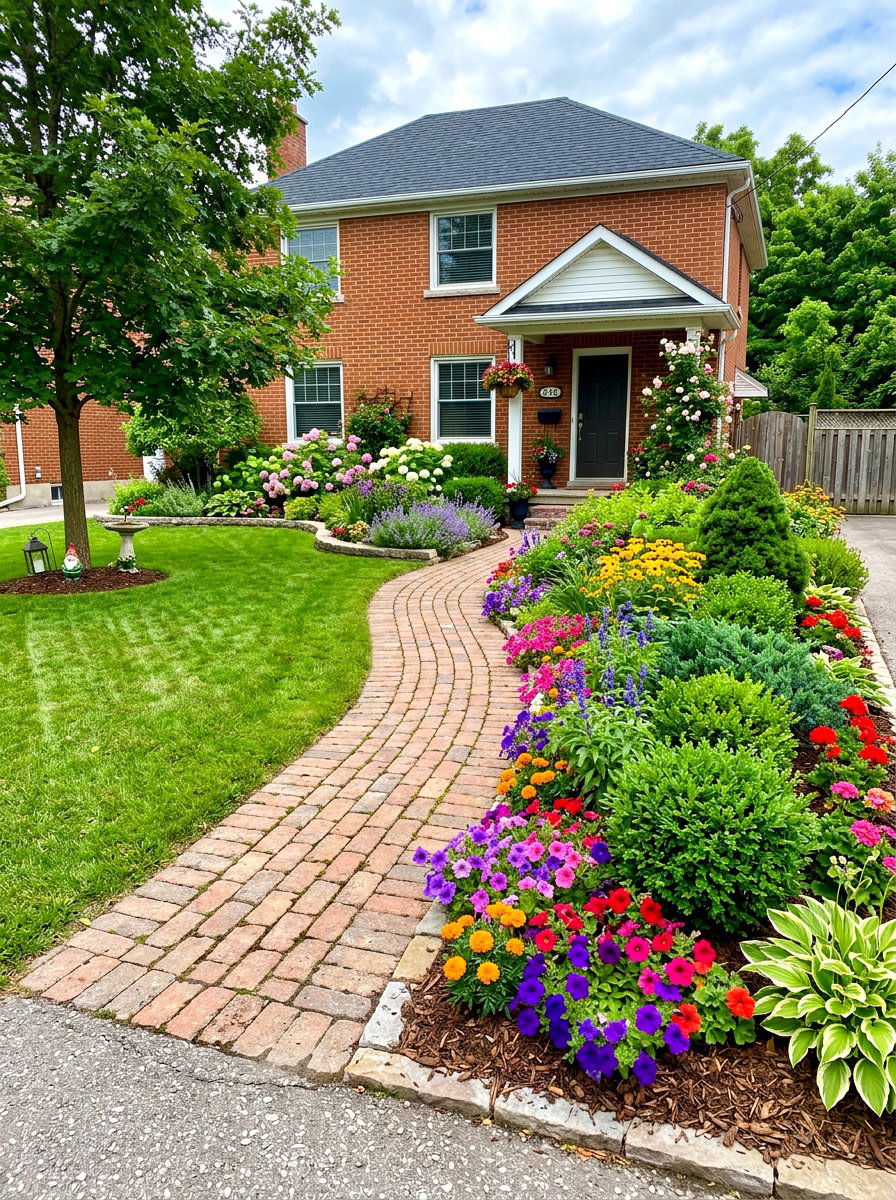
How do you create a welcoming first impression for anyone who visits your home? A front yard mixed border replaces a traditional lawn with a layered arrangement of shrubs and flowers that provide year-round interest. This adds significant curb appeal and makes your house stand out in the neighborhood. You should choose plants that look good throughout the seasons and maintain a tidy habit so they don't block windows or walkways. Using a mix of evergreens ensures that the house looks inviting even in the winter. A well-designed front border is a great way to express your personal style before anyone even walks through the door.
28. Edible Landscape Mixed Border
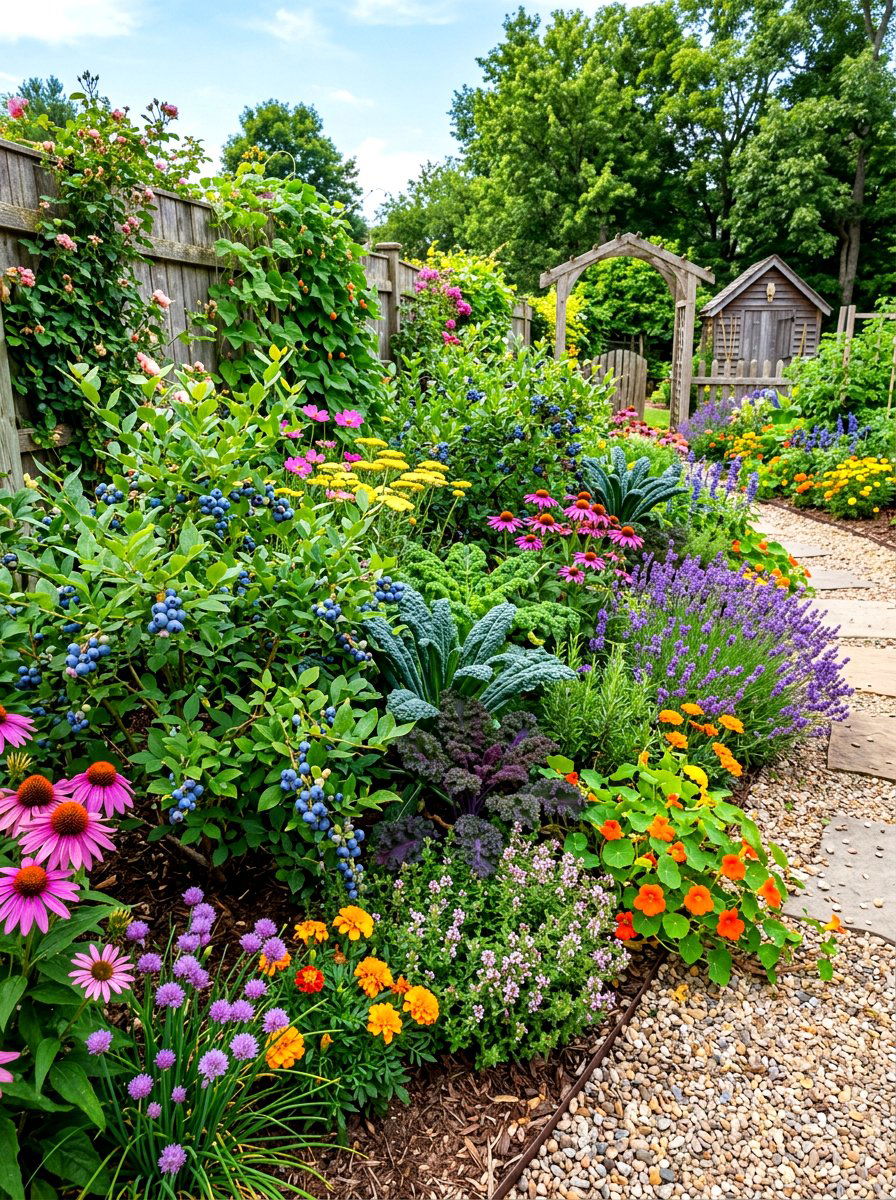
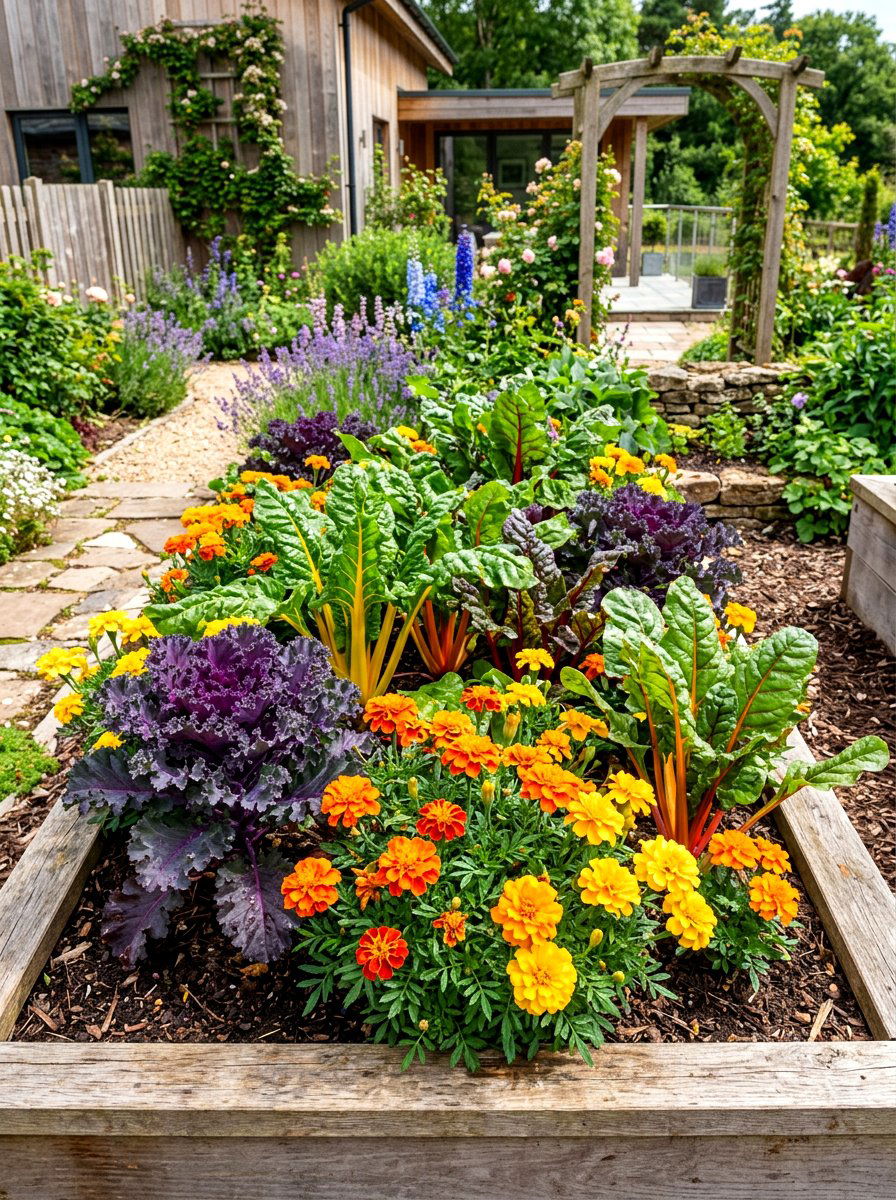
Can your garden be both beautiful to look at and delicious to eat? An edible landscape mixed border blends traditional ornamental plants with fruit-bearing shrubs, herbs, and even some vegetables. You might see blueberry bushes used as a hedge, kale planted alongside marigolds, or rosemary used as a structural shrub. This approach maximizes the utility of your yard while maintaining a high level of aesthetic appeal. Many edible plants have attractive foliage or flowers, so they fit right in with a mixed border. It is a practical and satisfying way to grow your own food without needing a separate, hidden vegetable patch.
29. Fall Color Garden Border
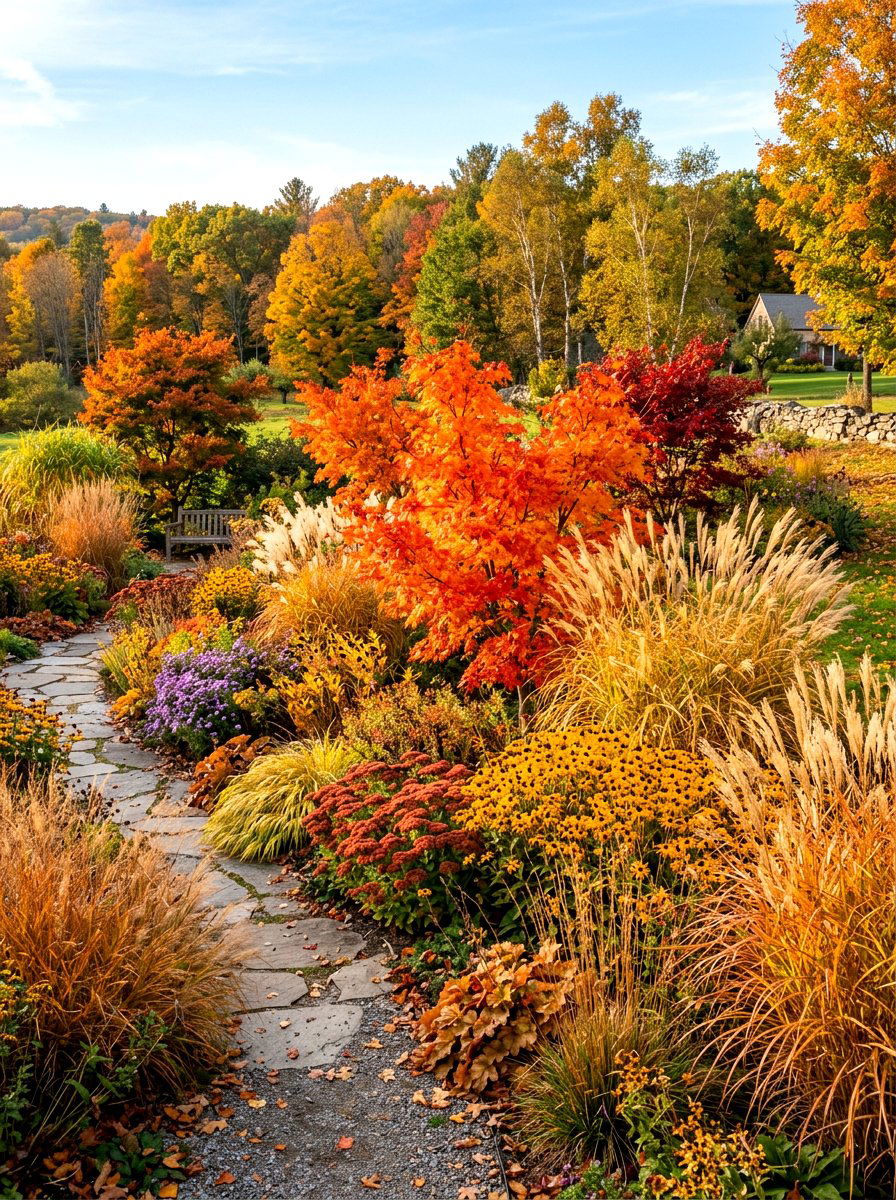
What if your garden saved its best performance for the very end of the season? A fall color garden border focuses on plants that transform into brilliant shades of gold, orange, and red as the temperatures drop. This includes shrubs like fothergilla and oakleaf hydrangea, as well as late-blooming perennials like asters and mums. You can also include ornamental grasses that turn a warm bronze and hold their shape through the autumn winds. This design ensures that your yard remains a source of joy even as the days get shorter. It is a wonderful way to celebrate the changing seasons and add warmth to your landscape.
30. Rock Garden Mixed Border
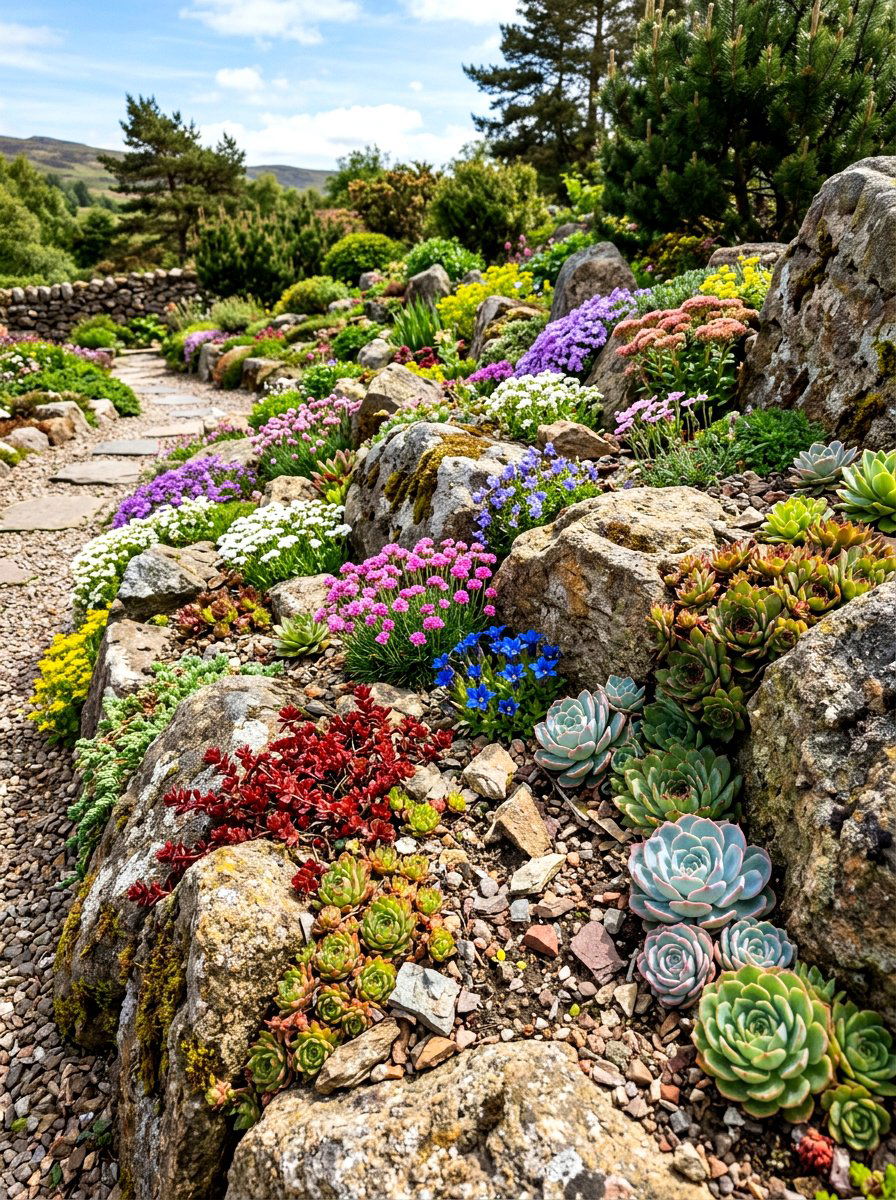
How can you transform a steep or rocky area of your yard into a lush landscape? A rock garden mixed border utilizes the natural terrain by tucking resilient plants between stones and boulders for a rugged look. Succulents, alpine flowers, and creeping groundcovers thrive in these well-drained environments, providing pops of color against the neutral tones of the stone. You can add small coniferous shrubs to give the border year-round structure and weight. This approach turns a difficult landscaping challenge into a focal point that requires very little water or maintenance. The contrast between hard stone and soft foliage creates a very striking visual balance.
Conclusion:
Planning a mixed border garden is an exciting journey that allows you to blend art and nature in your own backyard. By understanding the principles of layering, color, and seasonal interest, you can create a landscape that is both functional and breathtakingly beautiful. Whether you choose a formal design or a wild, cottage-inspired look, the key is to experiment with different combinations until you find what works for your specific space and lifestyle. A successful mixed border not only adds value to your property but also provides a personal sanctuary where you can connect with the outdoors and enjoy the changing beauty of the seasons.

Related posts: