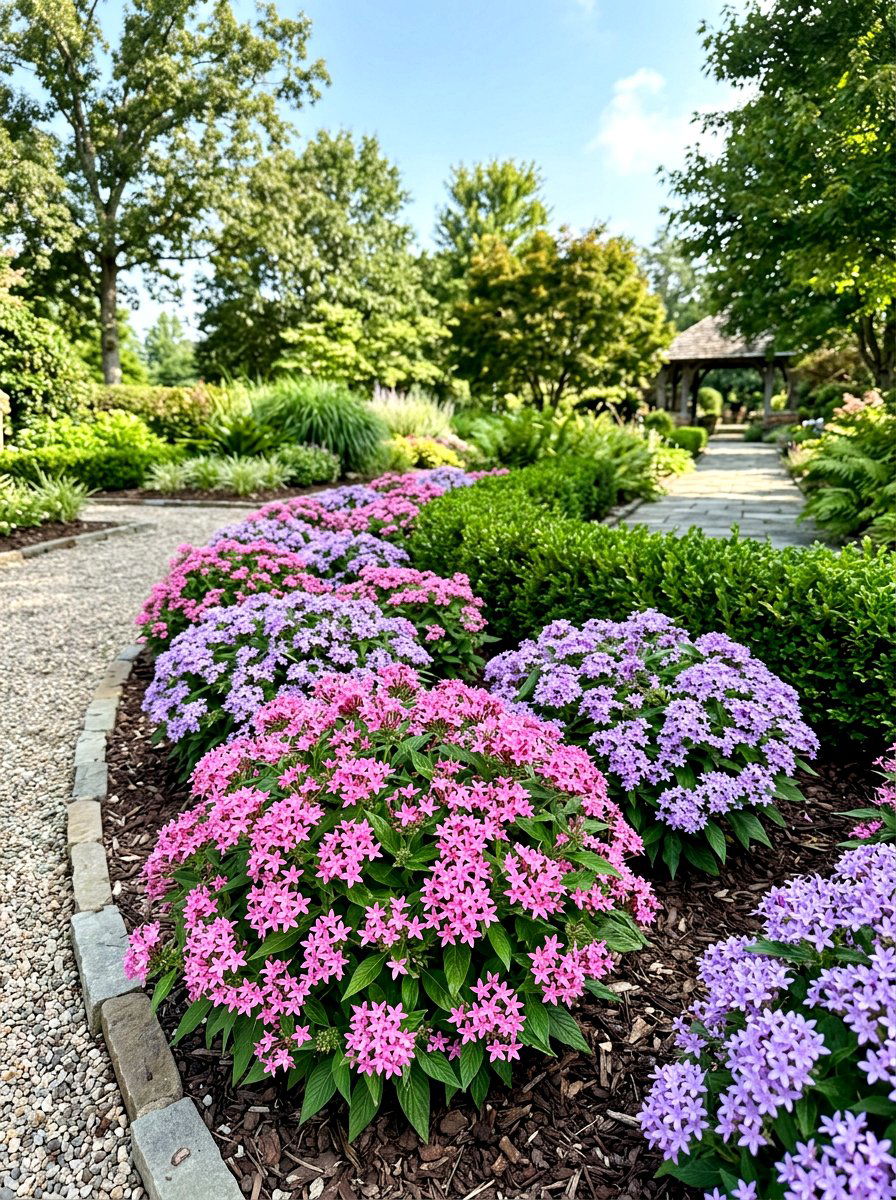
Creating a garden that looks stunning through every month of the year is a rewarding project that transforms your outdoor living area into a dynamic masterpiece. Instead of having a yard that only shines in the summer, you can curate a landscape that offers visual interest during the quiet winter months and vibrant energy in the spring. Achieving this balance requires careful planning and a deep understanding of plant cycles, textures, and structural elements. By focusing on a mix of evergreens, seasonal blooms, and hardy structures, your garden becomes a sanctuary that evolves beautifully with time. This guide explores diverse ways to build a resilient, multi-season landscape that provides constant joy and curb appeal throughout the entire year.
1. Evergreen Garden
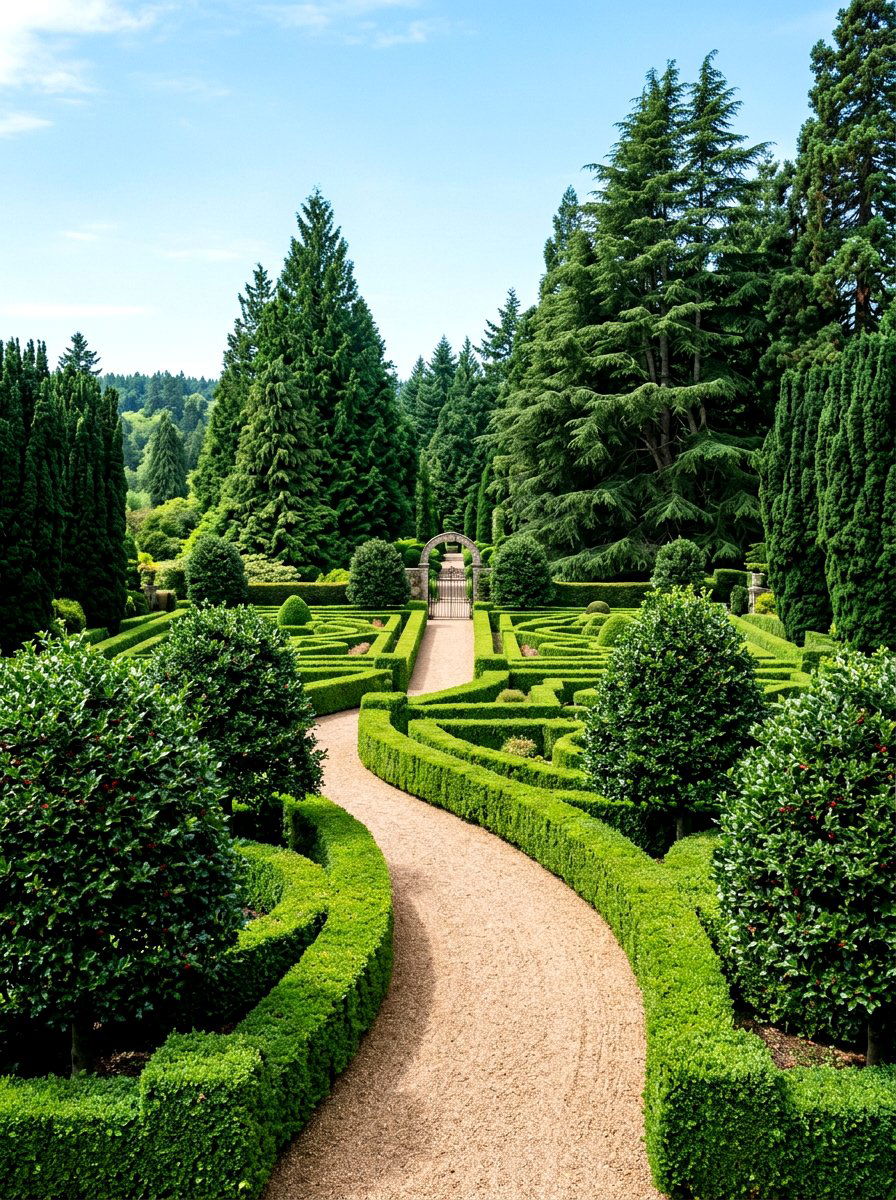
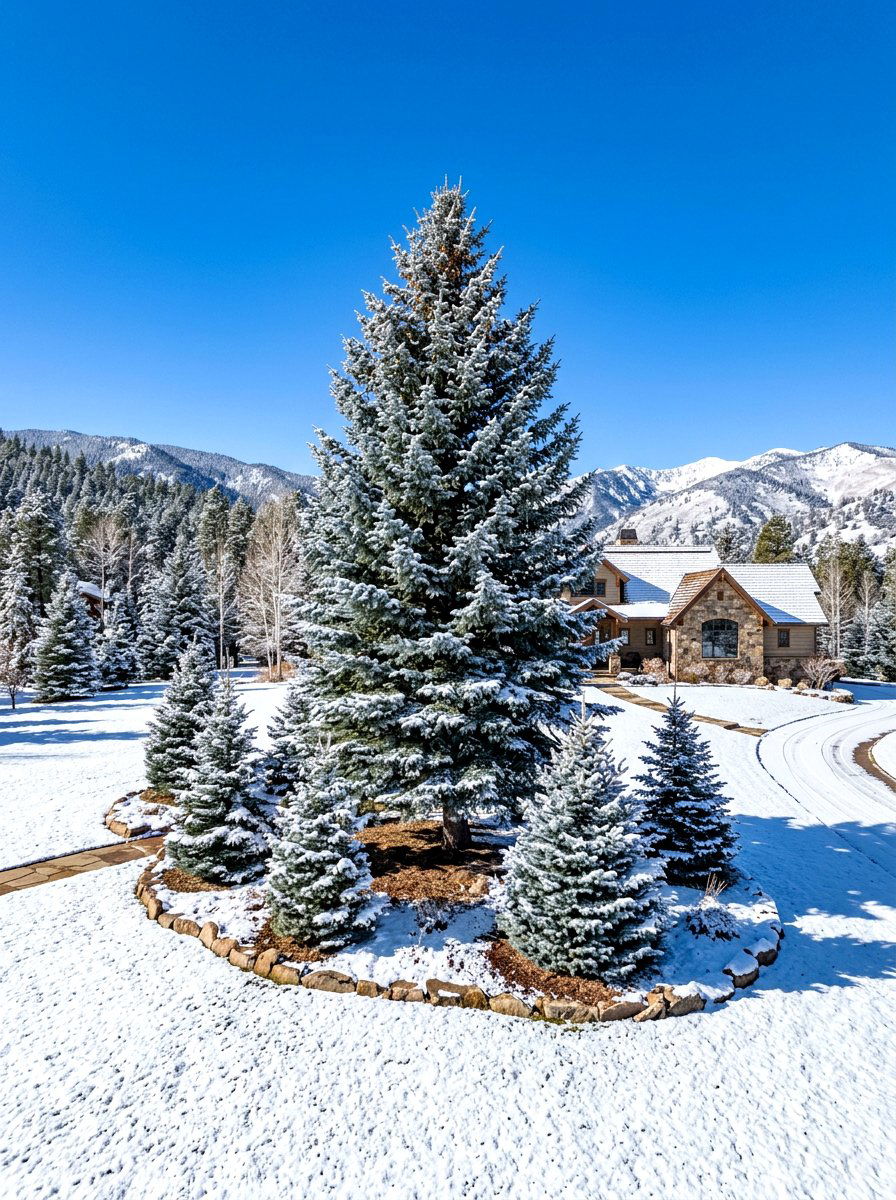
Evergreen shrubs and trees form the essential backbone of a landscape that maintains its beauty from January through December. These plants provide a consistent green canvas even when the rest of the garden has gone dormant or lost its leaves. Boxwoods, hollies, and junipers are excellent choices because they maintain their shape and color regardless of the temperature. By strategically placing these hardy varieties throughout your yard, you create a sense of structure that holds the entire design together during the quietest months. They also offer a lush backdrop for colorful spring flowers and summer perennials, ensuring that your garden never feels empty or neglected regardless of the current season.
2. Cottage Garden
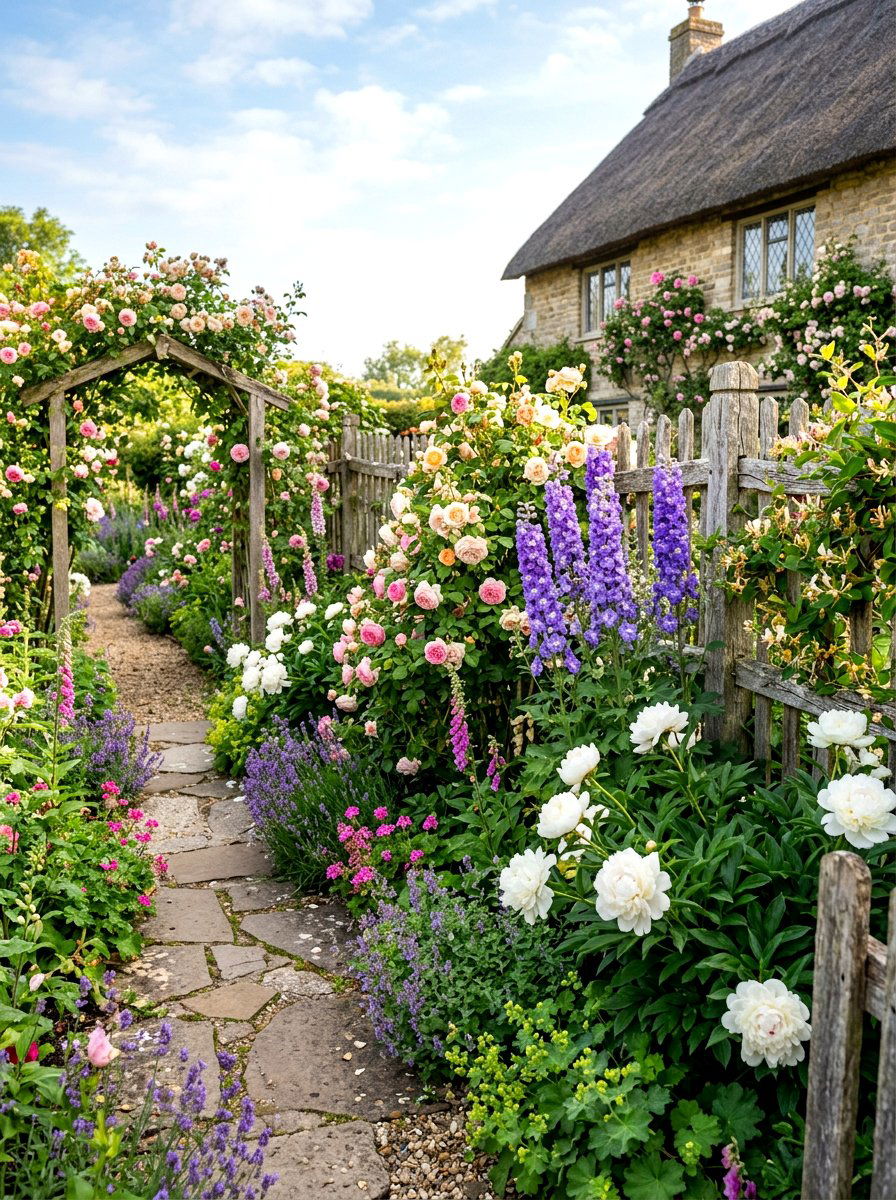
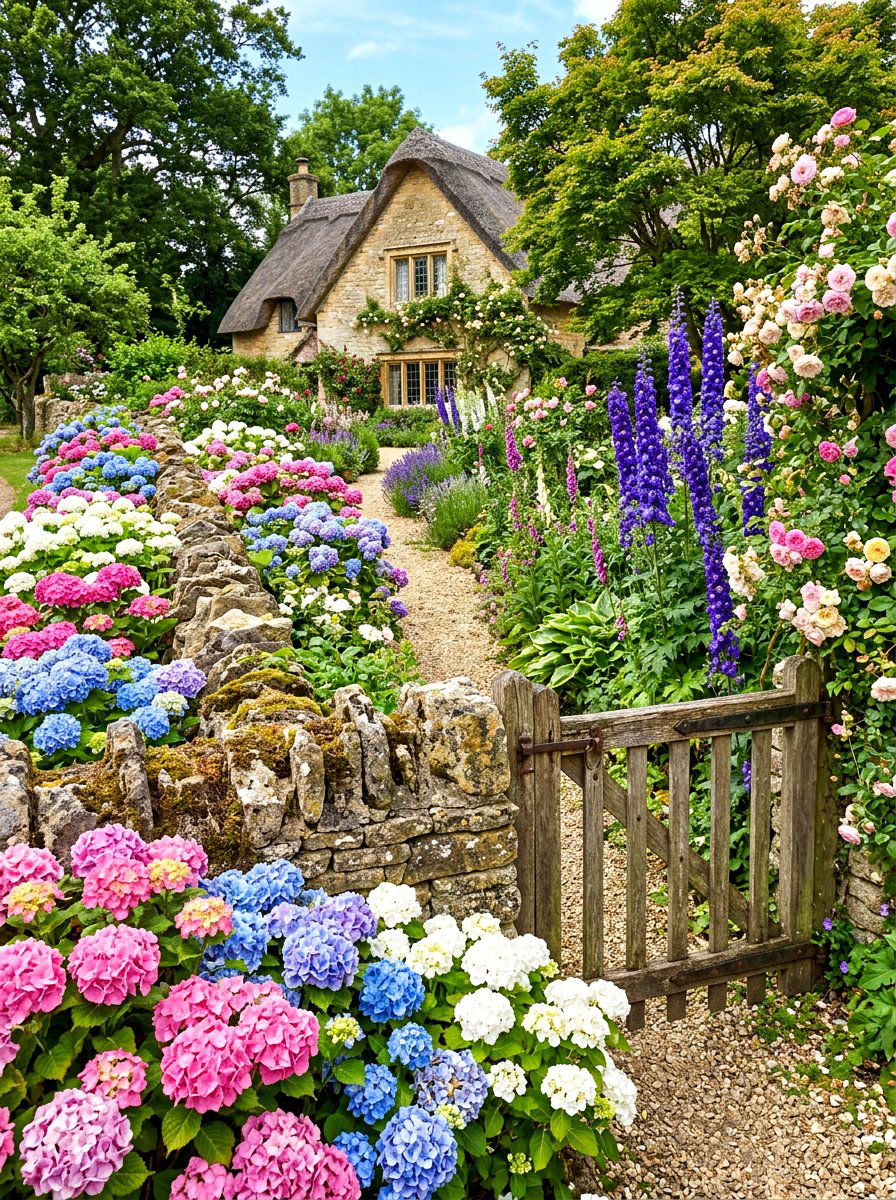
A cottage garden is a wonderful way to celebrate the changing seasons with a dense and informal planting style. This theme relies on a mix of traditional favorites like roses, peonies, and delphiniums that offer a rotating display of vibrant blooms. To make this style work for all four seasons, you can intersperse these flowering perennials with evergreen herbs and shrubs that provide structure when the flowers fade. During the autumn, the foliage of many cottage plants turns golden, while the seed heads can be left to provide texture against the winter frost. This approach ensures a romantic and lively outdoor space that evolves beautifully every month.
3. Winter Interest Garden
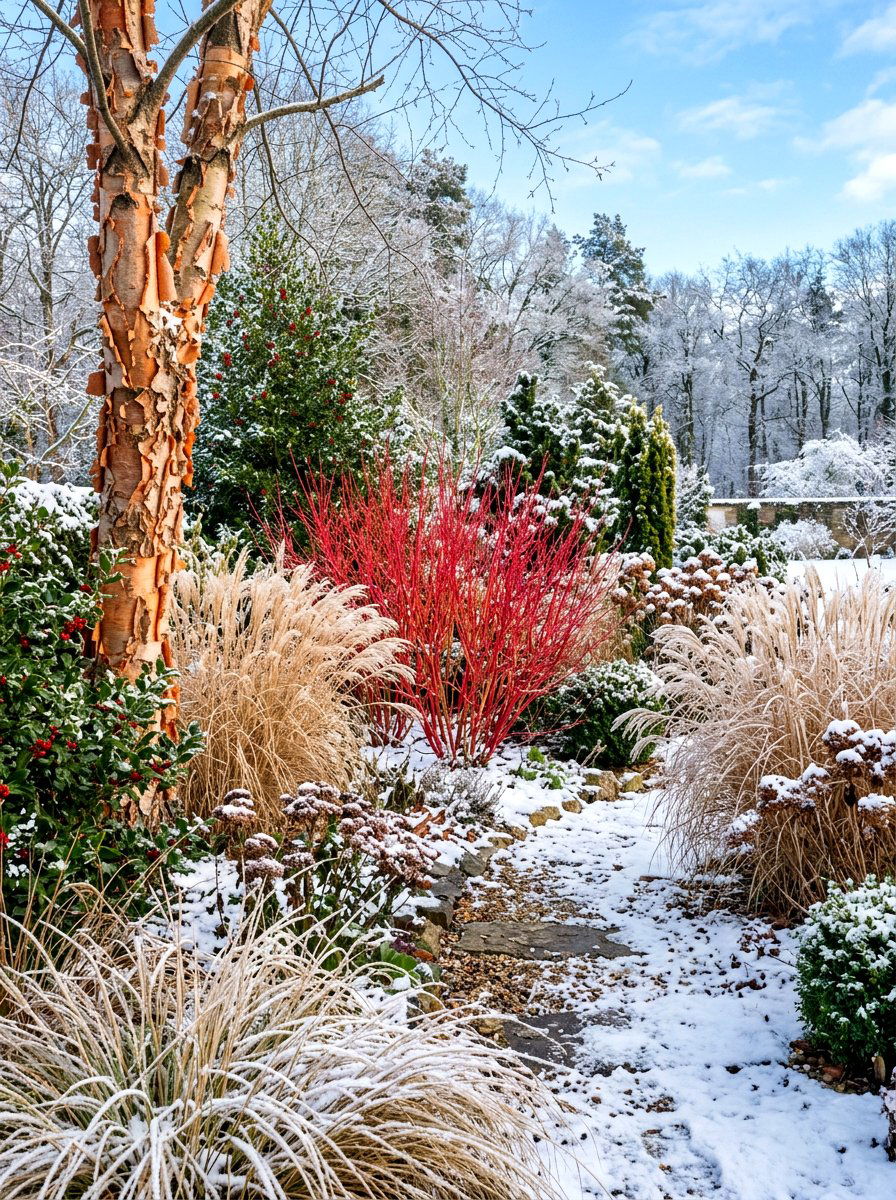
Designing a space specifically for winter interest involves selecting plants that offer unique bark, berries, or architectural forms. Trees like the paperbark maple or river birch provide stunning peeling bark that stands out against the white snow. Additionally, shrubs with bright berries, such as winterberry holly, add a much-needed pop of red to a dormant landscape. You can also incorporate ornamental grasses that hold their shape and provide movement in the cold wind. By focusing on these often-overlooked details, you can create a backyard that remains visually captivating and structurally sound even during the shortest and coldest days of the snowy winter season.
4. Perennial Garden
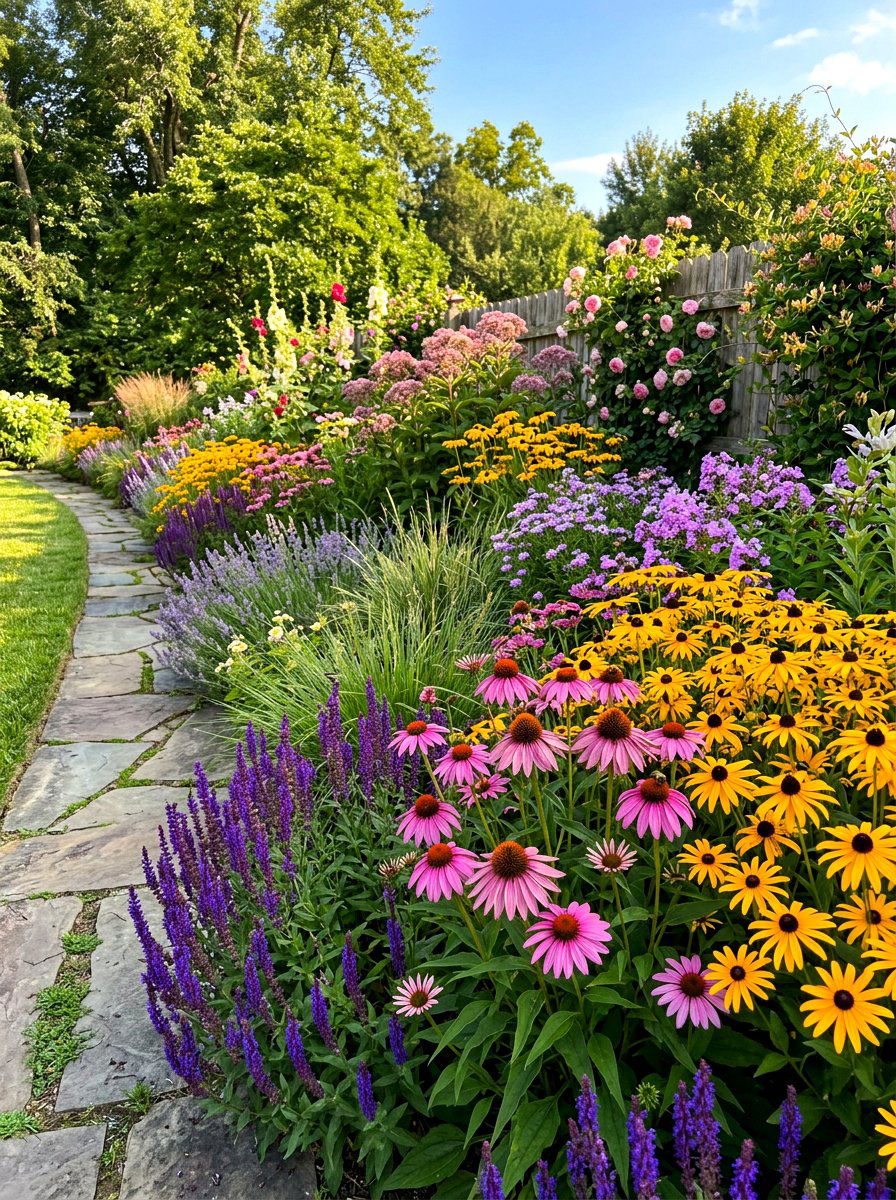
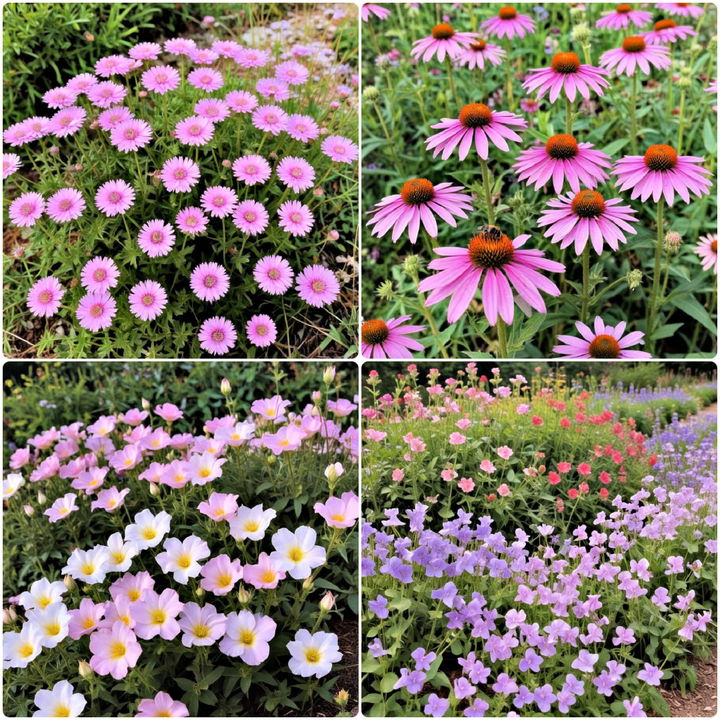
A perennial garden is the ultimate way to ensure a continuous cycle of life and color in your backyard. By choosing a variety of plants with staggered bloom times, you can ensure that something is always in flower from early spring through late autumn. Start with early bulbs like crocuses and tulips, followed by mid-summer favorites like coneflowers and black-eyed Susans. To maintain interest in the winter, choose perennials with sturdy stems and interesting seed heads that look beautiful when covered in frost. This layered approach creates a rich, textured environment that changes its personality every few weeks, providing endless seasonal visual surprises.
5. Ornamental Grass Garden
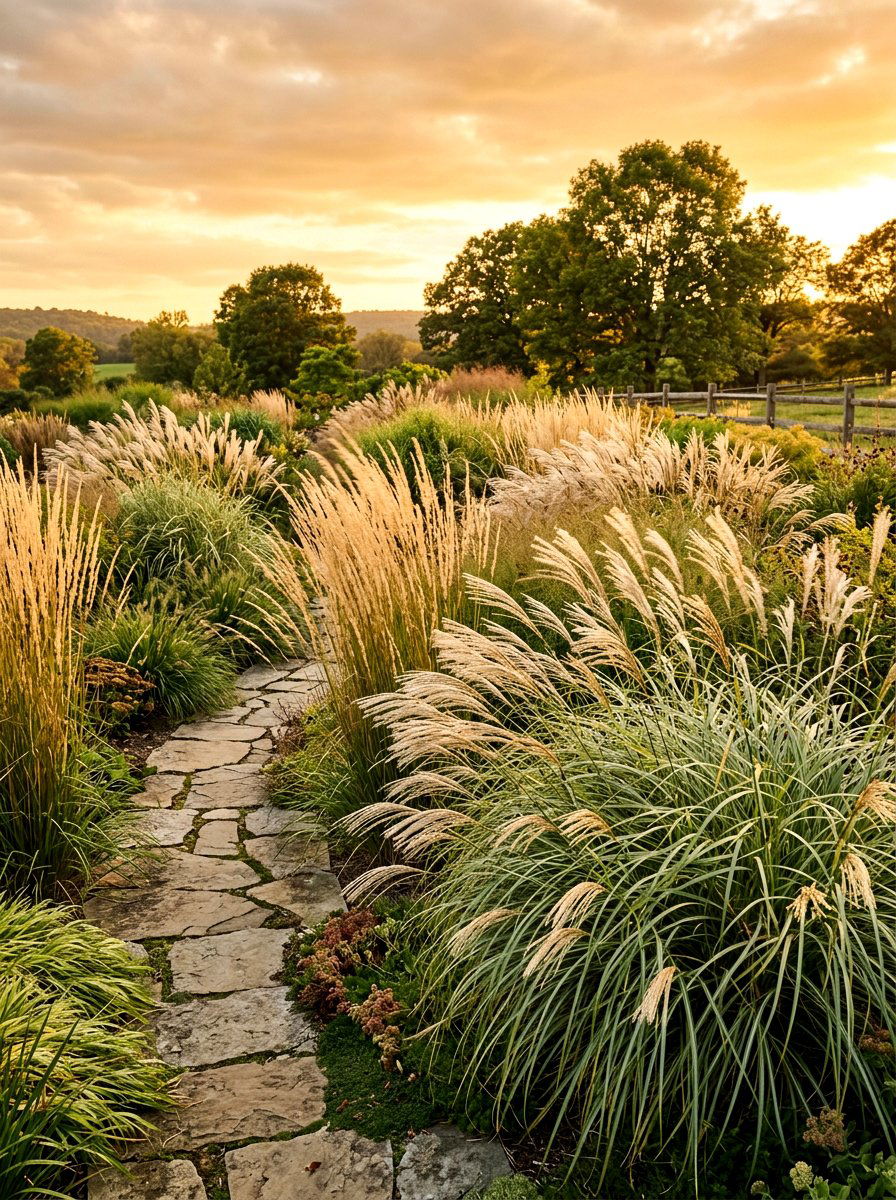
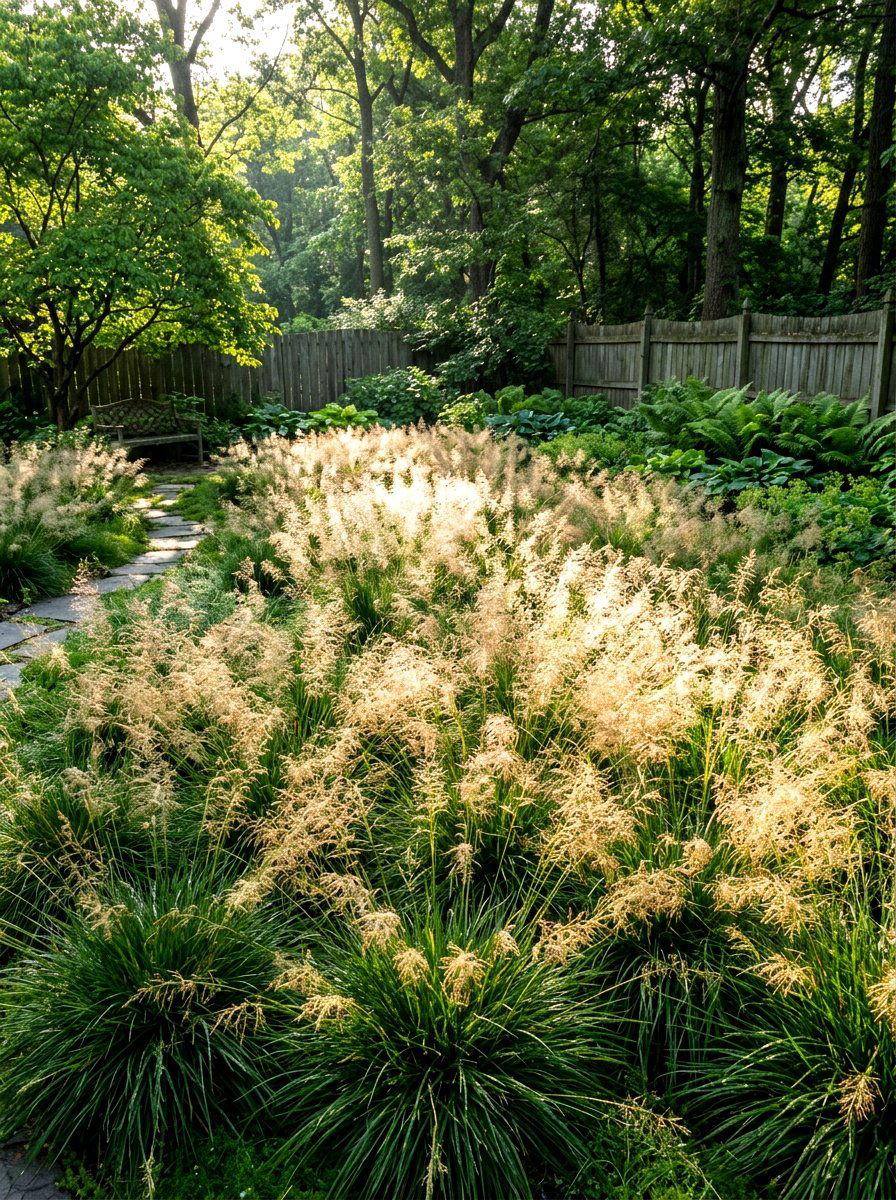
Ornamental grasses are vital for adding texture, movement, and sound to a four-season landscape. During the spring and summer, they provide a lush green backdrop that complements more colorful flowers. As autumn arrives, many varieties transition into stunning shades of gold, bronze, and copper. In the winter, their dried plumes and stalks remain standing, offering a golden silhouette that looks magnificent against a gray sky. They are incredibly low-maintenance and drought-tolerant, making them a practical choice for busy homeowners. By grouping different heights and colors, you can create a modern and organic look that stays interesting and beautiful throughout every single month.
6. Wildlife Garden
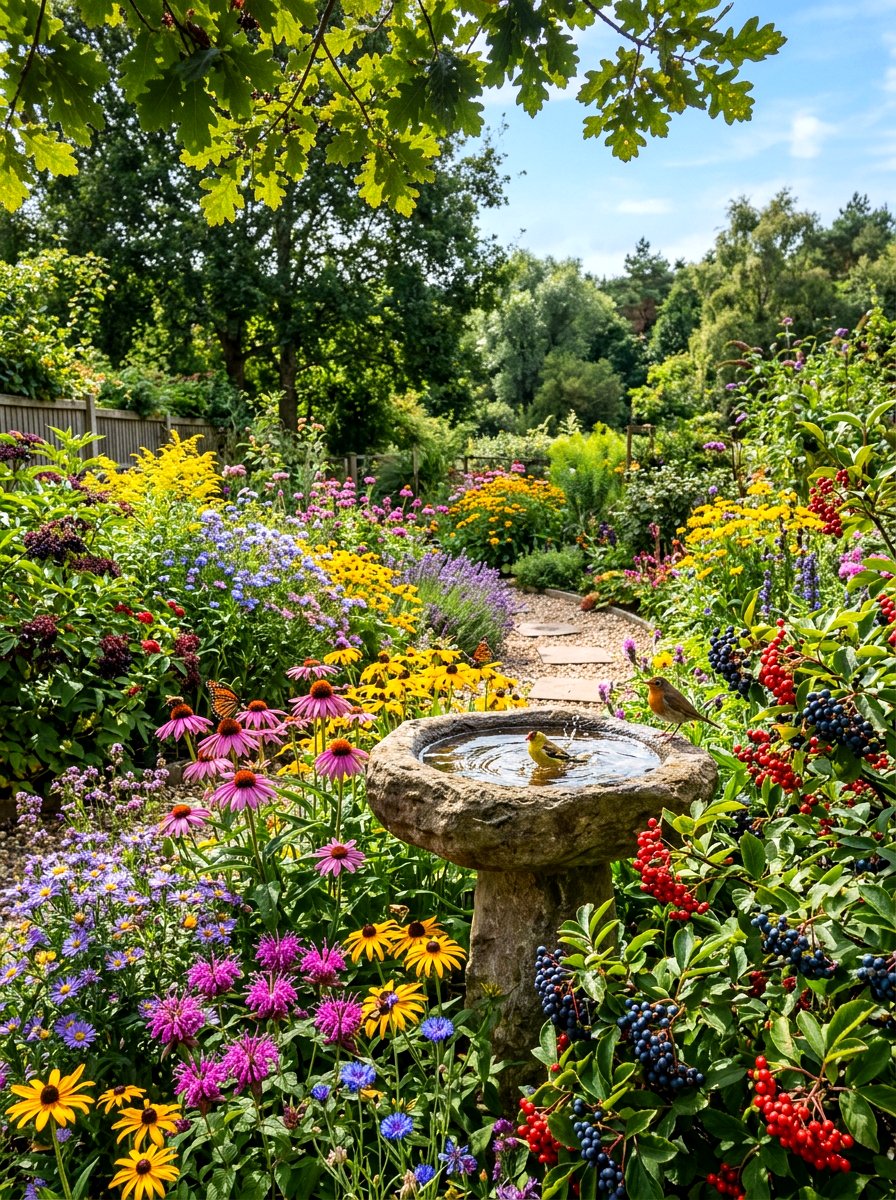
A wildlife-friendly garden focuses on plants that provide food and shelter for birds and pollinators throughout the entire year. To achieve this, you should include a variety of berry-producing shrubs and trees that offer sustenance during the winter. Flowering perennials are essential for providing nectar in the spring and summer, while dense evergreens offer a safe place for birds to nest and hide from predators. Incorporating a water source, such as a heated birdbath, ensures that animals visit your yard even in freezing temperatures. This type of landscape not only looks beautiful but also supports the local ecosystem, making your backyard a lively sanctuary.
7. Woodland Garden
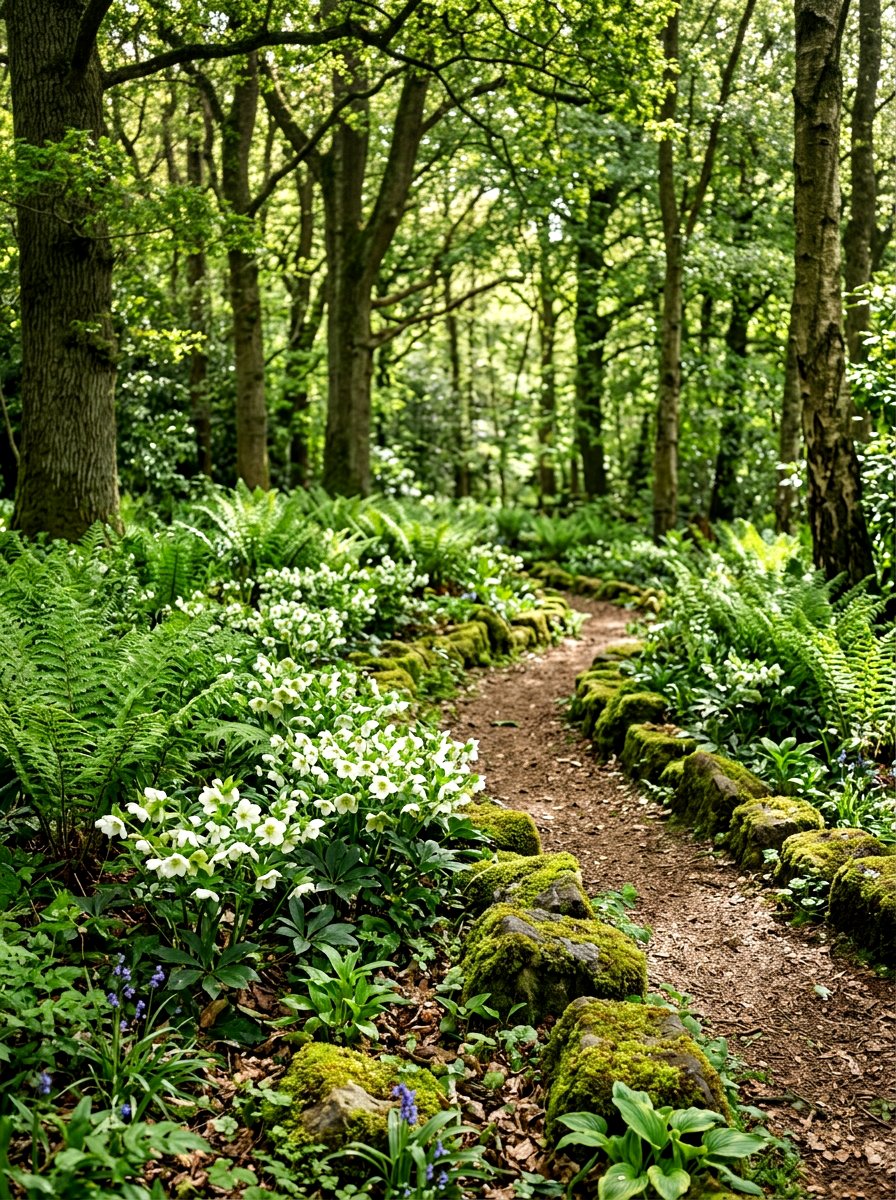
Creating a woodland garden is an excellent way to handle shaded areas while providing year-round visual appeal. This style mimics a natural forest floor, using layers of plants that thrive under the canopy of tall trees. In the spring, you can enjoy a carpet of woodland wildflowers and ferns, while the summer brings a cool and green retreat. To maintain interest in the autumn and winter, include deciduous trees with interesting branching patterns and evergreen groundcovers like hellebores. These hardy plants often bloom in late winter, providing early color when most of the garden is still asleep. It is a peaceful and low-maintenance design.
8. Modern Garden
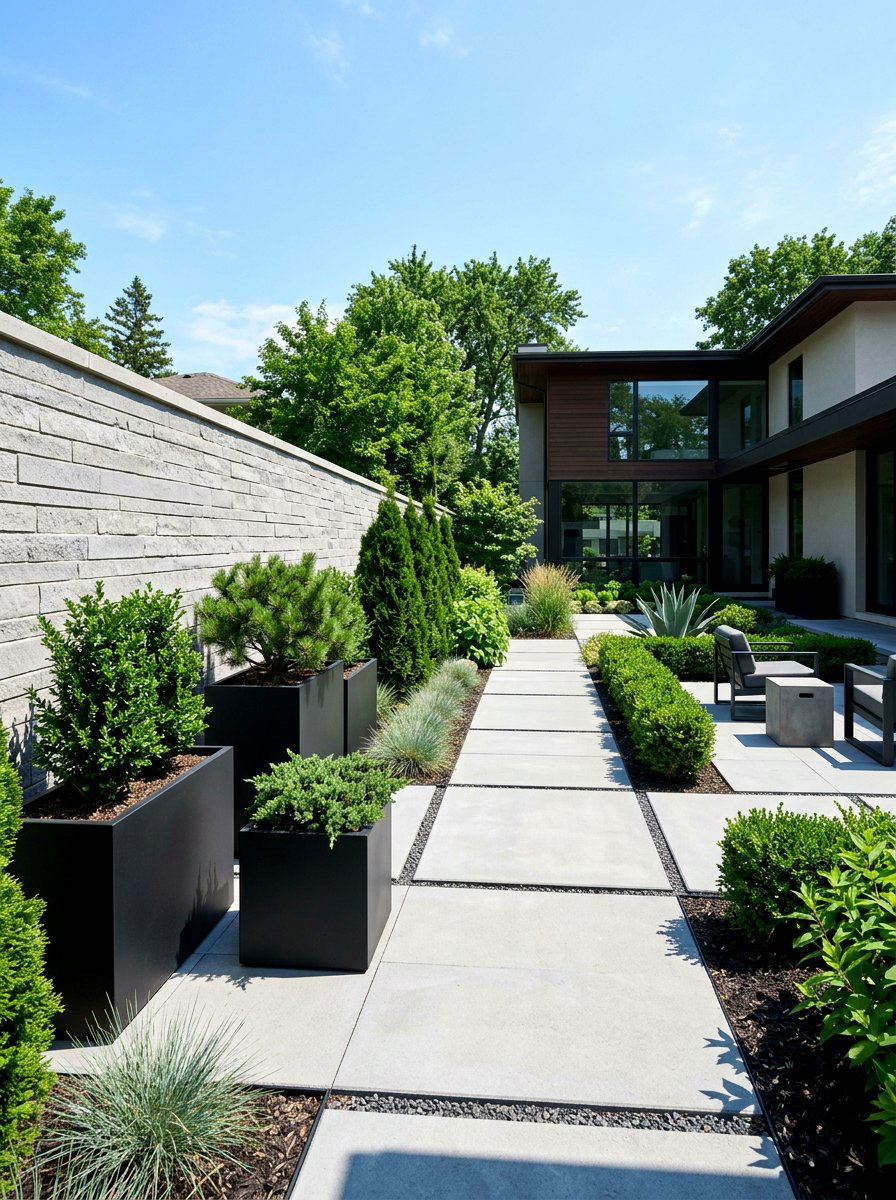
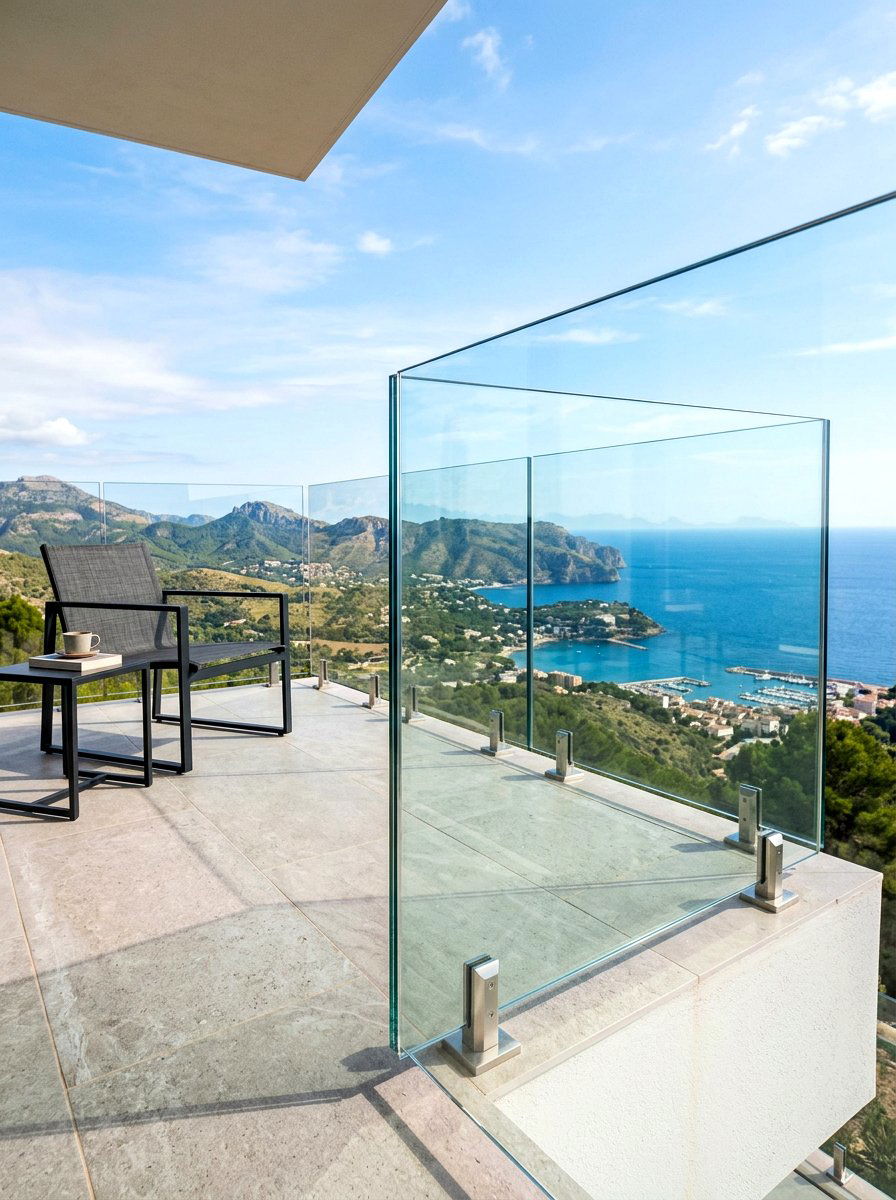
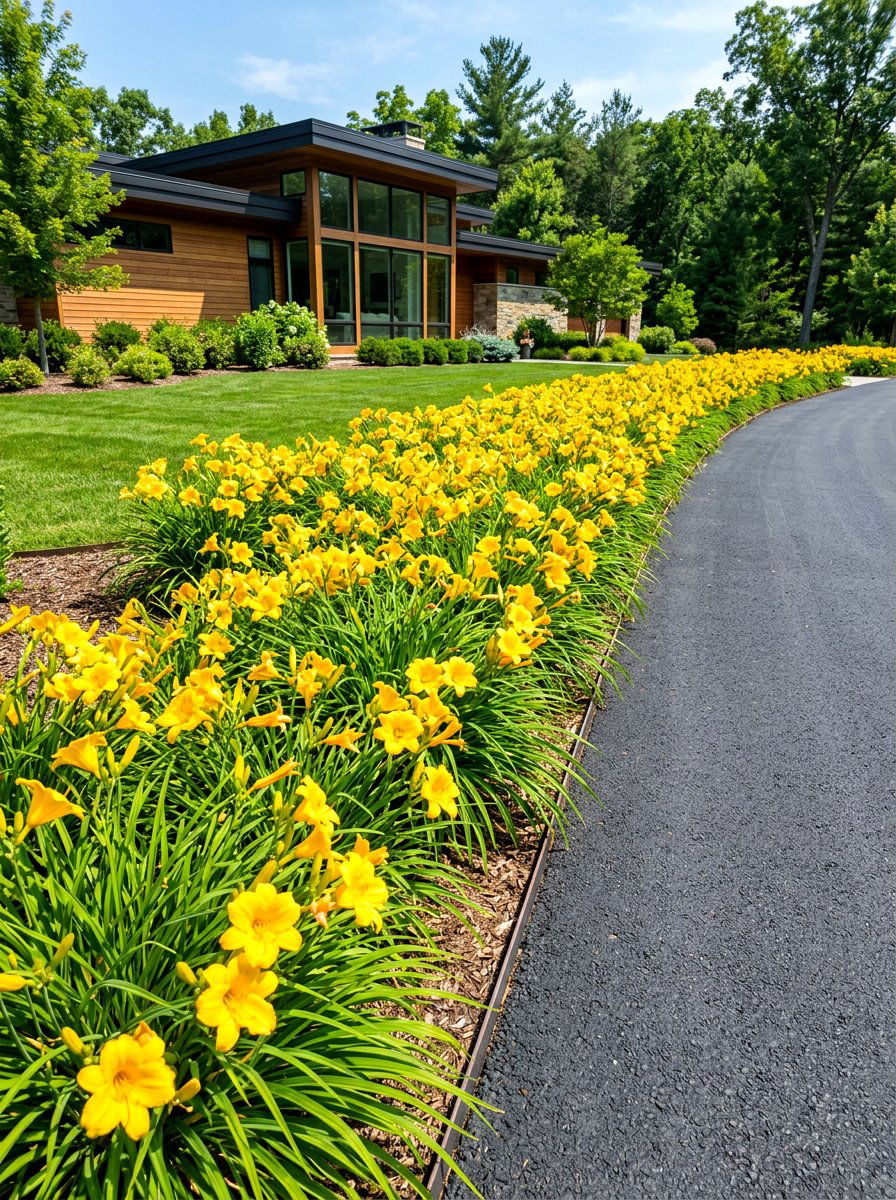
A modern garden emphasizes clean lines, geometric shapes, and a minimalist plant palette to create a sophisticated four-season look. This style often relies heavily on hardscaping, such as stone walls, concrete pavers, and sleek wooden decks, which provide a permanent structure that looks great in any weather. To soften the architectural features, you can use mass plantings of evergreens and ornamental grasses that offer consistent texture. By limiting the color palette to shades of green, gray, and white, the garden feels cohesive and calm. This professional approach ensures that your outdoor space remains stylish and functional regardless of the current seasonal weather conditions.
9. Mediterranean Garden
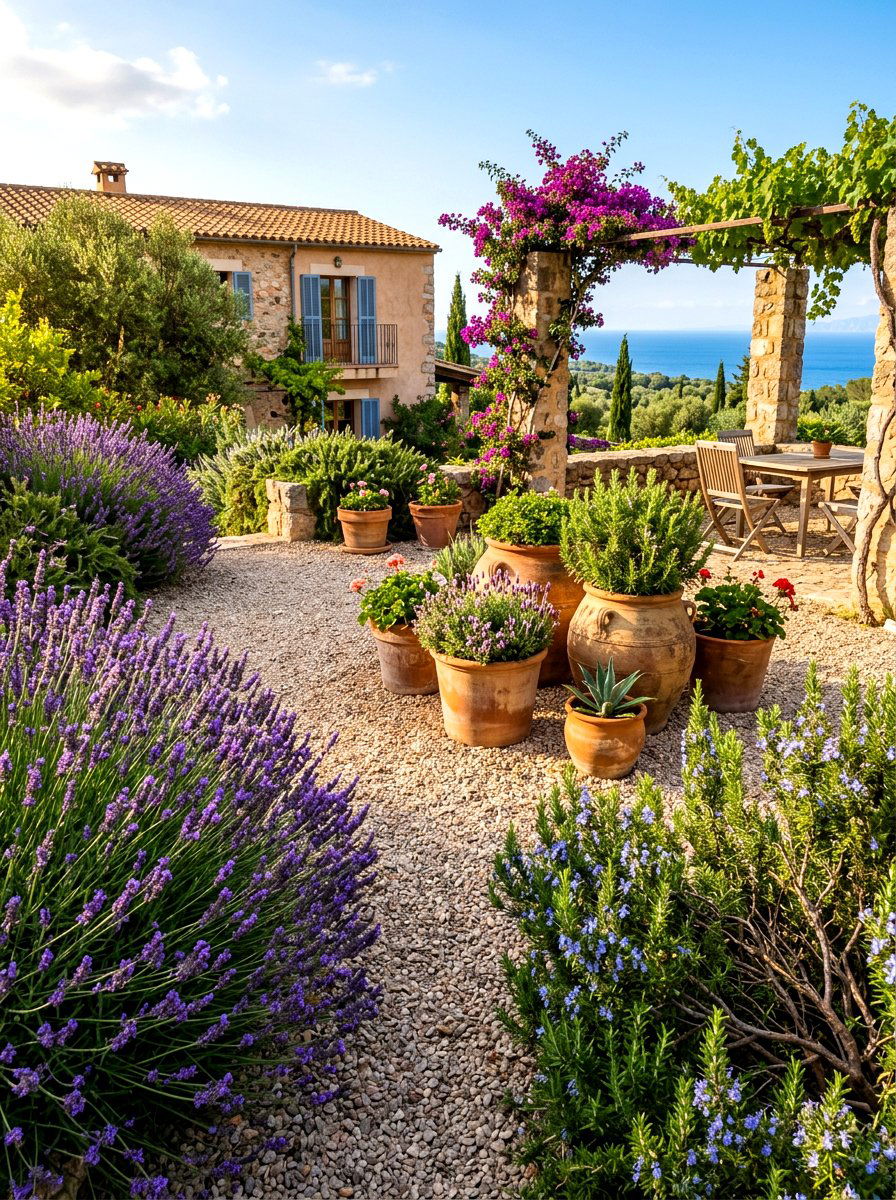
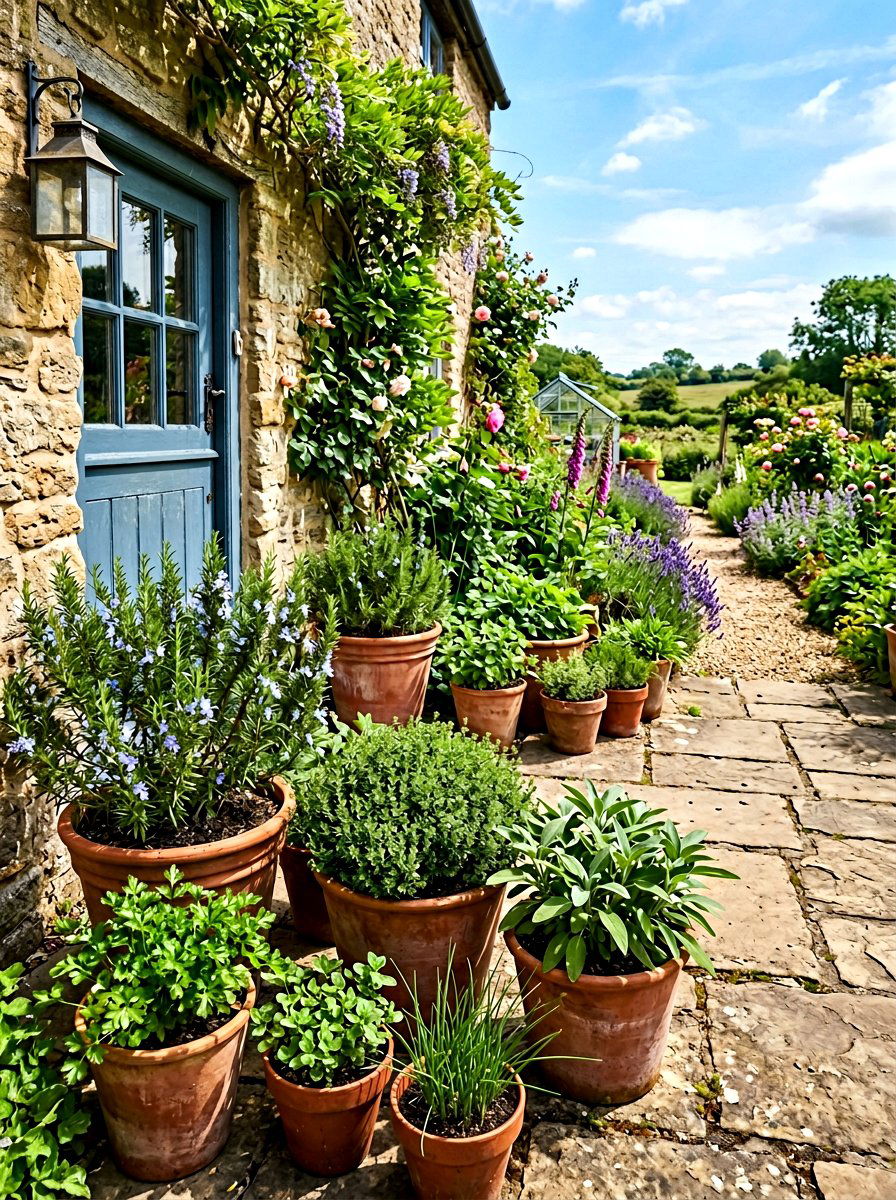
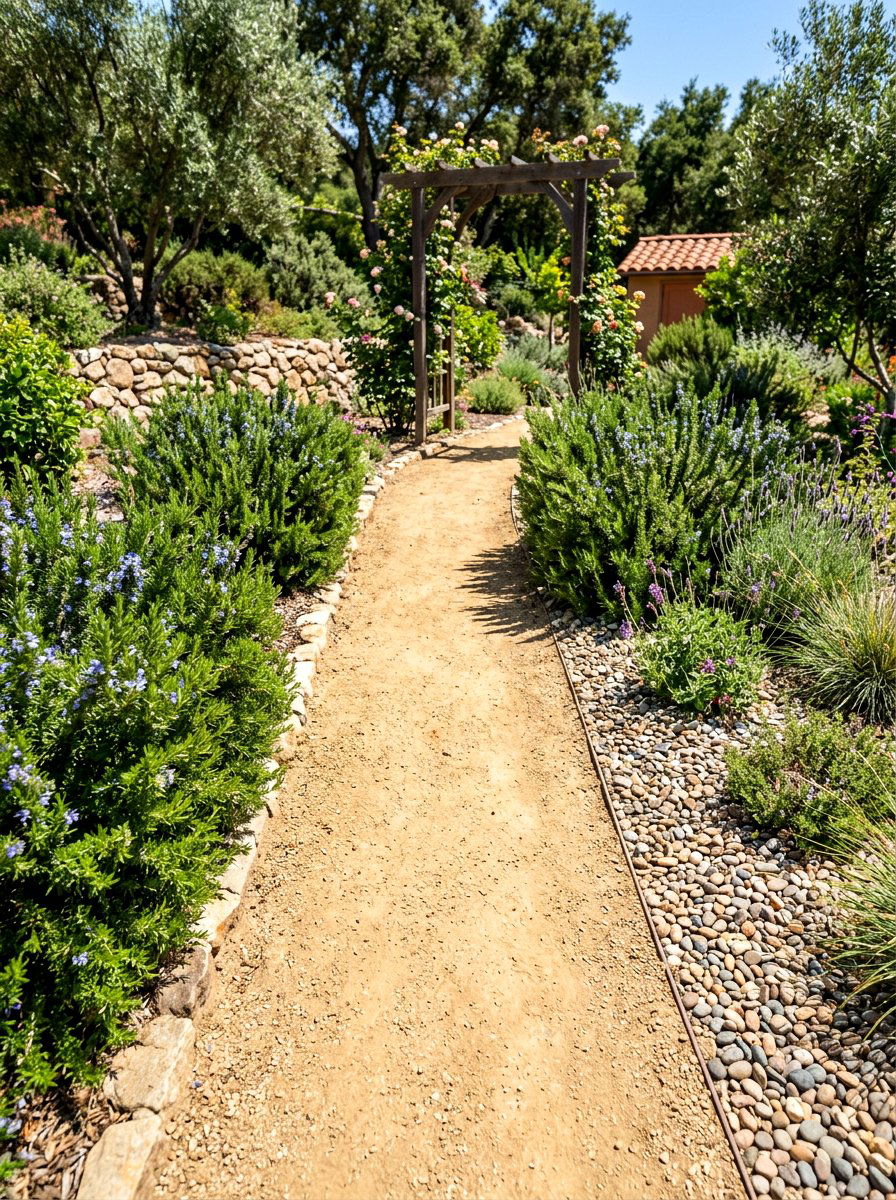
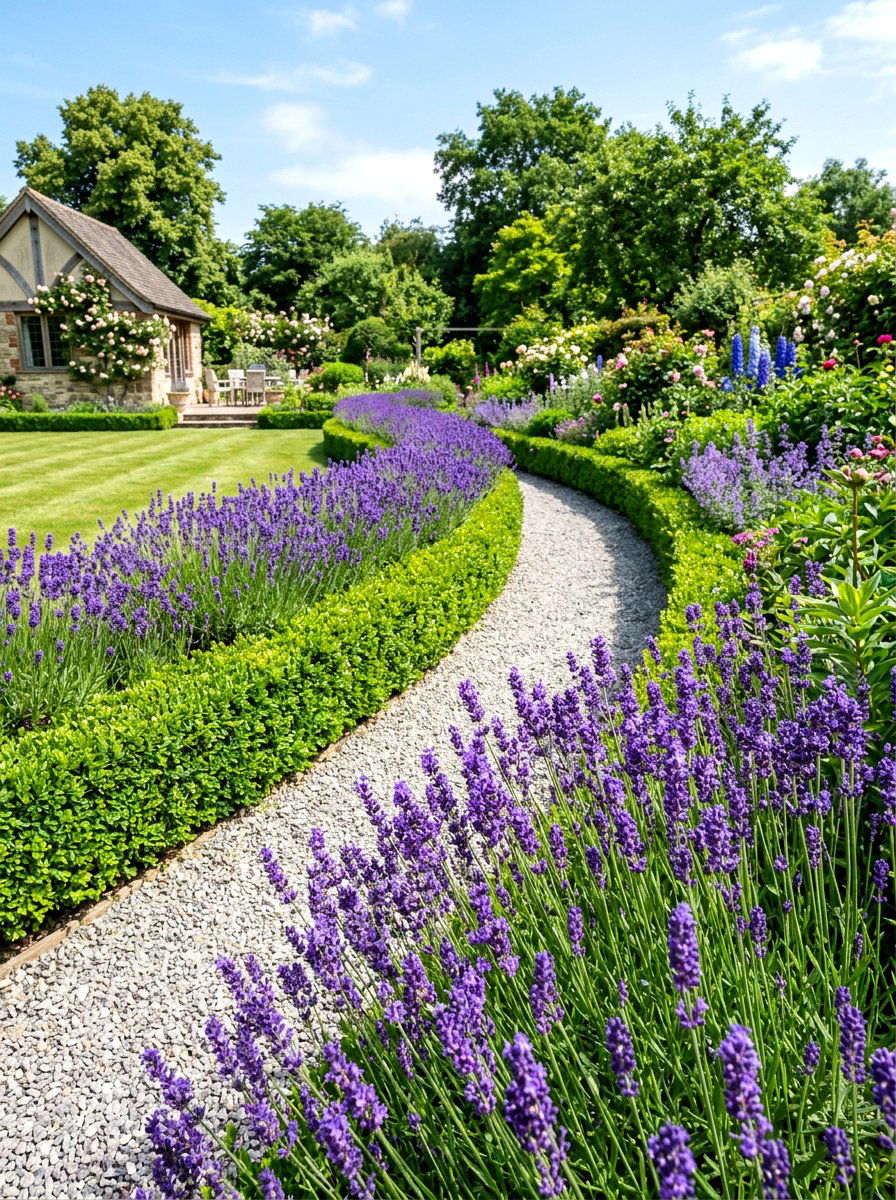
The Mediterranean garden style uses drought-tolerant plants and warm-toned hardscaping to create a sunny and inviting atmosphere all year. This theme is characterized by evergreen herbs like rosemary and lavender, which provide both fragrance and structure throughout the winter months. Incorporating gravel paths, terracotta pots, and stone accents adds a sense of permanence and texture that doesn't rely on constant blooms. During the summer, these plants thrive in the heat, while their silvery-green foliage remains attractive during the cooler months. This style is perfect for homeowners looking for a low-water landscape that still feels lush and intentional during all four distinct seasonal transitions.
10. Edible Garden
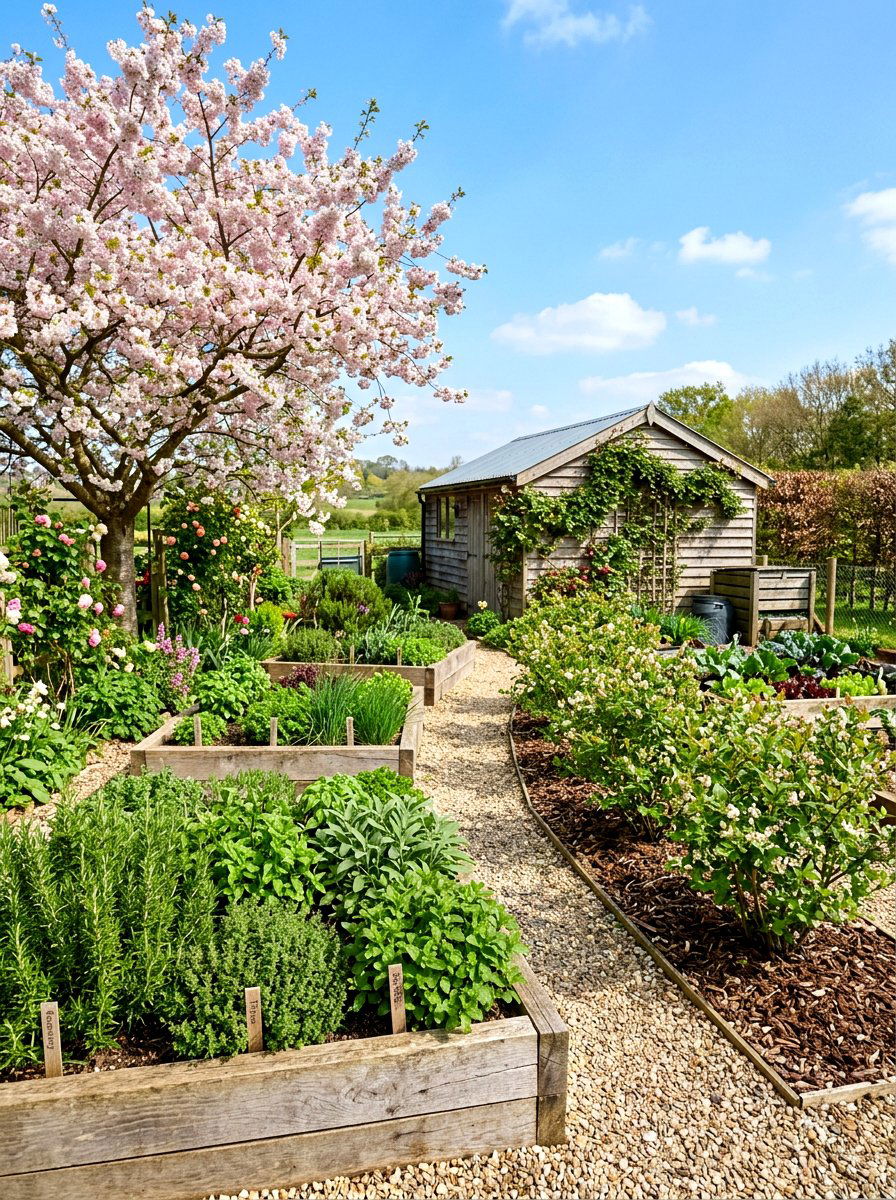
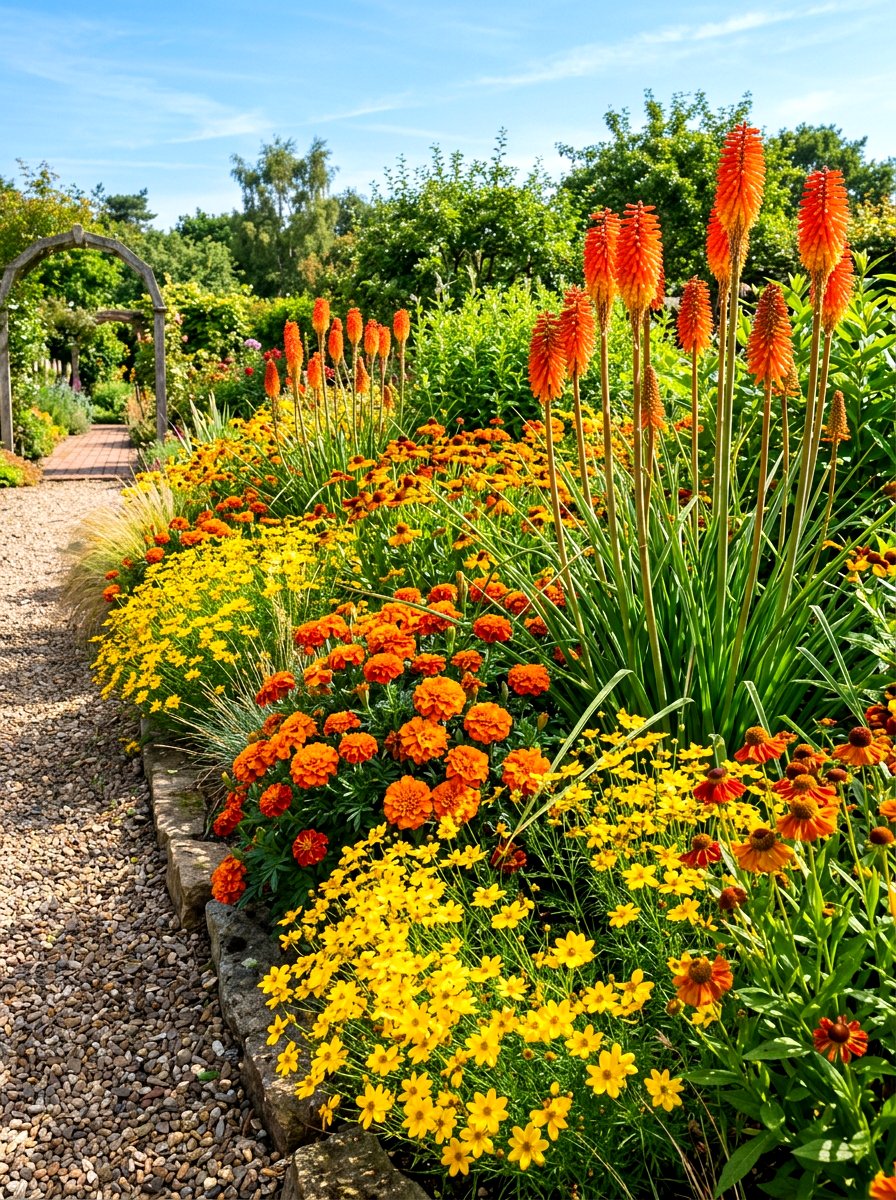
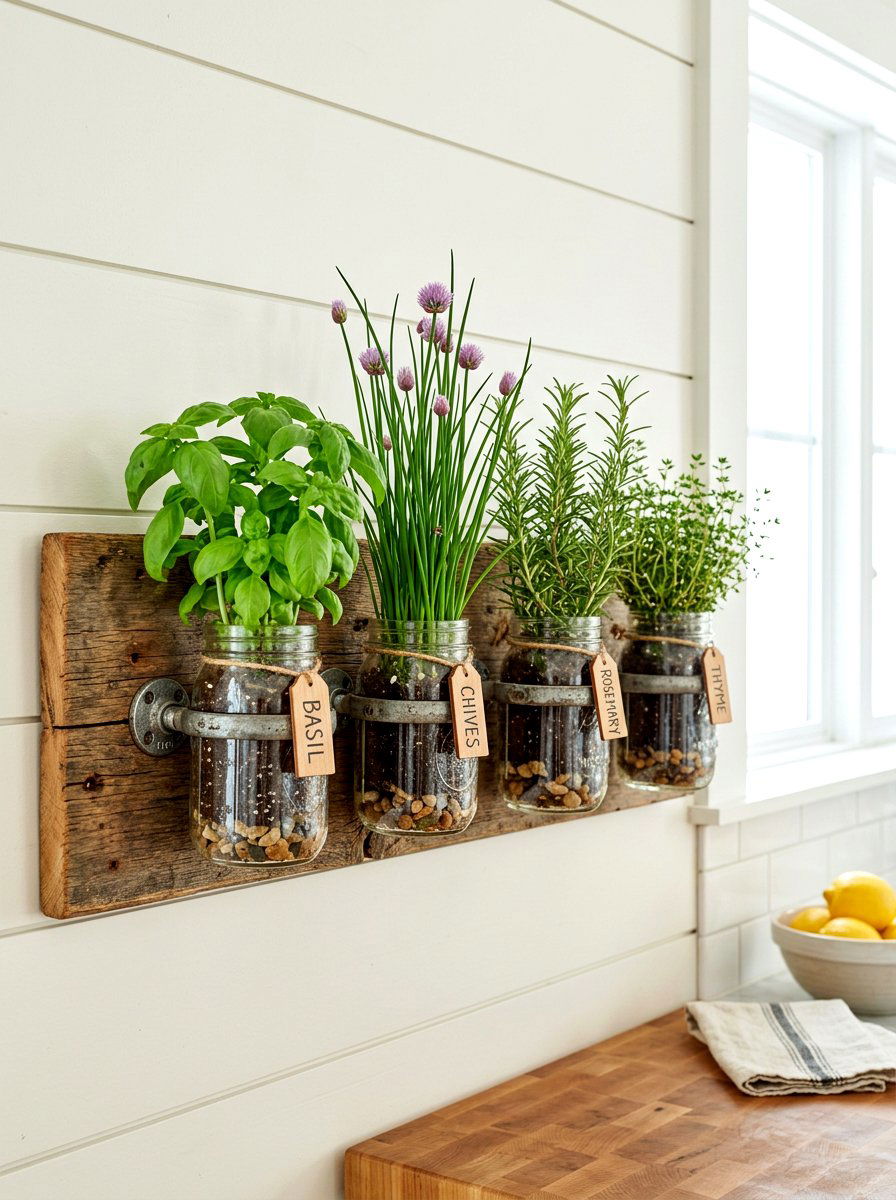
An edible landscape combines beauty and functionality by incorporating fruits, vegetables, and herbs into your ornamental garden beds. You can plant fruit trees like apples or cherries that offer beautiful spring blossoms and delicious autumn harvests. Shrubs like blueberries provide delicate flowers, tasty fruit, and stunning red foliage in the fall. To keep the edible garden looking great in the winter, use structured wooden raised beds or decorative trellises that maintain their form after the harvest is over. This approach turns your yard into a productive sanctuary that provides fresh food and visual interest through every stage of the growing and dormant seasons.
11. Rock Garden
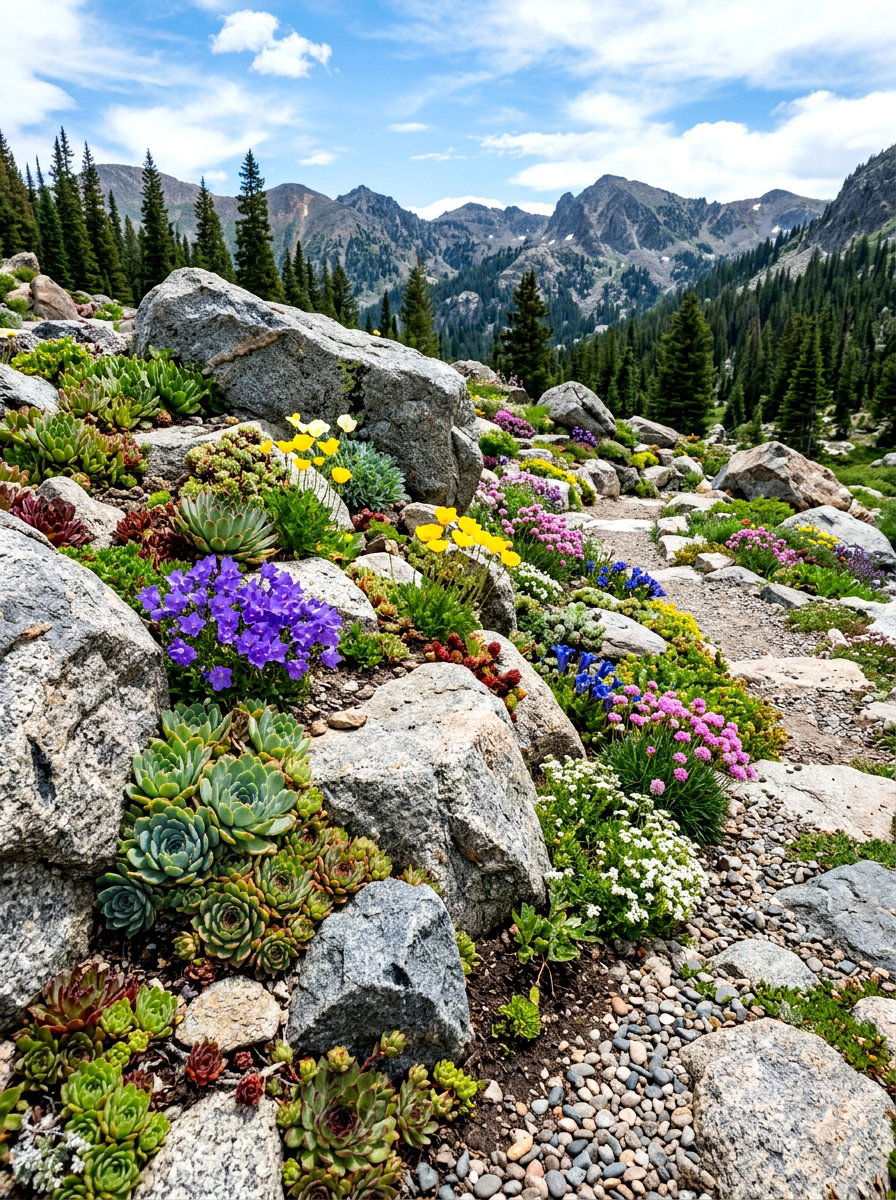
A rock garden is a rugged and durable landscape choice that excels at providing year-round interest through the use of natural stones and hardy plants. By using rocks of varying sizes and shapes, you create a permanent architectural framework that remains unchanged by the weather. In the spring and summer, small alpine plants and succulents fill the crevices with tiny, vibrant blooms and interesting foliage textures. During the winter, the dramatic shapes of the rocks become the main focal point, especially when highlighted by a light dusting of snow. This low-maintenance garden style is ideal for sloped areas or locations with poor, sandy, or rocky soil.
12. Patio Garden
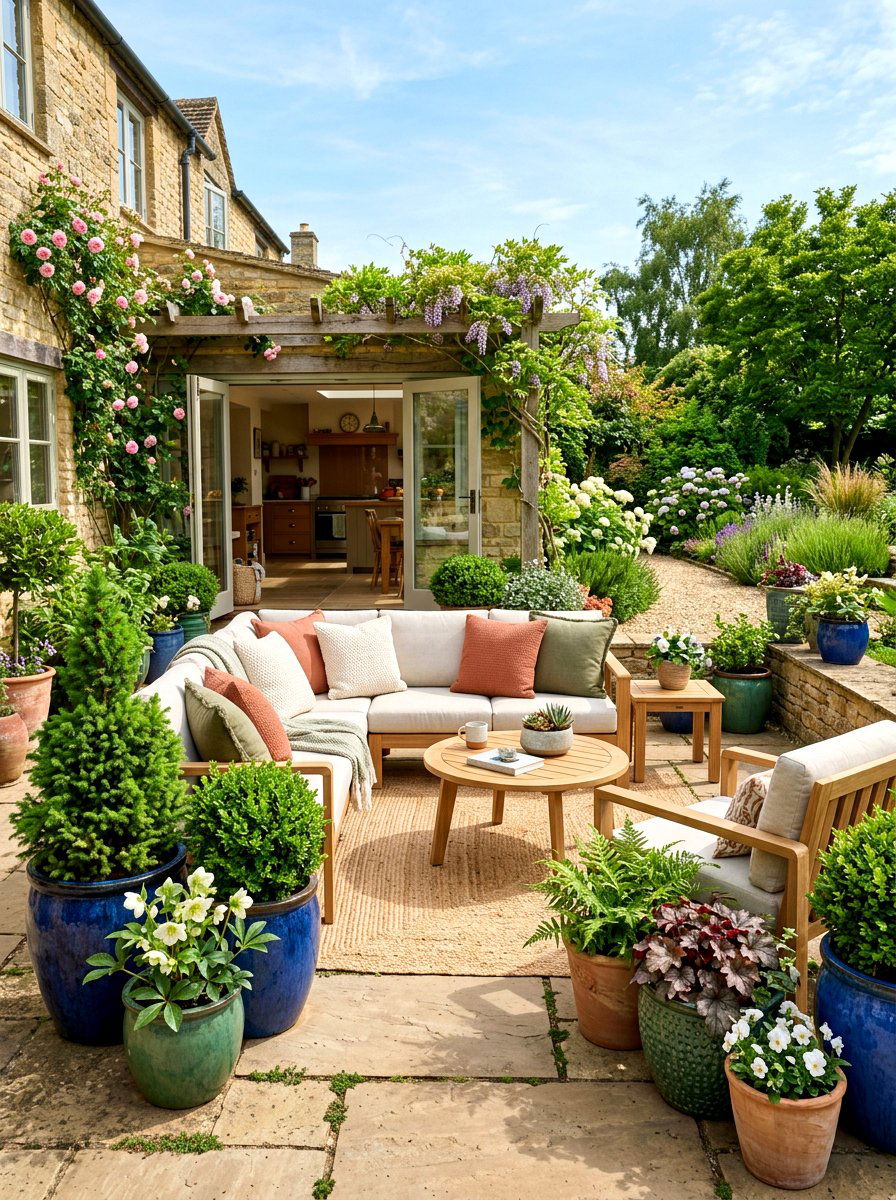
A patio garden focuses on the immediate area around your outdoor living space, ensuring it remains inviting and beautiful throughout the year. You can achieve this by using a combination of permanent built-in planters and moveable containers that can be refreshed for each season. In the spring, fill pots with pansies and tulips, then switch to heat-loving petunias for the summer. For autumn and winter, use evergreens, birch branches, and hardy cabbage to maintain a lush and decorated look. This style allows you to enjoy nature up close, making your patio a seamless extension of your home that feels cozy and lived-in regardless of the temperature.
13. Native Garden
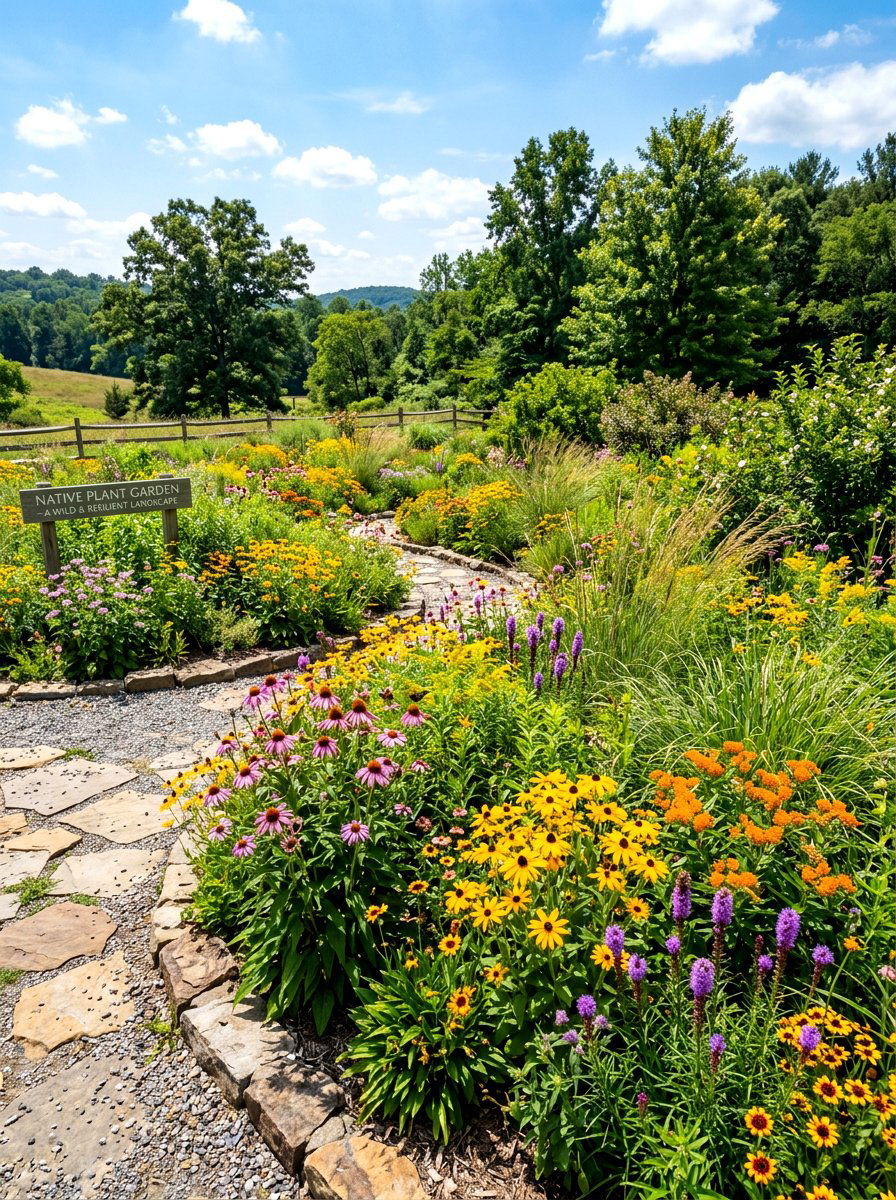
Native plant gardens are designed to be resilient and beautiful by using species that are naturally adapted to your local climate and soil. These plants have evolved to handle the seasonal extremes of your region, ensuring they look great with minimal intervention. In the spring and summer, native wildflowers attract local butterflies and bees, while autumn brings a display of foliage that is unique to your area. In the winter, the dried seed pods and sturdy structures of native grasses provide important habitat for wildlife and visual interest for you. Choosing native species creates a sustainable landscape that celebrates the natural beauty of your specific geographic location.
14. Vertical Garden
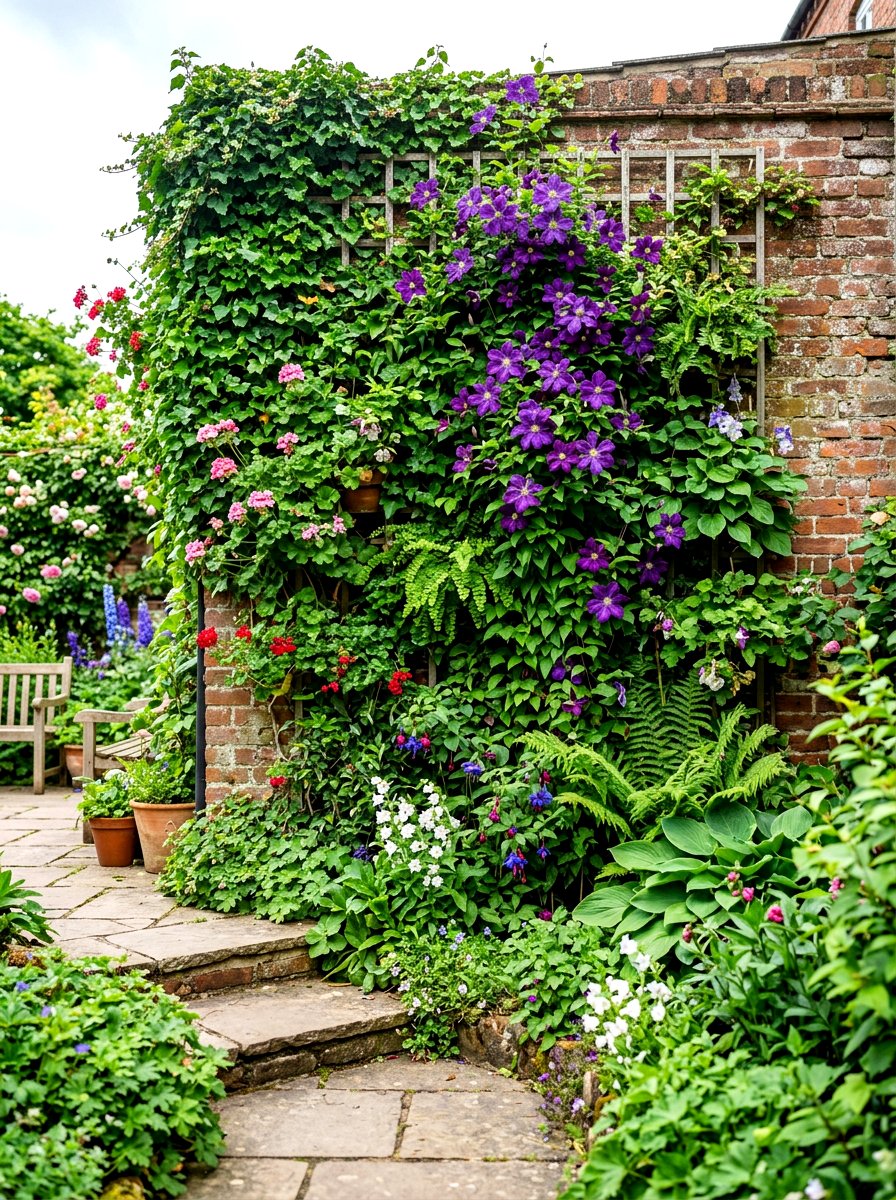
Vertical gardening is a clever way to add year-round greenery and flowers to small spaces or bare walls. By using climbing vines like ivy, clematis, or jasmine, you can create a living tapestry that changes its appearance as the seasons unfold. Some vines are evergreen, providing a consistent green wall throughout the winter, while others offer dramatic flowering displays in the spring or summer. To ensure the garden looks good all year, invest in high-quality trellises or wall-mounted planters that have an interesting architectural form. This approach maximizes your growing area and provides a lush, immersive feeling that draws the eye upward in any outdoor setting.
15. Sensory Garden
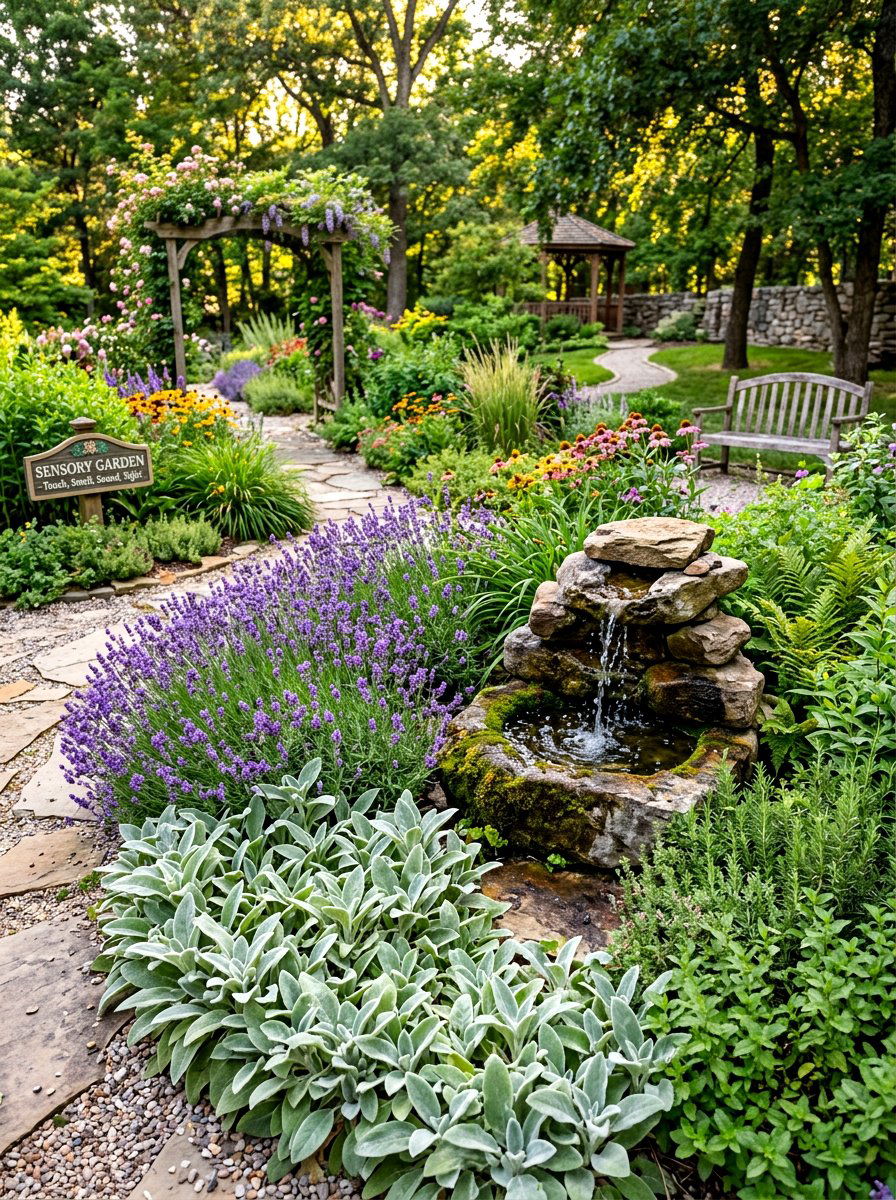
A sensory garden is specifically designed to engage all the senses, from the sight of colorful blooms to the sound of rustling leaves and the scent of fragrant herbs. To make this a four-season experience, you should include plants with various textures, such as fuzzy lamb's ear or prickly conifers. Fragrant flowers like lilacs can dominate the spring, while herbs like thyme and sage provide a constant scent throughout the year. Incorporating a small water feature adds a soothing auditory element that persists through the seasons. This thoughtful design ensures that your garden is a therapeutic and immersive retreat that you can enjoy in many different ways.
16. Hedge Garden
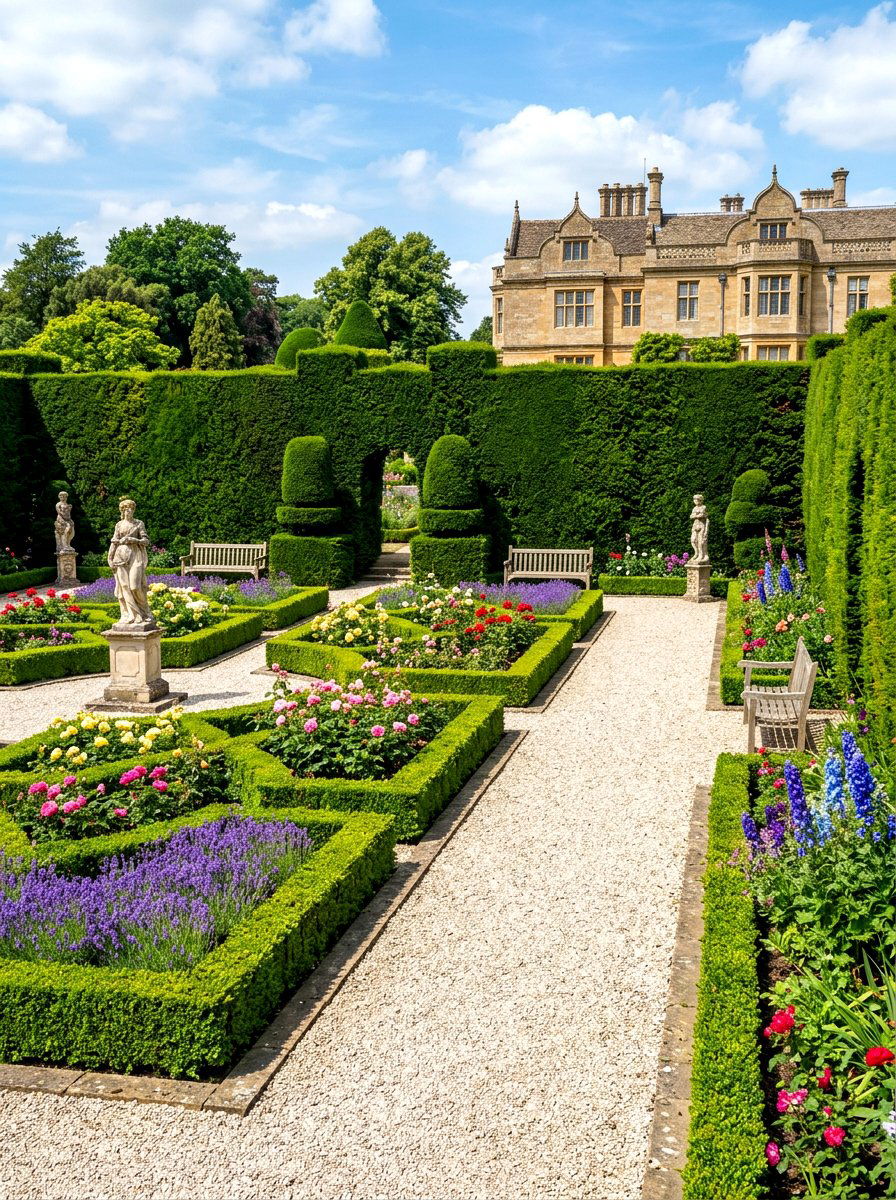
Formal and informal hedges serve as living walls that provide privacy, wind protection, and year-round structure to your landscape. When you choose evergreen varieties like arborvitae or yew, you ensure a solid green boundary that looks impeccable even in the middle of winter. In the spring, these hedges act as a crisp backdrop for colorful flower borders, while in the autumn, they anchor the garden as other plants begin to fade. You can also use flowering shrubs like privet to add a seasonal scent and delicate blooms to your boundaries. Well-maintained hedges give a garden a sense of order and maturity that enhances its overall aesthetic.
17. Drought Tolerant Garden
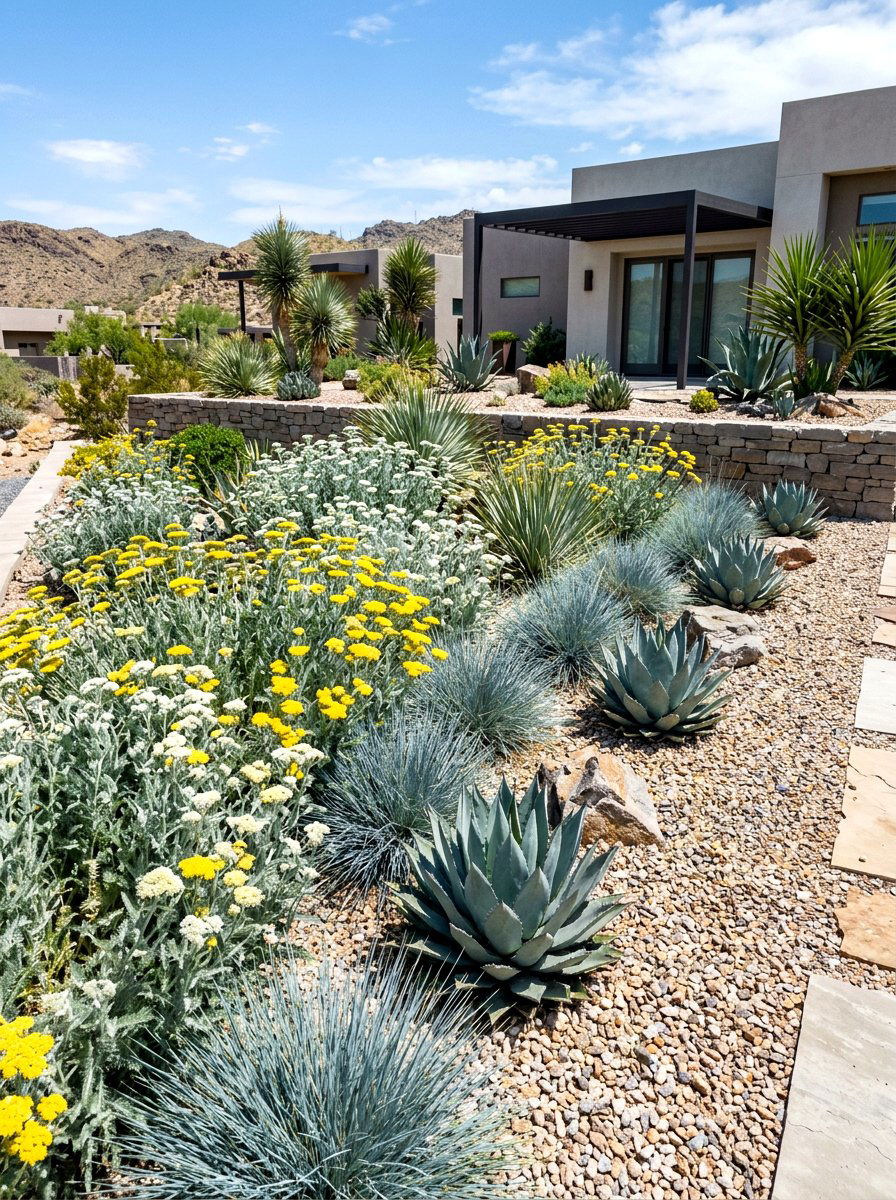
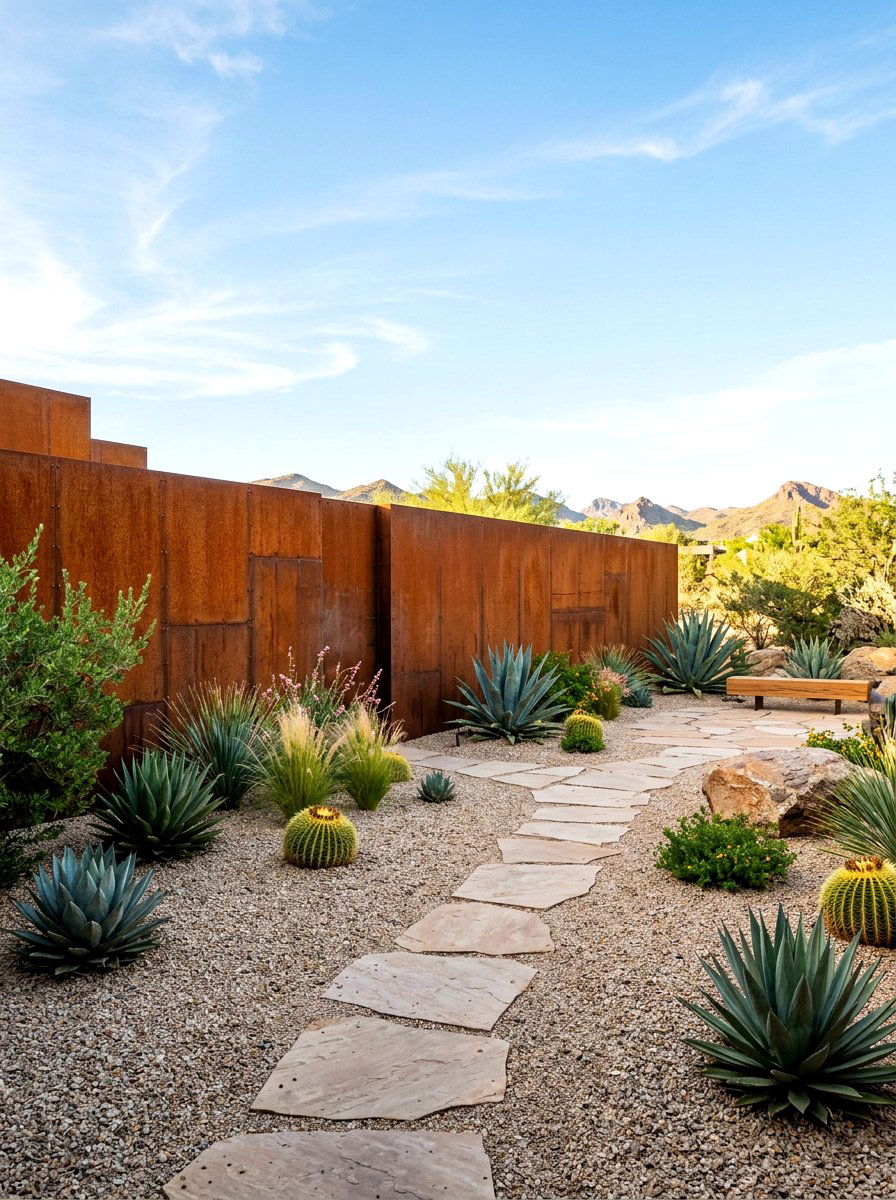
Drought-tolerant gardens, often called xeriscapes, are designed to thrive with very little water while maintaining a lush and attractive appearance. This theme relies on a mix of hardy succulents, ornamental grasses, and silver-foliaged plants that reflect the heat. Many of these plants, like yarrow and Russian sage, have long blooming periods that last from summer through late fall. In the winter, their structural forms and unique textures remain intact, providing a desert-like beauty that is both modern and sustainable. By choosing plants that are naturally water-wise, you create a resilient landscape that stays beautiful through hot summers and cold, dry winters without needing constant care.
18. Rain Garden
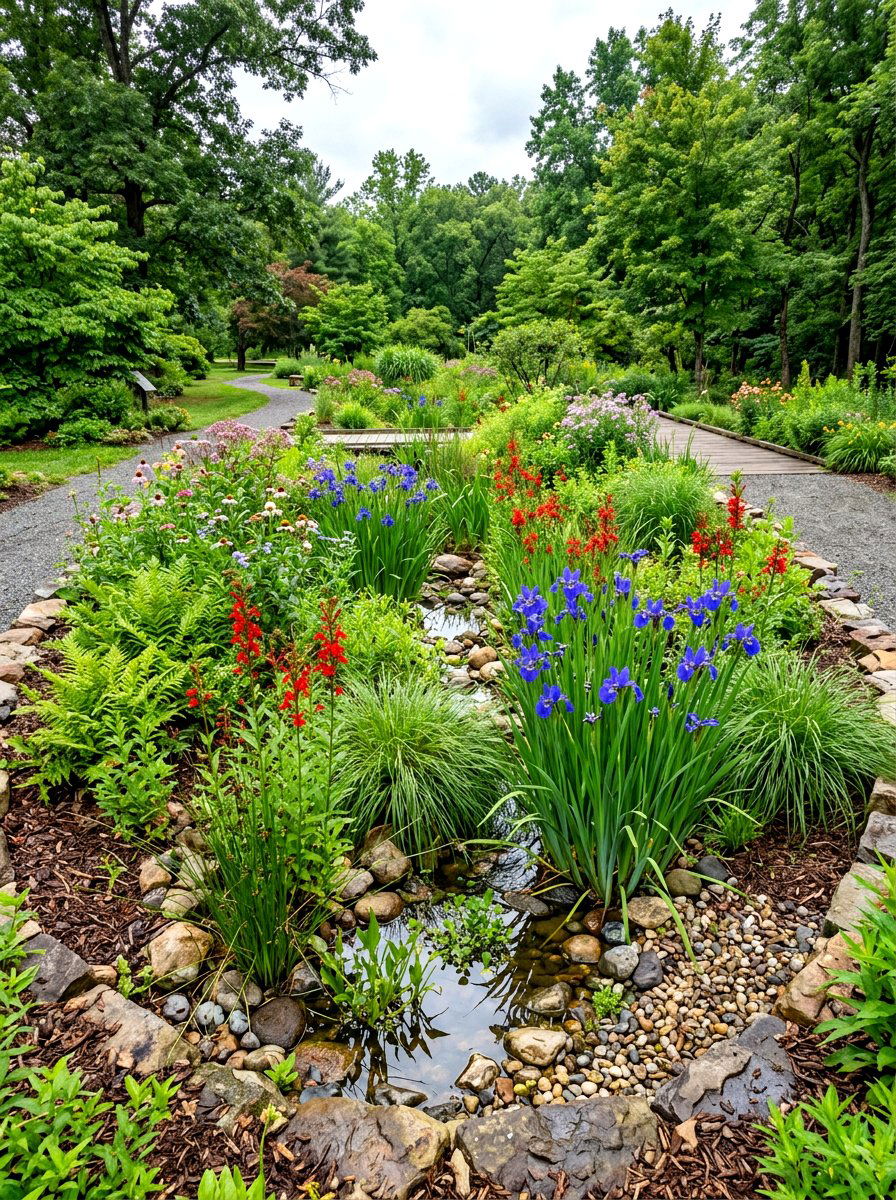
A rain garden is a functional and beautiful way to manage stormwater runoff while creating a diverse habitat that looks great in every season. These gardens are planted in a shallow depression using moisture-loving plants that can handle both wet and dry conditions. In the spring and summer, lush greenery and water-tolerant flowers like iris and cardinal flower take center stage. During the autumn, many of these species offer brilliant foliage color, and in the winter, their sturdy stems help slow down snowmelt and provide texture. This environmentally friendly design turns a potential drainage problem into a stunning focal point that supports local biodiversity throughout the entire year.
19. Zen Garden
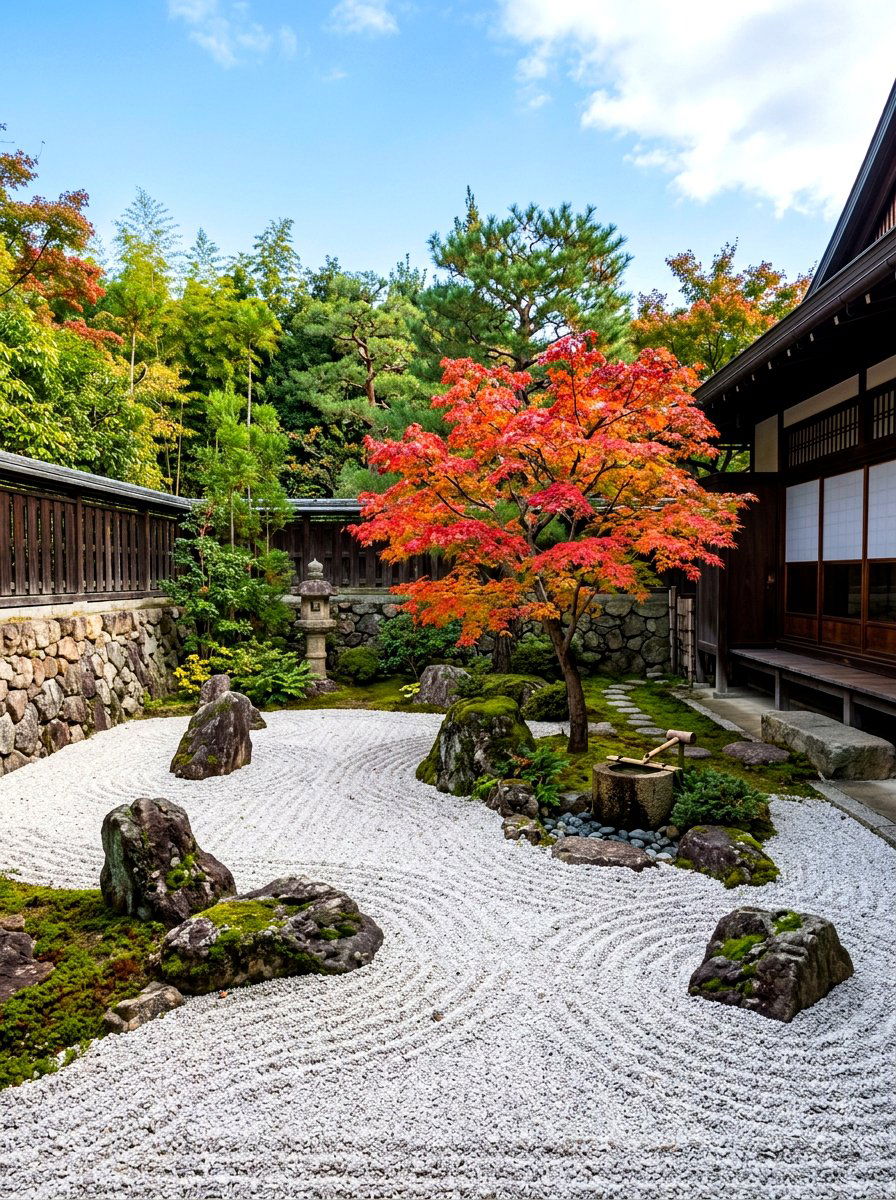
A Japanese-inspired Zen garden uses simple elements like sand, stone, and evergreens to create a peaceful and timeless outdoor space. This style is inherently designed for all four seasons because it relies on permanent structures rather than fleeting floral displays. Neatly raked gravel represents water, while carefully placed boulders symbolize mountains, providing a consistent visual anchor regardless of the weather. Slow-growing evergreens like Japanese maples and moss provide subtle changes in color and texture throughout the year. During the winter, the minimalist design looks particularly striking under a blanket of snow, emphasizing the quiet beauty and meditative quality of the space for a relaxing outdoor experience.
20. Raised Garden
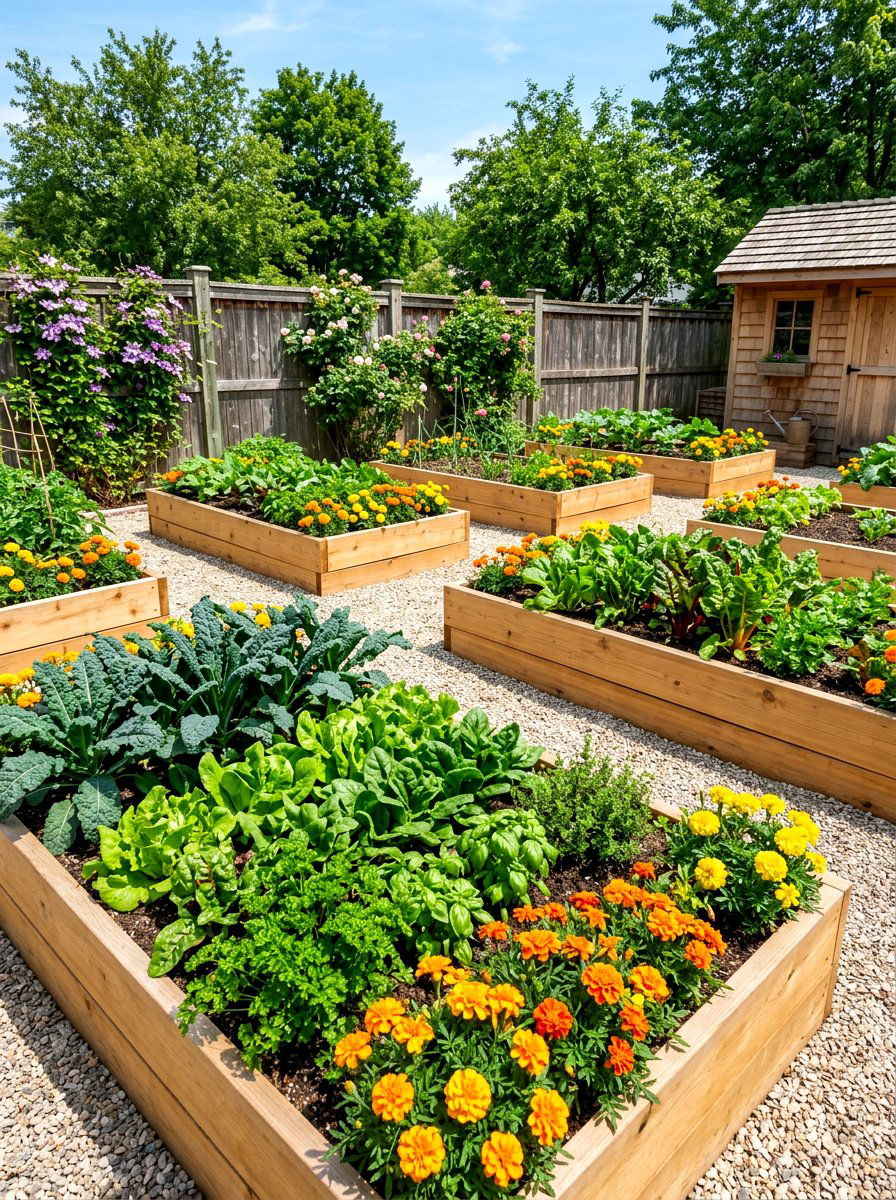
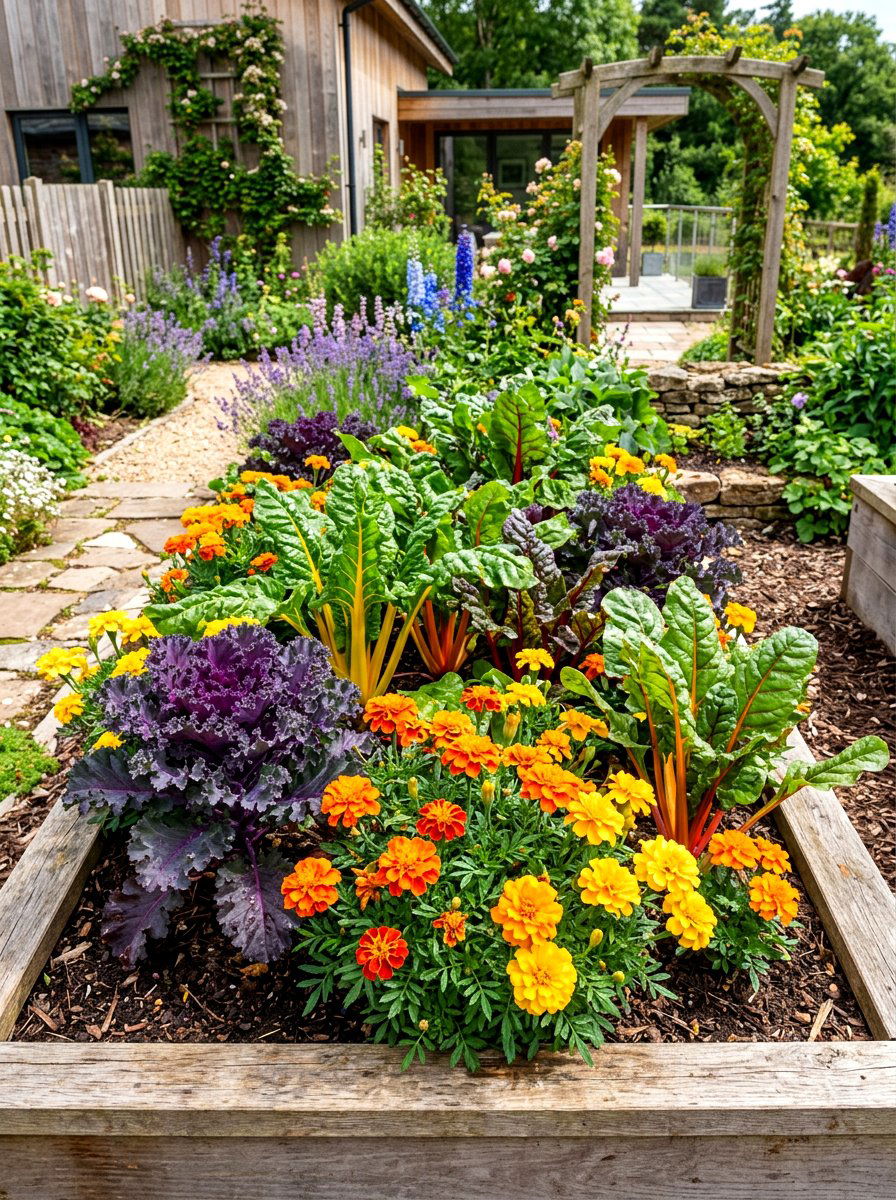
Raised bed gardens offer a clean and organized way to grow a variety of plants while adding architectural height to your landscape. These structures provide a permanent framework that looks tidy and intentional even when the growing season is over. In the spring, you can plant early cool-season crops, followed by a lush display of summer vegetables and flowers. To maintain four-season interest, you can use the beds to house permanent evergreen shrubs or decorative garden art during the winter months. The defined edges of the raised beds help keep the garden looking structured and professional, preventing it from appearing messy during the dormant winter period.
21. Shrub Garden
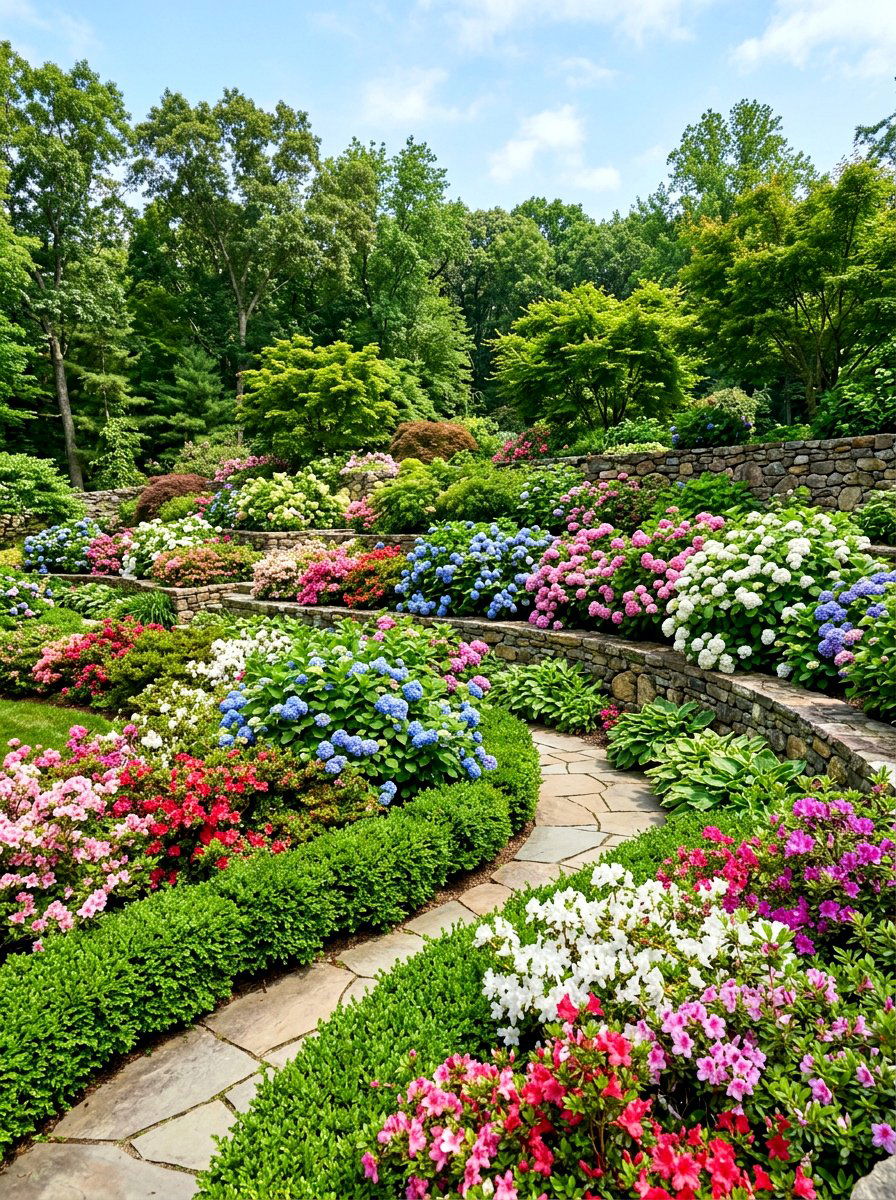
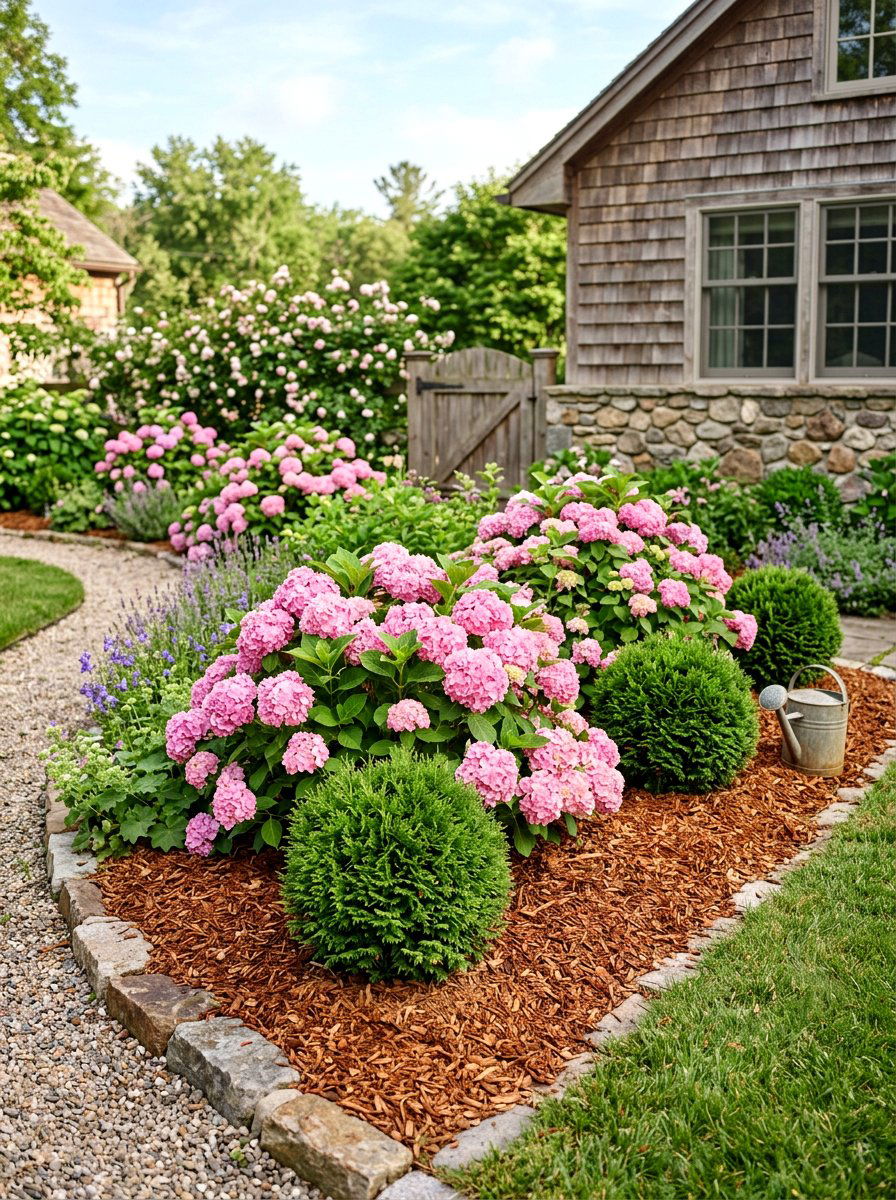
A shrub-focused garden uses a variety of woody plants to create a layered and low-maintenance landscape with year-round appeal. By mixing evergreen shrubs with those that offer spring flowers, summer berries, and autumn foliage, you ensure a constantly evolving display. For example, azaleas provide a burst of spring color, while hydrangeas offer long-lasting summer blooms that can be left to dry on the plant for winter texture. Red-twig dogwoods are a fantastic addition, as their bright red stems provide a dramatic contrast against the winter snow. This approach creates a full and lush garden that requires very little replanting while offering significant visual impact every month.
22. Alpine Garden
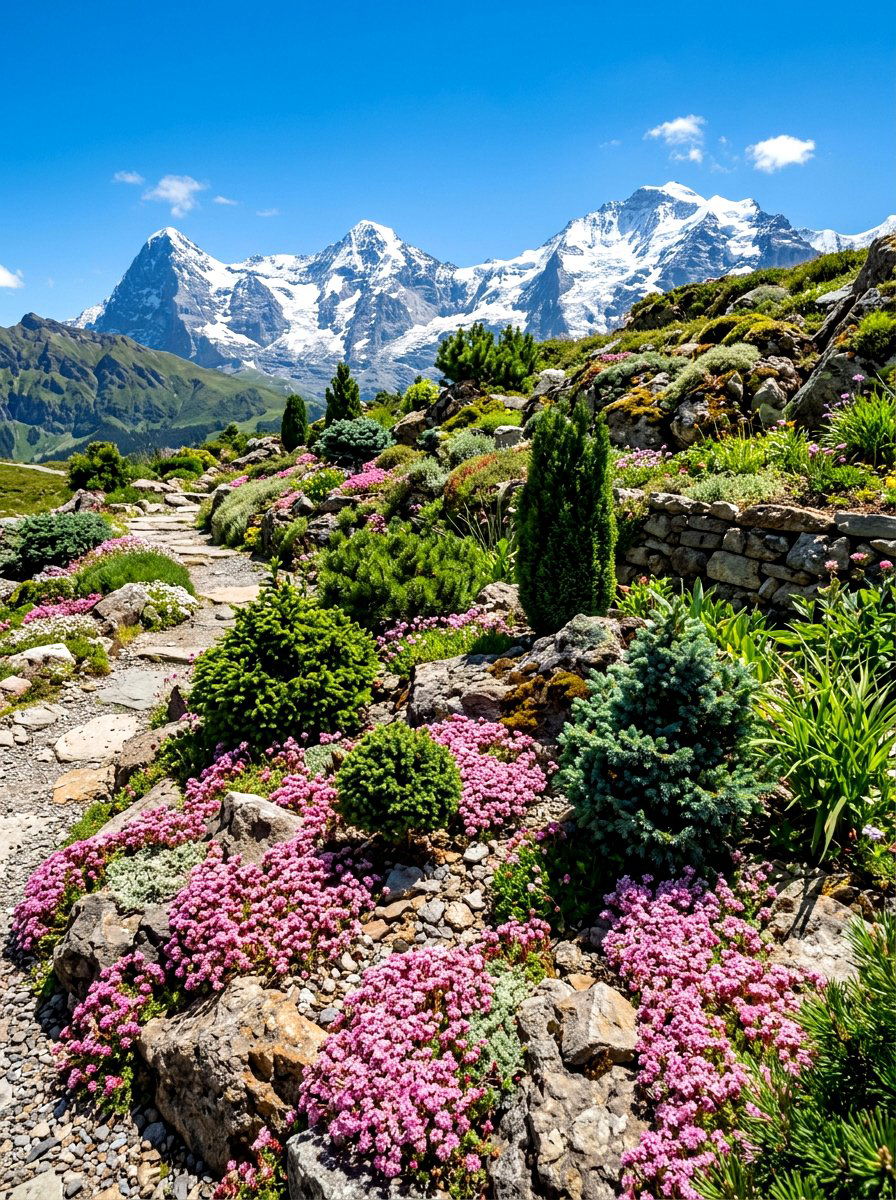
Alpine gardens feature small, incredibly hardy plants that are naturally adapted to harsh mountain environments, making them perfect for year-round interest. These miniature landscapes are often built around rocky outcrops and use a variety of sedums, saxifrages, and dwarf conifers. In the spring, these plants explode with tiny but vibrant flowers that cover the ground like a colorful carpet. Because many alpine plants are evergreen and low-growing, they maintain their interesting textures and shapes throughout the cold winter months. This style is perfect for small spaces or for gardeners who enjoy the detailed beauty of miniature plants that can survive extreme temperatures and windy seasonal conditions.
23. Tropical Garden
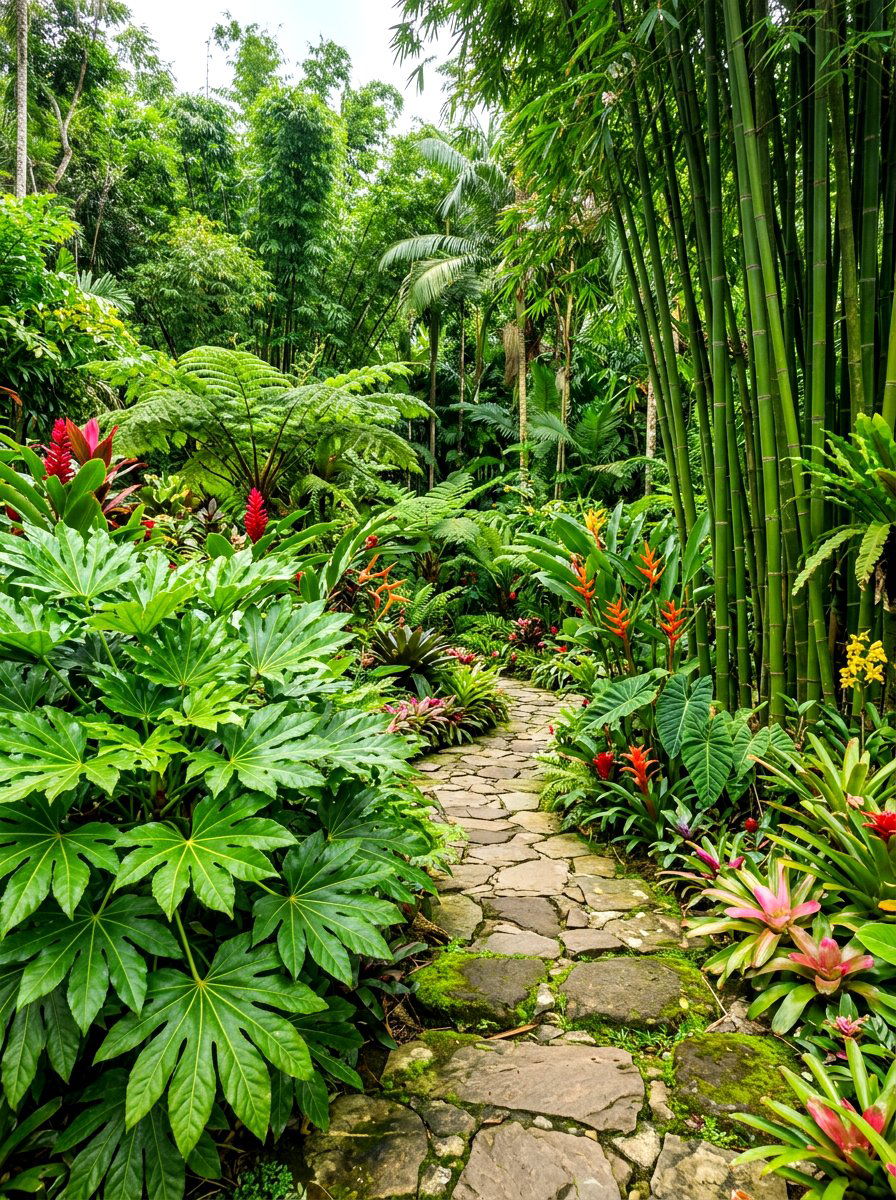
While a tropical garden may seem seasonal, you can achieve a year-round exotic look by using hardy plants with bold, oversized foliage. Use plants like fatsia japonica or certain varieties of bamboo that can survive colder temperatures while maintaining their lush, jungle-like appearance. In the summer, you can add potted tropicals like palms or hibiscus to enhance the theme, moving them indoors for the winter. To keep the look consistent during the cooler months, focus on deep green evergreens with large, architectural leaves. This style creates a dramatic and immersive environment that feels like a private getaway, providing a refreshing change of pace from traditional backyard landscaping.
24. Moon Garden
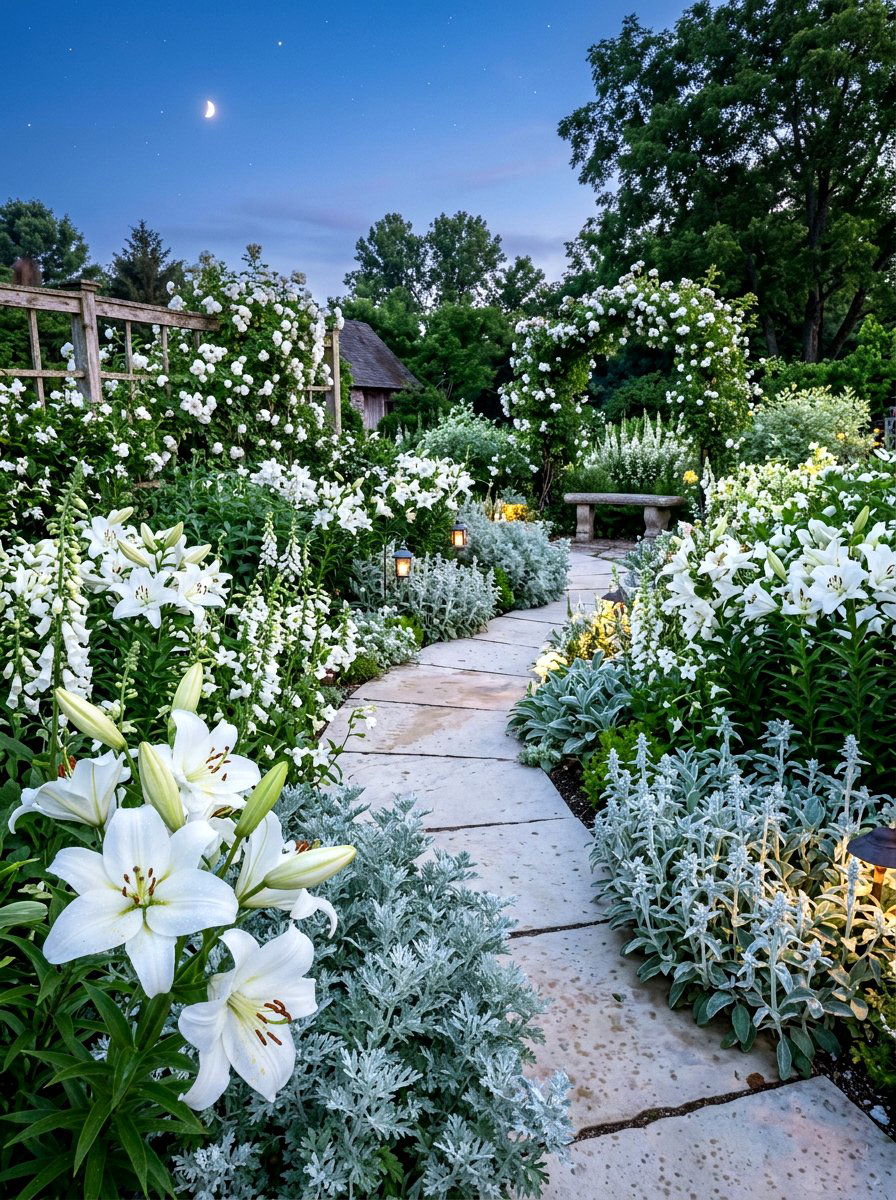
A moon garden is designed to be enjoyed in the evening, using white flowers and silvery foliage that reflect the moonlight. This theme is surprisingly effective for four-season interest because white blooms often start in early spring with snowdrops and continue through late fall with mums. Silver-foliaged plants like artemisia or dusty miller provide a consistent ghostly glow that looks beautiful even in the winter twilight. Incorporating light-colored hardscaping, like white gravel or pale stone, further enhances the ethereal effect. This garden style creates a magical and serene atmosphere that extends your enjoyment of the outdoor space long after the sun has set during any season.
25. Bird Garden
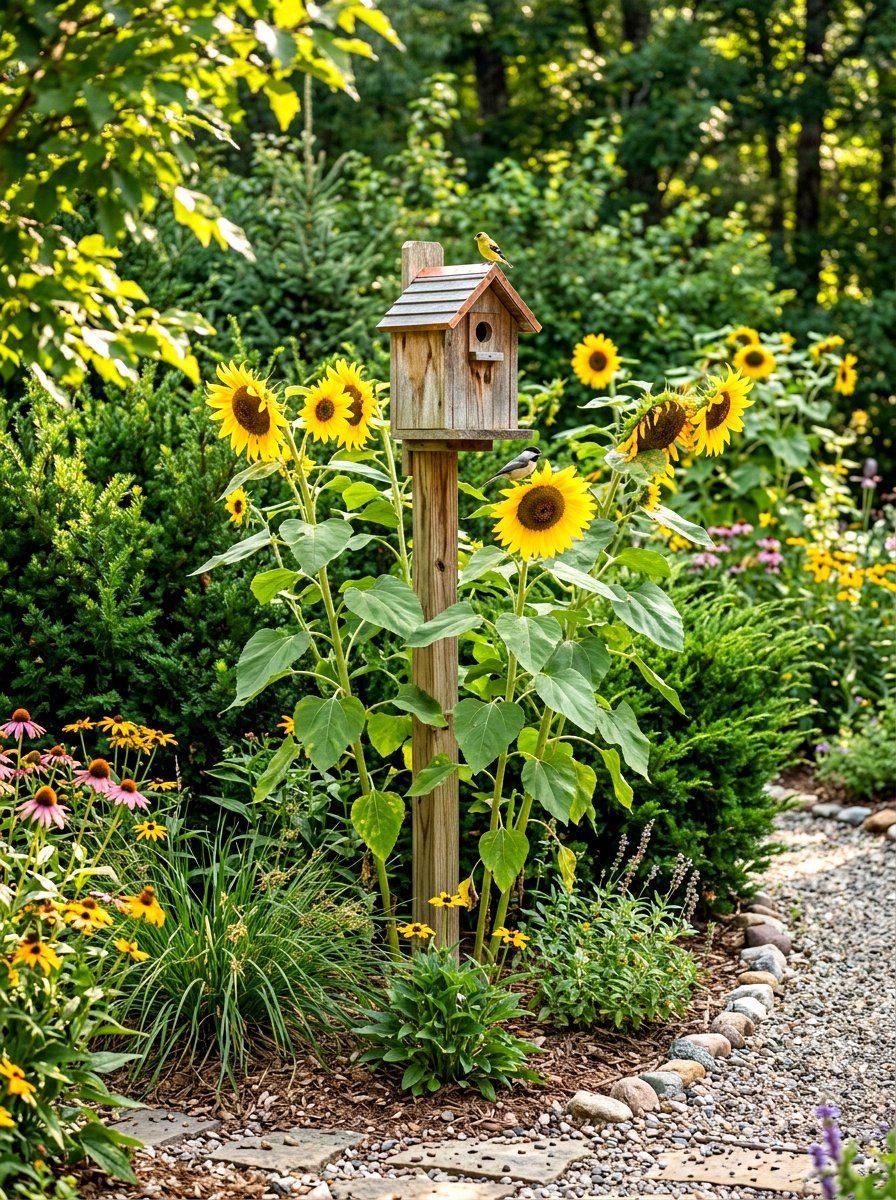
A bird-focused garden is a lively and dynamic space that prioritizes the needs of our feathered friends throughout the entire year. To make this work for all four seasons, you must include a mix of food sources, such as seed-bearing perennials and berry-producing shrubs. Evergreens are critical for providing winter shelter and protection from the wind. In the spring and summer, flowering plants attract insects, which in turn provide food for nesting birds. Adding features like nesting boxes and multiple water stations ensures that your garden remains a hub of activity. This type of landscape provides endless entertainment and the joy of nature right outside your window.
26. Privacy Garden
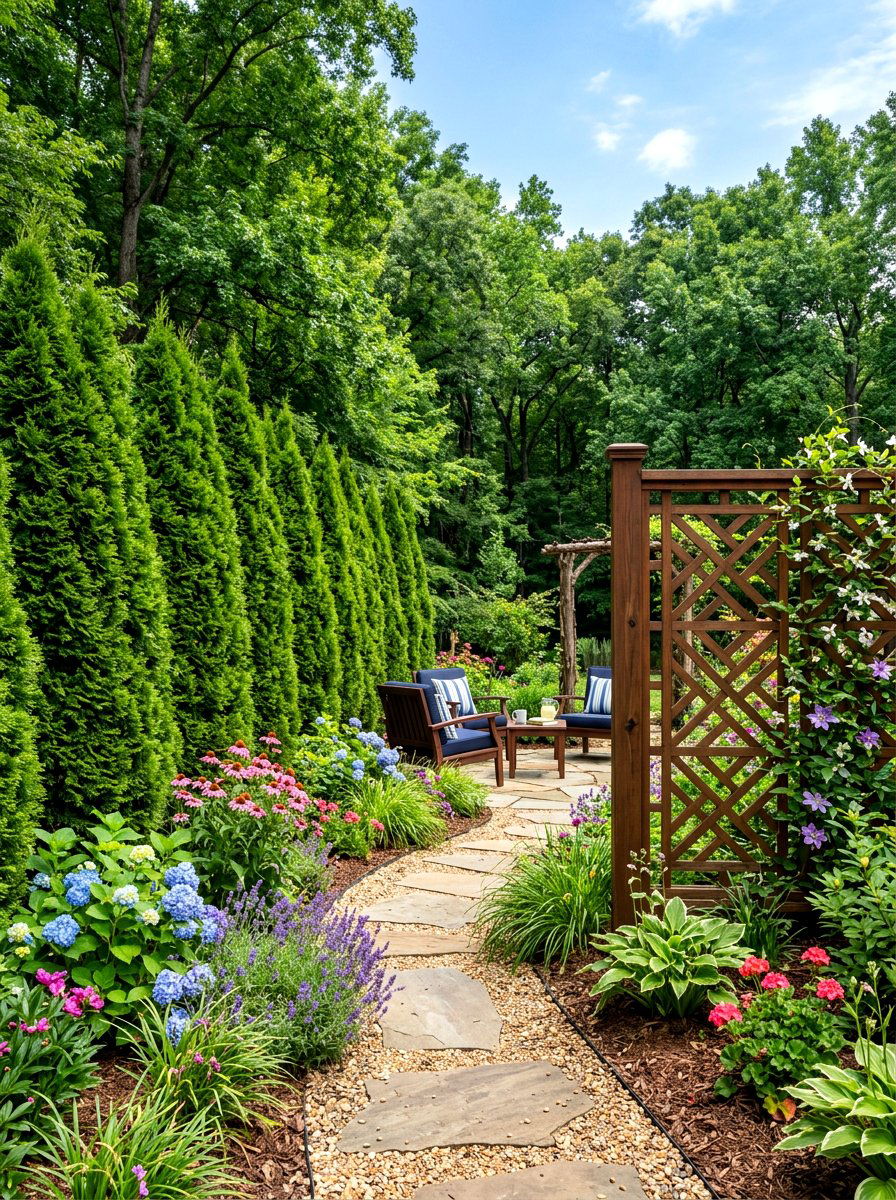
A privacy garden uses dense plantings and structural elements to create a secluded sanctuary that feels protected and cozy all year. To achieve this, you should use a combination of tall evergreen trees, thick hedges, and decorative fencing. In the spring and summer, you can enhance the sense of enclosure with climbing vines and tall perennials like ornamental grasses. During the autumn and winter, the permanent evergreen backbone ensures that you are still shielded from neighbors and the elements. This design turns your backyard into an outdoor room that feels private and intentional, providing a quiet escape from the outside world regardless of the current seasonal weather.
27. Container Garden
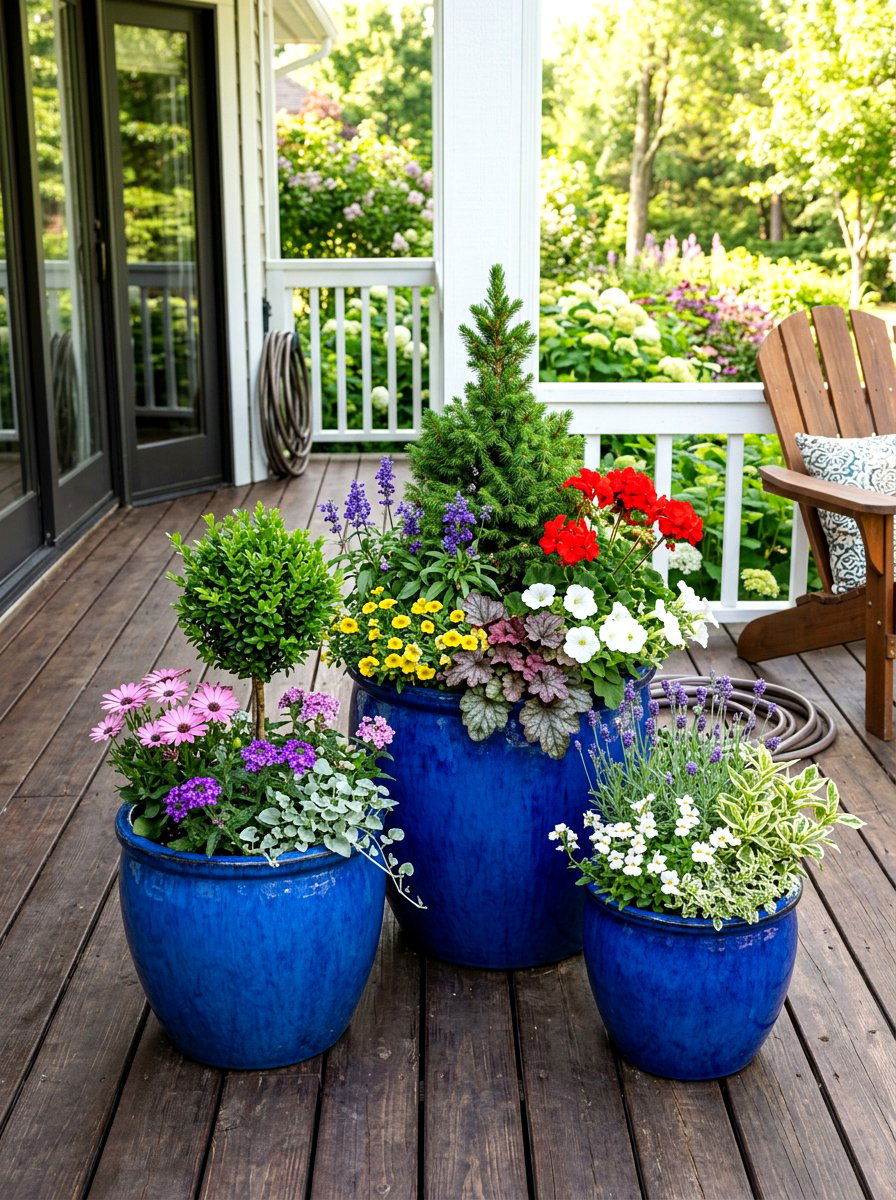
Container gardening is a versatile and high-impact way to bring seasonal beauty to any area of your home, from the front porch to the back deck. By using a mix of permanent evergreen centers and rotating seasonal accents, you can keep your pots looking fresh and full all year. In the spring, add primroses and ivy; in the summer, switch to vibrant geraniums; and in the fall, use ornamental peppers and kale. For the winter, fill the gaps with pine branches, birch poles, and colorful berries. This mobile garden style allows you to experiment with different colors and textures without the commitment of planting directly into the ground.
28. Farmhouse Garden
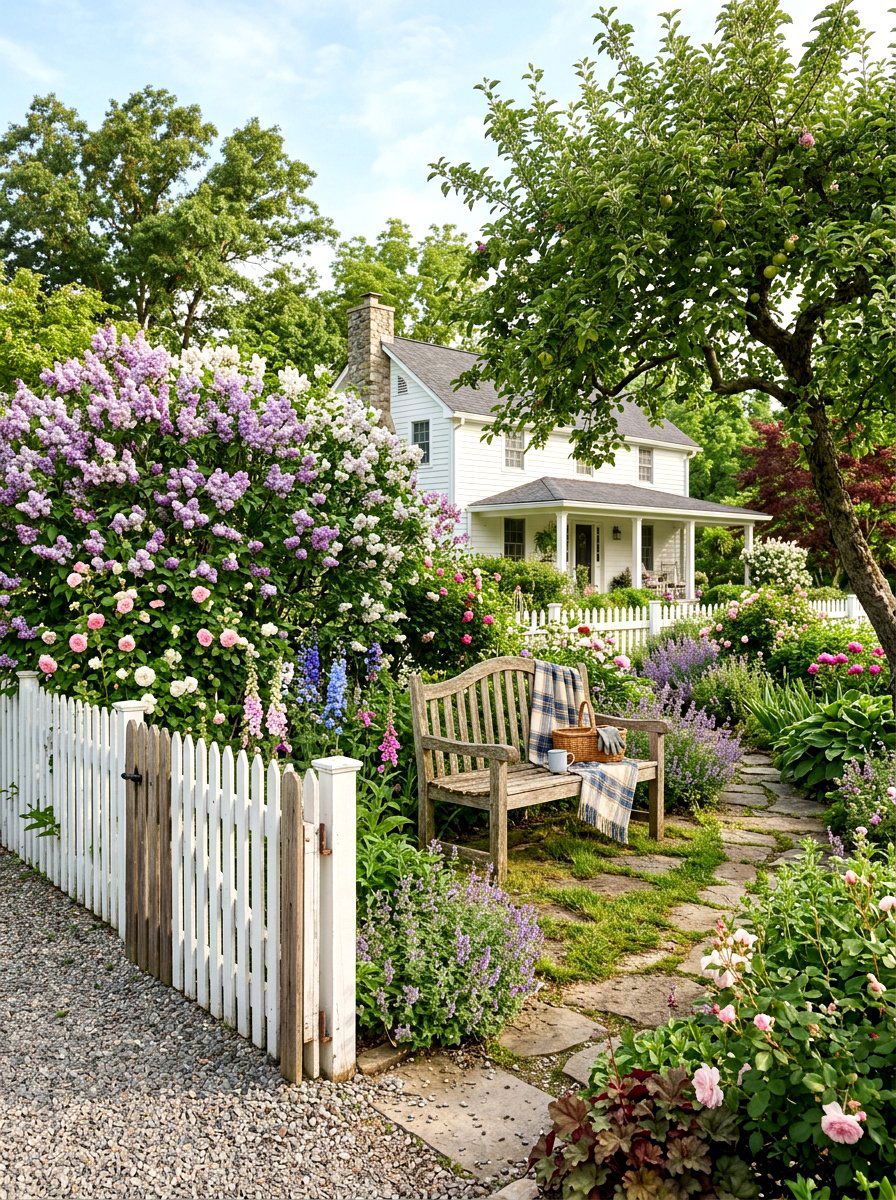
The farmhouse garden style combines rustic charm with practical plantings to create a relaxed and welcoming four-season landscape. This theme often features traditional wooden fences, stone paths, and a mix of old-fashioned flowers like lilacs and hydrangeas. To maintain interest in the winter, include structural elements like a classic wooden bench or a decorative weather vane. Evergreens and hardy shrubs ensure the yard doesn't look barren when the flowers are gone. This style celebrates a simple and natural way of living, providing a cozy and nostalgic atmosphere that feels connected to the land. It is an approachable and timeless design that works well for any sized backyard.
29. Coastal Garden
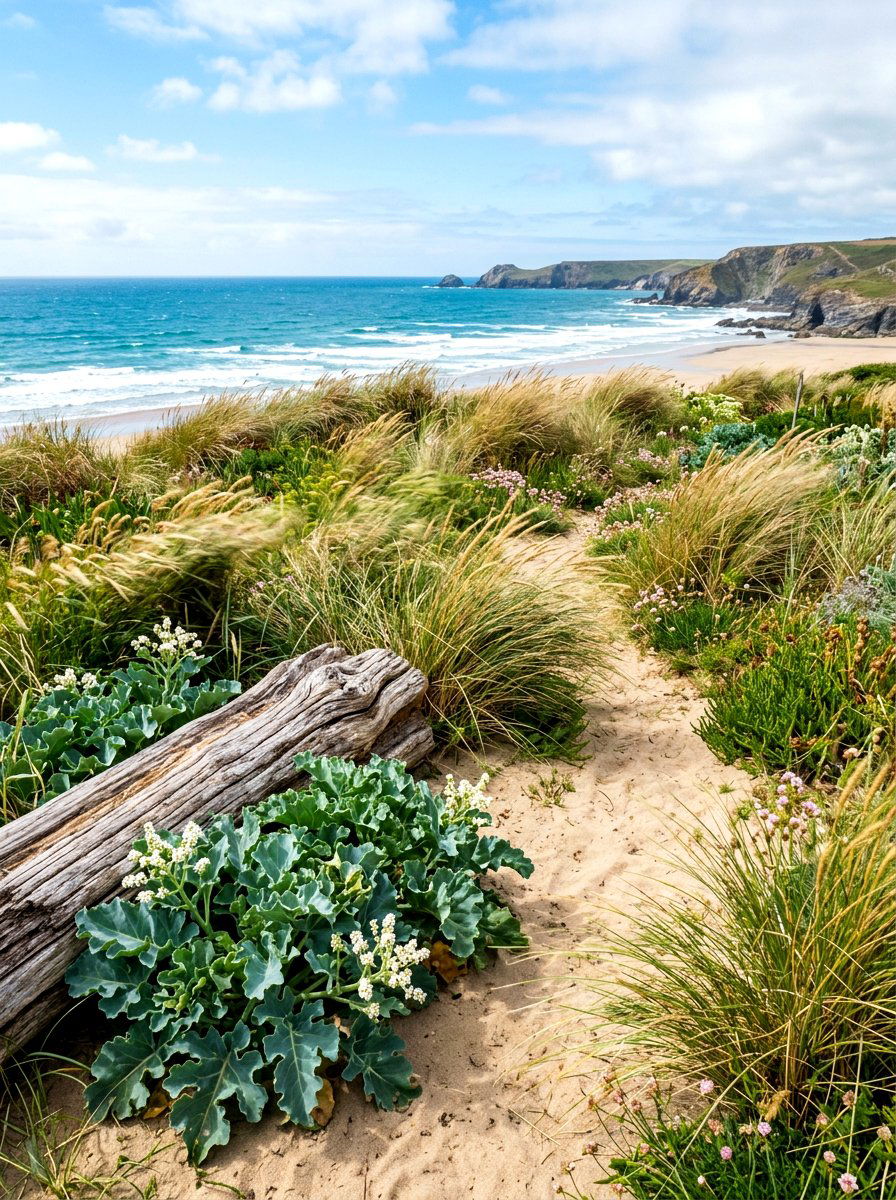
A coastal garden is designed to withstand wind and salt spray while offering a breezy and relaxed aesthetic that looks great in any season. This style uses hardy plants with silvery foliage and flexible stems, such as sea kale or ornamental grasses, which dance in the wind. Incorporating elements like weathered wood, smooth river stones, and sandy paths adds to the seaside feel without needing constant maintenance. In the winter, the muted colors and interesting textures of these plants provide a serene and understated beauty. This low-maintenance approach is perfect for creating a beach-inspired retreat that feels calm and restorative throughout the entire year.
30. Art Garden
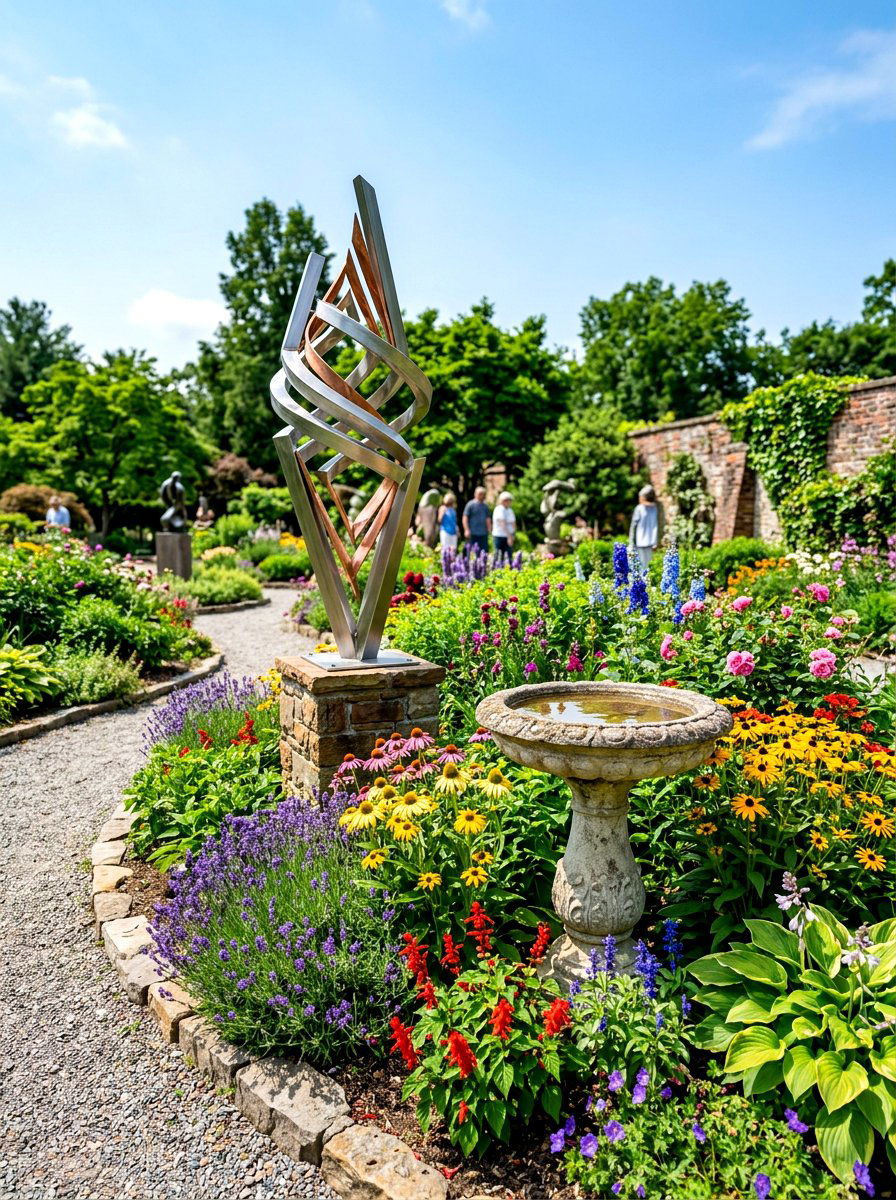
An art garden uses sculptures, birdbaths, and other decorative elements as focal points that provide permanent visual interest regardless of the plants' life cycles. By placing high-quality art pieces throughout your landscape, you create a year-round gallery that remains unchanged by the seasons. In the spring and summer, these pieces are nestled among lush greenery and blooms, while in the winter, they stand out as dramatic silhouettes against the snow. You can also use colorful glass ornaments or metal structures that add a pop of color when the natural world is dormant. This approach combines creativity with nature, ensuring your garden is always a unique and inspiring destination.
Conclusion:
Creating a four-season garden is an ongoing journey that allows you to connect more deeply with the natural cycles of your environment. By thoughtfully combining evergreen structures, seasonal flowering plants, and durable hardscaping, you can ensure that your outdoor space remains a source of beauty and inspiration every day of the year. Whether you prefer the wild abundance of a cottage garden or the clean lines of a modern landscape, the key is to plan for transitions and embrace the unique character of each season. A well-designed garden not only enhances your home's curb appeal but also provides a year-round sanctuary for relaxation and enjoyment.

Related posts: