Starting your own backyard herb garden is one of the most rewarding projects you can undertake for your home. There is nothing quite like the experience of walking just a few steps from your kitchen to harvest fresh, aromatic greens for your evening meal. These gardens do much more than provide culinary ingredients; they transform your outdoor space into a sensory oasis filled with soothing scents and vibrant textures. Whether you have a sprawling lawn or a tiny urban balcony, there is a perfect way to integrate these useful plants into your landscape. Herbs are generally very hardy and forgiving, making them the ideal choice for both beginning gardeners and seasoned experts looking to enhance their outdoor environment.
1. Vertical wall herb garden
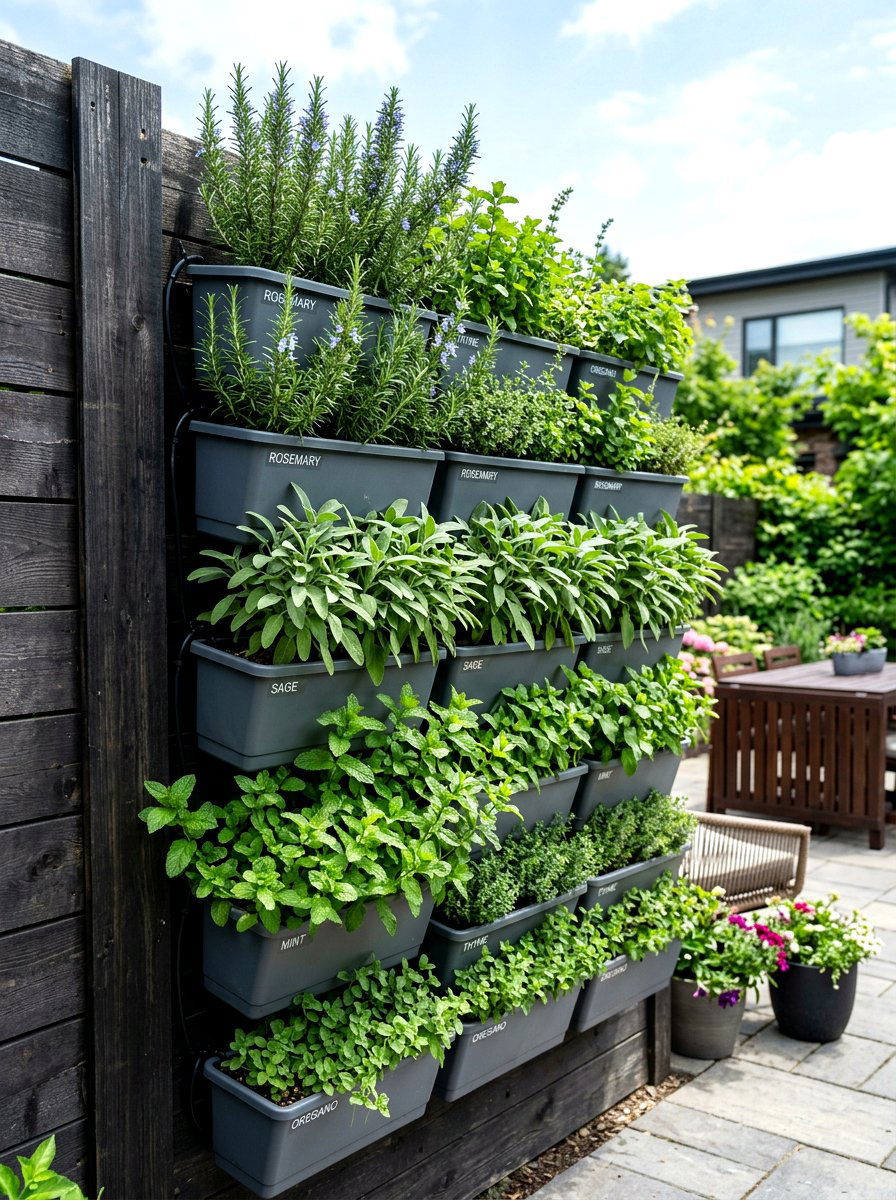
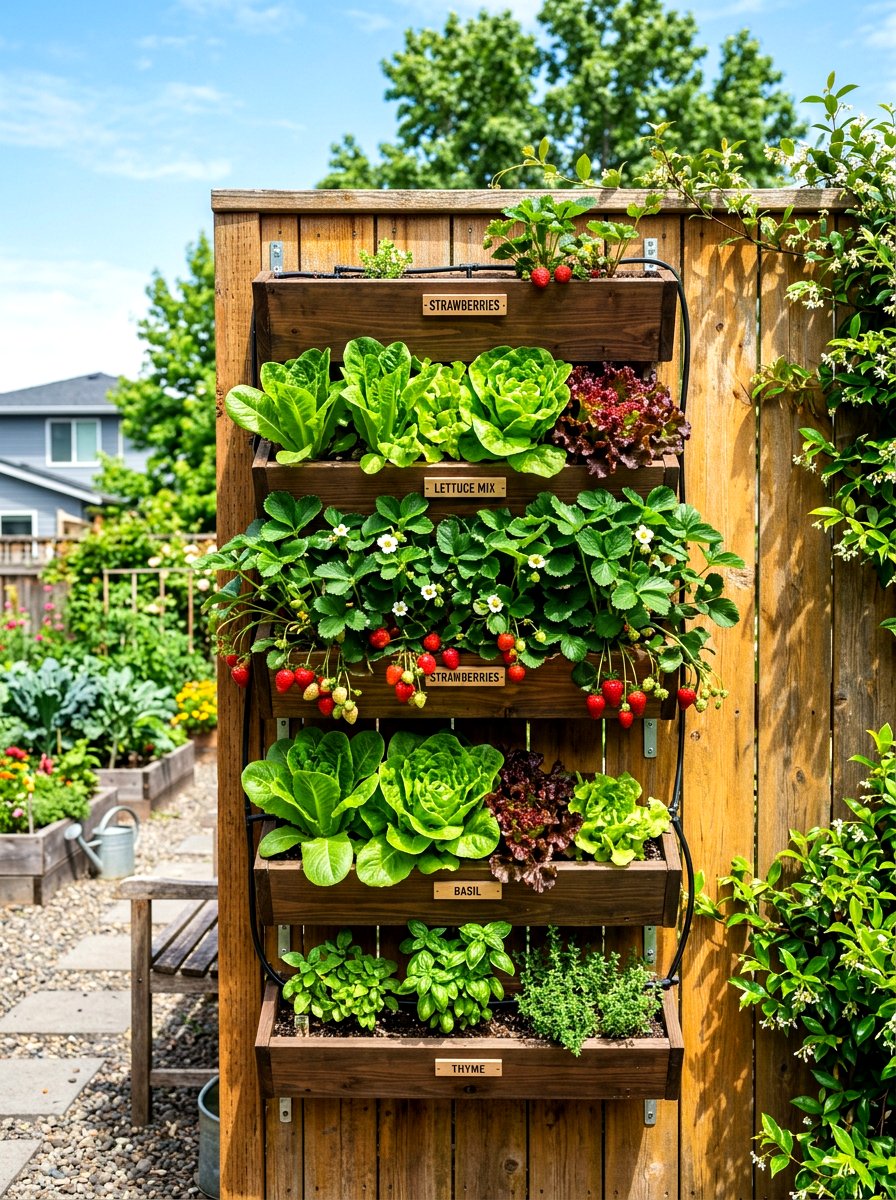
Maximizing your available space becomes effortless when you choose a vertical wall herb garden for your patio or fence. This approach is especially beneficial for small backyards where ground space is at a premium. By utilizing vertical surfaces, you can create a living tapestry of rosemary, thyme, and oregano that acts as a natural privacy screen. These systems often use modular pockets or mounted wooden boxes that allow for excellent drainage and airflow. Installing this type of garden near your outdoor seating area ensures that the refreshing scent of mint or lavender lingers in the air during summer evenings. It is a modern and stylish way to keep your favorite seasonings within arm's reach while adding a lush, green aesthetic to your exterior walls.
2. Raised wooden garden bed
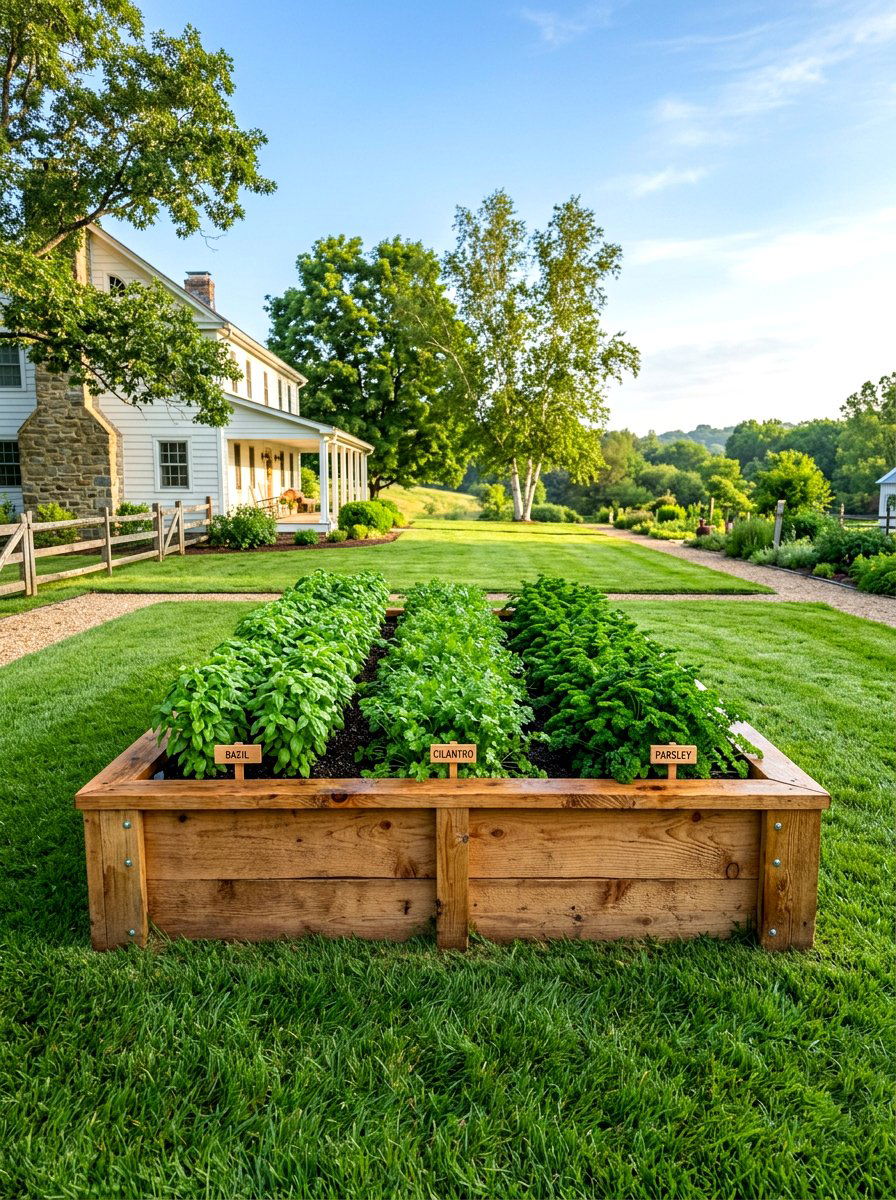
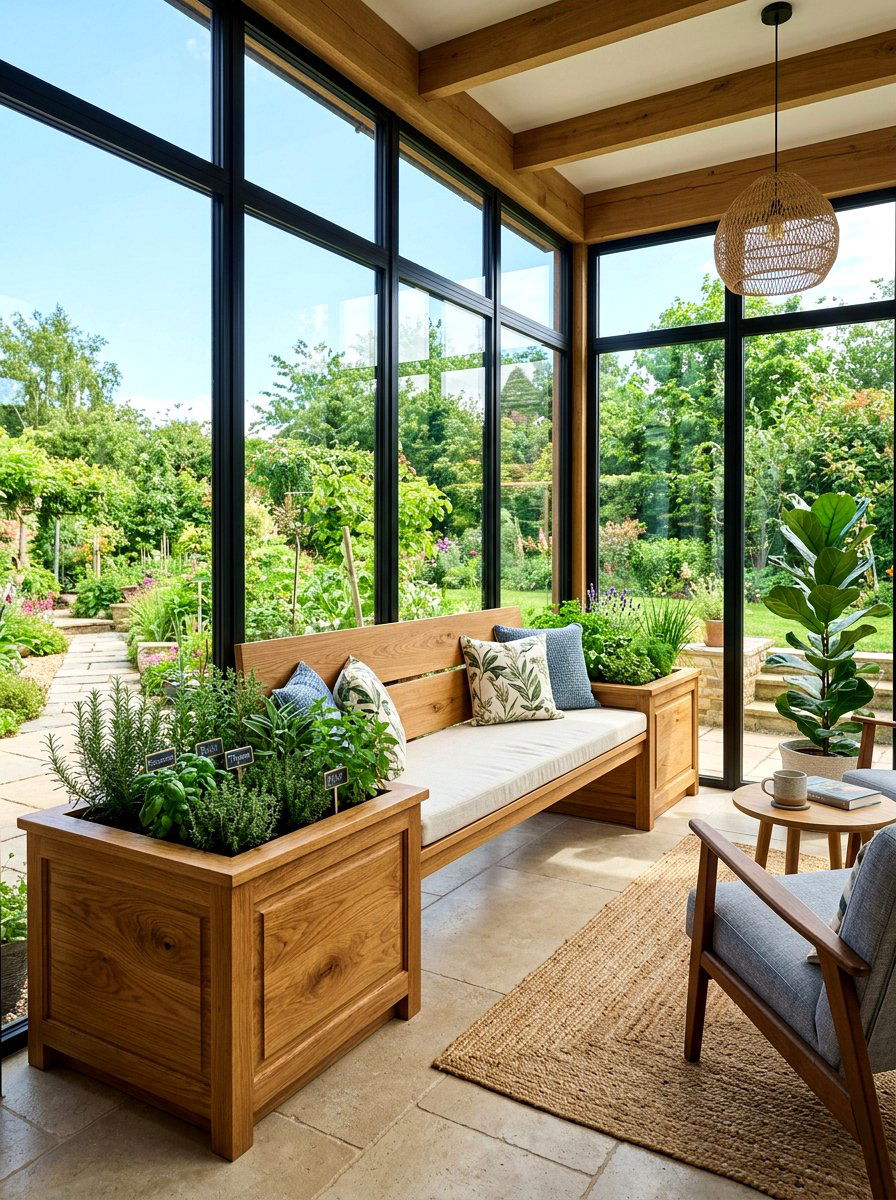
A classic raised wooden garden bed offers a structured and organized way to grow a wide variety of herbs. These beds are usually constructed from cedar or redwood because these materials naturally resist rot and insects without the need for harsh chemicals. Raising the soil level helps with drainage and prevents the ground from becoming too compacted over time. This design also makes gardening much easier on your back and knees since you do not have to bend down as far to prune or harvest. You can easily separate different types of herbs into specific sections to ensure they each get the proper amount of water. A well-placed wooden bed provides a beautiful focal point that grounds your backyard landscaping.
3. Tiered ladder plant stand
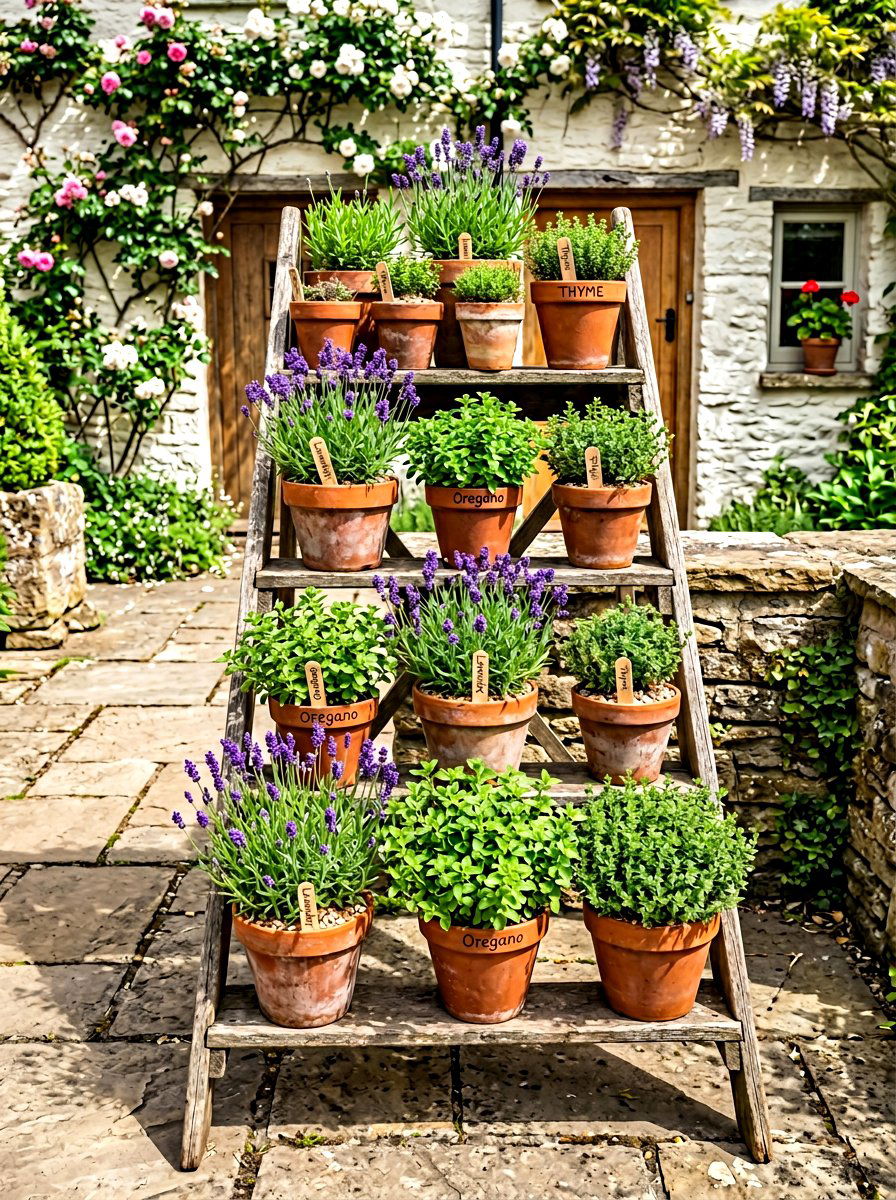
If you want a charming and portable solution, a tiered ladder plant stand is an excellent choice for displaying your herb collection. This design uses multiple levels to ensure that every plant receives adequate sunlight throughout the day. You can place sun-loving Mediterranean herbs like sage and rosemary on the top steps while keeping moisture-loving plants like parsley or chives on the lower tiers. The ladder structure adds a rustic, farmhouse feel to your backyard or deck. It is also a great option for renters because the entire garden can be moved easily if you relocate. Using a ladder stand allows you to create a dense cluster of greenery without taking up a significant amount of floor space.
4. Hanging pot herb display
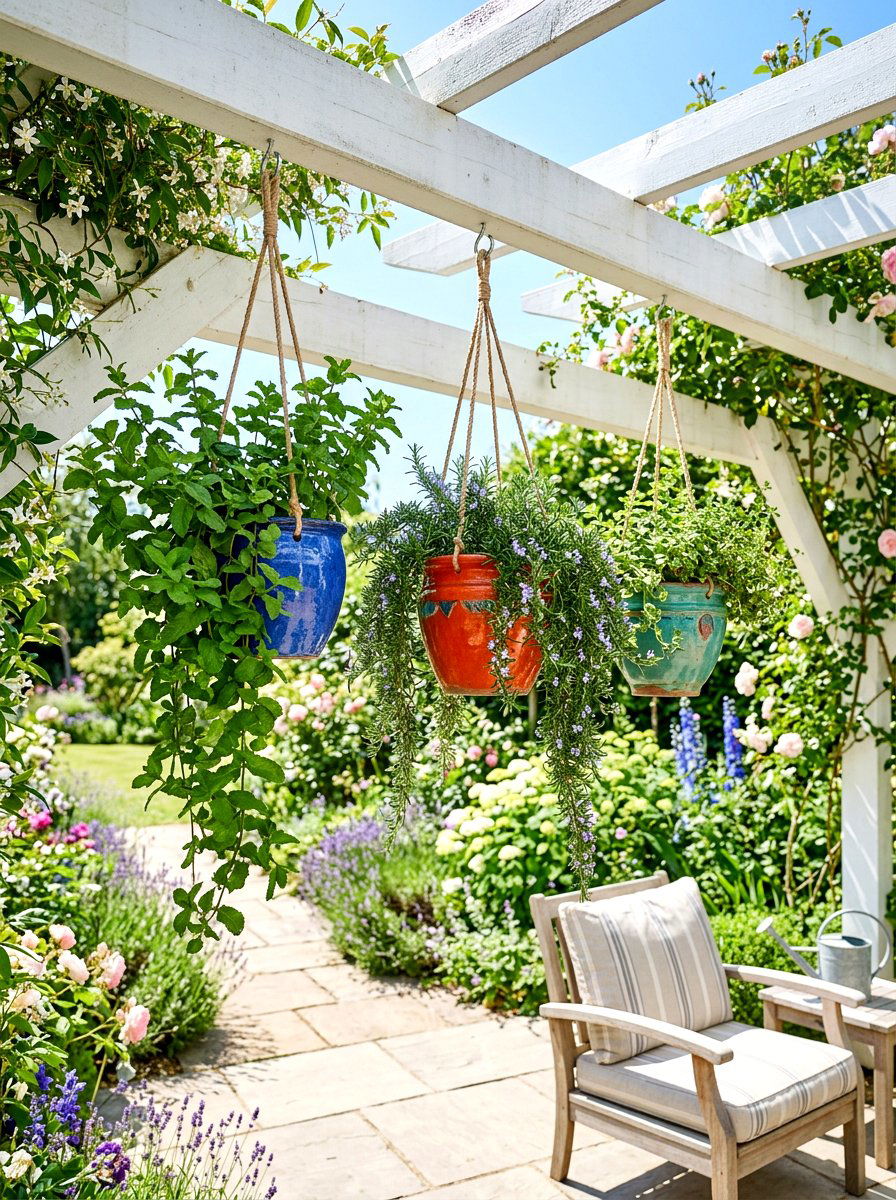
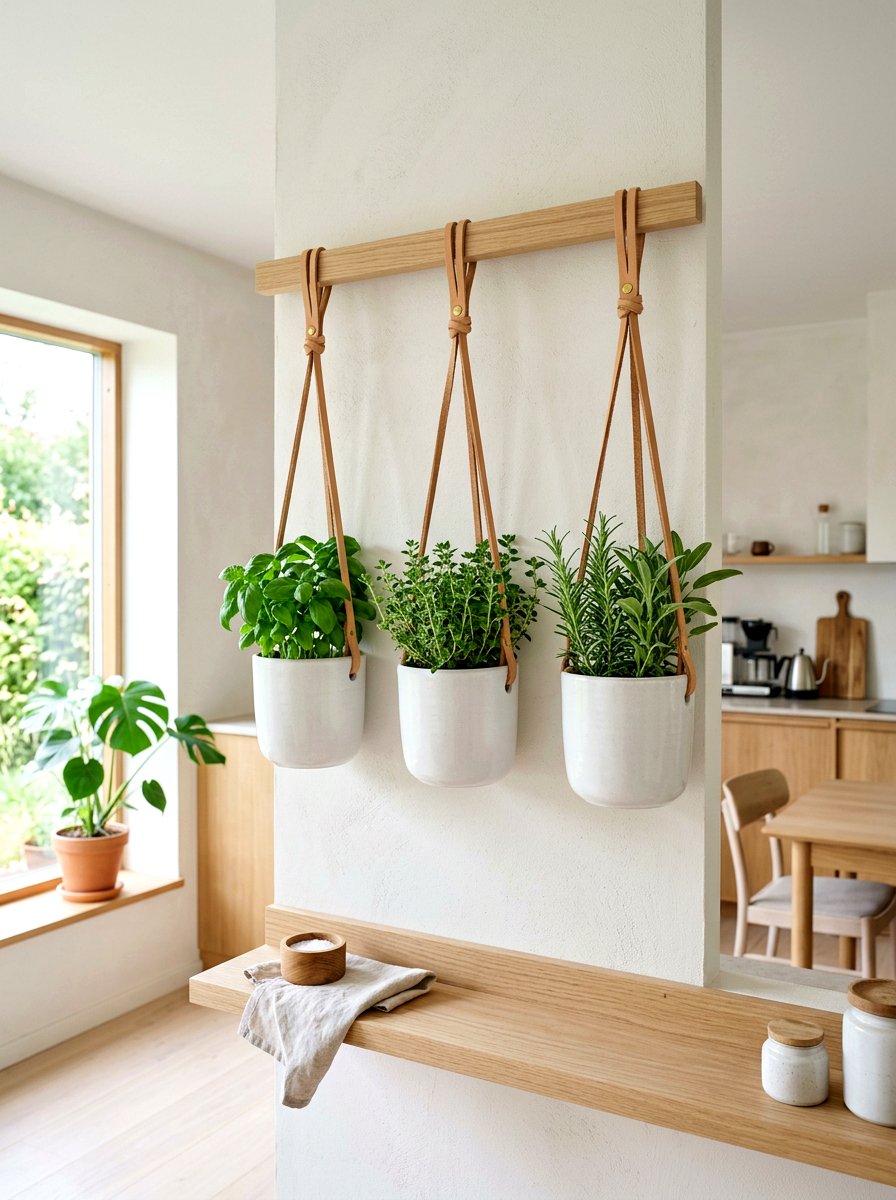
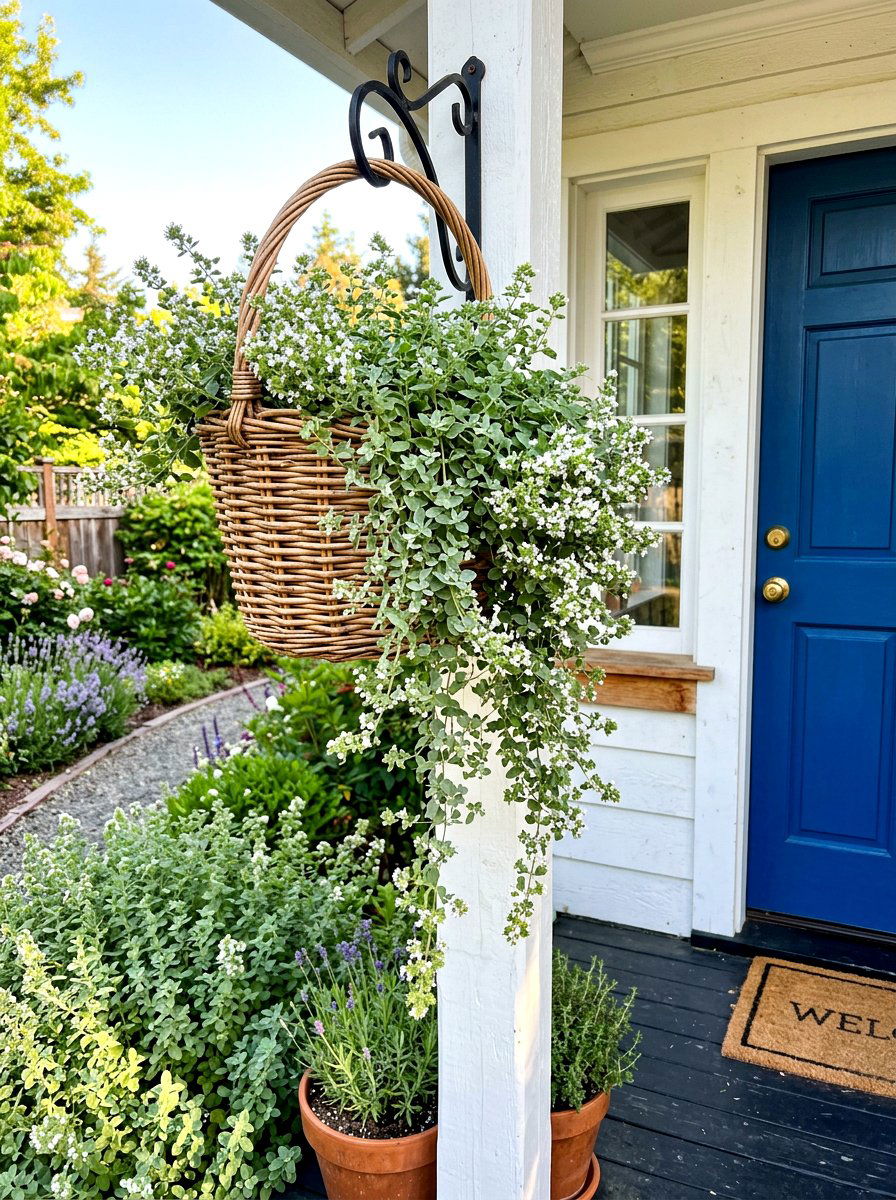
Creating a hanging pot herb display is a fantastic way to utilize the overhead space on your porch or pergola. By suspending your herbs in attractive ceramic or metal pots, you keep them away from ground-dwelling pests and curious pets. This arrangement allows trailing herbs like creeping thyme or prostrate rosemary to spill over the edges, creating a beautiful cascading effect. It is important to ensure that each hanging pot has a drainage hole to prevent the roots from sitting in excess water. This setup looks particularly stunning when you use a variety of pot colors and textures to match your outdoor furniture. It turns your herb garden into a floating art installation that catches the breeze and smells wonderful.
5. Mason jar herb garden
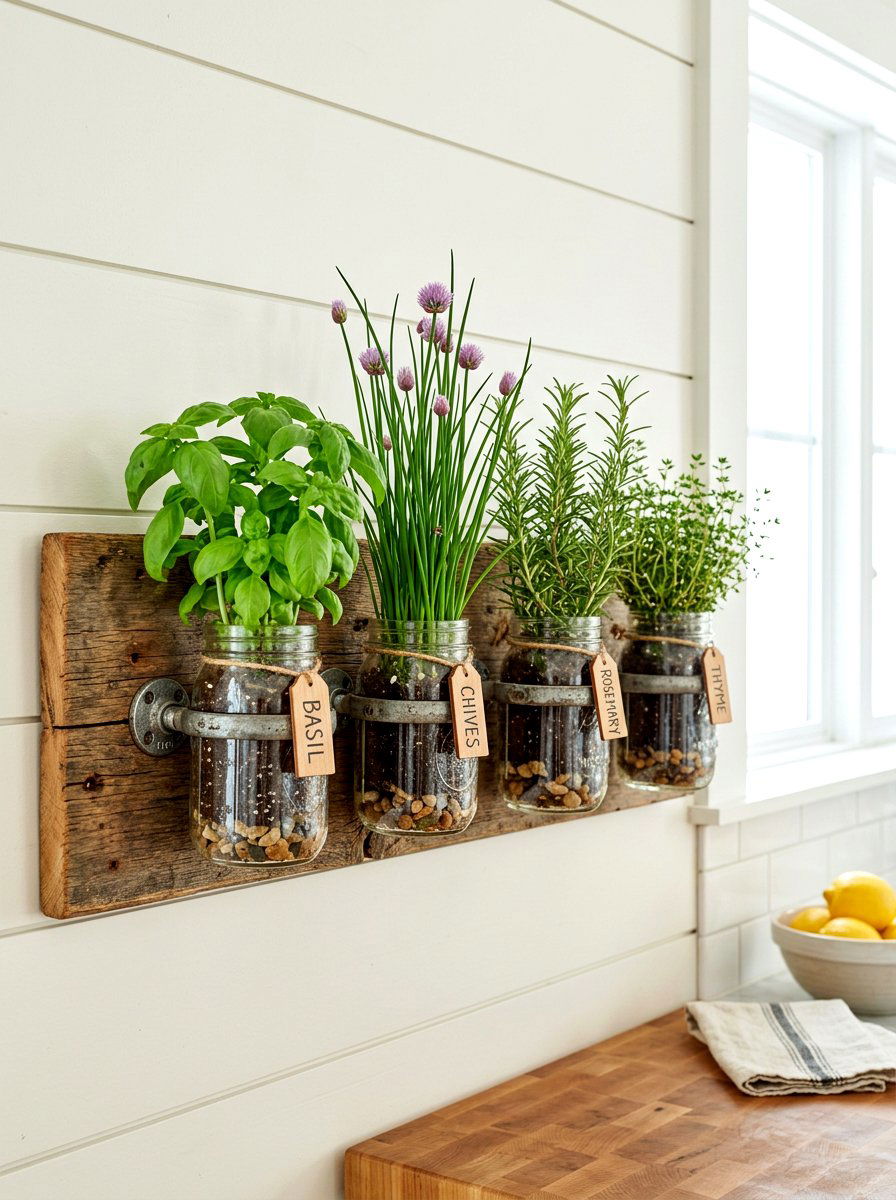
A mason jar herb garden brings a touch of vintage charm to your outdoor kitchen or potting bench. These glass jars are perfect for smaller herbs like basil or cilantro, and their clear sides allow you to monitor root growth and moisture levels easily. Since jars do not have drainage holes, it is essential to place a layer of small stones or charcoal at the bottom to prevent root rot. You can mount these jars to a piece of reclaimed wood for a more permanent wall fixture or line them up along a sunny railing. This method is incredibly cost-effective and allows you to swap out plants as your seasonal cooking needs change. It is a simple yet elegant way to display greenery.
6. Spiral stone herb garden
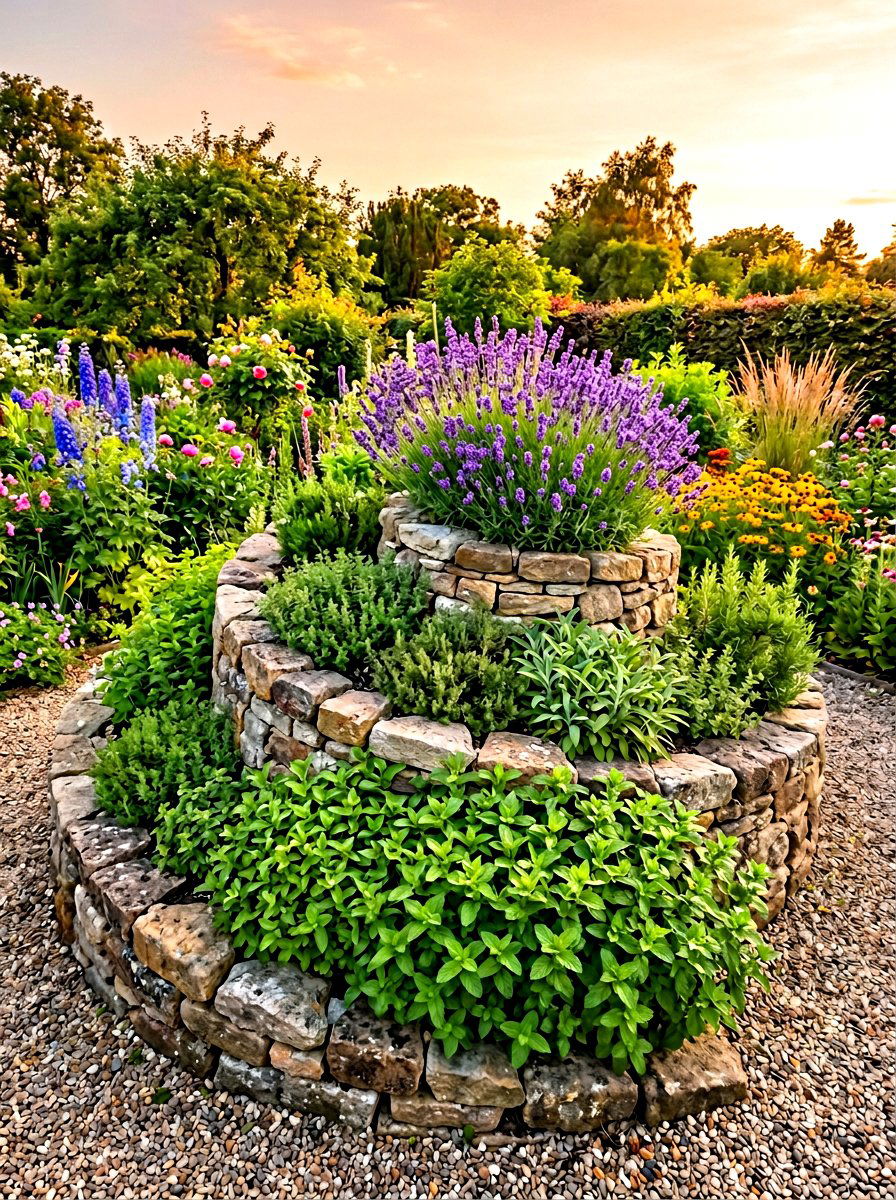
Building a spiral stone herb garden is a brilliant way to create multiple microclimates within a very small footprint. This permaculture-inspired design uses stacked stones or bricks to form a rising spiral that provides different levels of drainage and sun exposure. The very top of the spiral is the driest and sunniest spot, which is perfect for drought-tolerant herbs like lavender. As the spiral winds downward, the soil becomes progressively more moist and shaded, creating the ideal home for plants like chives and mint. Not only is this garden highly functional, but it also serves as a sculptural element in your landscape. It mimics natural patterns and adds a unique, artistic touch to any traditional backyard layout.
7. Cedar window box garden
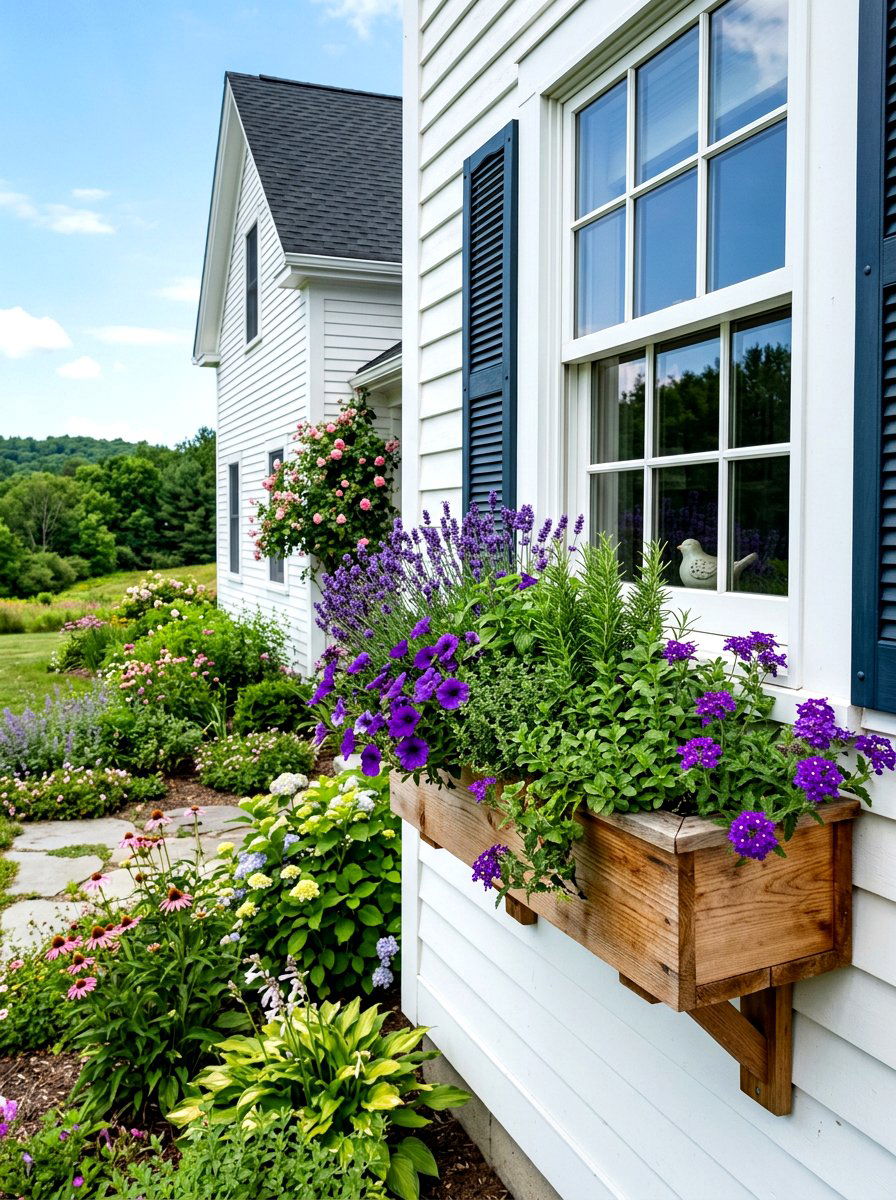
A cedar window box garden is the ultimate way to keep your kitchen staples right outside your window for easy access. These boxes are designed to be mounted directly under a window sill, allowing you to simply reach out and snip what you need while cooking. Cedar is the preferred material because it handles outdoor moisture exceptionally well and develops a beautiful silver patina over time. You can fill these boxes with a dense mix of colorful herbs like purple basil and golden variegated sage for a striking visual contrast. This arrangement also helps to naturally fragrance the air that enters your home through the open window. It is a space-saving classic that never goes out of style.
8. Galvanized stock tank garden
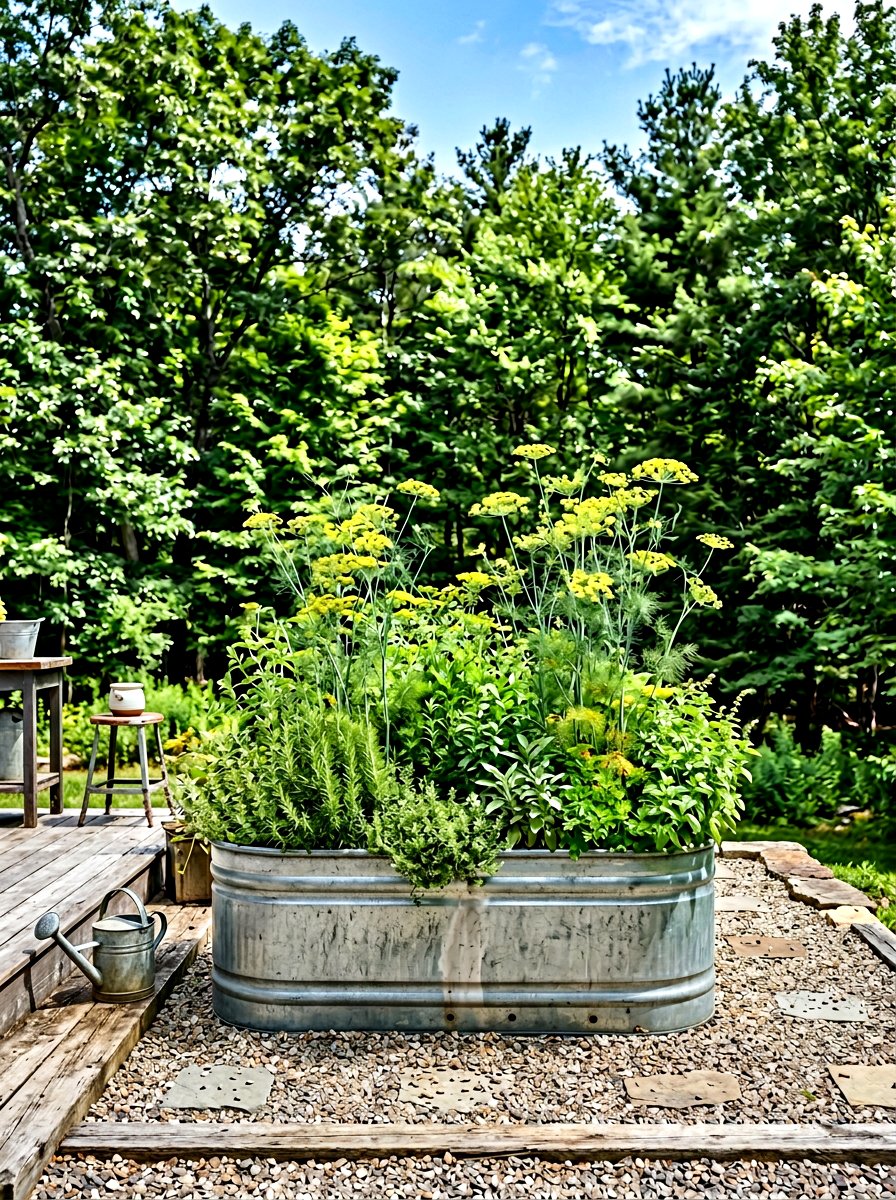
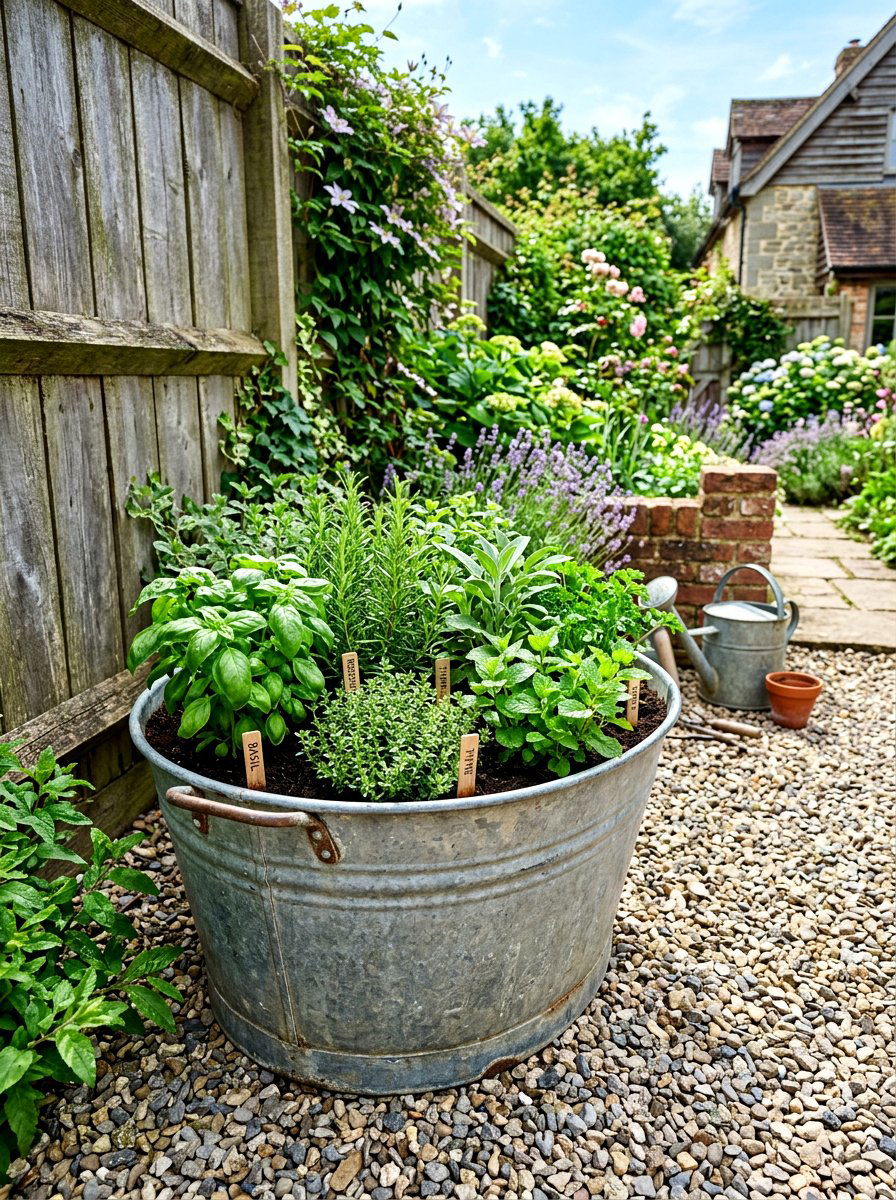
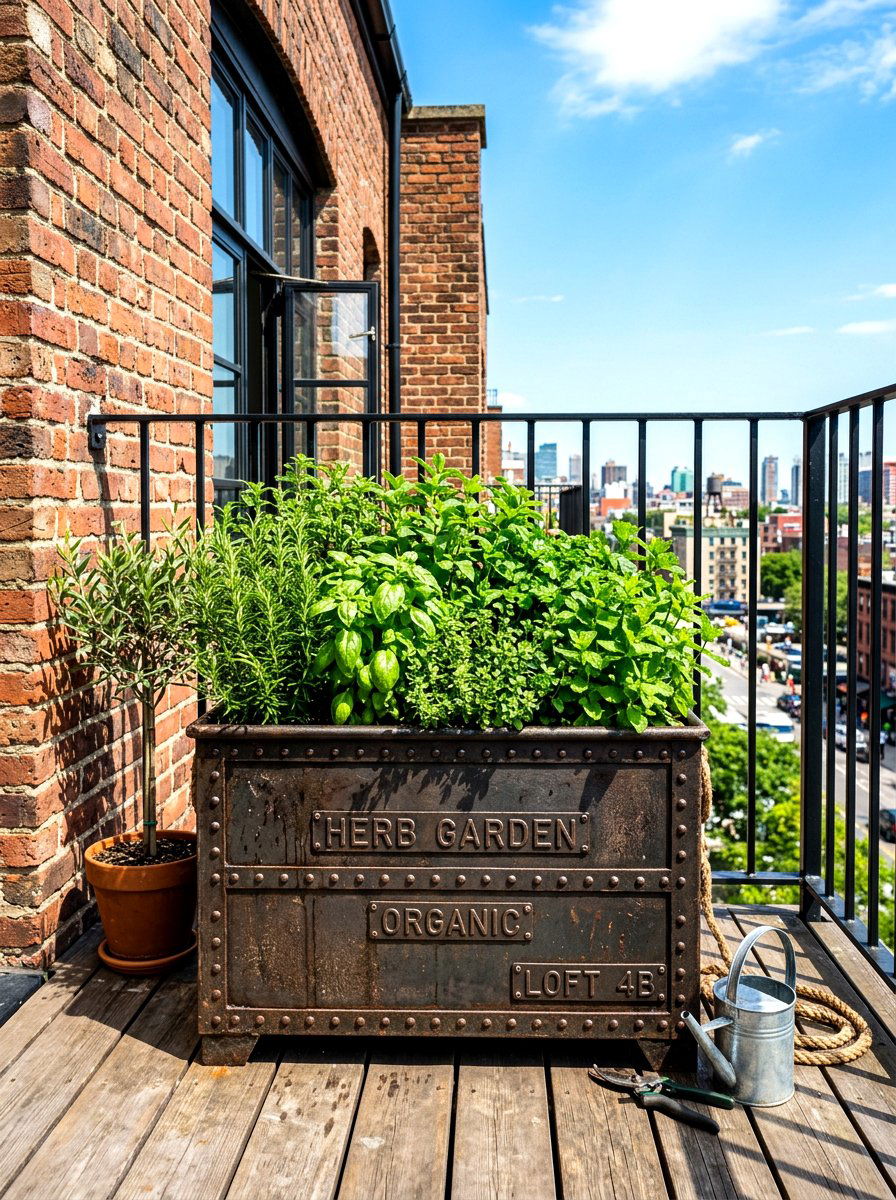
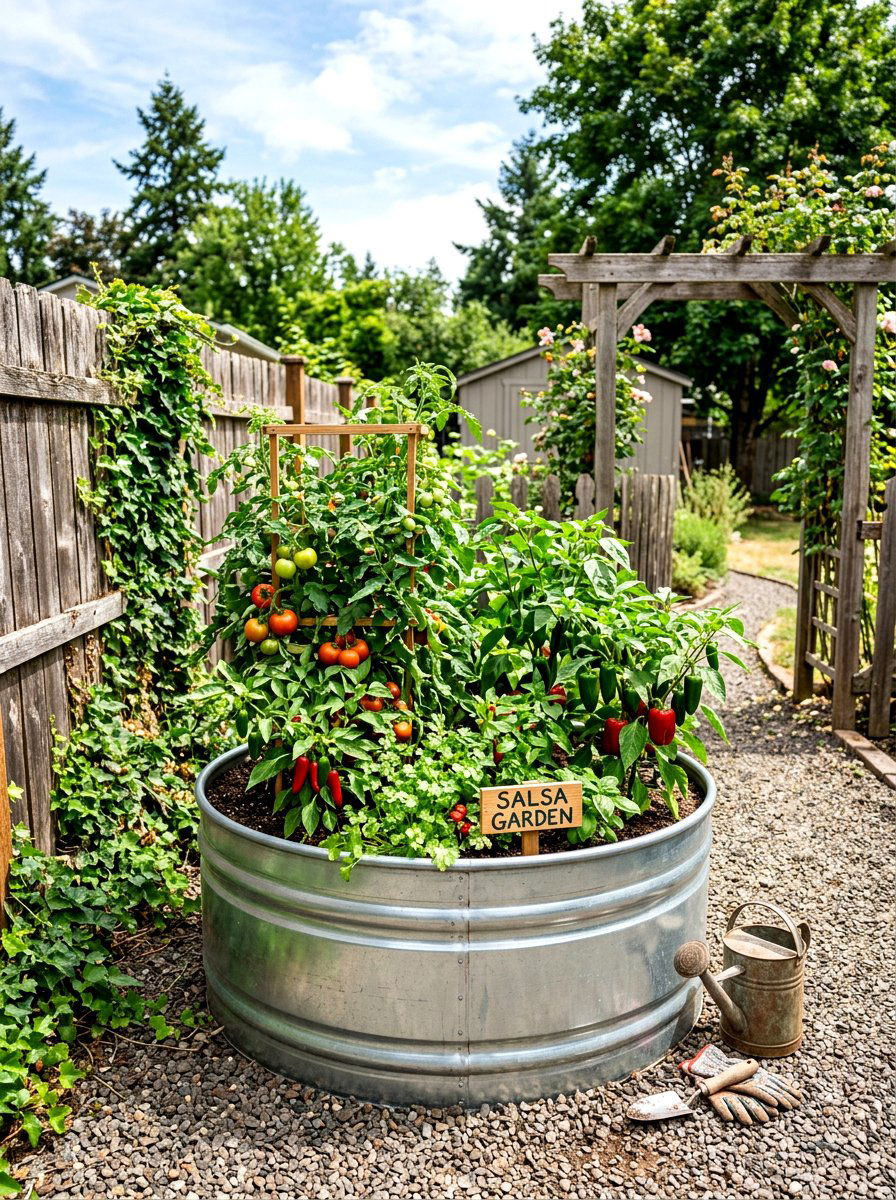
Using a galvanized stock tank garden is a popular trend for those who love a modern industrial or rustic farmhouse aesthetic. These large metal basins provide plenty of room for a massive herb collection and are extremely durable against the elements. Because they are made of metal, the soil inside warms up quickly in the spring, which can give your herbs a head start on the growing season. You must drill several drainage holes in the bottom of the tank to ensure your plants do not become waterlogged. These tanks are high enough to protect your herbs from most rabbits and other small garden visitors. They create a bold statement piece that requires very little maintenance once established.
9. Pallet herb garden planter
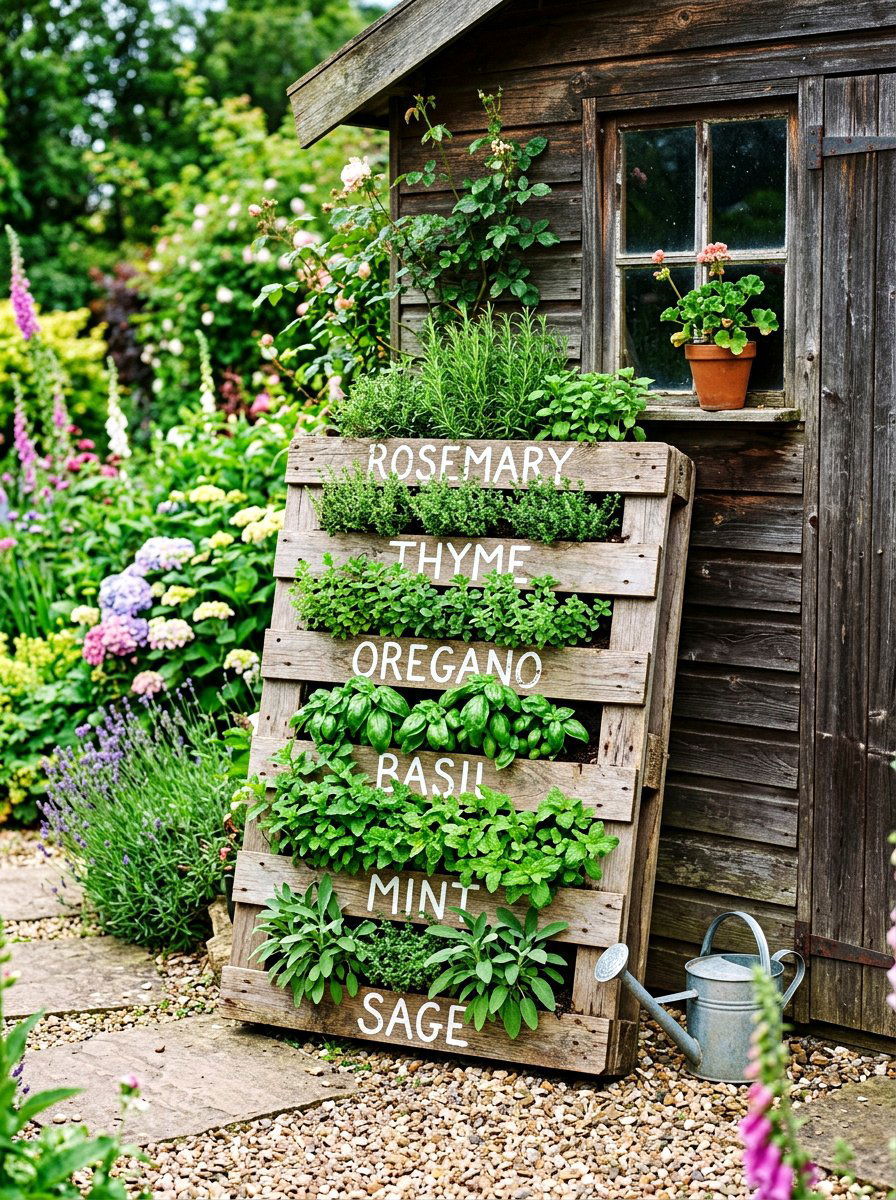
Repurposing an old shipping pallet into a pallet herb garden planter is a clever and eco-friendly DIY project for any backyard. By adding landscape fabric or wooden slats to create pockets, you can transform a discarded pallet into a vertical growing system. This setup is perfect for leaning against a shed or a garage wall that receives plenty of sunlight. You can paint or stain the wood to match your home's exterior or leave it raw for a more natural, weathered look. It is an excellent way to grow a large variety of herbs like dill, fennel, and tarragon in a very organized manner. This project is affordable and provides a great sense of accomplishment for any home gardener.
10. Greenhouse herb garden shelf
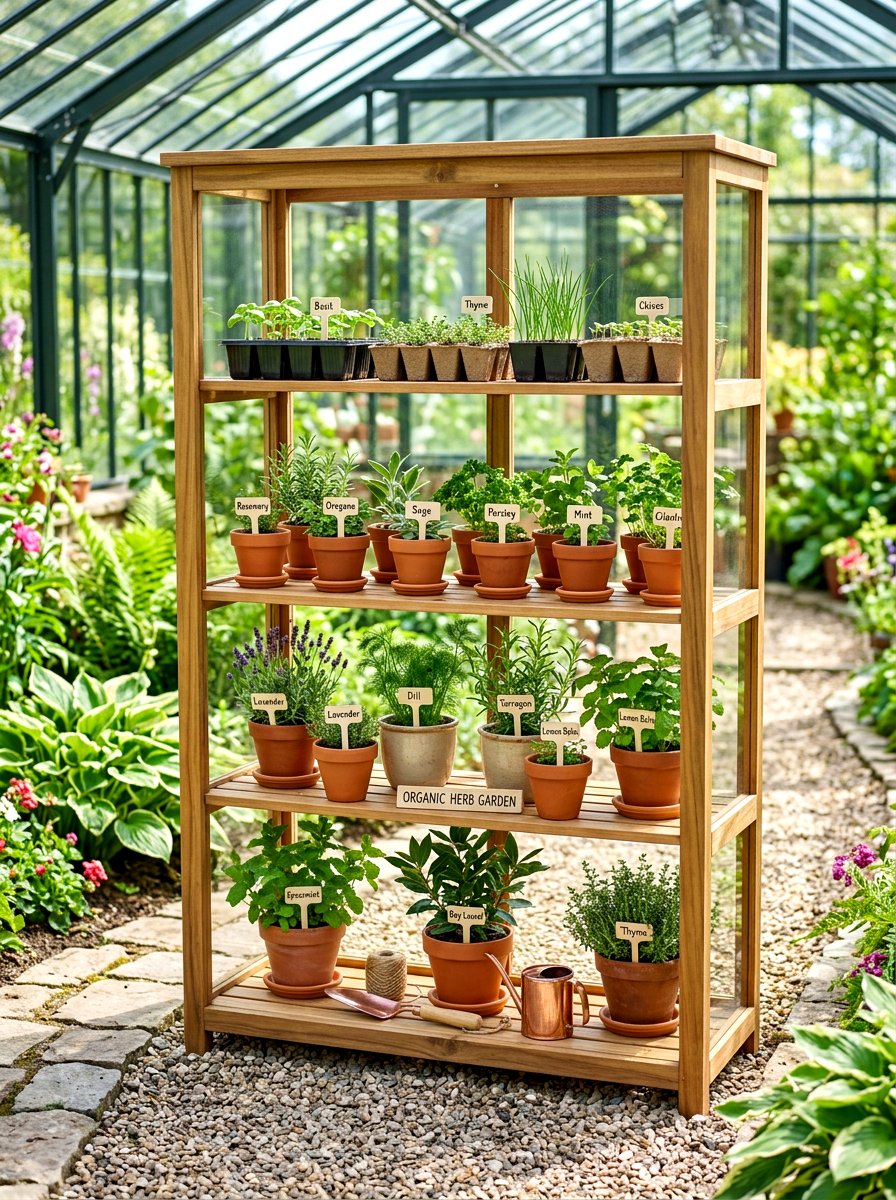
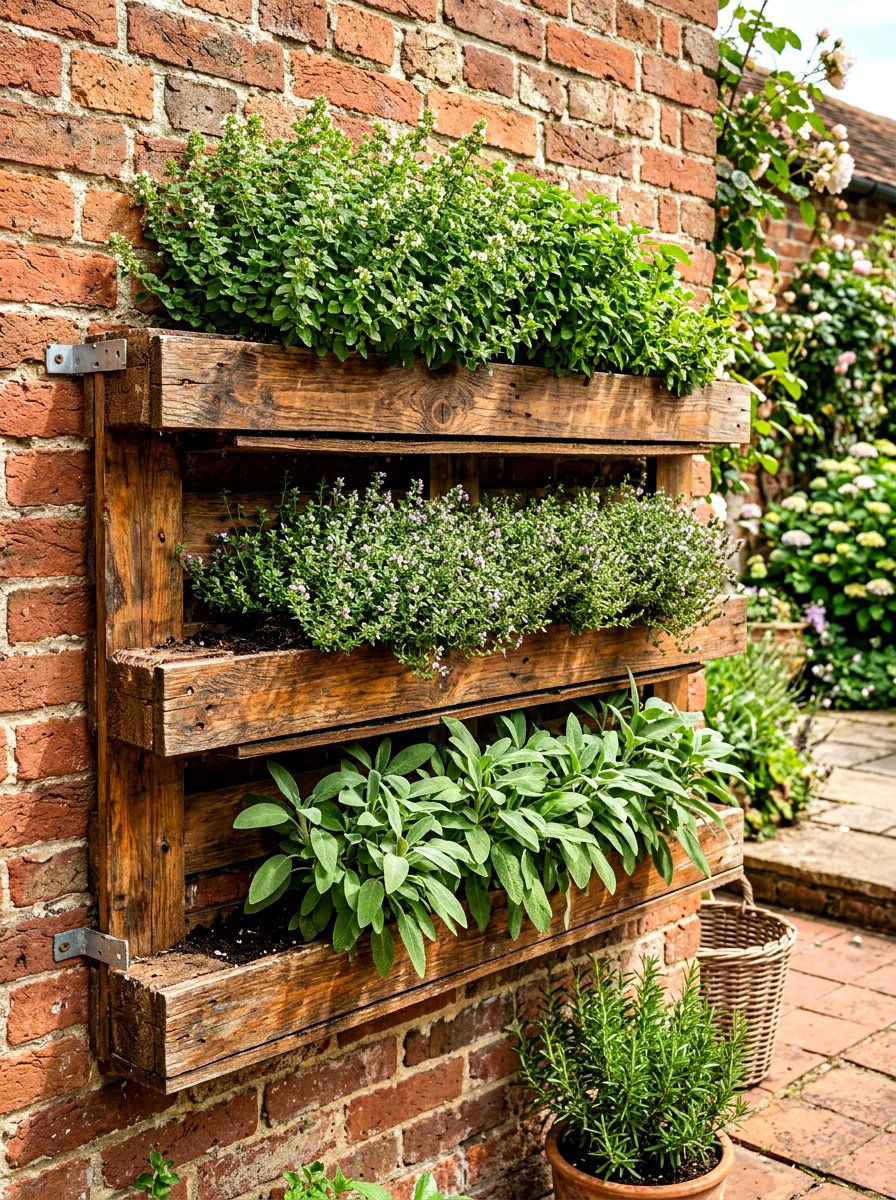
A greenhouse herb garden shelf is the perfect solution for protecting your delicate plants during the transition between seasons. These shelves often come with a clear plastic or glass cover that traps heat and moisture, creating a tropical environment for heat-loving herbs like basil. This setup allows you to start your herbs much earlier in the spring and keep them producing later into the autumn months. The multi-tiered design provides plenty of space for seed trays and mature pots alike. Placing this unit in a sunny corner of your backyard ensures that your herbs stay safe from harsh winds and unexpected frosts. It is a functional and tidy way to manage your herbal inventory year-round.
11. Clay pot herb tower
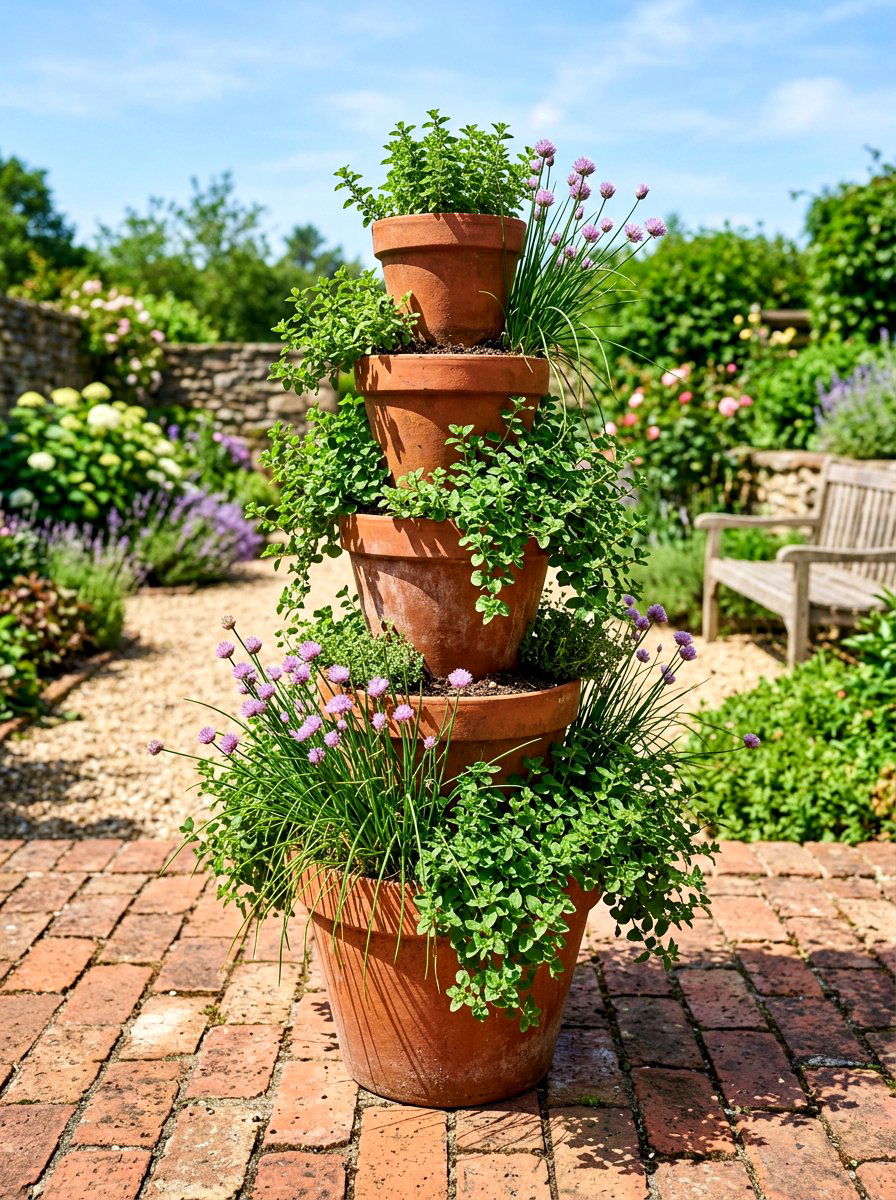
Creating a clay pot herb tower is a fun and visually interesting way to stack multiple plants in a very small area. This design involves nesting several terra-cotta pots of decreasing sizes on top of each other, usually secured by a central wooden or metal stake. The result is a tiered tower where herbs can grow from the rings of soil visible between the pots. Terra-cotta is a fantastic material for herbs because its porous nature allows the soil to breathe and prevents it from staying too wet. You can plant different varieties in each level to create a beautiful fountain of green foliage. This tower serves as a great centerpiece for a patio table or a garden corner.
12. Ground level stone border
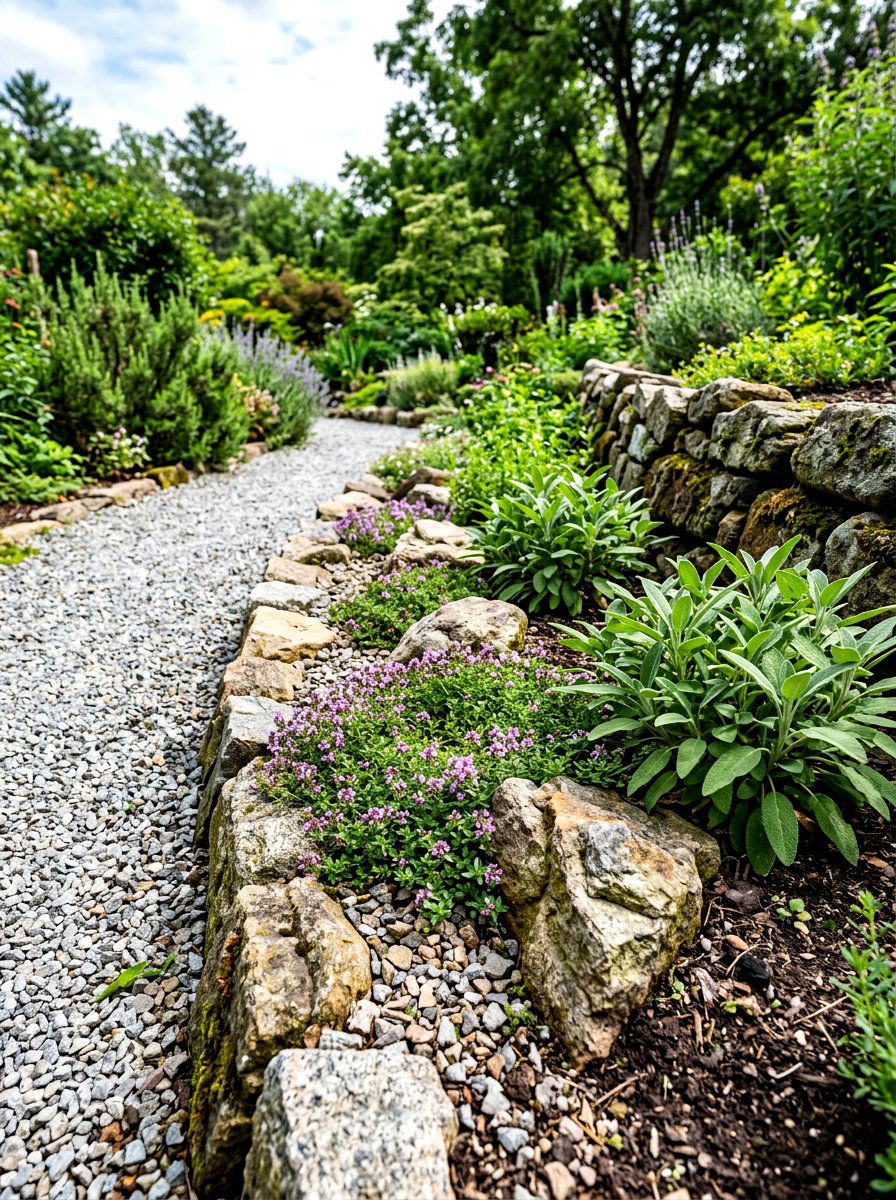
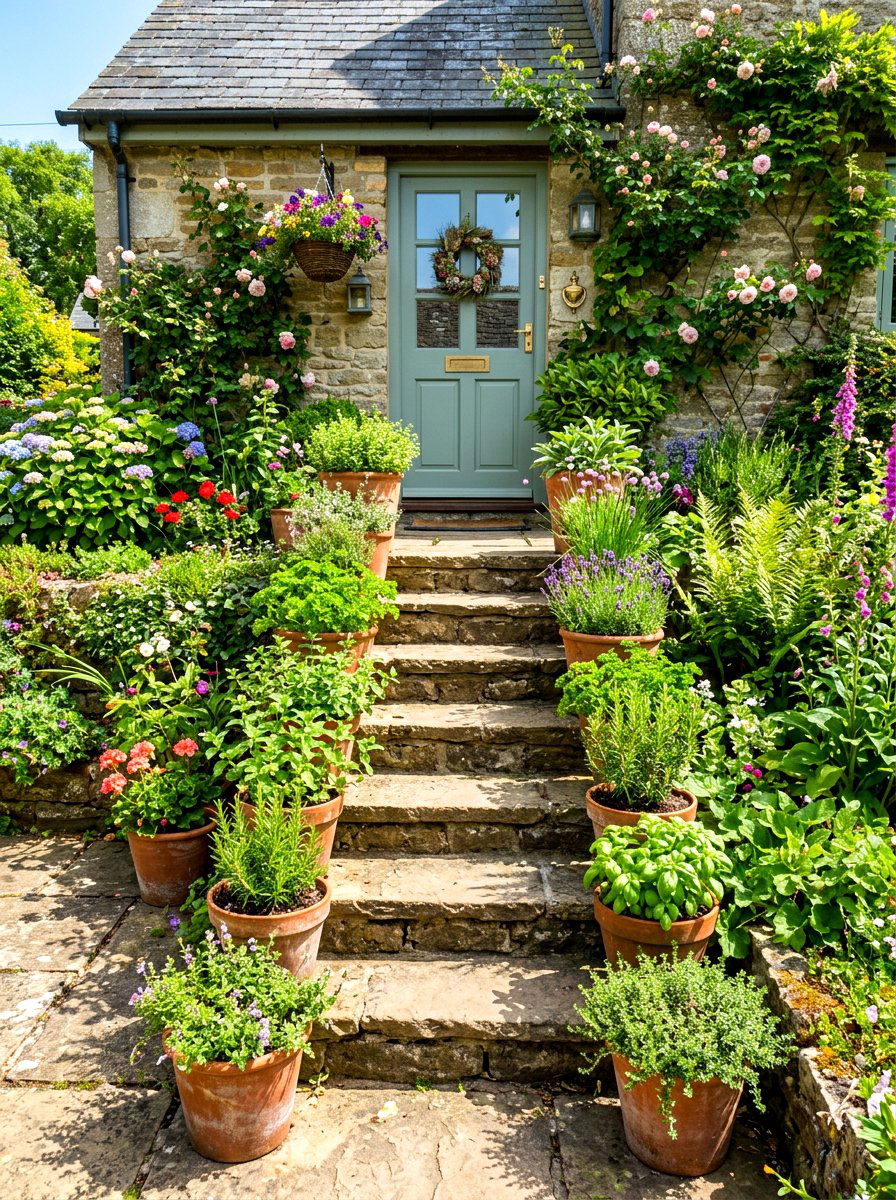
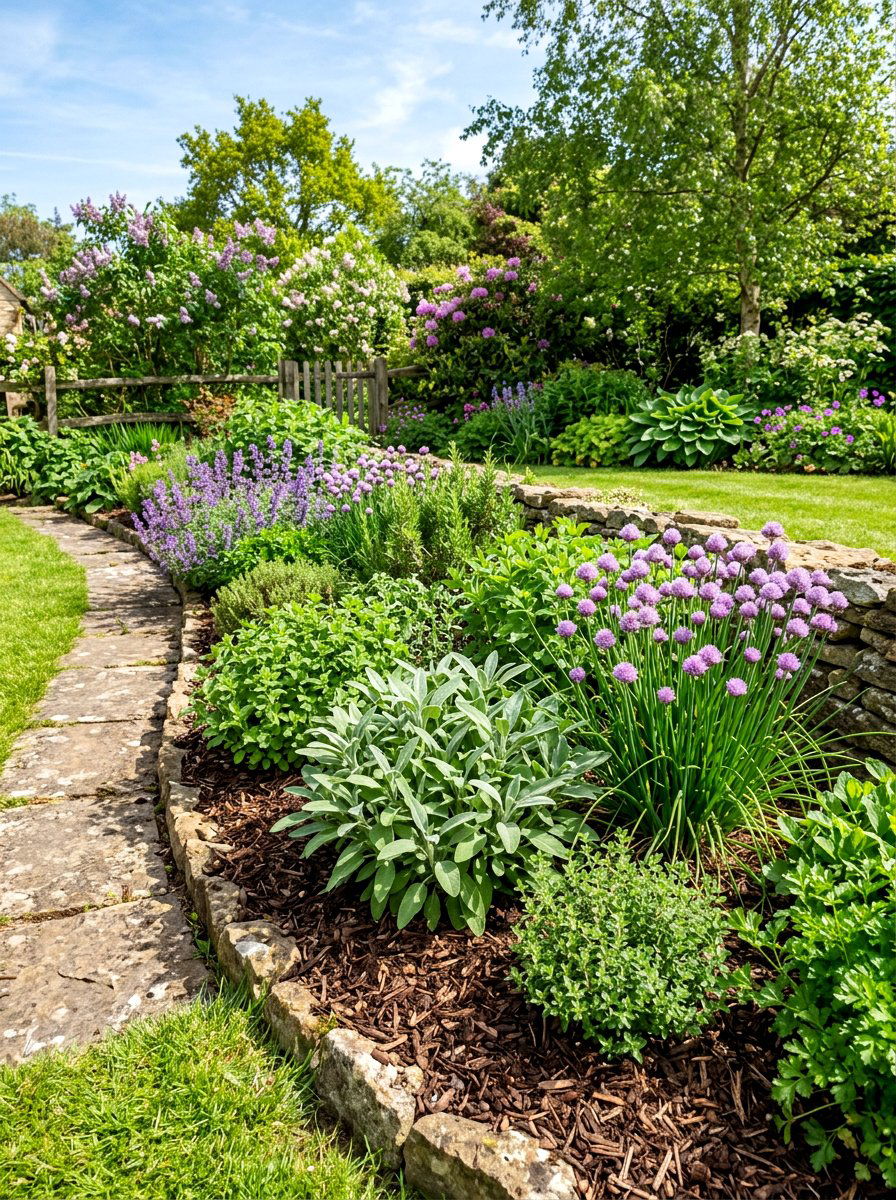
A ground level stone border herb garden integrates seamlessly into your existing landscape by using natural rocks to define the planting area. This style is perfect for creating a dedicated herb zone along a walkway or around the perimeter of a patio. The stones help to retain heat during the day, which many Mediterranean herbs find very beneficial for their growth. This layout feels more like a traditional flower bed but offers the added bonus of being entirely edible. You can mix low-growing herbs like thyme with taller plants like rosemary to create a layered and textured look. It is a simple and effective way to add structure and beauty to your backyard soil.
13. Woven willow herb basket
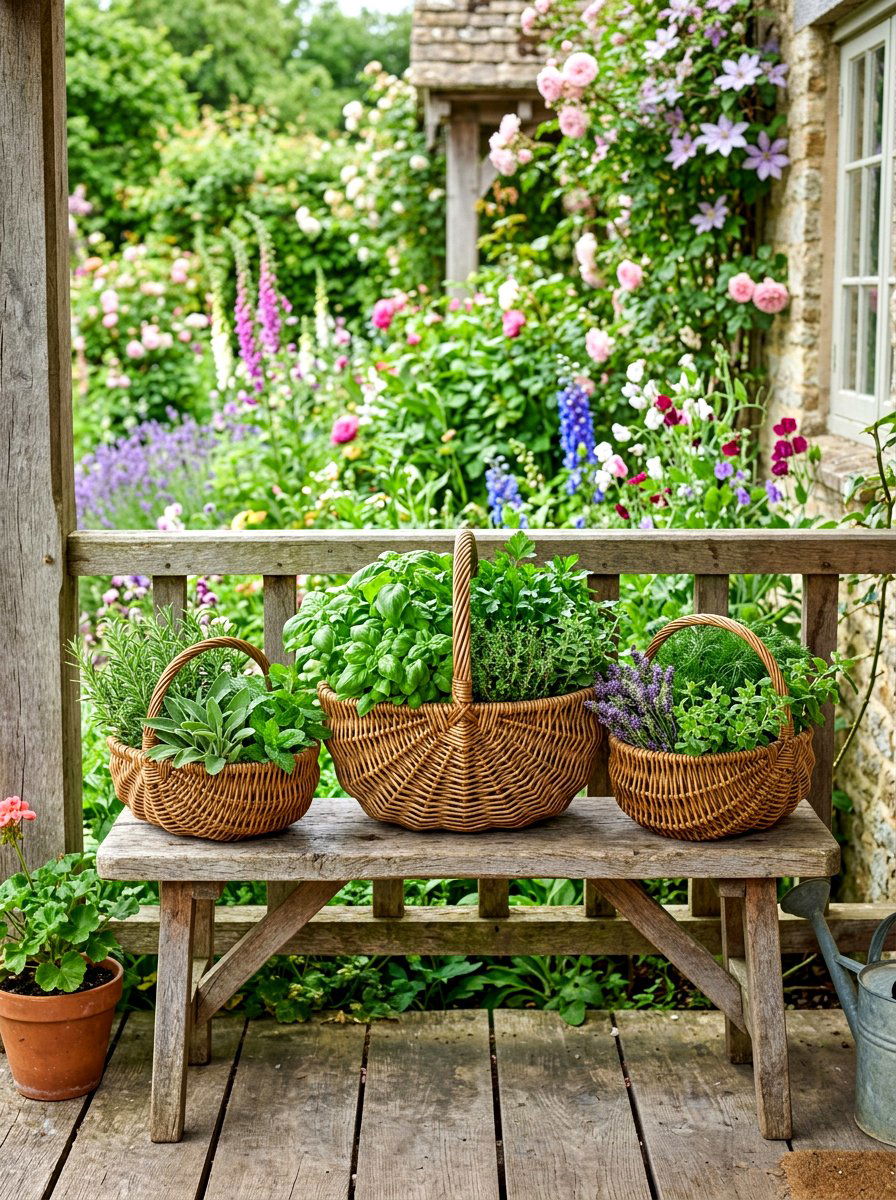
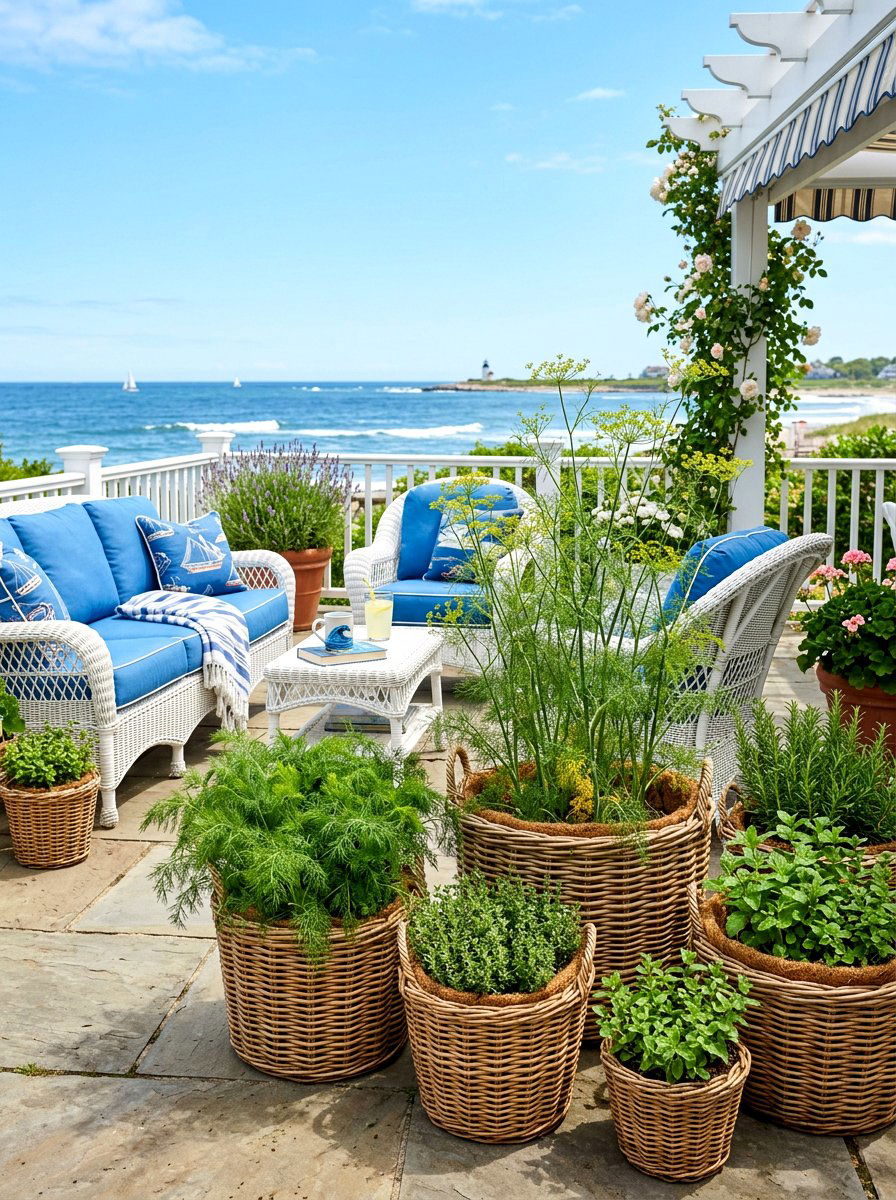
A woven willow herb basket adds a touch of English cottage charm and organic texture to your outdoor living space. These baskets are often lined with plastic or coco coir to hold the soil and provide a rustic home for your favorite culinary plants. Because they are lightweight and have sturdy handles, you can easily move them around your backyard to follow the sunlight throughout the year. They look particularly lovely when grouped together on a porch or hanging from a sturdy tree branch. Willow is a natural material that blends beautifully with the surrounding greenery. This portable garden option is perfect for those who enjoy a more relaxed and traditional garden aesthetic in their home.
14. Modern concrete herb trough
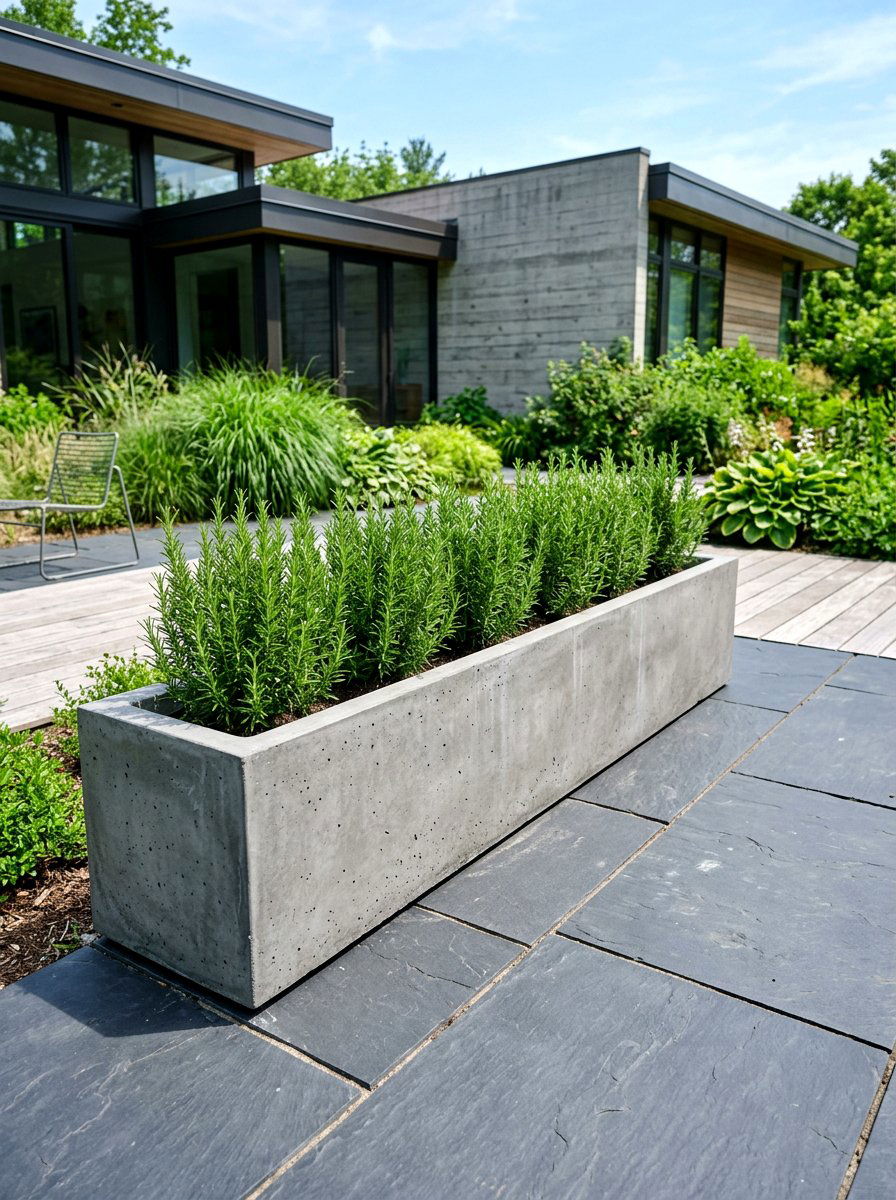
For those who prefer a sleek and minimalist look, a modern concrete herb trough is an excellent choice for a contemporary backyard. These heavy-duty planters provide a neutral gray backdrop that makes the vibrant green of the herbs truly pop. Concrete is a very stable material that protects plant roots from extreme temperature fluctuations, keeping them cool in the summer and warmer in the winter. These troughs look best when arranged in clean lines along a deck or a modern stone patio. You can plant a single variety of herb in each trough for a high-impact, uniform appearance. This design is built to last for many years and requires almost no upkeep to stay beautiful.

15. Hanging macrame herb garden
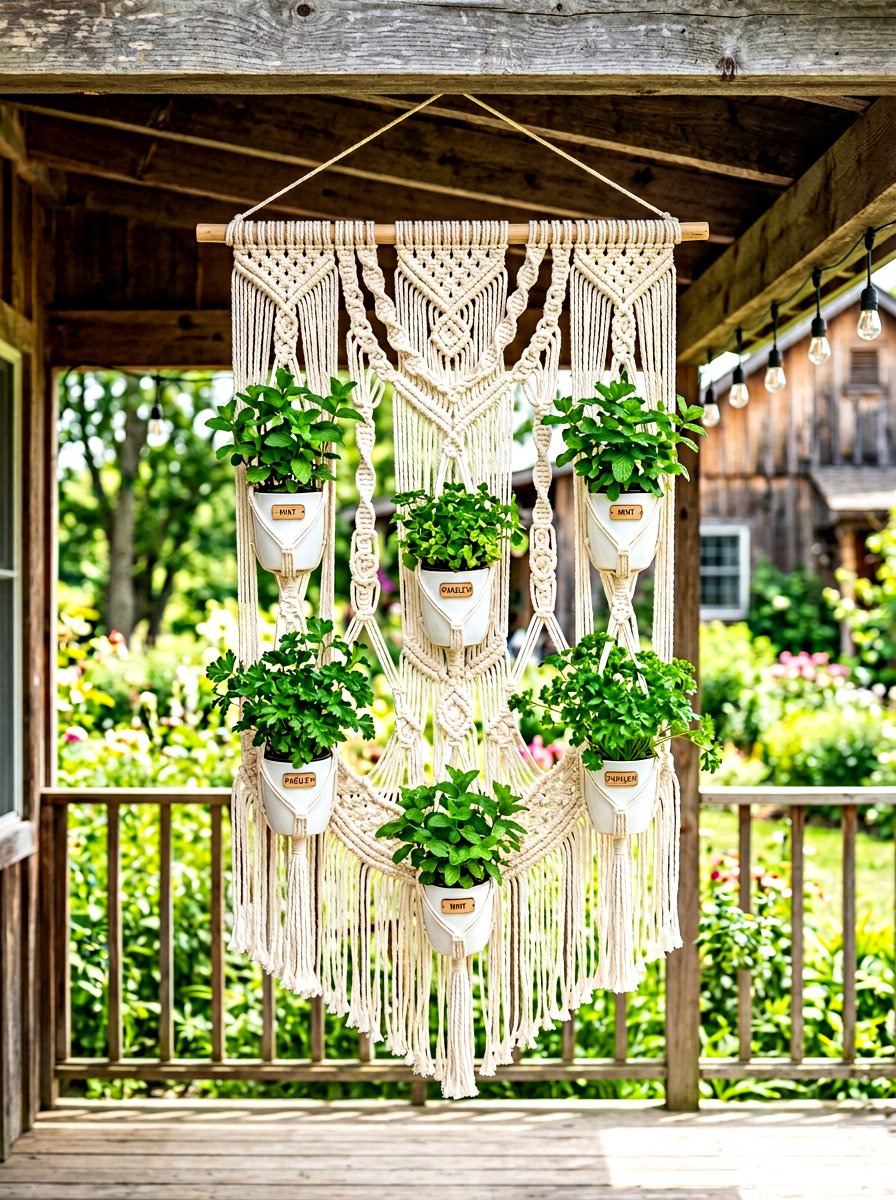
A hanging macrame herb garden combines the bohemian indoor trend with functional outdoor gardening for a unique backyard look. Using weather-resistant cords, you can suspend classic ceramic pots at various heights from a porch ceiling or a specialized garden arch. This arrangement creates a relaxed and artistic vibe while keeping your herbs safe from pests and pets. Macrame hangers allow for plenty of air circulation around the plants, which helps to prevent mold and mildew on the leaves. You can choose different cord colors to complement your outdoor decor or keep it simple with natural cream tones. It is a beautiful way to add vertical interest and a handmade touch to your herb collection.
16. Rolling cart herb garden
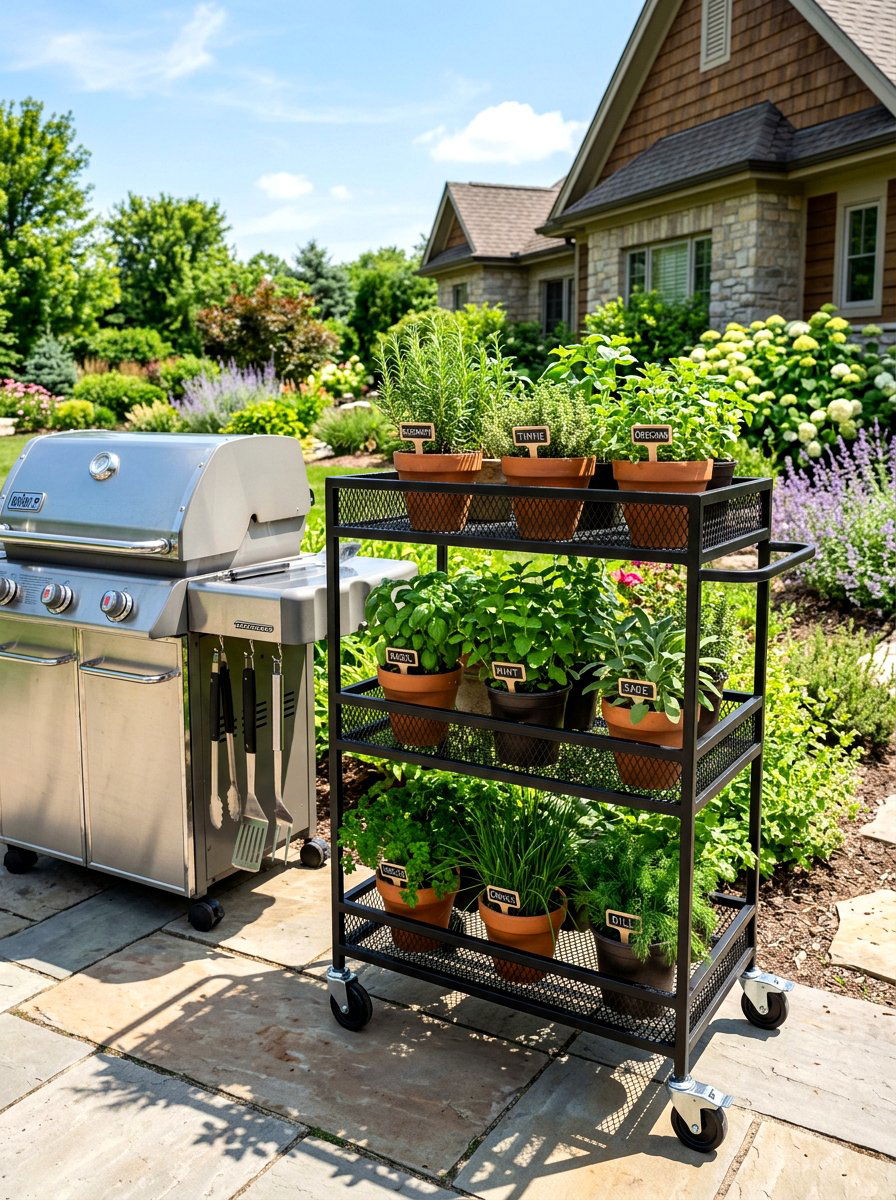
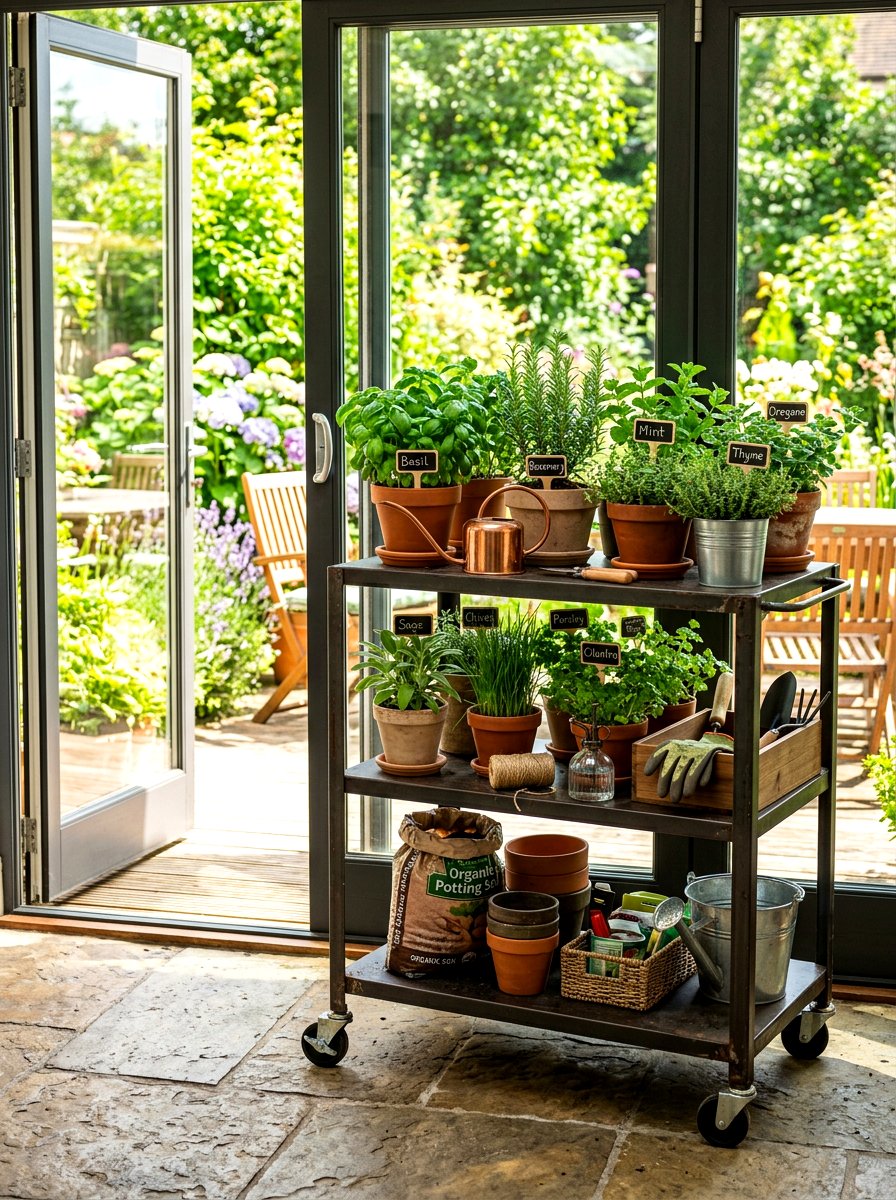
A rolling cart herb garden offers the ultimate in flexibility for those who want to move their plants based on the weather or social needs. Using a multi-tiered metal or wooden cart, you can organize your herbs by type or usage, such as a "cocktail cart" with various mints and citrus herbs. The wheels allow you to easily roll the entire garden into the shade during a heatwave or move it closer to the grill during a backyard barbecue. This setup is perfect for small decks or balconies where you might need to clear floor space for guests. It turns your garden into a mobile feature that is as practical as it is charming.
17. Picket fence herb planter
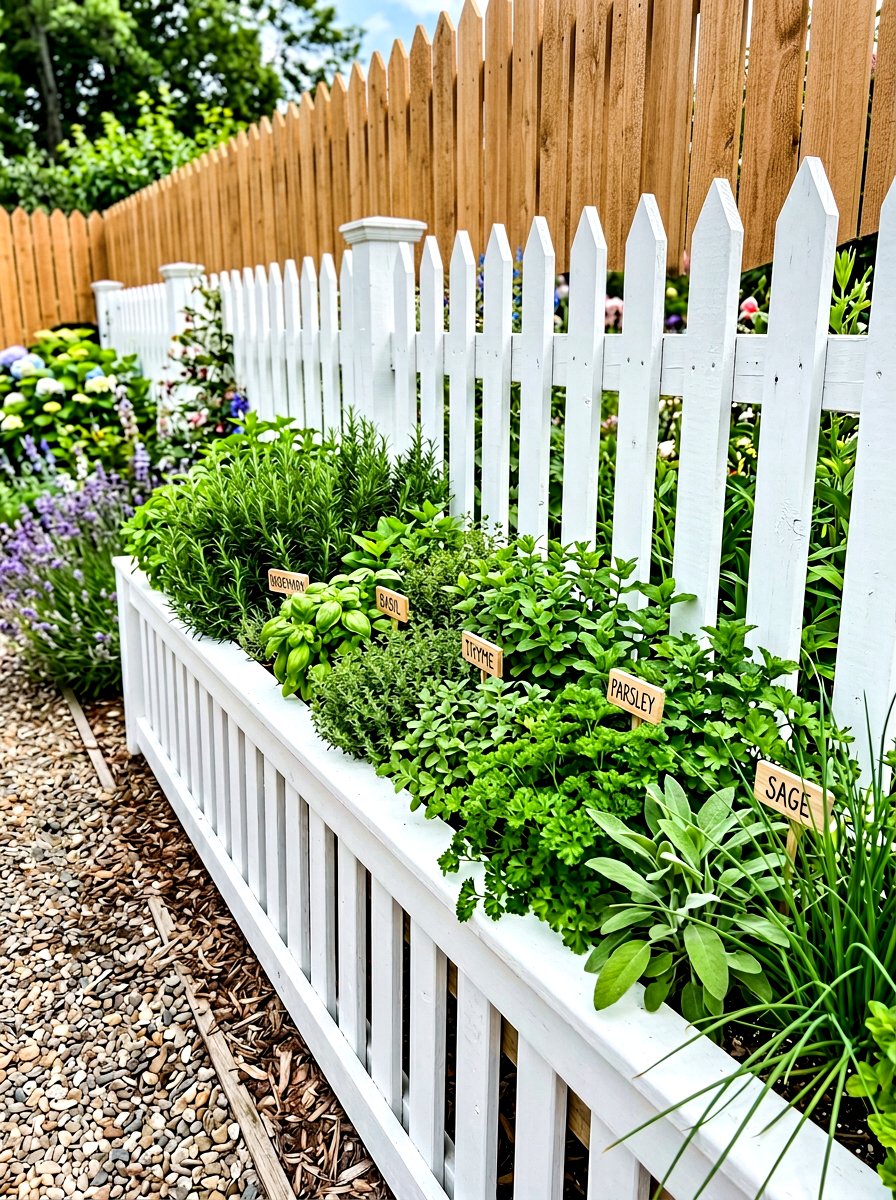
A picket fence herb planter utilizes the horizontal rails of your backyard fence to hold long, narrow boxes filled with aromatic plants. This design helps to soften the look of a wooden fence while providing a massive amount of growing space at a comfortable height. By mounting these planters at waist level, you make harvesting incredibly easy and eliminate the need for any heavy lifting. This setup is perfect for growing long rows of chives, parsley, and cilantro. It creates a beautiful green border around your property that delights both you and your neighbors. Using white-painted boxes against a natural wood fence provides a crisp, clean look that enhances your garden's overall appeal.
18. Checkerboard herb garden patio
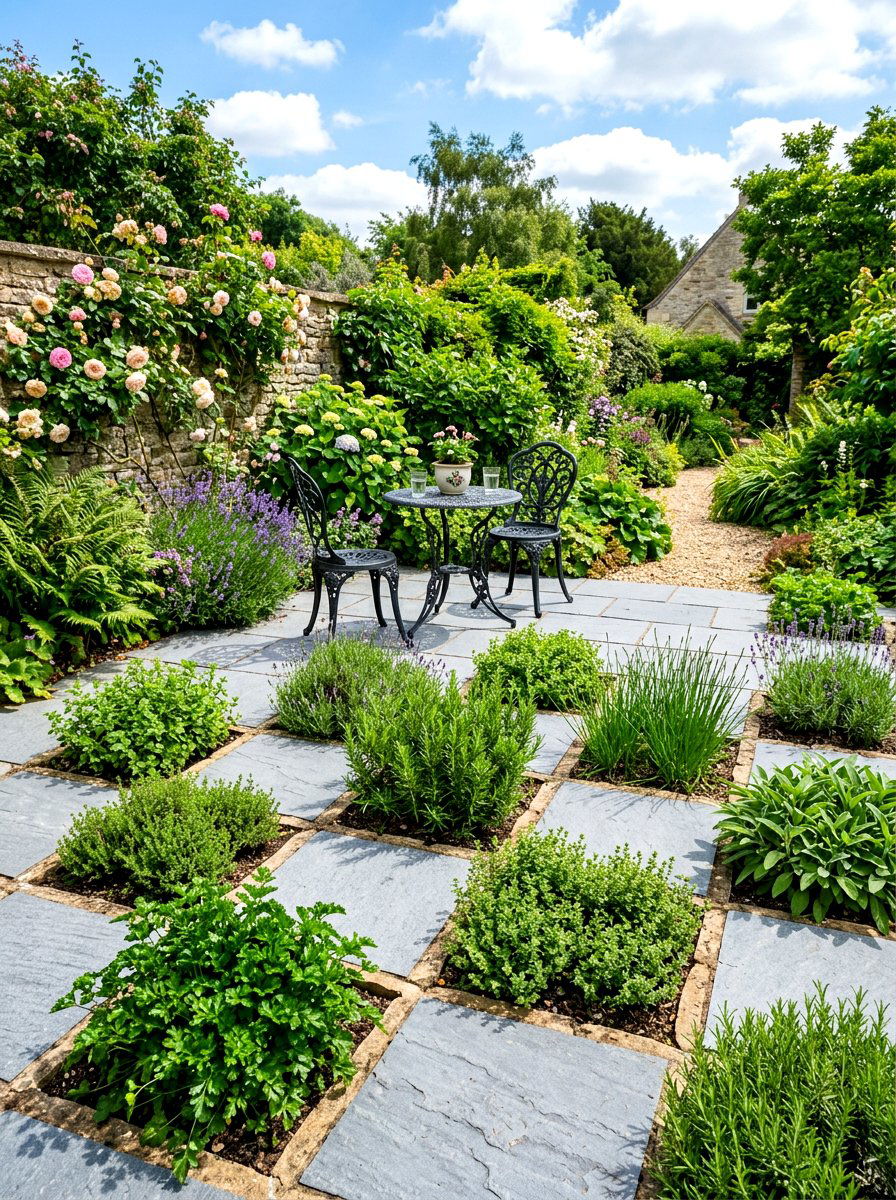
A checkerboard herb garden patio is a stunning way to integrate edible plants directly into your hardscaping. This design involves alternating square pavers with small, sunken garden beds filled with low-growing herbs like creeping thyme or chamomile. The result is a flat, walkable surface that releases a wonderful fragrance whenever you step on it. This layout is perfect for a small seating area or a decorative path through your backyard. The pavers help to suppress weeds while the herbs fill the gaps with lush greenery and tiny flowers. It is a highly sophisticated design that combines the functionality of a patio with the natural beauty of a blooming garden.
19. Herb garden tea station
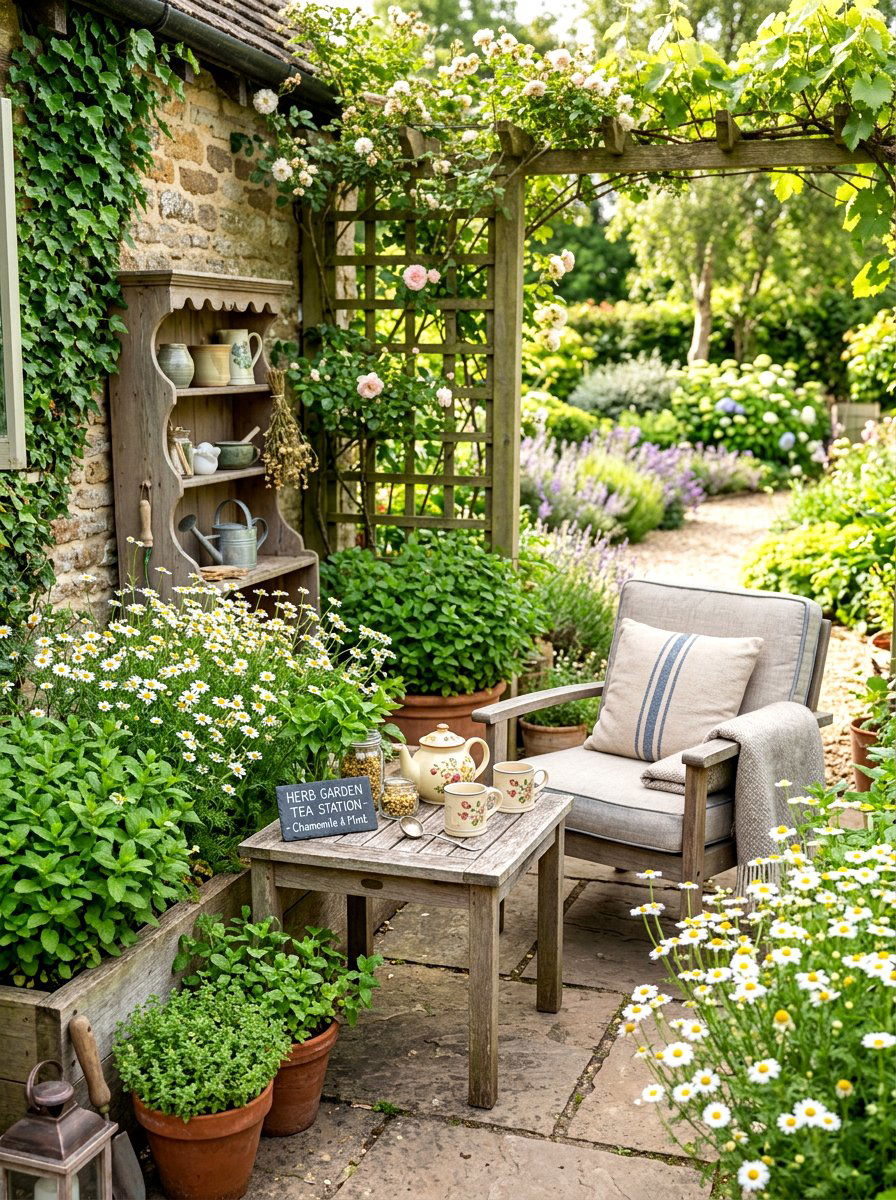
An herb garden tea station is a specialized corner of your backyard dedicated to plants that can be used for brewing fresh infusions. You can fill this area with various types of mint, lemon balm, chamomile, and even lavender. To make the space more inviting, you can include a small bistro table and chairs where you can sit and enjoy your freshly harvested tea. This garden focuses on the therapeutic and relaxing properties of herbs, providing a quiet sanctuary away from the hustle of daily life. Labeling each plant with its flavor profile and benefits adds an educational and professional touch to this cozy and fragrant backyard retreat.
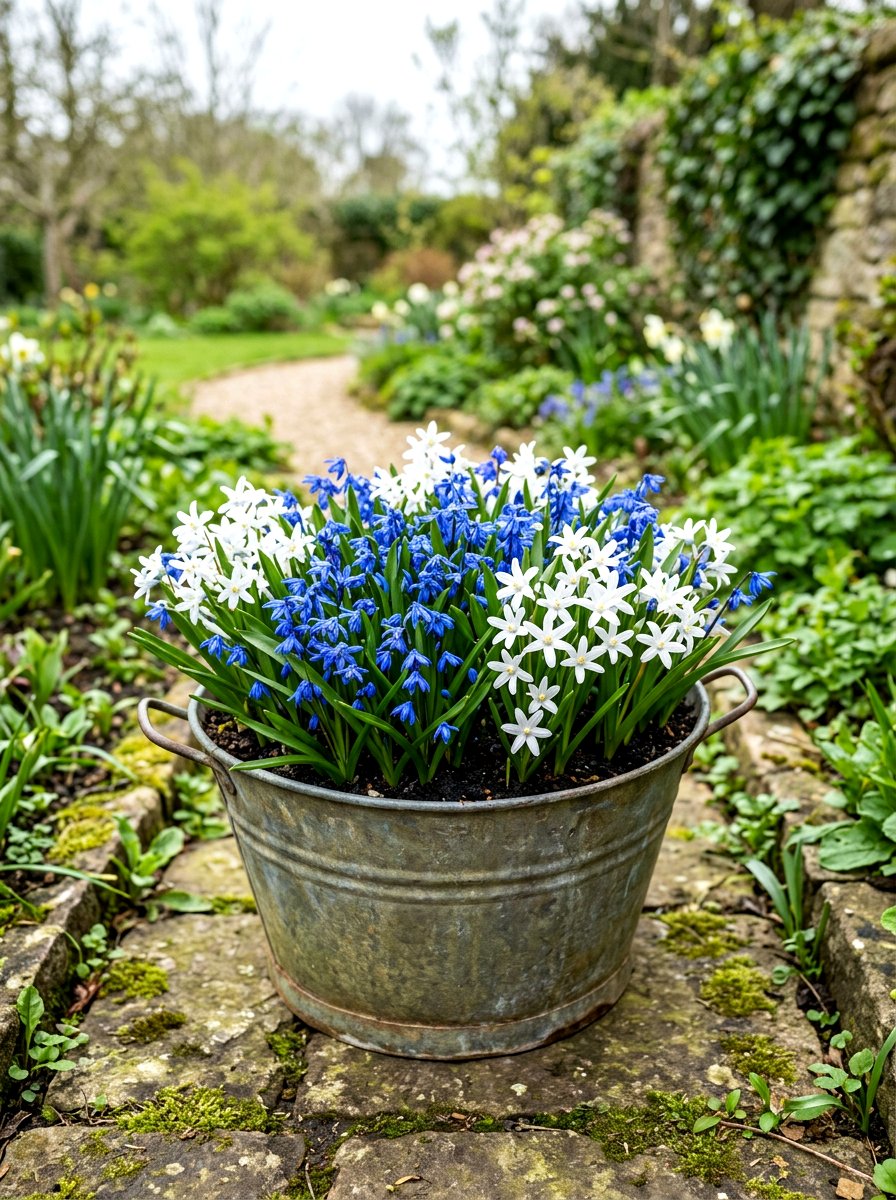
20. Copper pipe herb trellis
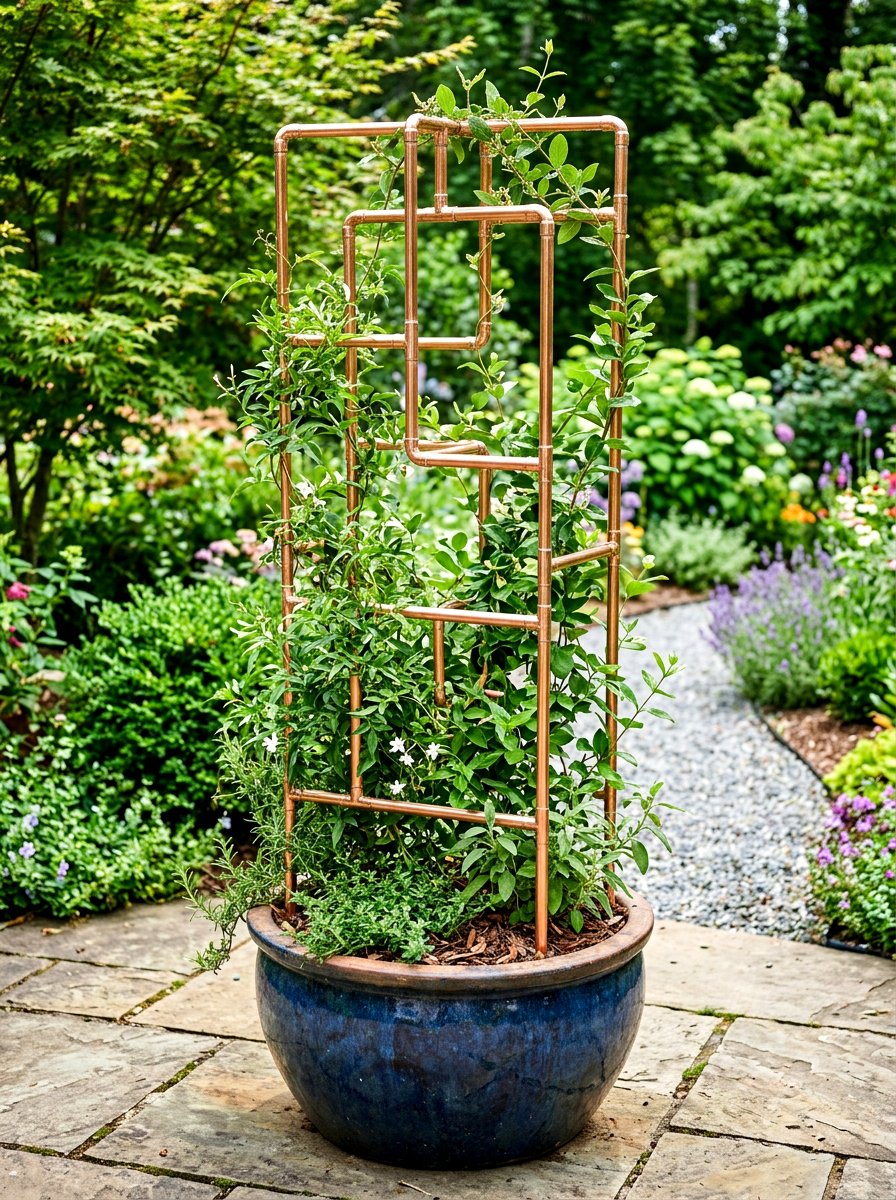
Creating a copper pipe herb trellis adds a touch of modern elegance and structural interest to your backyard garden. Climbing herbs like jasmine or certain varieties of rosemary can be trained to grow up these shiny metallic structures. As the copper weathers over time, it will develop a beautiful green verdigris that blends naturally with the foliage. This type of trellis is very easy to build using standard plumbing parts and provides a sturdy support for taller plants. It works exceptionally well in large pots or directly in the ground as a focal point. The metallic finish reflects the sunlight, adding a bit of sparkle and sophisticated flair to your herbal oasis.
21. Recycled wine crate garden
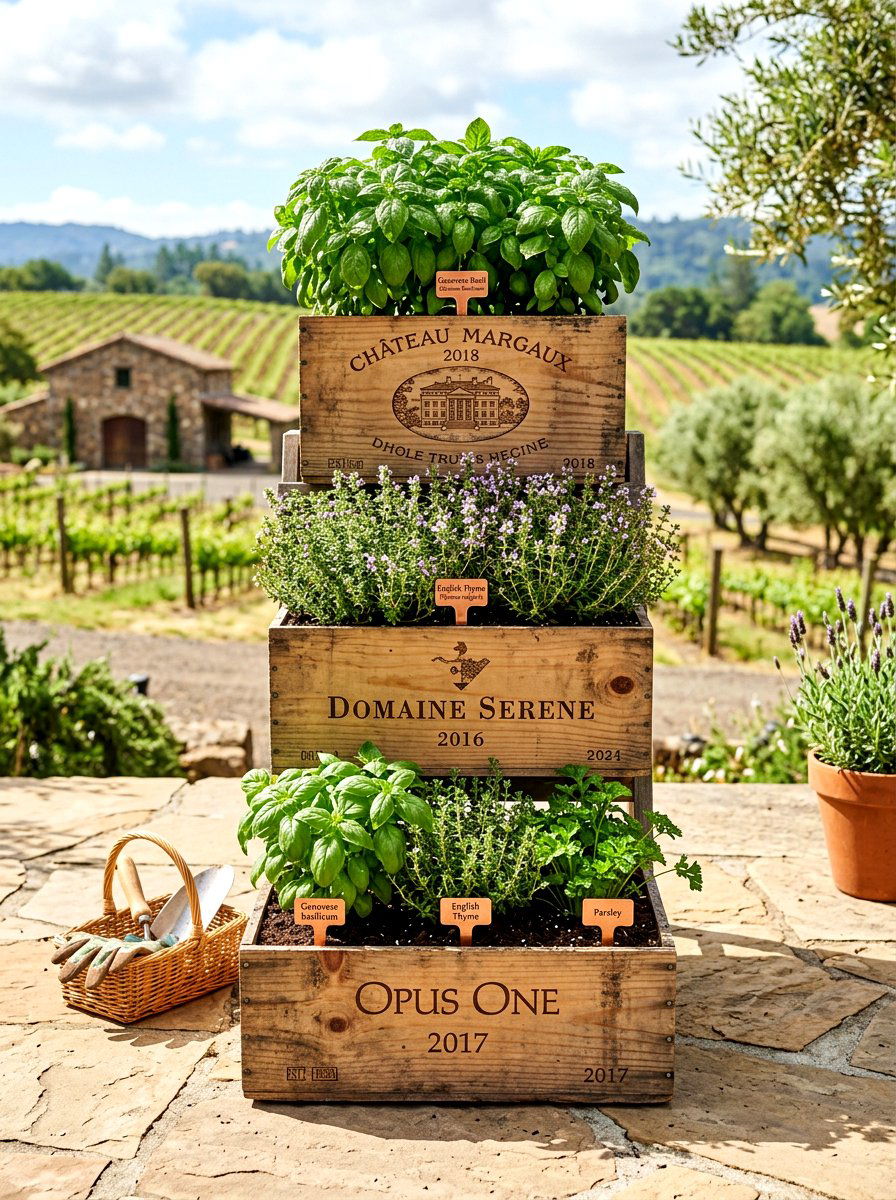
Using a recycled wine crate garden is a fantastic way to combine your love for gardening with a sustainable, upcycled aesthetic. These sturdy wooden boxes are the perfect size for a small collection of herbs and often feature beautiful charred logos from famous vineyards. You can line them with plastic or landscape fabric to protect the wood and then arrange them in a cluster on your patio or steps. This look is perfect for anyone who enjoys a vineyard-inspired or European rustic style in their backyard. Because the crates are shallow, they are ideal for herbs with small root systems like thyme and basil. It is an affordable and stylish way to grow your own.
22. Kitchen window herb garden
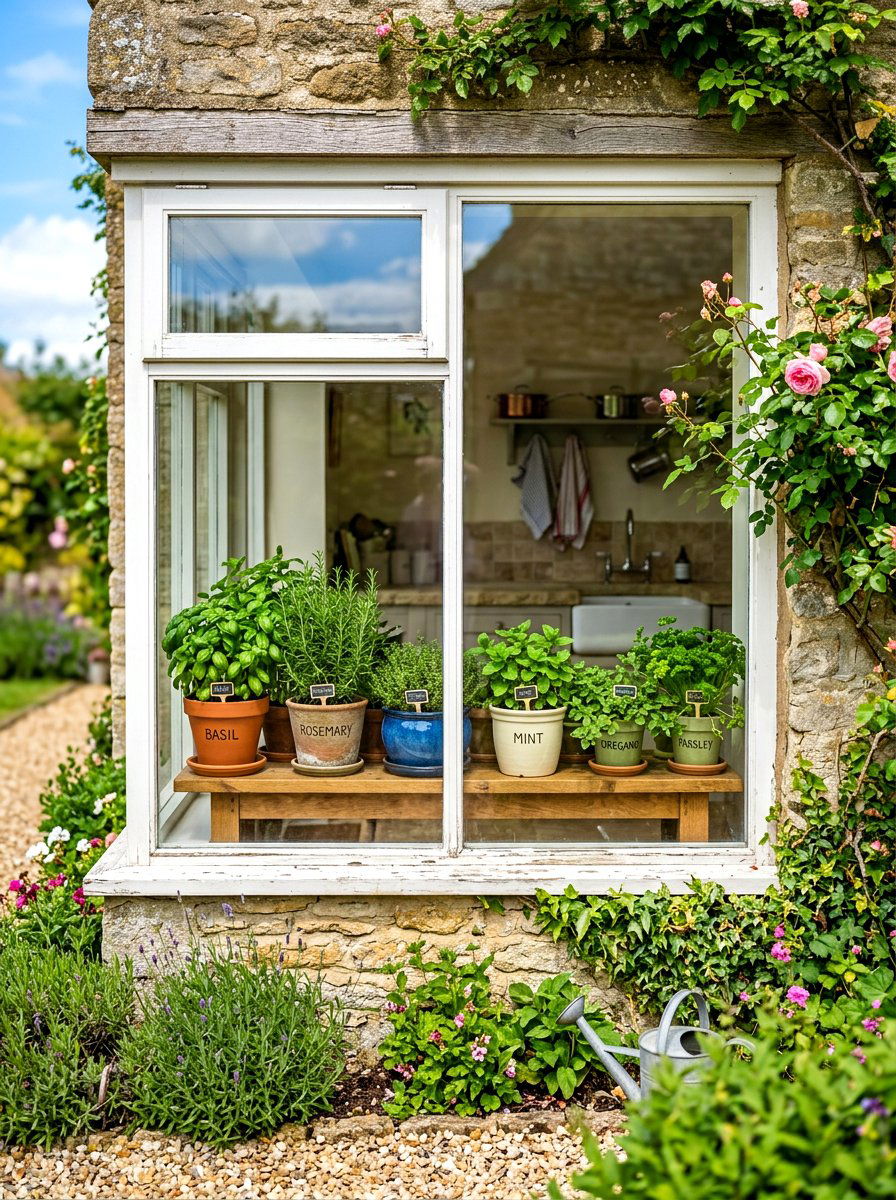
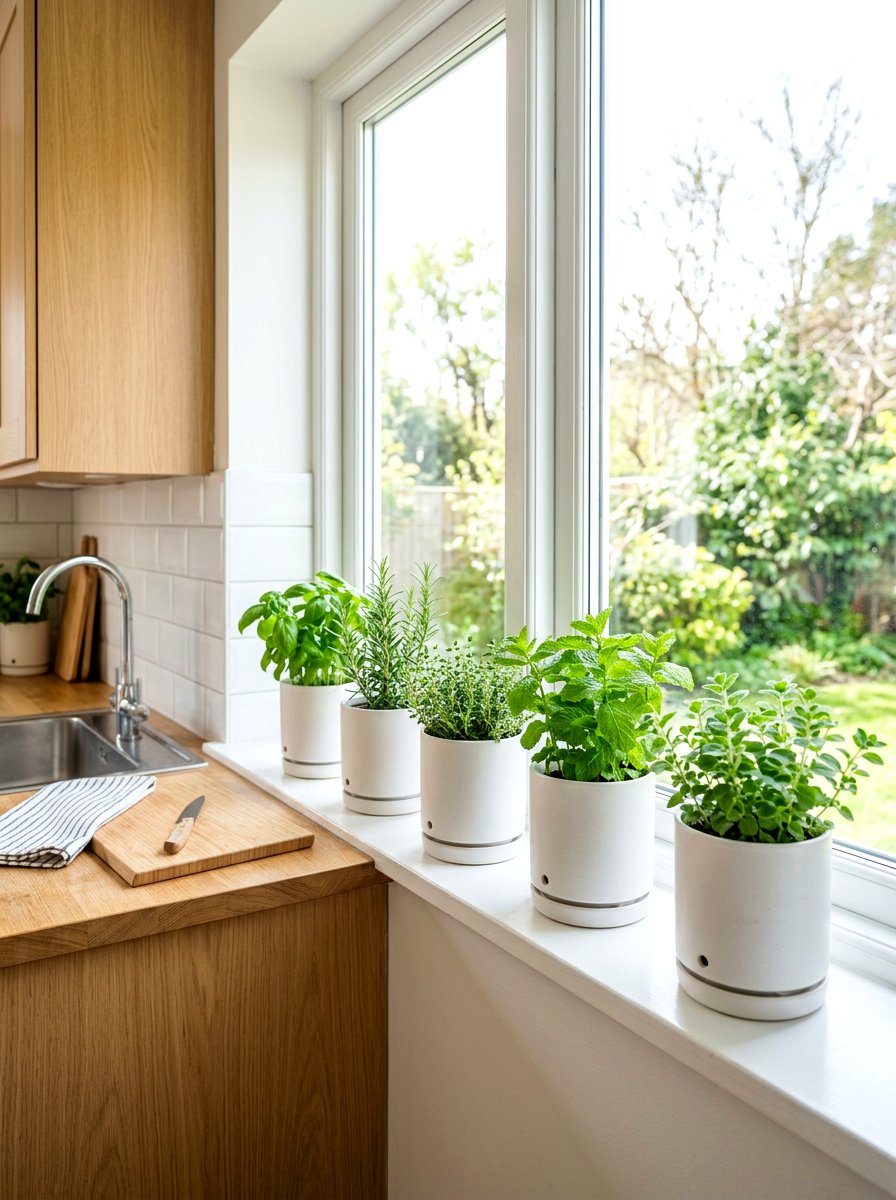
A kitchen window herb garden is designed specifically to be viewed and accessed from inside the house, even though the plants are technically outdoors. By installing a shelf or a series of brackets just outside the glass, you can keep your most-used herbs right where you can see them. This setup ensures that you never forget to water your plants because they are always in your line of sight. It creates a beautiful view of lush greenery every time you stand at the sink or prep food. This arrangement is particularly helpful during the colder months when you might want fresh herbs without having to fully step out into the yard.
23. Brick herb garden path
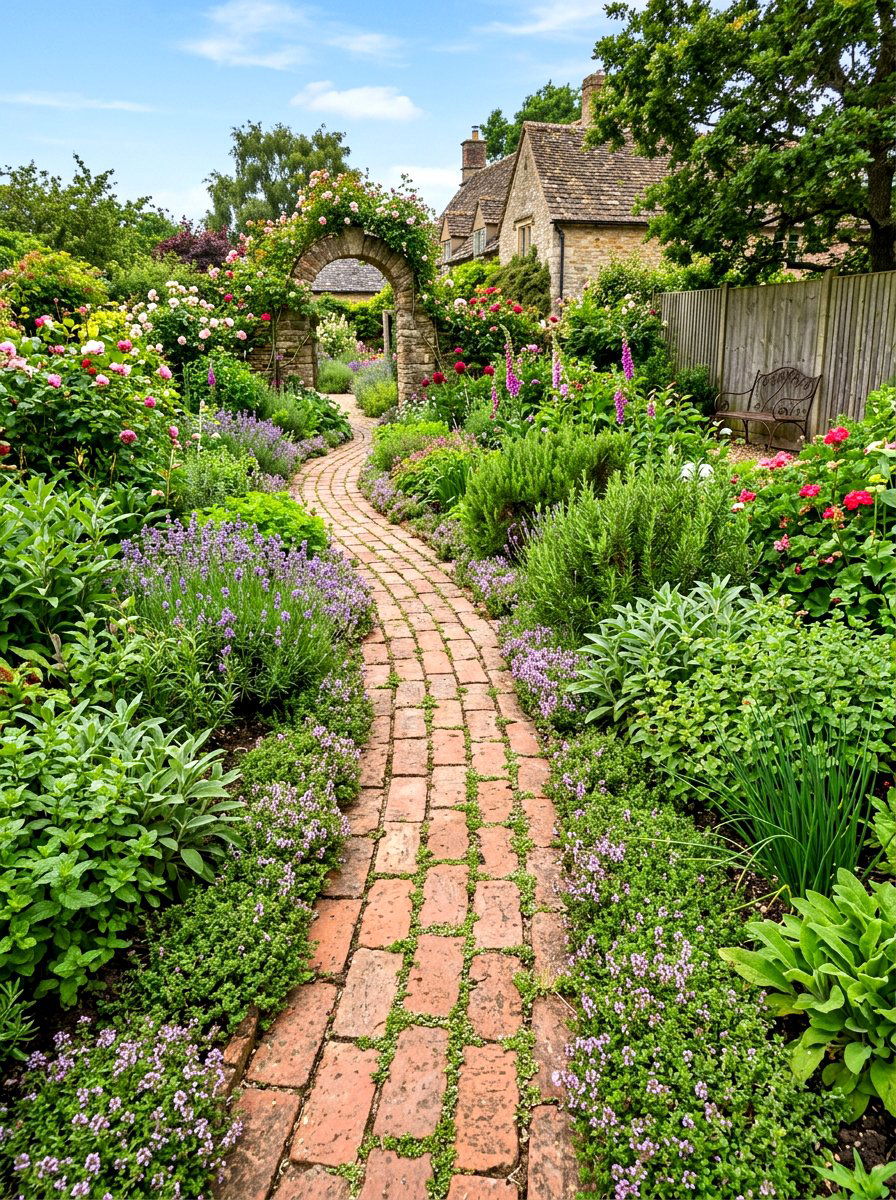
A brick herb garden path uses the spaces between recycled bricks to house hardy, foot-traffic-tolerant herbs like woolly thyme or pennyroyal. As you walk along the path, the slight crushing of the leaves releases a burst of refreshing fragrance into the air. This design is perfect for connecting different areas of your backyard while adding a layer of sensory delight to your journey. The bricks provide a stable walking surface and help to keep the soil beneath them moist and cool. This is a very traditional look that works beautifully in cottage or farmhouse-style gardens. It turns a simple functional walkway into an immersive and fragrant experience for anyone strolling through your yard.
24. Repurposed shoe organizer garden
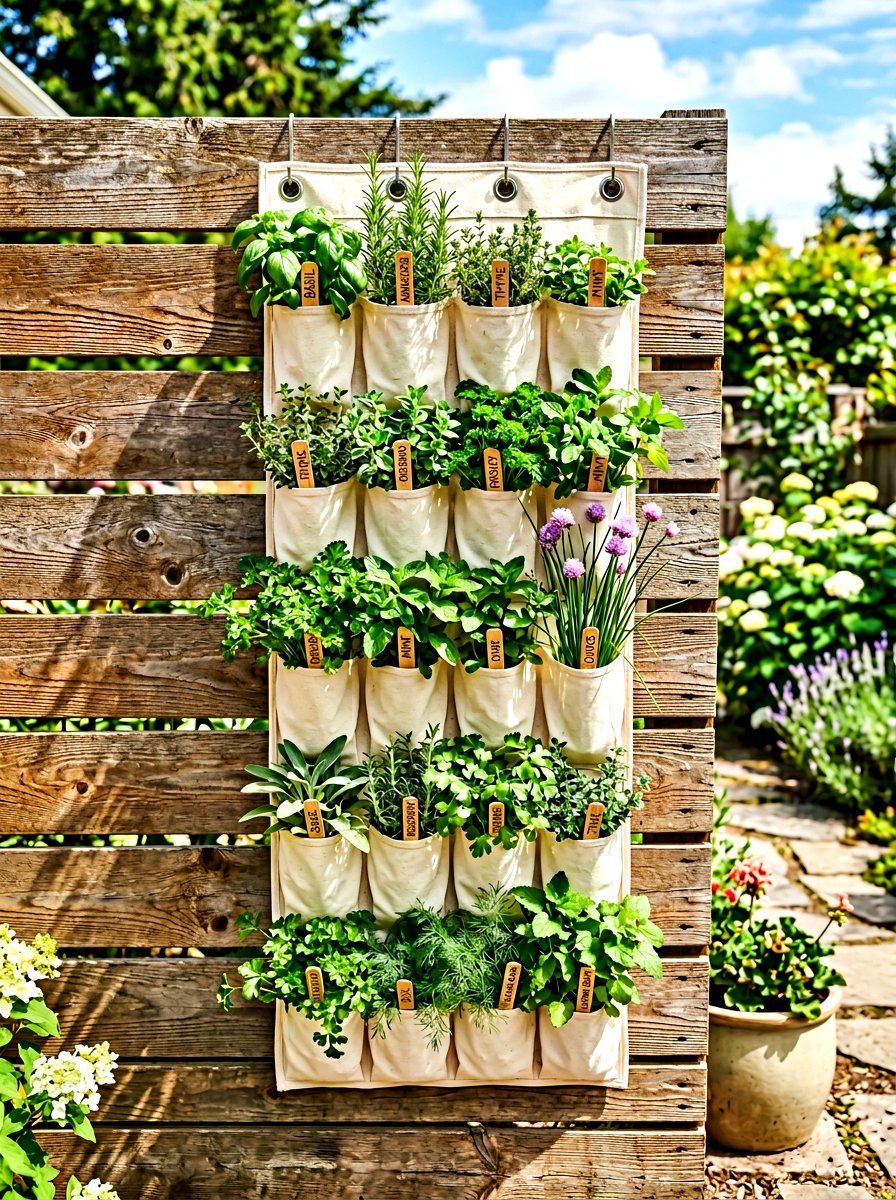
Using a repurposed shoe organizer garden is a clever and incredibly low-cost way to grow dozens of herbs in a very narrow vertical space. These over-the-door organizers feature many individual pockets that are the perfect size for small herb starts. You can hang the organizer on a sunny fence or the side of a shed to create a massive wall of greenery. The fabric pockets allow for excellent drainage, which is vital for the health of your plants. This is a great project for families because each person can have their own row of pockets to look after. It is a playful and highly functional way to maximize your herbal yield without spending a fortune.
25. Metal bucket herb garden
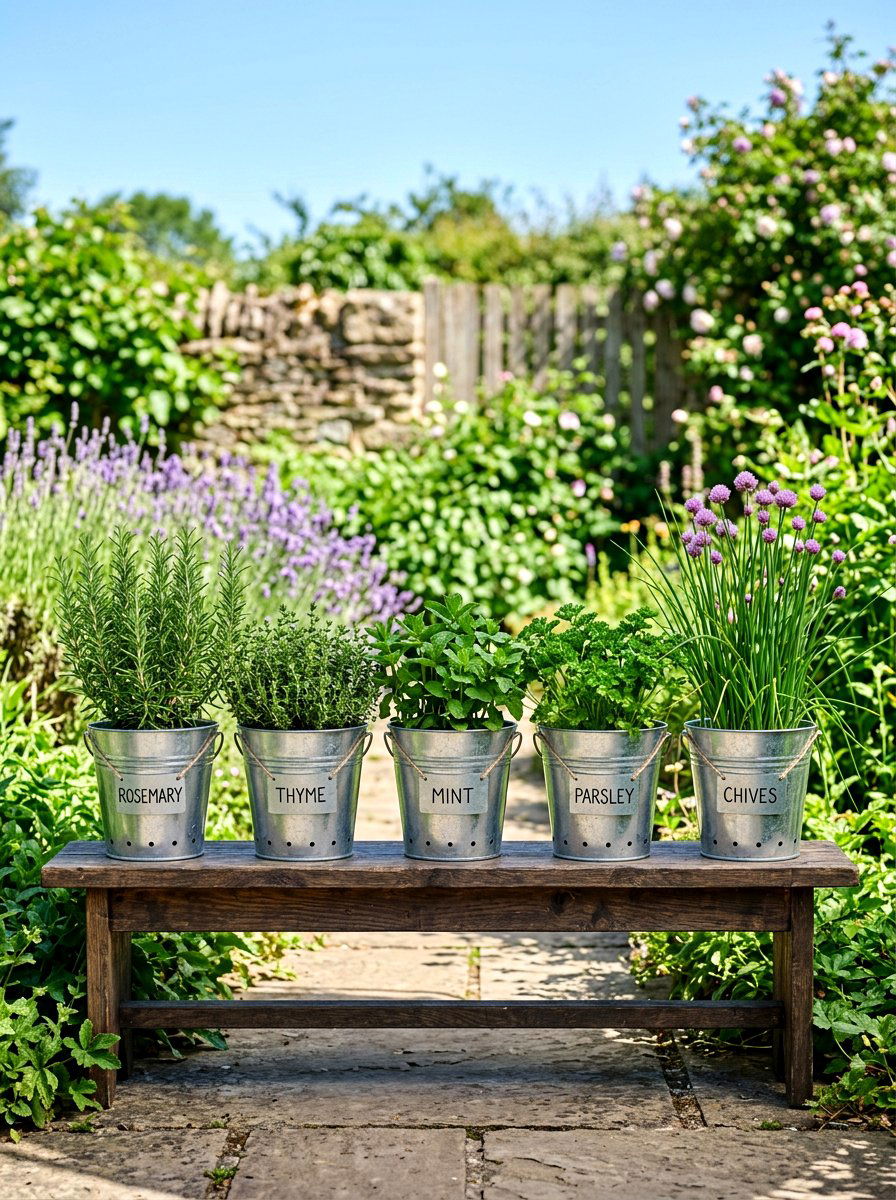
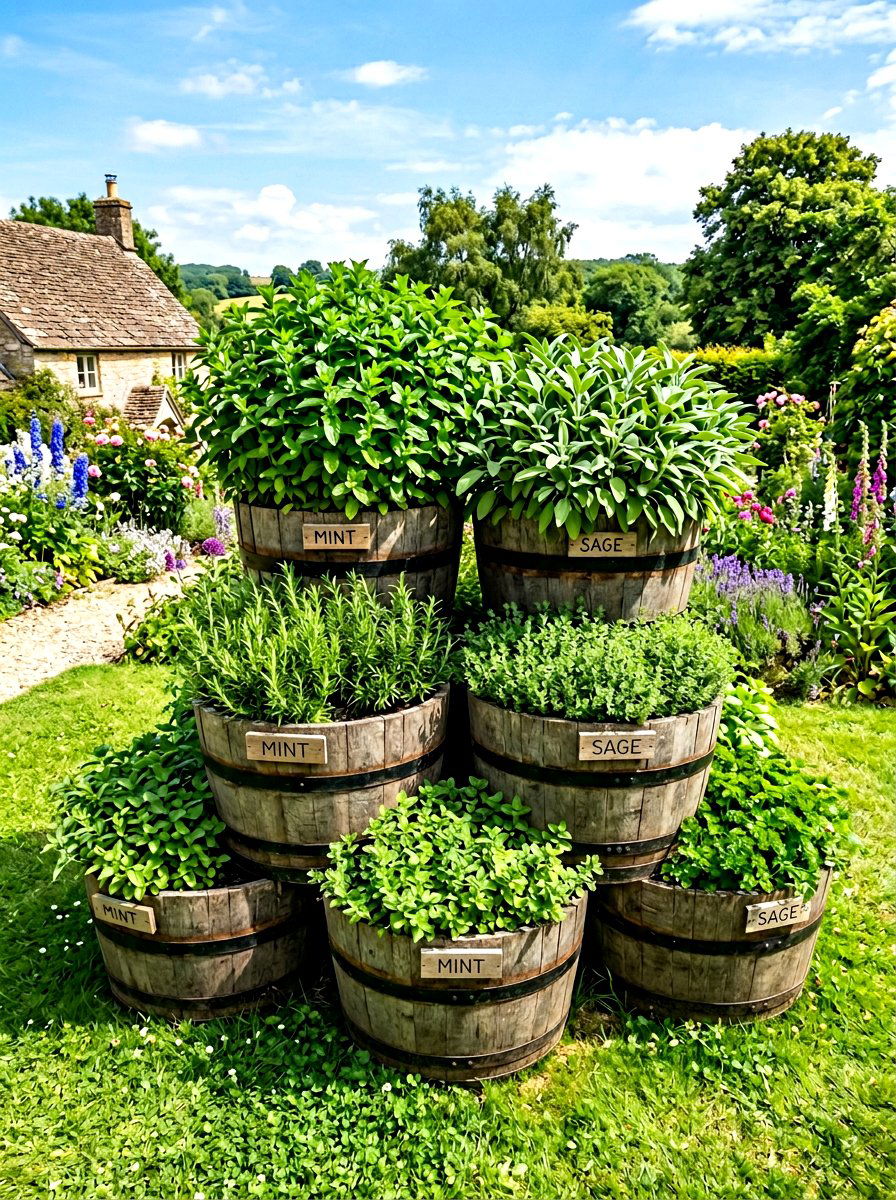
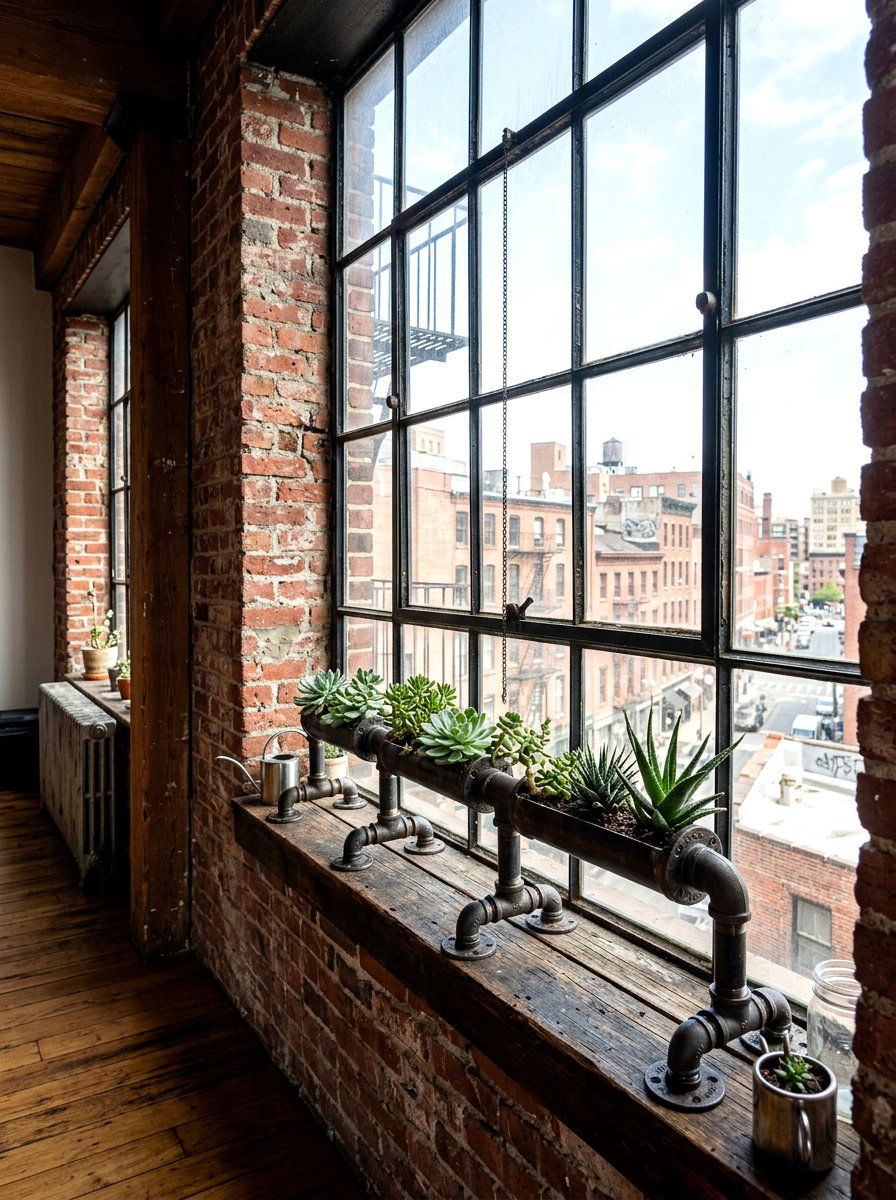
A metal bucket herb garden offers a clean, coordinated look that fits perfectly in a variety of backyard styles. By using identical galvanized or painted buckets, you can create a uniform display that looks intentional and organized. These buckets are very durable and can be moved individually to capture the best light or to decorate different areas of your patio. Drilling holes in the bottom is essential for drainage, and adding a layer of gravel can help even further. This setup is great for controlling invasive herbs like mint, as each plant is restricted to its own container. It is a simple, effective, and modern way to showcase your herbal collection.
26. Pyramid herb garden tower
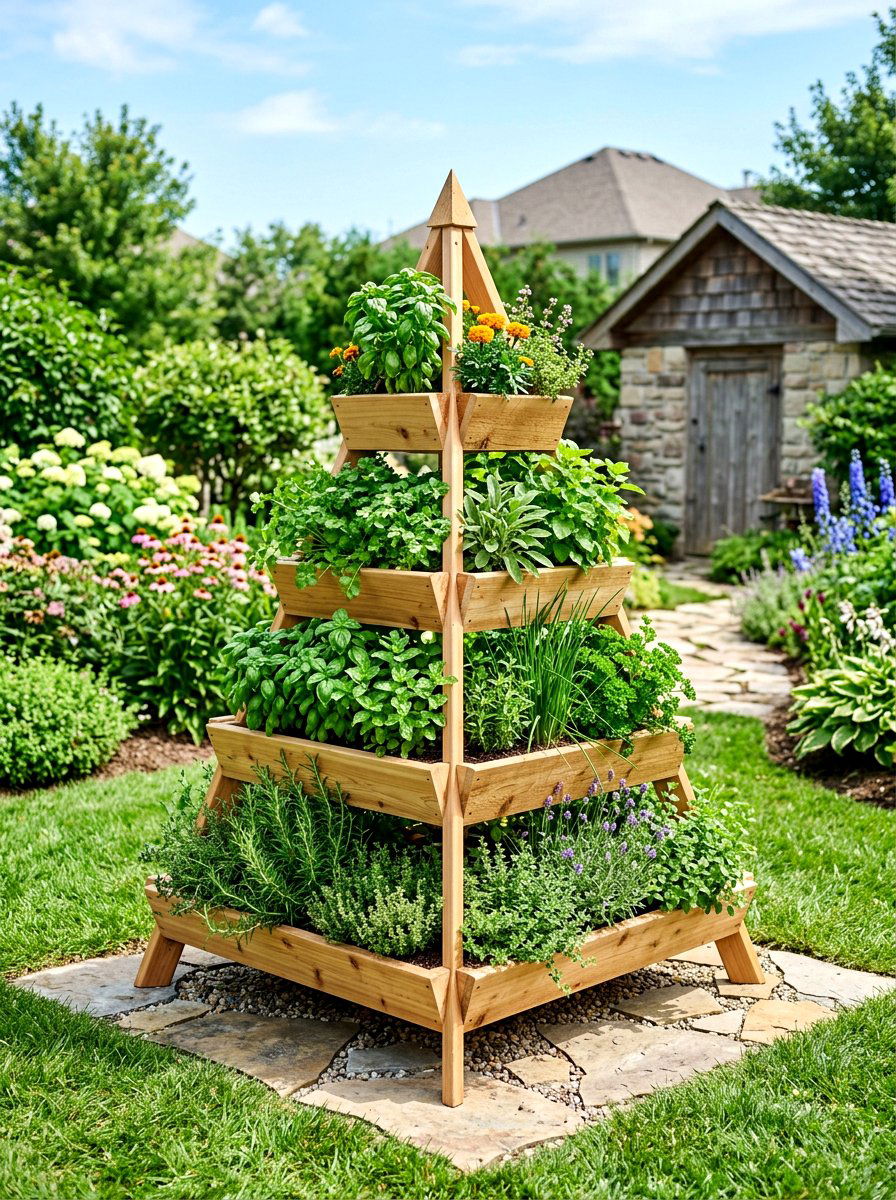
A pyramid herb garden tower is a striking wooden structure that provides multiple levels of growing space in a compact footprint. This design features several square wooden frames stacked on top of each other, each becoming progressively smaller as the tower rises. The corners of each frame provide a perfect spot for different herbs to flourish and cascade downward. This three-dimensional garden adds significant height to your landscape and serves as a major focal point. It is particularly effective for growing a large volume of herbs in a small urban backyard. The tiered levels make it very easy to water everything from the top and let the moisture trickle down.
27. Shade garden herb corner
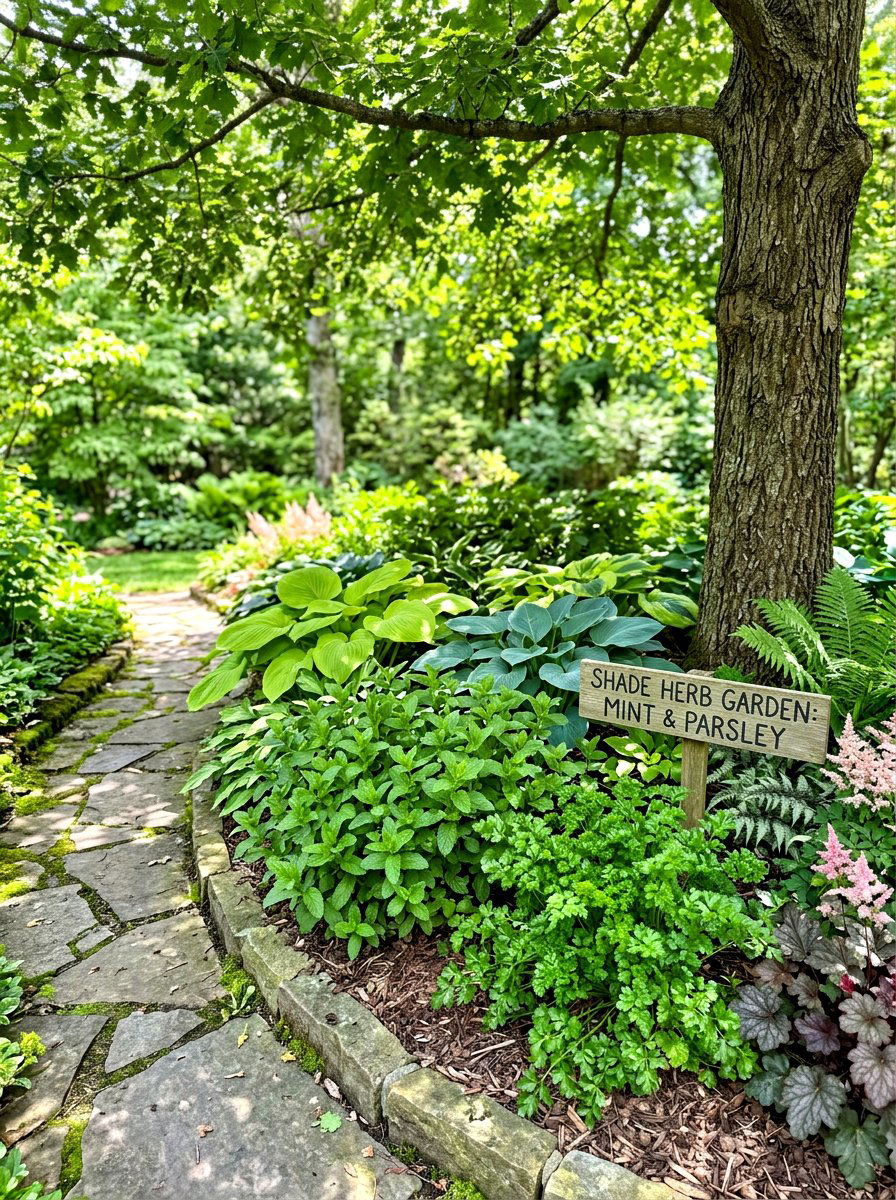
Creating a shade garden herb corner is the perfect solution for backyards that do not receive full sun all day long. While many herbs love the sun, others like mint, chives, parsley, and lemon balm can actually thrive in partial shade or dappled light. By dedicating a cooler, protected corner of your yard to these plants, you can still enjoy a productive herb garden. You can enhance this area with lush ferns or hostas to create a woodland-inspired edible retreat. This setup prevents your moisture-loving herbs from drying out too quickly during the peak of summer. It is a smart way to utilize those often-neglected darker spots in your outdoor space.
28. Hydroponic herb garden system
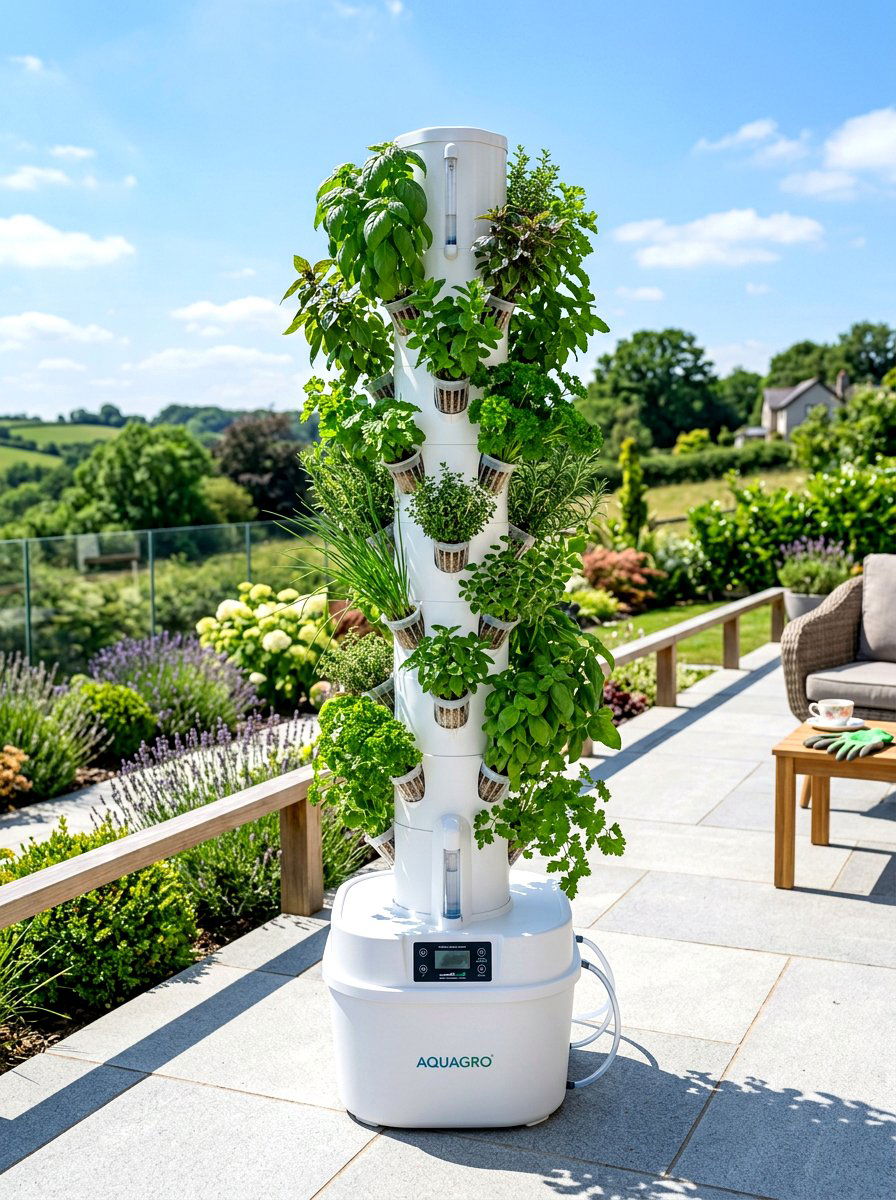
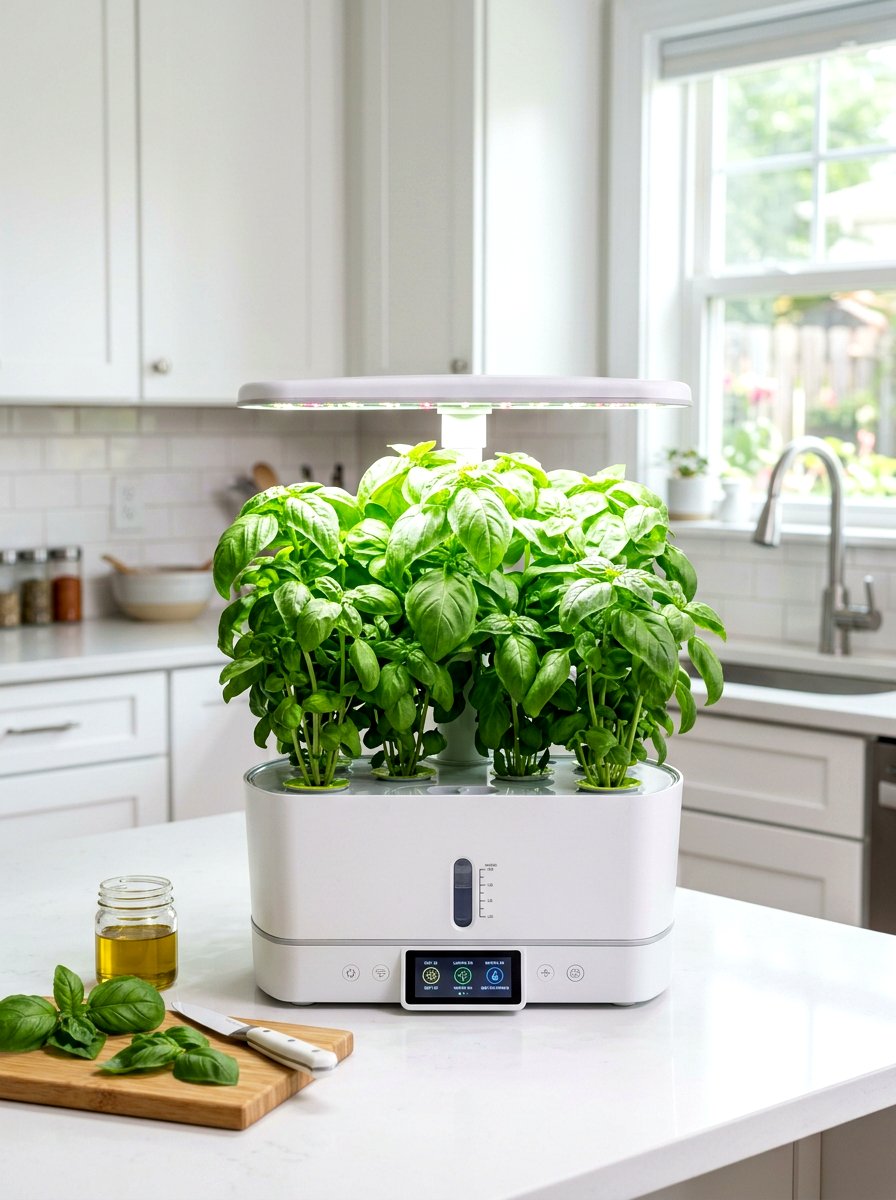
A hydroponic herb garden system represents the cutting edge of backyard gardening for those who want maximum growth with minimal soil. These systems use nutrient-rich water instead of traditional dirt to nourish the plants, often resulting in faster growth and larger harvests. You can set up a vertical hydroponic tower on your deck or patio for a futuristic and high-tech look. This method is incredibly efficient with water and eliminates many of the pests and diseases associated with soil-based gardening. While it requires a bit more initial setup and monitoring, the results are incredibly professional and impressive. It is a great option for the modern gardener who loves technology and efficiency.
29. Wrought iron herb stand
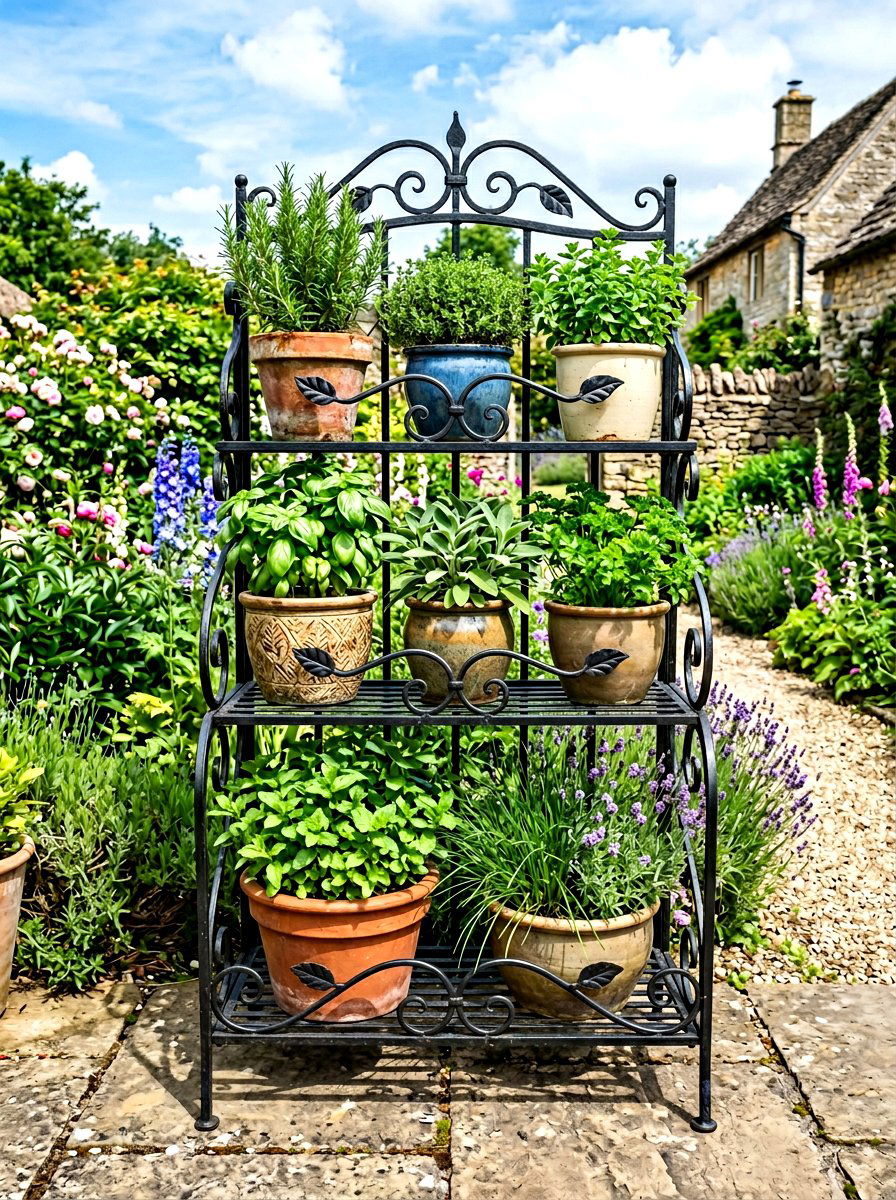
A wrought iron herb stand provides a classic and elegant way to display your potted plants with a touch of Mediterranean flair. These sturdy metal stands often feature intricate scrollwork and multiple shelves that can hold heavy ceramic or stone pots. The open design allows plenty of light and air to reach every plant, ensuring they stay healthy and vibrant. Wrought iron is extremely durable and can withstand all types of weather, making it a permanent fixture in your backyard design. It looks particularly beautiful when placed against a brick wall or nestled among colorful flowering plants. This stand brings a sense of timeless sophistication and order to your outdoor herb collection.
30. Circular herb garden patch
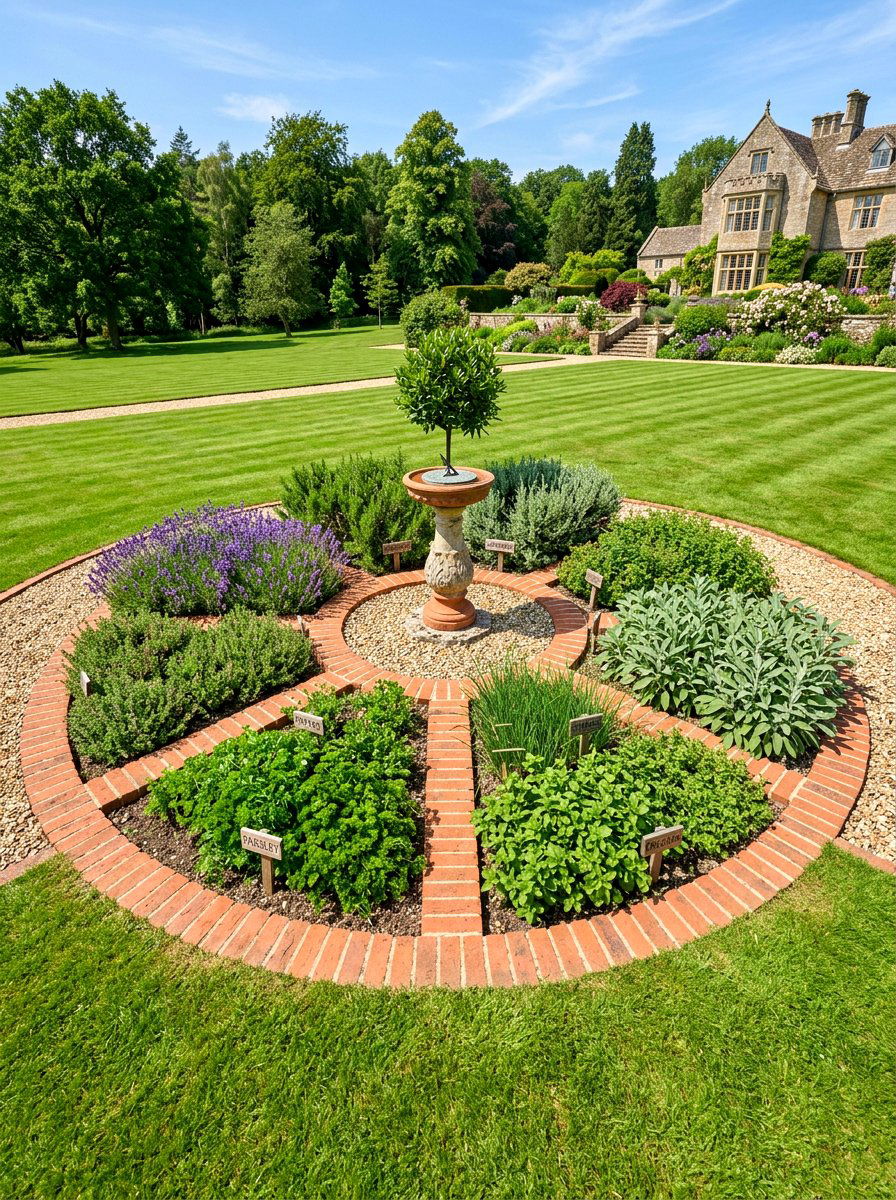
A circular herb garden patch is a beautiful way to create a formal focal point in the center of your backyard lawn. By laying out a perfect circle and dividing it into wedges like a pie, you can organize your herbs by theme or culinary usage. For example, one wedge could be for Italian herbs, while another is for medicinal plants or tea ingredients. Using low stone edging or a simple brick border helps to keep the circle clearly defined and prevents grass from encroaching. This traditional layout is very pleasing to the eye and makes it easy to access every plant from the perimeter. It is a classic design that brings harmony to your garden.
Conclusion:
Building a backyard herb garden is a journey that combines practical utility with creative expression. Throughout these thirty ideas, we have seen how herbs can adapt to almost any environment, from vertical walls and recycled crates to formal stone spirals and modern hydroponic systems. By choosing the layout that best fits your space and lifestyle, you are setting yourself up for a lifetime of fresh flavors and aromatic beauty. Remember that the best garden is one that you enjoy visiting every day, whether it is to snip some basil for a pizza or simply to brush your hands against the rosemary and enjoy the scent. With a little planning and regular care, your backyard will soon become a thriving and delicious sanctuary that enriches your home and your cooking.

Related posts: