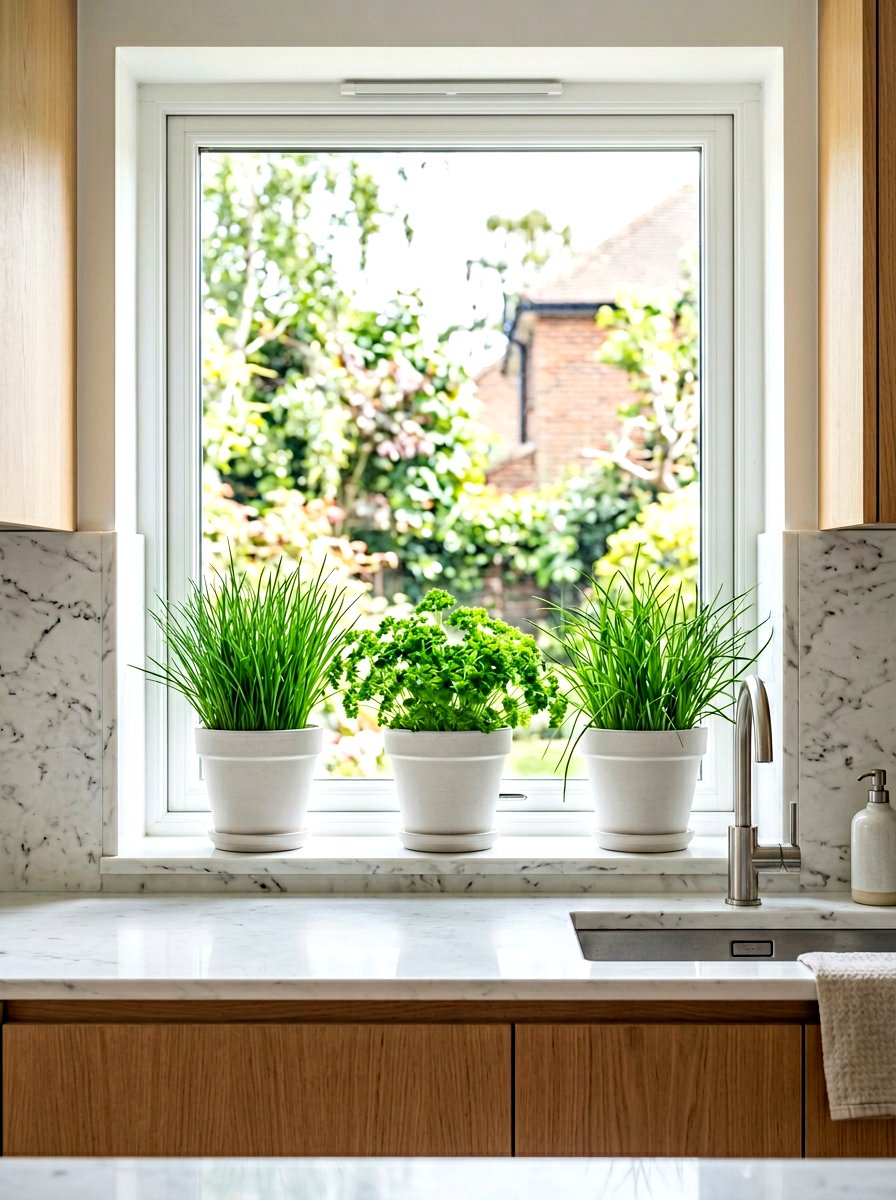
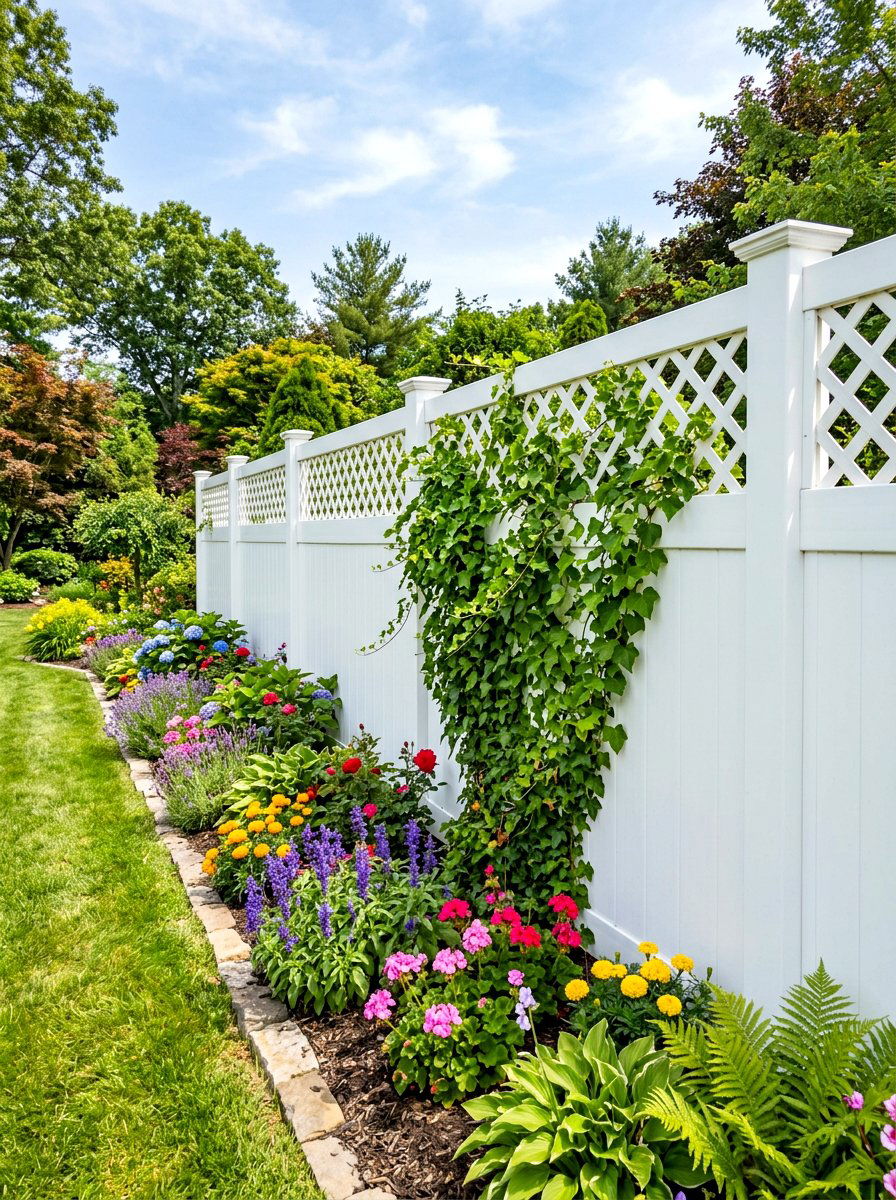
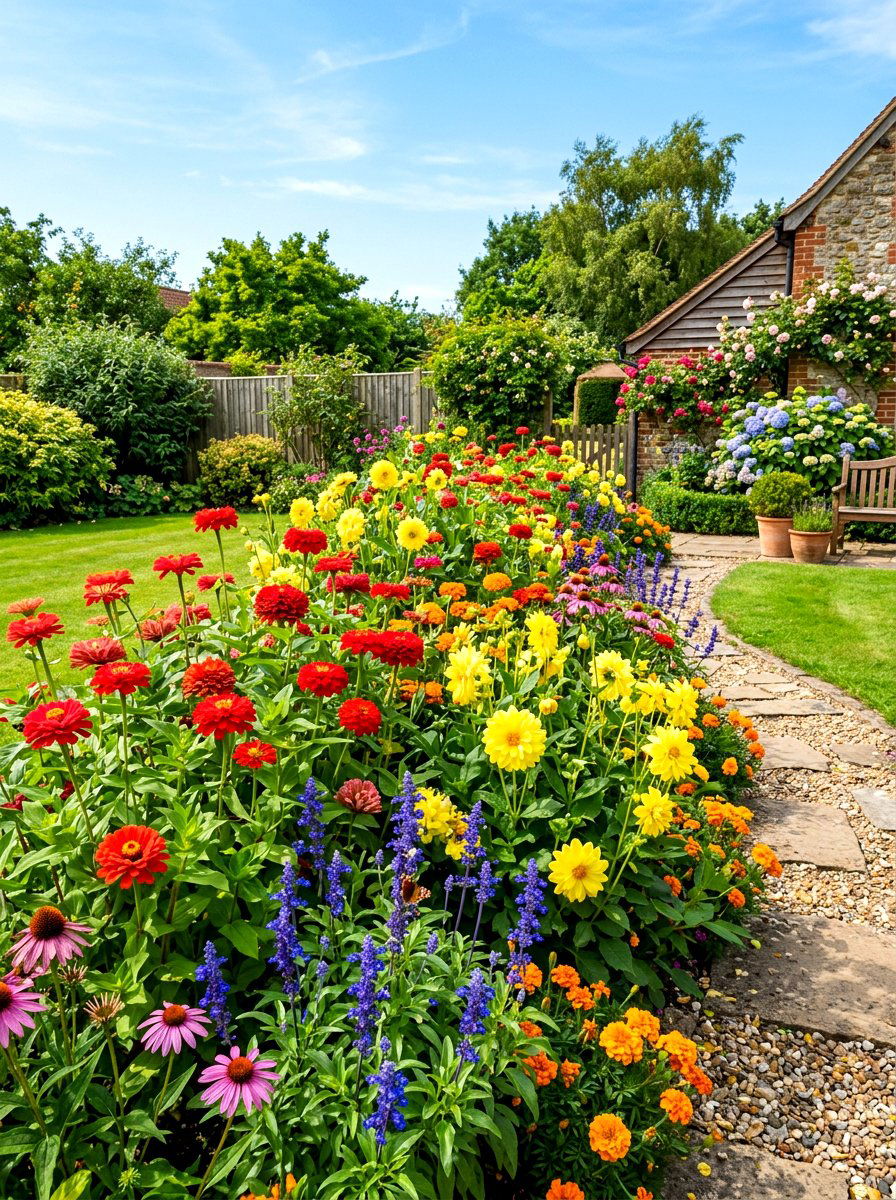
Creating a backyard herb spiral is a brilliant way to blend artistic landscape design with practical, sustainable gardening. These vertical structures are more than just a trend; they are a permaculture staple that allows you to grow a diverse variety of herbs in a very compact footprint. By using gravity and height, a spiral garden creates multiple microclimates within just a few square feet. This means you can plant Mediterranean herbs that love dry soil at the peak, while keeping moisture-dependent greens at the base. Whether you have a sprawling estate or a tiny suburban lot, an herb spiral adds visual interest and fresh flavors to your home while maximizing every inch.
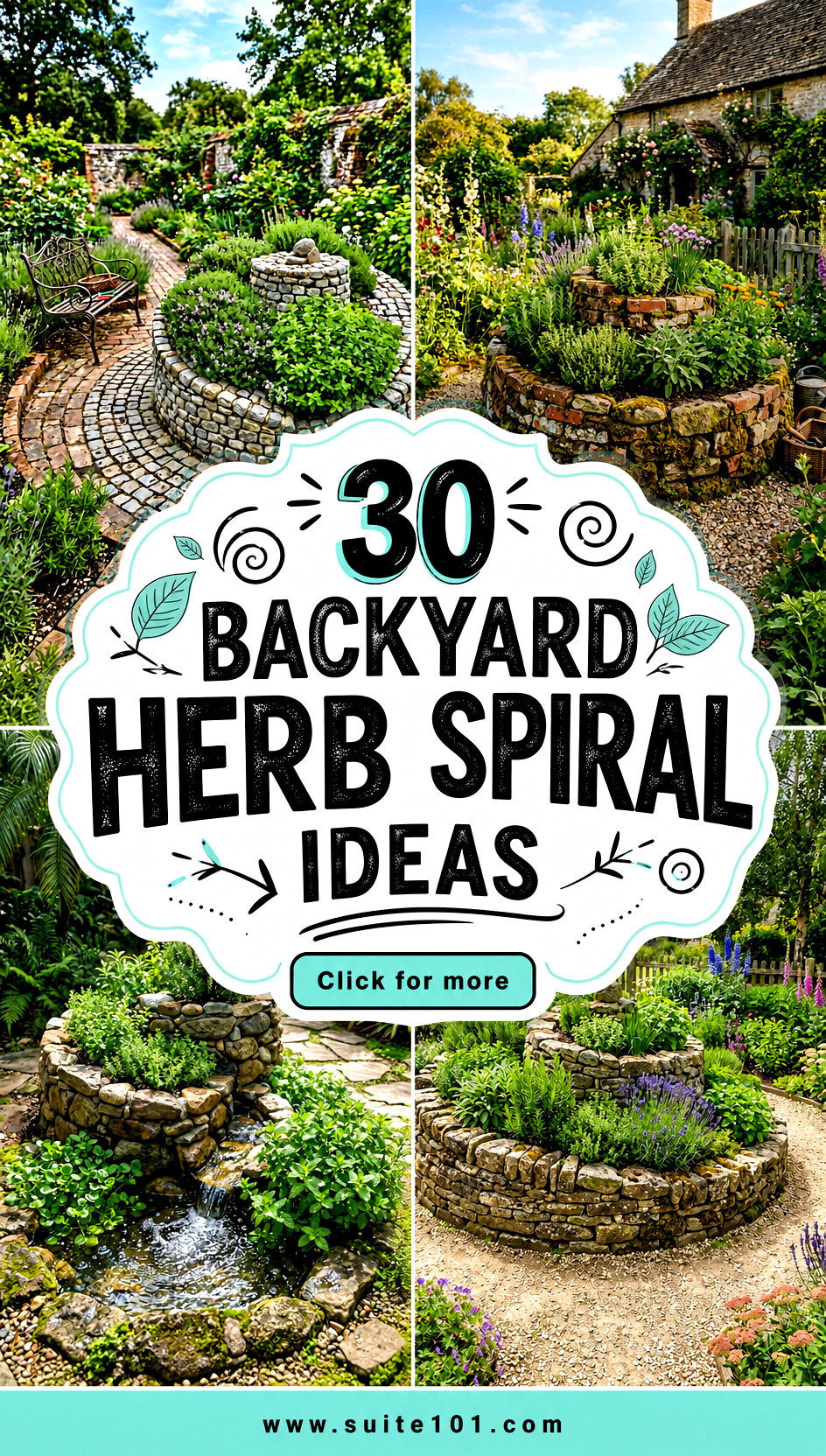
1. Stone Herb Spiral
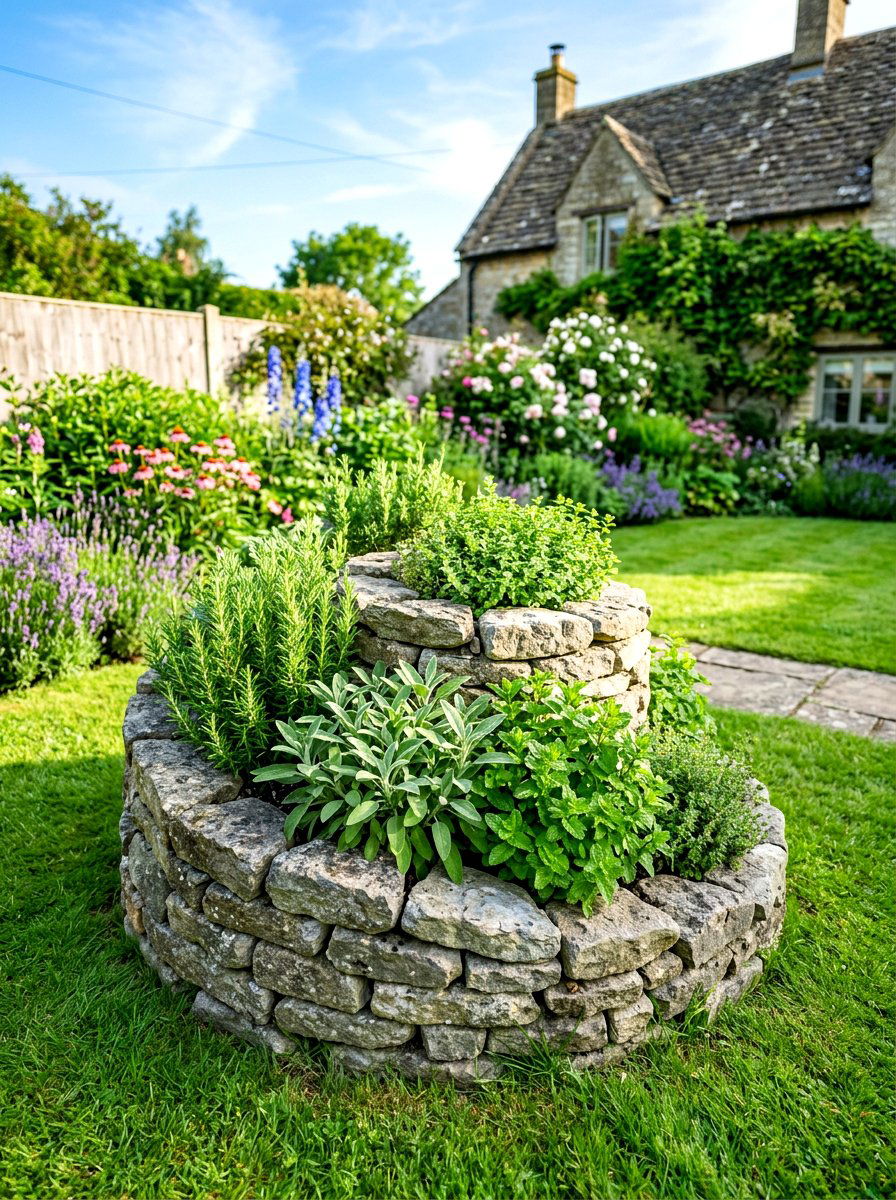
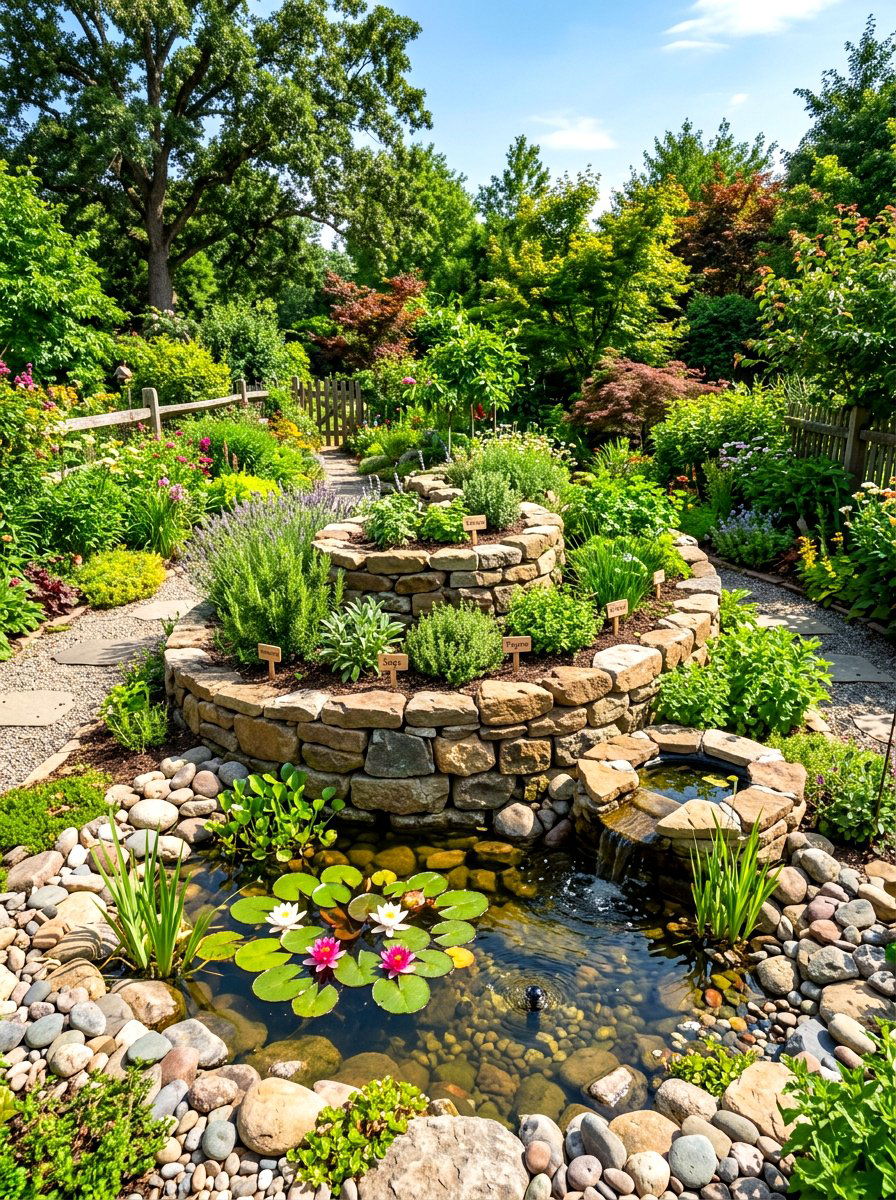
Have you ever considered how a simple arrangement of rocks can transform your backyard into a culinary sanctuary? A stone herb spiral is the ultimate permaculture feature that combines aesthetics with incredible functionality. By stacking natural fieldstones in a rising circular pattern, you create a beautiful vertical structure that maximizes growing space. This design naturally creates different microclimates, where sun-loving herbs like rosemary sit at the dry top while moisture-loving mint thrives at the bottom. It is a space-saving solution that brings an earthy, grounded feel to any garden layout. You can easily build this yourself using local stones found right in your own yard or a local landscape supply store.
2. Brick Herb Spiral
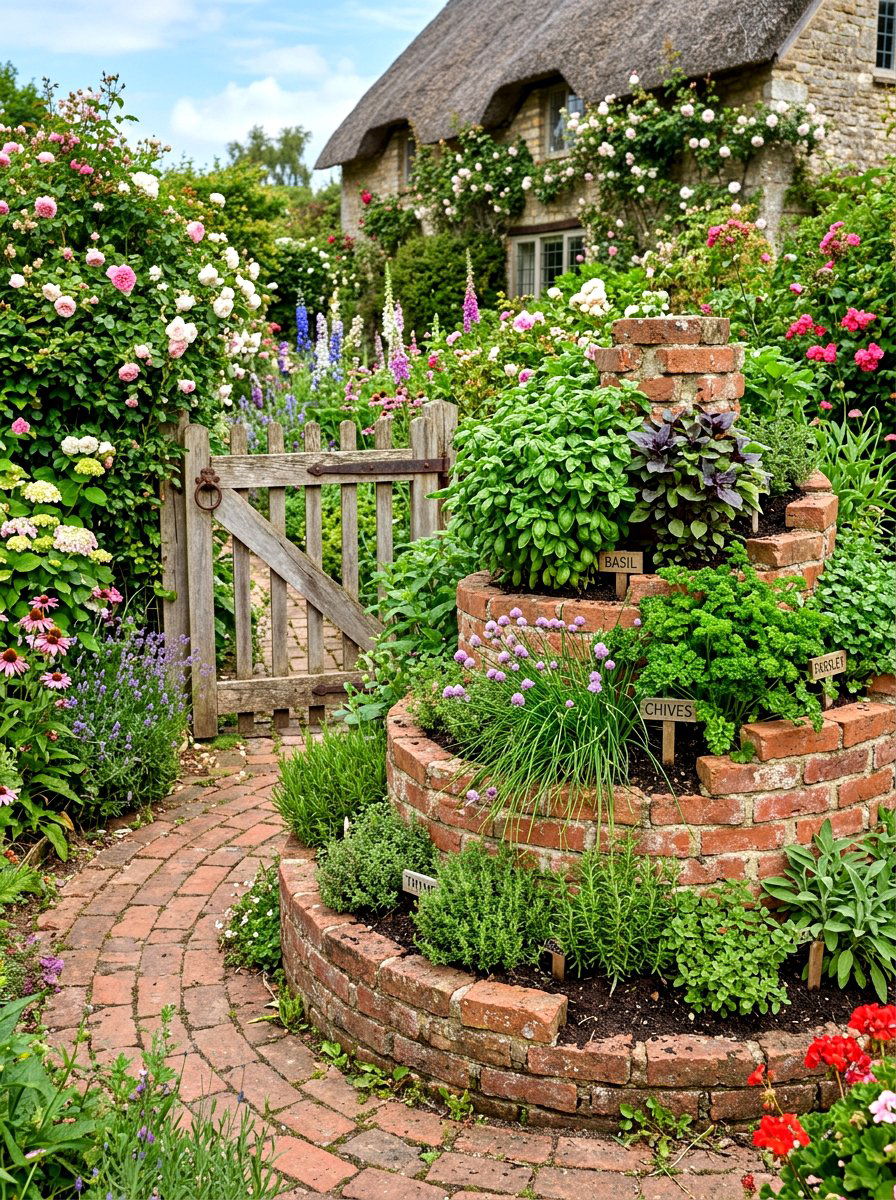
Are you looking for a classic and organized way to grow your favorite seasonings right outside your kitchen door? A brick herb spiral offers a timeless look that fits perfectly in traditional or cottage-style gardens. Using reclaimed bricks can add a sense of history and character to your landscape while providing a sturdy framework for your plants. The red or orange tones of the brick contrast beautifully with the vibrant green leaves of basil, parsley, and chives. Because bricks are uniform in size, building the rising spiral path is relatively straightforward for a weekend DIY project. This structure retains heat well, which helps your heat-loving herbs thrive even during cooler nights.
3. Gabion Herb Spiral
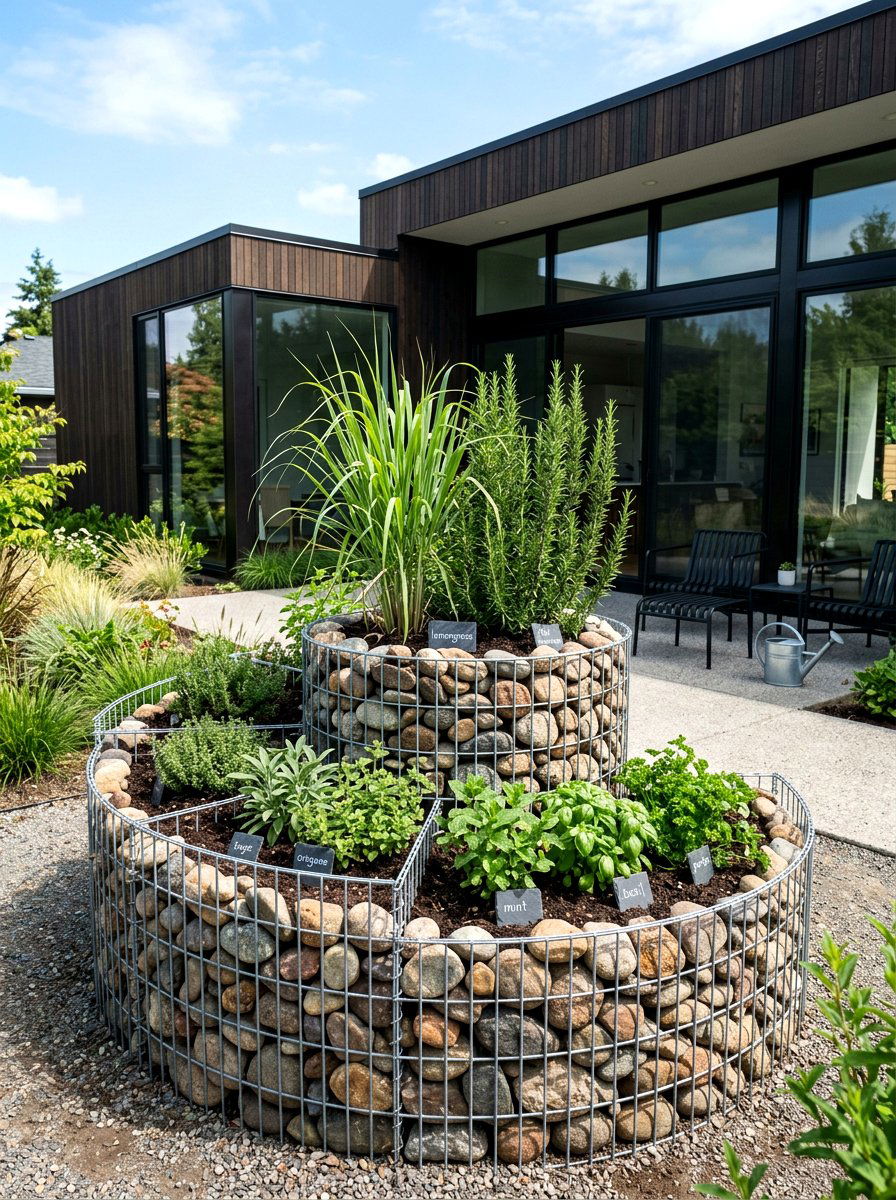
What if you could build a modern and industrial-looking garden feature that is also incredibly durable? A gabion herb spiral uses wire cages filled with stones to create a striking architectural element in your backyard. This design is perfect for contemporary homes where clean lines and raw materials are preferred. The wire mesh holds the stones securely, creating a stable wall that supports a large volume of soil and plants. Not only does it look impressive, but the gaps between the stones provide excellent drainage and even little homes for beneficial insects. It is a bold choice that serves as both a functional kitchen garden and a unique piece of outdoor art.
4. Cedar Herb Spiral
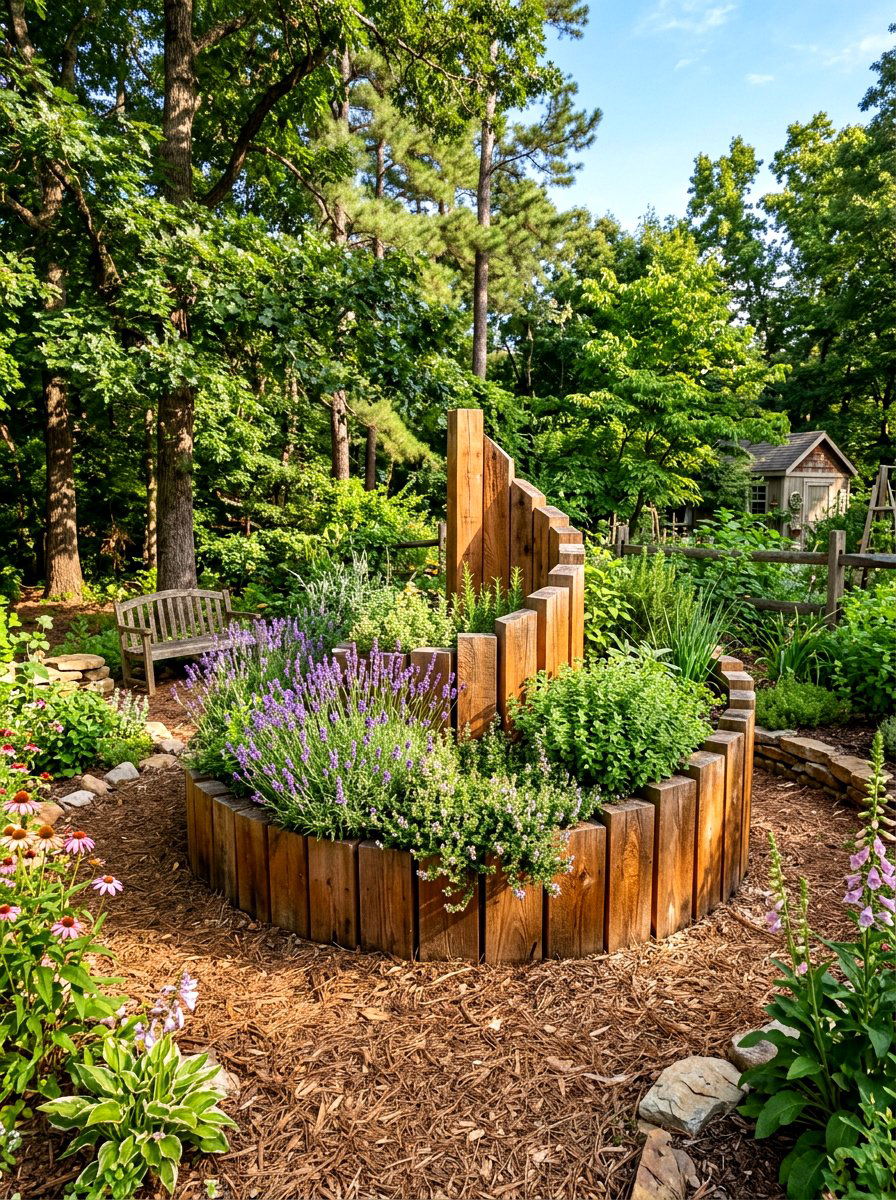
Would you like to bring the warm, aromatic scent of natural wood into your garden design? A cedar herb spiral is a fantastic option for those who prefer organic materials over stone or masonry. Cedar is naturally resistant to rot and insects, making it an ideal choice for a raised garden structure that will last for many years. You can use short cedar posts or flexible boards to create the curving path of the spiral. The natural wood grain adds a soft, rustic touch that blends seamlessly with the surrounding greenery. Over time, the cedar will weather to a beautiful silvery-grey, adding a sense of maturity and elegance to your backyard space.
5. Paver Herb Spiral
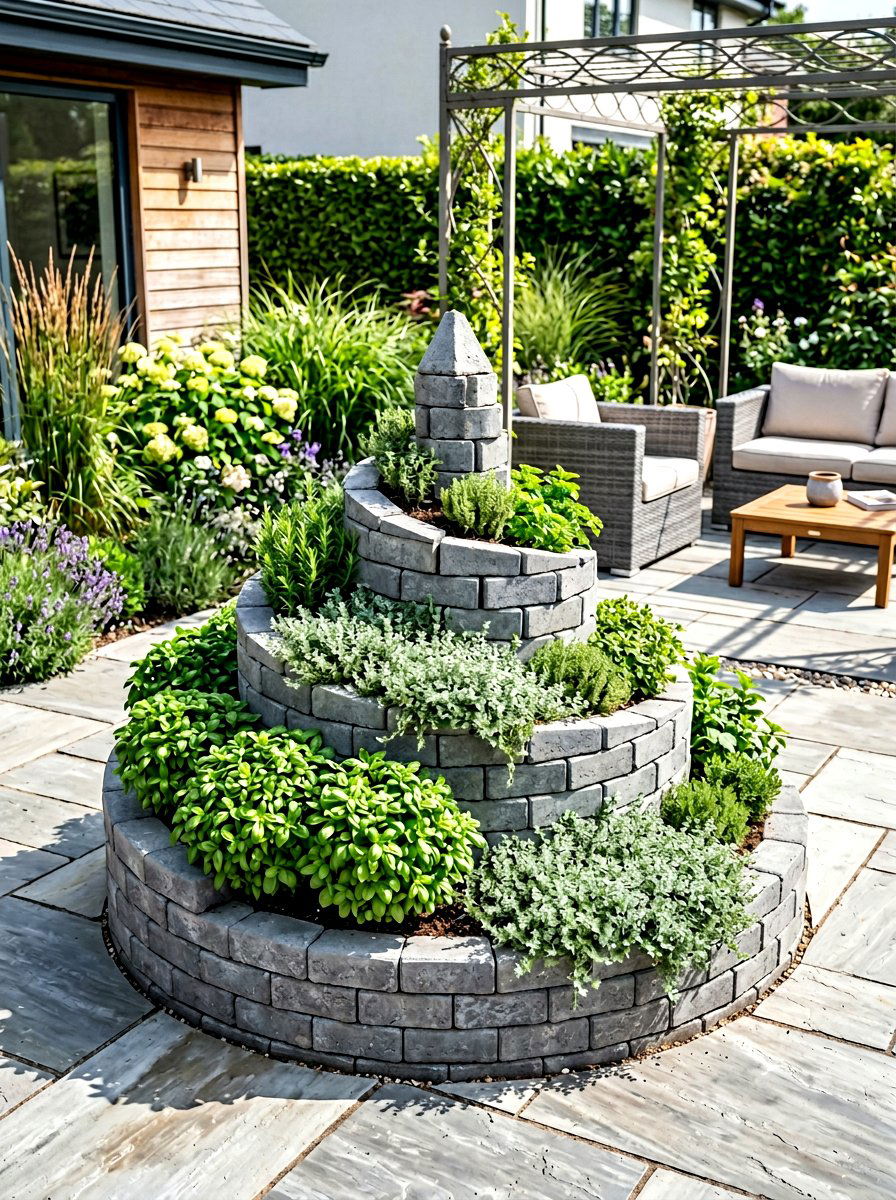
Could a simple trip to the local hardware store provide everything you need for a professional-looking garden? Using standard concrete pavers to build an herb spiral is a smart choice for gardeners who want a clean and uniform finish. Pavers come in many colors and textures, allowing you to match the structure to your existing patio or walkway. Their interlocking nature or flat surfaces make stacking them into a tall, spiraling cone very easy and stable. This type of design looks intentional and polished, making it a great focal point for a small suburban yard. It provides a structured environment where each herb has its own designated space to flourish.
6. Flagstone Herb Spiral
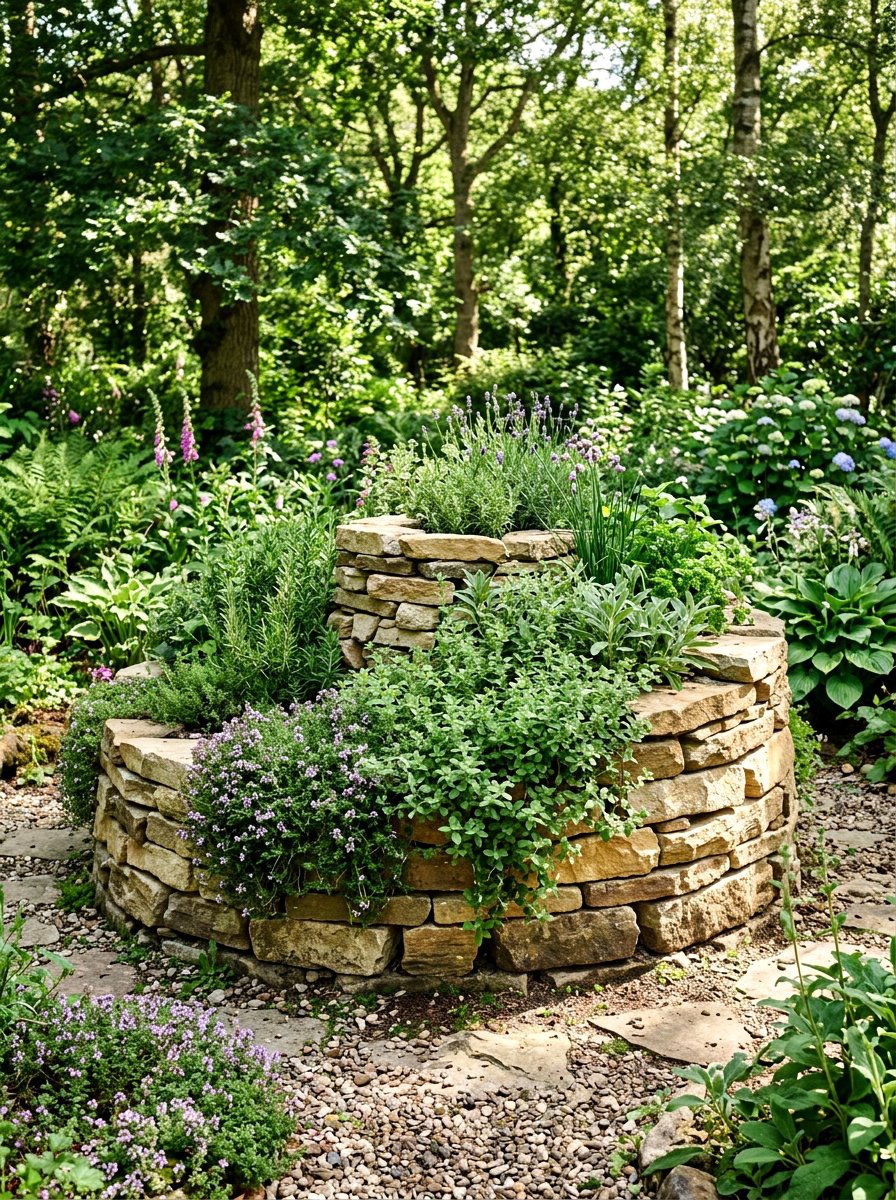
Imagine a garden feature that looks like it grew naturally out of the earth. A flagstone herb spiral uses flat, irregular stones to create a layered and textured look that is full of character. These stones are stacked carefully to create a gentle slope, mimicking the appearance of a natural rock formation. The wide, flat surfaces of the flagstone are perfect for sitting on while you harvest your fresh rosemary or thyme. This design works exceptionally well in woodland or informal garden settings. The variation in stone color, from deep blues to warm tans, adds visual depth and ensures that no two spirals will ever look exactly the same.
7. Concrete Block Herb Spiral
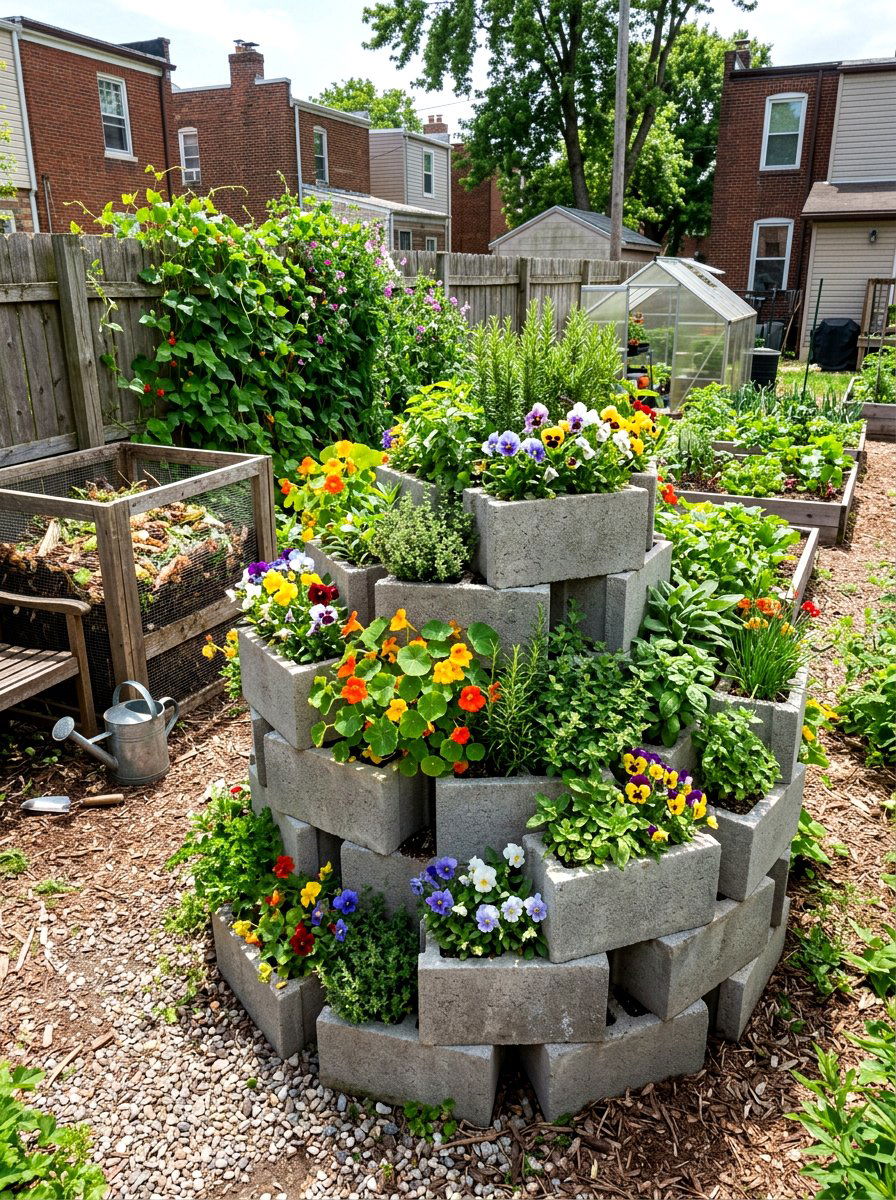
Are you interested in a budget-friendly project that offers maximum planting space? Concrete blocks, or cinder blocks, are an incredibly versatile and affordable material for constructing a large herb spiral. You can stack the blocks in a spiraling pattern, and the best part is that each individual cell in the block can also be used as a mini-planter. This allows you to grow even more varieties of herbs or small flowers in the same footprint. While raw concrete blocks have an industrial look, you can paint or stucco them to match your home's exterior. It is a heavy-duty solution that provides a permanent and productive home for your herbs.
8. Recycled Timber Herb Spiral
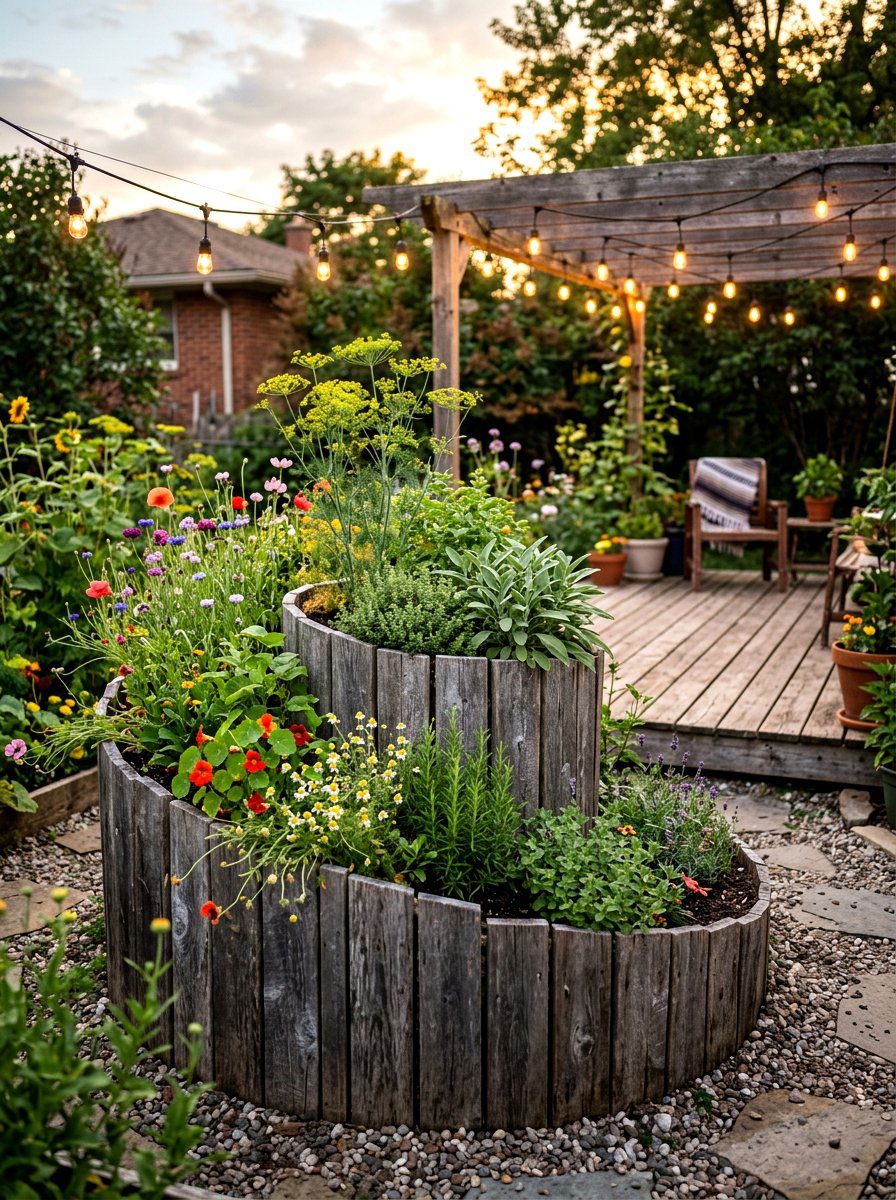
How can you create a productive garden while also being mindful of the environment? A recycled timber herb spiral is a wonderful way to give new life to old materials like barn wood or pallets. By cutting the timber into short lengths and anchoring them vertically, you can form a beautiful, textured spiral wall. This approach is perfect for a rustic or bohemian-style garden where imperfections are celebrated. The different heights and weathered textures of the wood create a dynamic look that feels lived-in and cozy. Using reclaimed wood is not only cost-effective but also adds a unique story to your backyard, making your herb garden truly one-of-a-kind.
9. Terracotta Pot Herb Spiral
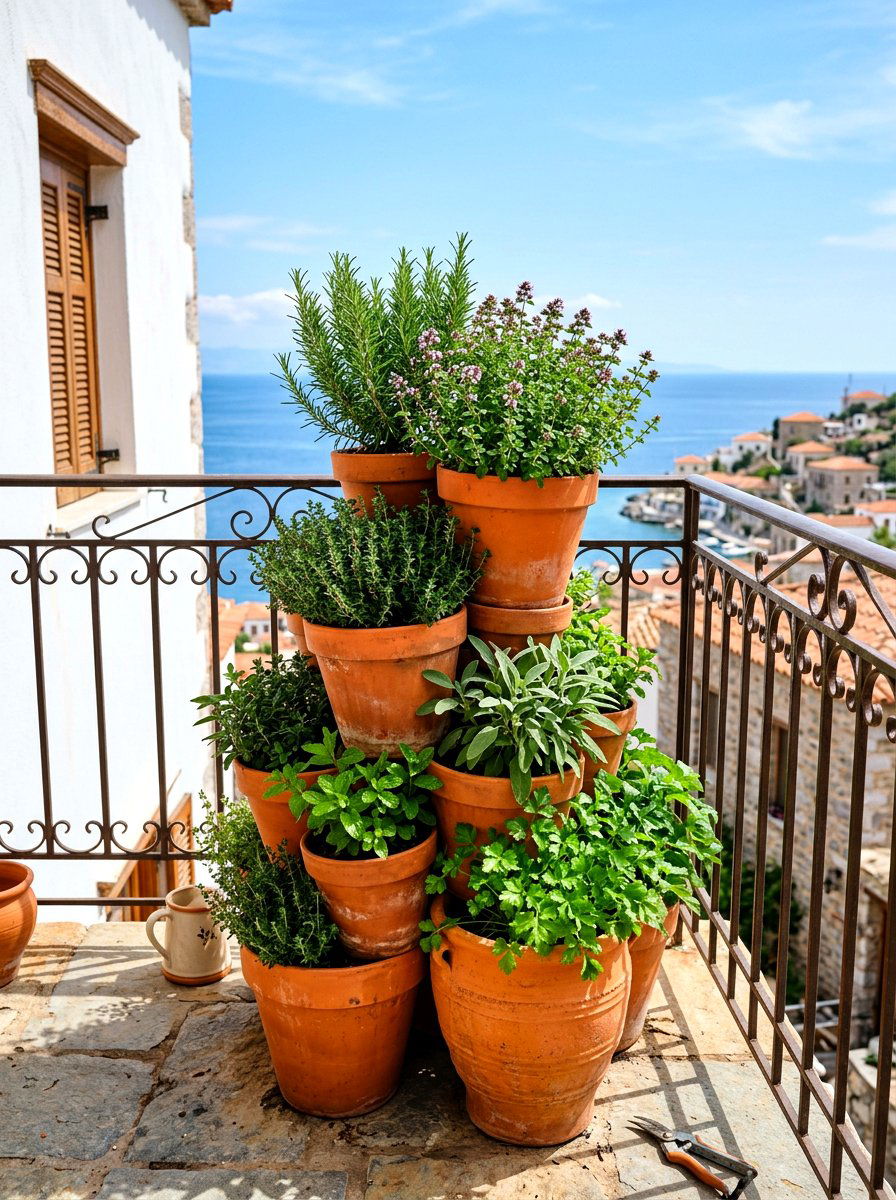
Is it possible to have a spiral garden even if you only have a small balcony or patio? A terracotta pot herb spiral uses a clever stacking technique with various sizes of clay pots to create height. By placing a smaller pot inside a larger one and offsetting it, you can create a spiraling effect for your plants. This is a great solution for renters or those with limited ground space. The warm orange hue of the terracotta looks beautiful against the green foliage and provides a classic Mediterranean feel. Each "level" of the pot spiral can host a different herb, ensuring they all get the drainage and sun they need.
10. Bamboo Herb Spiral
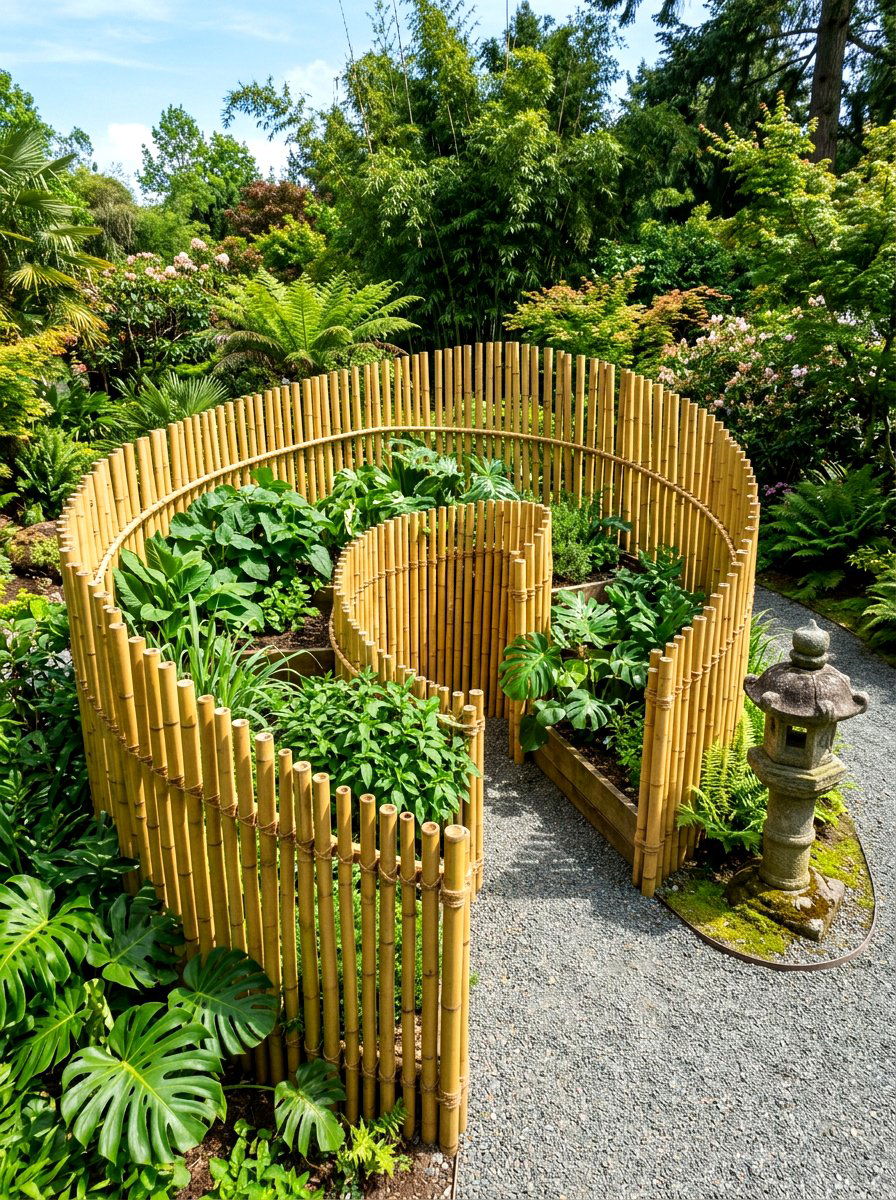
Could a touch of tropical flair be the missing piece in your backyard design? A bamboo herb spiral is a lightweight and sustainable option that brings a unique aesthetic to your garden. By using bamboo poles of varying heights, you can create a screen or wall that follows a spiraling path. This design is particularly well-suited for Zen-style or tropical gardens. Bamboo is a fast-growing and renewable resource, making it an eco-friendly choice for any gardener. The vertical lines of the bamboo provide a nice contrast to the soft, mounding shapes of herbs like oregano and marjoram. It is an exotic and refreshing take on a traditional garden structure.
11. River Rock Herb Spiral
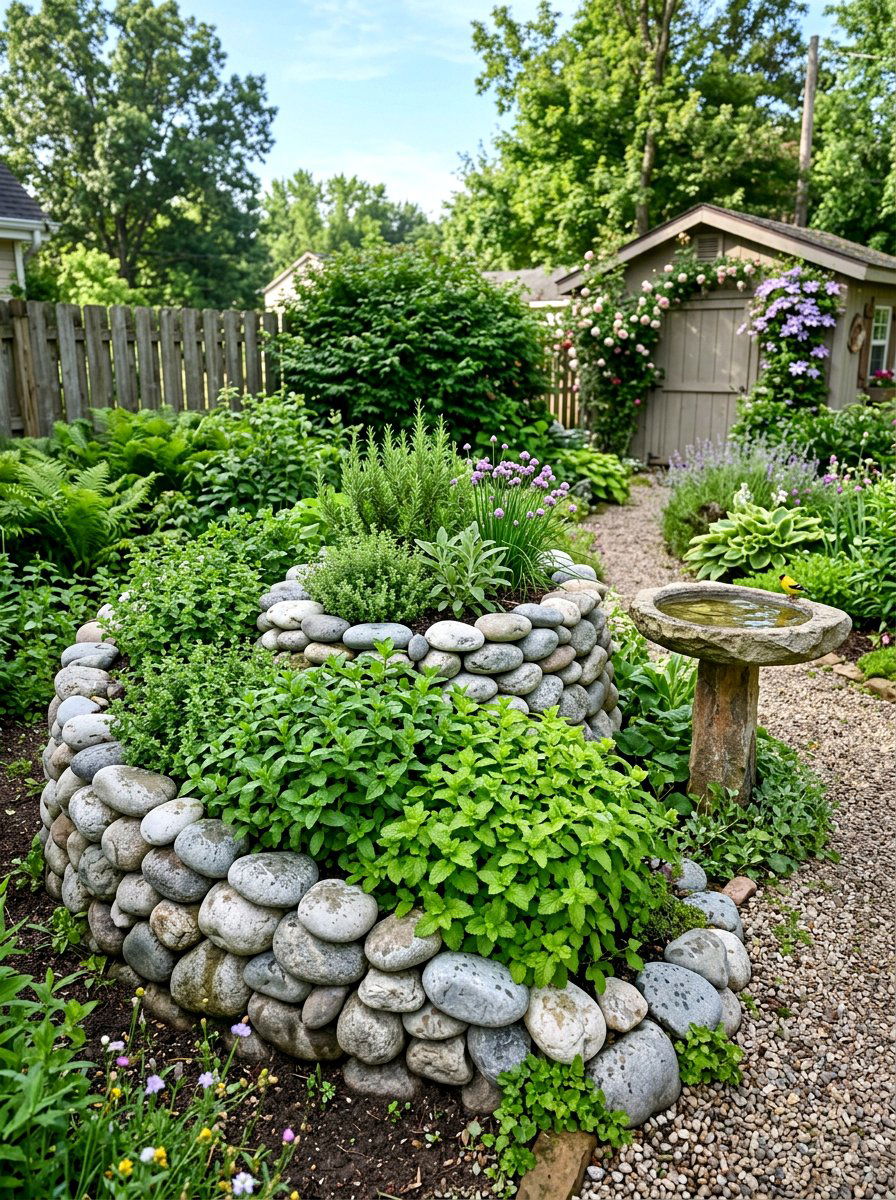
Do you dream of a garden feature that reminds you of a peaceful, flowing stream? A river rock herb spiral uses smooth, rounded stones to create a soft and organic-looking structure. Unlike jagged fieldstones, river rocks offer a gentle aesthetic that feels calm and balanced. You can use mortar to hold the rocks together or simply stack them for a more natural, loose-fill look. The different sizes and shades of grey, tan, and white stones create a beautiful mosaic effect. This type of spiral looks especially stunning when placed near a water feature or under the shade of a large tree. It brings a touch of serenity to your landscape.
12. Woven Willow Herb Spiral
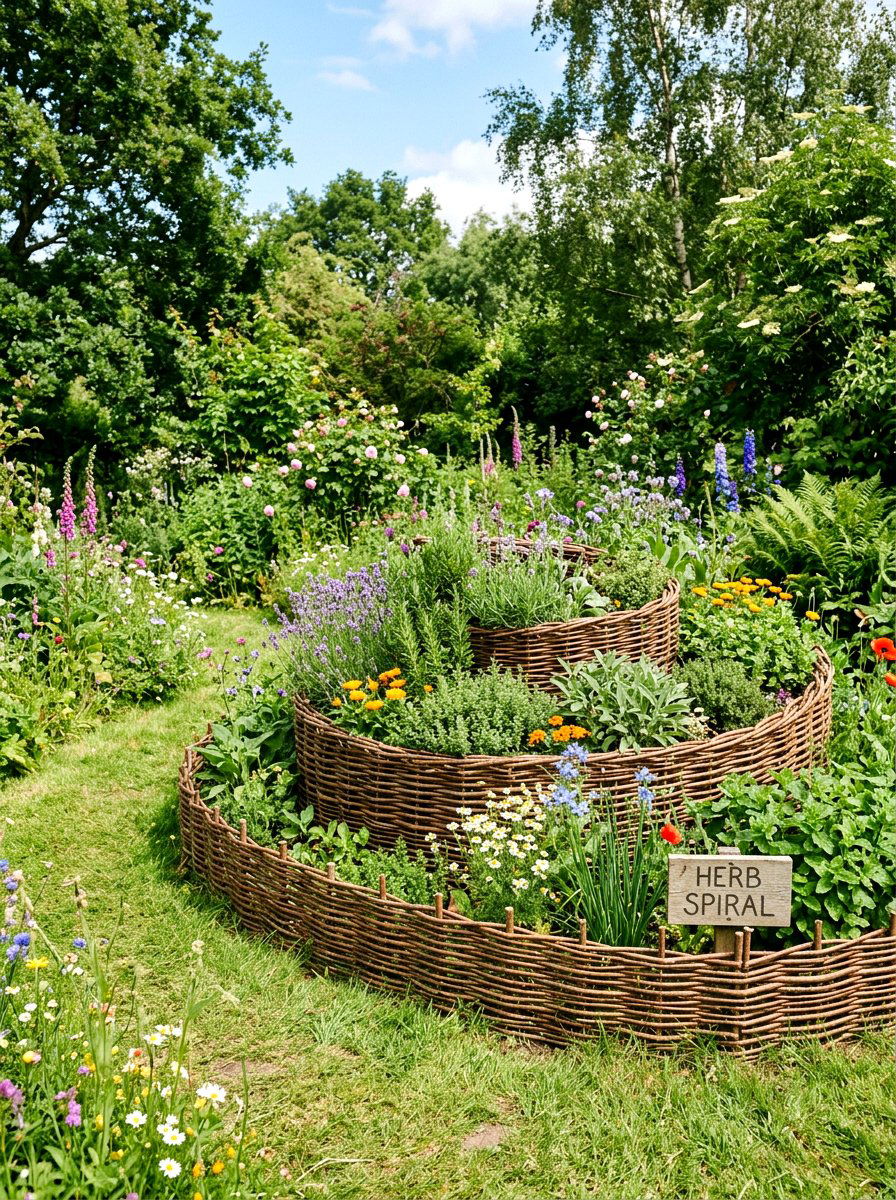
Have you considered using traditional weaving techniques to create a living piece of art in your garden? A woven willow herb spiral is a charming and whimsical choice that feels like something out of a fairy tale. By using flexible willow or hazel branches, you can weave a low fence that curves upward into a spiral. This natural barrier holds the soil in place while allowing the structure to "breathe. " It is a beautiful way to add texture and a sense of craftsmanship to your backyard. Over time, the willow will silver and blend into the landscape, providing a soft backdrop for your vibrant and aromatic culinary herbs.
13. Metal Edging Herb Spiral
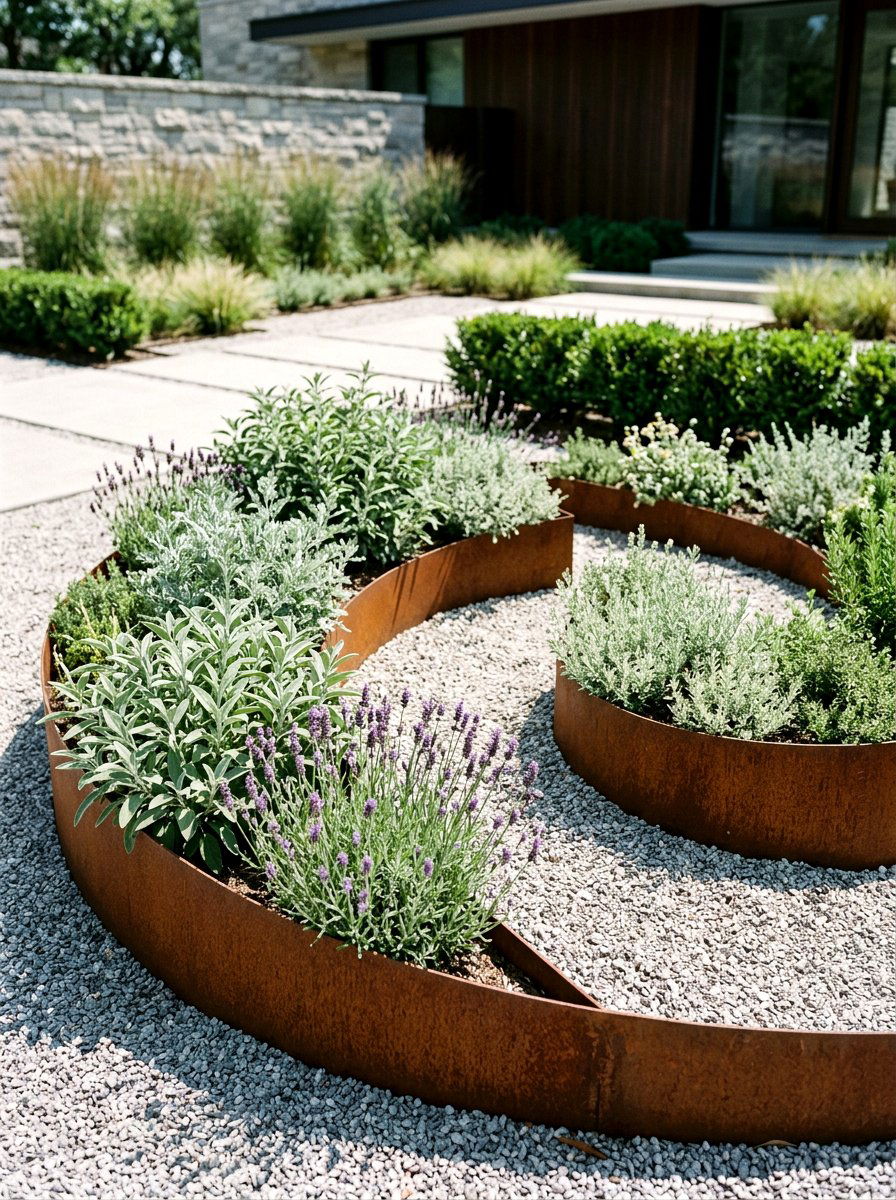
Would you prefer a garden design that is sleek, thin, and takes up minimal visual space? A metal edging herb spiral uses flexible steel or aluminum garden edging to define the spiraling path. This is an excellent choice for modern or minimalist landscapes where clean edges are a priority. The thin metal takes up very little room, leaving more space for the soil and plants themselves. You can find metal edging in various finishes, including weathered Corten steel which develops a beautiful rusty patina over time. It is a durable and low-profile solution that keeps your herb garden looking sharp and well-organized throughout the entire growing season.
14. Log Herb Spiral
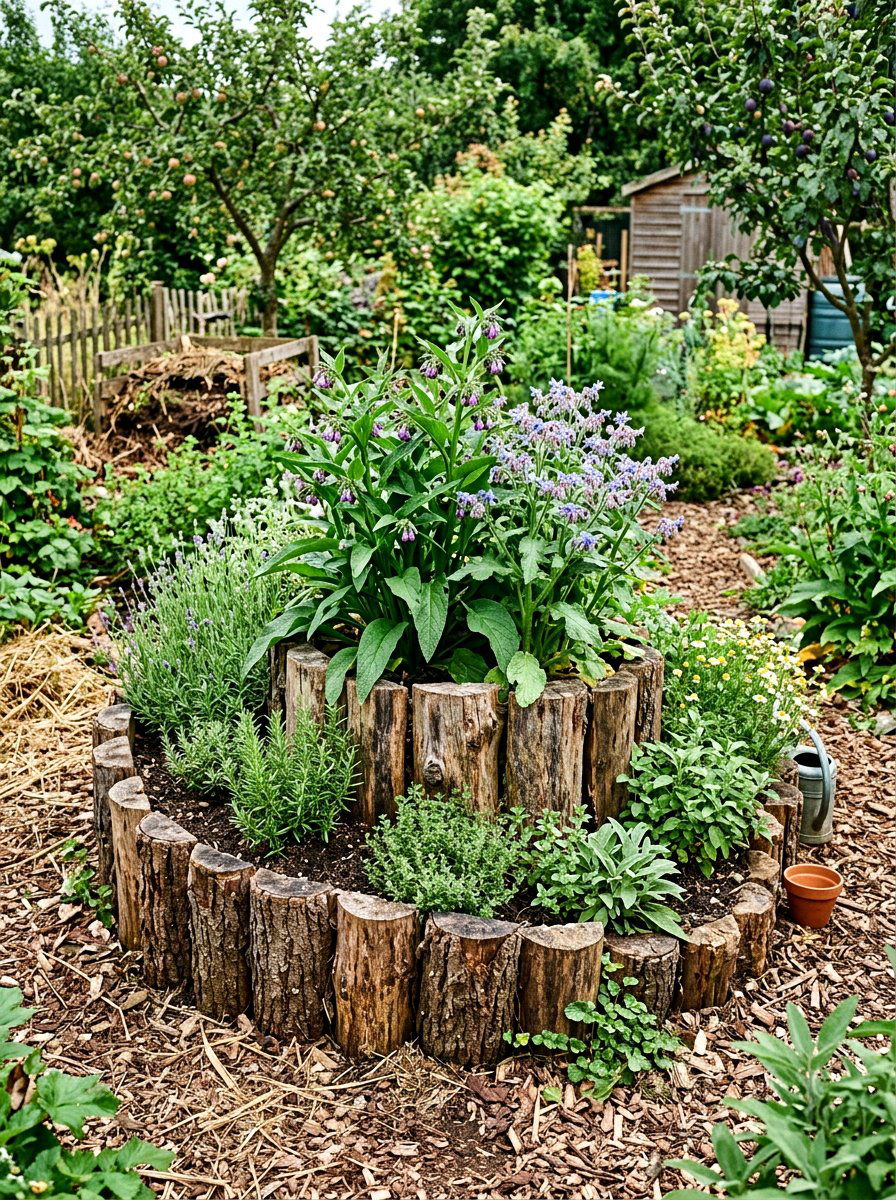
What if you could use fallen branches or logs from your own property to build a garden? A log herb spiral is a rugged and earthy design that works perfectly in a natural or permaculture-focused backyard. By cutting small logs into uniform lengths and placing them vertically in the ground, you can create a sturdy and rustic spiral wall. This method is incredibly cost-effective and helps to recycle organic material back into the landscape. As the logs slowly decompose over many years, they provide nutrients to the soil, creating a rich environment for your herbs. It is a beautiful way to honor the cycles of nature.



15. Cobblestone Herb Spiral
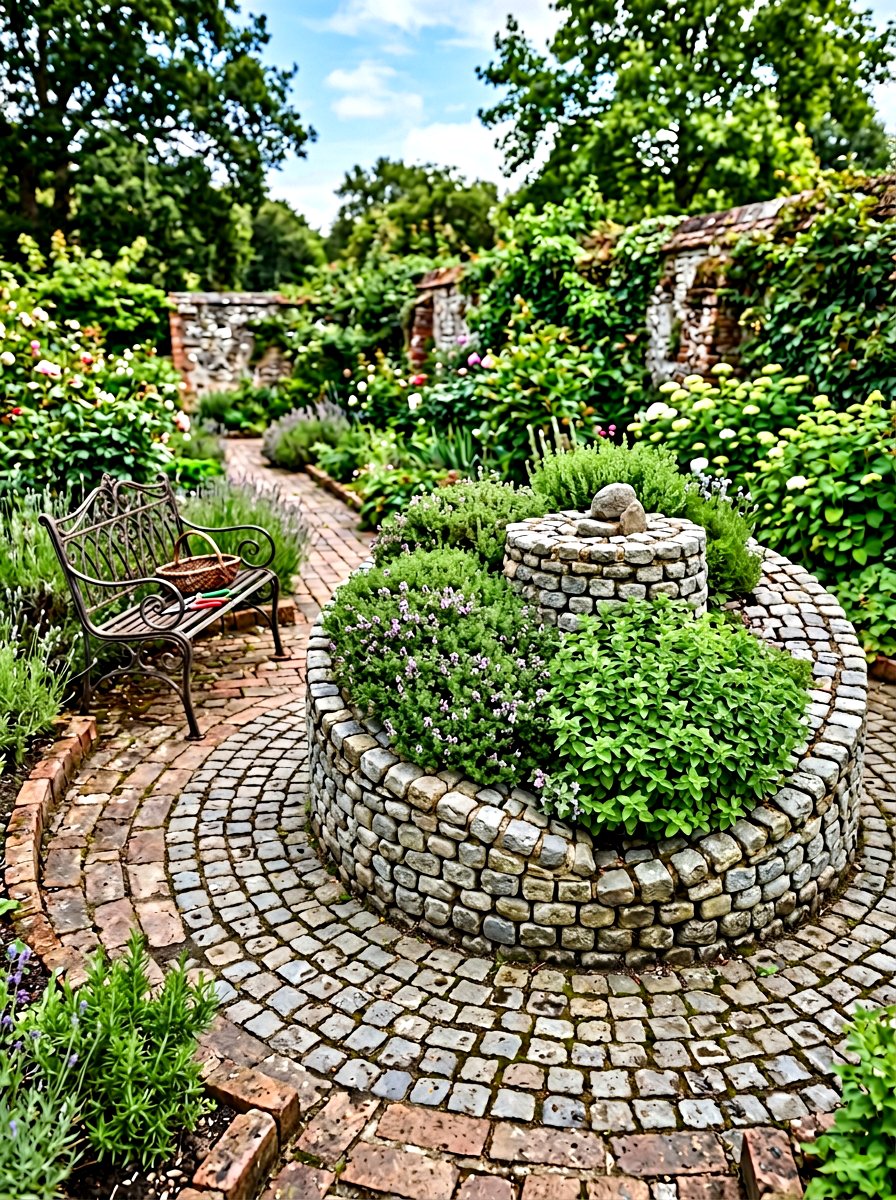
Do you want to give your backyard a touch of old-world European charm? A cobblestone herb spiral uses small, rounded stones traditionally used for streets to create a quaint and sturdy garden bed. The uniform yet irregular shapes of the cobblestones provide a wonderful texture that feels historic and solid. Stacking these stones into a rising spiral creates a miniature mountain of herbs that is easy to access from all sides. This design looks fantastic paired with gravel paths and iron garden furniture. The heavy stones also act as a heat sink, absorbing the sun’s warmth during the day and releasing it slowly to keep your plants cozy.
16. Slate Herb Spiral
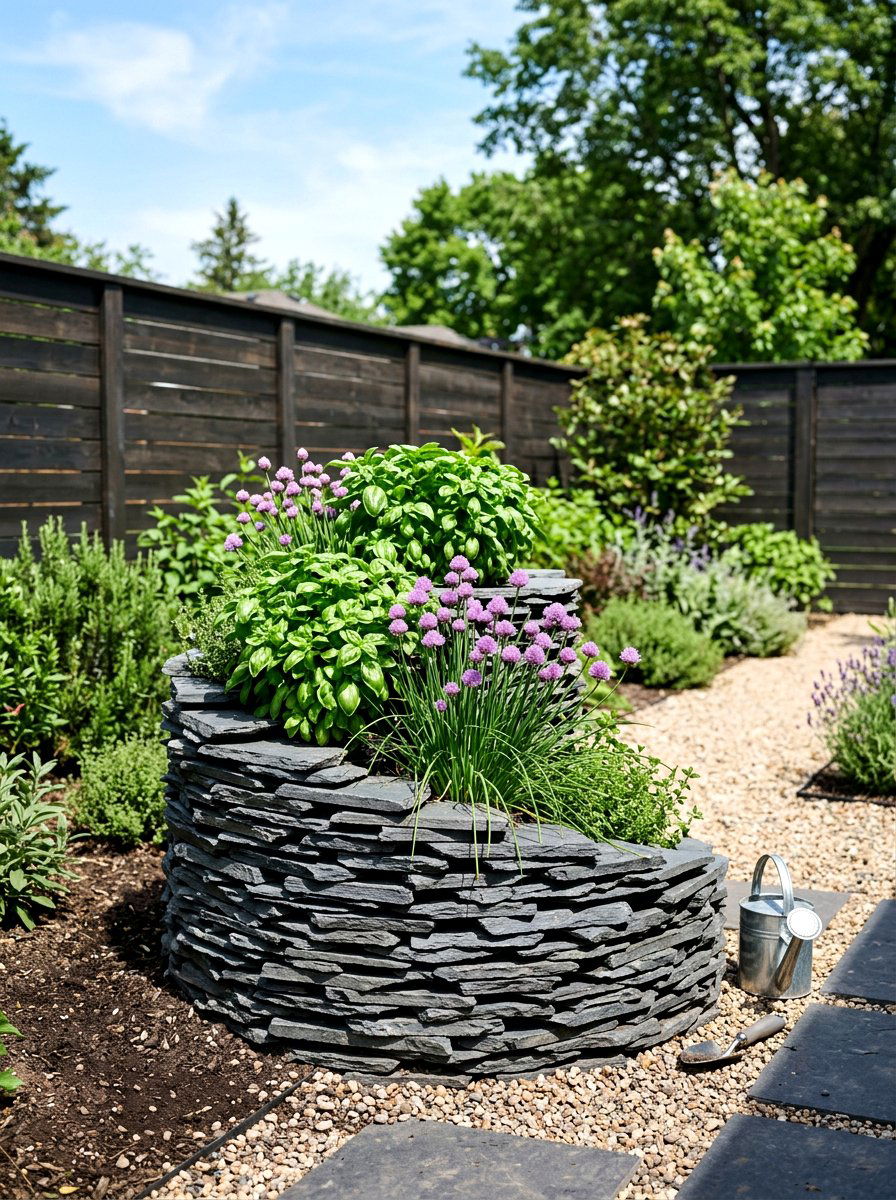
Have you ever thought about how the deep, moody colors of slate could enhance your garden? A slate herb spiral uses thin layers of dark grey or purple stone to create a sophisticated and modern look. The flat, sharp edges of the slate allow for very precise stacking, resulting in a clean and architectural spiral. This stone is known for its durability and its ability to hold heat, which is a major benefit for Mediterranean herbs. The dark color of the slate provides a dramatic backdrop that makes the bright green of basil and the silver-grey of sage really pop. It is a stylish and functional addition to any home.
17. Gravel Herb Spiral
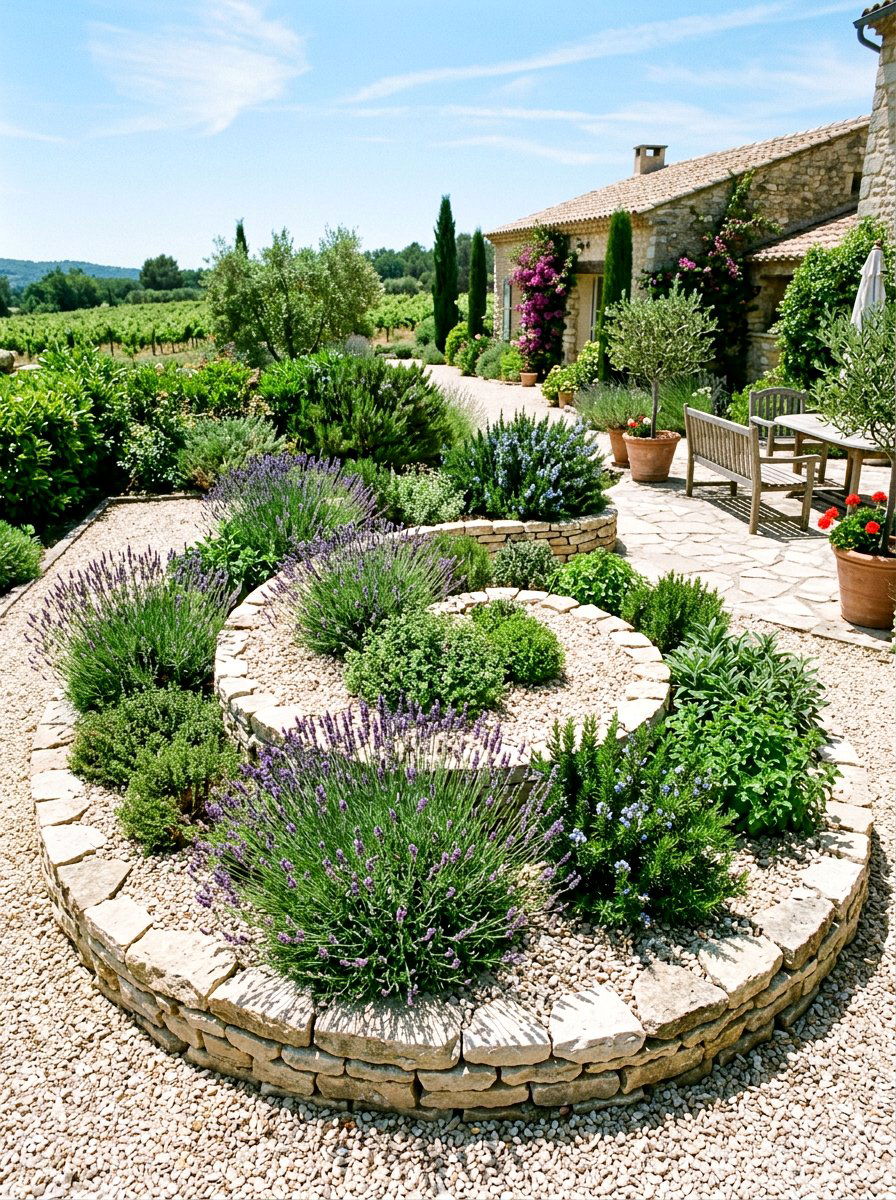
Could a simple combination of gravel and stone create a low-maintenance sanctuary for your plants? A gravel herb spiral often uses a stone border filled with a well-draining soil mix topped with a layer of decorative gravel. This design is excellent for herbs that hate "wet feet, " such as lavender and thyme. The gravel acts as a mulch, keeping the foliage off the damp soil and reflecting heat back up to the plant. It creates a very clean and tidy look that is reminiscent of a Mediterranean hillside. This type of spiral is easy to maintain and keeps weeds at bay, allowing you to spend more time harvesting.
18. Kitchen Garden Herb Spiral
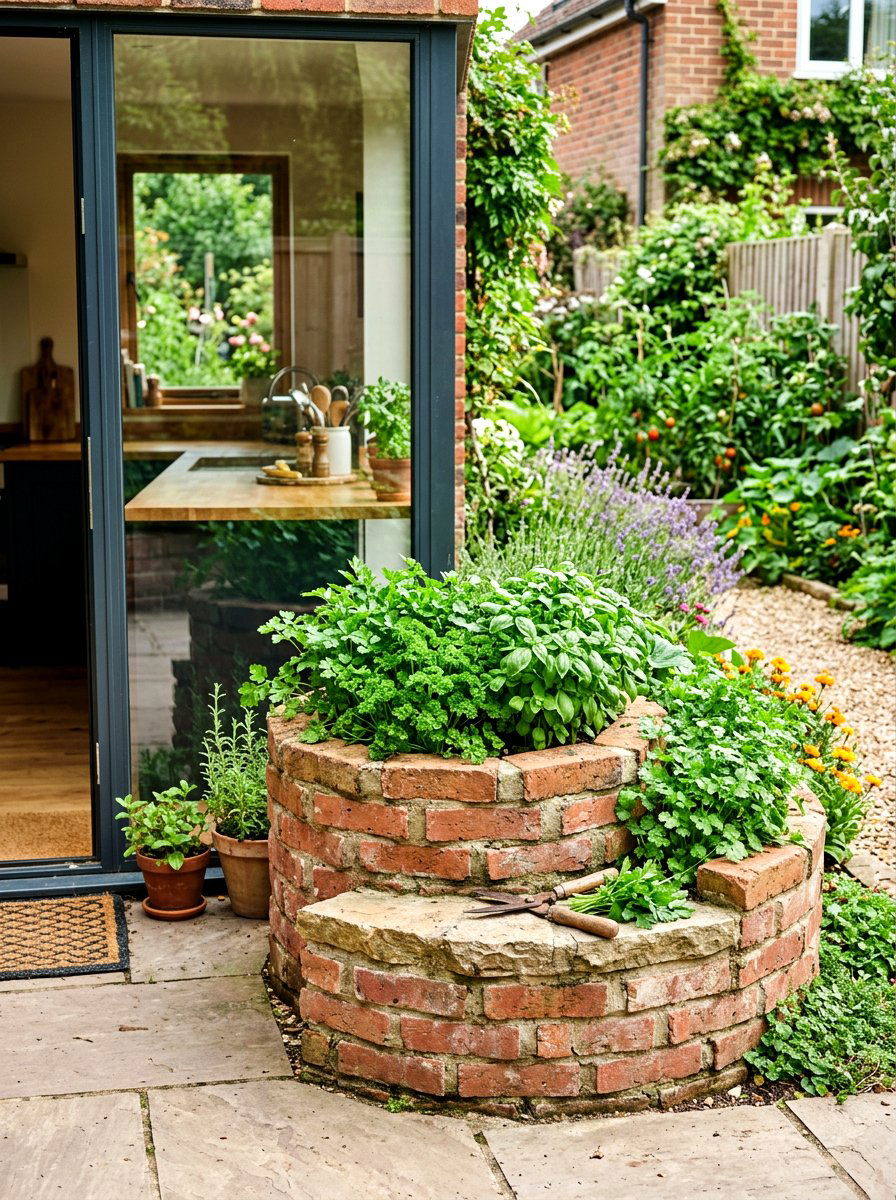
Imagine walking just a few steps from your back door to grab fresh ingredients for dinner. A kitchen garden herb spiral is designed specifically for convenience and high production. Located near the house, this spiral usually features the herbs you use most often, like flat-leaf parsley, basil, and cilantro. Because it is a vertical structure, it fits into even the smallest kitchen courtyard or patio area. The design ensures that everything is within arm's reach, making it easy to snip a few sprigs while you are cooking. It turns a functional necessity into a beautiful focal point that greets you every time you step outside your home.
19. Small Space Herb Spiral
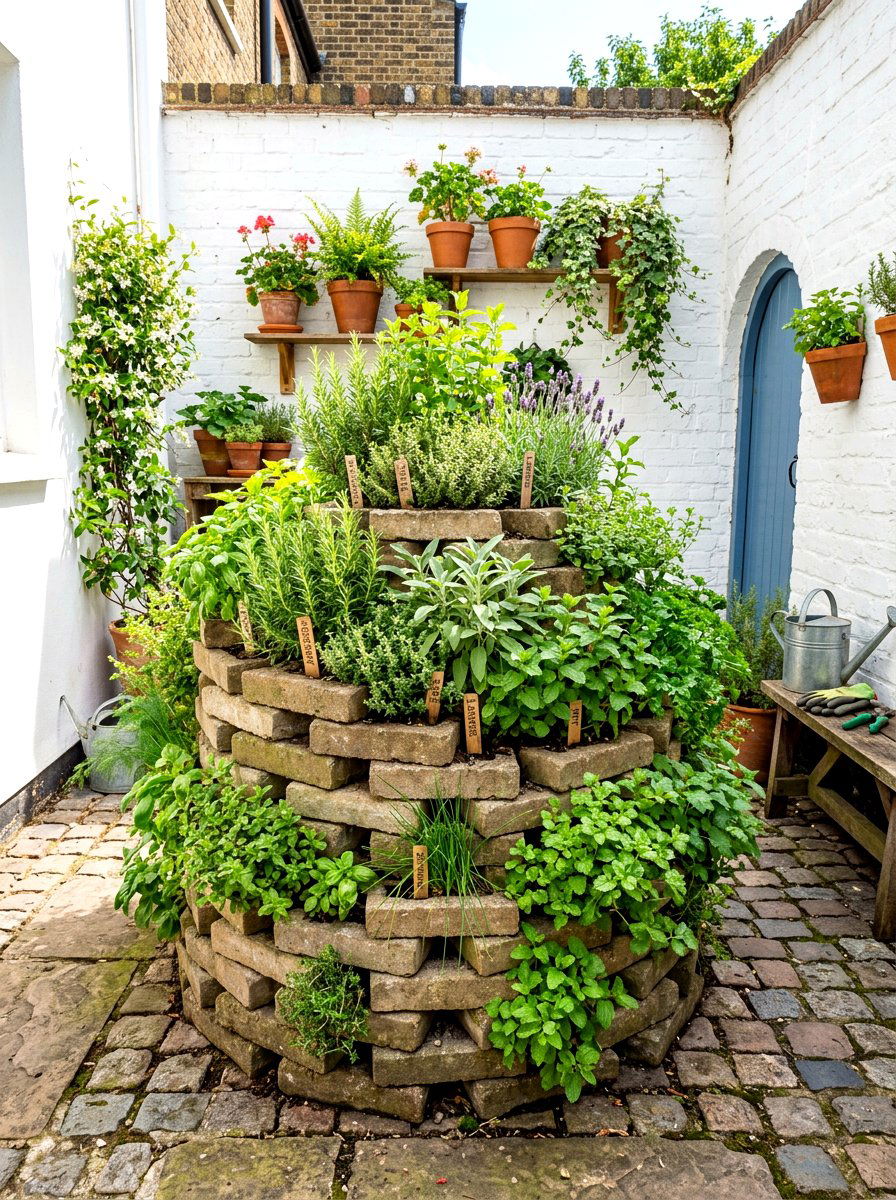
Do you feel like your tiny backyard is holding you back from having a productive garden? A small space herb spiral is the perfect solution for urban dwellers with limited ground area. By growing upwards instead of outwards, you can fit dozens of herb varieties into a space no larger than a hula hoop. These compact spirals can be built on top of soil or even on a paved surface if a solid base is provided. They prove that you don 't need a massive farm to be self-sufficient with your seasoning. The vertical nature of the spiral also makes it easier on your back, as you don' t have to bend.

20. Zen Herb Spiral
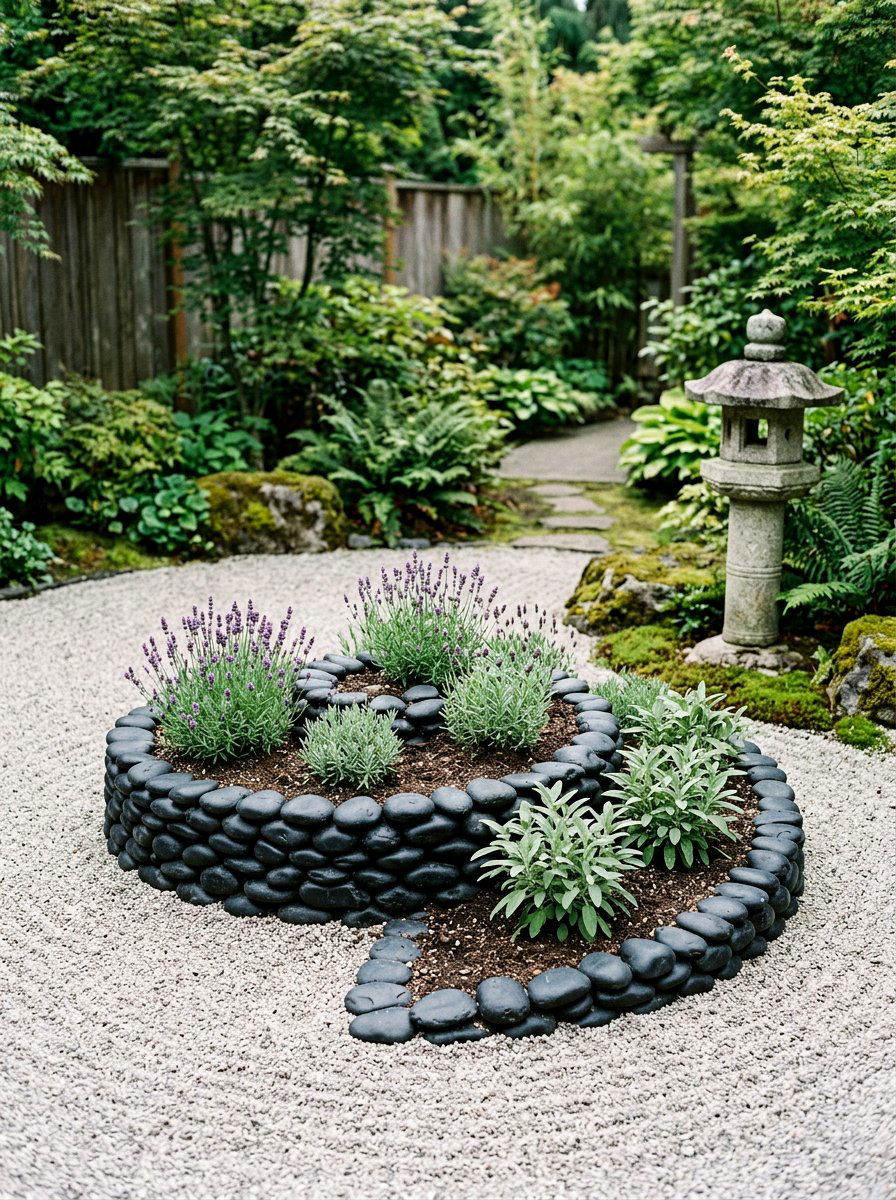
What if your garden could be a place of meditation as well as a source of food? A Zen herb spiral focuses on balance, simplicity, and natural beauty. This design often uses smooth stones, clean lines, and perhaps a small sand or gravel area at the base. The spiral shape itself is a symbol of growth and evolution, making it a perfect fit for a contemplative space. You might plant calming herbs like lavender and chamomile to enhance the relaxing atmosphere. The goal is to create a harmonious feature that looks effortless and peaceful. It is a beautiful way to bring a sense of calm and mindfulness to your busy backyard.
21. Rustic Herb Spiral
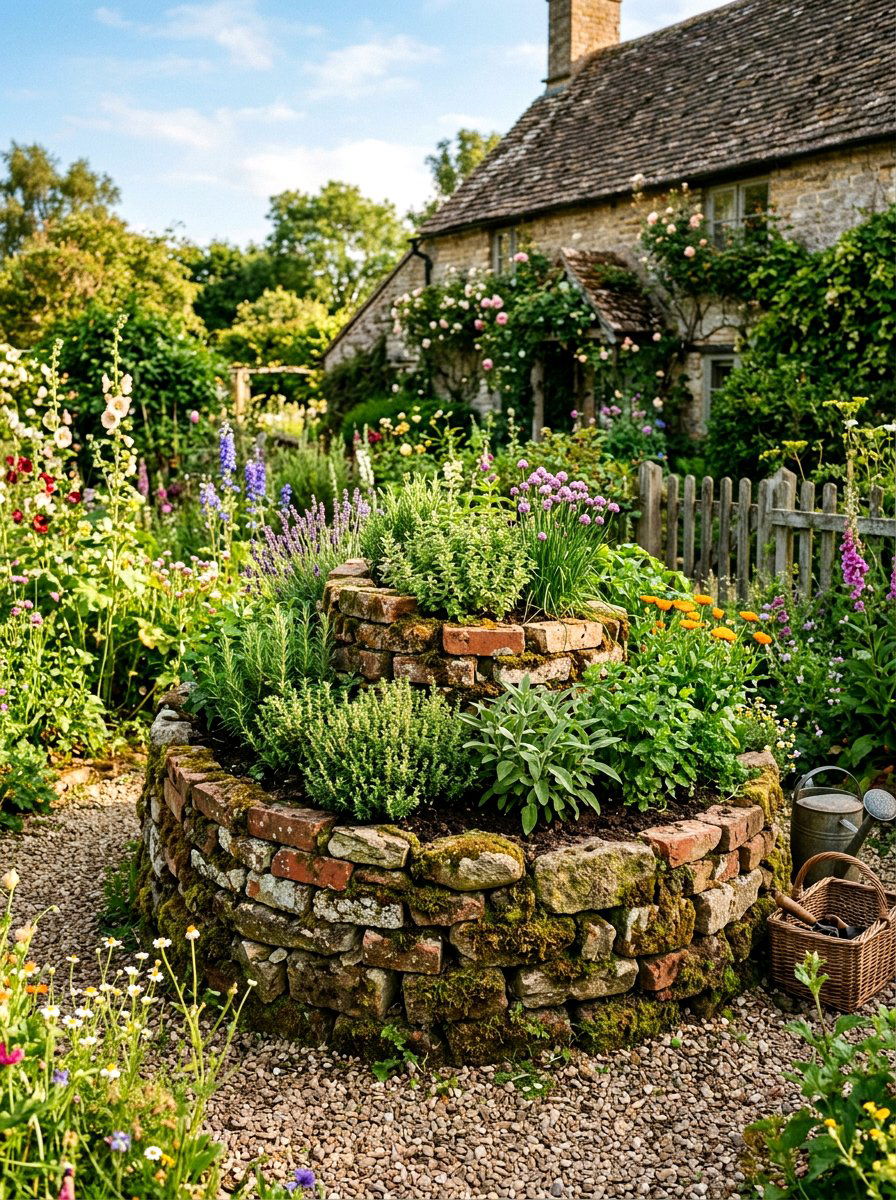
Are you a fan of the cozy, unpolished look of a traditional farmhouse garden? A rustic herb spiral embraces the beauty of imperfection by using a mix of found stones, old wood, and weathered bricks. This design isn 't about perfectly straight lines; it' s about character and warmth. You might see moss growing on the stones or different types of materials blended together to create a charming, eclectic look. This style of spiral feels very approachable and "lived-in, " making it a great project for families or beginner gardeners. It is a productive garden feature that looks like it has been part of the landscape for many generations.
22. Modern Minimalist Herb Spiral
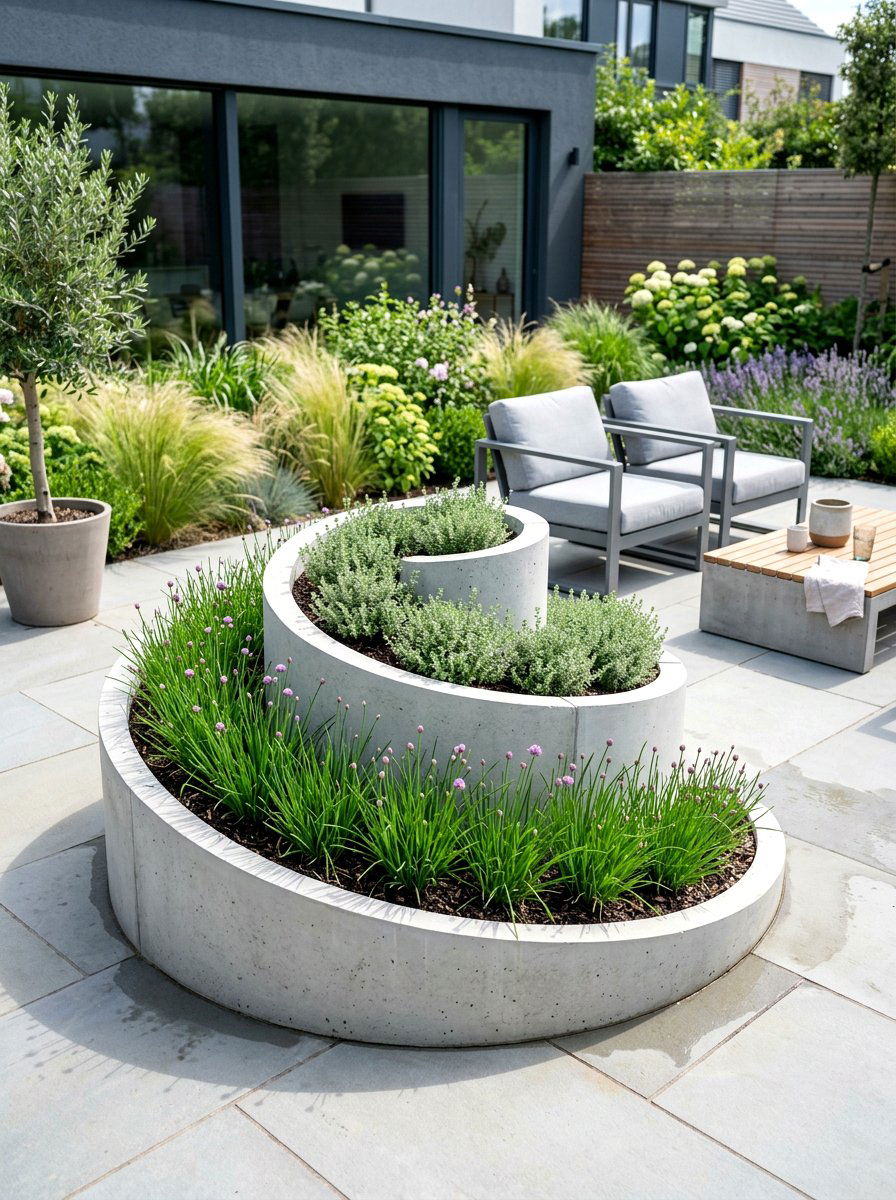
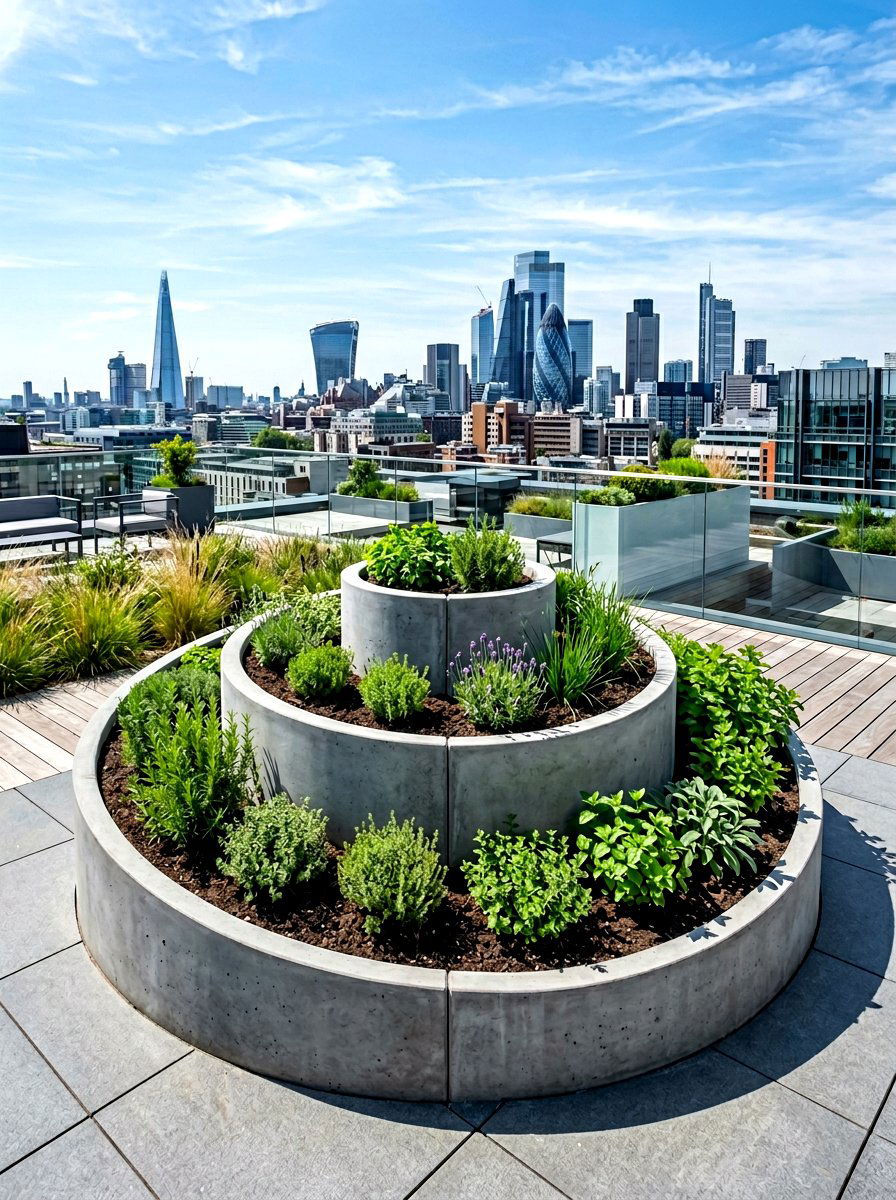
Could a garden feature actually improve the architectural appeal of your contemporary home? A modern minimalist herb spiral uses clean lines, monochromatic colors, and high-quality materials to create a sharp, polished look. You might choose smooth concrete walls or brushed metal edging to define the spiral's path. The planting is often kept simple, with a focus on a few key herb varieties arranged in a very organized manner. This design is all about the beauty of the form itself. It provides a striking contrast to the organic shapes of the plants and serves as a sophisticated focal point for a clean, well-designed outdoor living area.
23. Permaculture Herb Spiral
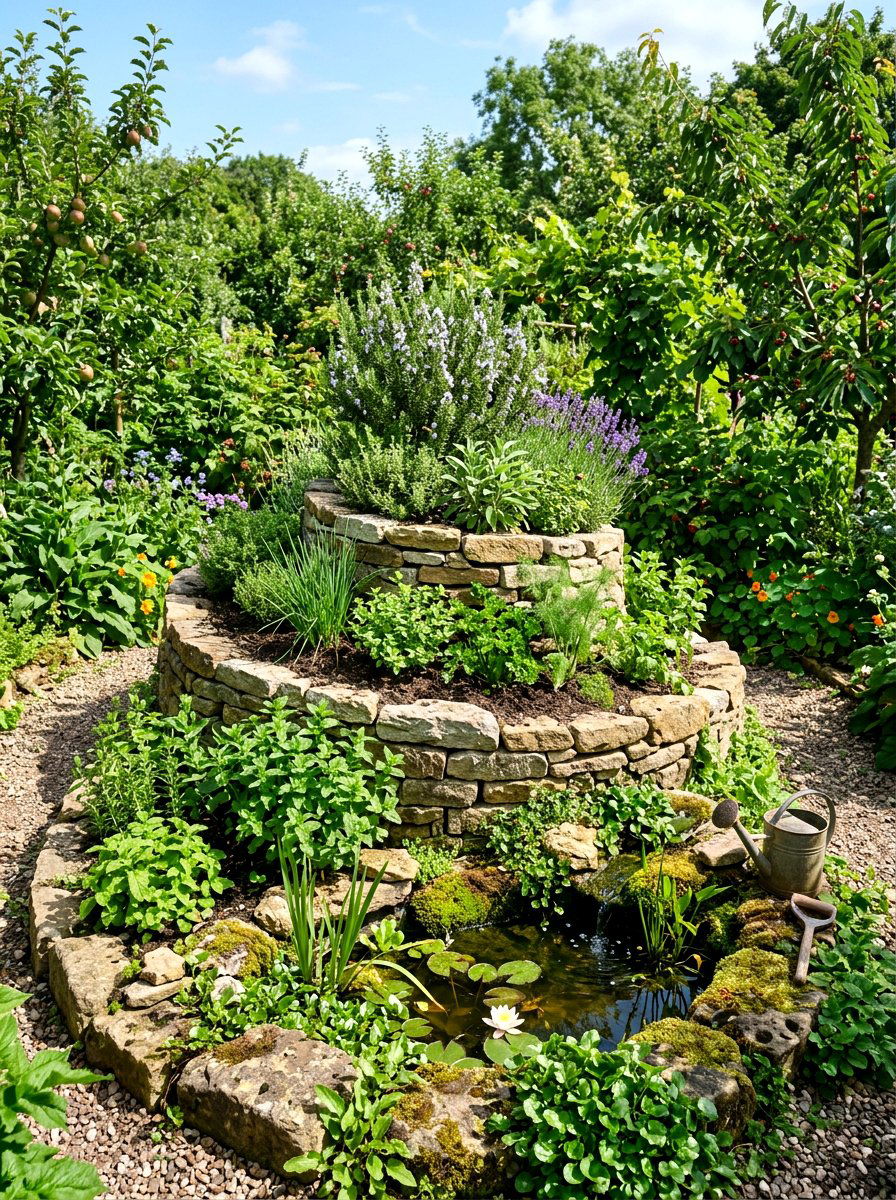
Have you ever wondered how to make your garden work with nature rather than against it? A permaculture herb spiral is the gold standard for ecological gardening. This design is carefully planned to maximize sunlight and water efficiency. It uses the natural slope to create distinct zones: a dry, sunny top for rosemary and a moist, shady bottom for mint. Many people add a small pond at the base to catch runoff and provide habitat for beneficial frogs and insects. It is a self-sustaining system that produces a bounty of food while using minimal resources. This approach turns your backyard into a thriving, diverse, and very productive ecosystem.
24. Edible Landscape Herb Spiral
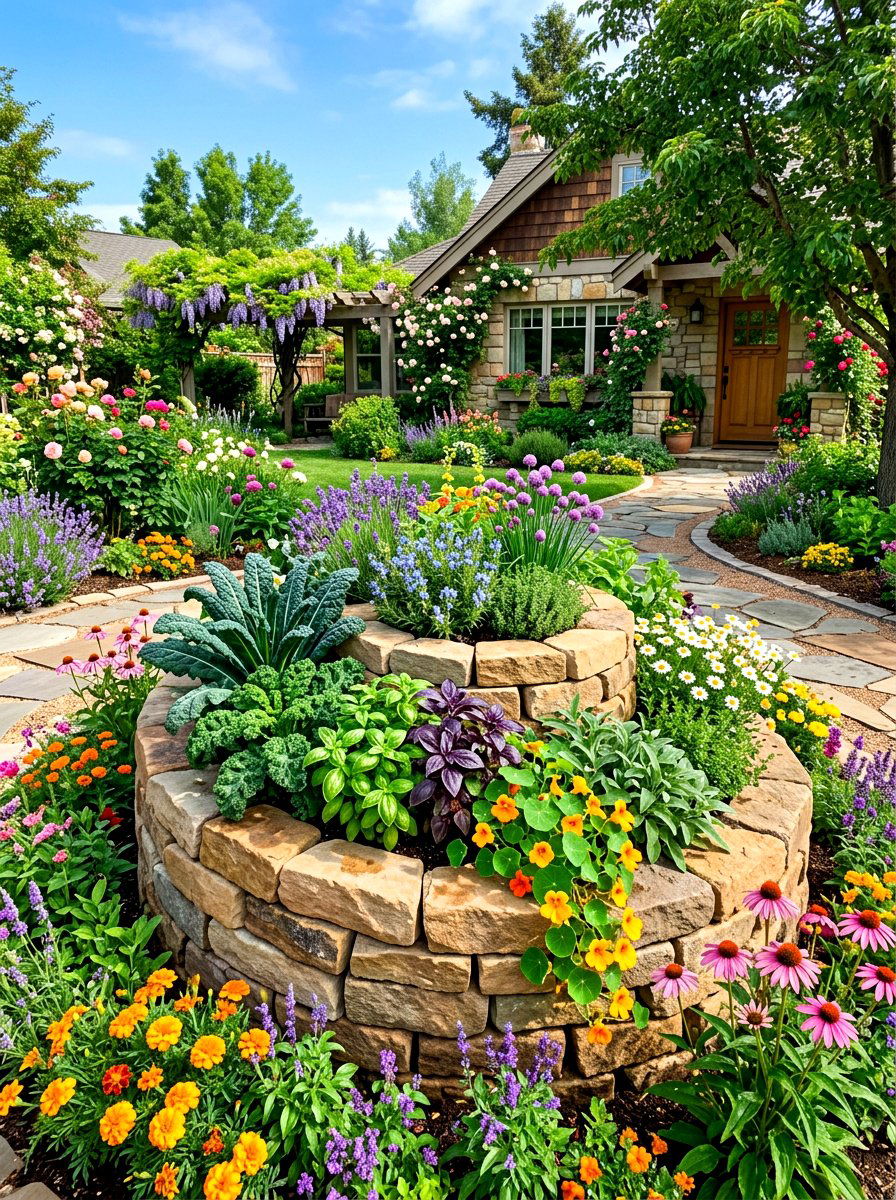
What if your decorative landscaping could also be your grocery store? An edible landscape herb spiral blends the beauty of ornamental gardening with the utility of food production. Instead of hiding your herbs in a back corner, this spiral is placed front and center as a major design element. You can mix flowering herbs like chives and nasturtiums with leafy greens like kale and basil for a colorful, multi-textured look. This approach proves that food-producing plants can be just as beautiful as traditional flowers. It is a smart and stylish way to make your backyard both attractive and incredibly useful for your daily cooking needs.

25. Pond Base Herb Spiral
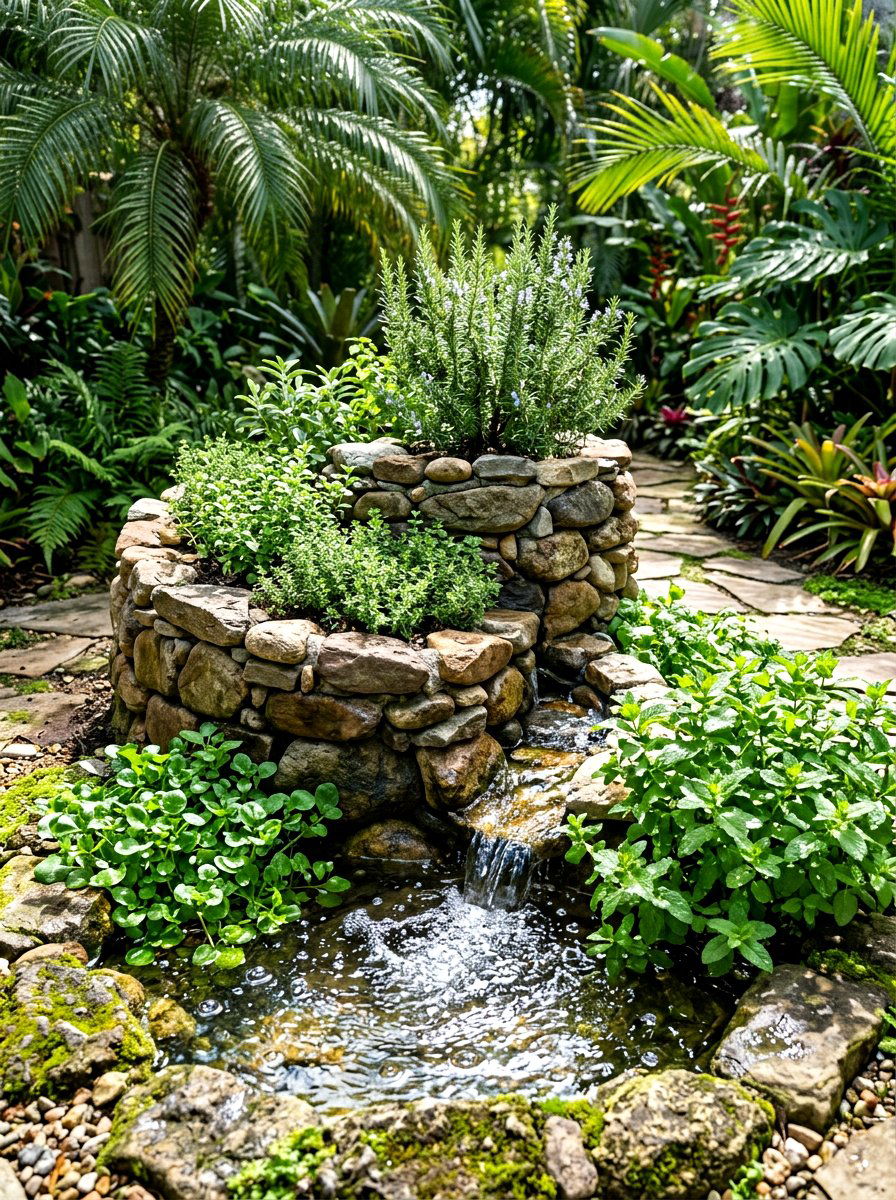
Would you like to add the soothing sound of water to your herb garden design? A pond base herb spiral features a small water feature or pond at the very bottom of the spiraling path. This serves a dual purpose: it creates a beautiful visual element and acts as a reservoir for moisture-loving plants like watercress or mint. The water also attracts pollinators and pest-eating animals like frogs, which help keep your garden healthy. The reflection of the spiral in the water adds a sense of depth and luxury to the space. It is a sophisticated design that feels like a complete, self-contained oasis in your backyard.
26. Tiered Herb Spiral
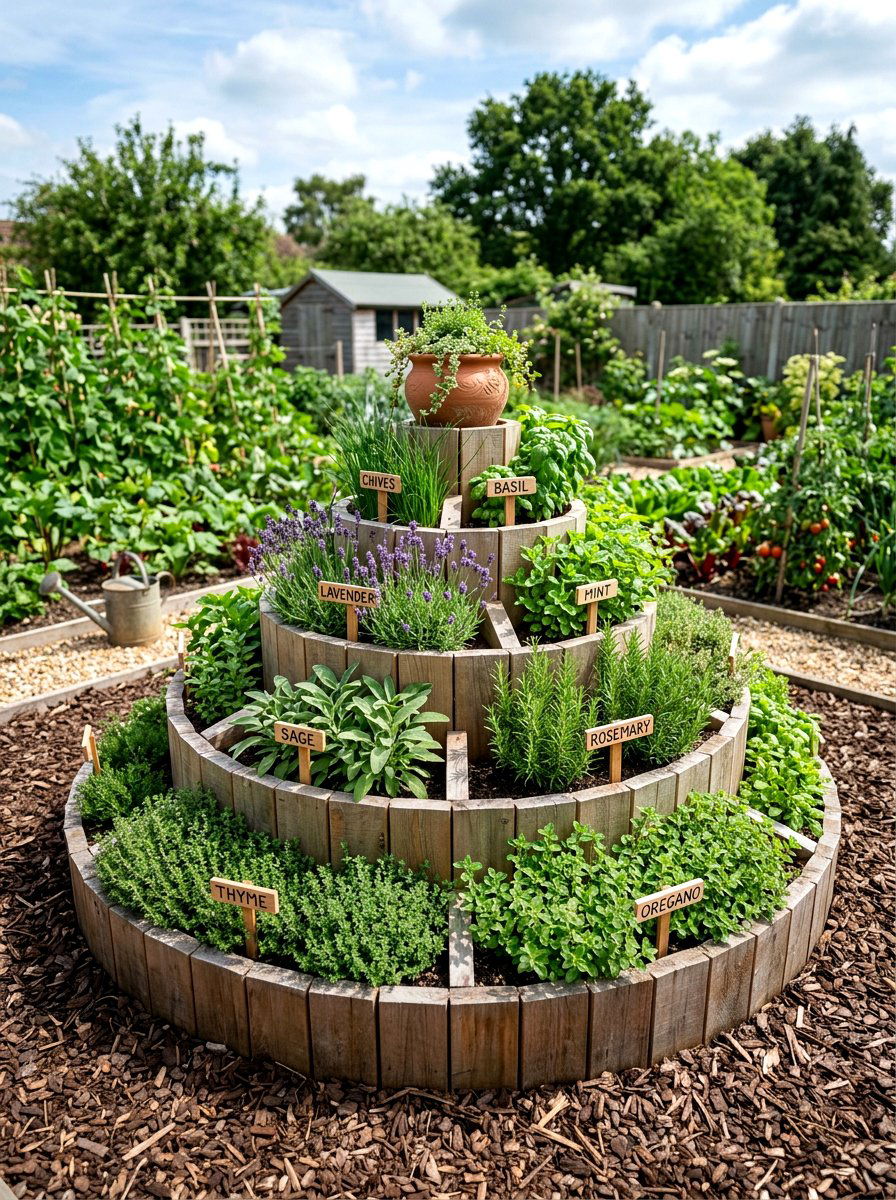
Are you looking for a more structured and architectural way to organize your plants? A tiered herb spiral uses clearly defined levels or "steps" rather than a smooth, continuous slope. Each tier is held back by a small wall of stone or wood, creating a series of distinct planting pockets. This design is excellent for keeping different types of herbs separated and well-organized. It gives the spiral a very solid and intentional look, almost like a miniature ancient monument. The tiered approach also makes it very easy to see every plant at a glance, ensuring that nothing gets lost in the lush growth of the middle levels.
27. Circular Herb Spiral
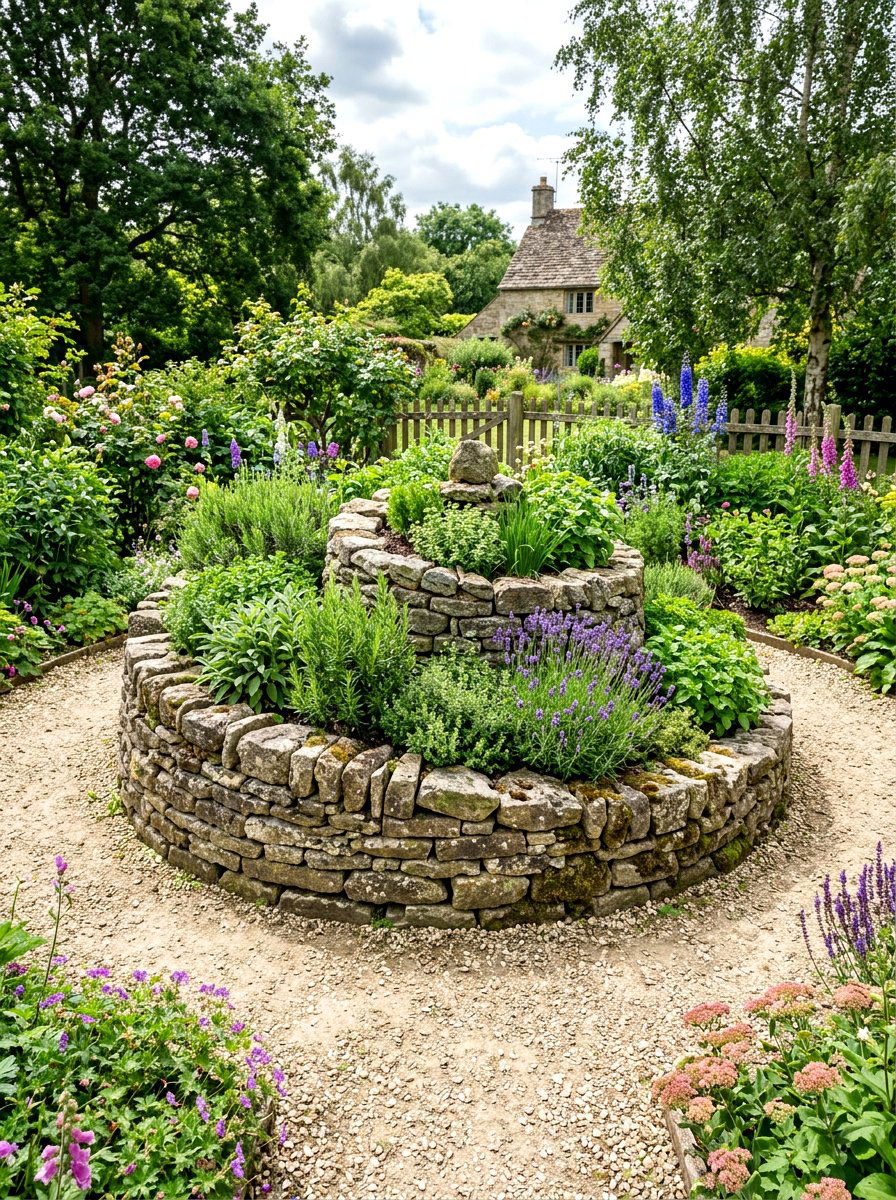
Have you considered the power of the circle in creating a balanced and inviting garden? A circular herb spiral is the most classic shape, providing a 360-degree view of your herbs. This design is typically placed in the center of a garden plot or at the intersection of several paths. Because you can walk all the way around it, harvesting and maintenance are incredibly easy. The symmetry of the circle brings a sense of order and harmony to the landscape. Whether you use stones, bricks, or wood, the circular form remains a favorite for its efficiency and its ability to anchor a large backyard space with a single focal point.
28. Vertical Herb Spiral
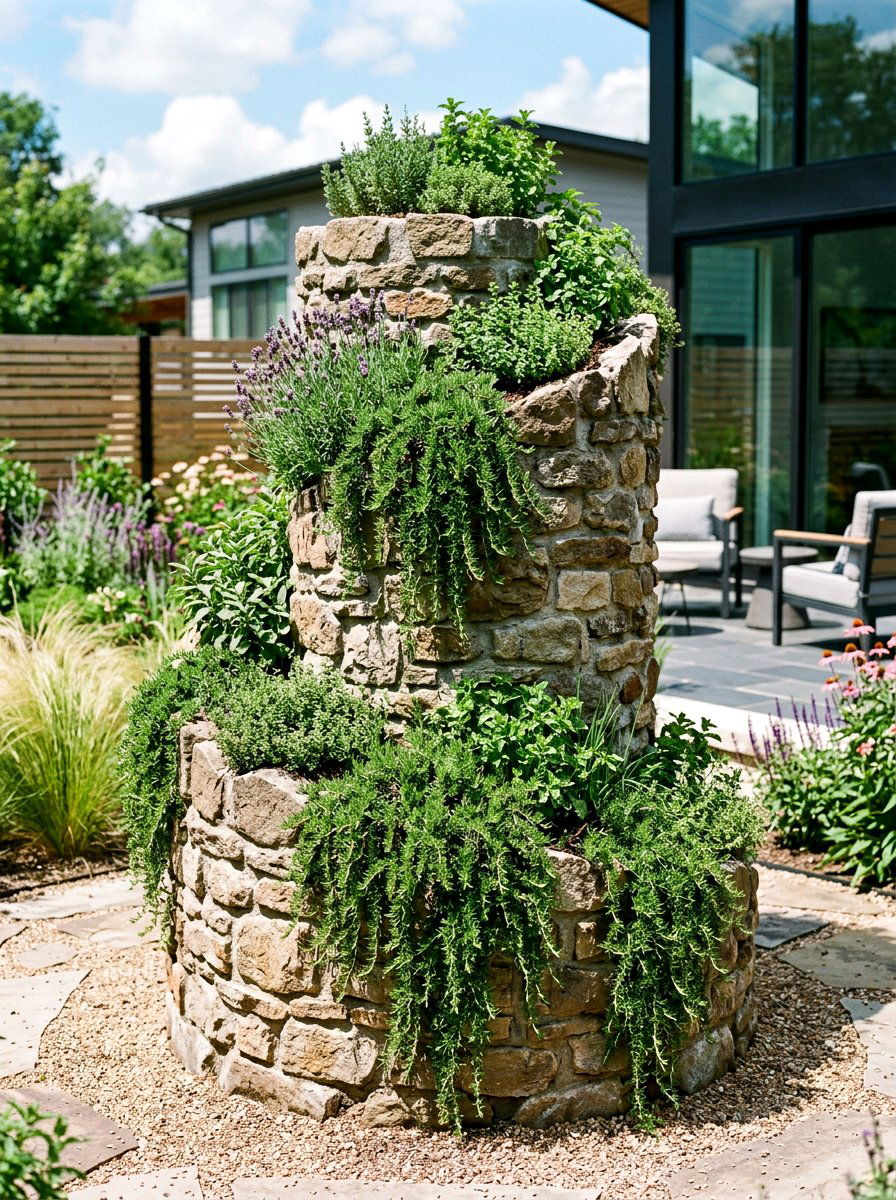
Could a vertical approach be the secret to doubling your garden's output? A vertical herb spiral emphasizes height, rising several feet into the air to create a dramatic pillar of greenery. This design is particularly effective for those who want to avoid bending down while they work. By using a taller central core, you can create a steep spiral path that accommodates a large number of plants in a very small footprint. This type of spiral looks impressive and acts as a living sculpture in your garden. It is a bold way to utilize the air space in your backyard, making it feel much more productive and lush.
29. Mediterranean Herb Spiral
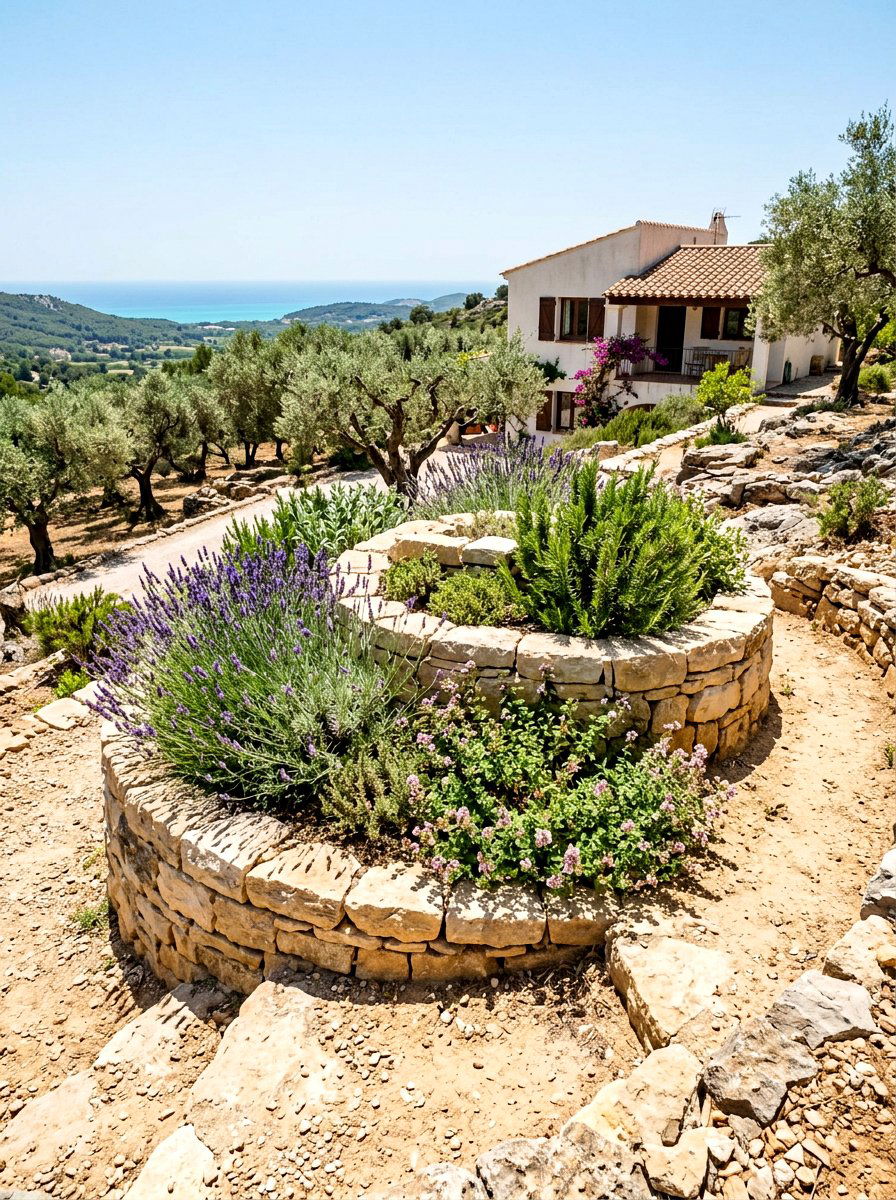
Do you want to transport your backyard to a sun-drenched hillside in Italy or Greece? A Mediterranean herb spiral focuses on the specific needs of herbs like lavender, rosemary, thyme, and oregano. This design often features light-colored stones that reflect the sun 's heat and a soil mix that is sandy and fast-draining. The structure is usually placed in the sunniest spot of the garden to mimic the herbs' native environment. The combination of silver-toned foliage and the warm texture of the stone creates a beautiful, relaxed aesthetic. It is a functional piece of the landscape that brings the flavors and scents of the Mediterranean to your home.
30. Low Maintenance Herb Spiral
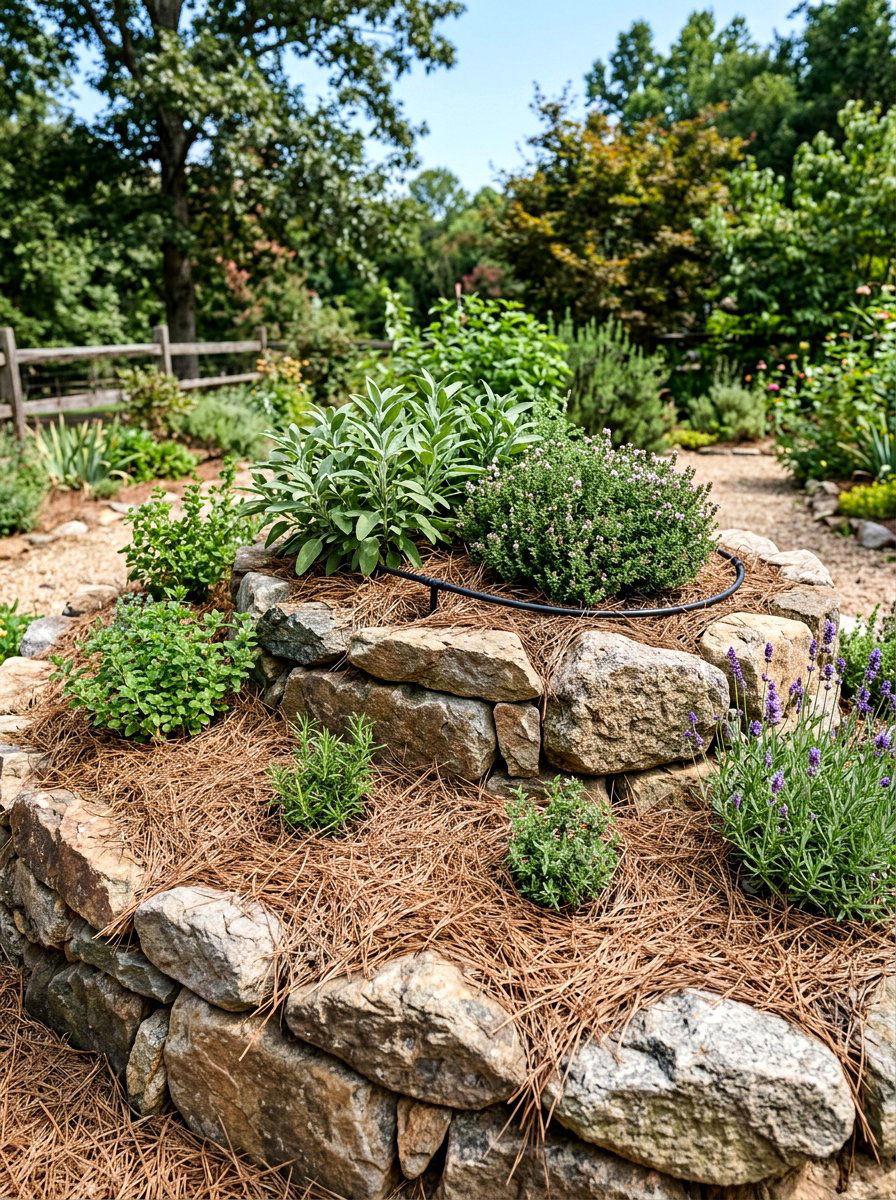
What if you could have a flourishing garden that requires almost none of your free time? A low maintenance herb spiral is designed with ease of care in mind. This might involve using durable materials like large rocks that don't shift, applying a thick layer of mulch to prevent weeds, and installing a simple drip irrigation system that runs from the top down. By choosing hardy perennial herbs that return year after year, you can enjoy a bounty of fresh flavors with very little effort. This design is perfect for busy families or anyone who wants the benefits of a kitchen garden without the constant upkeep of traditional beds.
Conclusion:
Building a backyard herb spiral is a rewarding project that combines environmental science with beautiful landscape design. By following these various ideas, you can create a structure that fits your personal style while providing a thriving home for your favorite culinary plants. These spirals prove that you don't need a massive amount of space to have a productive and stunning garden. Whether you choose the rustic charm of stone or the sleek lines of modern metal, your herb spiral will become a beloved focal point. Start planning your spiral today and enjoy the incredible convenience and fresh flavors of a vertical kitchen garden right at home.

Related posts: