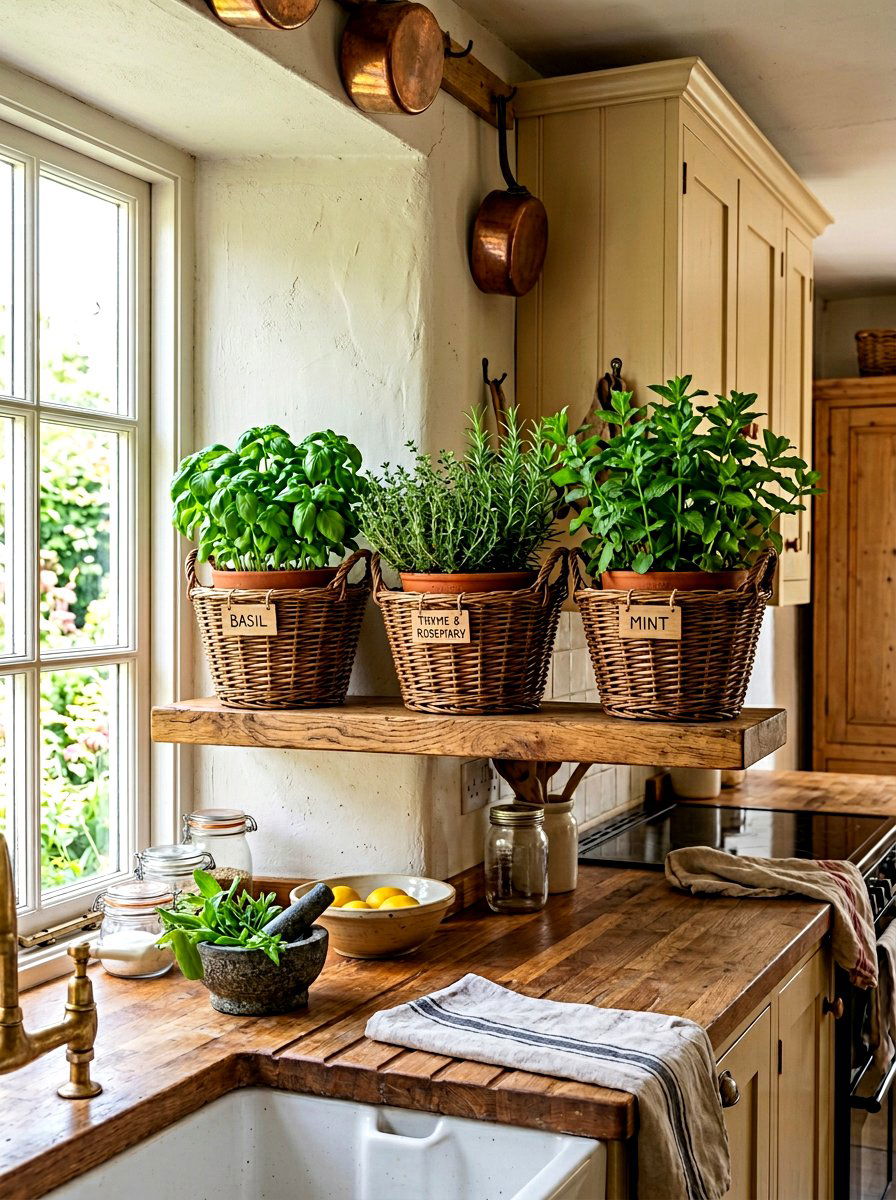
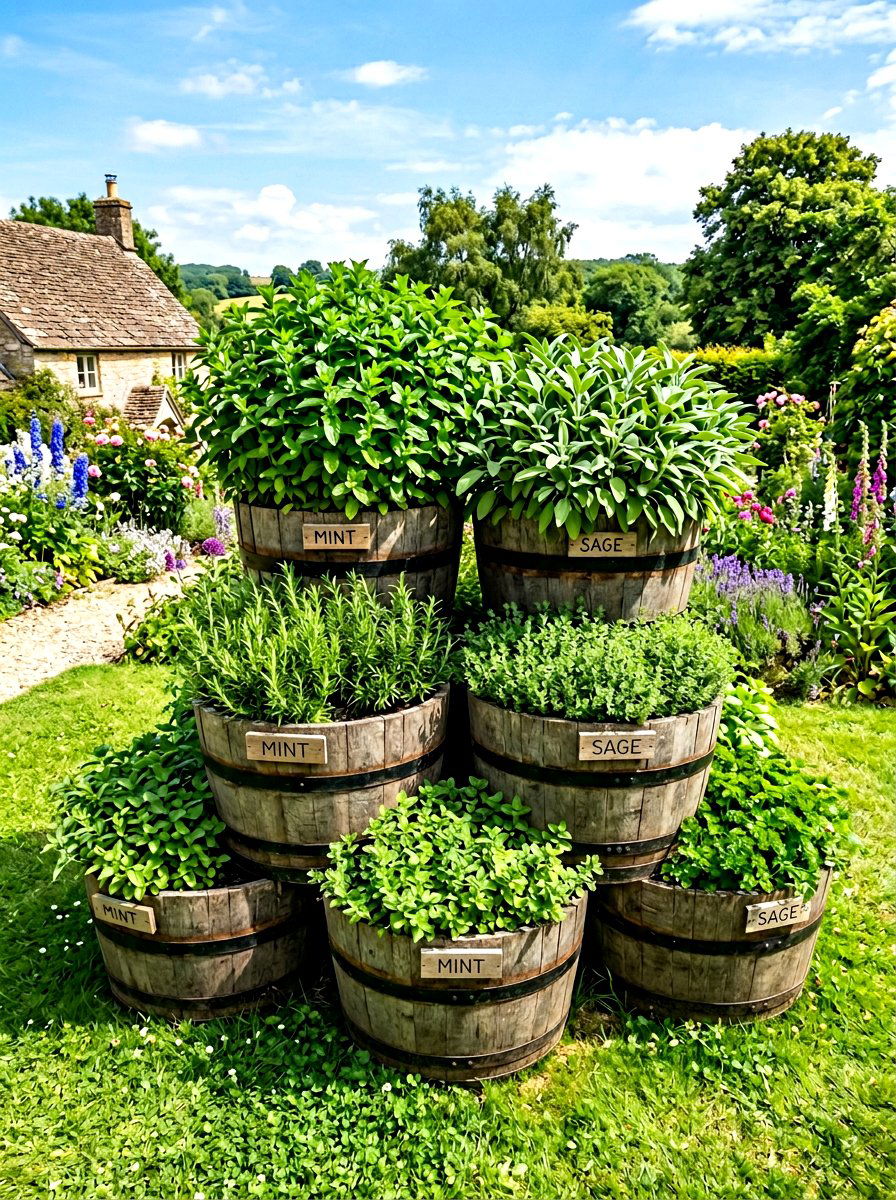
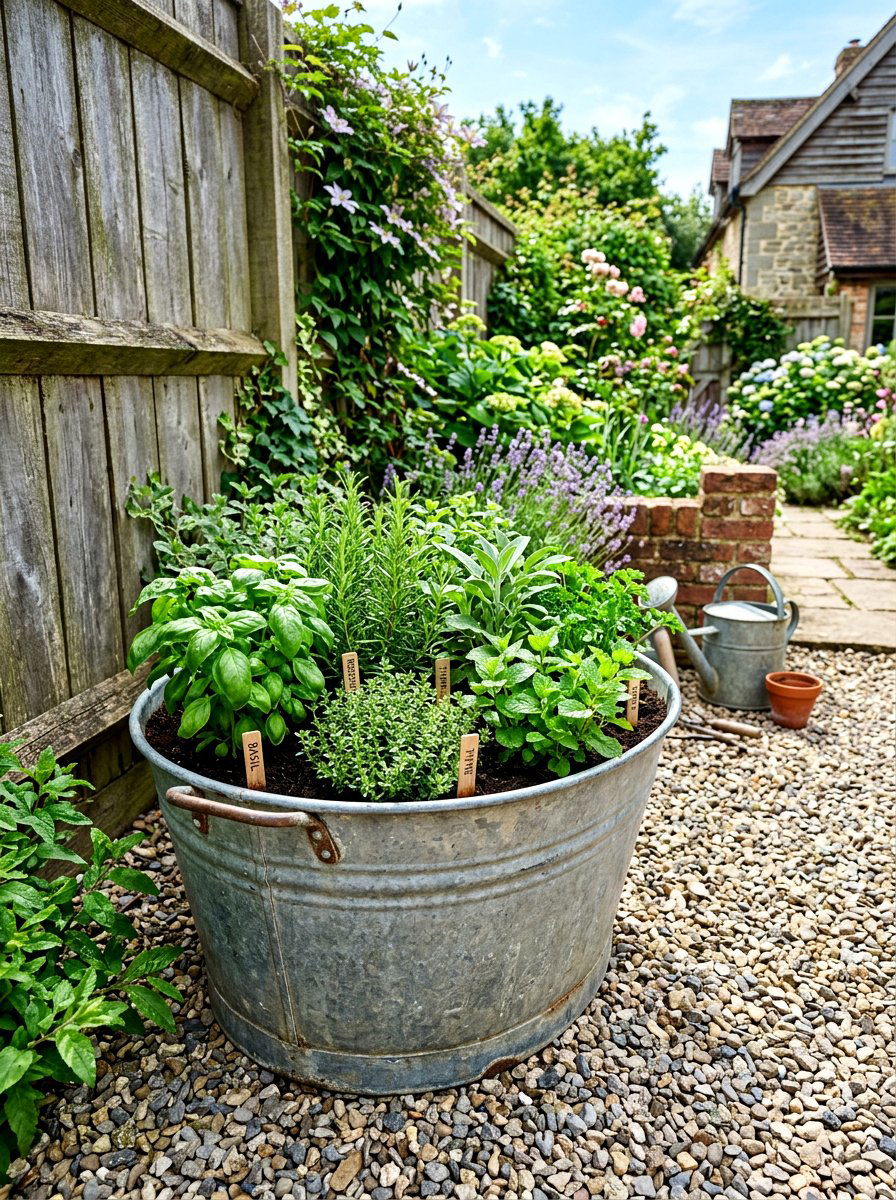
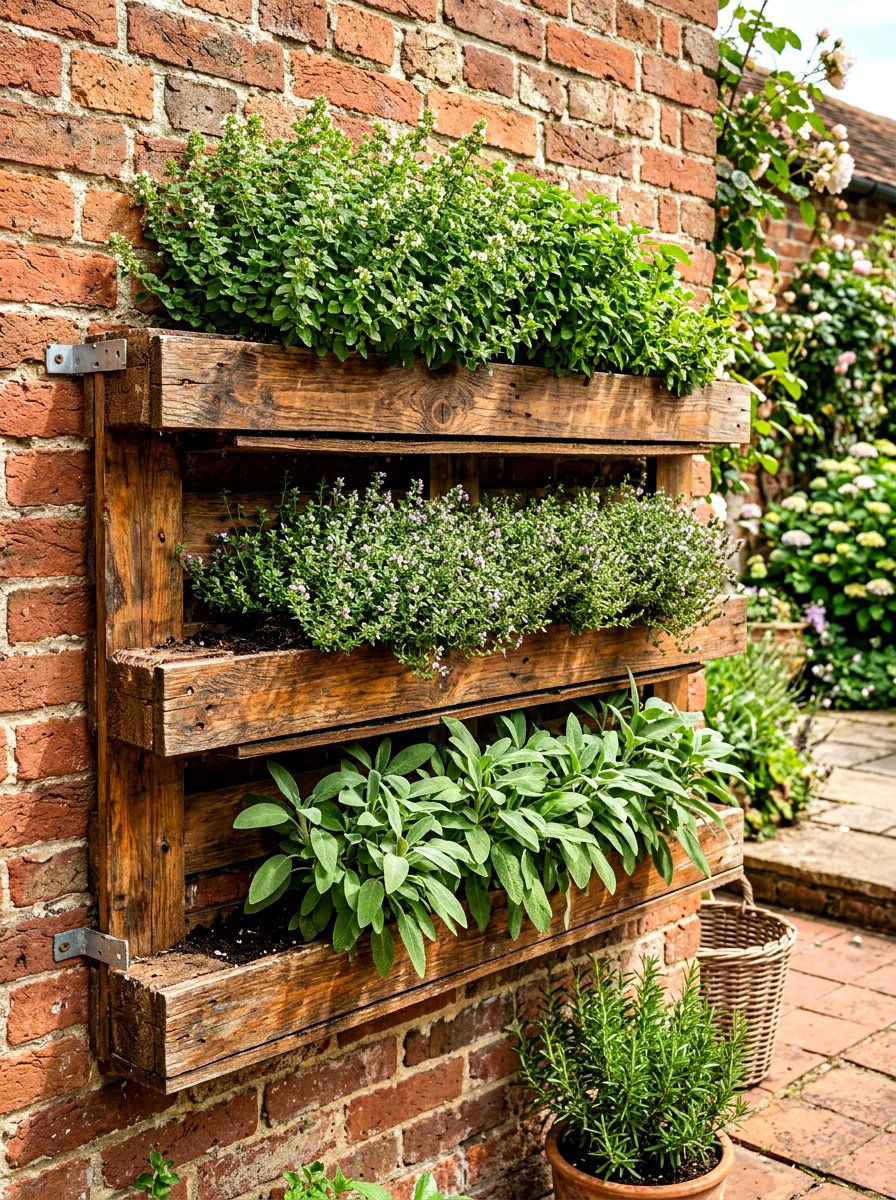
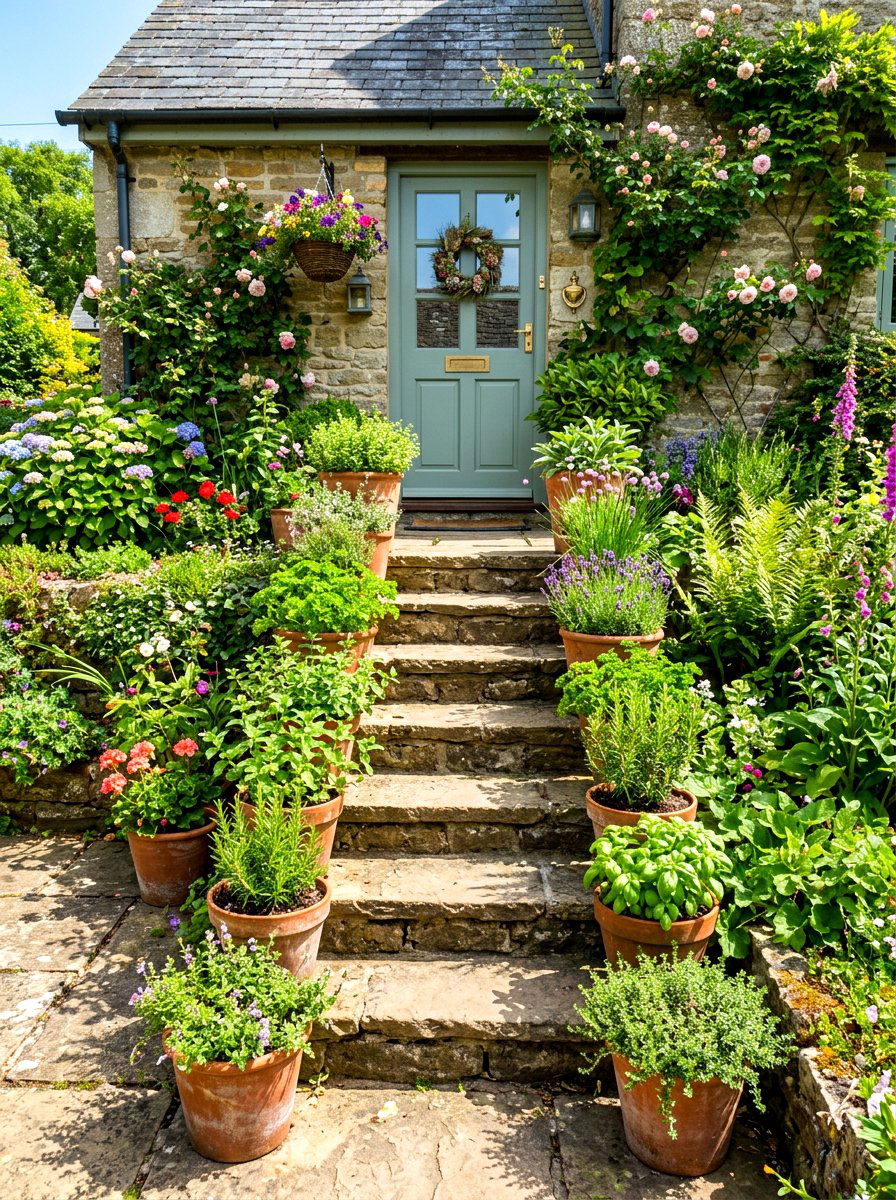
Transforming your backyard into a multi-sensory retreat starts with a well-planned sensory herb garden that engages more than just your eyes. These specialized spaces are designed to stimulate smell, touch, taste, sight, and even sound, creating a truly immersive experience for everyone who visits. By incorporating diverse textures like fuzzy leaves or rough stalks, and intoxicating aromas that release when brushed, you turn a simple planting bed into a therapeutic sanctuary. Whether you are seeking a peaceful corner for meditation or an educational area for children, herbs offer the perfect medium for sensory exploration. This guide explores thirty creative ways to integrate sensory elements into your landscape using versatile and hardy herbs for any home.
1. Raised Lavender Garden
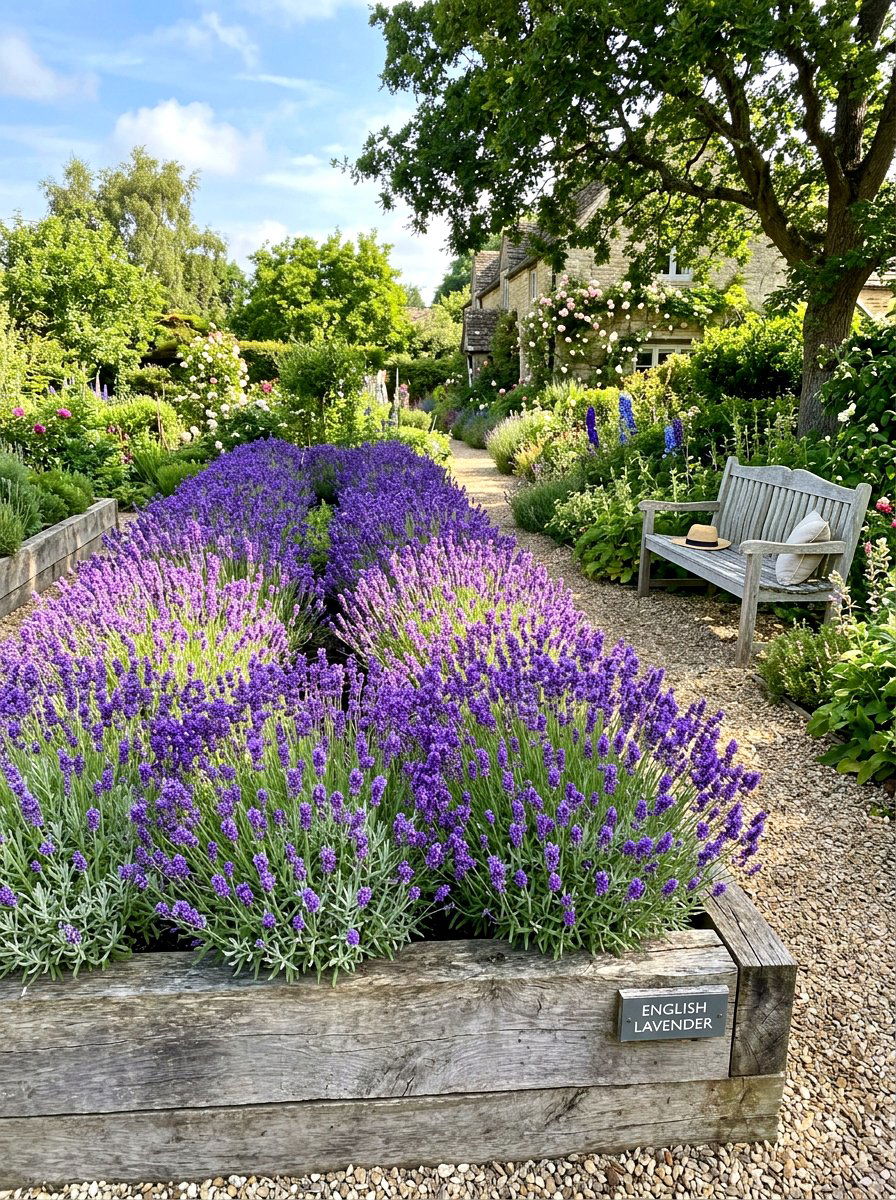
A raised lavender garden is one of the most popular ways to create a visual and olfactory focal point in your outdoor space. These elevated structures provide the excellent drainage that lavender requires to thrive while bringing the fragrant purple blooms closer to your nose. When you plant lavender at waist height, the scent becomes much more accessible as you walk by or lean in to harvest. The vibrant shades of purple and blue contrast beautifully against the silvery-green foliage, creating a calming visual rhythm. This layout encourages visitors to linger and enjoy the soothing aroma, which is well-known for reducing stress and promoting a sense of deep relaxation.
2. Lambs Ear Border
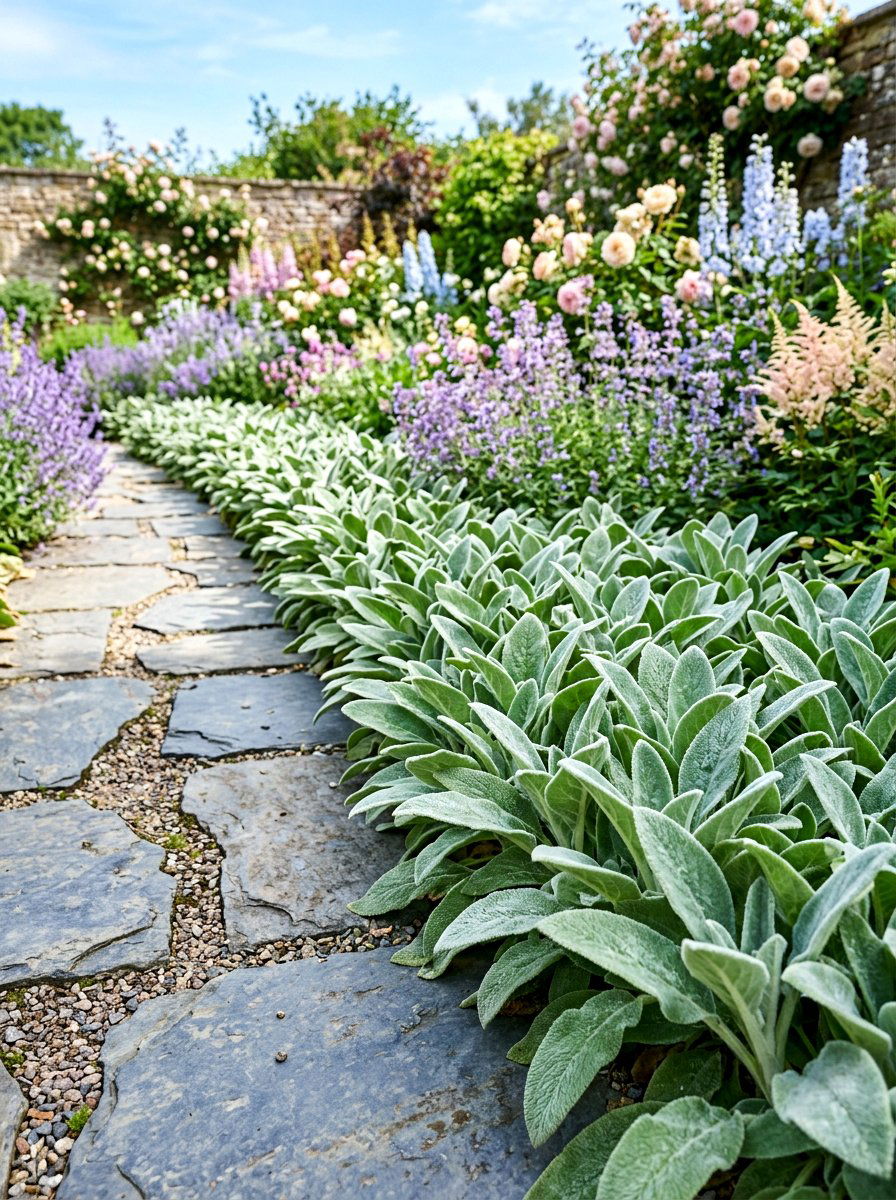
Creating a lambs ear border is a fantastic way to introduce the sense of touch into your landscape design. These plants are famous for their thick, velvety leaves that feel exactly like the soft ears of a young lamb. Positioning them along the edges of a garden path invites people to reach down and interact with the greenery as they pass. The silvery-gray color of the foliage provides a soft, neutral backdrop that helps brighter flowers stand out in the garden. Because these plants are incredibly hardy and drought-tolerant, they maintain their plush texture throughout the hot summer months, providing consistent tactile interest for all ages.
3. Vertical Mint Wall
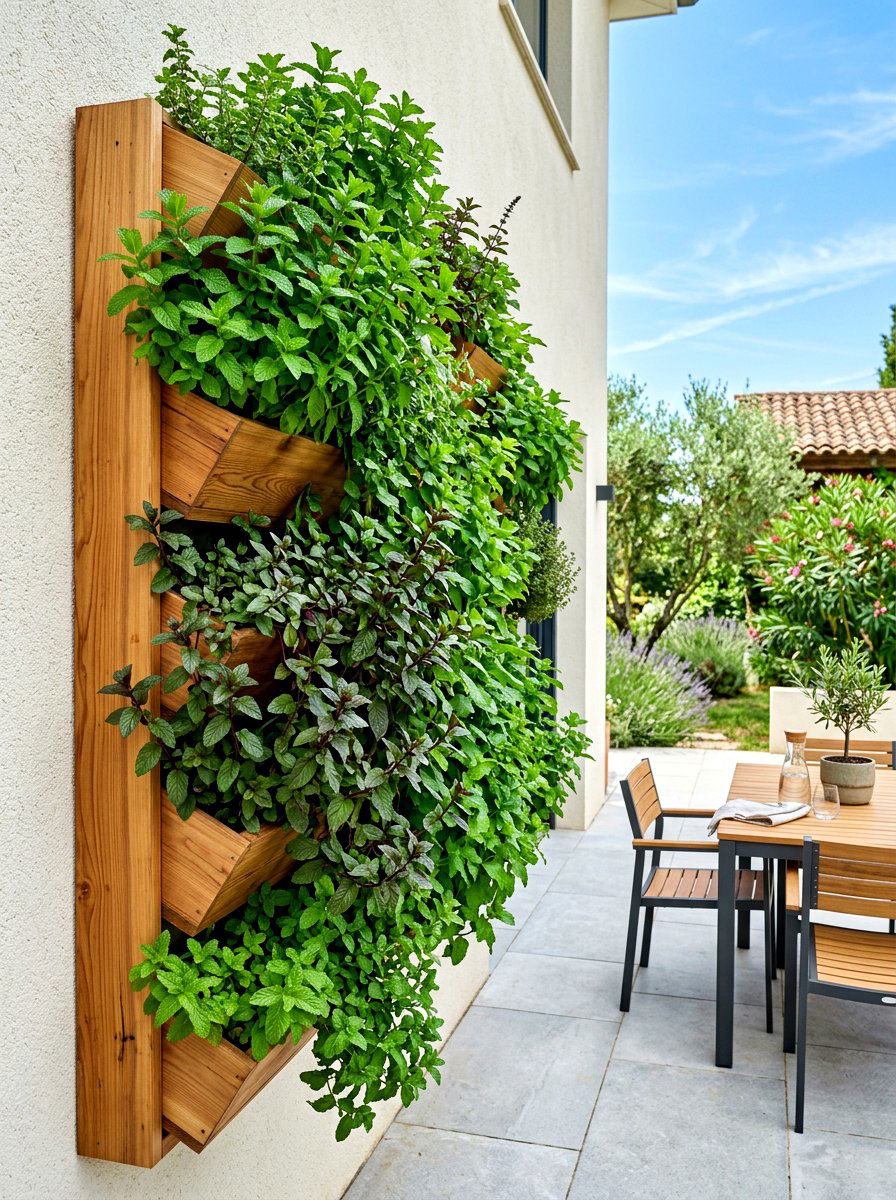
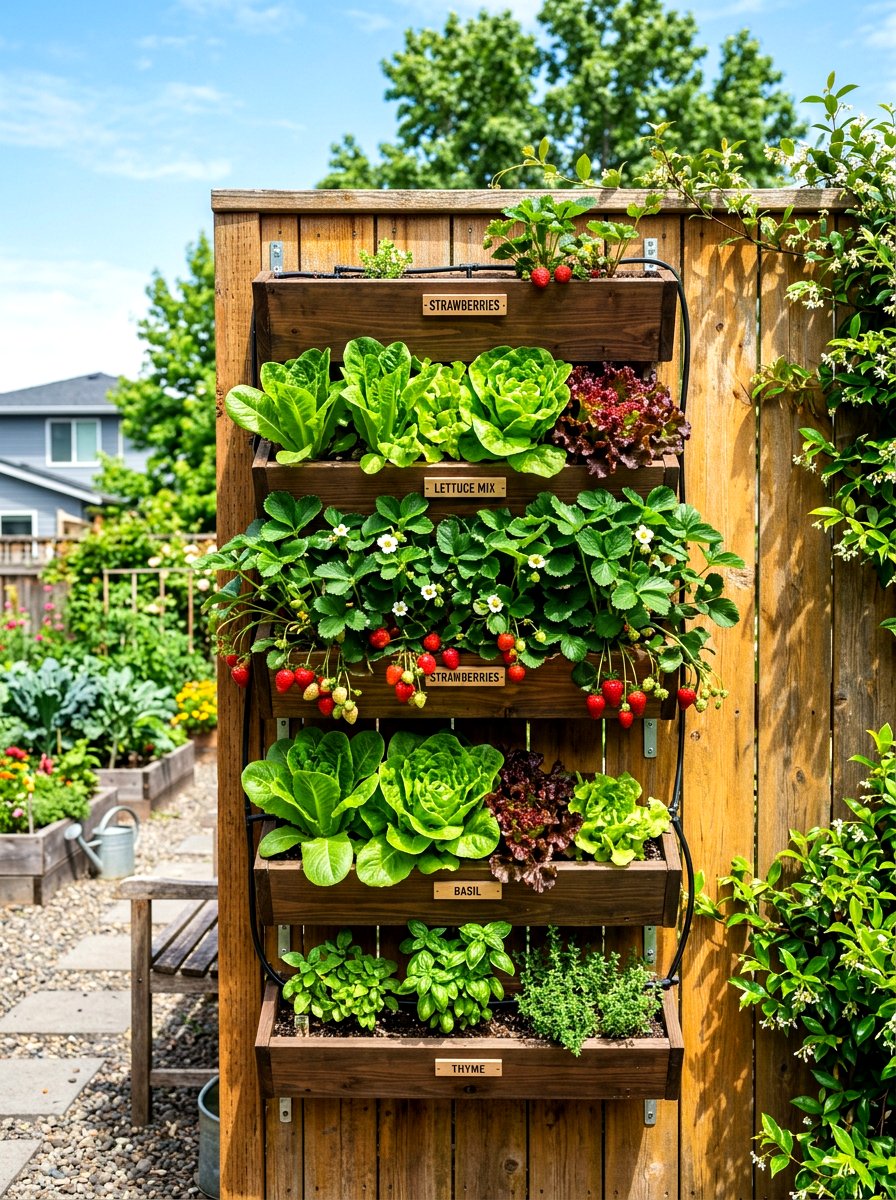
A vertical mint wall is an excellent solution for small urban spaces where you want to maximize both fragrance and culinary utility. Mint grows vigorously, and by containing it in a vertical planter, you prevent it from taking over your traditional garden beds. As the different varieties of mint cascade down the wall, they create a lush green tapestry that releases a refreshing, cooling scent whenever the wind blows. You can mix spearmint, peppermint, and chocolate mint to provide a diverse range of subtle aromatic notes. This vertical arrangement makes harvesting leaves for fresh tea or summer cocktails incredibly convenient while serving as a beautiful living privacy screen.
4. Chamomile Ground Cover
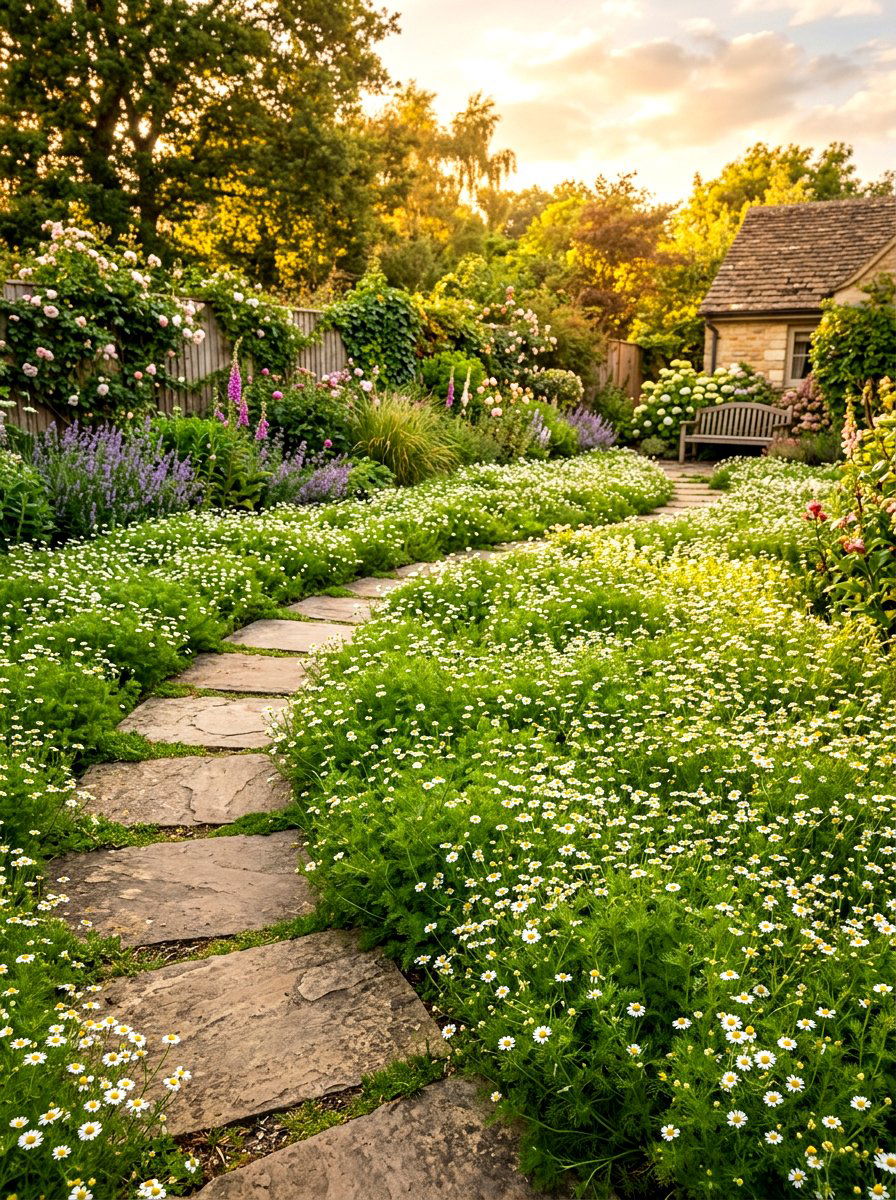
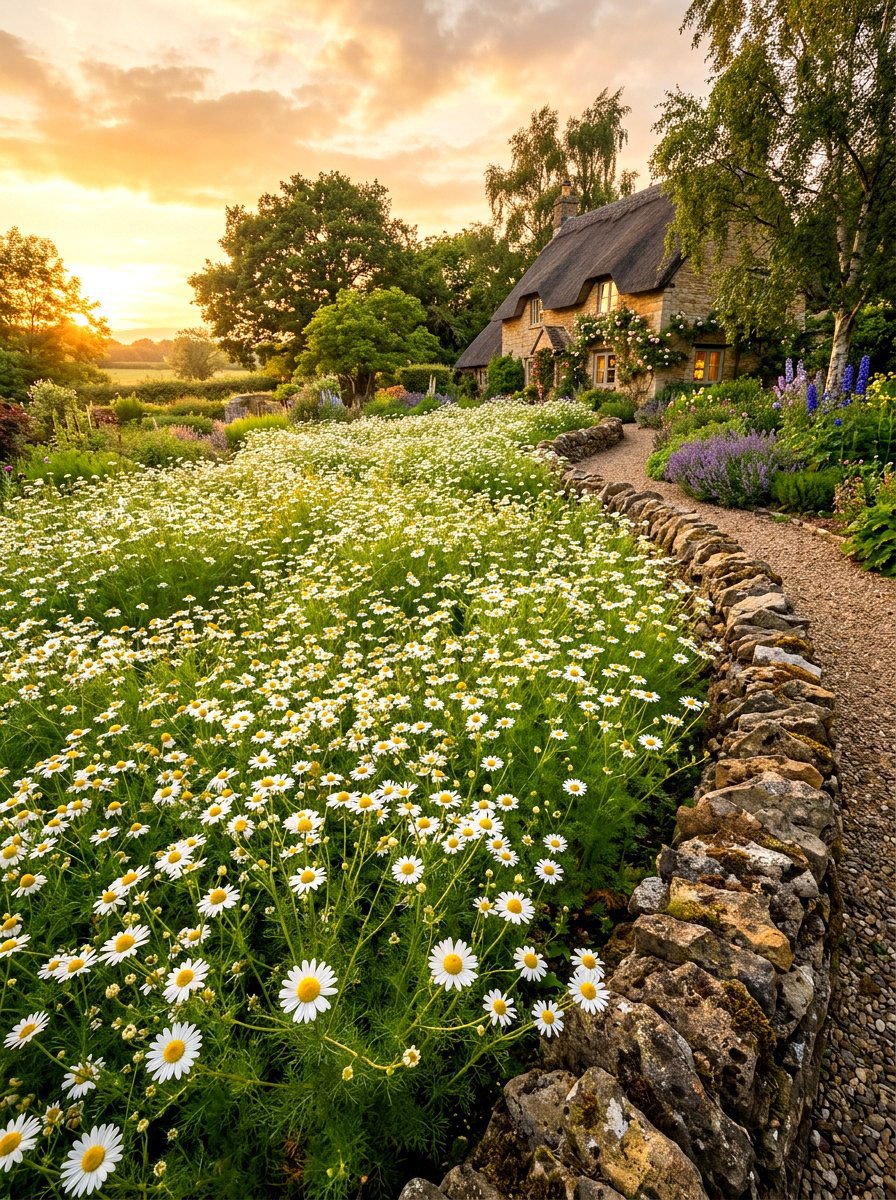
Using chamomile as a ground cover or a lawn alternative offers a delightful sensory experience for your feet and your nose. When you walk across a path planted with creeping chamomile, the gentle pressure releases a sweet, apple-like fragrance that fills the air. This low-growing herb produces charming daisy-like flowers that add a whimsical, meadow-inspired aesthetic to your garden. It is much softer to walk on than traditional grass, making it a favorite for bare-foot sensory paths. Chamomile is also highly functional, as the dried flowers can be harvested to create calming herbal teas, effectively connecting your garden directly to your kitchen.
5. Creeping Thyme Walkway
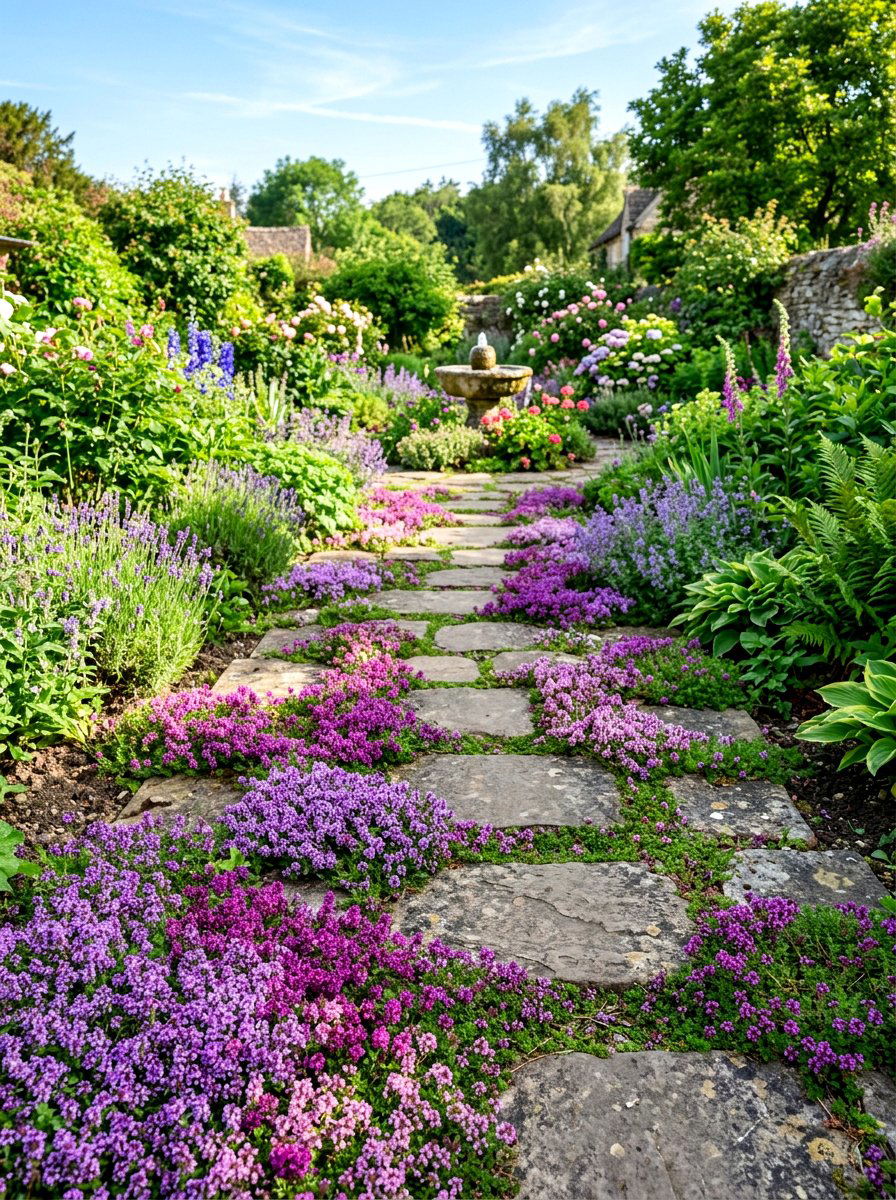
A creeping thyme walkway transforms a functional path into a fragrant journey through your garden. By planting various types of thyme between stepping stones, you create a resilient carpet of greenery that can withstand light foot traffic. Every step taken on this walkway crushes the tiny leaves, sending up bursts of earthy, spicy scents that ground the senses. During the early summer, the thyme produces tiny pink or purple flowers that cover the ground like a vibrant blanket. This design not only looks beautiful but also provides a habitat for pollinators like bees, adding the gentle sound of buzzing to your sensory garden experience.
6. Rosemary Privacy Hedge
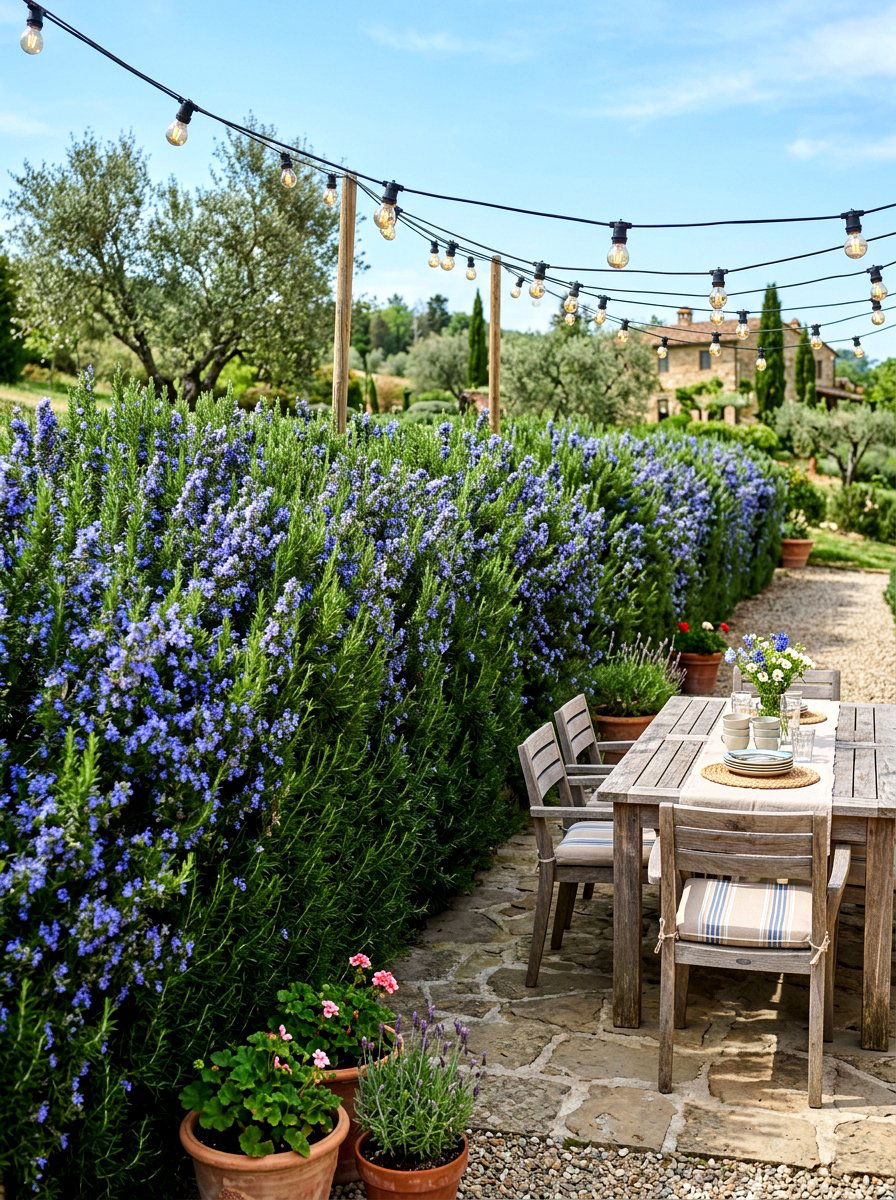
Planting a rosemary privacy hedge provides a multi-functional barrier that offers structure, scent, and year-round green beauty. Unlike traditional boxwood hedges, rosemary features needle-like leaves that are incredibly aromatic and can be used in a wide variety of culinary dishes. When used as a border for a seating area, the hedge acts as a fragrant wall that releases a pine-like scent whenever anyone brushes against it. The upright varieties of rosemary grow quite tall and dense, making them perfect for creating secluded nooks within a larger garden. The tiny blue flowers that appear in spring add a delicate visual touch to this sturdy herb.
7. Lemon Verbena Container
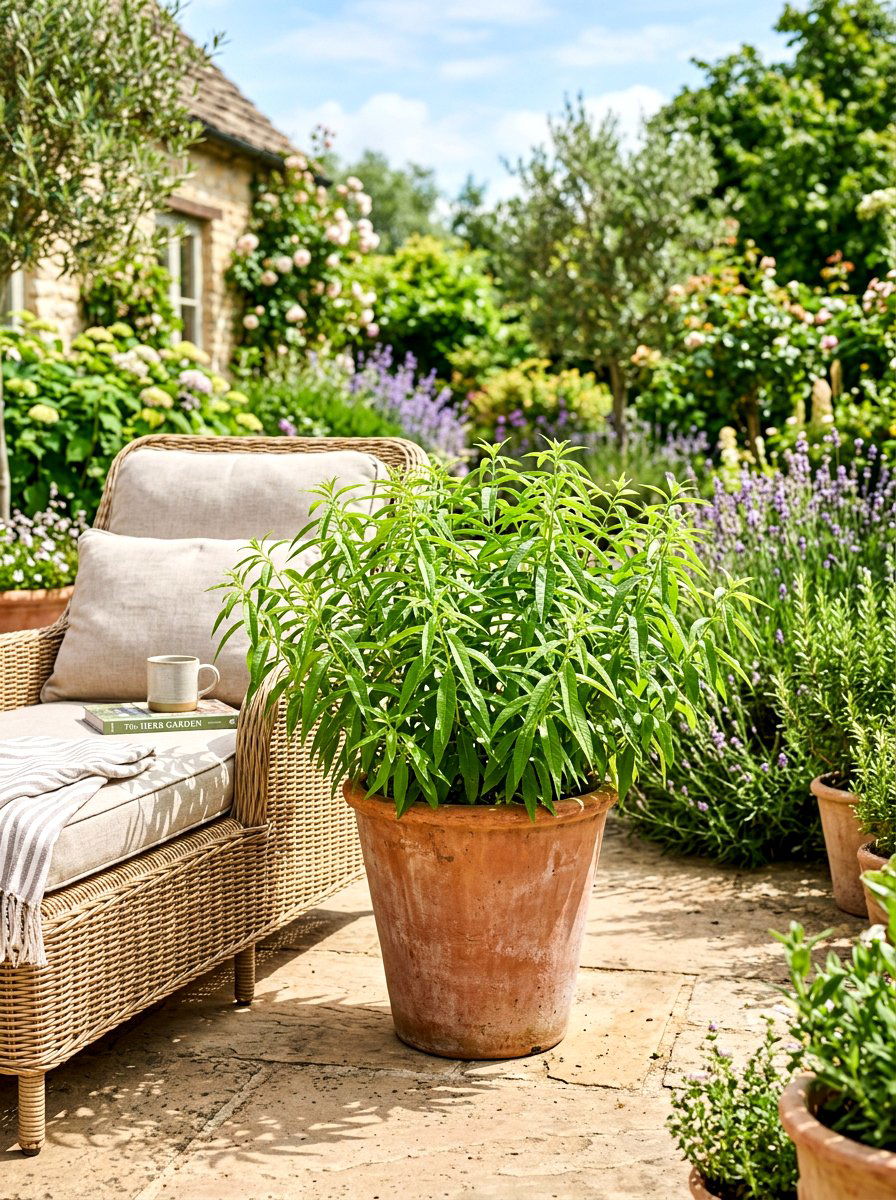
Maintaining a lemon verbena container on your patio or balcony brings one of the most powerful citrus scents directly into your living space. This herb is prized for its intense, clean lemon aroma that is much stronger than most other lemon-scented plants. Placing the pot near a doorway or seating area ensures that the fragrance is always present whenever you are outside. The long, slender leaves have a slightly rough texture that invites you to rub them to release more oil. Lemon verbena is also a wonderful addition to desserts and teas, providing a bright, refreshing flavor that complements the sensory experience of the plant.
8. Purple Basil Garden
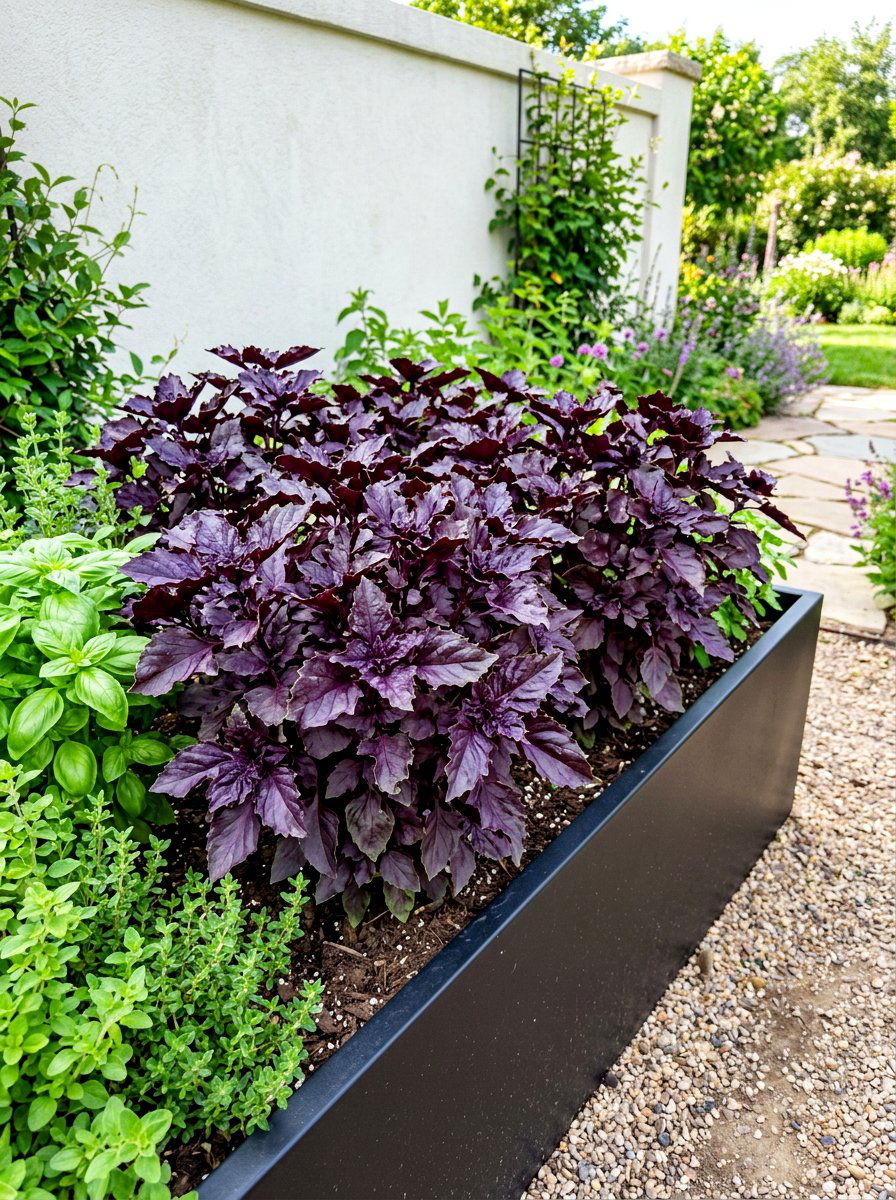
A purple basil garden is a striking visual choice that adds deep, dramatic color to your edible landscape. While traditional green basil is common, varieties like 'Dark Opal' or 'Purple Ruffles' provide a rich burgundy hue that creates a stunning contrast against green foliage. This herb is not just a feast for the eyes; it also possesses a warm, spicy scent and a delicious flavor perfect for making colorful pestos. Planting large clusters of purple basil together creates a bold visual statement that draws the eye. The large, glossy leaves also have a unique smooth texture that adds to the overall sensory appeal of the space.
9. Herb Spiral Garden
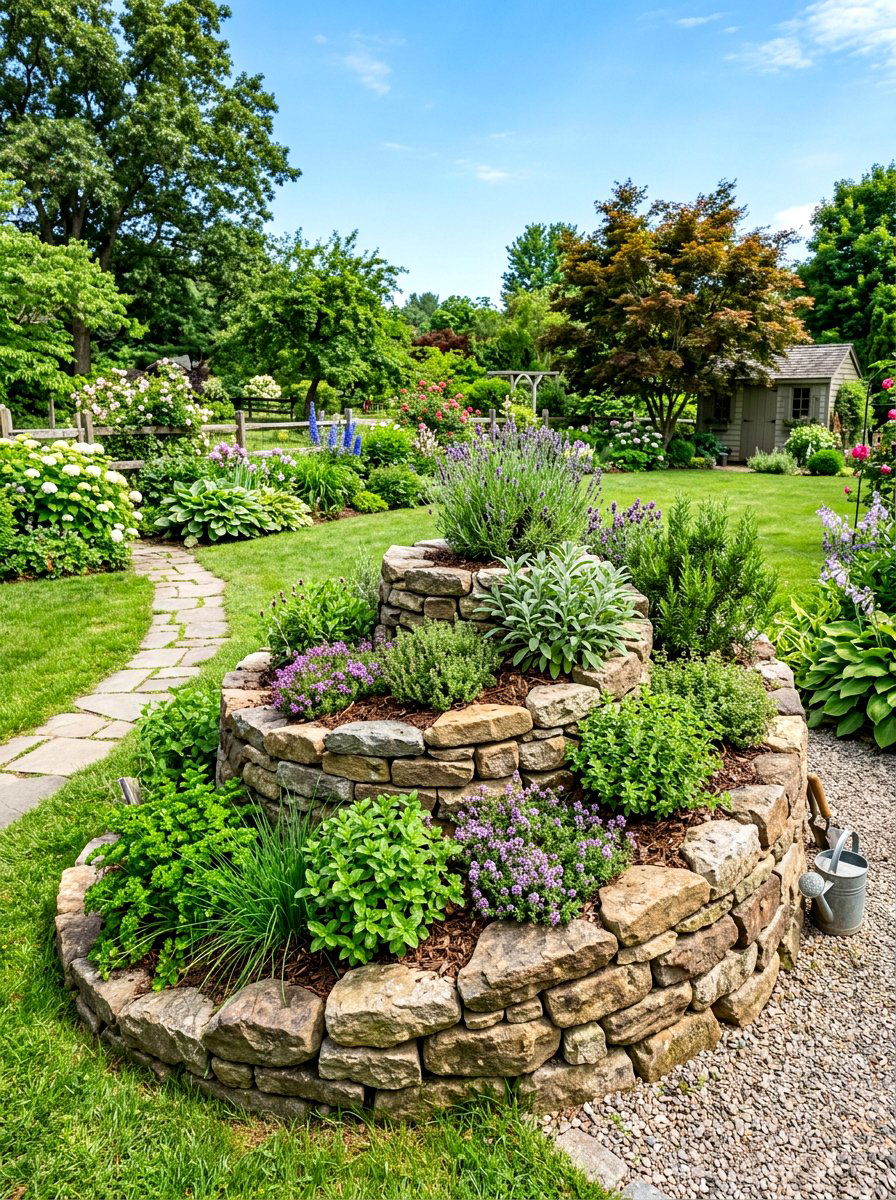
An herb spiral garden is a classic permaculture design that offers a variety of microclimates for different sensory herbs in a compact space. The spiraling shape creates high, dry points for sun-loving herbs like rosemary and lower, damp areas for moisture-loving plants like parsley. This vertical structure adds a beautiful architectural element to the garden that is visually fascinating from every angle. It allows you to fit many different textures, scents, and colors into a small footprint, making it ideal for urban backyards. Walking around the spiral provides a rotating sensory experience as you encounter different herbal aromas and leaf patterns along the winding path.
10. Scented Geranium Patio
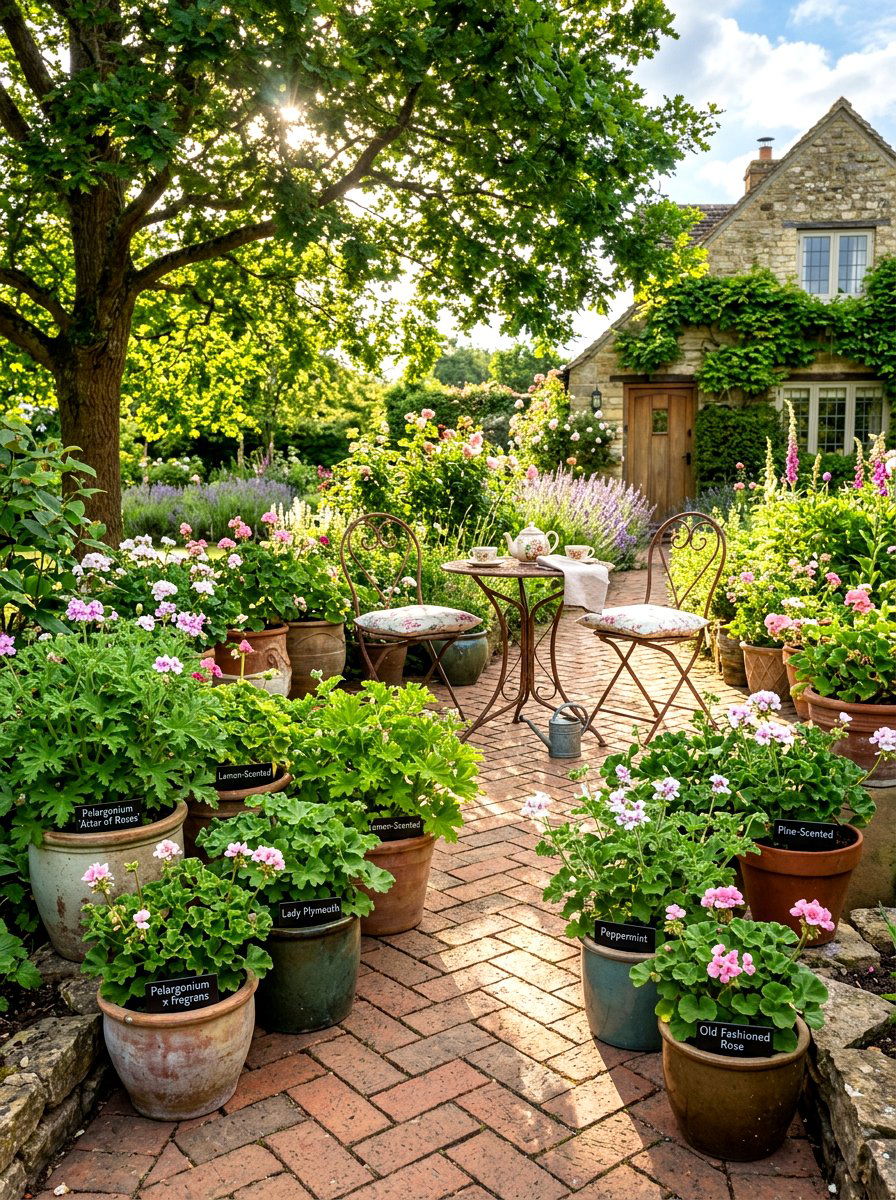
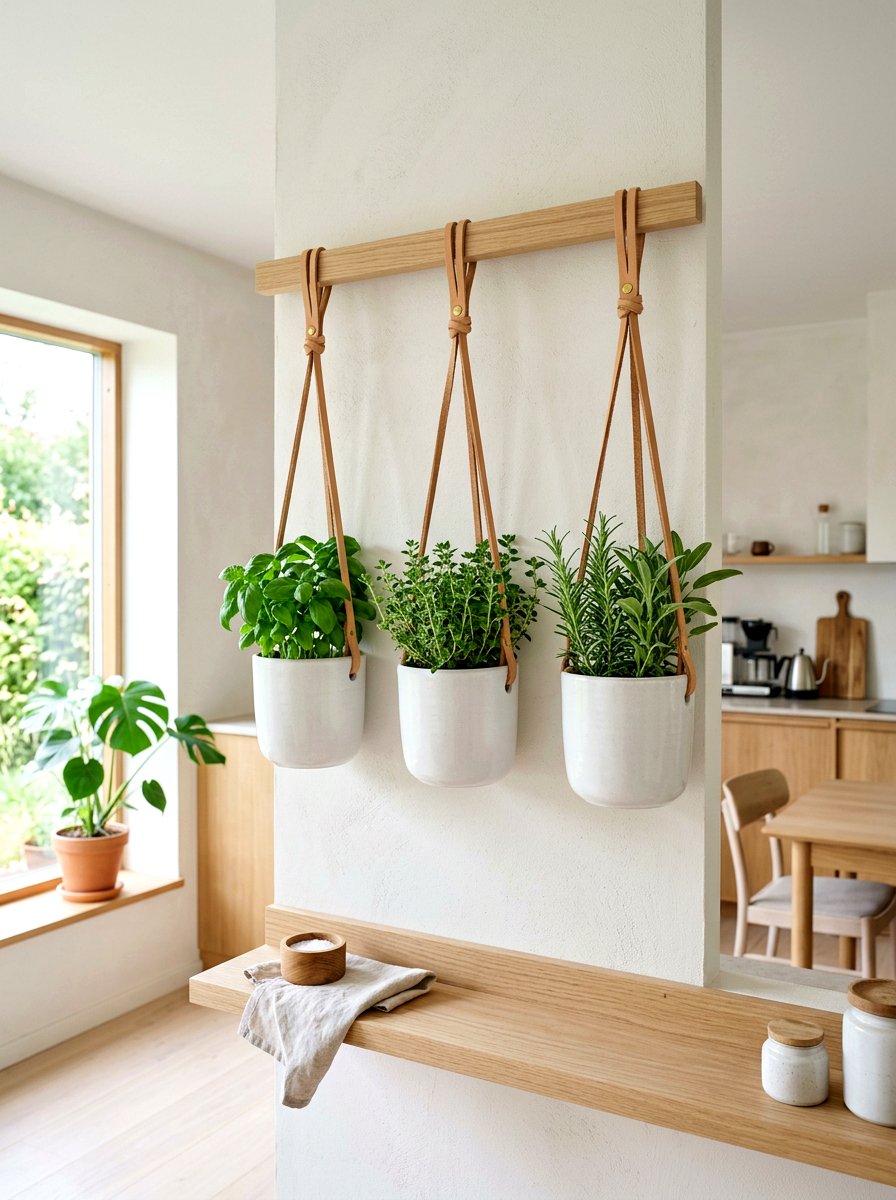
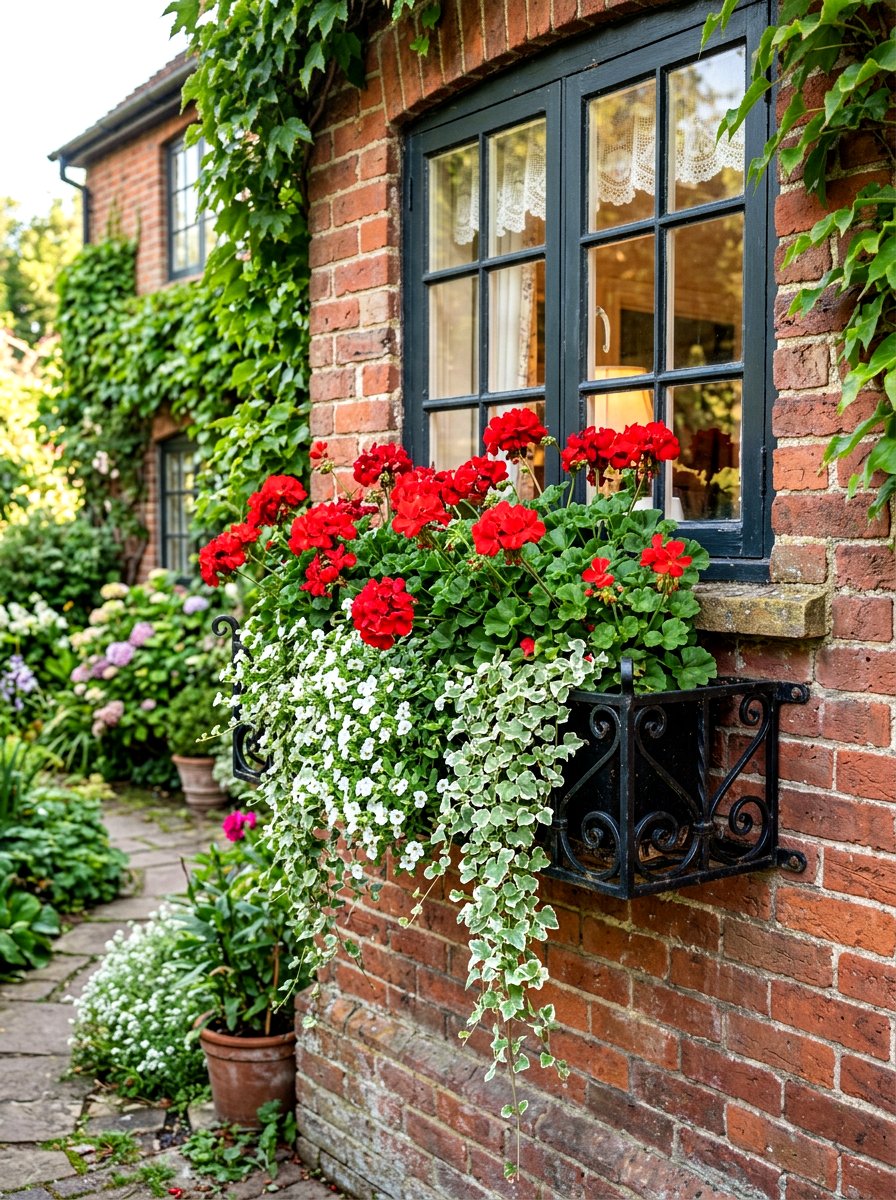
Creating a scented geranium patio involves using various potted geraniums to fill the air with unexpected fragrances like rose, chocolate, or nutmeg. Unlike common geraniums grown for their flowers, scented varieties are grown specifically for their highly aromatic leaves. Placing these pots around your outdoor seating area allows guests to easily pinch a leaf to enjoy the concentrated oils. The foliage comes in many different shapes and textures, ranging from fuzzy and soft to lacy and crisp. This diversity makes them an excellent choice for a tactile garden where visitors are encouraged to interact with the plants to experience their unique and diverse scents.
11. Pineapple Sage Patch
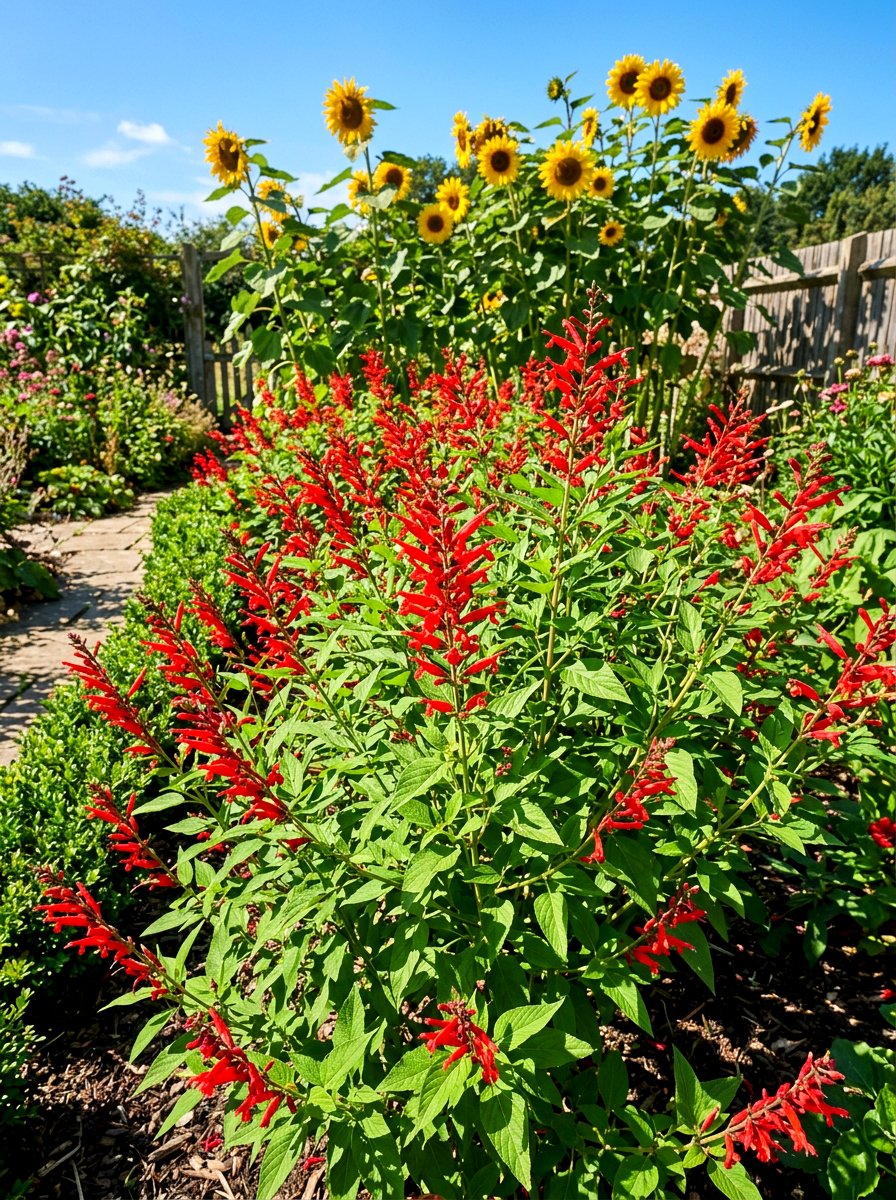
A pineapple sage patch adds an exotic sensory layer to your garden with its bright red flowers and incredible tropical scent. When you crush the fuzzy, bright green leaves, they release a fragrance that smells exactly like fresh, ripe pineapple. This plant typically blooms in late summer or autumn, providing a much-needed splash of vibrant color when other flowers might be fading. The tubular red blossoms are a favorite for hummingbirds, which brings the sense of motion and sound to your garden. This herb is truly a multi-sensory powerhouse, offering a unique fragrance, soft leaf texture, and a striking visual display that captures attention.
12. Chocolate Mint Bed
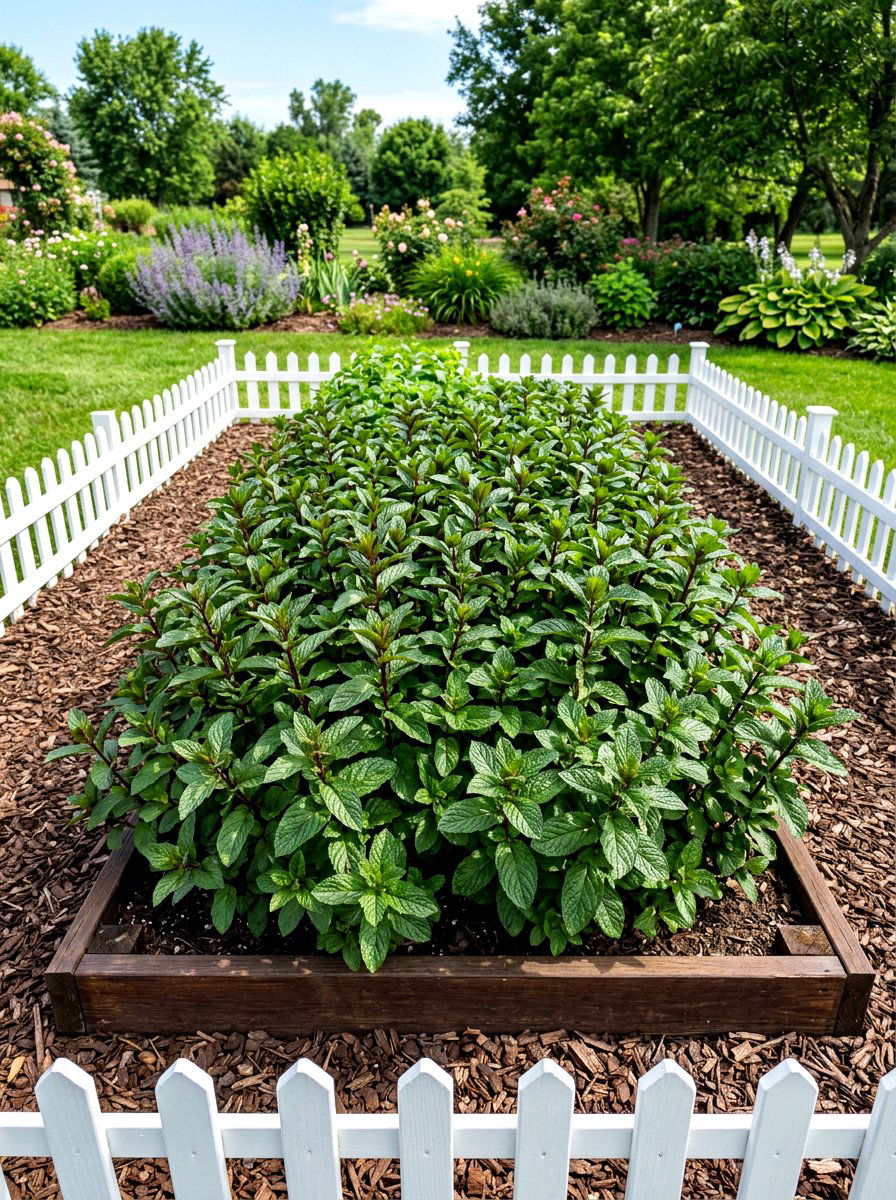
Planting a chocolate mint bed is a delightful way to engage the sense of smell and taste, especially for children and garden visitors. This specific variety of mint has a dark, reddish stem and a scent that remarkably mimics the combination of peppermint and cocoa. Growing it in a dedicated bed allows it to fill a large area with its sweet, refreshing aroma. The leaves are smooth and slightly rounded, providing a different look compared to standard mint varieties. Chocolate mint is fantastic for use in desserts, hot cocoa, or fresh summer teas, making it a versatile and fun addition to any sensory-focused herbal garden layout.
13. Curry Plant Border
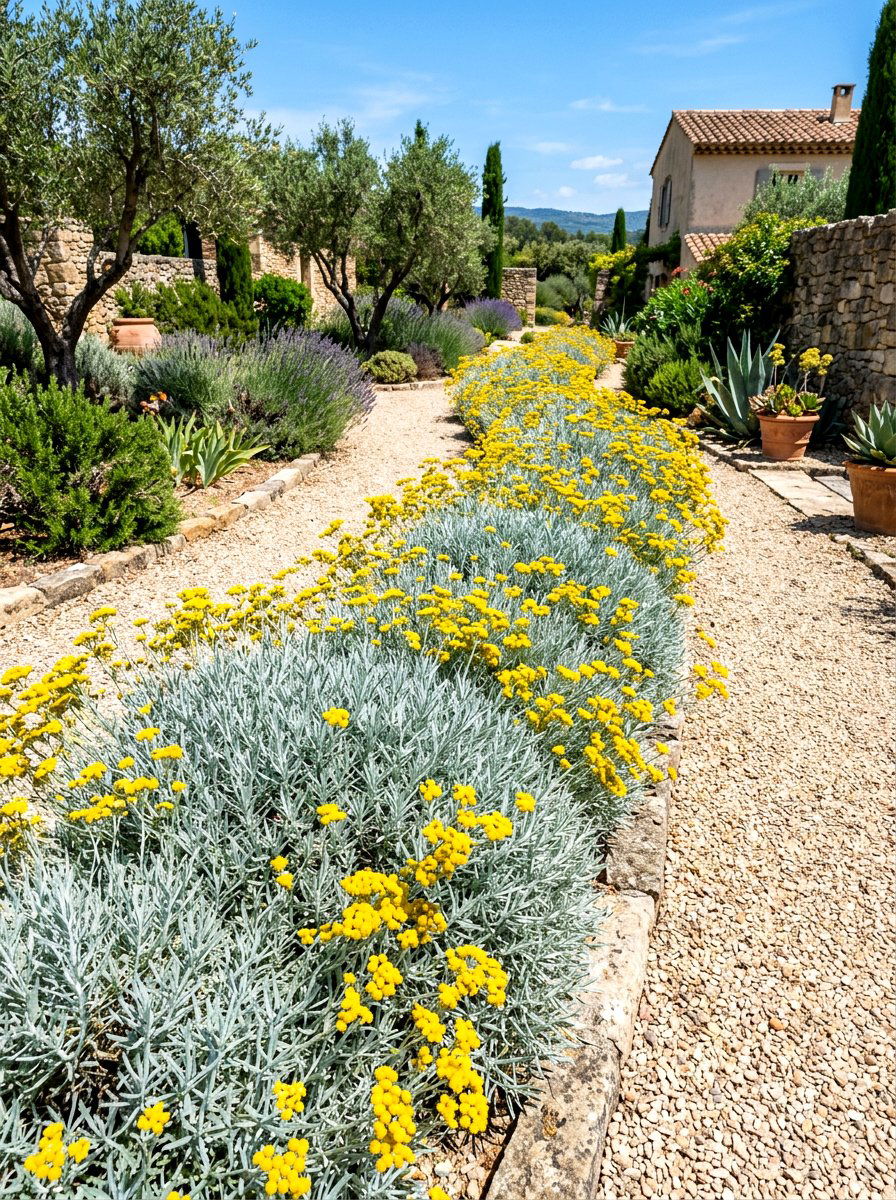
A curry plant border introduces a unique silvery-blue foliage color and an unmistakable savory scent to your garden beds. Although it is not the plant used to make curry powder, its leaves release a very strong curry-like aroma, especially on hot, sunny days. The thin, needle-like leaves have a soft, felt-y texture that adds visual and tactile interest to the edges of your garden. This herb grows in a low, mounding habit, making it an excellent choice for framing a walkway or a flower bed. The bright yellow flowers that appear in summer provide a cheerful color contrast against the cool, metallic silver of the leaves.
14. Bee Balm Pollinator Garden
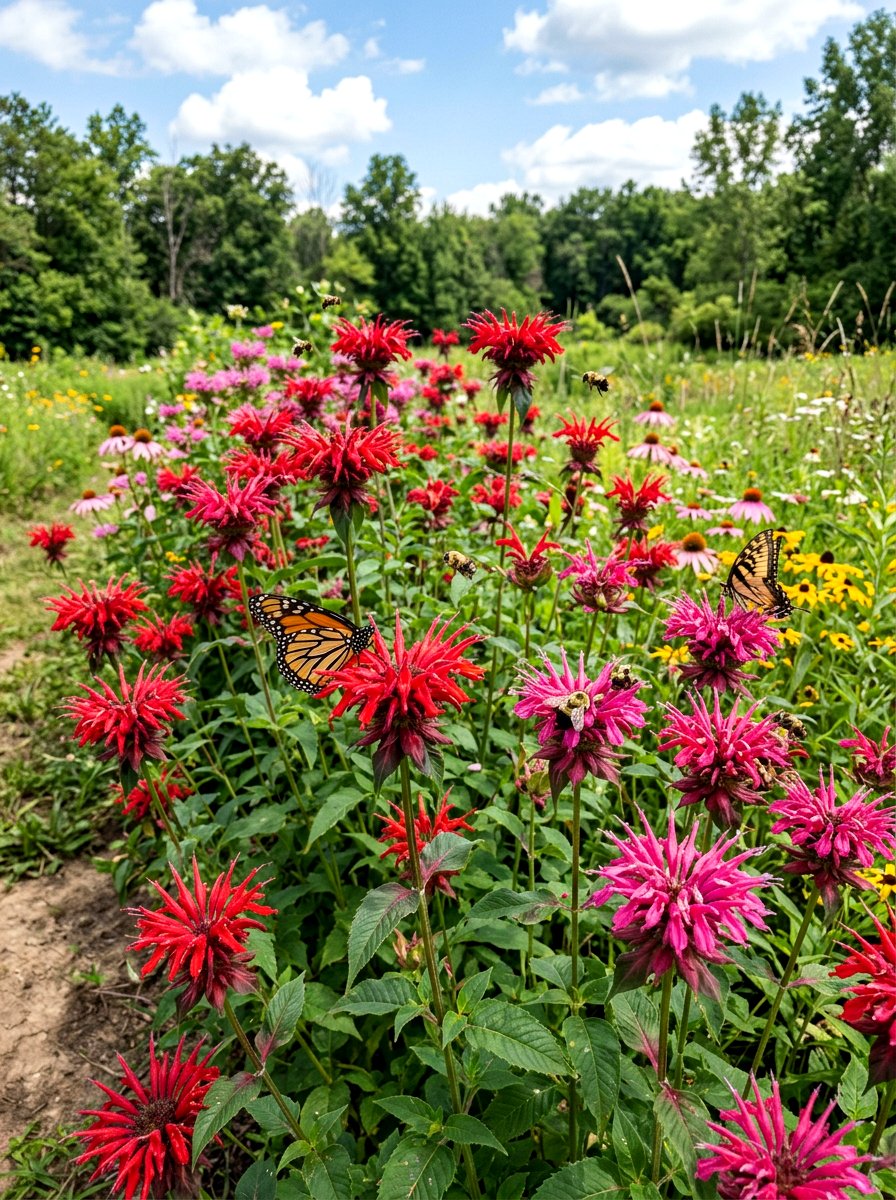
Designing a bee balm pollinator garden is a wonderful way to bring the senses of sight, sound, and smell together in one space. Bee balm, also known as Monarda, produces shaggy, exotic-looking flowers in shades of red, pink, and purple that are highly attractive to bees, butterflies, and hummingbirds. The gentle hum of insects visiting the flowers creates a relaxing natural soundscape for your backyard. The leaves of the plant have a pleasant, citrusy scent similar to bergamot orange, which is often used to flavor Earl Grey tea. This plant adds height and vibrant movement to your garden, making it a dynamic sensory focal point.
15. Chive Flower Edging
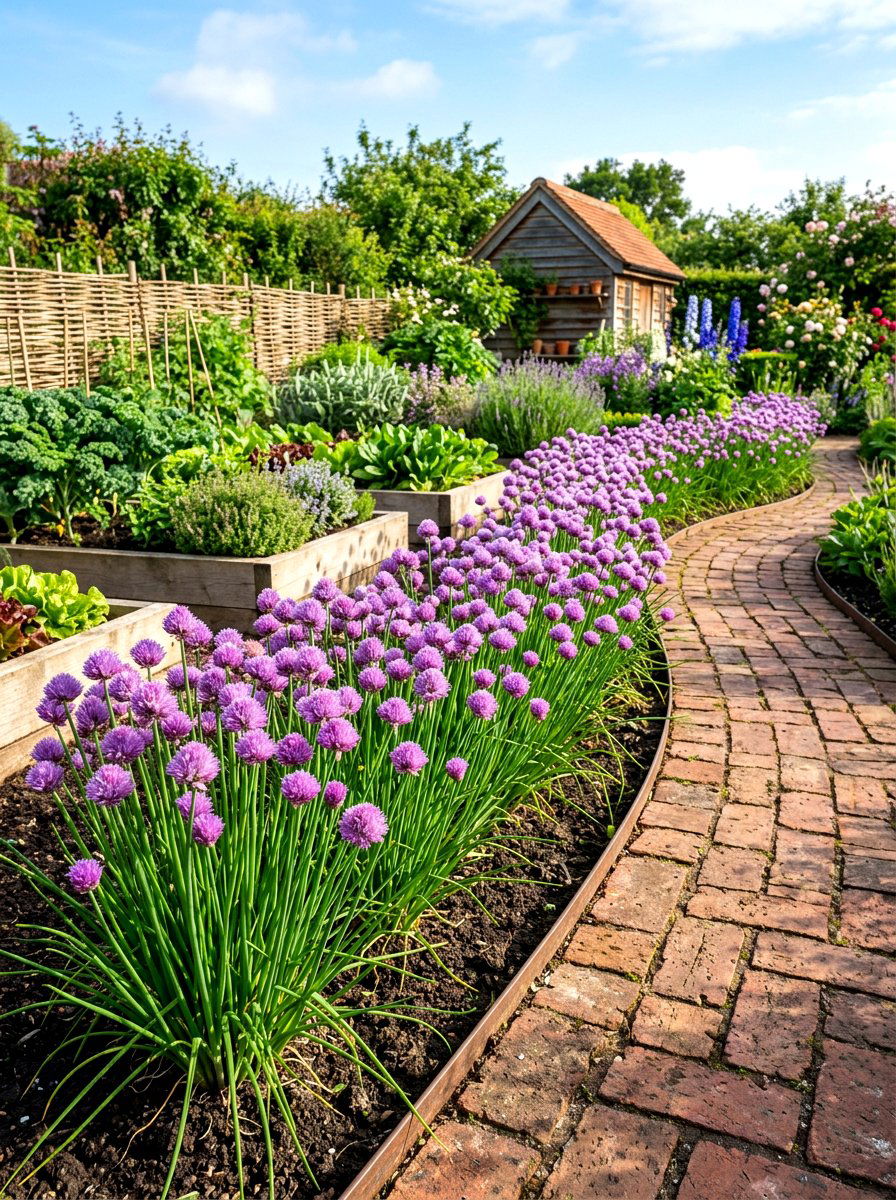
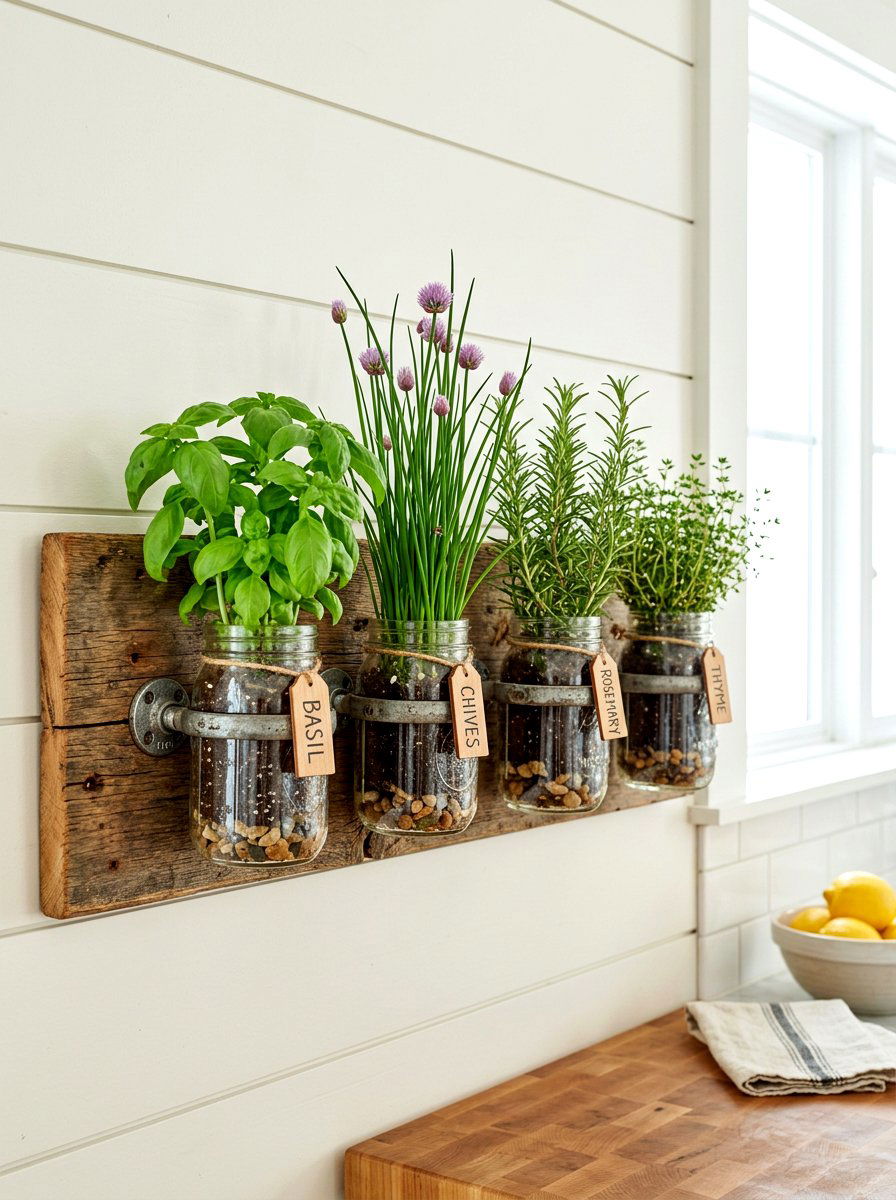
Using chive flower edging along your garden paths provides a beautiful visual transition and a subtle culinary scent. Chives produce globe-shaped purple blossoms that look like soft pom-poms, adding a playful and whimsical element to your landscape. The long, hollow green leaves stand upright, creating a neat and tidy border for vegetable beds or flower gardens. When the leaves are brushed or cut, they release a mild onion-like fragrance that hints at their culinary uses. The flowers are also edible and can be sprinkled on salads for a pop of color. This herb is incredibly easy to grow and provides early spring color for your garden.
16. Eucalyptus Garden
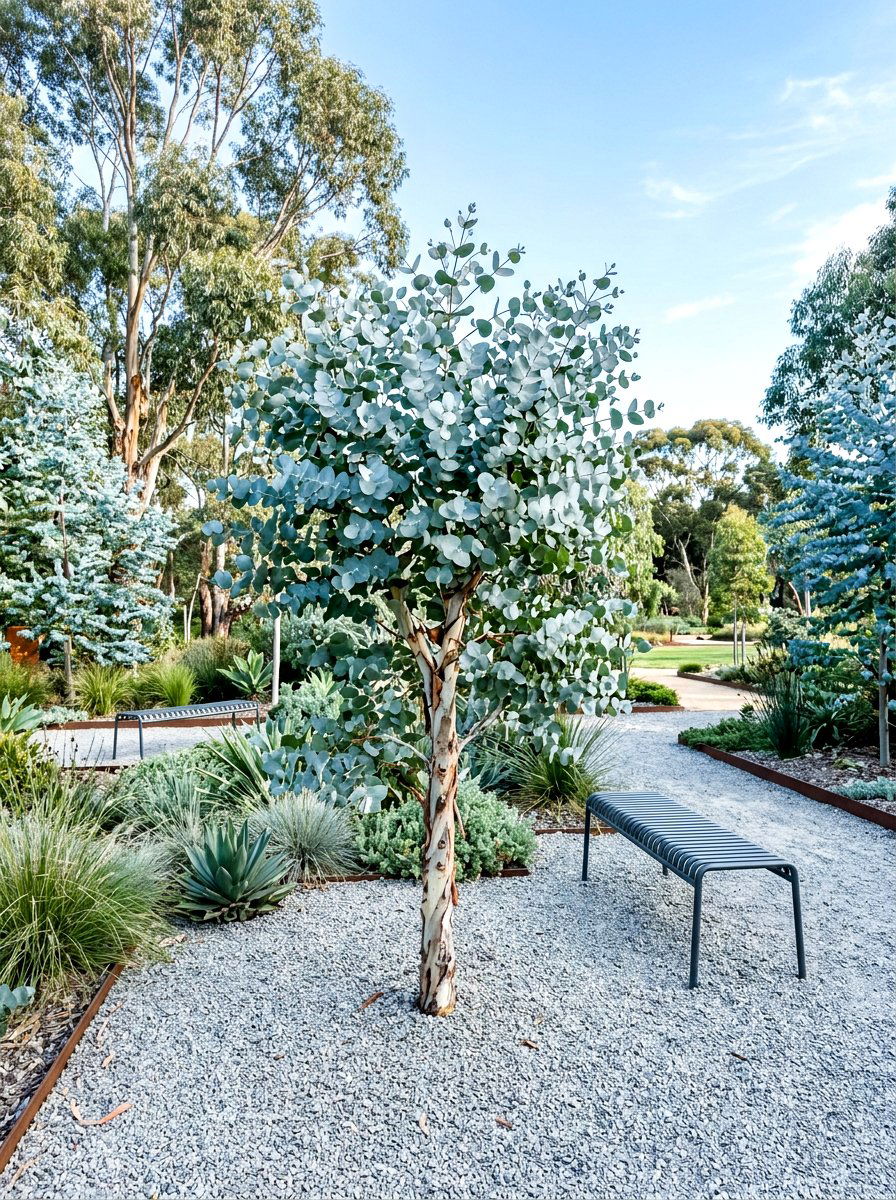
A eucalyptus garden brings a cool, medicinal fragrance and a unique architectural aesthetic to your outdoor environment. The silvery-blue, rounded leaves of the eucalyptus tree are famous for their refreshing scent, which is often used in aromatherapy to clear the mind. Even a gentle breeze can release the aromatic oils into the air, creating a spa-like atmosphere in your backyard. The bark of many eucalyptus varieties peels away in long strips, offering a fascinating tactile and visual element to the garden. Planting these trees near a seating area allows you to enjoy the rustling sound of the leaves and the constant, clean fragrance they provide.
17. Sweet Woodruff Groundcover
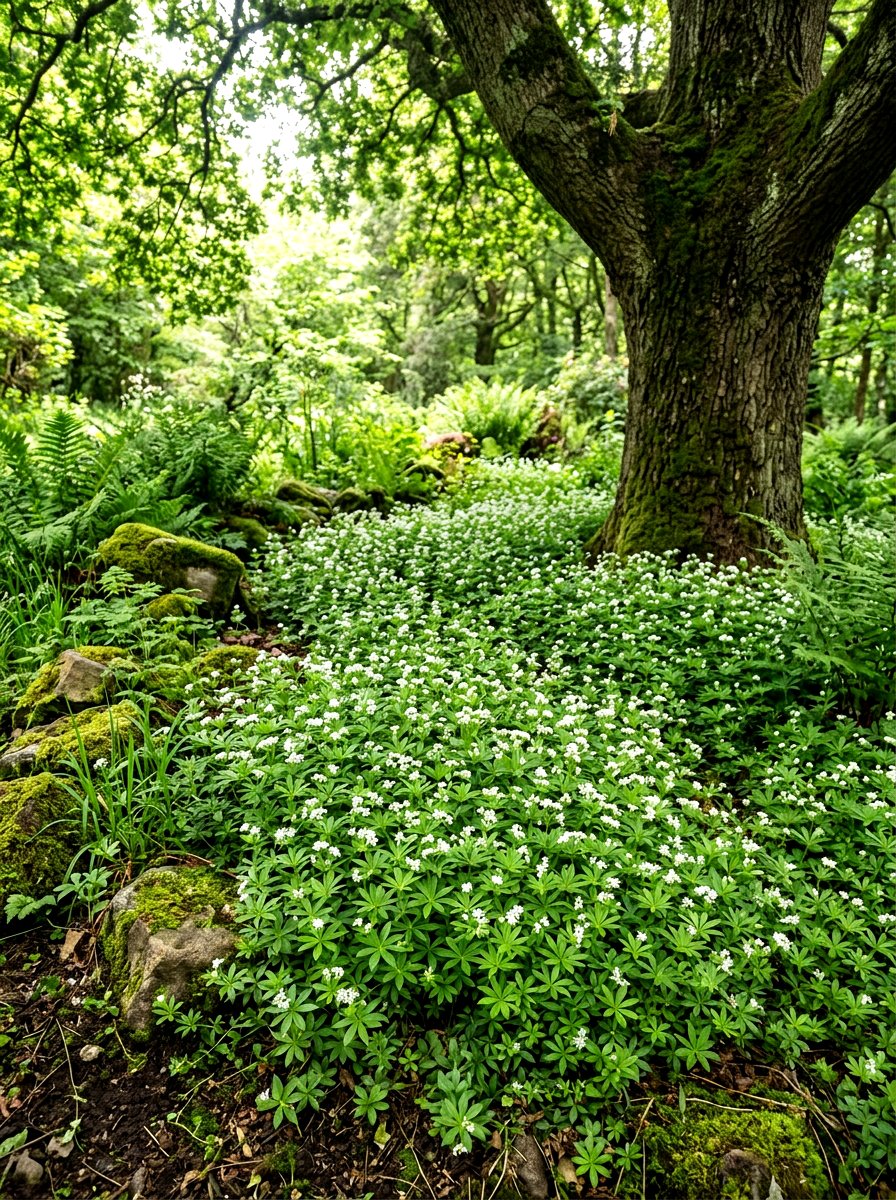
Sweet woodruff groundcover is the perfect sensory solution for the shady corners of your garden where other herbs might struggle. This low-growing plant features whorls of bright green leaves that create a lush, forest-like carpet under trees or shrubs. In the spring, it is covered in tiny, star-shaped white flowers that look like a dusting of snow. The most remarkable feature of sweet woodruff is its scent; when the leaves are dried or crushed, they smell like freshly mown hay and vanilla. This fragrance is often used to flavor traditional beverages, making it a hidden gem for both your olfactory and culinary sensory experiences in the shade.
18. Bay Laurel Topiary
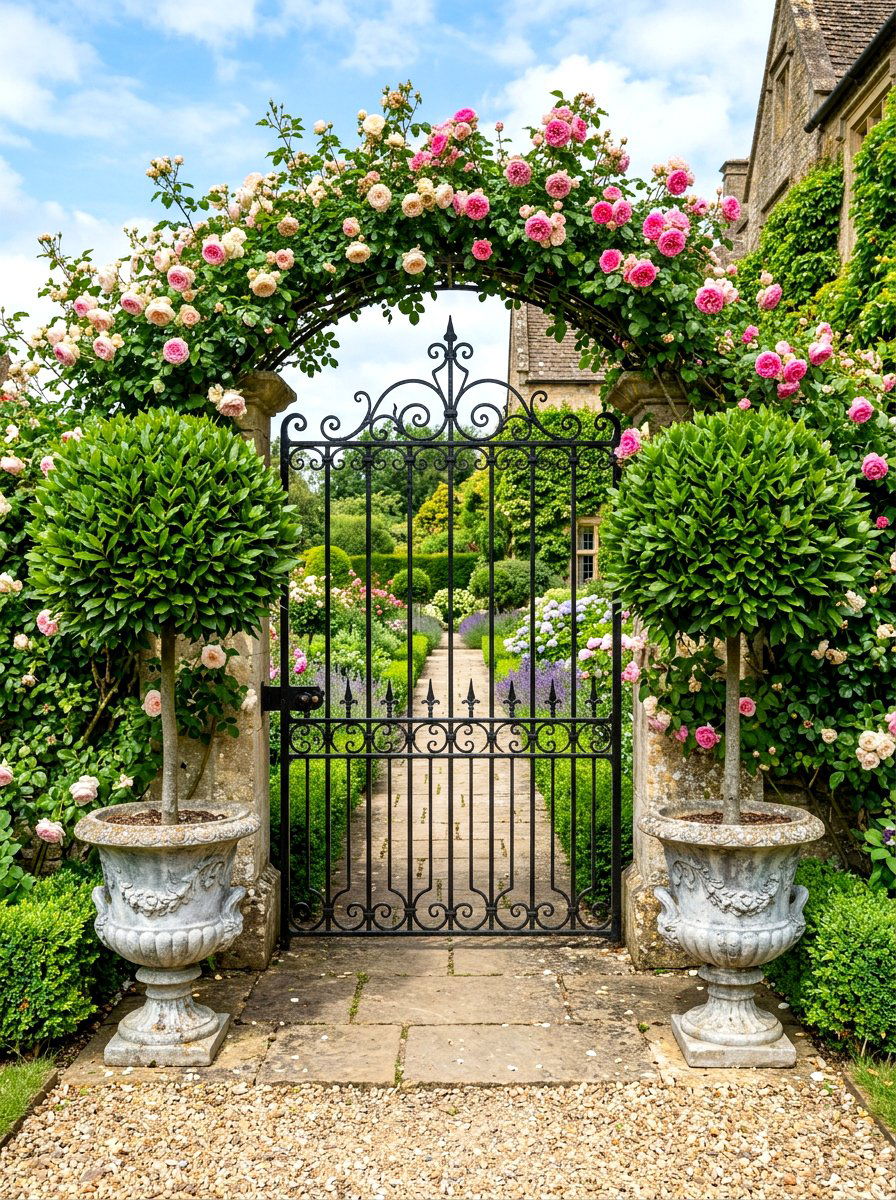
Incorporating a bay laurel topiary into your sensory garden adds a sense of structure, history, and a rich, spicy aroma. These evergreen shrubs can be pruned into elegant shapes like globes or cones, serving as a formal visual anchor for your herb garden or patio. The thick, leathery leaves are highly aromatic and are a staple in Mediterranean cooking for flavoring soups and stews. When you rub the leaves, they release a deep, herbal scent that lingers on your skin. Placing these topiaries in large pots near your outdoor dining area combines classical beauty with functional gardening, allowing you to harvest fresh bay leaves whenever you need them.
19. Bronze Fennel Texture Garden
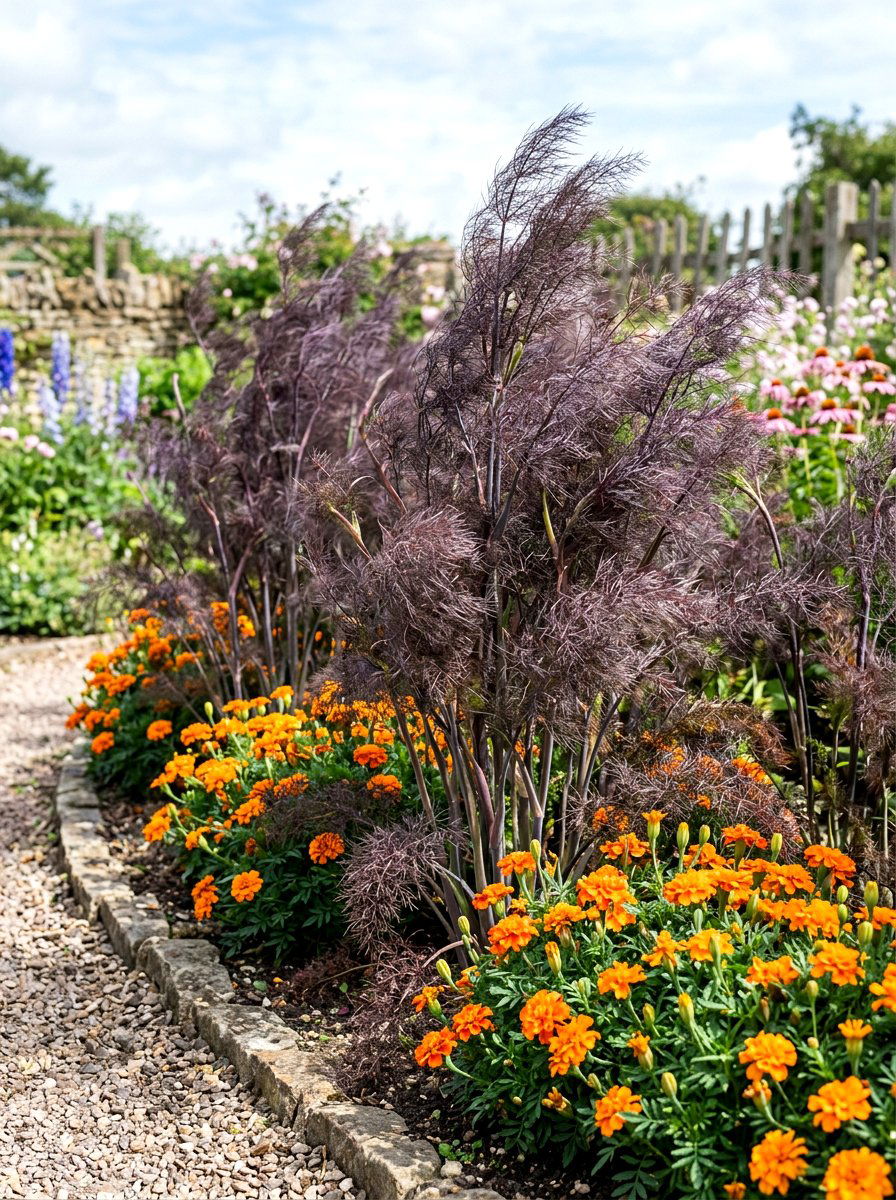
A bronze fennel texture garden offers a sophisticated visual display with its feathery, smoky-purple foliage that looks like soft clouds in the landscape. Unlike common green fennel, the bronze variety provides a unique dark color that adds depth and contrast to any planting scheme. The delicate, thread-like leaves are incredibly soft to the touch and sway gracefully in the wind, creating a sense of movement and lightness. The plant also produces a sweet, anise-like scent that is very prominent on warm afternoons. Fennel is a host plant for swallowtail butterflies, so planting it ensures you will see beautiful caterpillars and butterflies throughout the summer months.
20. Borage Edible Flower Bed
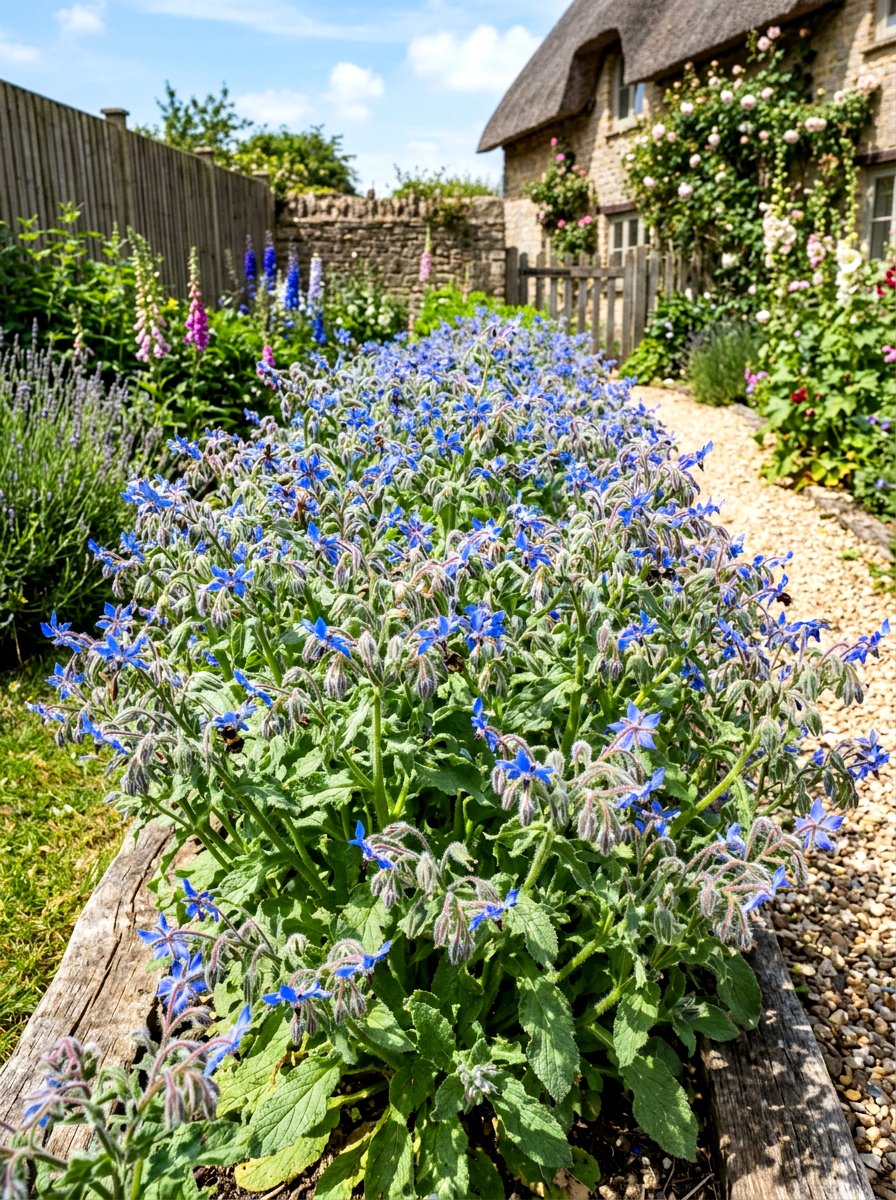
Planting a borage edible flower bed is a fantastic way to introduce vibrant blue colors and a unique cucumber-like flavor to your sensory experience. Borage produces star-shaped flowers that are one of the few truly blue blooms in the plant world, making them a visual standout. Both the leaves and the flowers have a refreshing taste reminiscent of cucumbers, and they can be used to garnish drinks or salads. The stems and leaves are covered in fine, bristly hairs that provide a distinct tactile experience, though they should be handled carefully. This plant is a magnet for honeybees, adding the cheerful sound of buzzing to your garden's atmosphere.
21. Stevia Container Garden
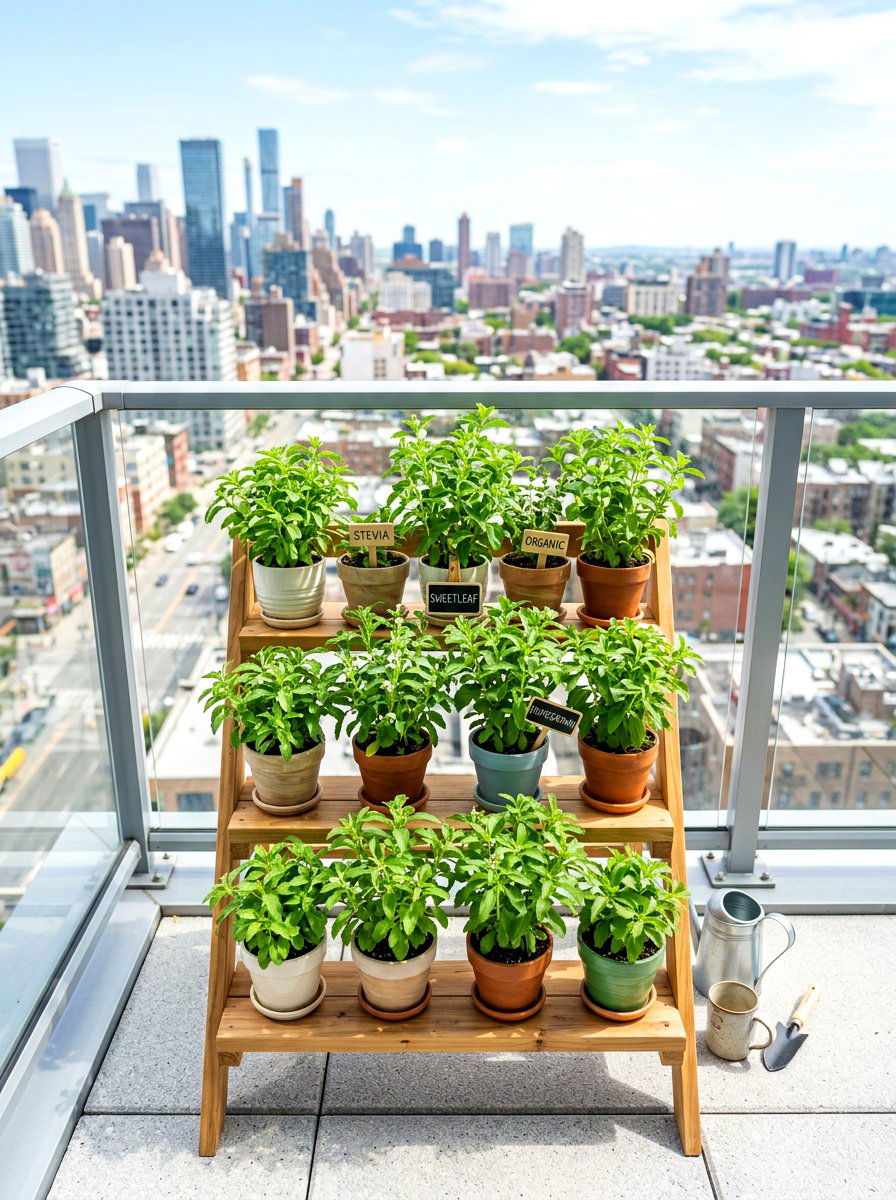
Growing a stevia container garden allows you to explore the sense of taste in a truly surprising way right from your patio. Known as "sweet leaf, " stevia leaves are incredibly sweet, and many visitors find it fascinating to pluck a leaf and experience the intense natural sugar flavor. The plant has simple, bright green leaves and a compact growth habit that makes it perfect for pots or small garden spaces. Placing stevia near other culinary herbs encourages a "tasting tour" of your garden, where guests can compare different flavors. It is a great educational tool for children to learn about natural alternatives to processed sugar products.
22. Creeping Oregano Rock Garden
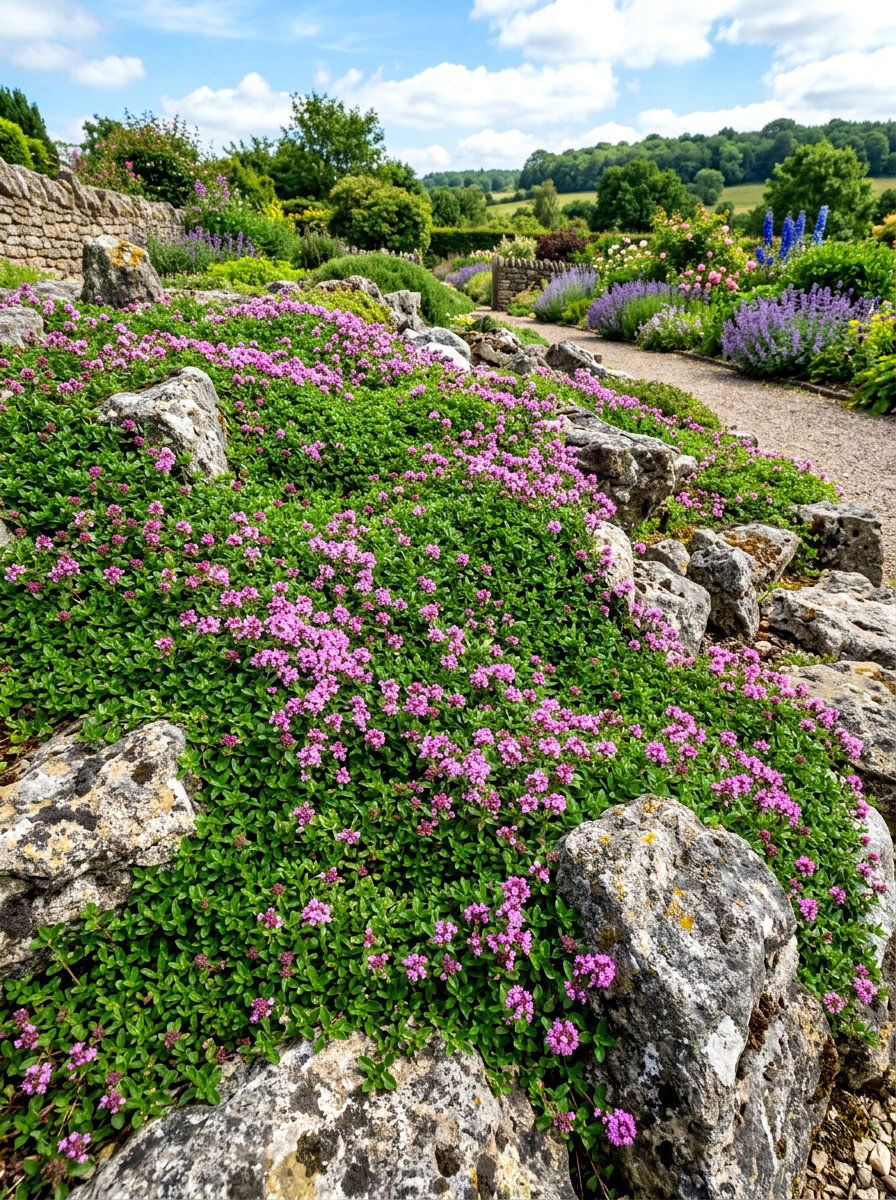
A creeping oregano rock garden is an excellent way to use herbs as a functional and fragrant ground cover in rugged areas. This hardy herb thrives in the crevices of stone walls or between rocks, where it spills over the edges in a lush green waterfall. When you brush against the plant, it releases a warm, savory scent that is a hallmark of Italian cuisine. The small, round leaves have a slightly fuzzy texture that feels wonderful to touch. During the summer, creeping oregano produces delicate clusters of pink or purple flowers that attract small pollinators, adding visual beauty and gentle life to your rocky landscape.
23. Cilantro Culinary Herb Bed
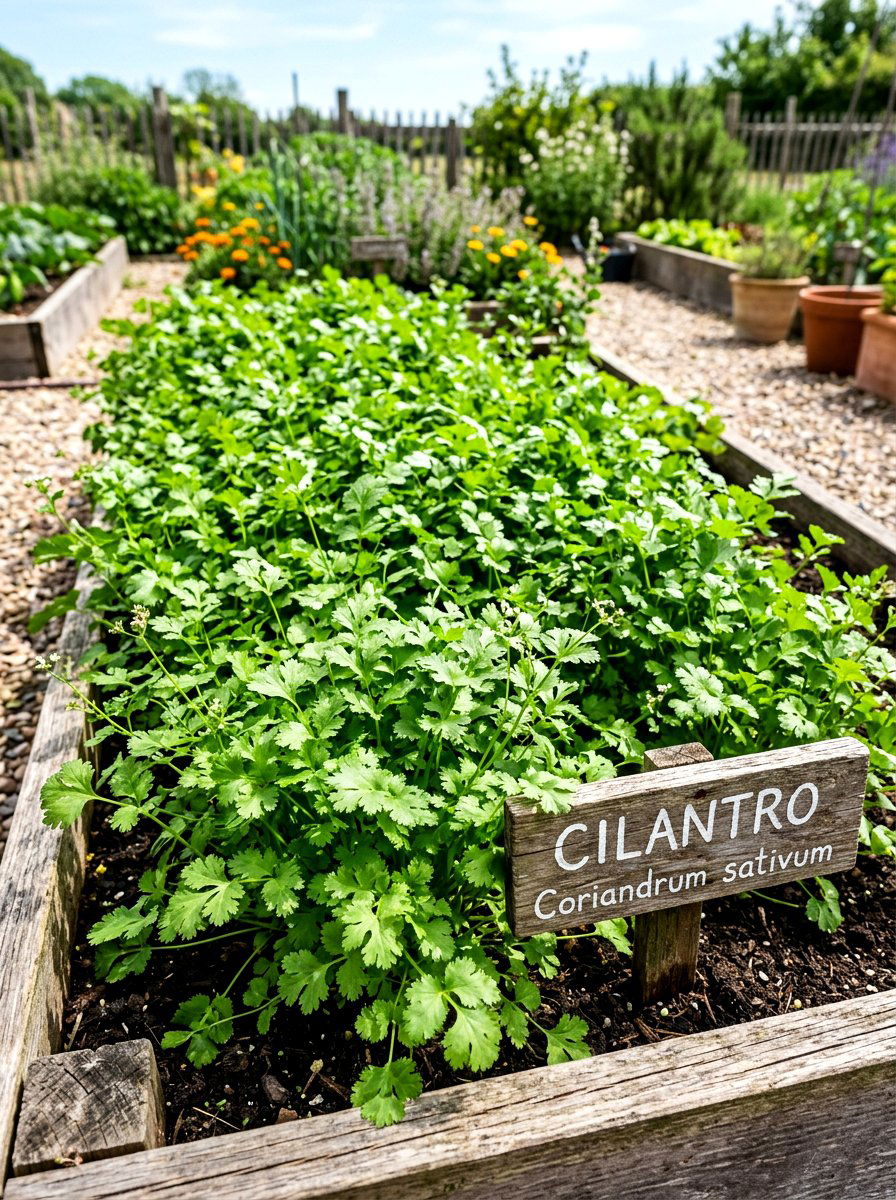
A cilantro culinary herb bed is a must-have for anyone who loves fresh, vibrant flavors and bright green foliage. Cilantro features lacy, delicate leaves that look beautiful when planted in dense clusters, creating a soft green texture in the garden. This herb has a very polarizing and distinct scent that is instantly recognizable and essential for many global cuisines. As the plant matures and goes to seed, it produces coriander, offering a second sensory experience with its spicy, citrus-toned seeds. The small white or pale pink flowers that appear before seeding add a delicate visual layer to the bed, making it functional and attractive.
24. French Tarragon Garden
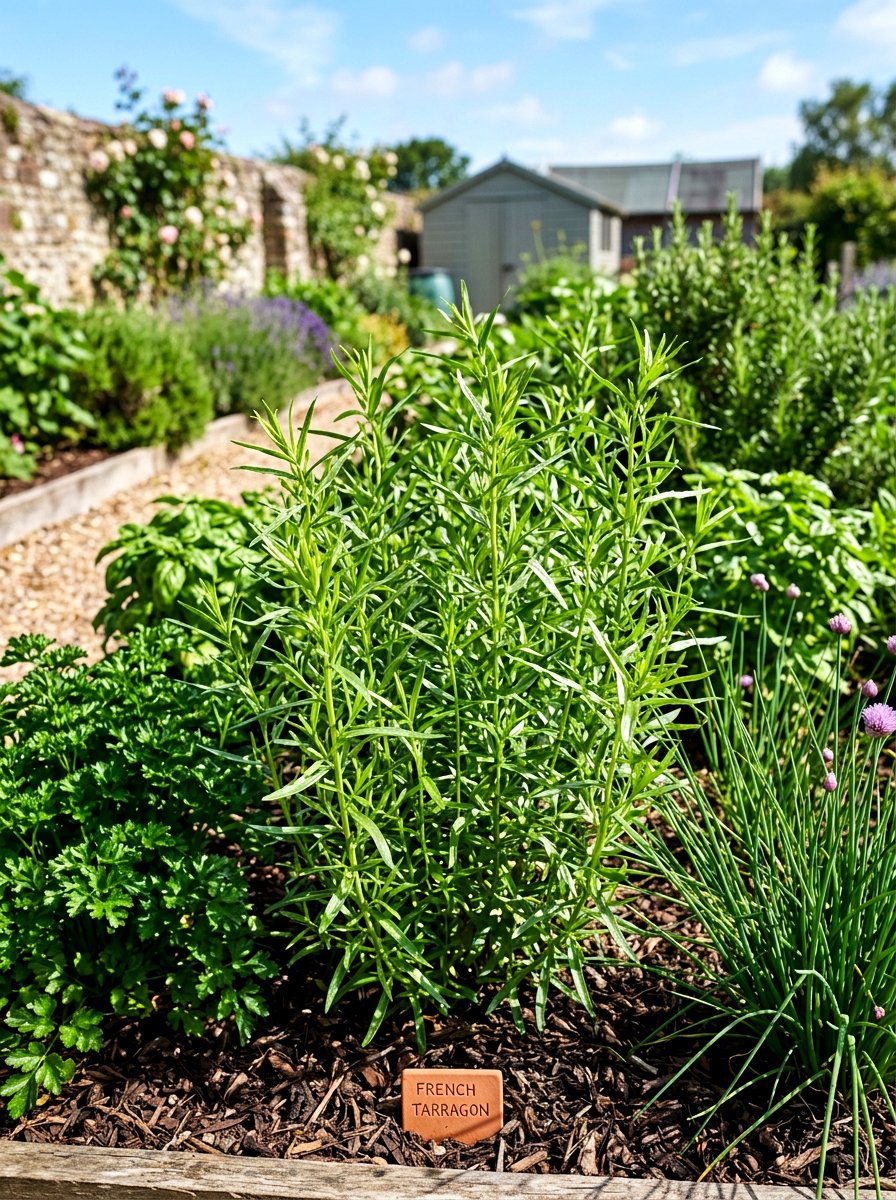
Creating a French tarragon garden adds a sophisticated flavor profile and a graceful visual element to your herbal collection. This herb features slender, lance-shaped leaves that grow in an elegant, upright fashion, swaying slightly in the breeze. Tarragon is famous for its distinct anise or licorice-like scent and flavor, which is highly prized by gourmet chefs. The leaves have a smooth, almost glossy texture that is pleasant to handle during harvest. Planting French tarragon in a sunny spot ensures that its aromatic oils are at their peak. This herb is a perennial, meaning it will return year after year to provide consistent sensory delight and culinary value.

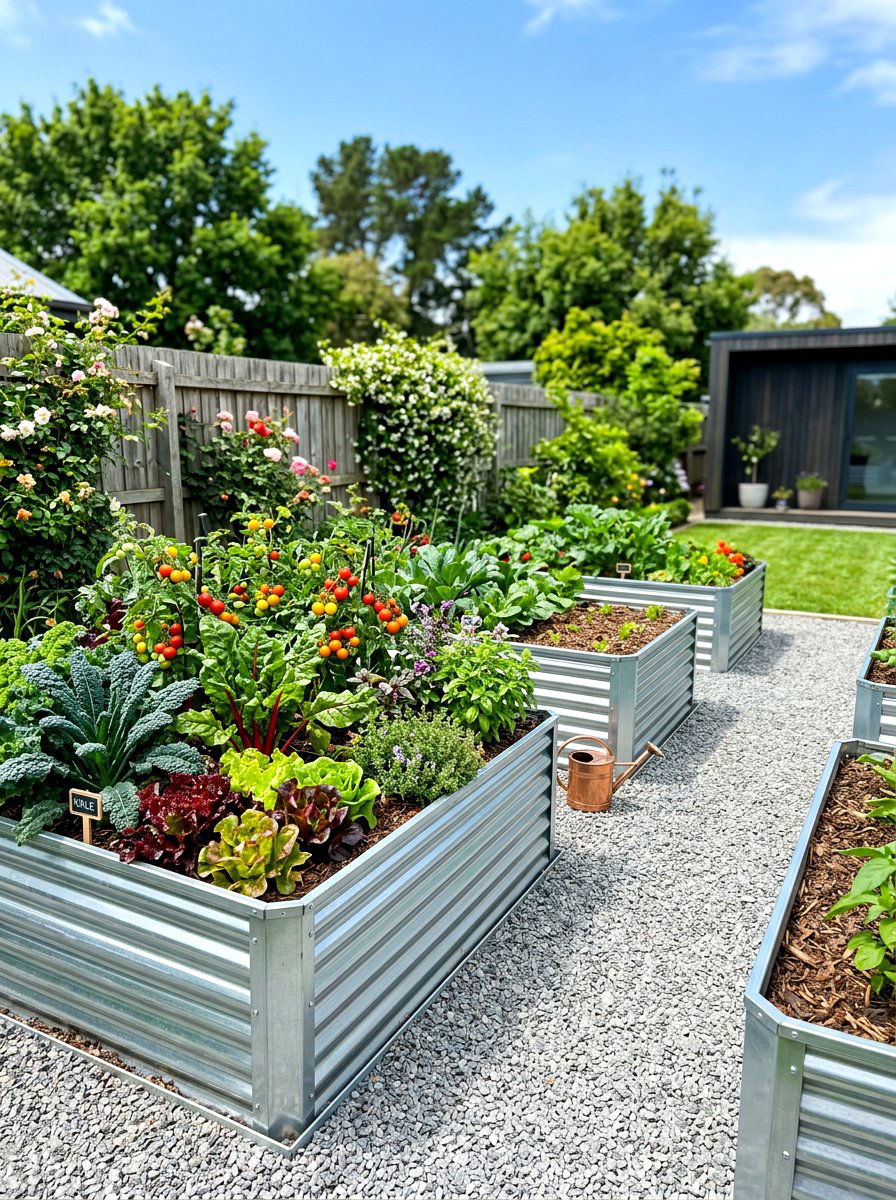
25. Marjoram Hanging Basket
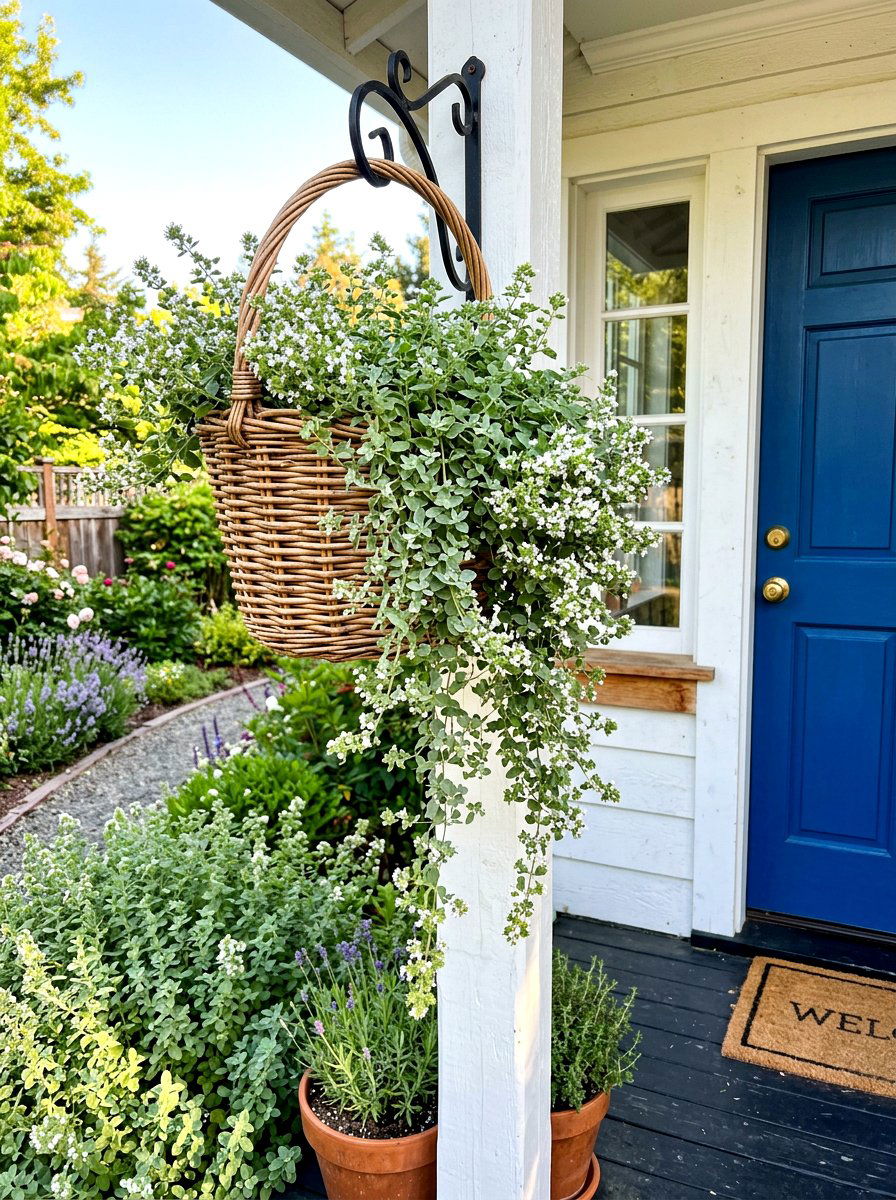
A marjoram hanging basket is a clever way to bring fragrant herbs to eye and nose level, especially in areas with limited ground space. Marjoram has a trailing habit that looks beautiful as it spills over the edges of a container, creating a soft, cascading effect. The leaves are small, oval, and slightly fuzzy, offering a delicate texture that invites you to reach out and touch them. Its scent is similar to oregano but much sweeter and more floral, providing a gentle aromatic presence on your porch or balcony. These baskets are easy to maintain and keep the herbs clean and accessible for daily cooking needs.
26. Anise Hyssop Garden
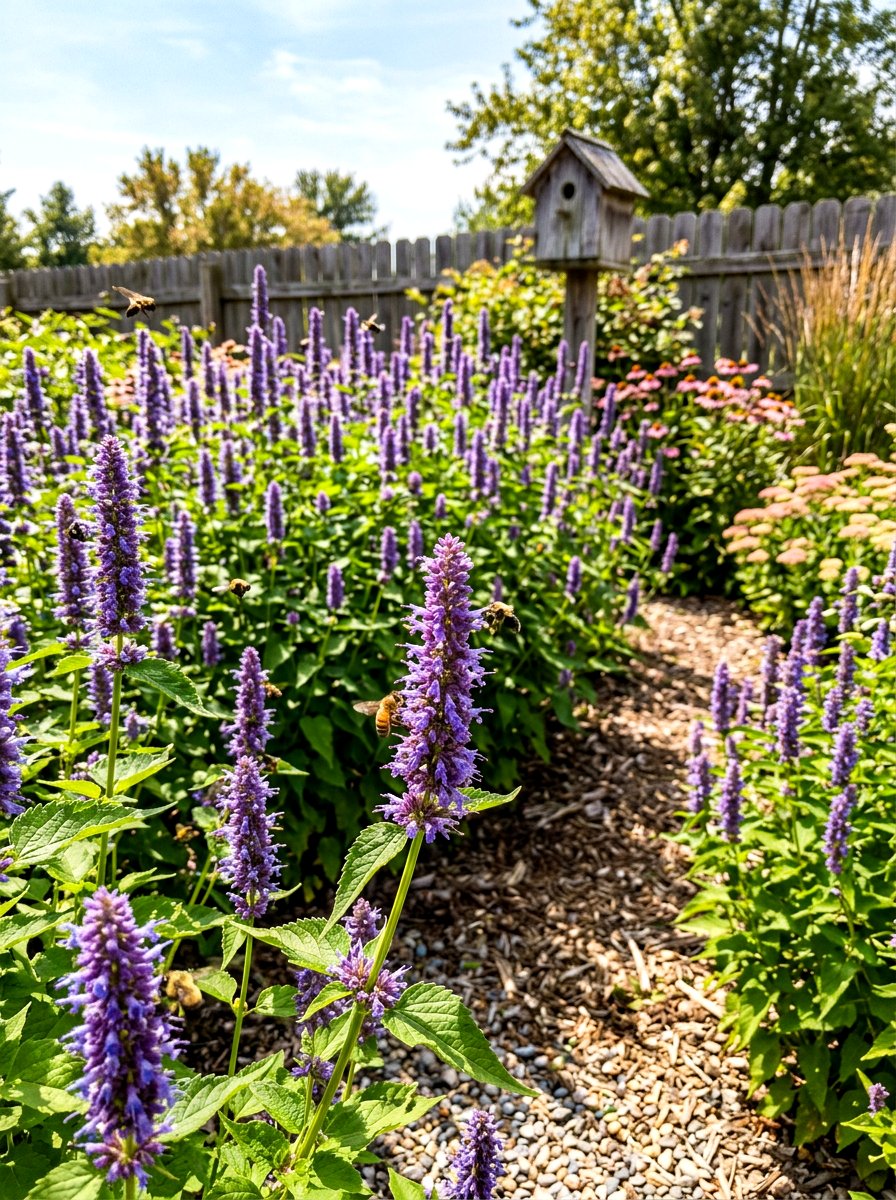
Planting an anise hyssop garden provides a tall, striking visual element topped with vibrant purple flower spikes. This herb is a powerhouse for the senses, offering a strong licorice scent that is released whenever the leaves or flowers are touched. The blooms are not only beautiful but also highly attractive to bees and butterflies, ensuring your garden is full of life and motion. The leaves can be used to make a delicious, naturally sweet herbal tea that tastes exactly like its fragrance. This plant adds significant vertical interest to your garden layout and serves as a long-blooming focal point that stays beautiful throughout the entire summer.
27. Dill Foliage Screen
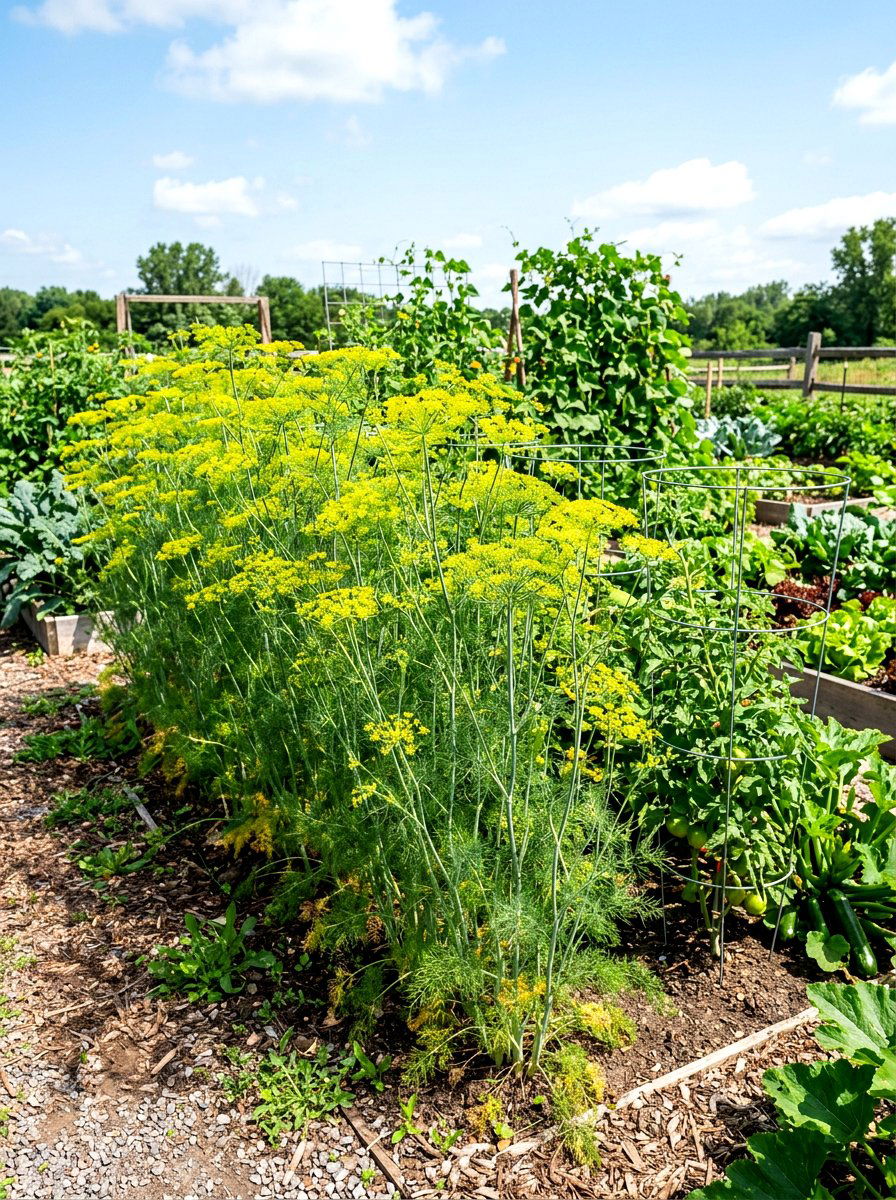
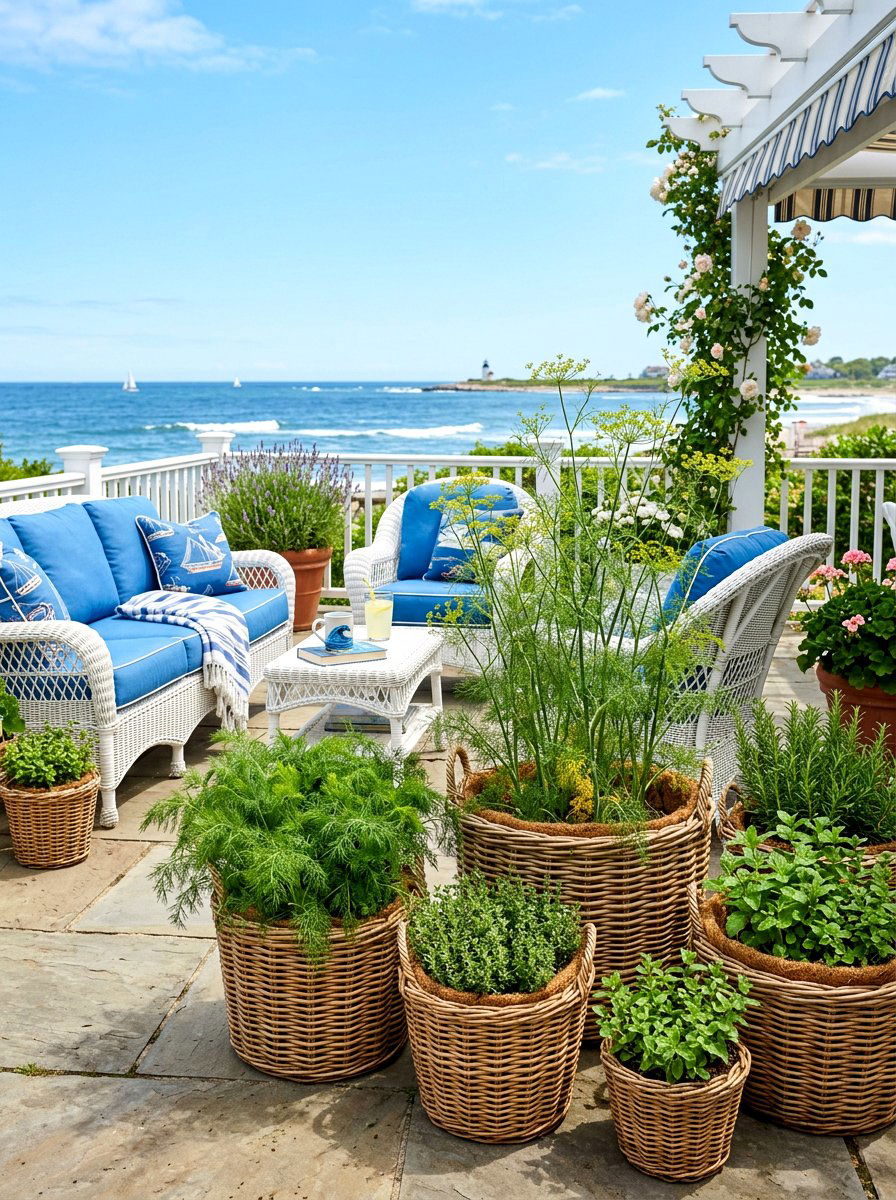
A dill foliage screen uses the tall, airy stalks of the dill plant to create a delicate visual barrier and a soft, feathery texture. Dill grows quickly and can reach several feet in height, making it an excellent temporary screen for vegetable patches or flower borders. Its fine, thread-like leaves are incredibly soft and move gracefully with even the slightest wind, adding a sense of lightness to the garden. The plant produces large, flat yellow flower umbels that are visually fascinating and attract beneficial insects. The unmistakable scent of dill is refreshing and savory, immediately bringing to mind fresh pickles and summer salads for many visitors.
28. Catnip Sensory Area
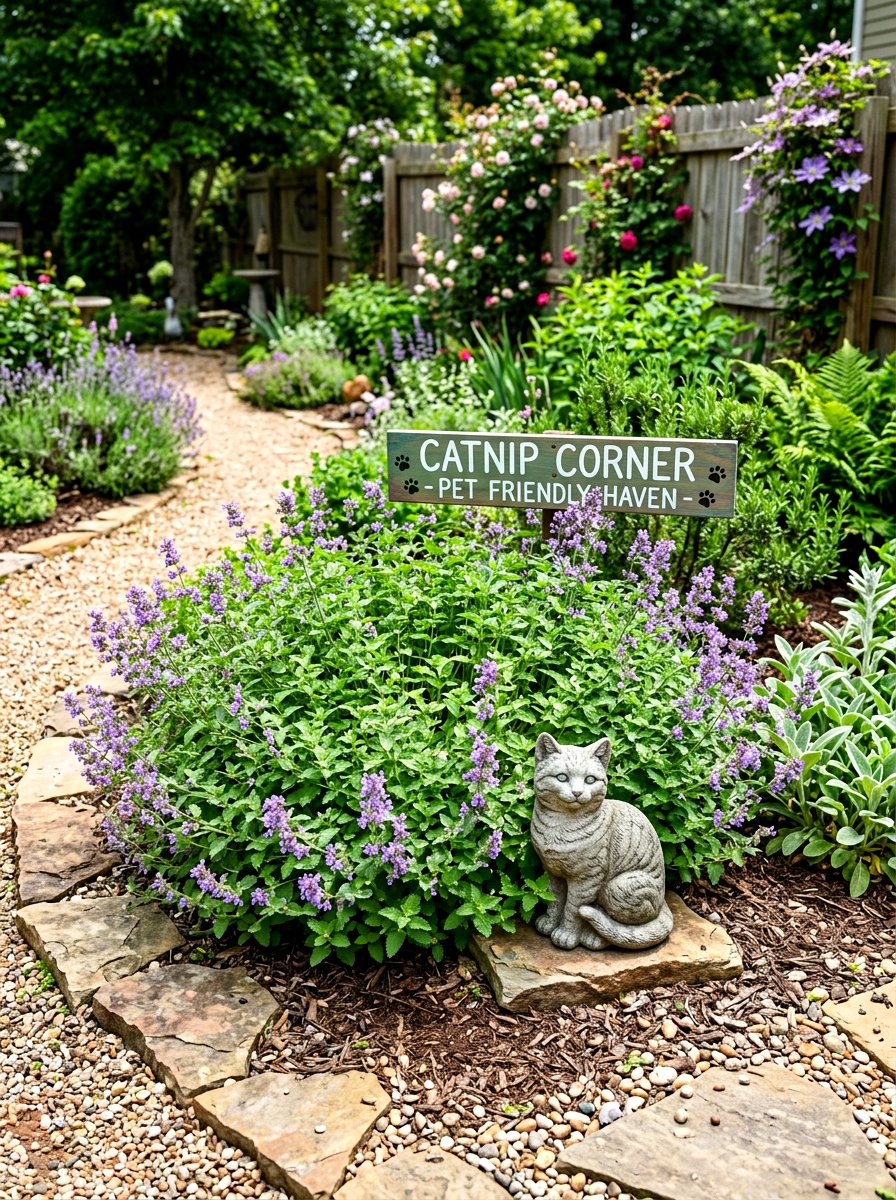
Designing a catnip sensory area is a fun way to incorporate plants that engage both humans and their feline friends. Catnip has soft, heart-shaped leaves with a slightly downy texture and a distinct minty, earthy aroma. While cats are famously attracted to its scent, humans can enjoy the plant for its pretty clusters of small purple or white flowers. It is a member of the mint family and is very easy to grow, often spreading to create a lush, fragrant patch. Placing this herb in a corner where pets can safely interact with it adds a playful, dynamic element to your overall sensory garden design.
29. Culinary Sage Silver Border
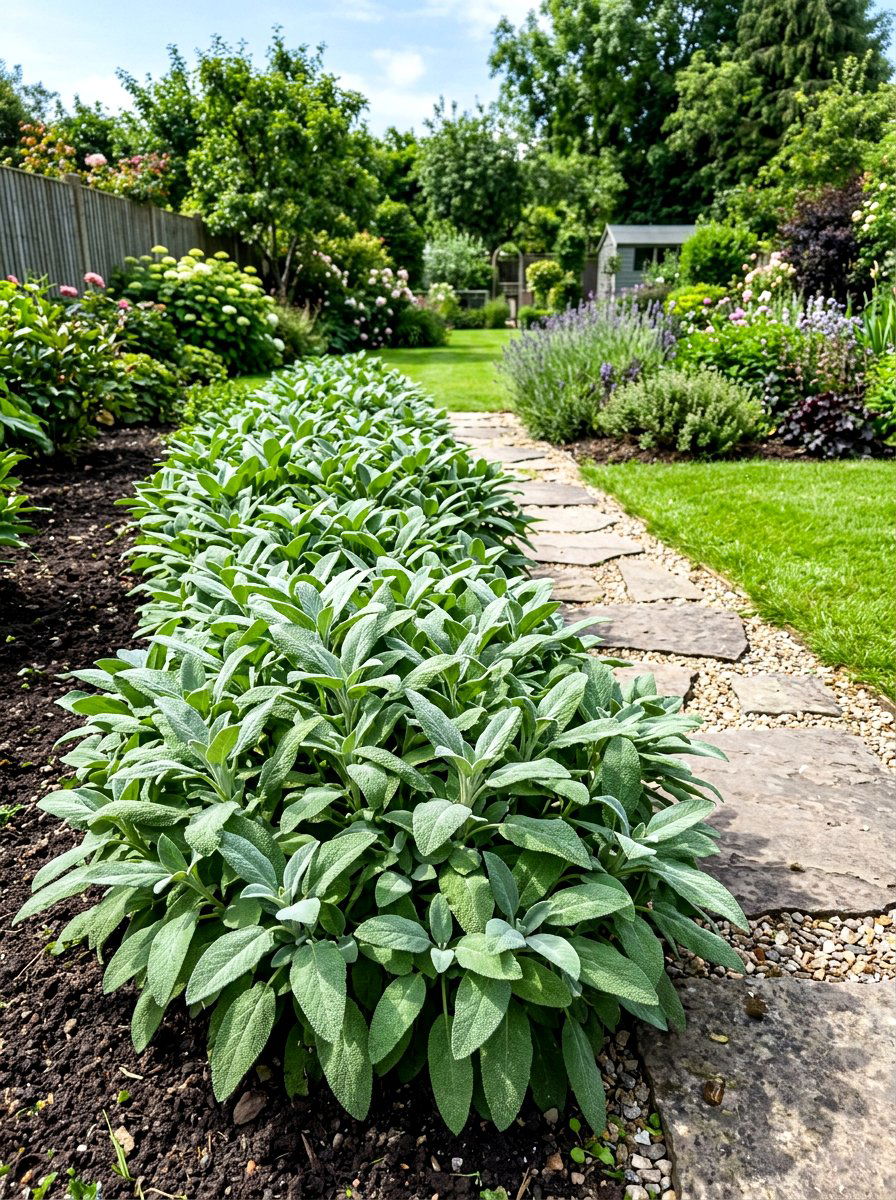
A culinary sage silver border provides a stunning visual contrast with its soft, pebbled, silvery-green leaves. Sage is one of the most tactile herbs, as the leaves have a unique wrinkled texture that feels substantial and slightly fuzzy to the touch. The muted, dusty color of the foliage makes it a perfect companion for brighter flowering plants, acting as a sophisticated neutral frame. When brushed, sage releases a warm, earthy, and slightly peppery scent that is deeply grounding. This herb is also evergreen in many climates, meaning it will continue to provide visual interest and fresh leaves for your kitchen throughout the winter months.
30. Lemon Balm Seating Nook
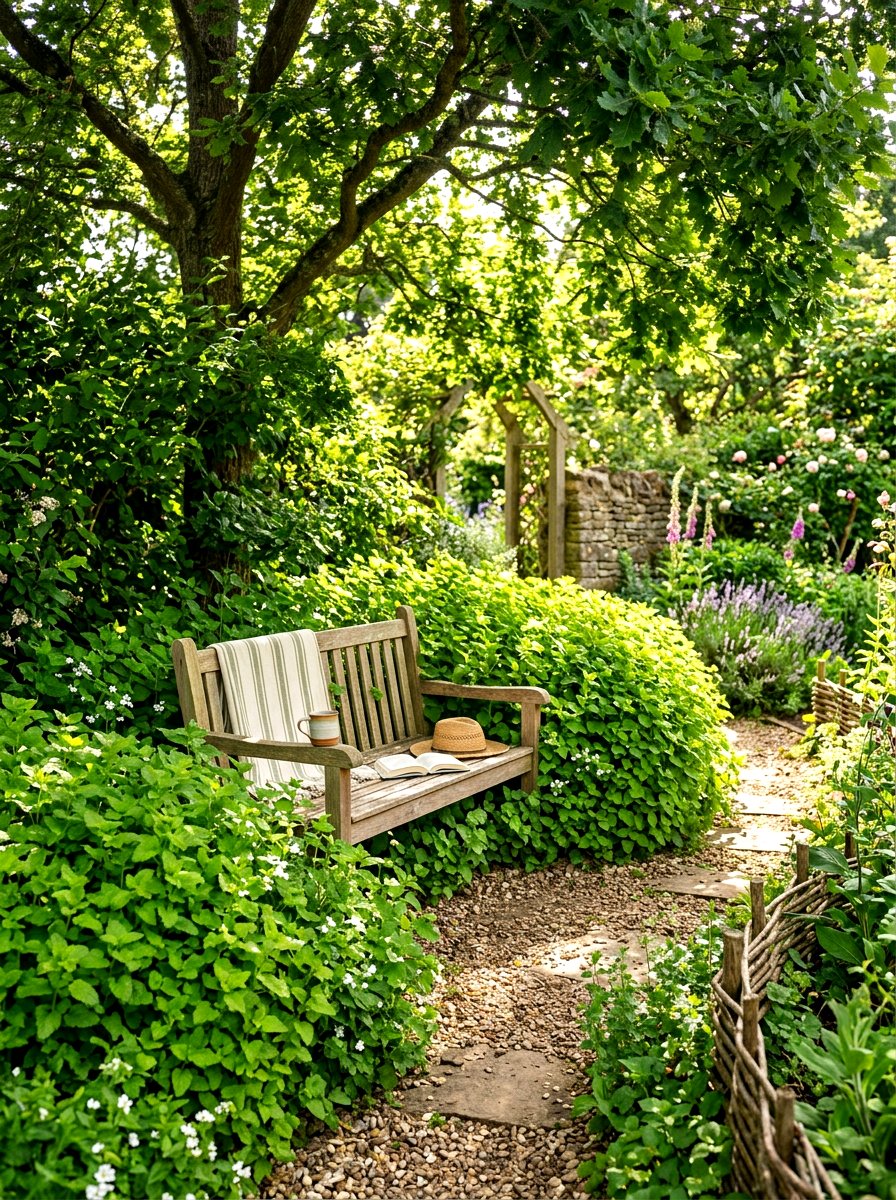
Creating a lemon balm seating nook involves planting this prolific herb around a bench or chair to surround yourself with its uplifting citrus scent. Lemon balm is known for its stress-relieving properties, making it the perfect plant to have near a place of rest. Its bright green, heart-shaped leaves are soft and slightly hairy, releasing a burst of sweet lemon fragrance whenever they are touched. This herb grows quickly and creates a lush, full appearance that makes any corner feel like a hidden sanctuary. You can also pluck a few leaves to drop into a glass of water for a refreshing and aromatic summer drink.
Conclusion:
Building a sensory herb garden is a deeply rewarding project that transforms your outdoor environment into a living gallery of textures, scents, and flavors. By thoughtfully selecting herbs like lavender for its calming aroma, lambs ear for its velvety touch, and borage for its vibrant blue beauty, you create a space that nourishes the soul. These gardens serve as therapeutic retreats that encourage mindfulness and a closer connection to the natural world. Whether you have a vast landscape or a simple collection of patio pots, the integration of sensory elements ensures your garden is an engaging and memorable experience for everyone who enters.

Related posts: