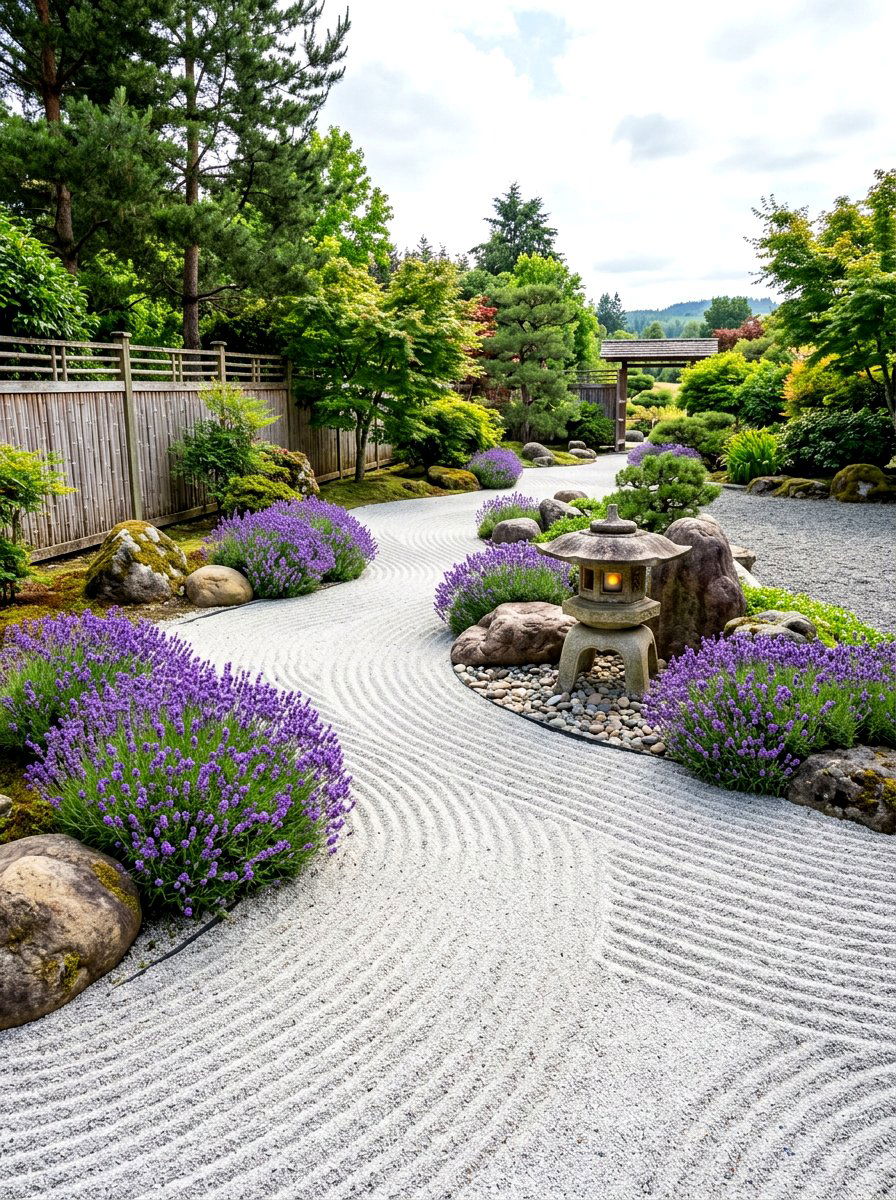
Imagine the luxury of stepping into your own backyard to harvest fresh, aromatic leaves for a morning brew. A tea herb garden is more than just a functional space; it is a sensory sanctuary that blends aesthetic beauty with wellness. Whether you have a sprawling estate or a tiny apartment balcony, growing your own tea ingredients allows you to control the quality and freshness of every cup. From the calming scent of lavender to the zingy kick of fresh peppermint, these gardens offer endless possibilities for custom blends. This guide explores creative ways to integrate tea-focused greenery into your home landscape seamlessly and beautifully.
1. Culinary Tea Herb Garden
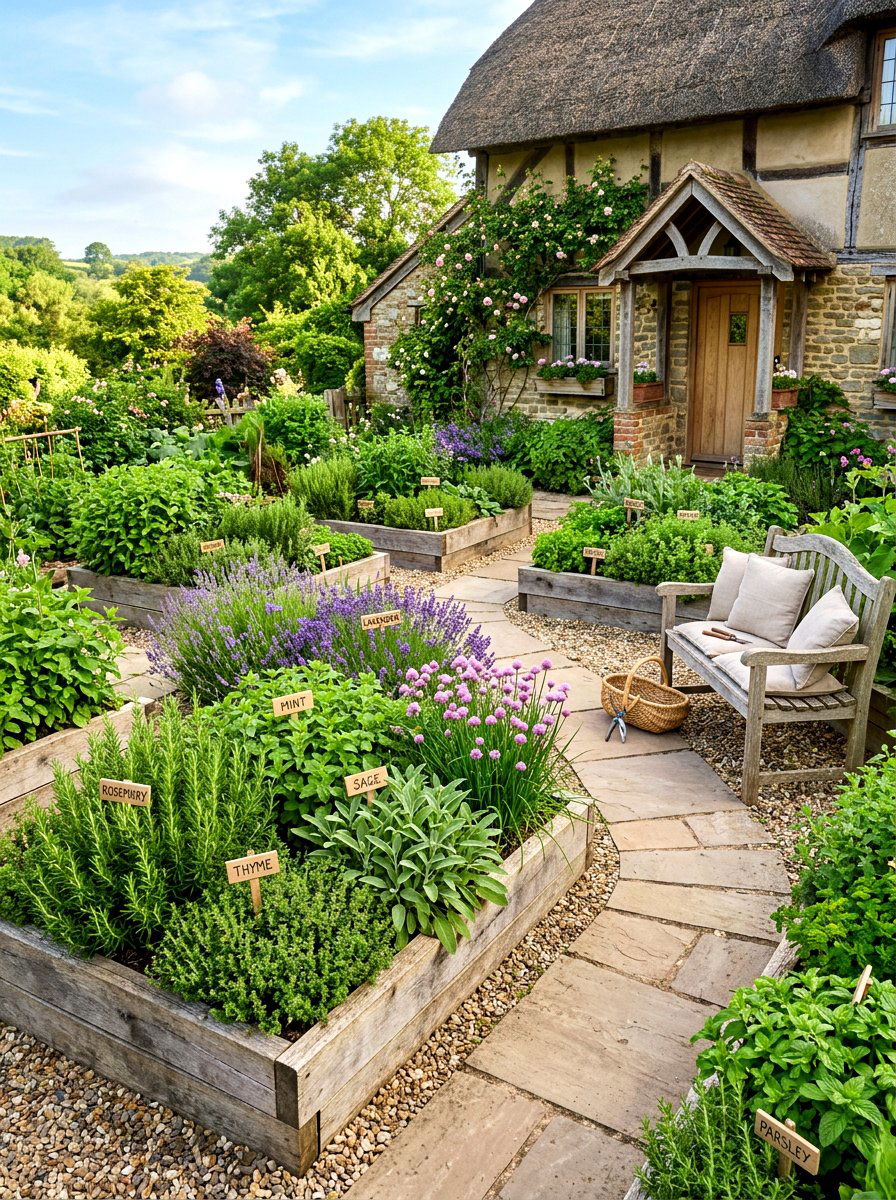
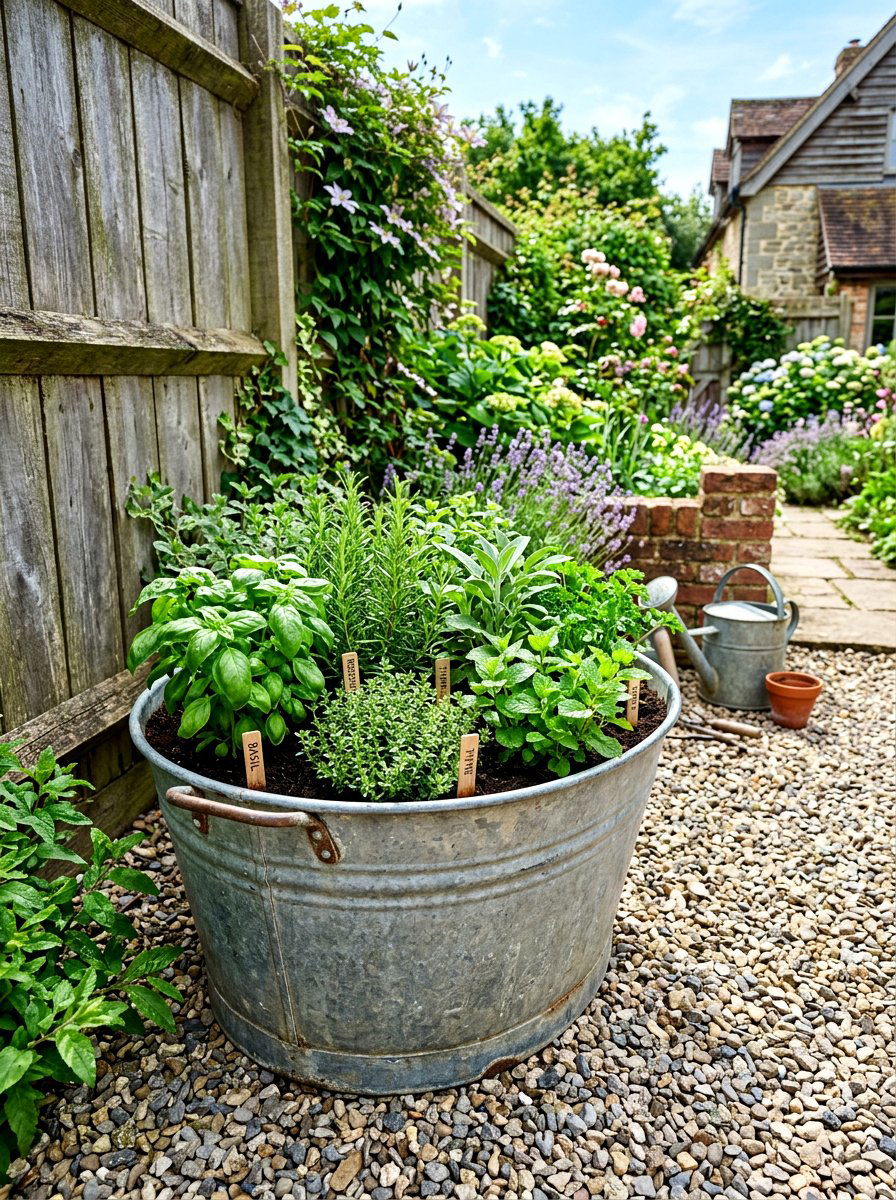
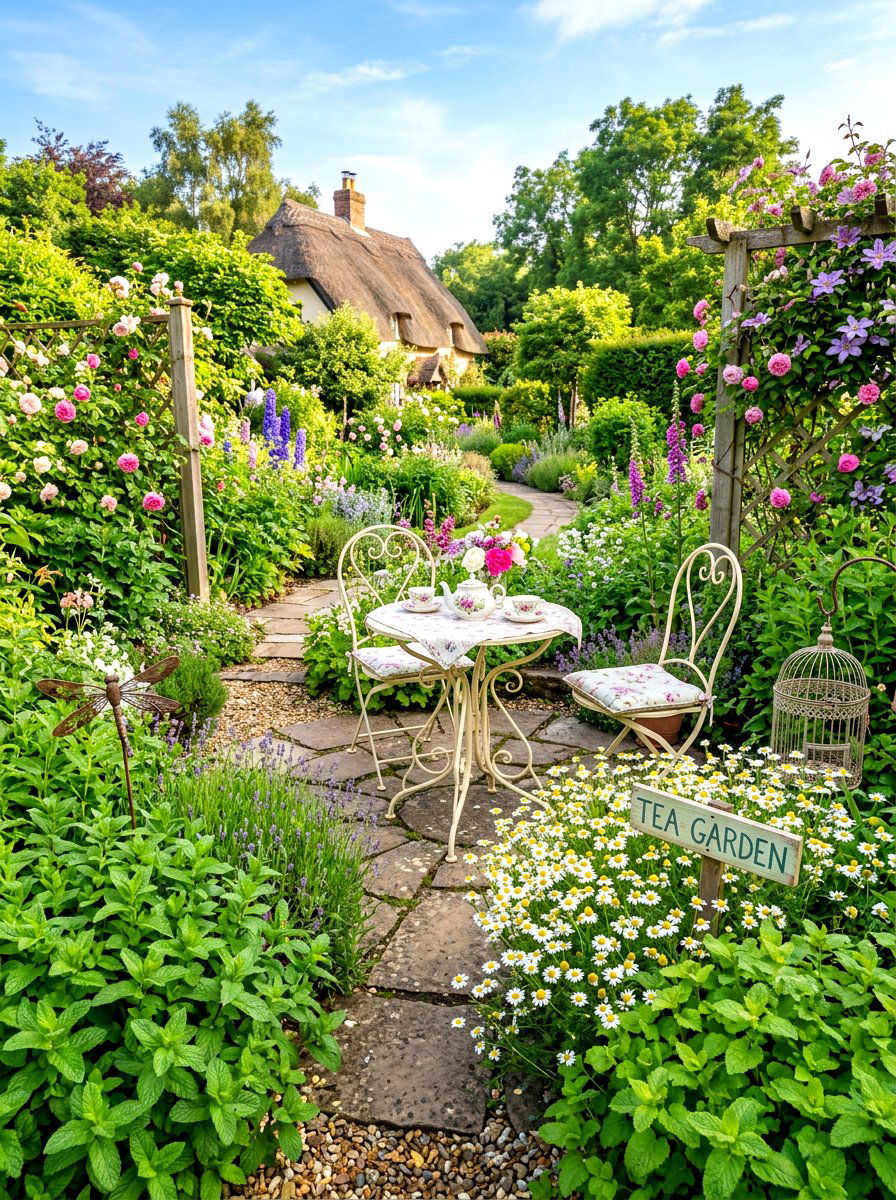
Have you ever considered how a dedicated space for tea herbs can transform your daily ritual? A culinary tea herb garden is designed to house a variety of flavors in one cohesive, accessible location. You can arrange this garden using a series of interlocking wooden boxes or a structured stone bed. By grouping together different textures like fuzzy sage, feathery fennel, and glossy lemon balm, you create a visual feast. Ensure the garden includes a small seating area where you can admire the growth while sipping your latest brew. This design focuses on variety, making it the perfect starting point for anyone looking to experiment with multiple herbal infusions.
2. Raised Bed Mint Garden
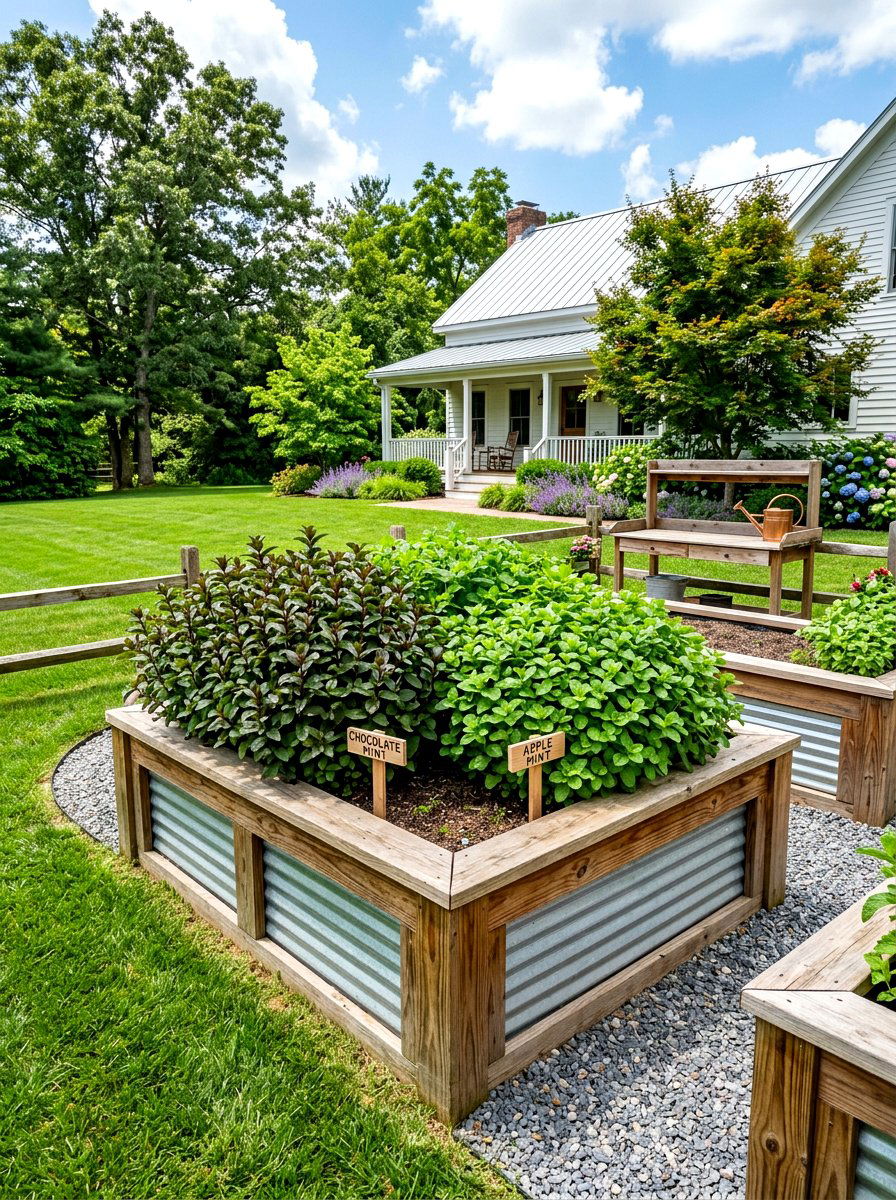
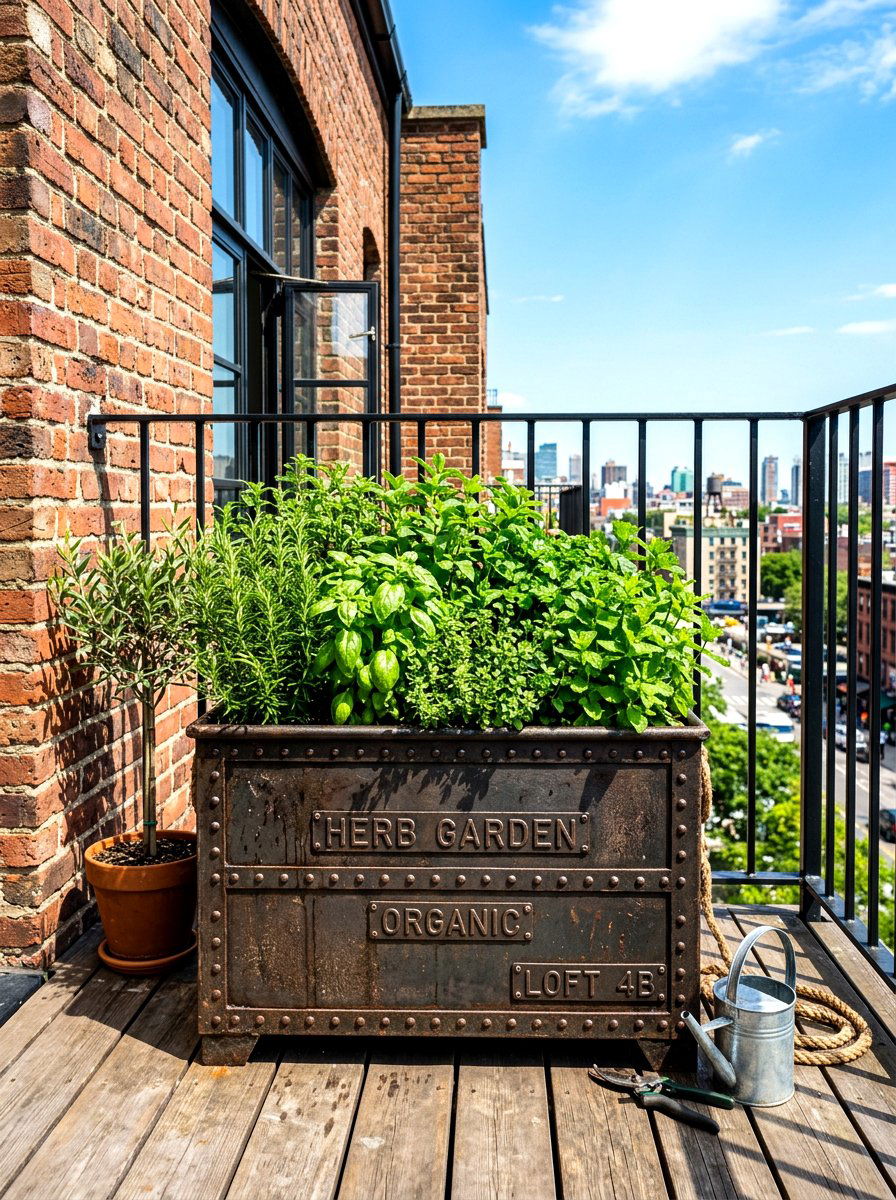
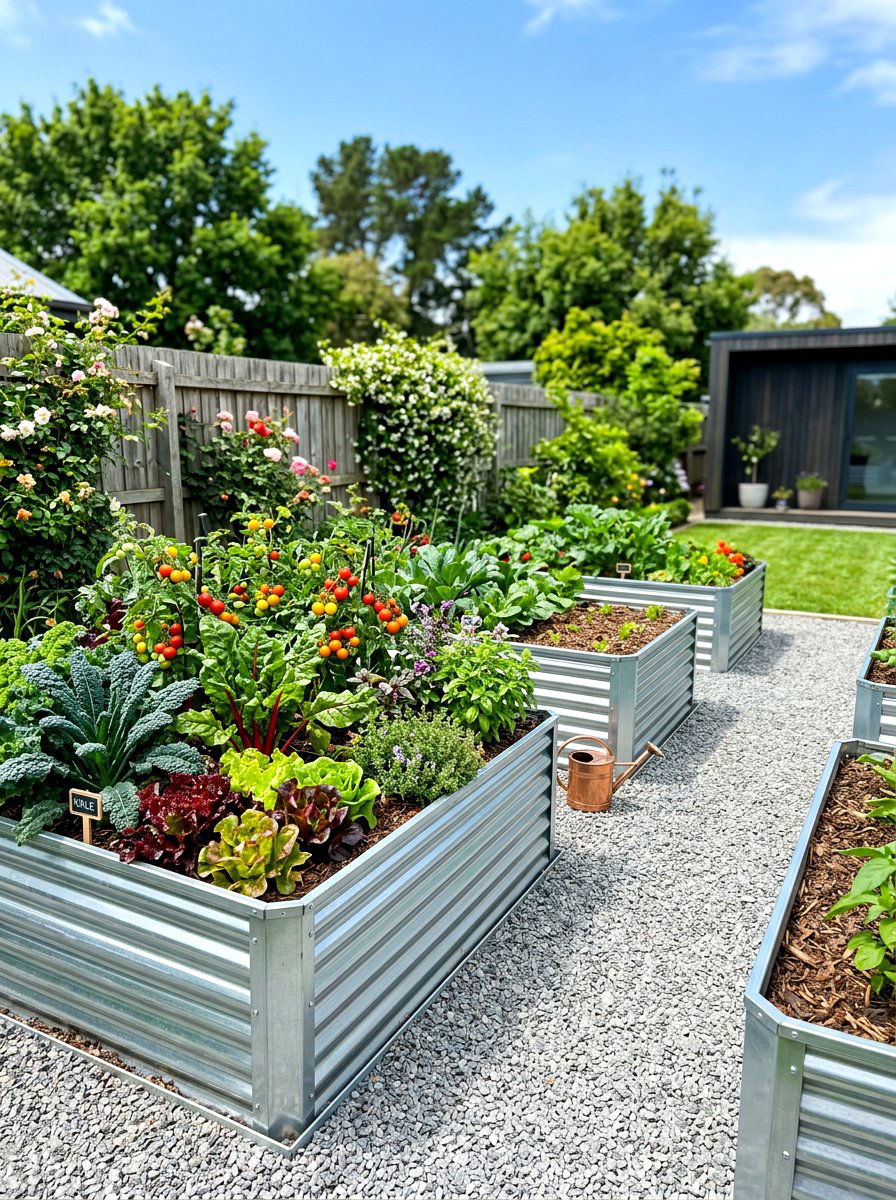
Do you worry about aggressive plants taking over your entire landscape? A raised bed mint garden is the ultimate solution for containing vigorous varieties while maintaining a tidy, professional look. By using cedar or corrugated metal beds, you can isolate various mint types such as chocolate, apple, and orange mint without them spreading into your lawn. These beds provide excellent drainage and allow for easier harvesting without constant bending. The height of the raised bed also adds a structural element to your backyard, acting as a green partition or focal point. This design ensures your tea supply is always abundant while keeping your outdoor space perfectly organized.
3. Chamomile Flower Bed
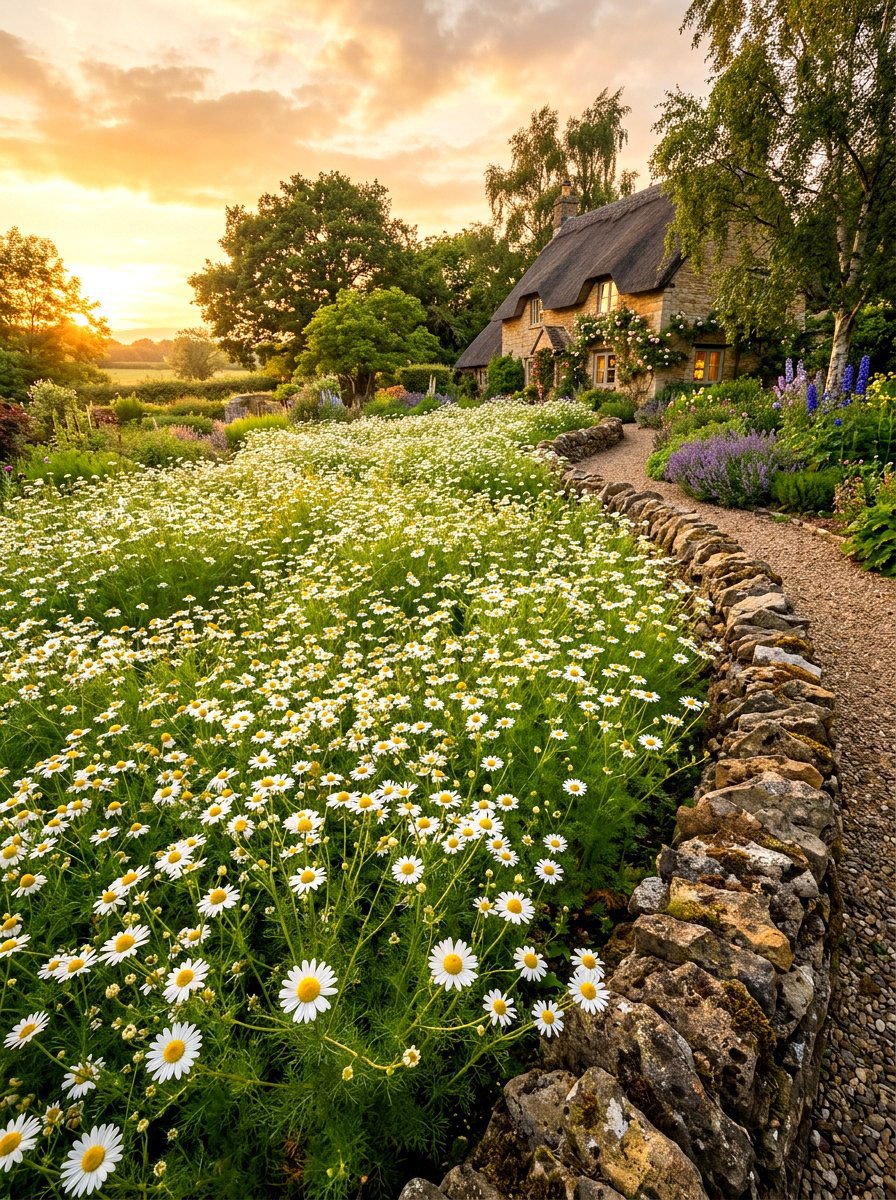
Is there anything more peaceful than a field of tiny, daisy-like blossoms swaying in the breeze? A chamomile flower bed creates a soft, whimsical aesthetic that fits perfectly in any cottage-style garden. These plants thrive in sunny spots and provide a dense carpet of feathery green foliage topped with white and yellow flowers. To create a full design, border your chamomile bed with low stone walls or rustic timber to keep the delicate stems protected. This layout not only offers a bountiful harvest for calming evening teas but also serves as a beautiful groundcover. It brings a touch of wild, natural charm to any home landscape or garden corner.
4. Lemon Verbena Garden
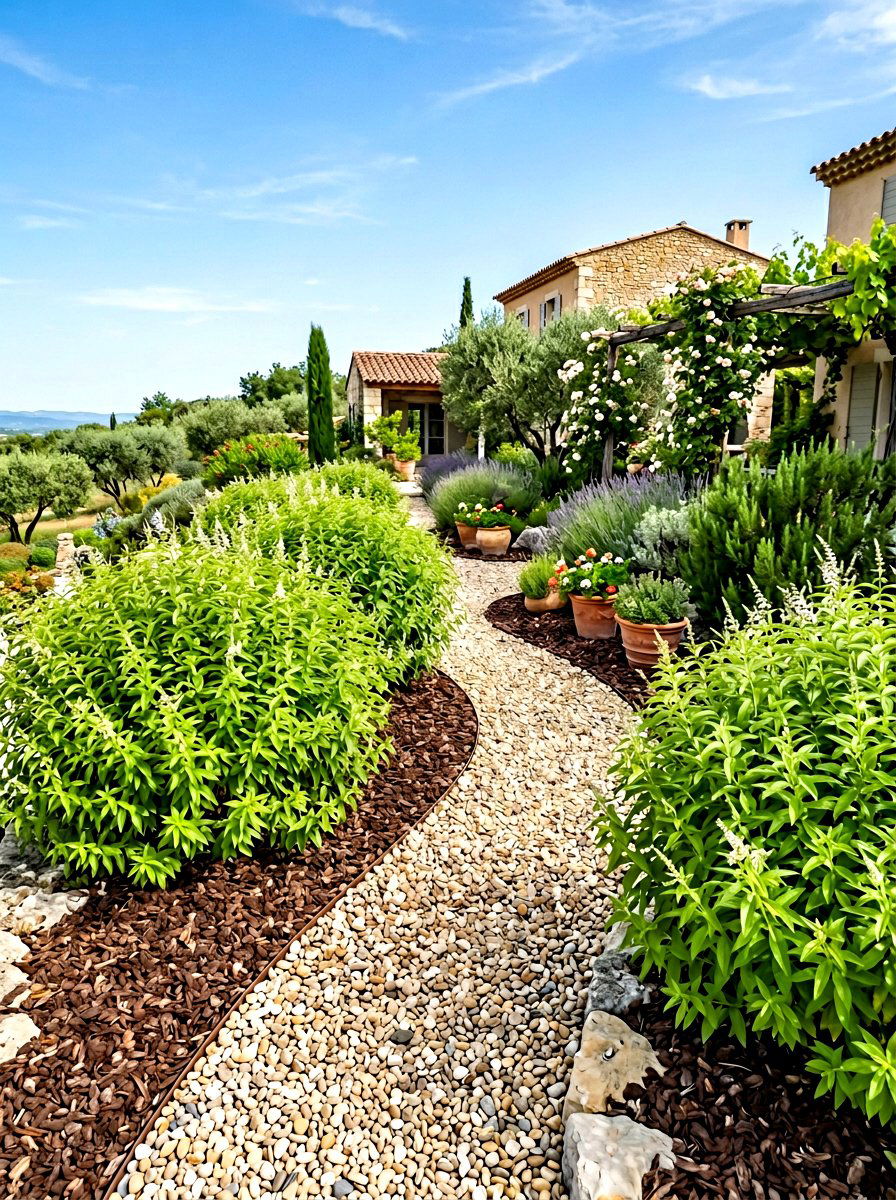
Imagine a corner of your yard filled with the sharp, refreshing scent of citrus every time you walk by. A lemon verbena garden focuses on this woody perennial as a central shrub, surrounded by complementary low-growing greens. Because lemon verbena can grow quite large, it works well as a background plant in a tiered garden bed. Pair it with dark green mulch and light-colored stones to make the bright lime-green leaves pop. This design provides a structural height to your garden while offering a heavy yield of leaves for brewing. It is an excellent choice for creating a fragrant, Mediterranean-inspired outdoor space that feels like a private retreat.
5. Lavender Garden Path
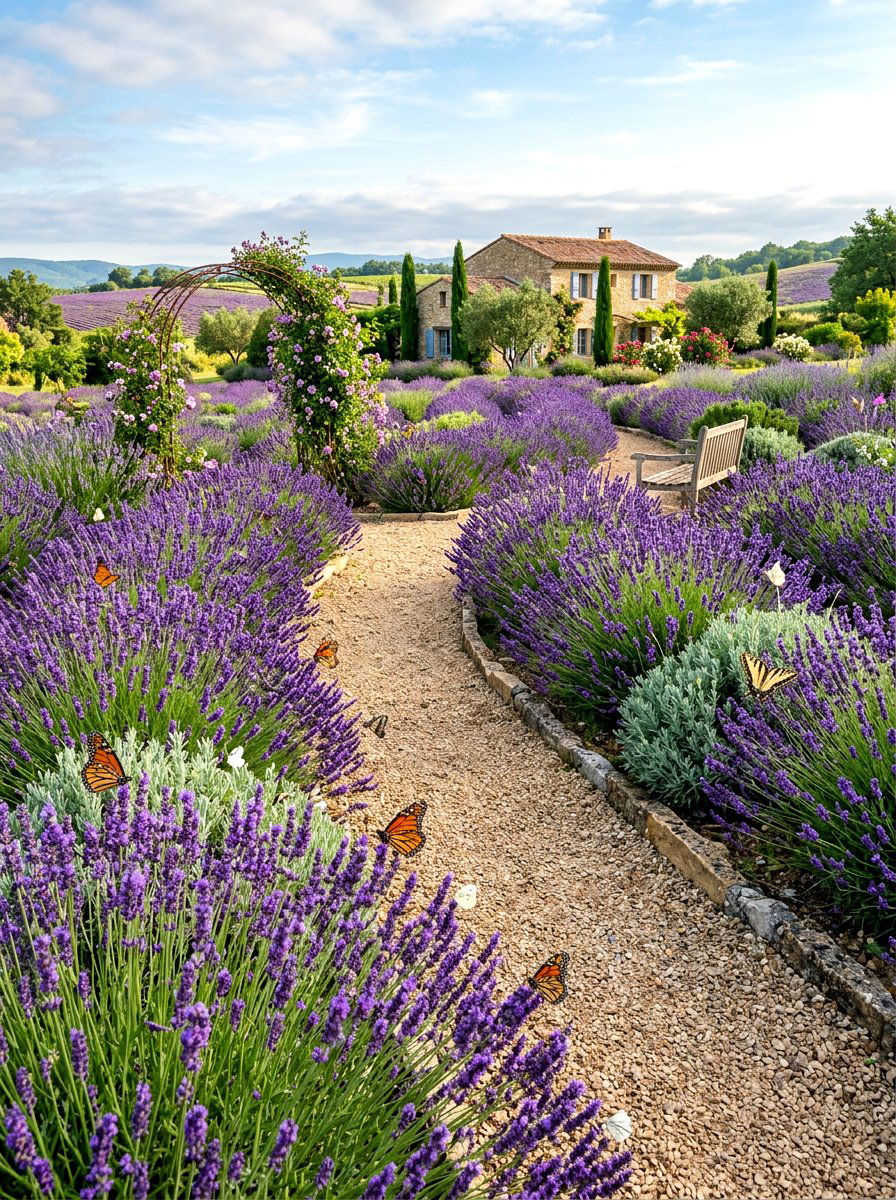
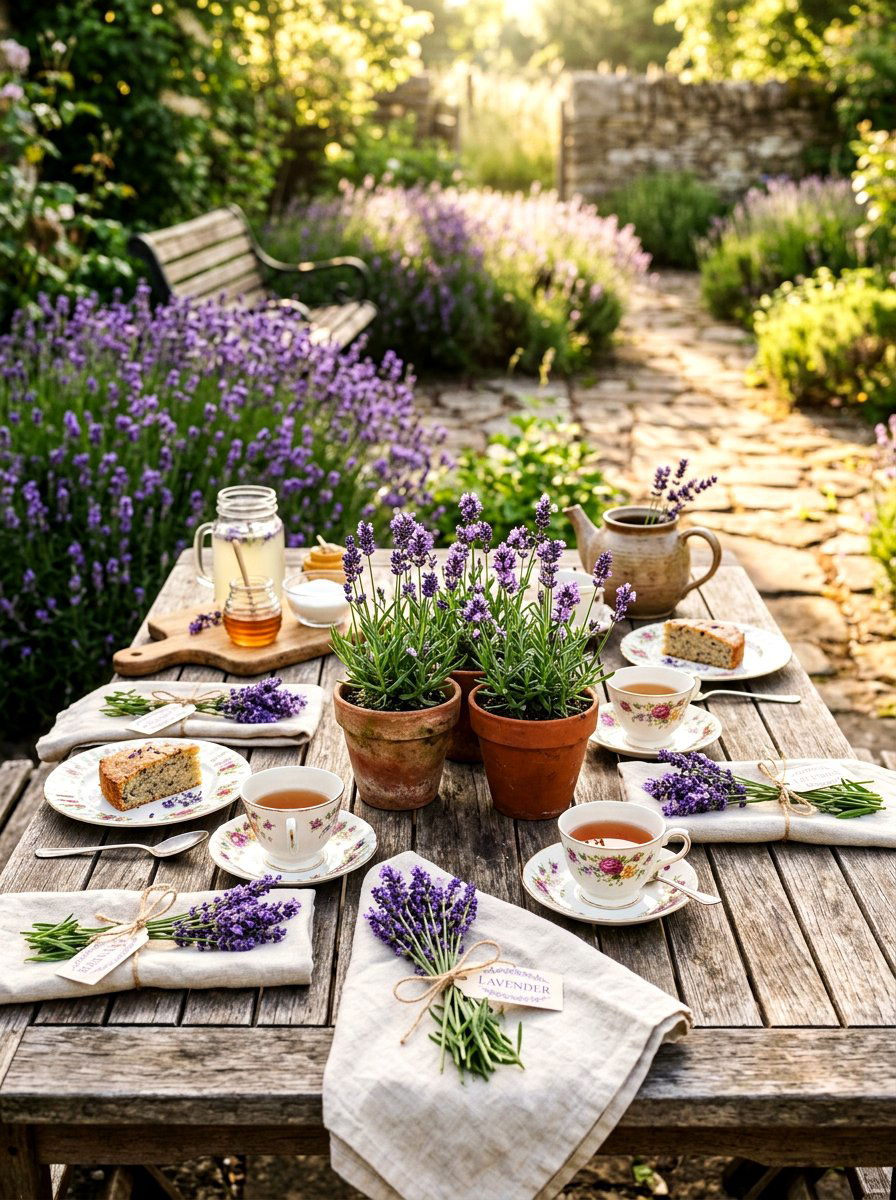
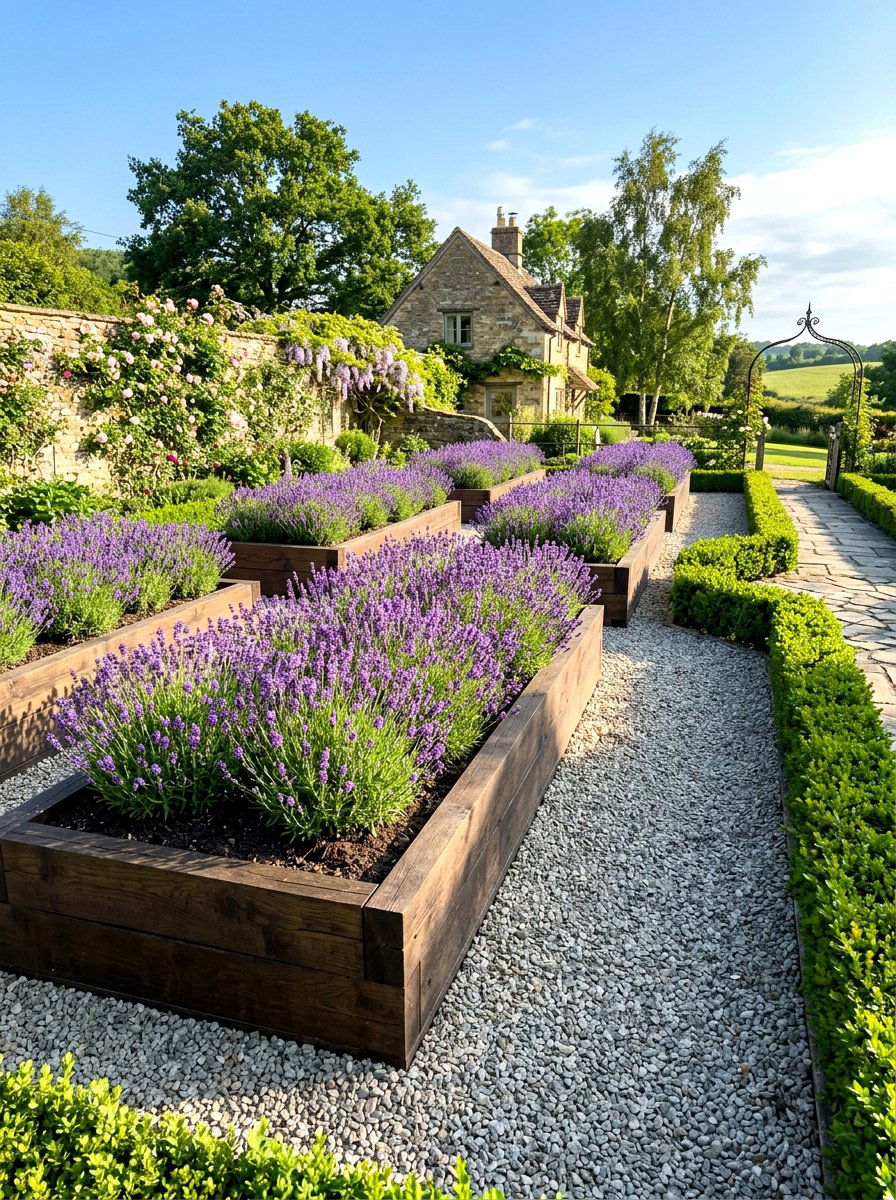
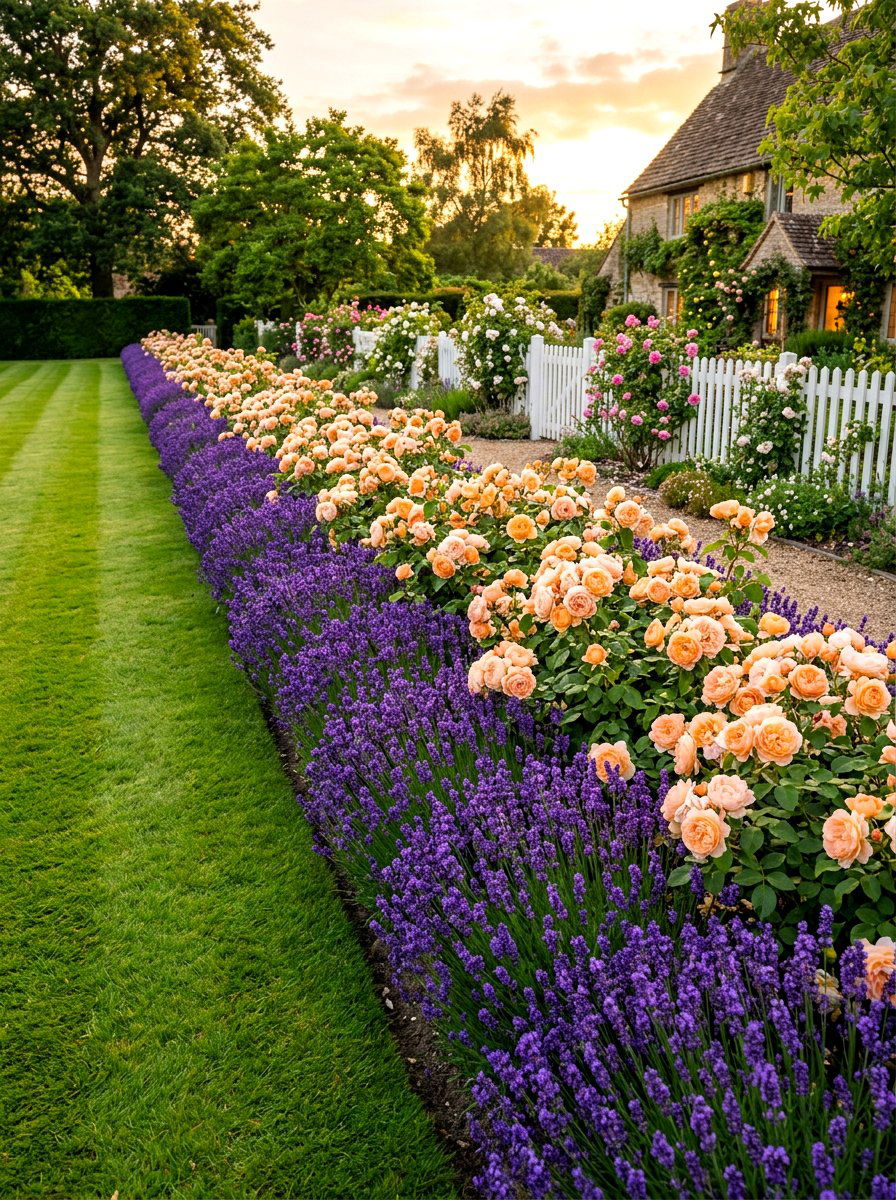
Can you picture a walkway that greets you with a soothing fragrance every single morning? A lavender garden path is a classic design choice that combines utility with immense sensory appeal. By planting hardy lavender varieties along both sides of a stone or gravel walkway, you create a purple-hued corridor that attracts pollinators. This layout allows you to brush against the plants as you walk, releasing their essential oils into the air. The silver-green foliage provides year-round interest even when the flowers are not in bloom. This design anchors the entire garden, providing a structured yet soft transition between different areas of your outdoor living space.
6. Vertical Herb Garden
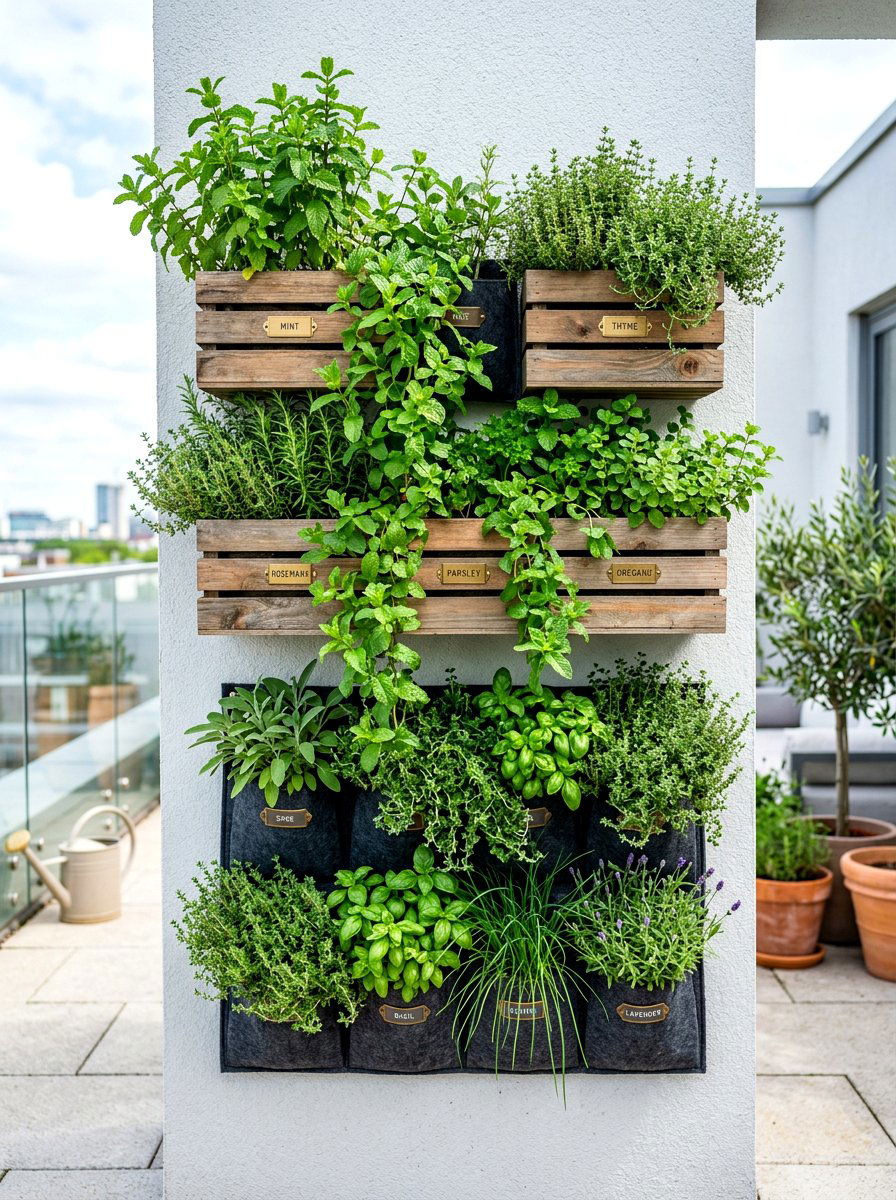
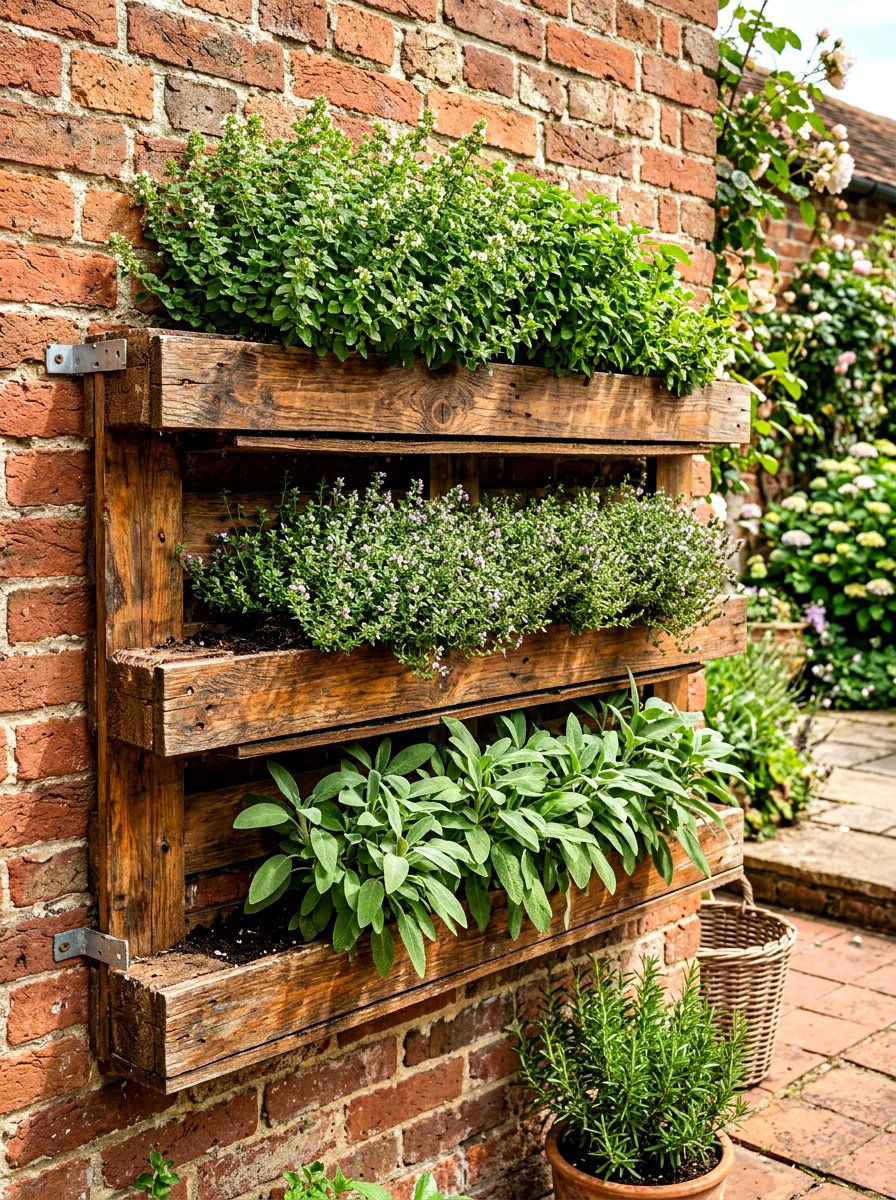
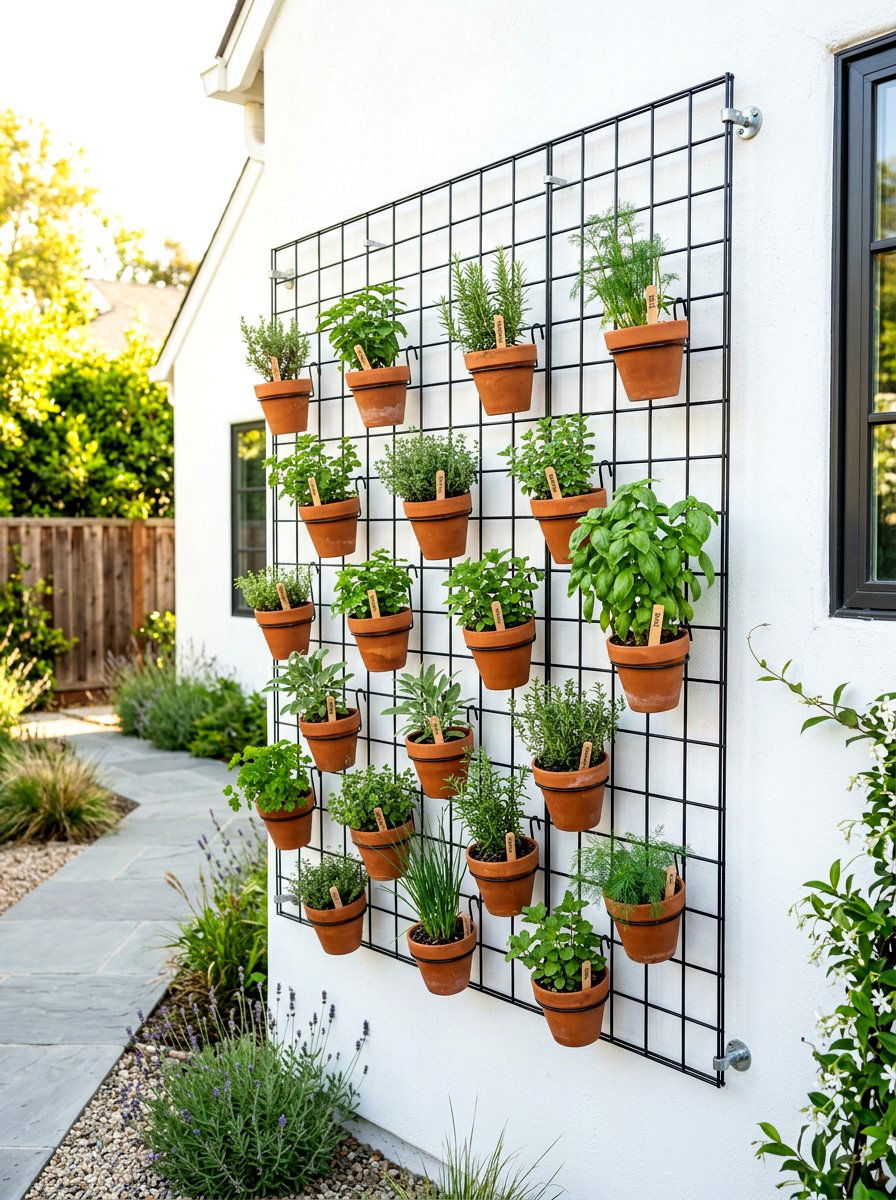
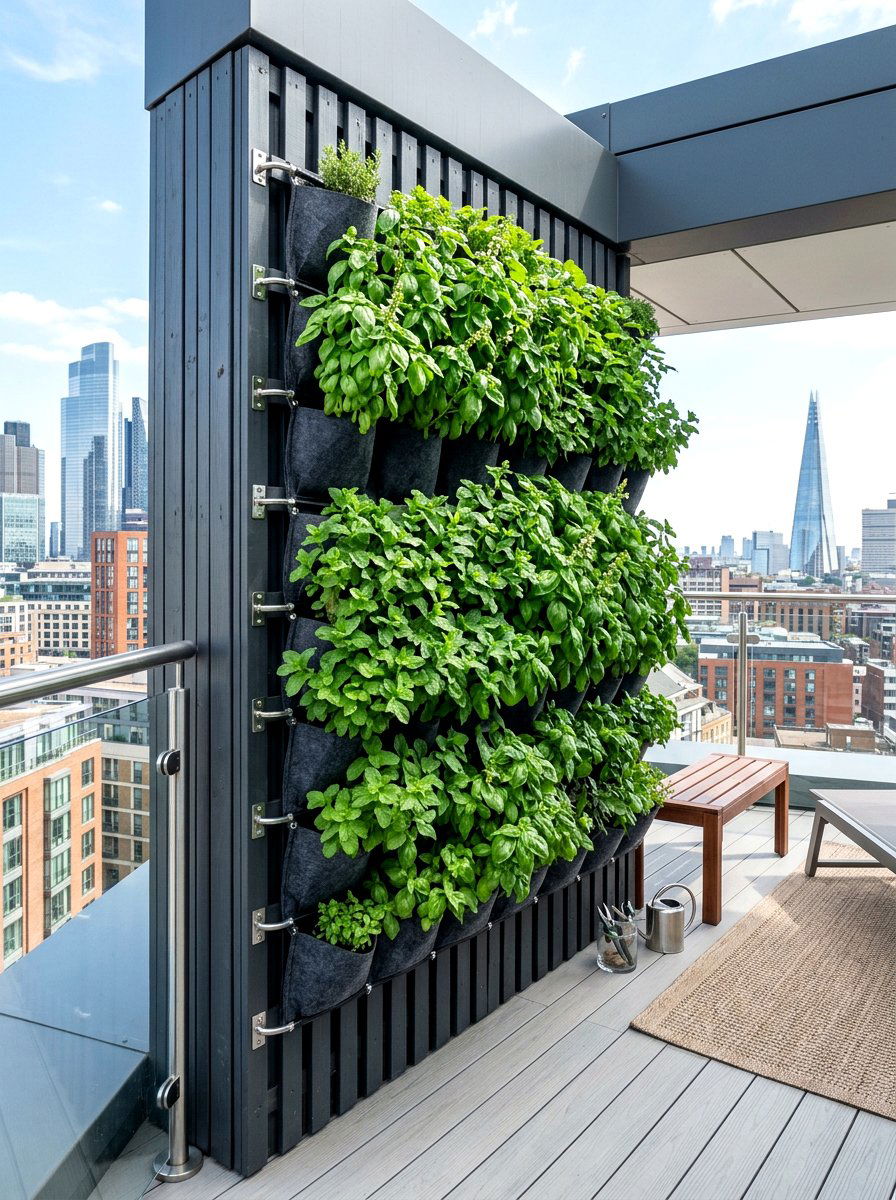
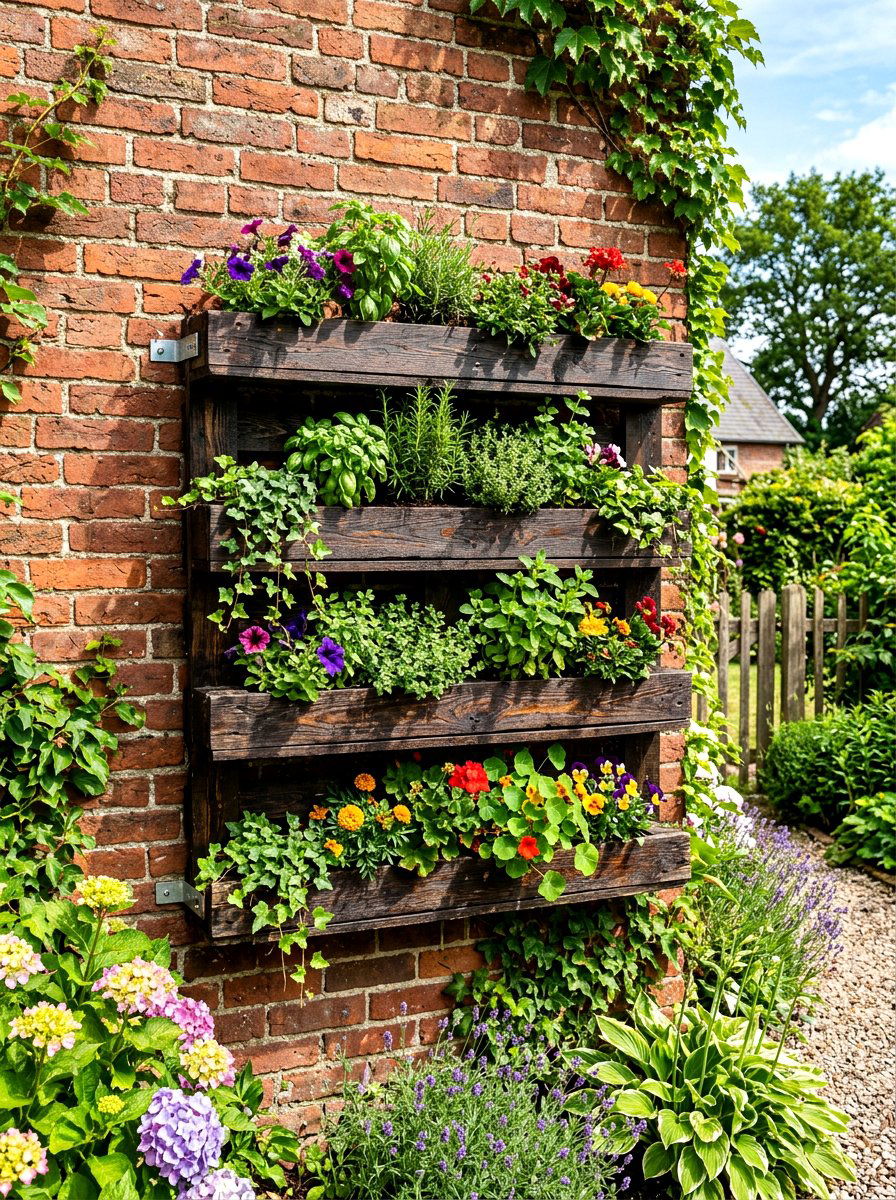
Are you dealing with a small balcony or a compact patio that lacks floor space? A vertical herb garden is the perfect modern solution for urban tea lovers. By mounting wooden crates or specialized felt pockets on a sunny wall, you can grow a lush tapestry of tea herbs like thyme and peppermint. This design turns a blank wall into a living piece of art that is both functional and beautiful. Use a drip irrigation system to keep the plants hydrated without the mess of manual watering. This vertical approach maximizes your growing area while creating a striking focal point that brings fresh greenery right to your eye level.
7. Stevia Container Garden
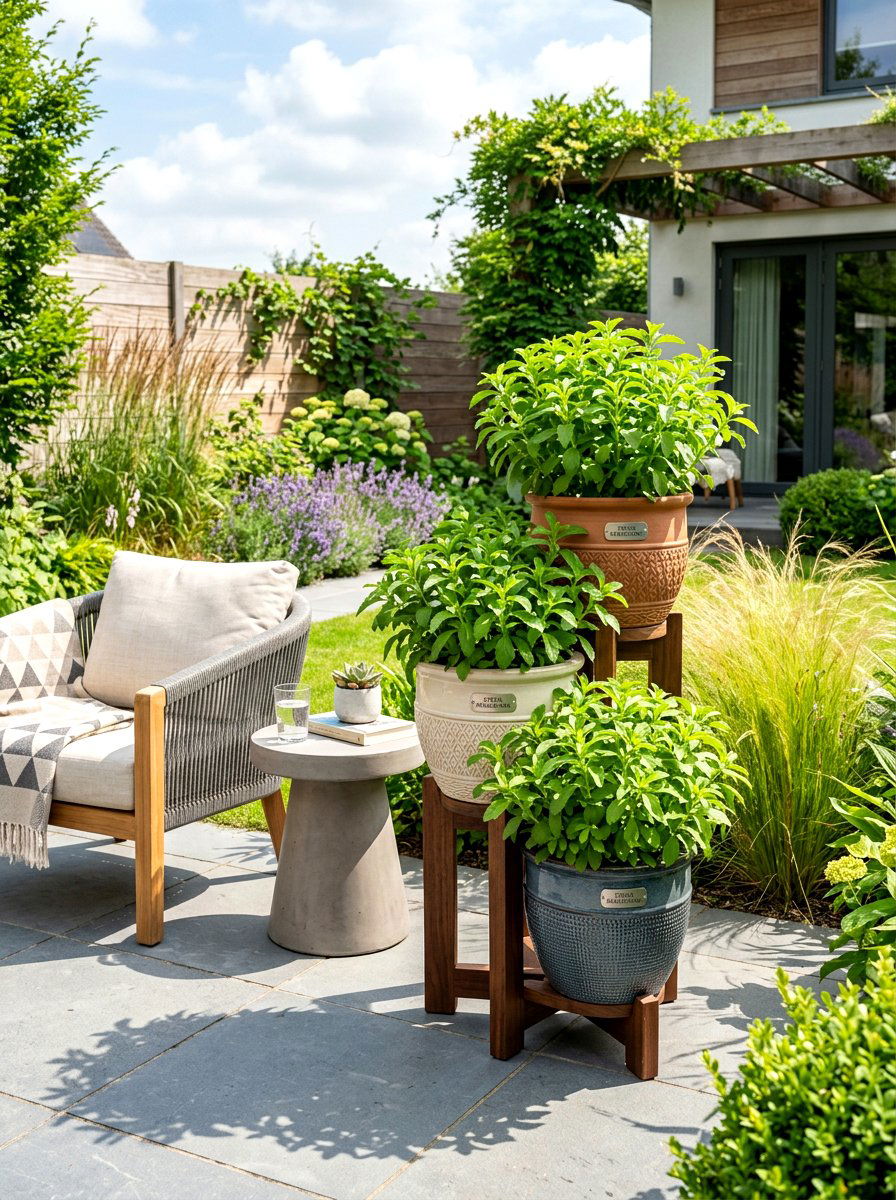
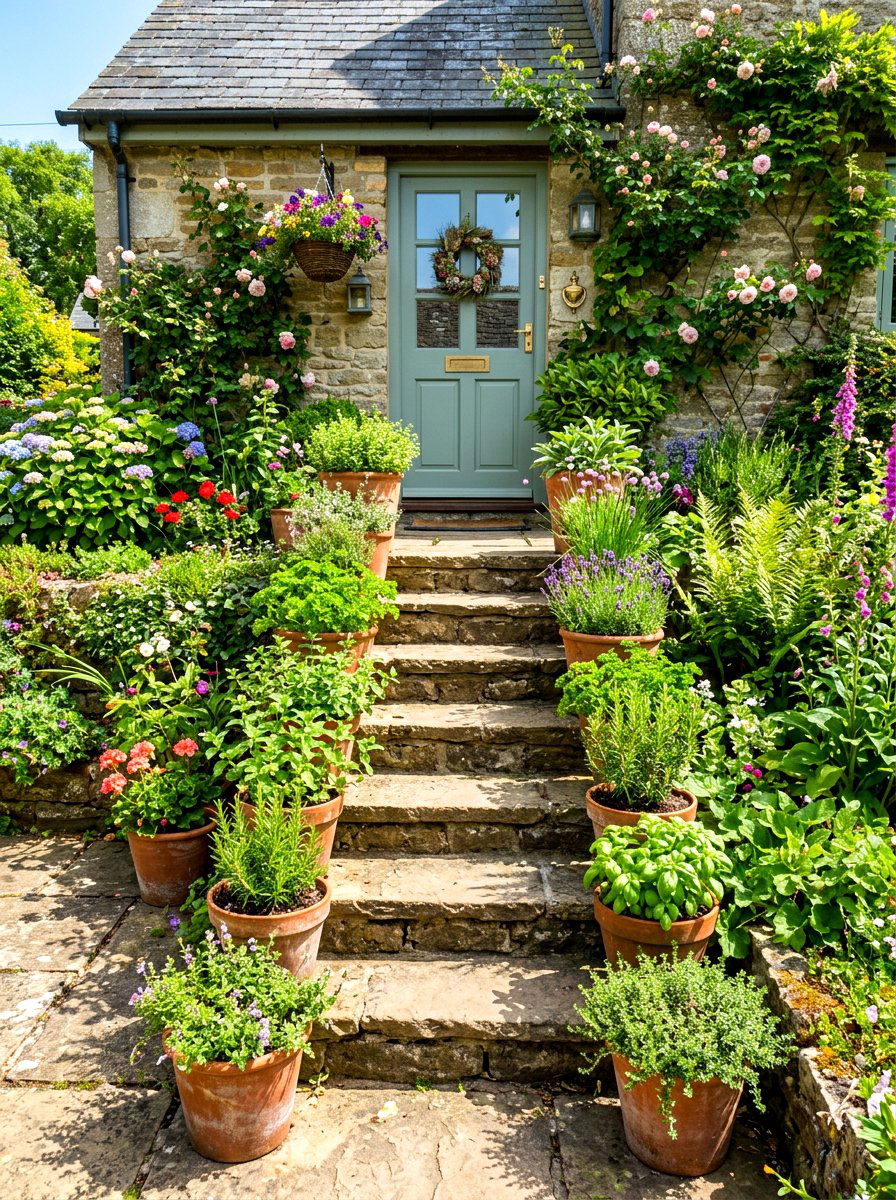
Do you want a natural way to sweeten your tea without reaching for processed sugar? A stevia container garden focuses on this incredible sweet leaf, paired with other decorative pots to create a tiered display. Stevia thrives in large ceramic or terracotta pots, which can be moved around to catch the best sunlight. To create a full design, group several stevia pots with different heights of ornamental grasses or flowering herbs. This setup is ideal for patios or decks where you want a controlled environment for your sweetener. The vibrant green leaves of the stevia plant provide a lush, healthy look that complements any modern outdoor furniture.
8. Lemon Balm Border
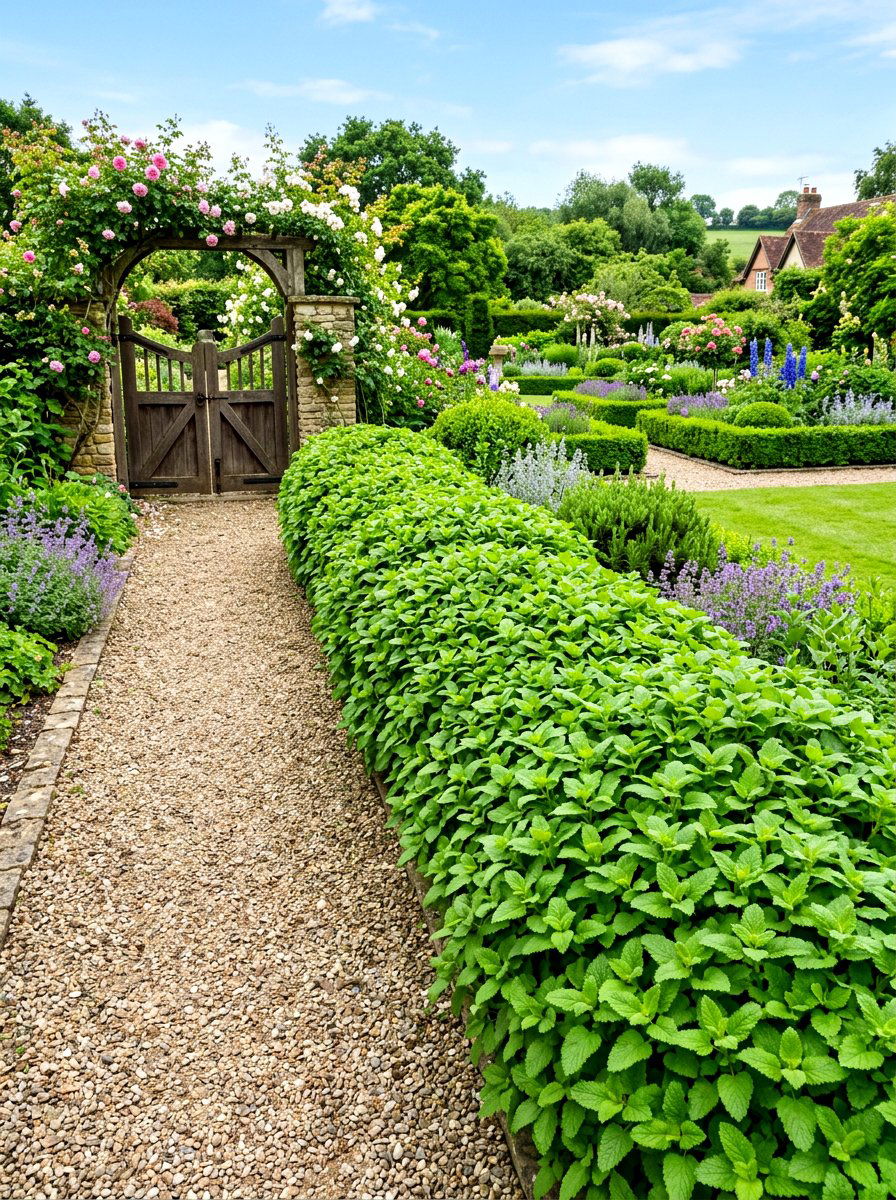
How can you define your garden spaces while also growing something useful for your kitchen? A lemon balm border uses this hardy, bushy herb to create natural edges around pathways or larger vegetable plots. Lemon balm is known for its rapid growth and bright, scalloped leaves that look wonderful in mass plantings. By using it as a border, you create a soft, green frame that smells like fresh lemons. This design helps suppress weeds and provides a consistent source of leaves for stress-relieving tea. The uniform look of a lemon balm edge brings a sense of order and intentionality to even the most casual backyard garden.
9. Kitchen Herb Garden
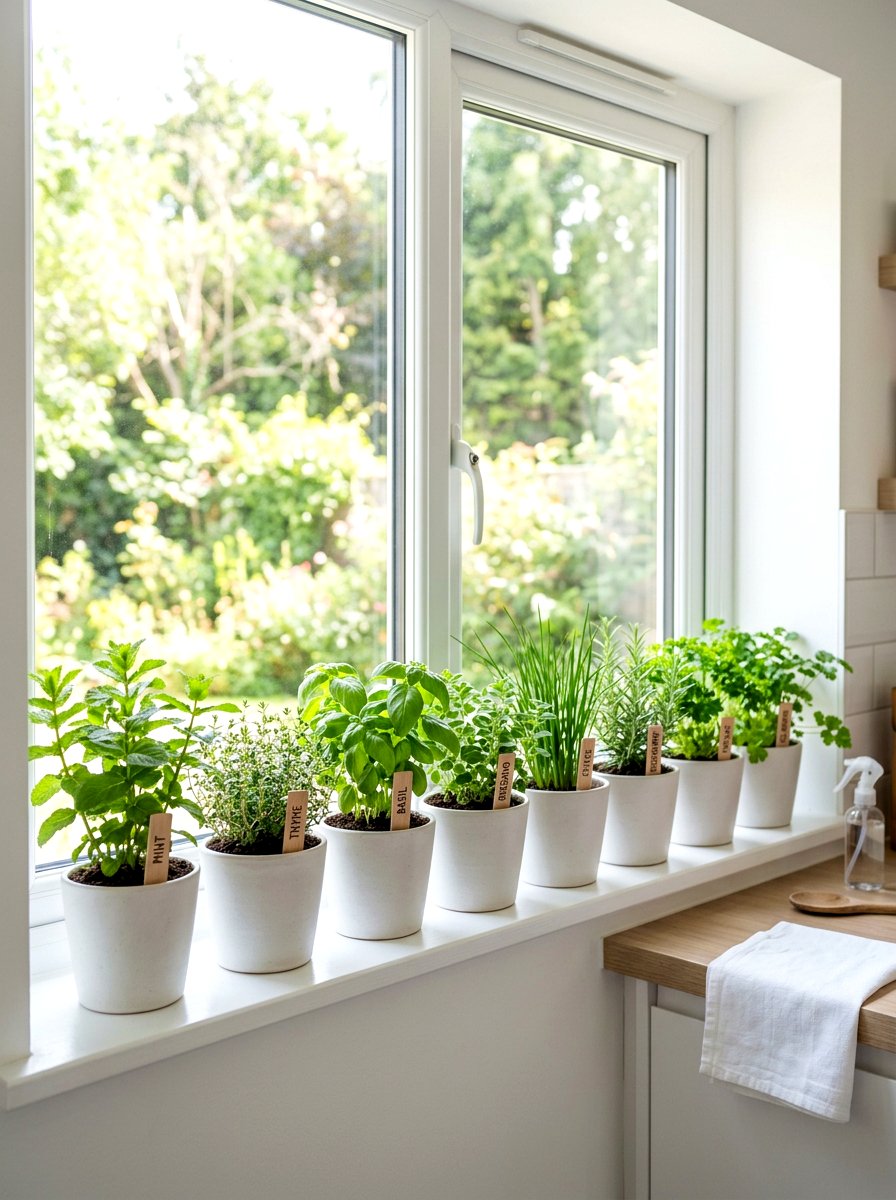
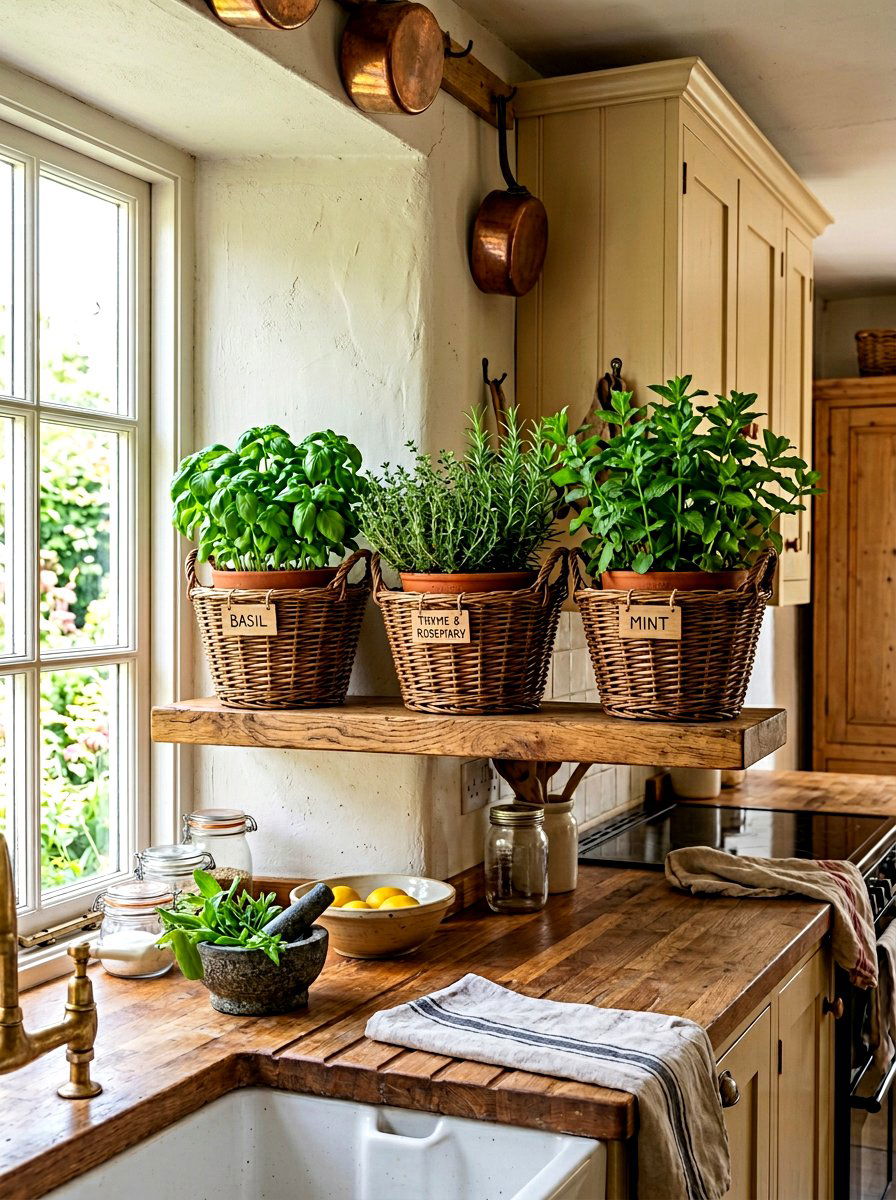
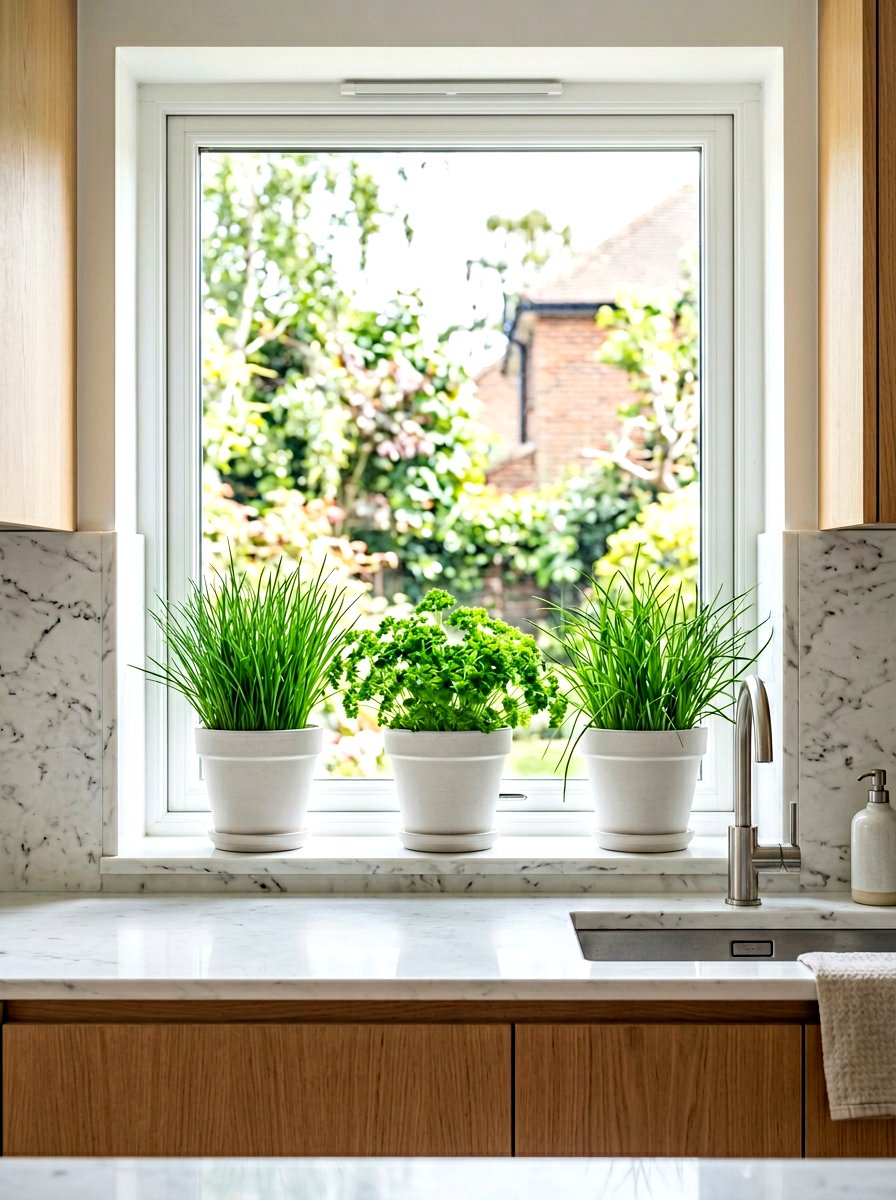
Imagine having the freshest tea ingredients just a few steps away from your kettle at all times. A kitchen herb garden is often situated on a windowsill or a small table right inside your home. This design uses uniform pots, perhaps in a sleek ceramic or modern metallic finish, to create a clean and organized look. Focus on herbs that stay relatively compact, such as globe basil or small mint varieties. This setup not only provides immediate access for brewing but also improves the indoor air quality and adds life to your decor. It is a practical and stylish way to keep your tea hobby alive year-round.
10. Rose Hip Garden
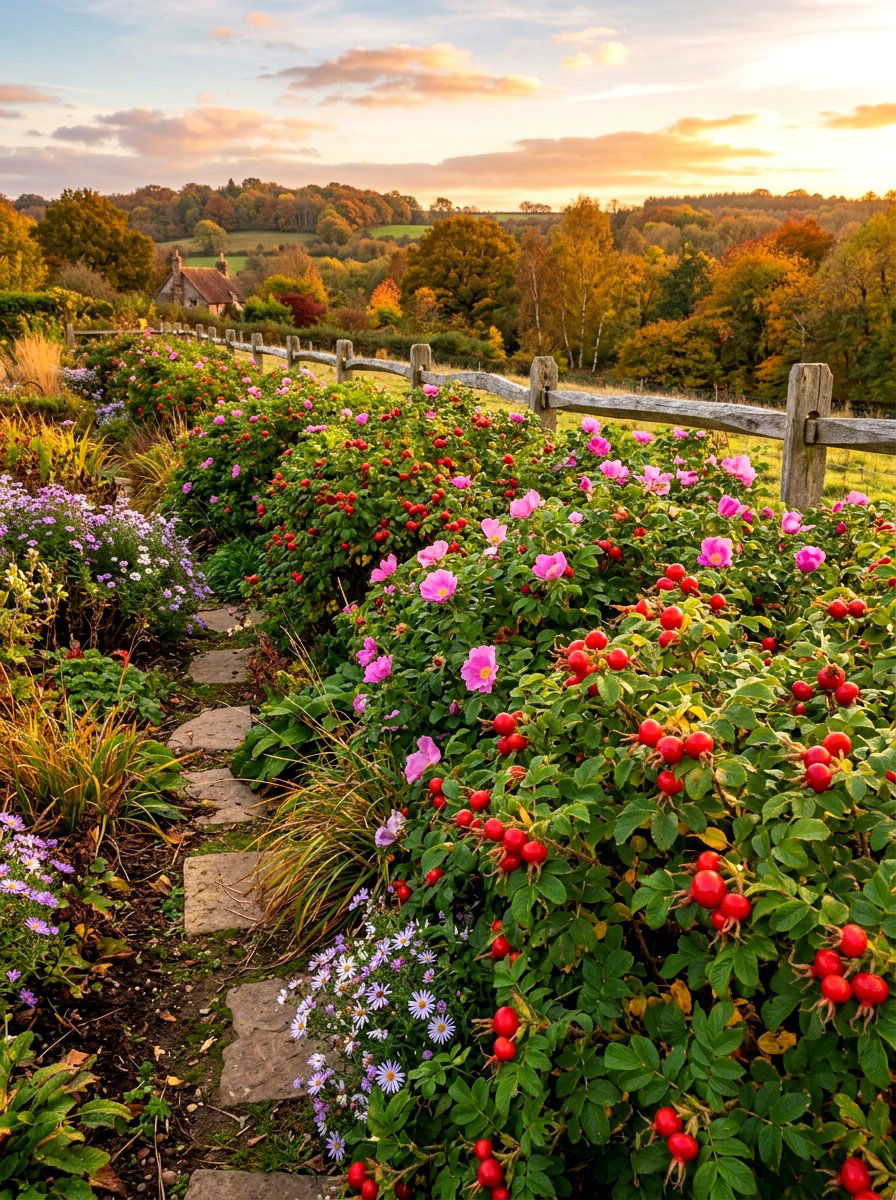
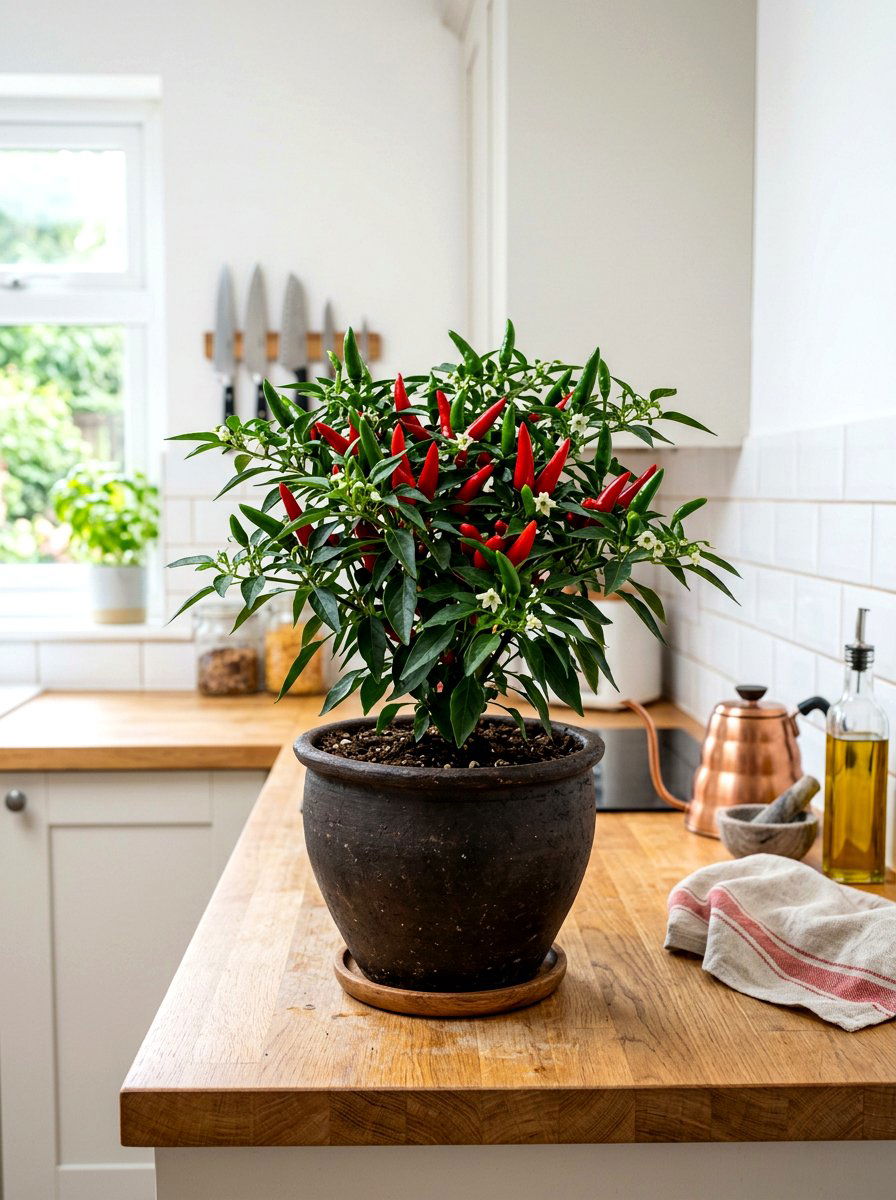
Have you ever thought about the architectural beauty of a wild rose hedge in your own yard? A rose hip garden features rugosa roses or other hardy varieties that produce large, vitamin-rich seed pods after flowering. These bushes act as a natural privacy screen or a thorny barrier that adds security and beauty to your property. During the summer, the garden is filled with fragrant blooms, followed by bright red hips in the autumn. This design provides a dramatic seasonal shift in color and texture. It is a fantastic way to incorporate edible landscaping into your home, offering a unique ingredient for tart, fruity herbal teas.
11. Echinacea Garden
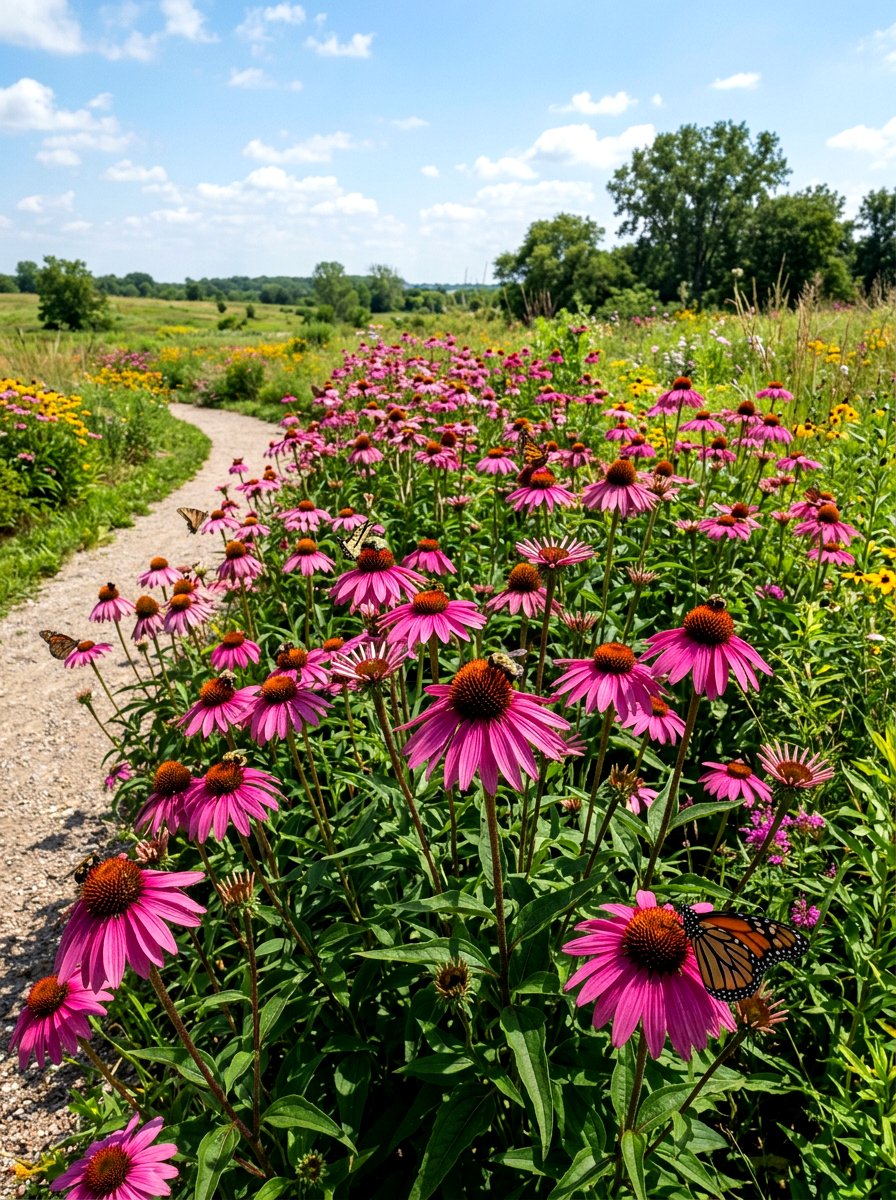
Does your garden need a splash of bold color that also serves a medicinal purpose? An echinacea garden focuses on these tall, striking coneflowers as a central feature in a perennial bed. With their bright pink petals and prominent centers, they attract butterflies and bees, turning your yard into a lively ecosystem. Design this area with staggered heights, placing the echinacea behind shorter herbs like thyme or chamomile. The dried petals and roots are famous for their immune-boosting properties in tea. This design combines the rugged beauty of wildflowers with the organized structure of a home garden, creating a vibrant and purposeful outdoor sanctuary.
12. Calendula Flower Bed
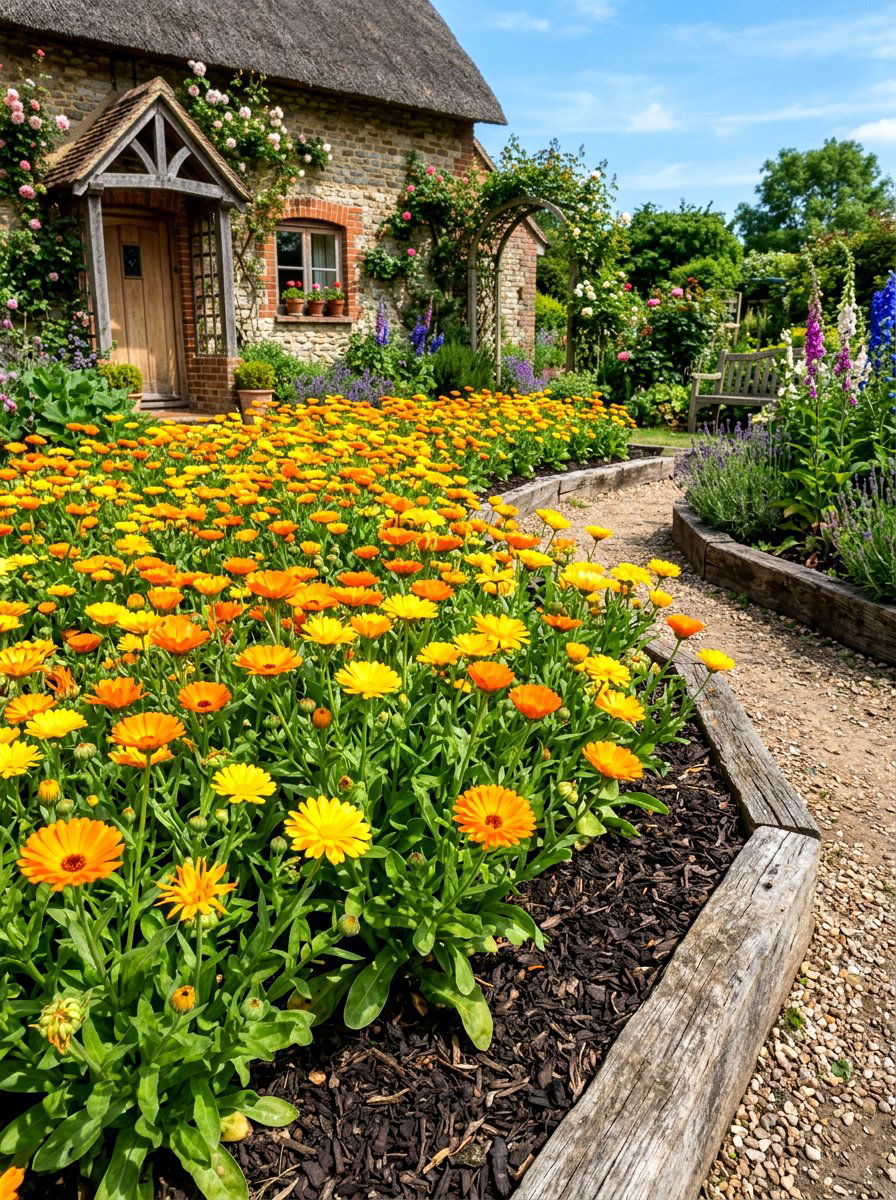
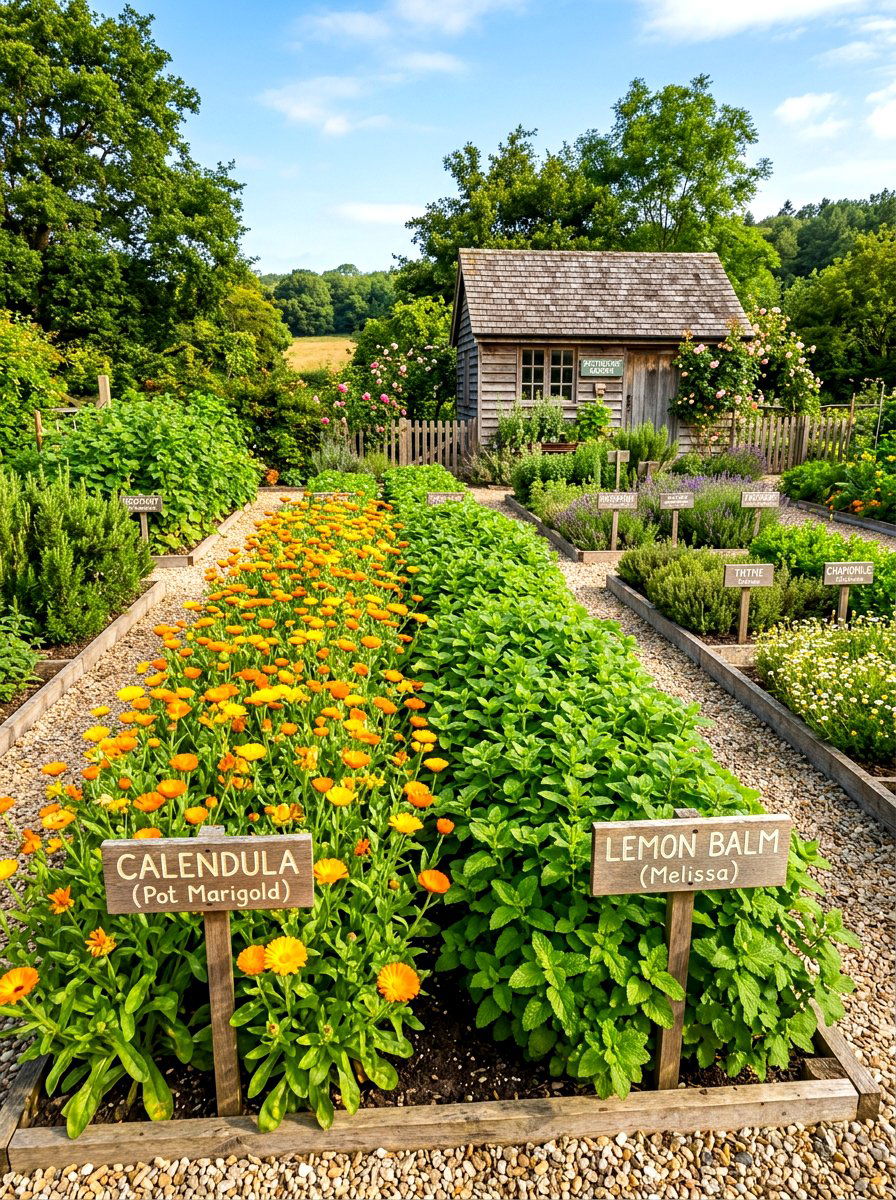
Can you imagine a garden bed that stays vibrant with orange and yellow blooms throughout the season? A calendula flower bed is a cheerful addition to any tea garden, offering edible petals that add a golden hue to your brews. These flowers are incredibly easy to grow and often reseed themselves, ensuring a thick carpet of color year after year. Design the bed with a dark mulch to make the bright petals stand out even more. The plants have a bushy habit that fills in gaps perfectly between other herbs. This layout provides a sunny, optimistic vibe that enhances the overall mood of your outdoor living area.
13. Peppermint Patio Garden
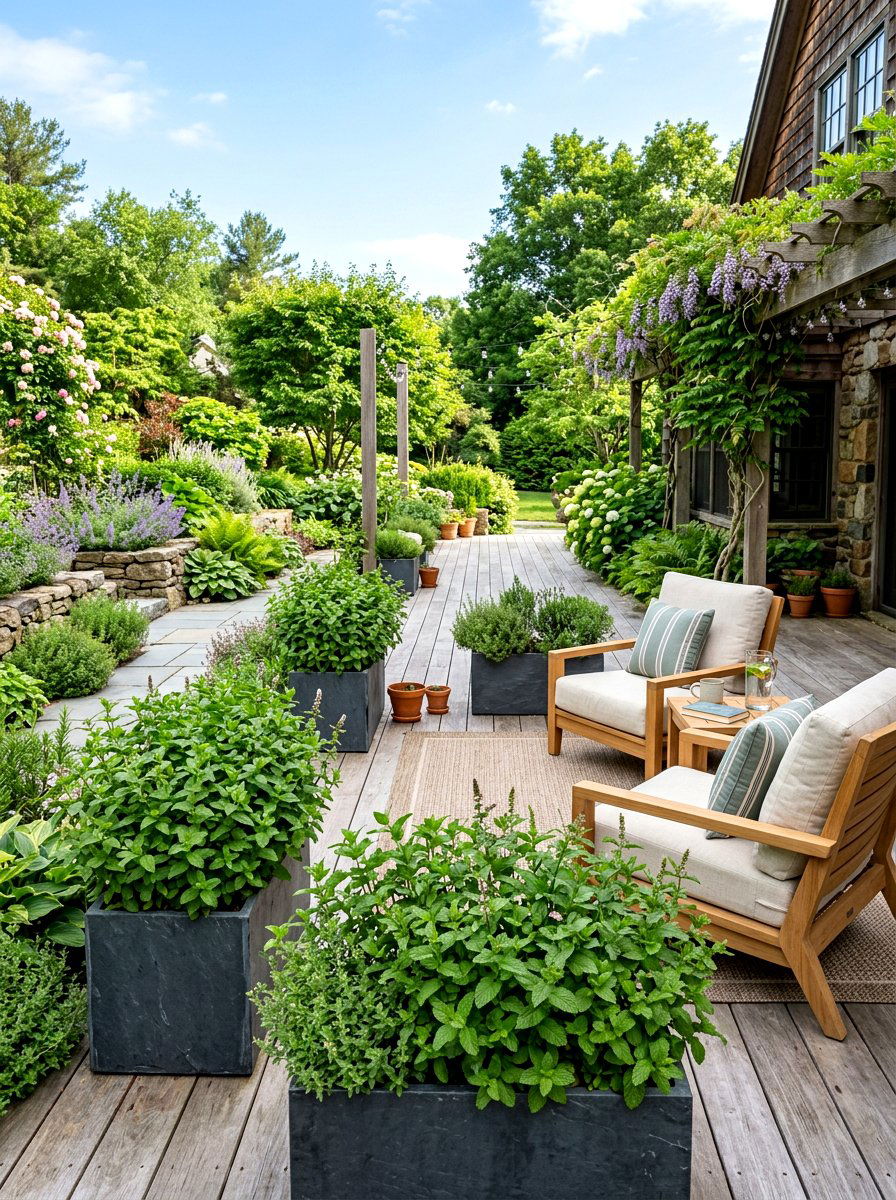
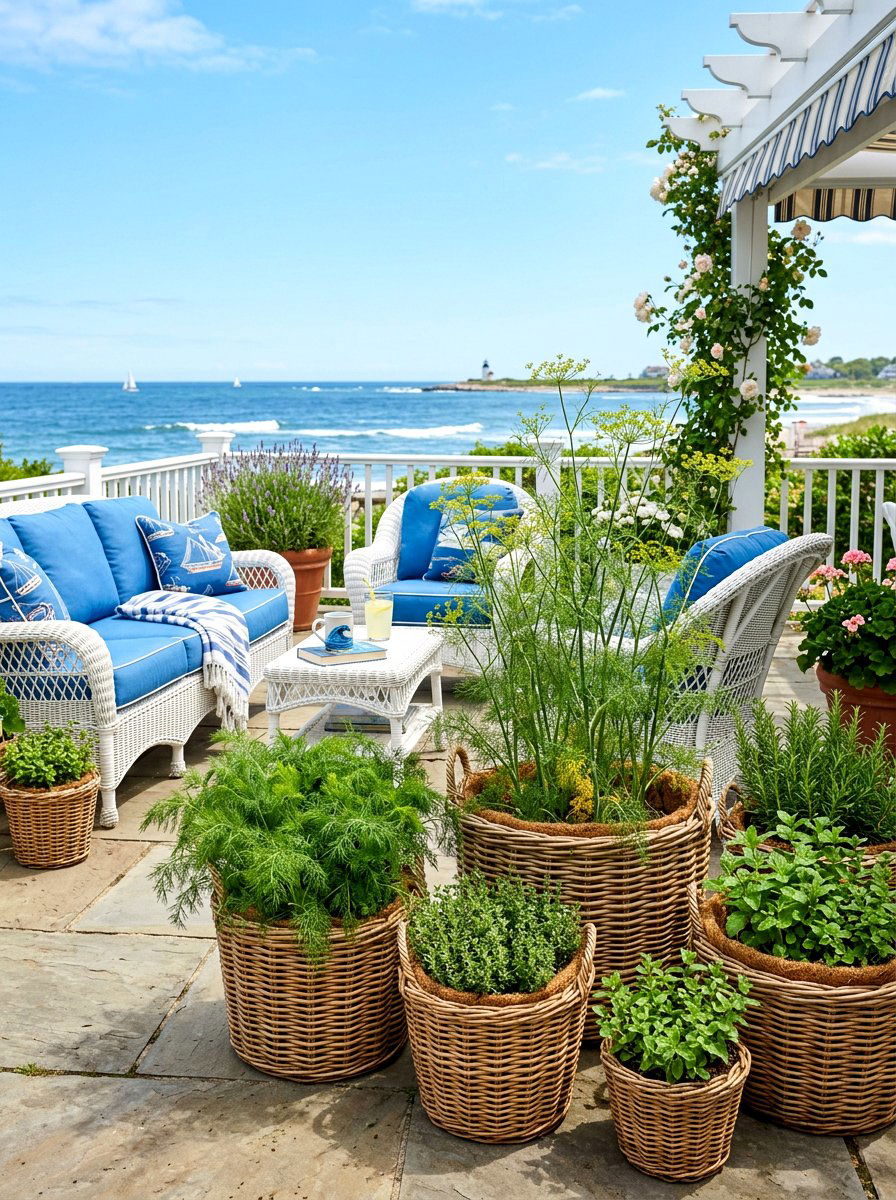
Are you looking for a way to cool down your outdoor seating area during the hot summer months? A peppermint patio garden uses large, stylish planters filled with various mint varieties to create a refreshing atmosphere. Placing these containers around your lounge chairs or dining table allows you to easily grab a handful of leaves for iced tea. The scent of mint is naturally invigorating and can even help deter some common garden pests. Choose matching pots in a neutral tone like slate or sand to maintain a sophisticated look. This design prioritizes convenience and comfort, making your patio the ultimate destination for relaxation and refreshment.
14. Rosemary Garden Hedge
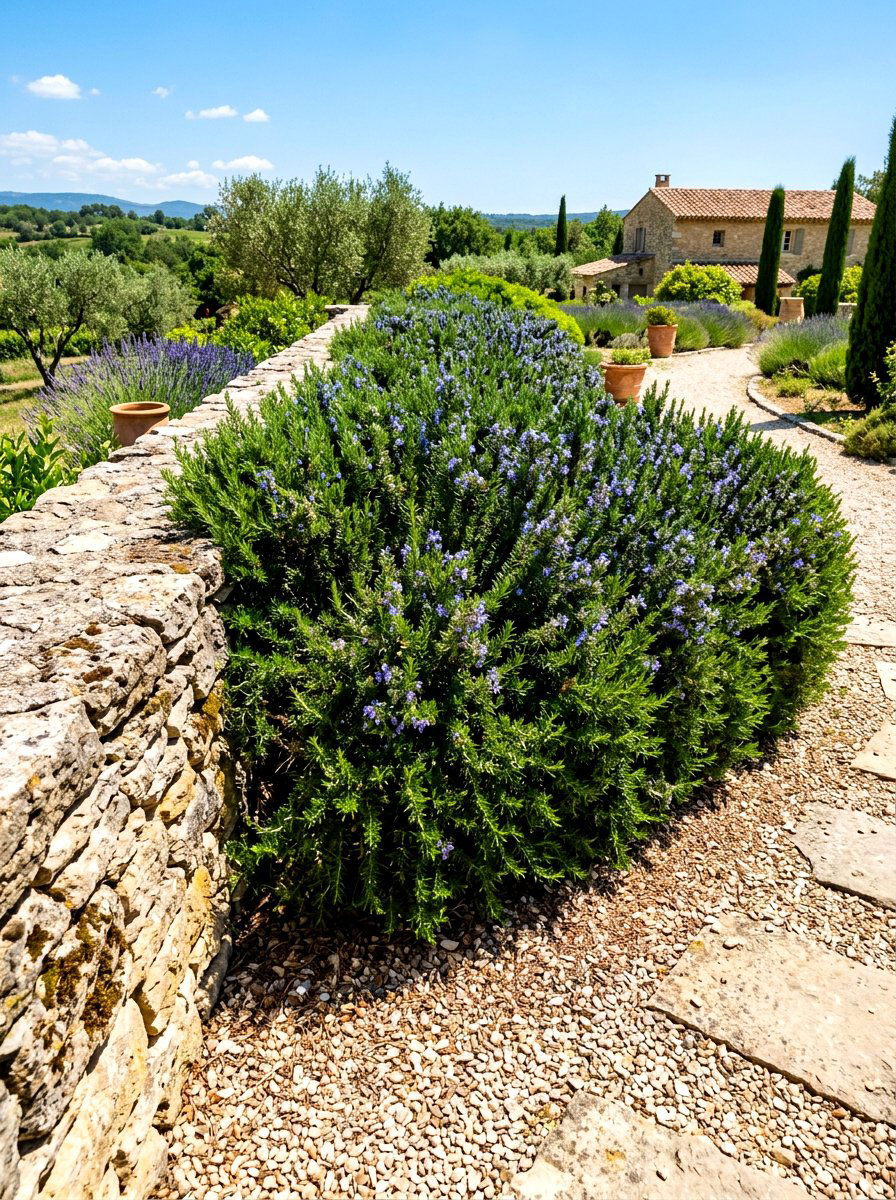
How can you create a permanent, evergreen structure that also flavors your favorite morning beverages? A rosemary garden hedge is a versatile design that works as a low wall or a decorative boundary in sunny climates. The needle-like foliage and woody stems provide a tough, architectural look that stays green throughout the winter. When planted in a row, rosemary creates a dense, fragrant barrier that defines different garden zones. The piney aroma is perfect for savory tea blends and aromatherapy. This design is excellent for homeowners who want a low-maintenance landscape that offers year-round visual appeal and a constant supply of fresh herbal ingredients.
15. Thyme Groundcover Garden
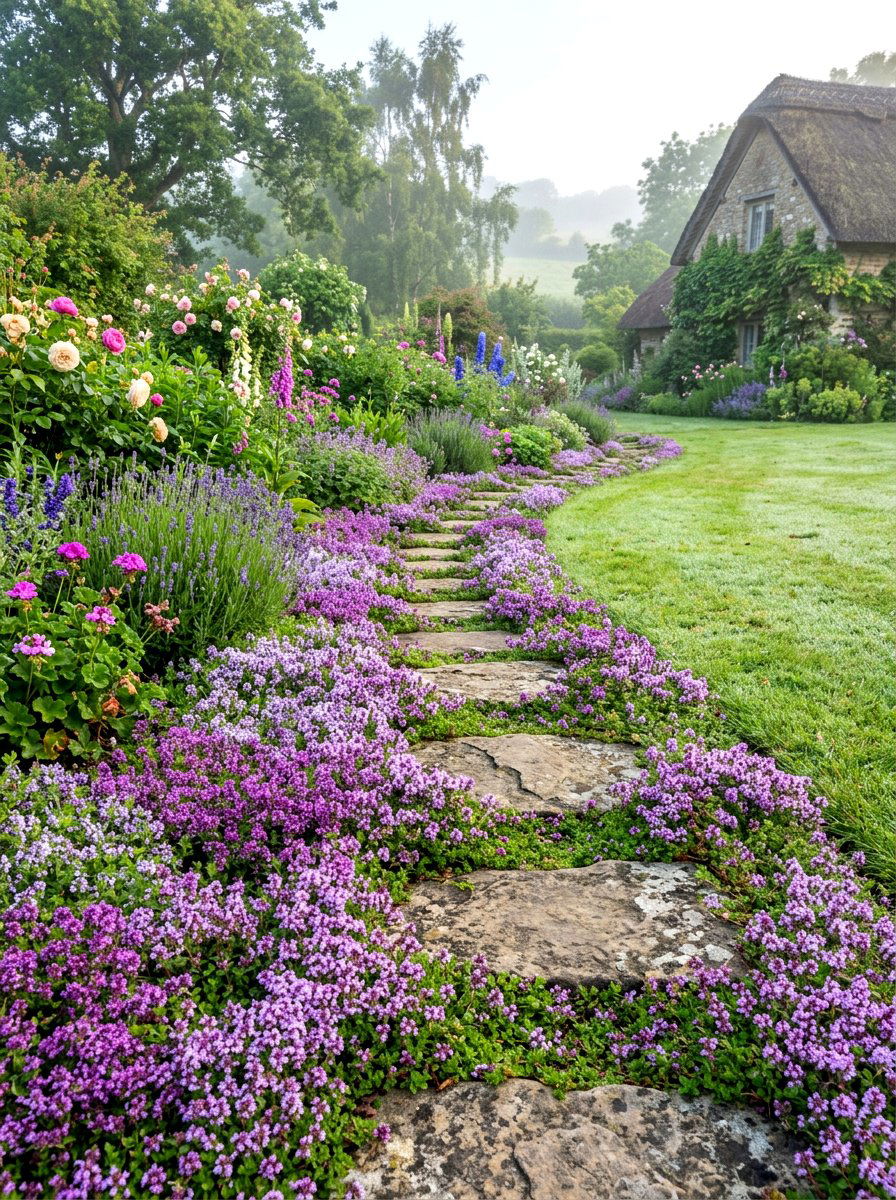
Do you have a space between stepping stones that looks a bit bare and unfinished? A thyme groundcover garden is a brilliant way to fill these gaps with tiny, aromatic leaves and delicate purple flowers. Creeping thyme varieties are resilient enough to handle light foot traffic, releasing a pleasant scent whenever they are stepped upon. This design creates a "living carpet" effect that softens the look of hardscape elements like stone or brick. It is a wonderful way to maximize every inch of your garden for tea production. This low-profile design brings a detailed, intricate beauty to the ground level of your home landscape.
16. Sage Herb Garden
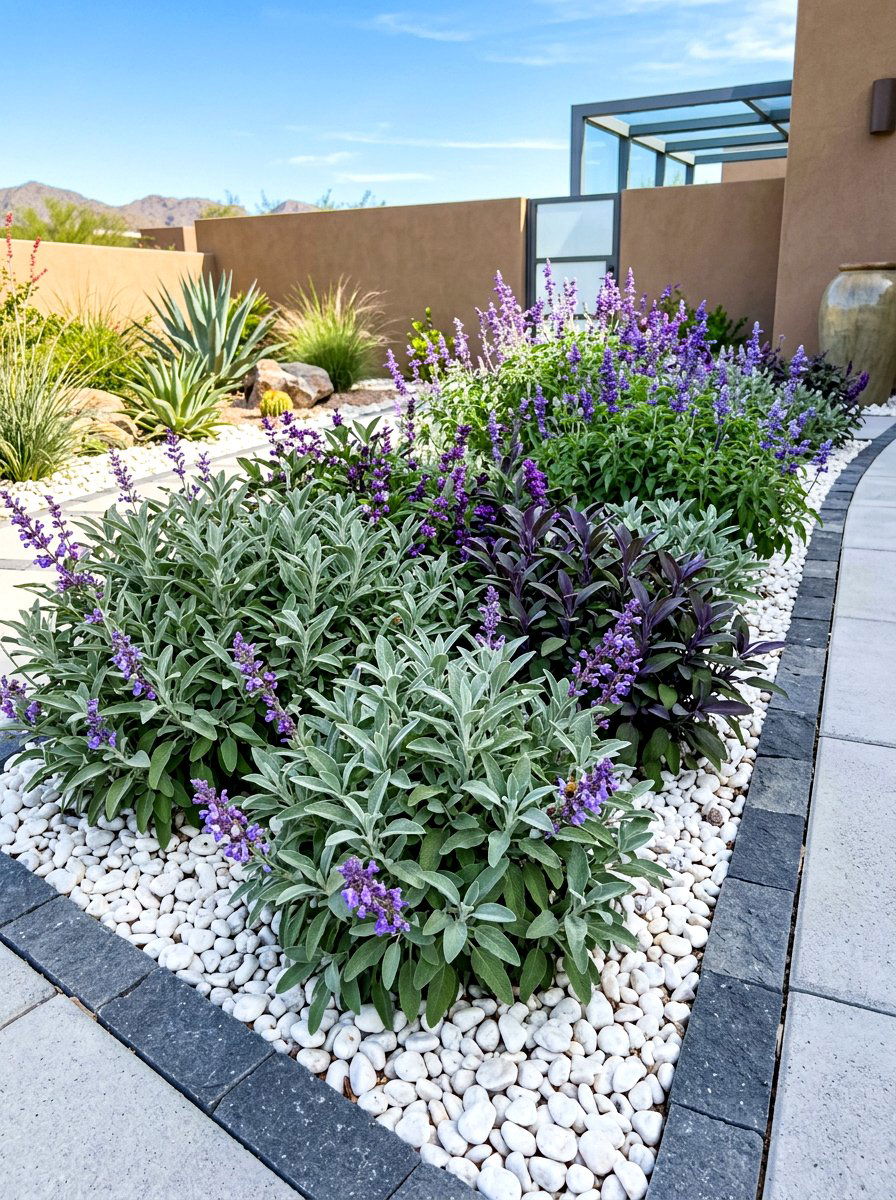
Have you considered using the soft, silvery foliage of sage to add a sophisticated texture to your garden? A sage herb garden focuses on the many varieties of this plant, from classic culinary sage to colorful tricolor or purple versions. This design works best in a sunny, well-drained area with plenty of space for the plants to spread into rounded mounds. Use light-colored gravel or pebbles around the base of the plants to highlight their unique leaf colors. Sage tea is known for its earthy flavor and health benefits. This design offers a muted, elegant palette that balances more vibrant flowering plants in your landscape.
17. Hibiscus Tea Garden
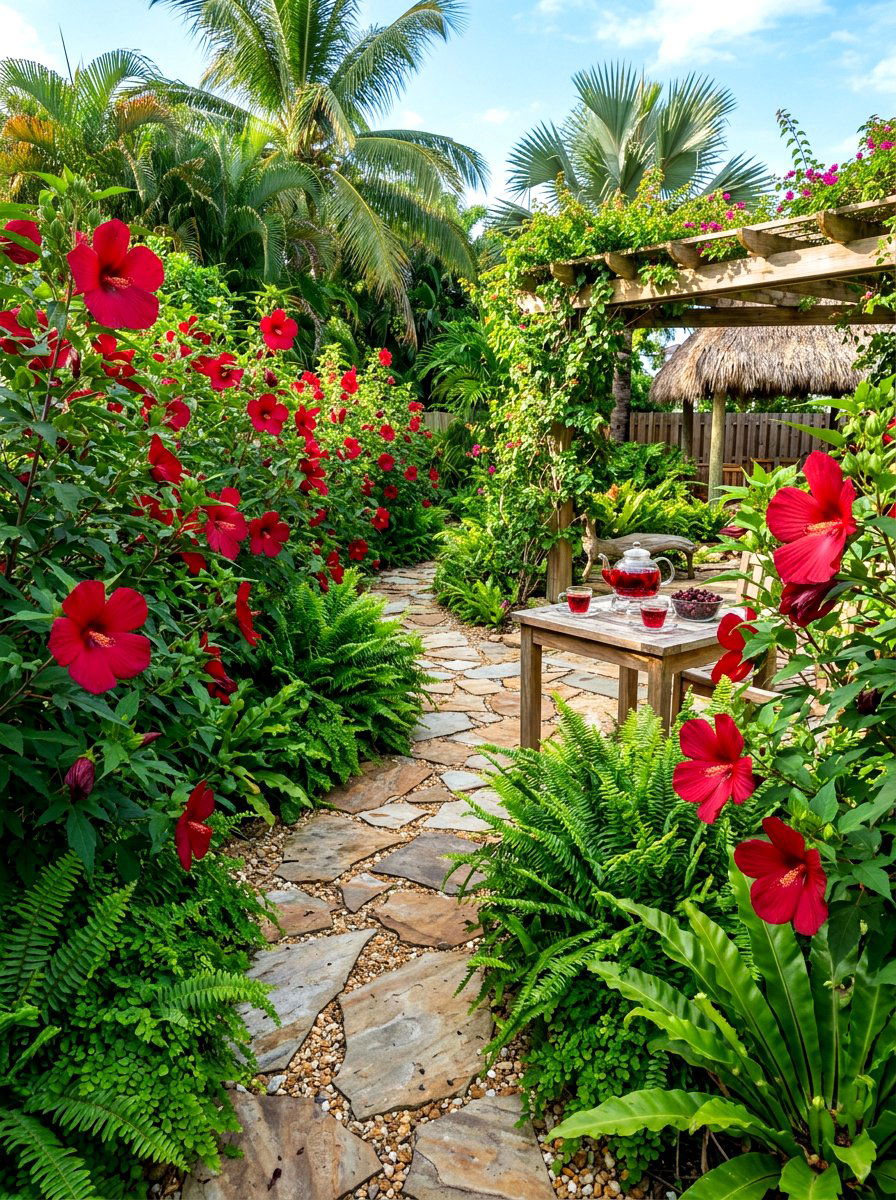
Are you dreaming of a tropical oasis right in your own backyard? A hibiscus tea garden features the stunning, large blossoms of the Hibiscus sabdariffa variety, known for its tart red calyxes. This design requires a sunny, warm spot where the plants can grow into tall, dramatic features. Surround the hibiscus with lush green ferns or tropical-looking foliage to complete the theme. The deep red color of the harvested calyxes makes for a visually striking tea that is rich in vitamin C. This garden layout brings a bold, exotic energy to your home, making it feel like a vacation spot every time you step outside.
18. Ginger Garden Bed
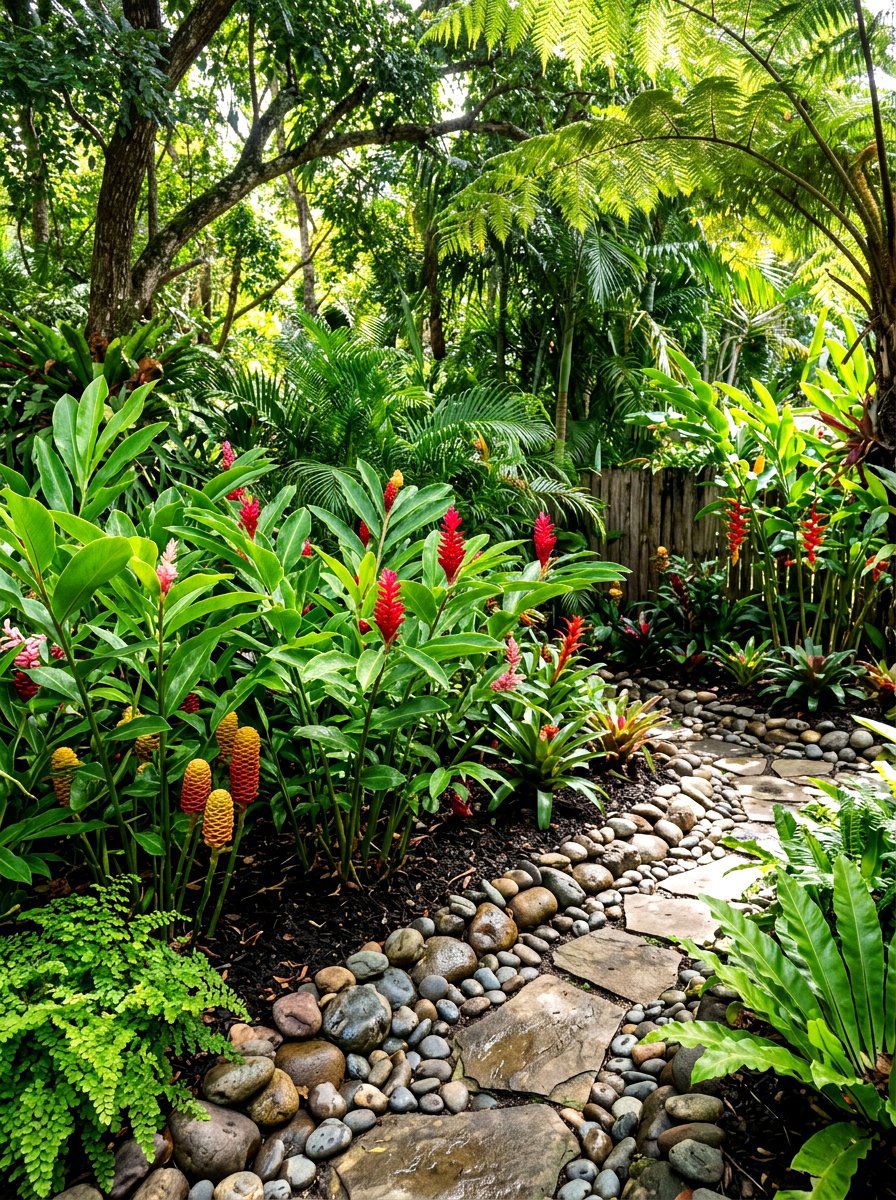
Do you have a shaded area of your yard that needs a touch of lush, tropical greenery? A ginger garden bed is a fantastic way to grow your own spicy tea roots while enjoying beautiful, lance-shaped leaves. Ginger thrives in filtered light and rich soil, making it a perfect understory plant for larger trees or wall-side beds. Design the area with moisture-retentive mulch and decorative stones to keep the soil cool. The upright stems provide a structural, jungle-like feel to your garden design. This layout is ideal for those who love the warming sensation of fresh ginger tea and want a unique, exotic landscape.
19. Holy Basil Garden
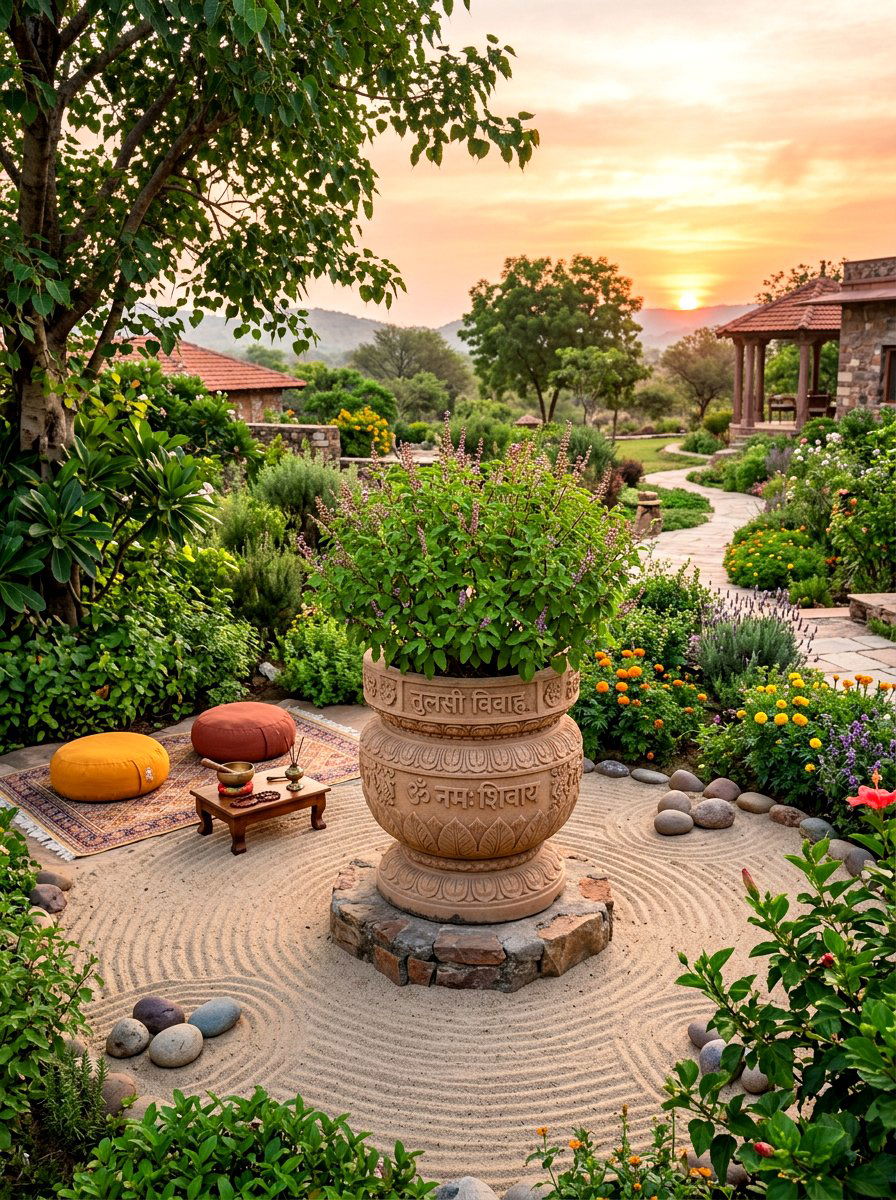
Could your garden benefit from a dedicated space intended for peace and reflection? A holy basil garden, also known as a Tulsi garden, focuses on this sacred herb that is revered for its stress-relieving properties. This design often features the plant in a central, ornate pot or a raised circular bed to signify its importance. Surround the area with soft sand or smooth river rocks to create a zen-like atmosphere. The peppery, clove-like scent of the leaves is incredibly grounding during the harvest. This layout creates a spiritual sanctuary in your backyard, offering both a functional tea ingredient and a place for quiet meditation.
20. Bee Balm Garden
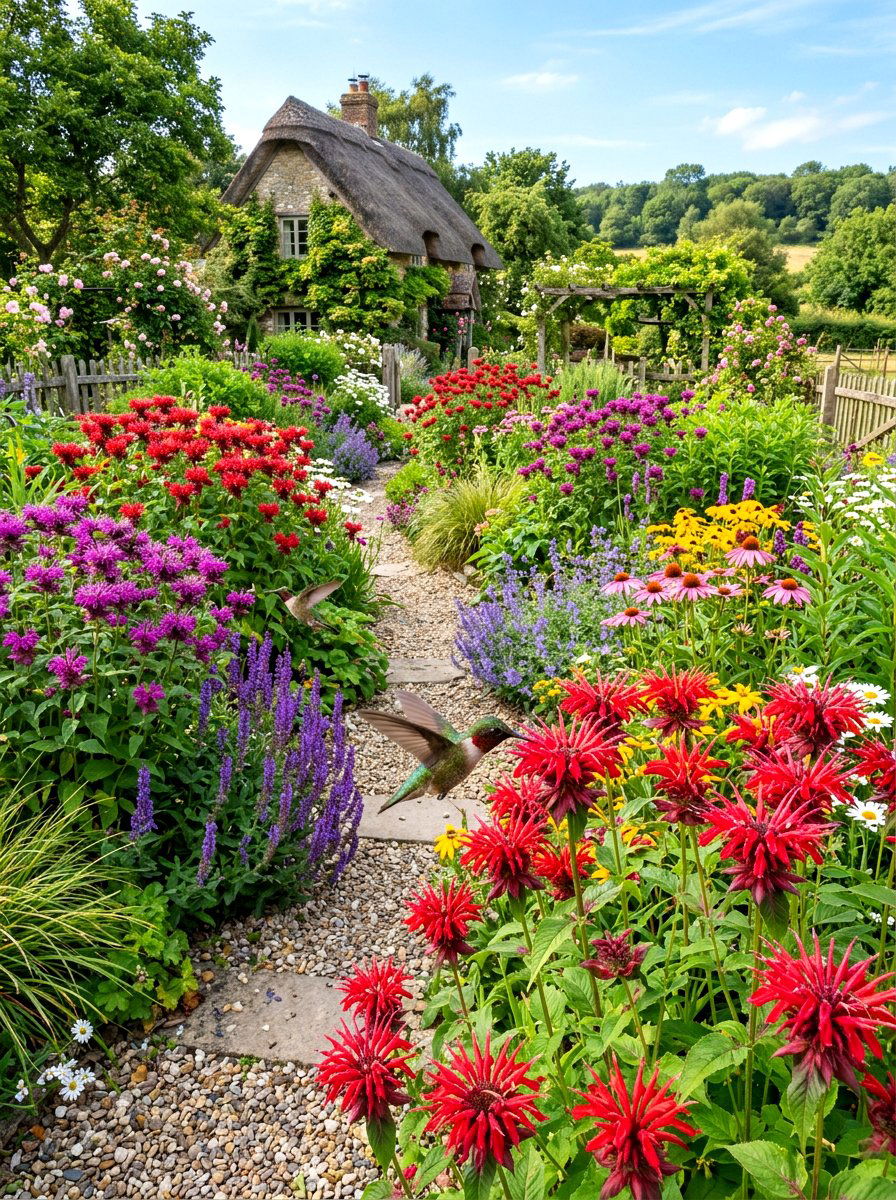
How can you attract more life to your backyard while growing a delicious bergamot-flavored tea? A bee balm garden is a vibrant, high-energy space filled with shaggy, colorful flowers that hummingbirds and bees absolutely adore. These plants can grow quite tall, so they work best in the middle or back of a mixed perennial border. Choose a mix of red, pink, and purple varieties to create a spectacular display of color. The leaves and flowers provide a citrusy, spicy flavor similar to Earl Grey tea. This design turns your garden into a bustling hub of nature, providing entertainment and a bountiful herbal harvest simultaneously.
21. Catnip Garden Corner
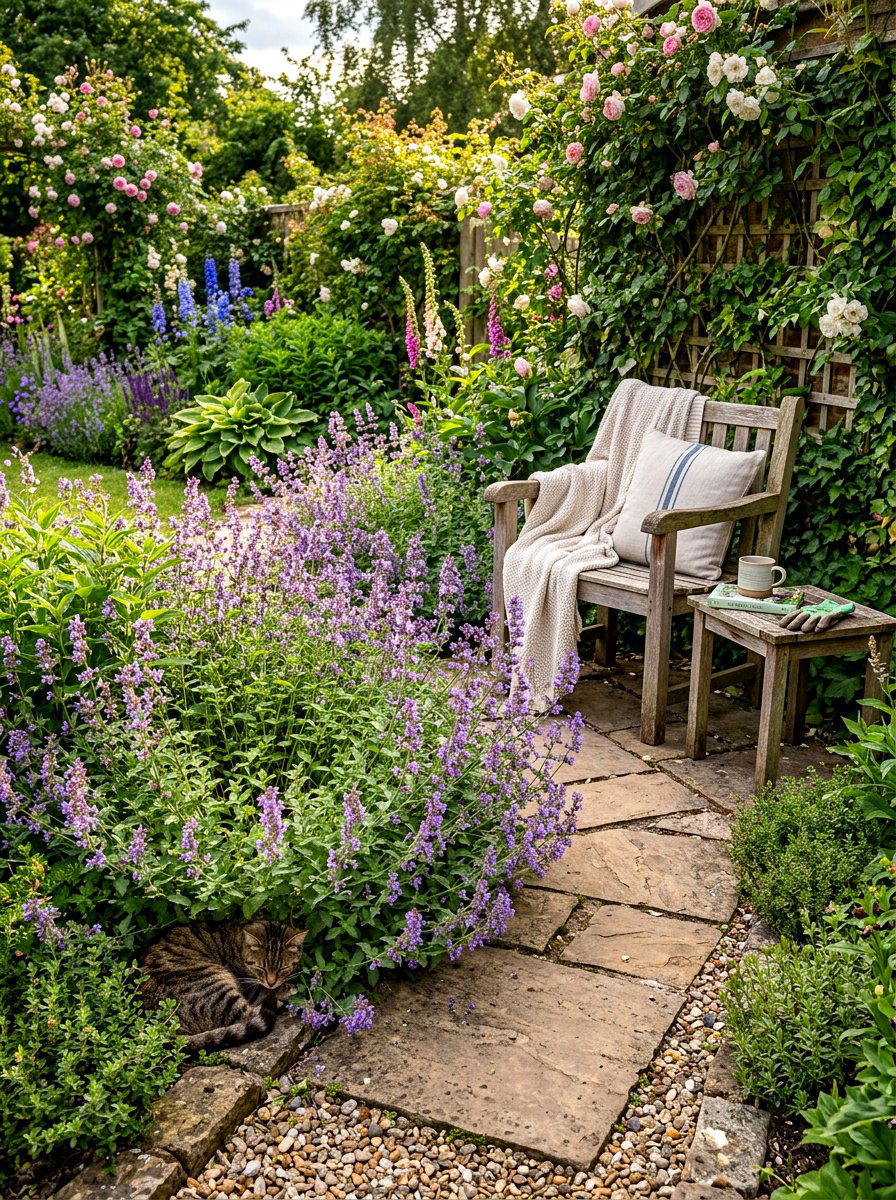
Are you looking for a way to create a relaxing space for both yourself and your feline friends? A catnip garden corner uses this hardy member of the mint family to create a soft, sprawling green area. Catnip has pretty scalloped leaves and small spikes of lavender flowers that look lovely in a casual garden setting. Design this corner with a small bench or a comfortable outdoor chair where you can enjoy a calming cup of catnip tea. The plant is incredibly easy to grow and provides a gentle, sedative effect for humans. This layout offers a cozy, pet-friendly retreat that feels lived-in and comfortable.
22. Lemongrass Garden
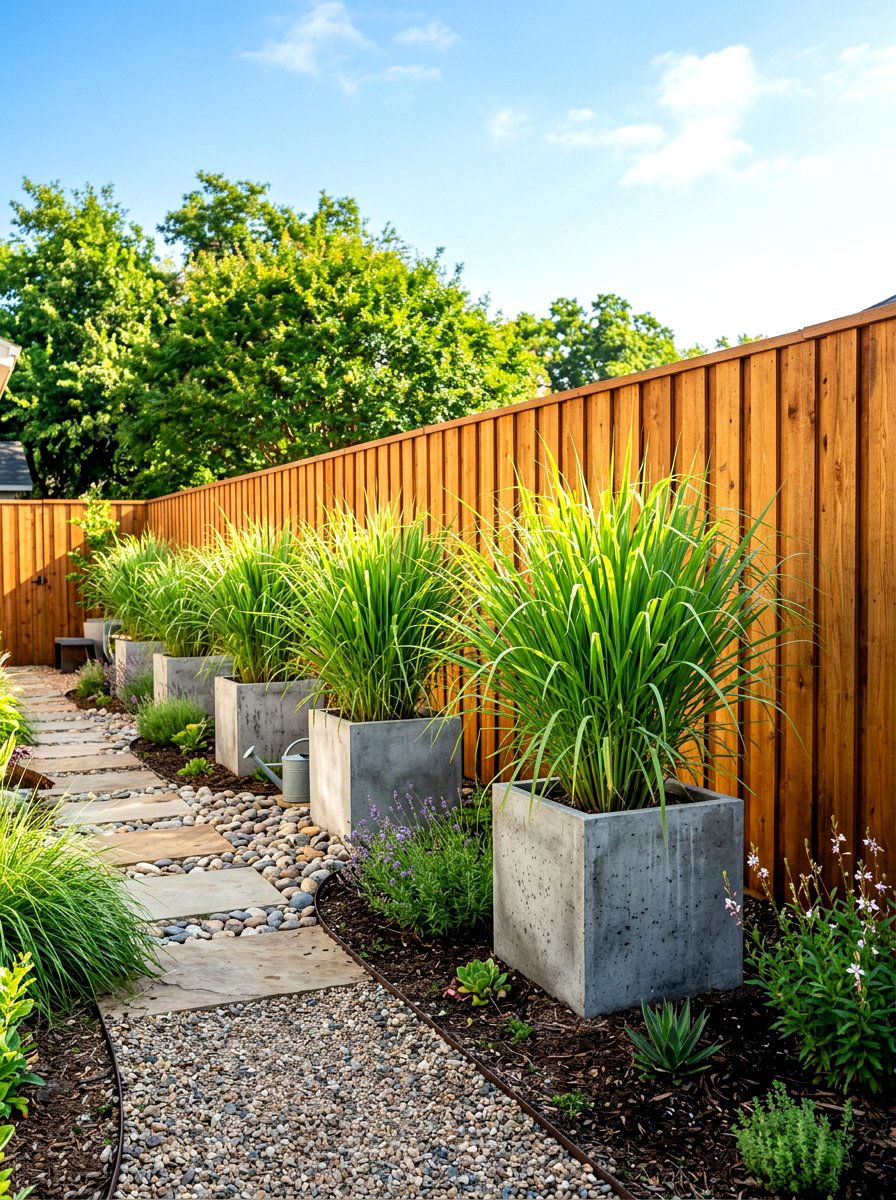
Do you want an ornamental grass that provides a structural element to your yard and a fresh citrus flavor? A lemongrass garden features this tall, fountain-like plant as a dramatic focal point or a privacy screen. Because lemongrass grows in dense clumps, it works perfectly in large modern planters or as a row along a fence line. The long, slender blades sway beautifully in the wind, adding movement and sound to your landscape. The base of the stalks can be harvested for a bright, lemony tea that is both refreshing and aromatic. This design combines contemporary aesthetics with high-yield productivity for any tea lover.
23. Fennel Herb Garden
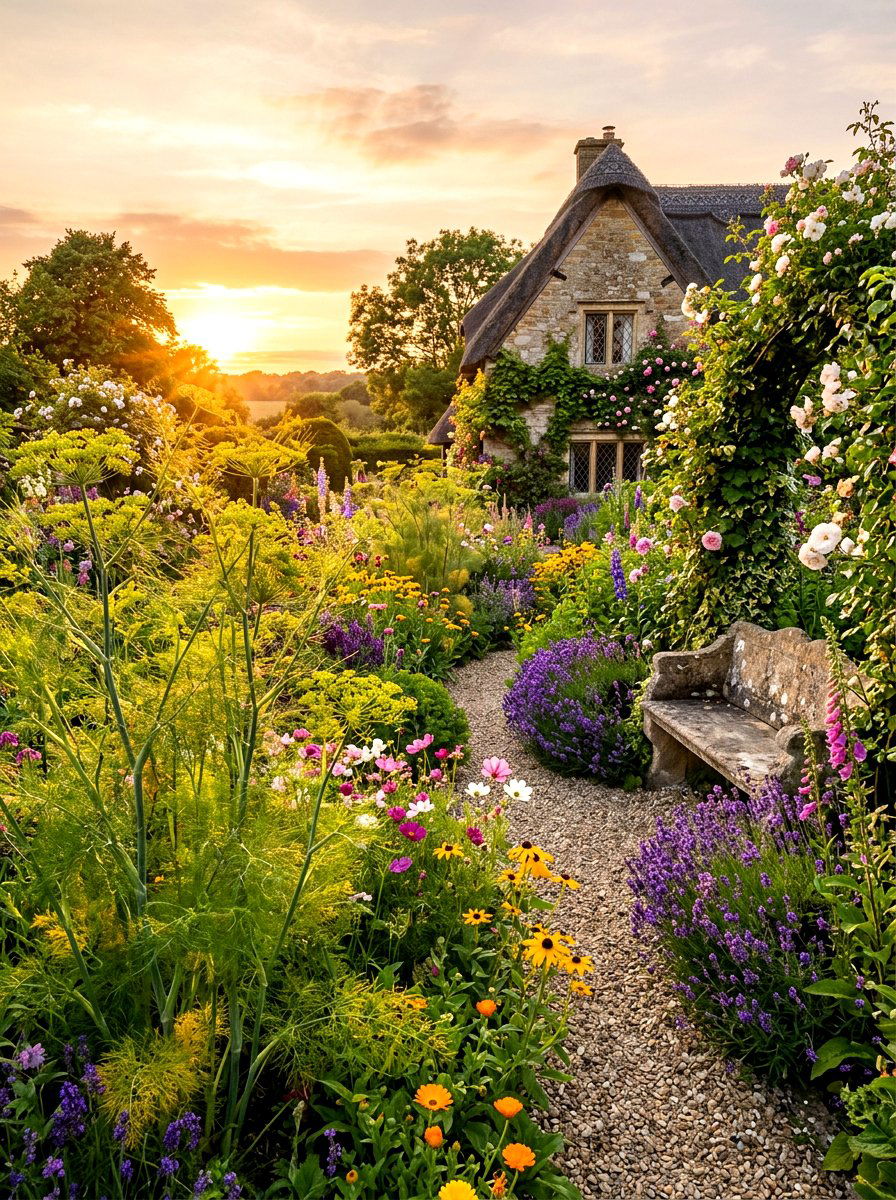
Have you ever admired the delicate, airy texture of fennel as it towers over other garden plants? A fennel herb garden uses the tall, wispy fronds of this plant to create a sense of depth and mystery in your landscape. This design works well in a large open bed where the fennel can reach its full height without overcrowding smaller herbs. The feathery foliage looks stunning when backlit by the evening sun. Both the leaves and seeds are excellent for digestion-focused teas with a sweet, licorice-like flavor. This layout brings a soft, ethereal quality to your backyard, acting as a beautiful backdrop for shorter, more colorful flowers.
24. Raspberry Leaf Garden
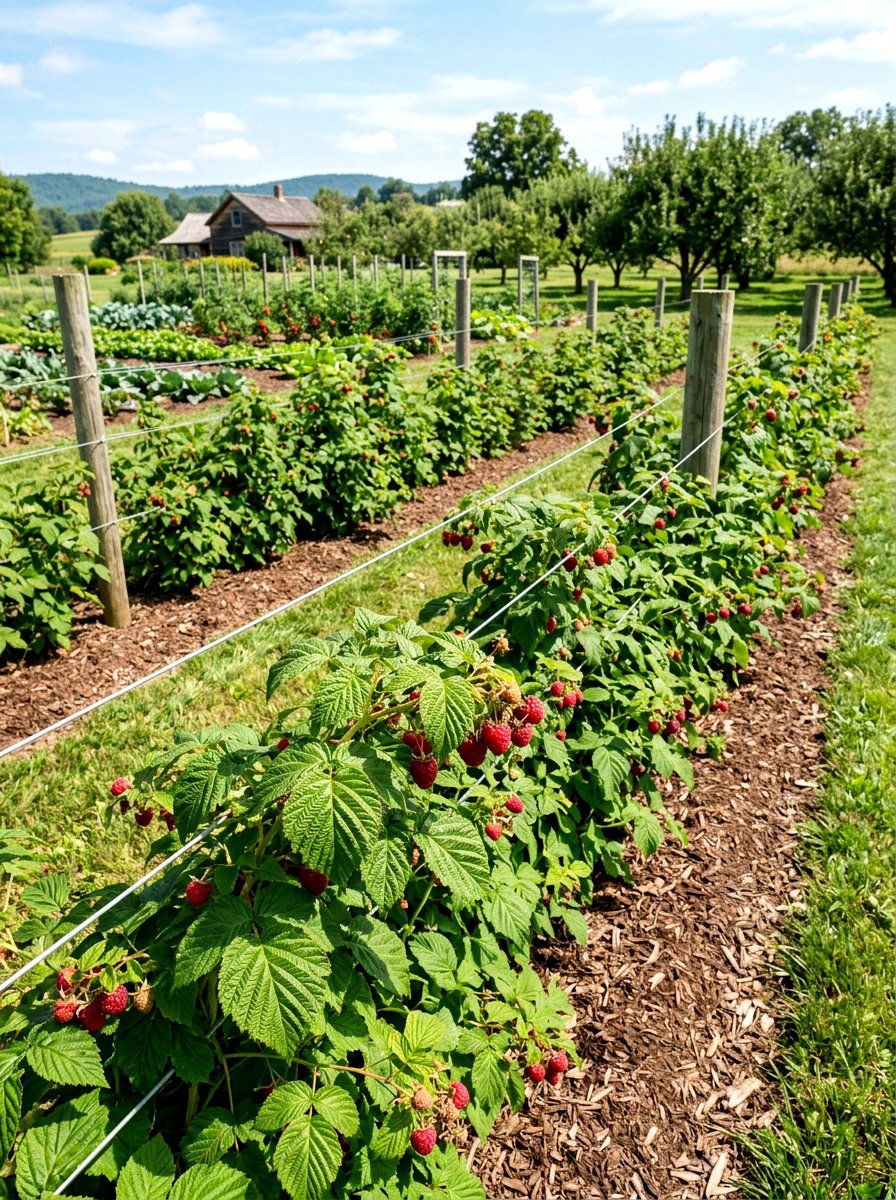
Can you imagine a garden that provides sweet fruit in the summer and nourishing tea leaves all season long? A raspberry leaf garden focuses on red raspberry bushes arranged in neat rows or supported by a simple wire trellis. This design is highly functional, acting as a fruiting hedge that defines the perimeter of your yard. The leaves are famous for their health benefits, particularly for women, and have a mild, pleasant flavor when dried. By keeping the bushes well-pruned and organized, you create a professional-looking "mini-orchard" that provides a massive harvest. This design is a perfect example of how edible landscaping can be beautiful and productive.
25. Jasmine Vine Garden
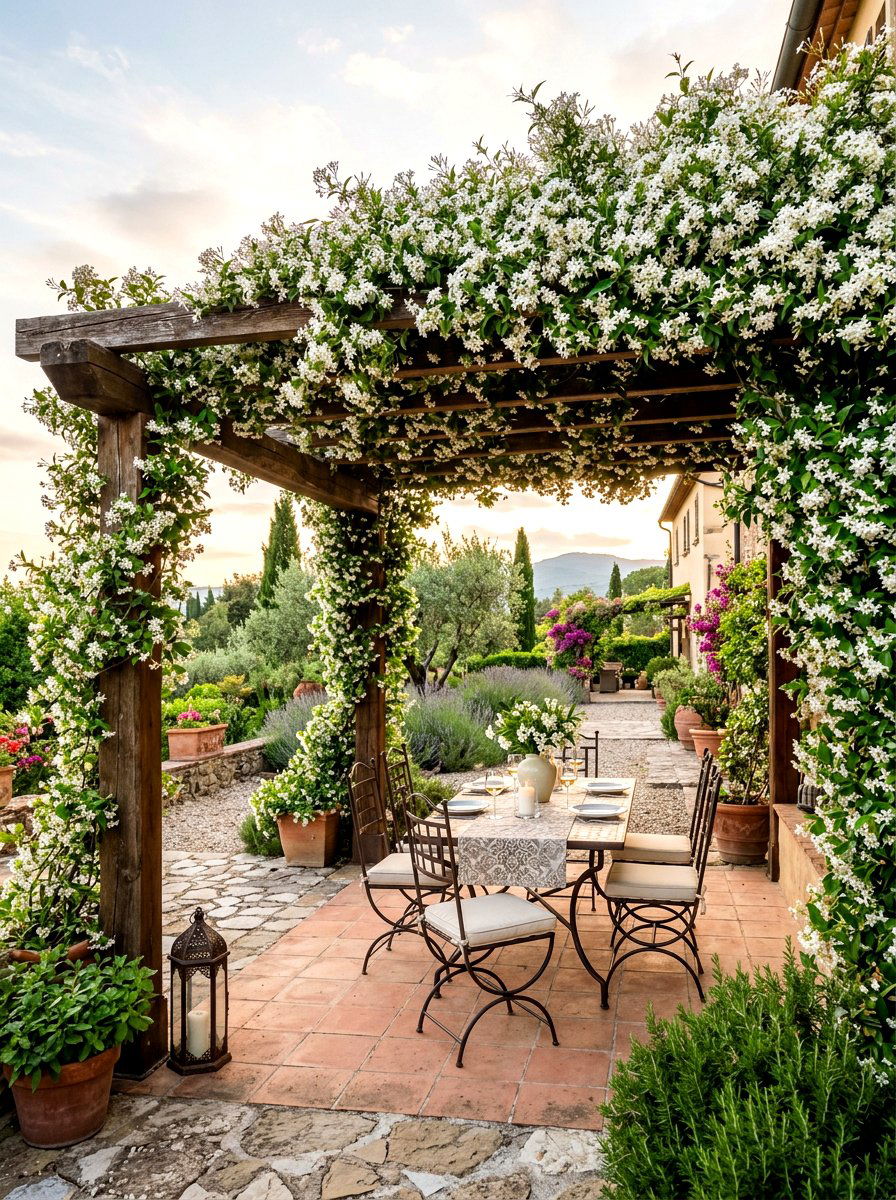
Is there anything more romantic than a trellis covered in fragrant white flowers? A jasmine vine garden utilizes vertical space to grow these climbing plants, which are prized for their scent and use in green tea blends. Design this area around a pergola or an arched entryway to create a stunning visual and aromatic experience. The dark green, glossy leaves provide a beautiful contrast to the delicate white blossoms. As the vine climbs, it creates a lush canopy of greenery that provides shade and privacy for your patio. This layout is the epitome of elegance, turning a simple structure into a fragrant, living masterpiece.
26. Spearmint Planter Garden
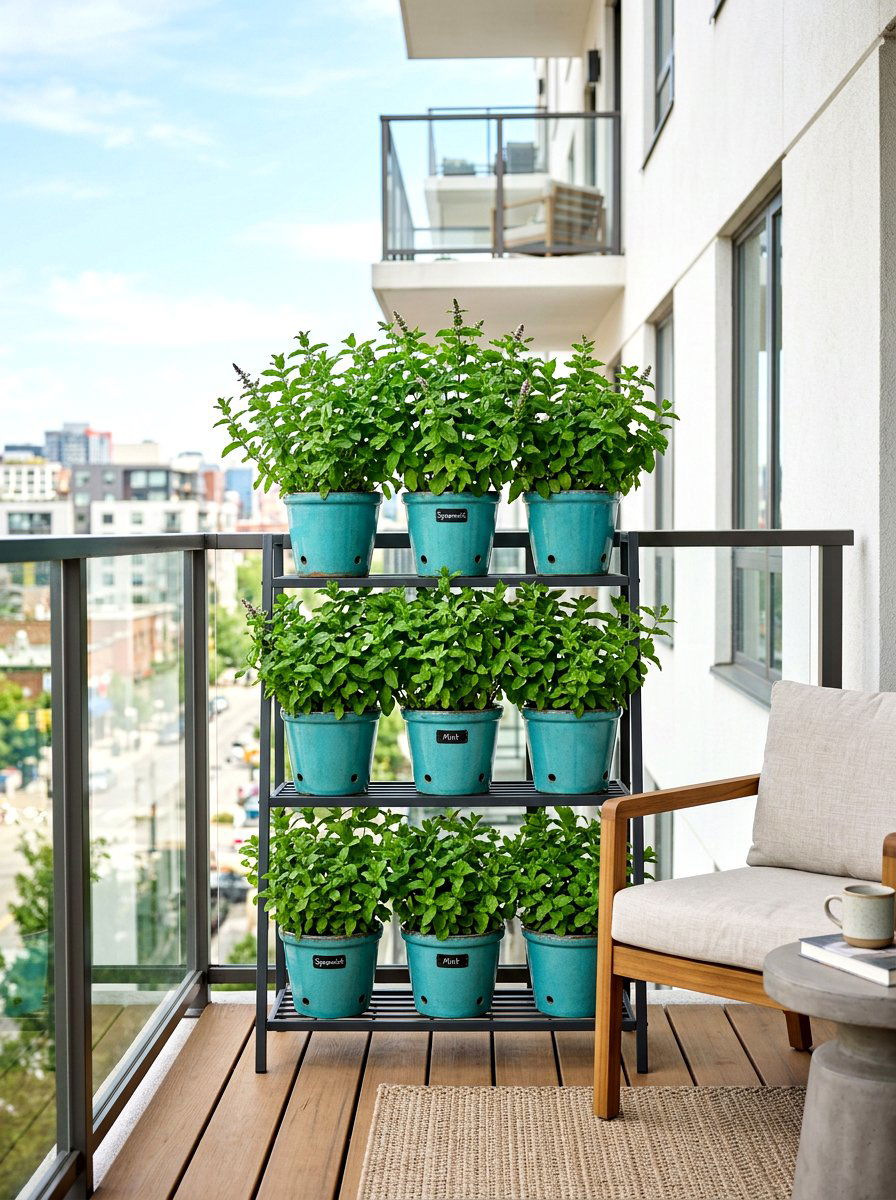
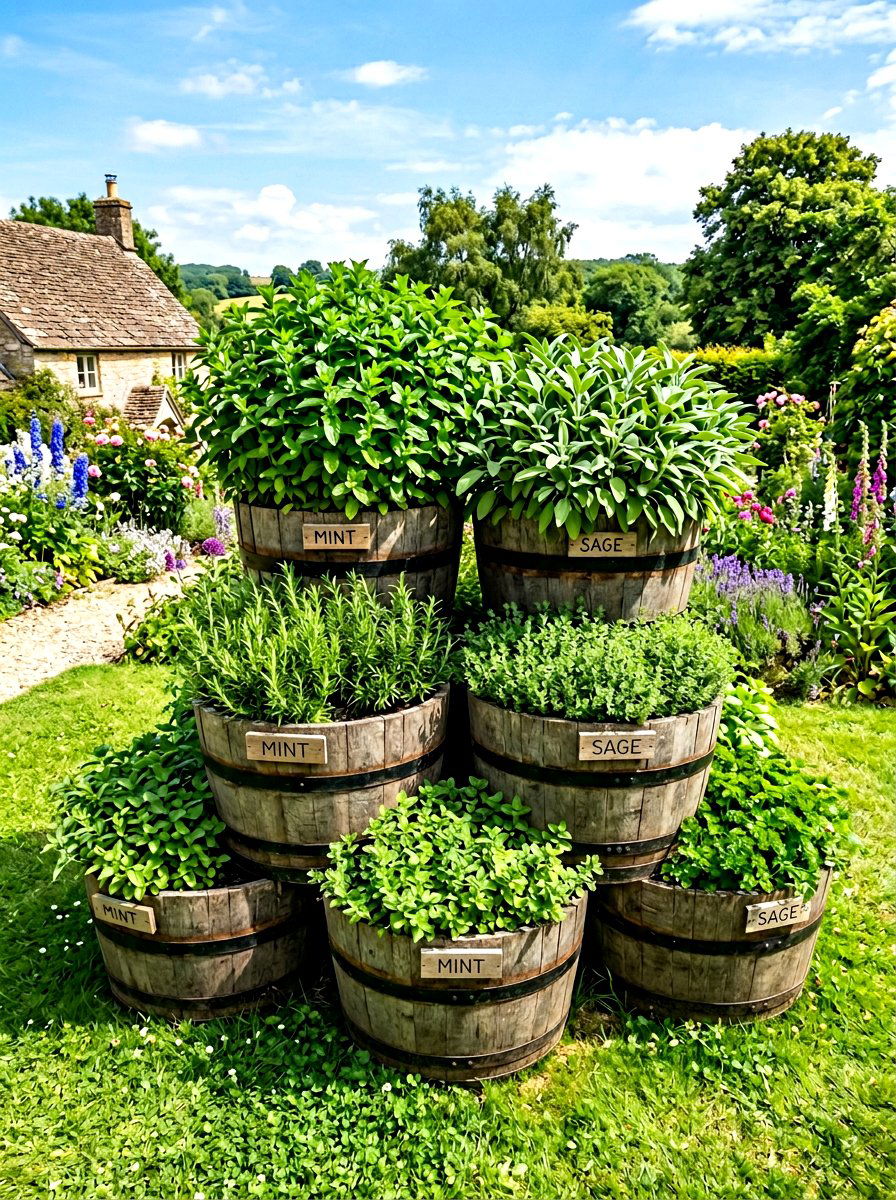
Are you looking for a way to liven up your outdoor dining area with a touch of fresh green? A spearmint planter garden uses a collection of matching pots to house this classic tea herb, keeping it separate from the rest of your landscape. Spearmint is less aggressive than peppermint but still benefits from the containment of a decorative planter. Place these pots on a multi-tiered stand to create a vertical wall of mint that is easy to reach. The bright green leaves are perfect for cooling summer teas and mojitos. This design is clean, organized, and perfectly suited for a modern deck or small urban patio.
27. French Tarragon Garden
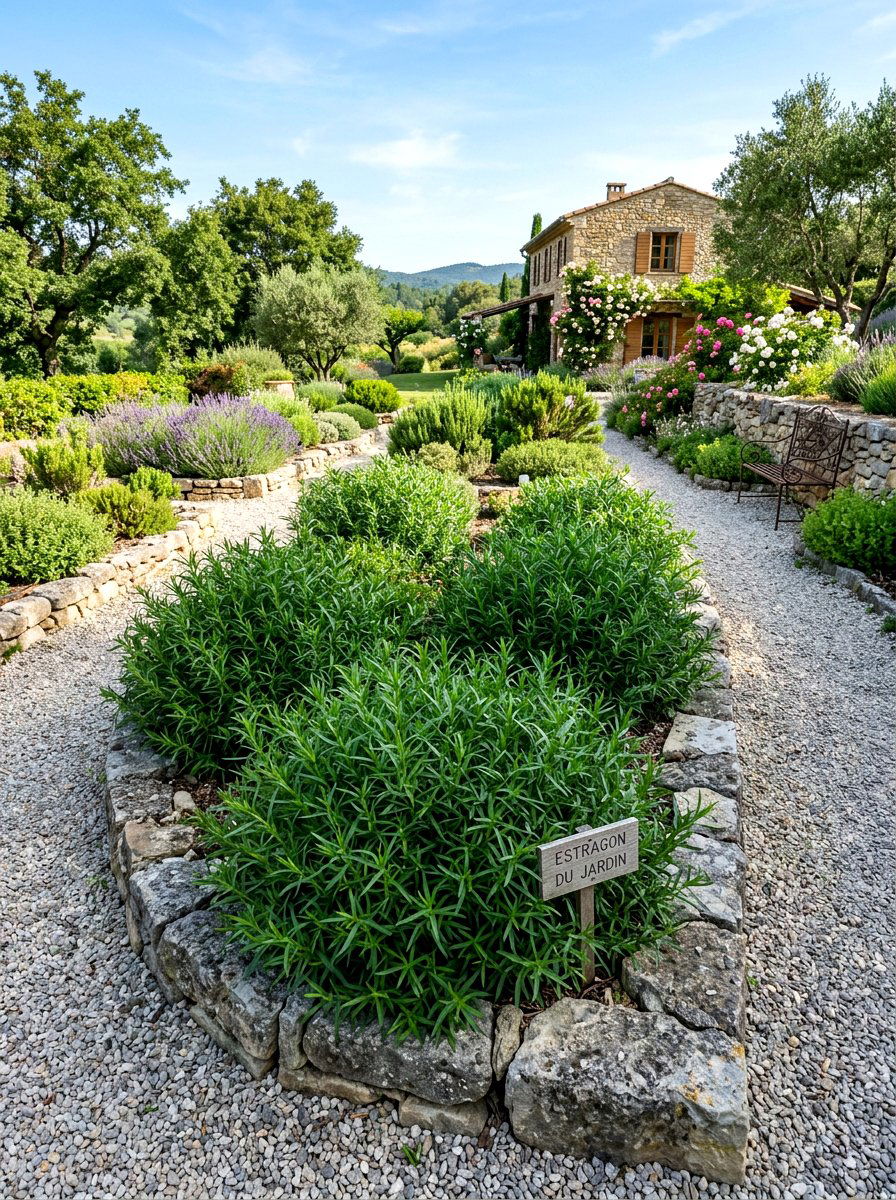
Have you ever wanted to grow a tea herb that offers a subtle, sophisticated flavor profile? A French tarragon garden focuses on this gourmet herb, which has a delicate anise-like taste that pairs beautifully with lemon. This plant has narrow, dark green leaves and a slightly sprawling habit that looks great in a stone-lined bed. Design the garden with other "gourmet" herbs to create a dedicated space for high-end culinary experimentation. The simple, elegant look of tarragon makes it a great filler plant that adds texture without being overwhelming. This layout is perfect for the refined tea enthusiast who enjoys complex, nuanced herbal blends.
28. Anise Hyssop Garden
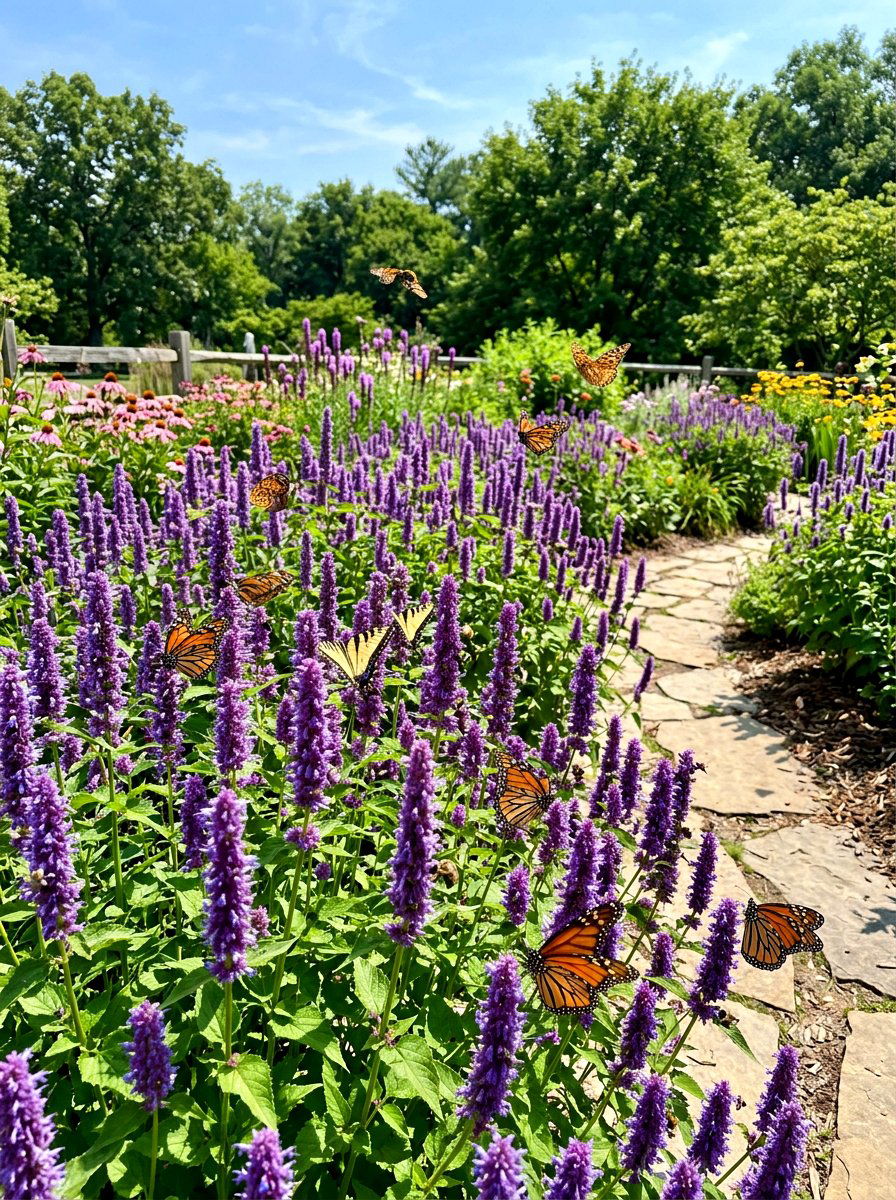
Do you want a plant that combines stunning purple flower spikes with a sweet, licorice-like fragrance? An anise hyssop garden is a favorite for both tea drinkers and pollinators alike. These plants stand upright and produce beautiful towers of color that last throughout the summer. Design this garden in a sunny spot where the flowers can be seen from a window, as they will be constantly visited by butterflies. The leaves make a delicious, naturally sweet tea that requires no added sugar. This design provides a vertical interest and a pop of vibrant color that makes any backyard feel like a professional botanical display.
29. Valerian Garden
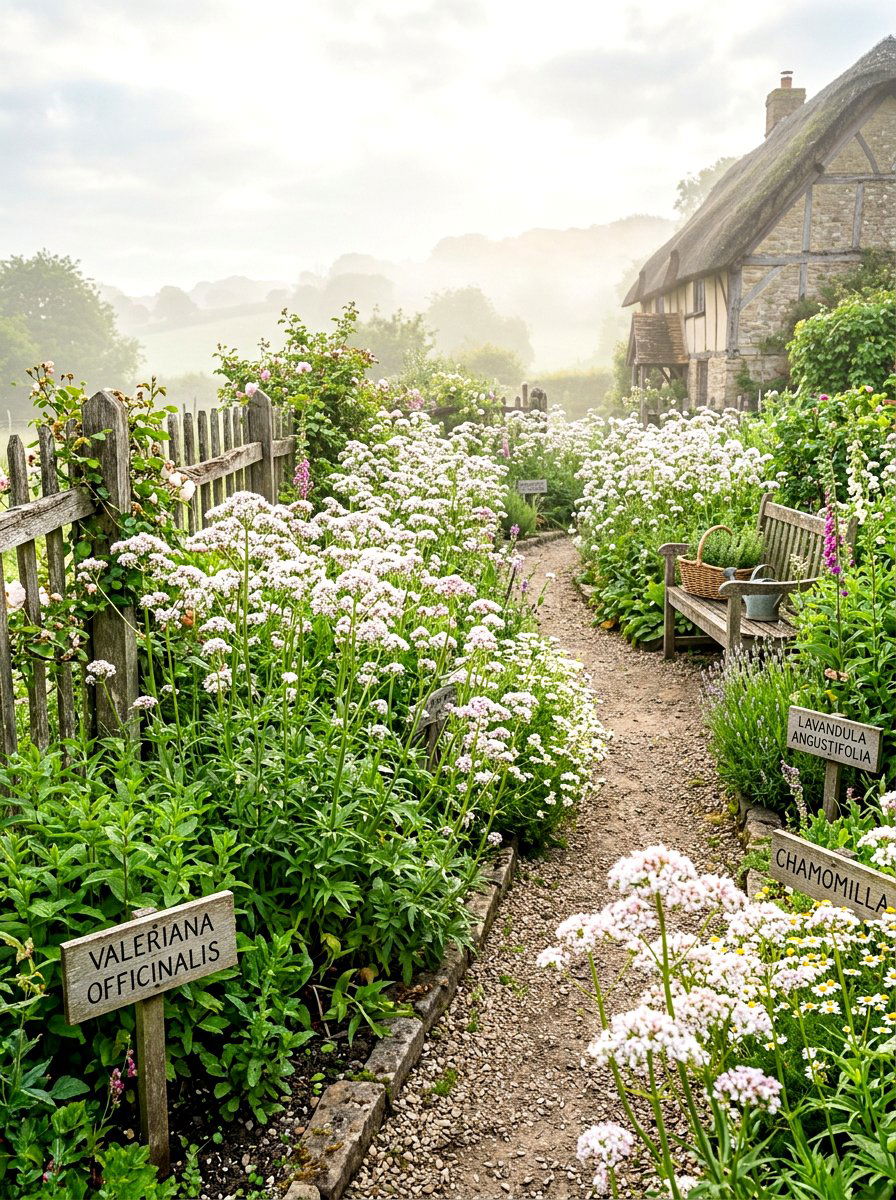
Are you interested in growing your own natural sleep aid in a garden that looks wild and majestic? A valerian garden features this tall, hardy perennial that produces clusters of tiny, white, or pink flowers with a sweet scent. Because valerian can grow quite tall, it is best positioned at the back of a garden bed or along a fence line. The roots are the part traditionally used for calming tea, while the flowers add a classic cottage feel to the landscape. This design embraces the rugged, natural beauty of medicinal plants, creating a garden that feels both ancient and incredibly useful for modern wellness.
30. Herb Spiral Garden
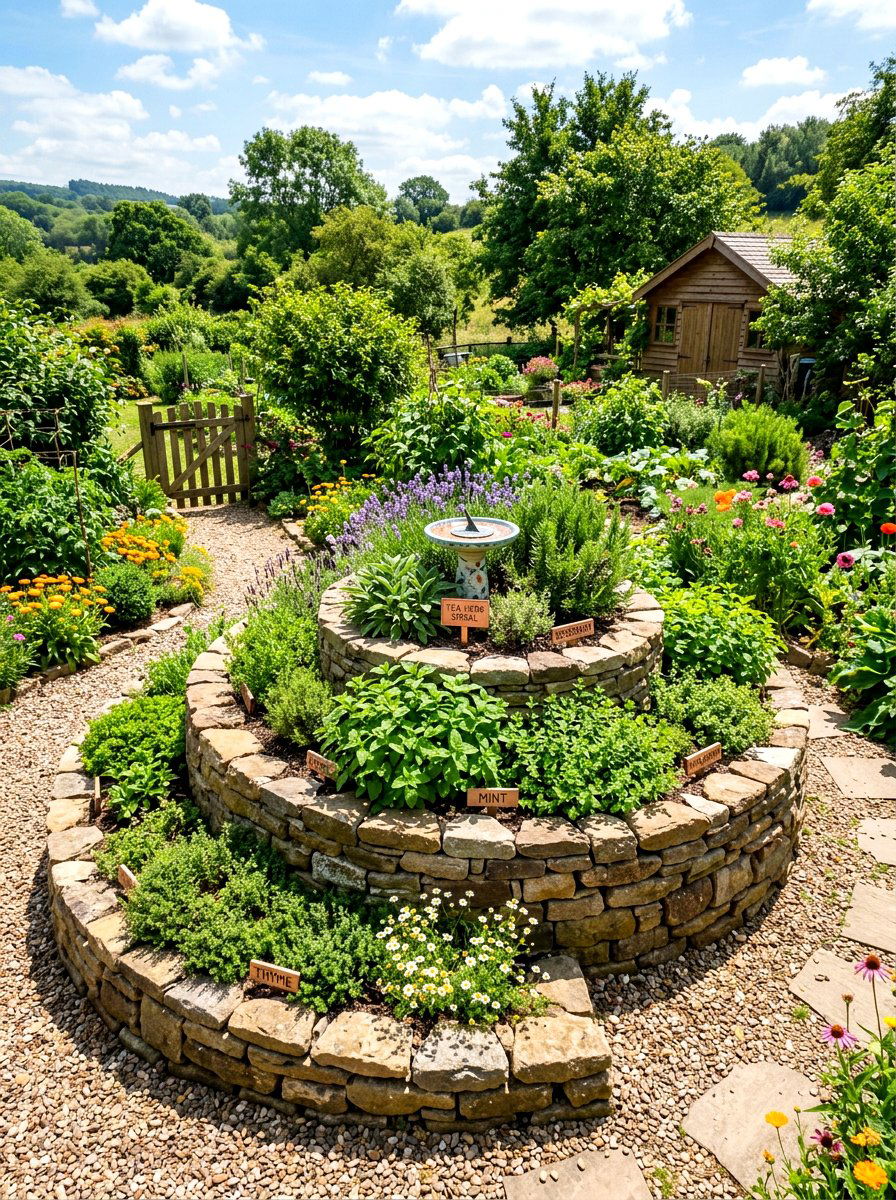
Have you ever seen a garden design that uses gravity and height to create different microclimates for your herbs? An herb spiral garden is a permaculture-inspired design that allows you to grow a variety of tea herbs in a very small footprint. Built from stone or brick, the spiral rises to a central point, creating sunny, dry spots at the top and cooler, moister spots at the base. You can plant sun-loving rosemary at the peak and moisture-loving mint at the bottom. This design is not only highly efficient but also serves as a beautiful, sculptural center-piece for any backyard. It is the ultimate tea garden layout.
Conclusion:
Starting your own tea herb garden is a rewarding journey that connects you deeply with the natural world while enhancing your daily wellness routine. By choosing the right combination of plants and layouts, you can create an outdoor space that is both visually stunning and incredibly productive. Whether you prefer the structured look of a raised bed or the whimsical charm of a flower-filled border, there is a design that fits your home perfectly. These gardens provide a sustainable way to enjoy fresh, organic ingredients while improving the aesthetic value of your property. Embrace the art of growing your own tea and transform your landscape.

Related posts: