Creating a medicinal herb garden is one of the most fulfilling ways to connect with nature while fostering a lifestyle of health and self-sufficiency. Imagine stepping outside to harvest fresh peppermint for an upset stomach or clipping lavender to help you drift into a peaceful sleep. These living pharmacies do more than just provide remedies; they transform your outdoor space into a fragrant sanctuary. Whether you have a sprawling backyard or a tiny apartment balcony, there is a perfect way to integrate healing plants into your environment. By choosing specific varieties that target your wellness needs, you create a personalized ecosystem that supports your body and mind throughout every season of the year.
1. Lavender Herb Garden
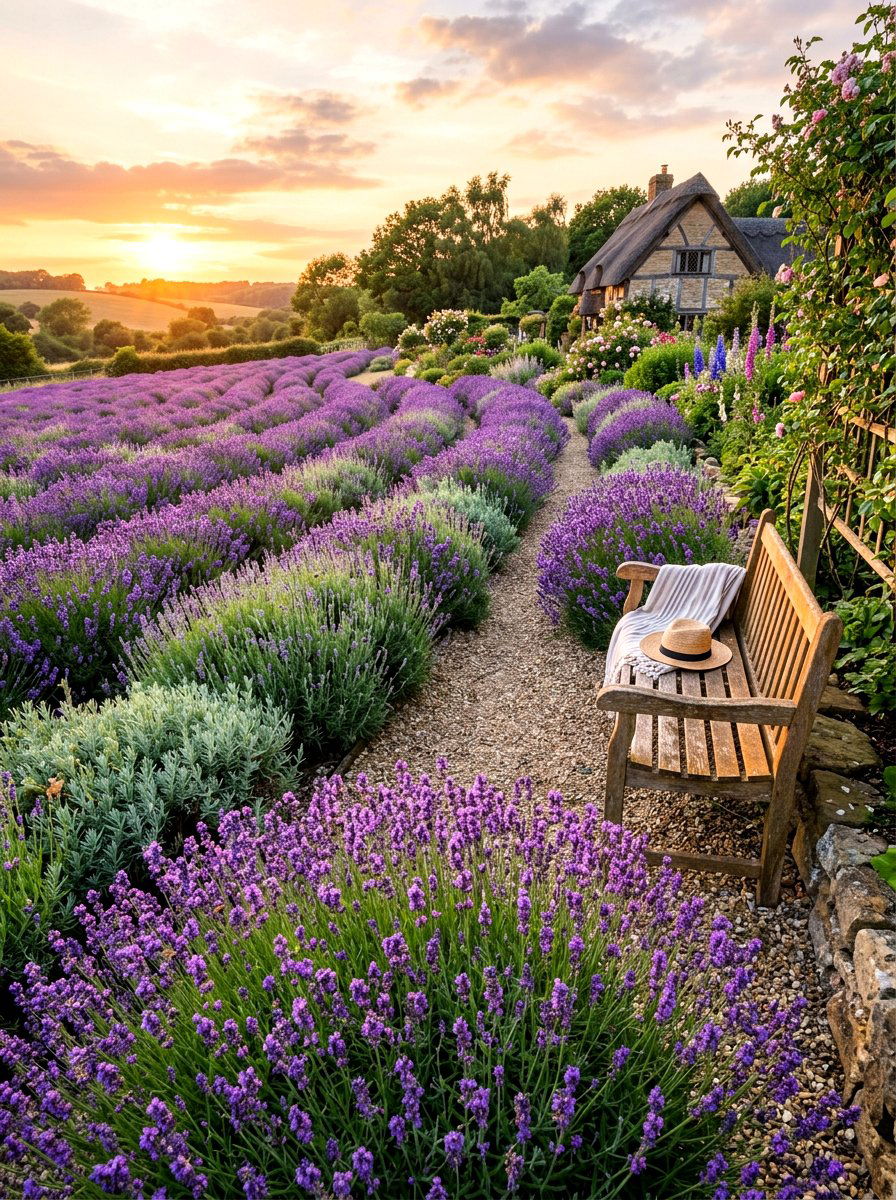
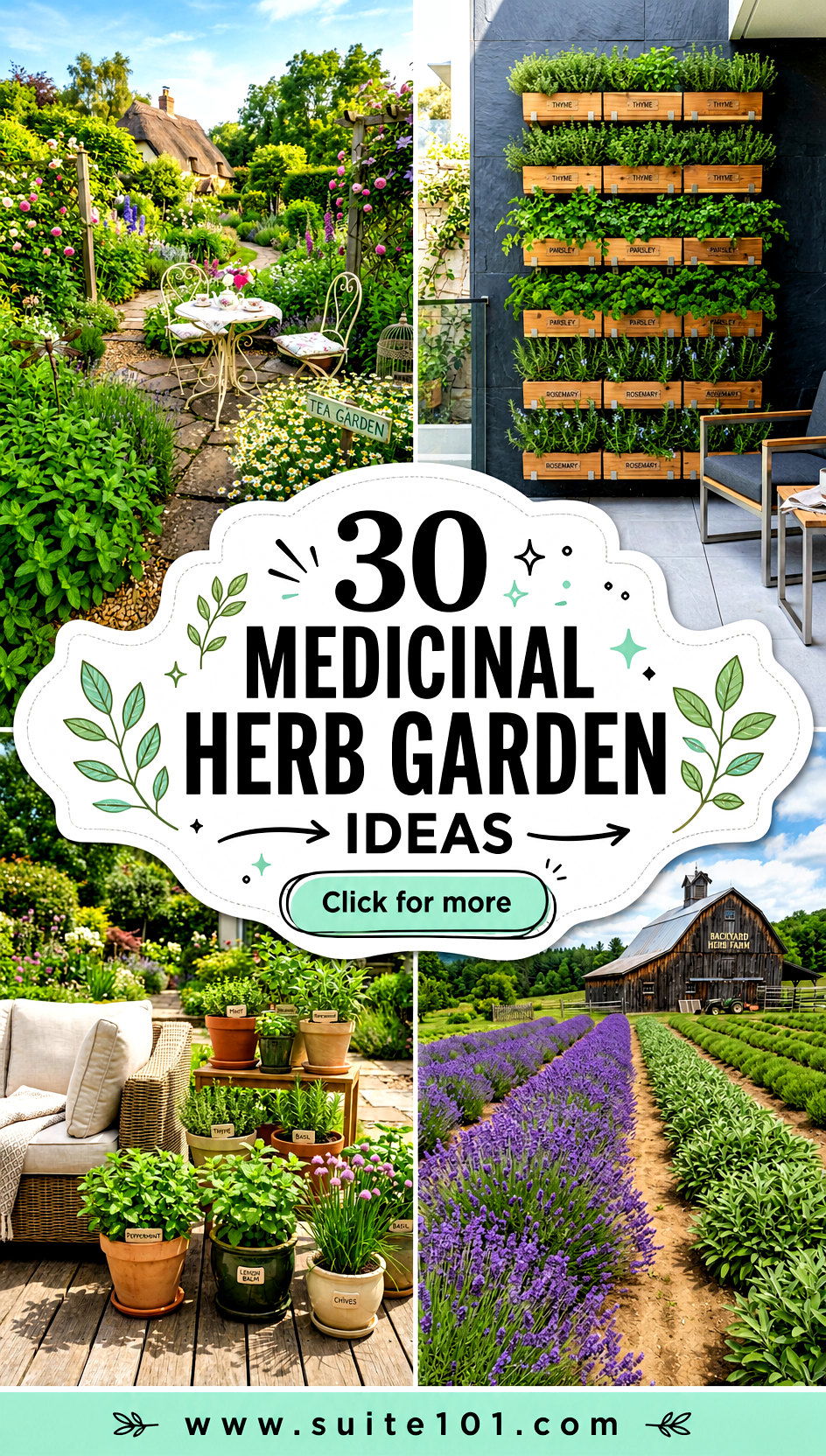
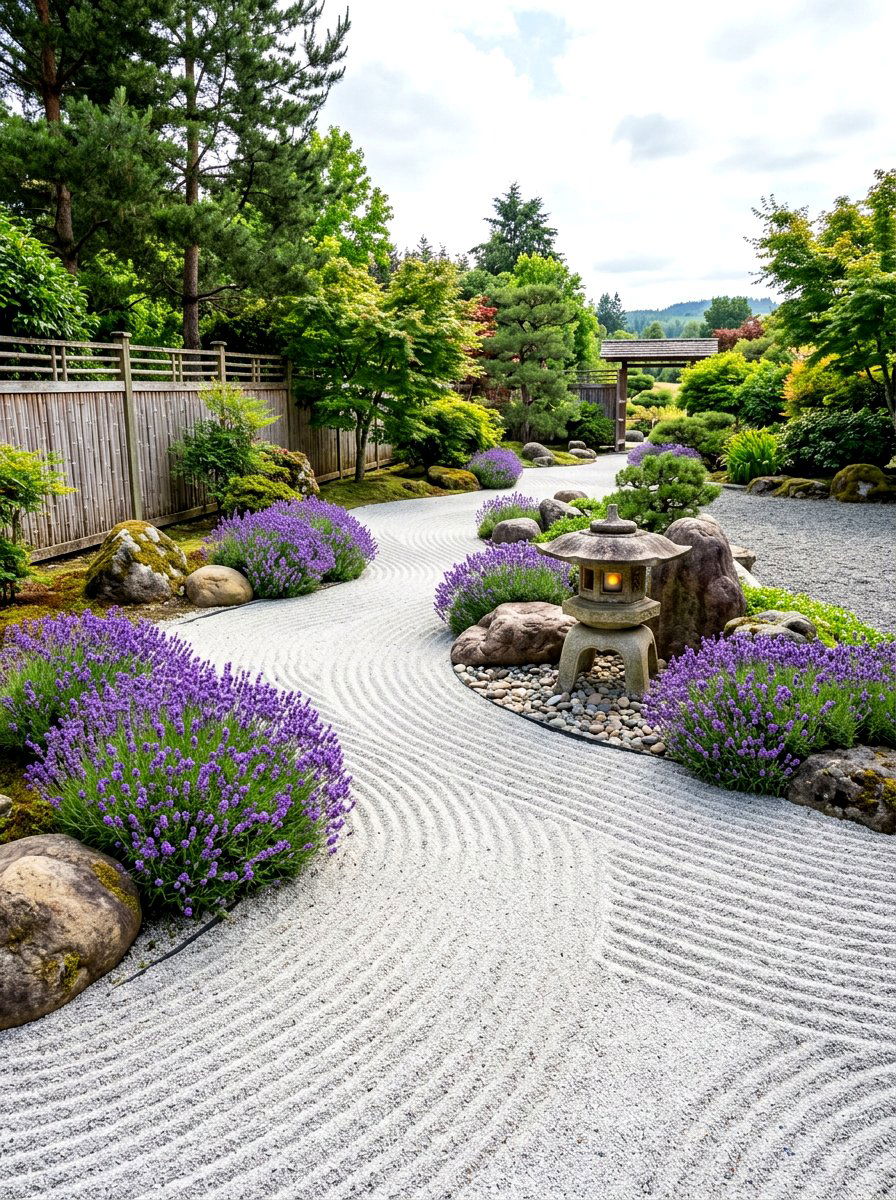
Have you ever considered how a single plant can transform your backyard into a personal spa? Lavender is the undisputed queen of any medicinal herb garden, offering both visual beauty and profound healing benefits. Known for its soothing scent, this hardy perennial is a must-have for those seeking relief from stress, anxiety, or insomnia. When you plant lavender, you are creating a reliable source for homemade teas, essential oils, and dried sachets. It thrives in sunny locations with well-drained soil, making it a low-maintenance choice for many climates. Beyond its human uses, lavender acts as a magnet for bees and butterflies, ensuring your entire garden remains vibrant and ecologically balanced throughout the warmer months.
2. Raised Bed Medicinal Herbs
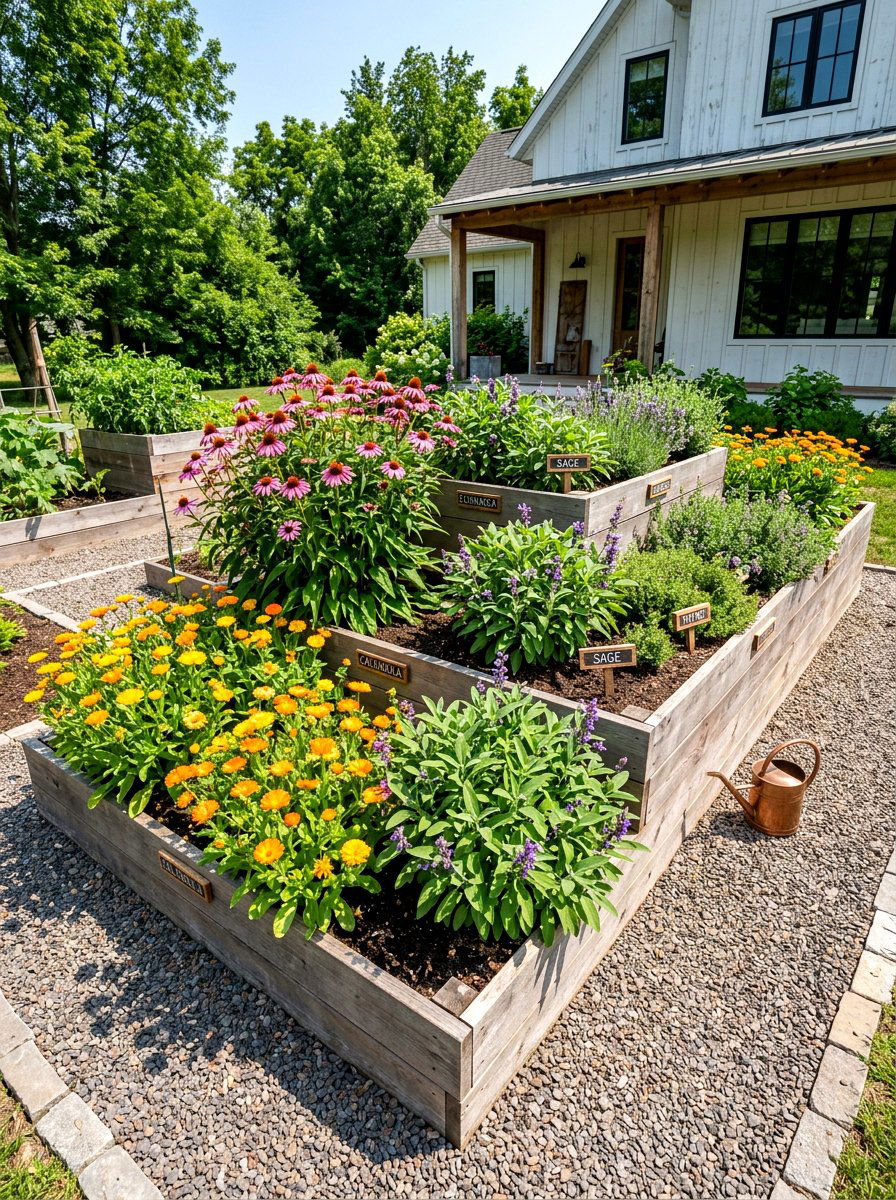
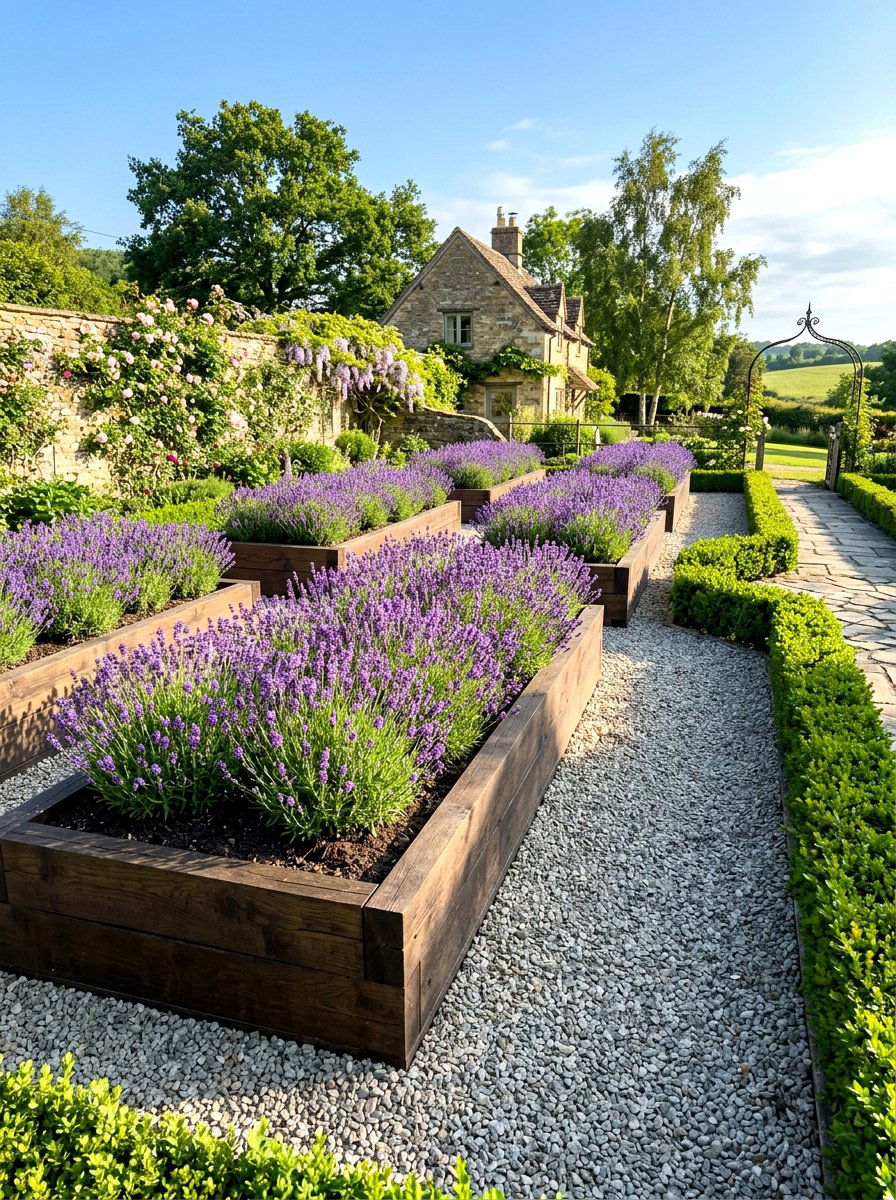
Are you looking for a way to grow powerful healing plants without straining your back or dealing with poor soil quality? Raised bed medicinal herbs offer the perfect solution for organized and accessible gardening. By elevating your growing area, you gain complete control over the soil composition, which is vital for herbs that require specific nutrients to maximize their potency. These structures also provide excellent drainage, preventing root rot in sensitive plants like echinacea or calendula. The defined borders help keep invasive species like mint contained while creating a neat, professional look. This setup makes harvesting your daily remedies a breeze, as everything is positioned at a comfortable height for frequent tending and gathering.
3. Tea Garden Layout
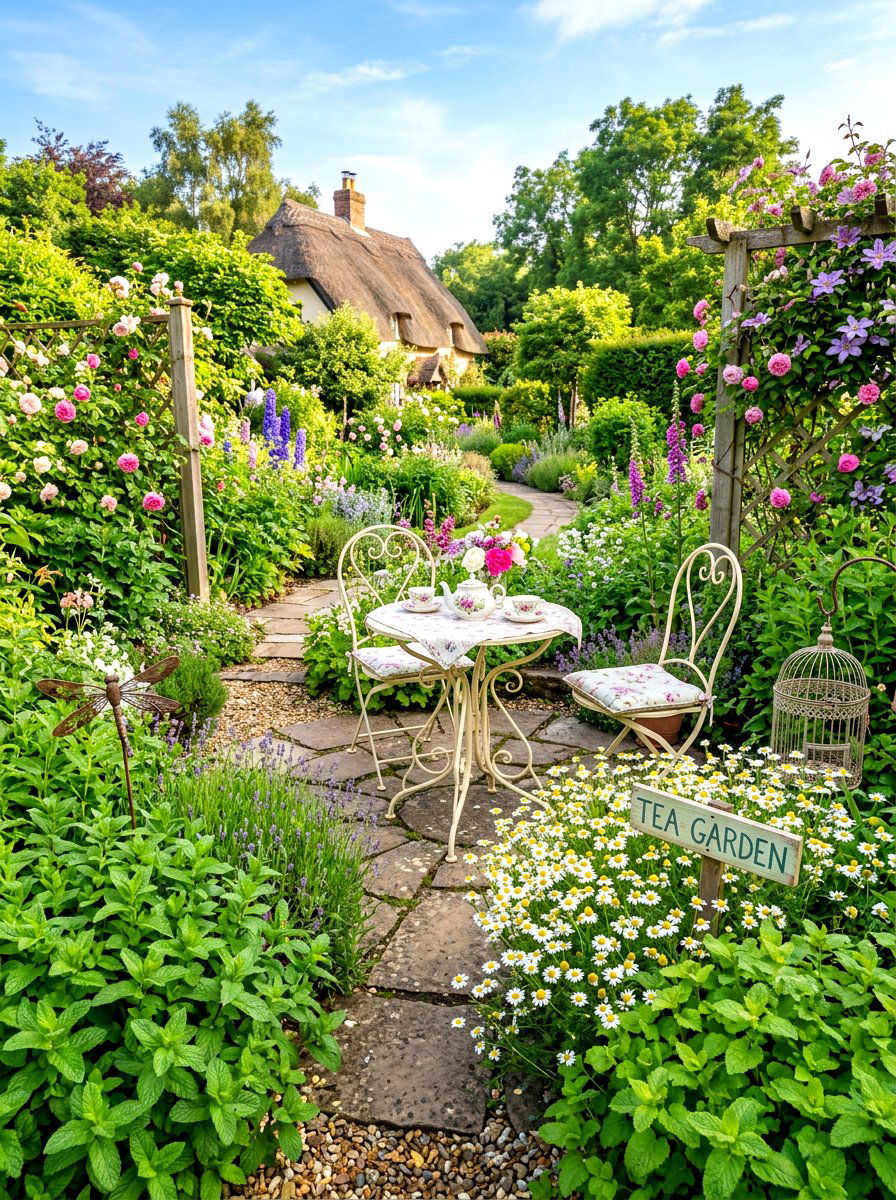
Would you love to brew your own wellness infusions using ingredients harvested just steps from your kitchen? A tea garden layout focuses on plants specifically chosen for their flavor and therapeutic properties when steeped in hot water. Incorporating lemon balm for relaxation, peppermint for digestion, and chamomile for sleep creates a comprehensive beverage station in your backyard. These plants often feature soft textures and gentle colors, contributing to a peaceful atmosphere. To make the most of this space, include a small seating area where you can enjoy your freshly brewed cup while surrounded by the very plants that created it. This immersive experience turns your daily tea ritual into a truly holistic healing practice.
4. Vertical Herb Wall
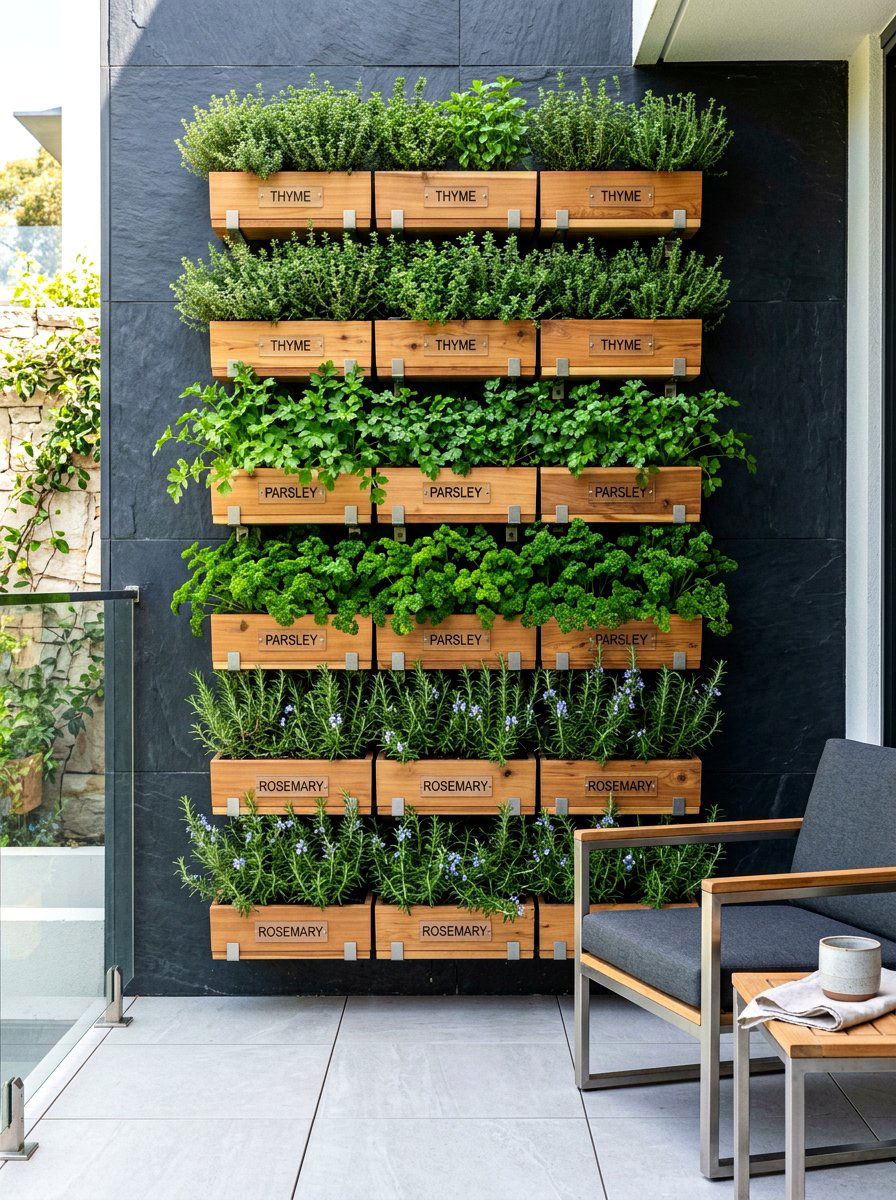
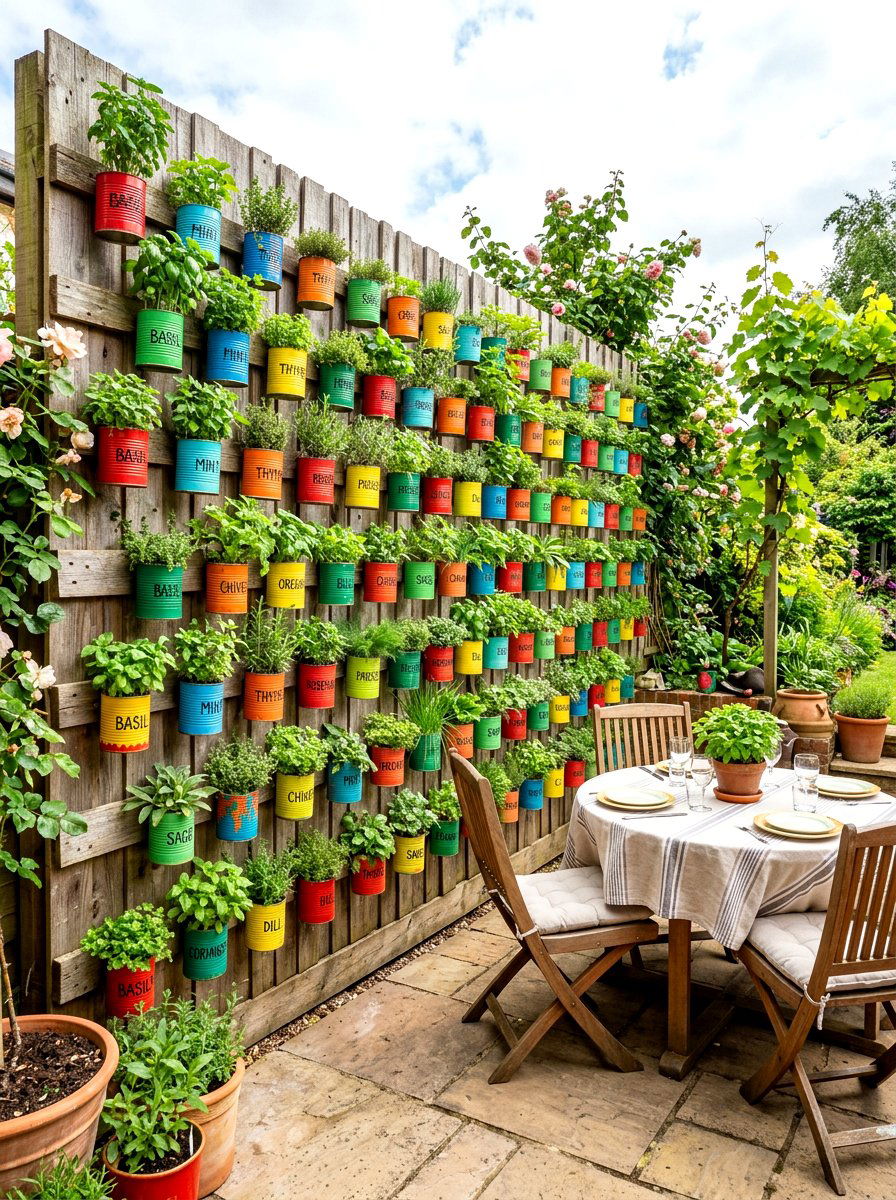
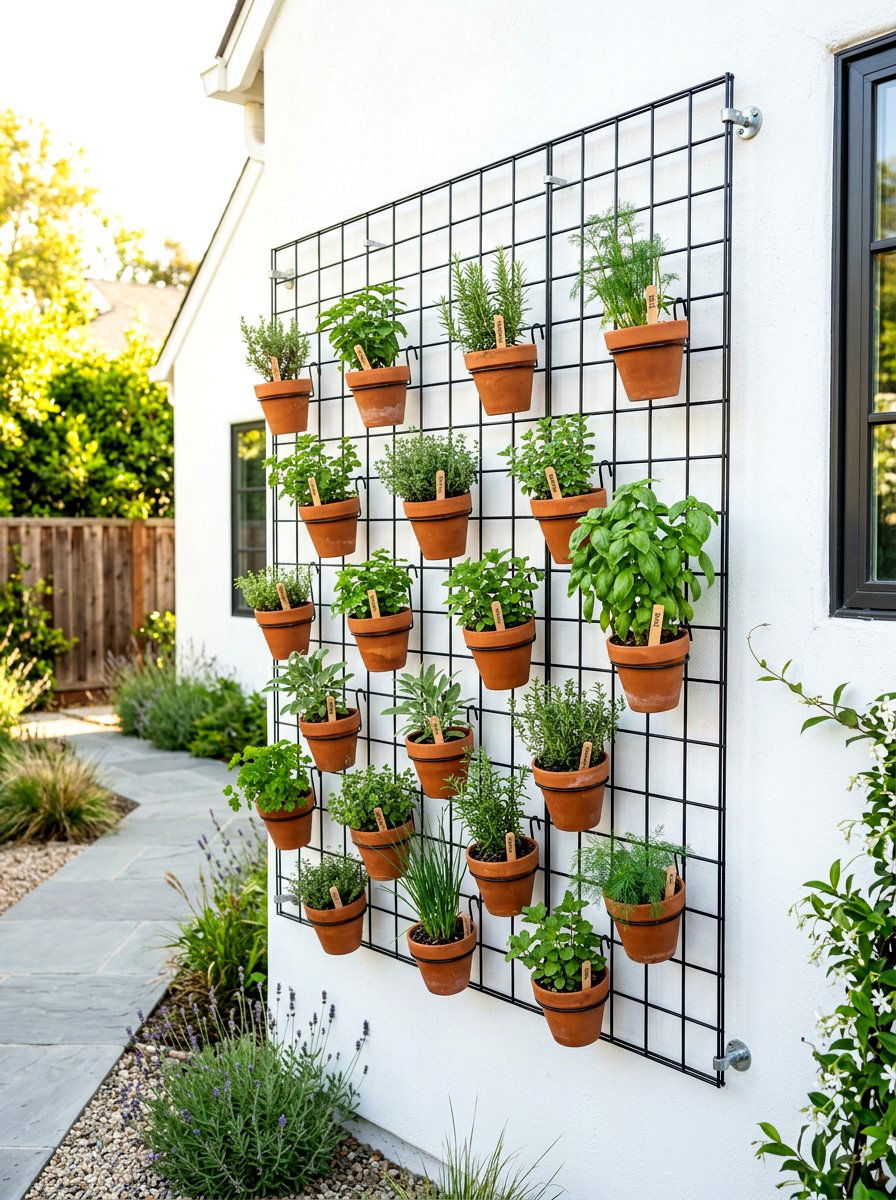
Do you have limited ground space but still want to cultivate a diverse array of healing plants for your family? A vertical herb wall is an ingenious way to maximize every inch of your porch, balcony, or garden fence. By stacking planters or using a pocket system, you can grow dozens of medicinal varieties in a very small footprint. This method is particularly effective for trailing herbs like thyme or smaller plants like gotu kola. The vertical arrangement also improves air circulation around the foliage, which helps prevent fungal diseases. It creates a stunning living backdrop that provides privacy and a lush green aesthetic, proving that you do not need a massive yard to be an herbalist.
5. Kitchen Window Herb Garden
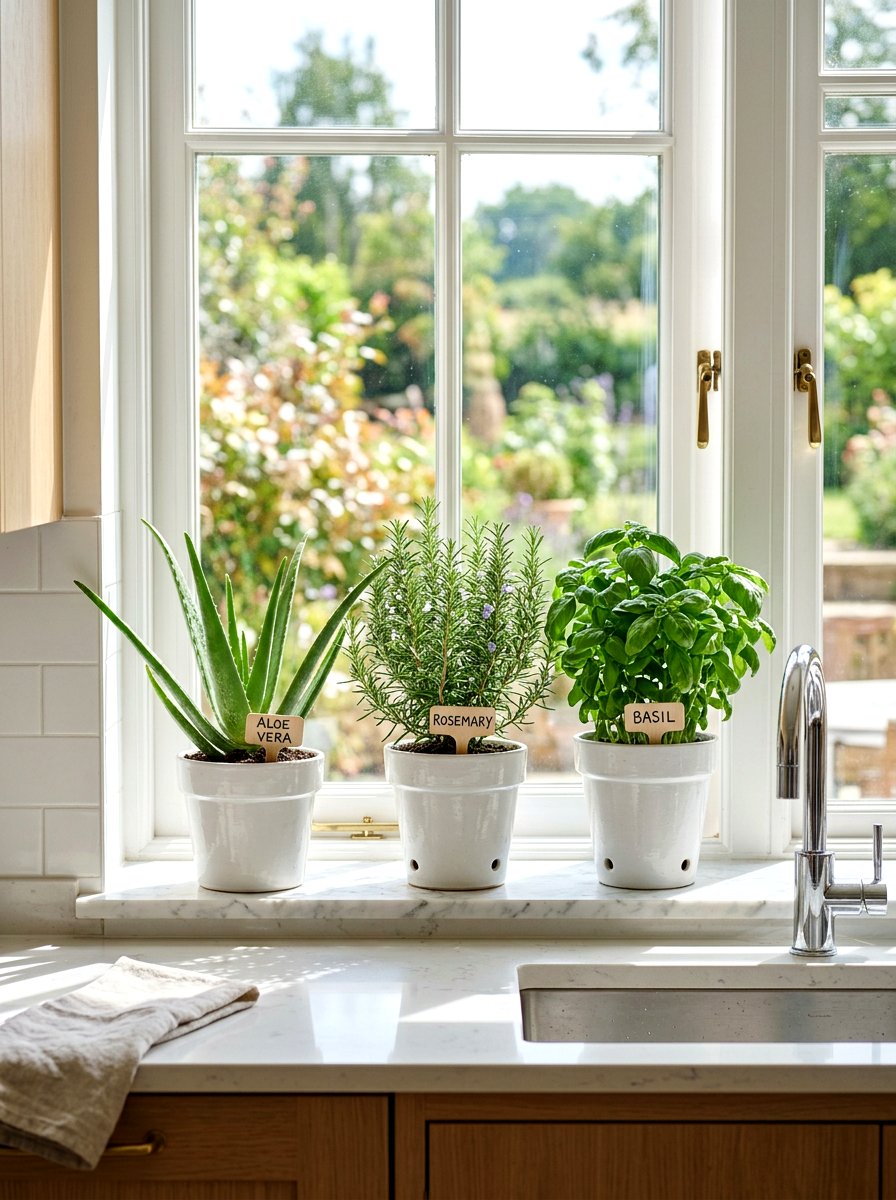
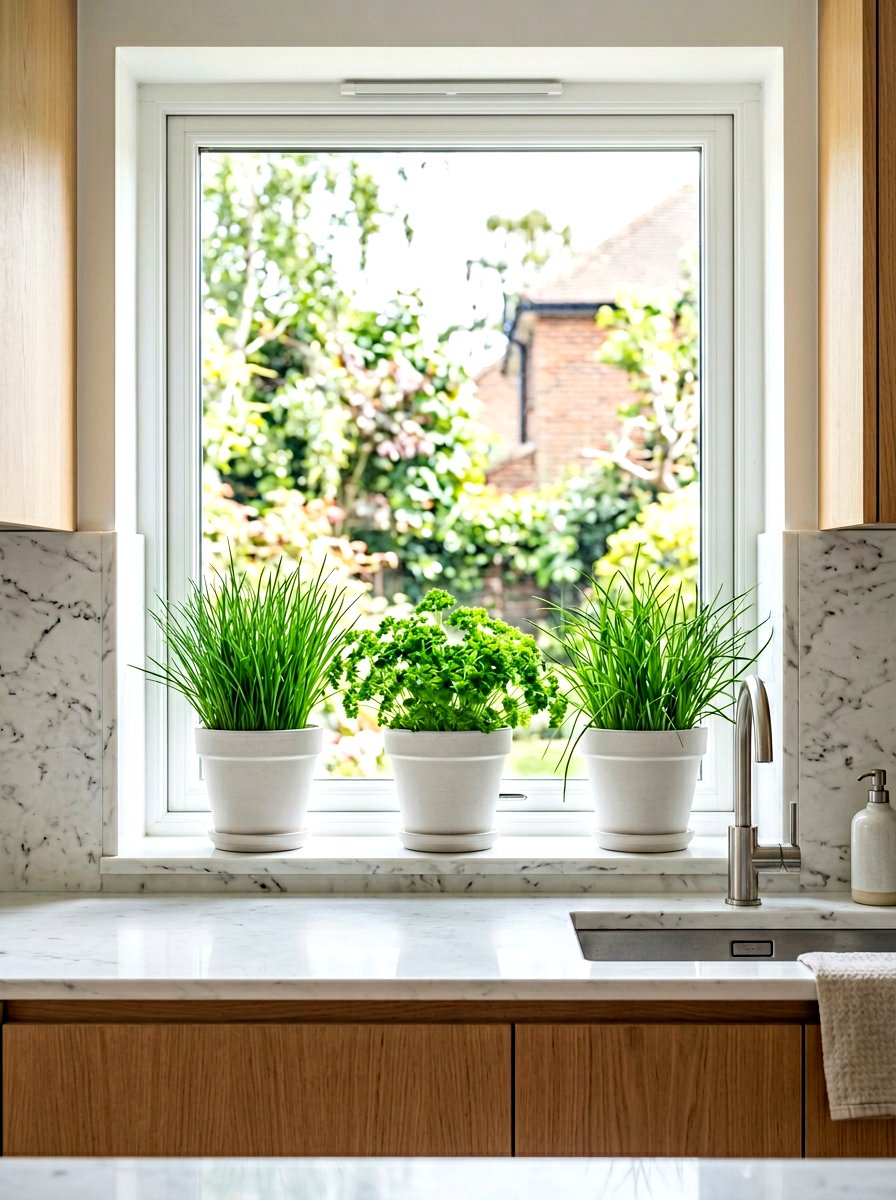
What if you could reach for a natural remedy while standing right at your sink? A kitchen window herb garden brings the power of medicinal plants directly into your home, making them incredibly easy to use daily. Focus on compact varieties like aloe vera for burns, rosemary for mental clarity, and parsley for nutrient boosts. These plants thrive in the bright, indirect light of a sunny windowsill and benefit from the consistent indoor temperature. Having them within arm's reach encourages you to incorporate them into your cooking and wellness routines more frequently. This small-scale setup is perfect for beginners who want to learn the basics of herb care without feeling overwhelmed by a large outdoor project.
6. Herb Spiral
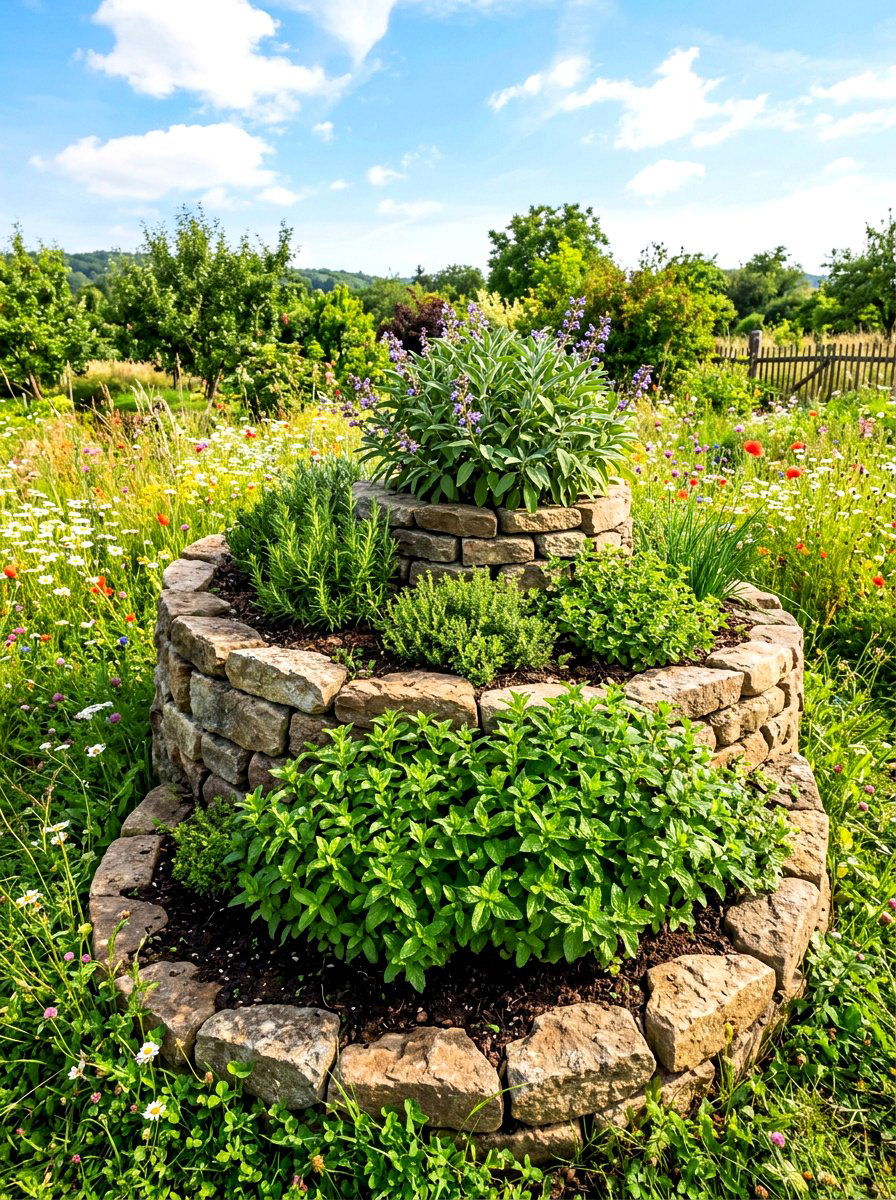
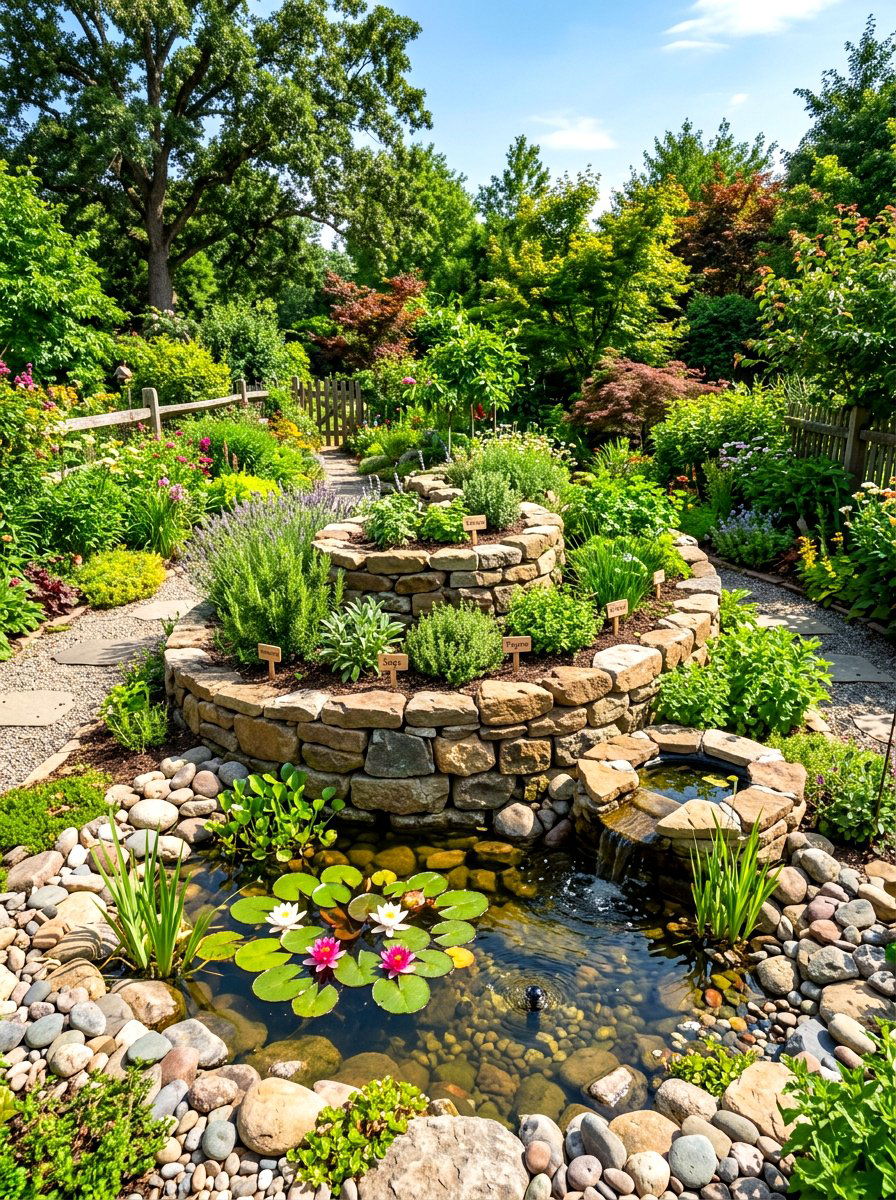
Have you heard of the permaculture technique that allows you to grow plants with different needs in one tiny circular space? An herb spiral is a brilliant three-dimensional design that creates various microclimates for your medicinal plants. The top of the spiral is dry and sunny, perfect for Mediterranean herbs like rosemary and sage. As you move down the slope, the soil becomes moister and more shaded, providing the ideal environment for plants like parsley and chives. The very bottom can even feature a small pond for water-loving herbs like brahmi. This efficient use of space not only looks like a beautiful landscape sculpture but also ensures every plant lives in its preferred habitat.
7. Cottage Herb Border
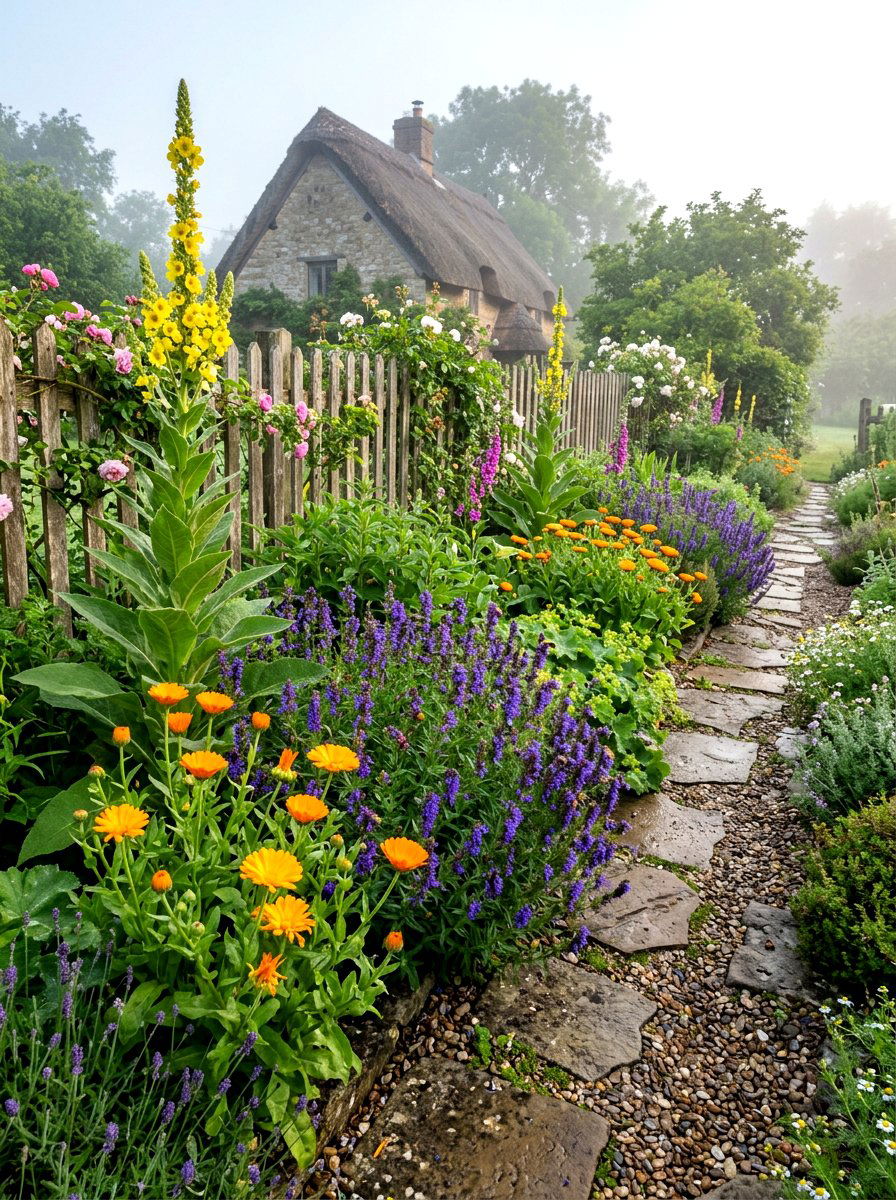
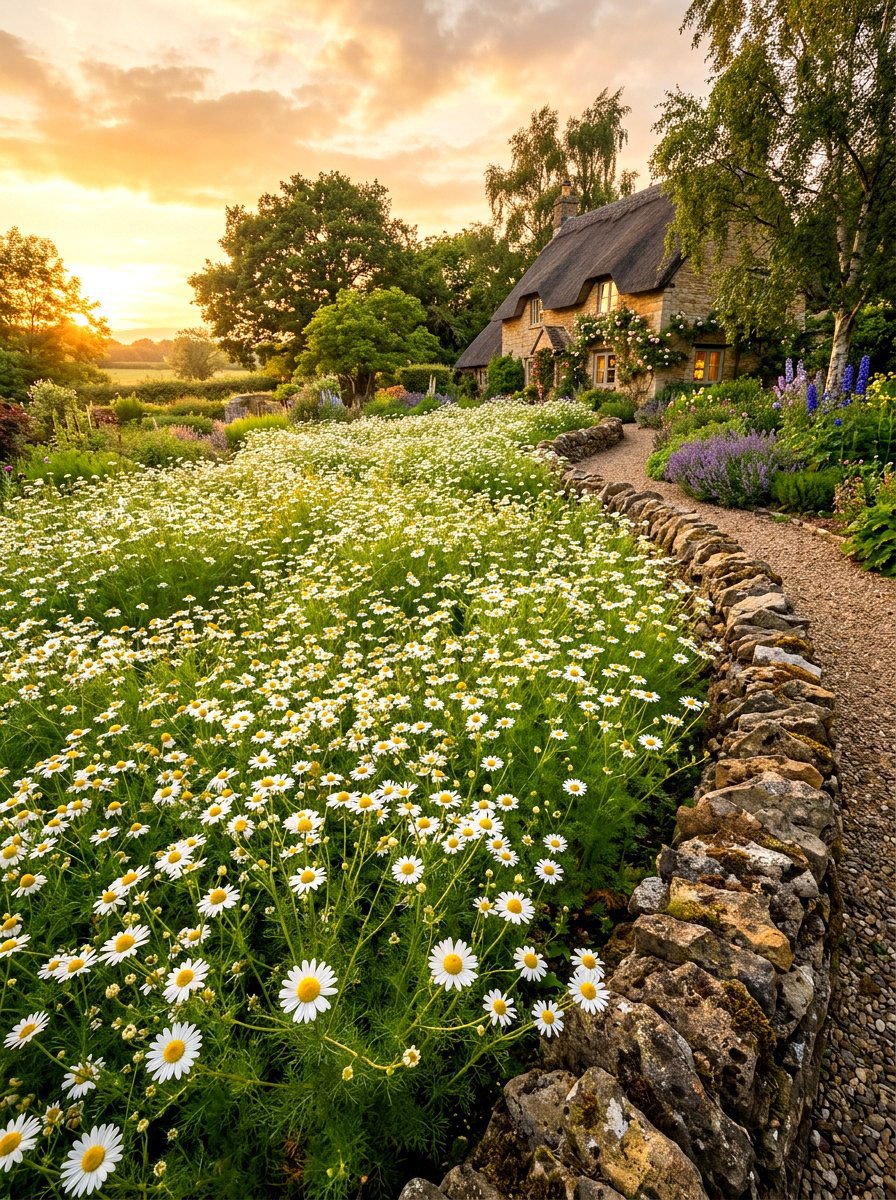
Are you dreaming of a romantic, overflowing garden that feels like a scene from a fairy tale while providing modern health benefits? A cottage herb border blends medicinal plants with ornamental flowers for a lush, naturalistic look. Mix tall, striking stalks of mullein with the bright orange petals of calendula and the soft blue spikes of hyssop. This style of gardening celebrates diversity and allows plants to intermingle, which naturally deters pests and improves soil health. By placing these borders along paths or near your home, you create a sensory experience filled with varied textures and scents. It is a beautiful way to hide a functional "pharmacy" in plain sight among your favorite decorative blooms.
8. Potted Herb Collection
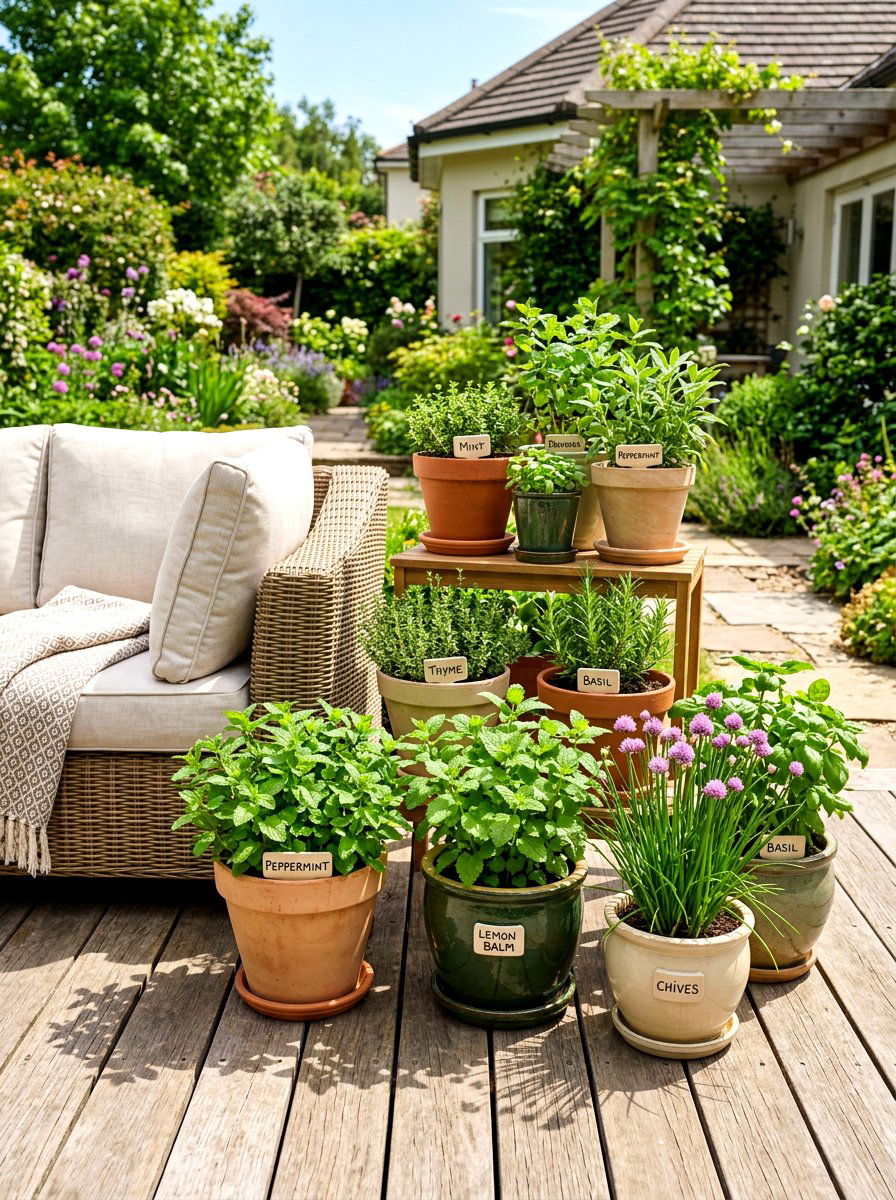
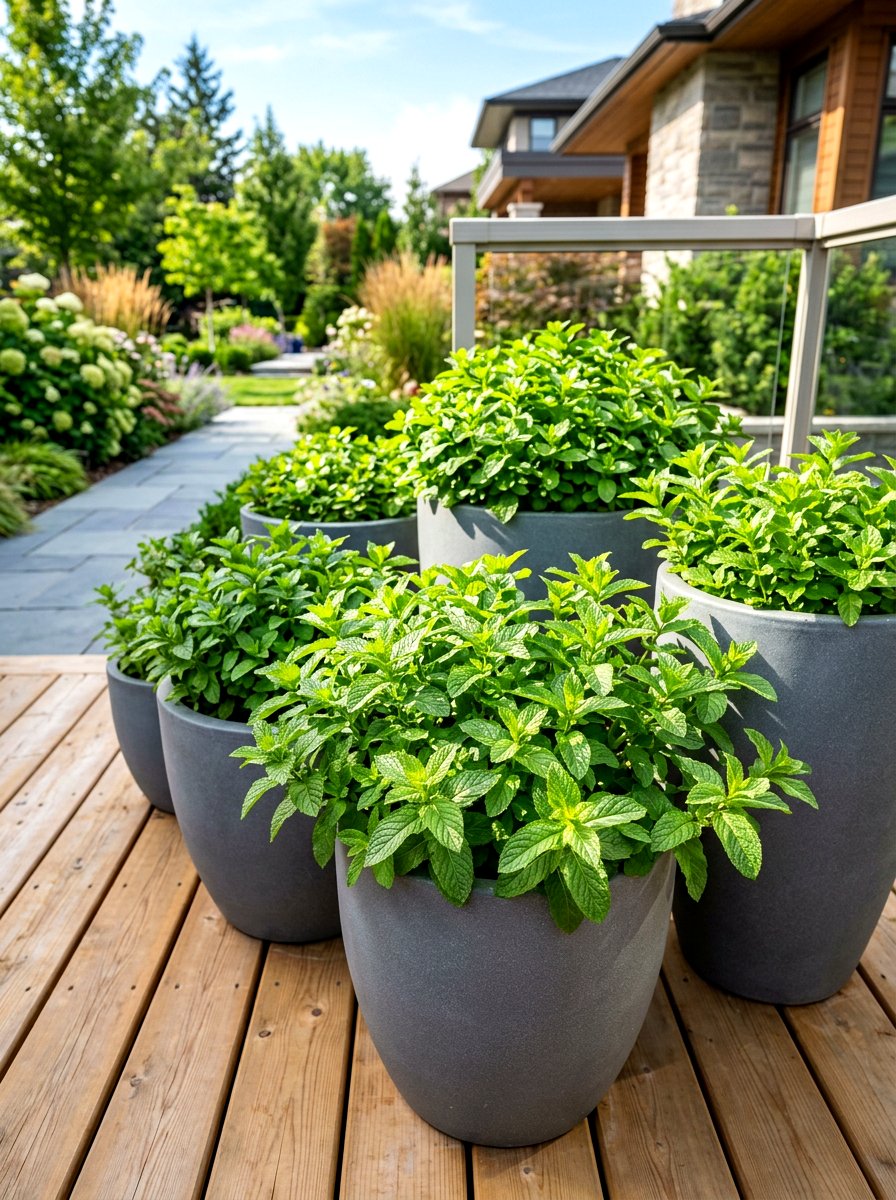
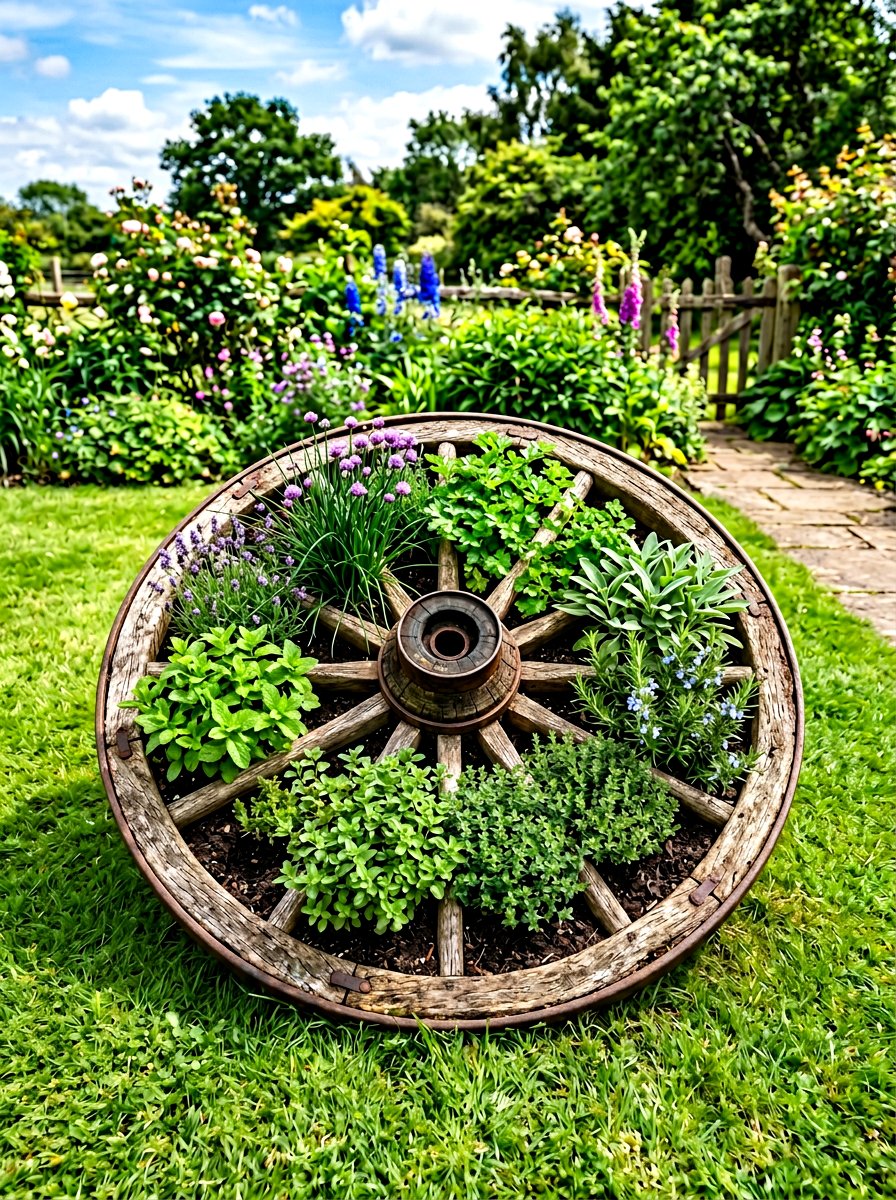
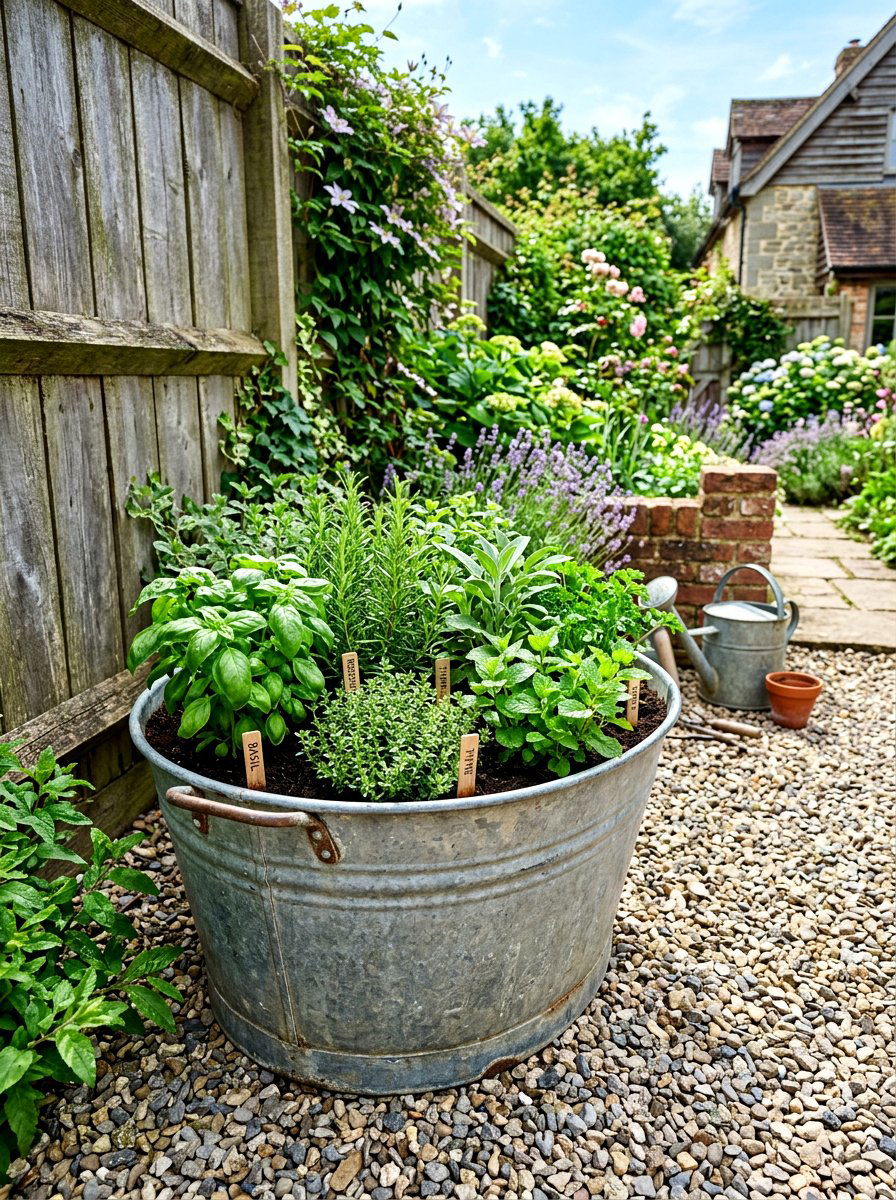
Do you move frequently or want the flexibility to rearrange your garden whenever the mood strikes? A potted herb collection is the ultimate versatile setup for growing medicinal plants in any environment. Using individual containers allows you to tailor the soil, water, and sun exposure for each specific herb, ensuring they thrive. This is especially useful for aggressive growers like lemon balm or peppermint, which can quickly take over a garden bed if left unchecked. You can easily bring sensitive pots indoors during the winter or move them into the shade during a heatwave. Grouping different sizes and styles of pots creates a charming, layered look that adds character to your patio or deck.
9. Rock Herb Garden
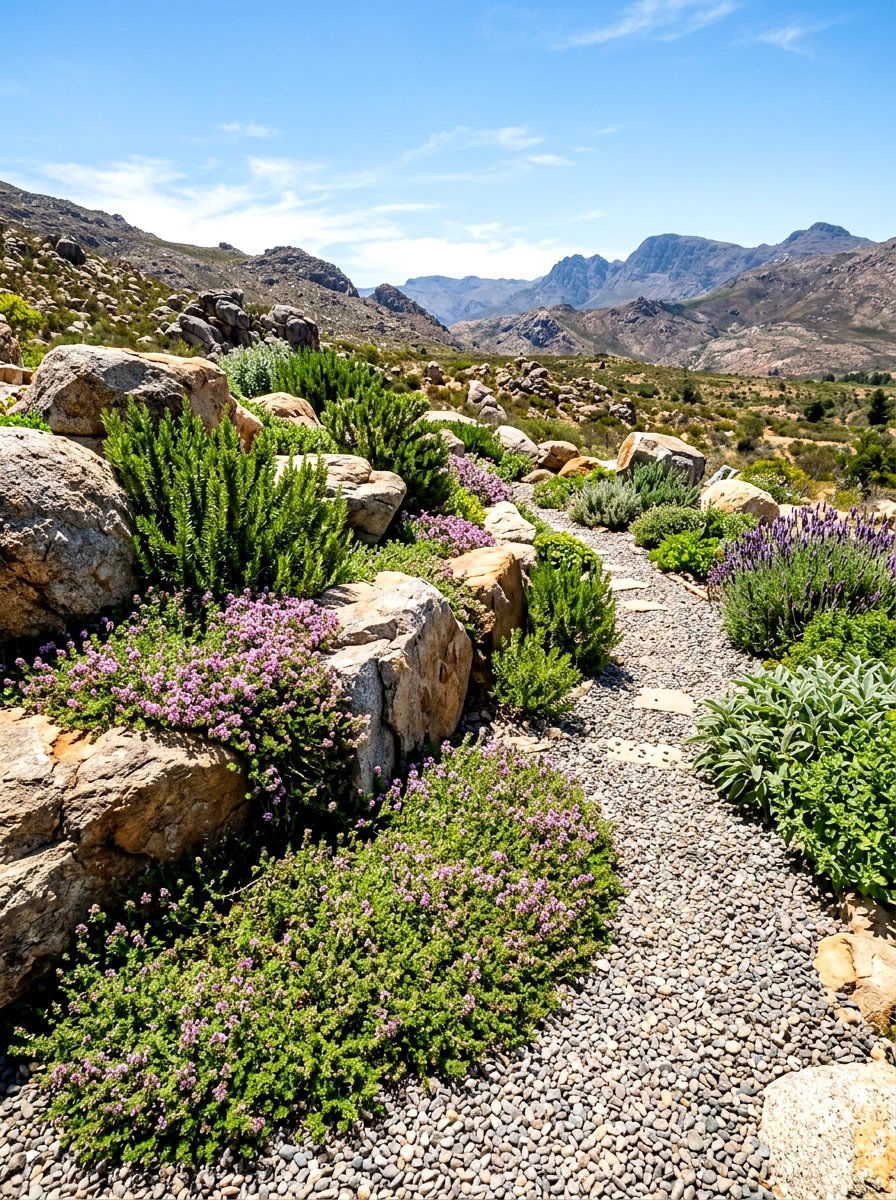
Have you noticed how some of the most powerful medicinal herbs seem to grow best in the most rugged environments? A rock herb garden mimics the natural mountainous habitats of many healing plants, providing the sharp drainage they crave. Placing large stones around herbs like thyme, oregano, and sage helps regulate soil temperature and keeps the foliage off the damp ground. These stones also absorb heat during the day and release it at night, which can extend the growing season for heat-loving varieties. This low-maintenance approach creates a ruggedly beautiful aesthetic that requires very little water once established. It is a perfect choice for xeriscaping or adding interest to a sloping area of your yard.
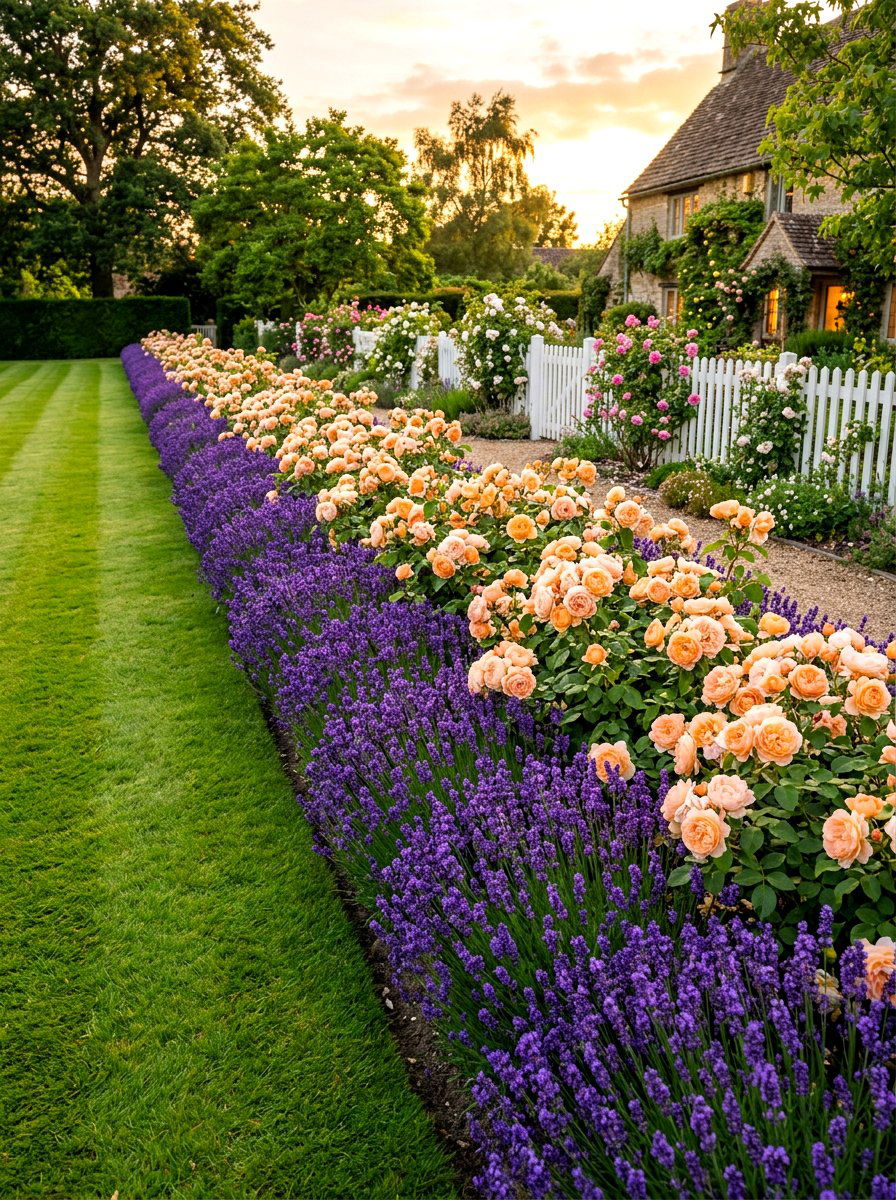
10. Greenhouse Herb Garden
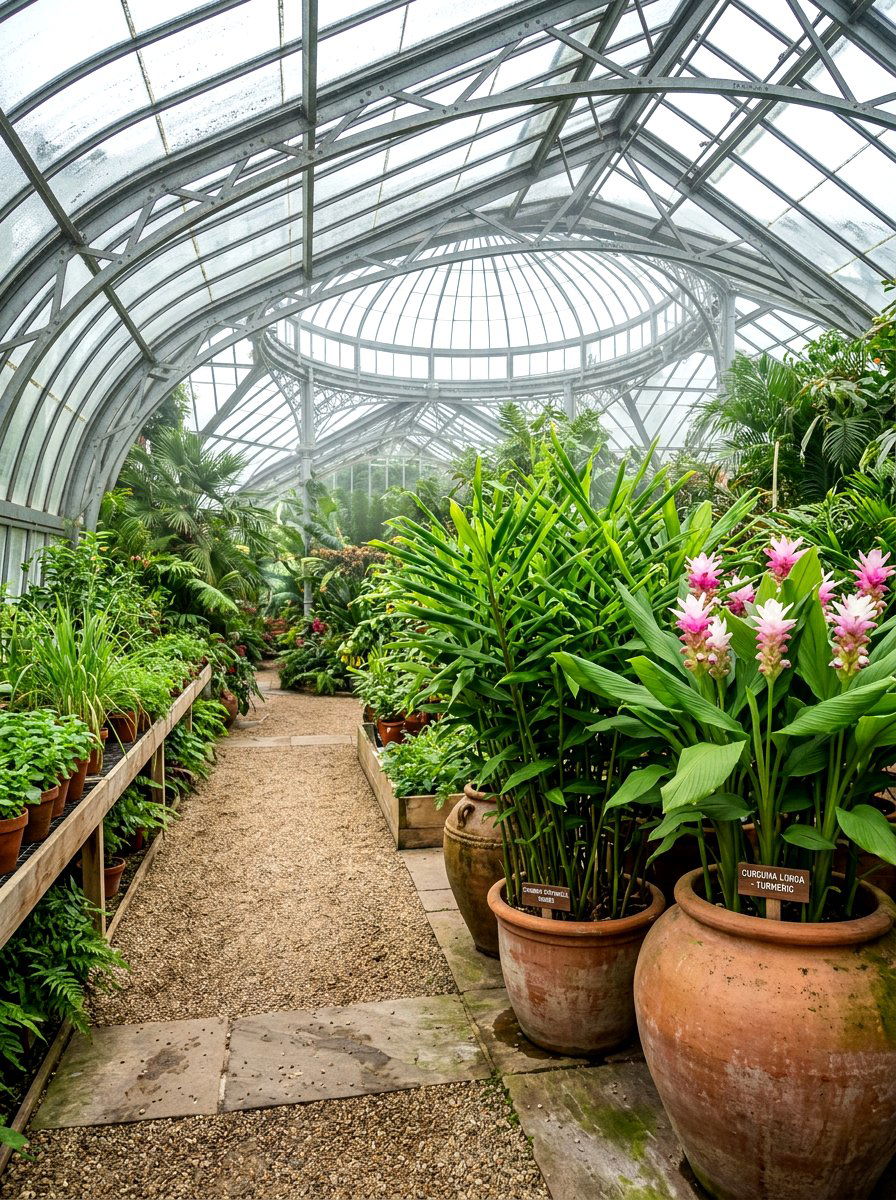
Would you like to have access to fresh medicinal leaves even when the ground is covered in frost? A greenhouse herb garden offers a controlled environment that extends your growing season year-round. This setup is ideal for tender perennials like holy basil or tropical medicinal plants like ginger and turmeric that would otherwise perish in cold climates. Inside the greenhouse, you can manage humidity and light levels to produce high-quality, potent herbs regardless of the outdoor weather. It provides a warm, sun-drenched sanctuary for the gardener as well, offering a place to connect with nature during the dark winter months. This investment ensures your herbal apothecary never runs out of vital ingredients for your wellness.
11. Apothecary Herb Bed
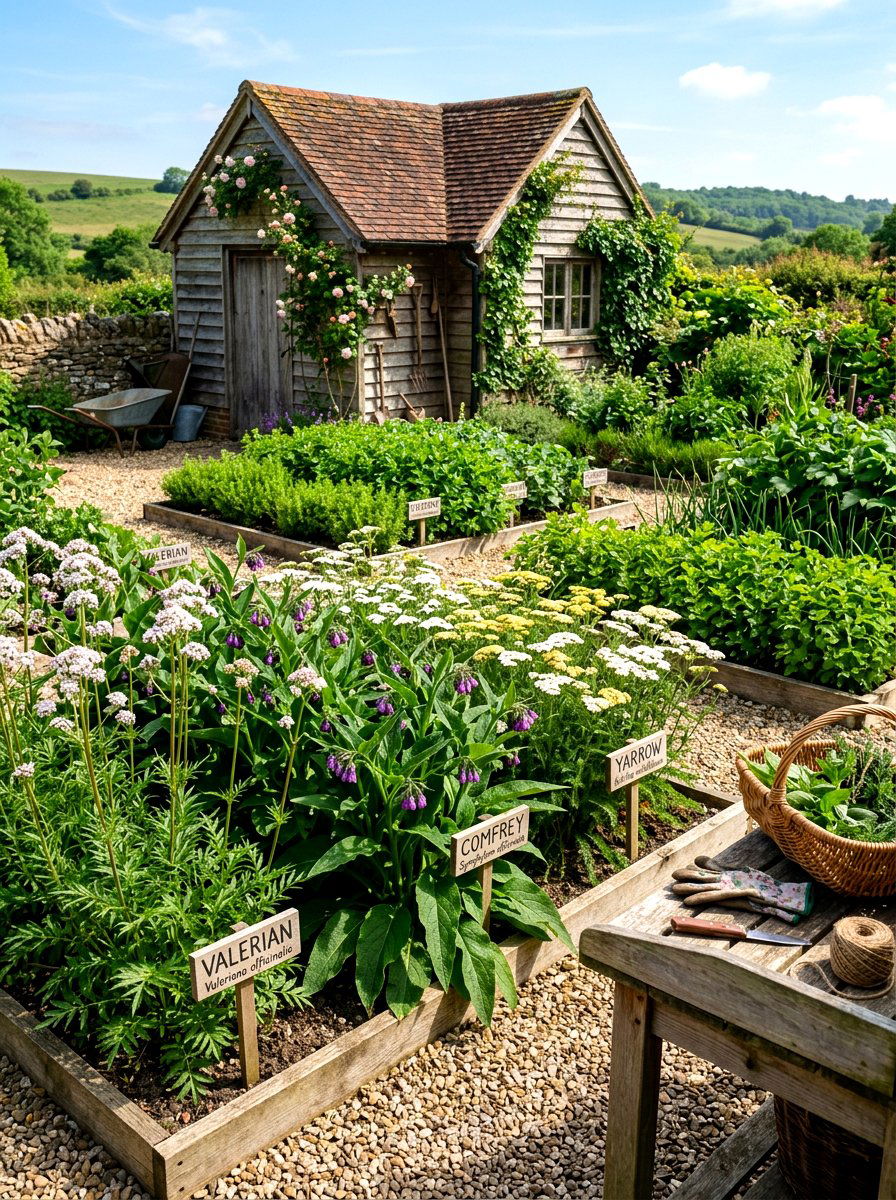
Are you ready to create a dedicated space that functions as your own backyard laboratory for natural healing? An apothecary herb bed is designed with productivity and organization in mind, focusing on the most essential medicinal plants for a home remedy kit. Arrange your plants by their therapeutic actions, such as a section for respiratory support with elecampane and another for skin healing with yarrow and comfrey. This systematic approach makes it much easier to harvest and process large batches of herbs for tinctures, salves, and dried storage. By treating this bed as a functional resource, you ensure that you always have the right ingredients on hand to support your family’s health naturally.
12. Pollinator Herb Garden
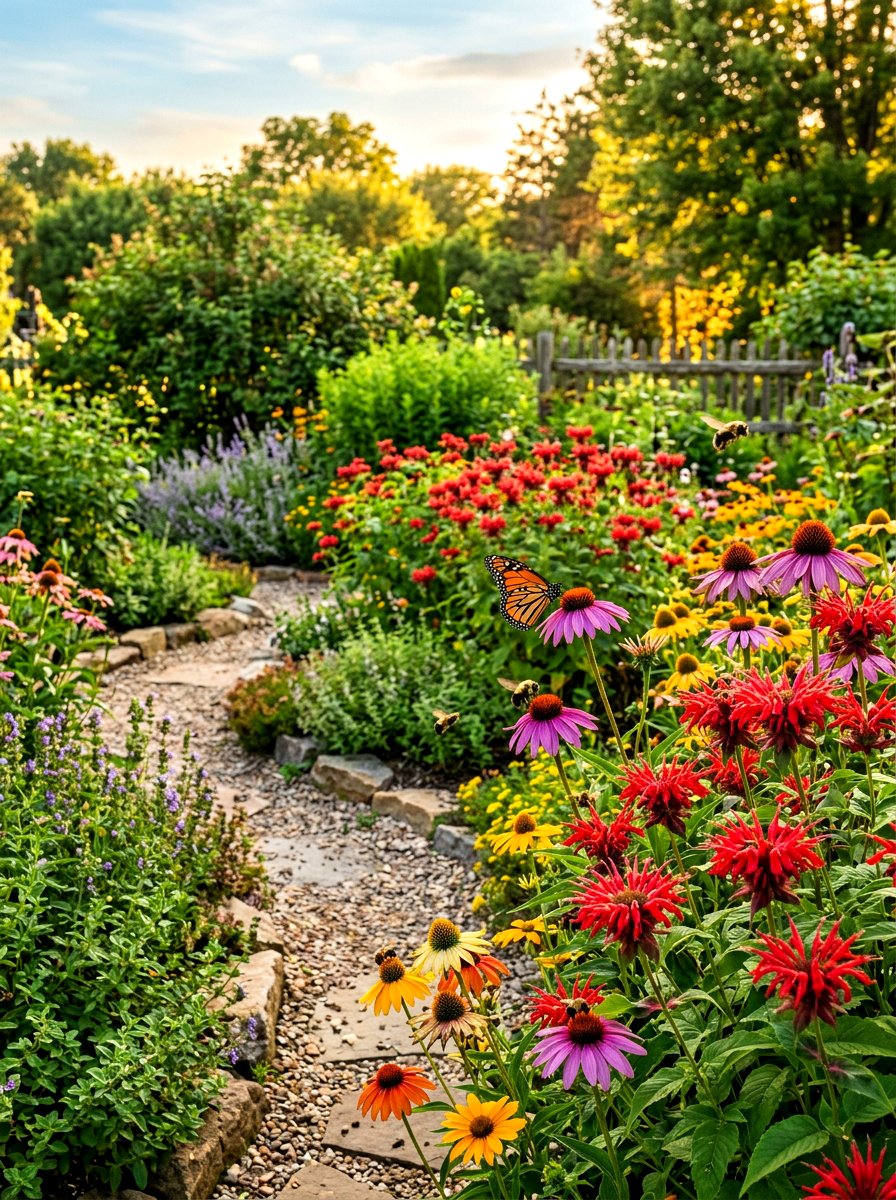
Did you know that many of the best medicinal plants are also the favorites of bees, butterflies, and hummingbirds? A pollinator herb garden serves a dual purpose by providing you with healing remedies while supporting the local ecosystem. Herbs like echinacea, bee balm, and borage produce stunning flowers that are rich in nectar and pollen. When you plant these varieties, you invite beneficial insects that help your entire garden flourish. The sight of vibrant wings fluttering around your medicinal plants adds a layer of life and joy to your outdoor space. It is a beautiful way to practice regenerative gardening, ensuring that your quest for personal health also contributes to the health of the planet.
13. Shady Herb Patch
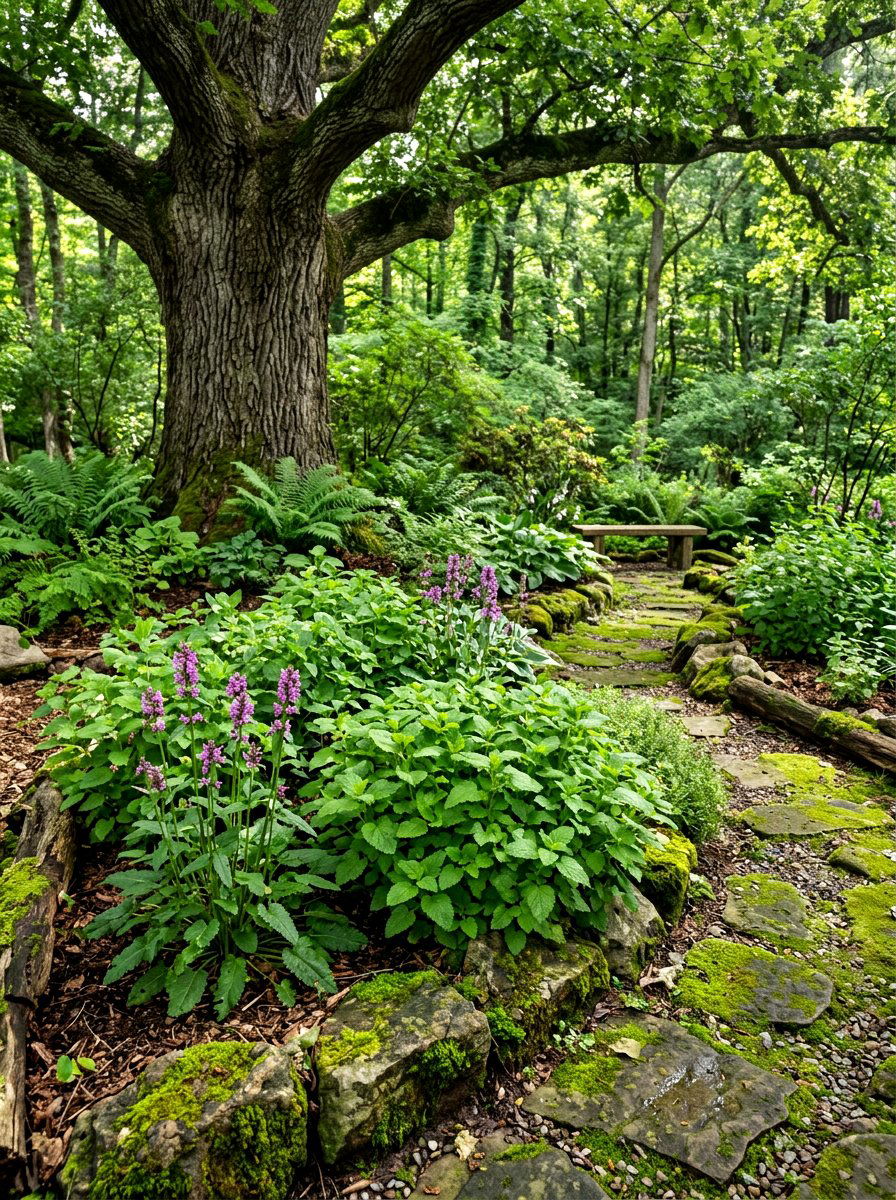
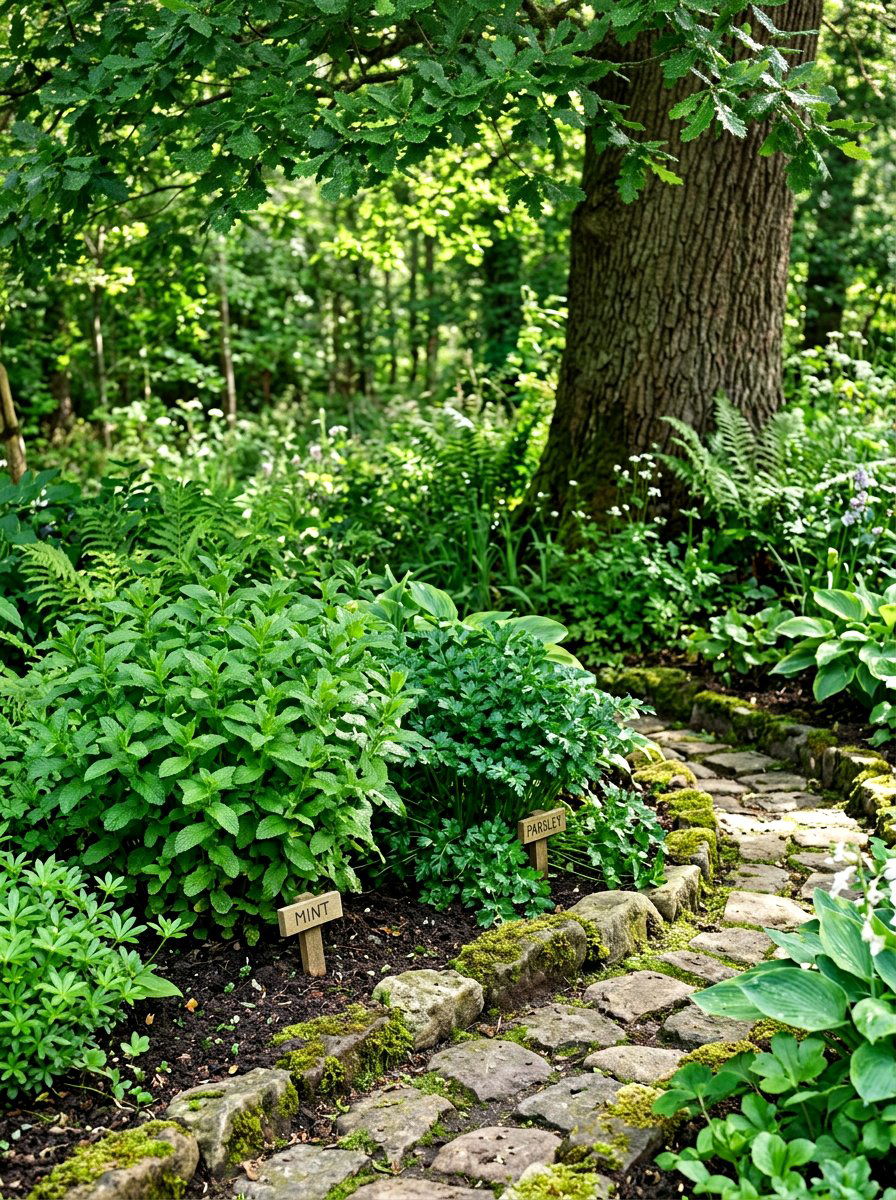
Do you have a corner of your yard that never sees the full sun but still want to grow useful plants? A shady herb patch is the perfect place for medicinal varieties that prefer cooler, damper conditions. Plants like lemon balm, mint, and wood betony thrive in dappled light and can actually struggle in the intense afternoon heat. These shade-loving herbs often have lush, green foliage that brings life to dark corners. By utilizing these less-than-perfect spots, you can expand your medicinal collection without needing more prime real estate. It turns a neglected area into a valuable asset, proving that every part of your garden has the potential to contribute to your family’s overall wellness.
14. Fragrant Herb Path
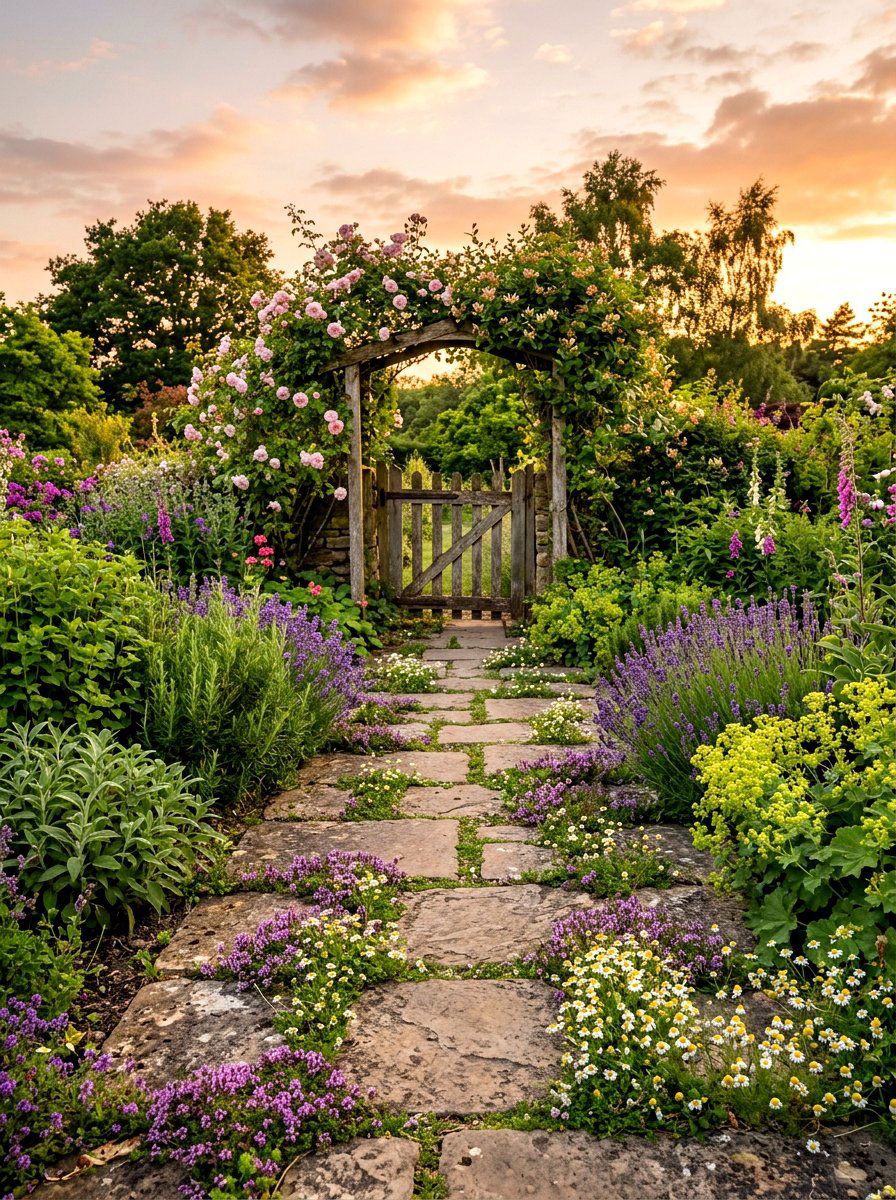
What if walking through your garden could be an act of aromatherapy that clears your mind and lifts your spirit? A fragrant herb path is created by planting low-growing, aromatic medicinal plants between stepping stones or along a walkway. Every time you brush against the leaves of creeping thyme or chamomile, they release their essential oils into the air. This sensory experience provides immediate stress relief and grounds you in the present moment. Choosing plants that can withstand occasional foot traffic ensures the path remains functional while still being productive. It transforms a simple transition through your yard into a therapeutic journey, making the act of gardening a constant source of sensory delight and healing.
15. Drought Tolerant Herb Garden
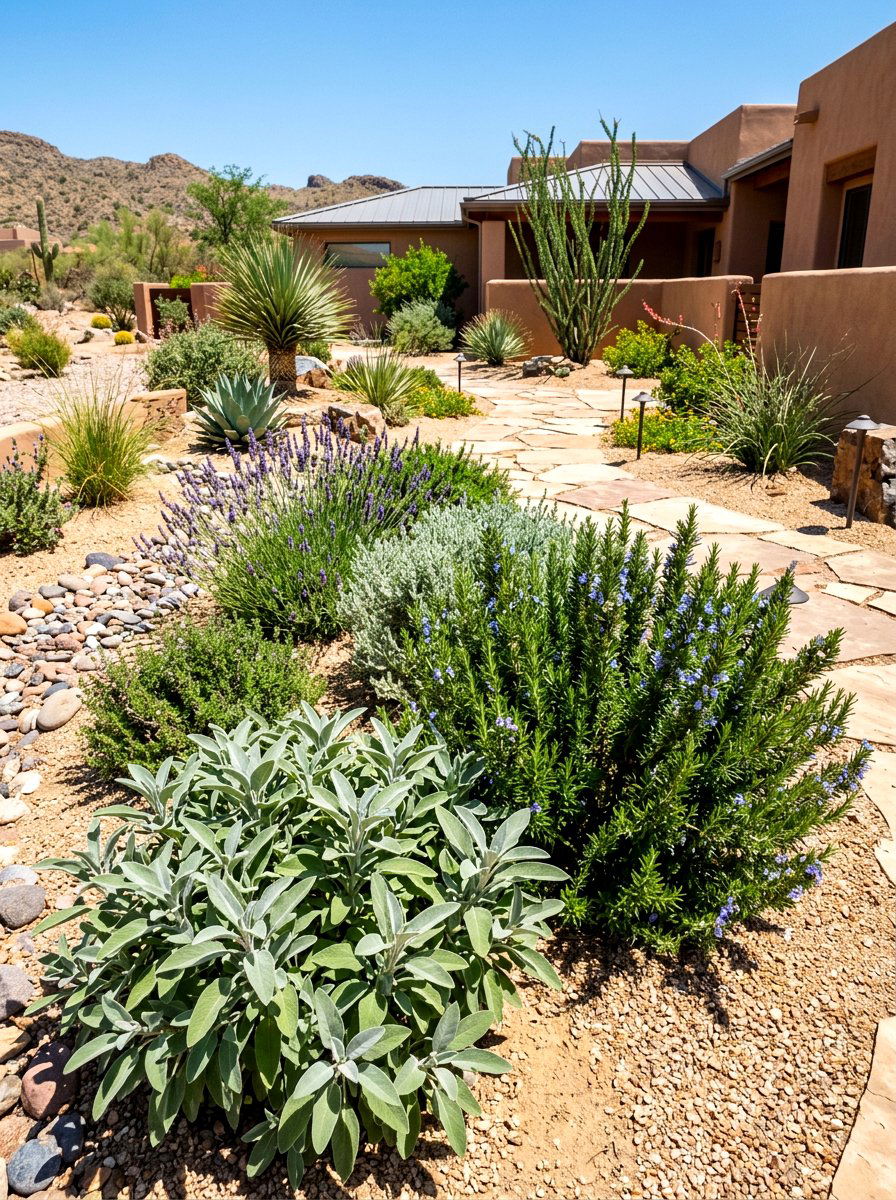
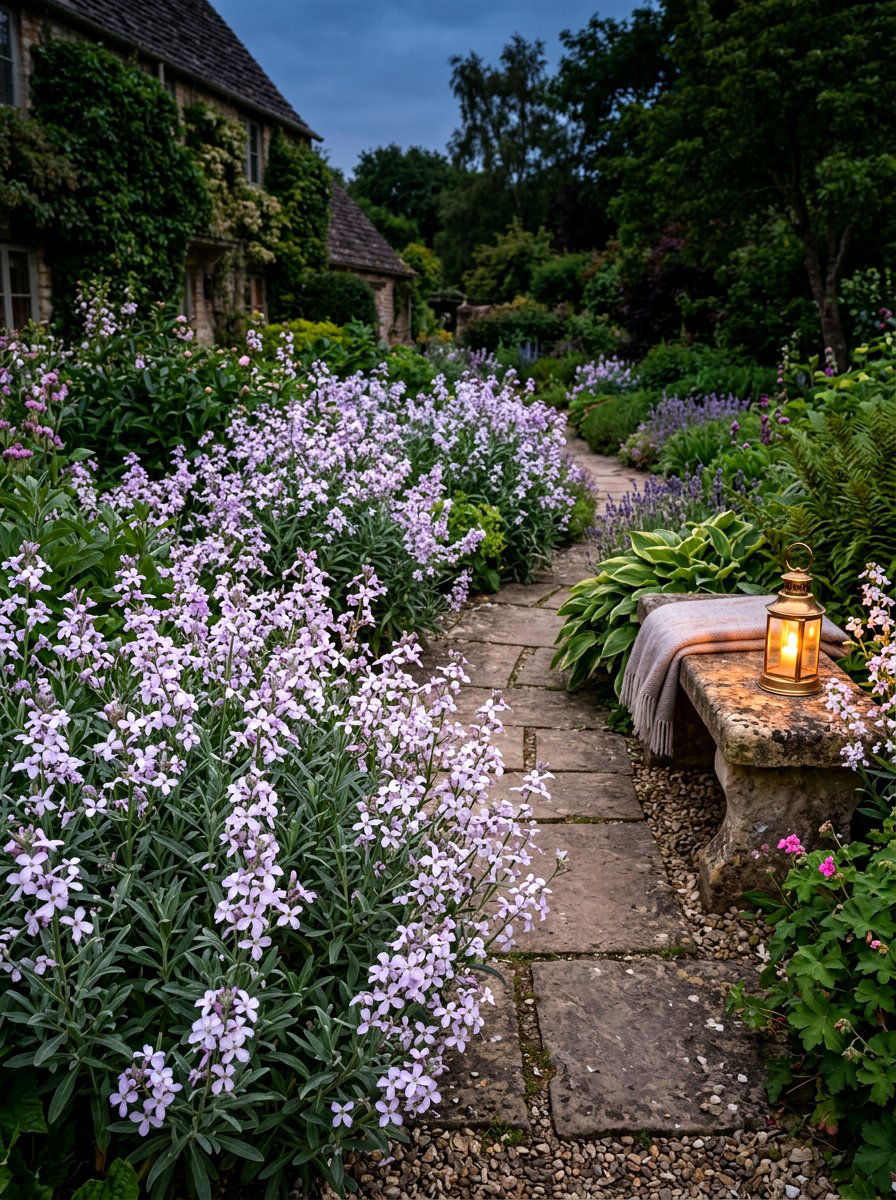
Are you living in a dry climate or simply want to reduce your water usage while still growing a healing garden? A drought tolerant herb garden focuses on resilient Mediterranean plants that have evolved to survive with very little moisture. Rosemary, lavender, sage, and oregano are perfect candidates for this water-wise approach. These plants often have silver or needle-like foliage that helps them retain water and resist the drying effects of the sun. Once established, they require minimal intervention, making them ideal for busy gardeners or those in areas with water restrictions. This sustainable gardening style proves that you can cultivate a powerful medicinal resource while being a responsible steward of our natural resources.
16. Perennial Herb Border
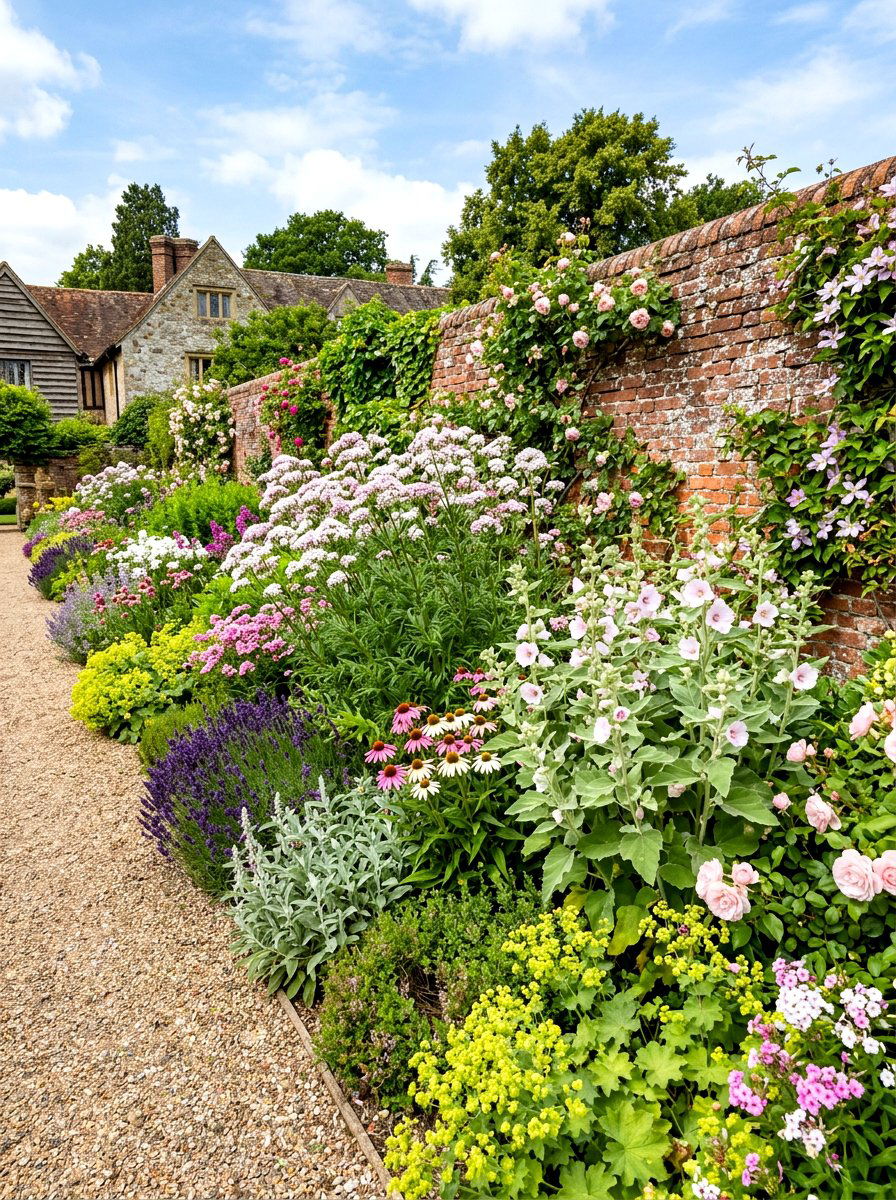
Would you like to plant your garden once and enjoy the healing benefits for many years to come with minimal effort? A perennial herb border consists of long-lived medicinal plants that return season after season, growing stronger and more productive over time. Varieties like echinacea, marshmallow, and valerian establish deep root systems that help them weather various environmental changes. This type of garden provides a sense of stability and continuity in your landscape. As these plants mature, they often produce more abundant harvests, allowing you to stock your apothecary with ease. It is a smart, long-term investment in your health that rewards your initial planting efforts with a lifetime of natural remedies and beauty.
17. Edible Flower Herb Garden
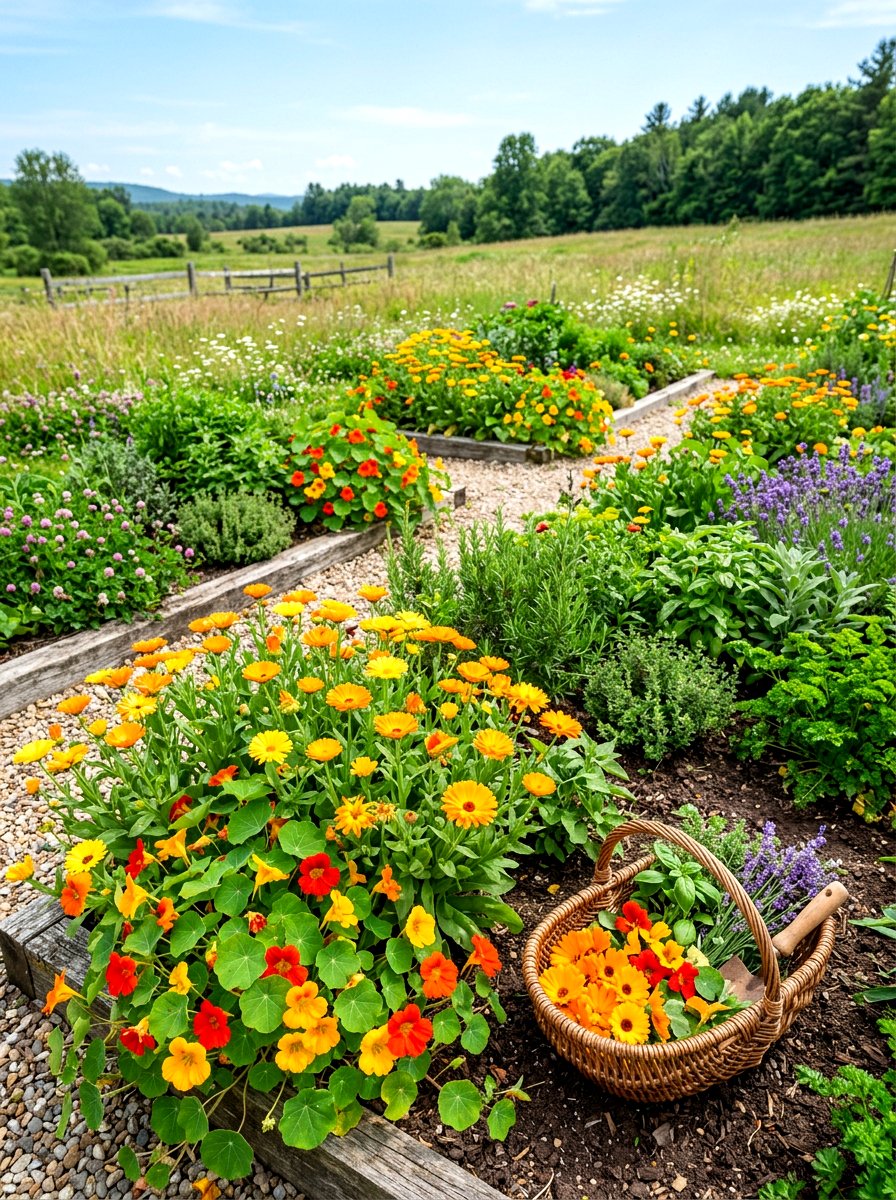
Can you imagine a garden that is so beautiful you could put its blossoms directly onto your dinner plate? An edible flower herb garden features medicinal plants whose blooms are just as useful as their leaves or roots. Calendula, nasturtiums, and pansies provide a riot of color while offering anti-inflammatory and immune-boosting properties. These flowers can be used to garnish salads, decorate cakes, or be infused into healing oils and vinegars. This approach to gardening blurs the line between aesthetics and function, creating a space that is a feast for the eyes and the body. It encourages a playful and creative relationship with your medicinal plants, making wellness feel vibrant and delicious.
18. Balcony Herb Garden
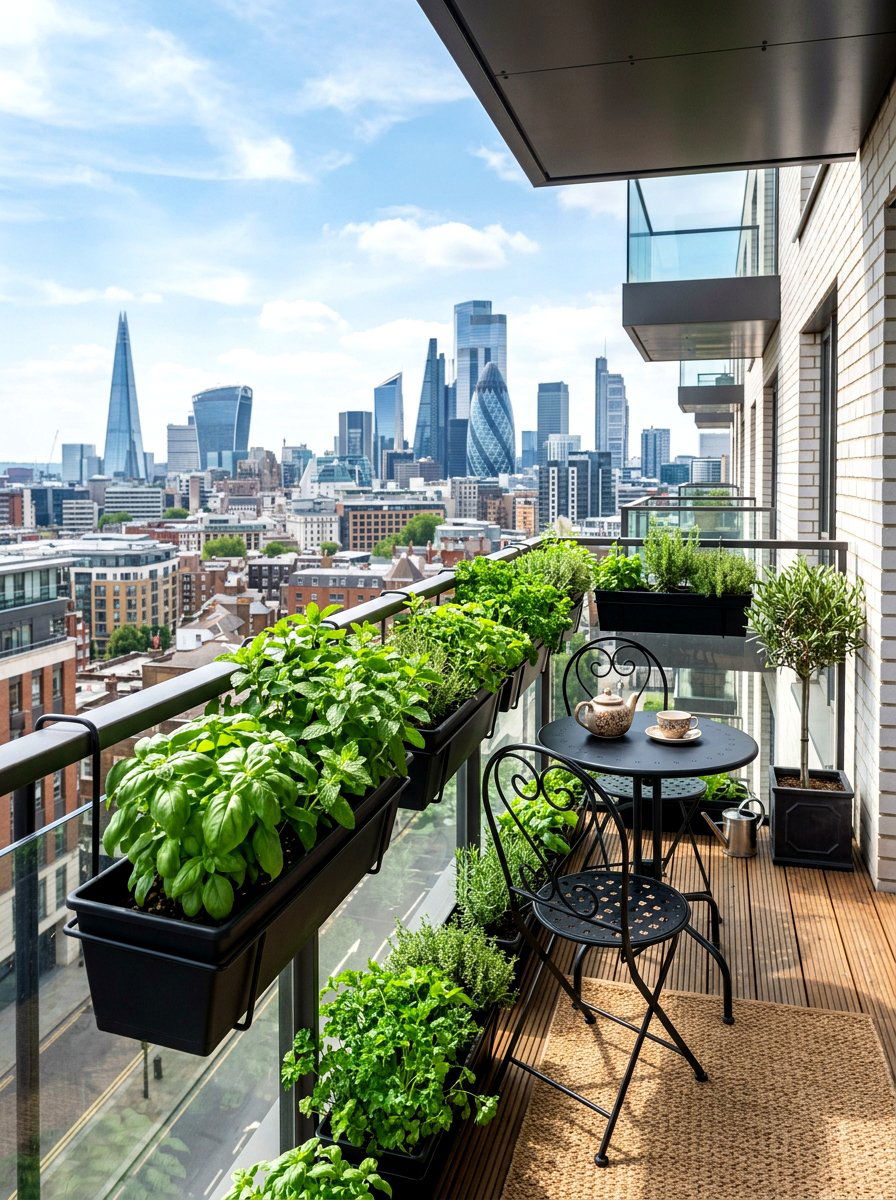
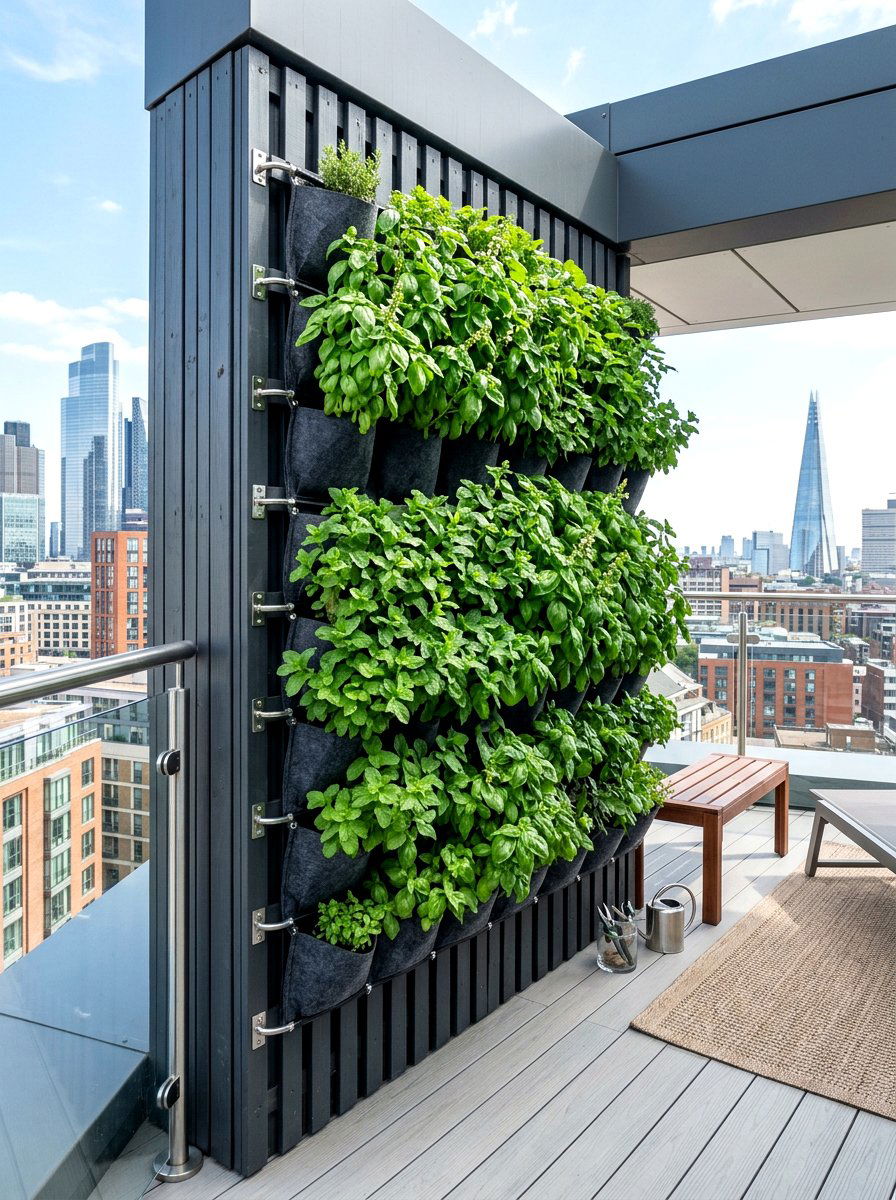
Do you live in an urban environment where a traditional garden seems like a distant dream? A balcony herb garden proves that you only need a small outdoor ledge to start your journey into herbalism. Using a combination of railing planters, hanging baskets, and tiered shelving, you can grow a surprisingly diverse range of medicinal plants. Focus on high-impact herbs like basil, mint, and lemon balm that thrive in containers. The reflected heat from building walls can even help heat-loving plants grow faster. This vertical and compact approach brings a touch of nature to the city, providing a fresh source of remedies and a peaceful green retreat right outside your sliding glass door.
19. Modern Minimalist Herb Garden
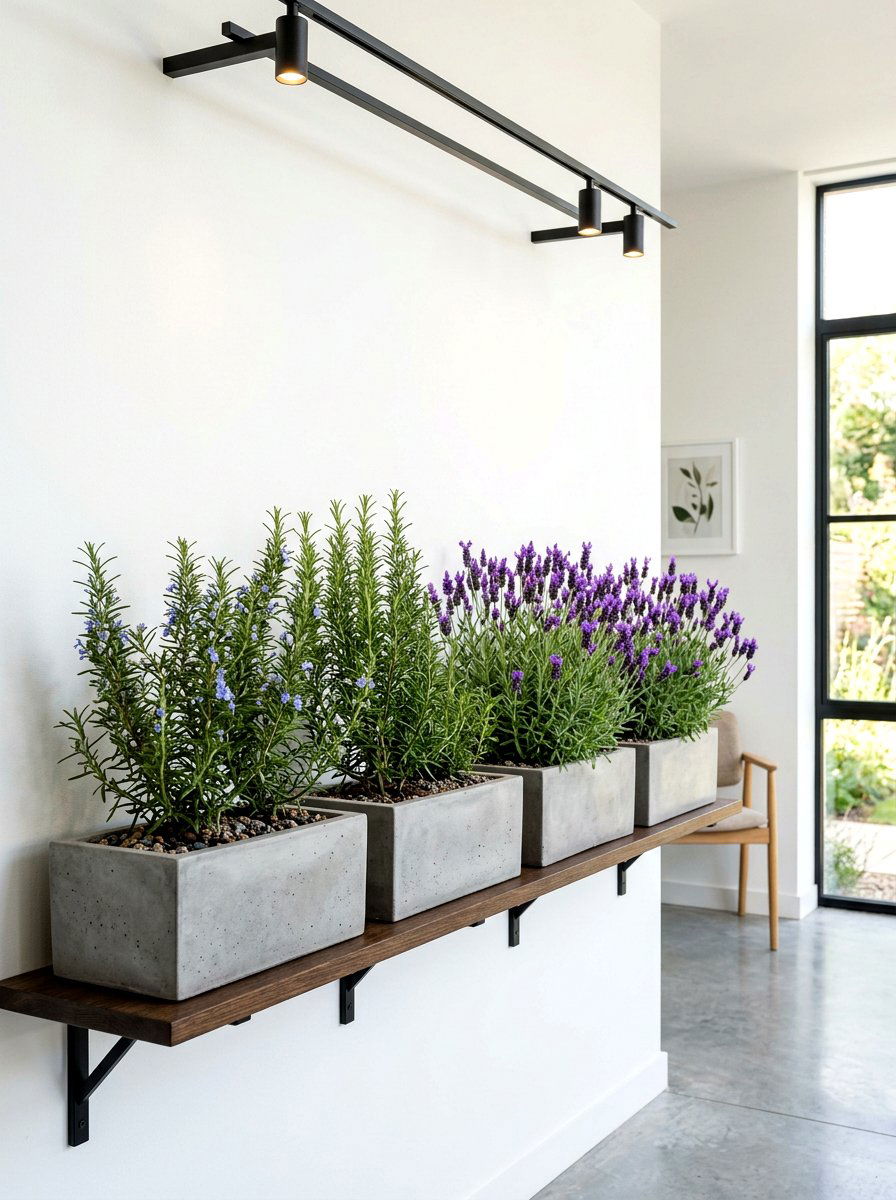
Are you a fan of clean lines and uncluttered spaces but still want the benefits of home-grown healing plants? A modern minimalist herb garden uses structured planters and a limited palette of plants to create a sophisticated, calming environment. By choosing just a few key medicinal herbs, such as rosemary for its architectural shape and lavender for its soft color, you maintain a sense of order and simplicity. Using high-quality materials like concrete, steel, or dark wood for your containers enhances the contemporary aesthetic. This design style proves that a functional medicinal garden can be a stylish addition to a modern home, offering a serene place for reflection and natural wellness.
20. Winter Herb Garden
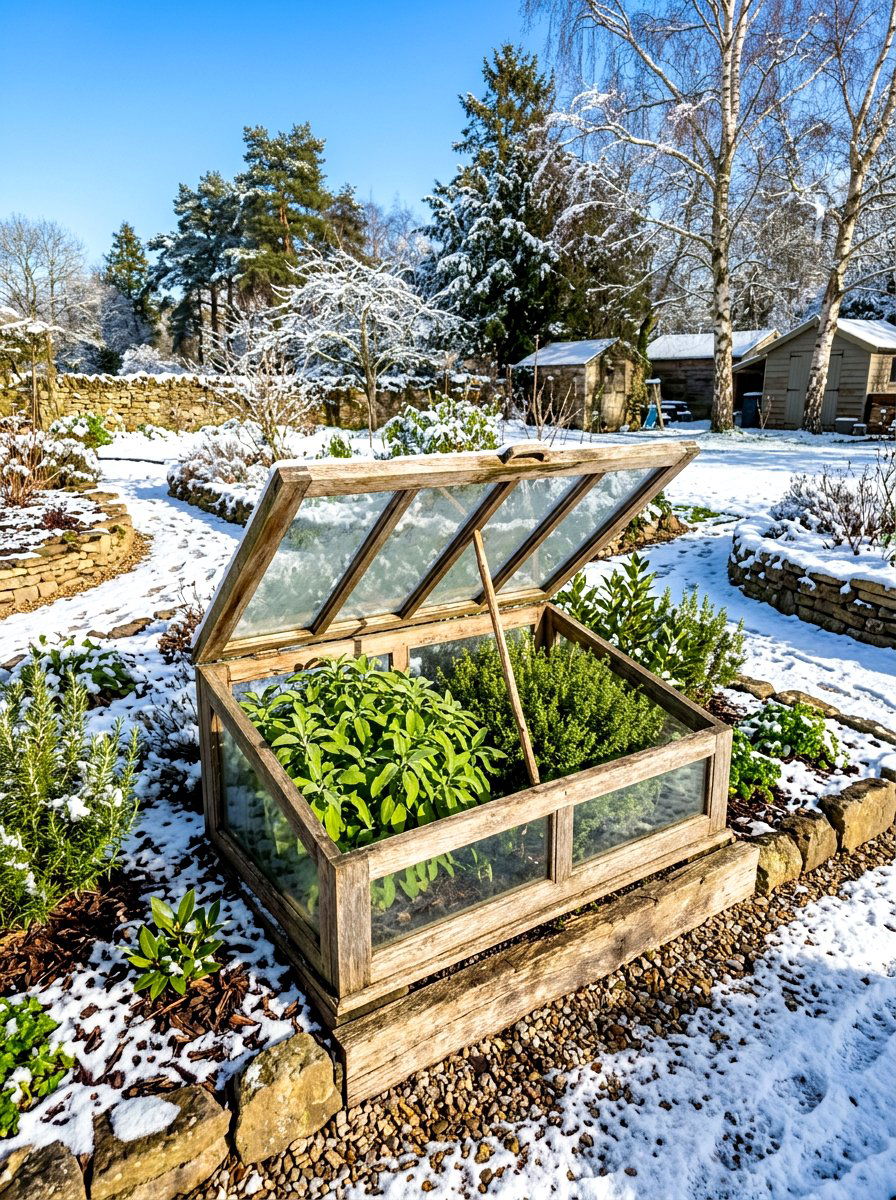
How can you keep your connection to the healing power of plants alive when the temperatures drop and the snow begins to fall? A winter herb garden focuses on hardy varieties and protective techniques that allow you to harvest even in the coldest months. Using cold frames, cloches, or thick mulch can keep resilient herbs like thyme and sage alive through a freeze. You can also transition some of your favorite plants into indoor pots near a sunny window to maintain a fresh supply. This seasonal awareness teaches you about the cycles of nature and ensures that you are never without the comforting support of herbal teas and remedies when you need them most.
21. Hanging Herb Basket
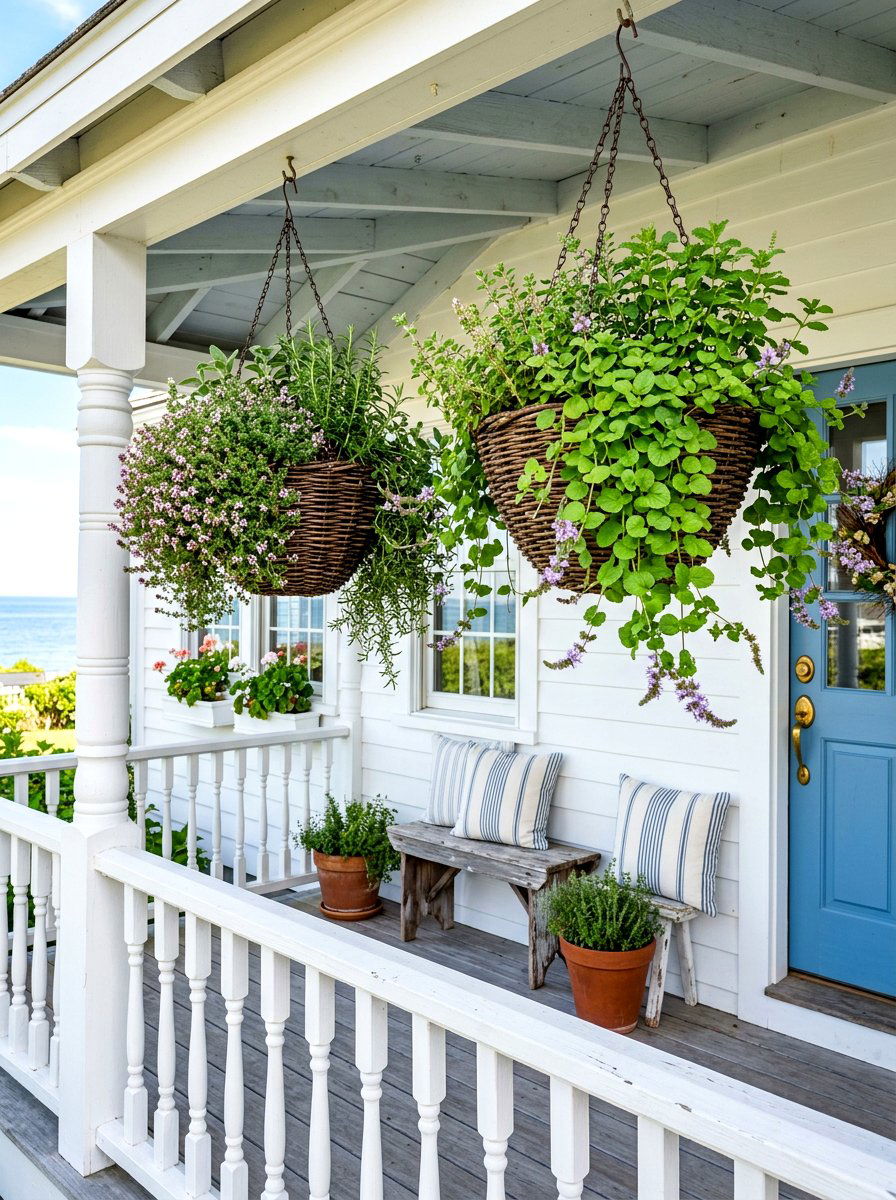
Have you ever looked at the empty space above your patio or porch and wondered how you could put it to work? Hanging herb baskets are a brilliant way to grow trailing medicinal plants while keeping them away from ground-dwelling pests. Varieties like creeping thyme, gotu kola, and even certain types of mint look stunning as they spill over the edges of a suspended container. This method is particularly useful for small spaces where ground real estate is at a premium. These baskets are easy to water and harvest, as they are often positioned at eye level. They add a layer of lush greenery to your outdoor living area, creating a more immersive and private atmosphere.
22. Traditional Knot Garden
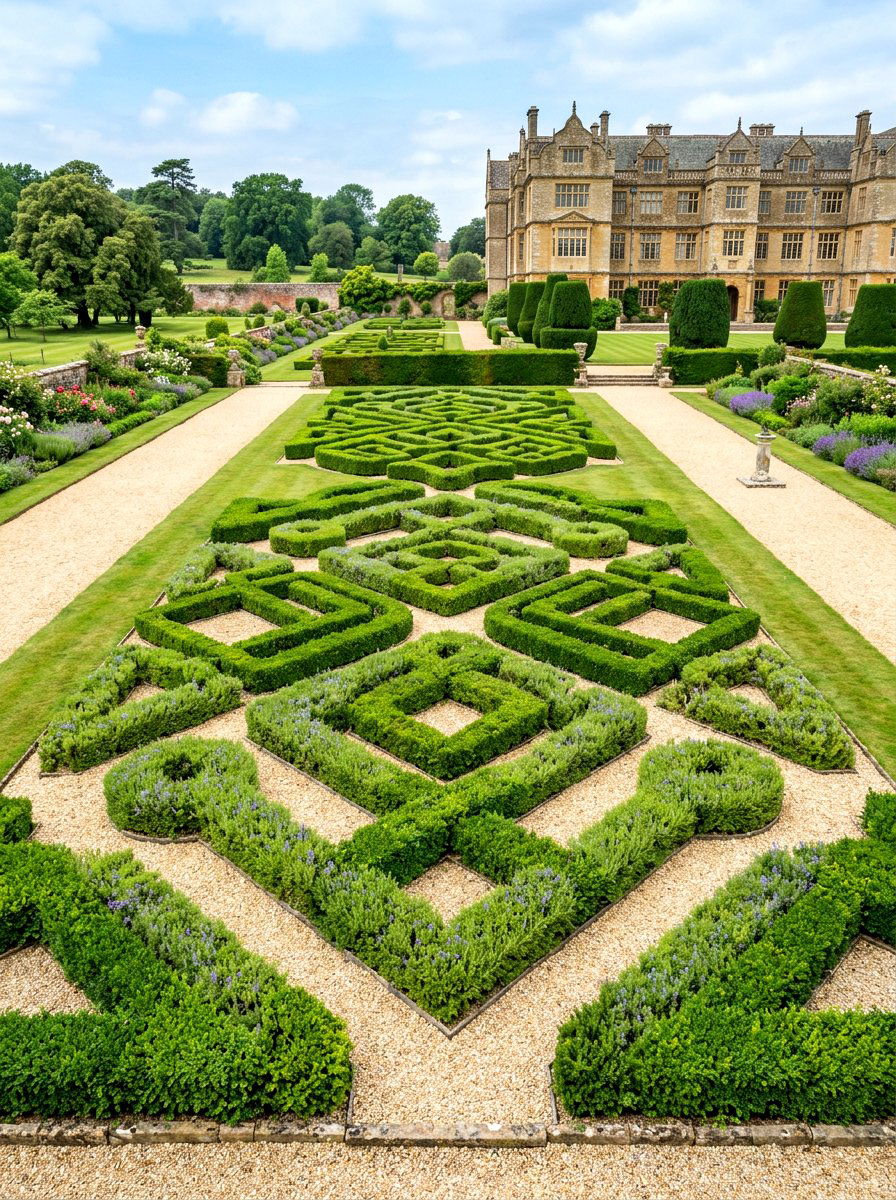
Are you fascinated by history and want to recreate the formal, intricate gardens used by apothecaries of the past? A traditional knot garden uses low-growing medicinal herbs like boxwood, hyssop, and germander clipped into complex, interlocking patterns. These gardens were historically found in monasteries and manor houses, where they served as both beautiful focal points and sources of medicine. While they require more maintenance in terms of pruning, the result is a stunningly structured landscape that feels timeless and elegant. This style of gardening honors the long history of herbalism and provides a meditative way to interact with your plants as you carefully tend to their shape and health throughout the seasons.
23. Tropical Herb Garden
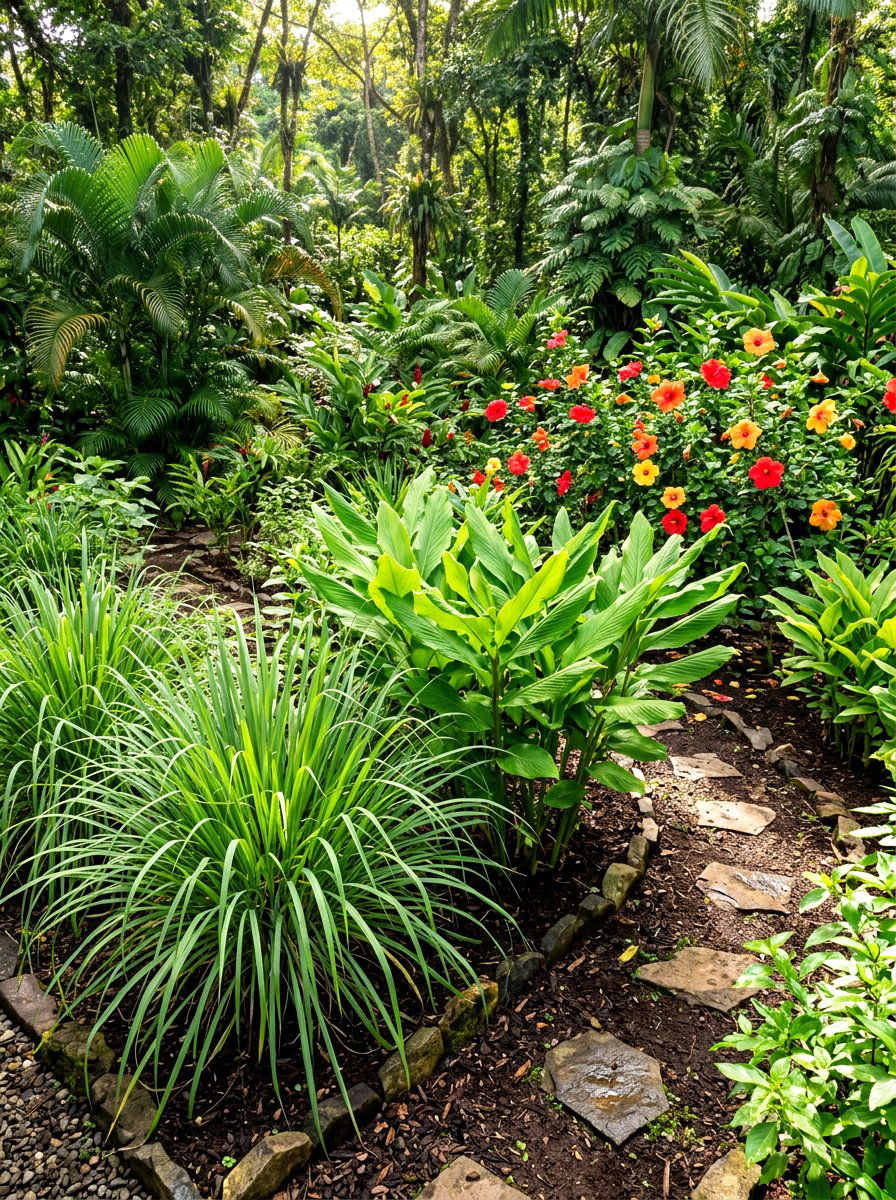
Do you live in a warm, humid climate and want to grow exotic healing plants that thrive in the heat? A tropical herb garden allows you to cultivate powerful medicinals like ginger, turmeric, and lemongrass that are staples in many traditional healing systems. These plants often feature large, dramatic leaves and striking flowers, adding a lush, jungle-like feel to your backyard. They love the moisture and intense sun of tropical regions, growing rapidly and providing abundant harvests. Incorporating these global remedies into your garden expands your herbal knowledge and provides a diverse range of anti-inflammatory and digestive supports that are perfect for maintaining health in a warm, vibrant environment.
24. Healing Herb Circle
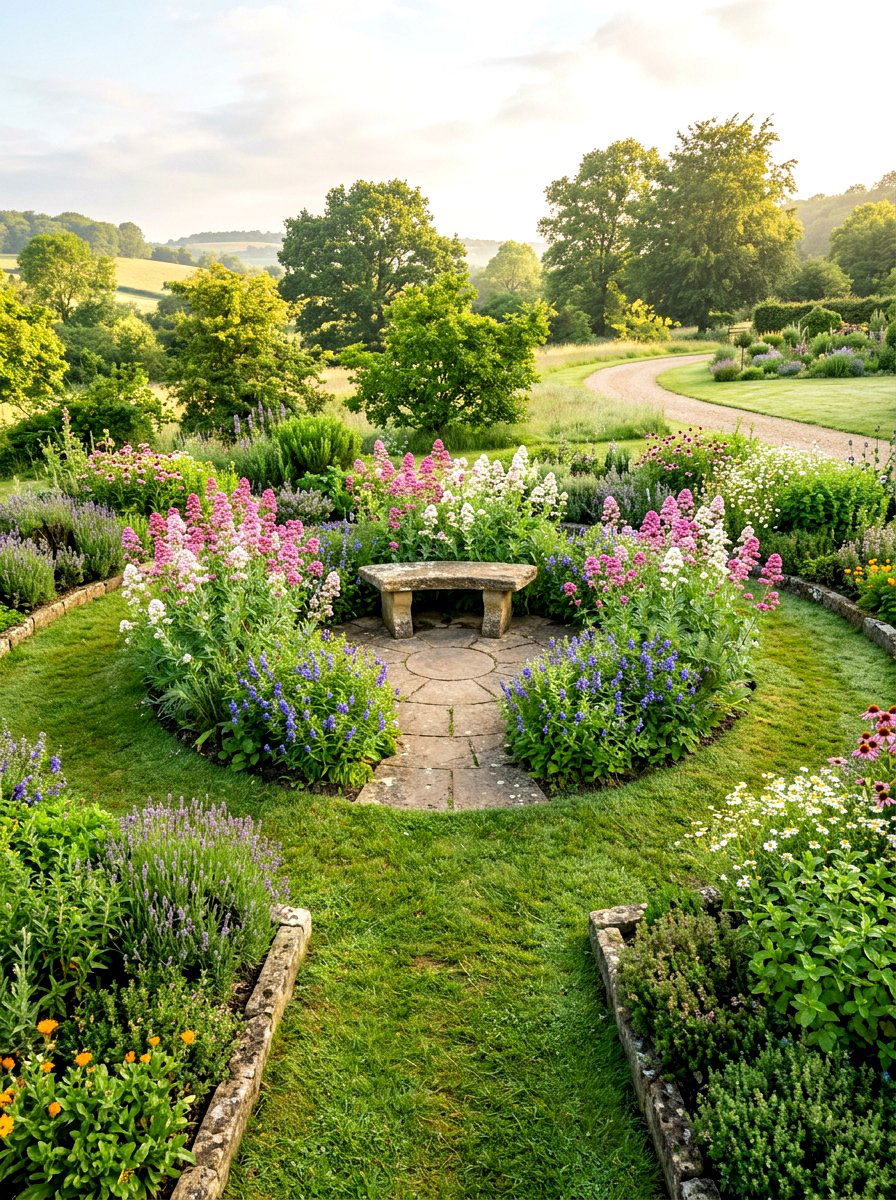
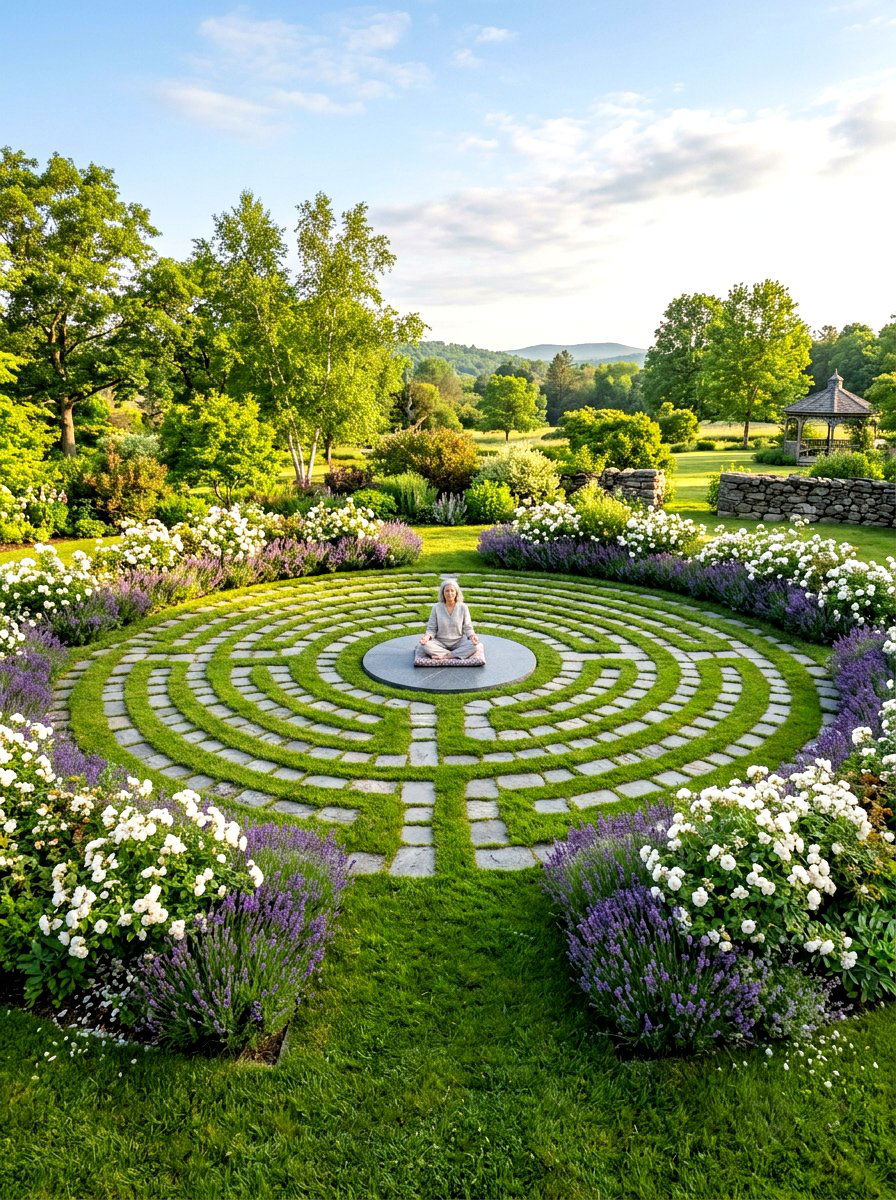
What if your garden was designed specifically as a place for meditation, reflection, and spiritual wellness? A healing herb circle is a circular garden bed with a path leading to a central seating area, surrounded by calming medicinal plants. Use soothing varieties like valerian, skullcap, and lemon balm to create a peaceful perimeter that buffers the noise of the outside world. This layout encourages you to slow down and spend time in the presence of your plants, which is a form of healing in itself. By creating a physical space dedicated to tranquility, you integrate the mental and physical aspects of wellness, making your garden a true sanctuary for the soul as well as the body.
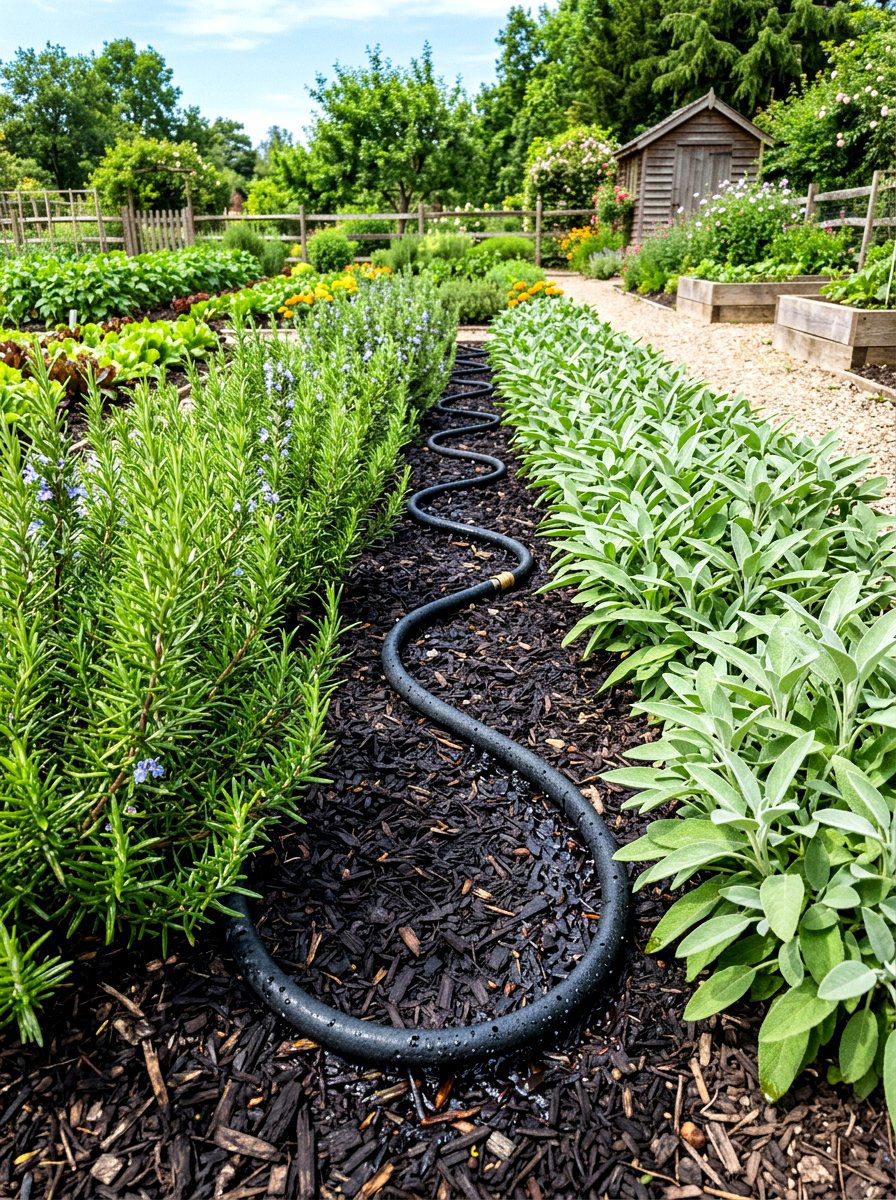
25. Wildflower Herb Meadow
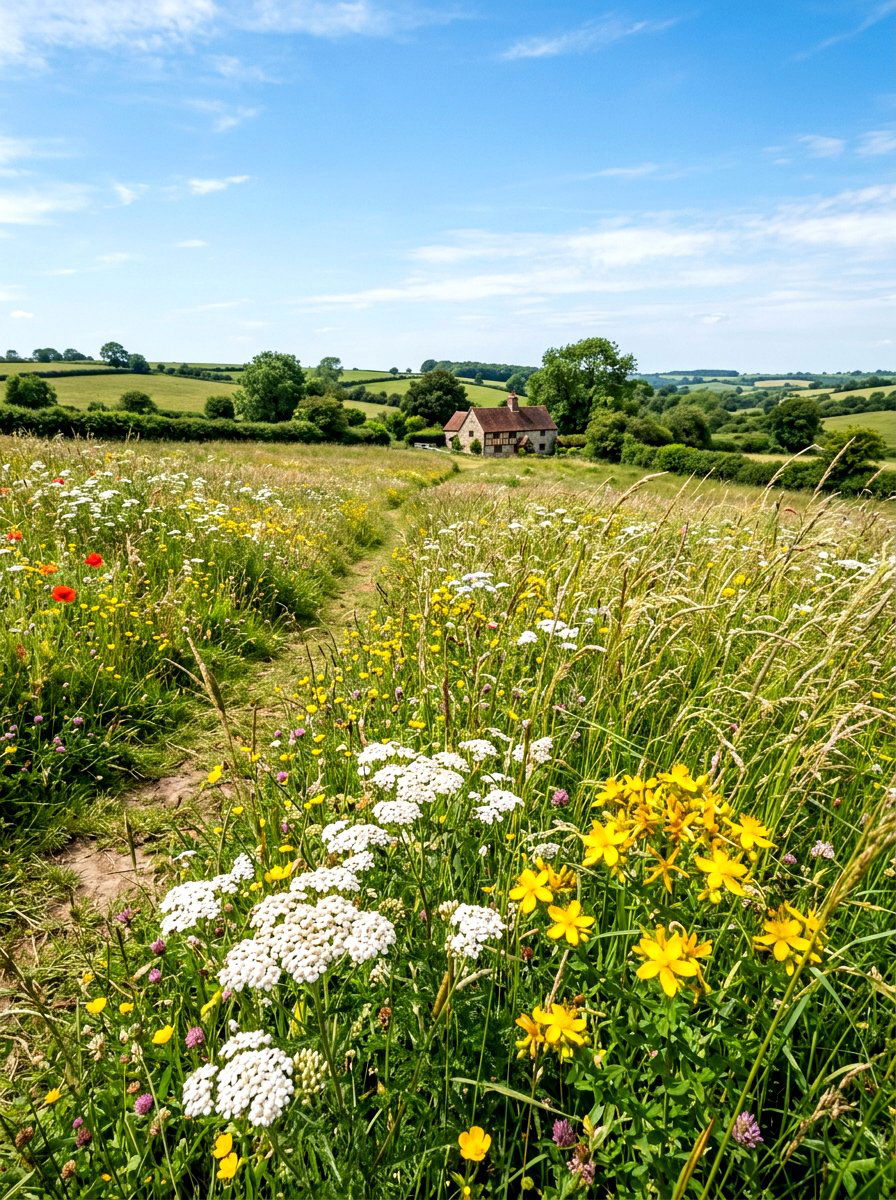
Are you looking for a more relaxed, low-maintenance approach that lets nature take the lead in your healing garden? A wildflower herb meadow involves sowing a mix of native medicinal plants and flowers across a larger area of your property. Varieties like yarrow, St. John’s Wort, and dandelion can be allowed to grow freely, creating a vibrant and self-sustaining ecosystem. This naturalistic style requires very little mowing or weeding once the plants are established. It provides a massive amount of habitat for local wildlife and a diverse array of herbs for your home apothecary. Walking through a blooming meadow to harvest your remedies is a joyful experience that connects you deeply to the wild landscape.
26. Backyard Herb Farm
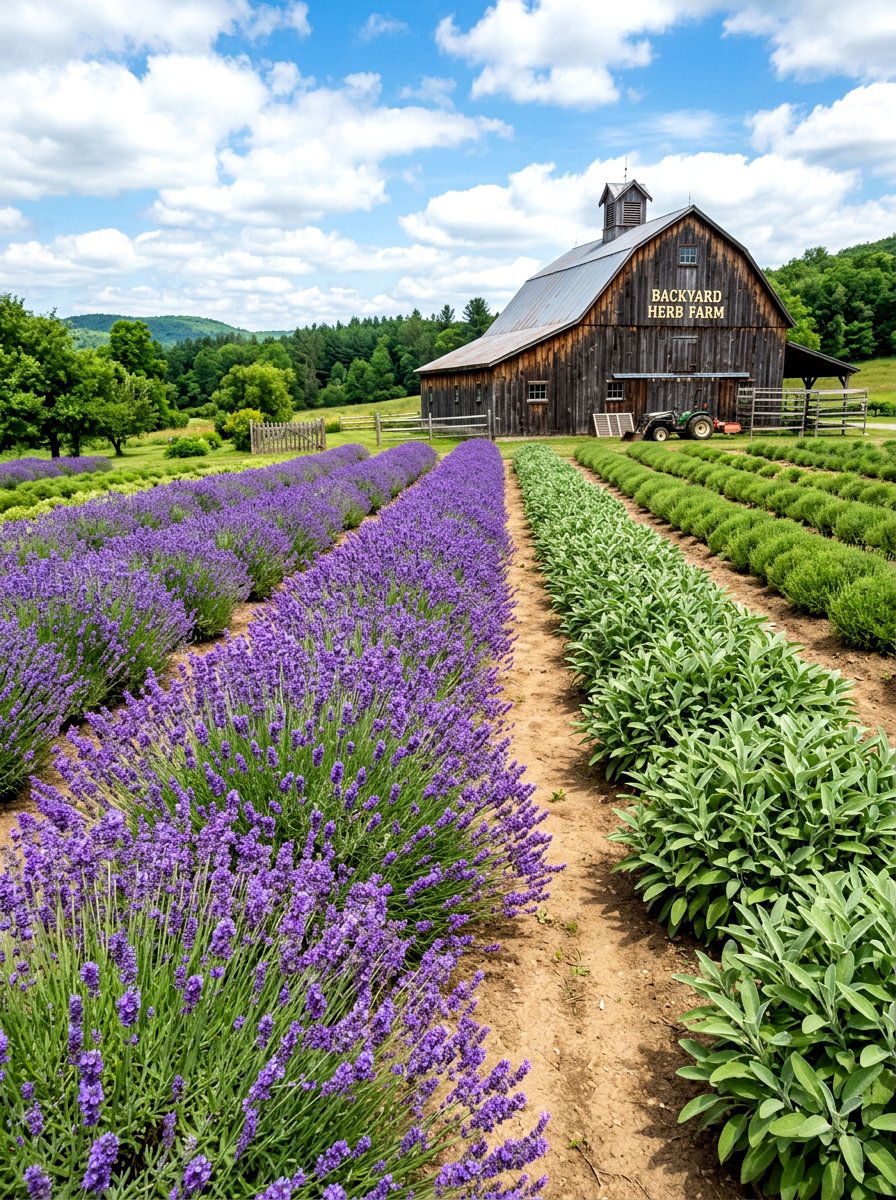
Have you ever dreamed of becoming a small-scale producer of high-quality herbal products for your community? A backyard herb farm treats medicinal plants as a crop, using efficient rows and intensive planting techniques to maximize your yield. This setup is perfect if you plan on drying large amounts of herbs for teas, making batches of salves for sale, or providing fresh bundles to local markets. By focusing on a few key varieties that grow well in your climate, you can become an expert in their care and harvest. This productive approach turns your passion for herbalism into a functional business, allowing you to share the gift of natural healing with others while enjoying a thriving garden.
27. Stepping Stone Herb Garden
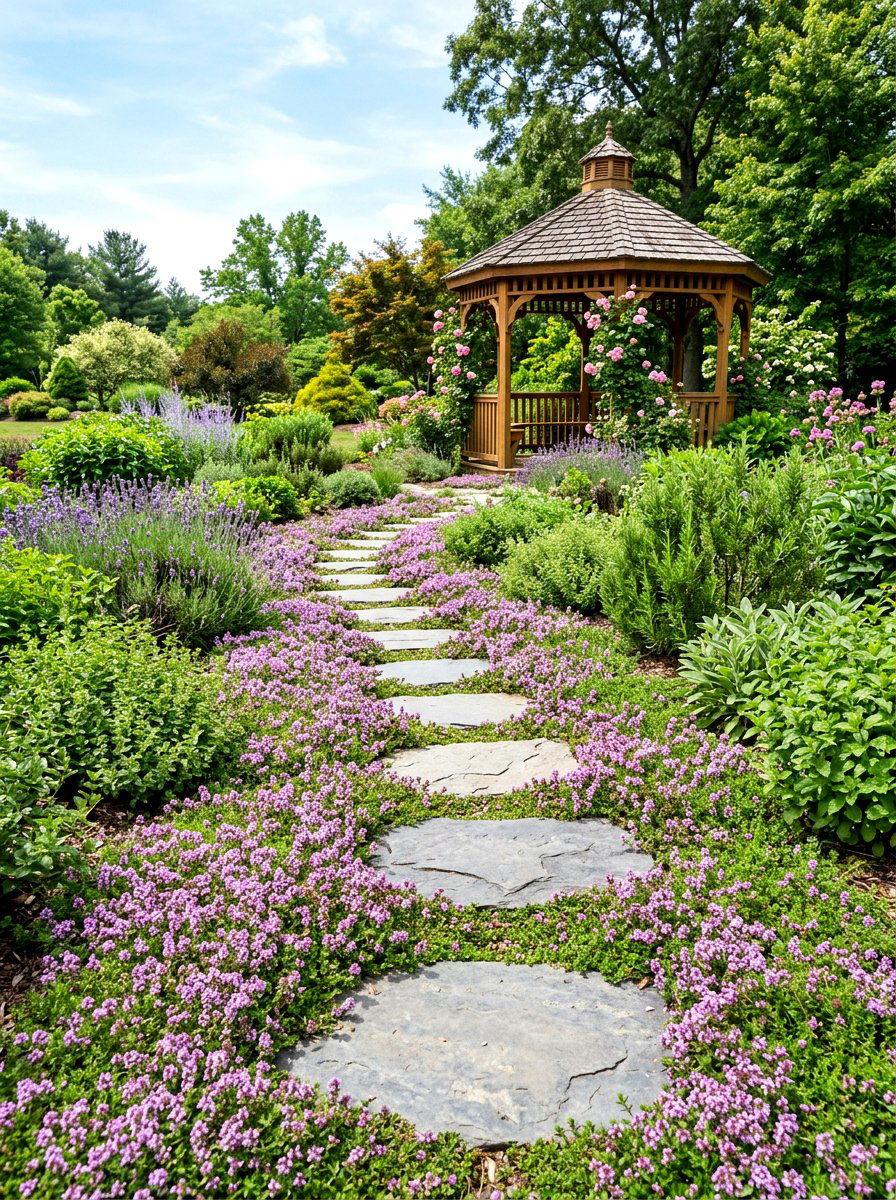
How can you make a simple garden path feel like an integral part of your medicinal growing space? A stepping stone herb garden involves planting low-growing, resilient herbs in the gaps between pavers or stones. Mother of thyme, Roman chamomile, and pennyroyal are excellent choices because they can handle being stepped on and release a wonderful fragrance when crushed. This technique softens the look of hardscaping and maximizes your planting area in unexpected places. It turns a functional walkway into a productive part of your garden, ensuring that every step you take is surrounded by the sights and scents of healing plants. It is a charming way to add detail and purpose to your outdoor transitions.
28. Cedar Raised Herb Bed
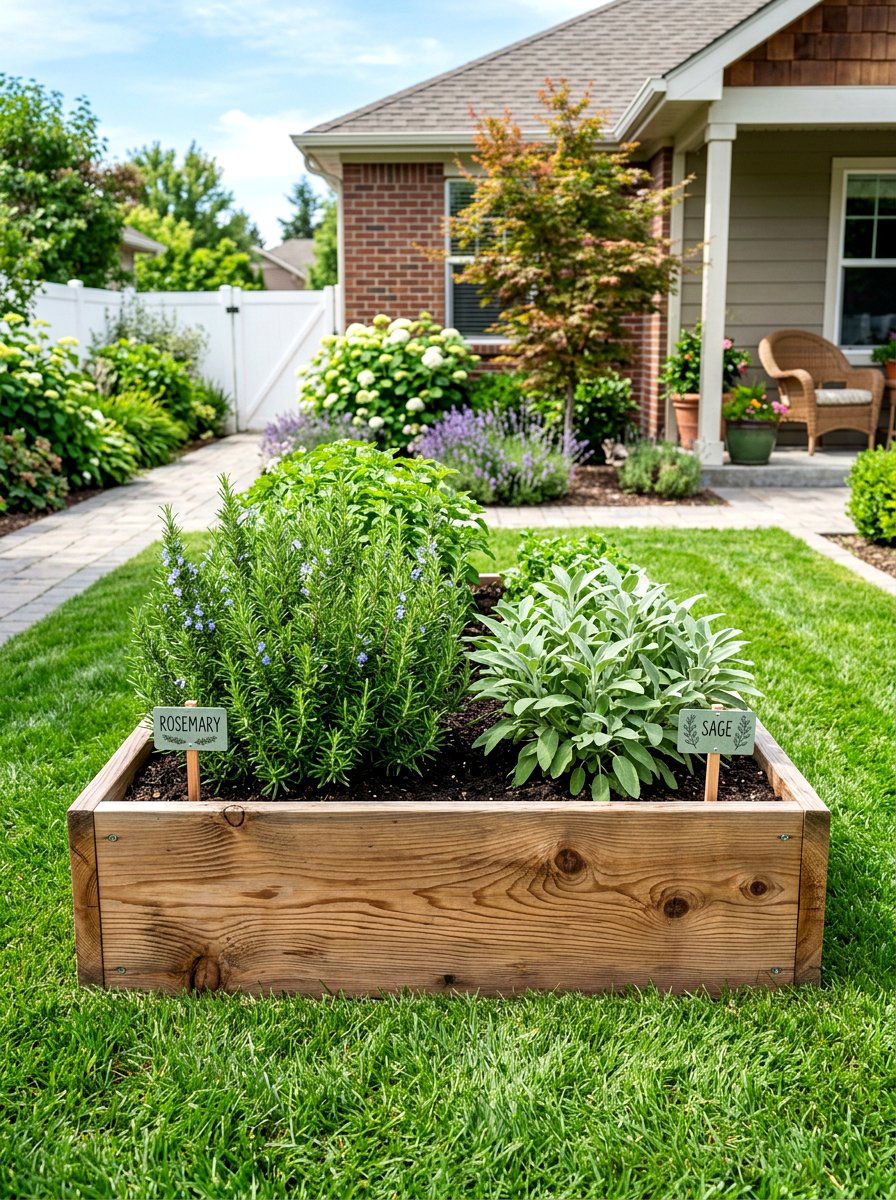
Are you looking for a durable and naturally beautiful material to house your favorite healing plants? A cedar raised herb bed offers a classic look that complements any garden style while providing practical benefits. Cedar is naturally resistant to rot and insects, making it a long-lasting choice for outdoor structures. The warm tones of the wood create a beautiful contrast with the green foliage of herbs like sage and rosemary. By using raised beds, you can easily organize your medicinal collection and keep it separate from your lawn or other landscape plants. This creates a clean, intentional space that makes the daily tasks of watering, weeding, and harvesting a pleasure rather than a chore.
29. Indoor Smart Herb Garden
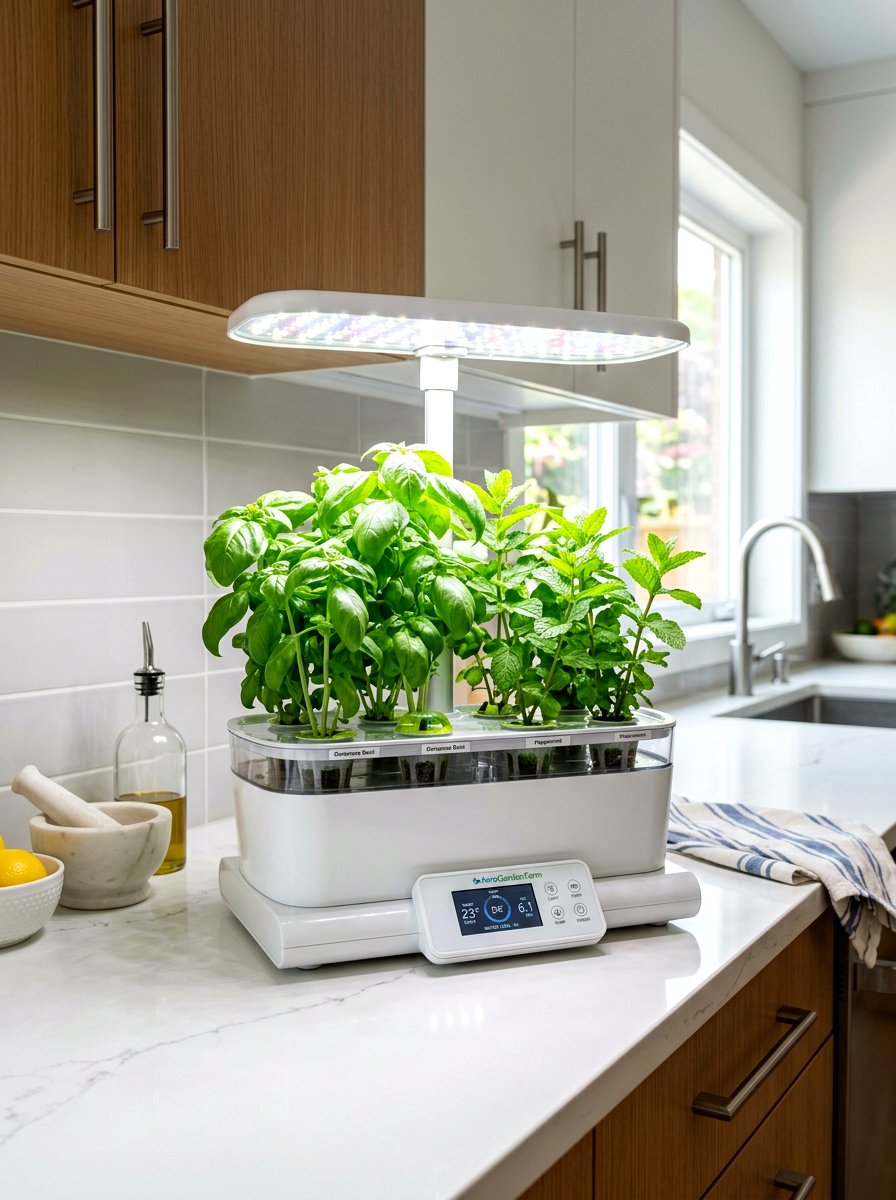
Do you want the convenience of fresh medicinal herbs without having to worry about watering schedules or light levels? An indoor smart herb garden uses modern technology, like automated LED grow lights and self-watering systems, to ensure your plants thrive with minimal effort. This is a perfect solution for busy individuals or those living in homes with very little natural light. You can grow a constant supply of basil, mint, and parsley right on your kitchen counter, regardless of the season outside. These compact systems are sleek and attractive, bringing a touch of high-tech nature into your living space. It is the easiest way to ensure you always have fresh, potent ingredients for your wellness routines.
30. Culinary Medicinal Herb Garden
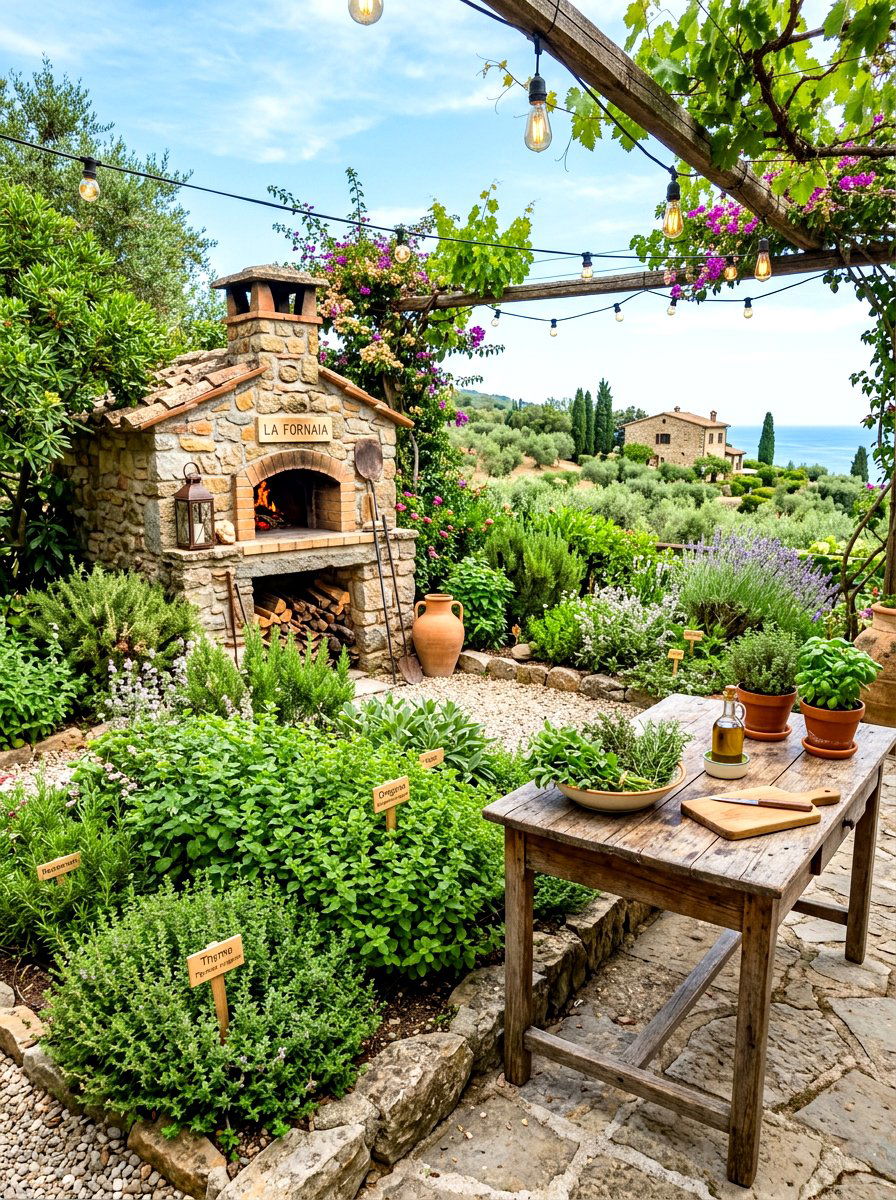
Why choose between a vegetable garden and a medicinal one when so many of our favorite kitchen herbs are also powerful healers? A culinary medicinal herb garden focuses on dual-purpose plants like rosemary, thyme, oregano, and sage. These herbs add incredible flavor to your meals while providing antioxidant, antibacterial, and digestive benefits. By planting them near your kitchen or outdoor grill, you encourage their use in every meal, making healthy eating a seamless part of your lifestyle. This practical approach ensures that your garden is both delicious and therapeutic. It celebrates the ancient wisdom that our food should be our medicine, turning every dinner into an opportunity for natural health support.
Conclusion:
Creating a medicinal herb garden is a transformative journey that reconnects you with the ancient tradition of natural healing. By cultivating these thirty diverse ideas, you are not just growing plants; you are building a resilient foundation for your family’s wellness. Each leaf harvested and every tea brewed represents a step toward self-sufficiency and a deeper understanding of the environment around you. Whether you choose a formal knot garden or a wild meadow, the presence of these healing allies will bring beauty, fragrance, and vitality to your home. May your garden flourish, providing you with a constant source of comfort, health, and inspiration for many years to come.

Related posts: