Healing gardens serve as vital sanctuaries that bridges the gap between our modern, fast-paced lives and the restorative power of the natural world. These spaces are meticulously designed to foster physical, emotional, and spiritual well-being through deliberate interactions with greenery, sunlight, and life. Research consistently shows that spending even twenty minutes in a thoughtfully curated garden can significantly lower cortisol levels and improve cardiovascular health. By integrating sensory elements like fragrant herbs, the gentle sound of trickling water, and varied textures underfoot, a healing garden transforms a simple backyard into a therapeutic retreat. These environments offer a safe refuge where one can reconnect with the self and find peace amidst everyday chaos.

1. Sensory Garden
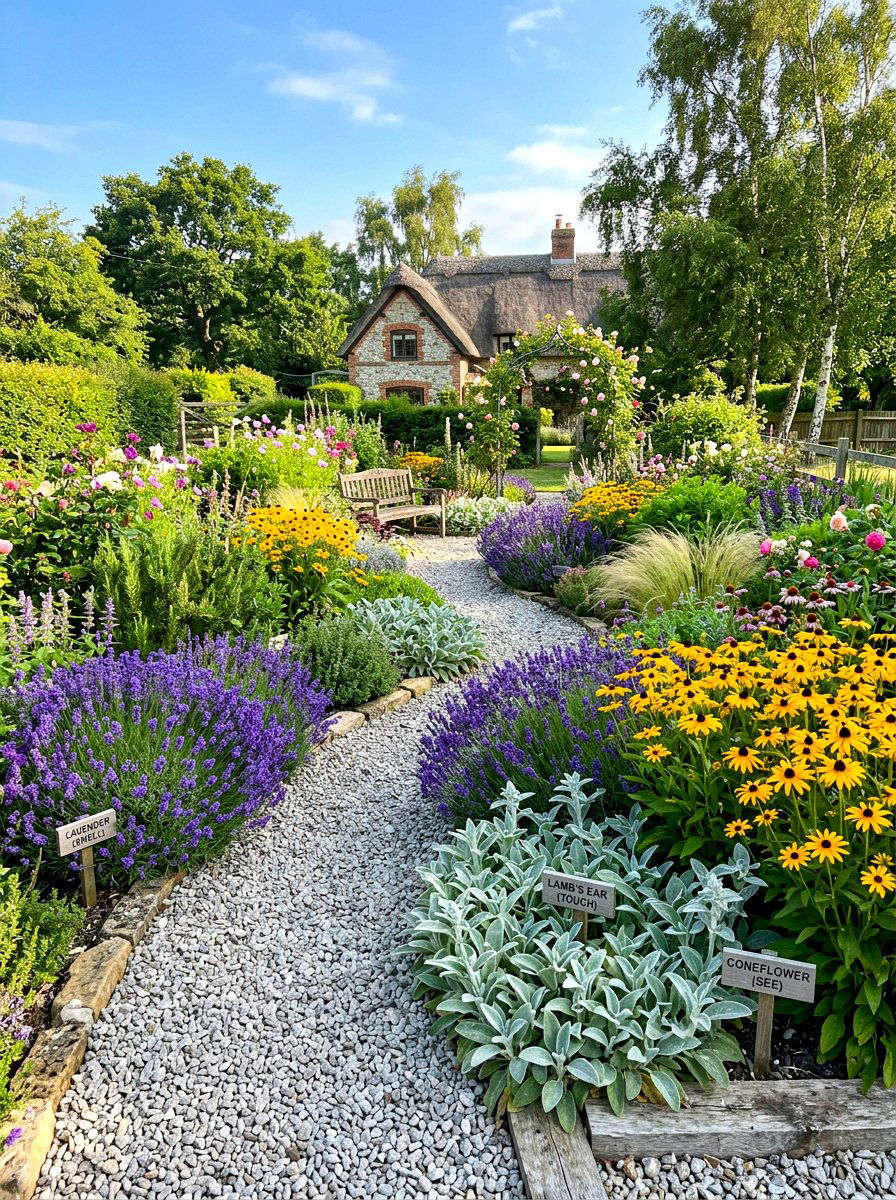
A comprehensive sensory garden layout is meticulously designed to engage all five human senses simultaneously for a truly immersive therapeutic experience. This holistic design approach typically features a central stone pathway that winds through various zones, each dedicated to a specific sensory stimulation. You might find a "touch zone" filled with velvety lamb’s ear and cooling moss, followed by a "scent zone" overflowing with fragrant lavender and rosemary. Visual interest is maintained through a carefully selected palette of cool blues and vibrant yellows that stimulate the eyes without causing fatigue. This complete landscape integration ensures that every step taken provides a different restorative interaction with nature's diverse elements.
2. Water Feature
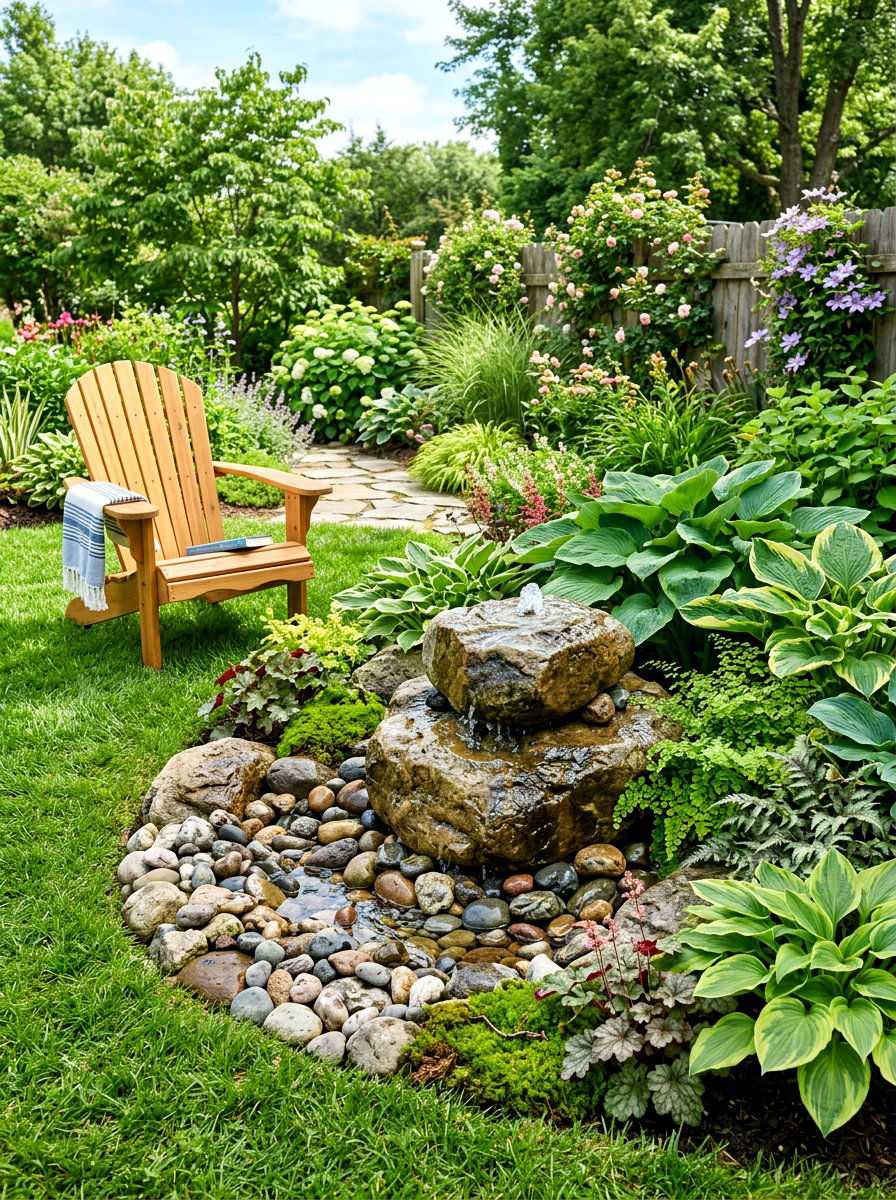
Incorporating a water feature into a landscape design creates a powerful focal point that naturally grounds the entire outdoor environment. Whether it is a minimalist basalt stone bubbler or a large tiered fountain, the constant sound of moving water acts as a natural acoustic buffer against neighborhood noise. In a full garden setting, the water feature is often surrounded by lush ferns and smooth river rocks to enhance the organic aesthetic. This design helps lower heart rates and promotes deep relaxation through its rhythmic, soothing sounds. By adding comfortable seating nearby, the area becomes a dedicated zone for contemplation where the visual and auditory presence of water heals the mind.
3. Walking Path
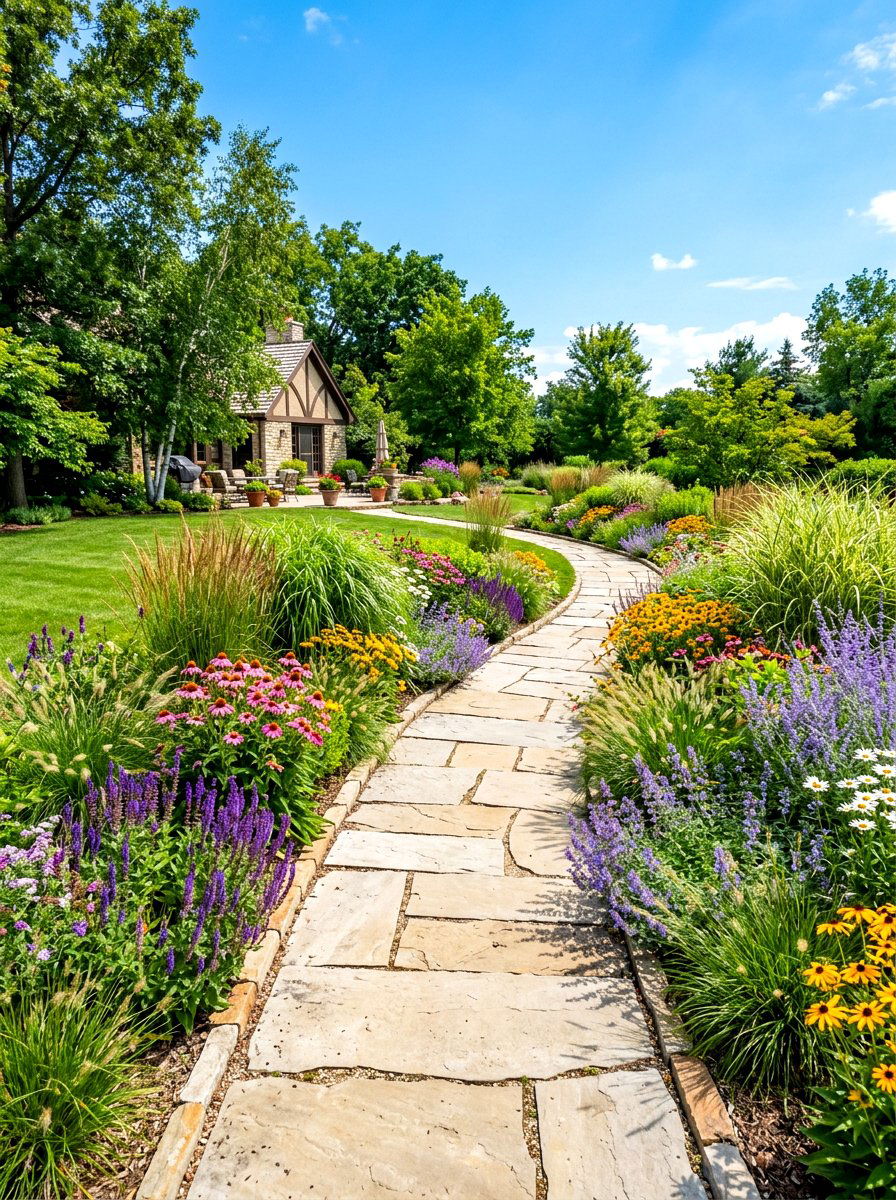
A well-designed walking path serves as the circulatory system of a healing garden, guiding visitors on a slow and mindful journey. These paths are often constructed with wide, gently curving borders and smooth materials like compacted gravel or large flagstones to ensure total accessibility. In a complete garden scheme, the path might loop through different micro-climates, leading from sunny wildflower patches to cool, shaded forest corners. This intentional movement encourages light physical exercise while focusing the mind on the immediate environment. Low-growing edge plants like creeping thyme provide a brush of fragrance against the ankles, further enhancing the therapeutic walk through the carefully curated landscape.
4. Meditation Space
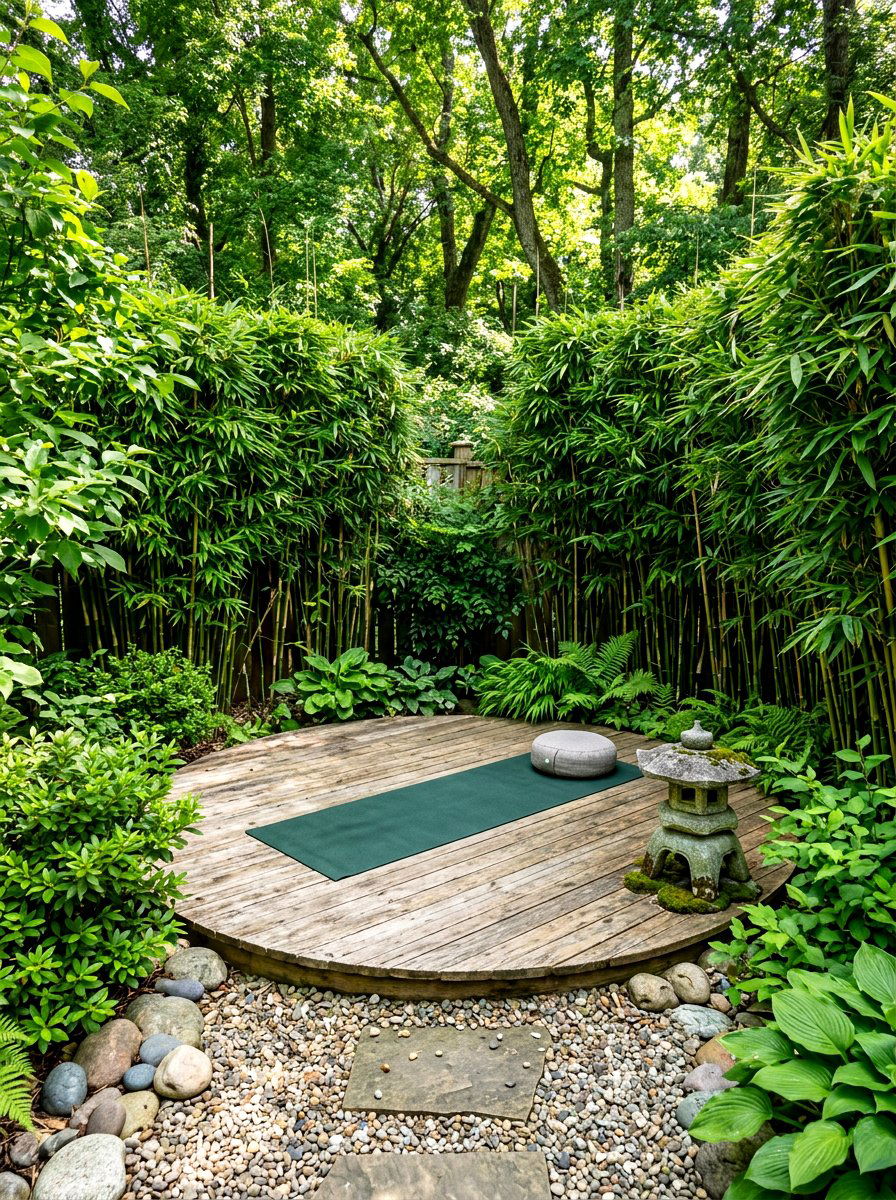
A dedicated meditation space within a garden is designed as a private sanctuary that offers a profound sense of enclosure and safety. This area is typically defined by soft natural boundaries, such as tall bamboo screens or a circular arrangement of evergreen shrubs. The interior of the space often features a flat, level surface made of natural wood decking or fine sand, perfect for a yoga mat or floor cushion. Surrounded by simple, non-distracting foliage, the design prioritizes stillness and minimal visual clutter to help the practitioner focus inward. This full-area concept provides a quiet refuge where one can practice mindfulness while being fully supported by the earth.
5. Raised Bed
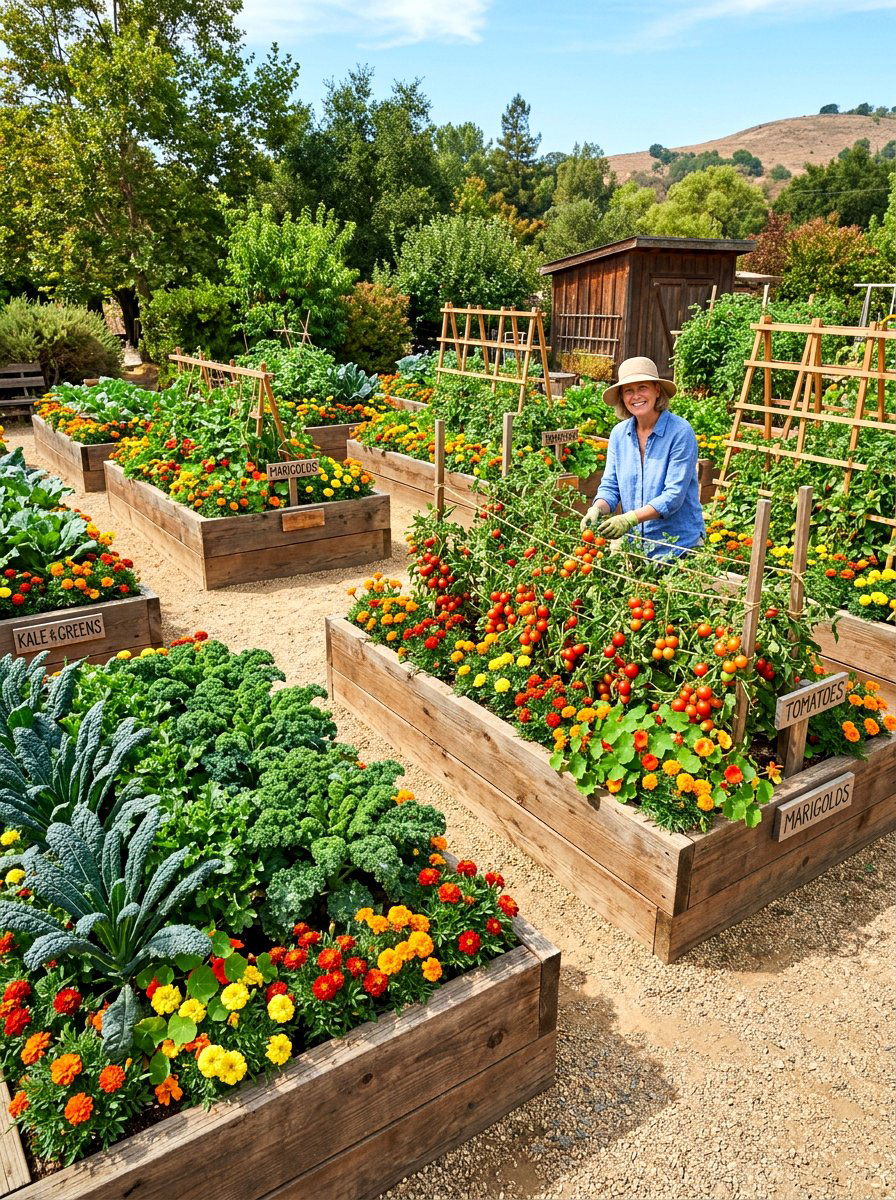
Raised beds are a fundamental element of inclusive garden design, specifically engineered to bring the joy of gardening to individuals of all physical abilities. In a professional therapeutic layout, these beds are constructed at varying heights and widths to allow for comfortable sitting or standing while tending to plants. Built from warm cedar or smooth stone, they are often arranged in a structured grid that makes navigation simple and predictable. These beds typically house a mix of vibrant vegetables and tactile flowers, encouraging active participation in the growing process. By reducing the need to bend or kneel, this design ensures that the physical benefits of gardening remain accessible.
6. Butterfly Garden
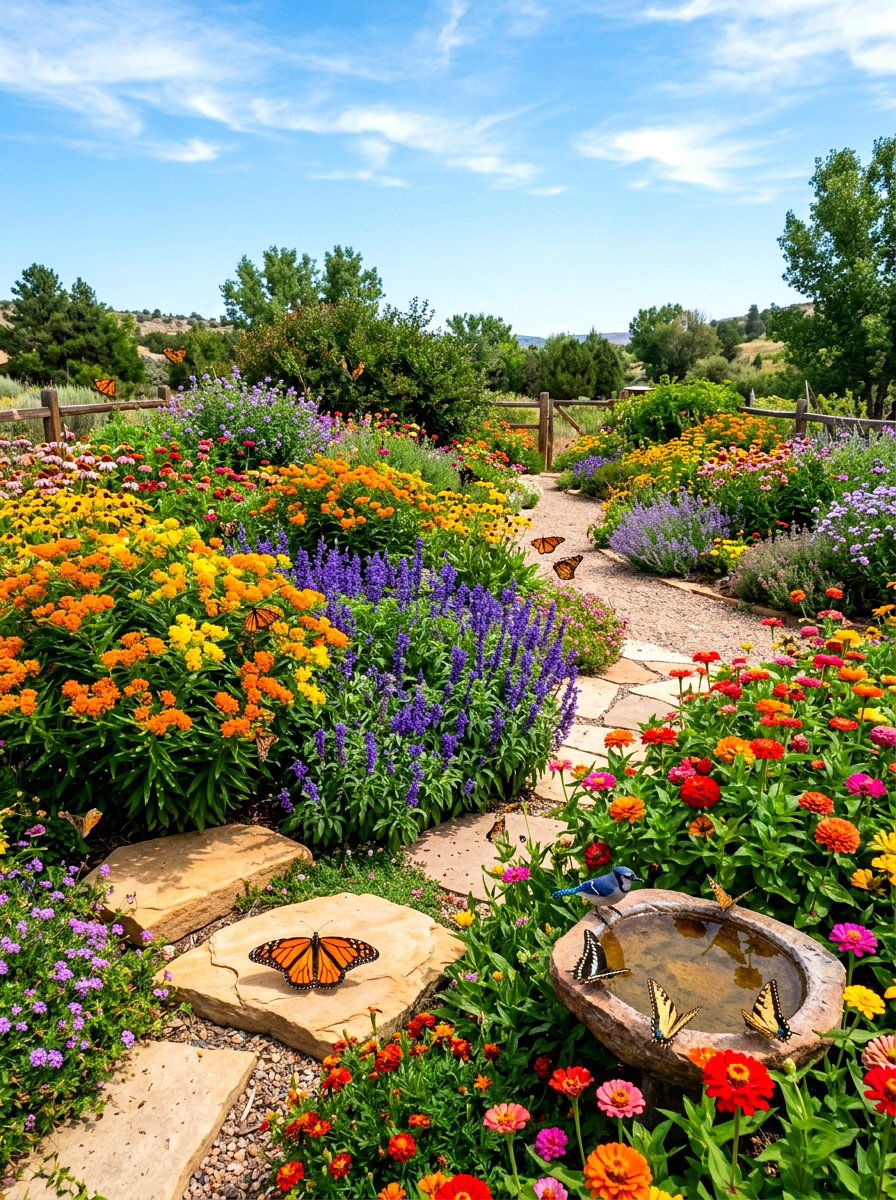
A butterfly garden is a dynamic ecosystem designed to attract and support local pollinators, adding a layer of lively movement to the landscape. This design strategy involves planting large drifts of nectar-rich flowers like milkweed, coneflowers, and zinnias in bright, sunny areas. A complete garden plan includes flat "basking stones" and shallow water dishes for the insects, creating a full habitat right in your backyard. The sight of butterflies fluttering between blooms provides a powerful "soft fascination" that helps restore mental energy and reduce stress. This lively environment fosters a deep connection to the natural cycles of life and promotes a sense of wonder and joy.
7. Herb Garden
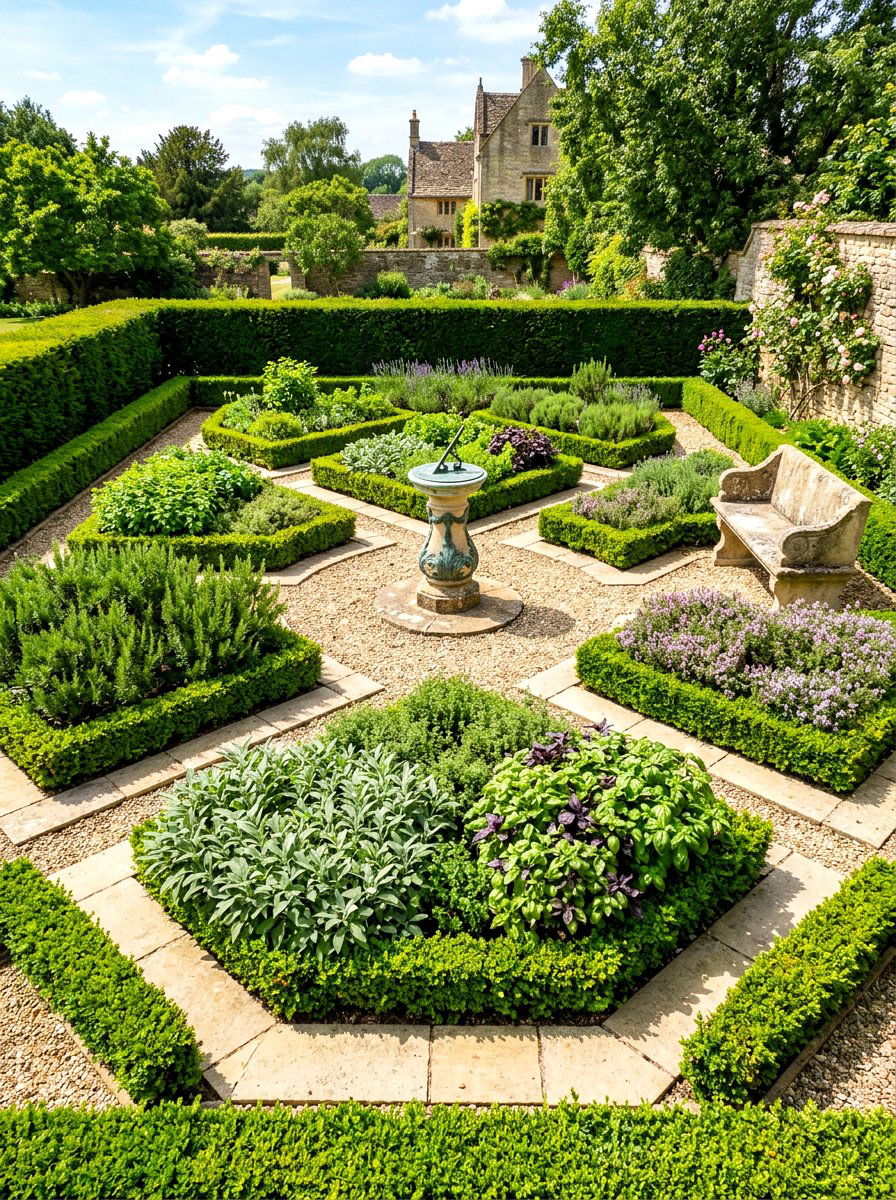
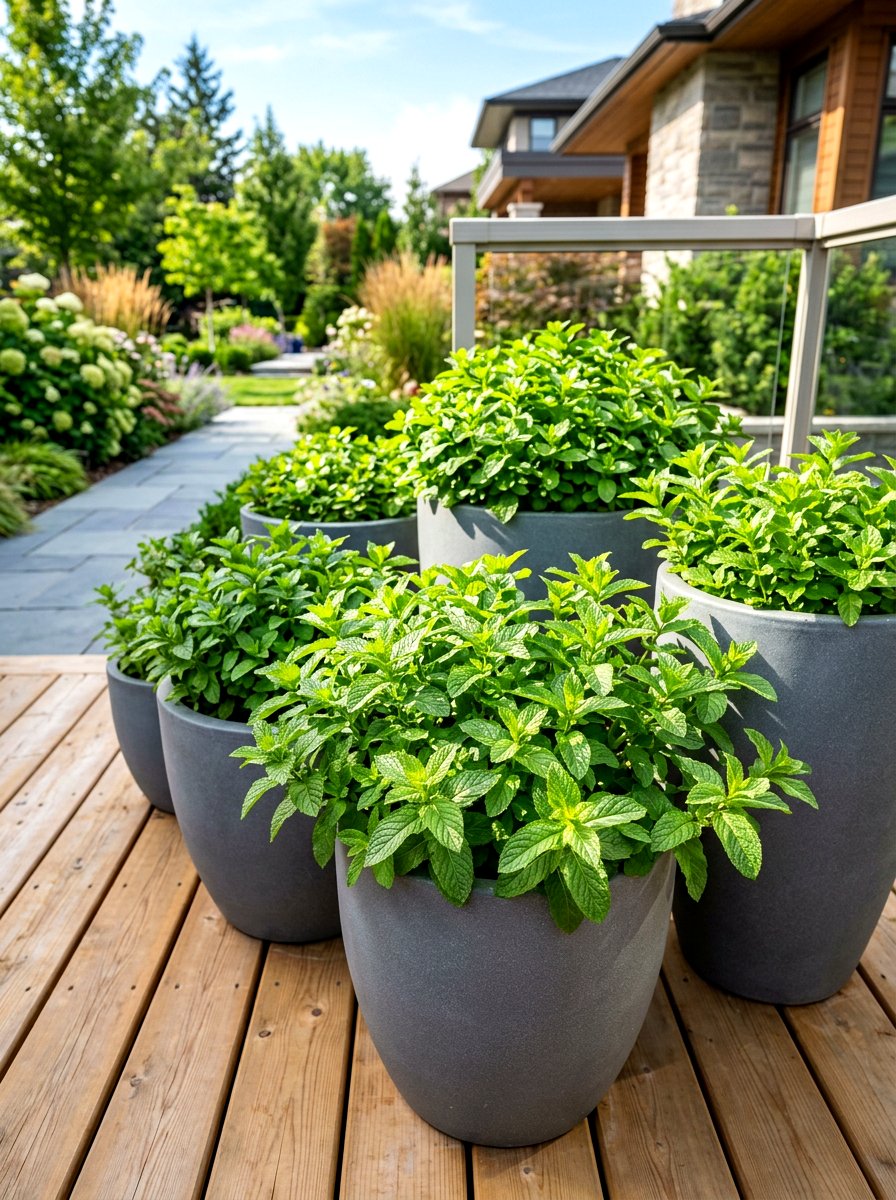
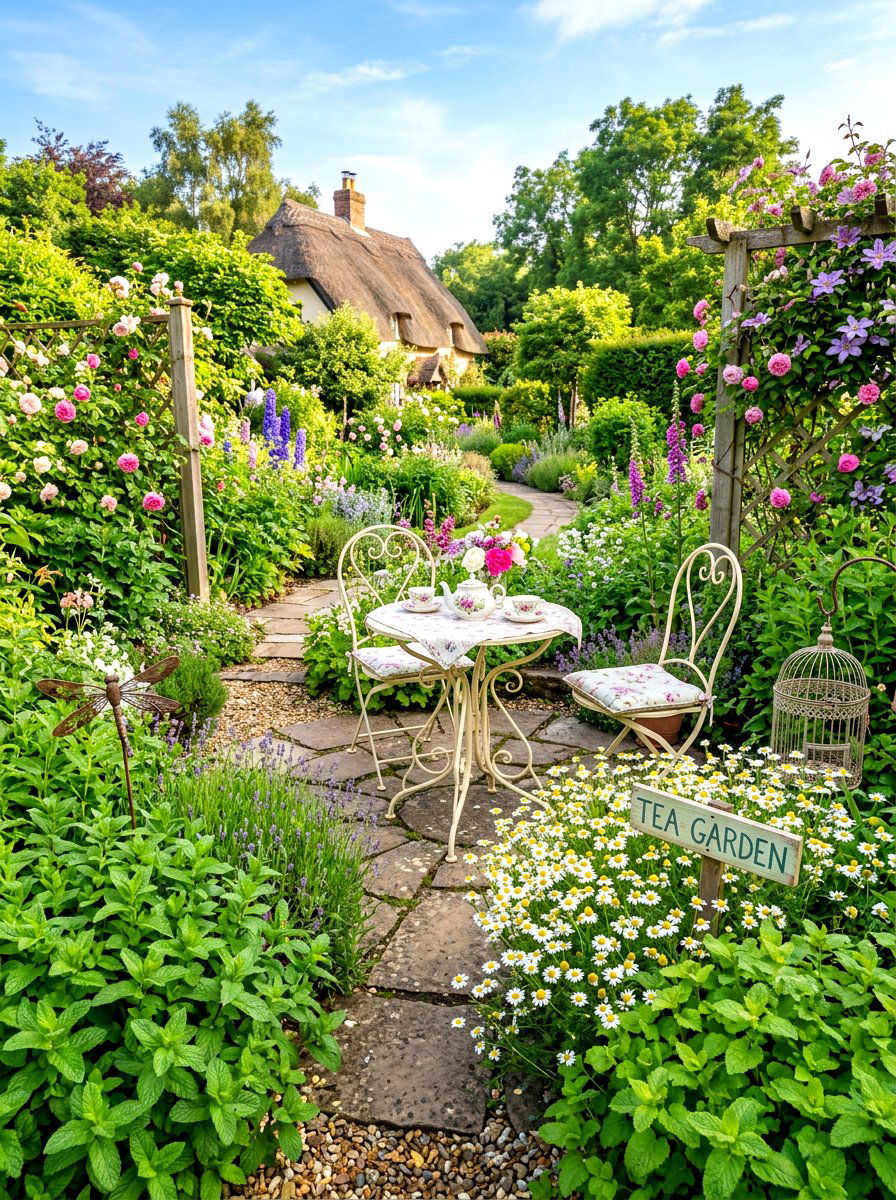
A culinary and medicinal herb garden is a classic healing feature that combines practical utility with deep sensory satisfaction for the gardener. These spaces are often organized in a neat, geometric fashion using low boxwood hedges or simple stone borders to define the aromatic planting zones. A full design includes high-yield herbs like mint, sage, and chamomile, which offer both beautiful textures and soothing fragrances that fill the air. The ability to touch, smell, and even taste the plants creates a highly interactive experience that engages the brain’s memory centers. This area serves as a living pharmacy where the simple act of harvesting leaves provides immediate therapeutic value.
8. Shaded Seating
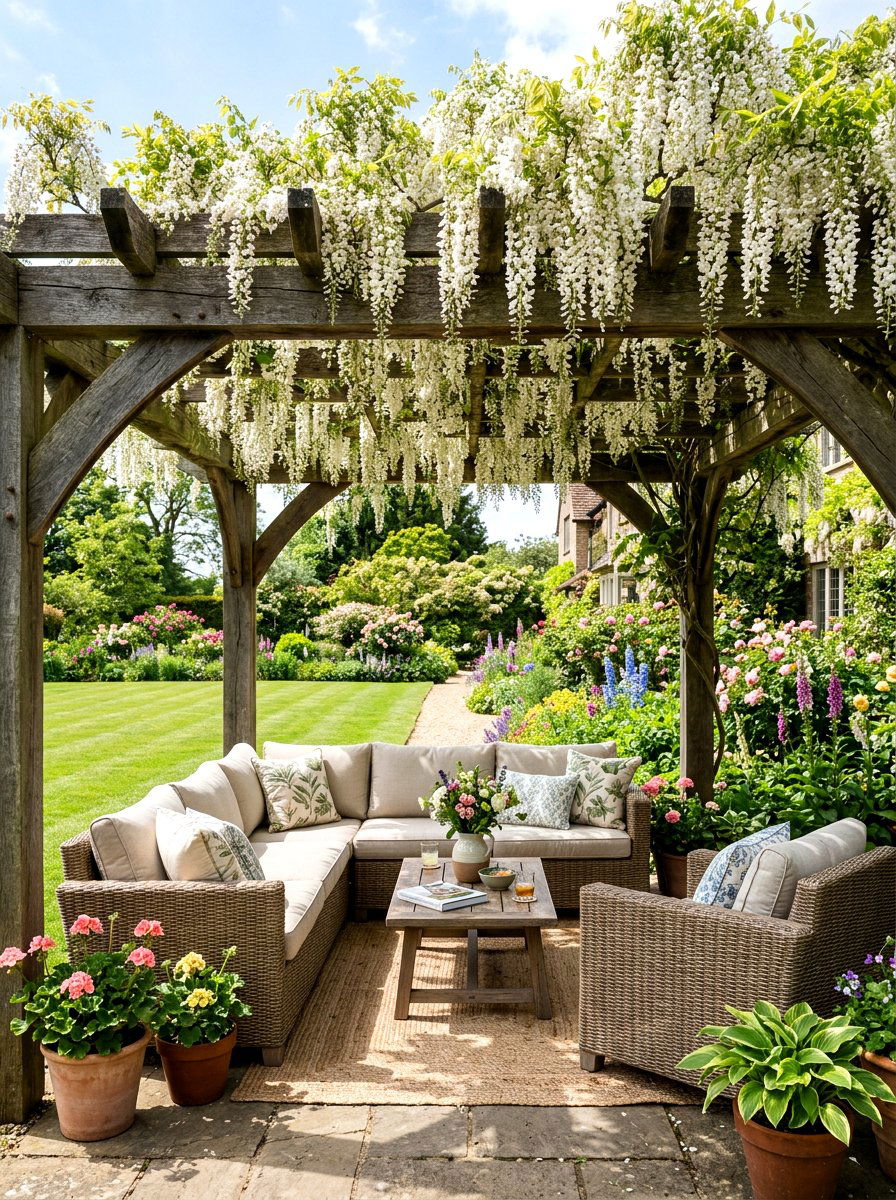
Shaded seating areas are essential for ensuring that a healing garden remains comfortable and usable throughout the warmest parts of the day. A professional design might feature a sturdy timber pergola draped in climbing wisteria or a strategically placed cluster of broad-leafed canopy trees. The seating itself should be ergonomic and positioned to offer a wide-angle view of the most beautiful garden vistas. By providing a cool refuge from direct sunlight, this space allows visitors to linger longer and fully absorb the garden's restorative atmosphere. The play of dappled light through the leaves above creates a calming visual pattern that further enhances the sense of peacefulness.
9. Native Plant
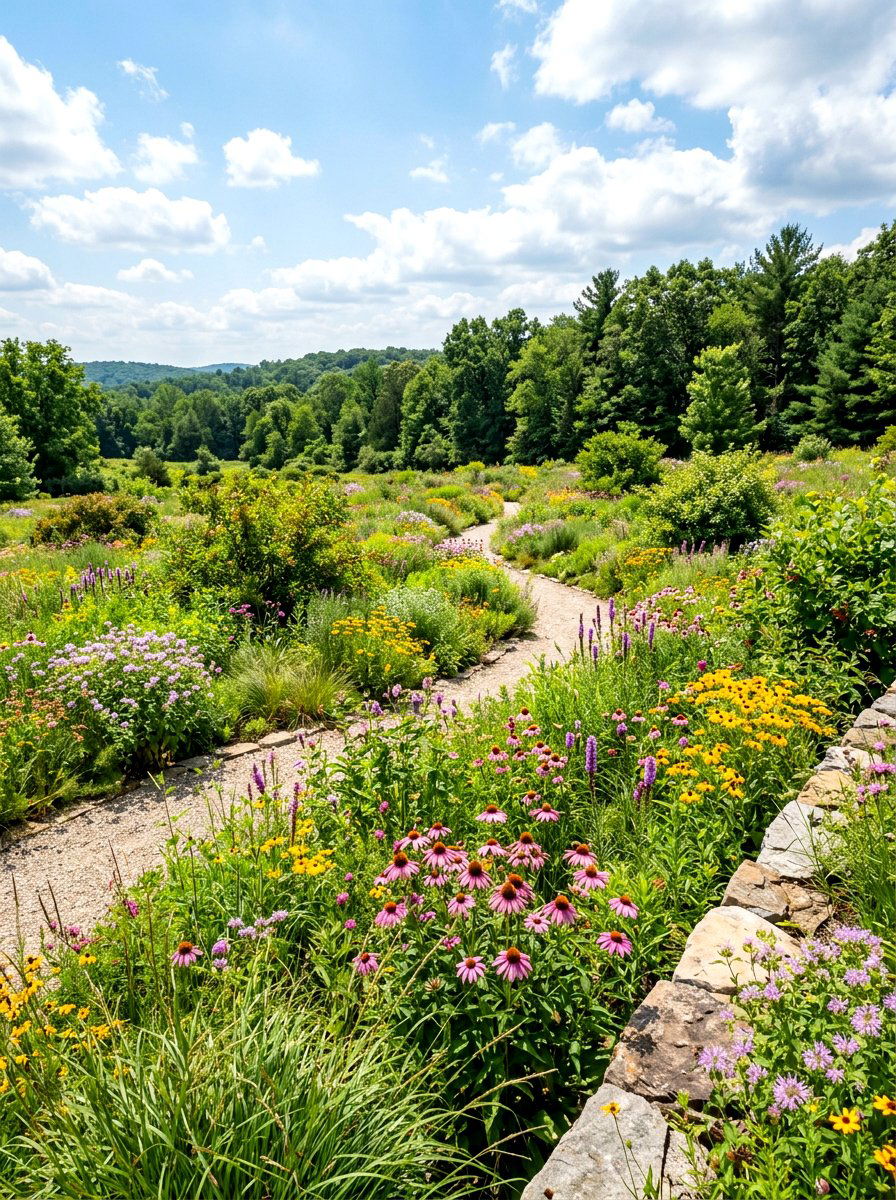
Designing with native plants is a sustainable way to create a resilient healing garden that feels deeply connected to the local environment. These plants are naturally adapted to the local climate and soil, which means they require far less maintenance and water than exotic species. A full landscape using natives often features a mix of local grasses, shrubs, and wildflowers that change beautifully with the seasons. This approach supports local wildlife and creates a sense of place that grounds the visitor in their immediate surroundings. The low-maintenance nature of a native garden reduces the stress of upkeep, allowing more time for pure, effortless enjoyment of nature.
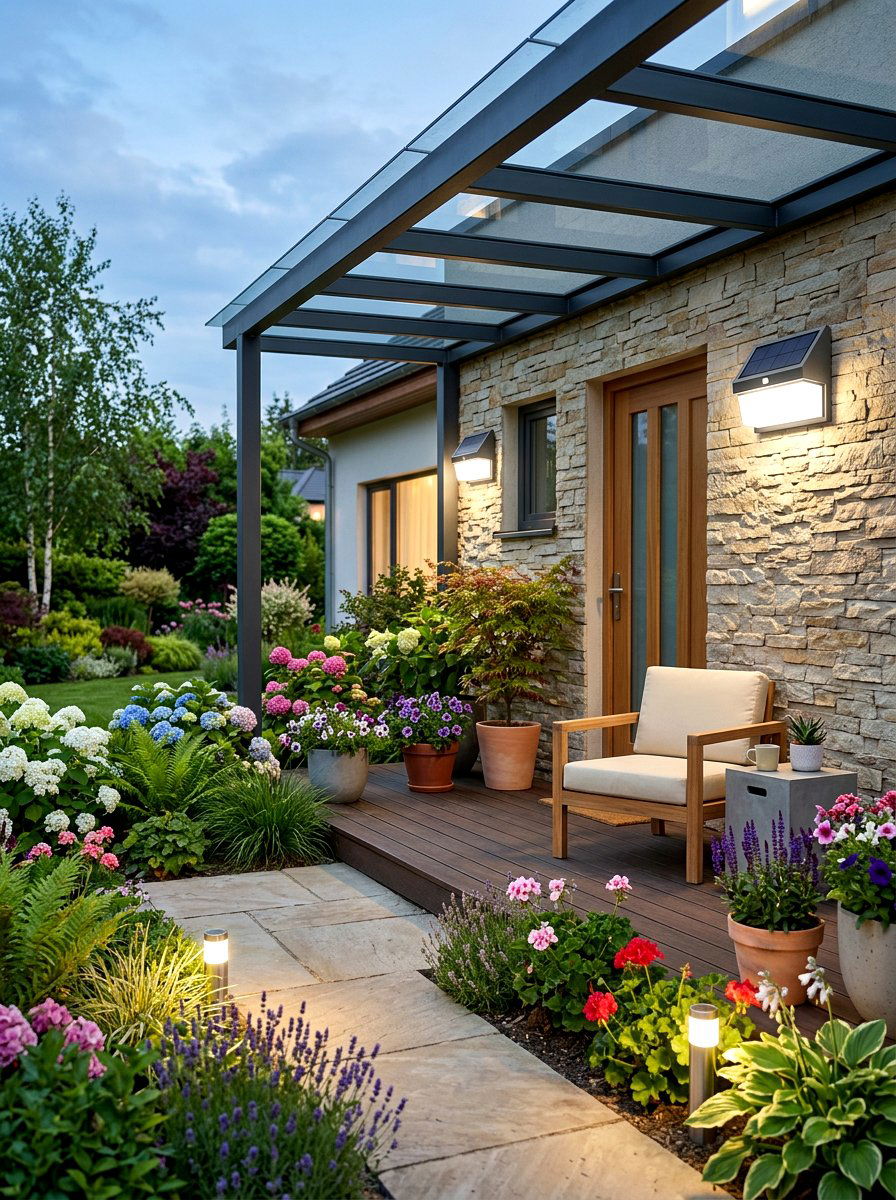
10. Privacy Screen
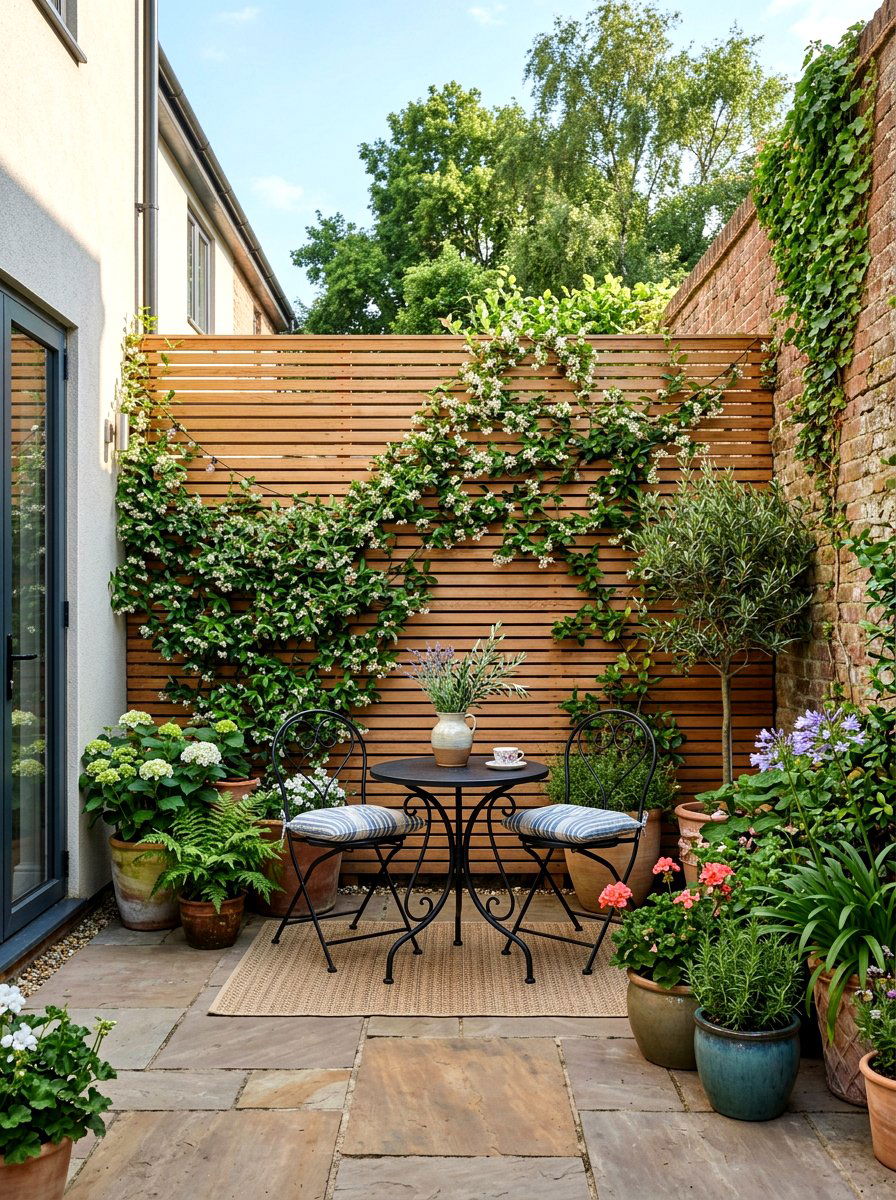
A privacy screen acts as a protective boundary that shields the healing garden from the outside world, creating a true sense of seclusion. These screens can be designed using living elements like tall arborvitae hedges, or architectural features like decorative horizontal wood slats. In a complete garden plan, the screen is often softened with climbing vines like jasmine or ivy to integrate it into the greenery. This physical barrier provides the psychological safety needed for individuals to feel completely at ease and unobserved during their time outdoors. By blocking out visual distractions and reducing wind, the privacy screen helps maintain a quiet and focused therapeutic environment.
11. Succulent Garden
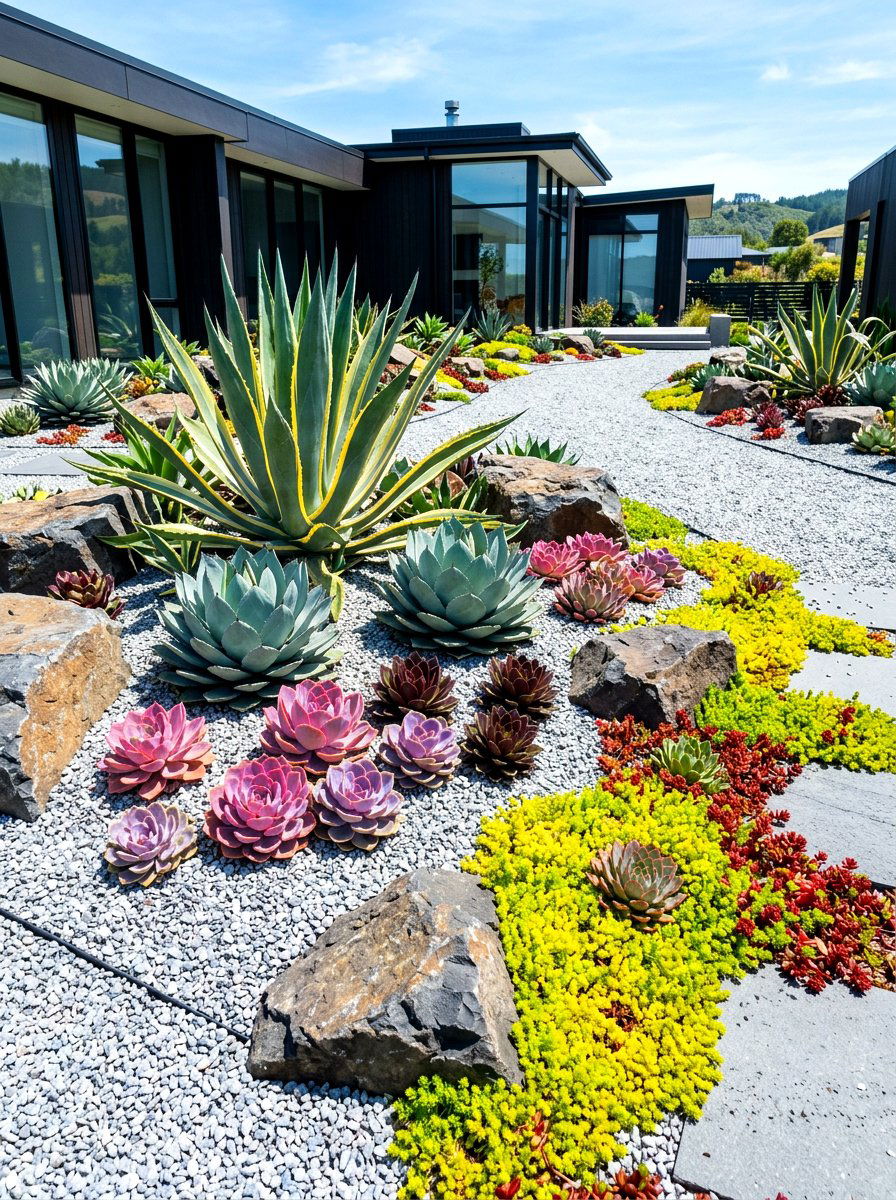
A succulent garden offers a unique therapeutic experience through its fascinating variety of geometric shapes, unusual textures, and subtle, muted color palettes. These gardens are typically designed using a mix of heights and sizes, often arranged among decorative gravel and large sculptural boulders. Because succulents store water in their leaves, they possess a plump, inviting quality that encourages gentle tactile exploration by the visitor. A full succulent landscape is incredibly low-maintenance, making it a perfect choice for those who find traditional gardening tasks overwhelming or physically demanding. This hardy and resilient garden style serves as a beautiful metaphor for strength and survival in challenging conditions.
12. Wind Chime
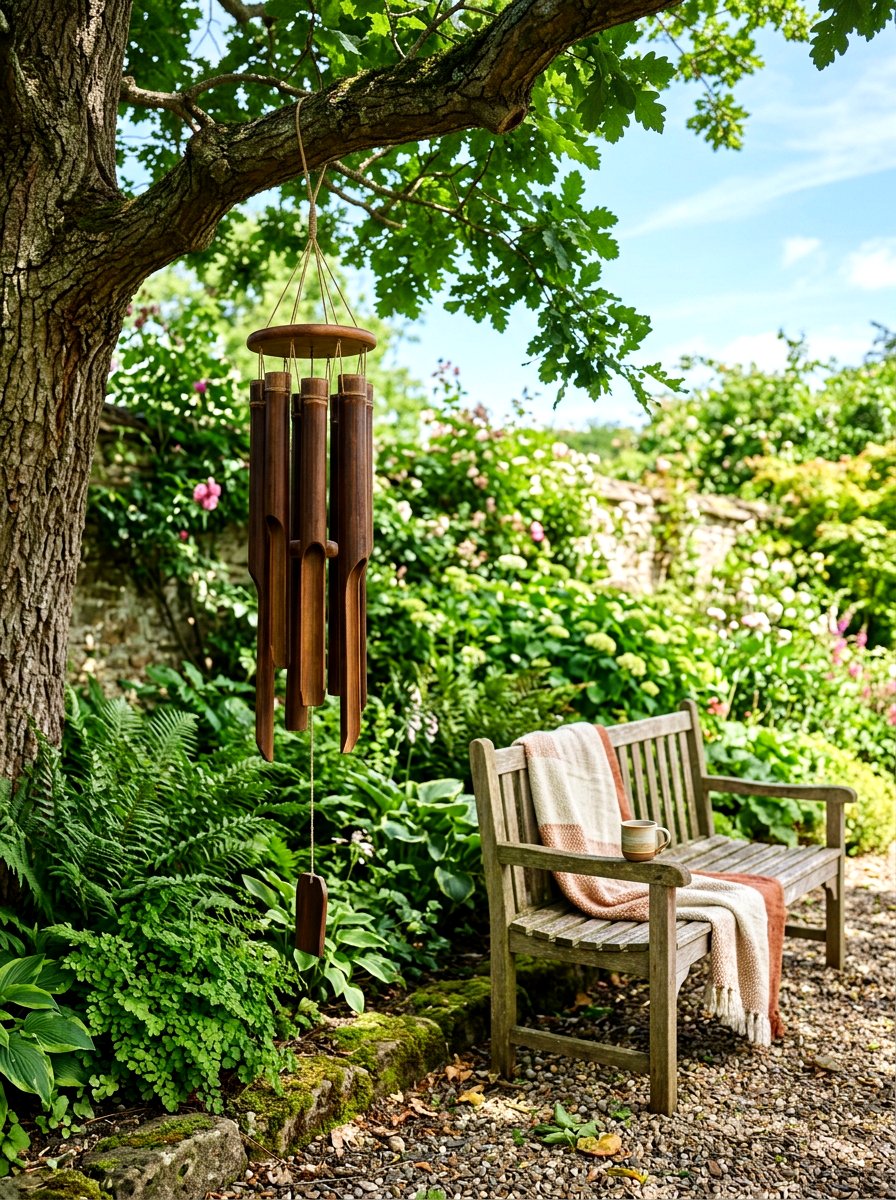
Auditory elements like wind chimes are a simple yet effective way to introduce "sound therapy" into a healing garden’s overall design scheme. When choosing chimes for a therapeutic space, designers often opt for deep-toned bamboo or high-quality metal tubes tuned to specific pentatonic scales. These instruments are strategically hung in areas that catch a gentle breeze, such as near an entrance or under a shade tree. The soft, random melodies help to quiet the mind and can even serve as a focal point for breathing exercises or meditation. In a full garden context, the sound of chimes blends with rustling leaves to create a rich and calming soundscape.
13. Rock Garden
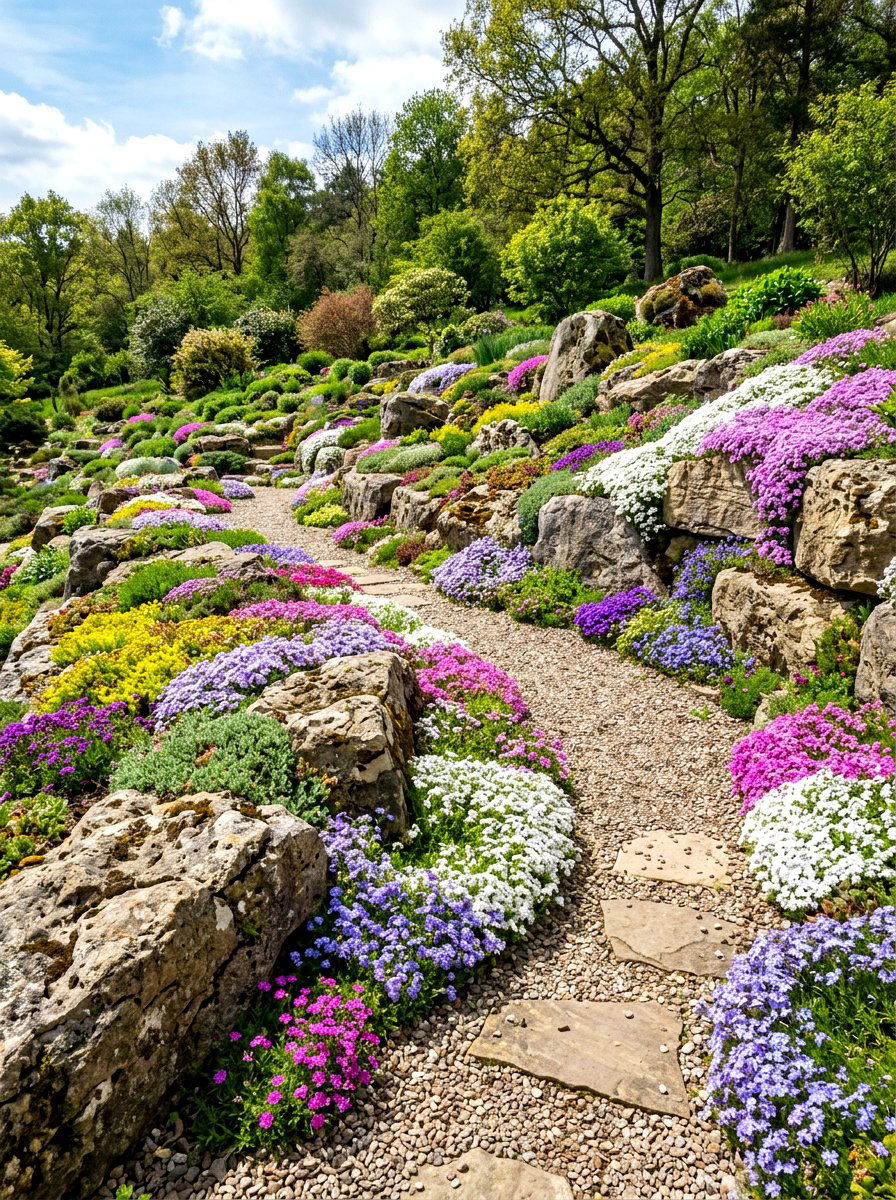
A rock garden is a grounding landscape feature that utilizes the heavy, permanent energy of stone to create a sense of lasting stability. This design typically involves the artistic placement of large boulders and smaller river stones to mimic a natural mountain or desert environment. Between the rocks, hardy alpine plants or mosses are tucked into crevices, adding small bursts of soft color and texture to the hard surfaces. The contrast between the cold, solid stone and the delicate living plants provides a powerful visual metaphor for balance and endurance. This area offers a quiet, rugged beauty that requires very little work to maintain year-round.
14. Vertical Garden
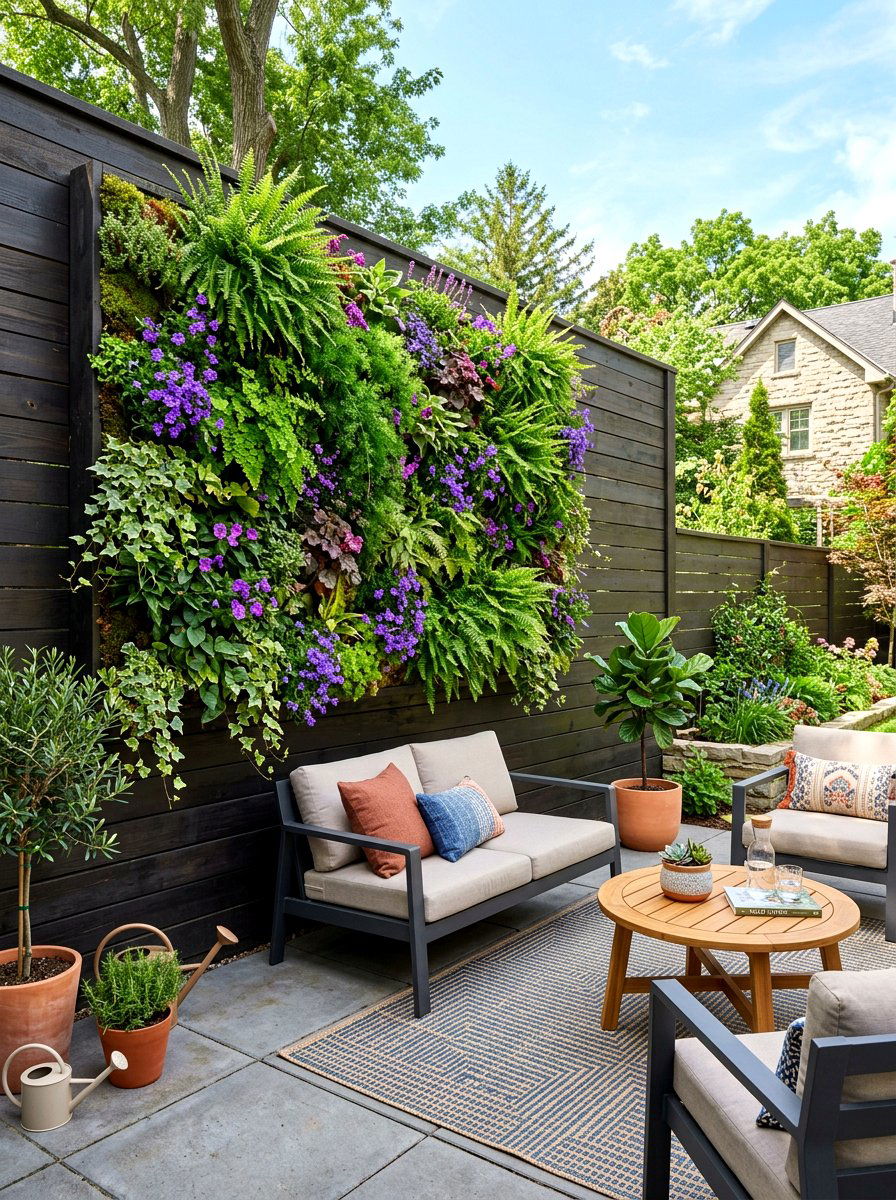
Vertical gardens are an innovative solution for creating a lush healing environment in small urban spaces where ground-level square footage is limited. This design uses wall-mounted planters or trellis systems to grow a dense tapestry of greenery up the side of a fence or building. A full vertical installation might include a variety of cascading ferns, trailing vines, and small flowering perennials that bring nature up to eye level. This approach effectively surrounds the visitor with plants, creating a "green cocoon" effect that can significantly improve air quality and muffle city noise. It turns a flat, hard surface into a living, breathing work of art.

15. Bird Bath
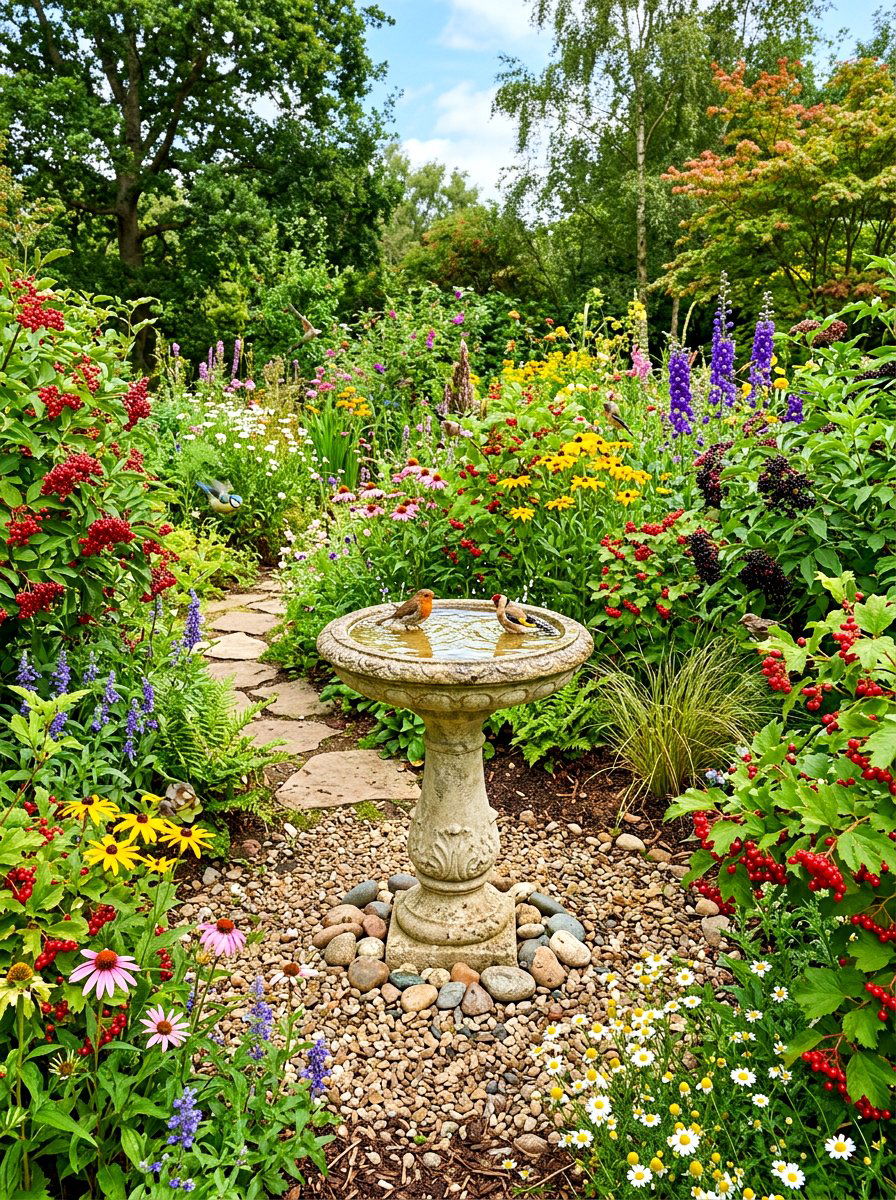
Including a bird bath in your garden design introduces a sense of life, activity, and rhythmic movement that is deeply engaging to watch. A professional healing garden often features a pedestal-style stone bath placed in a quiet corner where birds feel safe enough to visit regularly. Surrounding the bath with berry-producing shrubs or tall grasses provides the cover necessary to attract a wide variety of local avian species. Watching birds splash and play provides a gentle distraction that helps to pull the mind away from stressful internal thoughts. This simple addition fosters a nurturing connection between the gardener and the local wildlife community.
16. Zen Garden
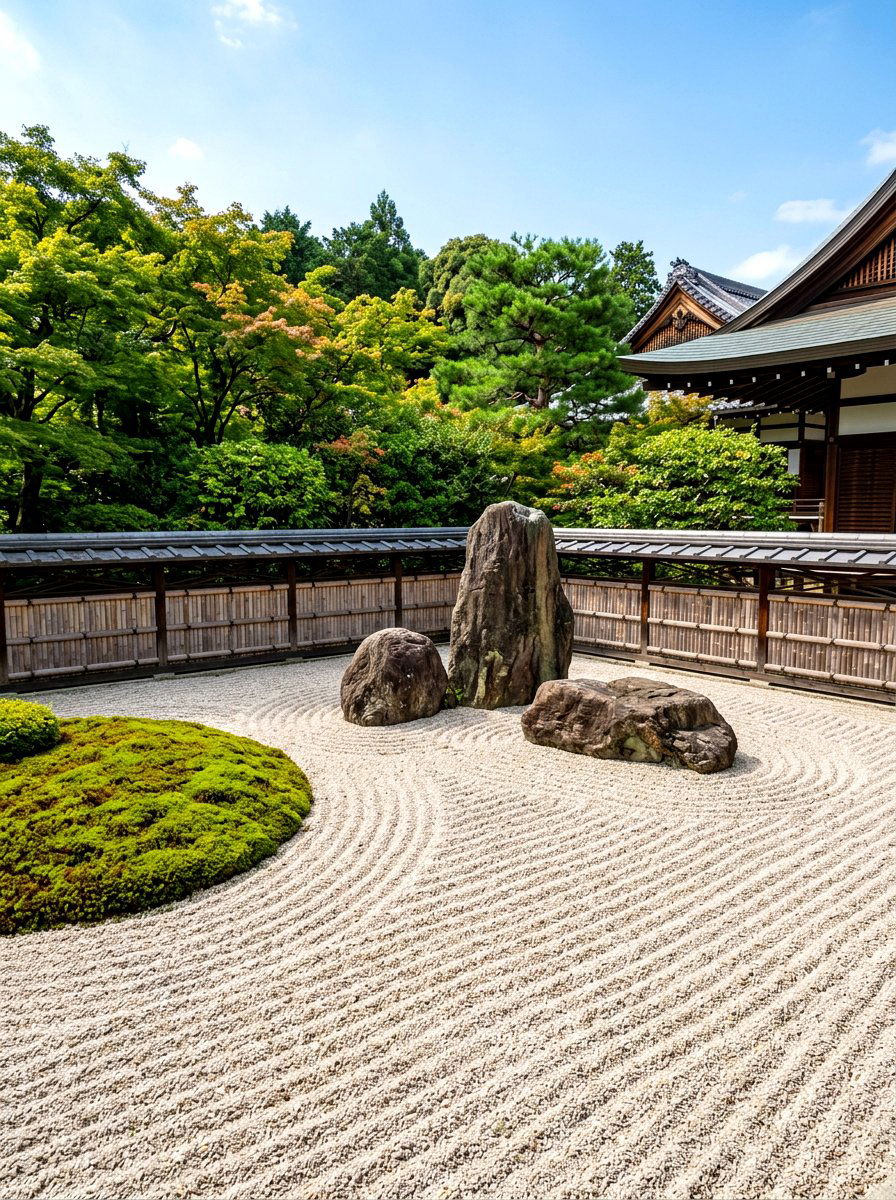
A Zen garden, or Japanese dry landscape, is a masterclass in minimalist design aimed at promoting deep focus and mental clarity. This specific area is traditionally composed of fine light-colored sand or gravel, which is carefully raked into patterns representing ripples in water. A few select rocks or moss mounds are placed intentionally within the space to serve as islands or mountains in the symbolic sea. The act of raking the gravel can itself be a form of moving meditation for the gardener. This design prioritizes order, simplicity, and the beauty of empty space, offering a stark but beautiful contrast to a busy life.
17. Labyrinth
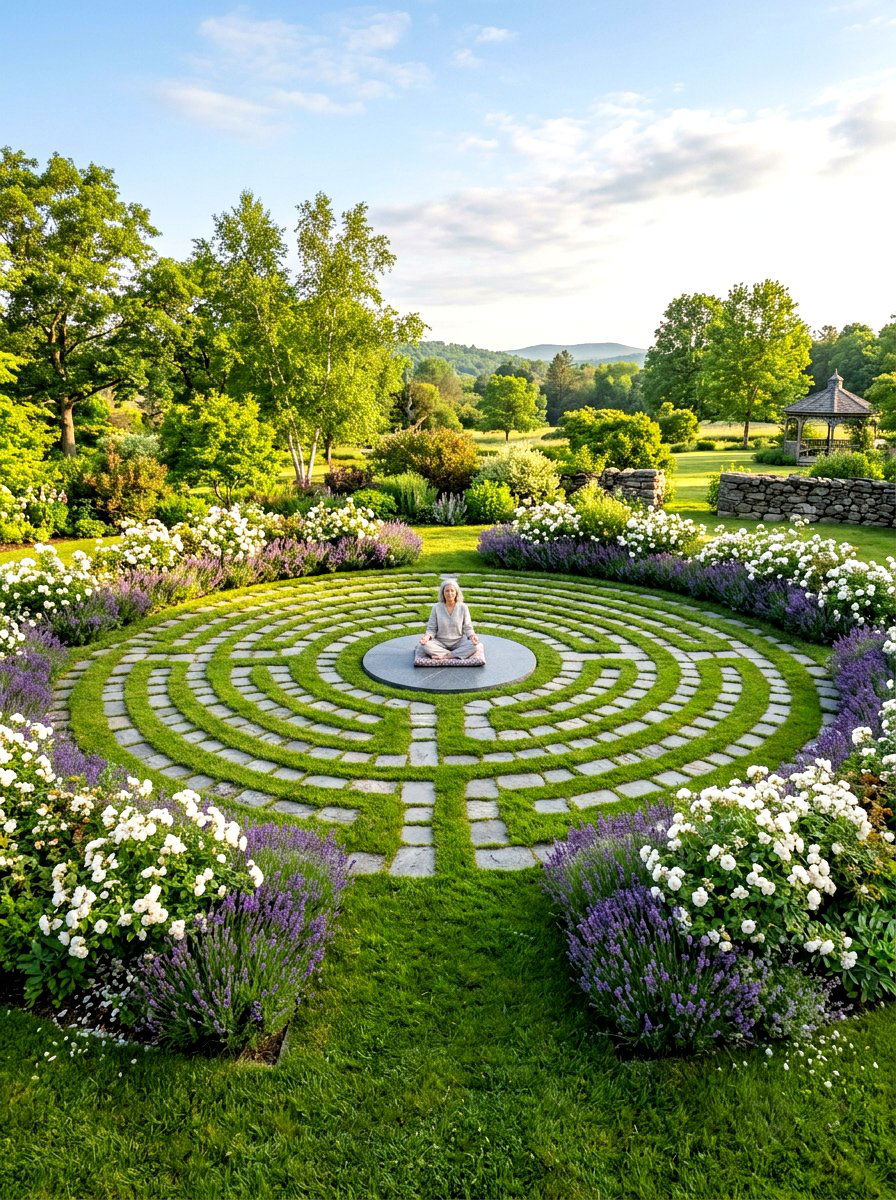
A garden labyrinth is a powerful tool for mindful movement, consisting of a single winding path that leads to a central point and back out again. Unlike a maze, there are no dead ends or tricks, allowing the walker to focus entirely on their steps and breathing rather than finding the way. In a full garden layout, labyrinths are often created using low-growing herbs, flat stones, or even simple mowed grass patterns. This ancient design provides a structured way to practice walking meditation, helping to reduce anxiety and improve concentration. The journey to the center symbolizes a path toward inner peace and self-discovery.
18. Comfortable Bench
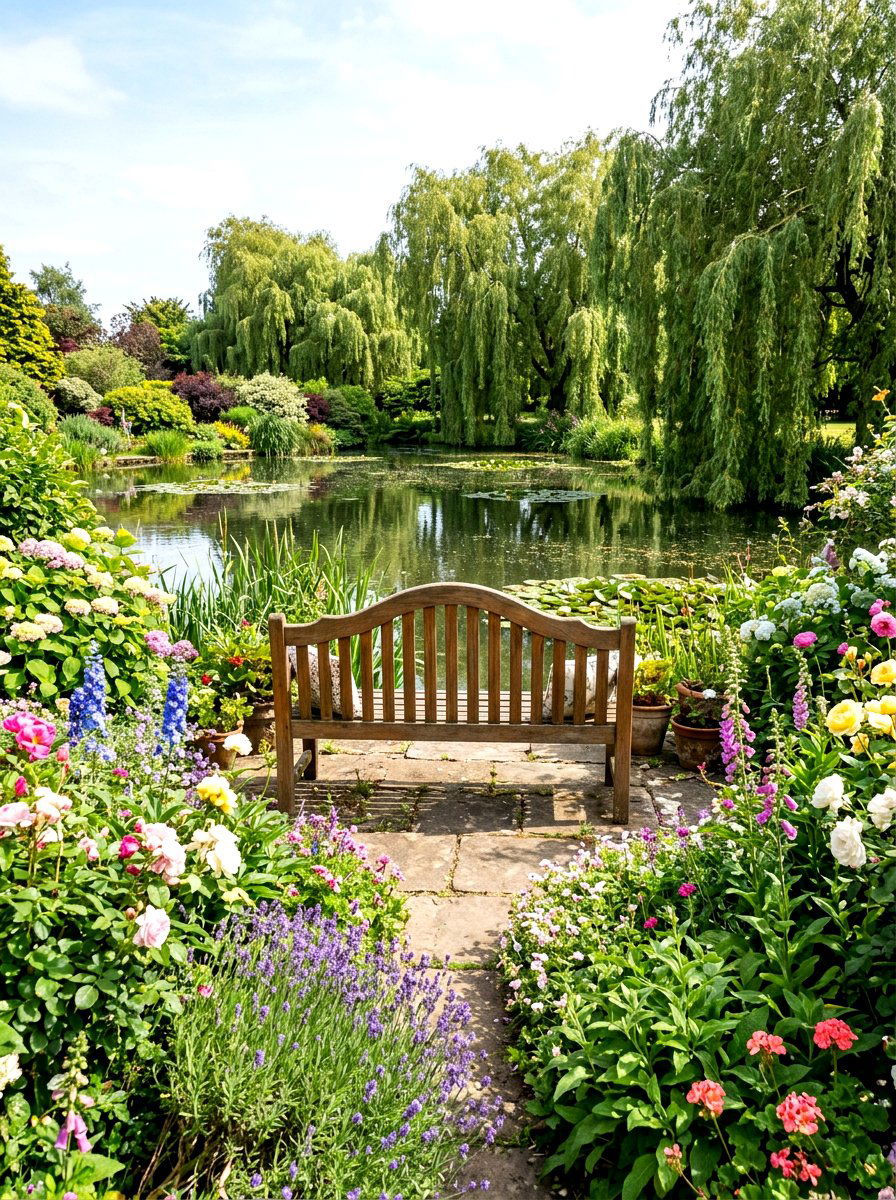
A high-quality, comfortable bench is much more than just a place to sit; it is an invitation to pause and fully experience the garden. In a therapeutic design, benches should be made of natural materials like teak or cedar that feel warm to the touch and age beautifully. They are best placed at "resting points" throughout the garden, such as at the end of a path or overlooking a particularly beautiful flower bed. Including armrests and a supportive back ensures that people of all ages can rest comfortably for long periods. These seating spots allow for the quiet observation that is necessary for the healing process.
19. Fragrant Flower
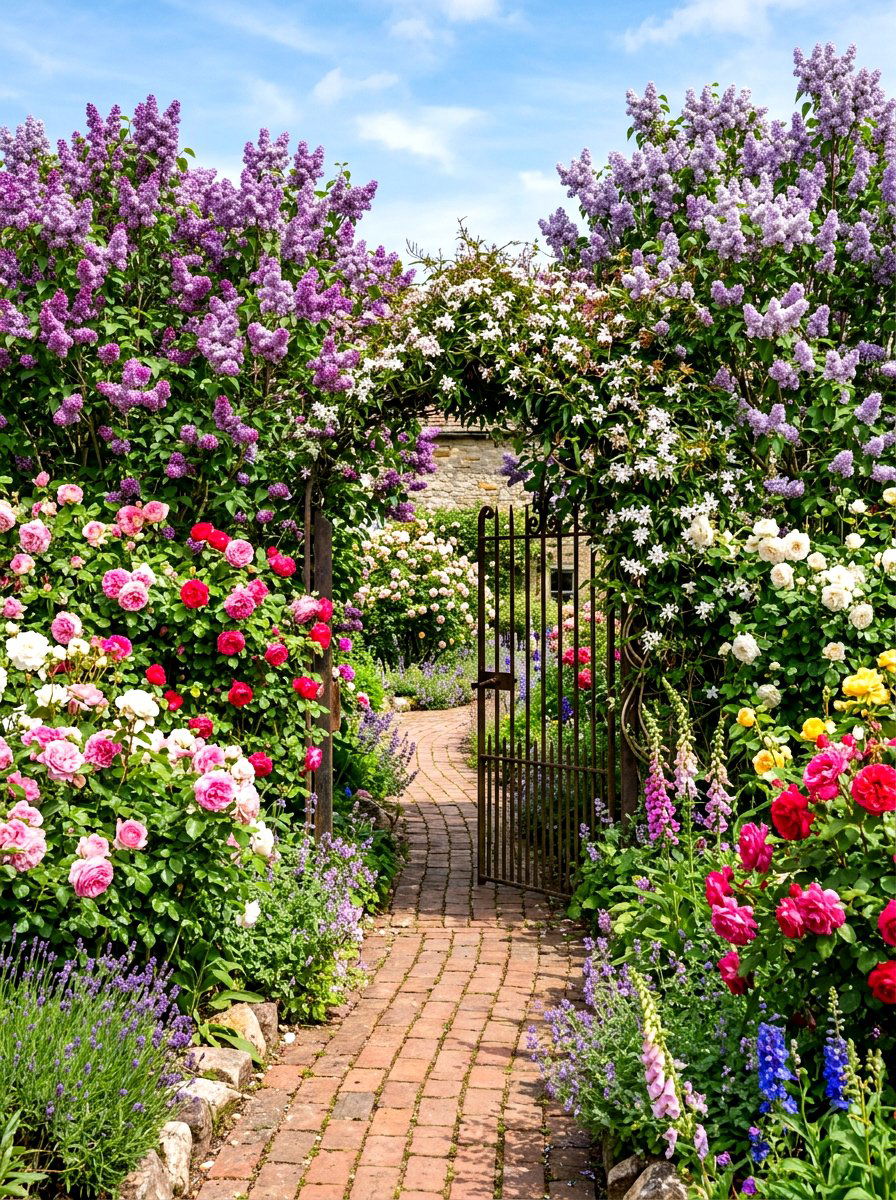
Fragrant flowers are the heart of "aromatherapy" within a garden, capable of triggering powerful positive emotions and memories through the sense of smell. A well-planned scent garden includes a variety of blooms that release their perfume at different times of the day and year. You might plant jasmine and honeysuckle for sweet evening scents, or roses and lilacs for classic daytime fragrance. Placing these plants near windows, doorways, or seating areas ensures that their therapeutic aroma is never far away. This layer of design adds an invisible but deeply felt dimension of comfort and luxury to the overall outdoor experience for every visitor.
20. Wildflower Meadow
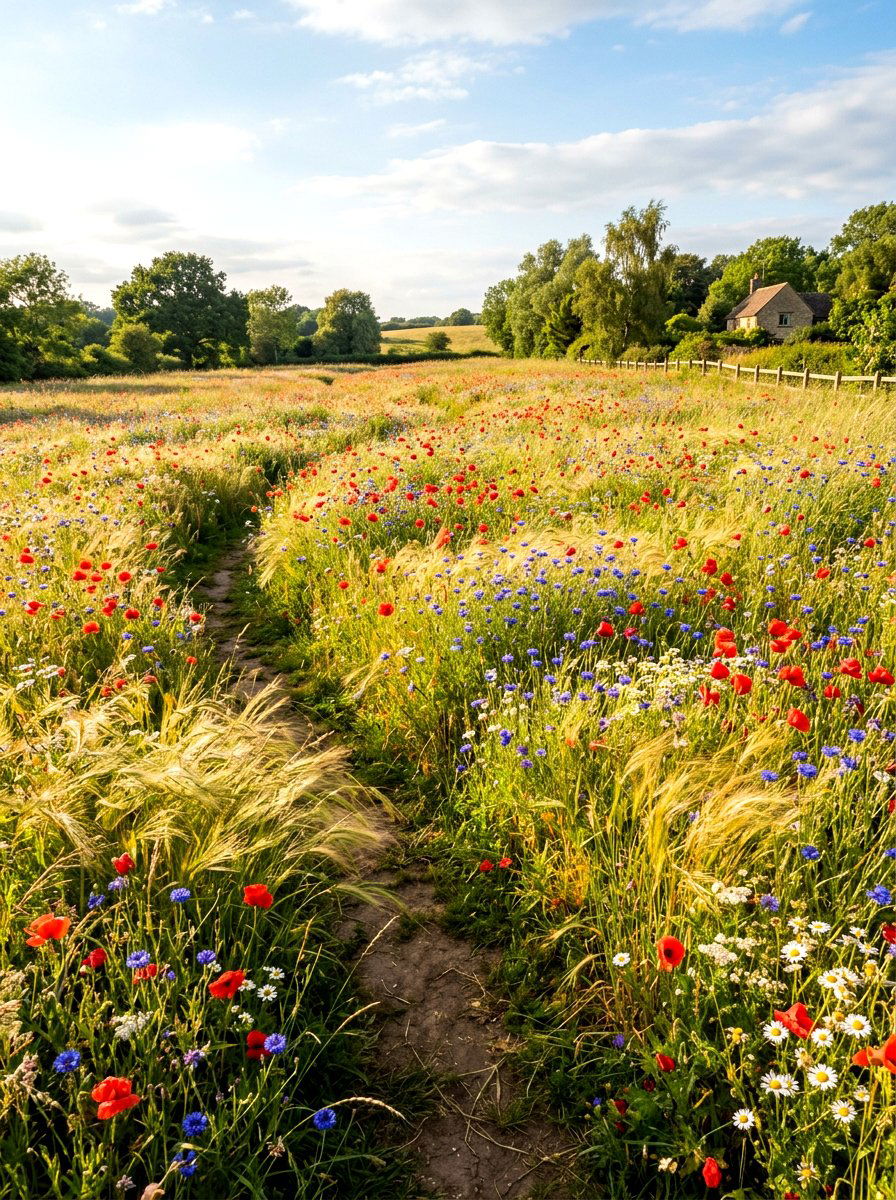
A wildflower meadow represents a move away from manicured lawns toward a more natural, biodiverse, and healing form of landscaping. This design involves seeding a large area with a mix of native grasses and flowering plants that grow tall and move gracefully with the wind. The resulting landscape is a riot of ever-changing colors and textures that provide a rich habitat for bees and butterflies. The visual softness of a meadow, with its lack of hard edges, has a notably calming effect on the human nervous system. This low-maintenance approach celebrates the wild beauty of nature and encourages a more relaxed, unhurried perspective.
21. Garden Lighting
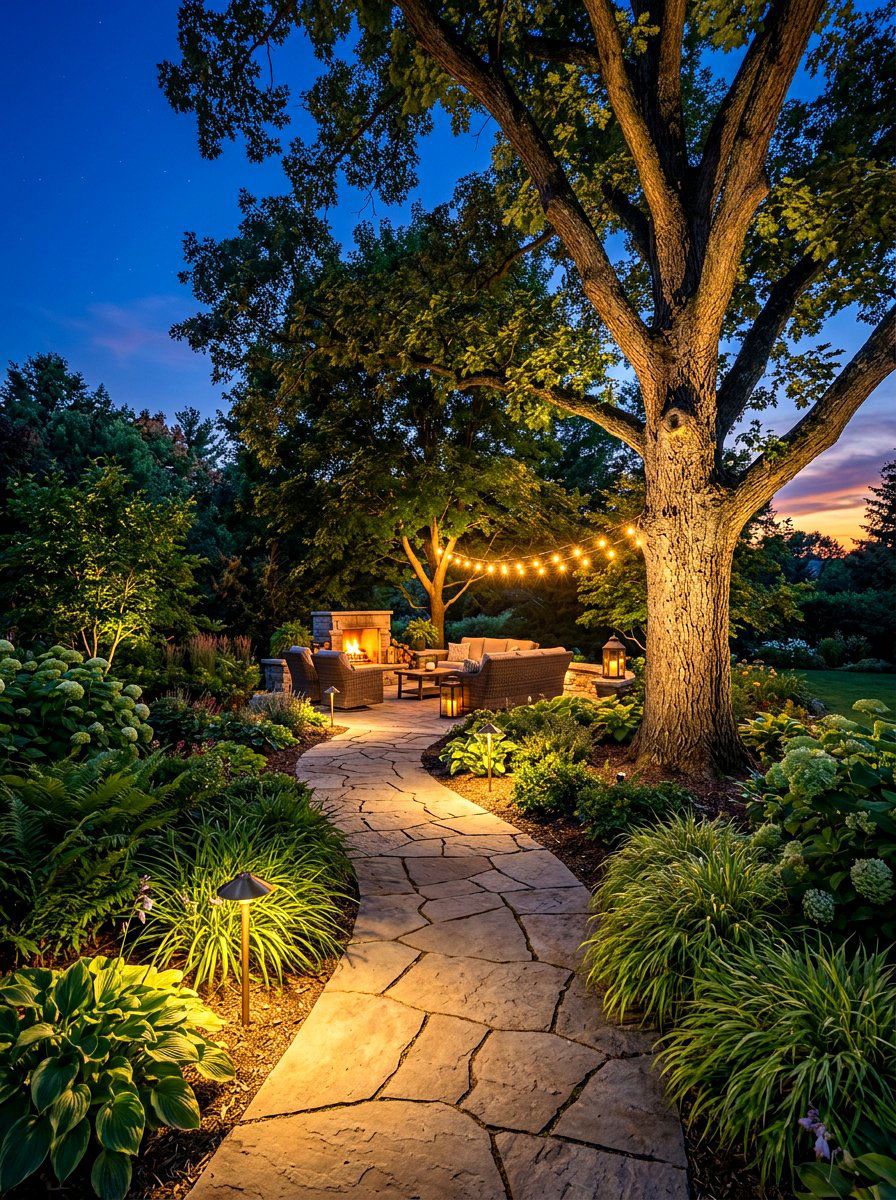
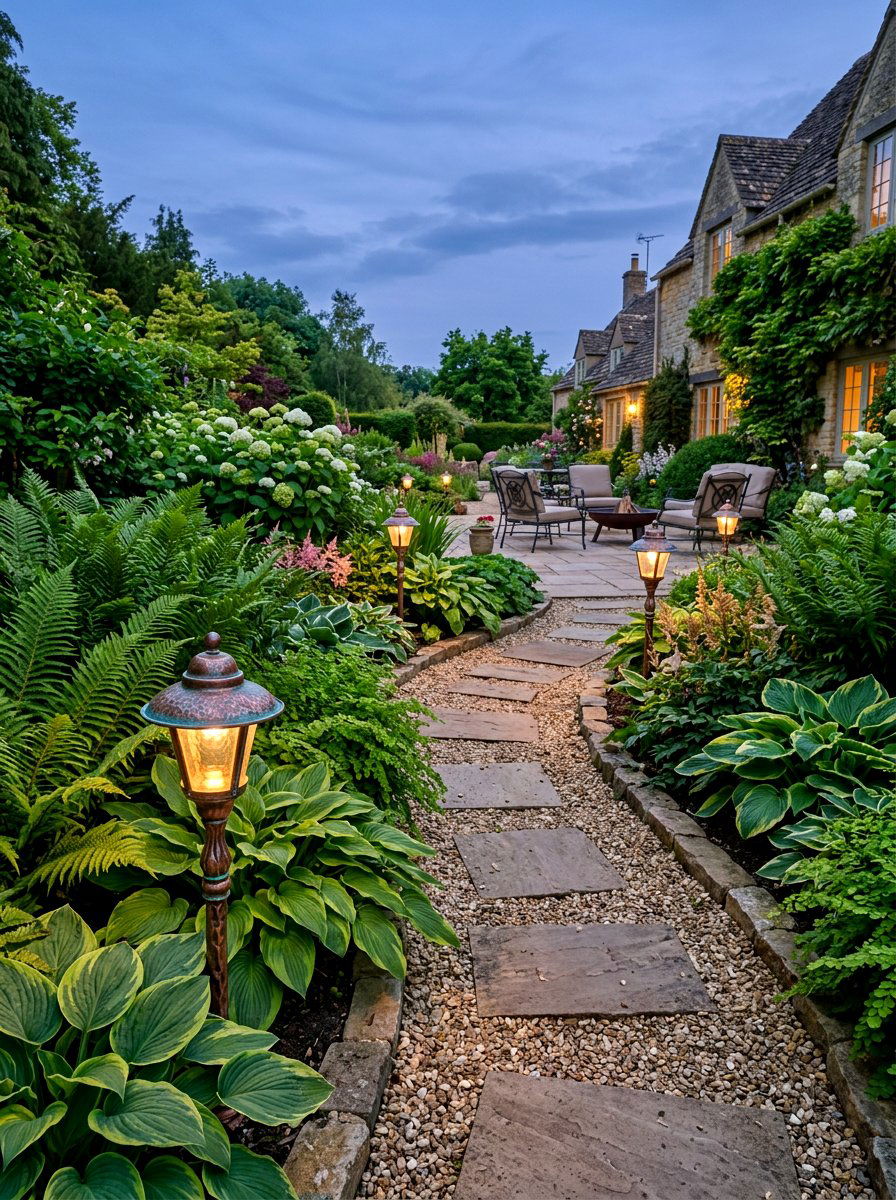
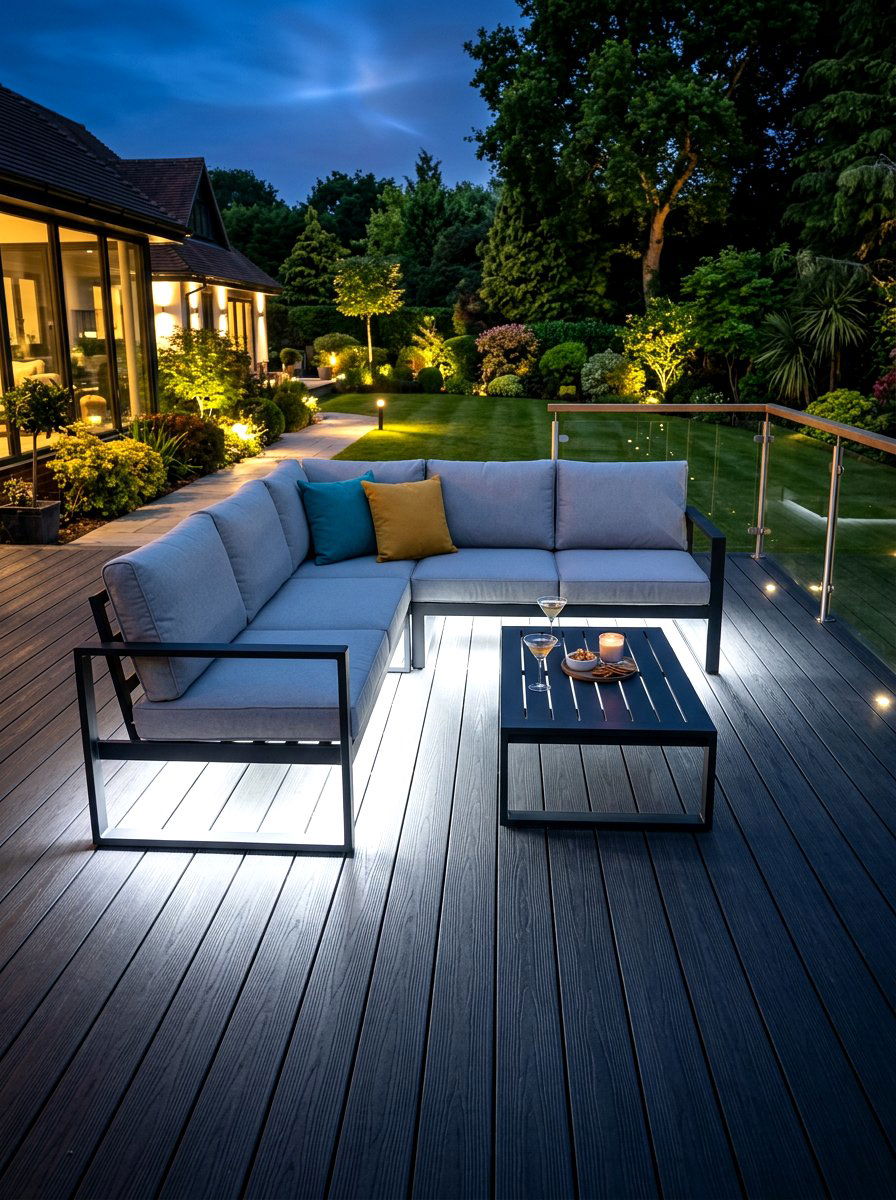
Strategically planned garden lighting extends the healing potential of an outdoor space into the evening hours, creating a magical and safe atmosphere. Professional designs use low-voltage LED lights to gently illuminate pathways, ensuring that no one trips or falls in the dark. Soft uplighting can be used to highlight the architectural form of a favorite tree, while small lanterns can create a warm glow around seating areas. This careful use of light prevents the space from feeling dark or intimidating at night, allowing for peaceful evening strolls. The play of light and shadow adds a new, dreamlike quality to the garden that encourages late-night reflection.
22. Garden Archway
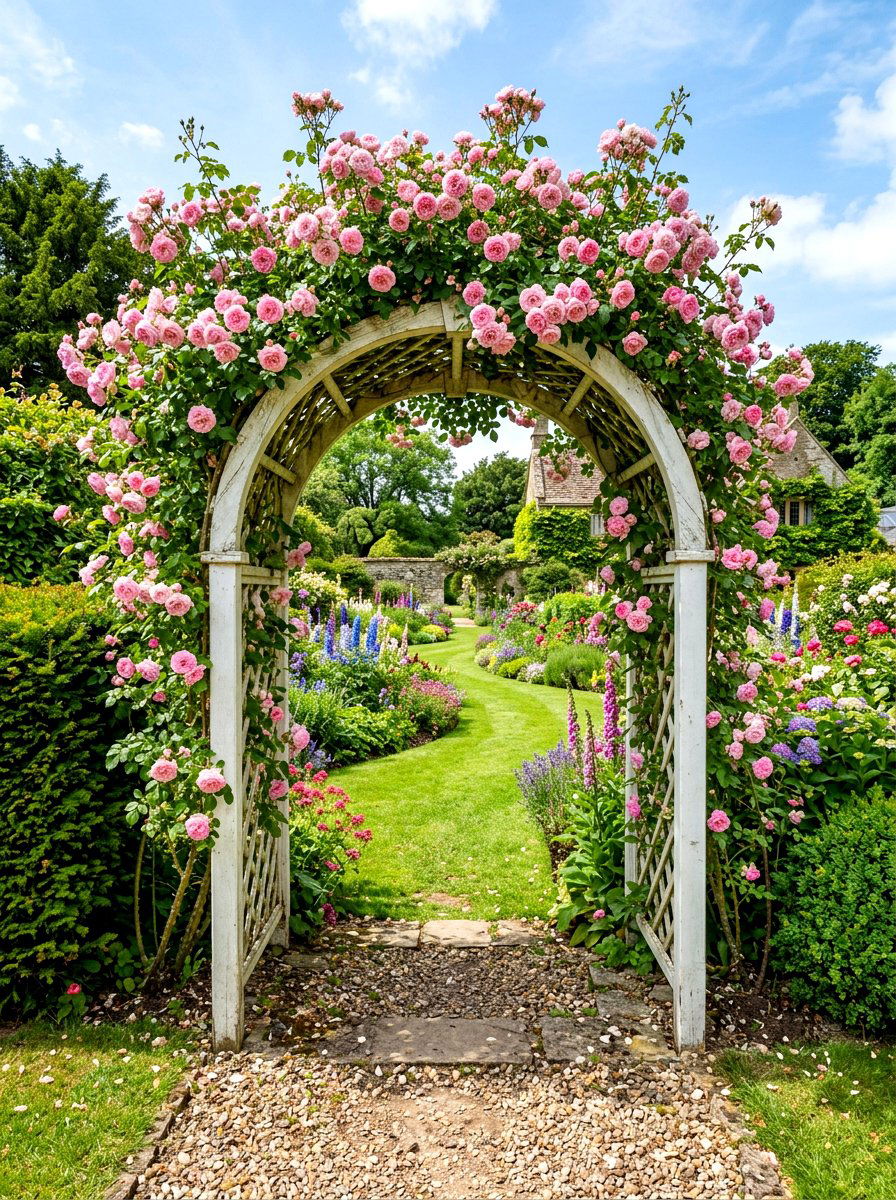
A garden archway serves as a symbolic threshold, marking the transition from the stressful outside world into the peaceful sanctuary of the healing garden. These structures are often made of sturdy wood or wrought iron and are traditionally covered in climbing plants like clematis or climbing roses. Passing through an archway creates a psychological "reset" that prepares the mind for relaxation and mindfulness. In a complete garden scheme, the archway is positioned at the main entrance or at the beginning of a key walking path. This architectural element adds height and a sense of classic elegance to the landscape while framing beautiful views.
23. Ornamental Grass
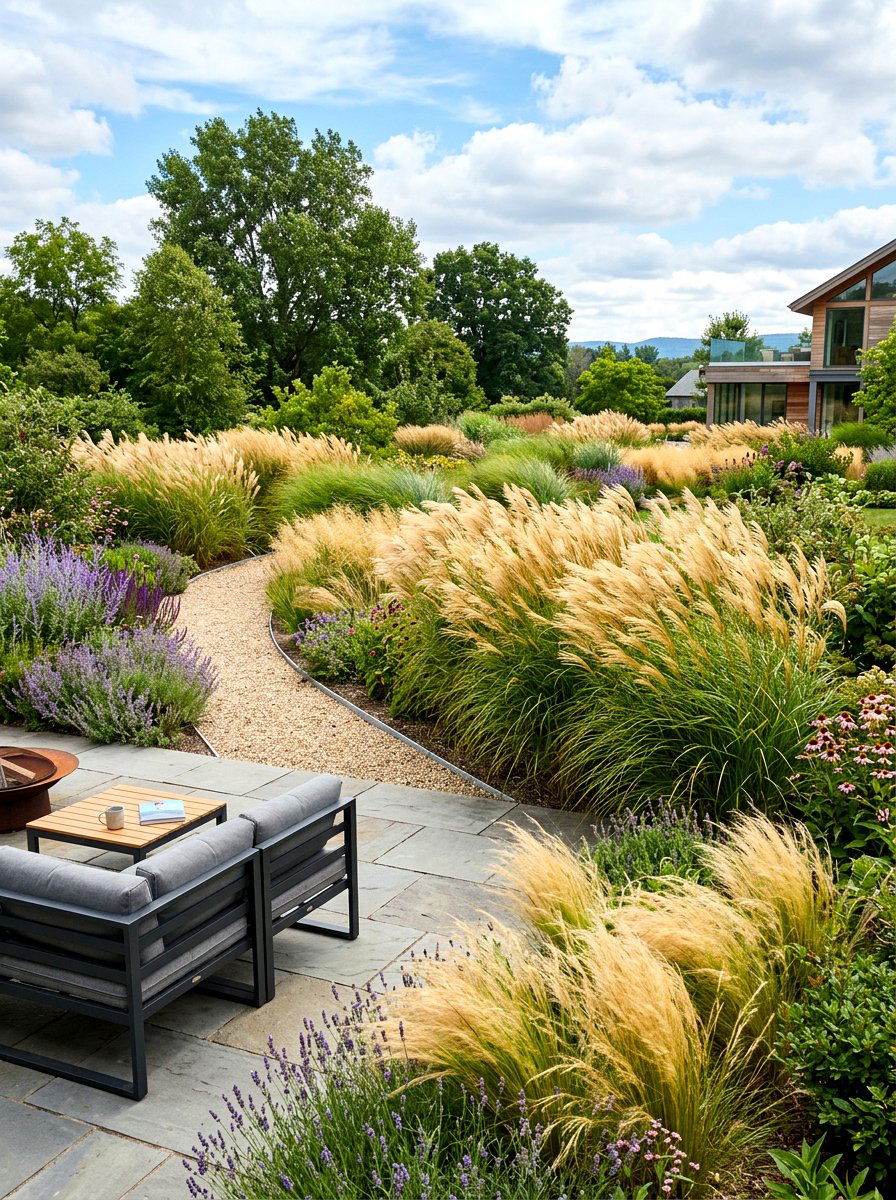
Ornamental grasses are prized in healing garden design for their unique ability to introduce both visual movement and soothing sound to the landscape. When a breeze passes through a drift of tall grasses like Miscanthus or Fountain Grass, the leaves rustle softly, creating a sound reminiscent of a distant ocean. The way these plants sway and catch the sunlight provides a mesmerizing visual that helps to calm a racing mind. Because many grasses remain standing through the winter, they provide year-round structure and interest. Their fine textures contrast beautifully against broad-leafed perennials, adding a layer of sophistication and softness to the garden.
24. Container Garden
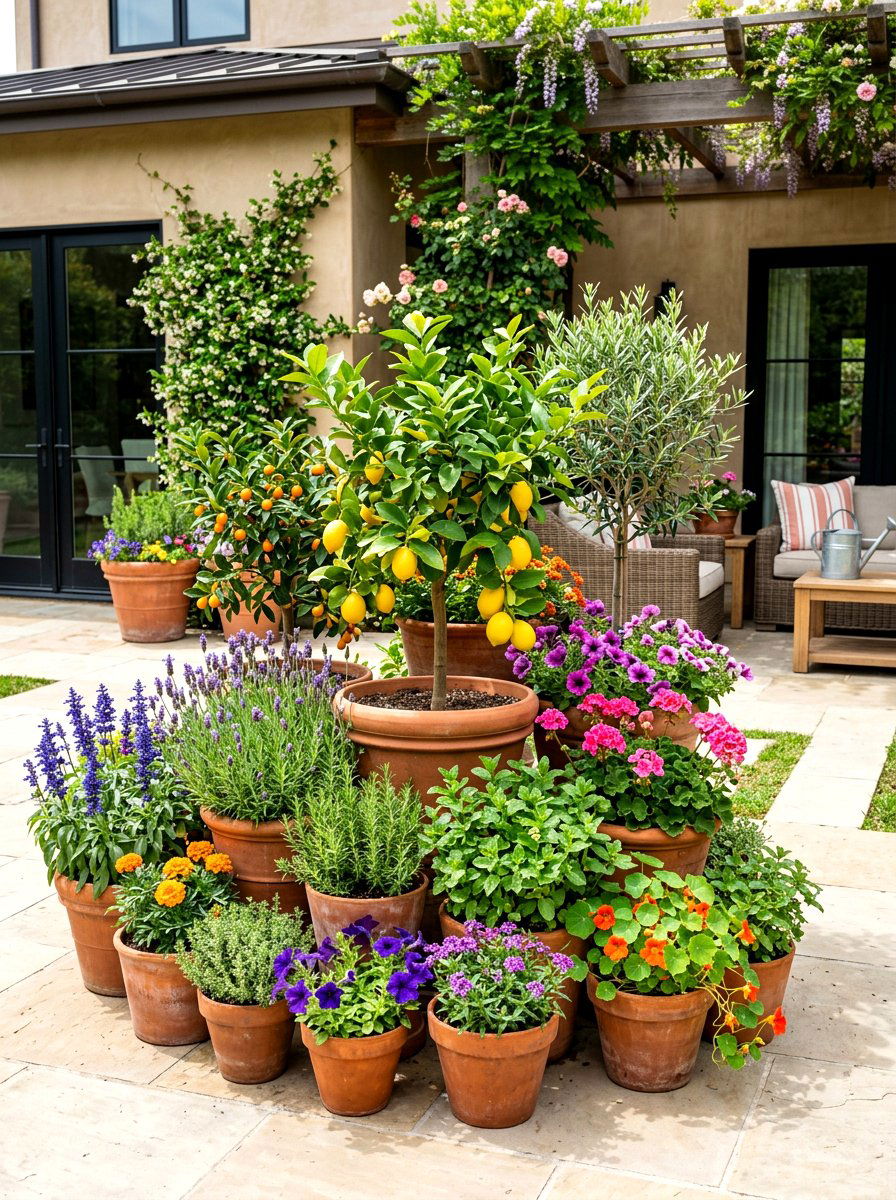
Container gardening is a versatile approach that allows anyone to create a healing oasis, regardless of whether they have a large backyard or just a small balcony. Using a variety of pots and planters, a designer can create a lush, layered look by grouping different heights and textures together. This style of gardening is particularly therapeutic because it allows for easy experimentation and can be adjusted as the seasons change. Pots can be moved to catch the best sunlight or to create temporary privacy screens. For those with limited mobility, containers can be placed on tables to bring the plants up to a comfortable working height.
25. Secret Garden
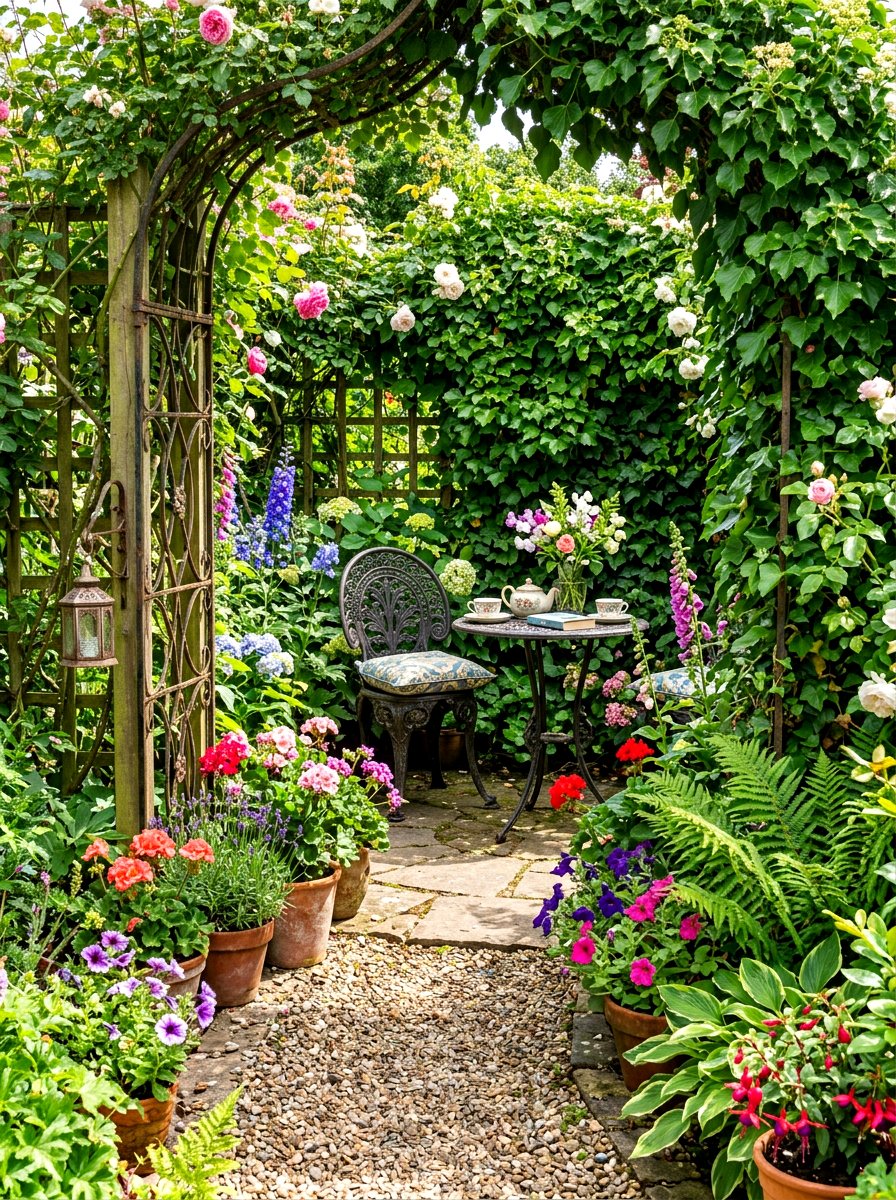
The concept of a "secret garden" involves creating a hidden nook that is not immediately visible from the main entrance, fostering a sense of mystery and discovery. This is often achieved by using tall shrubs, a vine-covered trellis, or a winding path that disappears around a corner. Inside this hidden area, you might find a single chair, a small table, or a unique piece of art. This sense of enclosure provides a profound feeling of safety and refuge, making it an ideal spot for reading or private journaling. The act of "discovering" this quiet place adds a playful, imaginative element to the garden experience.
26. Therapeutic Landscape
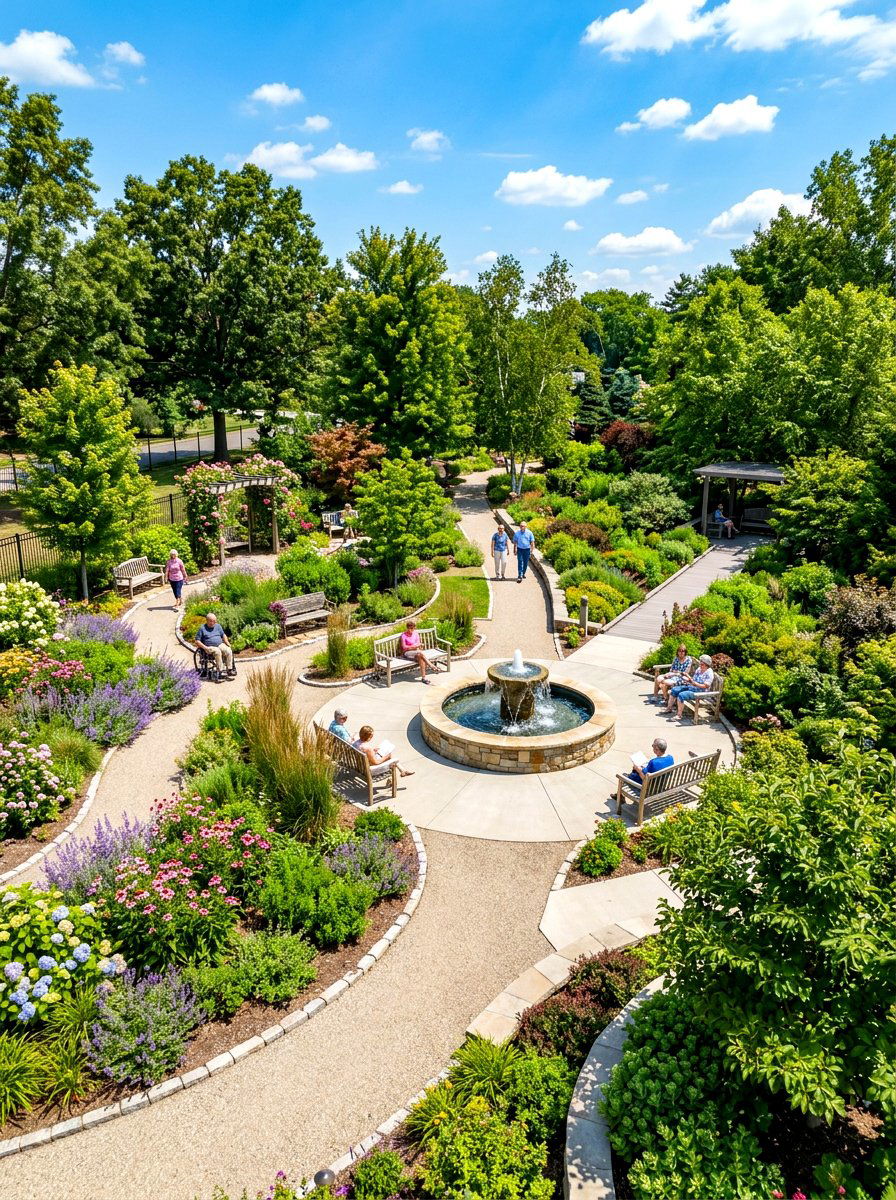
A comprehensive therapeutic landscape is a large-scale design that integrates multiple healing elements into a seamless and purposeful whole. This approach often uses wide, looping paths to connect different "mood zones, " such as a bright, social flower meadow and a quiet, shaded meditation corner. Every material, from the non-slip paving to the non-toxic plant selection, is chosen with the user's safety and comfort in mind. This type of garden is often found in healthcare settings, but the same principles can be applied to a home to create a truly restorative environment. It is a space designed specifically to support the human spirit’s natural ability to heal.
27. Koi Pond
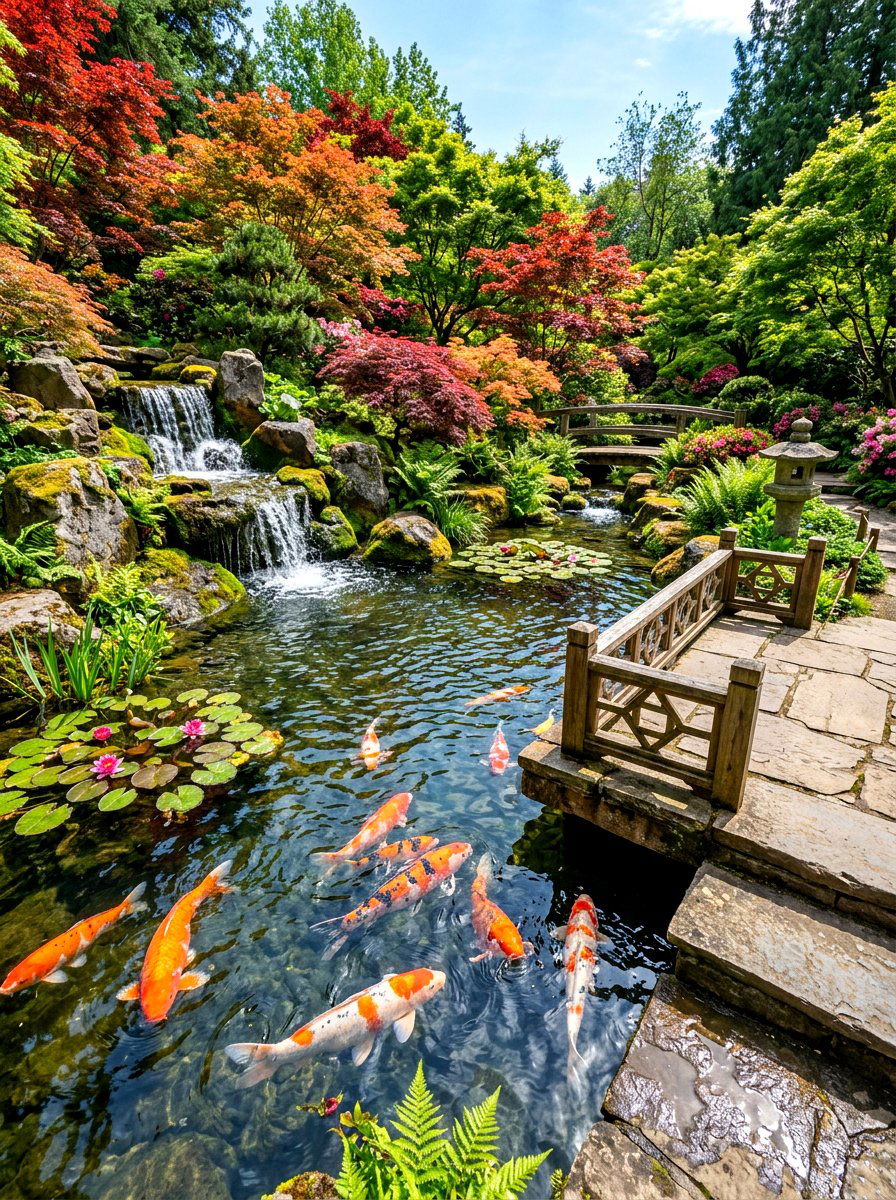
A koi pond is a sophisticated water feature that introduces vibrant color and hypnotic movement into the heart of a healing garden. The sight of large, brightly colored fish swimming gracefully through clear water has a legendary ability to capture the attention and soothe the mind. A professional pond design includes a filtration system to keep the water sparkling and aquatic plants like water lilies to provide shade for the fish. Adding a small bridge or a deck that extends over the water allows visitors to get close to the action. This interactive element provides a deep sense of peace and a connection to aquatic life.
28. Stone Path
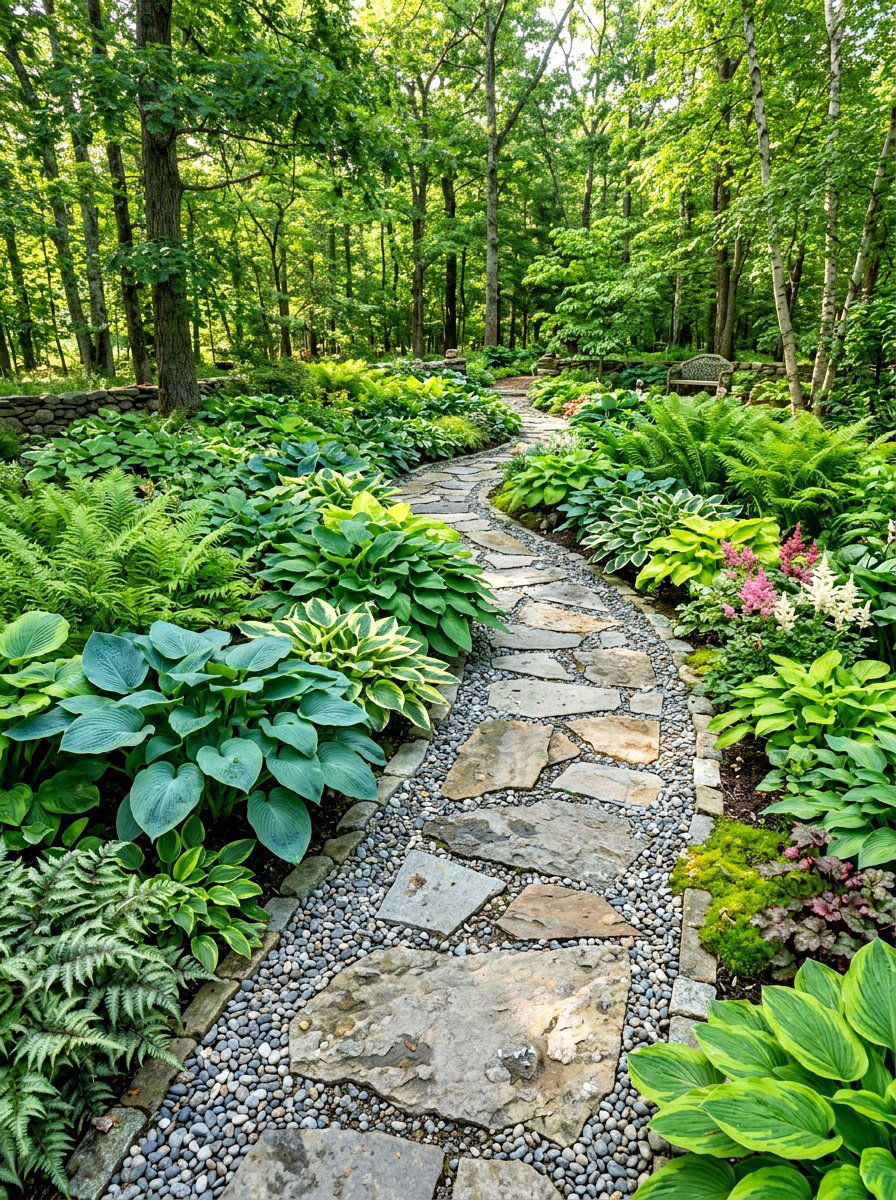
A stone path made of textured flagstones or smooth river pebbles provides a vital tactile connection to the earth beneath our feet. In a healing garden, these paths are often designed with slightly irregular surfaces that encourage the walker to slow down and pay attention to each step. This physical engagement with the ground is a core component of "earthing" or "grounding, " which many believe has significant health benefits. The cool temperature and solid feel of the stone provide a sensory contrast to the soft soil and plants. A well-laid stone path is both a functional walkway and a beautiful, permanent feature of the garden.
29. Garden Gazebo
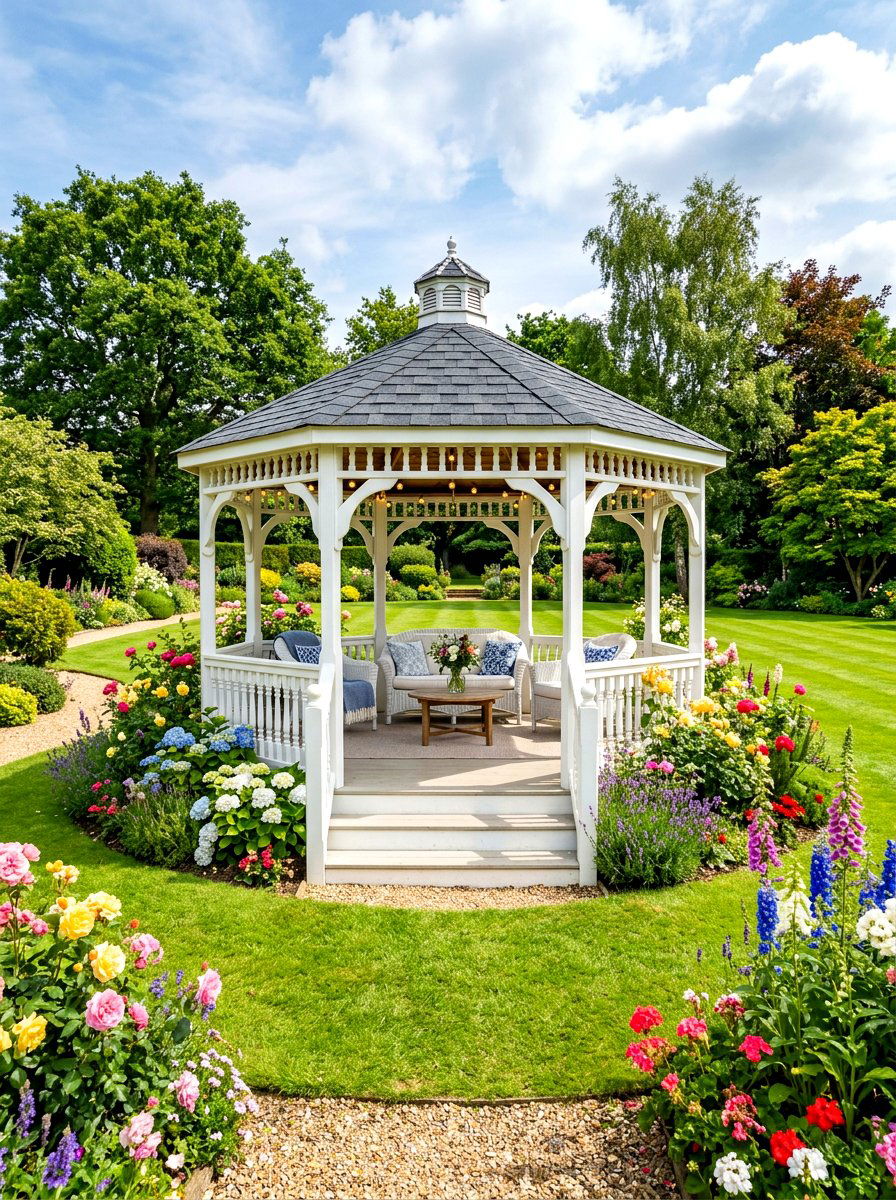
A garden gazebo offers a structured, roofed sanctuary that provides total protection from the elements while remaining completely open to the beauty of the landscape. This architectural feature is a perfect place for group therapy sessions, family gatherings, or simply enjoying the garden during a light rain shower. Built from natural wood with comfortable built-in seating, the gazebo becomes a focal point that anchors the entire garden design. It provides a sense of "prospect and refuge, " where one can feel safe and sheltered while still having a clear view of the surrounding greenery. This balance is key to creating a truly comfortable outdoor room.
30. Moss Garden
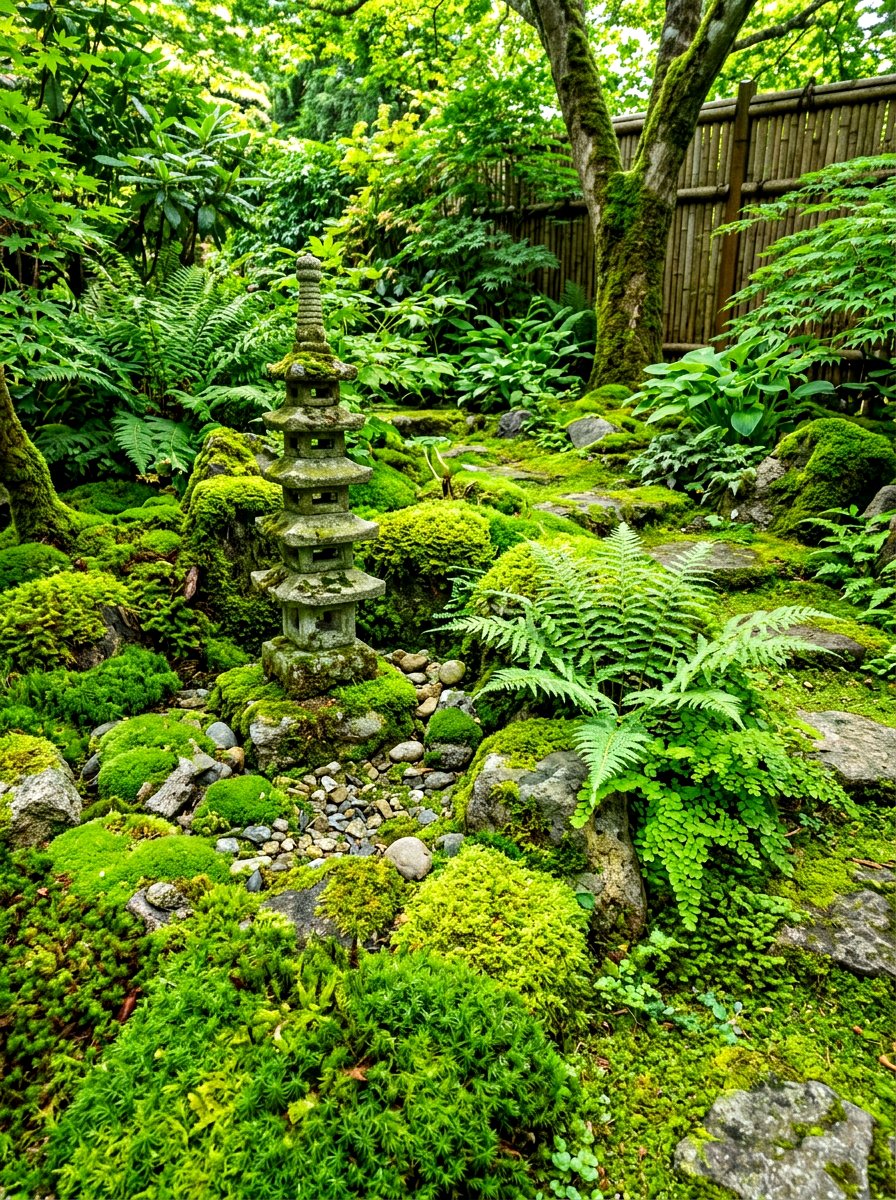
A moss garden is a unique, low-growing landscape that thrives in shaded, damp areas where traditional grass might struggle to grow. These gardens feature a soft, velvety carpet of various moss species that invite the visitor to reach out and touch their cool, damp surface. The deep emerald green of a healthy moss garden is incredibly soothing to the eyes and creates a prehistoric, fairytale-like atmosphere. Because moss absorbs sound, these areas tend to be exceptionally quiet and peaceful. A moss garden requires very little mowing or pruning, making it a perfect example of a low-stress, high-reward healing garden feature for any shaded nook.
Conclusion:
Creating a healing garden is a deeply rewarding journey that transforms a basic outdoor space into a functional tool for wellness and recovery. By thoughtfully combining elements that engage all the senses — from the rustle of ornamental grasses to the soothing scent of blooming jasmine — you can build a sanctuary that supports your mental and physical health every single day. Whether you start with a single raised bed or a complete backyard renovation, the key is to prioritize accessibility, comfort, and a genuine connection to the natural world. These spaces remind us to slow down, breathe deeply, and appreciate the simple, profound beauty of life unfolding around us.

Related posts: