Transforming your sleeping quarters into a sanctuary starts with understanding how the hues on your walls affect your subconscious mind. Healing colors are those specific shades that scientifically lower cortisol levels, reduce blood pressure, and slow the heart rate to prepare the body for deep, restorative rest. Whether you are dealing with chronic stress or simply want a more mindful space to wake up in, the right palette acts as a silent therapist. From the grounding depth of forest greens to the airy tranquility of morning mists, each color choice offers a unique therapeutic benefit. This guide explores thirty expertly curated color directions that prioritize wellness, emotional balance, and the ultimate sleep experience for your home.

1. Soft Sage Green Bedroom
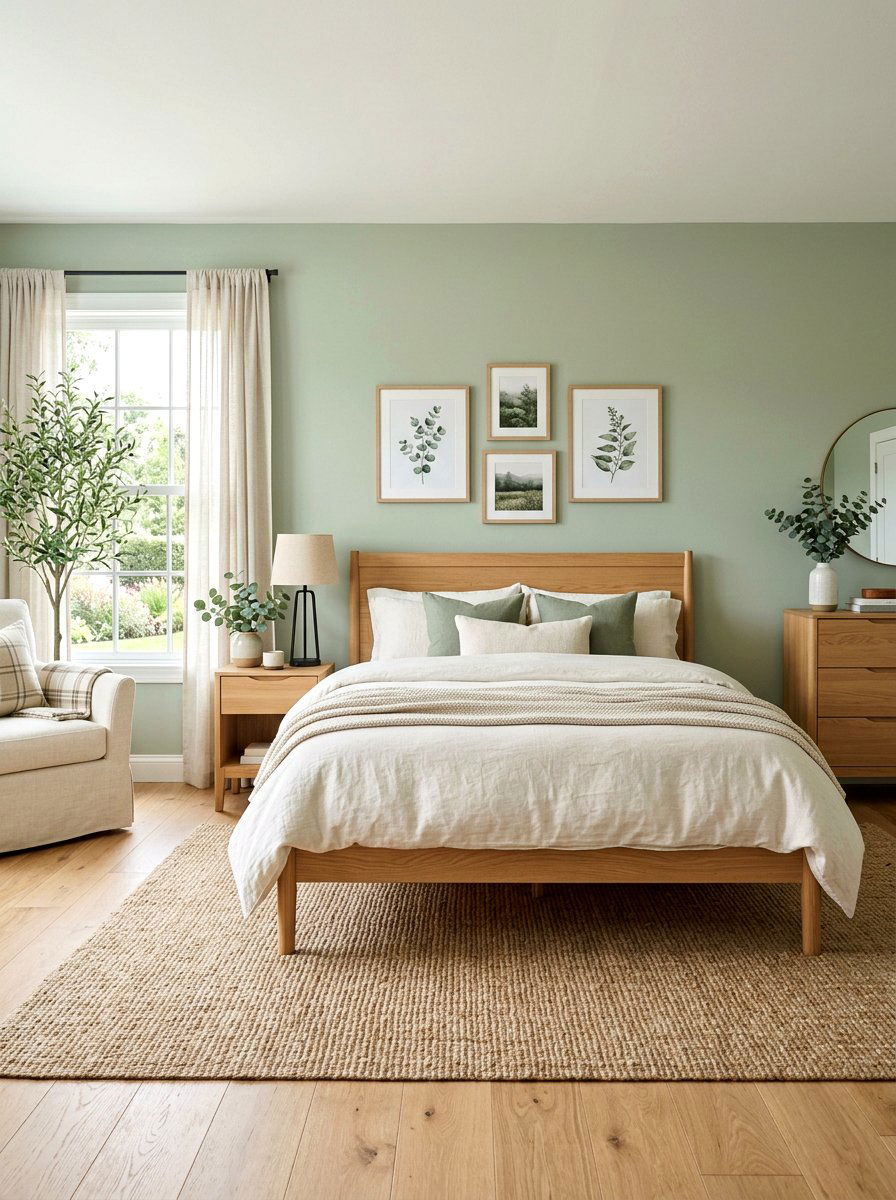
Sage green is widely considered one of the most effective healing colors due to its powerful biophilic connection to the natural world. This muted, organic hue mimics the appearance of dried herbs and quiet forest canopies, which instinctively signals a sense of safety to the human brain. By painting your bedroom in soft sage, you create an environment that actively works to lower anxiety the moment you walk through the door. It serves as a perfect middle ground between warm and cool tones, making it incredibly versatile for various lighting conditions. Pair this color with natural wood accents and linen textiles to fully lean into its restorative, nature-inspired potential.
2. Pale Lavender Bedroom
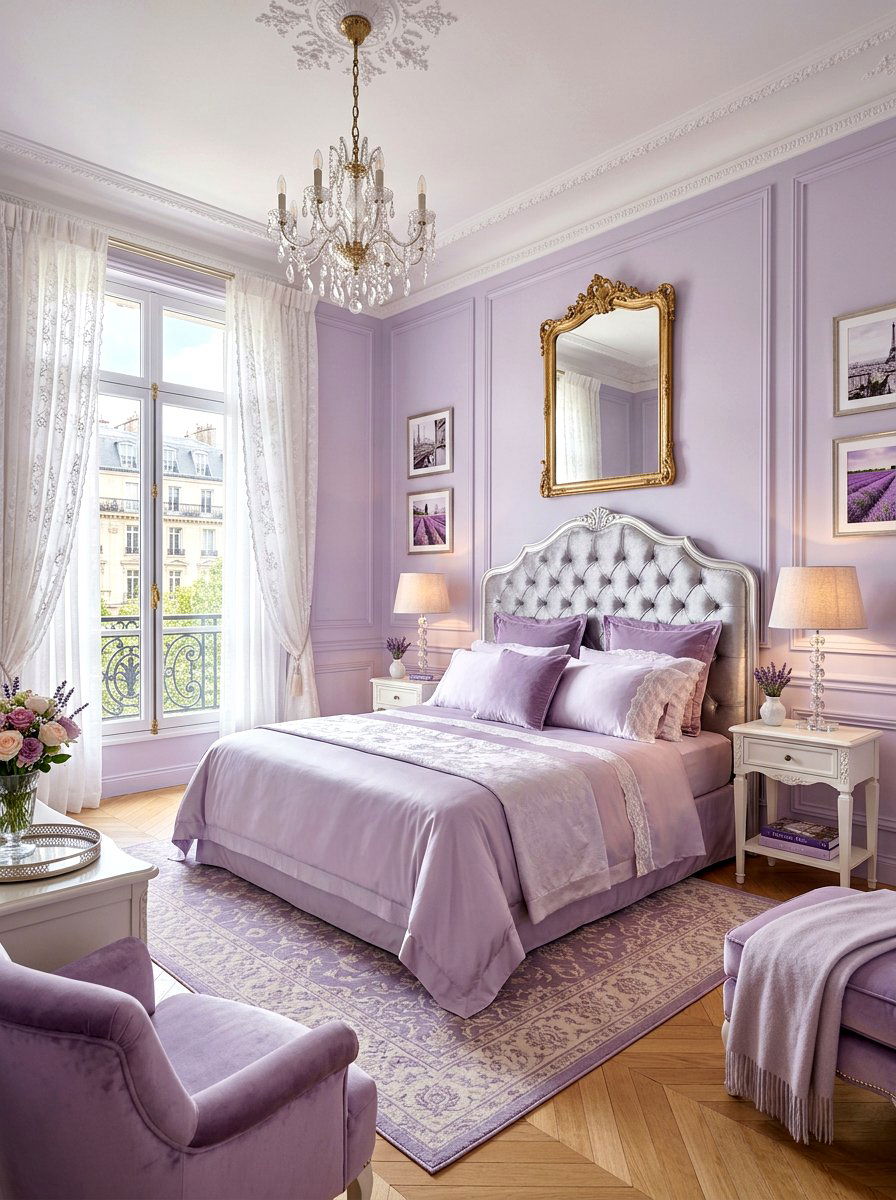
Lavender is far more than just a floral scent; it is a visual tool for deep psychological decompression and emotional healing. This soft, dusty purple shade is renowned in color therapy for its ability to soothe the nervous system and promote peaceful dreaming. Unlike darker purples which can feel heavy, pale lavender brings an ethereal and airy quality to a bedroom that feels like a gentle hug. It is especially beneficial for those who struggle with racing thoughts at night, as it encourages a quiet, meditative state of mind. Combining this hue with crisp white bedding and silver accents creates a sophisticated, spa-like atmosphere for sleep.
3. Sky Blue Bedroom
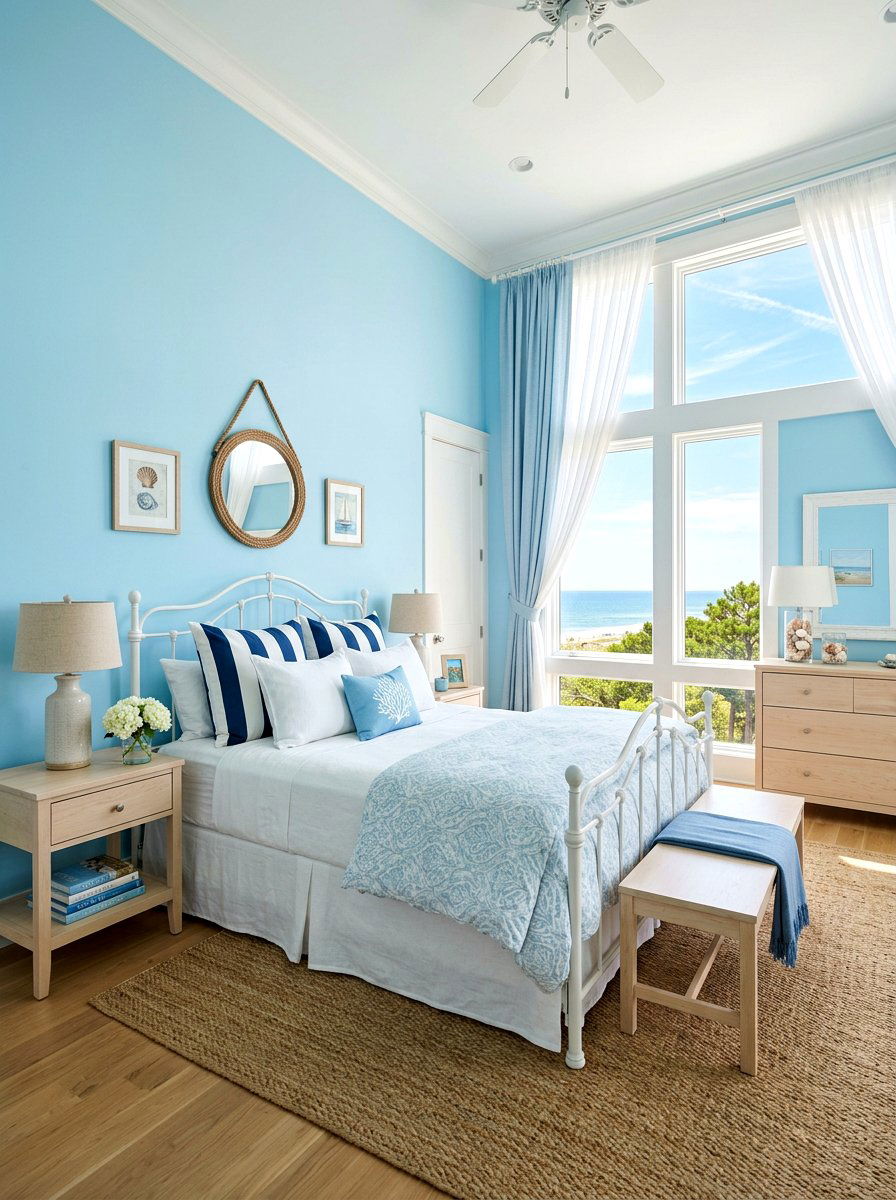
Sky blue is a primary choice for anyone seeking to improve their sleep quality through the power of environmental color psychology. Research suggests that people sleeping in blue rooms often get the most hours of rest because this hue stabilizes the heart rate. This specific shade of sky blue reminds the mind of clear, sunny days and calm, open water, fostering a deep sense of security. It opens up small spaces and makes them feel more breathable, which is essential for mental clarity after a long, hectic day. Layering different shades of light blue with soft cotton textures can enhance the cooling, tranquil effect of the space.
4. Warm White Bedroom
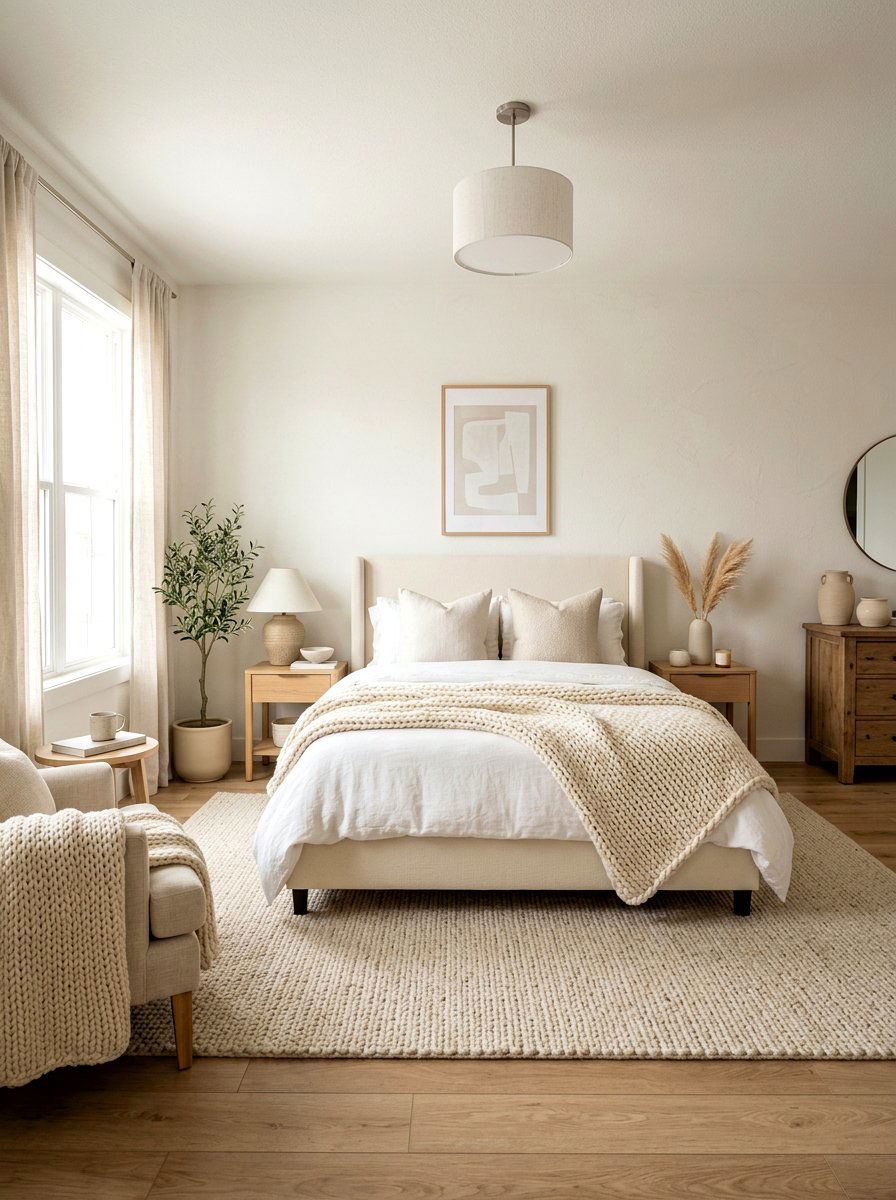
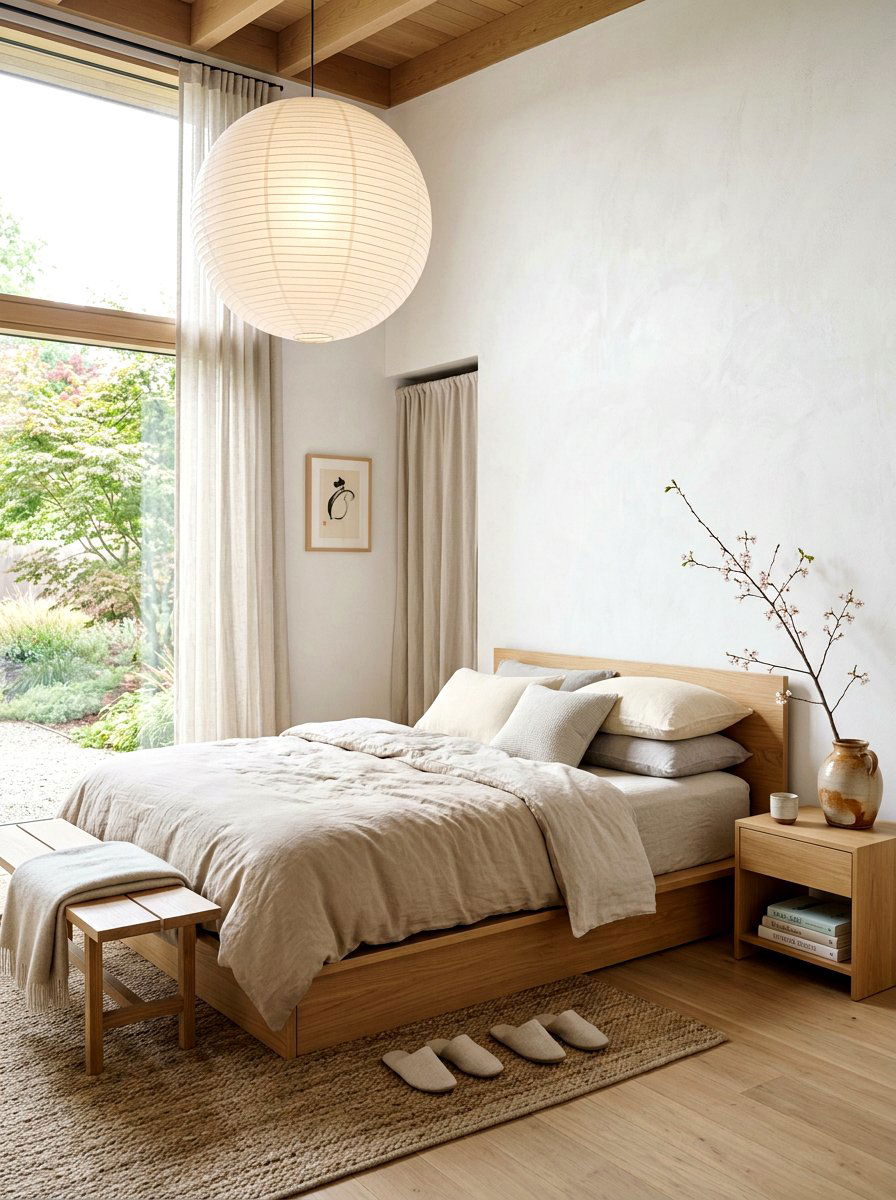
If a stark, sterile white feels too clinical, a warm white provides the perfect healing alternative for a clean and pure environment. Warm whites contain subtle hints of cream or almond, which reflect light softly rather than bouncing it harshly around the room. This color is ideal for those who value clarity and simplicity but need a space that still feels cozy and inviting. It acts as a blank canvas for the mind, helping to clear away the clutter of daily worries before you drift off. By using various textures like wool, silk, and wood, you can make a white room feel incredibly layered and comforting.
5. Light Greige Bedroom
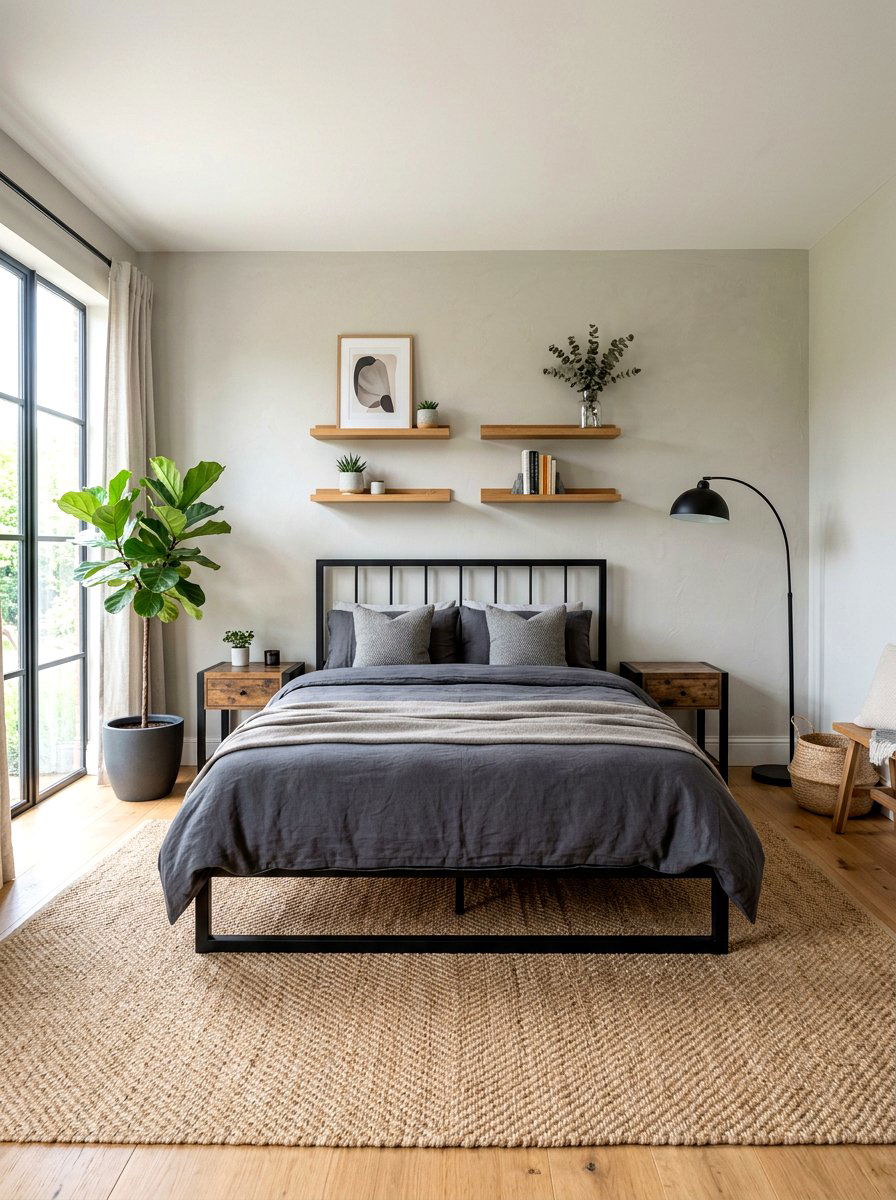
Greige, a sophisticated blend of gray and beige, offers the perfect balance between modern minimalism and traditional warmth for a healing space. This neutral tone provides a stable foundation that doesn’t demand too much visual attention, allowing the brain to enter a state of total rest. It is particularly effective for people who find pure grays too cold or pure beiges too dated. Light greige adapts beautifully to both morning sunlight and soft evening lamp light, maintaining a consistent, calming presence throughout the entire day. It works exceptionally well with black metal accents and plush, oversized rugs to create a grounded, contemporary sanctuary for recovery.
6. Blush Pink Bedroom
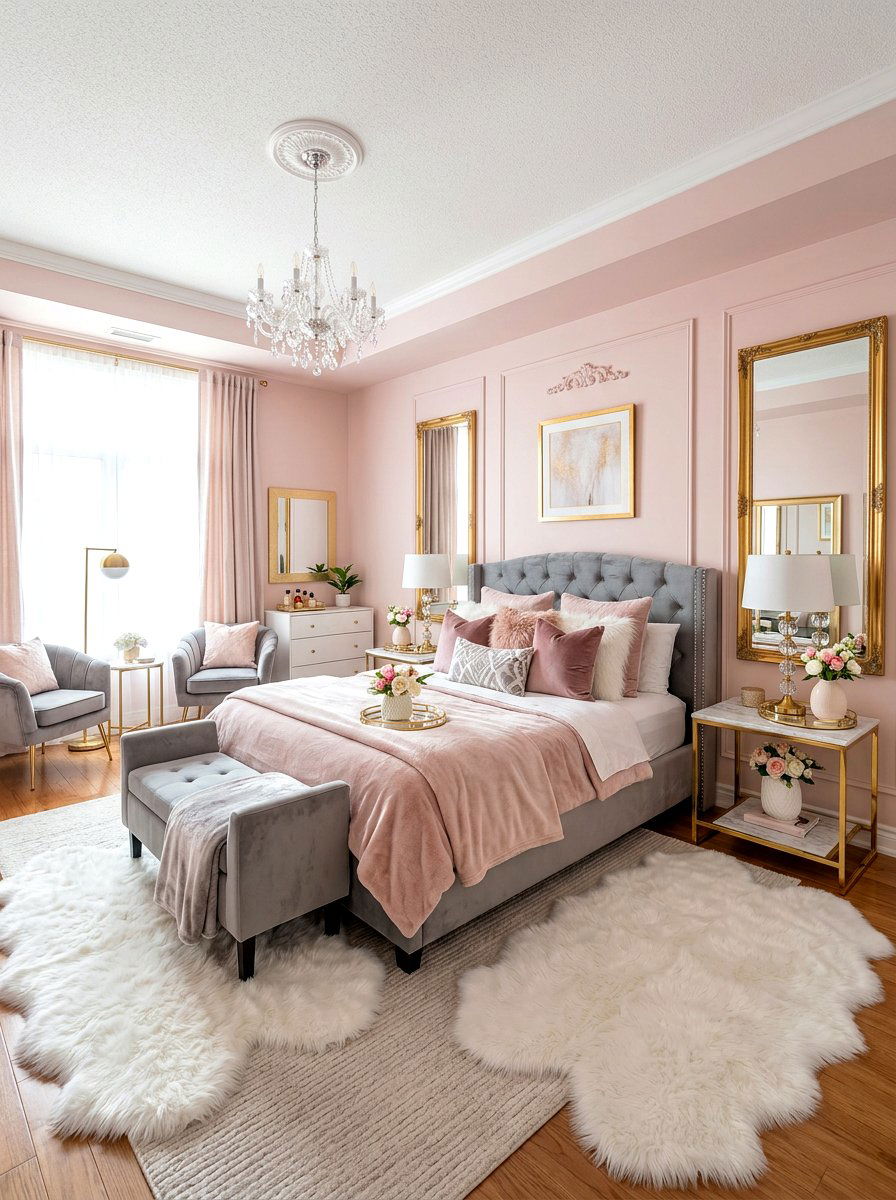
Blush pink is often overlooked as a healing color, yet its soft and nurturing qualities make it a powerful ally for emotional wellness. This pale, dusty version of pink evokes feelings of compassion, warmth, and gentleness, which can be incredibly soothing for a frazzled nervous system. It creates a rosy glow in the room that feels like a warm embrace, making it a wonderful choice for a restorative retreat. When paired with darker woods or deep gray accents, blush pink loses its sugary reputation and becomes a sophisticated, mature hue. It encourages a sense of emotional safety and tenderness that is perfect for a personal sanctuary.
7. Misty Gray Bedroom
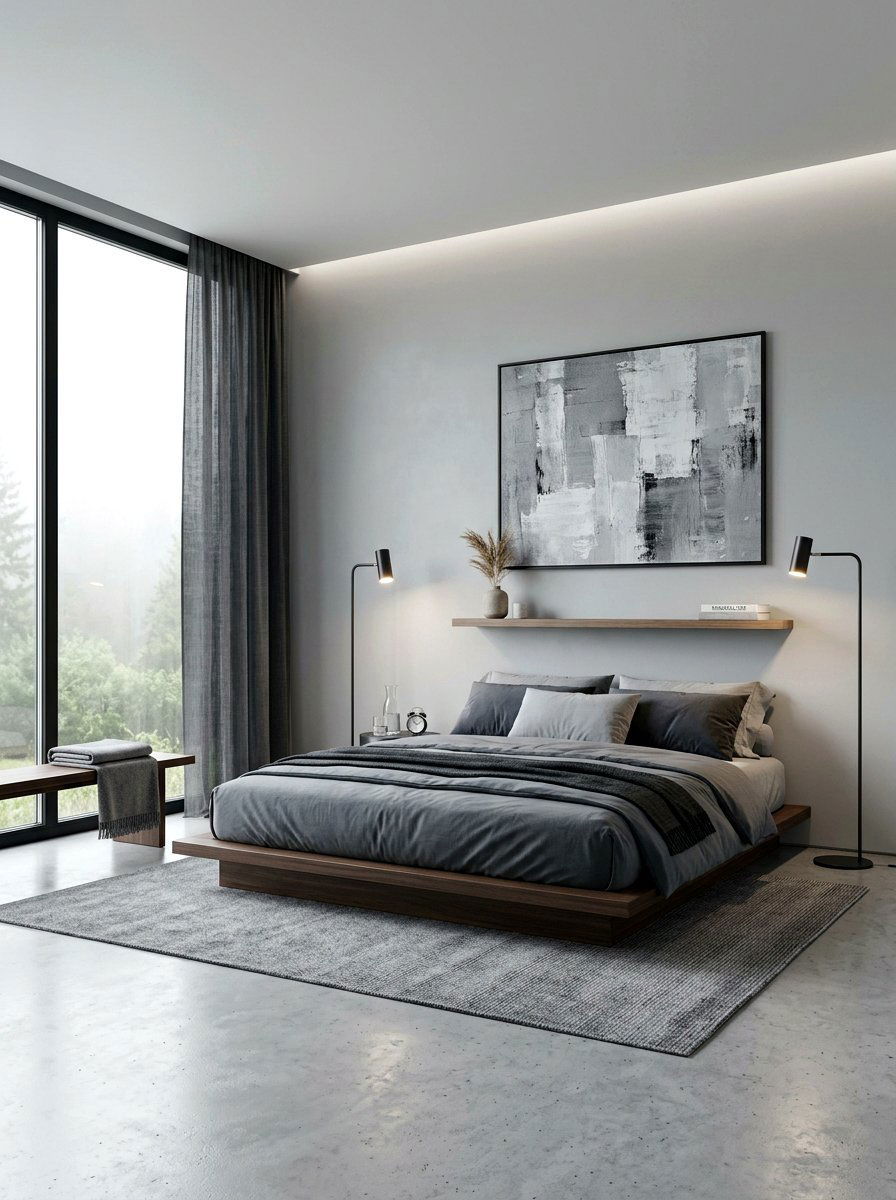
Misty gray is a cool-toned neutral that evokes the stillness and quiet of a foggy morning by the sea or mountains. This color is perfect for individuals who need to lower their sensory input at the end of the day to avoid overstimulation. It creates a clean and uncluttered visual field that helps the mind transition from "task mode" into a state of quiet contemplation. Unlike darker charcoals, misty gray keeps the bedroom feeling open and light while still providing enough pigment to feel cozy. Using matte finishes for your paint and furniture can further enhance the soft, non-reflective, and peaceful quality of this hue.
8. Navy Blue Bedroom
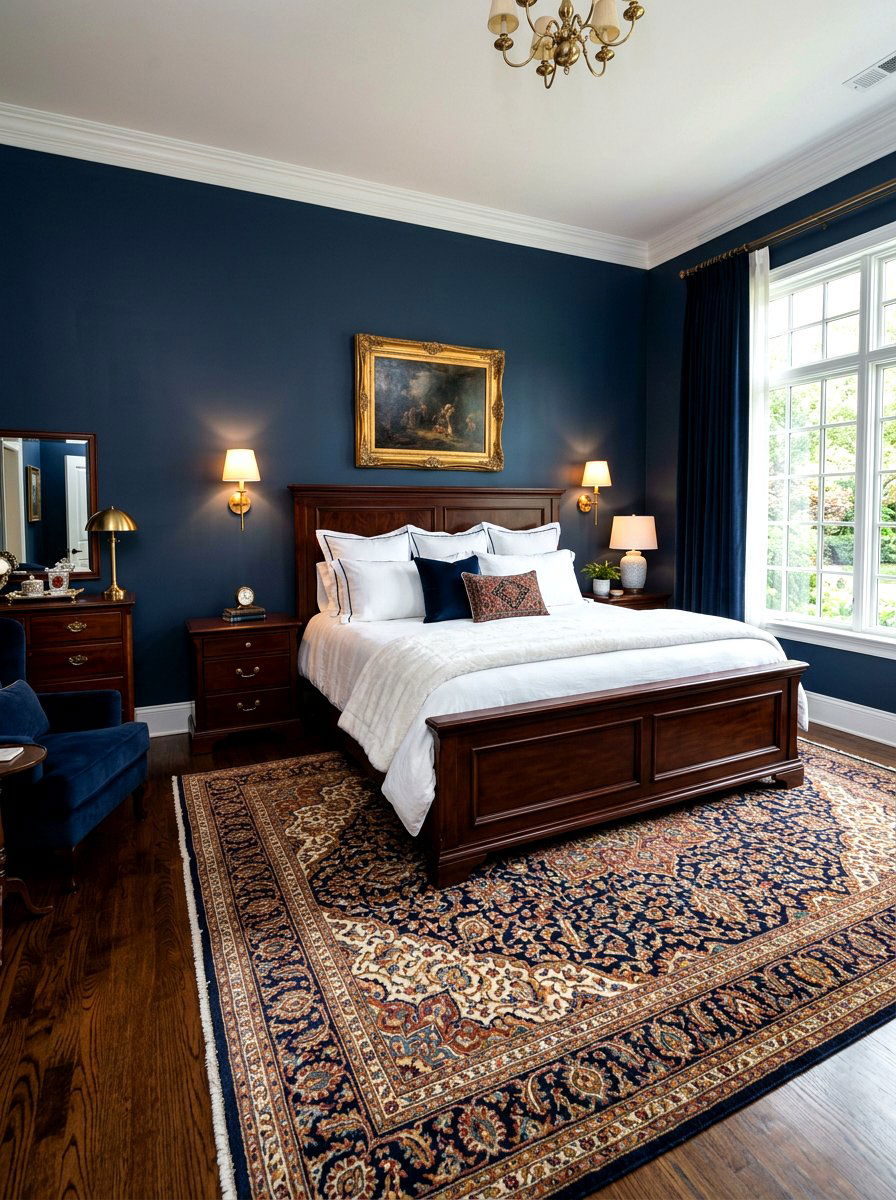
While lighter blues are airy, a deep navy blue offers a different type of healing through its incredible sense of security and cocooning. This dark, rich tone envelops the sleeper, creating a womb-like environment that is perfect for those who struggle with feeling exposed or anxious. Navy blue is known to enhance the production of melatonin by providing a dark, stable backdrop for the eyes to rest upon. It feels incredibly luxurious and grounded, especially when paired with warm metallic accents like gold or brass. This color direction is perfect for creating a sophisticated, high-end hotel feel that prioritizes deep, uninterrupted sleep.
9. Seafoam Green Bedroom
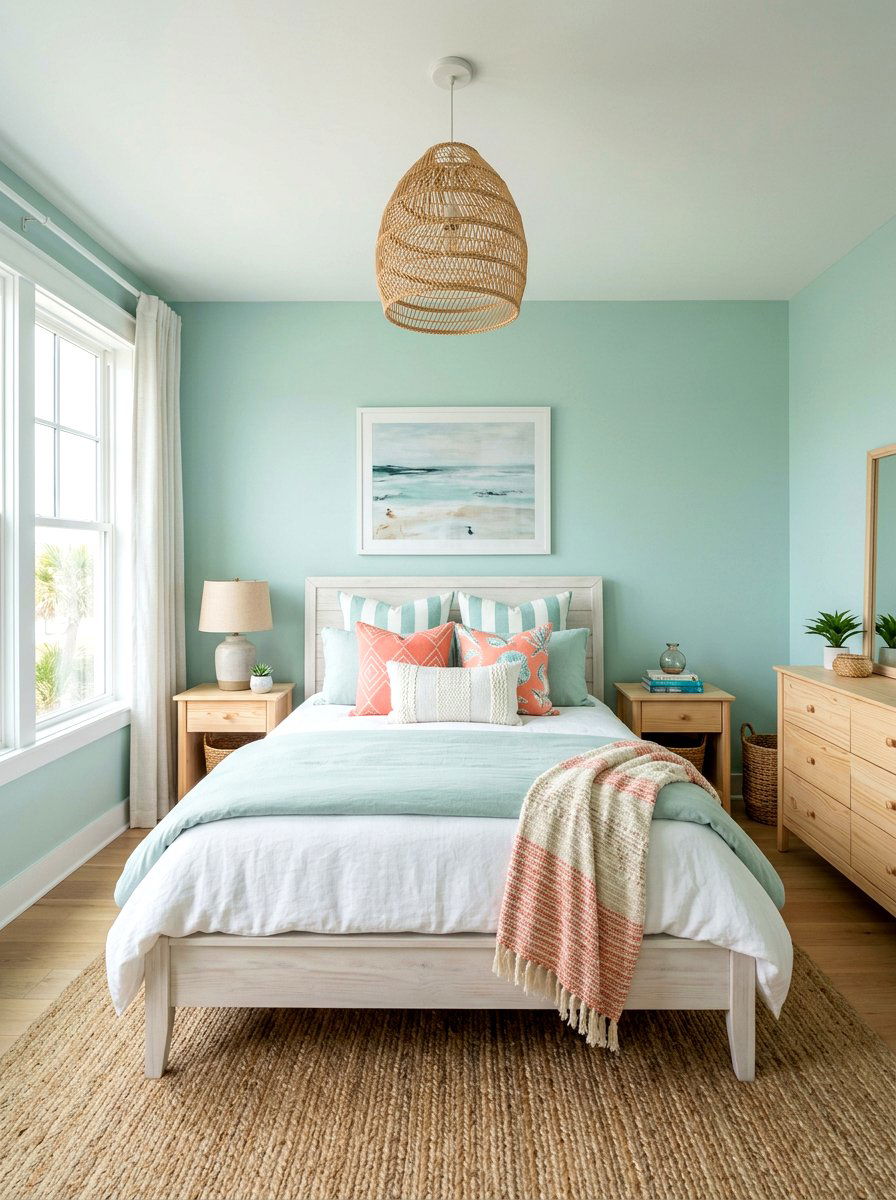
Seafoam green is a revitalizing blend of soft green and subtle blue that brings the healing energy of the ocean into the bedroom. This hue is particularly effective for refreshing the spirit and clearing out negative energy after a particularly stressful or taxing work week. It feels fresh and lively without being overly energetic, maintaining a careful balance that supports both waking up and winding down. Seafoam green works beautifully with white-washed woods and woven rattan textures to create a coastal-inspired retreat that feels like a permanent vacation. It is a fantastic choice for those who want a color that feels both youthful and incredibly peaceful.
10. Terracotta Earthy Bedroom
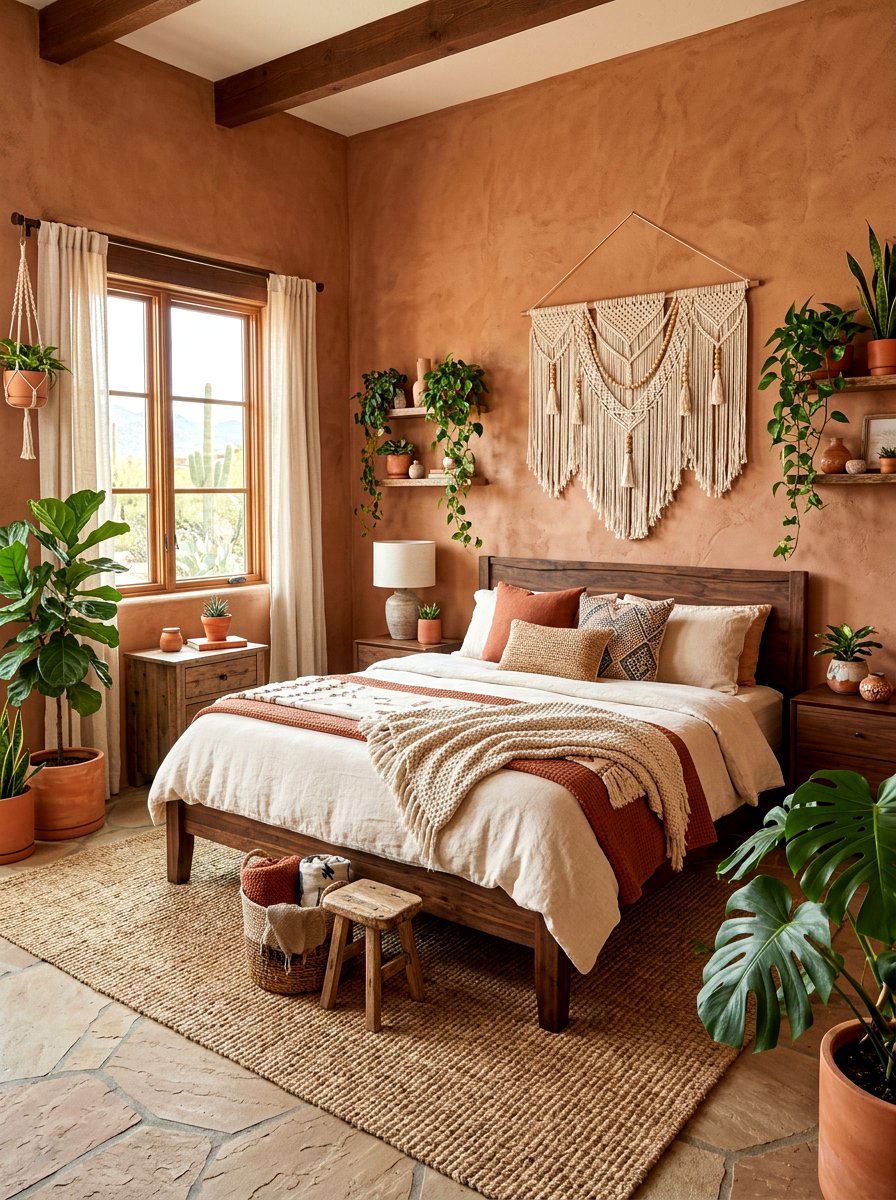
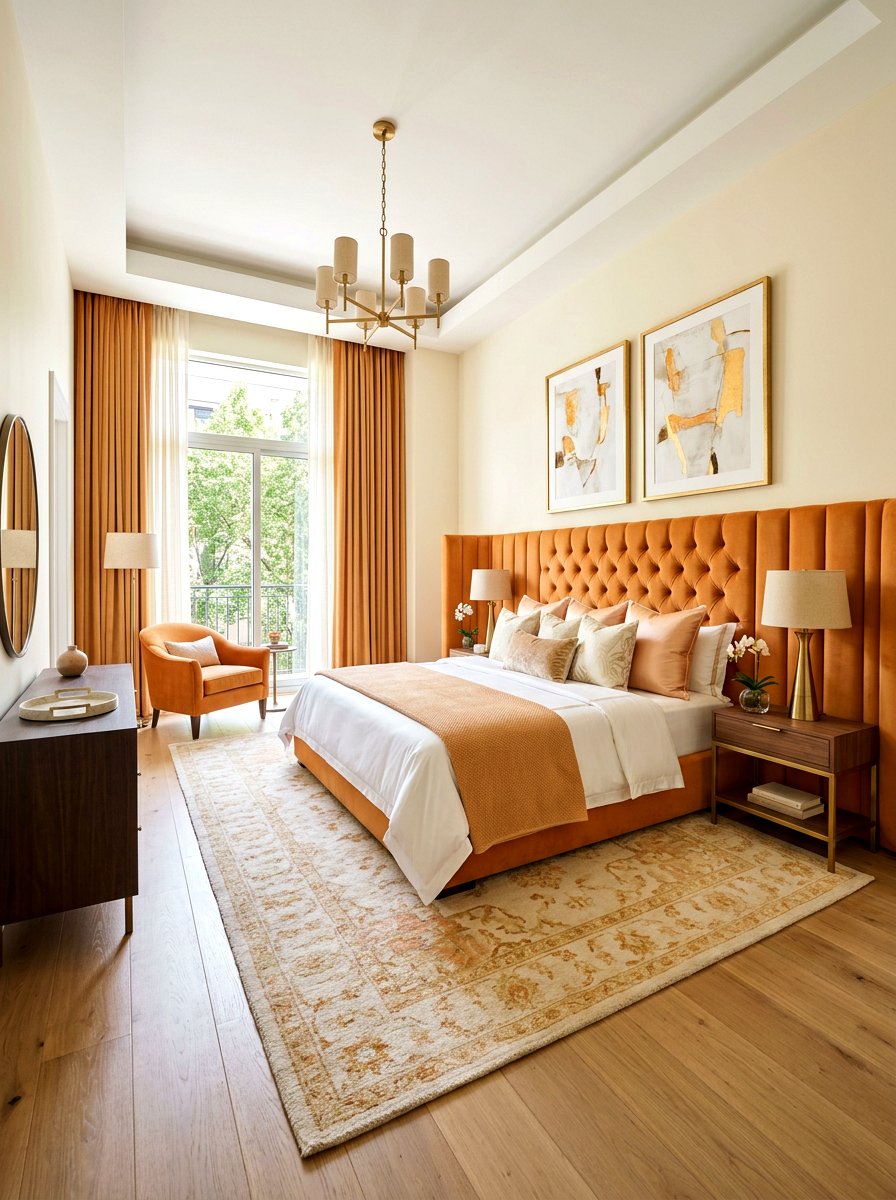
Terracotta is a warm, clay-based hue that provides an incredible sense of stability and grounding for the human psyche. This color connects the bedroom to the earth, making it an excellent healing choice for anyone who feels unmoored or scattered in life. The warmth of terracotta can actually make a room feel physically warmer, which is a cozy benefit during the colder winter months. It promotes a feeling of resilience and strength, offering a supportive environment for personal growth and quiet reflection. Combine this rich tone with creamy linens and plenty of green leafy plants to create a vibrant yet deeply soothing bohemian sanctuary.
11. Olive Green Bedroom
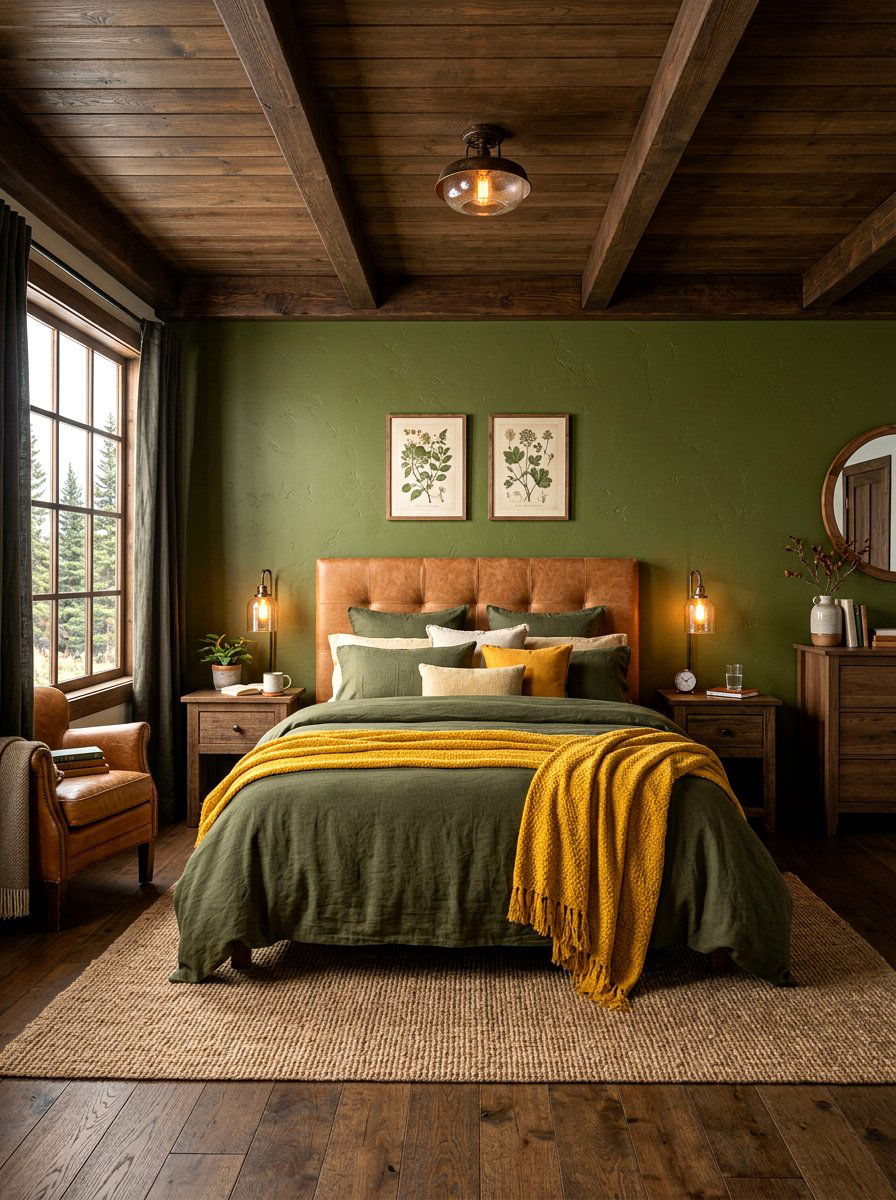
Olive green is a sophisticated and grounded choice for a healing bedroom that seeks to bring the quietude of nature indoors. This darker, muted green tone is less about the freshness of spring and more about the enduring strength of ancient forests. It provides a moody yet comforting backdrop that encourages deep, psychological decompression and a total disconnect from the digital world. Olive green works exceptionally well in rooms with natural light, where the shifting shadows add depth and character to the walls. Pairing it with caramel-toned leathers and warm wood furniture creates a rich, layered aesthetic that feels timeless and restorative for the soul.
12. Soft Peach Bedroom
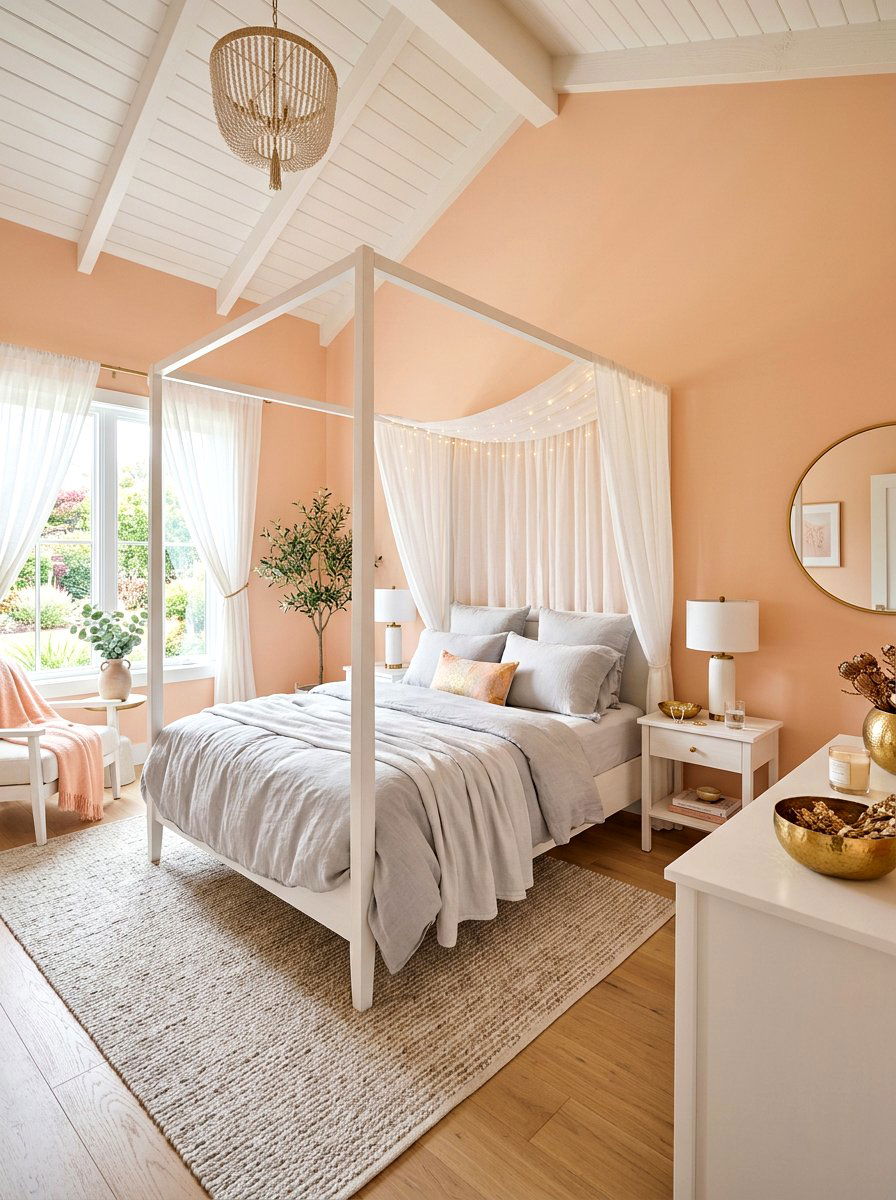
Soft peach is a gentle, uplifting color that infuses a bedroom with a sense of quiet joy and friendly, approachable warmth. This hue is less intense than orange but more vibrant than beige, striking a perfect chord for a cheerful yet calming environment. Peach is known in color psychology for its ability to foster communication and comfort, making it a lovely choice for shared master suites. It mimics the soft glow of a setting sun, which can help regulate the body's internal clock for a more natural sleep cycle. Use peach with soft white trims and golden oak furniture to maintain a bright, airy, and healing vibe.
13. Periwinkle Blue Bedroom
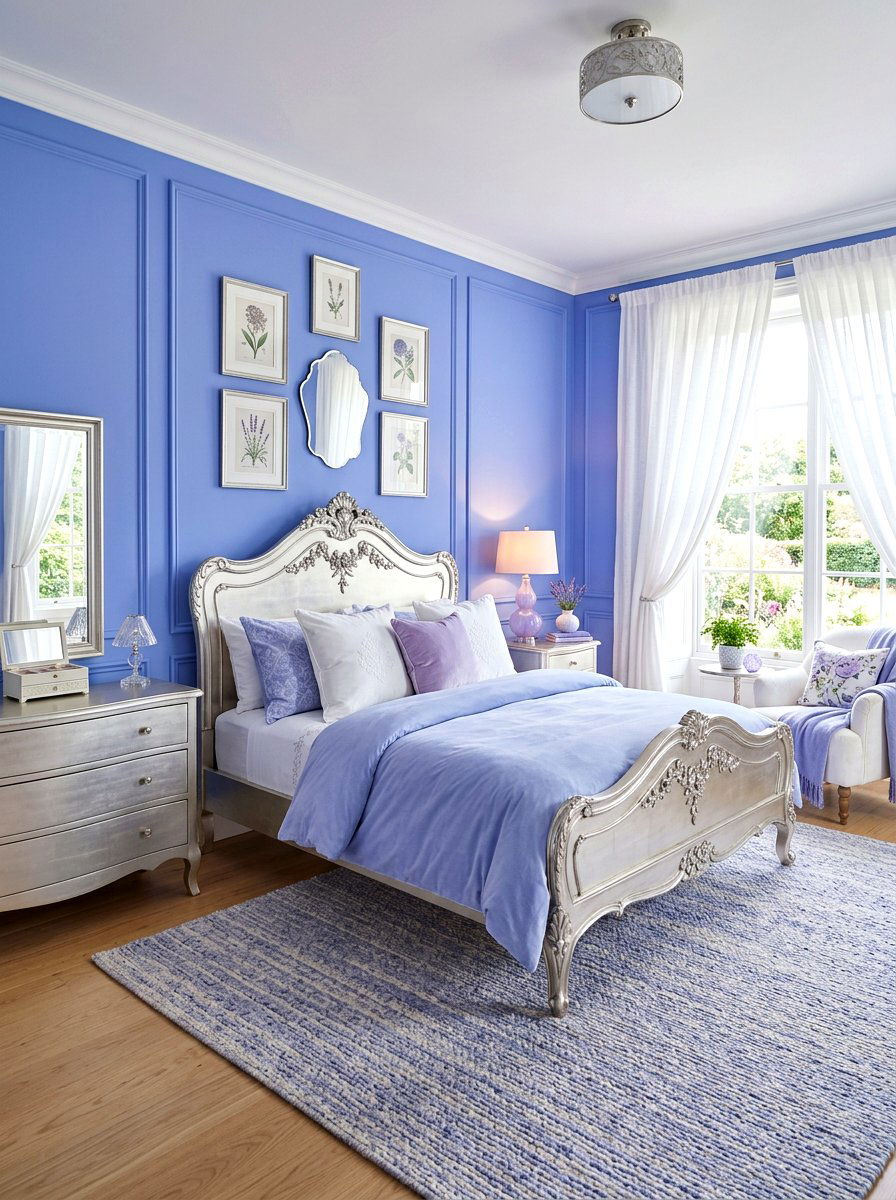
Periwinkle blue offers a unique healing experience by combining the stability of blue with the creative, spiritual energy of a light violet. This whimsical yet sophisticated shade is perfect for those who want their bedroom to feel like an imaginative escape from reality. It has a magical quality that encourages dreaming and introspection while keeping the heart rate low and the mind at total ease. Periwinkle is a versatile color that changes beautifully throughout the day, looking vibrant in the sun and mysterious in the moonlight. Decorate with velvet fabrics and soft, indirect lighting to play up the ethereal and enchanting nature of this healing color.
14. Dusty Rose Bedroom
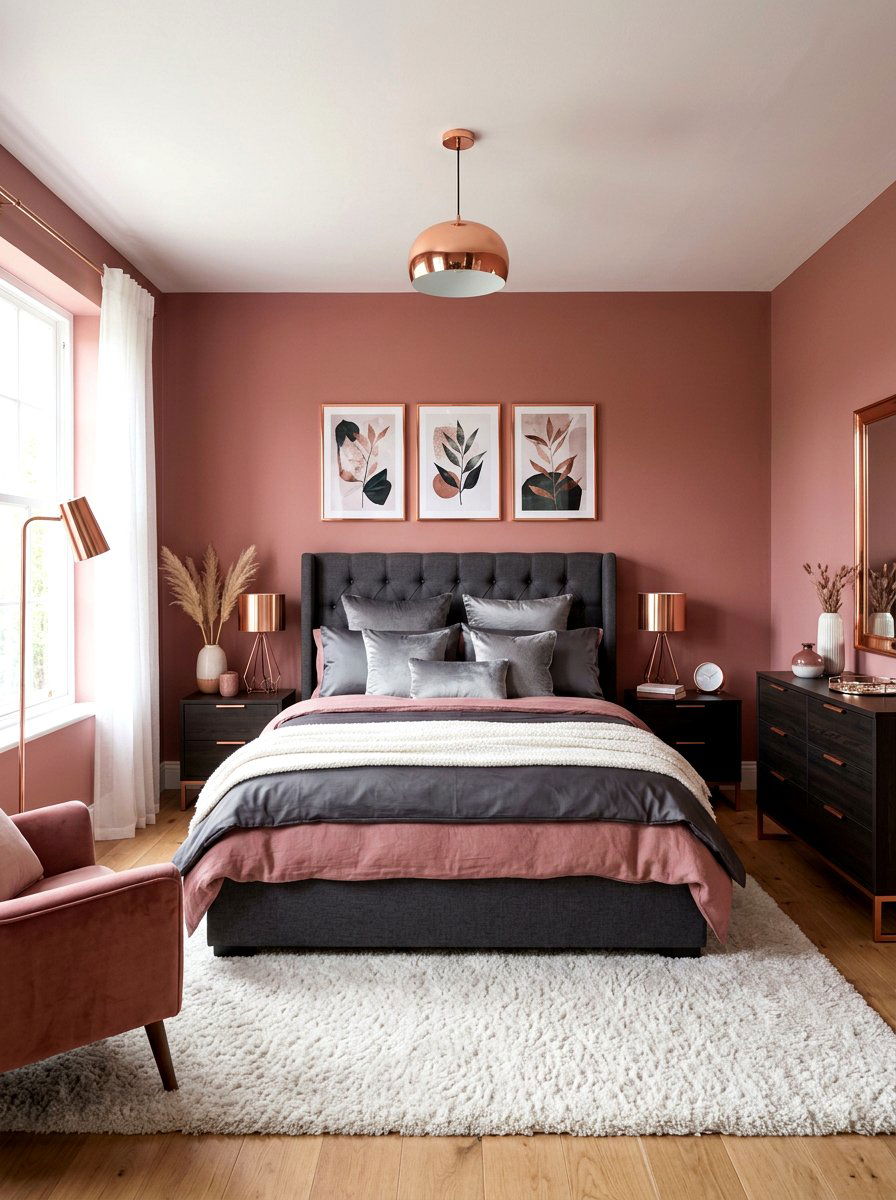
Dusty rose is a muted, mature version of pink that offers a sense of refined luxury and deep, nurturing emotional comfort. This color is excellent for reducing stress because it avoids the high-energy vibration of brighter pinks or reds while retaining their warmth. It creates a soft, romantic atmosphere that prioritizes self-care and personal well-being above everything else in the busy modern home. Dusty rose pairs beautifully with cool grays or warm champagnes, allowing you to tailor the mood to your specific healing needs. It is a sophisticated way to introduce color into a bedroom without sacrificing the overall sense of tranquility and peace.
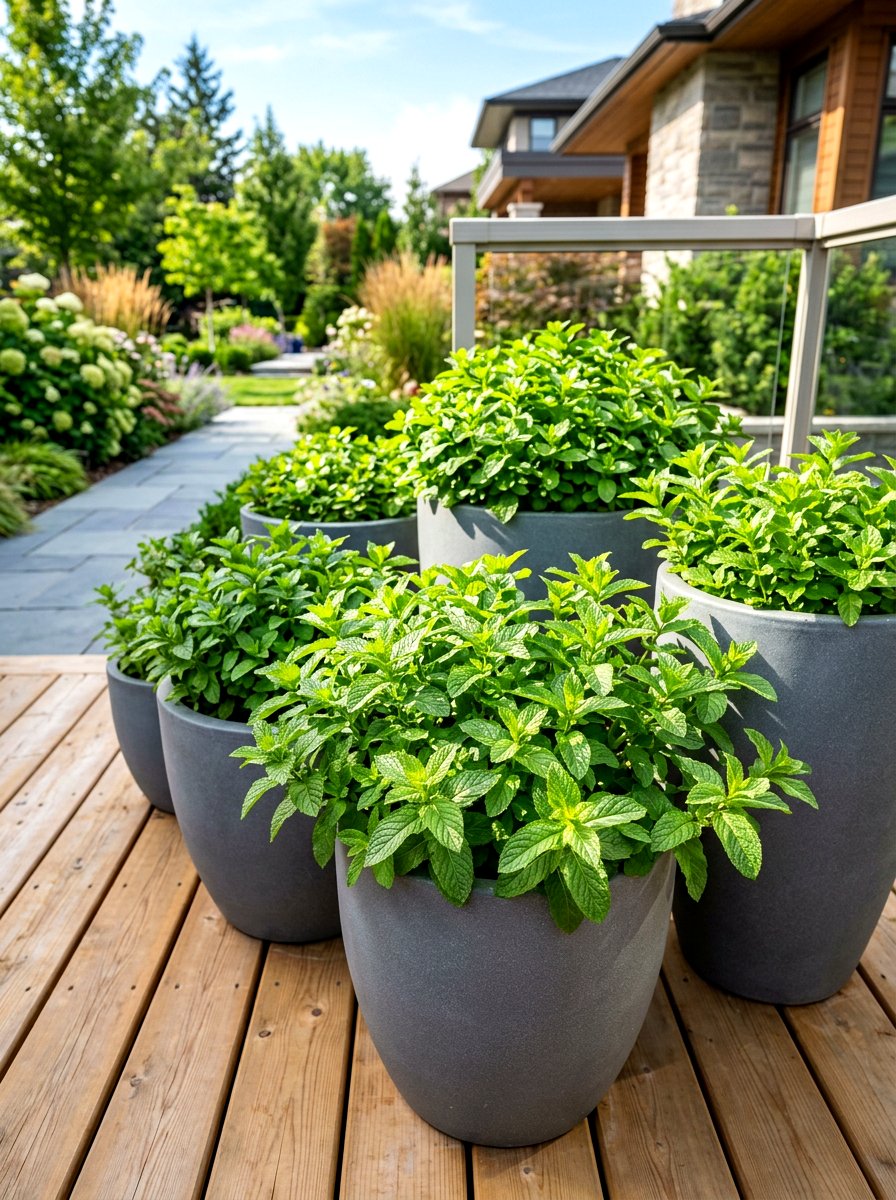

15. Charcoal Gray Bedroom
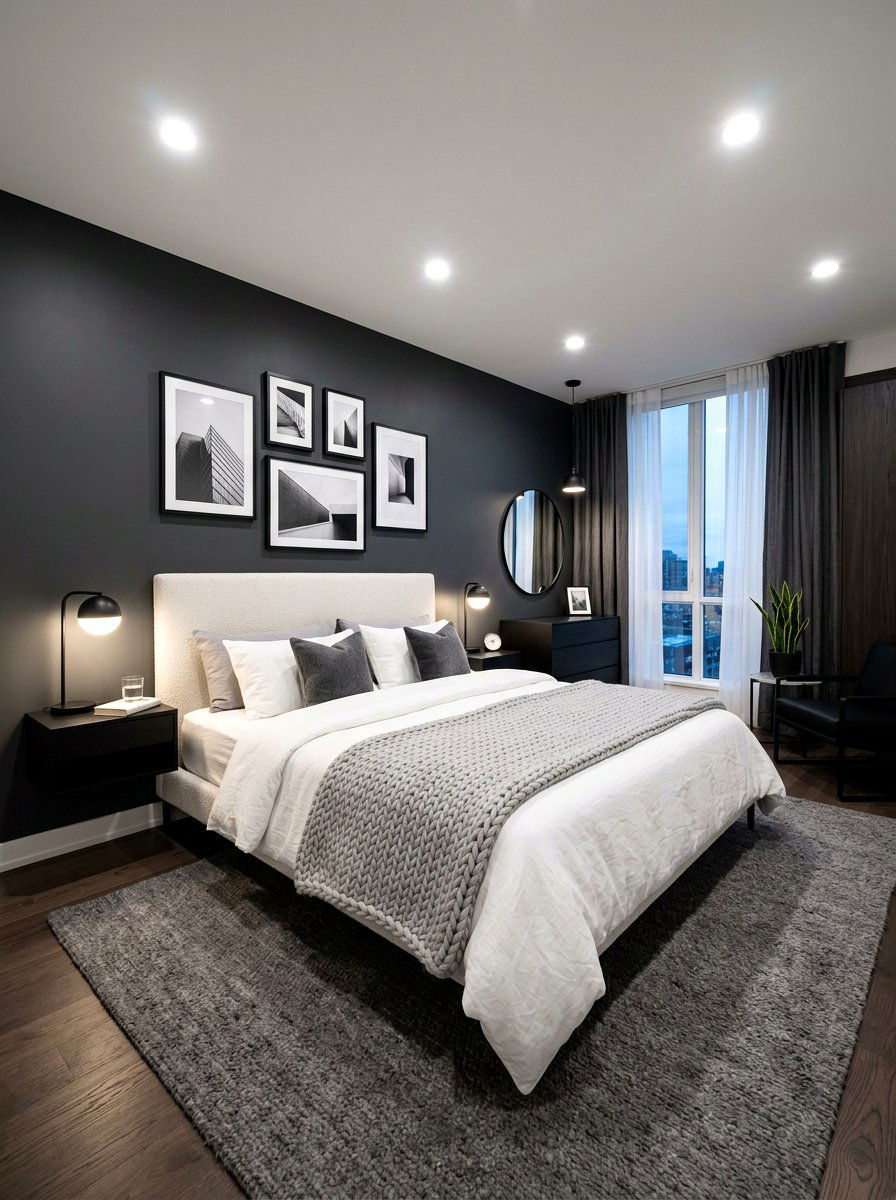
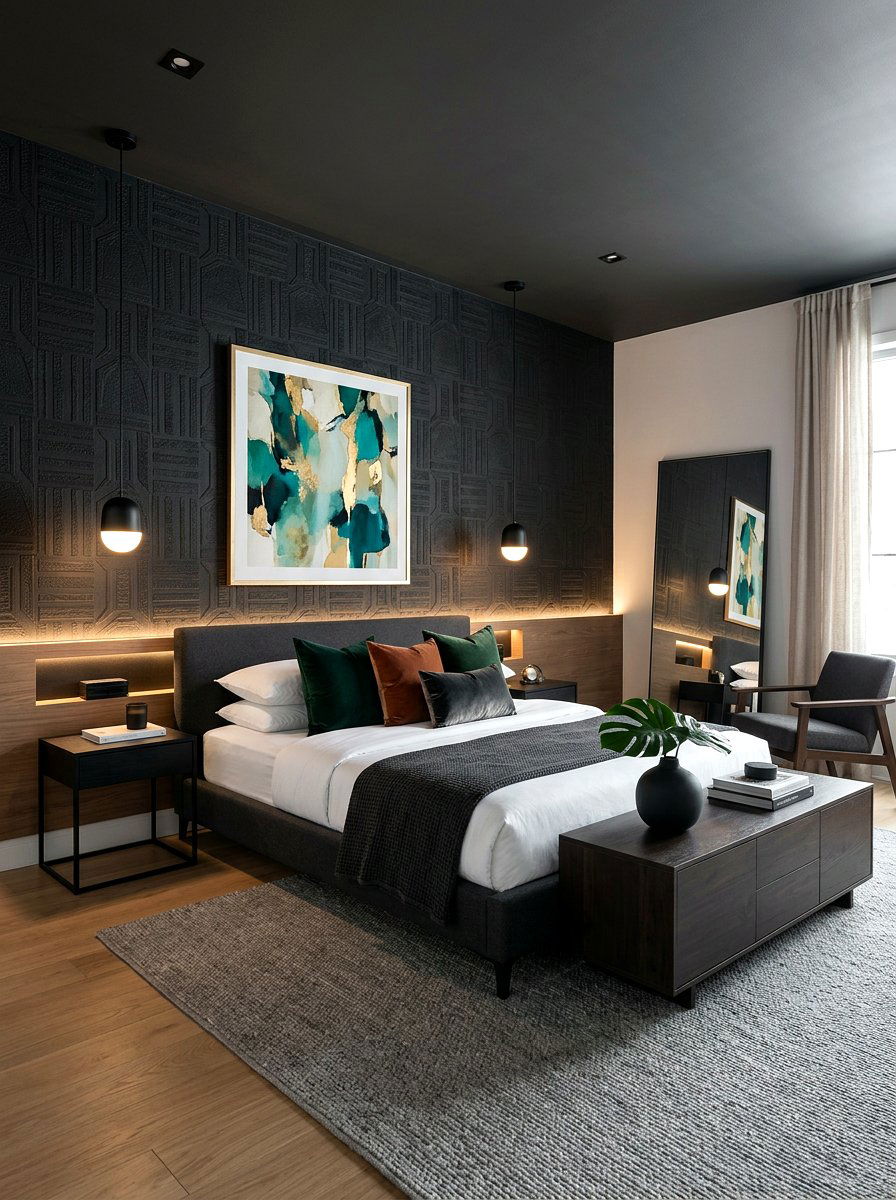
Charcoal gray is a bold choice for a healing bedroom, but its ability to create a sense of absolute privacy is unmatched. This dark, moody hue works by absorbing excess light and sound, turning the bedroom into a quiet cave for the ultimate rest. It is a powerful color for those who need a dramatic change of environment to leave the stresses of the day behind. Charcoal feels incredibly grounding and stable, providing a strong visual anchor for the entire design of the room. When softened with light-colored bedding and plush, textured fabrics, it becomes an inviting and deeply sophisticated space for total psychological recovery.
16. Buttery Yellow Bedroom
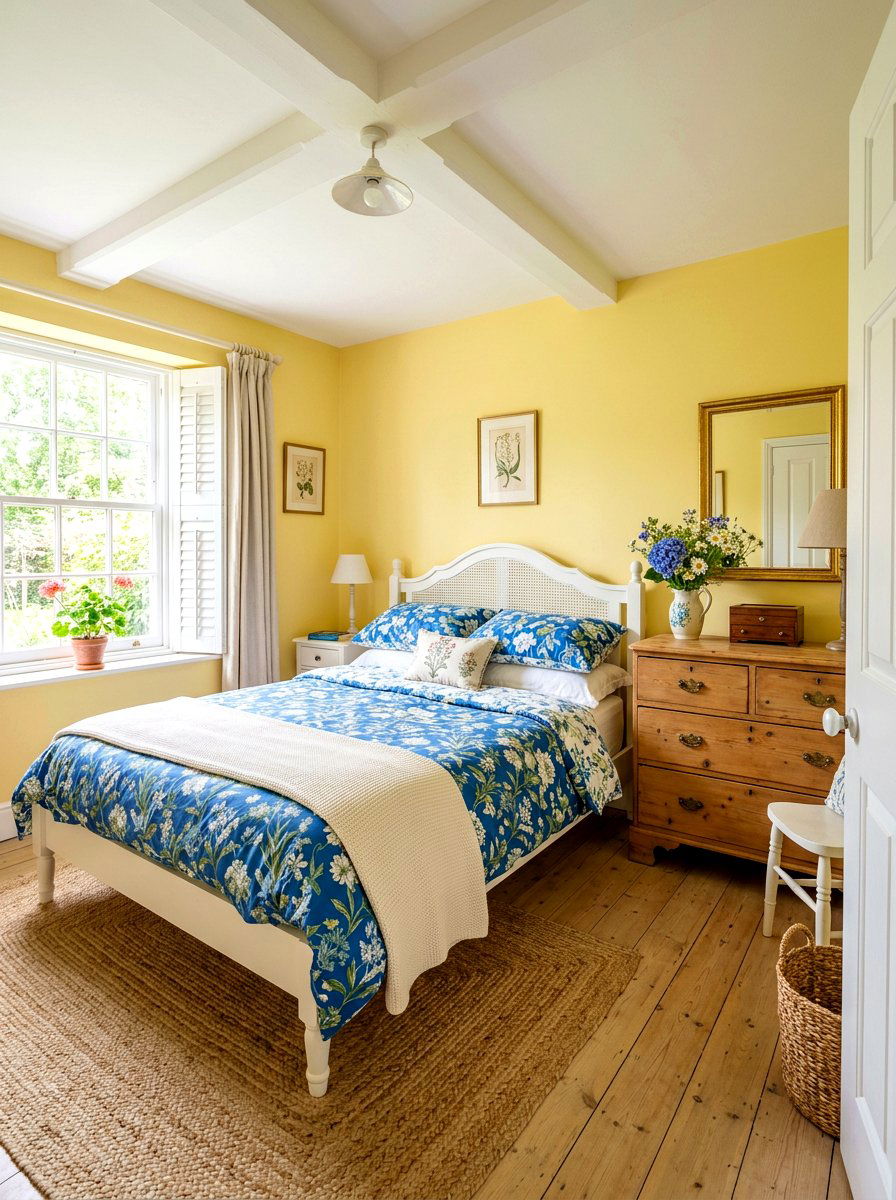
While bright yellow can be overstimulating, a soft, buttery yellow provides a gentle and healing energy that feels like morning sunshine. This color is perfect for people who struggle with seasonal affective disorder or need a little help feeling optimistic when they wake up. It brings a sense of warmth and cheer into the bedroom without being loud enough to disturb your sleep at night. Buttery yellow works as a "hug" for the room, making it feel cozy and lived-in rather than cold or modern. Combine it with antique wood furniture and floral textiles for a charming, cottage-style retreat that heals through pure comfort.
17. Mauve Purple Bedroom
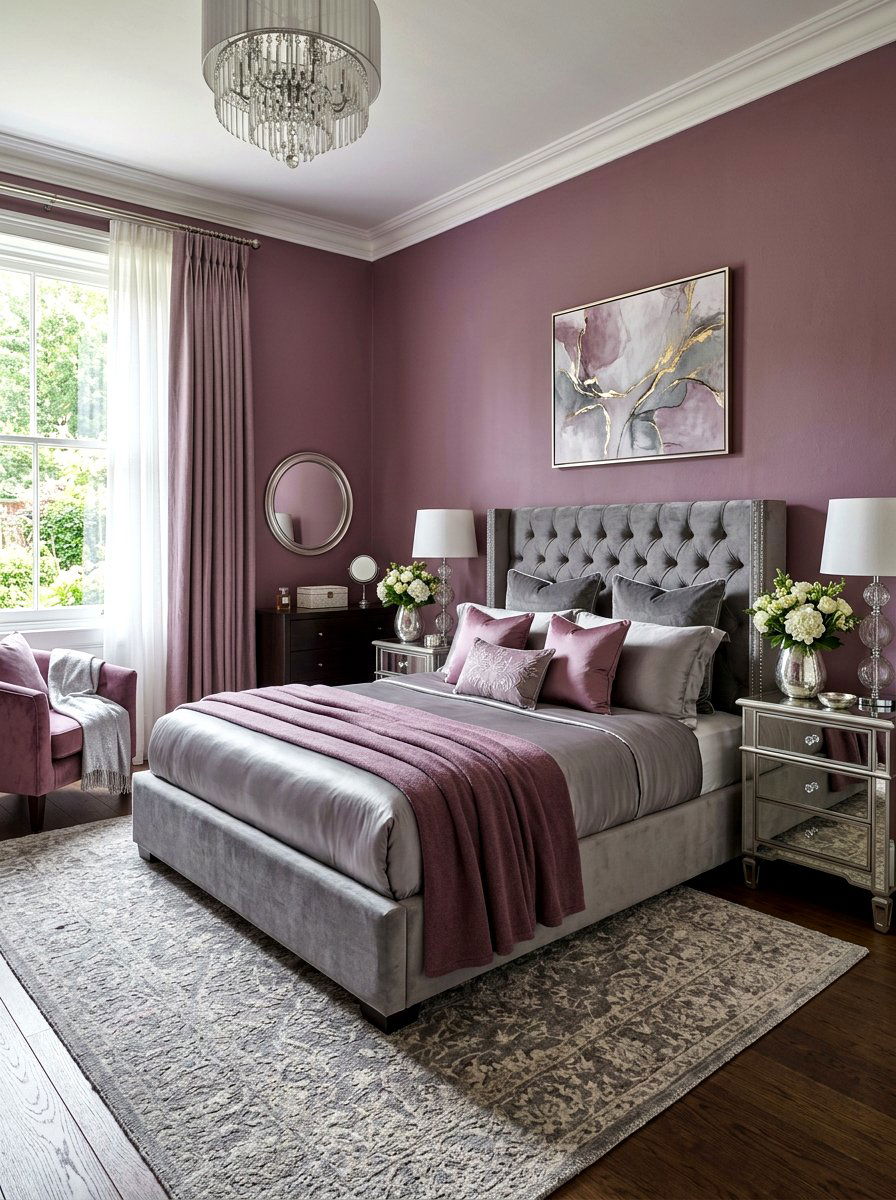
Mauve is a sophisticated blend of purple and gray that offers a high level of refinement and psychological decompression for adults. This color is specifically known for its ability to inspire a sense of calm wisdom and quiet introspection before bedtime. It feels more grounded than lavender but more interesting than a standard neutral gray, making it a favorite for modern healing bedrooms. Mauve creates a serene environment that supports both mental focus during meditation and physical relaxation during sleep. It looks stunning when layered with different metallic finishes and high-quality linens, resulting in a bedroom that feels like a high-end, therapeutic wellness center.
18. Teal Blue Bedroom
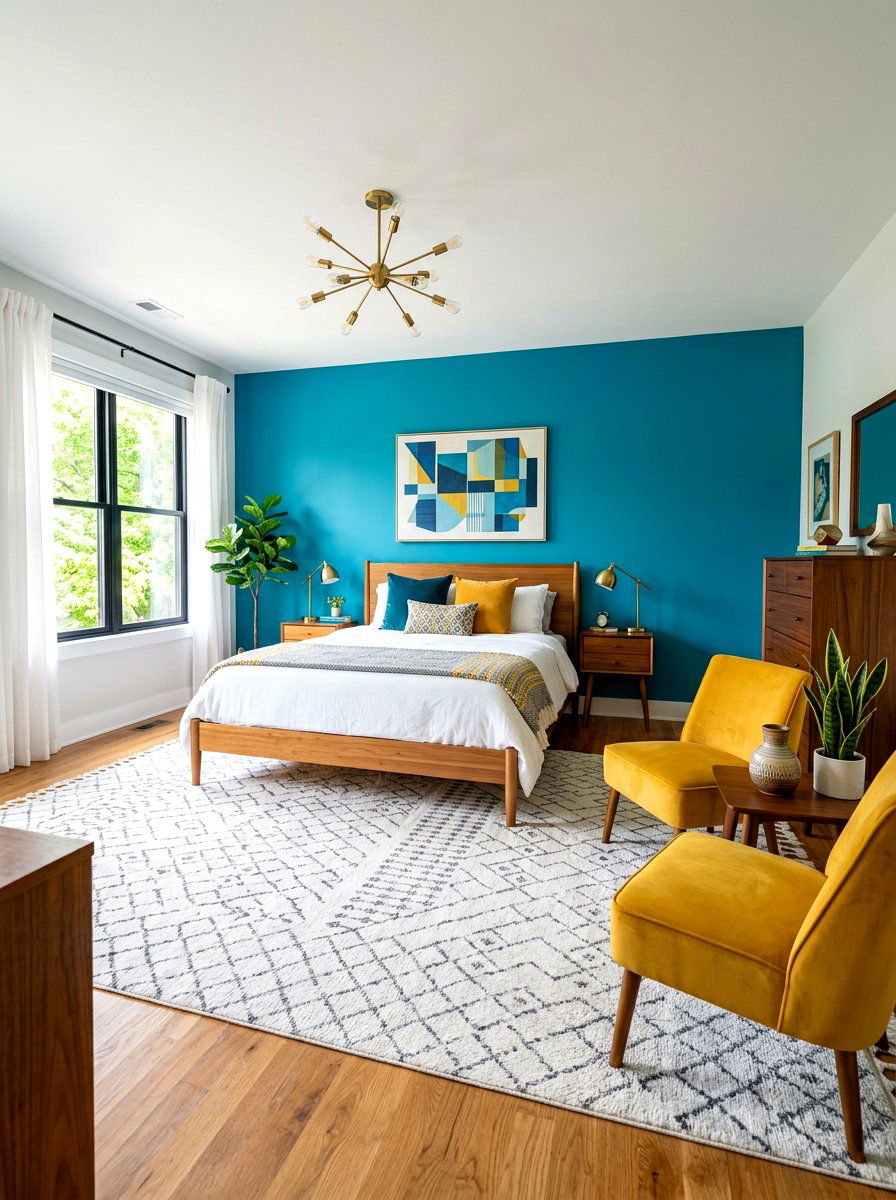
Teal blue is a rich, saturated color that bridges the gap between the calm of blue and the growth-oriented energy of green. This hue is perfect for a healing bedroom that focuses on renewal, creativity, and finding a fresh perspective on life's challenges. It feels very sophisticated and can be used on an accent wall to provide a focal point for the room without overwhelming it. Teal is deeply connected to the tranquility of tropical waters, providing a mental escape to a more peaceful, natural setting. When paired with neutral furniture and bright white accents, teal becomes a refreshing and balancing force for your daily well-being.
19. Warm Clay Bedroom
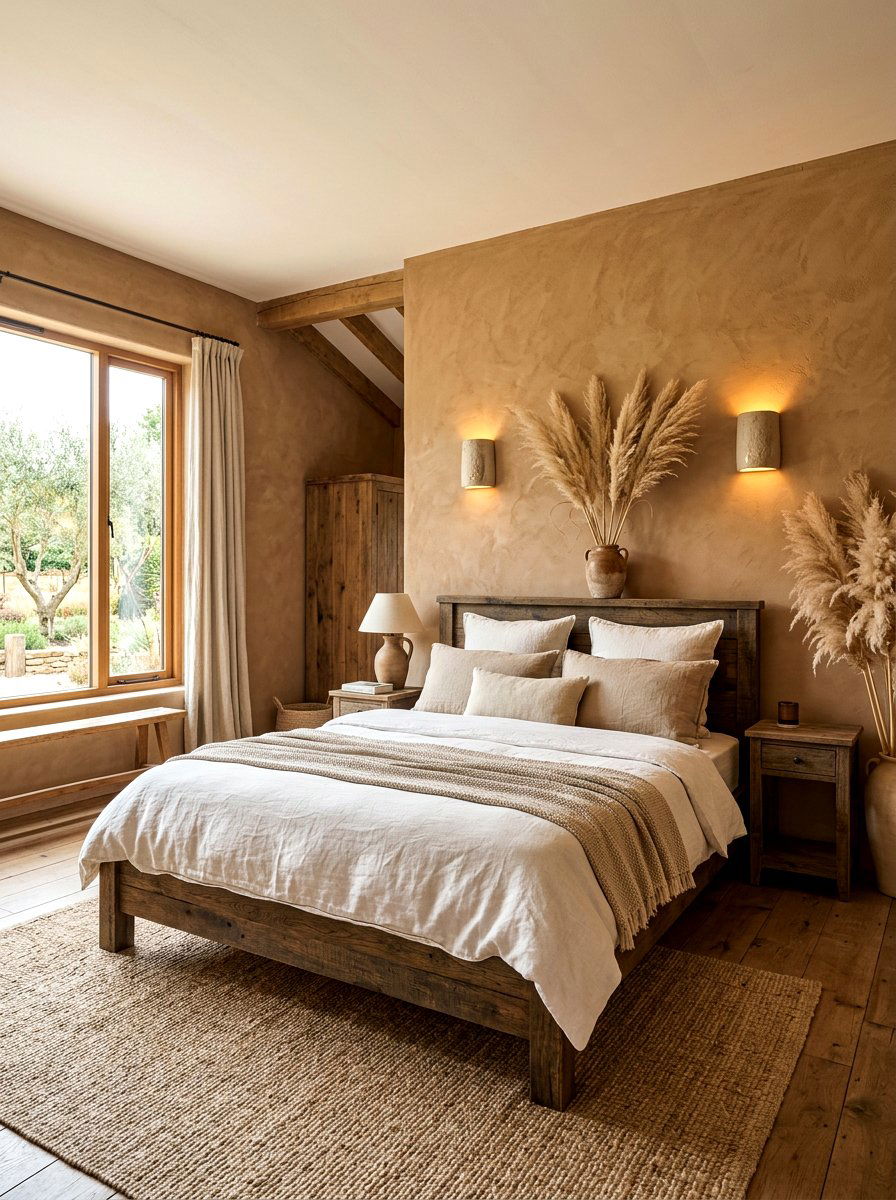
Warm clay is a deep, earthy neutral that brings the stability and permanence of the desert landscape right into your home. This color is a fantastic healing option for anyone who feels a lack of focus or is constantly rushing through their life. Clay tones are naturally soothing because they feel familiar and historic, connecting us to a simpler time and a more grounded way of existing. It is a highly textured color that looks best in matte or lime-wash finishes, adding an extra layer of tactile healing. Use it with dark wood and handmade pottery to complete a rustic, grounded, and incredibly peaceful bedroom.

20. Slate Blue Bedroom
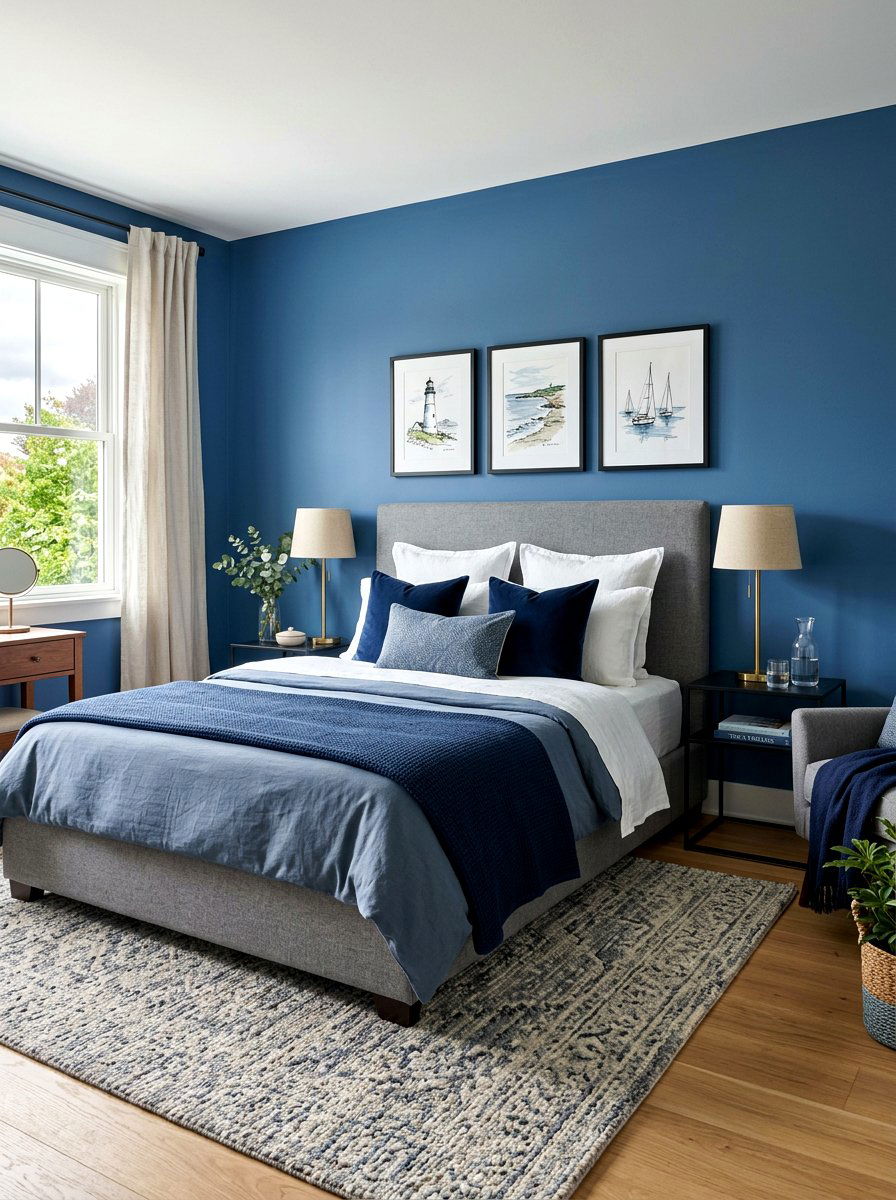
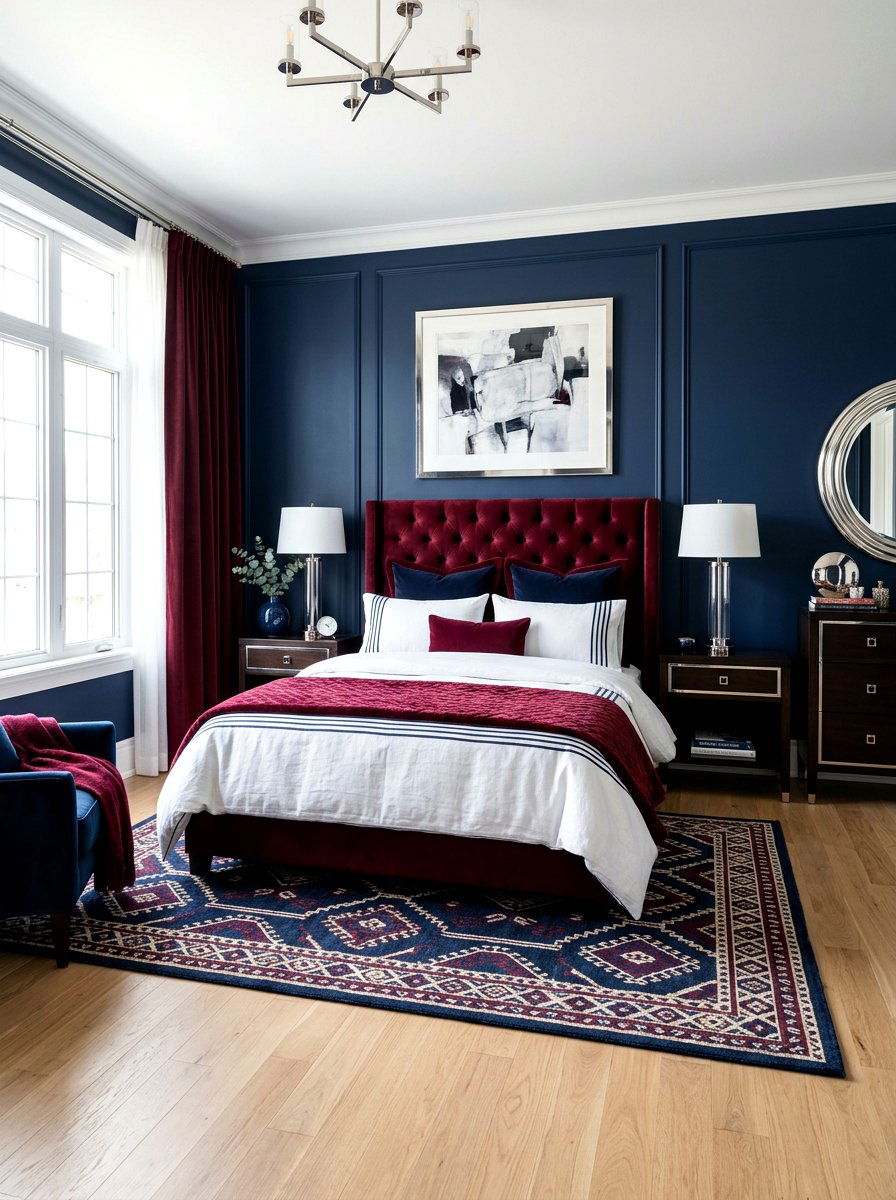
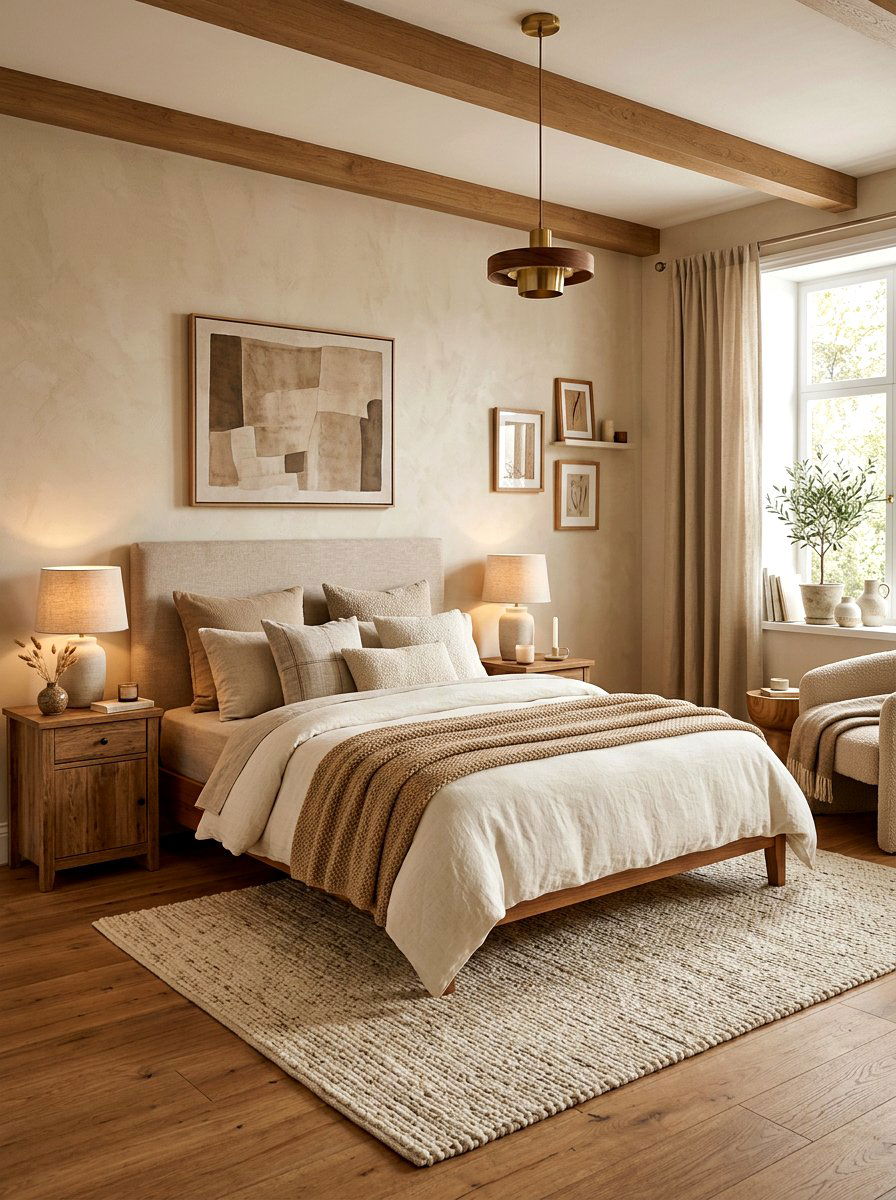
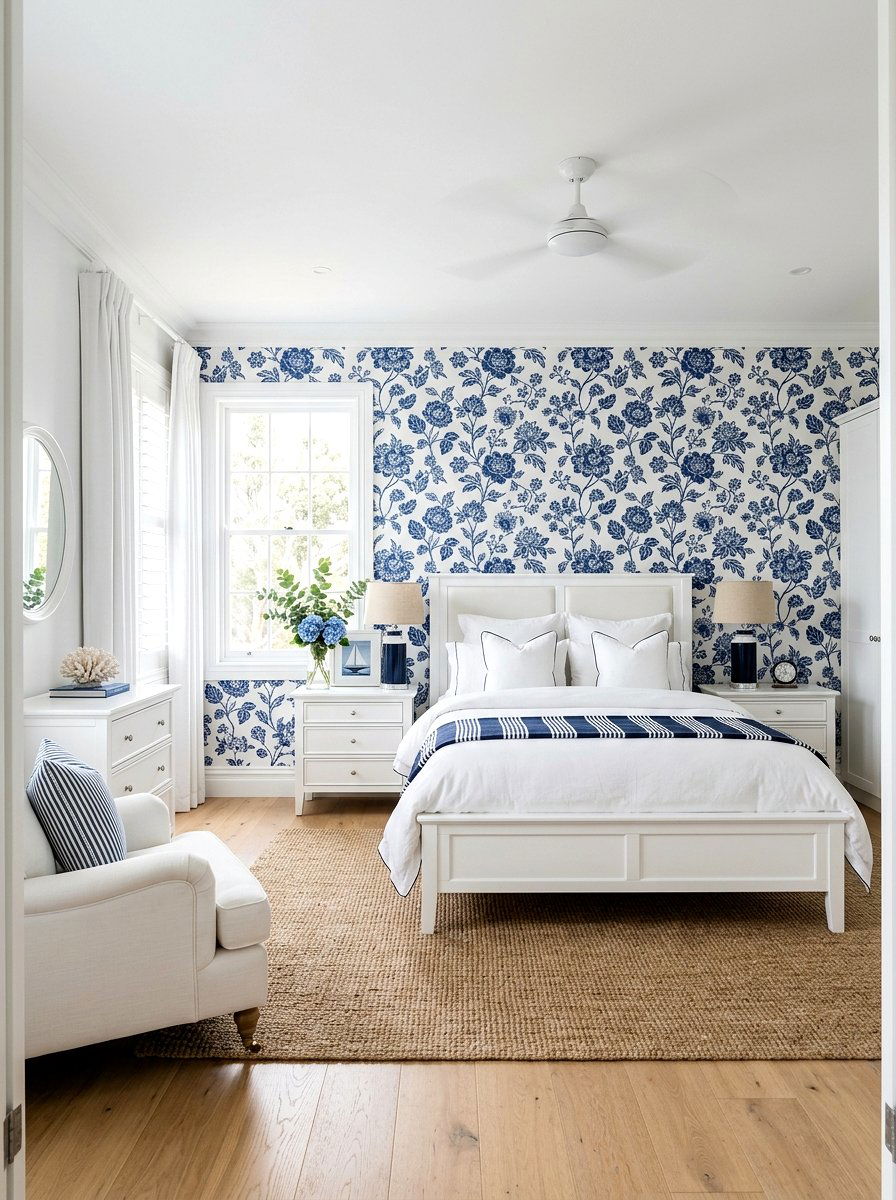
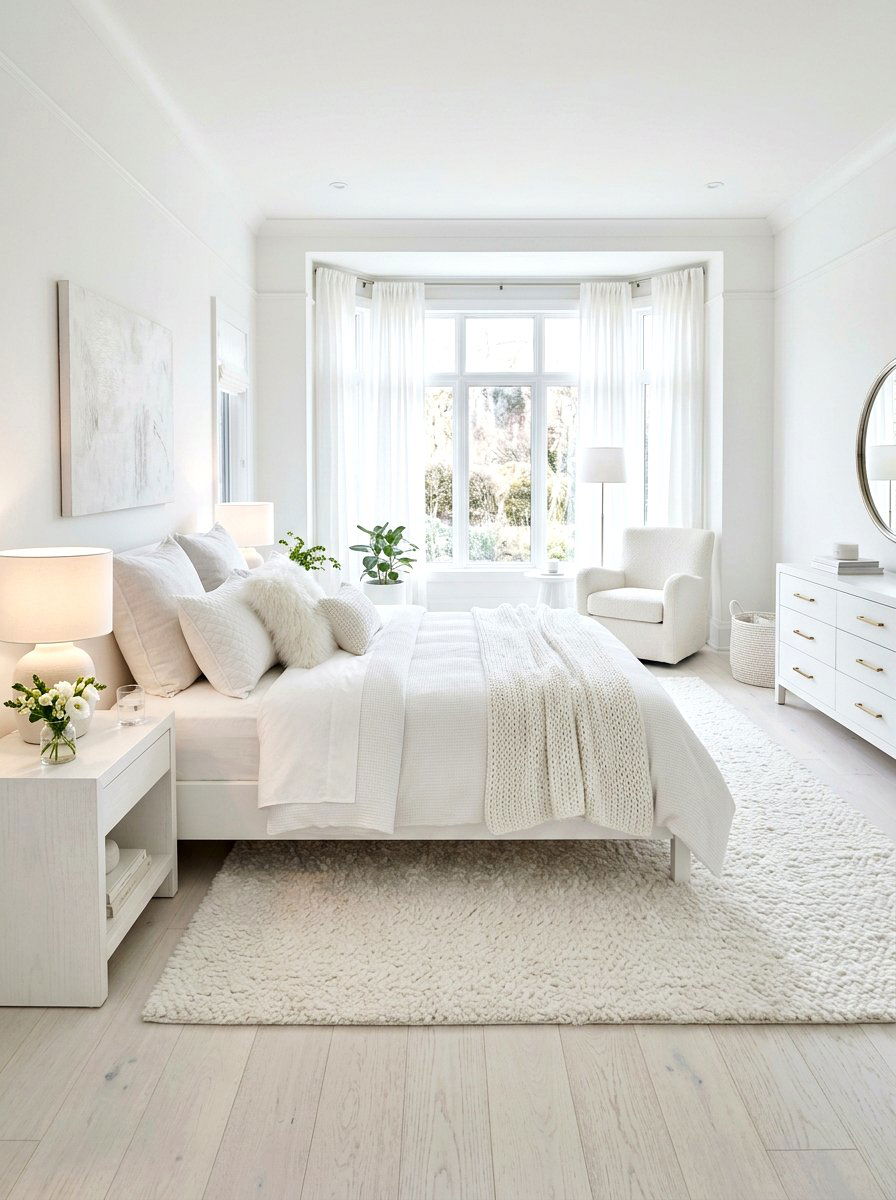
Slate blue is a sophisticated, gray-leaning blue that offers a steady and reliable sense of serenity for the modern bedroom. This color is perfect for individuals who want the sleep-inducing benefits of blue but prefer a more subtle and masculine aesthetic. It feels like the color of a stormy sky or a deep mountain lake, providing a quiet and reflective backdrop. Slate blue is incredibly effective at making furniture pop while keeping the overall atmosphere of the room very calm and balanced. It is a timeless color that never feels dated, ensuring your healing sanctuary remains relevant and effective for many years to come.
21. Moss Green Bedroom
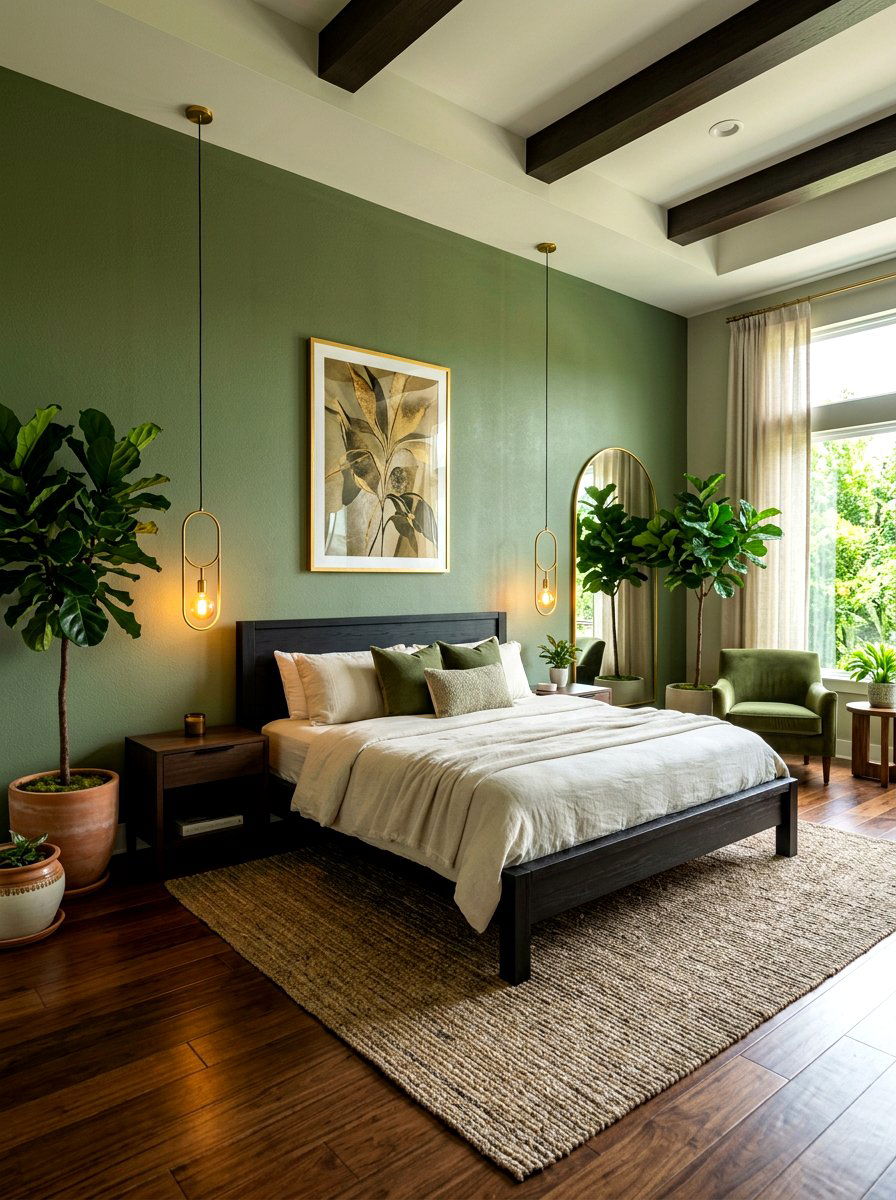
Moss green is a lush and deep shade that brings the quiet intensity of a forest floor into your sleeping space. This color is ideal for anyone looking to embrace biophilic design as a way to heal their mind and body. It is a very forgiving color that hides imperfections and creates a moody, luxurious feel that is perfect for winding down. Moss green encourages deep, rhythmic breathing and a sense of belonging to the natural world, which is essential for true mental restoration. Pair this rich hue with gold hardware and ivory bedding to create a high-contrast, elegant, and deeply restorative forest retreat.
22. Soft Lilac Bedroom
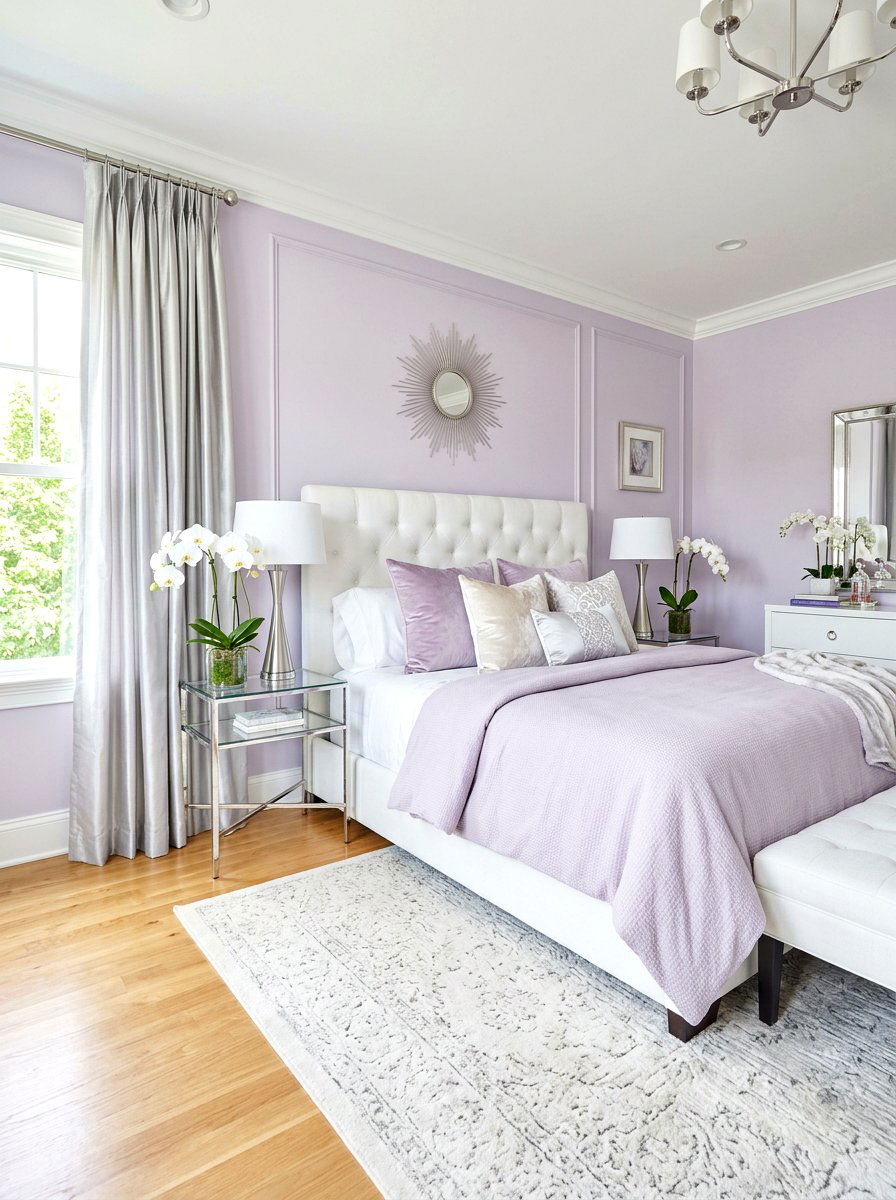
Soft lilac is an ethereal and poetic color that provides a sense of quiet luxury and gentle, imaginative calm for the bedroom. This hue is a bit more playful than lavender but still retains the therapeutic qualities of the purple family for the soul. It is perfect for creating a bedroom that feels like a personal cloud, far removed from the harsh realities of the outside world. Soft lilac helps to quiet a busy mind and encourages a sense of wonder and peace before you drift off. Use it with mirrored furniture and light-colored wood to keep the space feeling bright, airy, and magically healing.
23. Sandy Beige Bedroom
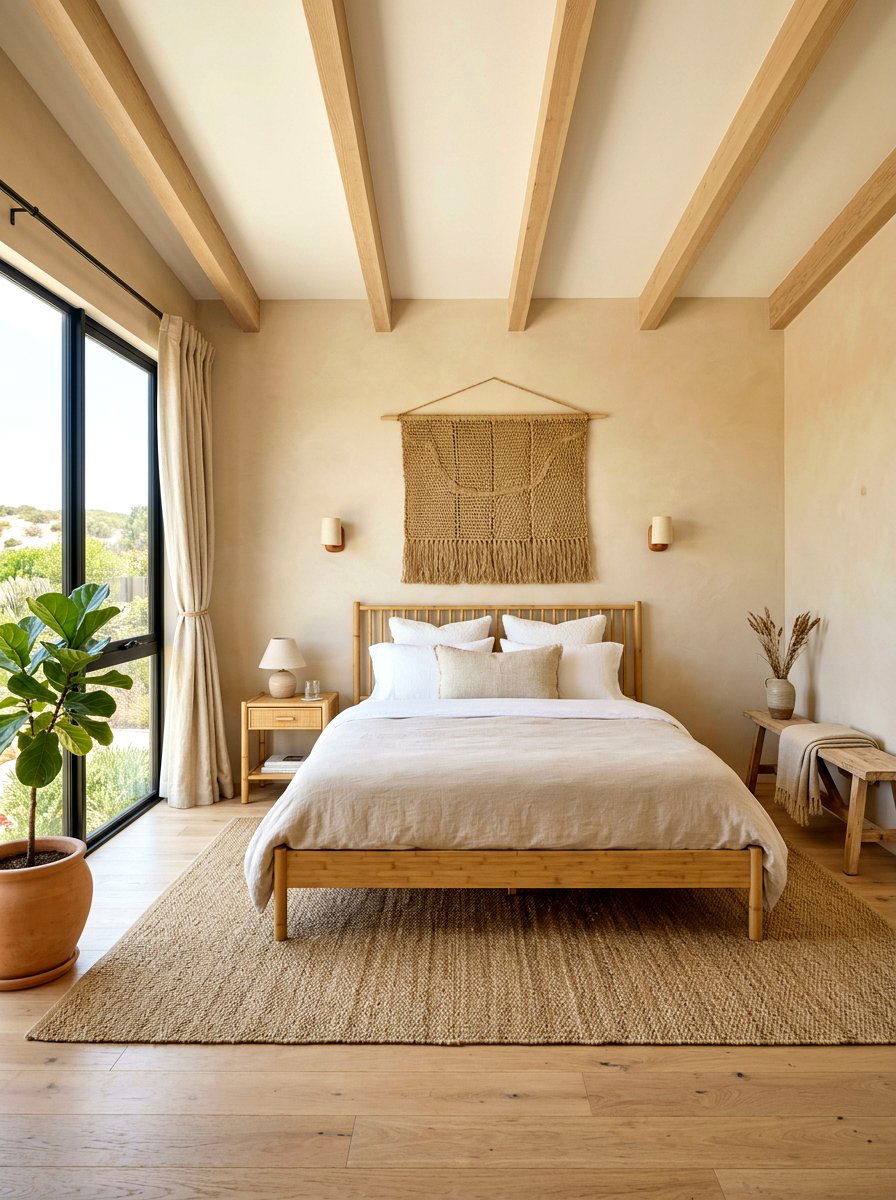
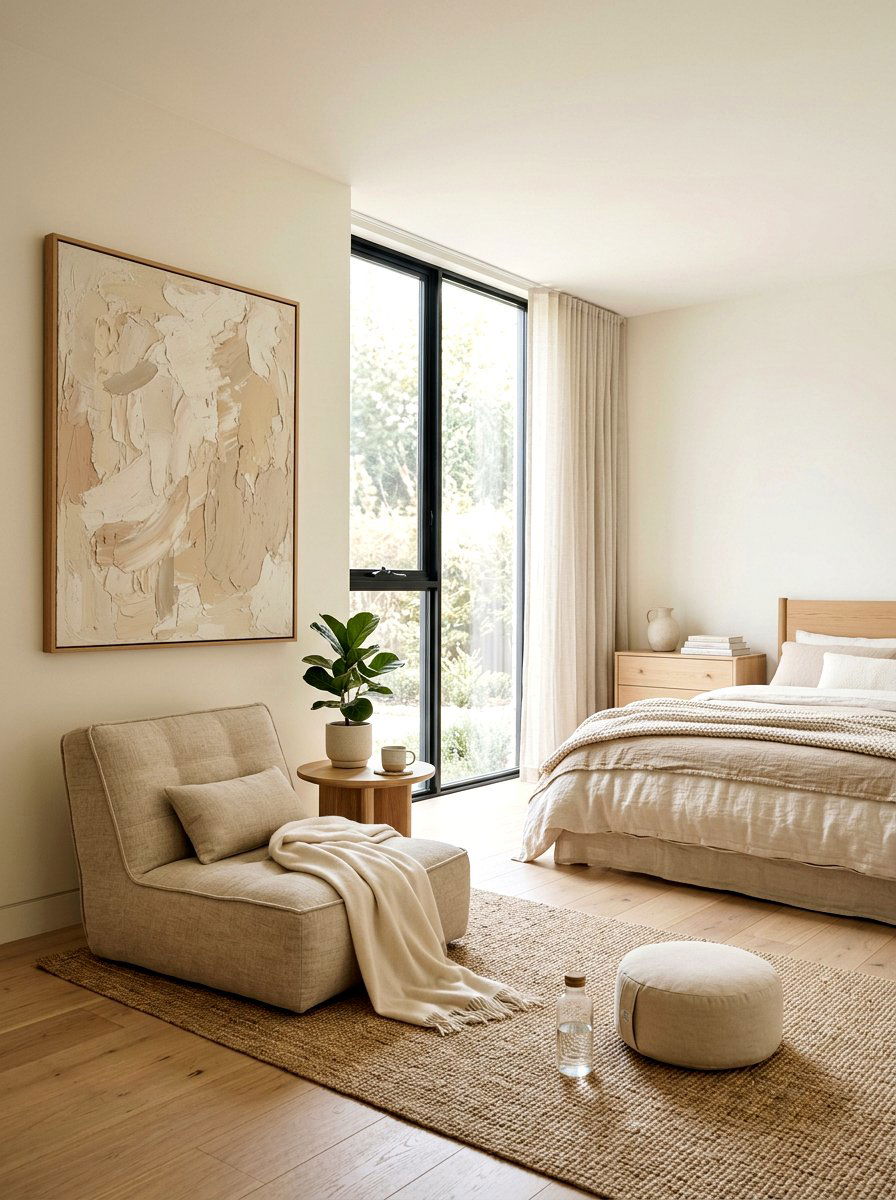
Sandy beige is the ultimate "neutral" healing color, evoking the warmth and simplicity of a sun-drenched beach at low tide. This color is incredibly effective for creating a minimalist space that feels warm rather than cold or uninviting for the family. It provides a consistent and stable visual environment that doesn't compete with your thoughts, allowing for total mental clarity. Sandy beige is the perfect backdrop for layering natural textures like seagrass, jute, and rough-hewn linen to add depth. It is a safe and reliable choice for anyone who wants a healing bedroom that feels timeless, clean, and effortlessly peaceful every single day.
24. Muted Mint Bedroom
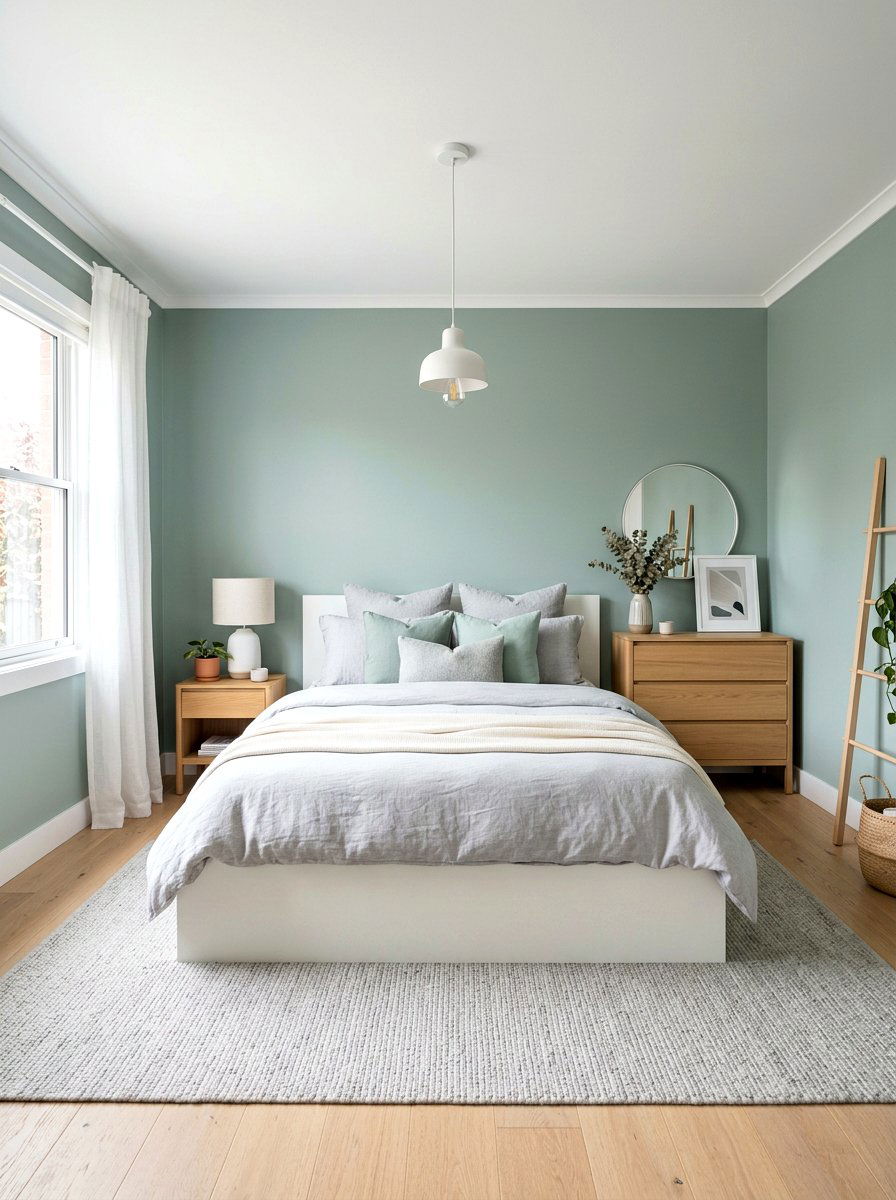
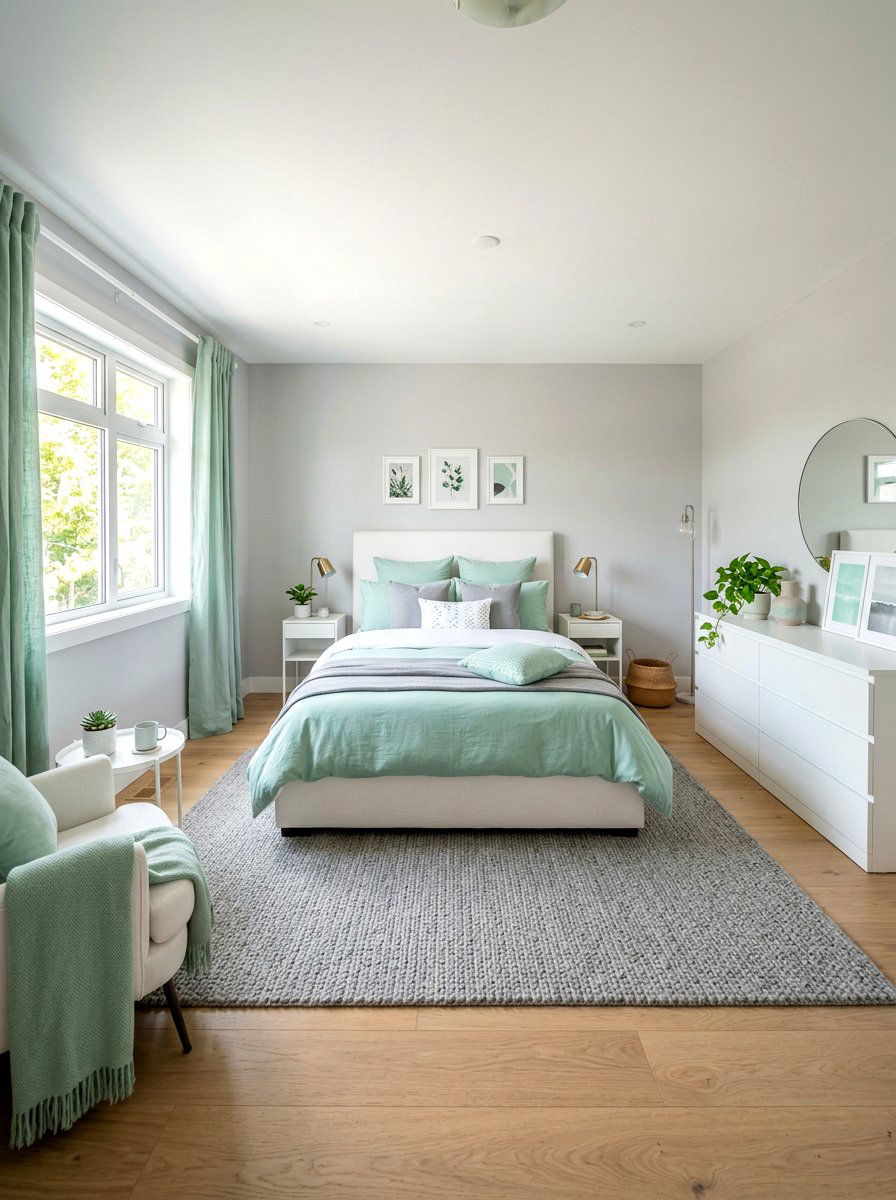
Muted mint is a refreshing and vitalizing color that brings a sense of new beginnings and clean energy to the bedroom. This hue is perfect for those who want to feel rejuvenated the moment they wake up without being jarred by bright colors. Mint green is known for its ability to reduce eye strain and promote a sense of balance between the physical and mental self. It feels crisp and modern, especially when used in a room with plenty of natural white light and simple furniture. Muted mint is a great healing color for small bedrooms because it makes the walls feel further away and more open.
25. Deep Emerald Bedroom
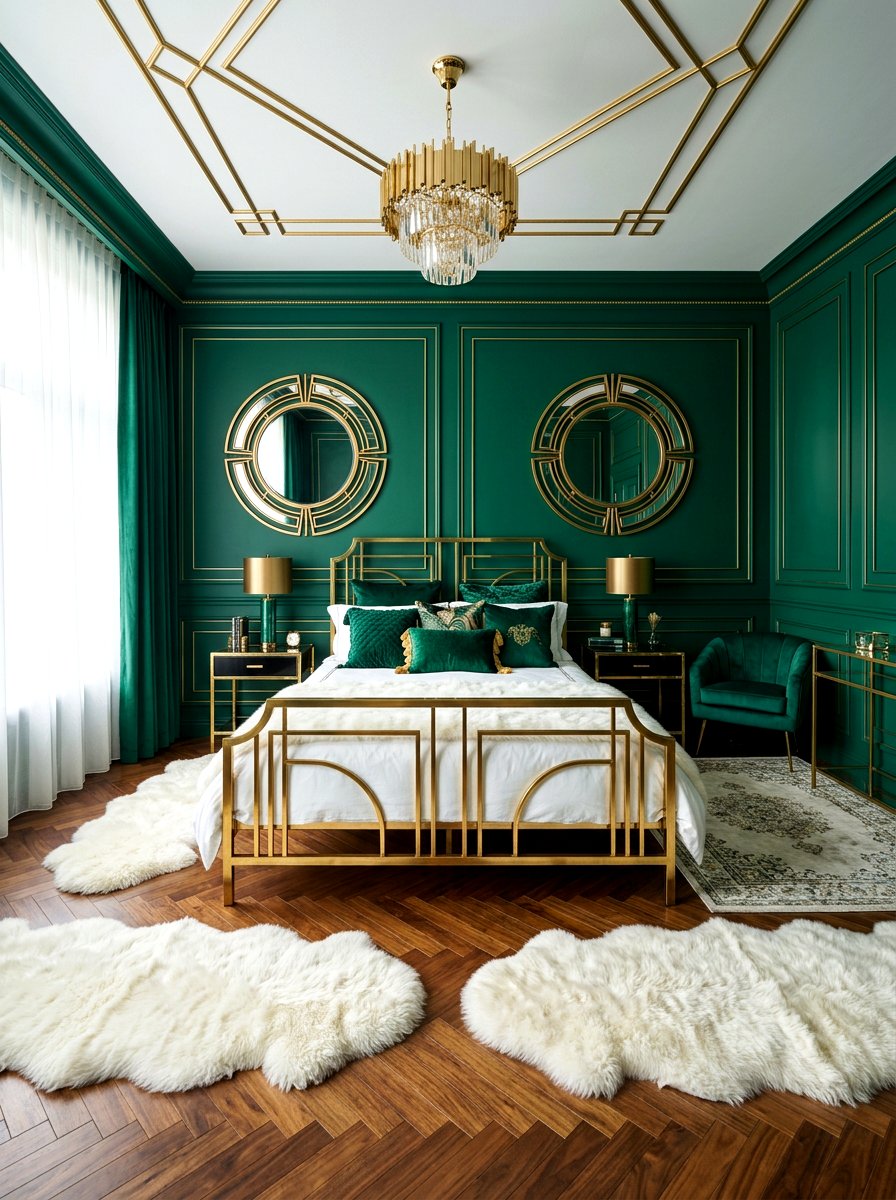
Deep emerald is a bold and regal healing color that provides a sense of profound stability, luxury, and grounded mental strength. This dark green tone is perfect for creating a statement room that still feels incredibly quiet and restorative for the owner. Emerald is the color of growth and prosperity, offering a subconscious sense of abundance that can be very soothing for the human heart. It works best in bedrooms with high ceilings or large windows where the color can truly shine without feeling too cramped or dark. Combine it with velvet headboards and brass lighting to create a sophisticated, jewel-toned sanctuary for deep sleep.
26. Champagne Neutral Bedroom
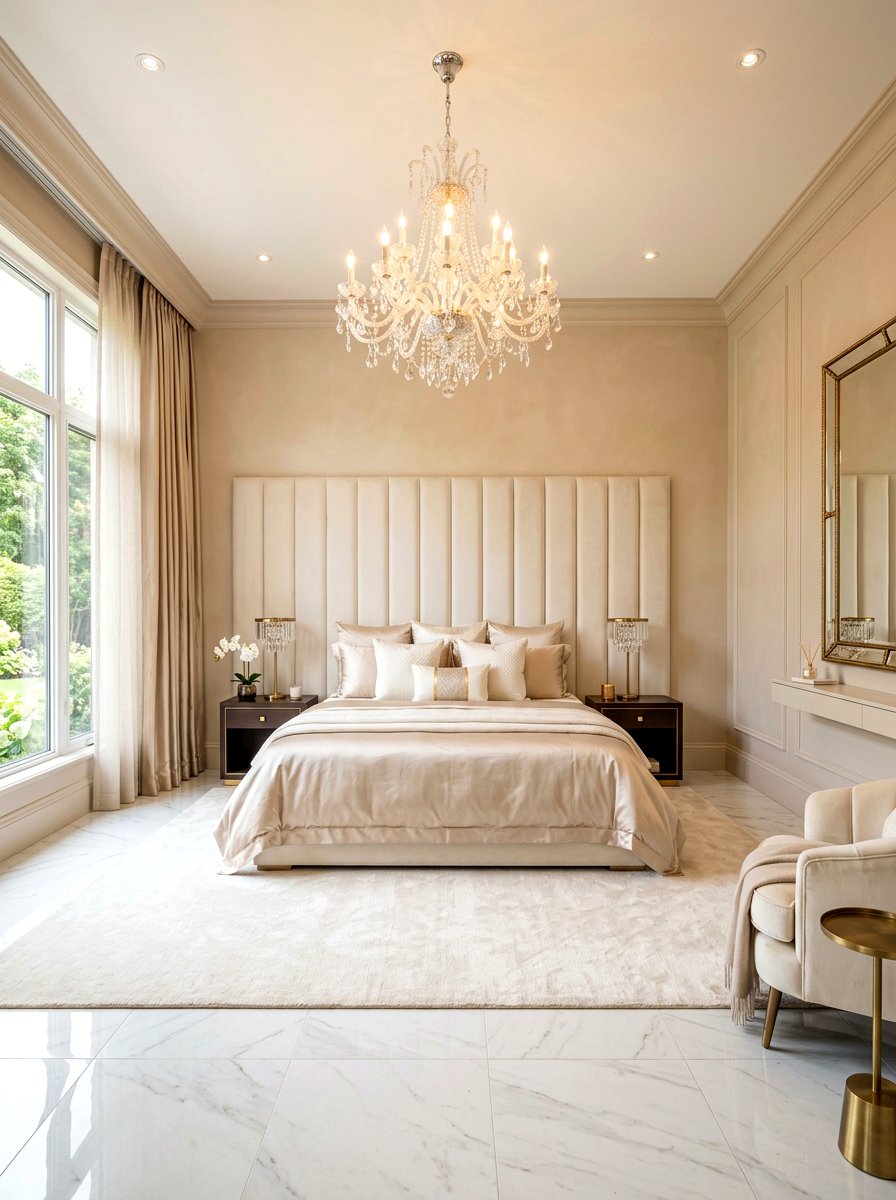
Champagne is a sophisticated neutral that adds a touch of subtle warmth and understated elegance to any healing bedroom design. This color is essentially a very light, warm beige with a hint of shimmer or glow that makes the walls feel alive. It is perfect for those who find standard beige too boring but aren't quite ready for a full commitment to a color. Champagne creates a soft, glowing environment that is particularly beautiful under warm, dimmable LED lighting in the evening hours. It makes the bedroom feel like a high-end luxury spa, encouraging a sense of pampered rest and complete emotional well-being.
27. Aqua Blue Bedroom
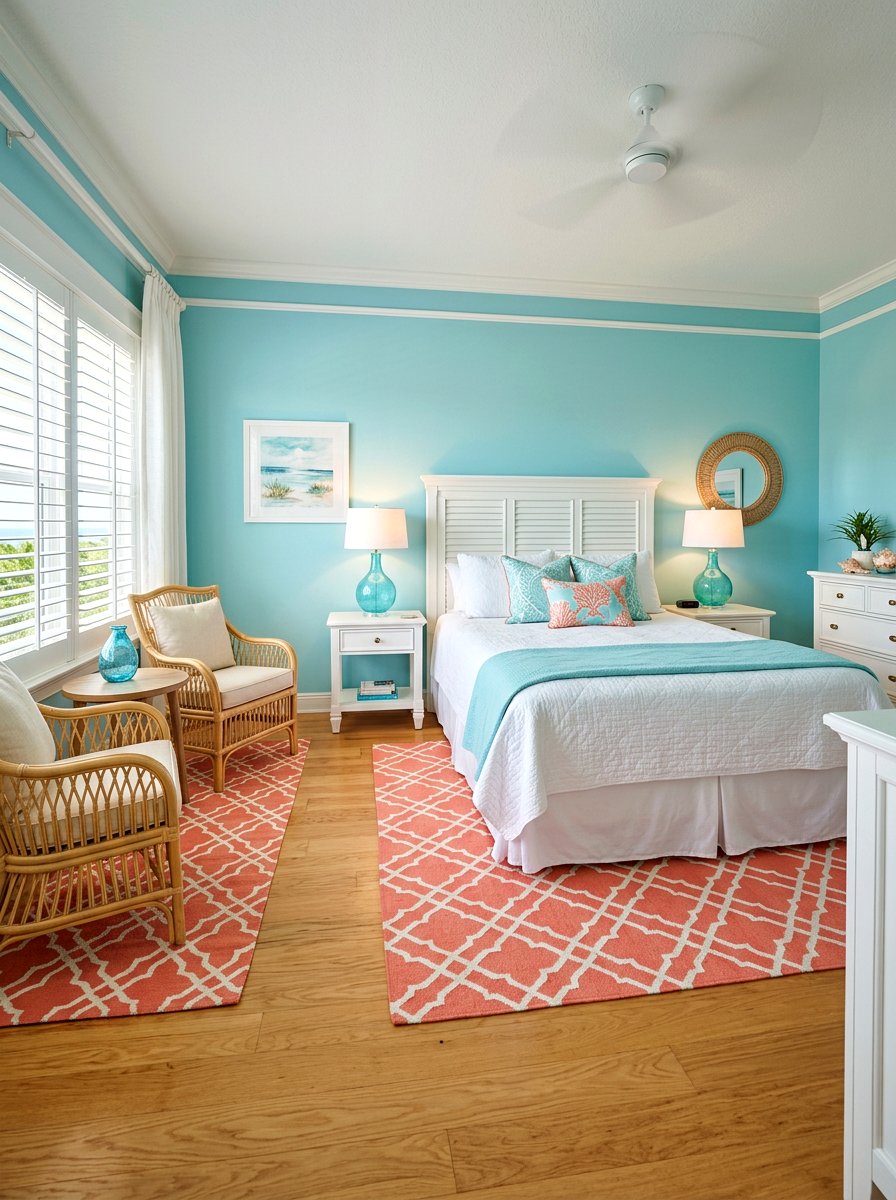
Aqua blue is a breezy and open color that captures the healing essence of tropical waters and endless summer horizons. This hue is fantastic for clearing out mental clutter and providing a sense of lightweight freedom after a heavy day. It is more energetic than sky blue but still maintains a low enough vibration to support a healthy and deep sleep cycle. Aqua works beautifully in coastal or modern farmhouse designs where the goal is to create a bright and airy atmosphere. Use it with crisp white linens and light-colored wooden furniture to keep the room feeling fresh, clean, and deeply restorative for everyone.
28. Soft Coral Bedroom
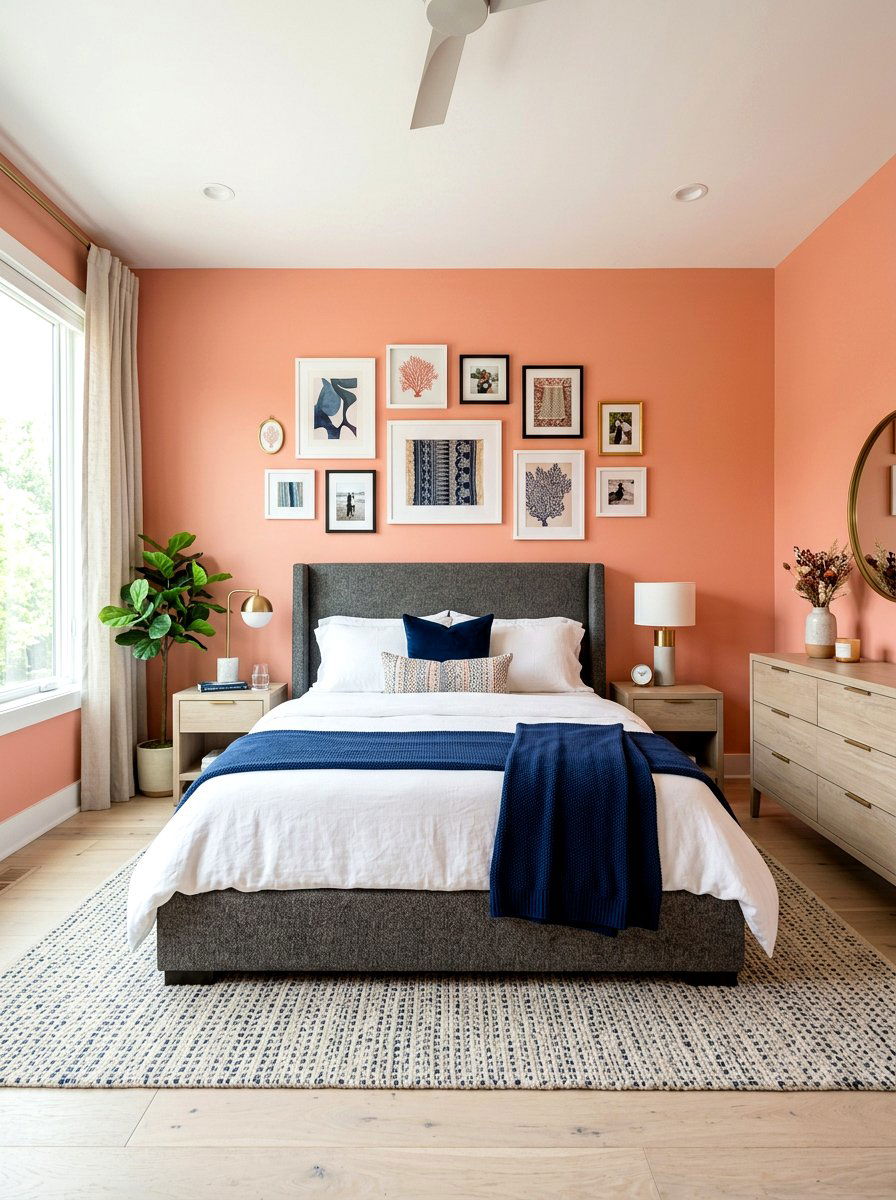
Soft coral is a unique healing color that offers a sophisticated blend of pink and orange for a warm, inviting glow. This hue is particularly effective at making a room feel friendly and supportive, which can be helpful for those living alone. It brings a gentle energy to the space that feels like a warm sunset, helping the mind to slowly transition into a restful state. Soft coral pairs exceptionally well with various shades of gray or teal, allowing for a balanced and modern color palette. It is a wonderful way to add personality and warmth to a healing bedroom without it feeling too bright.
29. Misty Morning Blue Bedroom
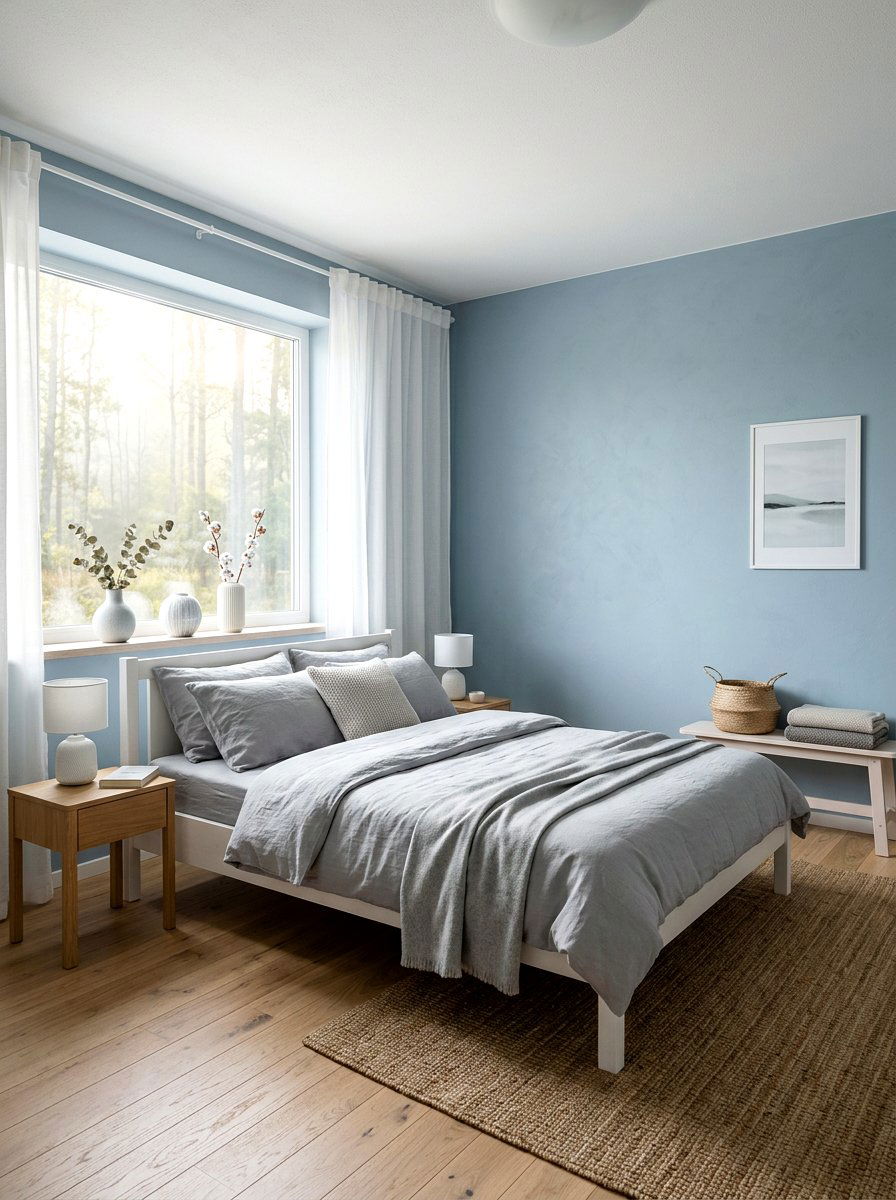
Misty morning blue is a very pale, gray-leaning blue that mimics the color of the sky just before the sun fully rises. This color is the epitome of tranquility and quietude, making it one of the most popular choices for wellness-focused interior design. It has a cooling effect on the room, which is scientifically proven to help people fall asleep faster and stay asleep longer. This hue is almost a neutral, making it very easy to style with existing furniture and decor pieces. It provides a whisper of color that soothes the eyes and allows the brain to completely let go of stress.
30. Taupe Neutral Bedroom
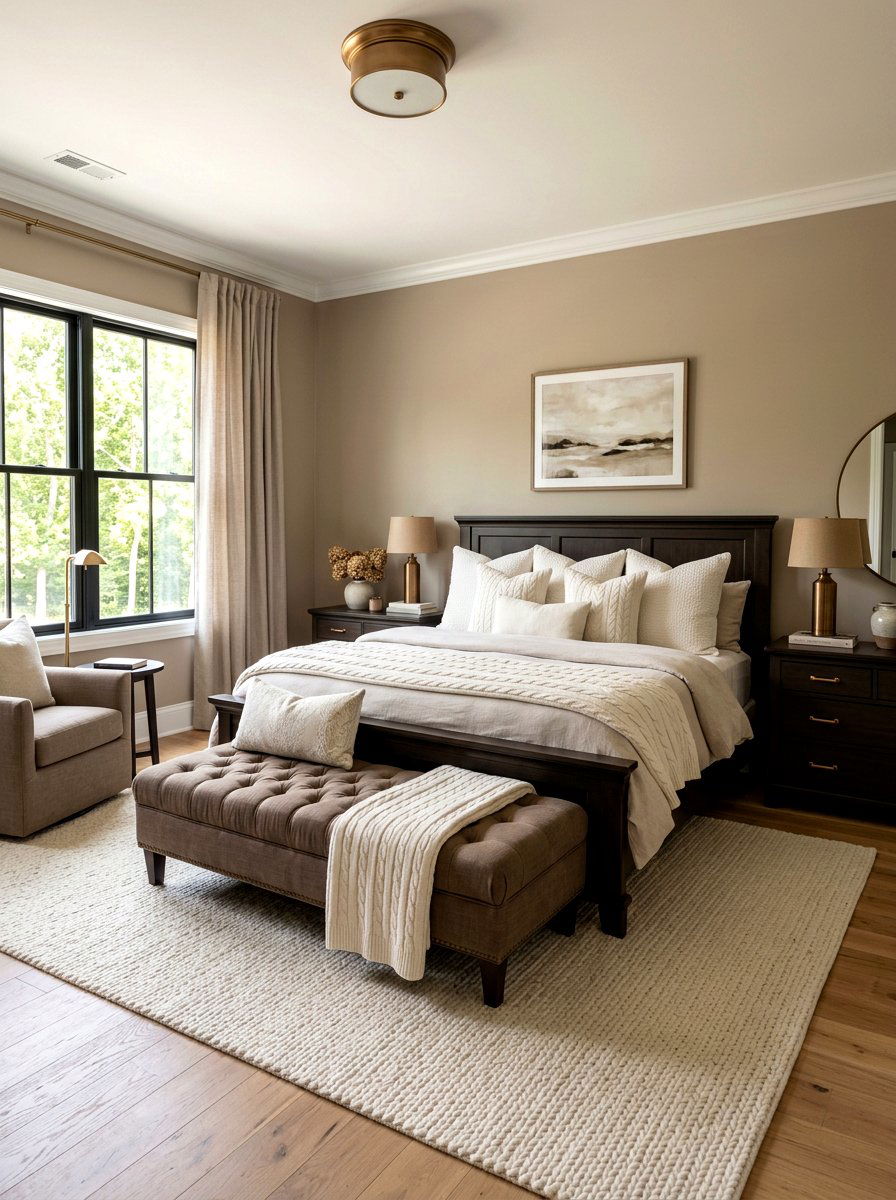
Taupe is a rich, organic neutral that offers a perfect blend of brown and gray for a grounded and stable environment. This color is ideal for a healing bedroom because it feels very solid and permanent, providing a sense of safety for the sleeper. Taupe is a versatile color that works with almost any design style, from traditional to ultra-modern, making it a reliable choice. It has a natural, stone-like quality that brings a touch of the outdoors inside without being a literal green or blue. Layering taupe with different fabrics creates a cozy, textural sanctuary that feels deeply comforting and incredibly safe.
Conclusion:
Creating a healing bedroom is a personal journey that begins with how a specific color makes you feel deep inside. Whether you choose the cooling embrace of a soft blue or the grounded warmth of a clay terracotta, the goal remains the same: total restoration. These thirty color palettes offer a diverse range of therapeutic benefits tailored to different emotional needs and design preferences. By thoughtfully integrating these hues through paint, textiles, and decor, you can transform your sleeping quarters into a true wellness sanctuary. Remember that the best healing color is the one that allows you to exhale the moment you cross the bedroom threshold every evening.

Related posts: