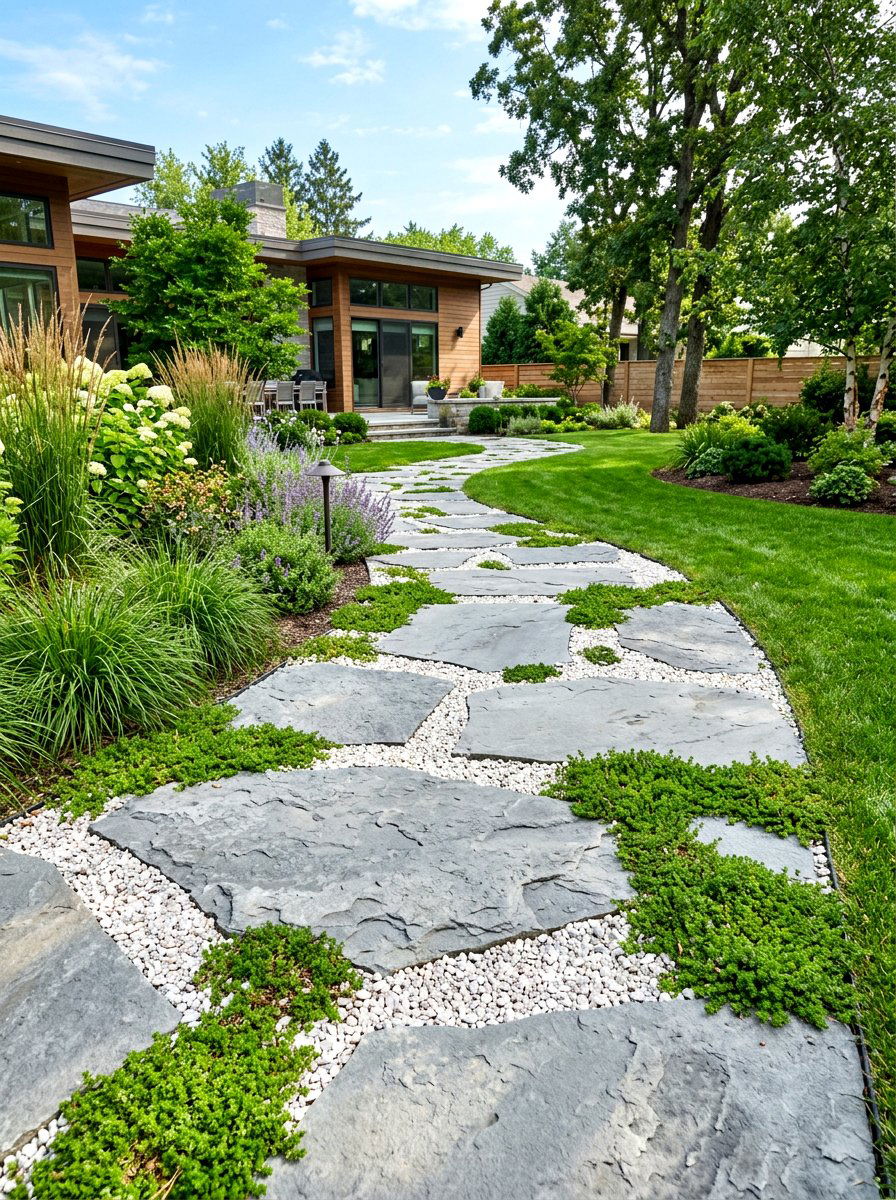
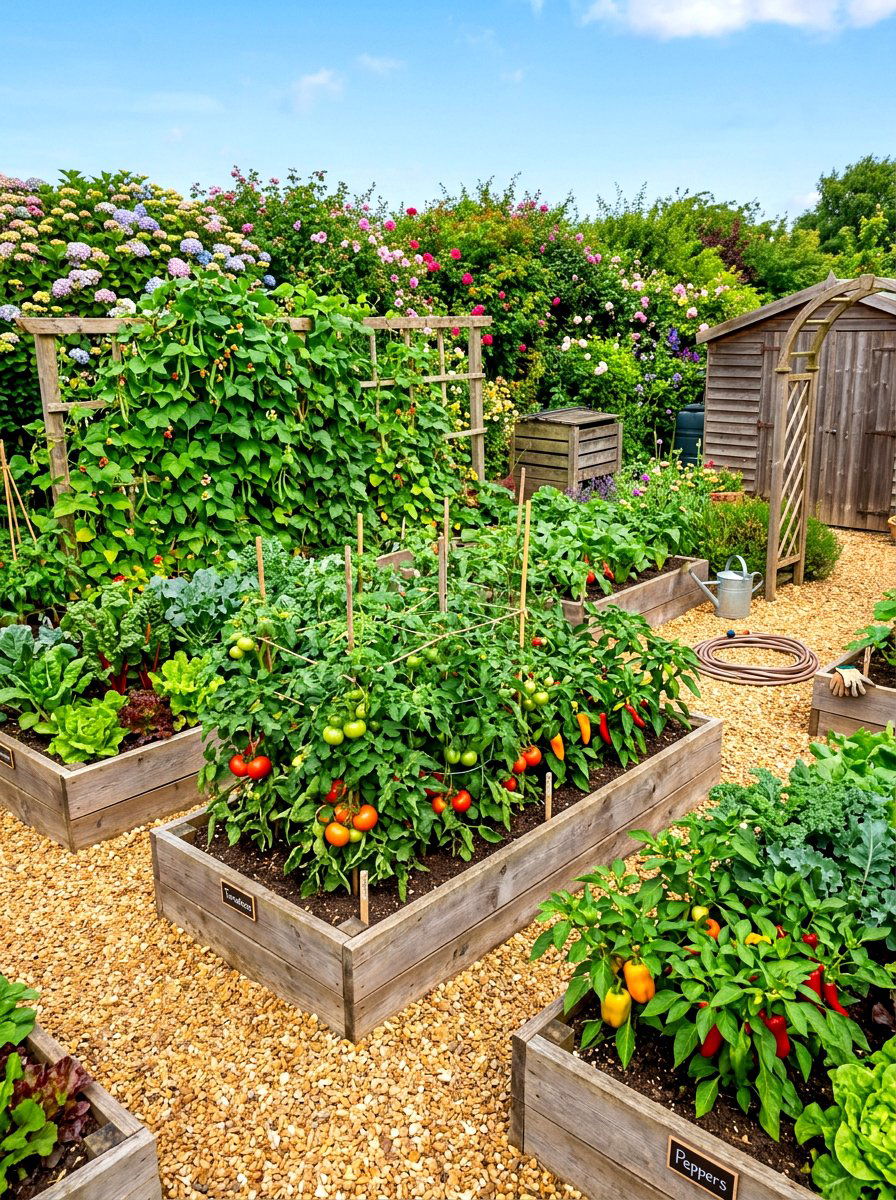
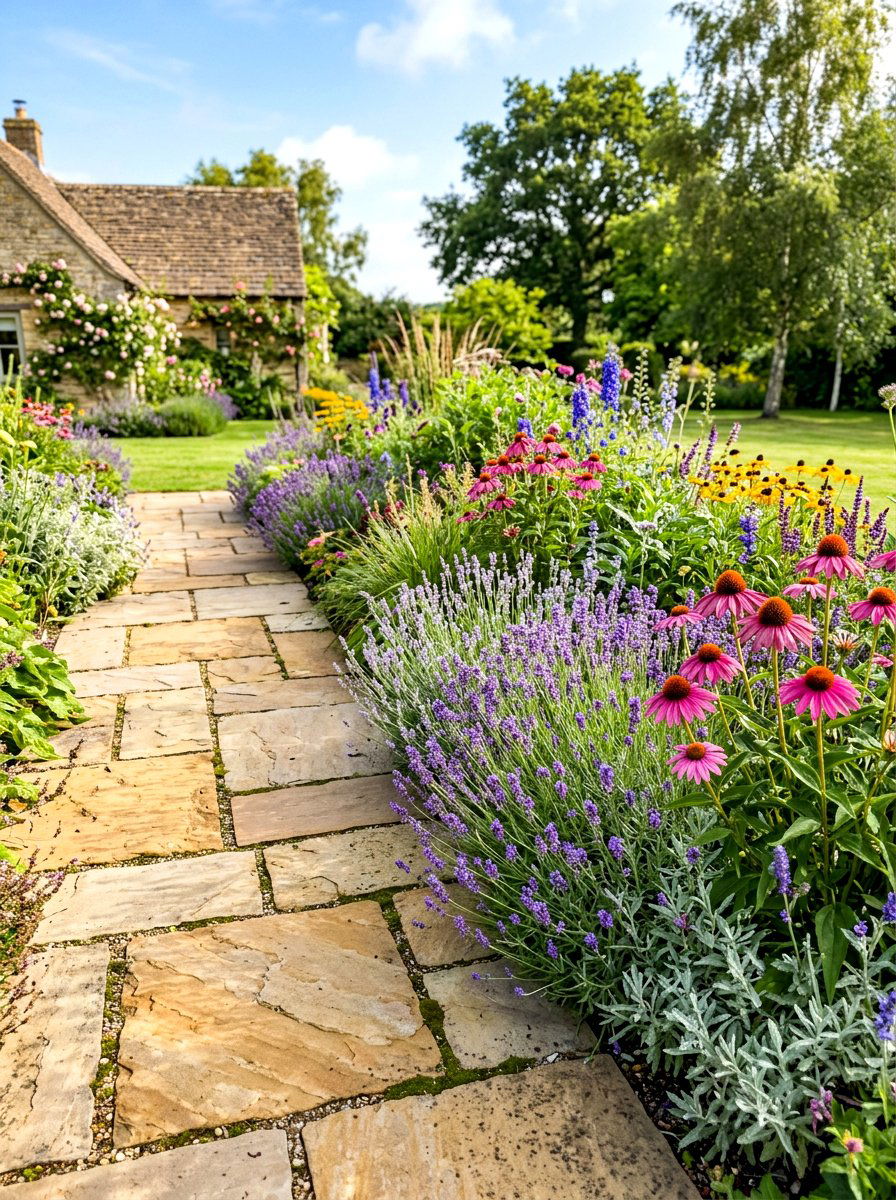
Starting a medicinal garden at home is a rewarding journey that connects you with nature’s healing power and provides sustainable health solutions right at your doorstep. These functional landscapes offer fresh ingredients for herbal teas, tinctures, and topical remedies while creating a serene environment for mental relaxation. Whether you have a vast backyard or a small sunny balcony, cultivating healing plants is achievable and highly beneficial for a modern lifestyle. By focusing on plants with proven therapeutic properties, you can create a living pharmacy that enhances your physical well-being. This guide explores thirty practical ways to organize your medicinal sanctuary for maximum beauty and productivity throughout the seasons.
1. Raised Bed Herb Garden
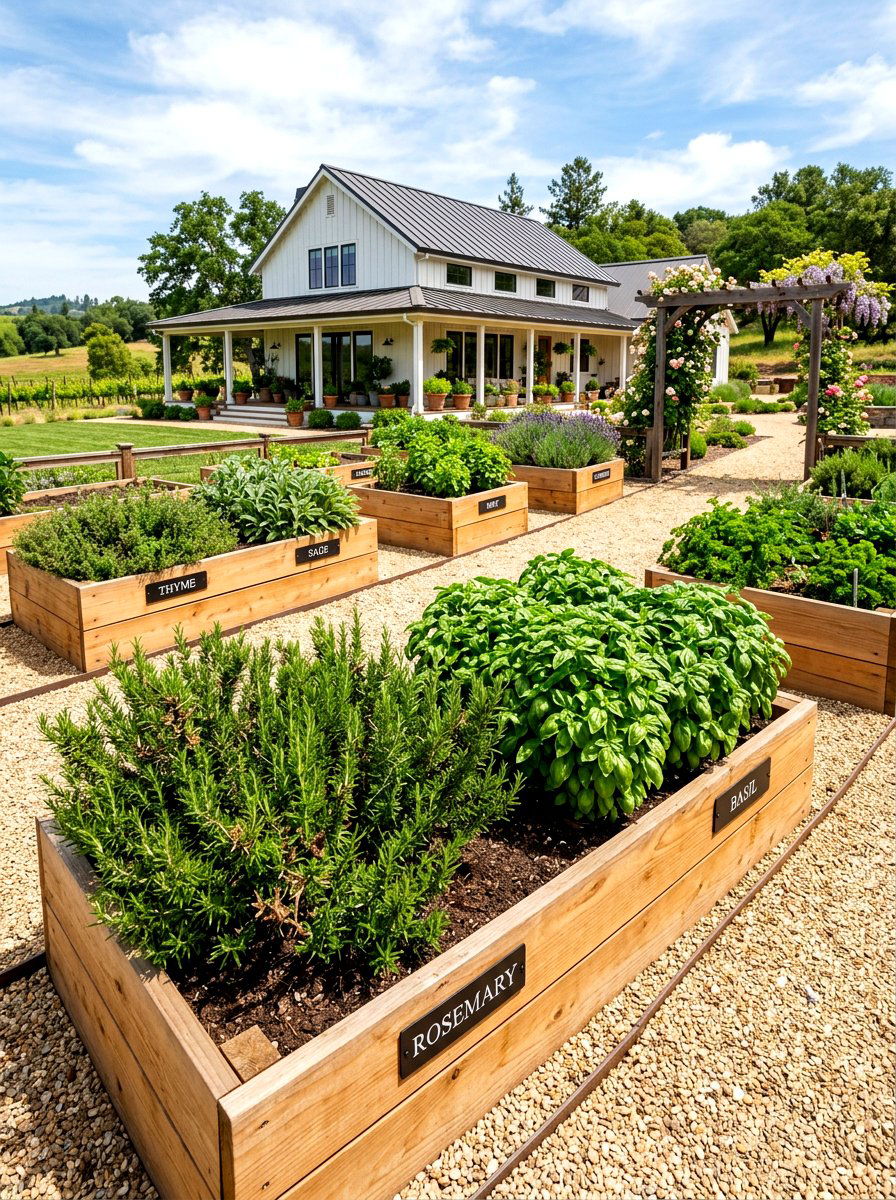
Building a raised bed herb garden is one of the most efficient ways to manage your healing plants effectively. This setup provides excellent drainage which is essential for many Mediterranean herbs like rosemary and oregano that dislike sitting in wet soil. You can fill these wooden or stone beds with high-quality organic soil to ensure your plants are healthy and free from local ground contaminants. The elevated height makes it much easier on your back during planting and harvesting seasons throughout the year. You can organize different sections for various needs such as digestion or skin care by using small wooden dividers inside.
2. Backyard Apothecary Garden
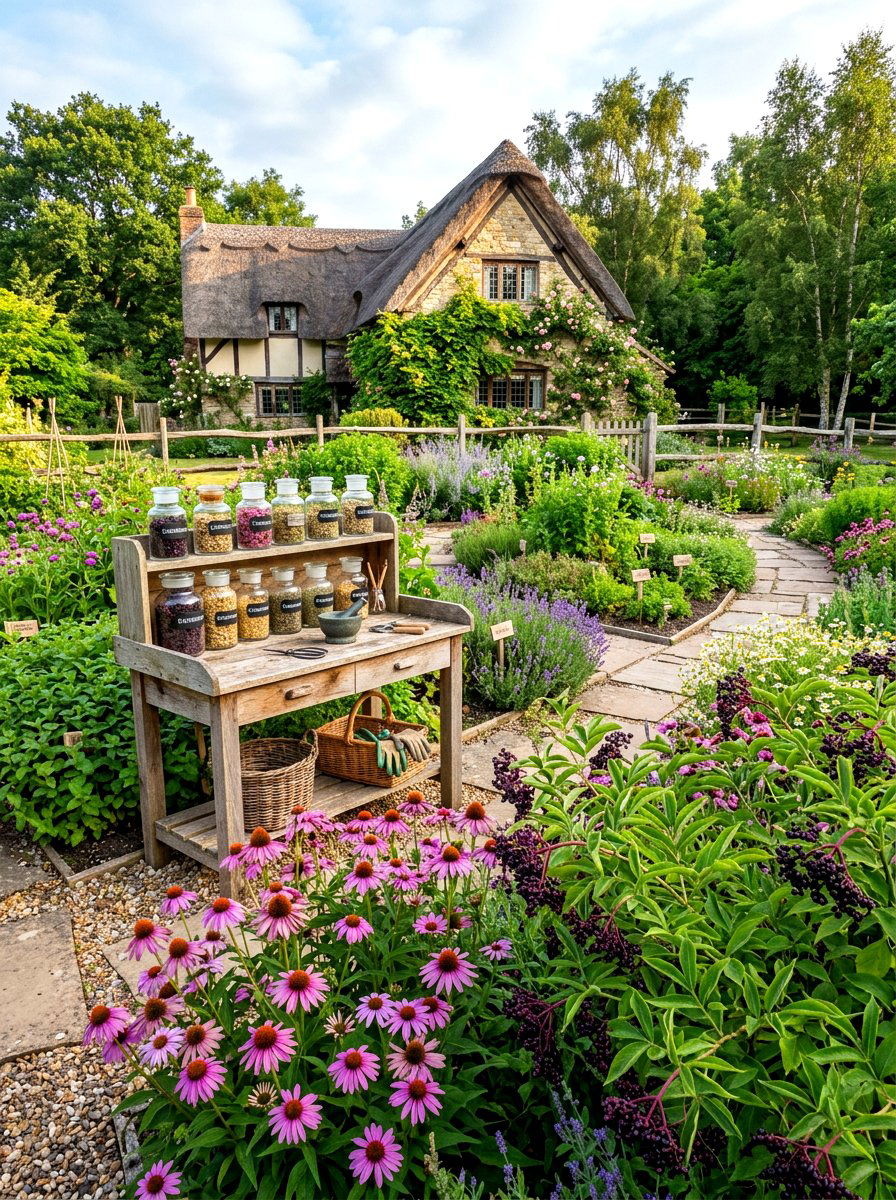
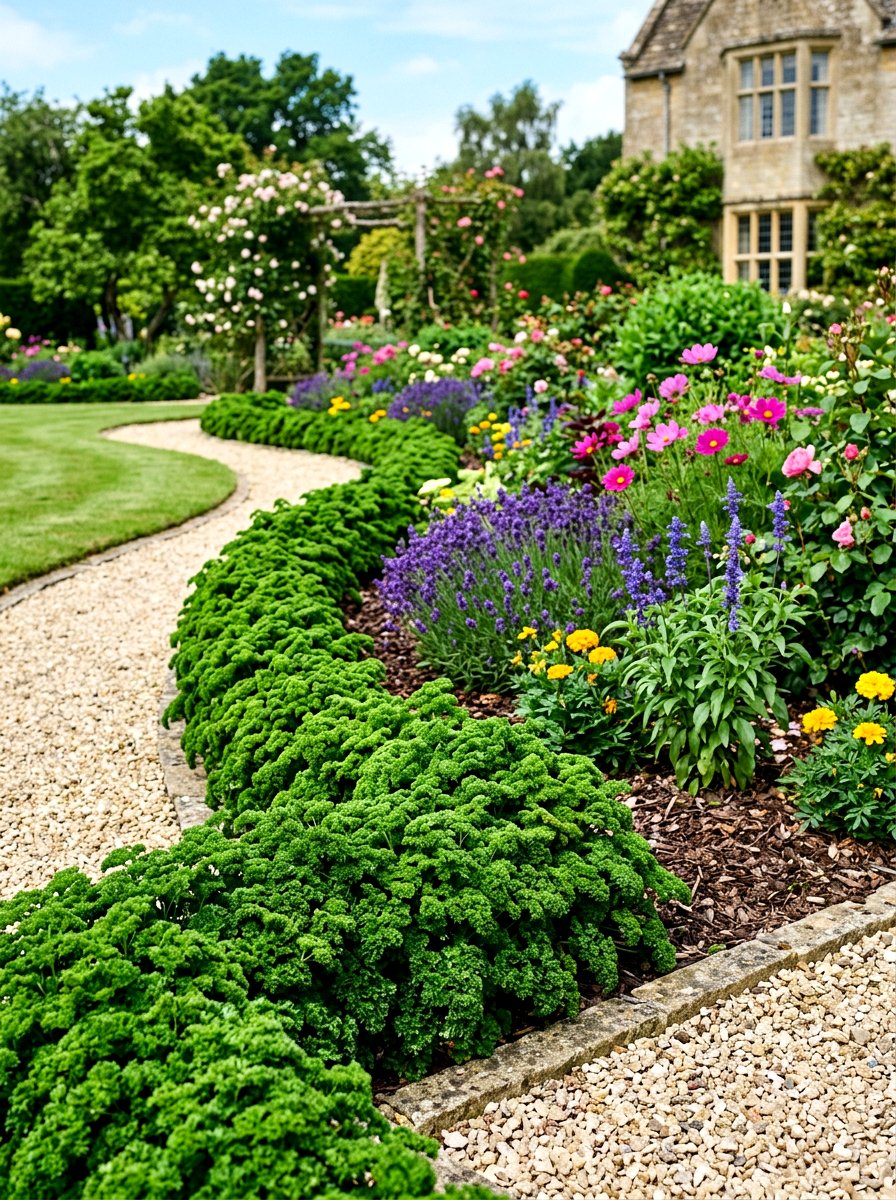
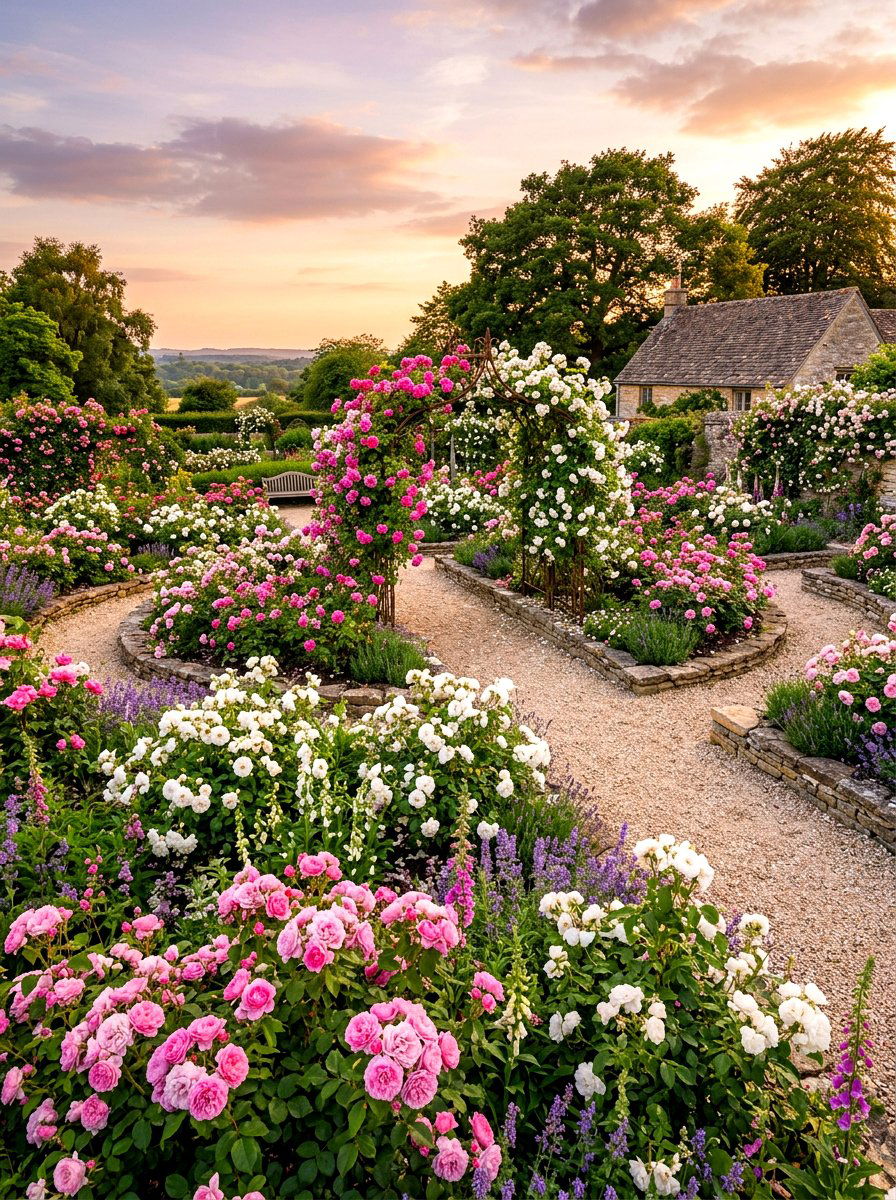
A backyard apothecary garden serves as a comprehensive outdoor pharmacy where you can grow a wide variety of therapeutic species. This design often includes larger shrubs like elderberry and witch hazel alongside smaller flowering perennials like echinacea. You should plan the layout to include a dedicated harvesting area with a small table for processing your fresh cuttings. Adding clear labels with the common names and medicinal uses of each plant helps you keep track of your natural resources. Using gravel paths between different plant groupings ensures that you can access every corner of your healing sanctuary without trampling the delicate roots.
3. Small Balcony Herb Garden
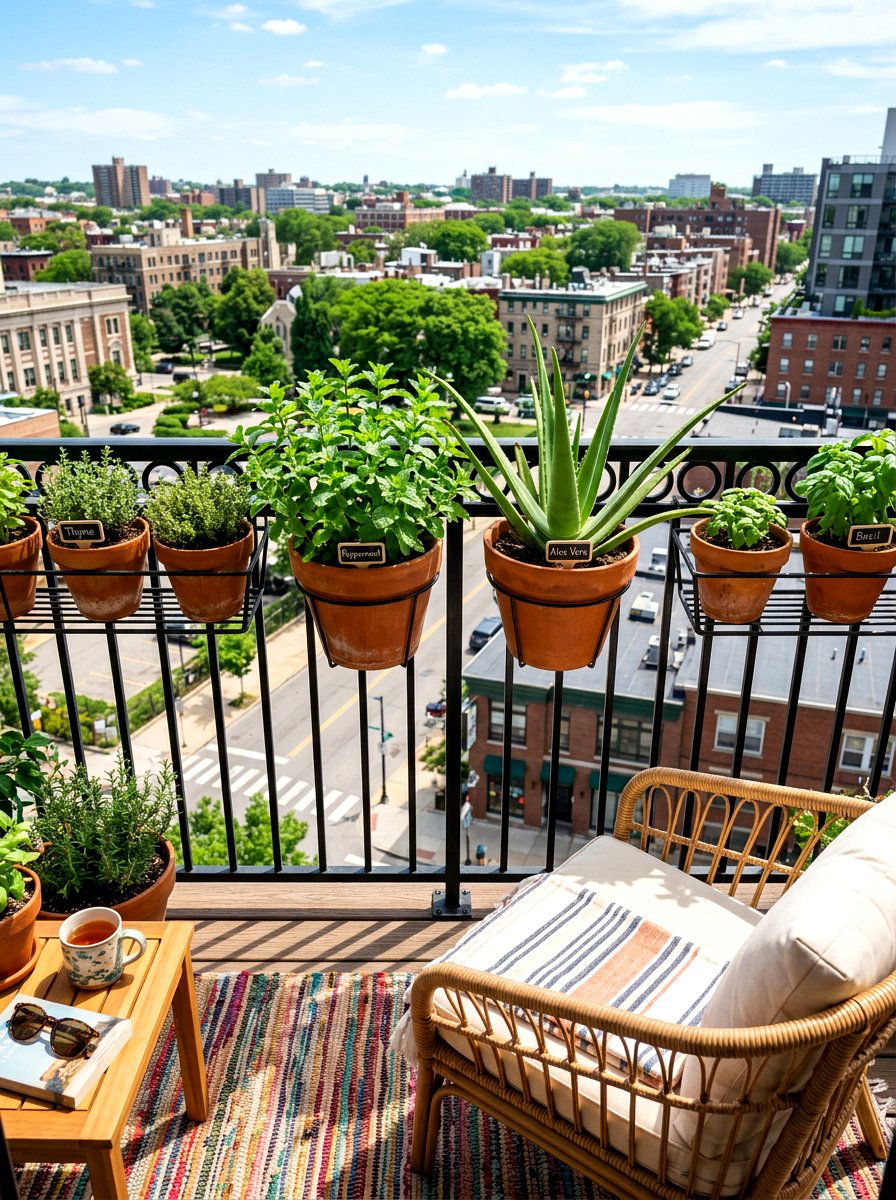
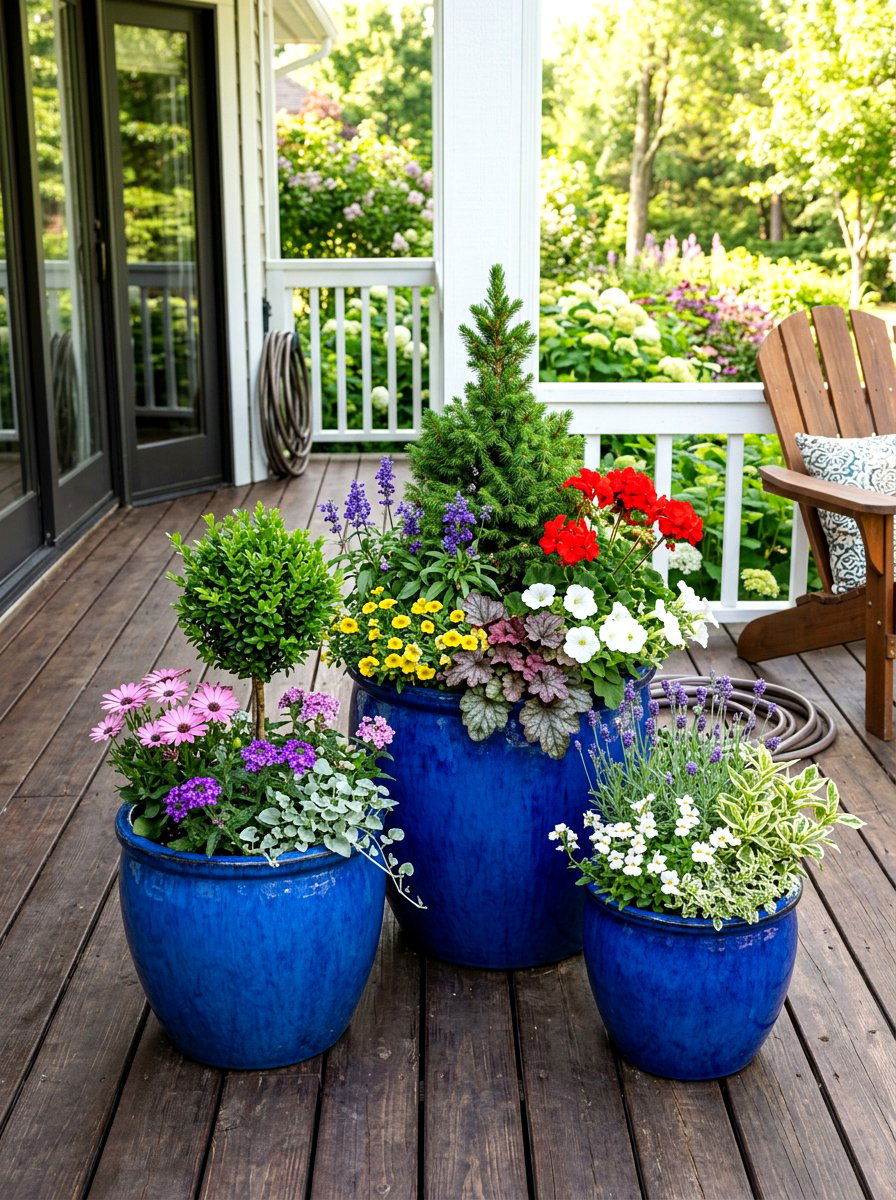
Creating a small balcony herb garden is a perfect solution for urban dwellers who want to cultivate their own natural remedies. You can use a variety of terracotta pots and hanging baskets to maximize the limited square footage available on your patio. Focus on versatile plants like peppermint, lemon balm, and aloe vera that thrive well in container environments with regular watering. Grouping your pots together helps create a humid microclimate that benefits the plants during hot summer afternoons. This compact setup allows you to step outside and quickly clip a few leaves for a soothing evening tea after a long day.
4. Vertical Medicinal Plant Wall
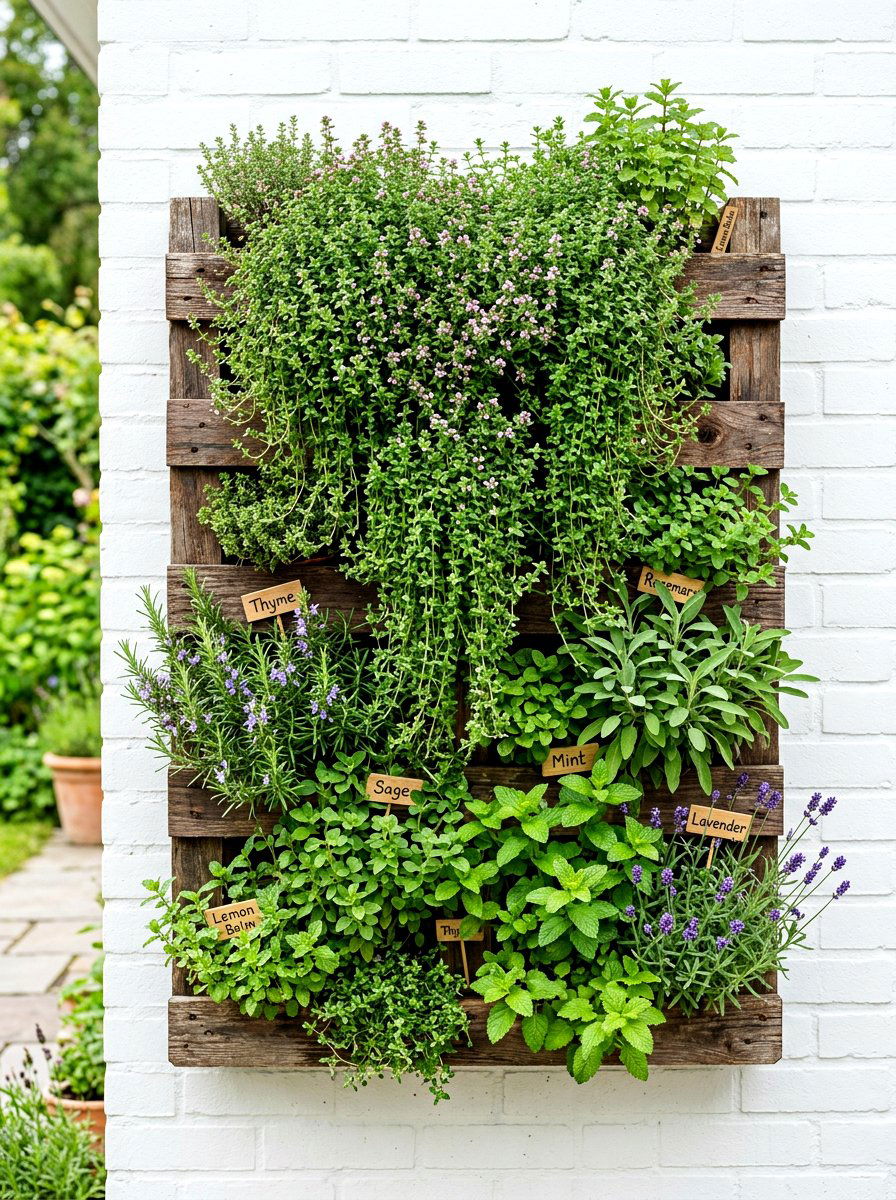
A vertical medicinal plant wall is an innovative way to grow a large number of healing species in a very small footprint. You can install wall-mounted planters or use a recycled wooden pallet to create a lush green tapestry on a sunny exterior wall. This method is particularly effective for trailing plants like creeping thyme or small leafy greens that do not require deep root systems. It also serves as a beautiful living backdrop for your outdoor seating area while keeping your herbs at eye level for easy maintenance. Ensure your irrigation system reaches the top rows so every plant gets consistent moisture.
5. Lavender Walkway Garden
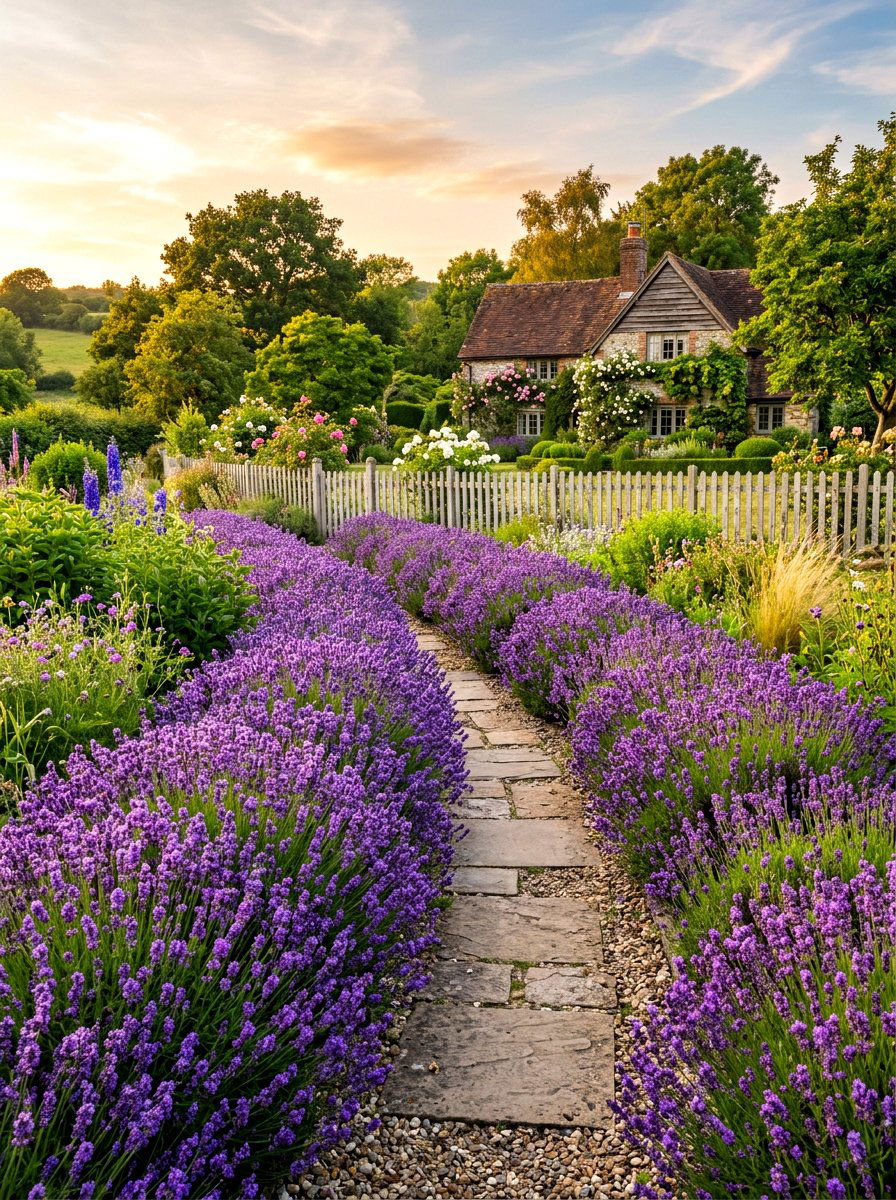
Planting a lavender walkway garden adds both visual beauty and a calming fragrance to the entrance of your home. This hardy perennial thrives in full sun and requires very little maintenance once it has become established in well-drained soil. As you walk by, the movement of your clothes against the plants releases essential oils into the air for an immediate aromatherapy effect. Lavender is well known for its ability to reduce stress and improve sleep quality when used in sachets or teas. This layout also attracts beneficial pollinators like bees and butterflies, making your garden a hub for local biodiversity.
6. Tea Herb Garden Area
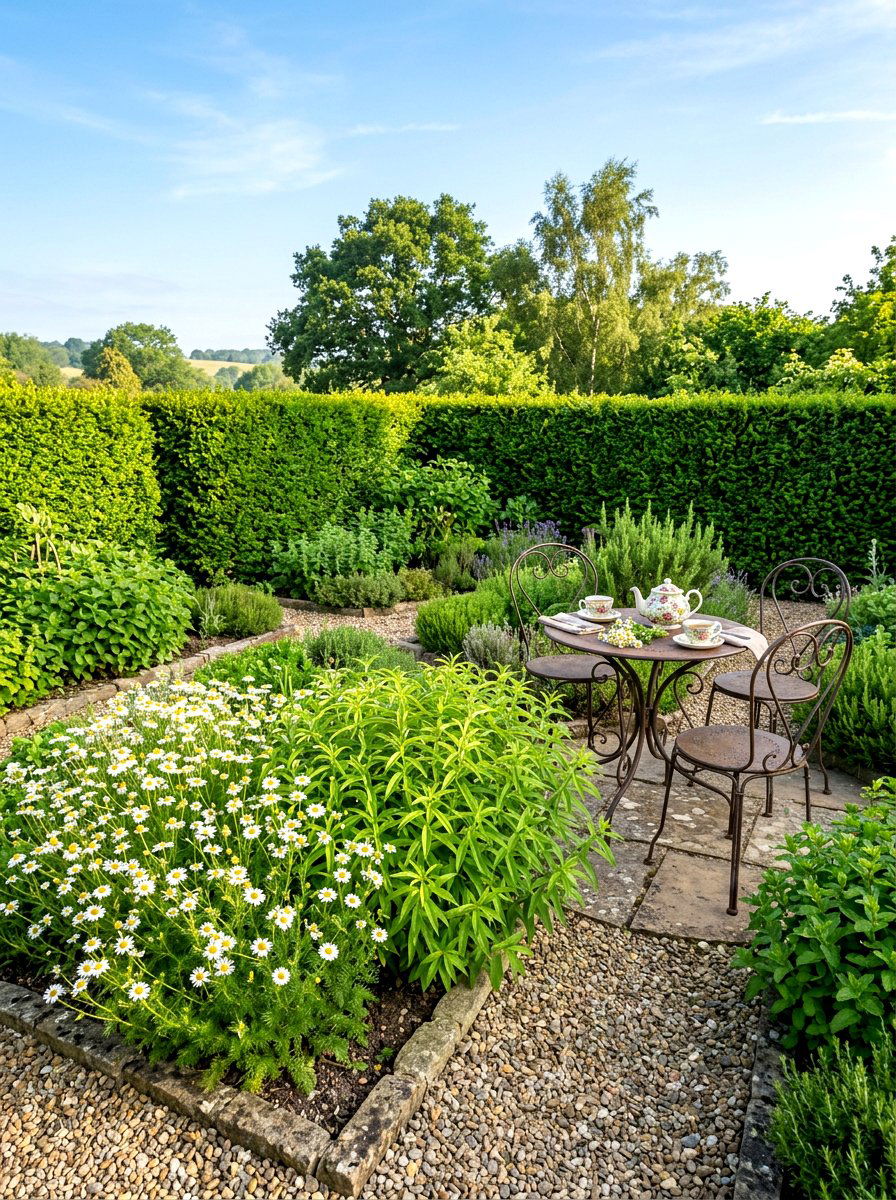
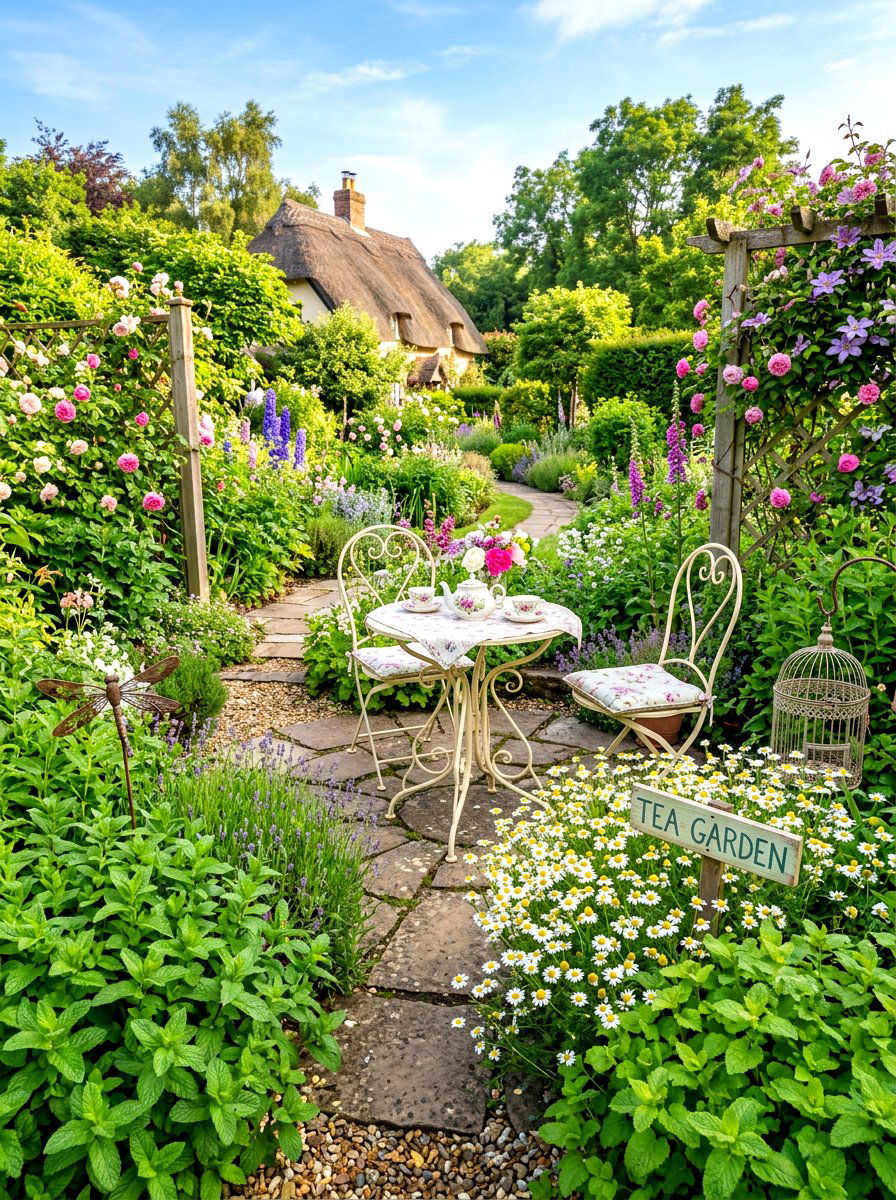
Designing a dedicated tea herb garden area allows you to grow all the ingredients needed for refreshing and healthful infusions. You should include classic choices such as German chamomile, spearmint, and lemon verbena to provide a wide range of flavors and benefits. Placing a small bistro set nearby creates a tranquil spot where you can enjoy your freshly brewed herbal drinks while surrounded by the plants. This themed garden is easy to maintain because many tea herbs share similar requirements for sunlight and water. It is a wonderful way to practice mindfulness while tending to your plants each morning.
7. Medicinal Herb Spiral
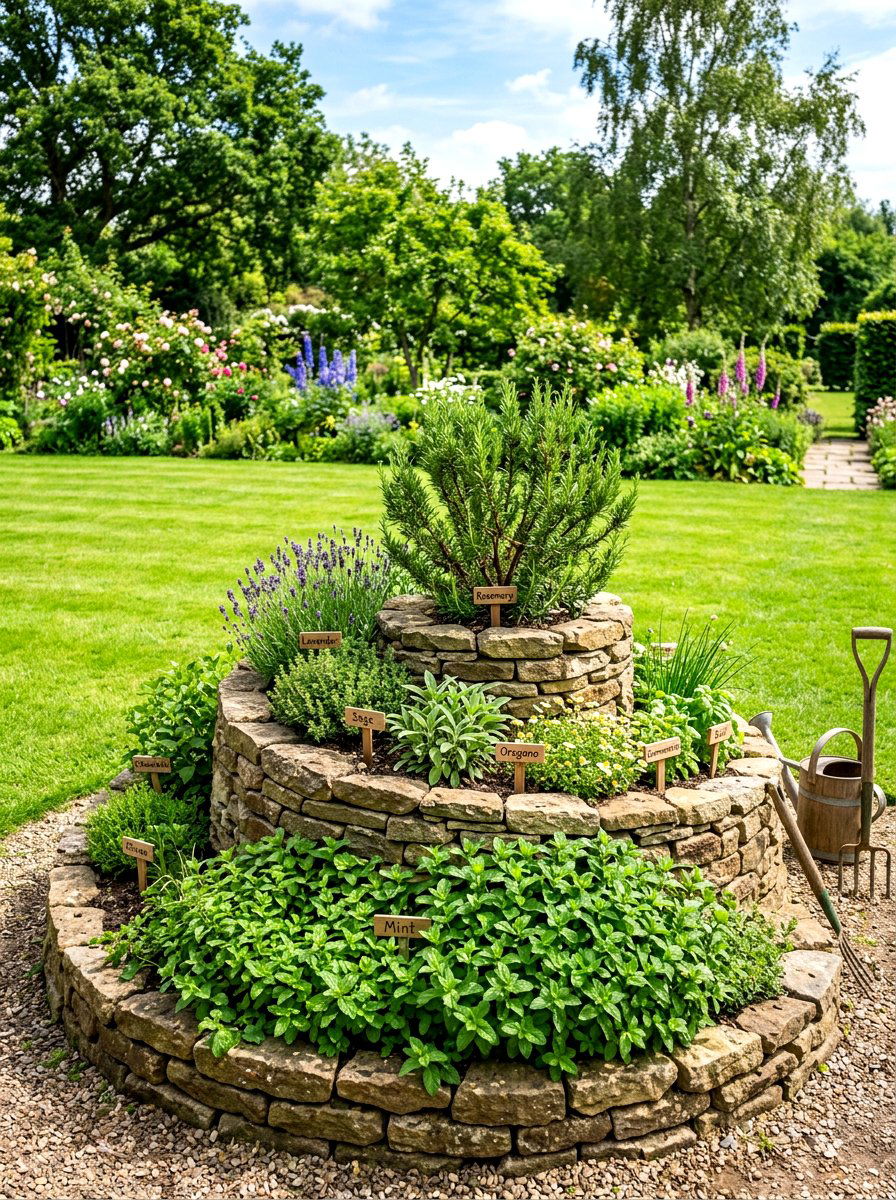
A medicinal herb spiral is a permaculture design that creates various microclimates within a single compact circular structure. By using stones or bricks to build a rising spiral, you create sunny, dry spots at the top and cooler, moist areas at the bottom. This allows you to grow drought-loving rosemary at the peak while planting moisture-seeking mint or parsley near the base. The thermal mass of the stones helps regulate soil temperature, extending your growing season into the cooler months. It is an aesthetically pleasing focal point that maximizes productivity by using vertical space and gravity-fed moisture for the plants.
8. Culinary And Medicinal Potager
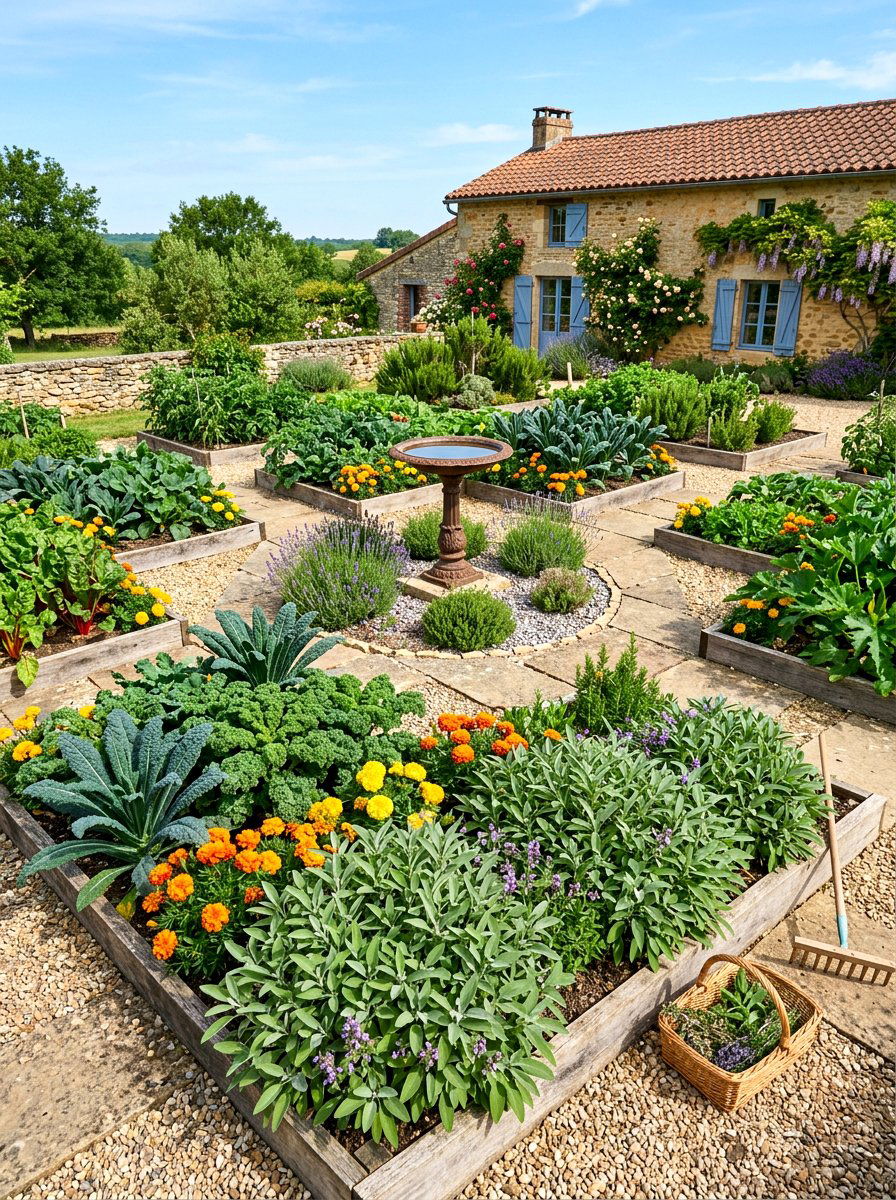
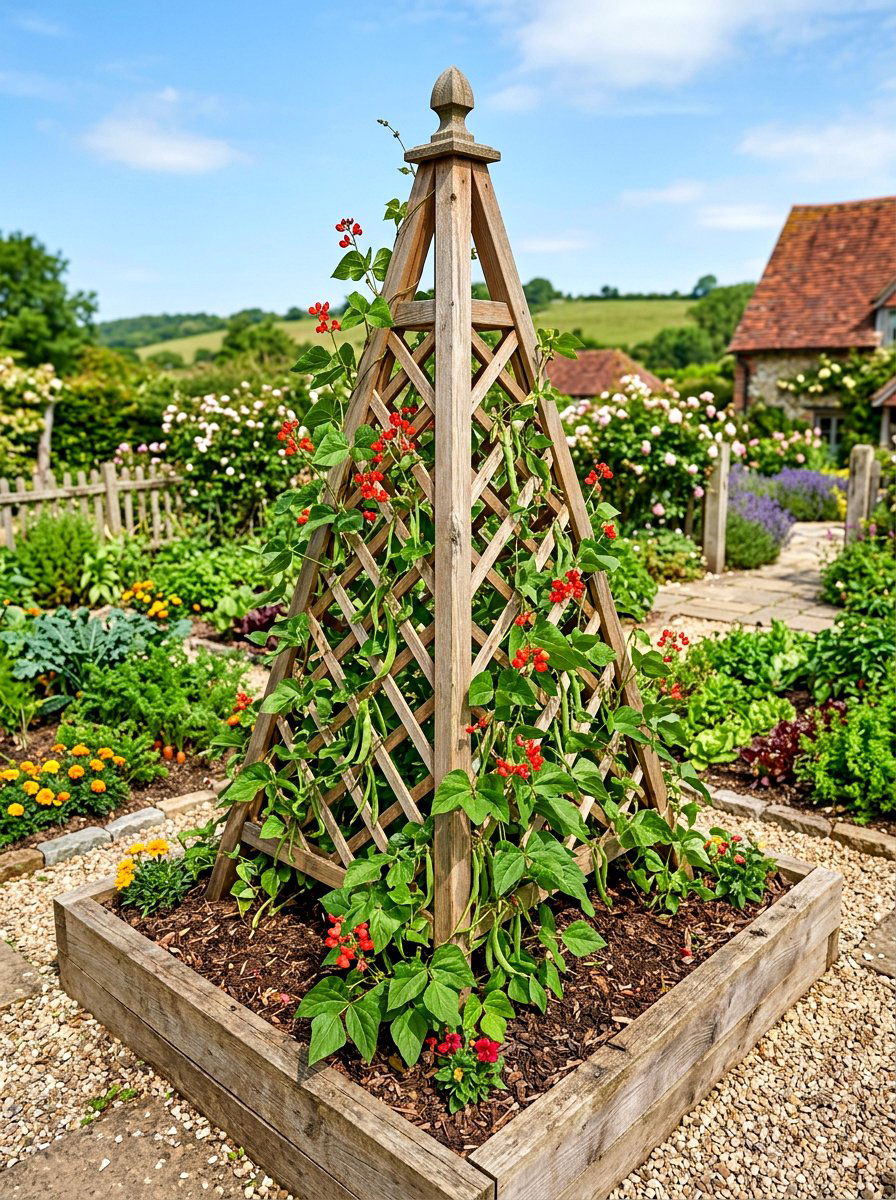
Integrating your healing plants into a culinary and medicinal potager creates a beautiful and functional space that feeds both body and soul. This traditional French-style garden mixes vegetables, fruits, and herbs in decorative patterns rather than boring straight rows. You can plant marigolds and nasturtiums alongside your kale to provide edible flowers and natural pest control for the entire bed. This approach ensures that your medicinal herbs are always within reach when you are harvesting ingredients for your daily meals. The diversity of foliage textures and colors makes this type of garden a stunning addition to any residential backyard landscape.
9. Chamomile Ground Cover Path
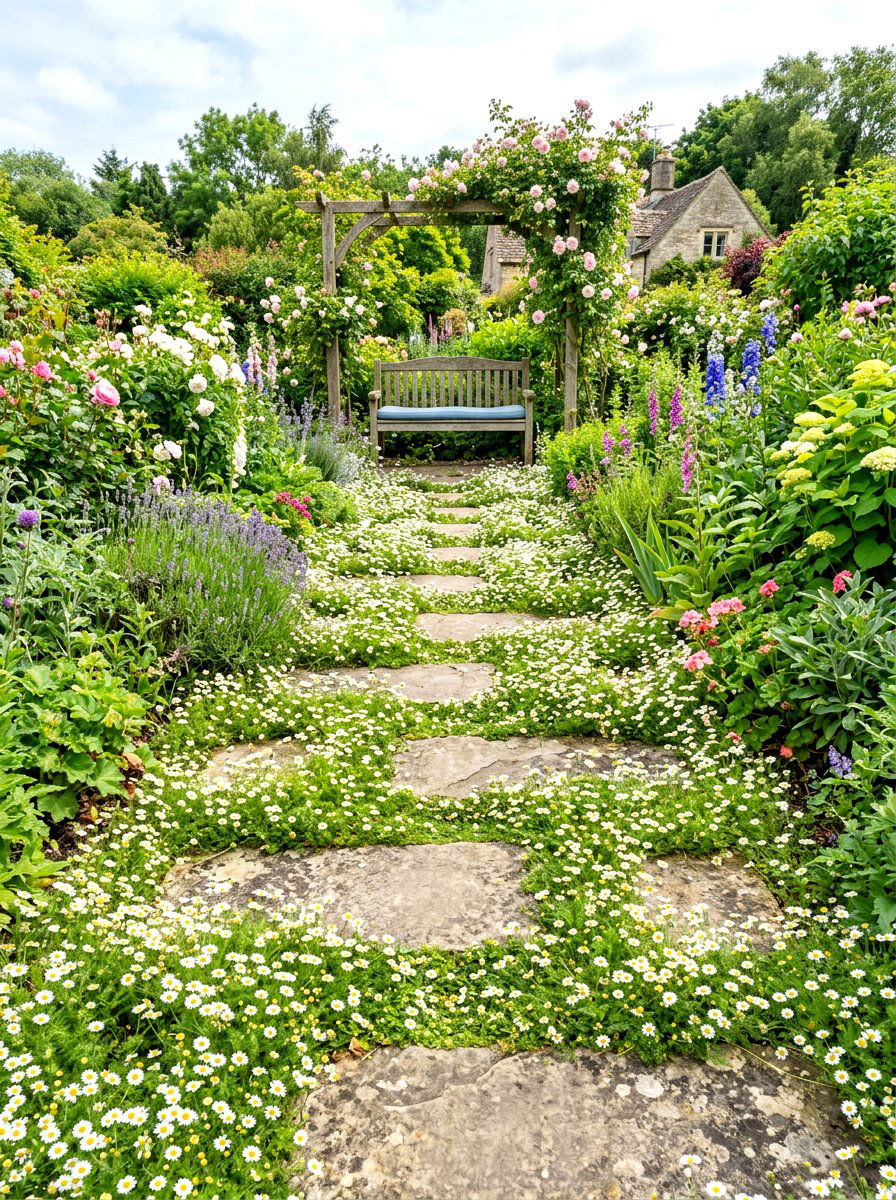
Growing a chamomile ground cover path is a unique way to incorporate healing plants into your lawn or walkway. Roman chamomile is a low-growing variety that can withstand light foot traffic and releases a sweet, apple-like scent when stepped upon. This living carpet is much softer than traditional grass and provides a bountiful harvest of flowers for calming bedtime teas. It is an excellent choice for filling the gaps between large stepping stones or for replacing a small section of a high-maintenance lawn. The delicate white and yellow daisy-like flowers add a whimsical cottage charm to your outdoor garden space.
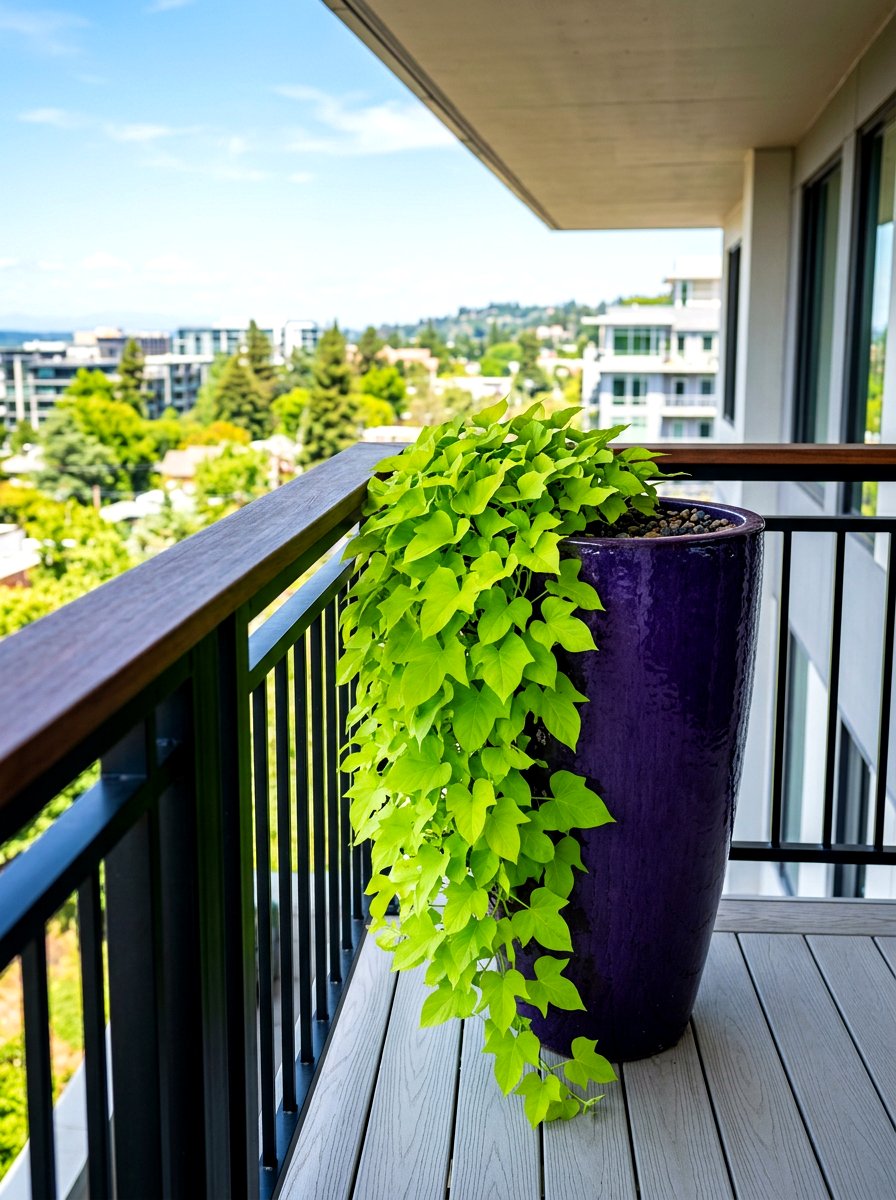
10. Greenhouse Medicinal Plant Collection
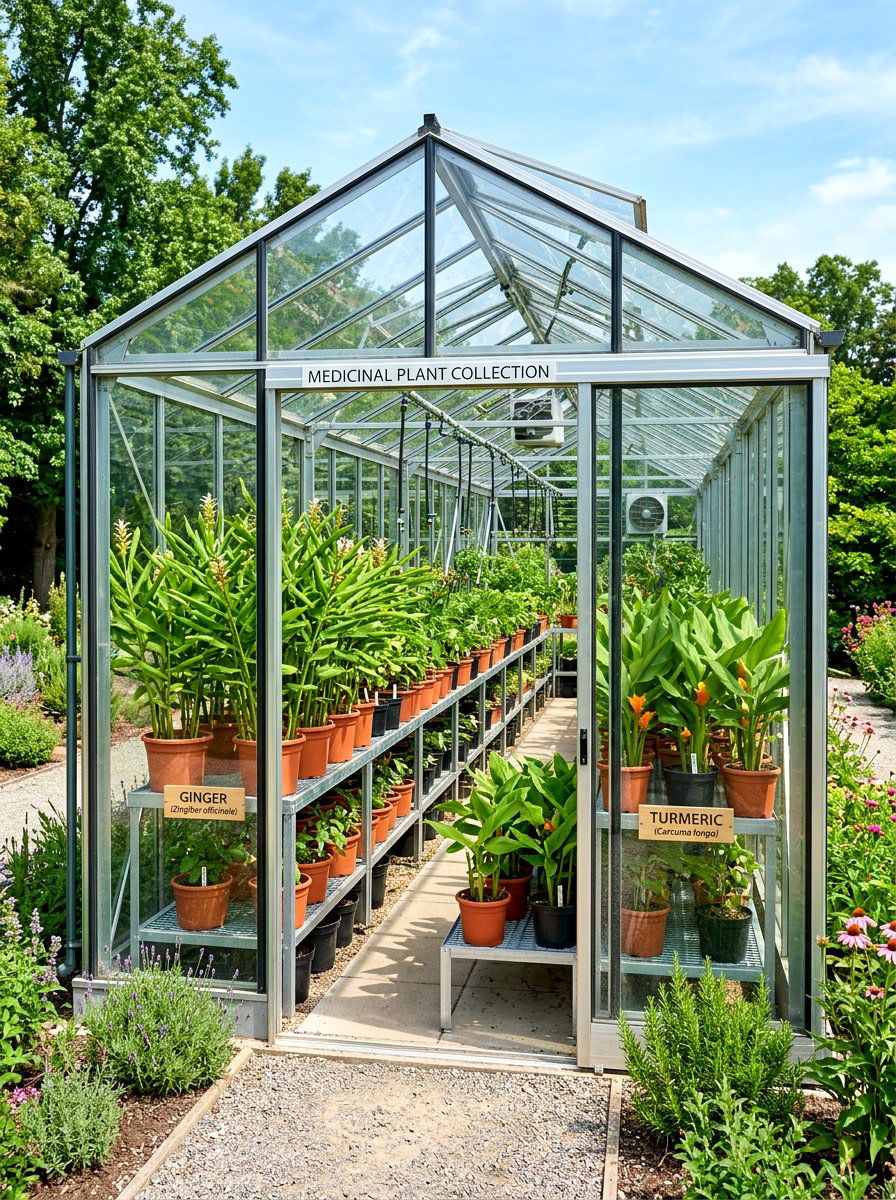
A greenhouse medicinal plant collection allows you to grow sensitive or tropical healing species regardless of your local outdoor climate. This controlled environment is perfect for nurturing plants like ginger, turmeric, and ashwagandha that require consistent warmth and high humidity levels. You can organize your greenhouse with tiered shelving to provide optimal light exposure for every pot in your valuable collection. This setup also allows you to start your spring seedlings much earlier, giving your medicinal garden a head start on the growing season. It provides a year-round sanctuary where you can garden comfortably even during the coldest winter months.
11. Echinacea Flower Bed
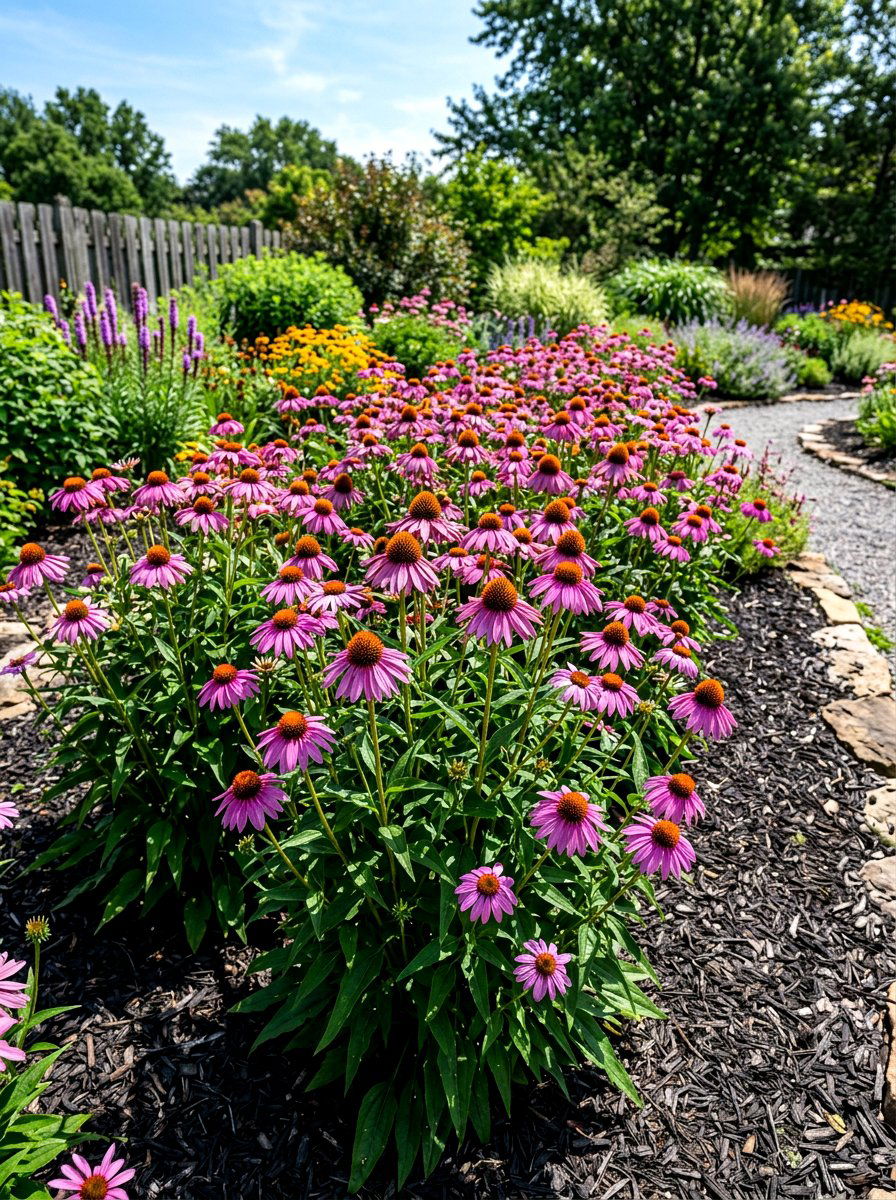
An echinacea flower bed provides a bold splash of color while offering powerful immune-supporting benefits for your home apothecary. Also known as purple coneflower, this hardy perennial is famous for its ability to help the body fight off common colds and seasonal infections. These tall plants feature prominent orange centers and drooping purple petals that look stunning when planted in large, dense clusters. They are incredibly easy to grow and can tolerate drought once their root systems are firmly established in the ground. You can harvest the roots, leaves, and flowers to create various tinctures and dried herb blends for winter.
12. Peppermint Container Garden
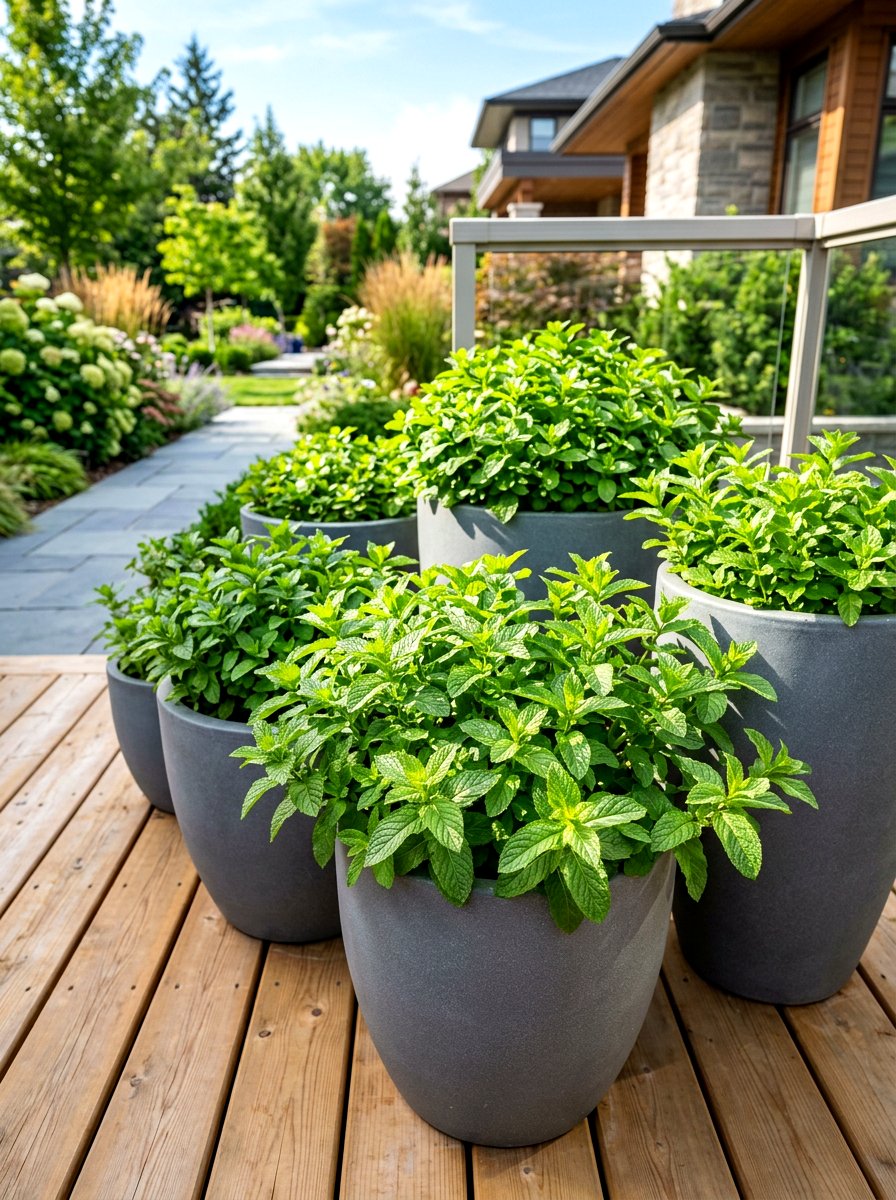
Maintaining a peppermint container garden is the best way to enjoy this vigorous herb without it taking over your entire yard. Mint species are notorious for spreading through underground runners, so keeping them in large pots helps contain their enthusiastic growth patterns. You can choose different varieties like chocolate mint or peppermint to create a diverse sensory experience on your patio. Peppermint is highly effective for soothing digestive issues and providing a natural energy boost through its cooling menthol scent. Keeping these containers near your kitchen door makes it convenient to grab a handful of fresh leaves for cooking or drinks.
13. Rosemary Hedge Garden
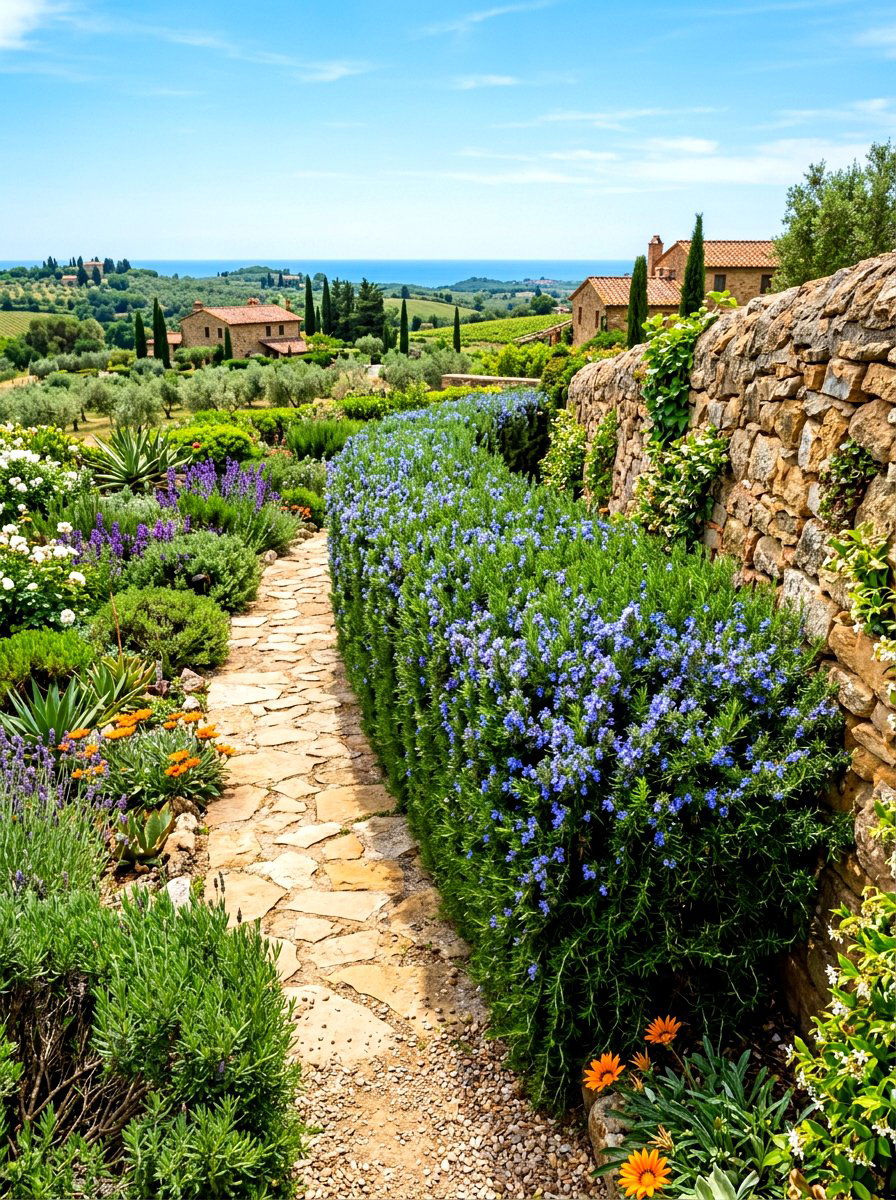
Using a rosemary hedge garden as a natural boundary adds structure and utility to your landscape design. Rosemary is an evergreen shrub that can be pruned into neat shapes or allowed to grow into a wild and fragrant screen. It thrives in hot, sunny locations and produces small blue flowers that are highly attractive to local honeybees. Beyond its culinary uses, rosemary is often used to improve memory, focus, and circulation when brewed into a tea or used as a hair rinse. This versatile plant is incredibly resilient and can live for many years, providing a constant supply of medicinal needles.
14. Sage Planting Area
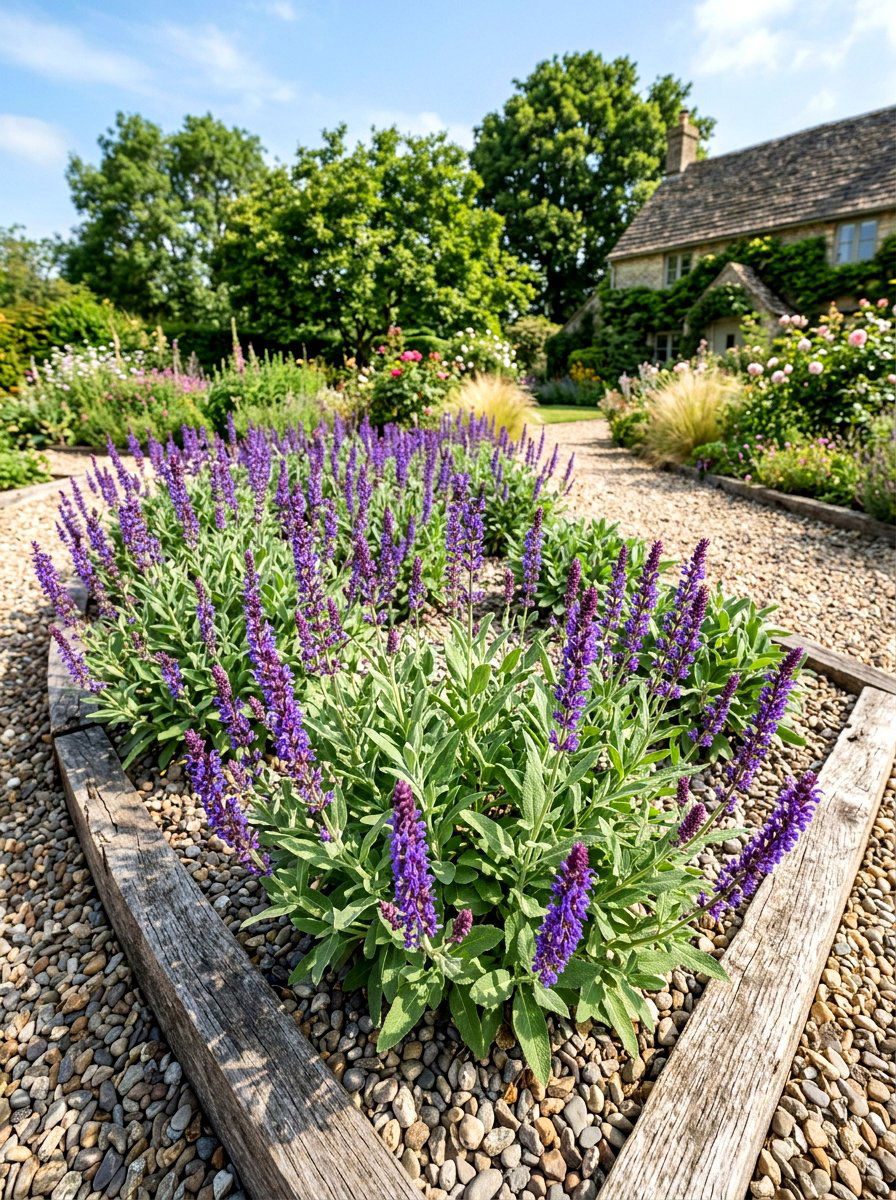
A dedicated sage planting area highlights the beautiful silvery-green foliage of this ancient and highly respected medicinal herb. Sage is well known for its antiseptic and anti-inflammatory properties, making it a staple for treating sore throats and oral health issues. There are many ornamental varieties available, including purple and variegated sage, which add visual interest to your garden beds. This plant prefers well-drained soil and lots of sunshine to produce the essential oils that give it such a distinct and earthy aroma. It is a perennial plant that returns every year, becoming more robust and productive with each passing season.
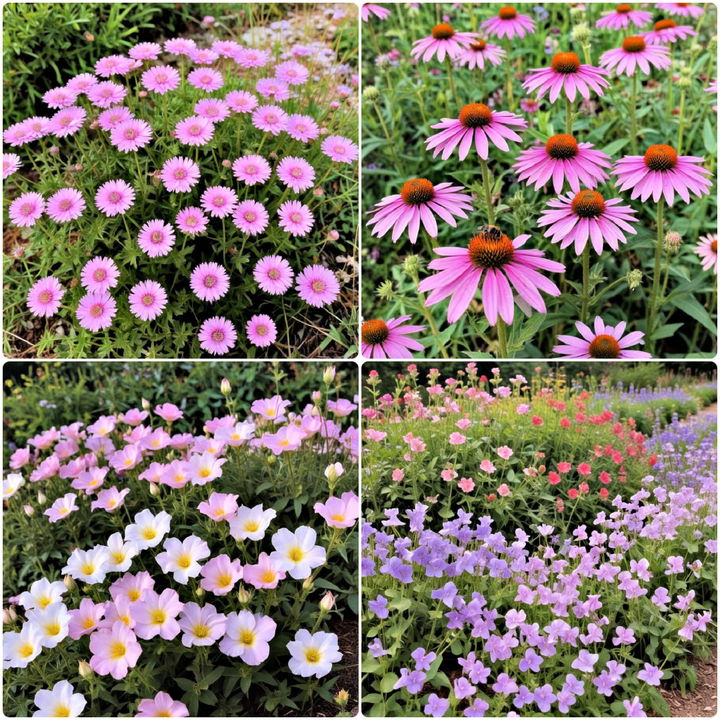
15. Lemon Balm Garden Corner
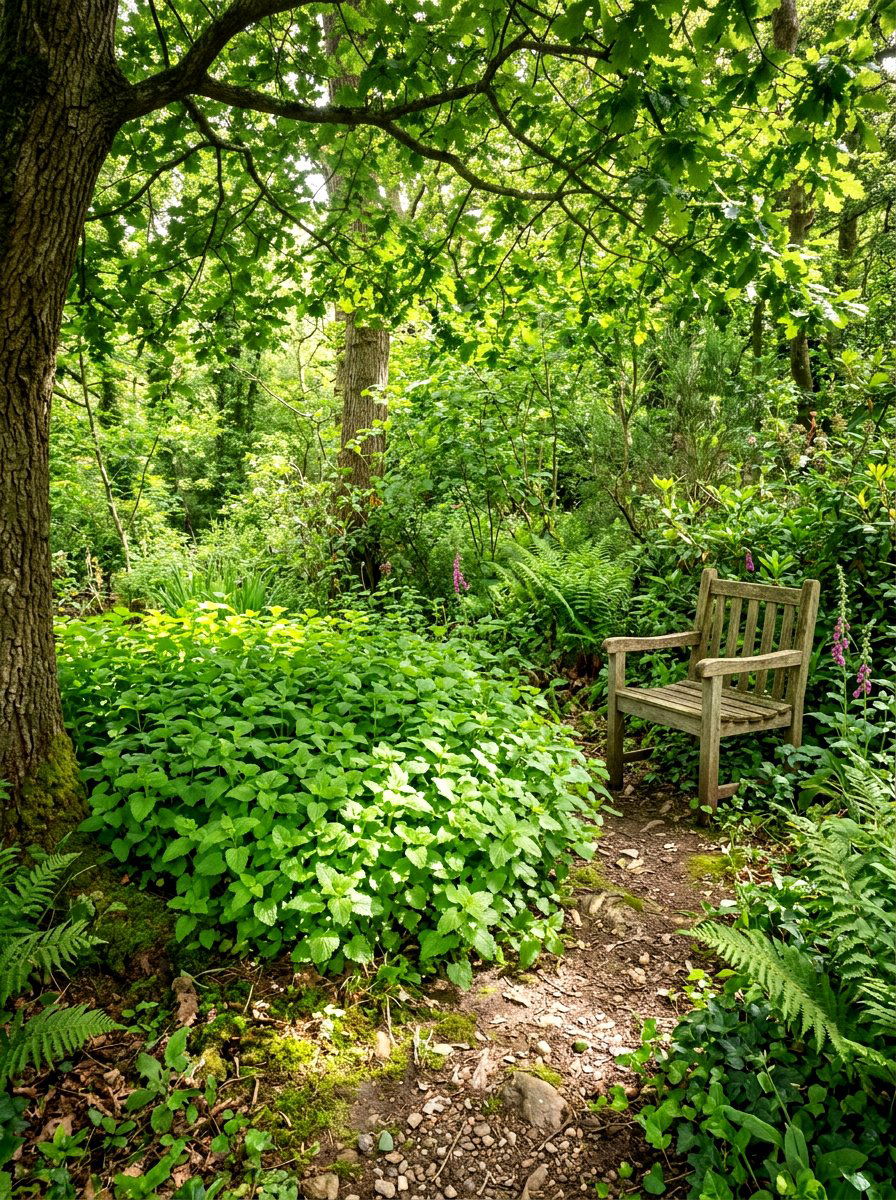
A lemon balm garden corner provides a lush and fragrant retreat that is perfect for reducing anxiety and promoting better sleep. This member of the mint family grows quickly and produces soft, heart-shaped leaves that smell exactly like fresh citrus fruit. It is a gentle herb that is safe for children and can be used in teas, baths, or even as a natural insect repellent. Placing it in a partially shaded corner of your garden will help prevent the leaves from scorching in the intense afternoon sun. This plant is very easy to propagate from cuttings, allowing you to expand your garden.
16. Thyme Stone Path Garden
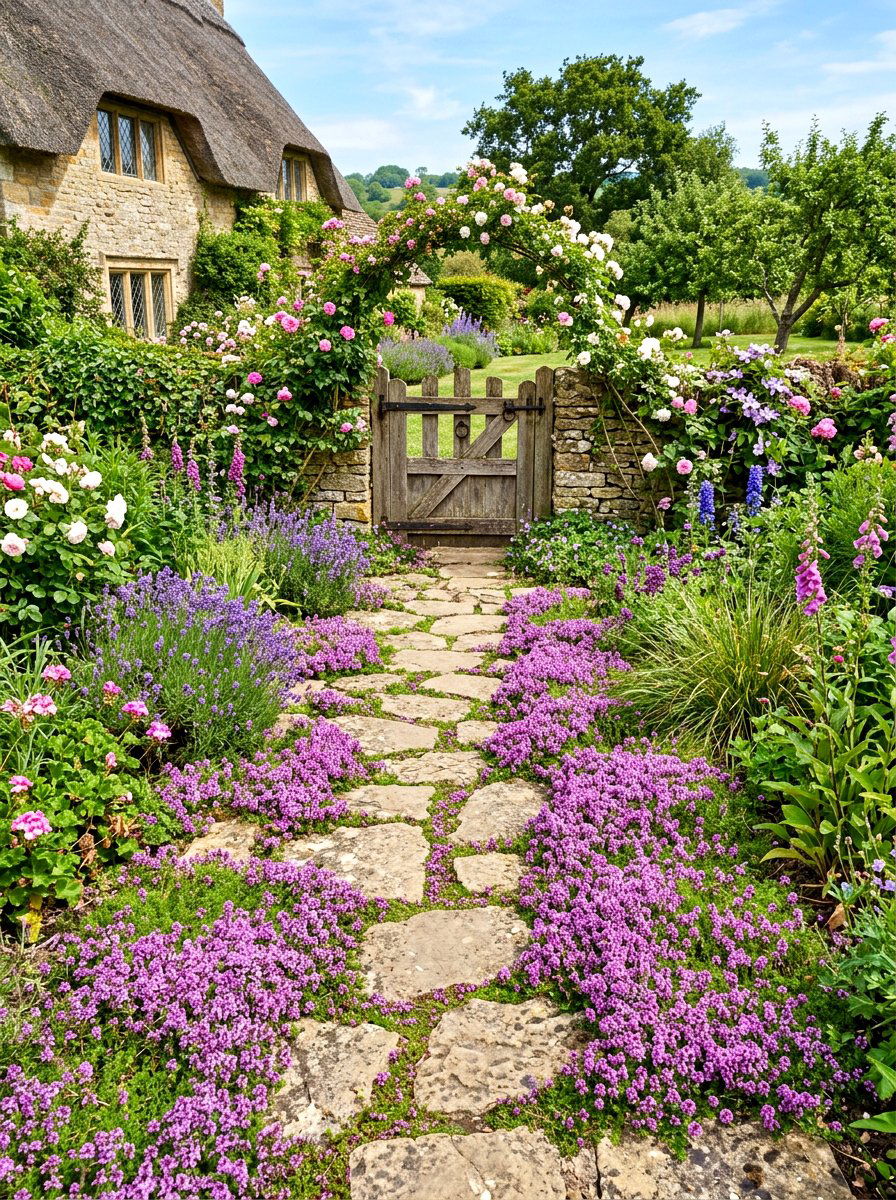
Designing a thyme stone path garden involves planting low-growing varieties of thyme between flagstones or along the edges of a walkway. Creeping thyme creates a dense mat of tiny green leaves that burst into a sea of pink or purple flowers during the summer. This herb is a powerful antimicrobial and is often used to treat respiratory infections and coughs when made into a warm syrup. It is very hardy and can handle being stepped on occasionally, which actually helps to release its spicy and pleasant fragrance. This functional landscaping idea turns a simple path into a productive medicinal resource.
17. Aloe Vera Patio Garden
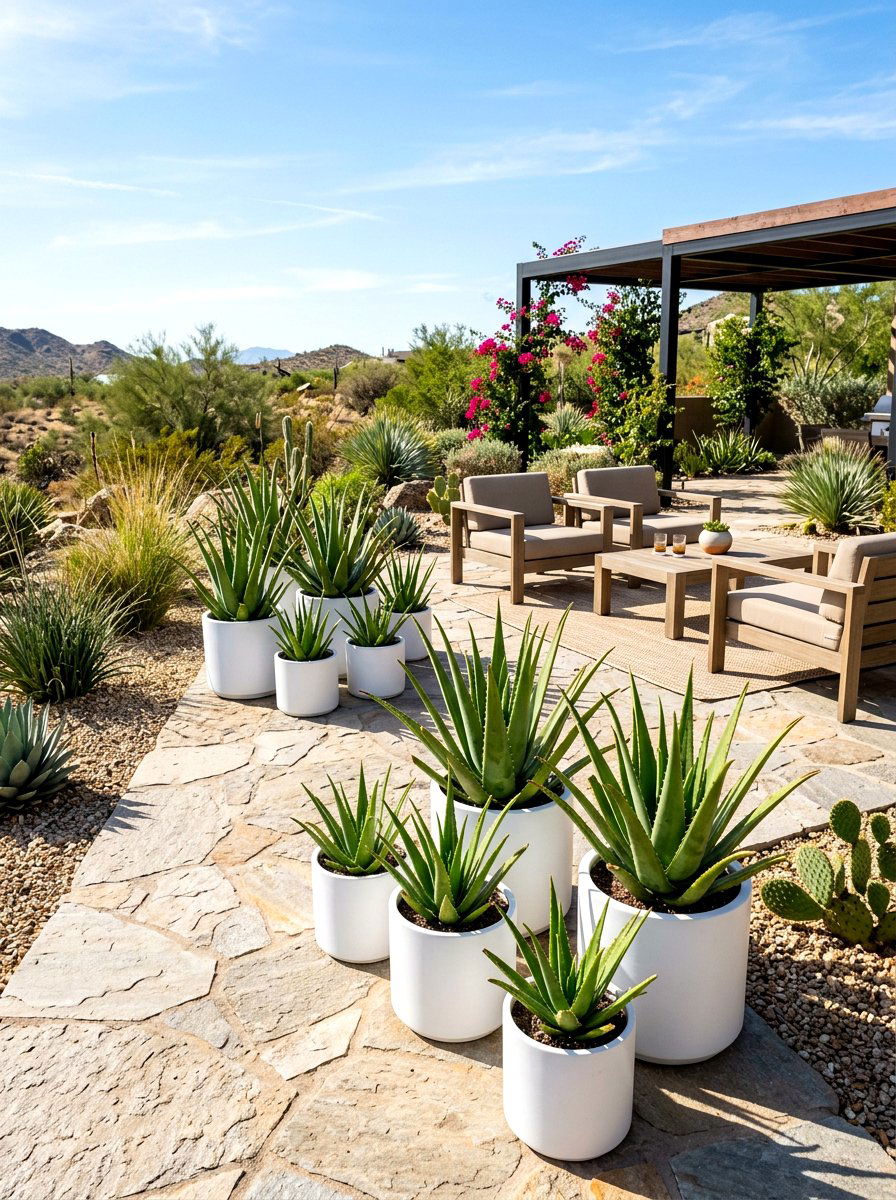
An aloe vera patio garden is a must-have for any home because of its incredible ability to treat burns and skin irritations. This succulent stores a soothing gel inside its thick, spiky leaves that can be applied directly to the skin for immediate relief. Because it is sensitive to frost, keeping aloe vera in decorative pots on your patio allows you to move it indoors during the winter. It requires very little water and thrives in bright, indirect sunlight, making it a low-maintenance choice for busy gardeners. The architectural shape of the plant adds a modern and clean aesthetic to your outdoor decor.
18. Calendula Flower Patch
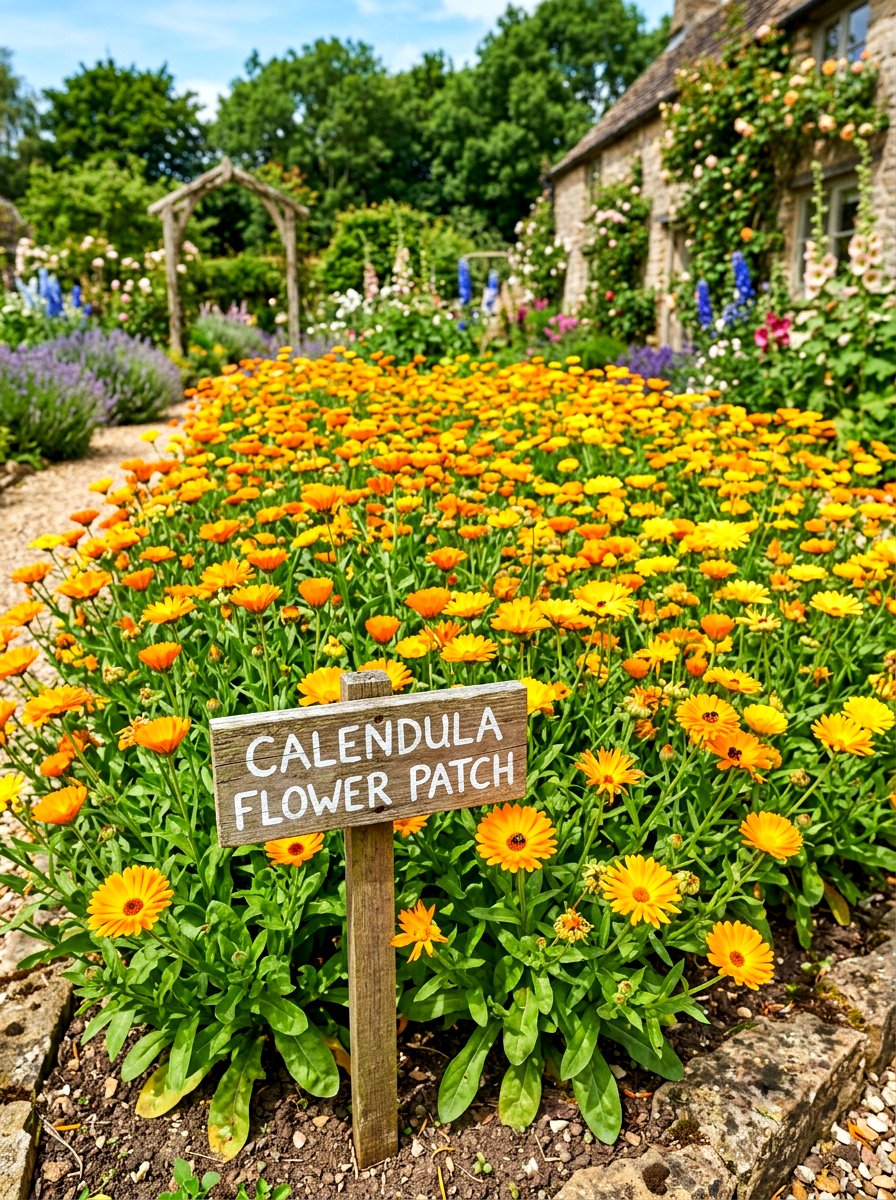
A calendula flower patch brings cheerful bright orange and yellow blooms to your medicinal garden while providing excellent skin-healing benefits. These flowers are widely used in salves and oils to treat wounds, rashes, and dry skin due to their anti-inflammatory properties. Calendula is very easy to grow from seed and will often self-sow, ensuring a new crop of flowers every single year. You should harvest the flower heads regularly to encourage the plant to keep producing more blossoms throughout the entire summer season. These edible petals can also be used as a natural dye or added to salads for a pop of color.
19. Mullein Border Garden
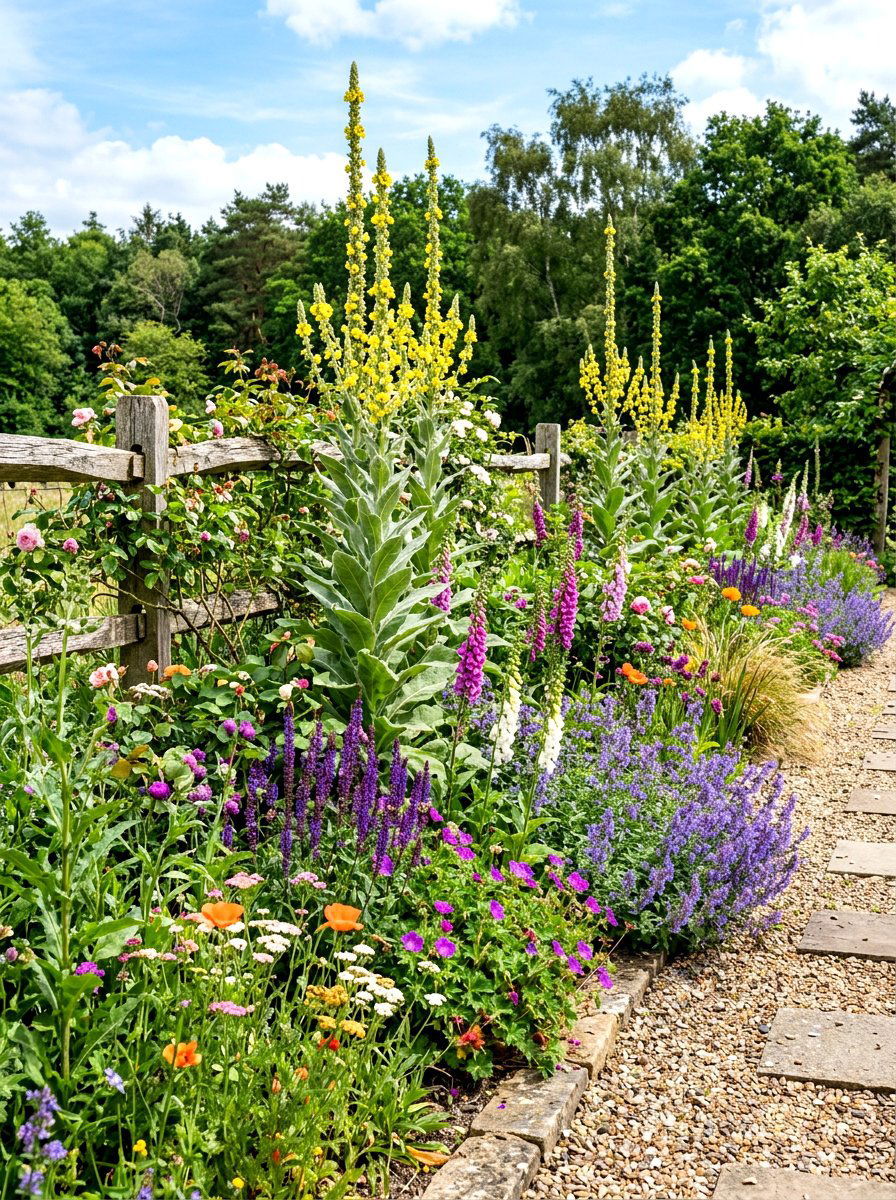
A mullein border garden features tall, statuesque plants that add vertical interest and traditional healing power to the back of your flower beds. Mullein is easily recognized by its large, fuzzy silver leaves and long spikes of yellow flowers that can reach several feet in height. Historically, the leaves have been used to support lung health and treat earaches when infused into oils or made into tea. This biennial plant is very drought-tolerant and can thrive in poor soil conditions where other plants might struggle to grow. It provides a dramatic architectural element that acts as a natural guardian for your medicinal space.
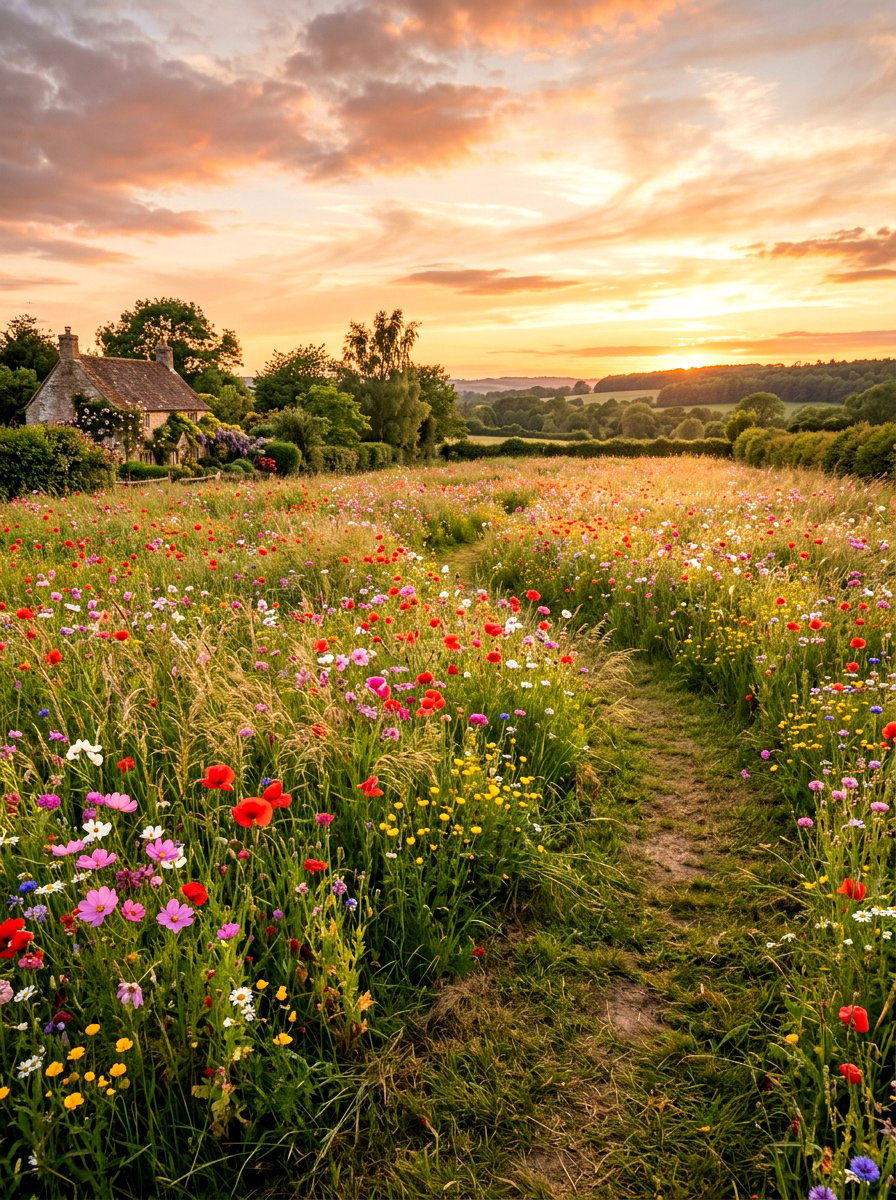
20. Valerian Root Garden Space
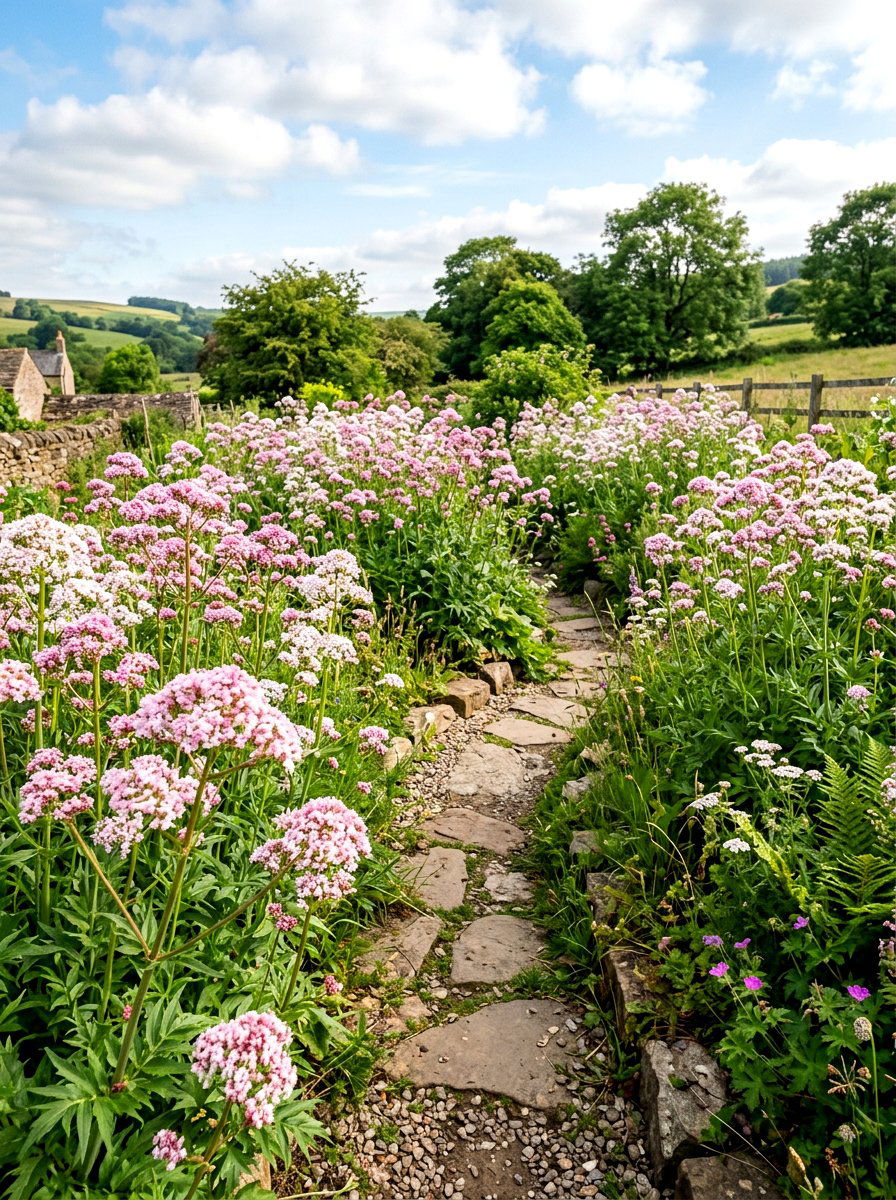
A valerian root garden space is ideal for those looking to cultivate their own natural sedative and sleep aid. This perennial plant produces clusters of sweetly scented white or pink flowers that attract a wide variety of beneficial insects. While the flowers are beautiful, the medicinal power lies in the roots, which are harvested in the fall after the plant has matured. Valerian can grow quite tall, so it is best suited for the middle or back of a garden bed where it has room to expand. It prefers moist soil and partial shade, making it a great addition to cooler garden spots.
21. Marshmallow Plant Wetland Garden
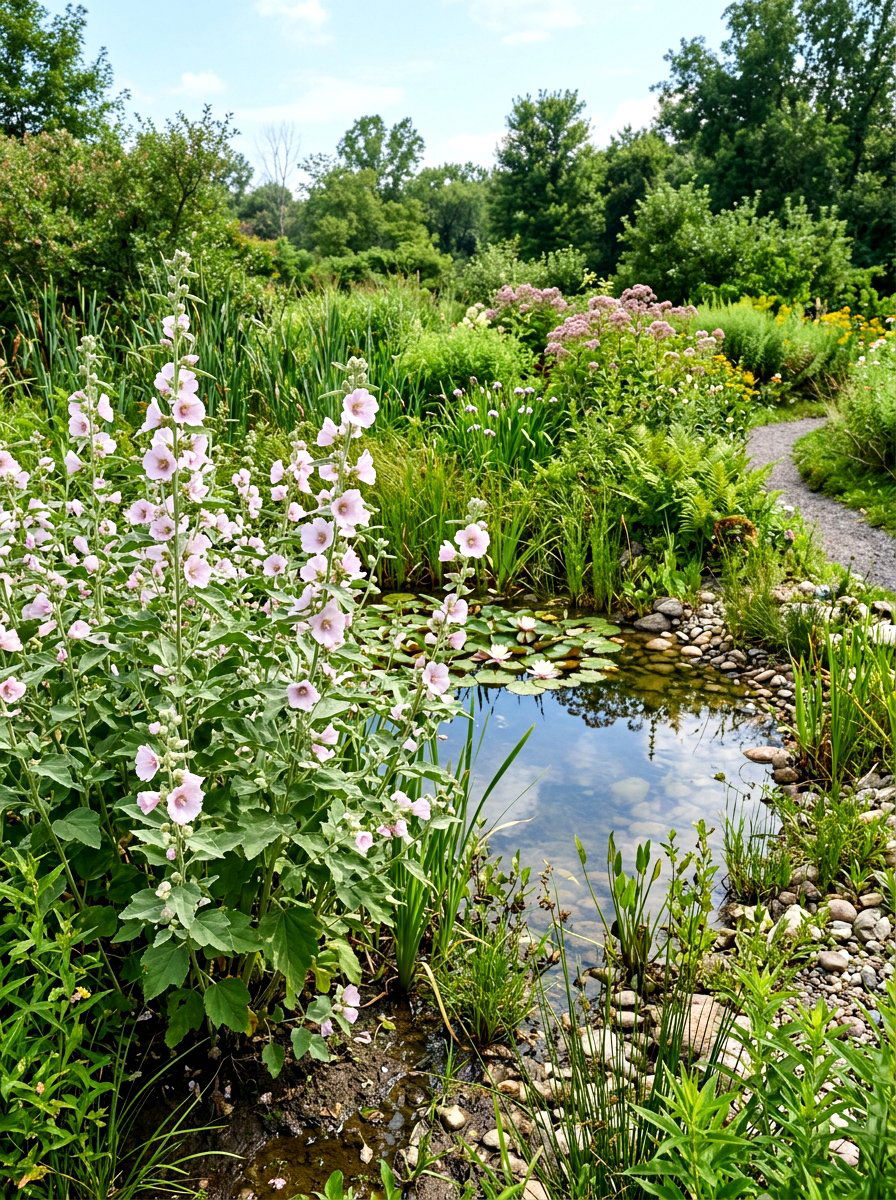
Creating a marshmallow plant wetland garden allows you to grow this moisture-loving herb that is famous for its soothing mucilage. The roots and leaves are used to treat sore throats, coughs, and digestive inflammation by providing a protective coating on internal tissues. This plant features soft, velvety leaves and delicate pale pink flowers that look lovely in a naturalized garden setting. If you have a low spot in your yard that stays damp, this is the perfect place to plant marshmallow. It can grow up to six feet tall, providing a lush and productive screen for your backyard medicinal sanctuary.
22. Comfrey Patch Design
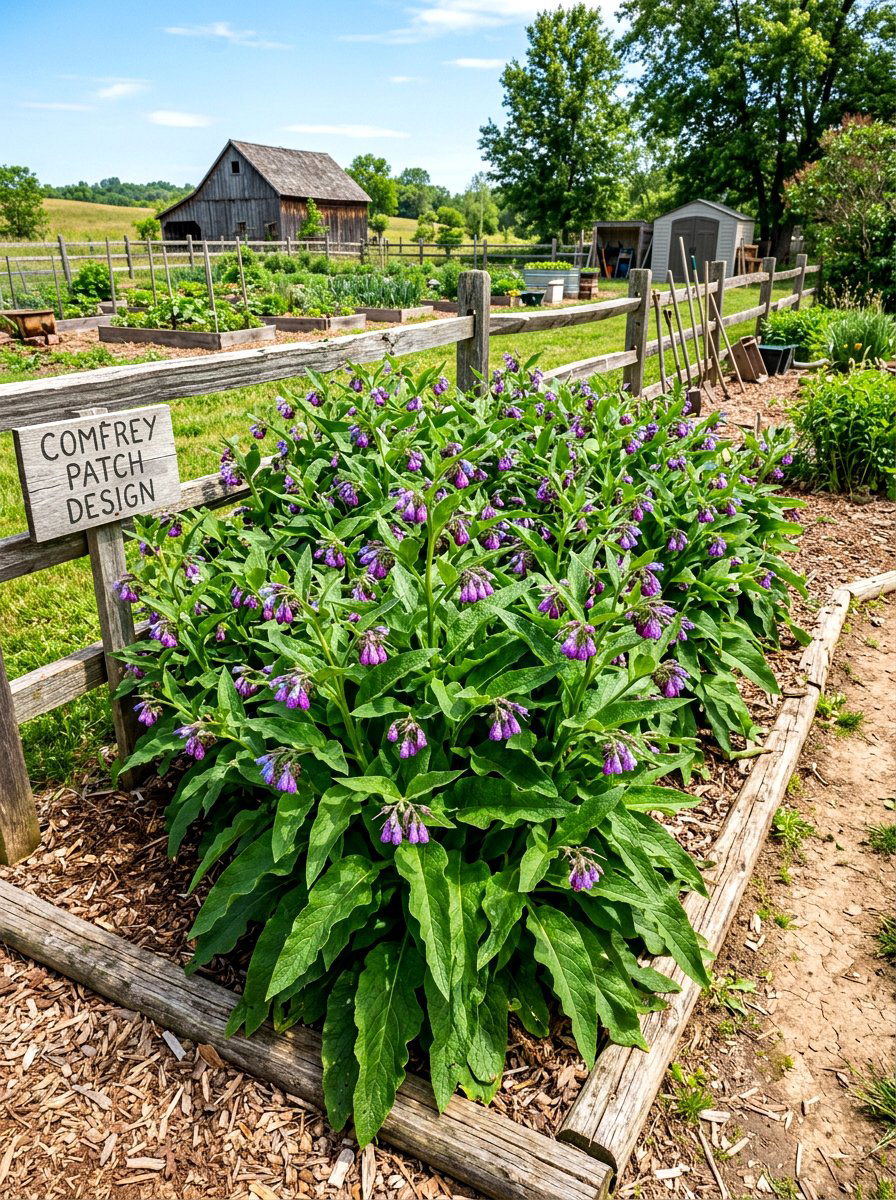
A comfrey patch design is a valuable addition to any homestead because of its ability to heal bones and skin while acting as a natural fertilizer. Known as "knitbone, " comfrey contains allantoin, which speeds up cell regeneration and helps repair tissue damage quickly. Because comfrey has a deep taproot, it brings up minerals from deep in the soil, making its leaves an excellent addition to your compost pile. This plant can be quite invasive, so it is wise to plant it in a dedicated area or use a root barrier to keep it contained. Its purple bell-shaped flowers are a favorite for bees.
23. Yarrow Wildflower Meadow
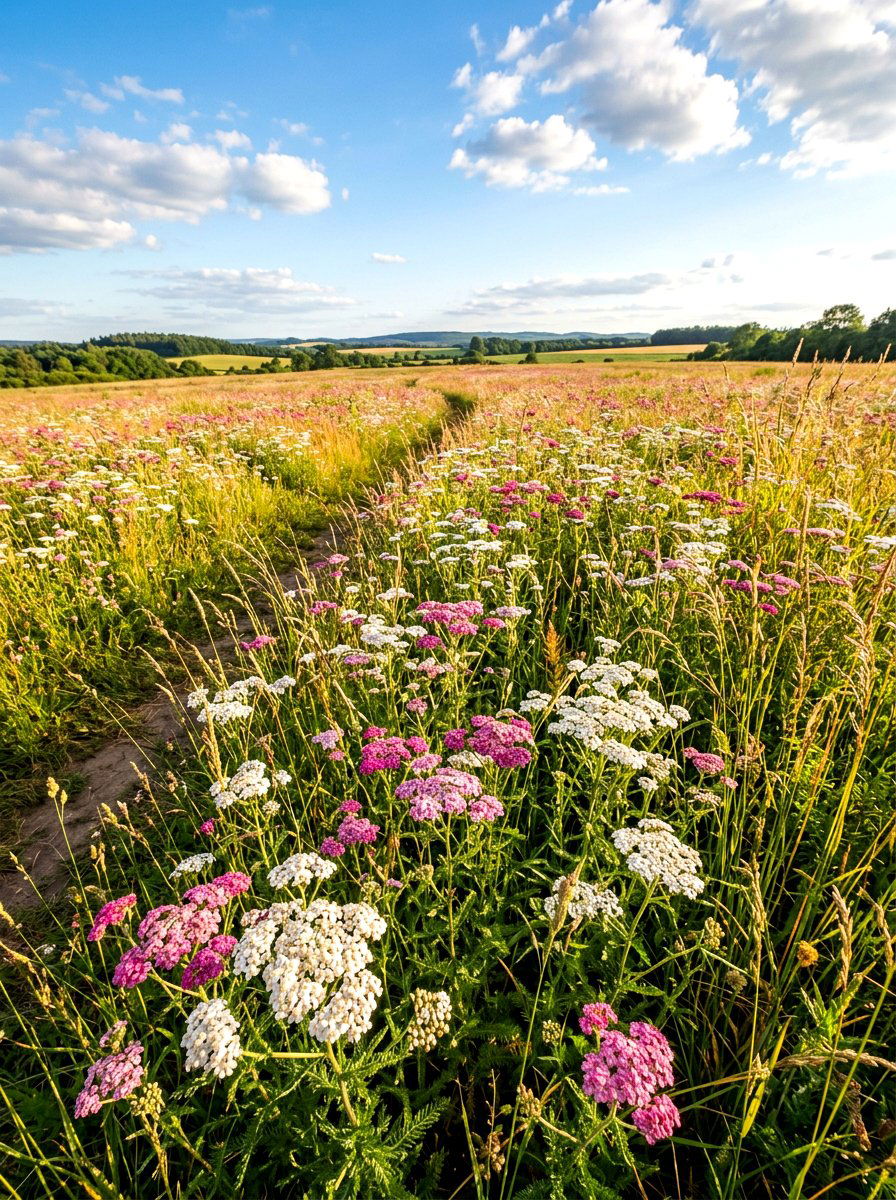
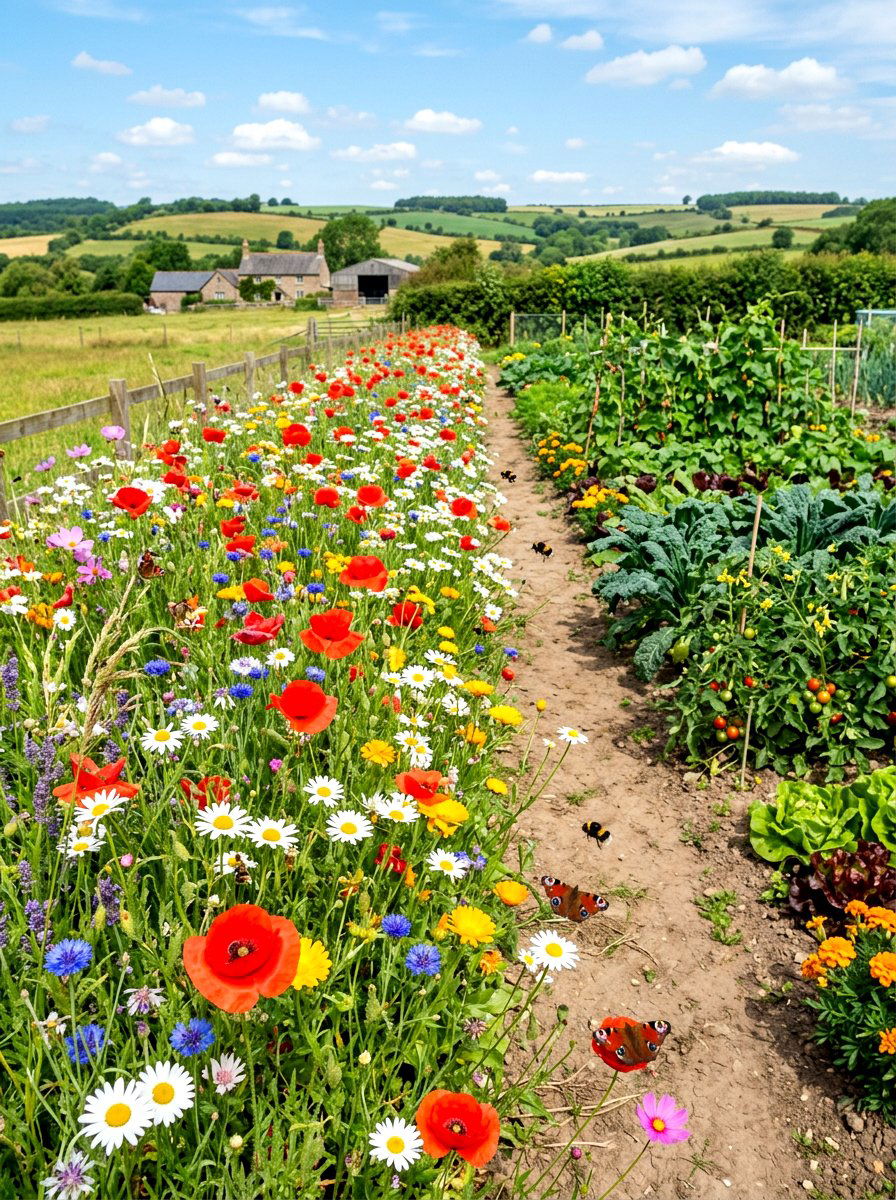
A yarrow wildflower meadow is a low-maintenance way to grow a versatile medicinal herb that has been used for centuries to stop bleeding. This hardy perennial features feathery foliage and flat-topped clusters of flowers in white, yellow, or pink shades. Yarrow is also used to reduce fevers and improve digestion when consumed as a bitter tea. It is incredibly resilient and can thrive in sunny, dry conditions with very little intervention from the gardener. By planting it in a meadow style, you create a beautiful habitat for pollinators while ensuring you have a large supply of this essential first-aid plant.
24. Bee Balm Pollinator Garden
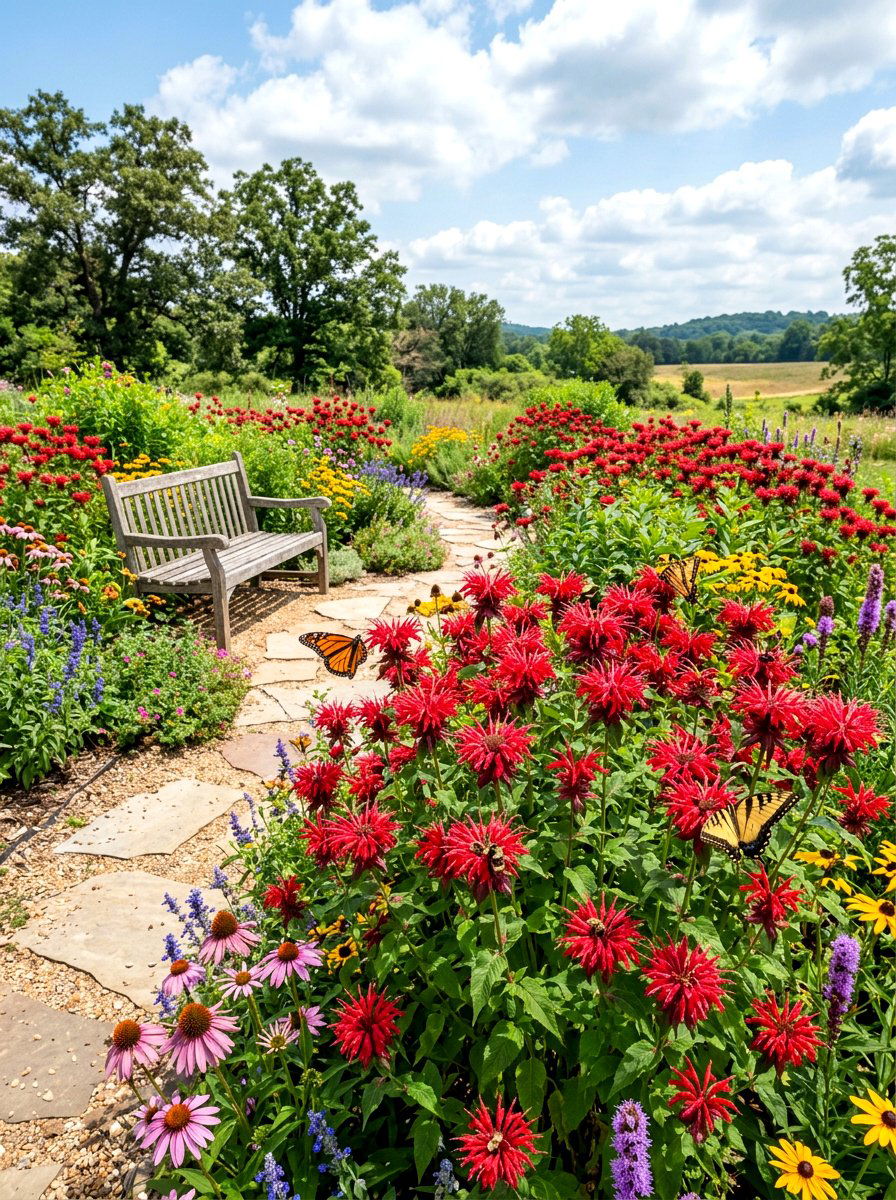
A bee balm pollinator garden is a vibrant and aromatic space that supports local wildlife while providing powerful antimicrobial medicine. Also known as monarda or bergamot, this plant produces unique, shaggy flowers that are a magnet for hummingbirds and bees. The leaves and flowers have a spicy scent similar to oregano and are used to treat colds, flu, and digestive upset. Bee balm prefers sunny spots with good air circulation to prevent powdery mildew from affecting its beautiful green foliage. It is a showy perennial that adds a sense of wild energy and color to any medicinal planting scheme you choose.
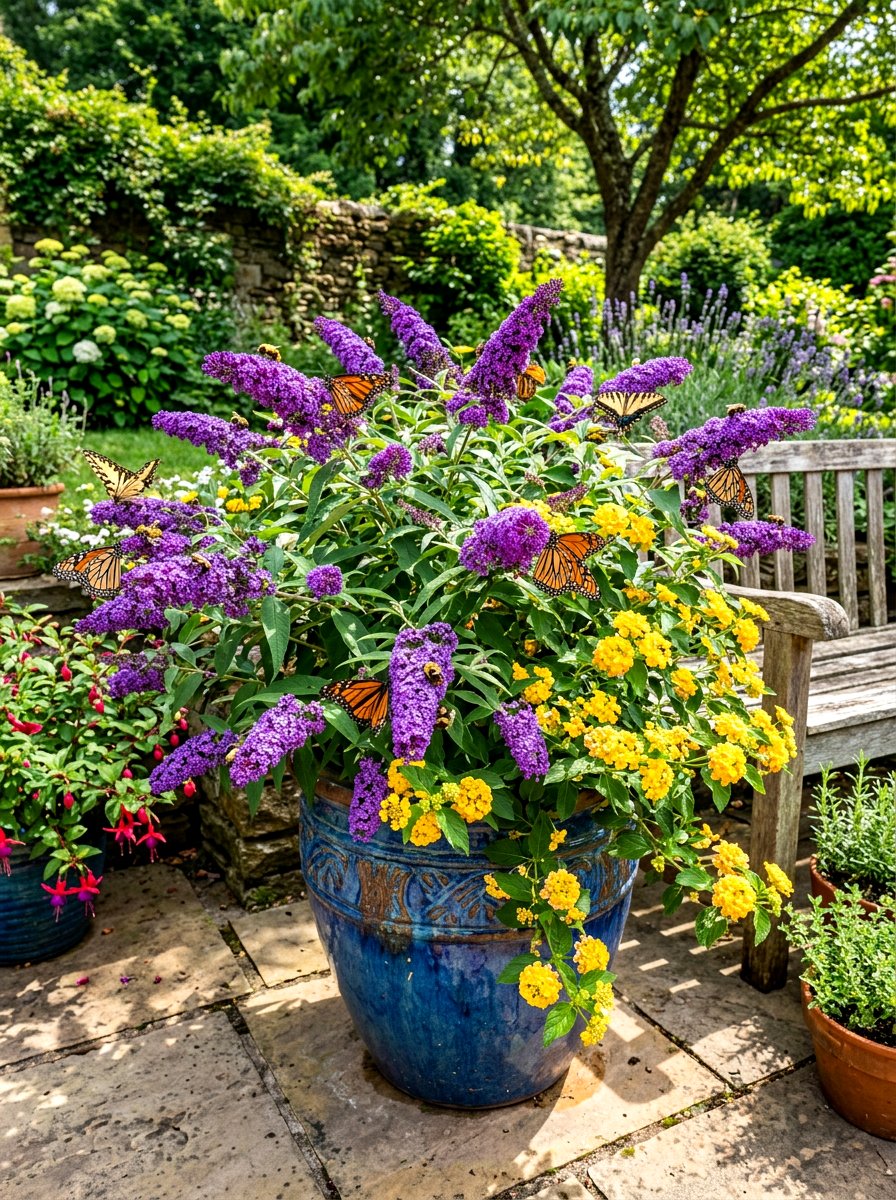
25. Elderberry Shrub Garden
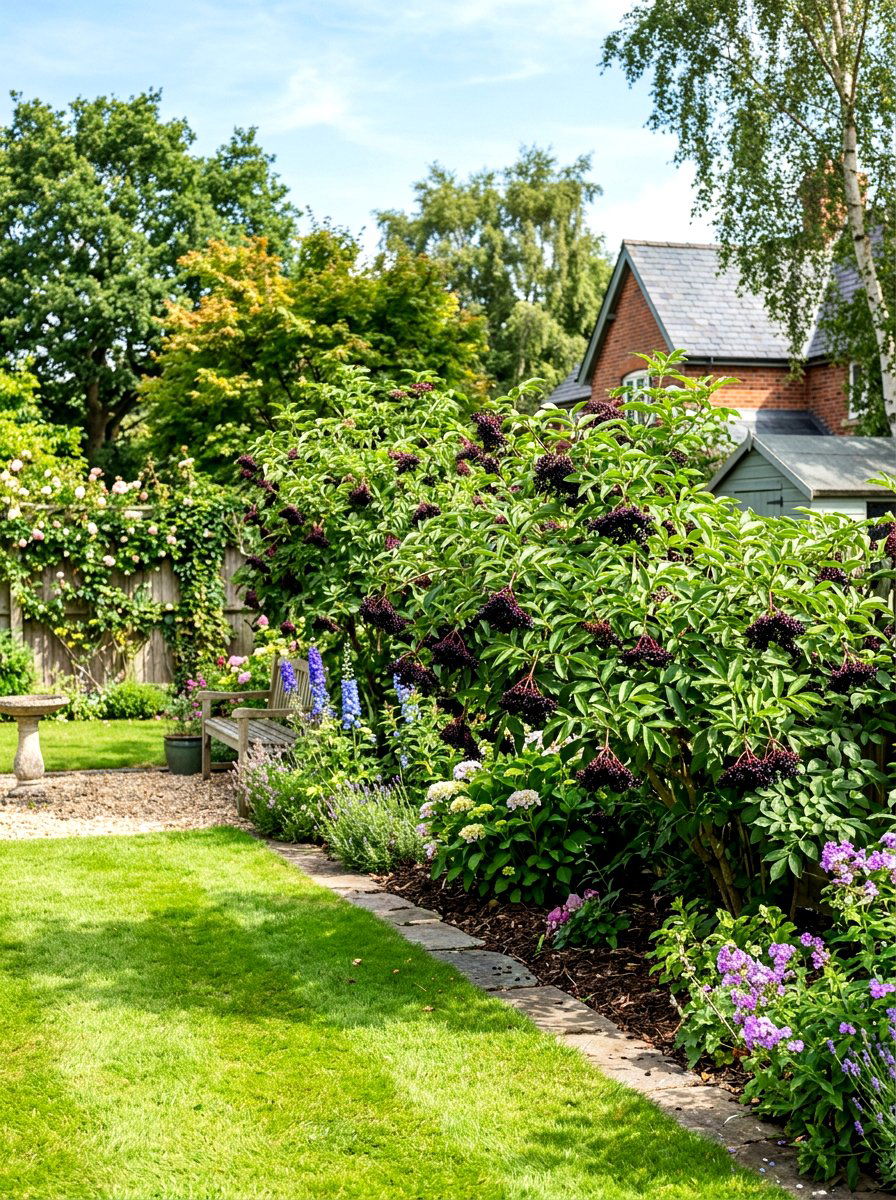
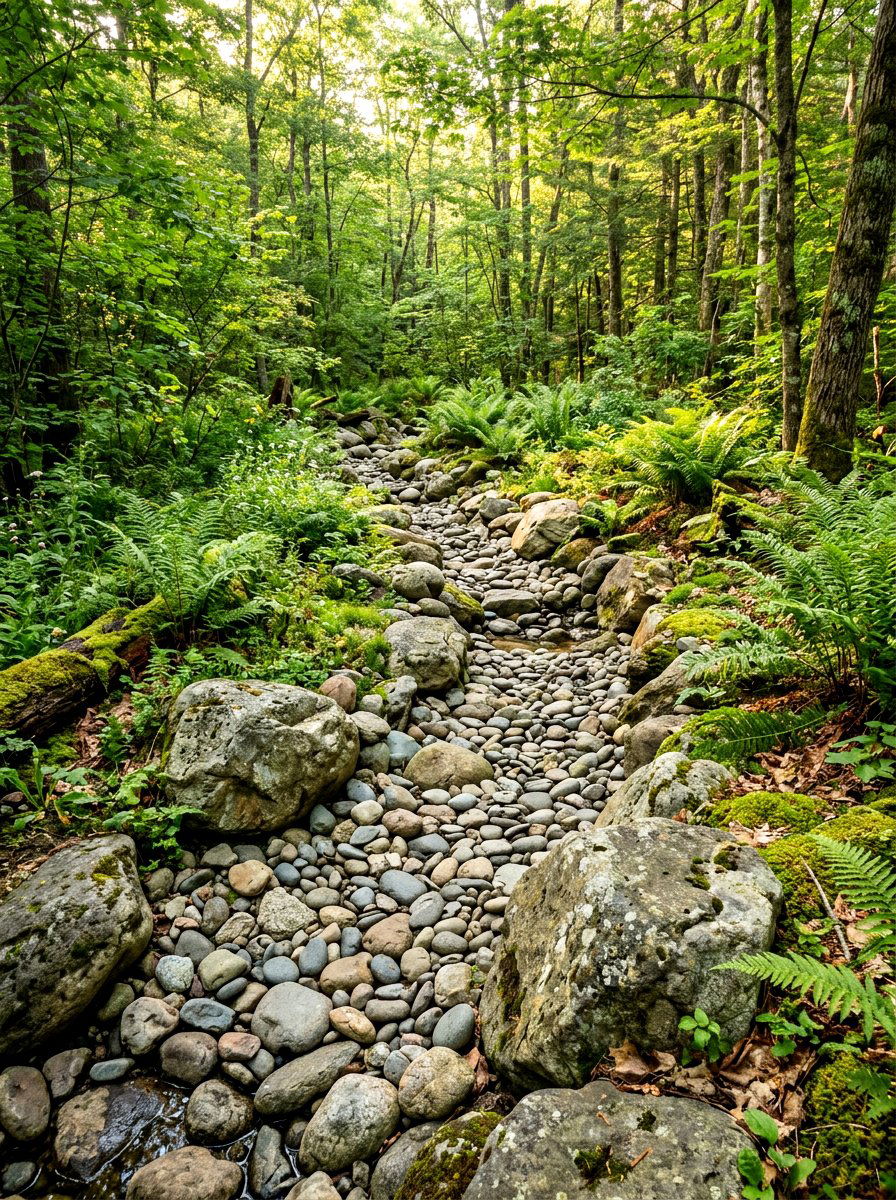
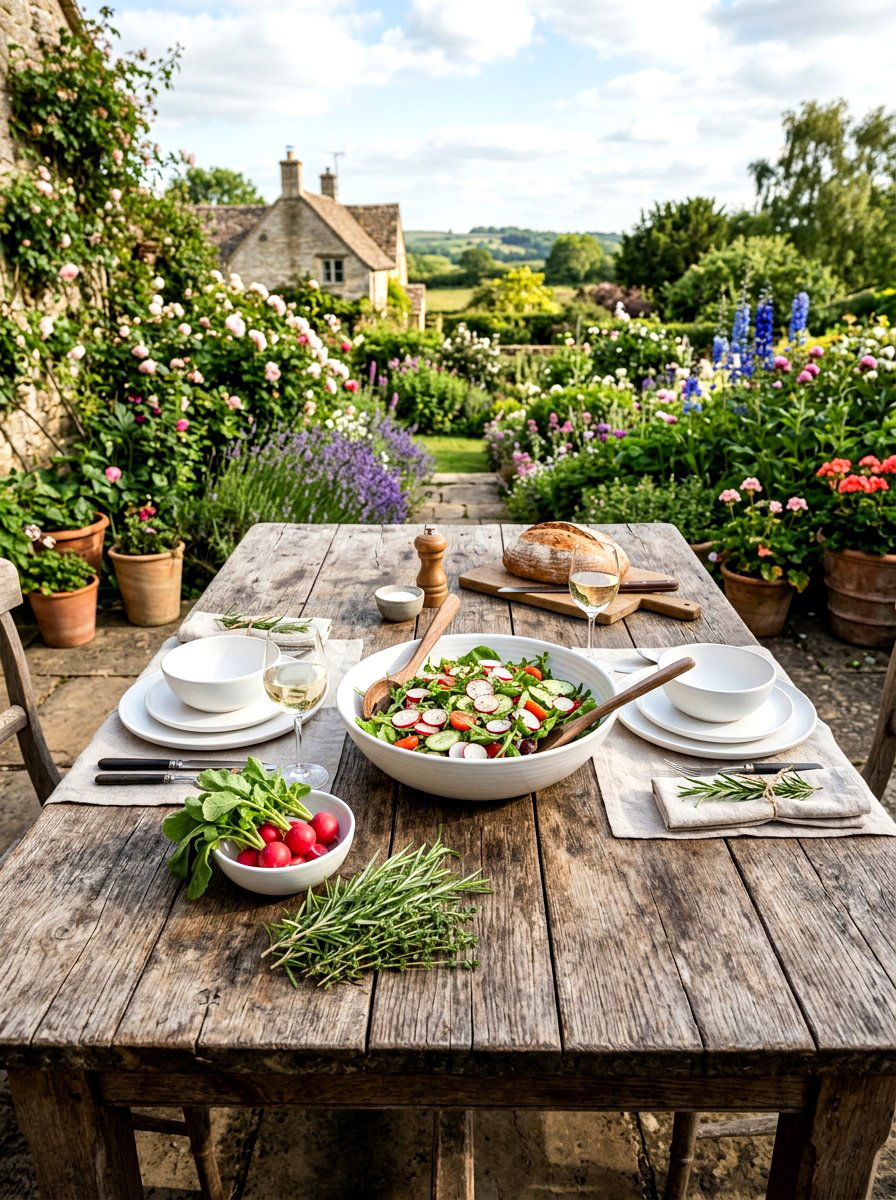
An elderberry shrub garden provides a bountiful harvest of berries that are world-famous for their immune-boosting and antiviral properties. These large shrubs can be used as a productive hedge or a focal point in your backyard landscape. During the spring, they produce huge clusters of creamy white flowers that can be used to make fragrant syrups and teas. In late summer, the dark purple berries must be cooked before consumption to create health-supporting tinctures and jams. Elderberries are very easy to grow and can tolerate a variety of soil types, making them a reliable choice for most home gardeners.
26. Holy Basil Tulsi Garden
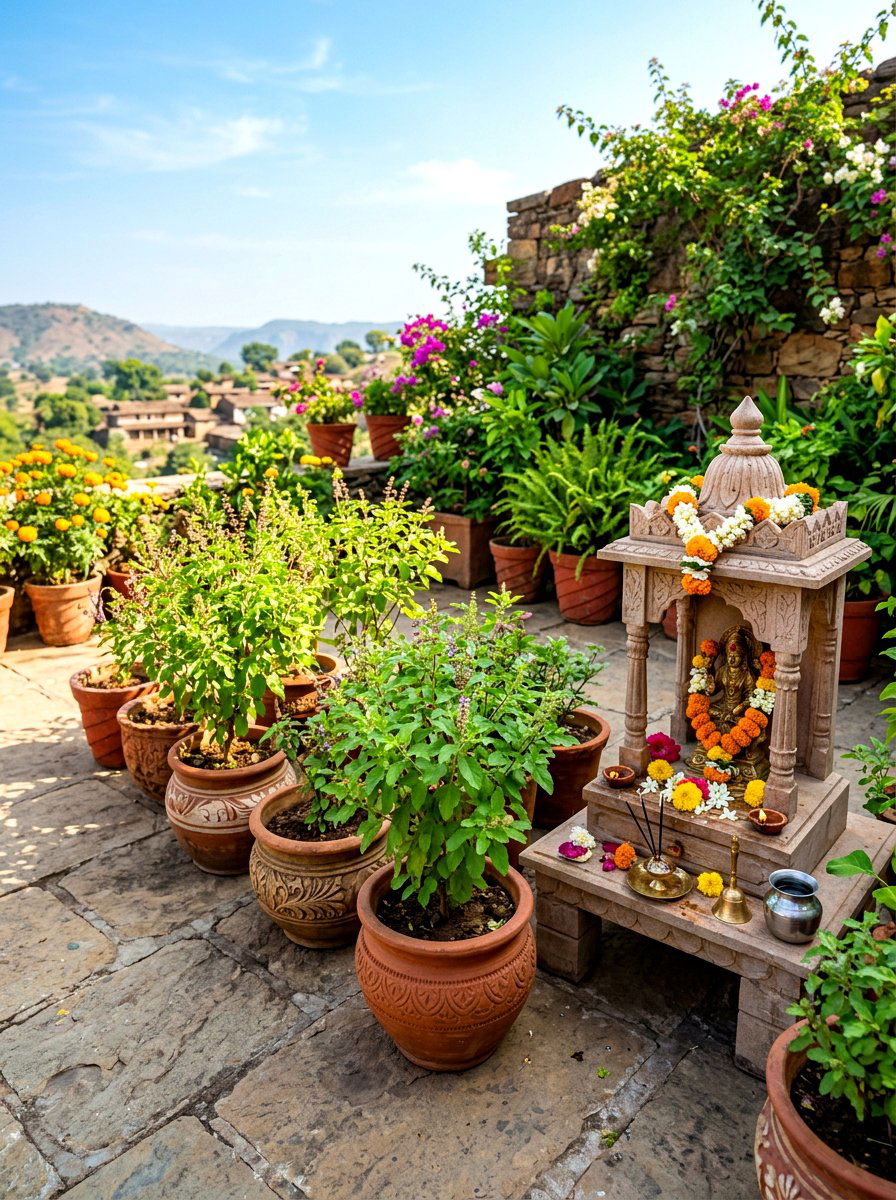
Creating a holy basil tulsi garden brings a sacred and highly medicinal plant into your daily life for stress relief and longevity. Also known as "The Queen of Herbs, " tulsi is an adaptogen that helps the body cope with physical and emotional stress. It has a delicious, spicy scent that is a mix of clove, mint, and lemon, making it a favorite for herbal teas. This plant thrives in warm, sunny conditions and can be grown as an annual in cooler climates or kept in pots. Placing a tulsi plant near your outdoor seating area allows you to enjoy its uplifting aroma.
27. Ashwagandha Growing Space
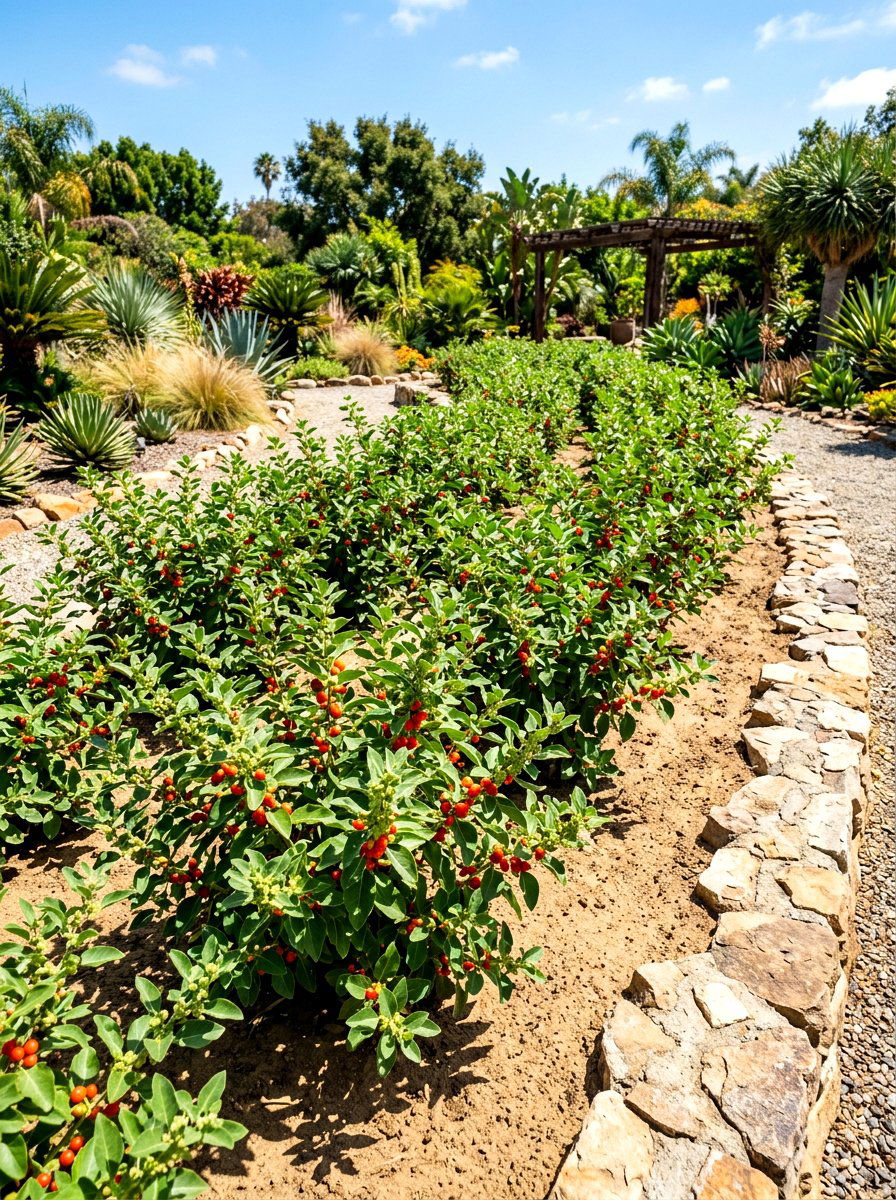
An ashwagandha growing space is perfect for those who want to cultivate one of the most powerful restorative herbs in traditional medicine. This woody shrub is known for its ability to increase energy levels, reduce cortisol, and improve overall physical stamina. It requires a long, warm growing season and well-drained soil to develop the medicinal roots that are harvested in the autumn. While it is often grown as an annual, it can survive as a perennial in very warm climates. The small green flowers and orange-red berries add a unique and exotic look to your collection of healing garden plants.
28. St Johns Wort Border
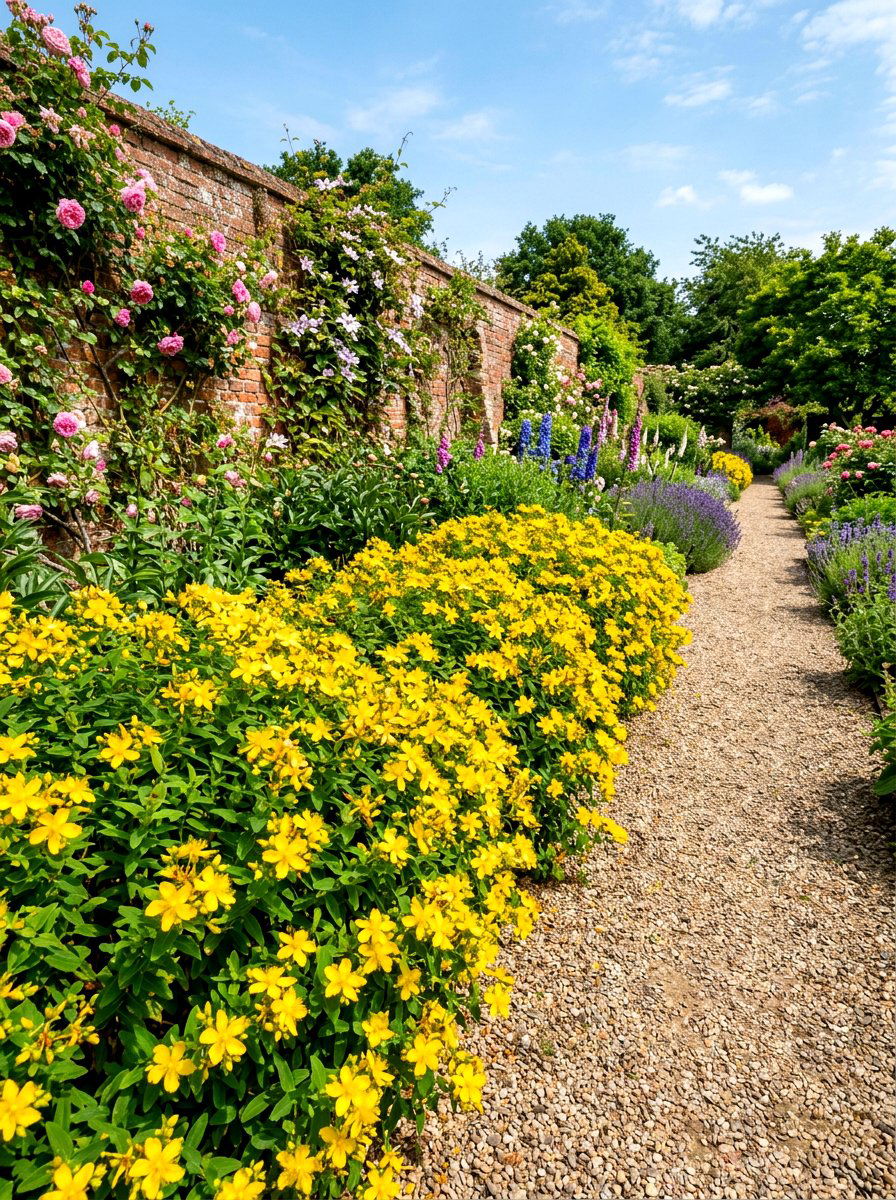
A St Johns Wort border adds a bright burst of sunny yellow flowers to your landscape while providing a natural remedy for mood support. This perennial plant is famous for its ability to help manage mild depression and anxiety when used correctly under professional guidance. The flowers feature many long stamens that give them a fuzzy appearance, and the leaves have tiny transparent oil glands. This plant is very hardy and can spread easily, so it is often used as a tall ground cover or a sturdy border plant. It prefers full sun and can handle rocky or poor soil conditions with ease.
29. Dandelion Edible Garden Area
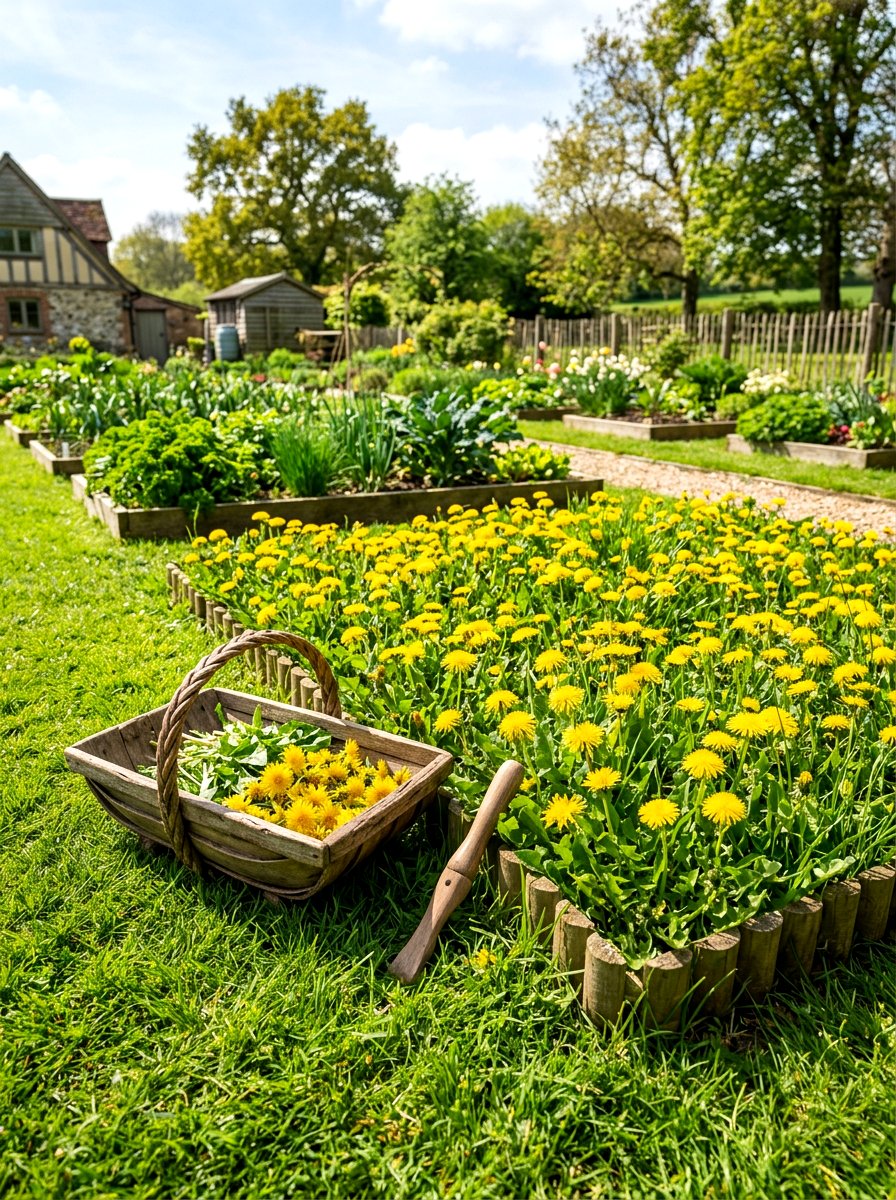
A dandelion edible garden area reclaims this misunderstood weed as a powerful medicinal and nutritional powerhouse for your home. Every part of the dandelion is useful, from the detoxifying roots to the vitamin-rich leaves and the antioxidant-filled yellow flower heads. By dedicating a clean, pesticide-free space for dandelions, you ensure a safe harvest for salads, teas, and coffee substitutes. This plant is incredibly easy to grow and provides one of the first food sources for bees in the early spring. It is a great reminder that some of the best medicines are often found growing naturally right under our very feet in the yard.
30. Feverfew Flower Garden
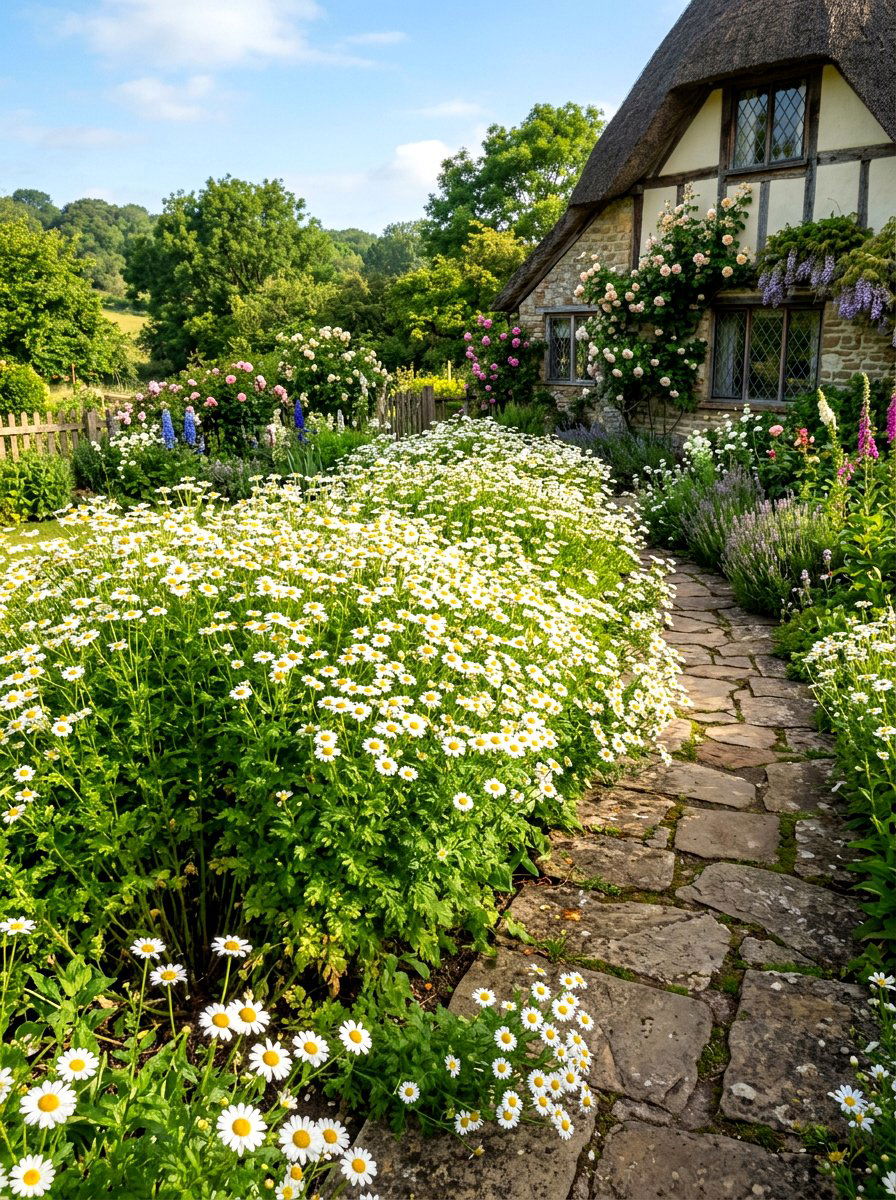
A feverfew flower garden features charming white daisy-like blossoms that have been used since ancient times to treat migraines and inflammation. This bushy perennial is a member of the sunflower family and has a strong, bitter scent that acts as a natural insect repellent. It is a very prolific bloomer and will continue to produce flowers all summer long if you deadhead the spent blossoms regularly. Feverfew is easy to grow from seed and can adapt to most garden soils as long as it receives plenty of sunlight. It adds a classic, old-fashioned look to your medicinal garden while serving a practical purpose.
Conclusion:
Creating a medicinal garden is a fulfilling project that transforms your outdoor space into a sanctuary of health and natural beauty. By selecting a diverse range of plants, you ensure that you have access to a variety of healing properties throughout the growing season. These thirty ideas demonstrate that medicinal gardening is adaptable to any space, whether you prefer structured raised beds or a wild meadow aesthetic. Maintaining these plants encourages a deeper connection to the rhythms of nature and provides a sense of self-sufficiency in your wellness routine. As your garden matures, it will become a lasting resource for your physical, emotional, and environmental well-being.

Related posts: