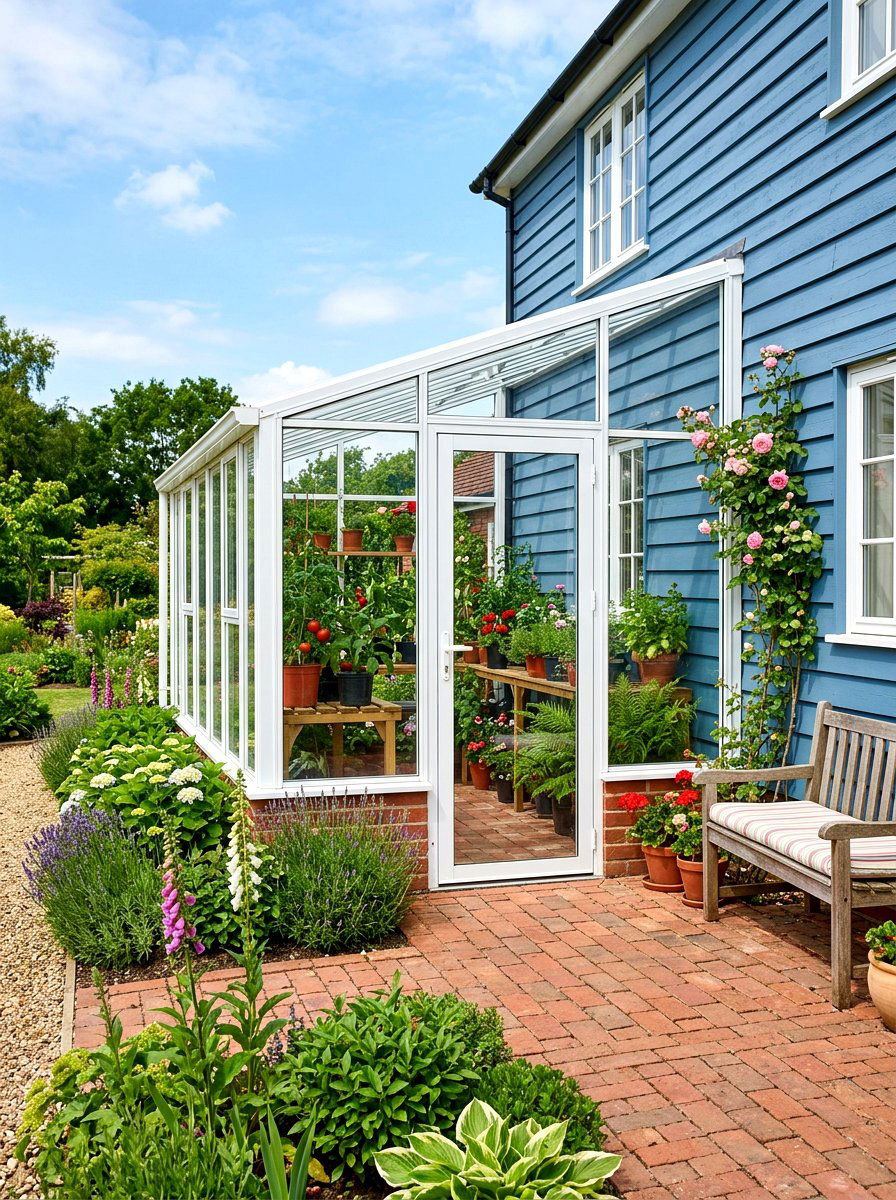
Imagine stepping out your back door into a lush sanctuary that feeds both your soul and your family. A potager garden is the perfect marriage of French elegance and practical food production. Unlike a traditional vegetable patch hidden in the backyard, these kitchen gardens are meant to be seen and admired. You can combine vibrant vegetables with fragrant herbs and colorful blooms to create a living tapestry. This approach transforms a simple chore like harvesting salad greens into a sensory experience. Whether you have a sprawling estate or a small suburban plot, these designs offer endless inspiration for your outdoor space. Let us explore how to blend beauty with bounty effortlessly in your own home landscape this year.
1. Raised Garden Bed
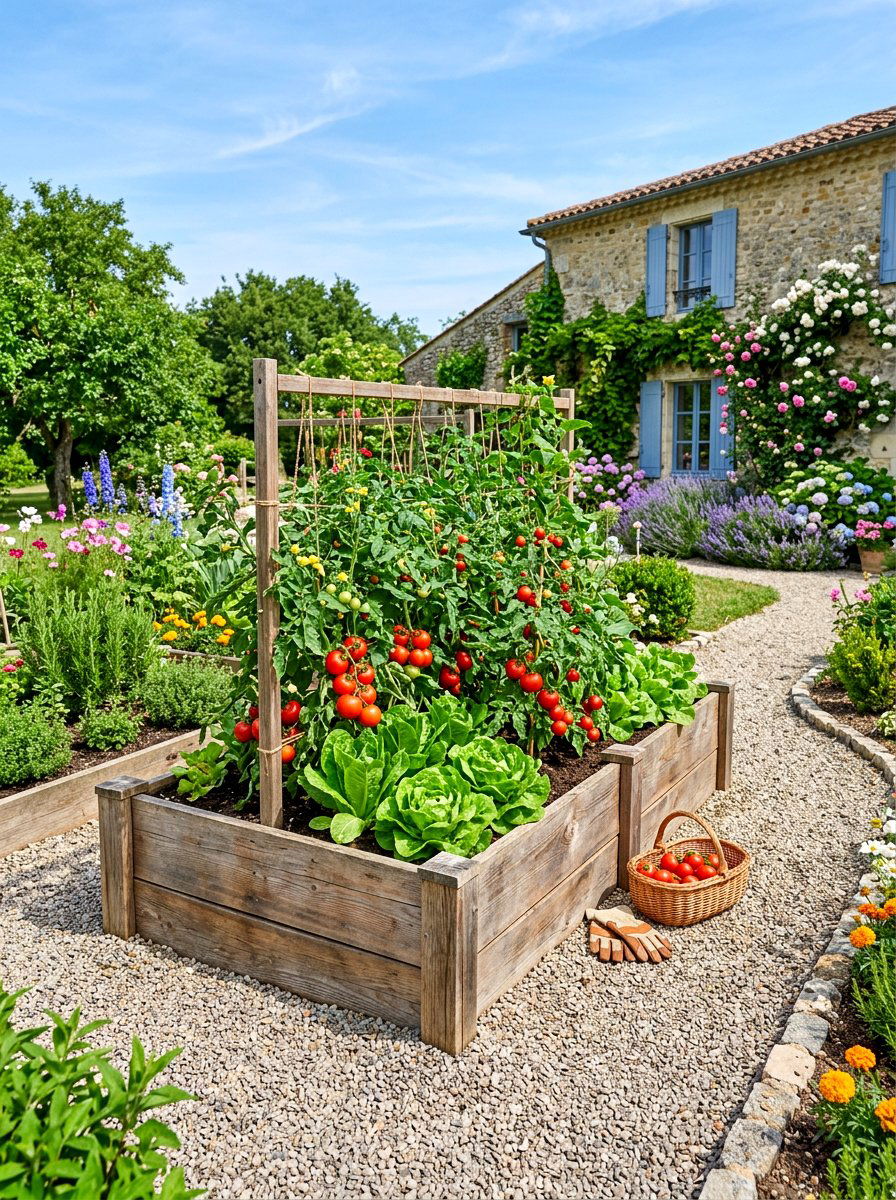
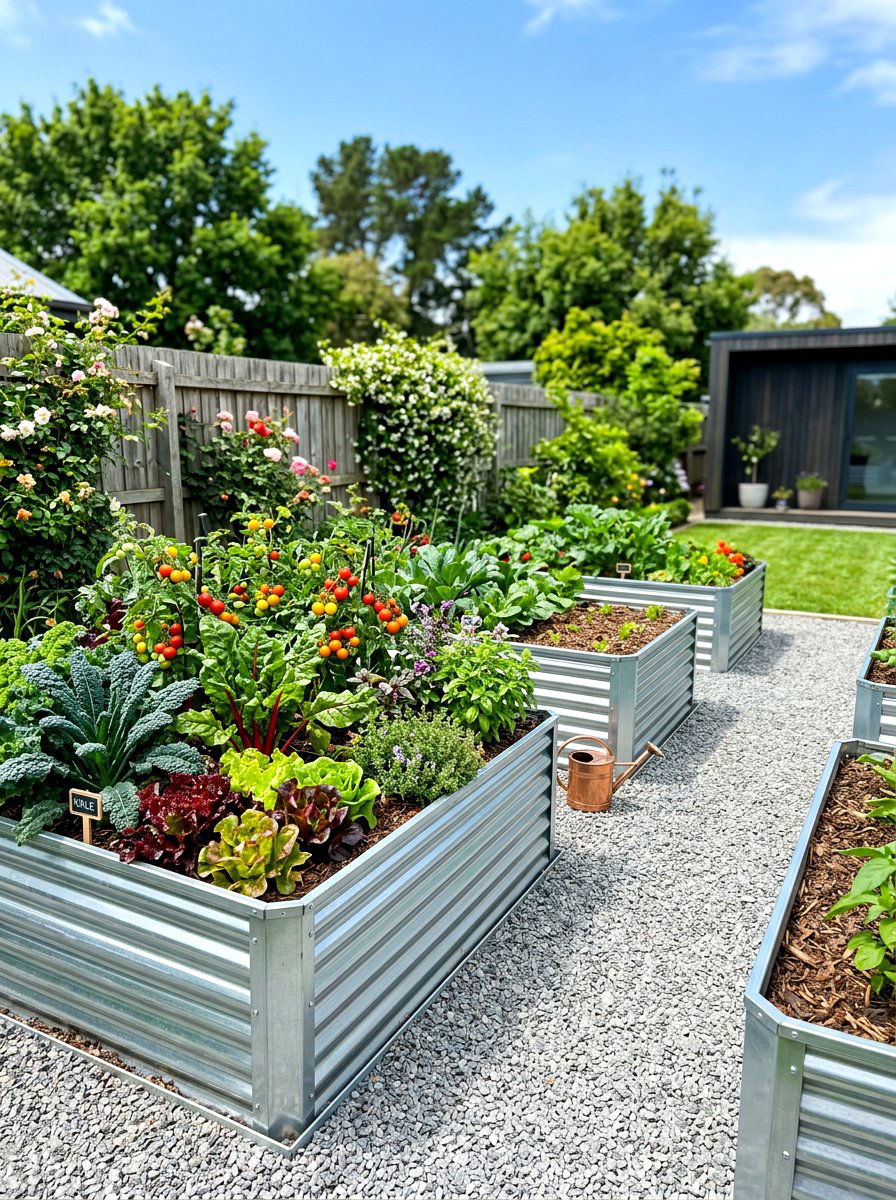
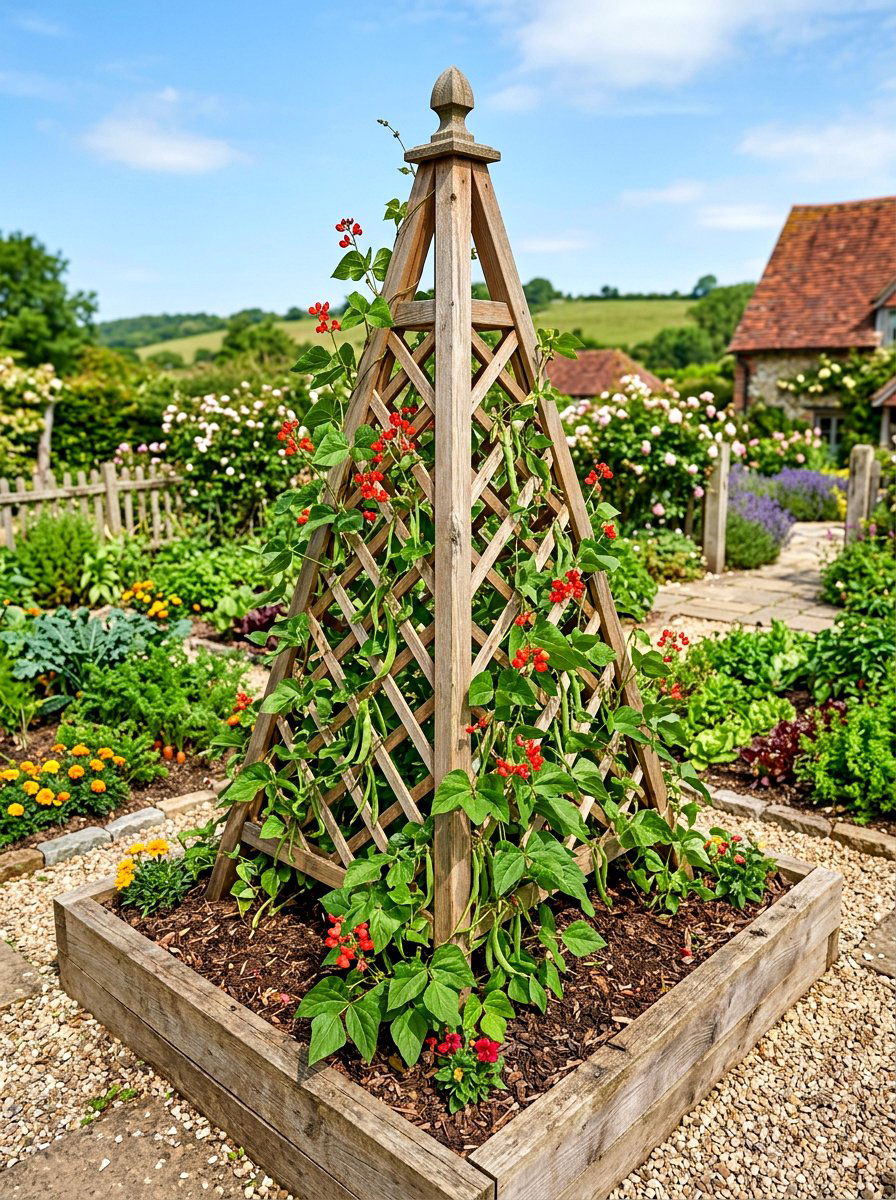
Adding a raised garden bed creates a clean and structured look for your kitchen garden. These elevated structures allow you to control soil quality and improve drainage for your vegetables. You can choose cedar or redwood for a natural appearance that weathers beautifully over time. Using consistent heights across your garden plot creates a sense of rhythm and organization. You might arrange them in a grid pattern to maximize walking space between the rows. This setup makes planting and harvesting much easier on your back while keeping the area looking tidy. It is a classic choice for any homeowner wanting a functional yet attractive space. Your garden will look intentional and well-maintained throughout every growing season.
2. Boxwood Garden Border
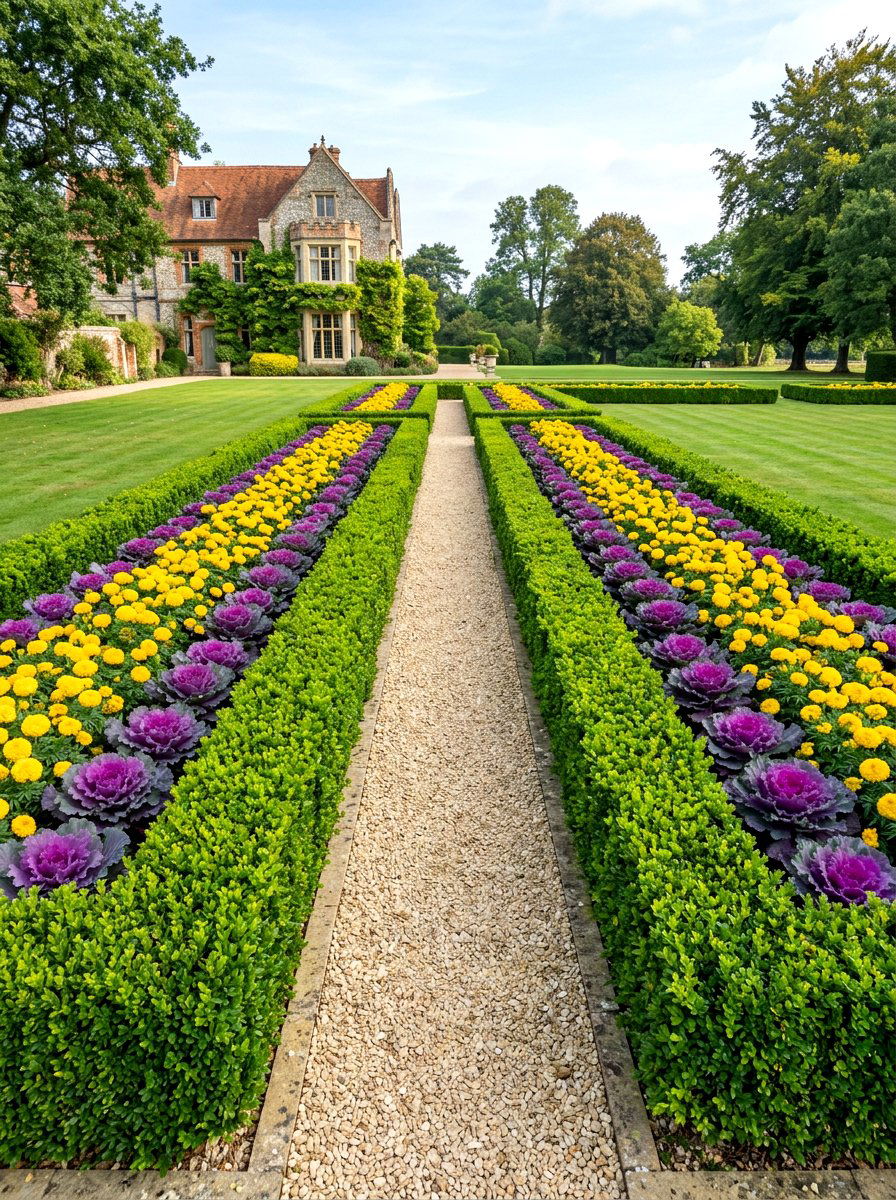
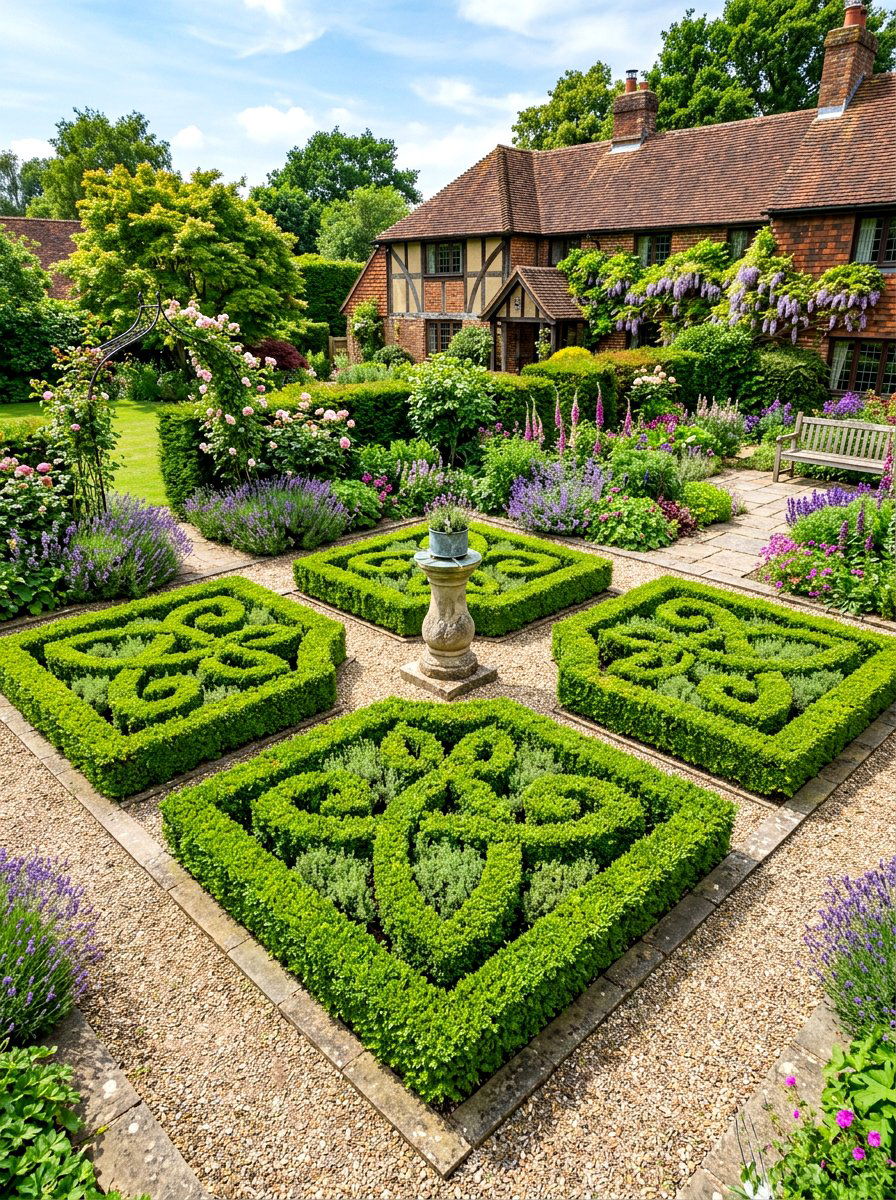
Defining your growing areas with a boxwood garden border adds immediate sophistication to any kitchen garden. These evergreen shrubs provide a permanent structure that looks beautiful even during the cold winter months. You should keep the hedges trimmed to about a foot high to maintain visibility of your vegetables. This classic French technique helps to contain sprawling plants and creates a clear boundary between paths and beds. The deep green foliage offers a stunning contrast against the varying textures of kale, chives, and bright marigolds. It creates a formal atmosphere that feels like a private estate. Investing in these slow-growing plants pays off as they mature into a dense and lush living frame.
3. Gravel Garden Walkway
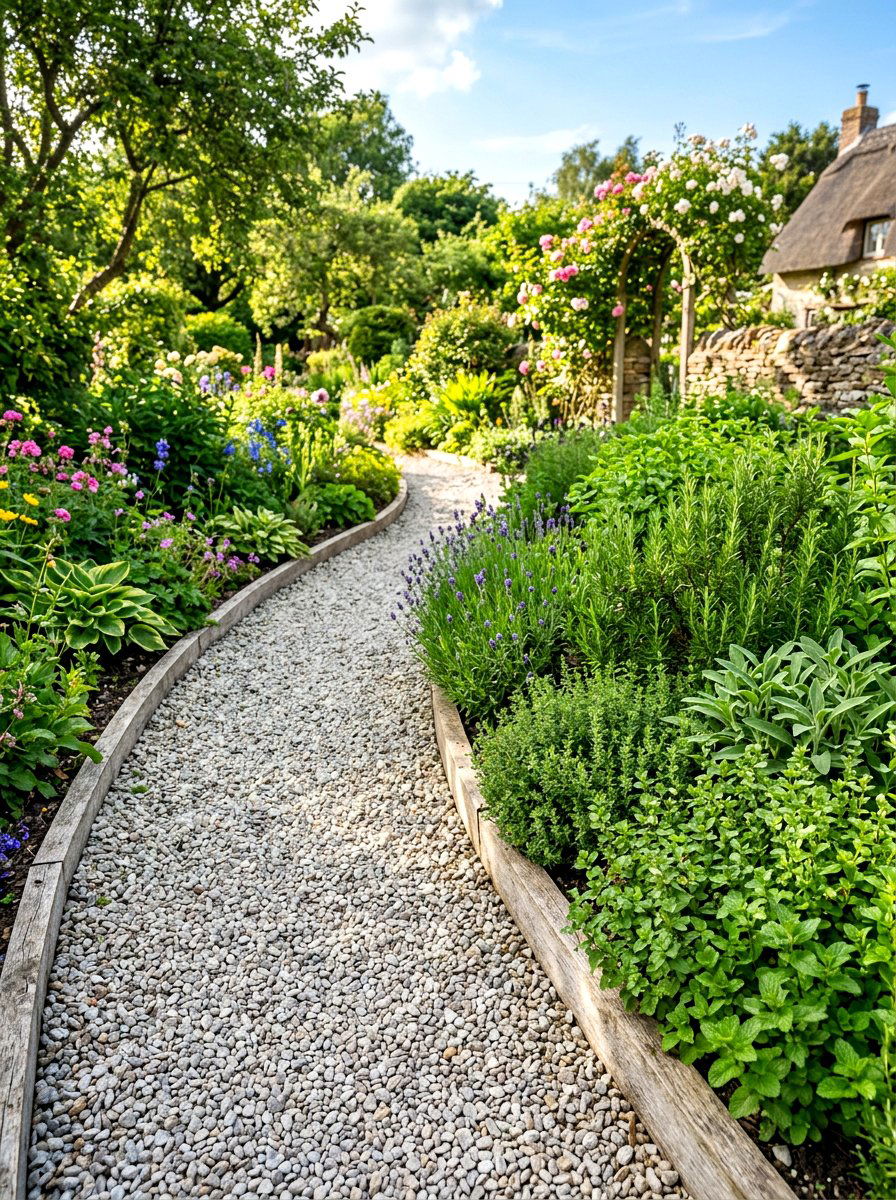
Installing a gravel garden walkway is a practical way to keep your kitchen garden accessible in all weather. The crunch of pea gravel underfoot adds a lovely sensory element to your outdoor experience. You can choose light-colored stones to brighten up the space and reflect heat toward your sun-loving plants. These paths help with drainage and prevent muddy shoes after a heavy summer rain. Using a weed barrier underneath the gravel ensures the walkways remain low maintenance and clean. It provides a neat separation between different planting zones while allowing for a natural and organic feel. This simple addition transforms a messy backyard patch into a refined and inviting strollable landscape.
4. Garden Water Fountain
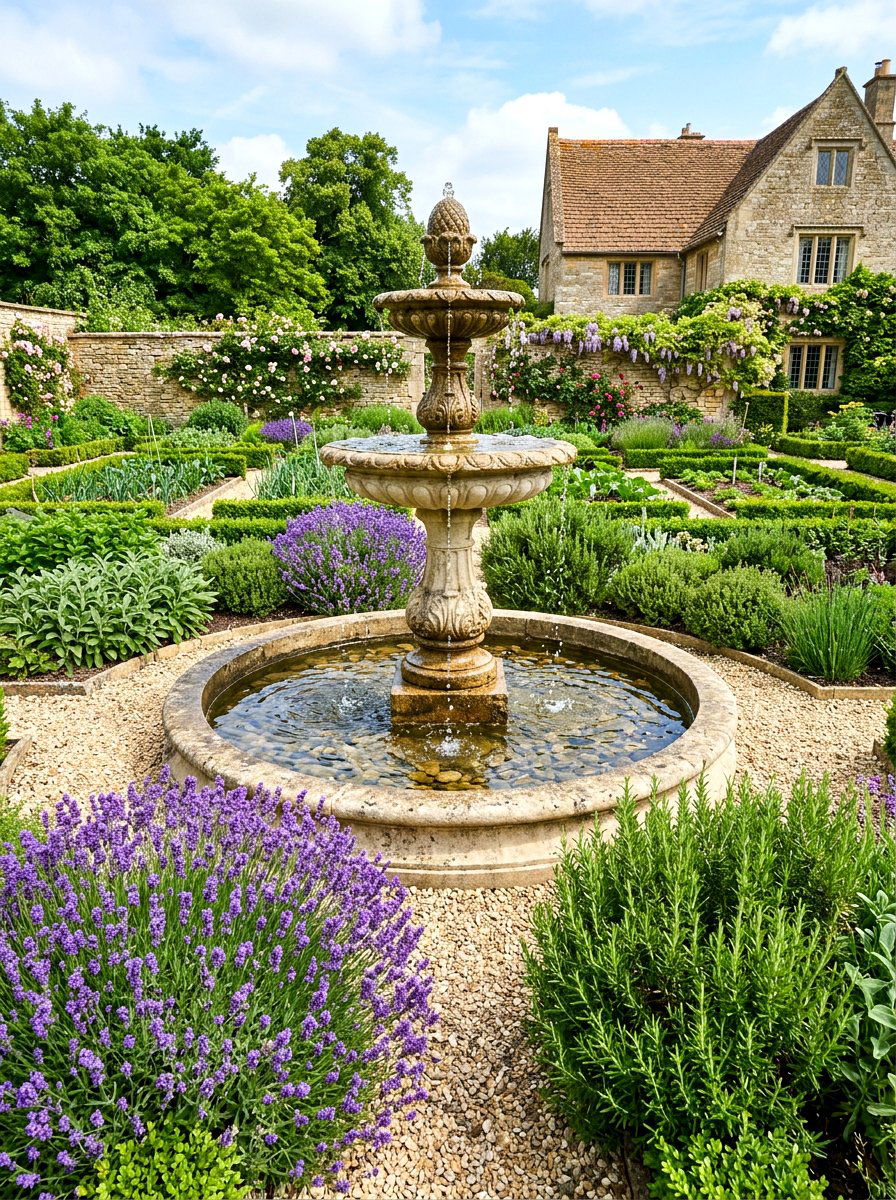
Placing a central garden water fountain serves as a stunning focal point for a traditional symmetrical potager. The sound of trickling water creates a peaceful environment where you can enjoy your morning coffee. You might choose a tiered stone design to add height and a sense of history to your garden plot. Positioned at the intersection of four main paths, it draws the eye and anchors the entire design together. Birds and beneficial insects will be attracted to the water, which helps support your garden's mini-ecosystem. It turns a functional vegetable area into a luxurious retreat for relaxation. This element adds movement and life, making the space feel more like an outdoor room.
5. Metal Arch Trellis
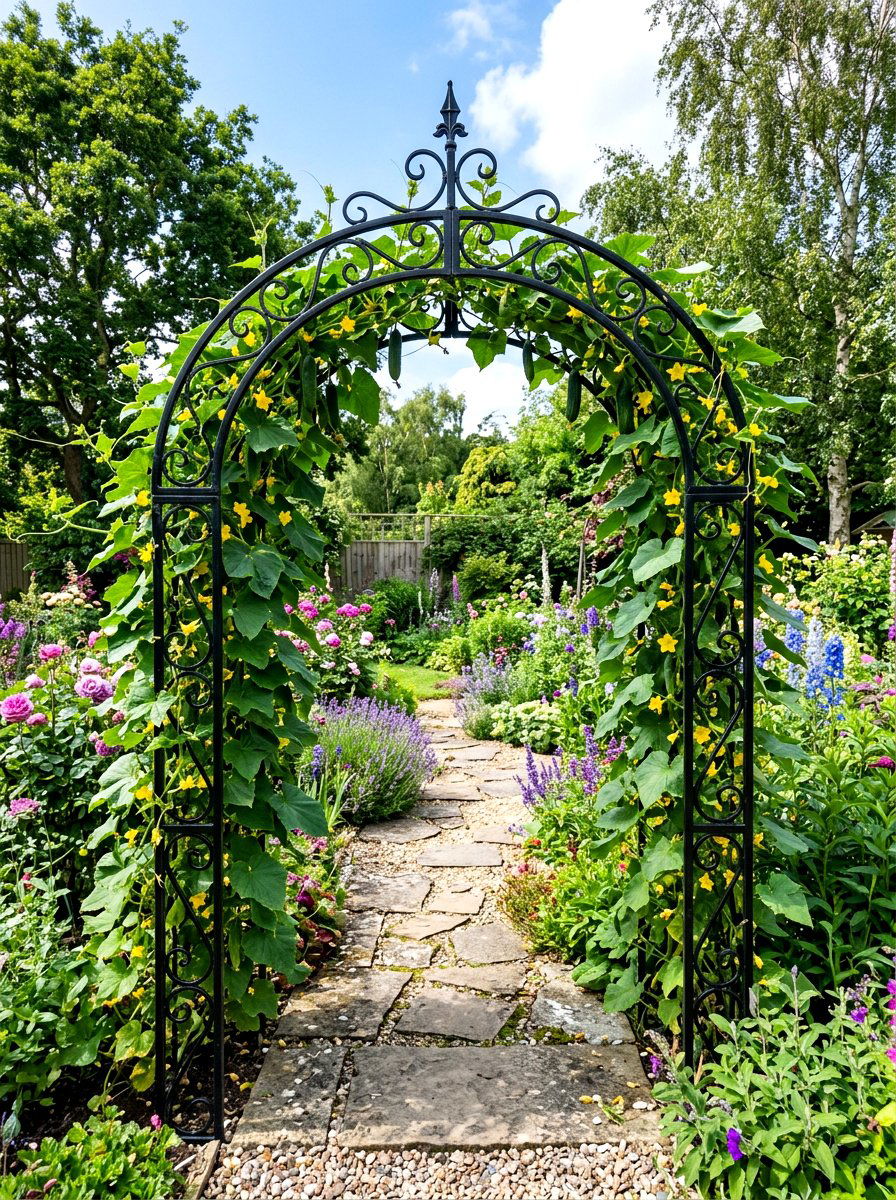
A metal arch trellis offers a vertical dimension that maximizes growing space in smaller garden plots. You can use these structures to support climbing plants like pole beans, cucumbers, or even flowering sweet peas. Positioning an arch over a walkway creates a romantic tunnel effect that draws visitors into the space. The dark metal contrasts beautifully with bright green vines and colorful hanging produce. It is a smart way to clear up ground space for smaller herbs and root vegetables. These arches provide architectural interest even when the growing season has ended. They are durable, easy to install, and add a touch of timeless elegance to any productive vegetable garden layout.
6. Wood Garden Obelisk
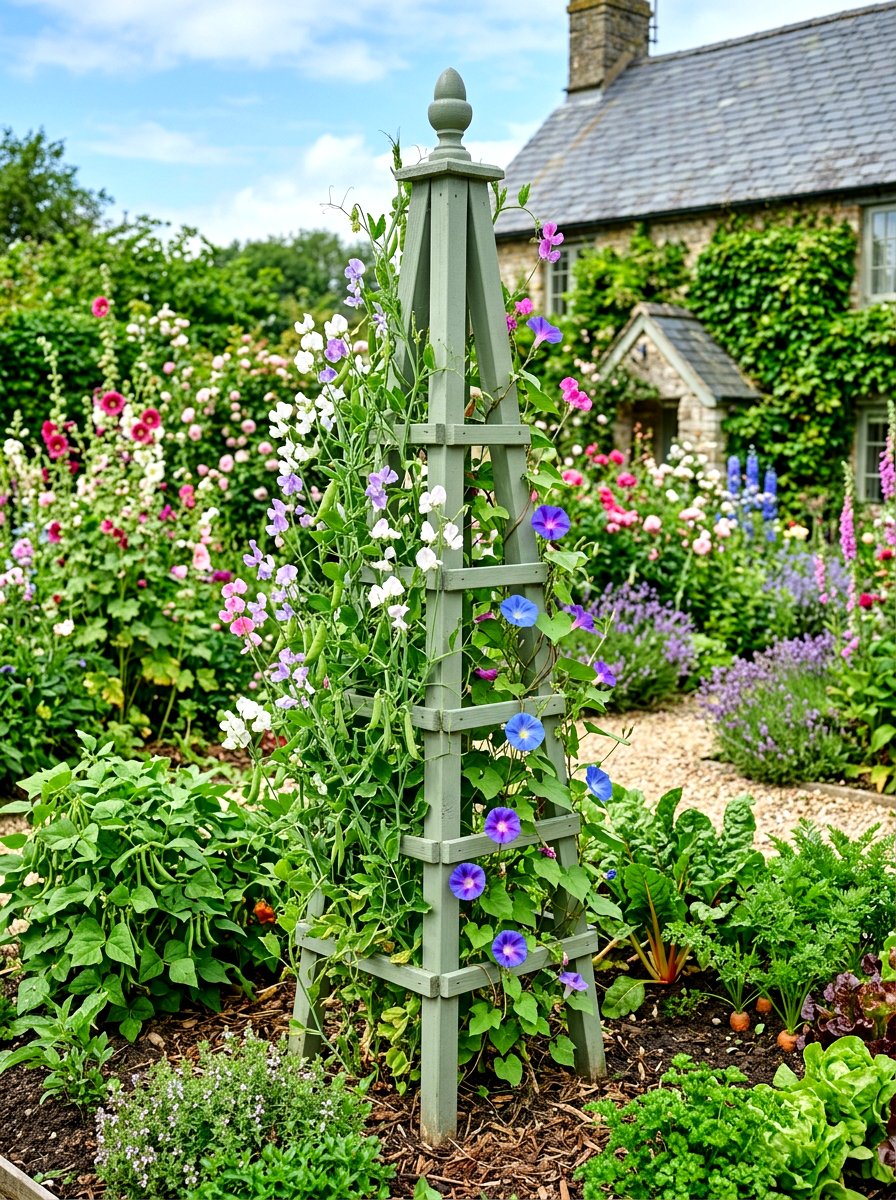
Using a wood garden obelisk provides a charming and rustic support for your favorite climbing vegetables. These tall, pointed structures act as pillars of greenery throughout your garden beds. You can plant cherry tomatoes or climbing roses at the base to create a flowering tower. They are often painted in soft colors like sage green or cream to blend with the natural surroundings. Placing two obelisks at the entrance of your garden creates a welcoming and symmetrical portal. The vertical lines break up the flat appearance of low-growing vegetables like lettuce and herbs. This design choice adds a whimsical cottage feel while serving a very practical purpose for your taller crops.
7. Companion Planting Layout
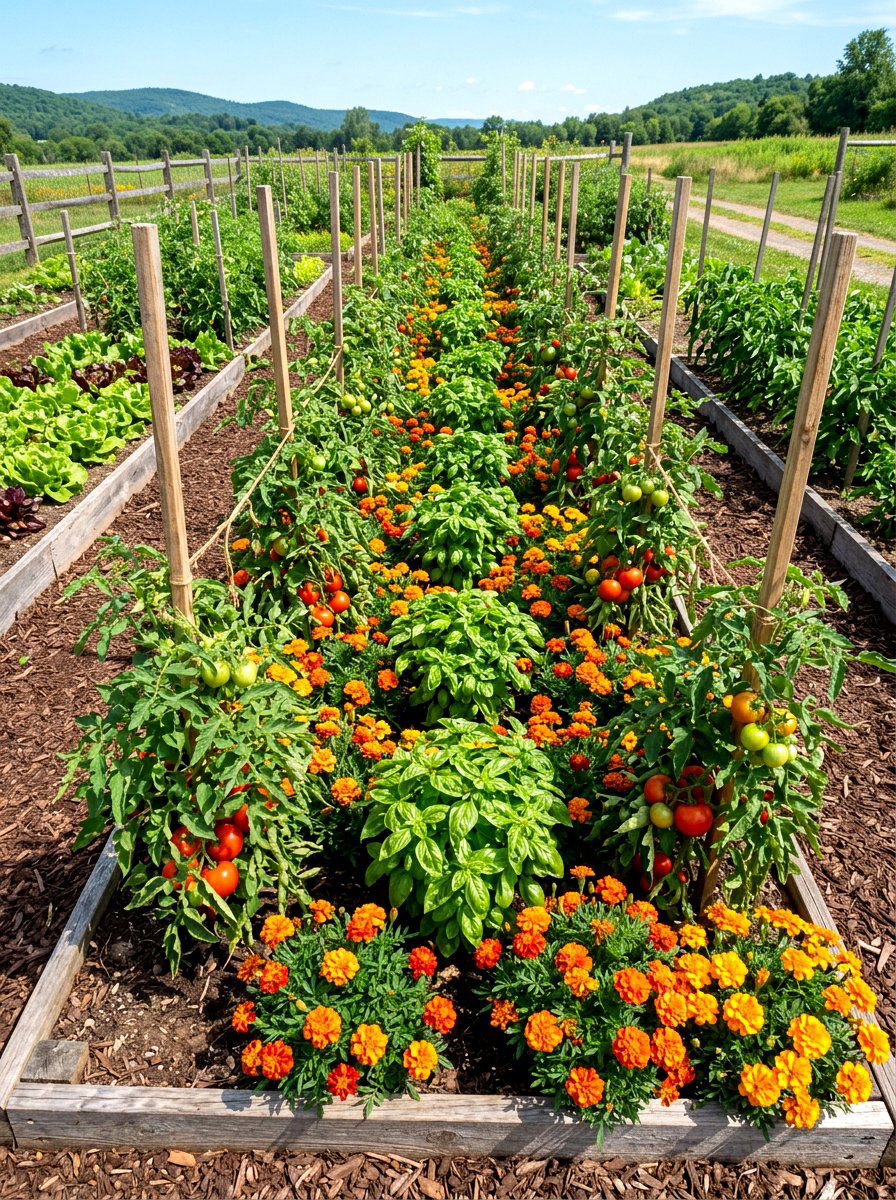
Organizing your garden with a companion planting layout improves plant health and naturally reduces pests. You can pair tomatoes with basil to improve flavor or plant marigolds to deter unwanted insects. This method creates a dense and diverse ecosystem that looks like a lush wildflower meadow. Instead of long, boring rows of a single crop, you get a beautiful mix of colors and leaf shapes. It maximizes every inch of soil and reduces the need for chemical fertilizers or pesticides. Your garden becomes a self-sustaining community where plants help each other grow. This thoughtful arrangement results in a more resilient and visually interesting space that feels abundant and wild.
8. Stone Herb Spiral
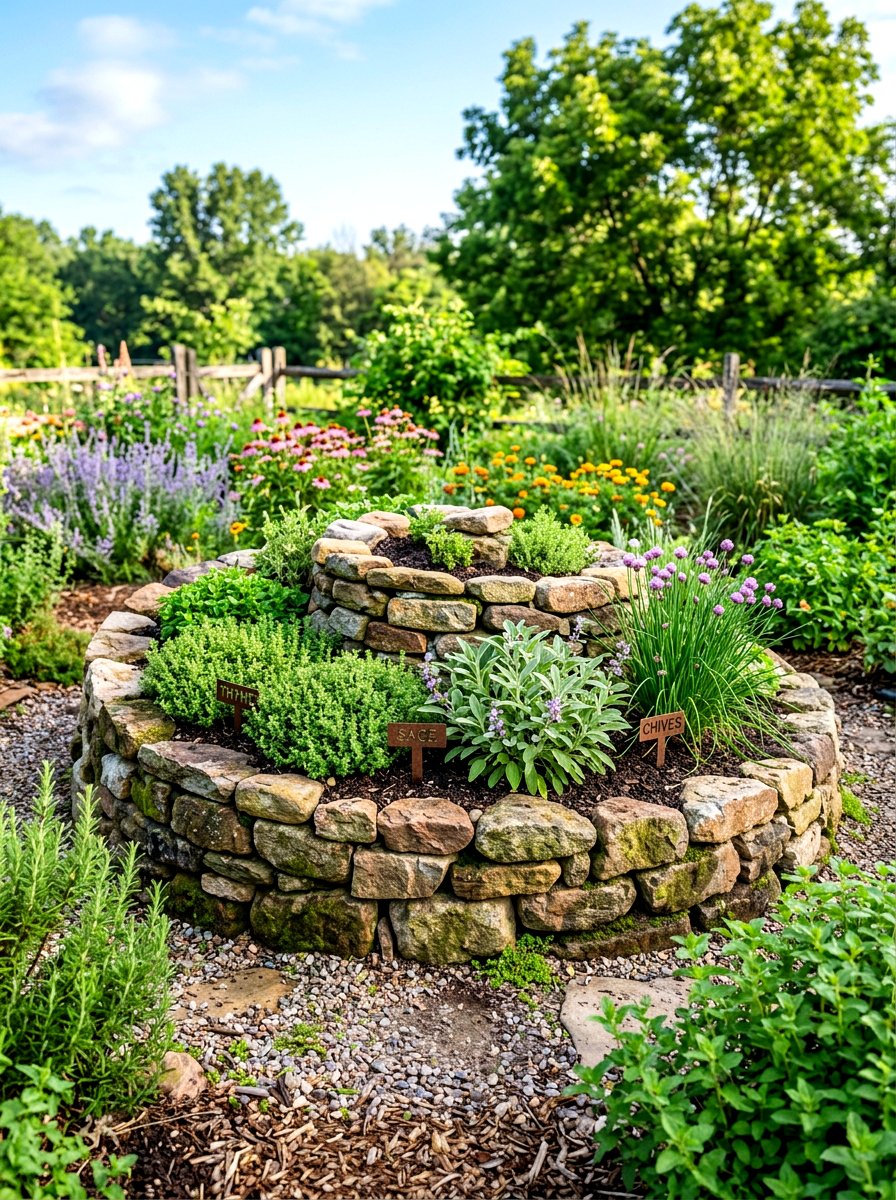
A stone herb spiral is a brilliant way to grow many different herbs in a very small area. The winding structure creates different microclimates, with sun-loving herbs at the top and moisture-loving ones at the bottom. You can build this feature using local fieldstones or recycled bricks for an earthy look. It adds a sculptural element that stands out against the flat rows of a traditional garden. Harvesting becomes a delight as you can reach all your culinary herbs from a single standing position. The height of the spiral adds visual drama and a sense of permaculture design to your yard. It is a perfect project for sustainable gardeners who value both form and function.
9. Espalier Fruit Tree
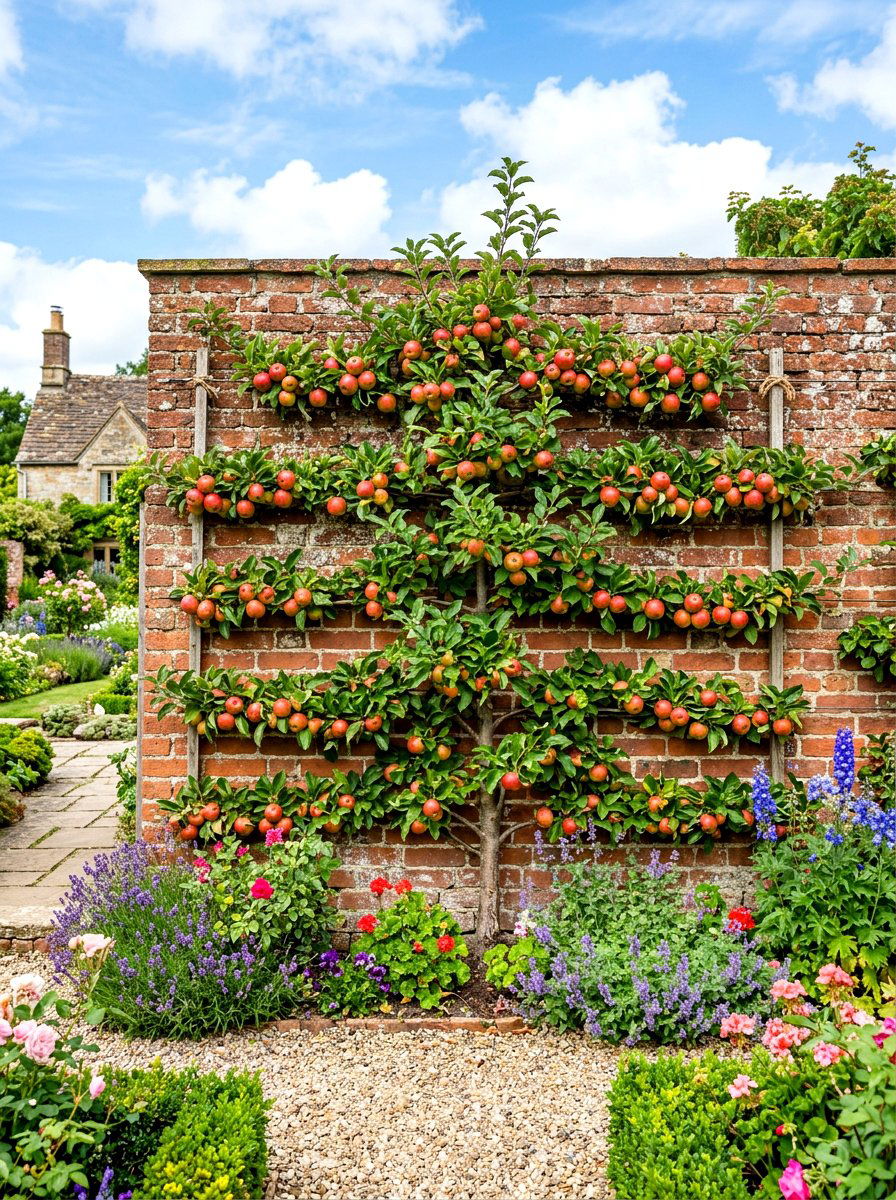
Training an espalier fruit tree against a fence or wall is a space-saving technique for any kitchen garden. This method involves pruning trees to grow flat in two-dimensional patterns like fans or grids. You can enjoy fresh apples, pears, or peaches without needing a large orchard space. These trees act as living walls that provide a beautiful backdrop for your vegetable beds. The structured branches look like natural art during the winter when the leaves have fallen. It is an excellent way to define the perimeter of your garden while producing a high yield of fruit. This sophisticated gardening style brings a touch of old-world European charm to your modern backyard design.
10. White Picket Fence
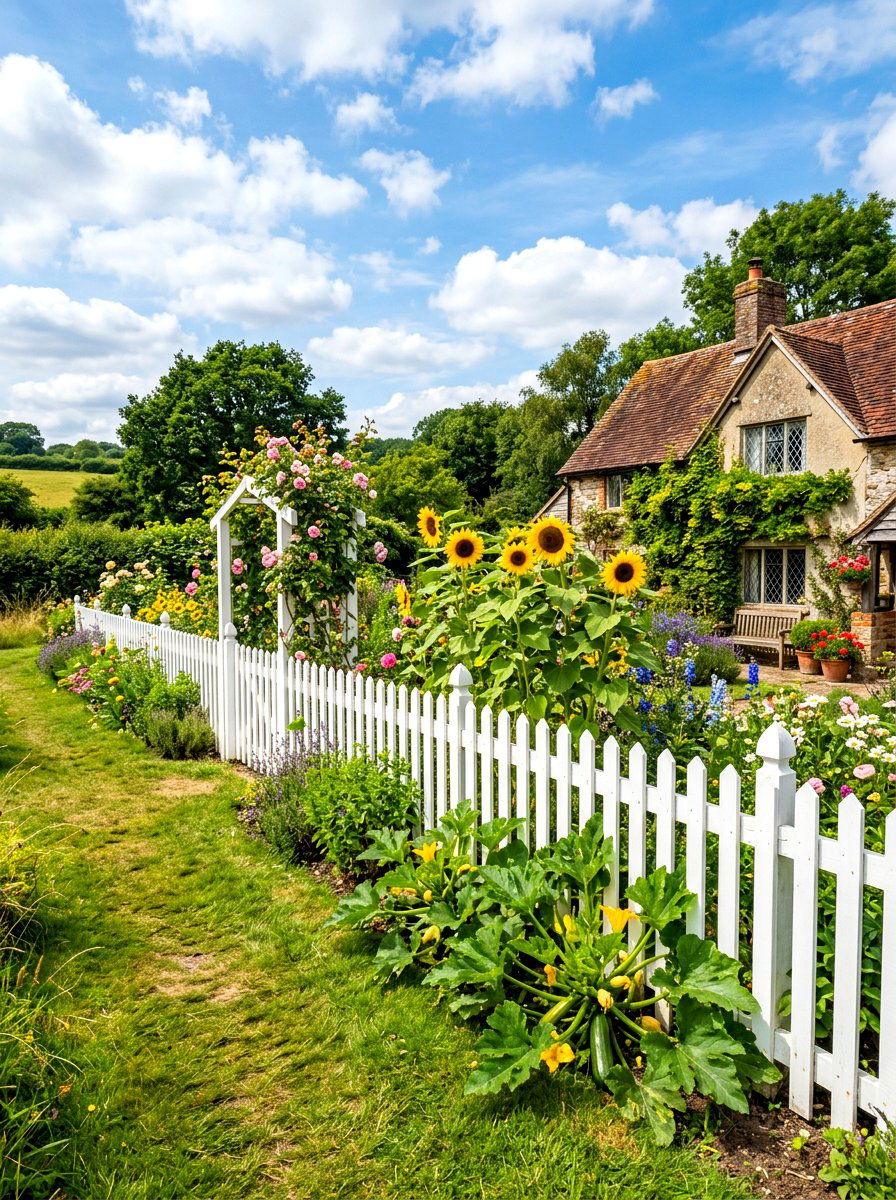
Enclosing your space with a white picket fence creates a classic and inviting cottage garden aesthetic. This charming boundary helps protect your precious vegetables from curious pets and small wildlife. The crisp white color makes the vibrant greens and reds of your plants truly pop. You can grow climbing vines or tall sunflowers along the fence line for extra privacy and color. It defines the garden as a distinct "room" in your landscape, separate from the lawn. A matching gate adds a sense of arrival and transition as you enter your private growing sanctuary. This timeless design choice never goes out of style and adds significant curb appeal to your home.
11. Stone Bed Border
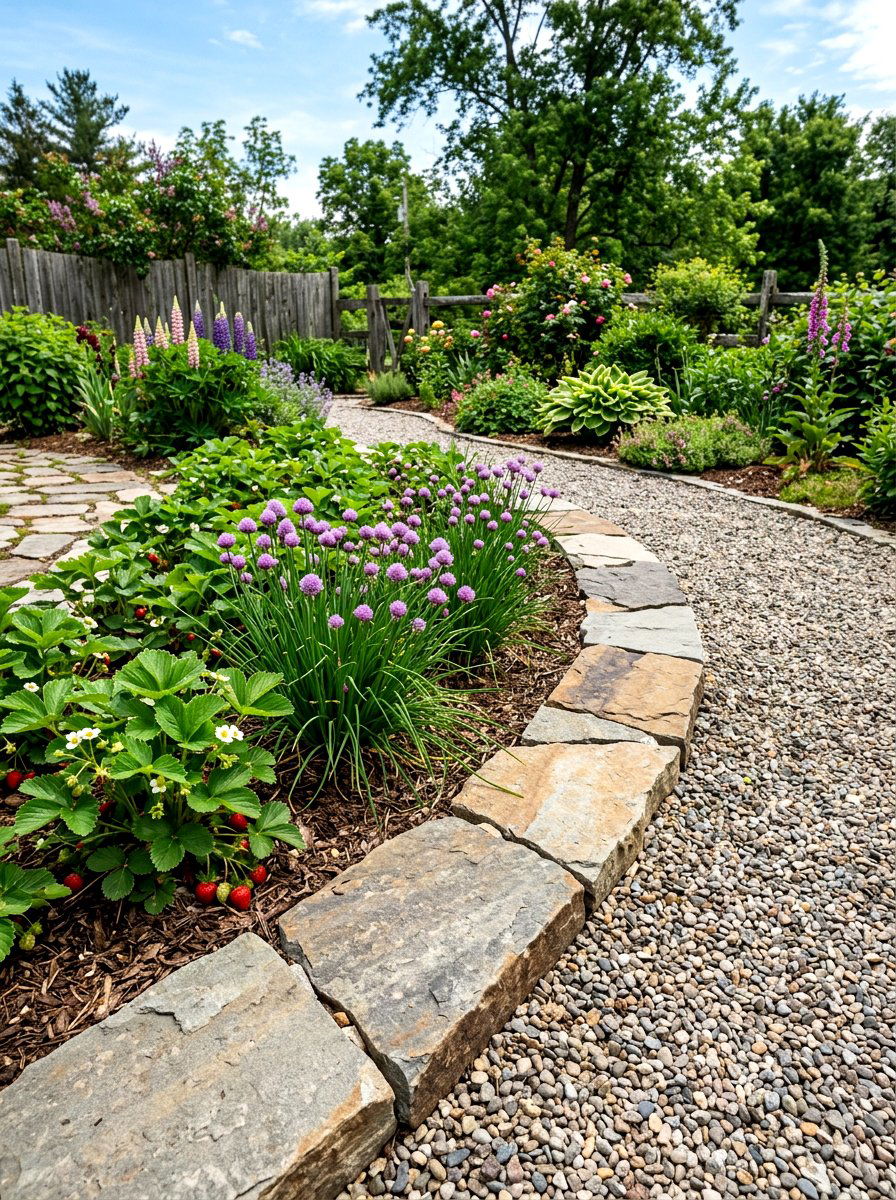
Utilizing a stone bed border gives your potager a rugged and permanent feel that lasts for decades. You can use large river rocks or flat flagstones to create natural edges for your planting areas. These stones absorb heat during the day and release it at night, which helps extend your growing season. The varying earthy tones of the rock complement the organic textures of your vegetables and flowers. It is an eco-friendly way to define paths without using plastic or treated wood products. Over time, moss might grow on the stones, adding a sense of history and enchantment to the space. This design choice anchors the garden firmly into the natural landscape surrounding it.
12. Garden Bench Area
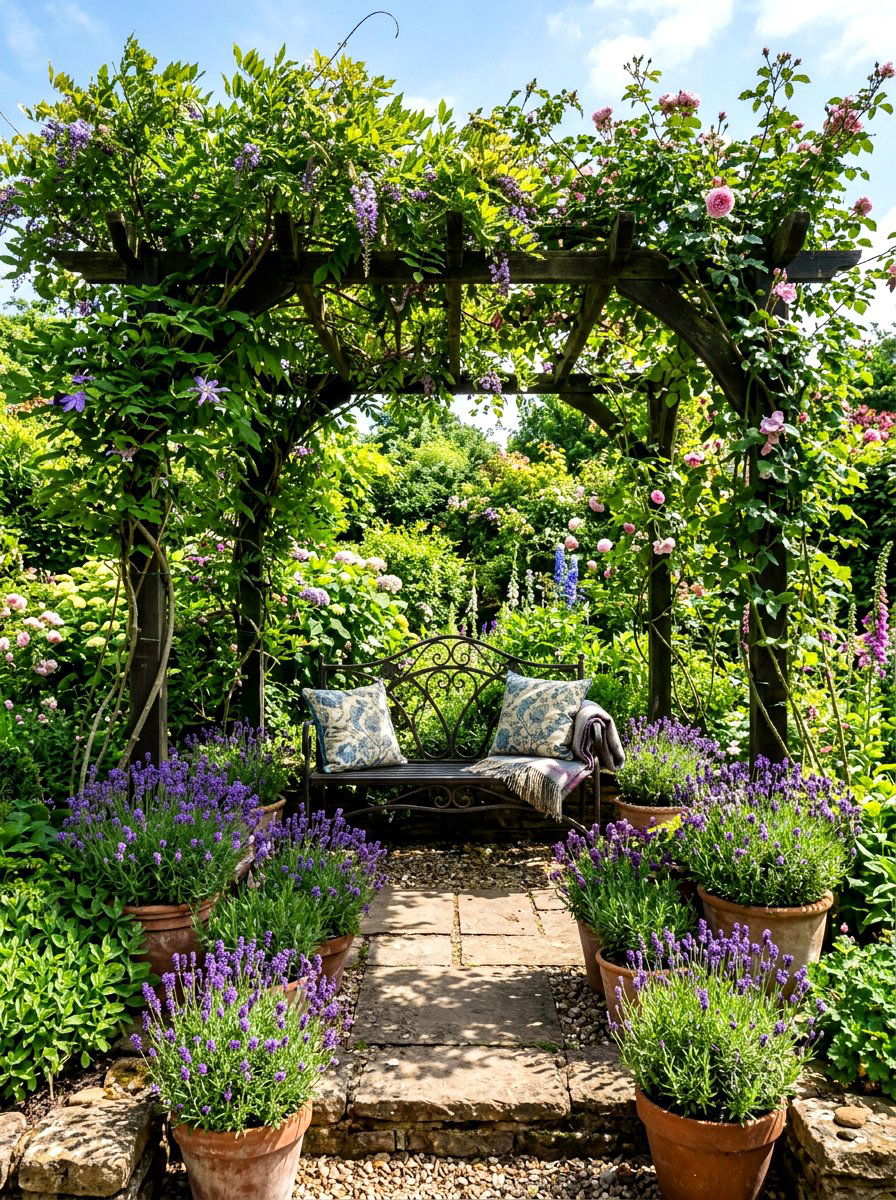
Creating a garden bench area invites you to slow down and enjoy the fruits of your labor. You should place a comfortable wooden or iron bench in a shaded corner with a view of the entire garden. Surrounded by fragrant herbs like lavender or rosemary, it becomes the perfect spot for reading or contemplation. This addition transforms the garden from a workplace into a lifestyle destination for your family. You can enjoy the buzzing of bees and the scent of damp earth in complete comfort. A small seating area encourages you to spend more time outdoors, observing the small changes in your plants daily. It is the heart of a truly relaxing kitchen garden experience.
13. Glass Potting Shed
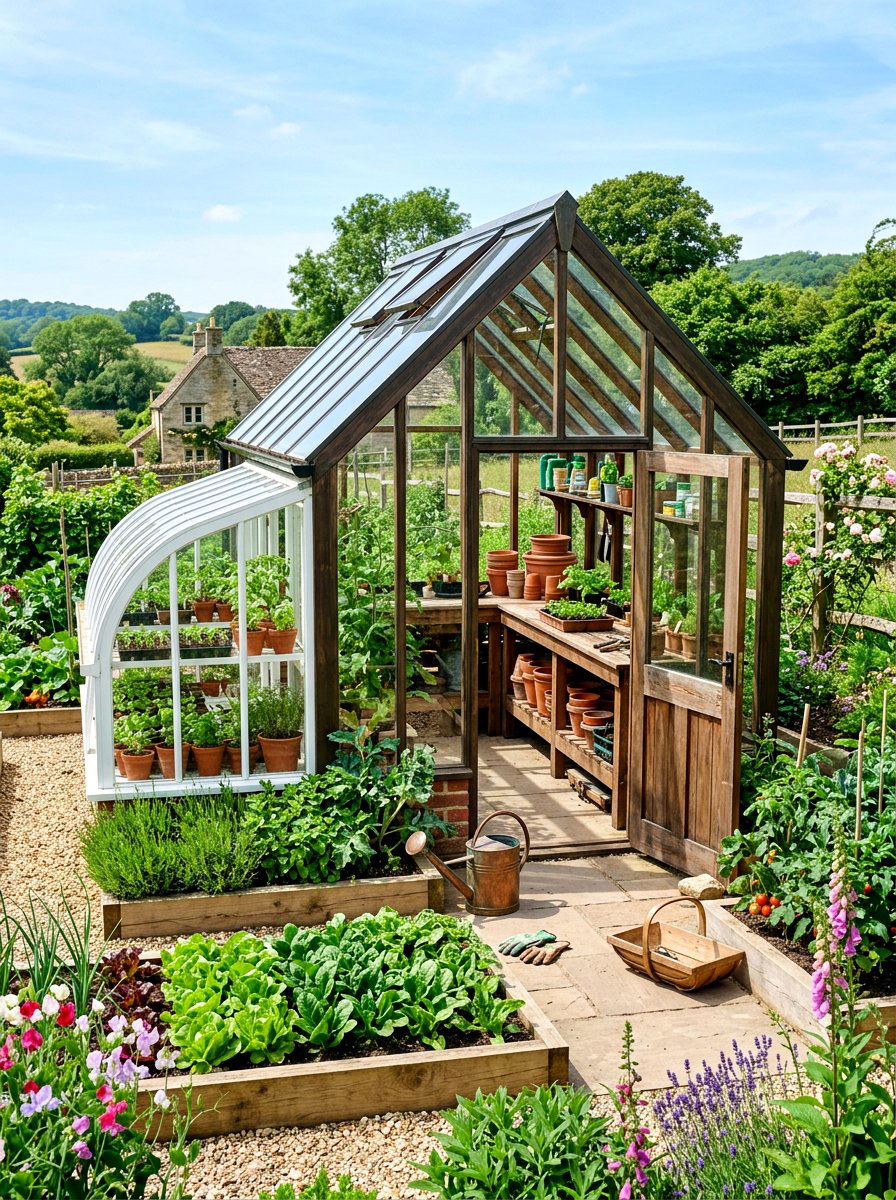
A glass potting shed serves as a beautiful and functional hub for all your gardening activities. This structure allows you to start seeds early in the spring while providing a dry place to store tools. The transparent walls create a seamless visual connection between the indoors and your growing beds. You can decorate the interior with terra cotta pots, vintage baskets, and wooden workbenches for a cozy look. It acts as an architectural anchor that adds value and character to your property. Even on rainy days, you can enjoy being surrounded by your plants and garden supplies. This building becomes a charming sanctuary where you can nurture young seedlings and plan your future harvests.
14. Vertical Wall Planter
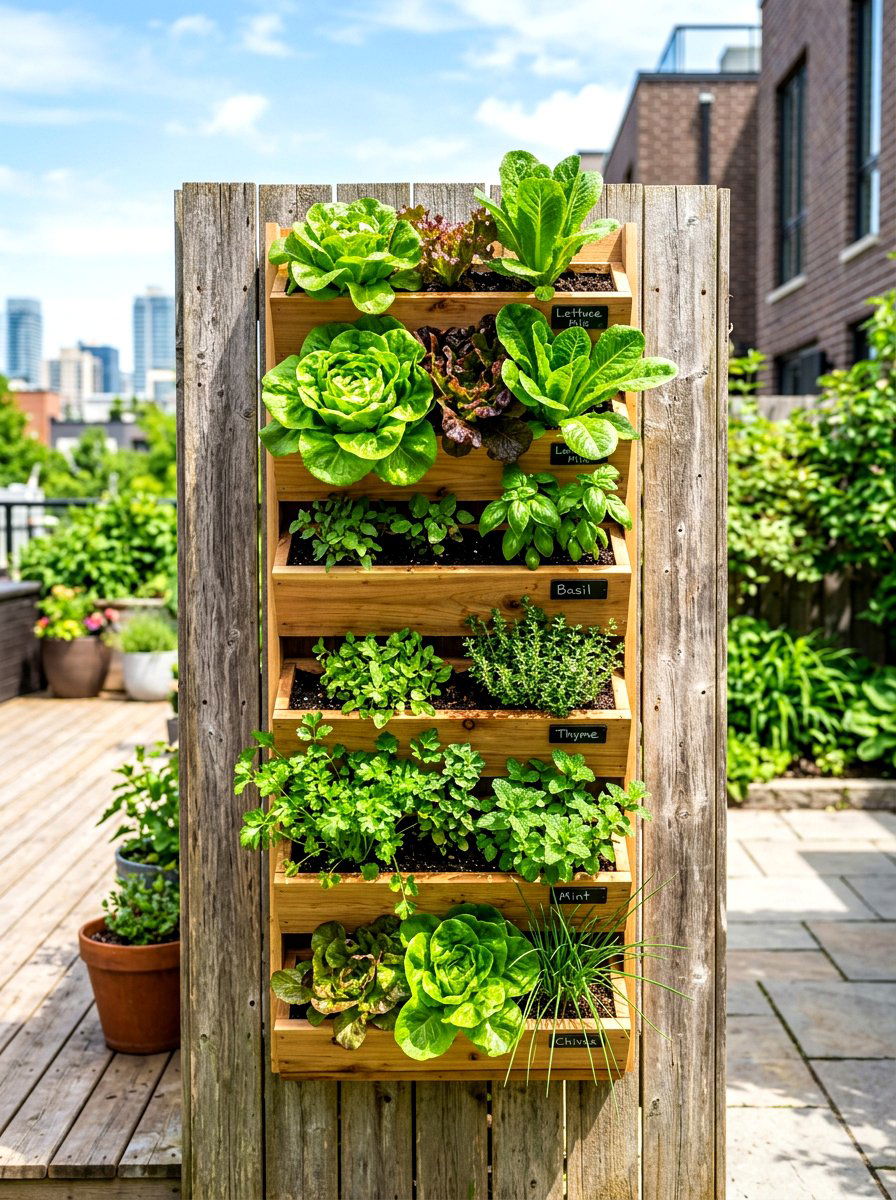
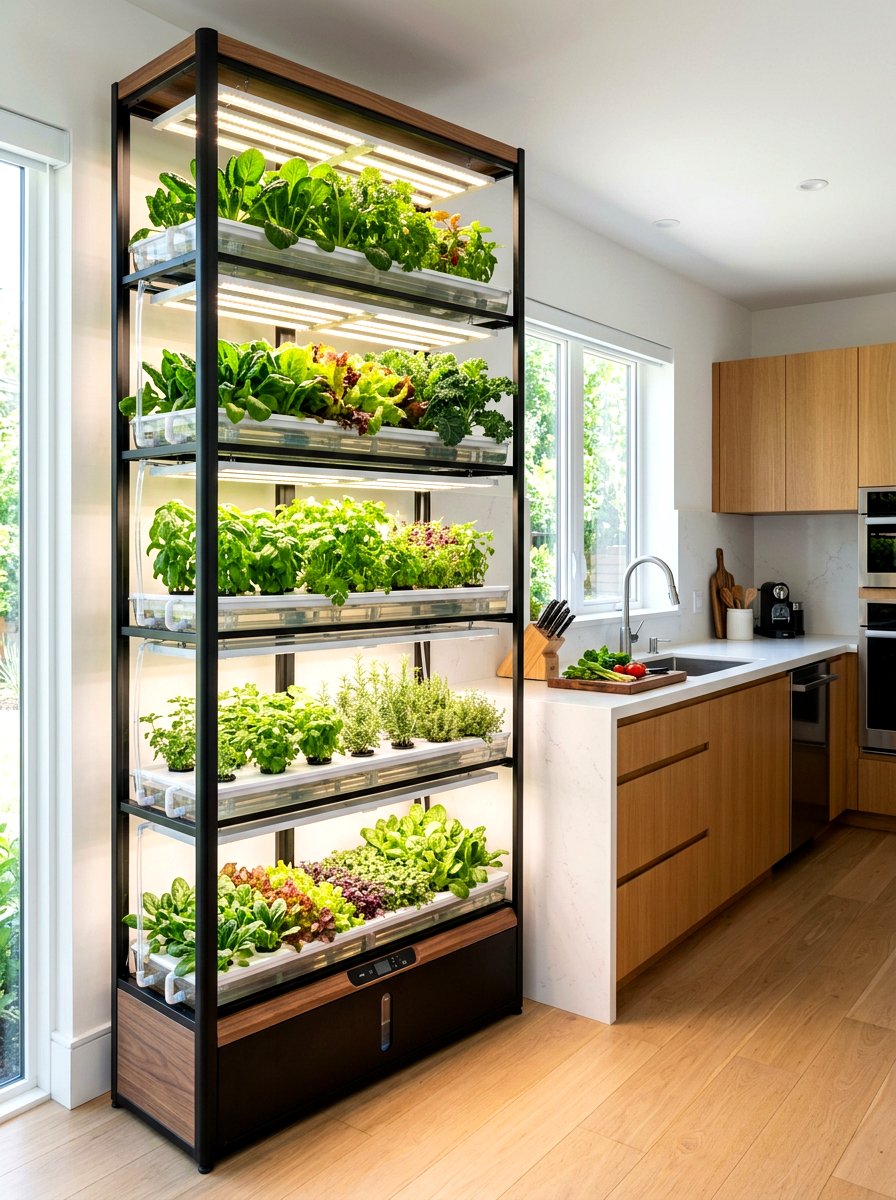
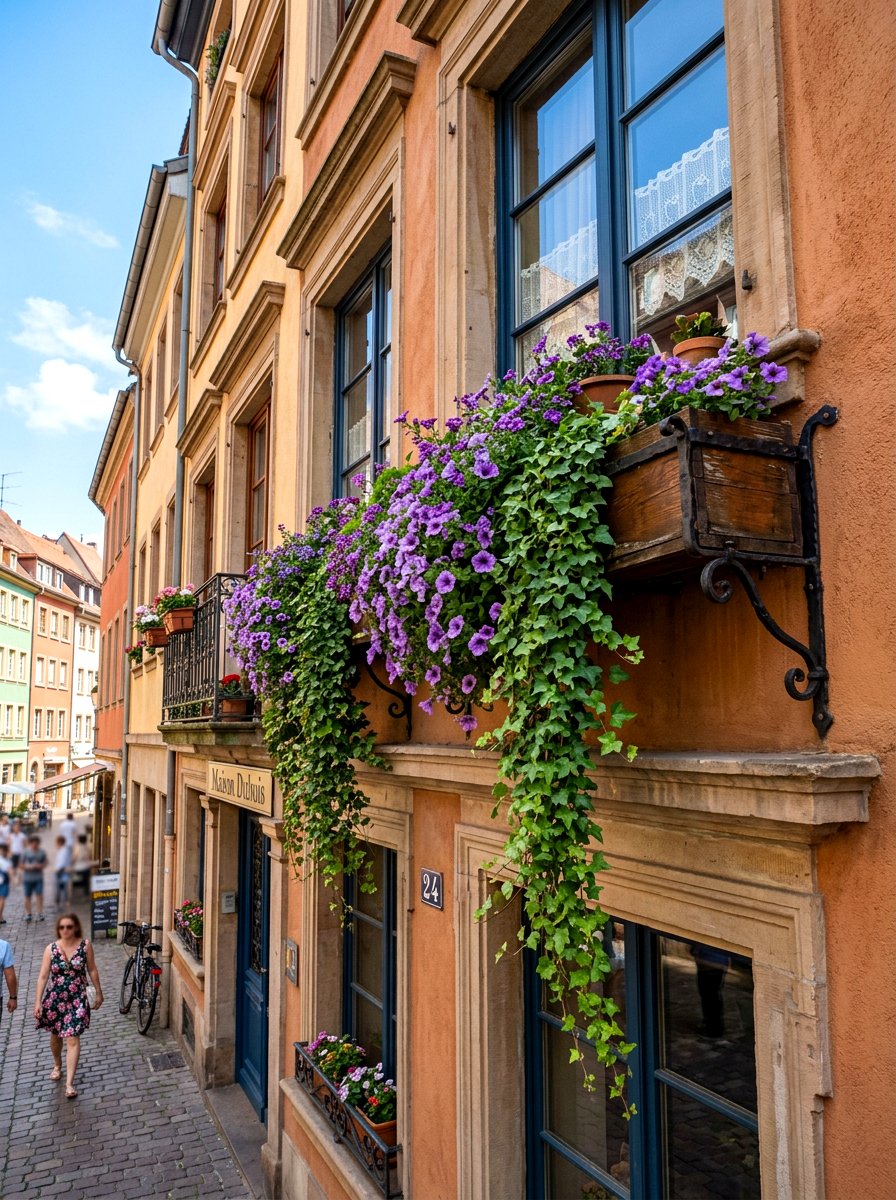
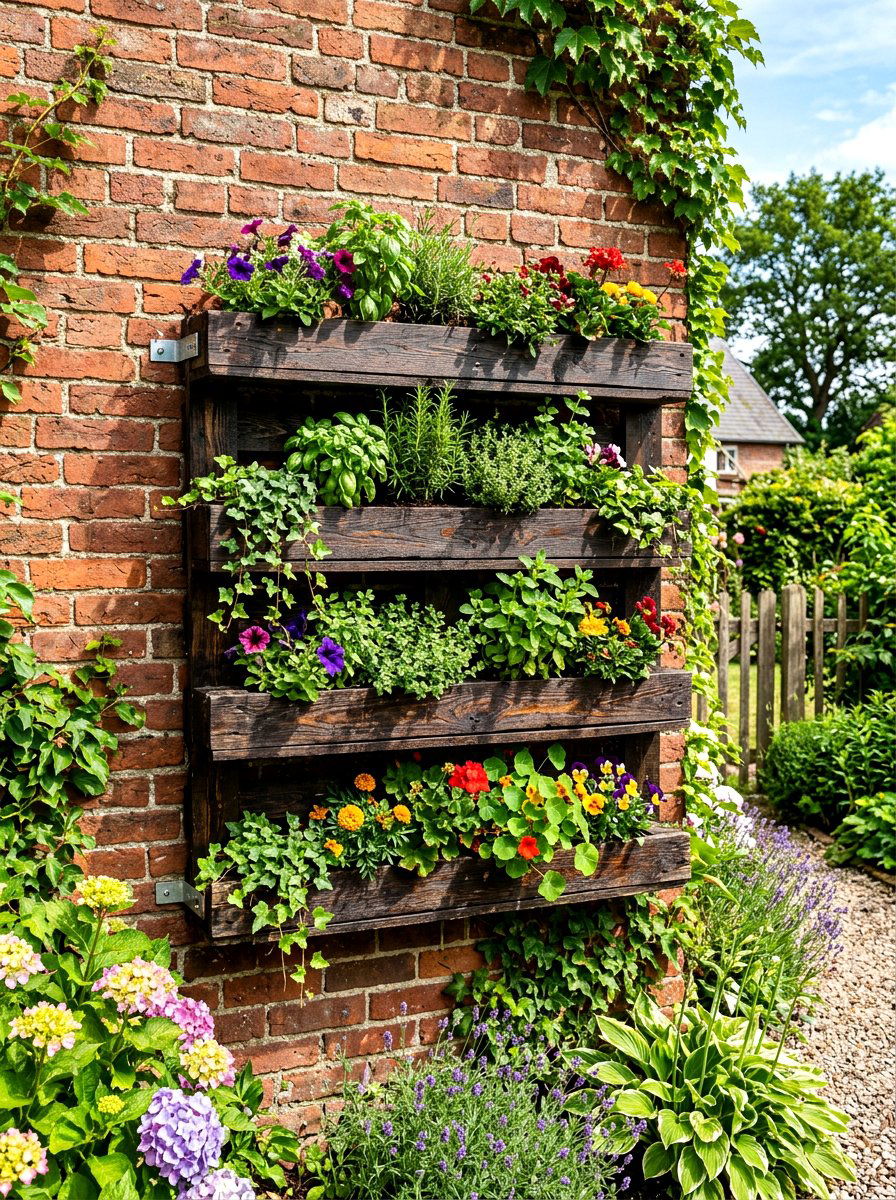
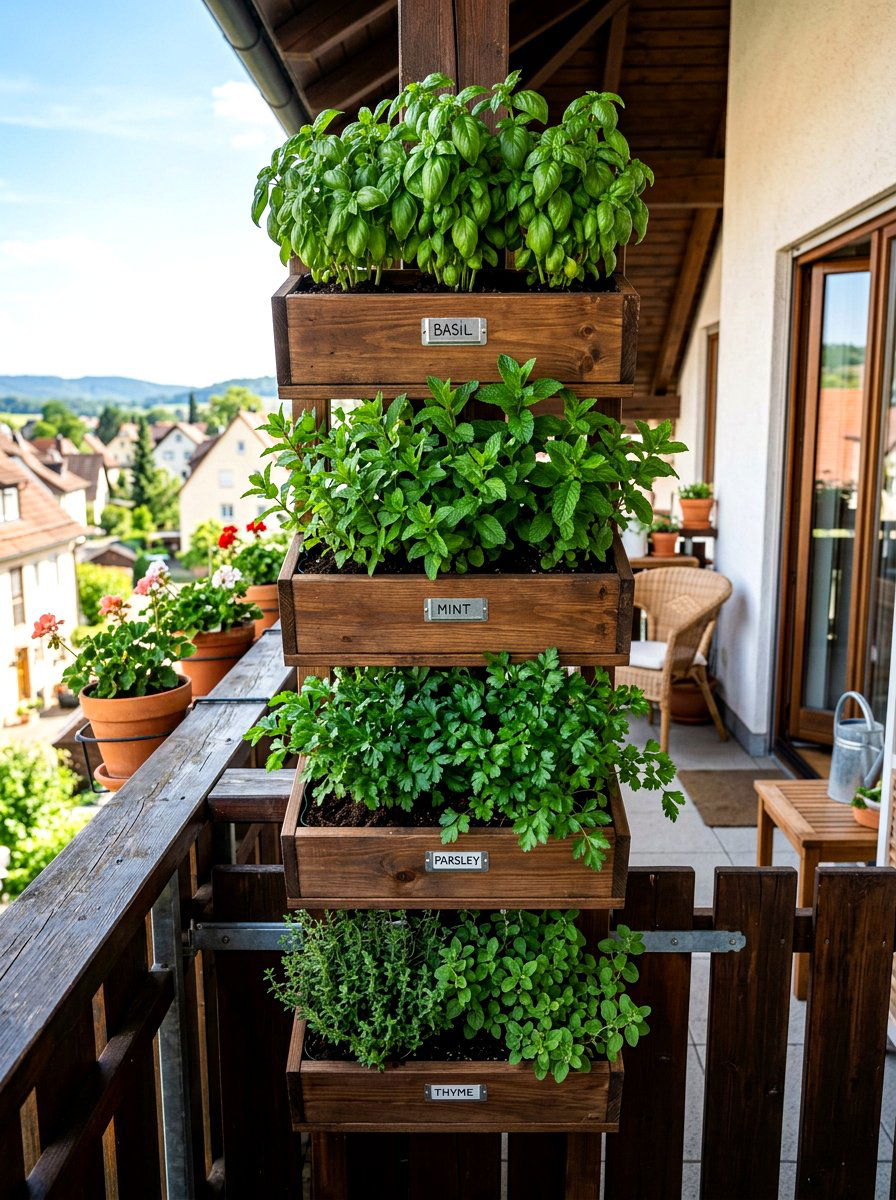
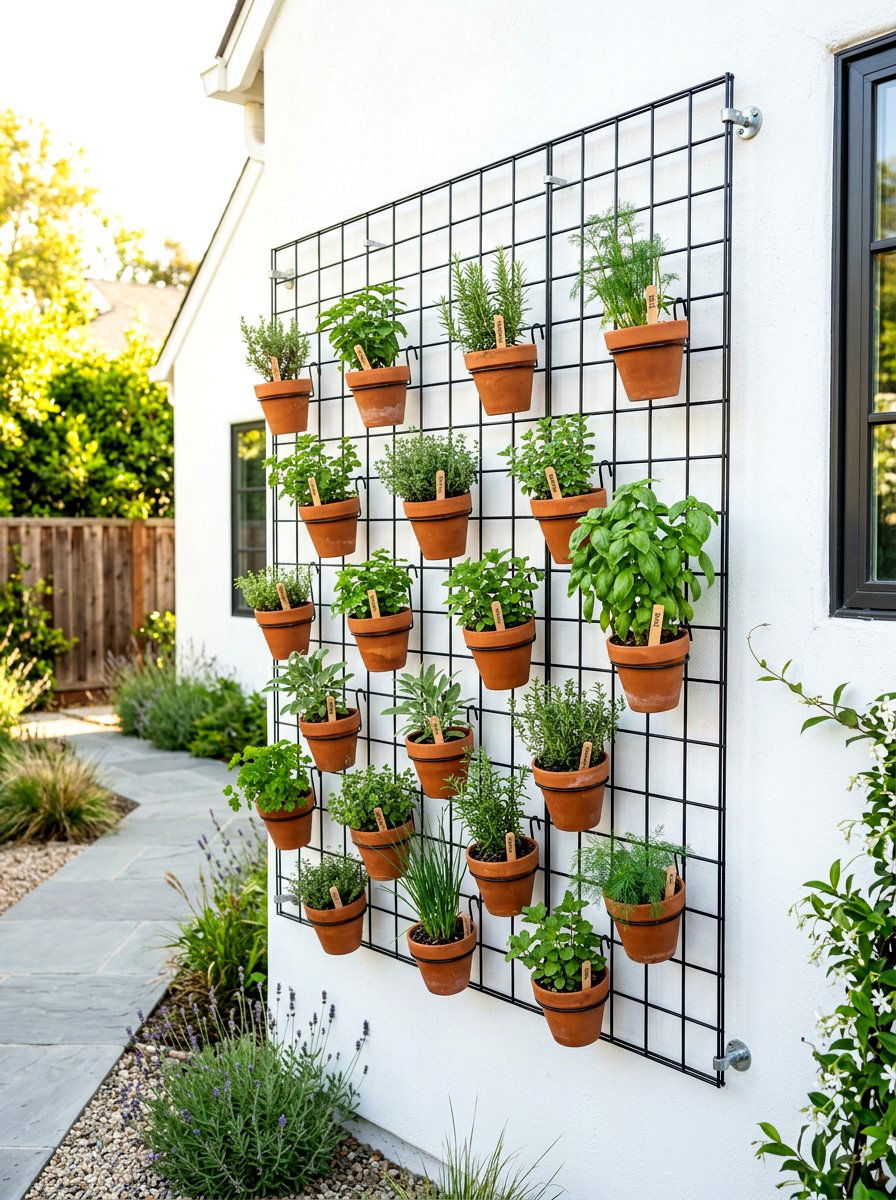
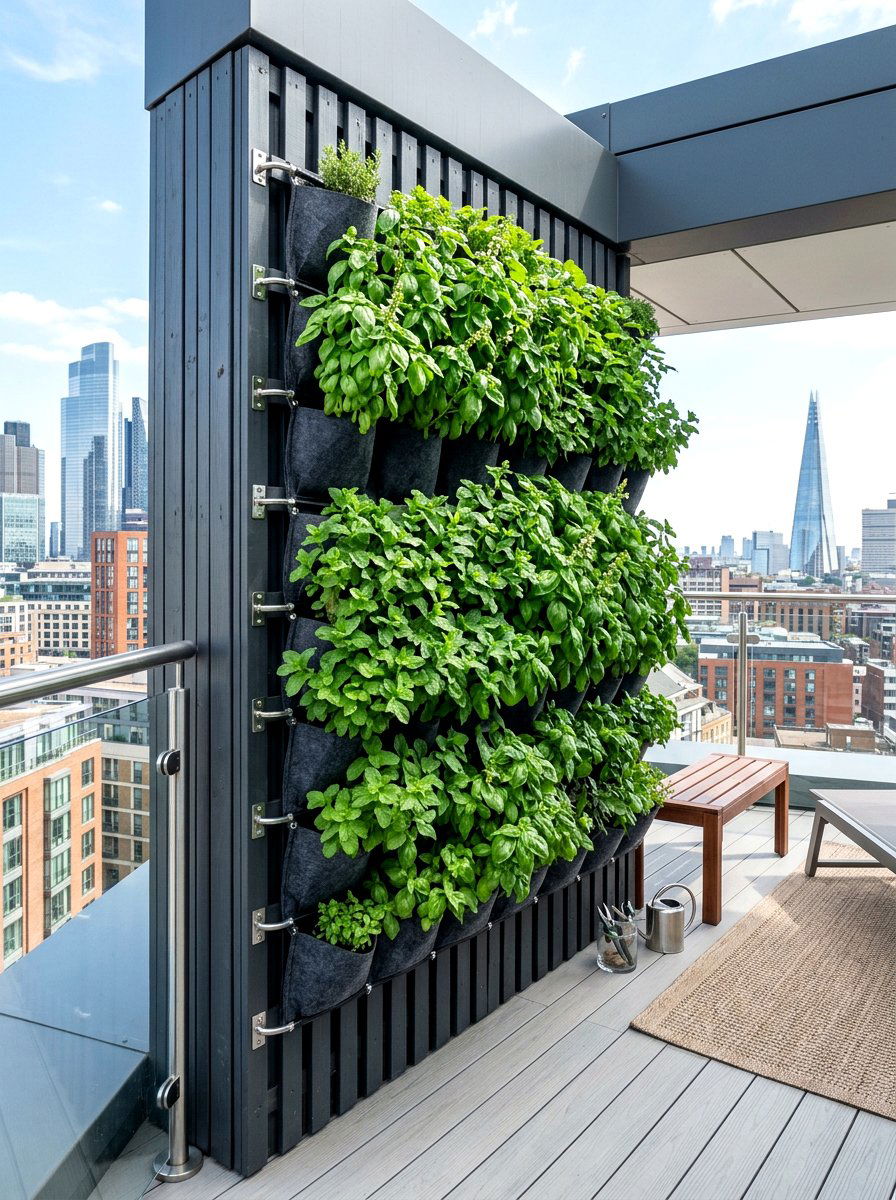
A vertical wall planter is the ideal solution for gardeners with limited ground space or urban courtyards. You can mount wooden crates or felt pockets onto a sunny wall to grow a variety of salad greens. This design turns a plain fence or exterior wall into a vibrant living mural of edible plants. It keeps your herbs at eye level, making it very easy to snip a few leaves for cooking. Automatic drip irrigation can be easily hidden behind the structure to ensure consistent watering for all levels. Using vertical space allows you to grow much more food than you ever thought possible in a small area. It is a modern and efficient way to enjoy fresh produce.
15. Edible Flower Bed
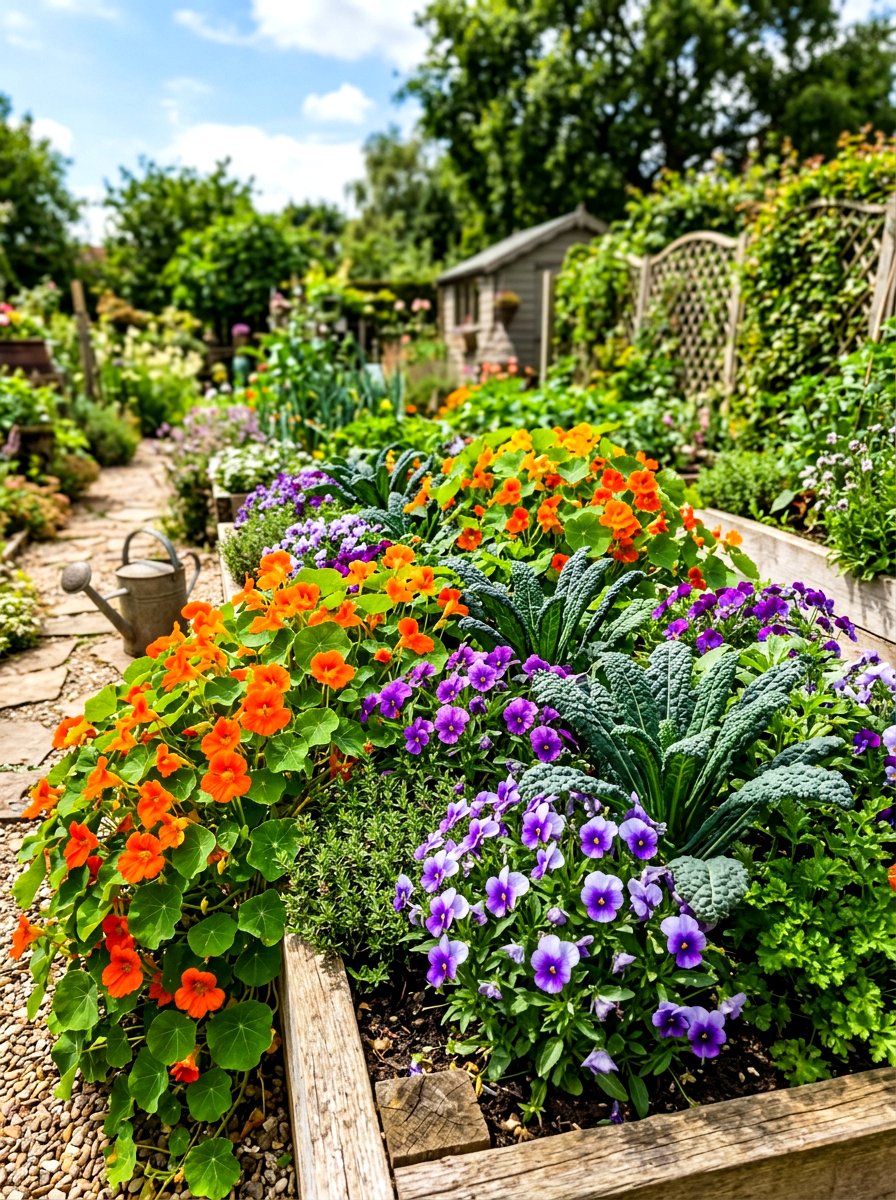
Integrating an edible flower bed adds splashes of brilliant color and unique flavors to your kitchen garden. You can plant nasturtiums, violas, and calendula alongside your traditional vegetables for a stunning visual effect. These blooms are not only beautiful to look at but also safe and delicious to use in summer salads. They attract essential pollinators like butterflies and bees, which helps increase your vegetable yields. The mix of floral scents and vegetable textures creates a rich sensory experience every time you walk by. It breaks up the greenery of the garden with pops of orange, purple, and yellow. This design approach proves that a productive garden can be just as gorgeous as a decorative one.
16. Symmetrical Garden Layout
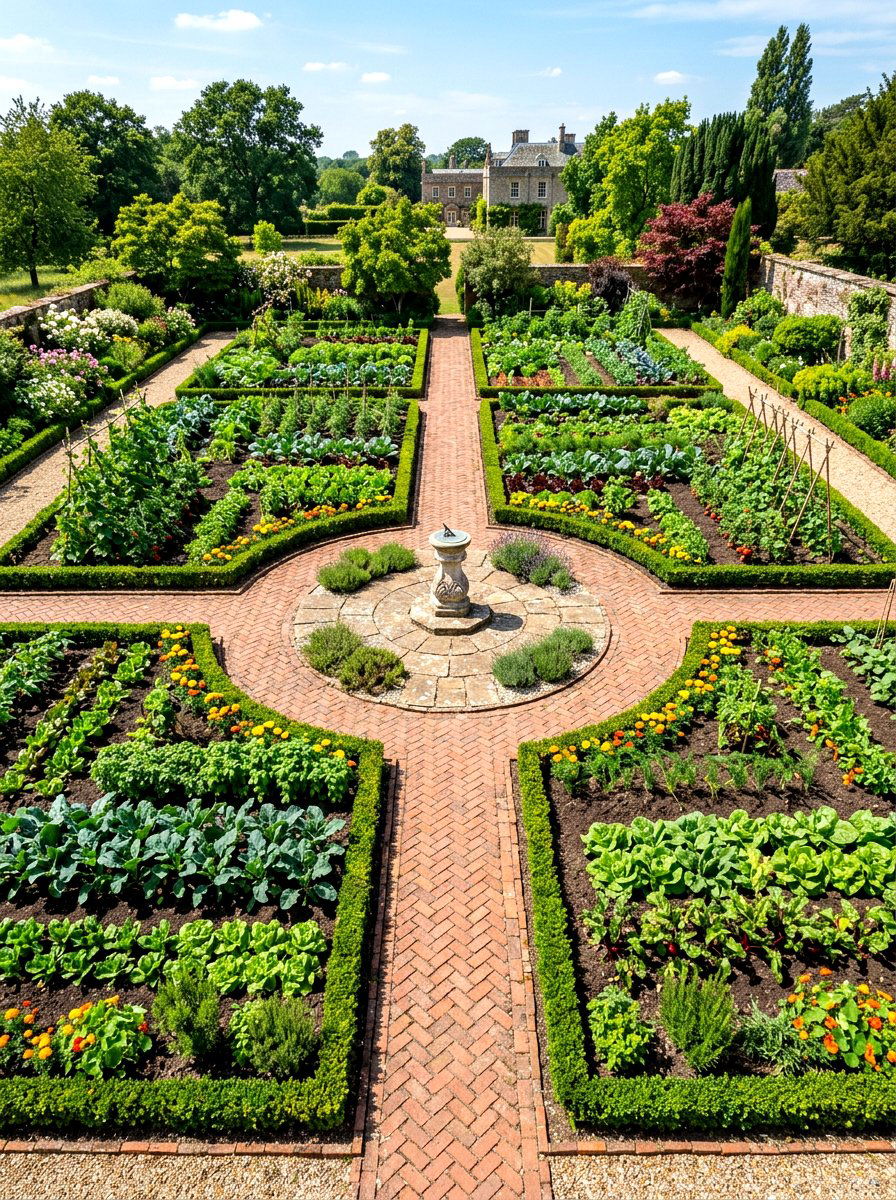
Designing a symmetrical garden layout provides a sense of order and balance that is pleasing to the eye. You can divide your garden into four equal quadrants with central paths that meet in the middle. This formal structure is inspired by classic French estate gardens and makes maintenance very straightforward. Each bed can be dedicated to a specific crop family, which helps with annual crop rotation. The clean lines and repeating patterns create a professional and high-end appearance for your backyard. Even when the plants are small, the geometric bones of the garden provide immediate visual impact. It is an excellent way to turn a functional vegetable patch into a true work of art.
17. Brick Pathway Pattern
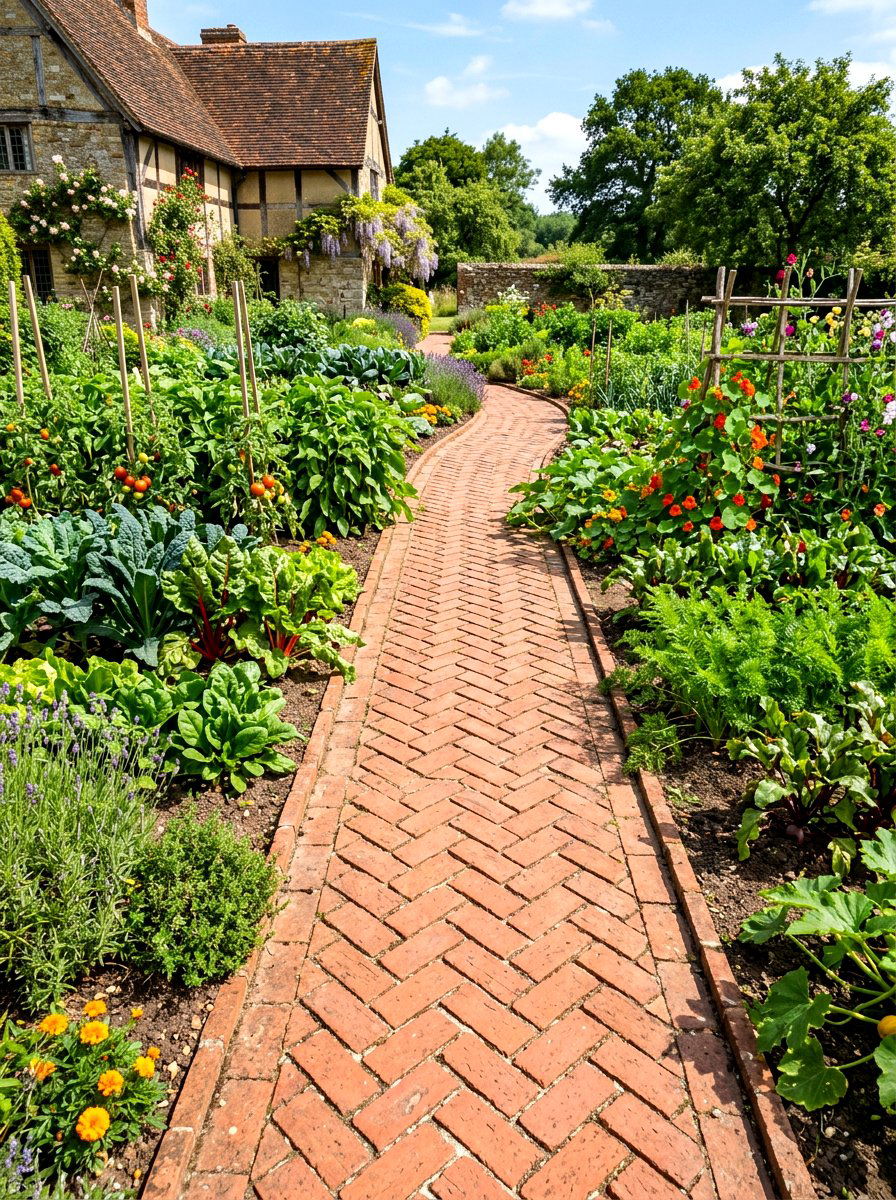
Using a brick pathway pattern adds a sense of permanence and classic style to your outdoor space. You can lay bricks in a herringbone or basketweave design to create visual interest underfoot. Bricks are a durable choice that handles heavy foot traffic and wheelbarrows with ease. They hold onto the sun's warmth, which can help keep the surrounding soil a few degrees warmer in the spring. The warm red and orange tones of the brick contrast beautifully with the cool greens of your vegetable foliage. A solid path ensures that you can harvest your crops even after a heavy rain without getting muddy. This traditional material brings a historical and sophisticated feel to any garden plot.
18. Garden Cold Frame
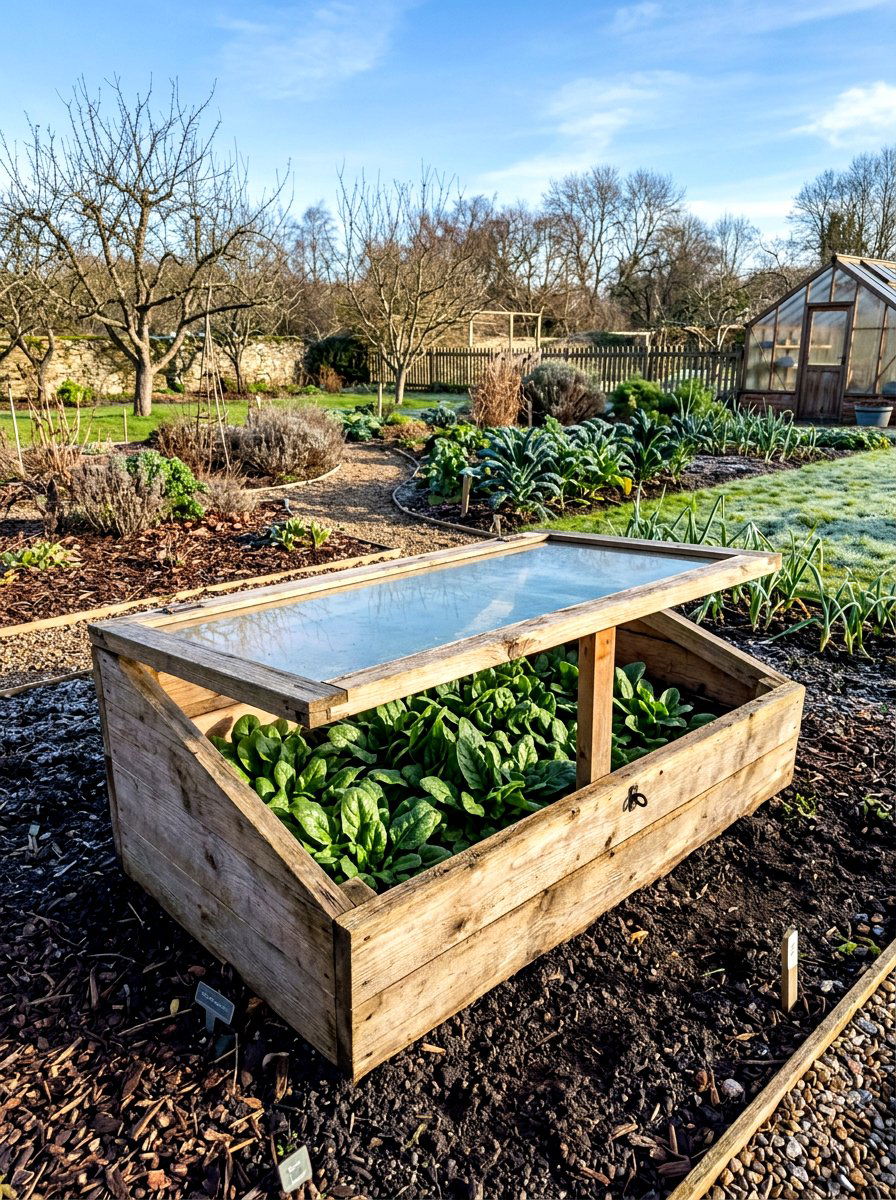
A garden cold frame is a simple yet effective tool for extending your growing season into the winter months. These low boxes with transparent lids act like mini-greenhouses for your hardy greens and radishes. You can build them out of recycled wood and old windows for a sustainable and rustic look. Placing them in a sunny spot allows them to trap solar heat and protect plants from frost. They are perfect for hardening off young seedlings before they are moved into the main garden beds. Including a cold frame in your design shows a commitment to year-round production and self-sufficiency. It adds a practical and hardworking element to your beautiful kitchen garden layout.
19. Berry Bush Hedge
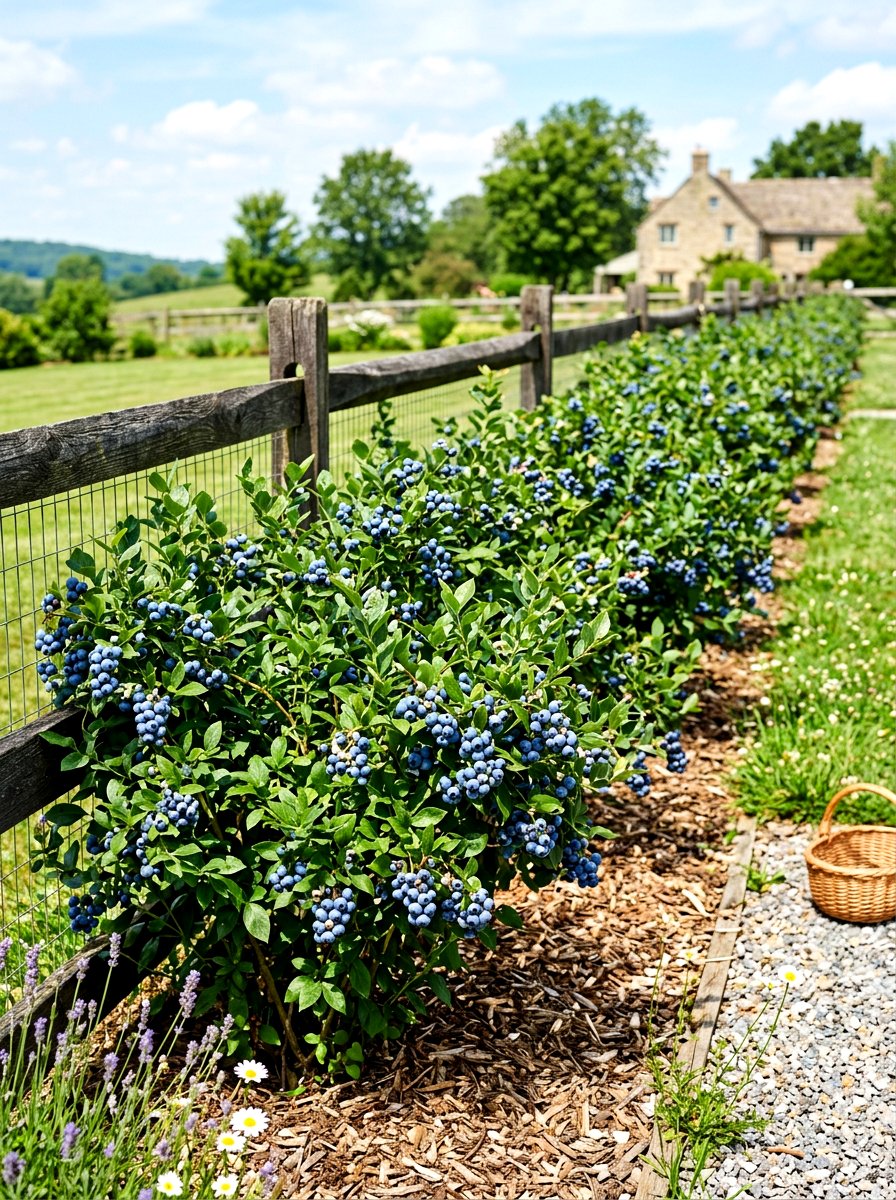
Planting a berry bush hedge serves as a delicious and productive boundary for your kitchen garden area. You can use blueberries, raspberries, or currants to create a soft, leafy wall that yields sweet treats. These shrubs provide structural height and privacy while taking up less space than traditional privacy fences. During the spring, they offer delicate white blossoms that attract early pollinators to your yard. In the autumn, many berry bushes turn vibrant shades of red and gold, adding seasonal color to your landscape. It is a wonderful way to integrate perennial food sources into your annual vegetable design. This living fence is both functional and incredibly rewarding for the whole family.
20. Woven Willow Fence
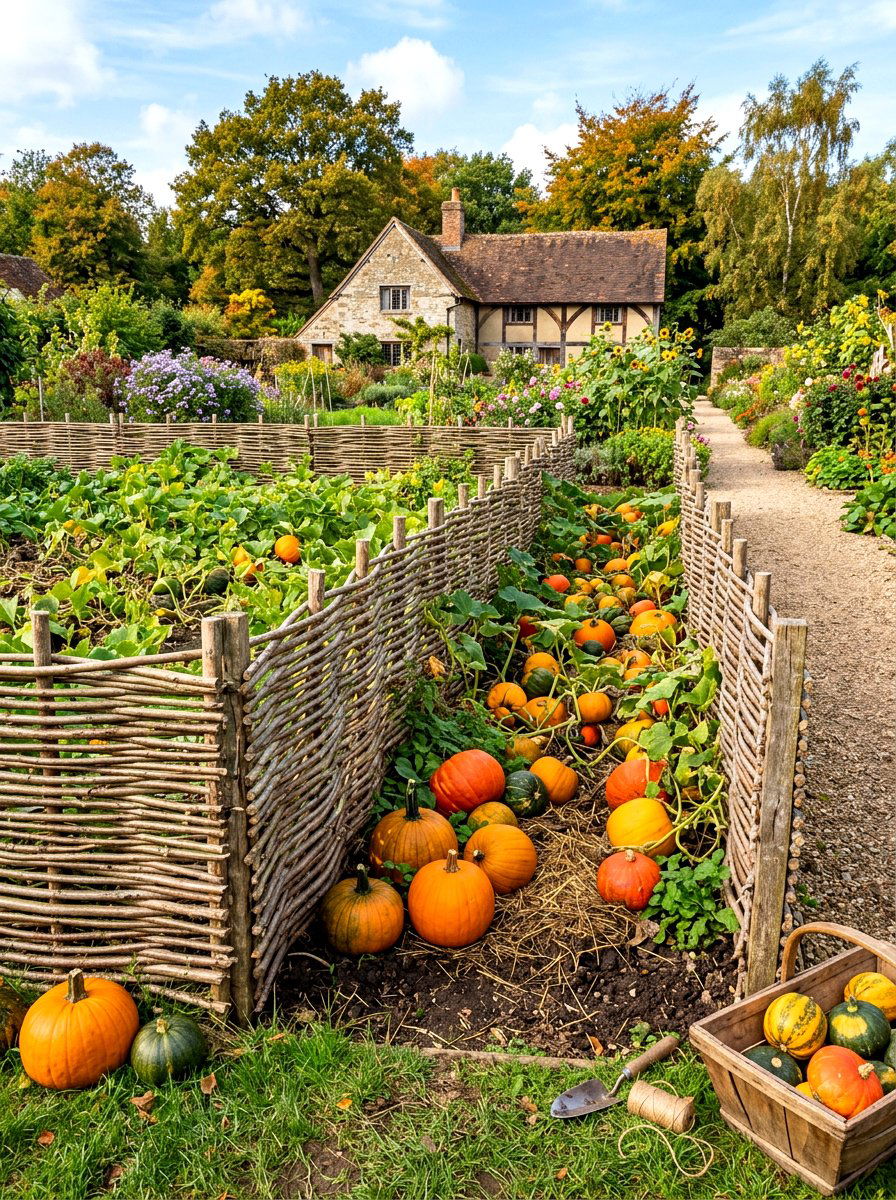
A woven willow fence, also known as a wattle fence, brings a beautiful hand-crafted and organic feel to your garden. This traditional technique involves weaving flexible branches between upright stakes to create a sturdy barrier. It is an eco-friendly and low-cost way to define your garden beds or perimeter. The natural texture and brown tones of the wood blend perfectly with the earthy environment. These fences allow for some airflow while providing protection from wind and small pests. They add a historical and rustic charm that feels like it belongs in a secret garden or fairy tale. This unique design element is sure to be a conversation starter for any visitor to your home.
21. Container Vegetable Garden
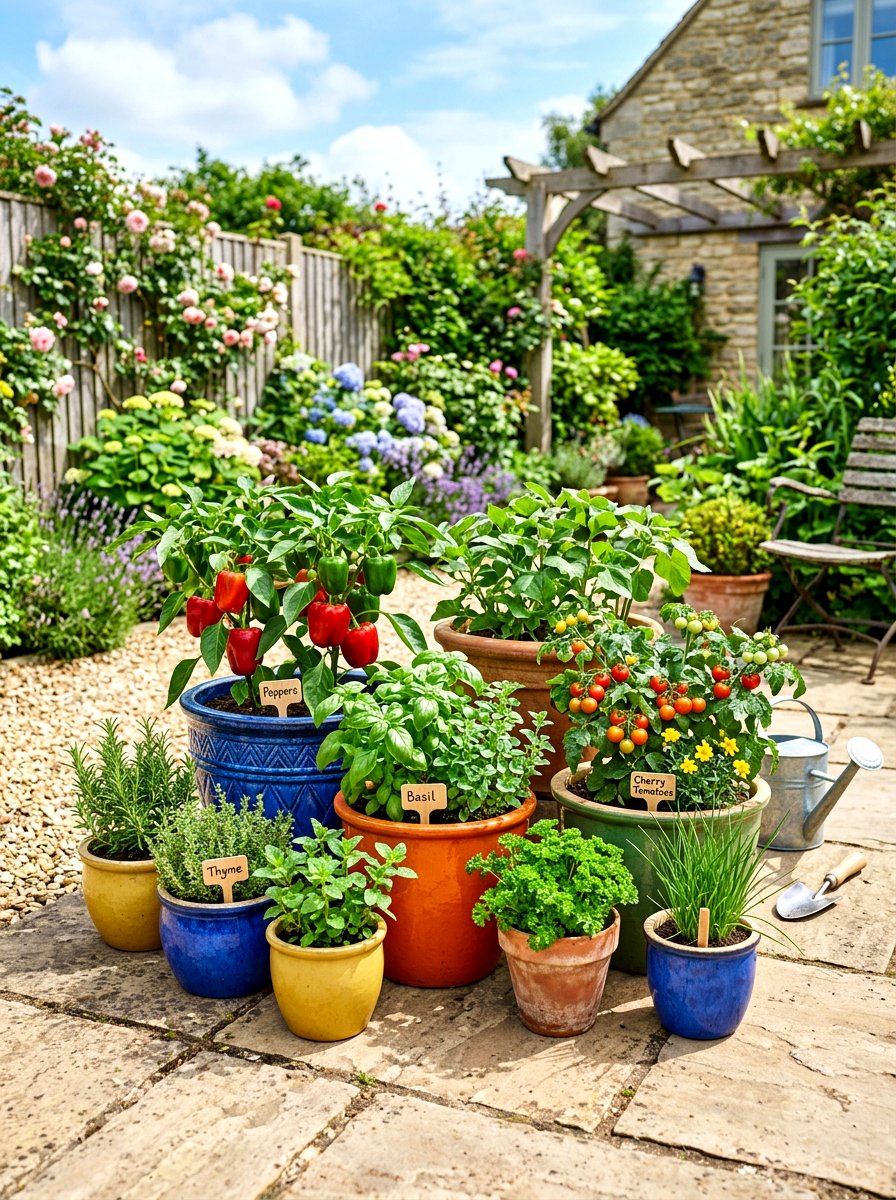
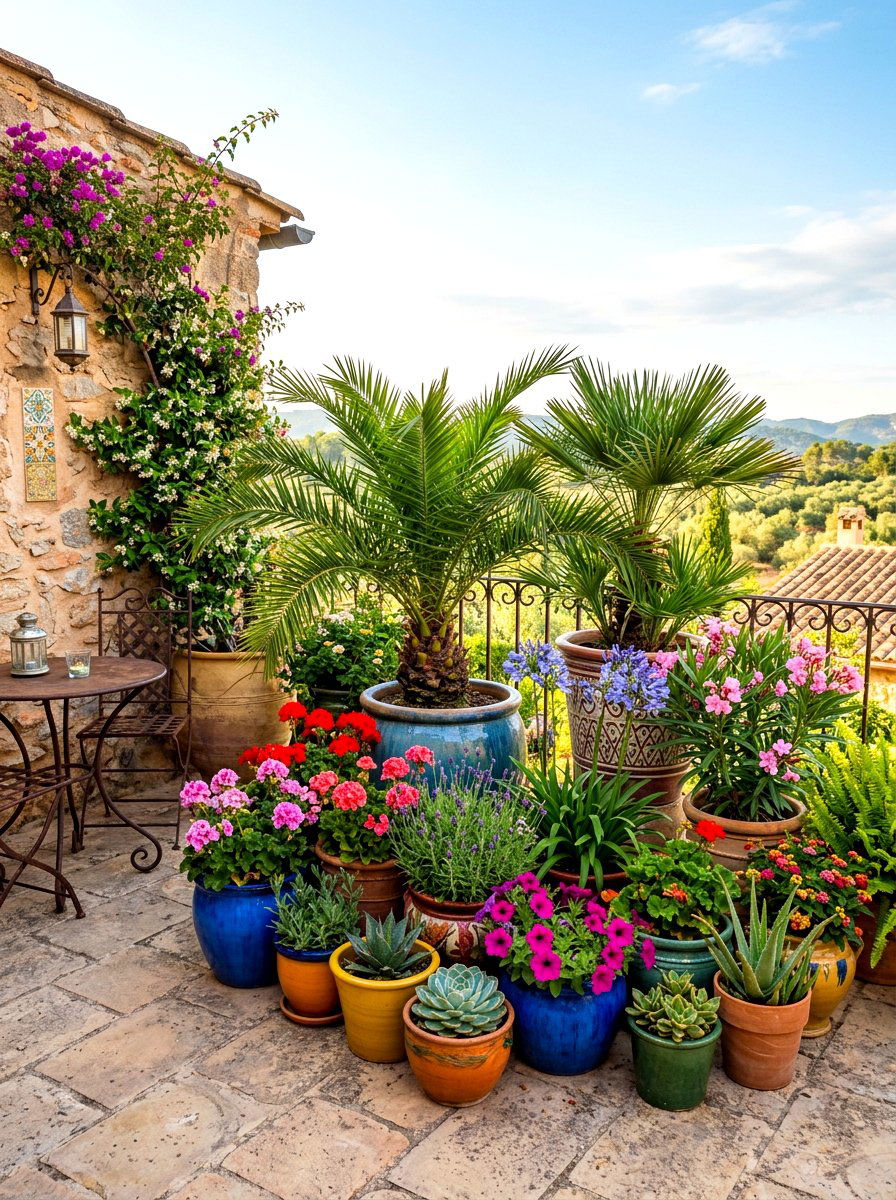
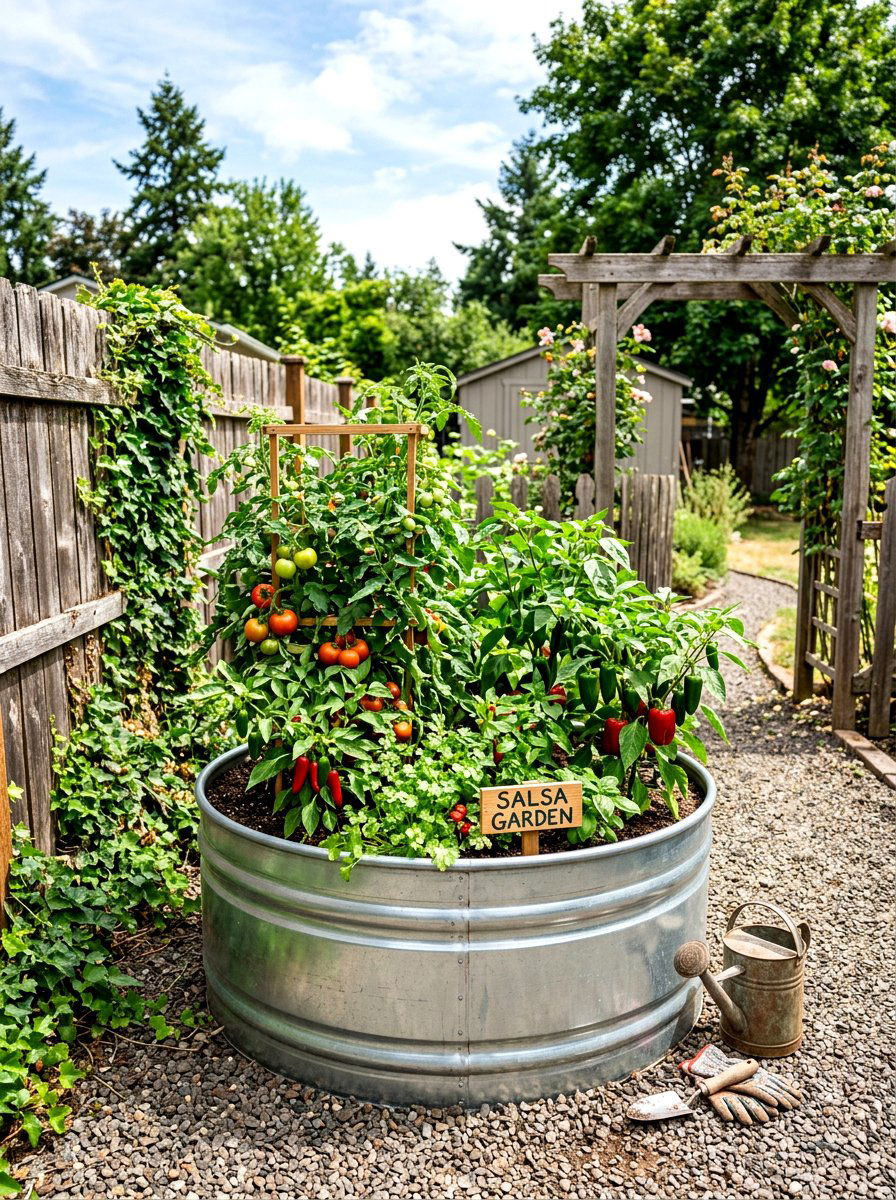
A container vegetable garden offers the ultimate flexibility for people with patios, balconies, or small decks. You can use a variety of terra cotta, wooden, or ceramic pots to grow everything from tomatoes to peppers. Arranging the pots in clusters creates a lush and layered look that feels like a full garden. It allows you to move your plants around to follow the sun throughout the day for better growth. Containers are easier to weed and manage, making them a great choice for beginner gardeners. Using high-quality potting soil ensures your plants get all the nutrients they need in a confined space. This mobile garden style brings life and color to any paved area.
22. Climbing Rose Arch
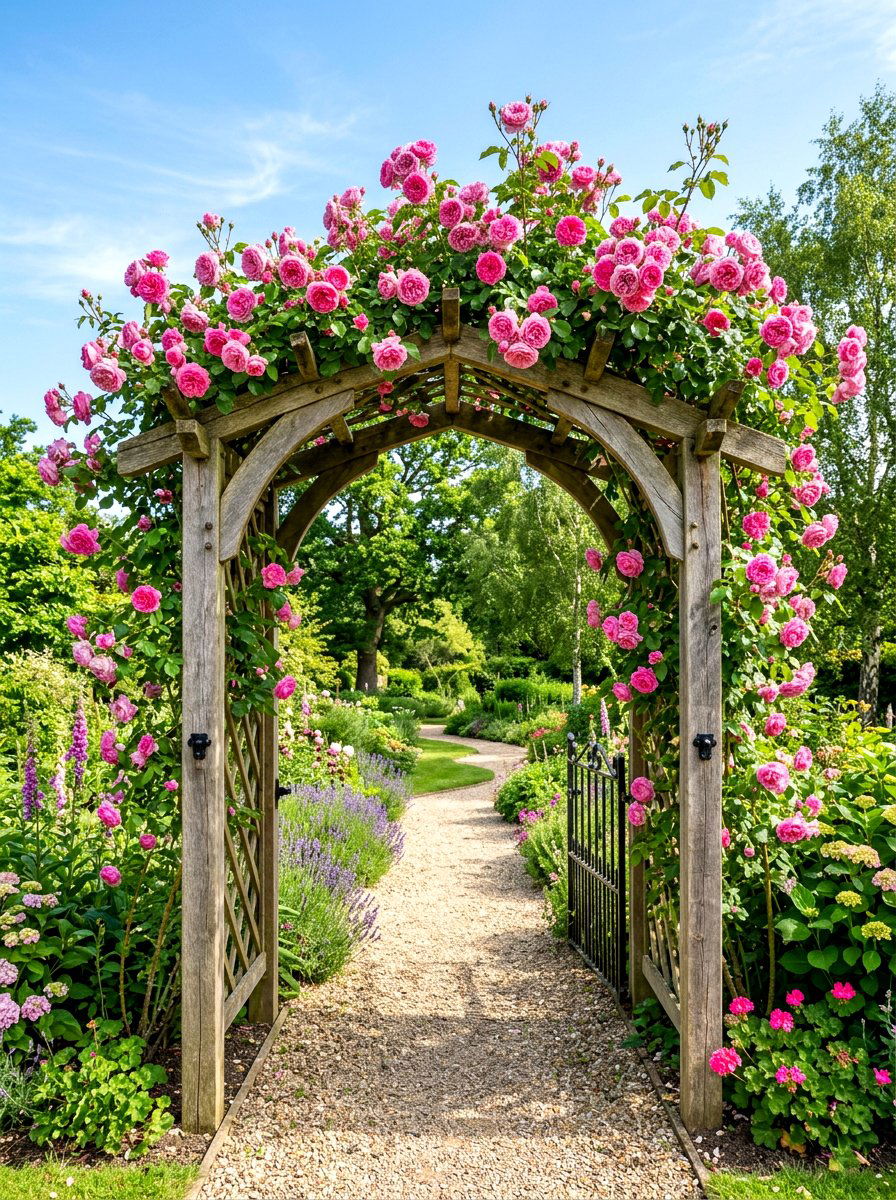
Adding a climbing rose arch provides a breathtaking vertical focal point and a wonderful fragrance to your space. You can position the arch at the entrance of your kitchen garden to create a grand sense of arrival. As the roses grow and cover the structure, they provide a stunning canopy of blooms overhead. The mix of thorns and flowers adds a layer of classic romance and protection to your vegetable beds. You can choose a variety that repeats its blooms all summer for a constant display of color. This classic element ties the ornamental and edible parts of your garden together seamlessly. It transforms a simple garden path into a magical and fragrant floral journey.
23. Rustic Garden Gate
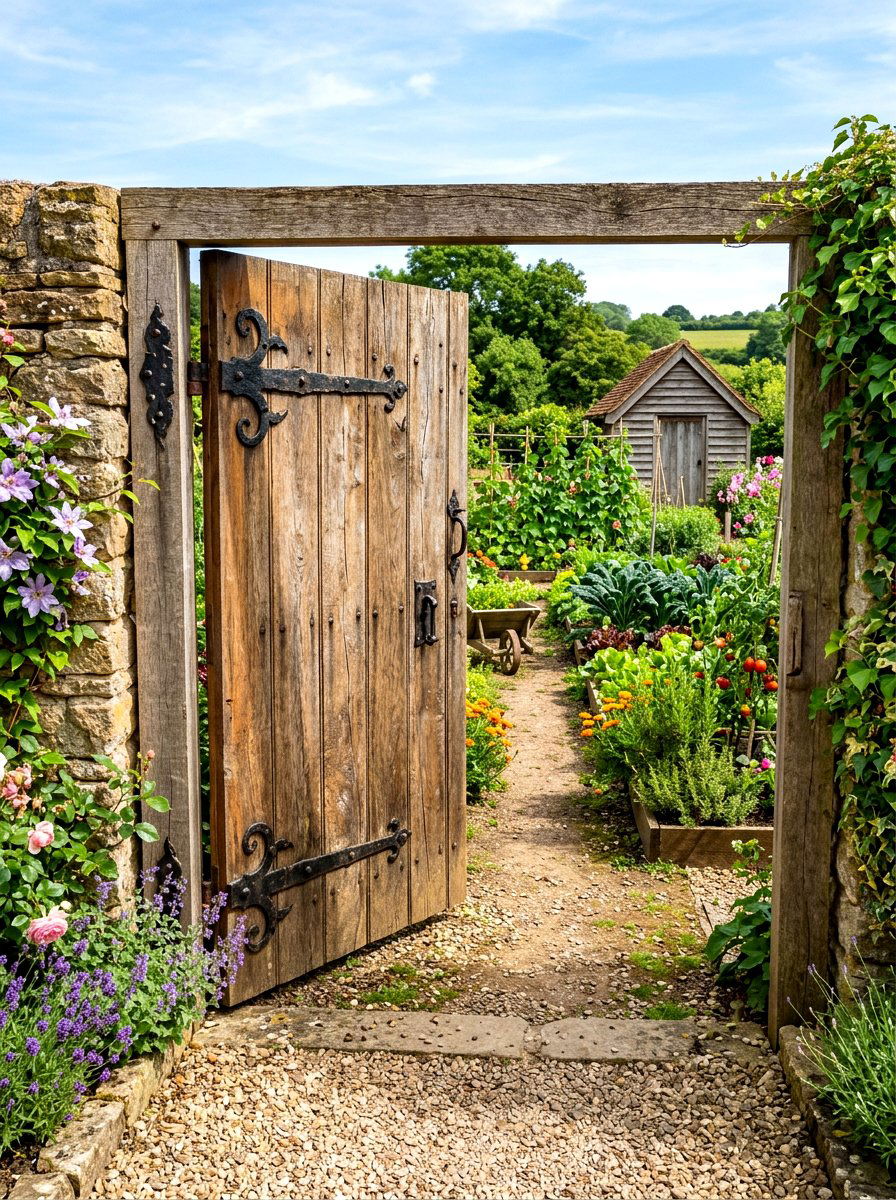
Installing a rustic garden gate is the perfect finishing touch for a fenced kitchen garden area. You can choose a design made from reclaimed wood or wrought iron to match your home's architecture. The gate acts as a symbolic entry into your private world of growth and abundance. A well-designed gate provides a glimpse of the beauty inside while keeping unwanted animals out of your beds. You might add a charming latch or a decorative bell to enhance the sensory experience of entering. It creates a sense of enclosure and security that makes the garden feel like a safe haven. This small detail adds immense character and a welcoming feel to your outdoor space.
24. Garden Bird Bath
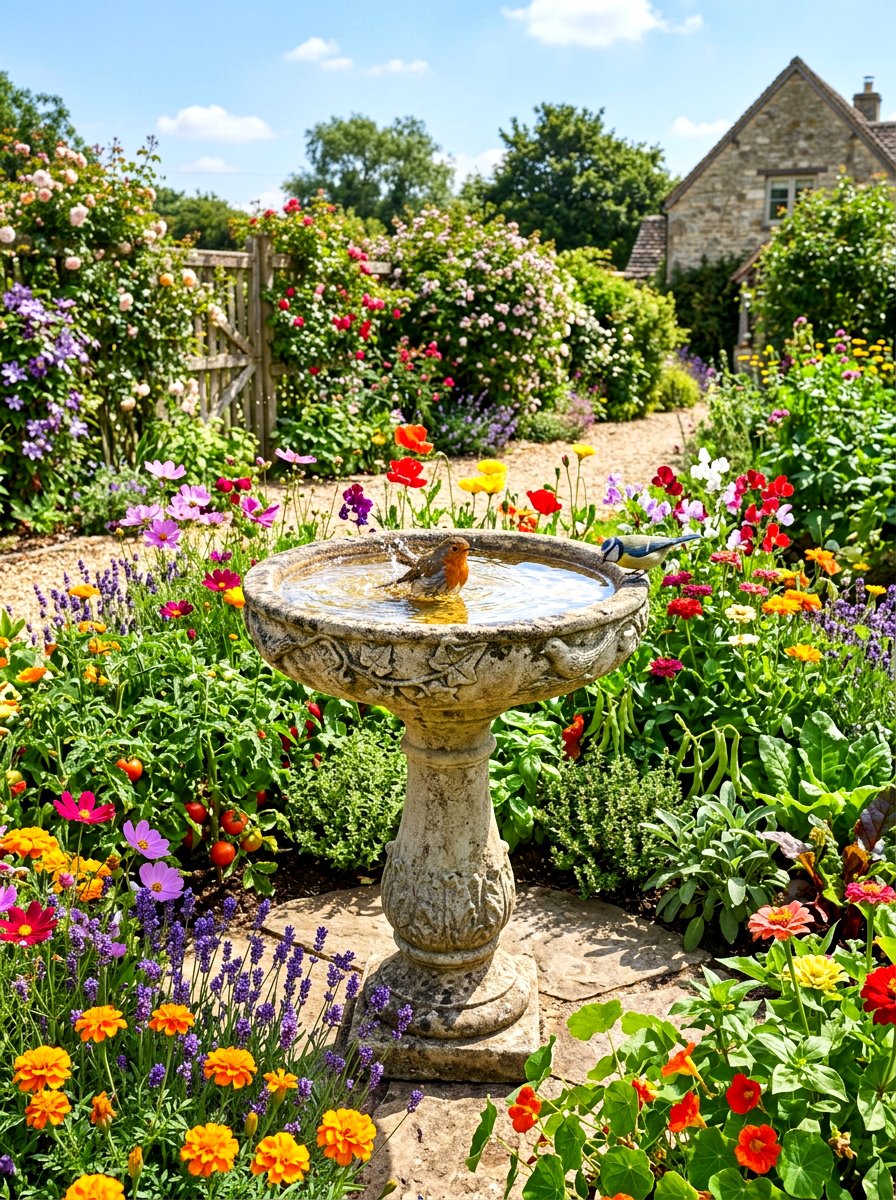
Placing a garden bird bath encourages local wildlife to visit and help maintain your garden's healthy balance. Birds are excellent natural pest controllers as they eat many insects that might harm your vegetables. A stone or ceramic bird bath adds a serene and classic decorative element to a central garden bed. The reflection of the sky in the water brings light and movement down into the greenery. It provides a vital water source for pollinators like bees and butterflies during the hot summer months. Keeping the water clean and fresh ensures that your garden remains a vibrant hub of activity. This simple addition brings a sense of peace and life to your outdoor sanctuary.
25. Vegetable Row Cover
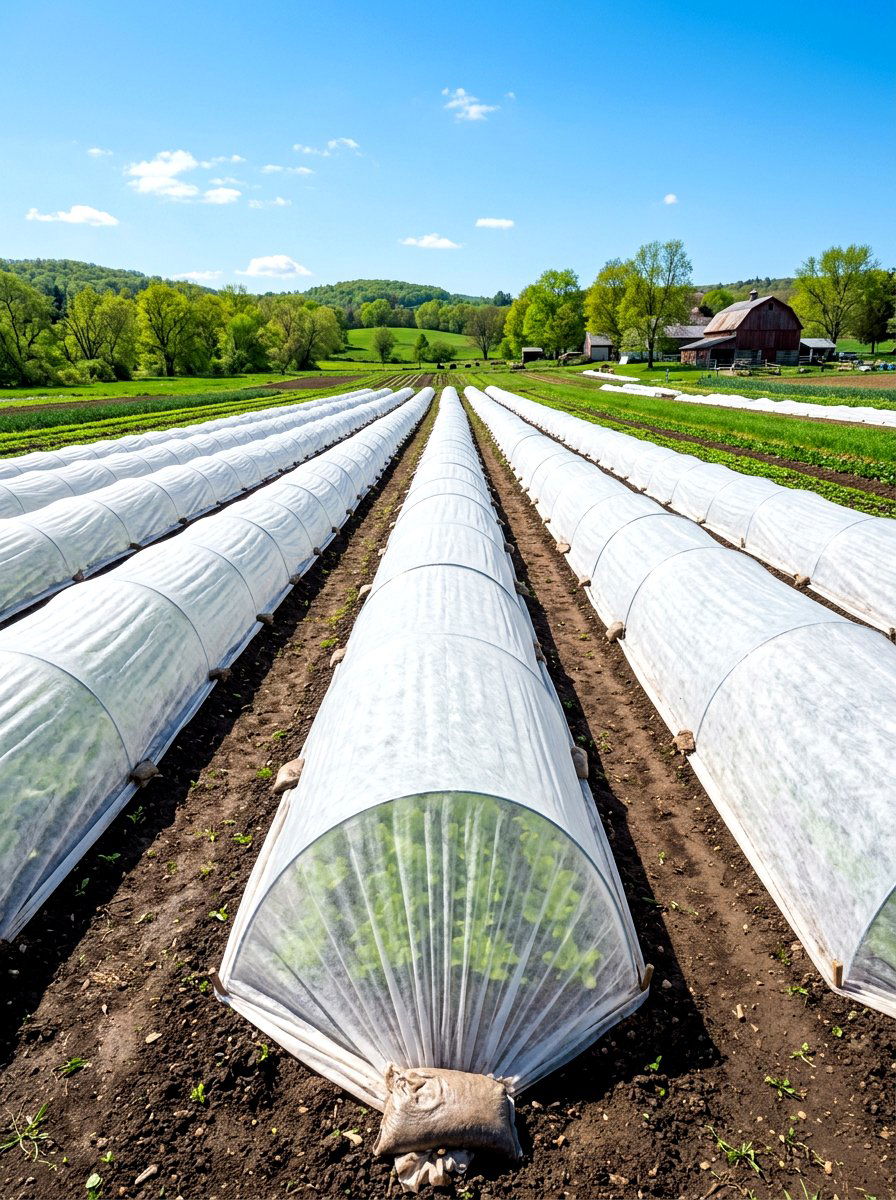
Using a vegetable row cover is a smart way to protect your delicate crops from harsh weather and pests. These lightweight fabric tunnels can be used early in the season to warm the soil for faster growth. They also act as a physical barrier against birds and insects without the need for harmful chemical sprays. You can use simple wire hoops to support the fabric over your long garden beds for a neat look. These covers allow light and water to reach your plants while keeping them cozy and safe. Including them in your garden plan shows a professional level of care for your organic produce. They are essential for any serious home gardener.
26. Salad Green Border
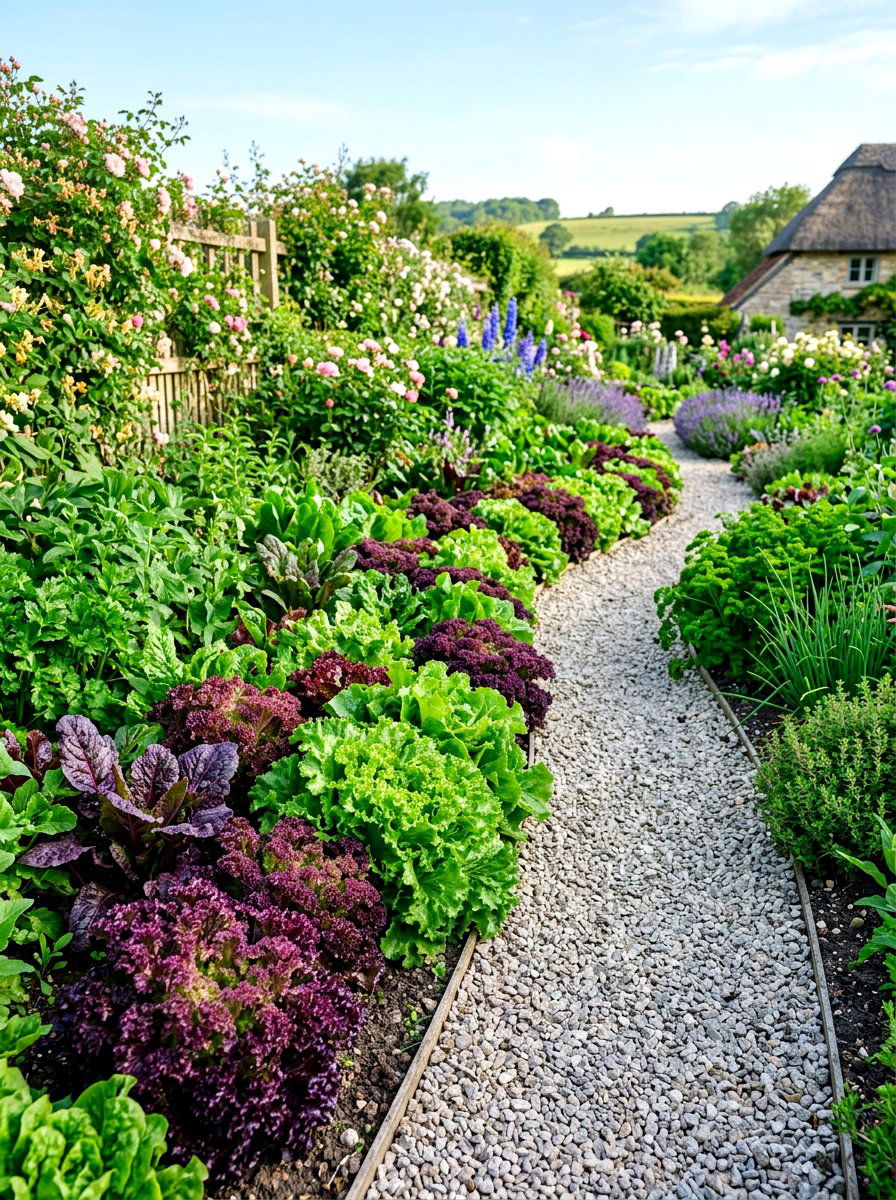
A salad green border is a creative and edible way to edge your garden paths or larger beds. You can plant different varieties of loose-leaf lettuce, kale, and spinach in a dense row along the perimeter. The mix of light green, deep purple, and frilly textures creates a beautiful and soft frame for your garden. It makes harvesting for your nightly salad extremely convenient as you can snip leaves right from the path. This "cut and come again" method ensures a constant supply of fresh food throughout the spring and autumn. It is a brilliant use of space that replaces traditional non-edible edging with something productive. Your paths will look lush and delicious all season long.
27. Small Rooftop Garden
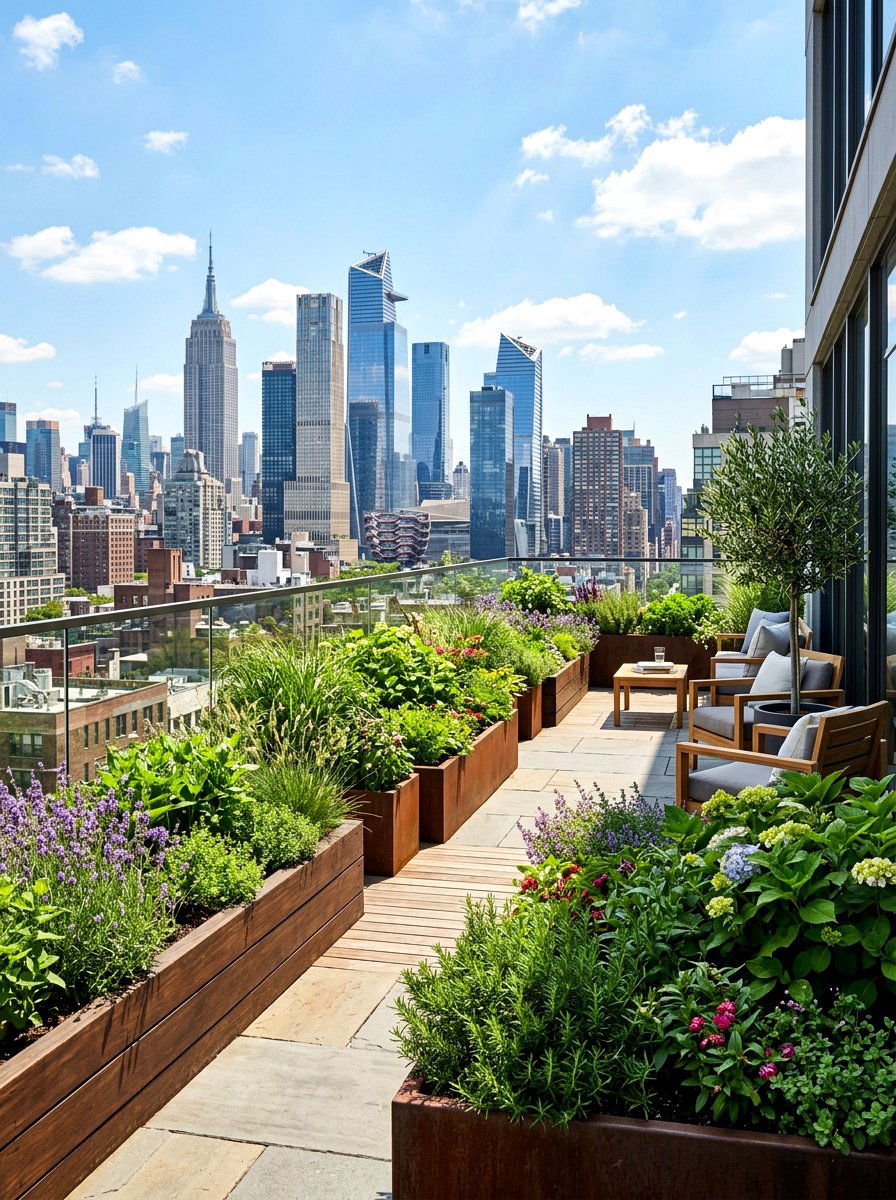
Designing a small rooftop garden allows you to enjoy fresh vegetables even in a dense urban environment. You can use lightweight raised beds and containers to avoid putting too much stress on the building's structure. This elevated space often gets excellent sunlight, which is perfect for sun-loving tomatoes and peppers. Using vertical trellises helps maximize the limited square footage while providing a bit of privacy from neighbors. It transforms a forgotten gray space into a vibrant and cooling green oasis for relaxation. You can even add a small outdoor rug and a chair to create a cozy sky-high retreat. This modern approach to gardening brings nature back into the heart of the city beautifully.
28. Courtyard Kitchen Garden
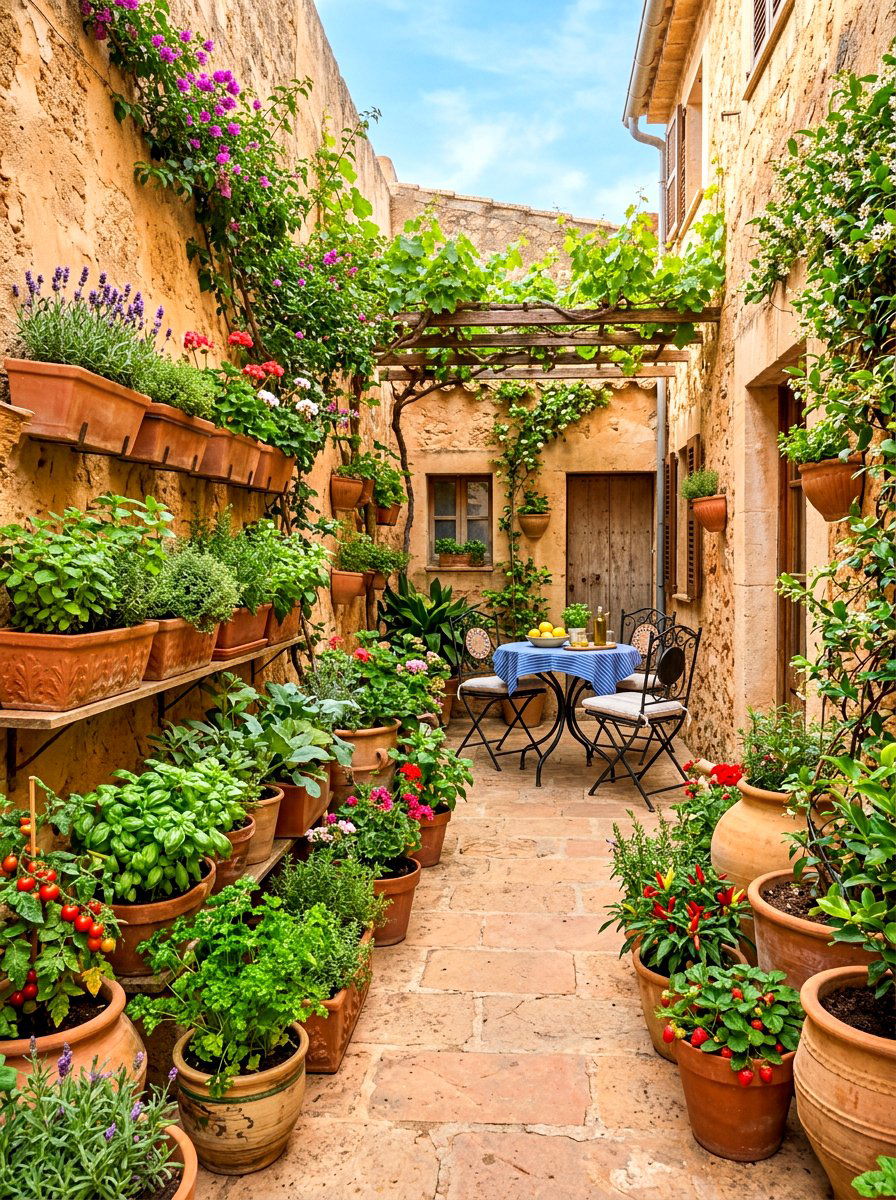
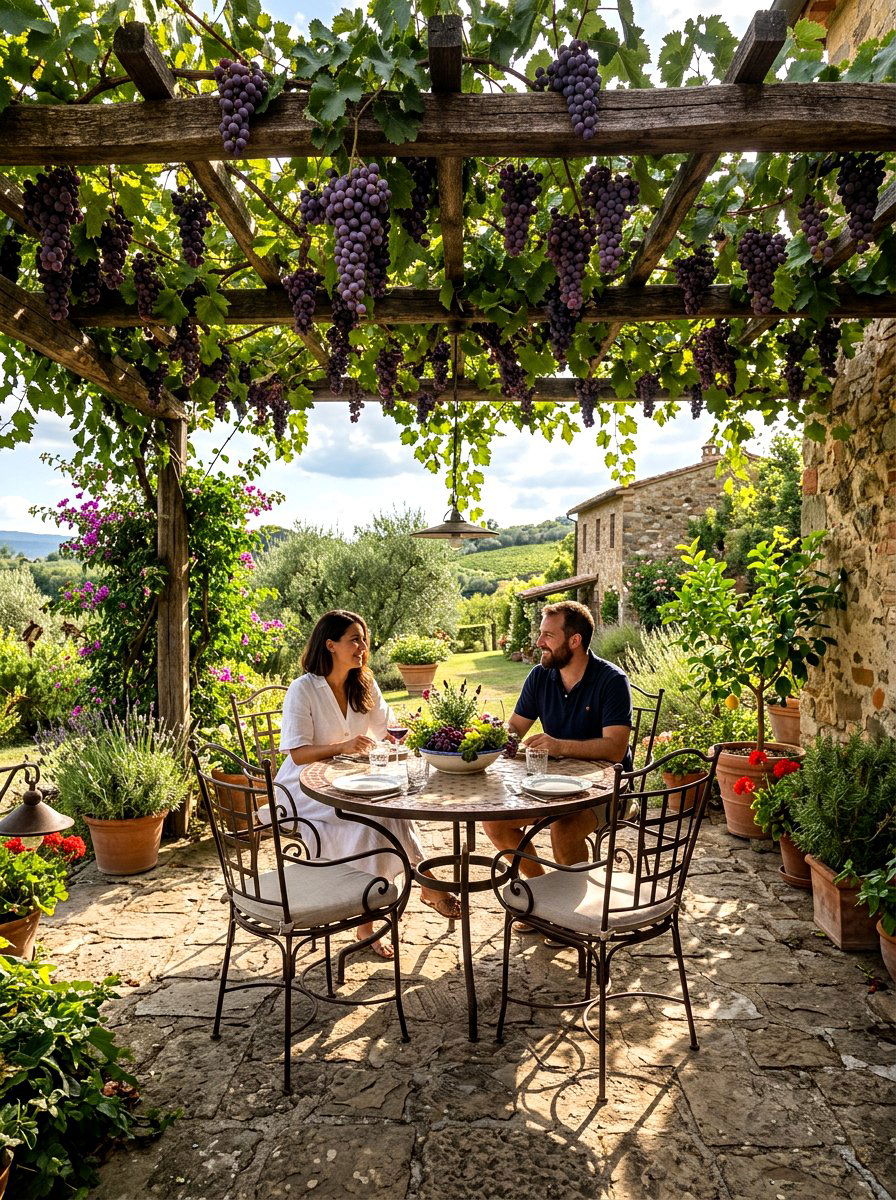
A courtyard kitchen garden is a private and sheltered space that is perfect for growing Mediterranean herbs and vegetables. The surrounding walls protect your plants from strong winds and trap warmth for better growth. You can use a mix of wall-mounted planters and floor containers to fill every corner with greenery. A small table and chairs in the center allow you to dine right next to where your food is grown. The intimate scale of a courtyard makes it very easy to manage and maintain on a daily basis. It feels like an extension of your indoor kitchen, making harvesting a quick and easy task. This design creates a secret Mediterranean escape right in your backyard.
29. Wildflower Pollinator Strip
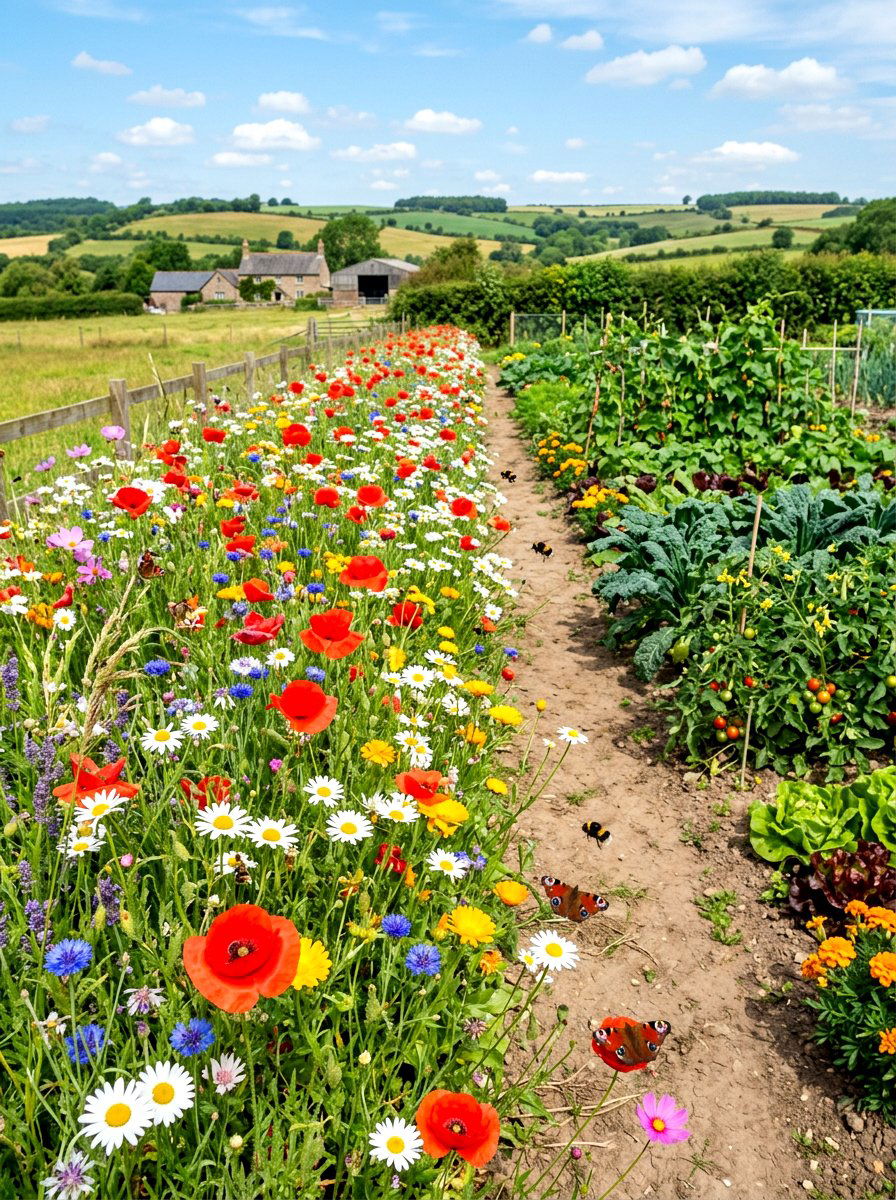
Adding a wildflower pollinator strip along the edge of your garden provides essential food for bees and butterflies. These colorful native flowers attract beneficial insects that are needed to pollinate your fruit and vegetable crops. It creates a beautiful and wild contrast to the structured rows of your traditional potager beds. You can choose a mix of seeds that bloom at different times to provide nectar throughout the entire season. This approach supports local biodiversity and helps keep your garden ecosystem healthy and thriving naturally. The waving flowers add a sense of movement and joy to the landscape. It is a sustainable design choice that benefits both your harvest and the planet.
30. Garden Tool Storage
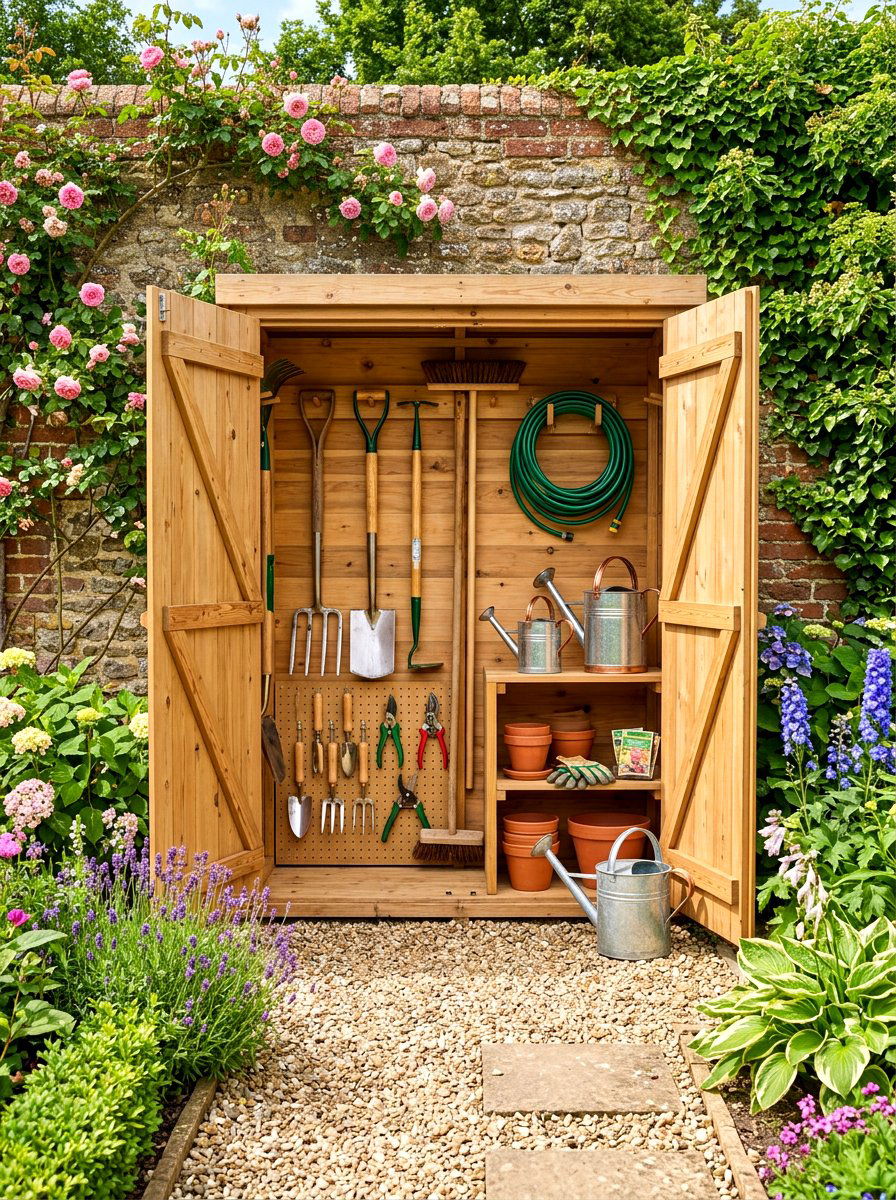
Organizing your space with dedicated garden tool storage keeps your kitchen garden looking professional and clutter-free. You can build a small wooden locker or a wall-mounted rack to keep your shovels, rakes, and watering cans tidy. Having your tools close at hand makes it much easier to perform quick maintenance tasks whenever you have a free moment. Choosing storage that matches the style of your garden fence or potting shed creates a cohesive look. It protects your expensive equipment from the elements, ensuring they last for many years of heavy use. A neat and organized garden is much more relaxing to spend time in and easier to manage. It is the final touch for a perfect potager.
Conclusion:
A potager garden is more than just a place to grow food; it is a lifestyle that celebrates the beauty of nature and the joy of a home-grown harvest. By blending traditional French design principles with modern sustainable practices, you can create a space that is both productive and stunningly beautiful. Whether you choose formal boxwood hedges or rustic willow fences, the key is to design a garden that reflects your personal style and needs. These gardens encourage us to spend more time outdoors and connect with the food we eat every day. Start small this season and watch as your backyard transforms into a vibrant sanctuary of flavor and color. Happy gardening to you and your family.

Related posts: