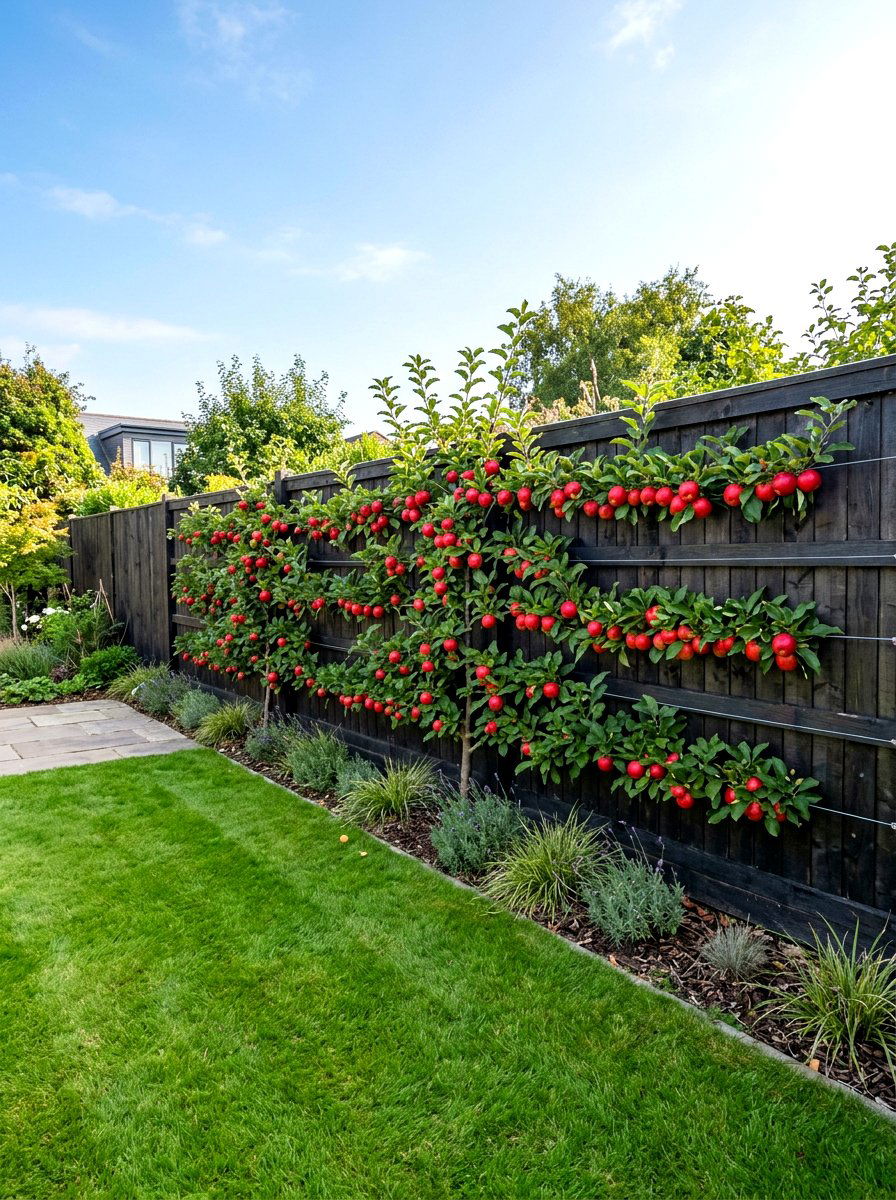
Imagine transforming your standard lawn into a vibrant, productive sanctuary that feeds both your family and your soul. Edible landscaping is a modern movement that blends traditional aesthetic principles with the functionality of a home orchard or vegetable garden. Instead of choosing plants based solely on their looks, you can select varieties that offer stunning foliage, fragrant blossoms, and delicious harvests. This approach allows you to maximize every square inch of your outdoor space, turning unused corners into thriving food hubs. From lush berry hedges to architectural fruit trees, the possibilities are endless for creating a sustainable haven. This guide explores creative ways to integrate food-producing plants into your yard beautifully.
1. Fruit Tree Hedge
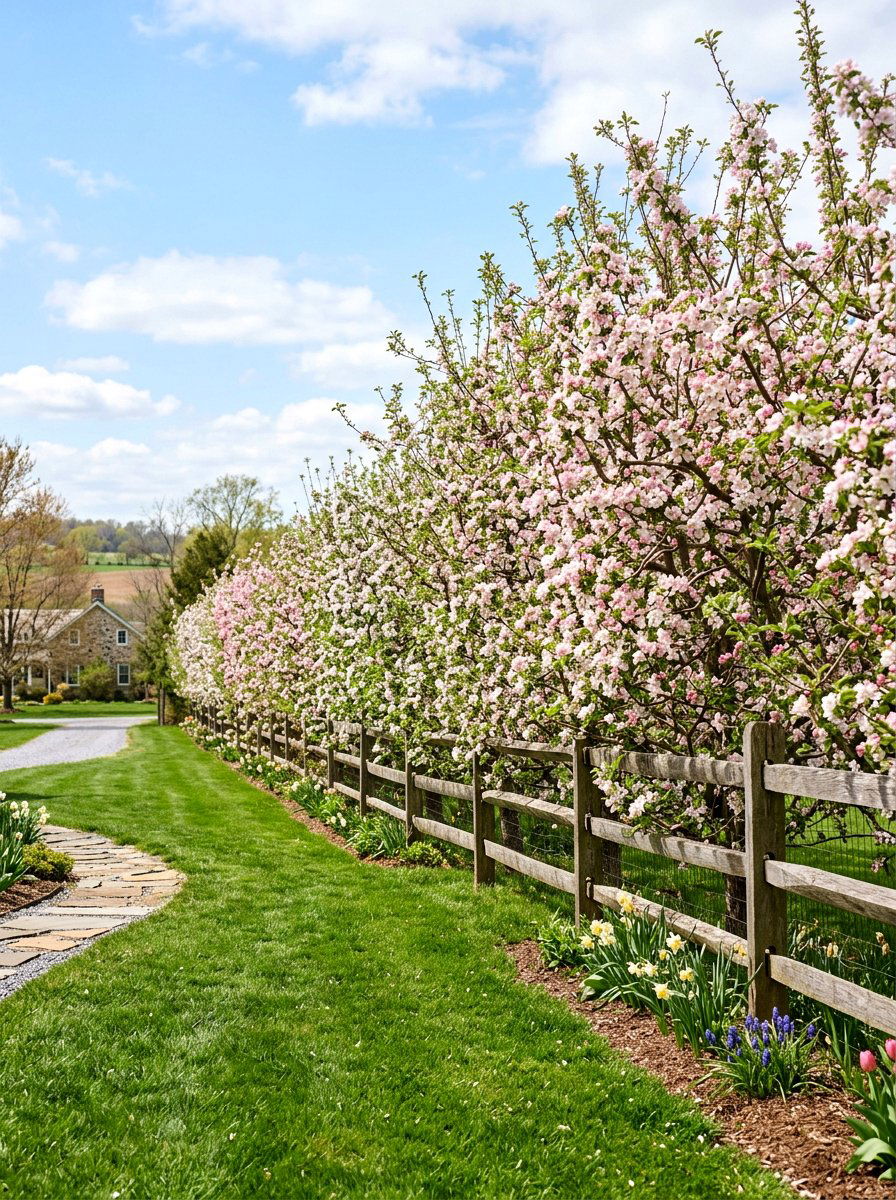
Replacing a traditional privacy fence with a row of fruit trees creates a living barrier that provides fresh produce and seasonal beauty. You can plant dwarf or semi-dwarf varieties close together to form a dense, green wall that shields your yard from neighbors. In the spring, your property will be awash in delicate white or pink blossoms that attract beneficial pollinators. As the seasons progress, the foliage remains lush and vibrant, offering a cool backdrop for your outdoor activities. Harvesting your own apples, peaches, or plums directly from your boundary line makes gardening feel truly rewarding. This design adds significant vertical interest and long-term value to your property.
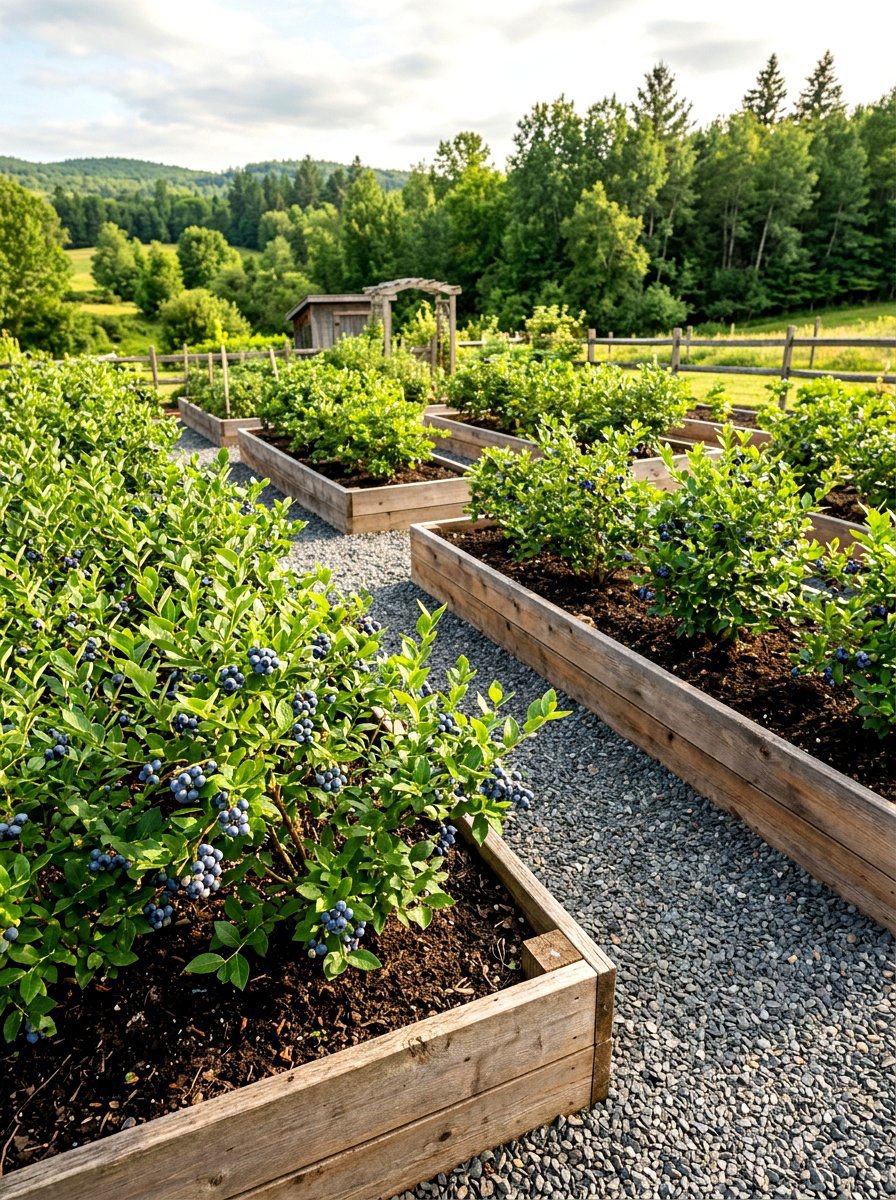
2. Blueberry Bush Border
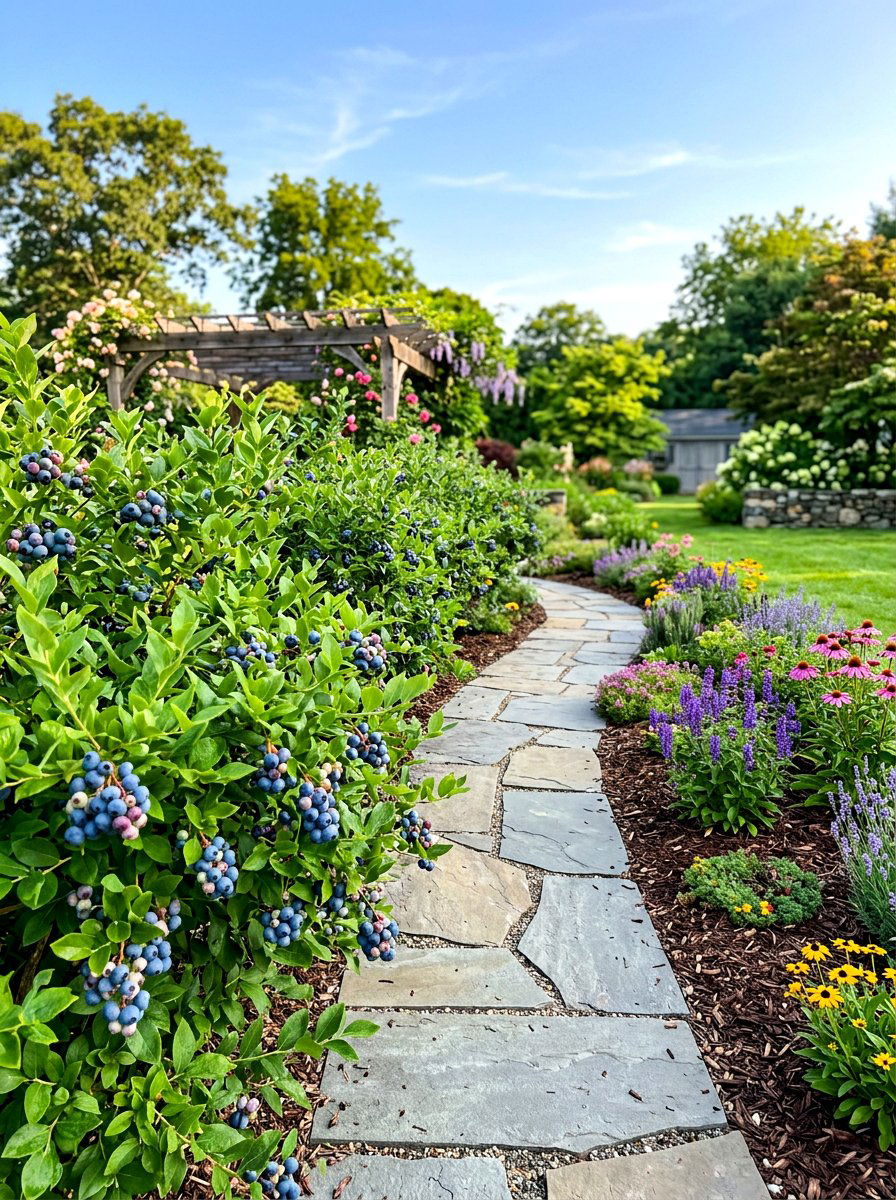
Blueberry bushes are the unsung heroes of edible landscaping because they offer ornamental appeal throughout every single season. During the spring, these hardy shrubs produce tiny, bell-shaped flowers that look incredibly delicate against their emerging green leaves. In the summer, the bushes become heavy with clusters of deep blue berries that are perfect for fresh snacking. Perhaps the best part of choosing blueberries is their spectacular fall foliage, which often turns a brilliant, fiery red. They work beautifully as low-level borders along property lines or as structural elements in a mixed garden bed. Adding these shrubs ensures your landscape remains productive and visually striking all year.
3. Herb Garden Path
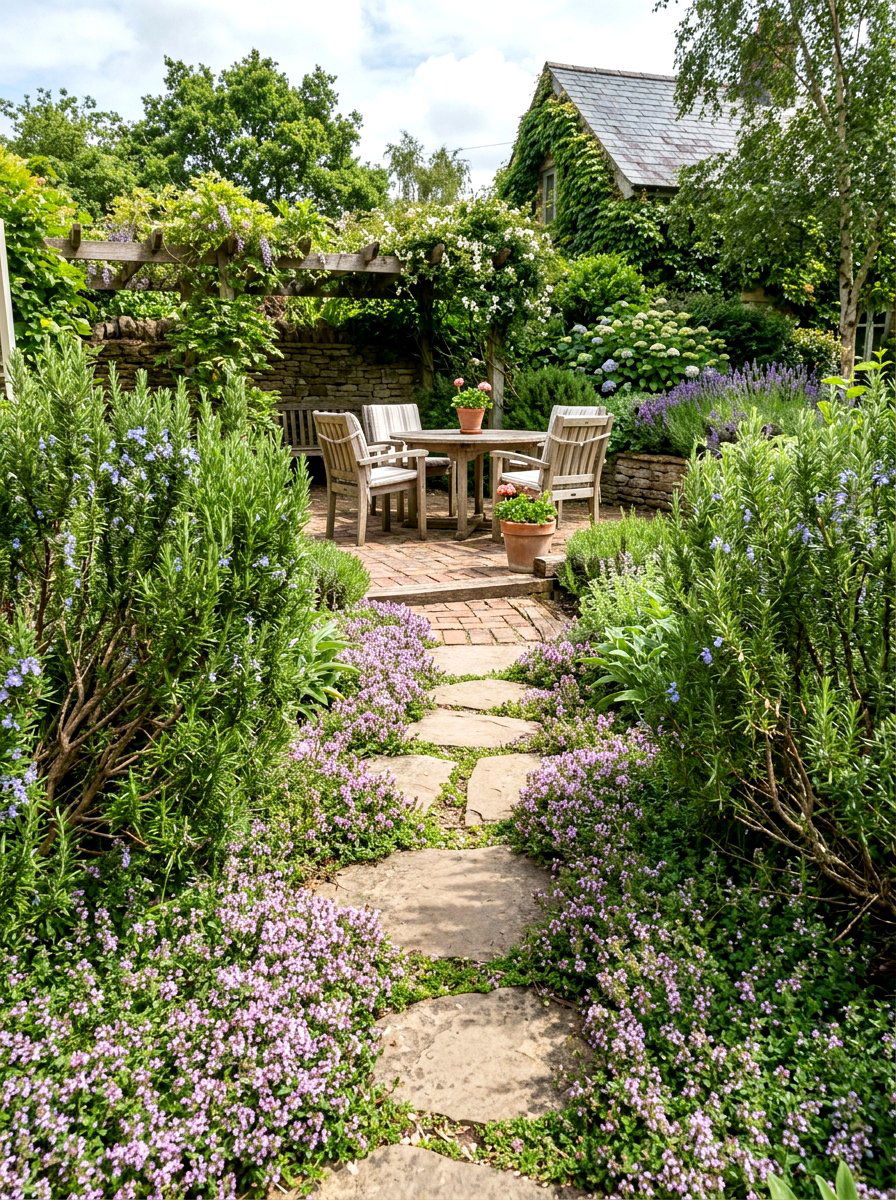
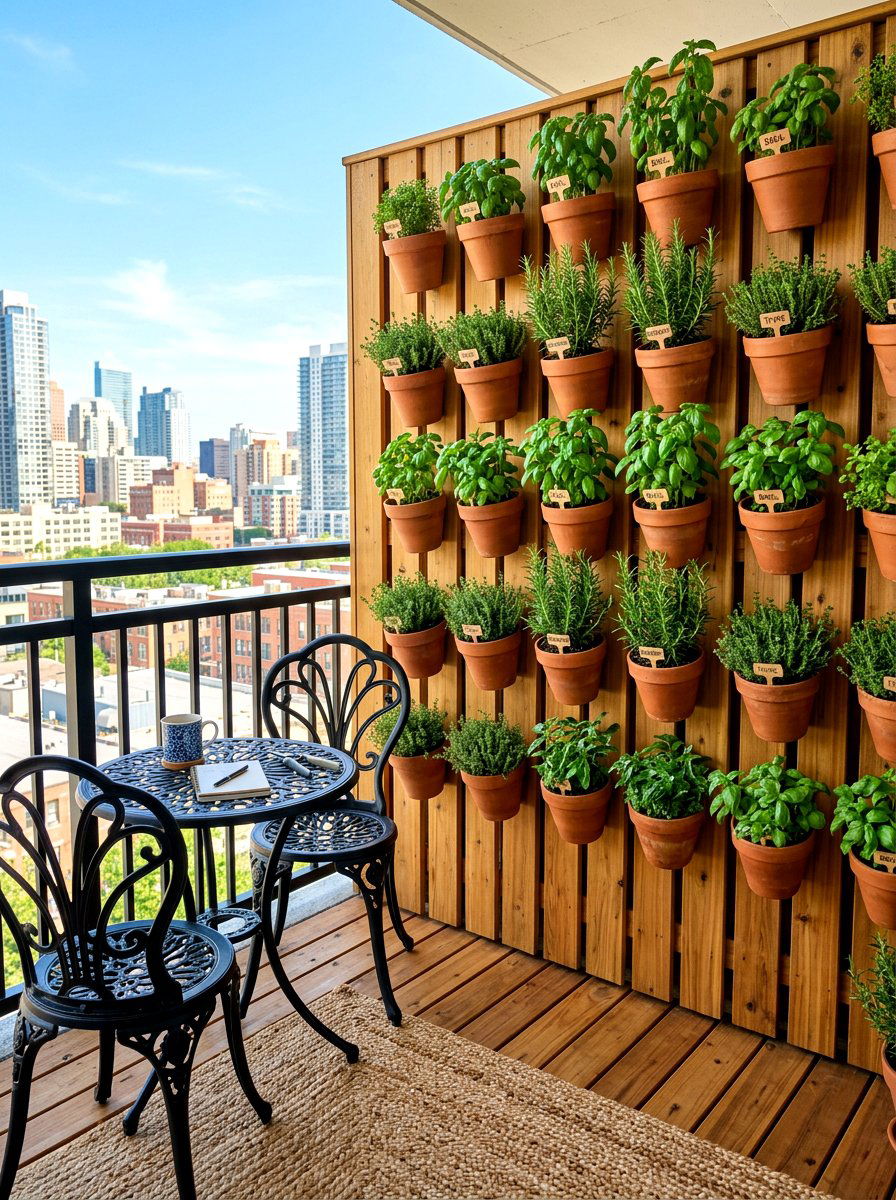
Walking through your yard becomes a sensory experience when you line your primary walkways with a lush variety of aromatic herbs. Planting creeping thyme or oregano between stepping stones releases a refreshing scent every time you step on them. Taller herbs like rosemary and sage can frame the edges of the path, adding texture and structural depth to the walkway. This layout makes it incredibly convenient to snip a few sprigs for dinner while you are wandering through the garden. The different shades of green and silver foliage create a sophisticated look that rivals any traditional flower border. It is a simple way to bring fragrance and function together.
4. Grape Vine Pergola
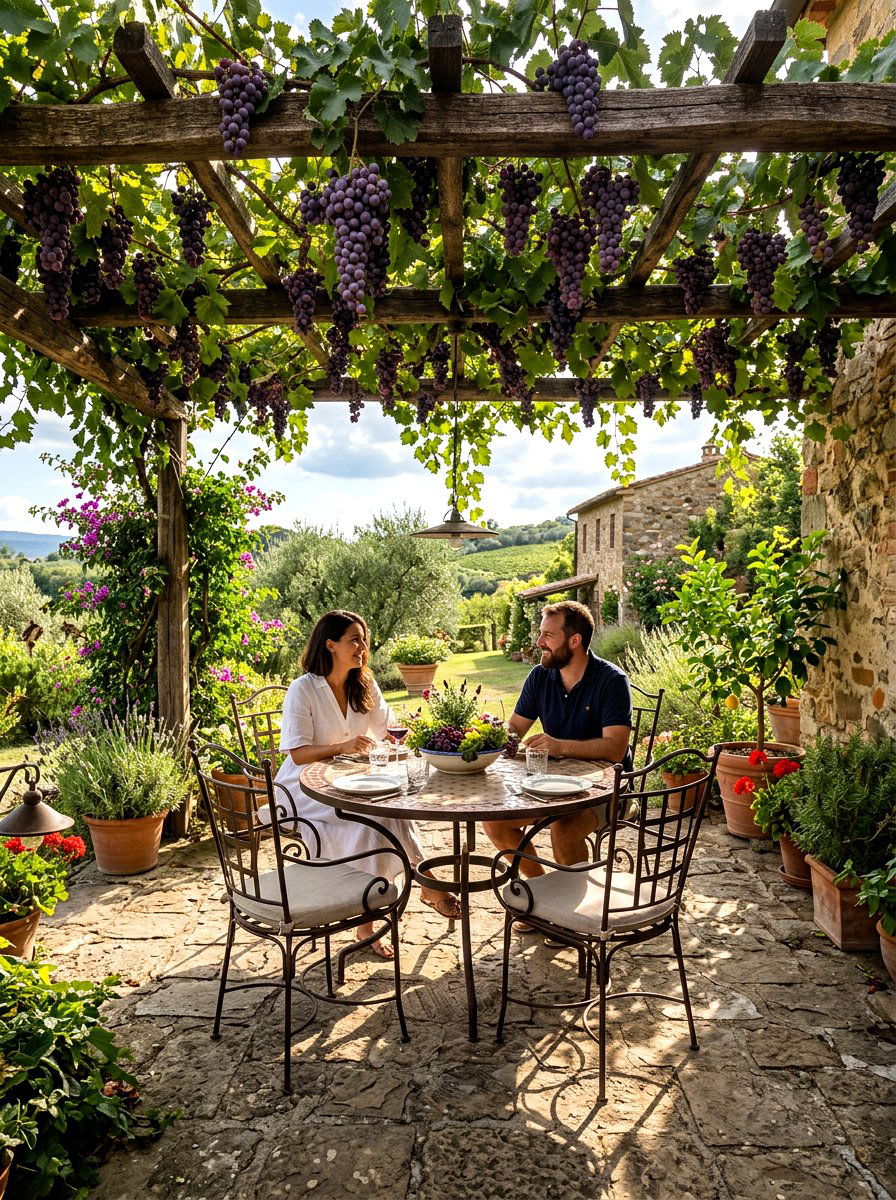
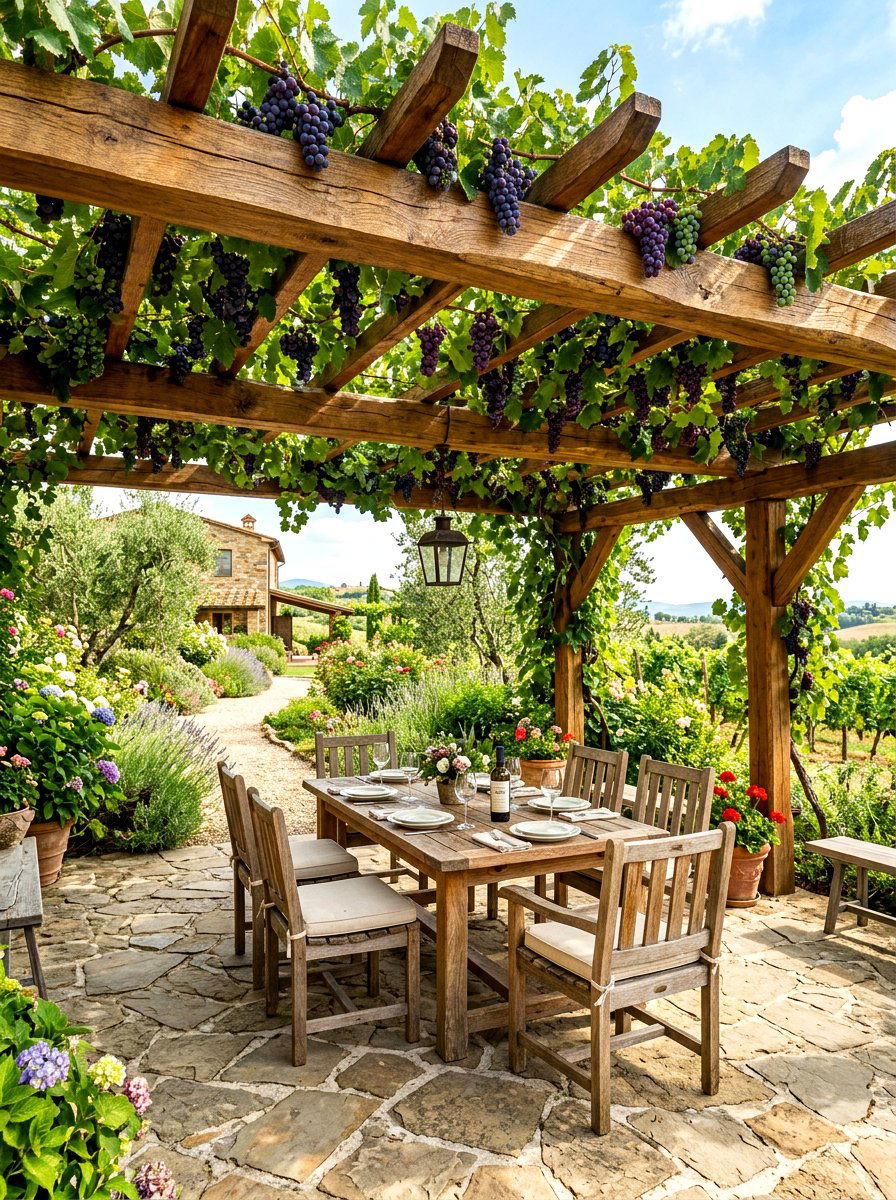
Installing a sturdy pergola covered in climbing grape vines creates a romantic, Mediterranean-inspired retreat in your own backyard. As the vines mature, they create a thick canopy of large, green leaves that provide natural shade during the hot summer months. Hanging clusters of purple or green grapes add a decorative touch that feels like a scene from a classic vineyard. This vertical design is perfect for smaller yards where ground space is limited but you still want a significant harvest. The dappled sunlight filtering through the leaves creates a peaceful atmosphere for outdoor dining or relaxing. It is a stunning example of how to use height effectively.
5. Strawberry Ground Cover
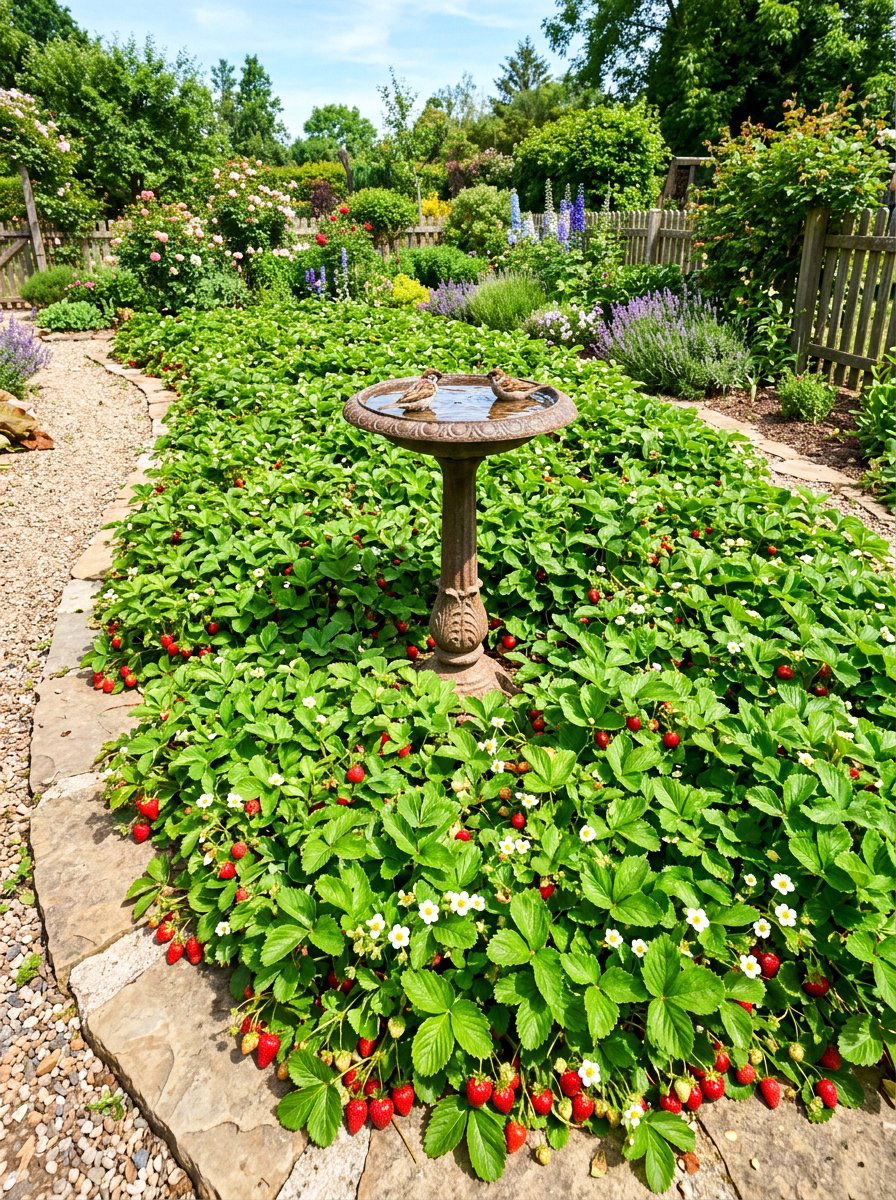
Traditional grass lawns require a lot of maintenance, so why not swap sections for a productive and sweet strawberry ground cover? Everbearing strawberry varieties spread quickly via runners, creating a low-growing mat of green leaves that effectively chokes out most common weeds. During the growing season, you will find bright red berries tucked beneath the foliage, providing a constant supply of summer treats. The white blossoms add a cheerful touch to the ground level, making your garden beds look finished and intentional. This edible carpet is much more interesting than mulch and requires far less water than a standard lawn. It is a perfect solution for slopes.
6. Raised Bed Kitchen Garden
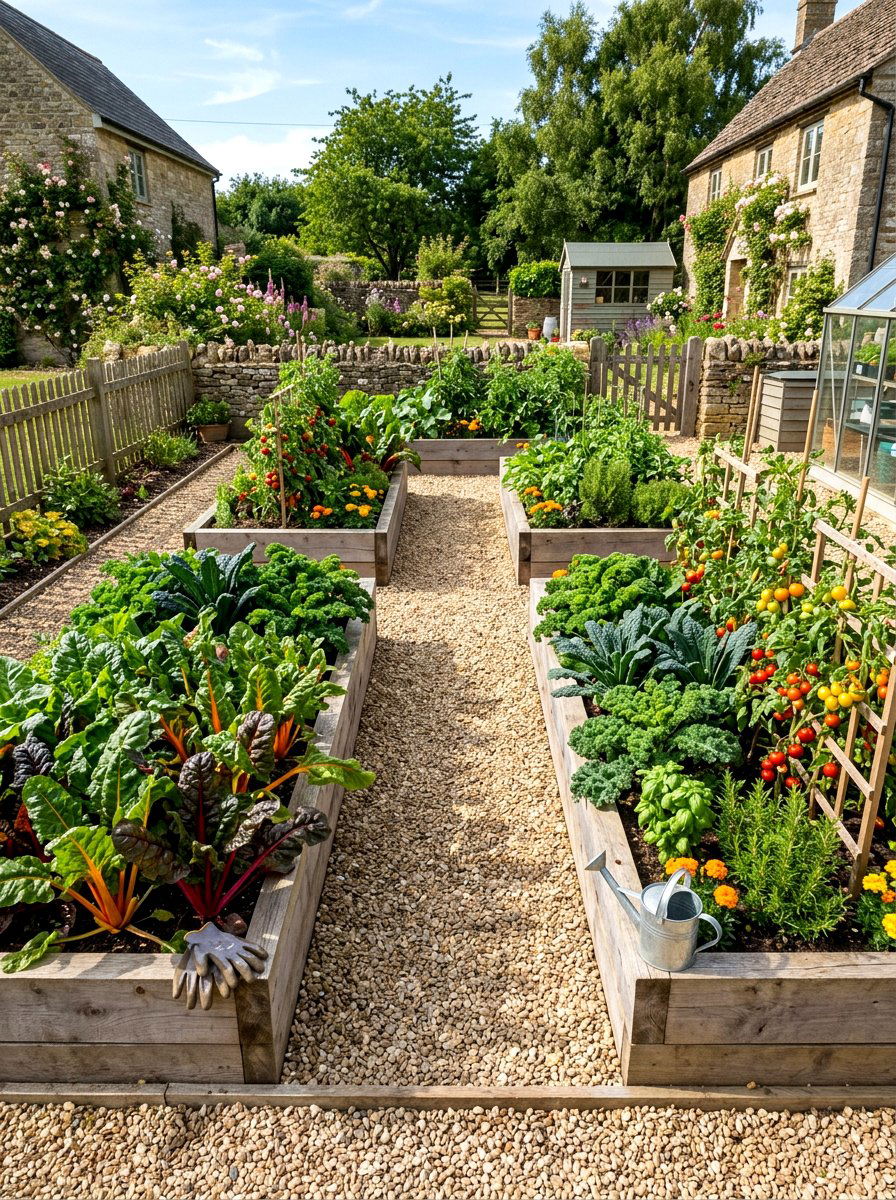
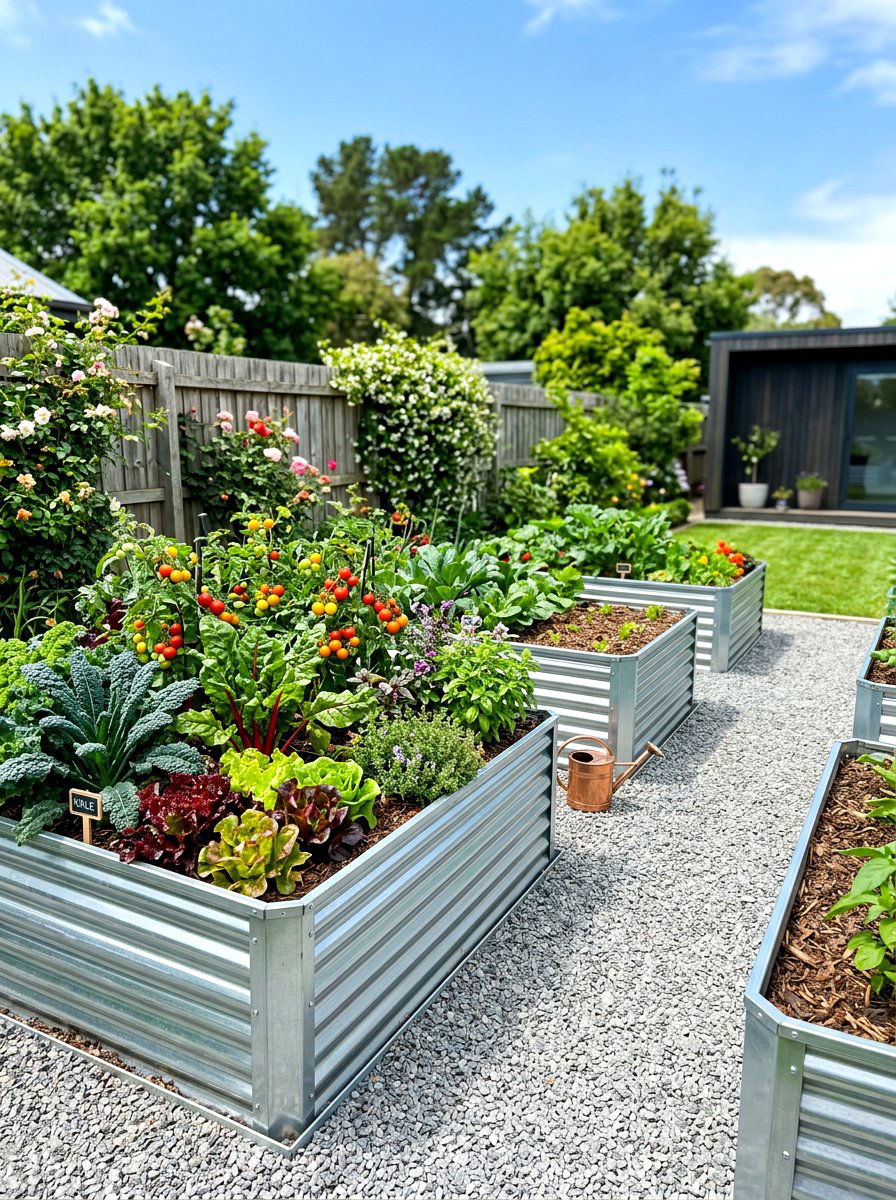
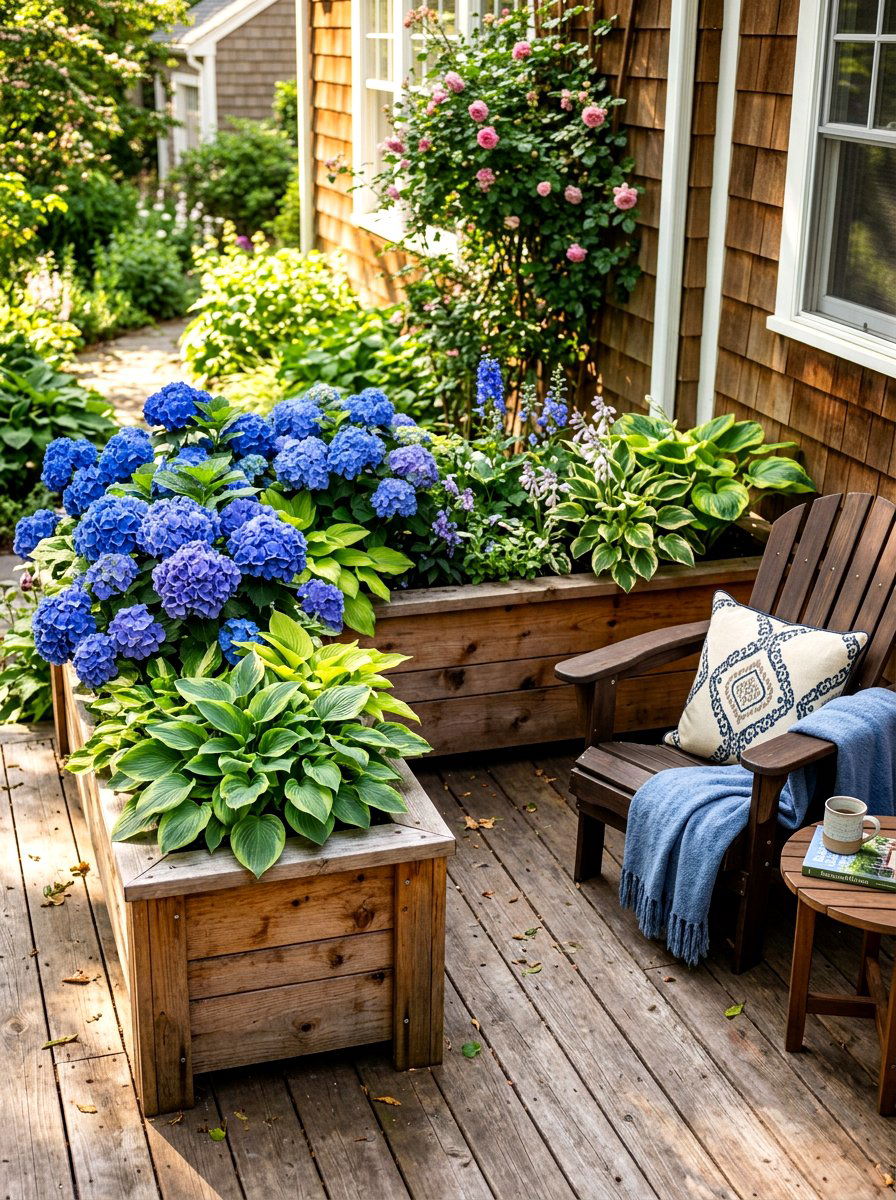
Building a series of organized raised beds near your back door allows for a highly productive kitchen garden that looks clean and intentional. Using high-quality wood or stone for the containers ensures they complement your home’s architecture while providing optimal drainage for your vegetables. You can mix leafy greens like Swiss chard with vibrant flowers to create a tapestry of color and texture. This elevated design makes planting, weeding, and harvesting much easier on your back while keeping the garden looking tidy. By grouping your most-used vegetables together, you create a functional hub that encourages daily use. It turns a simple hobby into a lifestyle choice.
7. Espalier Fruit Tree Wall
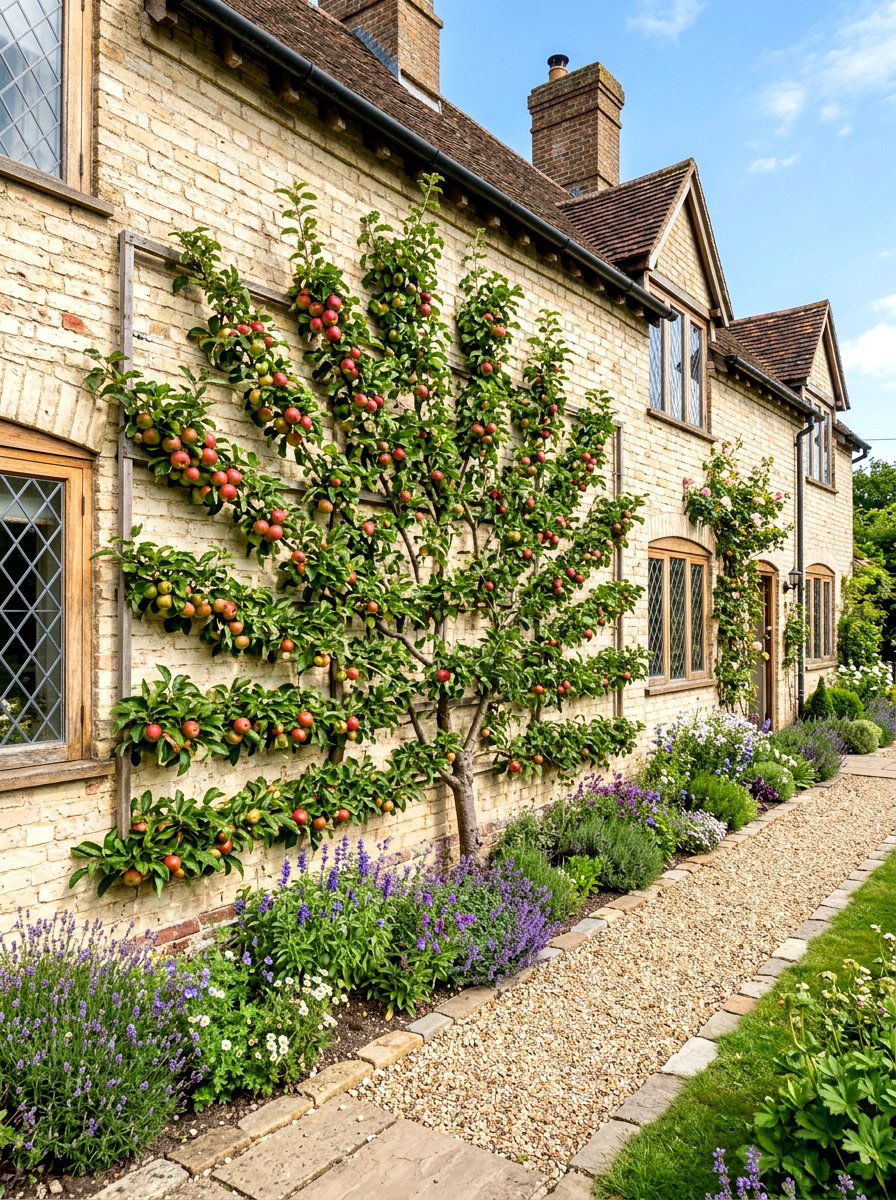
Training fruit trees to grow flat against a wall or fence is a centuries-old technique called espalier that saves immense space. This method turns a plain brick wall or a wooden fence into a living work of architectural art that produces heavy yields. You can choose apples, pears, or even citrus trees and prune them into beautiful geometric patterns like fans or tiers. Because the branches are spread out, the fruit receives more sunlight and air circulation, often resulting in higher quality produce. It is an ideal solution for narrow side yards or urban spaces where traditional trees would be too large. The structural beauty is breathtaking.
8. Raspberry Privacy Fence
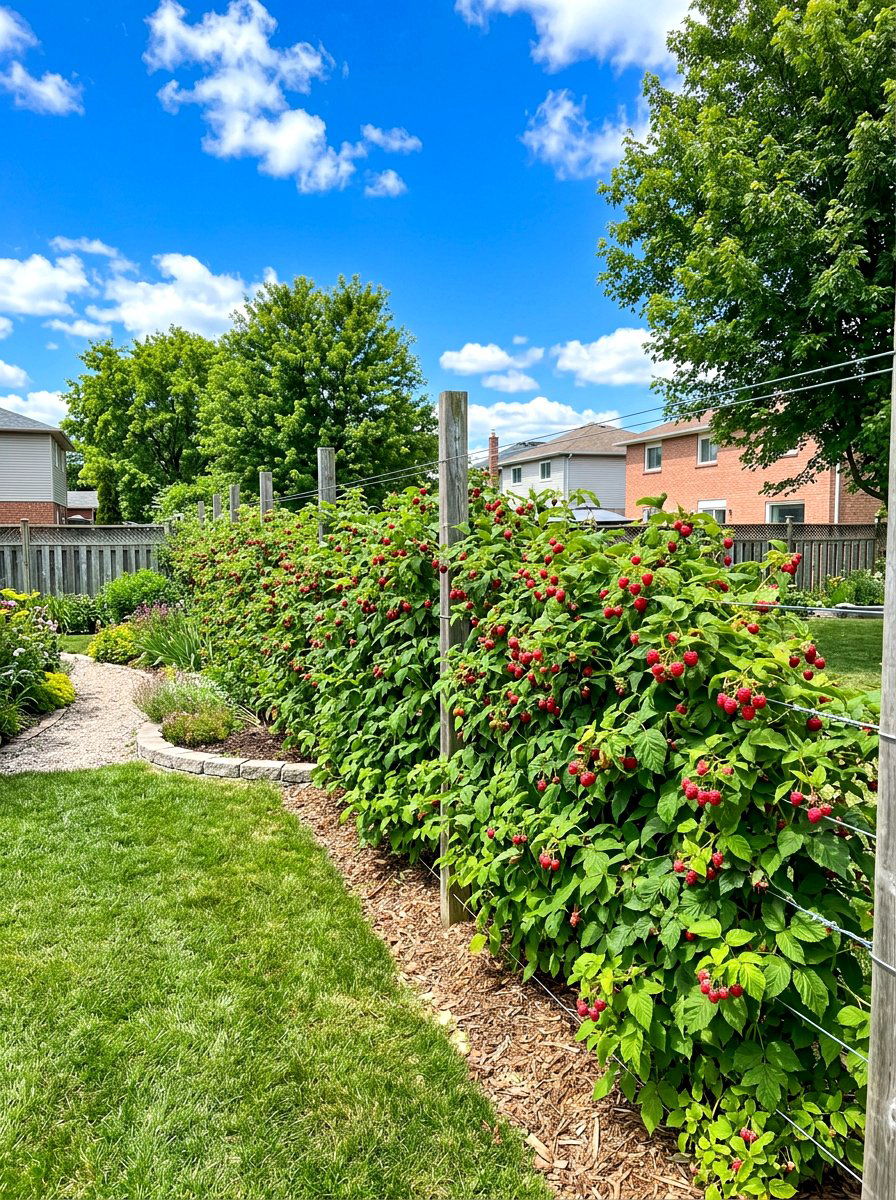
Using raspberry canes to create a boundary is a clever way to produce massive amounts of fruit while maintaining a natural look. When grown on a simple wire trellis, the tall canes form a thick, thorny screen that naturally discourages unwanted visitors or pets. In the summer and autumn, you can harvest bowls of sweet berries right from your property line. The canes can be pruned annually to keep the height manageable and the appearance neat. This edible fence provides a wilder, more organic feel compared to structured hedges and supports local birds and bees. It is a great way to utilize long, narrow garden strips.
9. Lavender Garden Walkway
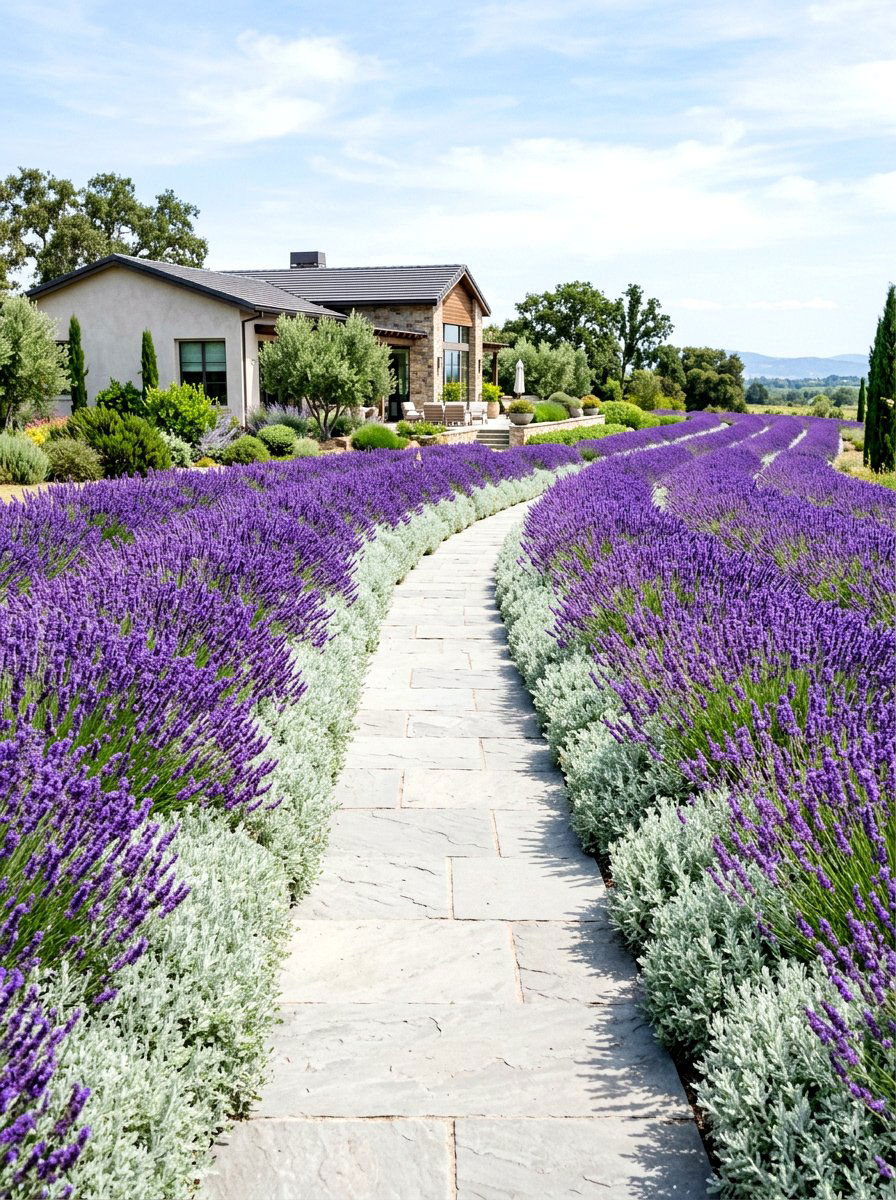
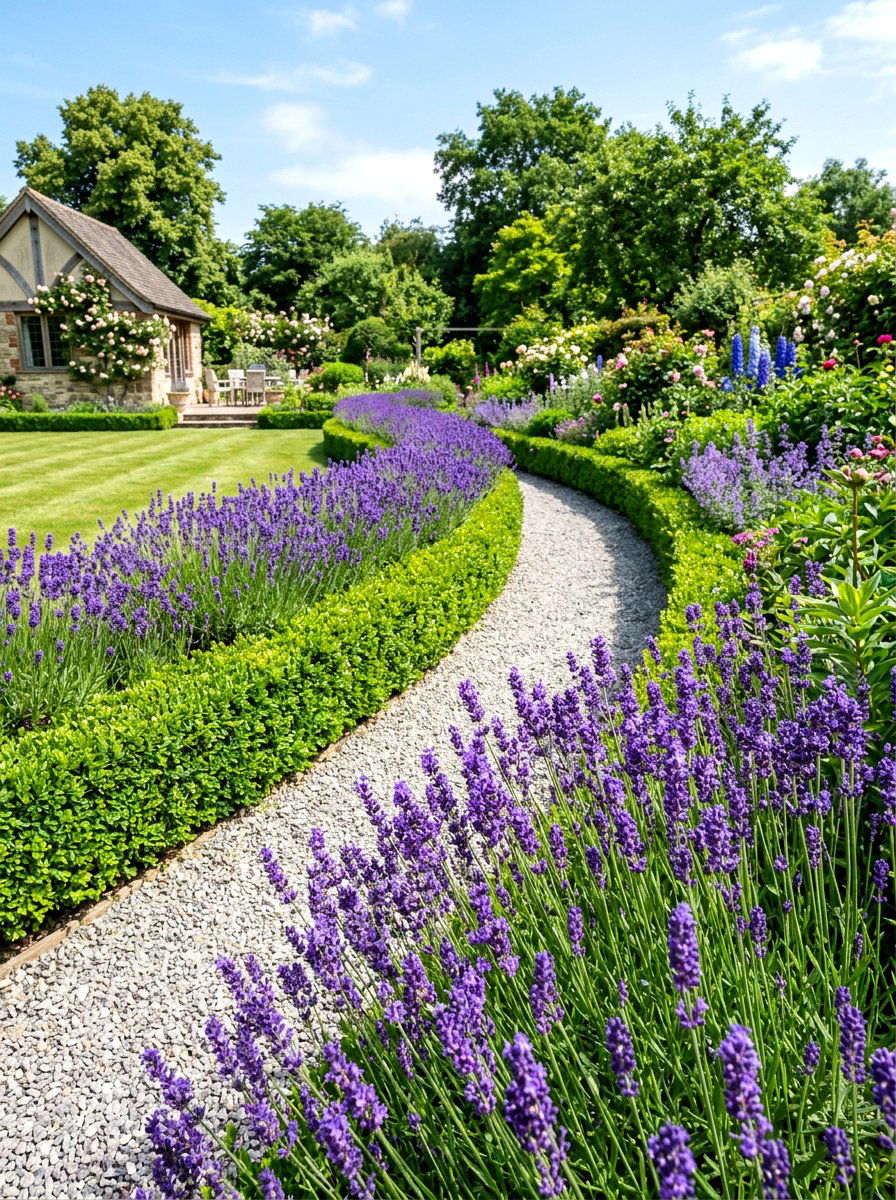
Planting a row of lavender along a sunny garden path provides an instant boost to your curb appeal and your kitchen pantry. The silver-grey foliage and tall purple flower spikes create a soft, ethereal look that fits perfectly in cottage or modern designs. Lavender is not only beautiful but also edible, making it a wonderful addition to baked goods, teas, and homemade sachets. As you walk by, the calming scent fills the air, creating a relaxing environment for everyone who visits your home. These drought-tolerant plants are very low-maintenance once established and thrive in poor soil. They bring a touch of the countryside to any suburban lot.
10. Kale And Flower Garden
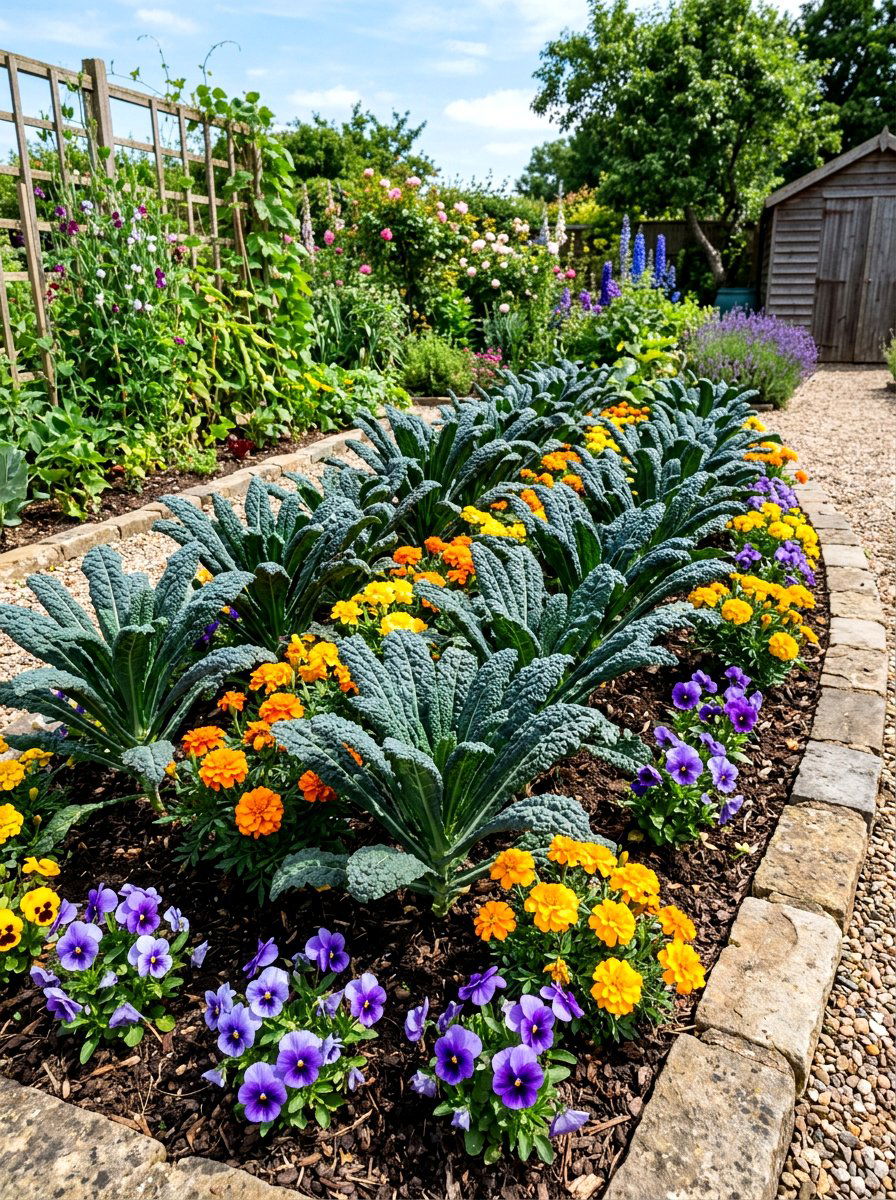
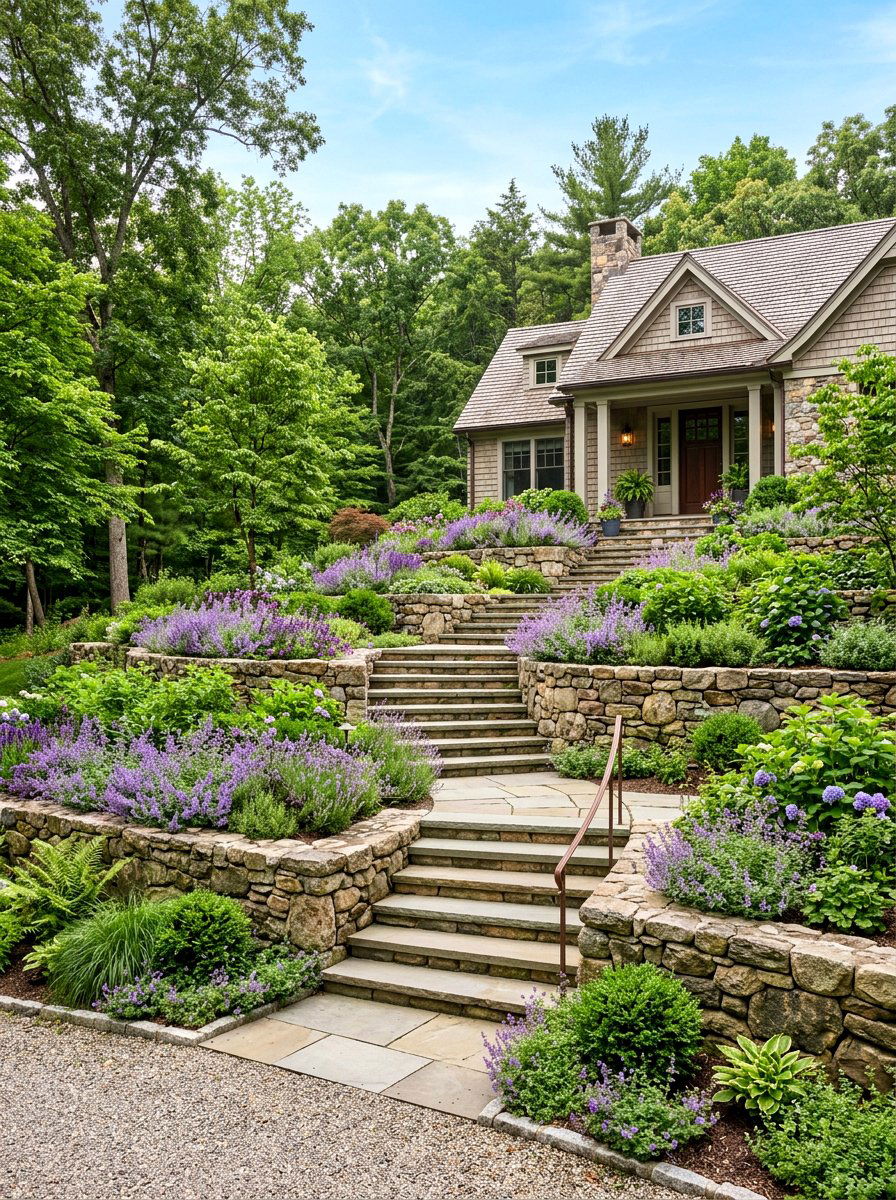
Mixing edible greens like kale with ornamental flowers creates a striking visual contrast that most people would never guess is actually food. Varieties like dinosaur kale have dark, textured leaves that look stunning when paired with bright orange marigolds or deep purple petunias. This combination not only looks beautiful but also helps with pest control, as many flowers attract beneficial insects that protect your crops. The ruffled edges of kale provide a unique structural element that stays vibrant even as temperatures begin to drop in the fall. It is a wonderful way to prove that vegetable gardening can be just as decorative as traditional landscaping.
11. Fig Tree Focal Point
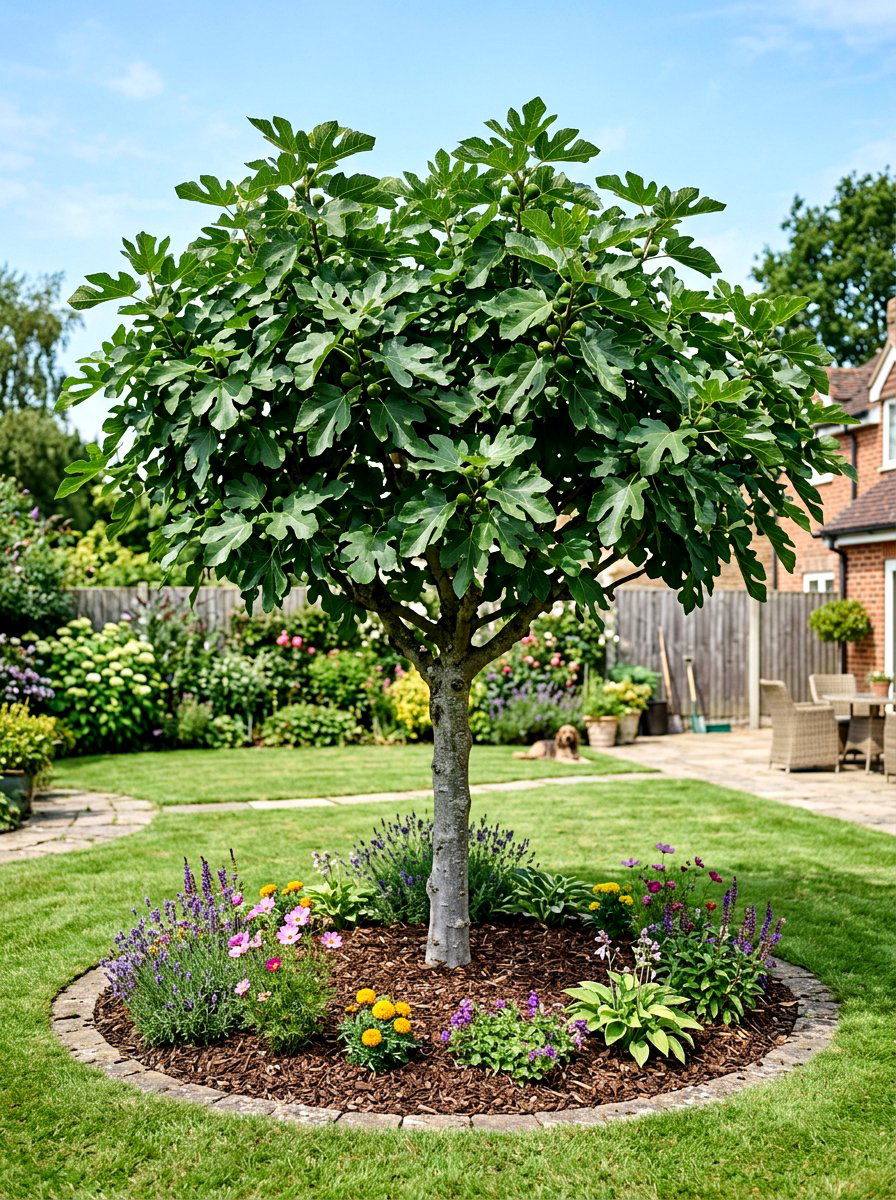
A single, well-placed fig tree can serve as a dramatic focal point in your landscape thanks to its large, tropical-looking leaves. The broad foliage creates a bold texture that contrasts beautifully with finer grasses or smaller shrubs in your garden beds. In late summer, the tree yields sweet, honey-like fruits that are a true delicacy when picked fresh from the branch. Fig trees are relatively easy to care for and can even be grown in large pots on a patio if space is an issue. Their unique branching structure adds architectural interest during the winter months when the leaves have fallen. It is a timeless landscape addition.
12. Vegetable Garden Terrace
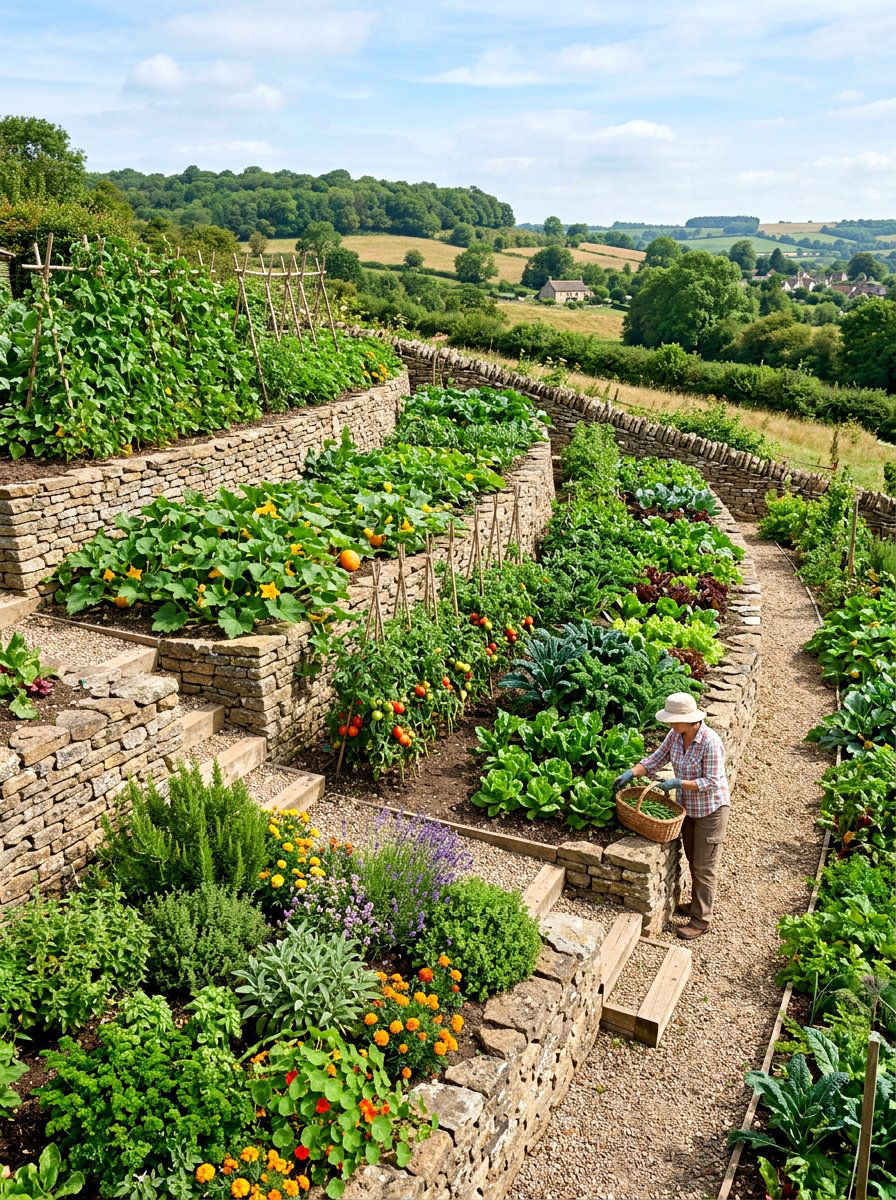
If your yard has a slope, building a terraced vegetable garden is a smart way to prevent erosion while creating multiple levels of food production. Each level can be dedicated to different types of crops, such as root vegetables on the bottom and sun-loving tomatoes on the top. The stone or timber retaining walls add a structured, professional look to the yard that increases its overall aesthetic value. This design allows for excellent water management and makes every part of a difficult hillside accessible for gardening. It transforms a challenging landscape feature into a bountiful asset. The layered look adds a sense of grandeur to the space.
13. Edible Flower Border
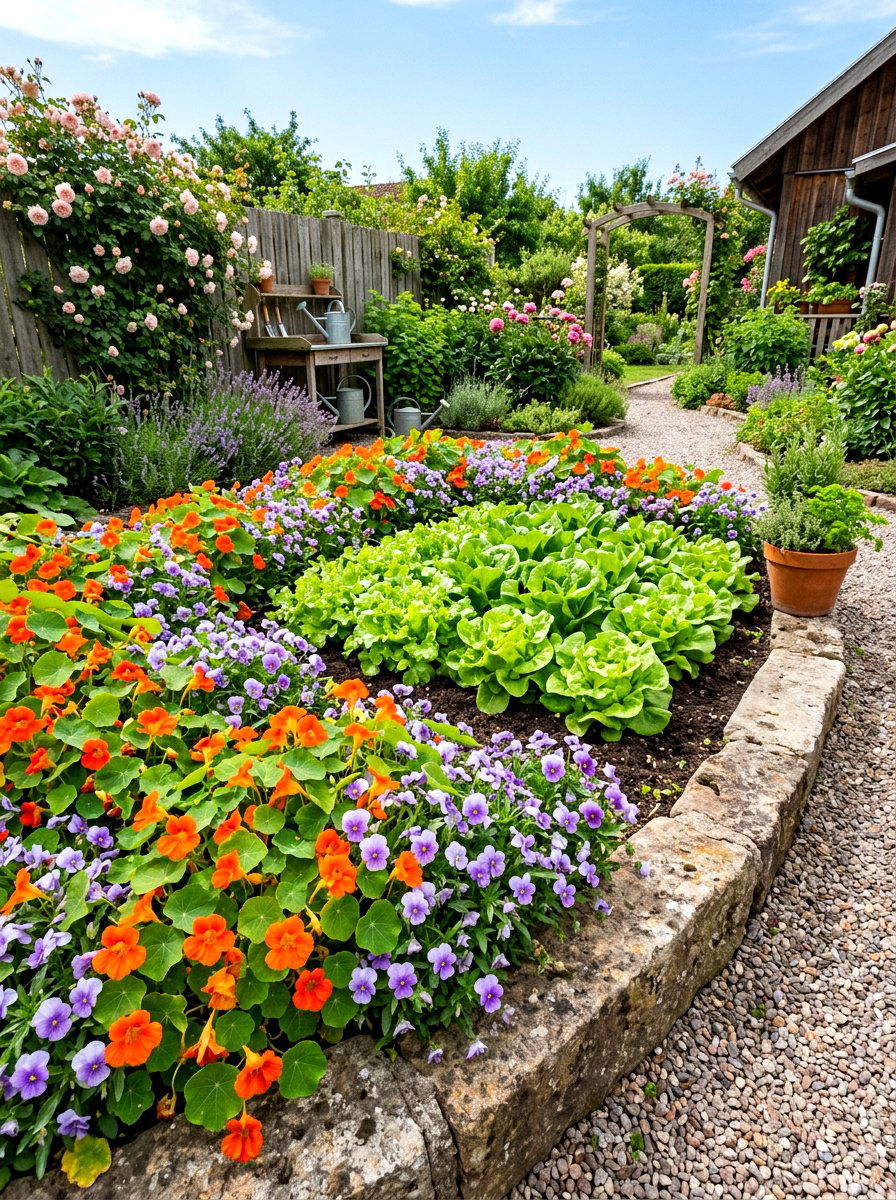
Adding a border of edible flowers like nasturtiums, pansies, and violas is the easiest way to inject color and flavor into your yard. These blooms are not just for show; they can be tossed into salads or used as stunning garnishes for cakes and cocktails. Nasturtiums, in particular, have a peppery taste and vibrant colors that pop against green foliage. They often trail over the edges of garden beds, softening the lines of your landscape and filling in gaps. Planting these flowers among your vegetables can also help distract pests from your main crops. It is a fun and functional way to brighten up your outdoor areas.
14. Asparagus Fern Landscaping
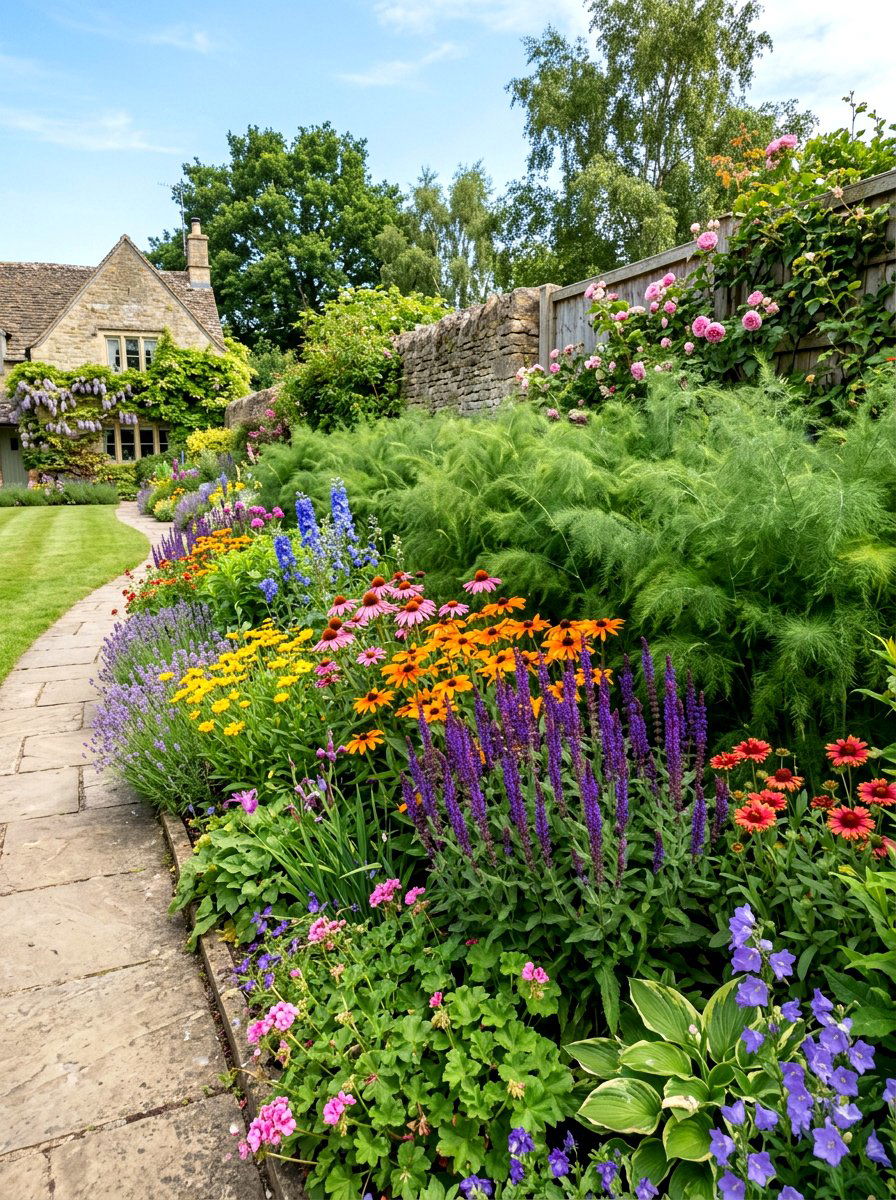
Most people think of asparagus as a kitchen staple, but the mature plants actually produce beautiful, feathery foliage that looks like ornamental ferns. After the spring harvest is over, the remaining stalks grow tall and light, adding a soft texture to your perennial garden beds. These plants are long-lived and will return year after year, providing a reliable source of food and greenery. They work well at the back of a border where their height can provide a delicate backdrop for shorter flowers. In the fall, the foliage turns a lovely shade of yellow before dying back. It is a fantastic multi-purpose plant for any garden.

15. Citrus Tree Courtyard
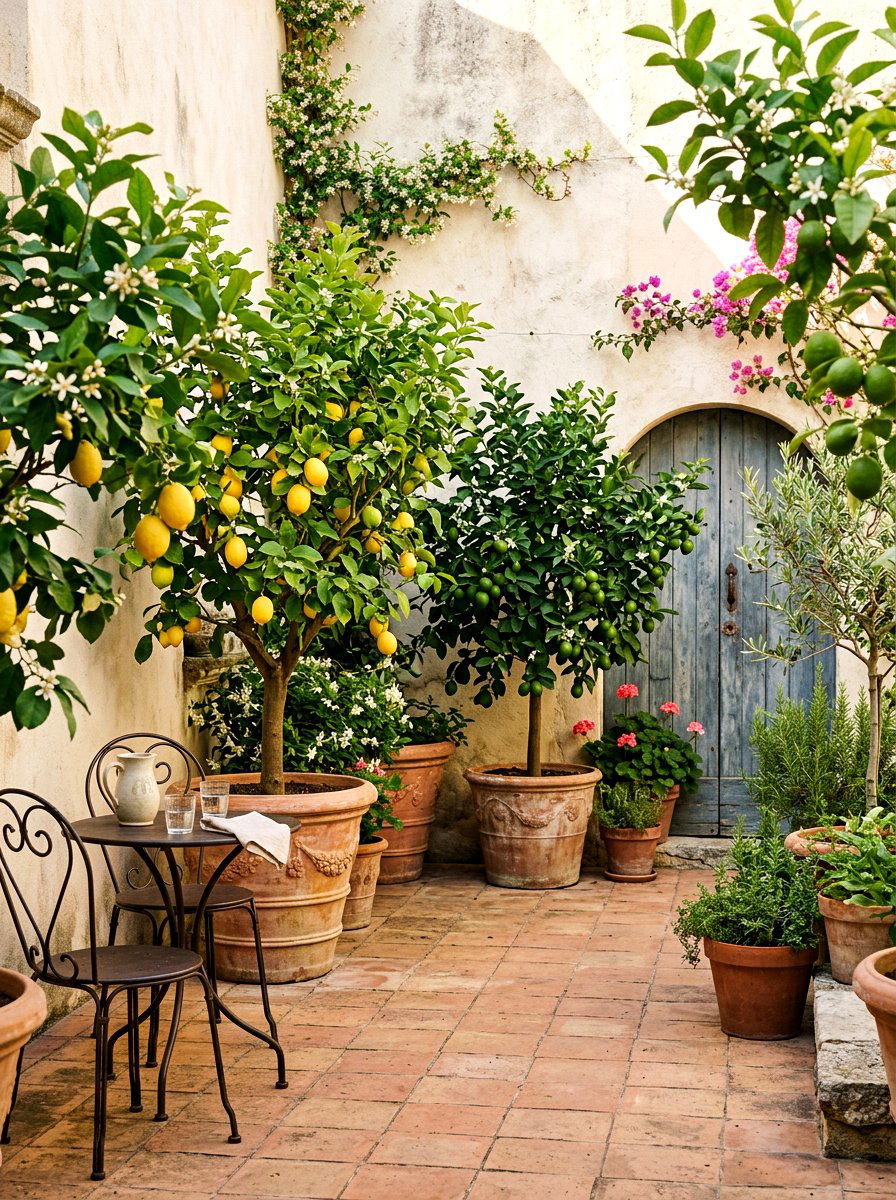
Creating a dedicated courtyard filled with potted citrus trees brings a vibrant, Mediterranean feel to your home while providing fresh lemons and limes. Citrus trees have glossy, evergreen leaves and incredibly fragrant white blossoms that can scent an entire outdoor seating area. By keeping them in decorative pots, you can move them around to follow the sun or bring them indoors during cold winters. The bright yellow and orange fruits act like natural ornaments against the deep green foliage. This setup is perfect for small patios or entryways where you want to make a big impact with limited soil. It creates a lush, private oasis.
16. Perennial Vegetable Garden
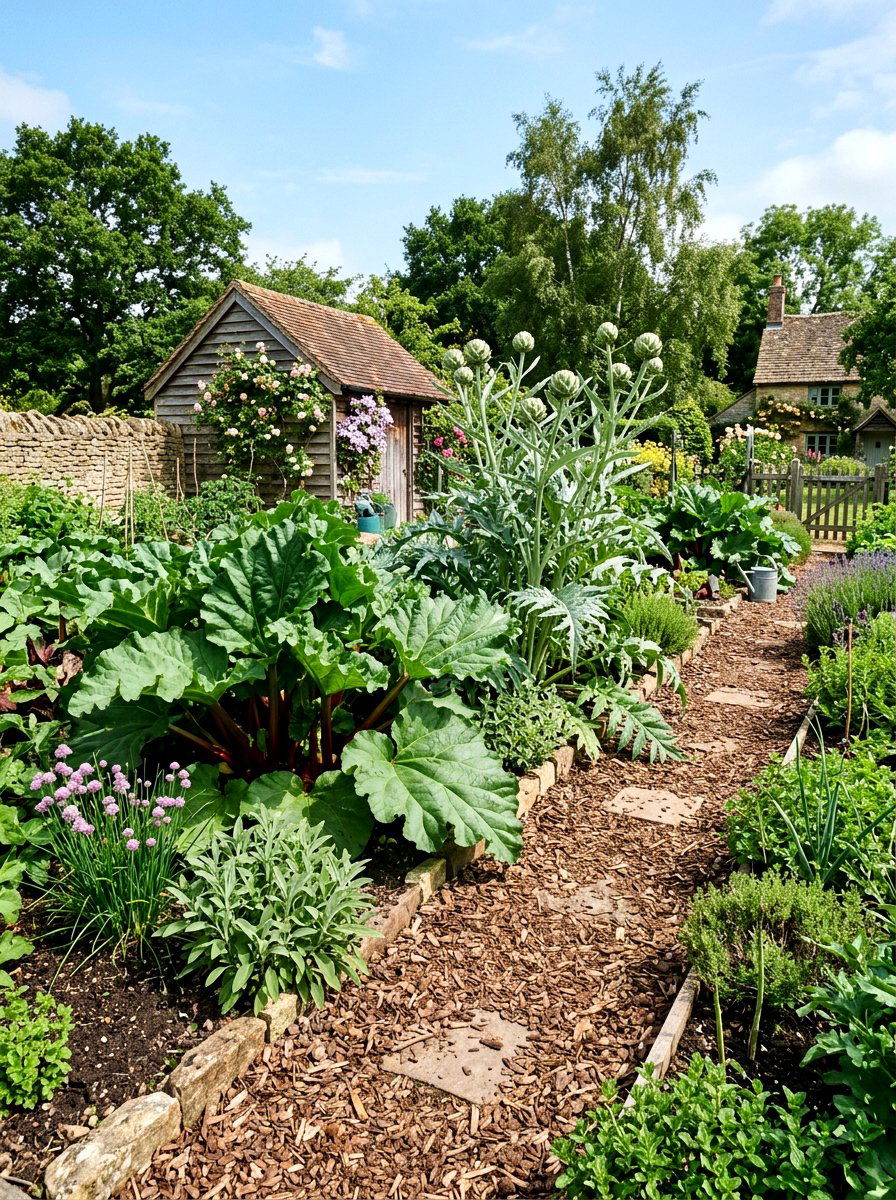
Designing a garden around perennial vegetables ensures you have food coming back every year without the need for constant replanting. Plants like rhubarb, artichokes, and sea kale offer unique shapes and colors that traditional annuals often lack. Rhubarb has massive leaves and bright red stalks that create a bold, tropical look in your garden beds. Artichokes provide silvery, architectural foliage and stunning purple flowers if left to bloom. These plants are generally hardier and require less maintenance once they are established in your soil. Building a landscape around these reliable producers saves you time and money while keeping your yard looking full and lush.
17. Dwarf Fruit Tree Grove
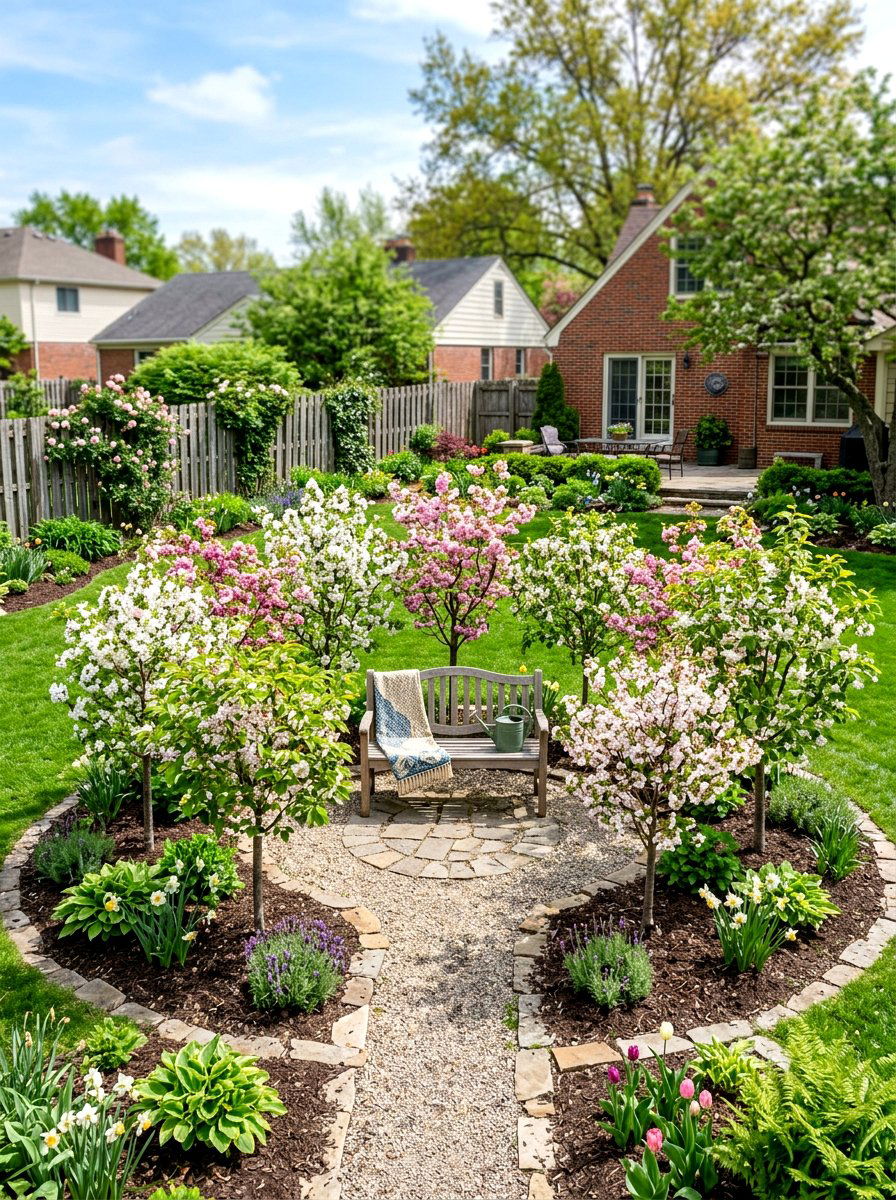
You do not need a massive orchard to enjoy a variety of fruits when you plant a grove of dwarf fruit trees. These compact trees are bred to stay small, making them perfect for standard suburban backyards or even large containers. You can plant a mix of apples, cherries, and peaches in a small cluster to create a mini-forest effect. This design provides plenty of fruit for a family without overwhelming the entire yard or requiring tall ladders for harvesting. The trees offer beautiful spring color and a shaded area for a small bench or birdbath. It is a cozy way to integrate food production into your lawn.
18. Herb Tea Garden
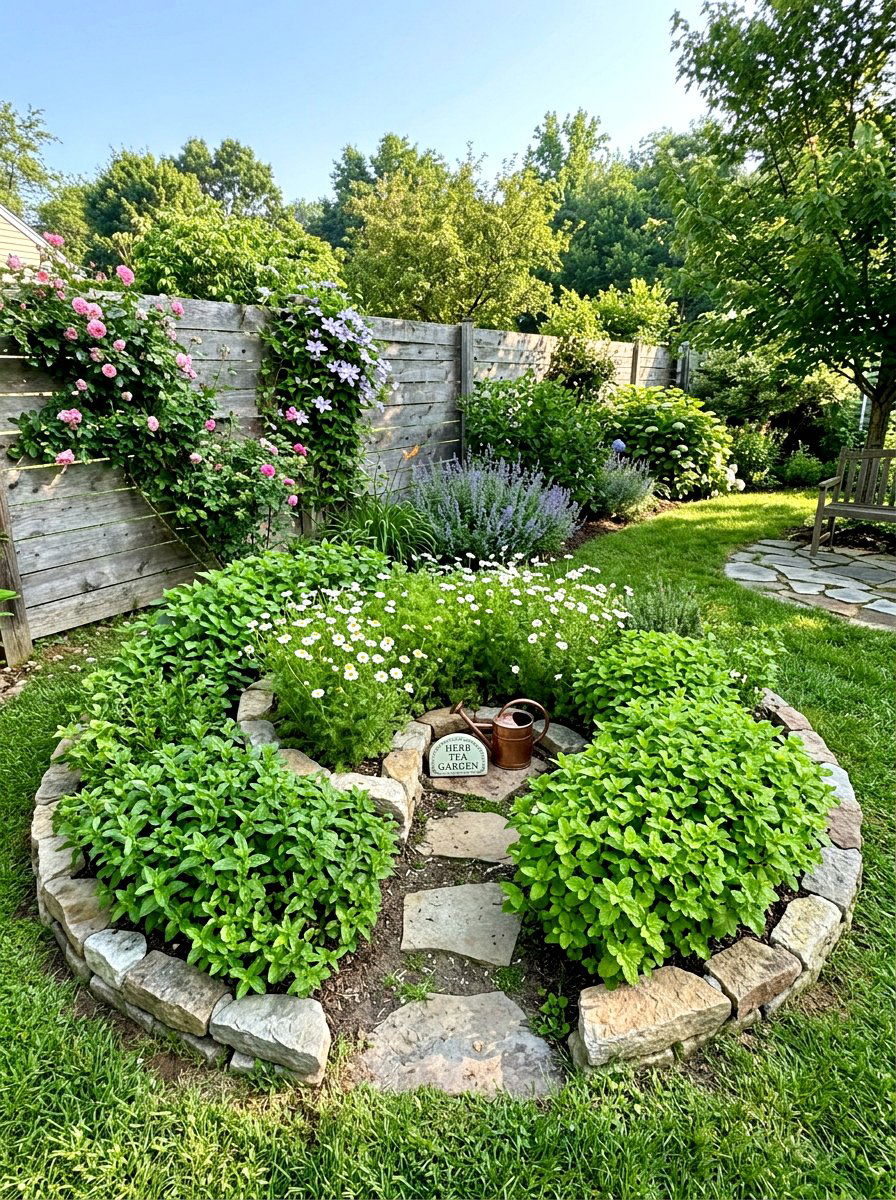
Setting aside a small corner for an edible tea garden is a wonderful way to create a dedicated space for relaxation and harvesting. You can plant various mints, chamomile, lemon balm, and bee balm, all of which produce delicious leaves or flowers for brewing. Using a circular design or a small spiral allows you to access all the plants easily while creating a charming focal point. Many tea herbs are also great for pollinators, attracting butterflies and bees to your yard. The different textures and scents make this a peaceful spot to sit and enjoy nature. It is a small addition that brings a lot of daily joy.
19. Potted Salad Garden
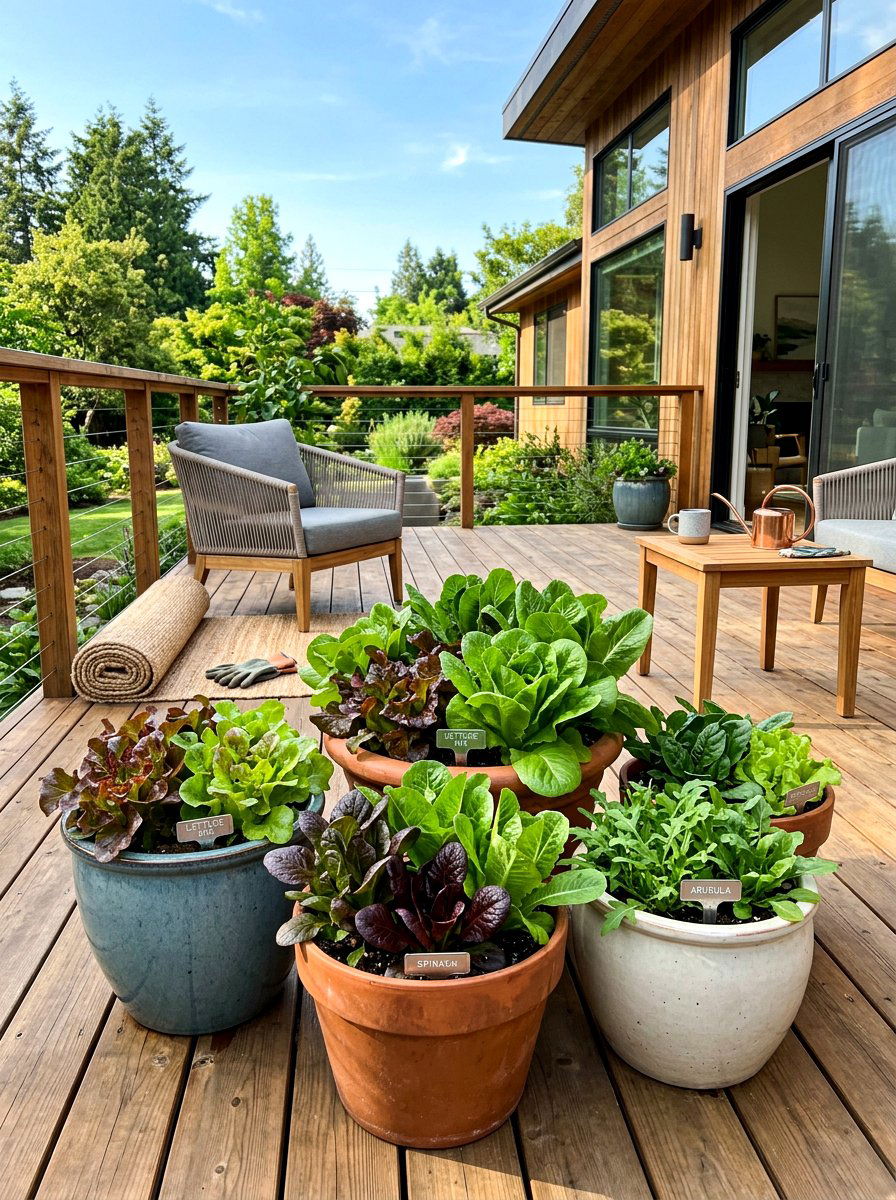
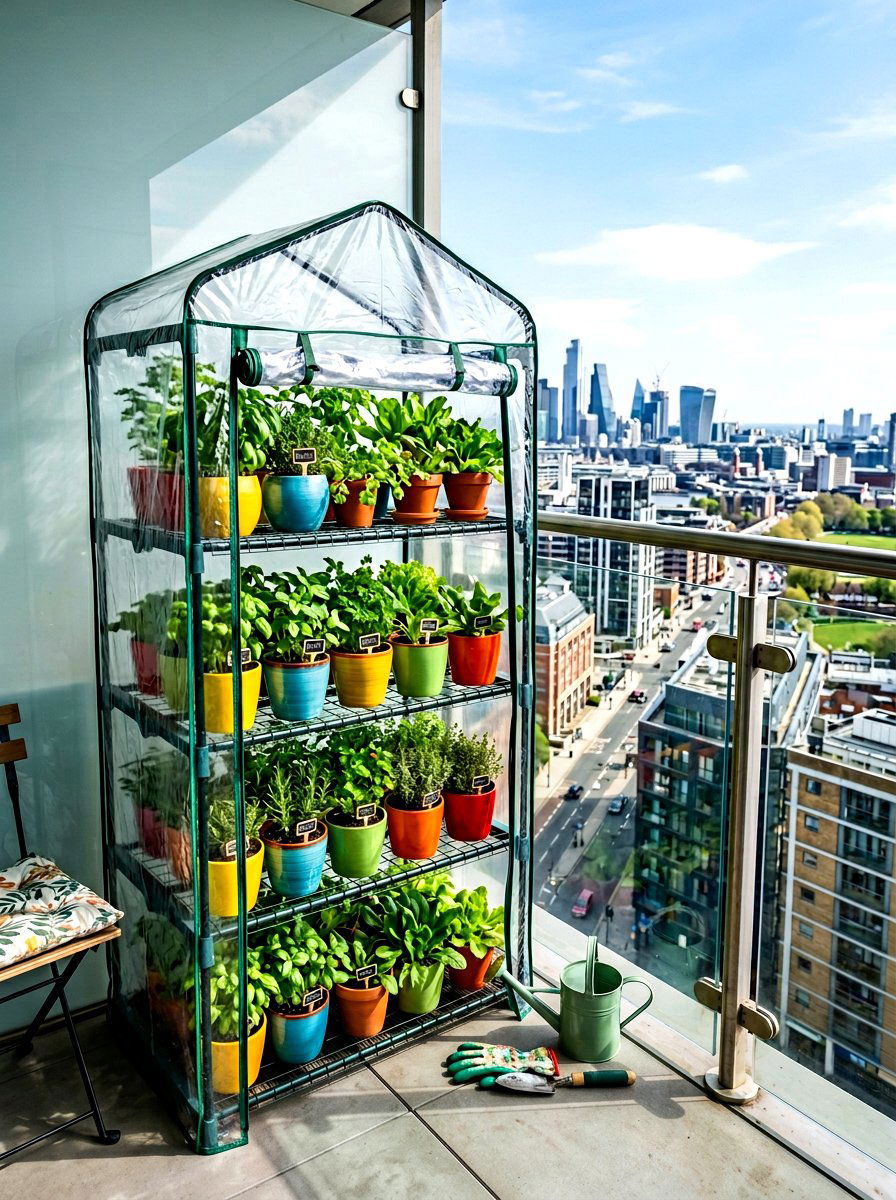
For those with limited ground space, a collection of large pots filled with salad greens is a perfect way to grow food on a deck or patio. You can mix different types of lettuce, spinach, and arugula to create a "living salad bowl" that looks lush and inviting. Using pots of various heights and materials adds visual interest to your outdoor living area. This method keeps your greens away from ground-dwelling pests and makes watering very simple. You can even tuck in some chives or parsley for extra flavor and greenery. It is a fast-growing and highly rewarding way to start edible landscaping in any environment.
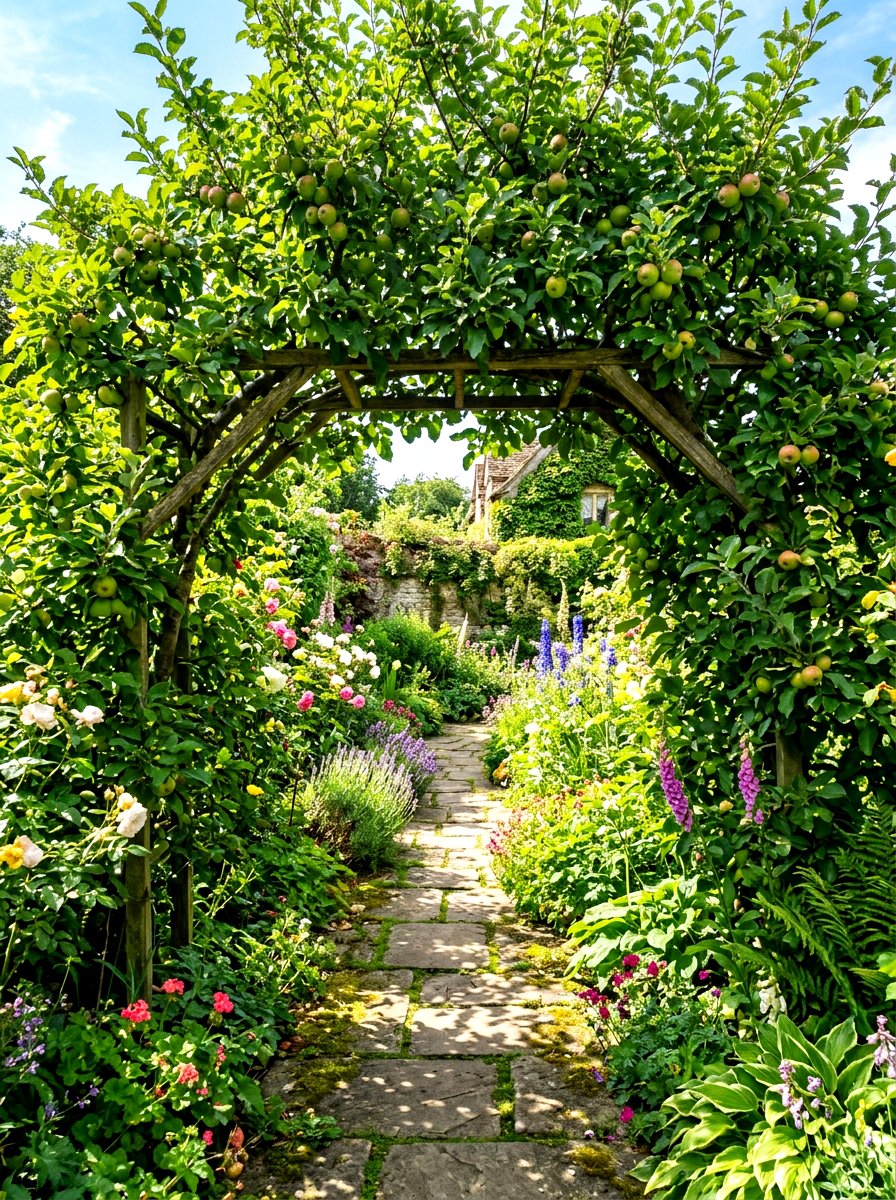
20. Apple Tree Arch
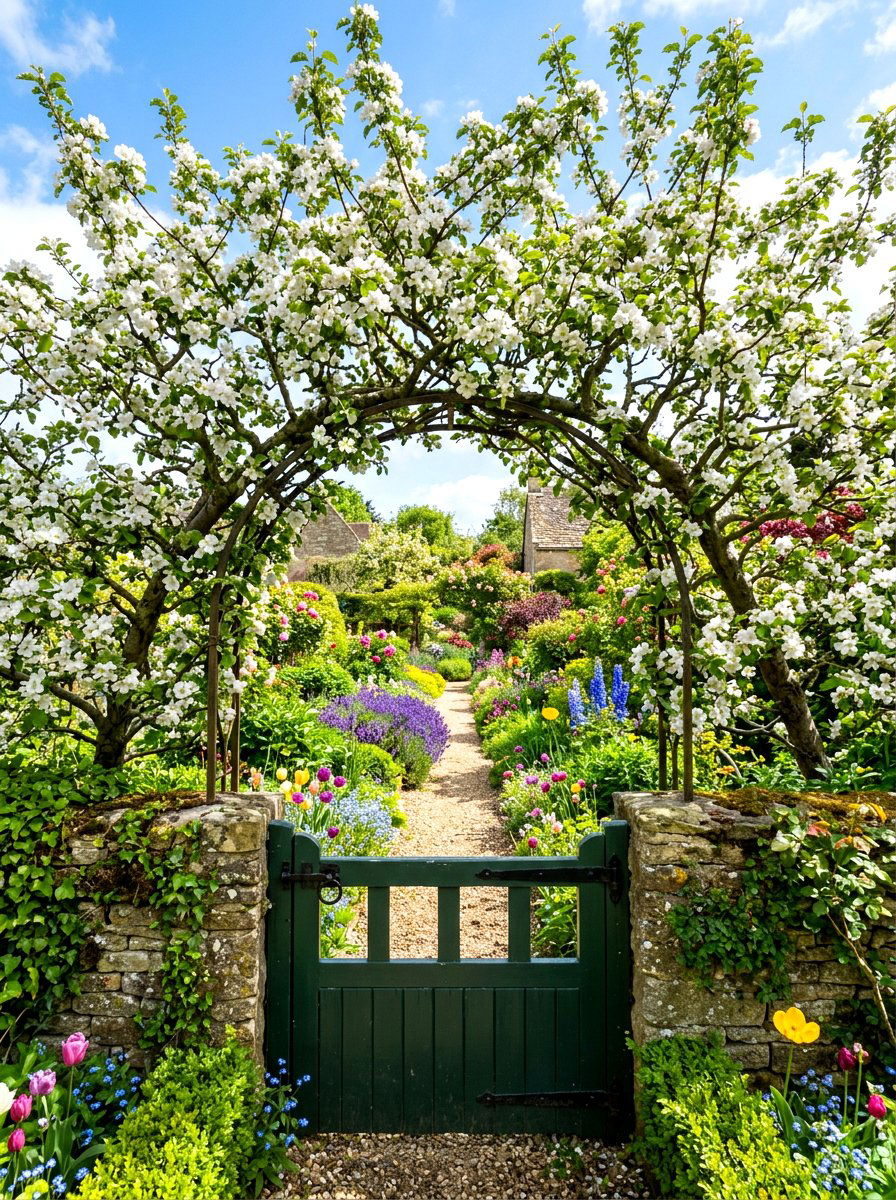
Training young apple trees to grow over a metal or wooden arch creates a magical entrance to your garden that is both functional and beautiful. As the trees grow, their branches meet at the top, forming a leafy tunnel that produces hanging fruit within easy reach. This vertical element adds a sense of structure and whimsy to your landscape, acting as a transition between different garden rooms. During the spring, walking through a tunnel of apple blossoms is an unforgettable experience. In the fall, the sight of ripening fruit overhead is truly spectacular. This design maximizes vertical space while creating a high-impact architectural feature.
21. Rosemary Hedge Design
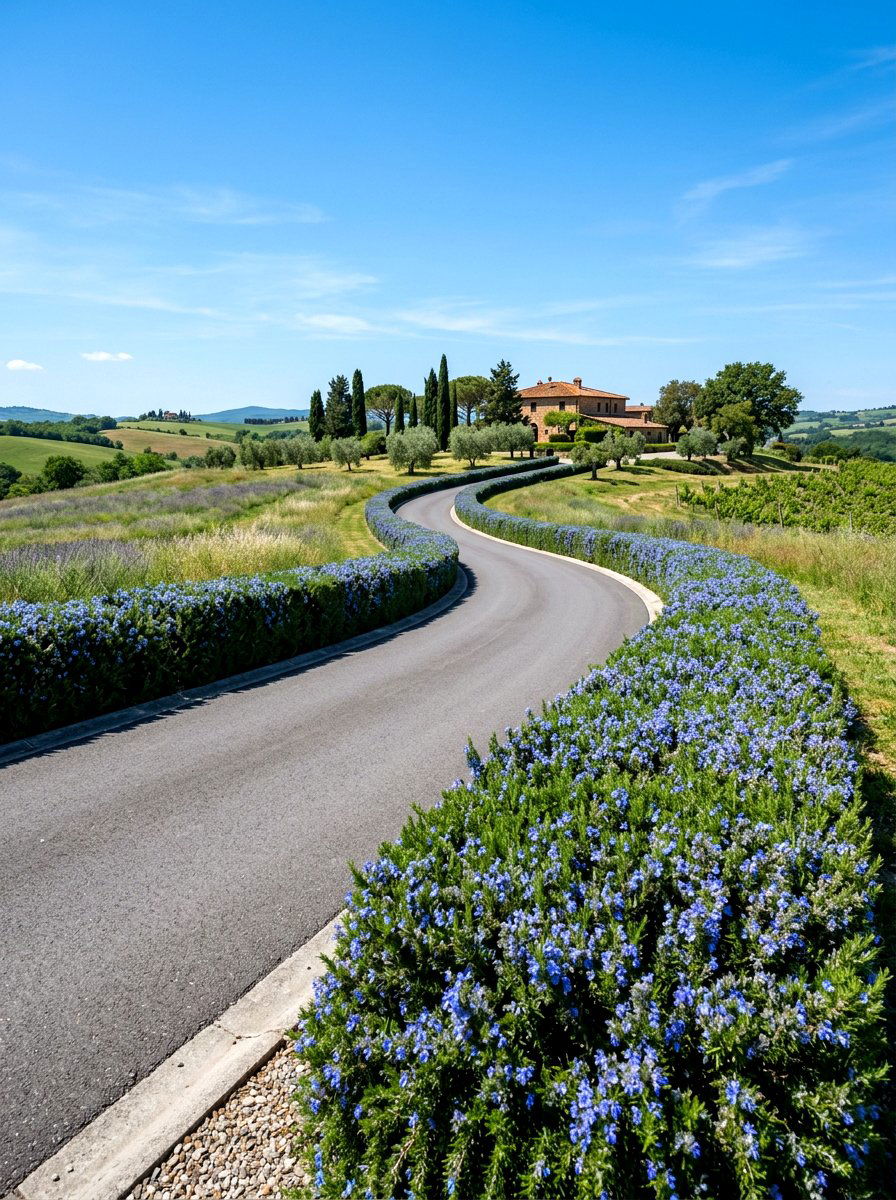
Rosemary is an incredibly hardy evergreen shrub that can be pruned into a formal hedge or allowed to grow into a wild, fragrant border. Its needle-like leaves stay green all year, providing constant structure and color to your landscape even in the winter. In the spring and summer, tiny blue flowers appear, attracting bees and adding a delicate touch of color. Using rosemary as a low hedge along a driveway or property line provides a wonderful scent every time you brush against it. It is a tough plant that thrives in sunny, well-drained spots and requires very little water. It is as practical as it is beautiful.
22. Artichoke Garden Accent
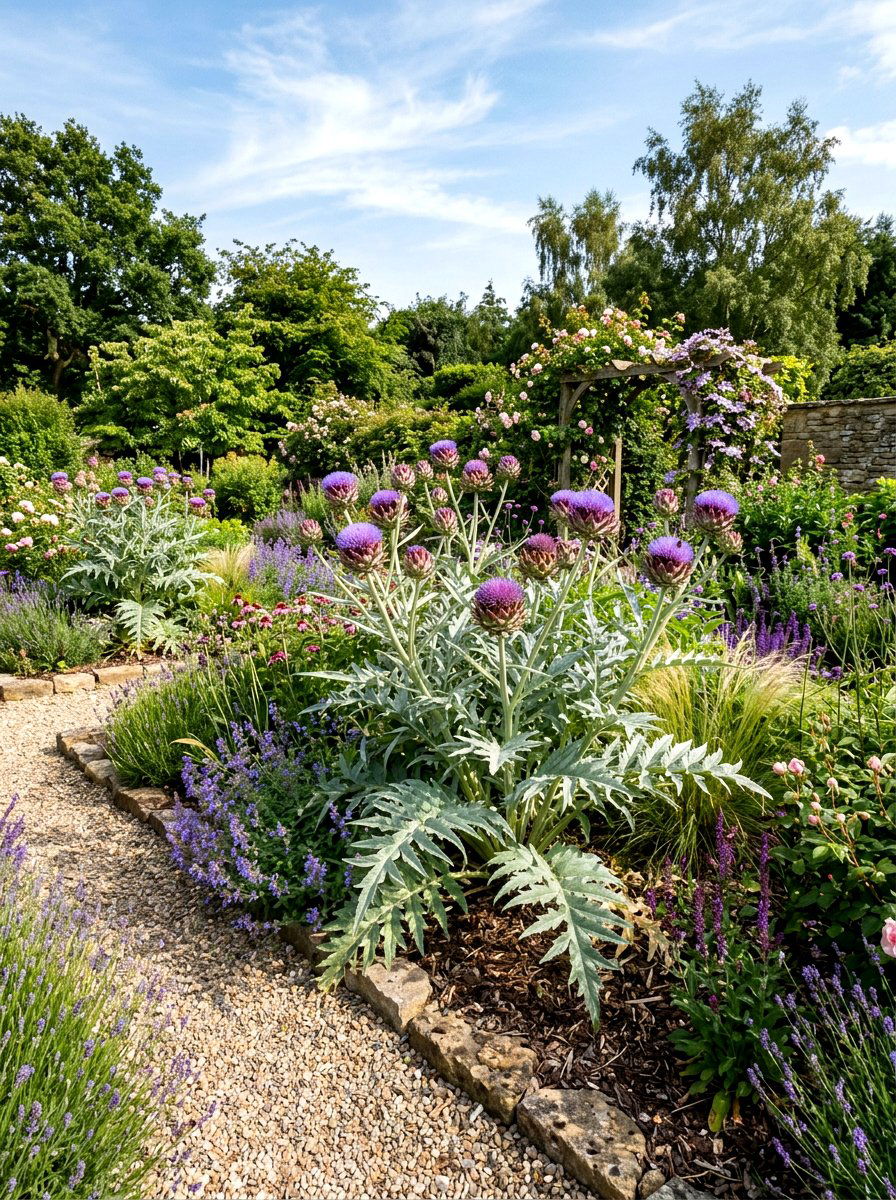
Globe artichokes are some of the most dramatic plants you can add to an edible landscape because of their massive, silvery-grey leaves. They look like prehistoric ferns and can grow up to four feet tall, making them excellent structural accents for the back of a garden bed. If you choose not to harvest the buds, they open into huge, electric-purple thistle flowers that are absolute magnets for bees. The unique color of the foliage provides a wonderful contrast to the standard greens of a lawn or other shrubs. These perennials are surprisingly hardy and add a sophisticated, designer look to any home garden without much effort.
23. Nut Tree Shade Area
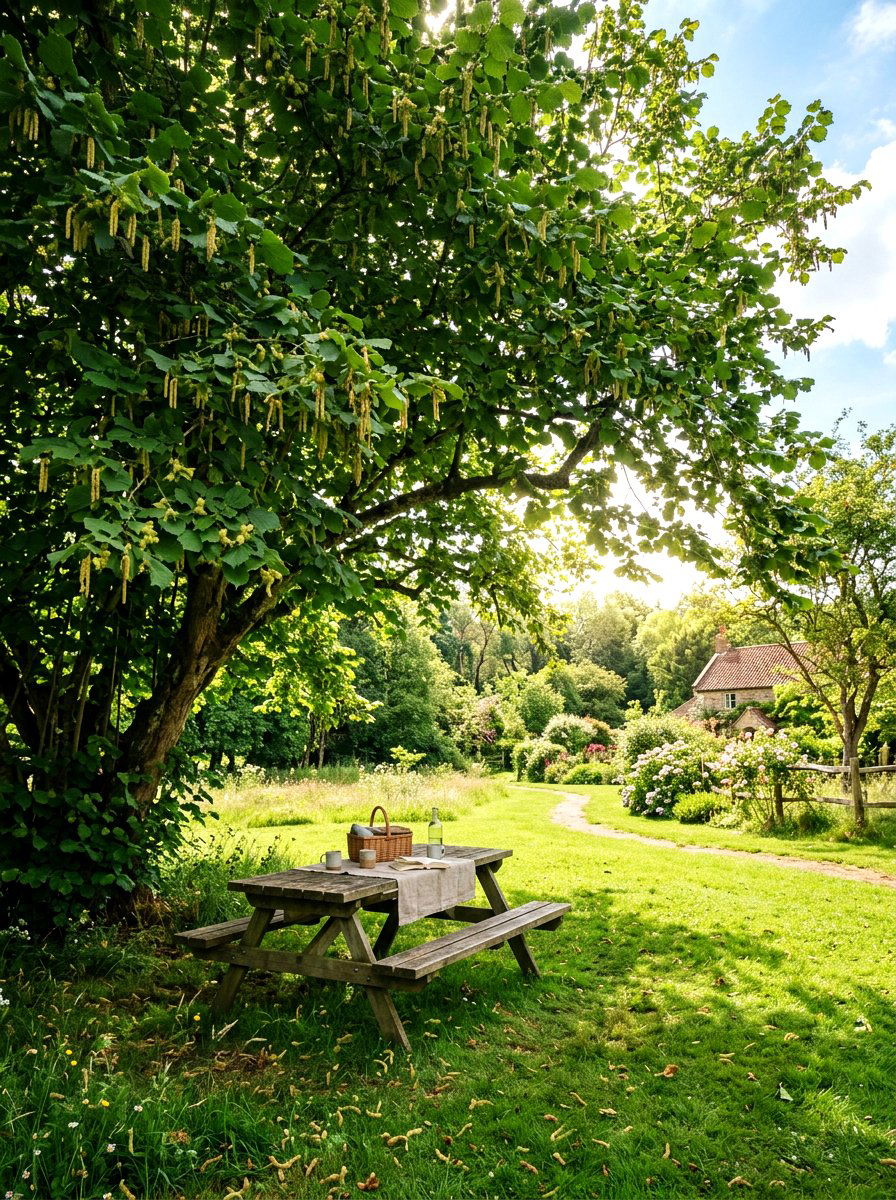
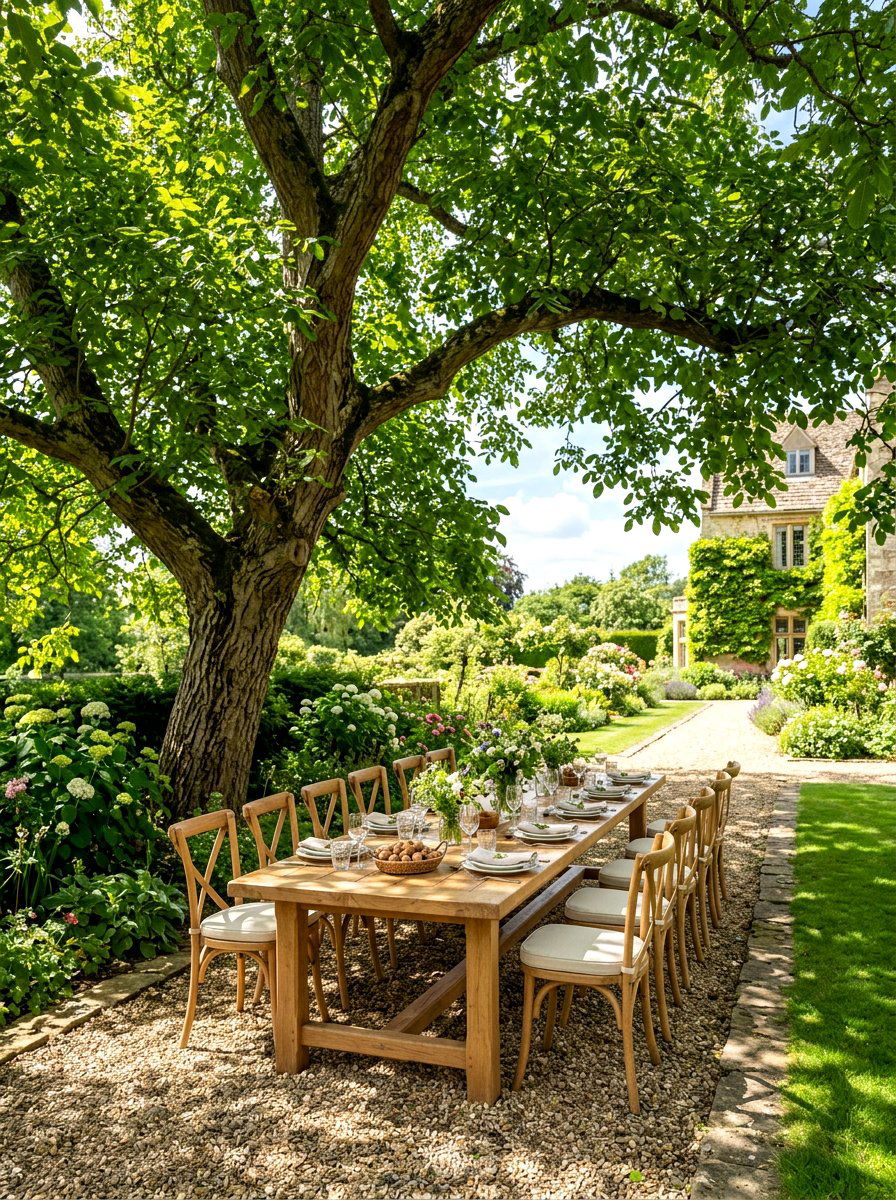
Planting a nut tree like a hazelnut or a walnut provides a massive canopy of shade for your yard while yielding a valuable harvest. These trees grow quite large and can become the central feature of a backyard, providing a cool place for a hammock or an outdoor dining table. Hazelnuts, in particular, can be grown as large shrubs or small trees, making them versatile for different yard sizes. The catkins that appear in late winter add early interest to the landscape before other plants have woken up. Having a consistent source of protein growing in your yard is a great step toward self-sufficiency and food security.
24. Blackberry Trellis Design
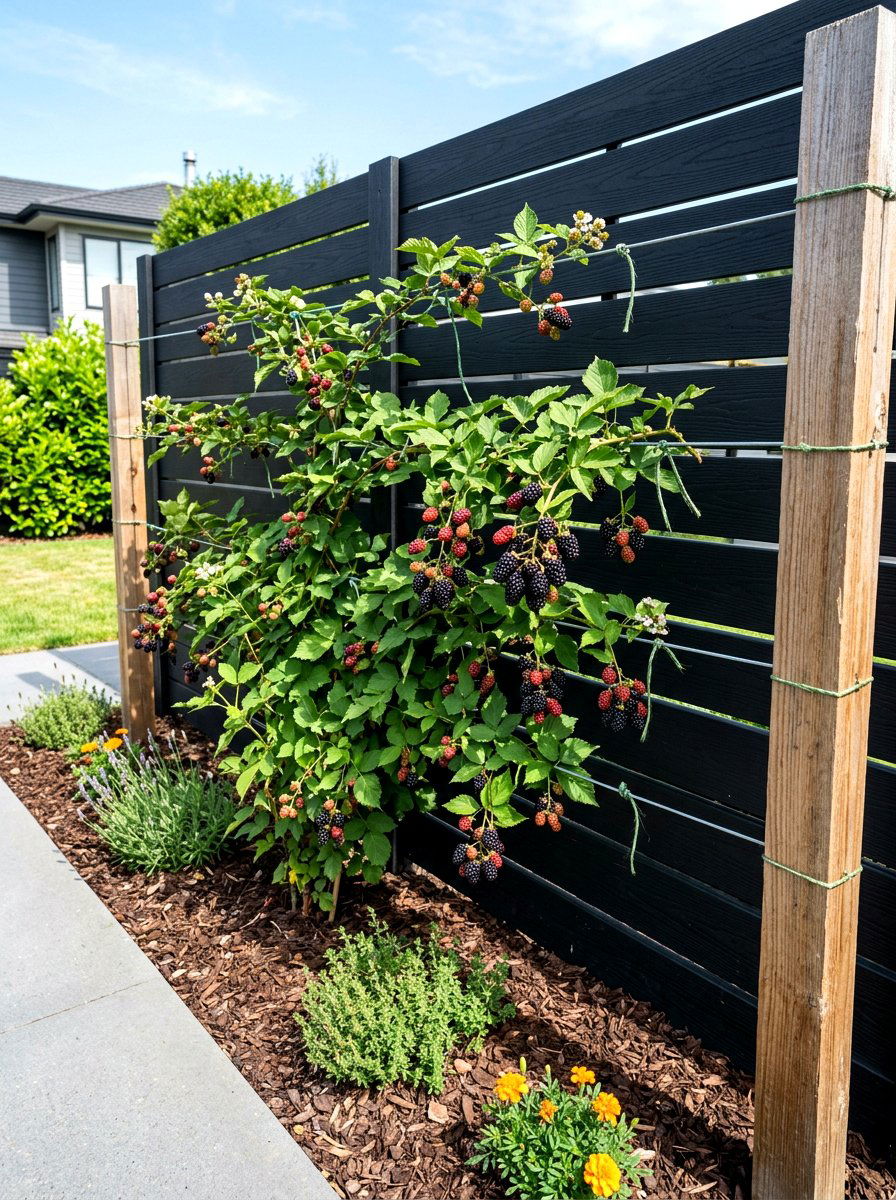
Blackberries can be quite sprawling, but when grown on a modern trellis, they become an organized and attractive part of your landscape. Using a sleek black metal or rustic wooden trellis allows you to train the canes upward, saving space and making the berries easier to pick. This vertical design works well against a garage wall or as a divider between different areas of the yard. During the summer, the dark berries look beautiful against the green leaves and white flowers. Choosing thornless varieties makes the harvesting process much more pleasant for families with children. It turns a wild berry into a sophisticated garden feature.
25. Currant Bush Border
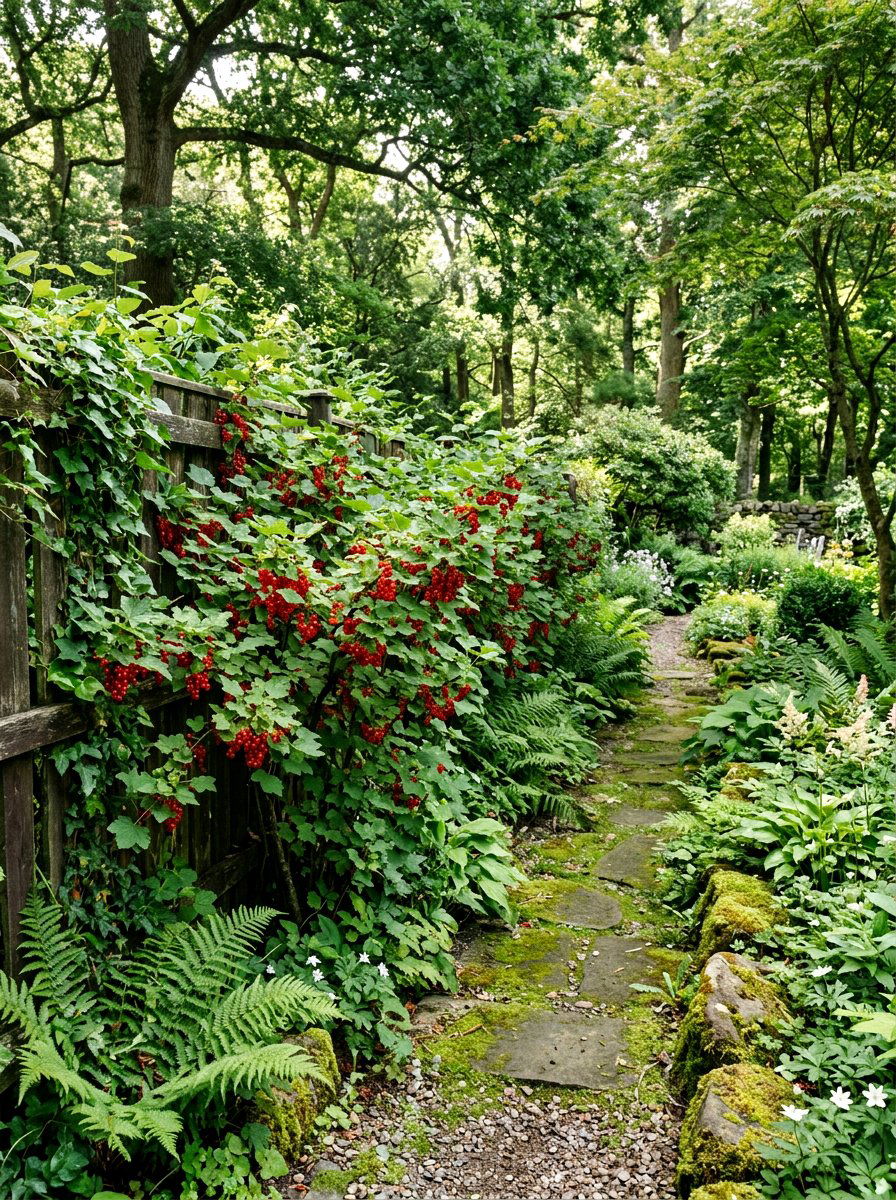
Currant bushes are excellent for edible landscaping because they are shade-tolerant and produce jewel-like clusters of red, black, or white berries. They have a compact, tidy growth habit that makes them perfect for planting under taller fruit trees or along a shaded fence line. The lobed leaves are quite attractive and turn lovely shades of yellow in the autumn. Currants are often overlooked, but they are incredibly productive and make wonderful jams and syrups. Because they stay relatively small, they are easy to integrate into existing garden beds without taking over the space. They provide a pop of color and flavor in those difficult, cooler spots.
26. Rhubarb Ornamental Planting
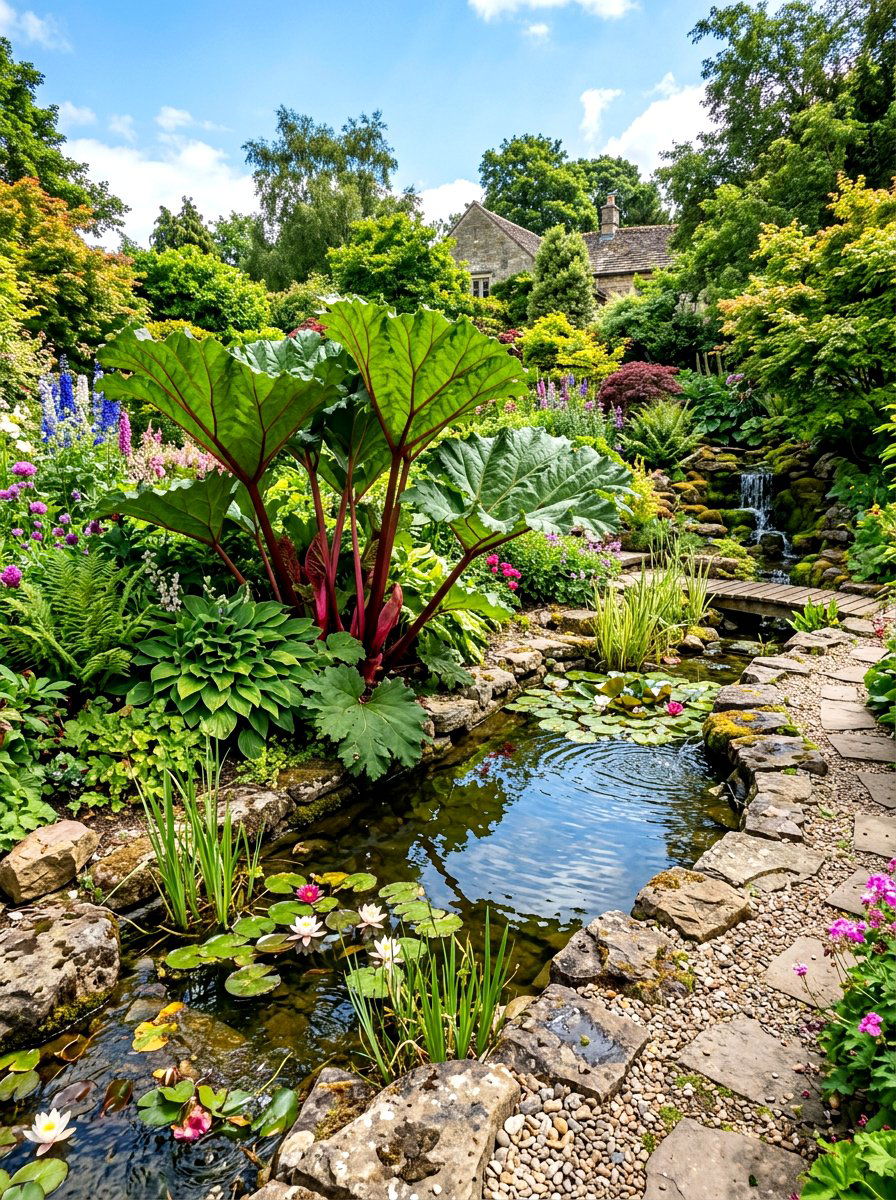
Rhubarb is often tucked away in a back corner, but its massive, ruffled leaves and bright pink stalks deserve a prominent spot in your landscape. It makes a fantastic ornamental plant when placed near a water feature or as a bold accent in a perennial border. The sheer size of the leaves creates a tropical atmosphere that can anchor a garden design. While the leaves are toxic, the stalks are a tart and delicious treat for spring pies and crumbles. Rhubarb is extremely hardy and will thrive for decades with very little intervention. It is a great example of a plant that is both tough and visually stunning.
27. Pomegranate Tree Landscape
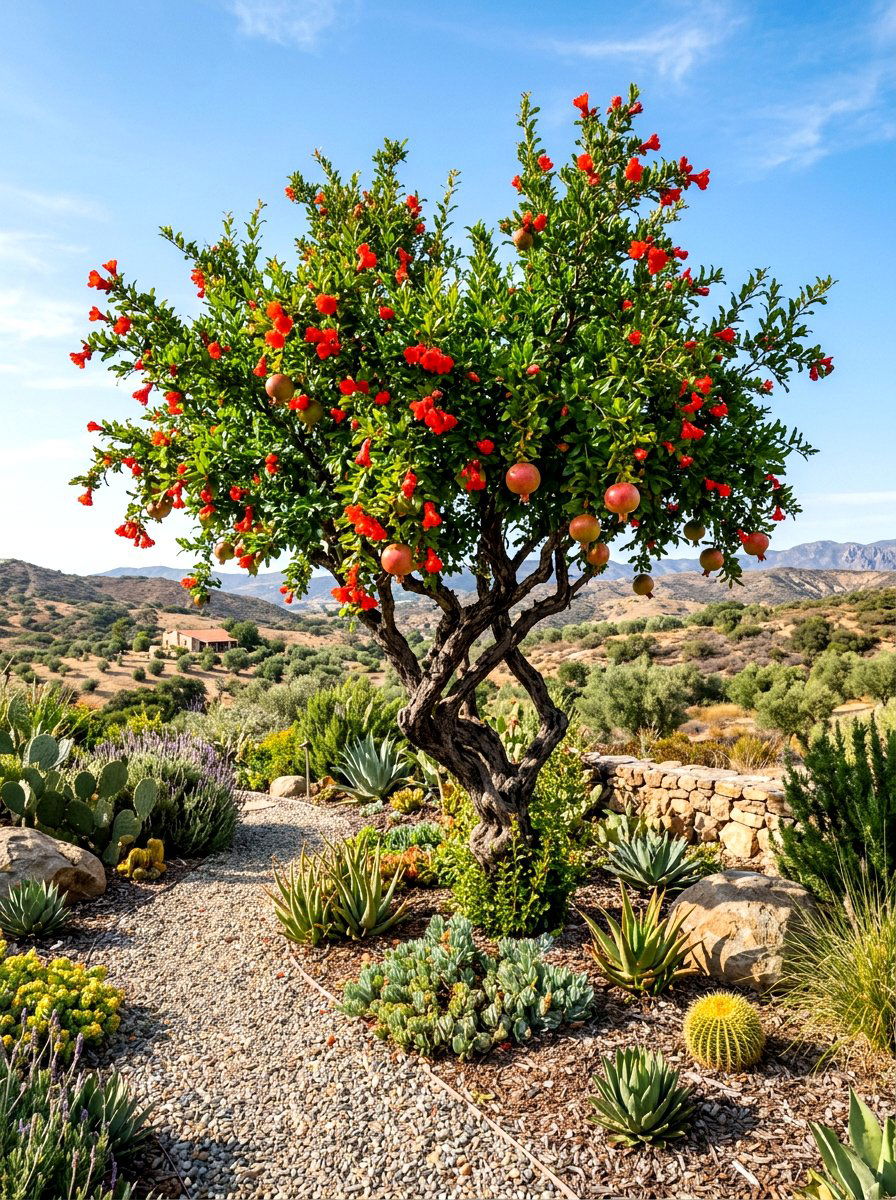
In warmer climates, the pomegranate tree is a showstopper with its vibrant orange-red flowers and glossy, dark green leaves. The fruit itself is highly decorative, hanging like heavy red ornaments from the branches in late autumn. These trees can be grown as multi-stemmed shrubs or pruned into a single-trunk tree shape depending on your design needs. They are quite drought-tolerant once established and can handle a variety of soil types. The unique shape and color of the fruit add a touch of exotic beauty to a Mediterranean or desert-style landscape. It is a high-impact plant that rewards you with nutrient-dense, delicious fruit every single year.
28. Medicinal Herb Garden
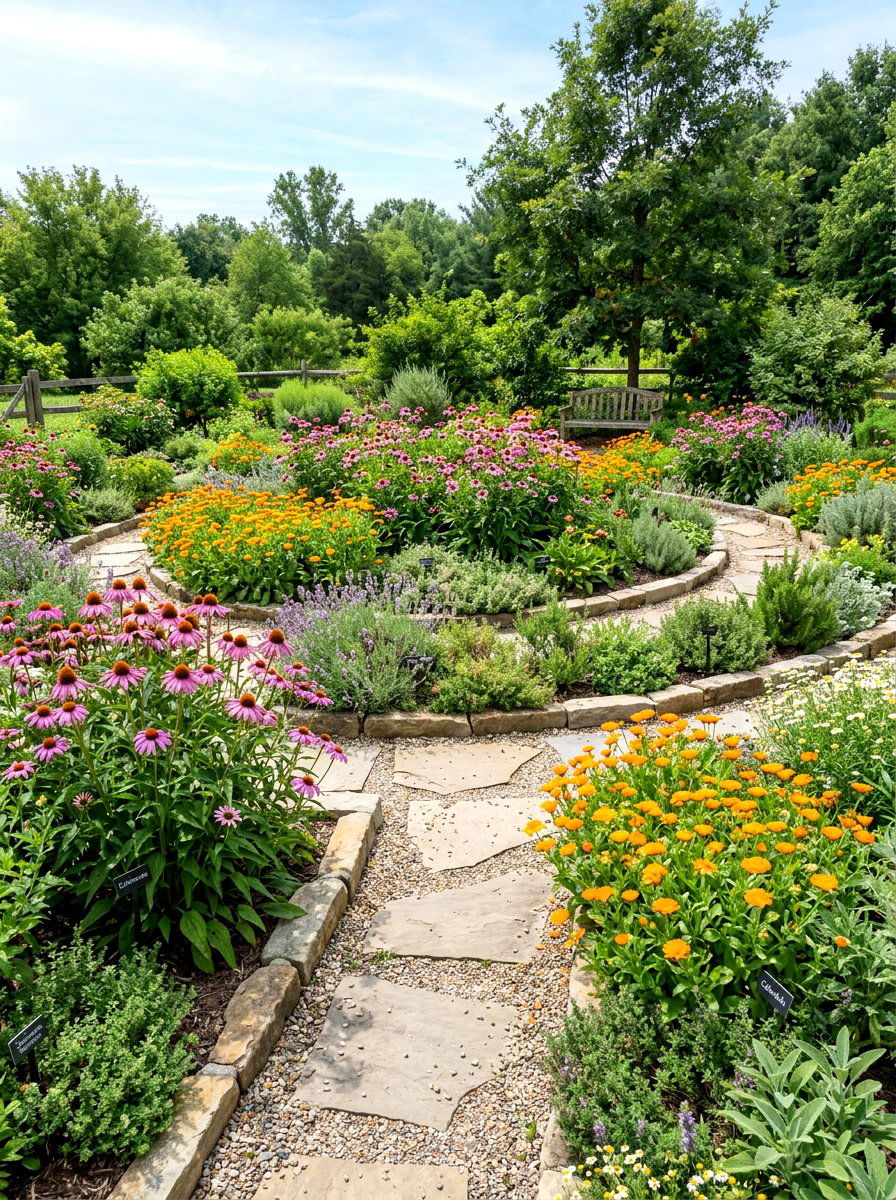
Creating a dedicated space for medicinal herbs like echinacea, calendula, and lemon balm allows you to grow your own wellness products. Echinacea, also known as coneflower, is a beautiful perennial that produces large purple flowers that look great in any traditional garden bed. Calendula offers bright orange blooms that can be used in healing salves and teas. This type of garden is often designed with a sense of peace and healing in mind, using soft paths and comfortable seating. It is a wonderful way to connect with the history of gardening and herbalism. These plants are usually very easy to grow and support local biodiversity perfectly.
29. Rooftop Vegetable Garden
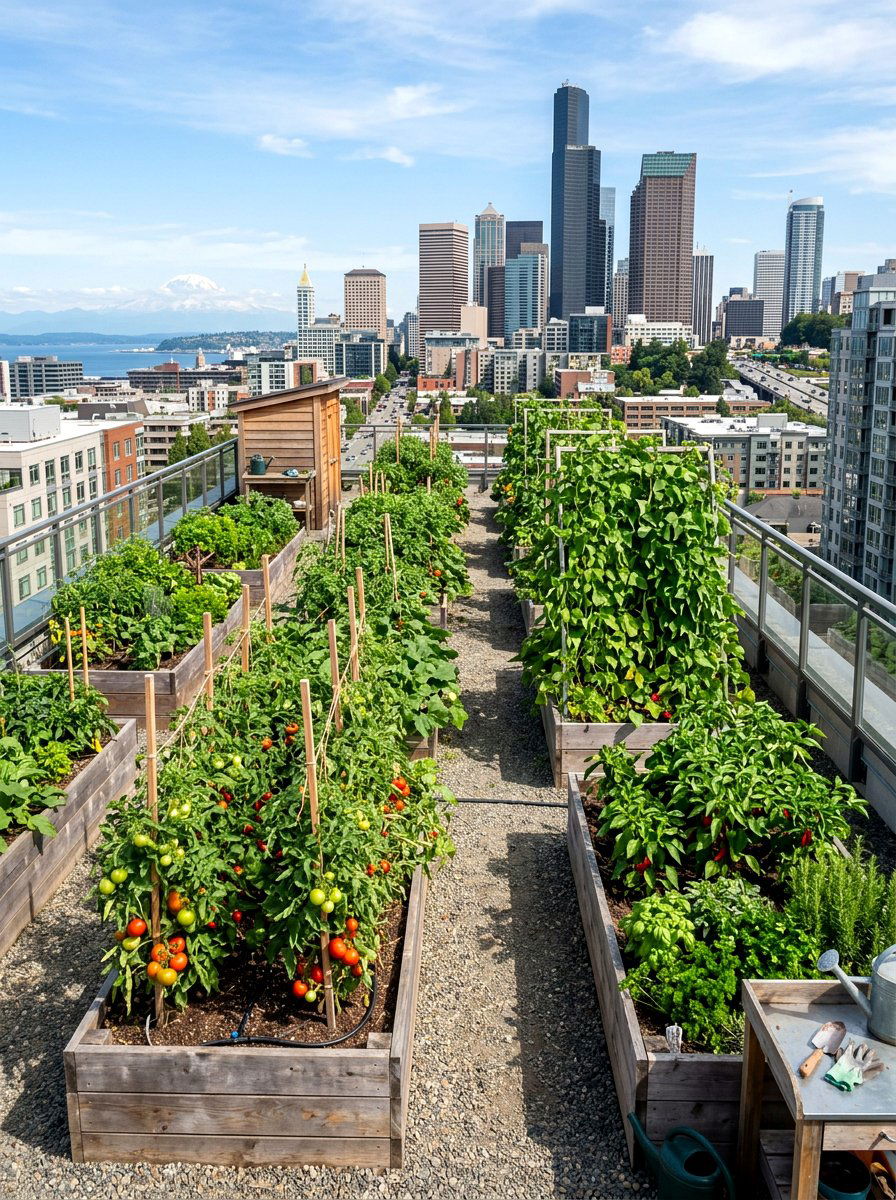
If you live in an urban environment with no yard, a rooftop vegetable garden is a revolutionary way to utilize vertical space. Using lightweight containers and automated irrigation systems, you can grow a full range of vegetables, from peppers to cucumbers, high above the street. This green space helps to insulate the building and reduces the heat island effect in cities. The view from a rooftop garden is often spectacular, making it a perfect place for evening entertaining. You can use trellises to grow climbing plants like beans, creating a sense of privacy from neighboring buildings. It is a modern solution for sustainable city living.
30. Front Yard Food Forest
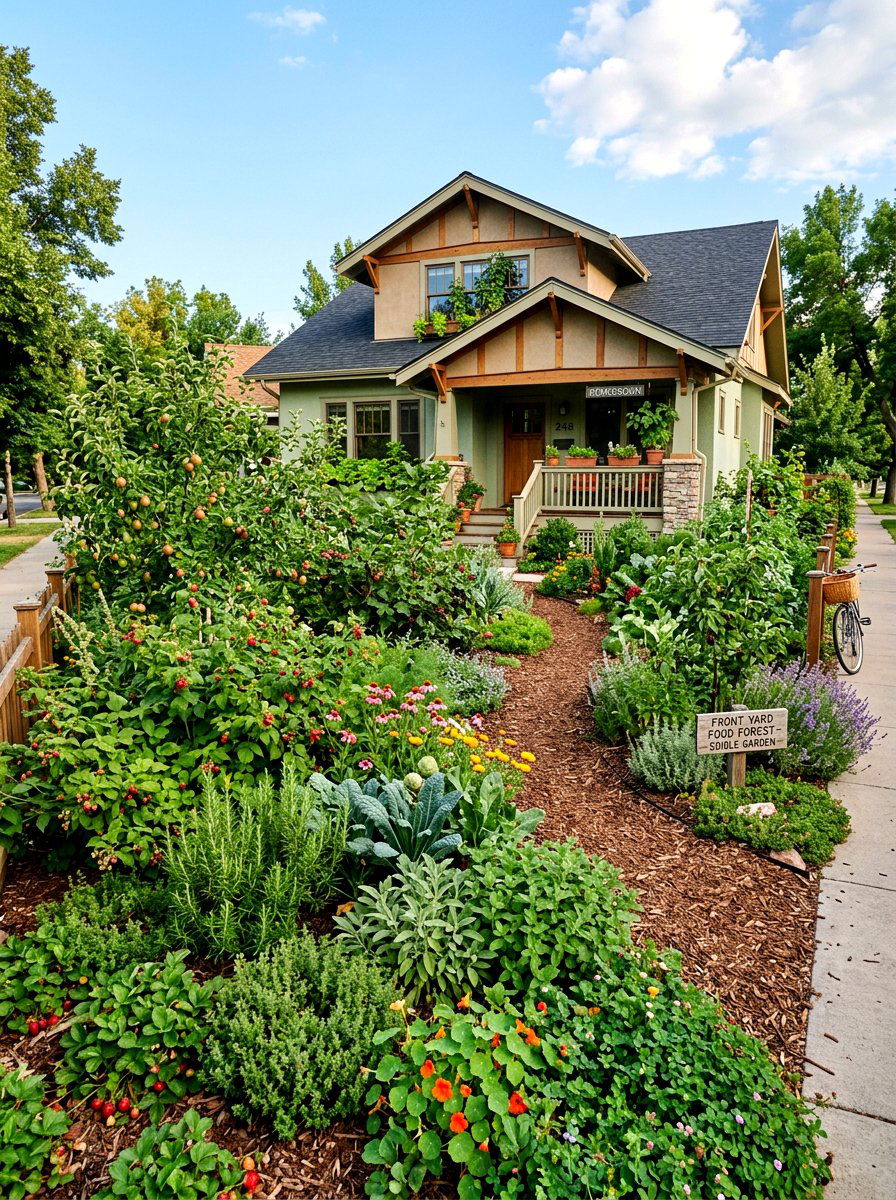
Replacing a traditional front lawn with a mini food forest is the ultimate statement in edible landscaping. This design uses layers of plants, from tall fruit trees to berry shrubs and edible ground covers, to mimic a natural forest ecosystem. It creates a lush, wild look that stands out in a neighborhood of manicured grass. This approach provides a massive variety of food and creates a rich habitat for birds and pollinators. It encourages community interaction, as neighbors often stop to ask about the unique plants and harvests. A front yard food forest is a beautiful way to show that our landscapes can be both stunning and productive.
Conclusion:
Embracing edible landscaping is a powerful way to make your outdoor space more meaningful and productive. By choosing plants that offer both beauty and food, you create a multifunctional environment that supports your family and the local ecosystem. Whether you have a vast backyard or a small city balcony, there are endless ways to integrate fruit, vegetables, and herbs into your design. This sustainable approach reduces your reliance on store-bought produce and brings a sense of accomplishment to your daily life. Your garden becomes a living pantry that changes with the seasons, offering fresh flavors and stunning views all year long. Start small and watch your landscape thrive.

Related posts: