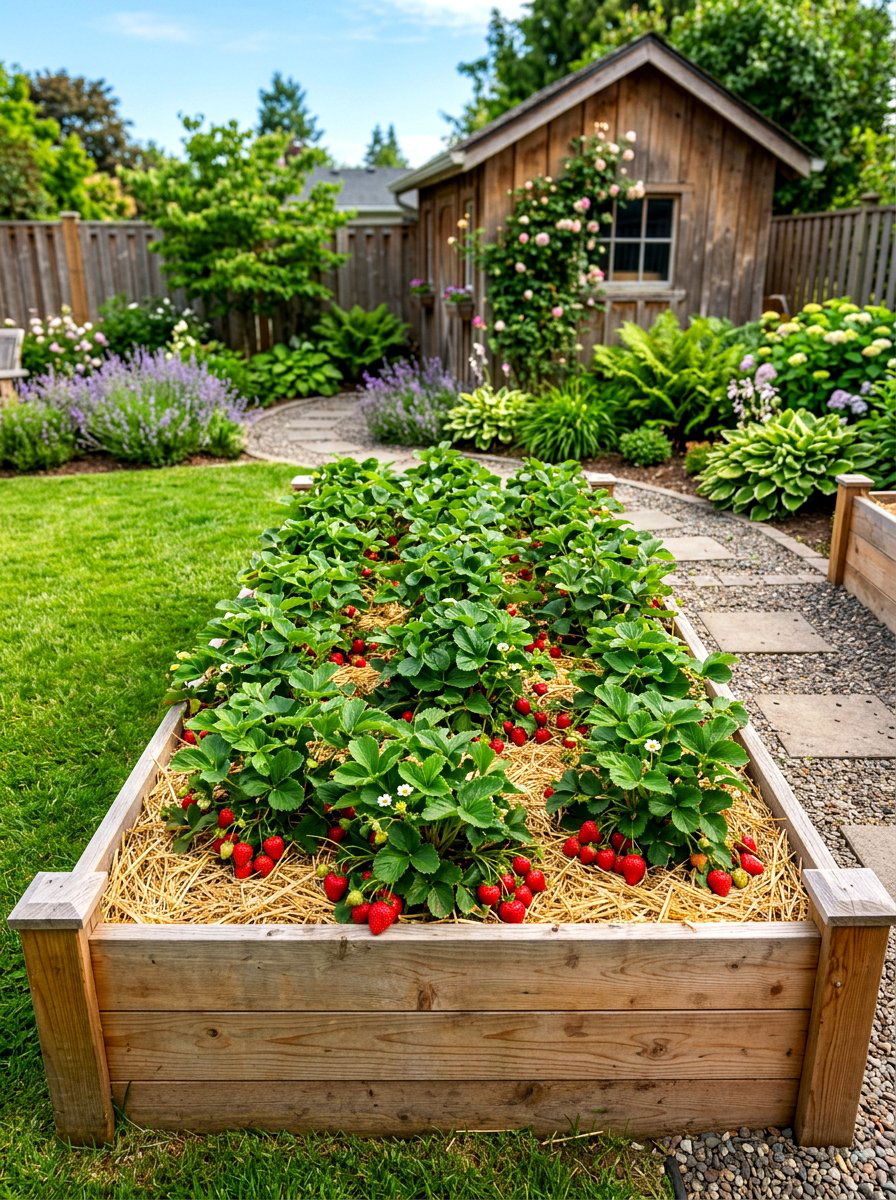
Creating a beautiful outdoor space that serves both as a visual masterpiece and a functional pantry is a dream for many homeowners today. Edible flower gardens are gaining massive popularity on platforms like Pinterest because they blend vibrant colors with culinary versatility. Whether you are a seasoned gardener or a complete beginner, incorporating blossoms that you can actually eat adds a layer of magic to your backyard. From peppery nasturtiums to sweet violas, these plants invite beneficial pollinators while providing fresh garnishes for your summer salads and cocktails. This guide explores thirty unique ways to structure your landscape using flora that tastes just as good as it looks in a vase.
1. Nasturtium Border
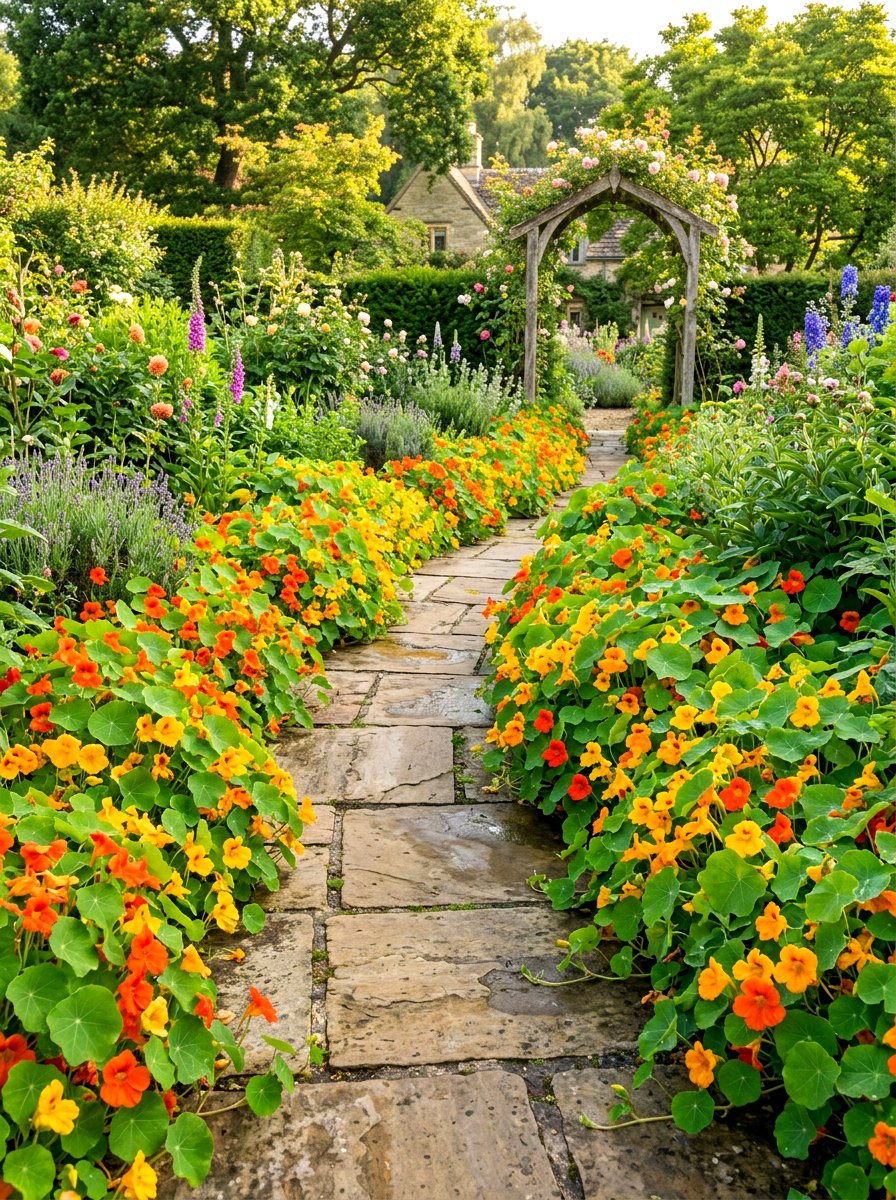
Imagine walking along a stone path lined with trailing vines of vibrant orange and red. Nasturtiums are one of the easiest edible flowers to grow, making them perfect for borders. These plants produce lily-pad-shaped leaves and bright blooms that have a delightful peppery kick. You can plant them in well-drained soil where they will spill over the edges of your garden beds. Their sprawling nature helps suppress weeds while providing a continuous harvest for your summer salads. Because they thrive in poor soil, you do not need to worry about heavy fertilizing. They are incredibly resilient and look stunning when massed together in a sunny landscape.
2. Lavender Walkway
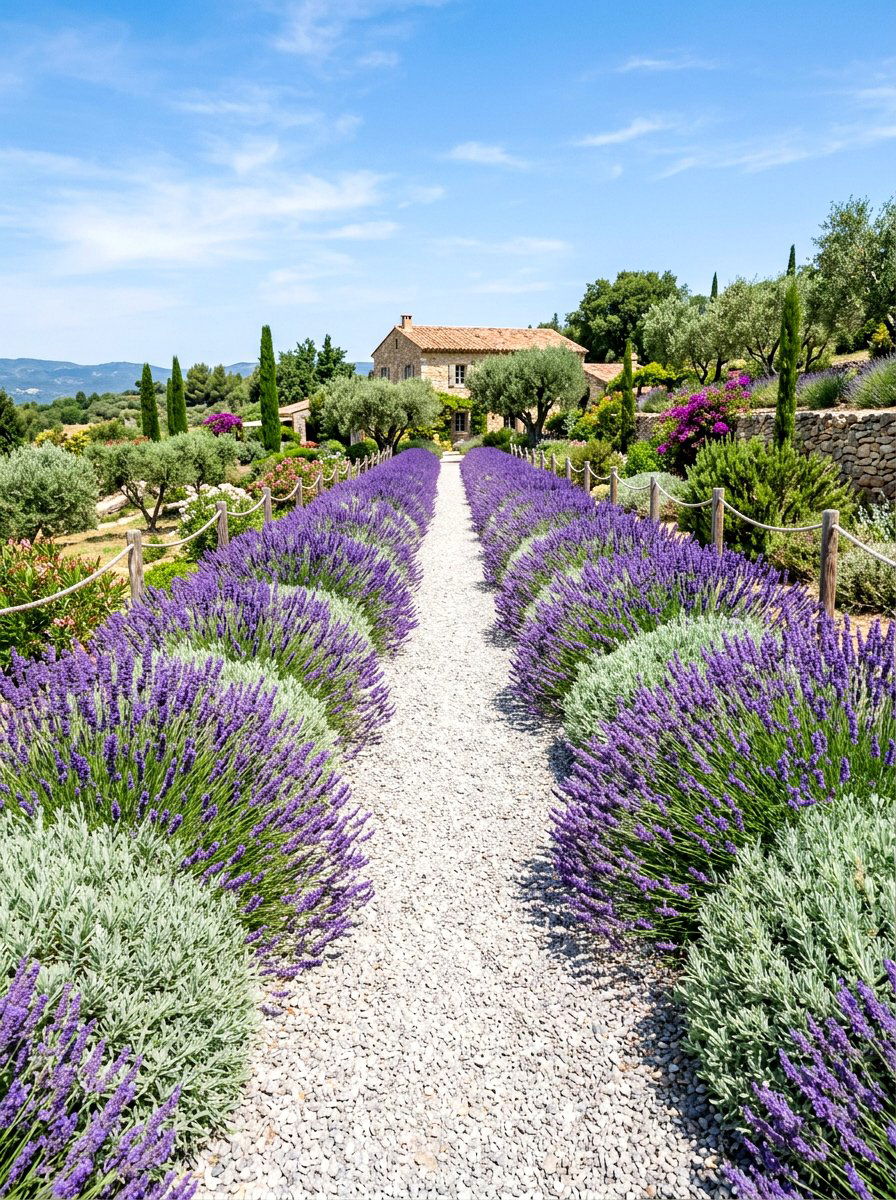
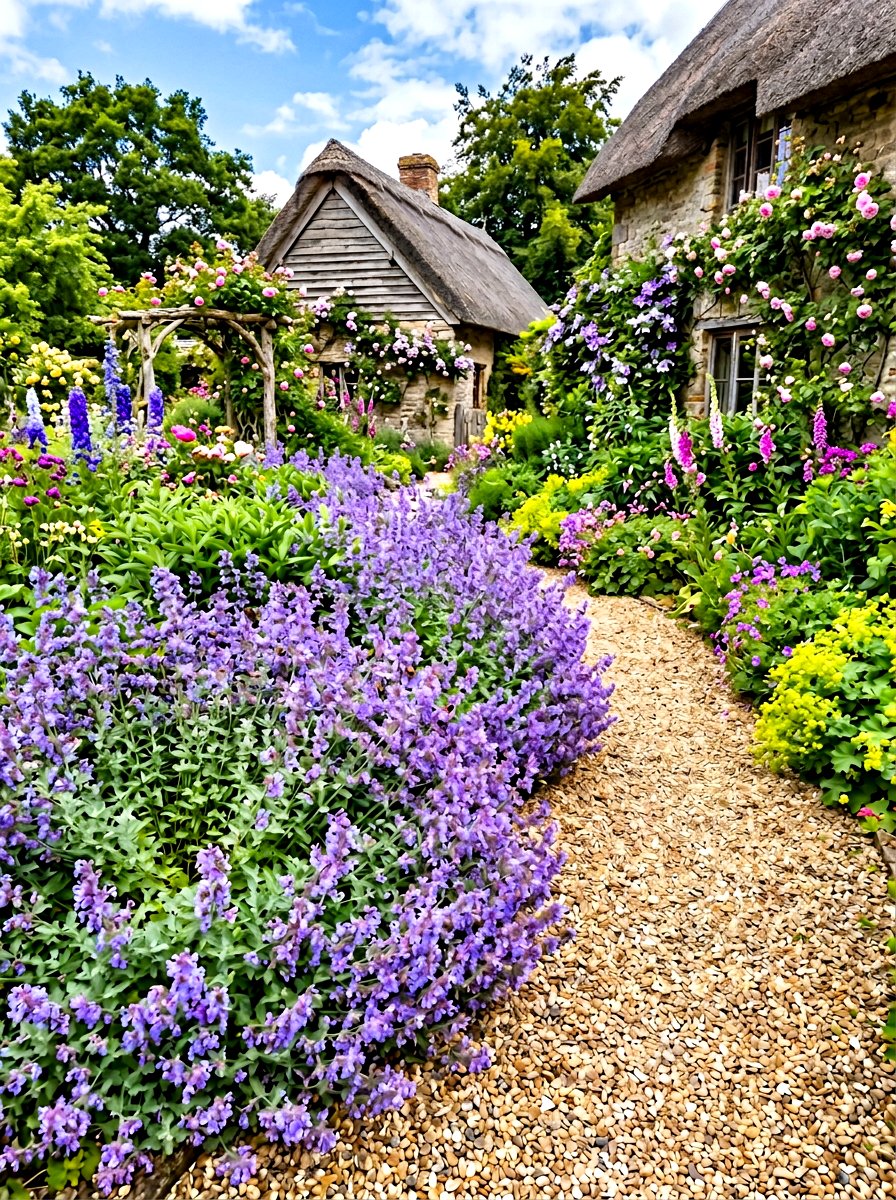
Have you ever dreamed of a garden path that smells as heavenly as it looks? A lavender walkway provides a sensory experience that calms the mind and invites honeybees into your yard. These woody perennials produce spikes of purple flowers that are famous for their soothing fragrance and culinary uses. You can dry the buds for baking or use fresh sprigs to garnish lemonades and desserts. Planting lavender in rows along a gravel walkway creates a structured, Mediterranean feel that requires very little water once established. The silver-green foliage remains attractive even when the plant is not in full bloom, offering year-round texture.
3. Potted Pansy
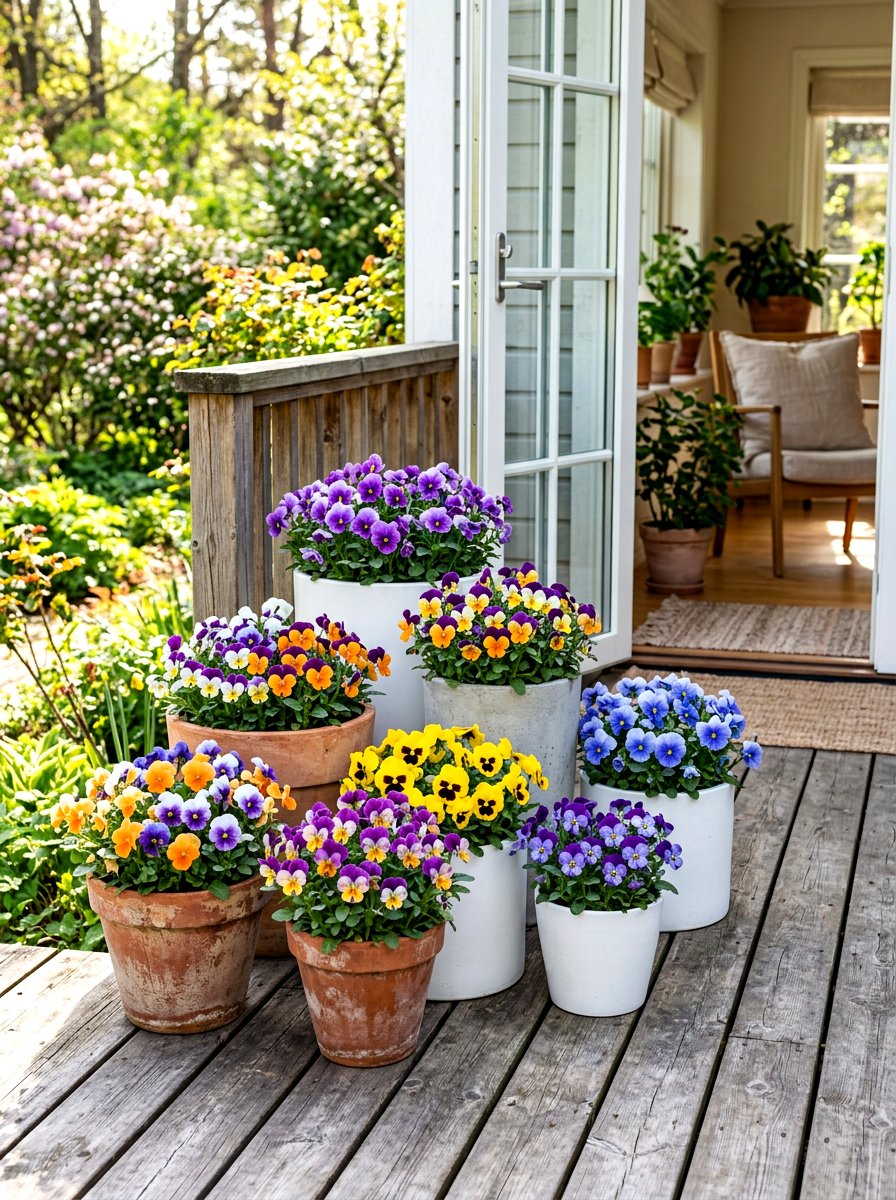
Do you have a small balcony or a patio that needs a splash of color? Potted pansies are a fantastic solution for compact spaces because they are hardy and come in almost every color imaginable. These cheerful flowers have a mild, lettuce-like flavor that makes them ideal for decorating cakes or adding to fresh green salads. By planting them in decorative terracotta pots or sleek modern planters, you can move them around to follow the sun. Pansies prefer cooler weather, so they are perfect for early spring or late autumn displays. Their velvet-textured petals add an expensive, gourmet feel to any home-cooked meal you serve.
4. Marigold Kitchen Garden
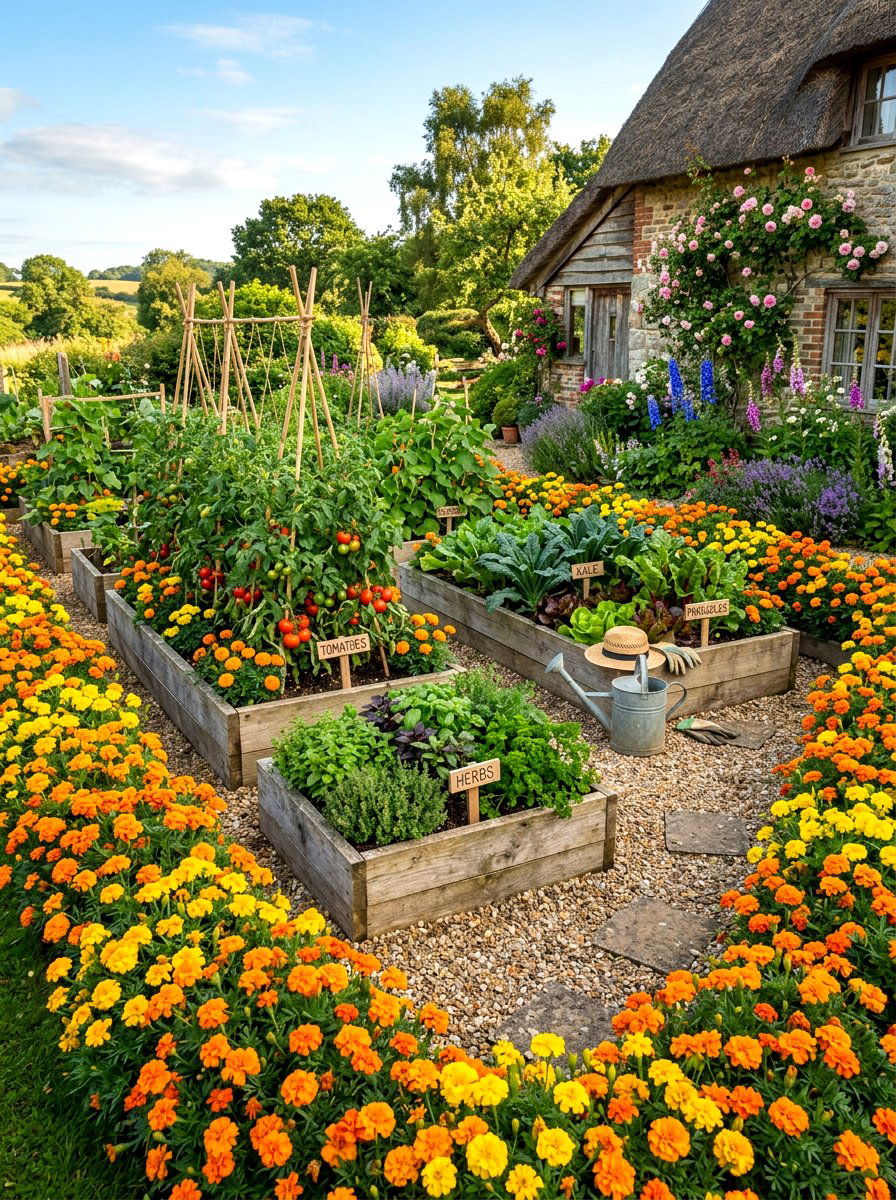
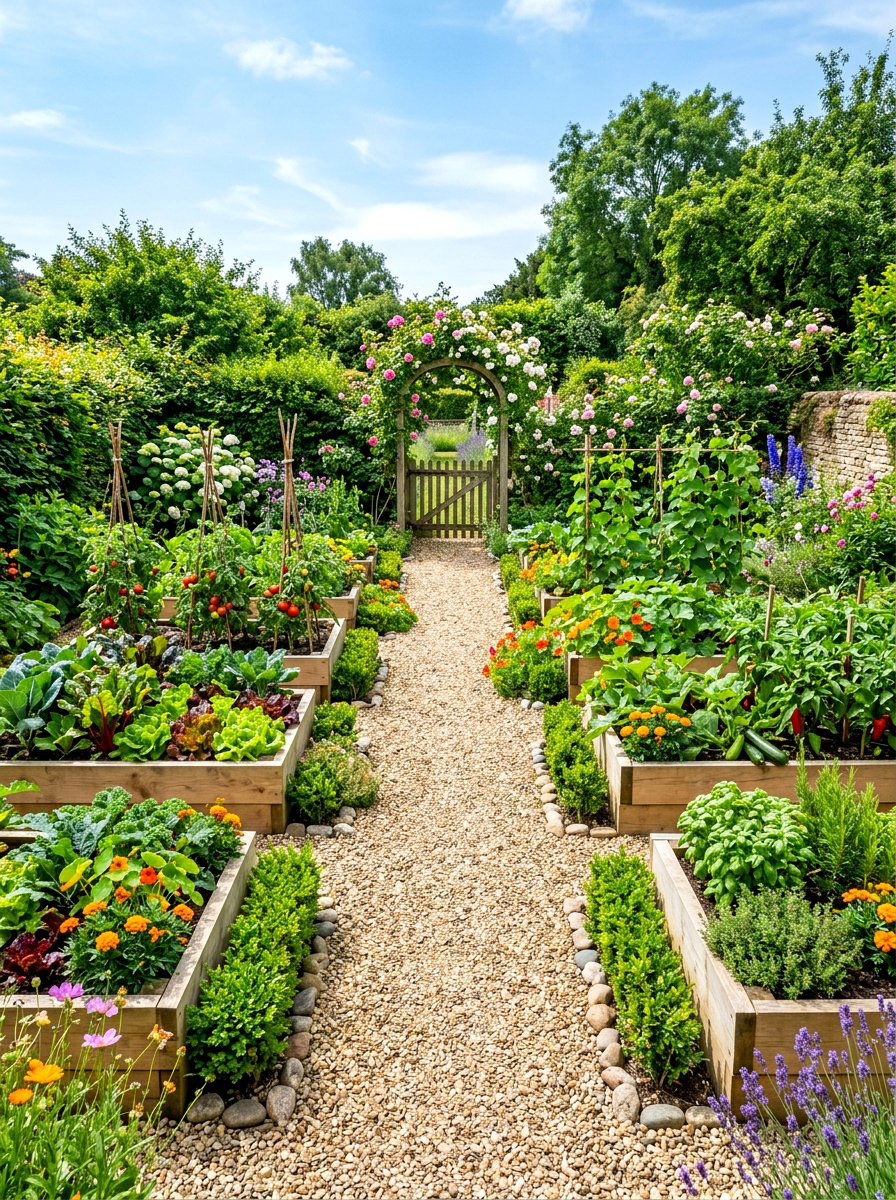
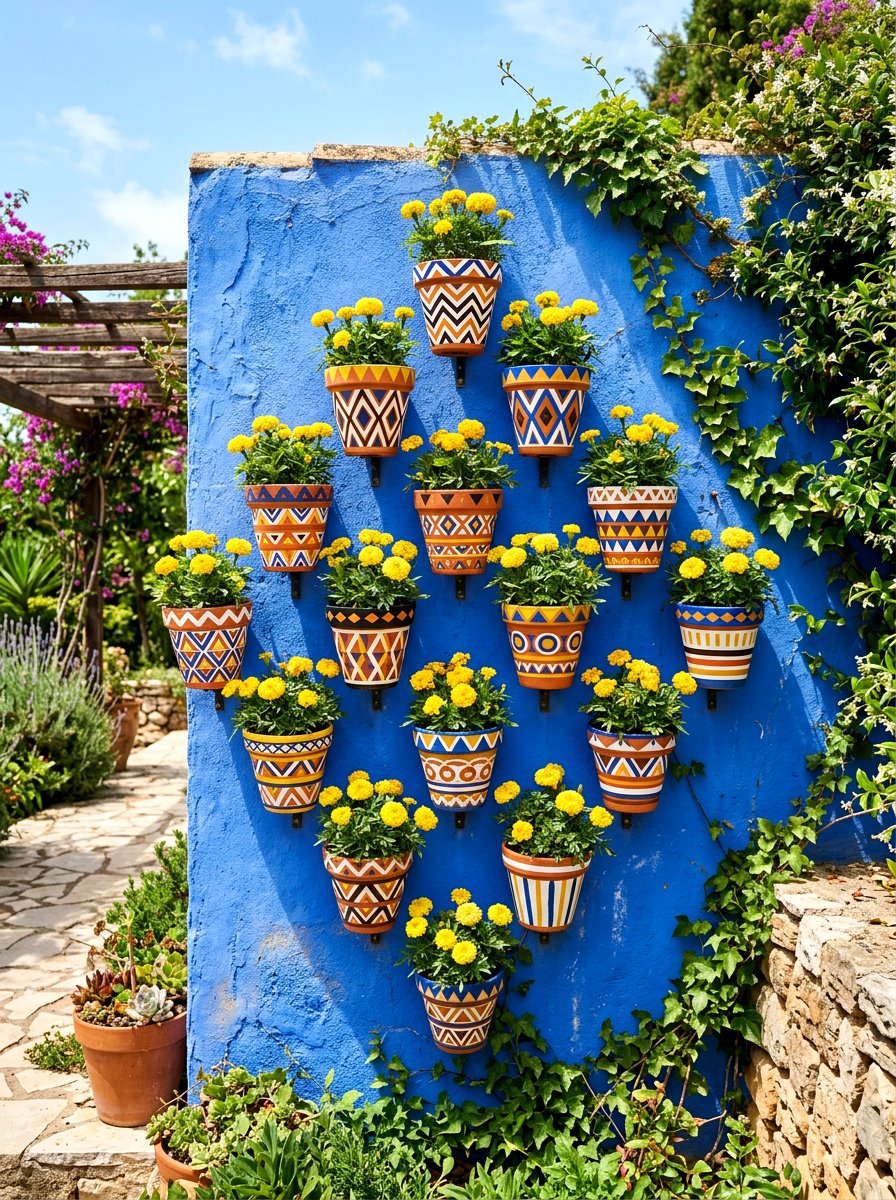
Are you looking for a natural way to protect your vegetables while adding bright golden tones to your yard? Marigolds are classic companions in a kitchen garden because they repel pests while offering edible petals. Specifically, the French marigold varieties provide a citrusy, slightly bitter flavor that mimics the profile of expensive saffron. You can scatter these bright yellow and orange blooms among your tomato plants and peppers for a functional and beautiful layout. They love the heat and will bloom consistently from midsummer until the first frost. Using them as a low-growing hedge around your vegetable plots keeps the garden organized and visually striking.
5. Viola Hanging Basket
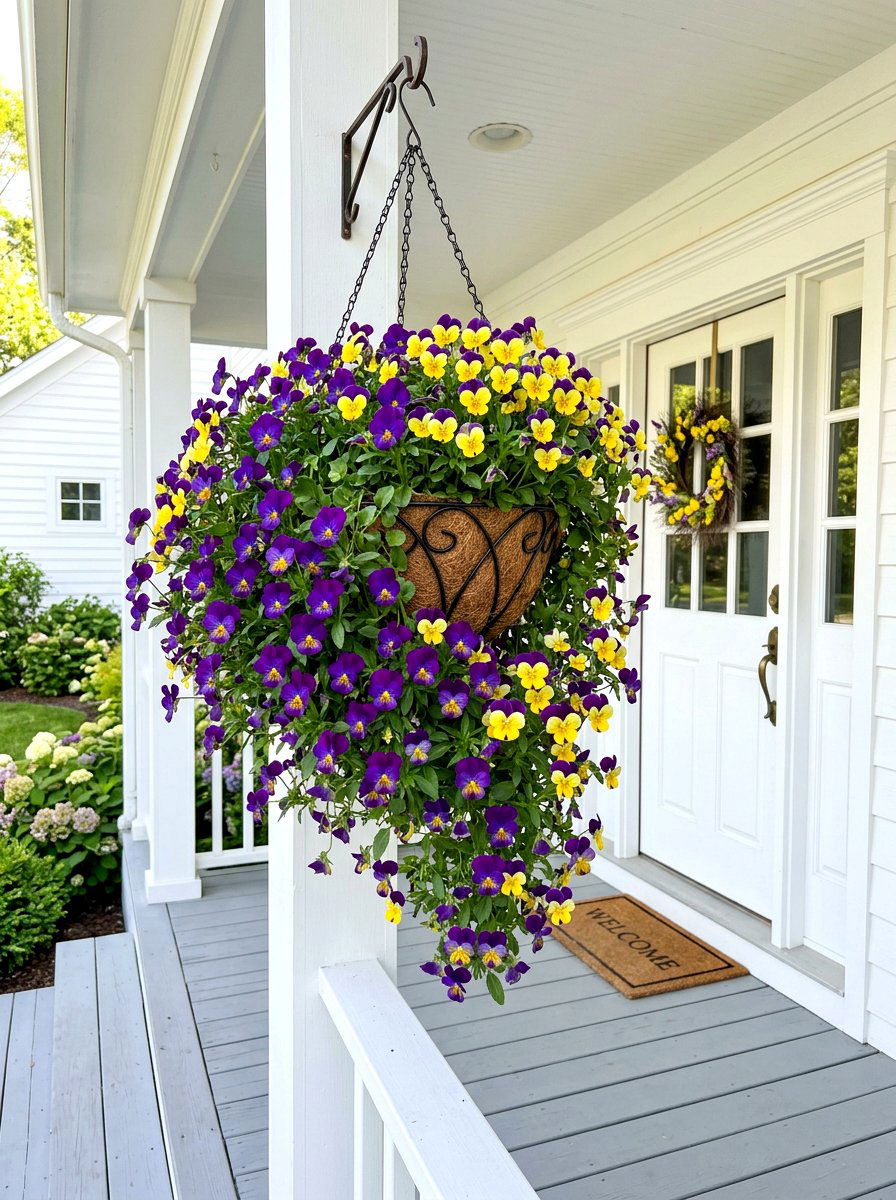
Have you considered using your vertical space to grow edible treats? Violas are smaller relatives of pansies and look absolutely charming when trailing from hanging baskets near an entrance or porch. These delicate blooms are often candied or frozen into ice cubes to create stunning visual effects in party drinks. Because they are more heat-tolerant than pansies, they often last longer into the summer months. Planting a mix of deep purples, bright yellows, and soft creams creates a cascading tapestry of color. They require regular watering and occasional deadheading to keep the blossoms coming, but the effort is rewarded with a constant supply of garnishes.
6. Chamomile Lawn
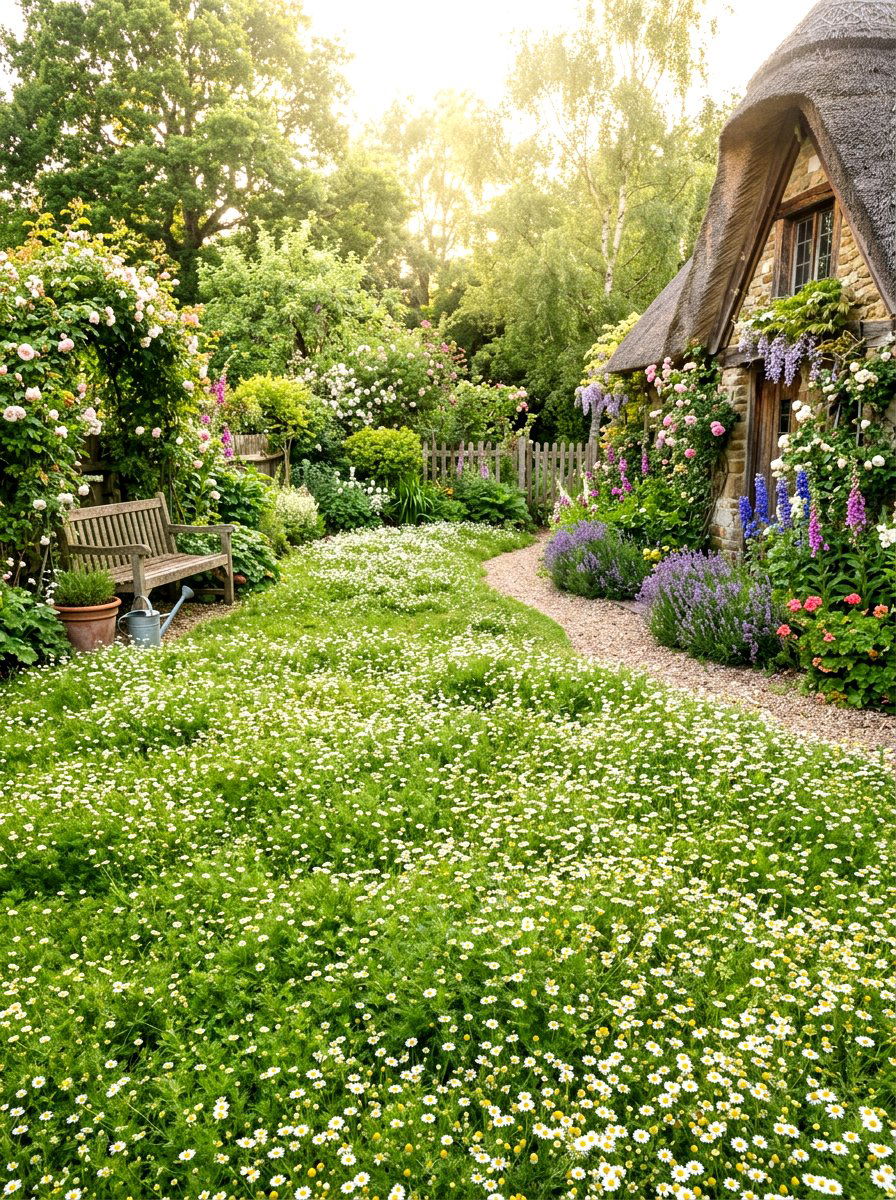
What if your lawn could be a source of soothing tea instead of just grass that needs mowing? A chamomile lawn is a low-growing, fragrant alternative that produces thousands of tiny daisy-like flowers. These blossoms are world-famous for their calming properties when dried and steeped in hot water. This type of garden feature works best in areas with light foot traffic, where the sweet apple-like scent is released as you walk by. It creates a soft, whimsical look that fits perfectly into a cottage garden aesthetic. Once established, chamomile is quite hardy and provides a dense green carpet that is much more interesting than traditional turf.
7. Borage Patch
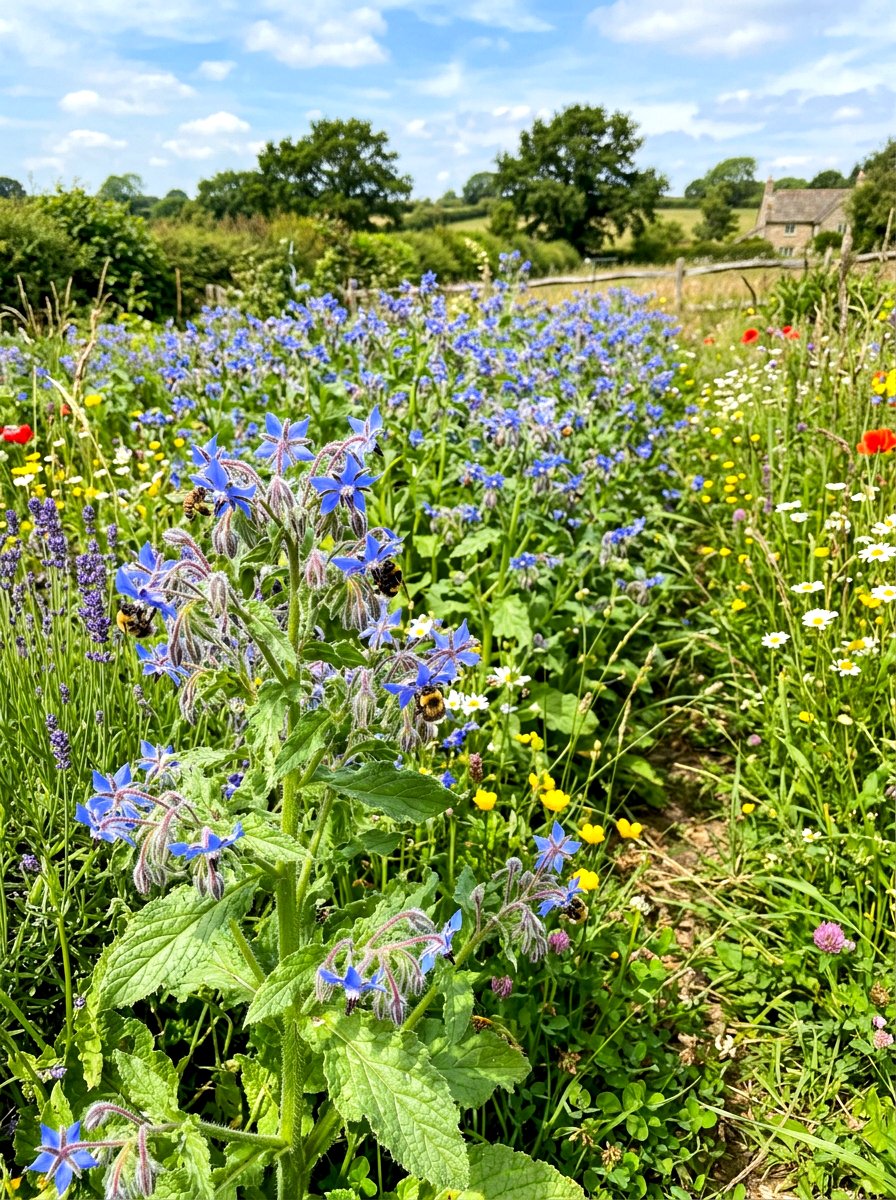
Would you like to attract every bee in the neighborhood to your garden? Borage is a powerhouse plant known for its star-shaped blue flowers that taste remarkably like fresh cucumbers. Planting a dedicated borage patch provides a wild, naturalistic look that fills empty corners quickly due to its vigorous growth. The bright blue blooms are stunning when floated in a glass of Pimm's or scattered over a summer fruit platter. This plant is a prolific self-seeder, meaning it will likely return year after year without any extra work from you. It acts as a fantastic focal point for a pollinator-friendly garden design with its hairy, textured leaves.
8. Calendula Bed
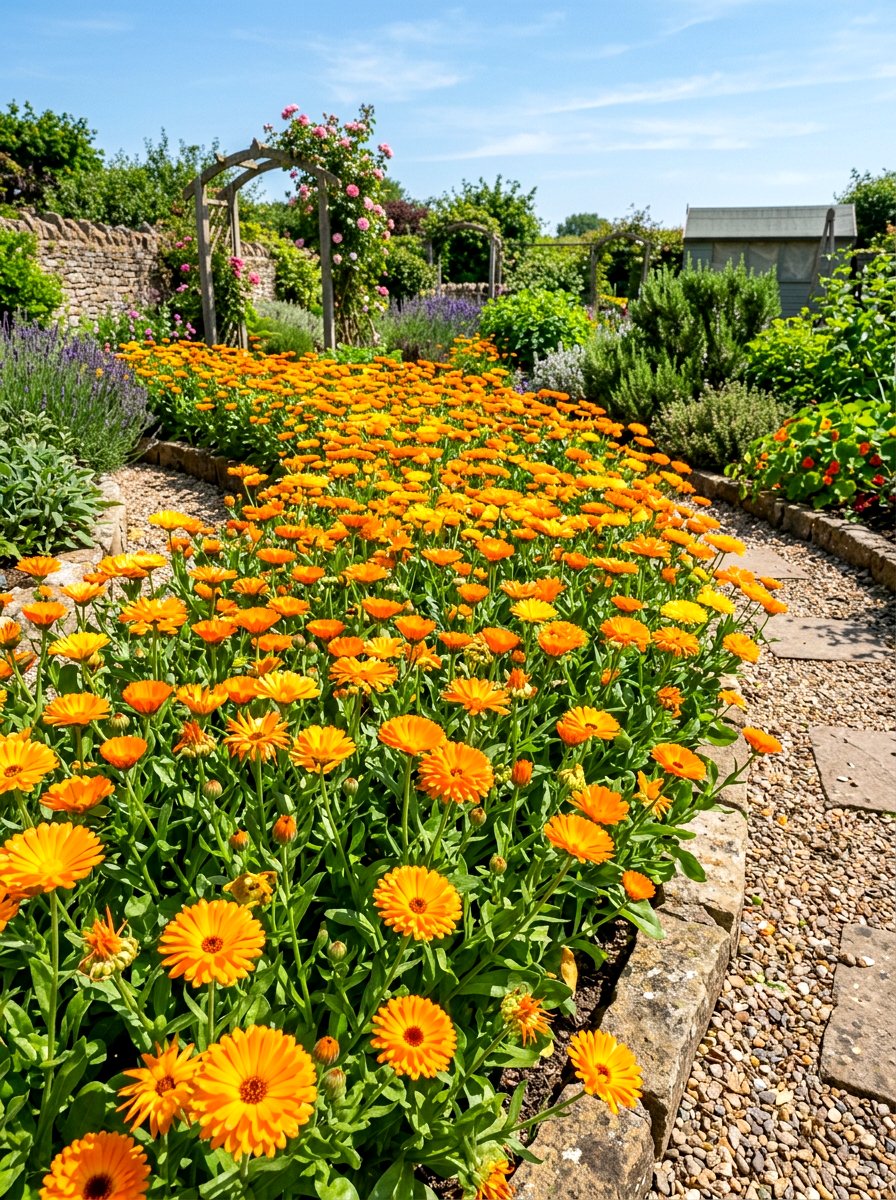
Are you interested in growing flowers that serve both as food and medicine? Calendula, often called pot marigold, is a bright and cheerful annual that features petals used in skin salves and as a natural food coloring. A dedicated bed of calendula creates a sea of orange and gold that brightens up even the gloomiest corners of a yard. The petals have a mild, peppery taste that works well in soups and rice dishes. These plants are exceptionally easy to grow from seed and are not fussy about soil quality. They often continue blooming through light frosts, providing color and edible harvests well into the late autumn season.
9. Rose Arches
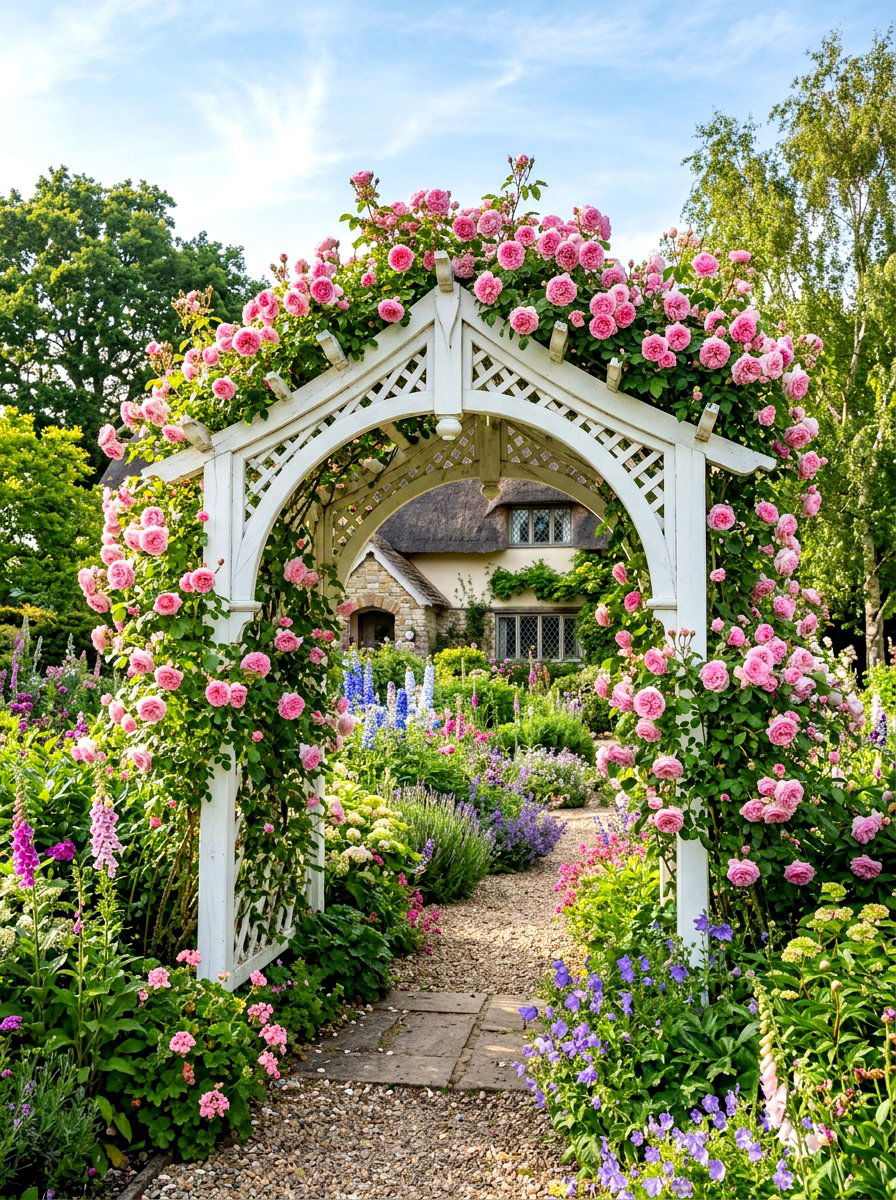
Can you imagine anything more romantic than walking under an archway dripping with fragrant, edible roses? While many people grow roses for their beauty, the petals of organic varieties are entirely edible and offer a delicate floral sweetness. Using roses to cover a garden arbor or trellis creates a vertical focal point that defines different sections of your outdoor space. You can use the petals to make rose water, syrups, or jellies that capture the essence of summer. Selecting heirloom or highly scented varieties ensures the best flavor profile for your culinary projects. The lush greenery and thorns also provide a natural privacy screen for your backyard.
10. Chive Blossom Border
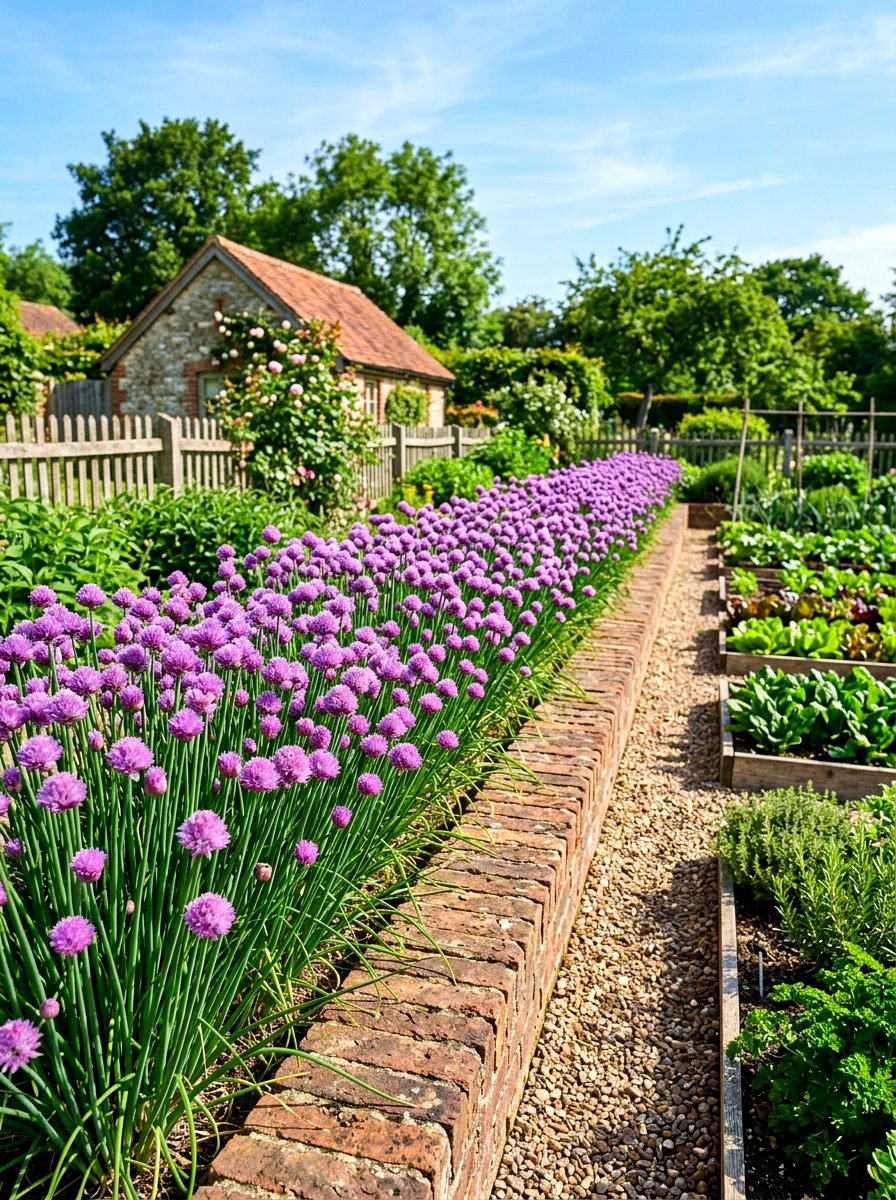
Why not use your favorite herbs as a decorative element in your landscaping? Chives are a staple in the kitchen, but many gardeners overlook the beauty of their globe-shaped purple blossoms. Planting chives as a border for your flower beds or vegetable plots creates a structured and tidy appearance. The flowers have a mild onion flavor and can be pulled apart to sprinkle over baked potatoes or creamy soups. They are perennials, so they will return every spring with minimal maintenance. Their tall, slender green stems add a vertical texture that contrasts beautifully with rounder leaf shapes in your garden, making them a dual-purpose winner.
11. Squash Blossom Garden
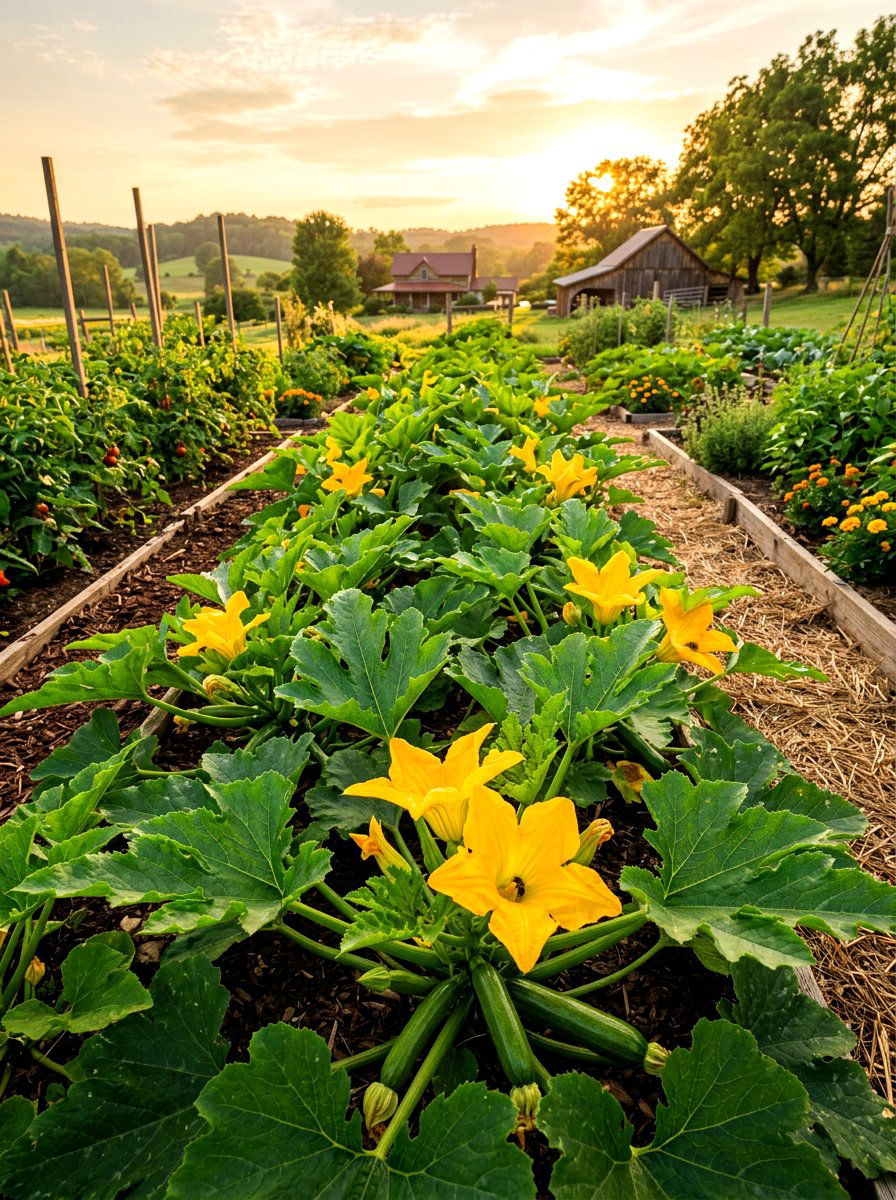
Have you ever tried the gourmet delicacy of stuffed squash blossoms? Growing a garden dedicated to summer squash or zucchini gives you access to these large, golden flowers that are often expensive at farmers' markets. These plants have massive, dramatic leaves that cover the ground quickly, acting as a living mulch to keep the soil moist. The male flowers can be harvested without affecting your vegetable yield, providing a unique ingredient for frying or stuffing with ricotta cheese. This type of garden design is both highly productive and visually impressive due to the size and scale of the foliage and the brilliant yellow funnel-shaped blooms.
12. Sunflower Row
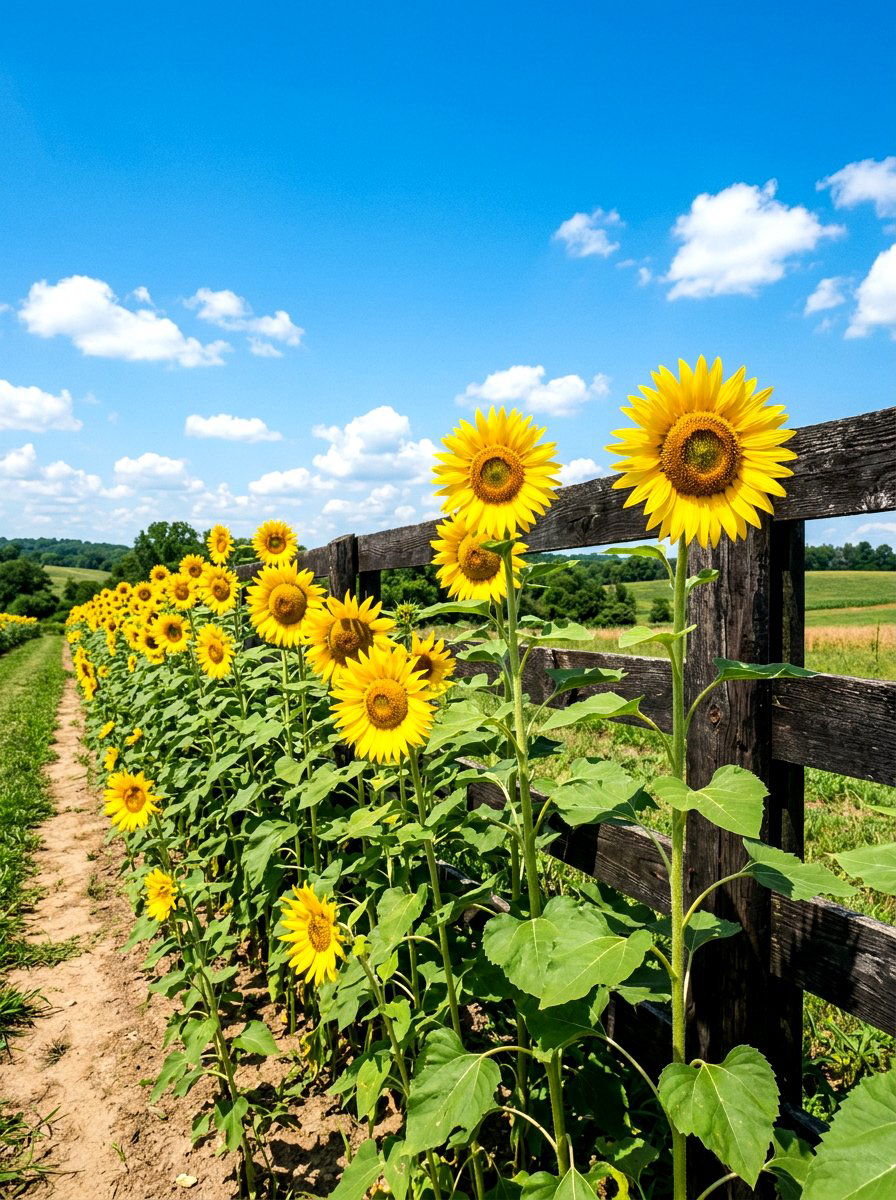
Are you looking for a way to add height and a sense of joy to your backyard? Sunflowers are iconic garden giants that offer more than just seeds; their petals and young buds are also edible. Planting them in a long row along a fence line creates a stunning natural screen that provides privacy and a burst of yellow. The petals have a slightly bittersweet, nutty flavor that adds a crunch to salads. Sunflowers are incredibly fun to grow with children because of their rapid growth and impressive final size. They anchor the back of a garden bed perfectly, providing a sunny backdrop for shorter edible flowers and herbs.
13. Dianthus Flower Box
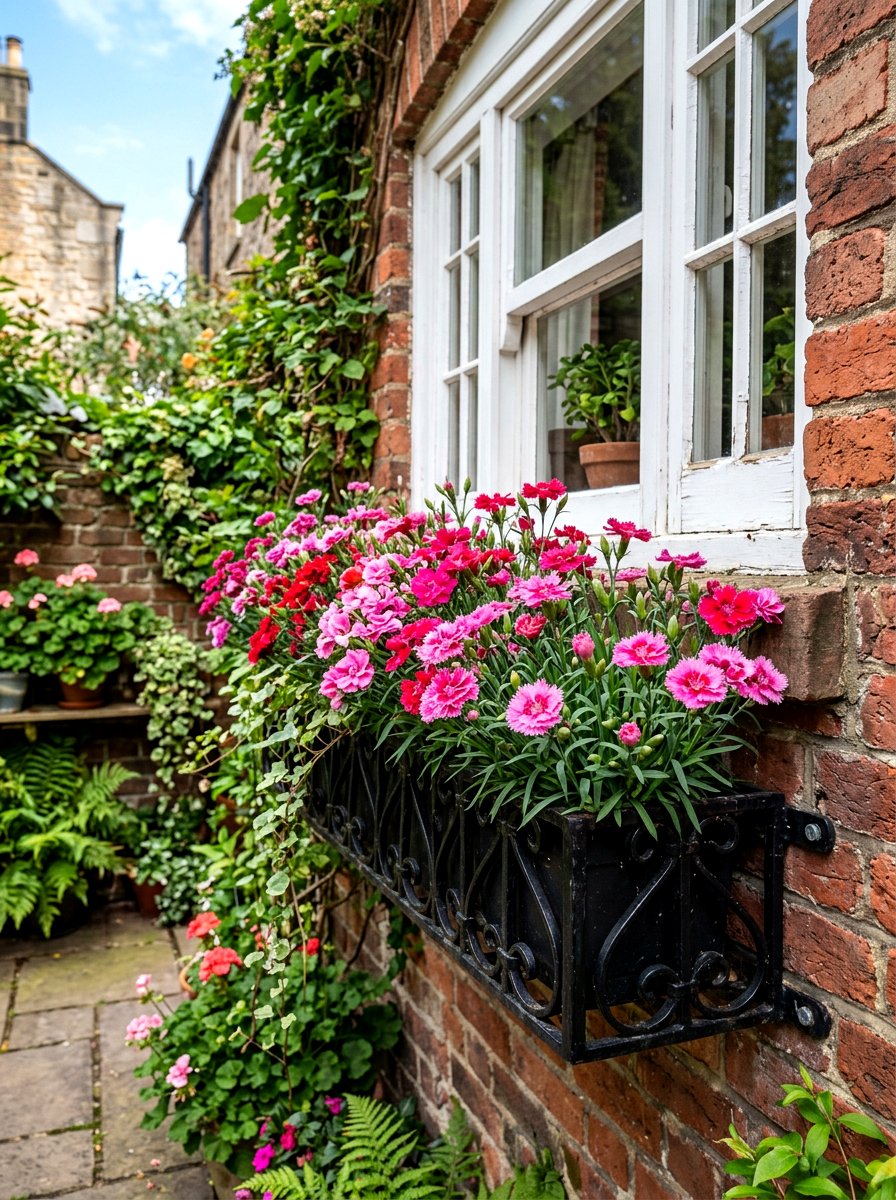
Do you want a flower that smells like spicy cloves and looks like miniature carnations? Dianthus, also known as "pinks, " are compact perennials that thrive in window boxes and containers. Their fringed petals come in shades of pink, red, and white, and they offer a sweet, spicy flavor that is perfect for infusing into sugar or garnishing desserts. Placing these flower boxes on a windowsill allows you to enjoy their scent and easily harvest blooms while cooking. They prefer well-drained soil and plenty of sun, making them a great choice for south-facing porches. Their tidy growth habit keeps your garden looking polished and well-maintained throughout the season.
14. Cornflower Meadow
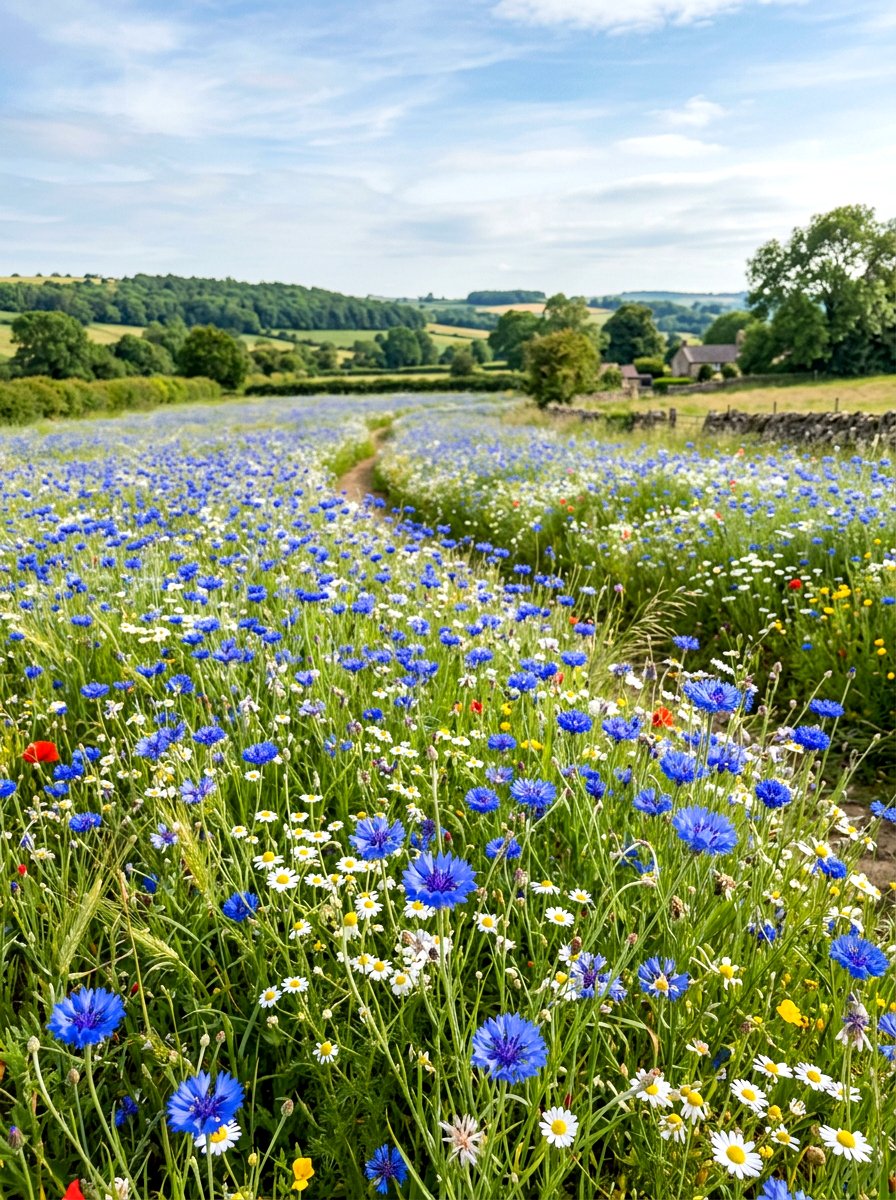
Have you considered turning a section of your yard into a wild, edible meadow? Cornflowers, or bachelor's buttons, are famous for their intense sapphire blue color, though they also come in pink and white. These flowers have a neutral, slightly spicy taste that makes them a versatile decoration for almost any dish. Sowing them in a large, open area creates a whimsical meadow effect that attracts butterflies and beneficial insects. They are very low-maintenance and can handle a variety of soil types. When planted in mass, they create a dreamy, soft texture that sways beautifully in the wind, providing a relaxed and natural feel to your edible landscape.
15. Bee Balm Terrace
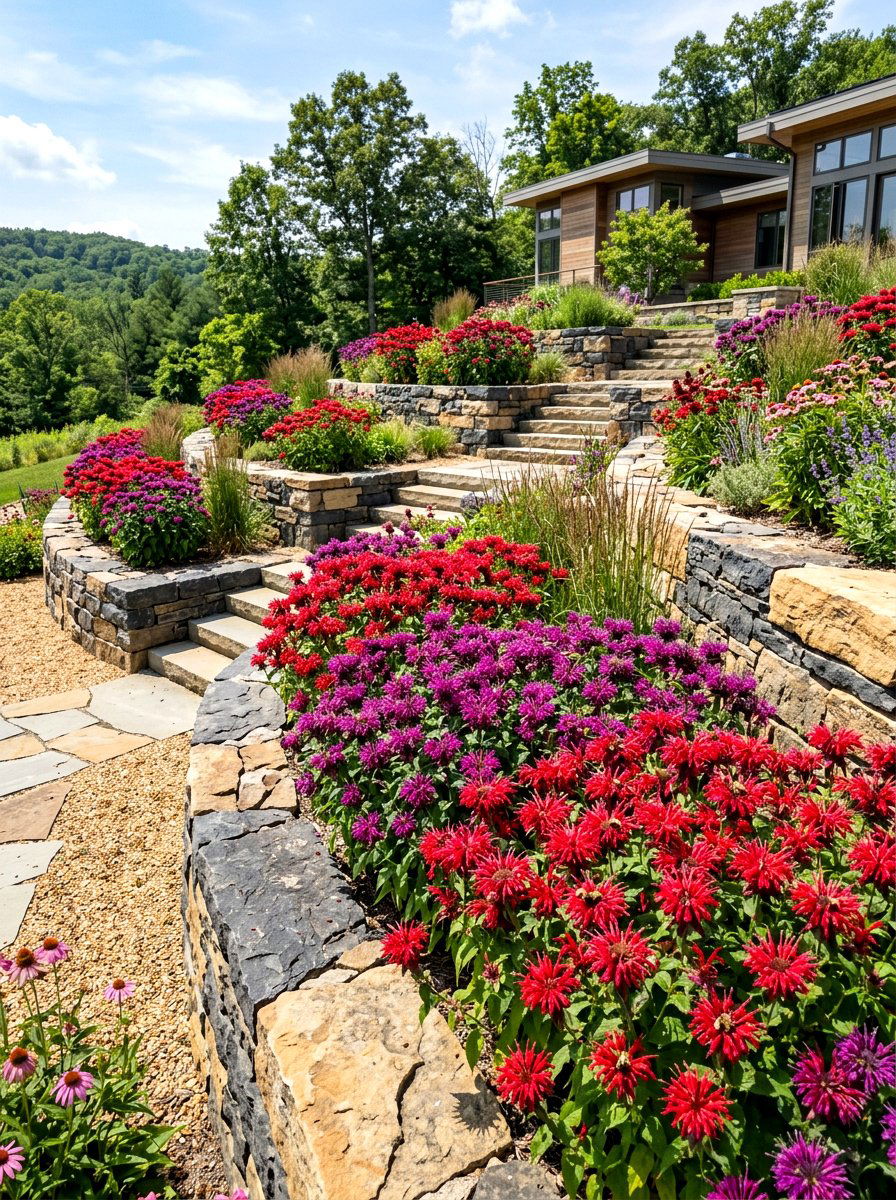
Would you like to create a garden feature that attracts hummingbirds while providing ingredients for herbal tea? Bee balm, also known as Monarda, is a striking perennial that produces shaggy, pom-pom-like flowers in brilliant reds and purples. Planting them on a terraced slope or at the center of a large bed creates a bold, architectural statement. Both the leaves and the flowers have a minty, citrus-like flavor that is excellent for brewing Earl Grey-style tea at home. Bee balm is part of the mint family, so it is quite hardy and spreads easily to fill in gaps. Its unique shape adds a modern, edgy look to more traditional garden layouts.
16. Anise Hyssop Garden
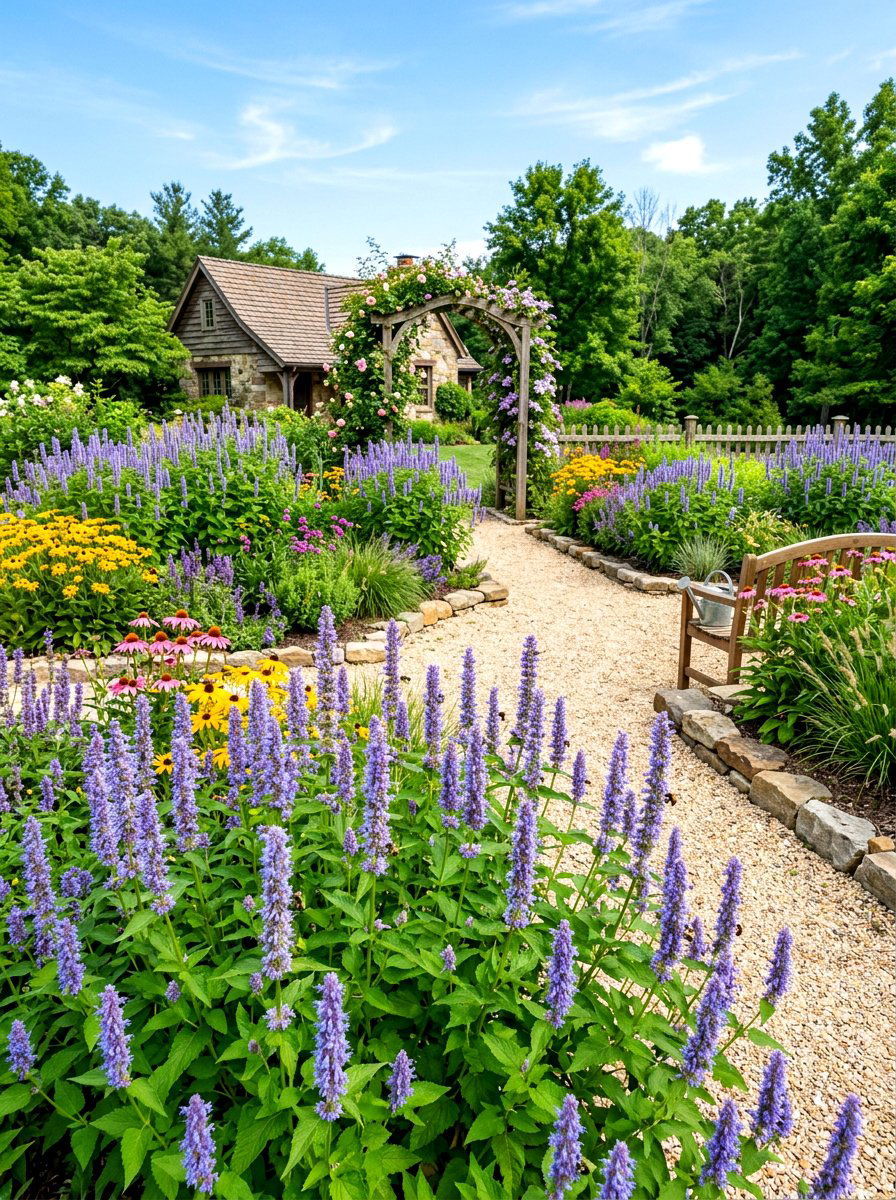
Are you a fan of the sweet flavor of licorice? Anise hyssop is a stunning perennial that produces tall spikes of lavender-blue flowers with a distinct anise scent and taste. A dedicated garden section for this plant creates a vertical element that draws the eye upward and provides a feast for bees and butterflies. You can use the flowers and leaves to flavor fruit salads, honey, or baked goods. The plant is drought-tolerant once established, making it an excellent choice for eco-friendly landscaping. Its upright growth habit and textured, green leaves provide a clean and organized look that pairs well with lower-growing herbs like thyme or oregano.
17. Lilac Shrub
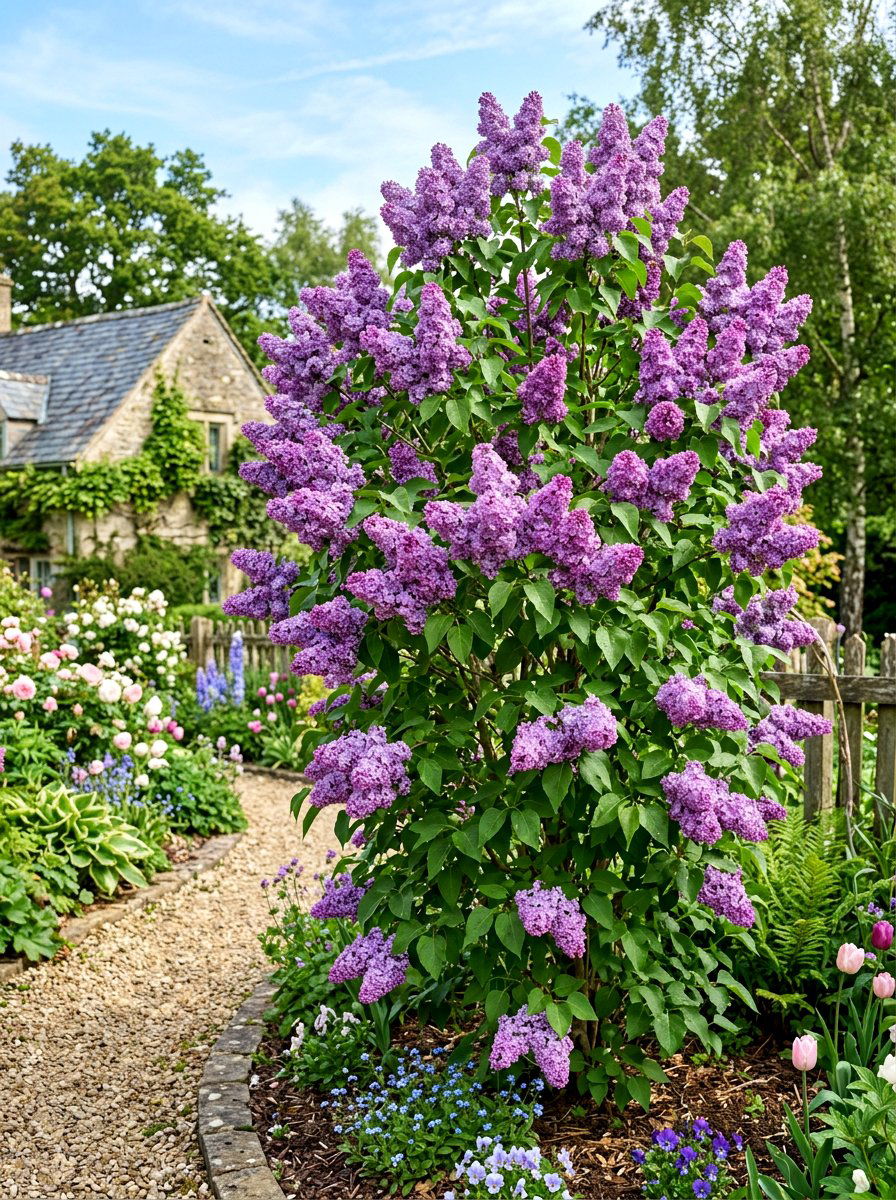
Did you know that the sweet-scented lilacs in your yard are actually edible? A lilac shrub serves as a magnificent centerpiece in any garden, offering a massive burst of purple or white blooms in the spring. The flowers have a strong floral flavor with a hint of lemon, making them a popular choice for making lilac-infused sugar or floral syrups. Using these shrubs as a boundary hedge provides both privacy and a heavy fragrance that defines the spring season. While they only bloom for a few weeks, the heart-shaped leaves remain a lush green for the rest of the year, maintaining a solid structural element in your landscape.
18. Dandelion Patch
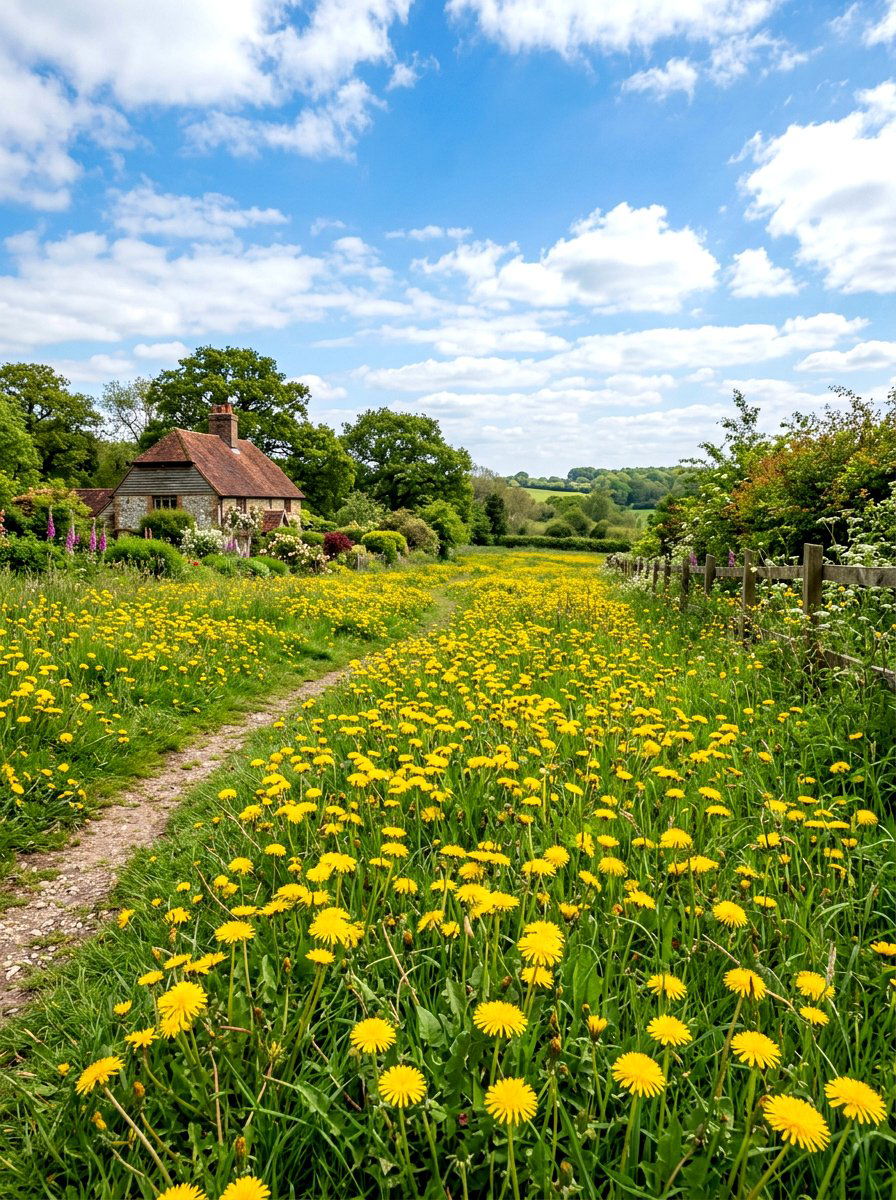
Have you ever thought about embracing the most common "weed" as a gourmet garden feature? A controlled dandelion patch can be a source of incredible nutrition and flavor, from the honey-sweet petals to the bitter, healthy greens. These bright yellow flowers are resilient and will grow in almost any conditions, making them a zero-maintenance addition to your edible space. You can use the petals to make dandelion wine or jelly, which has a flavor often compared to honey. By keeping a dedicated area for them, you ensure they don't take over your lawn while still reaping the benefits of their early-season pollen for bees and their culinary versatility.
19. Hibiscus Tropical Corner

Do you want to add a tropical, exotic vibe to your patio or garden? Tropical hibiscus varieties produce massive, show-stopping blooms that are commonly used to make tart, cranberry-flavored teas and syrups. Creating a specific corner for these plants, perhaps near a pool or outdoor seating area, instantly elevates the mood of your backyard. The large, colorful petals are also beautiful when used as a garnish for cold summer drinks or fruit bowls. Hibiscus plants love the heat and plenty of water, thriving in sunny spots where they can show off their bold colors. Their glossy green foliage provides a high-end, lush look that feels like a permanent vacation.
20. Honeysuckle Trellis
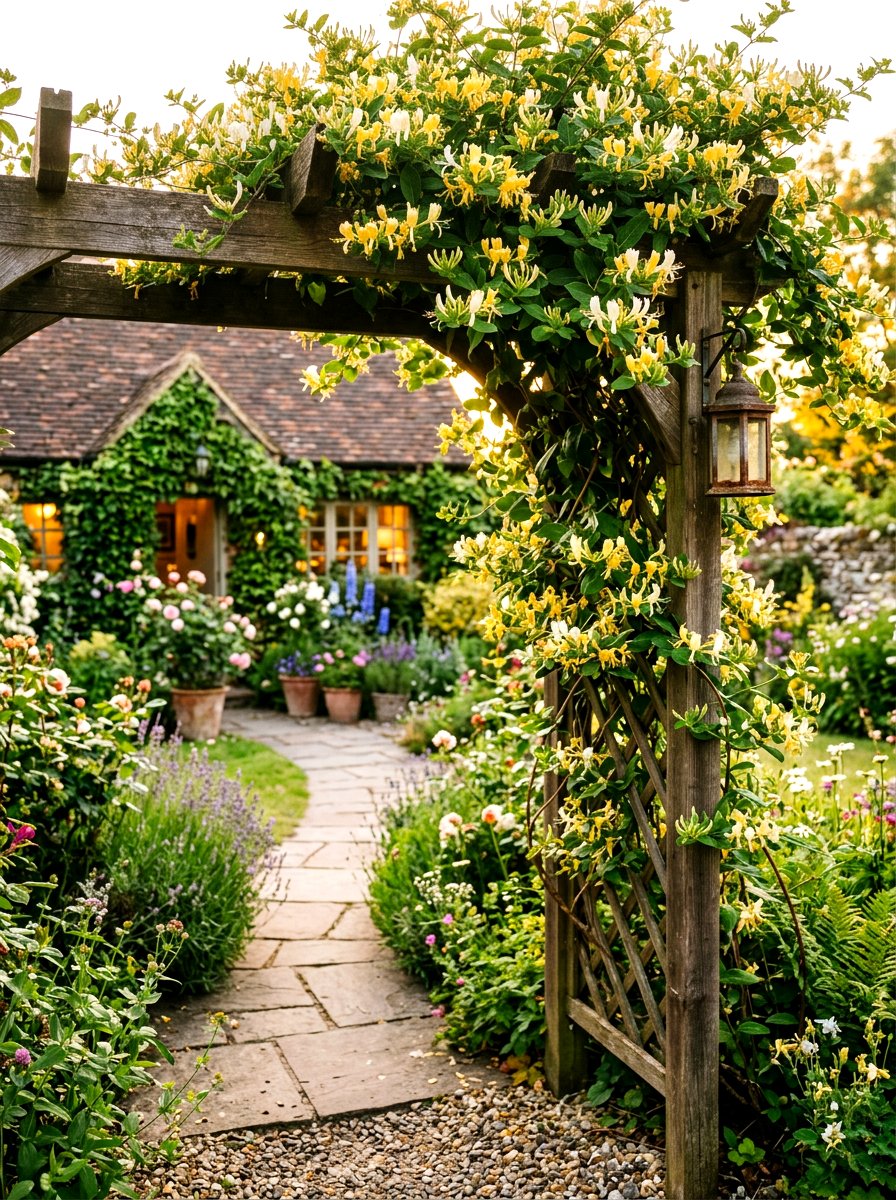
Is there anything better than the sweet scent of honeysuckle drifting through an open window on a summer evening? Training honeysuckle to grow up a trellis or over a fence provides a vertical wall of fragrance and edible nectar. The long, tubular flowers are famous for the drop of sweet honey-like liquid at their base, which can be enjoyed directly or used to flavor sorbets and teas. This climbing vine grows quickly and can cover unsightly structures in just a few seasons. It creates a dense, green screen that offers shade and privacy, while the delicate yellow and white blooms add a soft, romantic touch to your garden design.
21. Sweet Woodruff Groundcover
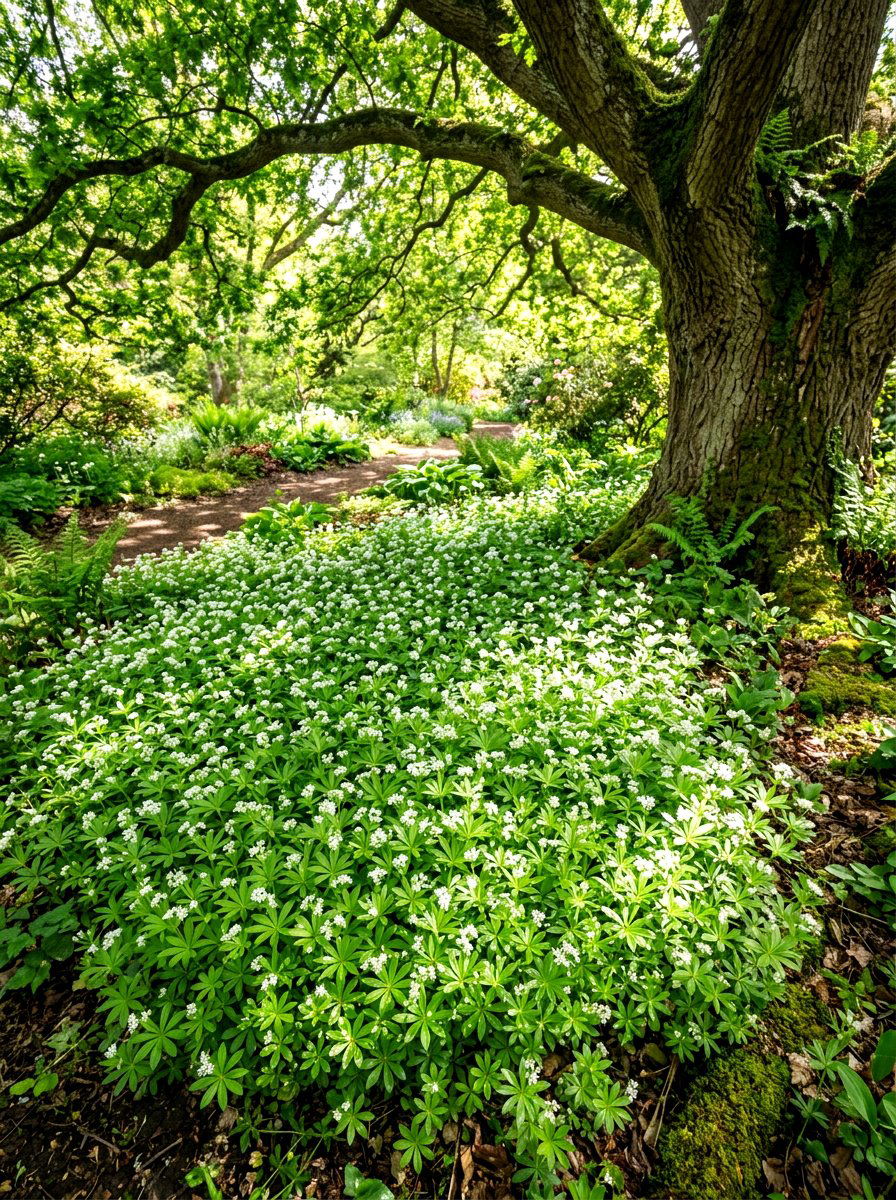
Are you looking for an edible solution for the shady spots under your trees? Sweet woodruff is a charming, low-growing groundcover that produces tiny white star-shaped flowers and whorls of green leaves. These blossoms have a sweet, hay-like fragrance that intensifies when dried, making them a traditional ingredient in May wine and herbal punches. It creates a lush, green carpet that suppresses weeds in difficult areas where grass often struggles to grow. The delicate texture and bright white flowers provide a clean, refreshing look that lightens up dark corners of the yard. It is a slow-spreading perennial that requires very little care once it finds its place.
22. Snapdragon Bed
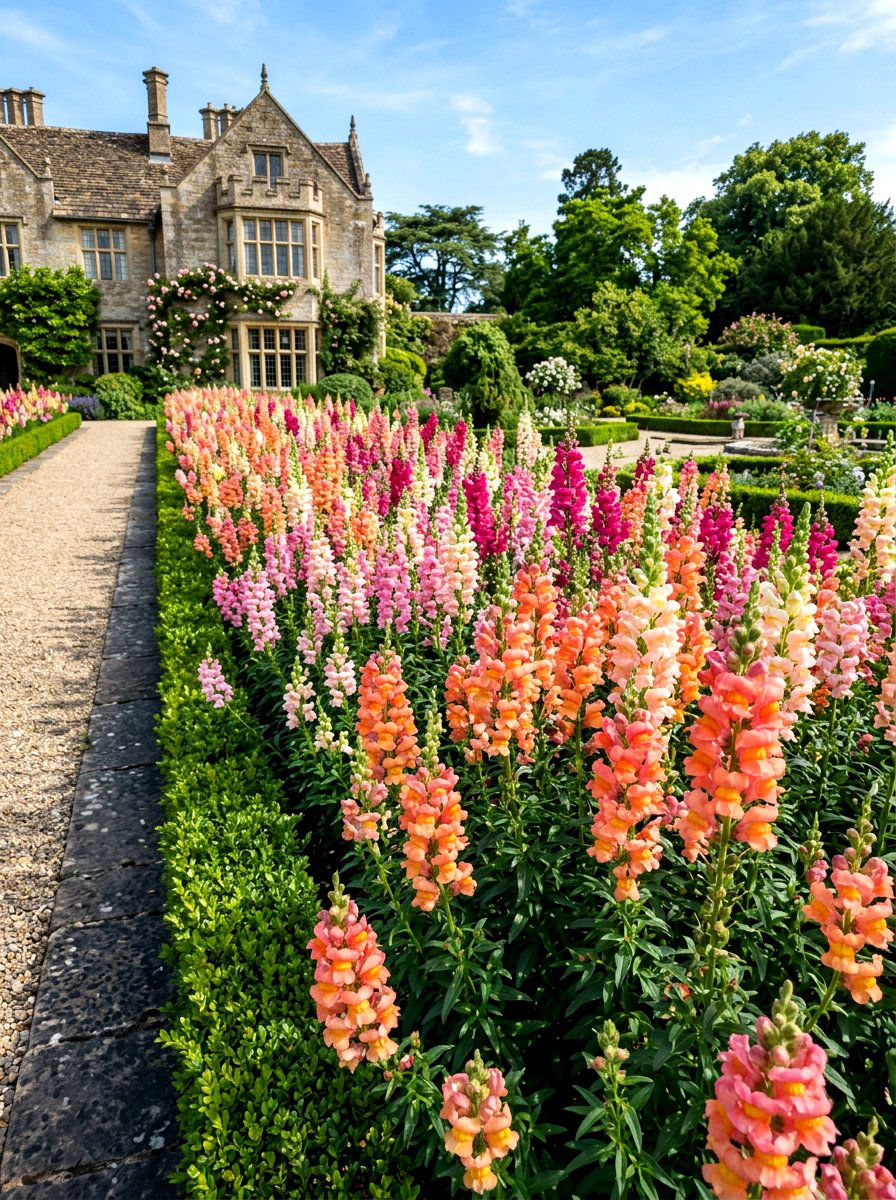
Have you ever considered adding snapdragons to your edible flower collection? While mostly grown for their unique "snapping" blooms that children love, snapdragons are also edible and offer a slightly bitter, chicory-like flavor. Planting them in large beds creates a vertical display of varied heights and colors, from pastel pinks to deep bronzes. They work exceptionally well as a middle-ground plant in a mixed flower border, providing structure without being overwhelming. The blossoms add a sophisticated, architectural element to salads and appetizers. Because they come in so many varieties, you can easily find a type that fits your specific color palette and design theme, making them highly customizable.
23. Arugula Flower Garden
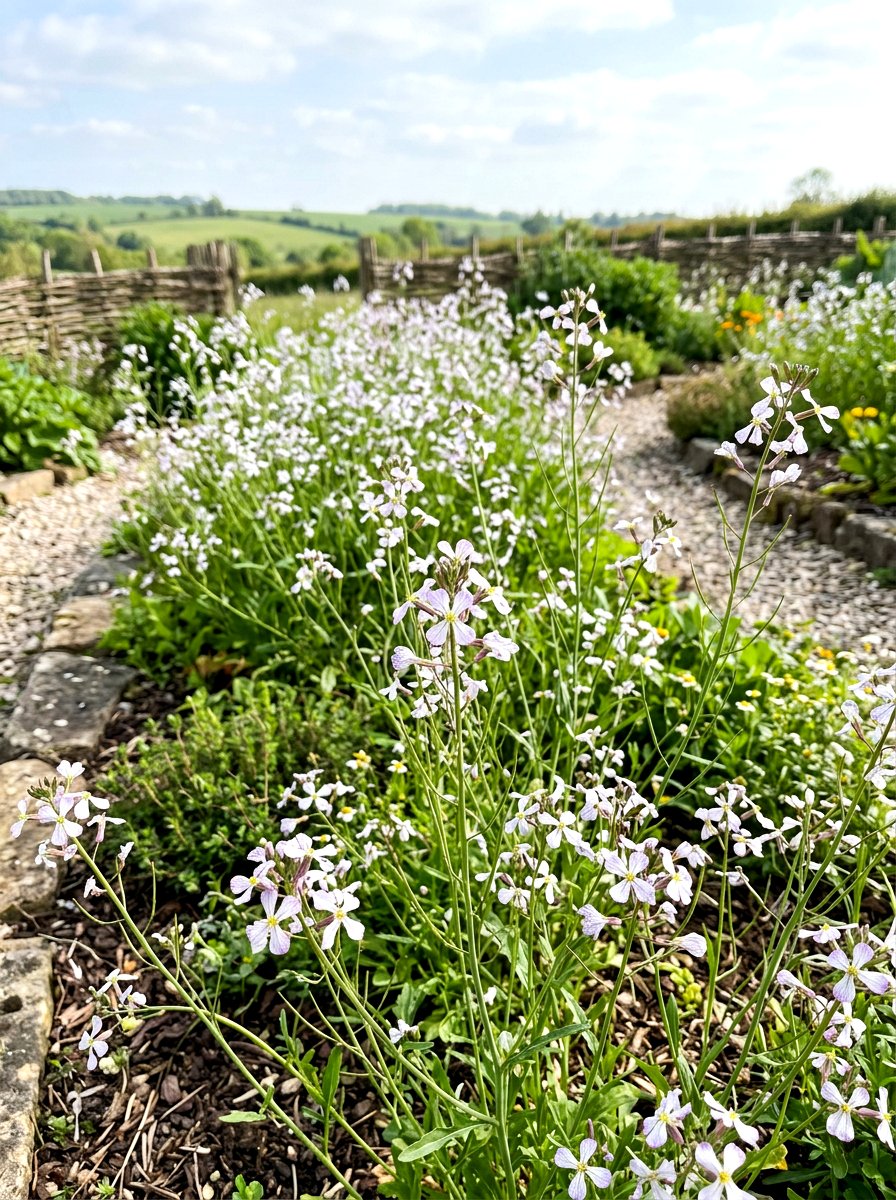
Did you know that if you let your arugula go to seed, it produces beautiful and delicious flowers? Arugula blossoms are small, creamy white with dark purple veins, and they carry the same signature peppery bite as the leaves. Creating a garden section where you allow leafy greens to flower adds a delicate, airy texture to your landscape that resembles wild lace. These flowers are a favorite of pollinators and provide a gourmet touch to pasta dishes and pizzas. This approach to gardening encourages a natural life cycle, and the resulting flowers are often more flavorful and visually interesting than the leaves alone, proving that "bolting" isn't always bad.
24. Clover Lawn
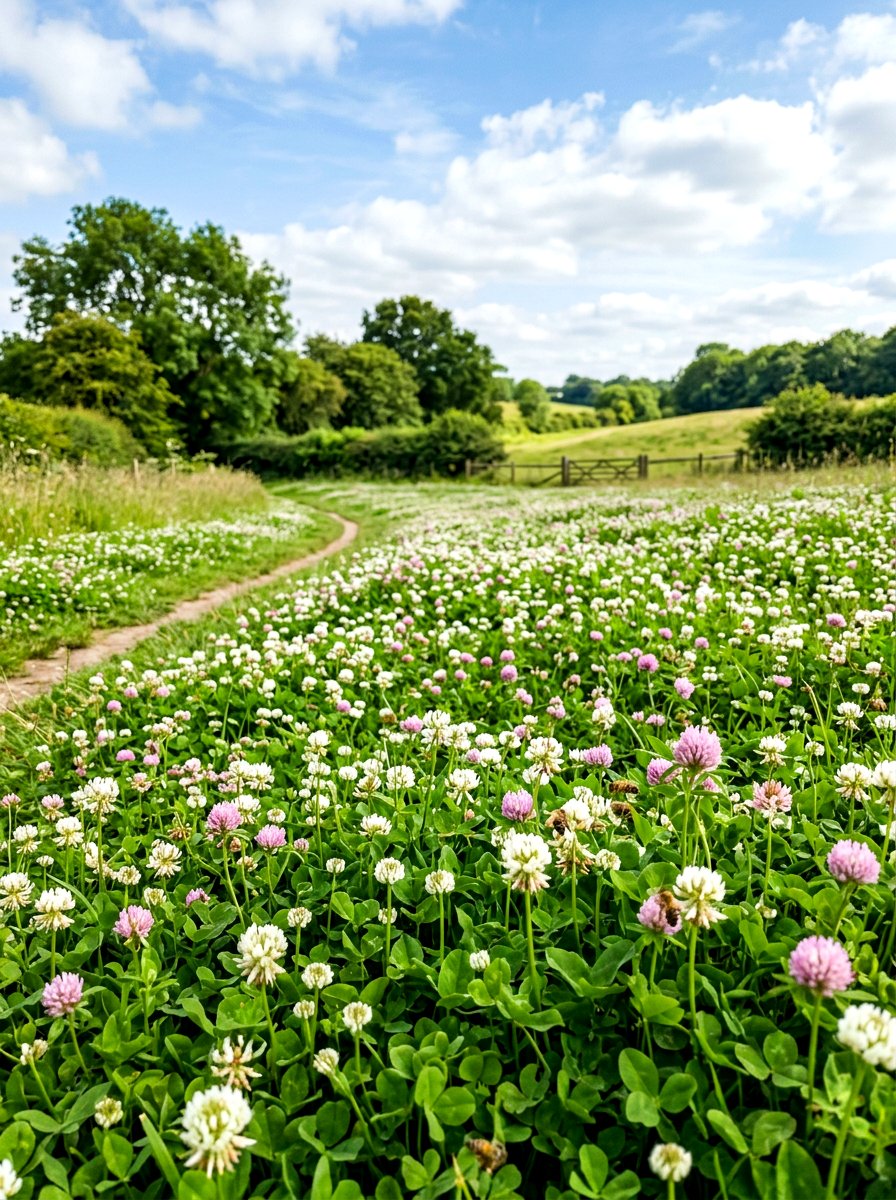
What if your entire lawn was a sea of soft, edible white and pink flowers? A clover lawn is an eco-friendly alternative to grass that stays green with very little water and no fertilizer. The round, pom-pom-like flowers have a sweet, bean-like flavor and can be used in salads or dried for a nutritious tea. Clover is excellent for soil health as it fixes nitrogen, making the ground better for surrounding plants. This type of landscape looks lush and soft, inviting you to walk barefoot through the blossoms. It provides a constant source of food for bees while requiring much less maintenance than a traditional manicured lawn.
25. Hollyhock Border
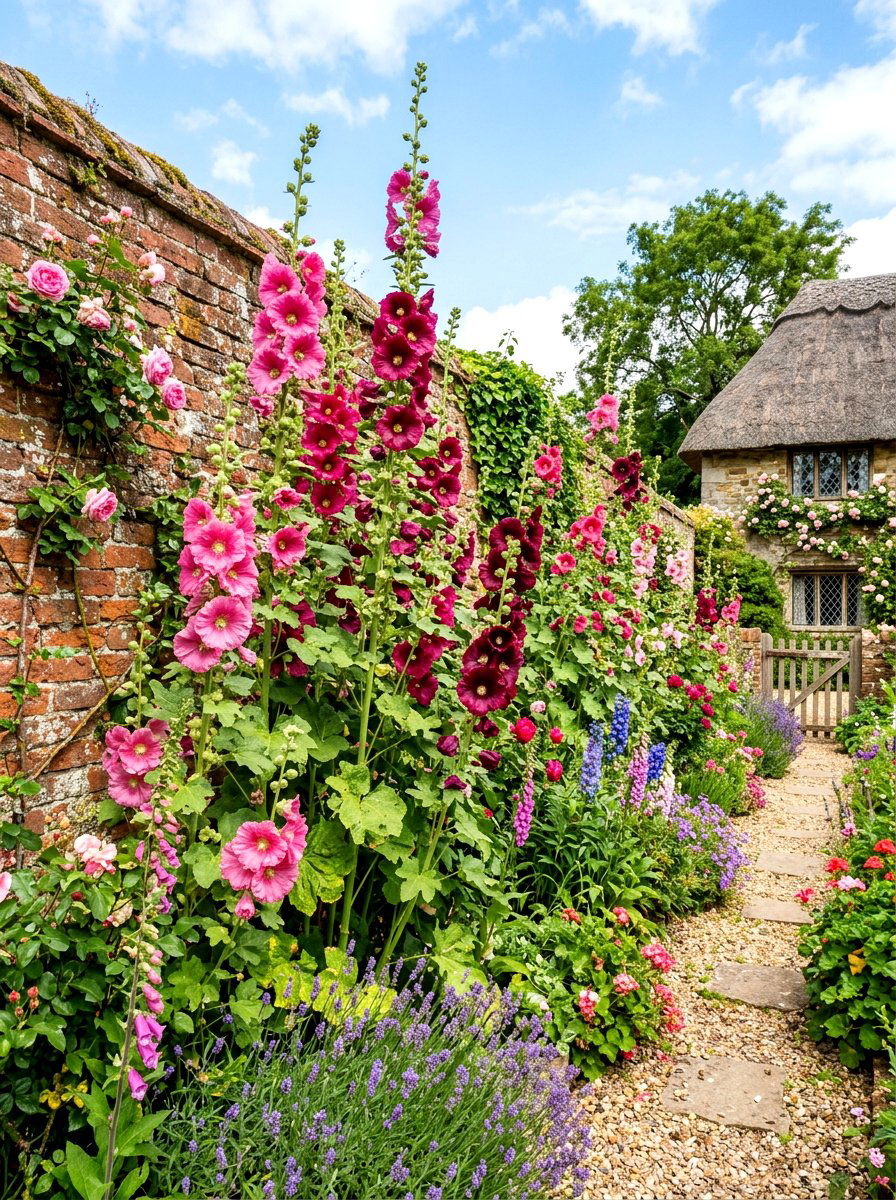
Are you looking for a tall, old-fashioned flower to line the back of your garden? Hollyhocks are a classic cottage garden staple that can reach heights of over six feet, producing large, saucer-shaped blooms. These flowers have a very mild, almost neutral flavor, making them a perfect "vessel" for holding dips or being used as a colorful wrap for small appetizers. Planting them against a wall or fence provides a dramatic vertical backdrop that defines the edge of your property. Their wide range of colors, from nearly black to soft peach, allows you to create a high-impact visual wall that is both edible and historically charming.
26. Peony Garden Bed
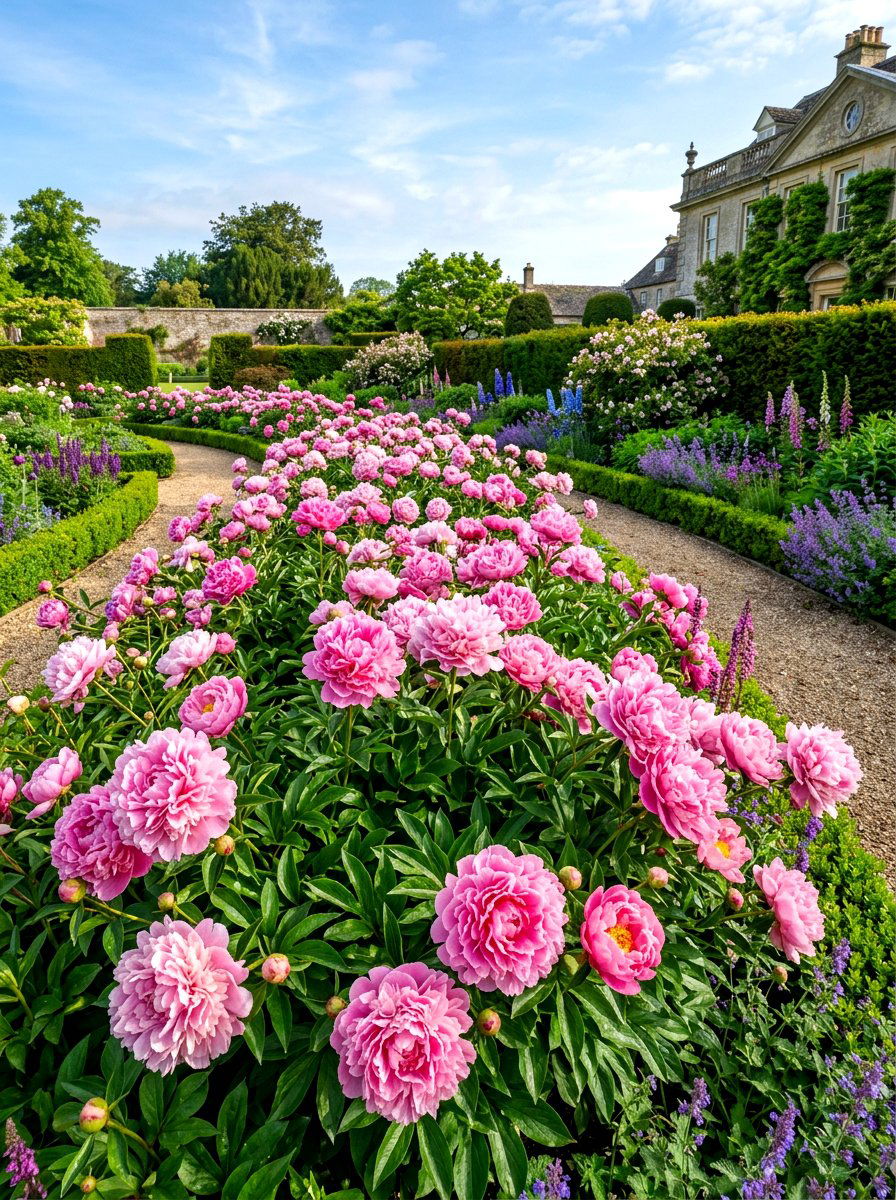
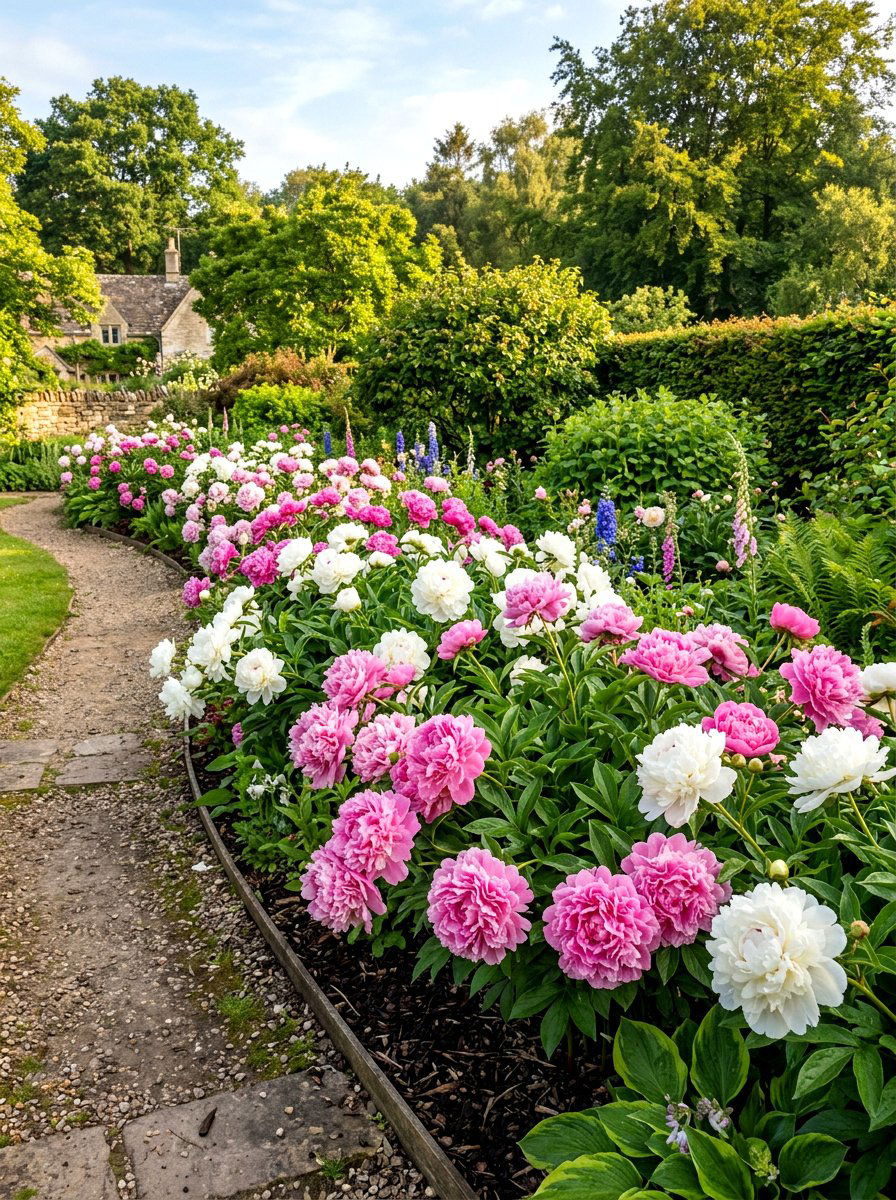
Can you believe that the giant, luxurious blooms of a peony are actually edible? A peony garden bed is the height of spring elegance, offering massive, fragrant flowers that look like ruffled silk. The petals have a fresh, slightly sweet flavor and can be used to garnish salads or even parboiled and sweetened to make a traditional treat. These perennials are long-lived and become more beautiful each year, acting as a permanent anchor in your landscape design. Their deep green, glossy foliage remains attractive long after the blooming season ends. Placing them in a prominent spot ensures they are the star of your early summer garden parties.
27. Mint Flowering Bed
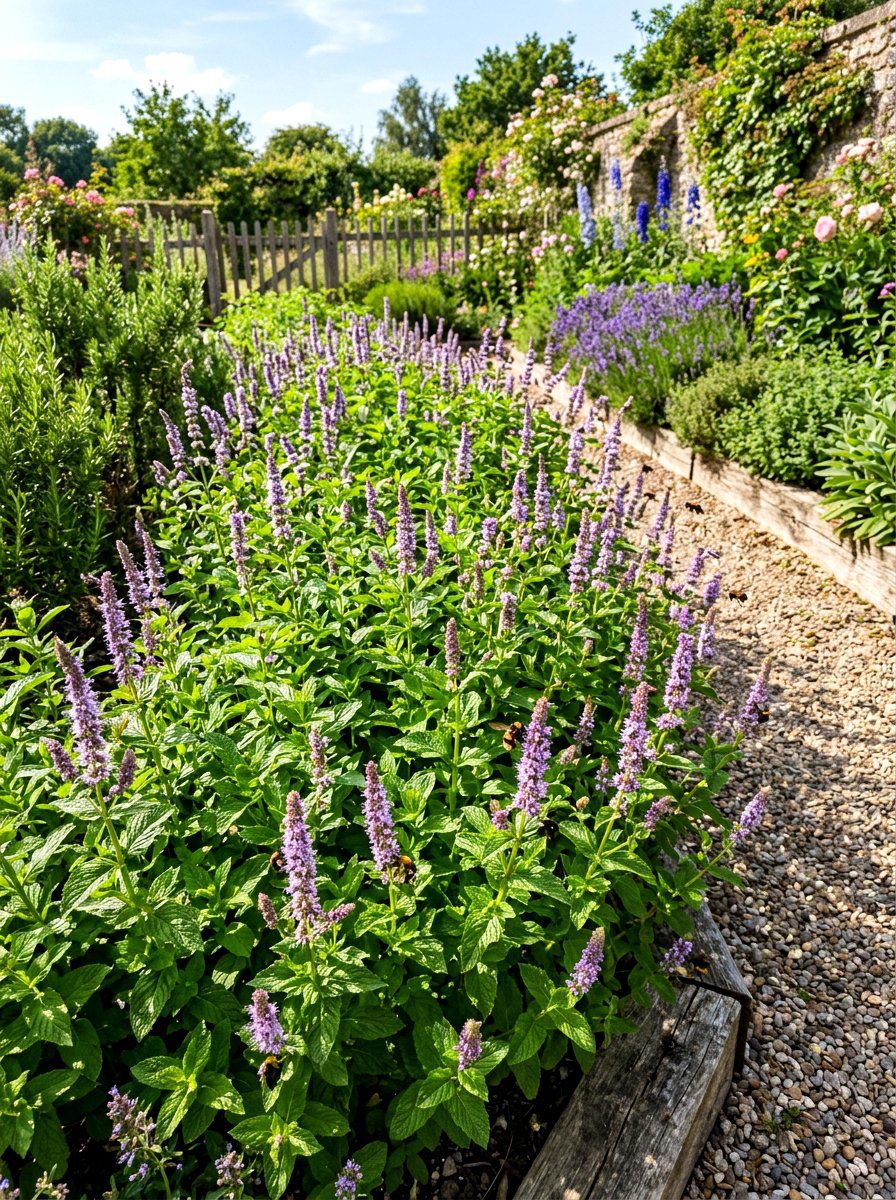
Why not let your mint patch reach its full potential by allowing it to bloom? While we usually harvest the leaves, mint produces spikes of tiny white or purple flowers that are incredibly flavorful and decorative. Planting mint in a contained bed or large pots prevents it from taking over while creating a dense, fragrant area of the garden. The flowers carry a concentrated minty punch that is perfect for garnishing mojitos, fruit salads, or chocolate desserts. The sight of dozens of bees buzzing around the flowering mint adds movement and life to your backyard, making it a sensory hub for both humans and helpful garden insects.
28. Sage Blossom Corner
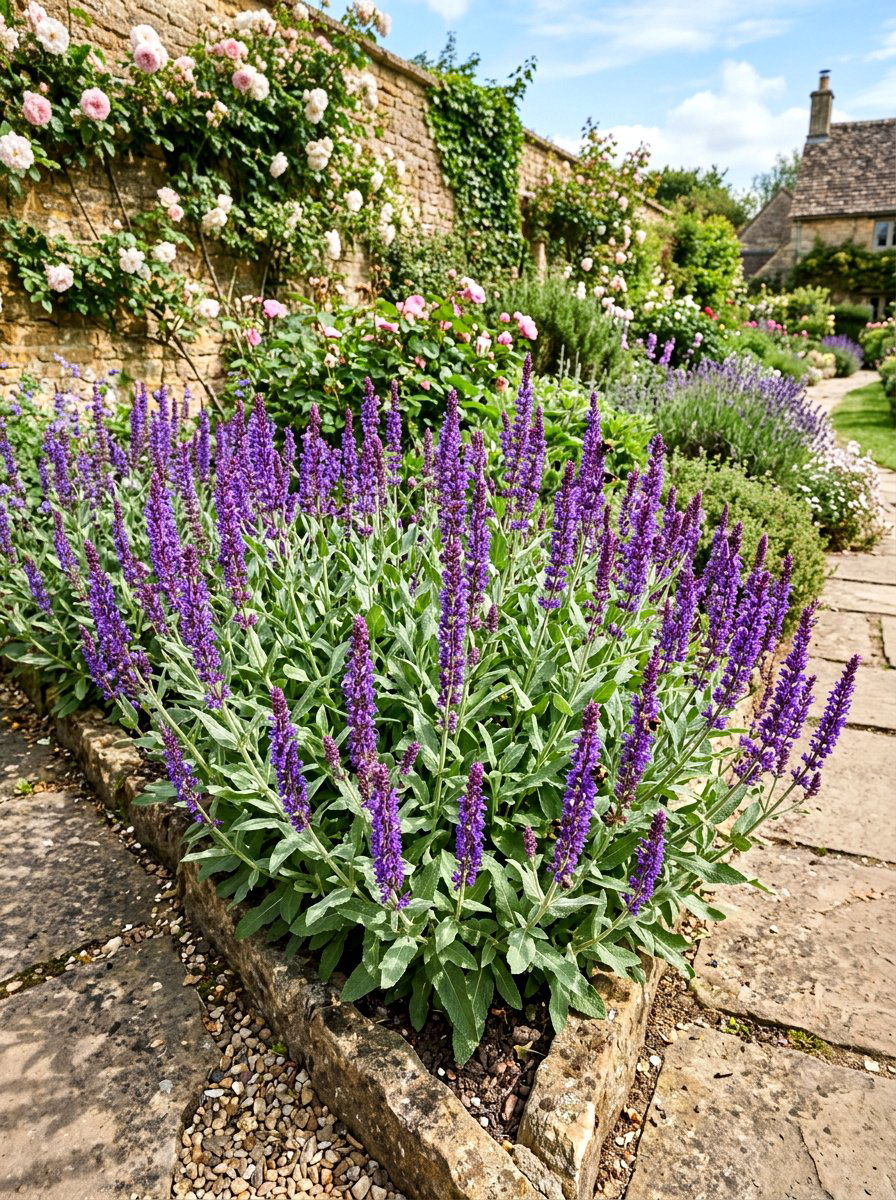
Have you ever noticed the beautiful purple spikes that appear on your sage plants in early summer? Sage blossoms are a hidden gem of the edible garden, offering a softer, more floral version of the savory sage flavor we use in cooking. Creating a corner dedicated to different types of flowering sage, such as pineapple sage or common culinary sage, provides a varied texture and color palette. These blooms are wonderful when tossed into a pan with butter and gnocchi or used to garnish roasted meats. The silvery-grey foliage of sage provides a cool, sophisticated look that balances out brighter, more aggressive flower colors in your garden.
29. Daylily Landscape
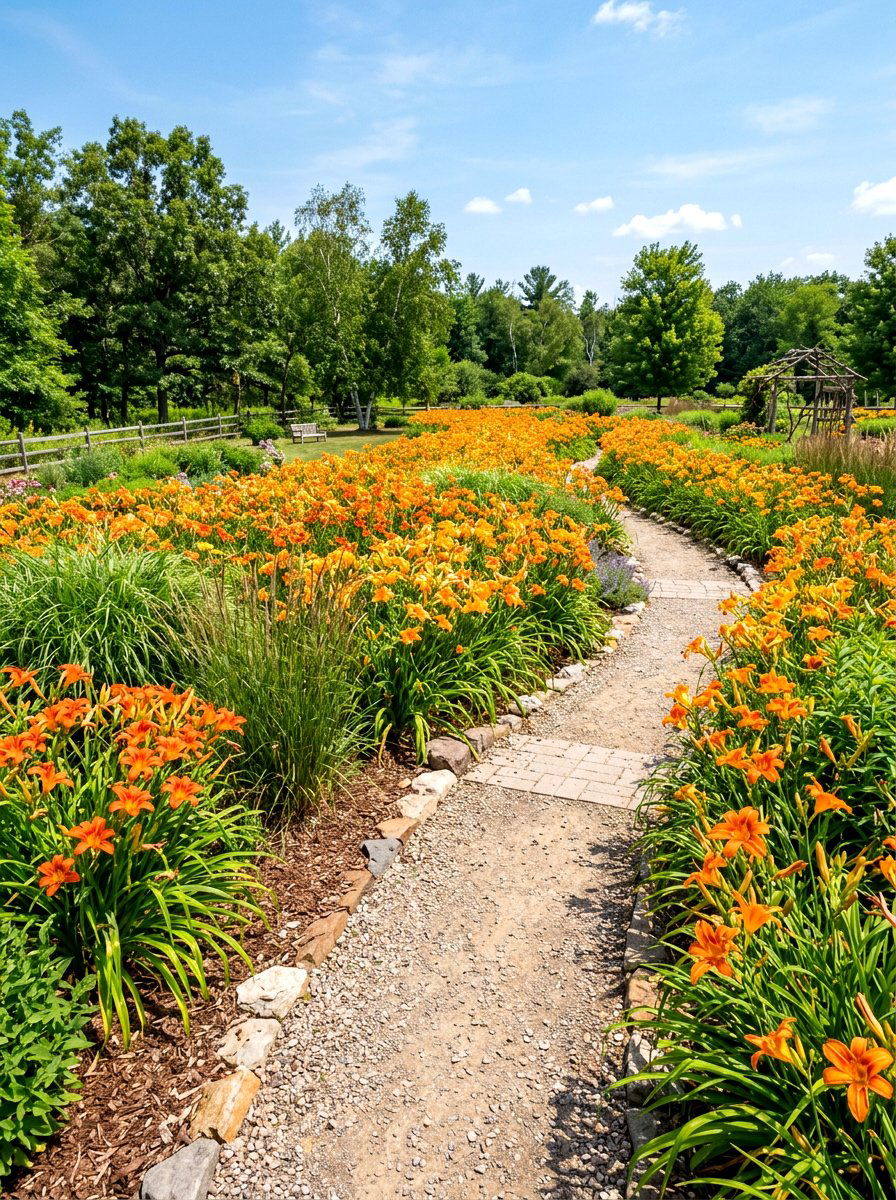
Do you want a plant that is virtually indestructible and provides a unique culinary experience? Daylilies are a favorite in landscaping because they thrive in almost any conditions and produce large, trumpet-shaped blooms every day. In many cultures, the flower buds are treated like green beans, and the open petals are used in stir-fries or as a crunchy salad addition. They have a sweet, vegetable-like flavor that is surprisingly satisfying. Planting them in large sweeps along a driveway or hillside creates a low-maintenance, high-impact display of orange, yellow, or red. They are the perfect solution for busy gardeners who want maximum beauty with minimal effort.
30. Thyme Rockery
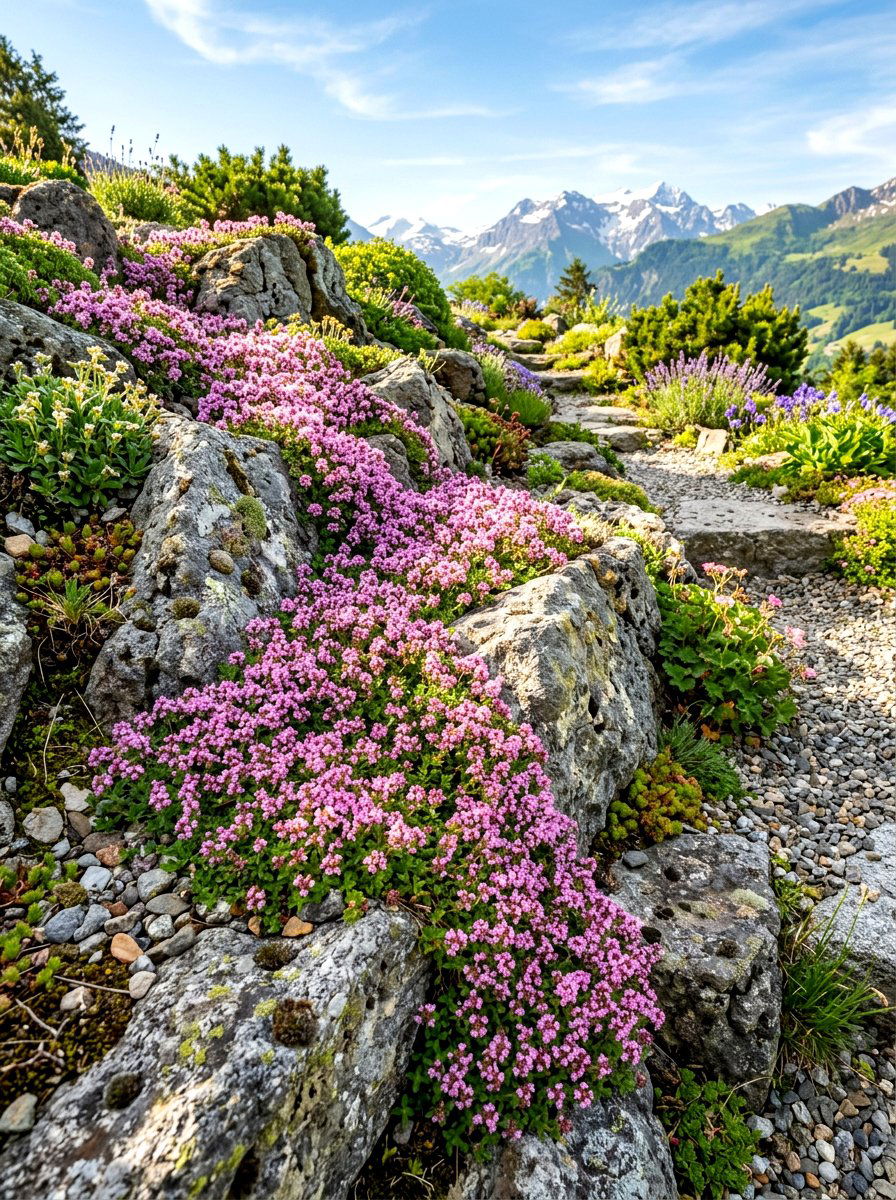
Creating a rockery with flowering thyme is an excellent way to use steep slopes or dry corners of your yard. Creeping thyme varieties produce a carpet of tiny, edible flowers that range from white to deep pink. These blossoms have a concentrated herbal flavor that works beautifully in savory dishes or infused oils. The plants hug the stones, creating a soft, textural look that contrasts perfectly with the hard edges of the rocks. Because thyme is a drought-tolerant herb, it thrives in sunny spots with minimal maintenance. Walking over these plants releases a pleasant aroma, making them a functional and sensory addition to any edible landscape.
Conclusion:
Designing an edible flower garden is a rewarding way to transform your backyard into a multi-sensory retreat. By selecting a variety of blooms that offer different flavors and heights, you can create a landscape that is as delicious as it is stunning. These gardens do more than just provide food; they support local ecosystems by attracting pollinators and reducing the need for chemical pesticides. Whether you choose a formal rose arch or a whimsical chamomile lawn, the integration of edible flora makes your home feel more connected to nature. Start small with a few pots or go bold with a full meadow, and enjoy the magical experience of harvesting beauty.

Related posts: