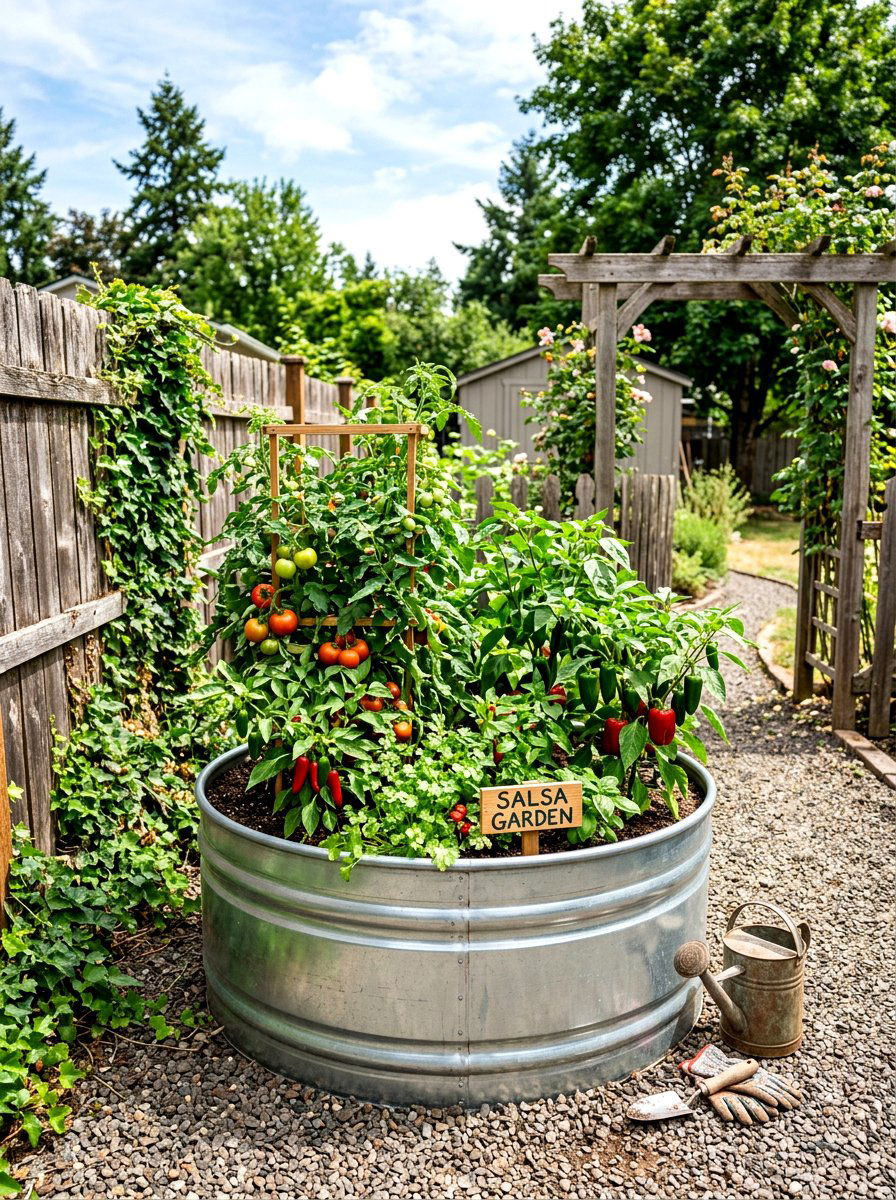
Growing your own food is one of the most rewarding experiences a homeowner can have, offering both physical health benefits and mental clarity. A well-planned garden ensures that you have a steady supply of fresh produce right at your doorstep throughout the seasons. Whether you are working with a vast backyard or a tiny urban balcony, the way you structure your harvest space determines your success. Efficient vegetable gardening requires a deep understanding of timing, soil health, and spatial organization. From selecting the right heirloom seeds to implementing vertical supports, every decision influences the final yield. This guide explores thirty comprehensive ways to organize and enjoy your seasonal bounty effectively.
1. Raised Bed Harvest
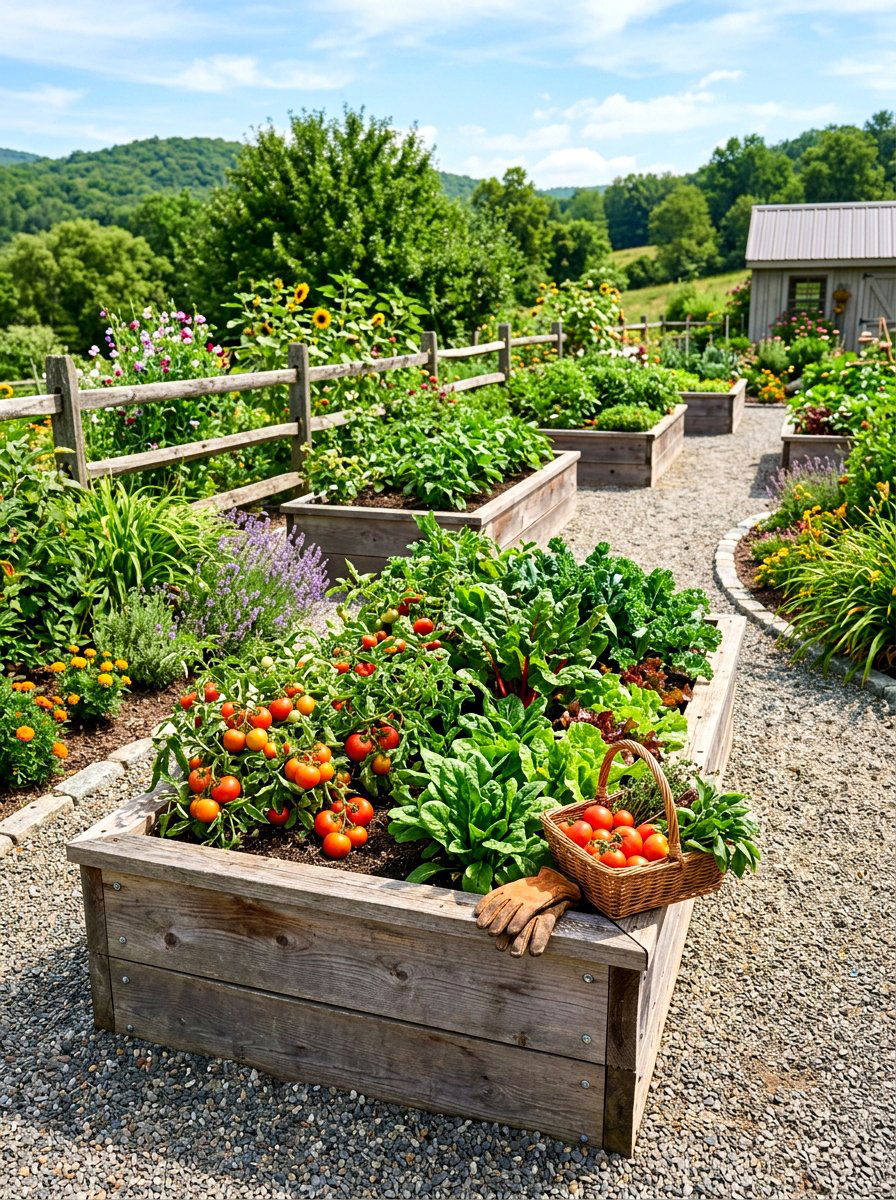
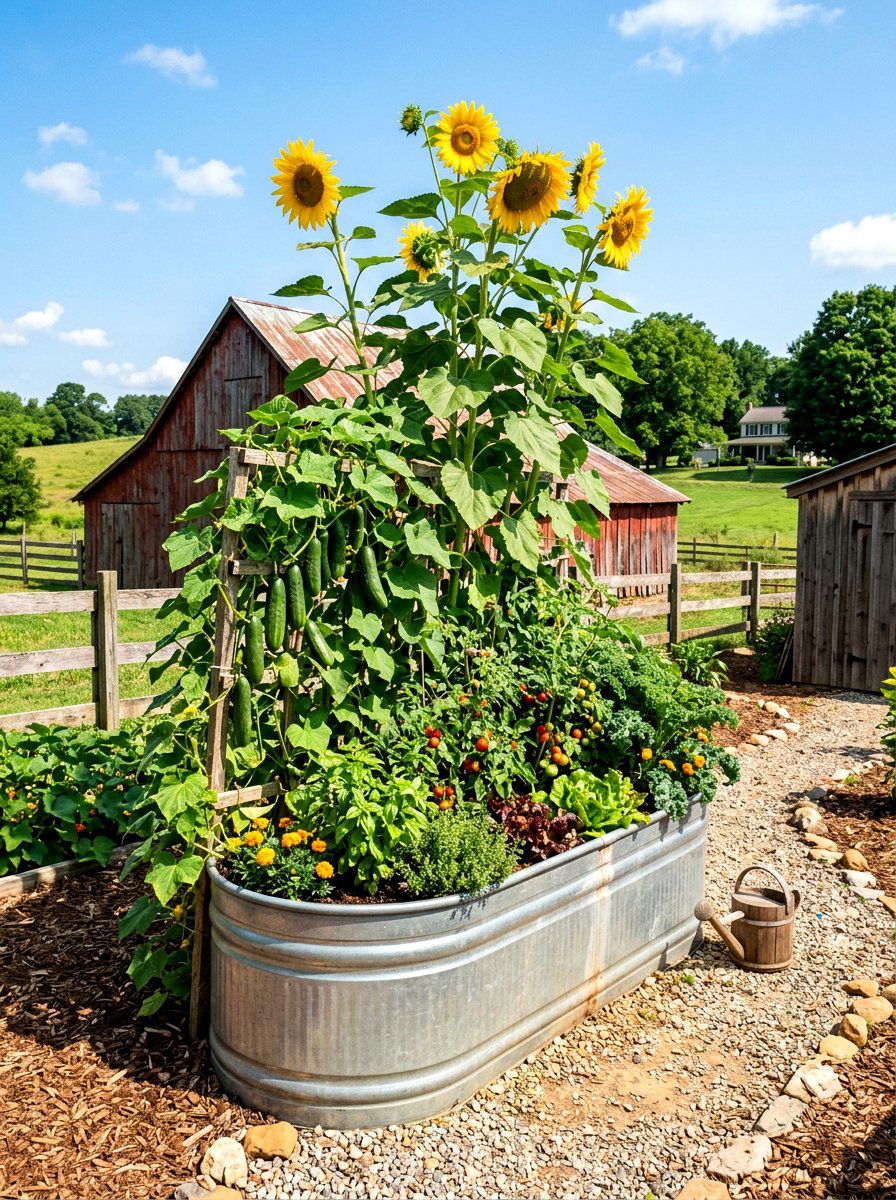
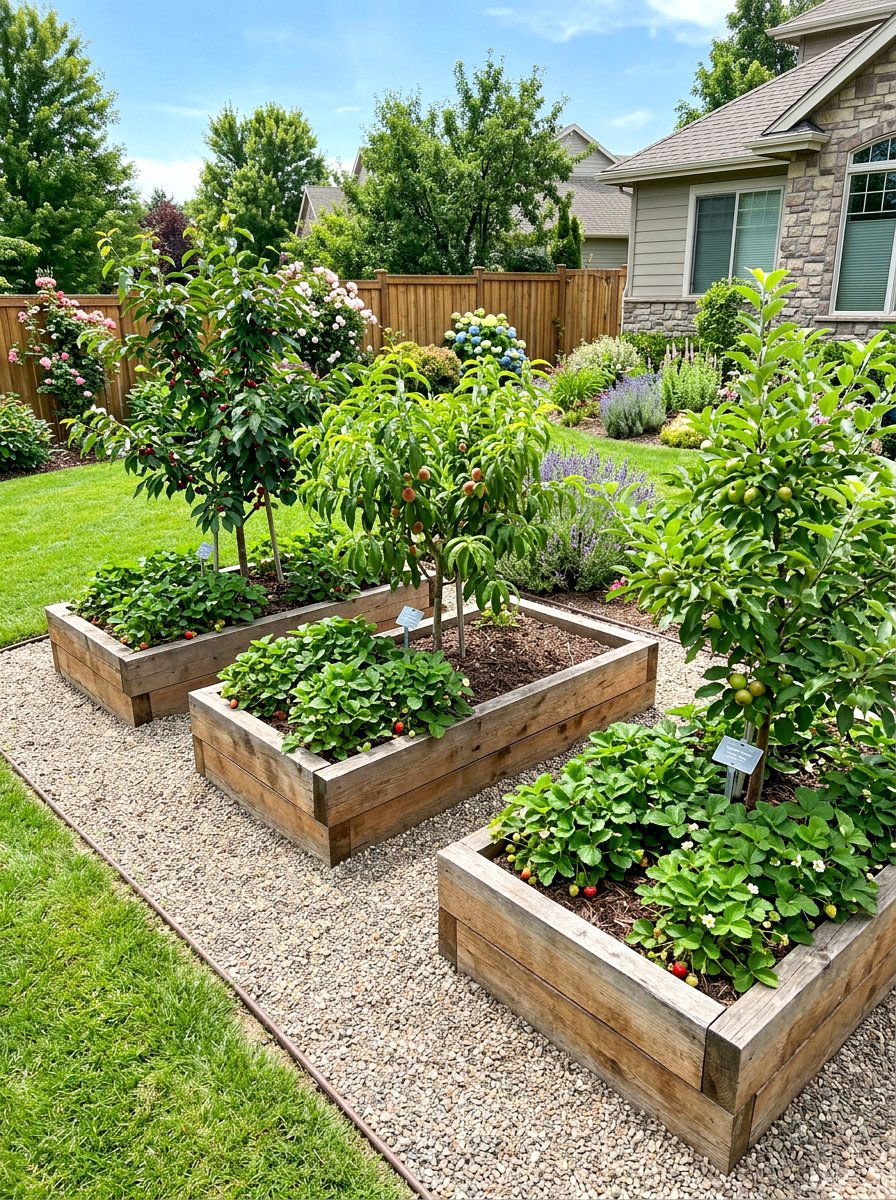
Utilizing raised beds is a superior way to manage your vegetable harvest because it allows for total control over the soil quality and drainage. When you design a raised bed system, you create a dedicated environment where plants can thrive without the competition of nearby grass or invasive weeds. These structures also make the physical act of harvesting much easier on your back and joints since the crops are elevated. During the peak of the growing season, a well-maintained raised bed becomes a dense tapestry of colors and textures, featuring everything from crisp peppers to sprawling squash. This organized approach ensures that every square inch of your garden is productive and accessible.
2. Vertical Garden Harvest
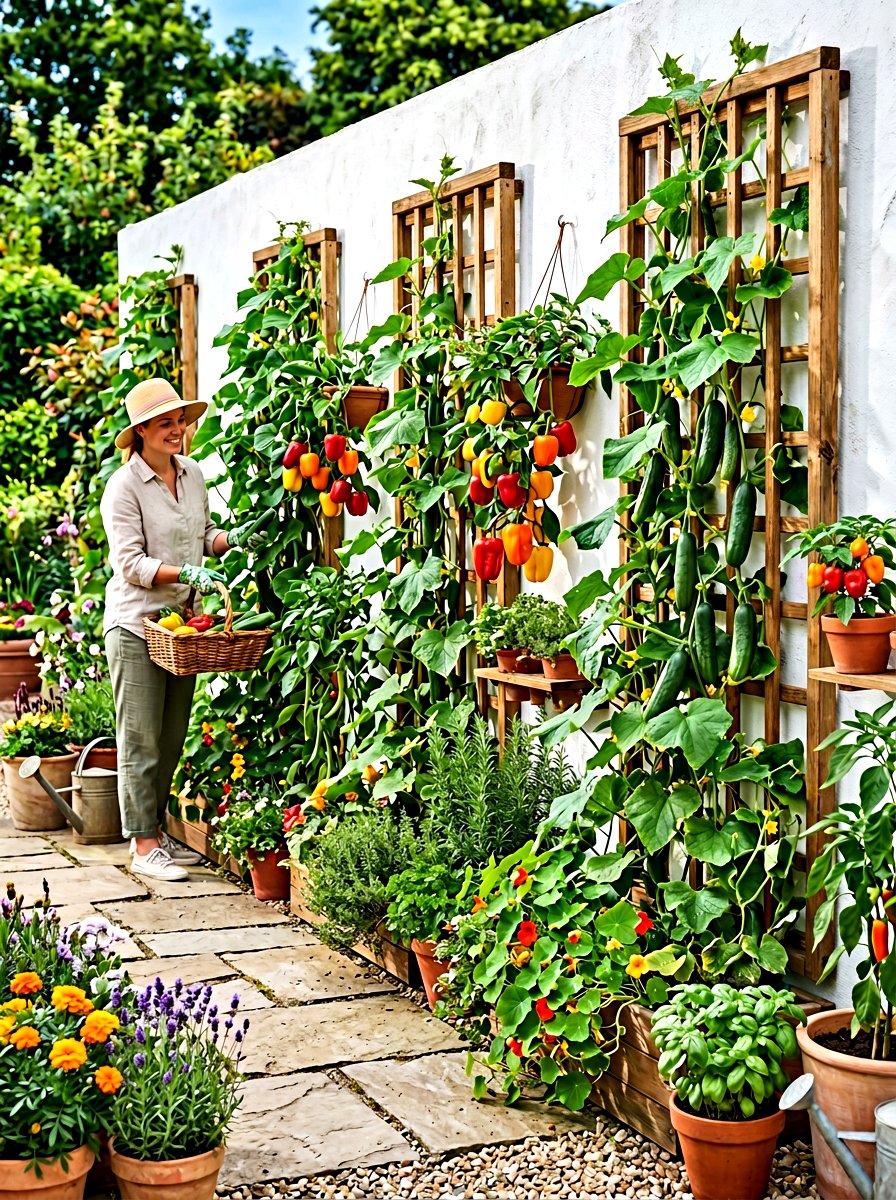
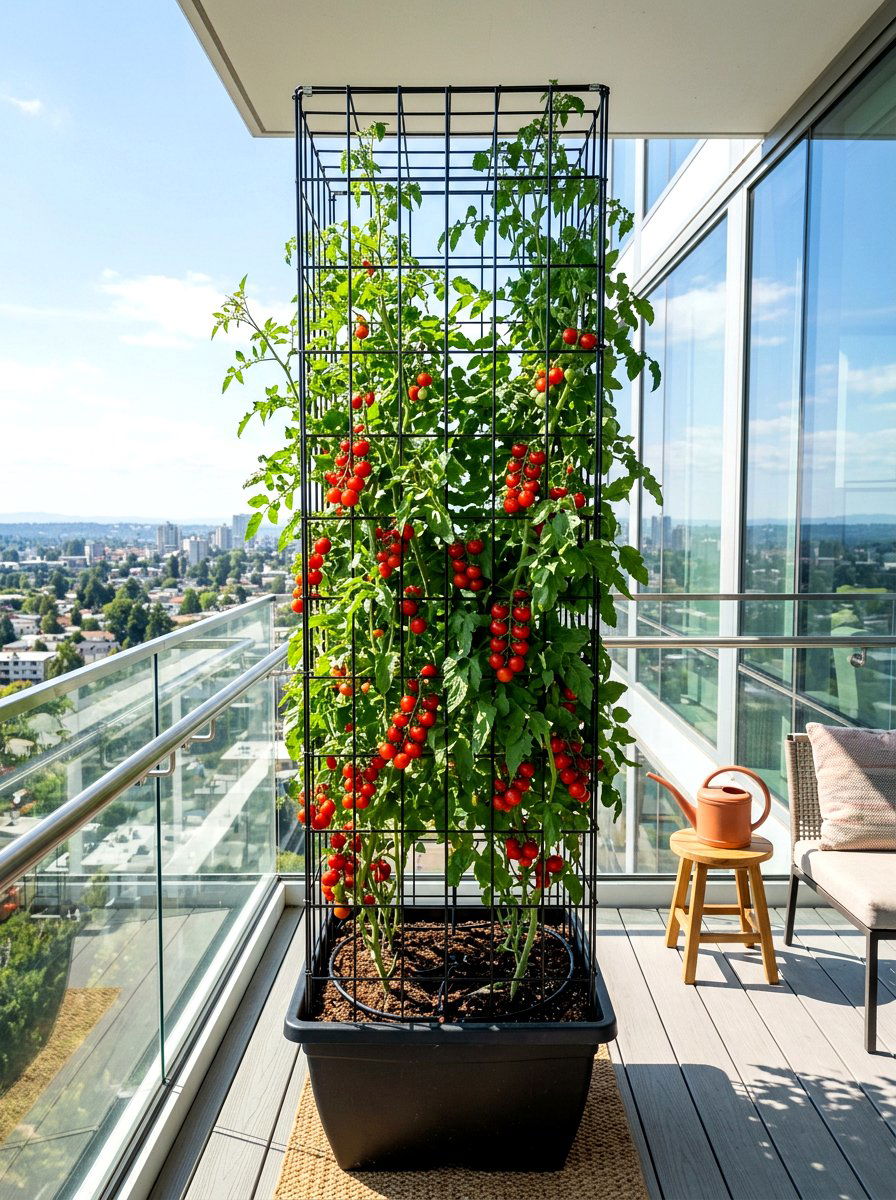
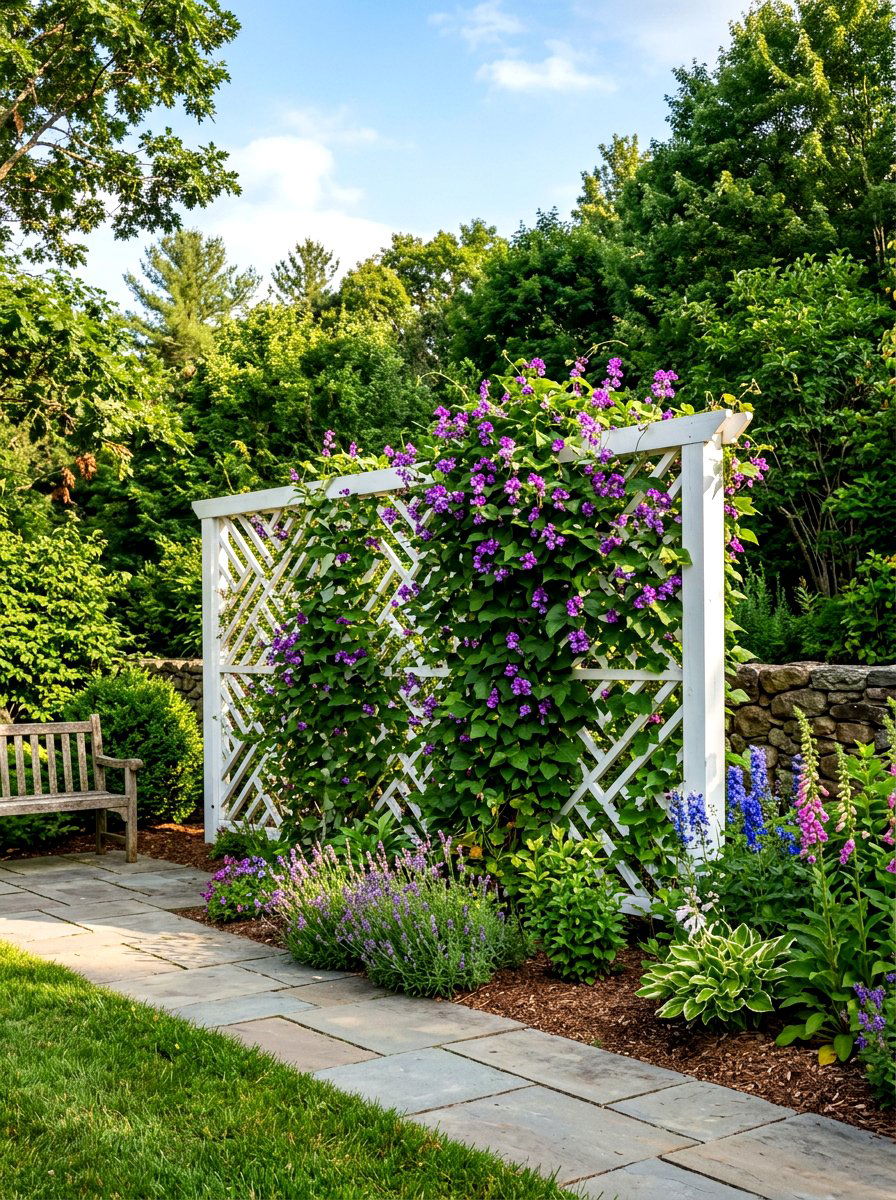
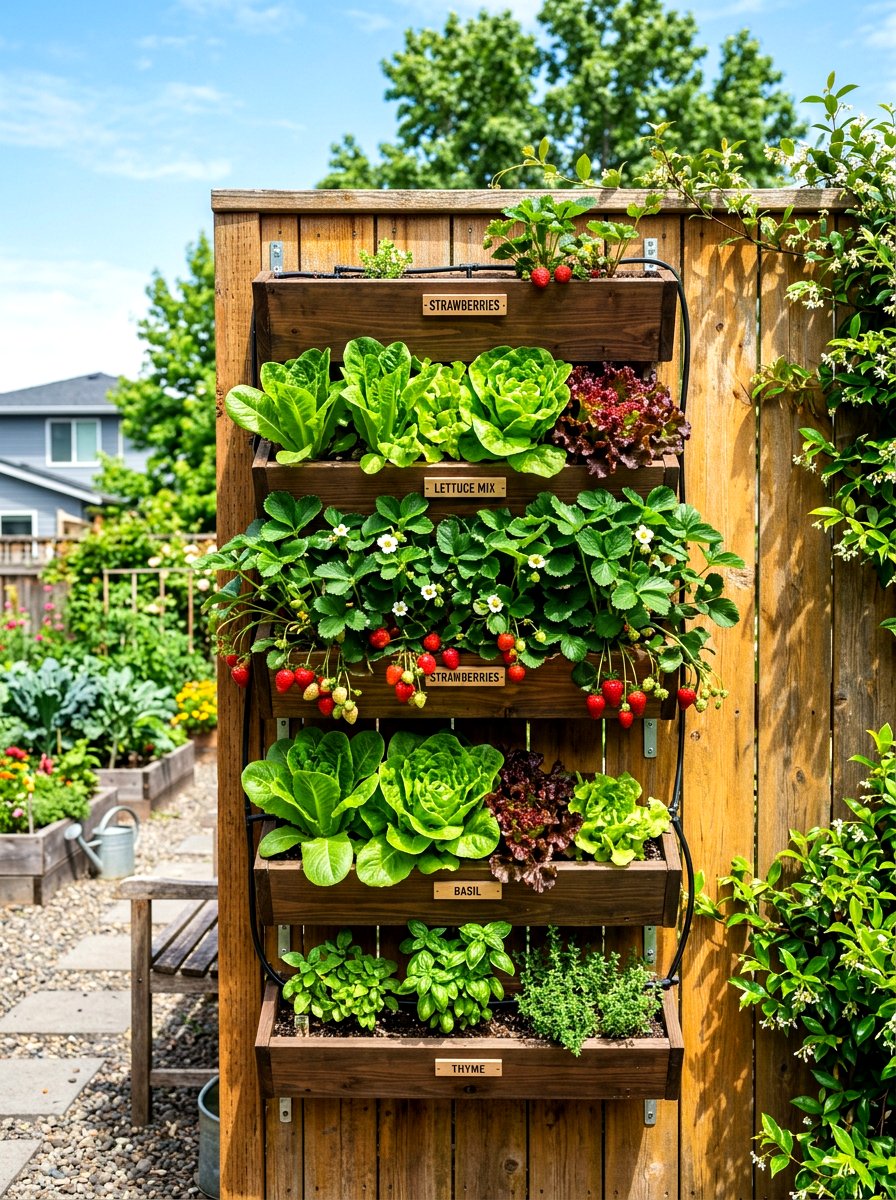
Maximizing your vertical space is an essential strategy for gardeners who want to achieve a high-volume harvest in a limited footprint. By installing sturdy trellises, cattle panels, or arched supports, you can encourage climbing plants like cucumbers, pole beans, and vining tomatoes to grow upward. This method keeps the fruit off the ground, which significantly reduces the risk of soil-borne diseases and pest damage. Walking through a vertical garden during harvest time feels like entering a lush, green tunnel where vegetables hang within easy reach. It creates a visually stunning architectural element in your outdoor space while keeping the ground clear for smaller, shade-loving leafy greens.
3. Container Vegetable Harvest
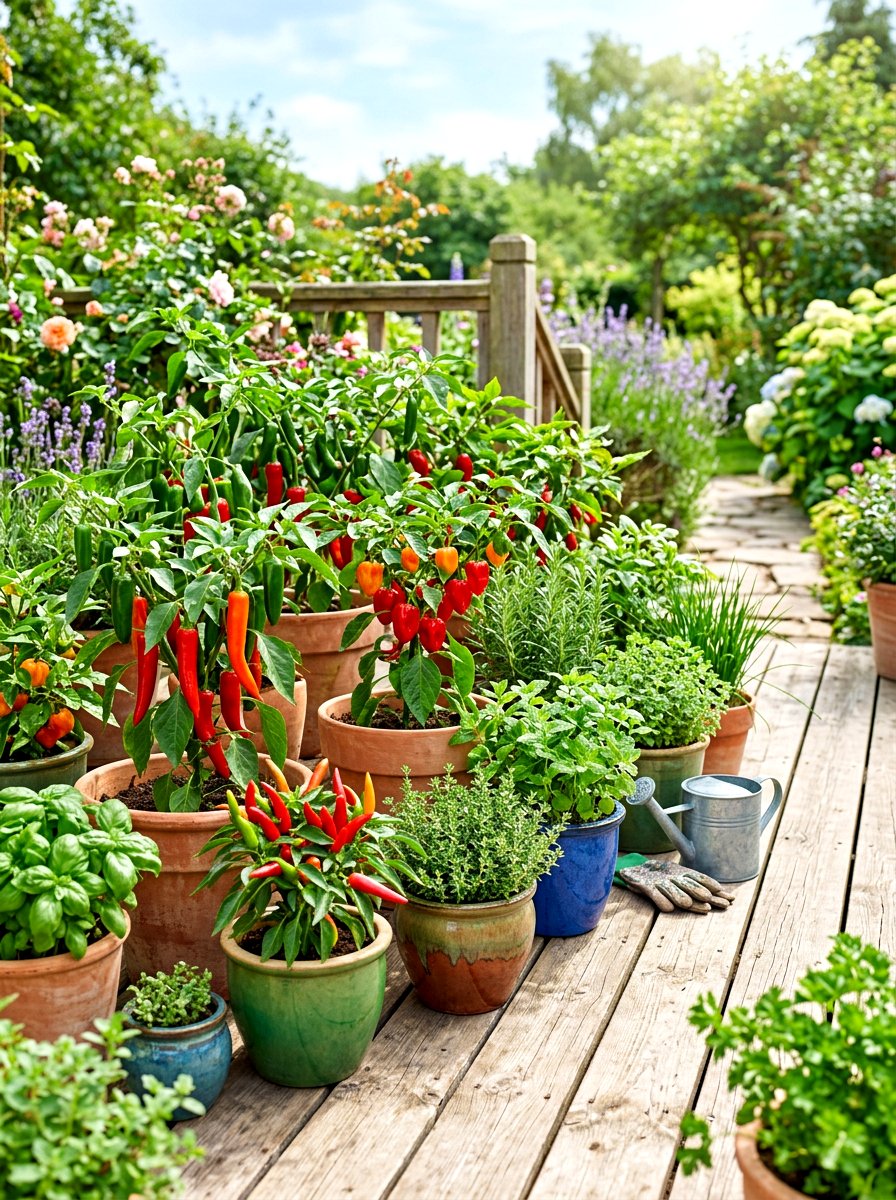
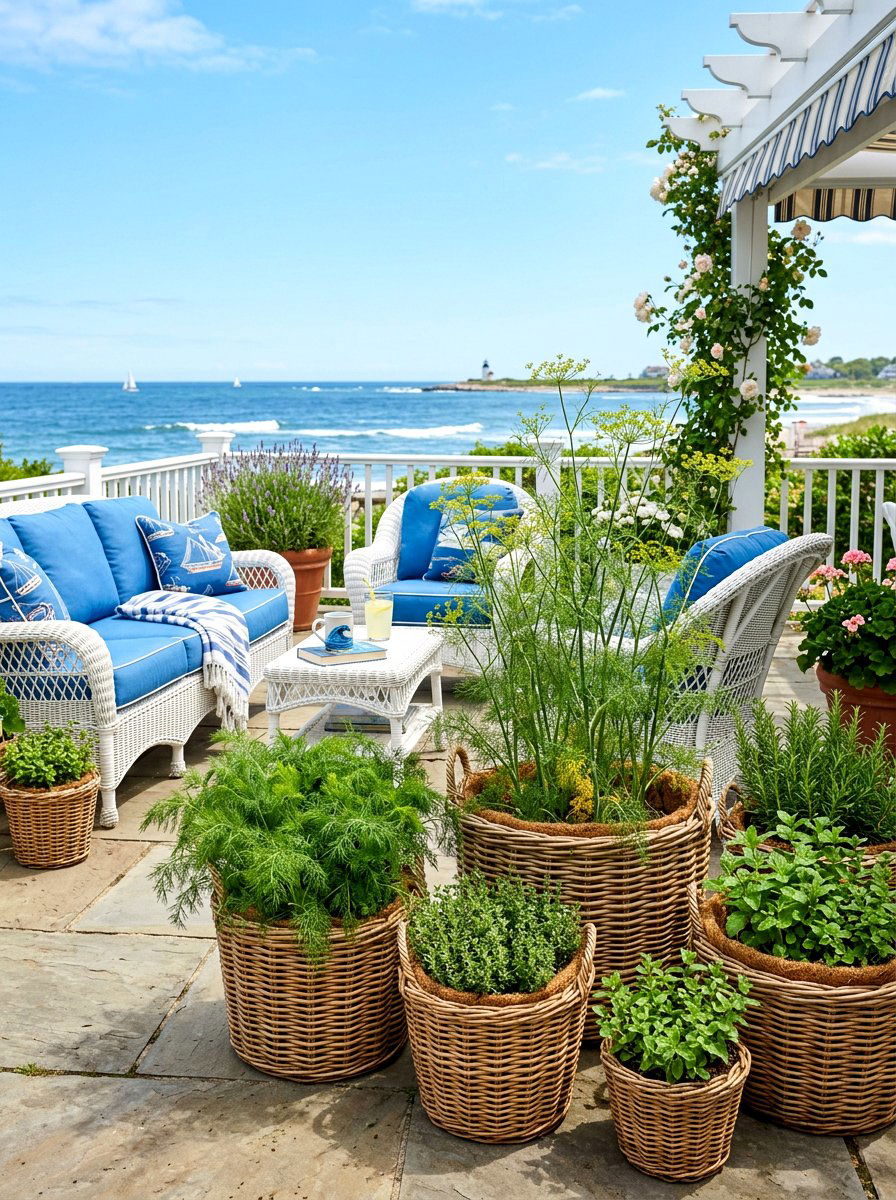
For those with limited yard space, a container garden offers a versatile and mobile solution for producing a significant vegetable harvest. Using large pots, fabric grow bags, or stylish planters allows you to place your crops in the sunniest spots of your patio or deck. This setup is perfect for harvesting fresh ingredients right outside your kitchen door, ensuring that your meals are always infused with peak flavor. You can easily rotate containers to follow the sun or protect sensitive plants from harsh weather. A successful container harvest depends on consistent watering and high-quality potting mix, resulting in beautiful, healthy plants that look as good as they taste.
4. Potager Garden Harvest
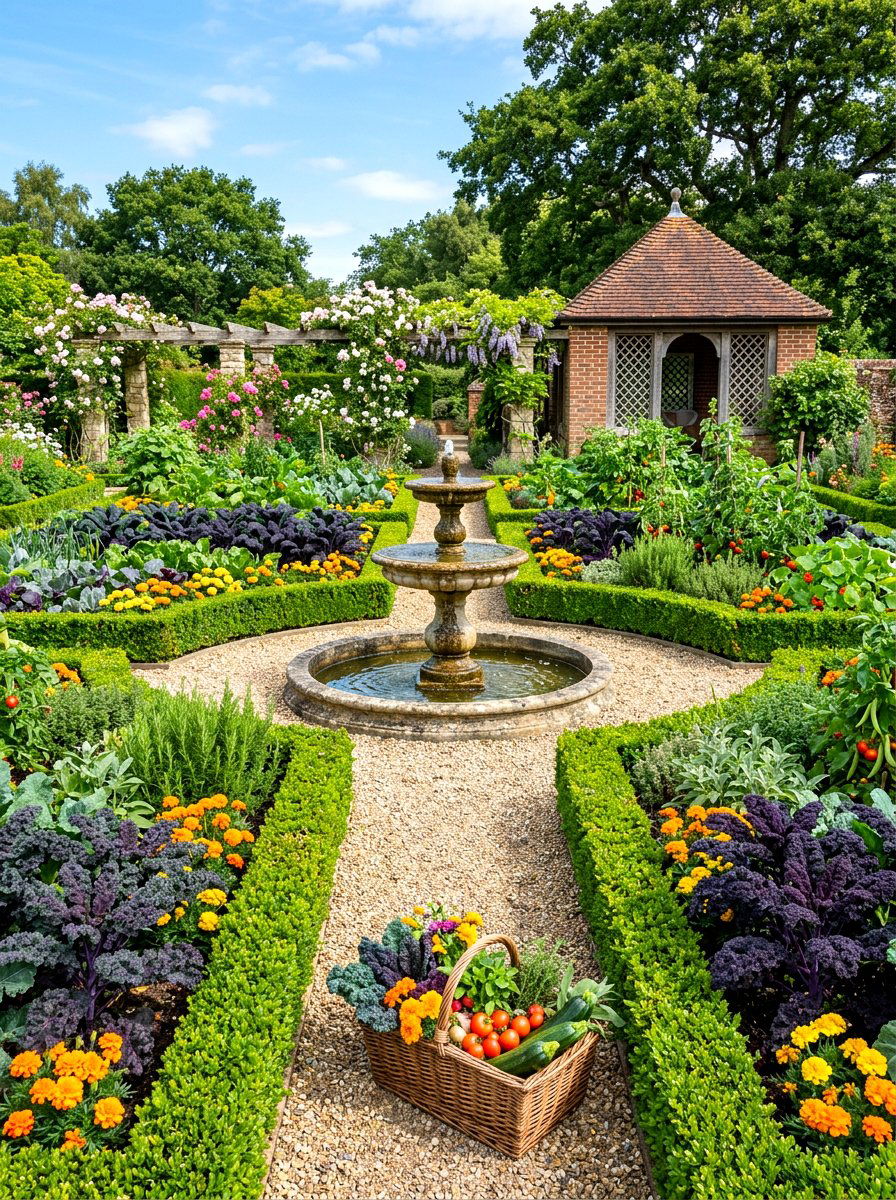
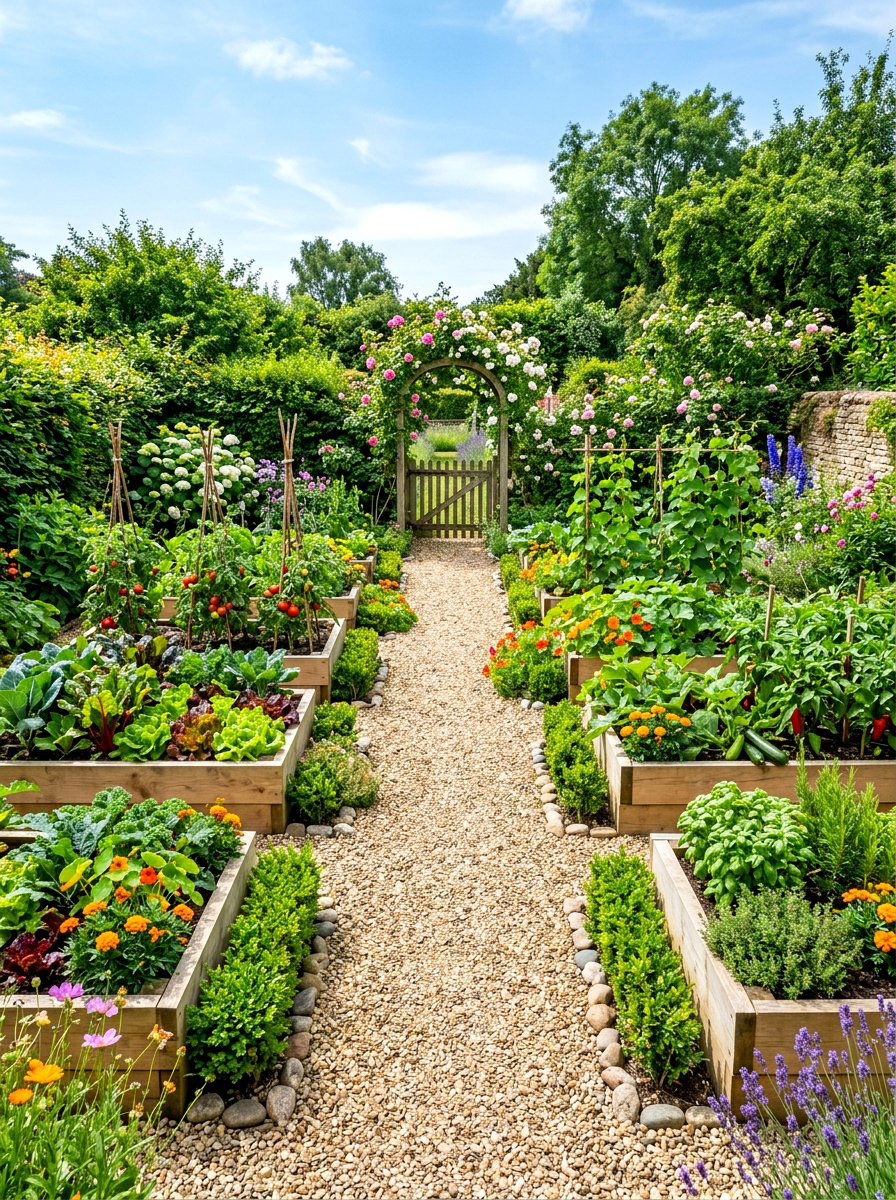
A potager garden blends the utility of a vegetable plot with the aesthetic beauty of a formal French garden, creating a stunning harvest scene. This design incorporates symmetrical paths, boxwood hedges, and a mix of flowers and vegetables to ensure the space is beautiful year-round. When you harvest from a potager, you are not just gathering food; you are engaging with a carefully curated landscape. Edible flowers like nasturtiums and marigolds are often planted alongside kale and lettuce to deter pests and add color. This holistic approach to gardening proves that a productive harvest can also be the centerpiece of your home’s outdoor architectural design.
5. Greenhouse Harvest
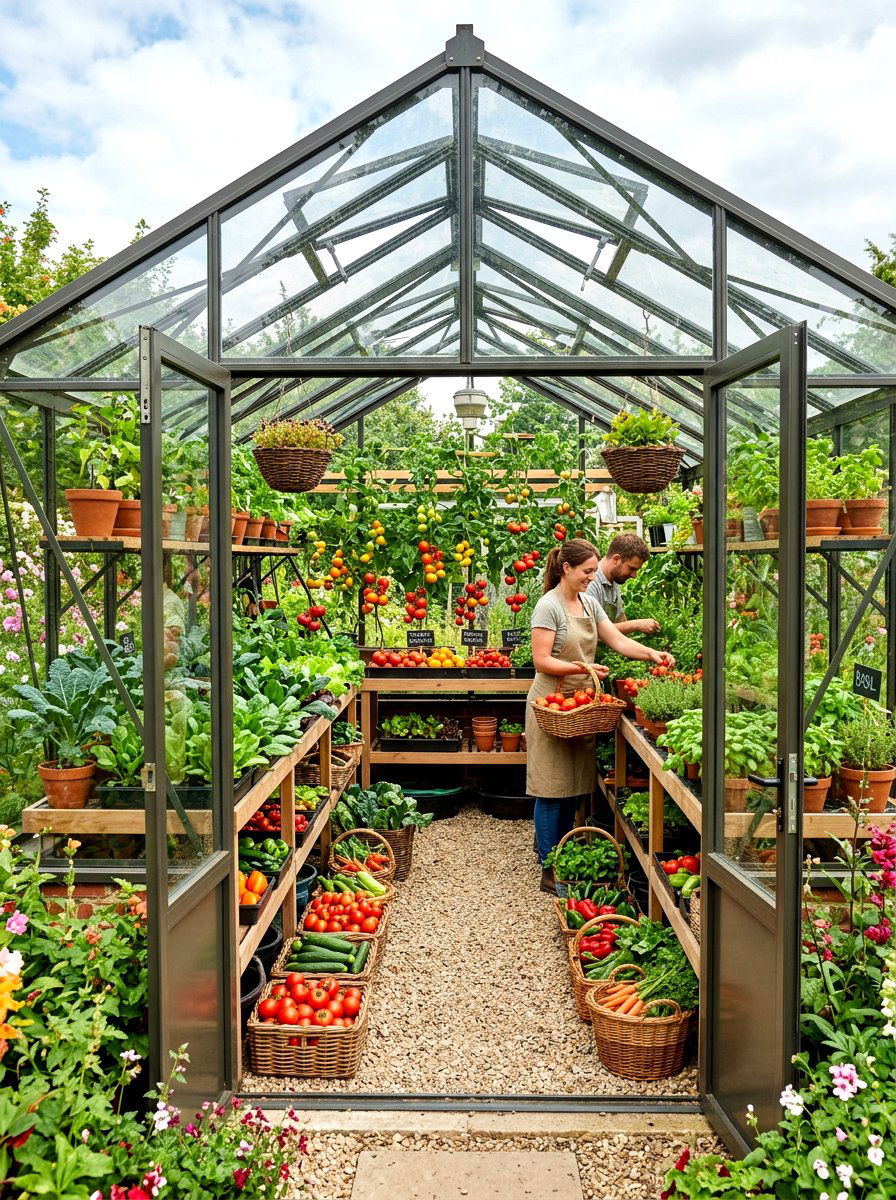
Maintaining a greenhouse provides a controlled environment that extends your vegetable harvest well into the cold winter months or early spring. This structure acts as a sanctuary for heat-loving plants like eggplants and tomatoes, shielding them from unpredictable frost and heavy rains. The interior of a greenhouse during harvest is a humid, fragrant paradise where growth continues even when the outside world is dormant. You can organize your greenhouse with tiered shelving and ground-level beds to maximize every square foot of light. Having a dedicated space for year-round production ensures that your family has access to nutrient-dense, organic vegetables regardless of the external climate or season.
6. Heirloom Vegetable Harvest
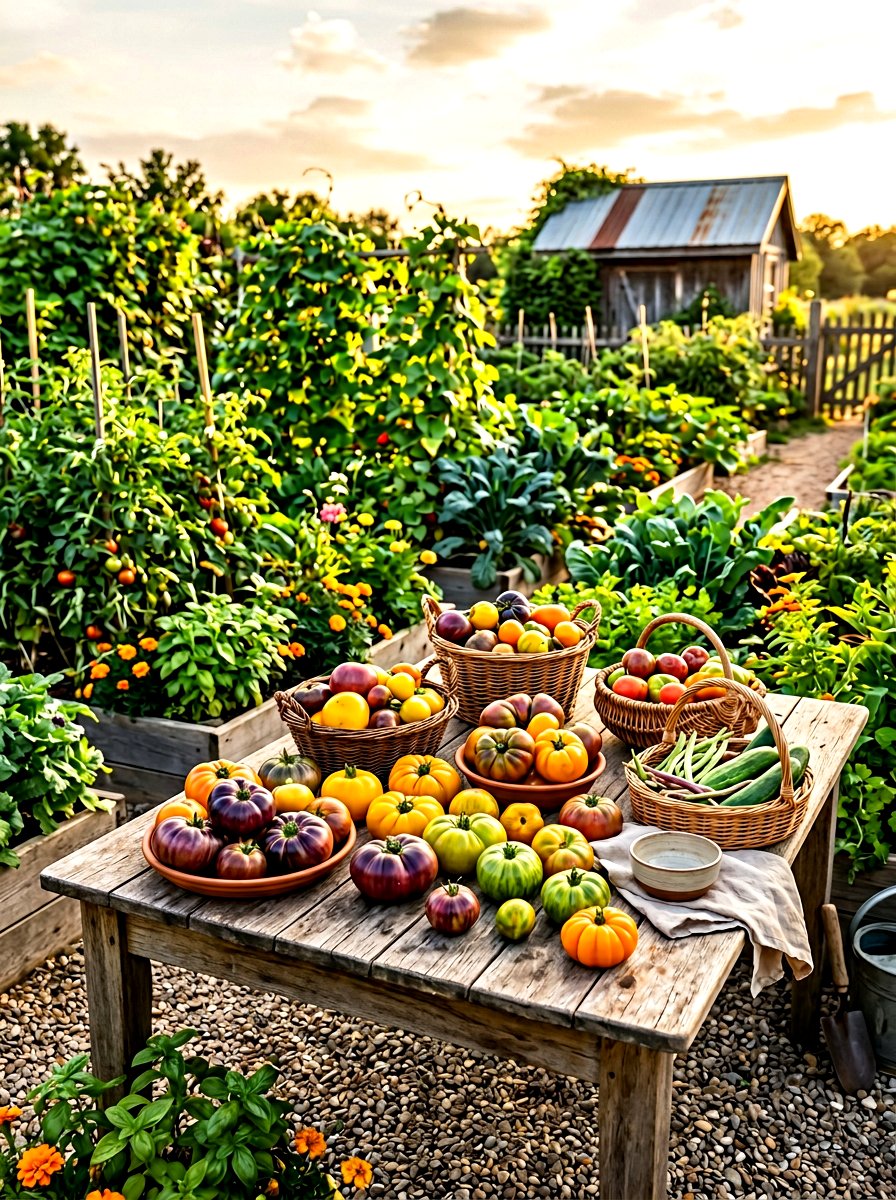
Focusing your garden on heirloom varieties allows you to harvest unique, flavorful vegetables that are often unavailable in local grocery stores. These heritage plants are prized for their exceptional taste, interesting shapes, and vibrant, non-traditional colors like purple carrots or striped tomatoes. Harvesting heirlooms feels like preserving a piece of agricultural history, as these seeds have been passed down through generations for their superior qualities. The resulting harvest is often a stunning display of diversity that makes for incredible photography and even better meals. By choosing heirlooms, you also contribute to biodiversity and support the resilience of local food systems while enjoying a truly gourmet home-grown experience.
7. Winter Vegetable Harvest
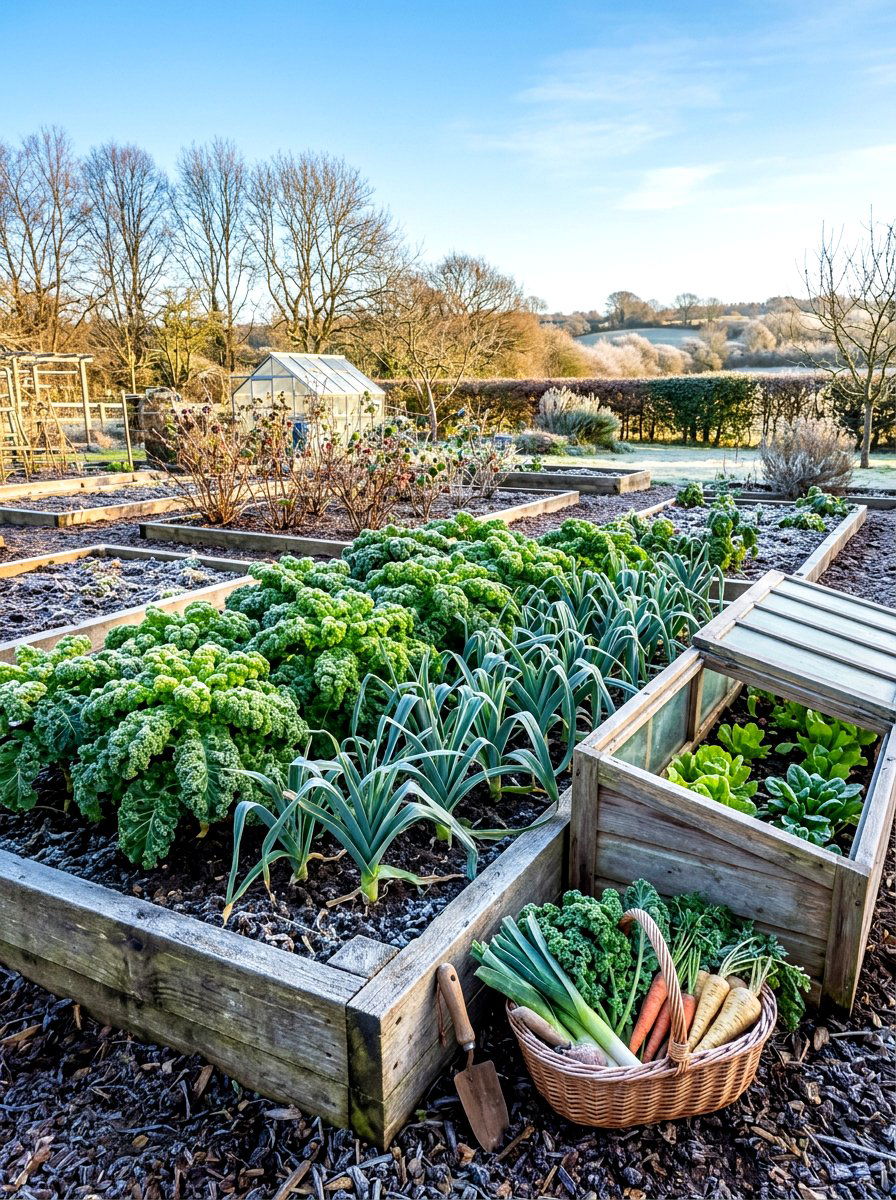
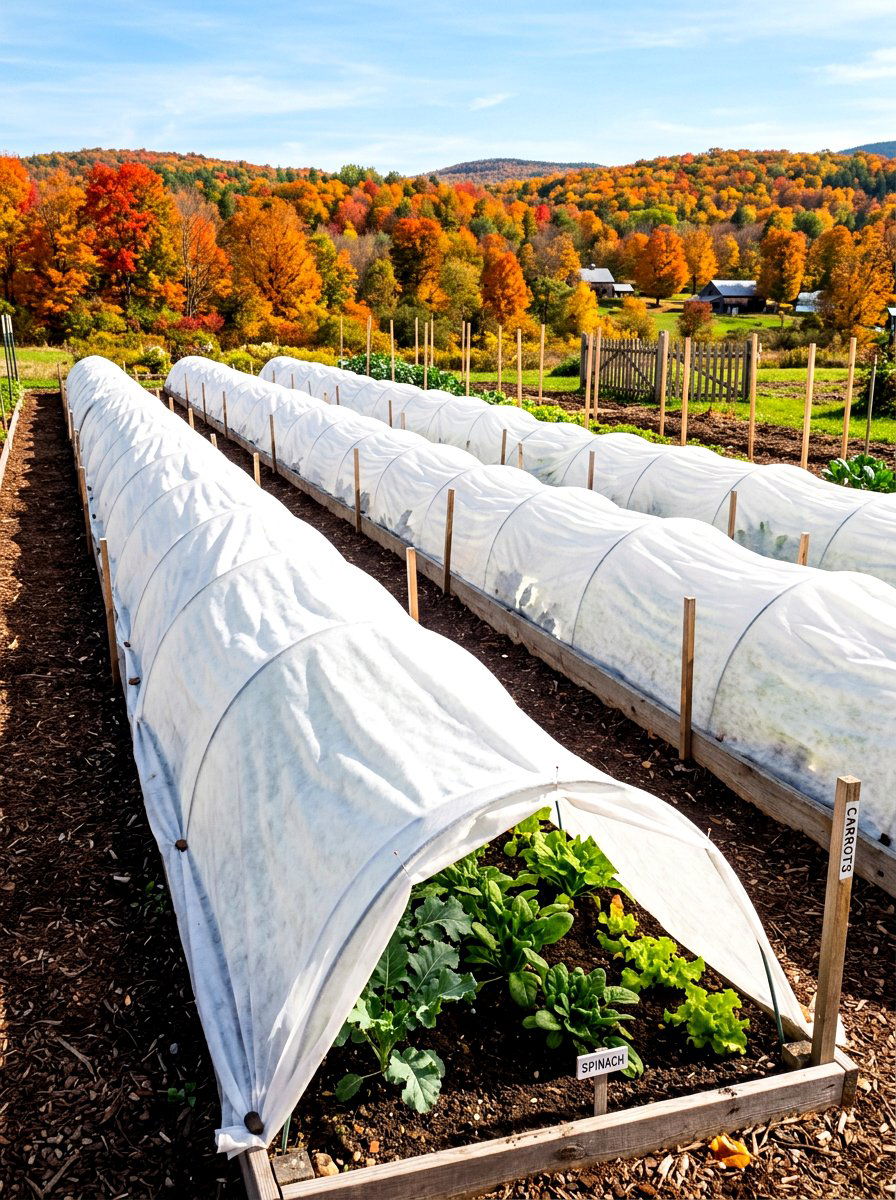
A winter vegetable harvest is possible even in snowy climates if you choose cold-hardy crops like kale, leeks, and Brussels sprouts. Many of these vegetables actually improve in flavor after a light frost, as the cold temperatures trigger a natural increase in sugar content. Protecting your plants with cold frames, low tunnels, or heavy mulch allows you to dig for fresh produce even when the ground is partially frozen. There is a special kind of satisfaction in harvesting bright green spinach or hardy root vegetables while the rest of the landscape is white. This season proves that gardening is a year-round journey that rewards patience and careful planning.
8. Herb Garden Harvest
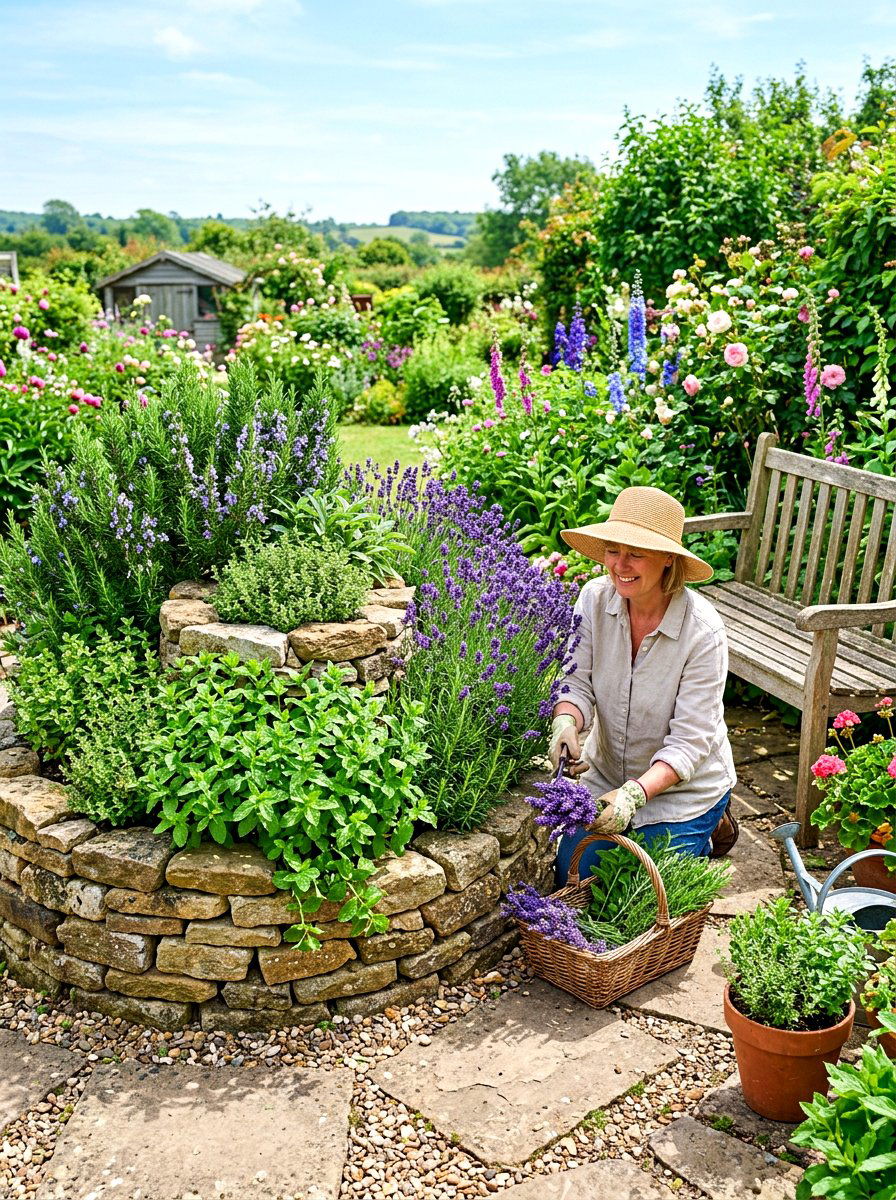
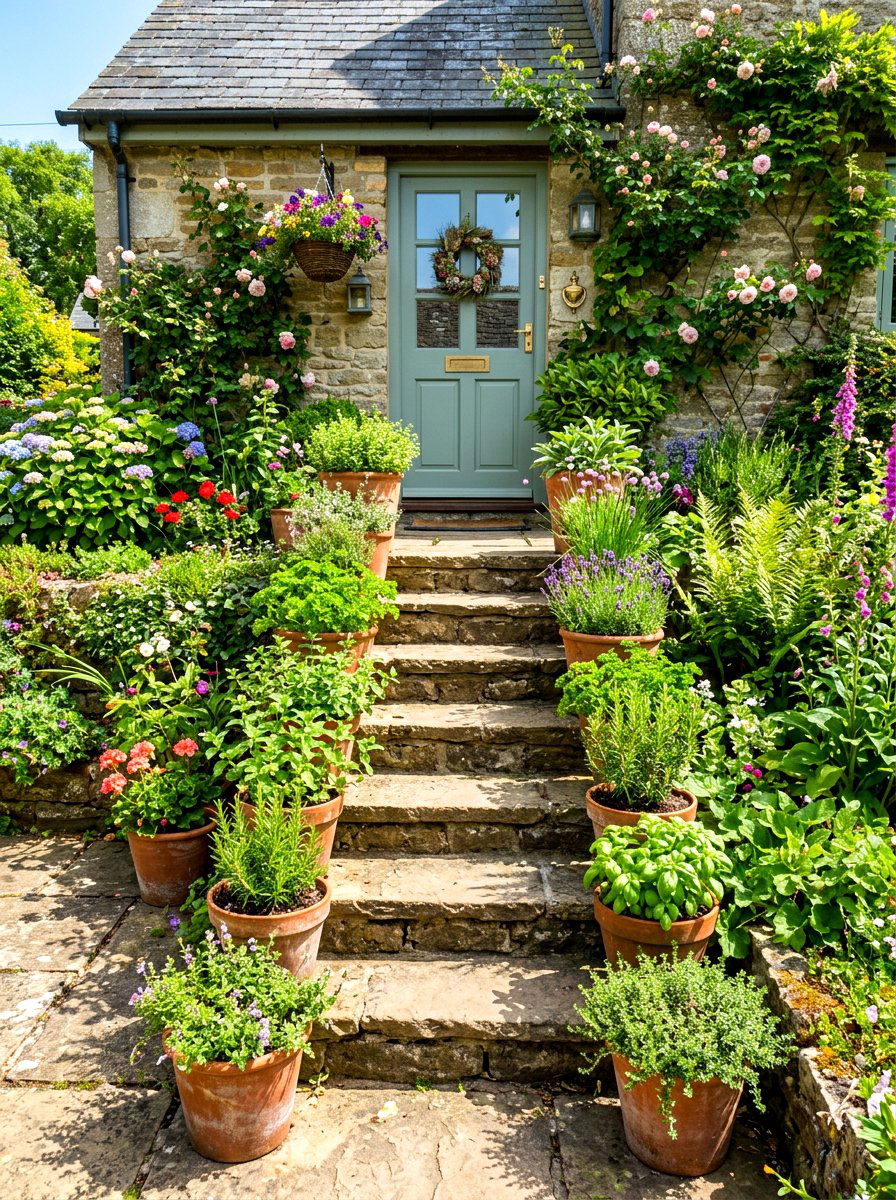
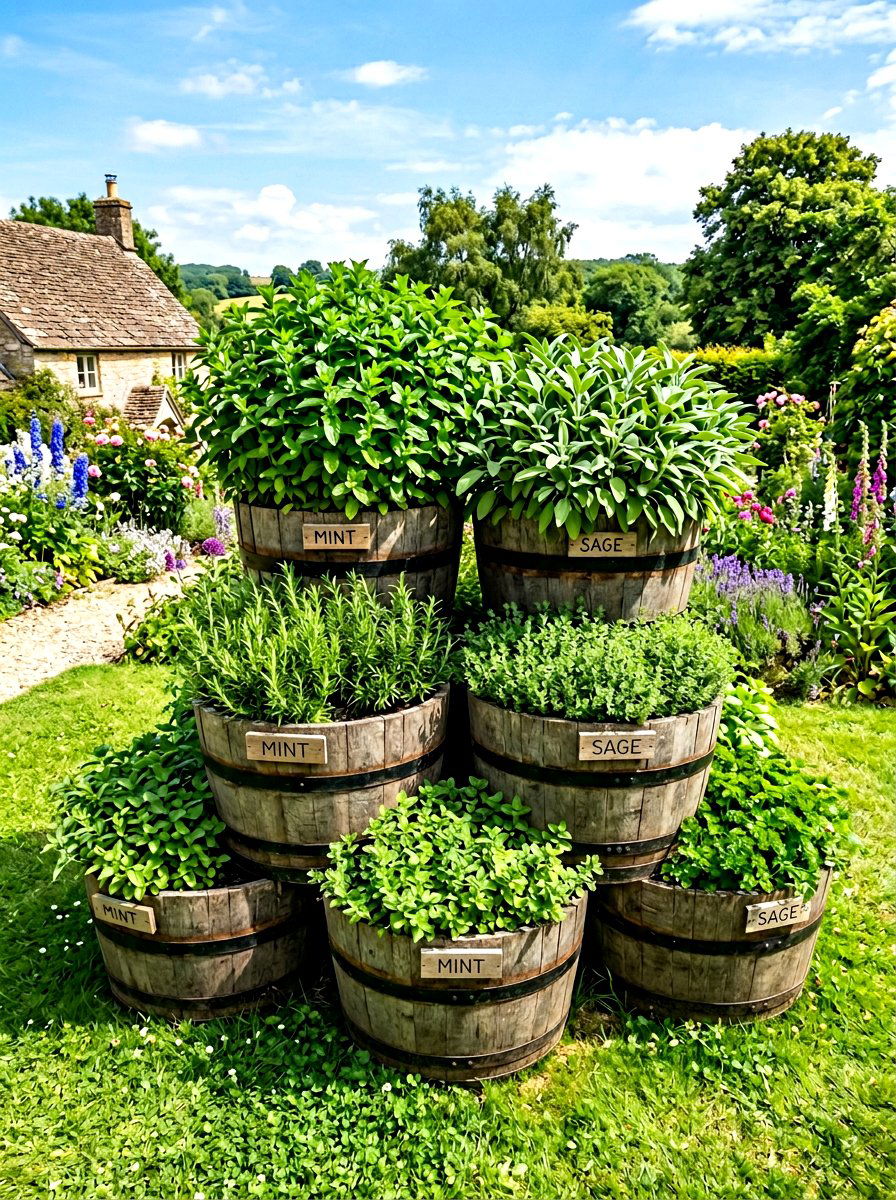
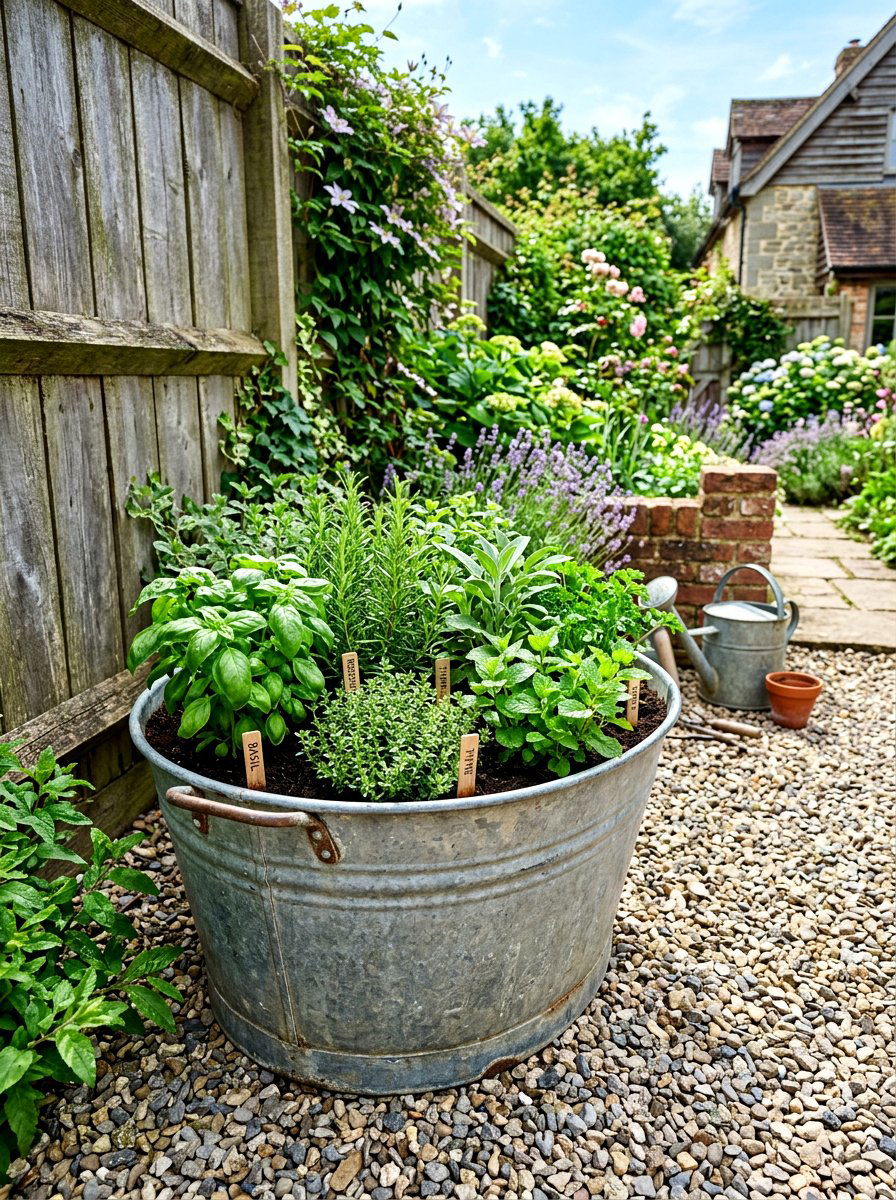
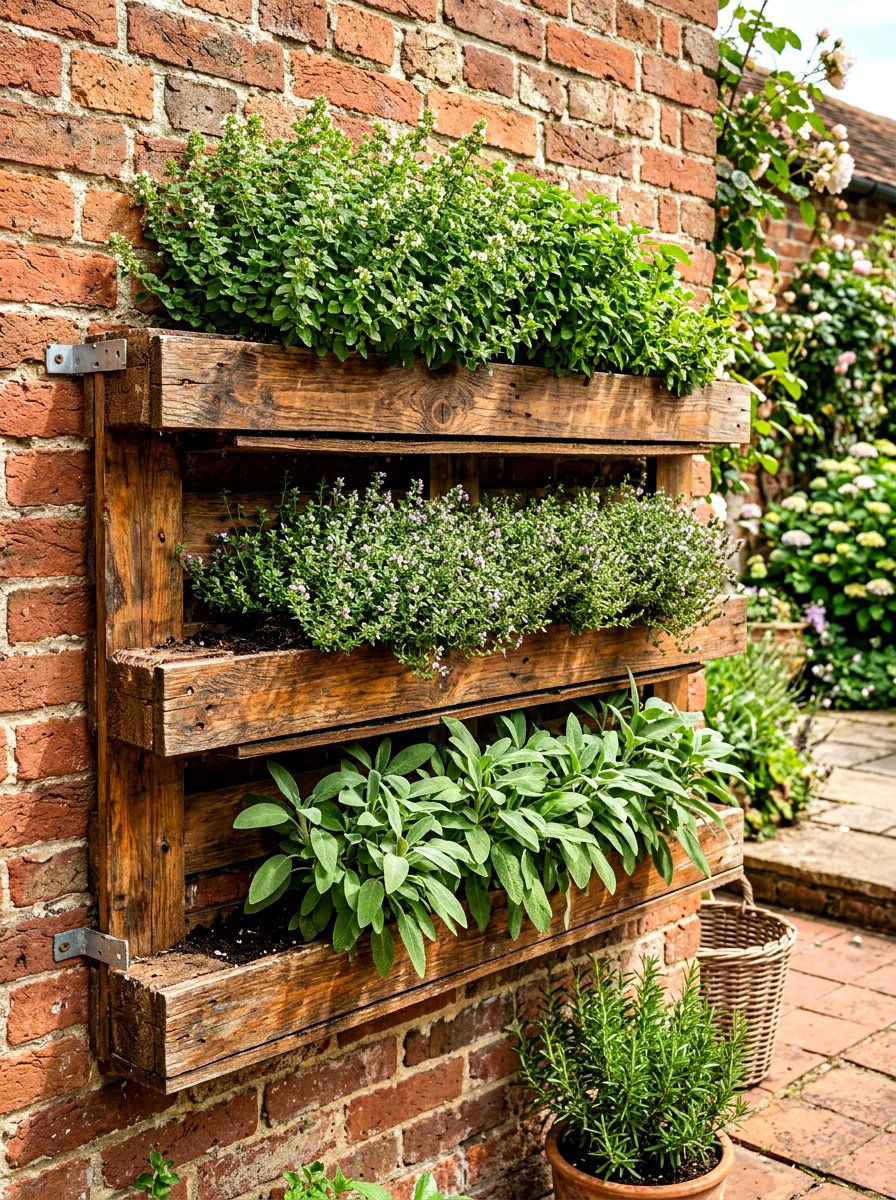
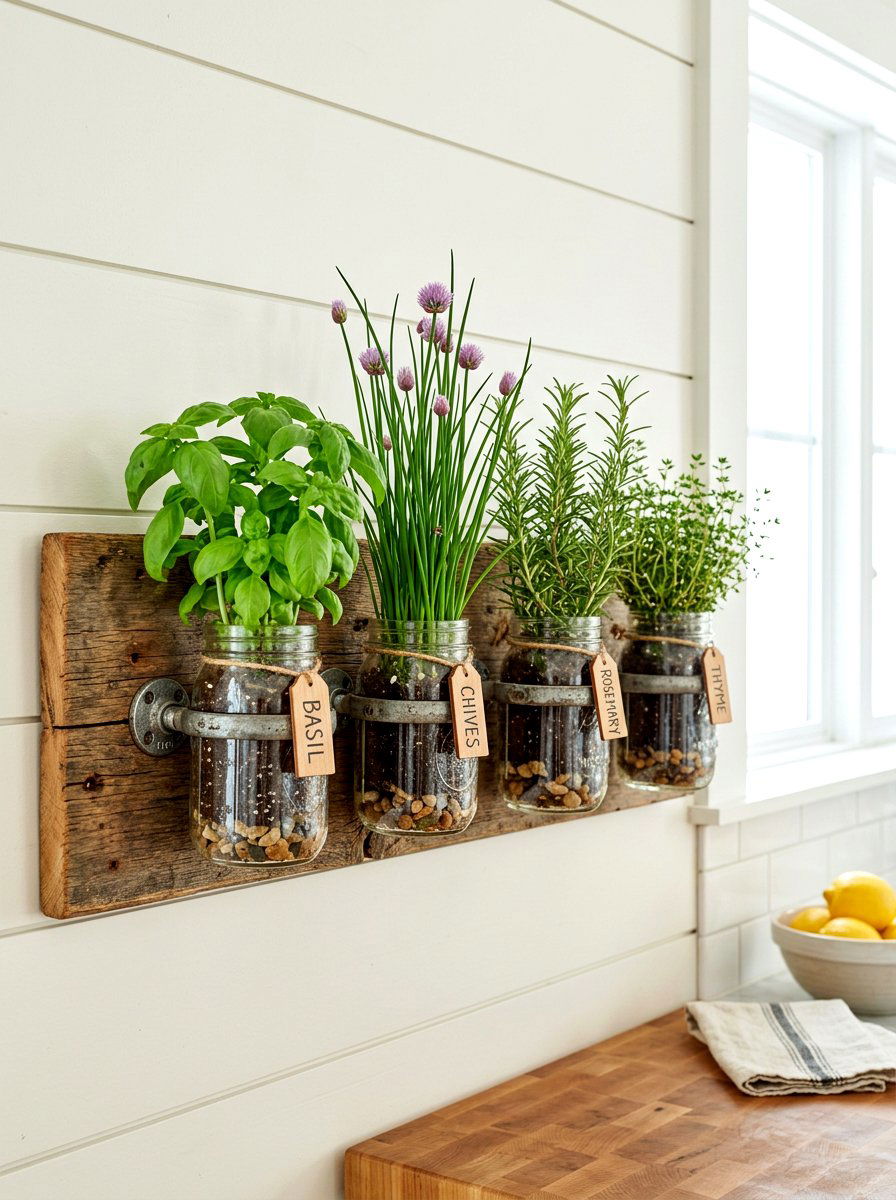
An integrated herb garden provides a constant harvest of aromatic leaves and flowers that elevate your culinary creations and home remedies. Whether you plant herbs in a dedicated spiral or intersperse them among your vegetables, they provide essential oils and fragrances that enhance the garden. Harvesting fresh basil, rosemary, and thyme is a sensory delight that brings immediate value to your daily cooking routine. Herbs are also excellent for attracting pollinators, which in turn helps increase the yield of your fruiting vegetables. A well-organized herb harvest can be dried or frozen, ensuring that the bright flavors of summer are available in your pantry all through the winter.
9. Backyard Vegetable Harvest
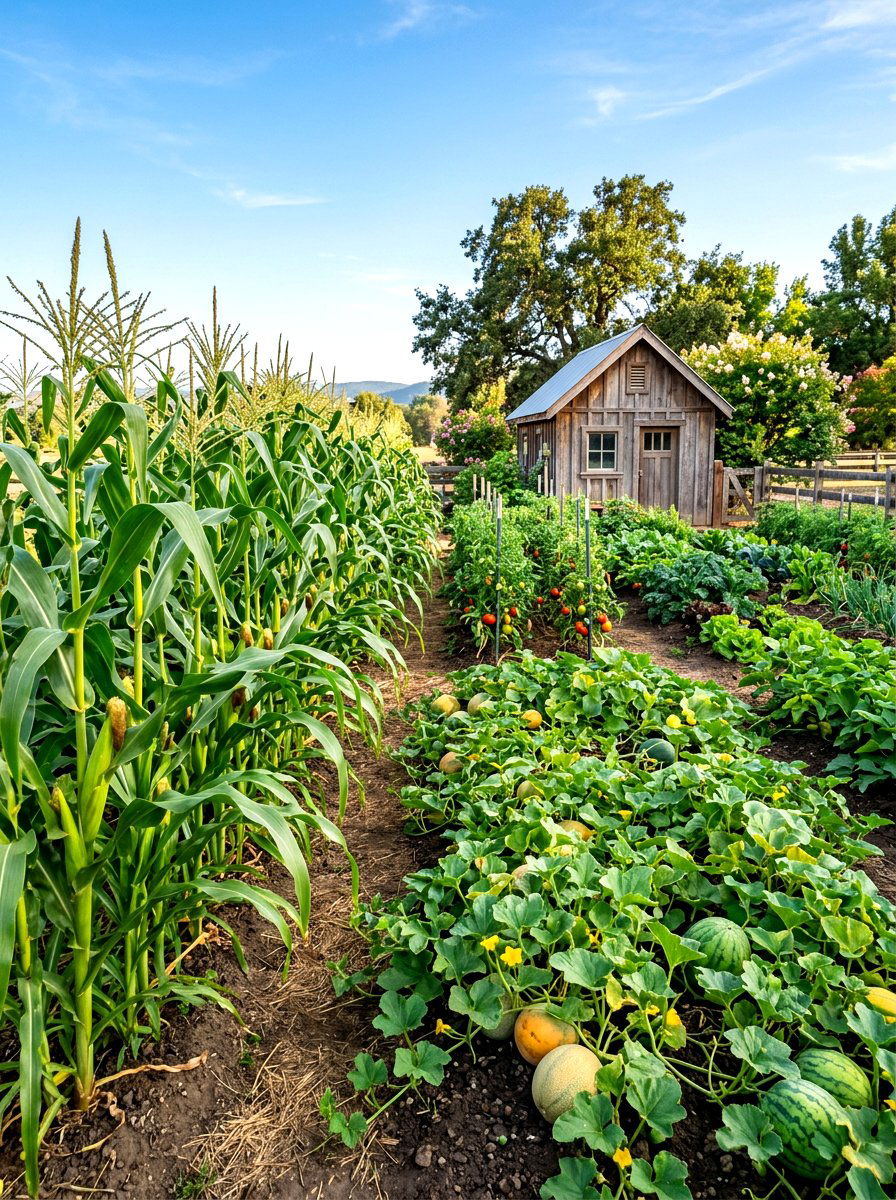
Transforming a portion of your lawn into a full-scale backyard vegetable harvest area is a bold step toward self-sufficiency and sustainable living. This large-scale approach allows you to grow enough produce to feed your family and share the extra bounty with neighbors or friends. By organizing the space into long, productive rows or large blocks, you can implement efficient irrigation and maintenance schedules. The sight of a backyard filled with ripening corn, sprawling melons, and tall sunflowers is a testament to the hard work of the season. This type of harvest requires dedication but offers the most significant physical and emotional rewards for a home gardener.
10. Community Garden Harvest
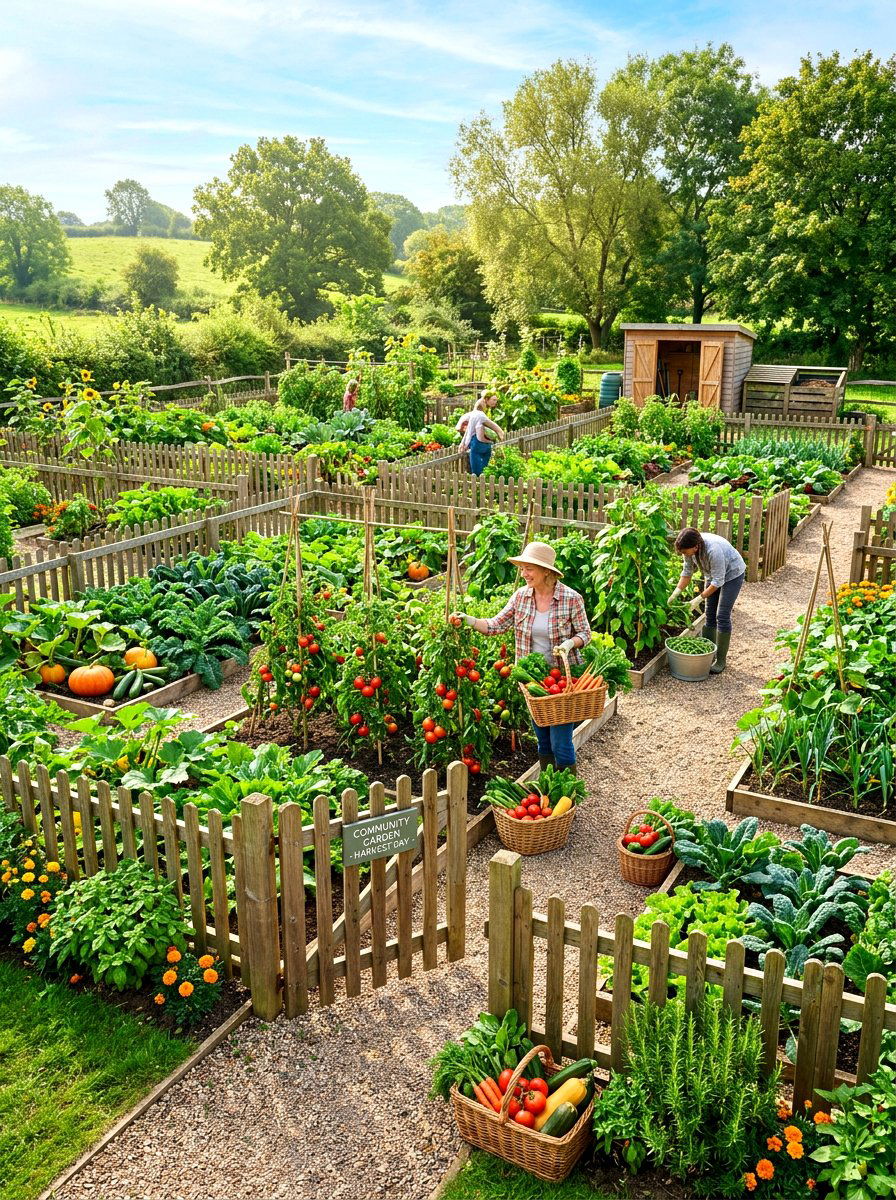
Participating in a community garden harvest offers a unique social experience where you can share knowledge and resources with other local growers. These shared spaces are often divided into individual plots, but the collective energy of the garden fosters a sense of belonging and mutual support. Harvesting alongside your neighbors allows you to see different gardening techniques and variety choices in action, providing constant inspiration for your own plot. The diversity of a community garden often leads to a rich harvest of unique cultural vegetables and traditional favorites. It is a powerful way to turn a public space into a productive landscape that nourishes both the body and the spirit.
11. Balcony Vegetable Harvest
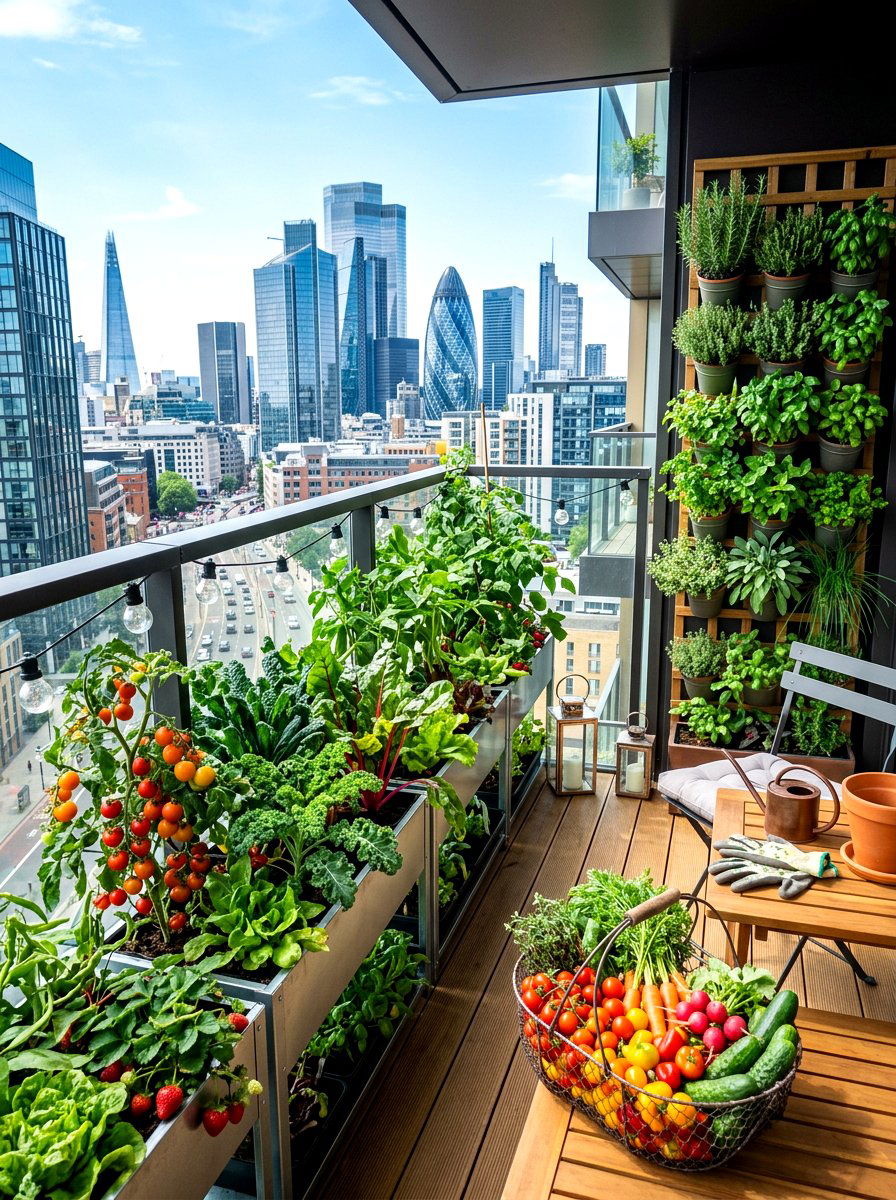
Creating a vegetable harvest on a balcony requires a clever use of space and lightweight materials to ensure productivity in an urban setting. Vertical planters, railing boxes, and compact containers are the keys to turning a small outdoor ledge into a thriving food source. You can harvest fresh salad greens, cherry tomatoes, and various peppers just steps away from your living room. This style of gardening brings a touch of nature to high-rise living and provides a much-needed green escape from the surrounding concrete. With proper sunlight and regular fertilization, a balcony garden can produce a surprising amount of food that feels incredibly rewarding to pick.
12. Organic Vegetable Harvest
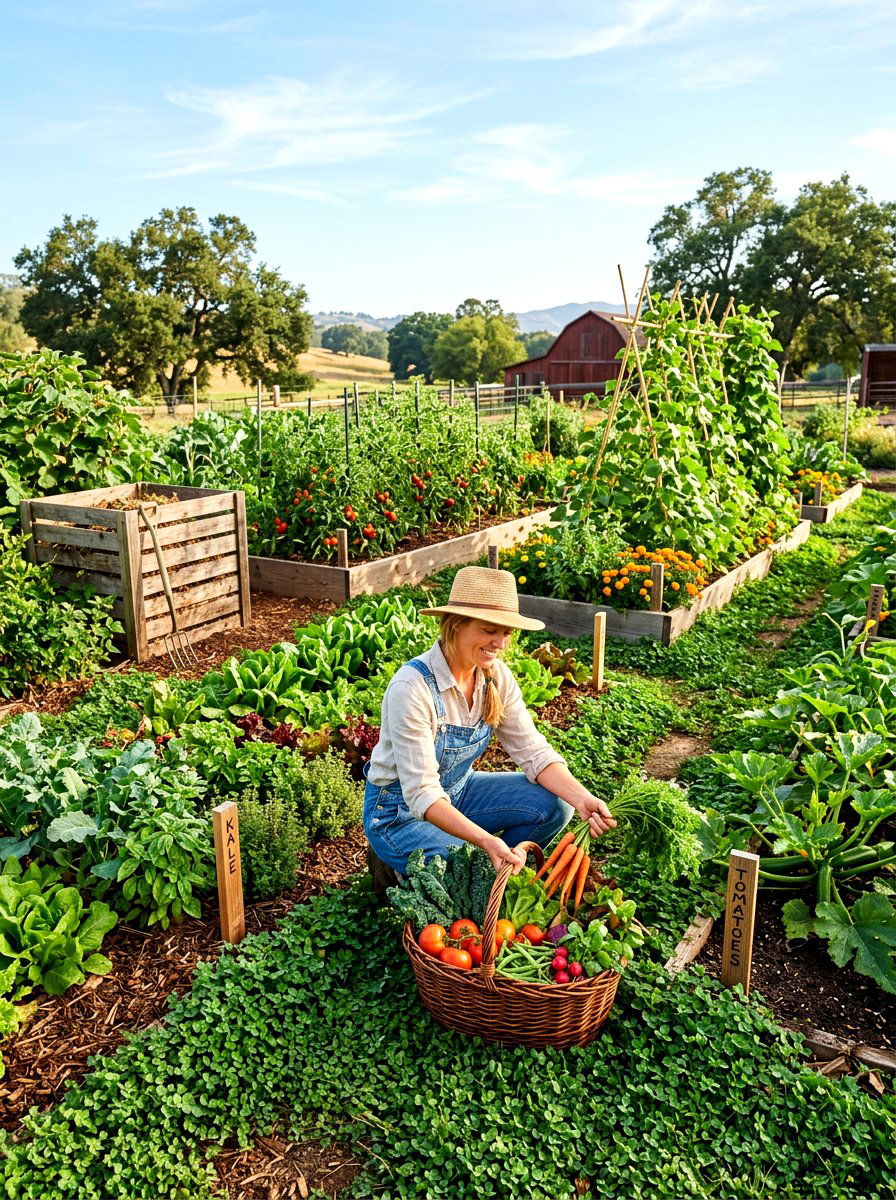
Prioritizing an organic vegetable harvest means working in harmony with nature by avoiding synthetic chemicals and focusing on building healthy, living soil. This approach relies on compost, cover crops, and natural pest control methods to ensure that every vegetable you pick is pure and nutrient-dense. The harvest from an organic garden often feels more connected to the earth, as you see a vibrant ecosystem of birds and insects coexisting with your crops. Choosing organic practices protects the environment and ensures the long-term fertility of your land. The resulting produce is not only safer for your family to eat but often possesses a more robust and complex flavor.
13. Rooftop Vegetable Harvest
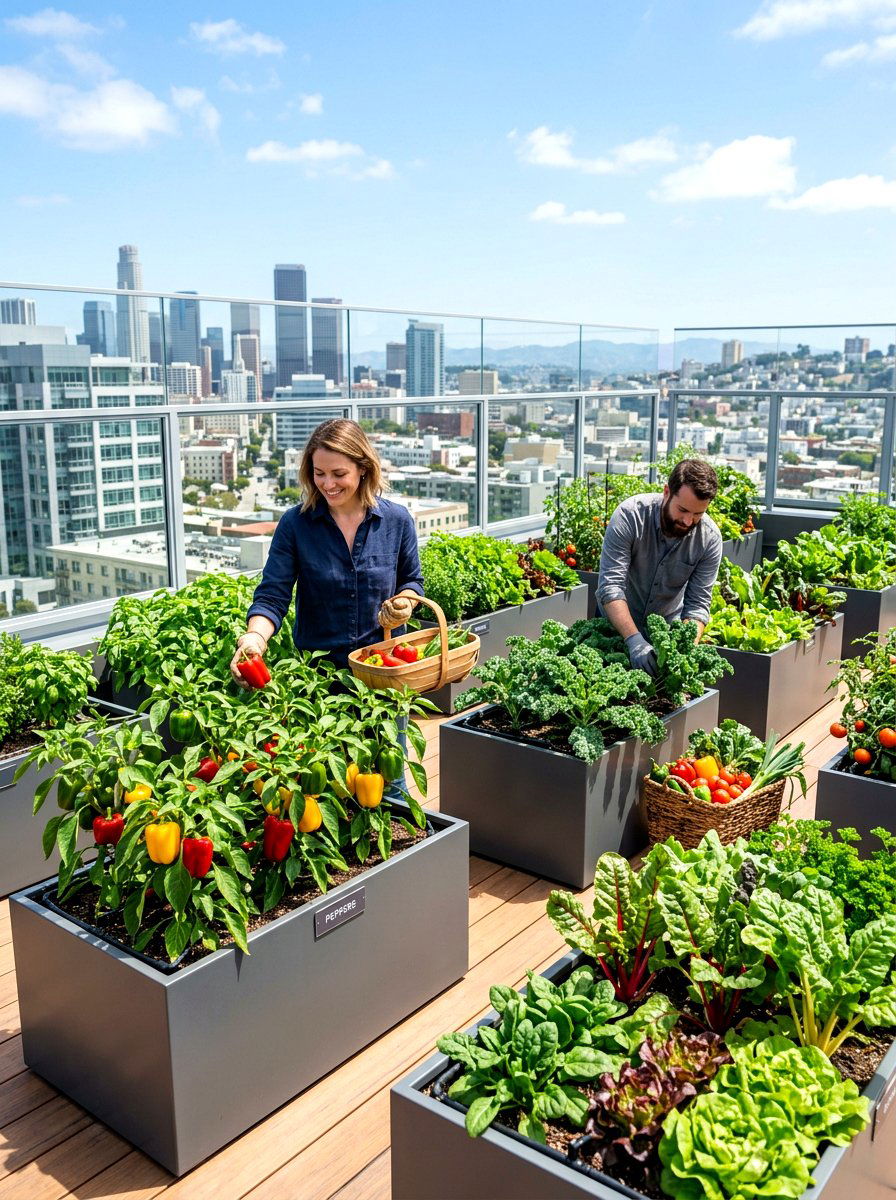
A rooftop vegetable harvest is an innovative way to utilize underused urban spaces while benefiting from the intense, unobstructed sunlight found at higher elevations. These gardens require careful structural planning to manage weight and wind, but they offer incredible views and high yields of sun-loving crops. Harvesting on a rooftop feels like being in a private oasis above the noise of the city, where you can grow everything from peppers to dwarf fruit trees. This modern approach to agriculture helps cool the building and reduces the urban heat island effect. It represents the future of sustainable city living, where every available surface is transformed into a productive green space.
14. Square Foot Harvest
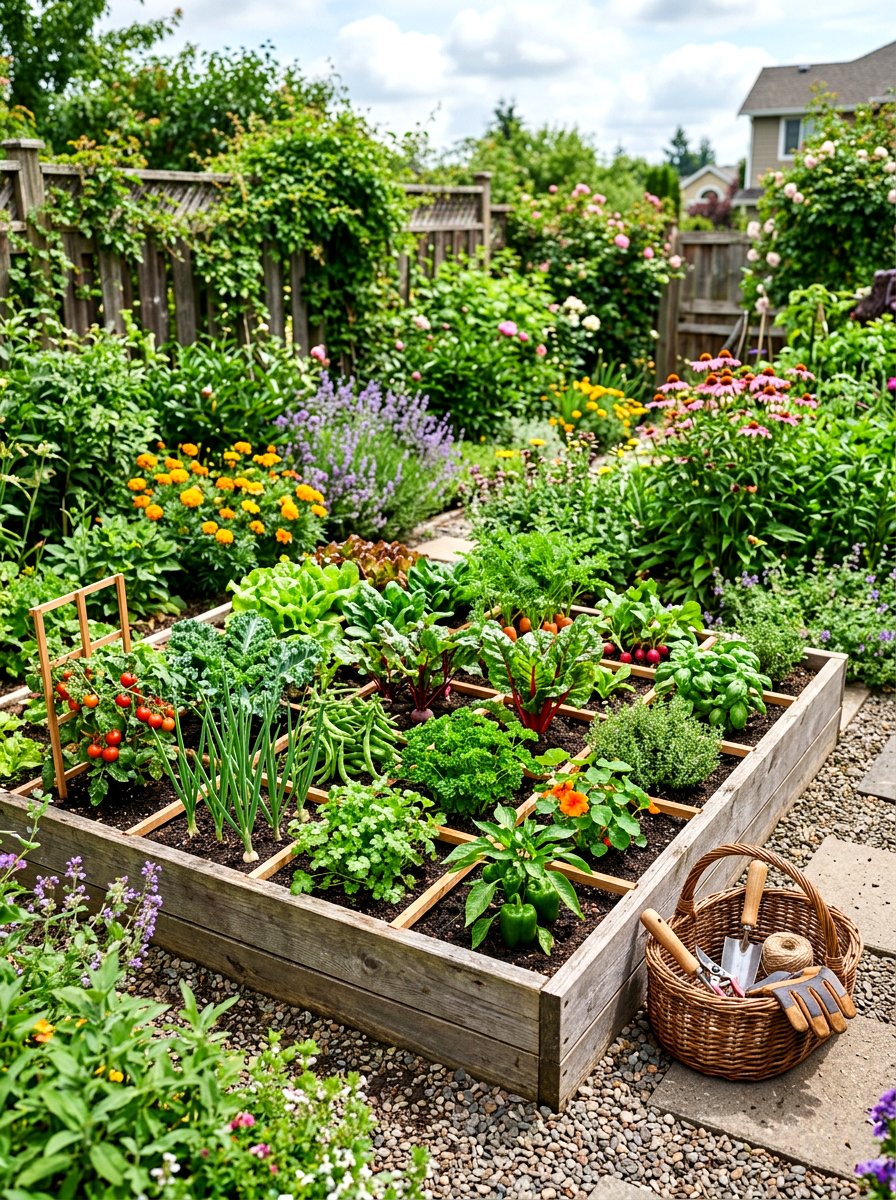
The square foot gardening method is an ultra-organized way to maximize your harvest by dividing your beds into a precise grid of one-foot squares. This technique allows you to plant exactly the right number of seeds in each section, preventing overcrowding and ensuring that every plant has the resources it needs. When it comes time to harvest, you can clearly see which squares are ready and which need more time, making the process incredibly efficient. This system is perfect for beginners who want a clear roadmap for their garden or for experienced growers looking to streamline their production. It results in a tidy, high-yield garden.
15. Indoor Vegetable Harvest
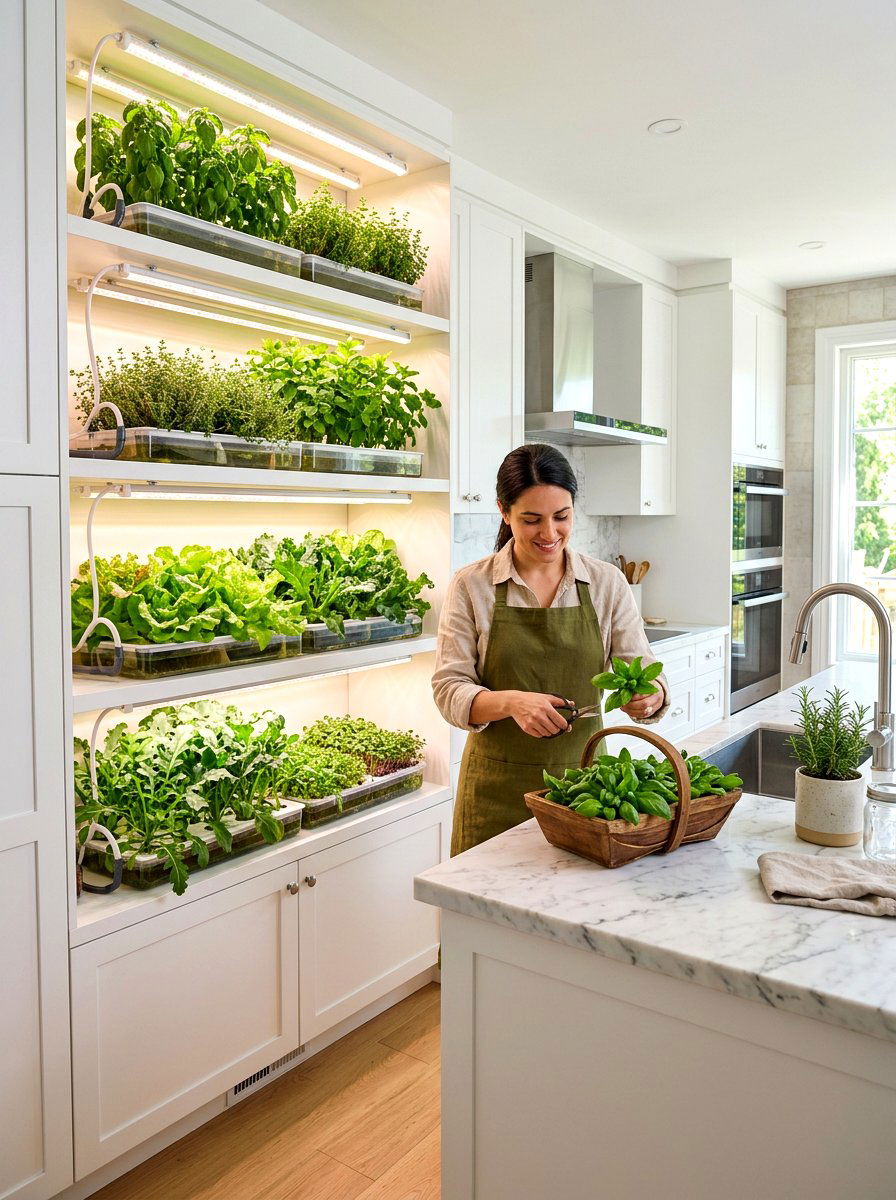
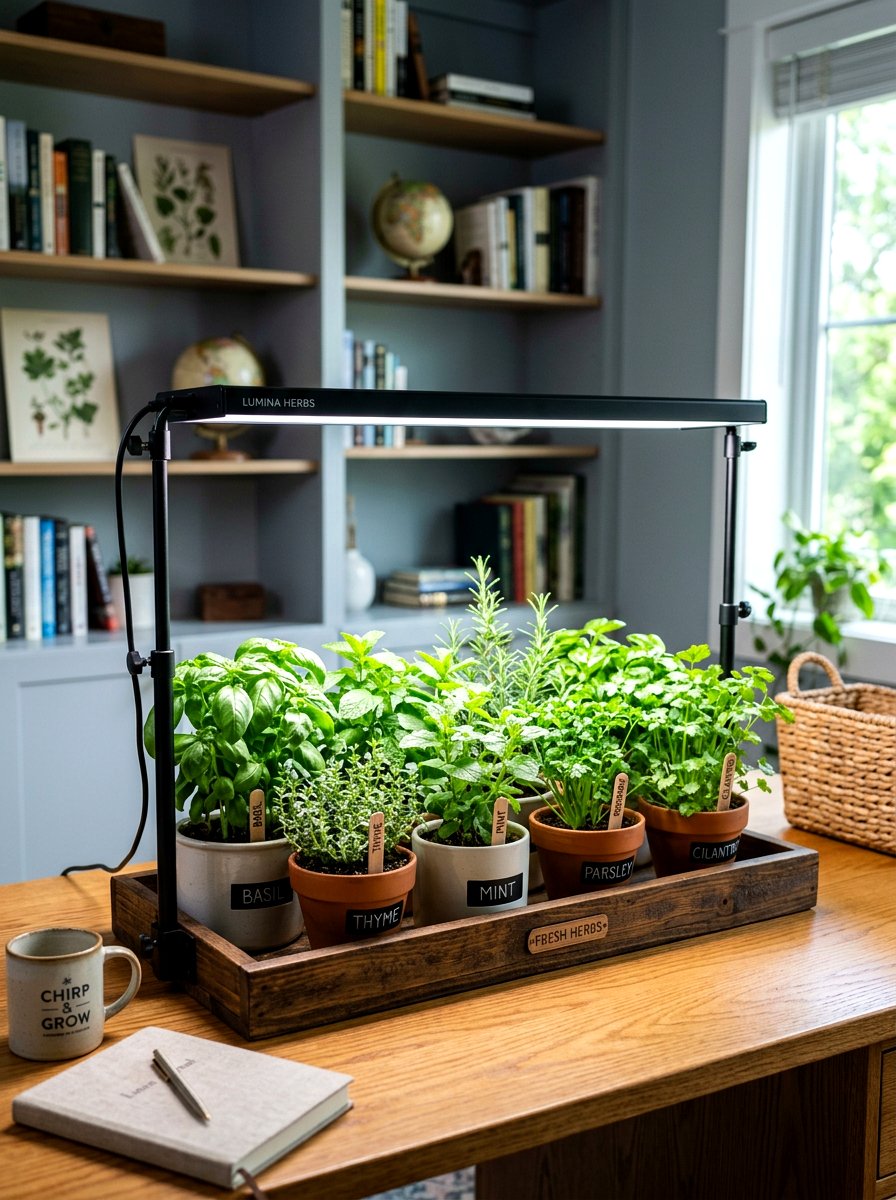
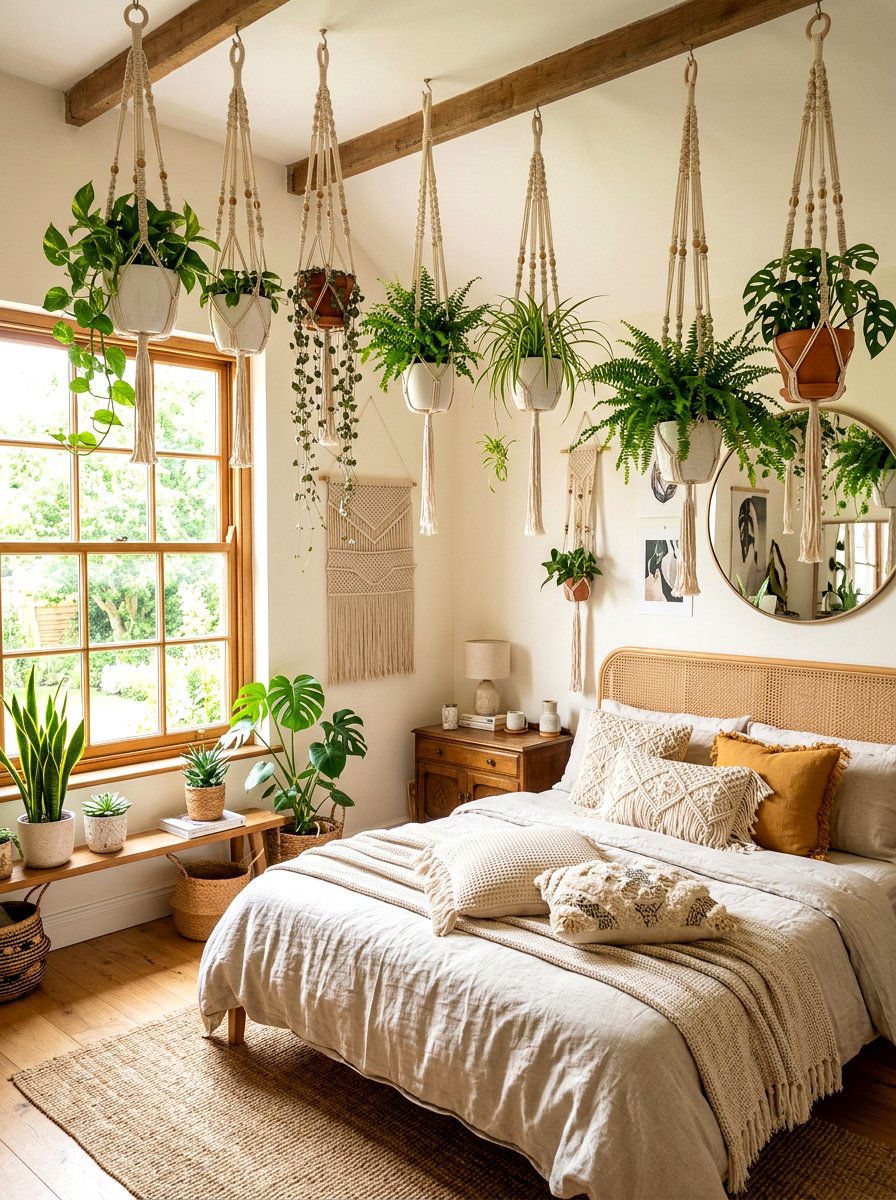
Bringing your vegetable harvest indoors is a great way to enjoy fresh produce even if you lack outdoor space or live in a harsh climate. Using LED grow lights, hydroponic systems, or sunny windowsills, you can grow a variety of greens, herbs, and even dwarf tomatoes throughout the year. An indoor harvest provides a clean and convenient way to grab fresh ingredients while you are cooking in the kitchen. It also adds a beautiful, living element to your interior design, creating a vibrant atmosphere that improves air quality. Modern indoor gardening technology has made it easier than ever to maintain a productive and stylish food garden inside your home.
16. Hydroponic Vegetable Harvest
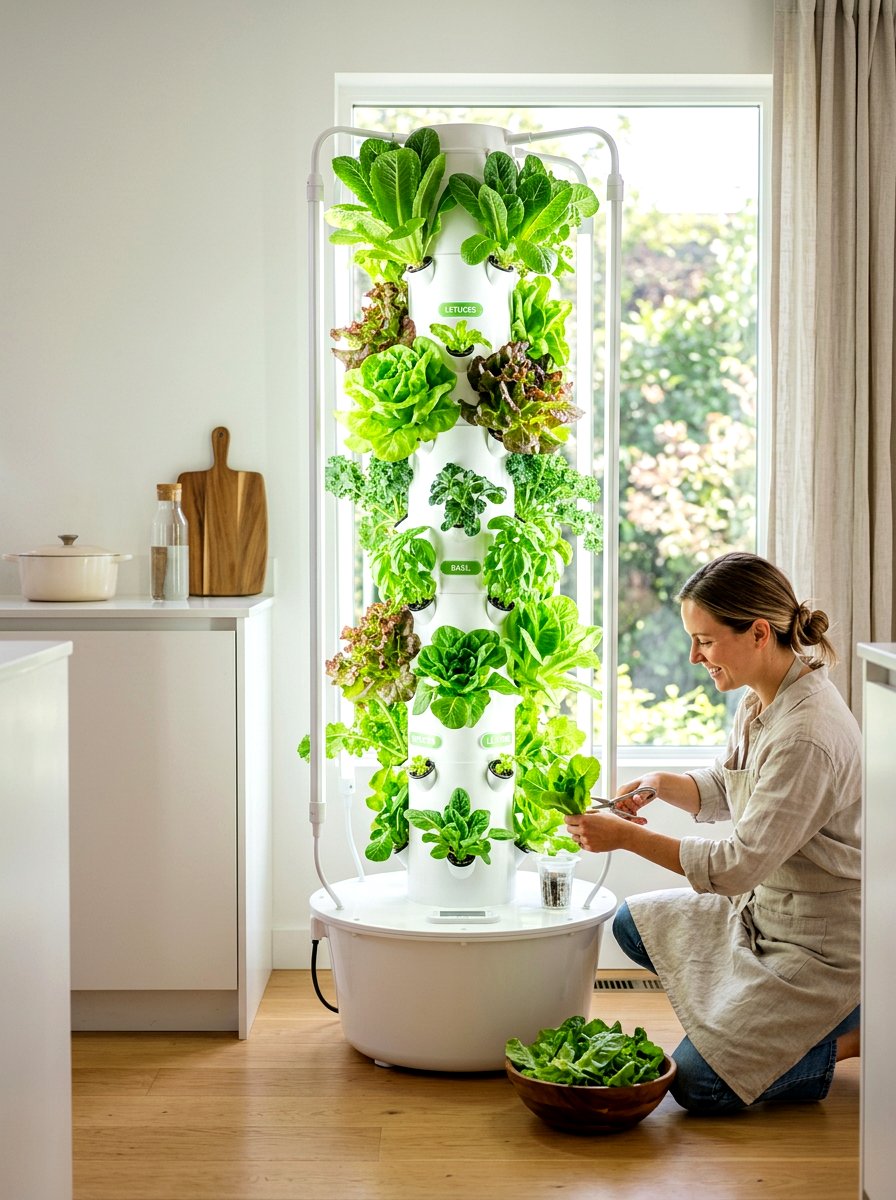
A hydroponic vegetable harvest represents the cutting edge of gardening, where plants are grown in nutrient-rich water instead of traditional soil. This method allows for faster growth rates and higher yields while using significantly less water than conventional in-ground gardens. You can set up hydroponic systems in basements, garages, or even on a dedicated wall in your living room for a high-tech harvest experience. Because the environment is strictly controlled, pests and soil-borne diseases are almost non-existent, resulting in pristine, supermarket-quality produce. Harvesting from a hydroponic system is a clean and fascinating process that highlights the incredible potential of sustainable, modern agricultural technology for the home.
17. Small Space Harvest
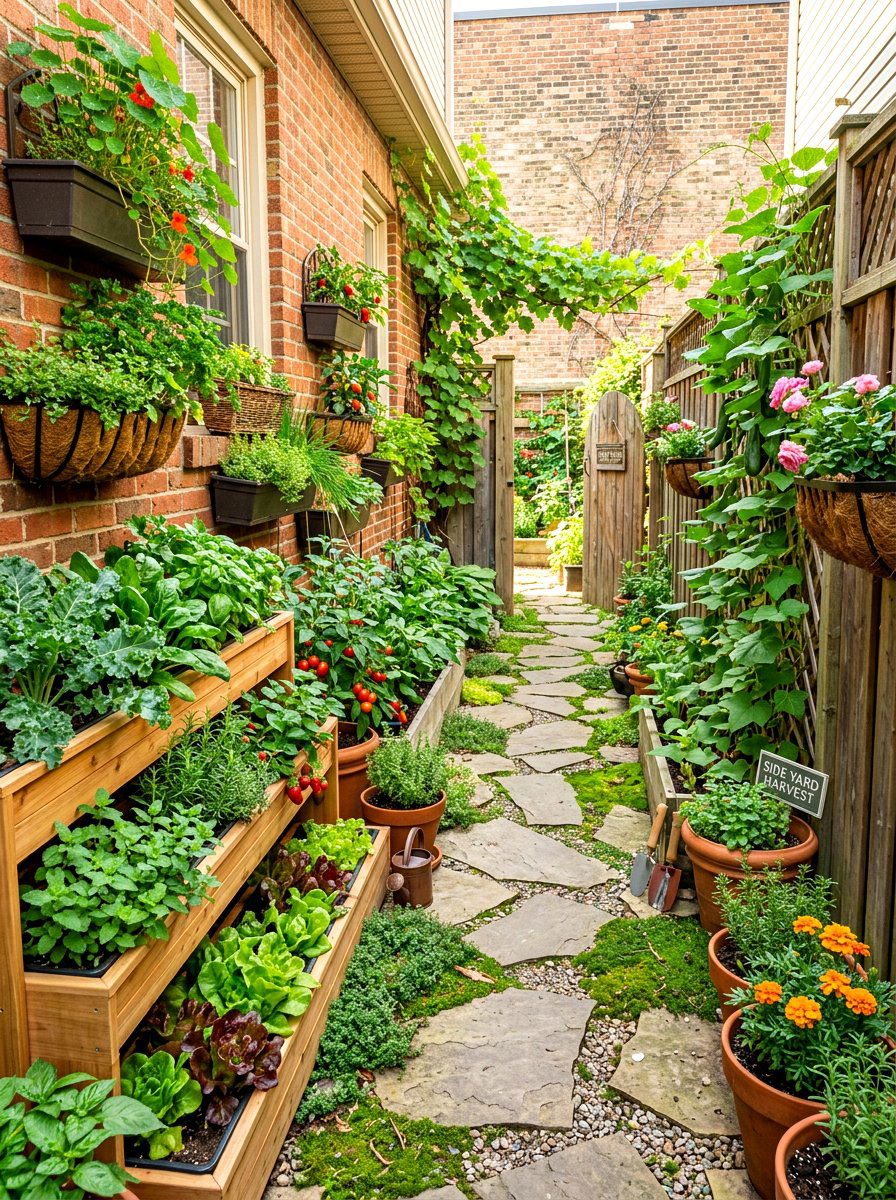
A small space harvest proves that you do not need acres of land to grow a significant amount of your own food. By using intensive planting techniques and multi-functional furniture, you can turn a tiny patio or side yard into a lush, edible sanctuary. Choosing compact or "bush" varieties of popular vegetables ensures that your plants stay within their allotted space while still producing plenty of fruit. Layering your crops by height and using every available corner allows you to squeeze an impressive variety into a small area. This type of garden requires careful planning but offers a high level of satisfaction as you maximize every inch of soil.
18. Fall Pumpkin Harvest
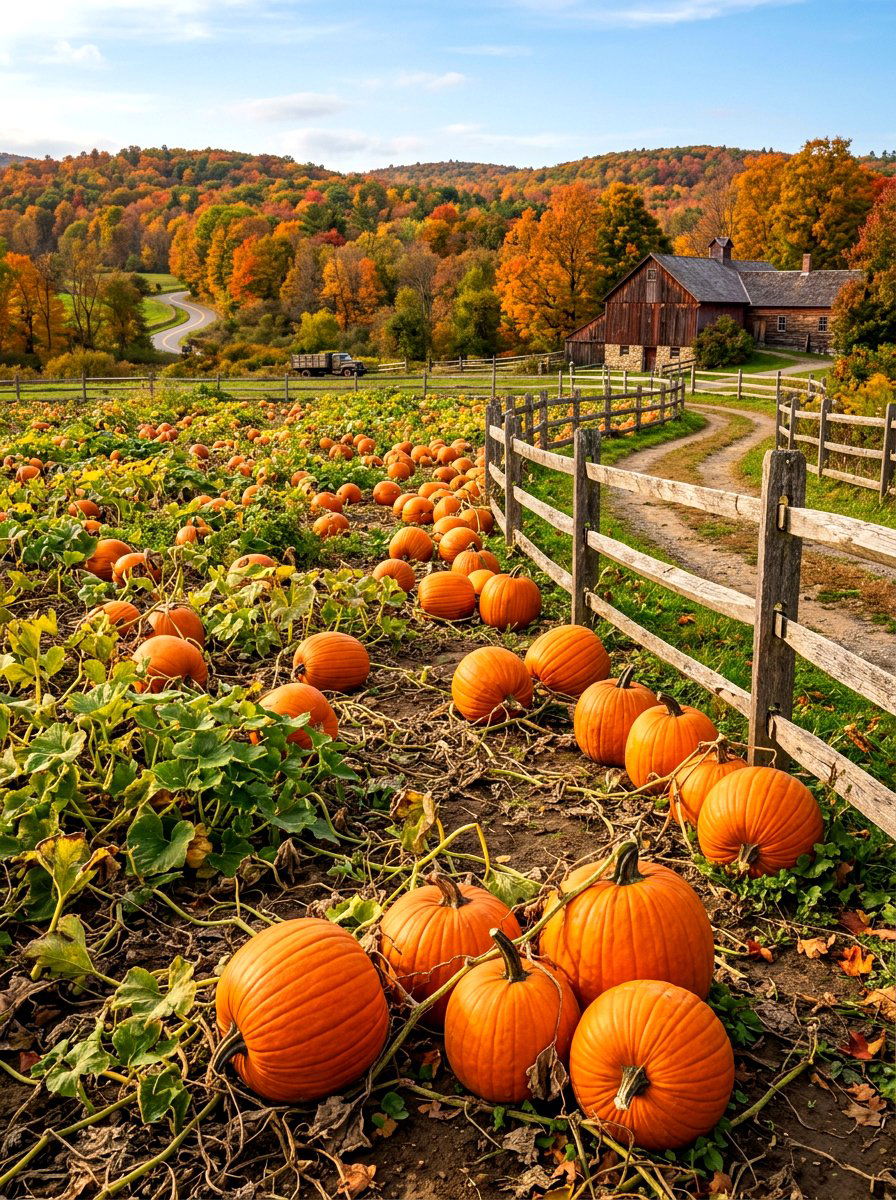
The fall pumpkin harvest is one of the most iconic and visually satisfying moments in the gardening calendar, signaling the transition into the cooler months. Designing a pumpkin patch involves giving these vigorous vines plenty of room to roam and sprawl across the garden floor. When the leaves begin to die back, the vibrant orange, white, and green fruits are revealed, creating a stunning autumnal display. Harvesting pumpkins and winter squash provides a versatile crop that can be used for both seasonal decor and delicious, warming meals like soups and pies. This harvest is a celebration of the season's end and the abundance that hard work provides.
19. Summer Vegetable Harvest
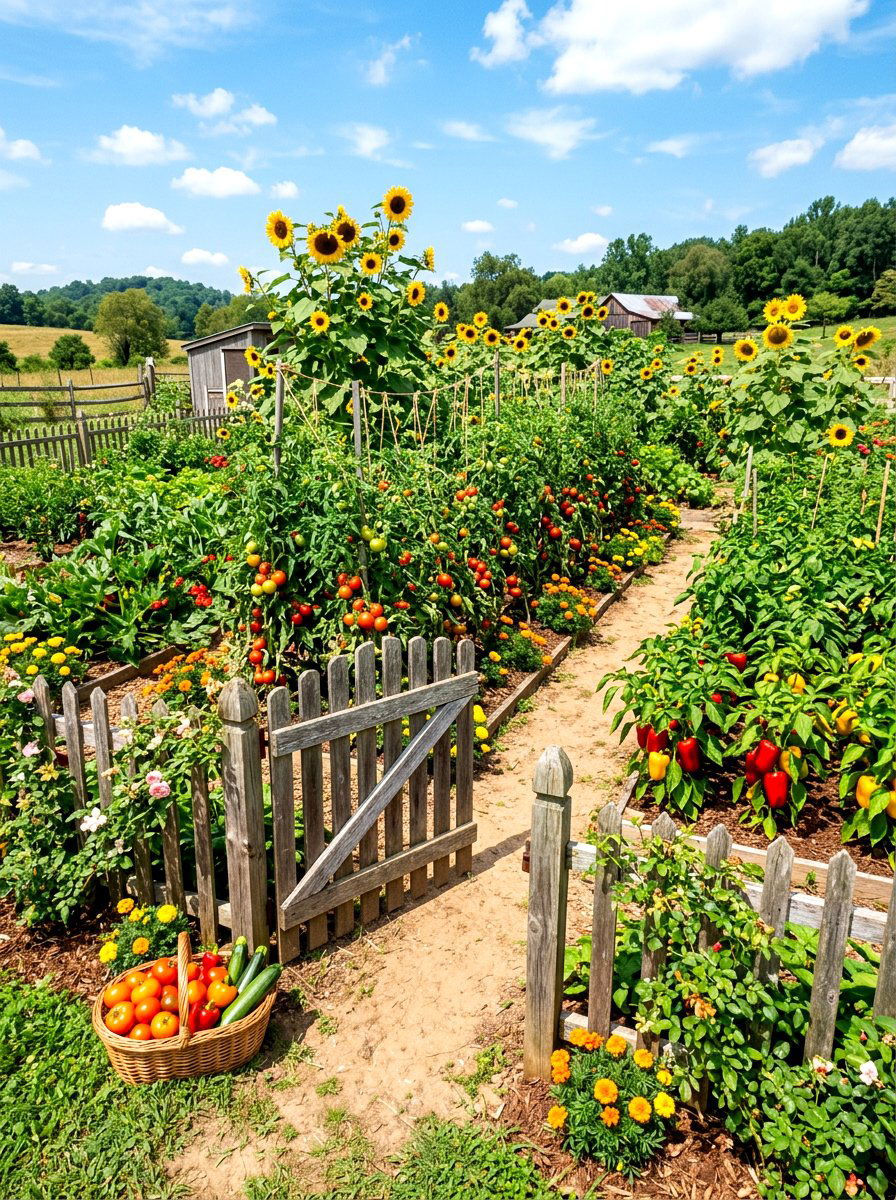
A peak summer vegetable harvest is a riot of color and activity, with plants producing at their maximum capacity during the long, sunny days. This is the time when tomatoes are ripening daily, peppers are turning vibrant shades, and zucchini seems to grow several inches overnight. Staying on top of the harvest is crucial during this period to ensure that plants continue to produce more fruit. Walking through the garden in the early morning to pick sun-warmed produce is the ultimate reward for any gardener. The sheer volume of a summer harvest often leads to canning and preserving, allowing you to enjoy the taste of summer all year.
20. Front Yard Harvest
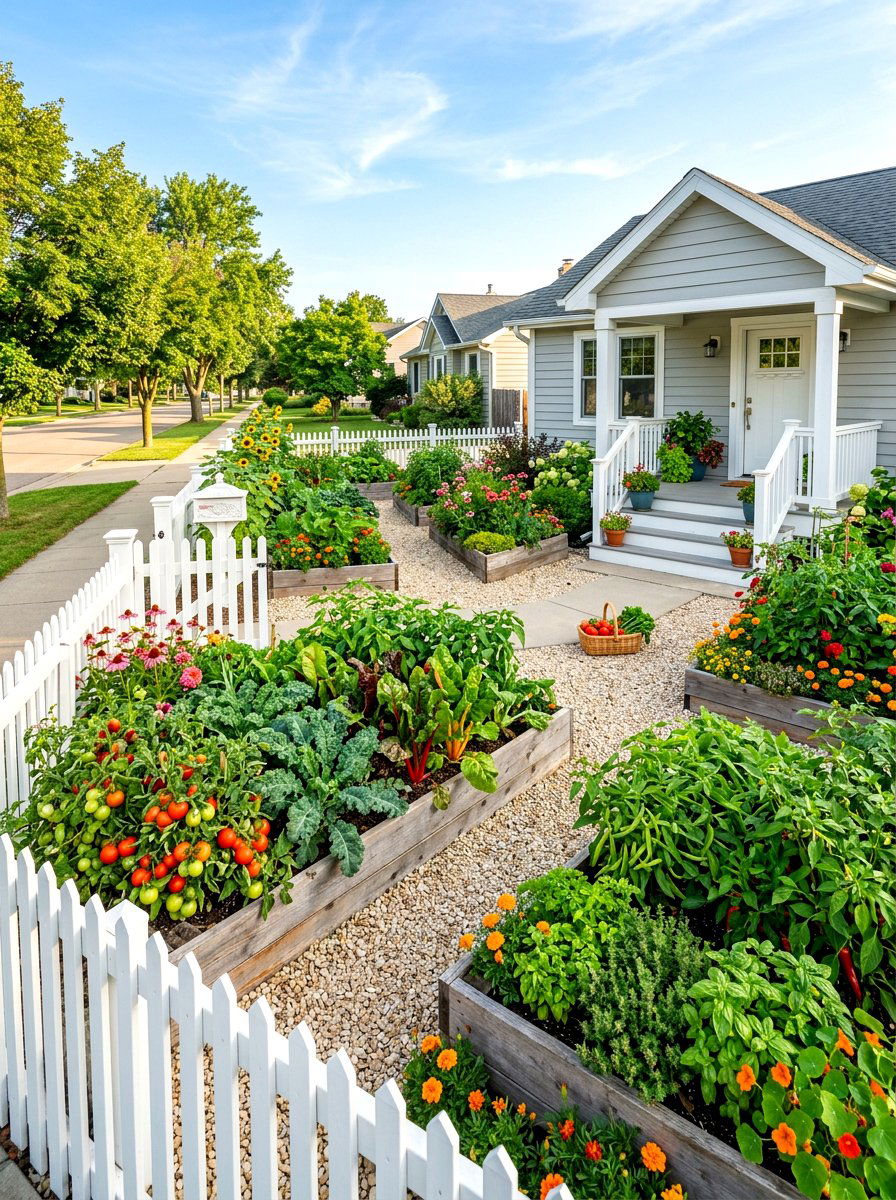
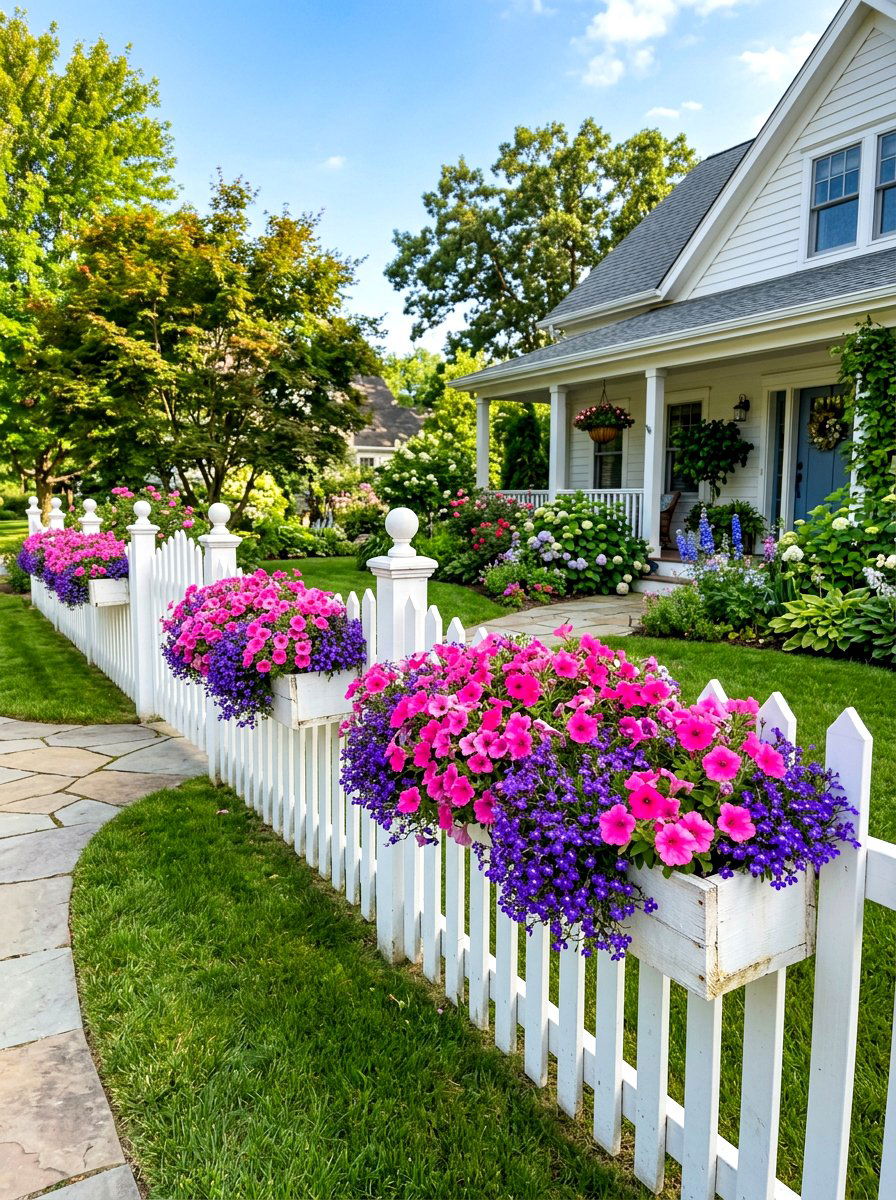
Replacing a traditional grass lawn with a front yard harvest area is a growing trend that prioritizes productivity and neighborhood engagement. An edible front yard can be designed with beautiful raised beds, gravel paths, and ornamental vegetables like kale and Swiss chard to maintain curb appeal. This public-facing garden often starts conversations with passersby and encourages a sense of community as neighbors admire your growing food. Harvesting in your front yard makes the act of gardening a visible part of your daily life and showcases your commitment to sustainability. It turns an often-wasted space into a beautiful and functional landscape that benefits both you and the environment.
21. Shade Vegetable Harvest
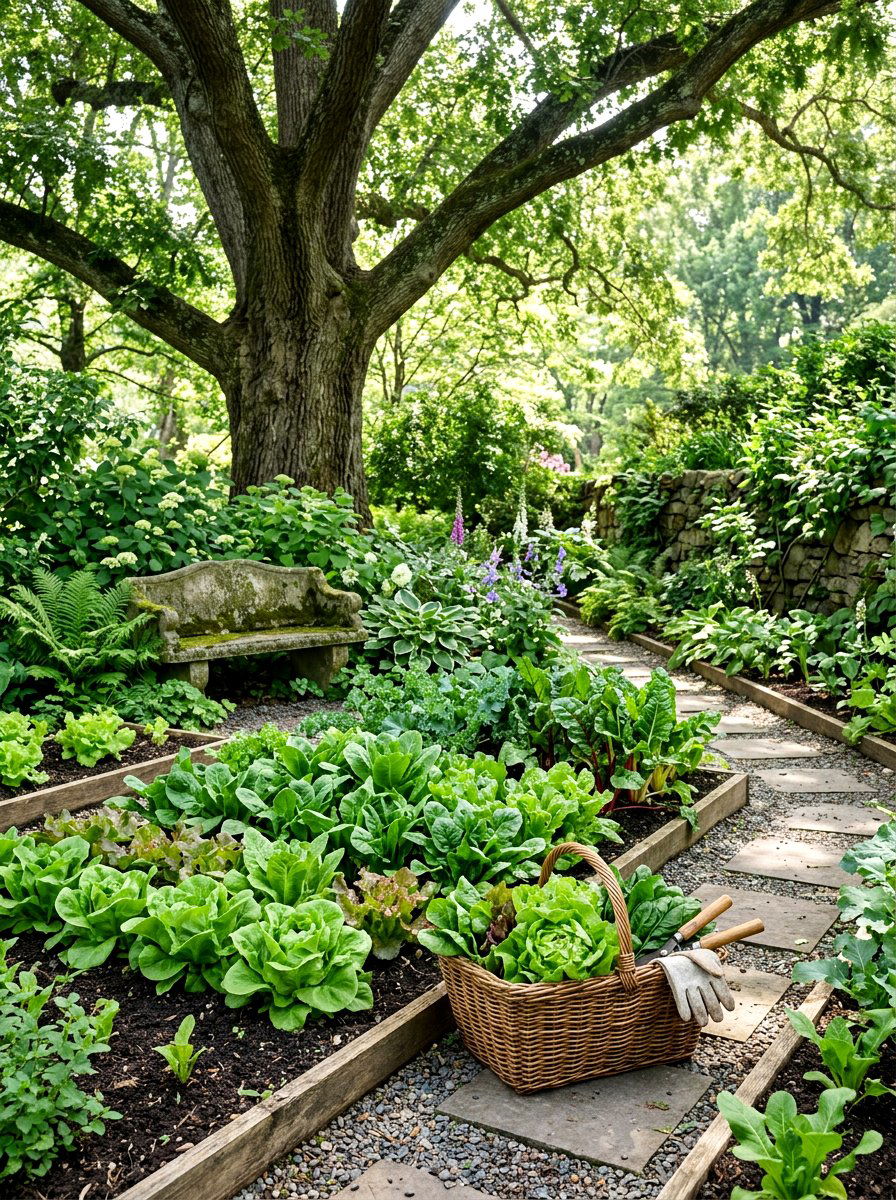
Many people believe you need full sun for a garden, but a shade vegetable harvest is entirely possible with the right plant selection. Leafy greens like lettuce, spinach, and arugula actually prefer the cooler temperatures found in dappled shade or eastern-facing locations. This allows you to utilize areas of your yard that might otherwise be left empty, such as under large trees or next to tall fences. Harvesting from a shade garden provides tender, succulent leaves that are less likely to turn bitter in the summer heat. It is a smart way to expand your growing space and ensure a steady supply of fresh salads throughout the entire growing season.
22. No Dig Harvest
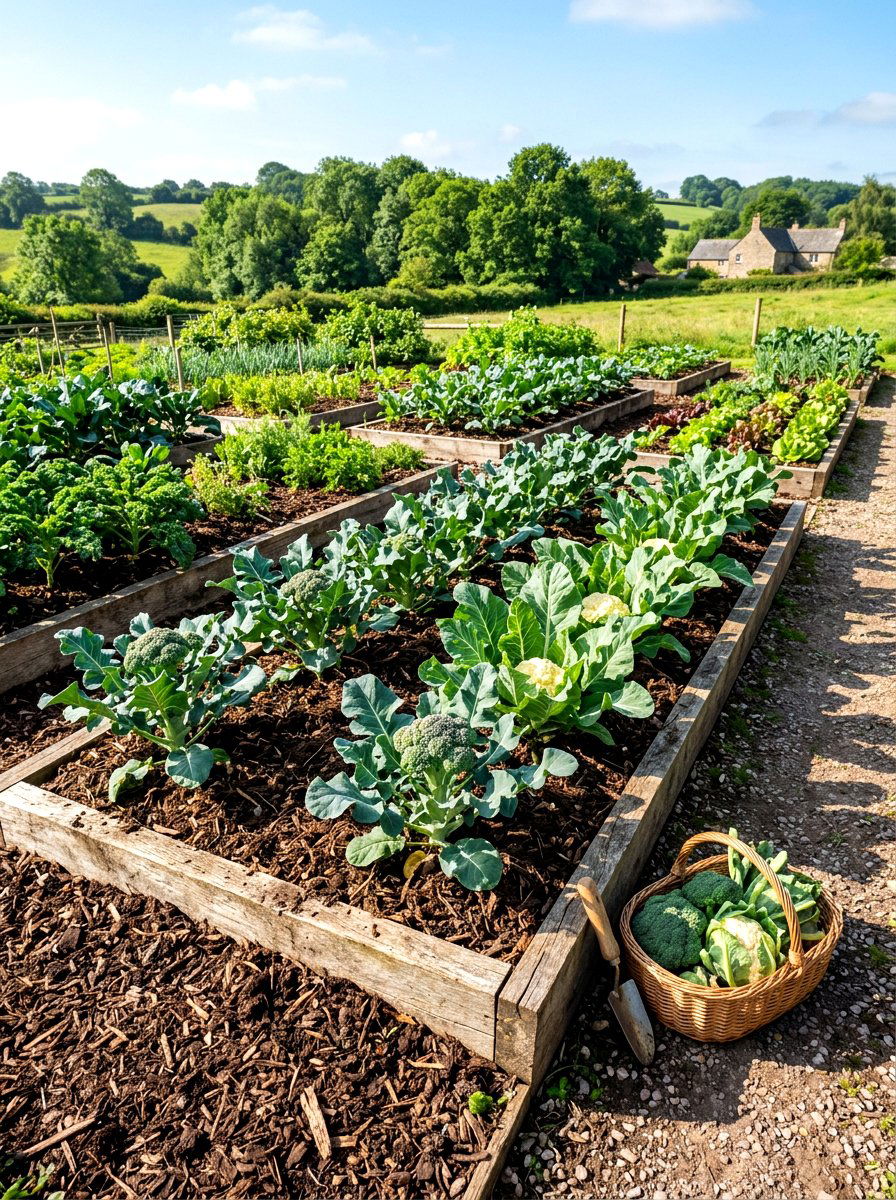
The no-dig gardening method focuses on building soil health by layering organic matter on top instead of tilling, resulting in a robust harvest. This approach protects the delicate fungal networks in the soil, which helps plants access nutrients more efficiently and increases their resilience to drought. When you harvest from a no-dig bed, the soil is often loose and rich, making it incredibly easy to pull root vegetables like carrots and parsnips. This method also significantly reduces the number of weeds, allowing you more time to enjoy the actual process of gathering your produce. A no-dig harvest represents a deep respect for the natural biology and long-term health of the garden.
23. Permaculture Vegetable Harvest
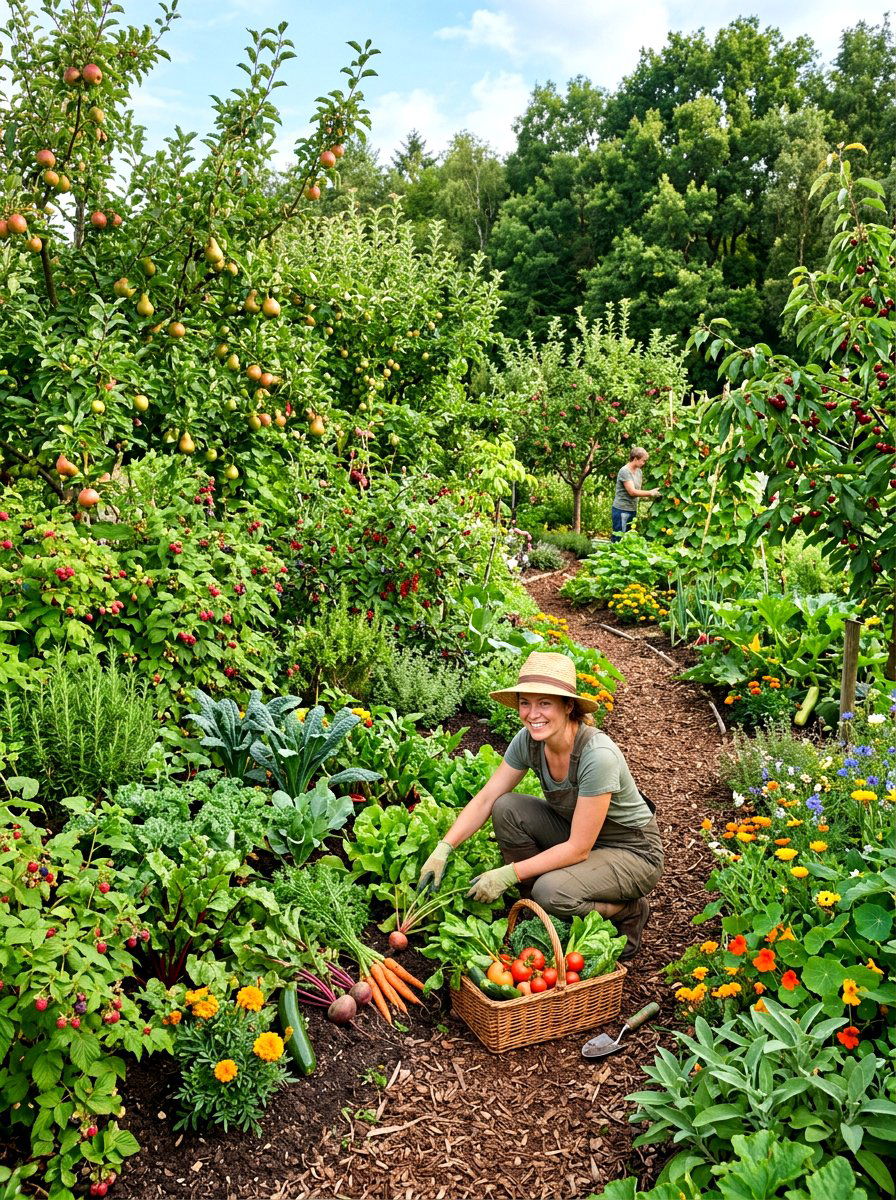
A permaculture vegetable harvest is based on creating a self-sustaining ecosystem where plants support each other through companion planting and natural cycles. This design often includes diverse layers, such as fruit trees, berry bushes, and ground-cover vegetables, all working together to minimize human intervention. Harvesting in a permaculture garden feels like foraging in a wild but organized forest, where food is tucked into every available niche. This approach emphasizes long-term sustainability and resilience, ensuring that the garden continues to produce for many years with minimal inputs. It is a holistic way to garden that yields a rich variety of foods while improving the local environment and supporting various wildlife.
24. Accessible Garden Harvest
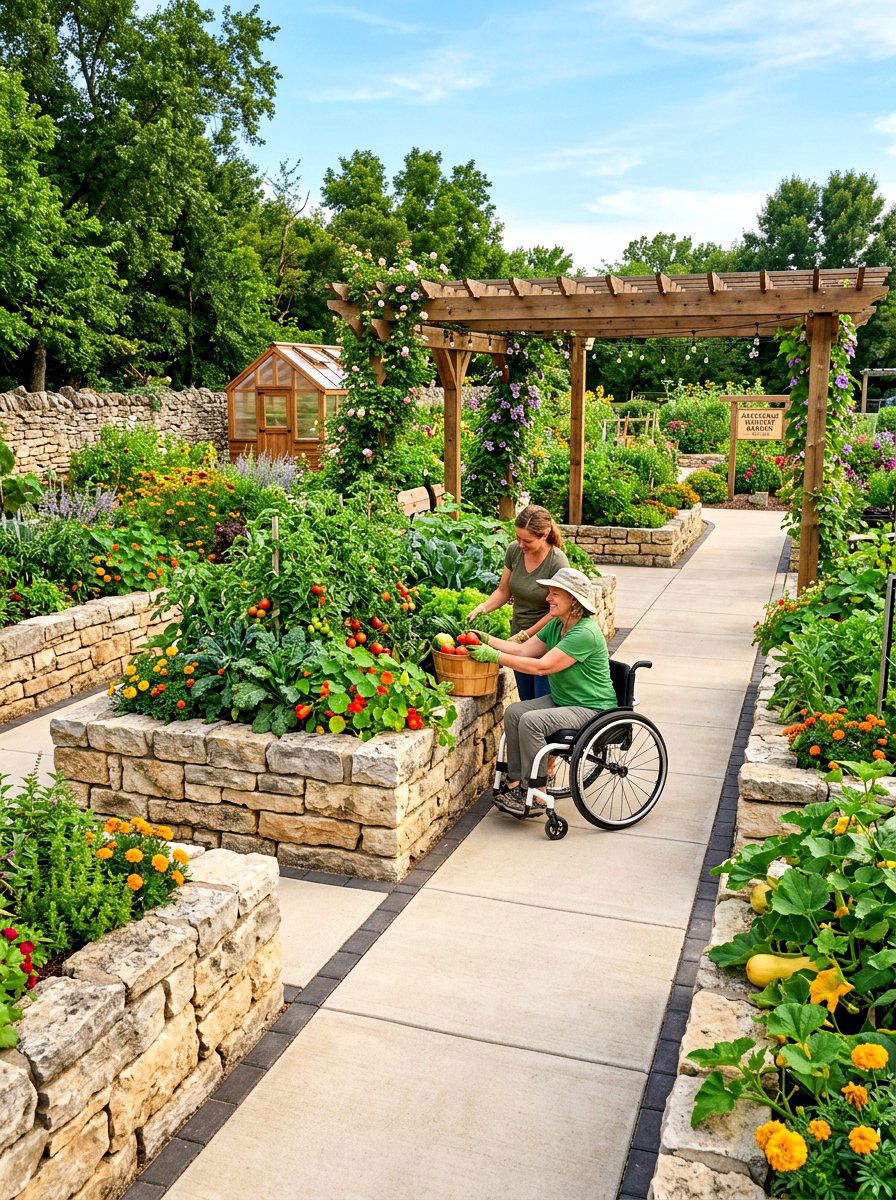
An accessible garden harvest is designed specifically to ensure that everyone, regardless of physical ability, can enjoy the experience of growing and picking food. This often involves very high raised beds, vertical planters, and wide, paved paths that can easily accommodate wheelchairs or walkers. Every element is positioned at a comfortable height, eliminating the need for bending or kneeling during the harvest process. This thoughtful design ensures that the joy of gardening is inclusive and provides a sense of independence and accomplishment for all users. A well-designed accessible garden is both a functional food source and a beautiful, therapeutic space that promotes well-being and connection to the natural world.

25. Edible Landscape Harvest
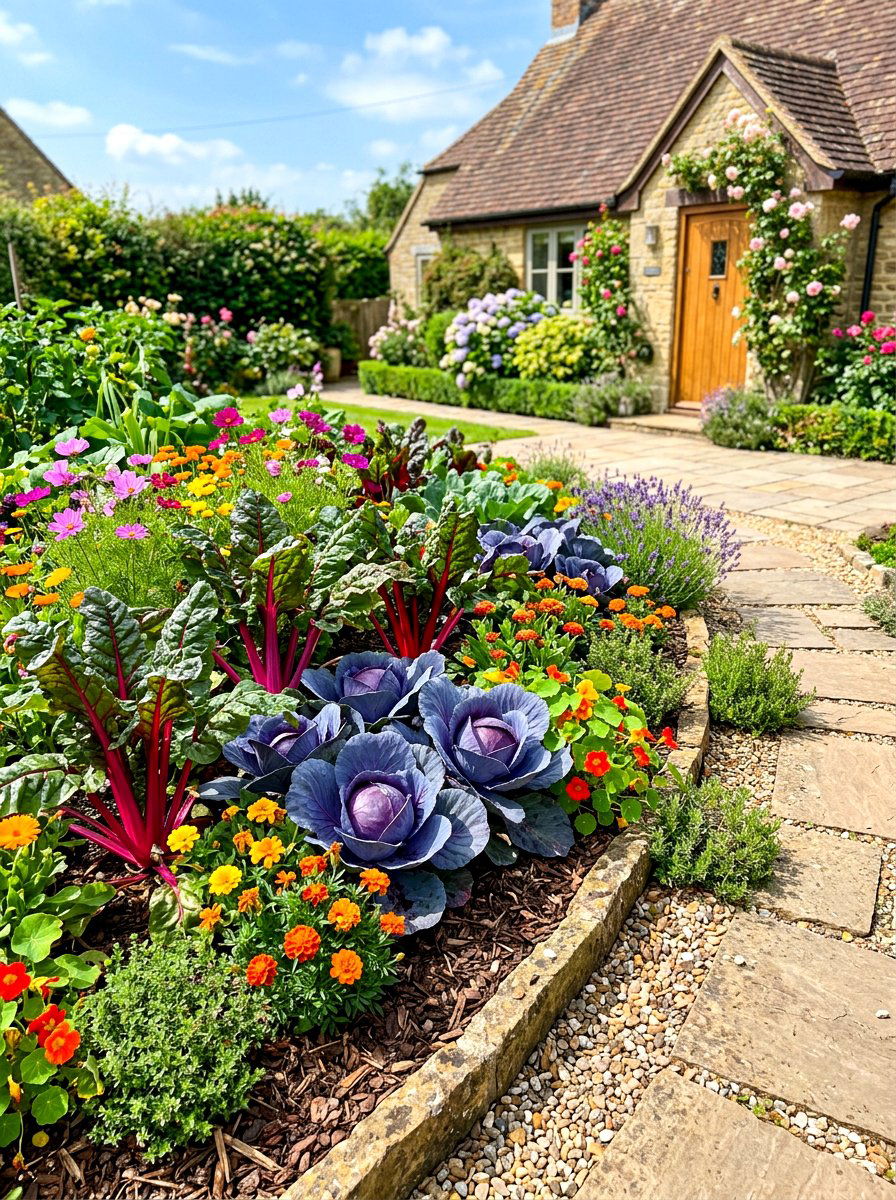
An edible landscape harvest integrates food plants directly into your ornamental garden, proving that vegetables can be just as beautiful as traditional flowers. You can use colorful lettuces as border plants, train grapes over a patio pergola, or use blueberry bushes as a formal hedge. This design strategy maximizes the productivity of your entire yard without the need for a separate, hidden vegetable patch. During harvest, you move through your regular landscaping to gather ingredients, making the process a seamless part of your outdoor experience. It is a sophisticated way to live a more sustainable lifestyle while maintaining a polished and professionally designed appearance for your home.
26. Kitchen Garden Harvest
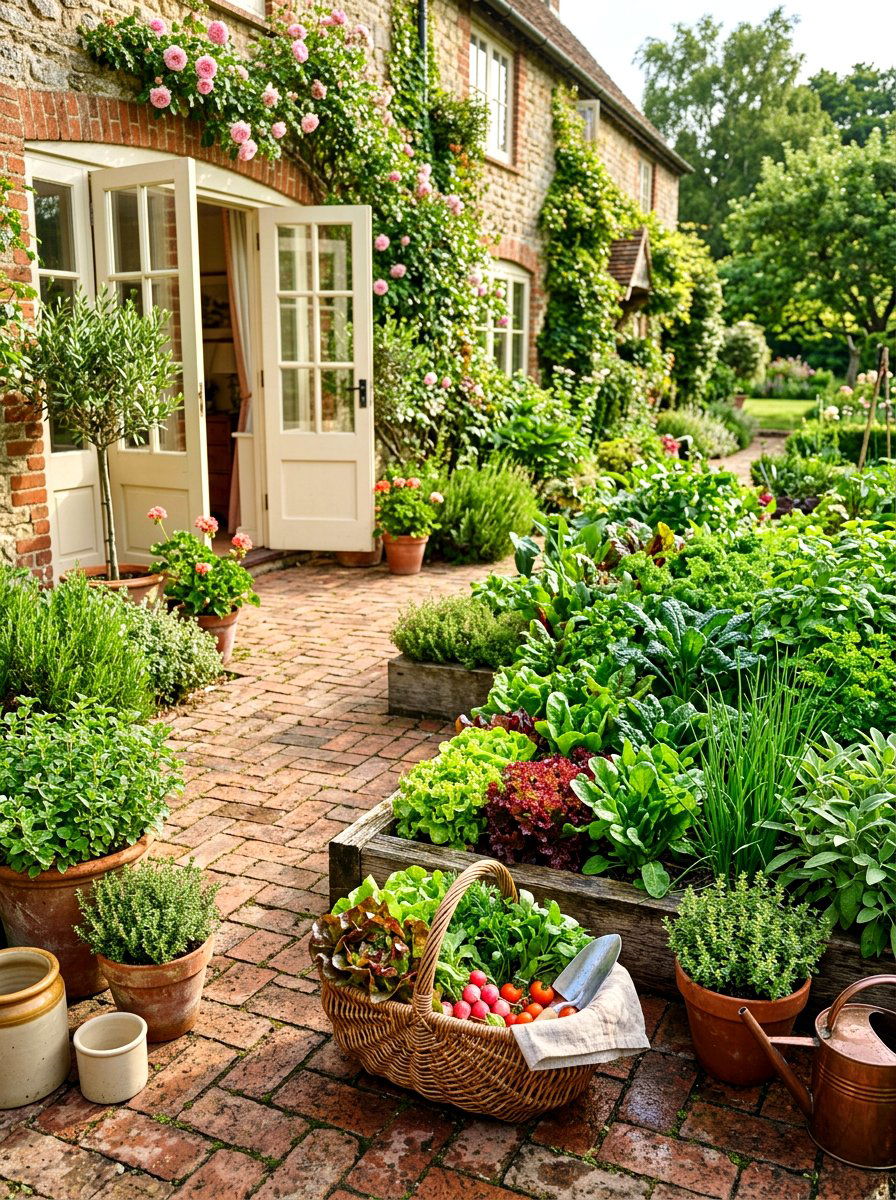
A kitchen garden is traditionally located as close to the house as possible to provide a convenient and immediate harvest for daily meals. This space is usually filled with the vegetables and herbs you use most frequently, such as salad greens, tomatoes, and culinary herbs. The proximity to the kitchen ensures that you can quickly run outside to grab a handful of fresh ingredients while a pot is simmering on the stove. This type of harvest emphasizes freshness and ease of use, encouraging a healthier diet through the constant availability of organic produce. A well-organized kitchen garden is the heart of a home-centered, farm-to-table culinary lifestyle.
27. Seasonal Vegetable Harvest
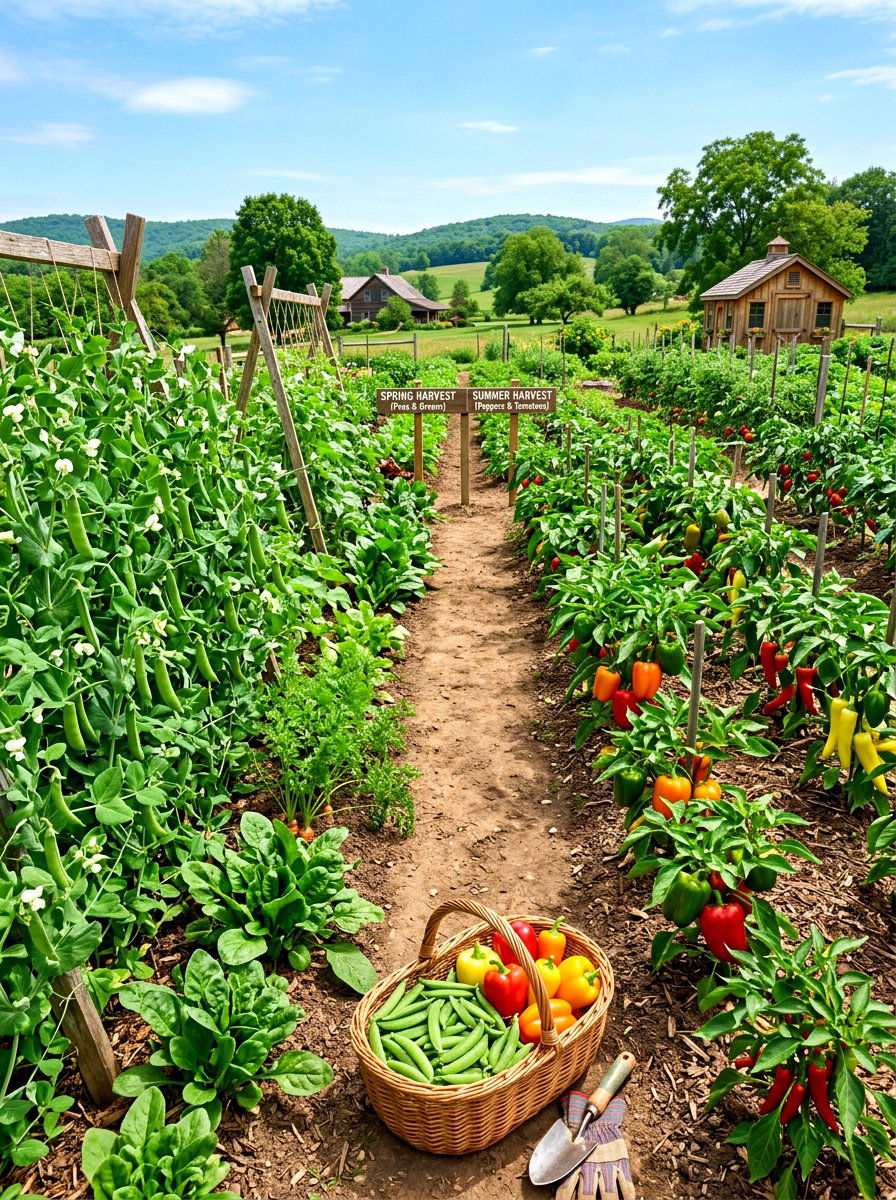
Organizing your garden around a seasonal vegetable harvest ensures that you have something new and exciting to pick during every month of the year. By planting cool-season crops in the spring and fall and heat-loving varieties in the summer, you create a continuous cycle of abundance. This approach requires careful planning and a deep understanding of your local climate and frost dates. Each season brings its own unique flavors and textures, from the first tender peas of spring to the heavy winter squashes of late autumn. Embracing the seasonality of the garden connects you more deeply to the natural world and teaches you to appreciate the fleeting beauty of each crop.
28. Sustainable Garden Harvest
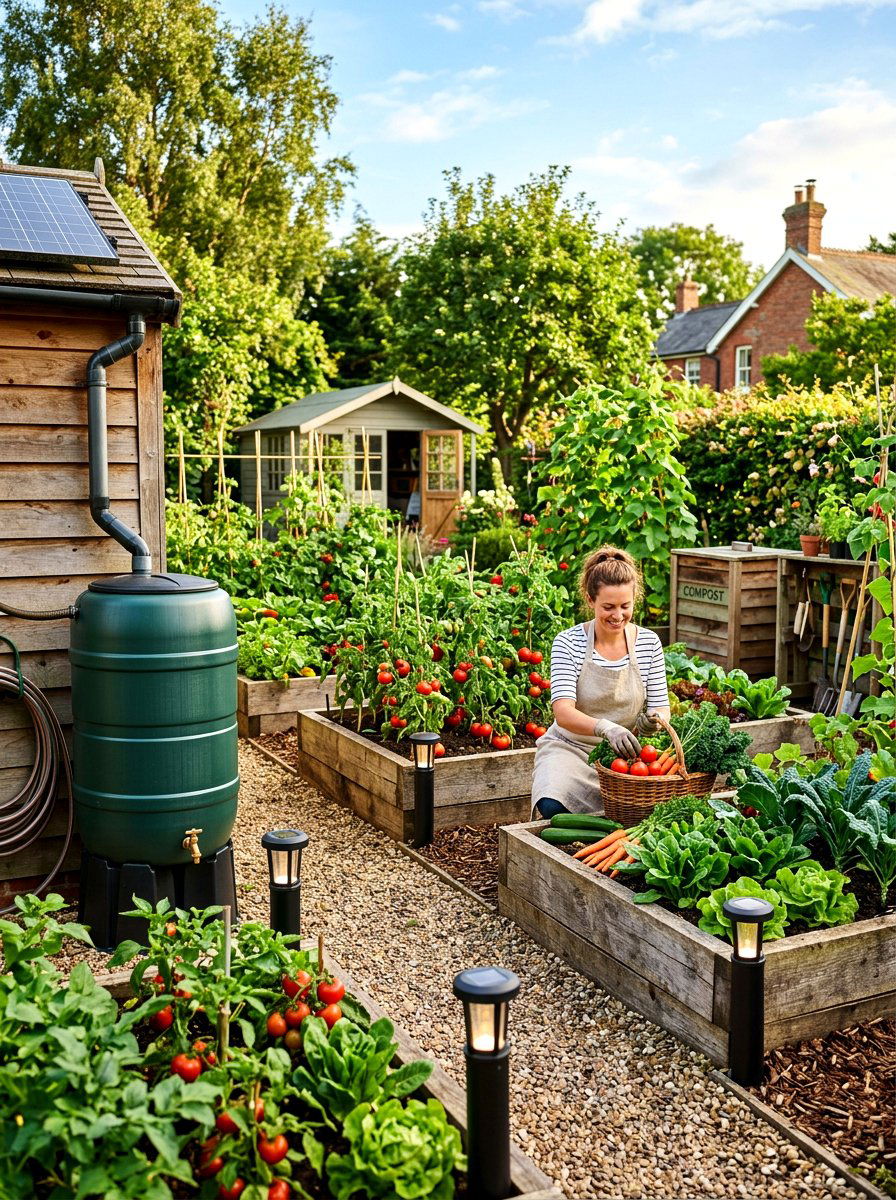
A sustainable garden harvest focuses on practices that protect the earth’s resources, such as rainwater harvesting, composting, and using recycled materials for garden structures. This holistic approach ensures that your food production has a minimal environmental footprint while providing a high yield of healthy produce. You might use solar-powered irrigation or build your garden beds from reclaimed wood to further enhance the sustainability of the space. The act of harvesting from such a garden feels especially rewarding, as you know you are contributing to a healthier planet. This type of gardening is a powerful statement of values and a practical way to live more consciously in harmony with nature.
29. Urban Vegetable Harvest
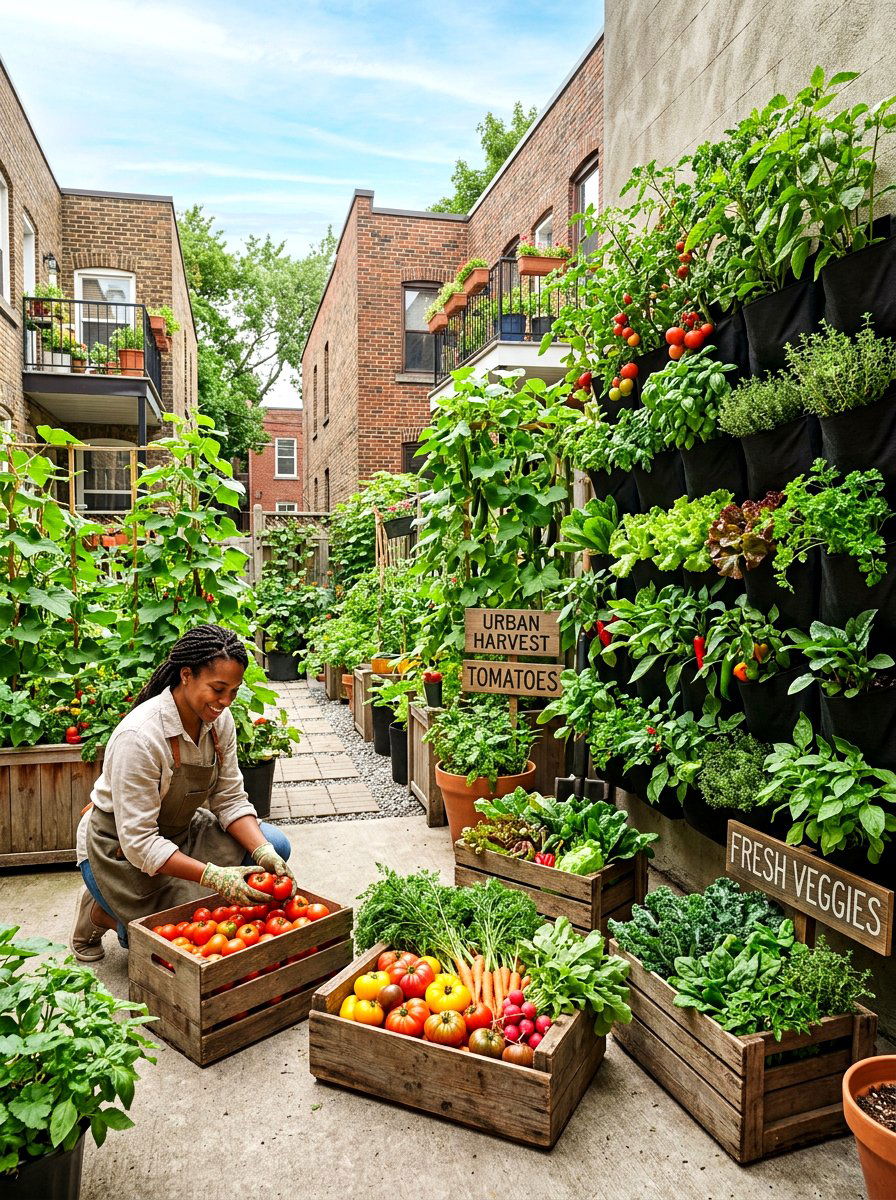
An urban vegetable harvest demonstrates that you can grow a significant amount of food even in the heart of a bustling city. Whether you are using a rooftop, a community plot, or a collection of pots on a fire escape, every bit of green space counts. Urban gardeners often use innovative techniques like hydroponics or vertical towers to overcome the challenges of limited space and poor soil. Harvesting in the city provides a vital connection to nature and a source of fresh, local food that is often hard to find in dense neighborhoods. It is a resilient and inspiring movement that transforms gray urban environments into vibrant, productive, and life-giving green landscapes.
30. Root Vegetable Harvest
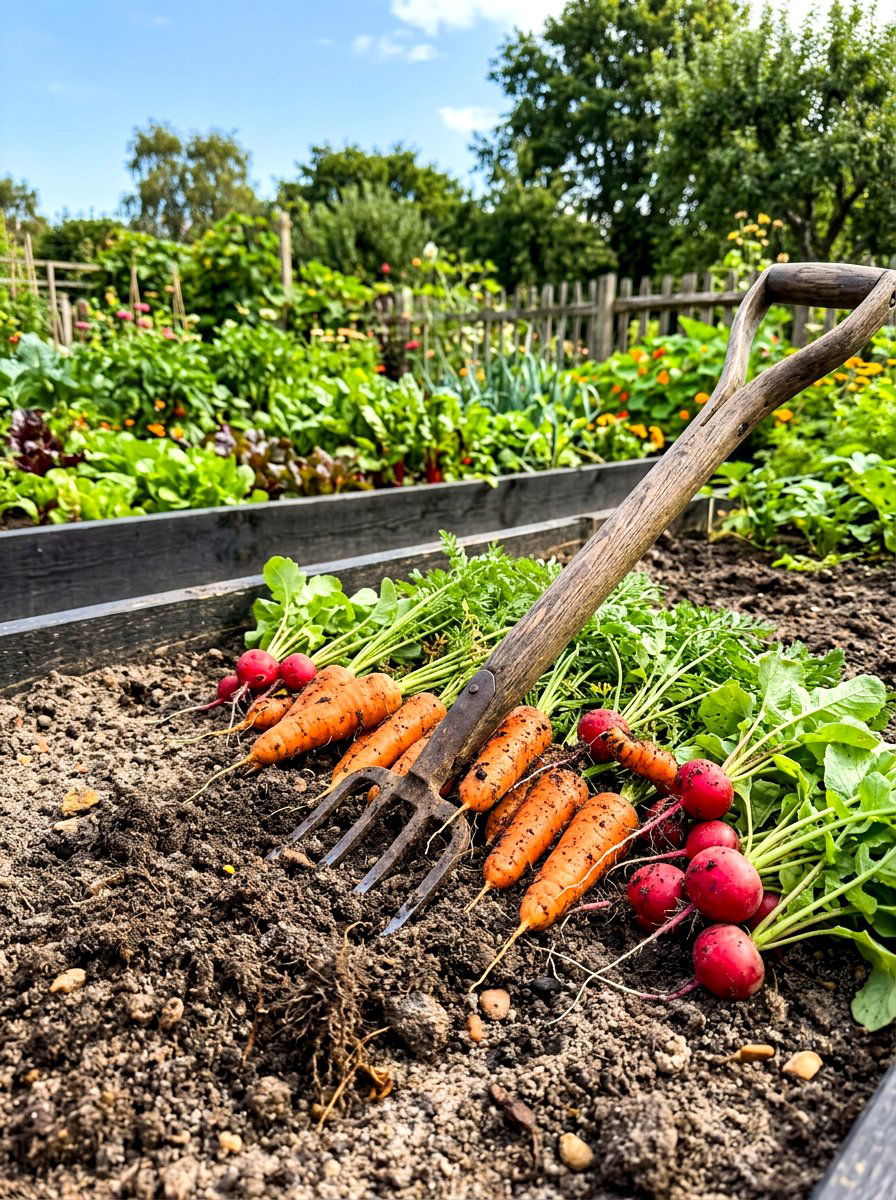
A dedicated root vegetable harvest is a fascinating process that involves digging into the earth to reveal the hidden treasures growing beneath the surface. Crops like carrots, beets, potatoes, and radishes require well-draining, loose soil to develop their shapes properly and reach their full potential. There is a unique excitement in pulling a long, vibrant carrot from the ground or unearthing a cluster of new potatoes during the summer. Root vegetables are often excellent for long-term storage, providing a reliable source of nutrition throughout the winter months. This type of harvest reminds us of the incredible power of the soil and the patience required to grow food that sustains us.
Conclusion:
Embarking on a journey to create a vegetable garden is an investment in your well-being and the environment. As we have explored, there are countless ways to design and organize your harvest to suit your specific lifestyle and available space. Whether you choose the structured efficiency of square foot gardening or the aesthetic charm of a potager, the goal remains the same: fresh, healthy food. Success in the garden comes from a combination of careful planning, consistent maintenance, and a willingness to learn from each season. By implementing these diverse strategies, you can enjoy a bountiful and sustainable harvest that brings joy to your home year-round.

Related posts: