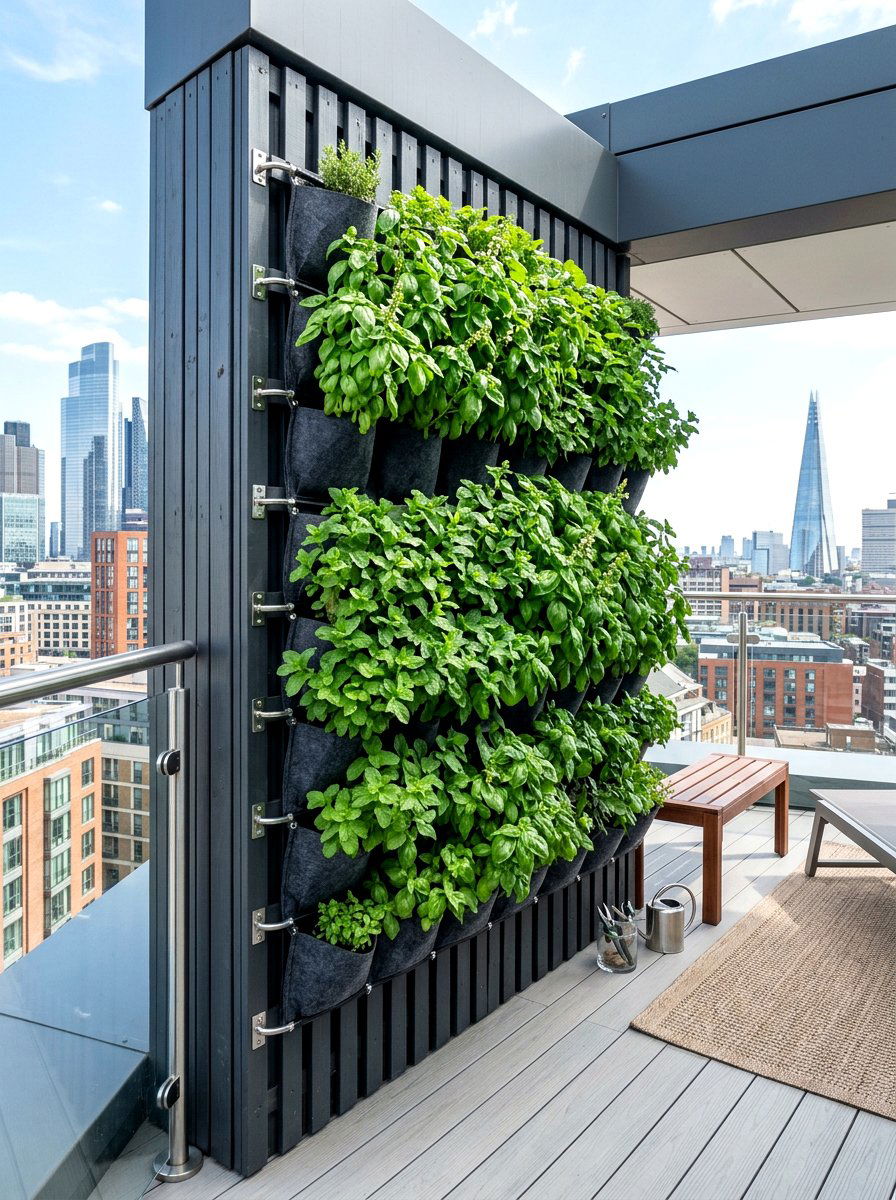
Growing your own food is a rewarding journey that often requires more space than a tiny backyard or balcony allows. Vertical gardening offers a brilliant solution by utilizing upward space rather than spreading across the ground. This approach helps maximize your harvest while creating a lush, living wall of greenery that enhances your outdoor environment. You can grow everything from leafy greens to vine-ripened tomatoes using clever vertical systems. These methods also improve airflow and reduce pest issues by keeping plants off the soil. By looking up, you transform empty walls and fences into productive edible landscapes. Whether you have a spacious deck or a small urban patio, these strategies provide endless inspiration for your home.
1. Pallet Vegetable Garden
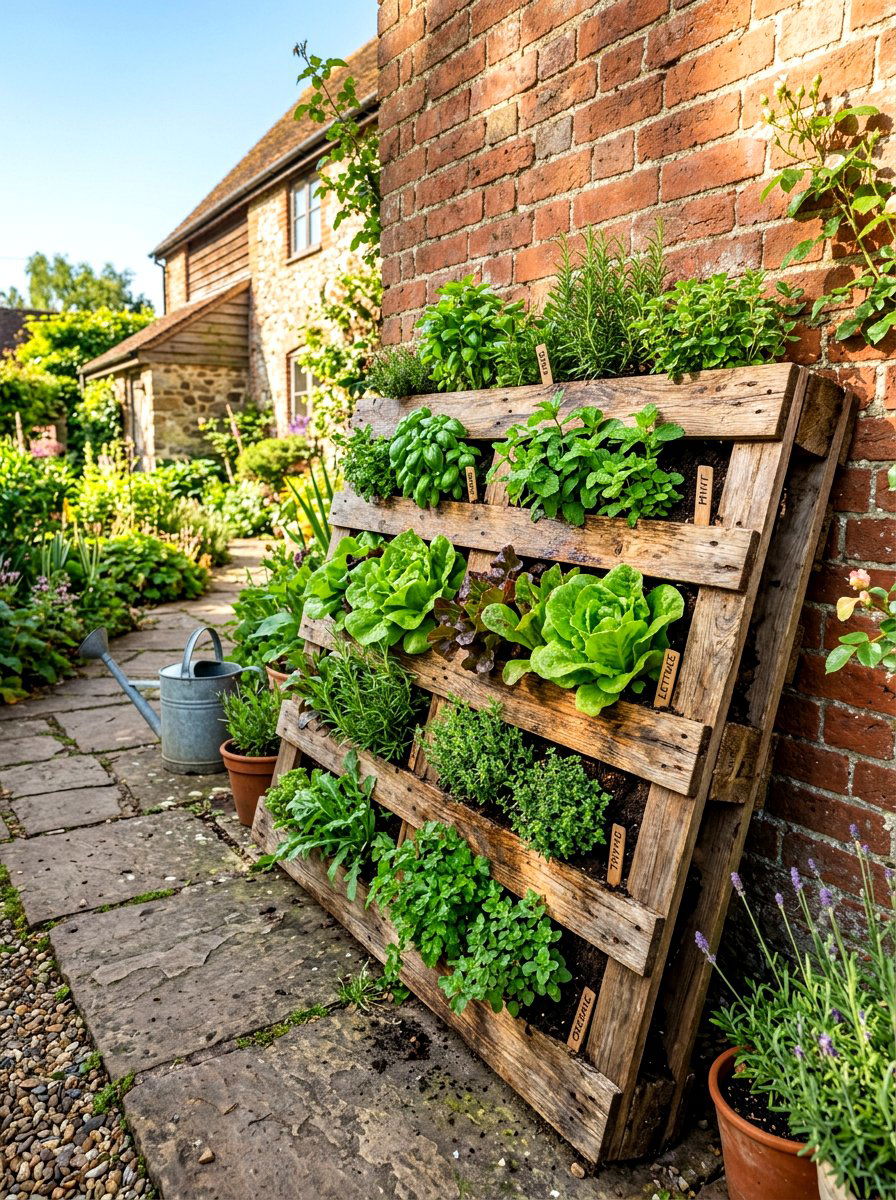
A pallet vegetable garden is a fantastic way to upcycle old materials into a functional growing space. You start by securing a wooden pallet and attaching landscape fabric to the back and bottom. This creates deep pockets where you can tuck in various soil and plants. This setup works beautifully for shallow-rooted vegetables like lettuce, spinach, and colorful Swiss chard. You can lean the pallet against a sunny wall or mount it securely to a fence. The rustic wood aesthetic adds a charming farmhouse feel to your backyard or balcony. It keeps your edible greens organized in neat rows while saving valuable floor space for other gardening activities.
2. Wall Mounted Planter
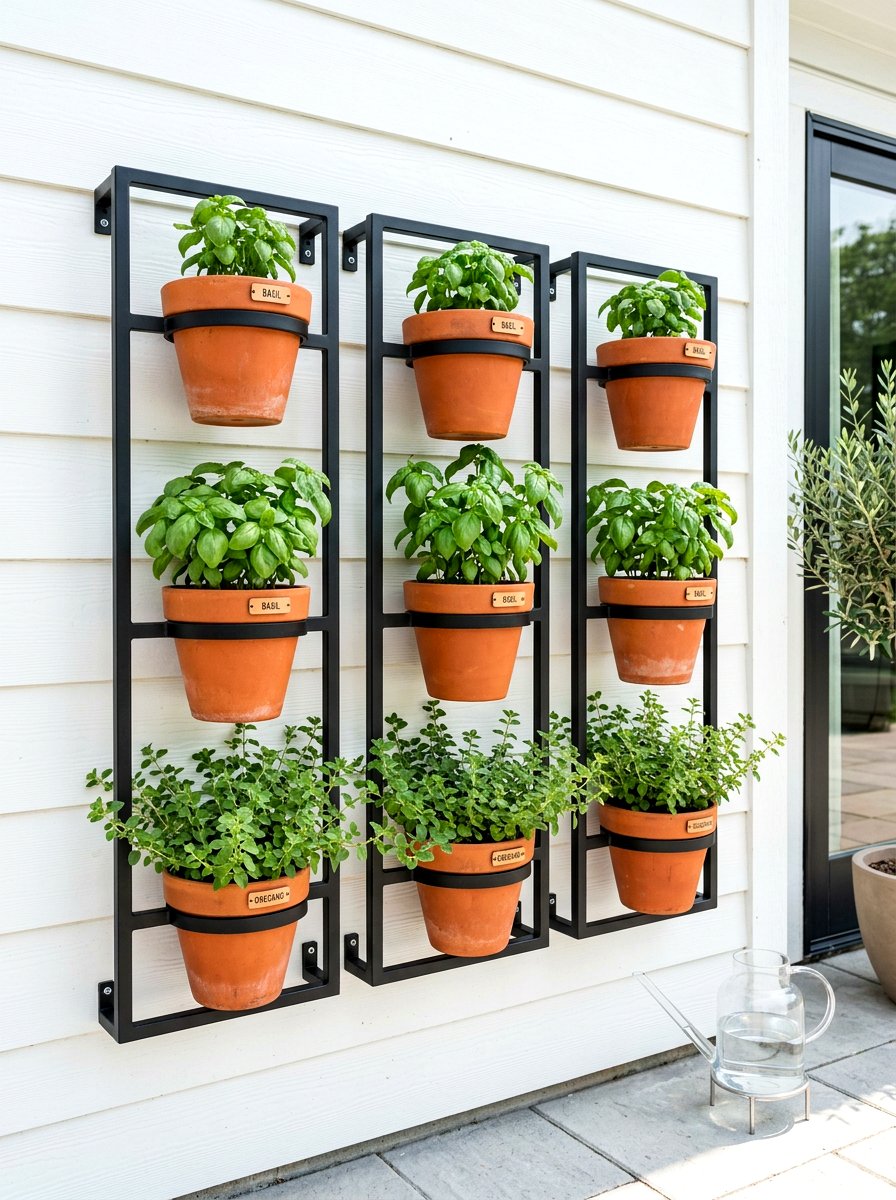
Mounting a wall planter allows you to turn any vertical surface into a thriving hub for fresh produce. These systems often feature individual pots or long troughs attached to a sturdy frame or directly onto your siding. This design is perfect for growing fragrant herbs like basil and mint right outside your kitchen door. The elevation protects your plants from ground-dwelling pests and makes harvesting incredibly easy without bending over. You can choose from modern metal frames or classic wooden boxes to match your home exterior. A well-placed wall garden adds a splash of vibrant green to otherwise boring brick or siding while producing delicious food.
3. Hydroponic Tower Garden
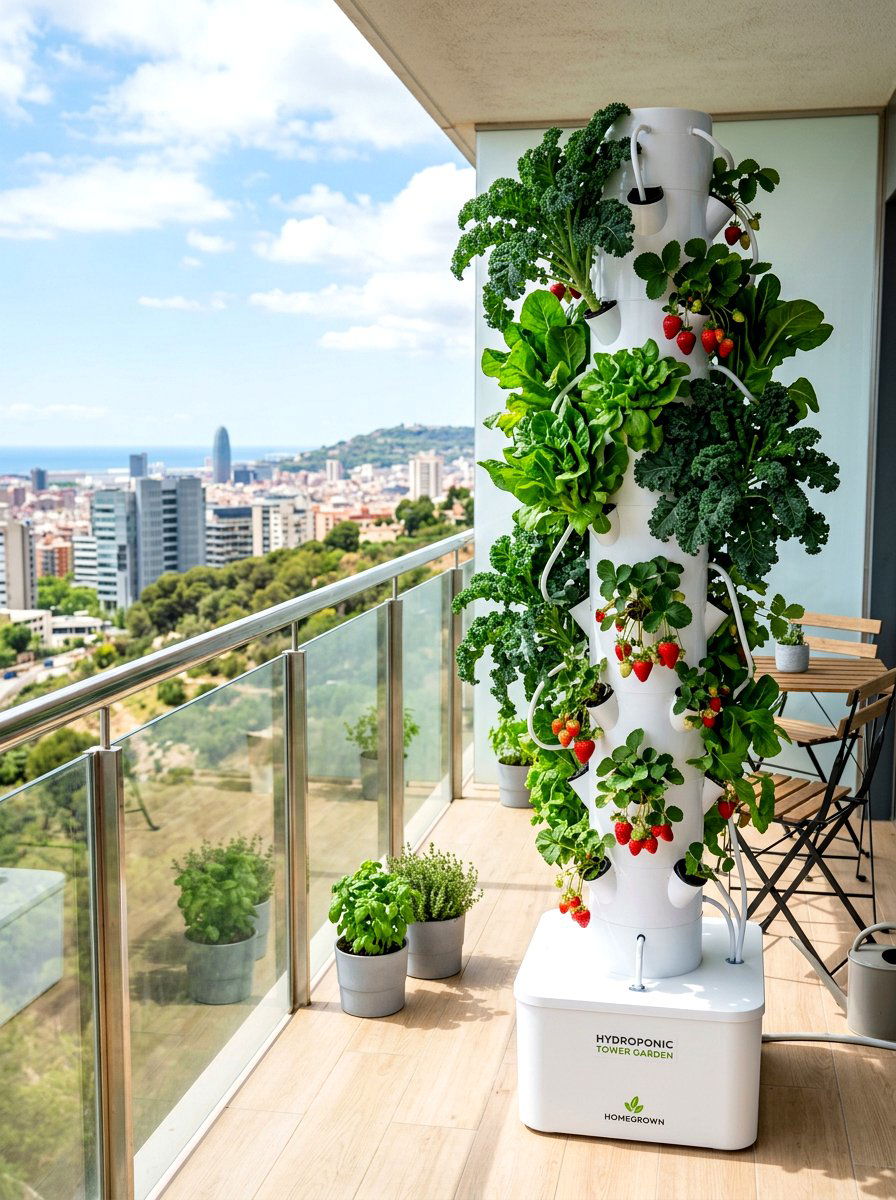
Have you ever considered growing a large amount of food in a tiny circular footprint? A hydroponic tower garden uses a vertical column to circulate nutrient-rich water to dozens of plants simultaneously. These systems are highly efficient and often allow you to grow vegetables indoors or outdoors regardless of soil quality. They look futuristic and clean, making them a popular choice for modern balconies or sunrooms. You can grow massive amounts of kale, strawberries, and bok choy with minimal maintenance. The constant water flow ensures your vegetables stay hydrated and healthy during hot summer months. It is an ideal high-tech solution for people who want a productive, soil-free garden experience.
4. Hanging Vegetable Basket
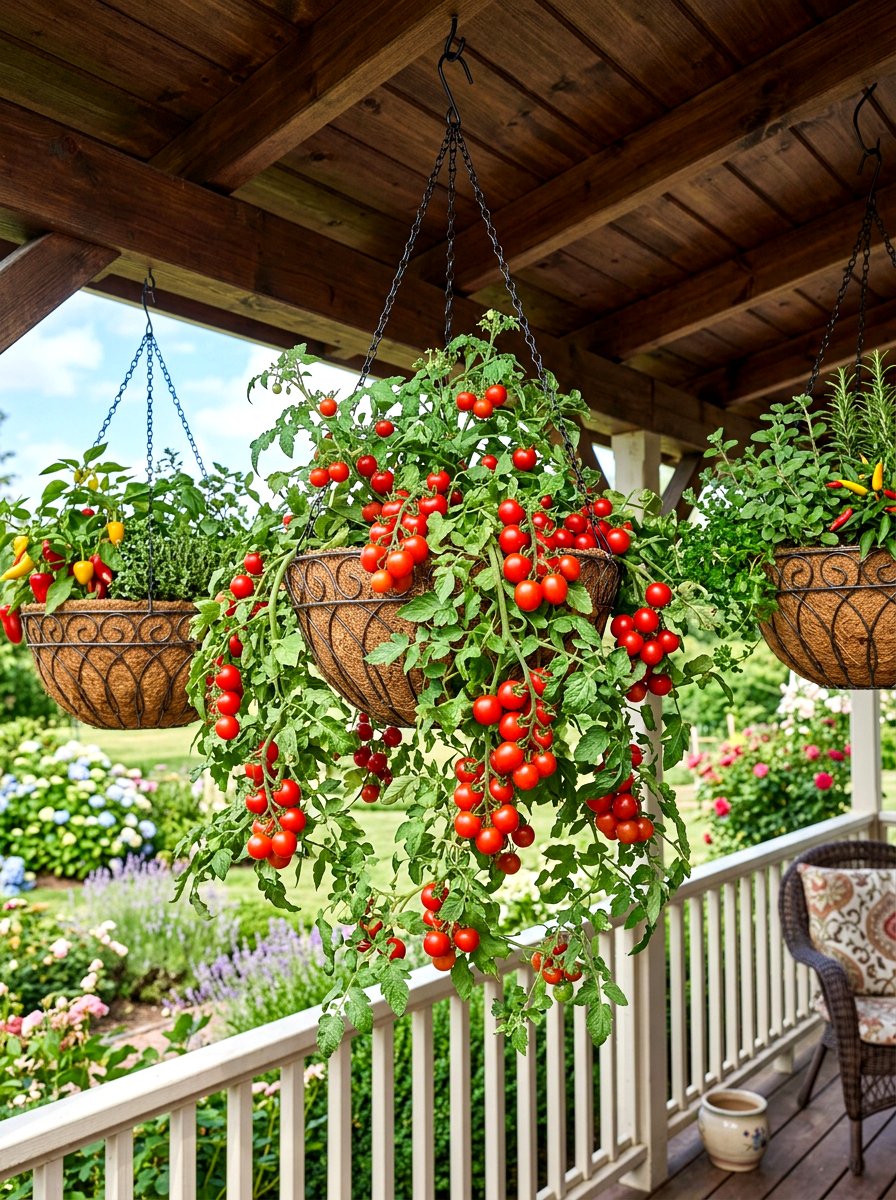
Imagine a garden that drapes down from your porch ceiling or a sturdy garden hook. Hanging vegetable baskets are not just for flowers; they are excellent for trailing varieties of tomatoes and peppers. These elevated containers allow gravity to help your plants grow downwards, which can prevent stems from breaking under heavy fruit. They are particularly useful for small balconies where floor space is limited for traditional pots. The breeze keeps the foliage dry, which helps prevent common fungal diseases often found in ground-level plants. You can mix trailing vines with upright herbs to create a beautiful and functional display that hangs right at eye level.
5. Tiered Raised Bed
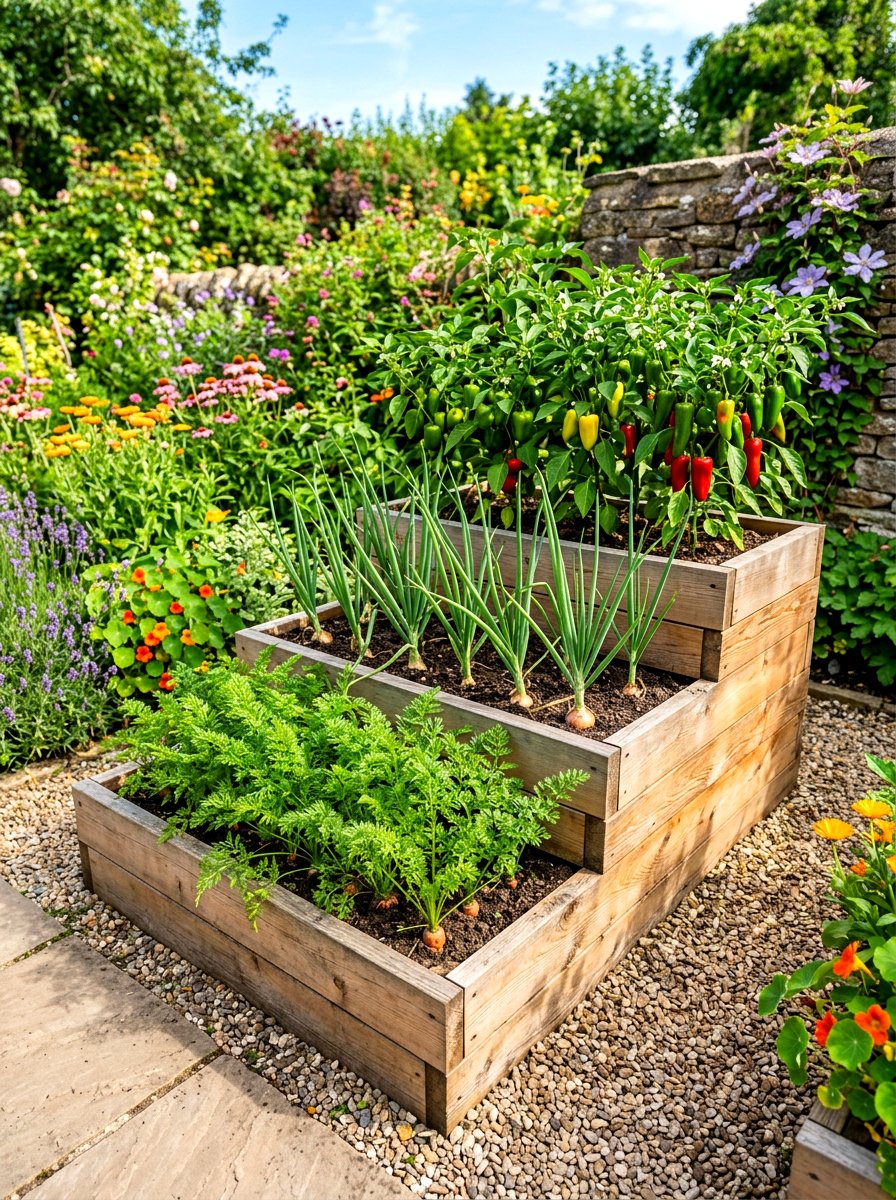
Using a tiered raised bed is like building a staircase for your favorite vegetables. This design features multiple levels of planting boxes that stack upward in a stepped configuration. Each tier provides a distinct growing zone, allowing you to separate plants based on their specific sunlight and water needs. This layout is perfect for a corner of your yard where you want to maximize every inch of space. The vertical height makes it easier on your back during planting and weeding sessions. You can use cedar or rot-resistant wood to ensure the structure lasts for many seasons while looking organized and intentional in your backyard landscape.
6. Vegetable Trellis Netting
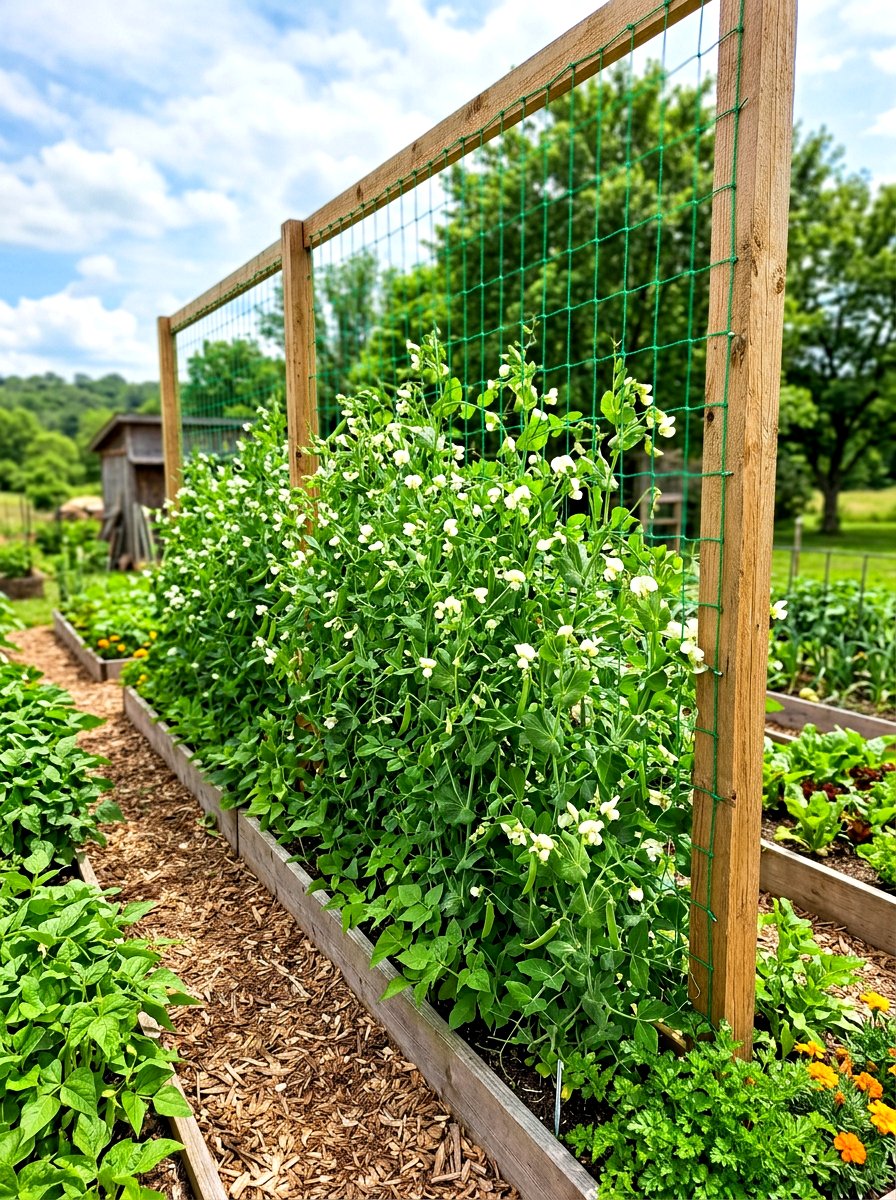
Why not try a vegetable trellis netting system to support your climbing crops like peas and cucumbers? This lightweight and affordable design involves stretching a durable mesh between two sturdy posts or against a wall. The thin netting provides a perfect grip for delicate tendrils to wind their way upward toward the sun. This keeps your produce off the damp ground, which significantly reduces the risk of rot and soil-borne diseases. It also makes spotting ripe vegetables much easier during harvest time. The vertical mesh creates a beautiful green screen that can act as a natural privacy fence while providing you with a heavy crop of fresh beans.
7. Ladder Plant Stand
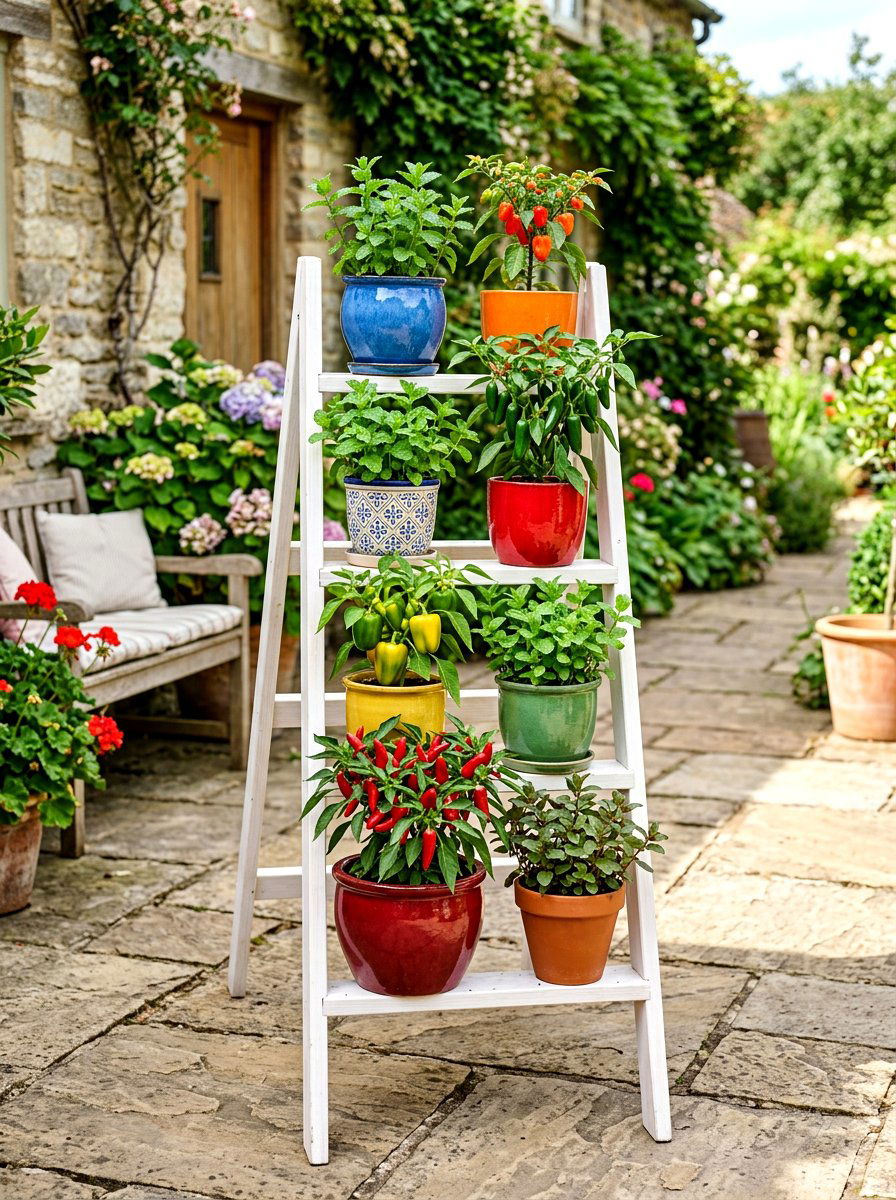
A ladder plant stand offers a stylish and mobile way to display your edible garden. This design mimics the look of a traditional step ladder but features deep shelves or rungs designed to hold various pots. You can easily move the stand around your patio to follow the sun throughout the day. This setup is ideal for a mix of herbs, small peppers, and leafy greens. The vertical orientation allows light to reach every level, ensuring that even the bottom plants get enough energy to thrive. It creates a focal point on your porch that combines the utility of a garden with the charm of home decor.
8. Pocket Wall Planter
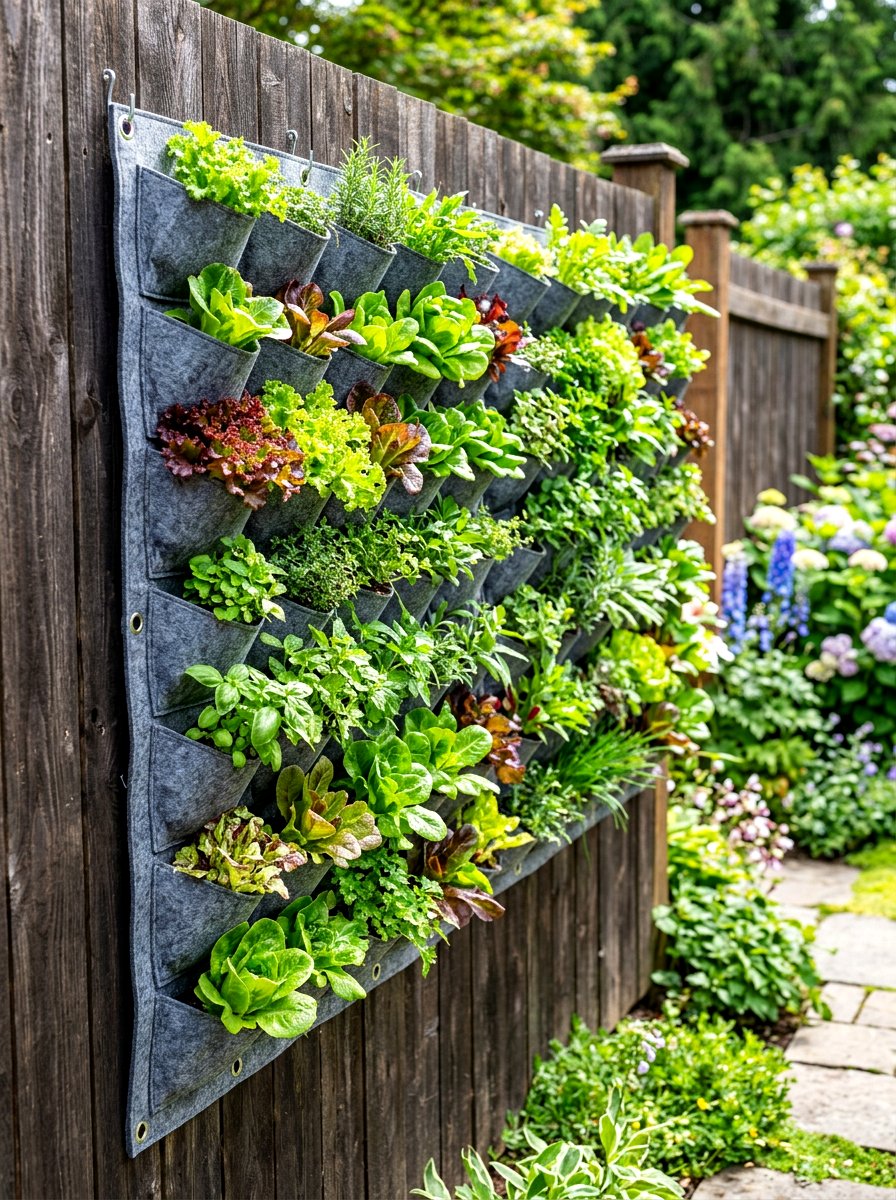
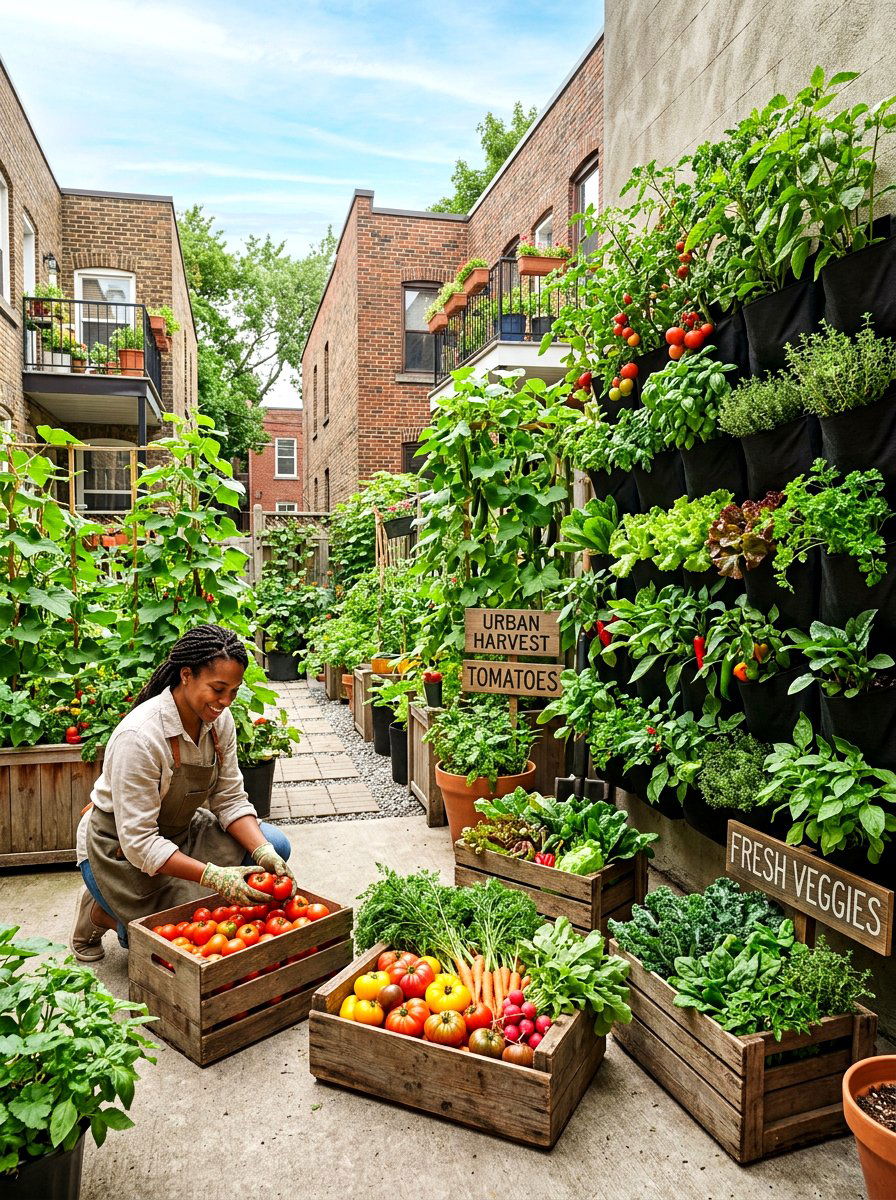
Pockets are great for creating a living tapestry of vegetables on a flat wall or fence. These fabric or plastic pocket systems are designed to hang vertically and hold small amounts of soil for individual plants. They are perfect for growing a variety of salad greens, strawberries, and small herbs in a compact space. The breathable fabric often used in these systems promotes healthy root growth by preventing the plants from becoming root-bound. Because they are lightweight, you can easily mount them with simple hooks or nails. A pocket garden transforms a dull fence into a lush wall of food that looks impressive and stays highly productive.
9. Gutter Vegetable Garden
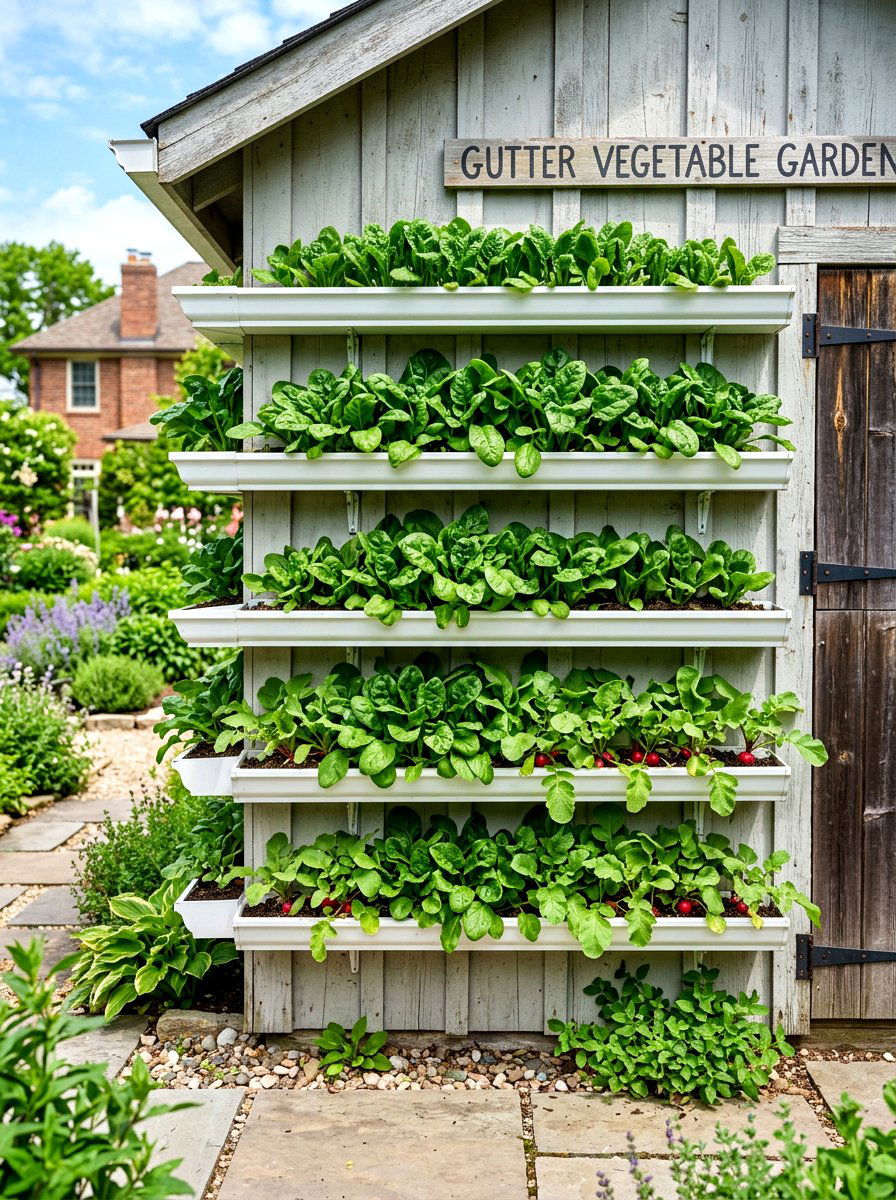
Gutter systems offer a clever and inexpensive way to create long rows of vertical planting space. You can mount sections of standard rain gutters to a wall, fence, or even a freestanding frame. These long troughs are the perfect depth for shallow-rooted crops like radishes, lettuce, and spinach. By stacking several gutters one above the other, you create a massive amount of growing area in a very narrow space. The slight tilt of the gutters can even help with drainage, leading water from one level down to the next. It is a modern, industrial-looking solution that is incredibly easy to maintain and highly effective for fast-growing greens.
10. A Frame Trellis
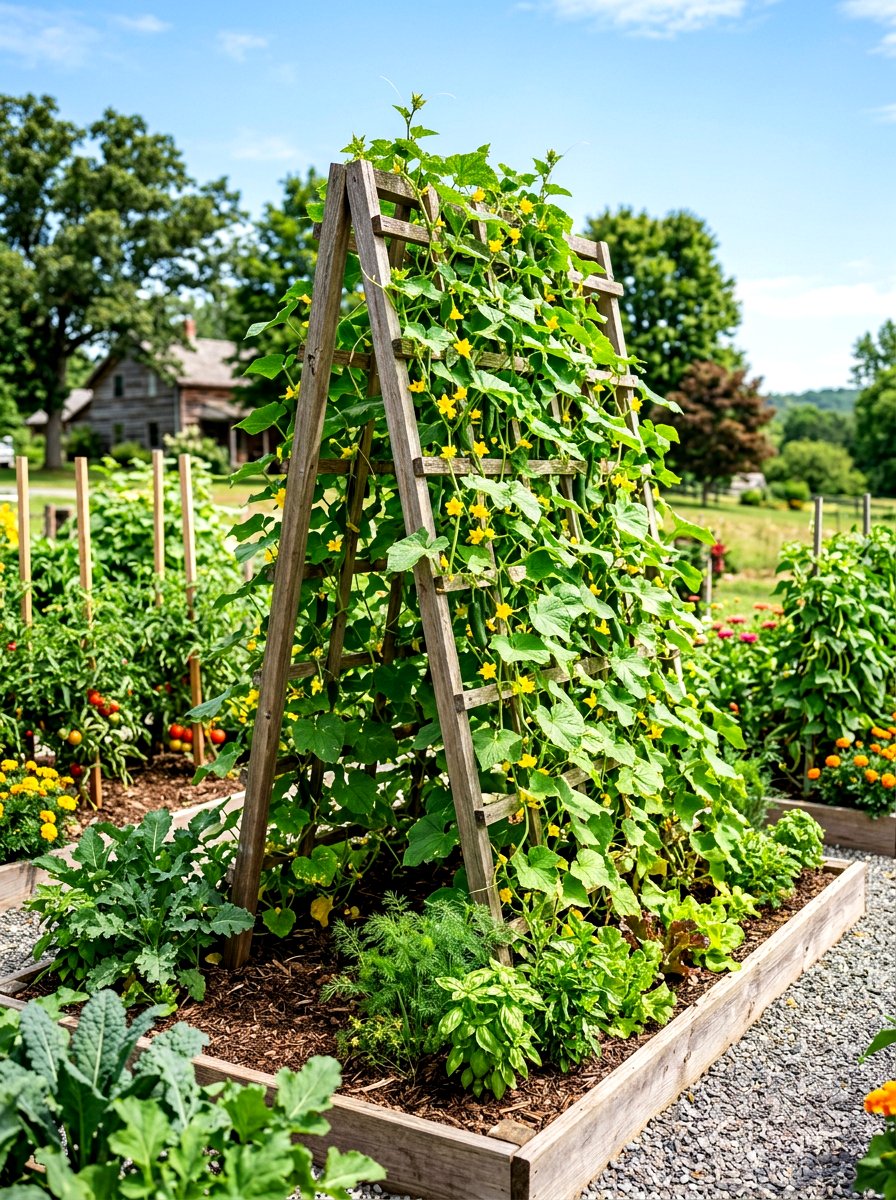
The A frame trellis is a classic vertical design that provides dual-sided growing space for heavy vines. This structure looks like a tent and allows you to grow climbing vegetables on both the left and right sides. It is exceptionally sturdy, making it the best choice for heavy crops like squash, melons, or large pole beans. The space underneath the frame can be used to grow shade-loving greens like spinach or arugula during the height of summer. This multi-functional design maximizes your garden bed by using the vertical height for vines and the ground space for cooler crops. It adds a professional and organized look to any garden.
11. Cattle Panel Arch
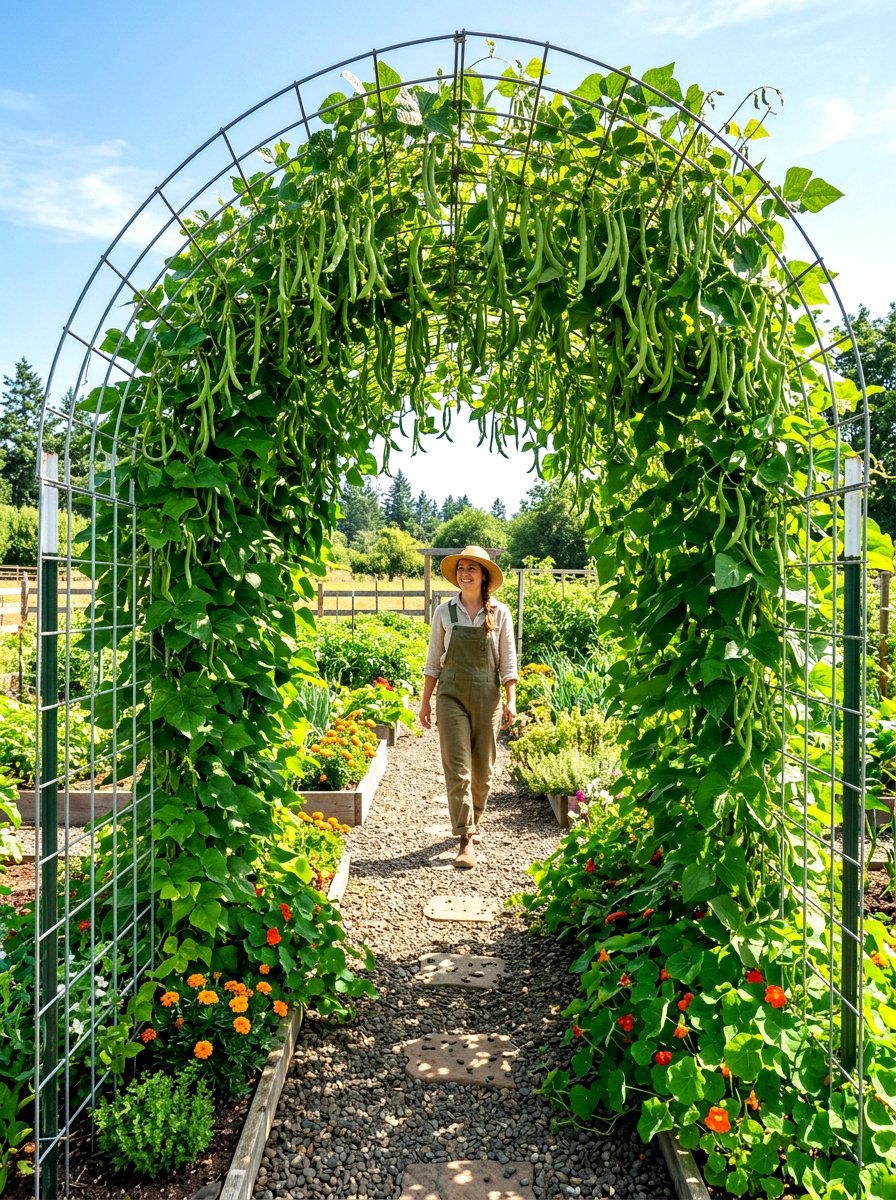
A cattle panel arch creates a stunning garden walkway that doubles as a massive vertical growing surface. These heavy-duty wire panels are bent into an arch shape and secured to the ground, allowing vines to climb over the top. As the plants grow, they create a shady, green tunnel filled with hanging vegetables like long beans or cucumbers. This design is incredibly strong and can support even the heaviest of garden crops without sagging. It turns a functional garden path into a magical landscape feature that provides an abundant harvest. Walking through your garden to pick vegetables hanging overhead is a truly unique and enjoyable experience.
12. PVC Tower Garden
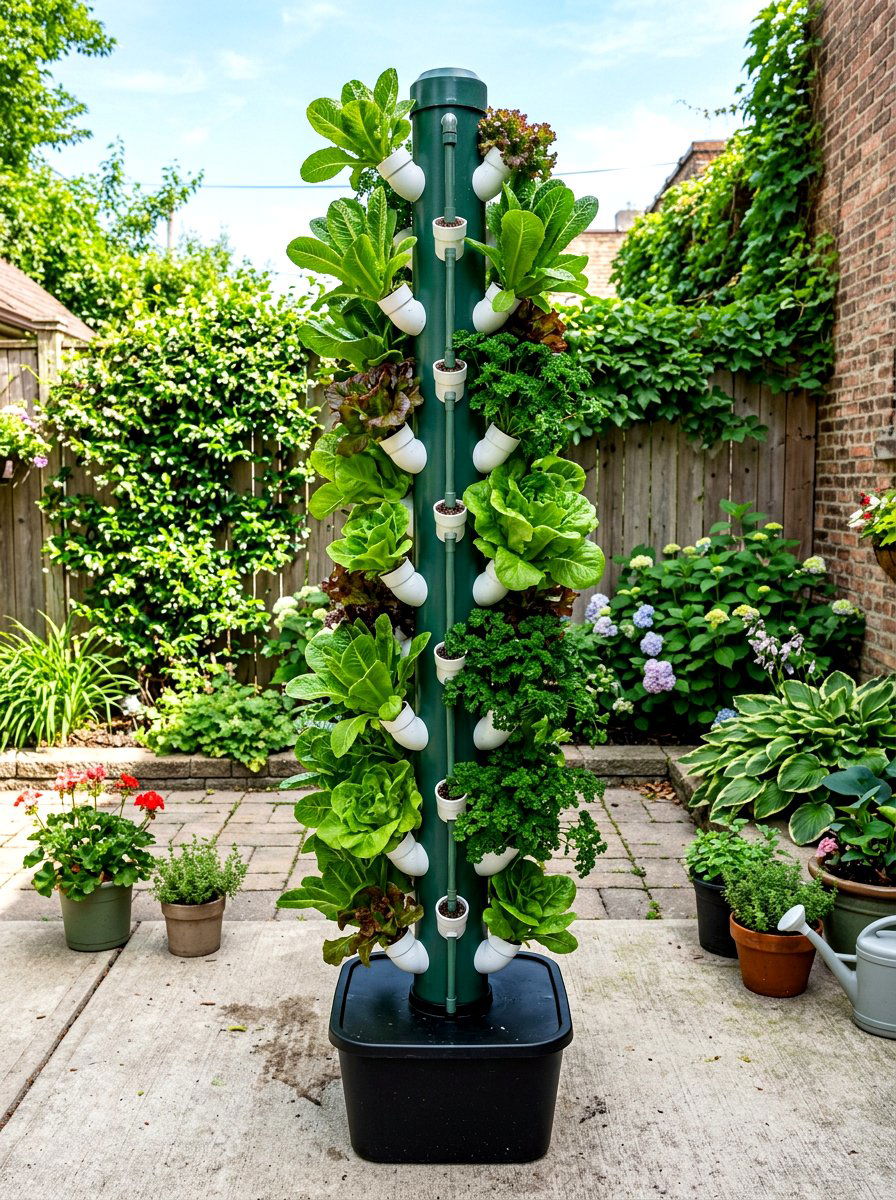
PVC tower systems are a popular choice for DIY enthusiasts who want a custom vertical garden. These towers are made from large-diameter pipes with holes cut into the sides for individual plants. You can fill the center with soil or use it for a simple hydroponic setup. The vertical pipe stands tall and takes up almost no ground space, making it perfect for small patios. Each hole acts as a separate planting site, allowing you to grow a variety of vegetables in a single tower. The white plastic stays cool in the sun and is very easy to clean between seasons. It is a durable and practical way to grow up.
13. Stackable Vegetable Planter
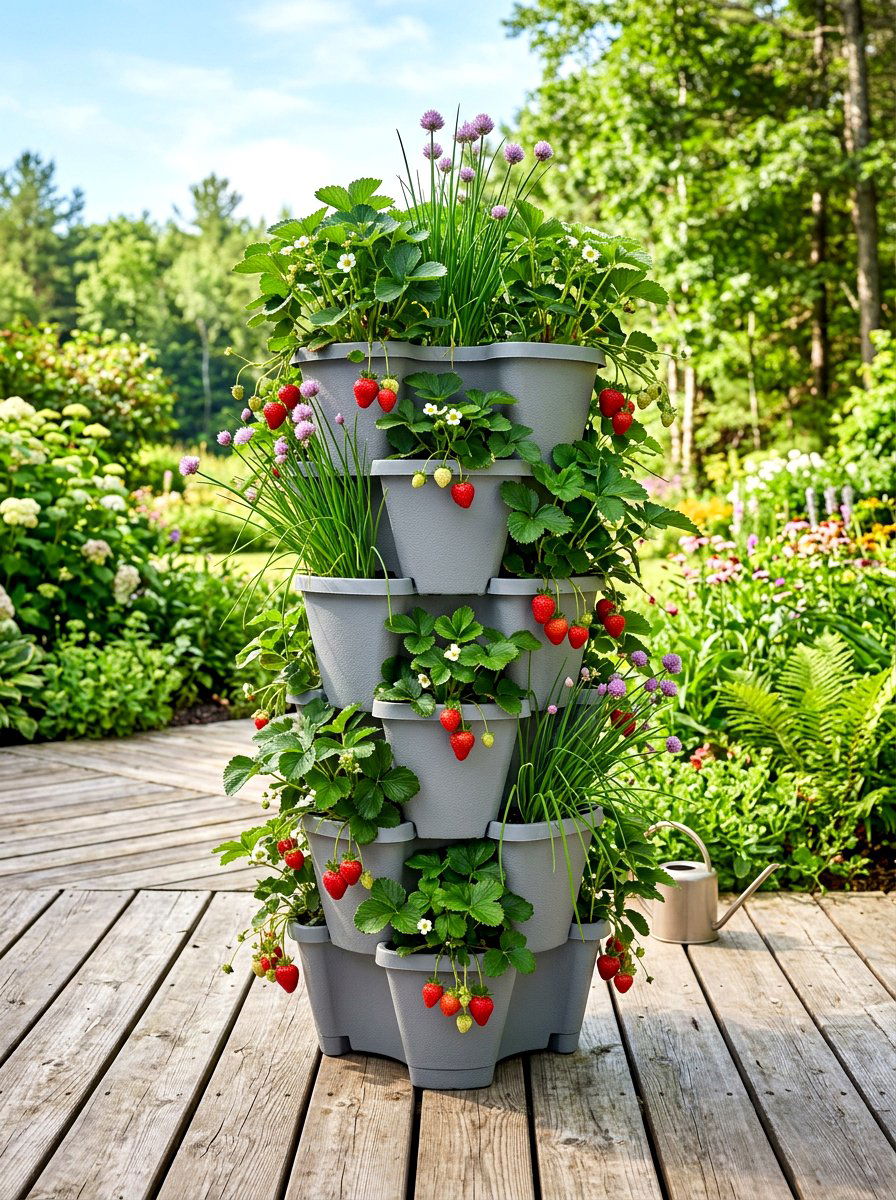
Stackable planters consist of interlocking pots that sit on top of one another to form a stable column. Each pot typically has multiple planting sections that face outward, providing plenty of room for herbs and strawberries. These systems are designed to distribute water from the top reservoir down through every level, making irrigation a breeze. They are often made of UV-resistant plastic, ensuring they last through years of sun exposure on your deck. The compact design allows you to grow dozens of plants in just a few square feet of floor space. It is a perfect solution for apartment dwellers with small balconies who want a big garden.
14. Fence Mounted Planter
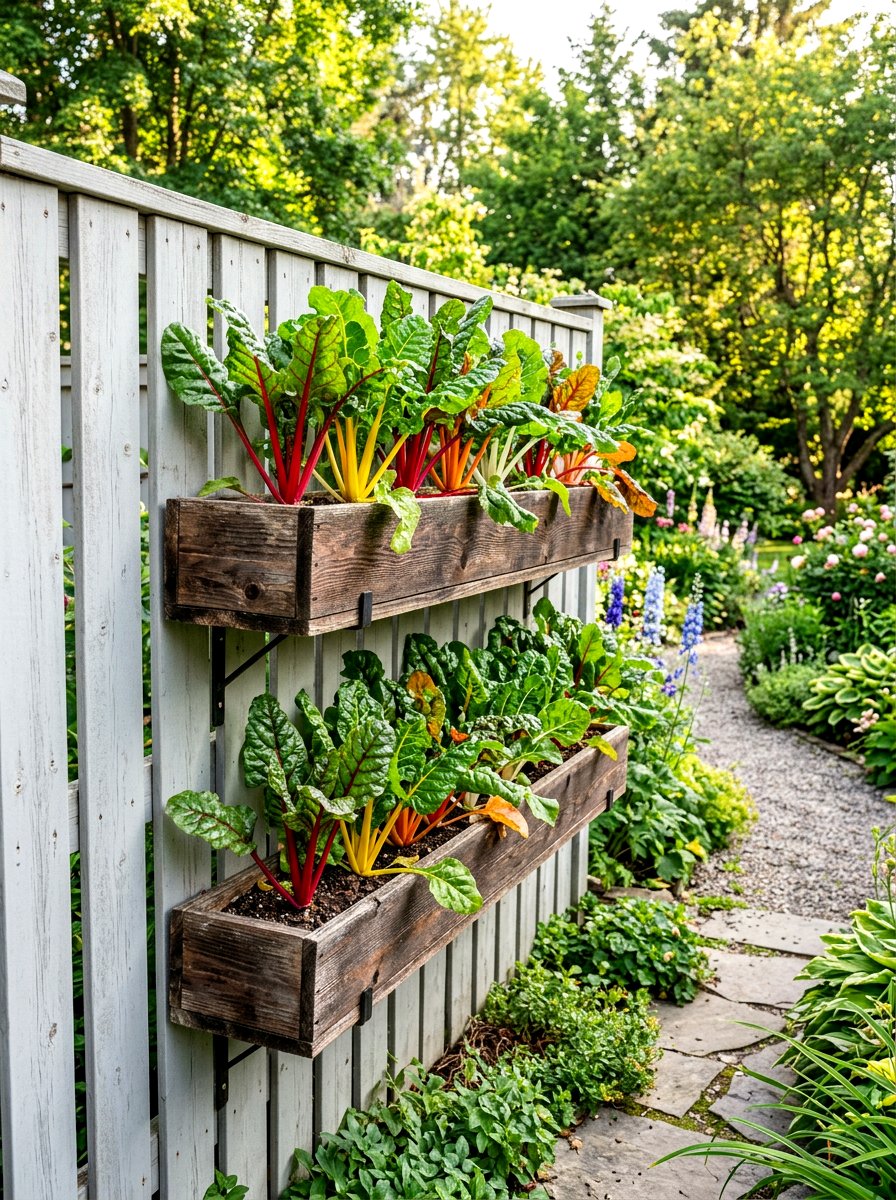
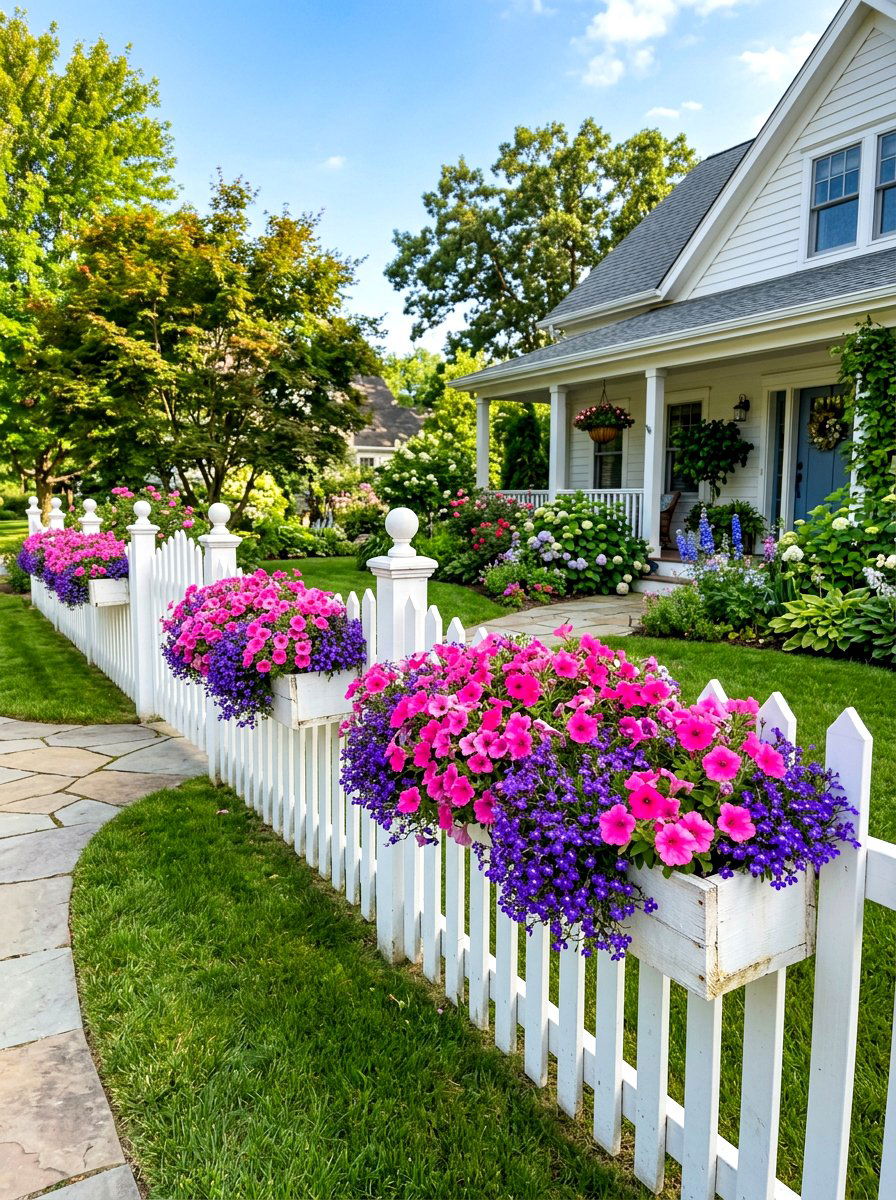
A fence mounted planter is a great way to utilize the perimeter of your yard for food production. You can attach brackets or hooks to your existing wooden or metal fence to hold rows of flower pots or long planter boxes. This elevation keeps your vegetables safe from pets and rabbits while putting the plants at a convenient height for care. It effectively doubles your garden space by moving the "rows" from the ground onto the vertical surface of the fence. You can create a beautiful pattern with colorful pots or keep it simple with matching wooden boxes. It turns a boundary into a productive and beautiful edible border.
15. Copper Pipe Trellis
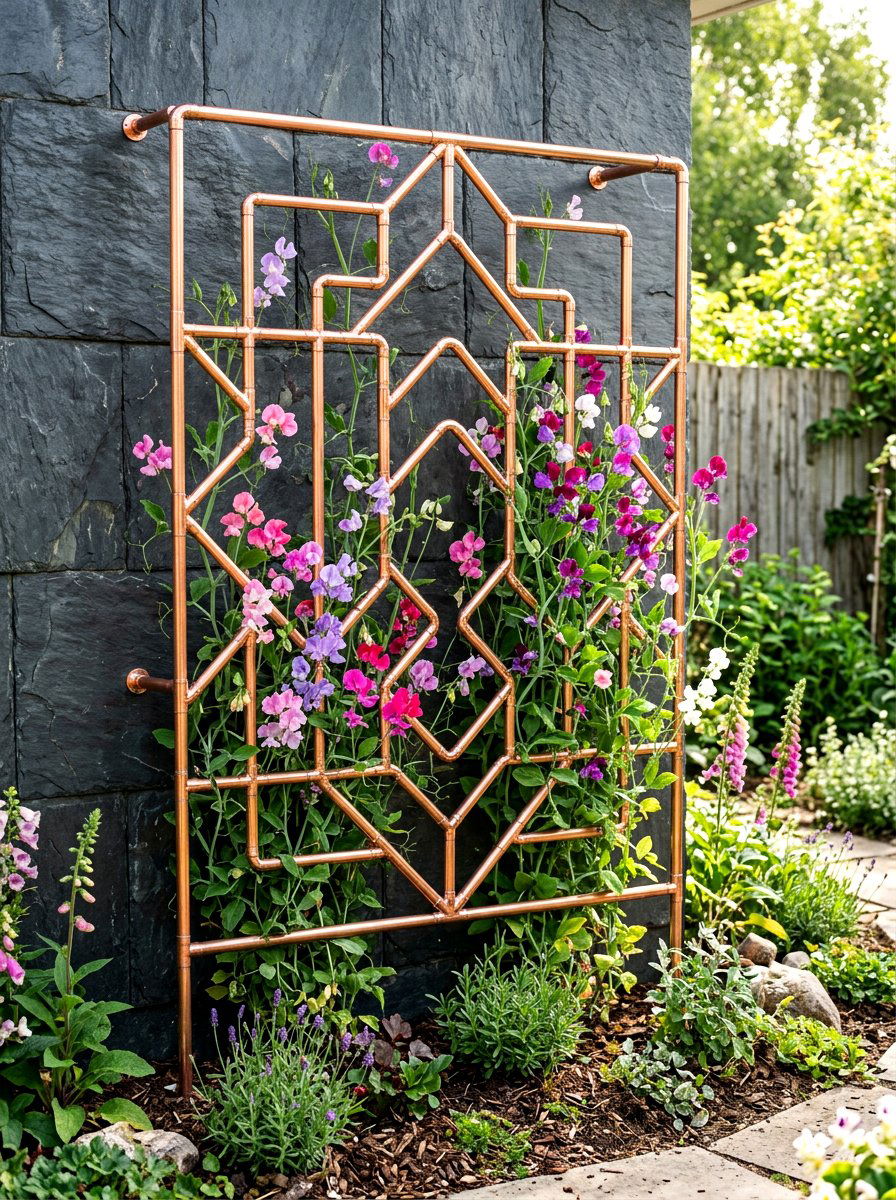
Copper pipe trellises bring a touch of modern elegance and shine to your vertical vegetable garden. These structures are built using standard plumbing pipes and fittings to create custom shapes and heights. Over time, the copper develops a beautiful patina that blends naturally with the green foliage of your plants. This type of trellis is very strong and provides a slick surface for vines to wrap around. It works exceptionally well for climbing peas or ornamental beans that produce pretty flowers. The metallic finish adds a high-end look to your garden, making it feel more like a designed landscape rather than just a functional food plot.
16. Vegetable Garden Obelisk
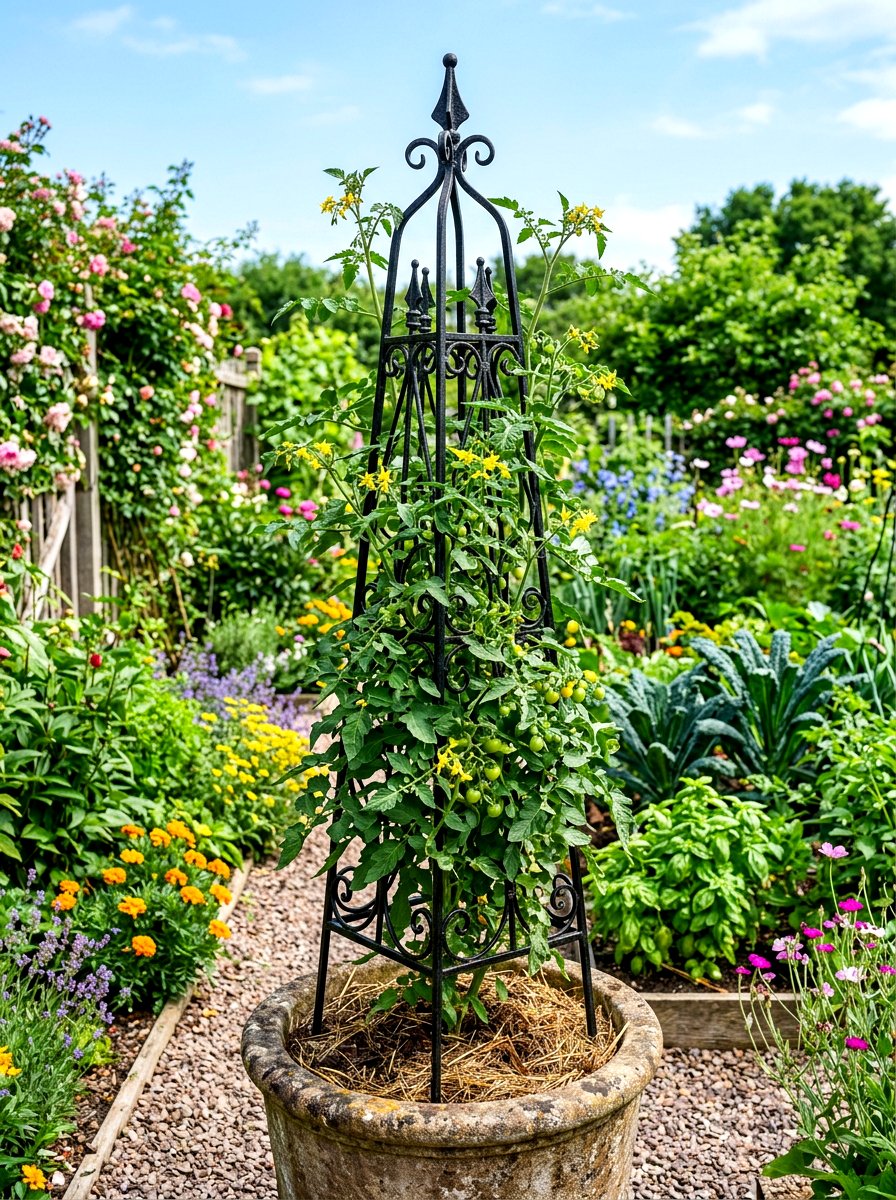
A vegetable garden obelisk is a tall, four-sided structure that tapers toward the top, providing a grand focal point. These are traditionally made of wood or wrought iron and are perfect for supporting climbing tomatoes or flowering runner beans. Because they stand tall and thin, they add significant height to your garden beds without blocking much sunlight from nearby plants. The vertical structure encourages the plant to grow upward in a neat column, which saves space and looks very orderly. You can place one in the center of a large pot or directly in the ground. It is a timeless design that adds architectural interest and beauty to any backyard.
17. Hanging Herb Wall
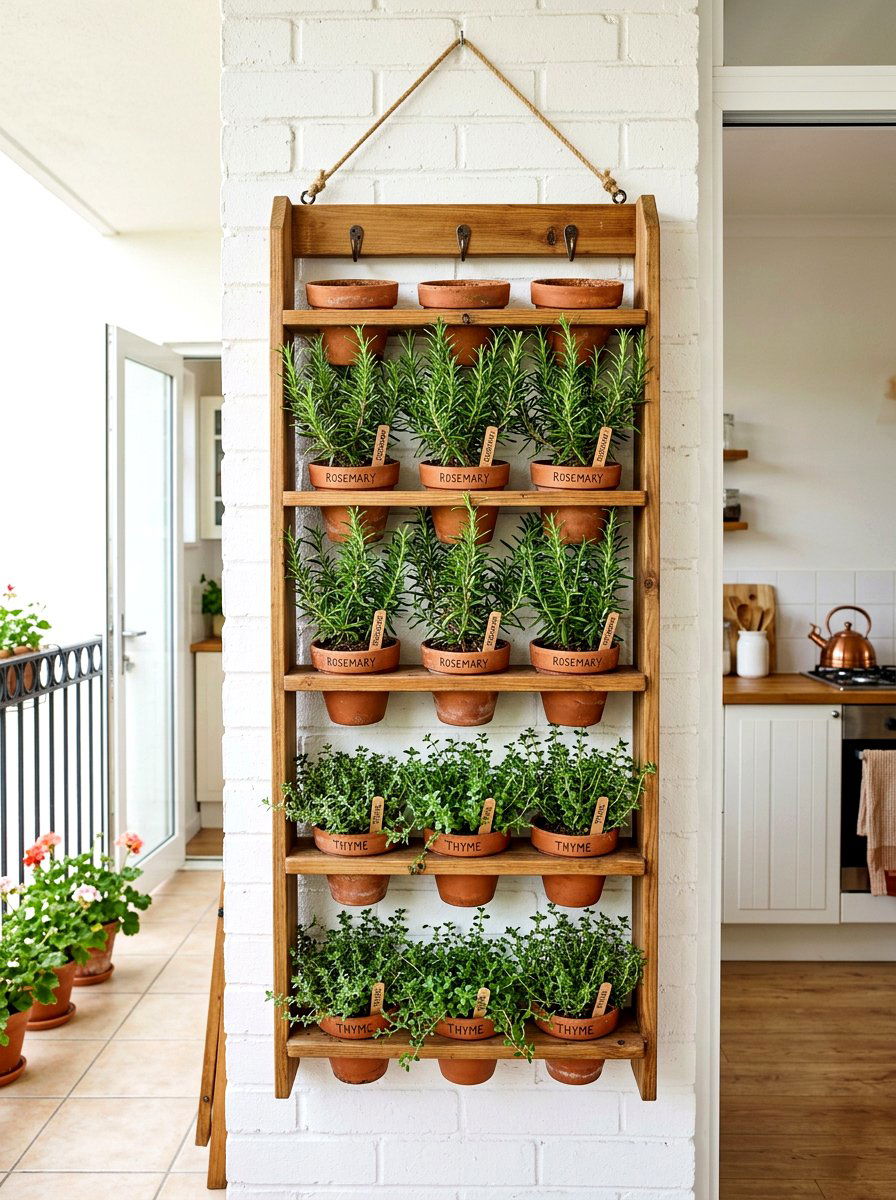
A hanging herb wall is a perfect solution for keeping fresh seasonings within reach of your outdoor grill or kitchen. This design involves hanging multiple small pots from a wooden frame or a series of horizontal rods. Each pot can hold a different herb, such as rosemary, thyme, or oregano, creating a fragrant and useful vertical display. Because the pots are separate, you can easily replace individual plants or move them around based on their health. This setup keeps your herbs off the ground where they are less likely to be stepped on or eaten by pests. It adds a lovely scent and texture to your outdoor living area.
18. Metal Grid Garden
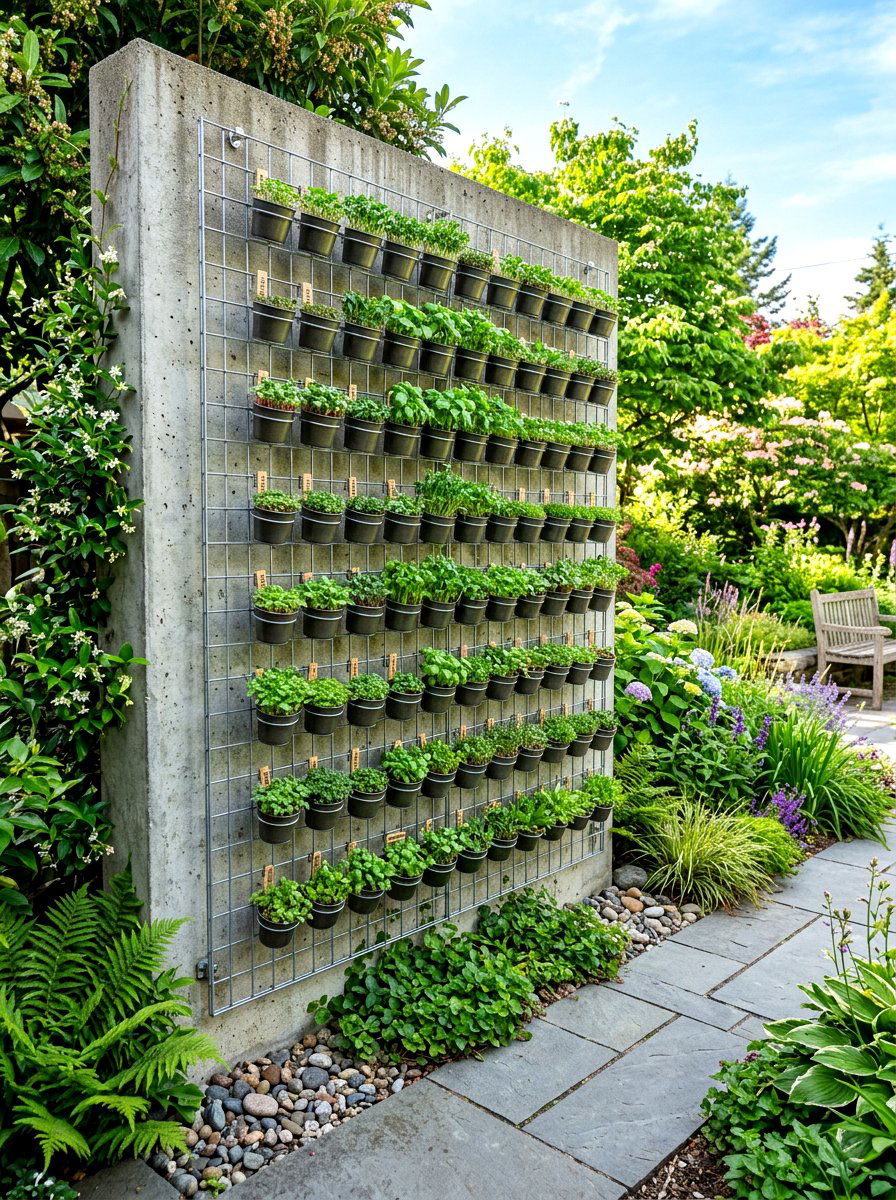
Metal grid systems offer an industrial and highly customizable way to grow vegetables vertically. You can mount a large wire grid, such as a concrete remesh or a decorative trellis, onto a wall or sturdy frame. Small pots are then attached to the grid using s-hooks or specialized clips. This allows you to arrange your plants in any pattern you like and change the layout as the season progresses. It is perfect for a modern urban balcony where you want a clean and organized look. The open grid allows for excellent airflow, which keeps your vegetables healthy and reduces the risk of leaf diseases and pests.
19. Window Box Garden
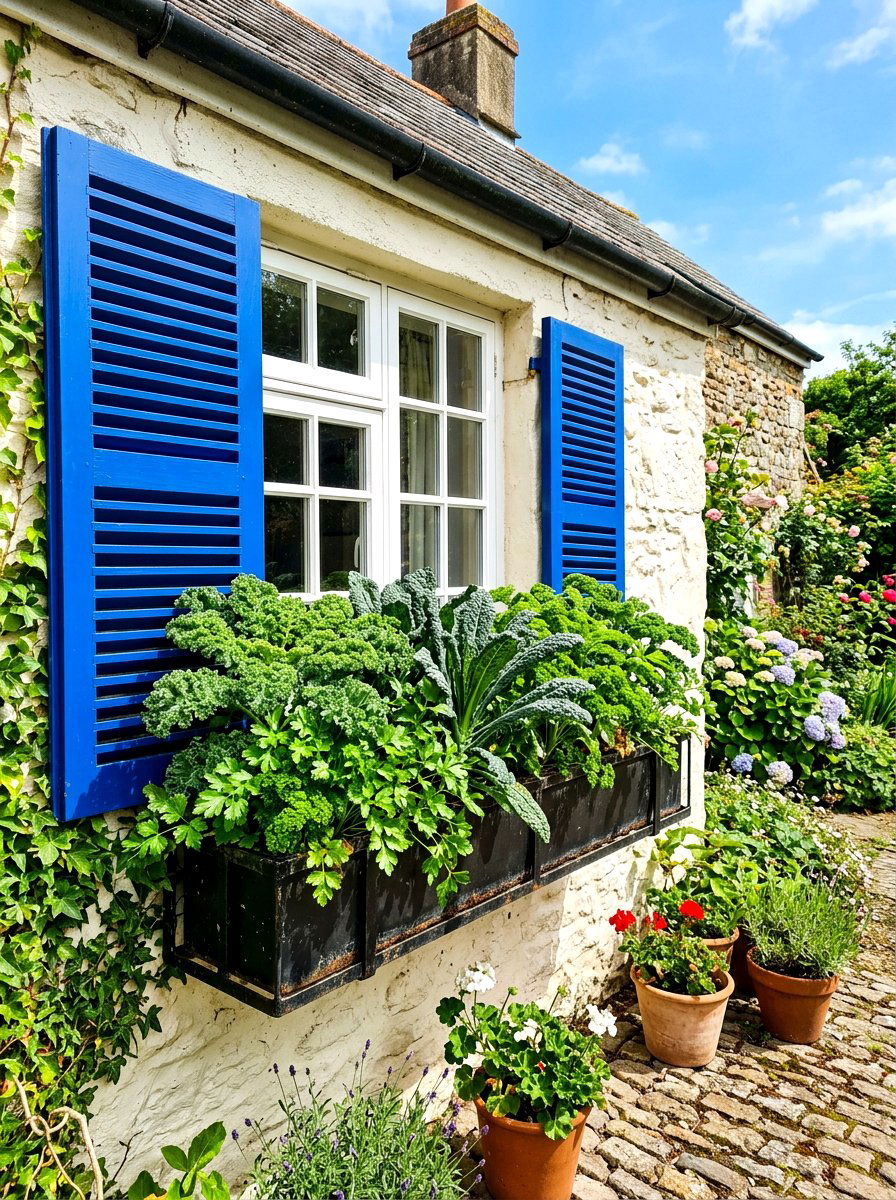
Window box gardens bring the beauty of fresh vegetables right to your fingertips from inside your home. These long, narrow containers are attached to the exterior of your window sills, allowing you to harvest greens just by opening the glass. They are ideal for compact plants like baby kale, radishes, and various culinary herbs. The vertical placement on the side of the house utilizes space that is often left empty and unused. Window boxes can be designed to match your shutters or trim, adding to the curb appeal of your home. They provide easy access for watering and maintenance while creating a lovely view of greenery from inside.
20. Floating Shelf Garden
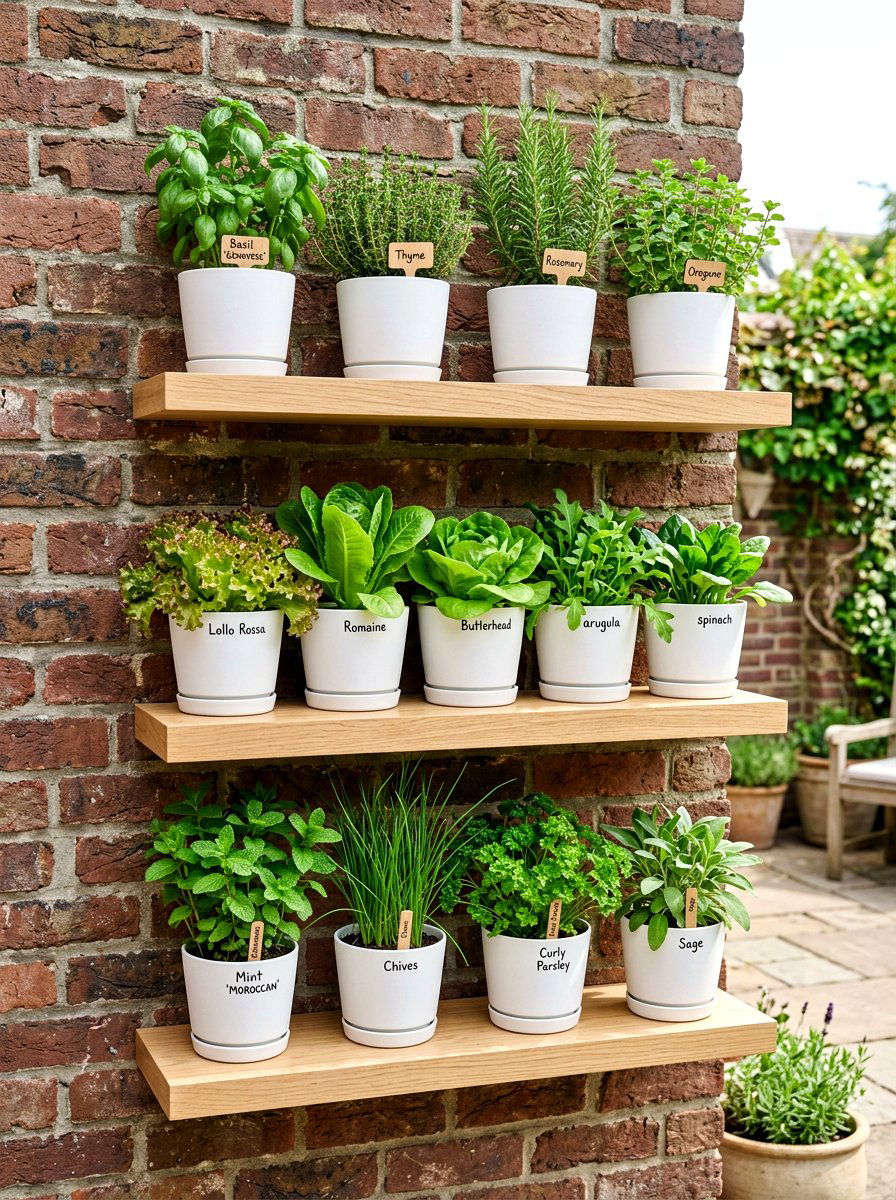
Floating shelves provide a unique and modern way to display a collection of potted vegetables on a wall. You can install several levels of sturdy wooden or metal shelves to hold a variety of containers and gardening tools. This vertical arrangement allows you to treat your garden like a piece of living art. You can mix and match different pot styles and sizes to create a diverse and interesting look. It is a great way to keep your plants organized and off the ground, making the patio feel larger and more open. This design is particularly effective for small herbs and microgreens that require frequent attention and harvesting.
21. Recycled Bottle Garden
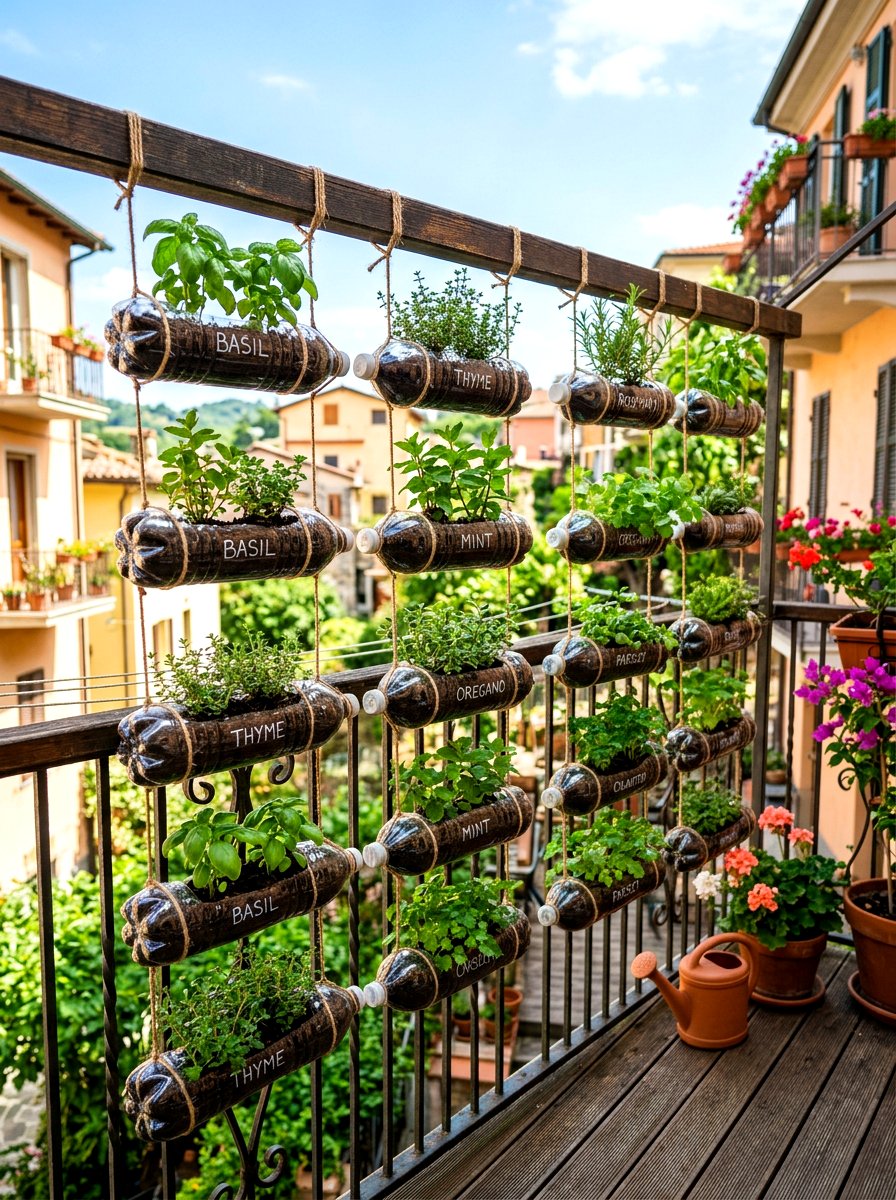
A recycled bottle garden is an eco-friendly and creative project that costs almost nothing to start. You can transform plastic soda bottles into hanging planters by cutting an opening in the side and stringing them together with heavy-duty twine. These "bottle chains" can hang vertically from a balcony railing or a sunny wall. Each bottle acts as a self-contained mini-pot for small plants like lettuce or strawberries. This system is a great way to teach children about recycling and gardening at the same time. It is a lightweight and flexible design that can be expanded easily as you collect more bottles throughout the growing season.
22. Pyramid Garden Planter
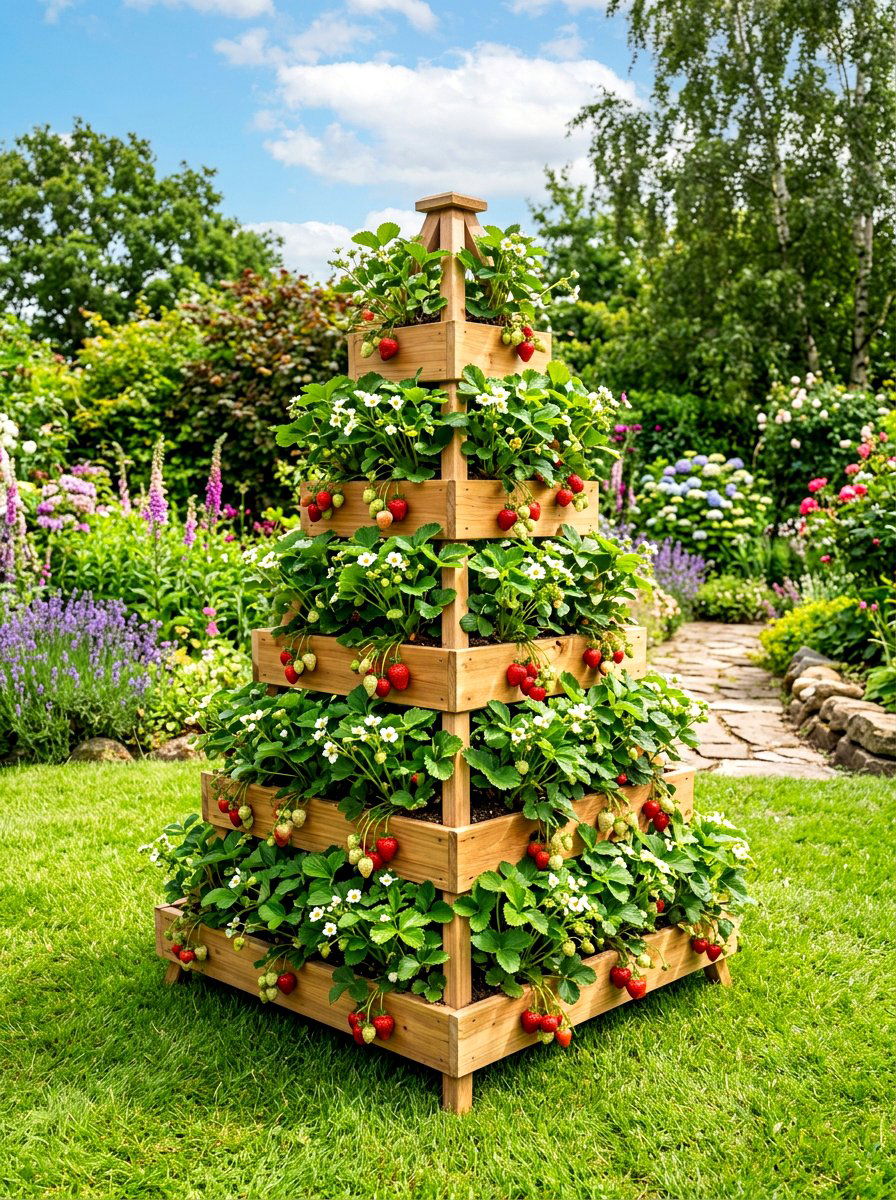
Pyramid garden planters are three-dimensional structures with multiple tiers that decrease in size toward the top. This design offers a huge amount of planting surface while maintaining a relatively small footprint on the ground. You can access all sides of the pyramid, making it easy to harvest and care for your vegetables without reaching across a wide bed. This setup is perfect for strawberries, as the berries can hang over the edges of the tiers, keeping them clean and away from pests. The sturdy wooden construction ensures the pyramid can hold a large volume of soil, which provides plenty of nutrients for your plants to grow.
23. Lattice Wall Garden
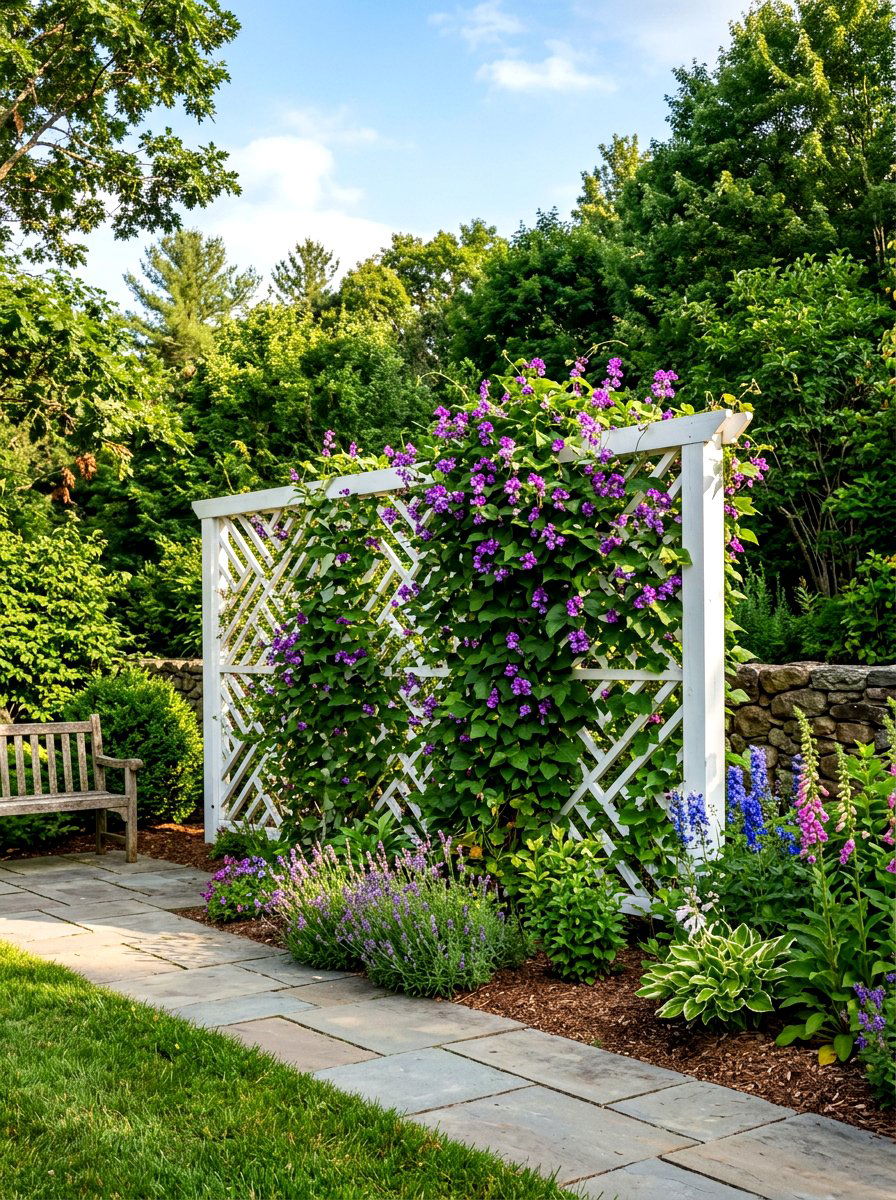
Lattice wall systems provide a classic and versatile backdrop for a wide variety of climbing vegetables. The crisscross pattern of the lattice creates hundreds of small attachment points for vines like peas, beans, and small cucumbers. You can mount a large panel of lattice to a fence or a freestanding frame to create a green privacy screen. This vertical surface is also great for hanging small pots using simple wire hooks. The open design of the lattice allows for plenty of sunlight and air to reach your plants, which is essential for a healthy harvest. It adds a traditional and charming garden feel to any space.
24. Step Ladder Garden
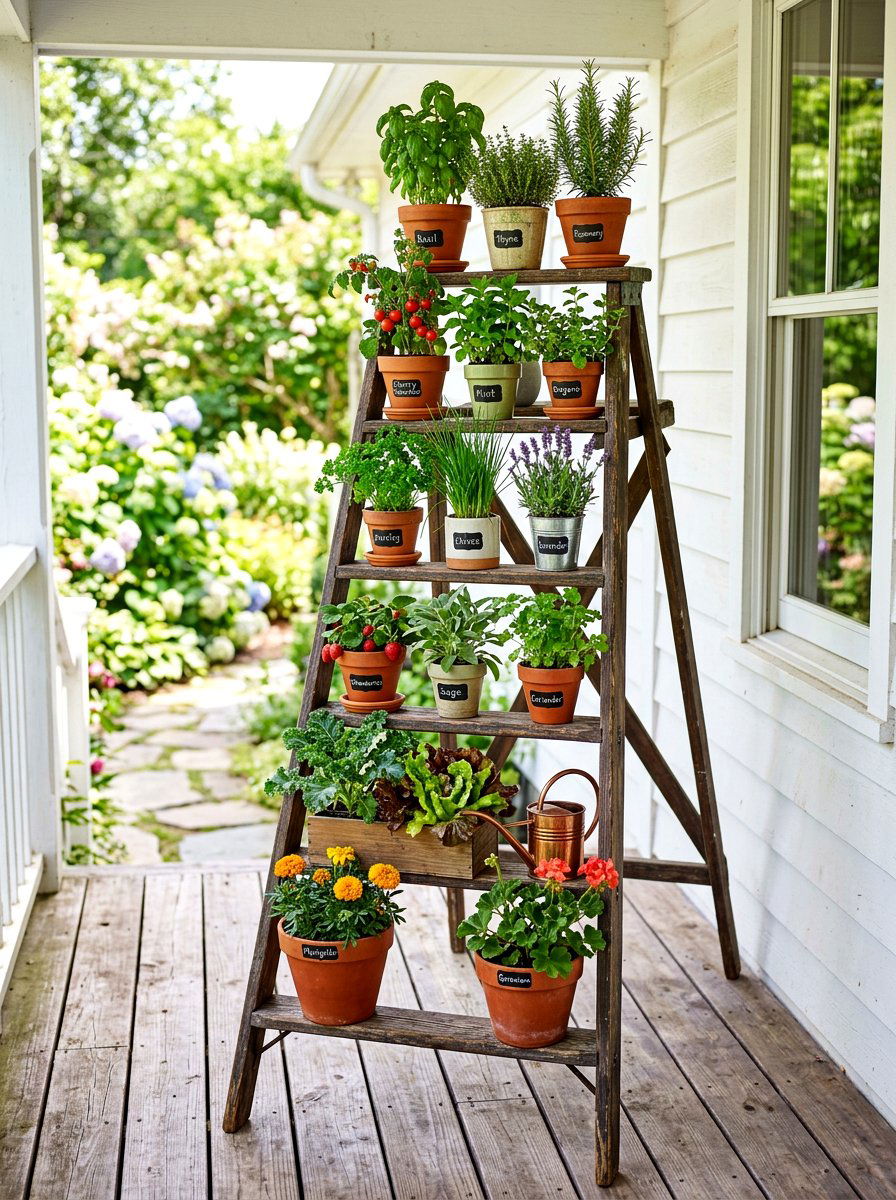
A step ladder garden uses a vintage or new ladder to create a multi-level display of potted vegetables. By placing wide planks of wood across the rungs, you create sturdy shelves for different sizes of containers. This design is perfect for someone who wants an instant vertical garden without building a permanent structure. The graduated levels ensure that the plants on the bottom aren't shaded by those on the top. You can paint the ladder a bright color to make it a focal point or leave it natural for a rustic look. It is an easy and mobile solution for a productive patio garden.
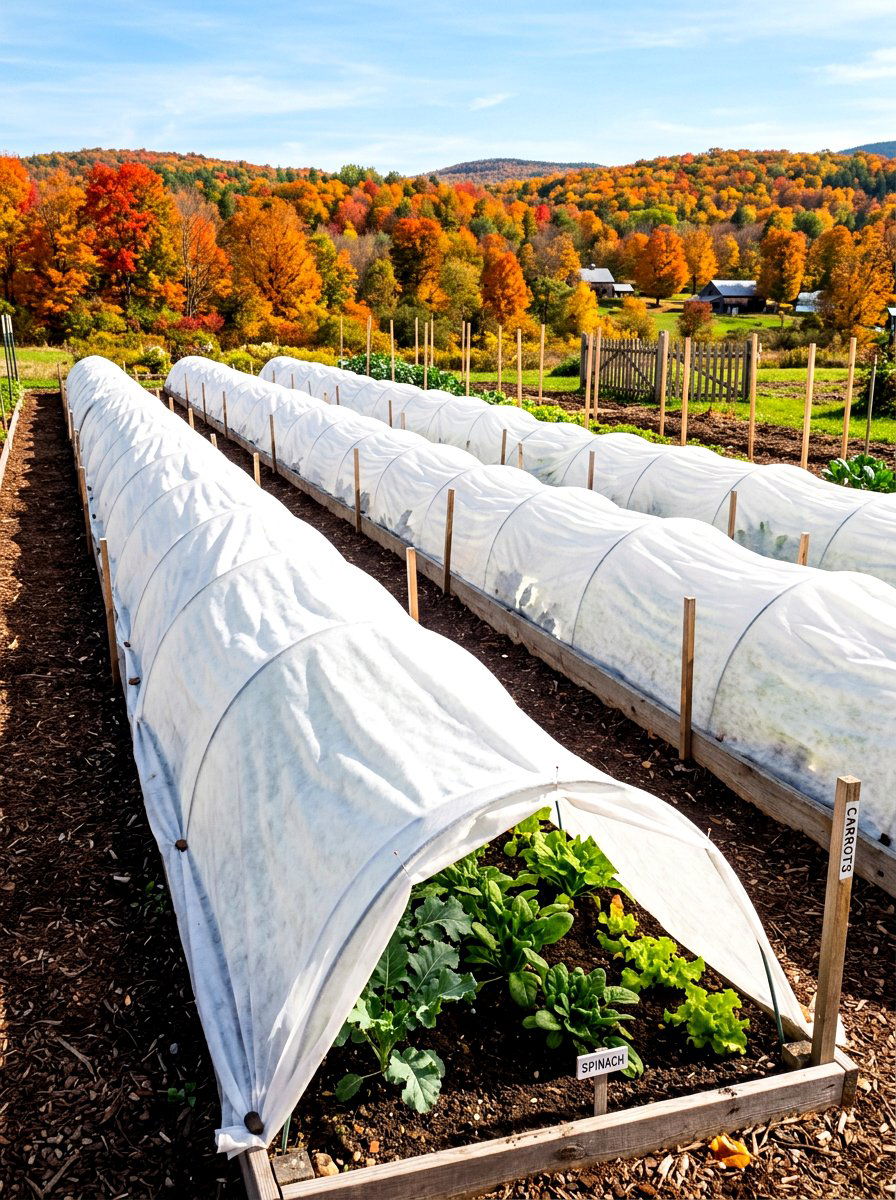
25. Wood Slat Planter
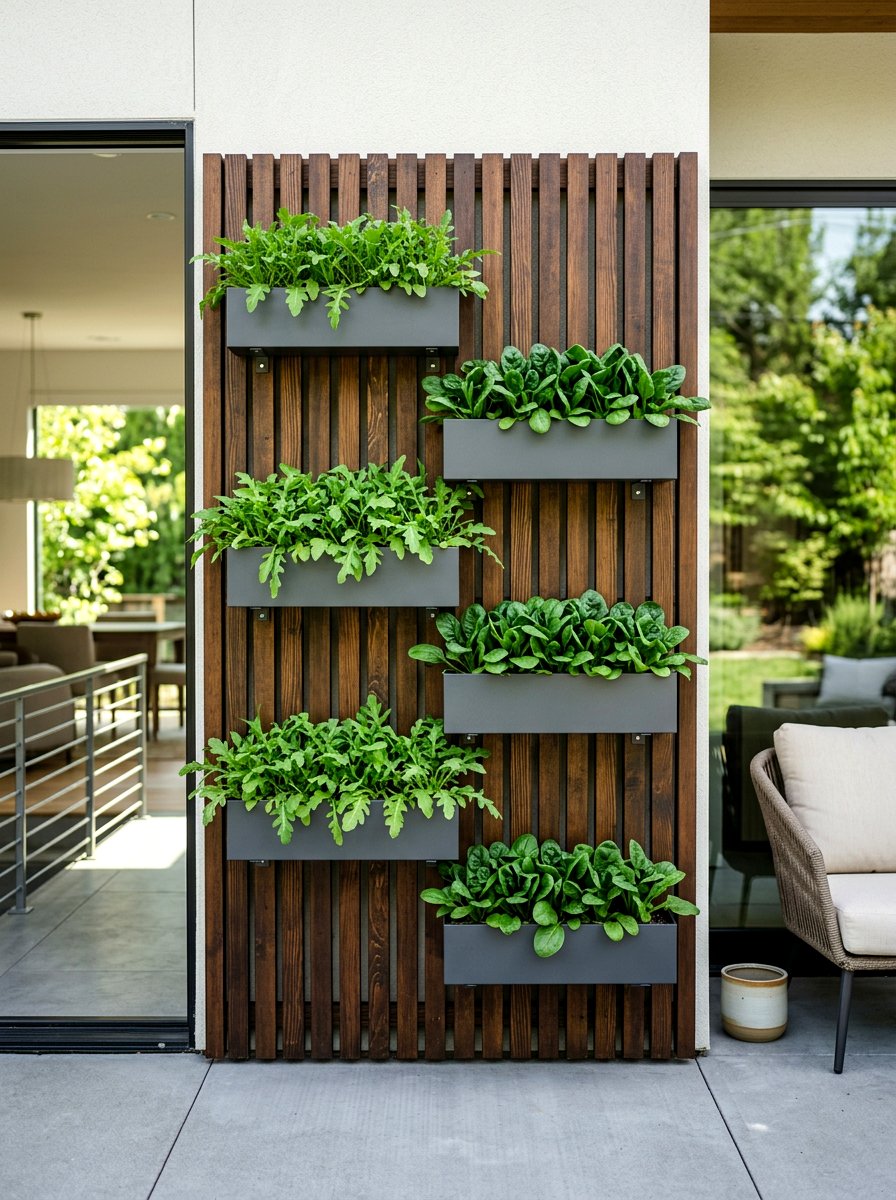
Wood slat planters feature horizontal boards with gaps that allow for custom placement of pots and hooks. This design is inspired by modern interior slat walls and brings that same clean aesthetic to your outdoor garden. You can slide specialized brackets between the slats to hold wooden boxes or ceramic pots filled with fresh herbs. The vertical orientation makes it easy to create a lush wall of food that looks like professional landscaping. It is a great way to cover up an ugly wall or provide privacy from neighbors. The spacing between the slats can be adjusted to accommodate taller plants like peppers or bushy tomatoes.
26. Bamboo Vegetable Trellis
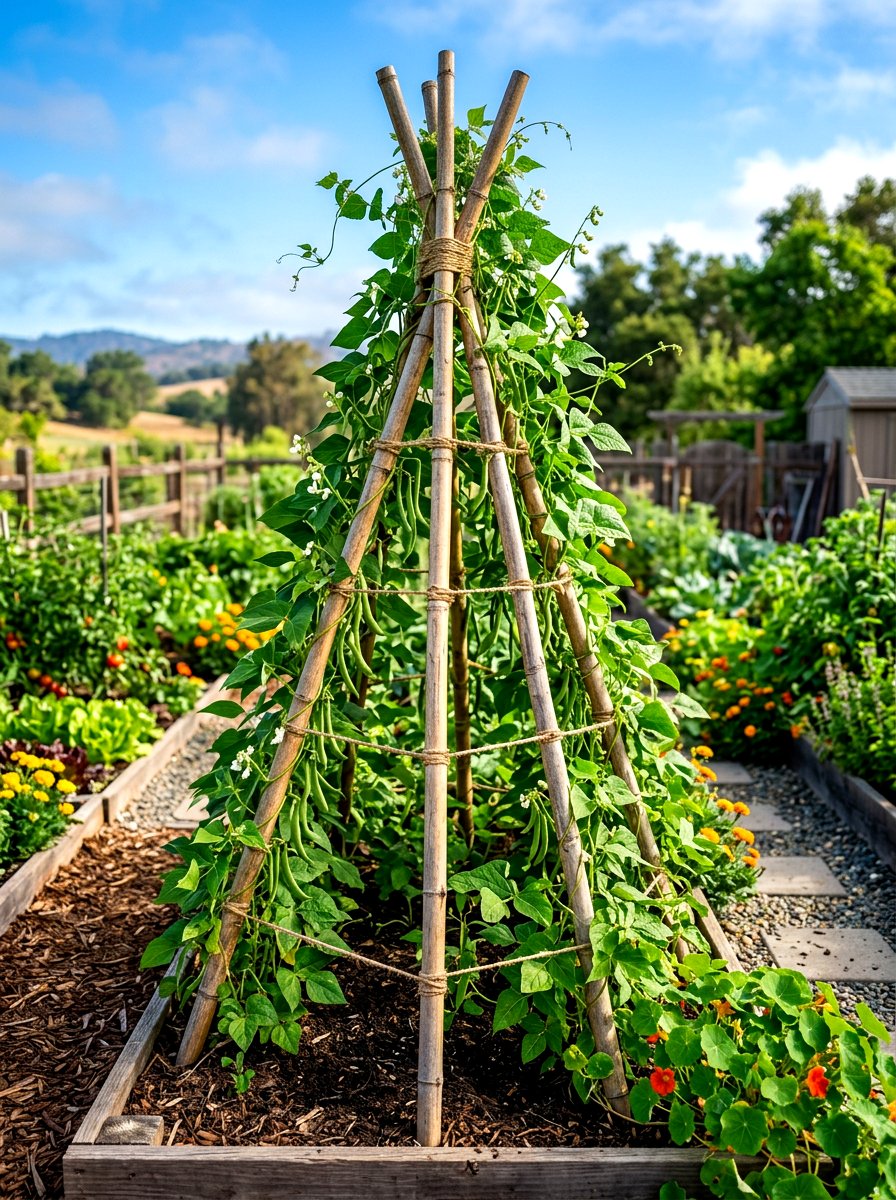
Bamboo vegetable trellises offer a natural and sustainable way to support your climbing crops. Bamboo is incredibly strong yet lightweight, making it easy to build custom structures like teepees or flat grids. You can lash the poles together with natural twine to create a rustic and eco-friendly support system. This material is resistant to rot and adds a beautiful, organic texture to your vegetable garden. It works perfectly for tall pole beans or climbing flowers that attract pollinators to your edibles. Because bamboo is so affordable, you can easily replace or expand your trellis every year as your garden grows larger and more productive.
27. Tiered Corner Planter
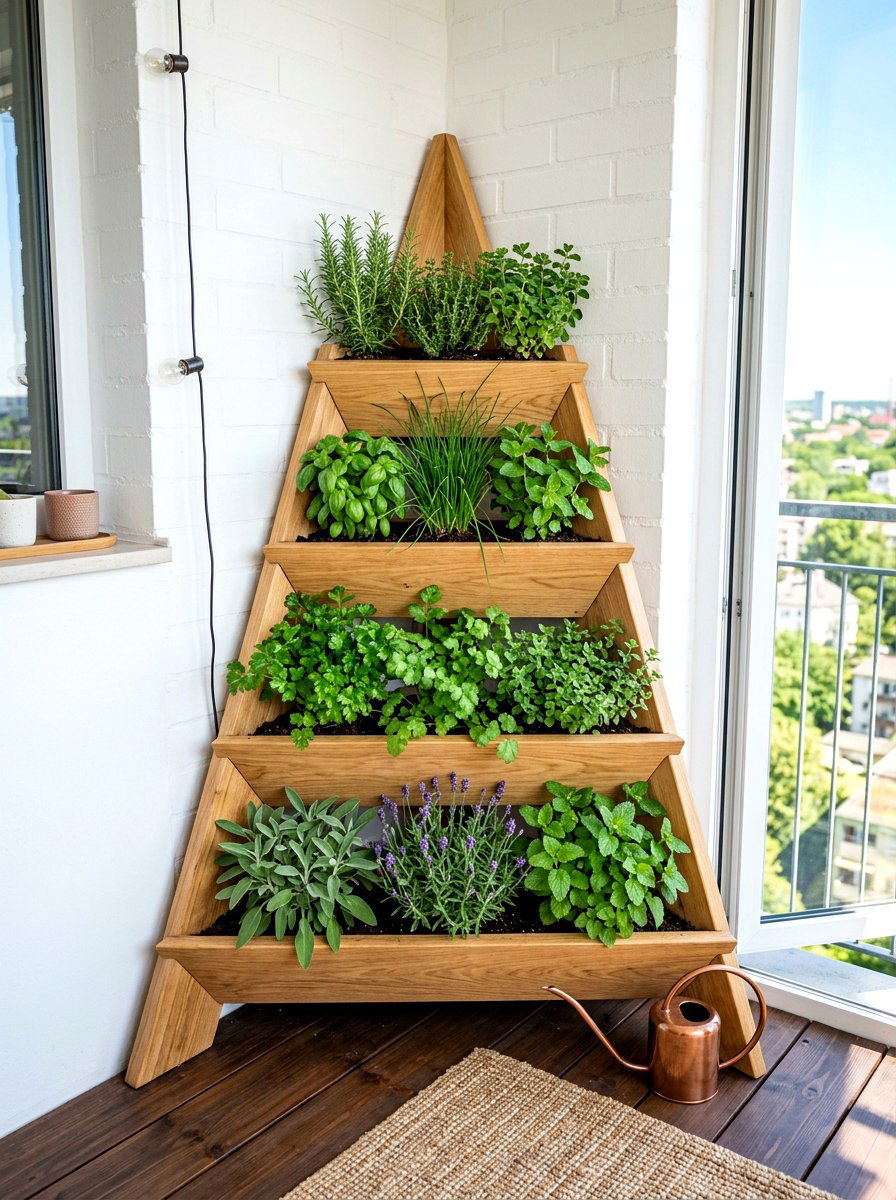
Tiered corner planters are specifically designed to fit into the often-unused corners of your patio or deck. This triangular design features multiple levels that stack upward, maximizing the growing area in a very tight spot. It is an excellent choice for urban gardeners who only have a small corner of a balcony for their plants. The vertical tiers allow you to grow a surprising amount of food, such as herbs on the top and leafy greens on the bottom. Many of these planters are made of durable wood or composite materials that look great in any outdoor setting. It turns an empty corner into a lush oasis.
28. Hanging Shoe Bag
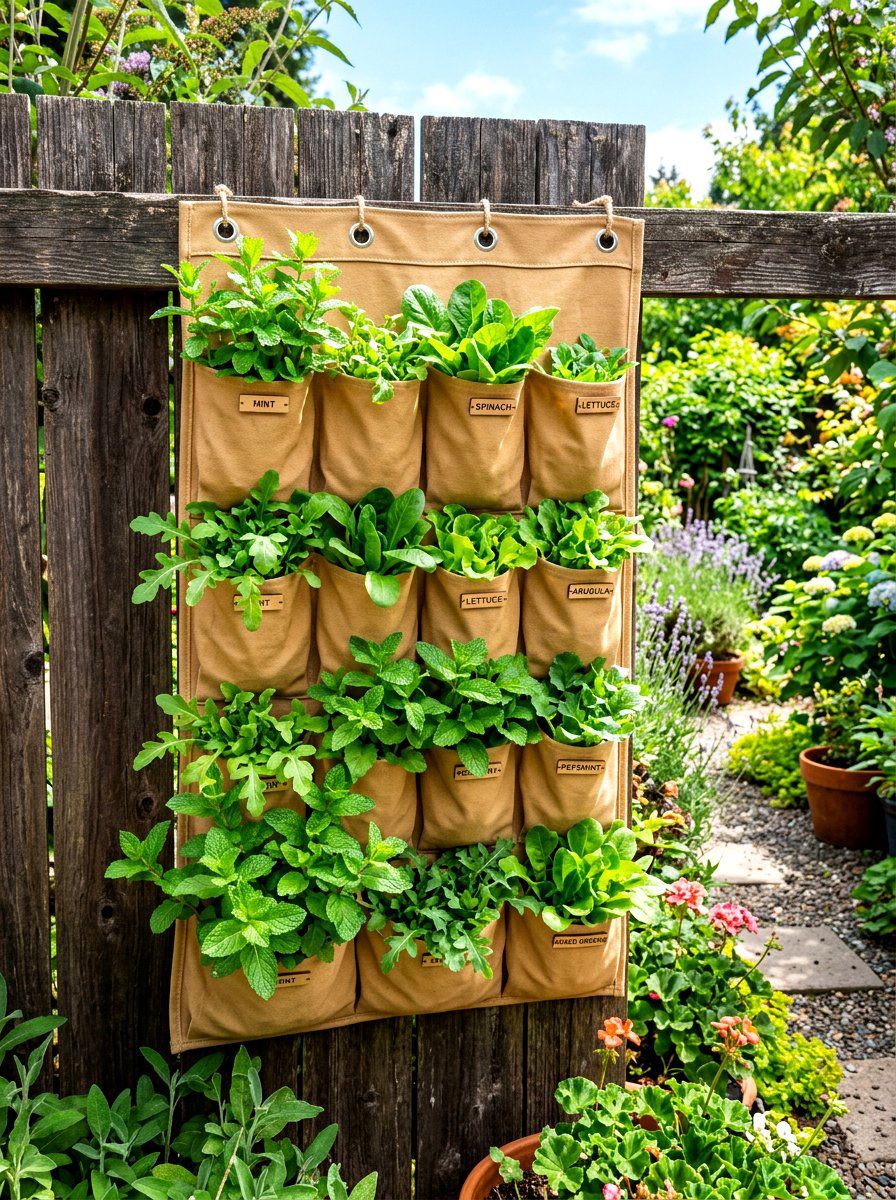
Repurposing a hanging shoe bag into a vegetable garden is a clever hack for budget-conscious growers. These fabric organizers feature many small pockets that are just the right size for individual herb plants or small greens. You can hang the bag on the back of a door or along a sunny fence using the built-in hooks. It is important to ensure the material allows for some drainage so the roots do not sit in water. This vertical system is extremely lightweight and can be moved easily if the weather becomes too harsh. It is a fun and functional way to grow a "salad wall" in a tiny space.
29. Industrial Pipe Trellis
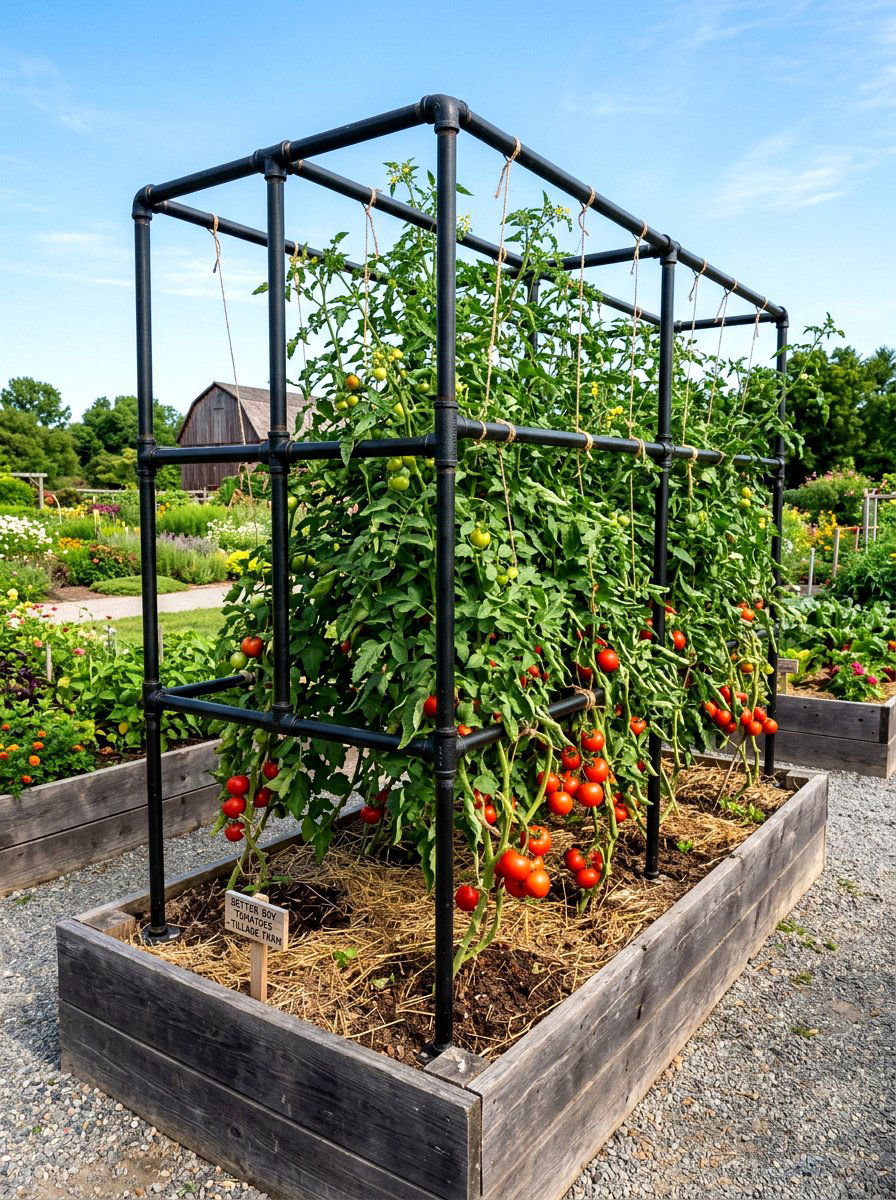
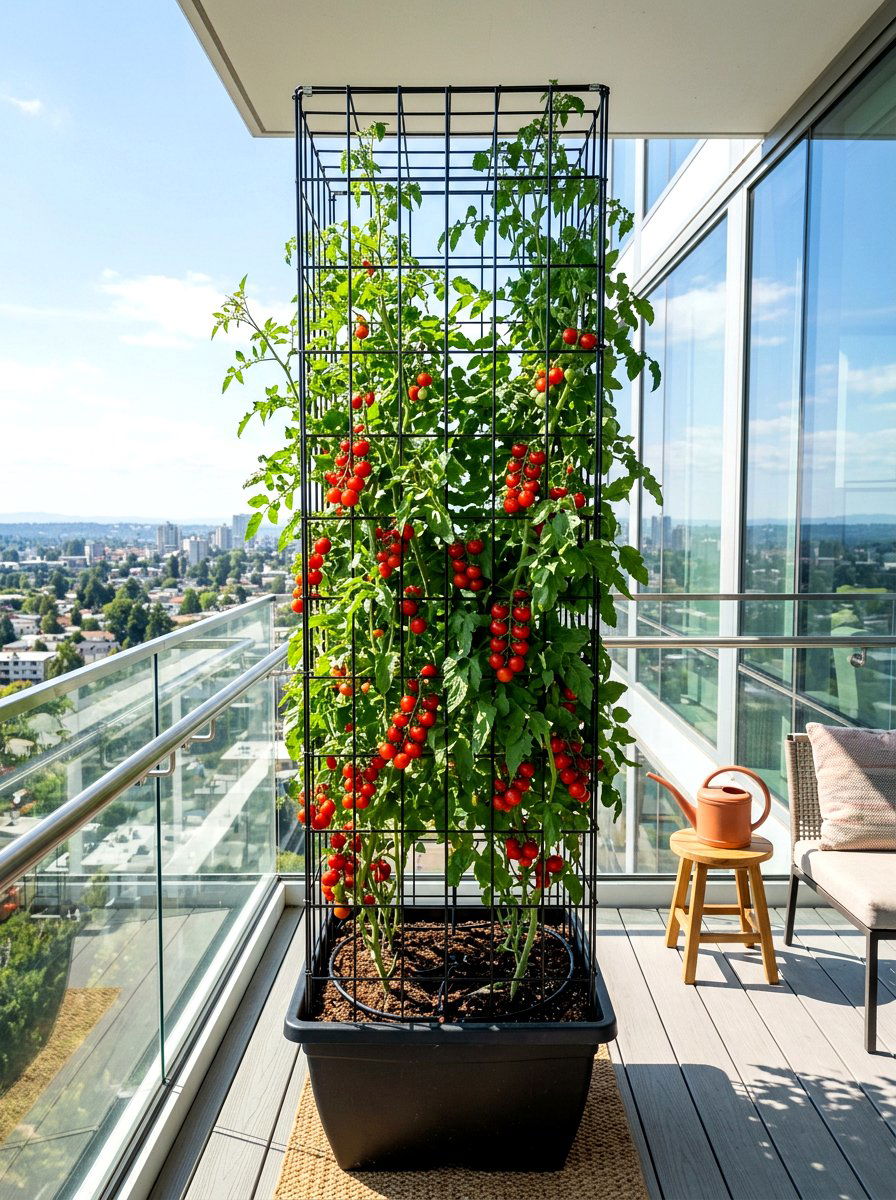
Industrial pipe trellises use black iron or galvanized steel pipes to create a rugged and modern garden structure. These systems are incredibly heavy-duty and can support the weight of massive tomato plants or heavy winter squash. You can build a custom frame that fits your specific garden bed dimensions using various elbows and connectors. The dark metal contrasts beautifully with bright green leaves and red tomatoes, giving your garden a professional and contemporary look. This type of trellis will last for decades and can withstand high winds and heavy harvests. It is the ultimate choice for a permanent and stylish vertical garden support system.
30. Modular Wall Garden
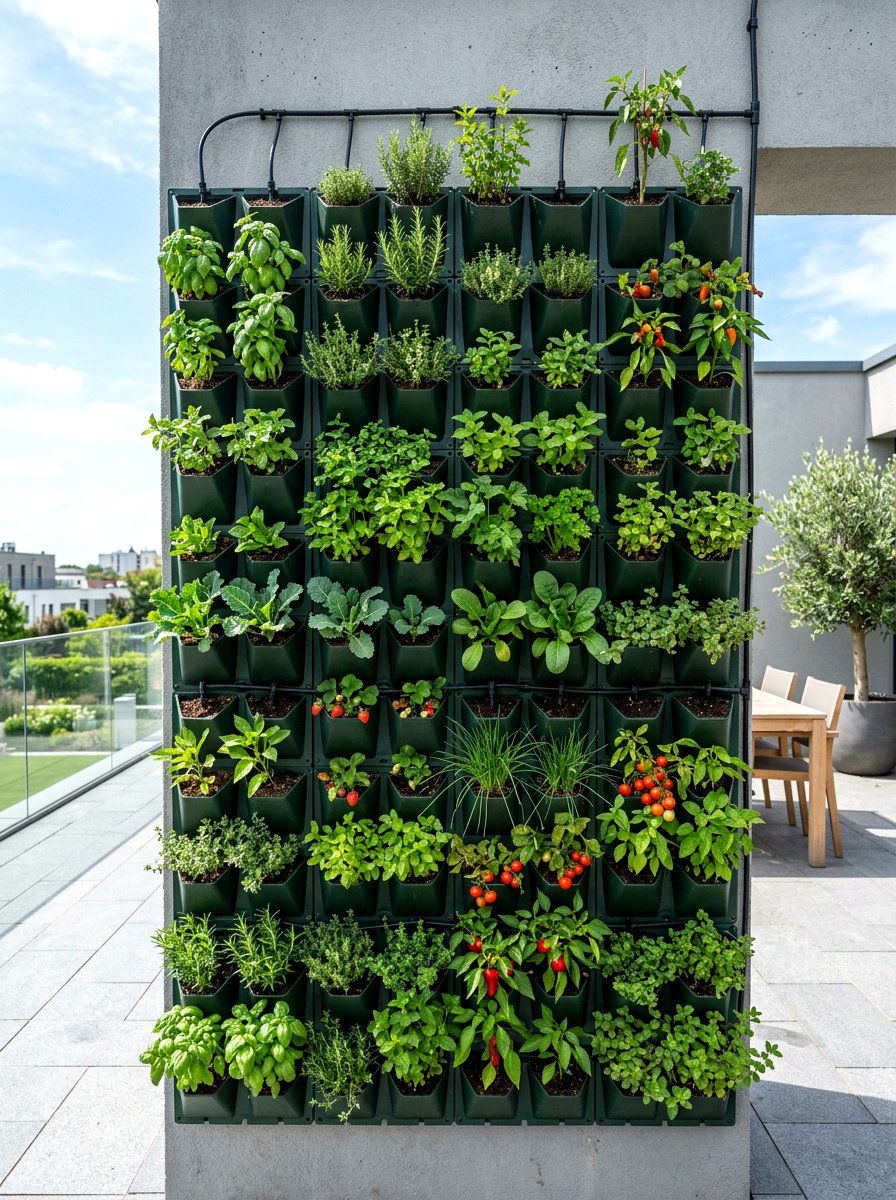
Modular wall systems consist of individual planting units that click together like building blocks. This allows you to create a vertical garden of any size or shape to fit your specific wall space. Many of these systems include integrated irrigation lines that deliver water to every single plant automatically. This high-end solution is perfect for creating a professional-looking living wall of vegetables and herbs. You can start with a few modules and add more as your gardening confidence grows over time. The clean lines and uniform look make it a popular choice for modern homes and commercial spaces looking to incorporate edible greenery.
Conclusion:
Vertical gardening is a transformative way to grow food that fits perfectly into our modern, space-conscious lifestyles. By choosing the right vertical design, you can significantly increase your harvest while beautifying your home and outdoor areas. Whether you prefer the rustic charm of a pallet garden or the high-tech efficiency of a hydroponic tower, there is a vertical solution for every gardener. These systems make gardening more accessible by reducing the need for heavy lifting and constant bending. As you explore these thirty creative ideas, remember that the best garden is one that fits your space and brings you daily joy. Happy growing up!

Related posts: