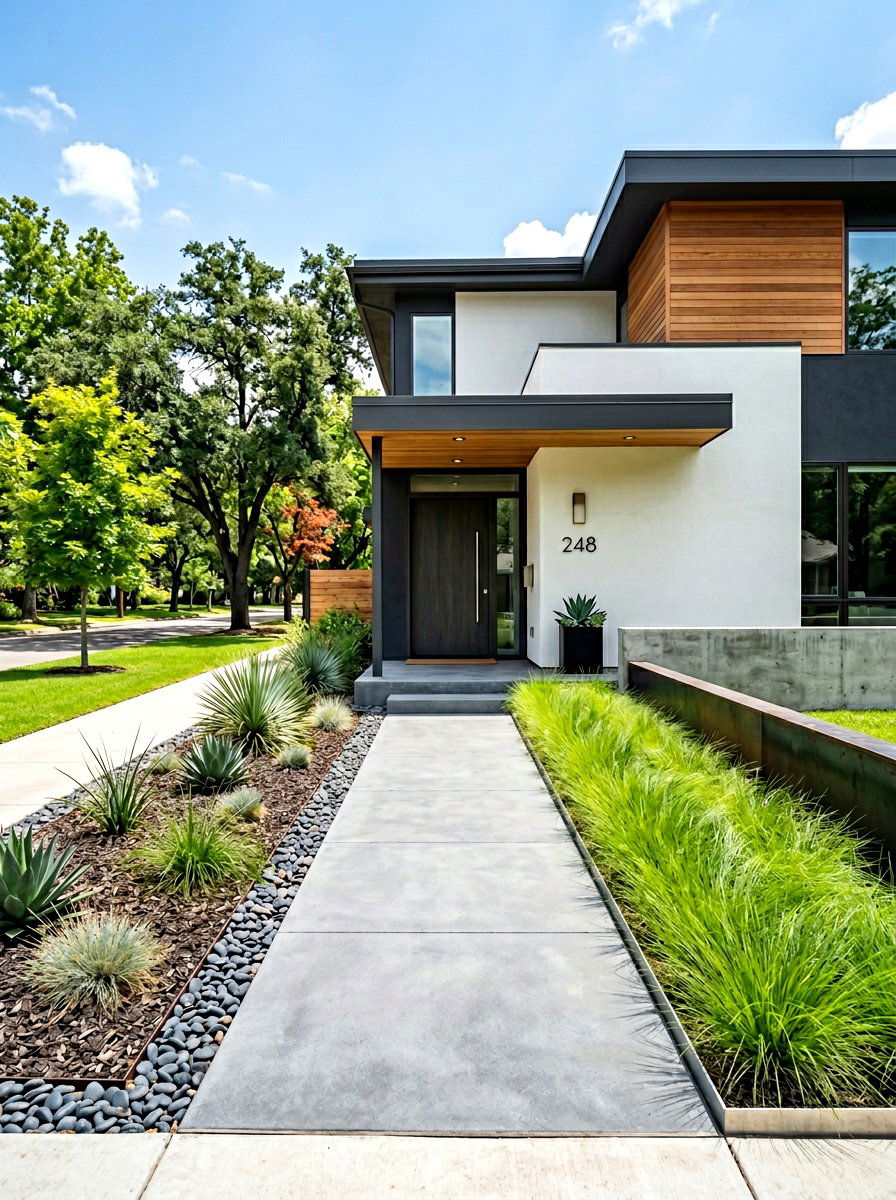
Starting a vegetable garden is one of the most rewarding home projects you can undertake because it blends functionality with natural beauty. Whether you have a sprawling backyard or a tiny apartment balcony, there is a way to grow your own food that fits your lifestyle perfectly. Modern vegetable gardening has moved far beyond simple rows in the dirt to include stunning architectural features like raised cedar beds and vertical climbing structures. These setups not only provide fresh organic produce but also enhance the overall look of your outdoor living space. Exploring different layouts helps you maximize sunlight and soil health for a bountiful and sustainable harvest every year.
1. Raised Bed Vegetable Garden
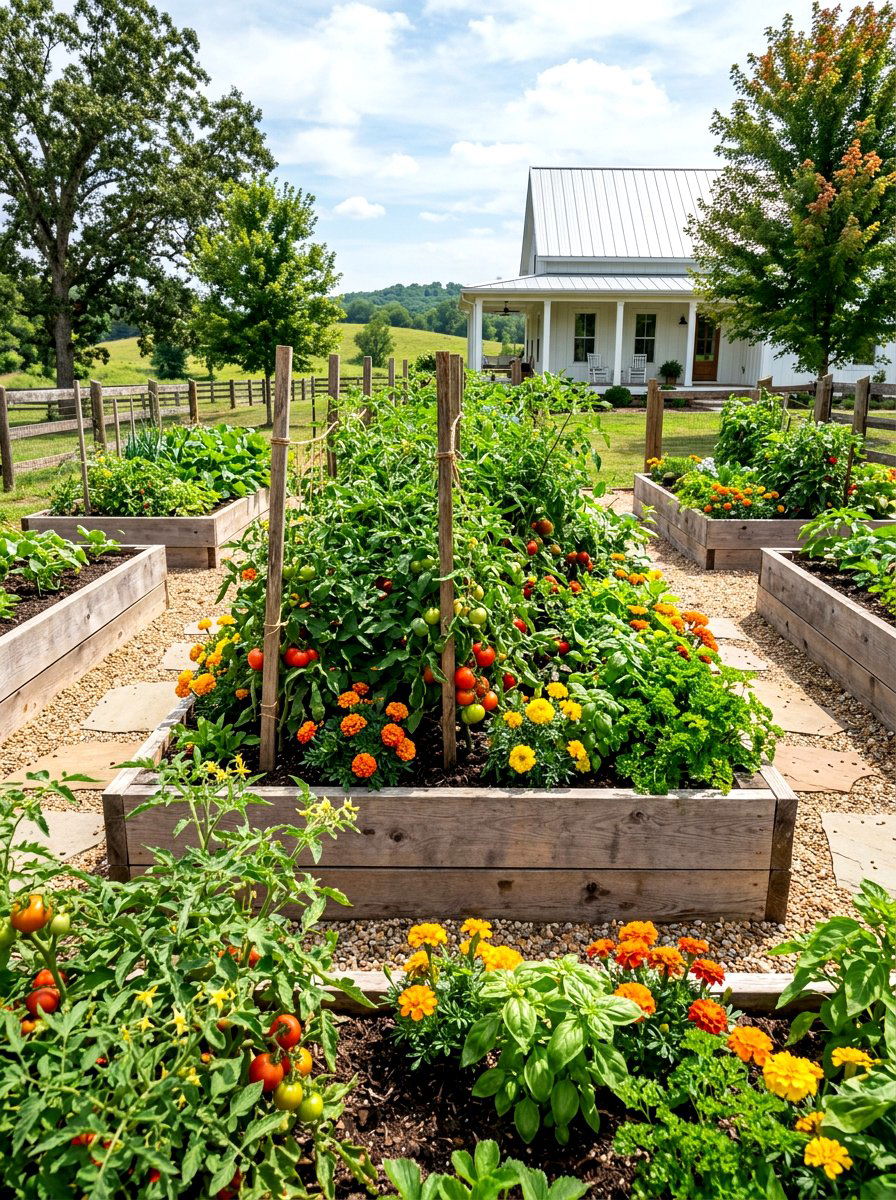
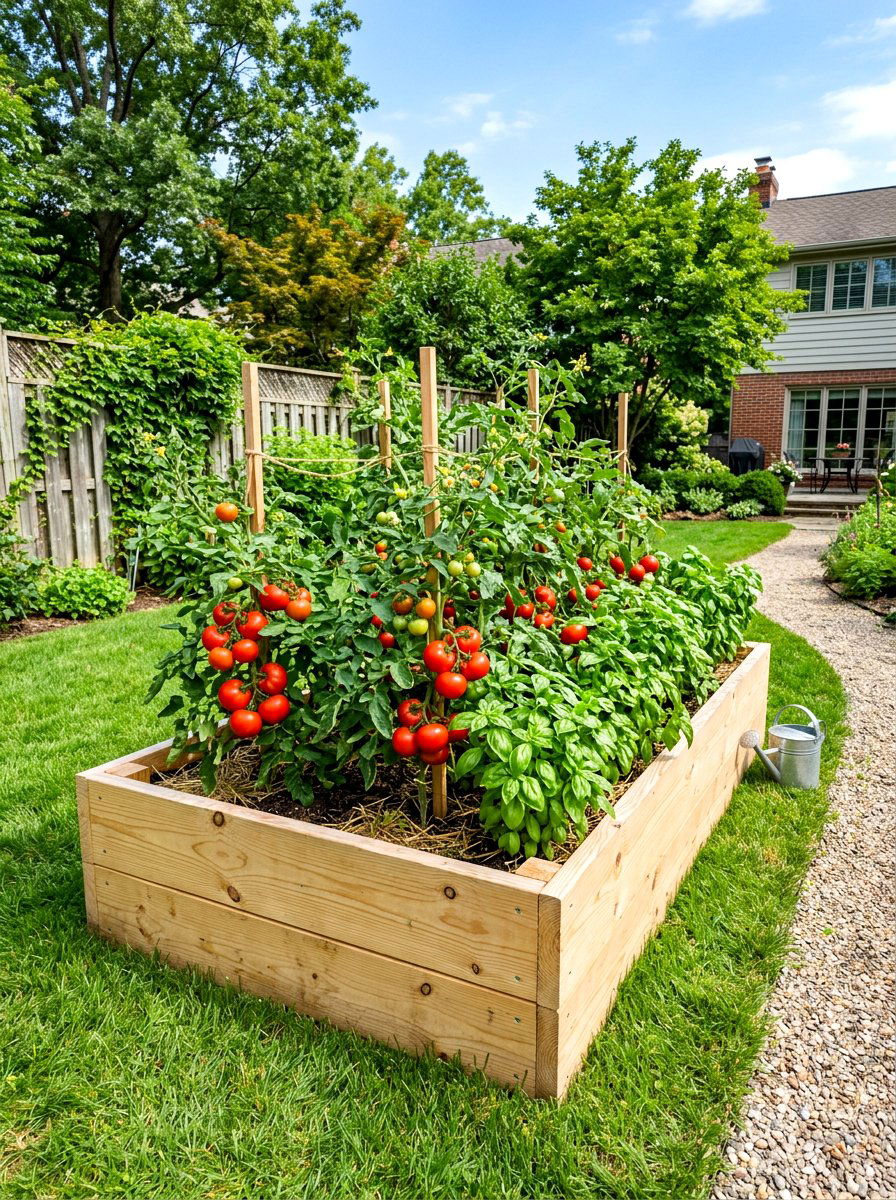
Raised beds are a fantastic choice for gardeners who want total control over their soil quality and drainage. By elevating the planting area, you can create a perfect mix of organic compost and topsoil that ensures your vegetables thrive. These structures are often built from cedar, redwood, or even stone to match the aesthetic of your home. They also help keep pathways clear and reduce the amount of weeding required throughout the season. Because the soil warms up faster in the spring, you can often start planting earlier than with traditional in-ground gardens. This organized approach looks beautiful and makes harvesting much easier on your back.
2. Vertical Vegetable Garden
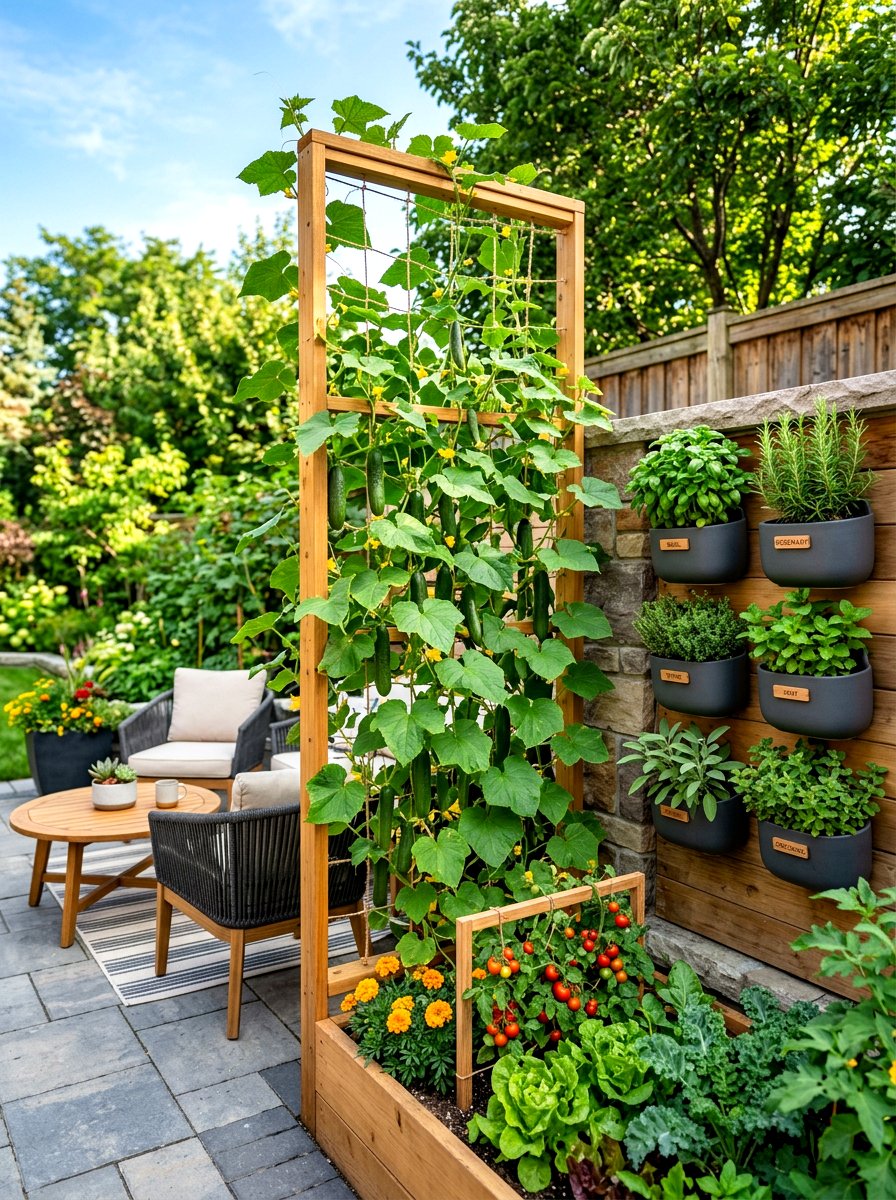
Vertical gardening is a game changer for anyone dealing with limited ground space or wanting to add a lush green wall to their patio. By using trellises, wall-mounted planters, or tiered shelving, you can grow climbing plants like cucumbers, peas, and pole beans without taking up precious floor area. This method improves air circulation around your plants, which significantly reduces the risk of pests and fungal diseases. It also makes harvesting much easier since the produce is at eye level. A well-designed vertical structure serves as a living privacy screen while providing a constant supply of fresh greens for your kitchen and family.
3. Container Vegetable Garden
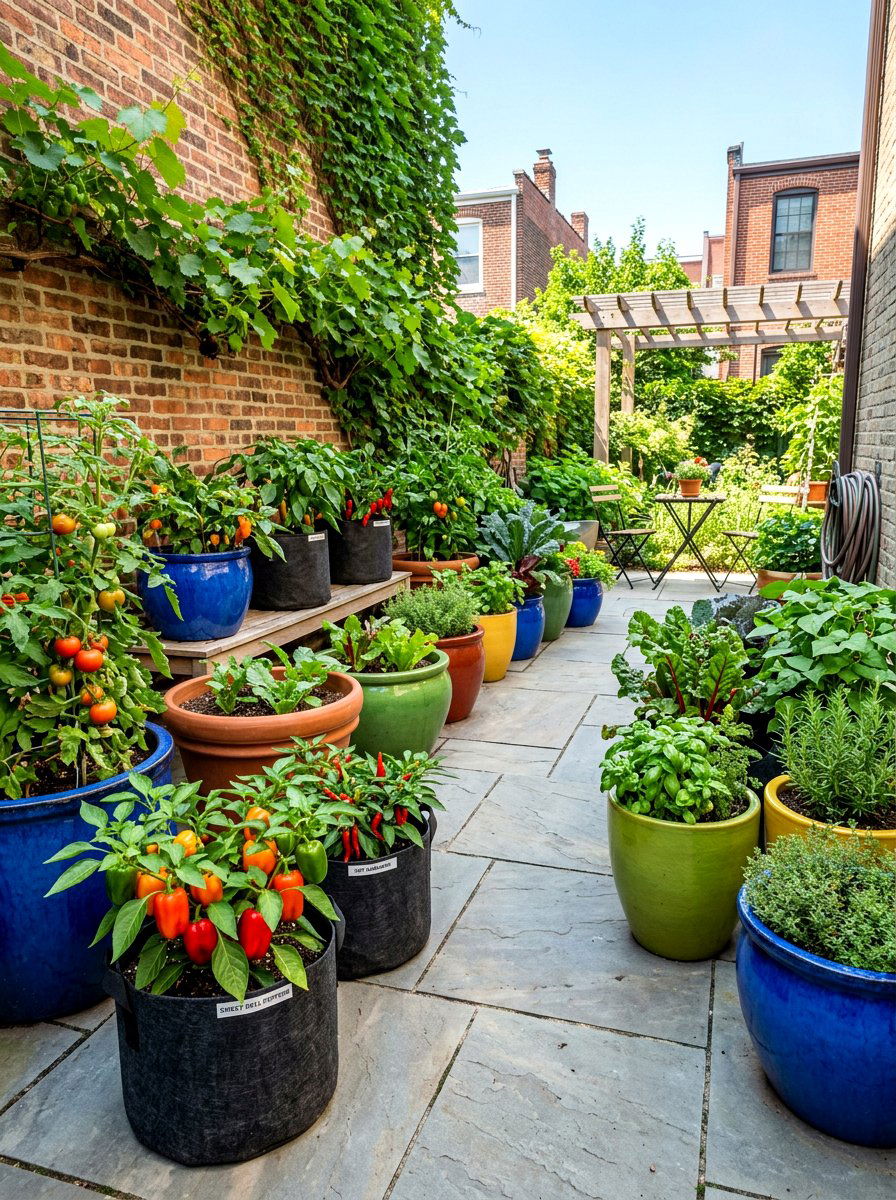
Growing vegetables in containers is the most flexible way to start a garden regardless of your living situation. You can use large ceramic pots, lightweight plastic bins, or fabric grow bags to house everything from tomatoes to peppers. The primary advantage is portability; you can move your plants to follow the sun as the seasons change or protect them from harsh weather. Containers are also excellent for preventing soil-borne diseases from spreading. With proper drainage holes and high-quality potting mix, a container garden can be just as productive as a traditional plot. It is a perfect solution for renters or those with paved outdoor spaces.
4. Square Foot Vegetable Garden
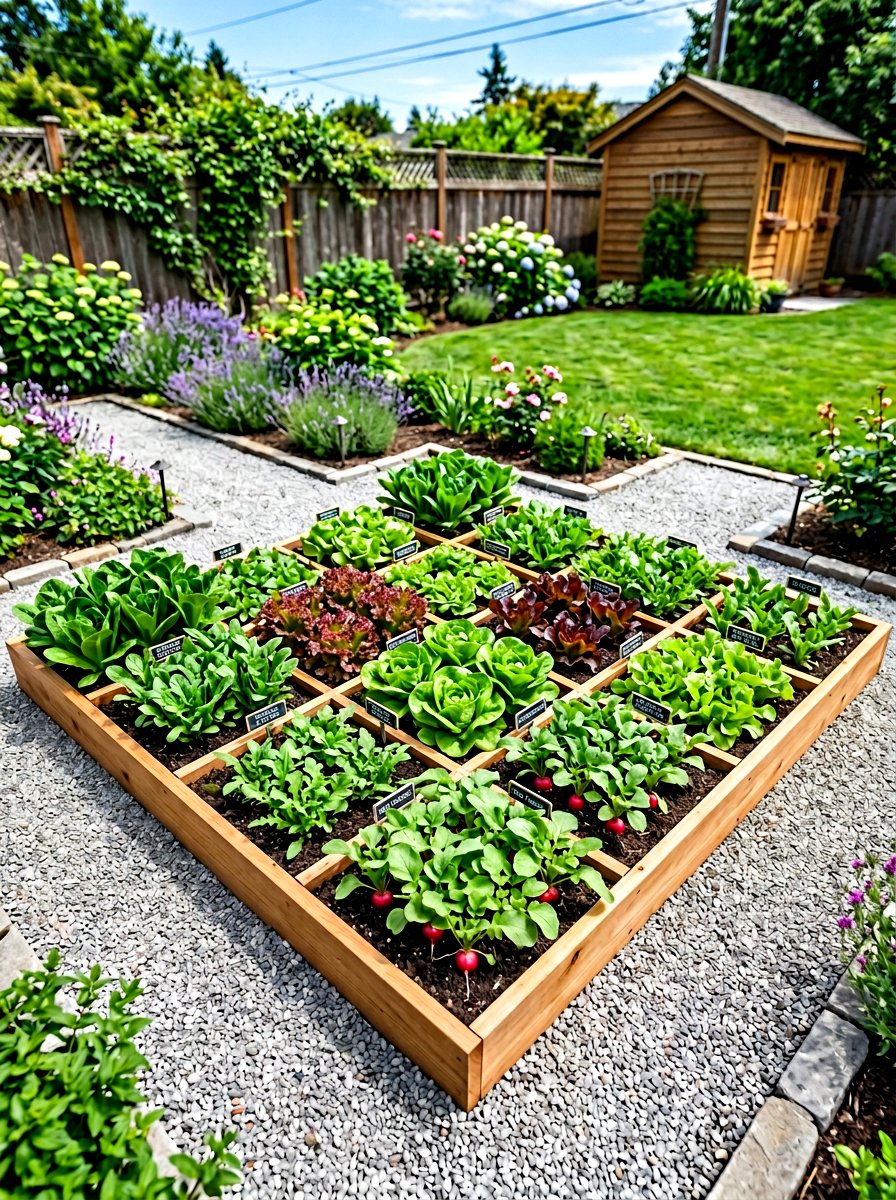
The square foot method is an incredibly efficient way to maximize your harvest in a small amount of space. By dividing a garden bed into a grid of one-foot squares, you can plant a specific number of vegetables in each section based on their size. This prevents overcrowding and ensures every plant has enough nutrients and light to grow. It is a highly organized system that takes the guesswork out of spacing and helps you rotate crops easily. Many people find this method less overwhelming because it breaks the garden down into small, manageable tasks. It is perfect for beginners who want high yields without a lot of work.
5. Greenhouse Vegetable Garden
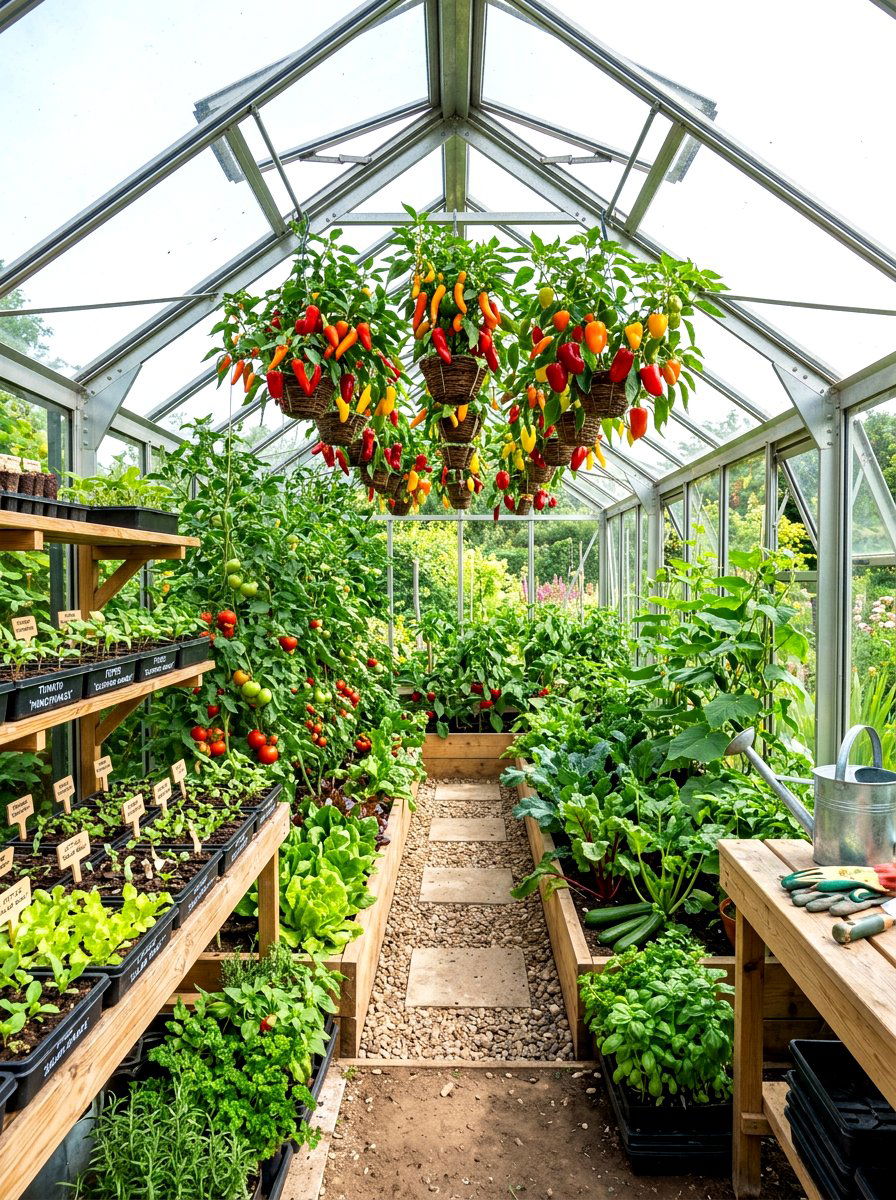
Investing in a greenhouse allows you to extend your growing season and protect delicate vegetables from unpredictable weather. These glass or polycarbonate structures trap heat and moisture, creating a tropical microclimate that is ideal for heat-loving plants like peppers and eggplants. You can start your seeds much earlier in the winter and continue harvesting well into the autumn months. Beyond functionality, a greenhouse serves as a stunning focal point in any backyard design. It provides a dedicated space for gardening experiments and keeps your plants safe from hungry local wildlife. It is the ultimate upgrade for any serious home gardener looking for consistent results.
6. Keyhole Vegetable Garden
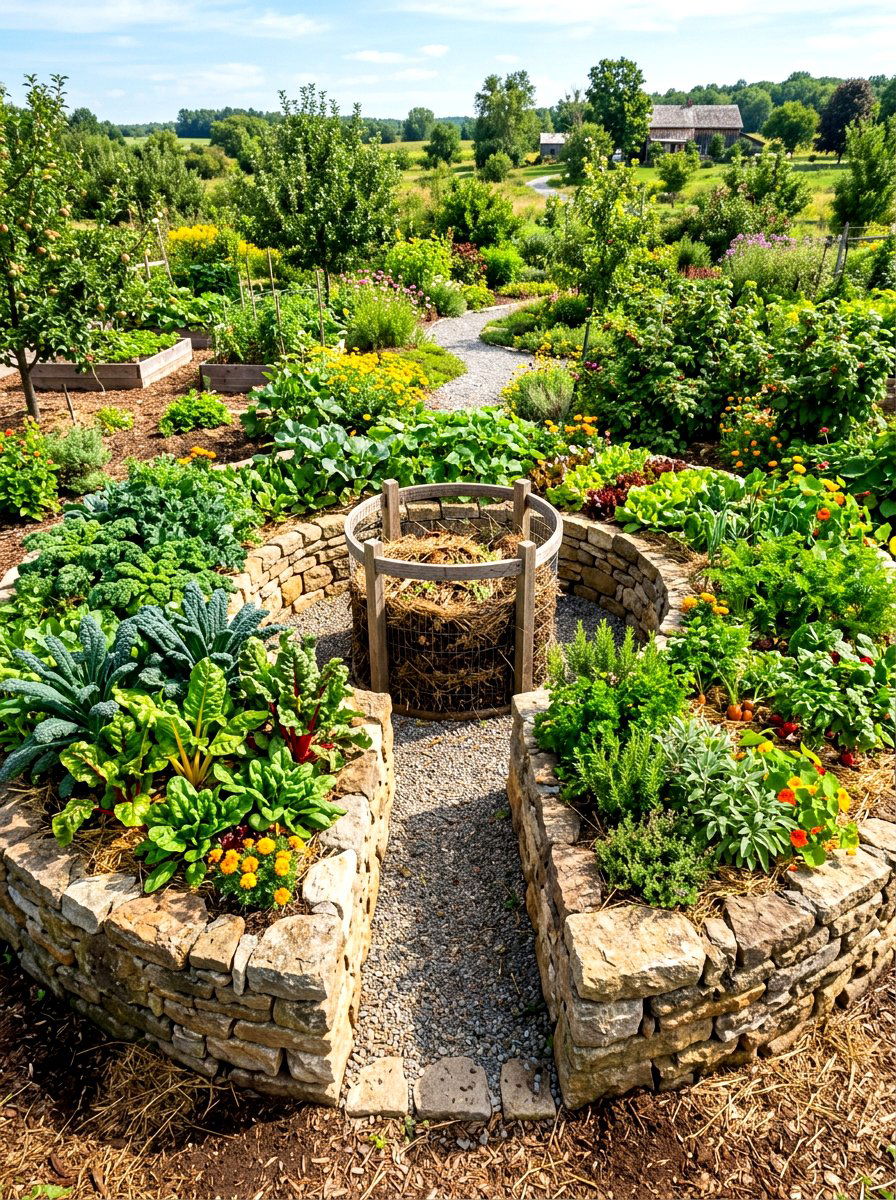
A keyhole garden is a unique and highly sustainable design that combines a raised bed with a central composting basket. Shaped like a circle with a small wedge cut out for access, it allows you to water and feed your plants directly through the center. As the organic matter in the basket breaks down, it releases nutrients into the surrounding soil, creating a self-fertilizing system. This design is particularly effective in dry climates because the thick layers of soil and mulch retain moisture exceptionally well. It is a beautiful, functional centerpiece that demonstrates the principles of permaculture while producing a massive amount of healthy food.
7. Edible Landscaping Vegetable Garden
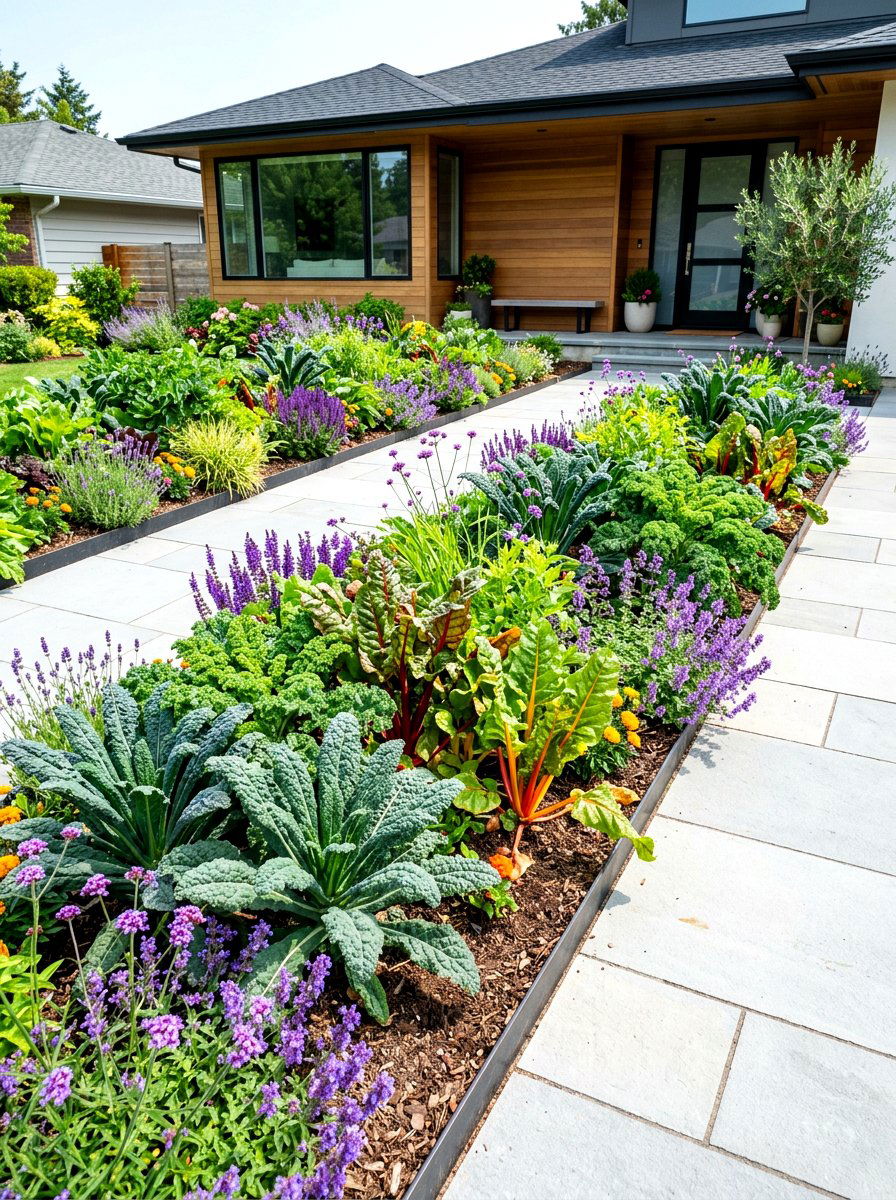
Edible landscaping is the art of integrating food-producing plants into your existing ornamental flower beds. Instead of hiding your vegetables in the backyard, you can use colorful kale, vibrant peppers, and leafy herbs as decorative elements in your front yard. This approach makes your garden both beautiful and productive, proving that you do not need a dedicated farm plot to grow food. Many vegetables have stunning foliage and flowers that rival traditional landscape plants. By mixing edibles with flowers, you also attract more pollinators, which helps increase your overall crop yields. It is a modern, sustainable way to use your entire property for food.
8. Herb Spiral Vegetable Garden
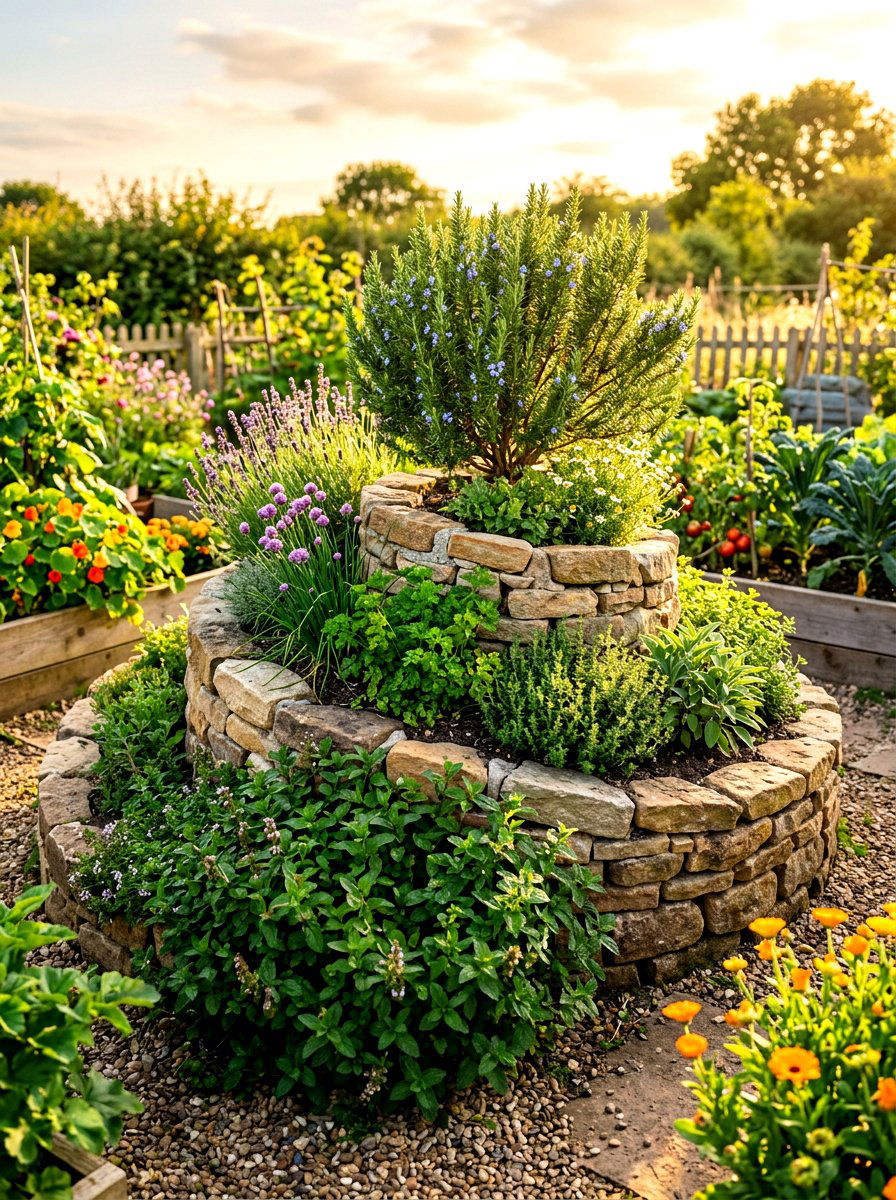
A herb spiral is a brilliant vertical design that allows you to grow a wide variety of herbs in a very small footprint. By building a spiral mound out of stones or bricks, you create different microclimates that suit various plant needs. The top of the spiral is dry and sunny, which is perfect for Mediterranean herbs like rosemary and thyme. The bottom is cooler and moister, making it ideal for mint and parsley. This architectural feature adds a sense of whimsy and height to your garden while keeping your most-used culinary herbs within easy reach. It is a practical and visually striking addition to any backyard.
9. Pallet Vegetable Garden
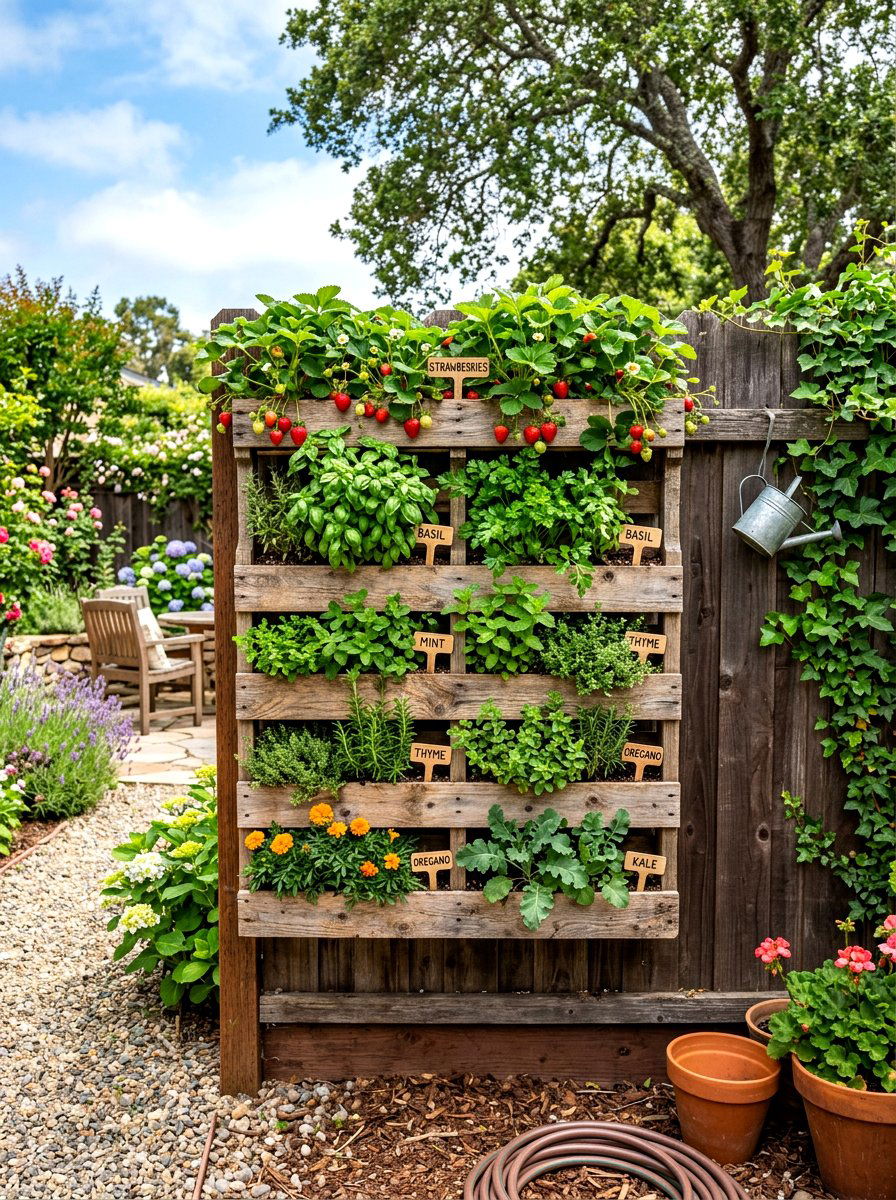
Using wooden pallets is an affordable and creative way to build a vertical vegetable garden on a budget. By securing landscape fabric to the back and bottom of a pallet, you can fill it with soil and plant small crops between the slats. This setup is perfect for growing leafy greens, strawberries, and various herbs. Pallet gardens can be leaned against a fence or mounted directly to a wall, making them ideal for urban spaces. Just ensure the pallet is heat-treated rather than chemically treated to keep your food safe. It is a wonderful upcycling project that adds a rustic, industrial charm to your outdoor area.
10. Window Box Vegetable Garden
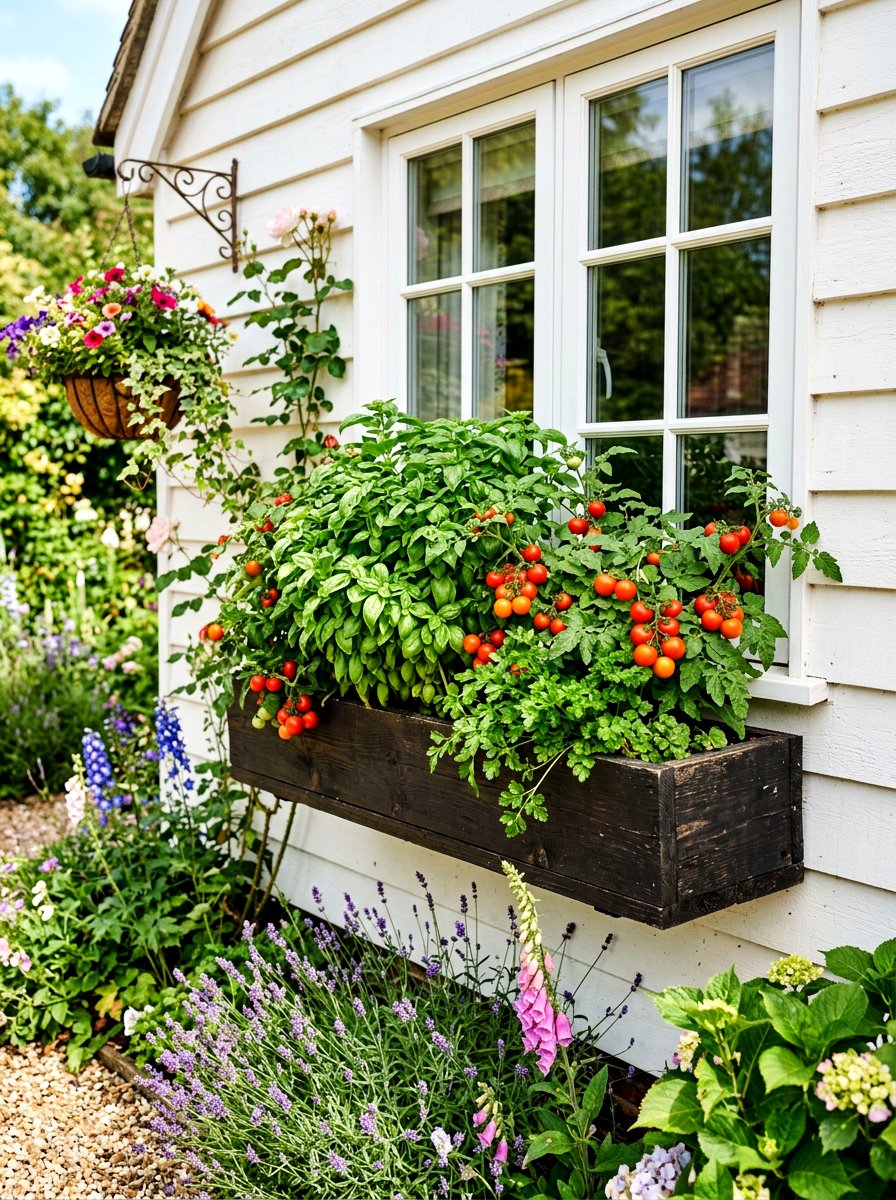
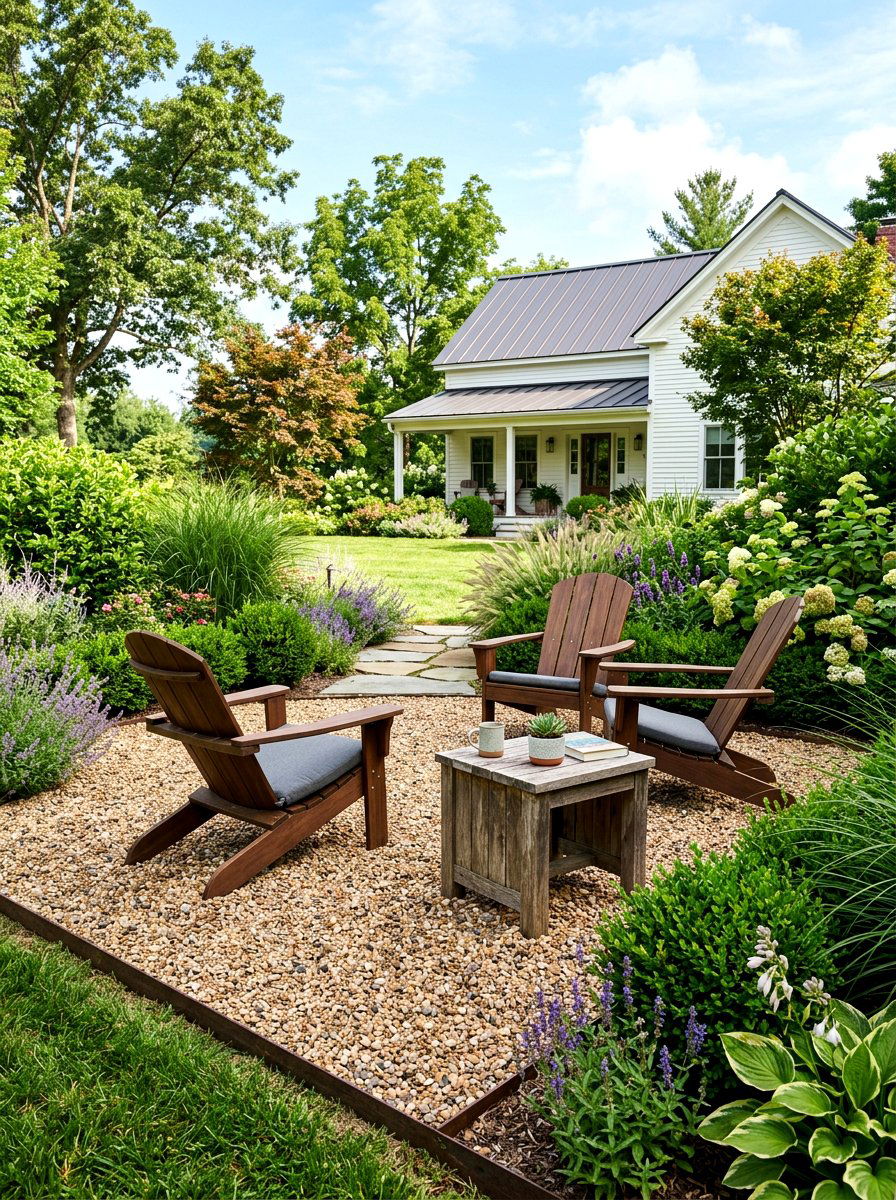
Window boxes are not just for flowers; they are perfect for growing small-scale vegetables right outside your kitchen window. This setup is ideal for herbs, lettuces, and dwarf varieties of peppers or tomatoes. Having your garden at eye level makes it easy to monitor for pests and ensures you never forget to water. It also adds a charming, cottage-style look to the exterior of your home. Window boxes are a great solution for people living in apartments who still want the joy of picking fresh ingredients for their meals. They bring greenery and life to even the most restricted urban environments with minimal effort.
11. Trellis Vegetable Garden
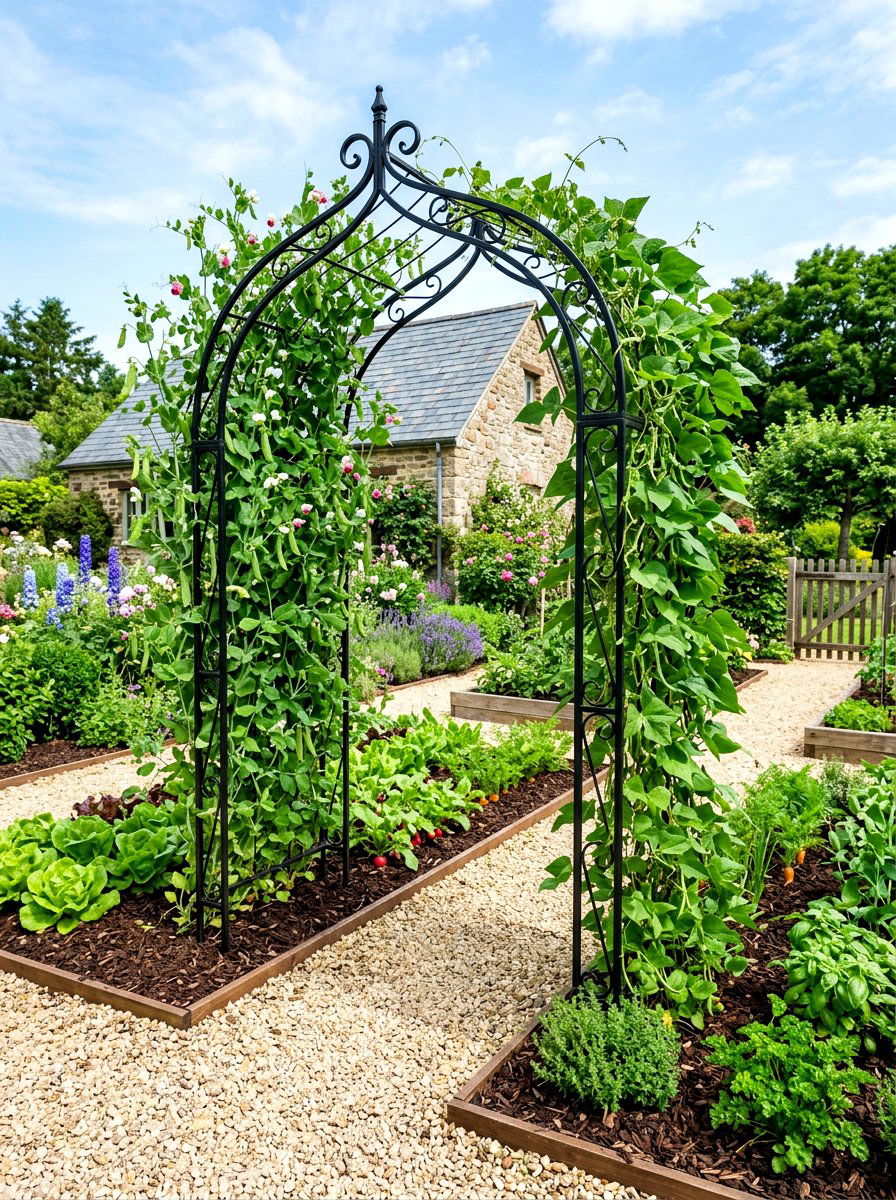
A trellis garden uses tall wooden or metal structures to encourage plants to grow upward rather than spreading across the ground. This is the best way to grow vining crops like cucumbers, squash, and beans in a tidy and organized fashion. Not only does this save a significant amount of space, but it also keeps the fruit off the soil, which prevents rot and keeps the vegetables clean. Trellises can be used to create beautiful archways or living privacy screens that define different areas of your yard. The visual height adds a professional and lush feel to the landscape while maximizing your total growing capacity.
12. Rooftop Vegetable Garden
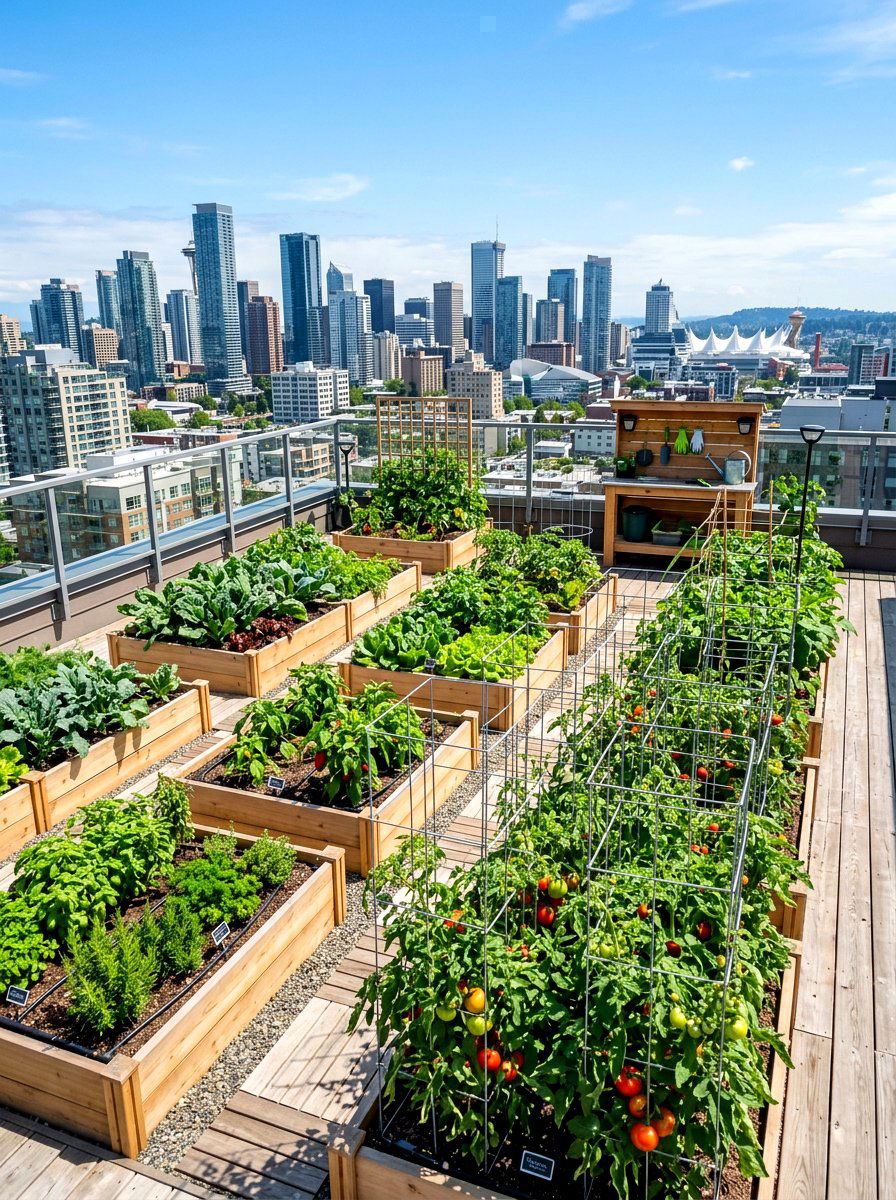
Transforming an unused rooftop into a lush vegetable garden is a smart way to utilize urban space and improve building insulation. Rooftop gardens often receive incredible amounts of sunlight, which is perfect for sun-loving vegetables like tomatoes and peppers. Using lightweight containers or raised beds ensures that the structure of the building is protected while providing a private oasis in the city. These gardens also help reduce the urban heat island effect and provide a habitat for local pollinators. With a comfortable seating area nearby, your rooftop garden becomes a peaceful retreat where you can enjoy the sunset while surrounded by your growing food.
13. Balcony Vegetable Garden
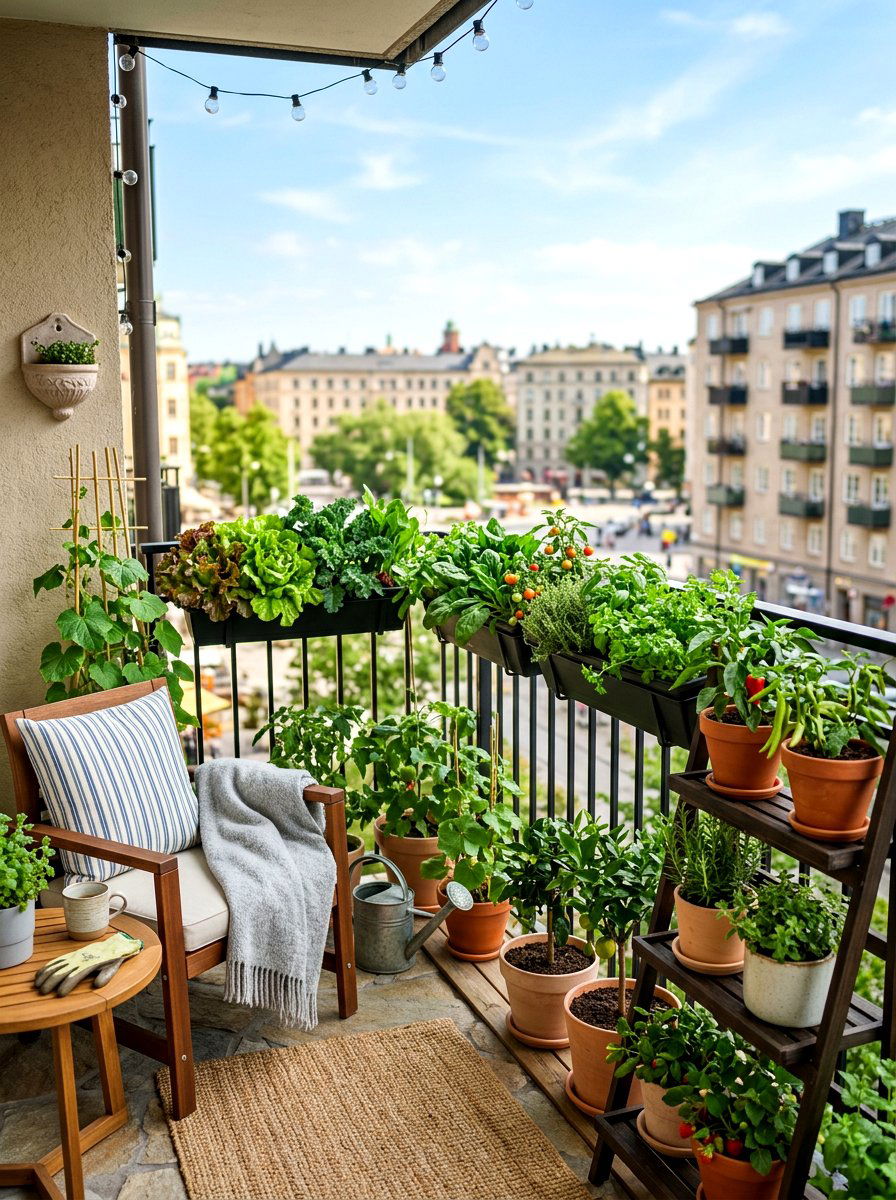
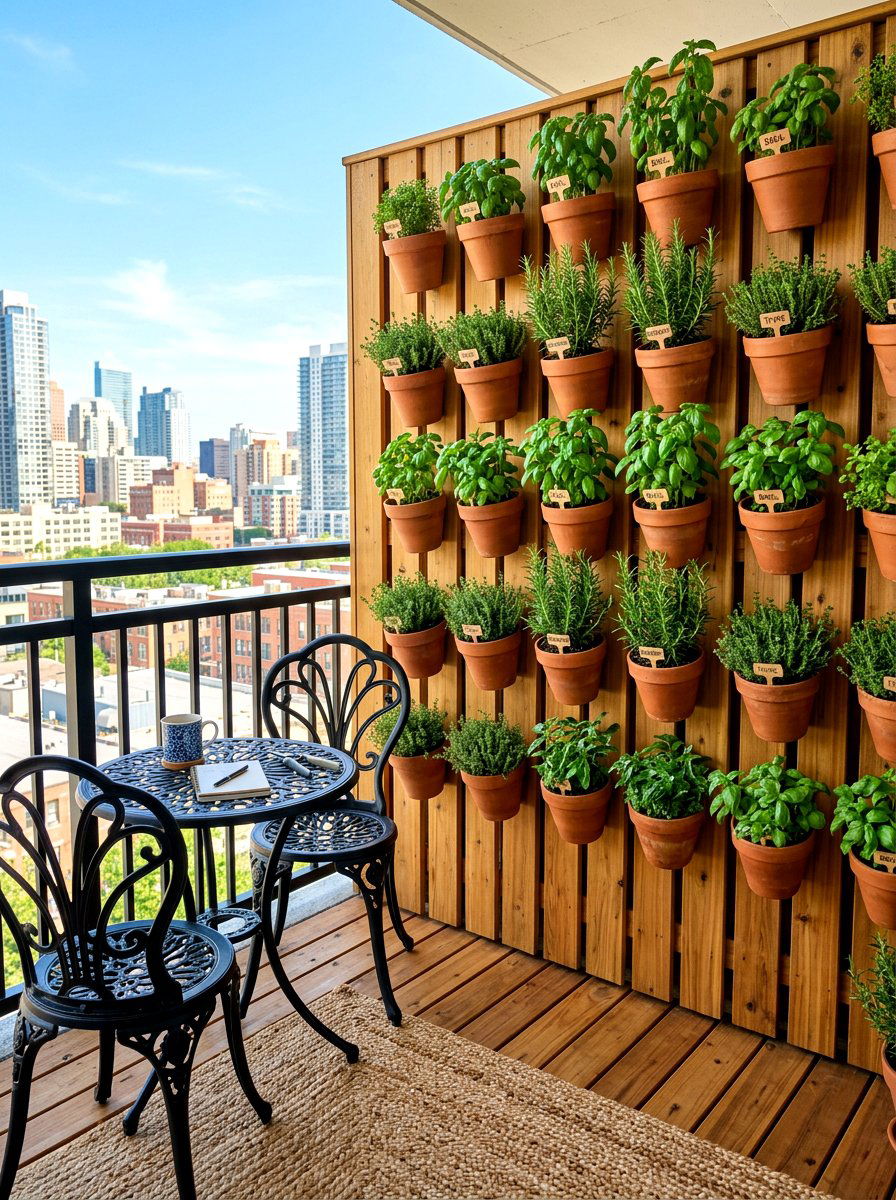
A balcony vegetable garden proves that you do not need a large yard to be a successful gardener. By using a combination of railing planters, hanging pots, and small tiered shelves, you can grow a surprising amount of food in a tiny area. Focus on compact or "patio" varieties of vegetables that are specifically bred for smaller spaces. Vertical elements are key here to make the most of the limited square footage. Adding a small outdoor rug and a chair makes the space feel like a true garden room. It is a wonderful way to bring nature into a high-rise living environment.
14. Indoor Vegetable Garden
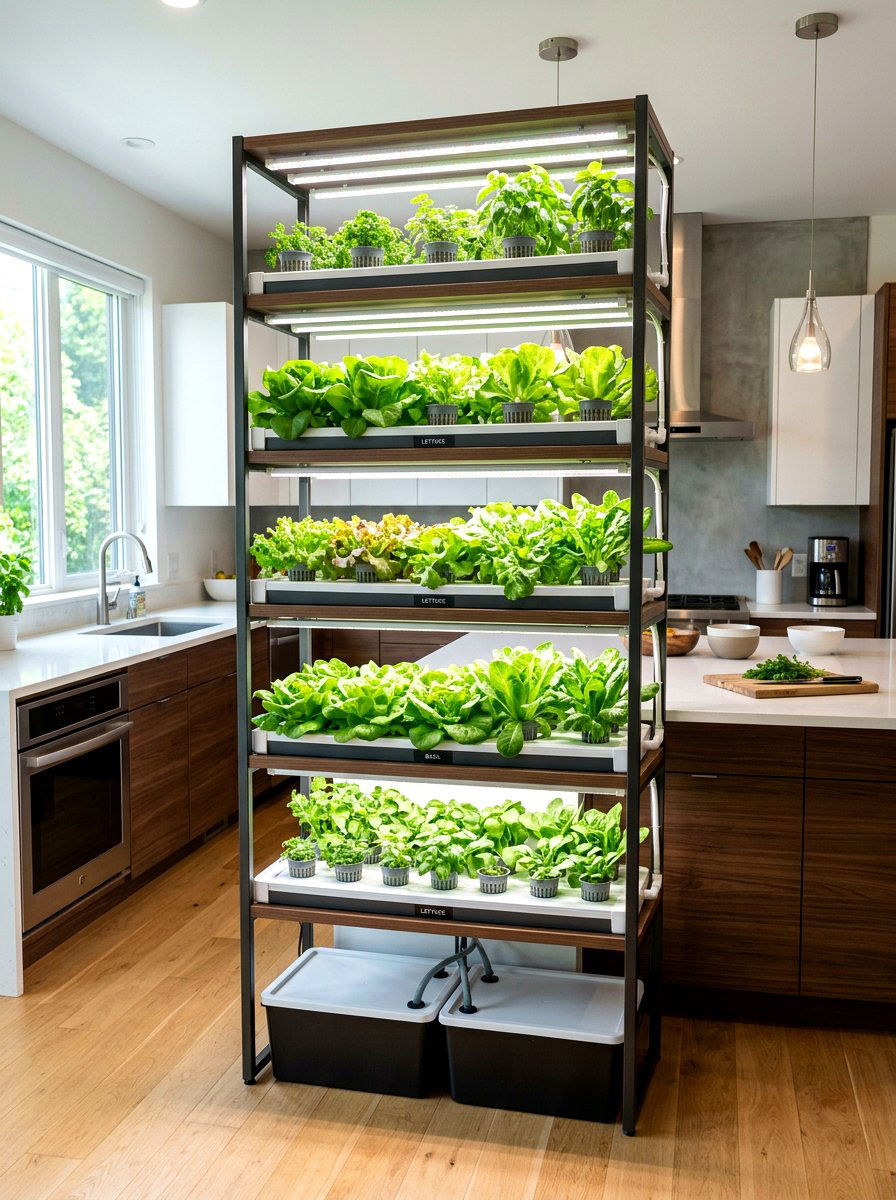
Growing vegetables indoors allows you to enjoy fresh produce year-round, regardless of the weather outside. With the help of modern LED grow lights and hydroponic systems, you can cultivate greens and herbs in your kitchen or basement. These systems are often very clean and stylish, fitting perfectly with modern home decor. Indoor gardening is particularly useful for growing tender herbs that struggle in cold climates. It also improves indoor air quality and brings a sense of calm to your living space. You can start small with a few countertop pots or invest in a full vertical shelving unit for a larger harvest.
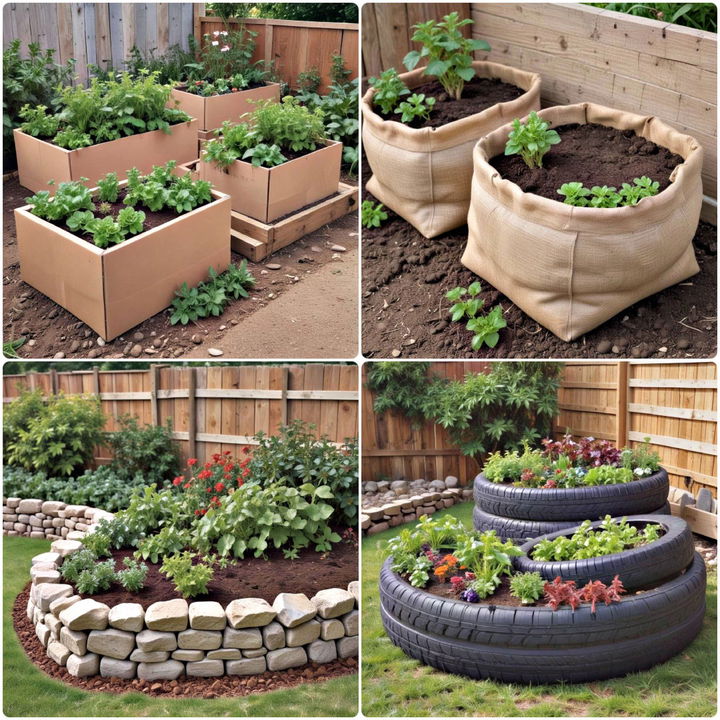
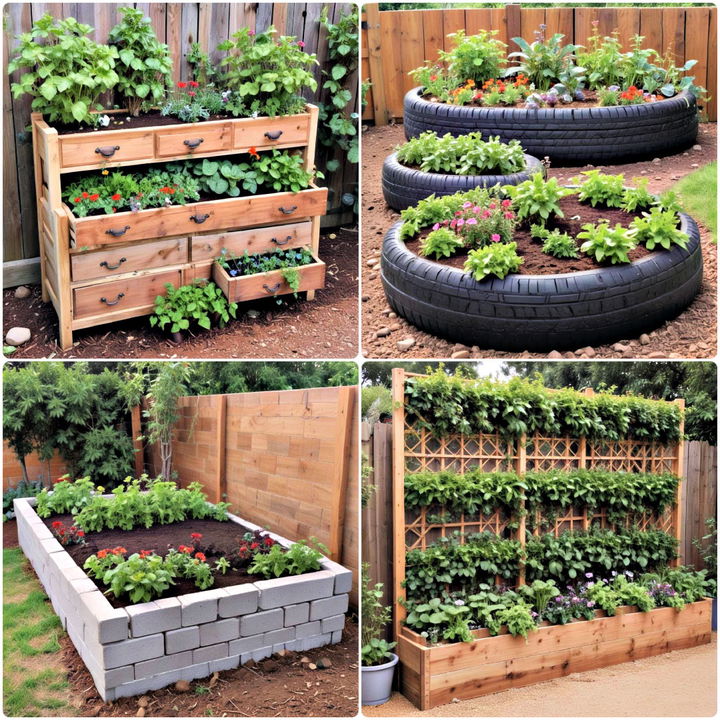
15. Hanging Basket Vegetable Garden
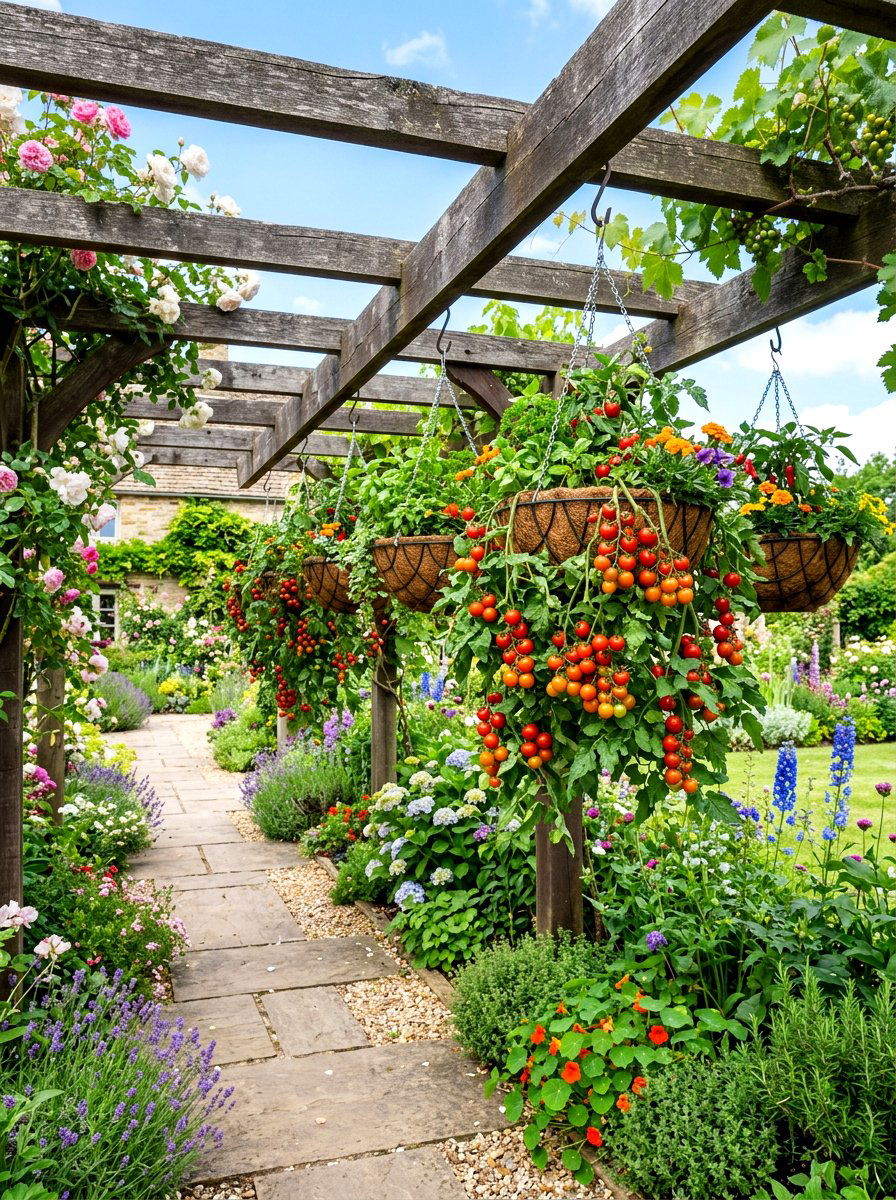
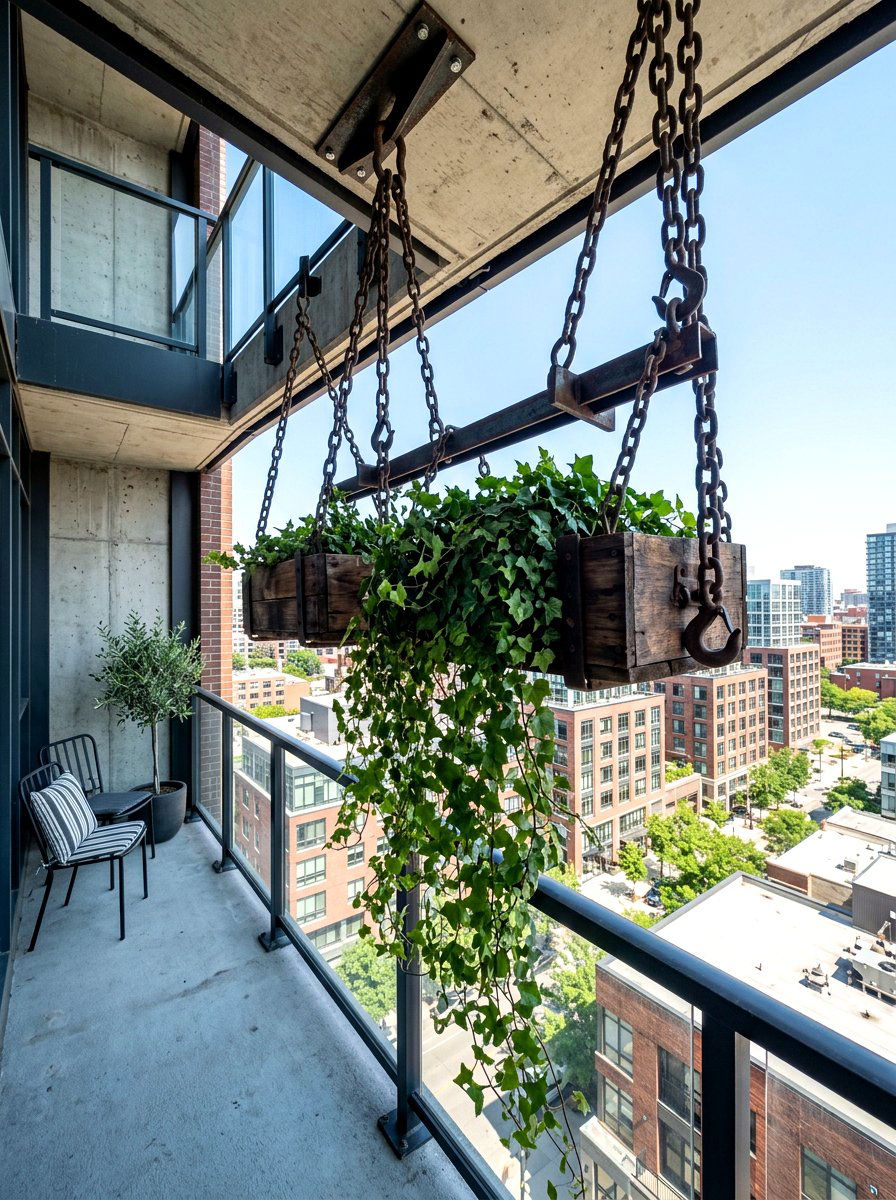
Hanging baskets are a clever way to grow vegetables while keeping your floor space completely clear. They are especially effective for "tumbling" varieties of tomatoes and strawberries that naturally spill over the edges. Hanging your plants also protects them from ground-based pests like slugs and rabbits. You can hang these baskets from porch eaves, pergolas, or wall brackets to add layers of greenery to your outdoor area. Just remember that hanging containers dry out faster than ground-level ones, so regular watering is essential. This method is both practical and decorative, adding a beautiful vertical dimension to any small garden or patio.
16. Gutter Vegetable Garden
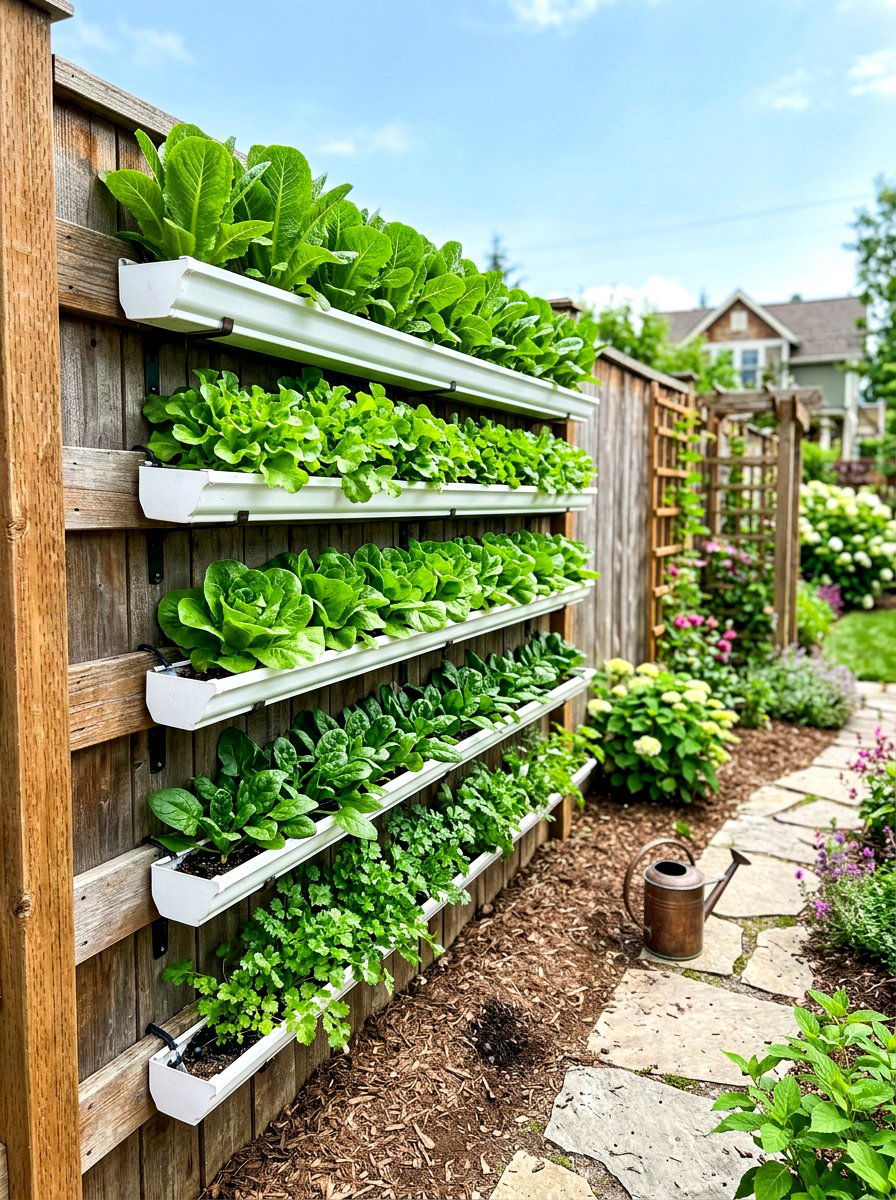
Gutter gardens are a creative and low-cost vertical solution for growing shallow-rooted plants like lettuce, spinach, and radishes. By mounting sections of plastic or metal gutters to a fence or wall, you create long, narrow planting rows that take up zero floor space. This setup is perfect for delineating boundaries or adding life to a plain wooden fence. It is also an excellent height for children to help with gardening tasks. Because the soil volume is small, these gardens require frequent watering, but they are incredibly easy to plant and harvest. It is a brilliant example of using simple materials to create a highly productive space.
17. Tiered Vegetable Garden
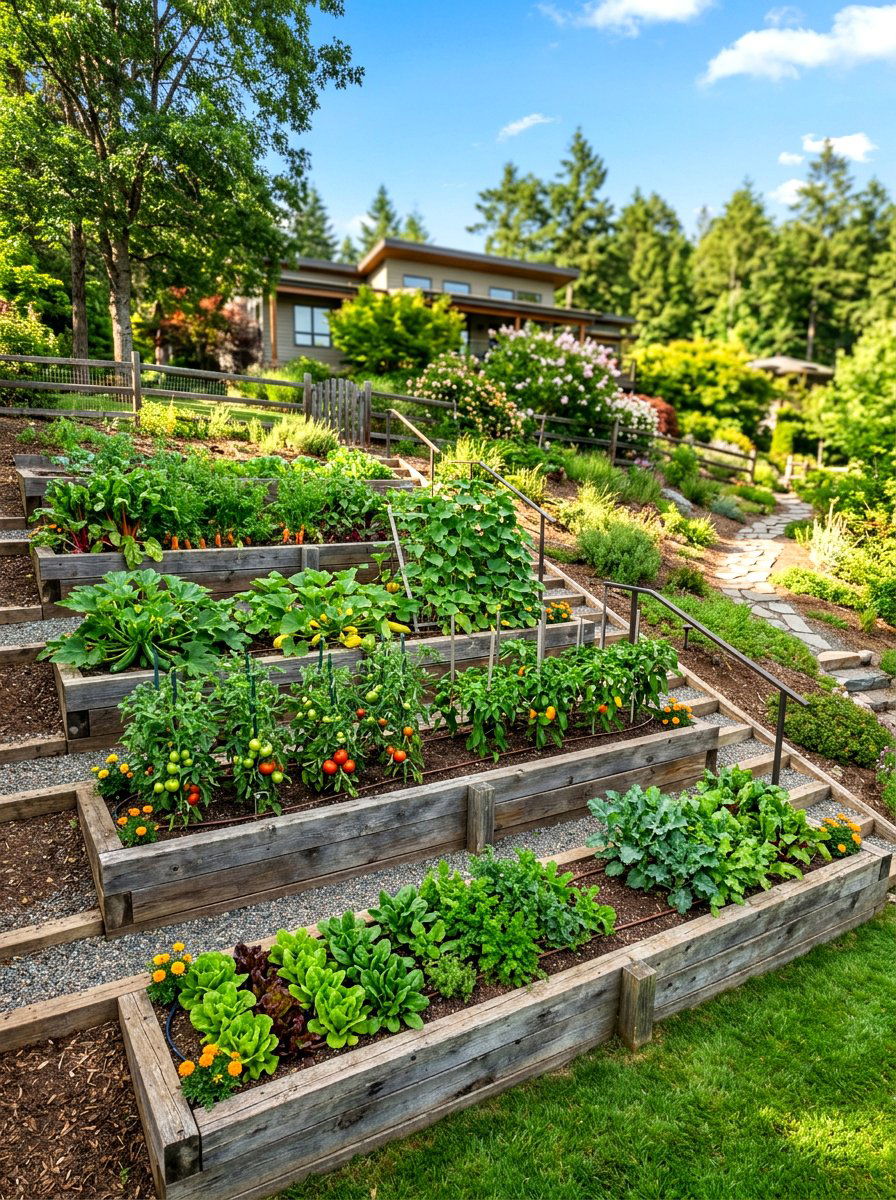
A tiered garden is the perfect solution for backyards with slopes or hills that are otherwise difficult to plant. By building a series of stepped wooden or stone retaining walls, you create flat, stable planting areas that prevent soil erosion. This design adds a dramatic architectural element to your landscape and allows you to organize your crops by height or sun requirements. Tiered beds also improve drainage and make it much easier to access your plants without having to climb up a steep incline. It transforms a challenging landscape feature into a beautiful and highly functional food production zone that catches the eye.
18. Cattle Panel Arch Vegetable Garden
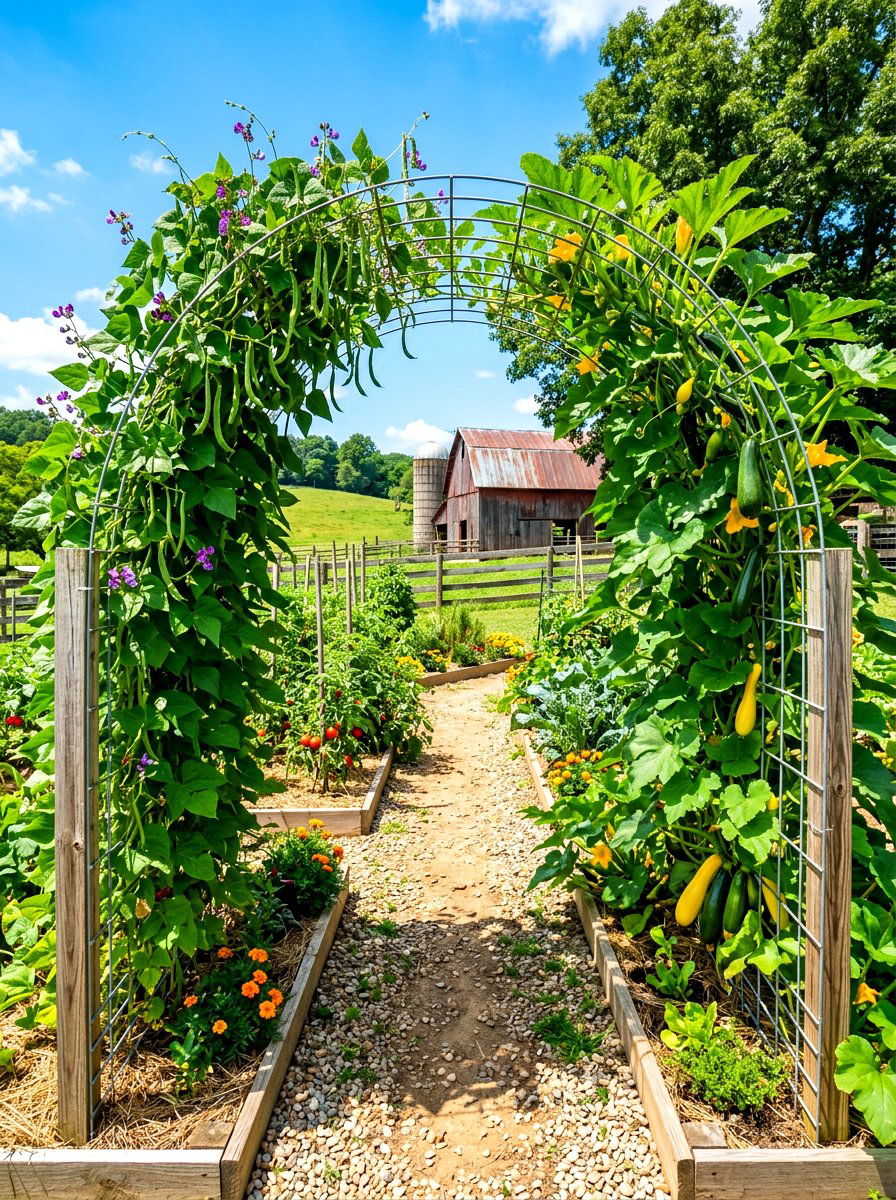
Creating an archway using cattle panels is a popular and sturdy way to add a stunning focal point to your garden. These heavy-duty wire panels are bent into a curve and secured to the ground or raised beds, providing a massive surface for climbing plants. Walking through a lush tunnel of dangling beans or heavy squash is a magical experience that maximizes vertical space. The arch also provides a bit of shade underneath, which is perfect for growing cool-season crops like lettuce during the heat of summer. It is a functional piece of garden art that brings a professional and lush look to any backyard.
19. Wattle Fence Vegetable Garden
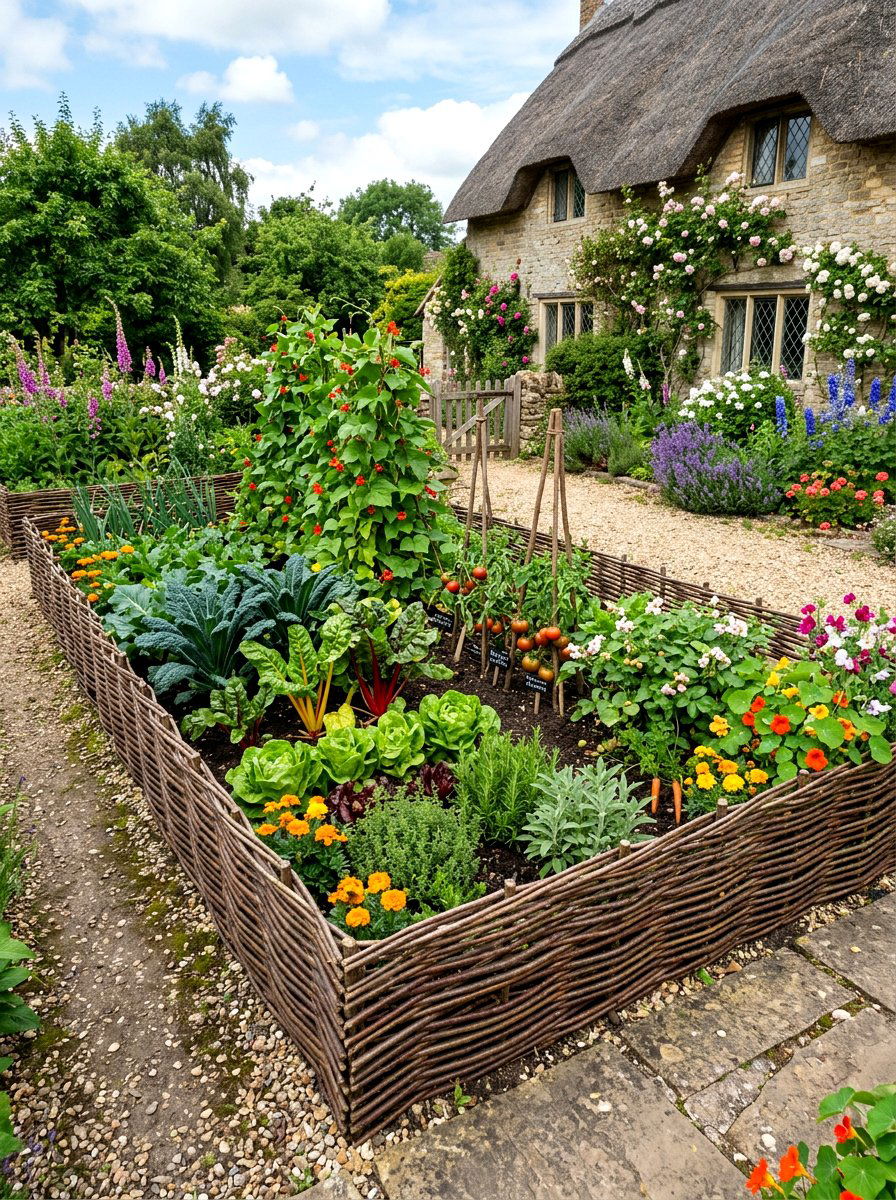
Wattle fencing is a traditional and rustic gardening technique that uses woven branches to create beautiful, organic boundaries for your vegetable beds. This method is incredibly sustainable because you can use fallen branches or prunings from your own trees, such as willow or hazel. The woven texture provides a natural, cottage-style aesthetic that blends perfectly into a woodland or country garden. These fences are also great for protecting your vegetables from wind and small animals. Building a wattle fence is a rewarding DIY project that adds a handcrafted, historical feel to your outdoor space while keeping your garden organized and stylish.
20. Permaculture Vegetable Garden
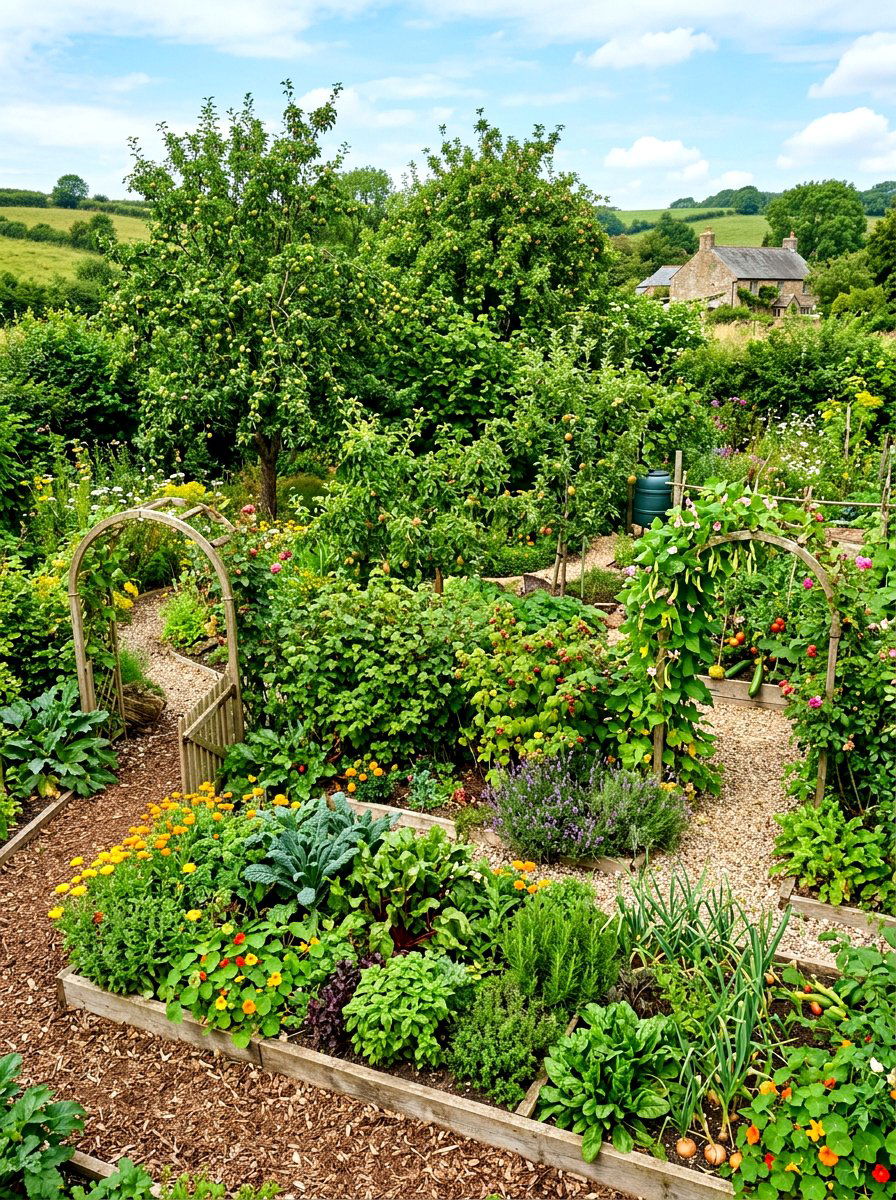
A permaculture garden is designed to mimic the patterns found in nature, creating a self-sustaining ecosystem that requires very little maintenance over time. Instead of planting in straight rows, you use polyculture, where many different types of plants grow together in harmony. This method improves soil health, naturally manages pests, and increases biodiversity in your backyard. You might include fruit trees, perennial vegetables, and flowering herbs all in the same space to support each other. It is a holistic approach to gardening that focuses on long-term sustainability and earth-friendly practices. The result is a wild, lush, and incredibly productive landscape that looks like a natural paradise.
21. No Dig Vegetable Garden
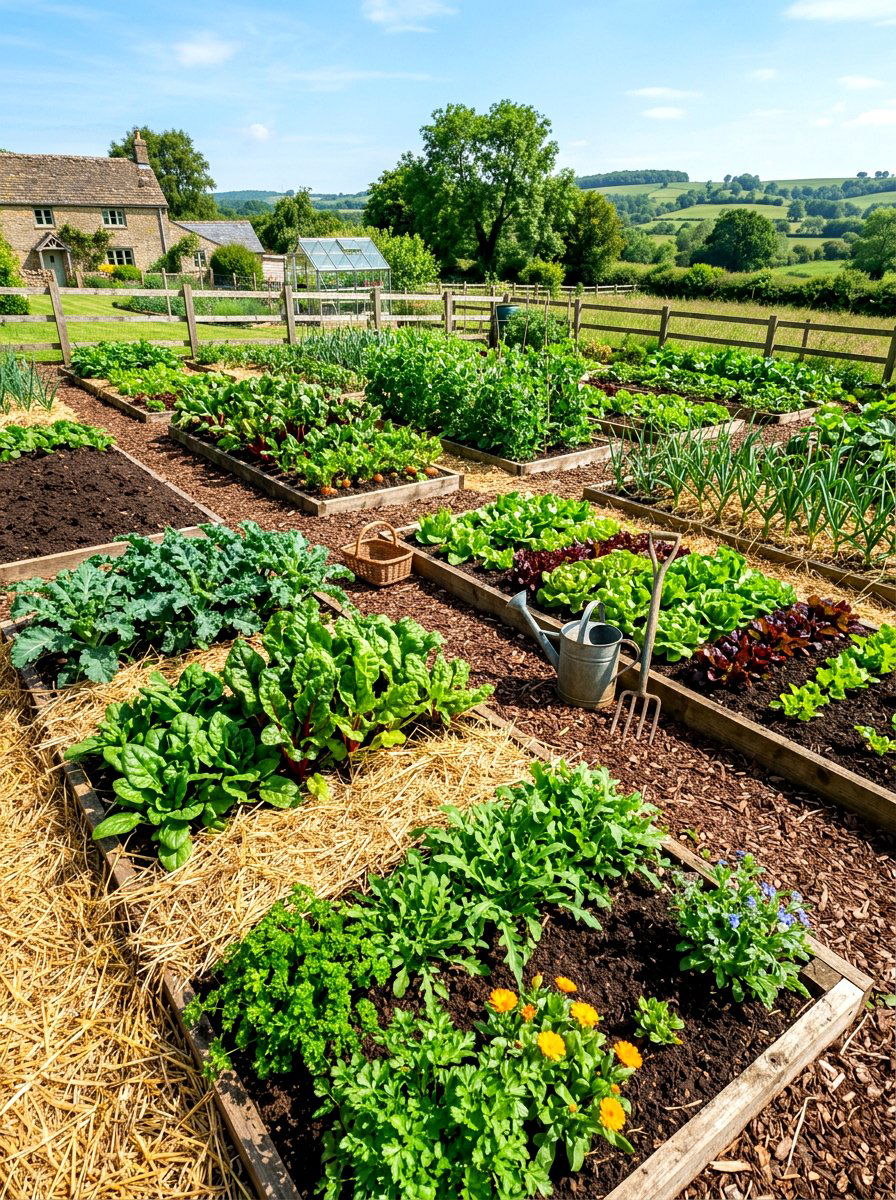
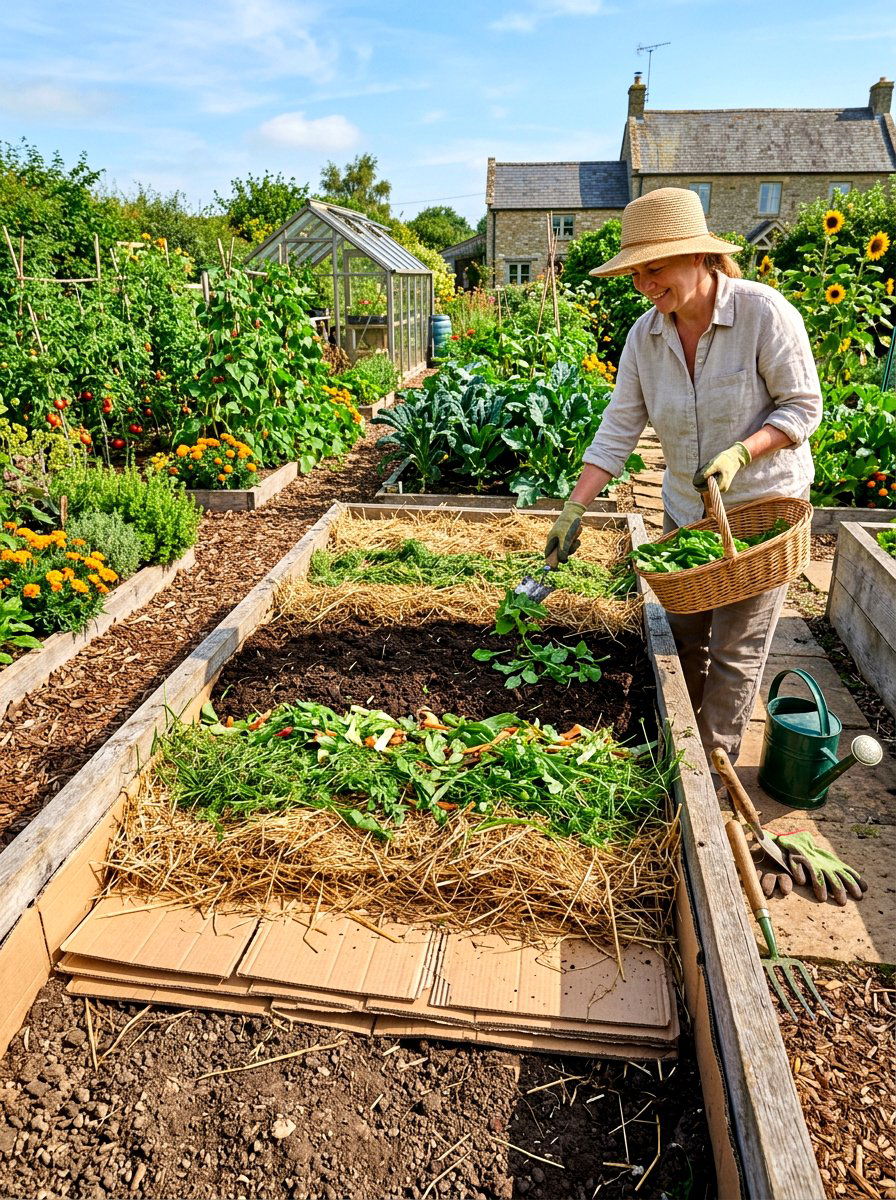
The no-dig method is a revolutionary way to garden that focuses on protecting the delicate biology of the soil. Instead of tilling or digging, you simply layer organic matter like compost and mulch directly on top of the ground. Over time, this creates incredibly rich, fertile soil that is full of beneficial microorganisms and earthworms. This approach significantly reduces the number of weeds that sprout because you are not bringing buried seeds to the surface. It is also much easier on your body since there is no heavy labor involved. No-dig gardens are highly productive and contribute to a healthier environment by sequestering carbon in the soil.
22. Self Watering Vegetable Garden
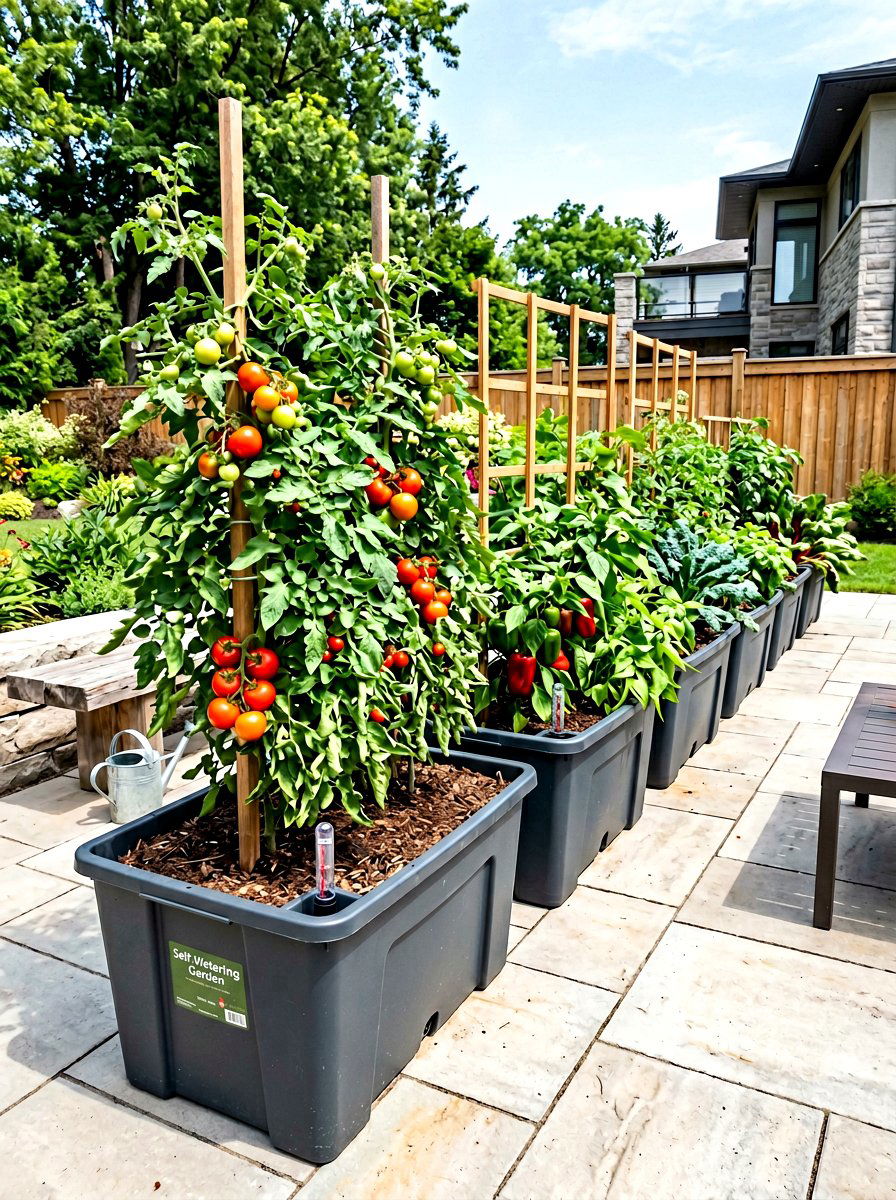
Self-watering planters are a lifesaver for busy gardeners or those living in hot climates where plants dry out quickly. These systems feature a built-in reservoir at the bottom that provides a steady supply of moisture to the roots through capillary action. This ensures that your vegetables never experience the stress of drying out, leading to faster growth and higher yields. You can buy pre-made self-watering boxes or easily build your own using plastic bins and PVC pipes. This method is particularly effective for thirsty plants like tomatoes and cucumbers. It takes the guesswork out of watering and keeps your garden thriving even when you are away.
23. Potager Vegetable Garden
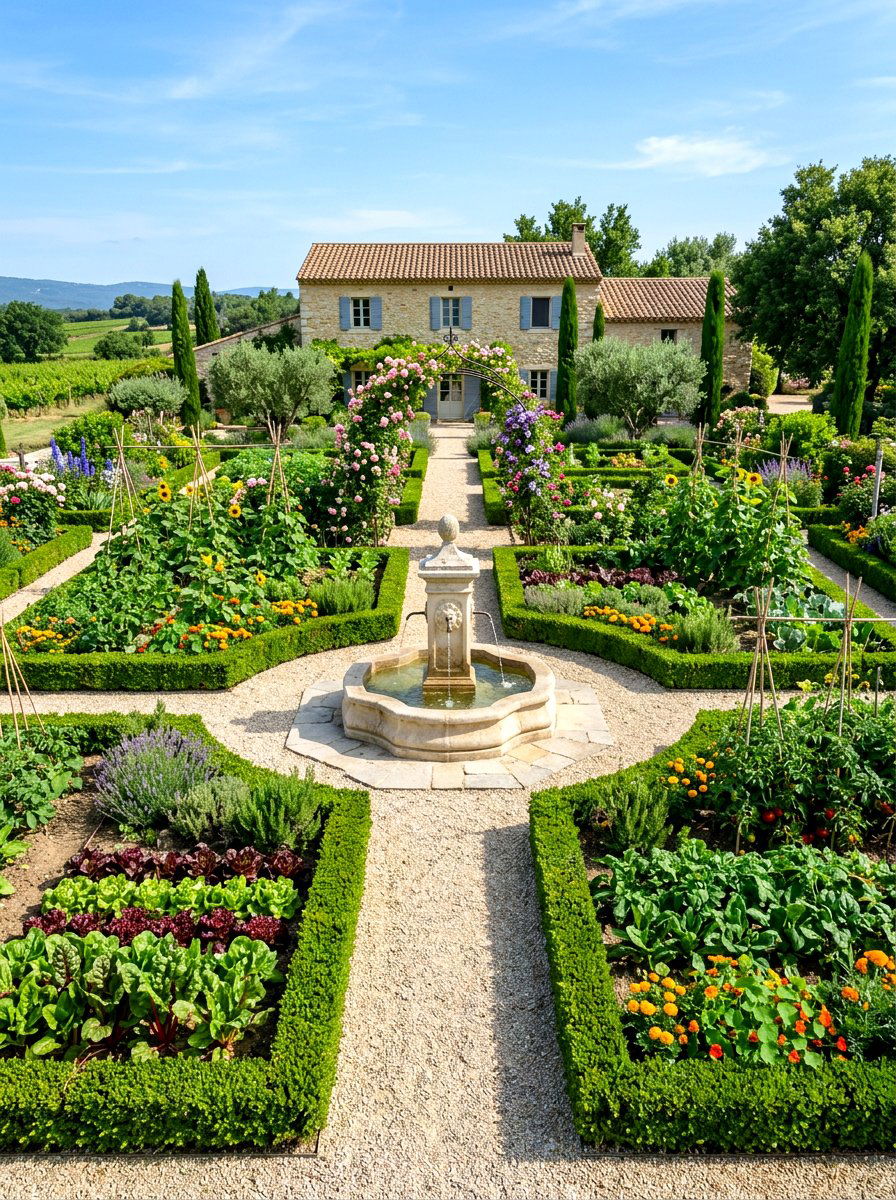
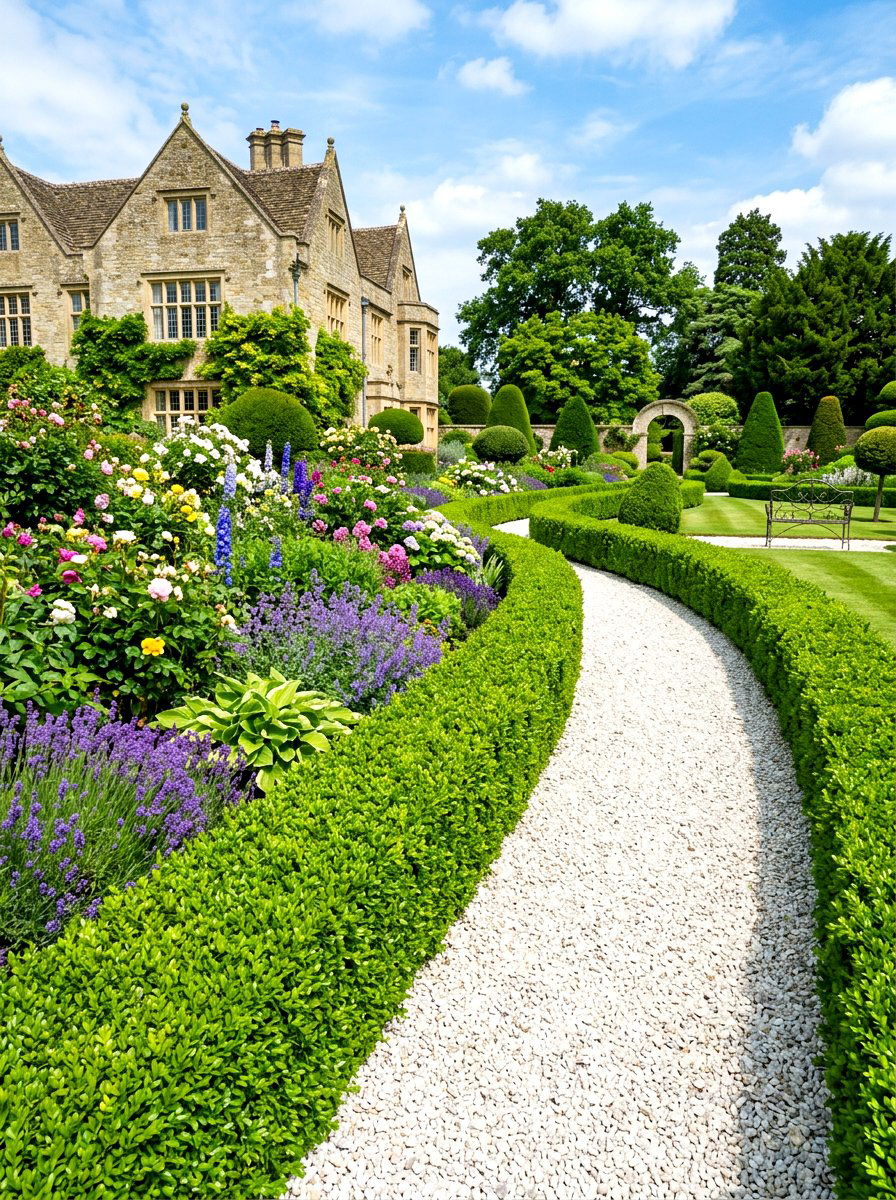
A potager is a traditional French kitchen garden that is designed to be as beautiful as it is functional. This style uses formal layouts, such as symmetrical beds and gravel pathways, to create a structured and elegant space. Vegetables are mixed with flowers and herbs to create a sensory experience full of color and fragrance. A central focal point, like a fountain or an obelisk, often anchors the design. The potager proves that a vegetable garden can be a sophisticated part of your home's landscape. It is the perfect choice for those who want a romantic, historical aesthetic that provides a constant supply of fresh ingredients.
24. Childrens Vegetable Garden
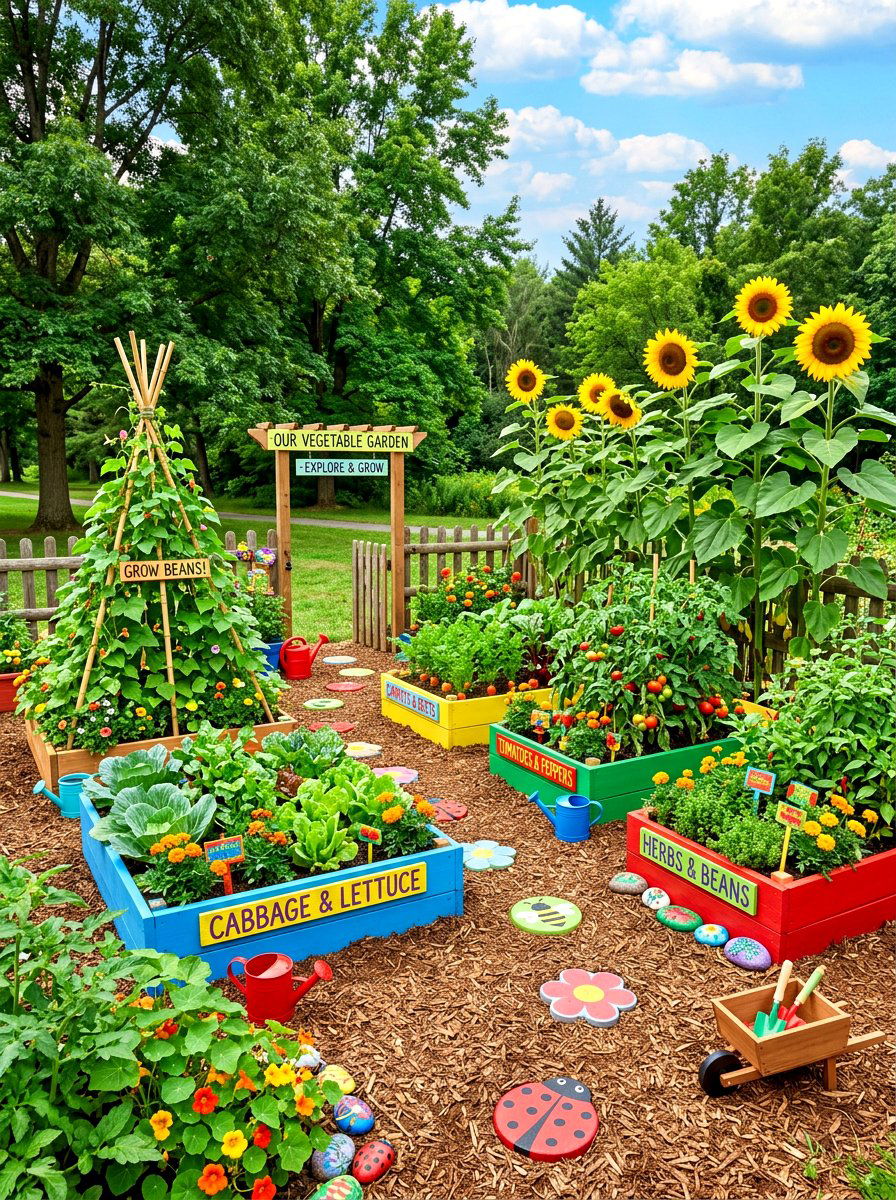
Designing a garden specifically for children is a wonderful way to get them interested in nature and healthy eating. These gardens often feature small-scale beds, colorful signage, and easy-to-grow plants like giant sunflowers, cherry tomatoes, and snap peas. Including a small seating area or a "secret" bean teepee makes the space feel like a playground. Sensory elements, such as fuzzy lamb's ear or fragrant mint, encourage kids to explore with all their senses. Teaching children where their food comes from through hands-on experience is a lesson that lasts a lifetime. It is a fun, vibrant, and educational addition to any family home.
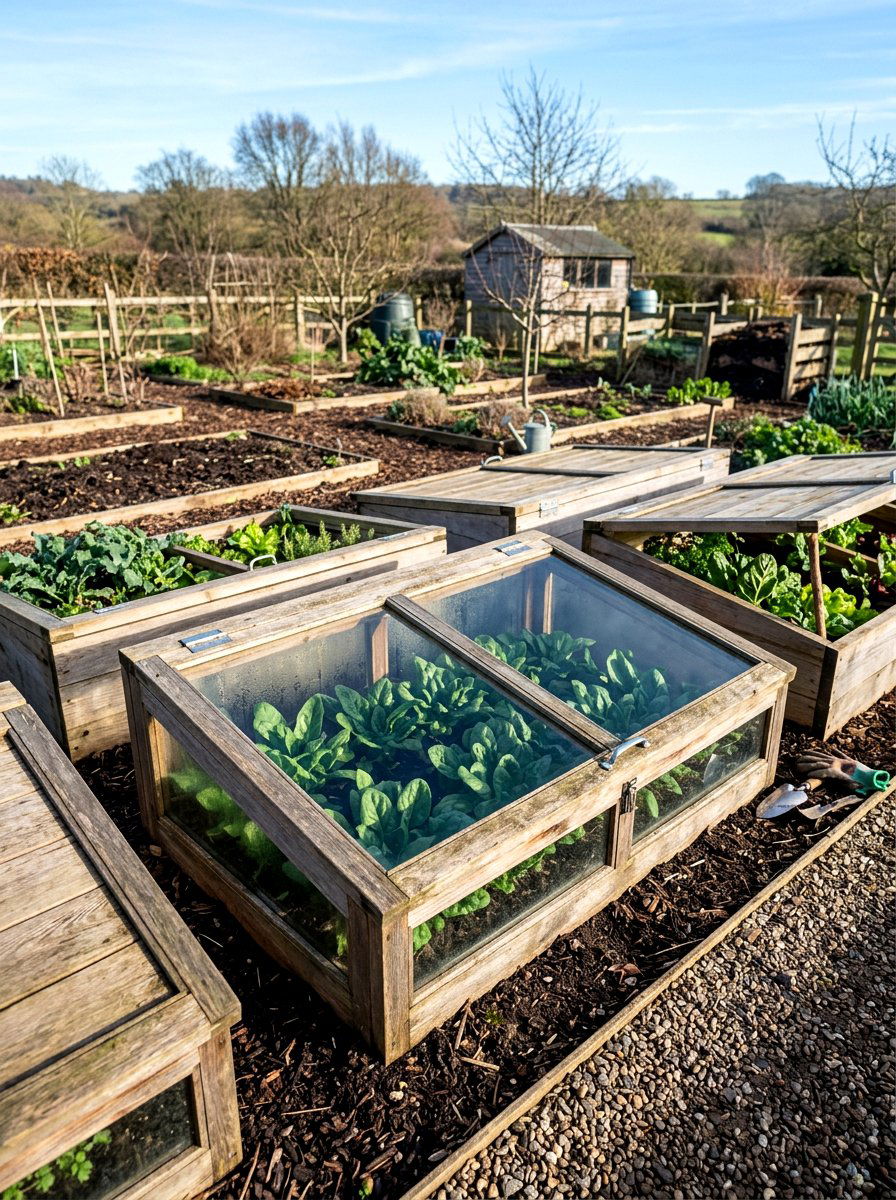
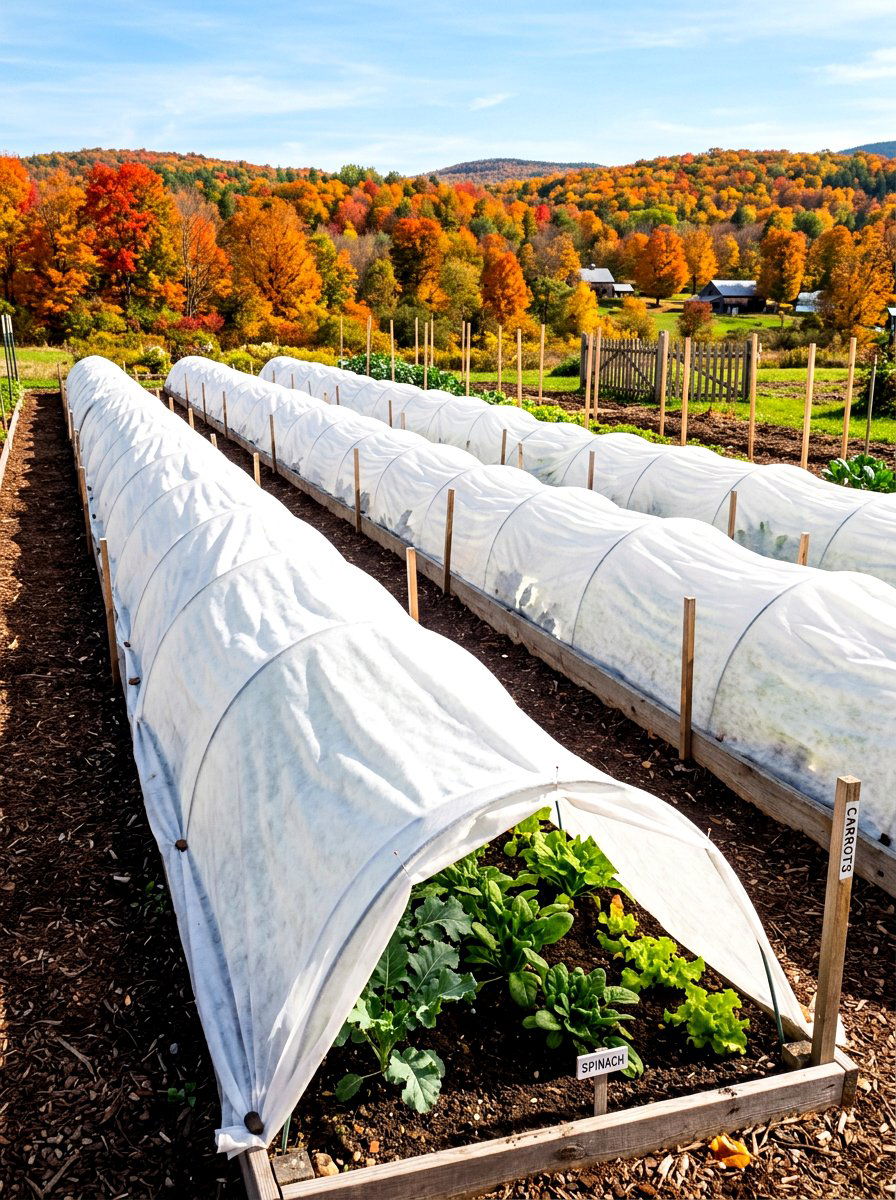
25. Shady Vegetable Garden
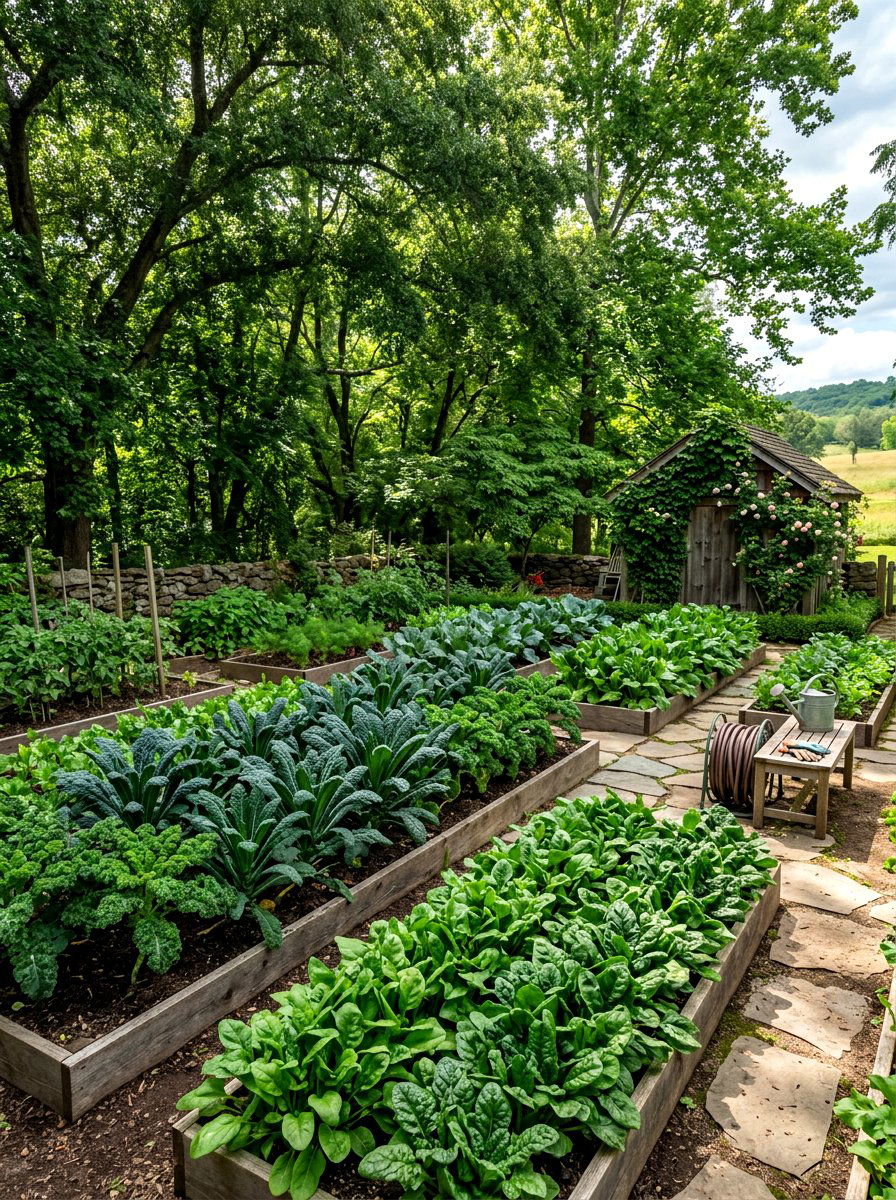
Many people believe they cannot grow food without full sun, but a shady vegetable garden can be incredibly successful if you choose the right crops. Leafy greens like spinach, kale, and lettuce actually prefer the cooler temperatures provided by partial shade. Root vegetables such as carrots and beets can also tolerate less light, though they may grow a bit slower. Using reflective mulches or painting nearby walls white can help bounce extra light onto your plants. A shady garden is a peaceful, cool retreat during the summer months and allows you to utilize areas of your yard that might otherwise be left empty.
26. Winter Vegetable Garden
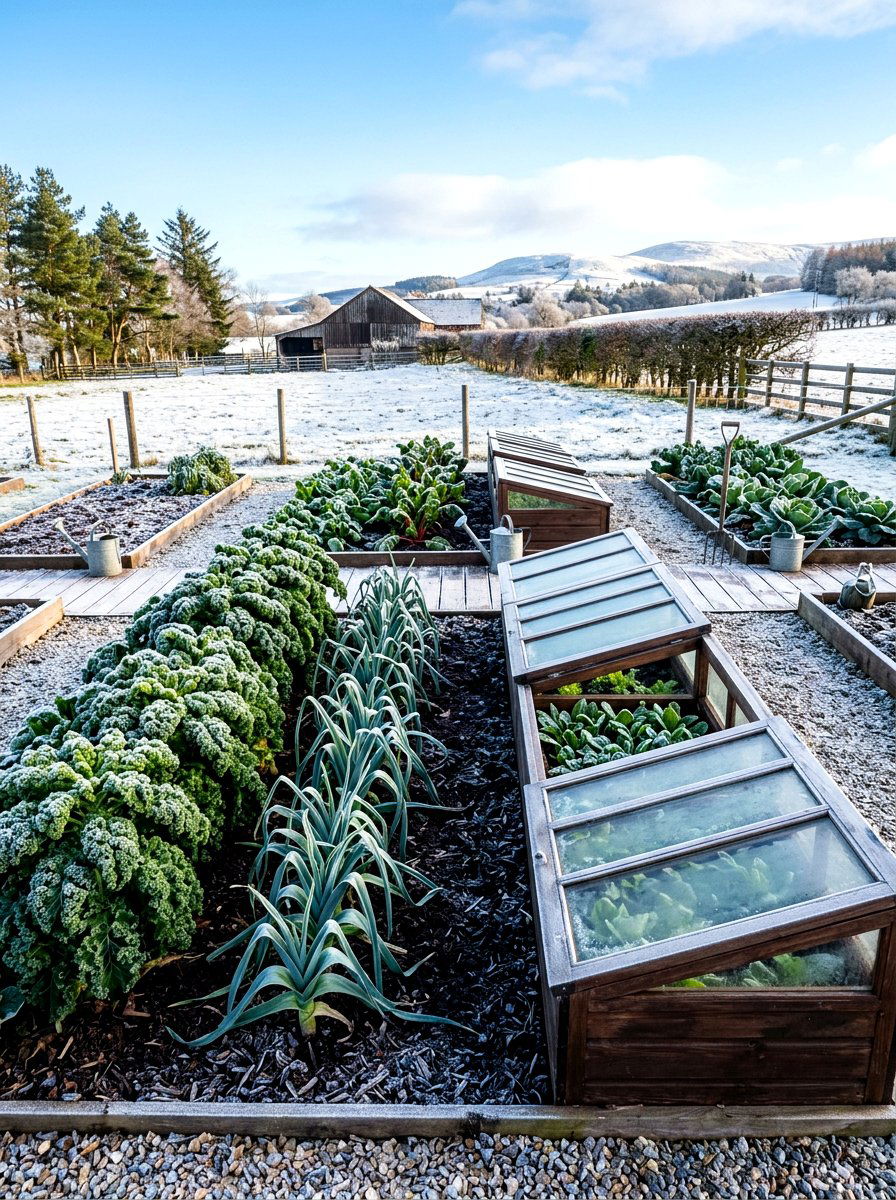
A winter vegetable garden allows you to continue harvesting fresh food even when the ground is covered in frost. By using cold frames, low tunnels, or cloches, you can protect hardy crops like Brussels sprouts, leeks, and winter kale from the harsh elements. These structures act like miniature greenhouses, trapping the sun's warmth and keeping the soil from freezing. Many winter vegetables actually taste sweeter after a light frost because the plants convert starches into sugars to protect themselves. Growing food in the winter is a rewarding challenge that ensures your kitchen is never without fresh, home-grown greens during the coldest months of the year.
27. Hydroponic Vegetable Garden
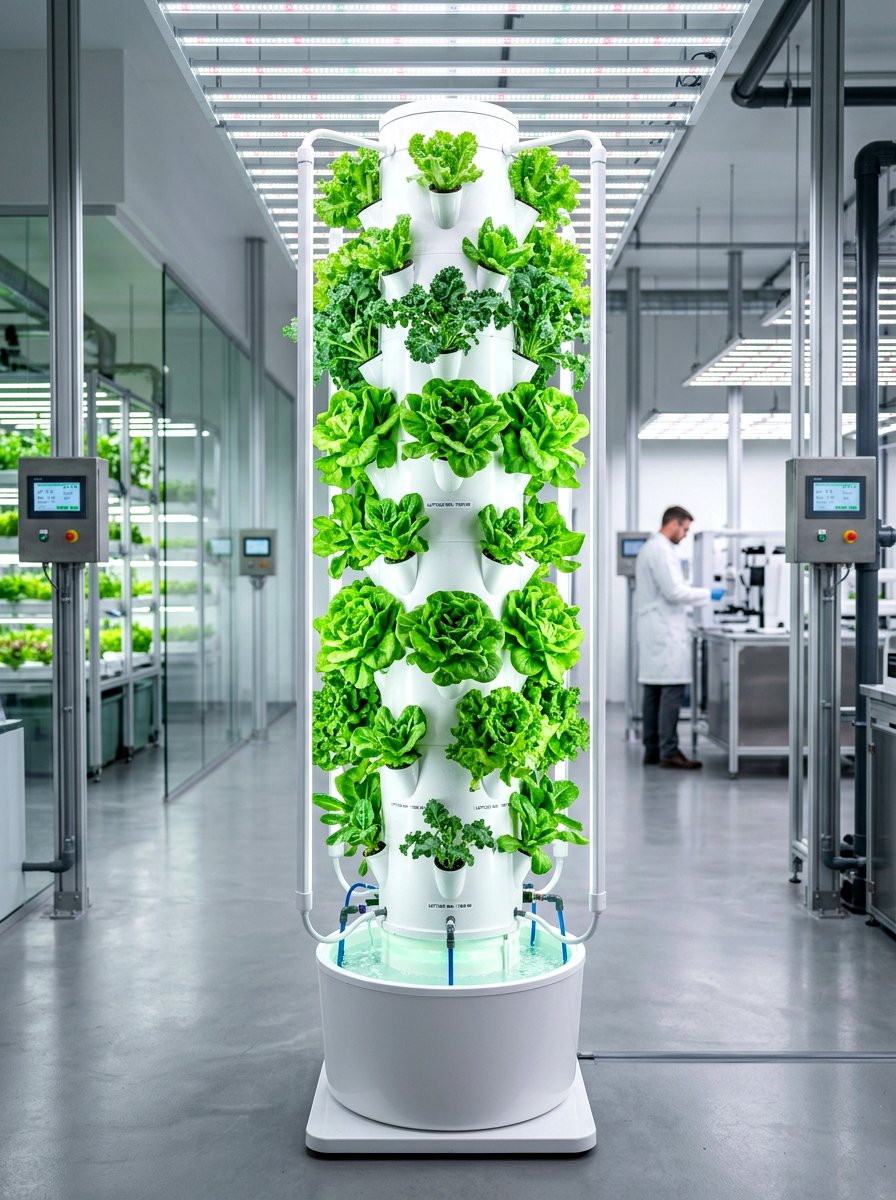
Hydroponics is a modern method of growing vegetables in a nutrient-rich water solution instead of soil. This system allows for incredibly fast growth rates and can be set up indoors or in a greenhouse. Because you control the exact amount of nutrients each plant receives, the results are often much more consistent than traditional gardening. Hydroponic setups come in many styles, from simple vertical towers to complex horizontal pipes. This method uses significantly less water than soil-based gardening and eliminates the risk of soil-borne pests. It is a clean, efficient, and high-tech way to produce a massive amount of food in a very small space.
28. Companion Planting Vegetable Garden
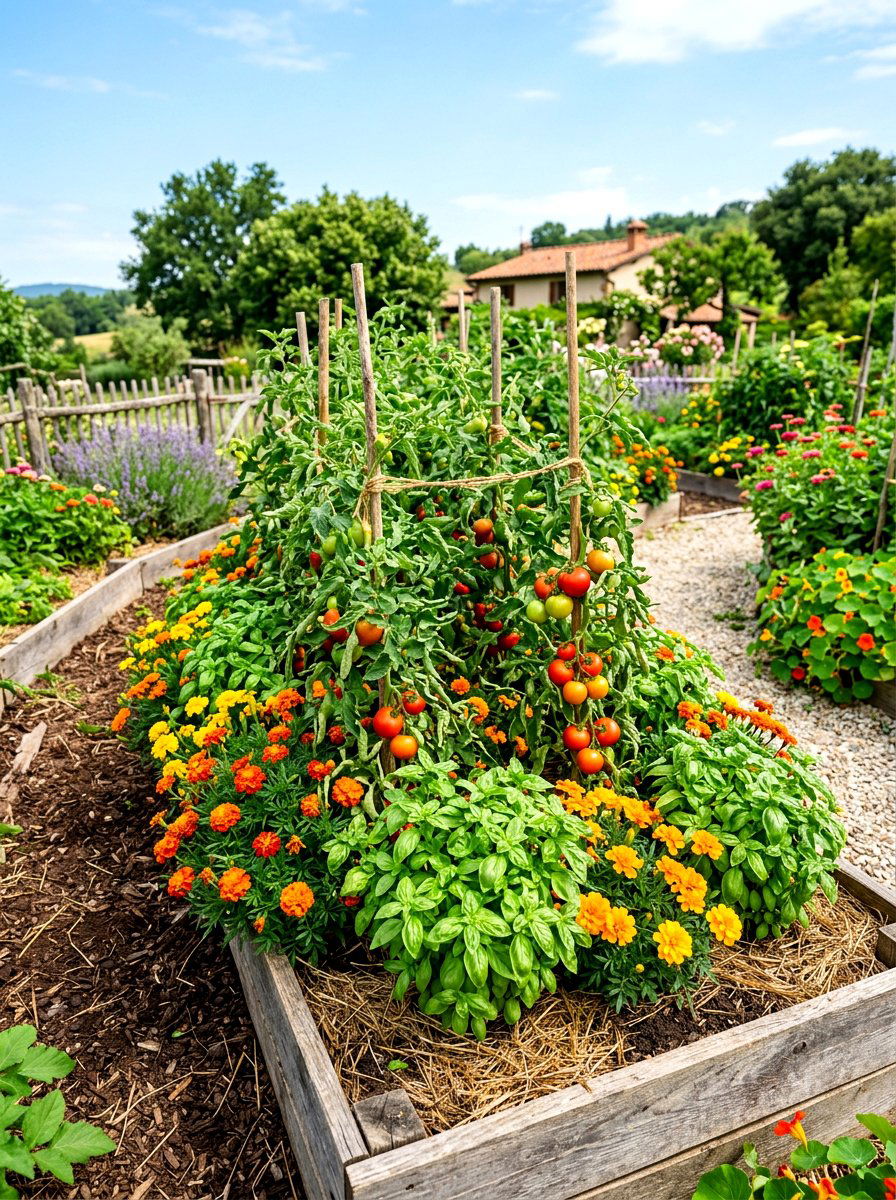
Companion planting is the practice of placing specific plants together because they benefit each other in some way. For example, planting marigolds next to tomatoes can help repel harmful pests, while beans add nitrogen to the soil for hungry corn plants. This traditional technique creates a natural balance in your garden, reducing the need for chemical fertilizers or pesticides. It also allows you to fit more plants into a small area by interplanting fast-growing crops with slower ones. A companion-planted garden is often a beautiful, chaotic mix of colors and textures that feels alive with beneficial insects and a healthy, thriving ecosystem.
29. Straw Bale Vegetable Garden
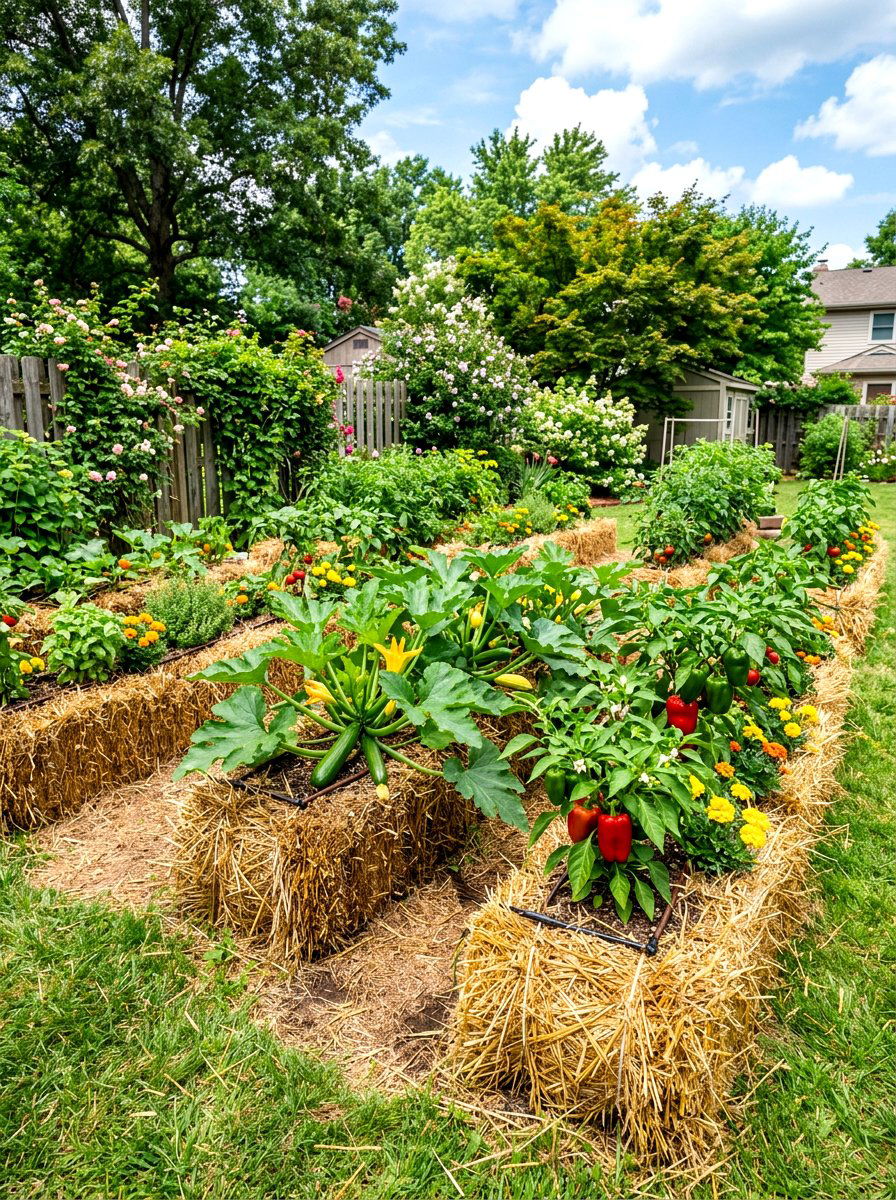
Straw bale gardening is a unique and temporary method that is perfect for those with poor soil or no garden space at all. By conditioning a bale of straw with fertilizer and water, you turn it into a nutrient-dense growing medium. Plants are tucked directly into the top of the bale, where they thrive as the straw slowly decomposes. This setup provides excellent drainage and naturally stays warm, which promotes rapid root growth. At the end of the season, the spent straw can be added to your compost pile, making it a completely zero-waste system. It is an affordable and fascinating way to grow food anywhere.
30. Galvanized Tub Vegetable Garden
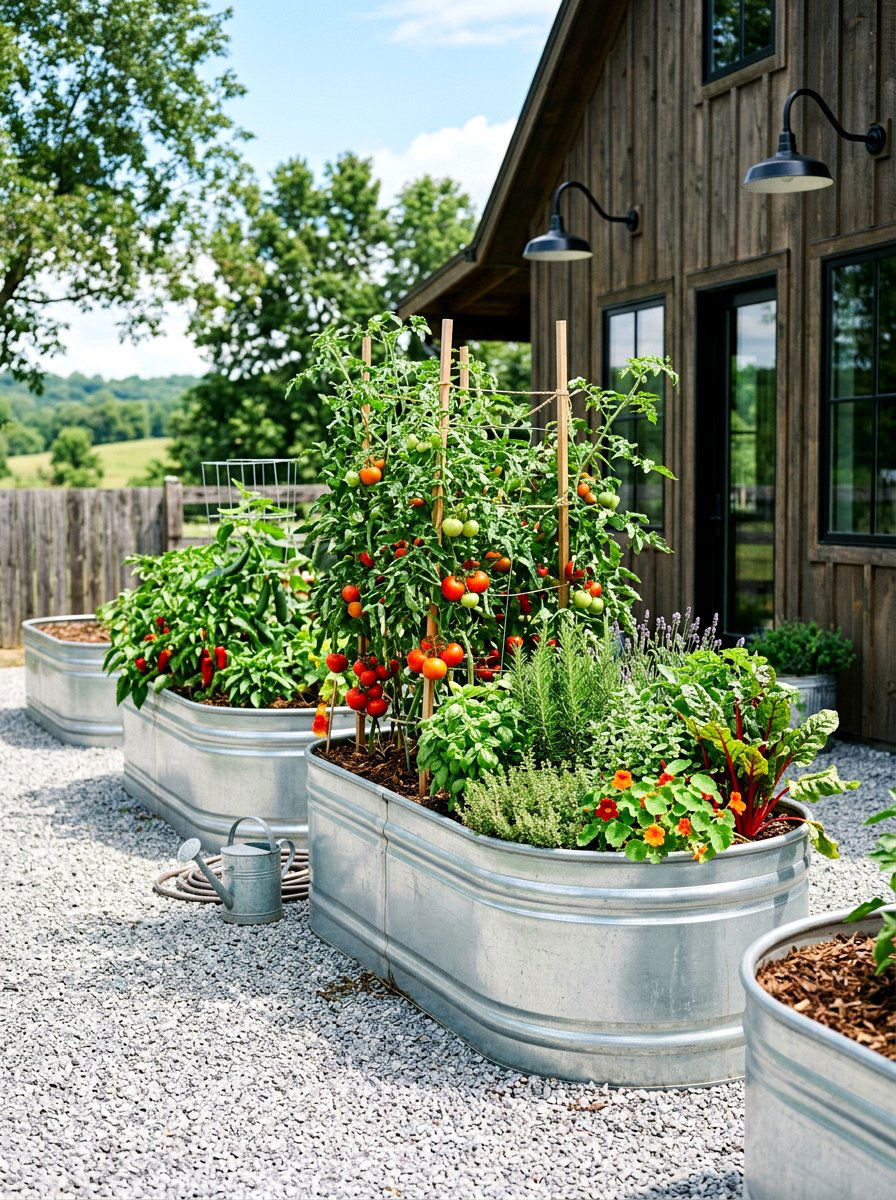
Using galvanized steel tubs or stock tanks is a trendy and durable way to create raised vegetable beds with an industrial farmhouse look. These containers are built to last for decades and provide a deep growing area that is perfect for large plants like tomatoes or even root crops. They are also excellent at keeping out burrowing pests like gophers. To ensure success, you must drill plenty of drainage holes in the bottom and use a high-quality soil mix. These tubs can be arranged in rows or clusters to create a stylish and organized garden layout. They add a modern, polished feel to any backyard while being incredibly functional.
Conclusion:
Creating a vegetable garden is a journey that connects you with the cycles of nature while providing fresh, healthy food for your table. From the structured elegance of a French potager to the modern efficiency of a hydroponic tower, there is a design to suit every home and skill level. By choosing the right layout for your space, you can transform even a small balcony or a shady corner into a productive oasis. Gardening is not just about the harvest; it is about the peace, joy, and satisfaction that comes from watching something grow. Start small, experiment with different ideas, and enjoy the beautiful rewards of your labor.

Related posts: