Creating a lush, green oasis in a small urban space often feels like a daunting challenge, especially when you are working with a limited budget. However, vertical gardening has completely revolutionized how we think about modern outdoor and indoor landscaping by utilizing unused wall space effectively. These creative solutions allow you to grow fresh herbs, vibrant flowers, and even vegetables without needing a massive backyard or expensive professional landscaping services. By repurposing everyday household items and focusing on clever DIY projects, you can transform any dull wall or fence into a breathtaking living masterpiece. Whether you have a tiny balcony or a spacious patio, these affordable vertical garden concepts will help you maximize your growing potential while adding incredible visual interest to your home.
1. Wood Pallet Garden
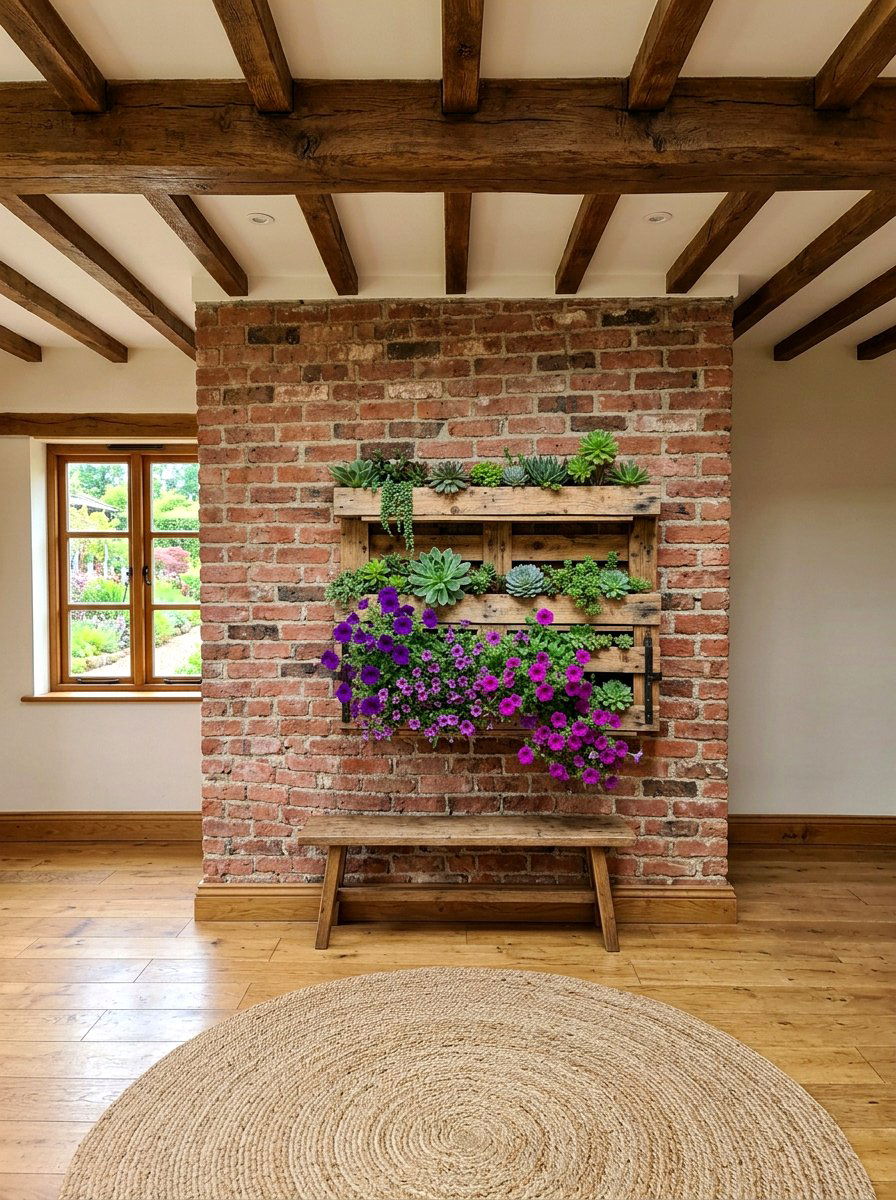
A reclaimed wood pallet is perhaps the most iconic way to start your vertical gardening journey without spending much money at all. You can often find these versatile structures for free at local warehouses or hardware stores, making them the ultimate budget-friendly foundation for a living wall. To build this, simply staple landscape fabric to the back and bottom of the pallet to hold the soil securely in place. Once filled with nutrient-rich dirt, you can tuck various low-maintenance succulents or cascading petunias between the slats for a beautiful, rustic look. This project creates a stunning focal point on any patio while providing plenty of room for multiple plant varieties to thrive simultaneously in a compact footprint.
2. Hanging Shoe Organizer
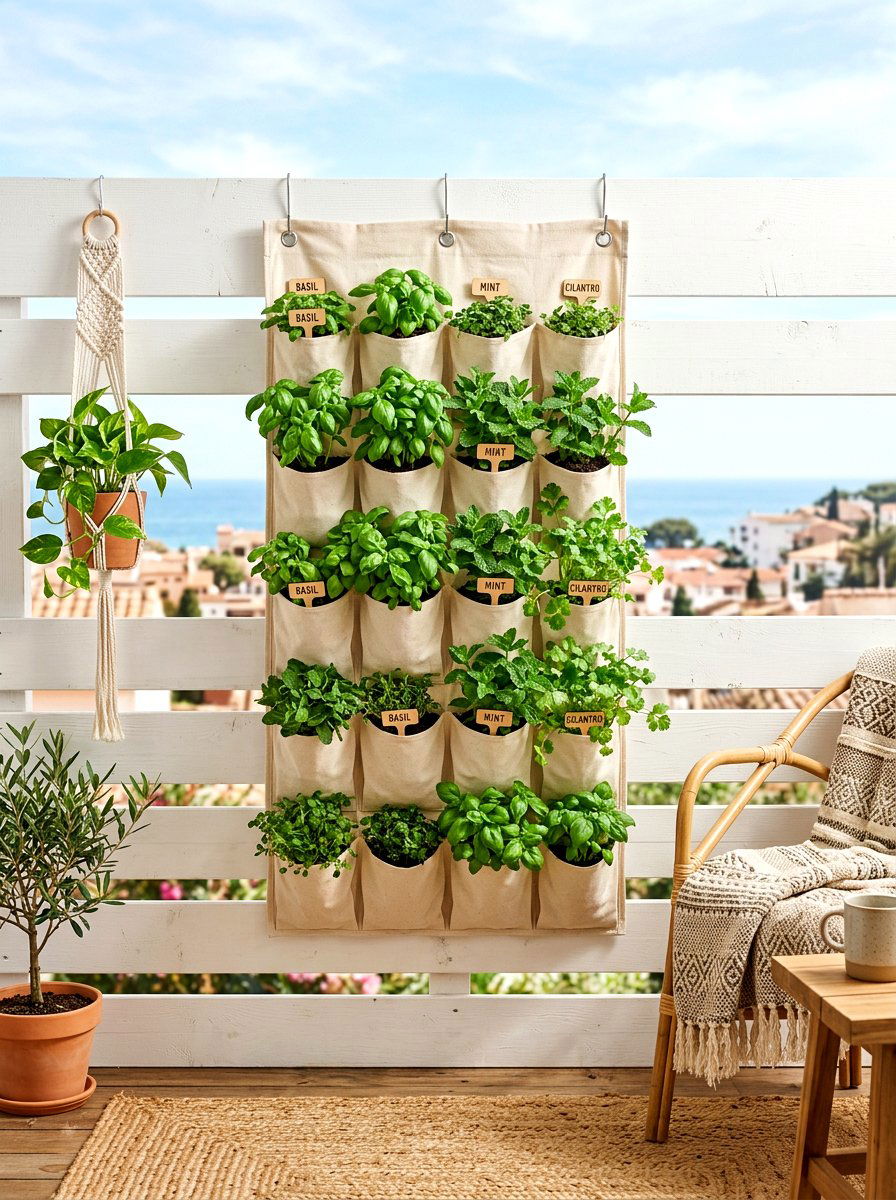
Have you ever considered using a fabric over-the-door shoe organizer as a clever home for your favorite culinary herbs? This extremely affordable solution is perfect for renters or those with very limited balcony space because it requires minimal setup and almost no floor area. Simply hang the organizer on a sturdy wall or fence and fill each individual pocket with a mix of potting soil and small plants like mint, basil, or cilantro. The fabric material allows for excellent drainage and breathability, which is crucial for healthy root development in small containers. This vertical arrangement makes harvesting fresh ingredients for your home-cooked meals incredibly convenient while keeping your outdoor space looking organized, green, and wonderfully unique.
3. Rain Gutter Planter
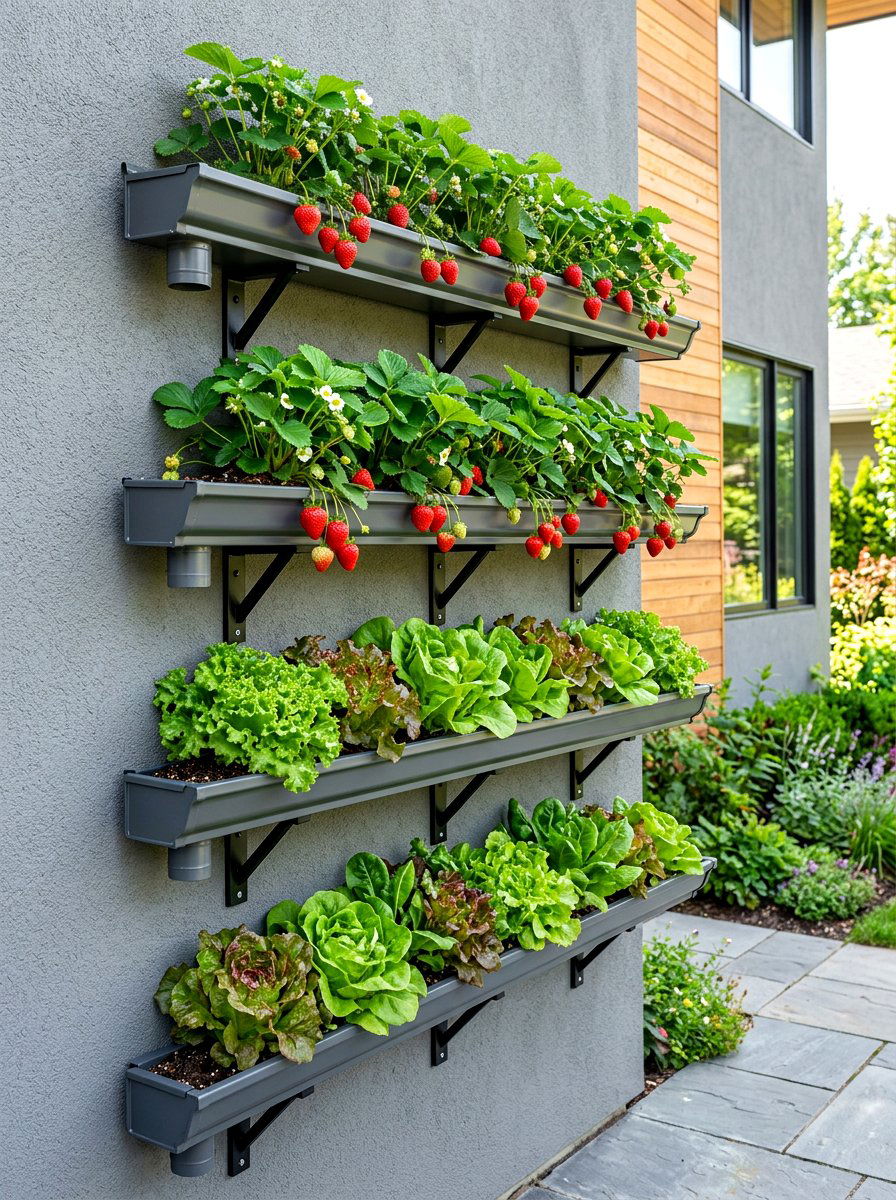
Rain gutters are surprisingly effective vessels for creating long, horizontal rows of greenery along a sun-drenched exterior wall or a sturdy backyard fence. By mounting several sections of inexpensive vinyl or aluminum gutters one above the other, you can build a massive growing surface that takes up almost no depth. This setup is particularly well-suited for shallow-rooted edible plants like leaf lettuce, spinach, and delicious strawberries, allowing them to sprawl out comfortably. Be sure to drill small drainage holes every few inches and add end caps to keep the soil contained within the channels. The clean, linear aesthetic of gutter gardens fits perfectly with modern or industrial home styles while remaining incredibly cost-effective for any homeowner.
4. Wooden Ladder Stand
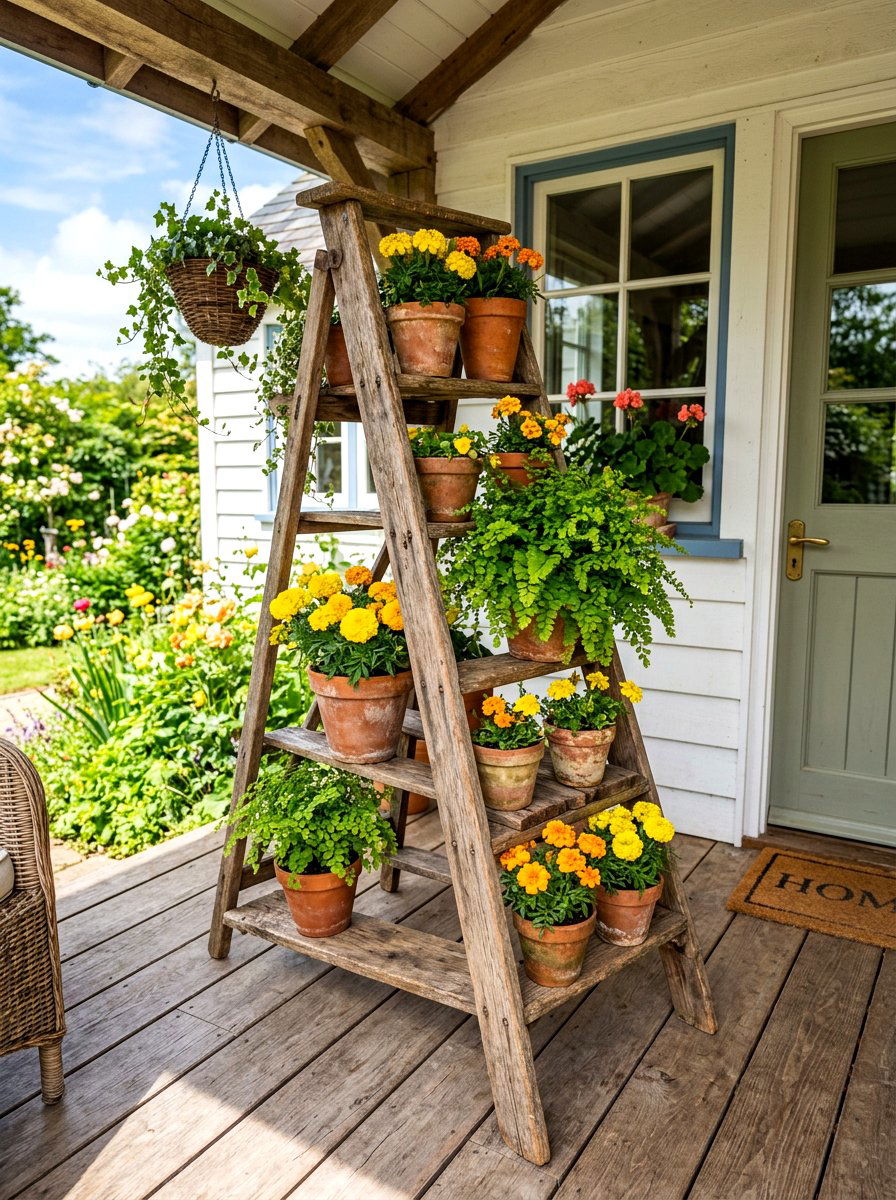
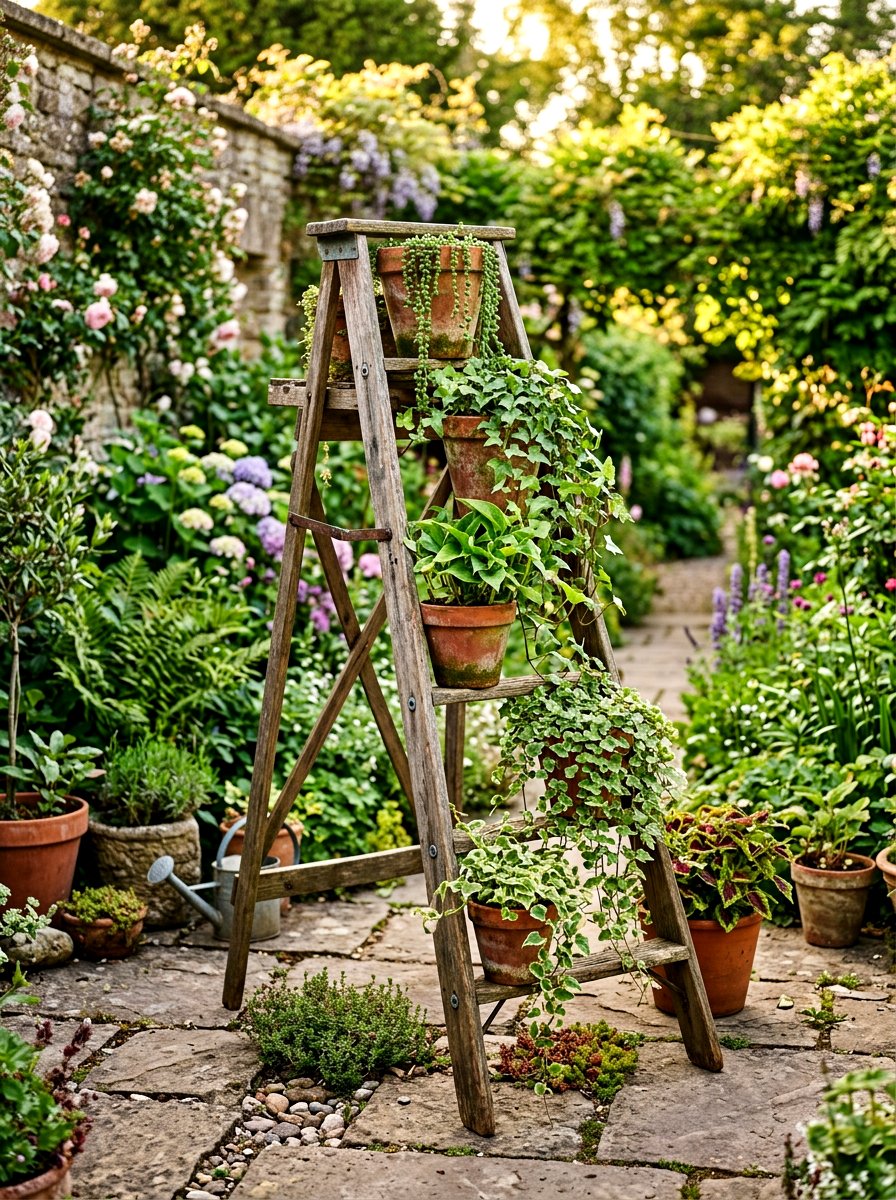
Transforming an old wooden step ladder into a tiered plant display is a brilliant way to add height and character to your porch. Instead of letting an unused ladder gather dust in the garage, you can lean it against a wall and place long wooden planks across the rungs to create wide shelves. This allows you to arrange a diverse collection of potted plants at different levels, ensuring that each one receives adequate sunlight and ventilation throughout the day. You can paint the ladder a bright, cheerful color to make it pop or leave the weathered wood for a more farmhouse-inspired vibe. This mobile gardening solution is easy to rearrange whenever you want a fresh look.
5. PVC Pipe Garden
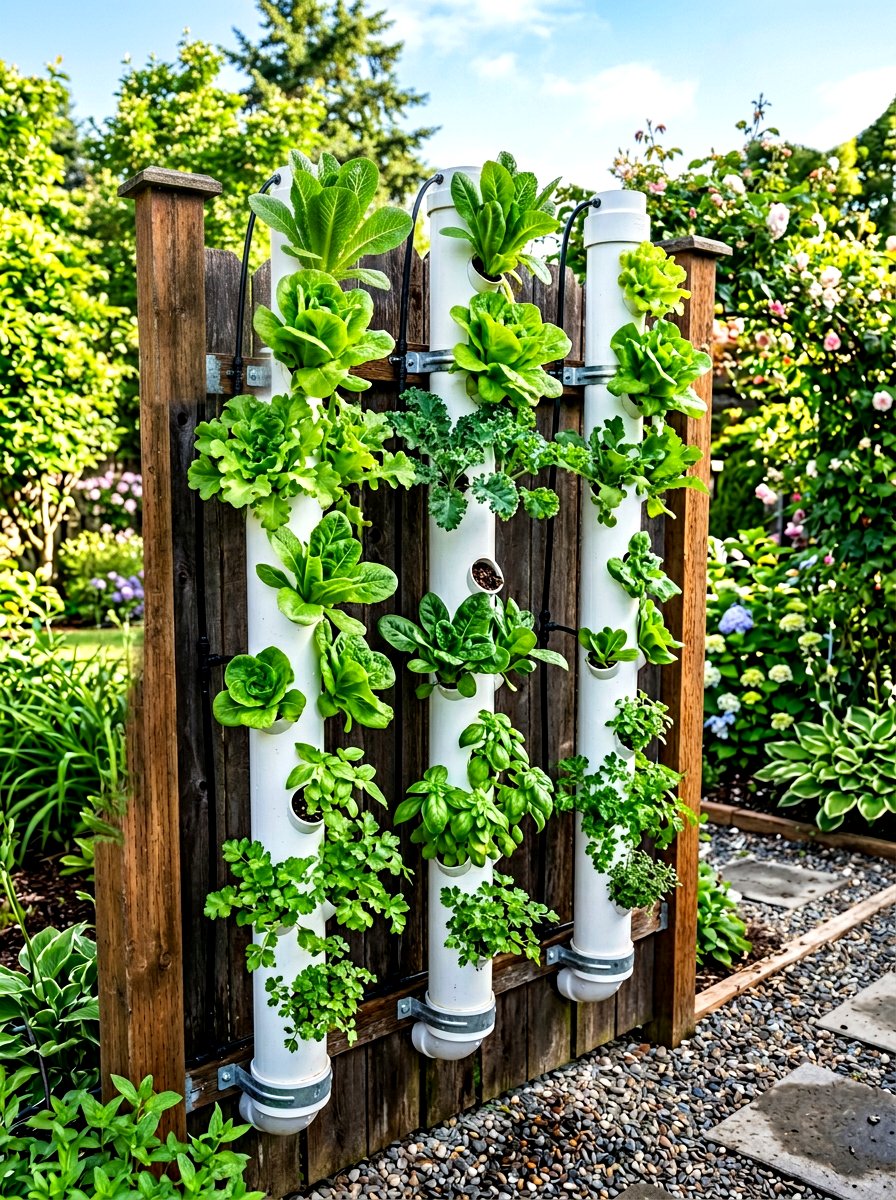
Using large-diameter PVC pipes is a highly efficient and modern approach to vertical gardening that works exceptionally well for hydroponics or traditional soil planting. By cutting large holes into the sides of the pipe and mounting it vertically or horizontally, you create a space-saving structure that can hold dozens of individual plants. This method is fantastic for growing strawberries or small leafy greens, as the vertical orientation allows gravity to help with efficient watering. You can paint the white plastic a sleek charcoal or metallic bronze to give it a high-end, contemporary appearance that belies its very low cost. It is a durable, weather-resistant choice that will last for many growing seasons.
6. Plastic Bottle Wall
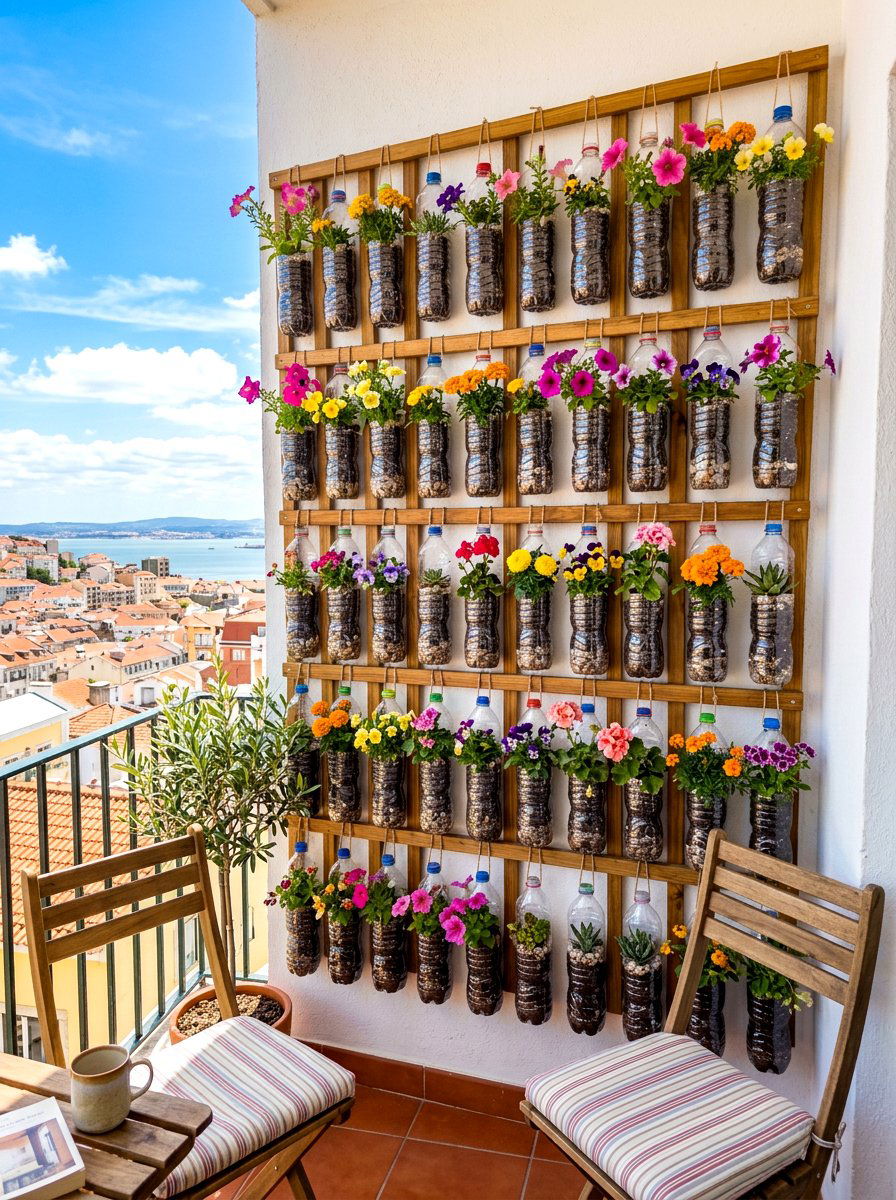
Recycling empty two-liter soda bottles into a functional vertical garden is an incredible way to reduce waste while beautifying your apartment balcony. By cutting a large rectangular opening in the side of each bottle and stringing them together with heavy-duty twine, you can create a cascading curtain of greenery. These lightweight containers are ideal for small flowering plants or air plants that do not require deep soil to survive and flourish. This project is not only extremely cheap but also serves as a great educational tool for children to learn about sustainability and biology. When grouped together in large numbers, these bottles create a lush, textured wall that provides privacy and natural beauty.
7. Mason Jar Herb Rack
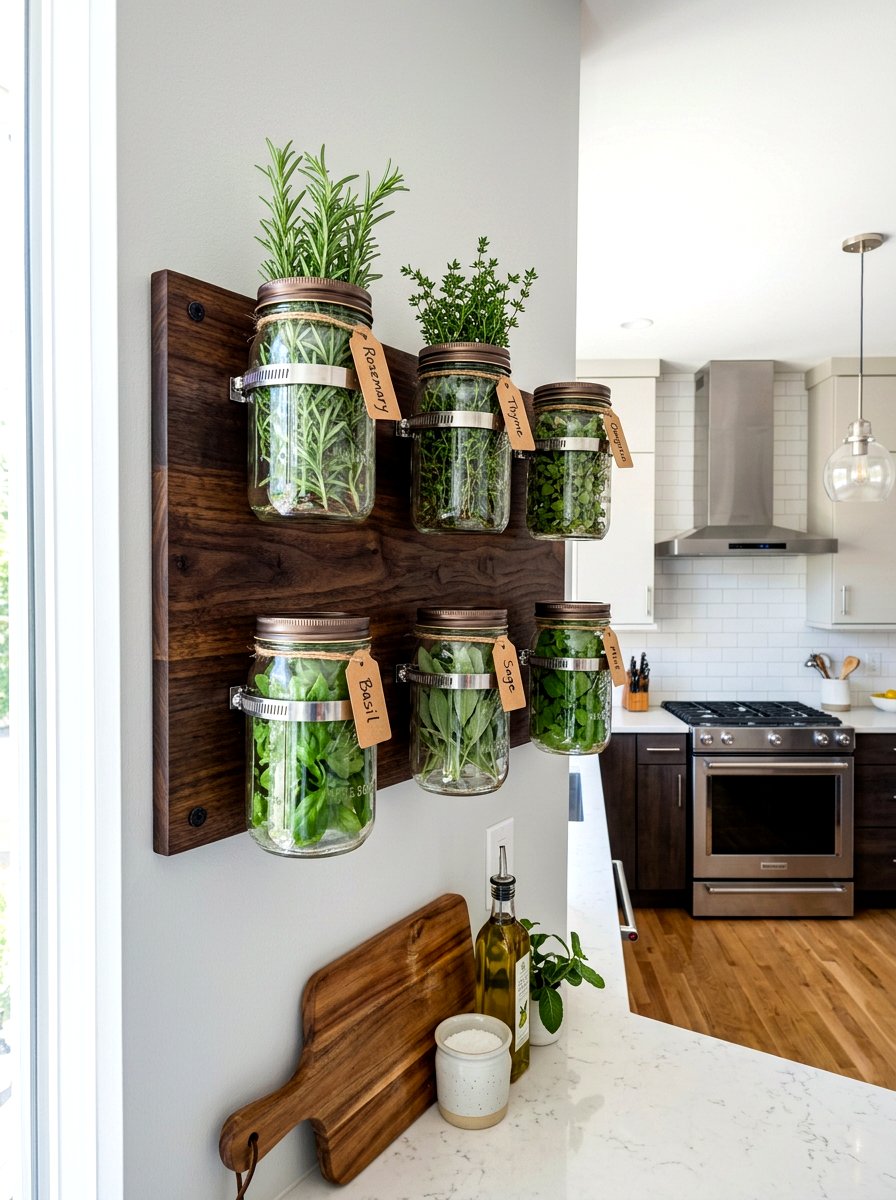
Bringing the garden inside your kitchen is easy and stylish when you mount classic glass mason jars onto a reclaimed wood board. Use stainless steel pipe clamps to secure the jars firmly to the wood, then hang the entire assembly near a bright, sunny window for optimal growth. This vertical herb garden keeps your rosemary, thyme, and parsley within arm's reach while you are preparing meals, adding both function and charm to your decor. To prevent root rot, add a thick layer of pebbles at the bottom of each jar for drainage since they lack traditional holes. The combination of clear glass and warm wood creates a timeless, cozy aesthetic.
8. Chicken Wire Trellis
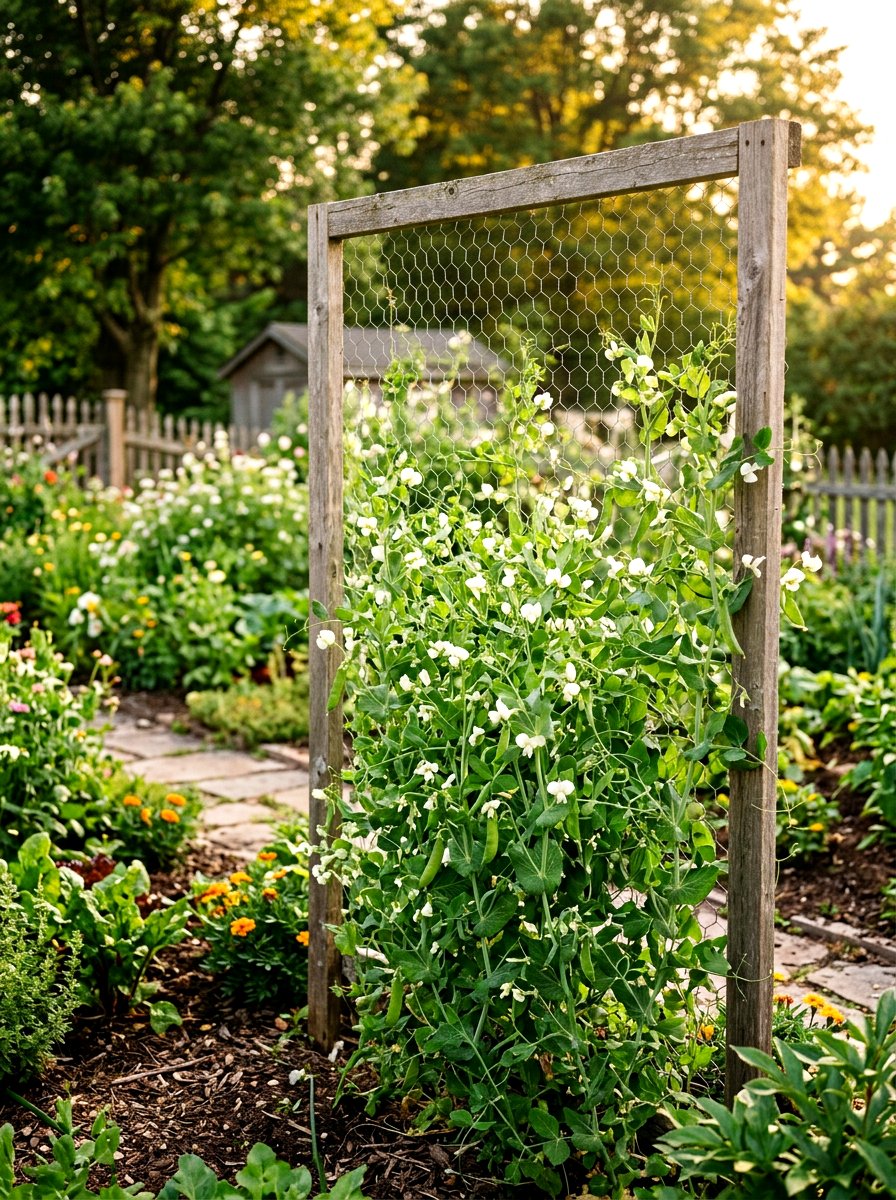
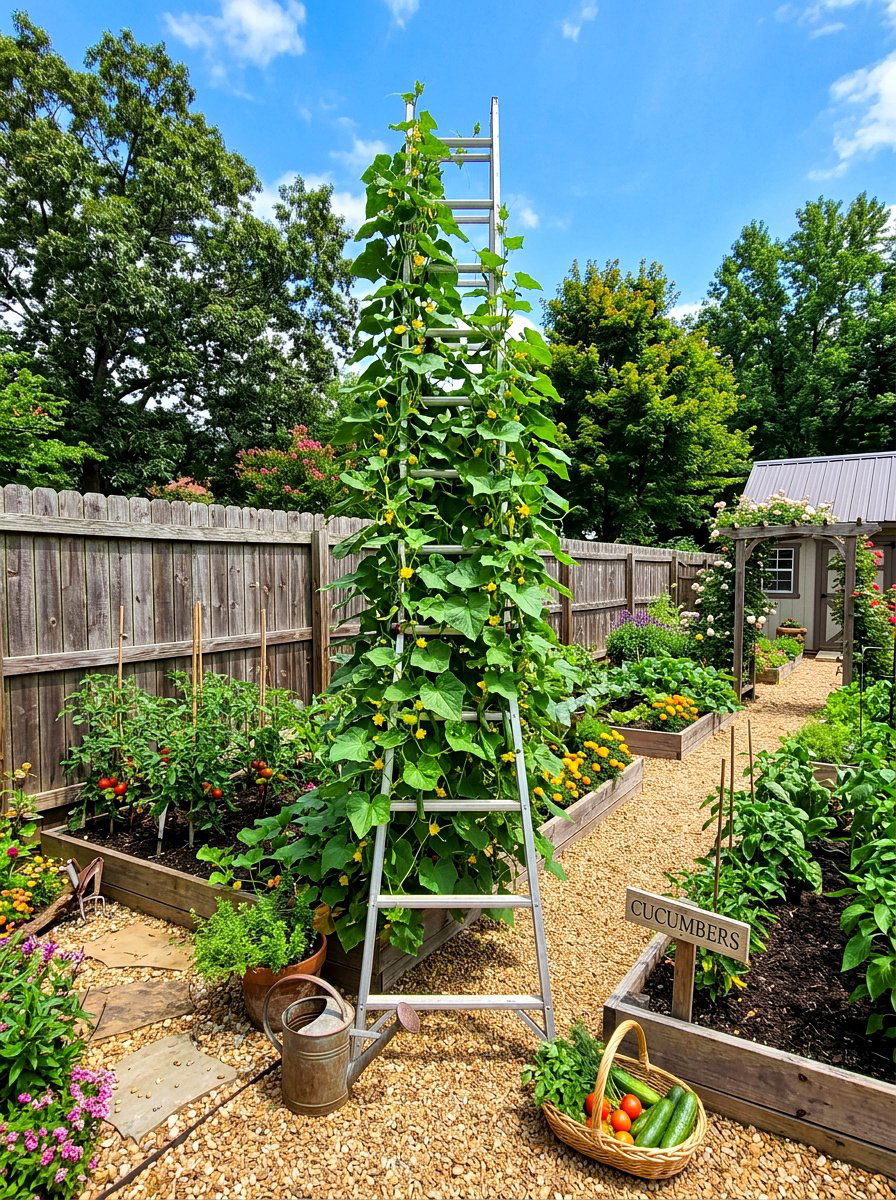
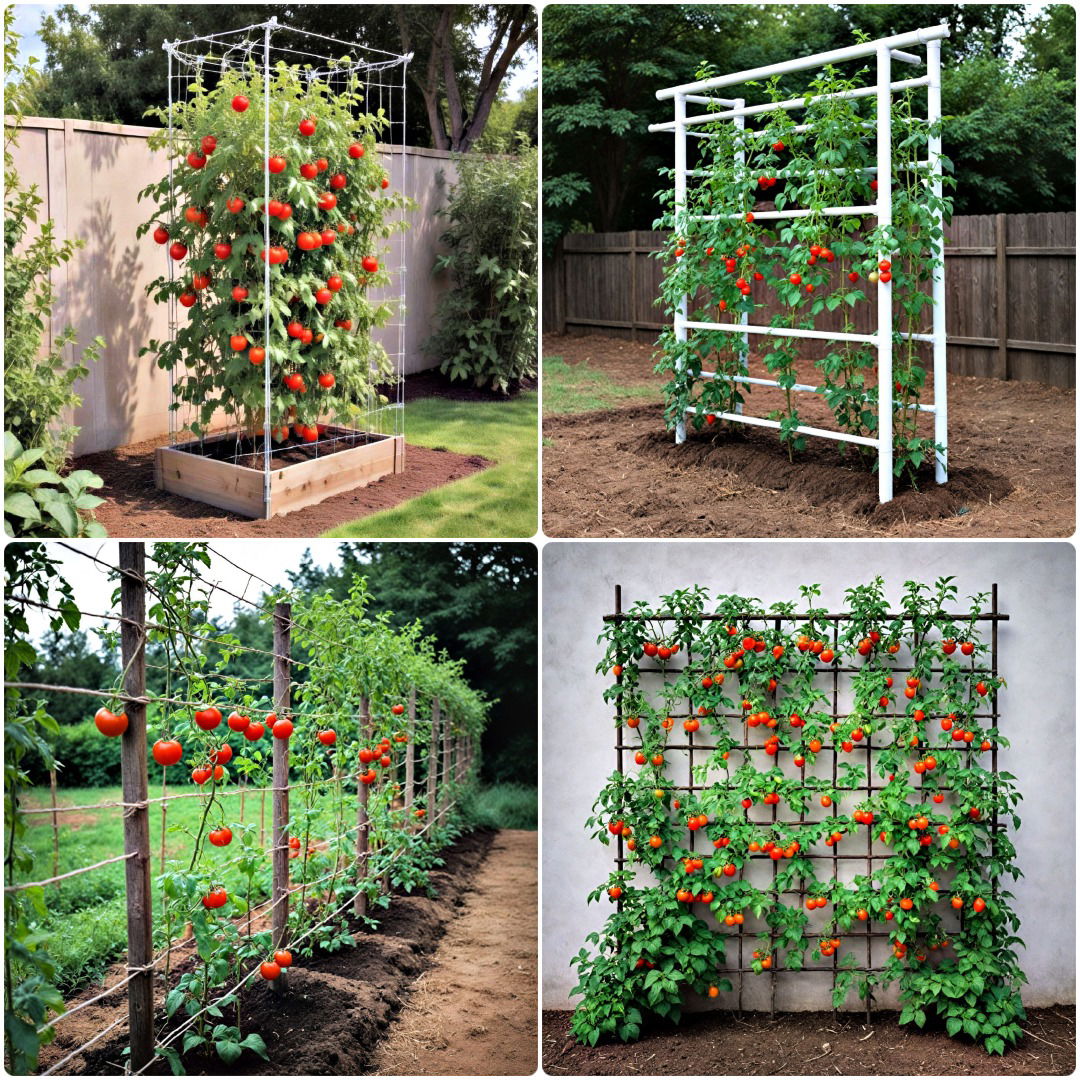
Creating a vertical support system with simple chicken wire and a basic wooden frame is a cost-effective way to grow vigorous climbing vines. This type of structure is perfect for vertical vegetables like cucumbers, peas, or pole beans that naturally want to reach toward the sky. By training these plants to grow upward rather than sprawling across the ground, you save valuable floor space and keep the produce cleaner and easier to harvest. The open mesh of the chicken wire provides plenty of grip for tiny tendrils to latch onto as they climb. This minimalist design integrates seamlessly into any garden border, providing a functional backdrop that eventually disappears behind a wall of green.
9. Old Shutter Planter
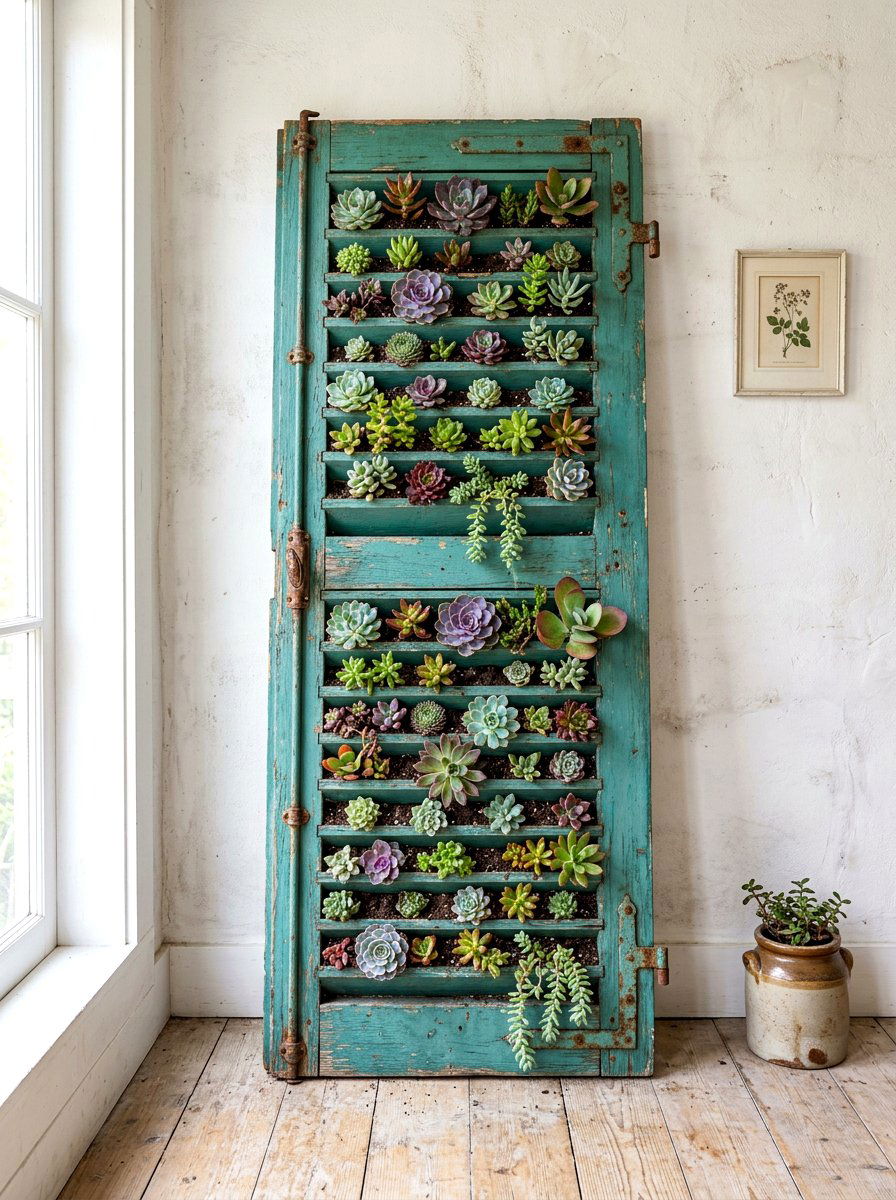
Vintage window shutters possess a unique architectural charm that can be easily repurposed into a beautiful and rustic vertical plant holder for succulents. The narrow, angled slats of the shutter are perfectly sized for tucking in small pockets of moss and tiny drought-tolerant plants that require very little soil. You can lean the shutter against a wall or mount it permanently to a fence to create an instant piece of living art that requires minimal maintenance. Over time, the succulents will grow and spill over the edges, creating a soft, textured appearance that looks sophisticated and expensive. This is a wonderful way to give new life to discarded architectural salvage items.
10. Wood Lattice Wall
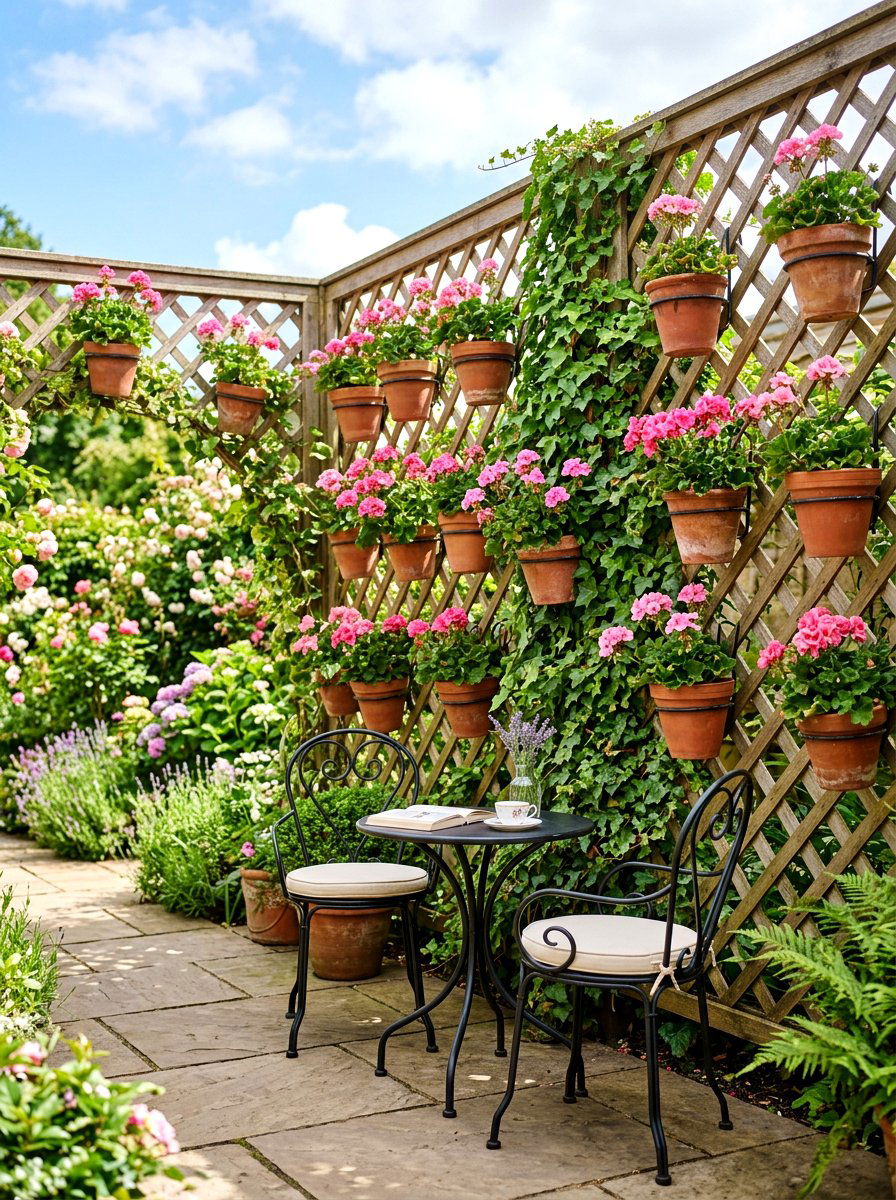
Installing a standard wood lattice panel against a plain exterior wall is one of the fastest ways to build a massive vertical garden. You can easily attach lightweight plastic or terracotta pots to the lattice using S-hooks or heavy-duty zip ties, allowing you to customize the arrangement. This flexibility means you can change your plant selection every season without having to rebuild the entire support structure from scratch. A lattice wall also provides an excellent framework for flowering climbers like clematis or morning glories to weave through, creating a dense screen of blooms. It is an affordable solution that provides immediate height and architectural interest to even the smallest outdoor sitting areas.
11. Tin Can Garden
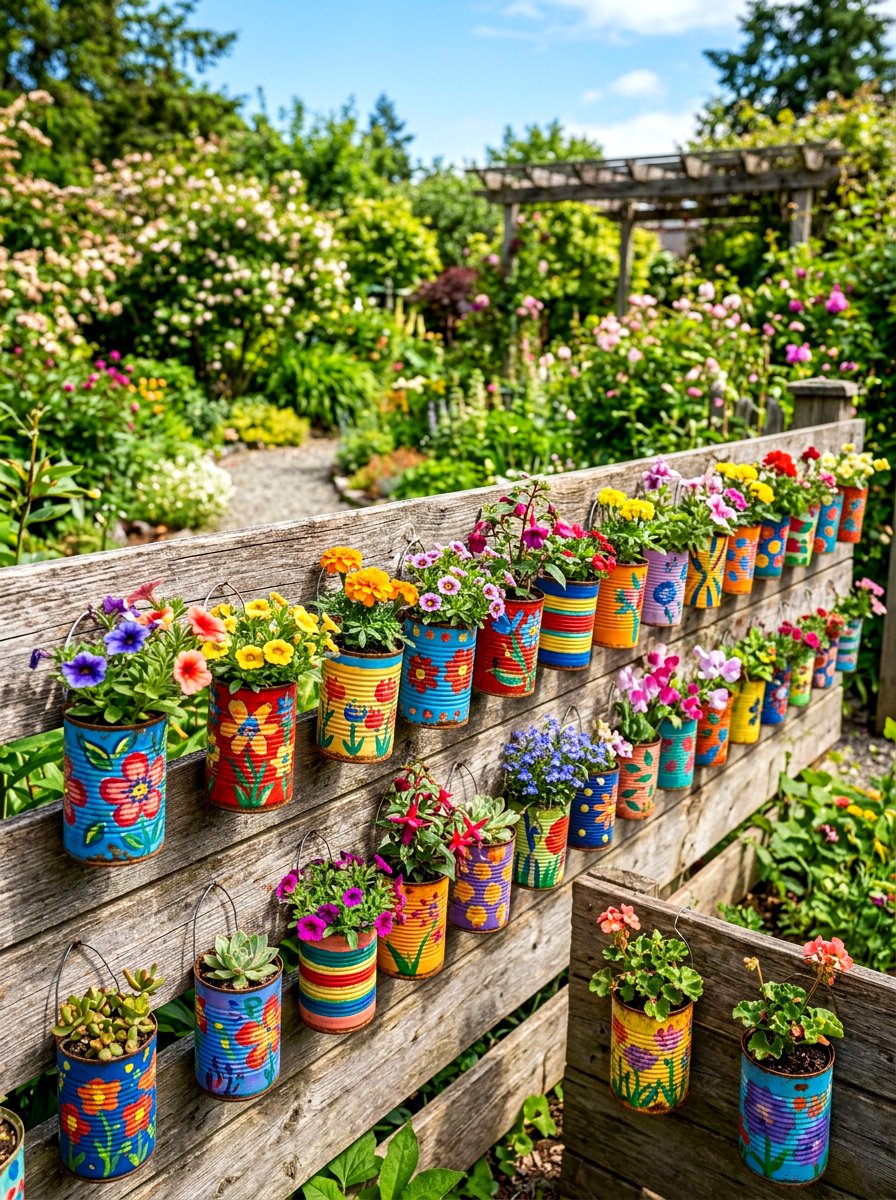
Save your large soup and coffee cans to create a colorful and eclectic vertical garden that costs virtually nothing to assemble and maintain. After cleaning the cans and smoothing any sharp edges, you can paint them in a vibrant palette of colors to create a cheerful mosaic on your wall. Punch a few holes in the bottom for drainage and mount them directly to a wooden fence or a series of horizontal boards using simple screws. This approach is perfect for a variety of small succulents, pansies, or even individual herb plants that don't mind a tighter growing space. It is a whimsical way to add a personalized touch to your outdoor living area.
12. Floating Wall Shelves
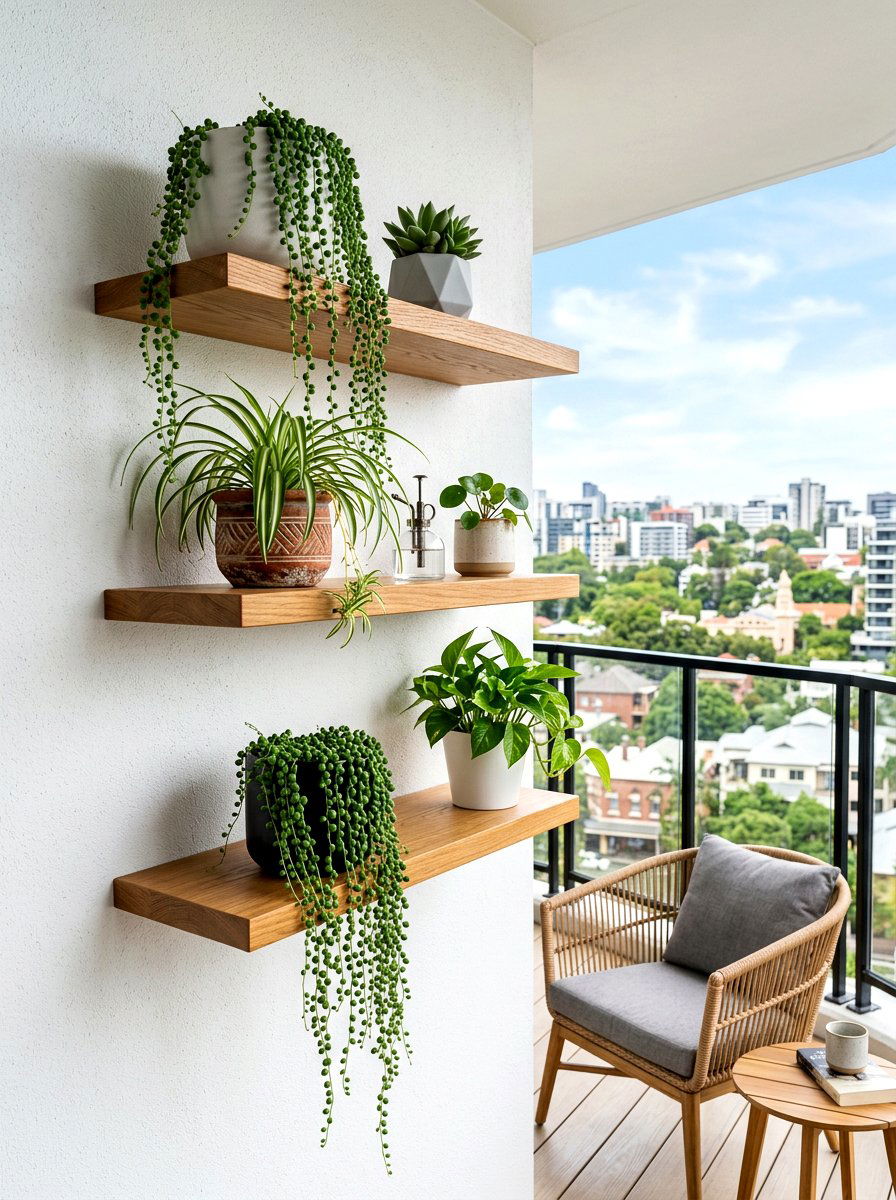
Simple floating shelves are not just for indoor books; they can also be used to create a sophisticated vertical garden on a balcony. By installing staggered wooden or metal shelves on a sturdy wall, you can display a variety of potted plants at different heights to create depth. This method allows you to use your favorite decorative ceramic pots, which adds a level of polished style that some other DIY vertical gardens might lack. Choosing plants with different textures and trailing habits, like string of pearls or ivy, will help soften the straight lines of the shelves. This clean, organized look is ideal for modern homes with a minimalist design aesthetic.
13. Tiered Garden Stand
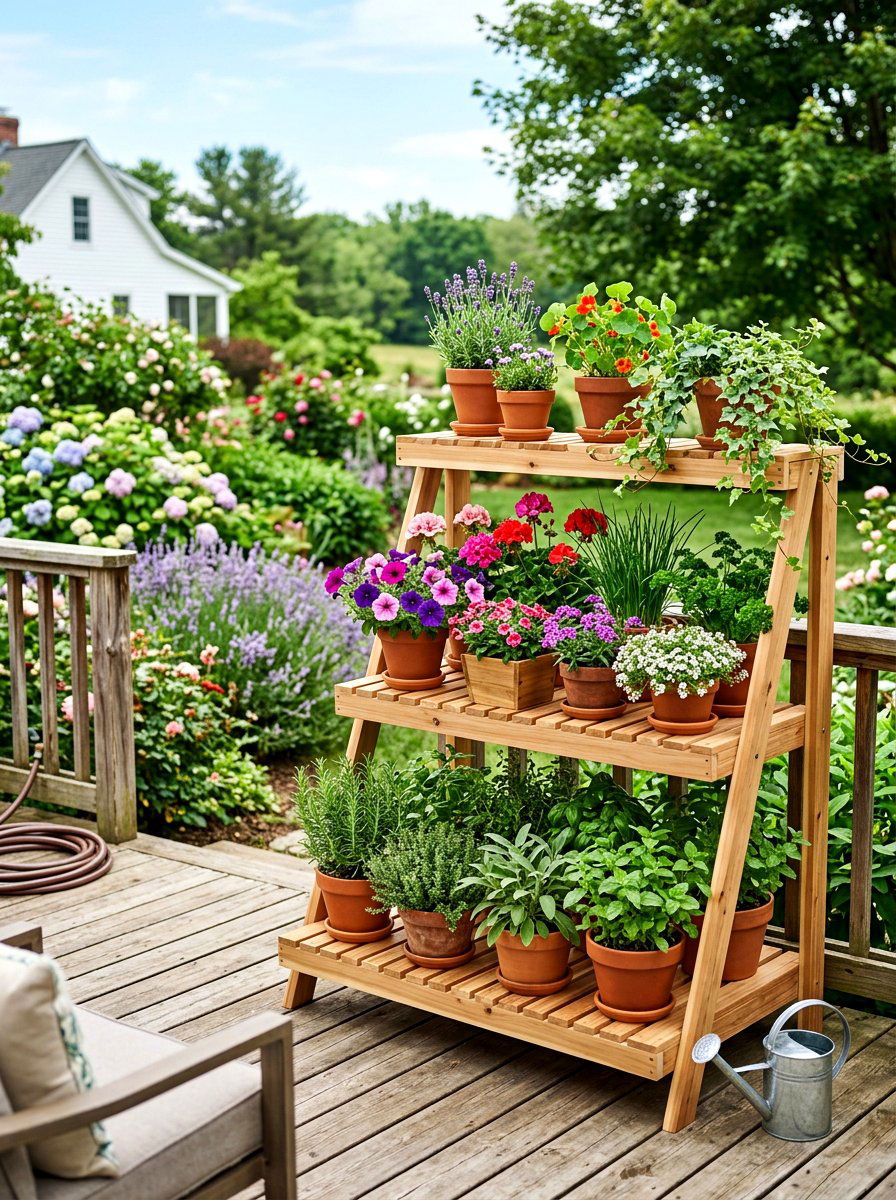
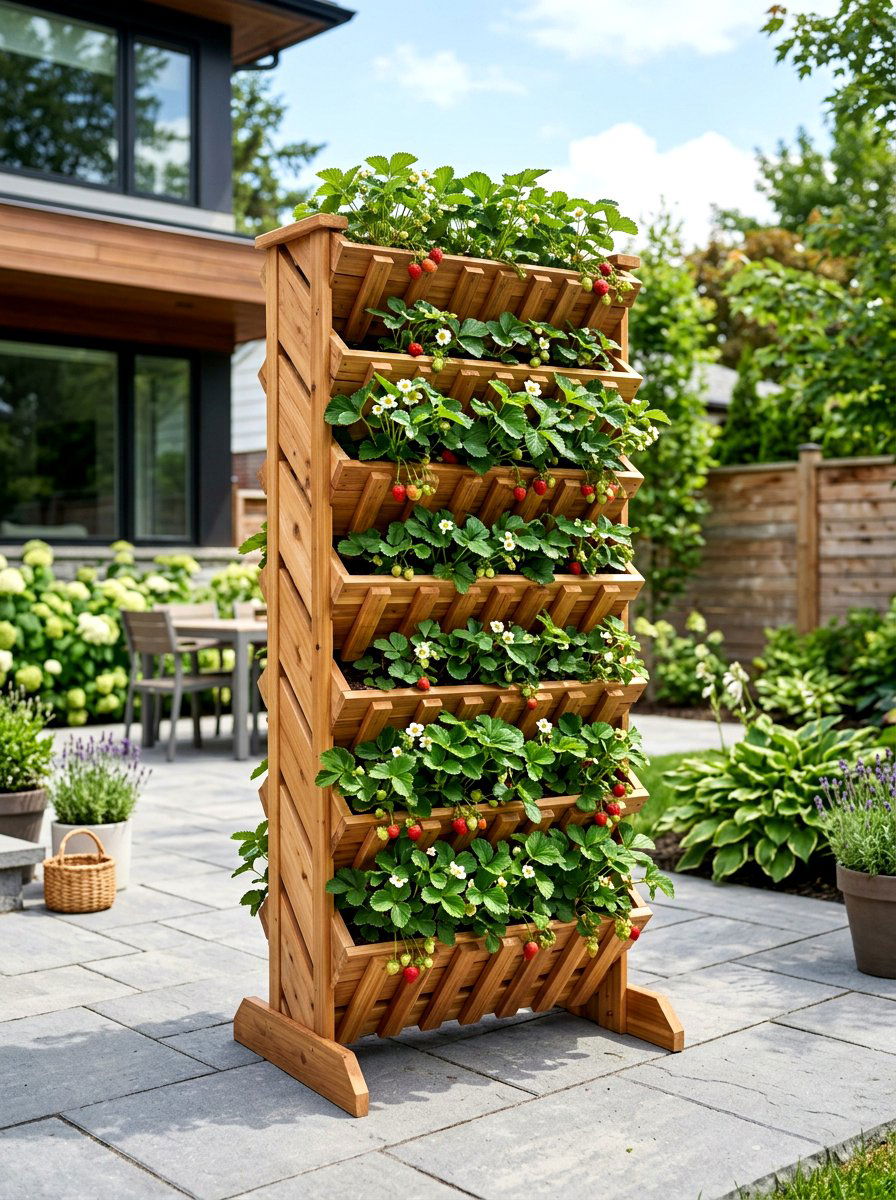
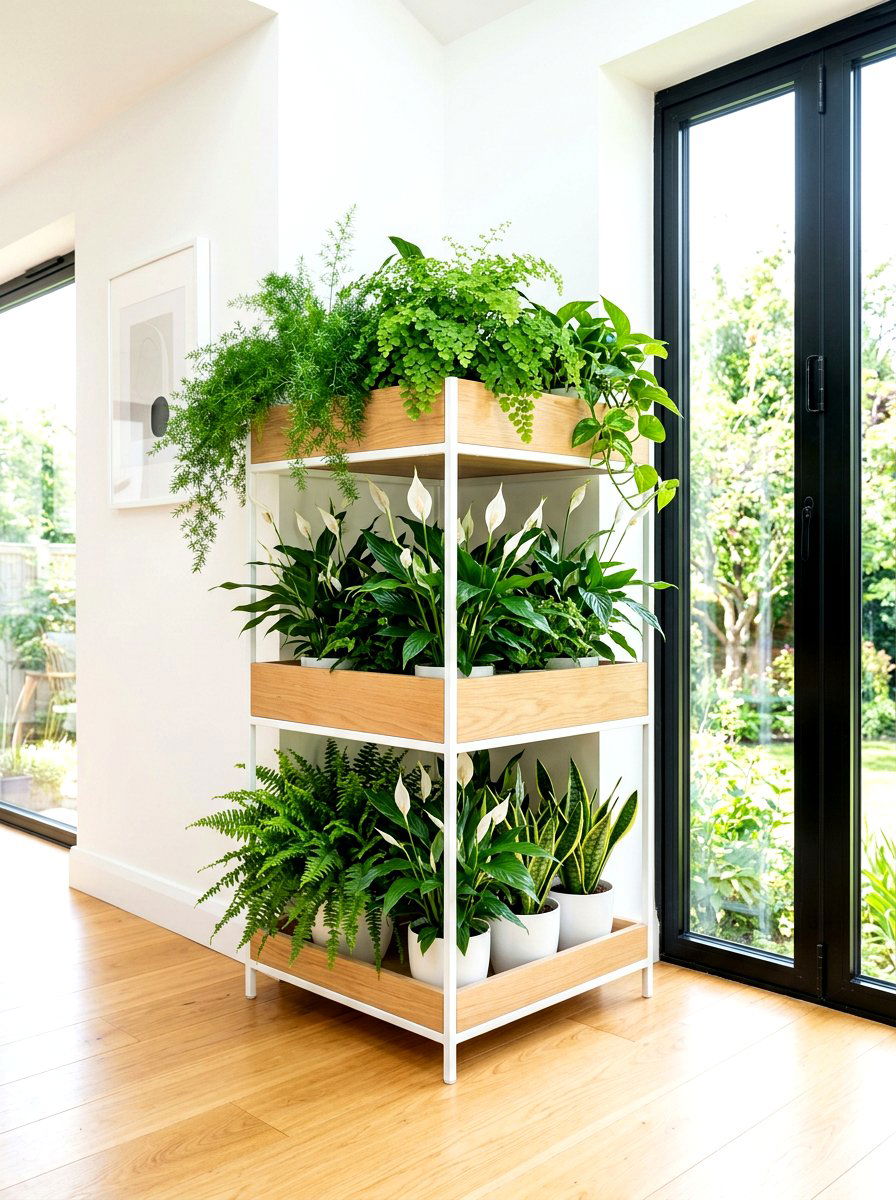
A tiered garden stand is an excellent way to organize your outdoor space while maximizing the number of plants you can grow. These structures usually feature three or four levels, allowing you to place sun-loving plants at the top and shade-tolerant varieties on the lower shelves. You can easily build a custom tiered stand using basic cedar boards or even repurposed wooden crates stacked in a pyramid shape. This design ensures that every plant is visible and accessible for watering and pruning, making garden maintenance much easier for people of all ages. The vertical stacking creates a dense tower of foliage that acts as a natural air purifier for your patio.
14. Copper Pipe Hanger
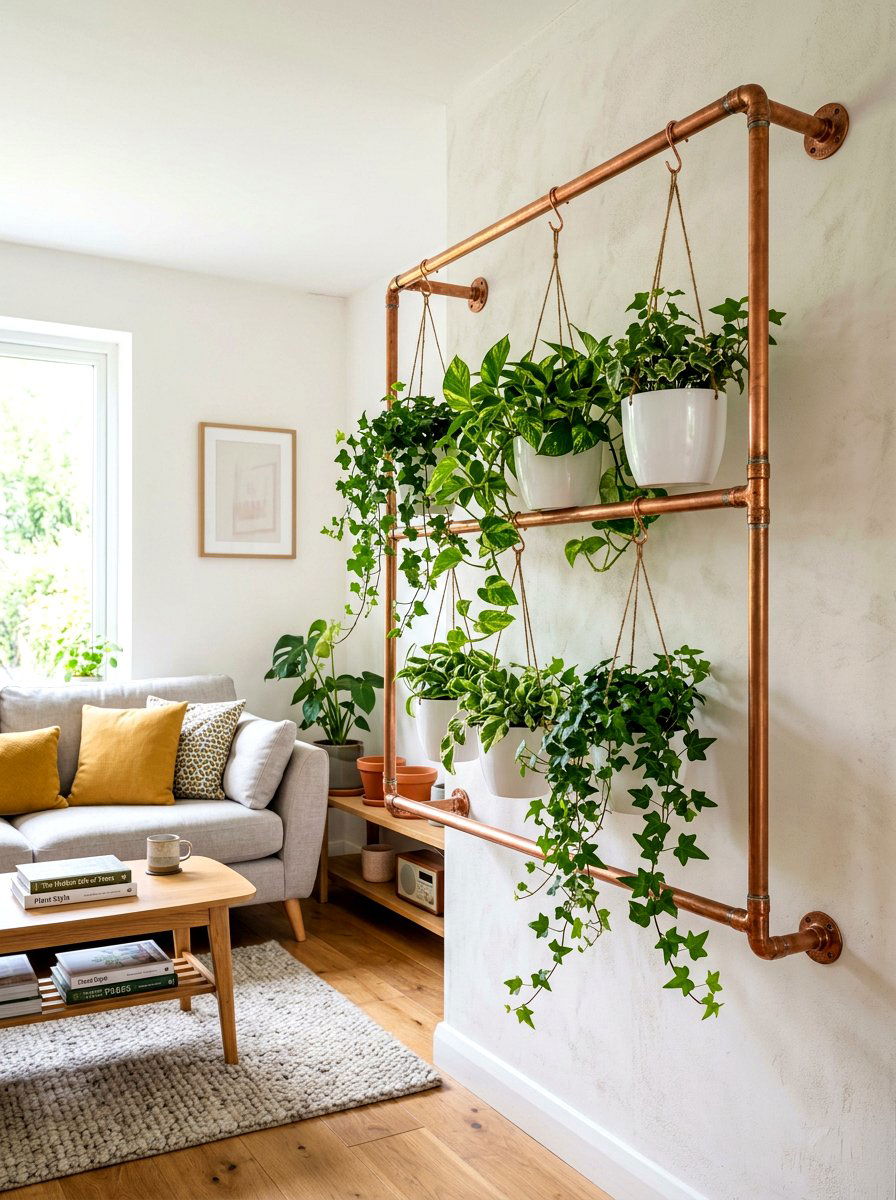
For a touch of industrial chic, you can construct a minimalist vertical plant hanger using standard copper pipes and fittings from the hardware store. By assembling a simple rectangular frame and suspending it from the ceiling or a wall bracket, you create a sleek support for hanging pots. Use leather straps or macrame cords to hang individual planters from the copper bar at varying lengths to create a dynamic, floating garden effect. The warm, metallic glow of the copper develops a beautiful patina over time, adding a high-end architectural element to your interior or exterior decor. This project is surprisingly easy to assemble and looks incredibly professional once finished.

15. Felt Pocket Planter
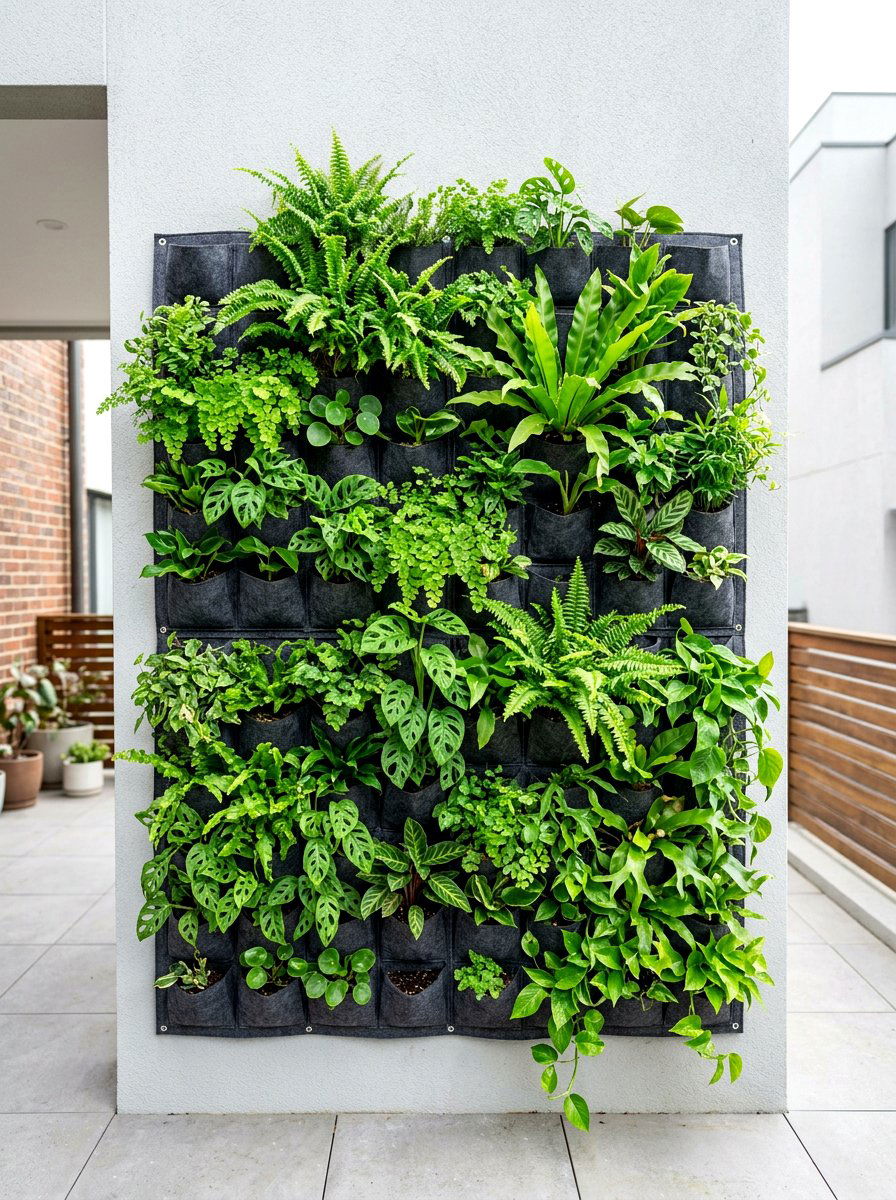
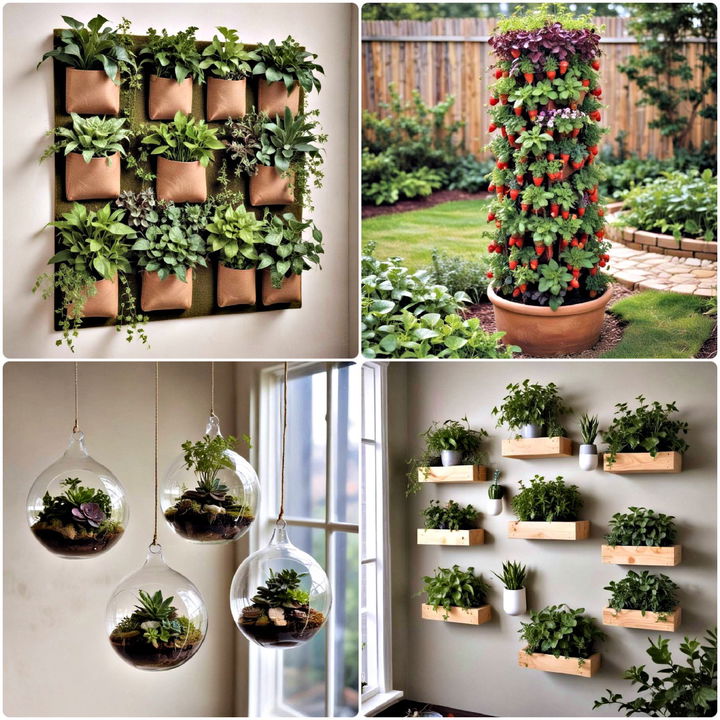
Commercial felt pocket planters are an affordable and lightweight option for anyone looking to create a large-scale living wall with very little effort. These fabric panels feature dozens of individual pockets that hold soil and plants, and they can be easily mounted to any flat surface using basic hardware. The felt material is breathable and helps regulate moisture levels, making it a healthy environment for a wide variety of ferns, tropical plants, and leafy greens. When the plants mature, they completely cover the fabric, leaving you with a seamless wall of vibrant foliage that looks like a professional installation. This is a perfect solution for covering large, unattractive concrete or brick walls.
16. Milk Crate Wall
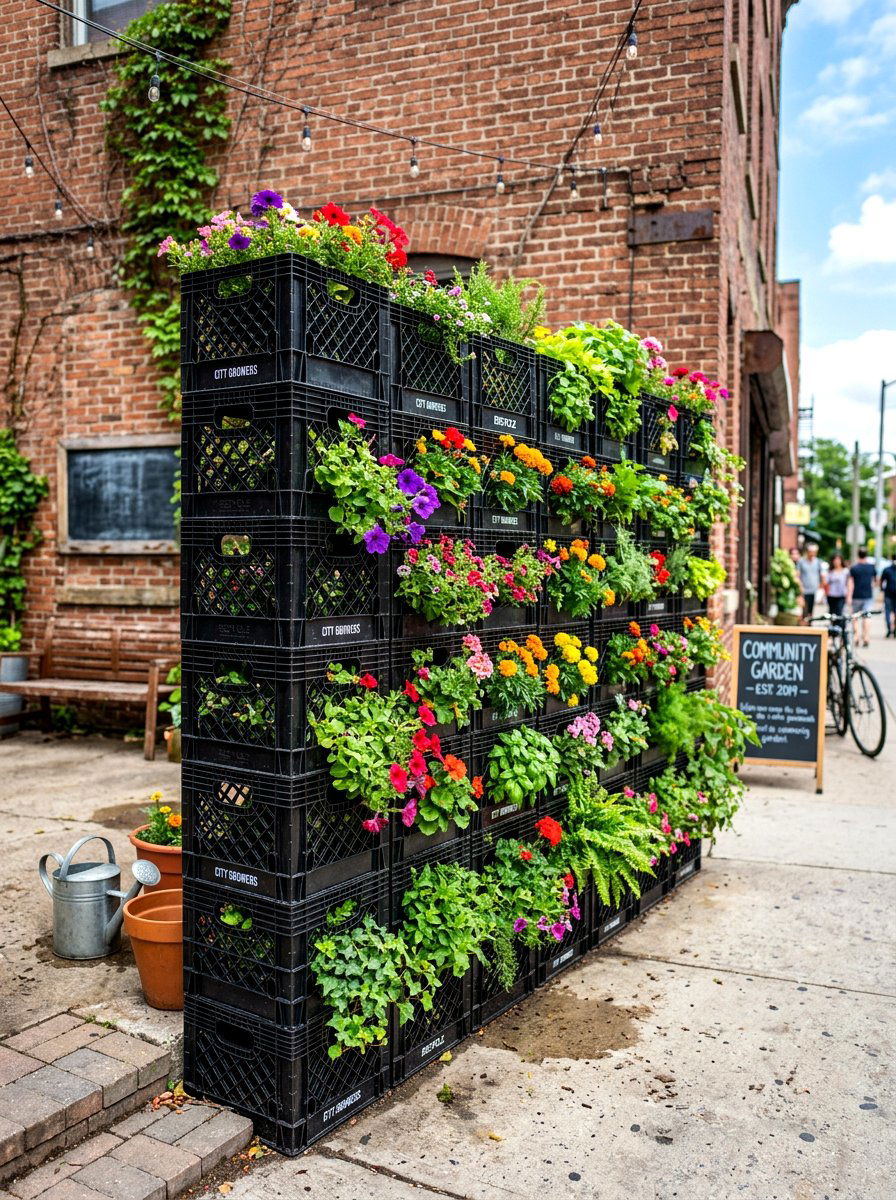
Plastic milk crates are incredibly durable and can be stacked or mounted to create a rugged, modular vertical garden that is practically indestructible. By lining the crates with landscape fabric, you can fill the entire interior with soil and plant through the mesh sides as well as the top. When several crates are bolted together against a wall, they form a deep, sturdy growing system that can support larger plants and even some root vegetables. This industrial-style garden is perfect for community spaces or backyards where functionality and durability are the top priorities. The grid pattern of the crates makes it very easy to organize different plant varieties by category.
17. Succulent Frame Garden
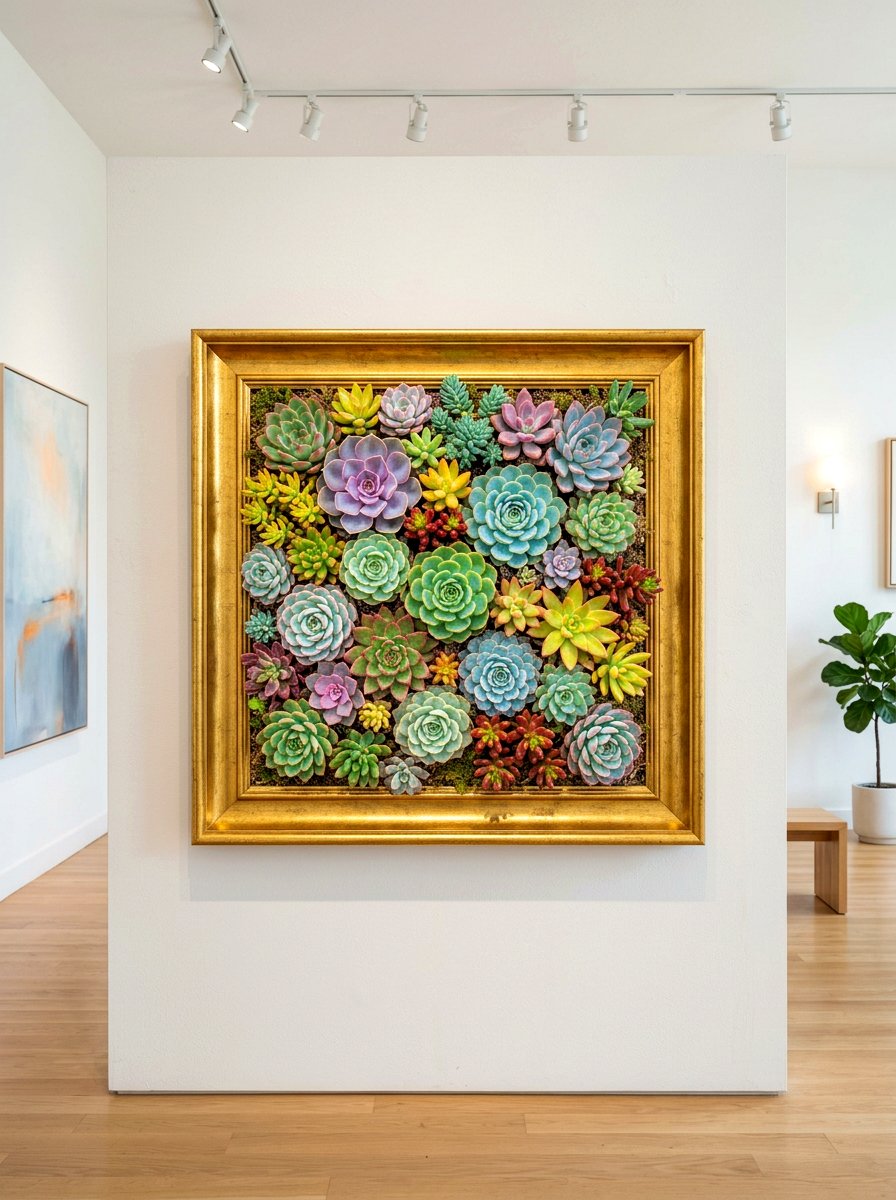
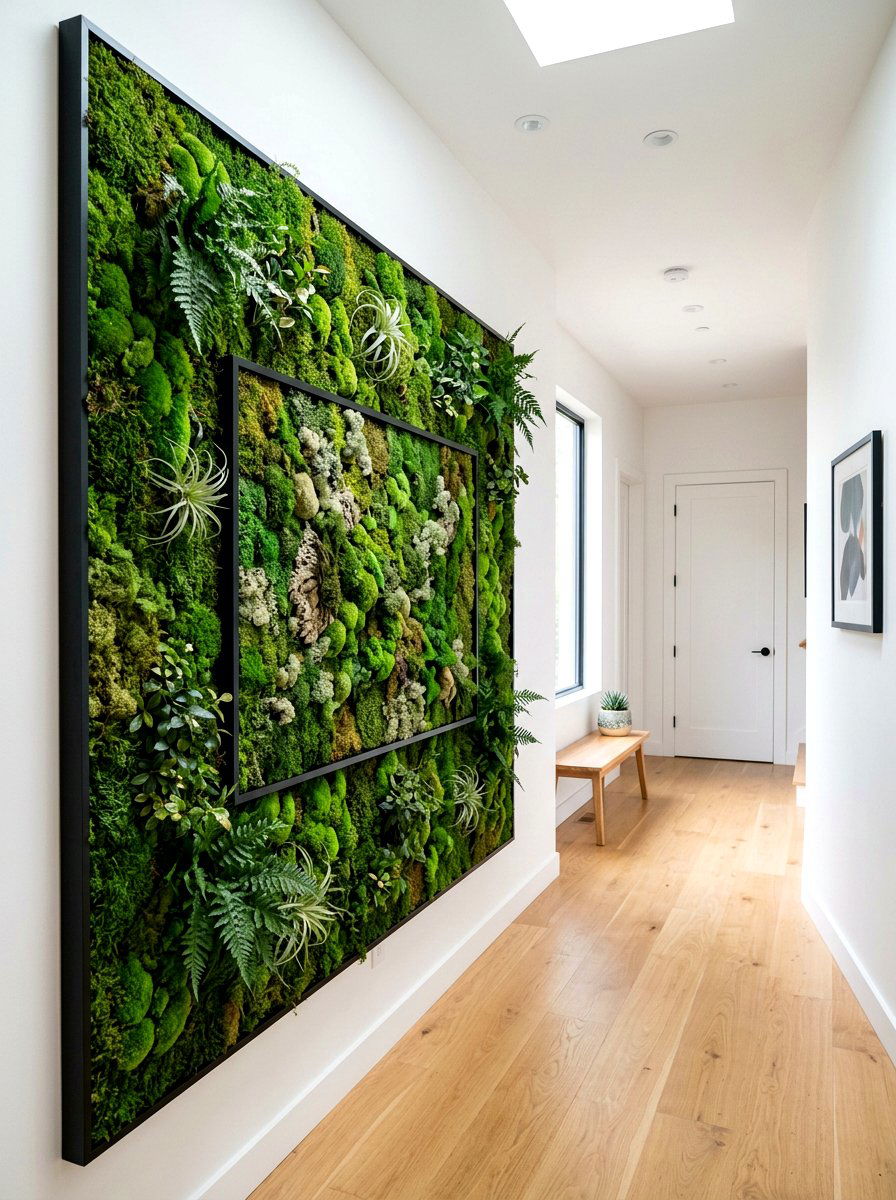
Creating a living picture frame is a unique way to treat your plants like a piece of fine art on your wall. You can build a shallow shadow box behind a vintage picture frame and cover the front with a layer of sturdy wire mesh to hold the plants. Tightly packing the frame with various colorful succulents creates a dense, tapestry-like effect that stays beautiful year-round with very little water. Once the plants have established their roots, you can hang the frame vertically without any soil falling out, making it a conversation starter in any room. This project combines gardening with home decor in a way that feels both modern and sophisticated.
18. Cedar Privacy Screen
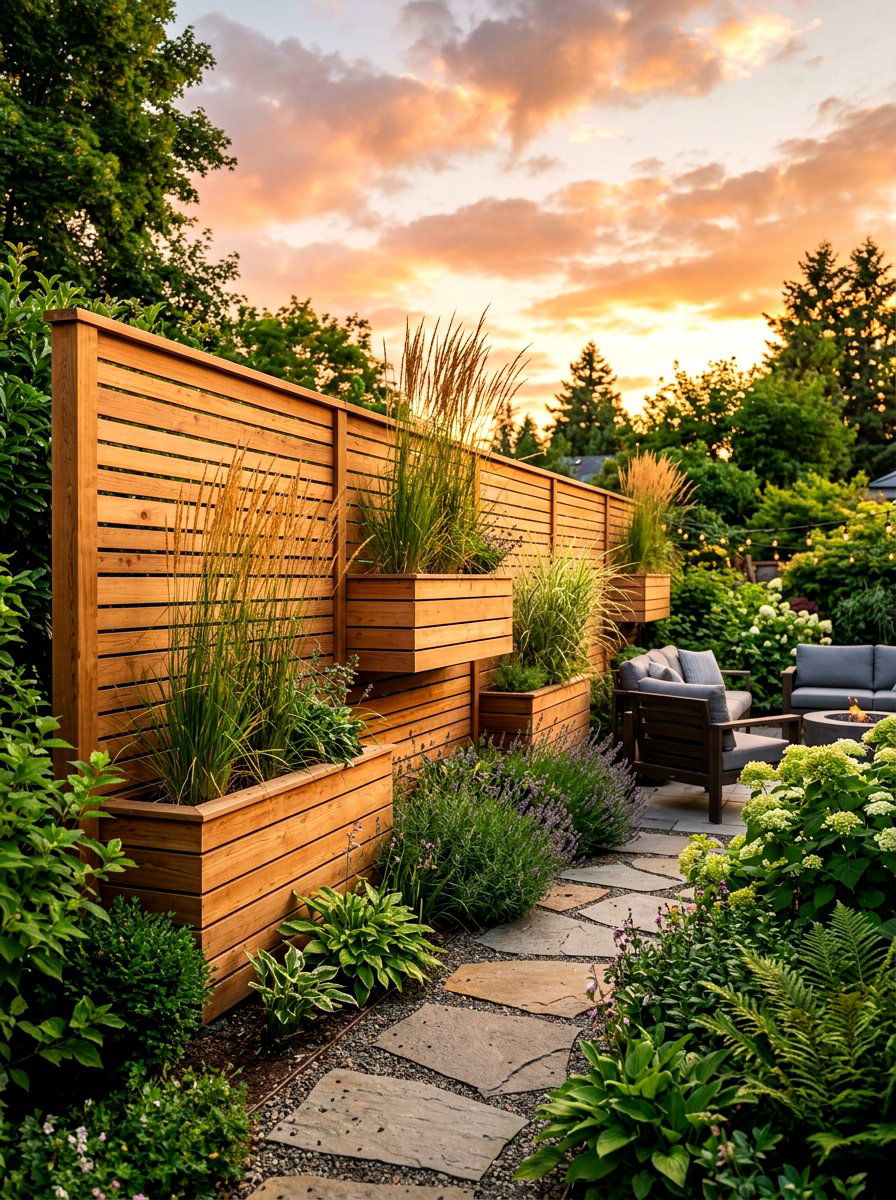
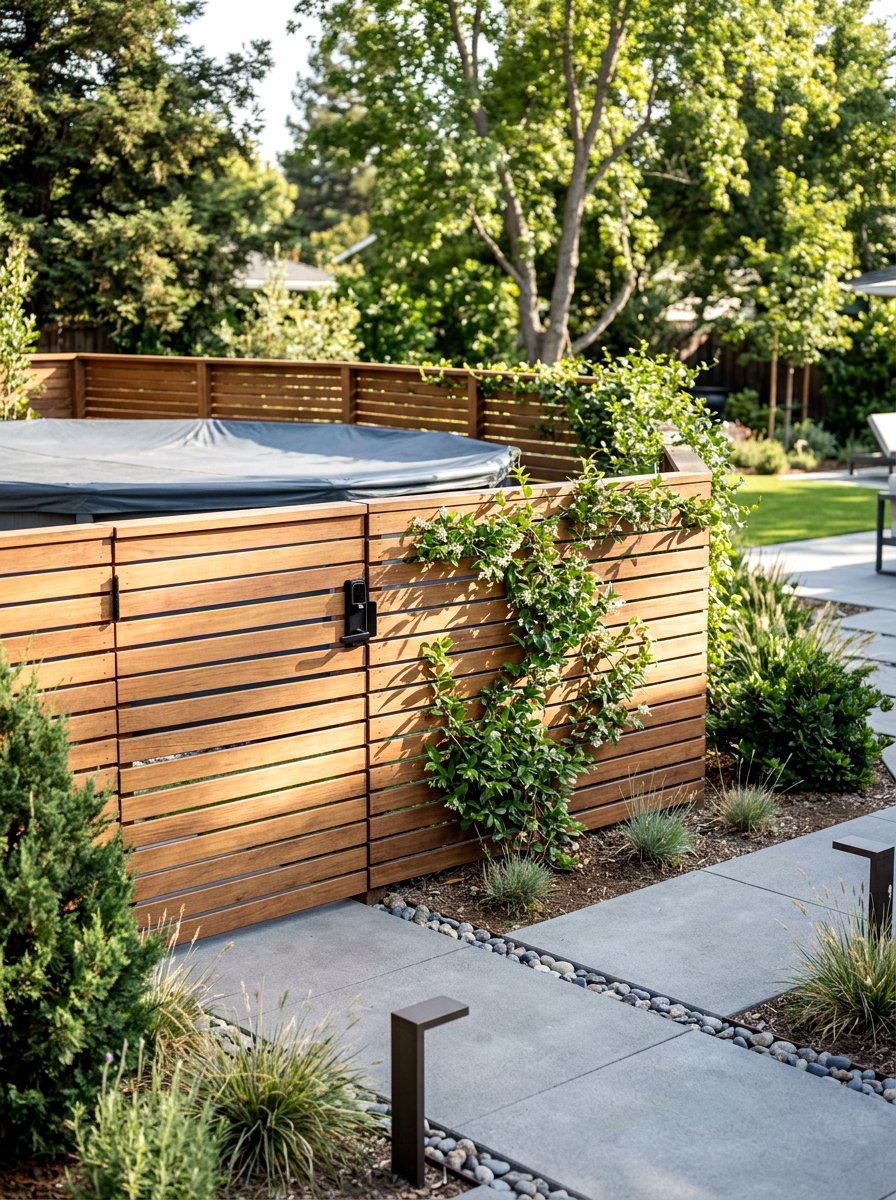
Building a tall cedar privacy screen with integrated planter boxes is a double-duty solution for homeowners who want both seclusion and a beautiful garden. By using horizontal cedar slats with small gaps in between, you create a modern backdrop that allows for airflow while blocking the view from neighbors. Attaching matching cedar planter boxes at different heights along the screen allows you to grow tall grasses or flowering vines that further enhance the privacy. The natural rot-resistance of cedar makes it an ideal choice for outdoor structures, and its warm color provides a beautiful contrast to the deep green leaves of your chosen plants. This is a long-lasting investment.
19. Terracotta Pot Tower
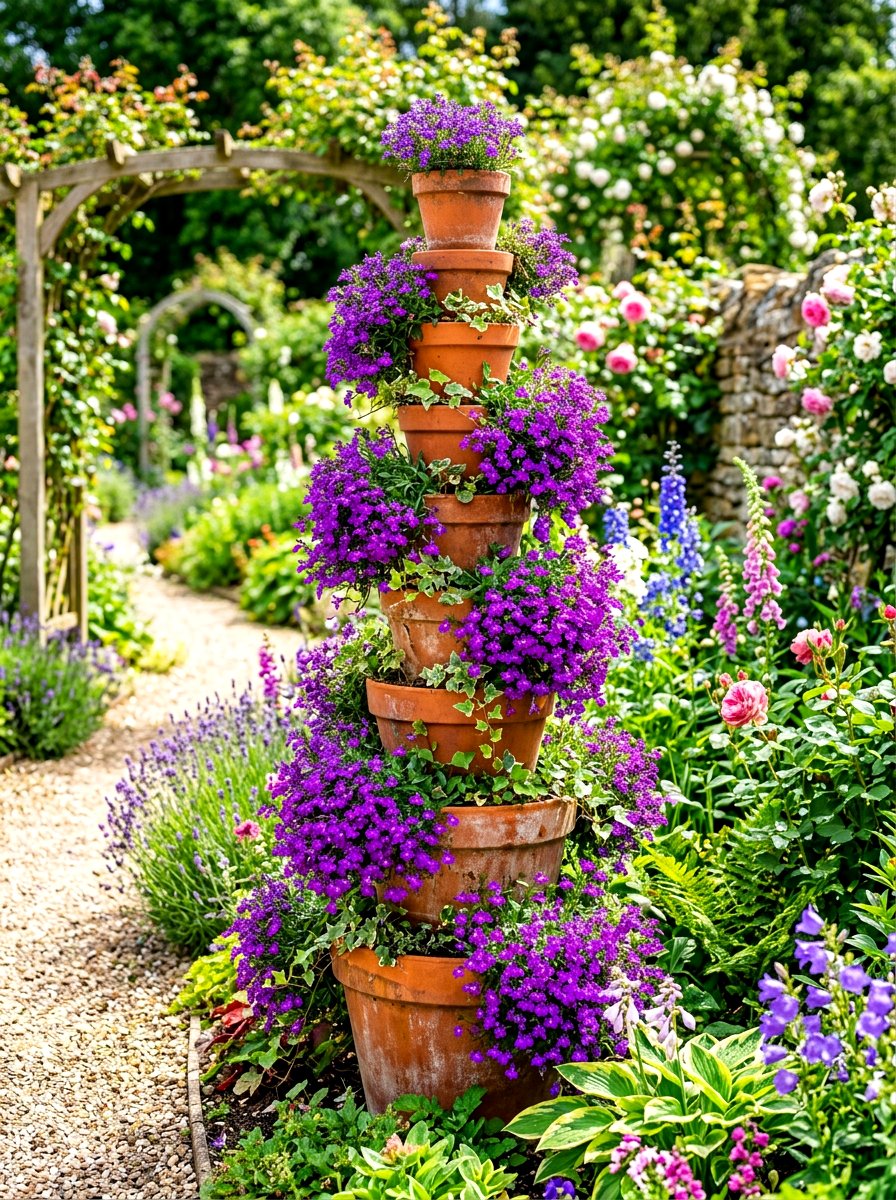
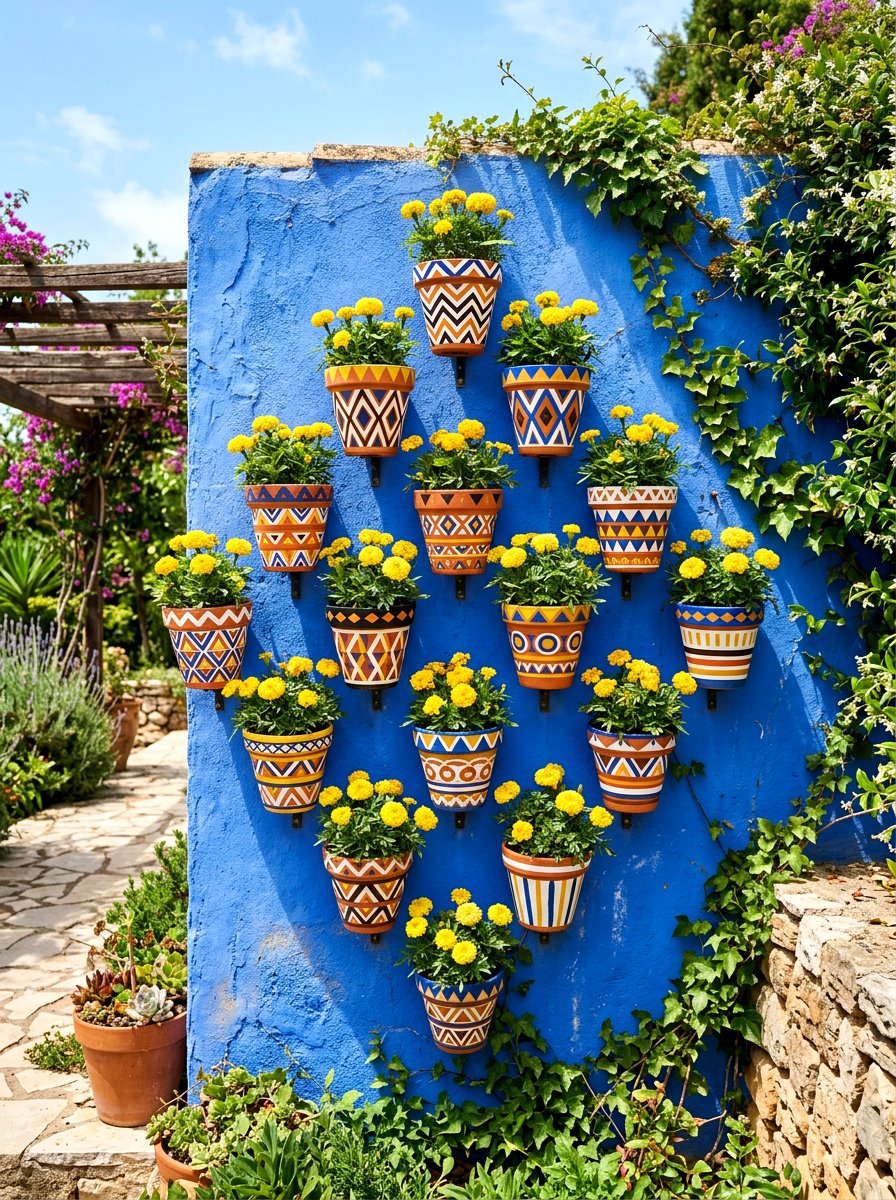
A terracotta pot tower is a classic vertical garden project that uses gravity and a central support rod to create a whimsical, leaning structure. By threading several pots of decreasing sizes onto a sturdy piece of rebar driven into the ground, you can create a tall stack of planters that takes up very little space. This "topsy-turvy" look adds a playful and artistic element to your flower beds or patio corners. You can plant colorful annuals like marigolds or petunias in each level to create a vertical column of continuous blooms throughout the summer season. It is a simple, low-cost project that provides a lot of visual impact for a small effort.
20. Wire Mesh Wall
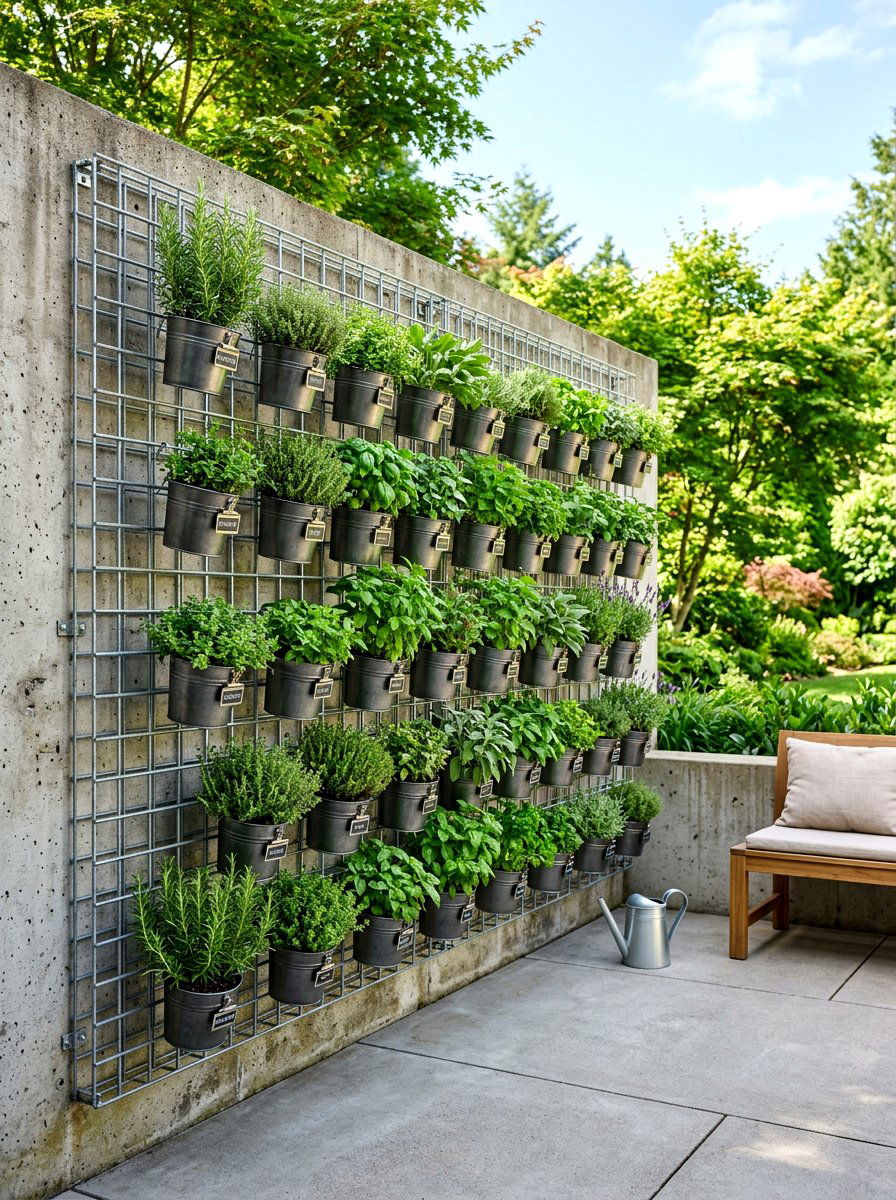
Utilizing a piece of heavy-duty steel wire mesh or a cattle panel is a fantastic way to create a modern, industrial-style vertical garden. You can mount the mesh slightly away from the wall to allow for air circulation and then hang a variety of containers using simple metal hooks. This system is incredibly versatile because you can easily move your plants around to follow the sun or change the look of your wall whenever you like. The thin profile of the wire mesh keeps the focus entirely on the plants themselves, making it look as though they are floating against the wall. This is a great solution for minimalist or contemporary outdoor spaces.
21. Hanging Basket Column
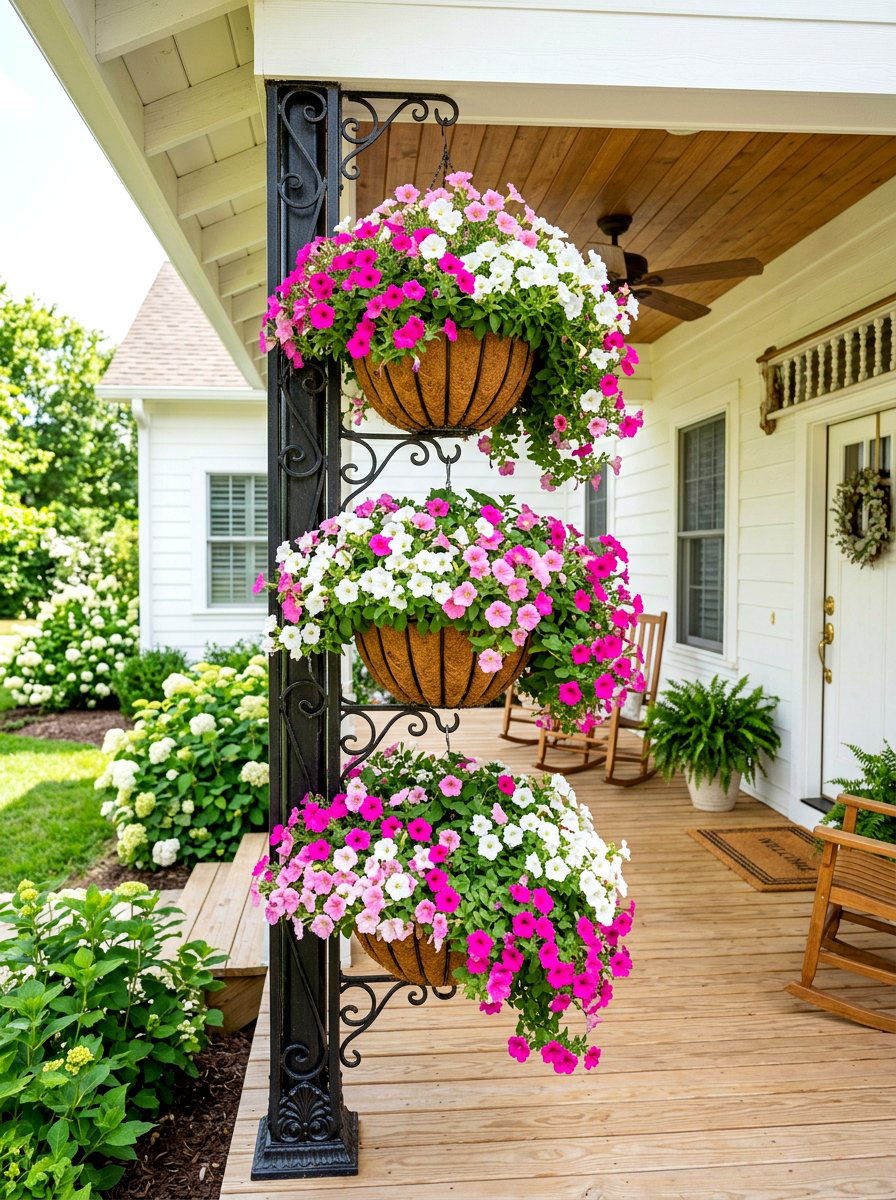
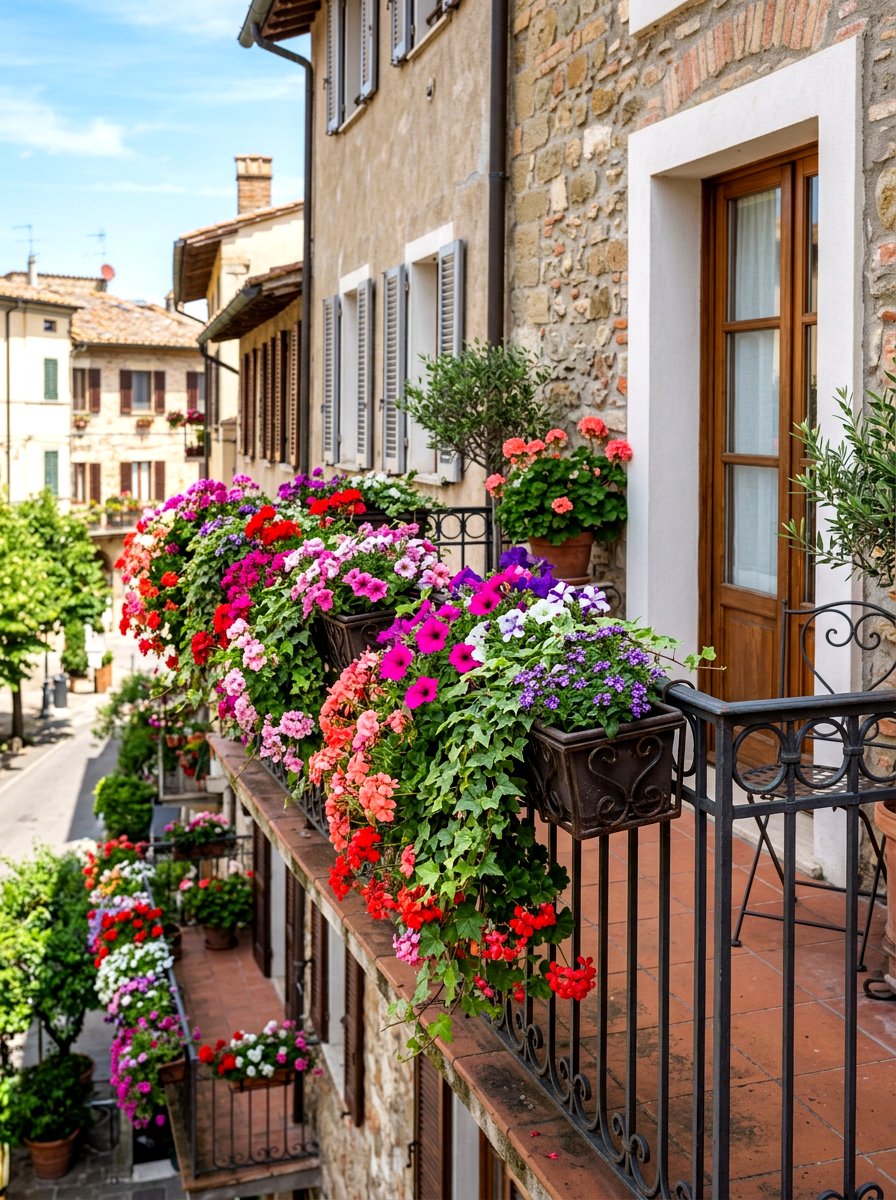
Creating a vertical column of hanging baskets is an easy way to add a massive amount of floral color to a small porch or entryway. By using a tall, sturdy post or a series of ceiling hooks, you can hang multiple wire baskets lined with coco coir one above the other. This creates a waterfall of flowers that can be seen from a distance, making your home feel welcoming and vibrant. Choosing trailing plants like fuchsias, wave petunias, or ivy geraniums will ensure that the baskets are eventually hidden by a dense curtain of blooms and foliage. This vertical arrangement makes the most of your overhead space while keeping the ground clear.
22. Concrete Block Wall
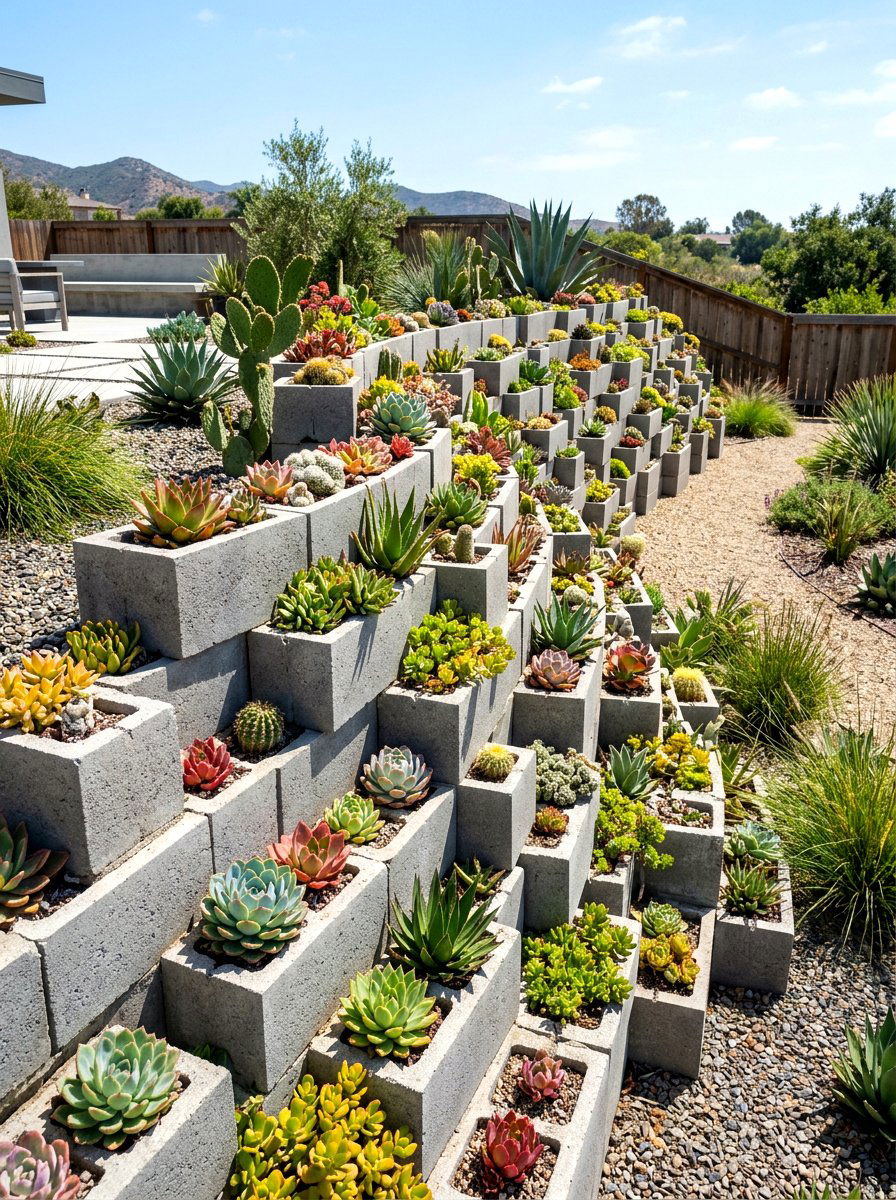
Standard concrete masonry units, or breeze blocks, can be stacked in a creative, staggered pattern to create a permanent and modern vertical garden wall. The hollow centers of the blocks serve as individual planting pockets that are perfect for hardy succulents, ornamental grasses, or small herbs. By varying the orientation of the blocks so that some stick out, you can create a three-dimensional sculptural effect that adds architectural interest to your yard. Concrete holds moisture well and provides a cool root environment, which is beneficial during hot summer months. This is a very inexpensive and permanent way to build a structural garden feature that doubles as a modern art piece.
23. Bamboo Garden Fence
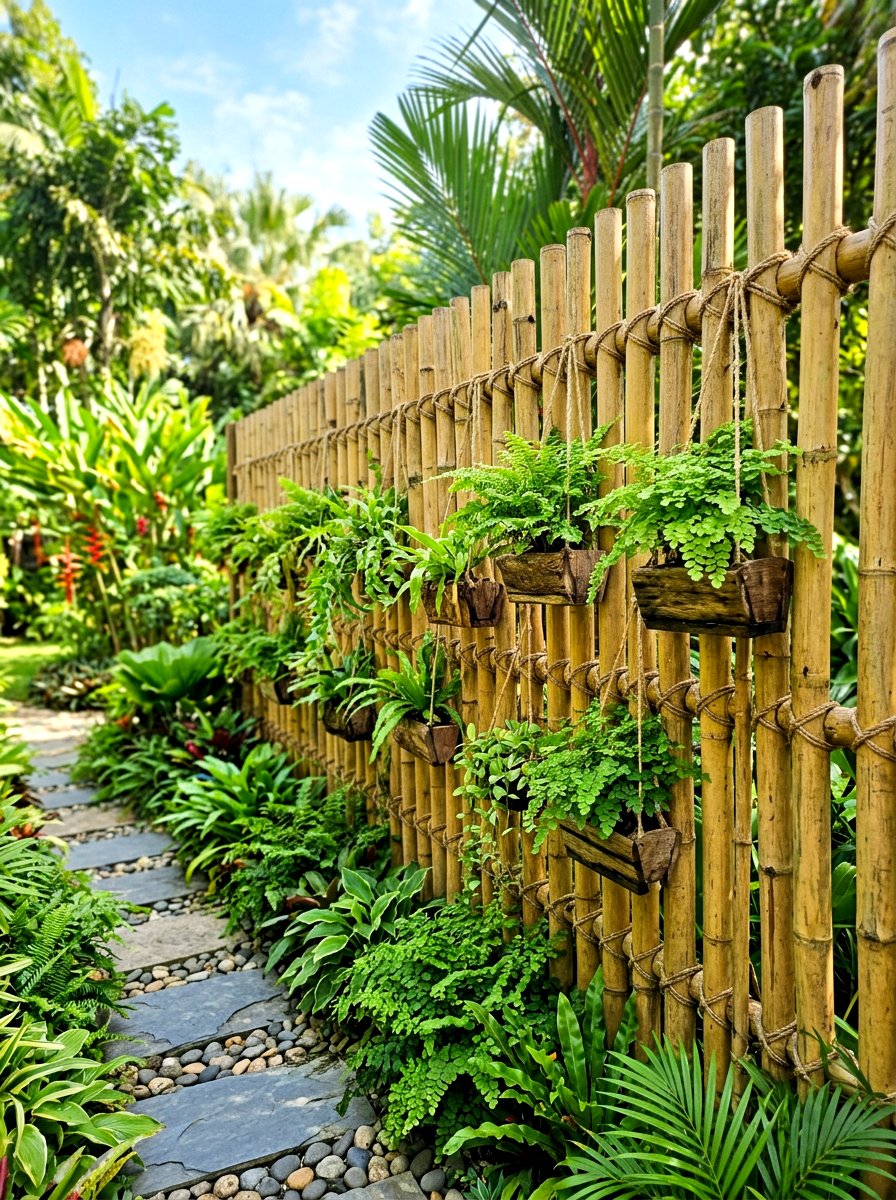
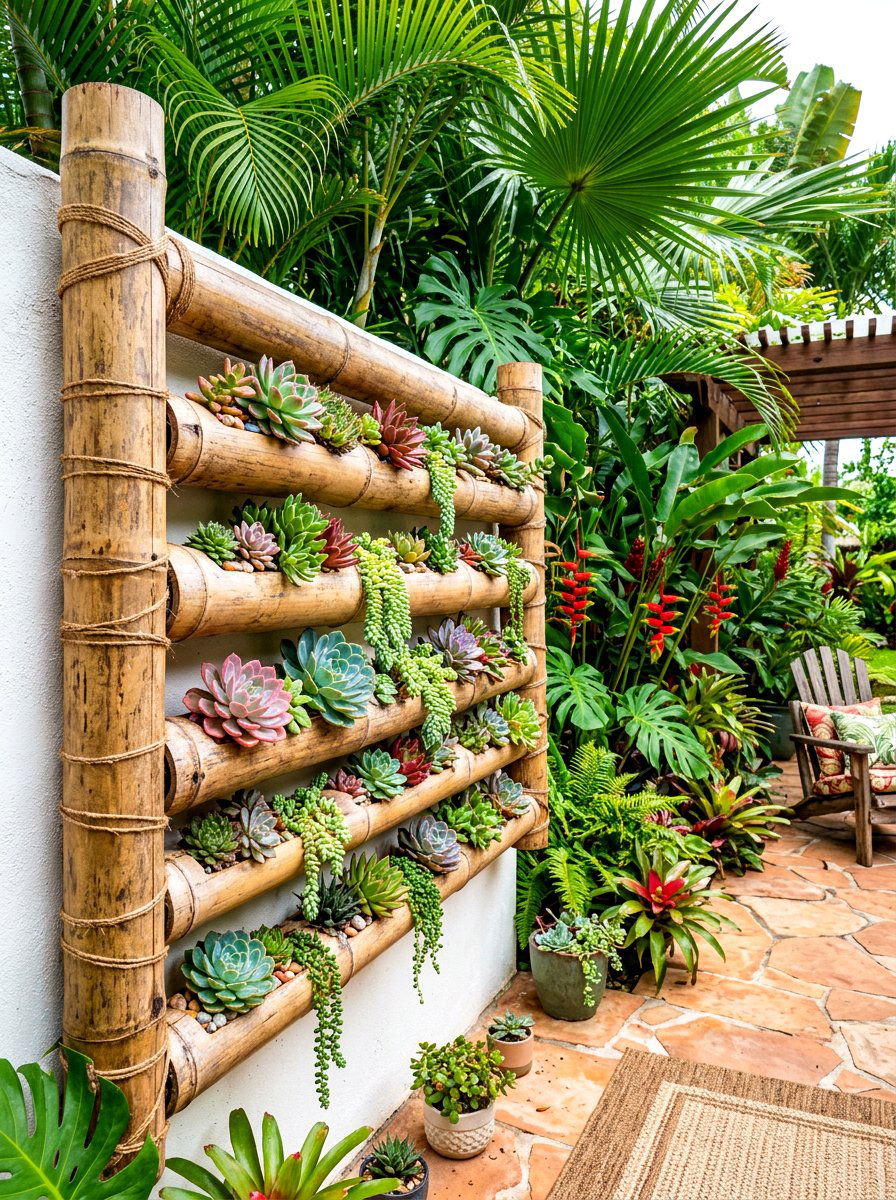
Bamboo is a fast-growing, sustainable material that can be used to create a beautiful, zen-inspired vertical garden screen. By lashing horizontal bamboo poles to a vertical frame, you create a natural-looking support system for a variety of lightweight hanging planters or climbing vines. You can also use large-diameter bamboo stalks as individual planters by cutting out sections between the nodes and mounting them horizontally. This aesthetic is perfect for creating a relaxing, spa-like atmosphere on a balcony or in a quiet corner of the garden. The light tan color of the bamboo provides a neutral backdrop that makes the vibrant green of tropical plants and ferns really stand out.
24. Wooden Crate Wall
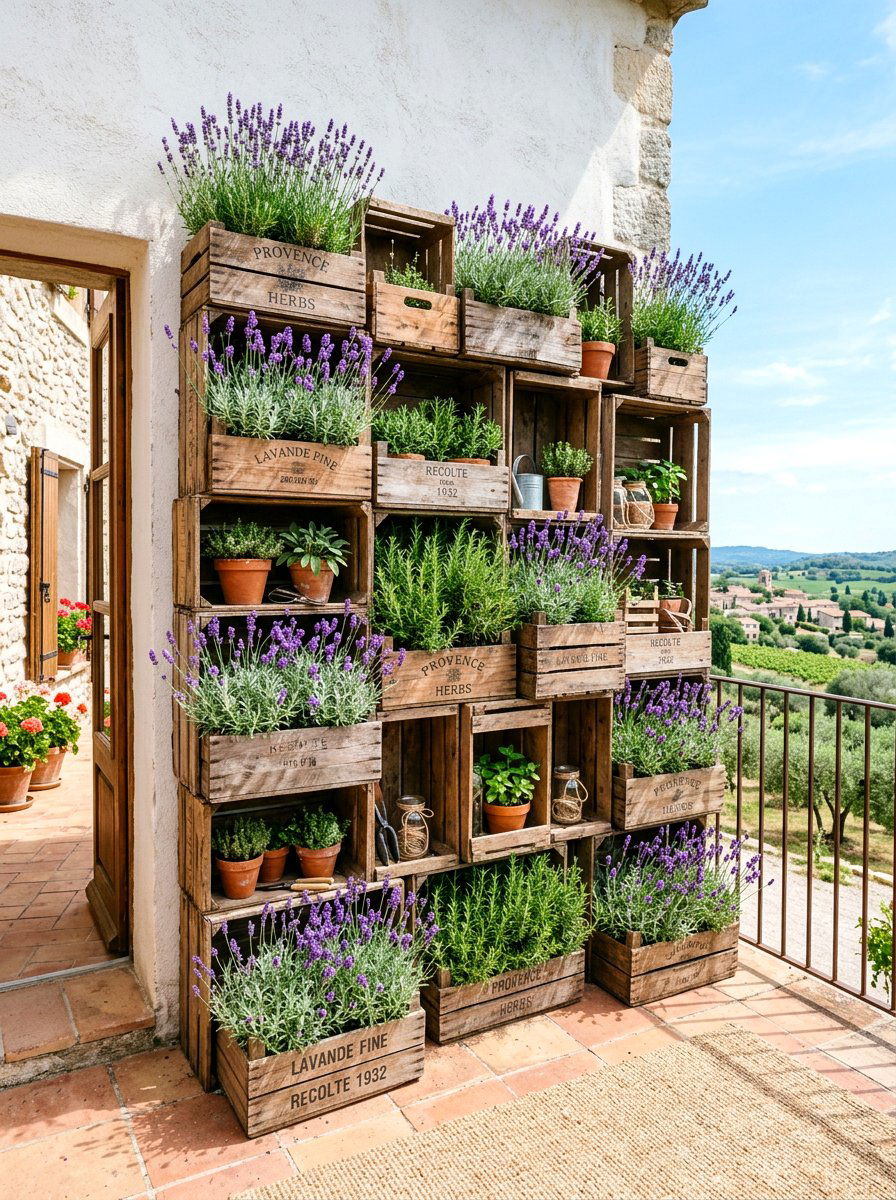
Repurposing old wooden wine or fruit crates is a stylish way to build a modular vertical garden with a trendy, vintage appeal. You can screw the crates directly to a wall or fence in an asymmetrical pattern, creating a series of deep shelves and cubbies for your plants. This setup is particularly good for larger potted plants that might be too heavy for lighter vertical systems, as the crates provide a very stable and secure base. To protect the wood from moisture, it is a good idea to line the crates with plastic or use saucers under your pots. The resulting look is organized, rustic, and provides plenty of space for a diverse plant collection.

25. Upcycled Drawer Planter
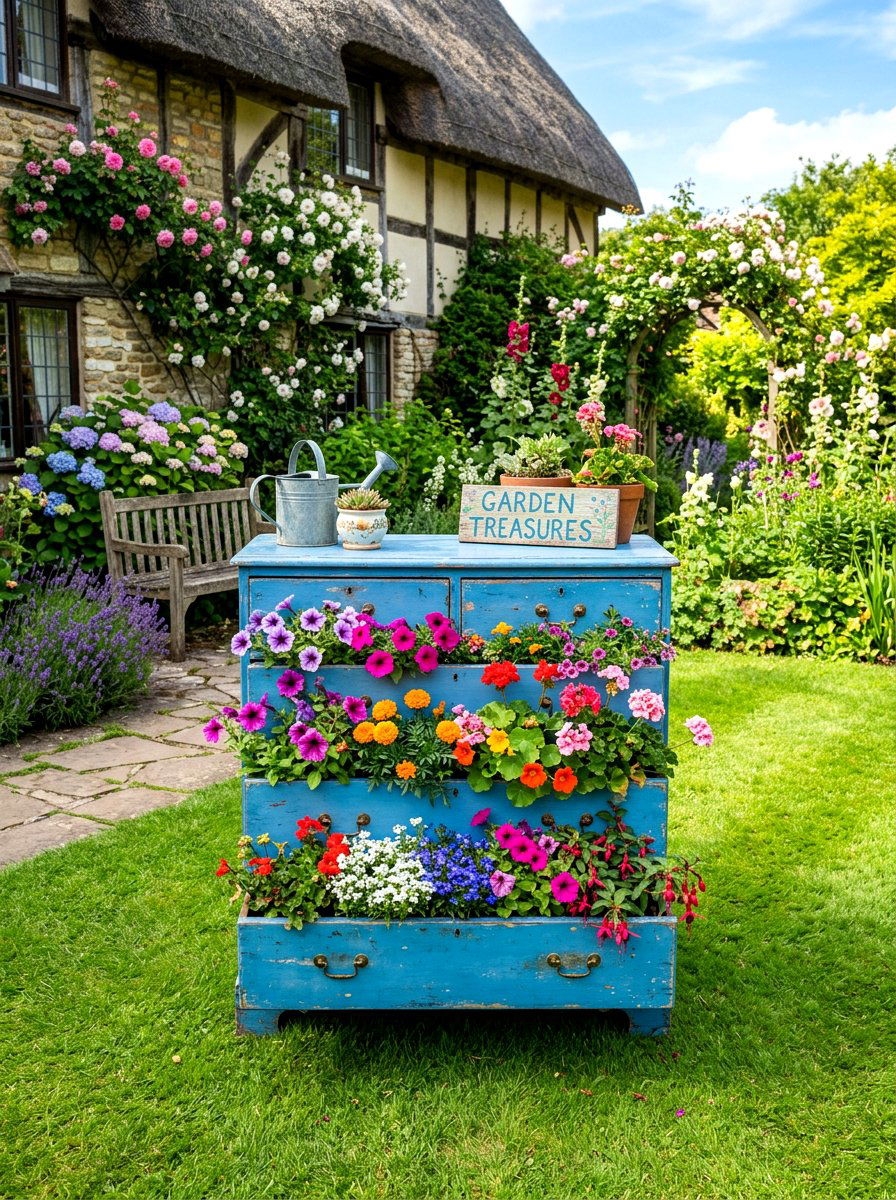
Don't throw away that old chest of drawers; instead, turn it into a whimsical and unique tiered vertical garden for your patio. By pulling out the drawers at different lengths and securing them in place, you create a cascading series of planting beds that look like they belong in a fairytale garden. You can paint the entire piece a bold, bright color to make it a focal point or use a distressed finish for a more antique look. This project is perfect for growing a mix of trailing flowers and upright perennials, providing a lush and full appearance. It is a fantastic way to give a second life to furniture that is no longer useful indoors.
26. Garden Pegboard Wall
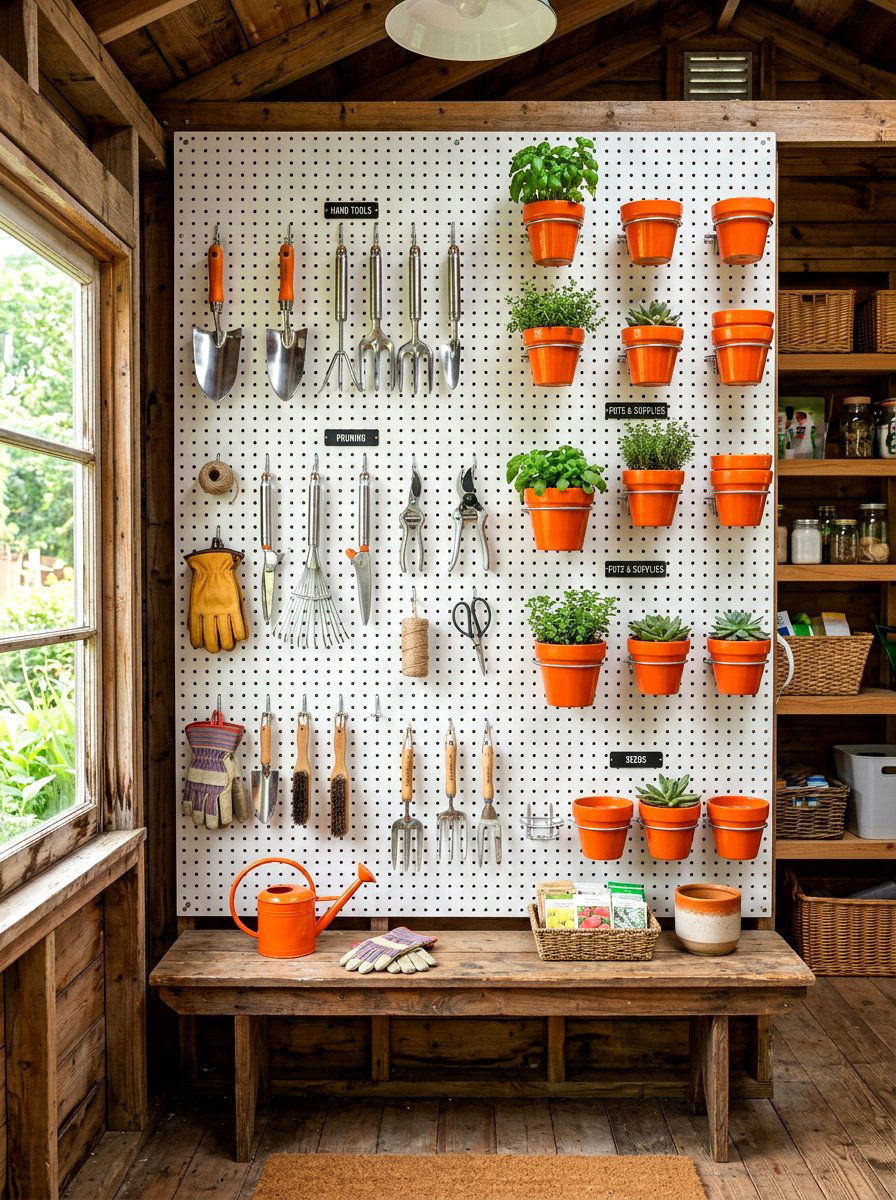
A heavy-duty outdoor pegboard is a brilliant and highly customizable solution for organizing a vertical garden on a shed or garage wall. Using standard pegboard hooks and various metal or plastic containers, you can create a flexible arrangement that changes as your plants grow. This system allows you to keep your gardening tools and your plants all in one organized place, making it a very functional addition to any backyard. You can easily add more pots or move existing ones to make room for new arrivals, ensuring that your garden always looks balanced and full. It is a clean, modern approach that appeals to anyone who loves an organized and tidy workspace.
27. Tea Tin Garden
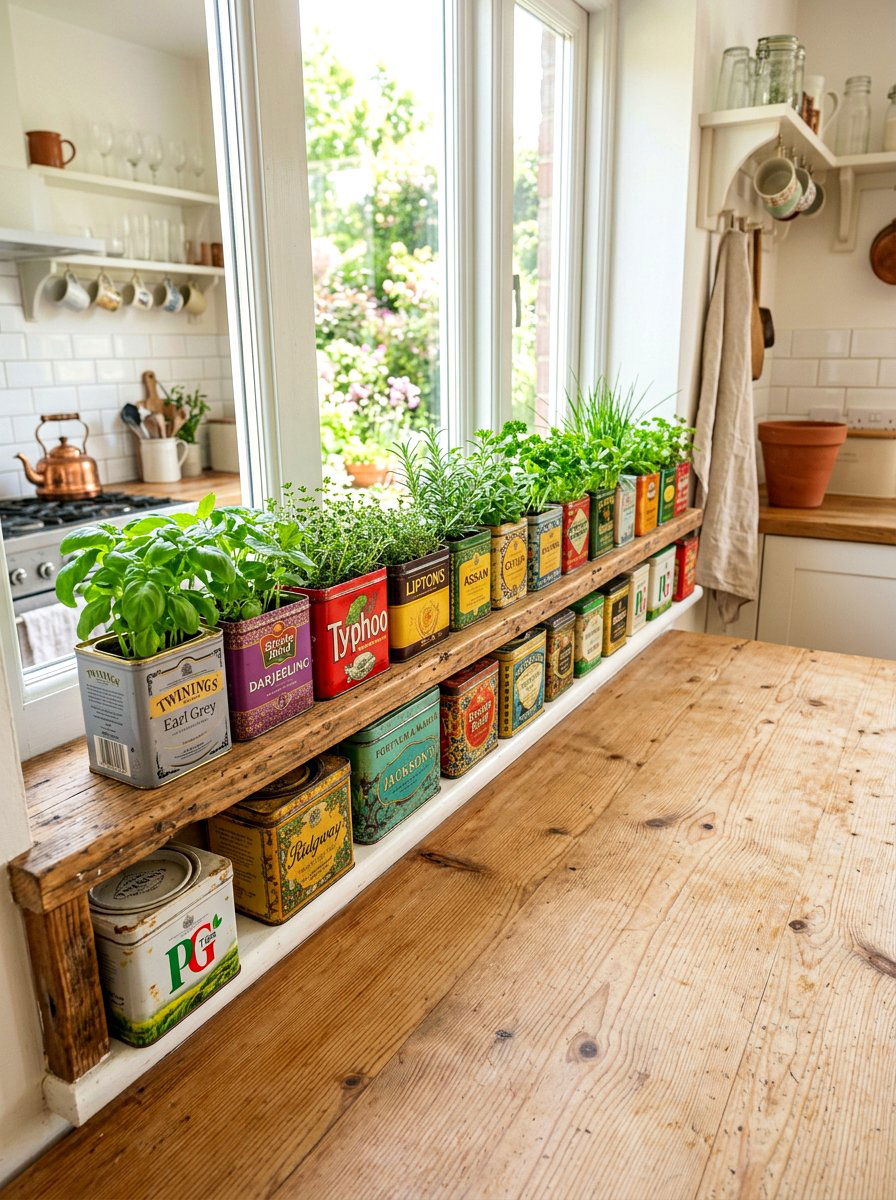
Vintage tea tins and colorful metal food containers make adorable, small-scale vertical planters that are perfect for a sunny kitchen window or a small balcony wall. These tins often feature beautiful graphic designs and typography that add a touch of retro charm to your home decor. By drilling a few drainage holes in the bottom and mounting them to a simple wooden board, you can create a miniature herb garden that is both functional and decorative. Because they are smaller in size, they are ideal for slow-growing succulents or small herbs like chives and thyme. This is a wonderful way to display a collection of interesting tins while growing something useful.
28. Iron Gate Planter
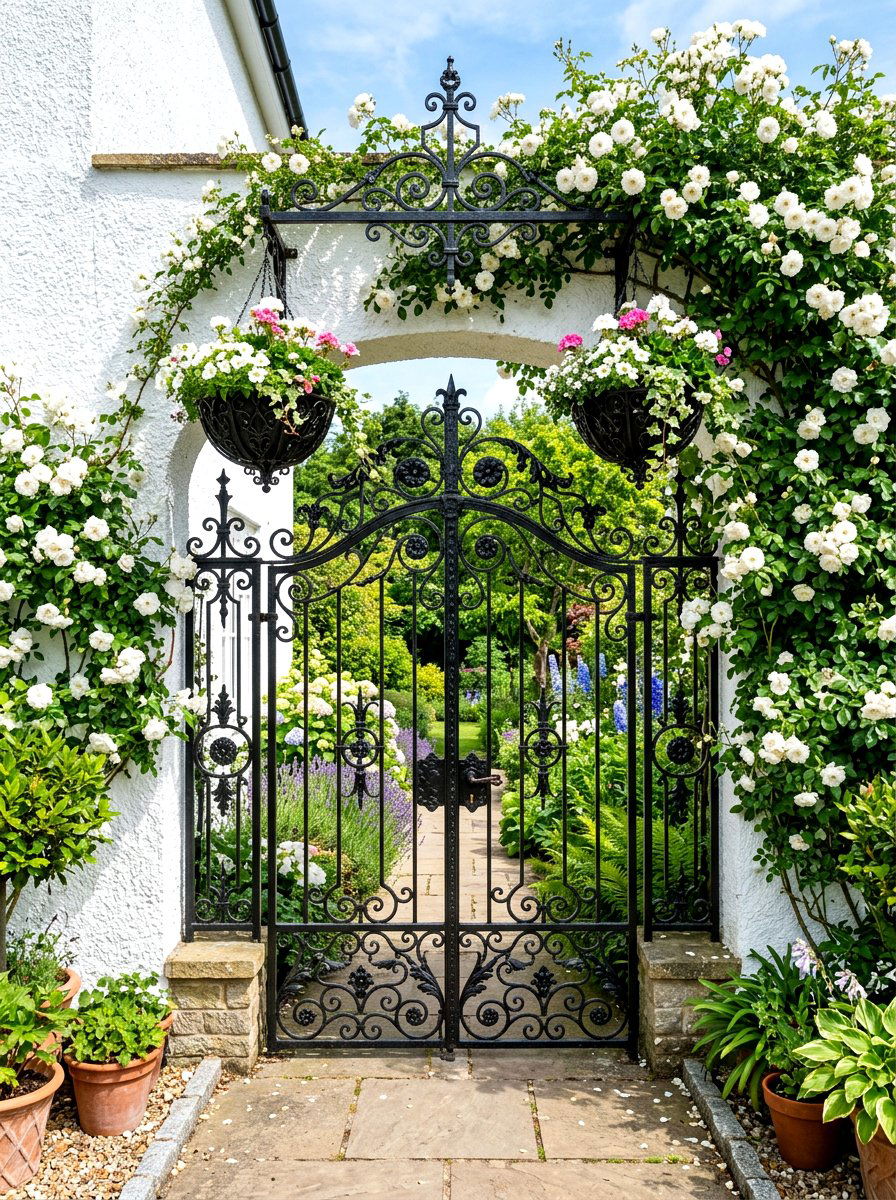
An old wrought iron gate can be repurposed as a stunning and sophisticated vertical support for a variety of climbing plants and hanging pots. The intricate metalwork of a vintage gate provides plenty of attachment points for S-hooks and wire, making it easy to create a lush, layered look. You can lean the gate against a brick wall or mount it as a standalone screen to divide different areas of your garden. Flowering vines like jasmine or honeysuckle look particularly beautiful as they weave through the iron bars, filling the air with fragrance. This project adds a sense of history and timeless elegance to any outdoor space without requiring a huge investment.
29. Staircase Garden Stand
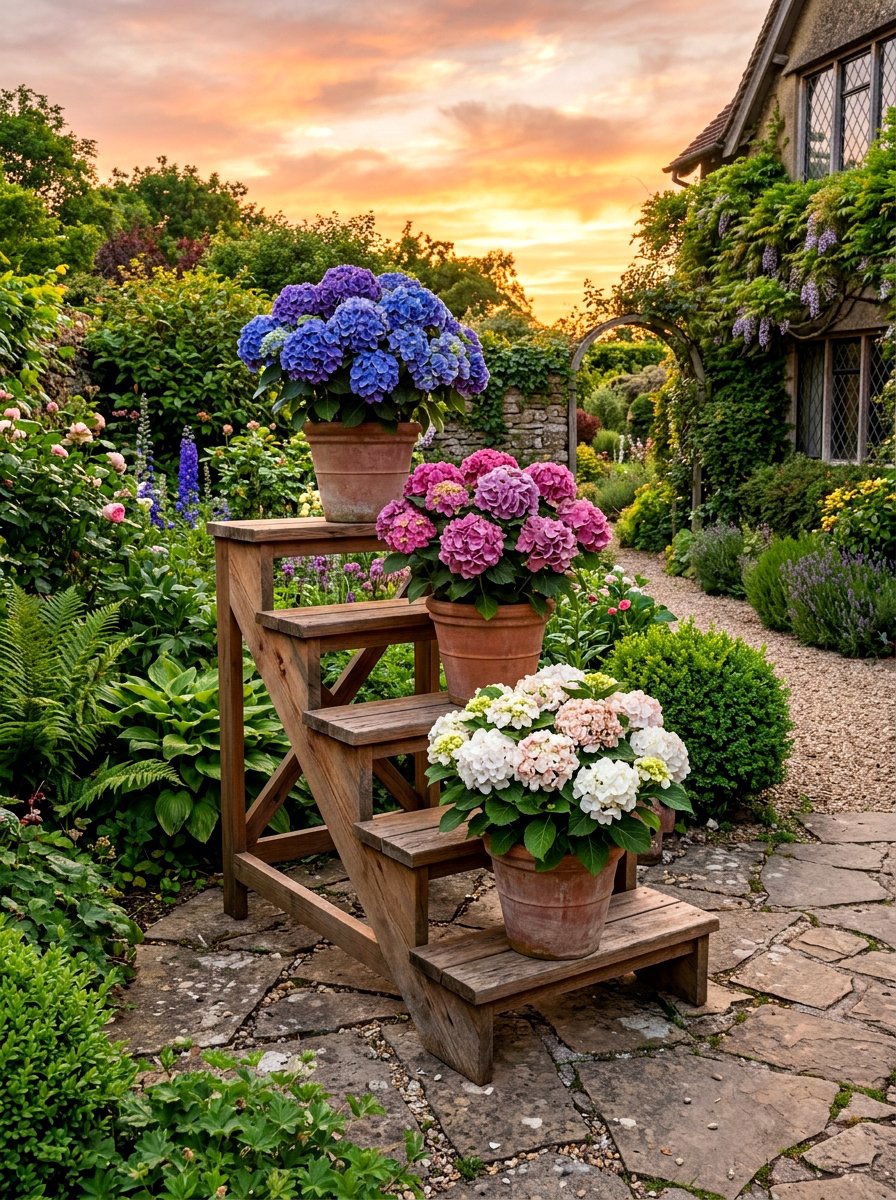
If you have a set of old wooden stairs or can build a simple three-step structure, you have the perfect foundation for a tiered vertical garden. Placing large pots on each step allows you to create a dense wall of greenery that rises up to eye level, making it a great way to hide an unattractive fence. This design is very stable and can hold heavy ceramic pots and larger plants that other vertical systems cannot support. You can mix and match different plant heights and colors on each step to create a vibrant, multi-dimensional display. This is a very practical and sturdy solution for anyone who wants a substantial garden in a small area.
30. Industrial Chain Hanger
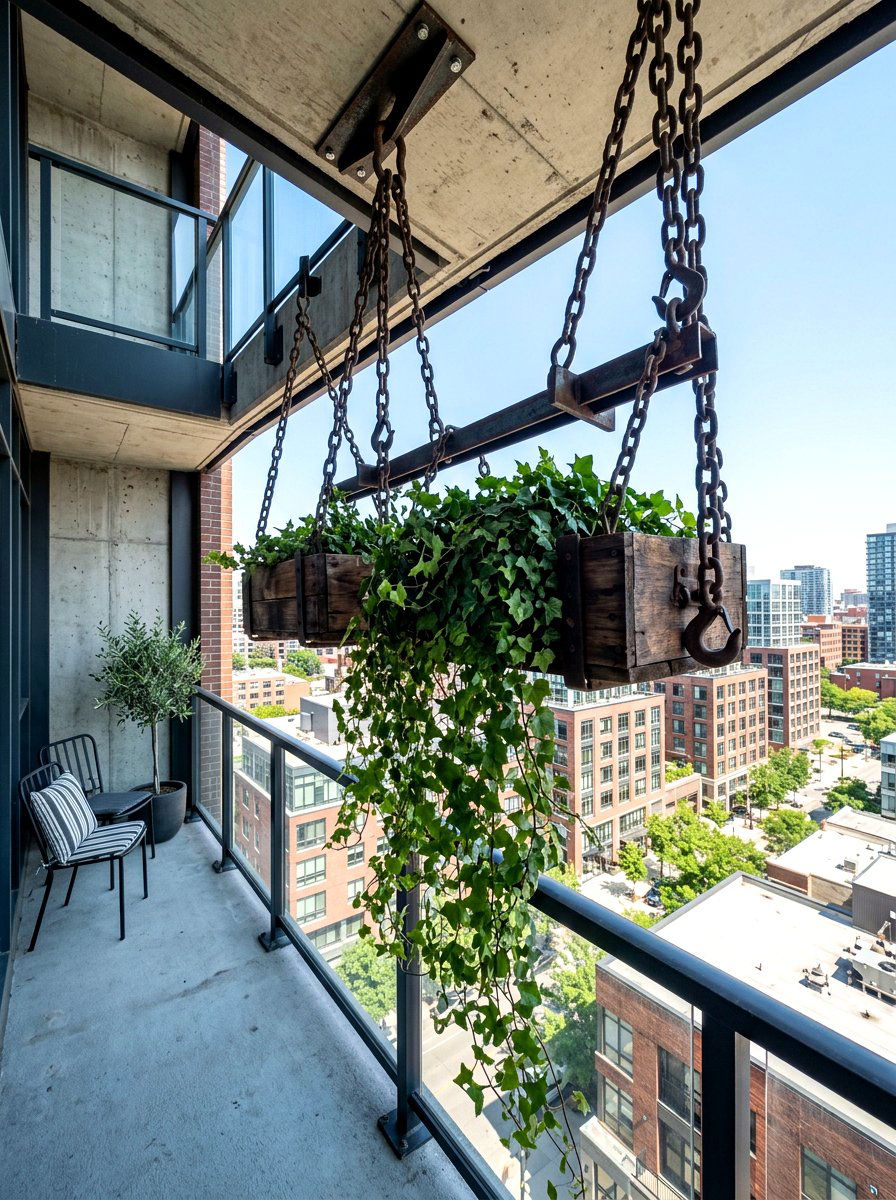
For a bold and edgy look, consider using heavy-duty metal chains to suspend several levels of horizontal planters from a porch ceiling or a sturdy beam. By attaching large wooden or metal troughs to the chains at regular intervals, you create a floating vertical garden that has a distinct industrial feel. This setup allows for plenty of airflow around the plants and creates a dramatic visual statement that is sure to catch the eye of any visitor. You can use galvanized steel troughs for a sleek look or reclaimed wood boxes for a warmer, more natural contrast. It is a durable and unique way to maximize vertical space in a modern home.
Conclusion:
Building a beautiful vertical garden does not have to be an expensive or complicated endeavor if you use your imagination and repurpose common materials. From old wooden pallets and plastic bottles to vintage shutters and metal chains, the possibilities for creating a unique living wall are truly endless. These thirty budget-friendly ideas prove that anyone can enjoy the benefits of gardening, regardless of how much floor space or money they have available. By choosing the right plants for your specific light conditions and maintaining a consistent watering schedule, your vertical garden will flourish and provide beauty for years to come. Start small with one project and watch as your home is transformed into a vibrant, green sanctuary that reflects your personal style and creativity.

Related posts: