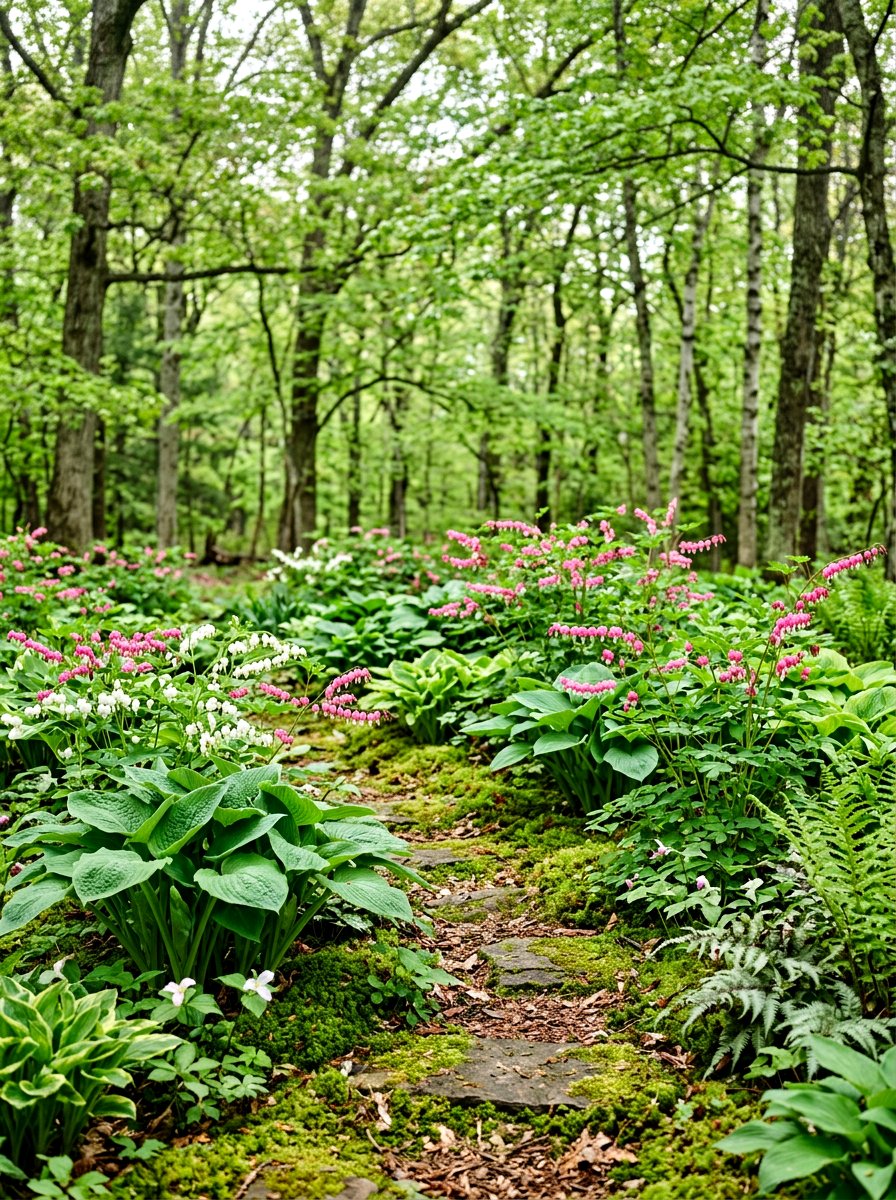
Creating a beautiful outdoor space does not require a massive bank account or a professional landscaping crew to achieve stunning results. Many homeowners feel overwhelmed by the costs of plants and materials, but you can easily transform your yard using clever, cost-effective strategies. Budget-friendly gardening is all about utilizing what you already have and choosing plants that offer the most value over time. By focusing on simple DIY projects and smart plant selections, you can build a vibrant sanctuary that enhances your home’s curb appeal significantly. This guide explores various ways to design high-impact flower beds without overspending on expensive supplies or complex professional installations.
1. Rock Border Flower Bed
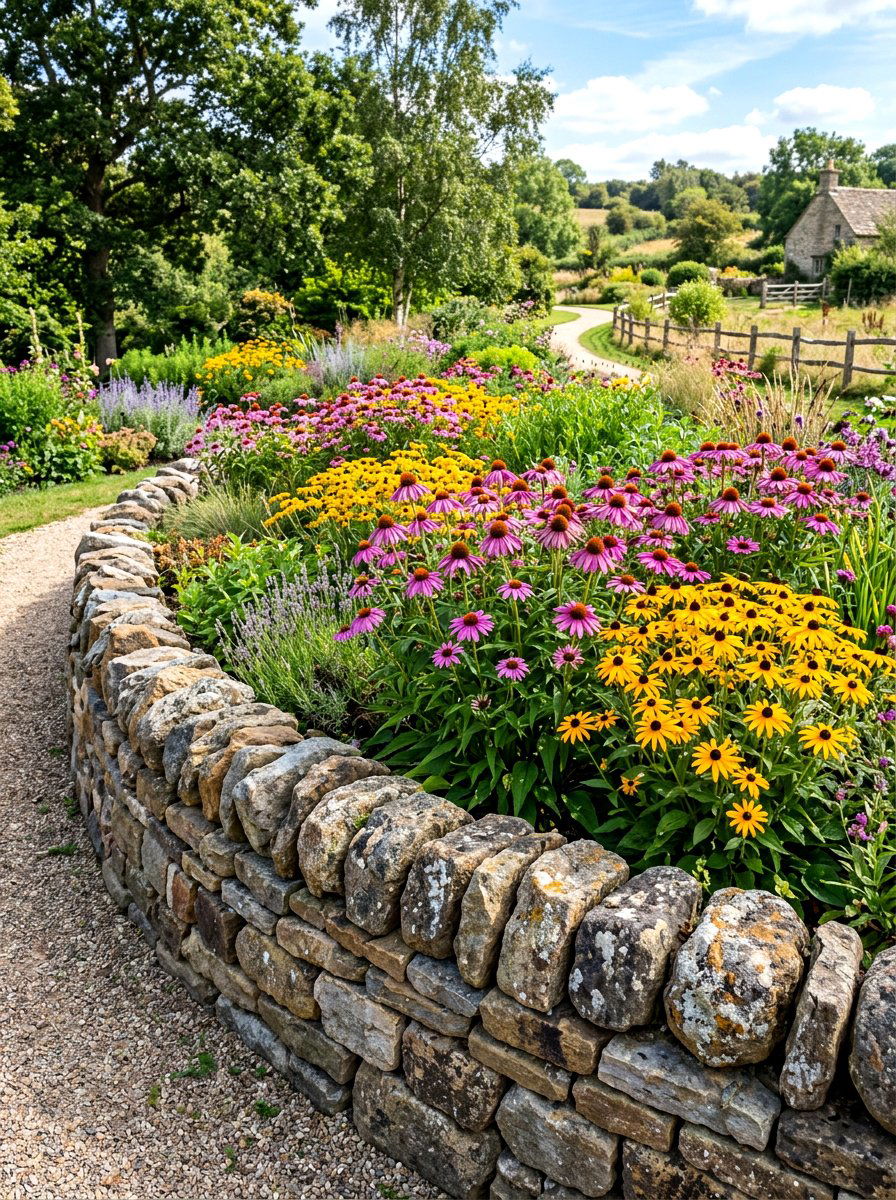
A rock border flower bed utilizes natural elements found right in your own backyard or local area to create a defined and rustic look. You can gather various sizes of stones to build a low wall or a simple single-layer edge that keeps mulch contained and grass at bay. This design works perfectly with hardy perennials like coneflowers or black-eyed Susans, which provide pops of color against the earthy tones of the rocks. The heavy texture of the stones adds a permanent structural element that looks great even in winter. It is a completely free way to establish clear boundaries for your garden while giving it a professional, finished appearance.
2. Recycled Brick Flower Bed
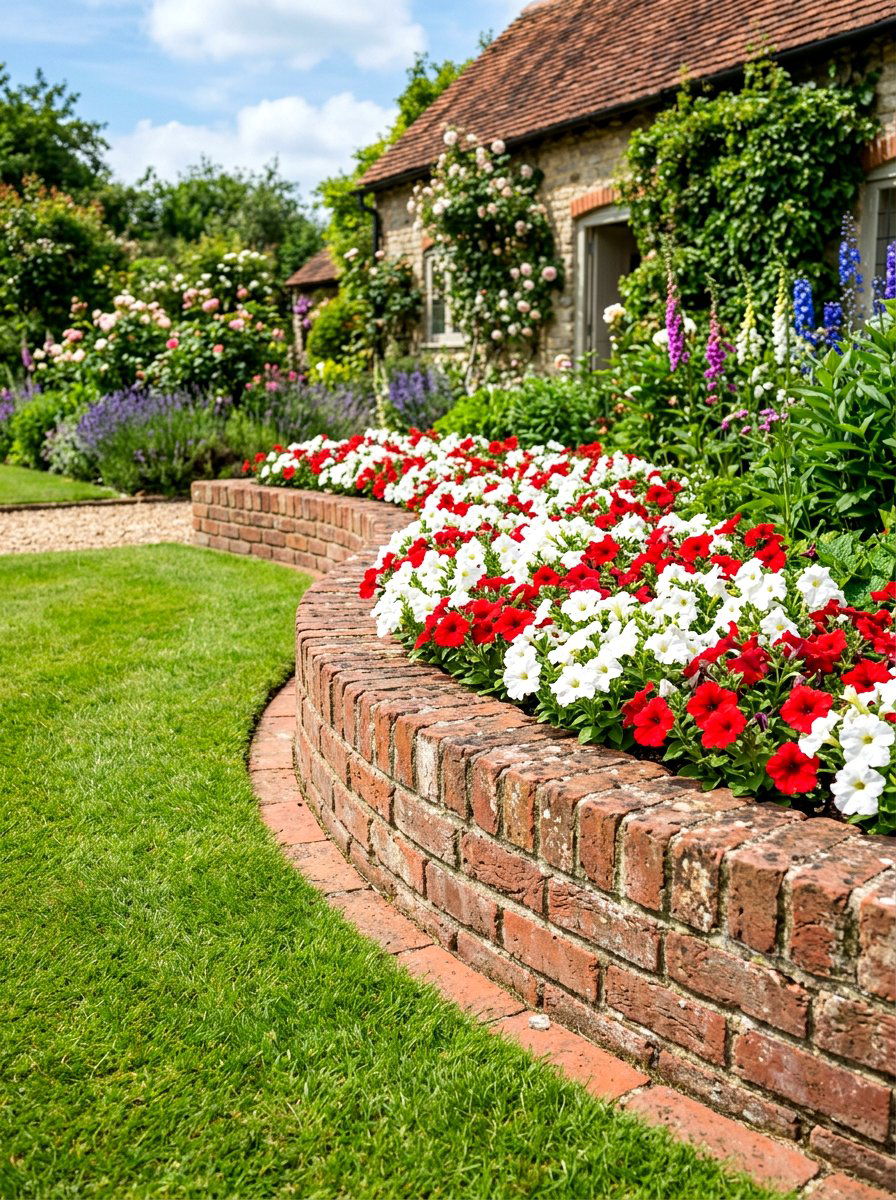
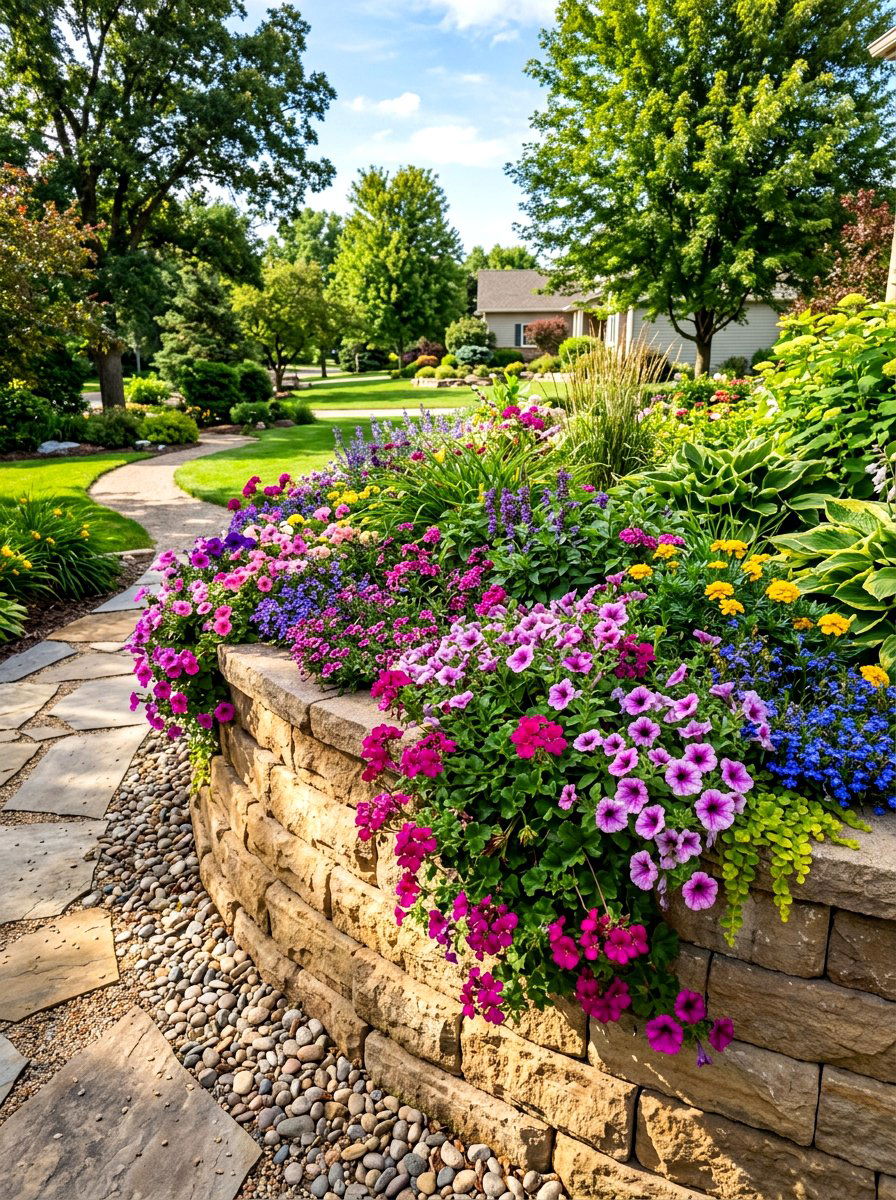
Recycled brick flower beds offer a classic, timeless aesthetic that fits perfectly with cottage-style homes or traditional landscapes. You can often find old bricks for free or very cheap on community marketplaces or at construction salvage sites. Laying them in a simple running bond or a decorative herringbone pattern creates a sturdy perimeter for your favorite blooms. Inside the bed, consider planting vibrant annuals like petunias or marigolds to contrast with the warm red or orange hues of the masonry. This approach provides a structured look that prevents soil erosion and keeps the garden looking neat and tidy throughout the growing seasons with very little maintenance.
3. Wildflower Seed Flower Bed
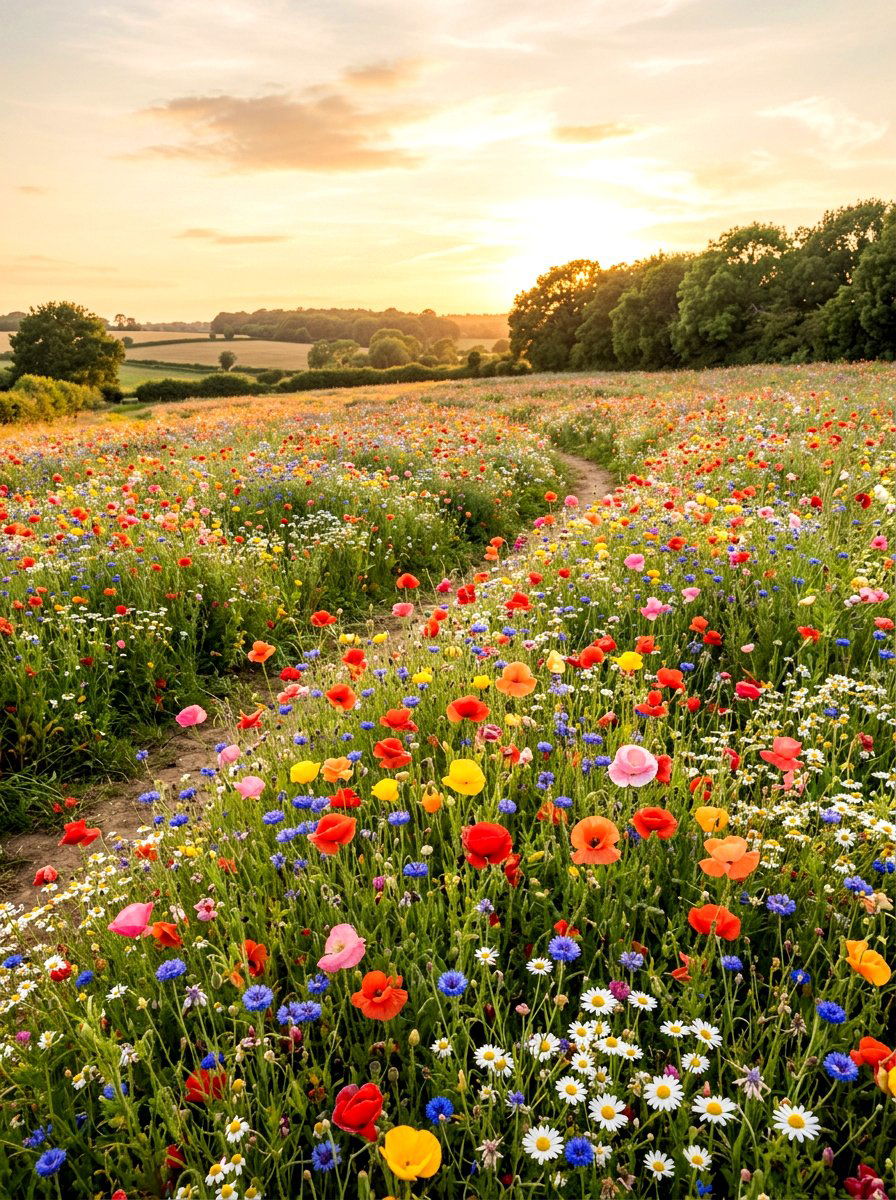
A wildflower seed flower bed is perhaps the most affordable way to cover a large area with a massive explosion of color. Instead of buying individual nursery starts, you can purchase a bulk bag of regional wildflower seeds for a fraction of the cost. Once established, these flowers often self-seed, meaning your garden will return year after year without any additional investment. This design creates a whimsical, meadow-like atmosphere that attracts butterflies and bees, supporting your local ecosystem. It is a low-effort solution for sunny spots where you want a lush, full look that requires very little water or specialized soil amendments to thrive.
4. Wood Pallet Flower Bed
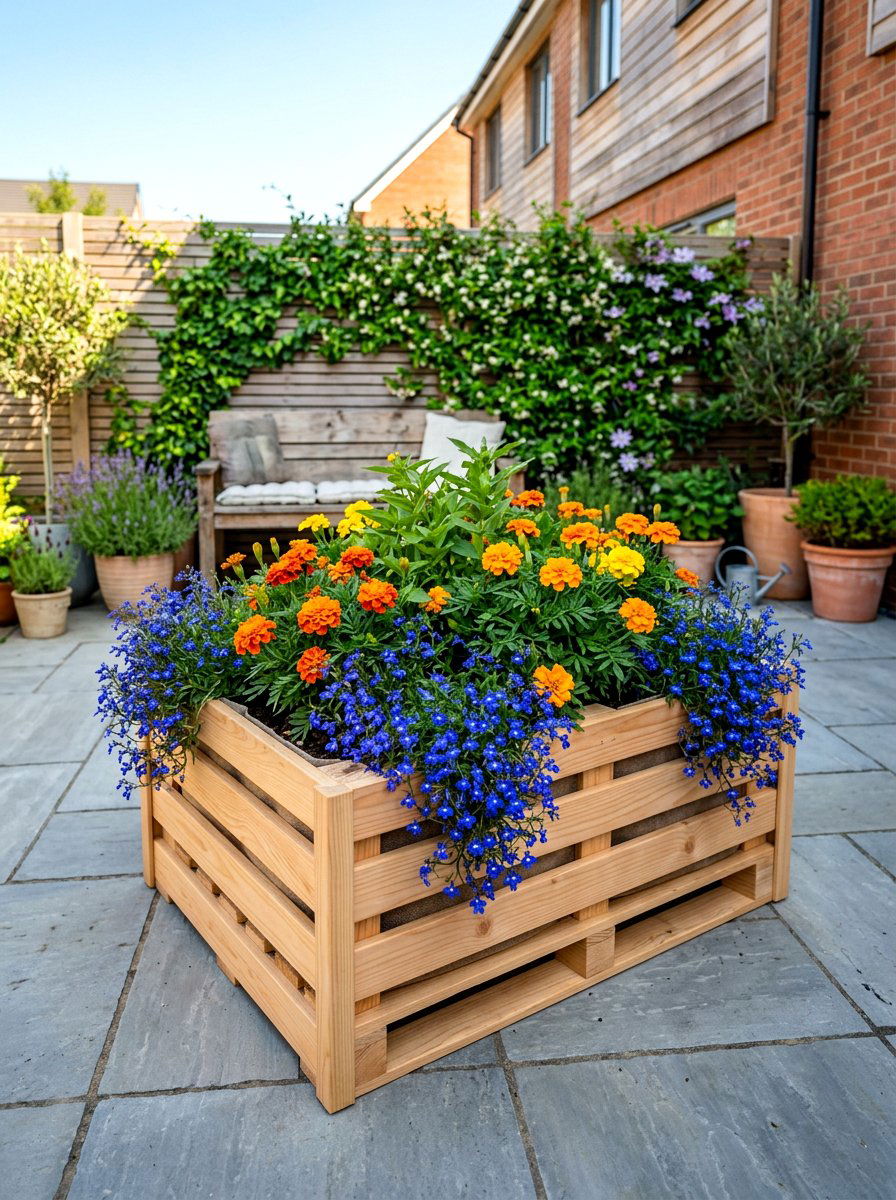
Using a wood pallet flower bed is a genius way to create a raised gardening space for practically zero dollars. Many businesses give away clean pallets for free, and they can be easily converted into horizontal beds or leaned against a wall for a vertical display. By lining the interior with landscape fabric, you can fill the slats with nutrient-rich soil and a variety of trailing plants. This setup is ideal for small yards or patios where ground space is limited. It provides an organized, gridded look that makes it easy to separate different types of flowers, ensuring each plant has the space it needs to grow.
5. Native Plant Flower Bed
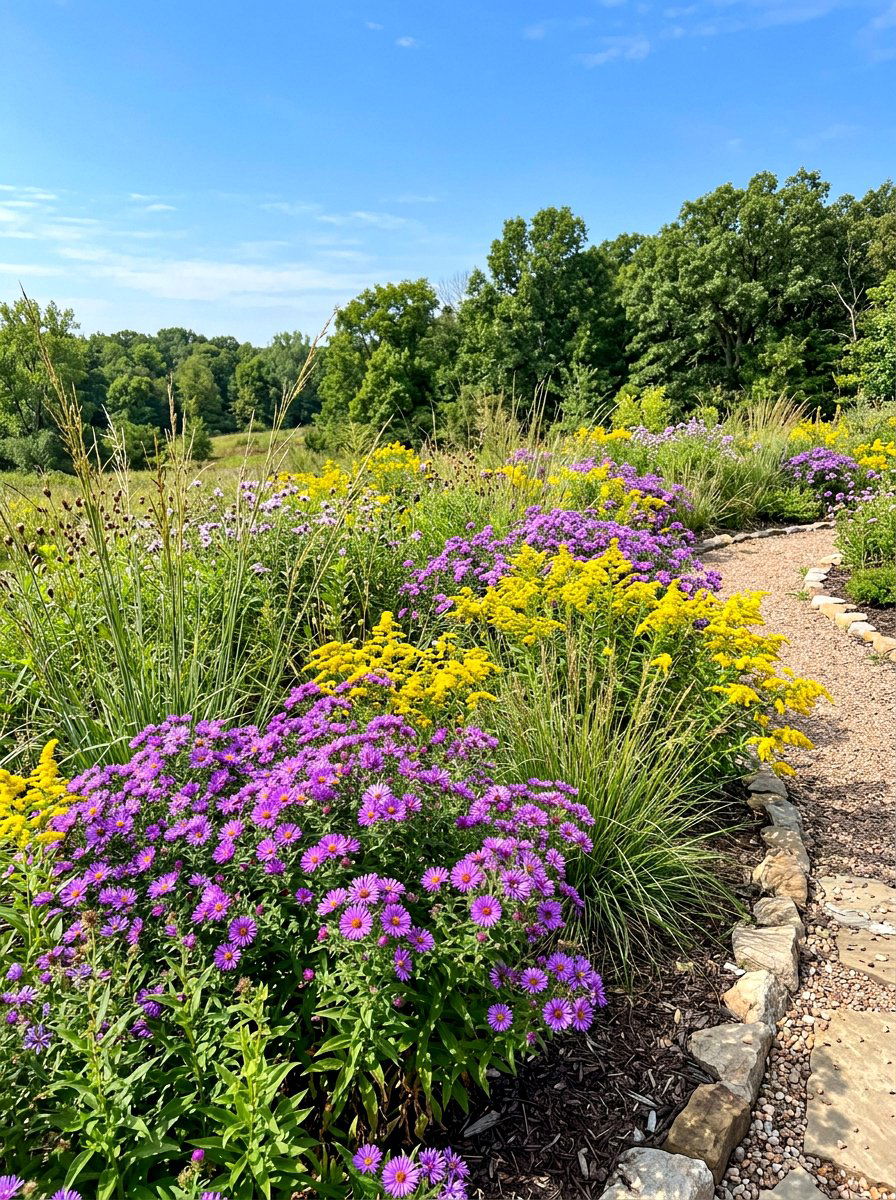
A native plant flower bed focuses on species that naturally occur in your specific region, making them incredibly budget-friendly due to their resilience. These plants have already adapted to your local climate and soil conditions, so they typically require less water, fewer fertilizers, and no expensive pesticides. By choosing natives, you ensure that your flower bed remains healthy and vibrant even during harsh weather. This design usually features a mix of local grasses and blooming perennials that provide a naturalistic, effortless beauty. It creates a sustainable landscape that saves you money on monthly utility bills while providing a crucial habitat for local songbirds and beneficial insects.
6. Perennial Border Flower Bed
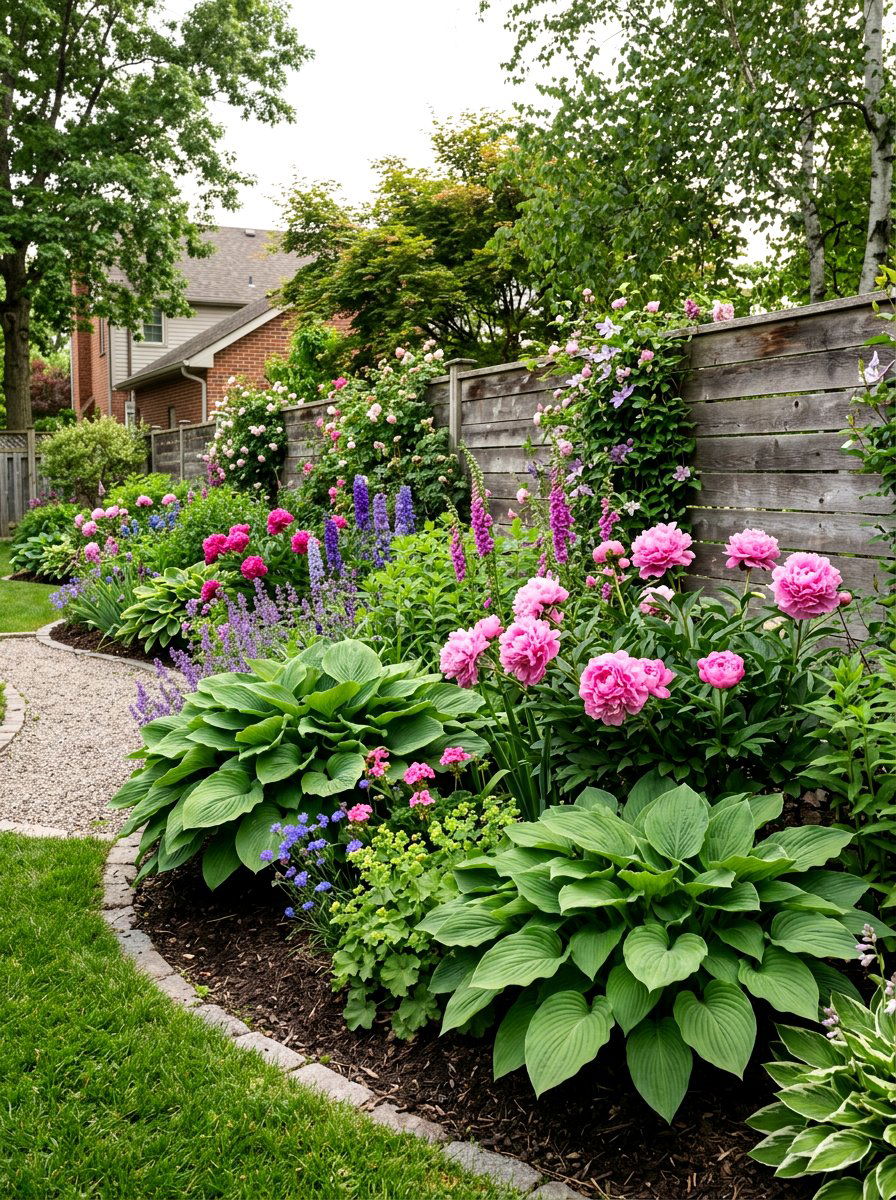
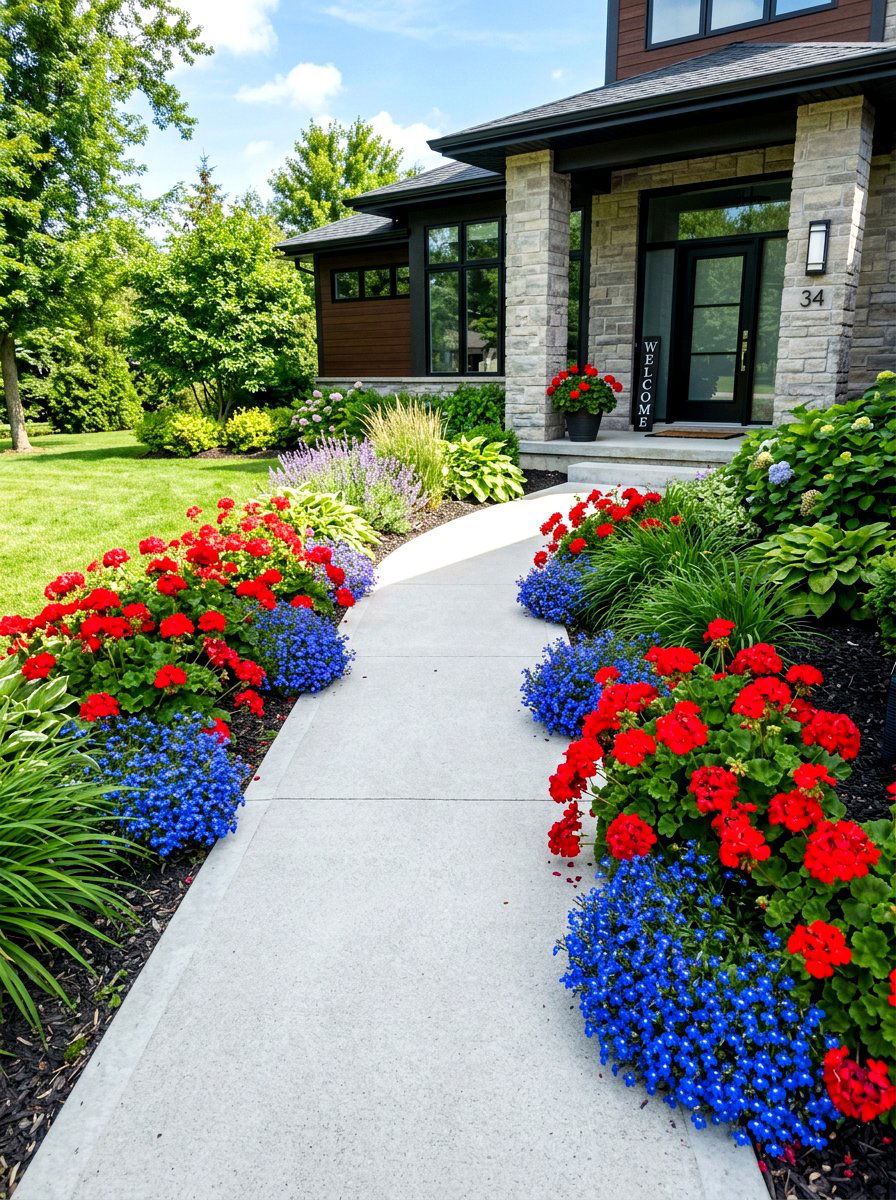
Establishing a perennial border flower bed is a long-term investment that pays off by reducing your yearly planting costs significantly. Unlike annuals that die off every winter, perennials like hostas, daylilies, and peonies come back bigger and better each spring. You can often get these plants for free by asking neighbors for "divisions" when their gardens become overcrowded. A well-planned perennial bed provides a reliable structure for your yard, with different species blooming at various times to ensure constant visual interest. This design creates a lush, tiered look that anchors your landscaping and provides a sophisticated backdrop for smaller, more temporary garden decorations or seasonal accents.
7. Mulch Landscape Flower Bed
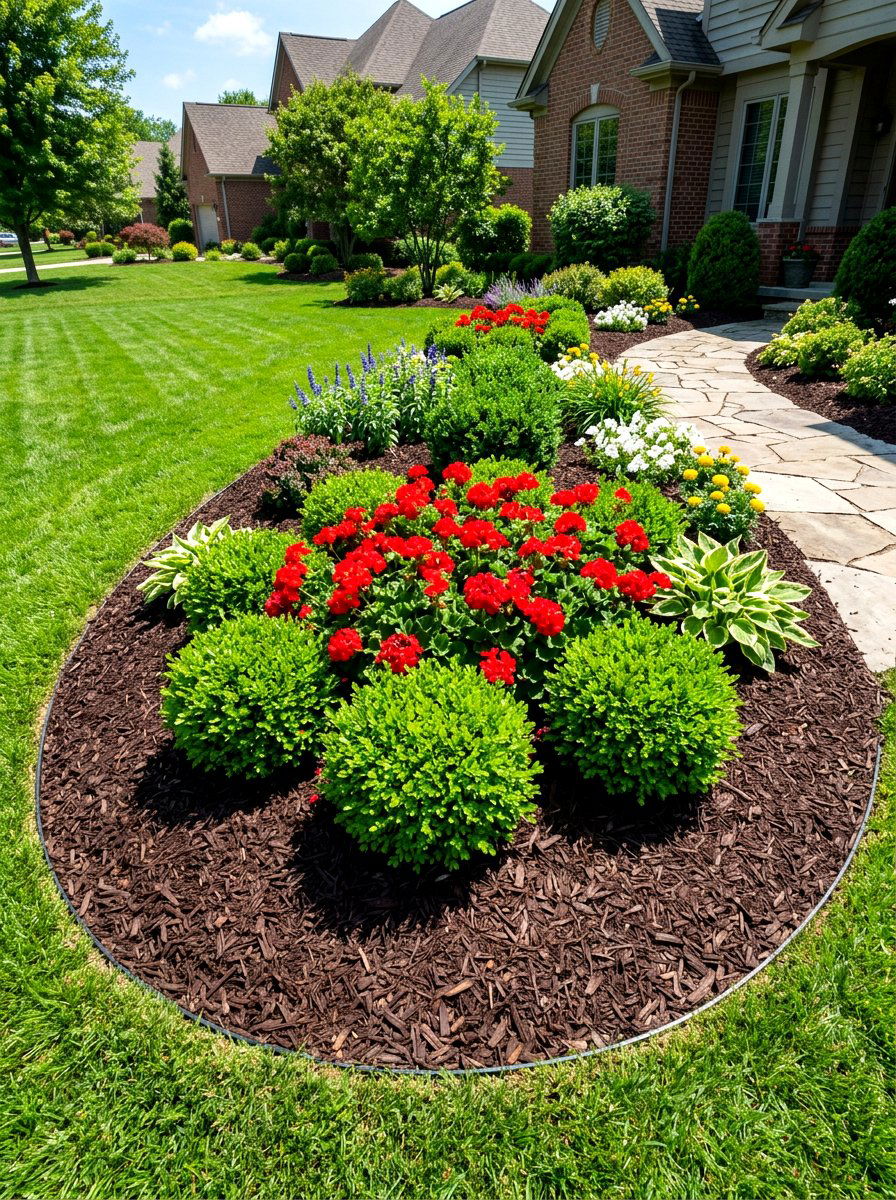
A mulch landscape flower bed relies on the power of organic ground cover to create a clean, high-contrast look for very little money. Applying a thick layer of dark brown or black mulch instantly makes any garden bed look professionally designed while suppressing weeds and retaining vital moisture. You can often source free wood chips from local arborists or municipality recycling centers to fill large areas. This design looks best when you plant a few high-impact shrubs or perennials in a deliberate pattern, allowing the mulch to act as a negative space that highlights the greenery. It is an excellent way to refresh an old, tired garden bed instantly.
8. Cinder Block Flower Bed
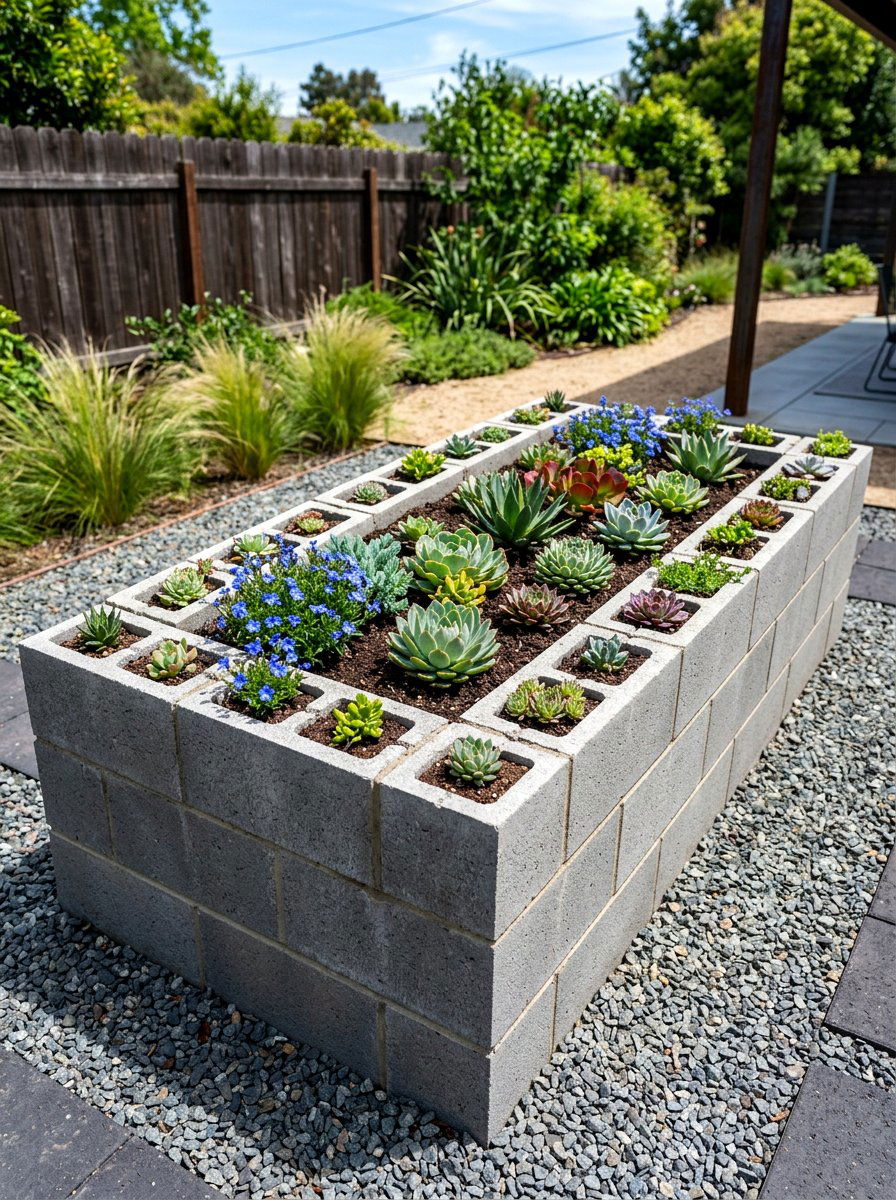
A cinder block flower bed is a modern and industrial way to build raised sections in your yard without the high cost of timber. These inexpensive masonry units are incredibly durable and can be stacked to any height to accommodate different plant types. You can even use the hollow centers of the blocks as individual mini-planters for succulents or small trailing flowers like lobelia. This creates a unique, architectural look that is both functional and stylish. Painting the blocks a neutral gray or a bold accent color can further customize the aesthetic to match your home’s exterior, making it a very versatile budget-friendly project.
9. Log Edged Flower Bed
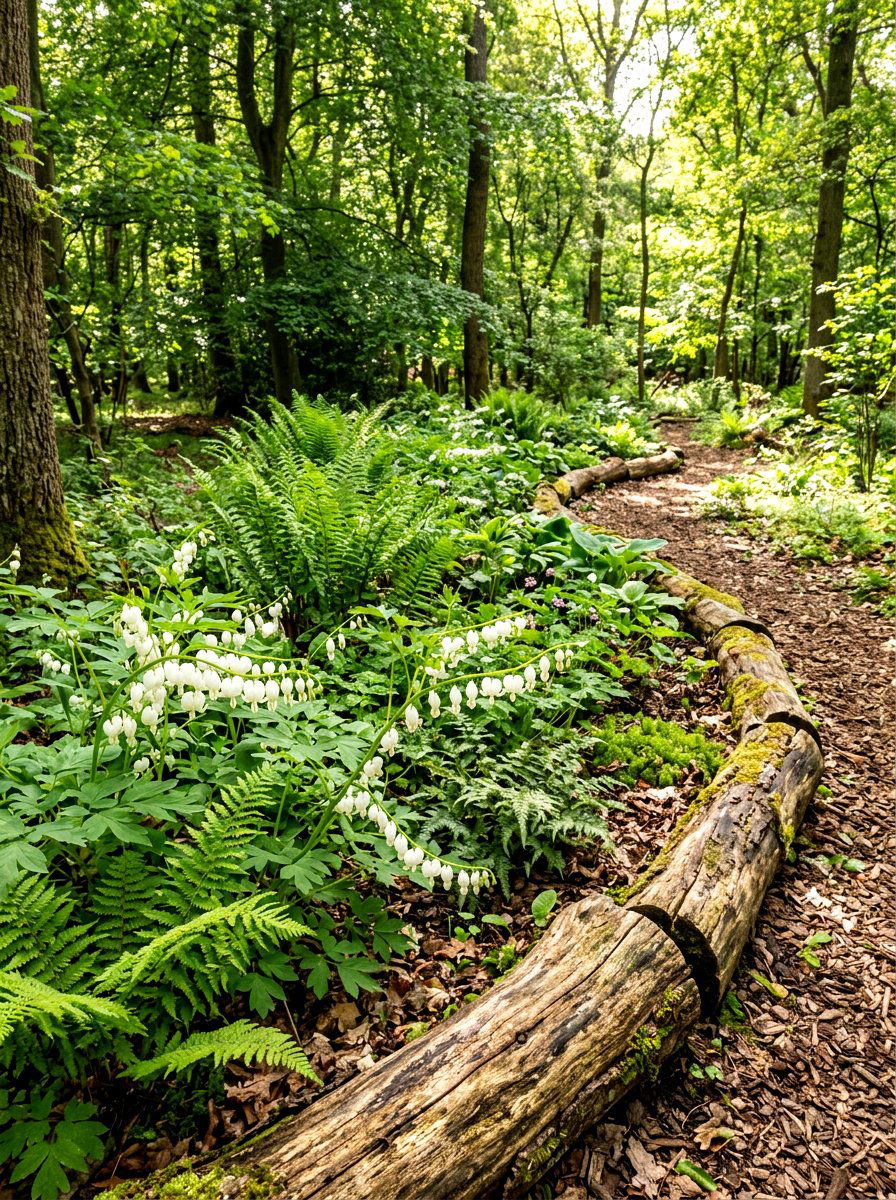
Creating a log edged flower bed is a fantastic way to use fallen branches or timber from your own property to define your garden. By lining the perimeter of your bed with weathered logs, you create a rustic, woodland feel that blends seamlessly with the natural environment. This method is completely free if you have access to wooded areas or a neighbor clearing their lot. Inside the logs, you can plant shade-loving varieties like ferns, impatiens, and bleeding hearts for a serene, forest-inspired sanctuary. The decomposing wood eventually enriches the soil, providing natural nutrients to your plants while keeping the bed’s boundaries clearly defined and visually interesting.
10. Container Cluster Flower Bed
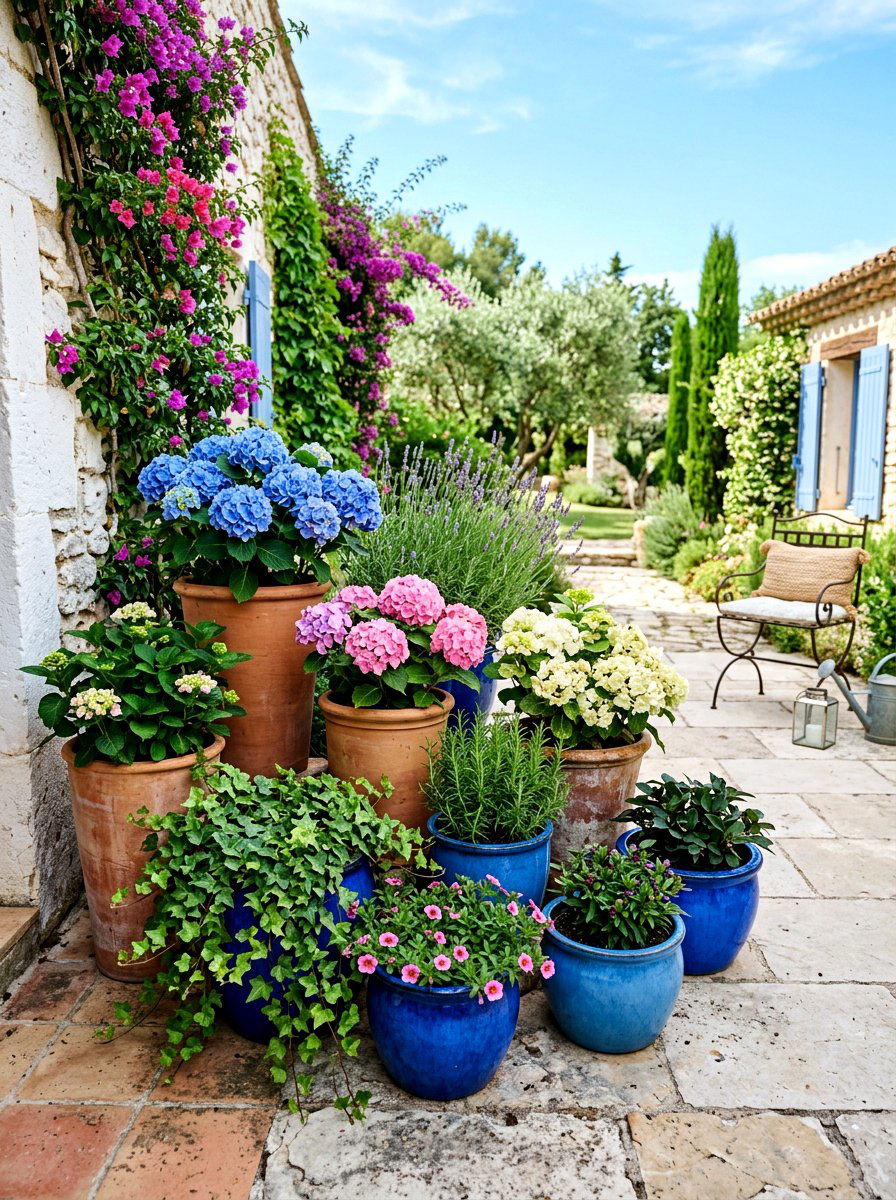
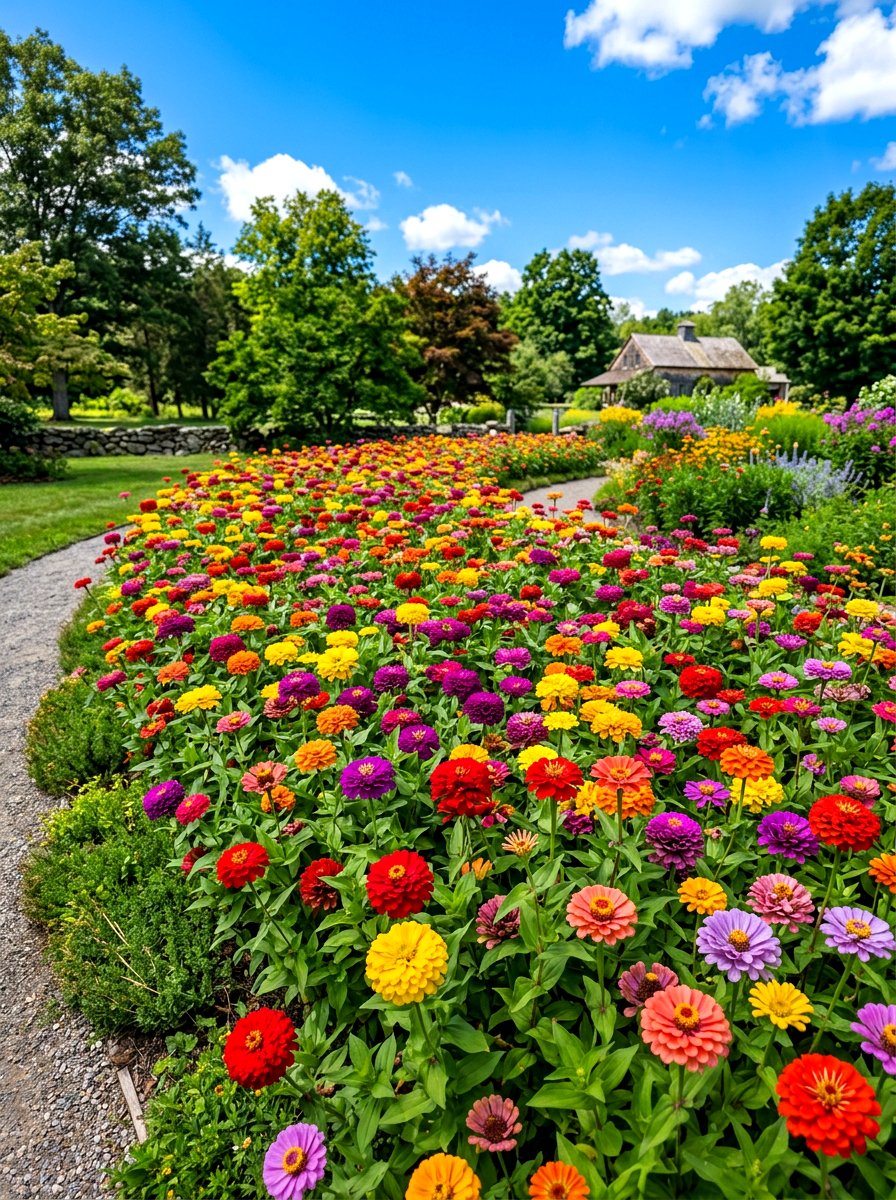
A container cluster flower bed allows you to create the illusion of a full garden bed using various pots and vessels you may already own. By grouping different sizes and heights of containers together, you can design a dynamic focal point on a porch, deck, or even a barren patch of lawn. This approach is budget-friendly because you can swap out individual plants easily and use thrifted or repurposed items as planters. It provides a flexible landscape that you can move around as the seasons change or if you want to update your look. This design is perfect for renters who want a beautiful garden they can take with them.
11. Gravel Border Flower Bed
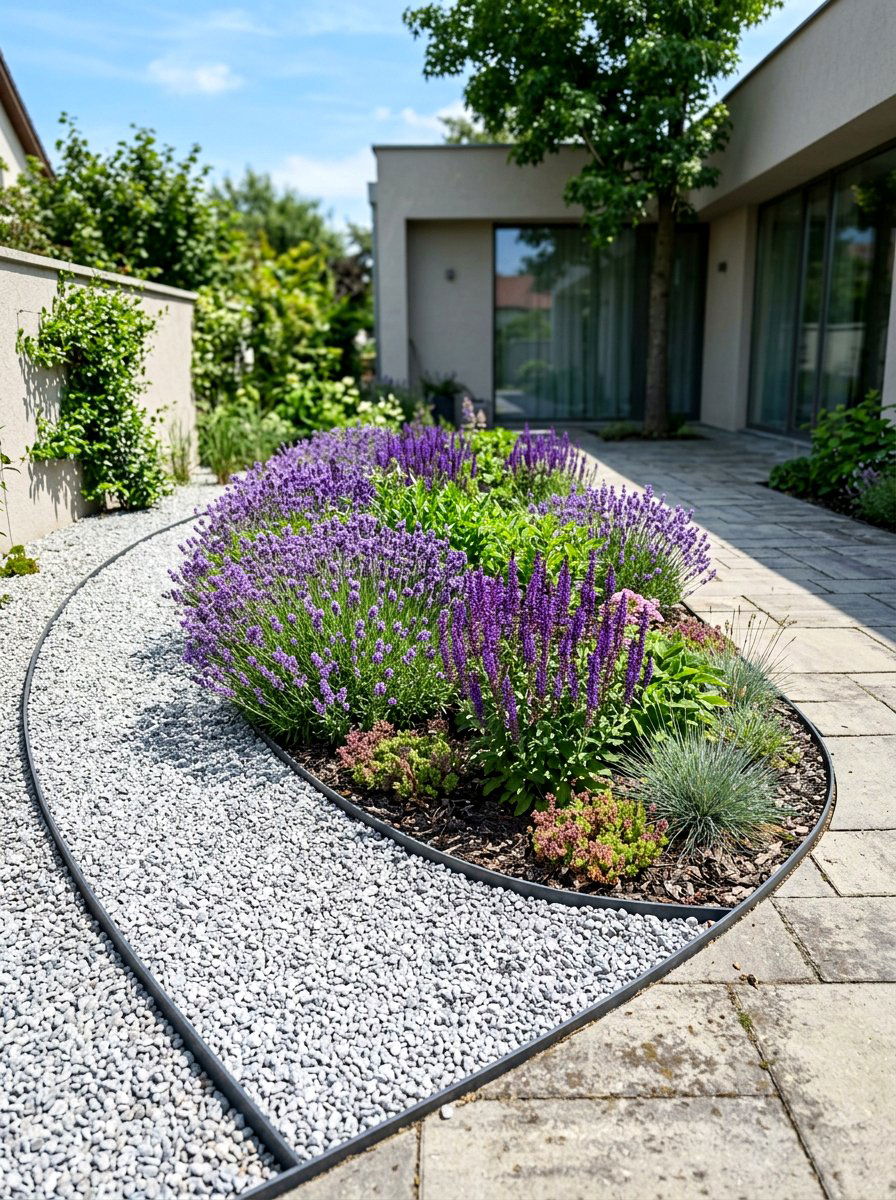
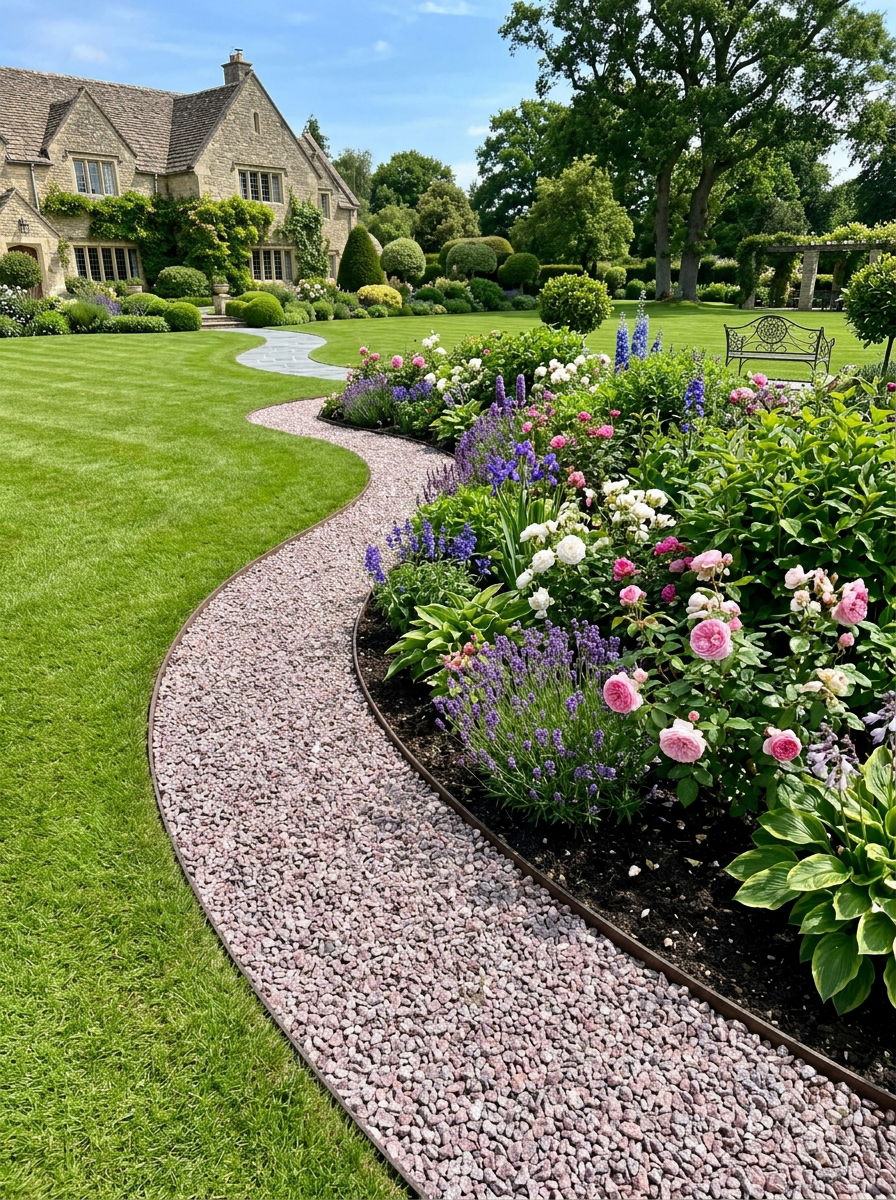
A gravel border flower bed combines clean lines with low maintenance to create a contemporary look that stays beautiful all year long. Using inexpensive pea gravel or crushed stone around a central planting area prevents weeds and provides excellent drainage for your flowers. This design works exceptionally well for Mediterranean-style gardens featuring lavender, rosemary, and sage. The light color of the gravel reflects sunlight, making small spaces feel larger and brighter. It is a cost-effective alternative to expensive pavers or poured concrete, offering a permeable surface that manages rainwater runoff while keeping your floral arrangements looking sharp, intentional, and very well-kept in any climate.
12. Repurposed Tire Flower Bed
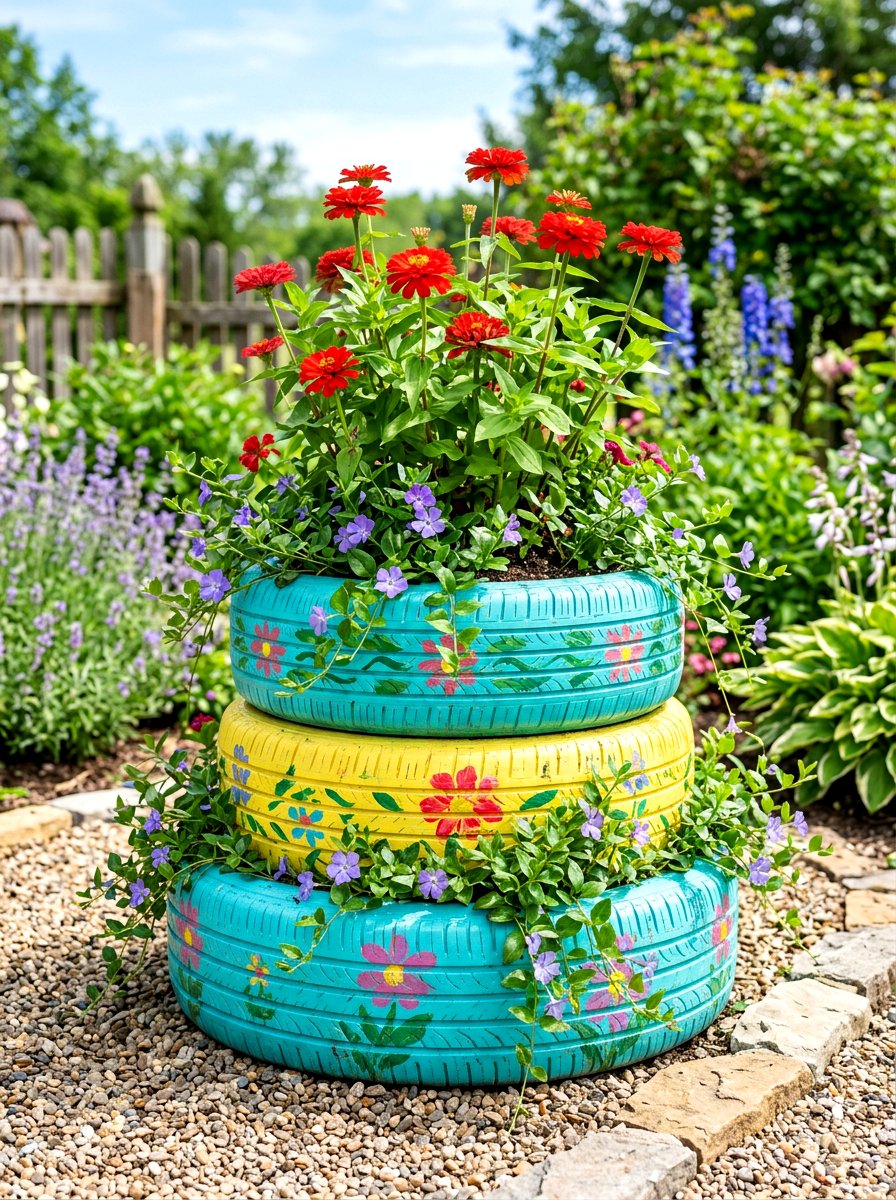
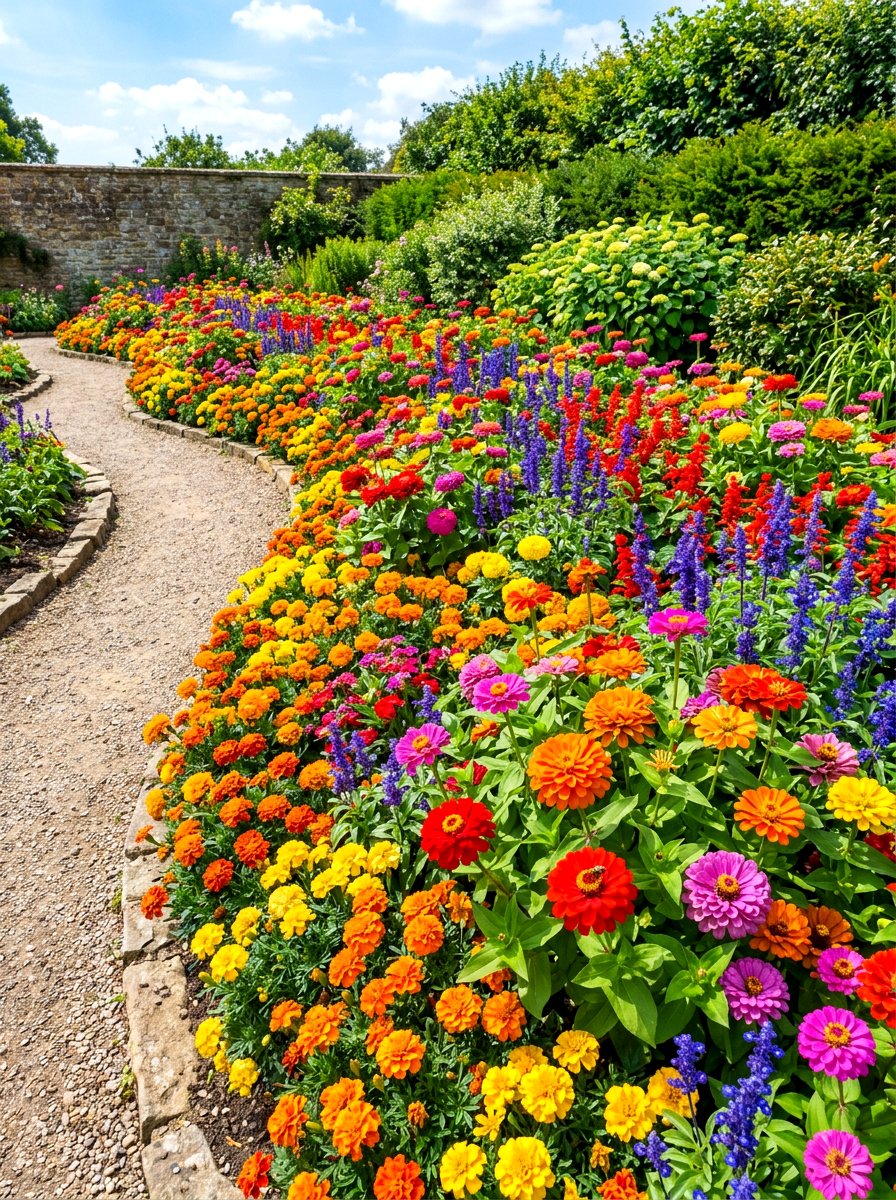
Transforming old tires into a repurposed tire flower bed is an eco-friendly way to add height and vibrant color to your outdoor space. You can often get used tires for free from local auto shops that would otherwise pay to dispose of them. A quick coat of outdoor spray paint turns these rubber circles into playful, durable planters that can be stacked to create different levels. This design is perfect for growing large, hardy flowers like sunflowers or zinnias that need a bit of extra protection. It creates a whimsical, creative vibe in the garden that shows off your personality while keeping useful materials out of the landfill.
13. Vertical Wall Flower Bed
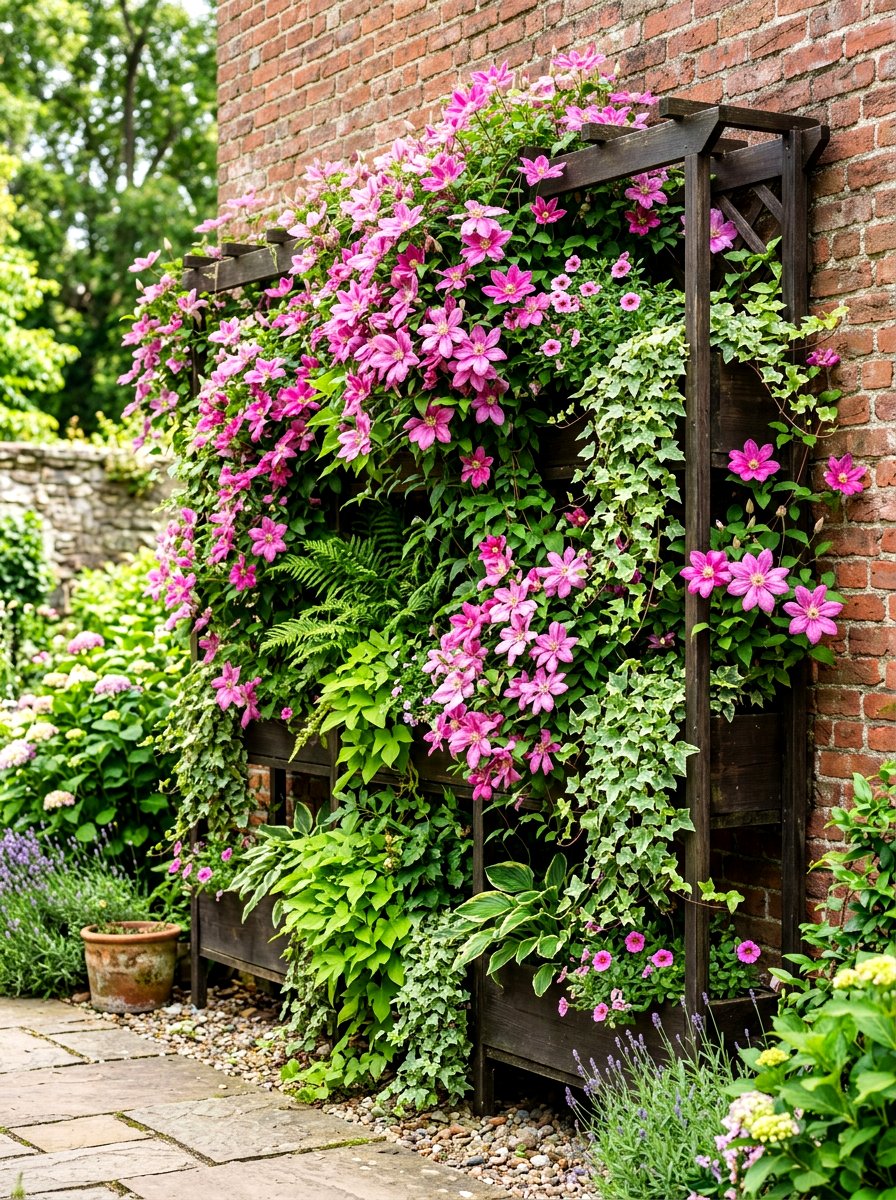
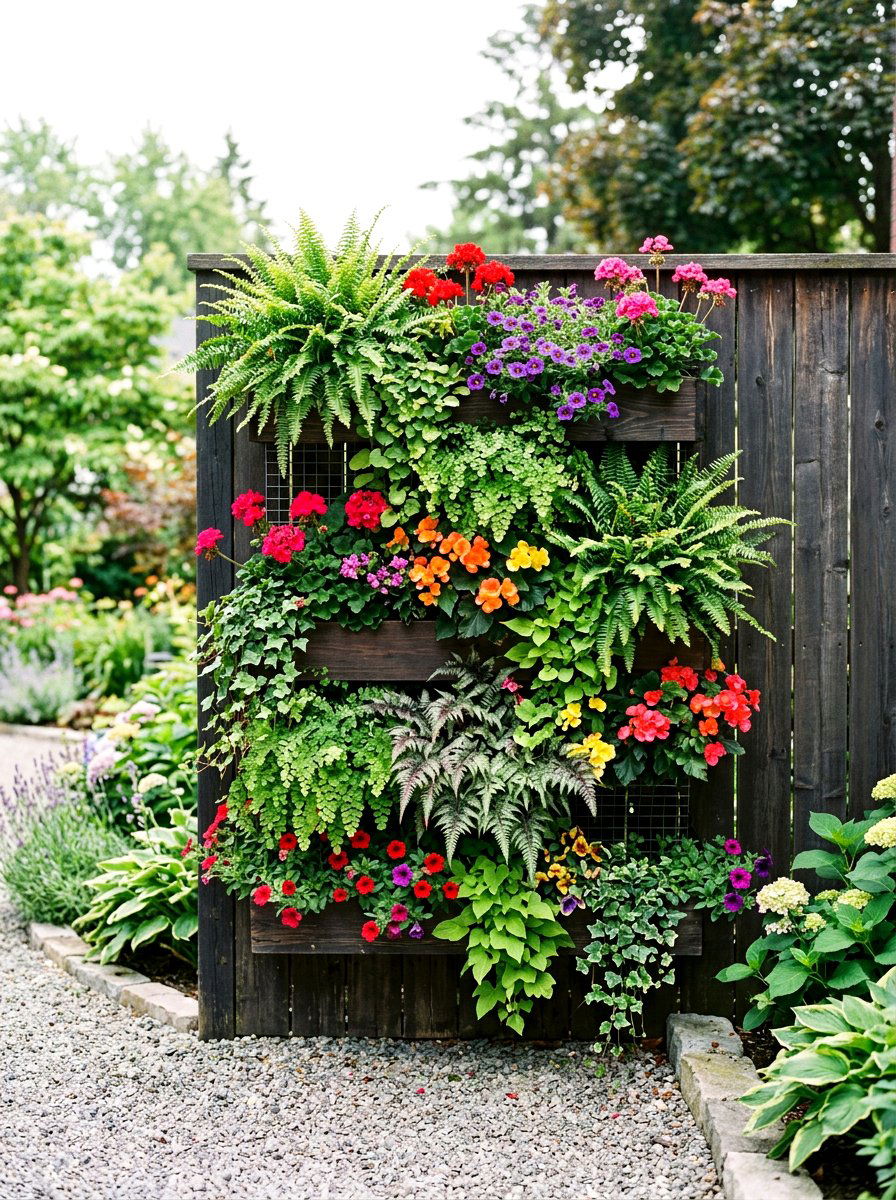
A vertical wall flower bed is an ideal solution for budget-conscious gardeners with limited ground space. You can use old wooden shutters, a refurbished pallet, or even simple wire mesh to create a structure for climbing vines and small potted blooms. This design draws the eye upward, making a small backyard feel much more lush and expansive. Fast-growing climbers like morning glories or clematis can cover the structure quickly for a very low cost in seeds. This vertical approach provides a stunning living backdrop for your patio or seating area, offering privacy and a cooling effect during the hot summer months without requiring expensive construction.
14. Wheelbarrow Focal Flower Bed
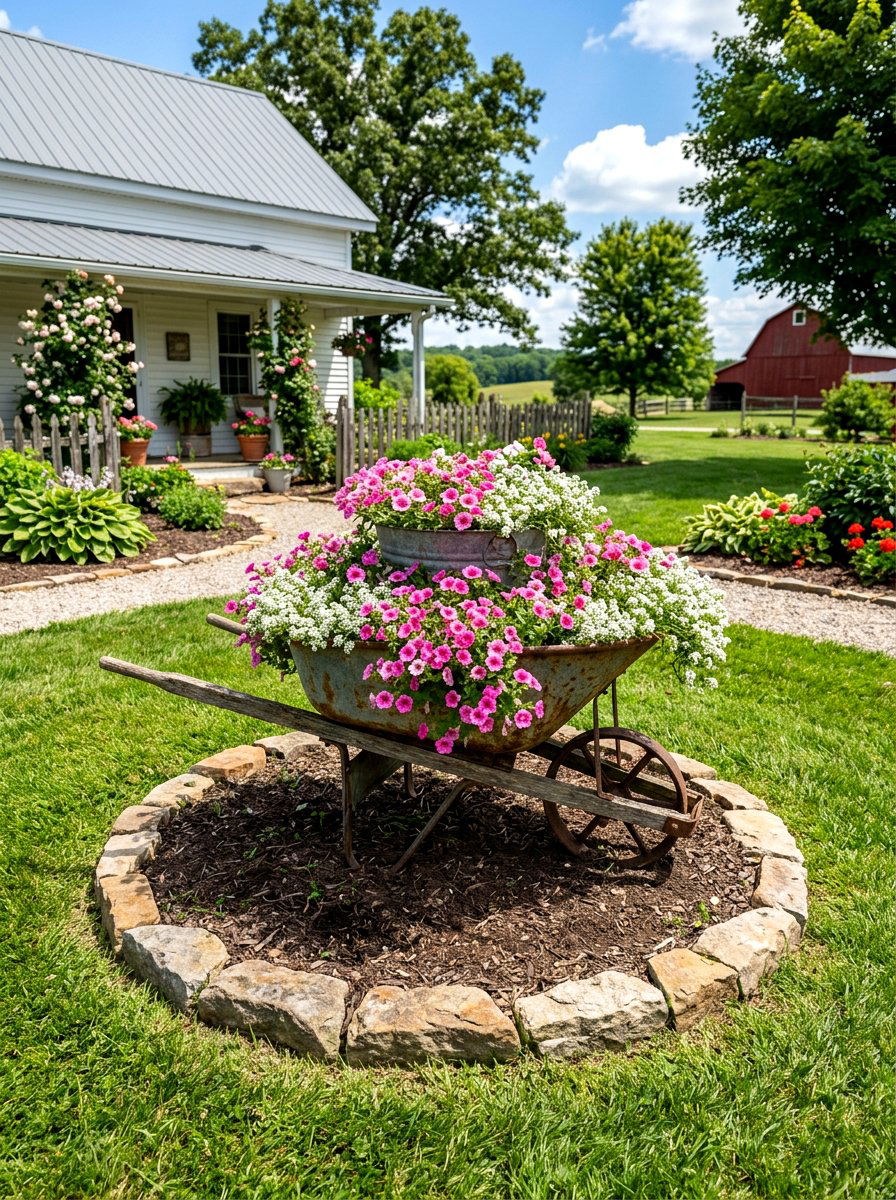
A wheelbarrow focal flower bed uses a vintage or retired piece of garden equipment as the centerpiece of a charming landscape. Instead of throwing away a rusted metal wheelbarrow, you can drill drainage holes in the bottom and fill it with cascading flowers like petunias or "million bells. " Placing this mobile planter in the middle of a small circular bed of mulch or gravel creates an instant conversation piece. It adds a touch of farmhouse style to your yard and allows you to position your most beautiful blooms exactly where they will get the best sunlight. This design is a clever way to repurpose items while adding character and height.
15. Cottage Garden Flower Bed
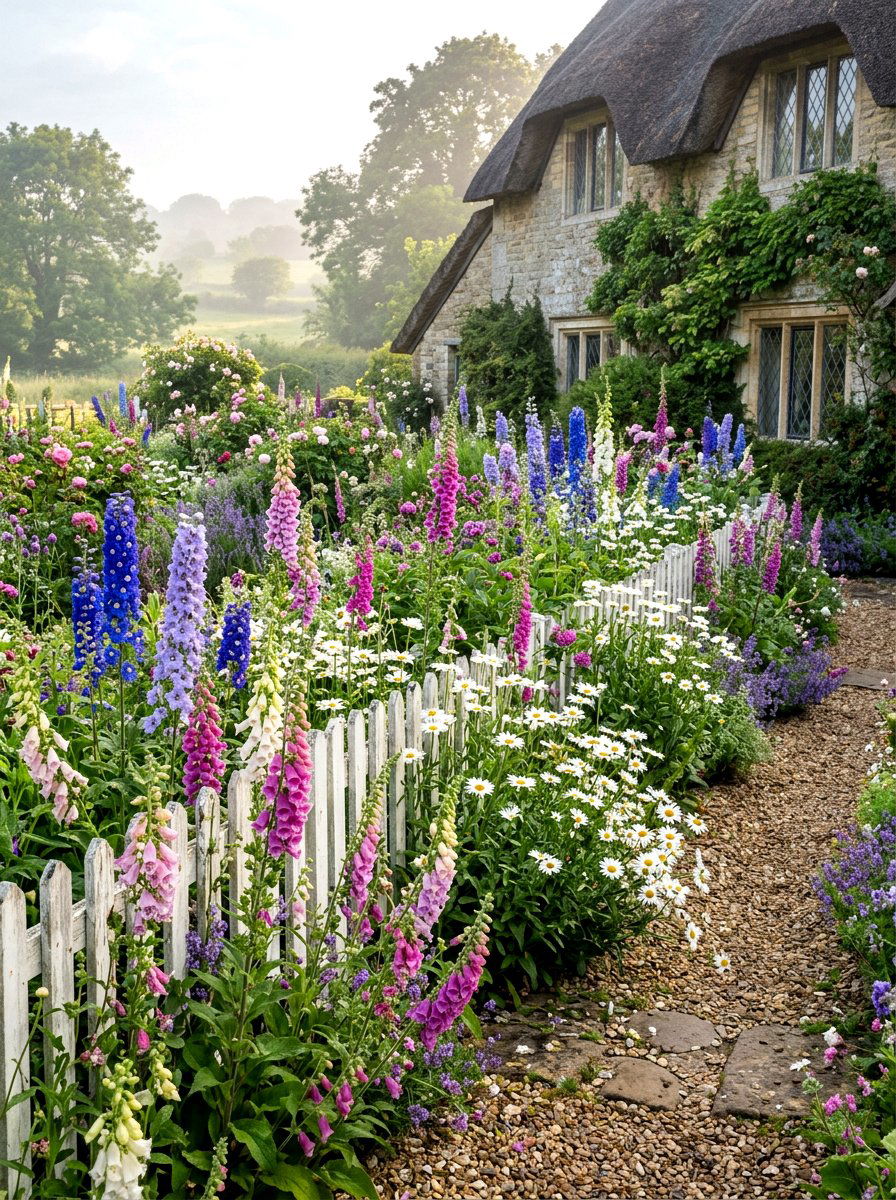
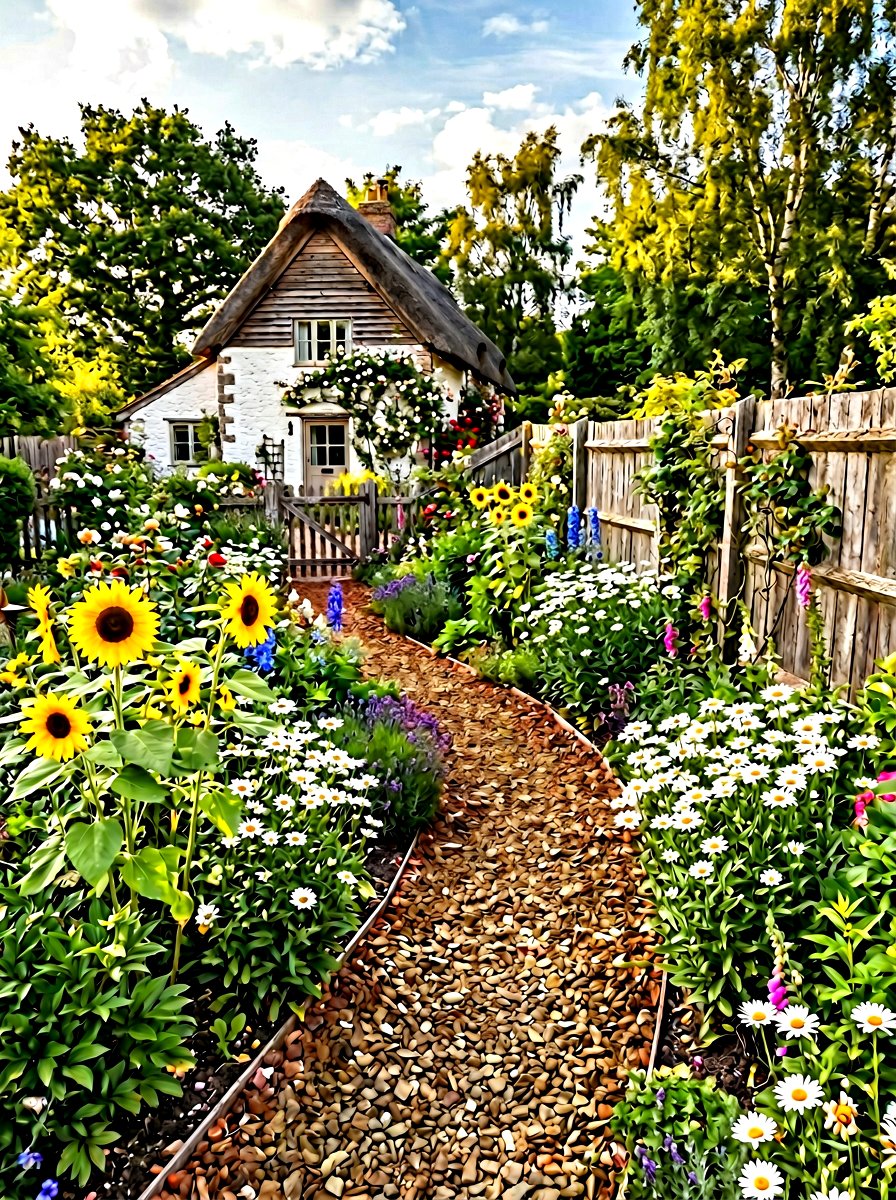
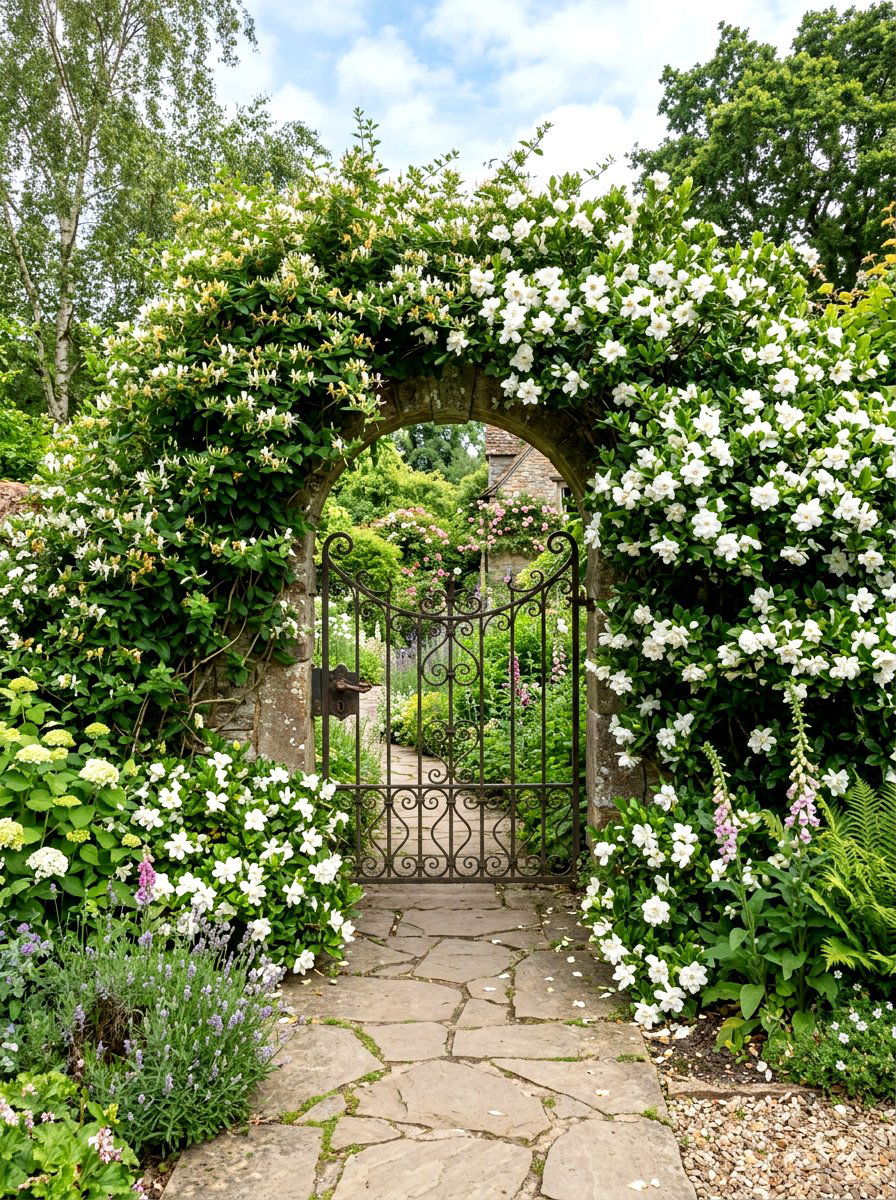
A cottage garden flower bed celebrates a beautiful, slightly overgrown aesthetic that is inherently budget-friendly because it relies on self-seeding plants and dense growth. By packing plants closely together, you naturally shade out weeds, reducing the need for expensive mulch or herbicides over time. This design typically features a mix of traditional favorites like hollyhocks, foxgloves, and daisies that lean into one another for support. The informal layout means you do not need expensive edging or precise designs to make it look intentional. It creates a romantic, lush atmosphere that feels like a private escape, requiring more love than money to maintain its classic, flowery charm.
16. Drought Tolerant Flower Bed
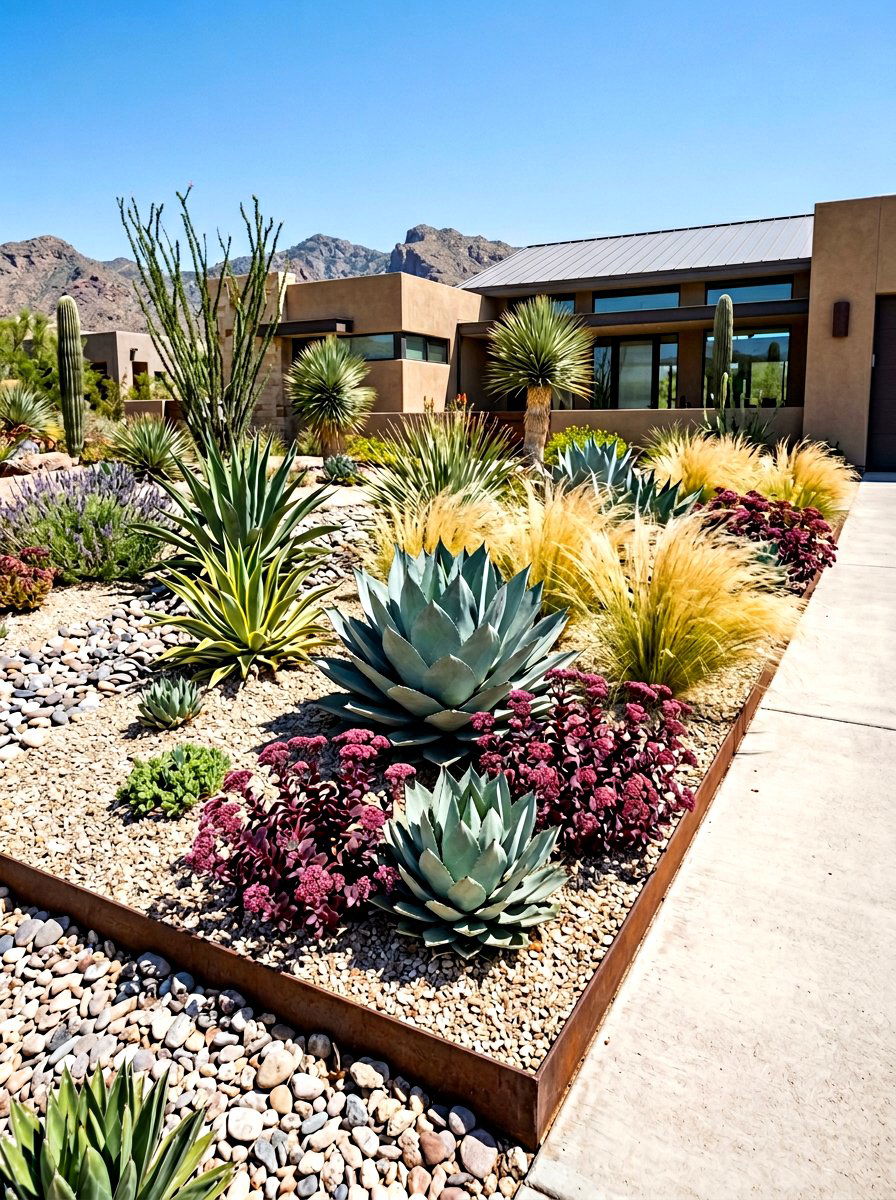
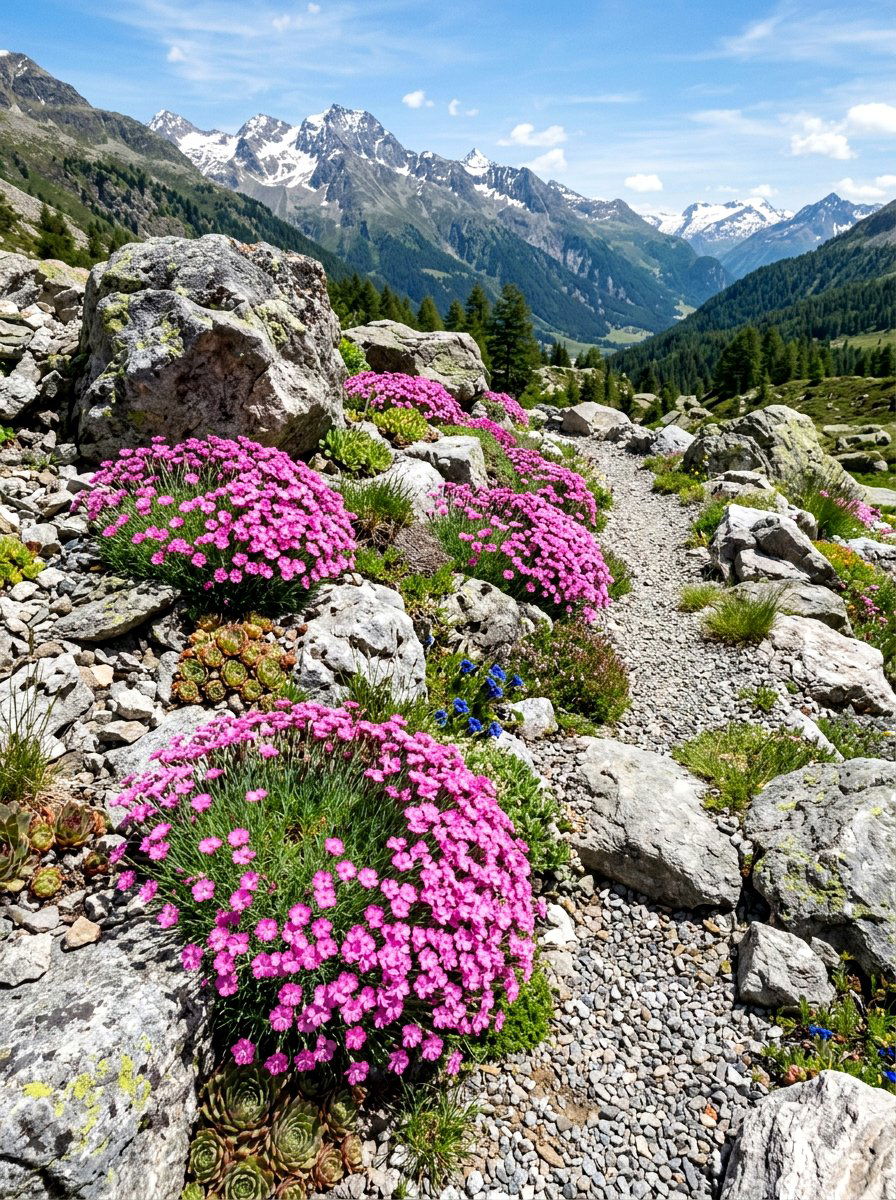
A drought tolerant flower bed is a smart financial choice because it significantly reduces your monthly water bill while maintaining a beautiful appearance. By selecting plants like succulents, sedum, and ornamental grasses, you create a landscape that thrives on neglect and minimal rainfall. This design often incorporates large boulders or decorative gravel to fill space between plants, reducing the total number of items you need to purchase. These hardy species are often very easy to propagate from cuttings, allowing you to expand your garden for free over time. It provides a modern, clean look that stays green and healthy even during the peak of a hot, dry summer.
17. Living Edge Flower Bed
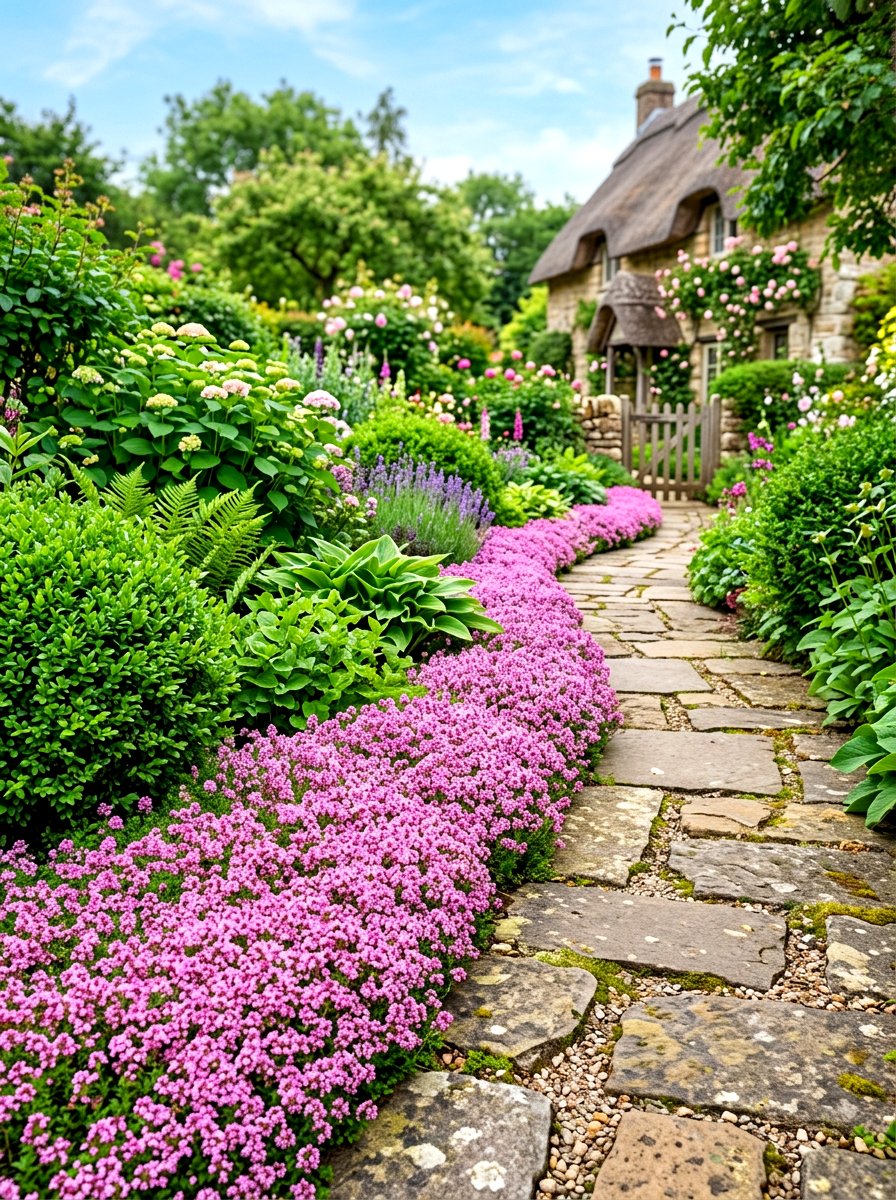
A living edge flower bed uses low-growing, spreading plants instead of hard materials like stone or plastic to define its borders. Species such as creeping thyme, sweet alyssum, or thrift create a soft, blooming frame that spills over onto walkways or lawns. This approach is cost-effective because one or two small nursery flats can be divided and spread to cover a long perimeter over a single growing season. This design offers a magical, fairy-tale look that softens the hard lines of your home’s architecture. It creates a seamless transition between different areas of your yard, providing a fragrant and colorful boundary that grows more beautiful every year.
18. Edible Herb Flower Bed
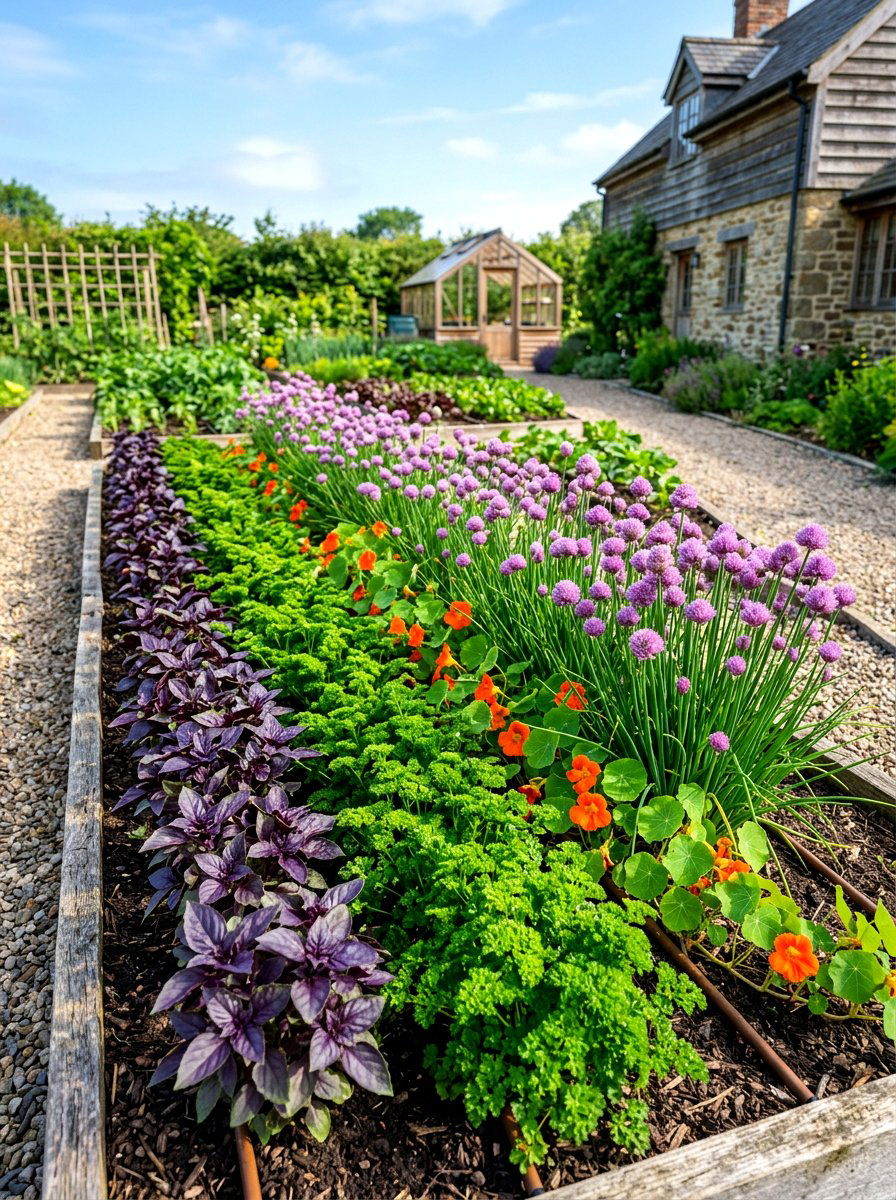
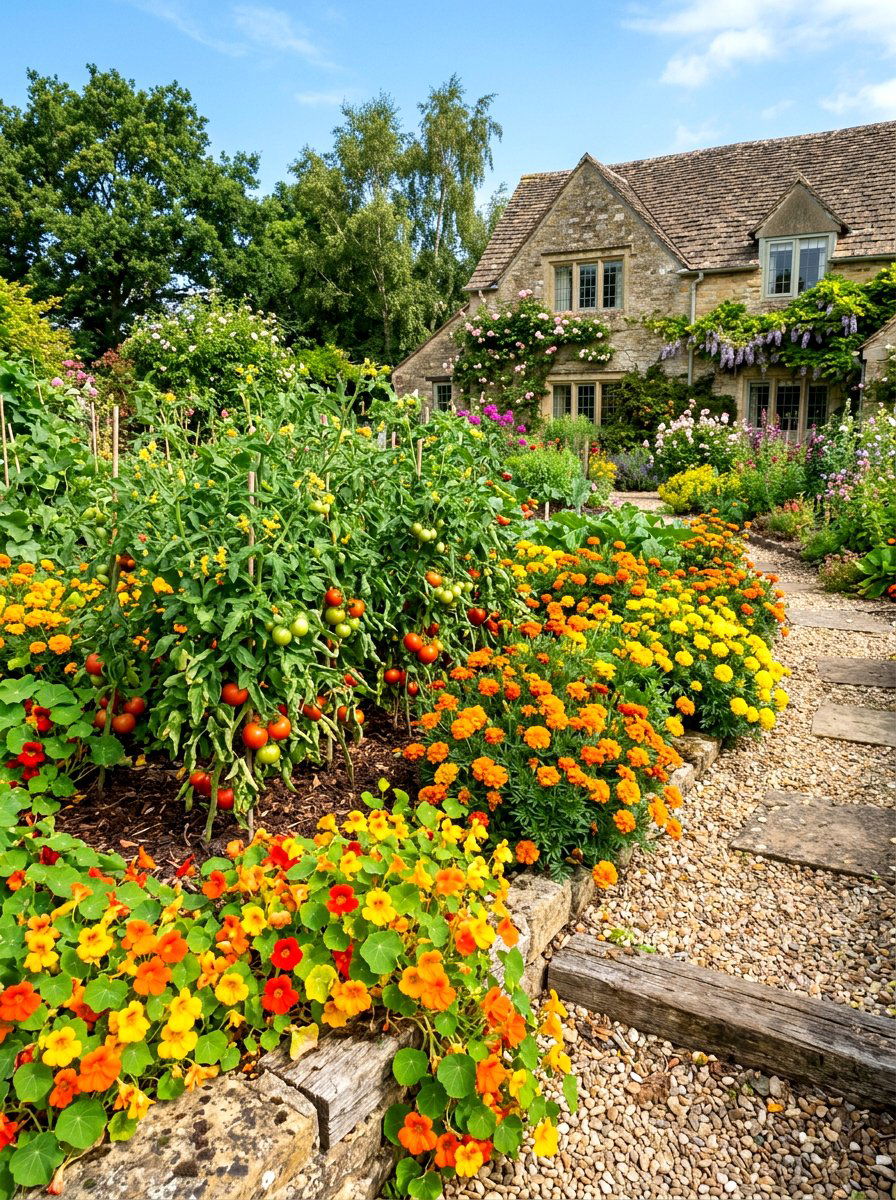
An edible herb flower bed provides double the value by offering beautiful aesthetics and fresh ingredients for your kitchen. Many herbs like purple basil, chives with their globe-like purple flowers, and golden oregano are just as attractive as traditional ornamental plants. By interspersing these with edible flowers like nasturtiums and pansies, you create a functional landscape that saves you money at the grocery store. This design works well in small raised beds or even large pots near the back door. It provides a sensory experience with varied textures and wonderful aromas, making your gardening efforts both visually rewarding and practically useful for your daily cooking needs.
19. Window Box Flower Bed
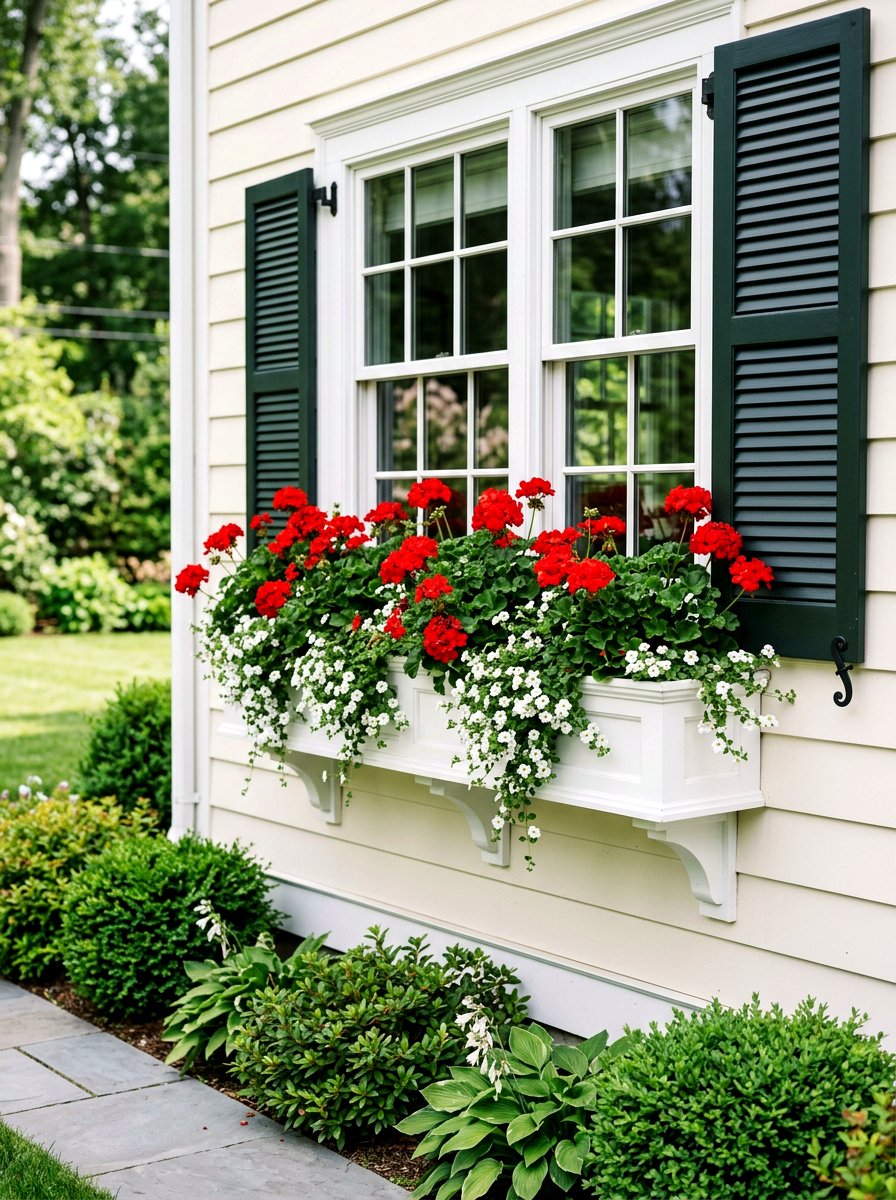
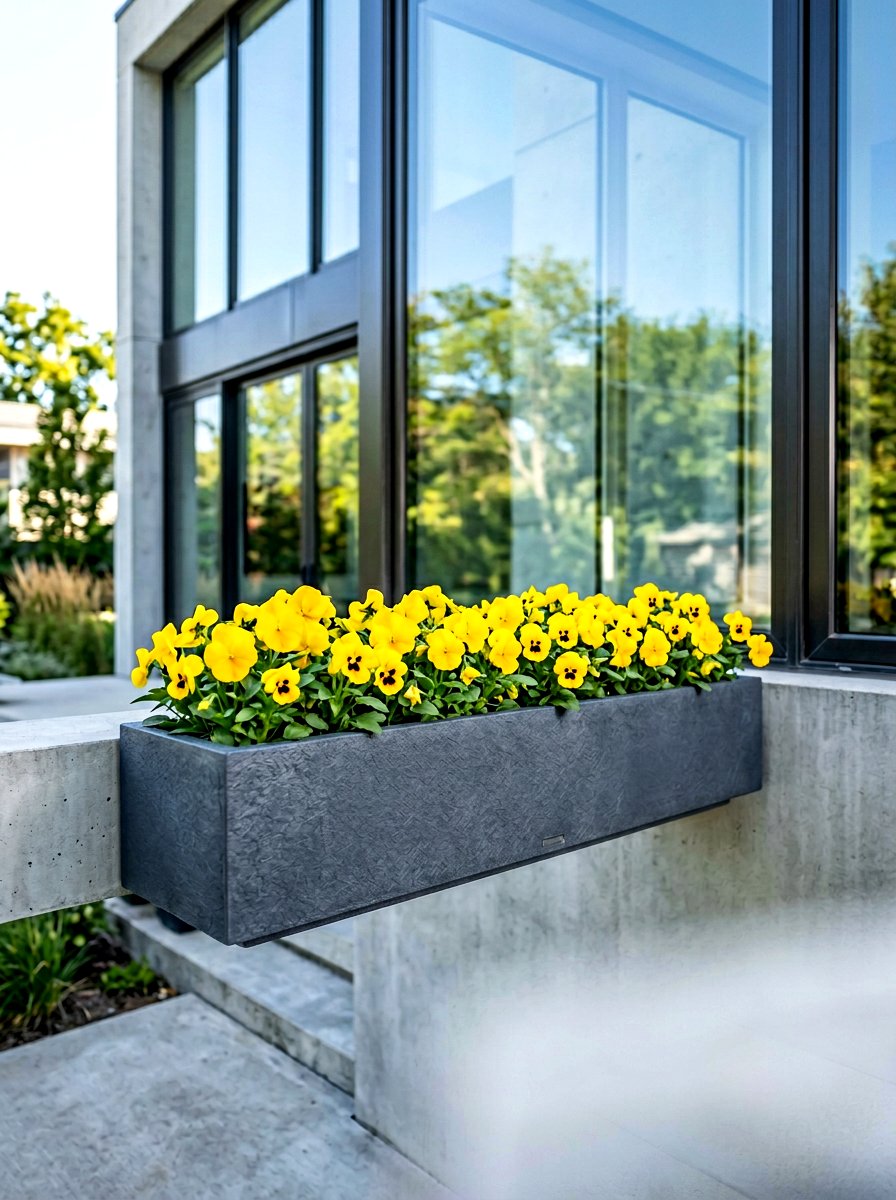
A window box flower bed is a fantastic way to add a burst of color to your home’s exterior for a very small investment. You can build these boxes yourself using inexpensive cedar or pine scraps and mount them directly under your windows. Filling them with a mix of "thriller, filler, and spiller" plants creates a professional-looking arrangement that enhances your curb appeal from the street. Because the volume of soil is small, you can afford to use high-quality potting mix and a few premium annuals to make a big impact. This design brings nature closer to your indoor living space, allowing you to enjoy your flowers from inside.
20. Layered Perennial Flower Bed
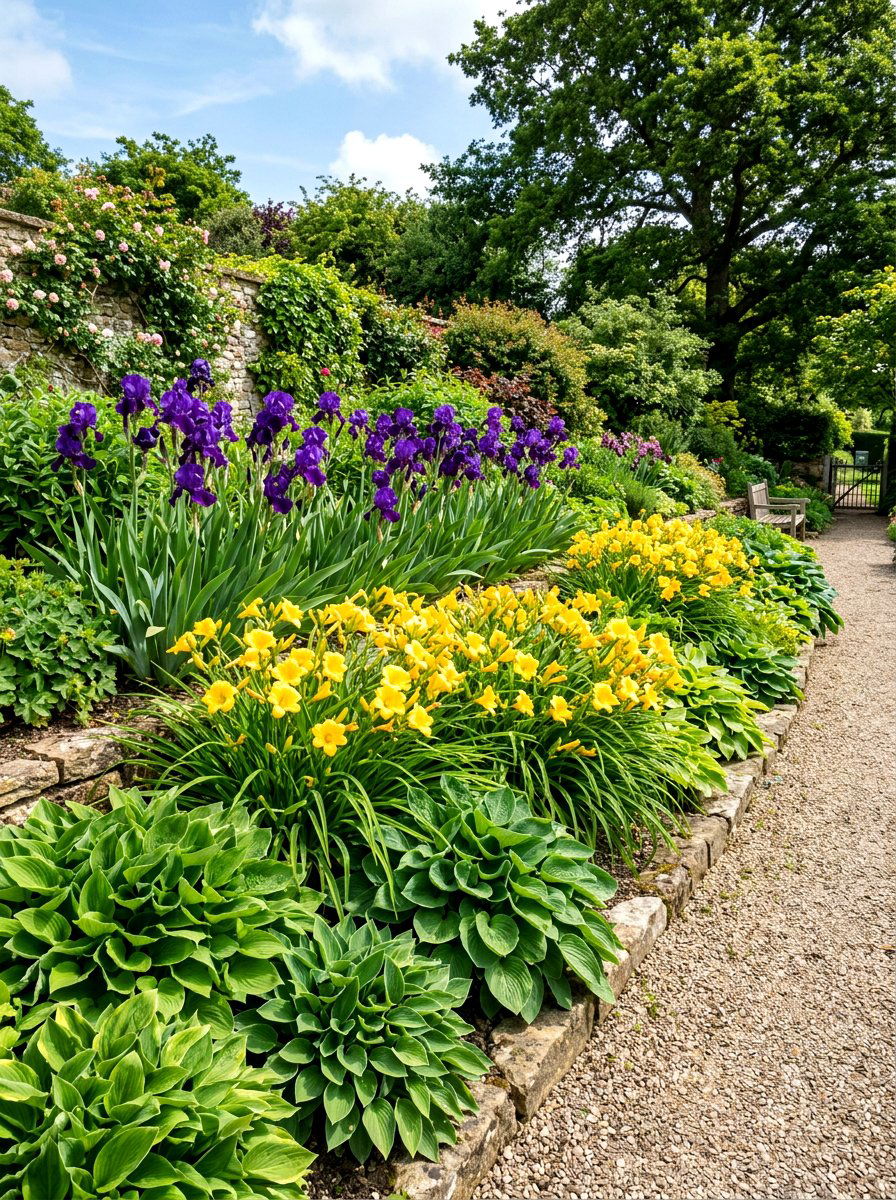
A layered perennial flower bed uses the concept of height to create a sense of depth and abundance in your garden. By placing taller plants like delphiniums or tall phlox at the back and shorter varieties like coral bells or hostas at the front, you maximize the visual impact of every plant. This design is budget-friendly because you can start with small, inexpensive young plants and let them fill their designated layers as they mature. The overlapping foliage creates a dense canopy that keeps the ground cool and prevents weed seeds from germinating. This structured approach gives your yard a sophisticated, professionally landscaped look using very simple planting principles.
21. Trellis Climbing Flower Bed
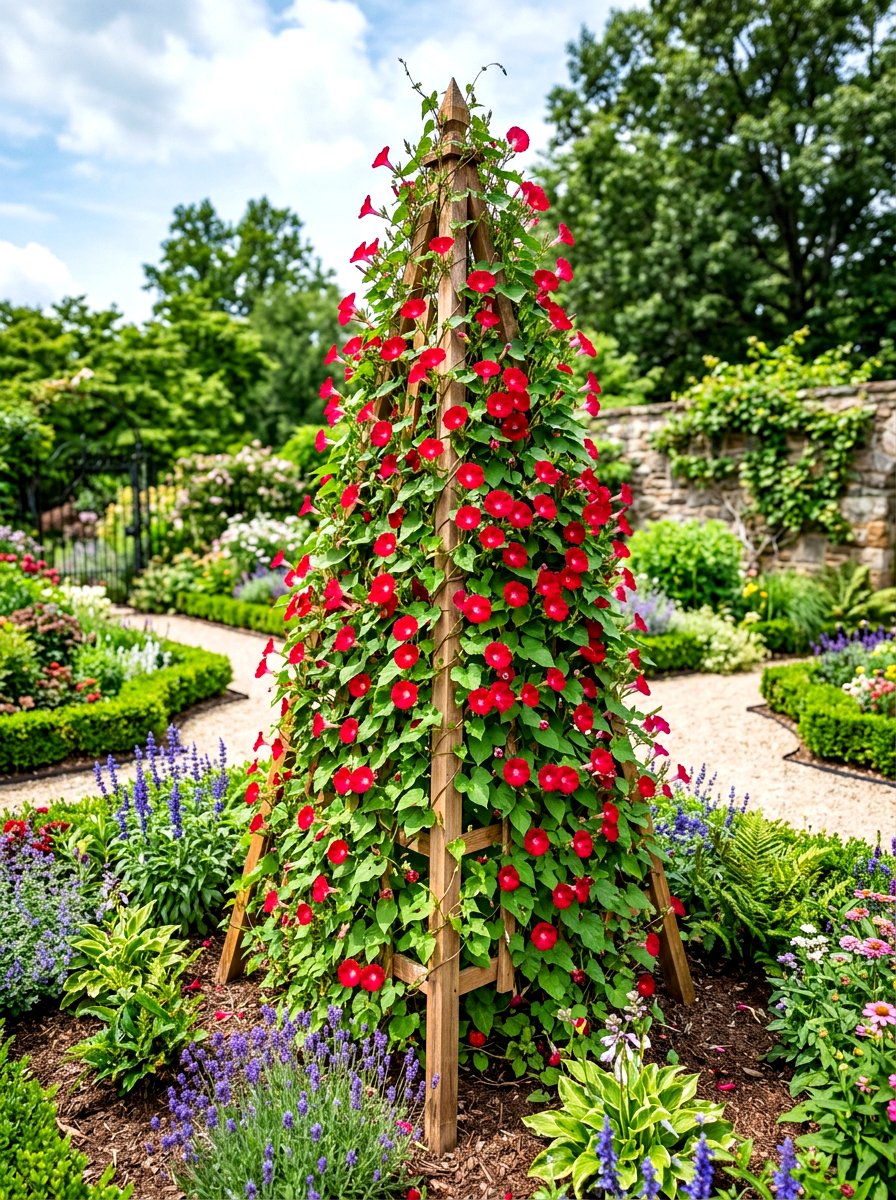
A trellis climbing flower bed utilizes vertical space to create a lush, leafy screen for the price of a few seeds and some basic wooden lath. You can build a simple pyramid or wall trellis to support fast-growing vines like sweet peas or scarlet runner beans. This design adds an architectural element to your garden without the need for expensive pergolas or permanent structures. The vertical growth provides a high-impact focal point that covers plain fences or boring walls quickly. It is an excellent way to add height to a flat yard, creating a sense of enclosure and privacy while showcasing beautiful blooms at eye level.
22. Birdbath Focal Flower Bed
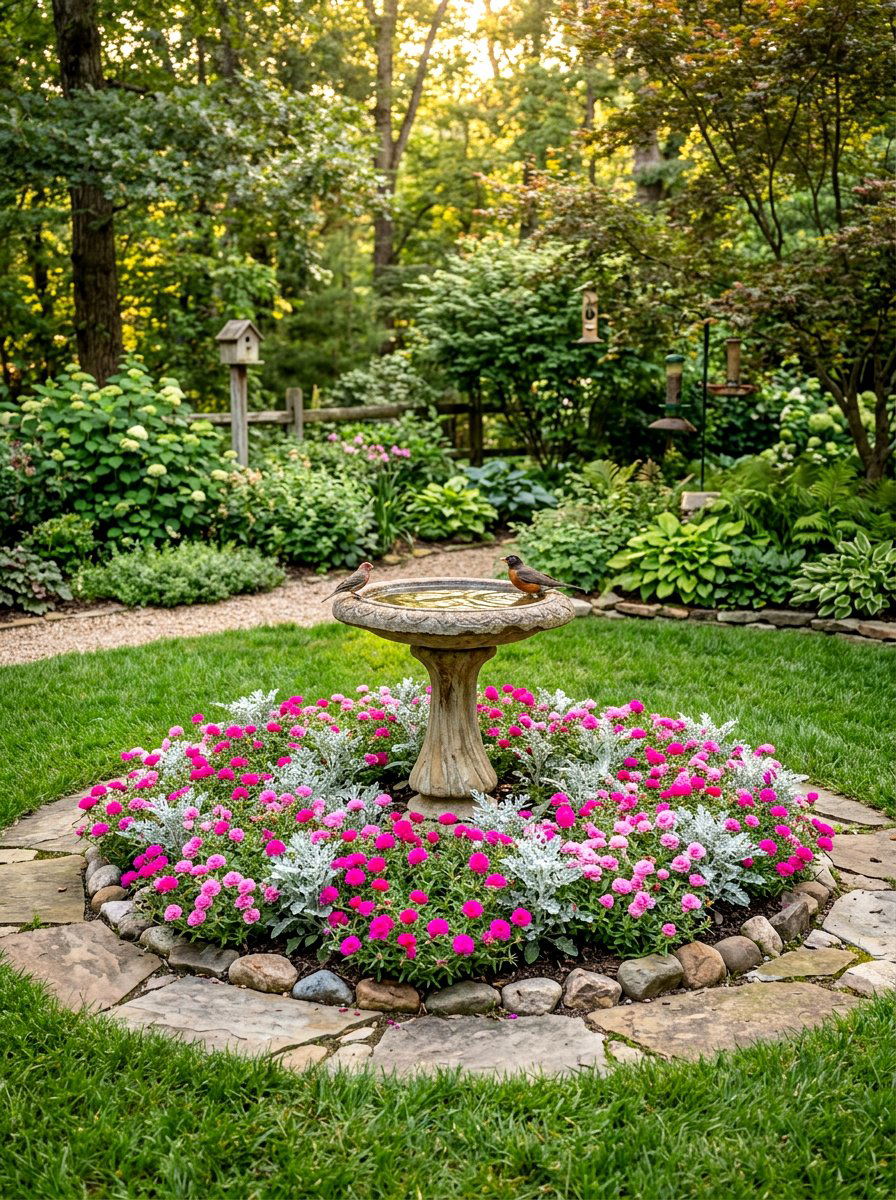
A birdbath focal flower bed centers your garden around a simple water feature to create a peaceful and inviting atmosphere. Placing a birdbath in the middle of a circular bed filled with low-growing flowers like moss rose or petunias makes the area feel like an intentional destination. This setup is very affordable, as many birdbaths can be found at garage sales or made from old terracotta pots and saucers. The presence of water attracts local birds, adding movement and sound to your outdoor space. This design provides a clear center of interest that organizes the surrounding plants, making even a small garden feel well-planned and highly decorative.
23. Terracotta Pot Flower Bed
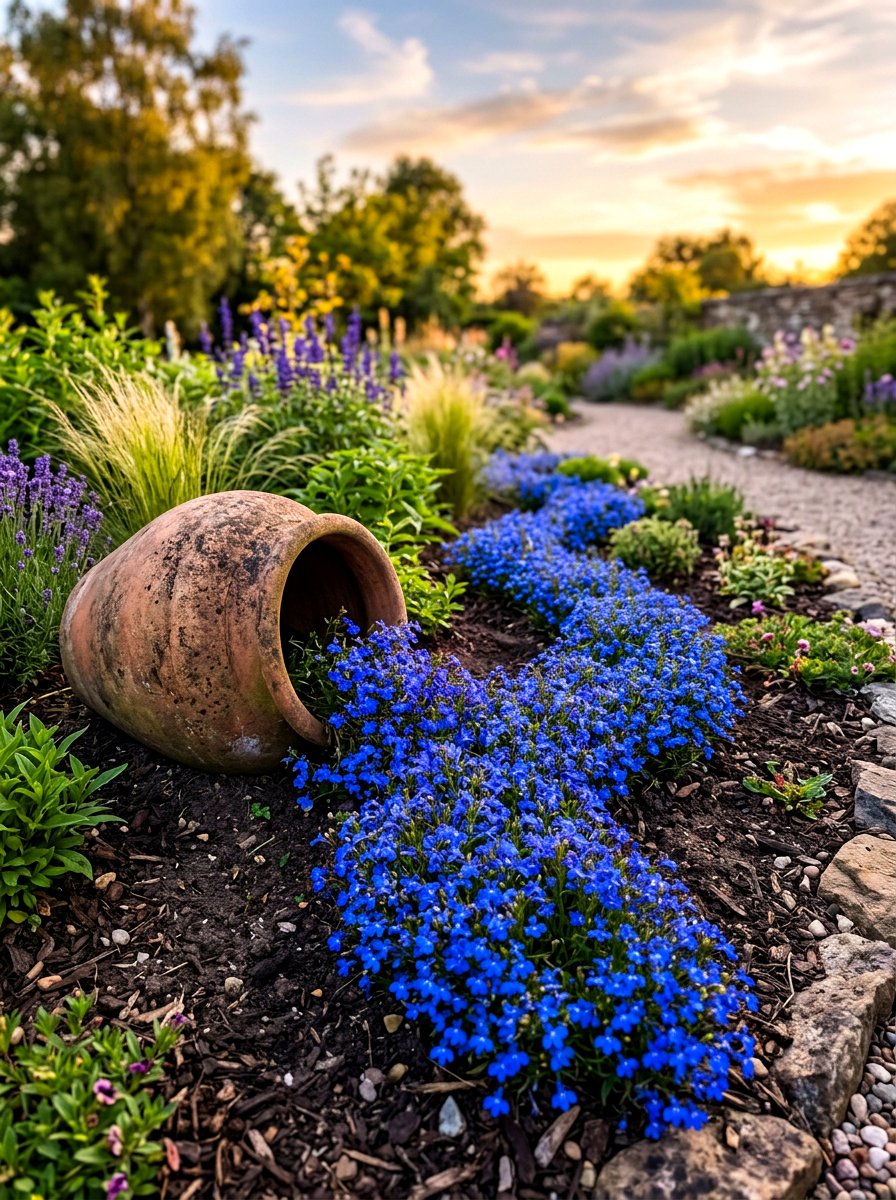
A terracotta pot flower bed uses the warm, earthy tones of clay pots to create a Mediterranean or Southwestern vibe in your garden. You can half-bury old or slightly chipped pots in the soil to look like they have been there for decades, with flowers "spilling" out of them onto the ground. This "tipped pot" design is a creative way to use damaged items that might otherwise be thrown away. It adds a sense of history and artistry to your flower bed without any significant cost. Planting drought-tolerant varieties inside and around the pots ensures that the display remains low-maintenance and beautiful throughout the hot summer.
24. Wood Plank Flower Bed
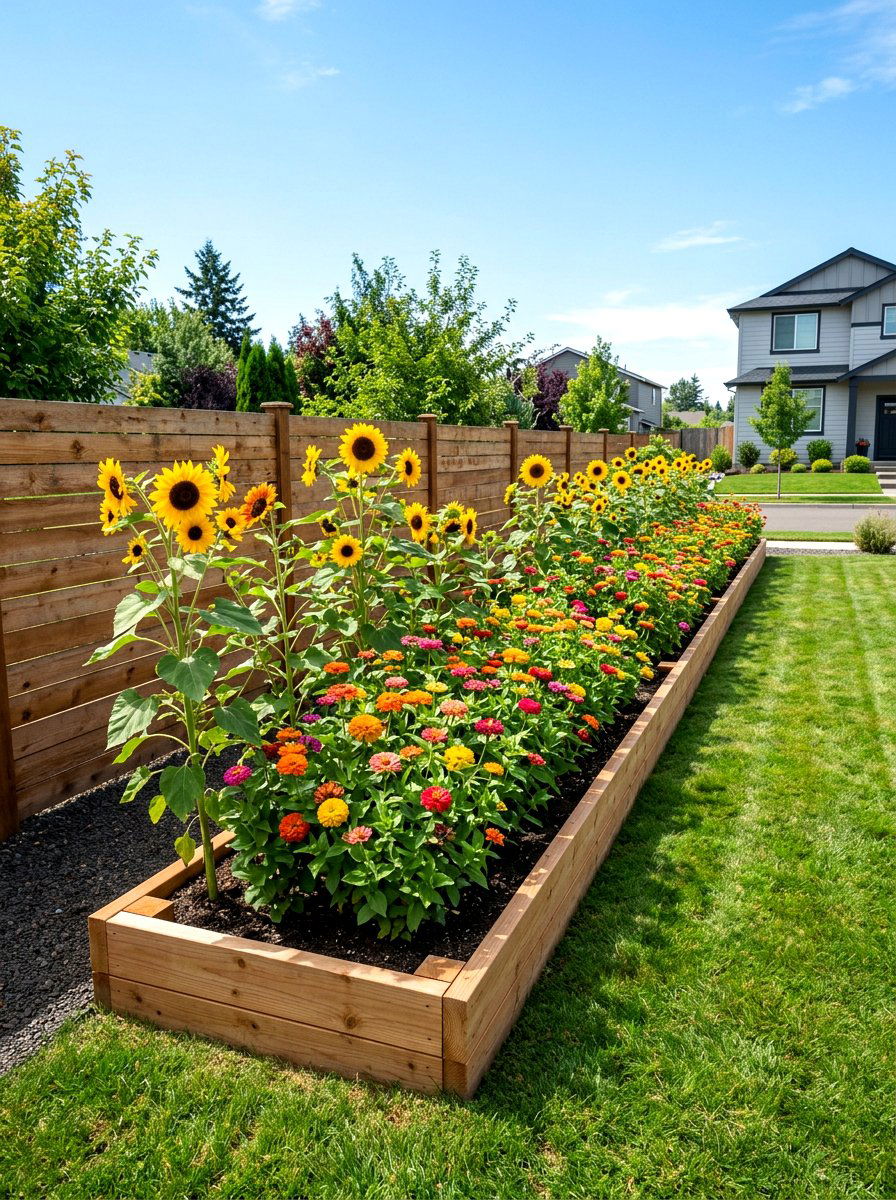
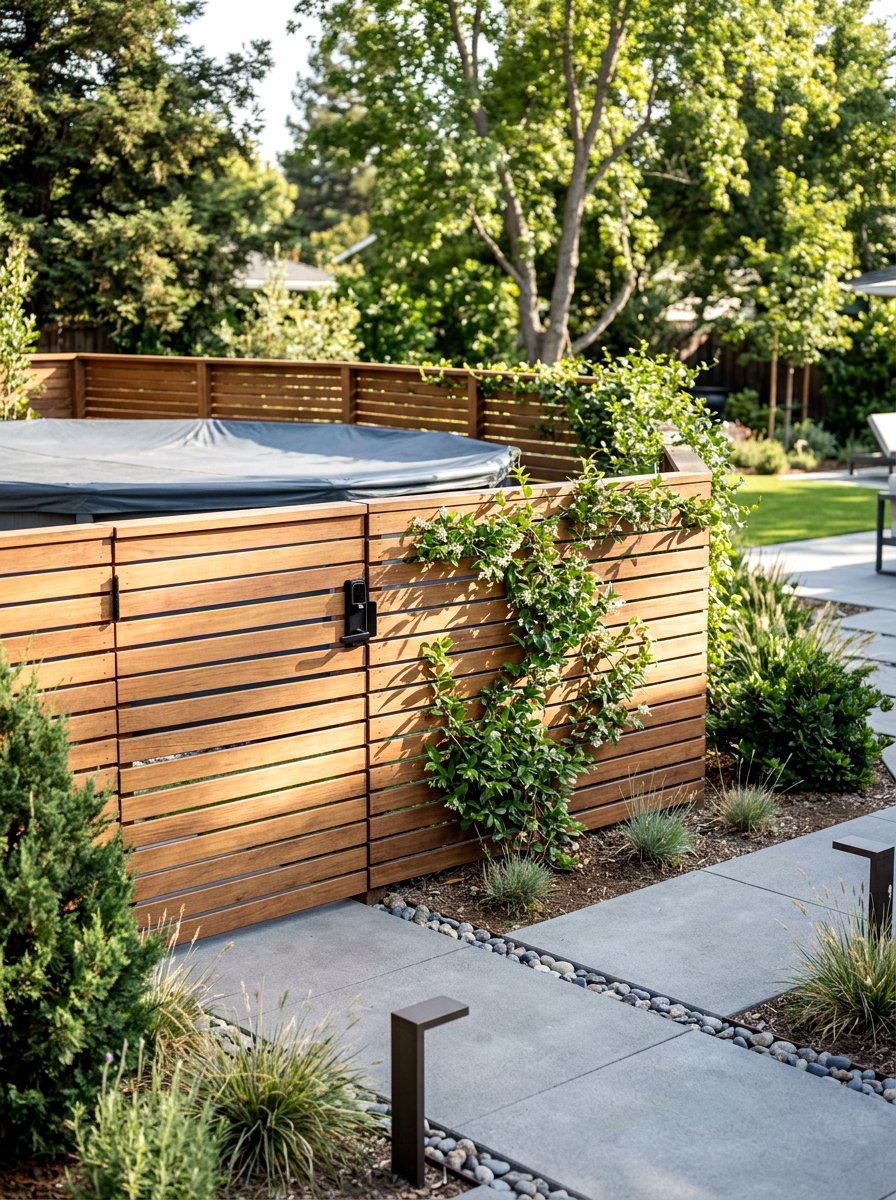
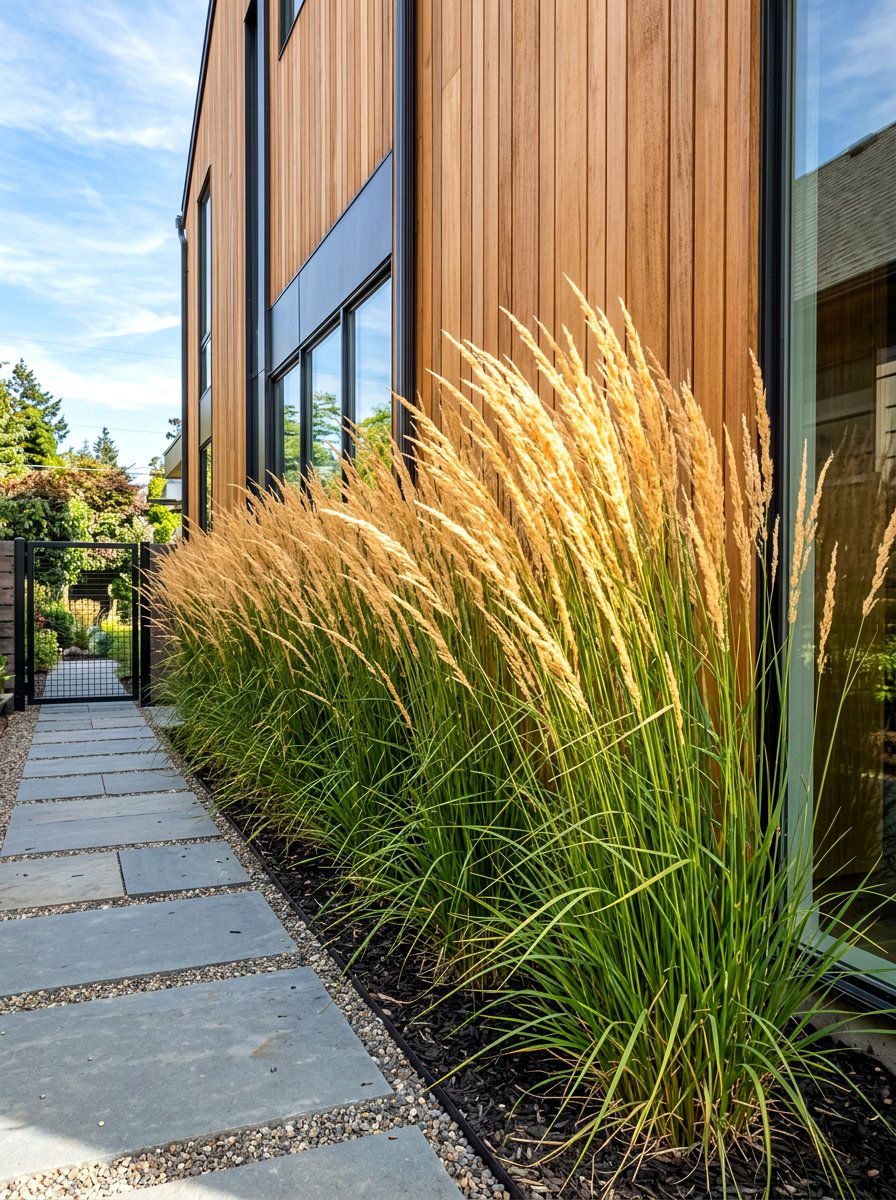
A wood plank flower bed provides a clean, modern way to edge your garden using basic lumber from a home improvement store. Simple 2x4 or 2x6 cedar or pressure-treated boards can be used to create a crisp, straight border that looks much more expensive than it actually is. This design is perfect for creating long, rectangular beds along a fence or the side of a house. The straight lines provide a nice contrast to the soft, organic shapes of your flowers. It is a very beginner-friendly DIY project that can be completed in an afternoon, providing a durable and stylish frame for your favorite seasonal blooms and shrubs.
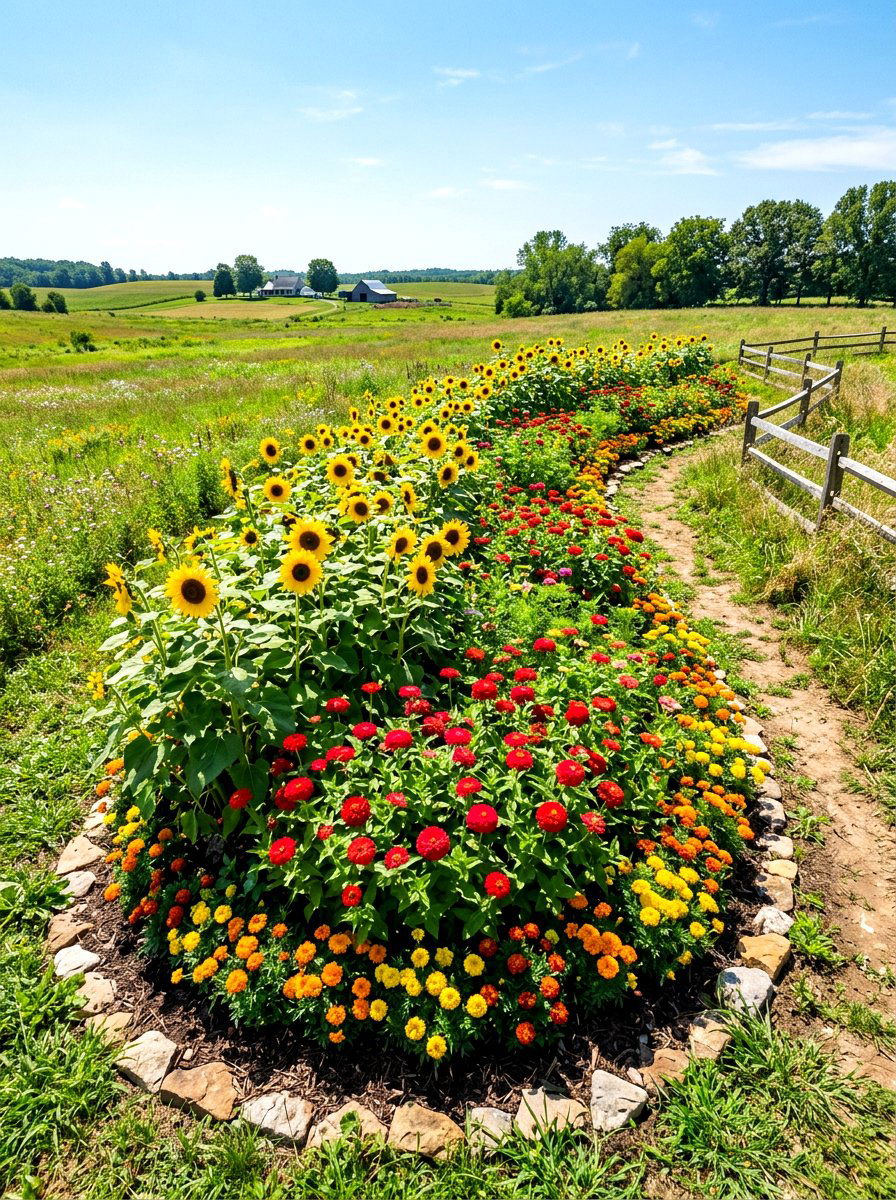
25. River Rock Flower Bed
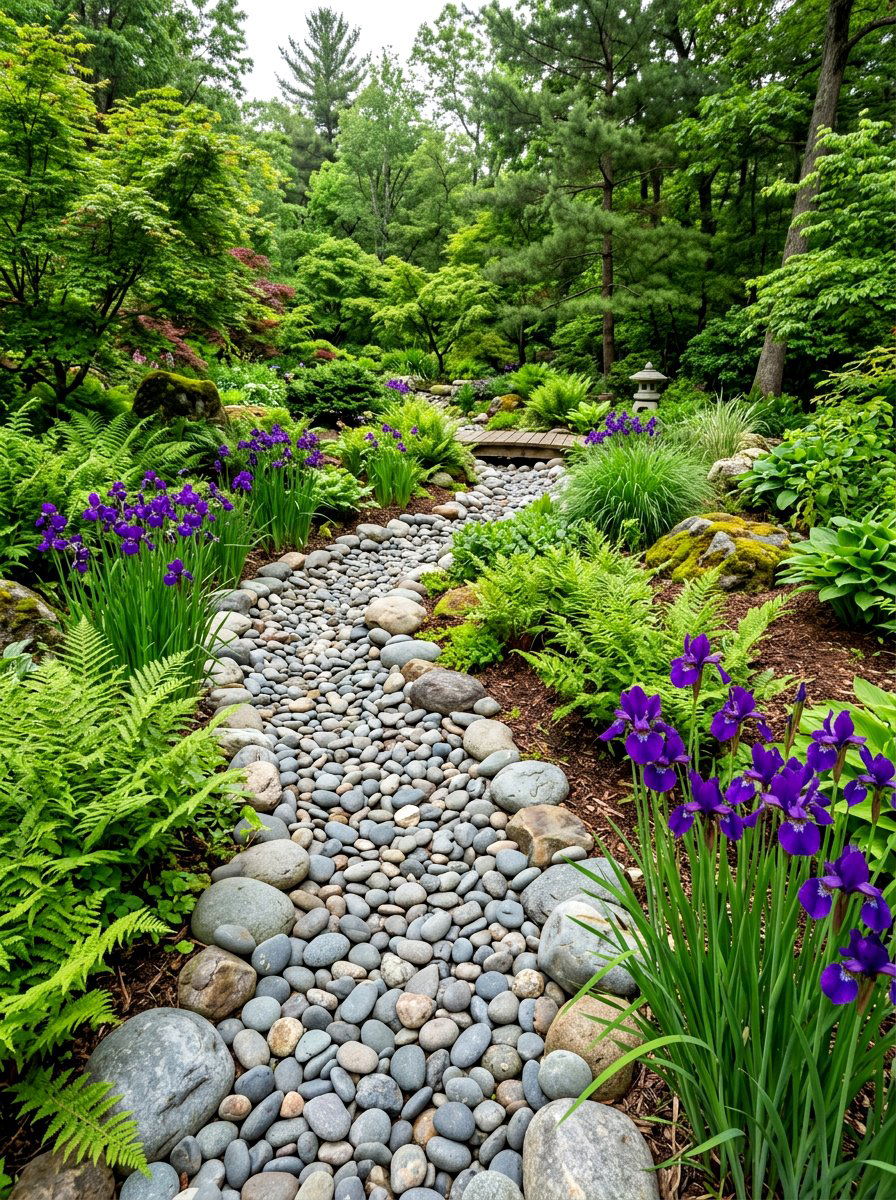
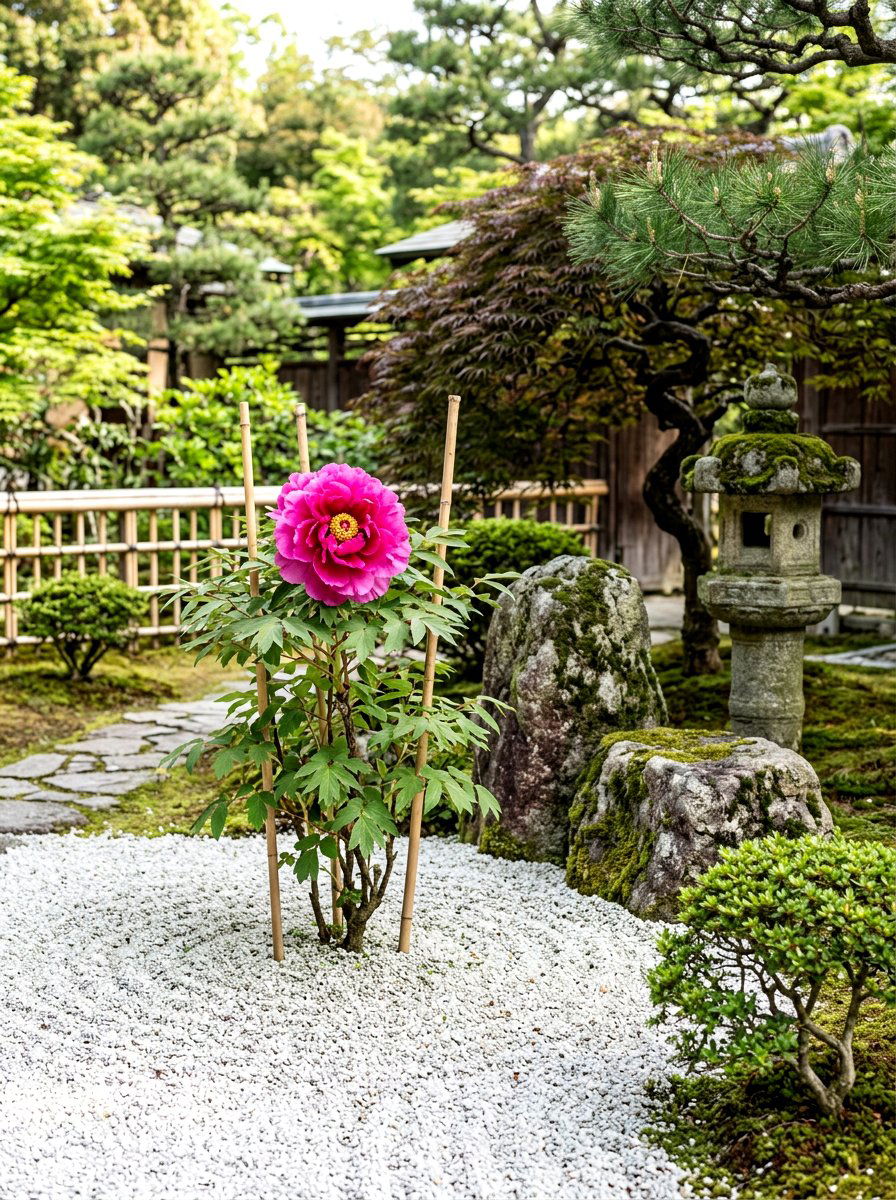
A river rock flower bed uses smooth, rounded stones to create a dry creek bed effect that is both functional and beautiful. You can use these rocks to line a low spot in your yard where water naturally collects, surrounding the area with moisture-loving plants like iris or canna lilies. This design solves drainage issues while providing a high-end, Zen-like aesthetic on a budget. The contrast between the cool gray stones and the vibrant green foliage creates a sophisticated look that requires almost zero maintenance once the rocks are in place. It is an excellent way to add texture and visual weight to your landscaping without expensive hardscaping.
26. Shade Loving Flower Bed
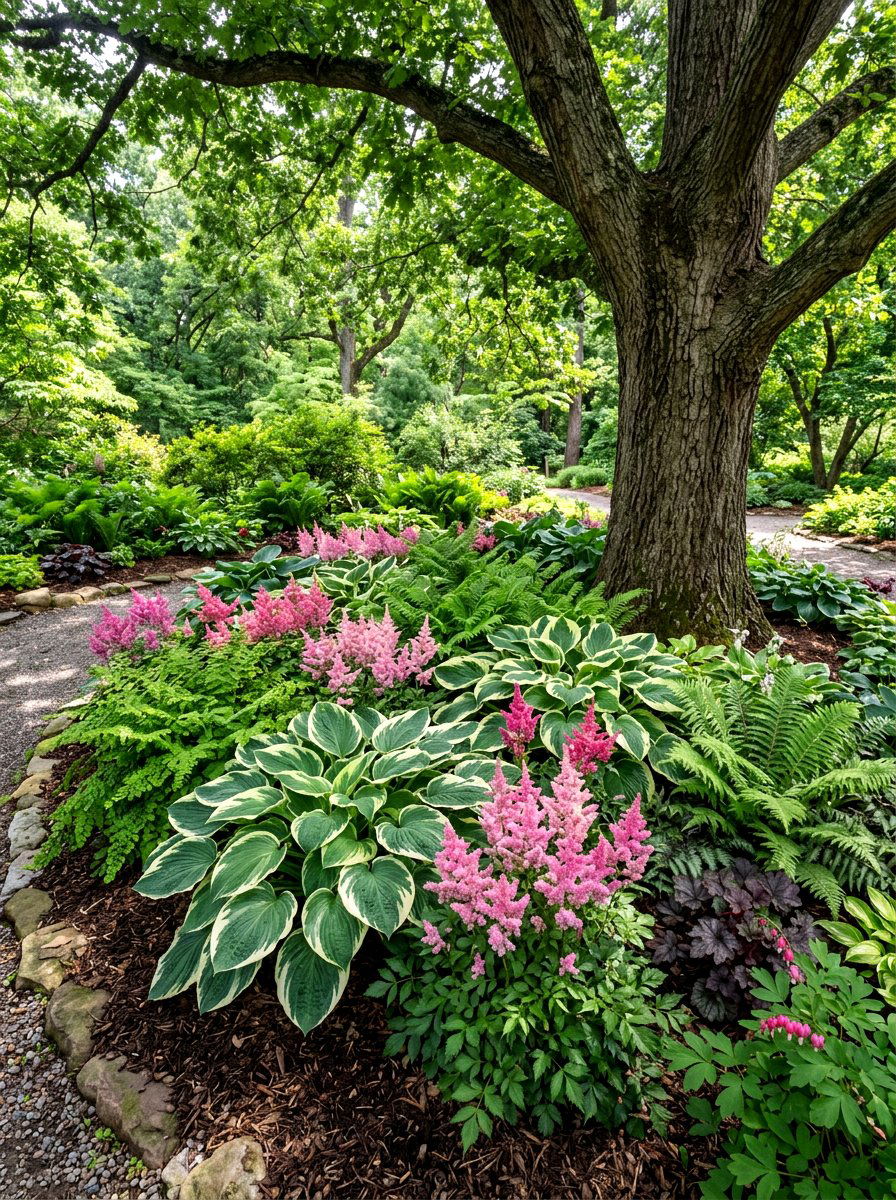
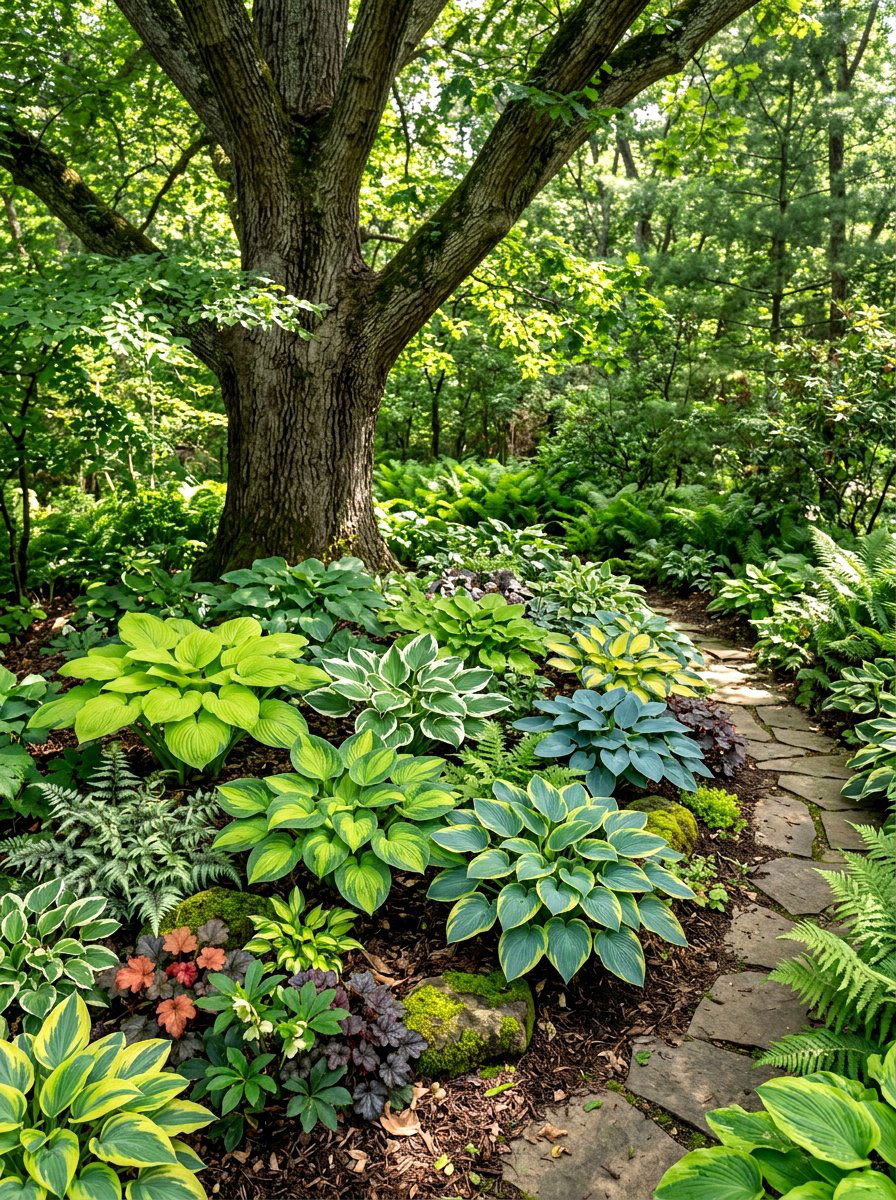
A shade loving flower bed turns the dark, forgotten corners of your yard under large trees or along north-facing walls into lush retreats. By choosing plants that thrive in low light, such as hostas, caladiums, and astilbe, you can create a vibrant garden where grass refuses to grow. Many of these plants are prized for their dramatic foliage as much as their flowers, providing interest through varied textures and colors. This design is budget-friendly because these plants often grow slowly and stay in place, meaning you don't have to constantly replant or manage aggressive spreaders. It creates a cool, calm sanctuary for those hot summer afternoons.
27. Flagstone Path Flower Bed
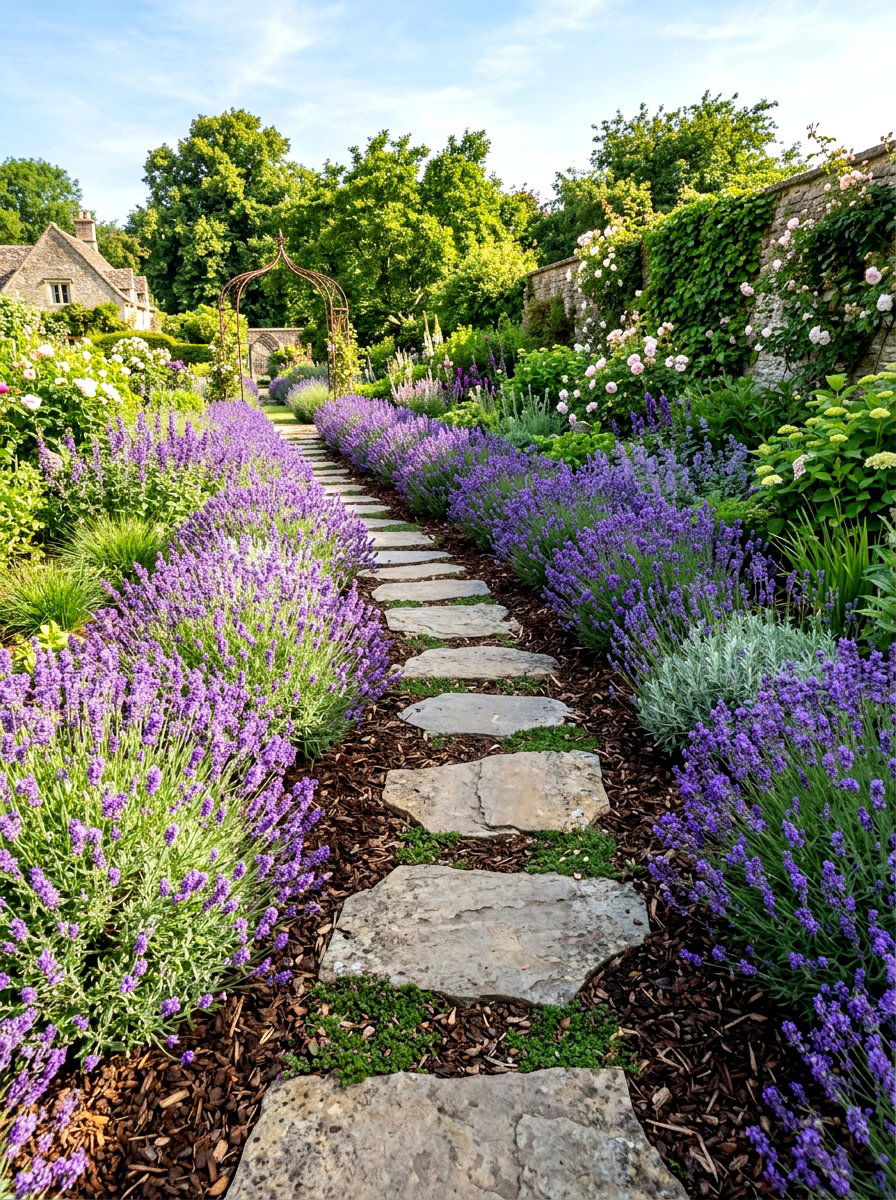
A flagstone path flower bed integrates your walkway directly into your garden for a charming, integrated look. You can place individual flat stones in a bed of mulch or ground cover, allowing creeping plants to grow in the gaps between the steps. This design is cost-effective because you only need a few large stones to create the path, rather than a full solid surface. Planting fragrant varieties like creeping thyme or lavender along the edges ensures that every step you take releases a pleasant aroma. It makes your garden feel like a hidden path in a secret woodland, adding a sense of adventure and discovery to your daily walks.
28. Evergreen Shrub Flower Bed
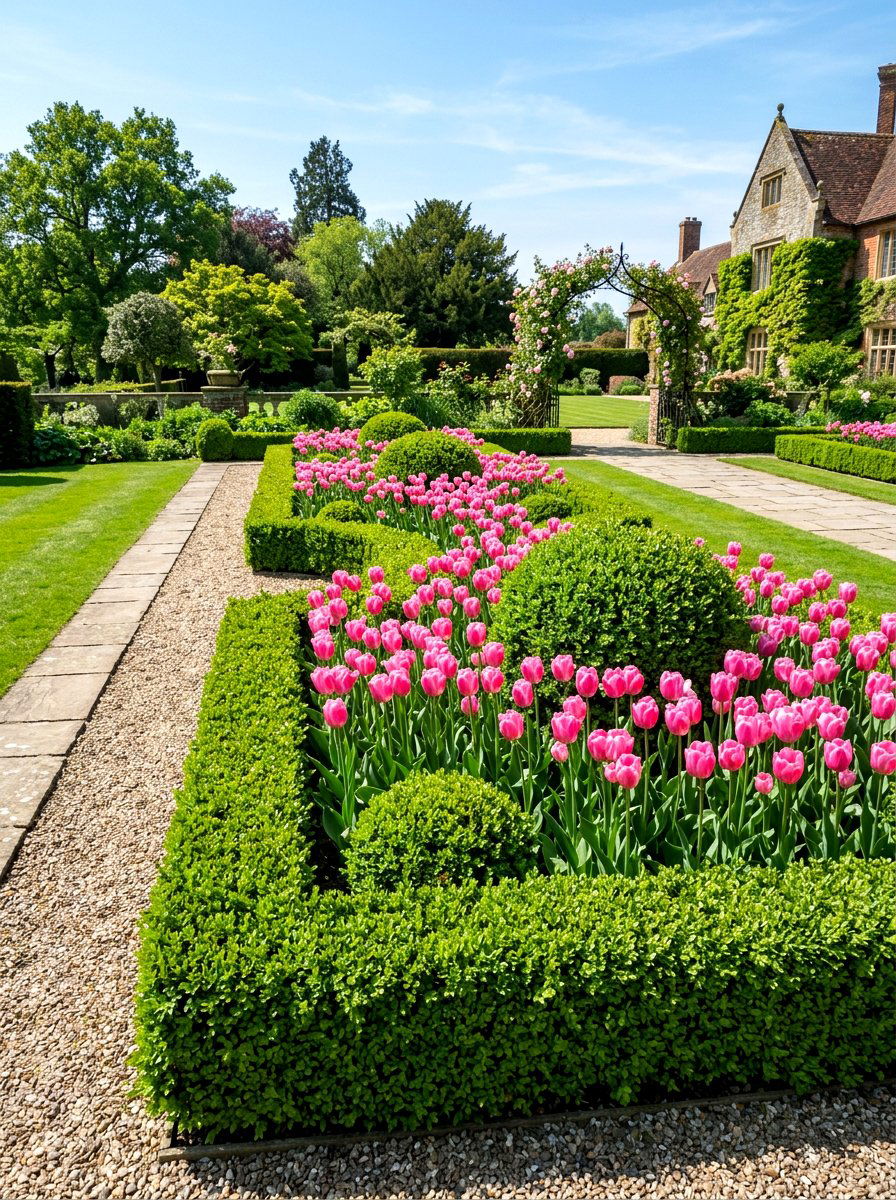
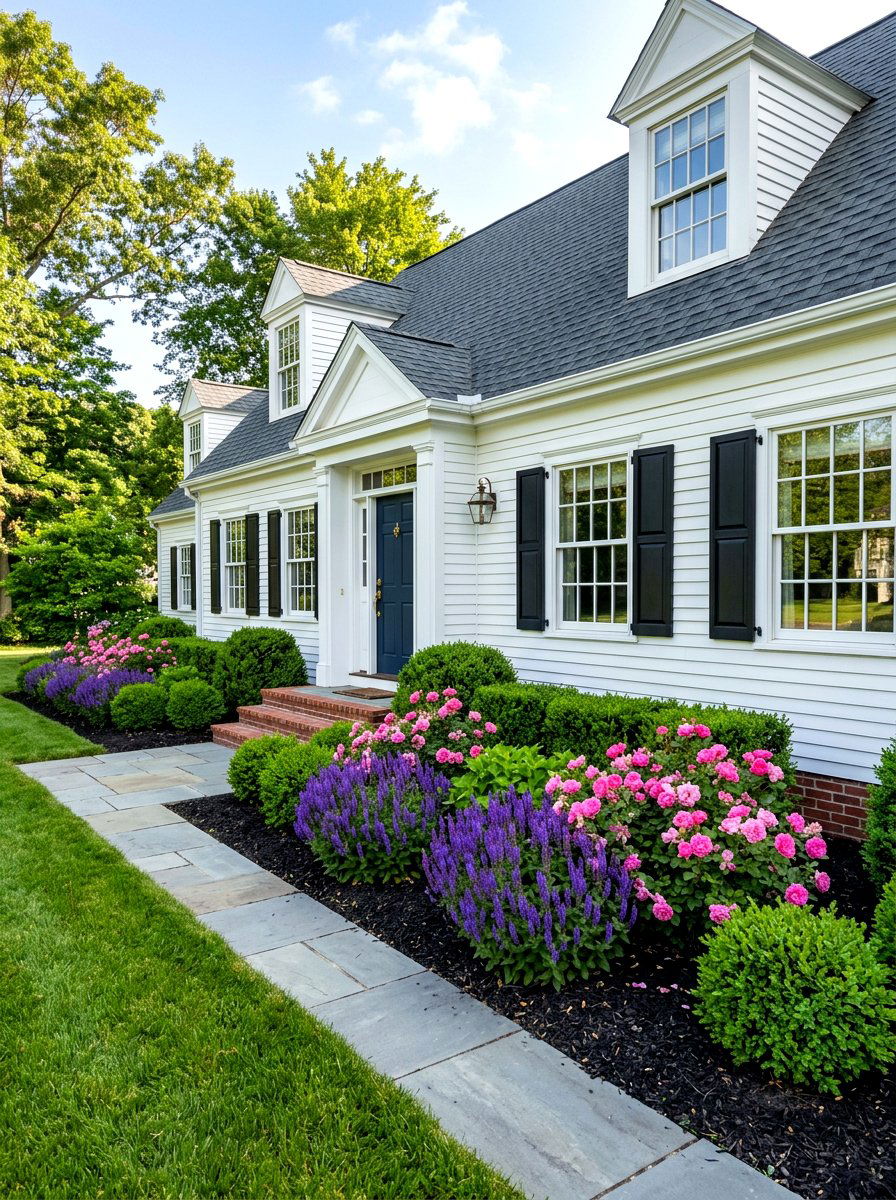
An evergreen shrub flower bed provides a permanent, green structure that keeps your yard looking alive even during the dead of winter. By choosing affordable, fast-growing evergreens like boxwood or juniper, you create a backdrop that makes your seasonal flowers pop. This design is a smart budget choice because the shrubs provide "bones" for the garden, meaning you need fewer annuals each year to make the space feel full. In the spring and summer, you can tuck in a few colorful bulbs or inexpensive seeds around the base of the evergreens. This results in a professional, tiered landscape that offers year-round beauty with very little recurring cost.
29. Wattle Fence Flower Bed
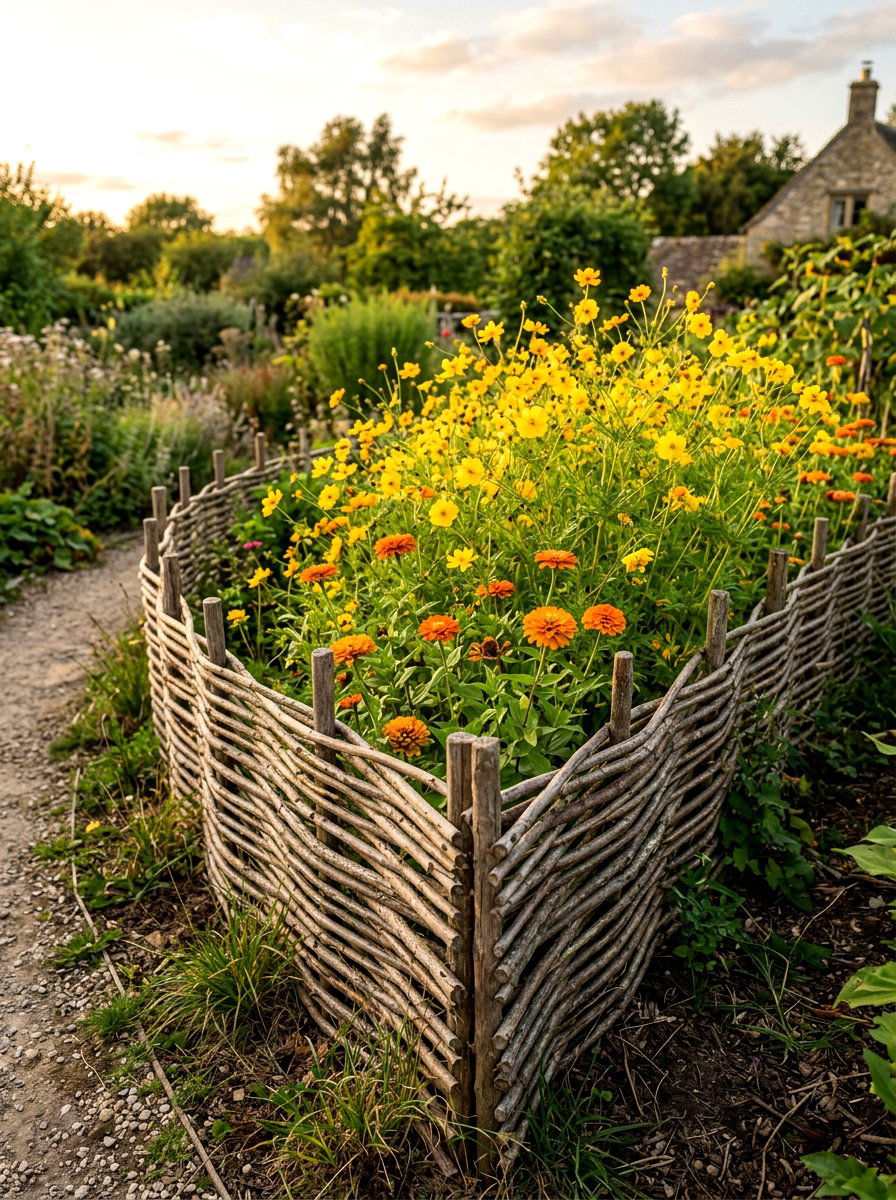
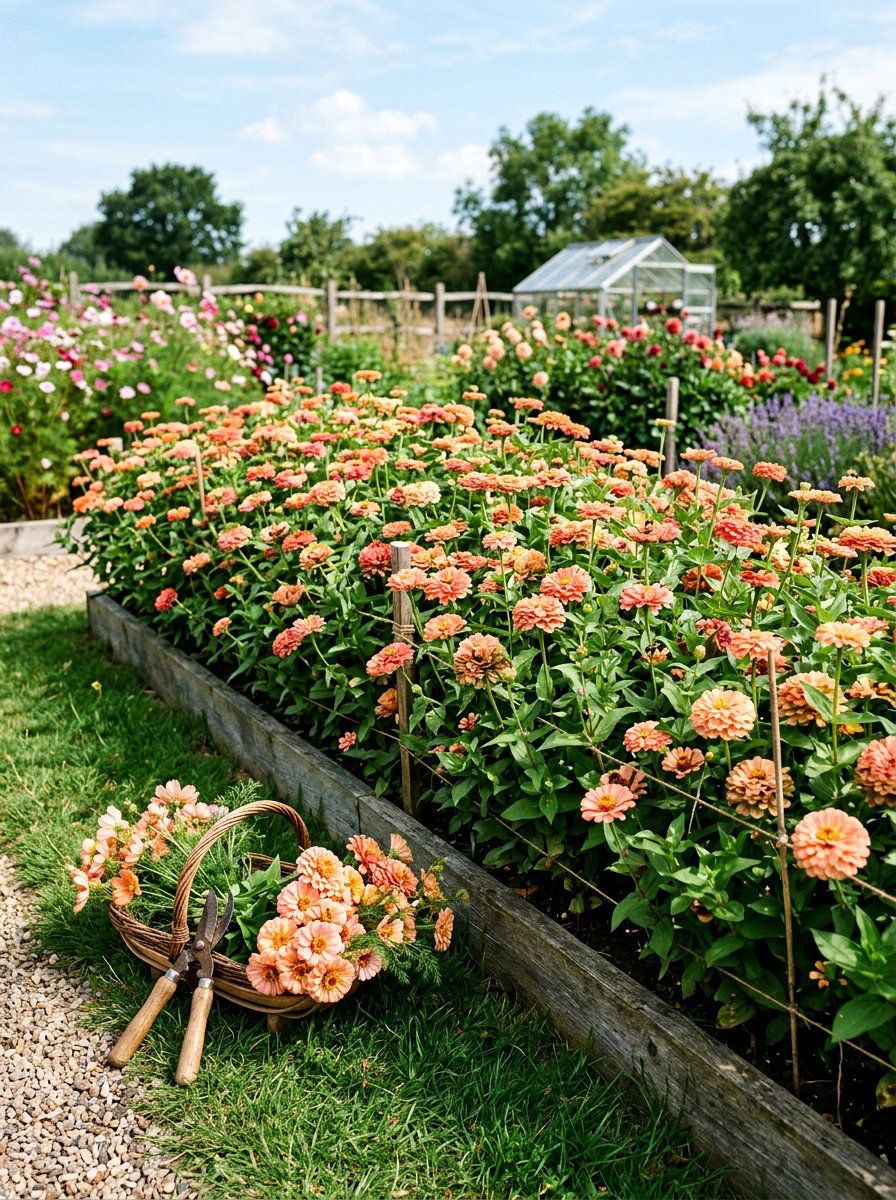
A wattle fence flower bed uses an ancient, rustic technique of weaving flexible branches through upright stakes to create a charming garden border. This method is completely free if you have access to willow, hazel, or even long thin branches from pruning your own trees. The woven texture adds a handcrafted, artisan feel to your flower bed that works perfectly in a cottage or country-style yard. Inside the fence, you can plant tall, airy flowers like cosmos or zinnias that peek through the gaps. It is a sustainable and incredibly unique way to define your garden space while utilizing natural materials that would otherwise be sent to the compost pile.
30. Solar Lit Flower Bed
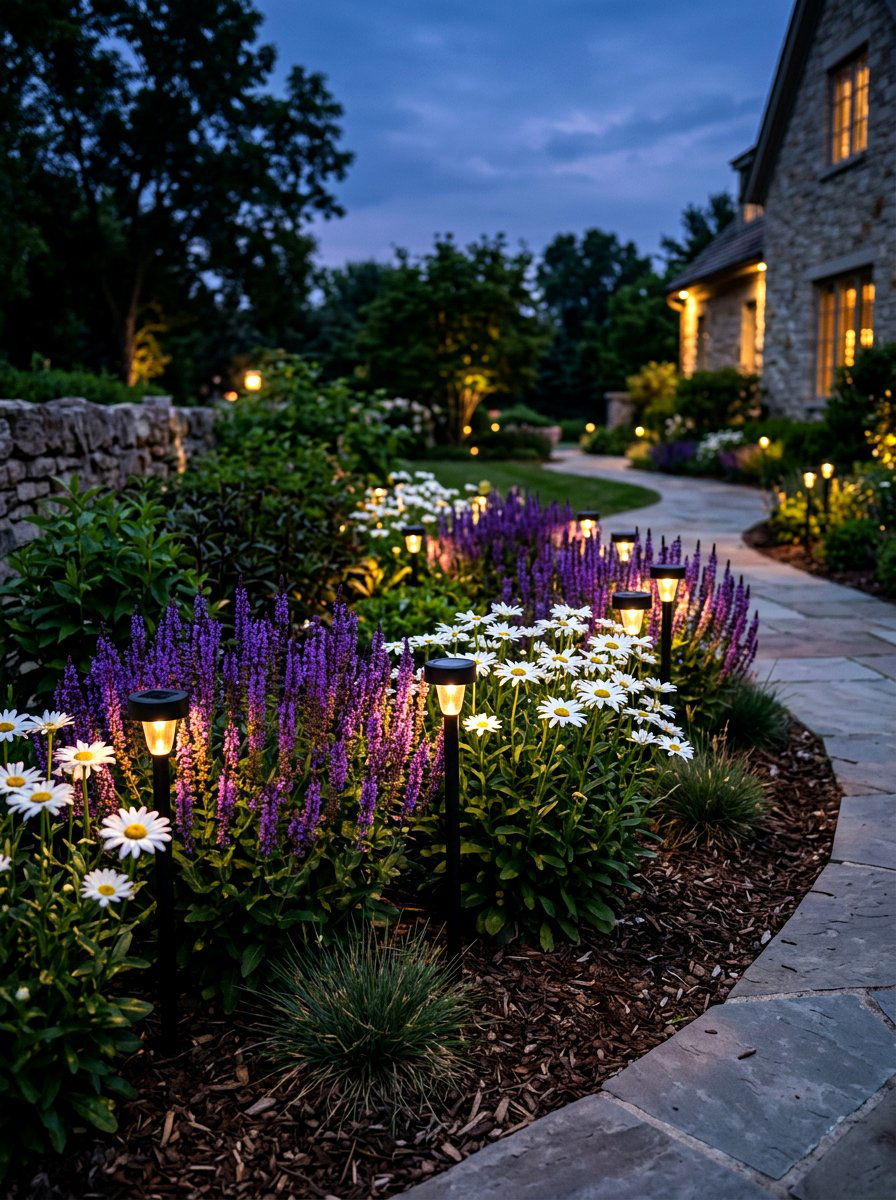
A solar lit flower bed extends the beauty of your garden into the evening hours without the high cost of electrical wiring or increased utility bills. Inexpensive solar stakes can be placed strategically among your plants to highlight focal points like a large shrub or a beautiful bloom. This design creates a magical, glowing atmosphere at night that makes your outdoor space feel like a high-end resort. During the day, the sleek fixtures add a modern touch to the flower bed 's design. It is a very easy and affordable way to enhance your home' s safety and nighttime curb appeal while showcasing your hard work around the clock.
Conclusion:
Designing a breathtaking garden on a budget is entirely possible when you lean into creativity and utilize the natural resources around you. Whether you choose to upcycle old materials like tires and pallets or focus on long-term investments like native perennials and self-seeding wildflowers, your yard will thrive. These ideas prove that you don't need a huge renovation budget to create a space that feels intentional, lush, and welcoming. By implementing even a few of these cost-effective strategies, you can transform your outdoor environment into a vibrant sanctuary that reflects your personal style. Start small, be patient, and enjoy the rewarding process of watching your budget-friendly flower beds bloom.

Related posts: