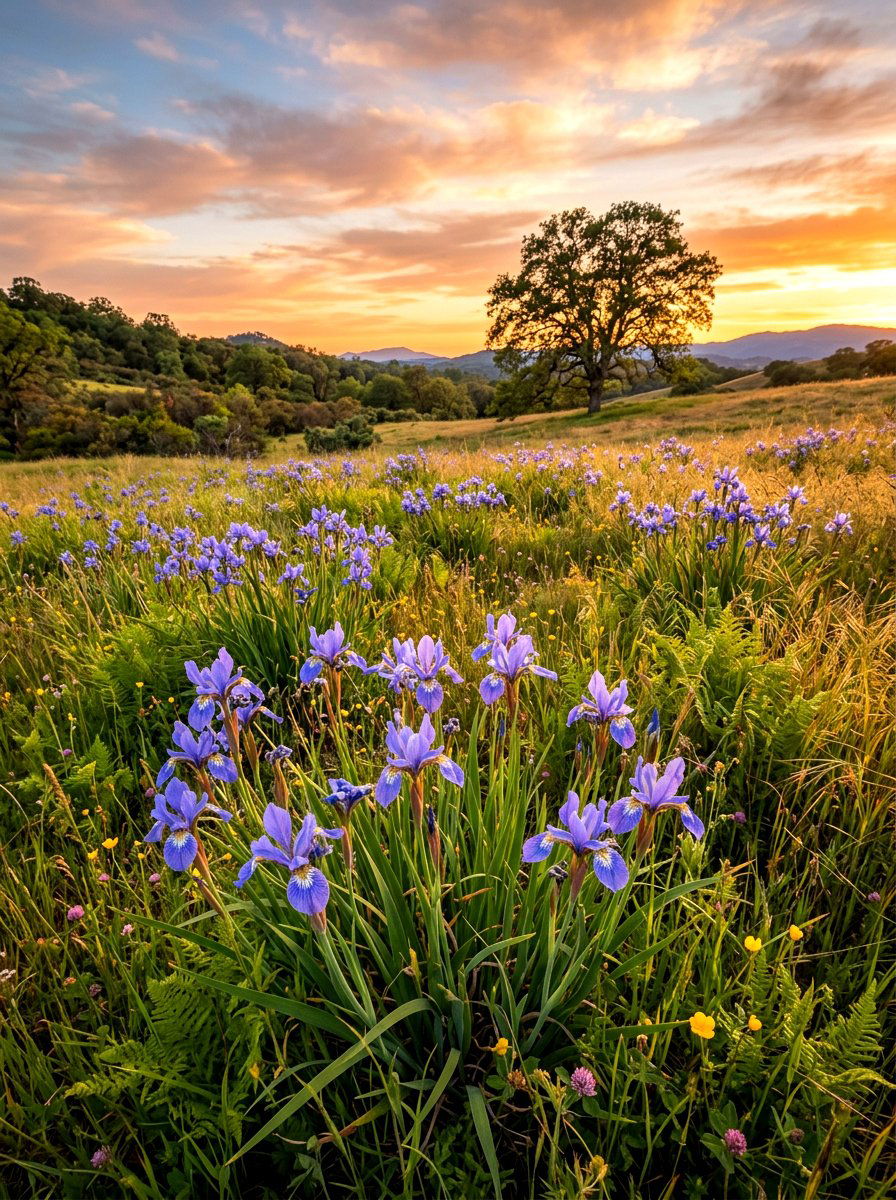
Walking through a garden should be a journey that engages every sense, especially your sense of smell. Fragrant pathways transform a simple stroll into a deeply immersive experience that lingers in your memory long after you have gone back inside. By carefully selecting plants that release their perfumes as you brush against them or as they bask in the sun, you create a living aromatherapy session right in your backyard. These designs combine structural beauty with natural scents, ranging from spicy herbs to sweet floral notes. Whether you prefer a formal English look or a wild Mediterranean vibe, these ideas will help you design a path that truly breathes life into your landscape.

1. Lavender Walkway
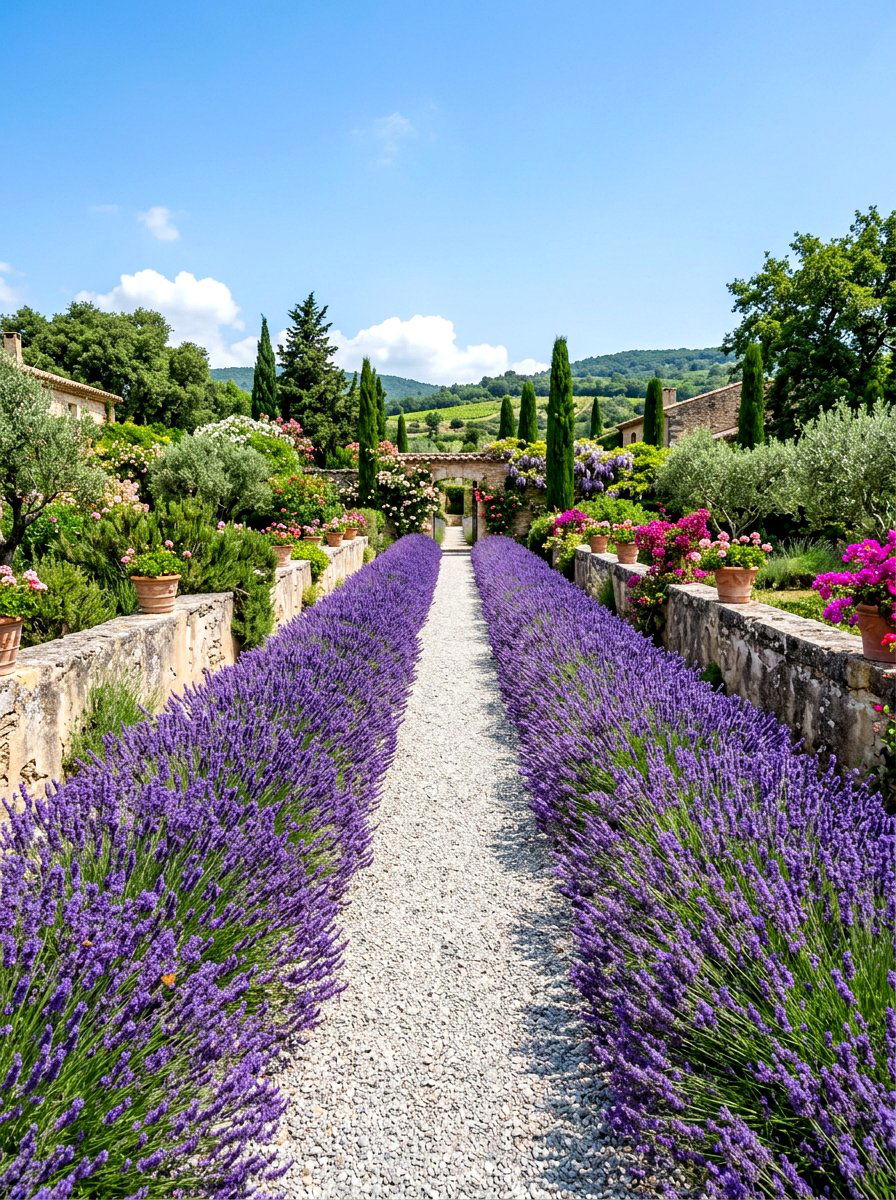
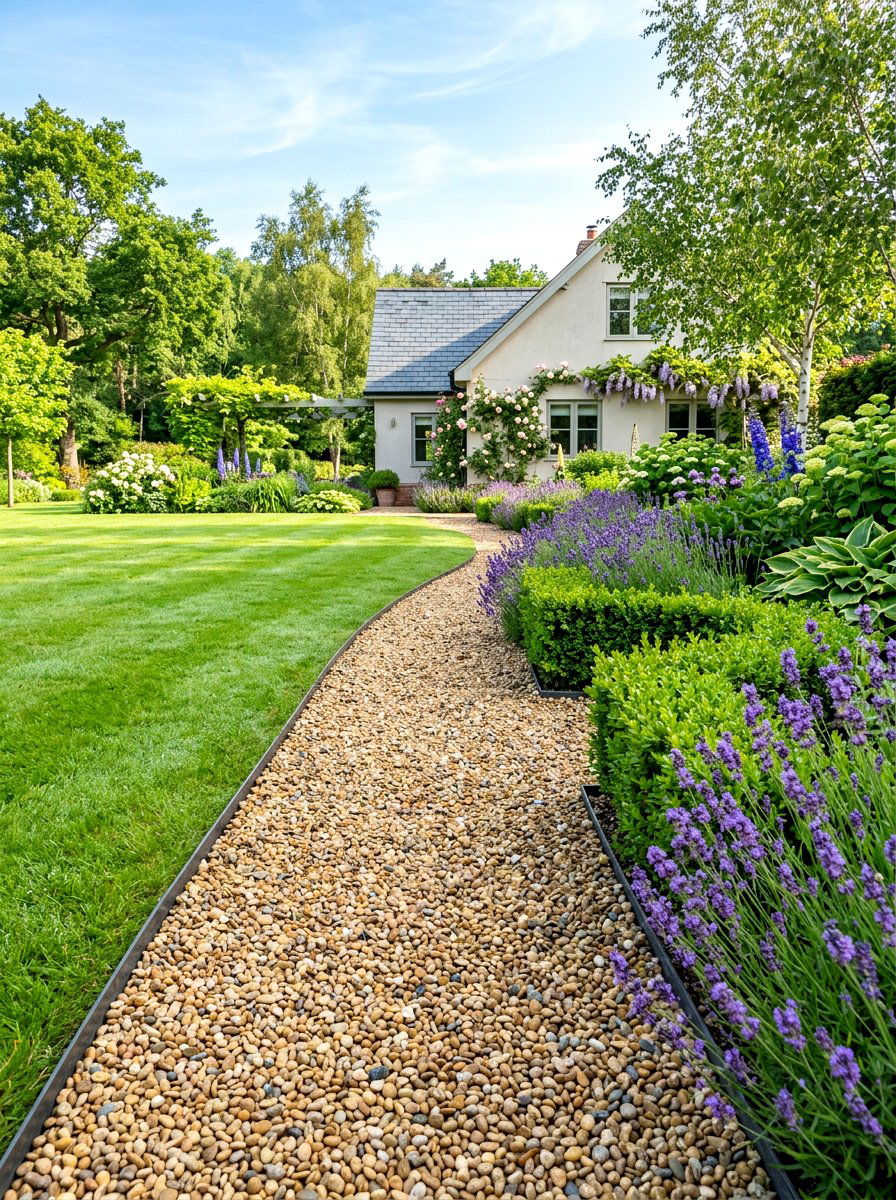
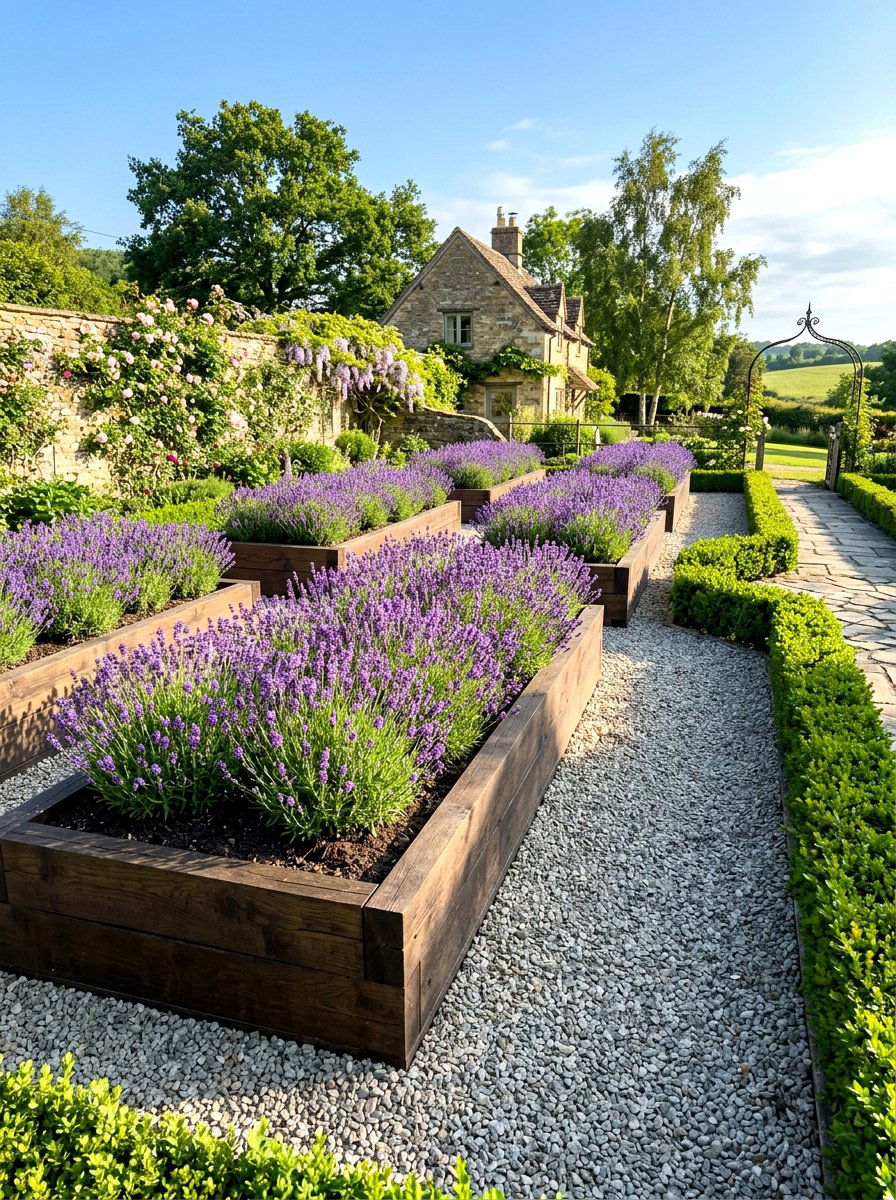
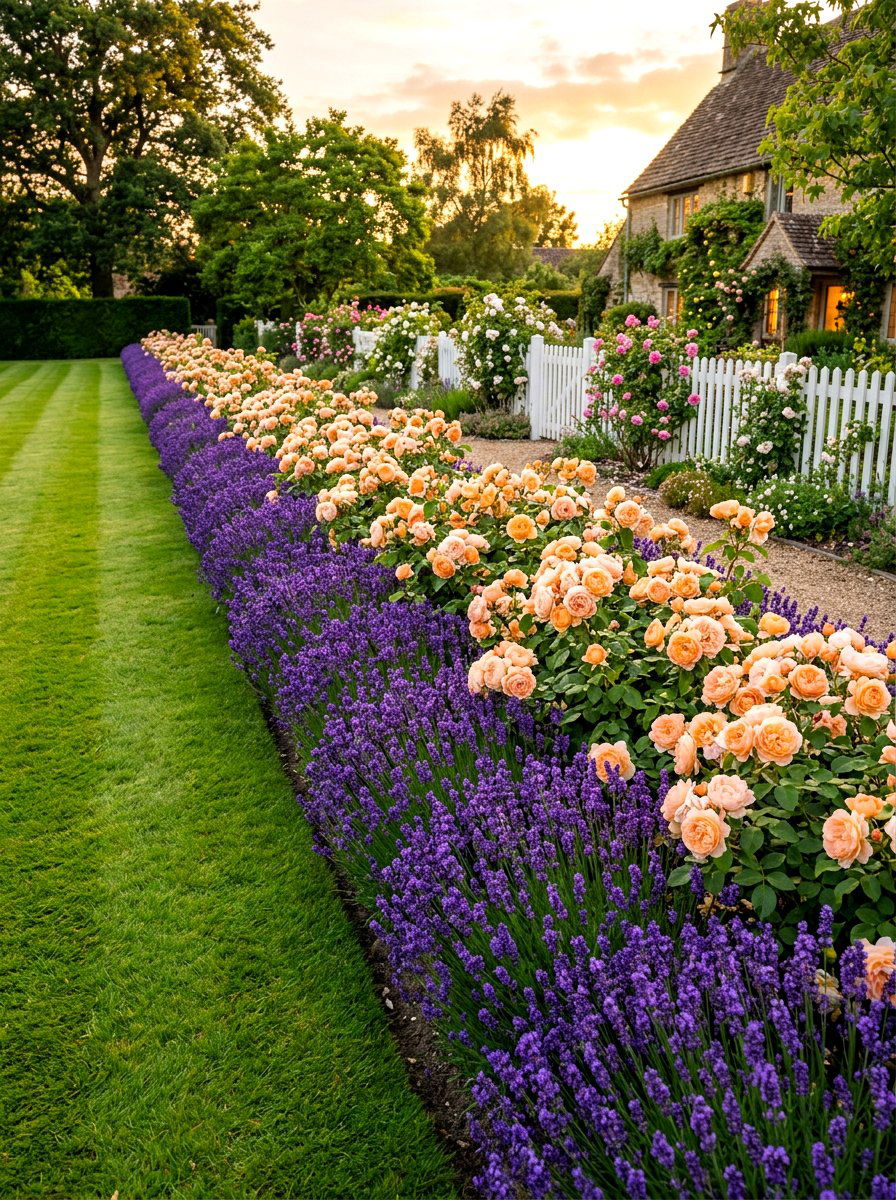
Imagine walking through a hazy purple corridor where the calming scent of lavender rises with every step you take. This classic design is perfect for sunny, well-drained areas where the soil stays relatively dry. By planting English lavender in dense rows along a gravel or stone path, you create a structured yet soft border that billows outward. As you or your guests brush against the silver-green foliage, the essential oils release a soothing aroma known for reducing stress. This setup works exceptionally well in Mediterranean-style gardens or modern farmhouse landscapes. It provides year-round visual interest with its structured shape and a spectacular mid-summer bloom that attracts helpful pollinators.
2. Rosemary Hedge
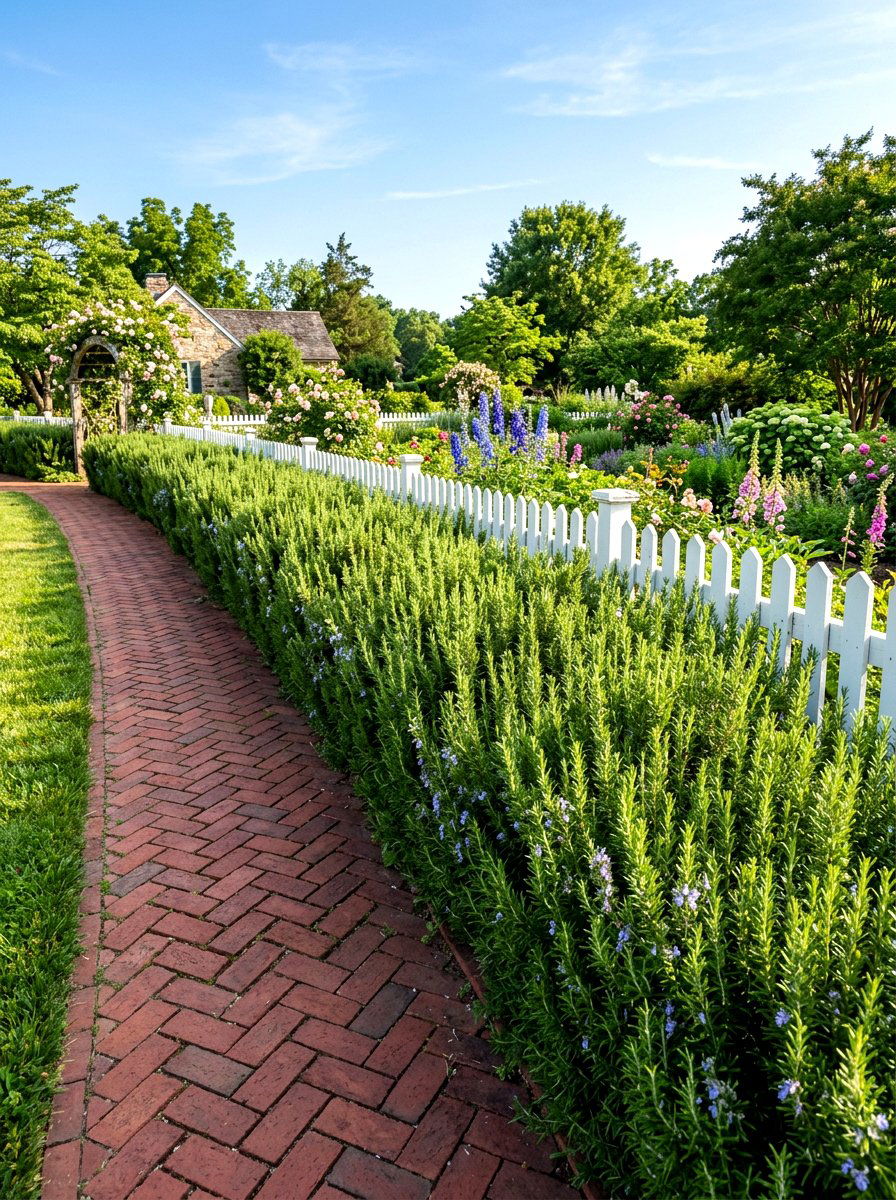
Have you ever thought about using edible herbs to create a functional and fragrant boundary for your garden path? A rosemary hedge offers a sturdy, upright structure that remains evergreen through the winter months in many climates. When planted closely together, these woody shrubs form a dense wall that smells like fresh pine and resin. Walking past this aromatic border is an invigorating experience that can sharpen your focus and awaken your senses. Rosemary is incredibly hardy and thrives in hot, sunny spots with minimal water once it is established. You can keep it neatly trimmed for a formal look or let it grow wild for a rustic, coastal aesthetic.
3. Creeping Thyme Path
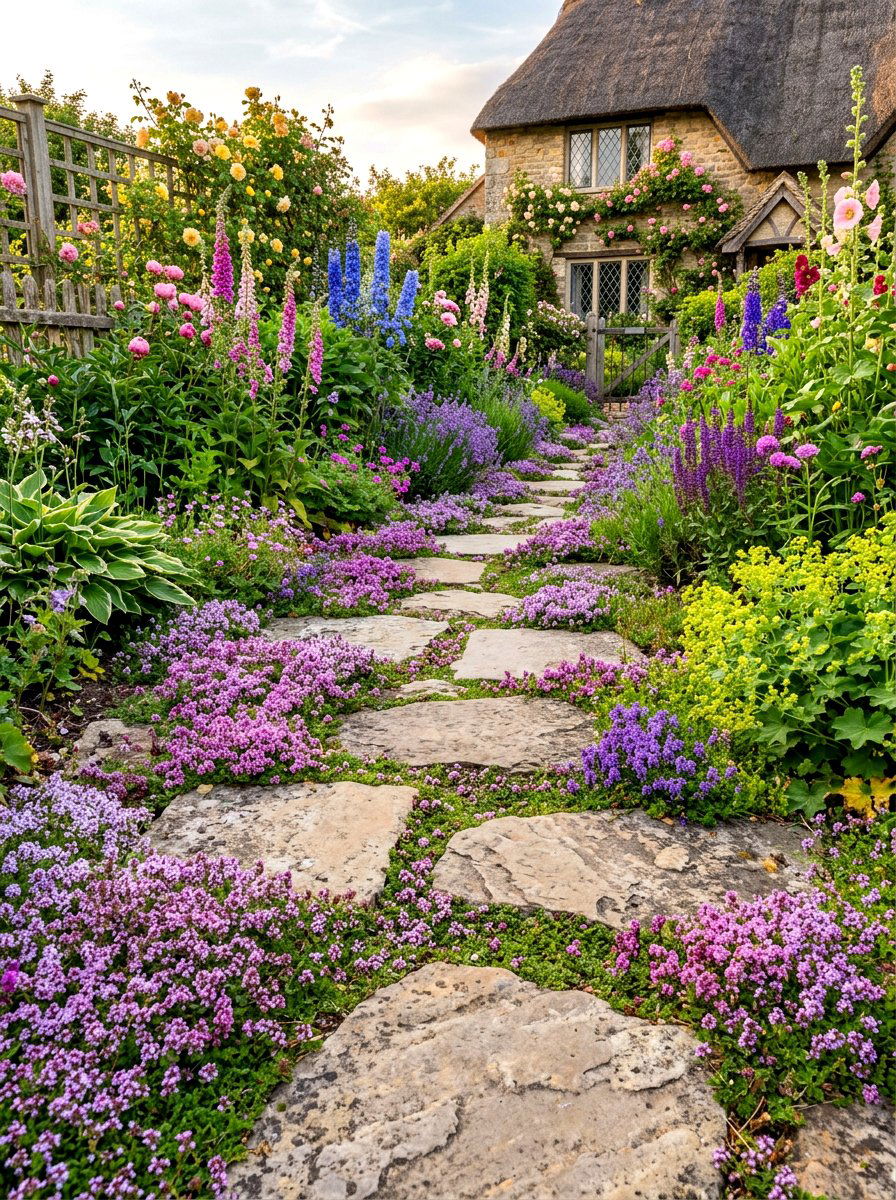
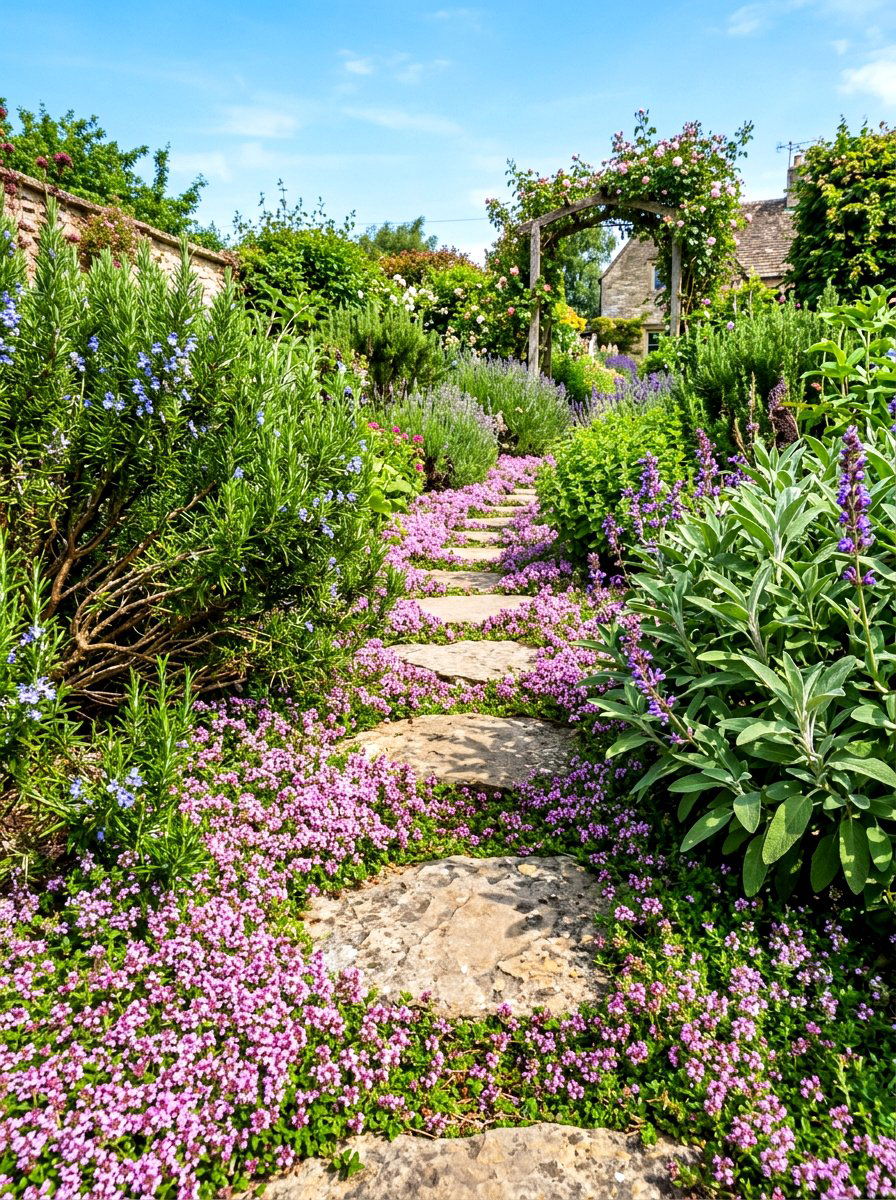
If you want a path that releases a delightful herbal fragrance specifically when you step on it, creeping thyme is the perfect solution. This low-growing groundcover is often used to fill the gaps between large flagstones or pavers. Unlike taller plants, thyme is resilient enough to handle light foot traffic, which actually helps release its spicy, earthy scent. During the late spring, the green carpet transforms into a sea of tiny pink or purple flowers, adding a layer of color to your feet. It is a fantastic choice for rock gardens or cottage-style walkways where you want a soft, organic feel that bridges the gap between hardscape and nature.
4. English Rose Border
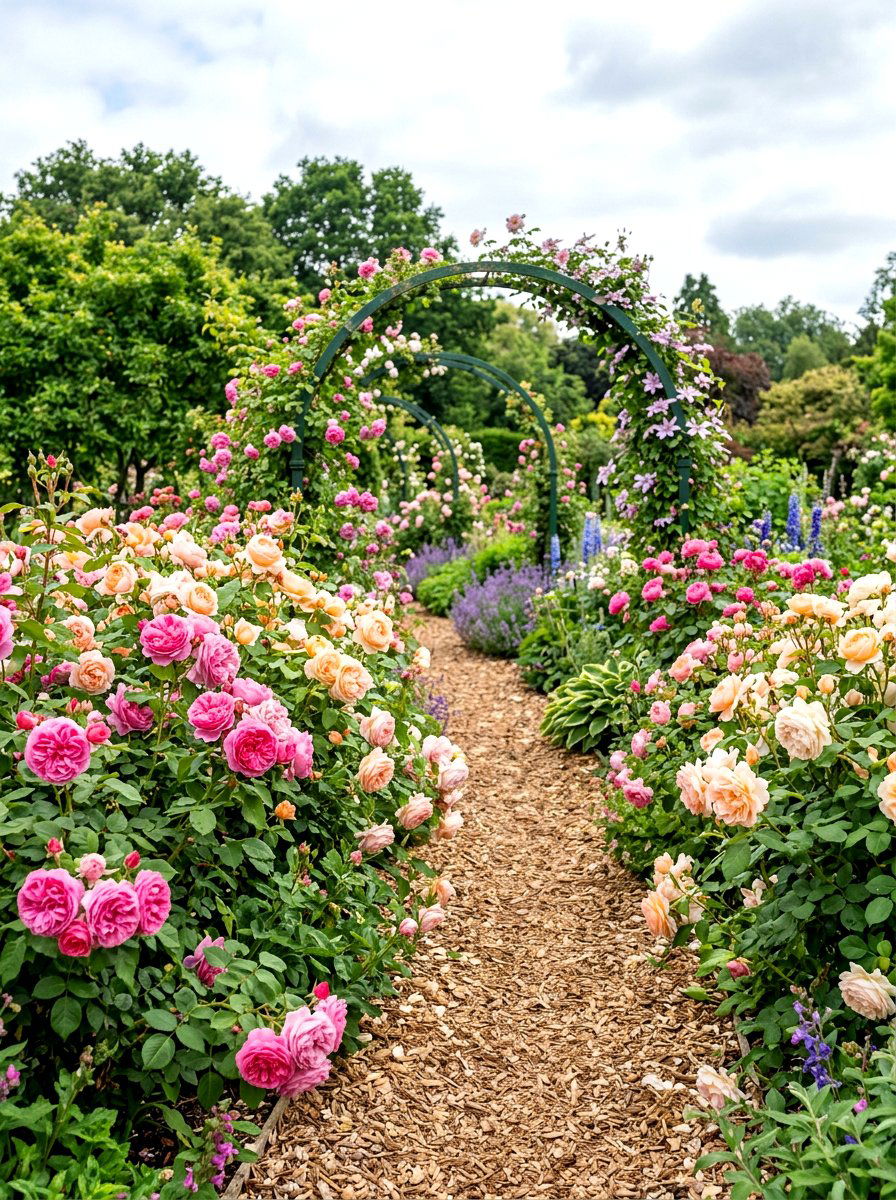
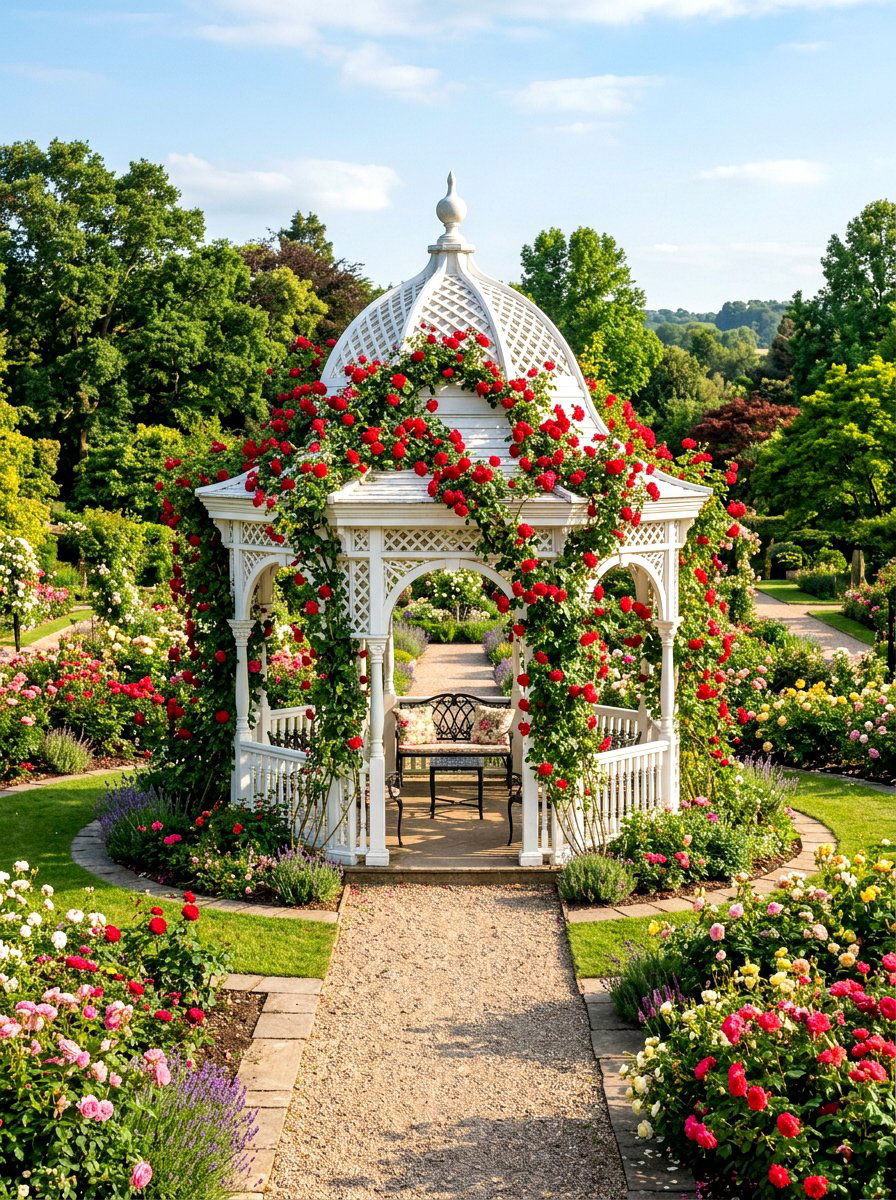
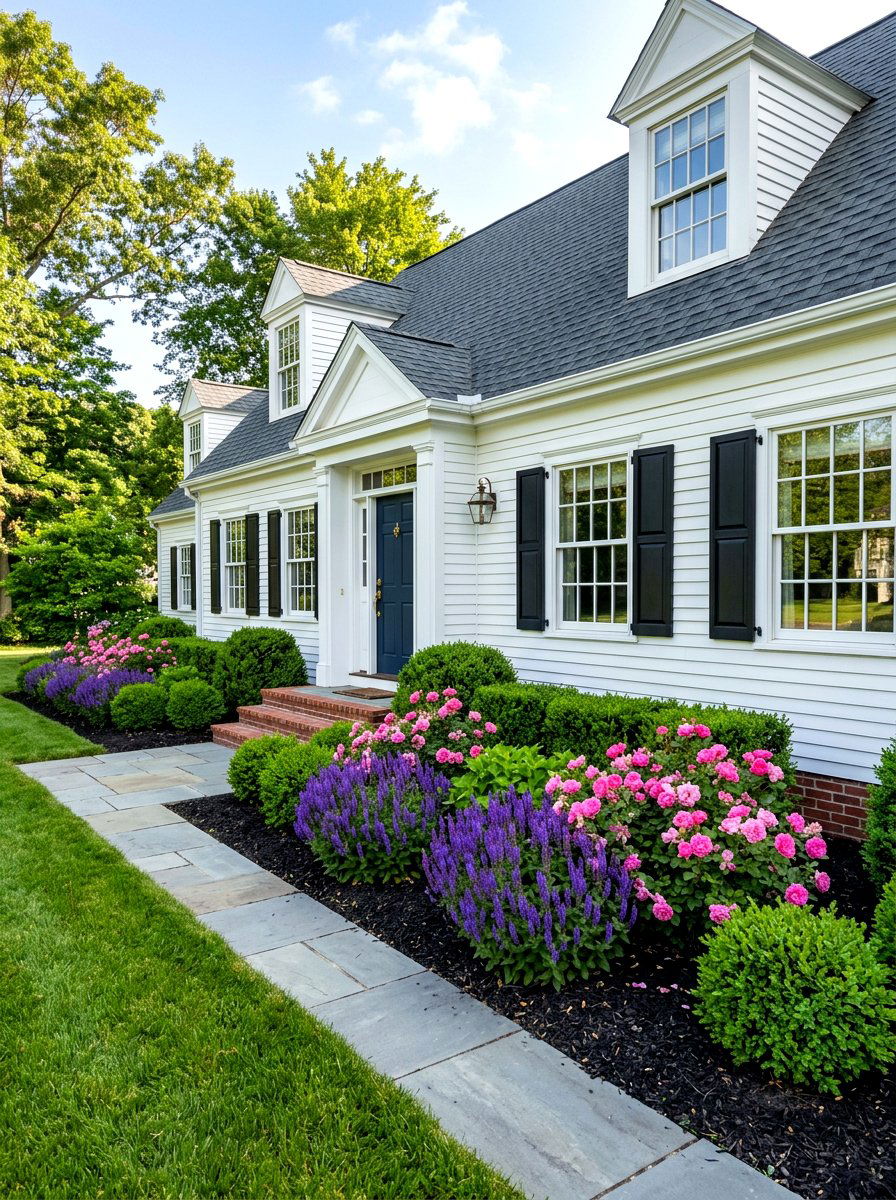
Nothing captures the essence of a romantic garden quite like a pathway lined with heavily scented English roses. To achieve this look, choose "Old Rose" varieties known for their complex perfumes, such as Damask or Bourbon types. Planting these in a dedicated border along a brick or wood-chip path creates a visual and olfactory masterpiece. As the sun warms the petals, the air becomes thick with a classic floral sweetness that defines luxury. Use a mix of climbing roses on obelisks and shrub roses at the base to create vertical depth. Regular deadheading ensures that the fragrance and beauty continue to greet you throughout the entire growing season.
5. Star Jasmine Trellis
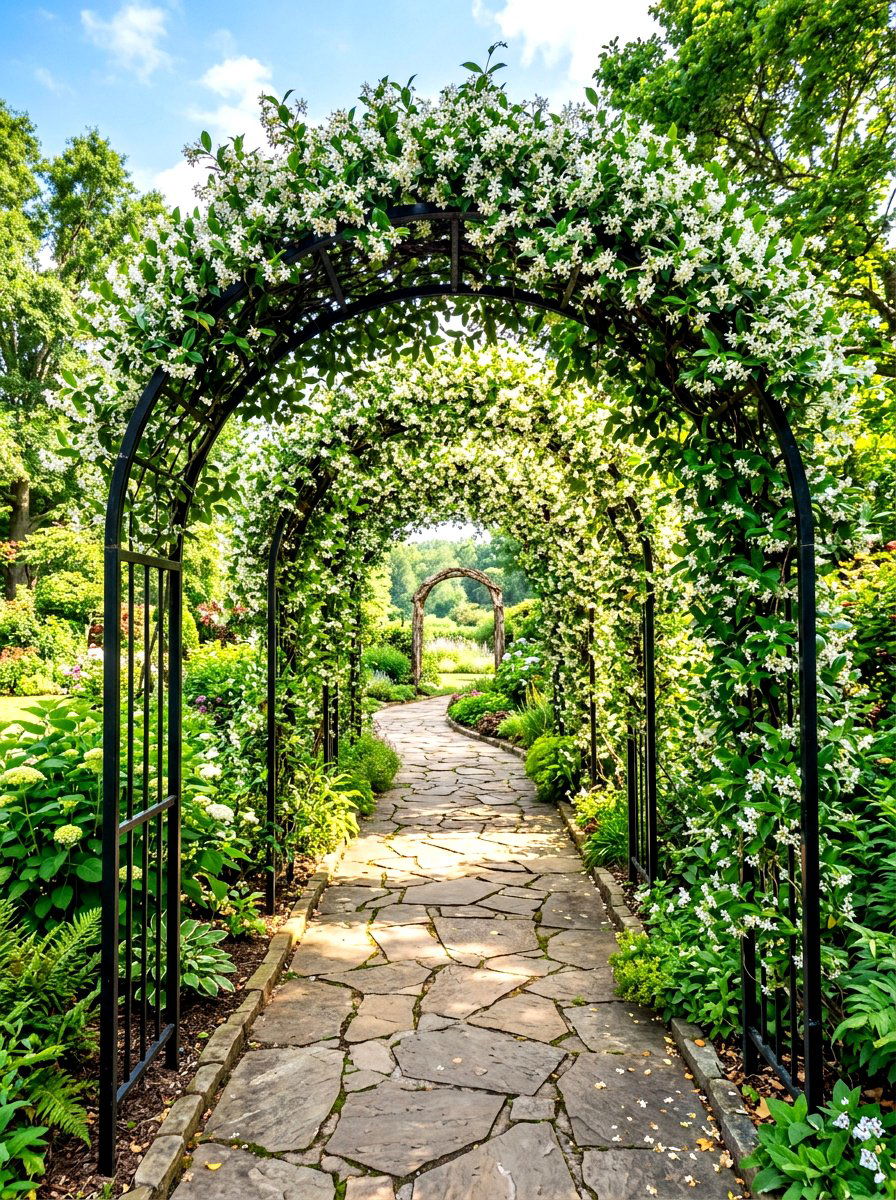
For a vertical scent experience that hangs over your head, consider a pathway framed by star jasmine growing on a series of trellises. This vigorous climber produces thousands of small, star-shaped white flowers that emit an intoxicating, honey-like perfume. By placing trellises at regular intervals along a narrow walkway, you create a sensory tunnel that feels private and secluded. The fragrance is particularly strong in the early evening, making it an ideal choice for paths that lead to outdoor dining areas or seating nooks. The glossy, dark green leaves remain on the vine all year, providing a lush backdrop even when the delicate flowers are not in bloom.
6. Sweet Alyssum Edging
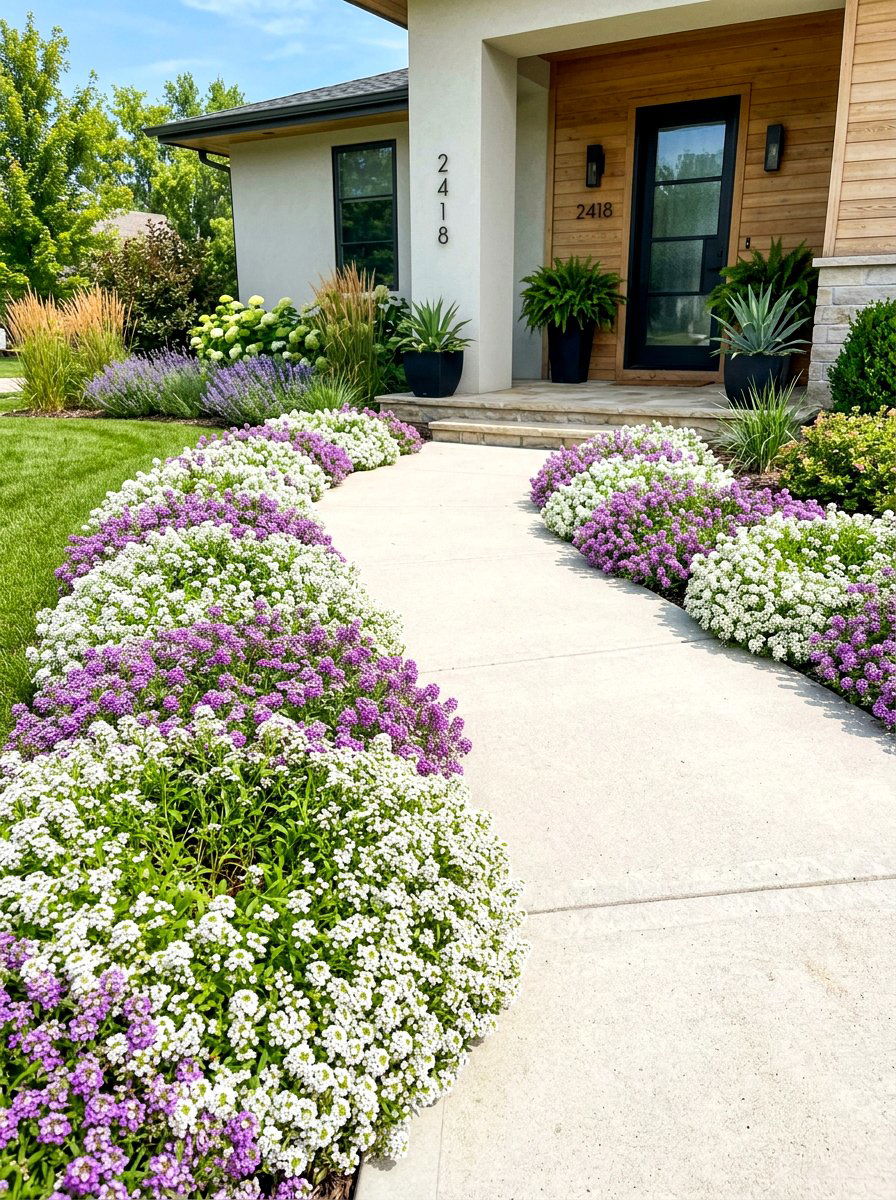
Sweet alyssum is a wonderful choice if you are looking for a low-cost, high-impact way to add scent to your garden edges. This dainty annual grows in low, mounding clumps that look like tiny clouds of white or violet flowers. When planted as a thick ribbon along the edges of a concrete or stone path, it produces a persistent scent reminiscent of warm honey. It is incredibly easy to grow from seed and will often self-sow, returning year after year with very little effort. This plant is perfect for softening the hard lines of modern walkways and filling the air with a gentle, sweet aroma that never feels overpowering.
7. Gardenia Flower Walk
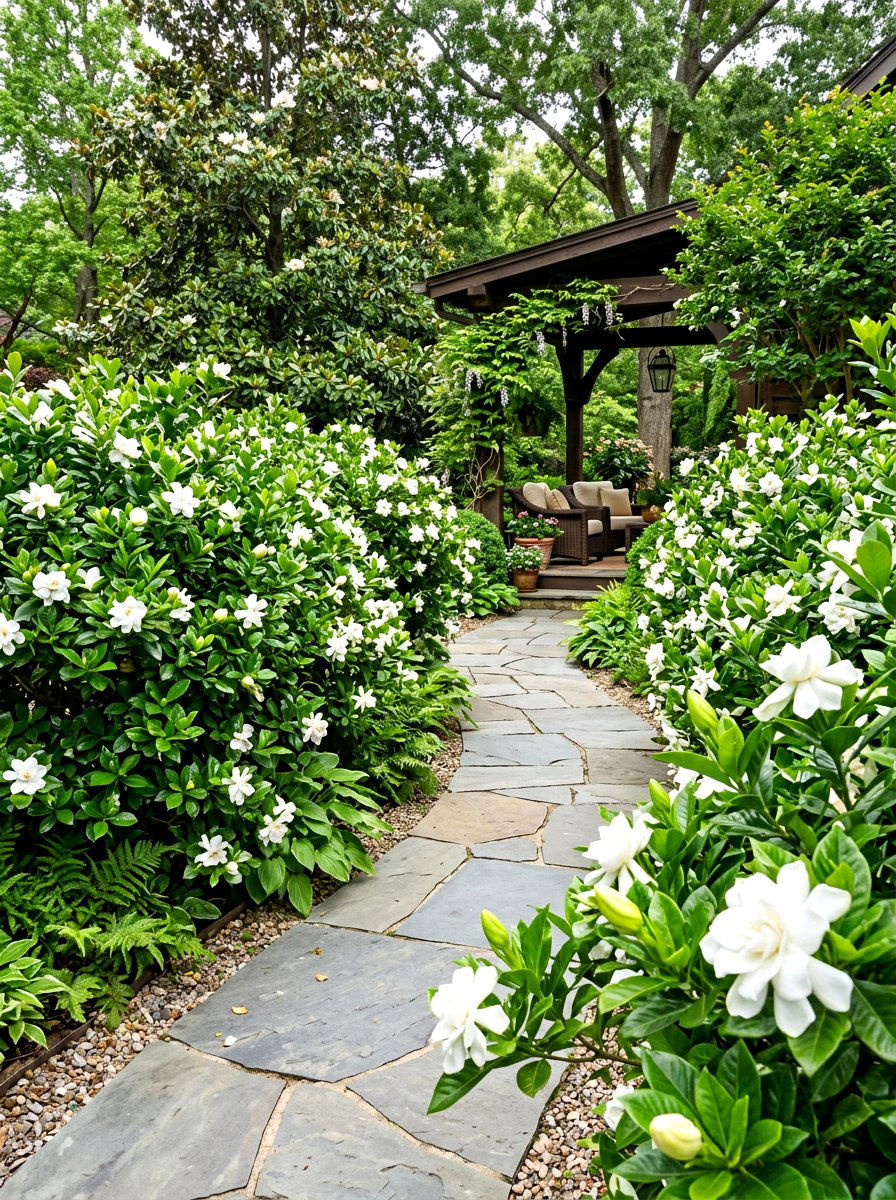
A gardenia flower walk is the ultimate choice for those who desire a sophisticated and powerful fragrance near their home entrance. These evergreen shrubs feature thick, waxy leaves and brilliant white blooms that look as elegant as they smell. Because gardenias prefer a bit of humidity and filtered light, they are excellent for paths that run along the side of a house or under tall trees. The scent is rich, creamy, and distinctively tropical, often traveling long distances on a light breeze. By placing them along a main walkway, you ensure that every arrival is greeted by one of the most beloved perfumes in the entire botanical world.
8. Honeysuckle Garden Arch
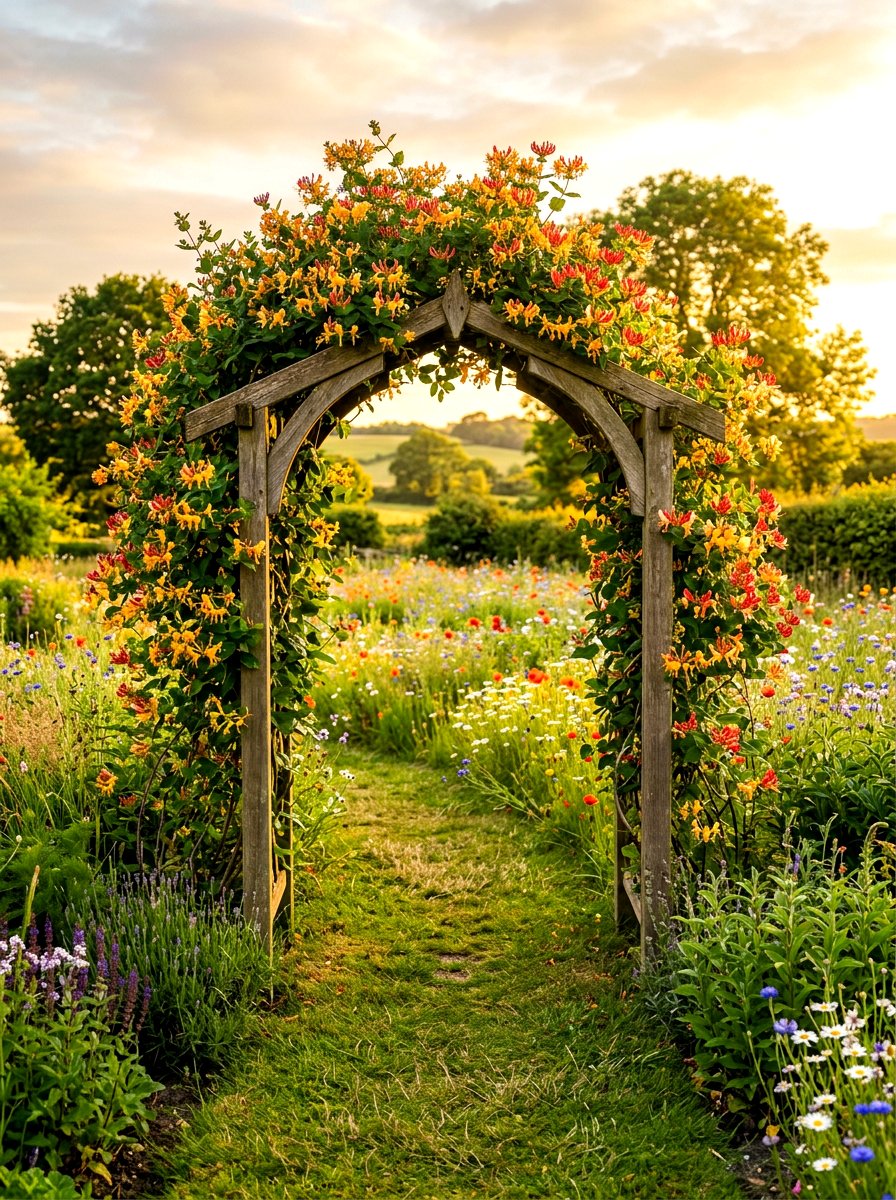
Create a magical transition between different areas of your yard by installing a garden arch covered in fragrant honeysuckle. This fast-growing vine is famous for its tubular flowers that hold a deep, nectar-sweet scent that intensifies as the sun begins to set. As you walk beneath the arch, the fragrance envelops you, creating a sense of wonder and nostalgia. Honeysuckle is very attractive to hummingbirds and moths, adding a layer of movement and life to your pathway. To keep the design looking tidy, prune the vine after it finishes flowering to encourage new growth and more blooms for the following season.
9. Roman Chamomile Groundcover
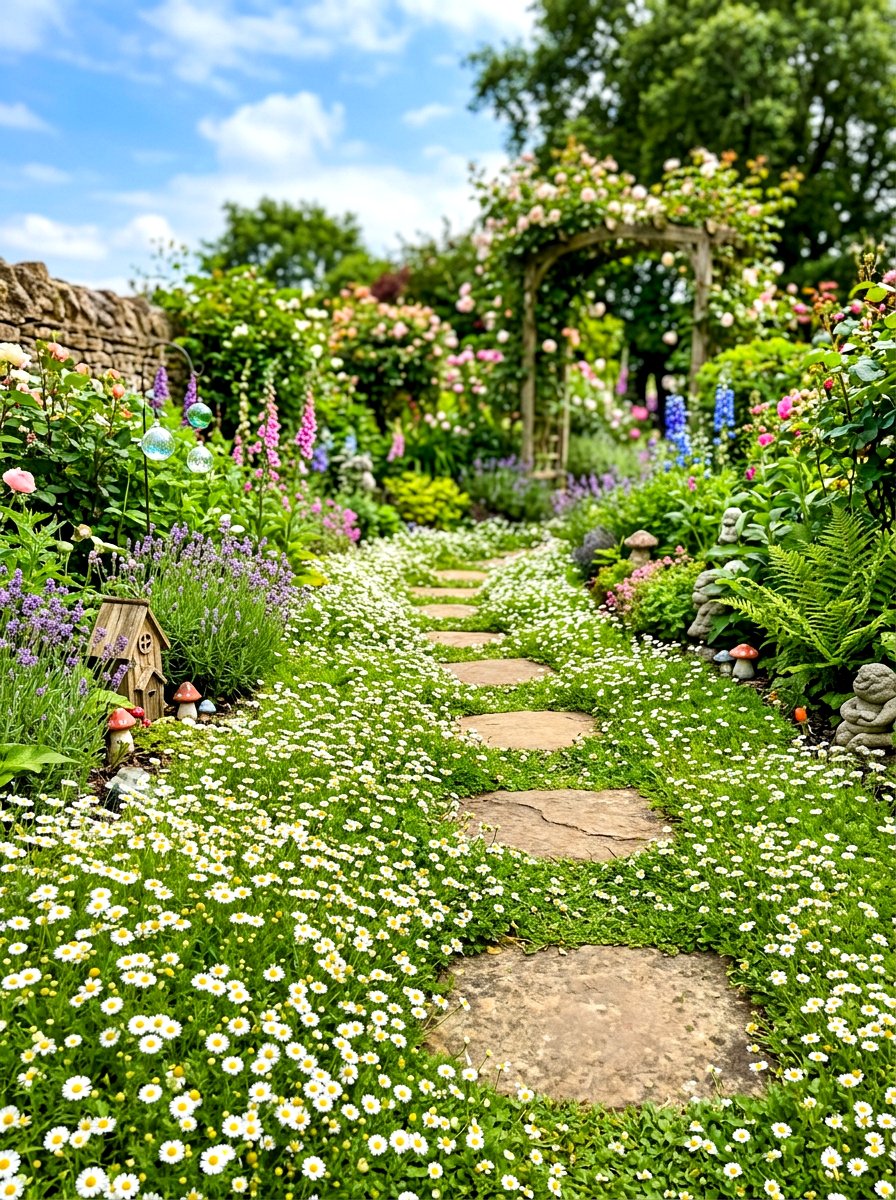
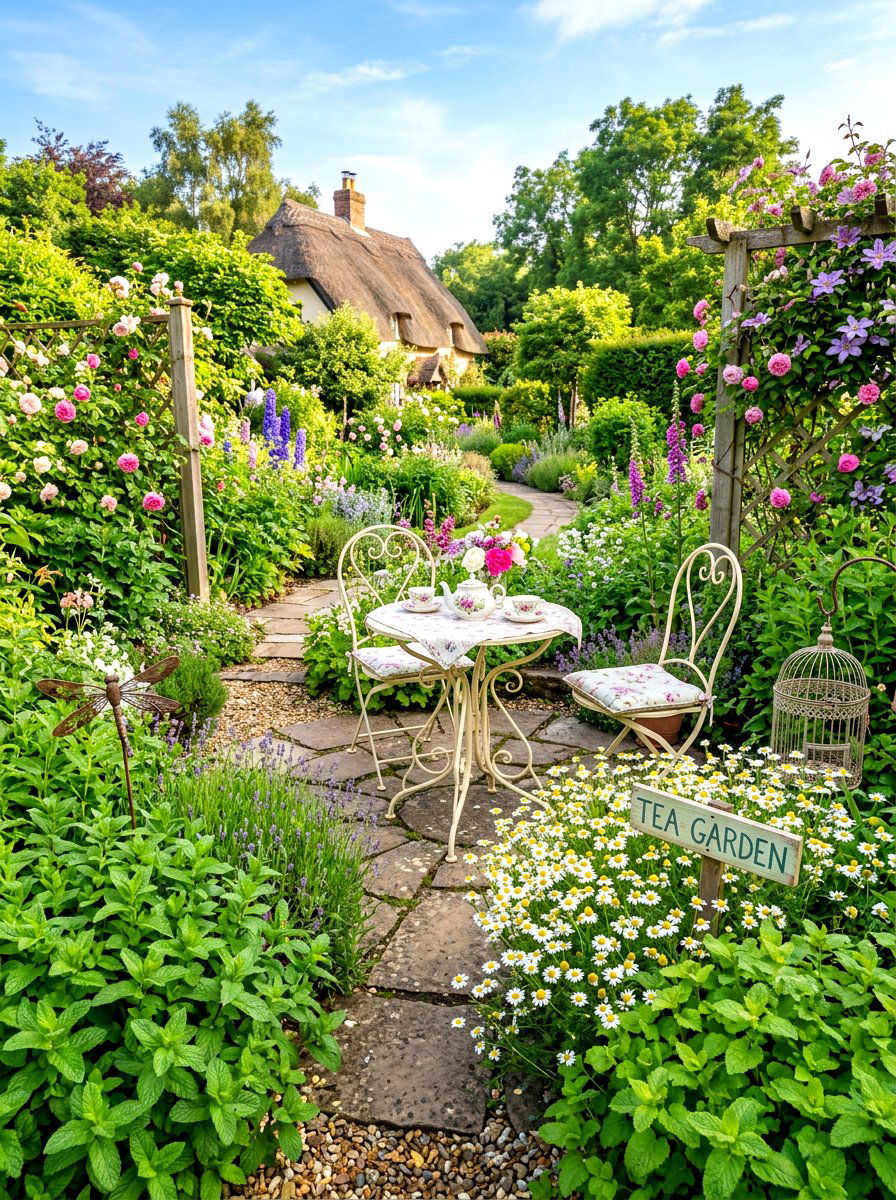
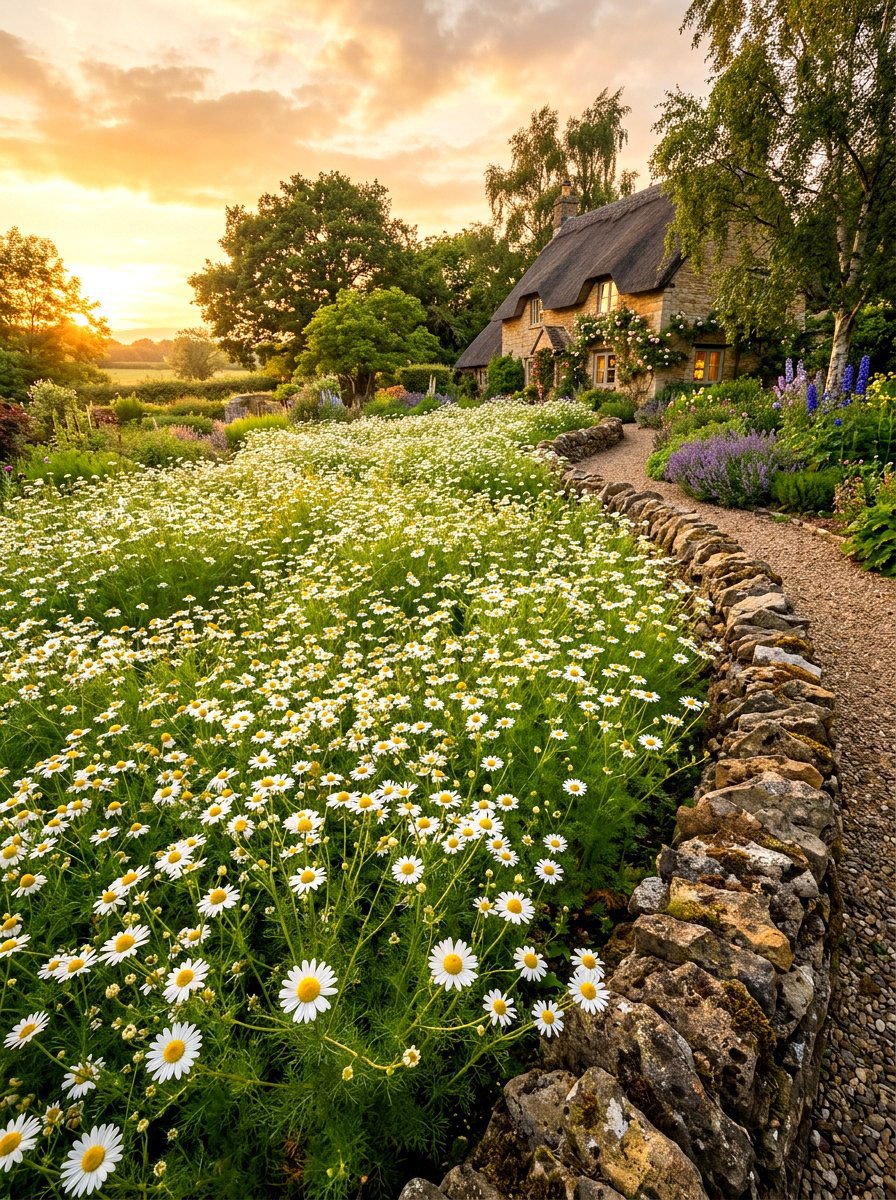
For a soft, moss-like path that smells like fresh apples, Roman chamomile is an underrated and beautiful option. This perennial herb stays low to the ground and can be used as a "living lawn" for paths that do not see heavy daily use. Walking across a chamomile path releases a sweet, fruity aroma that is famously relaxing and gentle. It thrives in sunny locations and produces small, daisy-like flowers in the summer, though many gardeners choose to keep it mowed for a cleaner look. This is a brilliant idea for a sensory garden or a child’s play area where touch and scent are the primary focuses of the design.
10. Lilac Bush Row
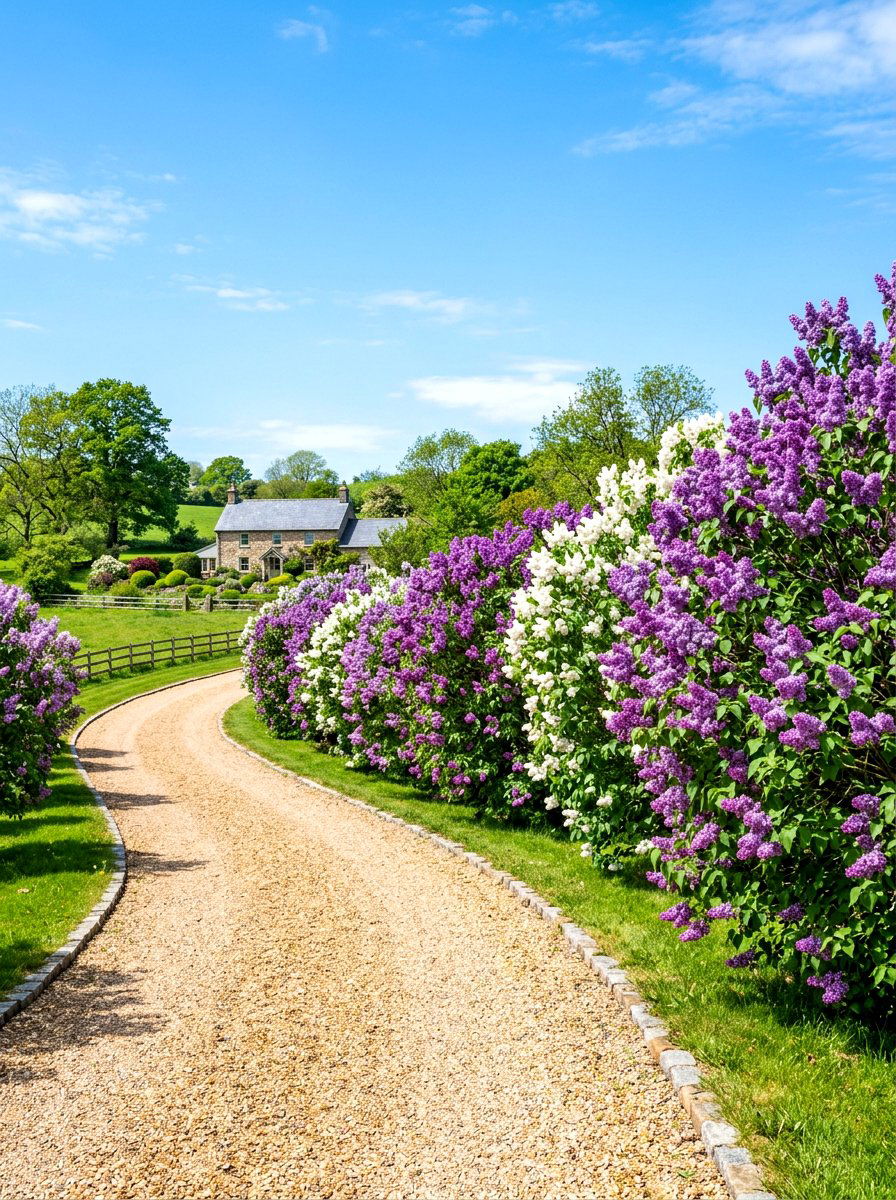
Lilacs are the quintessential scent of spring, and planting them in a long row creates a spectacular seasonal experience. These tall shrubs produce heavy clusters of purple or white flowers that fill the entire garden with a nostalgic, powdery fragrance. Because they grow quite large, they are best suited for lining wide paths or driveways where they can act as a fragrant privacy screen. The bloom period is relatively short, but the impact is so profound that it often becomes the highlight of the gardening year. Pair them with spring-blooming bulbs at their base to create a multi-layered floral display that celebrates the return of warmer weather.
11. Heliotrope Border
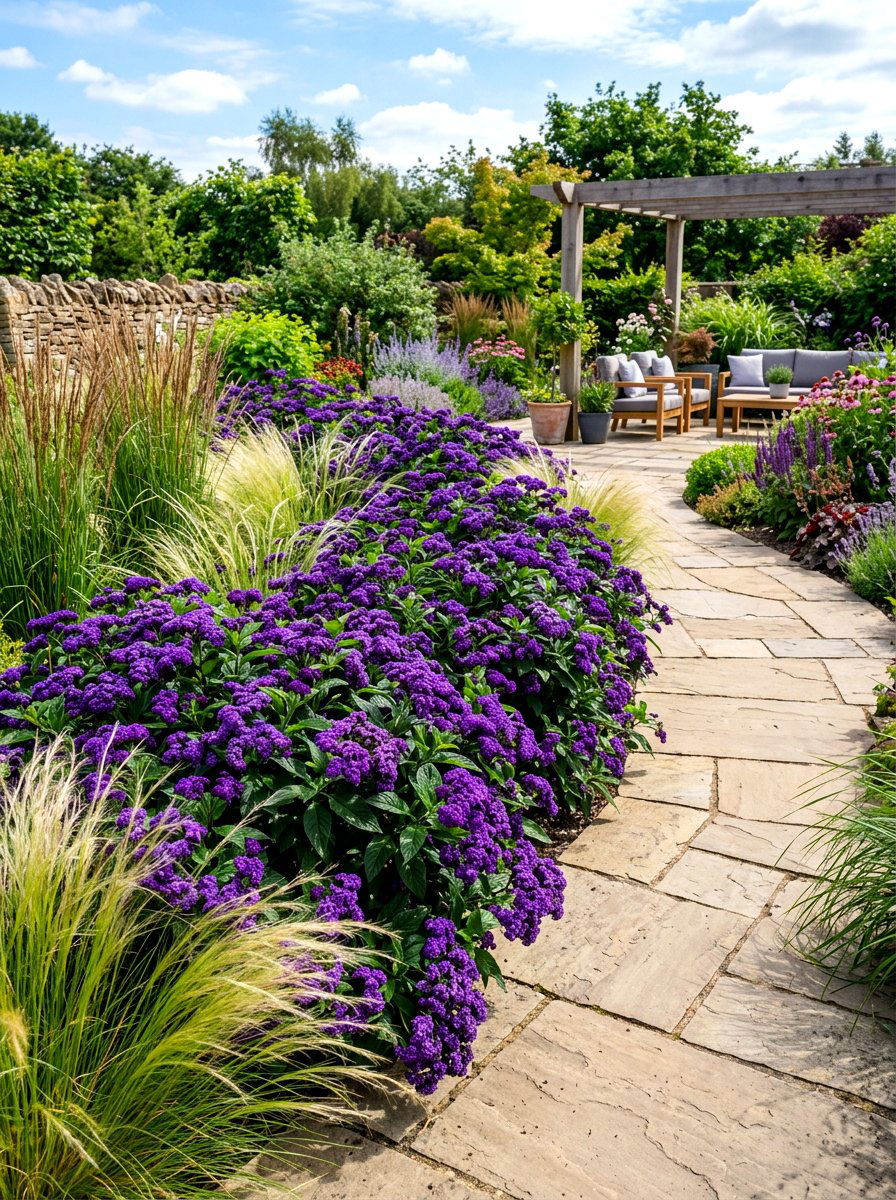
Heliotrope is often called the "cherry pie plant" because its deep purple flowers smell exactly like vanilla and cooked fruit. Planting heliotrope along the borders of a walkway provides an unusual and delightful scent profile that fascinates everyone who passes by. It is a sun-loving plant that performs best in warm weather, making it a staple for summer garden beds. The dark, textured foliage provides a beautiful contrast to the bright clusters of tiny blooms. Because the scent is so specific and pleasant, it is a great conversation starter for guests who are walking through your landscape for the first time.
12. Dianthus Stone Edge
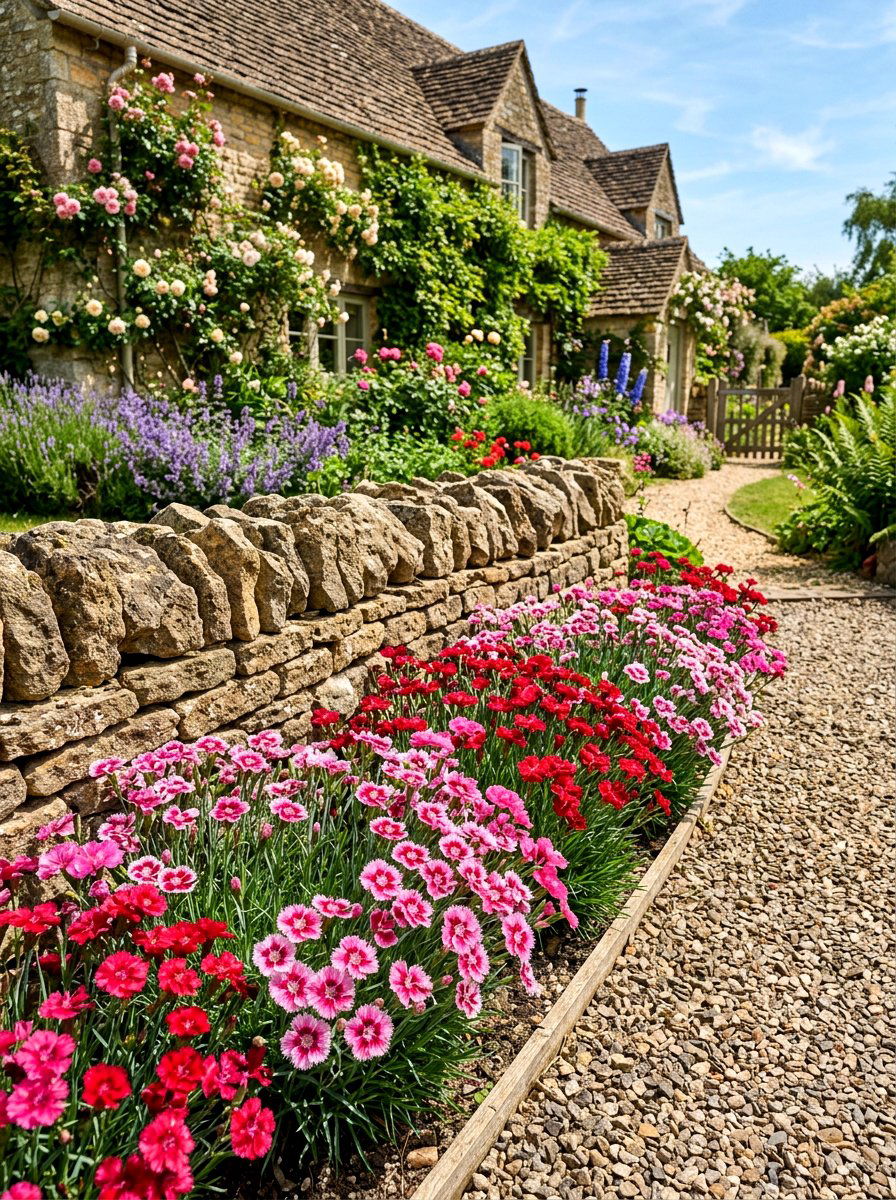
Commonly known as "pinks, " dianthus plants are famous for their spicy, clove-like fragrance that carries surprisingly far for such small flowers. These hardy perennials often feature blue-grey foliage that looks great even when the plants are not blooming. By tucking them into the crevices of a dry-stack stone wall or along the edge of a gravel path, you add a vintage charm to your garden. The flowers come in shades of pink, red, and white, often with fringed petals that add a delicate texture. They are exceptionally drought-tolerant, making them a practical and beautiful choice for sunny, exposed pathways that need a touch of fragrance.
13. Lily Of The Valley Shady Trail
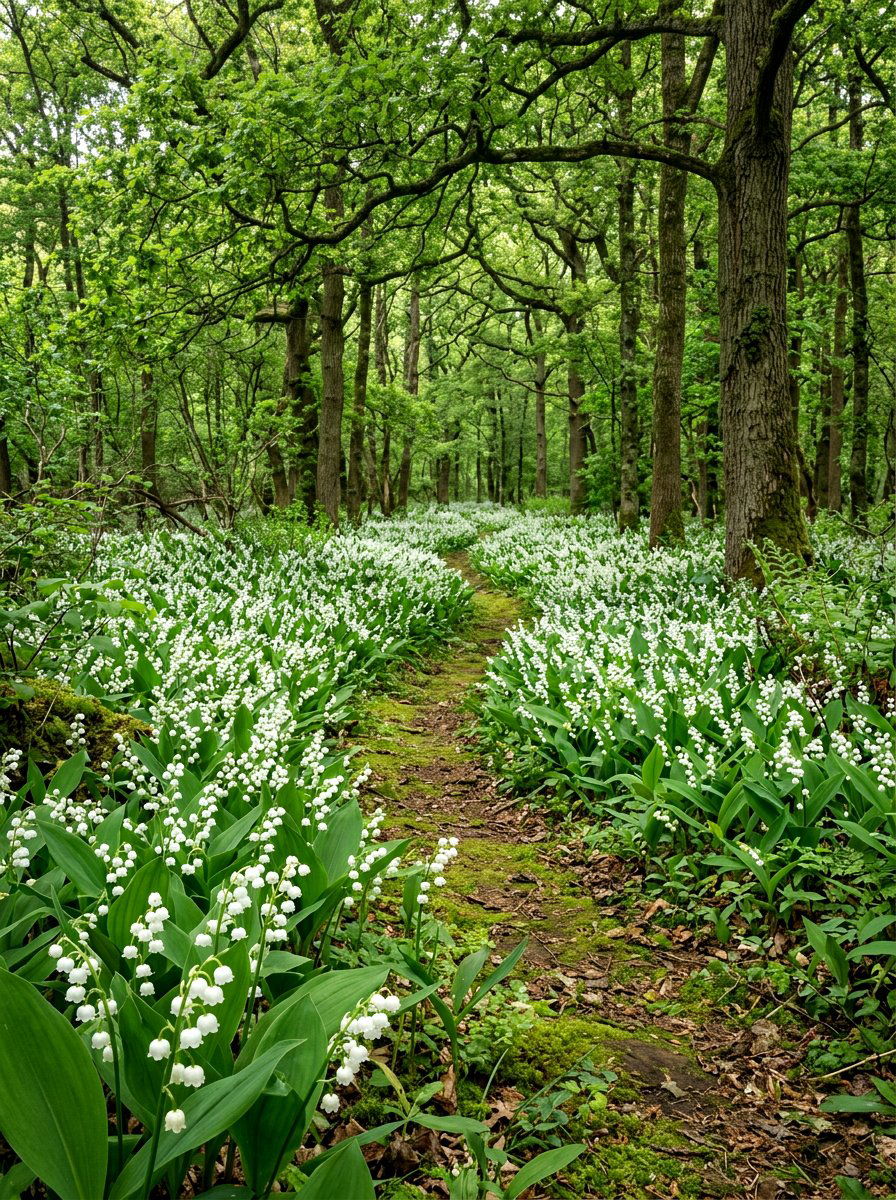
For those darker, wooded areas of your property where other plants might struggle, a lily of the valley trail offers a hidden treasure. This low-growing groundcover thrives in deep shade and moist soil, spreading to form a lush green carpet over time. In late spring, tiny white bell-shaped flowers emerge, releasing a clean, sweet scent that is synonymous with high-end perfumery. Because the plants are small, it is best to plant them in large drifts along a narrow, winding forest path. The delicate fragrance will hang in the cool, shaded air, creating a serene and ethereal atmosphere that feels miles away from the busy world.
14. Mock Orange Shrubbery
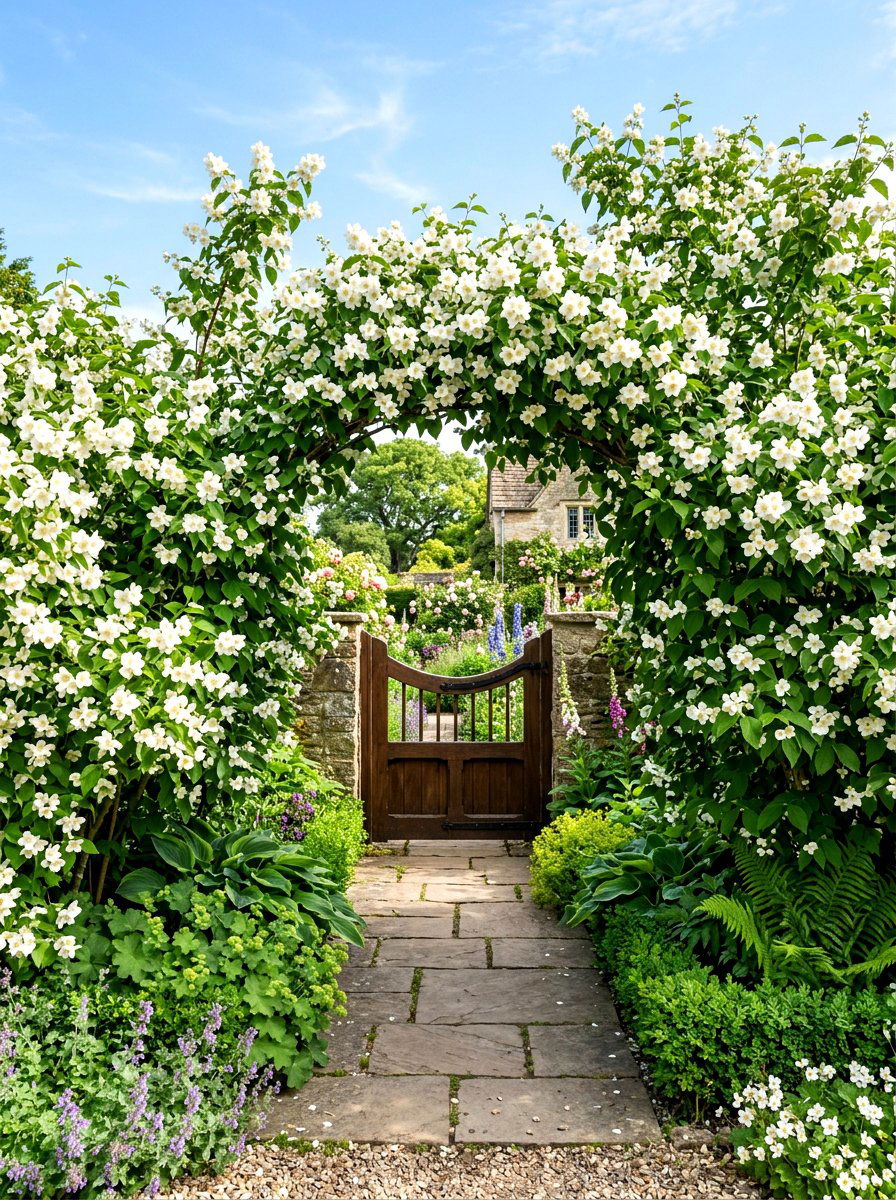
Mock orange is a versatile deciduous shrub that earns its name from its white blossoms that smell remarkably like citrus. When planted as a loose hedge along a garden path, it provides a massive burst of fragrance in late spring and early summer. The flowers are simple and elegant, standing out beautifully against the bright green leaves. This plant is quite hardy and can tolerate various soil types, making it a reliable choice for beginner gardeners. It can grow quite tall, so it is perfect for framing a walkway and providing a sense of enclosure while drenching the surrounding area in a refreshing, zesty perfume.


15. Sweet Pea Fence
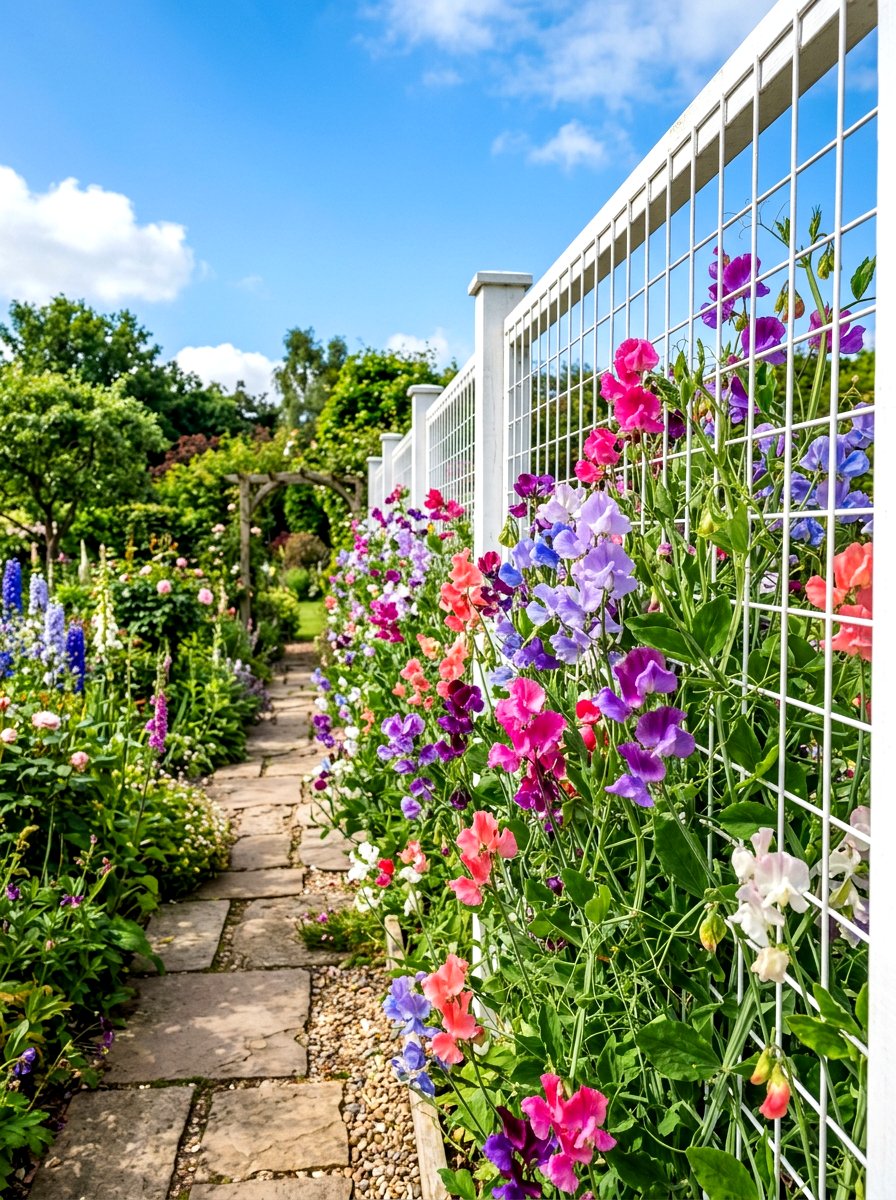
If your pathway runs alongside a fence or a wire railing, you have the perfect opportunity to grow fragrant sweet peas. These climbing annuals are prized for their ruffled petals and their intense, sugary fragrance that comes in a wide variety of colors. By training them up a support system next to your walkway, you bring the flowers up to nose level, where they can be best appreciated. Sweet peas love the cool weather of spring and early summer, so they are a great way to start the fragrant season. They also make excellent cut flowers, allowing you to bring the scent of your path indoors.
16. Evening Primrose Path
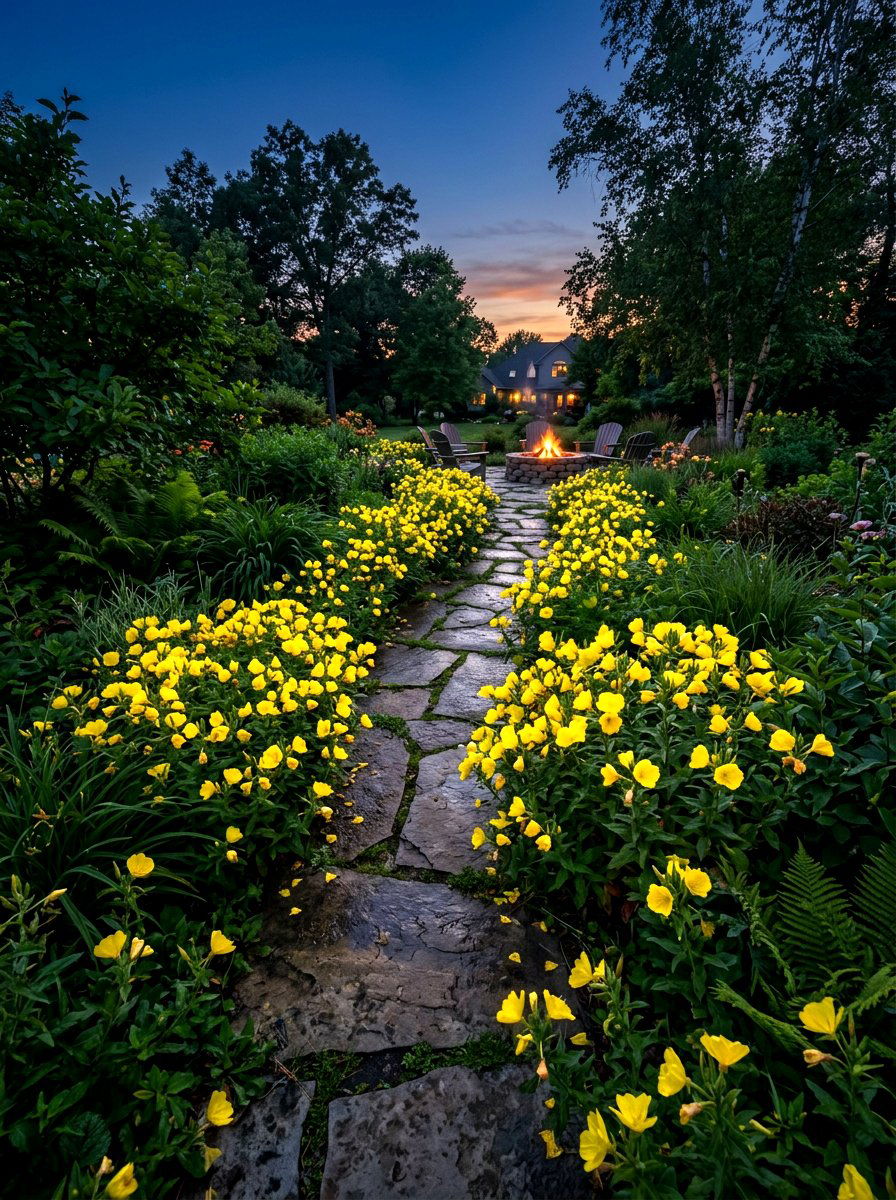
For a garden that truly comes alive after the sun goes down, an evening primrose path is a fascinating design choice. These unique plants produce large, pale yellow flowers that literally burst open in the twilight hours, releasing a light, lemony scent. They are often planted along paths leading to back porches or fire pits where people gather at night. The glowing yellow petals act as natural reflectors for moonlight, helping to guide the way in the dark. This plant is very easy to grow and often naturalizes, making it a great option for low-maintenance or "wild" garden areas that need a touch of evening magic.
17. Scented Geranium Walkway
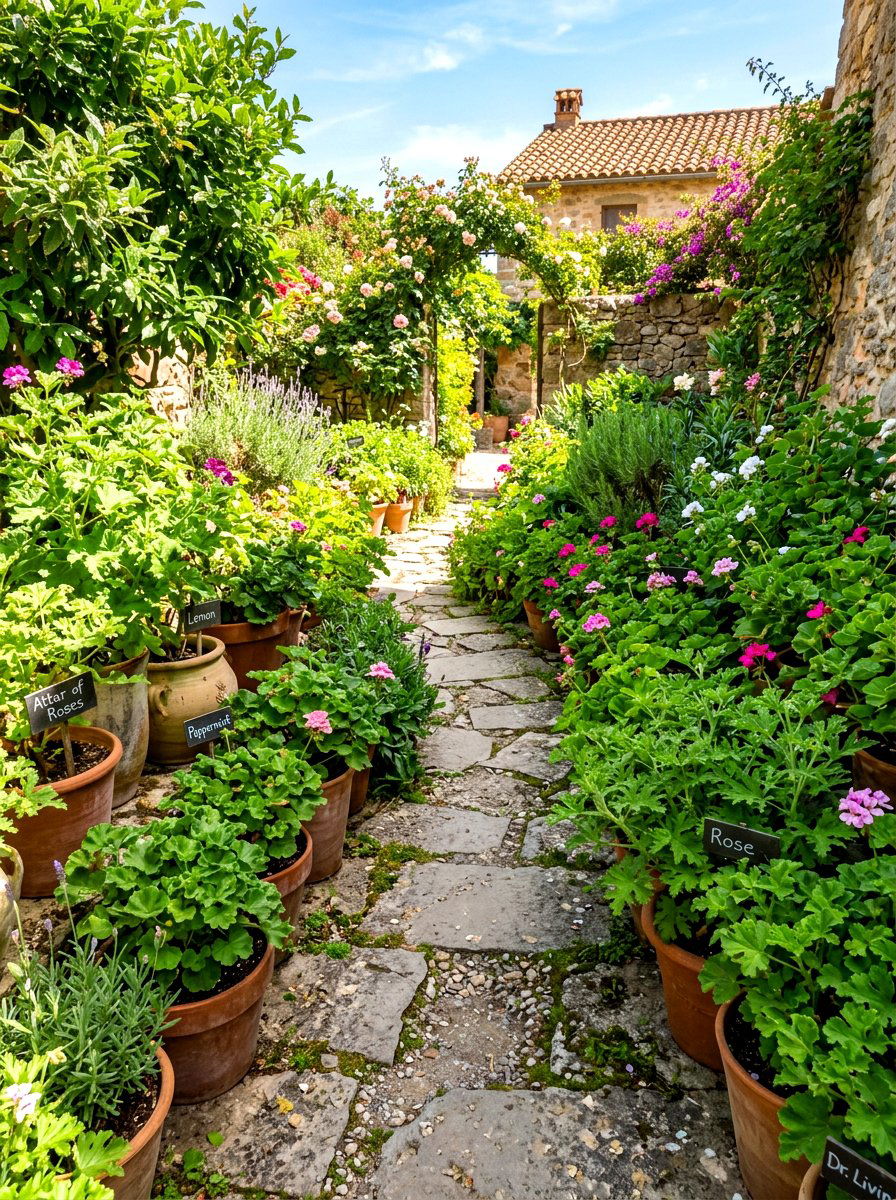
Unlike traditional geraniums, scented-leaf varieties are grown specifically for the incredible aromas hidden in their foliage. These plants can smell like lemon, rose, peppermint, or even chocolate and nutmeg when you touch or brush past them. Planting a variety of these along a narrow stone walkway encourages visitors to reach out and rub the leaves, creating an interactive sensory experience. They are perfect for sunny spots and do very well in both the ground and in decorative pots. The diversity of leaf shapes and scents makes every few steps a new discovery, making your garden path feel like a curated botanical collection.
18. Chocolate Cosmos Bed
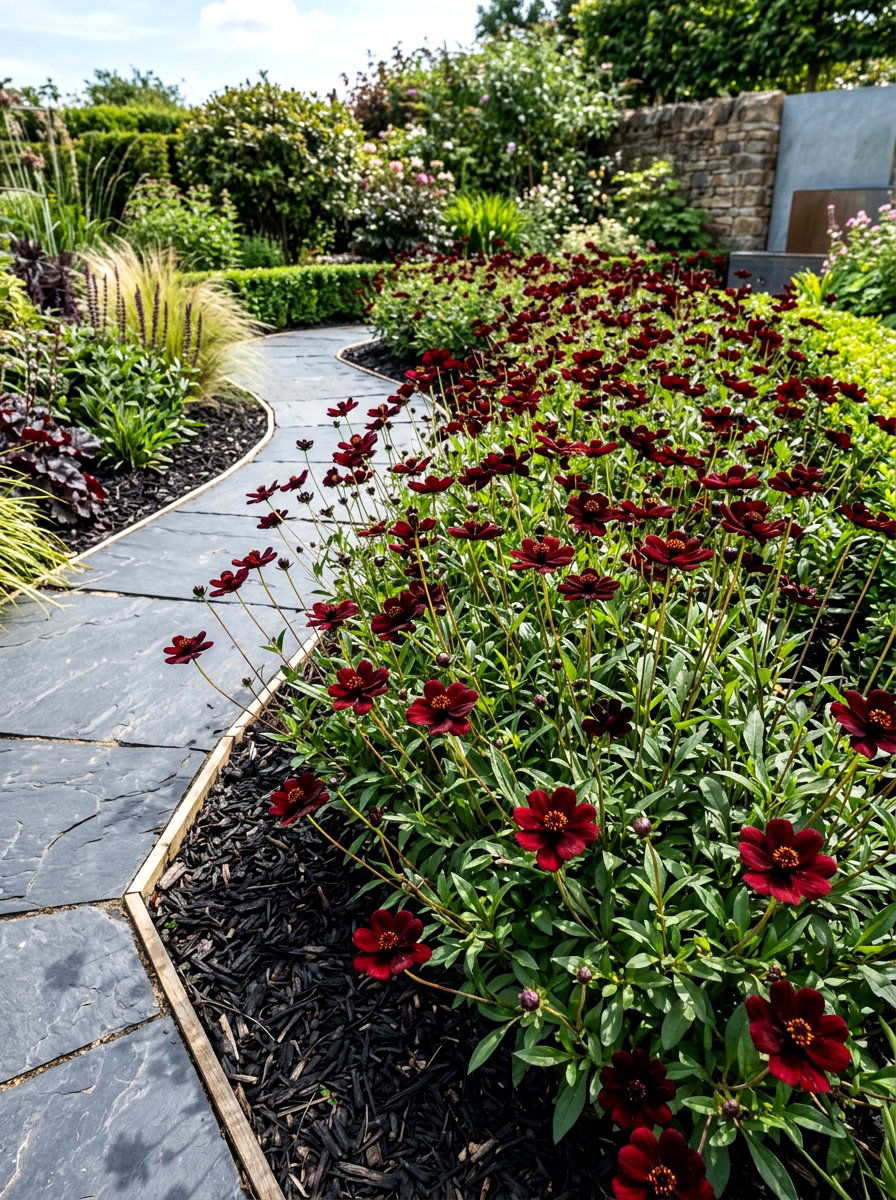
If you want a scent that is both surprising and sophisticated, consider a path lined with chocolate cosmos. These striking flowers feature deep, maroon-red petals that actually smell like rich dark chocolate on warm, sunny days. They look stunning when planted in mass groupings along a modern, minimalist pathway with dark grey stones or pavers. The velvet-like texture of the blooms adds a layer of visual luxury to the garden. Because they bloom from mid-summer through the fall, they provide a long-lasting fragrance that stands out from the more common floral scents. They are perfect for adding a touch of drama to your landscape.
19. Hyacinth Spring Border
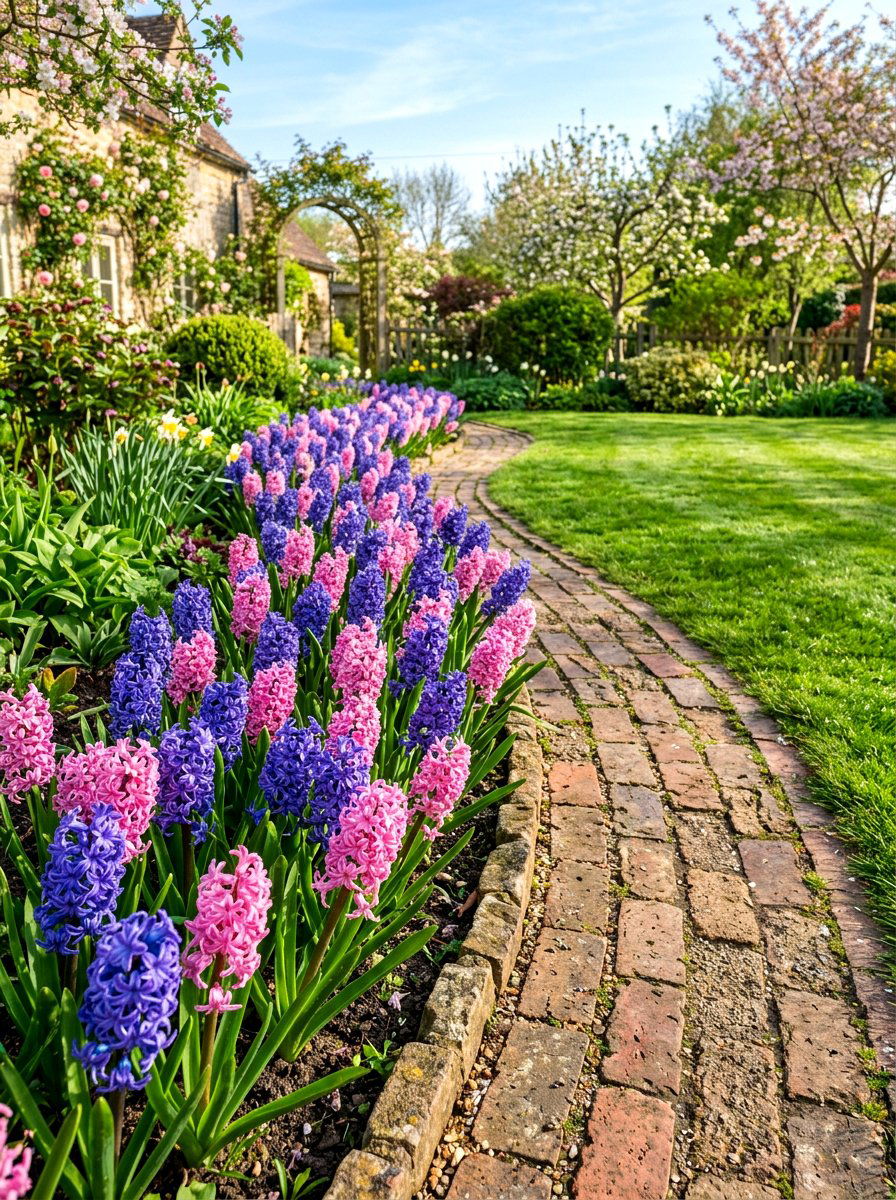
Hyacinths are among the most powerful scent-producers in the spring garden, and they are perfect for creating an early-season welcome. Planting these bulbs in tight clusters along the front of a walkway ensures that the first warm breezes of the year are filled with their heavy, sweet perfume. They come in a rainbow of colors, from deep blues and purples to soft pinks and yellows, allowing you to create a vibrant color story. Because the scent is so strong, even a few dozen bulbs can perfume a very long stretch of path. They are a wonderful way to signal the start of the growing season.
20. Winter Daphne Entrance

Winter daphne is a prized shrub for pathways because it blooms when almost everything else in the garden is still dormant. In late winter or very early spring, it produces clusters of small pink or white flowers that have a clean, citrusy sweetness. Placing these shrubs near your front door or along the path you use most frequently in winter ensures you get a sensory boost during the coldest months. The evergreen leaves are often variegated with gold or white edges, providing year-round beauty. It prefers a sheltered spot with well-drained soil, making it an excellent choice for a protected garden walkway.
21. Sweet Woodruff Shade Path
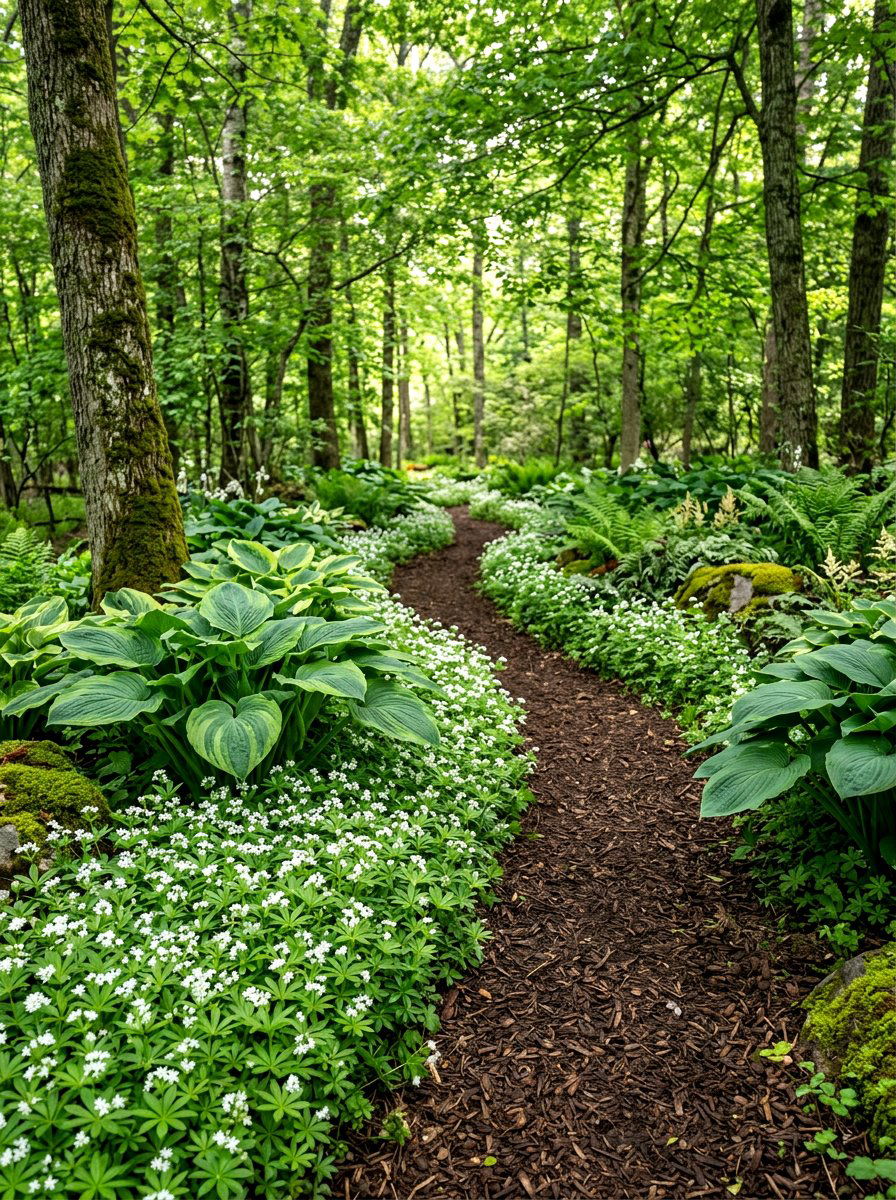
Sweet woodruff is a charming, low-growing perennial that is perfect for cooling, shaded paths under a forest canopy. Its whorled green leaves form a delicate, starry carpet that looks beautiful between mossy stones or wooden planks. In late spring, it produces tiny white flowers, but the real magic happens when the foliage is crushed or dried. It releases a sweet, hay-like scent often compared to vanilla or fresh-cut grass. This plant is an excellent groundcover for "dry shade" areas where many other plants fail to thrive. It creates a serene, naturalized look that feels perfectly at home in a woodland garden setting.
22. Lemon Balm Herb Walk
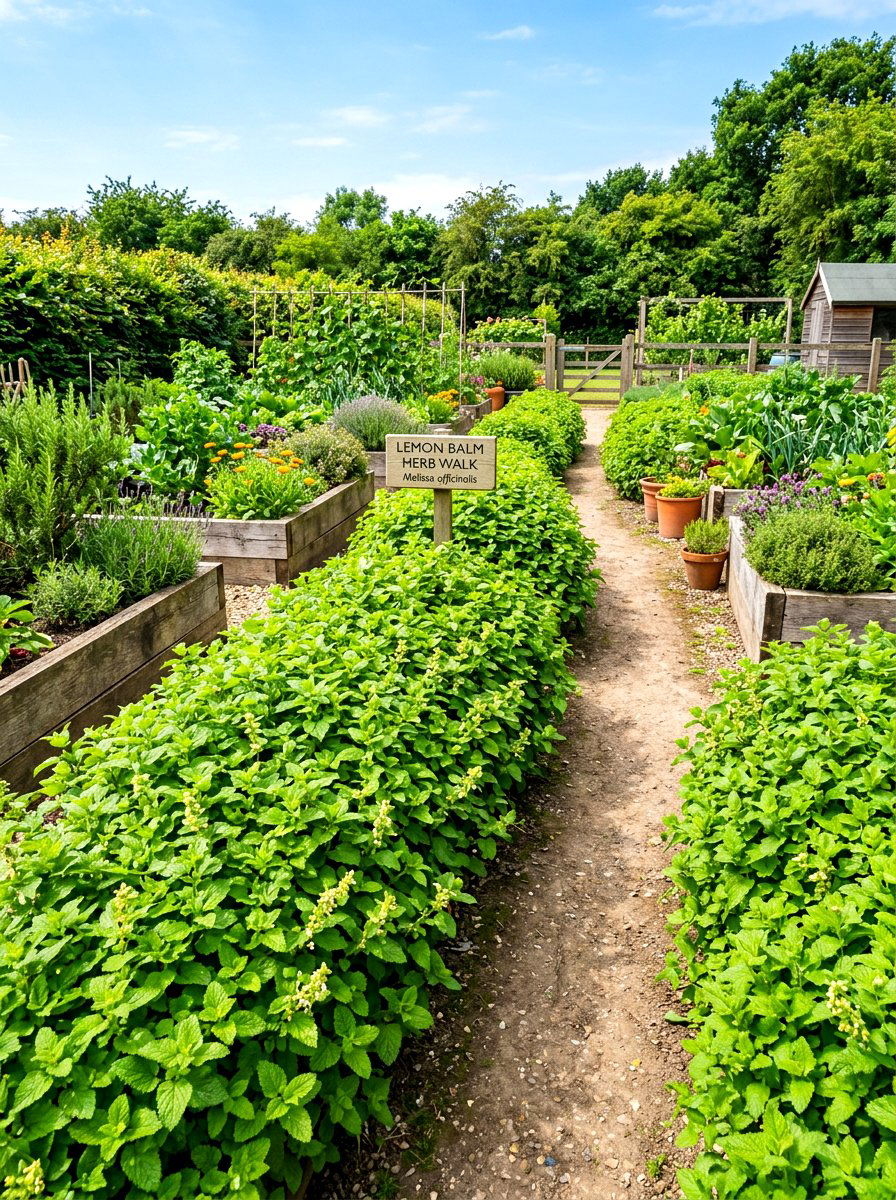
Lemon balm is a member of the mint family that offers a bright, zesty fragrance that is instantly refreshing. Planting it along the edges of a path allows you to enjoy its citrus scent every time your shoes or clothes catch on the leaves. It is a very vigorous grower that thrives in almost any soil and can handle both sun and part shade. To keep it from spreading too much, you can plant it in sunken containers along the walkway. The light green, heart-shaped leaves add a soft texture to the landscape, making it a practical and aromatic addition to any herbal-themed garden path.
23. Clematis Vine Pergola
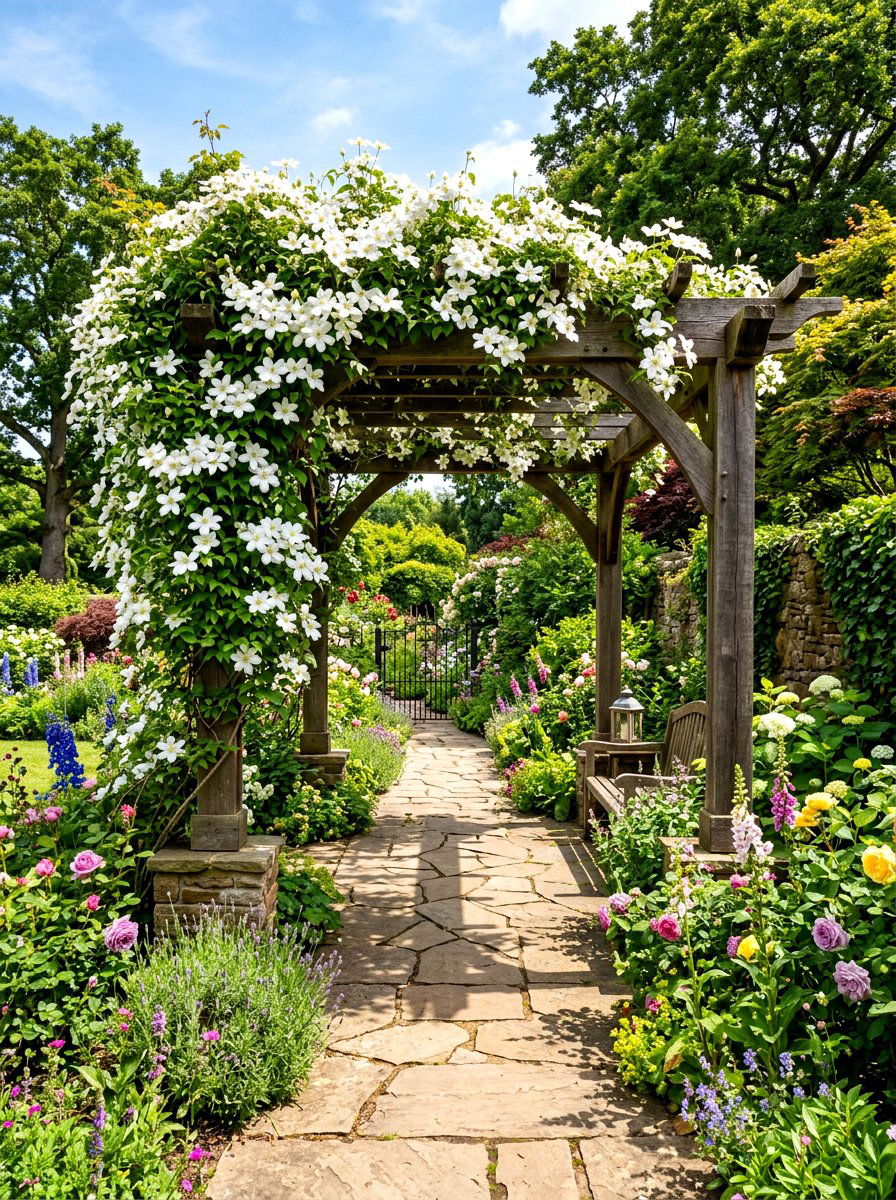
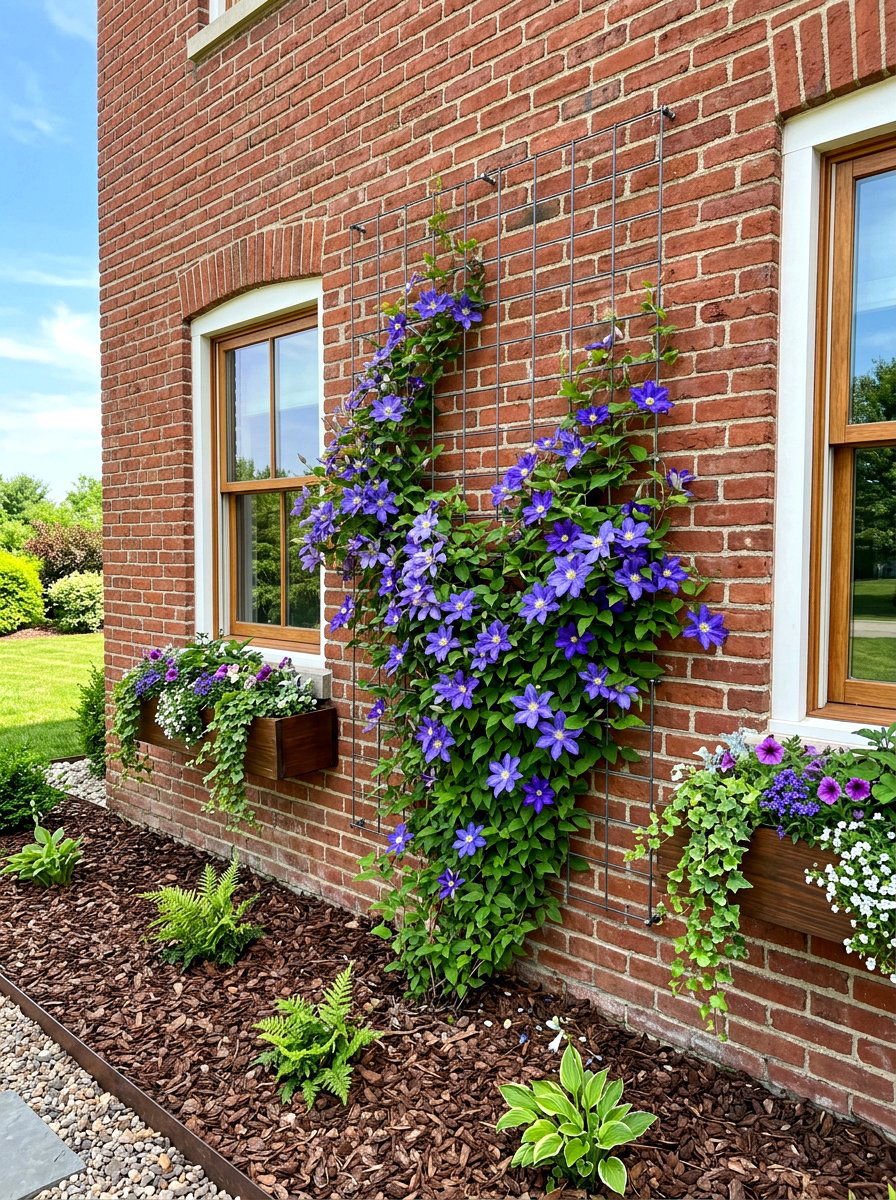
A pathway covered by a pergola draped in fragrant clematis varieties is a sight to behold and a scent to remember. While not all clematis are scented, varieties like "Sweet Autumn" or "Clematis montana" are famous for their heavy, vanilla-like perfumes. In late summer, Sweet Autumn clematis produces a literal wall of tiny white flowers that can perfume an entire yard. By walking through a structure covered in these vines, you are completely immersed in their sweet aroma. It provides a vertical element to your garden design that adds height, shade, and a powerful sensory impact that guests will talk about for weeks.
24. Night Scented Stock
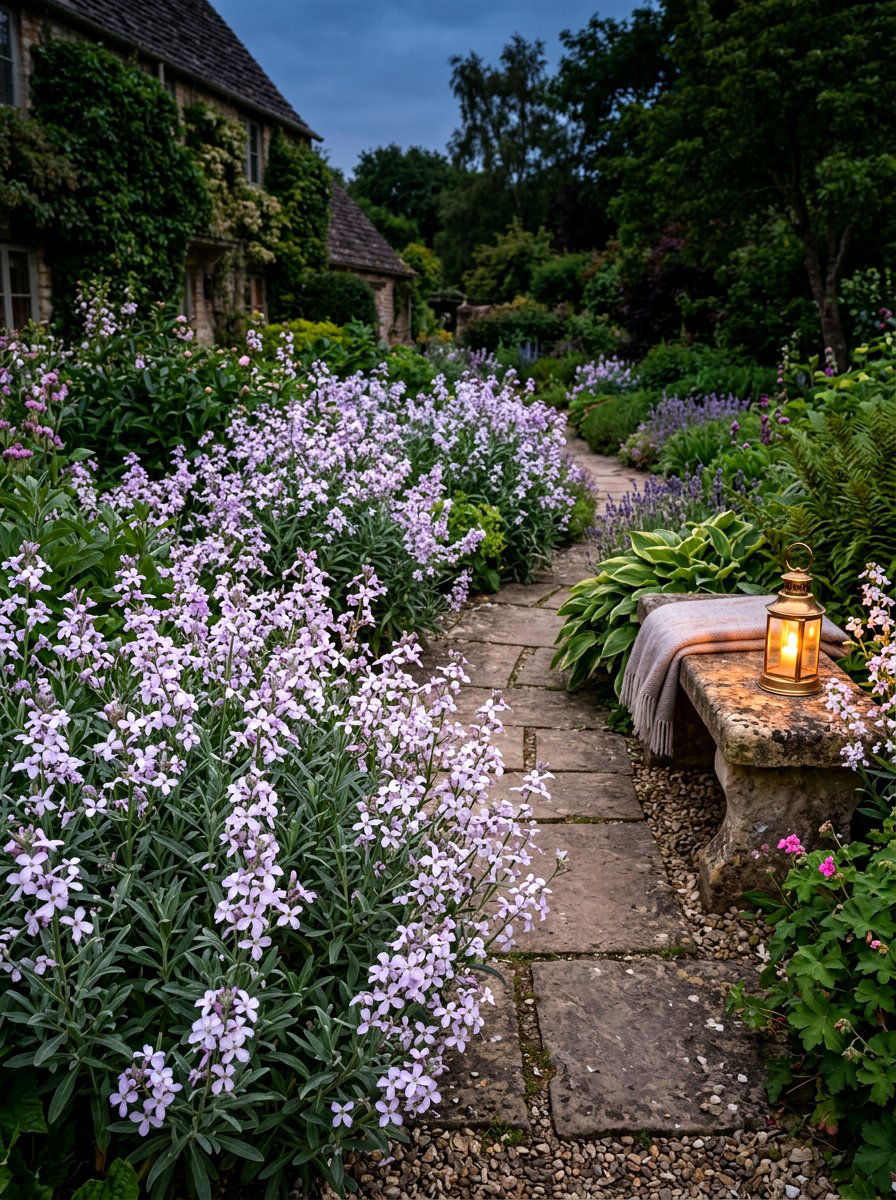
For those who enjoy spending time in their garden during the twilight hours, night-scented stock is an essential addition. These humble-looking flowers might seem unremarkable during the day, but they come alive as the sun sets, releasing a deep, spicy fragrance. They are best planted in thick drifts along a path that leads to a patio or an outdoor lounge area. Because the scent is so potent, you don't need many plants to make a big impact. They are easy to grow from seed and work well as a filler plant in between more structured shrubs, providing a hidden layer of evening perfume.
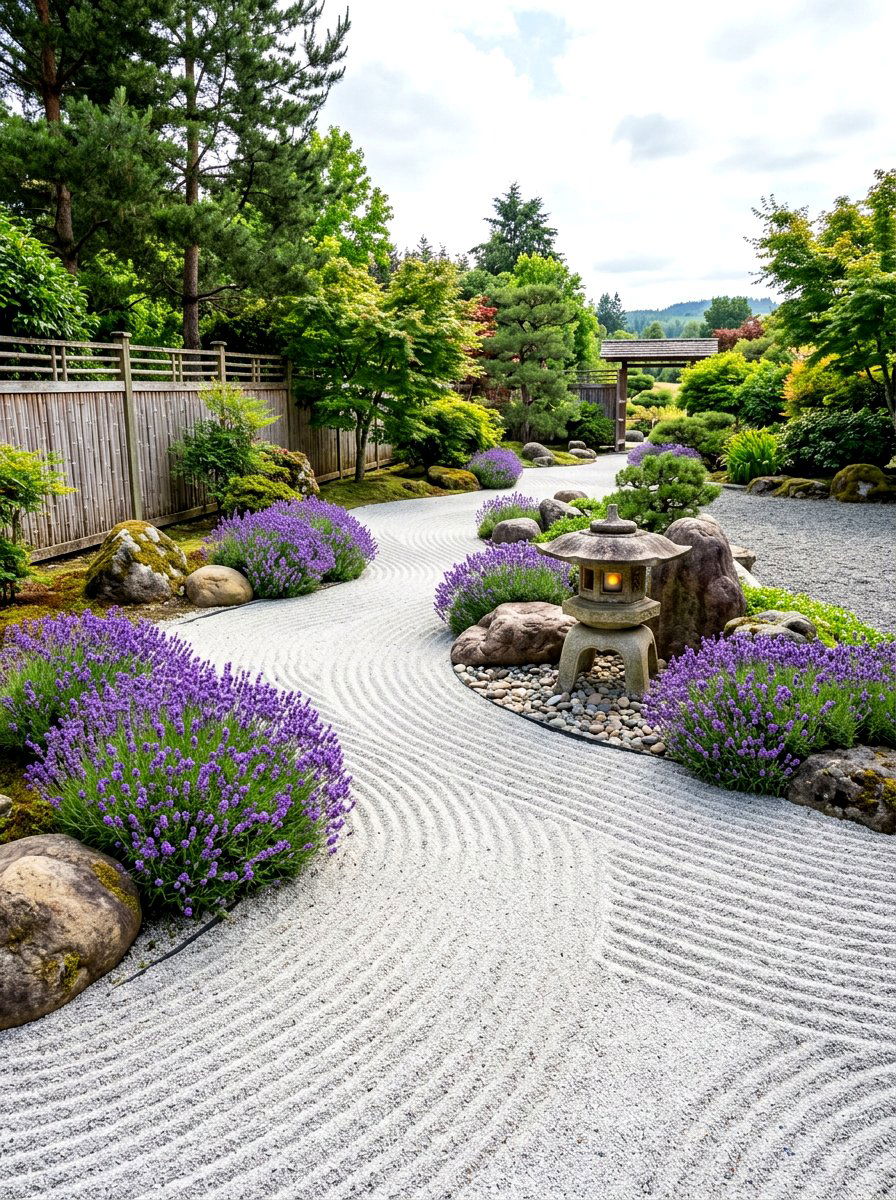
25. Osmanthus Fragrans Hedge
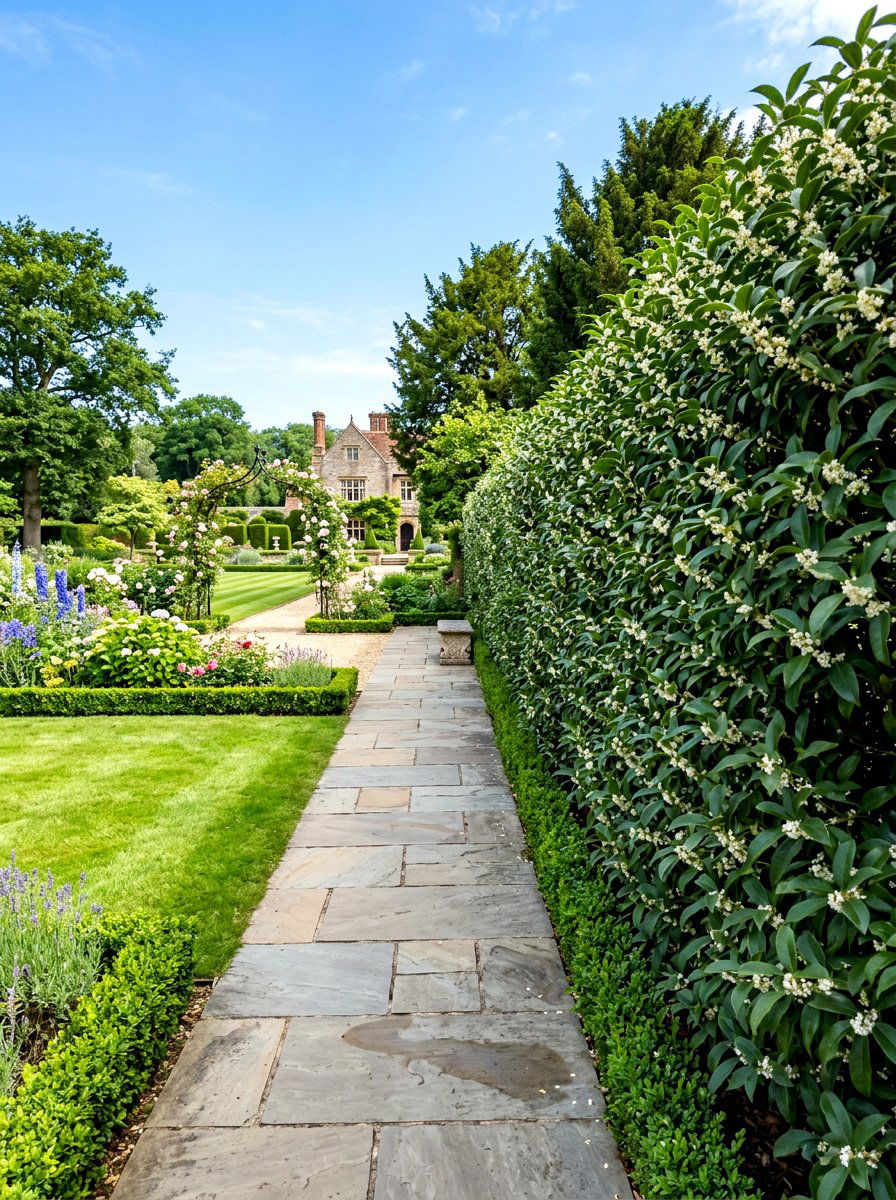
Osmanthus fragrans, also known as "Sweet Olive, " is an evergreen shrub that produces tiny, inconspicuous flowers with a massive scent. The fragrance is often described as a mix of ripe apricots and peaches, and it is remarkably strong for such small blooms. Planting these as a formal or informal hedge along a main garden path ensures a delightful surprise for anyone walking by. The shrubs have a clean, upright growth habit and glossy green leaves that provide excellent structure and privacy throughout the year. It is a long-lived plant that becomes even more fragrant as it matures, making it a great investment.
26. Peony Garden Walkway
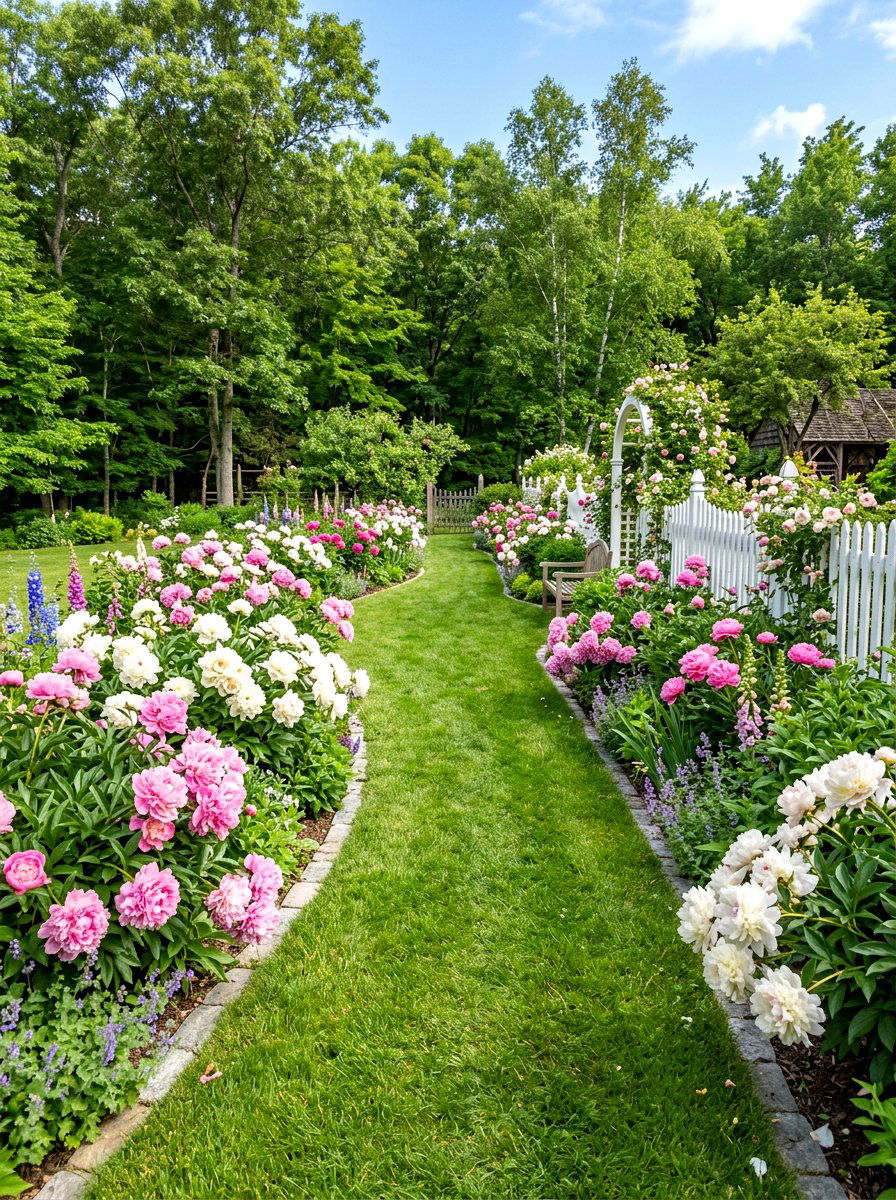
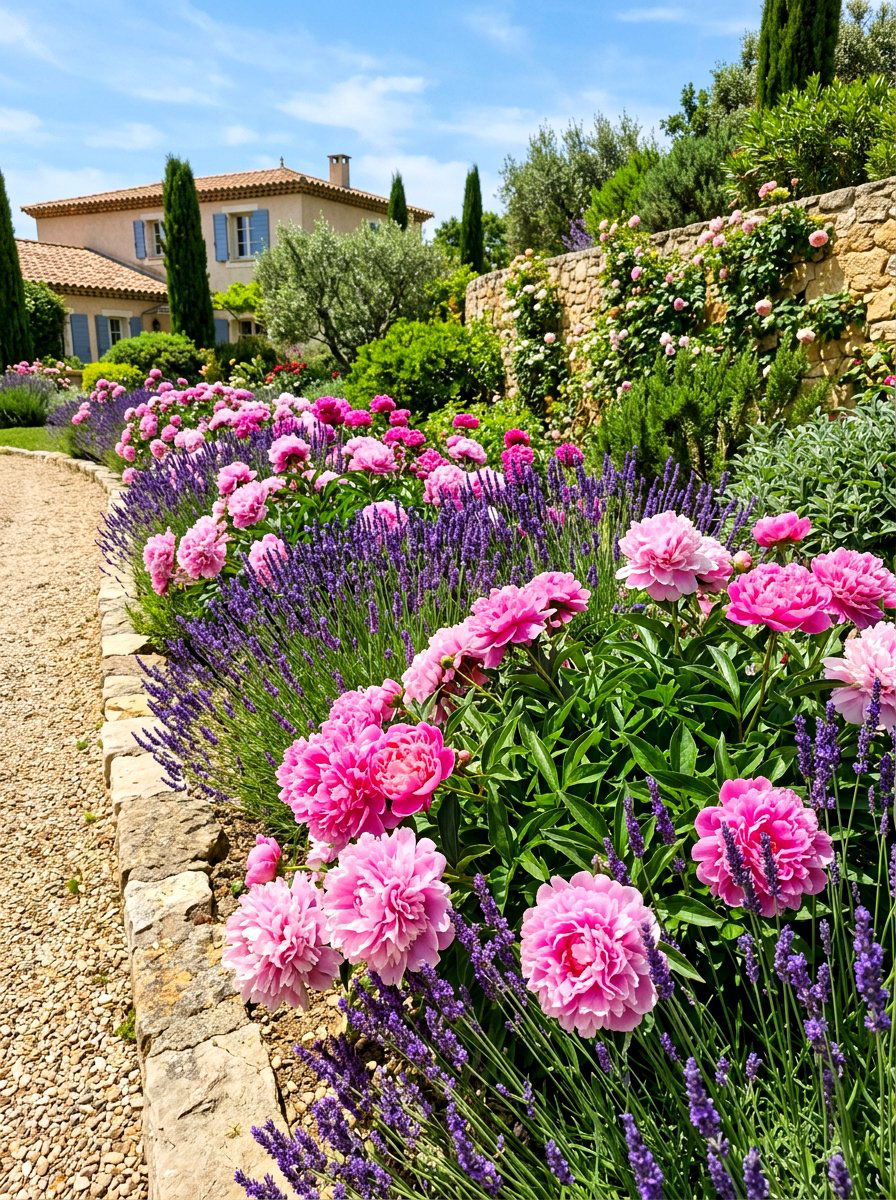
Peonies are the royalty of the late spring garden, and their large, pillowy blooms are often as fragrant as they are beautiful. By lining a wide garden walkway with different varieties of peonies, you create a high-drama landscape that feels like a classic estate. Choose varieties specifically for their scent, as some are more perfumed than others. The heavy flowers often benefit from support, so consider using decorative metal cages that add to the architectural feel of the path. When in full bloom, the scent is a rich, intoxicating floral that defines the transition from spring into the warmth of early summer.
27. Lavender Cotton Border
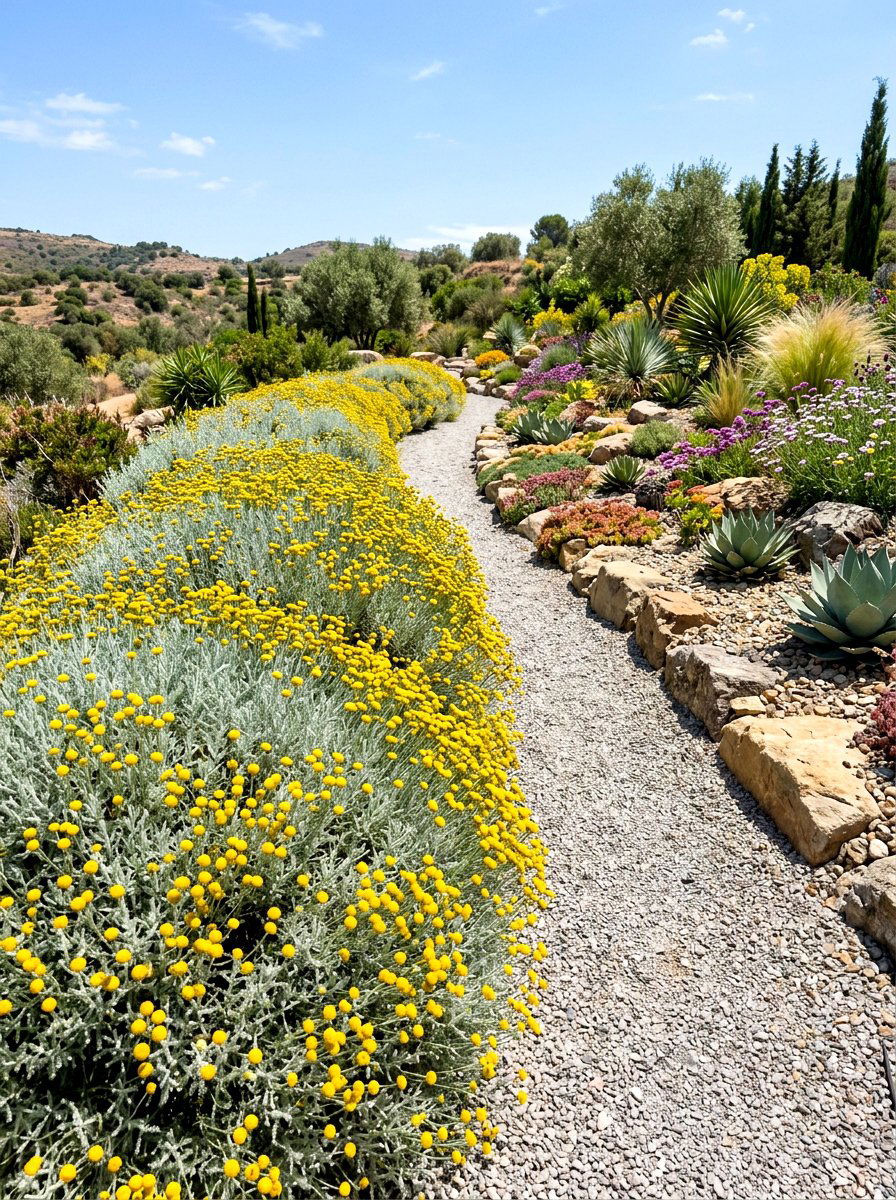
Lavender cotton, or Santolina, is a fantastic choice for gardeners who want a Mediterranean look with a unique fragrance. This silver-leafed shrub has a dense, mounding habit that looks great when used as a low border along a gravel or sand-colored path. When you brush against its fine, coral-like foliage, it releases a sharp, musky scent that is reminiscent of oregano and pine. In the summer, it is covered in small, button-like yellow flowers that add a bright pop of color. It is extremely drought-tolerant and loves poor soil, making it a perfect low-maintenance option for sunny, exposed pathways in dry climates.
28. Oregano Stepping Stones
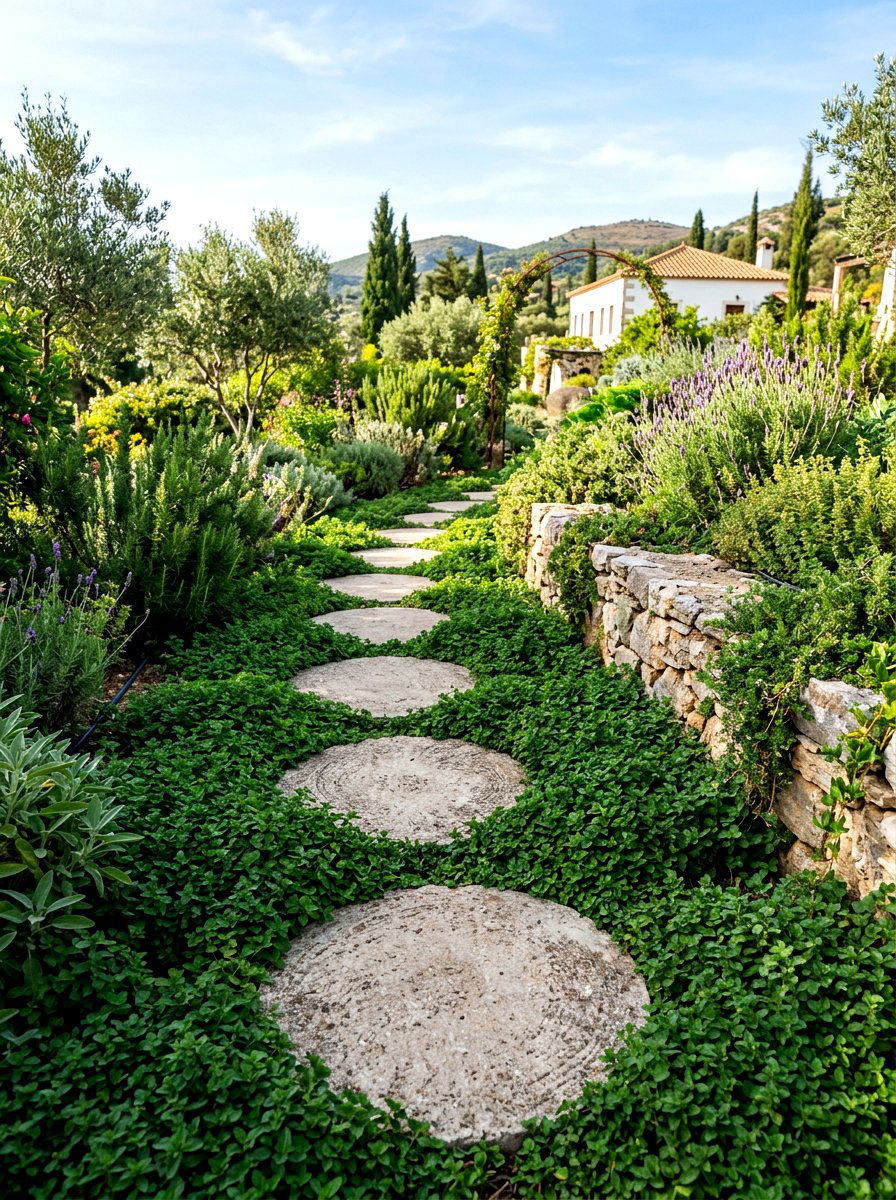
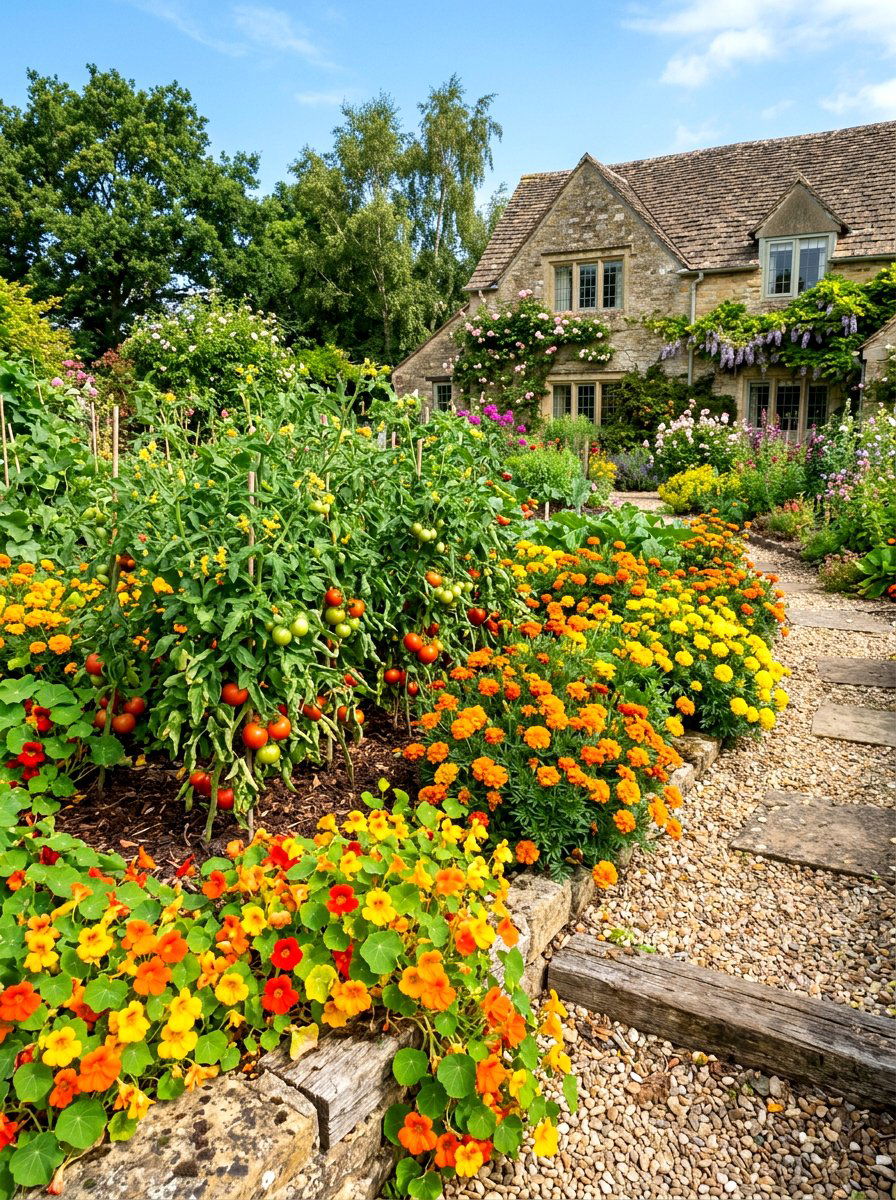
Using oregano as a filler between stepping stones is a clever way to add both texture and a savory scent to your garden. This hardy herb can handle occasional foot traffic and responds by releasing its familiar, spicy aroma. It forms a thick, green mat that prevents weeds from growing in the gaps between stones, making your path easier to maintain. During the summer, it produces small clusters of pink or purple flowers that are a magnet for bees and butterflies. This idea is perfect for kitchen gardens or any pathway that leads toward a barbecue or outdoor kitchen, setting the mood for a delicious meal.
29. Phlox Paniculata Path
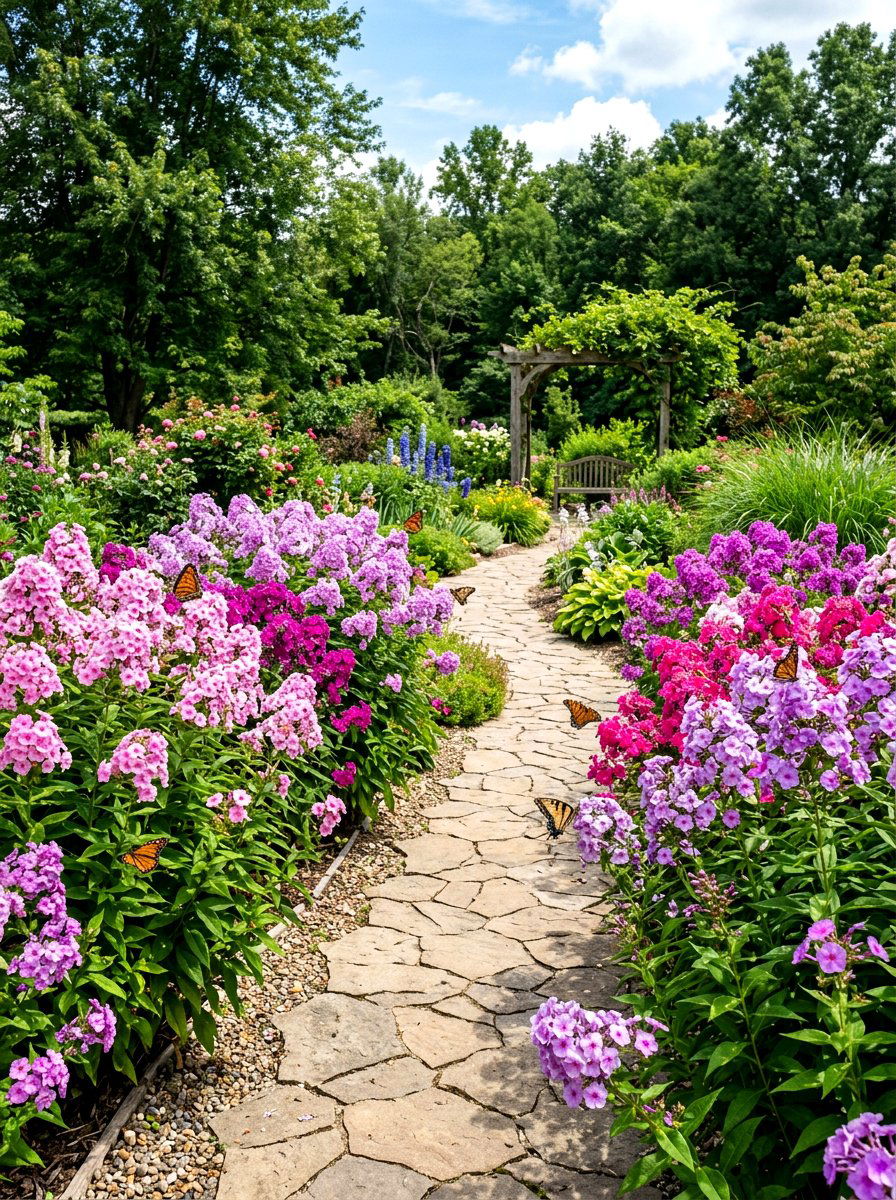
Garden phlox is a summer staple that provides height, color, and a sweet, vanilla-clove scent to your walkway borders. These perennials grow in large clumps and produce massive clusters of flowers in shades of purple, pink, and white. Planting them in the middle or back of a border along a path creates a lush, full look that lasts for many weeks. The fragrance is most noticeable on warm, still afternoons when the air is heavy with their perfume. They are excellent for attracting butterflies, adding a layer of graceful movement to your stroll. Phlox is a dependable choice for a classic, flower-filled garden path.
30. Mint Flagstone Gap
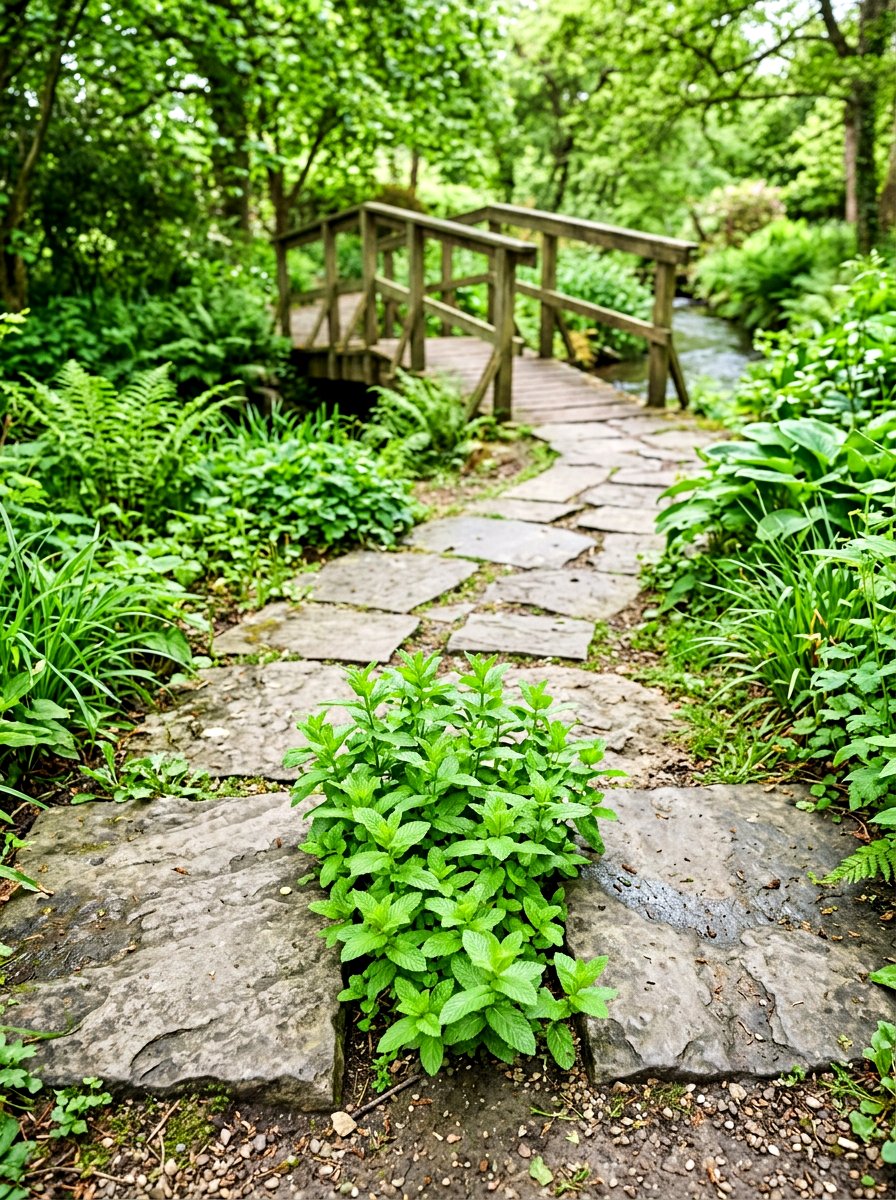
While mint can be invasive in an open garden bed, it is absolutely perfect for the tight gaps between heavy flagstones or bricks. When contained by the surrounding stone, it cannot spread as easily, and every step you take on the leaves releases a burst of cooling, peppermint or spearmint scent. This is an incredible way to cool down a garden path on a hot summer day. The scent is invigorating and clean, making a simple walk feel like a refreshing break. You can even mix different varieties, like chocolate mint or apple mint, to create a complex and interesting scent profile underfoot.
Conclusion:
Designing a fragrant pathway is one of the most rewarding projects you can undertake in your garden. By moving beyond just visual beauty and incorporating scent, you create a space that feels personal, intentional, and deeply relaxing. Whether you choose the romantic perfume of roses, the invigorating scent of herbs, or the evening magic of night-blooming flowers, each plant adds a unique chapter to your garden’s story. Remember to consider the bloom times and growth habits of your chosen plants to ensure your pathway remains beautiful and aromatic throughout the year. A well-designed scented path is not just a walkway; it is a destination in itself.

Related posts: