Creating a stunning outdoor space involves more than just planting flowers and trees; it requires a thoughtful layout that guides the eye and the feet through your sanctuary. A well-planned garden path serves as the backbone of your landscaping, providing a functional route while adding immense visual interest and character to your backyard. Whether you prefer a formal stone walkway or a winding trail of mulch, the right path can transform a chaotic yard into a structured masterpiece. It connects different zones of your property, such as the patio, the vegetable garden, or a secluded seating area. By carefully selecting materials and shapes, you can set a specific mood that reflects your style and enhances your home's overall curb appeal.
1. Flagstone Walkway
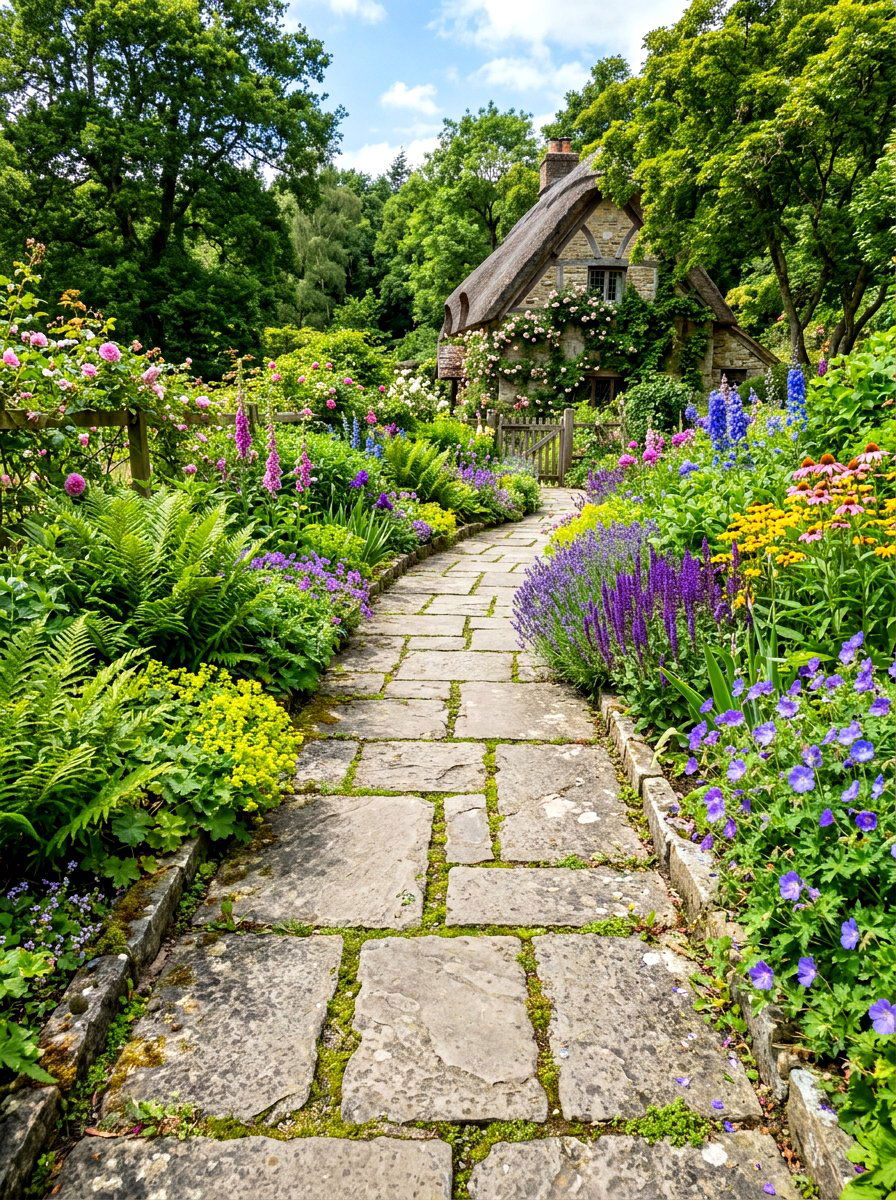
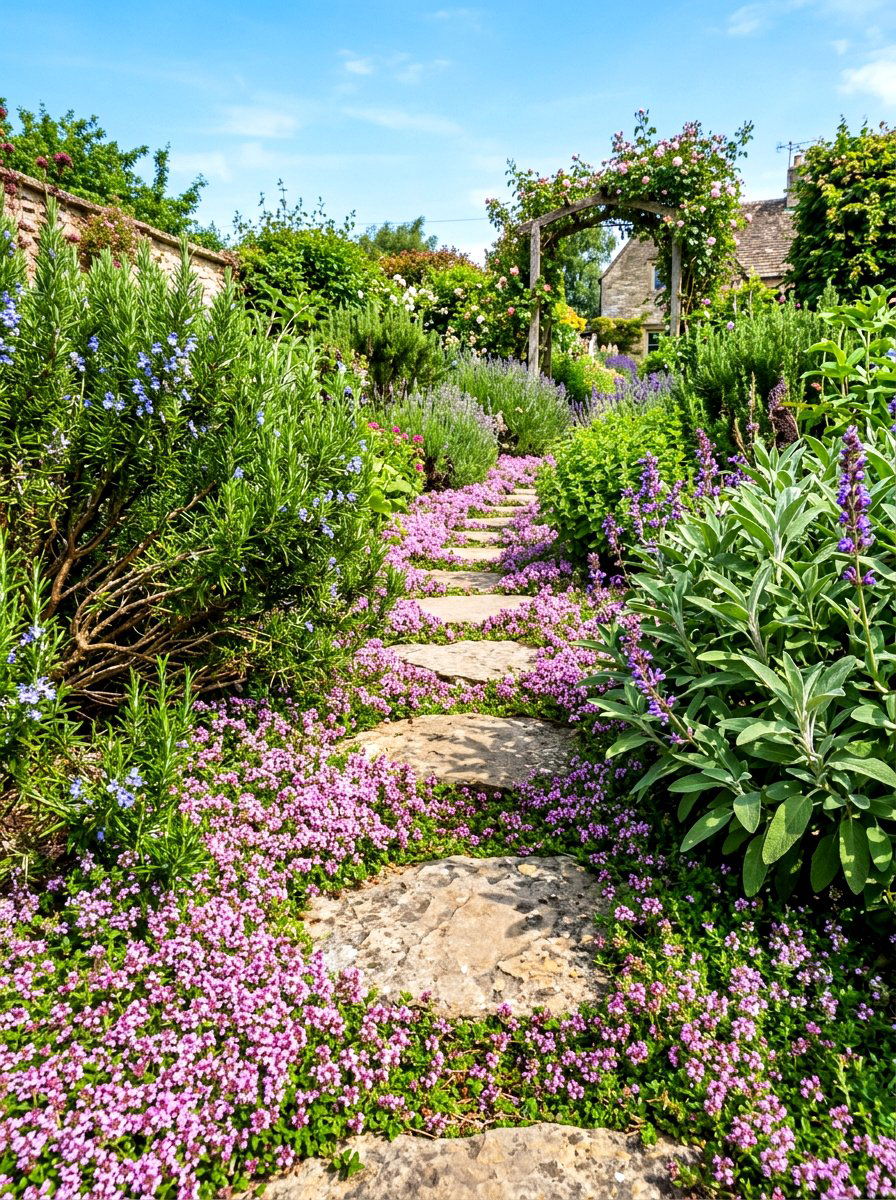
Have you ever noticed how natural stones can instantly make a backyard feel more established and organic? A flagstone walkway is a premier choice for homeowners who want a timeless look that blends seamlessly with the surrounding environment. These flat, irregularly shaped stones offer a rugged beauty that works perfectly in cottage gardens or traditional landscapes. Because flagstone is heavy and durable, it stays in place well even without mortar, allowing you to plant low-growing groundcovers like creeping thyme between the cracks. This creates a soft, lived-in appearance that looks better as it ages. Choosing larger slabs provides a steady surface for walking while smaller pieces offer more intricate detail for a whimsical vibe.
2. Pea Gravel Path
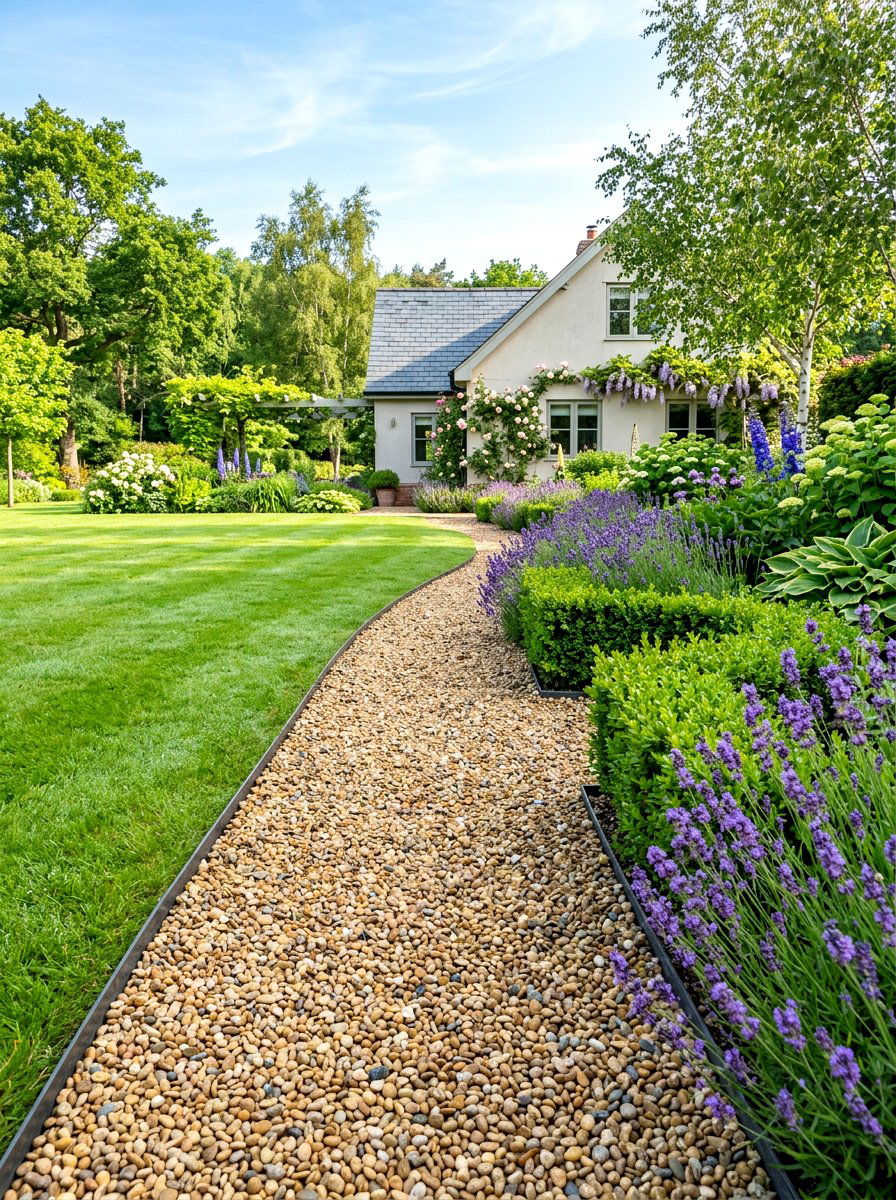
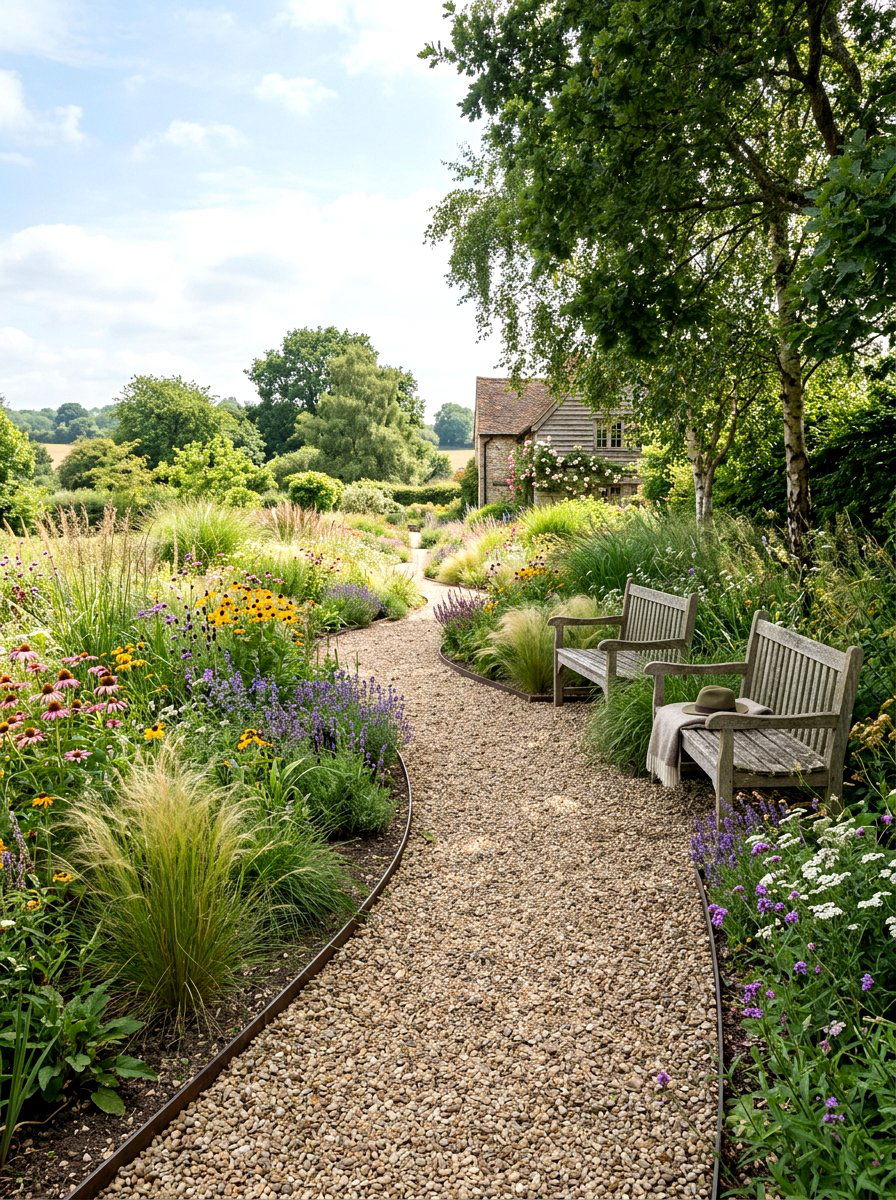
If you are looking for a budget-friendly option that adds a satisfying crunch underfoot, a pea gravel path is an excellent choice. This material consists of small, smooth stones that are easy to install and provide excellent drainage for rainy climates. To keep the gravel contained, you should use metal or plastic edging, which helps maintain a crisp line against your lawn or flower beds. Pea gravel comes in various natural shades, from warm tans to cool greys, allowing you to match it to your home's exterior. It is a versatile material that works well for both formal European-style gardens and casual, modern backyard designs that prioritize texture and simplicity.
3. Brick Herringbone Walk
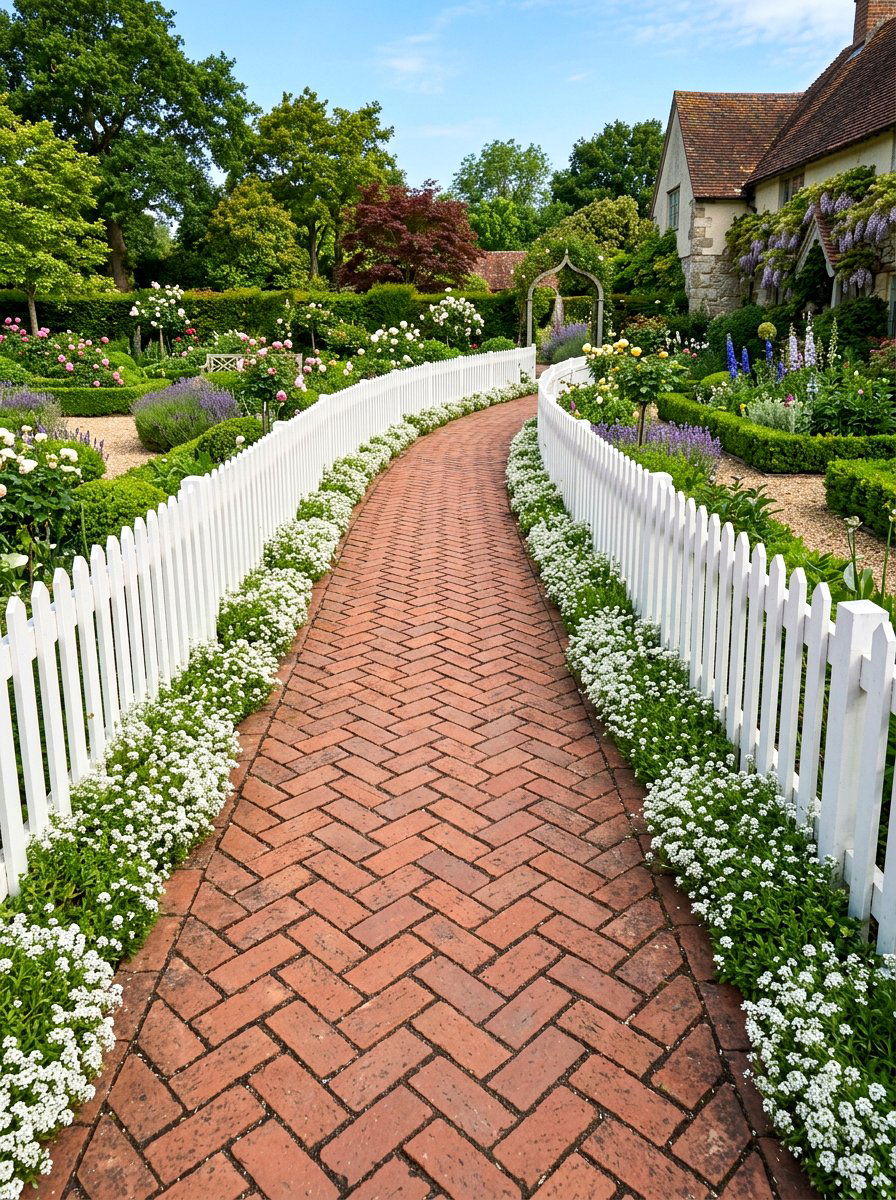
Does anything evoke a sense of classic elegance quite like a meticulously laid brick path? Using a herringbone pattern adds a level of sophistication and architectural interest that straight rows simply cannot match. This traditional design is incredibly sturdy because the interlocking bricks resist shifting over time, making it ideal for high-traffic areas near your front entrance or back patio. Red clay bricks provide a warm, inviting feel that complements traditional architecture, while grey or reclaimed bricks can offer a more industrial or vintage aesthetic. Adding a simple soldier course border along the edges will help lock the pattern in place and give the entire walkway a professional, finished look.
4. Wood Slice Path
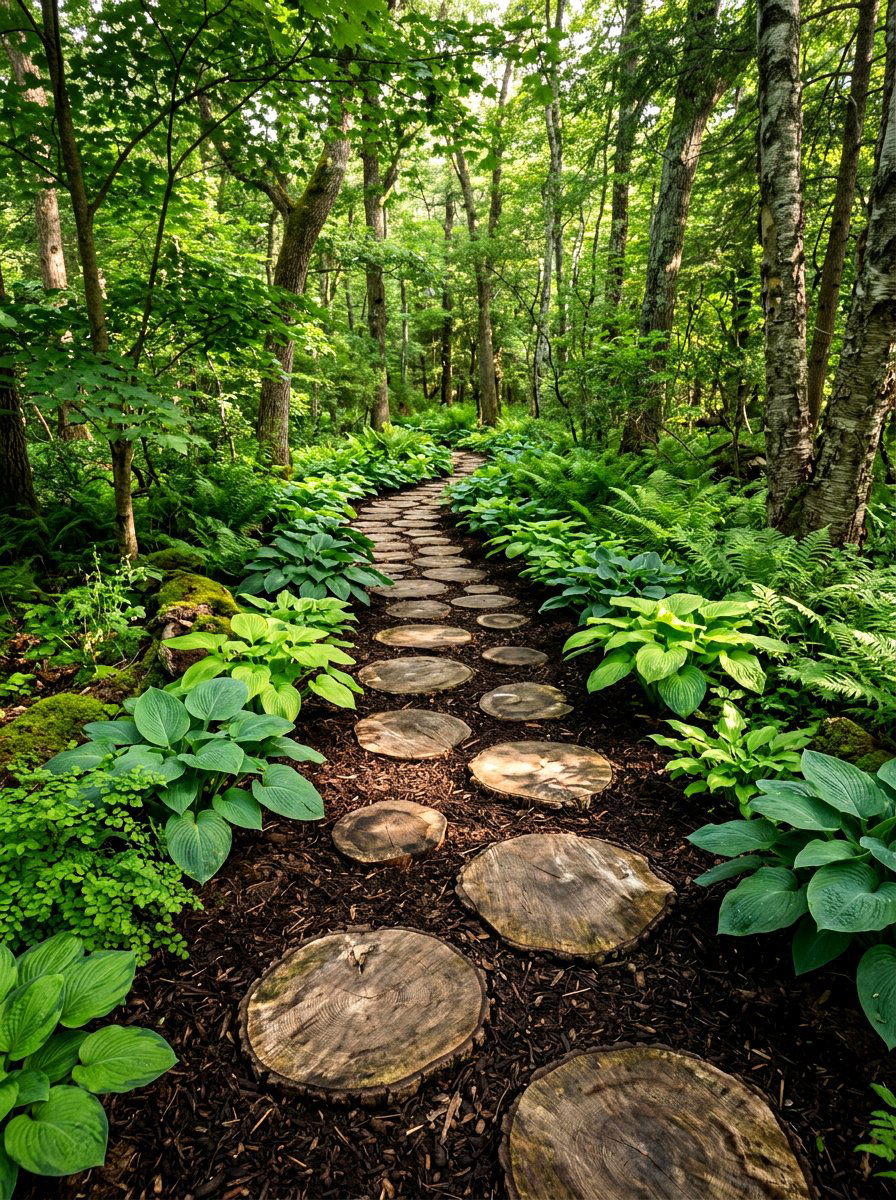
For those who love a rustic or woodland aesthetic, creating a walkway from reclaimed wood slices is a unique and eco-friendly project. These "log rounds" provide an organic, stepping-stone effect that feels right at home in a shade garden or a wilder corner of your yard. To ensure longevity, it is vital to use rot-resistant wood like cedar or black locust and treat the slices with a waterproof sealant. Setting the wood slices into a bed of fine gravel or sand helps with stability and prevents them from sinking into the soil. This design invites a sense of playfulness and fairy-tale charm, making it a favorite for children and nature enthusiasts alike.
5. Concrete Paver Walkway
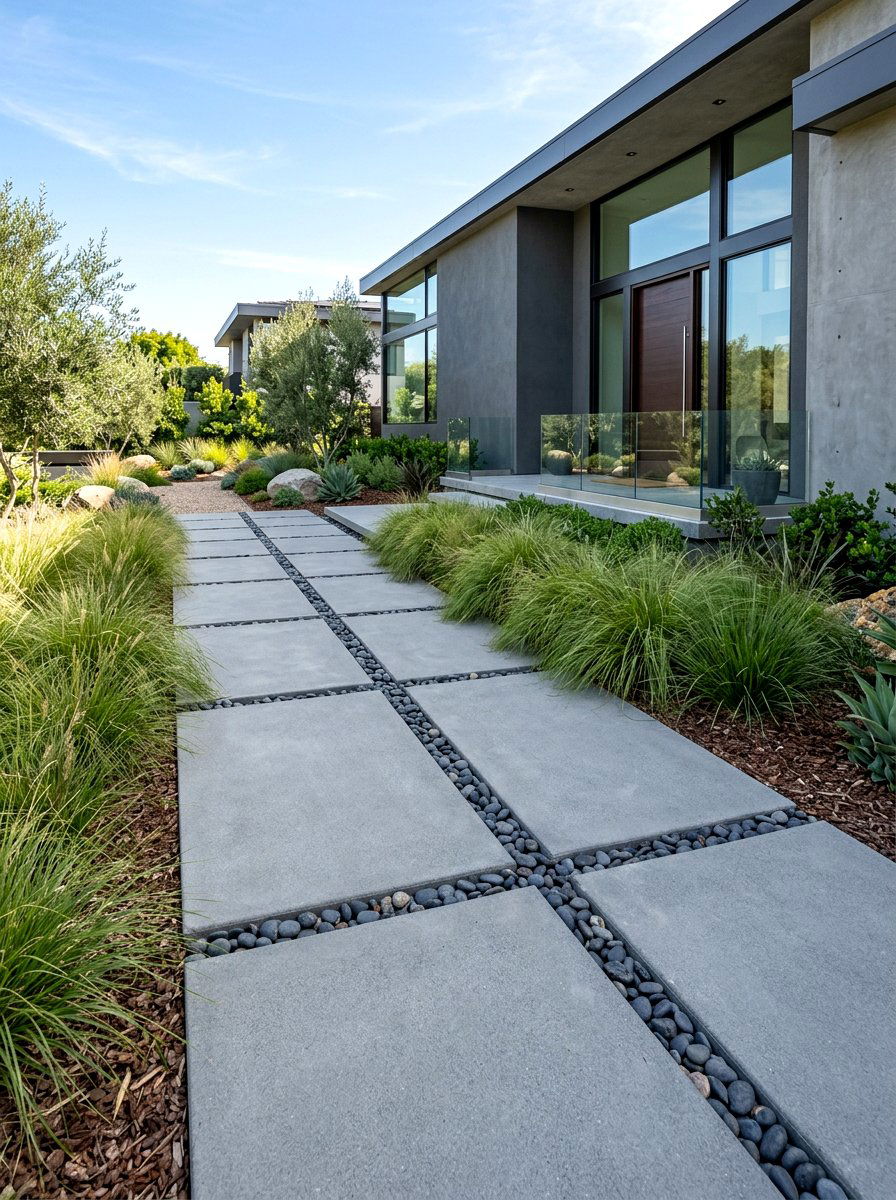
Are you aiming for a clean, modern look that requires very little maintenance over the years? Concrete pavers come in an endless variety of shapes, sizes, and colors, making them one of the most flexible materials for contemporary landscaping. You can arrange large rectangular pavers in a geometric grid for a minimalist feel or choose textured pavers that mimic the look of natural stone for more warmth. One of the biggest advantages of using pavers is their uniform thickness, which makes the installation process much smoother than working with irregular natural stones. They are also incredibly durable and can withstand heavy freeze-thaw cycles without cracking or shifting significantly.
6. Cobblestone Path
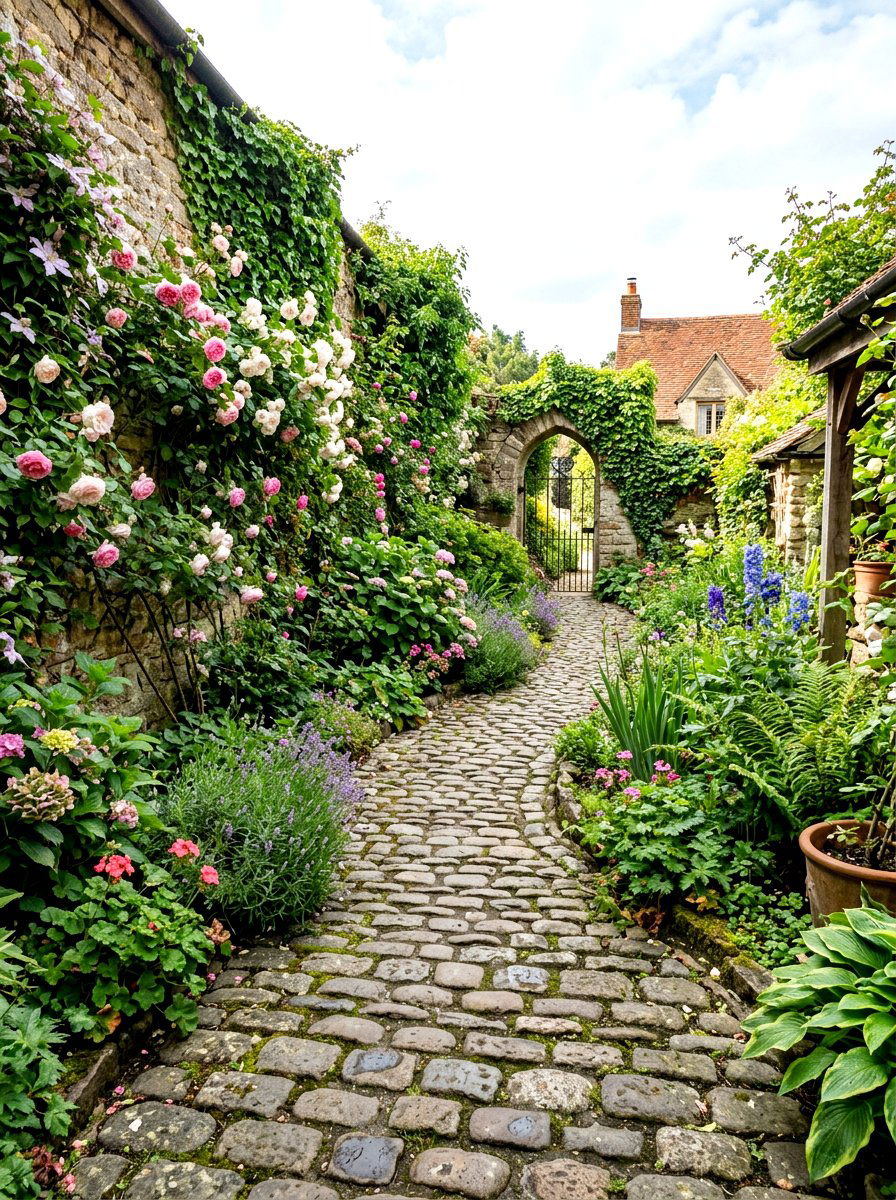
Stepping onto a cobblestone path can feel like a journey back in time to an old European village. These rounded stones are renowned for their durability and charm, often lasting for centuries when properly installed. While they can be a bit uneven for some, their texture adds a beautiful rhythmic quality to a garden that smooth surfaces lack. Cobblestones are particularly effective for sloped areas or winding trails because their small size allows for easy maneuvering around curves and hills. You can fill the gaps between stones with sand or mortar, depending on whether you want a permeable surface or a completely solid, traditional masonry look for your yard.
7. Cedar Plank Path
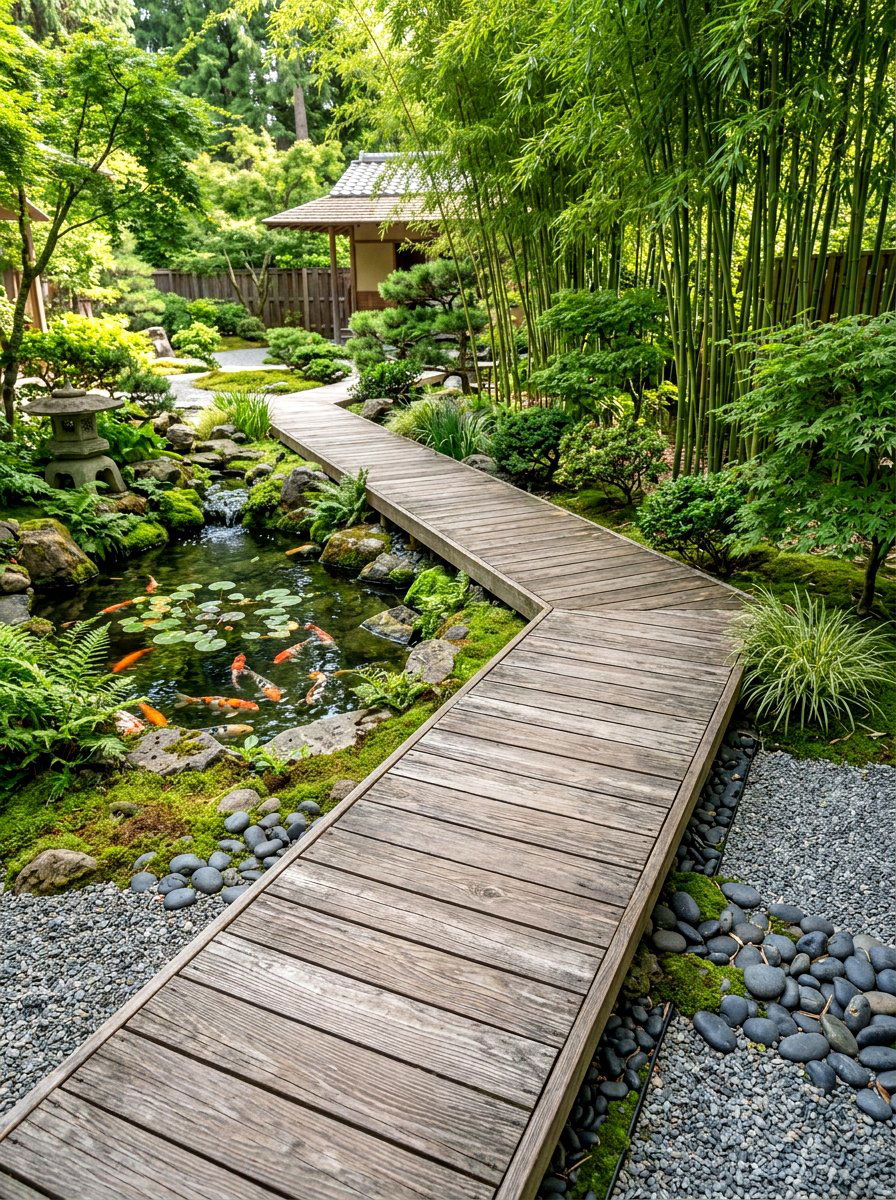
If your garden has a coastal or Japanese-inspired theme, a cedar plank walkway or boardwalk can be a stunning focal point. Cedar is naturally resistant to moisture and insects, making it a perfect material for paths that sit directly on the ground or are slightly elevated. This style provides a smooth, level surface that is easy to walk on and feels warm underfoot. You can lay the planks horizontally for a wide, expansive feel or vertically to elongate a narrow side yard. Over time, cedar weathers to a beautiful silver-grey patina, though you can apply a stain annually if you prefer to keep the original rich, reddish-brown wood tones.
8. Slate Path
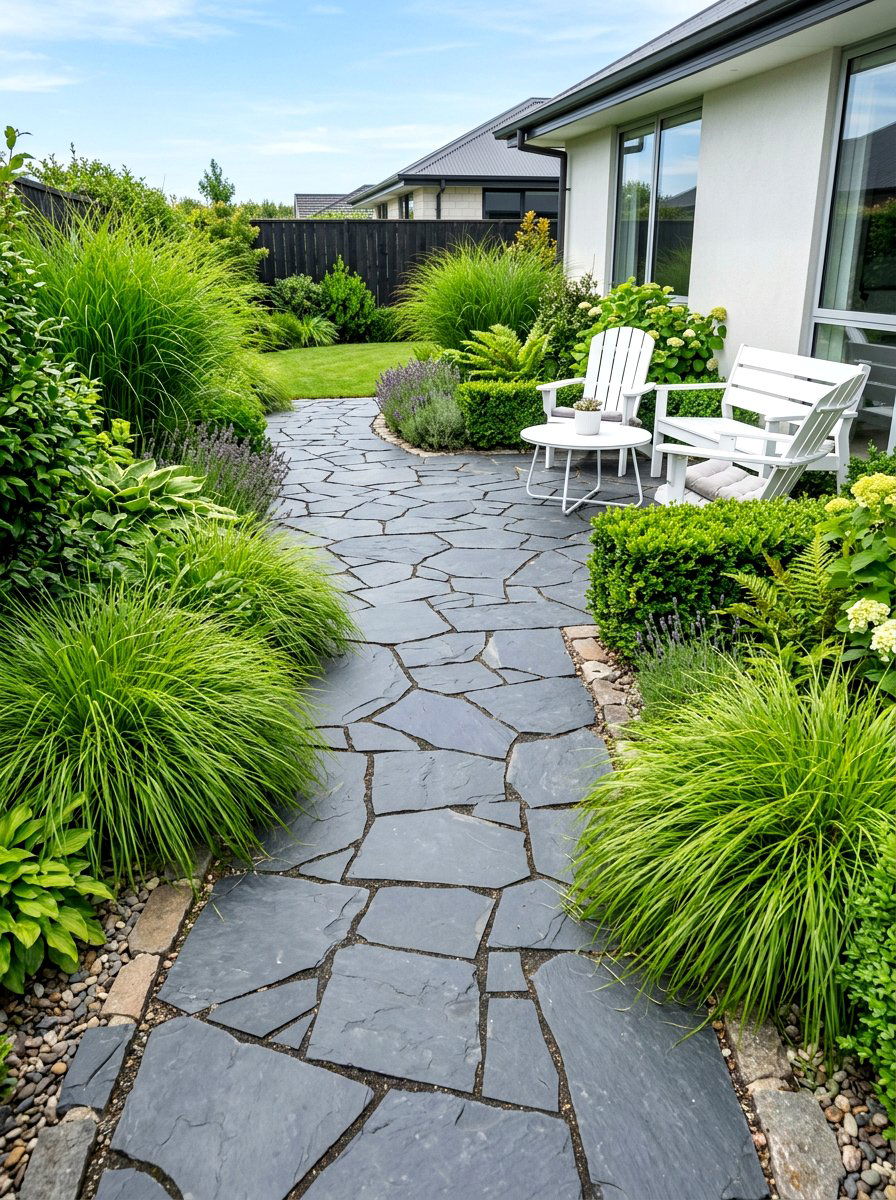
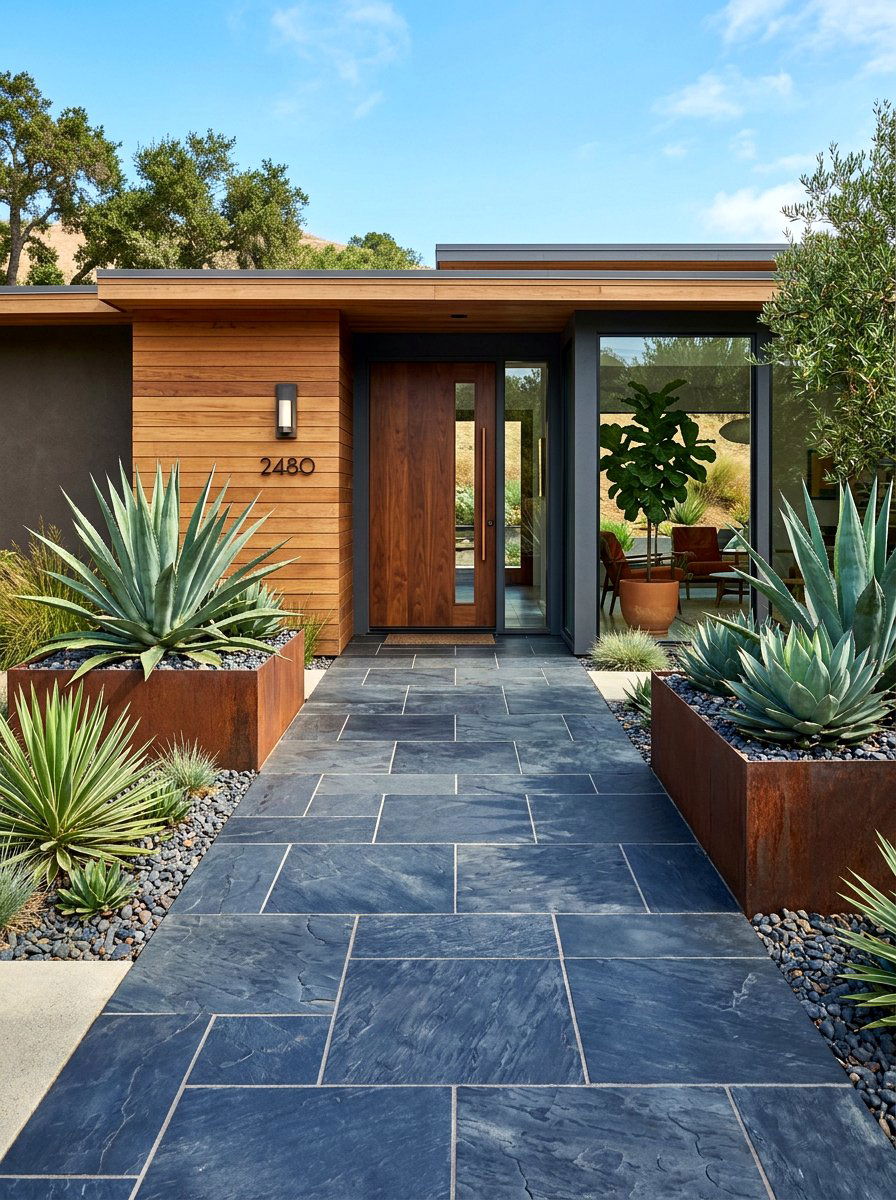
Slate is a sophisticated choice for modern garden designs due to its distinct layered texture and deep, moody colors. Typically available in shades of charcoal, blue-grey, and even soft greens, slate provides a high-contrast look that makes green foliage pop. Because slate naturally splits into flat sheets, it provides a very even surface that is comfortable for walking and easy to sweep clean. You can use large, square slate tiles for a formal, gallery-like feel or irregular pieces for a more naturalistic approach. Adding a dark grey gravel border around the slate can further enhance the contemporary aesthetic and provide a clean transition between the path and the garden beds.
9. Grass And Paver Path
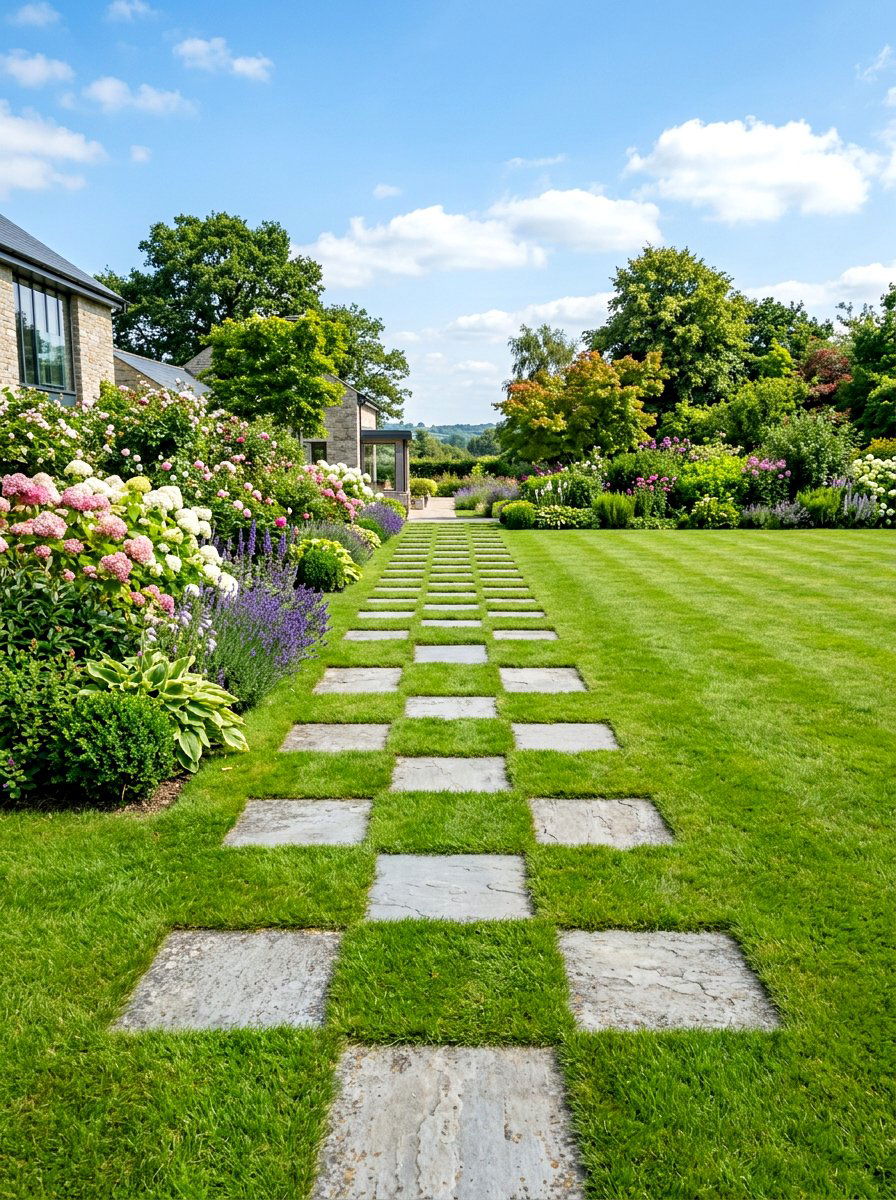
Have you ever wanted the look of a stone walkway without losing the lush greenery of your lawn? A grass and paver grid, often called a checkerboard or stepping-stone lawn, offers the perfect compromise between hardscaping and softscaping. By spacing large concrete or stone pavers a few inches apart and allowing grass or moss to grow in the gaps, you create a permeable surface that manages runoff beautifully. This design works exceptionally well in modern landscapes where clean lines are a priority. It feels softer and more integrated into the garden than a solid stone path, making it a popular choice for side yards or secondary walkways through flower gardens.
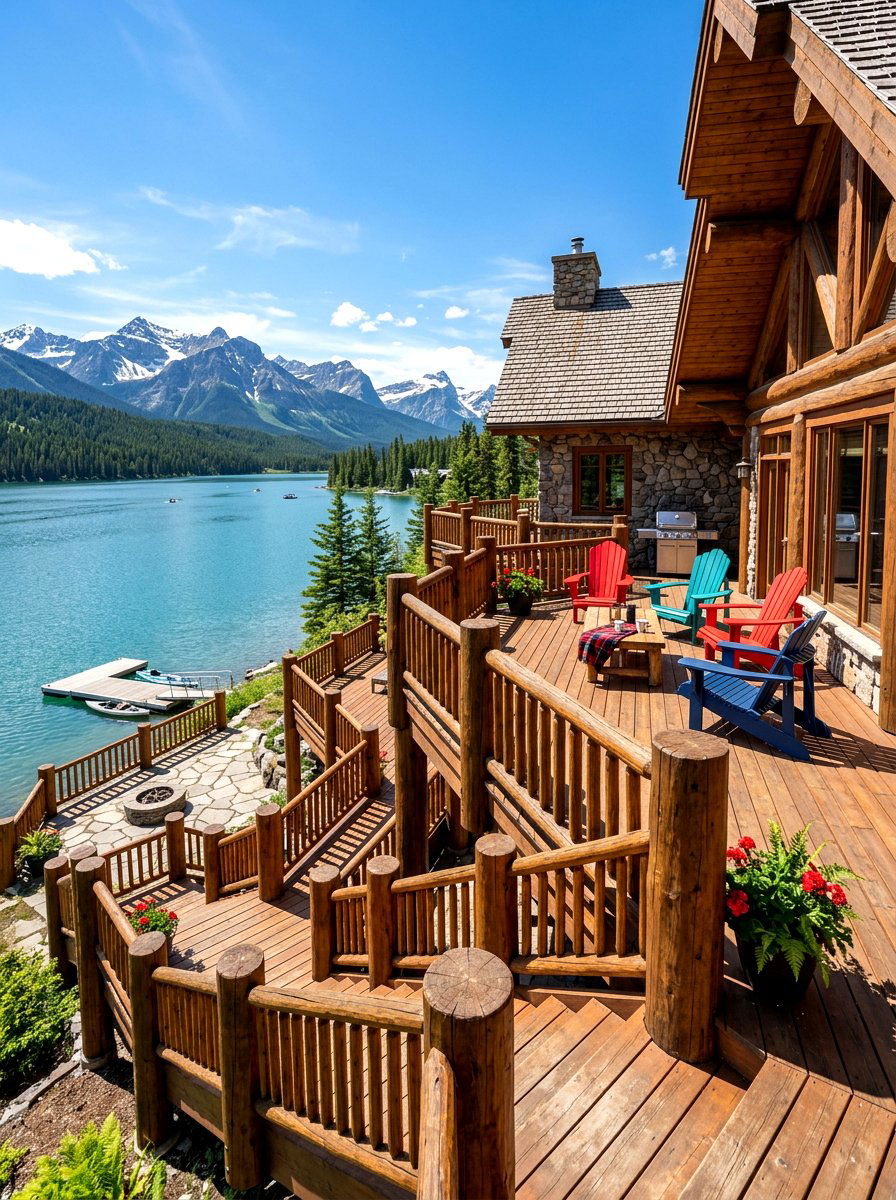
10. Mulch Path
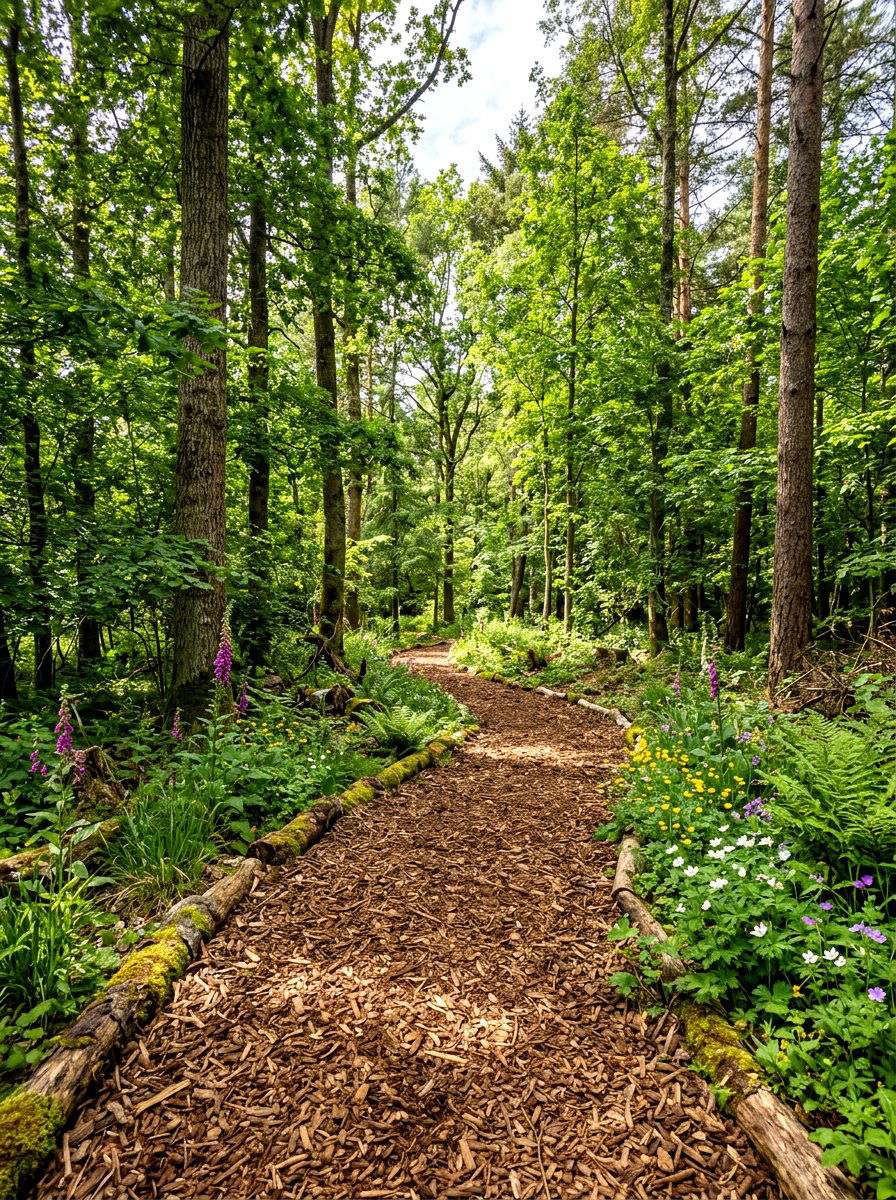
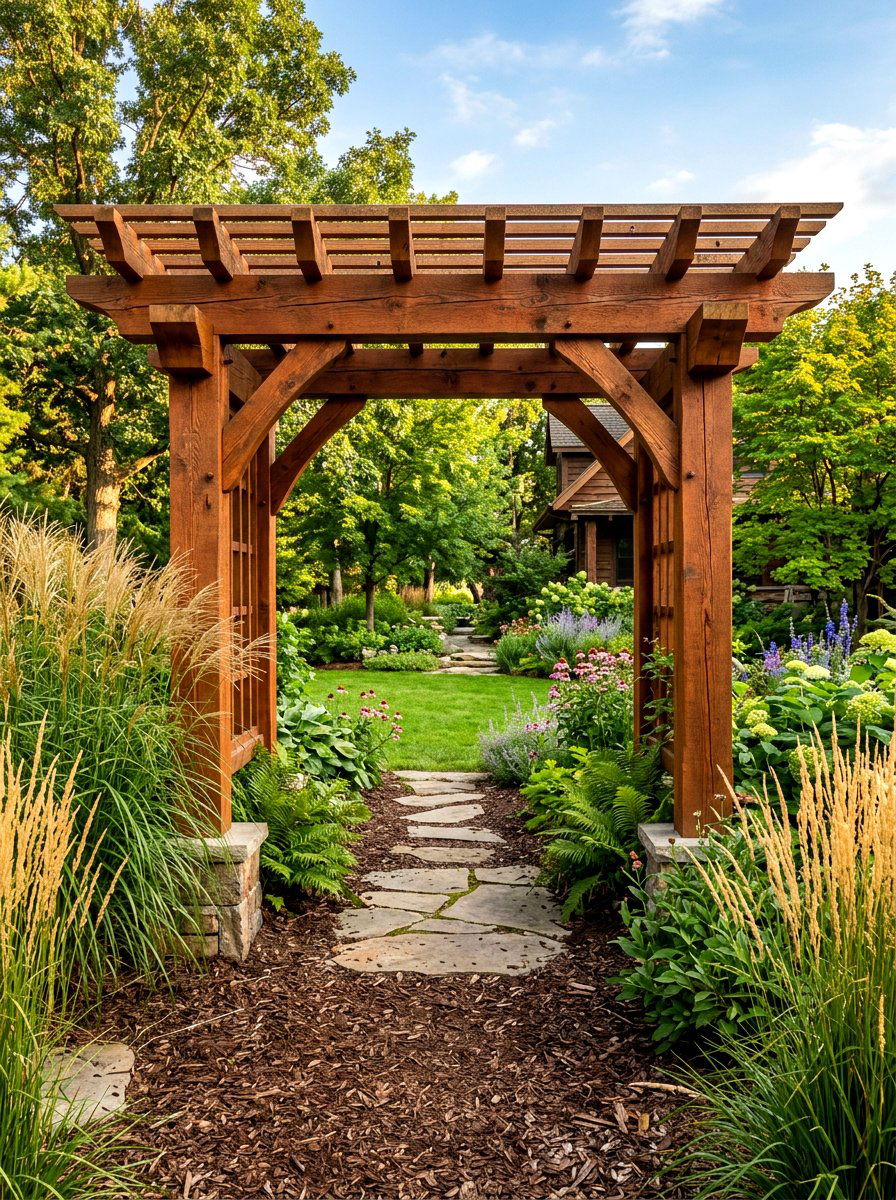
When you need a quick and inexpensive way to define a trail through a large property or a wooded area, mulch is the go-to solution. It is incredibly easy to install, requiring only a shallow trench and a few bags of wood chips or shredded bark. Mulch paths feel soft and bouncy underfoot, and they naturally suppress weeds while providing nutrients to the soil as they decompose. Because mulch is an organic material, it will need to be topped up every year or two to maintain its fresh look and depth. This type of path is ideal for informal settings where a natural, unpretentious vibe is desired over a structured stone surface.
11. Mosaic Stone Path
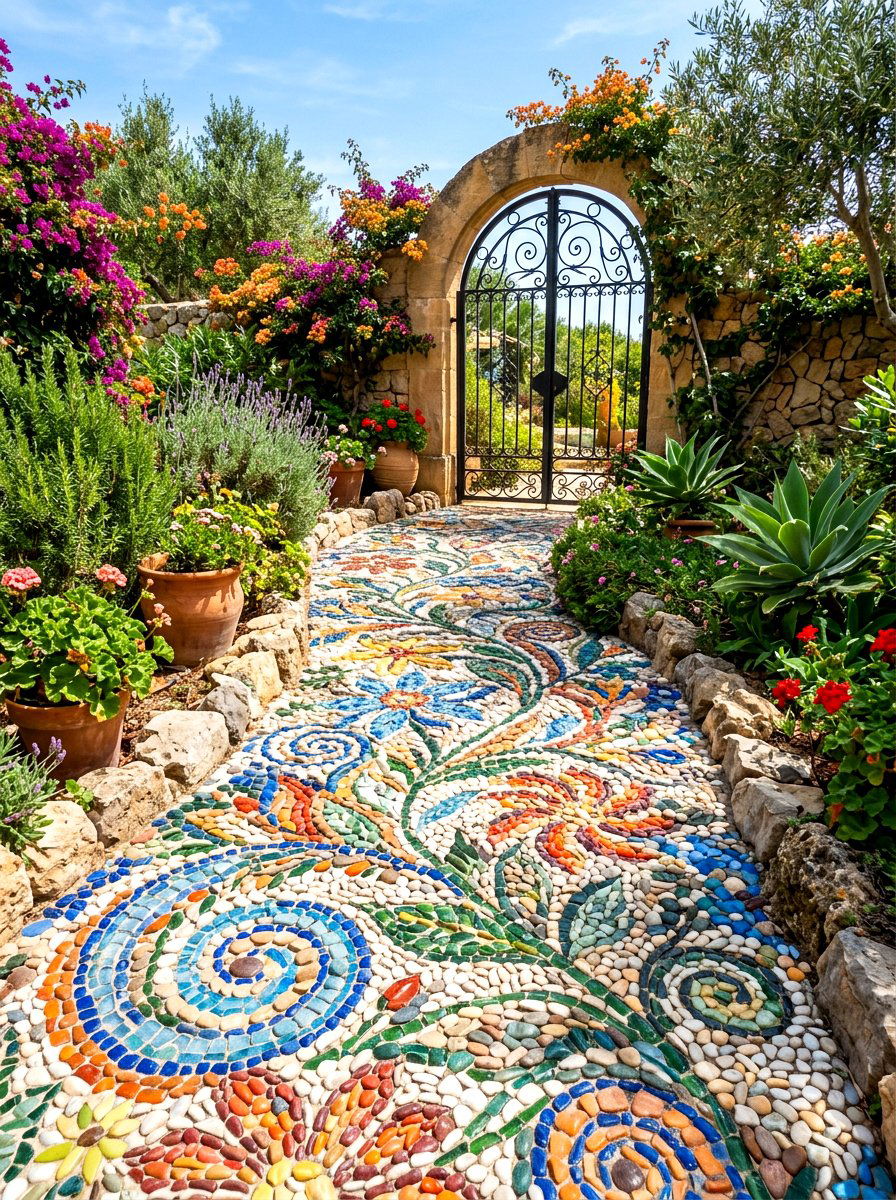
If you view your garden as a canvas for art, a mosaic stone path allows you to express your creativity through intricate patterns and colors. By embedding small pebbles, sea glass, or ceramic shards into a concrete base, you can create swirling designs, floral motifs, or geometric borders that are truly one-of-a-kind. While this project is time-consuming and requires a bit of artistic patience, the result is a breathtaking focal point that guests will admire. Mosaic paths work beautifully as a "carpet" leading to a hidden bench or a garden fountain. Using contrasting colors of river stones can help the designs stand out and add a tactile element to the walk.
12. River Rock Path
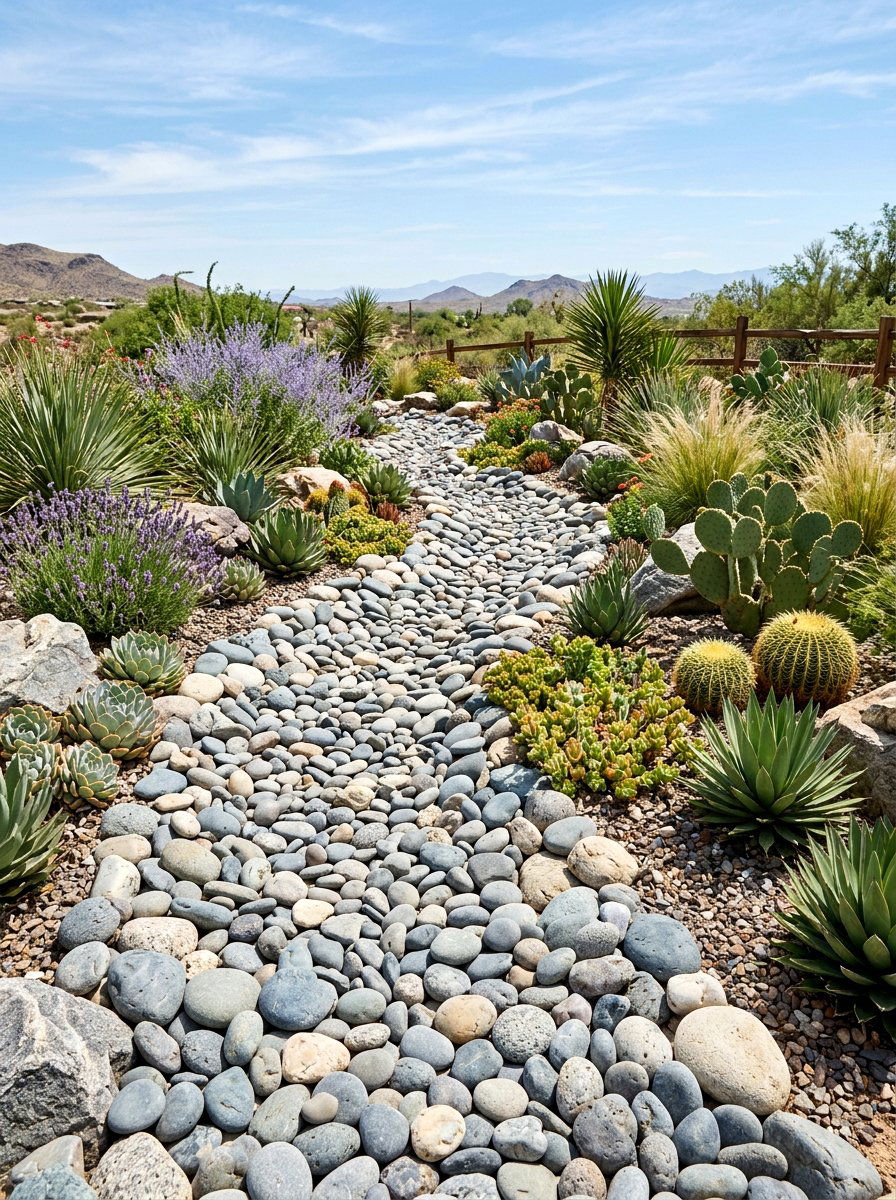
Using smooth, rounded river rocks is a fantastic way to introduce a sense of water and movement into a dry landscape. A river rock path can be designed to look like a dry creek bed that doubles as a functional walkway through your garden. Mixing different sizes of stones, from small pebbles to large boulders, creates a naturalistic look that mimics a real streambed. This style is particularly effective for managing drainage in low-lying areas of your yard where water tends to pool. While larger river rocks can be tricky to walk on, choosing flatter stones for the center of the path ensures a safer and more stable trek.
13. Granite Block Stairway
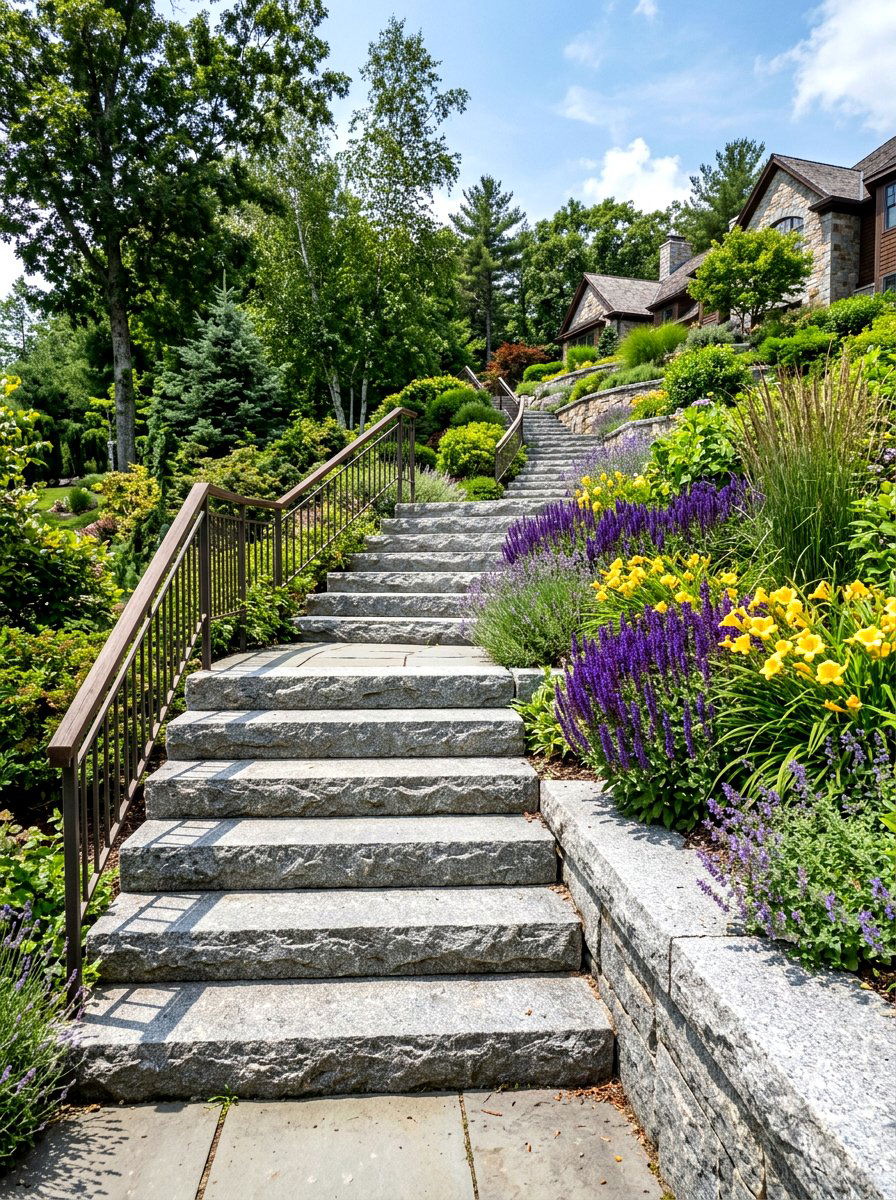
For gardens with significant elevation changes, a granite block stairway provides a sturdy and grand solution that will last a lifetime. Granite is one of the hardest and most durable stones available, making it resistant to weathering and heavy use. Using thick, rectangular granite blocks as steps creates a sense of permanence and luxury that elevates the entire landscape. You can flank the stairway with low stone walls or lush plantings like creeping phlox to soften the hard edges of the stone. This type of path is not just a way to get from point A to point B; it is a major architectural feature that adds significant value to your home.
14. Pallet Path
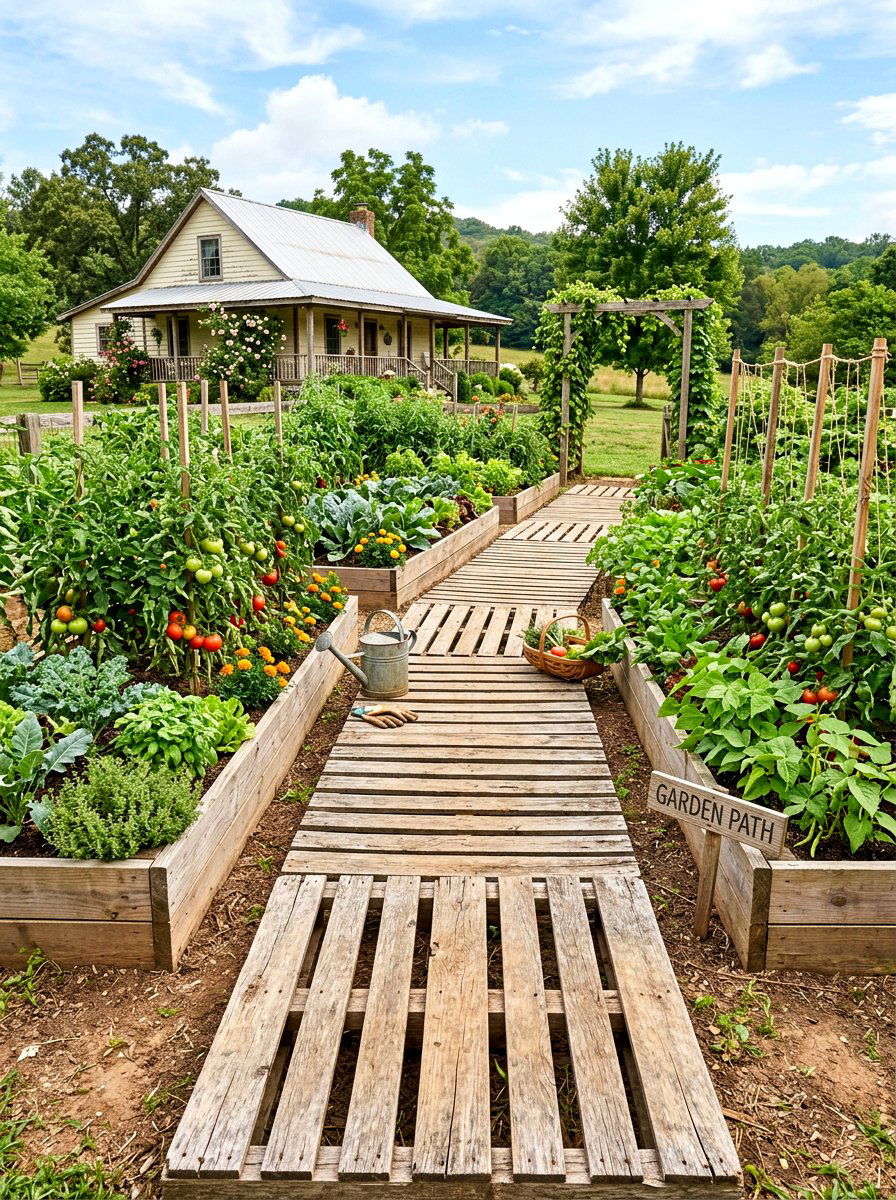
Are you a fan of DIY projects and upcycling materials that would otherwise go to waste? A walkway made from reclaimed shipping pallets is an affordable and charming way to add a rustic touch to your garden or vegetable patch. By dismantling the pallets and using the individual slats as "rungs" for a simple boardwalk, you can create a functional path in just a few hours. This look is perfect for farmhouse-style gardens or community plots where an informal, hand-built aesthetic is welcomed. To make it last longer, be sure to use pallets marked "HT" for heat-treated, and apply a wood preservative to protect against moisture and soil contact.



15. Travertine Walkway
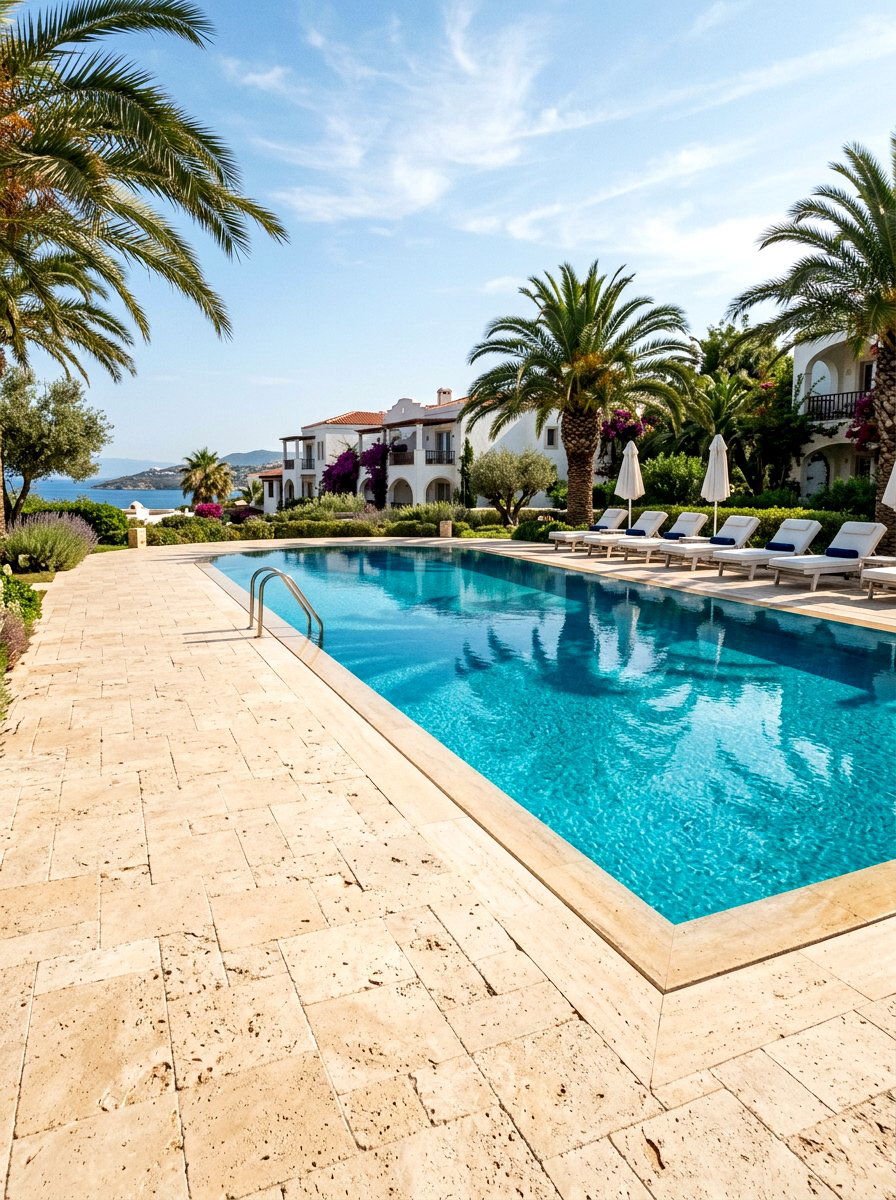
Travertine is a luxury natural stone that is highly sought after for its elegant, creamy tones and cool-to-the-touch surface. Unlike many other stones that can get uncomfortably hot in the direct sun, travertine remains relatively cool, making it a perfect choice for paths leading to a pool or a sunny patio. Its porous nature provides a natural non-slip surface, which is an important safety feature for any outdoor walkway. You can find travertine in various finishes, from "tumbled" for a more aged, rustic look to "honed" for a sleek and modern appearance. The soft beiges and tans of travertine complement a Mediterranean or desert-themed garden design beautifully.
16. Decomposed Granite Path
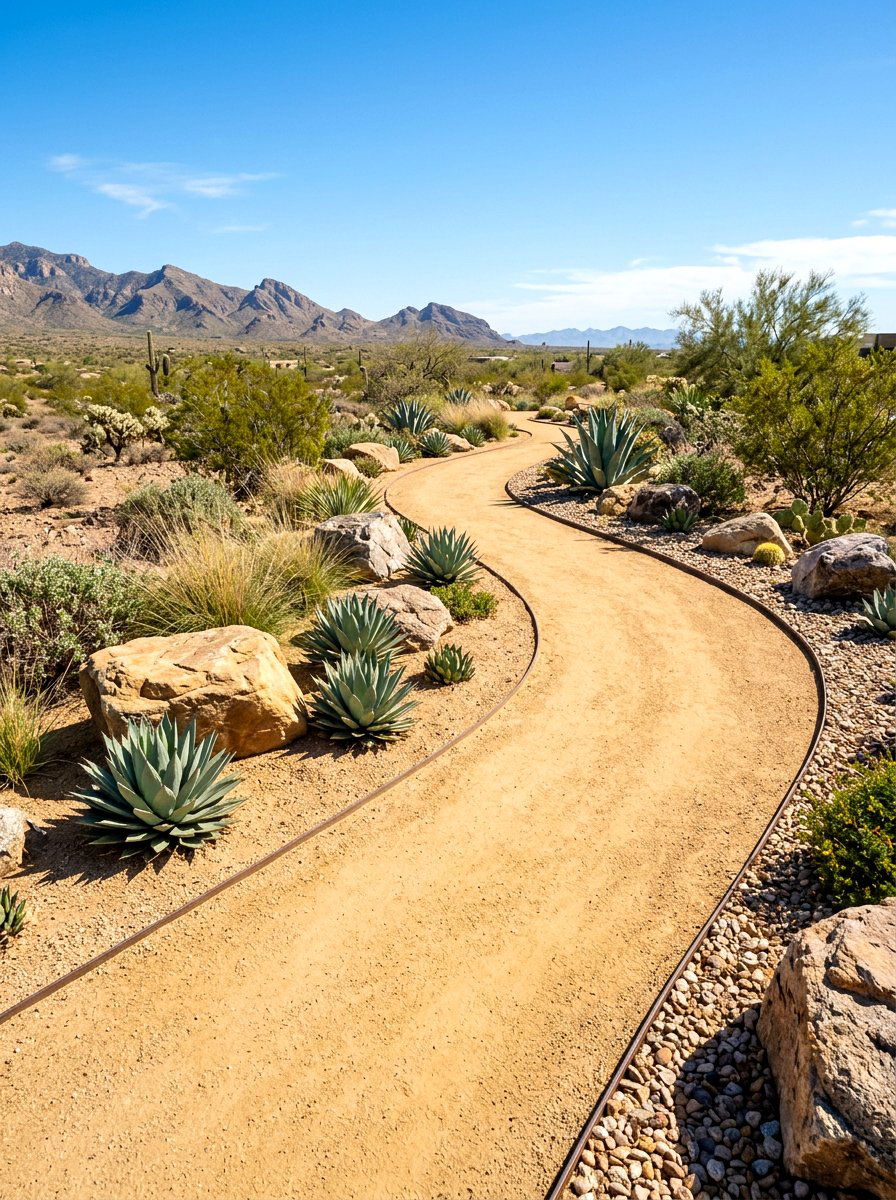
Decomposed granite, often called DG, is a versatile material that offers a more stable and compact surface than traditional gravel. It is essentially granite that has weathered down into very small pieces and fine silt, which can be packed down to create a firm, natural-looking trail. Many professional landscapers use DG for its permeable qualities and its ability to fit into any garden style, from xeriscapes to formal estates. It is available in several colors, including gold, brown, and grey, allowing you to customize the look of your walkways. Adding a stabilizer to the DG during installation will help keep the surface firm and reduce tracking into the house.
17. Terracotta Path
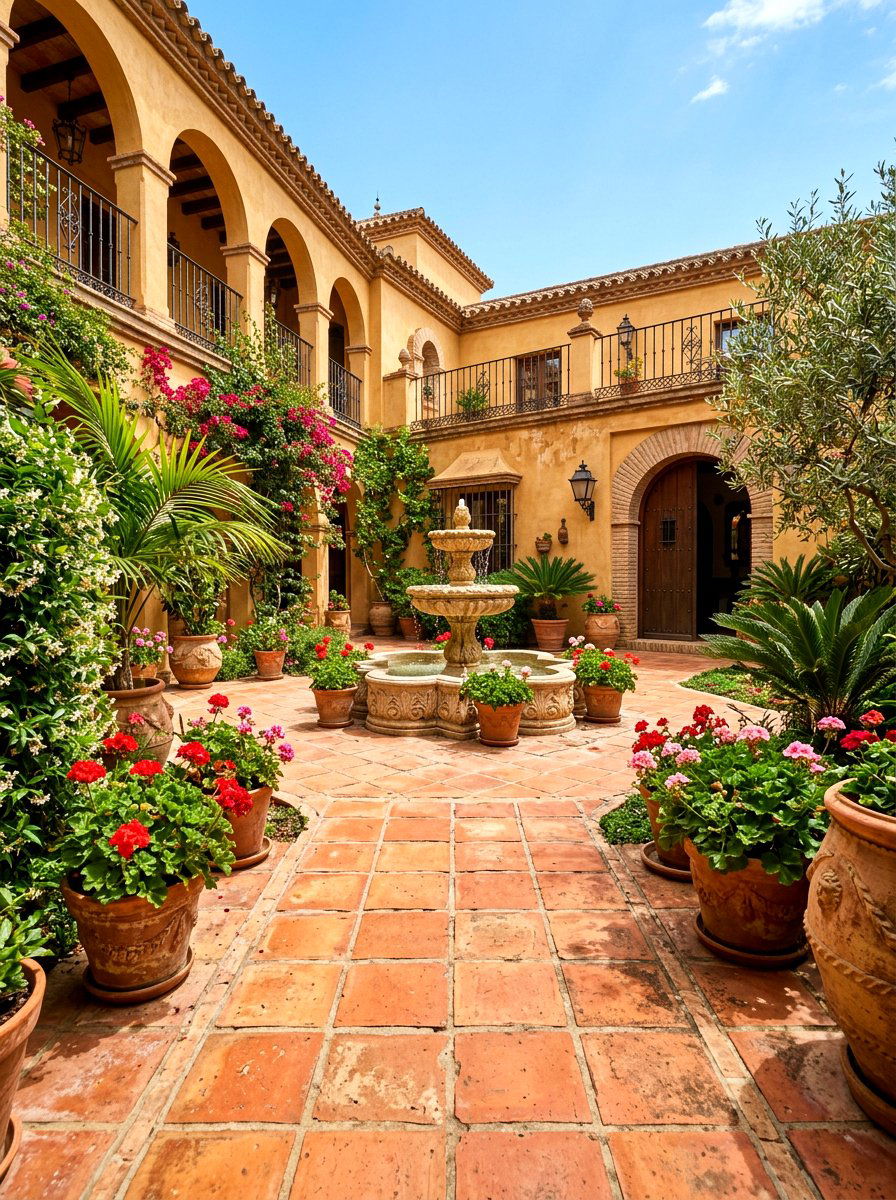
To bring a touch of the Southwest or the Mediterranean to your backyard, consider a walkway made from warm terracotta tiles or bricks. The rich orange and red hues of terracotta provide a vibrant contrast to green plants and blue skies, creating an inviting and sunny atmosphere. Terracotta is often used in courtyards or formal garden "rooms" where its geometric precision can be fully appreciated. Because it can be porous, it is important to choose tiles specifically rated for outdoor use to prevent cracking during freezing temperatures. Sealing the tiles will also help maintain their color and protect them from staining, ensuring your path stays beautiful for many years.
18. Mossy Stone Path
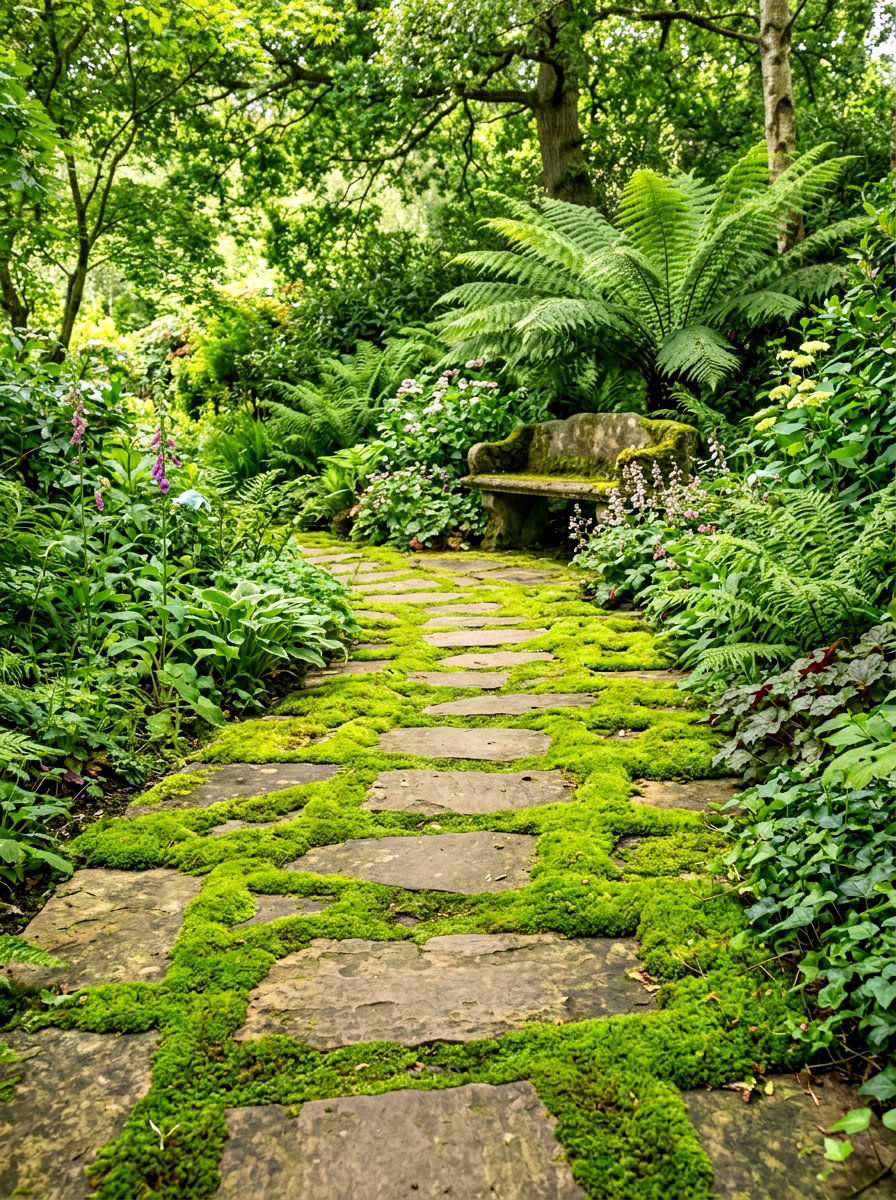
Is there anything more magical than a stone path that looks like it has been part of the forest for decades? A mossy stone path is the ultimate "secret garden" feature, perfect for shady areas where grass struggles to grow. By choosing flat stones with deep textures and planting varieties like Irish moss or Scotch moss in the joints, you can create a lush, green tapestry underfoot. This design encourages a slower pace and a closer connection to nature as you walk through the garden. It requires consistent moisture to keep the moss thriving, making it a wonderful addition to a woodland retreat or a tranquil Japanese Zen garden.
19. Porcelain Path
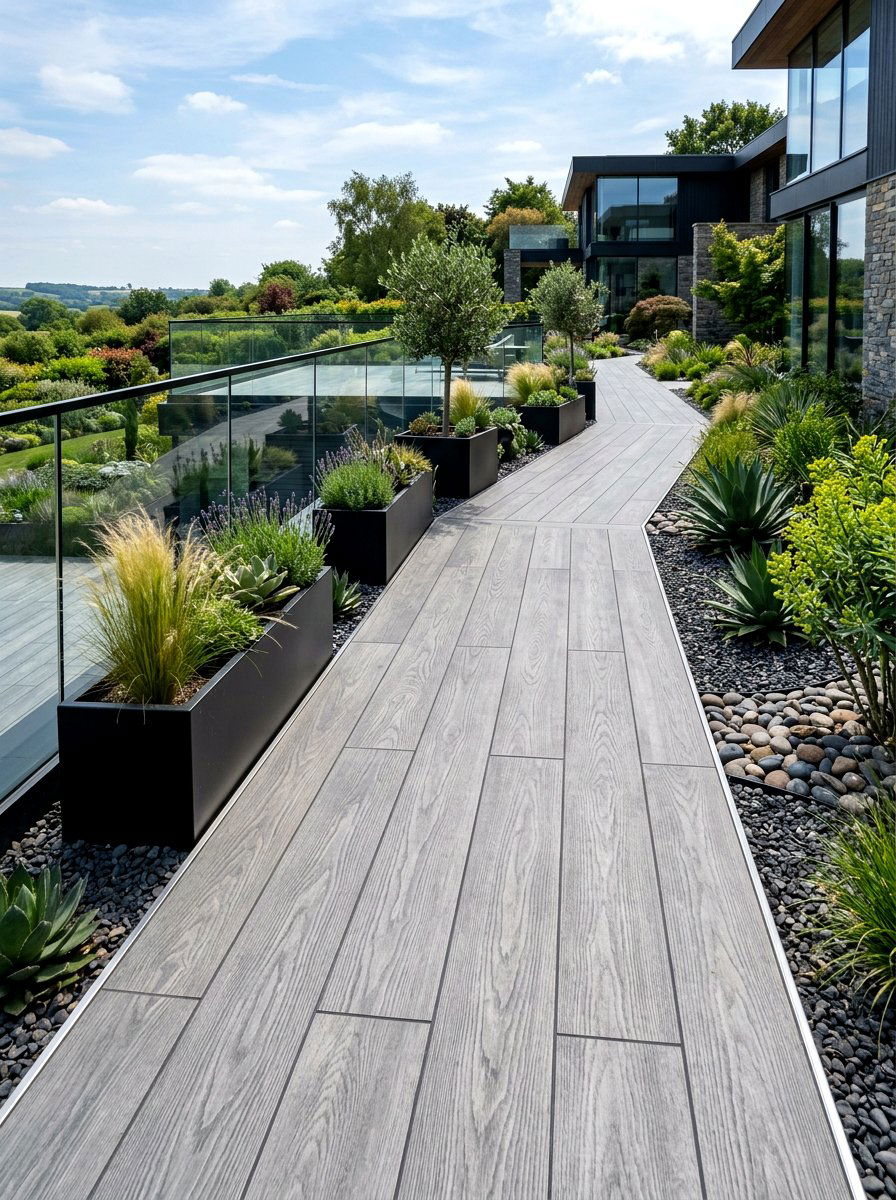
Modern technology has brought us outdoor-rated porcelain pavers that are changing the way we think about garden walkways. These pavers are incredibly dense, meaning they are completely waterproof, stain-resistant, and virtually impossible to scratch. Many porcelain options are designed to perfectly mimic the look of natural wood planks or high-end stone without any of the maintenance requirements of the real materials. They are a fantastic choice for contemporary homes with a seamless indoor-outdoor transition, as you can use the same style inside and out. Because they are so uniform, they can be laid with very thin grout lines for a clean, sophisticated, and ultra-modern garden aesthetic.

20. Limestone Walkway
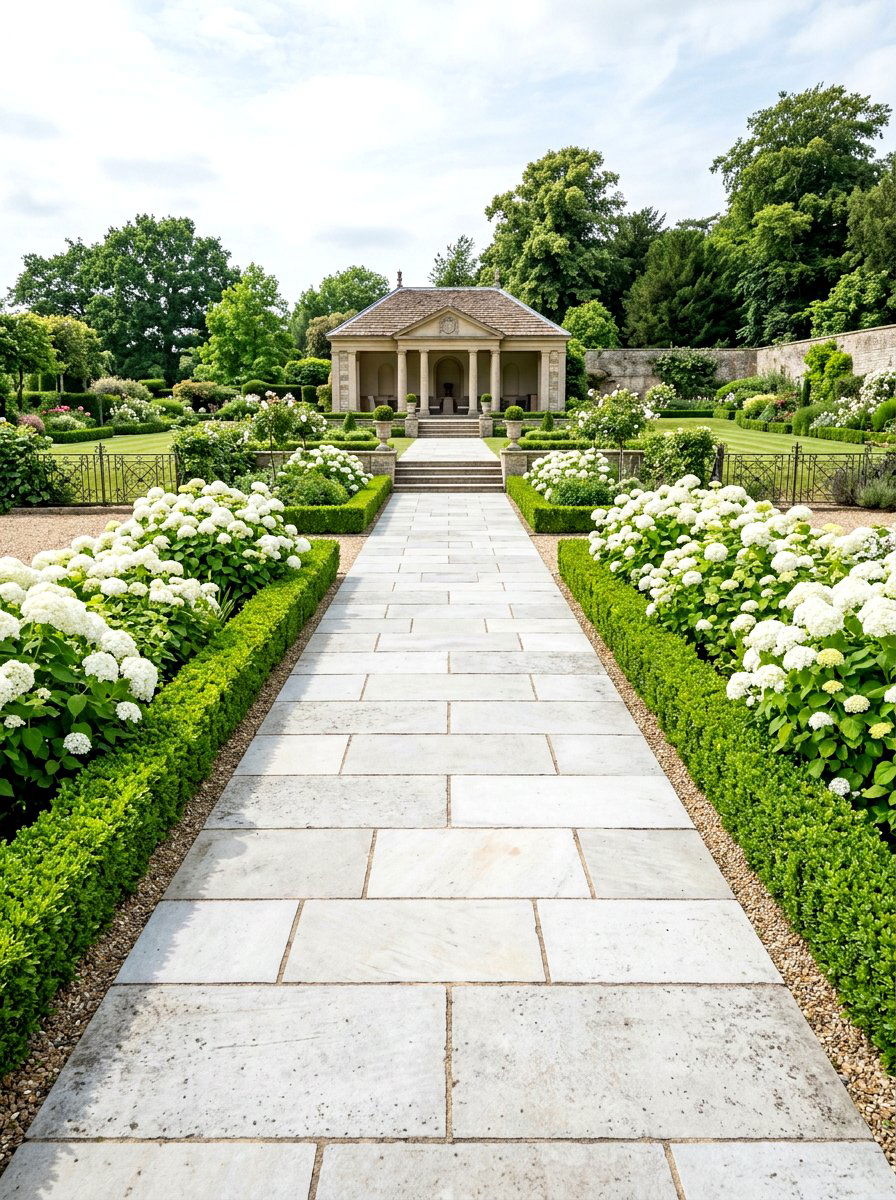
Limestone is a classic choice for elegant garden paths, offering a bright and airy feel that can make small spaces appear much larger. Available in shades of white, cream, and soft grey, limestone has a fine grain that looks beautiful in both formal and informal settings. It is often used for wide, sweeping walkways that lead to grand entrances or focal points like a large sculpture. Over time, limestone will weather naturally, taking on a soft, antique character that adds to the charm of your home. It is a porous stone, so applying a breathable sealer is recommended to prevent staining from fallen leaves or garden soil while maintaining its bright color.
21. Reclaimed Brick Path
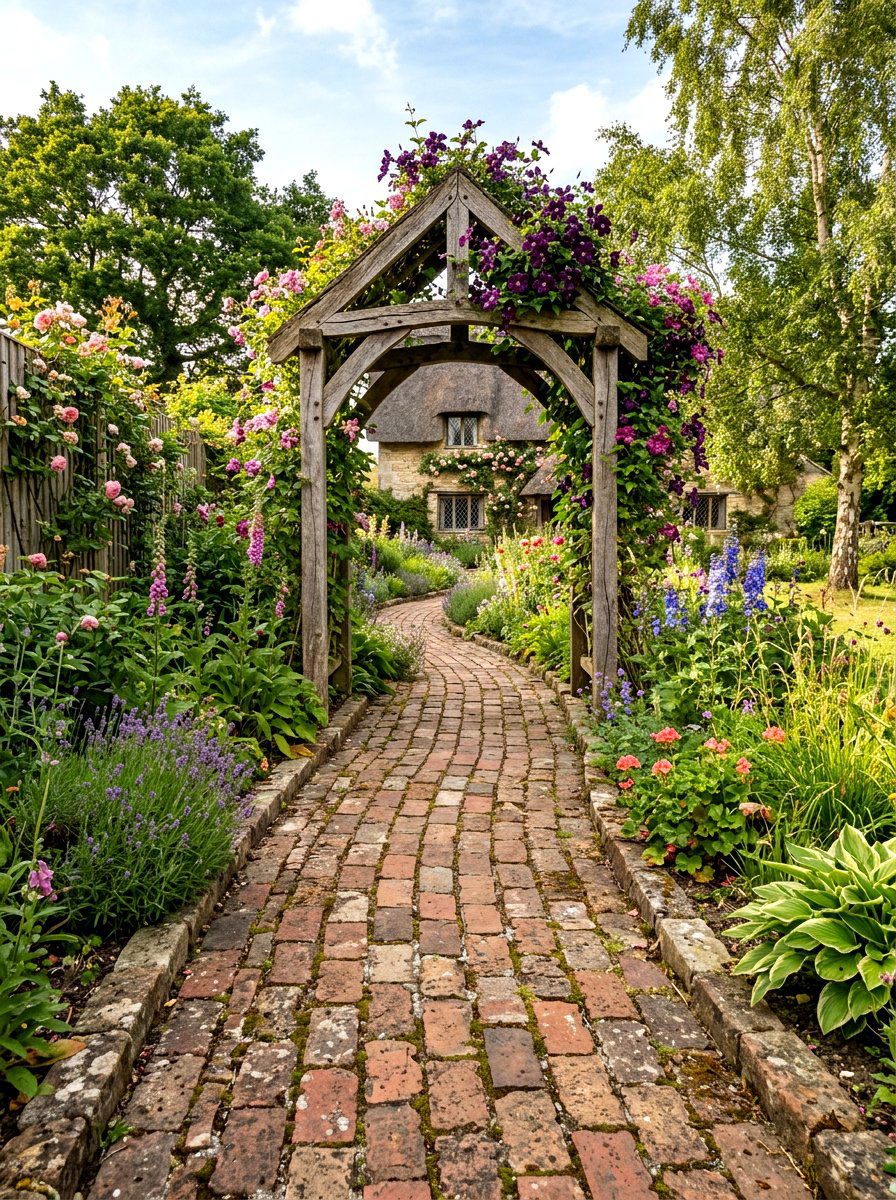
Using reclaimed or "clinker" bricks is a wonderful way to give a brand-new garden an instant sense of history and soul. These bricks often have chips, color variations, and old mortar marks that provide a level of character that new bricks simply cannot replicate. Arranging them in a random or "running bond" pattern emphasizes their unique textures and varied tones. Reclaimed bricks are especially popular in cottage gardens or around historic homes where they complement the existing architecture. They are also an eco-friendly choice, as you are repurposing materials that might otherwise end up in a landfill. This style of path feels warm, approachable, and deeply rooted in the past.
22. Large Format Paver
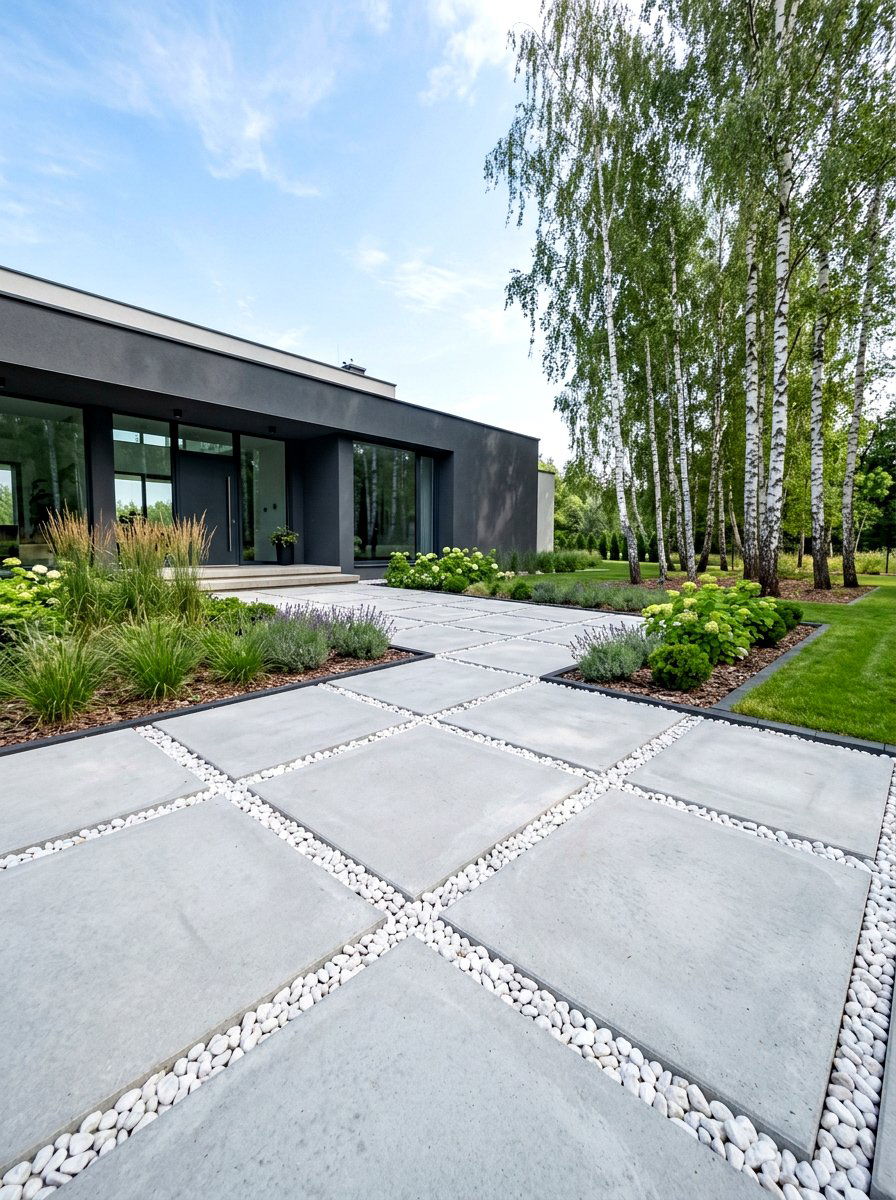
If you want to make a bold statement, large format pavers are the way to go. These oversized stones or concrete slabs create a sense of scale and grandeur that smaller materials lack. By using large rectangles or squares, you reduce the number of joints in the walkway, which results in a much smoother and more modern visual field. This design is particularly effective for wide paths that need to accommodate multiple people walking side-by-side. You can set them close together for a solid surface or space them out with gravel or groundcover in between to create a "floating" effect that is very popular in high-end modern landscape design.
23. Bark Chip Path
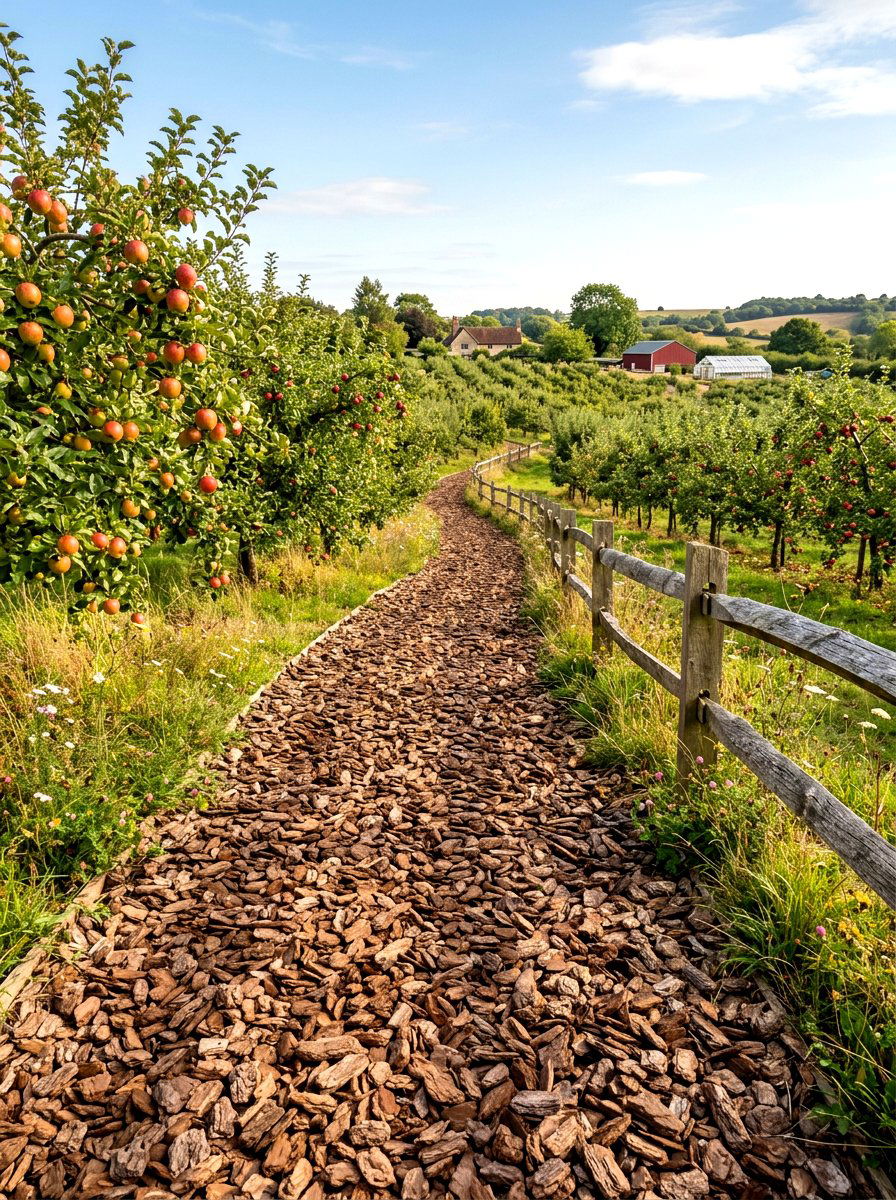
Bark chips offer a soft, natural, and incredibly cost-effective way to create winding paths through a large garden or vegetable area. Unlike shredded mulch, bark chips are larger and more uniform, providing a cleaner look while still maintaining an organic feel. They are excellent at suppressing weeds and retaining moisture in the surrounding soil, making them a functional choice for your plants as well. Bark chips also have a wonderful earthy scent, especially after a rain shower, which adds a sensory layer to your garden walk. Because they are lightweight, they are easy for a DIYer to haul and spread, although they will require occasional refreshing as they break down.
24. Sandstone Path
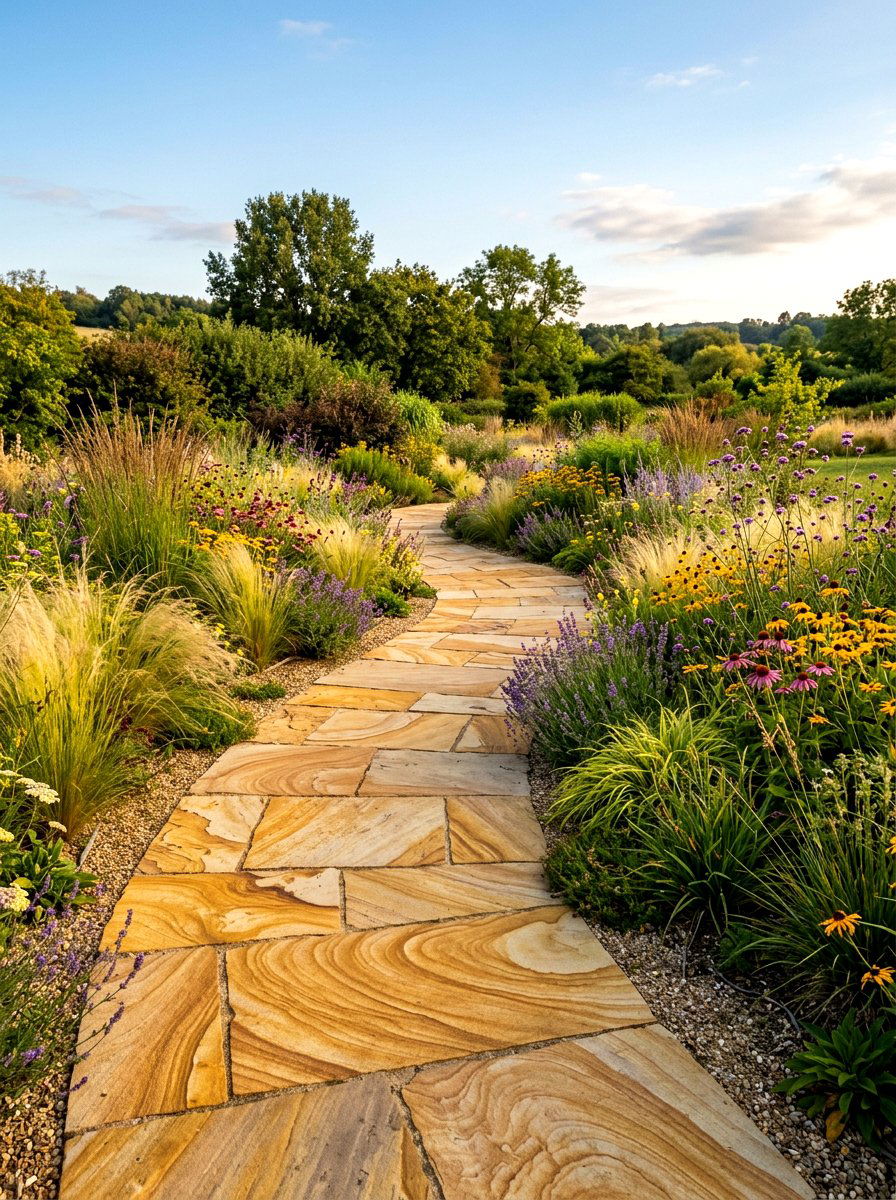
Sandstone is prized for its warm, earthy color palette, ranging from golden yellows to deep desert reds. Each piece of sandstone is unique, often featuring beautiful swirls and patterns that were formed over millions of years. This material is a staple in naturalistic garden designs because it looks so at home among ornamental grasses and native perennials. Sandstone is generally easy to cut, allowing for precise fitting if you prefer a more formal look, or it can be left with natural "cleft" edges for a rugged appearance. Its naturally high slip resistance makes it a safe choice for all types of weather, providing a reliable and beautiful route through your yard.



25. Bluestone Path
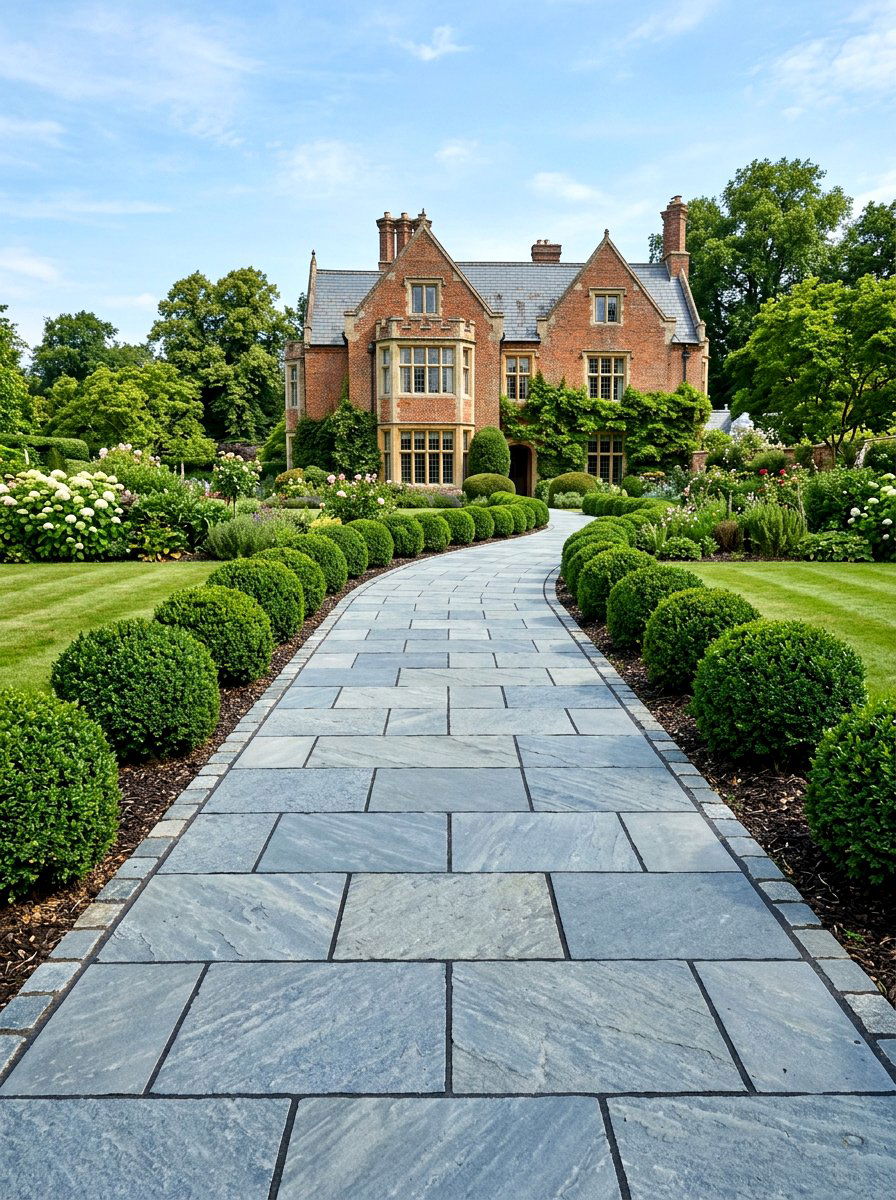
Bluestone is a type of sandstone that is famous for its striking blue-grey hue and incredible durability. It is a premium choice for high-end walkways and patios, offering a clean and sophisticated look that works with both modern and traditional homes. You can choose "thermal" bluestone for a perfectly smooth surface or "natural cleft" for a more textured, organic feel. Because bluestone is very dense, it stands up exceptionally well to harsh winters and heavy foot traffic. The cool tones of the stone create a beautiful contrast with bright green lawns and colorful flower borders, making it a favorite among professional landscape designers who want a timeless, high-quality finish.
26. Circular Path
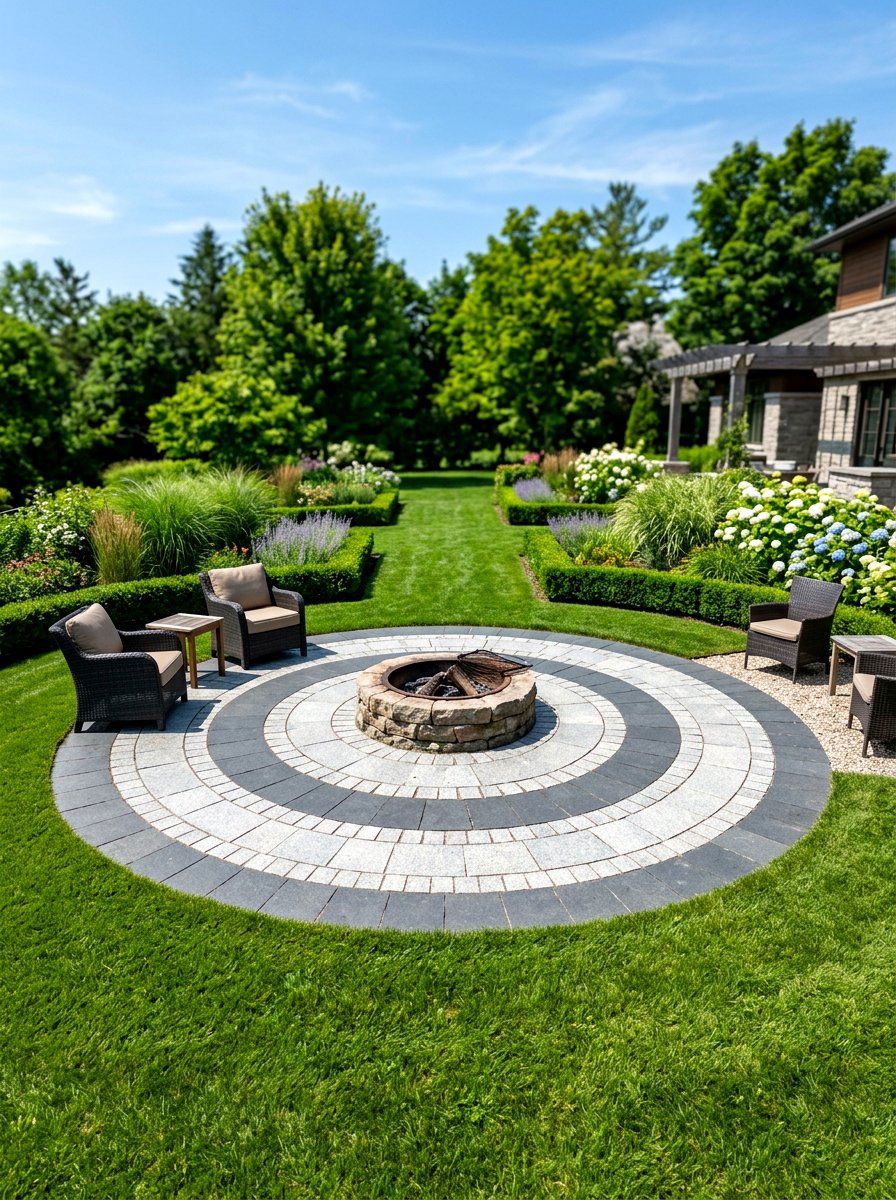
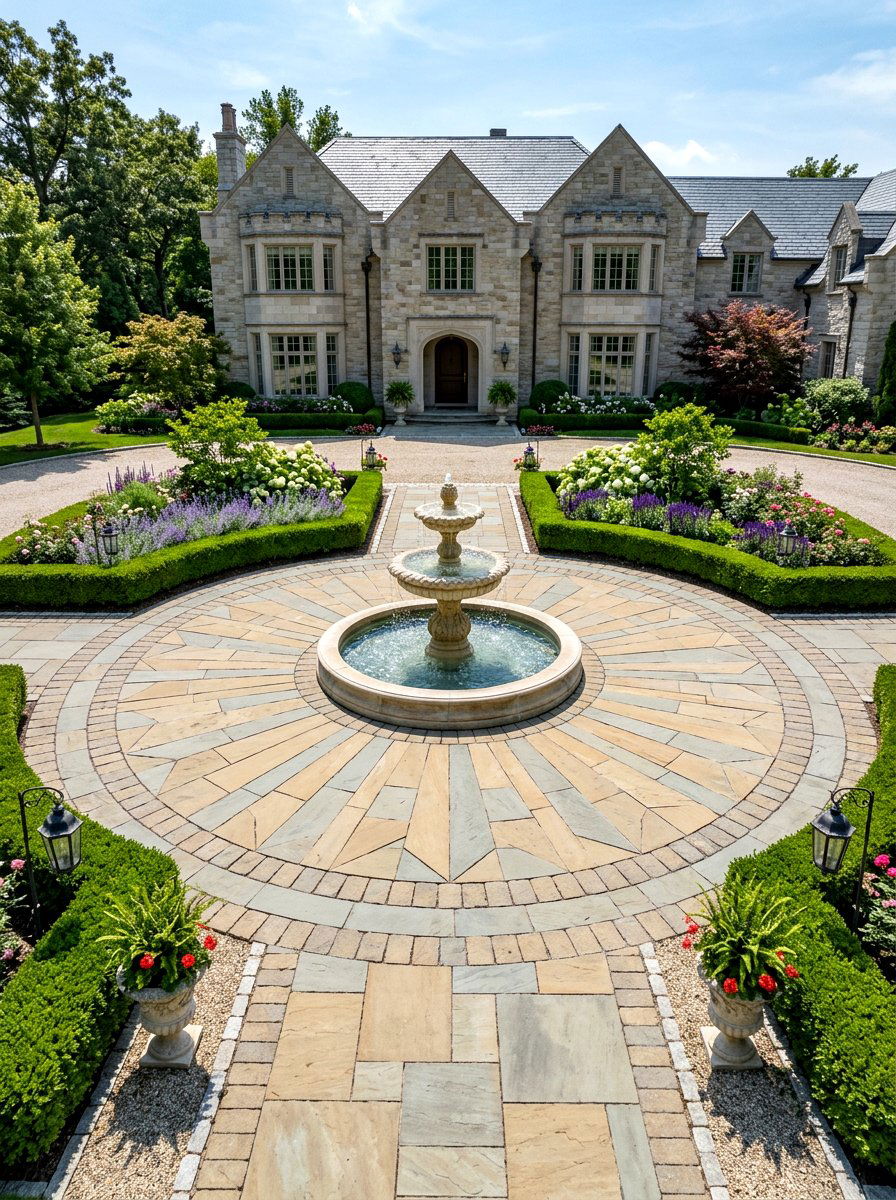
Who says a garden path has to be a straight line or a simple curve? A circular stone path or a series of concentric stone rings can serve as a stunning focal point in a larger landscape. This design draws the eye inward and creates a sense of harmony and balance in the garden. You can use this circular motif to surround a central feature like a fire pit, a sundial, or a specimen tree. Using contrasting colors of stone for the different rings can enhance the geometric effect. This type of layout encourages people to linger and enjoy the space from all angles, turning a simple walkway into a destination.
27. Railway Sleeper Path
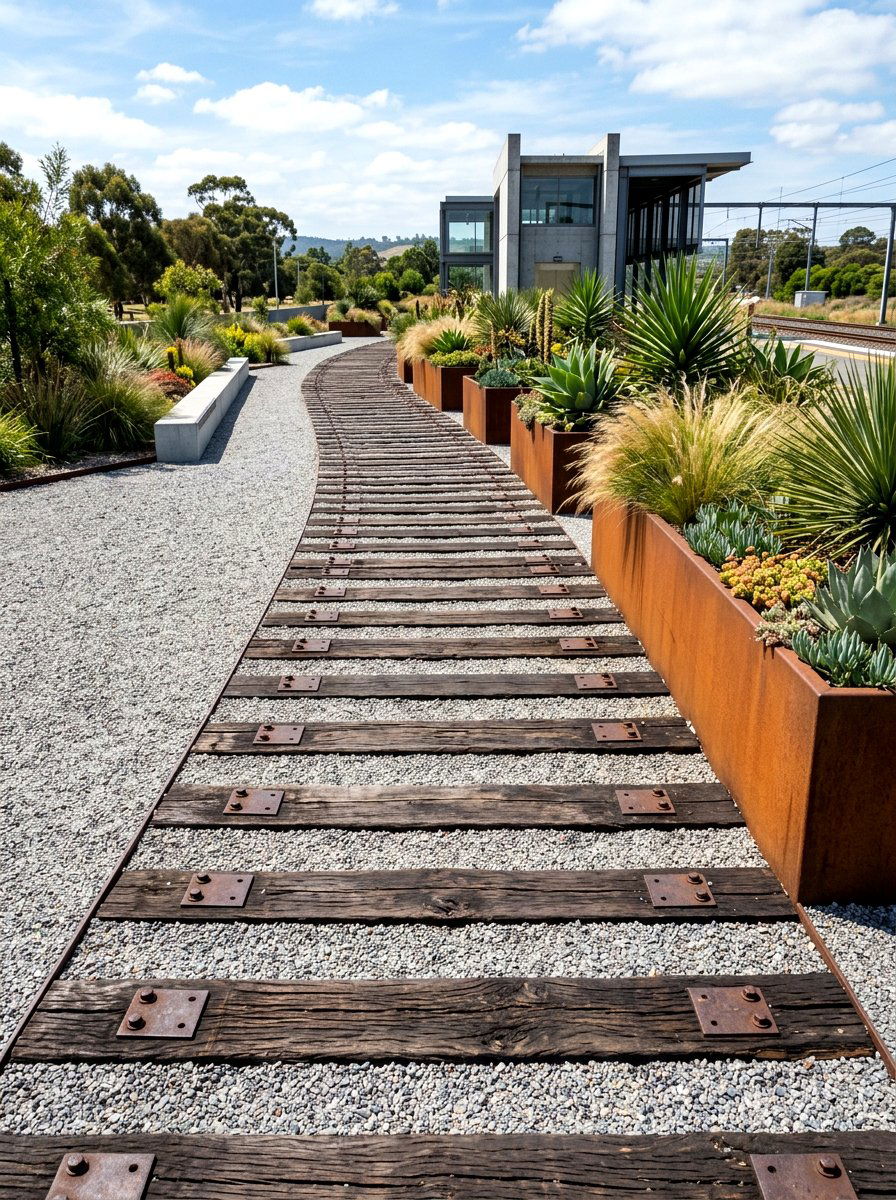
For a heavy-duty and industrial look, using reclaimed or new railway sleepers can create a very bold and structural garden path. These thick timbers are incredibly durable and provide a strong horizontal line that can help ground a sprawling landscape. You can lay them flat for a wide walkway or set them on their sides to create steps in a sloped area. Combining sleepers with light-colored gravel provides a high-contrast look that is very effective in modern or minimalist gardens. Because of their size and weight, sleepers stay in place very well without much extra support, making them a practical choice for long-lasting, low-maintenance garden paths.
28. Pebble Path
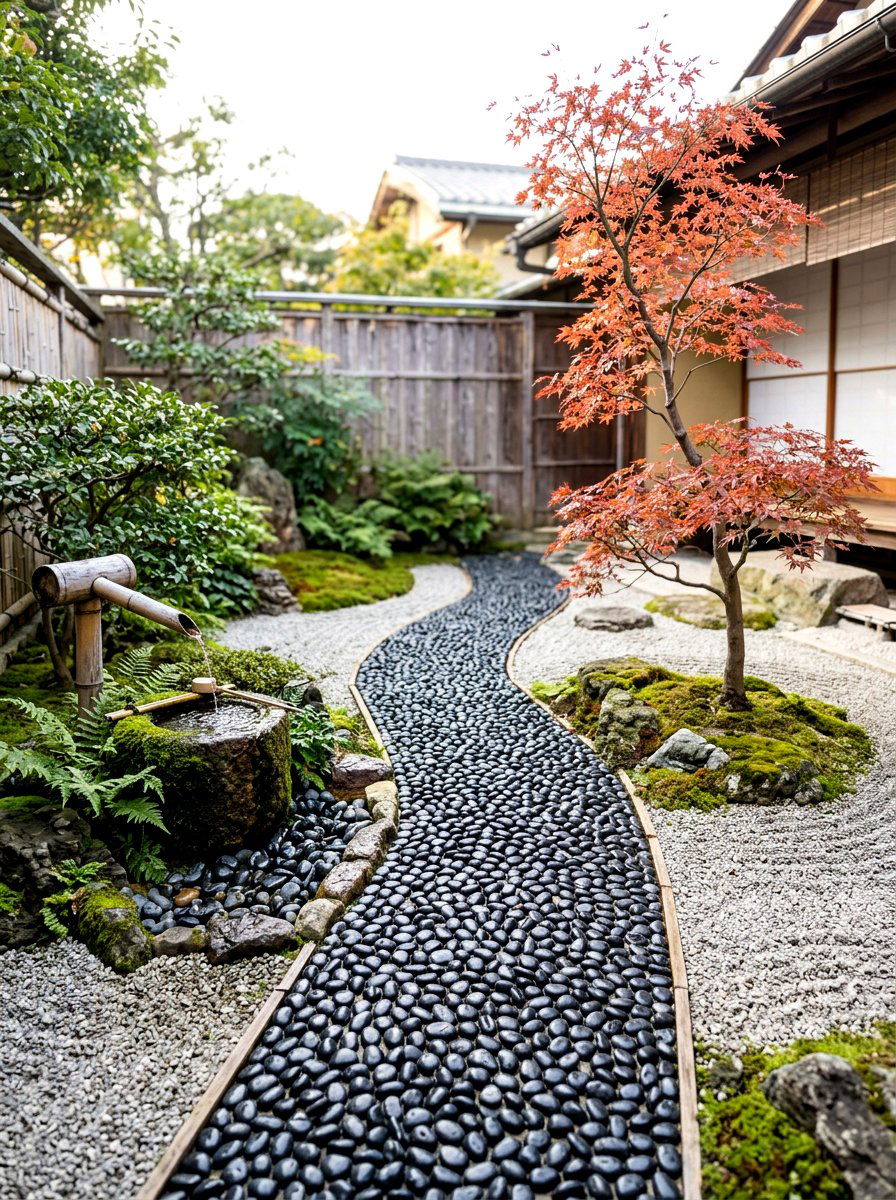
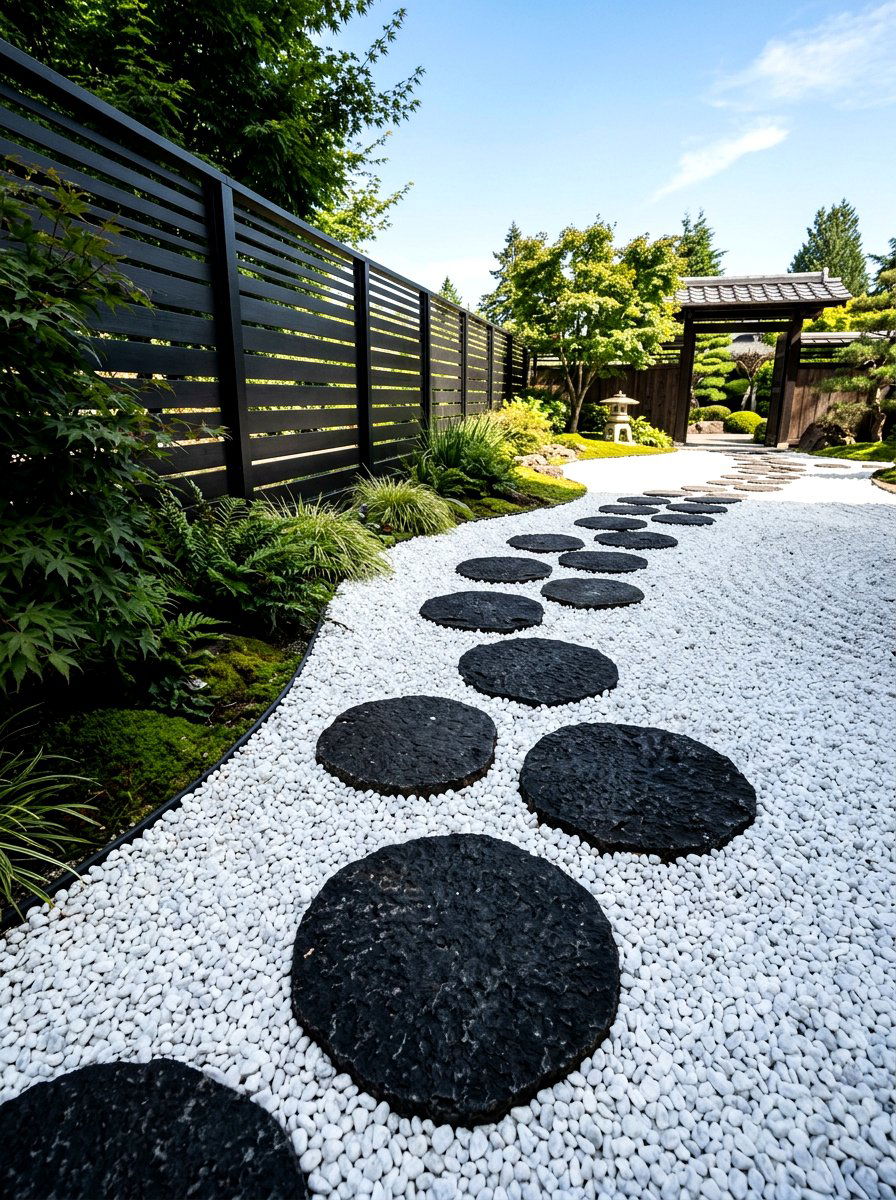
A pebble path offers a highly tactile and auditory experience that most other materials cannot match. Using smooth, rounded beach pebbles or Mexican river stones creates a surface that feels like a foot massage and makes a gentle "swishing" sound as you walk. To keep the pebbles from shifting too much, you can set them into a shallow layer of wet concrete or use a honeycomb-style stabilizer grid. Pebble paths are often seen in Zen gardens or modern courtyards where their uniform texture and color are used to create a calm and meditative atmosphere. Choosing a single color, such as black or white, provides a very clean and intentional look.
29. Grass Path
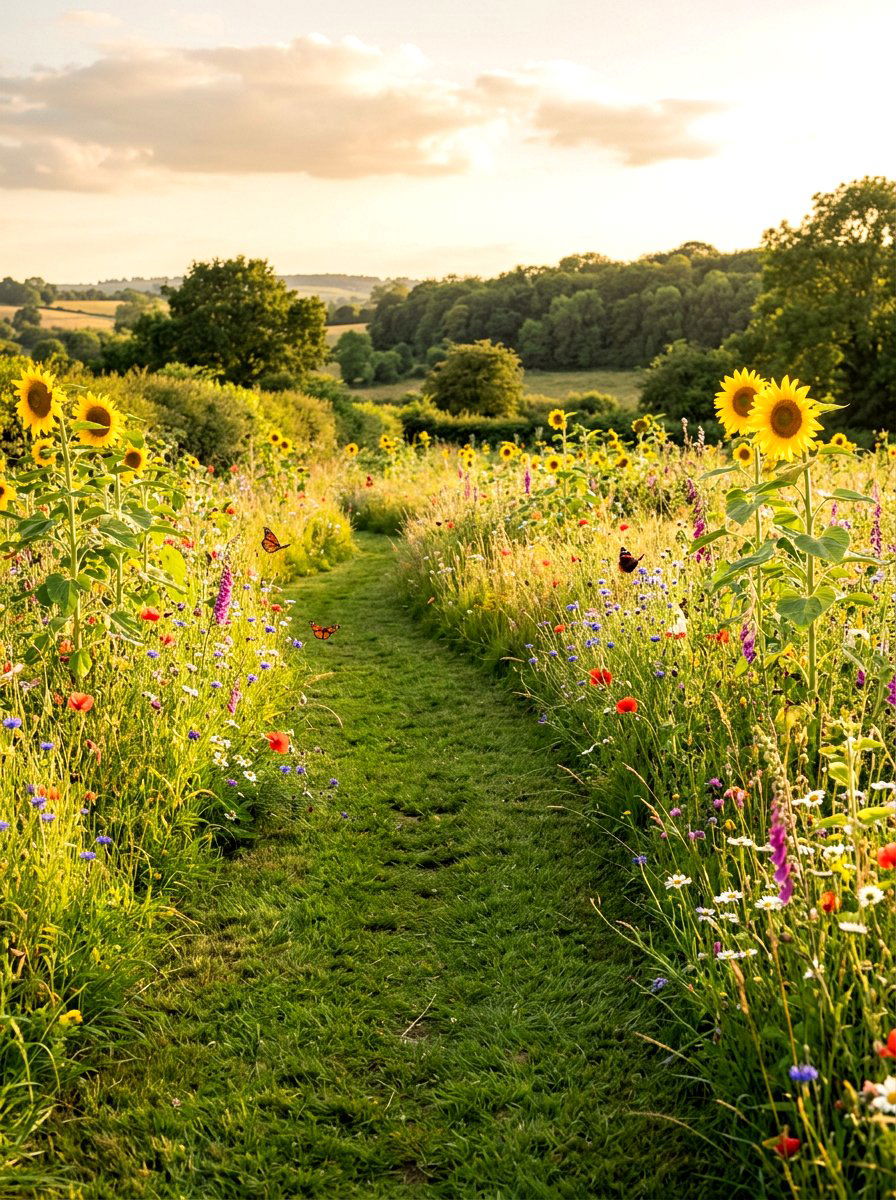
Sometimes, the simplest solution is the most beautiful. A mown grass path through a wildflower meadow or a large perennial garden offers a soft and romantic way to navigate your property. This type of path costs almost nothing to create, as it only requires you to mow a specific route through your existing lawn or meadow. The contrast between the short, manicured grass of the path and the tall, wild growth of the surrounding garden creates a wonderful sense of depth and mystery. While grass paths do require regular mowing to stay defined, they provide the most natural and unobtrusive way to move through a large, nature-inspired landscape.
30. Mixed Material Path
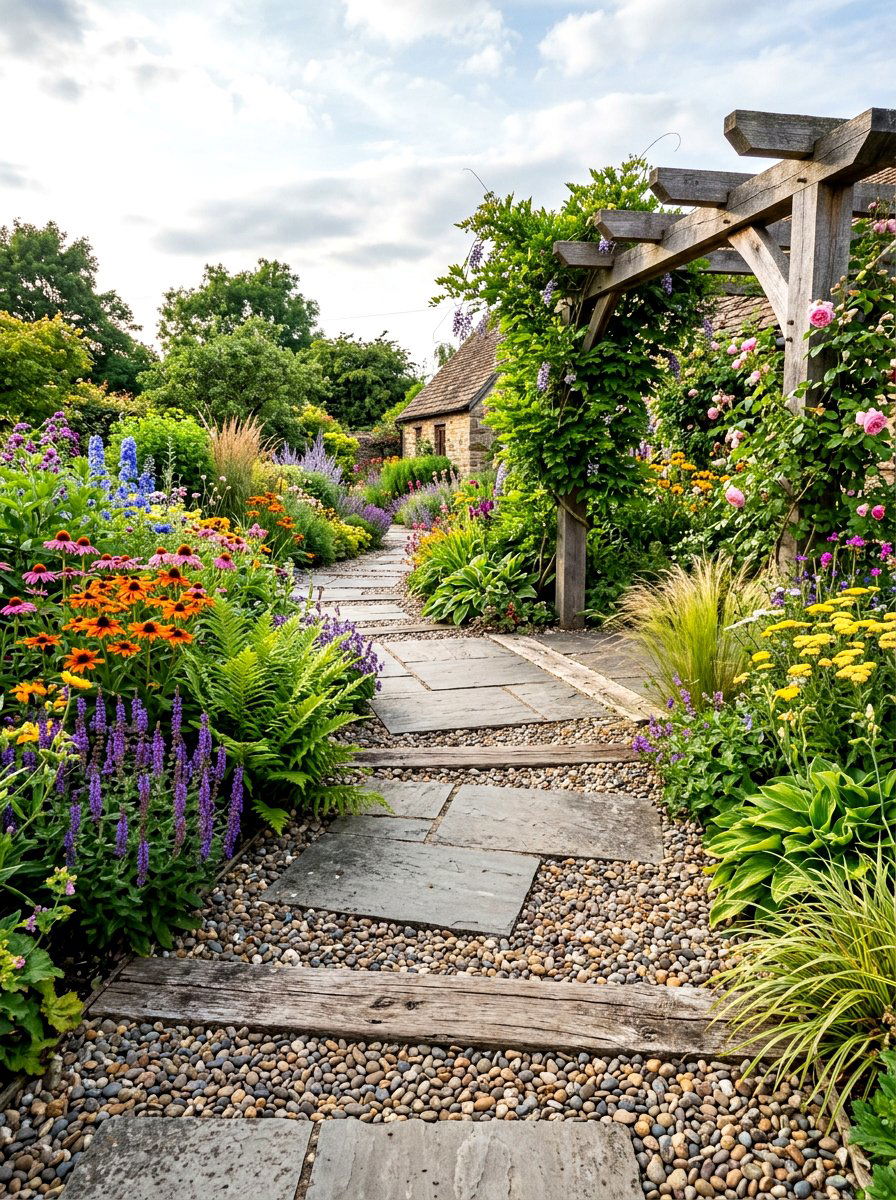
Why settle for just one material when you can combine several to create a truly unique and textured walkway? A mixed material path might feature large flagstones set into a bed of dark grey gravel, or perhaps timber sleepers interspersed with colorful brick patterns. Combining different textures and colors allows you to define different zones of the garden or transition between formal and informal areas. For example, you could use solid stone near the house for a stable entrance and transition to wood and mulch as you enter the more wild, wooded areas of your yard. This eclectic approach adds layers of visual interest and makes the path a design feature in itself.
Conclusion:
Choosing the right garden path is a vital step in creating an outdoor space that is both beautiful and easy to navigate. From the classic elegance of herringbone brick to the rustic charm of wood slices or the modern simplicity of large pavers, the possibilities are nearly endless. A well-designed path does more than just protect your lawn; it adds structure, rhythm, and a sense of discovery to your backyard. By considering your home's architecture, your personal style, and the practical needs of your family, you can select materials that will stand the test of time. Take the time to plan your route carefully, and your new garden path will surely become a favorite feature of your home.

Related posts: