Cottage flower beds represent the ultimate expression of relaxed, romantic gardening that prioritizes charm over strict order. Unlike formal landscapes that rely on rigid symmetry, these beds embrace a "more is more" philosophy where plants intermingle freely. You can transform even the smallest outdoor space into a lush sanctuary by selecting a diverse mix of perennials, annuals, and fragrant shrubs. This style of gardening is rooted in history but remains incredibly popular because it encourages biodiversity and personal creativity. By focusing on layered heights and varied textures, you create a visual story that changes beautifully throughout the seasons. It is a rewarding way to enhance your home's curb appeal while creating a peaceful retreat for yourself and local pollinators.
1. Picket Fence Flower Bed
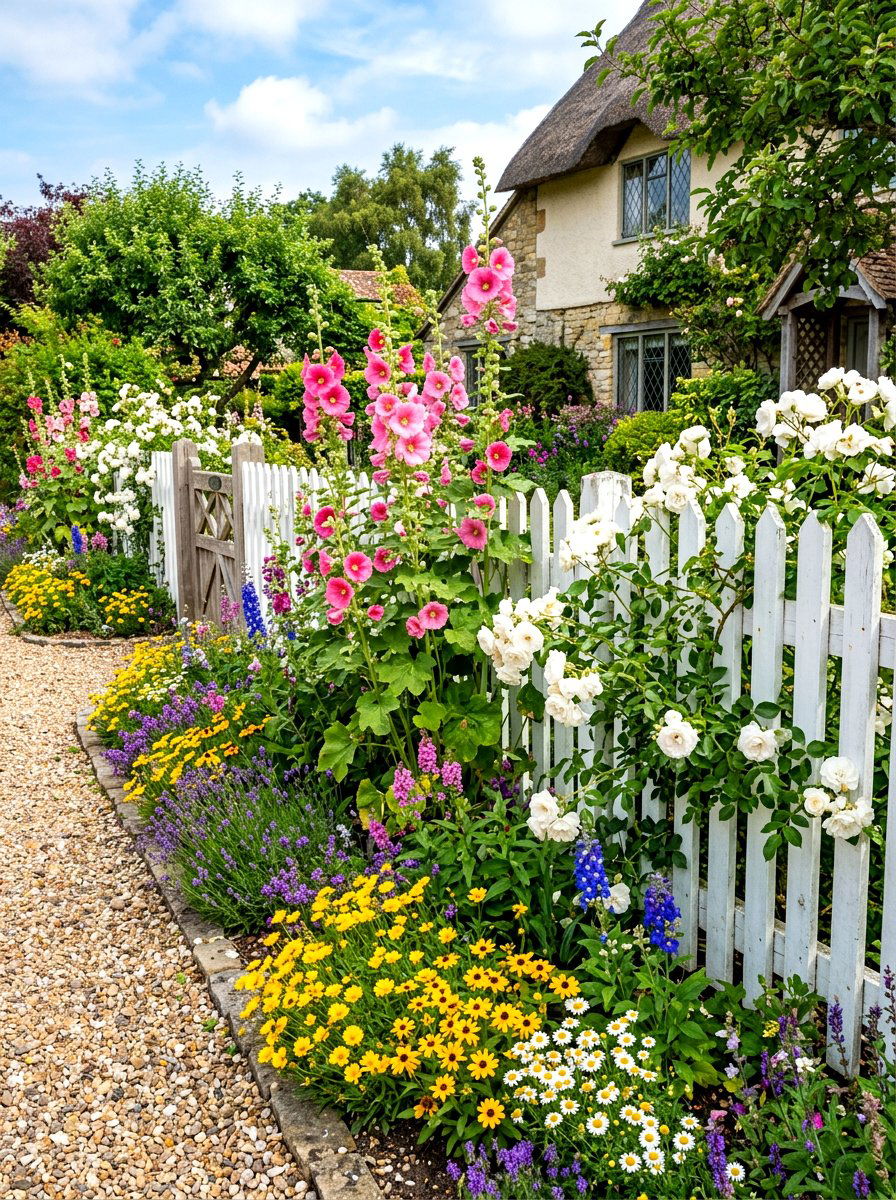
A classic picket fence flower bed brings immediate charm to any home exterior. You can plant tall hollyhocks and climbing roses against the white slats for a nostalgic look. The fence provides a sturdy structure for floppy blooms to lean against throughout the summer. This setup defines your property line while keeping the vibe soft and welcoming. You should mix in some lower-growing daisies or pansies at the base to hide any bare stems. The combination of wood and petals creates a picture-perfect scene. It feels like a storybook setting that neighbors will admire every time they walk past your house. This simple addition makes your front yard feel very cozy.
2. English Rose Border
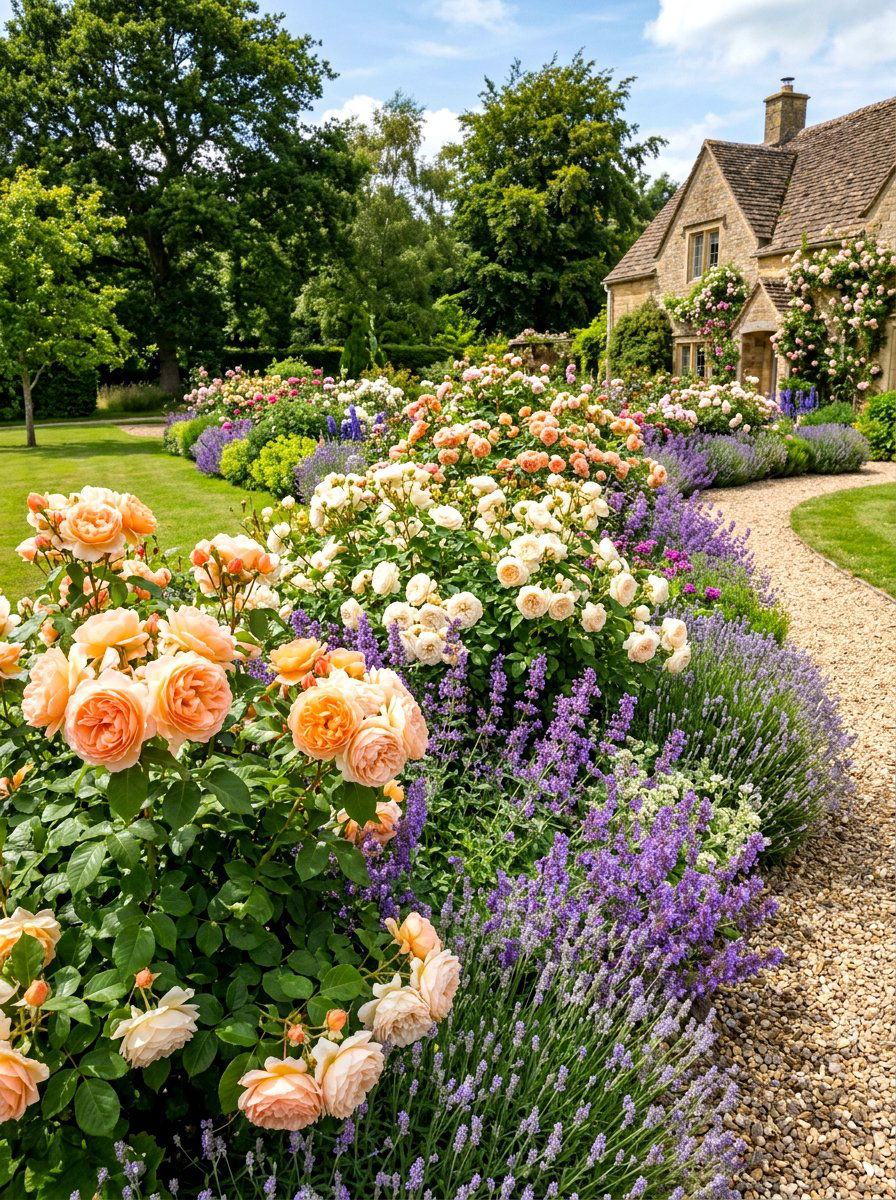
An English rose border is the heart of a romantic cottage garden. You should choose various shrub roses with deep fragrances and soft petal colors like peach and cream. Planting them in a dense row creates a lush wall of blooms that smells incredible in the evening. You can underplant the roses with catmint or lavender to fill in the gaps at ground level. These companion plants help suppress weeds while providing a beautiful color contrast. The result is a high-impact floral display that feels timeless and elegant. This design requires some pruning, but the visual reward is worth the extra effort. It creates a very dreamy atmosphere.
3. Natural Stone Garden Edge
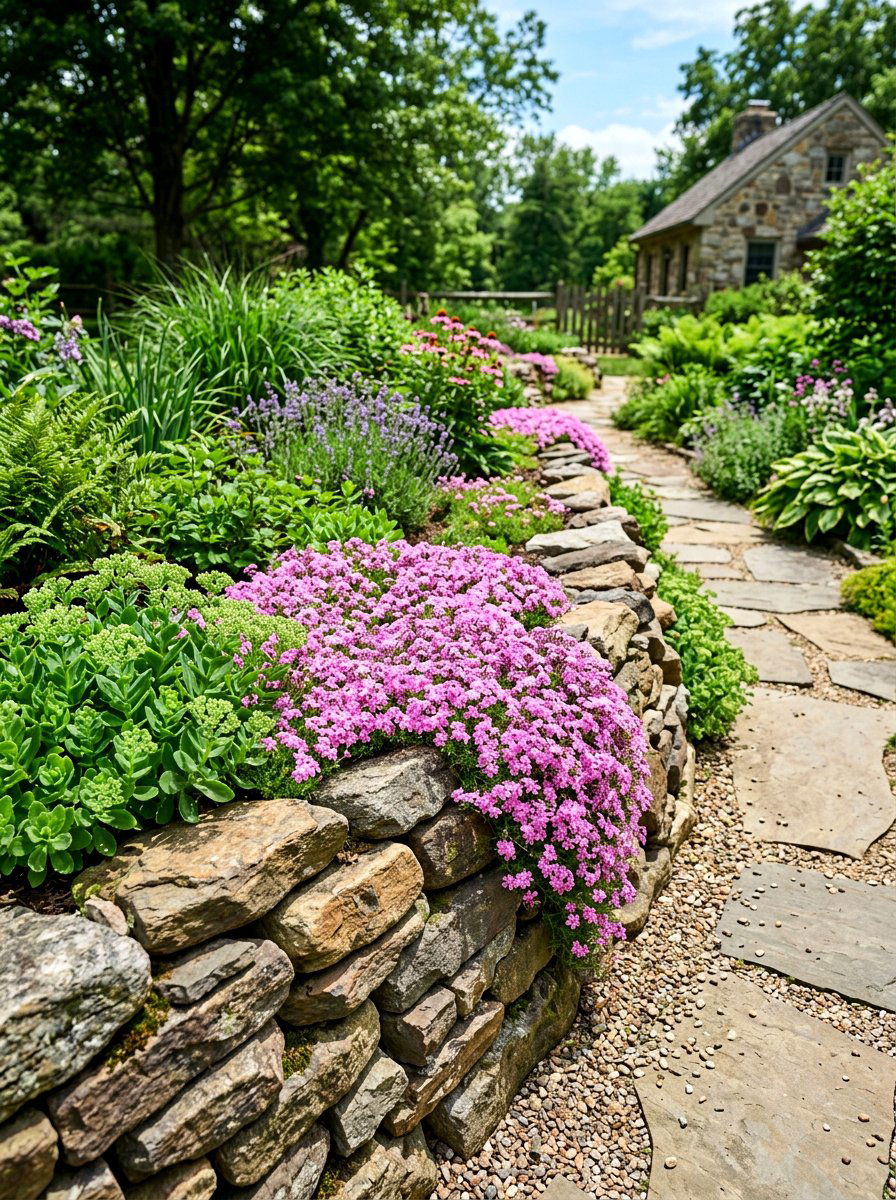
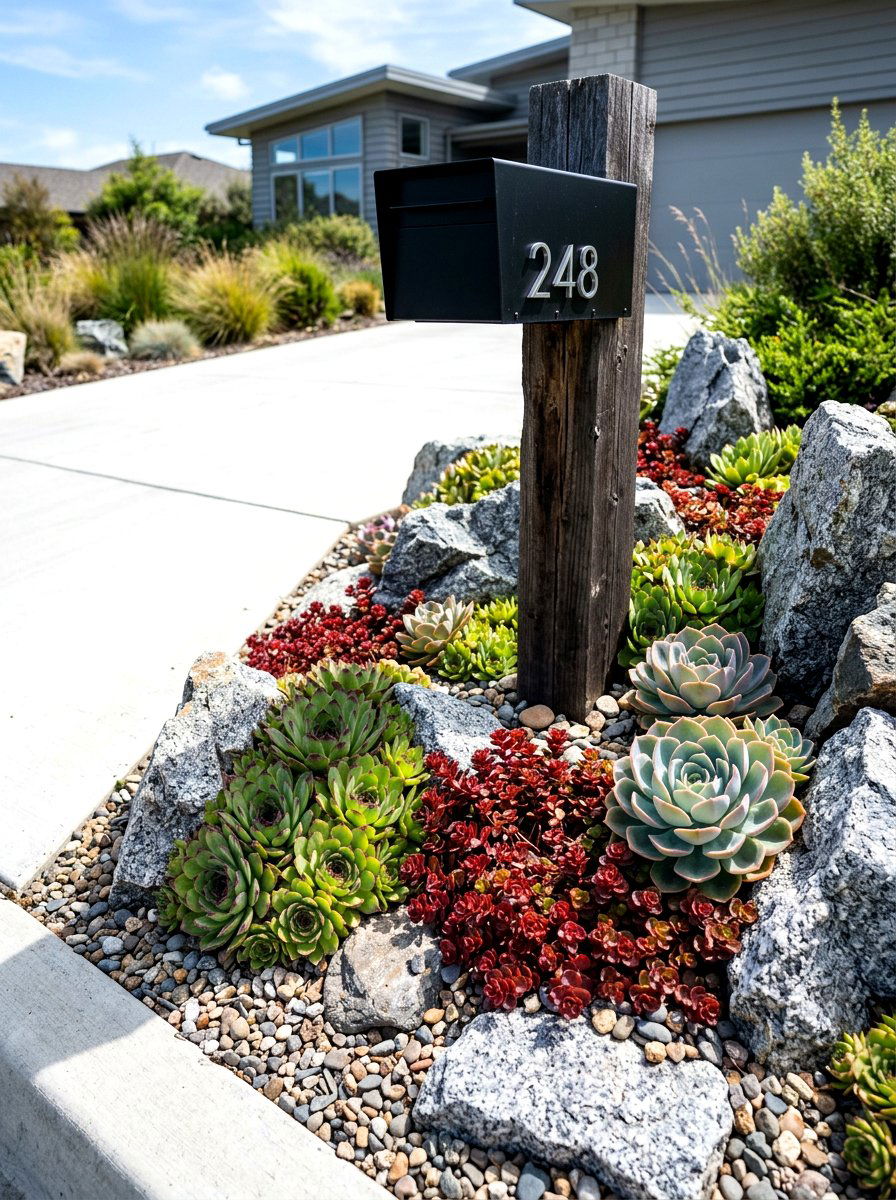
Using a natural stone garden edge adds a rustic and grounded feel to your floral displays. You can stack flat fieldstones or use large river rocks to define the boundaries of your flower bed. This hardscaping element prevents grass from creeping into your blooms while adding a beautiful texture. Low-growing plants like creeping phlox or stonecrop look wonderful when they spill over the rocks. The contrast between the hard stone and the soft foliage makes the colors of your flowers pop. It creates a permanent structure that looks great even in the winter months. This method is perfect for sloped yards where you need a bit of extra soil retention.
4. Mixed Perennial Garden
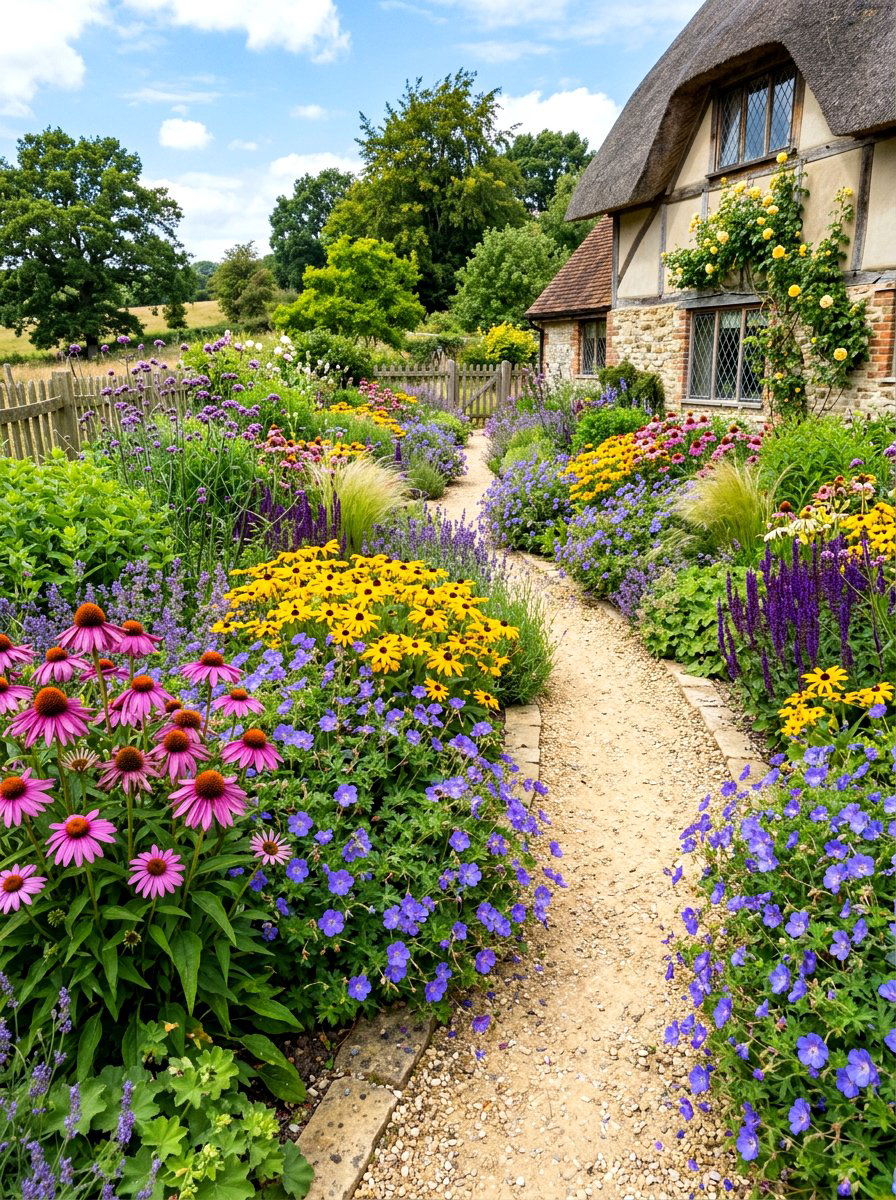
A mixed perennial garden is the best way to ensure your yard looks full and vibrant year after year. You can combine different species like coneflowers, black-eyed Susans, and hardy geraniums to create a diverse ecosystem. These plants return every spring, making this a sustainable and low-maintenance choice for busy homeowners. By choosing plants with different blooming times, you can enjoy a continuous show of color from spring through autumn. The varied heights and shapes of the foliage add visual interest even when the flowers are not in bloom. This style of bed encourages a natural look that feels very lived-in. It is a favorite for local bees.
5. Wildflower Meadow Bed
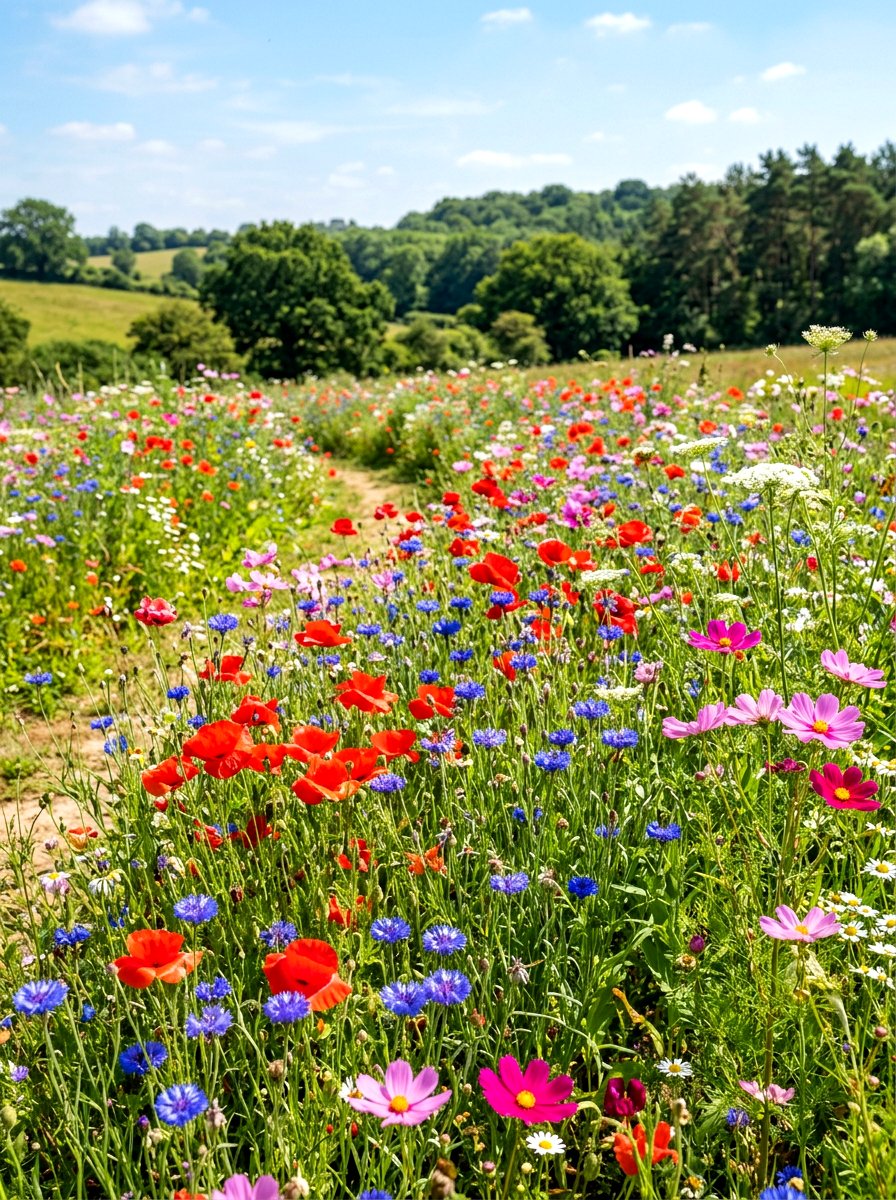
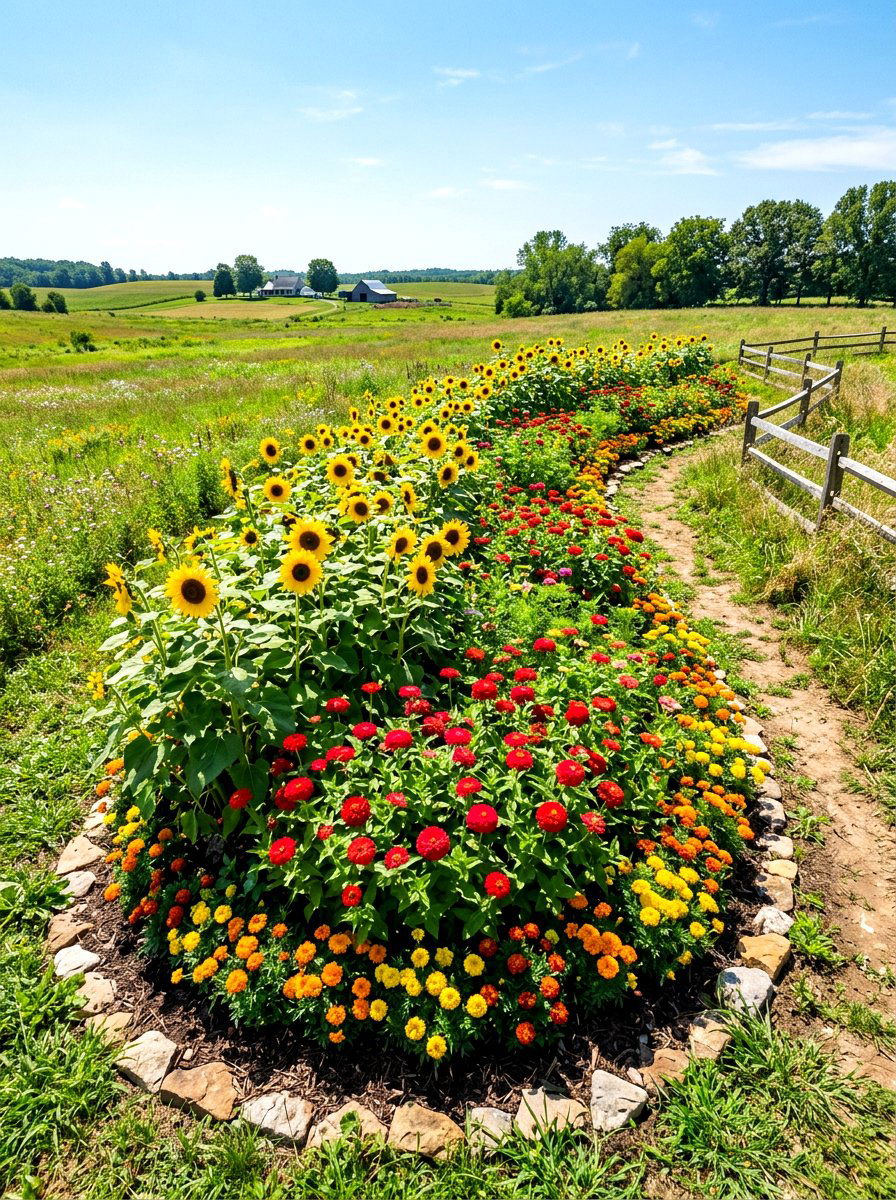
A wildflower meadow bed is a great option for those who prefer a more natural and slightly wild aesthetic. You can sow a mix of native seeds like poppies, cornflowers, and cosmos to create a colorful tapestry. This type of bed requires very little watering or fertilizing once the plants are established. It provides a vital habitat for butterflies and other beneficial insects in your local area. The flowers often self-seed, meaning your garden will naturally change and evolve every single season. This effortless style looks beautiful when framed by a simple mowed path or a rustic wooden fence. It brings a sense of freedom to your landscape.
6. Lavender And Rose Garden
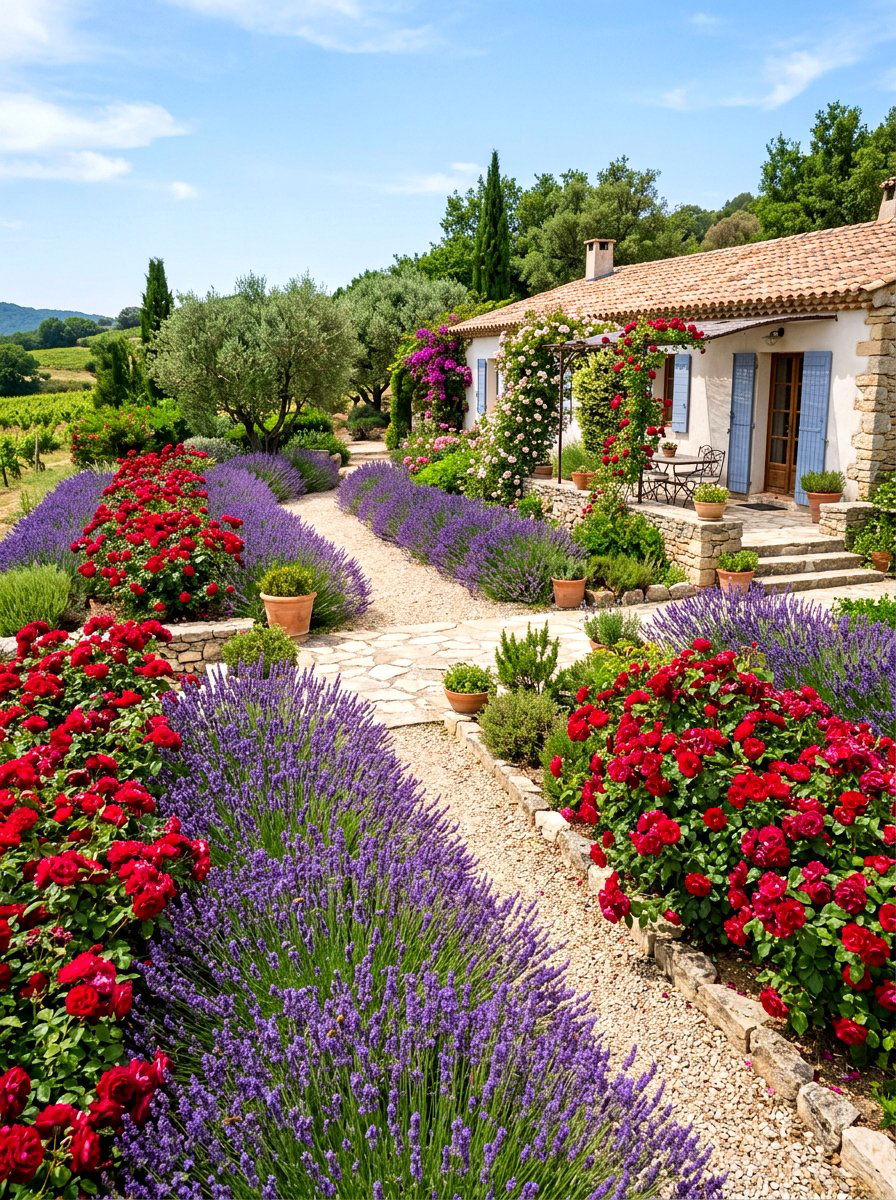
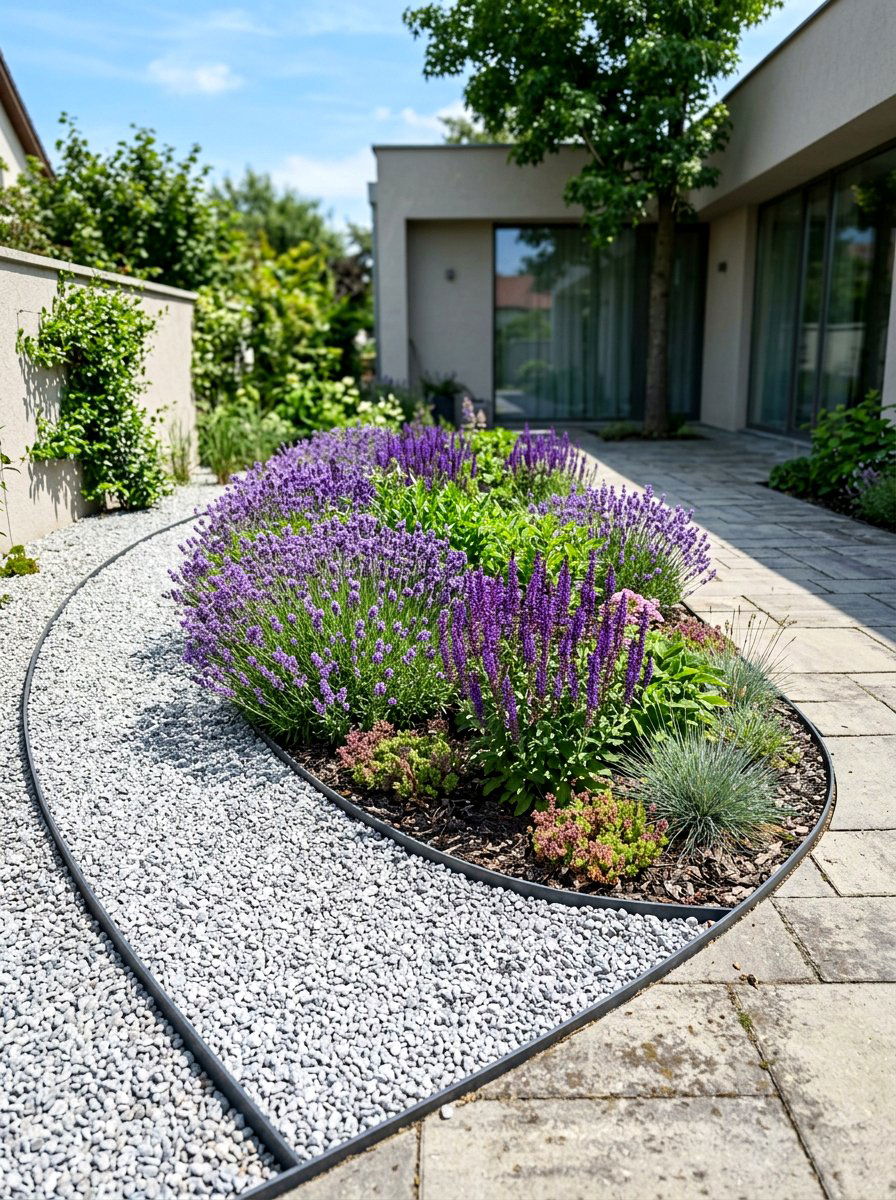
The combination of a lavender and rose garden is a sensory delight that offers both beauty and fragrance. You can plant rows of fragrant lavender at the feet of your favorite rose bushes. The silvery-purple foliage of the lavender complements the vibrant greens and bright petals of the roses perfectly. This pairing is classic in Mediterranean and English cottage designs because they both love sunny spots. Lavender also acts as a natural pest deterrent, which helps keep your roses healthy and strong. When you walk past this bed, the scent will be absolutely heavenly. It is a simple way to create a high-end look in a small space.
7. White Cottage Garden
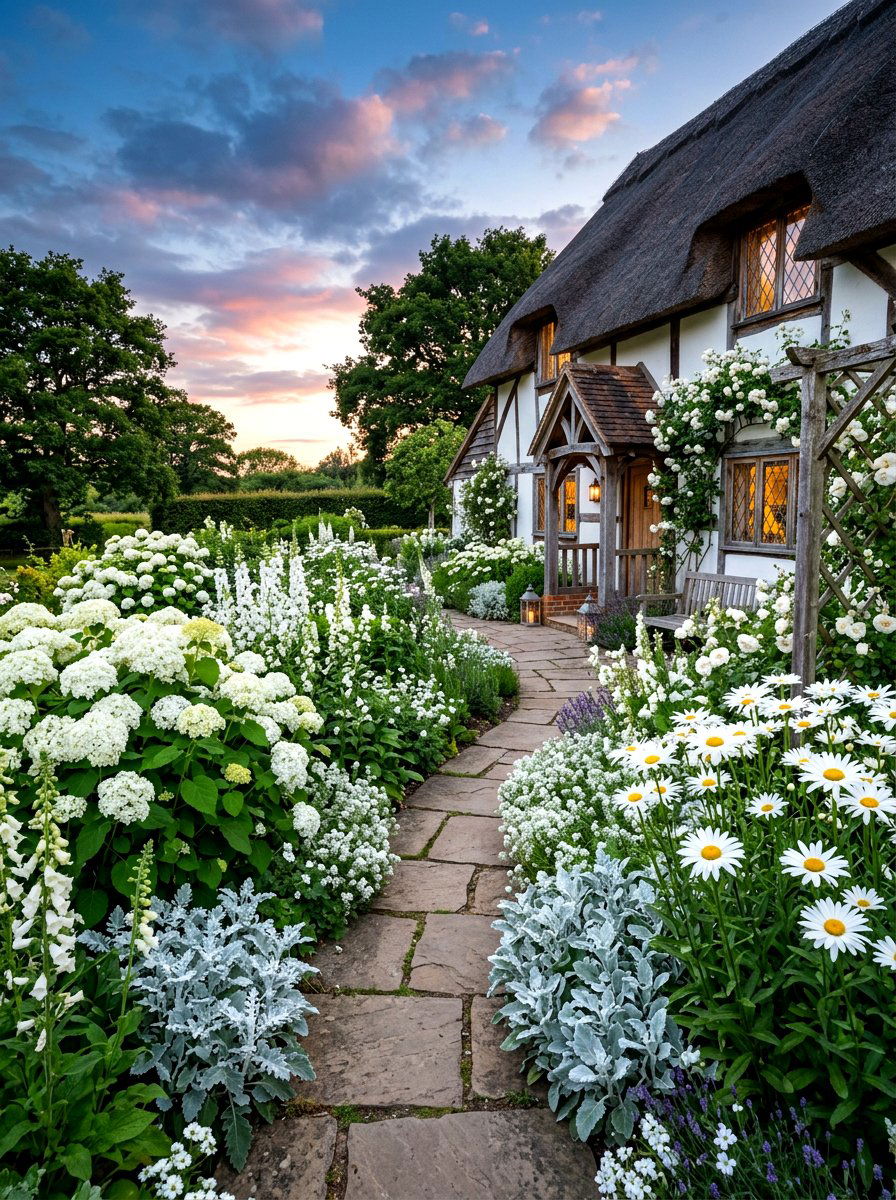
A white cottage garden, often called a moon garden, looks stunning during the day and glows beautifully at night. You should focus on plants like white hydrangeas, Shasta daisies, and silver-leaved dusty miller. These light colors reflect the moonlight, making your garden a peaceful place for an evening stroll. Adding some white climbing clematis on a trellis can provide a vertical element to the design. This monochromatic theme feels very sophisticated and helps make a small garden feel much larger. You can use different leaf textures to keep the bed from looking flat. It provides a very calm and serene vibe for your outdoor seating area.
8. Foxglove And Delphinium Bed
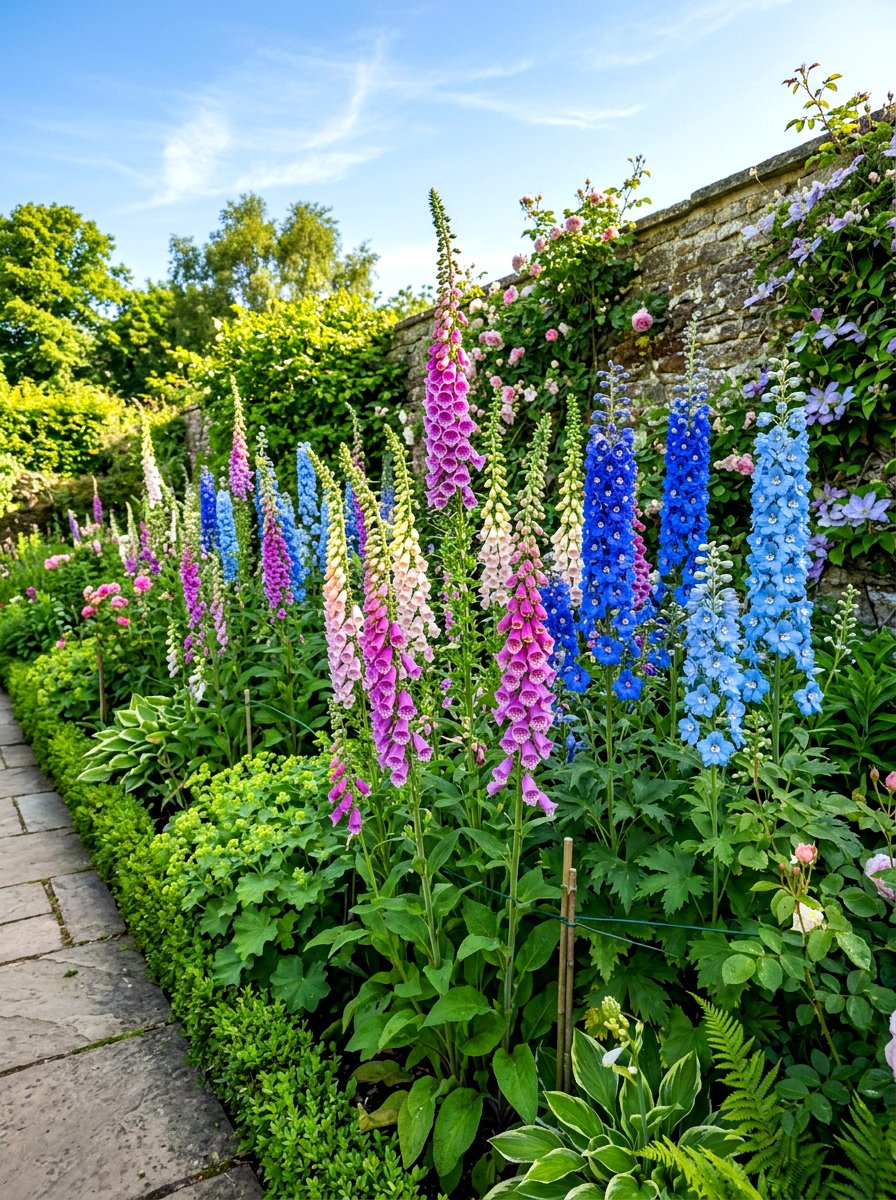
Creating a foxglove and delphinium bed is the best way to add dramatic height to your backyard. These tall flower spikes create a vertical focal point that draws the eye upward. You should plant them at the back of your flower bed to provide a lush backdrop for shorter species. Their tubular and bell-shaped blooms come in stunning shades of purple, blue, and pink. Because they can get top-heavy, planting them closely together helps them support each other in the wind. These old-fashioned favorites are essential for achieving a true cottage look. They add a touch of magic and whimsy to any garden corner. They are truly spectacular.
9. Gravel Path Garden Edge
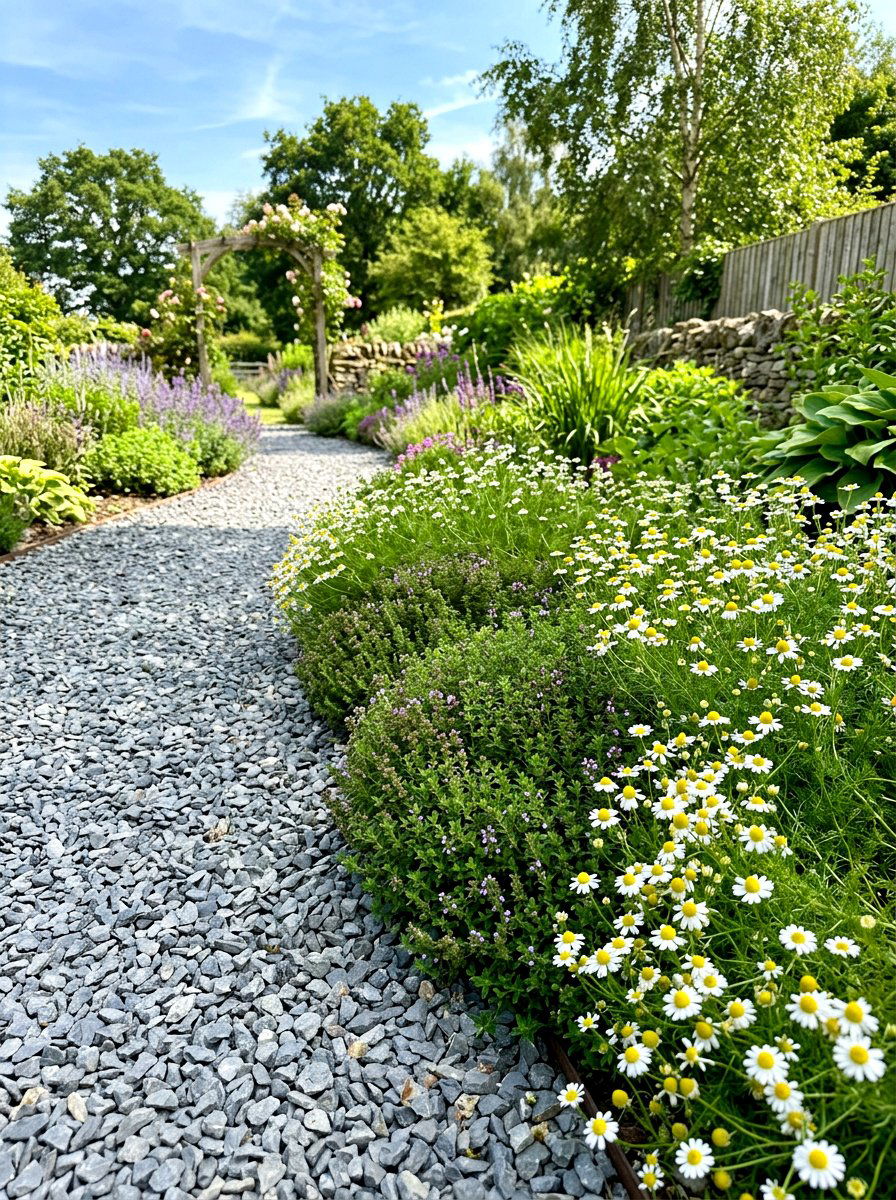
A gravel path garden edge is a functional and stylish way to lead guests through your flower beds. You can plant low-growing herbs like thyme or chamomile right along the edge of the gravel. As people walk by, their shoes will gently brush the plants and release a wonderful scent. The crunch of the gravel combined with the soft green leaves creates a lovely sensory experience. This design helps with drainage and keeps your feet dry during the rainy season. You can use a mix of colors in your flower beds to contrast with the neutral tones of the stone. It makes the entire garden feel more organized and accessible.
10. Vertical Flower Trellis
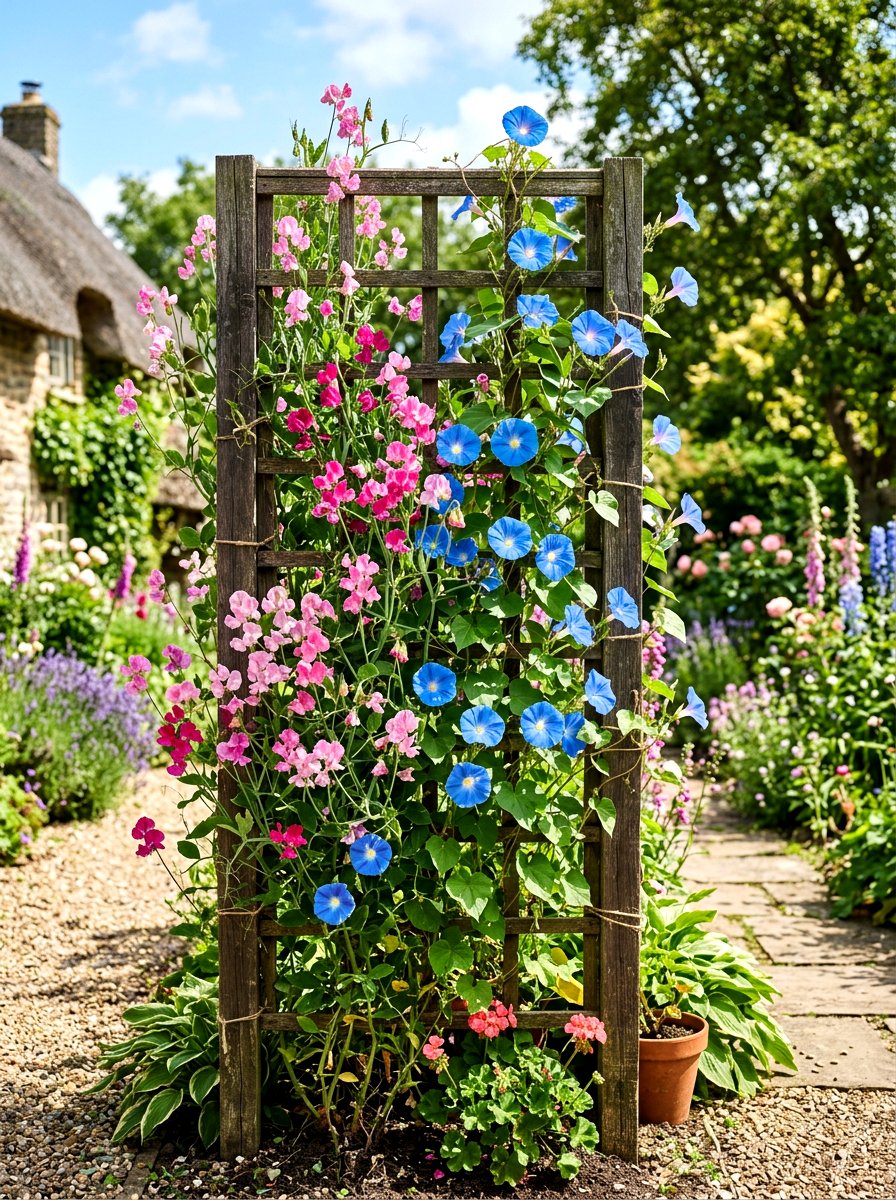
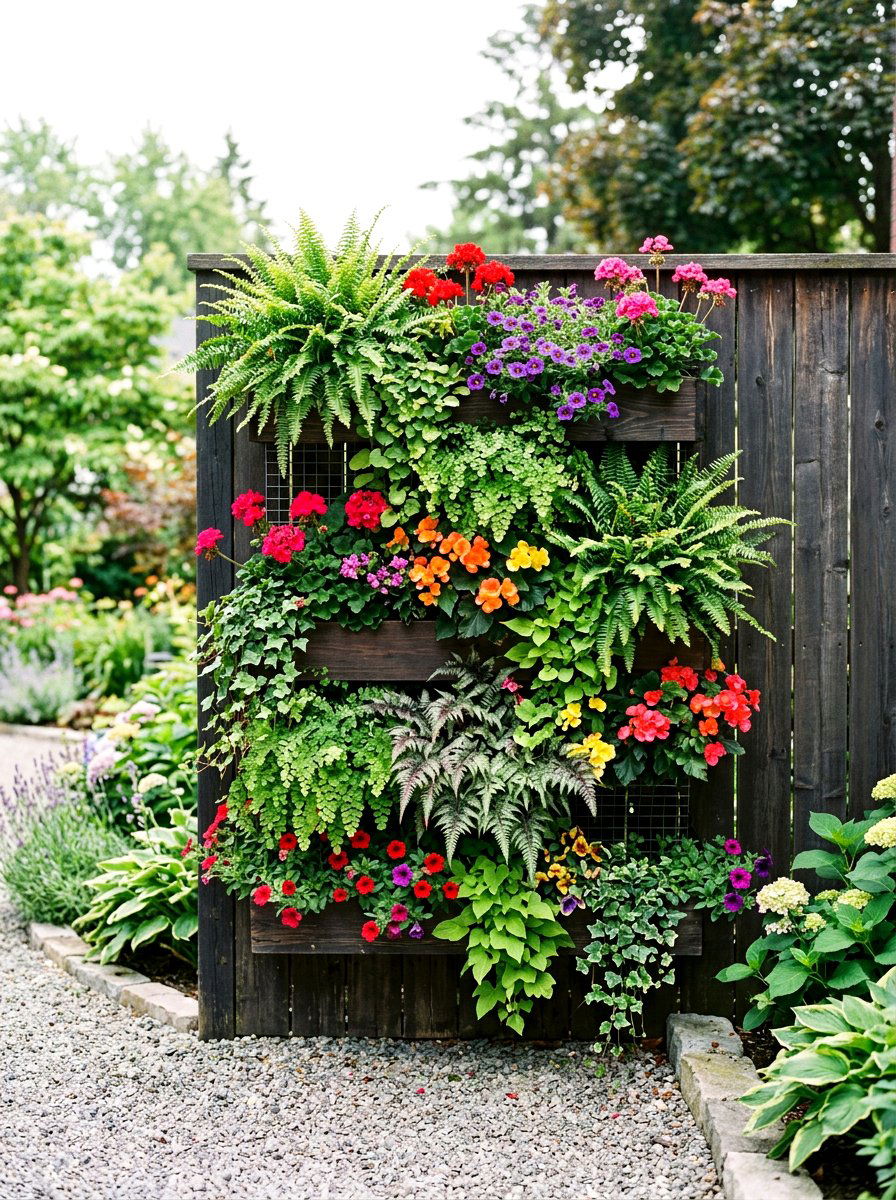
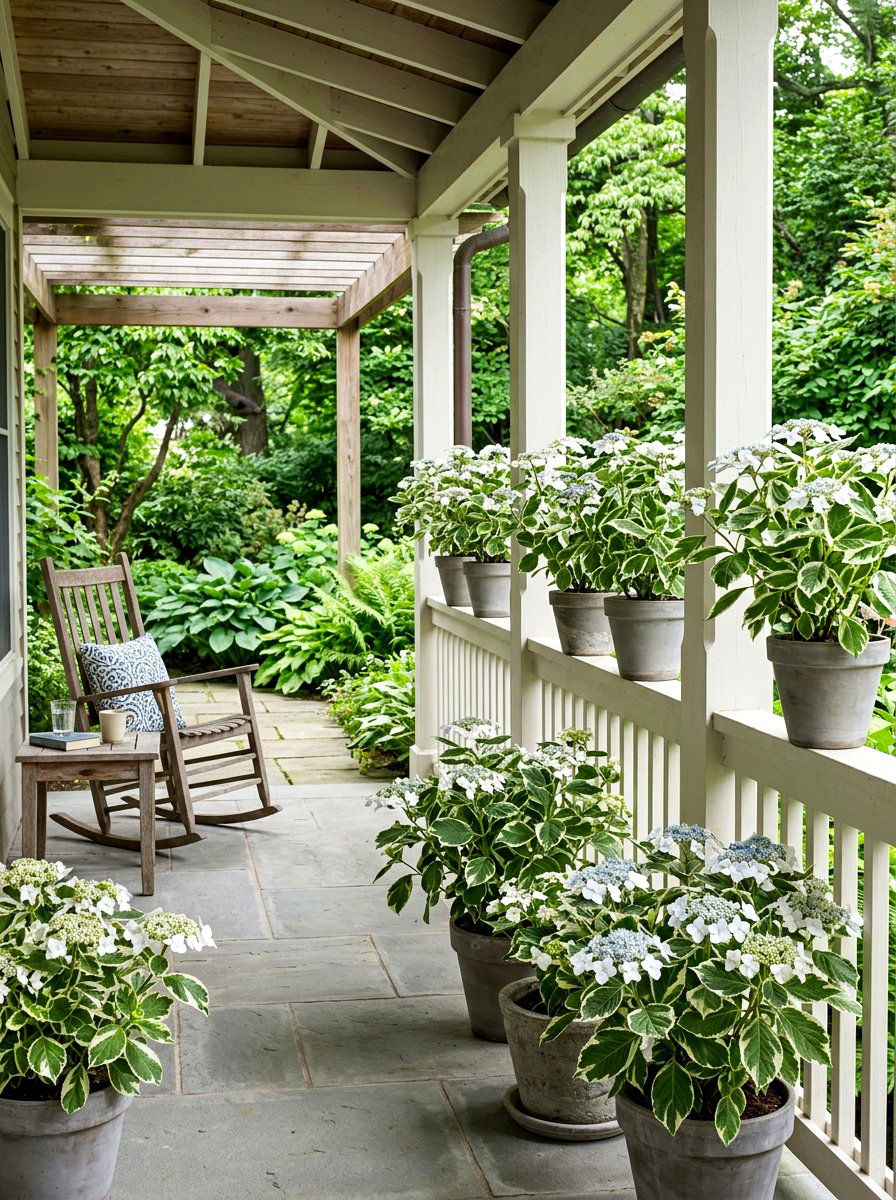
Installing a vertical flower trellis allows you to grow beautiful blooms even if you have very little ground space. You can use wooden or metal structures to support climbing plants like sweet peas or morning glories. This technique adds layers to your garden and can even create a living privacy screen. The sight of colorful vines crawling upward makes your garden feel more enclosed and intimate. You can place the trellis behind a flower bed to add depth and interest. This is a great way to hide an ugly wall or a plain fence. It makes use of every inch of your outdoor area. It looks very lush and full.
11. Window Box Floral Display
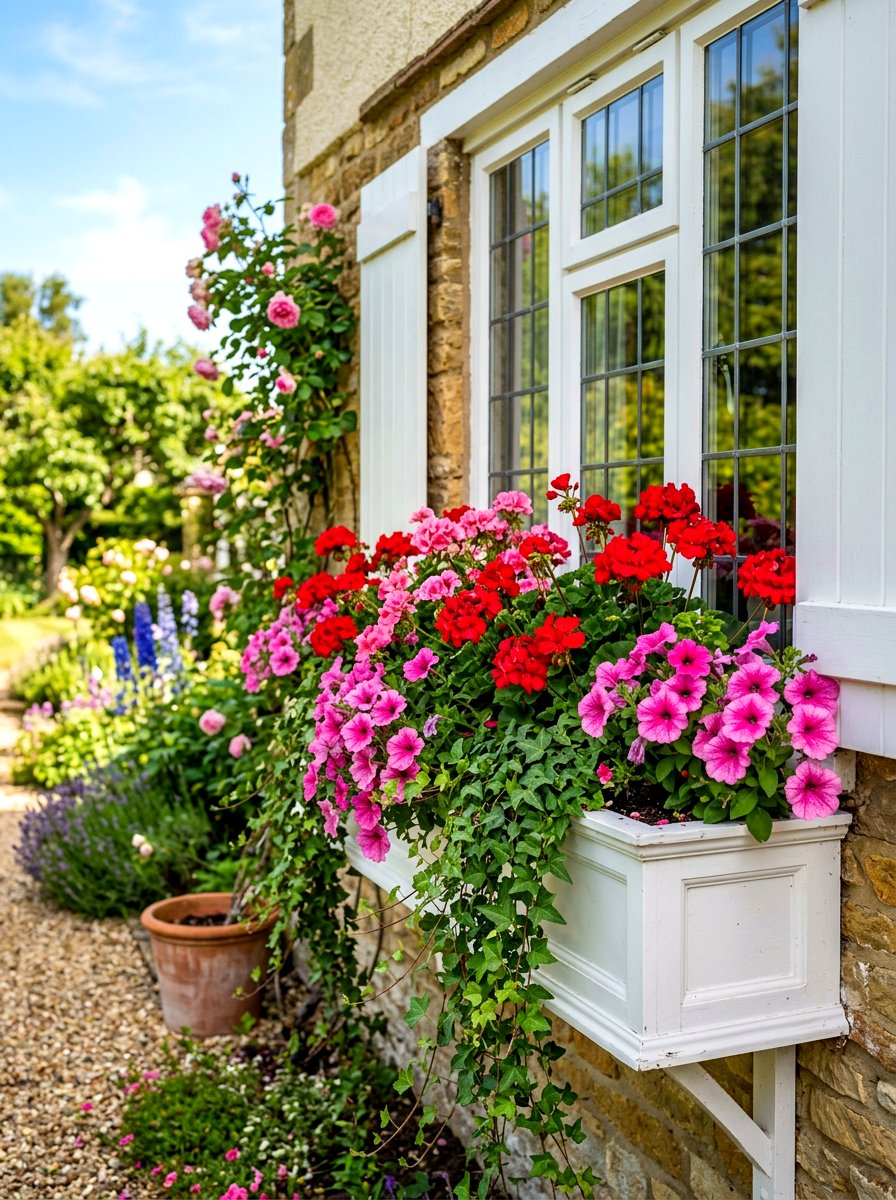
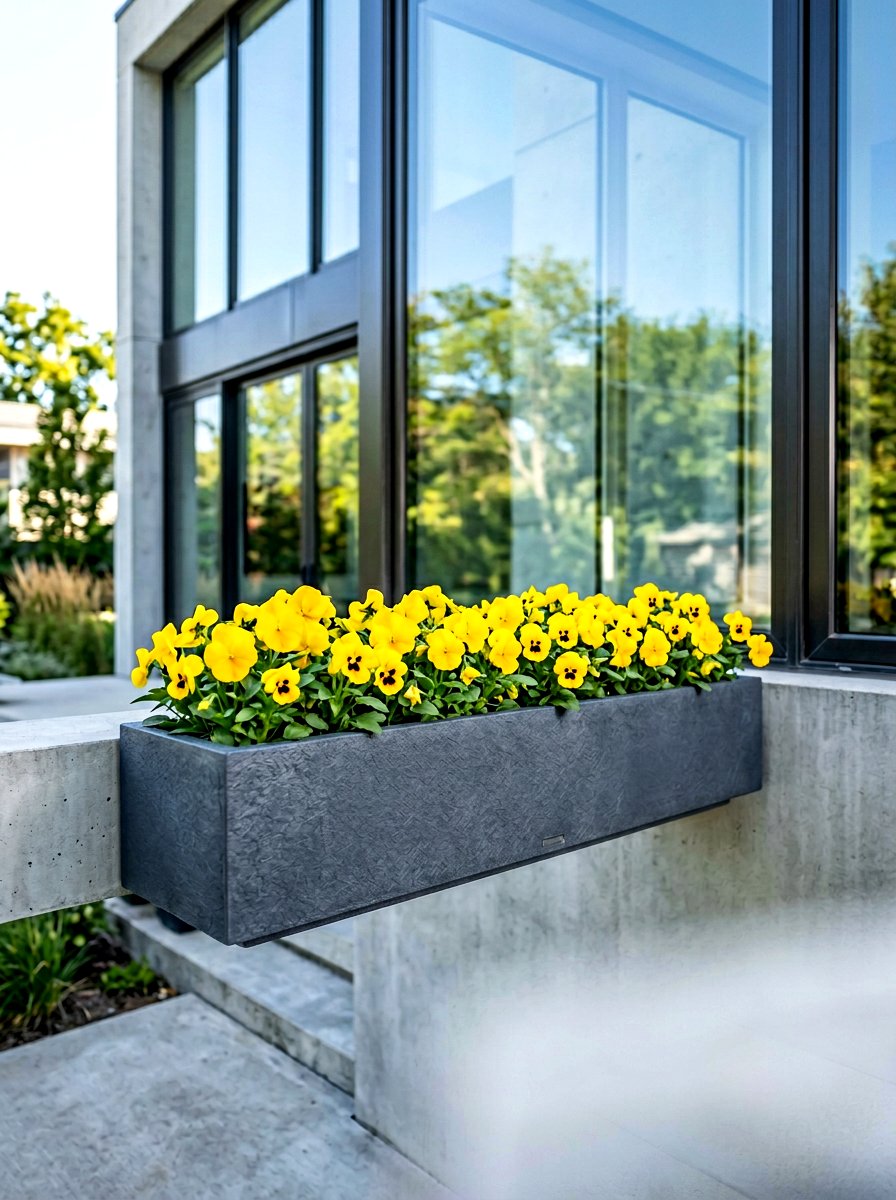
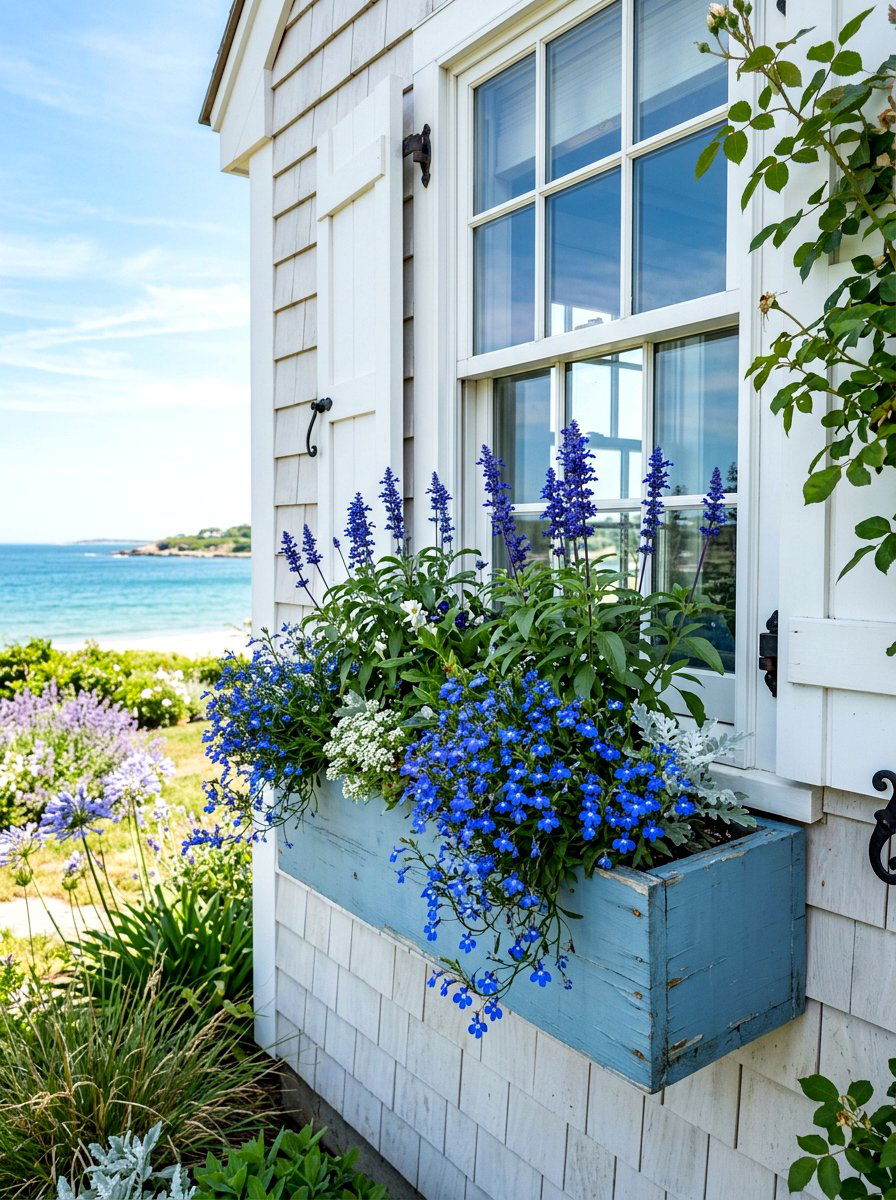
A window box floral display brings the beauty of your cottage garden right up to your house walls. You can fill the boxes with trailing petunias, ivy, and bright geraniums for a classic look. This setup allows you to enjoy the view of flowers from both inside and outside your home. Choosing a color palette that matches your shutters or front door creates a very cohesive aesthetic. You should ensure the boxes have good drainage to keep the plants healthy throughout the summer. This is an excellent solution for small homes or apartments with limited yard space. It adds instant curb appeal and a very cheerful touch to your windows.
12. Birdbath Garden Centerpiece
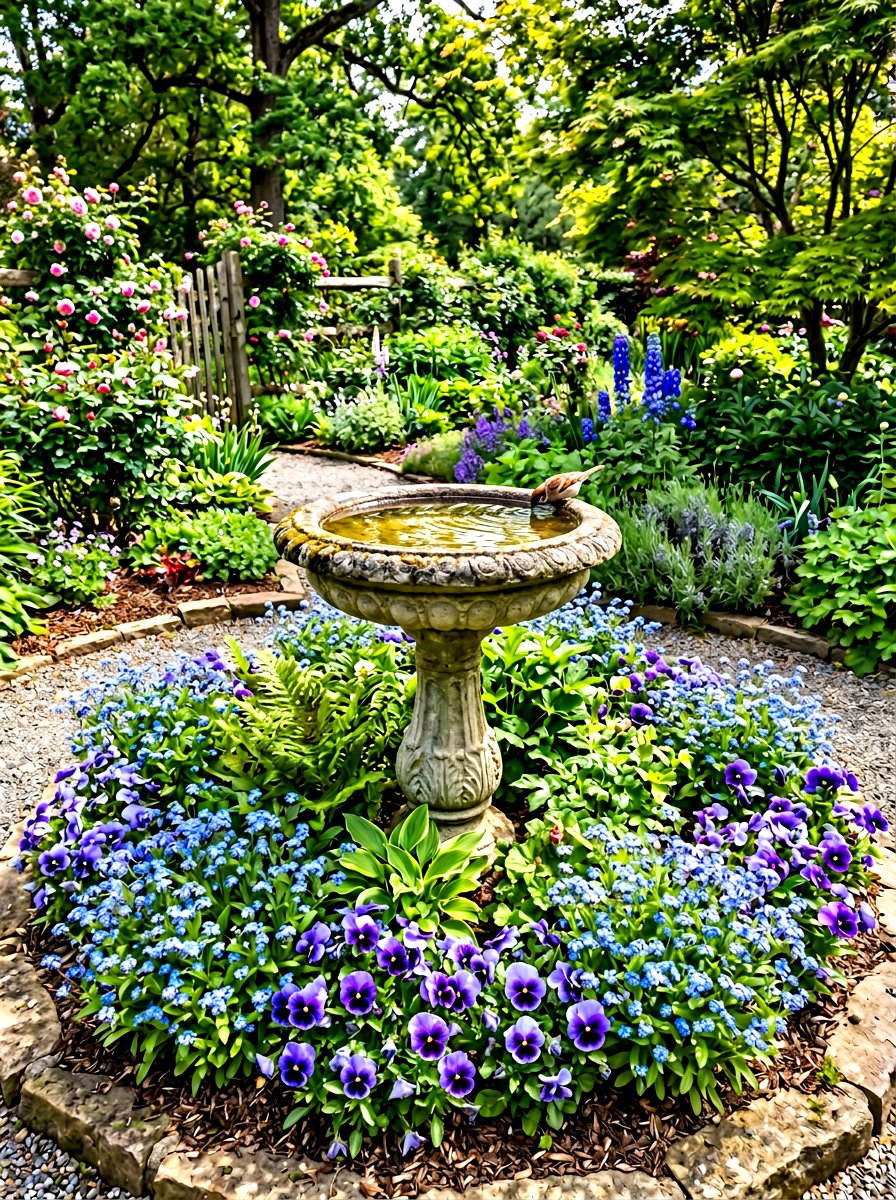
Using a birdbath garden centerpiece creates a lovely focal point for your feathered friends to visit. You should surround the base of the birdbath with low-growing flowers like pansies or forget-me-nots. This creates a soft landing spot and makes the feature feel integrated into the landscape. The sound of splashing water adds a peaceful element to your outdoor sanctuary. You can place taller perennials like salvias around the outer edge to frame the scene. This design encourages wildlife to visit your garden, making it feel more alive and vibrant. It is a simple way to add a bit of personality and function to a central flower bed.
13. Herb And Flower Garden
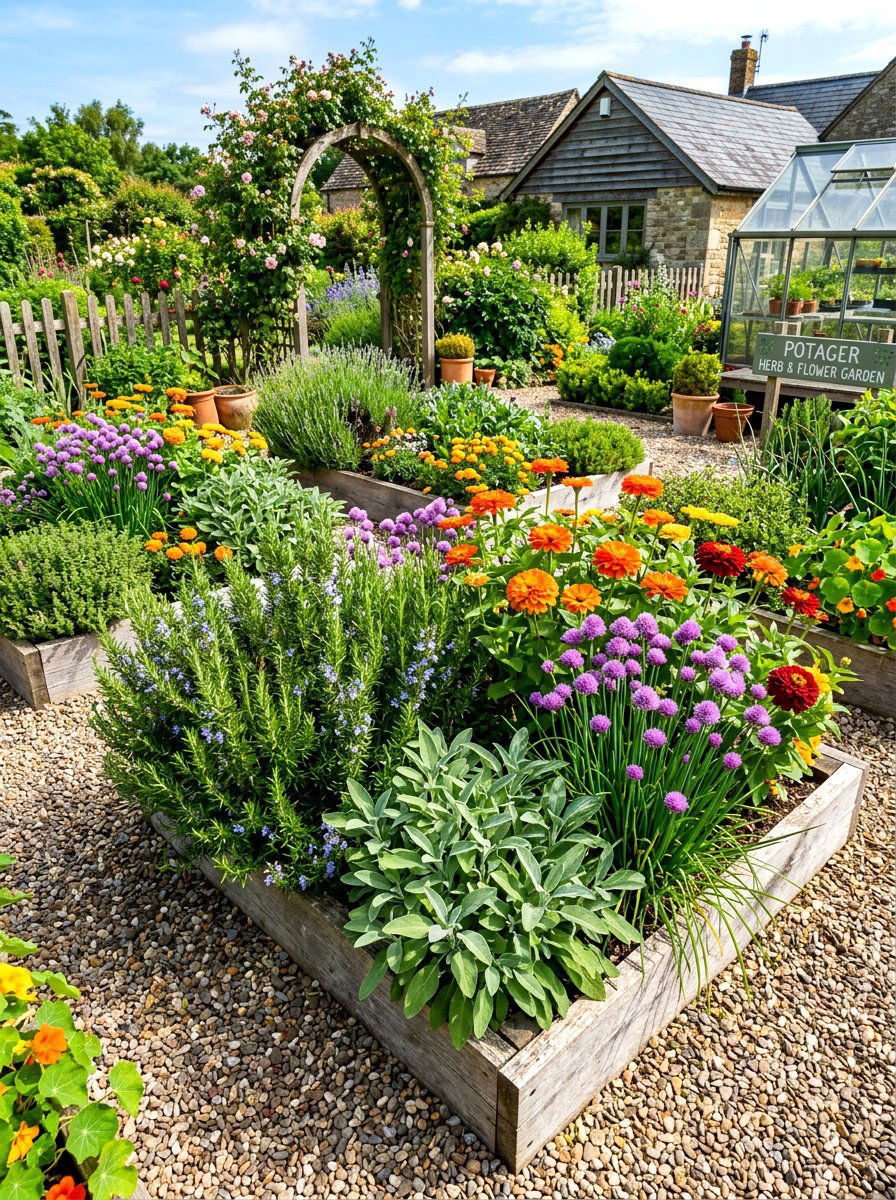
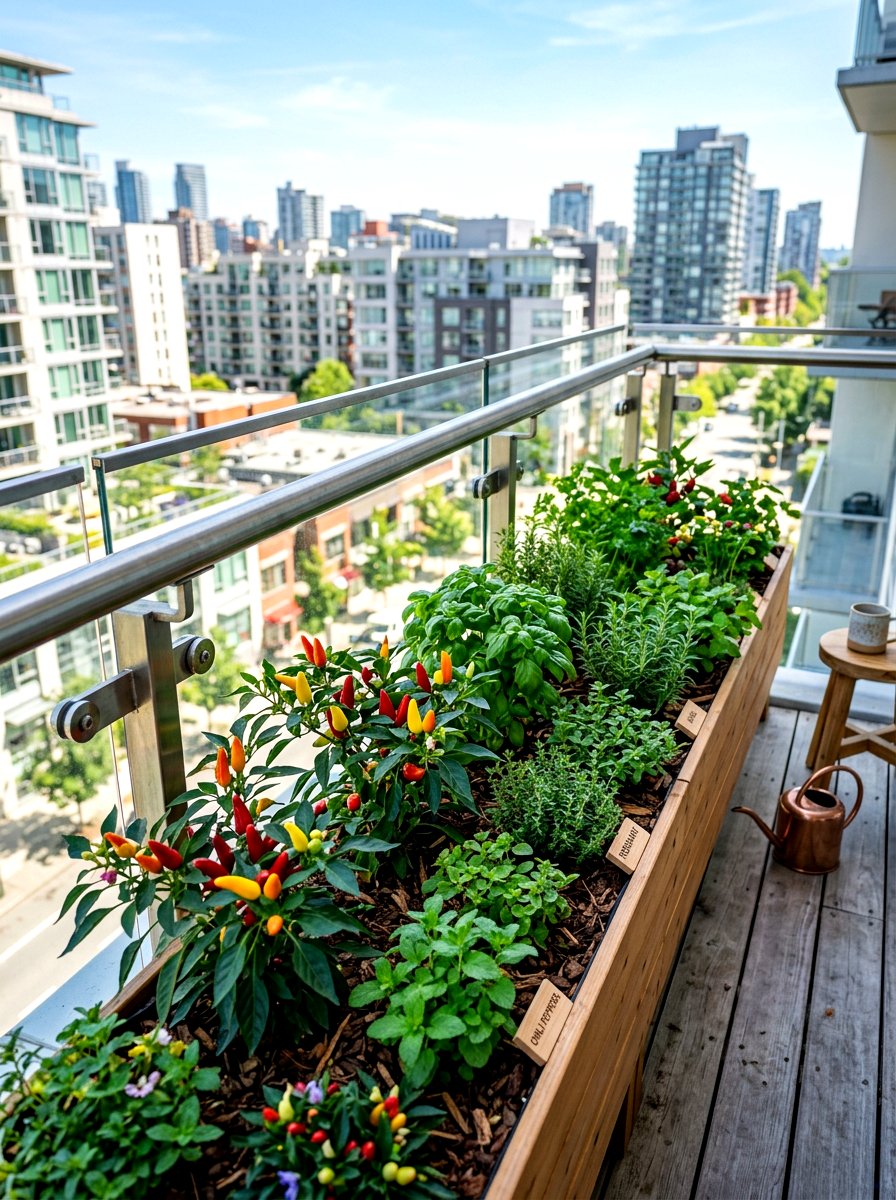
Mixing an herb and flower garden is a practical way to combine beauty with utility in your yard. You can plant rosemary, sage, and chives alongside your favorite flowering perennials. The different textures of the herb leaves add a unique visual element to the bed. Many herbs also produce lovely flowers that attract bees and butterflies to your garden. This setup makes it easy to grab fresh ingredients for your kitchen while you enjoy the scenery. The aromatic foliage of the herbs helps to create a multi-sensory experience every time you step outside. It is a classic approach to traditional cottage gardening that feels very rewarding.
14. Pastel Flower Bed
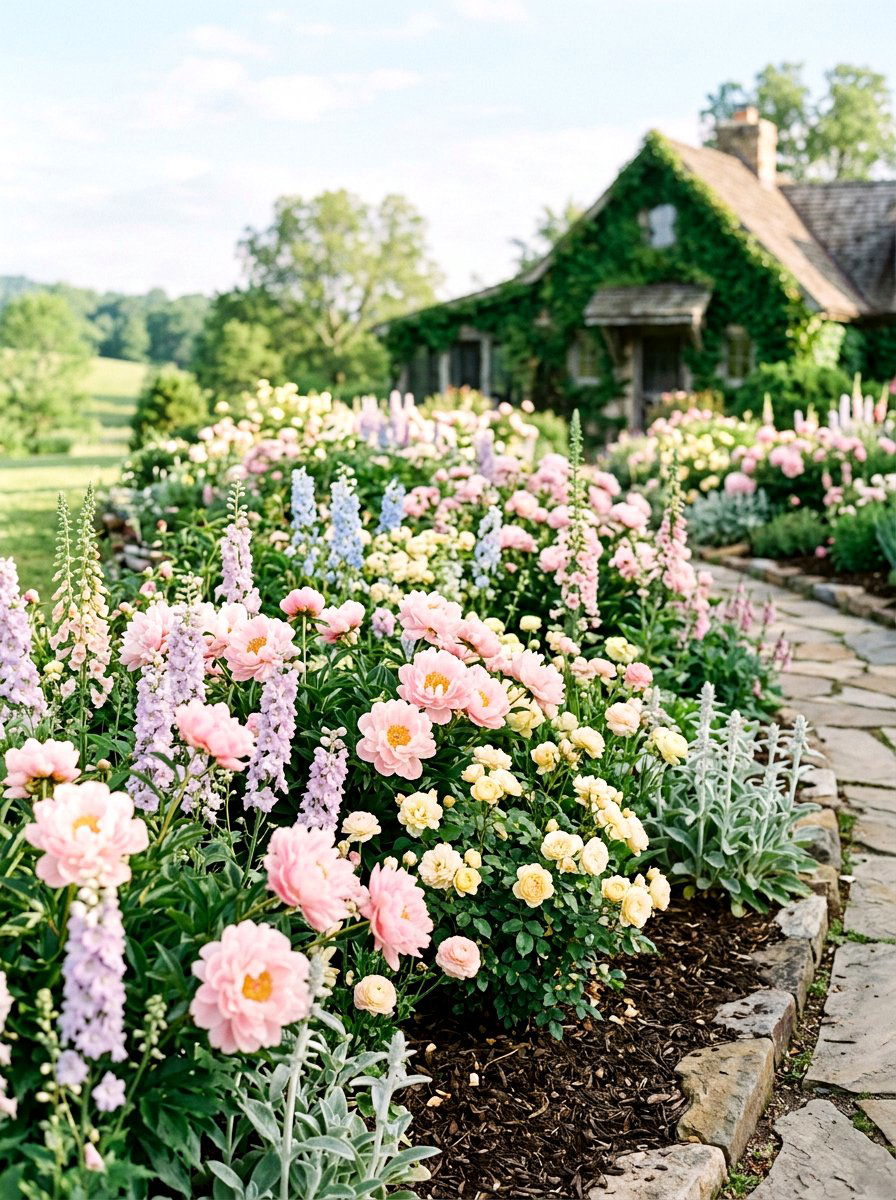
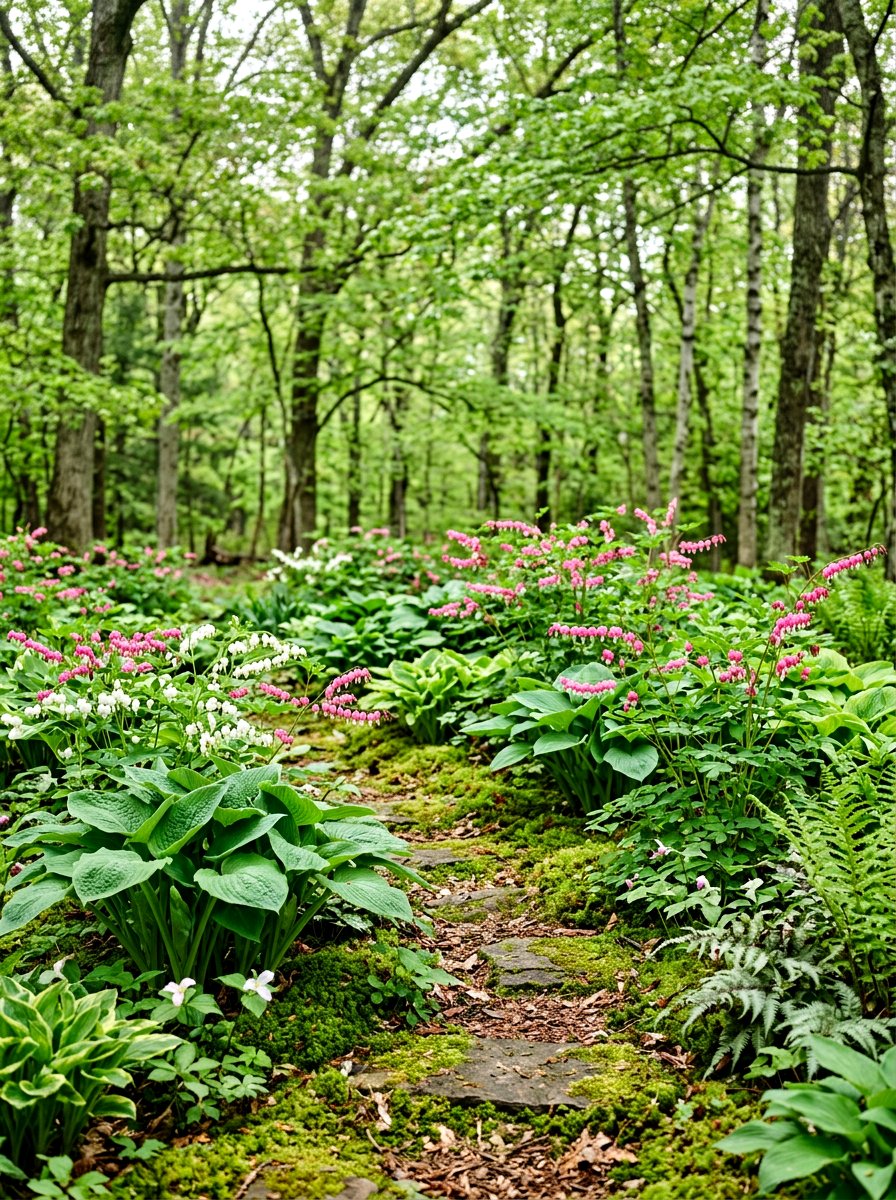
A pastel flower bed offers a soft and romantic look that is very easy on the eyes. You can focus on shades of light pink, soft lavender, and pale yellow to create a gentle color scheme. Plants like peonies, sweet alyssum, and bleeding hearts fit perfectly into this theme. This palette creates a sense of tranquility and works well in both sunny and partly shaded areas. You can use white flowers as a transition between different pastel colors to keep the look clean. This design feels very feminine and traditional, making it a popular choice for front yard gardens. It creates a welcoming and very calm environment.
15. Entryway Cottage Garden
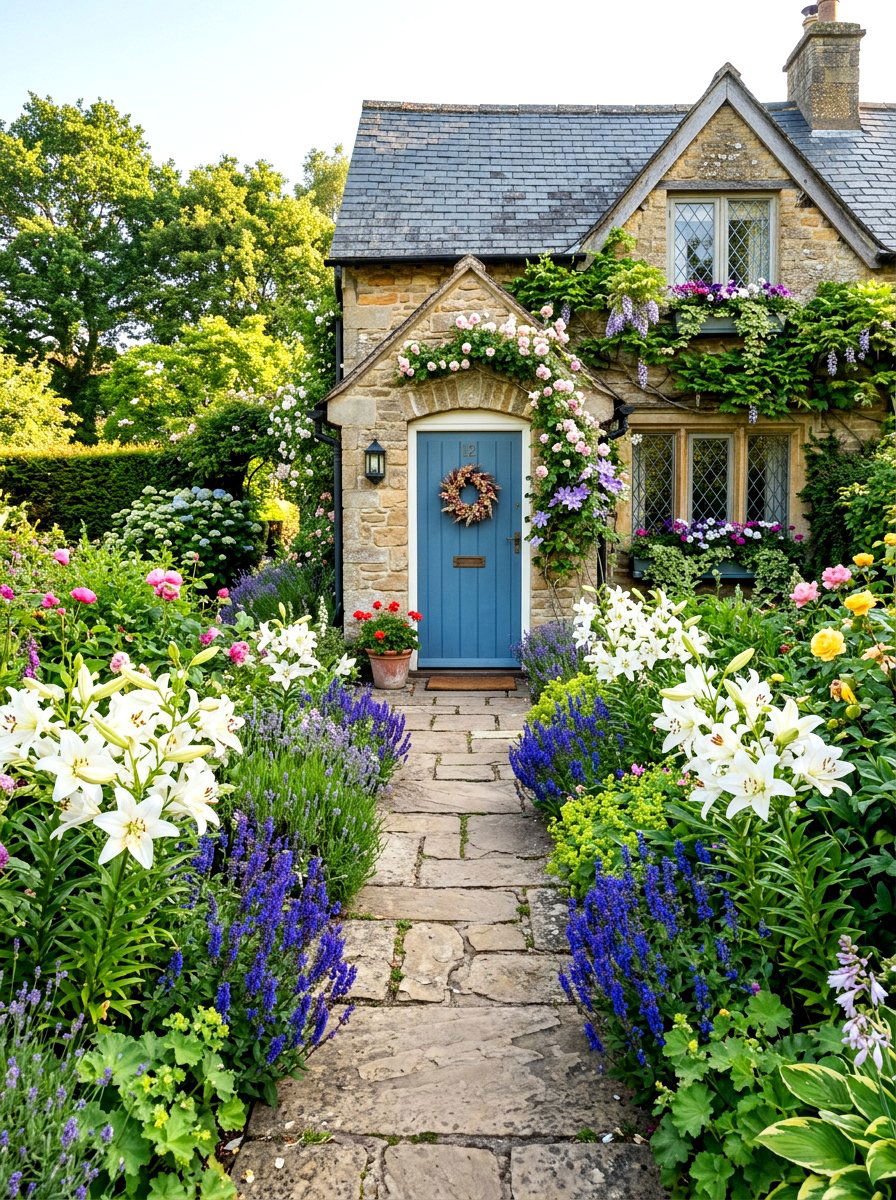
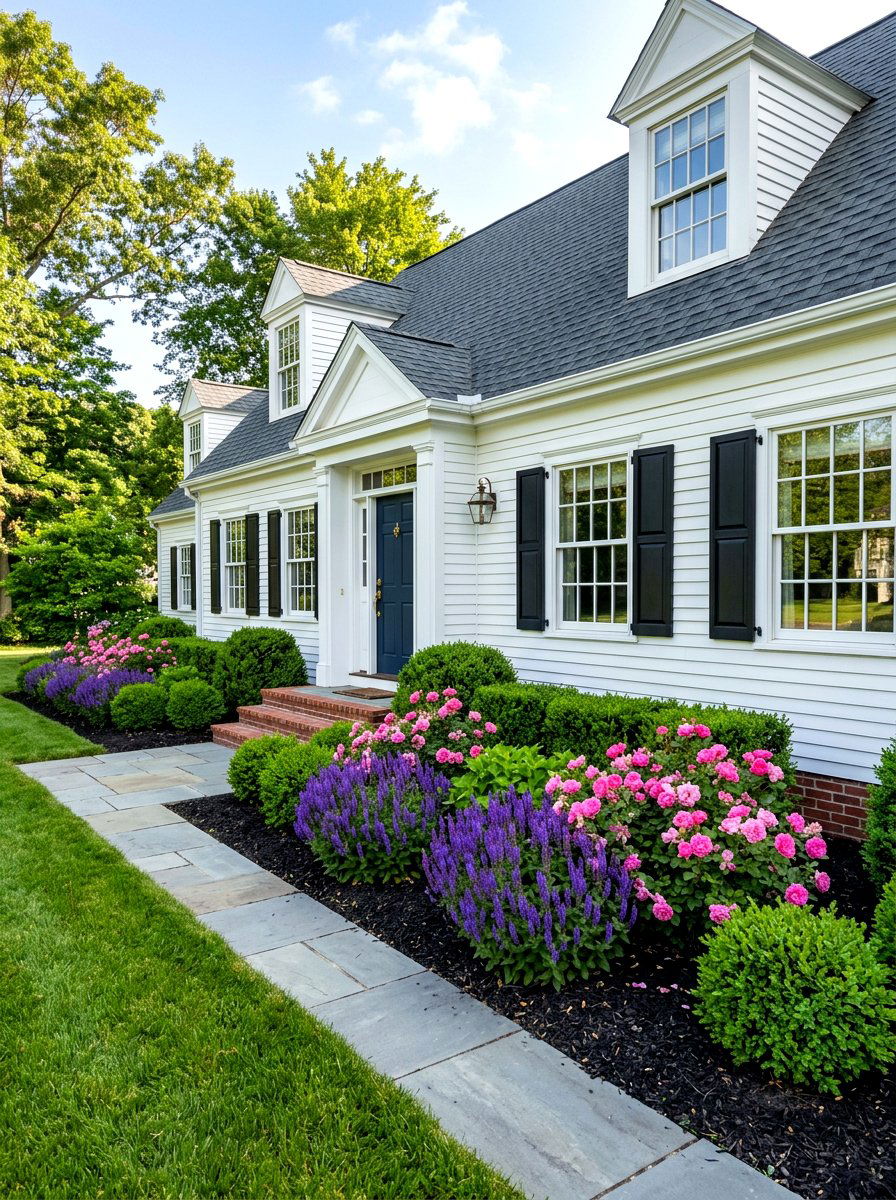
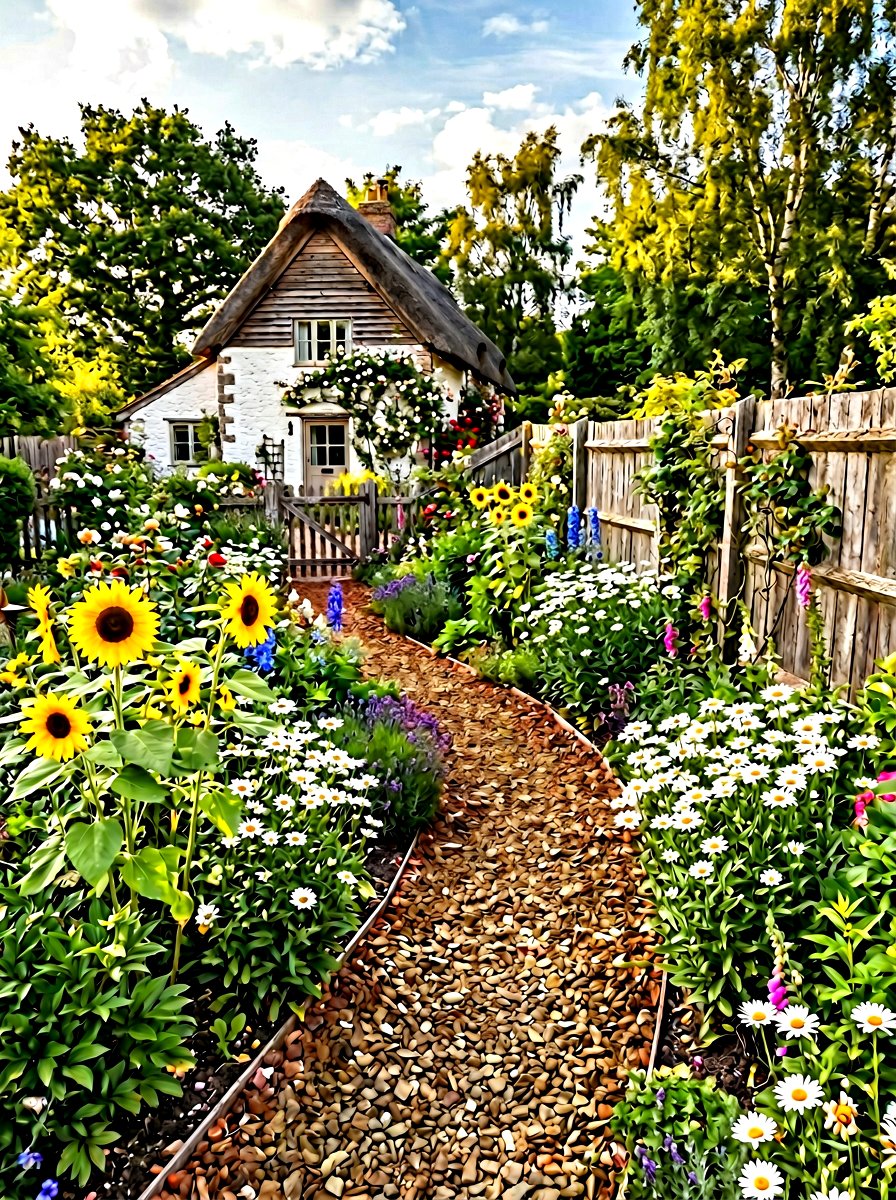
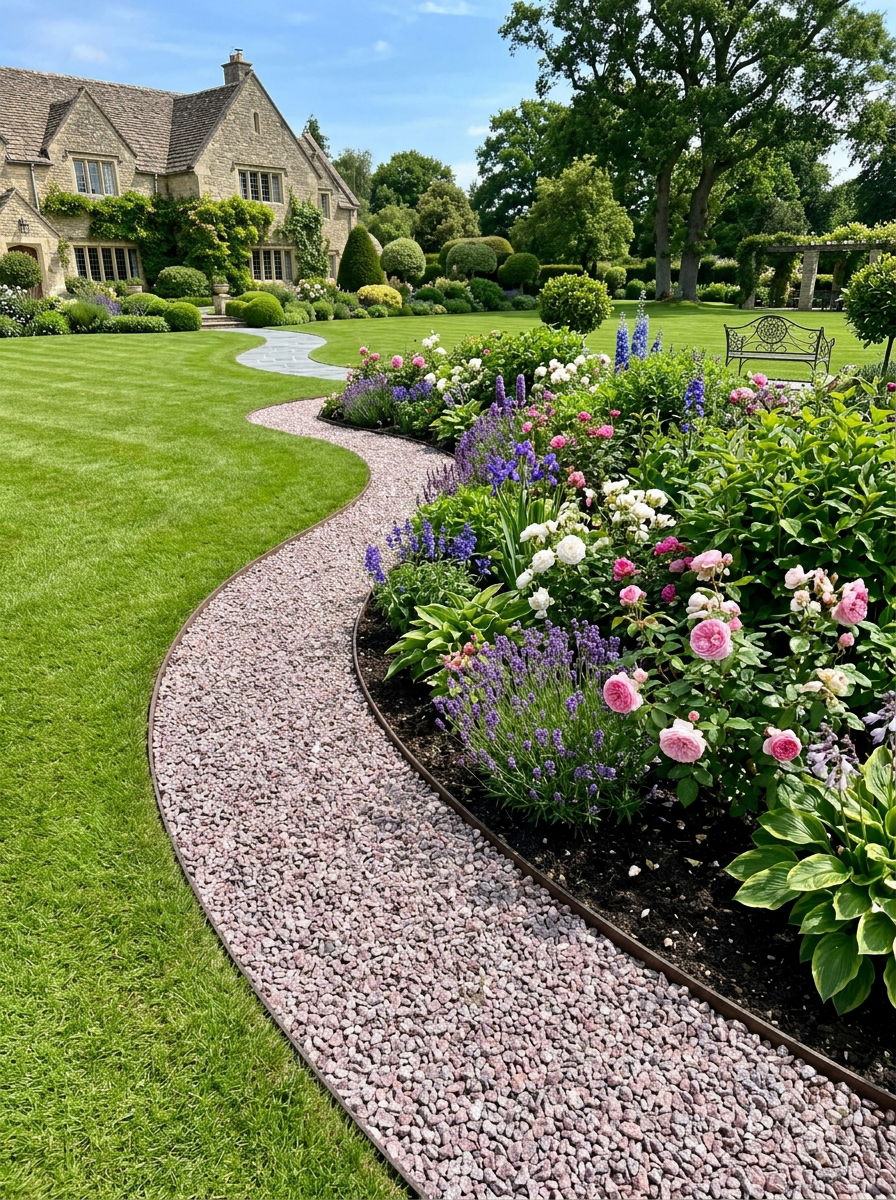
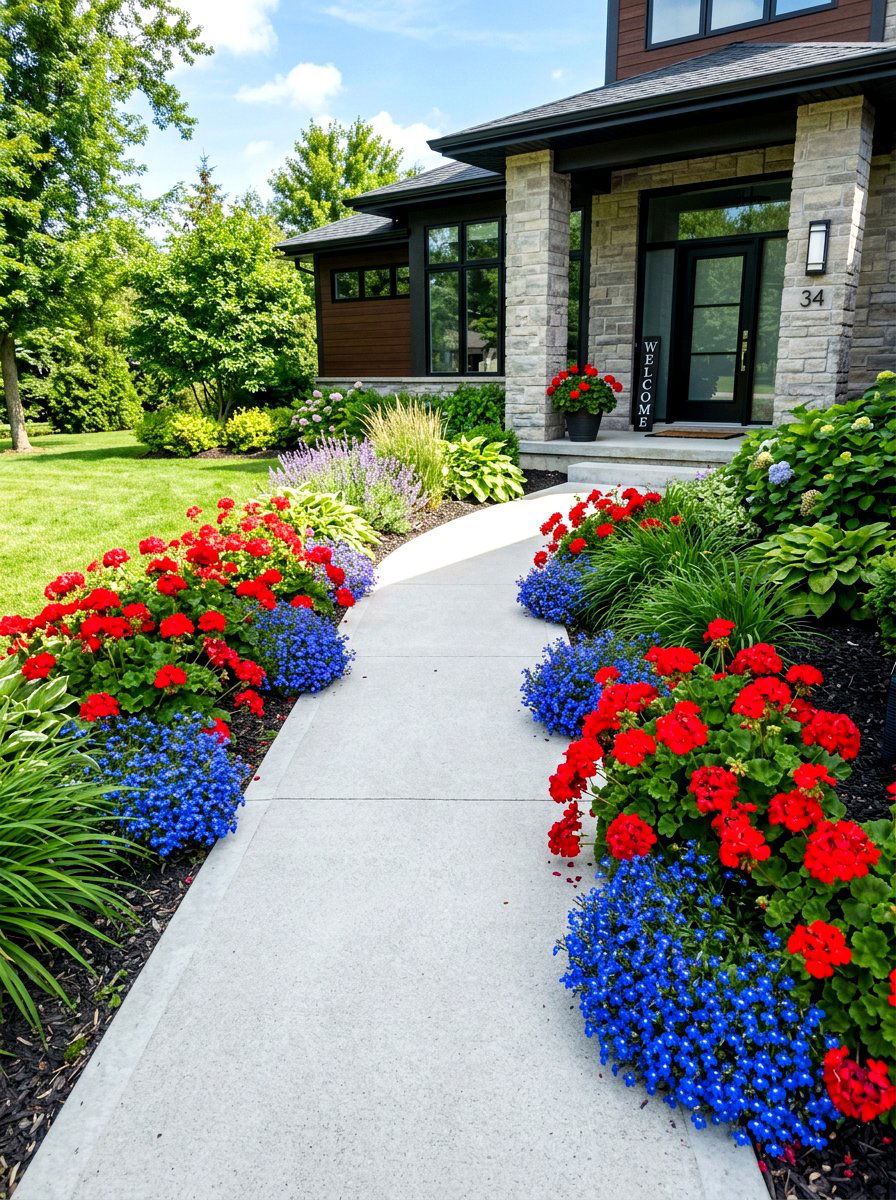
Designing an entryway cottage garden ensures that you and your guests are greeted with beauty every time you arrive. You can plant a mix of fragrant flowers and lush greenery along the walkway leading to your front door. Using a variety of heights makes the path feel like a journey through a secret garden. Scented plants like lilies or jasmine are especially nice near the entrance. This type of bed helps to soften the hard lines of your home 's foundation and sidewalk. It makes your house feel more inviting and gives it a distinct personality. A well-planned entryway garden is a great investment for your home' s overall look.
16. Hydrangea Hedge Border
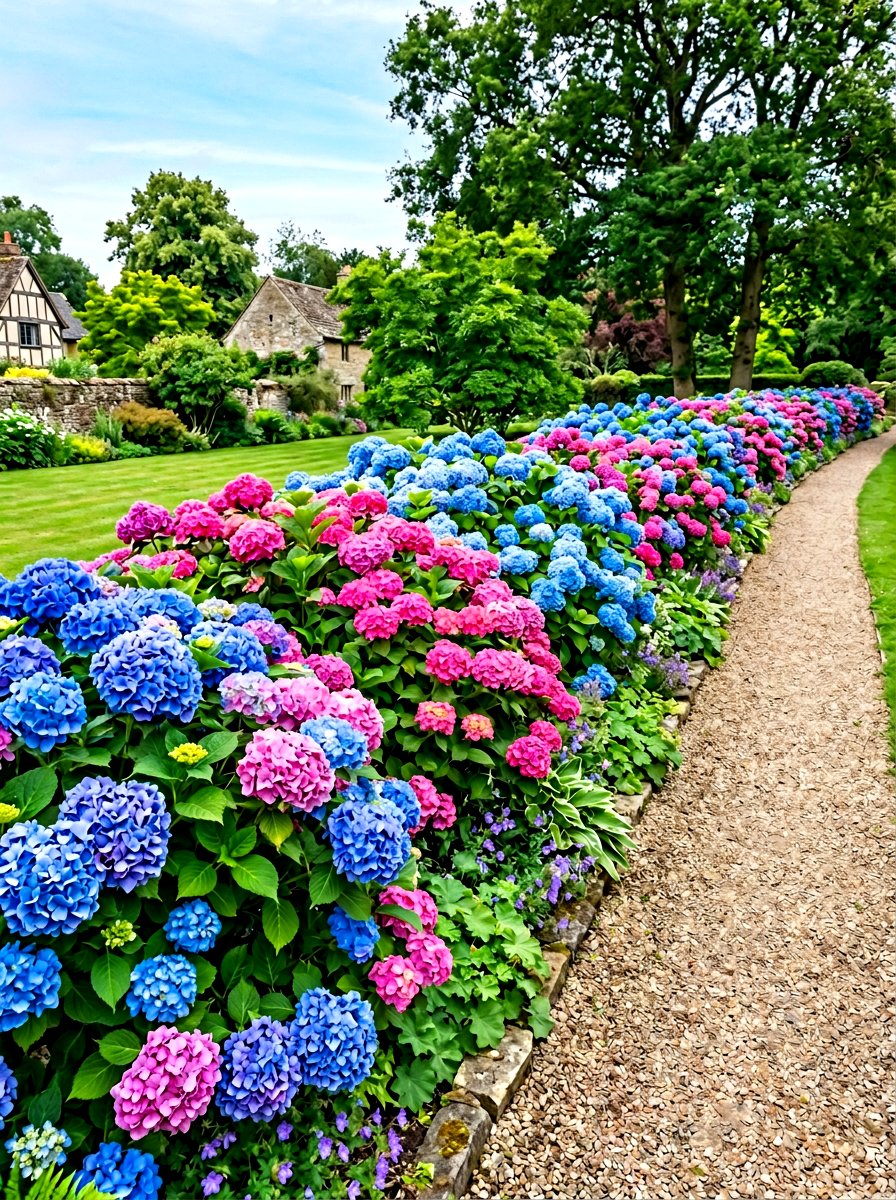
A hydrangea hedge border creates a stunning wall of large, pillowy blooms that last all summer long. You can choose different varieties like mophead or lacecap to add variety to your garden edges. These shrubs provide a lot of structure and can act as a natural fence for your property. Their big green leaves look great even when the flowers are starting to fade in the fall. You can plant them in a long row to define a specific area of your backyard. They prefer a bit of shade, making them perfect for planting under large trees. This look is very classic and feels quite luxurious in any setting.
17. Peony Patch Garden
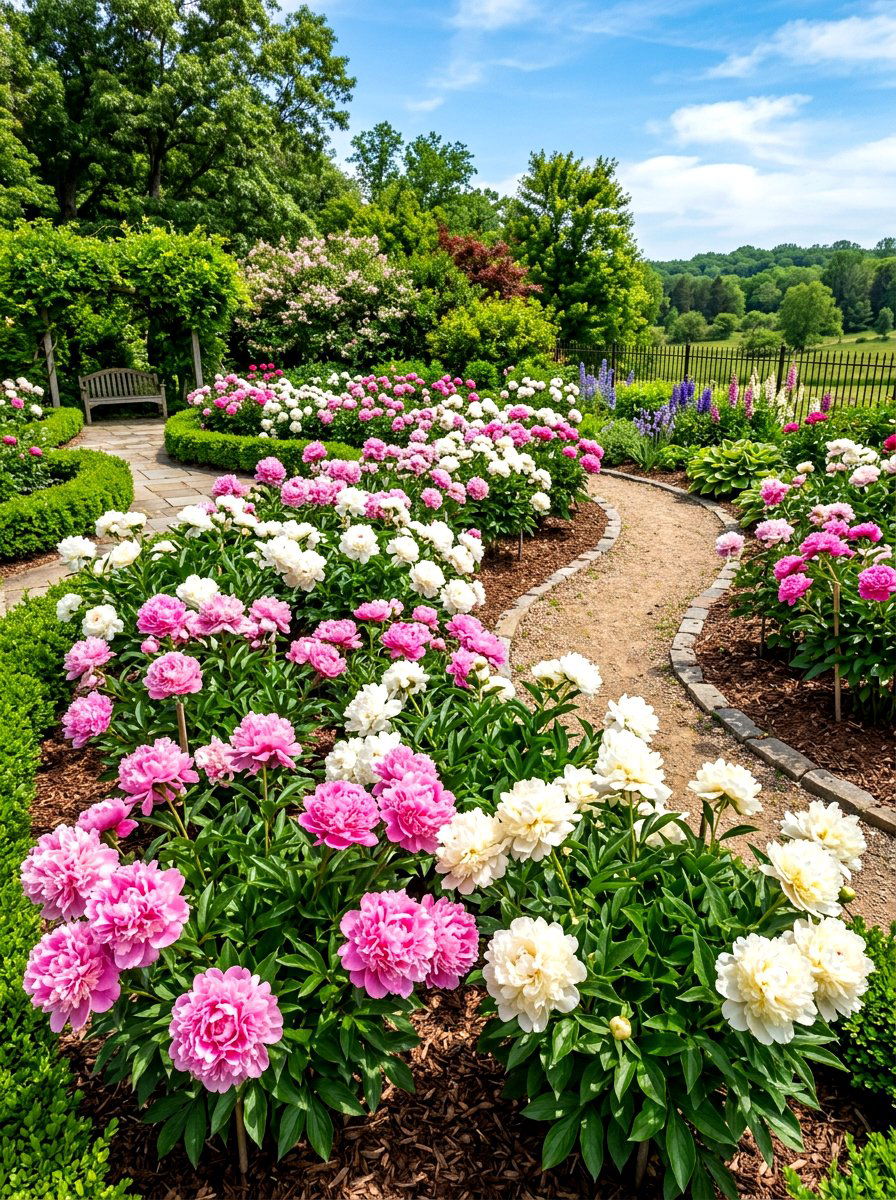
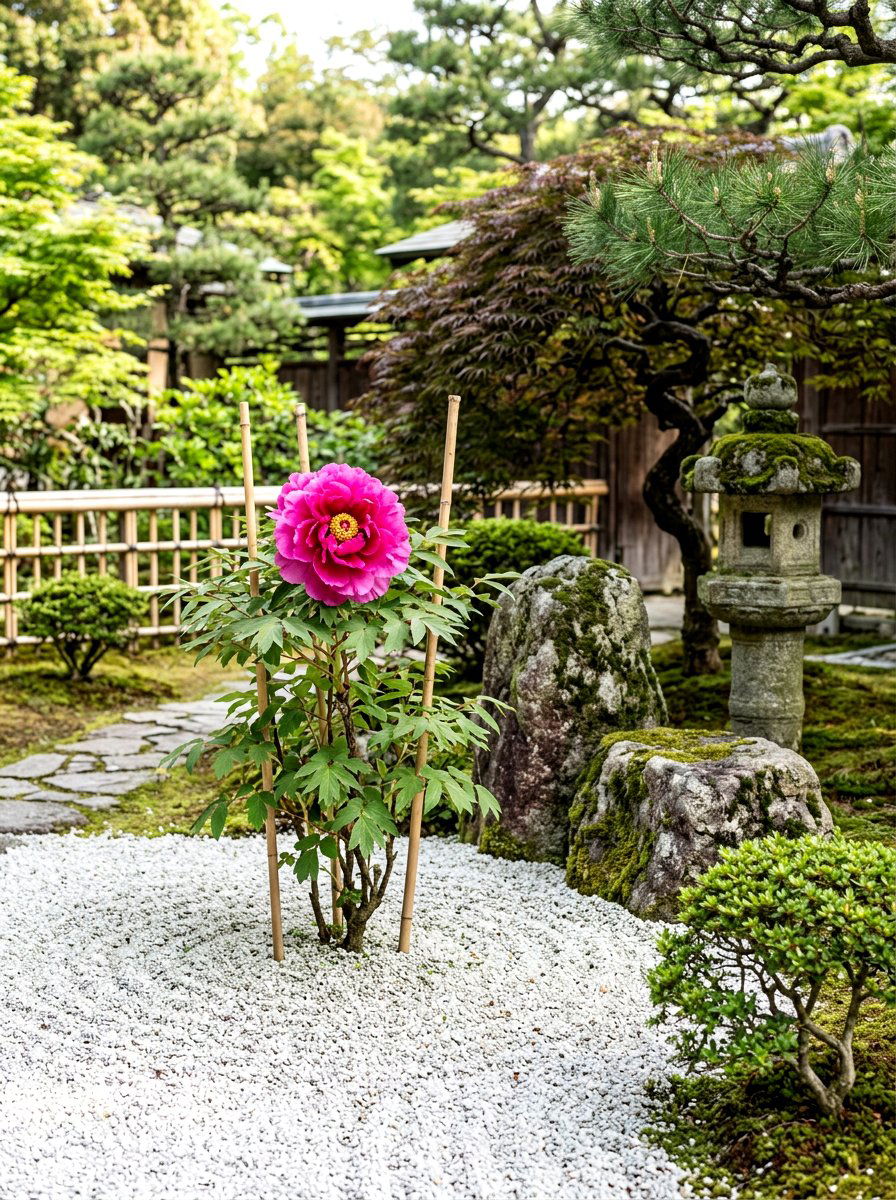
A peony patch garden is a high-reward choice for those who love large and dramatic blossoms. You should plant several different varieties to extend the blooming season as much as possible. Their thick, ruffly petals and sweet scent make them a favorite for cut flower arrangements. Once the blooms are gone, the dark green foliage remains an attractive backdrop for other summer flowers. Peonies are very long-lived plants that will return to your garden for many decades with minimal care. They add a touch of old-world elegance that is hard to match with any other flower. They are truly the royalty of the spring cottage garden.
18. Rustic Wheelbarrow Planter
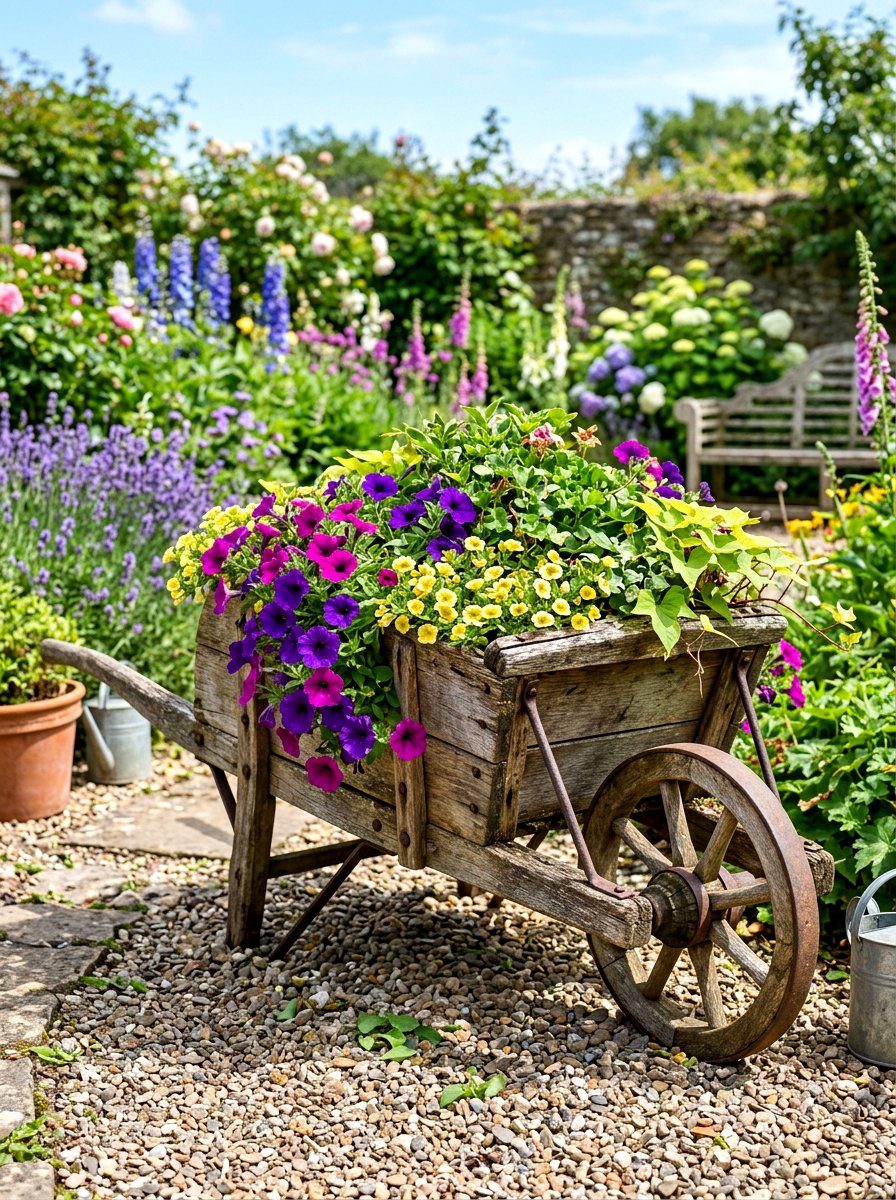
Incorporating a rustic wheelbarrow planter adds a charming and vintage touch to your outdoor space. You can fill an old wooden or metal wheelbarrow with potting soil and plant a variety of trailing flowers. This creates a portable garden bed that you can move around to find the best sun. It looks especially good when placed in the middle of a larger flower bed or on a porch. Using a mix of heights, like a tall spike in the center and vines on the sides, makes it look professional. This recycled element tells a story and adds a lot of character to your landscape. It is very fun.
19. Brick Edge Flower Bed
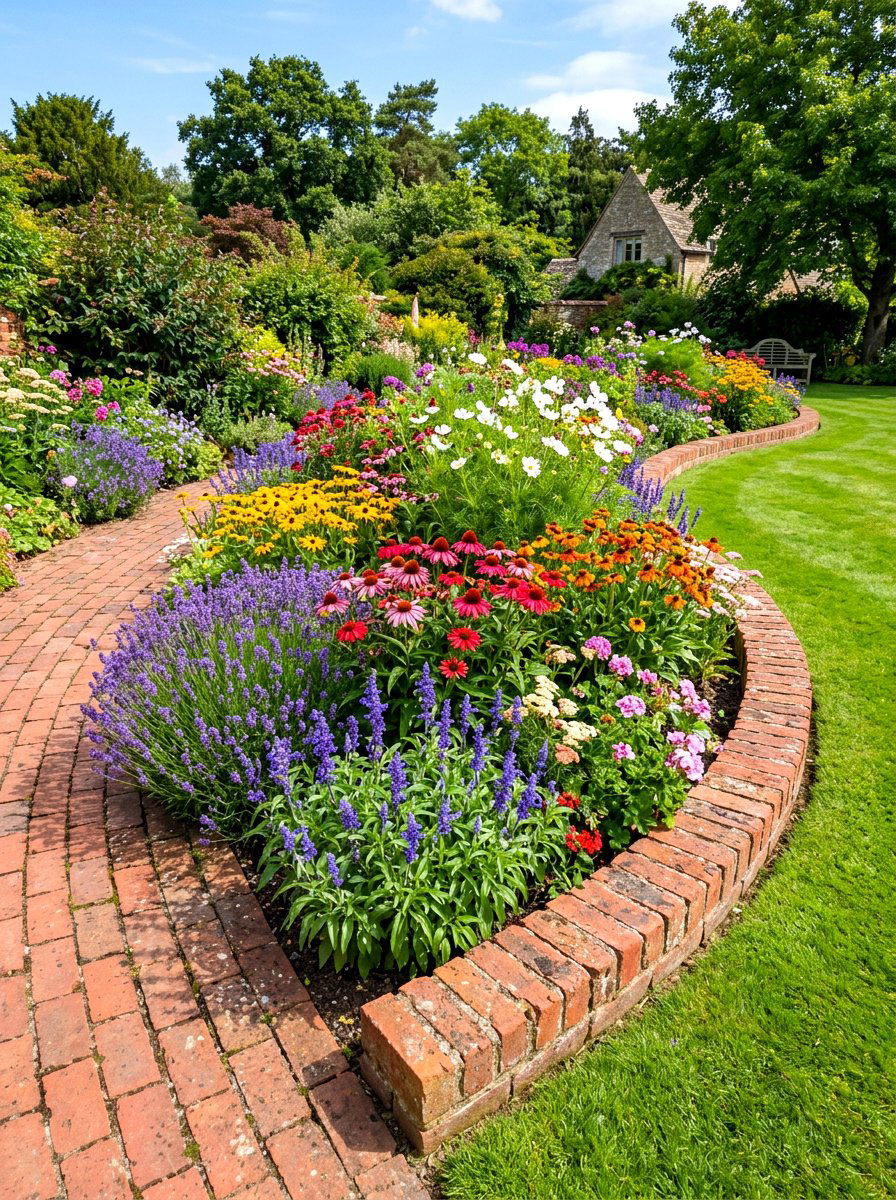
A brick edge flower bed provides a clean and classic look that fits well with many home styles. You can lay the bricks in a straight line or a gentle curve to define your planting area. This border helps to keep mulch in place and prevents soil from washing away during heavy rain. The warm tones of the red or brown brick complement the natural colors of your plants. You can use reclaimed bricks for a more aged and authentic cottage feel. This is a very durable option that requires almost no maintenance once it is installed. It gives your garden a polished and very intentional appearance.
20. Cottage Vegetable Flower Mix
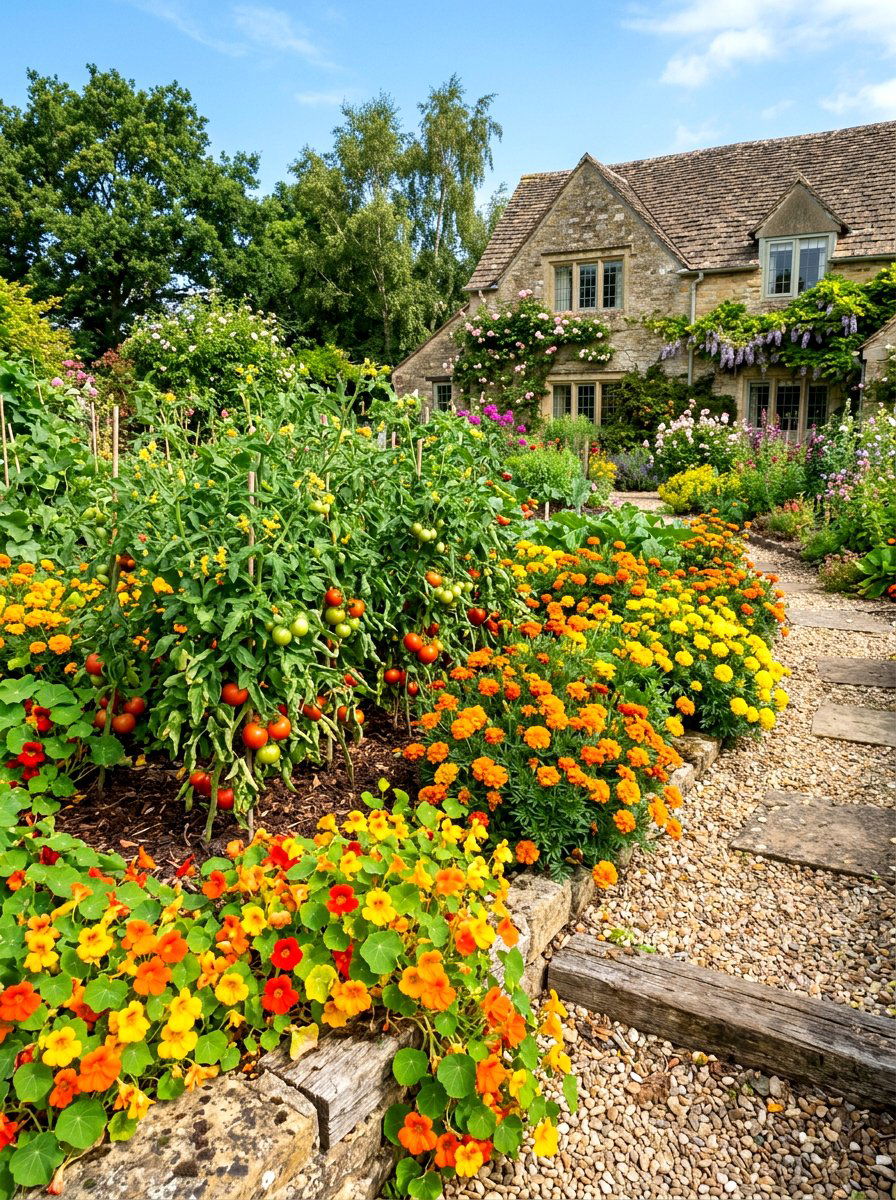
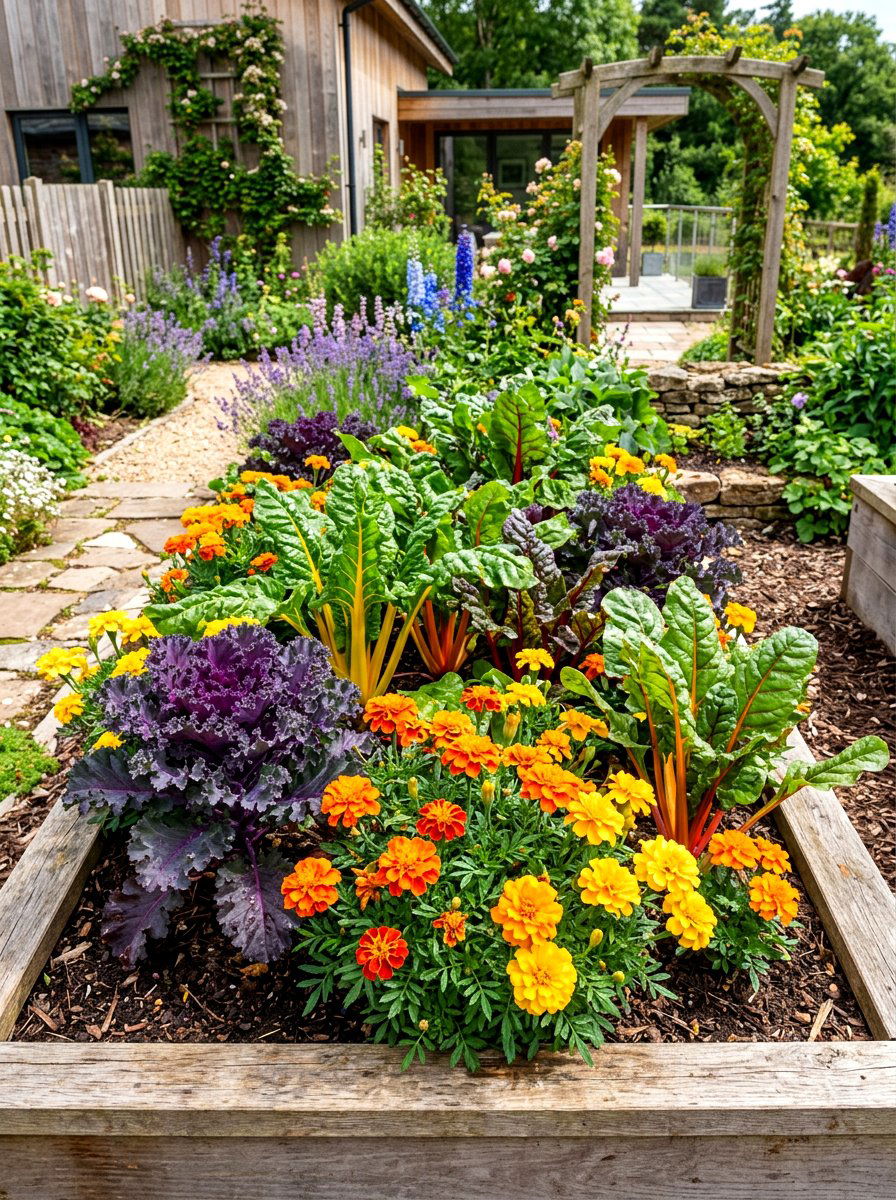
Creating a cottage vegetable flower mix is a wonderful way to maximize the productivity of your yard. You can intersperse colorful flowers like marigolds and nasturtiums among your tomato and pepper plants. The flowers help to attract pollinators and can even deter certain garden pests naturally. This "potager" style of gardening is both beautiful and highly functional for small spaces. It makes your vegetable patch look like a decorative part of your landscape rather than just a utility area. You can harvest both fresh food and beautiful bouquets from the very same garden bed. It is a very sustainable and smart way to garden at home.
21. Soft Grass Floral Bed
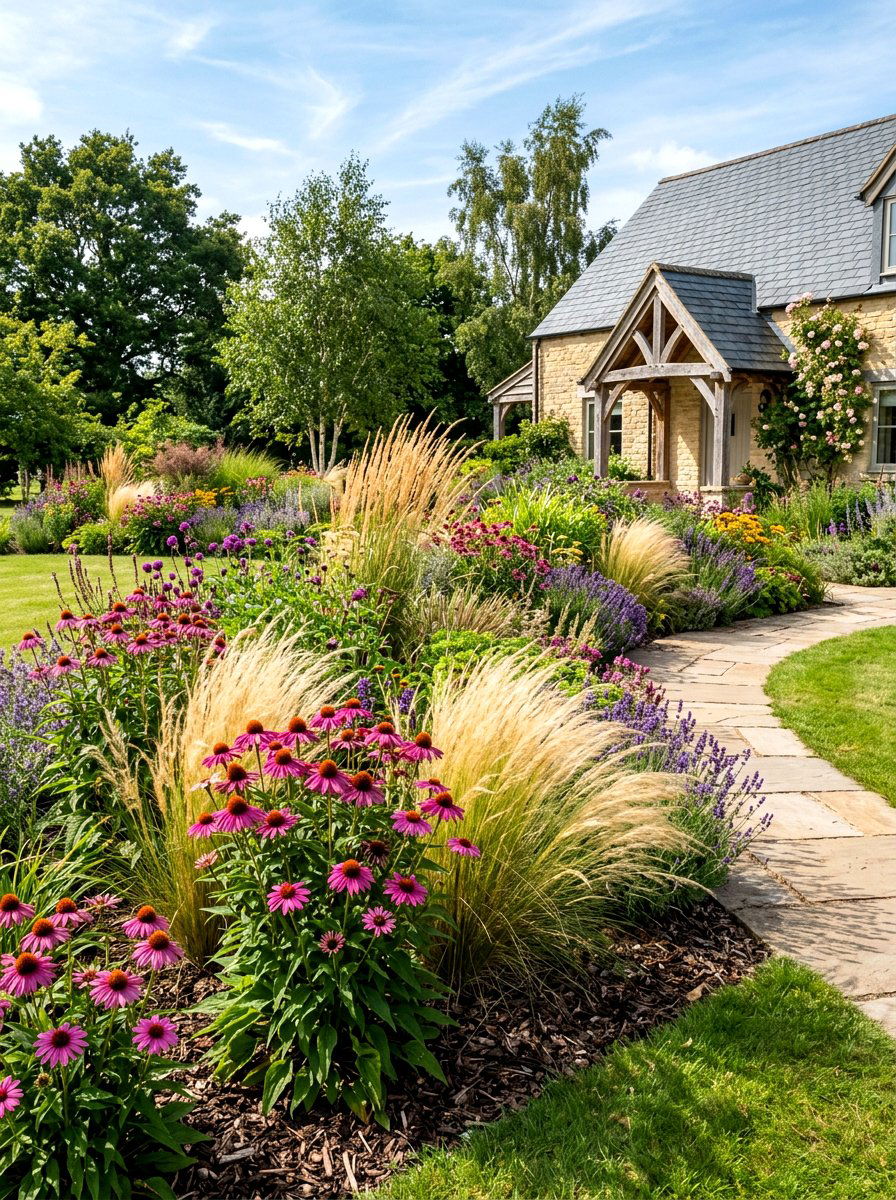
A soft grass floral bed combines the airy movement of ornamental grasses with the bright colors of traditional flowers. You can plant species like fountain grass or feather reed grass to add texture and height. These grasses sway beautifully in the wind, bringing a sense of motion to your garden. Placing colorful perennials like purple coneflowers or rudbeckia in front of the grass creates a striking visual contrast. This design looks great well into the autumn as the grasses turn golden and brown. It is a more modern take on the cottage style that still feels very natural and relaxed. It provides great winter interest too.
22. Butterfly Pollinator Garden
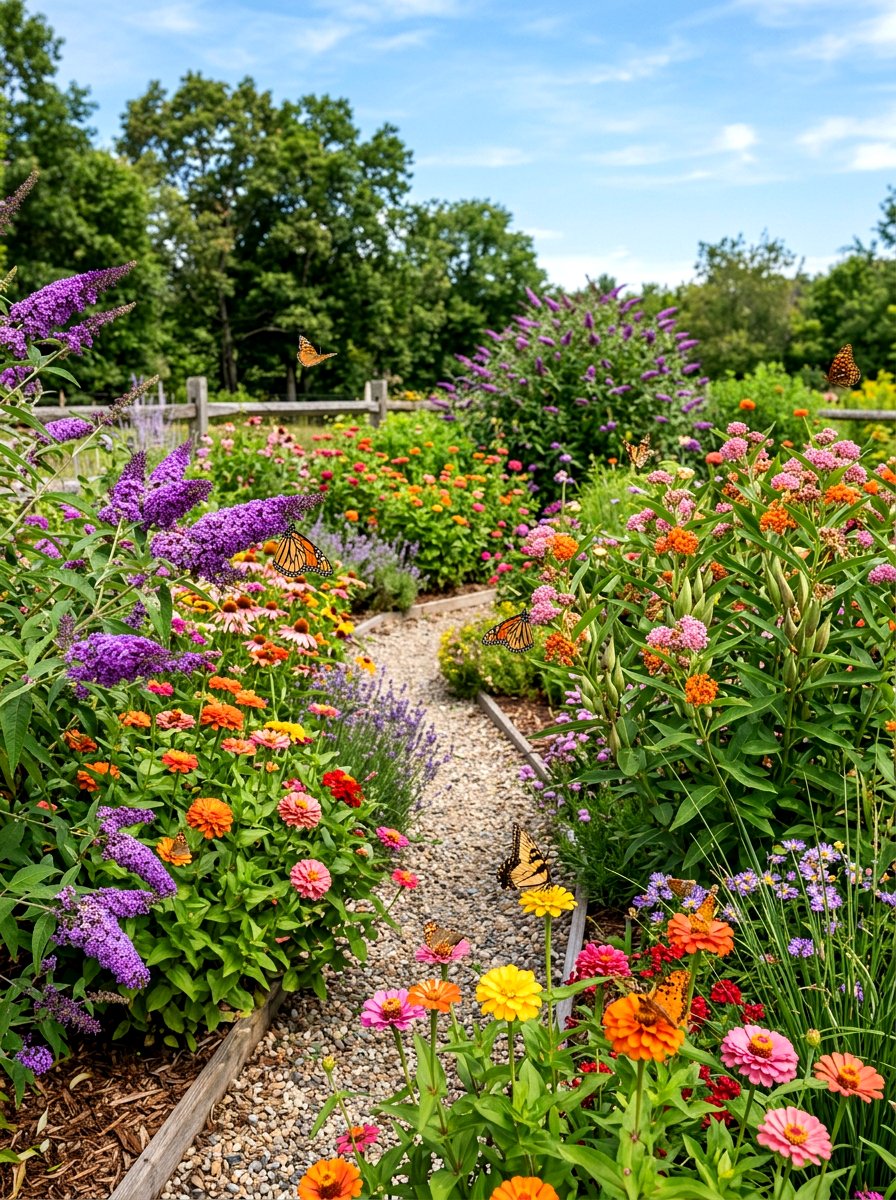
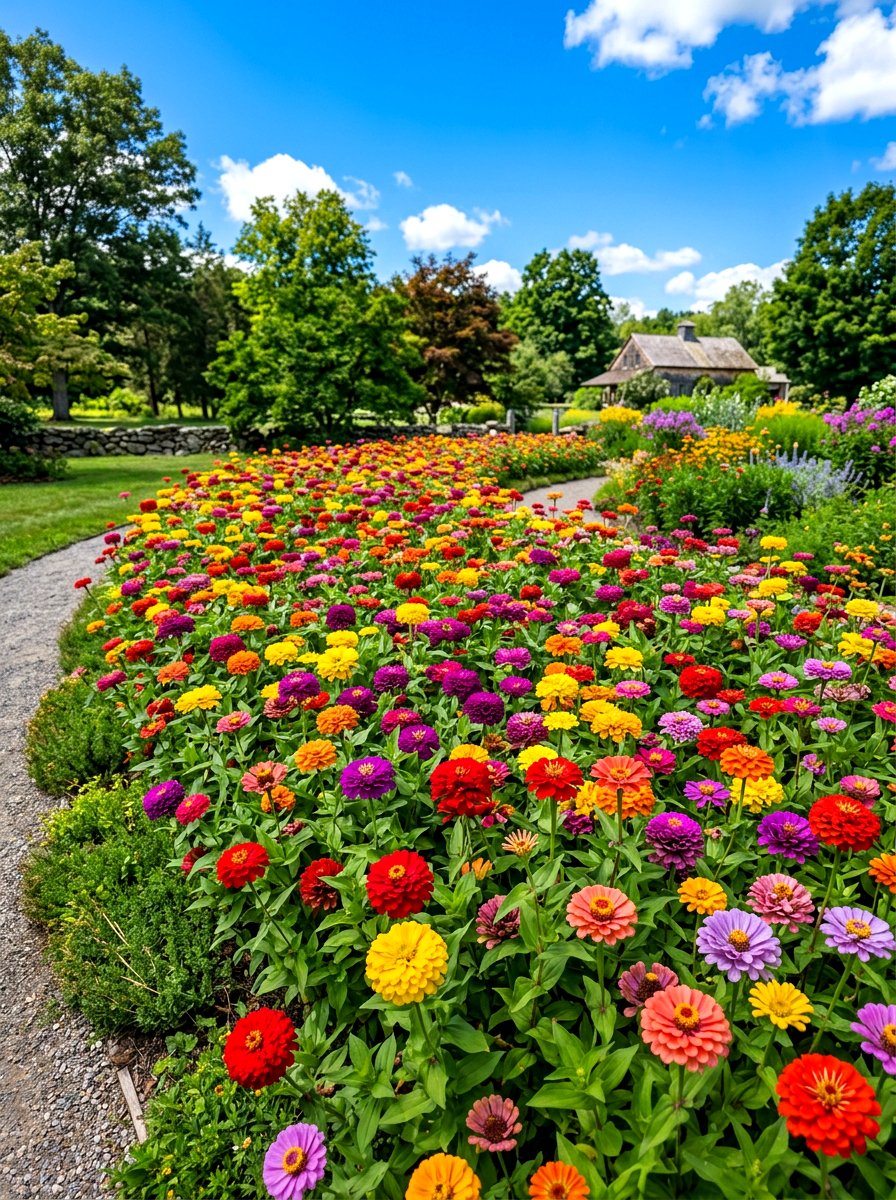
A butterfly pollinator garden is designed specifically to attract and support local wildlife in your area. You should choose nectar-rich flowers like milkweed, zinnia, and buddleia to provide food for various insects. This type of bed is constantly buzzing with activity, making it a joy to observe from your porch. Using a wide variety of flower shapes and colors ensures that you attract many different species. Avoiding pesticides is very important in this type of garden to keep the visitors safe and healthy. It is a rewarding project that gives back to the environment while beautifying your home. Your garden will feel like a living nature documentary.
23. Blue And Purple Bed
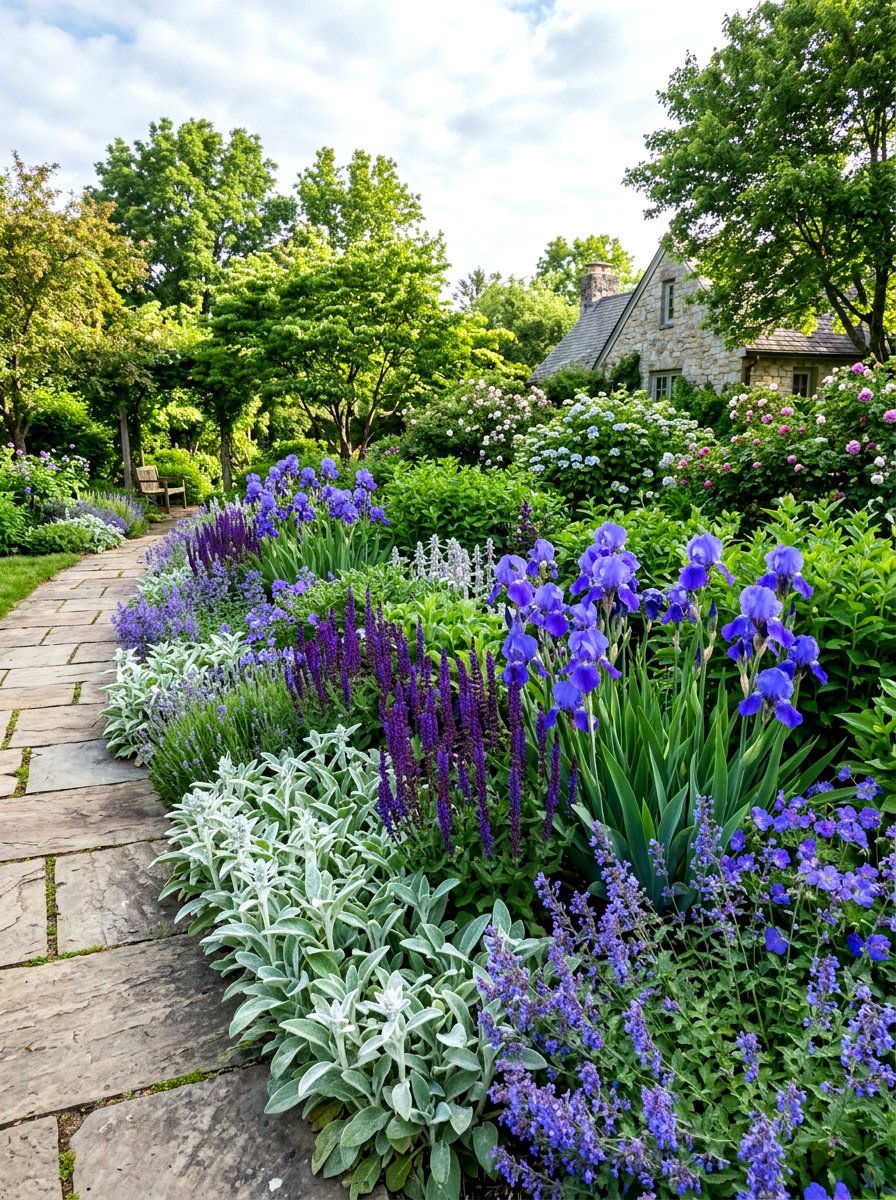
A blue and purple bed offers a cool and calming color palette that looks very sophisticated. You can use plants like salvia, iris, and balloon flowers to achieve this beautiful monochromatic look. These colors often recede from the eye, which can make a small garden space feel deeper and more expansive. Mixing in some silver-foliaged plants like lamb's ear can make the blue tones really stand out. This theme feels very peaceful and is perfect for a quiet corner of your backyard. It is a refreshing alternative to the typical bright red and yellow garden beds. This color scheme looks especially lovely in the early morning light.
24. Layered Height Garden
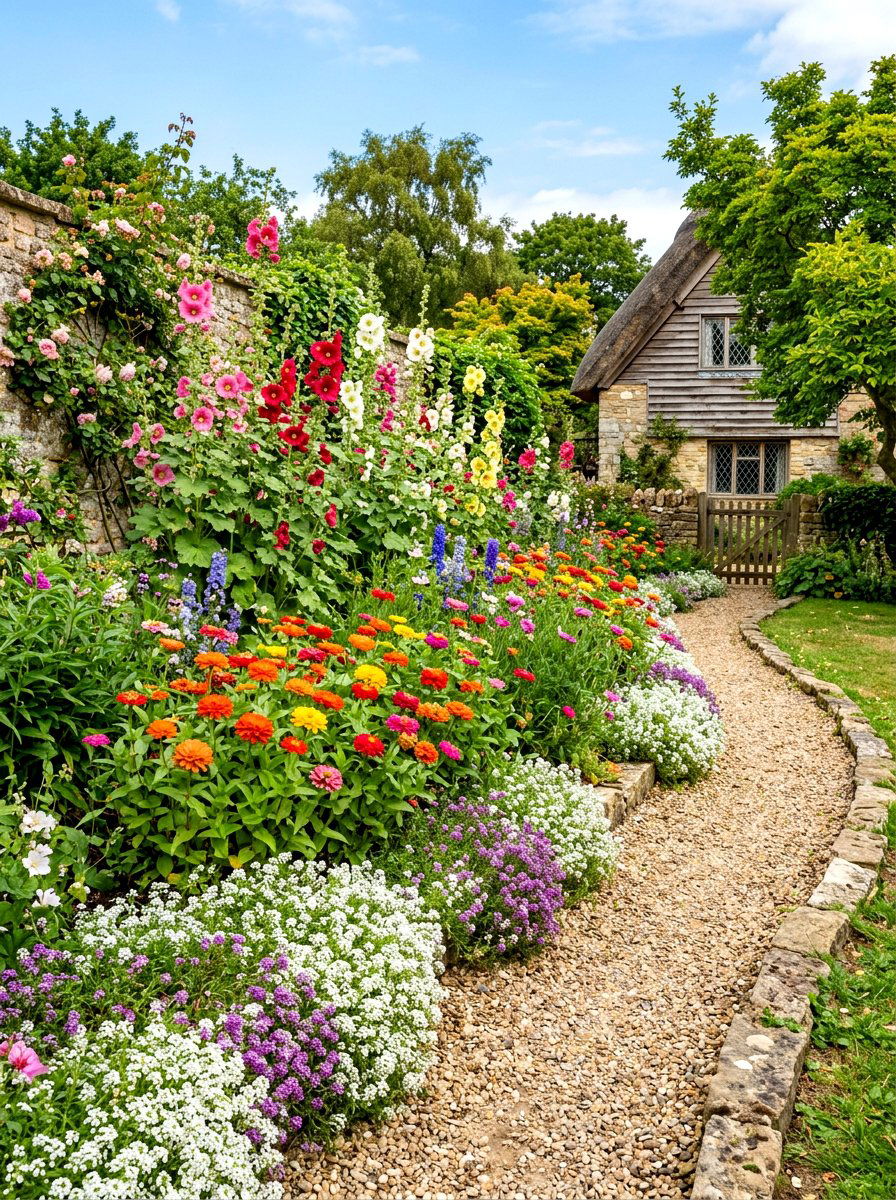
A layered height garden is the secret to making your flower beds look professional and well-planned. You should follow the simple rule of placing the tallest plants in the back and the shortest ones in front. This ensures that every single flower is visible and gets enough sunlight to grow. You can use medium-height plants like phlox or zinnias to bridge the gap between the two. This creates a lush and full appearance that hides bare stems and soil. The varying levels of foliage add a lot of depth and visual interest to your landscape. It is a classic design technique that works in any sized yard.
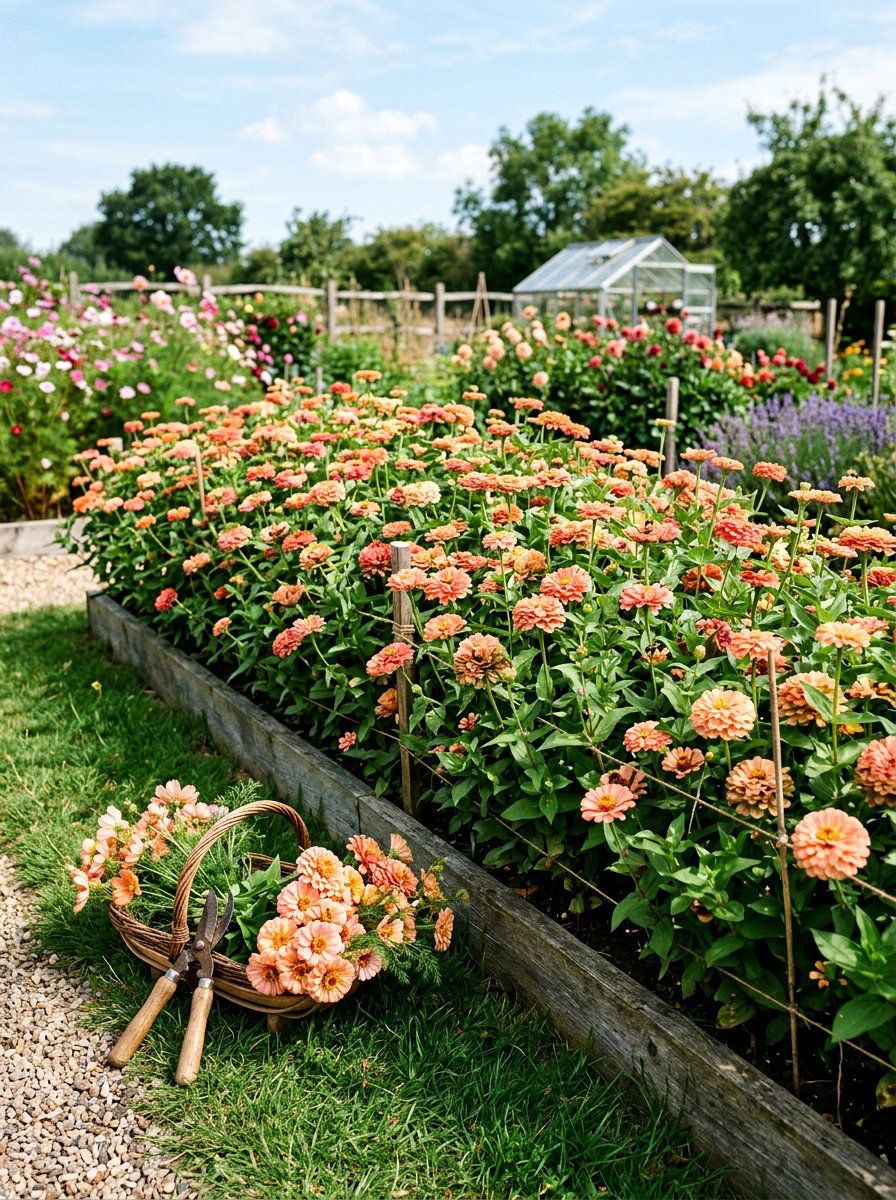
25. Fragrant Cottage Garden
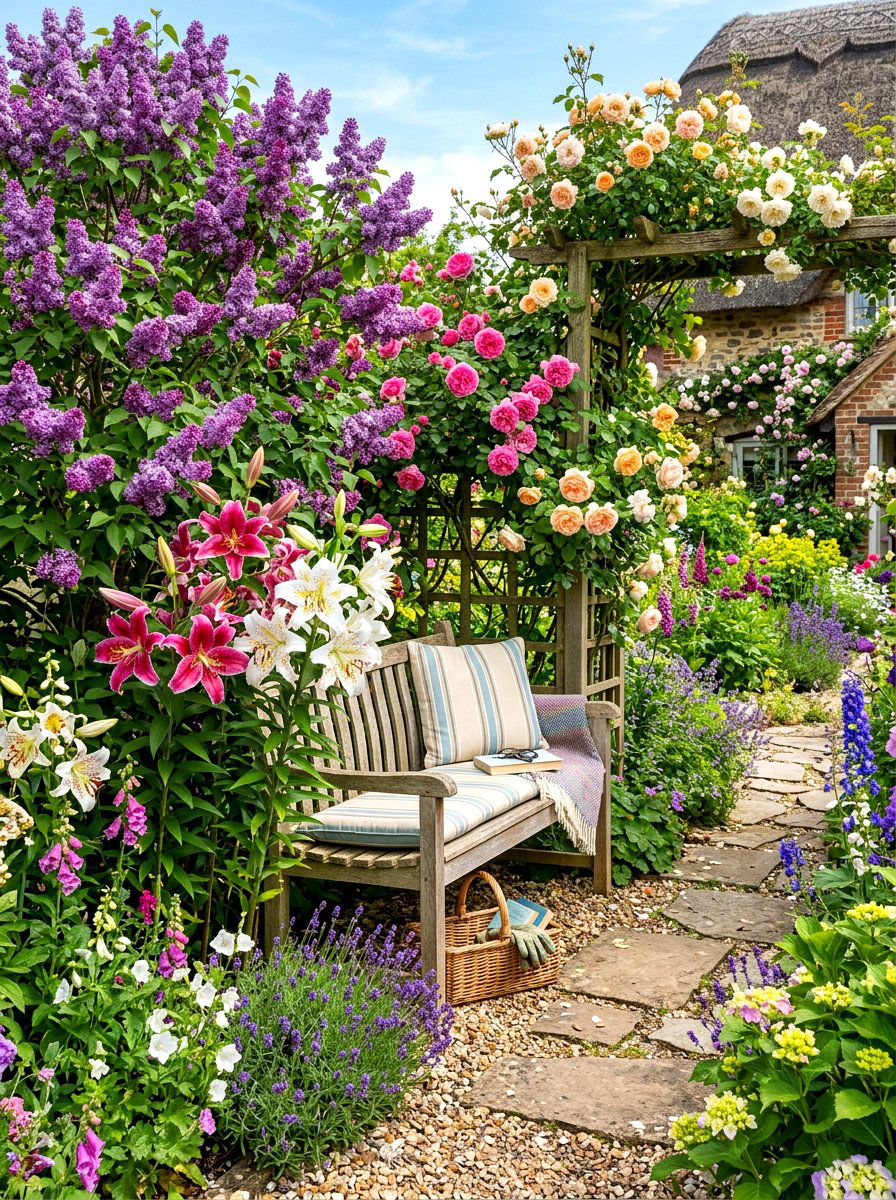
A fragrant cottage garden is designed to appeal to your sense of smell as much as your sight. You should choose plants that are known for their strong scents, like oriental lilies, lilacs, and sweet peas. Placing these beds near your windows or outdoor seating areas allows you to enjoy the perfume daily. Many of these flowers release their strongest scents at different times of the day, creating a shifting experience. This adds a whole new dimension to your gardening and makes being outdoors much more enjoyable. Walking through a scented garden is a great way to relax and de-stress after a very long day.
26. Self Seeding Annual Bed
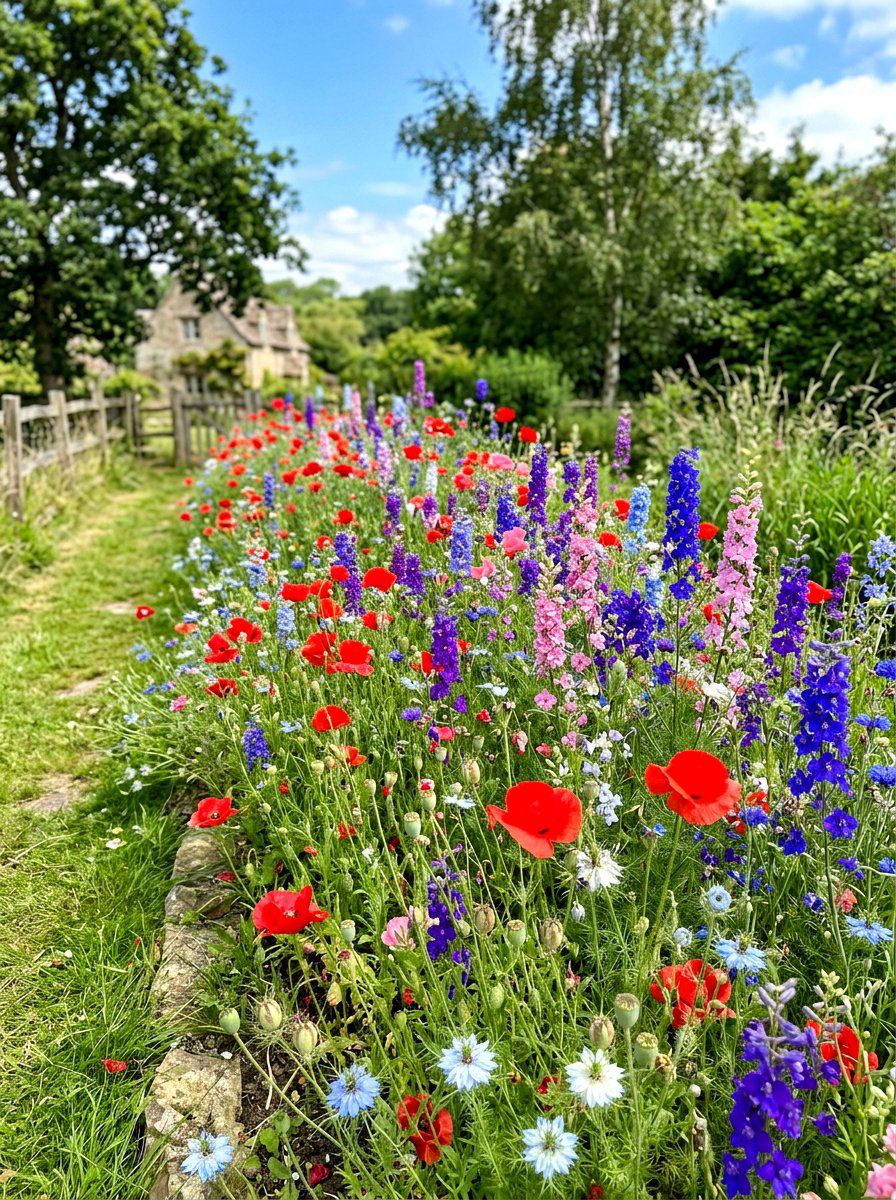
A self seeding annual bed is a low-effort way to have a beautiful garden that returns every year. You can plant flowers like nigella, larkspur, and poppies that drop their seeds at the end of the season. These seeds will overwinter in the soil and sprout on their own when the weather warms up. This creates a very natural and slightly unpredictable garden that is full of surprises. You don't have to spend money on new plants every spring, making this a very budget-friendly option. It gives your yard a wild and authentic cottage feel that is hard to replicate with potted plants. It is very easy.
27. Curving Garden Border
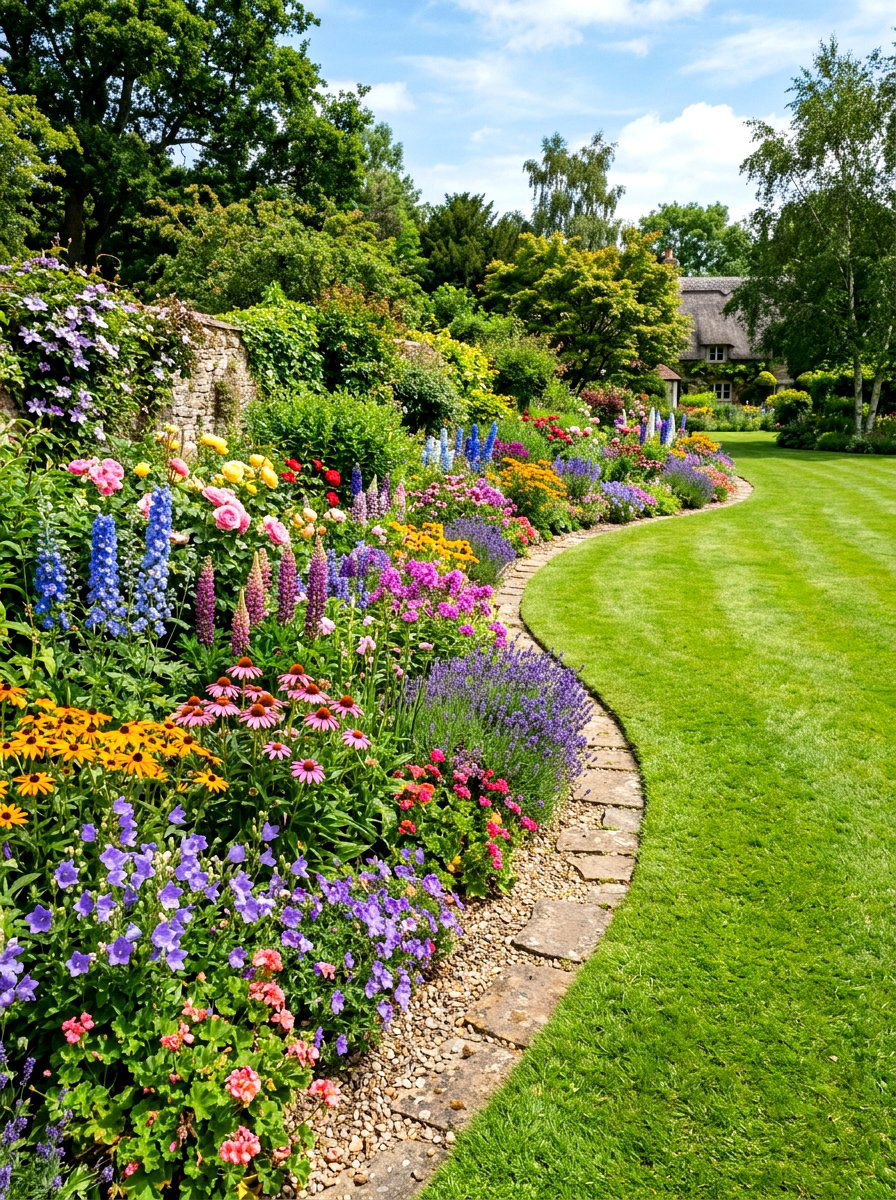
A curving garden border breaks up the straight lines of your lawn and house for a more organic look. You can use a garden hose to mark out soft, flowing shapes for your flower beds before you start digging. These curves guide the eye gently through the landscape and make the space feel more inviting. They also provide more planting room and create interesting pockets for different flower groupings. A curved edge feels more natural and less formal than a strict square or rectangle. It is a simple design change that can make a huge difference in how your garden feels. It looks much more artistic and creative.
28. Raised Wooden Garden Bed
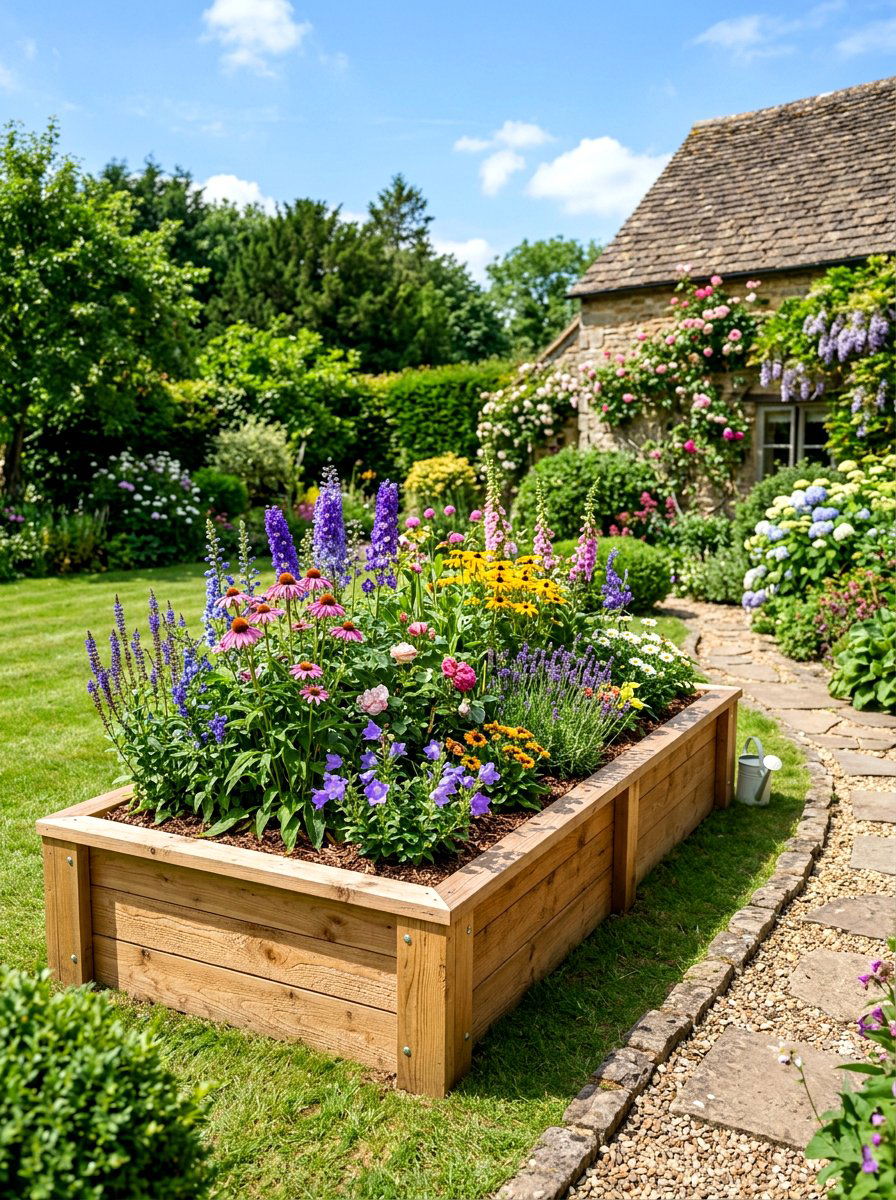
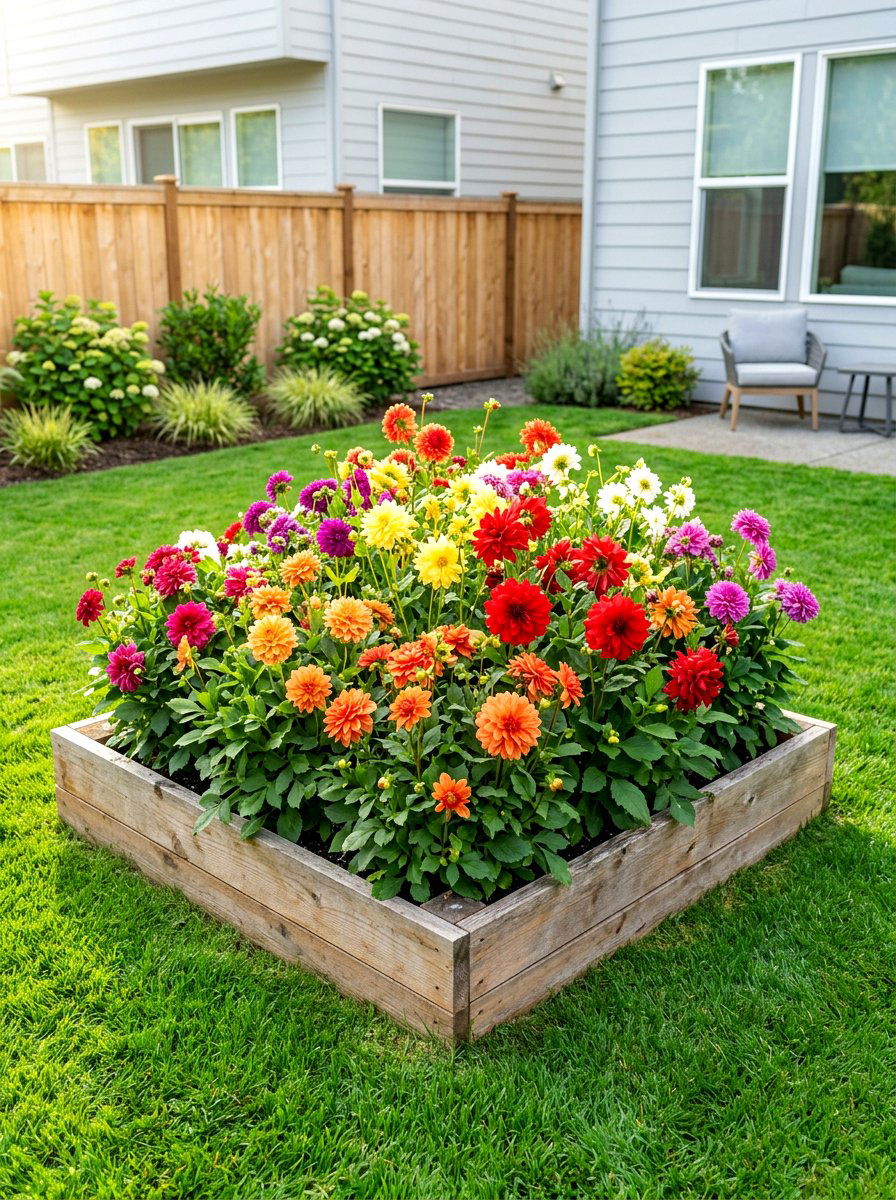
A raised wooden garden bed is a practical solution for those with poor soil or back problems. You can build simple frames from cedar or redwood and fill them with high-quality potting mix. This allows you to have perfect control over the growing environment for your cottage flowers. The height of the bed makes it much easier to weed and harvest without bending over. You can paint the wood to match your home or leave it natural for a rustic look. These beds also help to define specific zones in your yard and keep things looking tidy. They are a great choice for a very organized backyard.
29. Sunflower Backdrop Bed
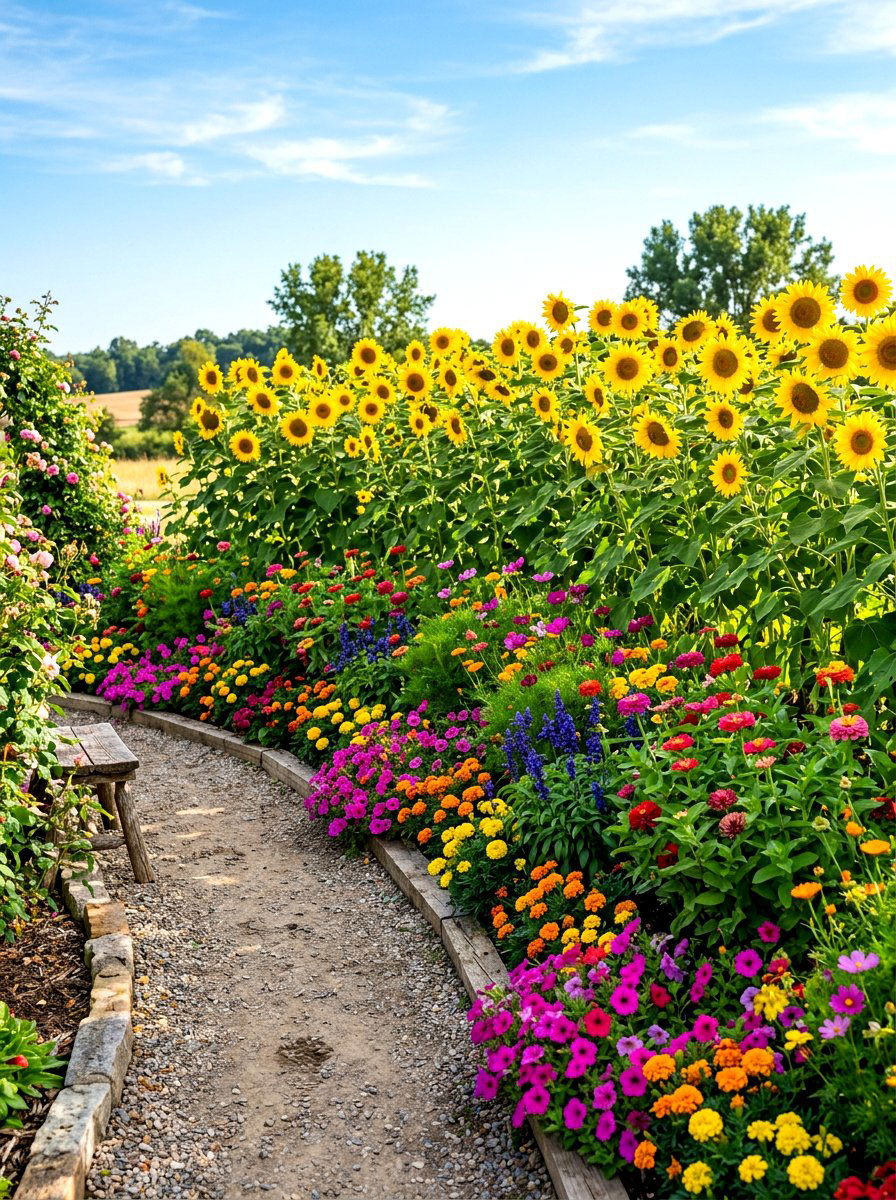
A sunflower backdrop bed uses these giant, cheerful flowers to create a seasonal wall of color. You can plant tall varieties in a row at the very back of your flower bed. Their massive yellow heads will tower over your other plants, providing a fun and sunny focal point. Sunflowers are very easy to grow from seed and provide food for local birds in the fall. They add a sense of height and playfulness that kids and adults alike will absolutely love. Once they are done blooming, their sturdy stalks can even be used as support for climbing vines. They are a quintessential summer flower for every home.
30. Shade Loving Hosta Bed
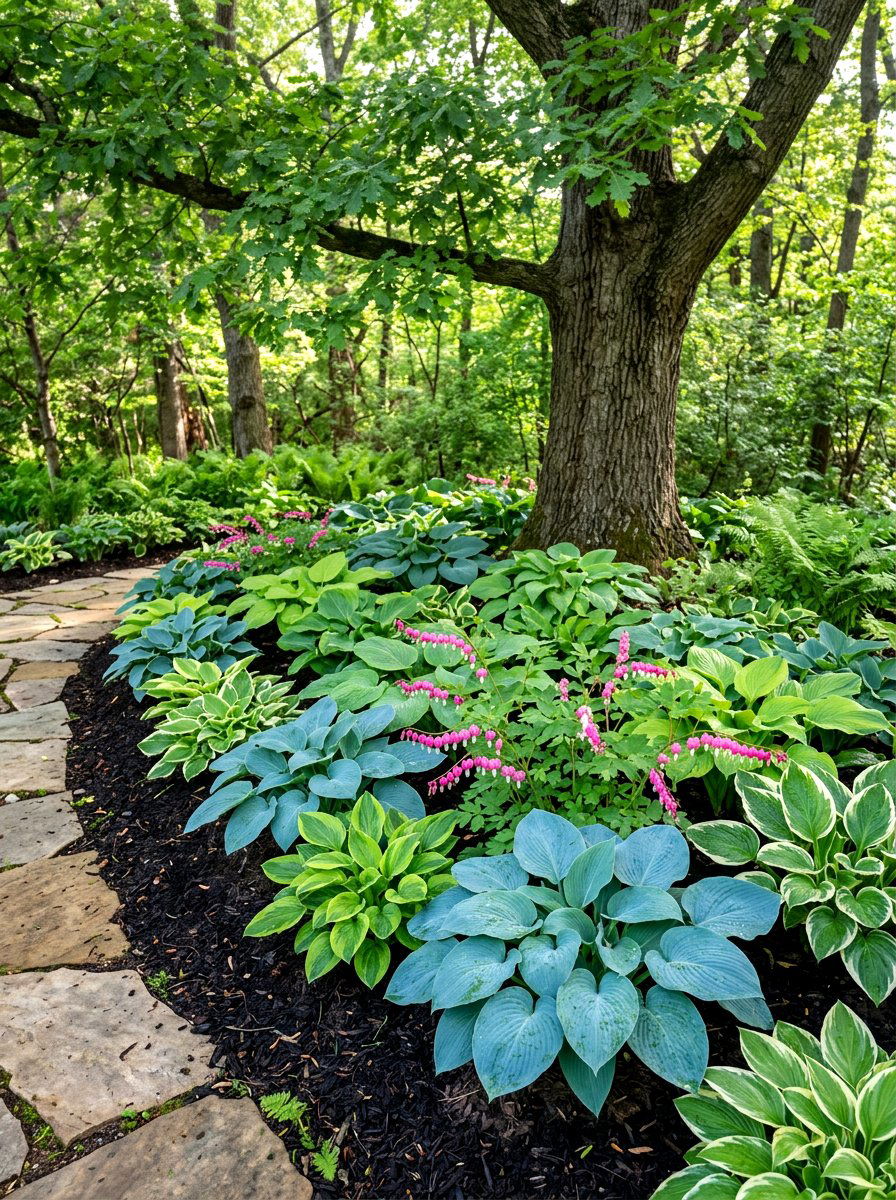
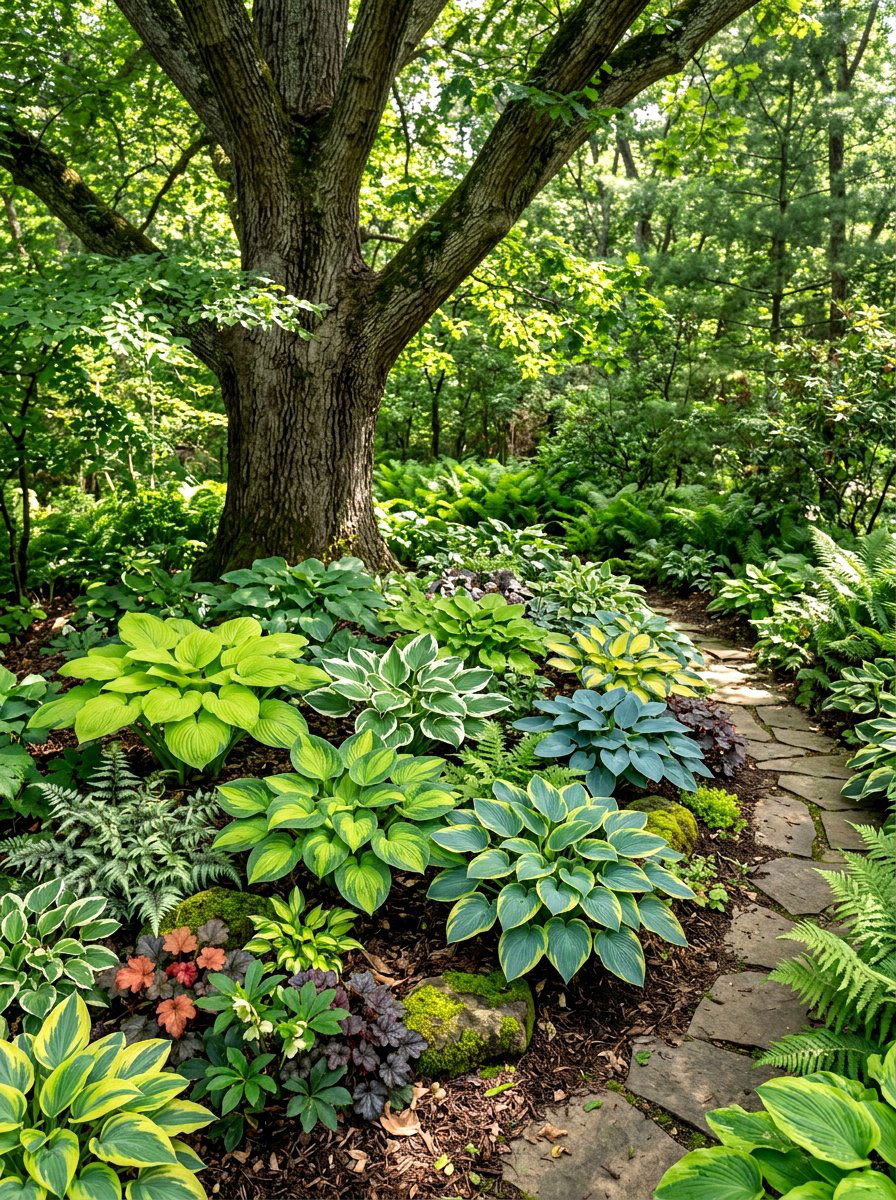
A shade loving hosta bed is the perfect way to bring life to the dark corners under your trees. You can mix different varieties of hostas with varied leaf colors like chartreuse, blue-green, and variegated white. Their large, lush leaves provide a beautiful ground cover that smothers weeds and looks very tropical. You can add some bleeding hearts or ferns to the mix for different textures and delicate flowers. This type of bed is very low-maintenance once established and stays green all season long. It transforms a difficult and shady spot into a cool and refreshing retreat. It is a very smart use of your backyard space.
Conclusion:
Creating a beautiful cottage flower bed is a journey that rewards your patience and care every season. These gardens are meant to be lived in and enjoyed rather than being perfectly manicured at all times. You can mix your favorite colors and scents to build a space that truly reflects your personality. Whether you have a tiny front yard or a sprawling back lawn, there is a cottage style that fits your needs perfectly. Your outdoor space will become a sanctuary for birds, bees, and your own peace of mind. Start small and watch your garden grow into a lush masterpiece. It is truly a labor of love.

Related posts: