Creating a dahlia cutting patch is the ultimate dream for anyone who loves filling their home with fresh, vibrant, and homegrown floral arrangements. These stunning flowers offer an incredible variety of shapes and sizes that can transform a simple backyard corner into a professional-grade flower farm. By focusing on a dedicated space for cutting, you ensure a continuous supply of blooms throughout the summer and well into the first frost of autumn. Whether you have a sprawling garden or just a few sunny feet of soil, a well-planned dahlia patch provides endless joy and creative inspiration for your indoor decor.
1. Small Dahlia Garden
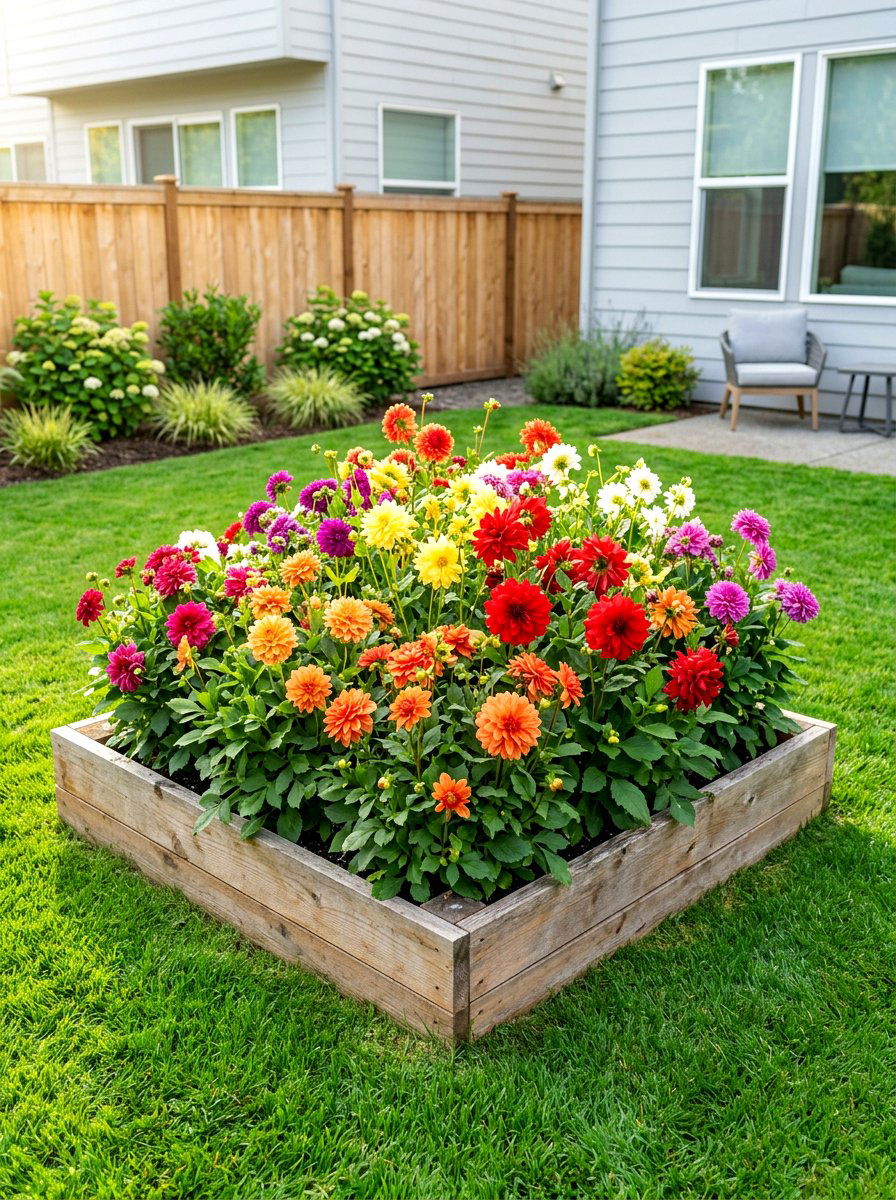
Growing a small dahlia garden is a perfect way to bring vibrant life into a limited backyard space without feeling overwhelmed. You do not need a massive farm to enjoy a bounty of fresh blooms every single morning during the summer season. A simple four-by-four foot area can host several high-yielding tubers if you plan the spacing correctly and provide enough sun. Choosing compact varieties ensures that the plants do not flop over and crowd out their neighbors in the small patch. This approach allows you to focus on quality over quantity while still having enough stems for beautiful indoor arrangements. It is truly the best starting point for beginners.
2. Raised Bed Dahlia Patch
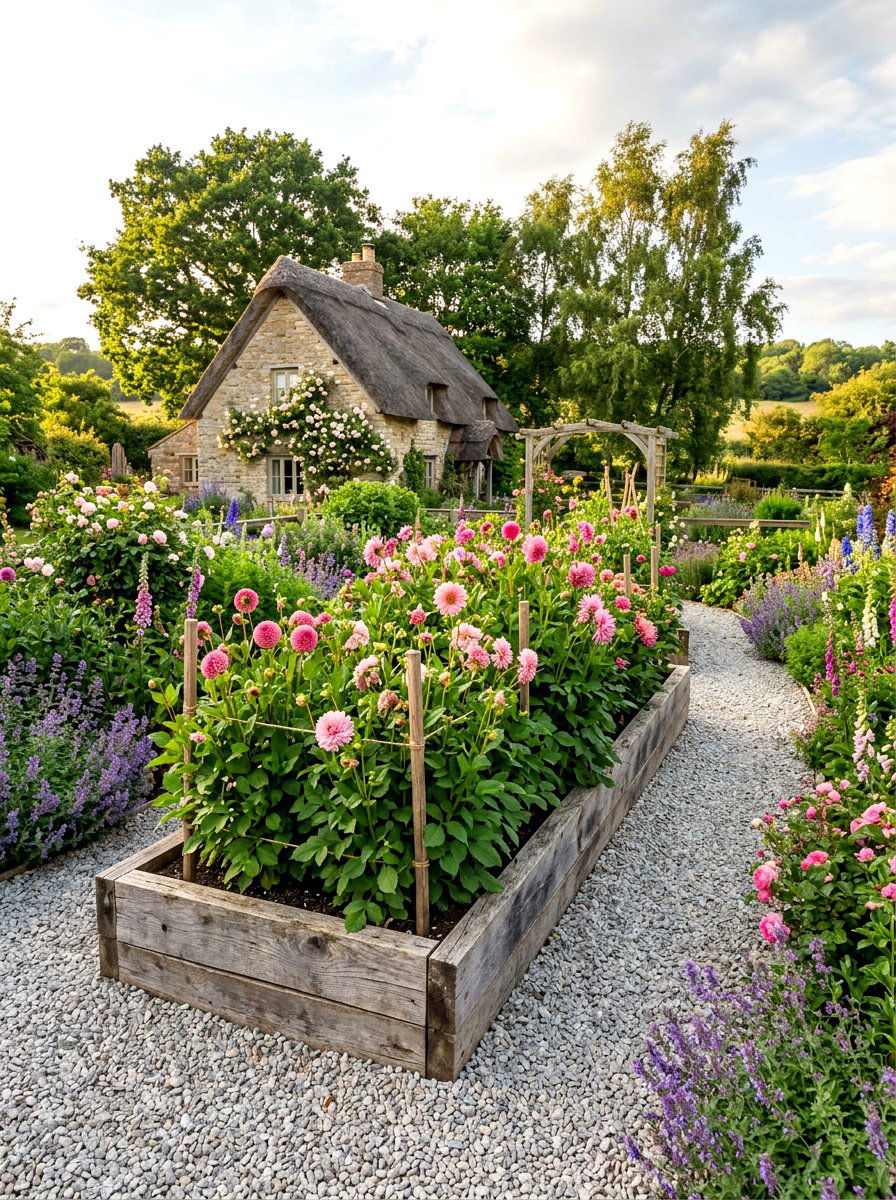
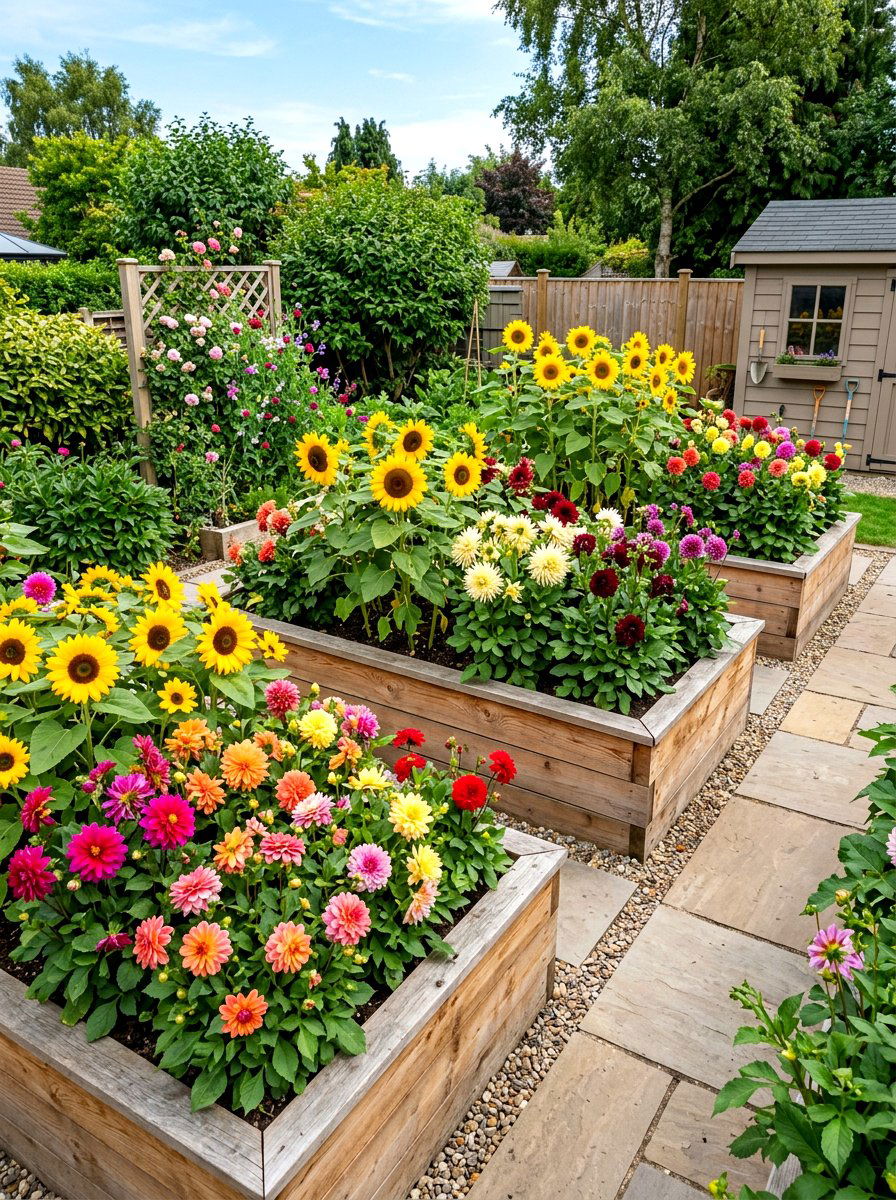
A raised bed dahlia patch offers superior drainage and soil control, which are critical factors for preventing tuber rot in early spring. By elevating the growing area, you can easily customize the soil mix with plenty of organic compost and aged manure for maximum bloom production. These structures also make harvesting much easier on your back, as the flowers are positioned at a more comfortable height for cutting. You can install simple netting across the top of the frame to provide instant support for the heavy flower heads. This organized layout keeps your garden looking tidy while providing a highly productive environment for your favorite varieties.
3. Colorful Dahlia Layout
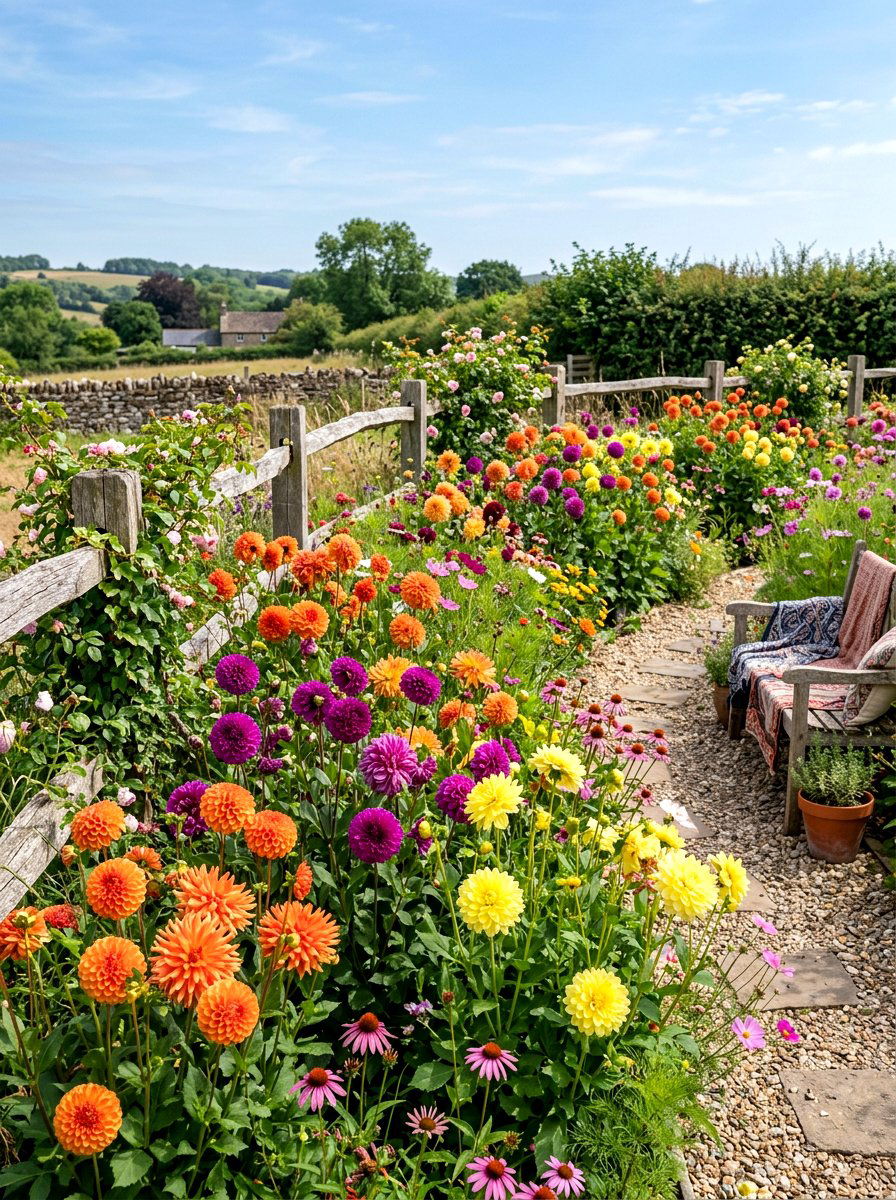
Designing a colorful dahlia layout involves mixing various hues like bright oranges, deep purples, and sunny yellows to create a high-energy visual display. This type of patch is perfect for gardeners who want their outdoor space to look just as beautiful as their indoor bouquets. You can arrange the tubers in a gradient pattern or a wild, meadow-like mix to attract pollinators and create a joyful atmosphere. High-contrast pairings, such as dark burgundy flowers next to lime-green foliage, make every stem pop. This approach ensures that every time you step outside to harvest, you have a rainbow of options for your seasonal floral designs.
4. Cafe Au Lait Dahlia Row
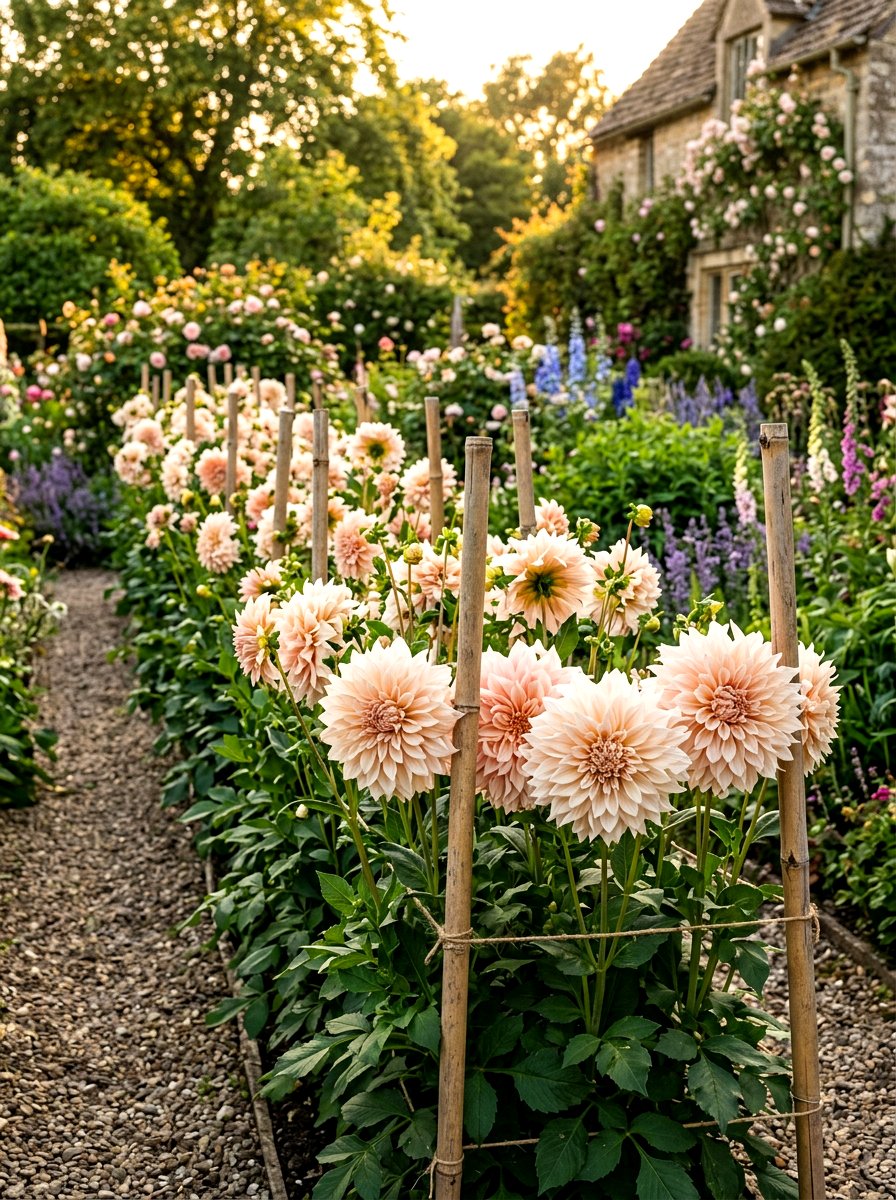
The Cafe Au Lait dahlia row is a staple for wedding florists and romantic garden enthusiasts who love soft, creamy tones. This specific variety is famous for its massive, dinnerplate-sized blooms that shift between shades of blush, peach, and ivory depending on the weather. Dedicating an entire row to this cultivar ensures you have plenty of focal flowers for elegant arrangements throughout the peak season. These plants can grow quite tall, so they require sturdy individual staking or a robust corral support system to protect the heavy blossoms. The sight of these blousy, ruffled petals swaying in the breeze is a highlight of any cutting garden.
5. White Dahlia Cutting Patch
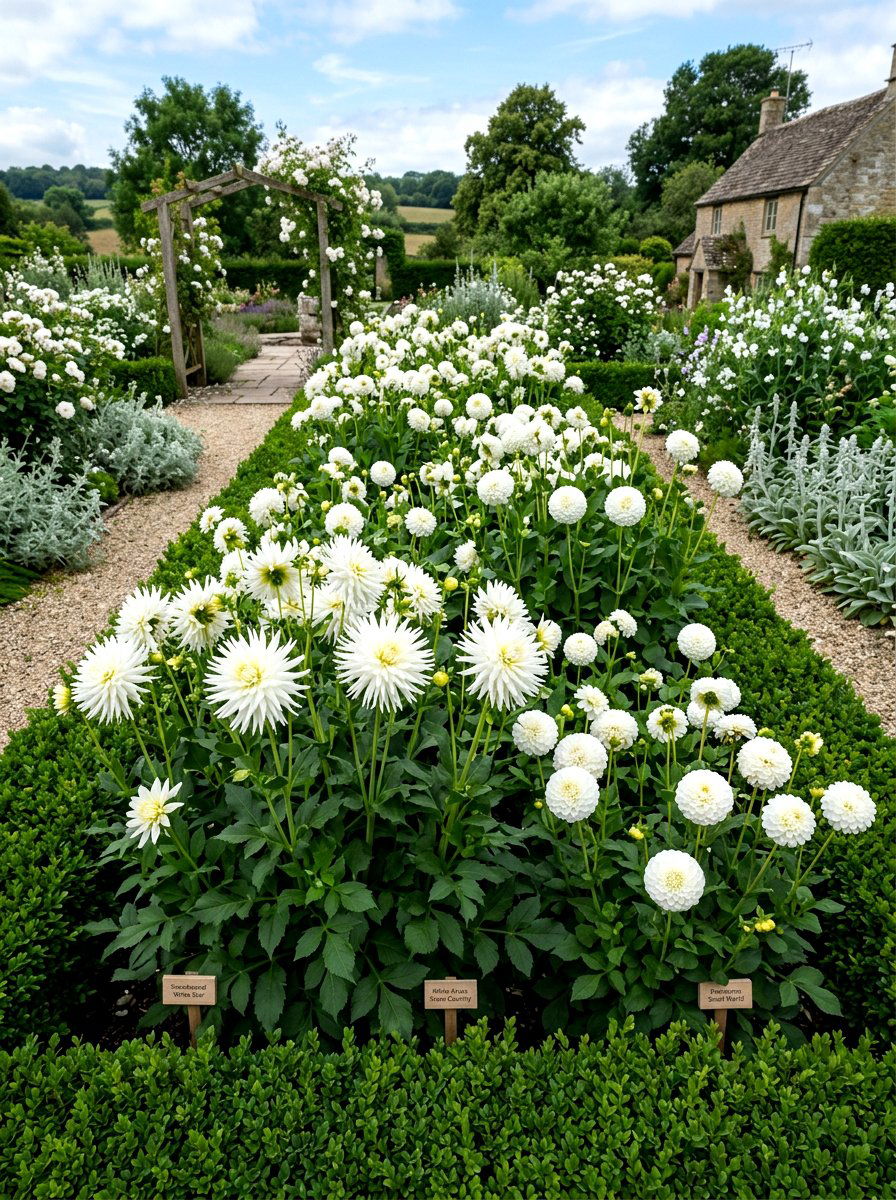
A white dahlia cutting patch creates a serene and sophisticated look that functions perfectly as a "moon garden" in the evening light. White blooms are incredibly versatile for floral design because they complement every other color and add a sense of brightness to any vase. By planting different forms, such as spiky cactus types and round ball varieties, you add texture and interest to a monochromatic scheme. These patches look particularly striking when bordered by dark green boxwood or silver-toned foliage plants. Having a dedicated source of white flowers makes it incredibly easy to put together a quick, professional-looking bouquet at a moment's notice.
6. Dahlia Support Netting
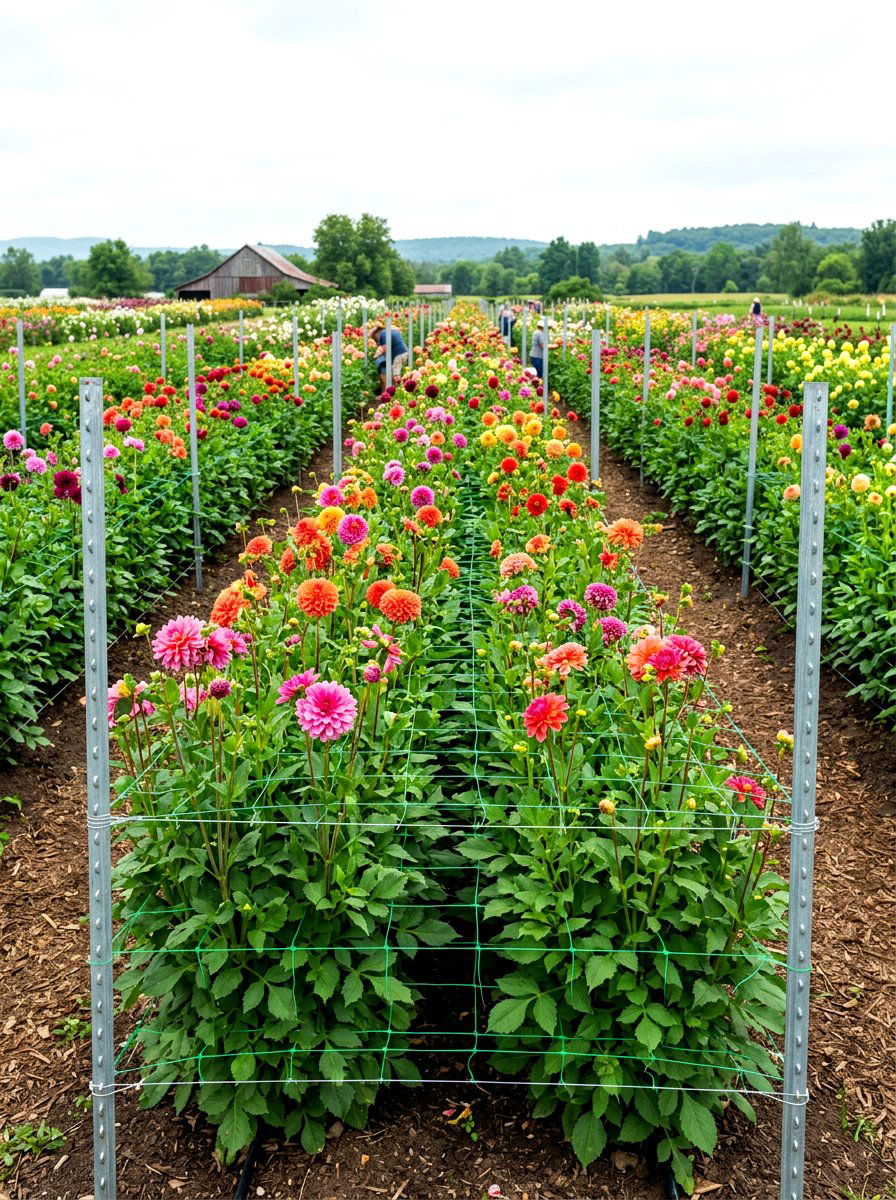
Implementing dahlia support netting is a practical technique used by professional flower farmers to keep stems straight and prevent storm damage. This horizontal layer of plastic or nylon mesh is stretched across the bed when the plants are about a foot tall. As the dahlias grow, they naturally push through the holes, which hold the heavy stems upright without the need for individual ties. This system is a huge time-saver if you are growing a large number of plants in a single patch. It ensures that your flowers stay clean and off the ground, resulting in high-quality blooms that are much easier to harvest.
7. Potted Dahlia Patch
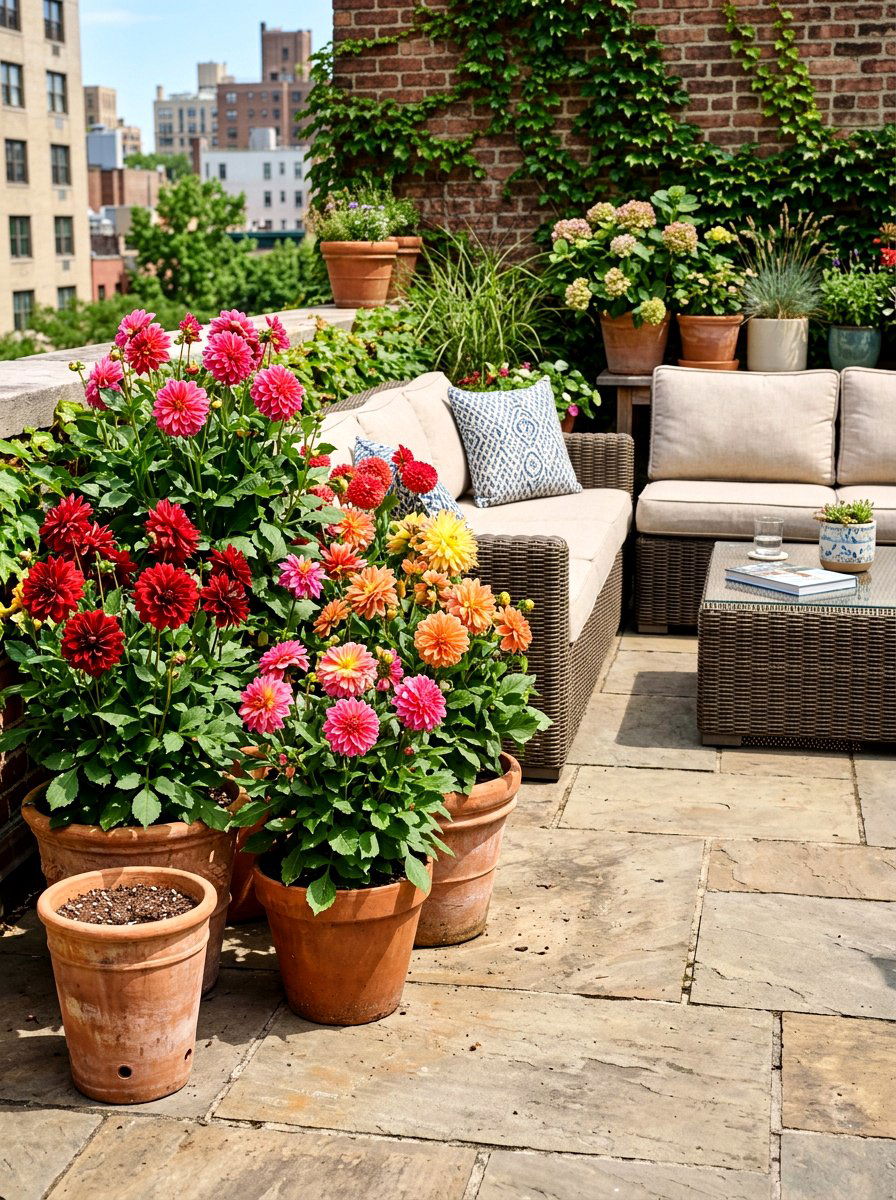
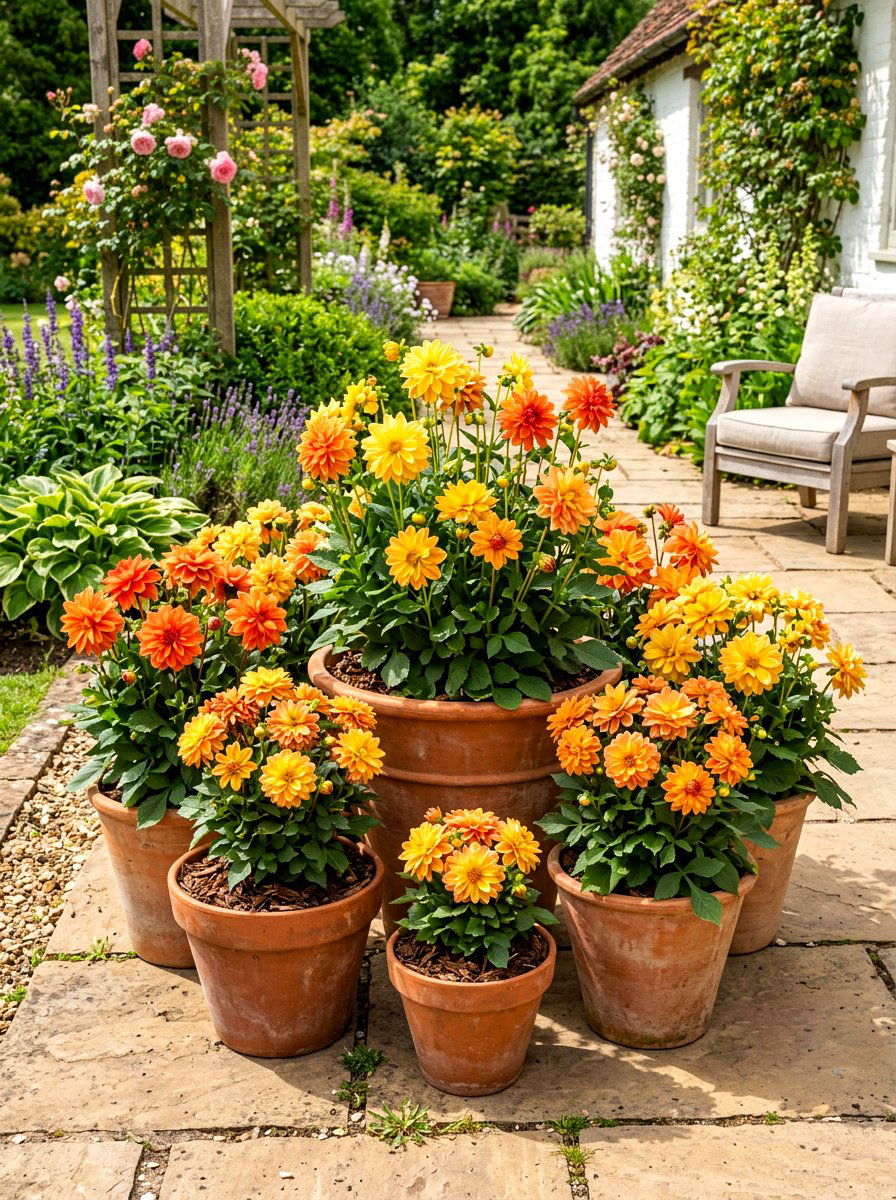
A potted dahlia patch is the ideal solution for urban gardeners or anyone with limited soil space on a sunny patio or balcony. Many modern varieties are bred specifically for container growth, staying compact while still producing an impressive number of flowers for cutting. You can group several large pots together to create a lush, movable garden that can be repositioned to catch the best sunlight throughout the year. Use a high-quality potting mix and stay consistent with watering to keep these heavy feeders happy and productive. This method allows you to enjoy the beauty of dahlias even if you only have a hardscape area.
8. Modern Dahlia Garden
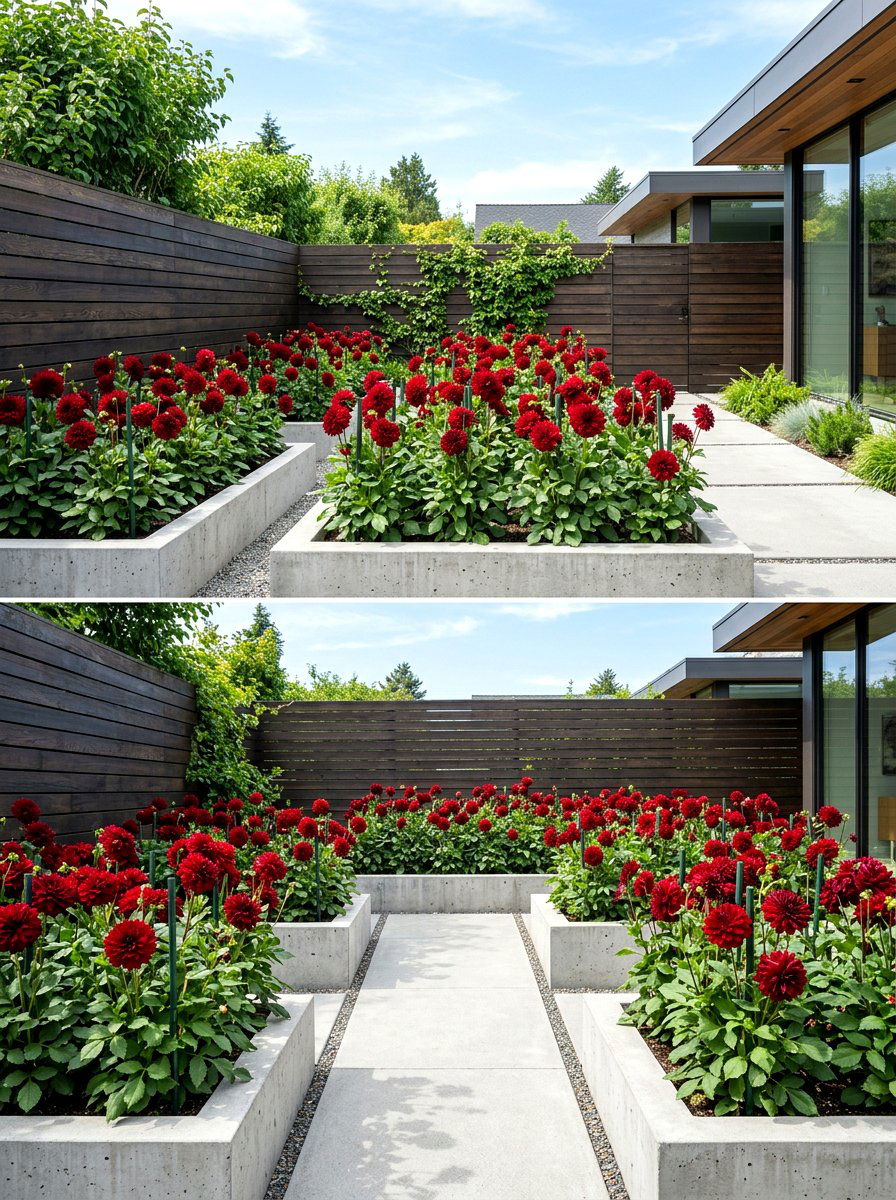
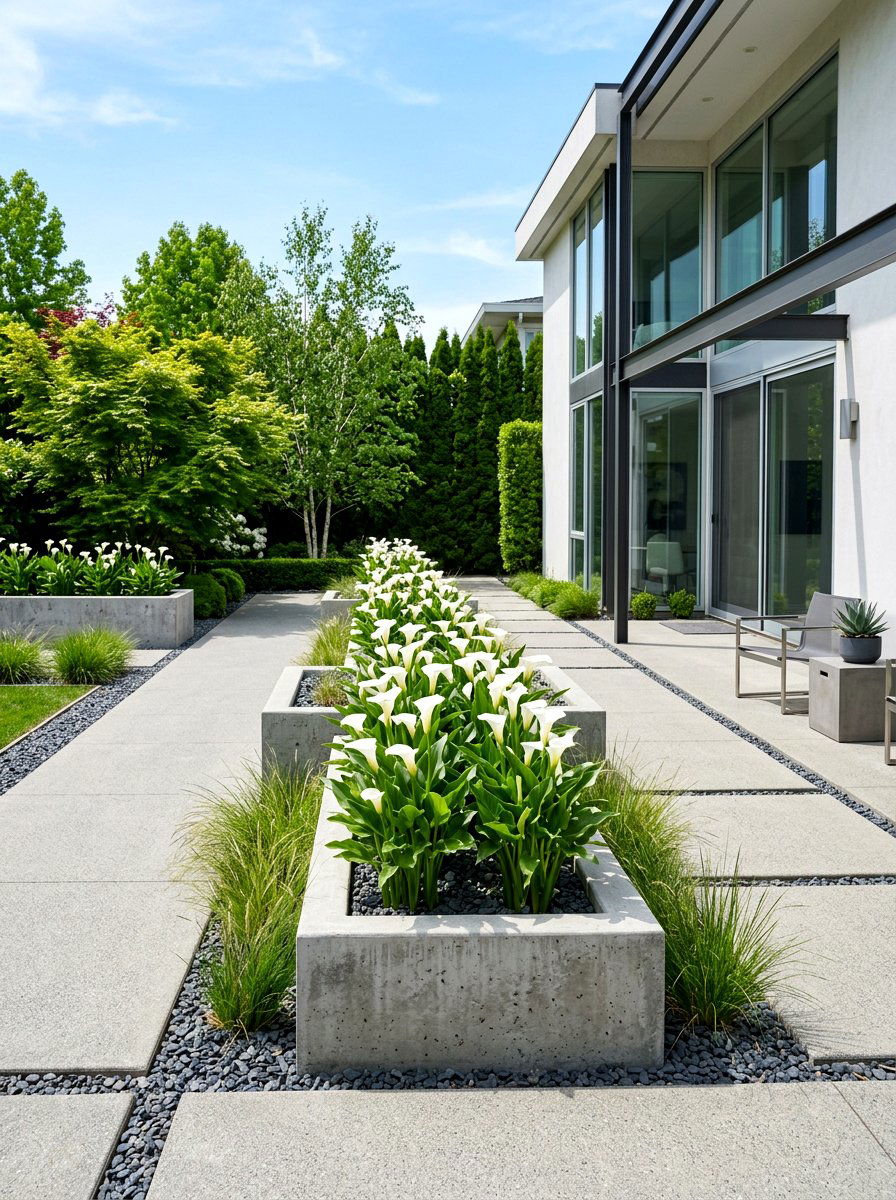
A modern dahlia garden focuses on clean lines, structural planting, and a minimalist color palette to create a contemporary outdoor aesthetic. Instead of a traditional cluttered look, this patch might feature dahlias planted in geometric blocks or sleek metal raised beds. Pairing the soft texture of the flowers with architectural elements like concrete pathways or dark wooden fencing creates a stunning visual contrast. You can choose varieties with dark, almost black foliage to add a dramatic and sophisticated edge to the design. This style proves that a cutting garden can be a highly decorative feature that enhances the overall architecture of a modern home.
9. Cottage Style Dahlia Patch
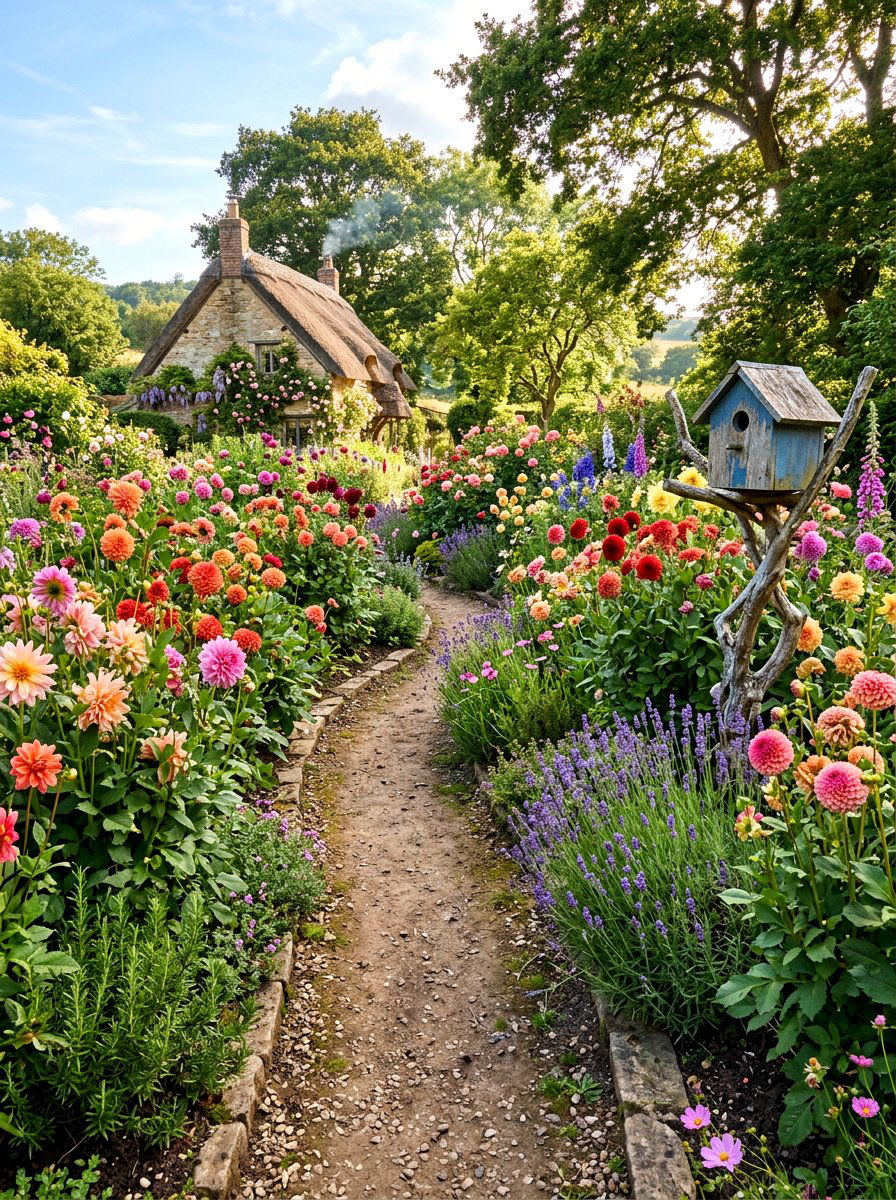
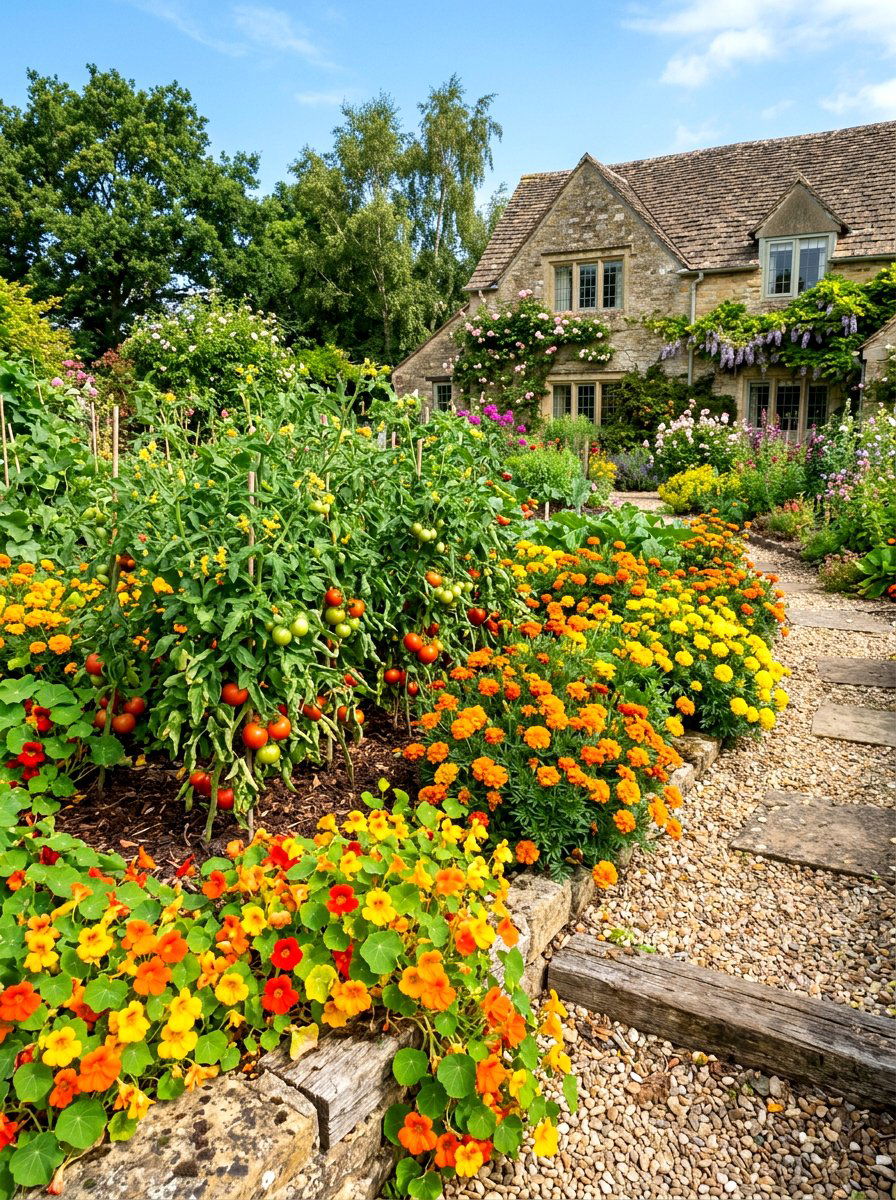
The cottage style dahlia patch embraces a relaxed, whimsical atmosphere where flowers are allowed to mingle with herbs and other traditional perennials. This design often features winding paths and rustic wooden supports that blend seamlessly into a natural landscape. You can mix different flower forms and heights to create a sense of abundance and charming chaos that feels lived-in and cozy. Including some single-petal varieties will attract butterflies and bees, adding movement and life to the garden. This approach is less about perfect rows and more about creating a romantic sanctuary where you can wander and snip blooms for a casual kitchen table bouquet.
10. Mixed Flower Cutting Garden
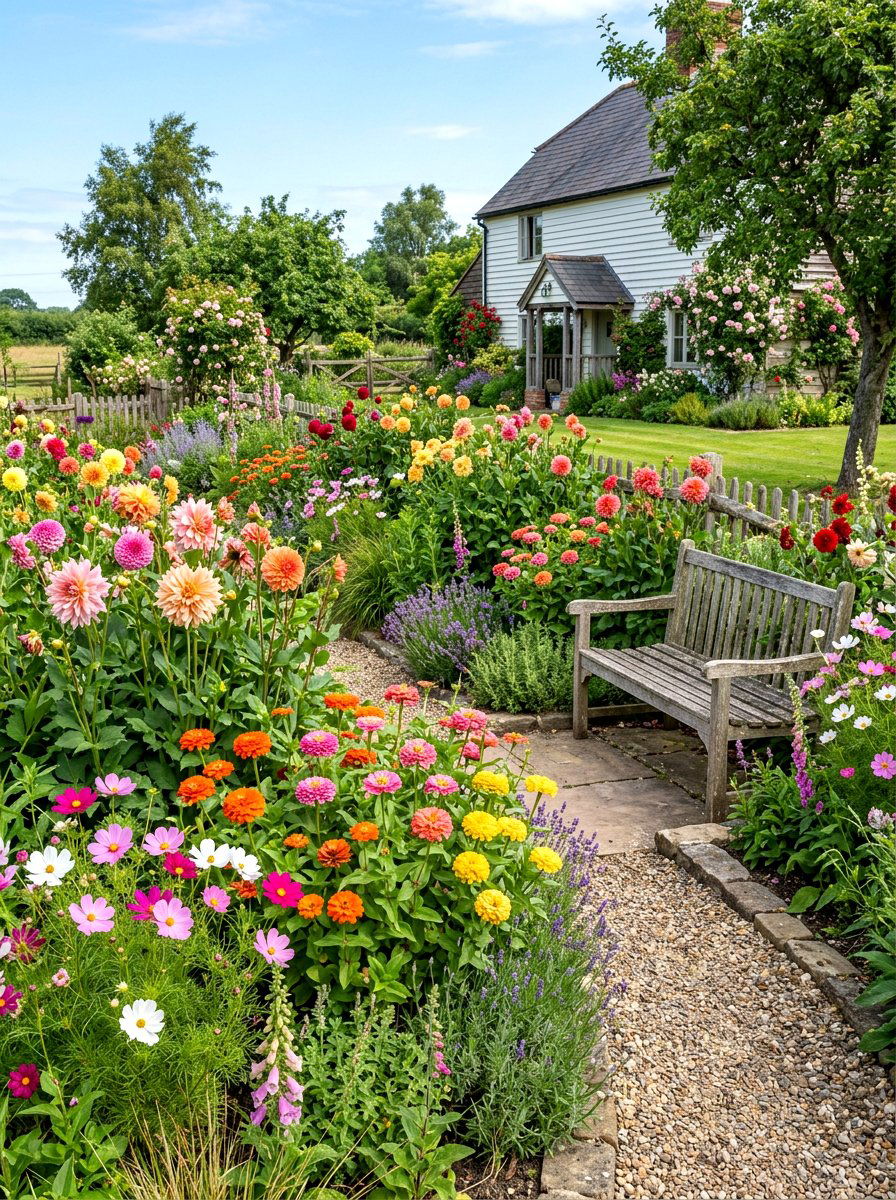
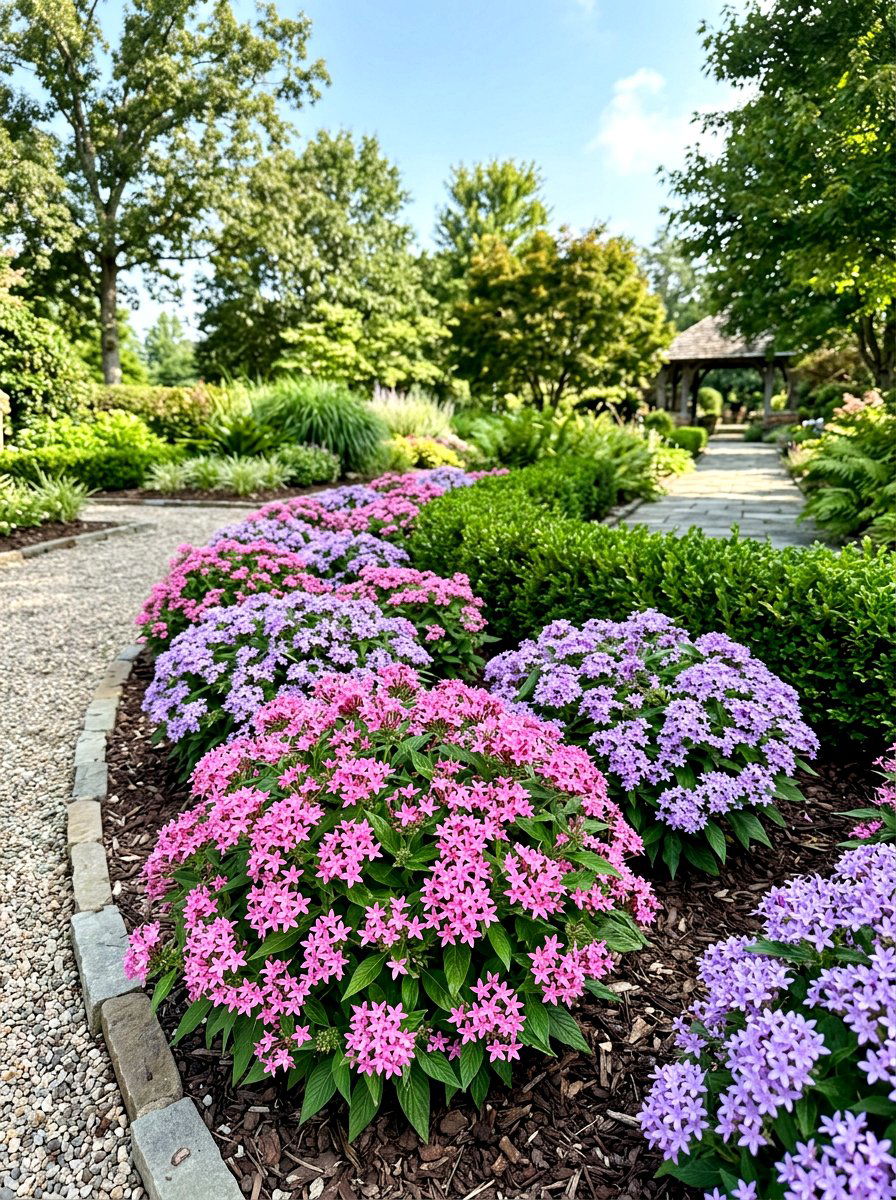
Integrating dahlias into a mixed flower cutting garden allows you to create complex bouquets with varying textures and bloom times. By planting dahlias alongside zinnias, cosmos, and snapdragons, you ensure that something is always ready for the vase from early summer until late autumn. The dahlias act as the "thriller" or focal point in the arrangement, while smaller annuals provide the necessary "filler" and "spiller" elements. This diversity also helps with pest management by creating a more balanced ecosystem that supports beneficial insects. A mixed patch is highly rewarding because it offers a wide range of colors and shapes for every possible floral design.
11. Dinnerplate Dahlia Row
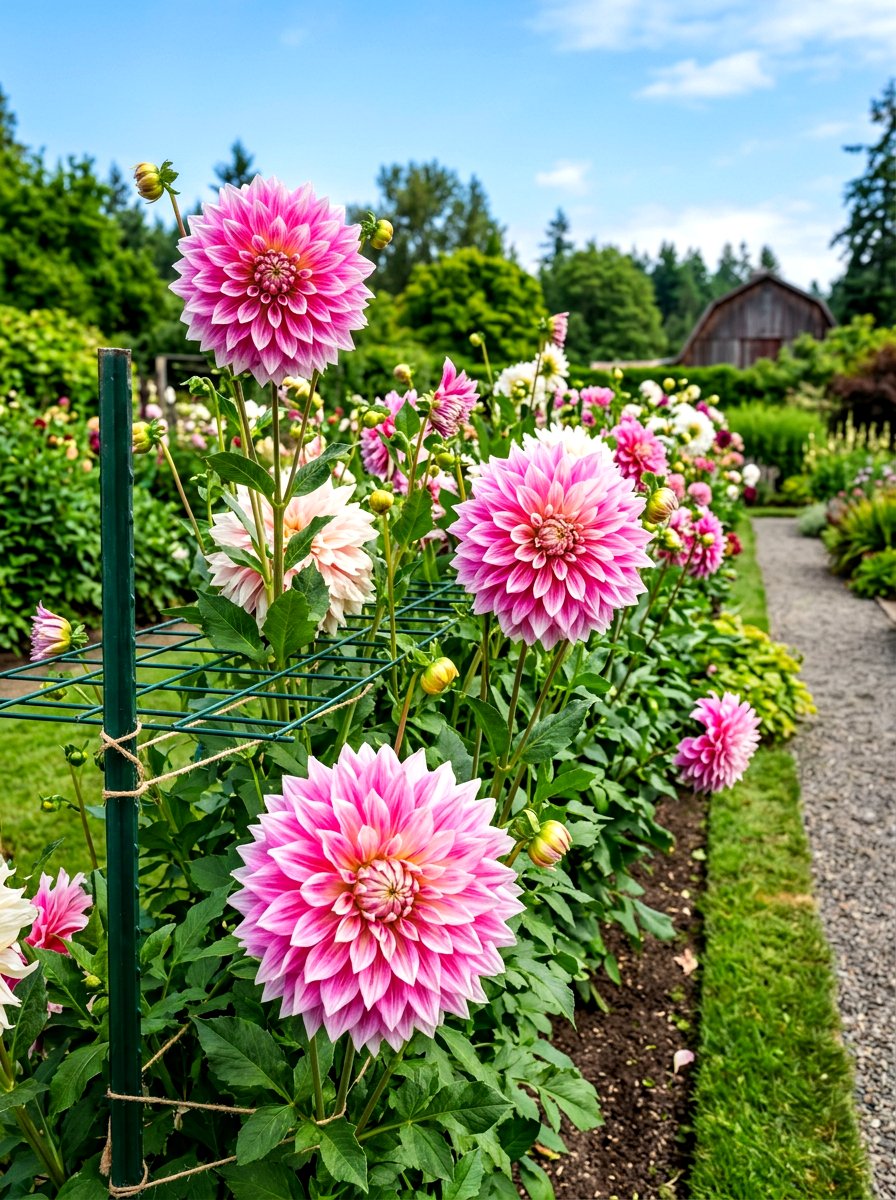
Dedicating a row to dinnerplate dahlias is essential for those who want to grow show-stopping blooms that can reach up to ten inches in diameter. These giants are the celebrities of the garden world and require extra care, including deep watering and heavy-duty support systems. Because the flowers are so large, they can become very heavy after a rainstorm, so keeping them upright is a top priority. Planting them in a dedicated row makes it easier to monitor their growth and provide the intense fertilization they need to reach their full potential. These massive blossoms are perfect for large-scale arrangements or as a single, dramatic statement in a bud vase.
12. Pompon Dahlia Patch
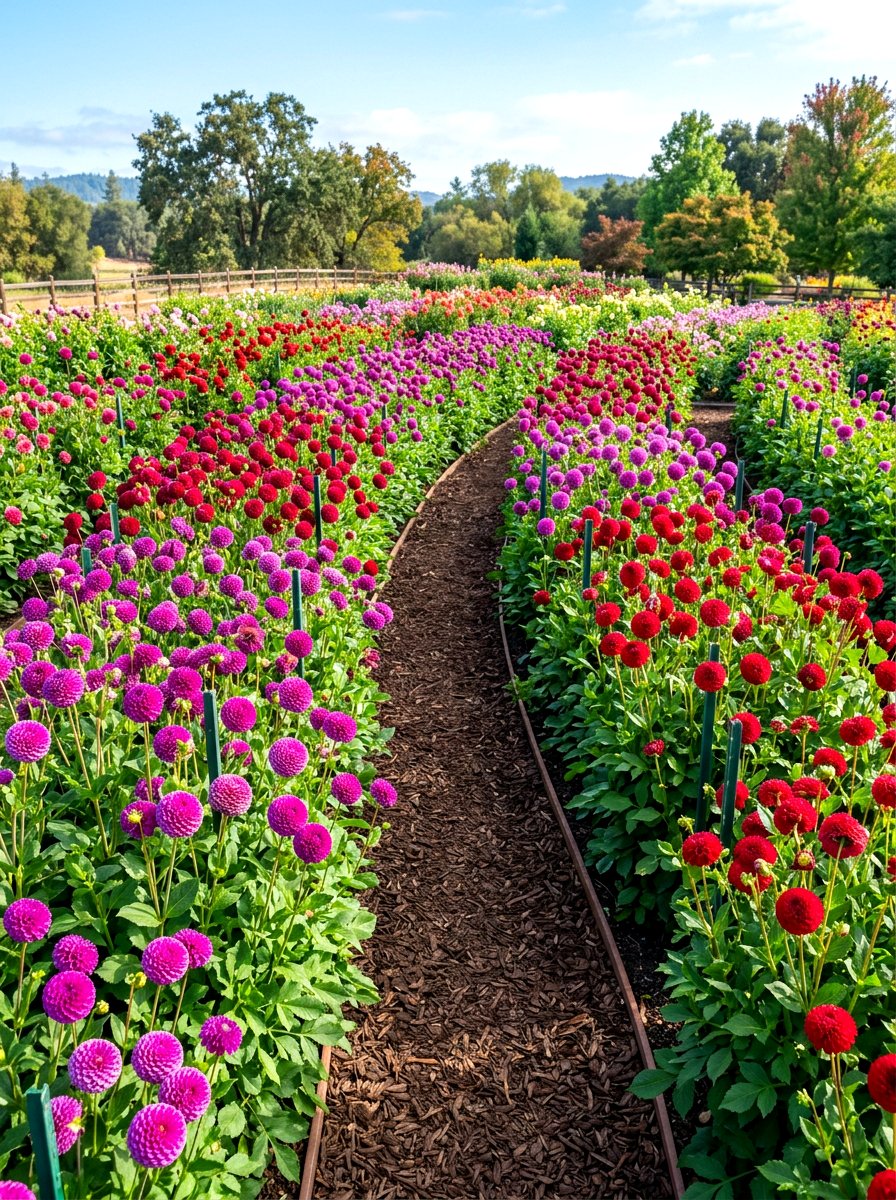
A pompon dahlia patch features charming, perfectly spherical flowers that are prized for their intricate geometric petal patterns and long vase life. These smaller blooms are incredibly productive, often sending up dozens of stems on a single plant throughout the growing season. Their compact size and sturdy nature make them much easier to manage than larger varieties, as they rarely require intensive staking. Because they come in almost every color imaginable, a dedicated patch of pompons provides a endless supply of "texture" flowers for your bouquets. They are particularly popular for their durability, often lasting over a week once they have been cut and placed in water.
13. Backyard Dahlia Patch
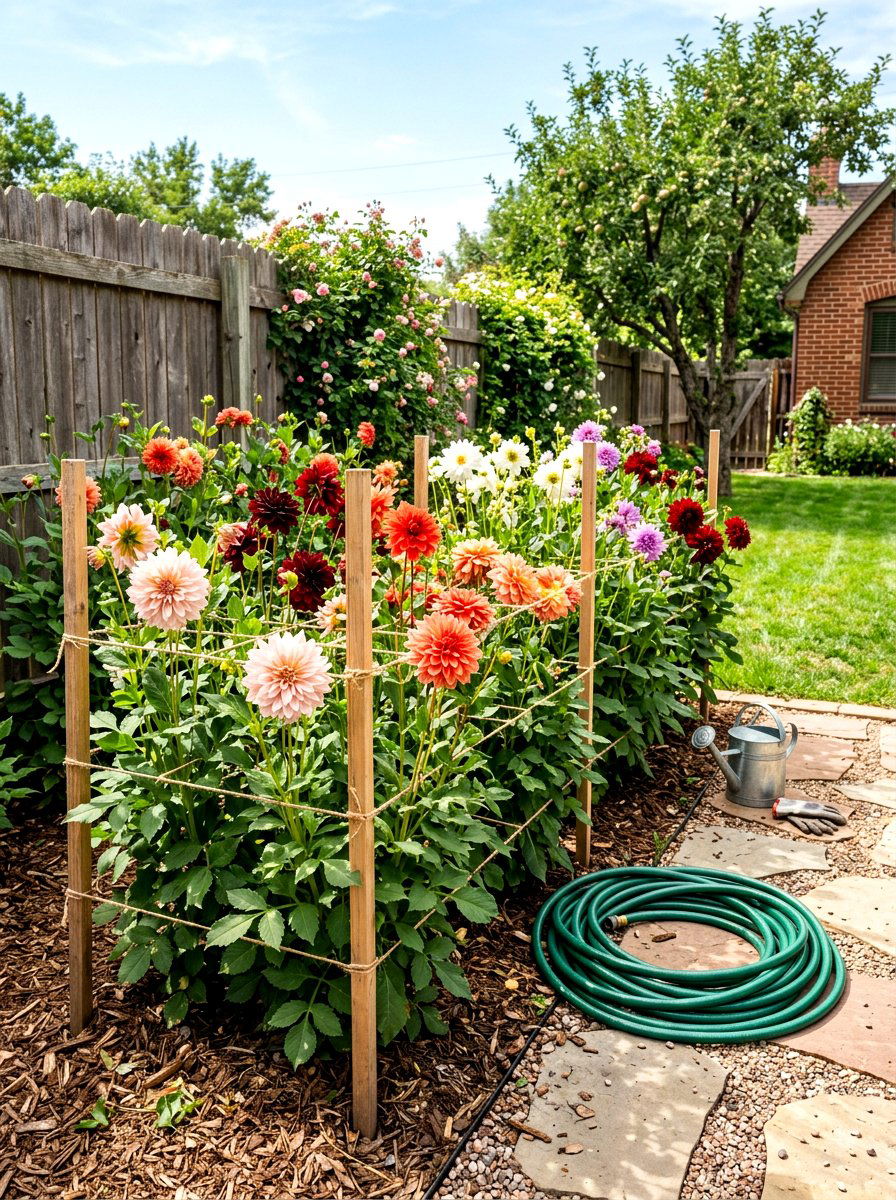
Transforming a simple corner of your yard into a backyard dahlia patch is a wonderful way to utilize sunny spots that might otherwise go to waste. This functional garden area focuses on productivity and ease of access, allowing you to quickly gather flowers before work or during a sunset stroll. You can use simple materials like t-posts and twine to create a "corral" that keeps the plants tidy without costing a fortune. This type of patch is all about the personal joy of growing your own flowers and sharing them with friends and neighbors. It turns a standard lawn into a vibrant, living workshop for floral creativity.
14. Dahlia Garden Border
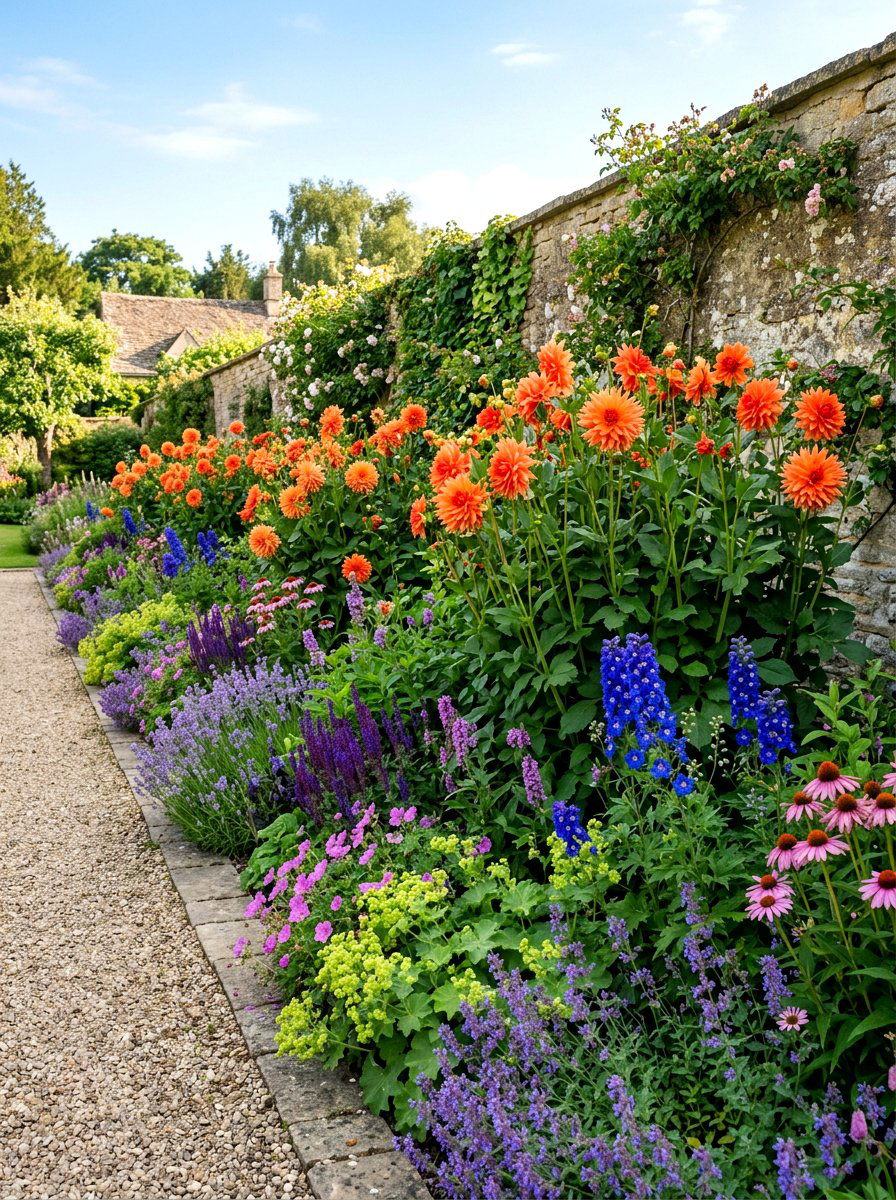
Using a dahlia garden border is a smart way to incorporate cutting flowers into your existing landscape design without dedicating a separate plot. By planting taller varieties at the back of a perennial bed, you create a lush backdrop that blooms continuously through the late summer slump. This allows the dahlias to provide height and color to the garden while still being available for harvesting. You can choose colors that complement your existing shrubs and flowers to create a cohesive look. This dual-purpose strategy maximizes your growing space and ensures that your ornamental beds remain productive and beautiful for several months of the year.
15. Pastel Dahlia Patch
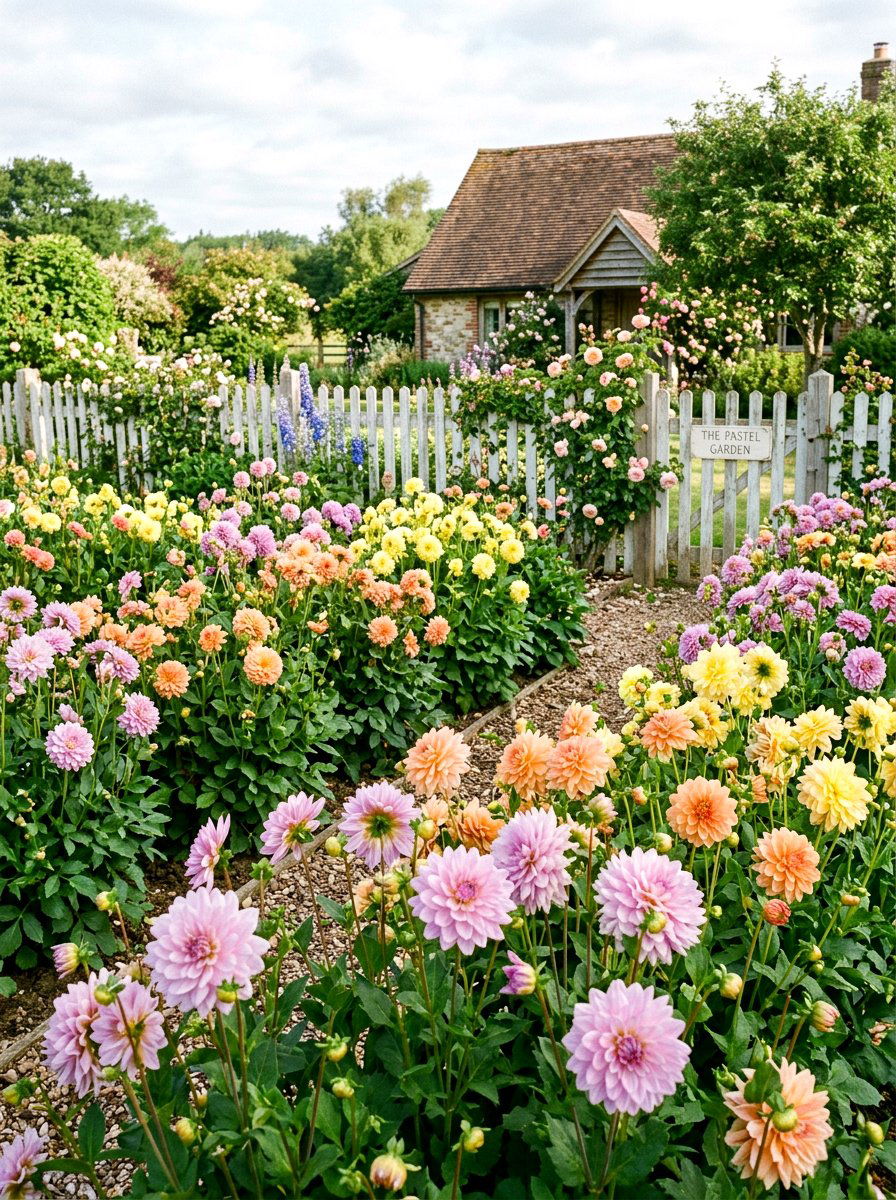
A pastel dahlia patch focuses on soft, muted tones like lavender, pale pink, apricot, and lemon yellow to create a dreamlike and romantic atmosphere. These colors are highly sought after for spring-themed arrangements and delicate table settings. By grouping these gentle hues together, you create a harmonious space that feels calm and inviting. These varieties often have a luminous quality in the early morning light, making the harvest a truly magical experience. Pastel flowers are also very forgiving in floral design, as they almost always look good when mixed together. This patch is a must-have for anyone who prefers a subtle and elegant aesthetic.
16. Red Dahlia Garden
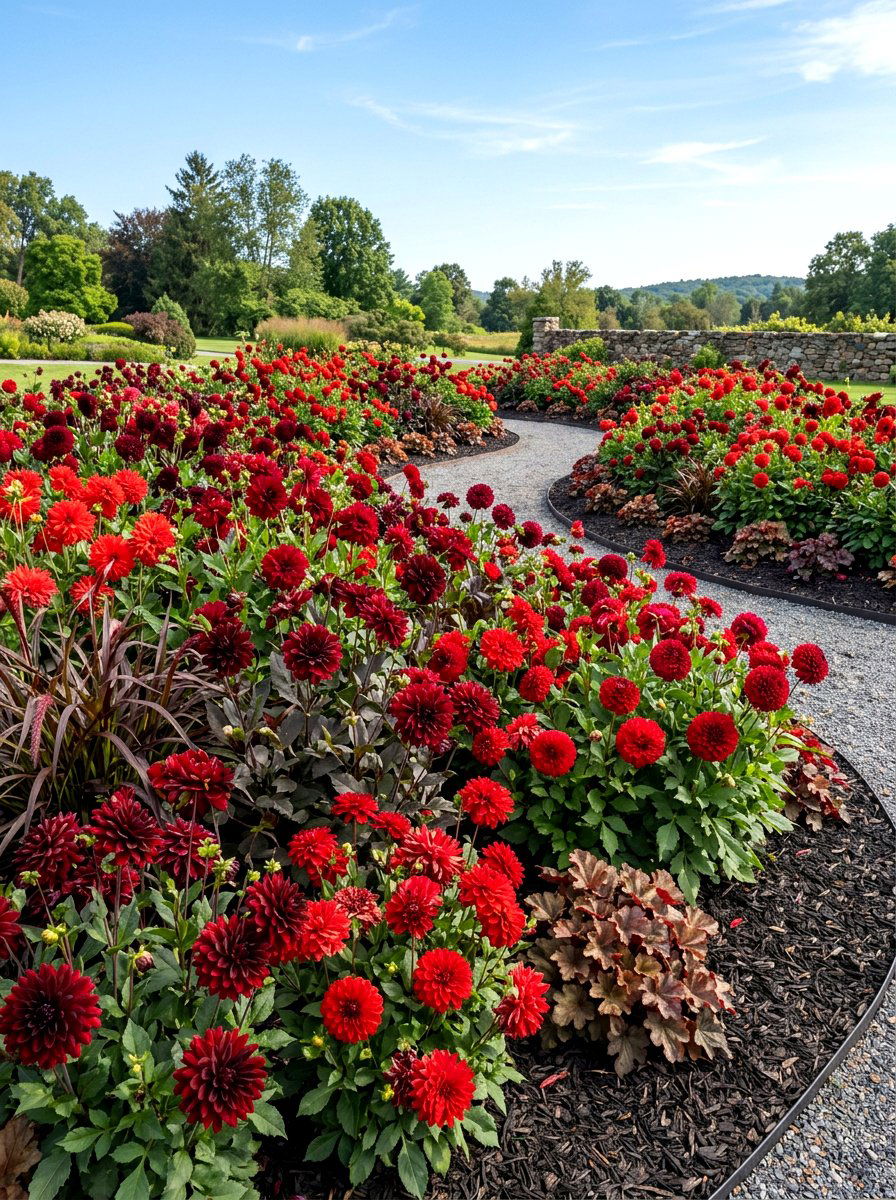
A red dahlia garden brings a sense of drama, passion, and intense energy to the landscape with its bold and fiery tones. Ranging from bright scarlet to deep, velvety burgundy, these flowers make a powerful statement both in the ground and in a vase. Red dahlias are particularly effective for late-season arrangements when the light begins to change and the garden transitions into autumn. Pairing these vibrant blooms with dark green or bronze-toned foliage enhances their richness and creates a sophisticated color palette. This type of patch is a favorite for those who love high-contrast designs and want their garden to be a focal point of the neighborhood.
17. Formal Dahlia Rows
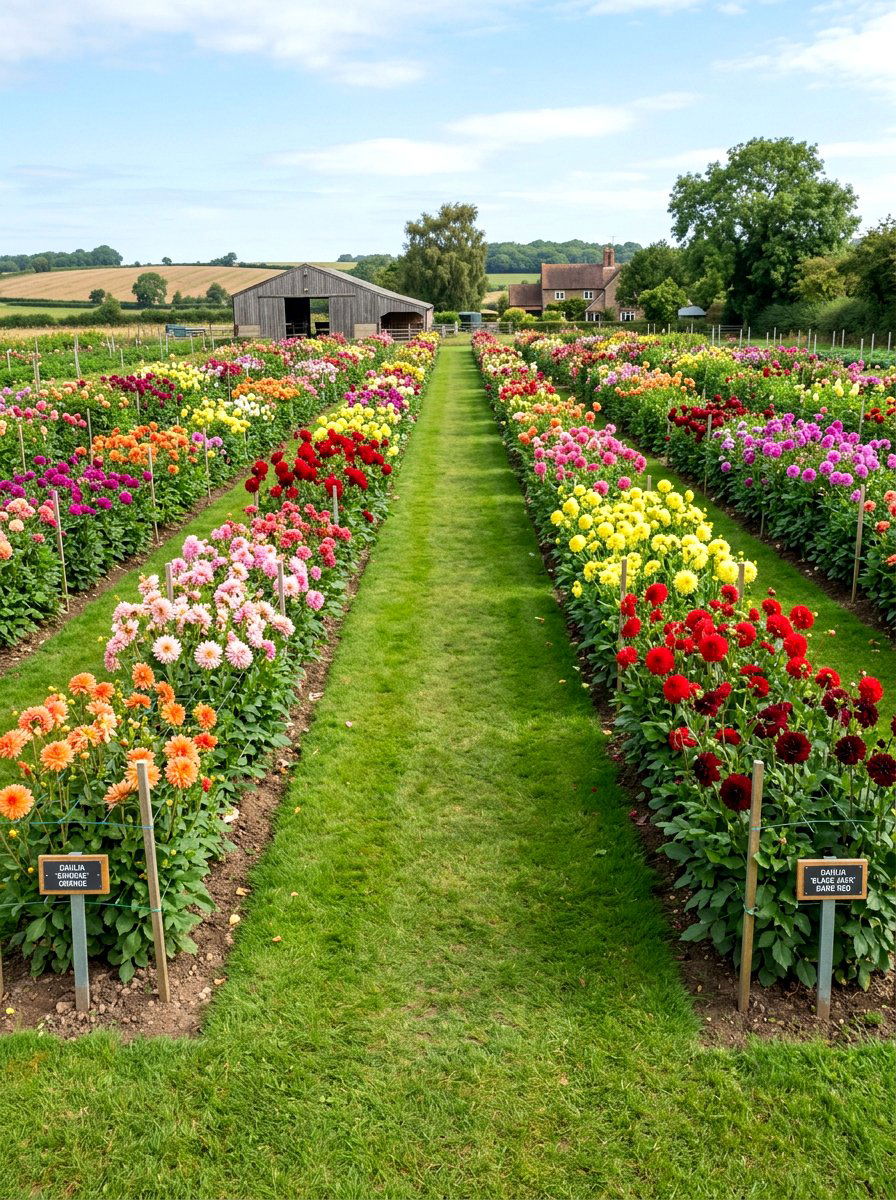
Arranging your flowers in formal dahlia rows is the most efficient way to manage a large collection while keeping the garden looking organized and professional. This layout mimics the style of commercial flower farms, providing clear pathways for easy harvesting and maintenance tasks like weeding or fertilizing. By keeping varieties grouped together in straight lines, you can easily track the performance of each cultivar and label them clearly for future reference. This structural approach also facilitates the installation of irrigation systems and large-scale support netting. It is the perfect choice for the serious gardener who prioritizes high yield and a systematic way of working in the soil.
18. Urban Dahlia Patch
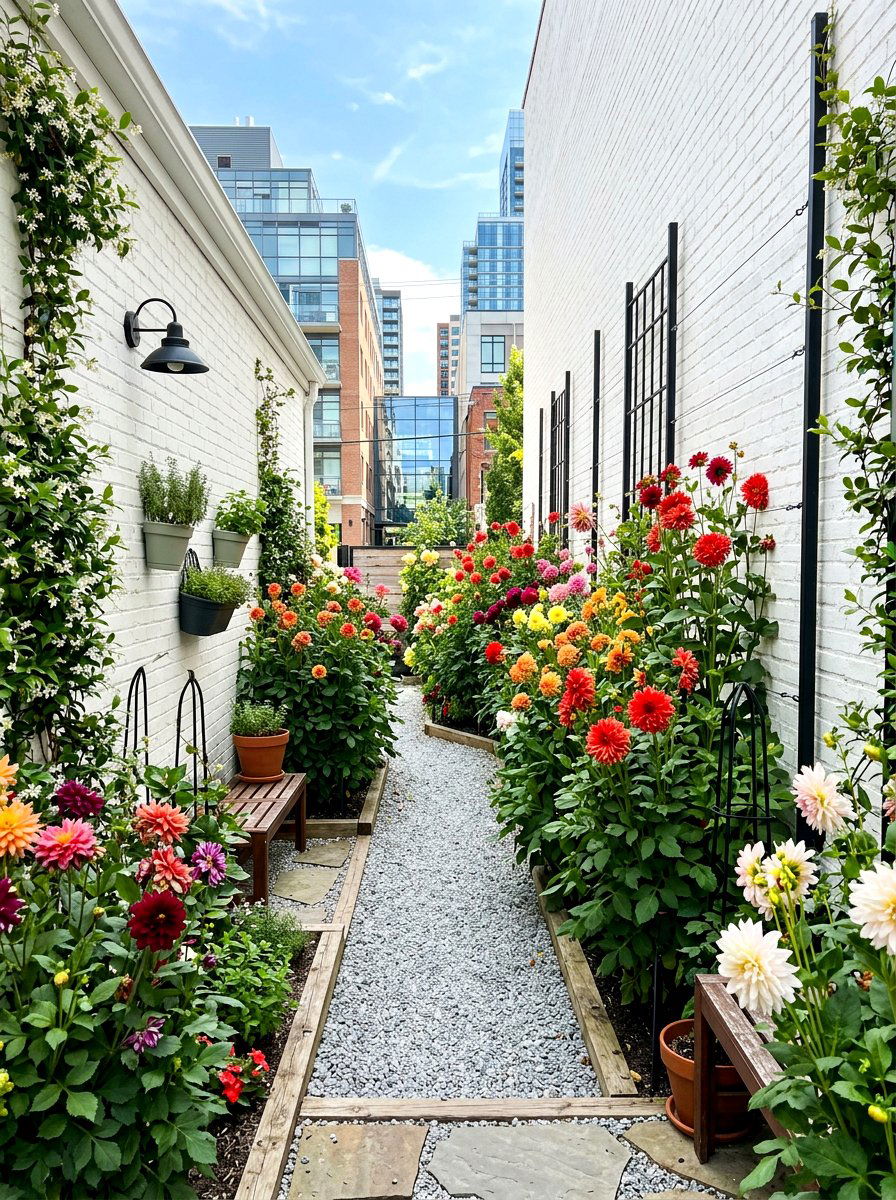
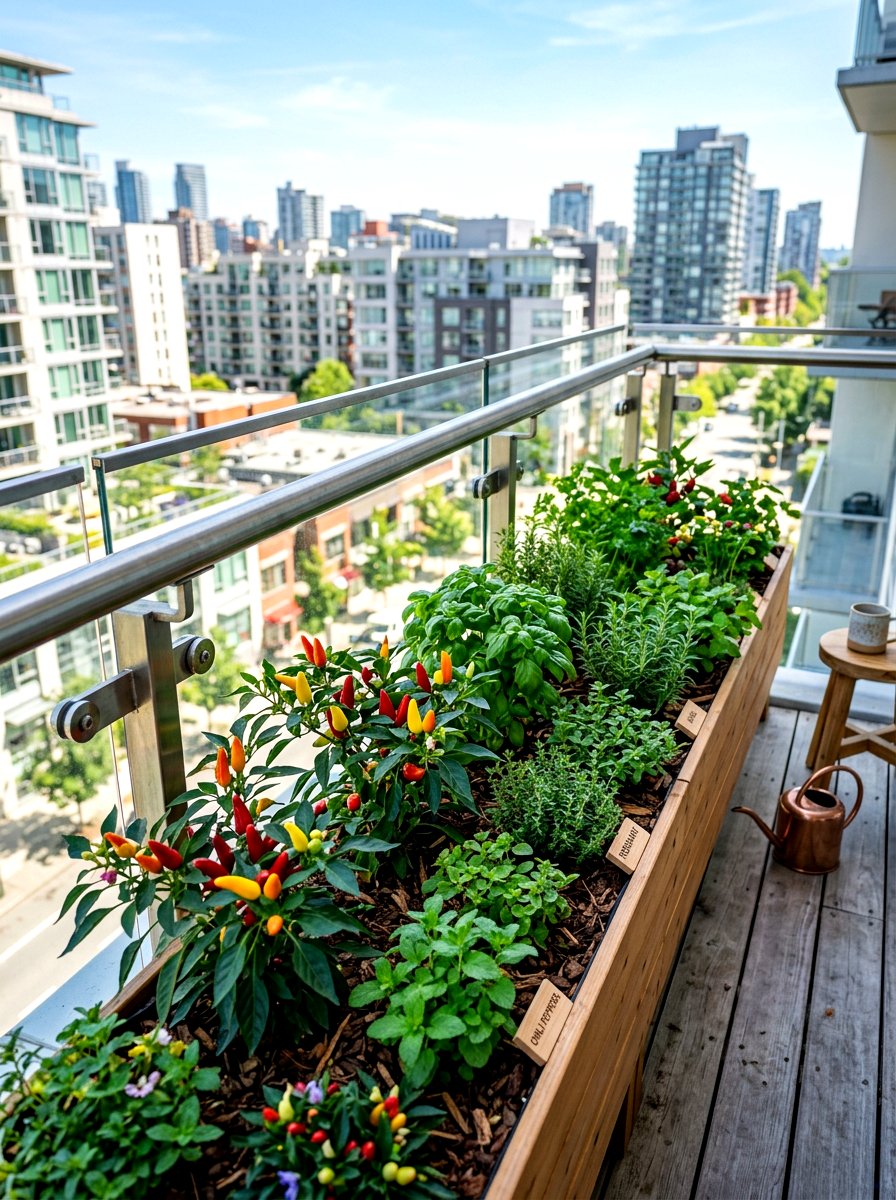
An urban dahlia patch demonstrates how to grow high-quality flowers in tight city environments, such as narrow side yards or small fenced-in plots. This type of garden often utilizes vertical space and intensive planting techniques to maximize every available inch of sunlight. Using reflective surfaces or light-colored walls can help bounce extra light onto the plants in shaded city lots. Compact varieties are often preferred here to keep the garden from feeling cramped or unruly. Despite the challenges of city gardening, a small urban patch can produce a surprising number of blooms, providing a lush and colorful escape from the surrounding concrete and hustle of life.
19. Summer Dahlia Bed
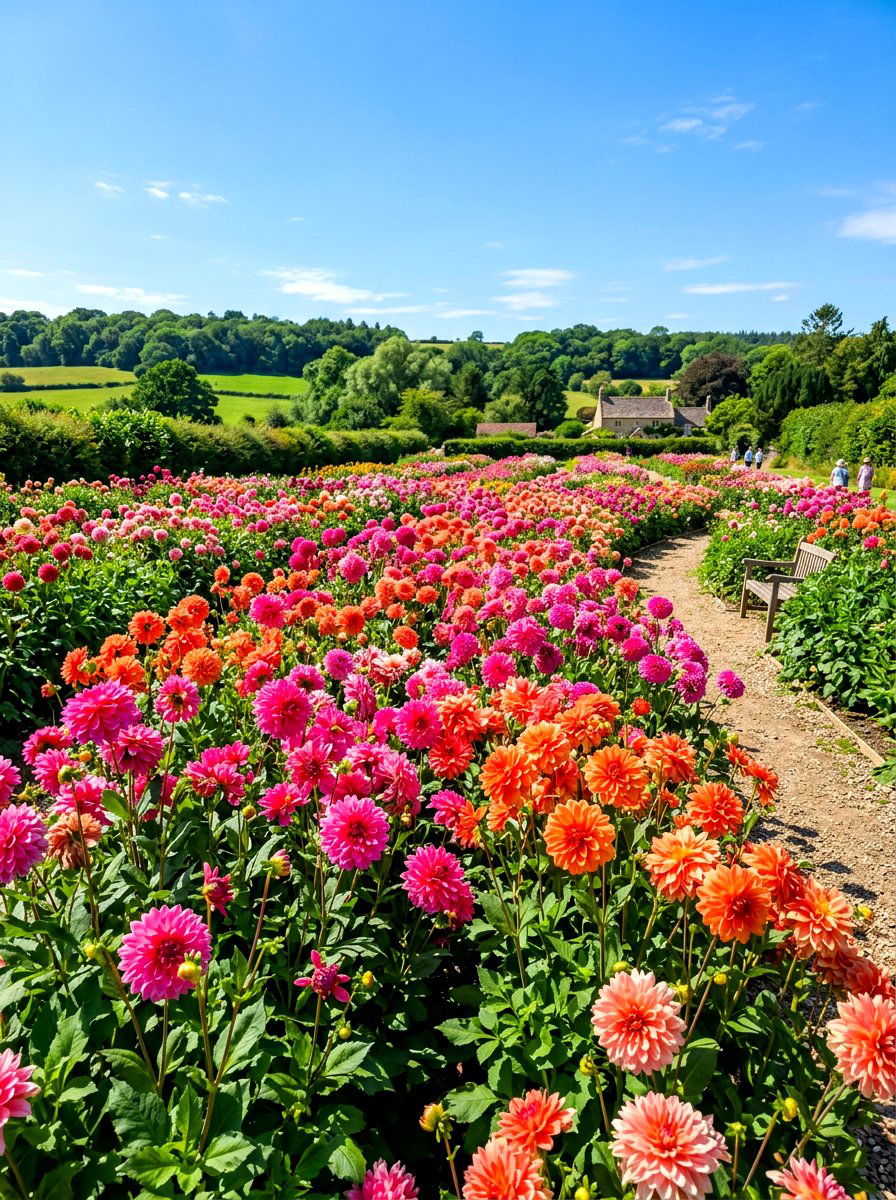
A summer dahlia bed is designed to be the star of the show during the hottest months of the year when other flowers might struggle. Dahlias thrive in the heat as long as they have consistent moisture and plenty of nutrients, making them the perfect centerpiece for a mid-season garden. This patch is usually in full swing by July, providing a massive explosion of color that lasts until the first cold snap. By choosing a mix of early and mid-season bloomers, you can ensure a steady stream of flowers for your home throughout the entire vacation season. It is a high-impact way to keep your outdoor space looking vibrant.
20. Dahlia Garden Pathway
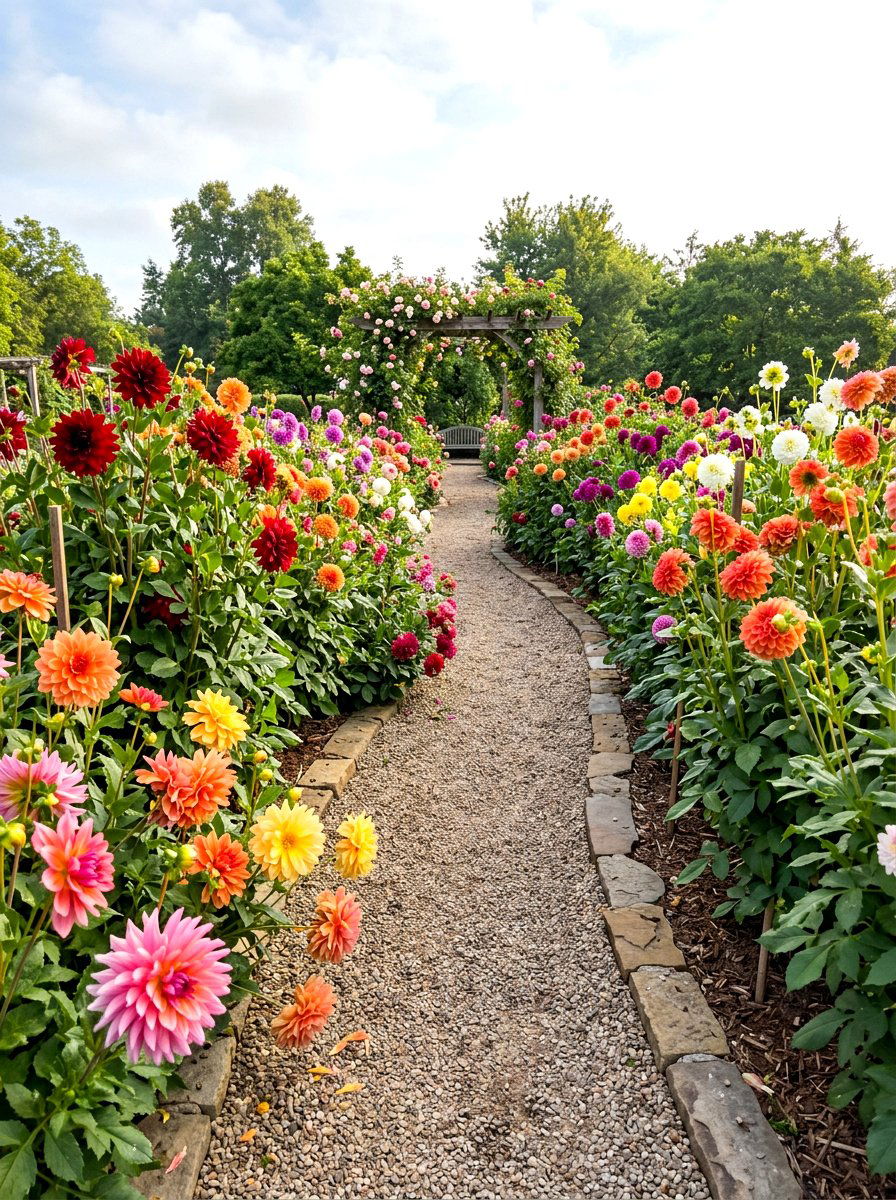
Creating a dahlia garden pathway allows you to walk through a tunnel of blooms, making the harvesting process an immersive and sensory experience. By planting tall varieties on either side of a central walk, you create a beautiful "allée" effect that feels private and magical. This design also serves a practical purpose by making it easy to reach every plant for cutting and deadheading without stepping into the beds. You can use gravel, mulch, or even stepping stones to keep the path clean and accessible in all weather conditions. Walking through your dahlia rows becomes the highlight of your day, offering a close-up view of every petal.
21. Intensive Dahlia Spacing
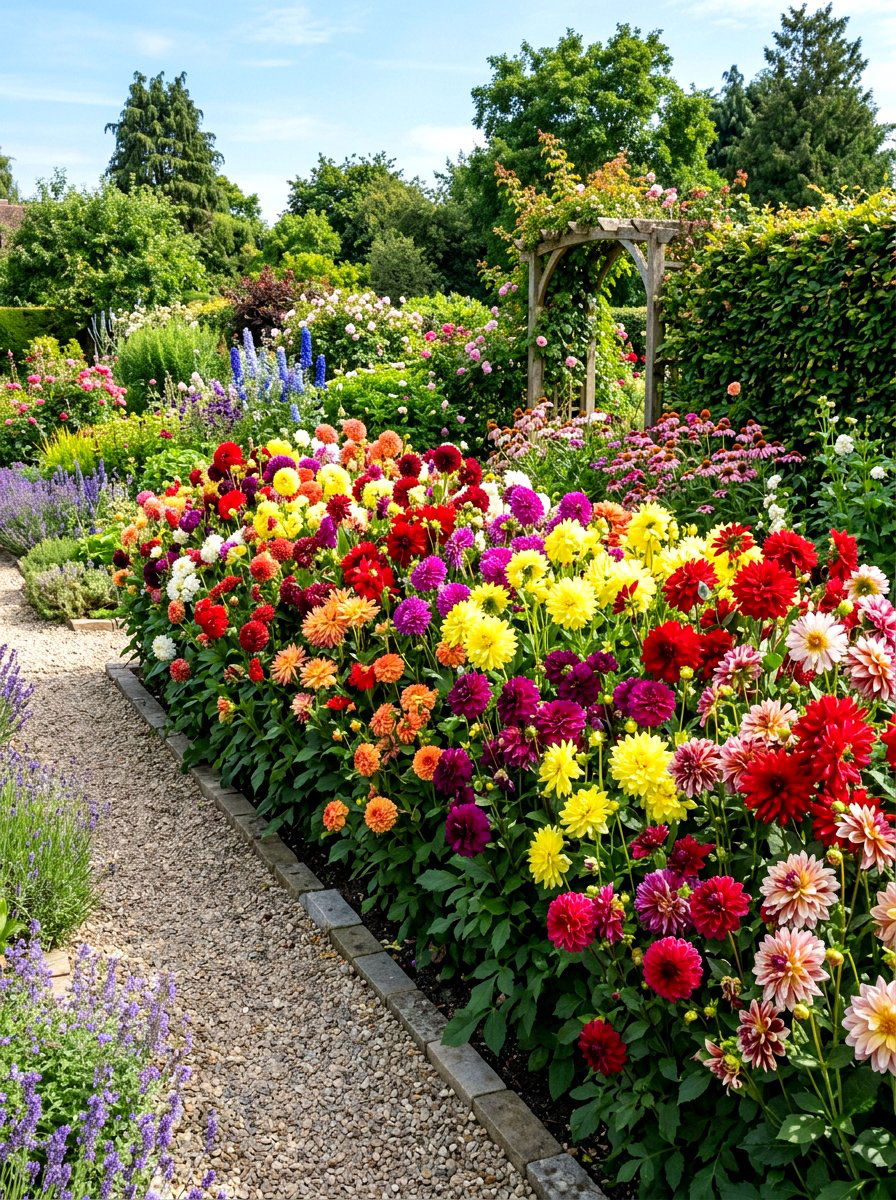
Intensive dahlia spacing is a technique where tubers are planted closer together than usual to create a dense, hedge-like effect that maximizes bloom production in a small area. This method requires excellent soil fertility and consistent watering because the plants are competing for resources in a tighter space. When done correctly, the plants actually support each other, reducing the need for heavy staking and creating a lush wall of flowers. This approach is perfect for gardeners who want to produce as many stems as possible for floral design. However, it is important to monitor for air circulation to prevent powdery mildew or other fungal issues in the dense canopy.
22. Organic Dahlia Garden
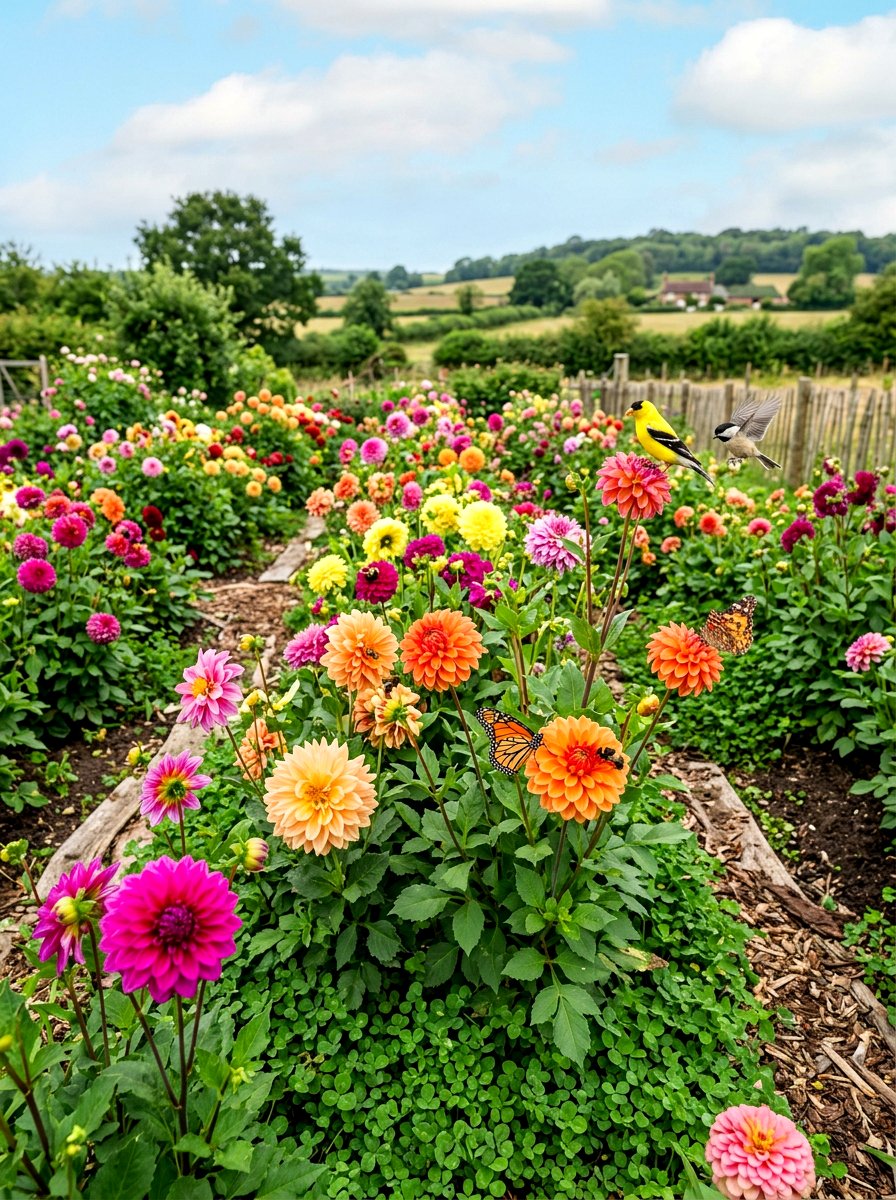
An organic dahlia garden focuses on sustainable practices, using natural compost, mulch, and beneficial insects instead of synthetic chemicals to grow healthy plants. By building a diverse and healthy soil ecosystem, you create resilient dahlias that are better able to withstand pests and diseases on their own. This approach is not only better for the environment but also results in cleaner, safer flowers for your home and for the pollinators that visit your patch. Using organic fertilizers like seaweed extract or fish emulsion provides the necessary boost for big blooms without harming the soil biology. It is a rewarding way to garden that respects the natural world.
23. Autumn Dahlia Patch
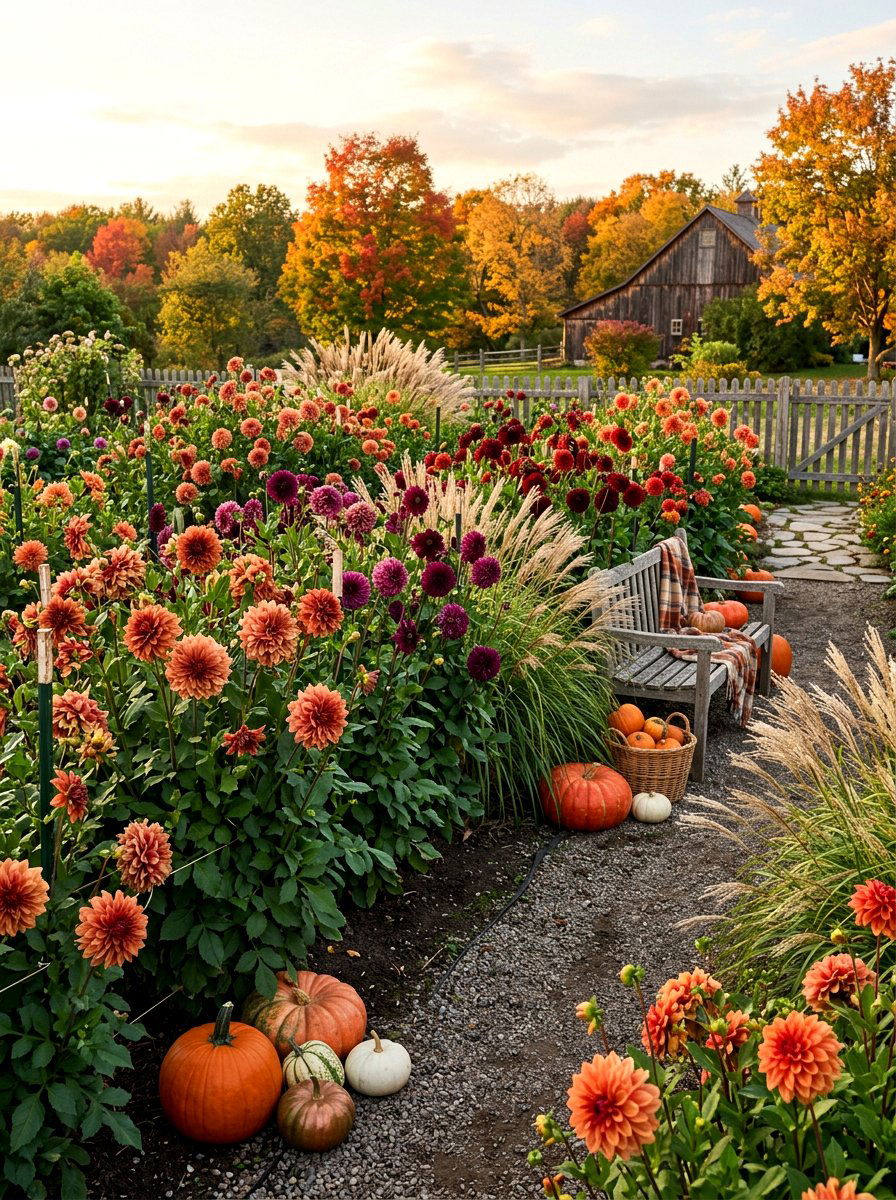
The autumn dahlia patch is designed to peak during the late season, providing rich and moody colors that perfectly complement the changing landscape. As the temperatures cool, many dahlia varieties actually produce more intense colors and sturdier stems, making them the ultimate flower for fall arrangements. Varieties in shades of bronze, copper, and deep plum are the stars of this garden, looking beautiful alongside ornamental grasses and seed heads. This patch ensures that your home remains filled with life and color even as the rest of the garden begins to go dormant. It is a final, glorious celebration of the growing season before the winter rest begins.
24. Monochromatic Dahlia Bed
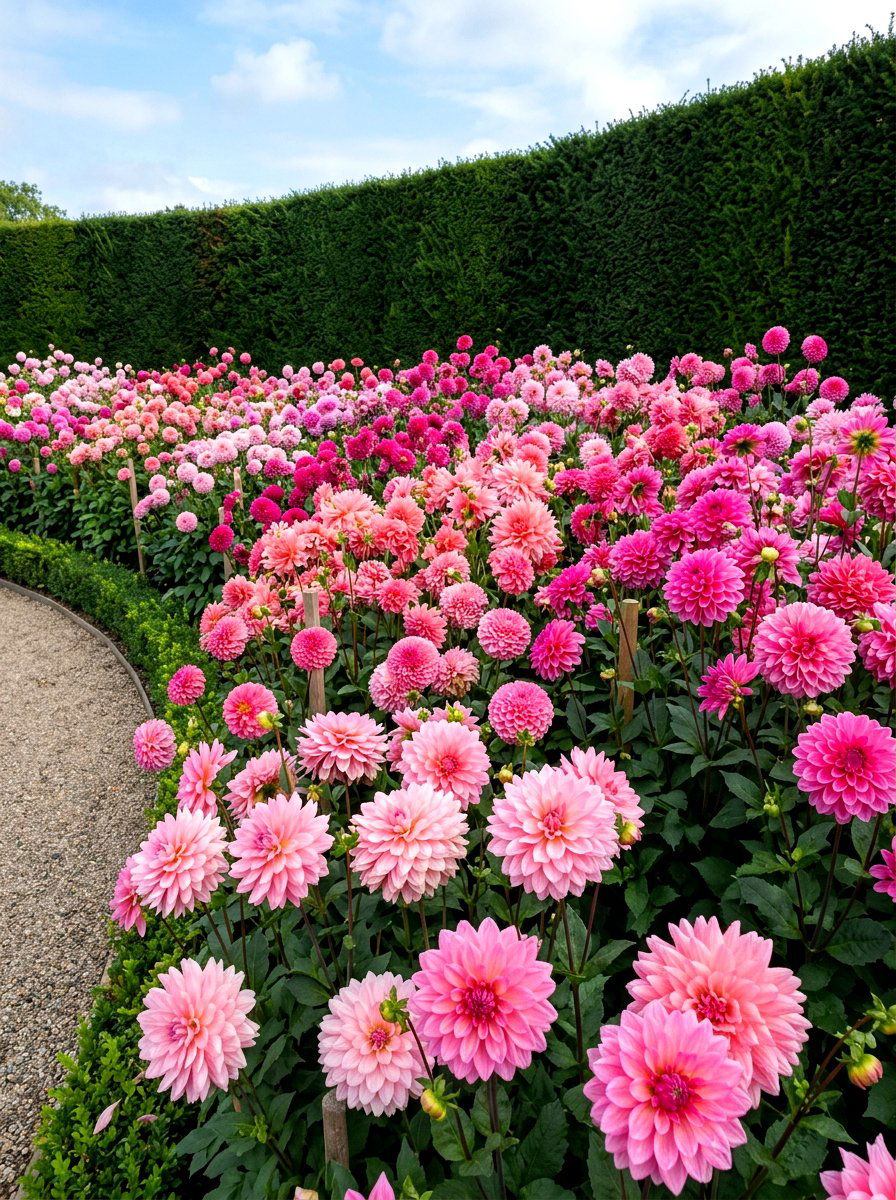
A monochromatic dahlia bed features various shades and forms of a single color, creating a sophisticated and high-impact visual statement in the garden. For example, a "pink" bed could include everything from pale blush to vibrant magenta, offering a deep and layered look that feels very intentional. This type of design is a favorite among floral designers because it makes creating coordinated arrangements incredibly simple. You can play with different flower sizes, such as tiny pompons mixed with large decorative types, to add variety within the single color theme. It is a bold design choice that looks professional and polished, regardless of which color you choose to feature.
25. Pollinator Dahlia Garden
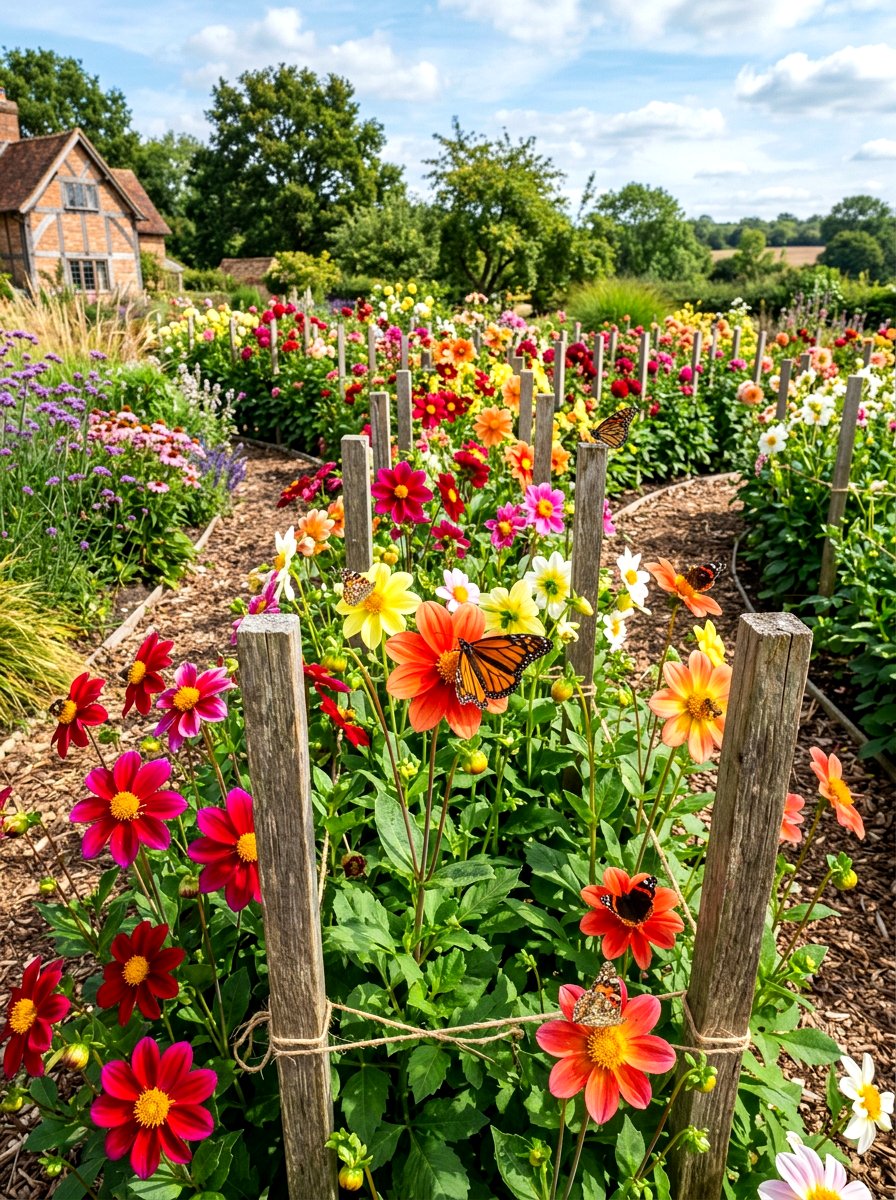
A pollinator dahlia garden prioritizes varieties with open centers, such as single, collarette, or orchid types, which provide easy access to nectar for bees and butterflies. While many double dahlias are stunning, they can be difficult for insects to navigate, so including these simpler forms is a great way to support local biodiversity. These "open" flowers have a charming, airy quality that adds a different texture to your cutting garden and bouquets. Watching the garden buzz with life adds an extra layer of enjoyment to the growing process. This patch proves that you can have a highly productive cutting garden that also serves as a vital habitat for wildlife.
26. Dahlia Patch Irrigation
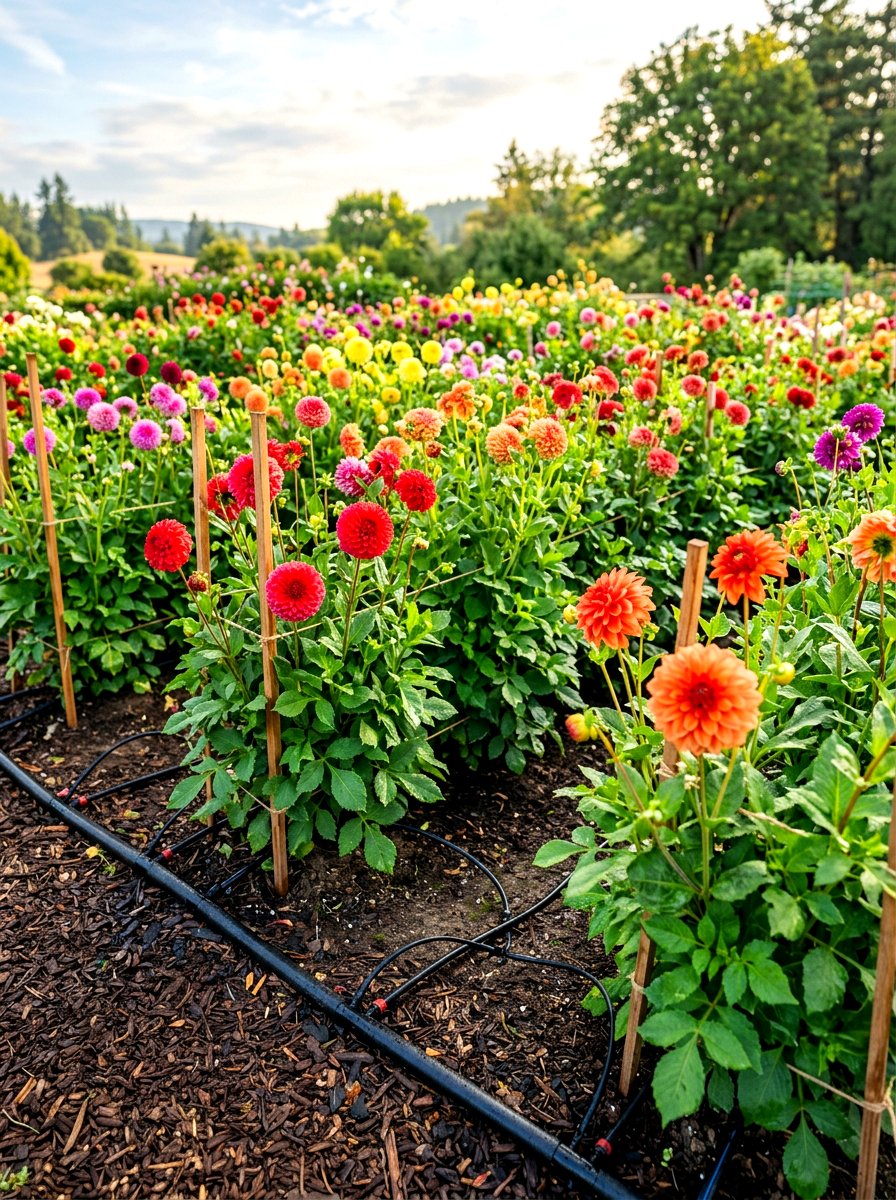
Installing a dedicated dahlia patch irrigation system, such as drip lines or soaker hoses, is a game-changer for maintaining consistent moisture without getting the foliage wet. Dahlias are thirsty plants, and regular watering at the root level is the best way to ensure long stems and large, healthy blooms. An automated system saves you hours of manual labor and helps prevent the spread of diseases that can occur when water sits on the leaves. By keeping the soil evenly moist, you reduce stress on the plants, allowing them to focus all their energy on flower production. This is a must-have upgrade for anyone looking to scale up their cutting garden.
27. Shade Cloth Dahlia Patch
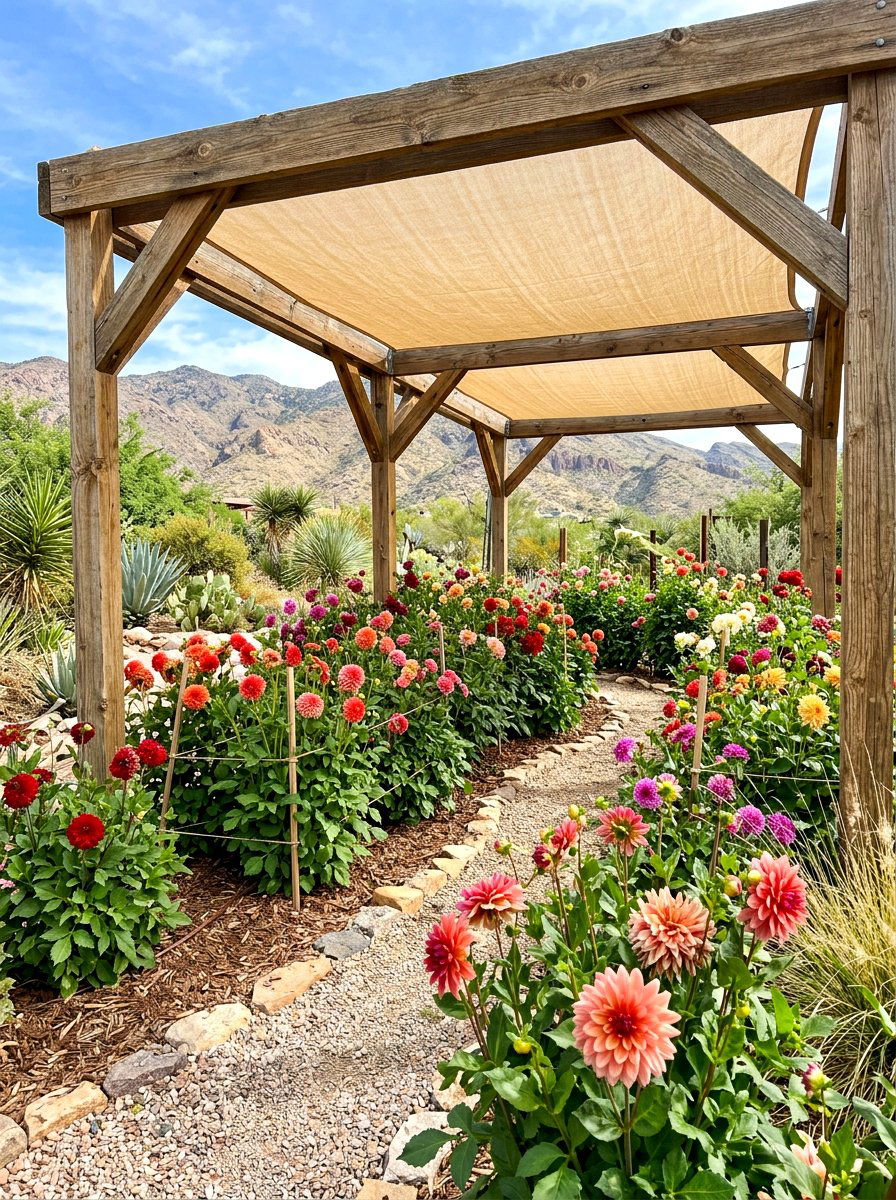
Using a shade cloth dahlia patch is a specialized technique for gardeners in very hot climates where the intense afternoon sun can scorch delicate petals. A simple structure made of PVC or wood can hold a 30% shade cloth, which lowers the temperature and protects the blooms from fading or burning. This protection results in much higher-quality flowers with more vibrant colors and a longer vase life. It also helps the plants stay hydrated during extreme heatwaves, preventing the wilting that can stunt growth. While dahlias generally love the sun, providing a little relief during the peak of the day can make a significant difference in professional-level floral production.
28. Dwarf Dahlia Garden
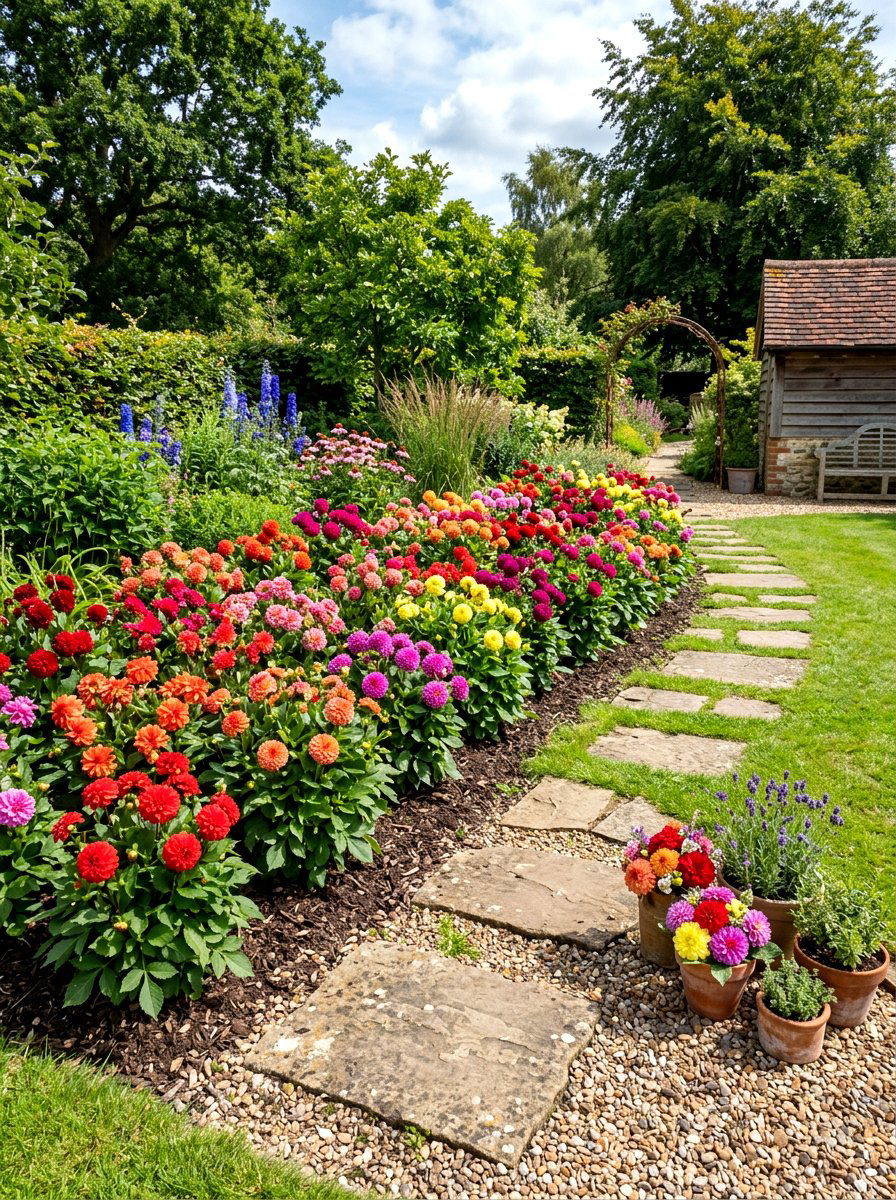
A dwarf dahlia garden is perfect for low-maintenance beauty, featuring varieties that stay naturally short and bushy without any need for staking or intensive pruning. These compact plants are incredibly floriferous, often covering themselves in blooms from top to bottom throughout the summer season. While their stems are shorter, they are perfect for small "posy" arrangements or bedside table bouquets. Because they are so easy to care for, they are an excellent choice for children's gardens or for edging pathways and borders. This type of patch provides a huge amount of color and joy with very little effort, making it a favorite for busy gardeners.
29. Cactus Dahlia Bed
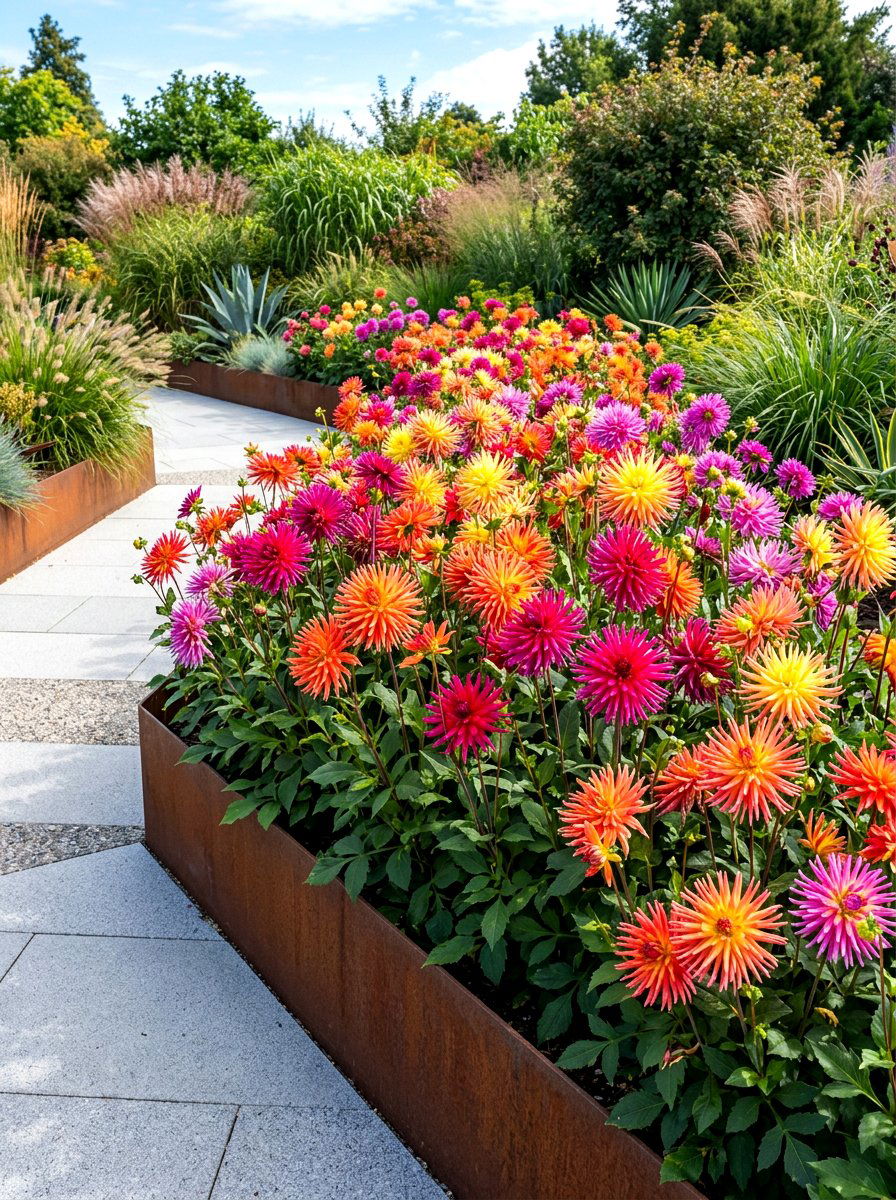
A cactus dahlia bed features varieties with unique, spiky petals that add a dramatic and exotic texture to both the garden and your floral designs. These flowers have a starburst appearance that stands out among the softer, rounder shapes of other dahlia types. They are particularly effective for adding "movement" and architectural interest to a bouquet. Because their petals are narrower, they are often more resistant to heavy rain than the solid, bowl-shaped varieties. A dedicated bed of these spiky beauties creates a high-fashion look that is sure to be a conversation starter. They come in every color, from bi-colors to solid, neon-bright shades that command attention.
30. Sustainable Dahlia Patch
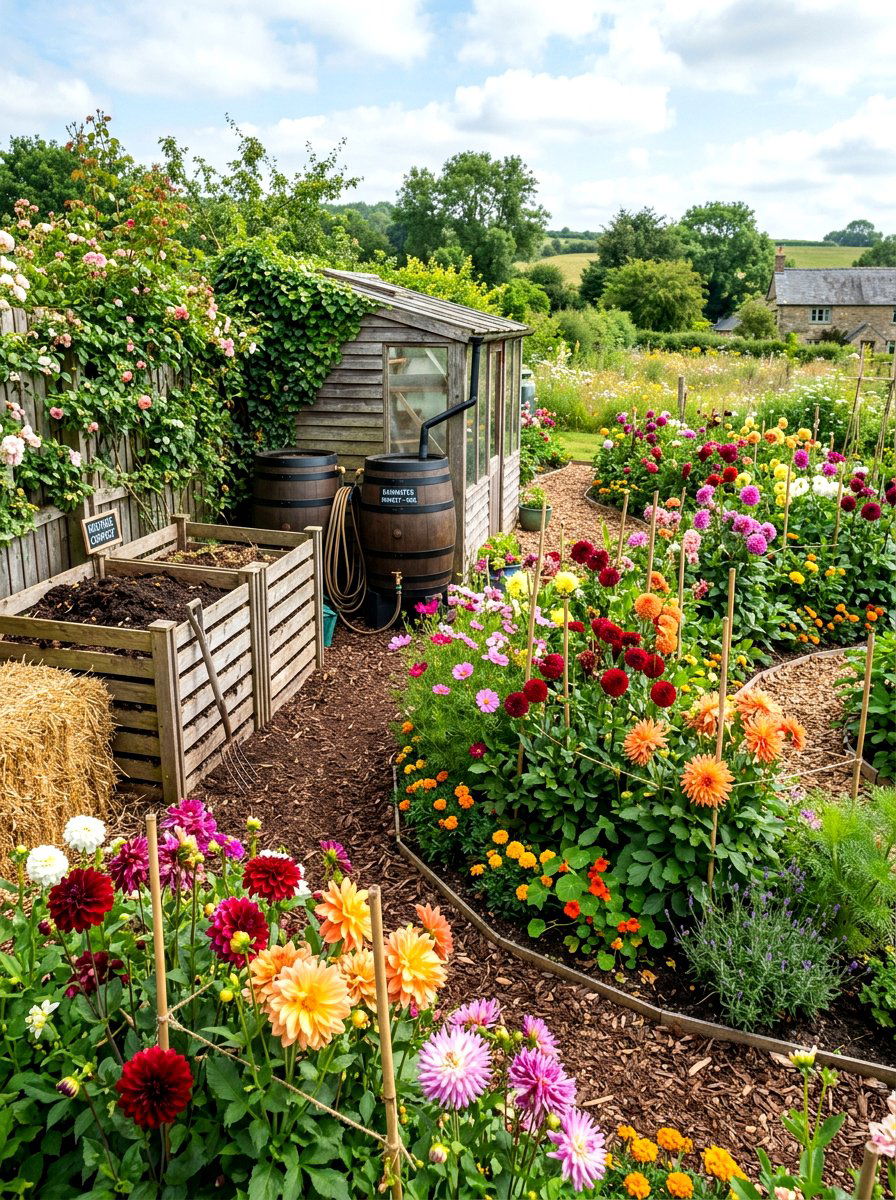
A sustainable dahlia patch focuses on long-term soil health and minimizing waste by reusing materials and practicing proper tuber storage for year-after-year growth. By investing in high-quality tubers and learning how to divide them in the spring, you can exponentially grow your garden without spending more money each season. This approach includes mulching with local materials to suppress weeds and using natural rain collection systems for irrigation. A sustainable patch is about creating a circular system where the garden feeds itself and provides endless beauty for the home. It is a mindful and rewarding way to engage with the earth while producing professional-grade flowers for your own personal enjoyment.
Conclusion:
Starting a dahlia cutting patch is one of the most rewarding projects a gardener can undertake, offering a spectacular return on investment for both time and effort. These flowers are not only breathtakingly beautiful but also incredibly generous, rewarding regular cutting with even more blooms throughout the season. By selecting the right varieties and providing the proper support and care, you can turn any sunny spot into a professional-grade flower source. Whether you prefer the giant drama of dinnerplates or the geometric perfection of pompons, there is a dahlia for every style. Enjoy the process of growing, cutting, and arranging these magnificent summer icons.

Related posts: