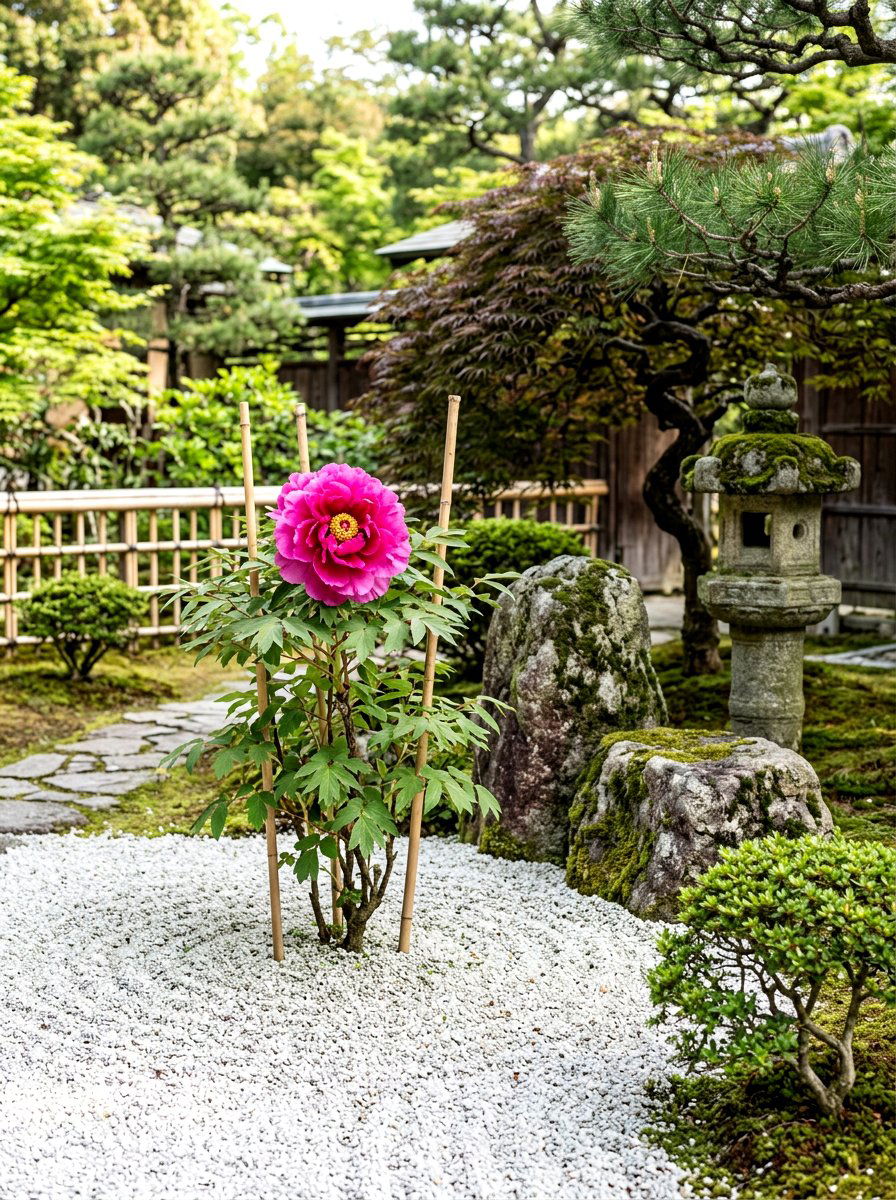
Starting a backyard cutting garden transforms your outdoor space into a personal floral shop where you can harvest fresh blooms every single day. Imagine stepping outside with your shears to gather vibrant stems that brighten your dining table and fill your home with natural perfume. This specialized type of garden focuses on plants that produce long-lasting flowers with sturdy stems specifically for arrangements. By planning a dedicated space for cutting, you ensure your main landscape beds remain beautiful while you satisfy your desire for indoor bouquets. It is a rewarding hobby that combines the art of horticulture with the creativity of floral design right in your own backyard.
1. Cut Flower Garden Layout
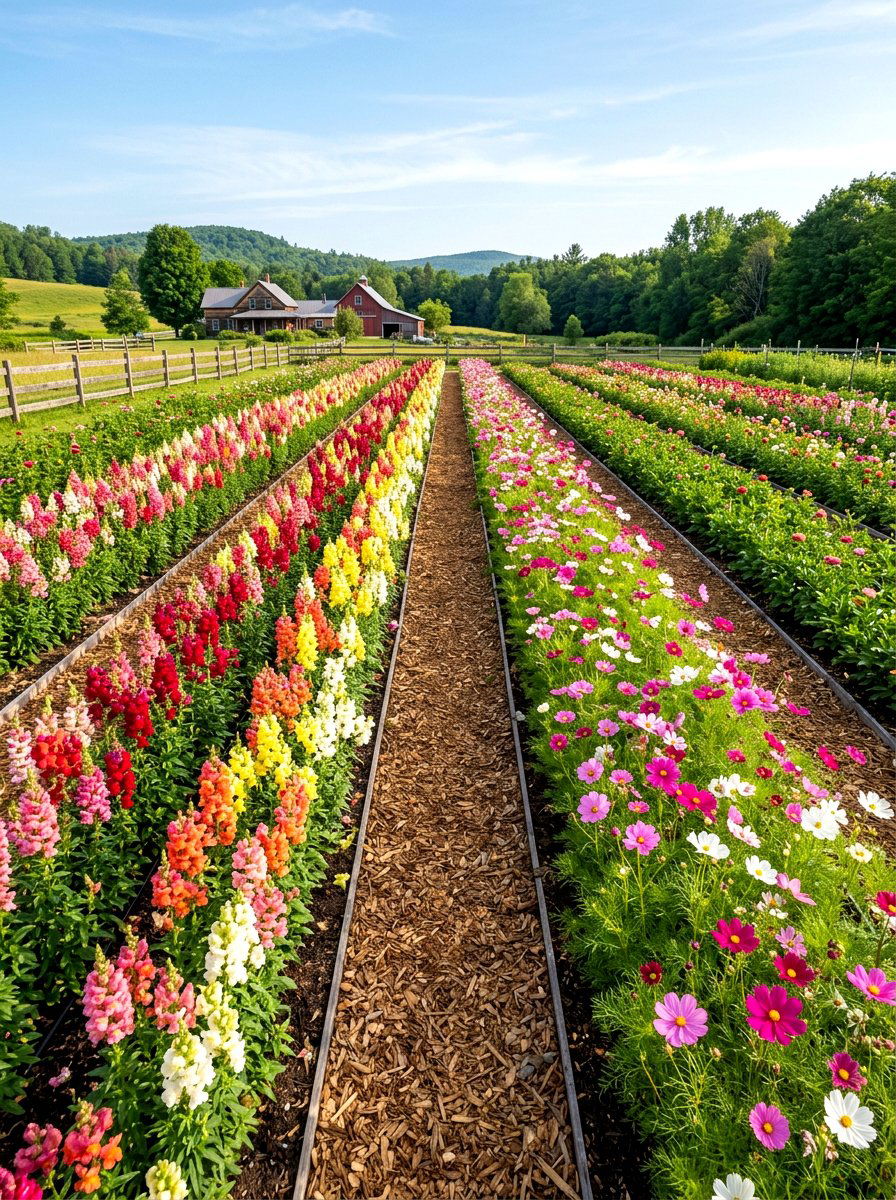
Organizing your floral patch begins with a strategic cut flower garden layout that maximizes yield and accessibility. You should arrange your plants in narrow rows or beds that allow you to reach the center without stepping on the soil. This prevents compaction and makes harvesting much easier during the peak growing season. Typically, beds are three to four feet wide with walking paths in between for your garden cart or basket. Grouping plants by their height ensures shorter varieties are not shaded by taller ones like sunflowers or dahlias. This structured approach helps you keep track of different varieties and their specific watering needs throughout the year.
2. Zinnia Garden Bed
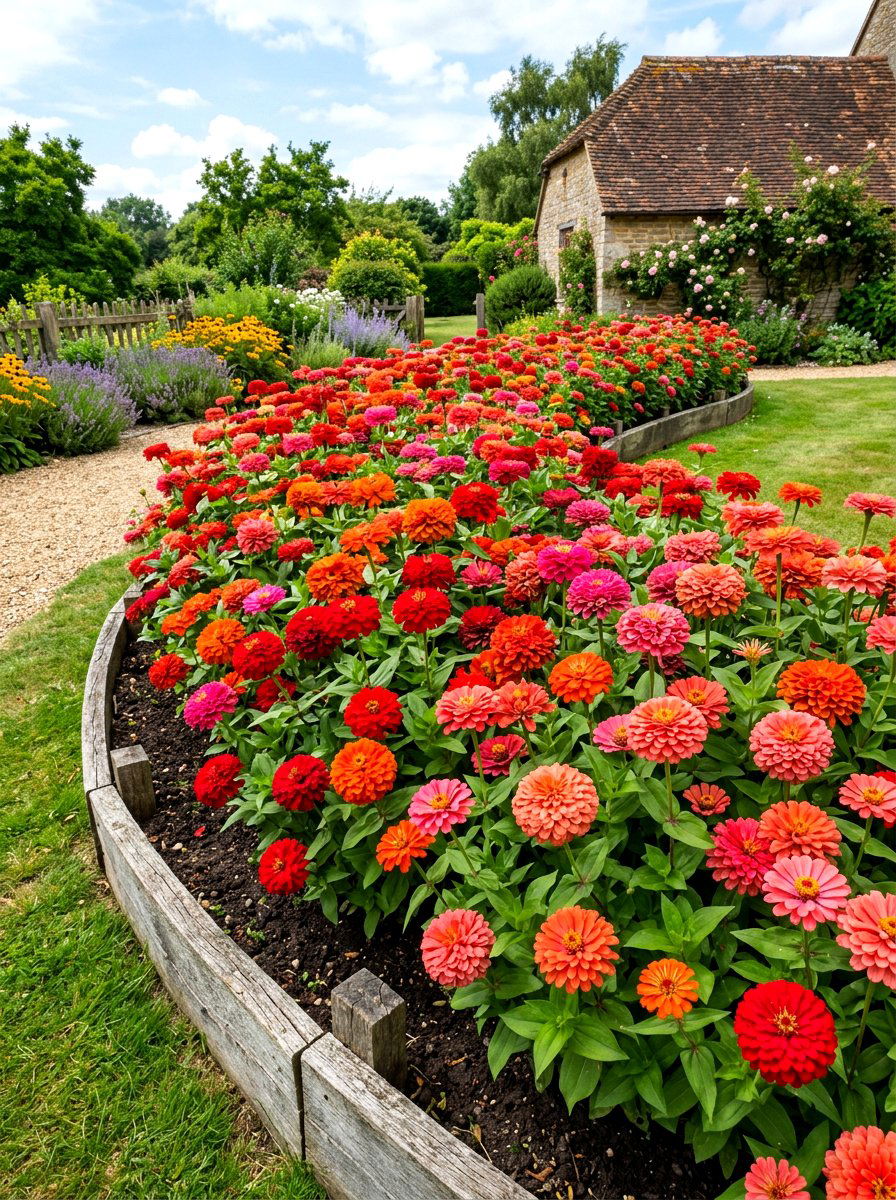
If you want an explosion of color with very little effort, a zinnia garden bed is the perfect choice for beginners. These hardy annuals come in almost every color imaginable and thrive in the heat of midsummer. They are known for their "cut and come again" nature, meaning the more you harvest them, the more flowers the plant produces. You can choose from giant dahlia-flowered varieties for massive focal points or smaller pom-pom types for texture. Because they grow quickly from seed, you can easily fill a large space on a small budget. Their sturdy stems make them excellent for simple, cheerful kitchen table arrangements.
3. Raised Bed Cutting Garden
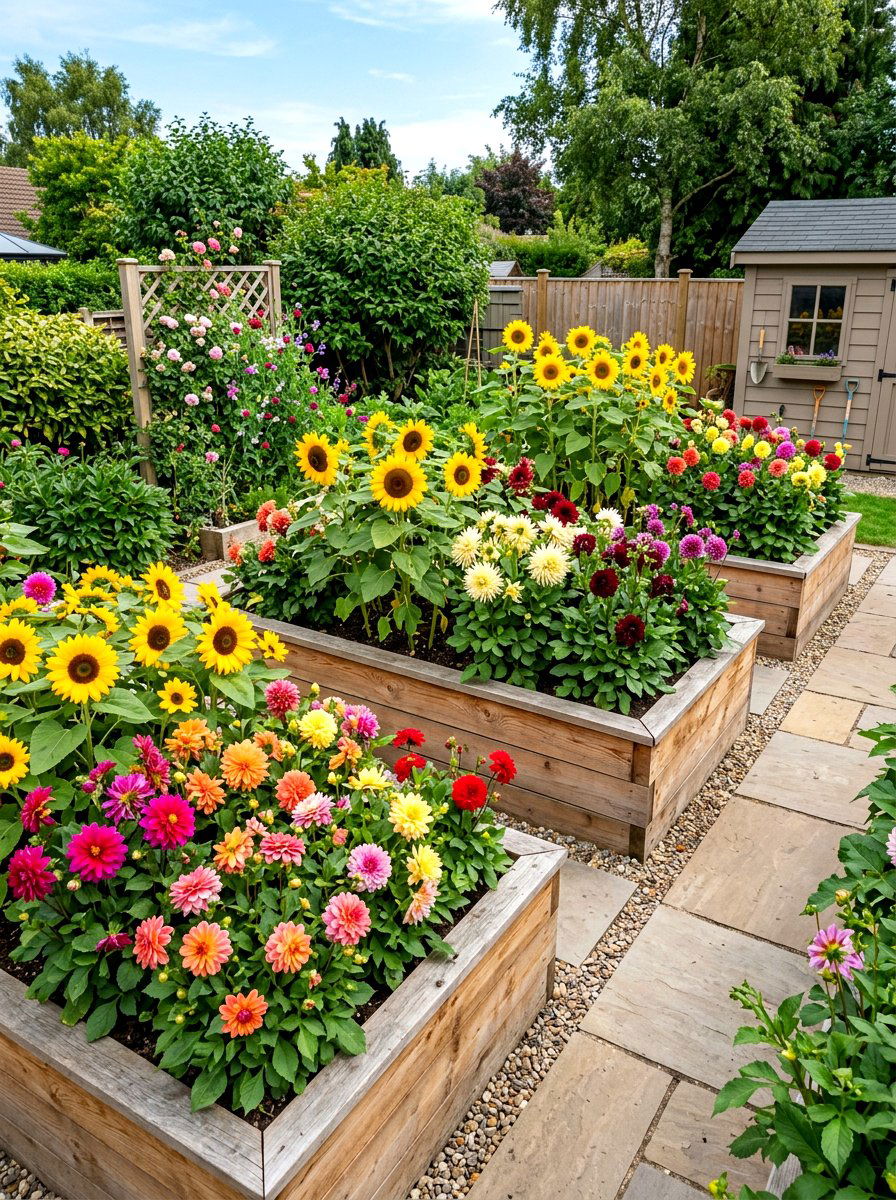
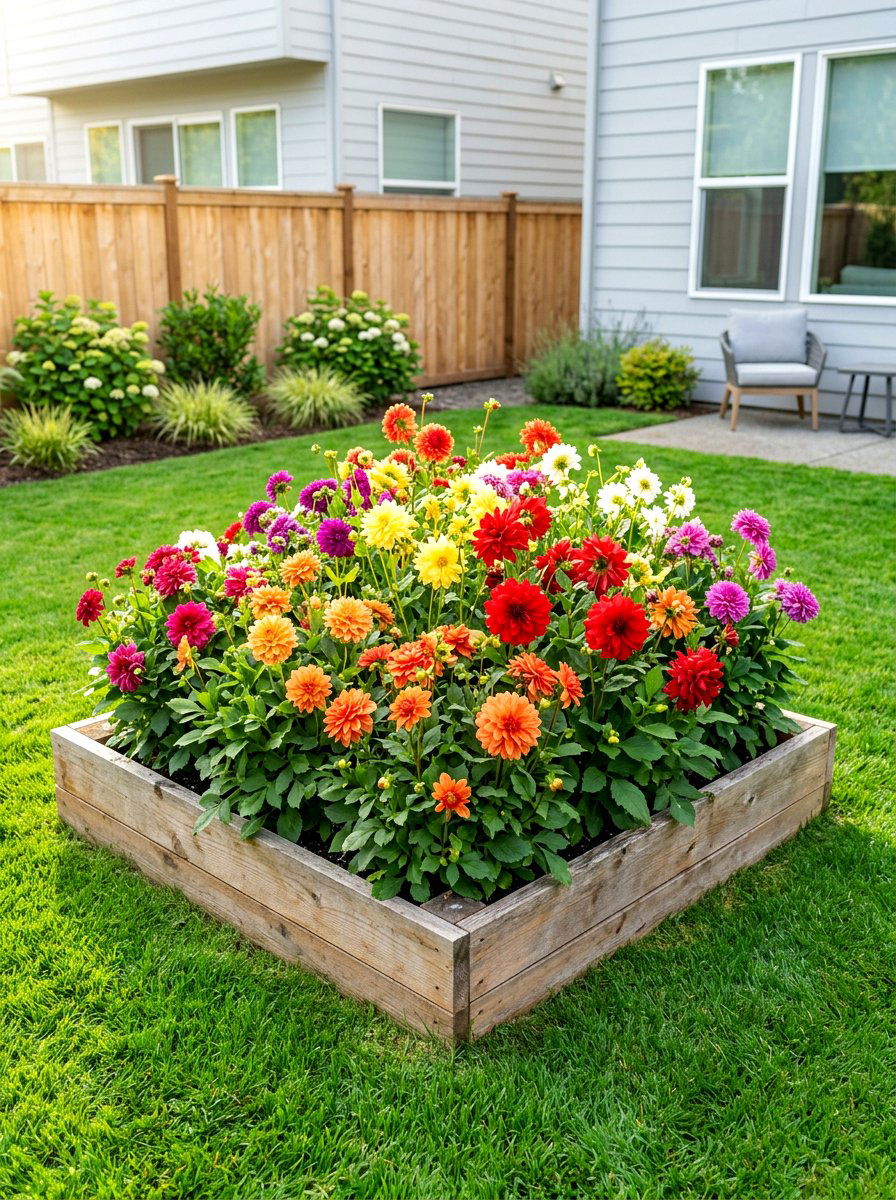
Building a raised bed cutting garden offers several advantages for flower health, including superior drainage and much warmer soil temperatures in early spring. These structures allow you to control the soil quality precisely by using a rich mix of compost and topsoil. Because the beds are elevated, you will experience less back strain while planting, weeding, and harvesting your favorite blooms. You can use wood, stone, or metal to build these beds, which adds a clean and organized aesthetic to your backyard. Using raised beds also helps keep aggressive spreading plants contained while protecting your delicate flowers from heavy foot traffic or lawn mower damage.
4. Perennial Cutting Garden
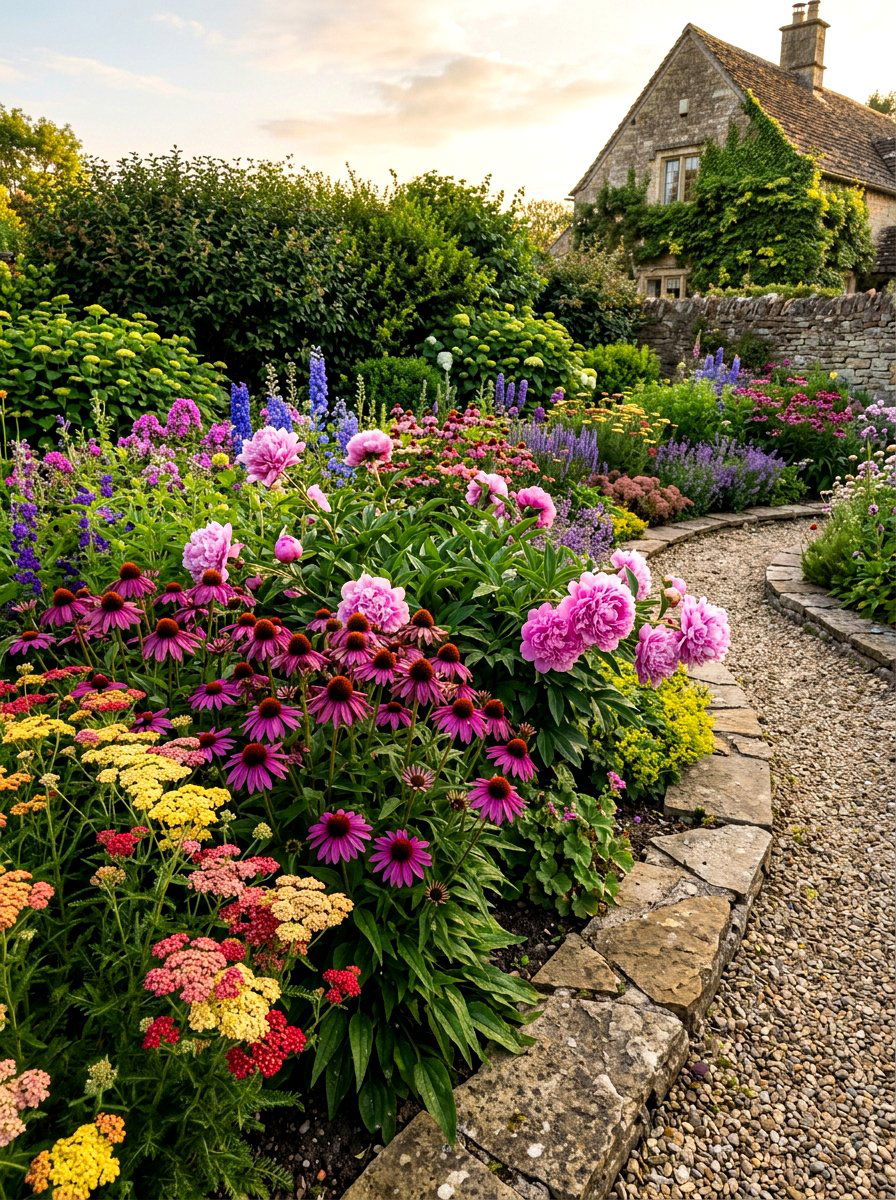
Investing in a perennial cutting garden ensures that your home is filled with seasonal beauty that returns faithfully year after year. These plants, such as peonies, echinacea, and yarrow, form the permanent backbone of your floral harvest. While annuals provide quick color, perennials offer sophisticated textures and classic forms that get better as the plants mature. You can plan your beds to include early bloomers like hellebores and late-season favorites like Japanese anemones. This long-term approach reduces the amount of replanting needed each spring. Mixing different leaf shapes and flower structures creates professional-looking bouquets with deep layers of visual interest and natural elegance.
5. Small Space Flower Garden
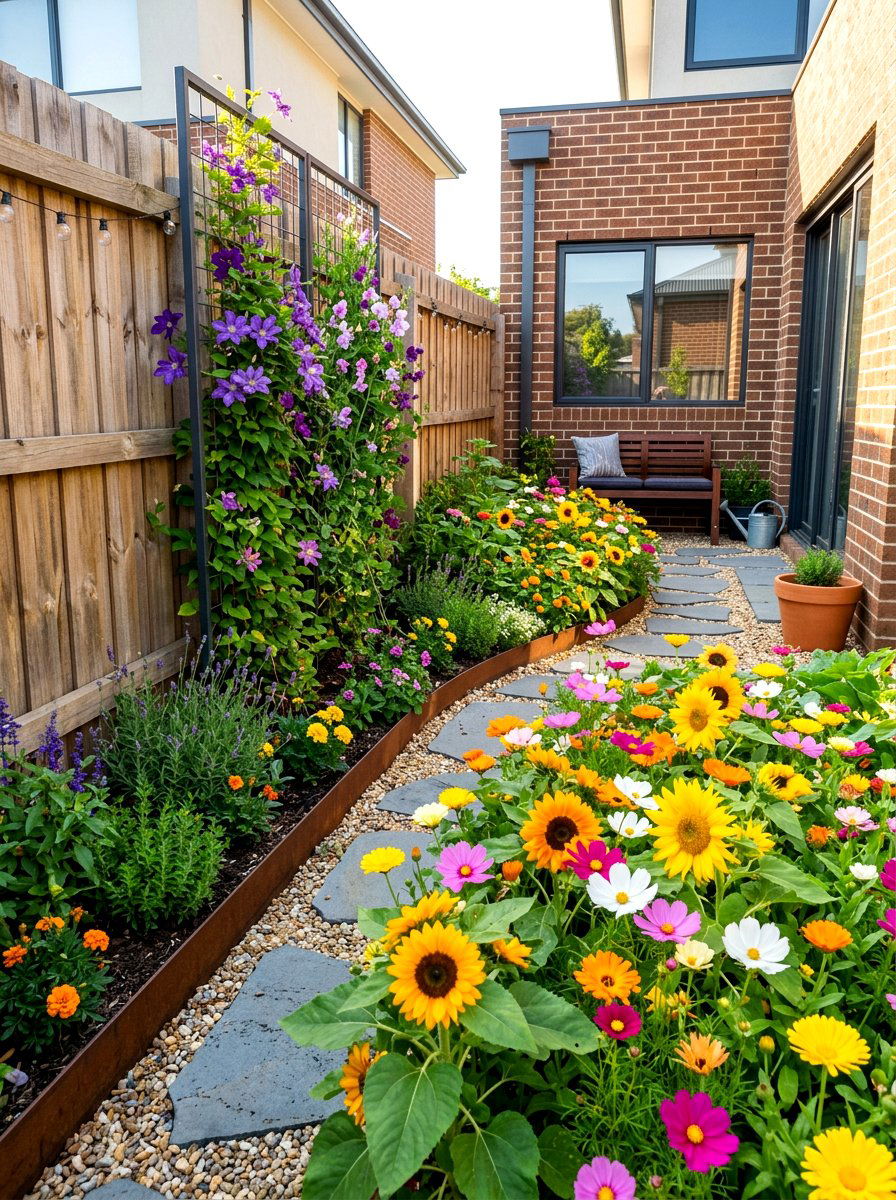
You do not need a massive acreage to enjoy fresh blooms when you design a dedicated small space flower garden. By selecting highly productive varieties and utilizing every inch of your available land, even a tiny urban patio can become a floral haven. Focus on intensive planting techniques where you place flowers closer together to maximize the number of stems per square foot. Use dwarf varieties of sunflowers or compact zinnias that pack a big punch without taking over the area. Integrating flowers into existing shrub borders is another clever way to save space. Vertical elements like small obelisks can support climbing vines for extra height.
6. Spring Bulb Garden
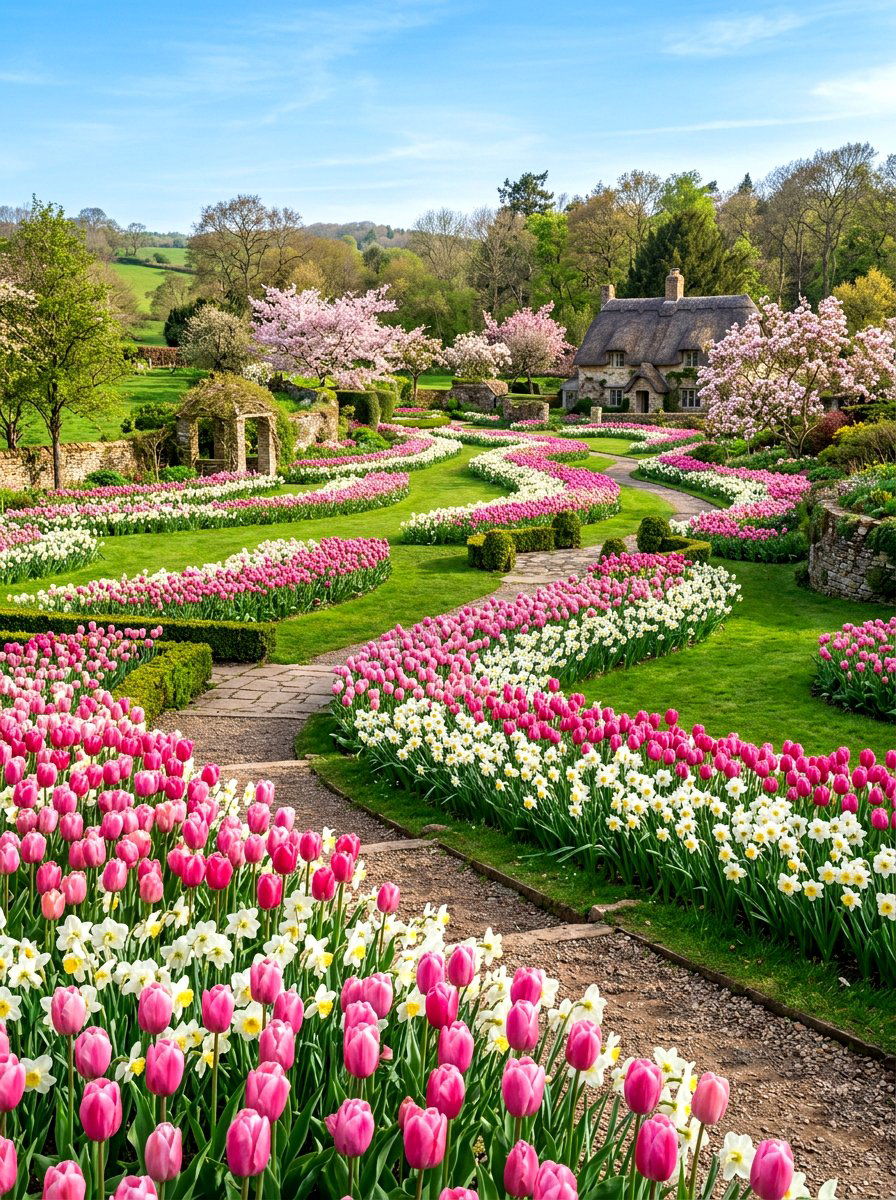
A spring bulb garden provides the very first harvest of the year, bringing much-needed life to your home after a long winter. Planting tulips, daffodils, and ranunculus in the fall ensures a spectacular show of color once the ground thaws. For the best cutting results, plant your bulbs in dense clusters or rows so you can harvest entire armloads at once. Choosing varieties with different bloom times, from early crocus to late-season parrot tulips, extends your harvest for several weeks. These flowers often have elegant, long stems that look stunning in simple glass vases. Their arrival signals the start of the new gardening season with grace.
7. Summer Flower Patch
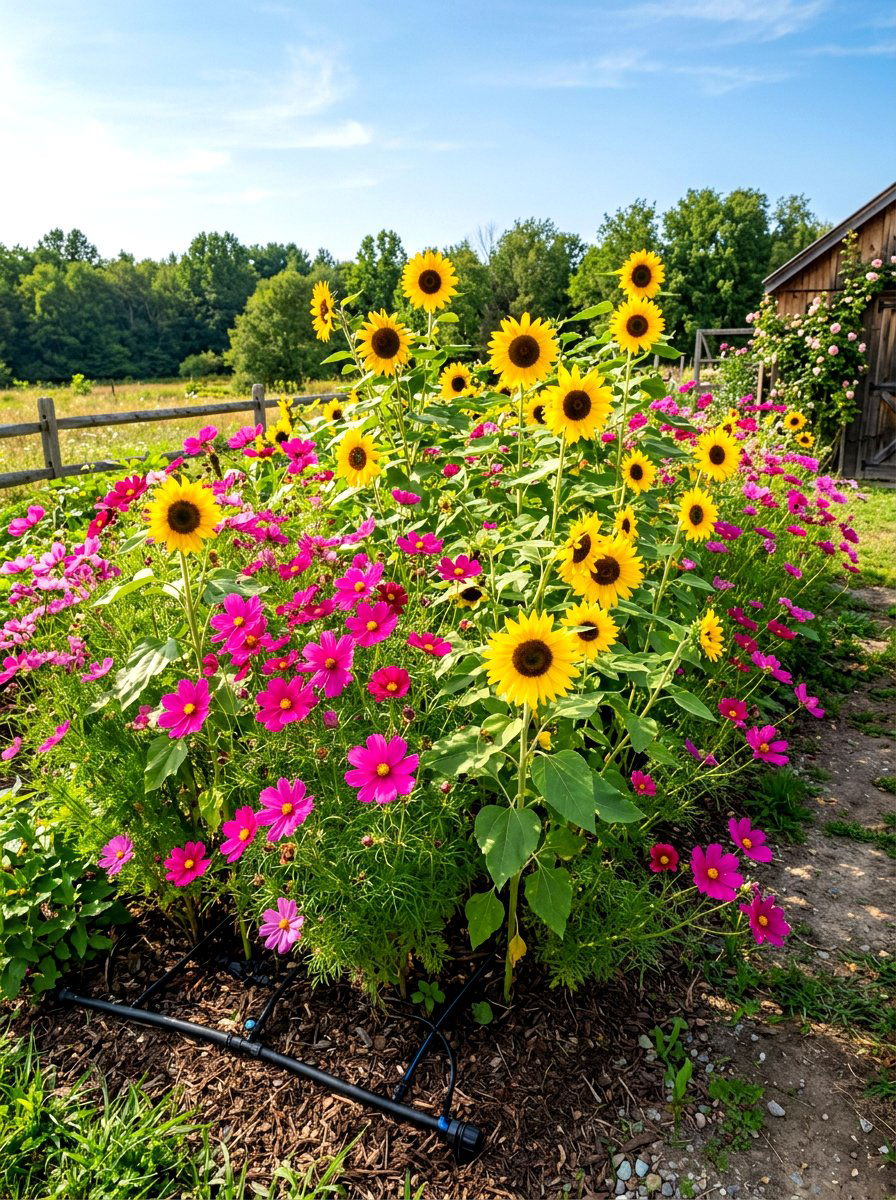
The summer flower patch is the most productive part of the year, filled with heat-loving plants that thrive under the bright sun. This area should feature high-energy bloomers like cosmos, sunflowers, and celosia that can handle intense temperatures. During these months, the garden becomes a dizzying display of saturated colors and varied textures. Consistent deadheading is essential here to keep the plants pushing out new buds rather than setting seed. Installing a simple drip irrigation system ensures these thirsty plants stay hydrated during dry spells. This vibrant patch becomes the primary source for large, dramatic bouquets that celebrate the height of the warm growing season.
8. Rustic Flower Farm Style
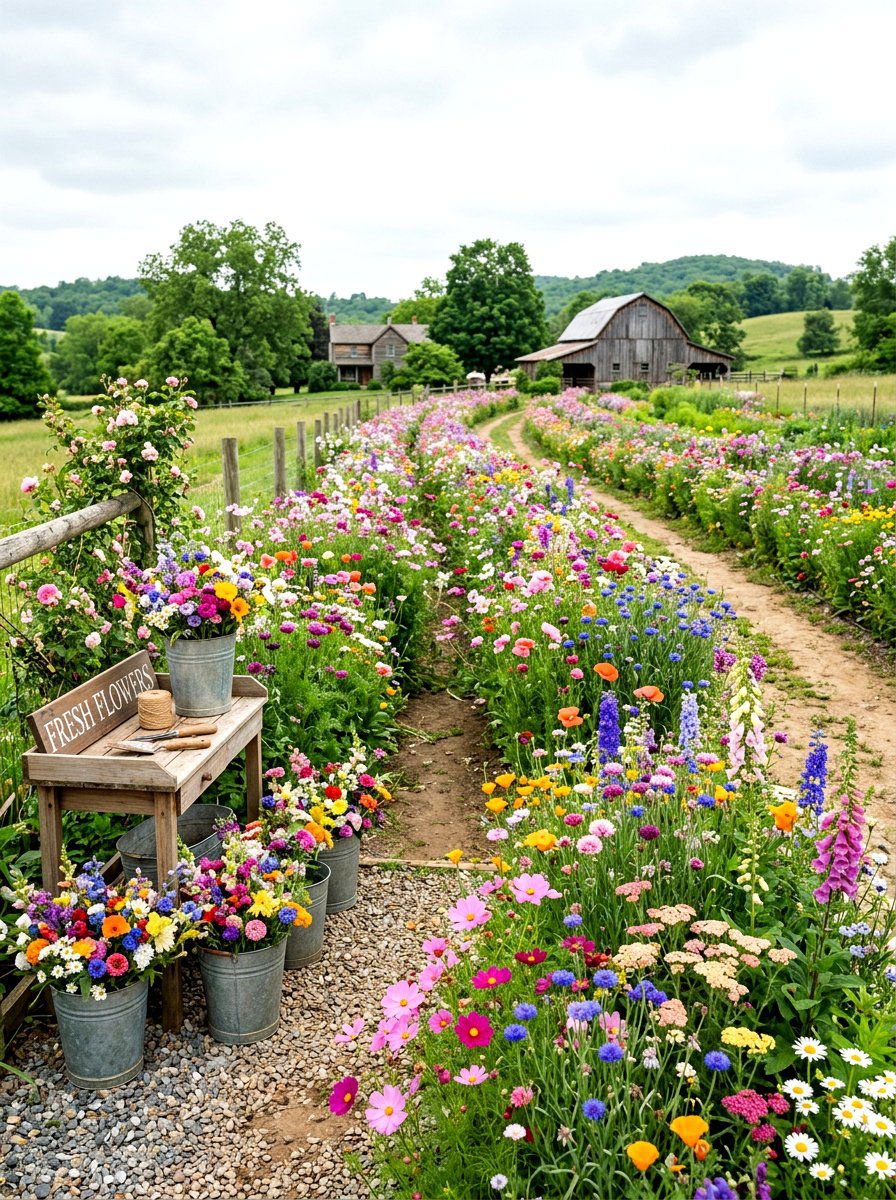
Embracing a rustic flower farm style brings a charming, unrefined beauty to your backyard through long, naturalistic rows of mixed blooms. This design prioritizes function and abundance over formal aesthetics, often incorporating reclaimed materials like wooden crates or old galvanized buckets. You can mix annuals and perennials together in a wild, billowing arrangement that mimics the look of a professional flower farm. Soft, muted color palettes with plenty of airy fillers like Queen Anne’s Lace or Ammi Majus work best for this look. It creates a relaxed atmosphere where the act of gathering flowers feels like a peaceful, daily ritual in a country-inspired setting.
9. Modern Minimalist Flower Garden
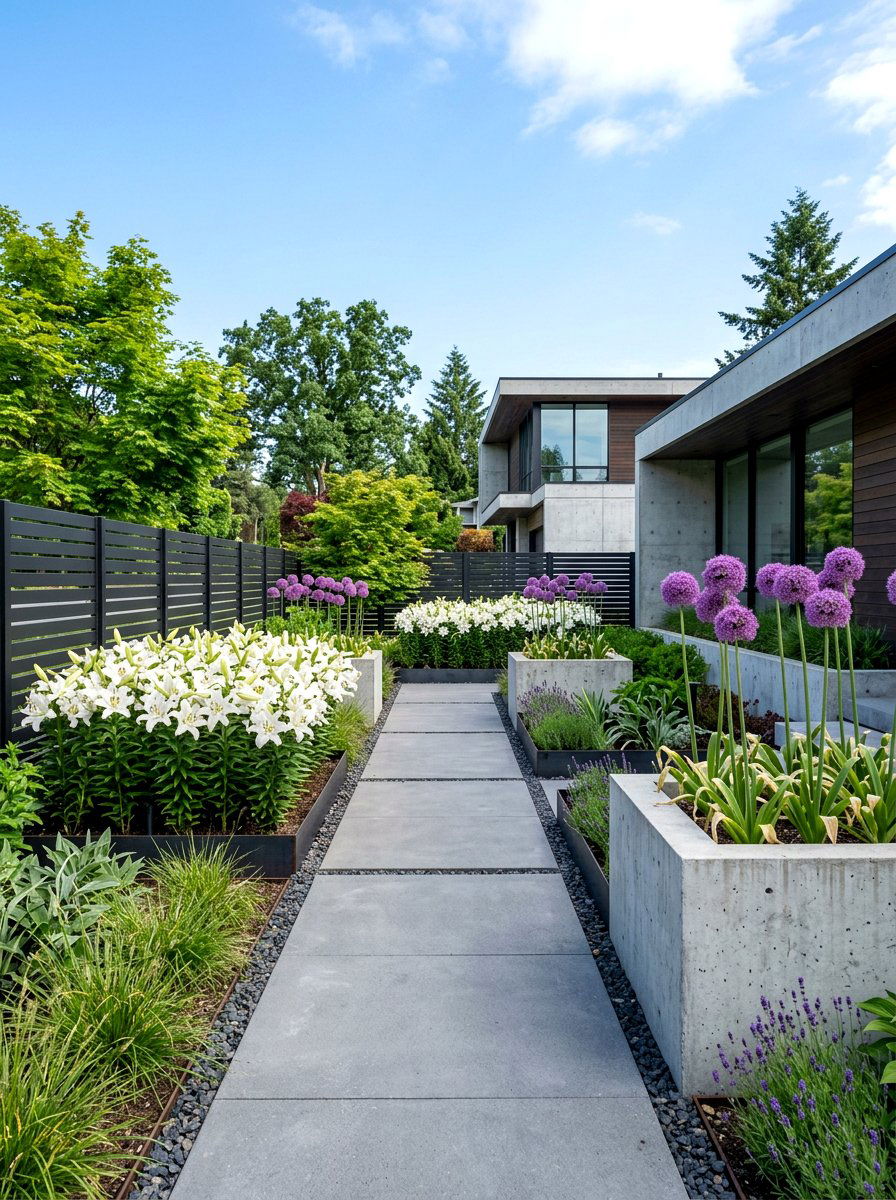
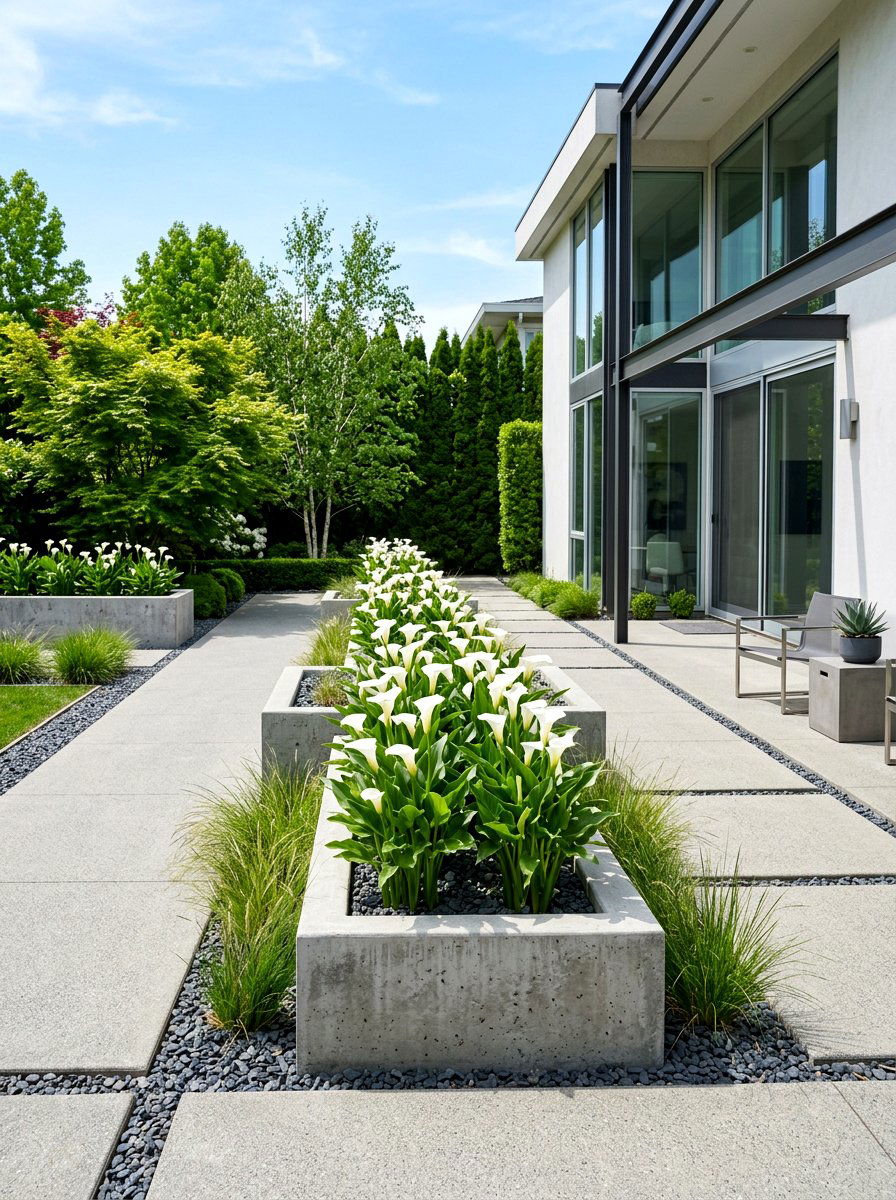
For those who prefer clean lines and organized spaces, a modern minimalist flower garden focuses on structure and a limited color palette. This design often uses sleek materials like poured concrete or dark metal to define planting zones. Instead of a chaotic mix of flowers, you might choose three or four high-impact species and plant them in large, repeating blocks. White lilies, architectural alliums, and structural grasses create a sophisticated look that complements contemporary home architecture. The emphasis is on the individual form of each plant rather than sheer volume. This creates a serene outdoor environment that feels like a living art gallery for your home.
10. Cottage Garden For Bouquets
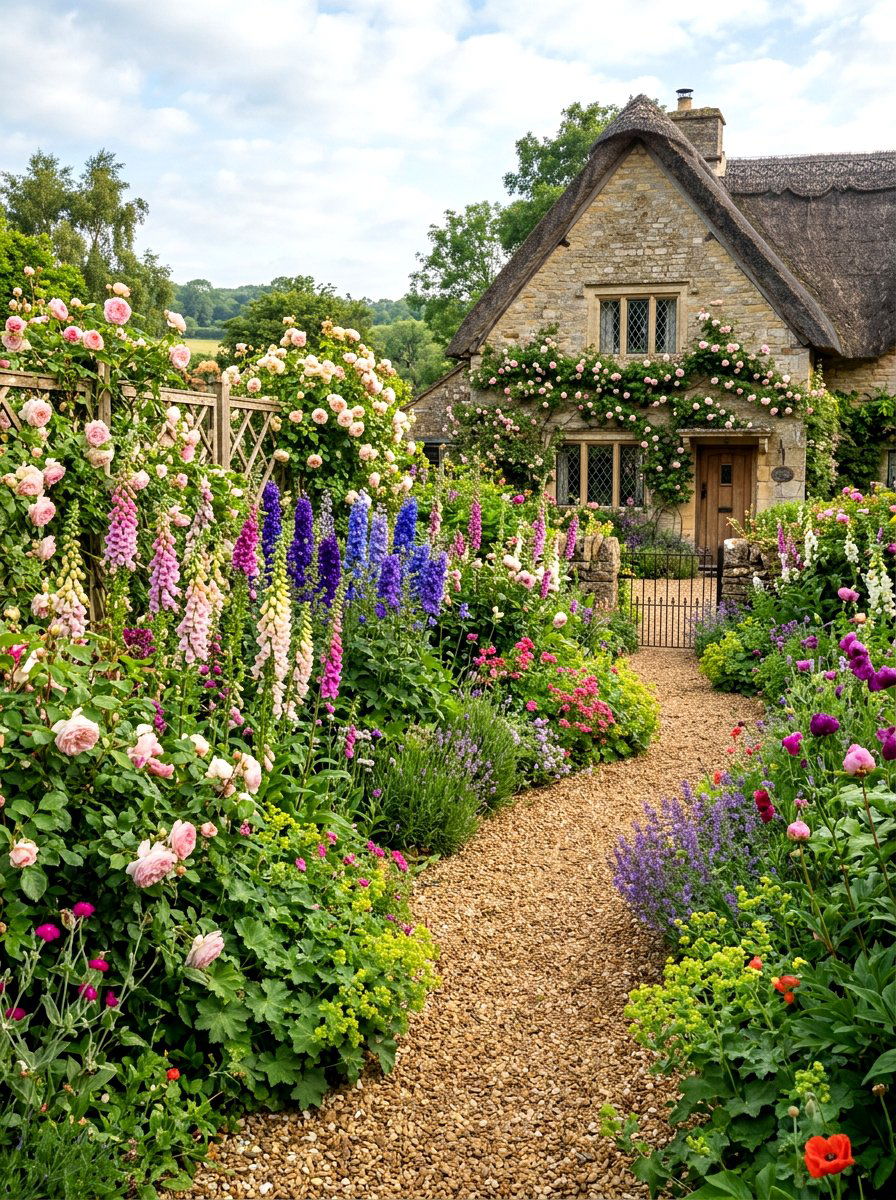
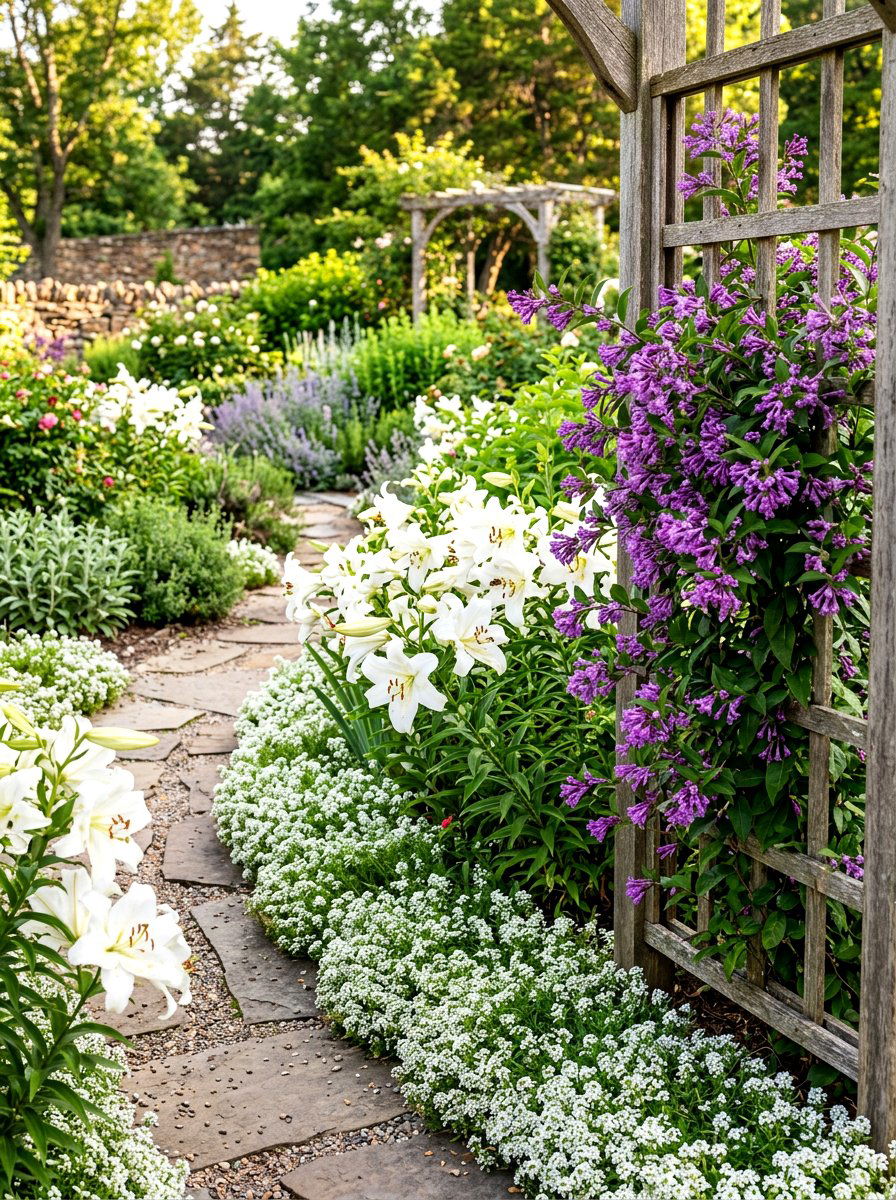
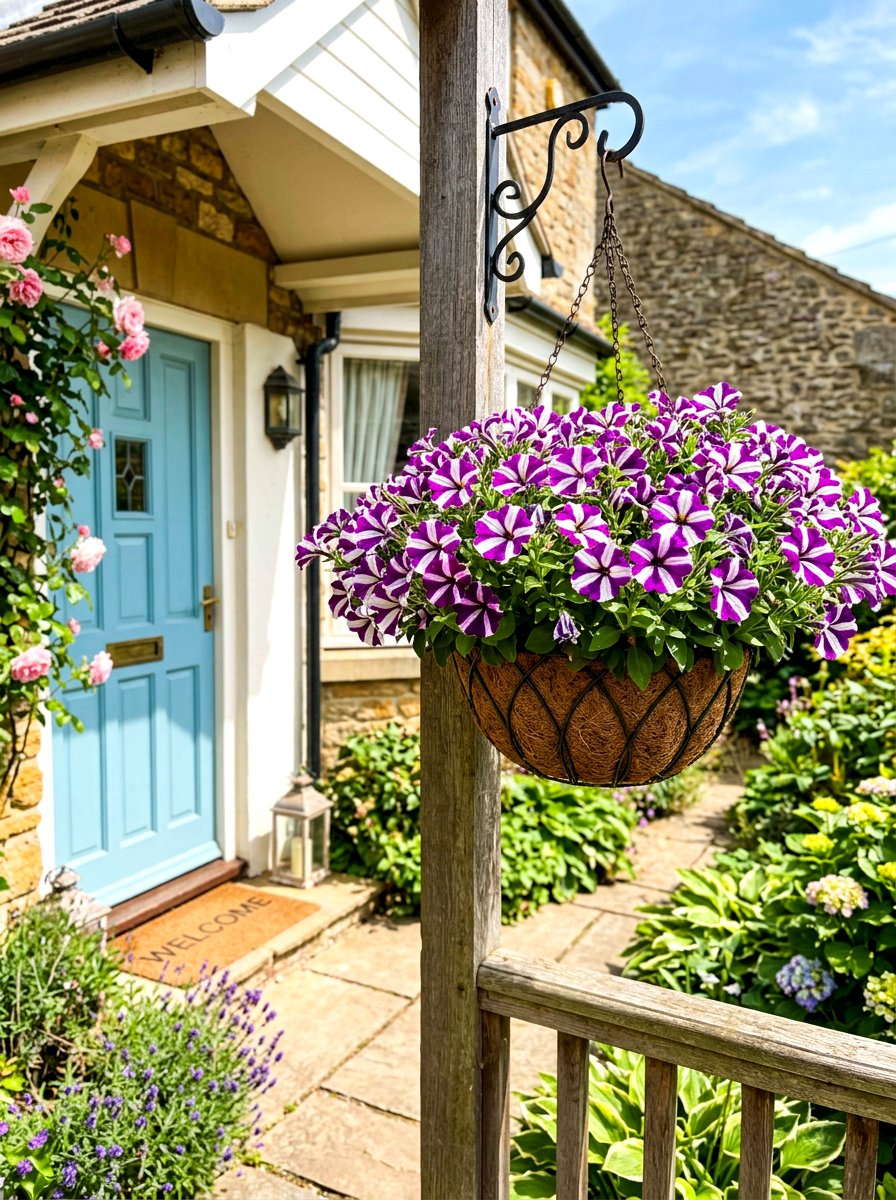
Designing a cottage garden for bouquets allows you to enjoy a romantic, overflowing landscape that provides endless material for floral arrangements. This style is characterized by dense planting where flowers like foxgloves, delphiniums, and roses grow together in a beautiful, tangled mess. Winding gravel paths allow you to wander through the blooms with your scissors, discovering hidden treasures at every turn. The goal is to create a sense of organized chaos that feels timeless and cozy. By including fragrant herbs like lavender and mint among the flowers, your bouquets will smell just as incredible as they look in a vintage pitcher or vase.
11. Shade Cutting Garden
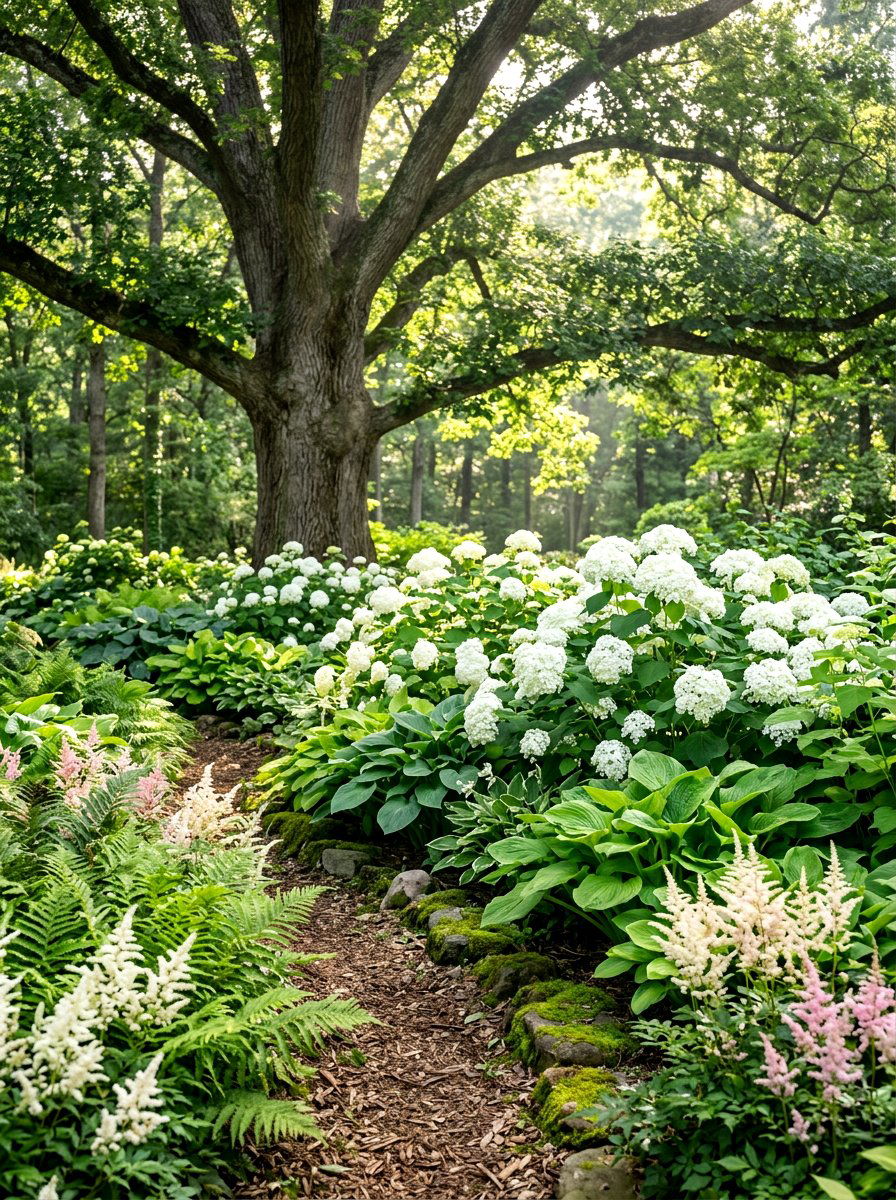
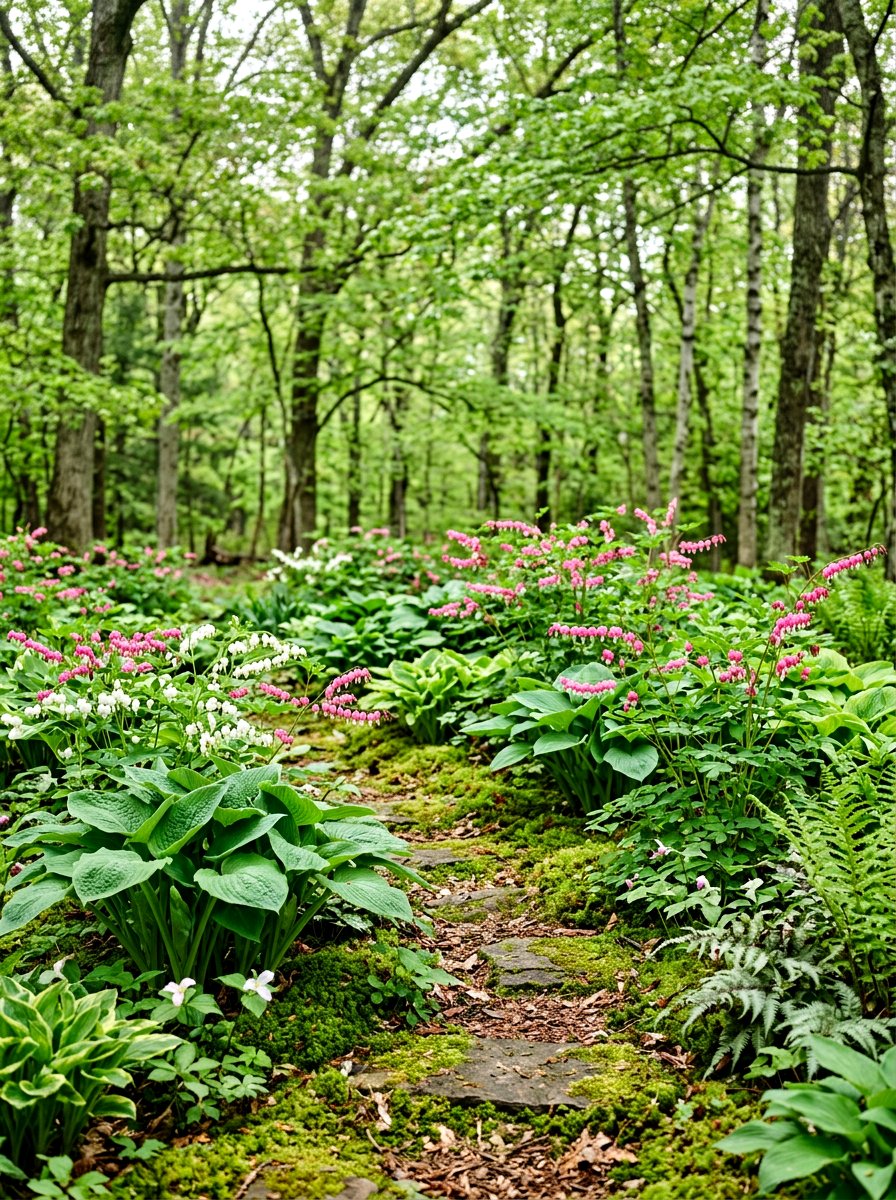
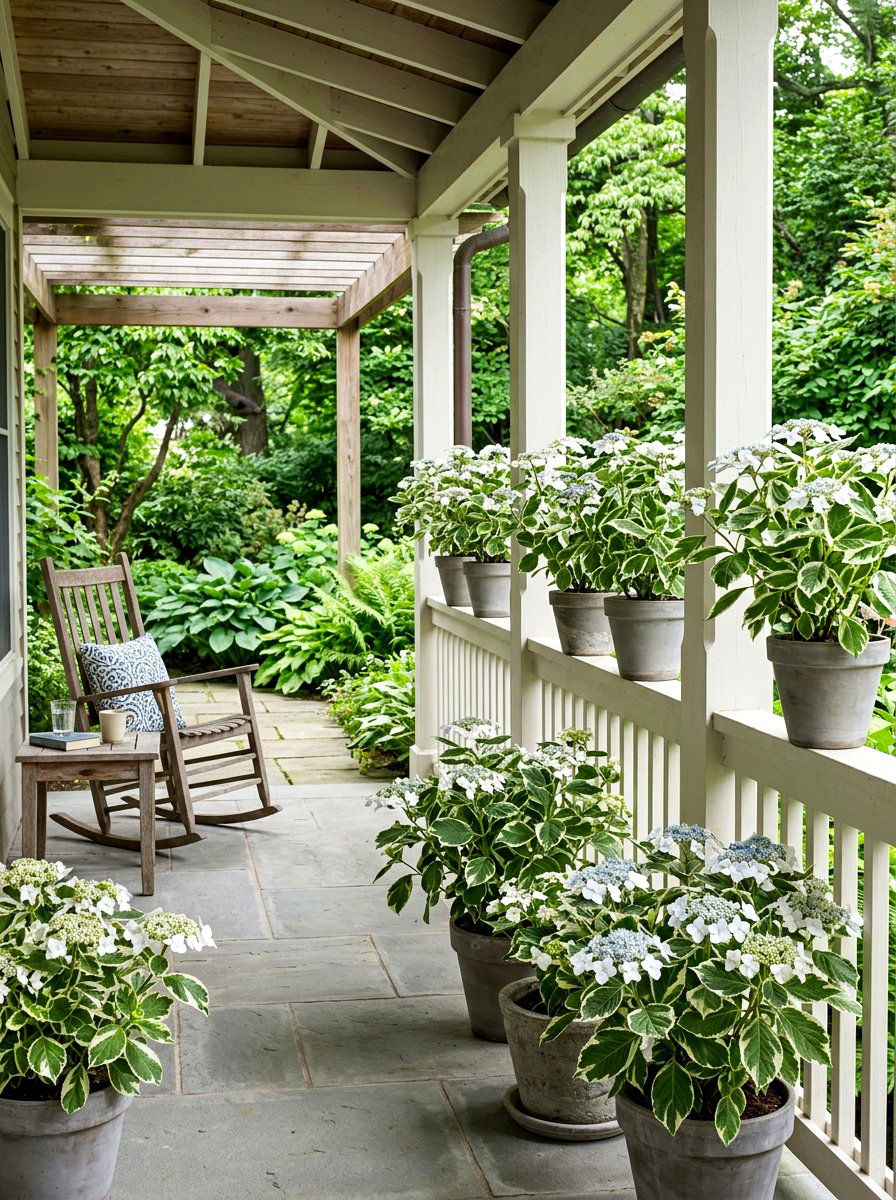
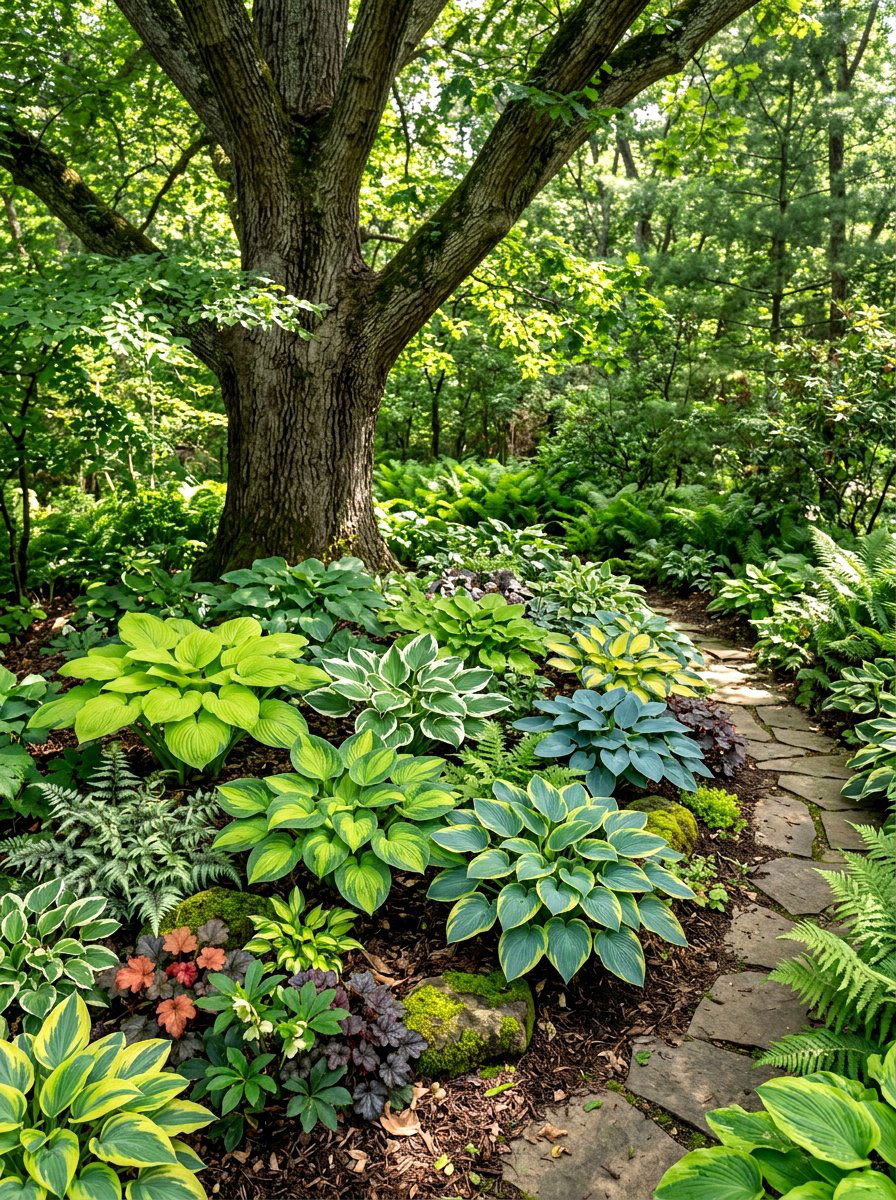
Many people assume they cannot grow flowers for cutting without full sun, but a shade cutting garden offers unique possibilities. Plants like hydrangeas, astilbe, and bleeding hearts thrive in dappled light and provide exquisite textures for arrangements. You can also harvest lush foliage from hostas and ferns to use as green fillers that anchor your bouquets. Shade-loving flowers often have a delicate, ethereal quality that brings a sense of calm to indoor spaces. Using white or pale-colored blooms helps brighten dark corners of the yard and makes the garden glow at dusk. This cooler environment also helps flowers last longer once they are placed in water.
12. Sun Loving Flower Beds
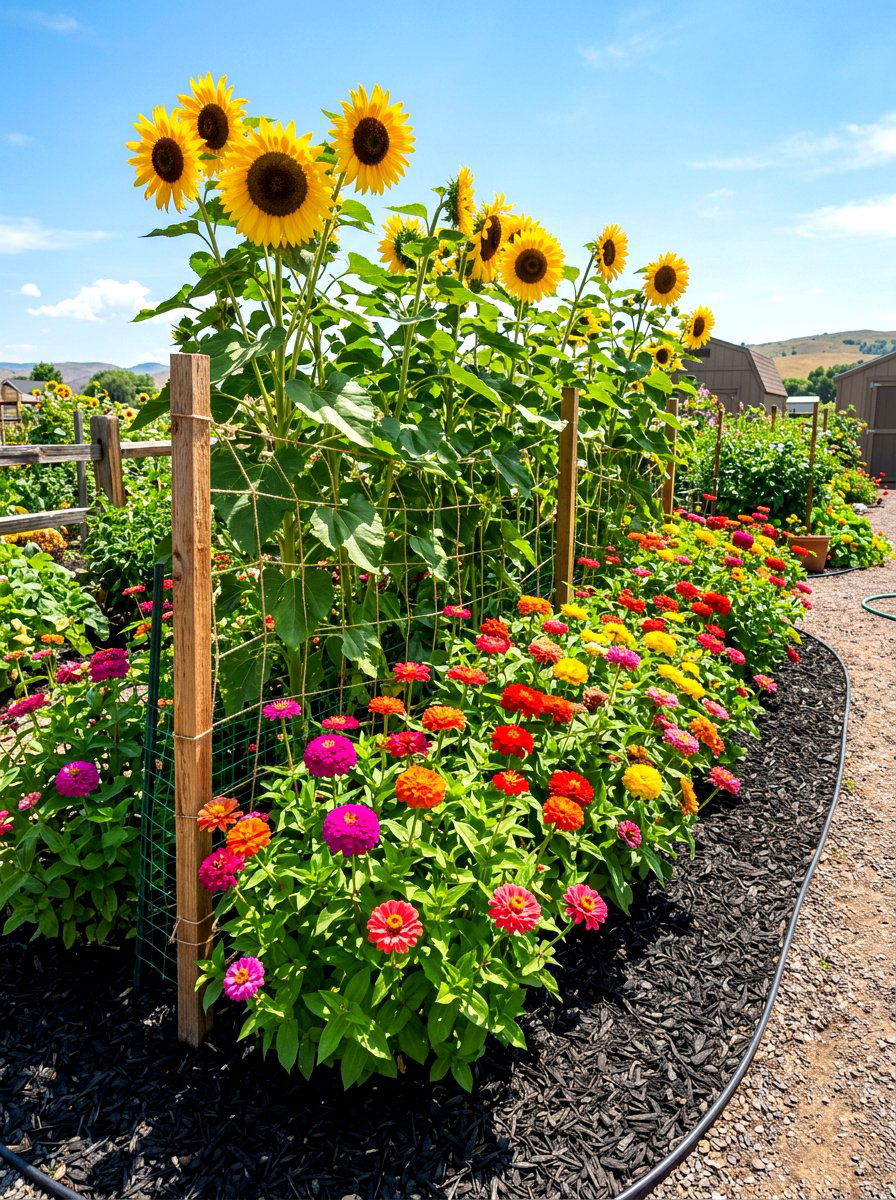
Maximized for productivity, sun loving flower beds are the engine room of a serious cutting garden, requiring at least six hours of direct light. These beds host the most iconic cutting flowers like dahlias, sunflowers, and zinnias that crave intense solar energy to produce large heads. Because these plants grow so vigorously, they often require staking or netting to keep their heavy stems from flopping over in the wind. Using a dark mulch can help retain soil moisture while absorbing heat to keep the roots warm. When these beds are in full bloom, they become a magnet for pollinators, adding movement and life to your backyard sanctuary.
13. Potager Garden With Flowers
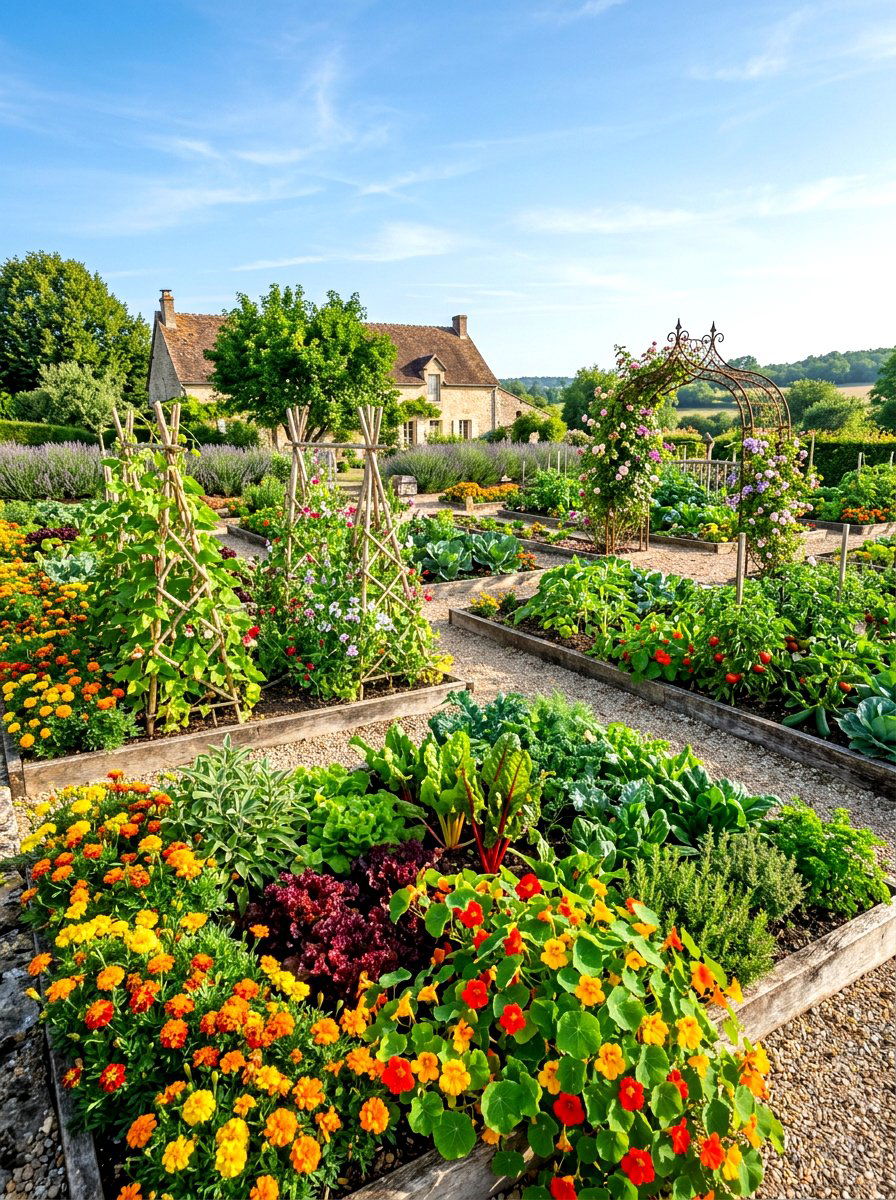
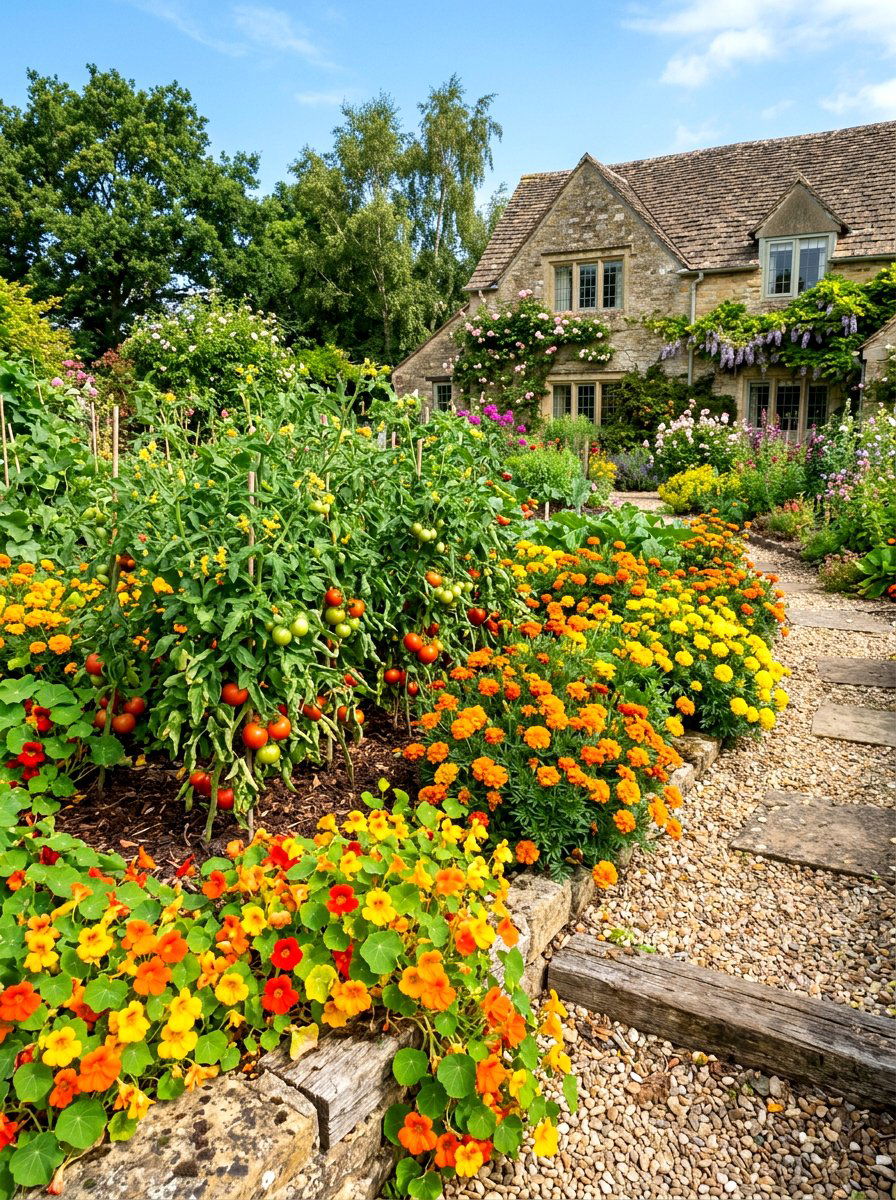
Combining beauty and utility, a potager garden with flowers integrates cutting blooms directly into your vegetable and herb beds. This traditional French style of gardening treats every plant as an ornamental element, creating a space that is both productive and stunning. You can plant marigolds and nasturtiums alongside your tomatoes to act as natural pest deterrents while providing edible garnishes. Tall sunflowers can provide shade for delicate lettuce, while sweet peas climb up bean trellises to add fragrance and color. This holistic approach ensures that every trip to the garden yields both fresh food for the kitchen and beautiful flowers for the dining room table.
14. Dahlia Garden Bed
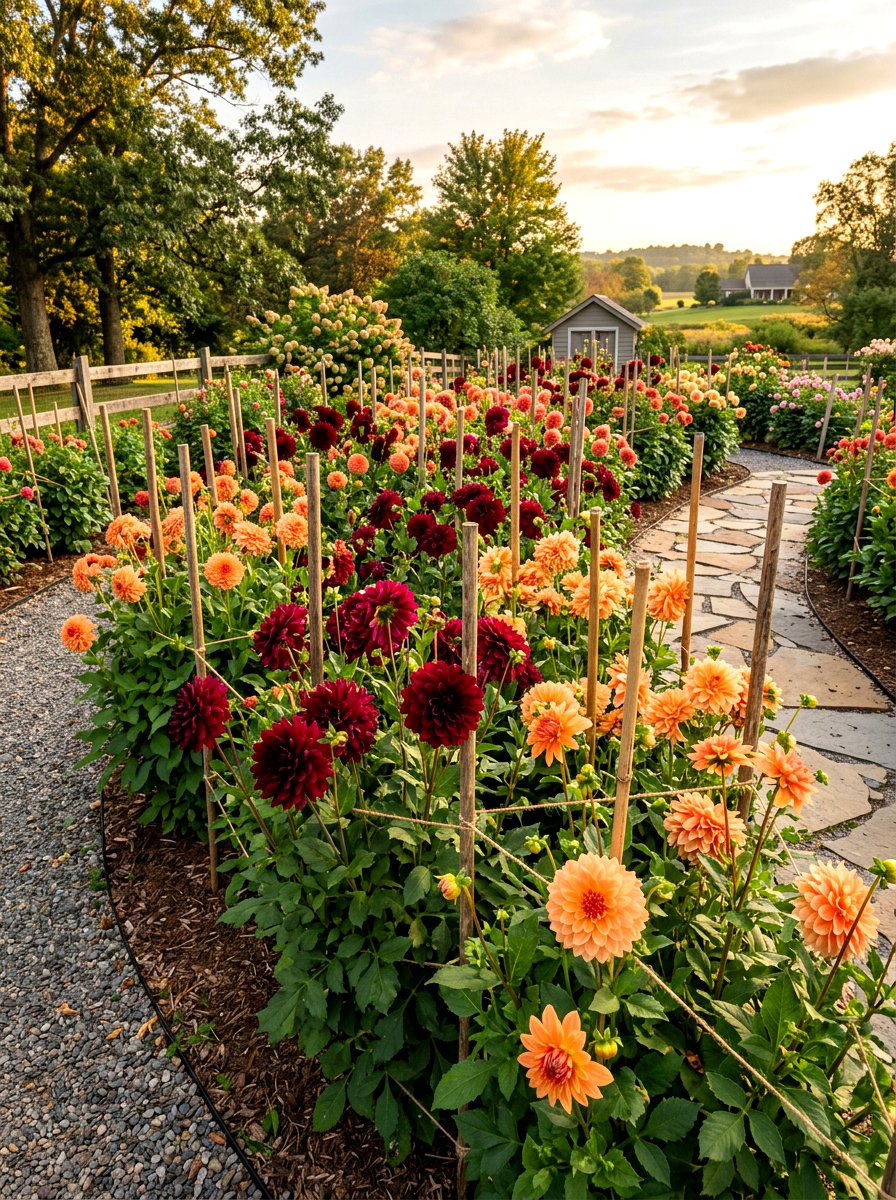
Dedicated dahlia garden beds are a favorite among floral enthusiasts because of the incredible variety of shapes, sizes, and colors these tubers produce. From tiny pom-poms to dinner-plate-sized blooms, dahlias offer unparalleled drama for late-summer and autumn arrangements. These plants are heavy feeders and require rich soil and regular fertilizing to maintain their prolific blooming habit. Because they come in almost every hue except true blue, you can create specific color-themed beds to match your home decor. Providing strong support is crucial, as the large flower heads can become very heavy after a rainstorm. They are the crowning glory of the late-season cutting garden.
15. Wildflower Cutting Patch
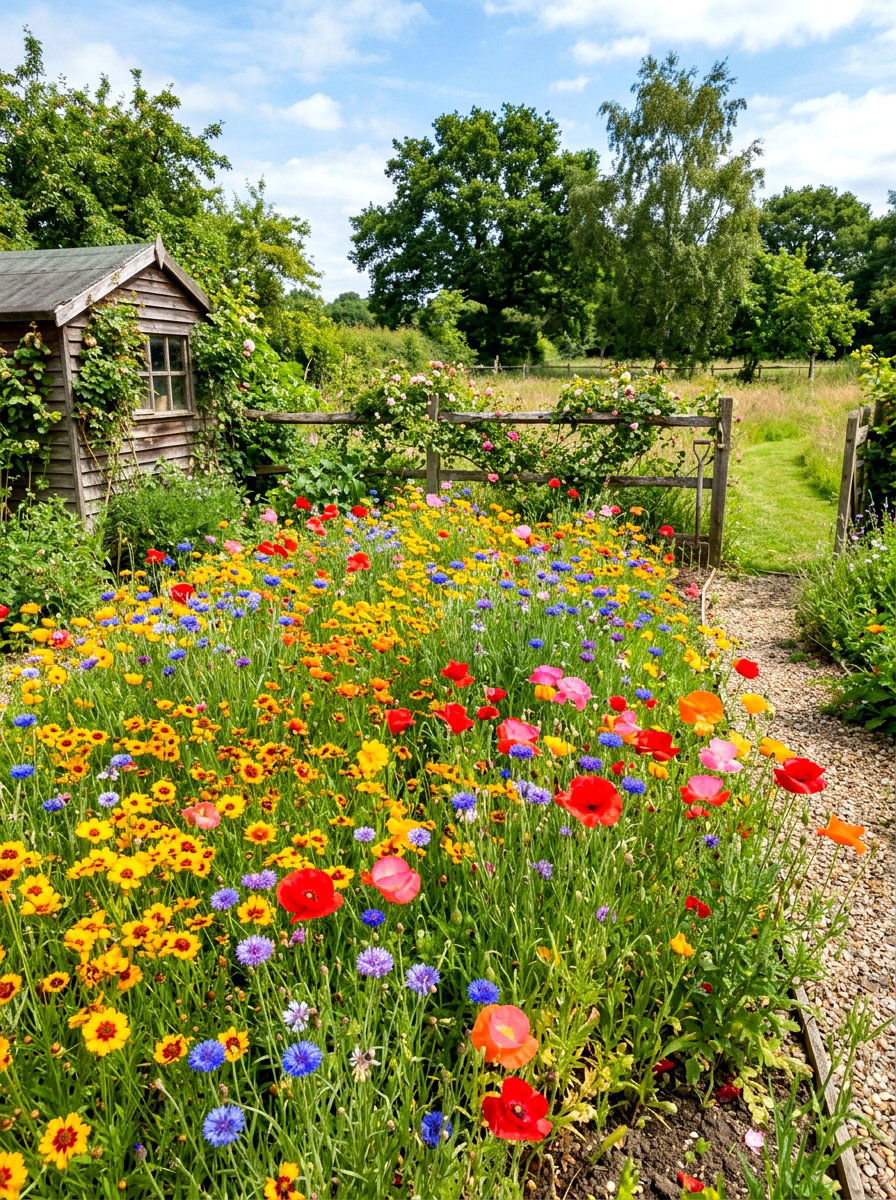
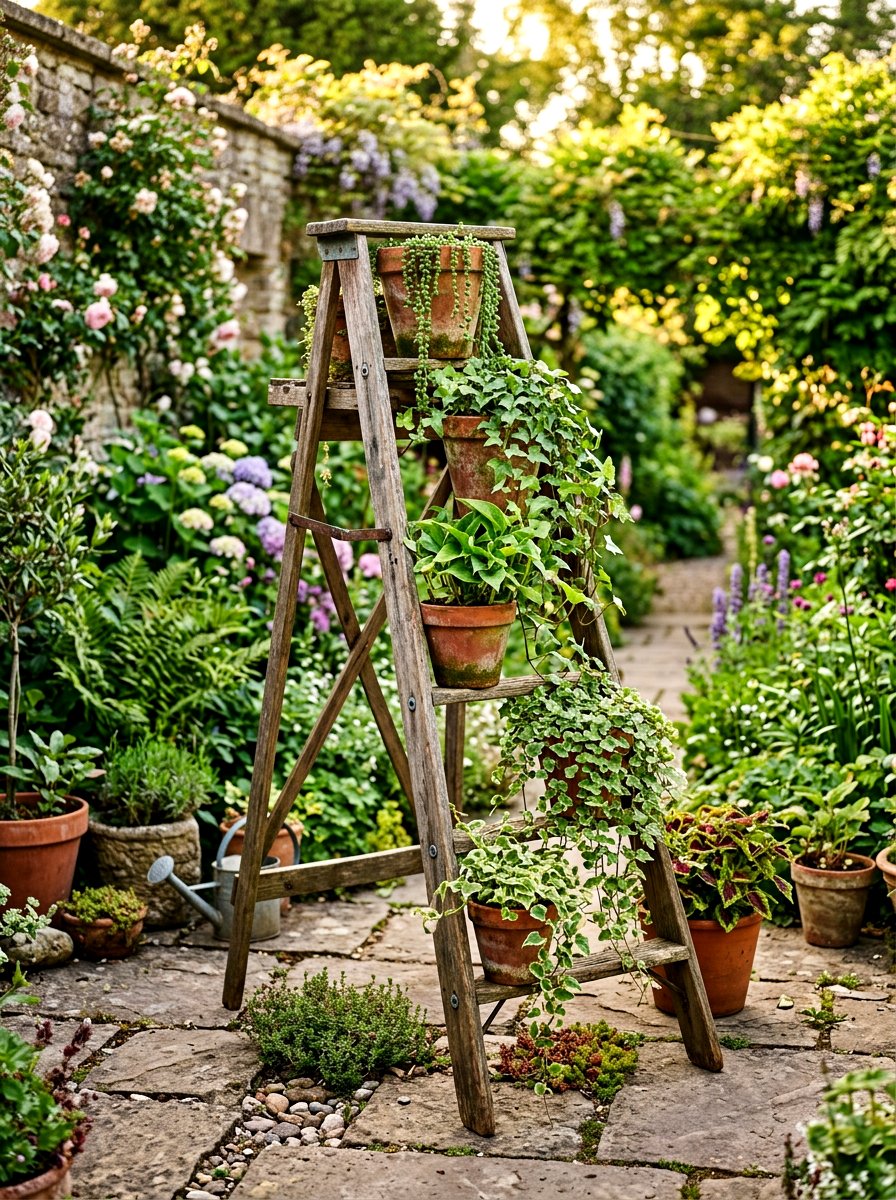
A wildflower cutting patch is the ultimate low-maintenance solution for a backyard that feels natural and supports local biodiversity. By sowing a mix of native seeds, you create a meadow-like environment that requires very little water or fertilizer once established. These gardens produce airy, delicate stems like coreopsis, poppies, and cornflowers that lend a whimsical feel to indoor bouquets. The beauty of this style is its ever-changing nature as different species take turns blooming throughout the months. It provides a constant source of "filler" flowers that add movement and a sense of place to your arrangements. This patch also serves as a vital sanctuary for bees.
16. Sweet Pea Trellis Garden
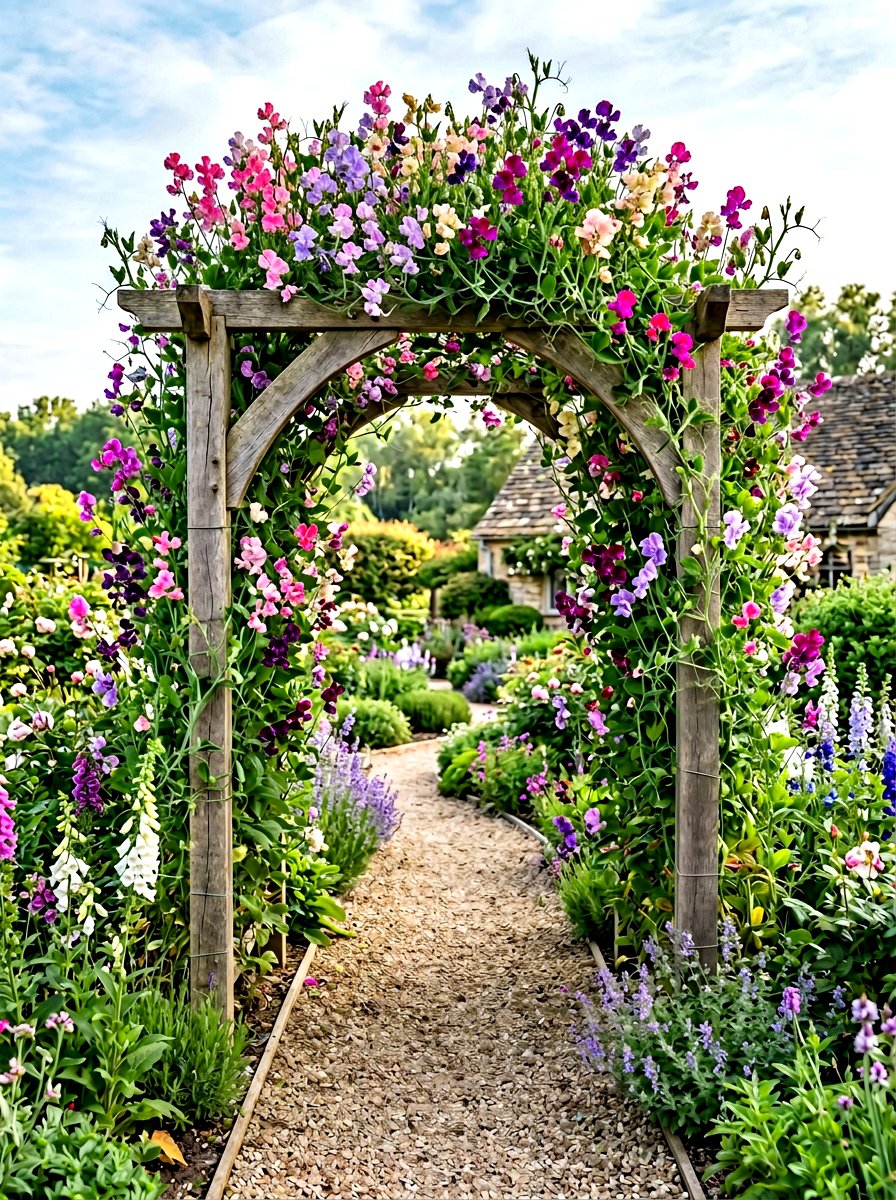
Vertical interest is easily achieved with a sweet pea trellis garden, which provides some of the most fragrant and charming stems available. These climbing annuals thrive in the cool weather of spring and early summer, covering any fence or archway in delicate, ruffled blossoms. To get the longest stems for cutting, you should regularly harvest the flowers and remove any developing seed pods. Providing a sturdy support system like chicken wire or netting allows the vines to climb high, keeping the blooms clean and easy to reach. Their intoxicating scent can fill an entire room, making them one of the most beloved choices for small, intimate bouquets.
17. Greenery For Bouquets Garden
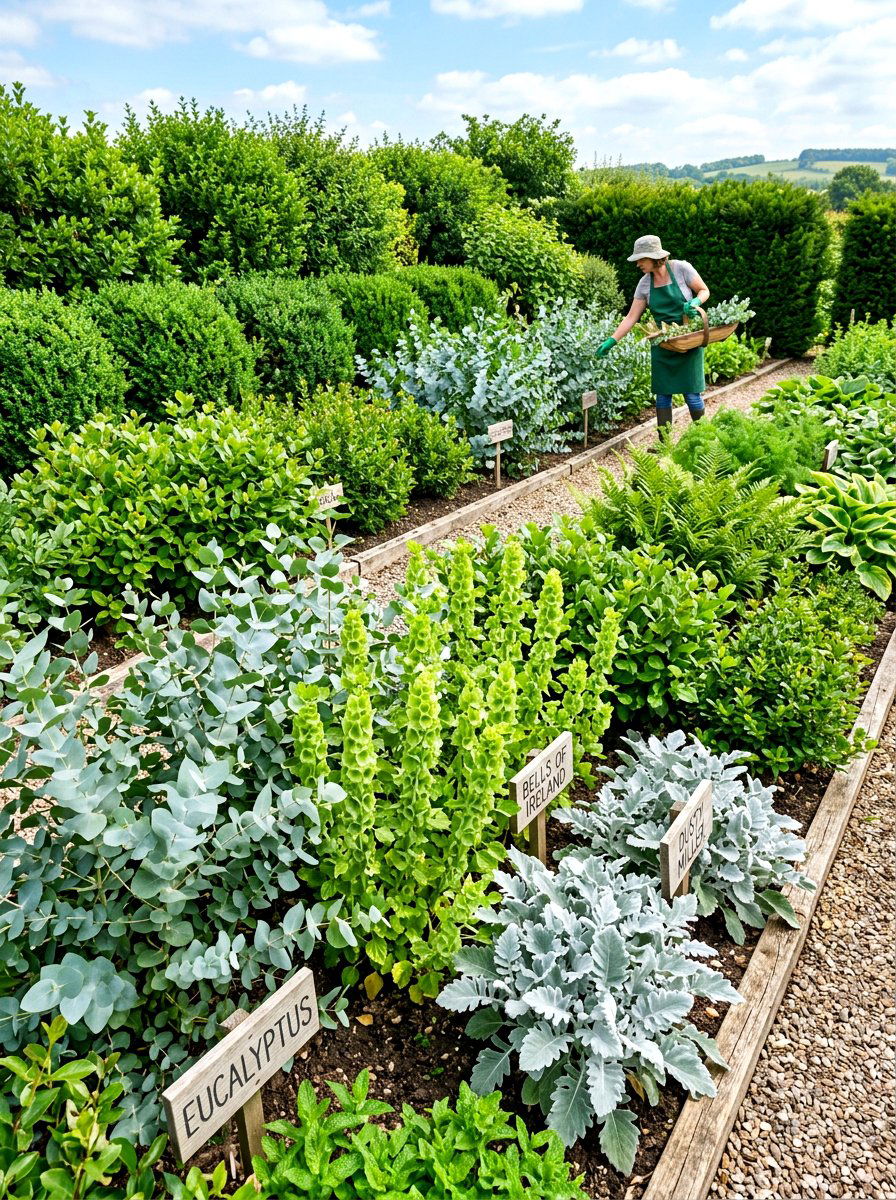
Every professional-looking arrangement needs a solid foundation, which is why a greenery for bouquets garden is an essential part of your plan. Instead of just focusing on the "stars" of the show, dedicate space to plants grown specifically for their foliage, such as eucalyptus, bells of Ireland, or dusty miller. Many common landscape shrubs like boxwood or ninebark also provide excellent woody stems that add structure and longevity to vases. Having a reliable source of different leaf textures and shades of green allows your floral colors to truly pop. This dedicated greenery patch ensures you never have to rely on expensive, store-bought fillers to complete your home designs.
18. Annual Flower Rows
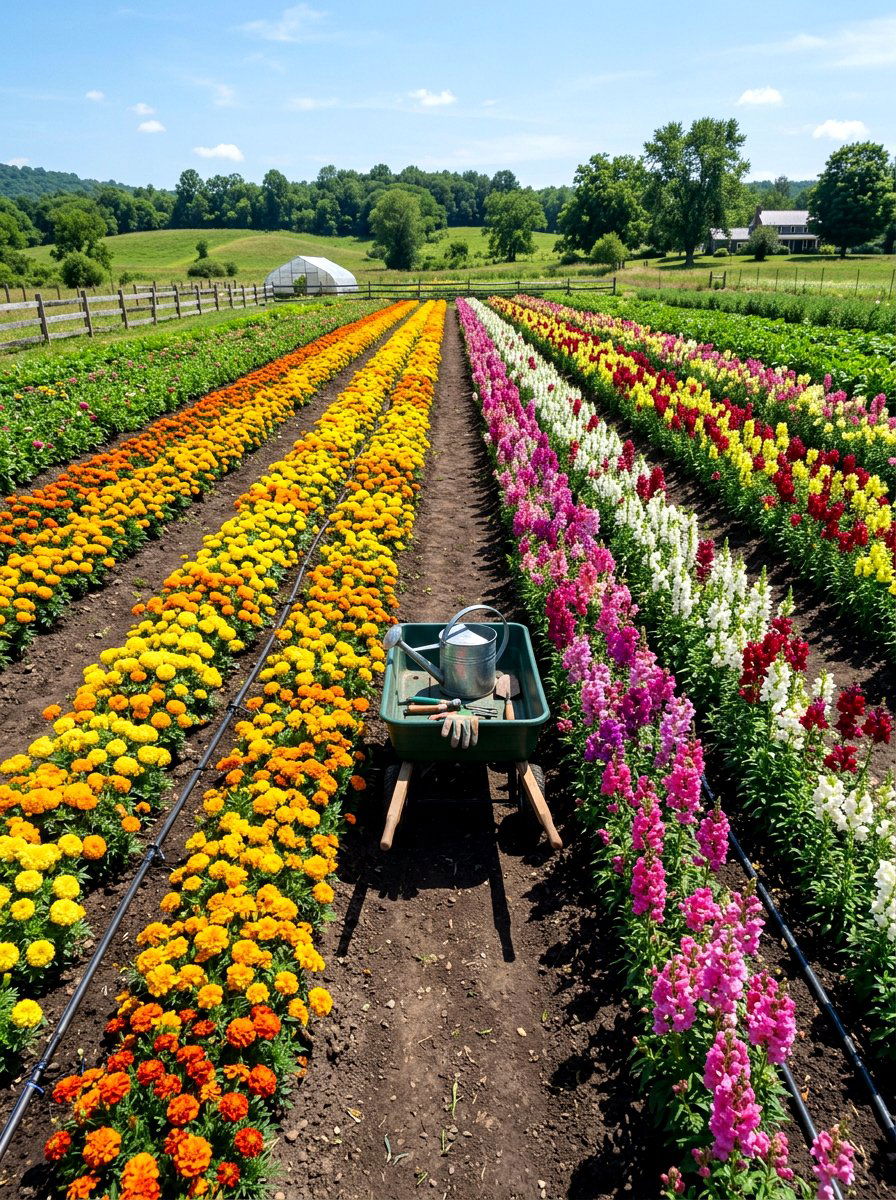
The classic look of annual flower rows is both efficient and visually satisfying, reminiscent of a professional flower farm. By planting in straight, organized lines, you make it incredibly simple to install irrigation lines and navigate through the garden with harvest buckets. This method also helps you easily identify which rows need weeding or succession planting to keep the blooms coming all season. You can organize your rows by color, height, or bloom time to create a rainbow effect across your yard. This systematic approach is ideal for gardeners who want to produce a high volume of flowers for gifting or selling at local markets.
19. Vertical Flower Garden
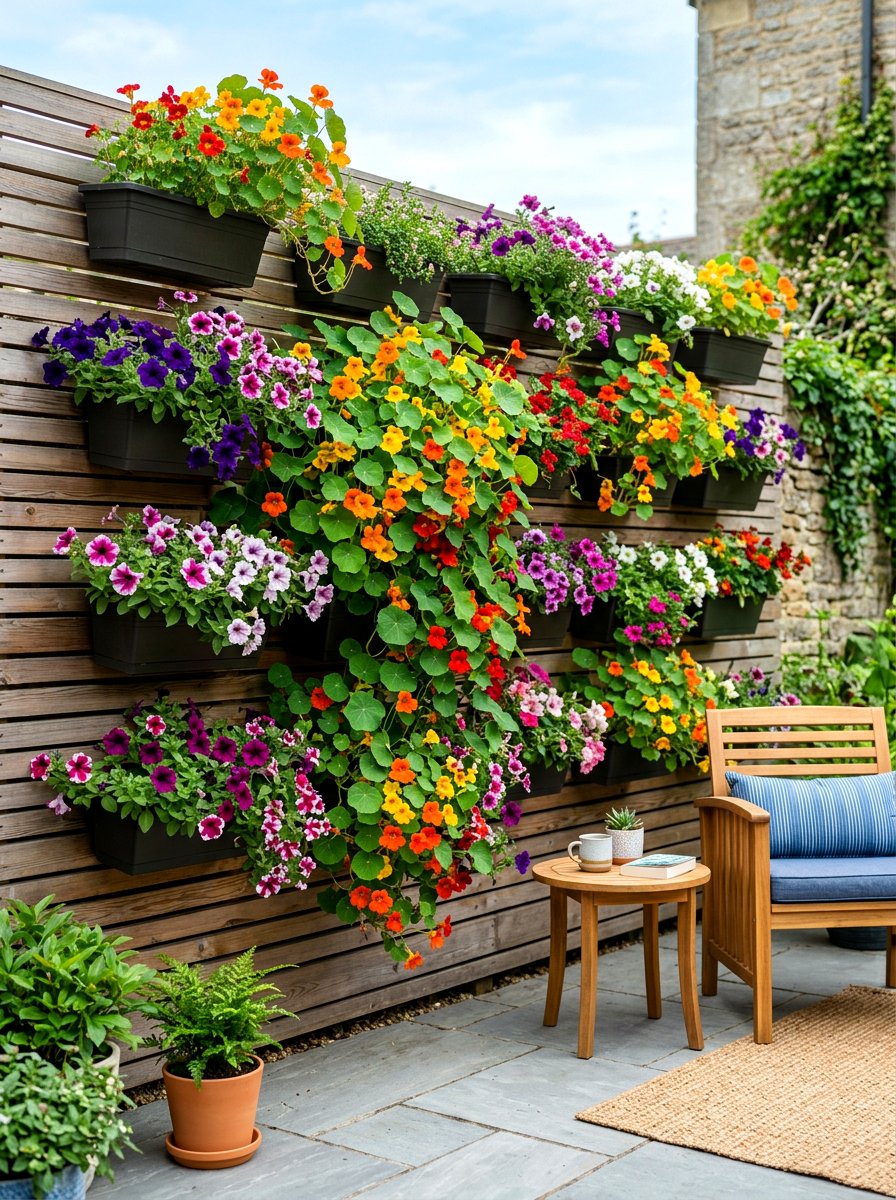
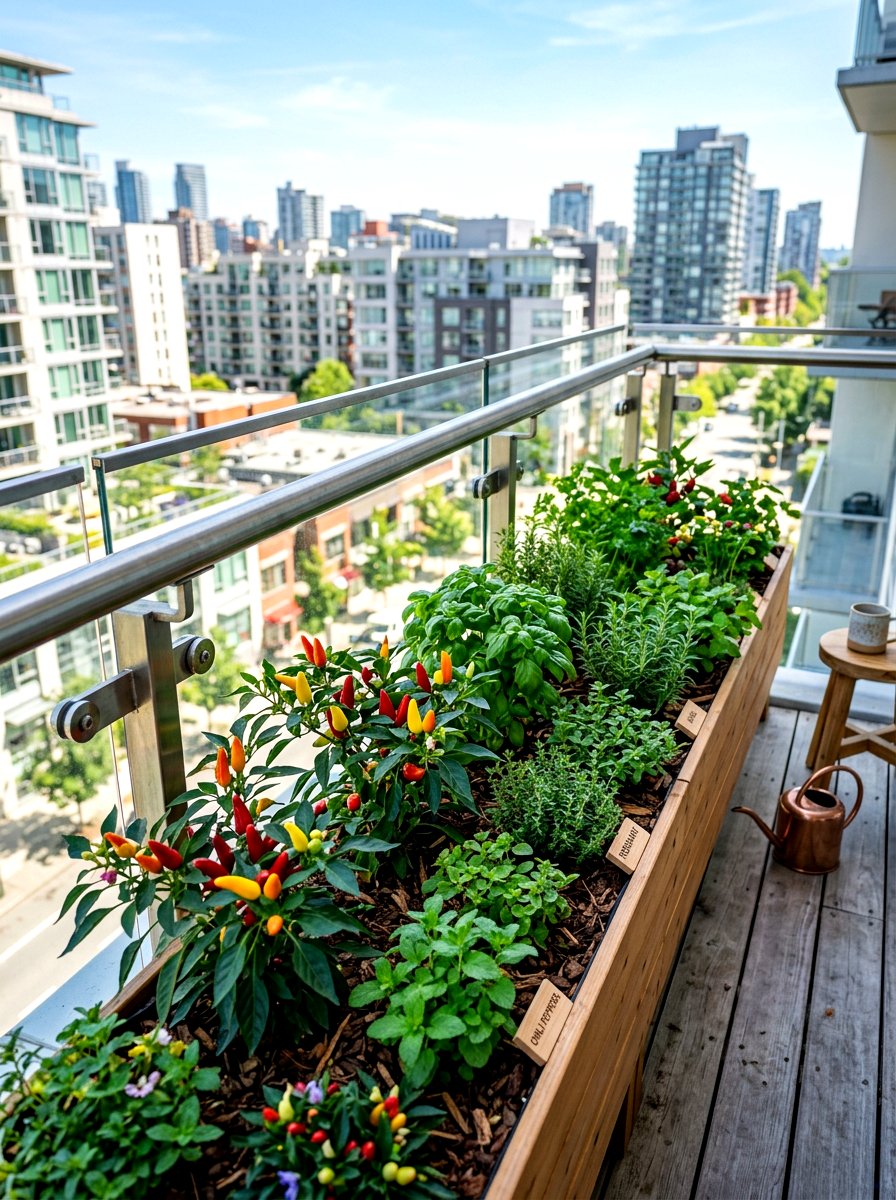
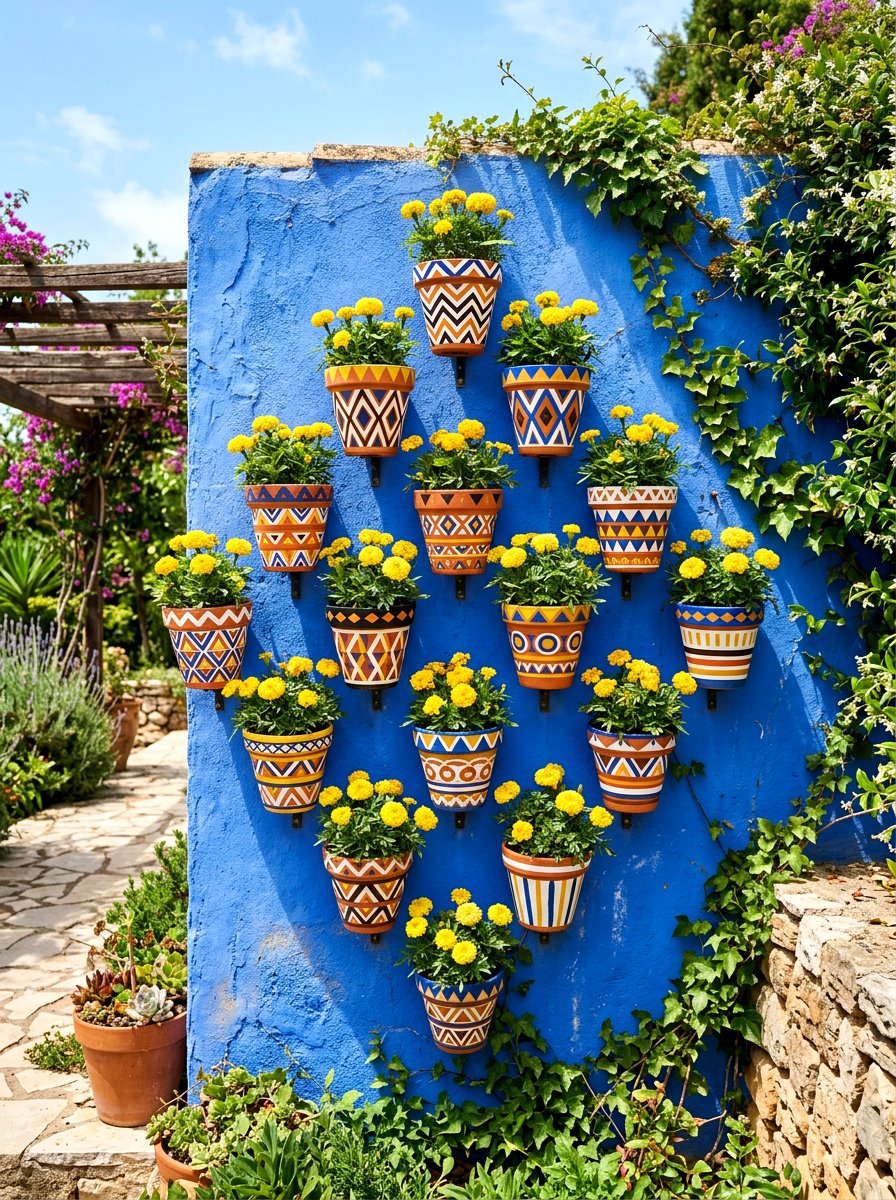
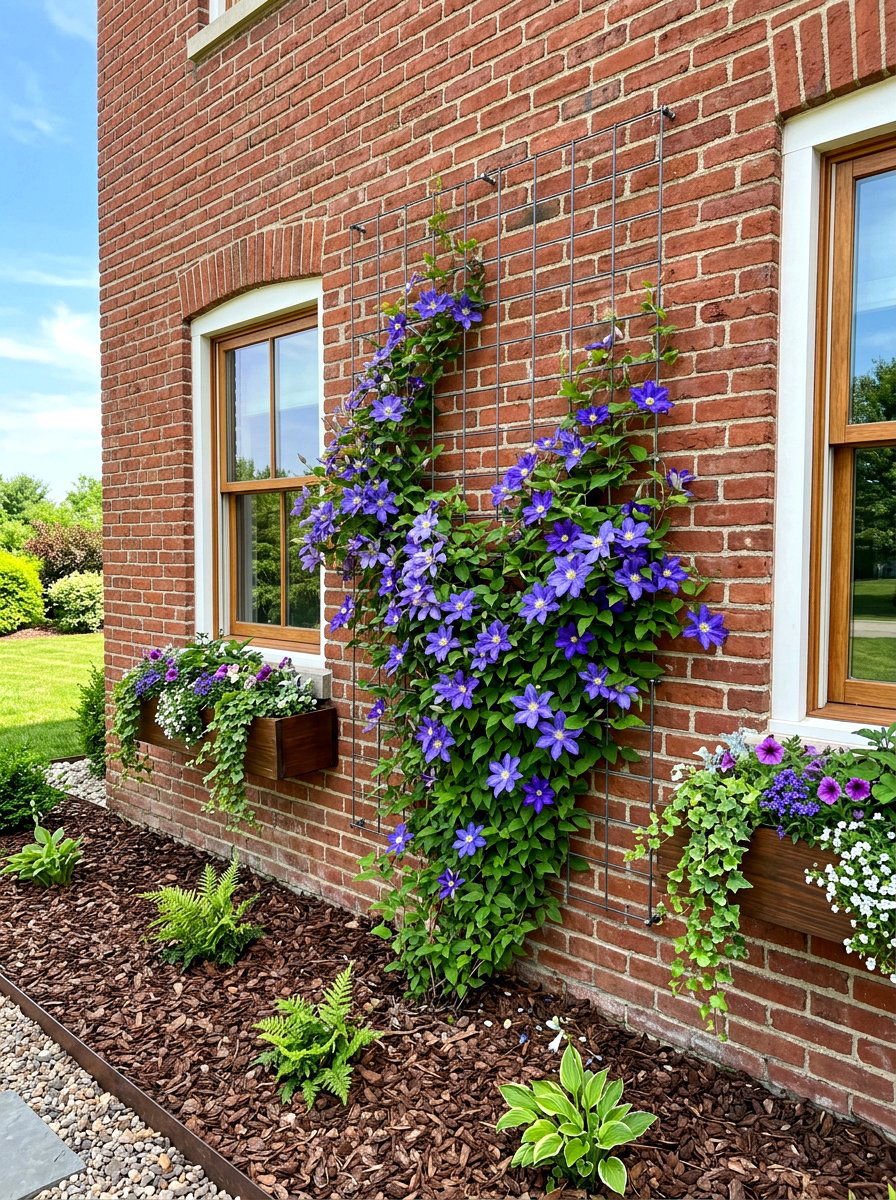
When ground space is at a premium, a vertical flower garden allows you to grow stunning blooms on walls, fences, or specialized towers. Using pocket planters or wall-mounted boxes, you can create a living tapestry of flowers that provides a unique backdrop for your patio. This method is particularly effective for trailing varieties like nasturtiums or small-flowered petunias that spill over the edges beautifully. Vertical gardens keep the plants away from ground pests and make harvesting as simple as standing up and clipping. It is a creative way to hide an ugly fence while adding a lush, green atmosphere to a small backyard or balcony space.
20. Container Cutting Garden
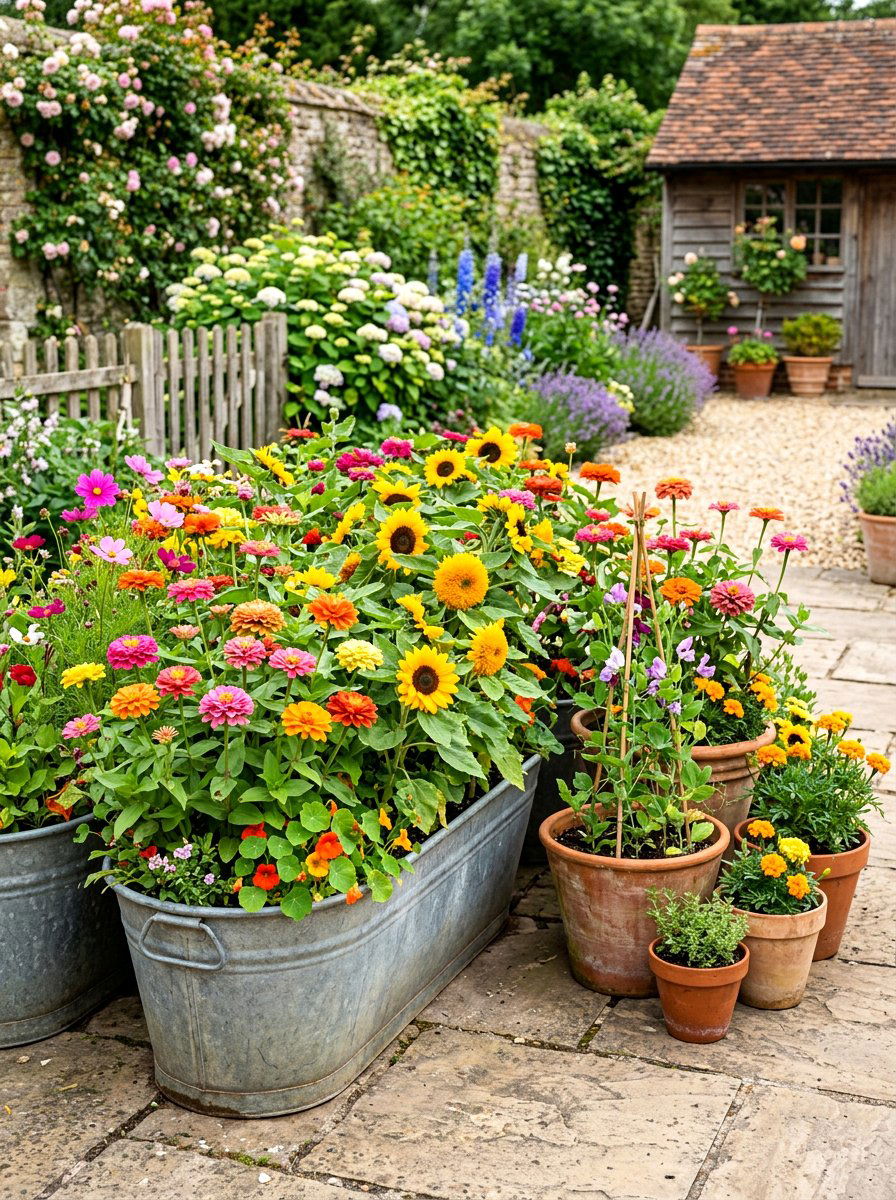
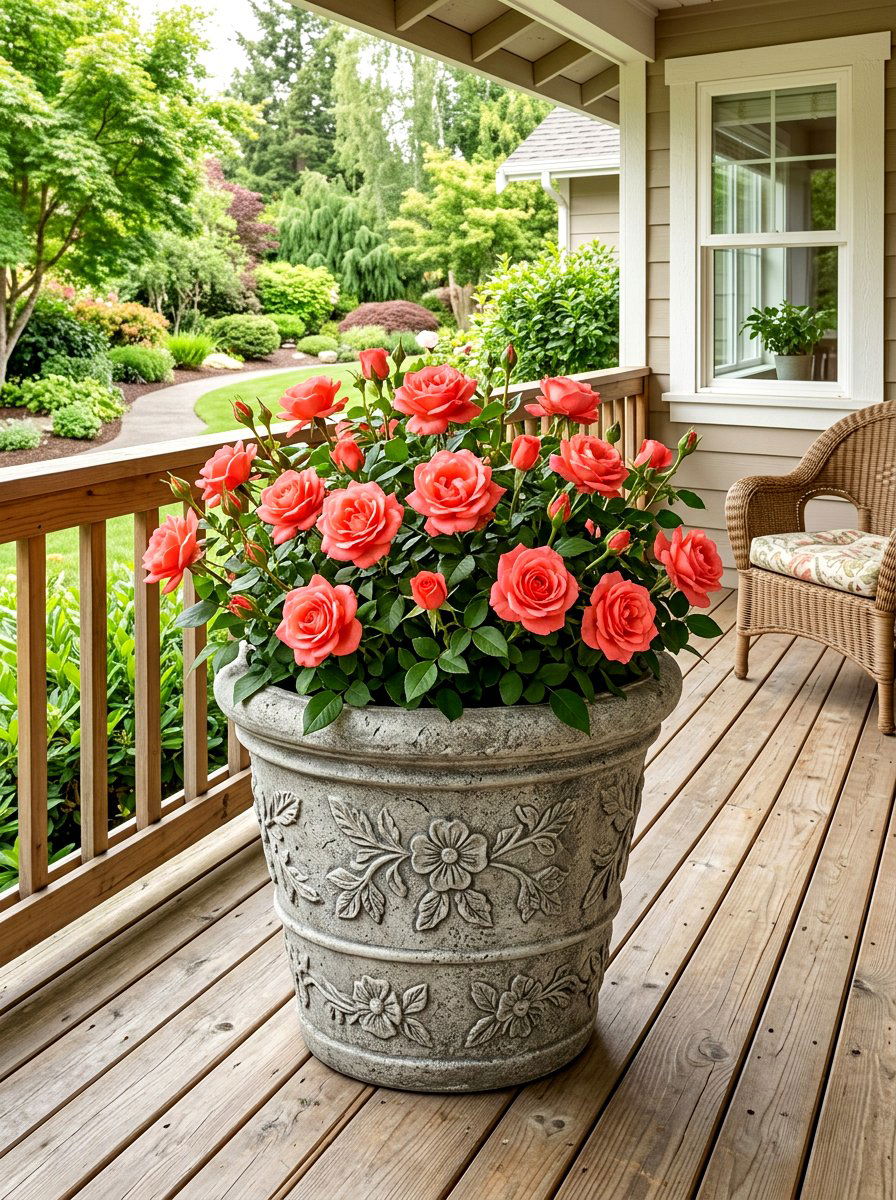
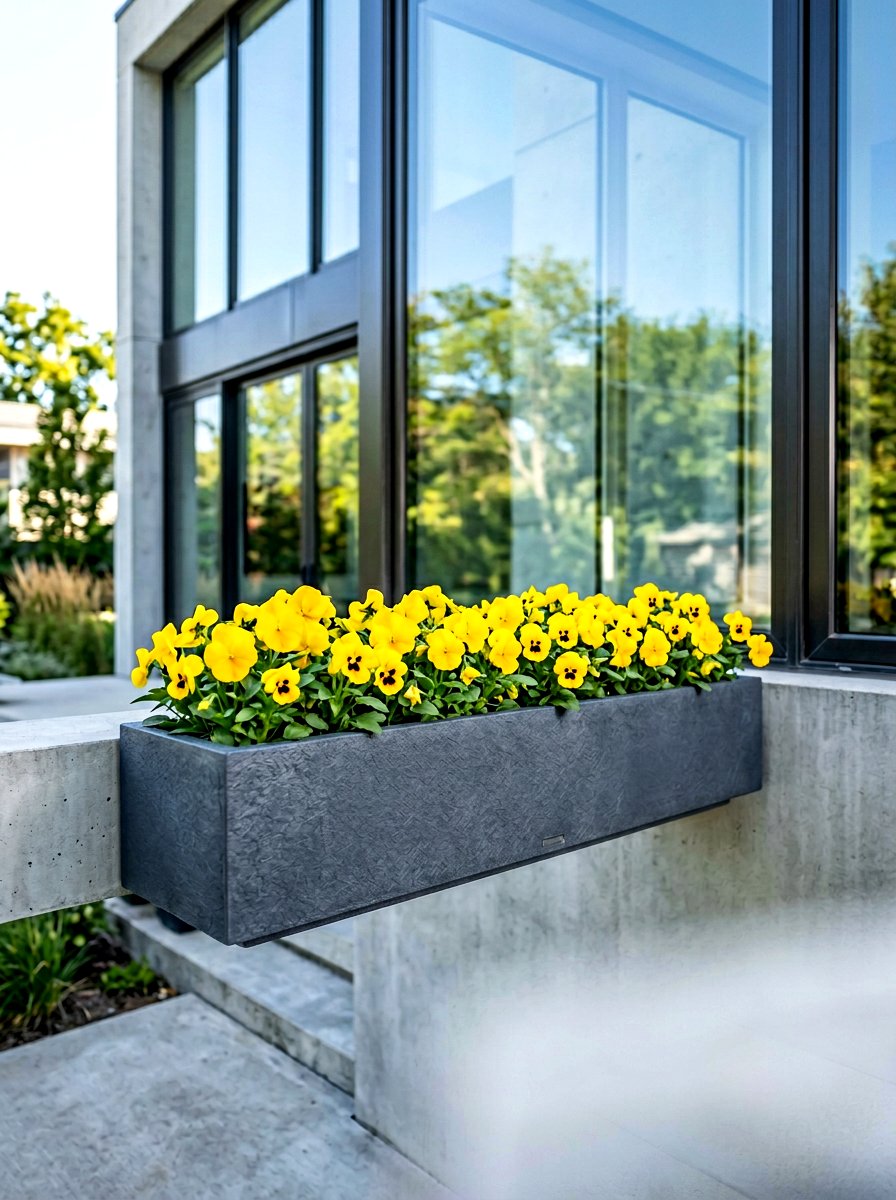
For renters or those with large paved areas, a container cutting garden provides the flexibility to grow flowers anywhere the sun shines. You can use large pots, galvanized troughs, or wooden half-barrels to house high-yield plants like zinnias, snapdragons, and even dwarf sunflowers. Containers allow you to move your "garden" to follow the sun or to protect delicate blooms from extreme weather. Because the soil is contained, you can perfectly tailor the nutrients to suit each specific plant variety. Mixing and matching different pot styles adds a decorative element to your outdoor living space while ensuring you always have a fresh bouquet within arm's reach.
21. Fragrant Flower Garden
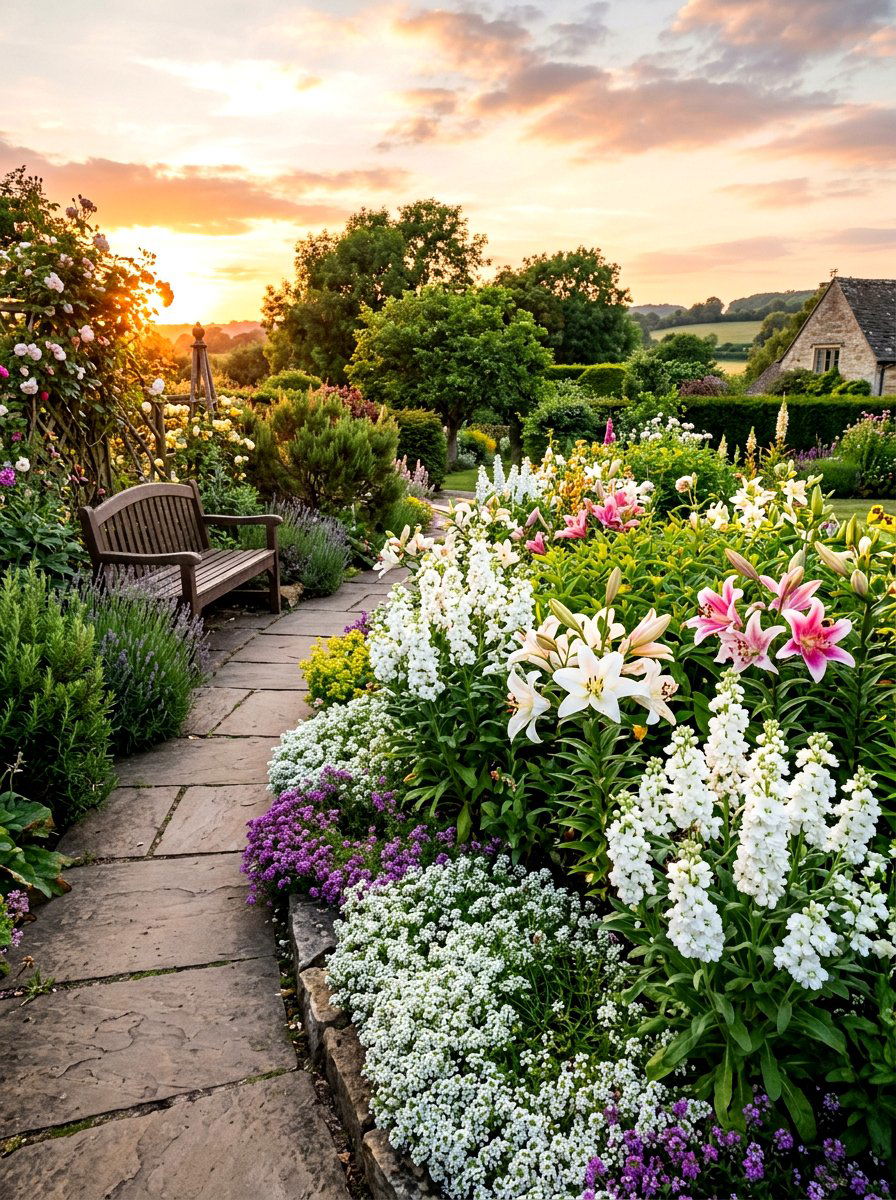
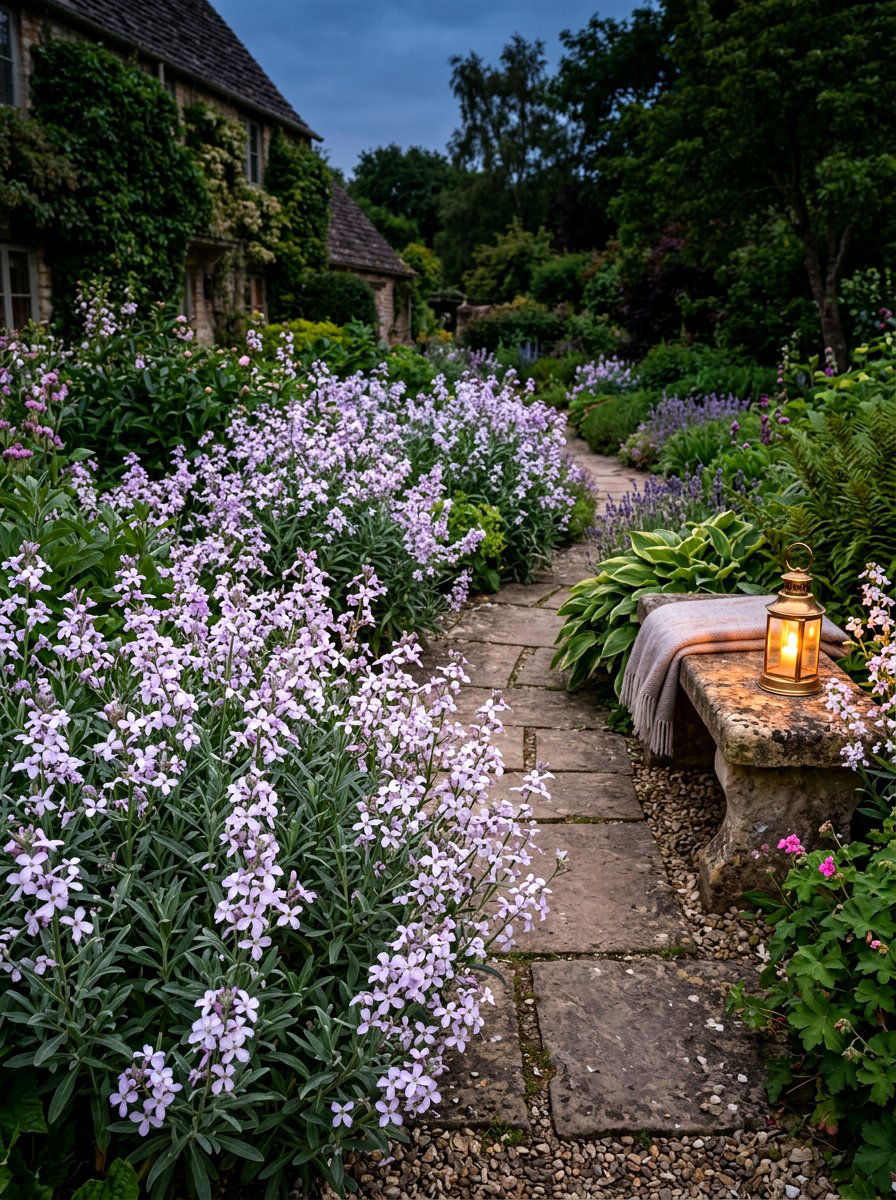
A fragrant flower garden engages more than just your eyes; it creates an immersive sensory experience that carries from your yard into your home. By selecting plants specifically for their scent, such as stocks, sweet alyssum, and oriental lilies, you ensure every bouquet doubles as a natural air freshener. These plants often release their strongest perfume in the evening, making the garden a magical place to spend time at sunset. When cutting these flowers, choose stems where only the first few buds have opened to capture the maximum fragrance. This intentional focus on aroma adds a luxurious and comforting layer to your indoor floral arrangements.
22. Pollinator Cutting Garden
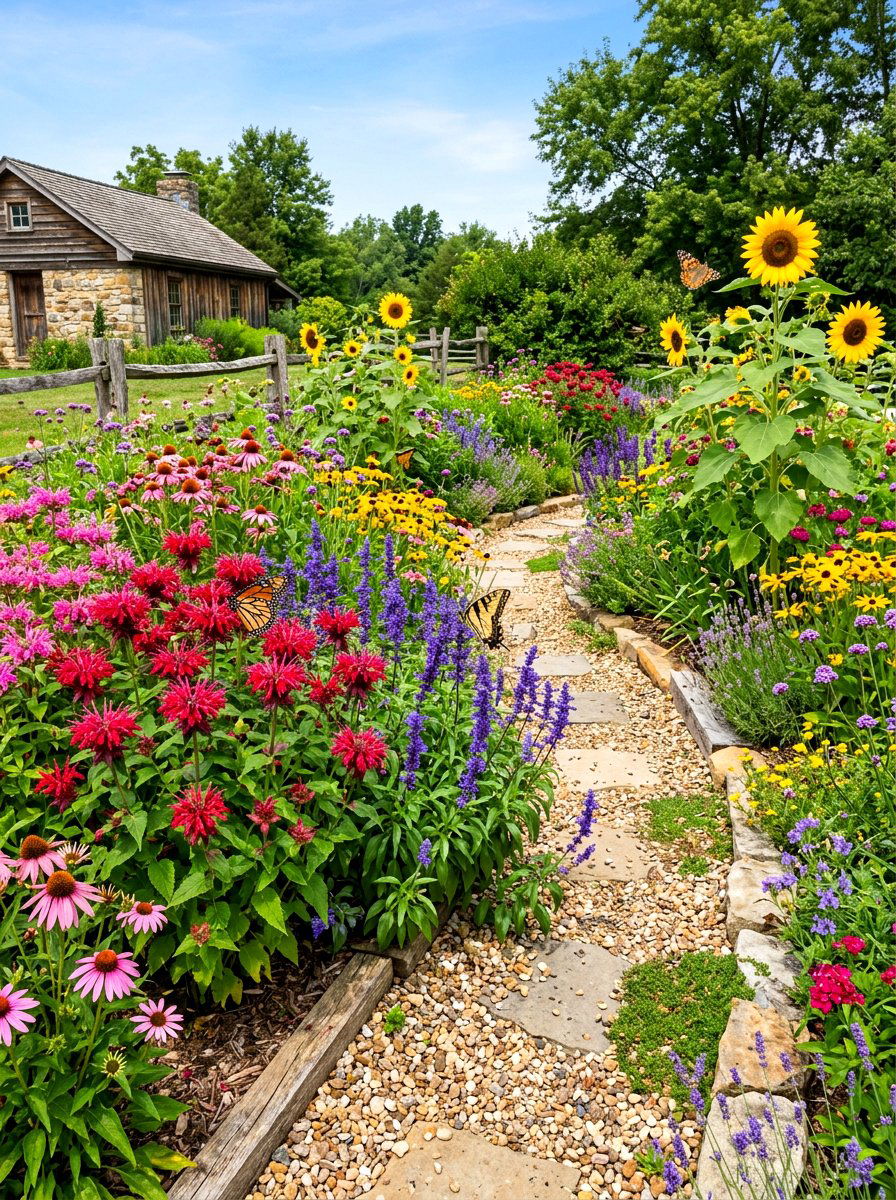
Creating a pollinator cutting garden serves a dual purpose by providing beautiful stems for your home while supporting the local ecosystem. By planting nectar-rich flowers like monarda, salvias, and sunflowers, you invite a parade of butterflies, bees, and hummingbirds into your backyard. These beneficial insects help ensure your plants are well-pollinated, leading to healthier growth and more abundant blooms. Many pollinator-friendly plants are also incredibly sturdy and long-lasting in a vase. This type of garden feels alive with movement and sound, connecting your hobby to the larger natural world. It is a rewarding way to garden that gives back to the environment with every single bloom.
23. Dried Flower Garden
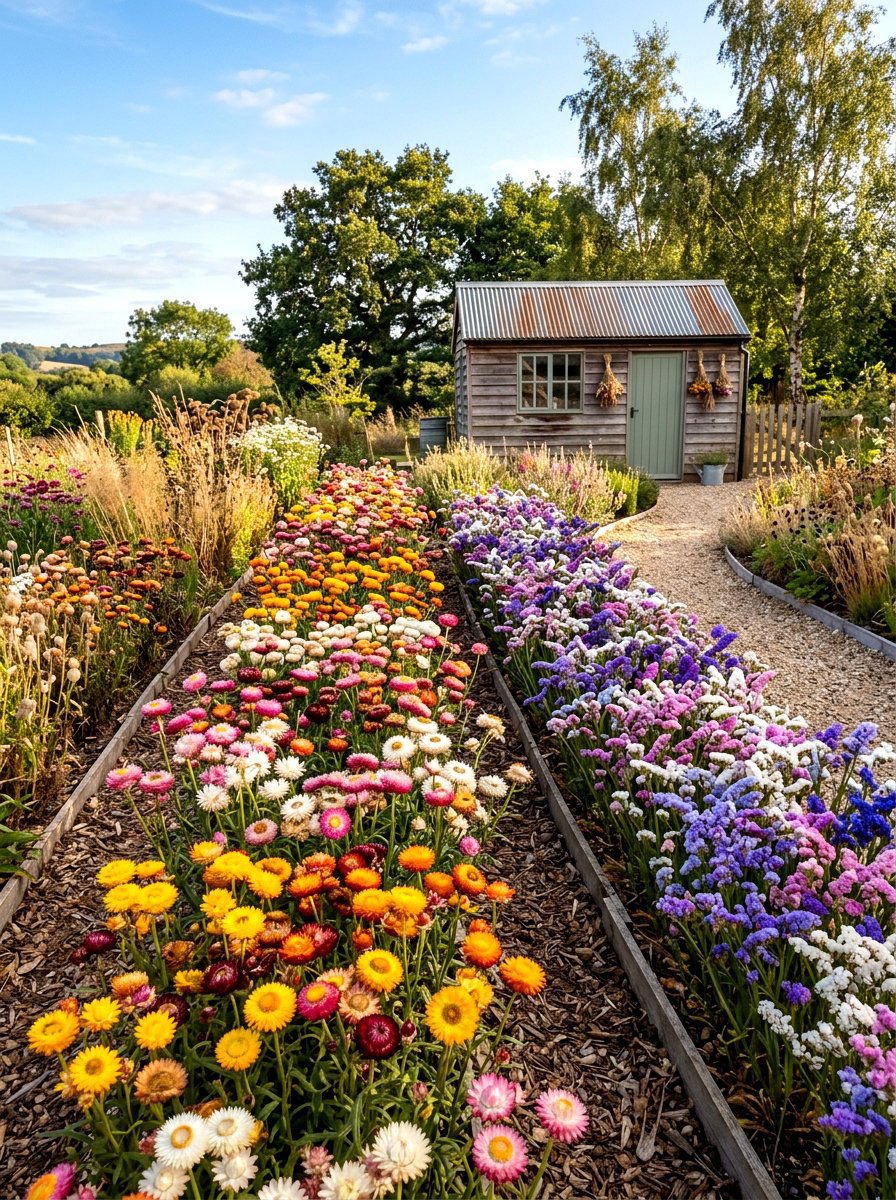
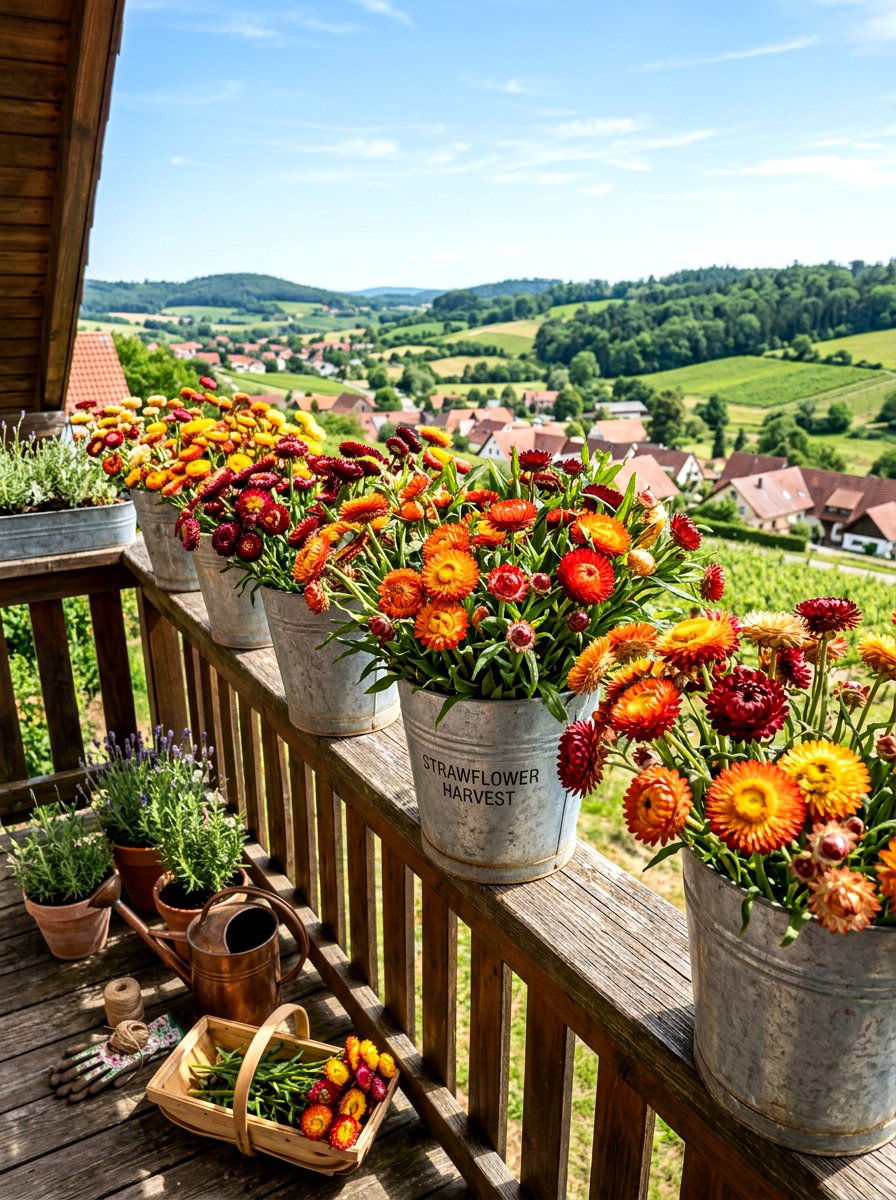
A dried flower garden allows you to enjoy the beauty of your backyard long after the growing season has ended. Focus on planting "everlasting" varieties like strawflowers, statice, and globe amaranth that retain their shape and color once they are dried. These plants have a unique, papery texture while fresh and require very little processing to preserve. Simply hang the harvested stems upside down in a cool, dark place for a few weeks to lock in their vibrant hues. These dried treasures are perfect for creating autumn wreaths, everlasting bouquets, or even pressed flower art. This approach ensures your home remains decorated with garden-grown beauty throughout the winter months.
24. Monochromatic Flower Bed
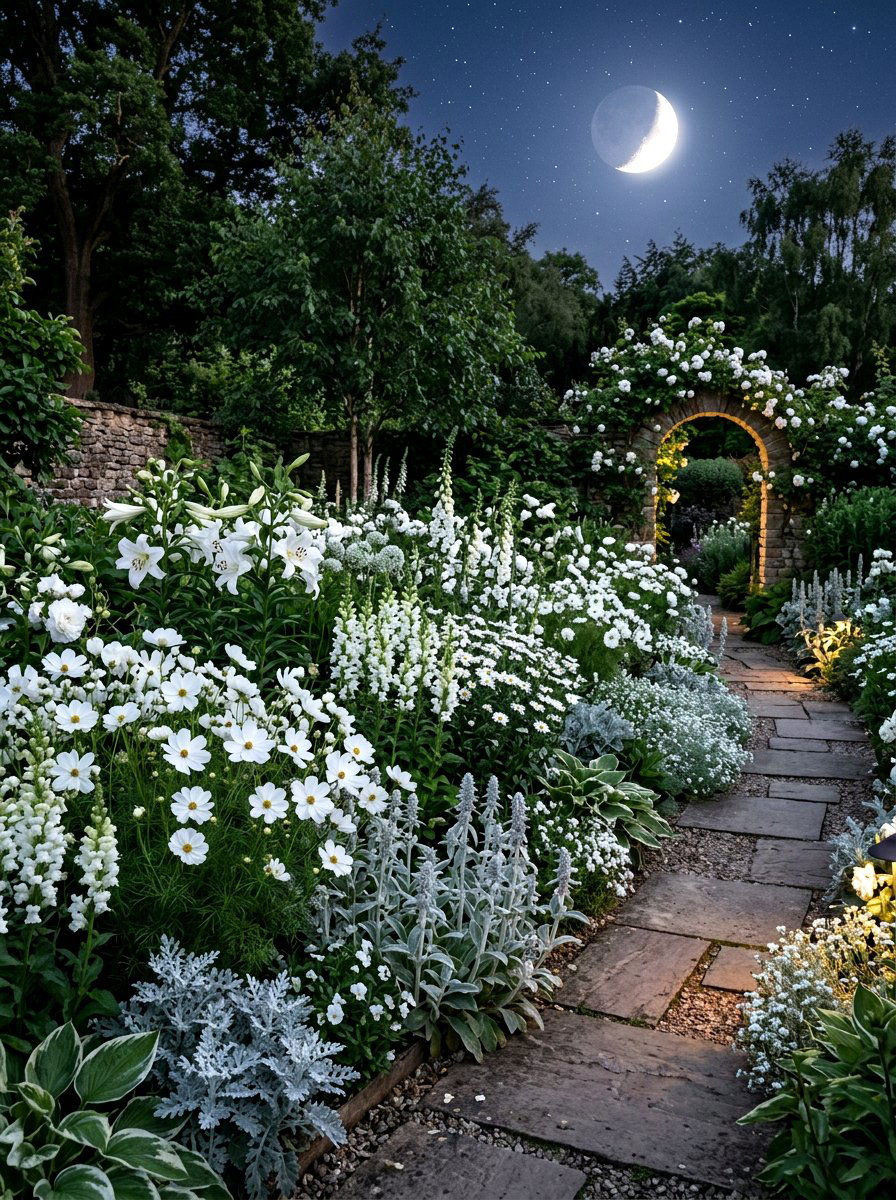
A monochromatic flower bed creates a sophisticated and calming visual impact by focusing on different shades and textures of a single color. For example, an all-white garden featuring white cosmos, snapdragons, and lilies looks incredibly elegant and glows beautifully in the moonlight. Alternatively, a deep red bed with dark dahlias and zinnias can create a sense of drama and passion in the landscape. This design strategy makes it very easy to create harmonious bouquets that match a specific room's color scheme. By playing with different flower shapes — like spikes, discs, and plumes — within one color family, you achieve depth and interest without the need for multiple colors.
25. Formal Cutting Garden
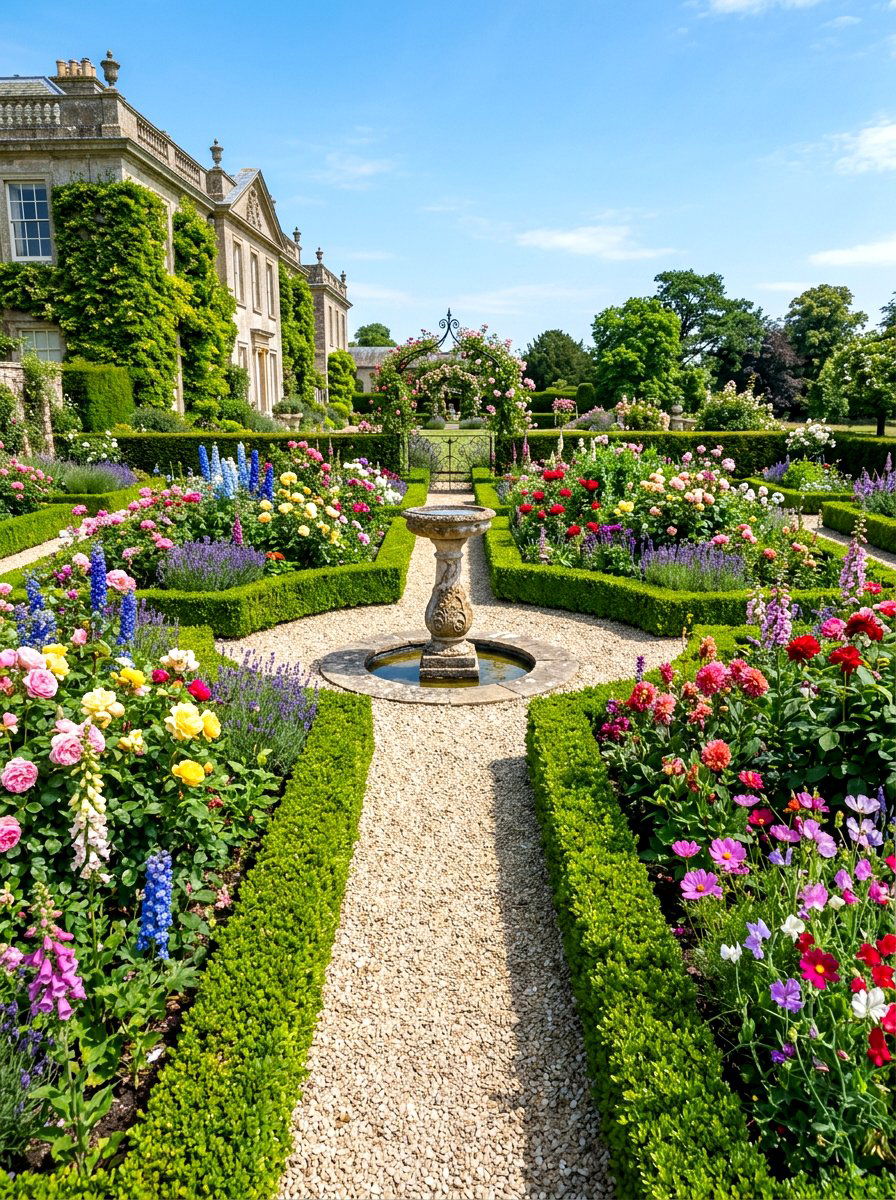
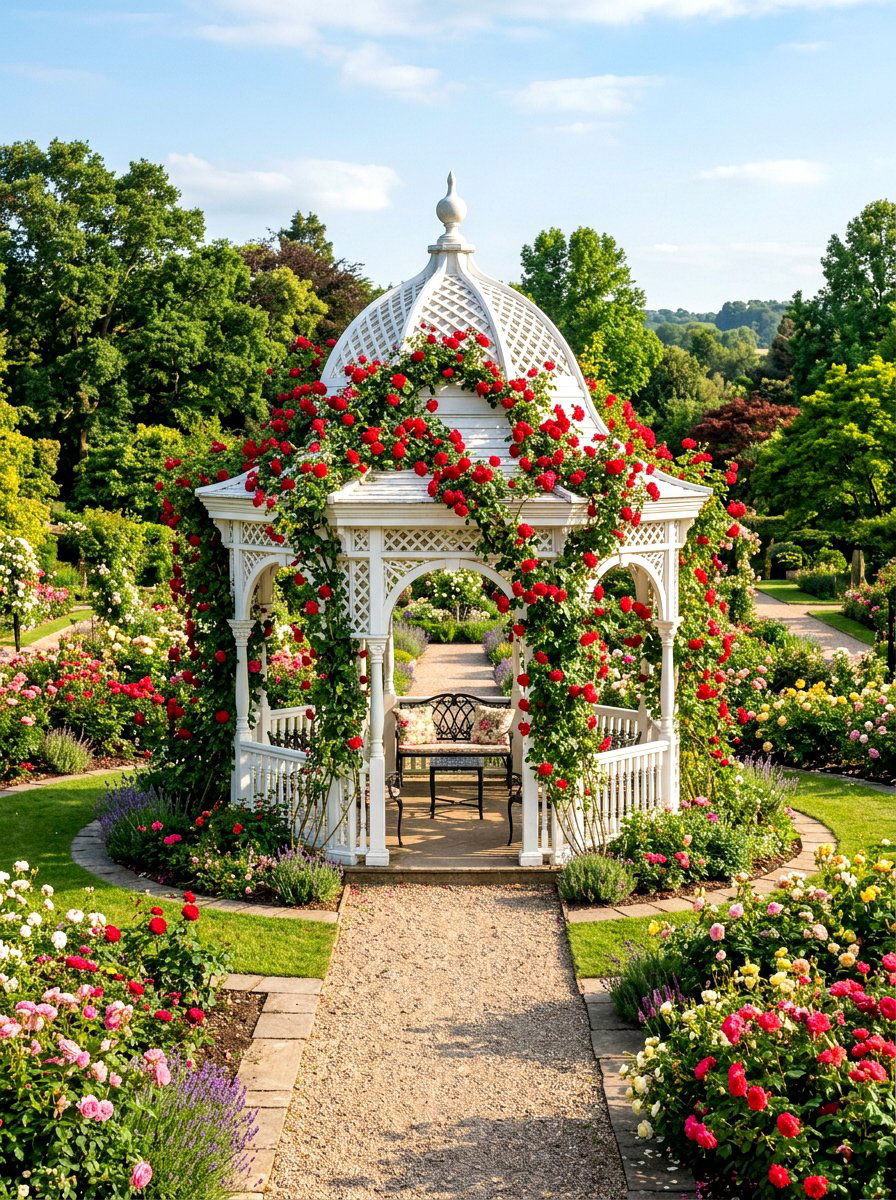
Drawing inspiration from classic European estates, a formal cutting garden uses geometric shapes and symmetrical layouts to create an orderly floral paradise. This style often features boxwood hedges to frame the beds, with gravel paths laid out in a precise grid or cross pattern. The flowers themselves are often planted in tidy blocks, keeping the overall look very clean and intentional. This structured environment makes it easy to maintain the garden and ensures that it looks beautiful even when many stems have been harvested. A central focal point, like a birdbath or a sundial, anchors the design and adds a sense of timeless elegance to the space.
26. English Garden Style
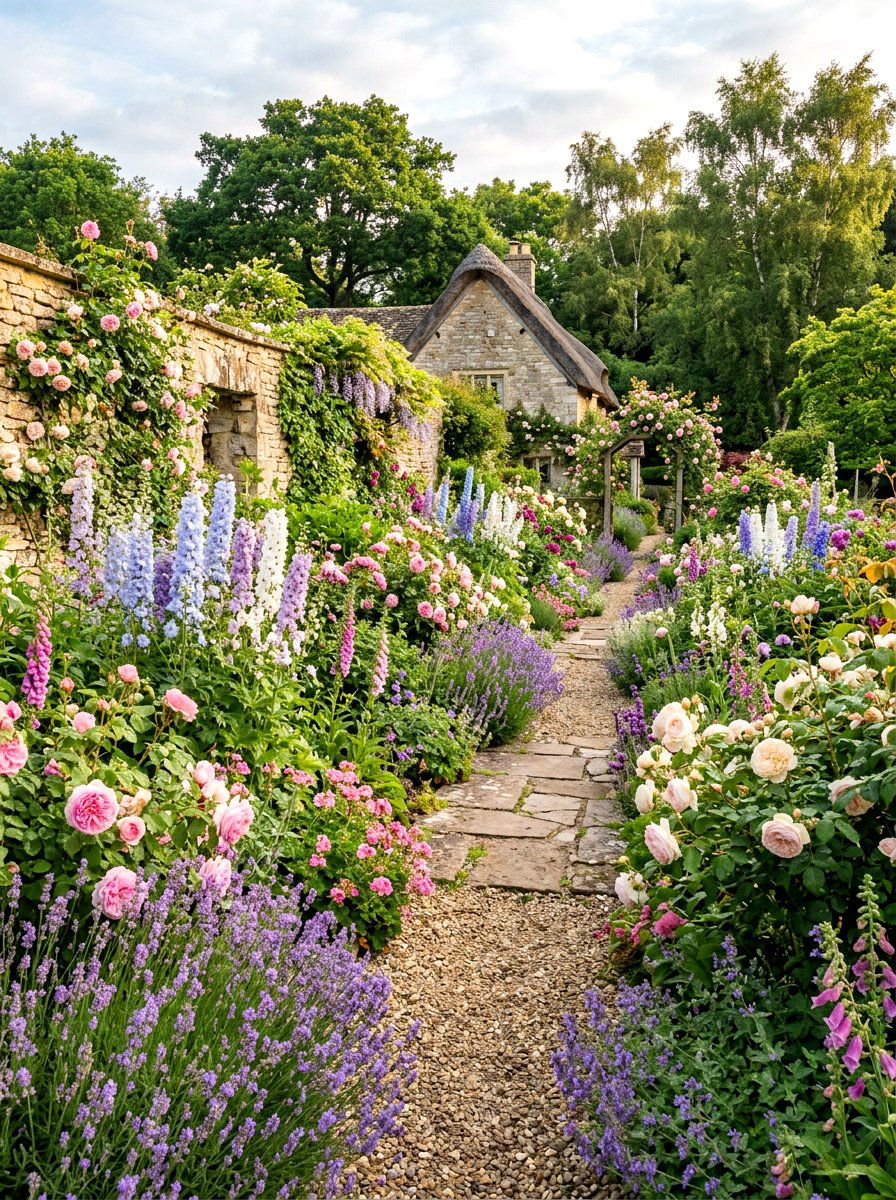
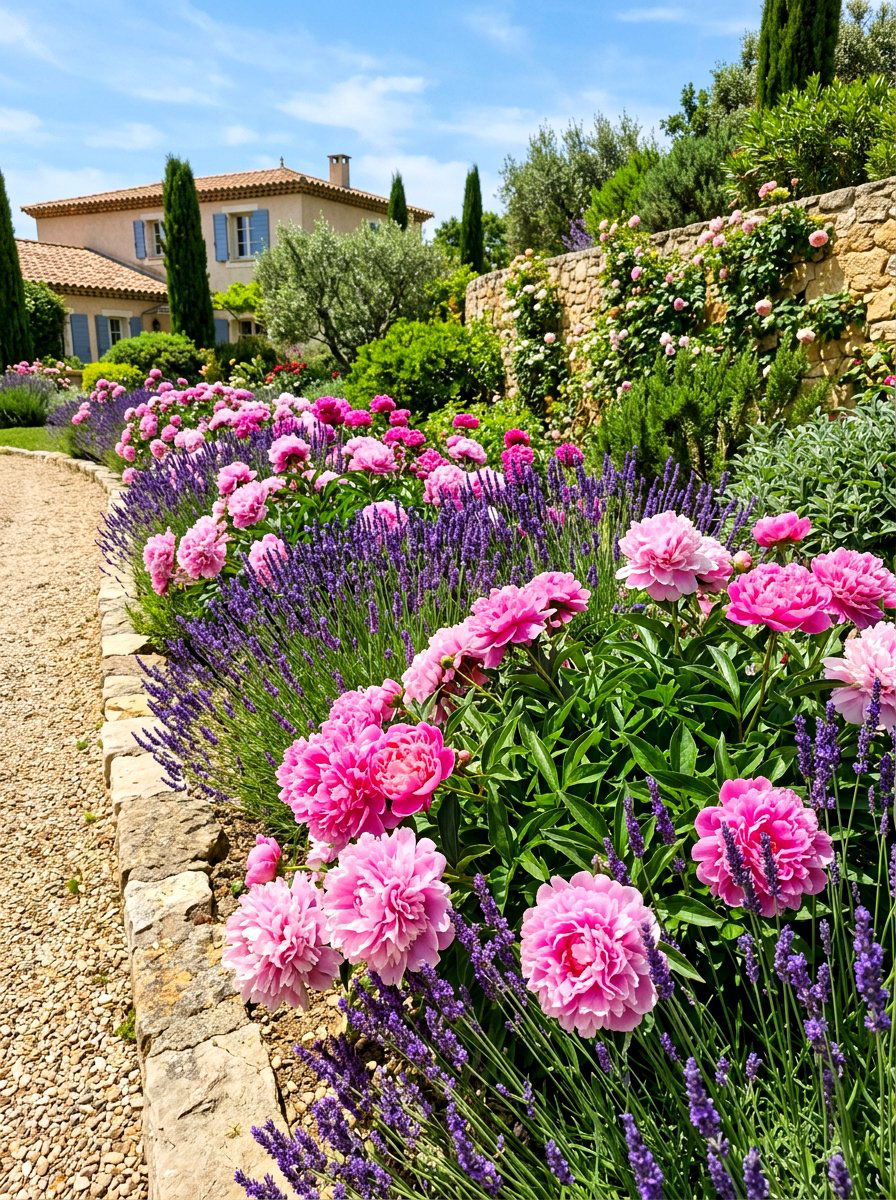
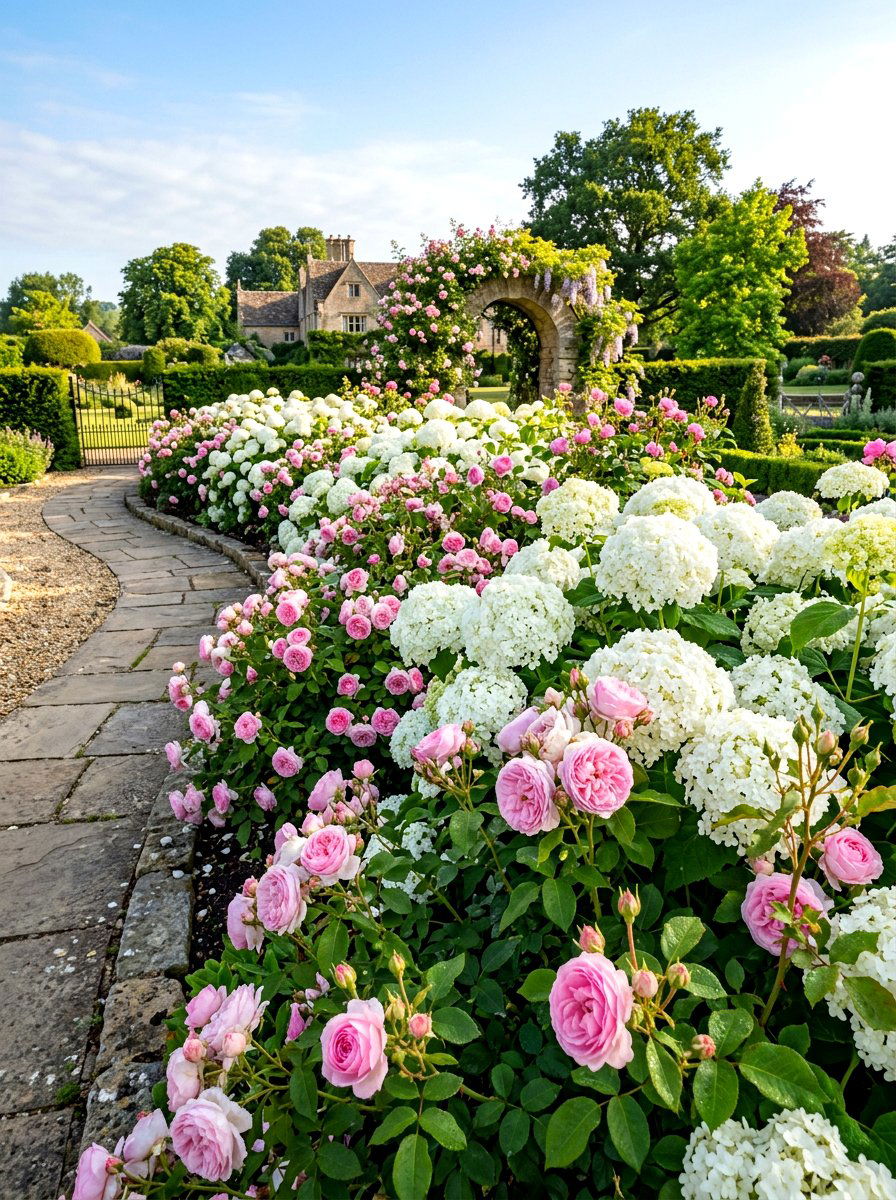
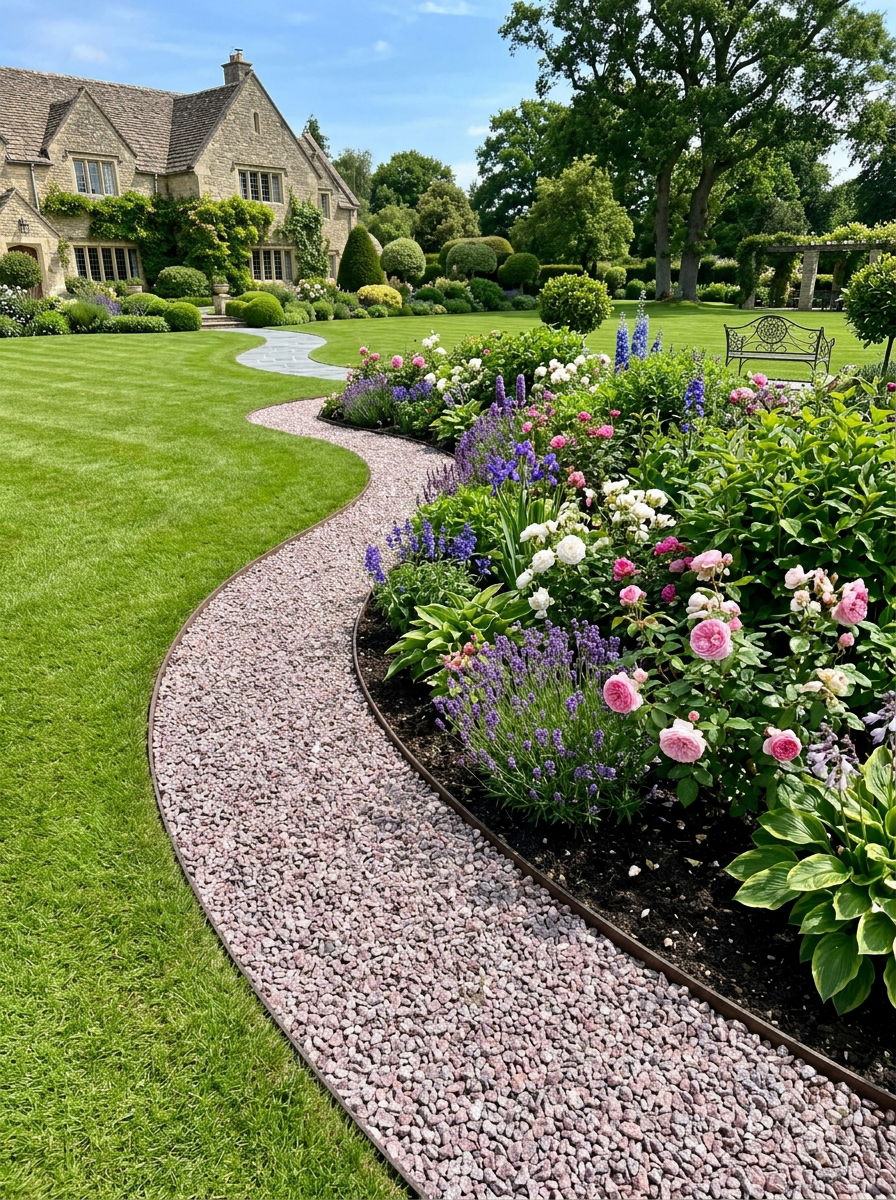
The English garden style is all about abundance, soft colors, and a romantic, timeless atmosphere. This design typically features a mix of traditional favorites like roses, lavender, and delphiniums planted in deep, billowing borders. The goal is to make the garden look as if it has been there for decades, with plants spilling over the edges of stone paths. Using a palette of pastels — pinks, lavenders, and soft blues — creates a dreamlike quality that is perfect for delicate, airy bouquets. This style encourages a slower pace of life, where you can wander with your basket and select only the most perfect, fragrant blooms for your home.
27. Border Flower Garden
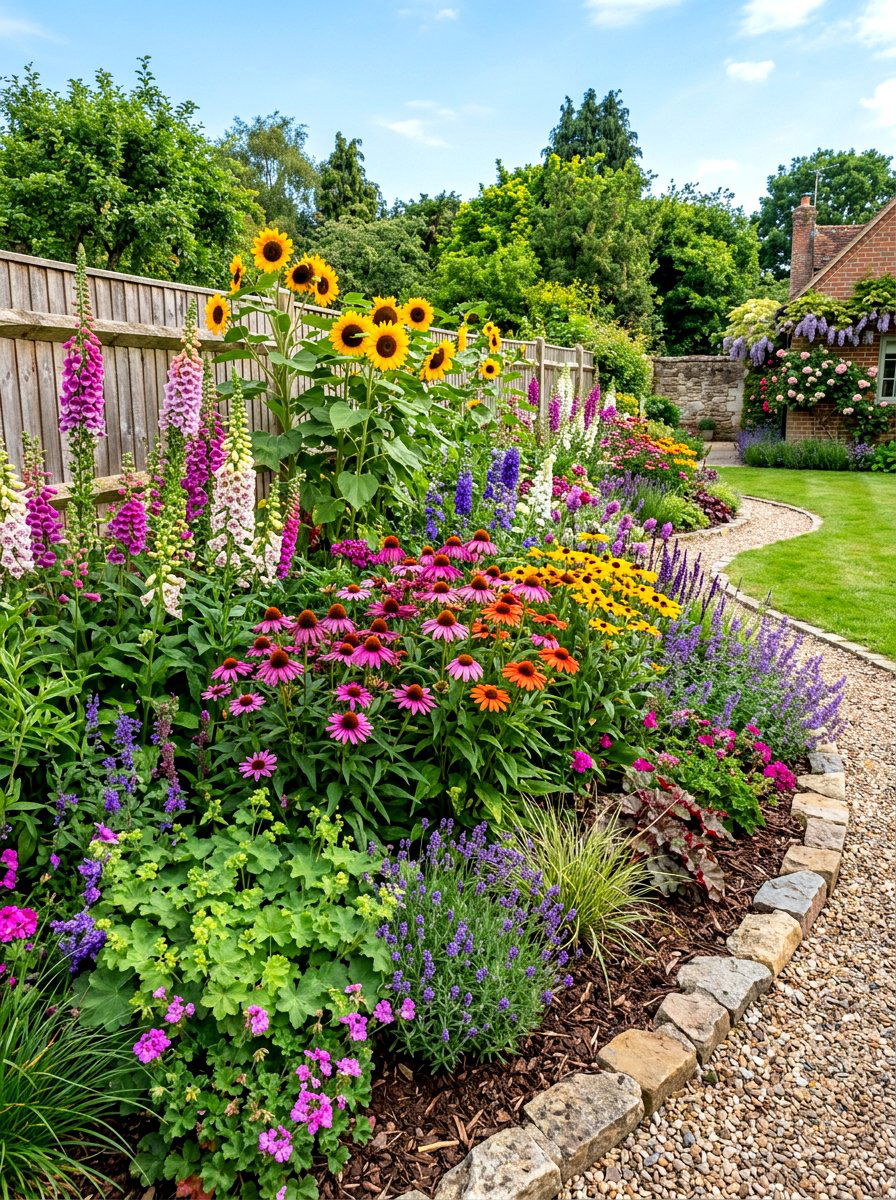
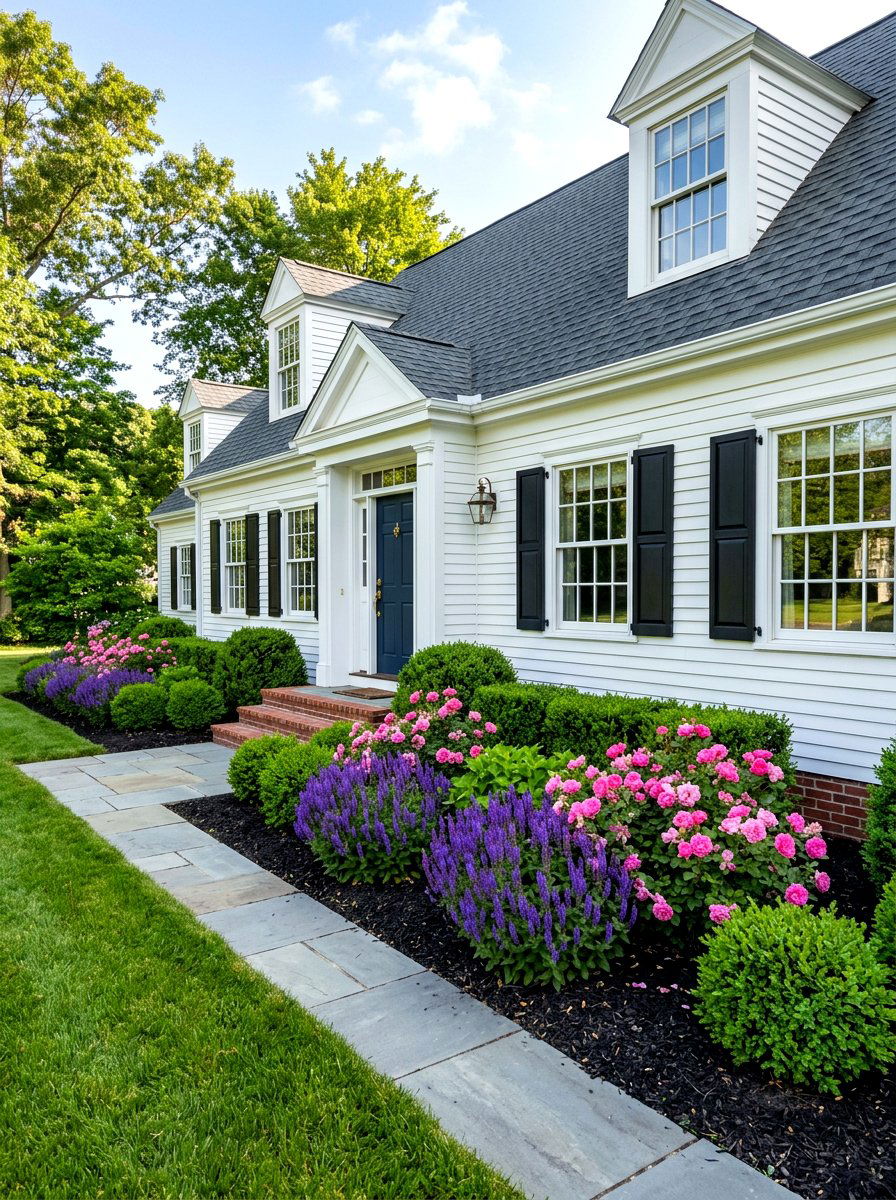
A border flower garden is a clever way to integrate cutting stems into your existing landscape without needing a separate, dedicated plot. By planting taller cutting flowers like foxgloves or sunflowers at the back of your yard borders, you create a beautiful backdrop for your other plants. Mid-sized bloomers like echinacea or rudbeckia can fill the center, while low-growing fillers like ageratum line the front edge. This layered approach ensures your yard always looks full and lush while providing a steady supply of material for arrangements. It is a great way to maximize the utility of your perimeter spaces while enhancing the overall curb appeal of your property.
28. Late Season Flower Garden
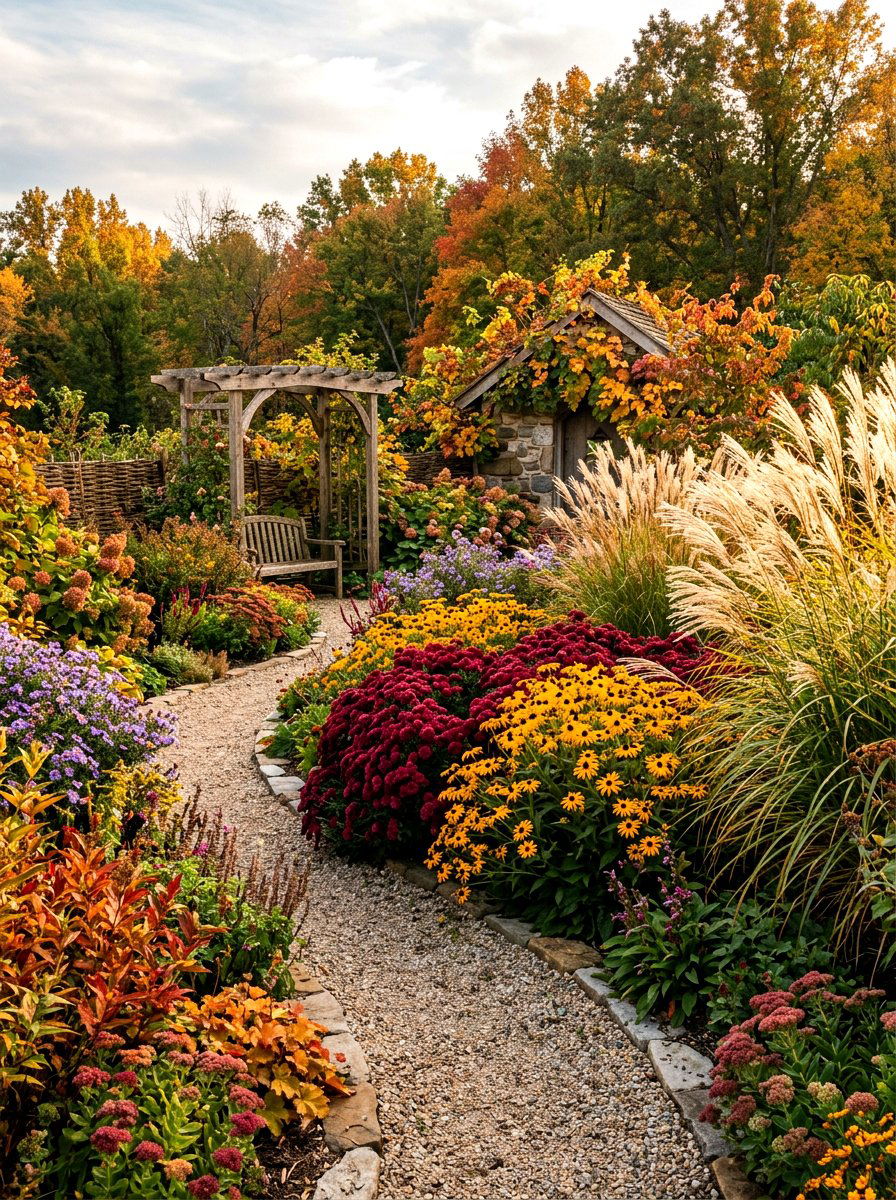
When many other plants begin to fade, a late season flower garden provides a final burst of energy and color before the first frost. Focus on autumn superstars like chrysanthemums, asters, and ornamental grasses that thrive in the cooler temperatures of September and October. These plants often feature warm, rich tones like deep burgundy, burnt orange, and golden yellow that perfectly reflect the changing season. Many late-season bloomers are incredibly hardy and can withstand chilly nights that would kill more delicate summer annuals. This final harvest is a wonderful way to bring the cozy, earthy feeling of fall indoors to decorate your fireplace or dining area.
29. Meadow Style Cutting Garden
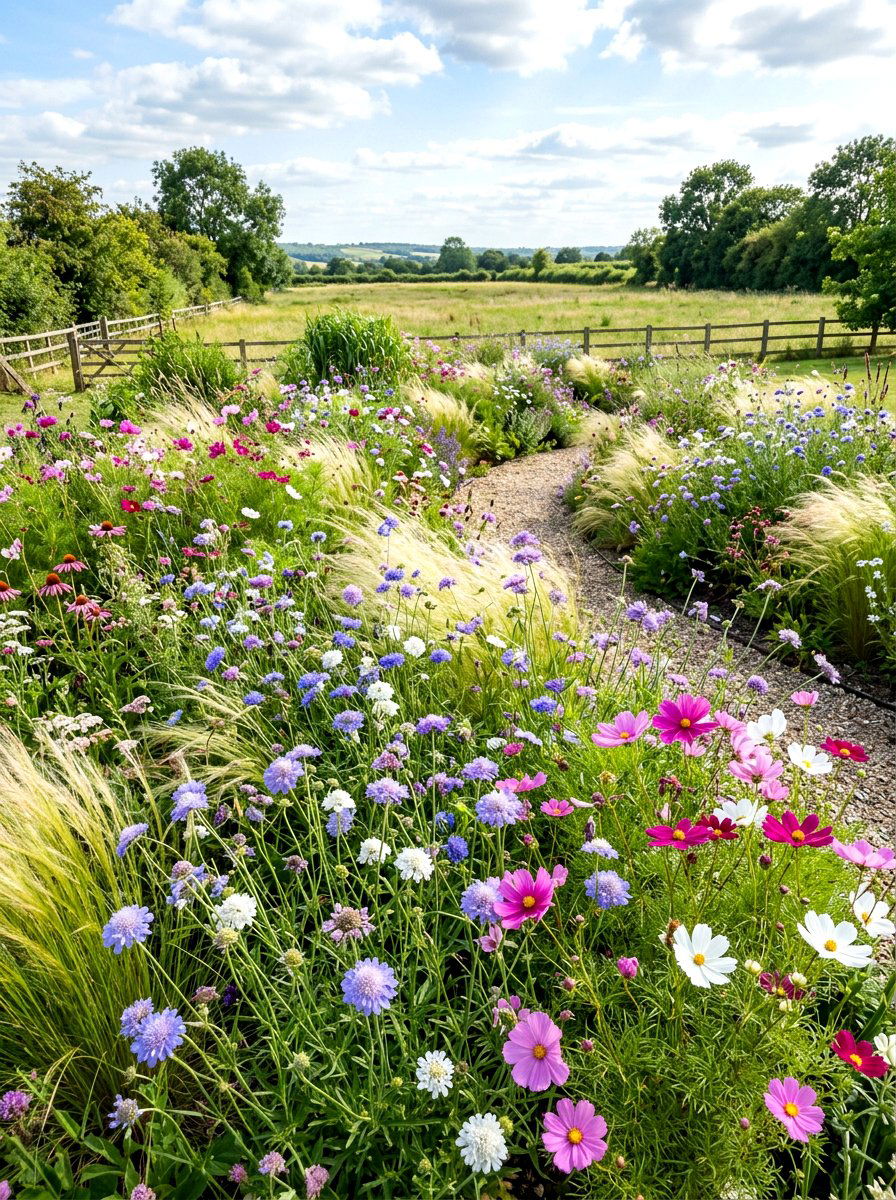
A meadow style cutting garden prioritizes a relaxed, naturalistic look that blends seamlessly with the surrounding landscape. Instead of rigid rows, flowers are intermingled with ornamental grasses to create a soft, swaying effect in the breeze. This design mimics the beauty of a wild field but is curated with specific cutting varieties like scabiosa and cosmos. The grasses provide excellent structural filler for bouquets, adding a modern, airy touch to your designs. This type of garden is very low-maintenance and provides a sense of peace and openness. It is an ideal choice for larger backyards where you want to create a destination that feels like a private escape.
30. Pathways In Flower Garden
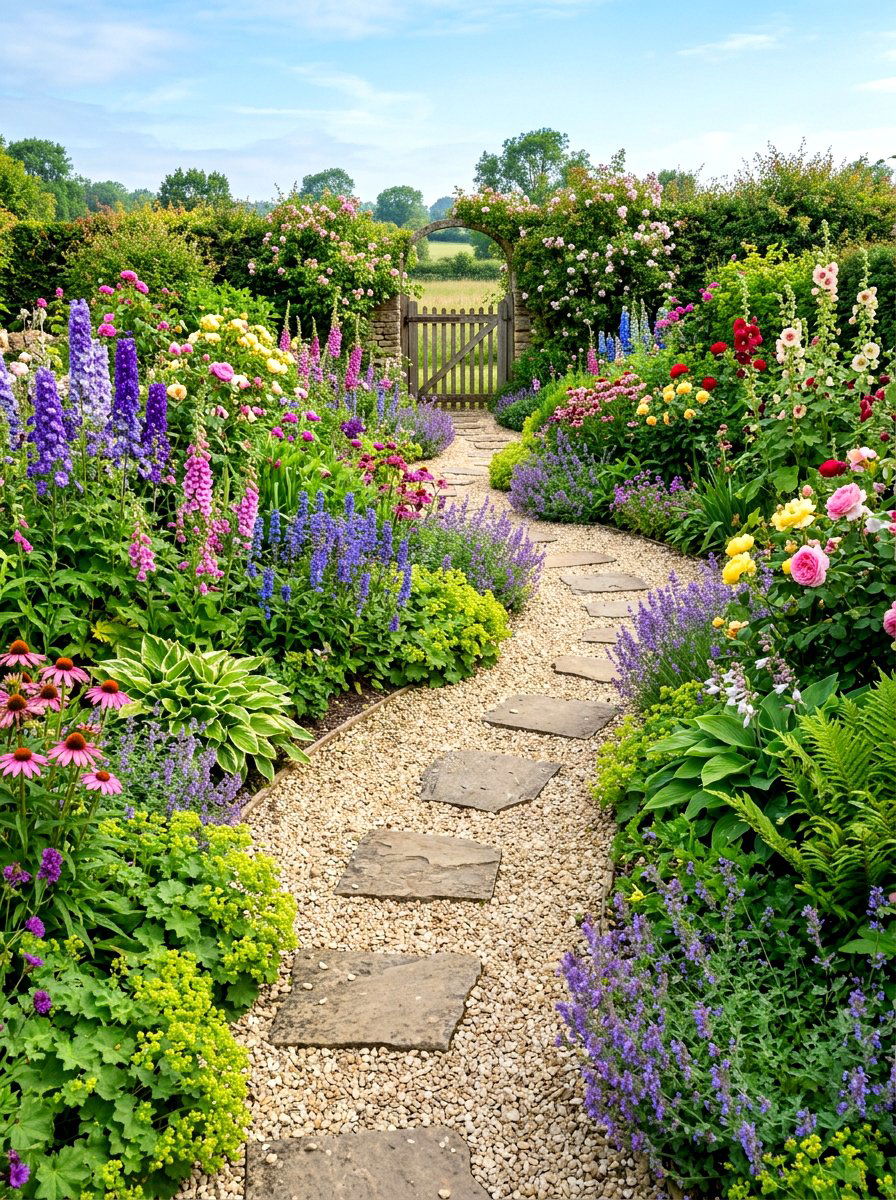
Thoughtfully designed pathways in a flower garden are essential for maintaining the health of your soil and the ease of your harvest. Whether you choose classic gravel, natural wood chips, or stepping stones, paths provide a clear route through the blooms so you can access every plant. They define the shape of your garden beds and add a structural element that keeps the space looking organized. Narrow paths create an intimate feel as you walk through towering flowers, while wider paths allow for a garden cart or wheelbarrow. Well-placed pathways also ensure that your shoes stay clean while you are out gathering your morning bouquets during the dew-filled hours.
Conclusion:
Creating a backyard cutting garden is one of the most fulfilling projects any homeowner can undertake. It provides a sustainable and creative outlet that yields tangible rewards in the form of beautiful, fresh arrangements. Whether you have a vast acreage or a small urban balcony, there is a design style that will fit your space and your aesthetic preferences. By following these varied layout and planting strategies, you can ensure a continuous harvest from the first bulbs of spring to the final mums of autumn. Each stem you cut is a testament to your hard work and a reminder of the simple, natural beauty that exists right outside your back door.

Related posts: