Creating a cottage cutting garden is one of the most rewarding projects a homeowner can undertake for their outdoor space. This specific style of gardening blends the wild, untamed beauty of traditional English landscapes with the practical purpose of harvesting fresh blooms for your home. Imagine waking up and stepping into a lush backyard filled with fragrant roses, towering snapdragons, and delicate cosmos ready for a vase. By focusing on a mix of perennials and annuals, you can ensure a constant cycle of color from early spring through the first frost of autumn. This approach not only enhances your curb appeal but also provides a sustainable source of joy and natural indoor decor.
1. English cottage flower garden
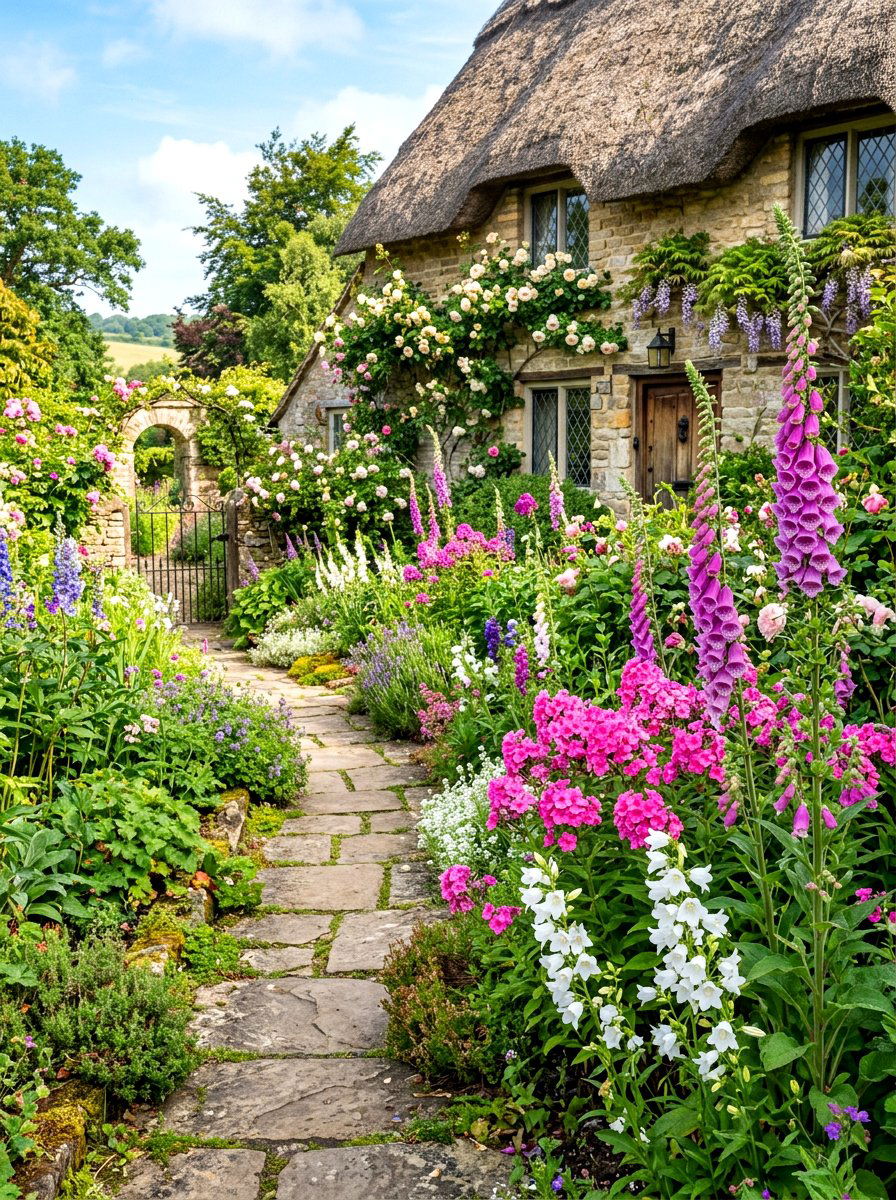
Creating a classic English cottage flower garden involves more than just scattering random seeds across your backyard soil. You must consider the layers of height and the variety of textures that make the space feel lush and naturally lived-in. Start by planting tall foxgloves or delphiniums in the back to provide a vertical element that catches the eye immediately. Surround these tall stalks with mid-sized perennials like phlox and salvia to fill in the middle ground effectively. In the front, low-growing campanula or pinks can spill over the edges of your walkways. This tiered approach ensures every flower has its moment to shine while providing stems for vases.
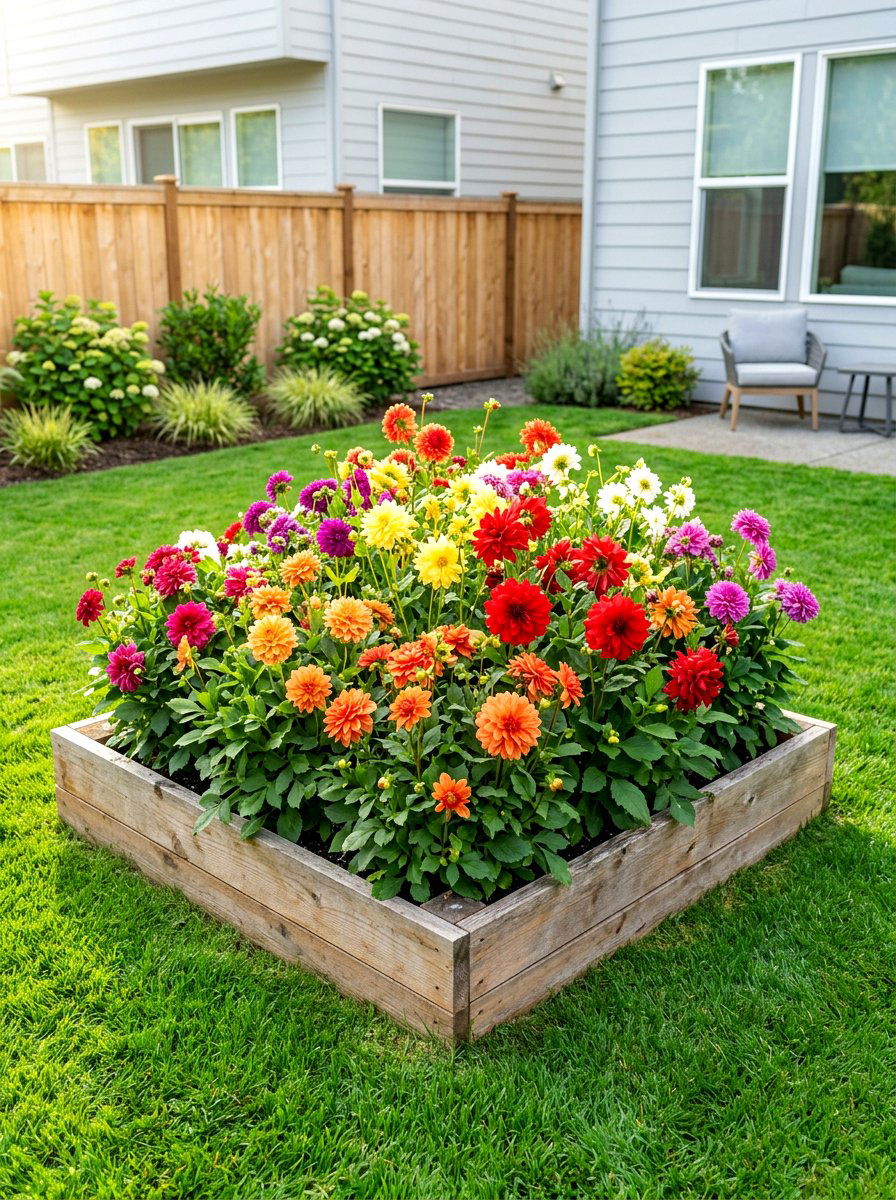
2. Raised bed flower garden
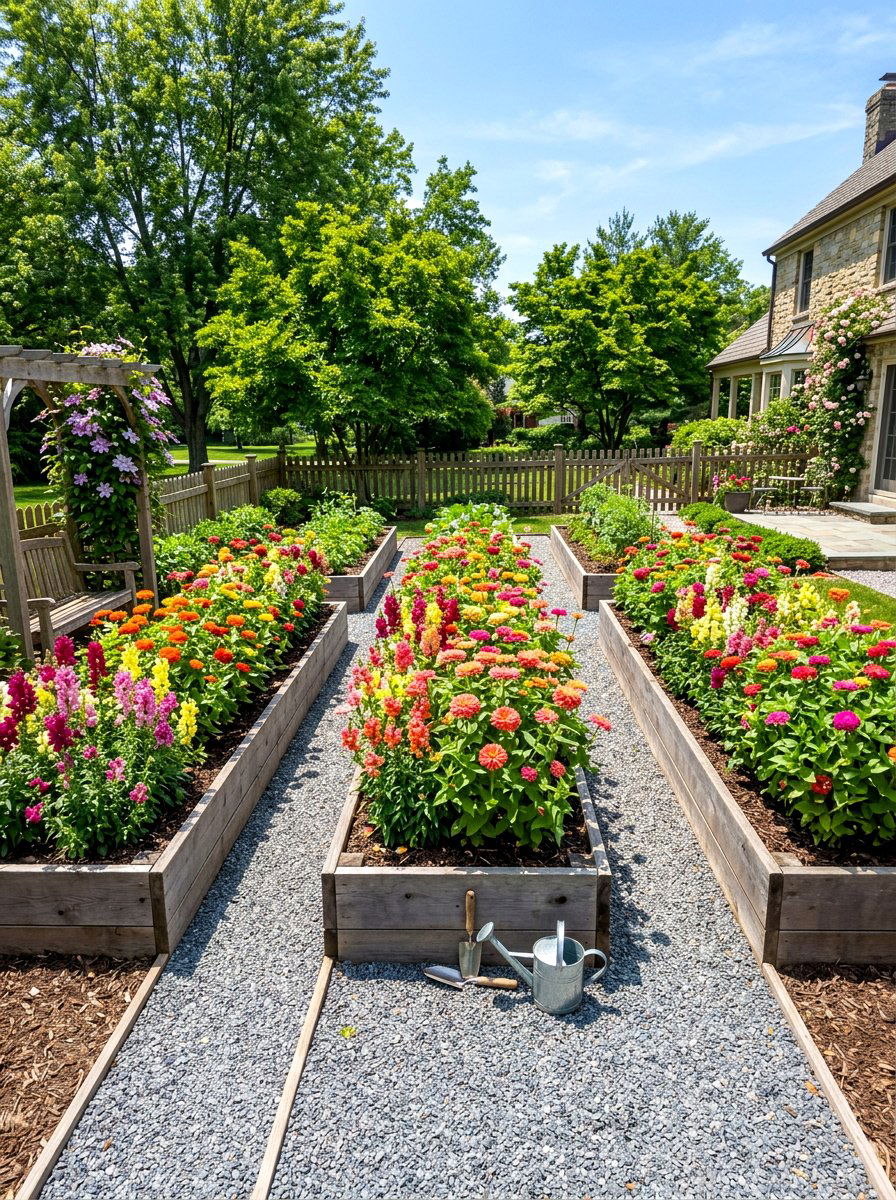
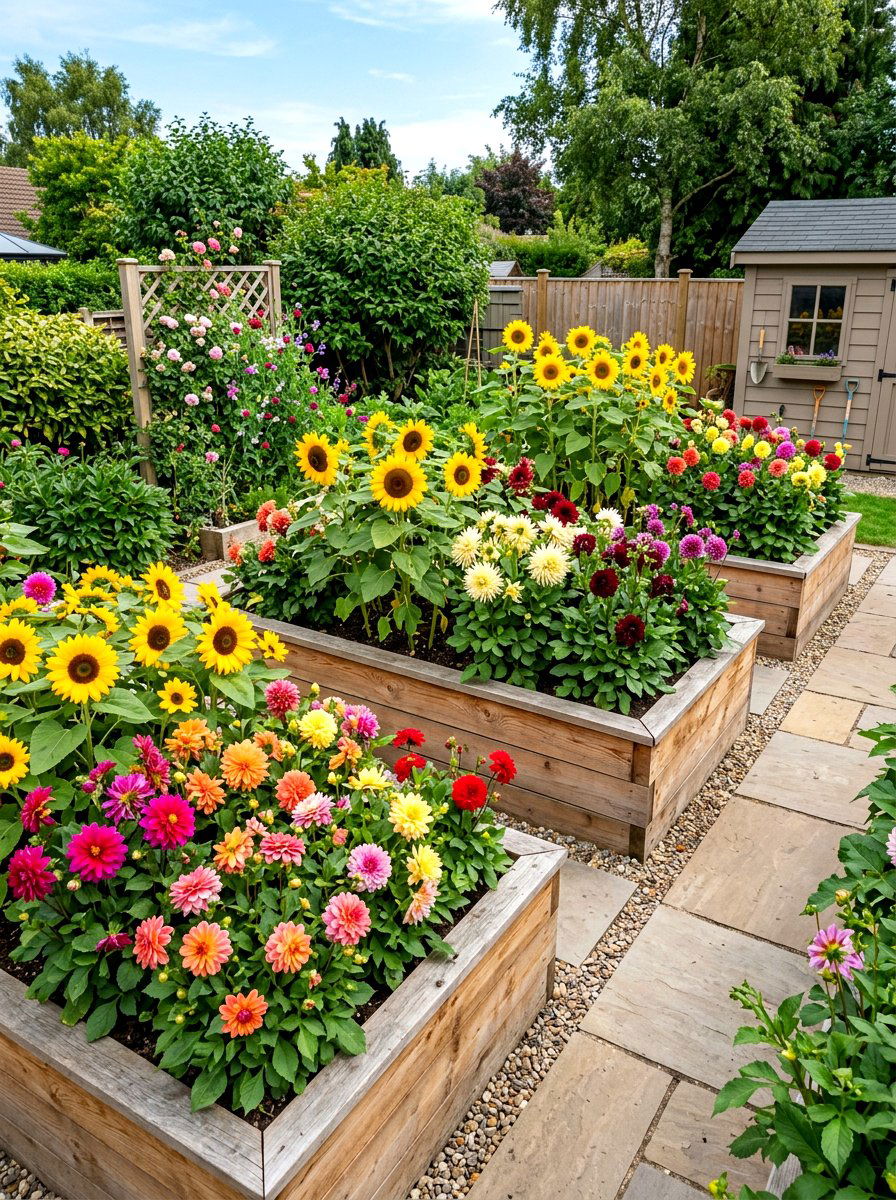
Building a raised bed flower garden is a smart way to control your soil quality and improve drainage for delicate roots. These elevated structures allow you to grow a high density of cutting flowers in a relatively small footprint. You can fill the beds with a nutrient-rich mix of compost and topsoil, which encourages faster growth and more prolific blooming throughout the summer. Using wood or stone for the borders adds a clean, architectural look to your garden layout. Position these beds in a sunny spot where you can easily walk around all sides. This accessibility makes it much simpler to prune and harvest your favorite floral stems.
3. Zinnia cutting patch
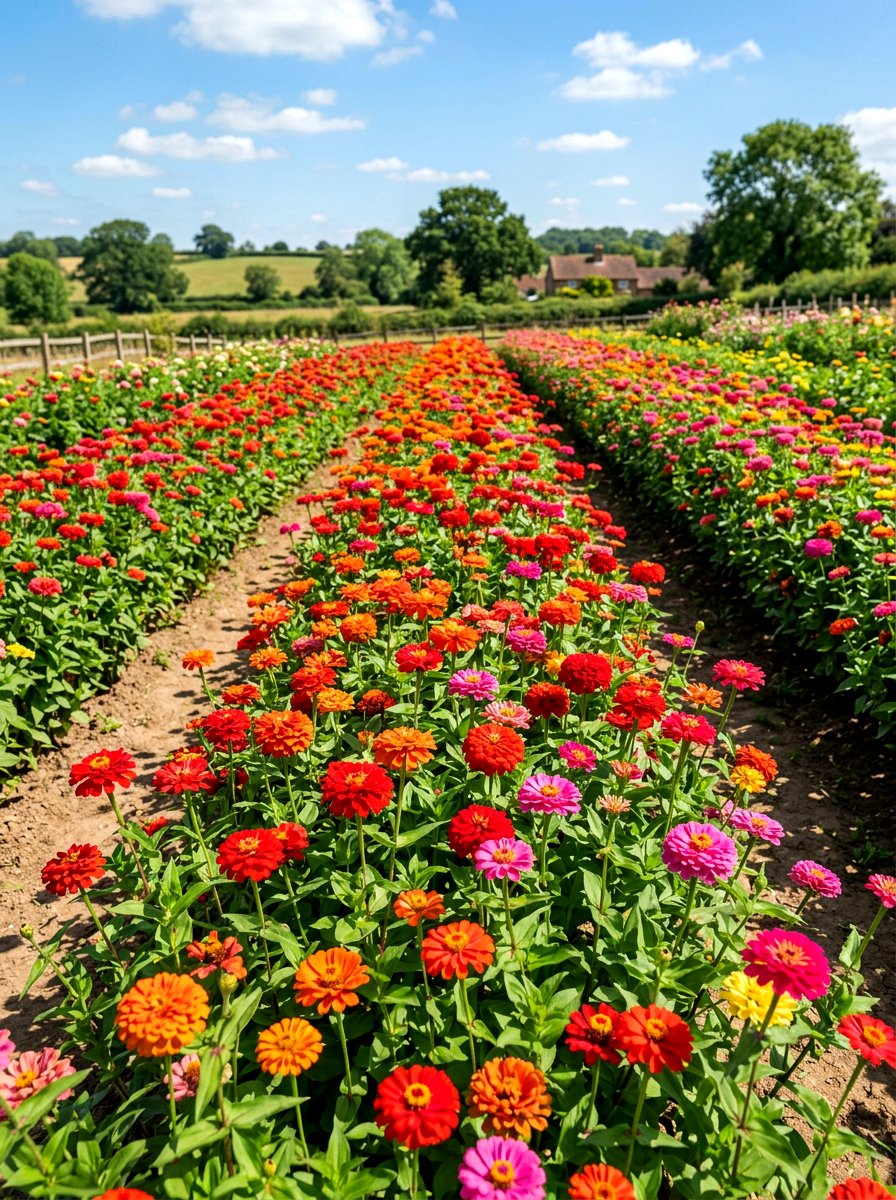
A dedicated zinnia cutting patch is perhaps the most productive addition you can make to a summer landscape design. Zinnias are famous for their "cut and come again" nature, meaning the more you harvest, the more flowers the plant produces. They come in an incredible array of shapes, from pom-poms to cactus-style blooms, and almost every color imaginable. To keep the patch looking tidy, plant them in tight rows or blocks. This provides enough support for the stems to grow straight and tall, which is ideal for bouquet making. Regular deadheading and harvesting will keep these heat-loving annuals blooming vigorously until the weather turns cold.
4. Sweet pea trellis
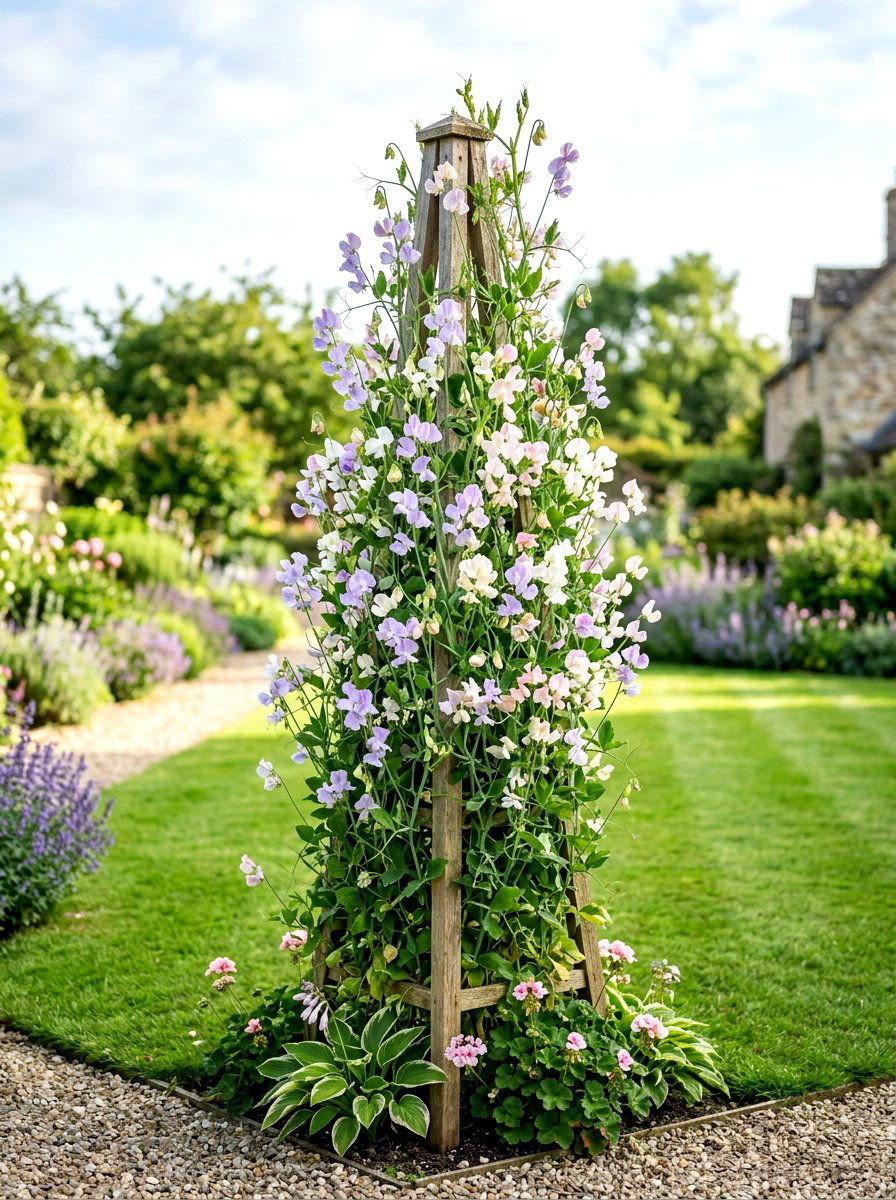
Installing a sweet pea trellis adds vertical interest and an incredible scent to any cottage-style backyard or garden area. These climbing annuals thrive in the cooler temperatures of spring and early summer, producing delicate, ruffled blooms on long, slender stems. You can use simple bamboo poles, a wire arch, or a decorative wooden obelisk to support their upward growth. It is important to pick the flowers daily once they start blooming to prevent the plant from going to seed too early. The scent of sweet peas is legendary, making them a favorite for bedside arrangements. Ensure they have plenty of water and some mulch.
5. Dahlia garden row
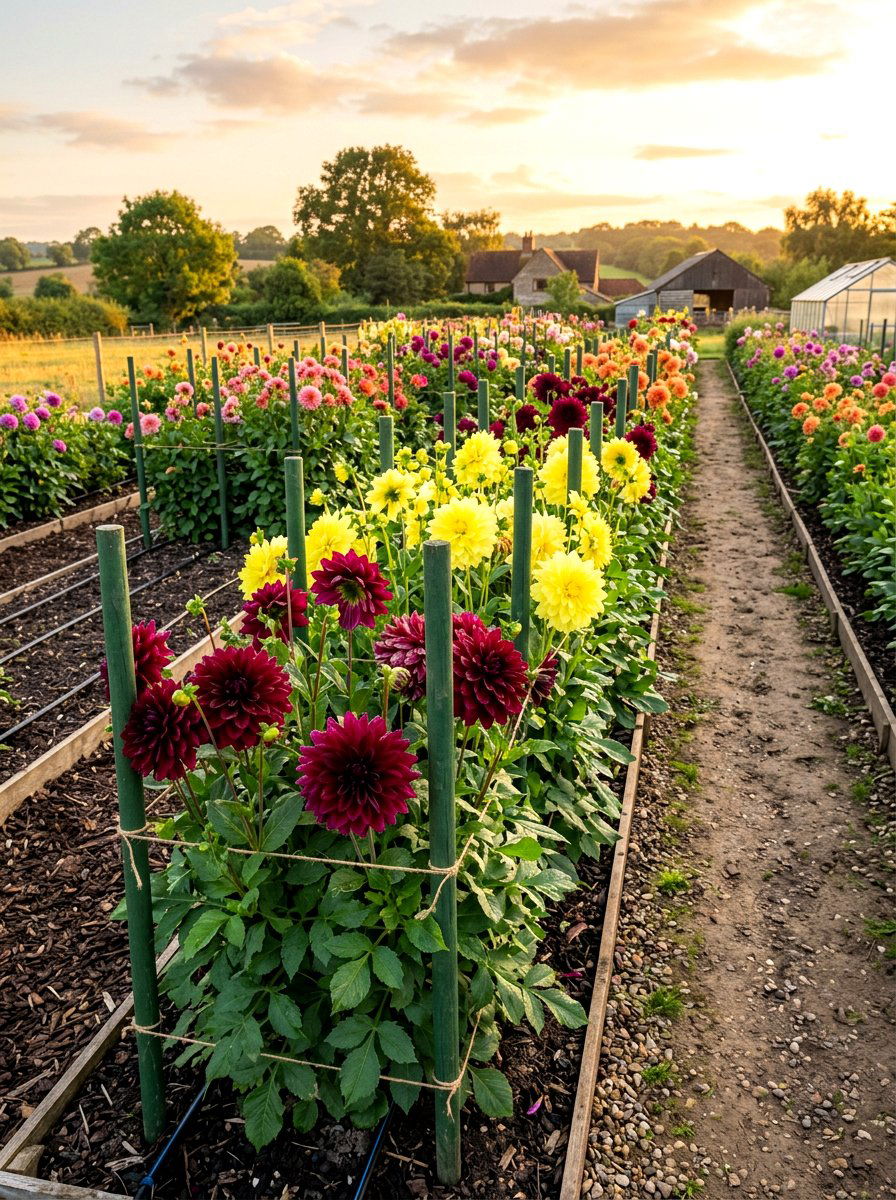
A dedicated dahlia garden row provides some of the most spectacular and diverse flowers for late summer and autumn arrangements. These tuberous plants range from tiny pom-poms to massive dinner-plate varieties that can anchor a large centerpiece. Planting them in a row makes it much easier to provide the heavy staking and support they require as they grow taller. Dahlias are heavy feeders, so incorporating plenty of organic matter into the soil is essential for success. Because they bloom best when the days begin to shorten, they are the perfect way to extend your cutting season. Remember to dig up tubers in colder climates.
6. Lavender garden border
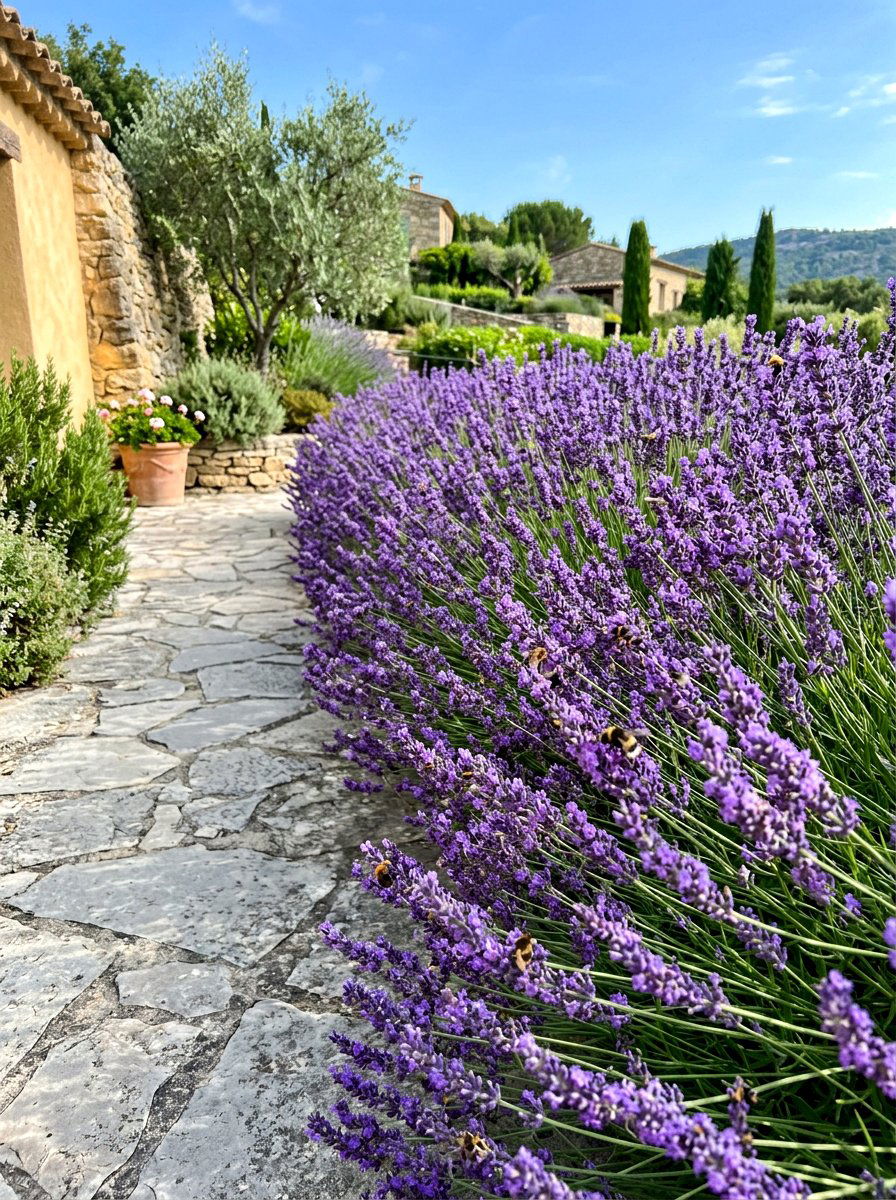
Planting a lavender garden border along your paths or around your patio creates a sensory experience that is hard to beat. This Mediterranean herb is prized for its silvery-green foliage and iconic purple spikes that dry beautifully for long-lasting indoor displays. Lavender thrives in full sun and well-draining soil, making it a perfect low-maintenance edge for a cutting garden. When used as a border, it helps define the garden's structure while attracting plenty of beneficial pollinators like bees and butterflies. The fragrance is incredibly calming, and the harvested stems can be used in fresh bouquets or dried for sachets and home-made floral crafts.
7. Wildflower meadow patch
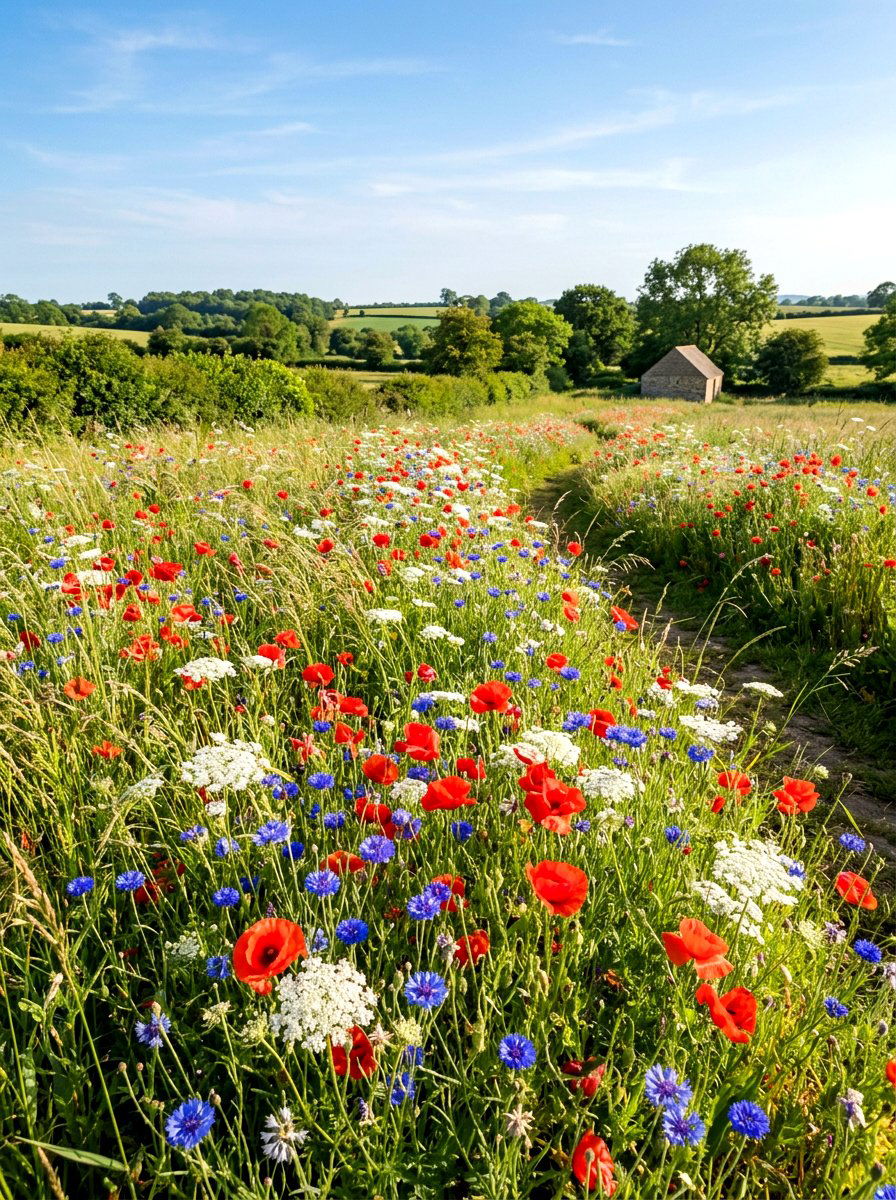
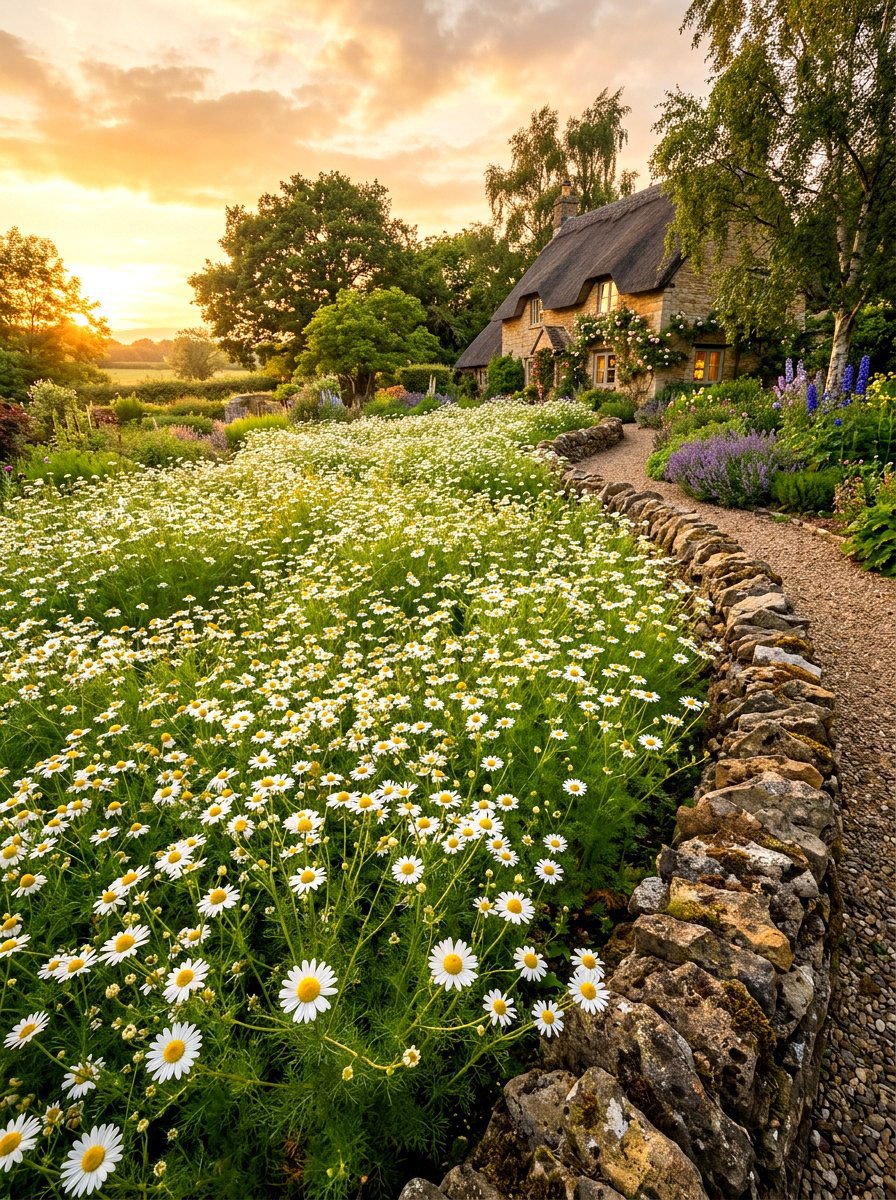
A wildflower meadow patch offers a more relaxed and informal look that perfectly captures the essence of a rustic cottage. This style of gardening focuses on native species and hardy annuals that can thrive with minimal intervention once they are established. You might include Queen Anne's lace, cornflowers, and poppies to create a tapestry of shifting colors and textures. These flowers provide a beautiful, airy filler for more formal arrangements and bring a touch of the countryside indoors. A meadow patch is also a fantastic habitat for local wildlife, turning your yard into a buzzing ecosystem of birds, bees, and beautiful beneficial insects.
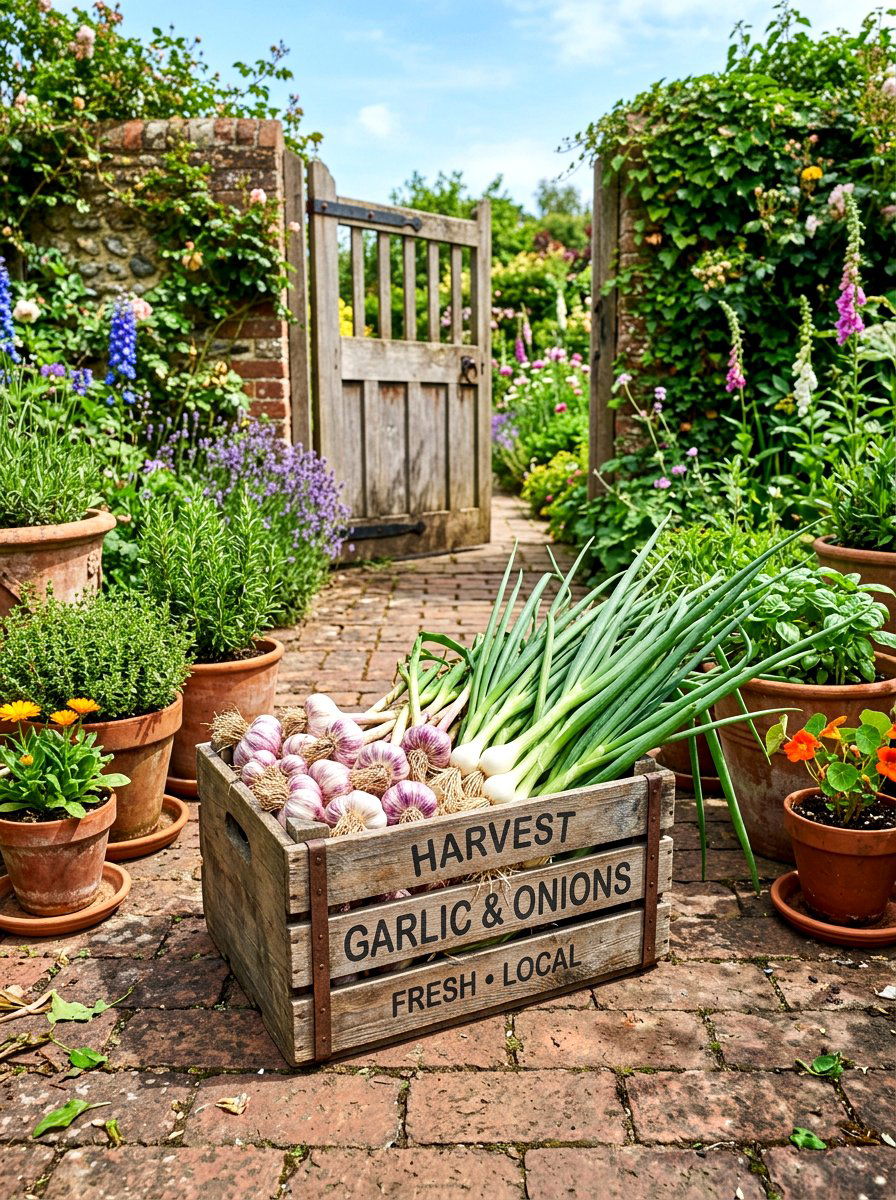
8. Potager cutting garden
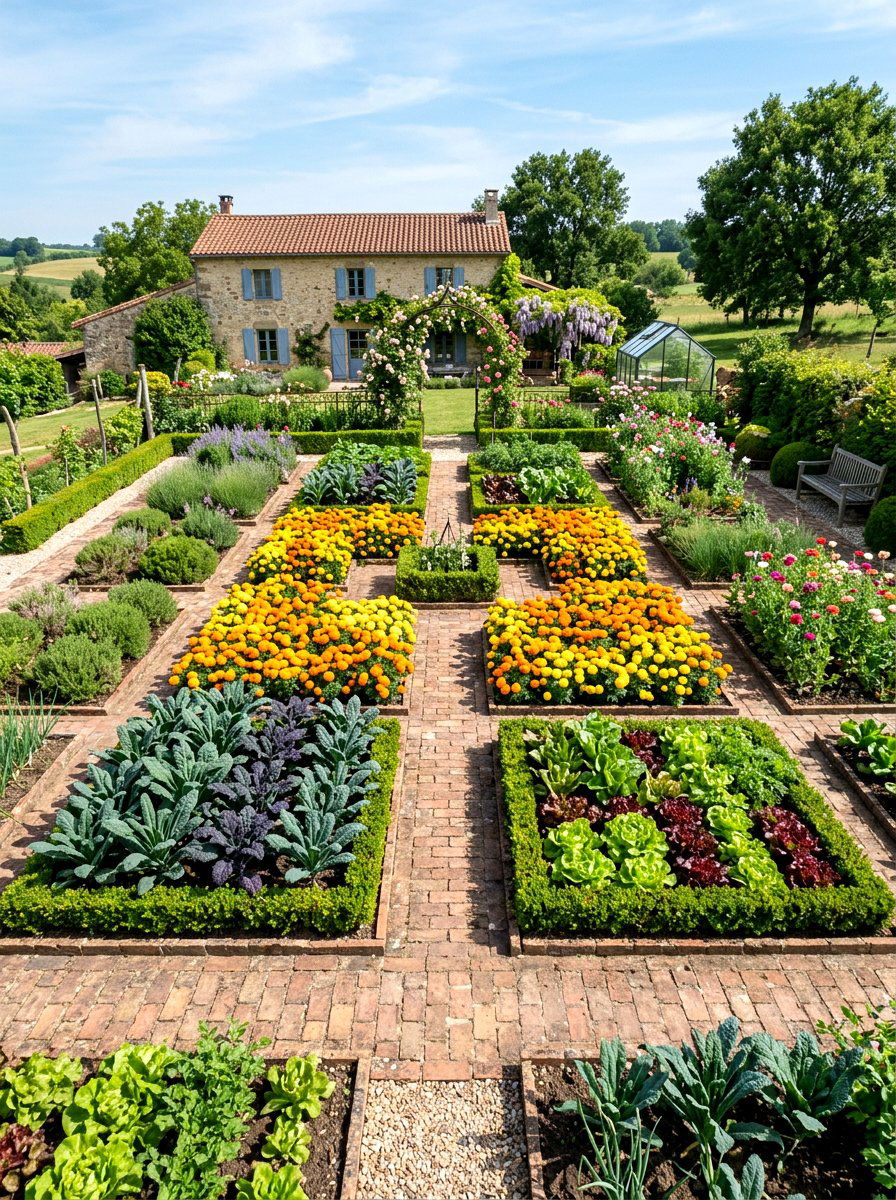
The potager cutting garden is a traditional French style that beautifully blends edible vegetables, herbs, and ornamental flowers together. In this layout, you might see rows of colorful kale or lettuce interspersed with bright marigolds and tall zinnias. This functional approach ensures that your garden is both productive for the kitchen and decorative for the home. The flowers in a potager often serve a dual purpose by attracting pollinators to the vegetable crops while providing plenty of stems for cutting. Geometric paths and organized beds keep the space looking tidy and purposeful. It is a wonderful way to maximize a small backyard or side yard.
9. Spring bulb garden bed
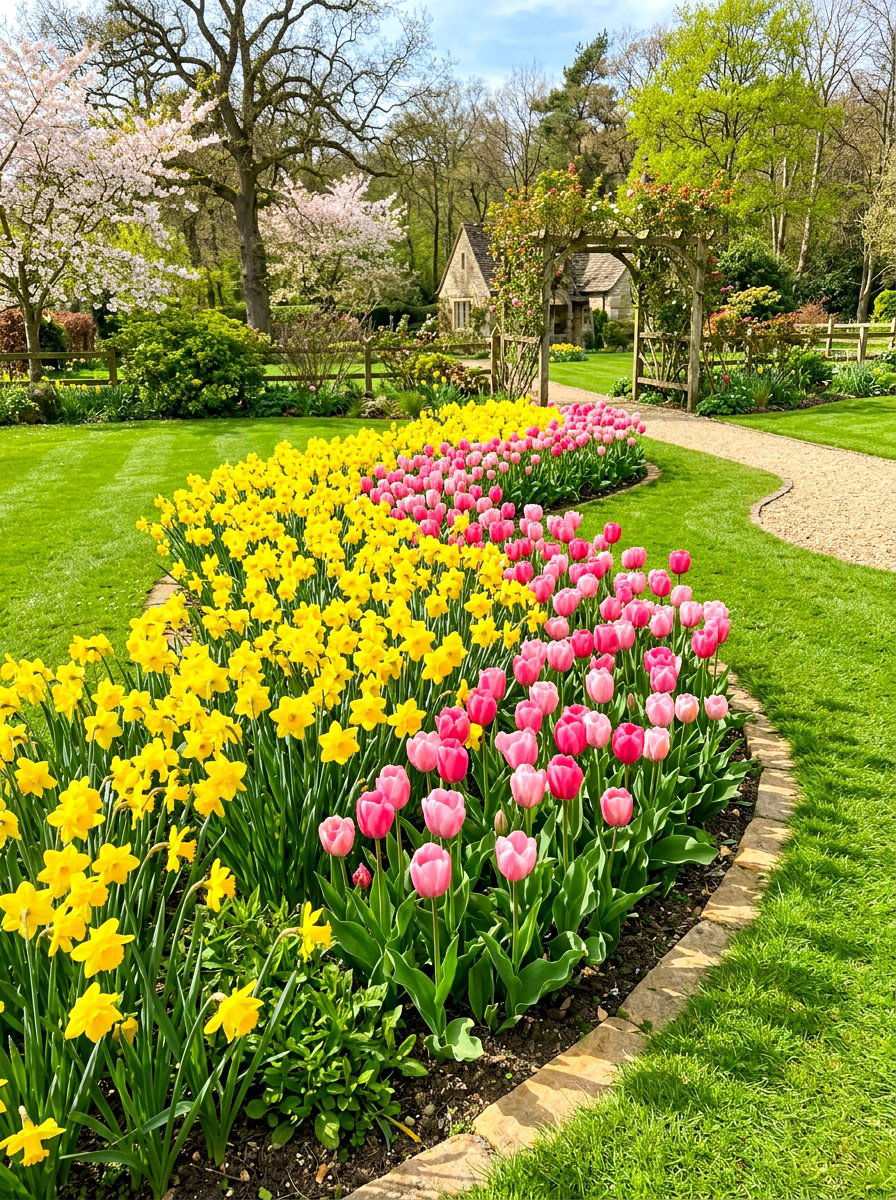
Designing a spring bulb garden bed ensures that your home is filled with fresh flowers long before the summer annuals arrive. By planting tulips, daffodils, and hyacinths in the fall, you create a vibrant display that bursts into life as soon as the ground thaws. For a cutting garden, choose varieties with long stems and sturdy heads that hold up well in water. Planting bulbs in dense clusters rather than single rows creates a much more dramatic visual impact in the landscape. Once the flowers fade, you can plant summer annuals right over the top to keep the garden bed looking productive and beautiful.
10. Rose garden walkway
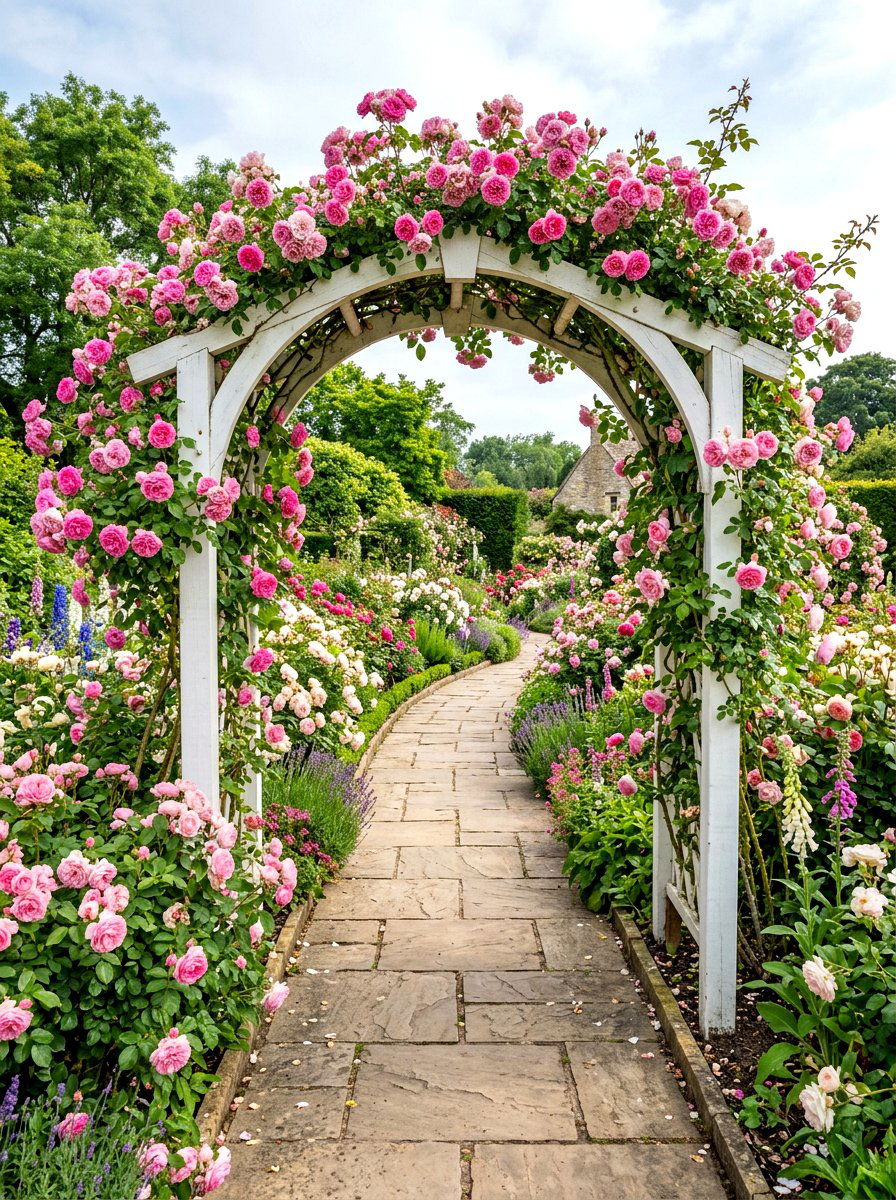
A rose garden walkway turns a simple path into a romantic journey through scents and colors that define the cottage aesthetic. Choose "floribunda" or "hybrid tea" varieties if you are looking for long, sturdy stems that are perfect for traditional floral arrangements. Climbing roses can be trained over arches or fences to create a sense of enclosure and privacy in your outdoor space. Regular pruning and deadheading are necessary to keep the bushes healthy and to encourage repeat blooming throughout the growing season. The classic beauty of a rose is unmatched, and having a fresh supply from your own garden is a true luxury.
11. Peony flower border
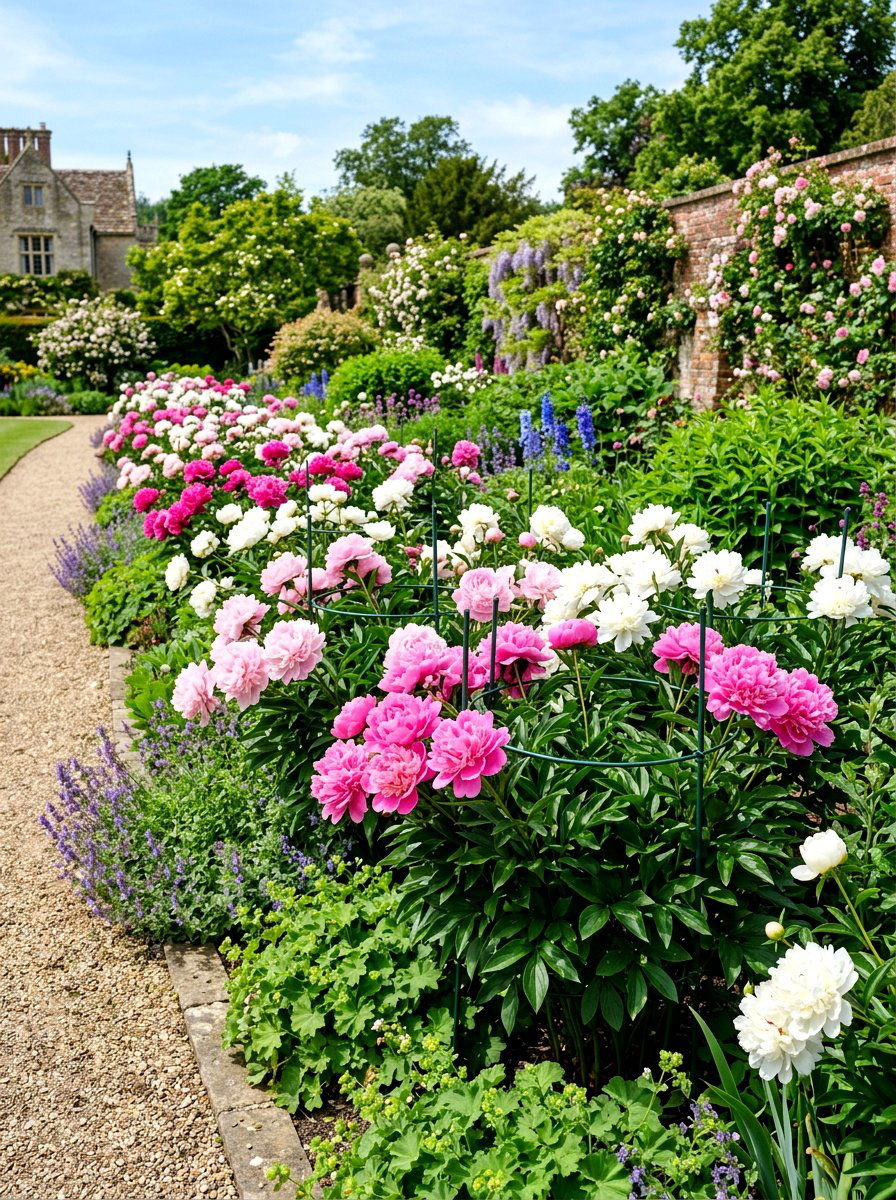
The peony flower border is a seasonal highlight that brings opulence and drama to the early summer cutting garden. These perennials produce massive, fragrant blooms that are often the stars of any bouquet they inhabit. While their blooming window is relatively short, the lush green foliage remains attractive throughout the rest of the year. It is best to plant several different varieties to slightly extend the flowering period by a few weeks. Because the heads can become very heavy, especially after rain, providing wire hoops or cages for support is essential. Peonies are long-lived plants that will continue to provide beautiful harvests for many decades.
12. Sunflower garden corner
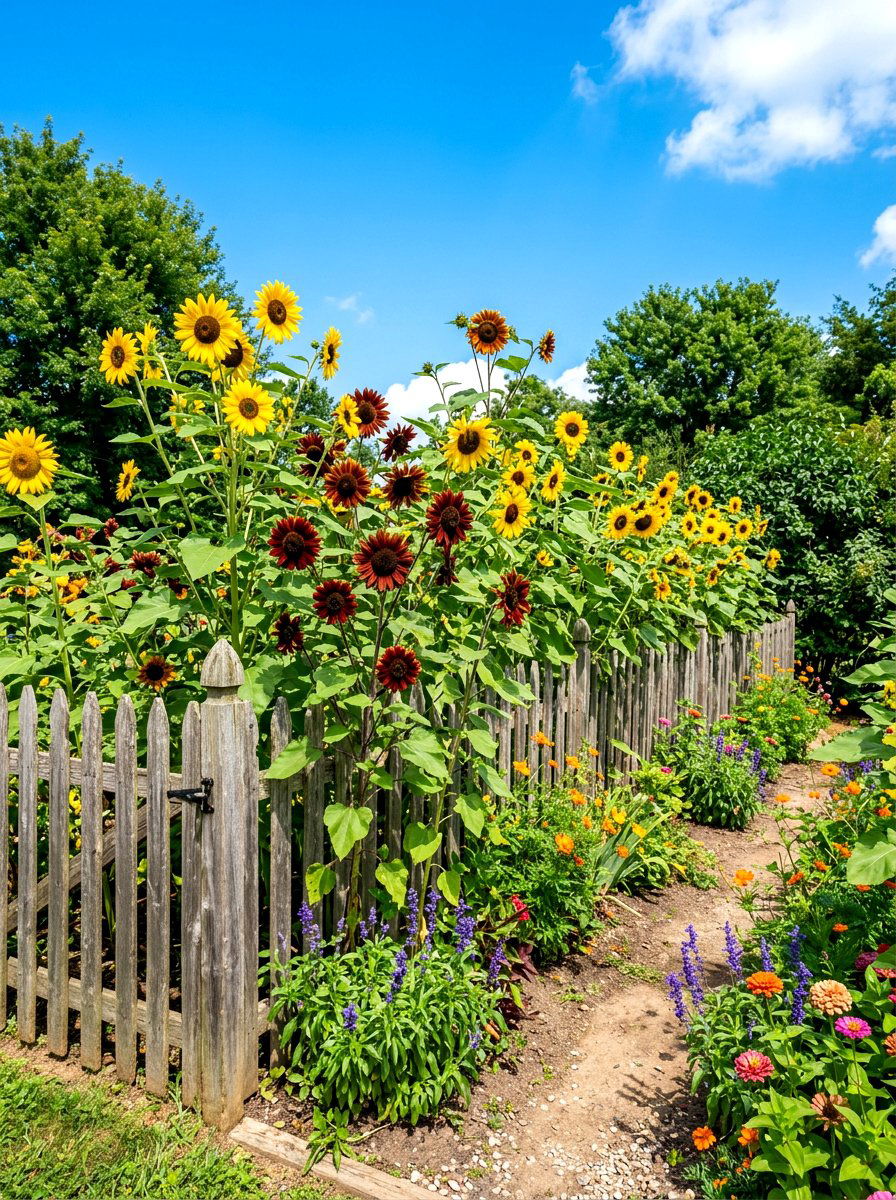
A sunflower garden corner adds height, cheer, and a bold focal point to the back of your flower beds. Modern branching varieties are particularly good for cutting gardens because they produce multiple smaller heads on one plant rather than a single giant one. These sunflowers come in shades of deep chocolate, creamy white, and classic golden yellow to match any decor style. Planting them in a dedicated corner allows them to grow tall without shading out smaller, more delicate flowers in the rest of the yard. They are incredibly easy to grow from seed, making them a perfect project for beginners or children.
13. Cosmos flower field
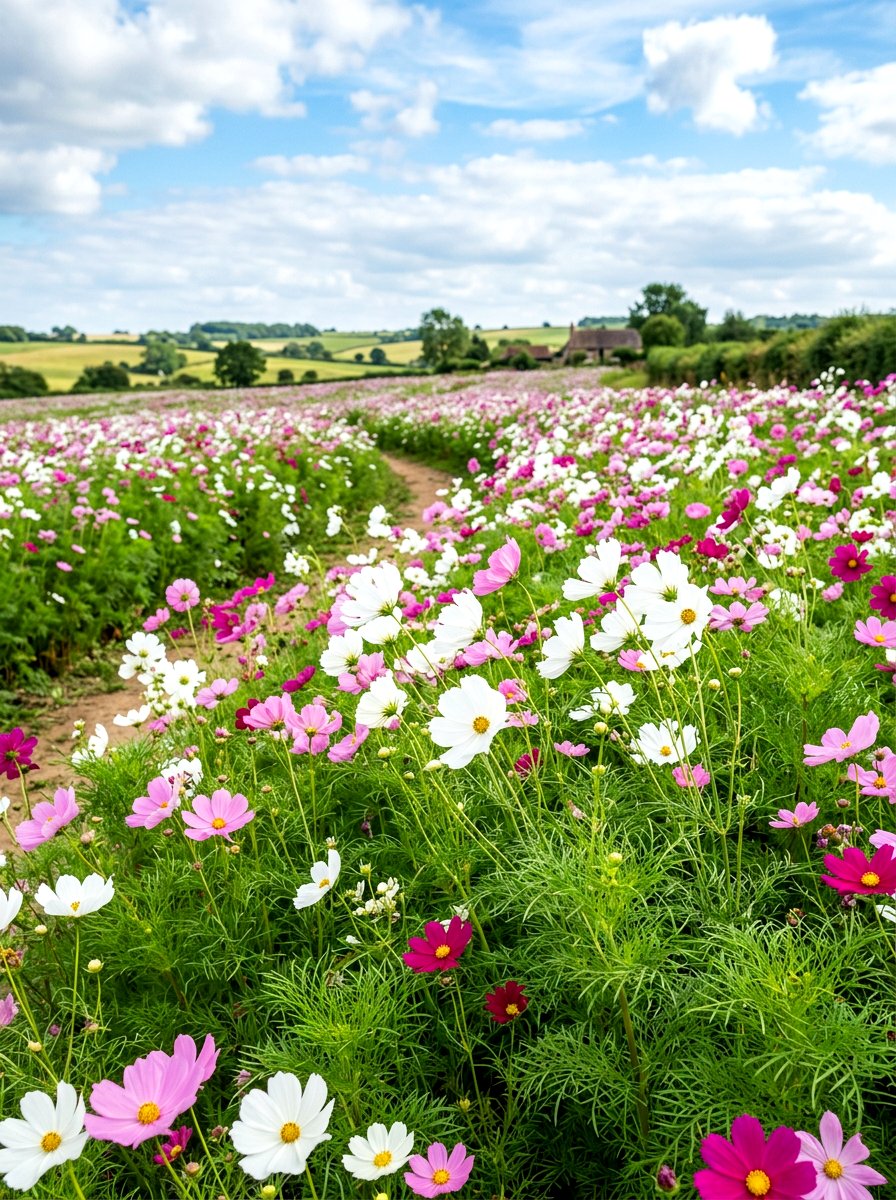
A cosmos flower field creates a dreamy, ethereal look with its feathery foliage and daisy-like blooms dancing on thin stems. These annuals are exceptionally prolific and will bloom continuously from mid-summer until the first hard frost if you keep them cut. Their airy texture makes them the perfect "filler" flower for bouquets, adding movement and a sense of lightness to any arrangement. Cosmos are also very drought-tolerant once they are established, making them a great choice for sun-drenched gardens. They come in soft whites, pinks, and deep burgundies, allowing you to create a color-coordinated cutting patch that looks professional and well-planned.
14. Hydrangea garden hedge
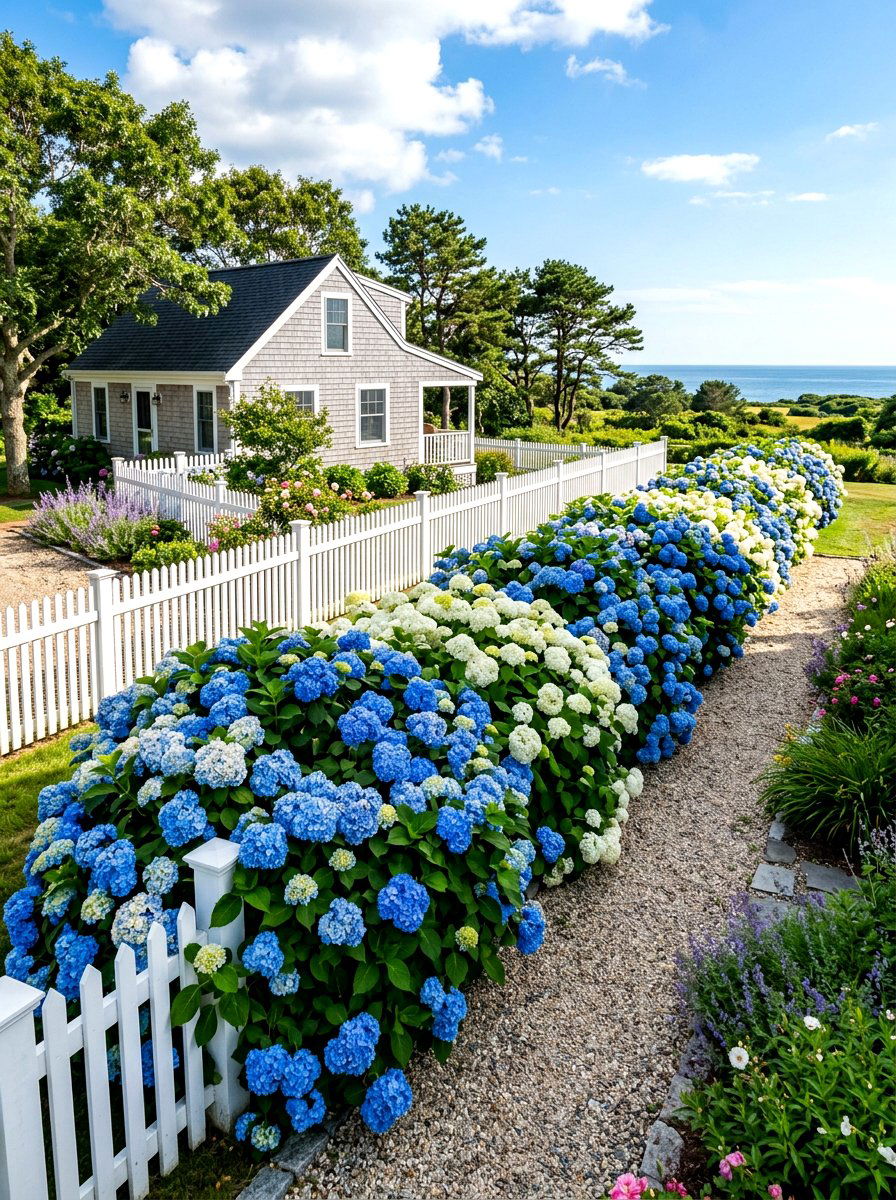
Using a hydrangea garden hedge provides a lush, structural backdrop for your yard while offering massive flower heads for cutting. Varieties like "Limelight" or the classic "Macrophylla" produce large clusters of blooms that transition through different colors as the season progresses. These woody shrubs are perfect for creating privacy along a property line or dividing different sections of your garden. The flowers can be used fresh in large vases or dried for everlasting autumn arrangements that retain their shape and much of their color. Hydrangeas prefer consistent moisture and some afternoon shade, which helps the large blooms stay crisp and vibrant for a longer time.
15. Garden path flower border
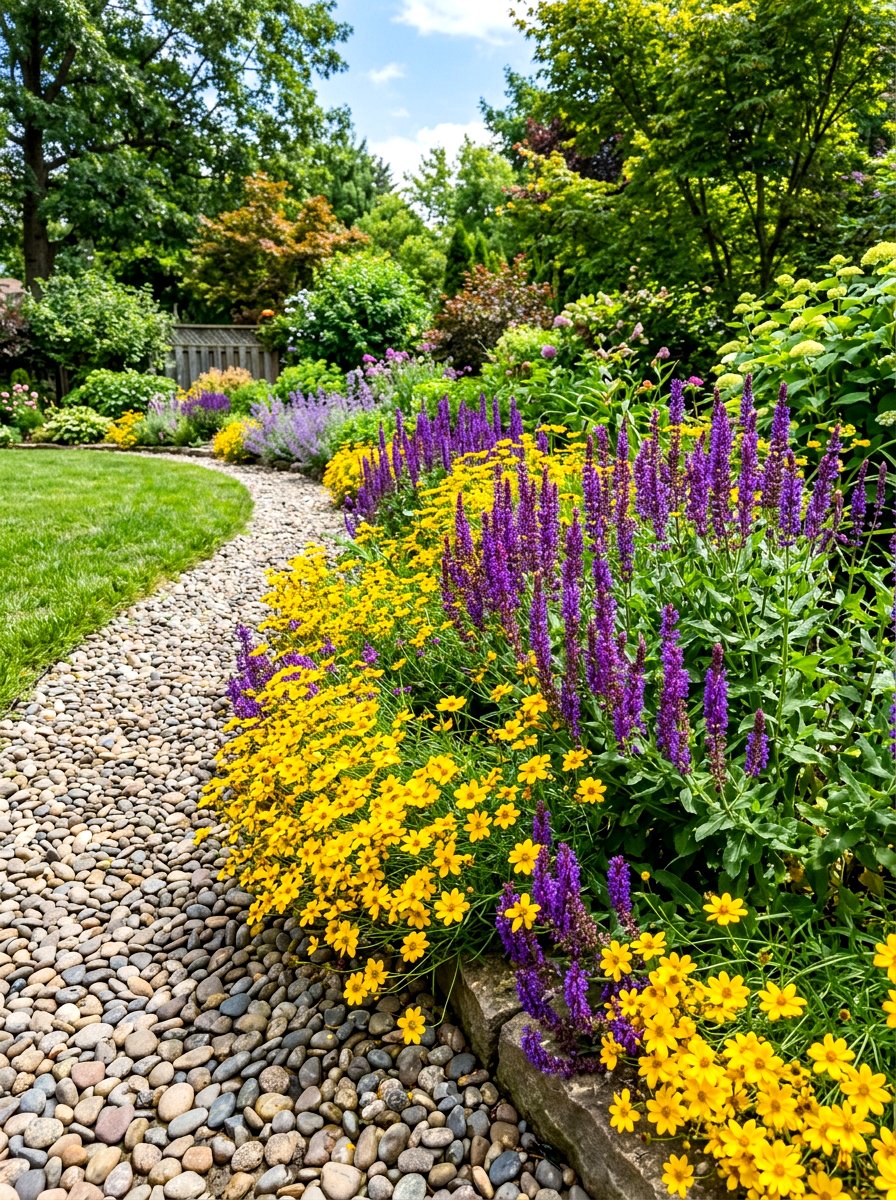
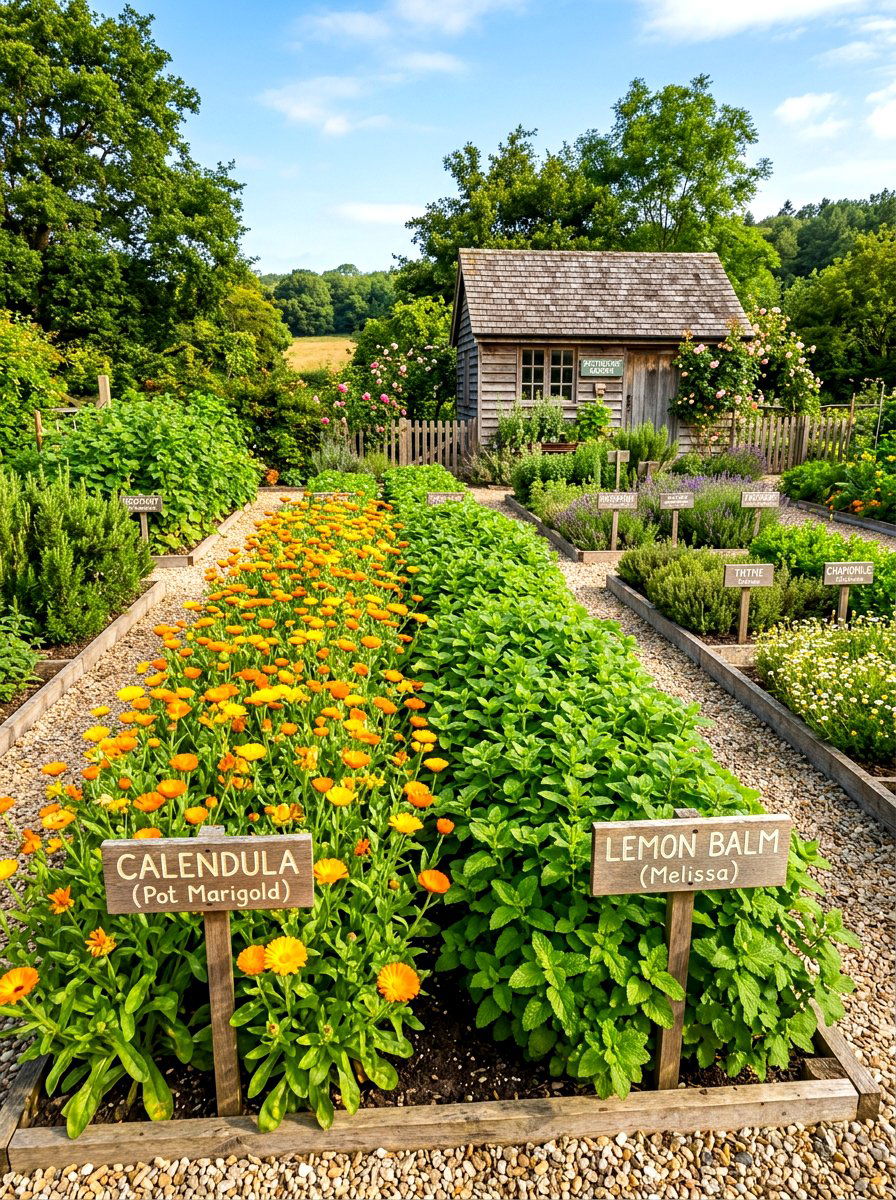
A garden path flower border invites you to interact with your plants every time you walk through your outdoor space. By planting fragrant and tactile flowers right at the edge of the walkway, you can enjoy their beauty up close. Use a mix of creeping thyme between the stones and taller perennials like lavender or nepeta along the sides. This arrangement creates a soft, blurred edge that feels very traditional and cozy. It also makes the daily task of checking for blooms to cut much more enjoyable. The constant proximity to the flowers allows you to spot and harvest them at their absolute peak.
16. Vertical flower garden
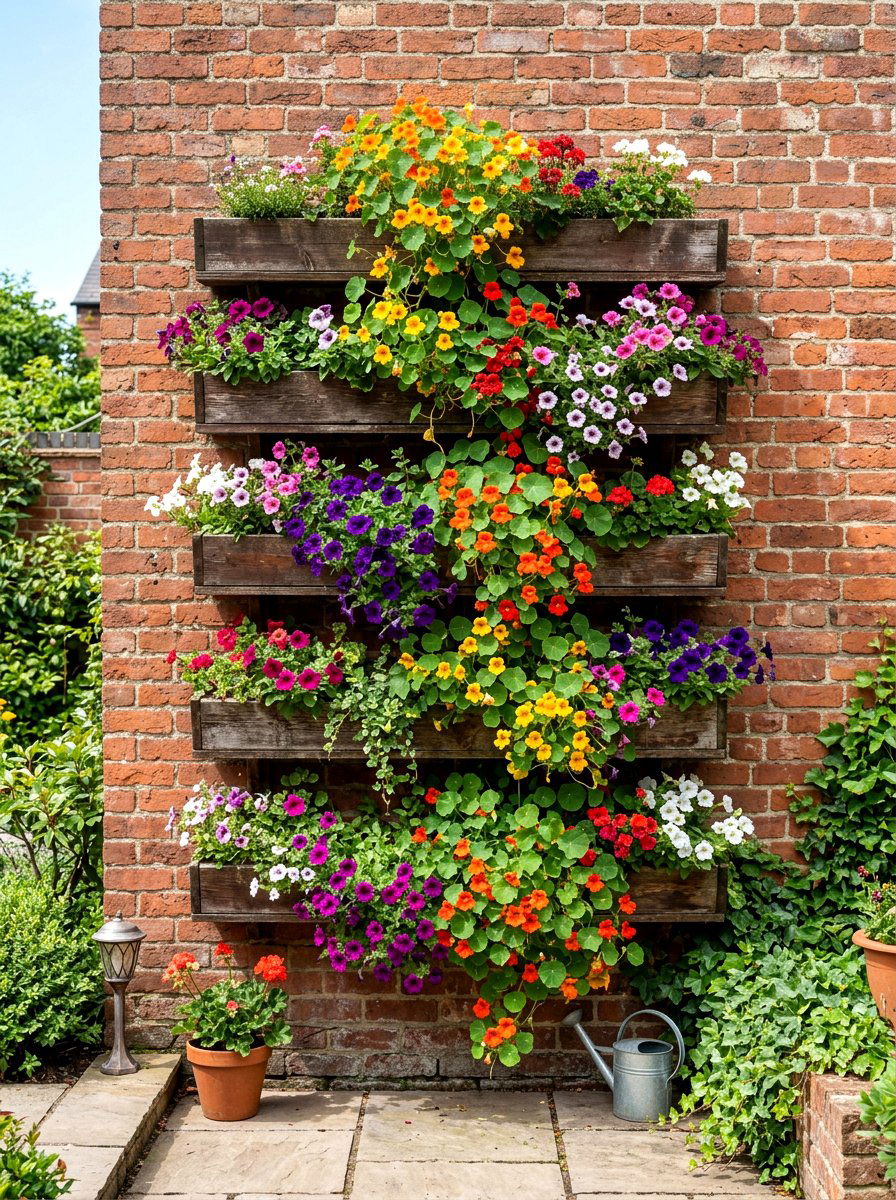
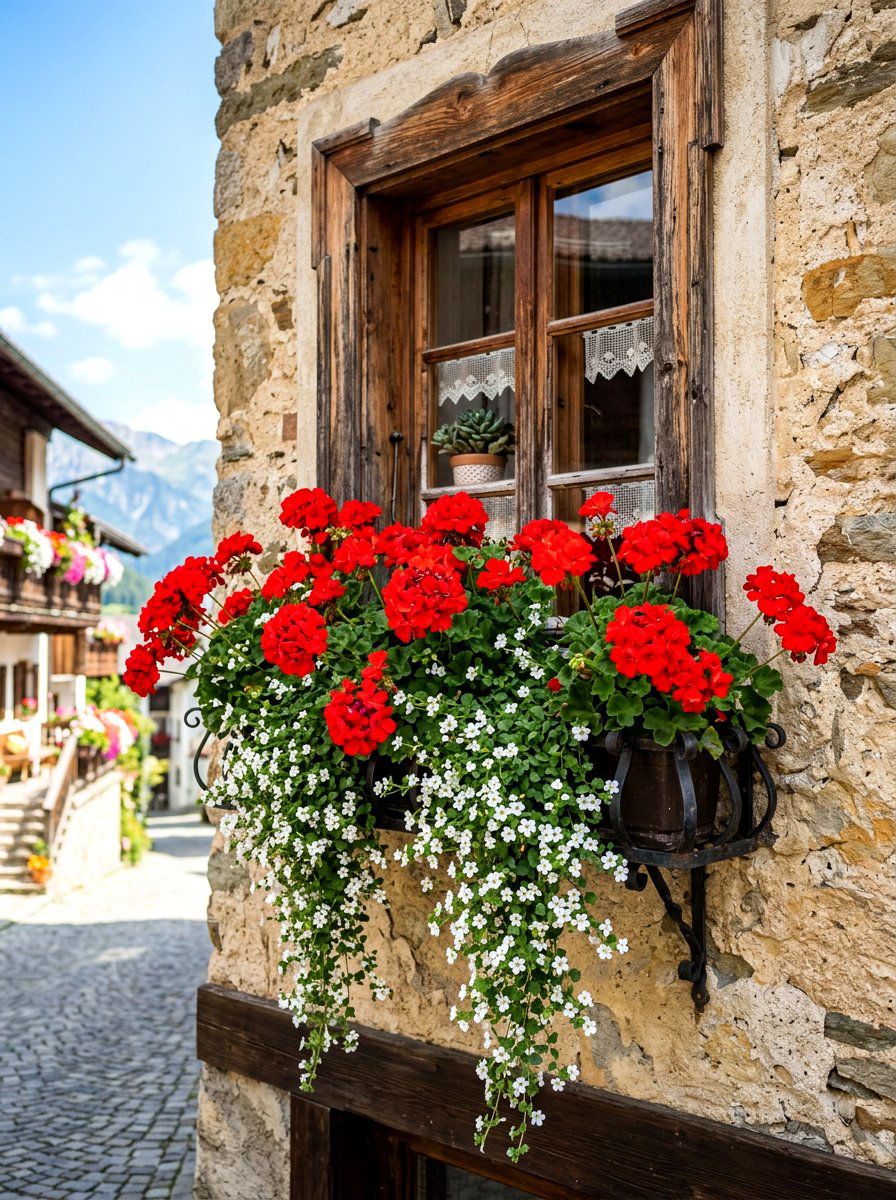
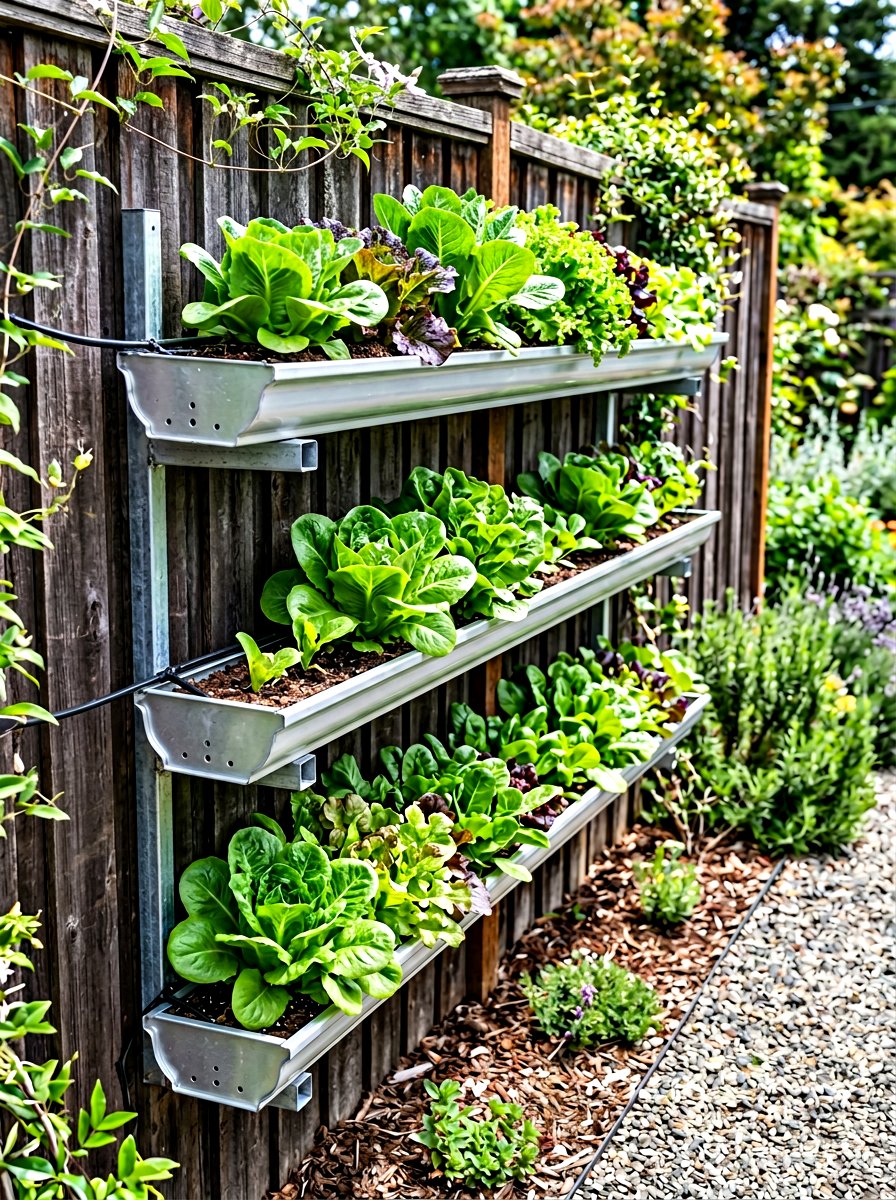
A vertical flower garden is the perfect solution for homeowners with limited ground space who still want a productive cutting area. You can utilize wall-mounted planters, hanging baskets, or even a vertical pallet system to grow trailing flowers and small annuals. Flowers like nasturtiums, petunias, and even small varieties of sweet peas thrive in these elevated environments. This setup keeps the plants at eye level, making it very easy to harvest stems without having to bend over or kneel. Vertical gardens also help to hide unsightly fences or walls, transforming a plain vertical surface into a living tapestry of color that enhances the entire backyard.
17. Shade cutting garden
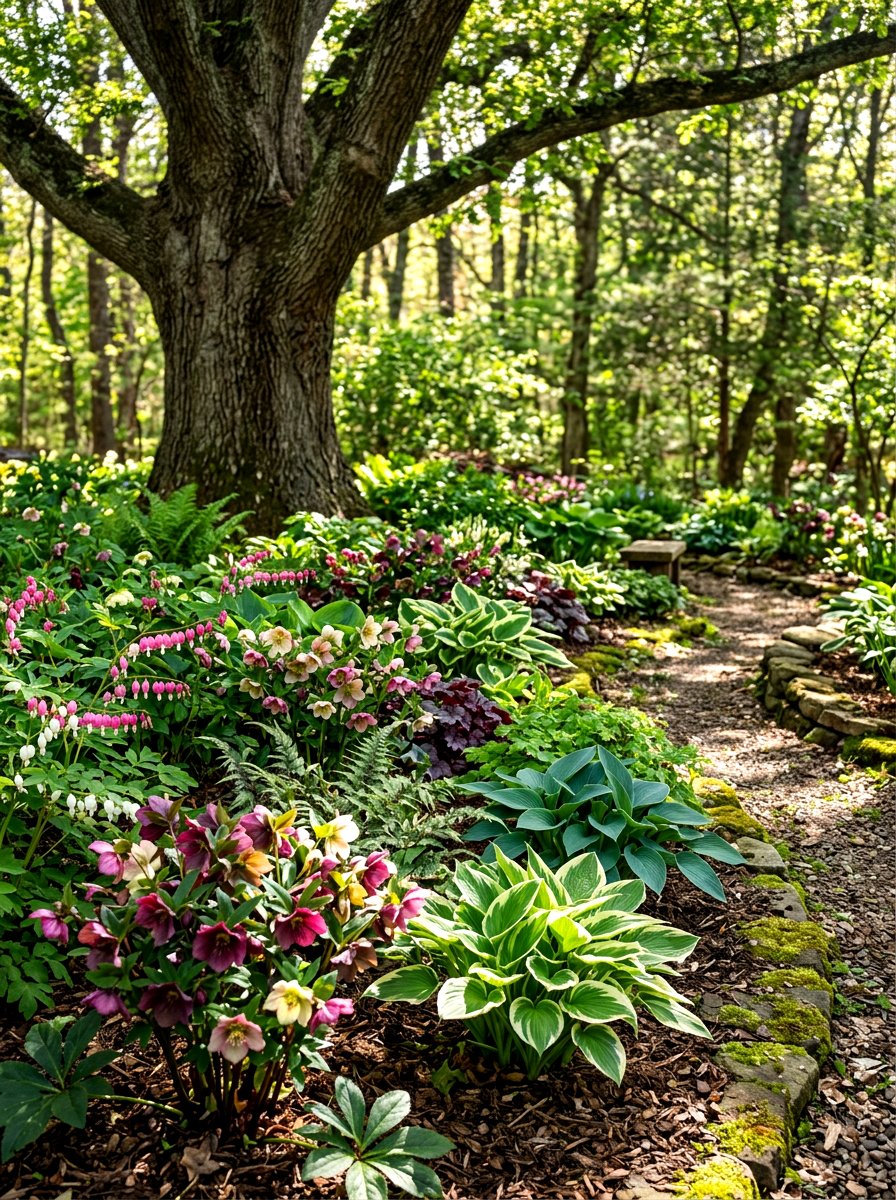
A shade cutting garden proves that you do not need full sun to produce beautiful flowers for your home. Many plants like hellebores, astilbe, and bleeding hearts thrive in the dappled light beneath trees or along the north side of a house. These shade-loving varieties often provide unique textures and soft colors that differ from typical sun-loving annuals. Hellebores are particularly valuable because they bloom in late winter or early spring when few other flowers are available. Adding hostas to this area provides incredible foliage that serves as a lush green base for many floral arrangements. This creates a cool, serene garden retreat.
18. Drought tolerant flower garden
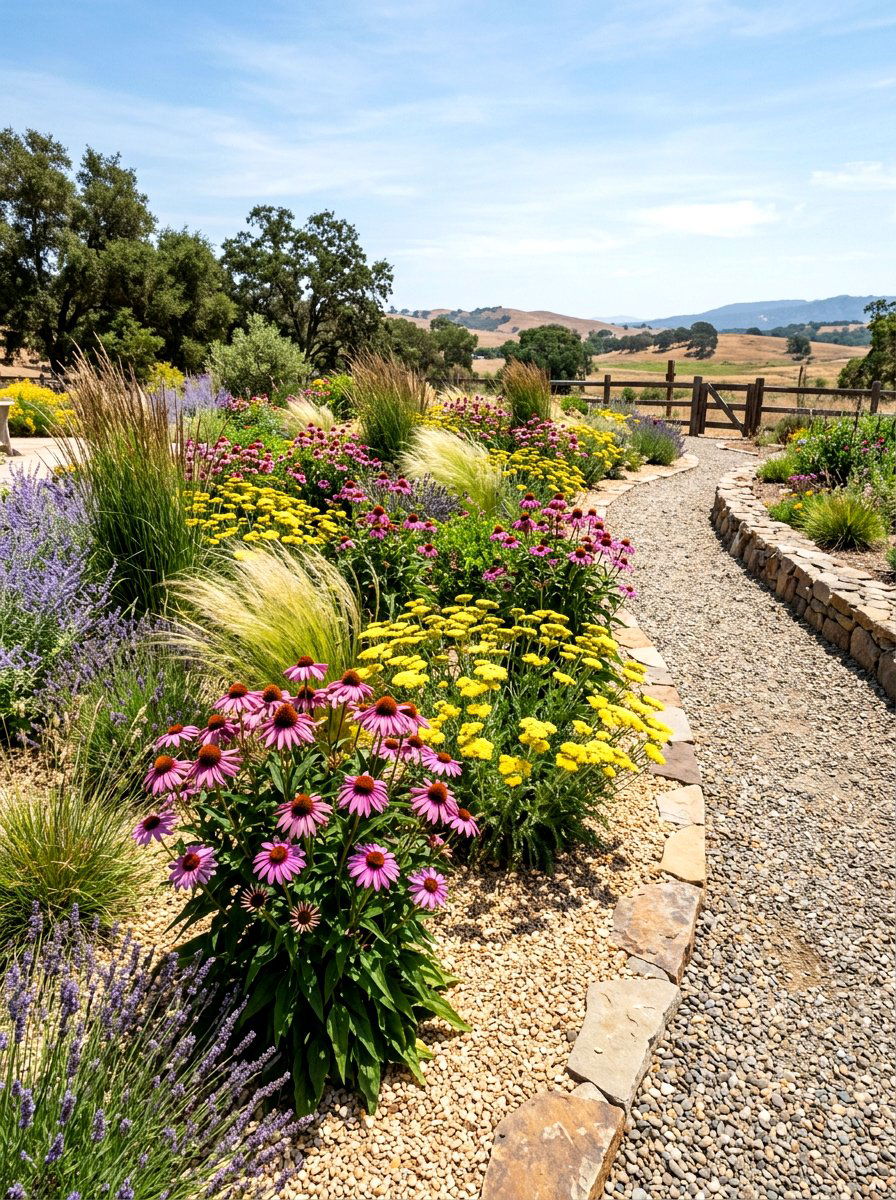
Designing a drought tolerant flower garden is an environmentally conscious way to enjoy a cutting garden in drier climates. By choosing plants like yarrow, echinacea, and rudbeckia, you can create a vibrant landscape that requires significantly less water once established. These hardy perennials are known for their tough stems and long-lasting blooms, making them excellent candidates for fresh indoor arrangements. Many of these flowers also have a long vase life, staying fresh for a week or more after being cut. This type of garden focuses on resilient beauty and helps to reduce your overall maintenance time while still providing plenty of seasonal color.
19. Native flower garden
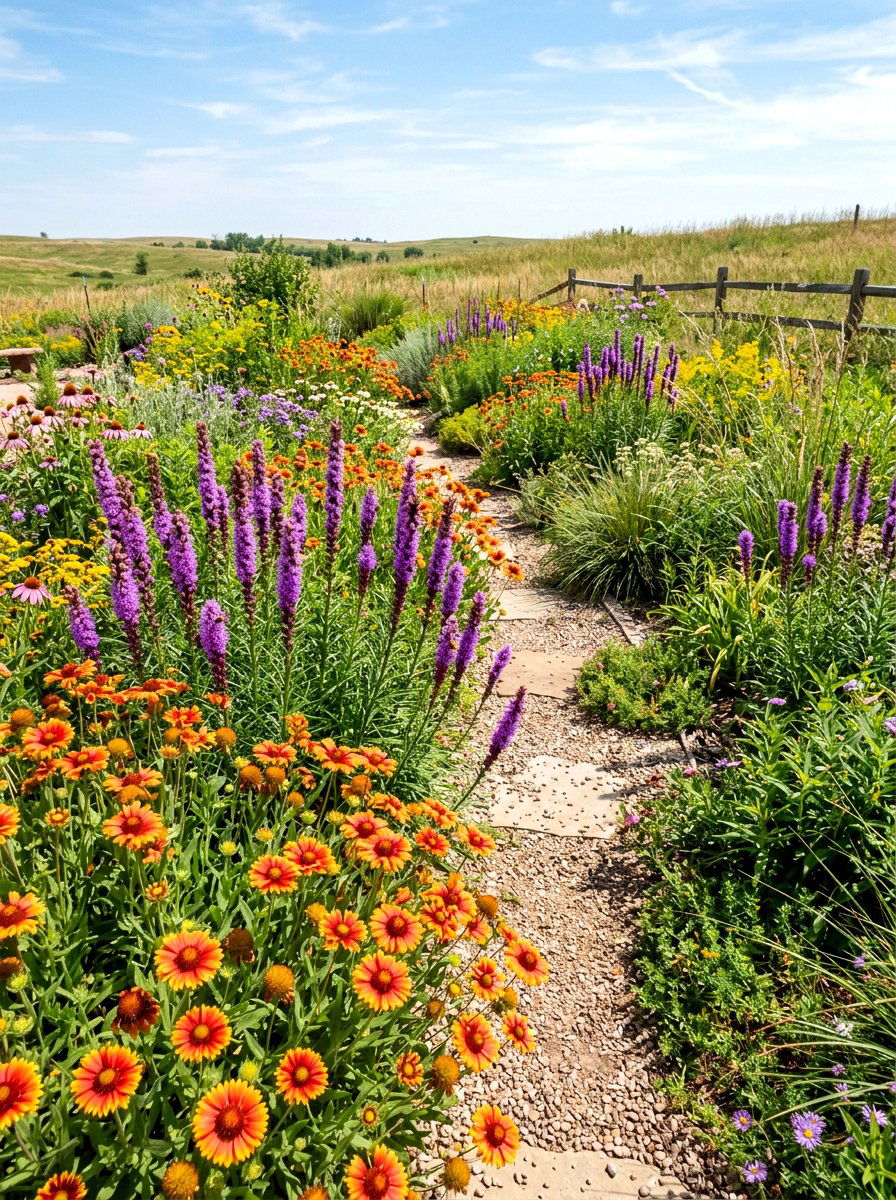
A native flower garden focuses on plants that are naturally adapted to your local climate and soil conditions. These plants are generally more resistant to local pests and diseases, reducing the need for chemical interventions in your yard. Native flowers like blanket flower, blazing star, or coreopsis offer a unique sense of place and support local pollinator populations perfectly. When used in a cutting garden, they bring a wild, authentic beauty to your home that reflects the natural landscape around you. Many native species are incredibly productive and will reward you with an abundance of stems throughout the spring and summer growing seasons.
20. Perennial flower bed
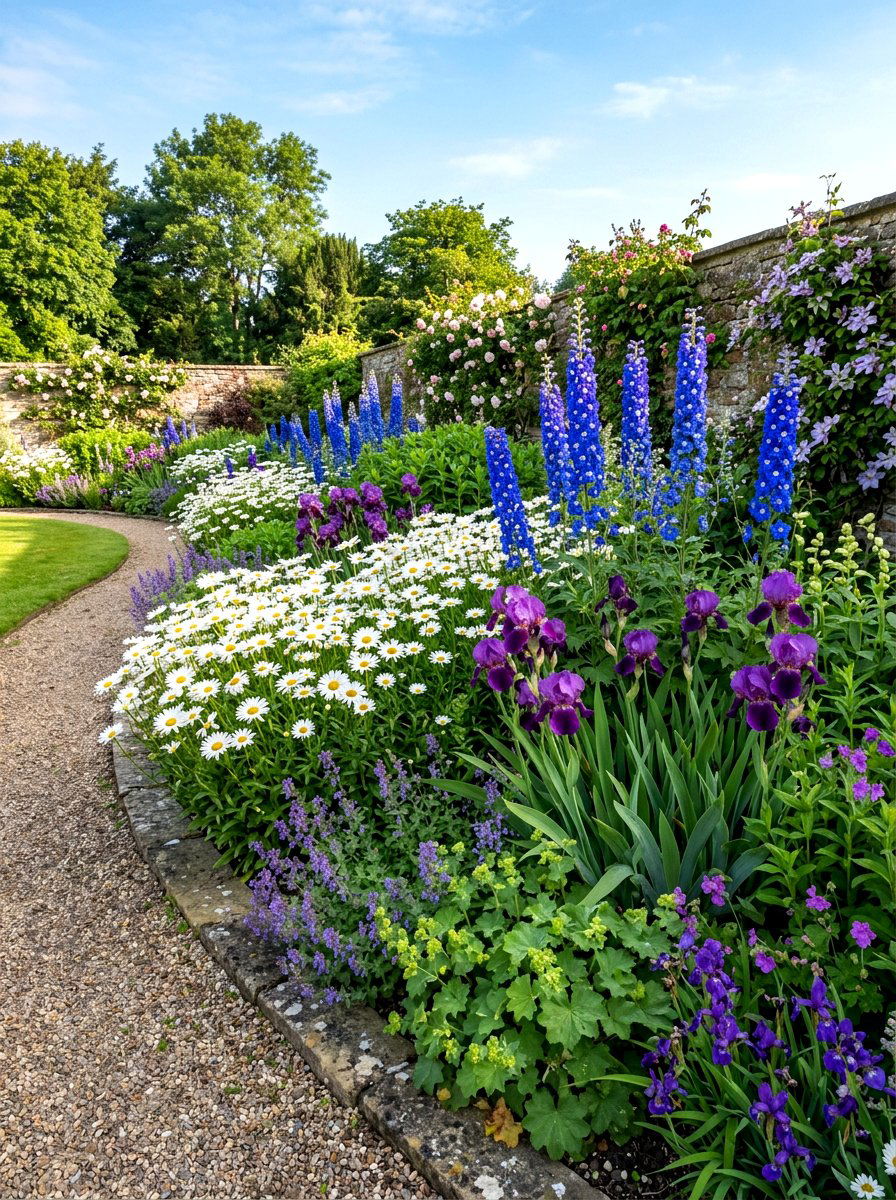
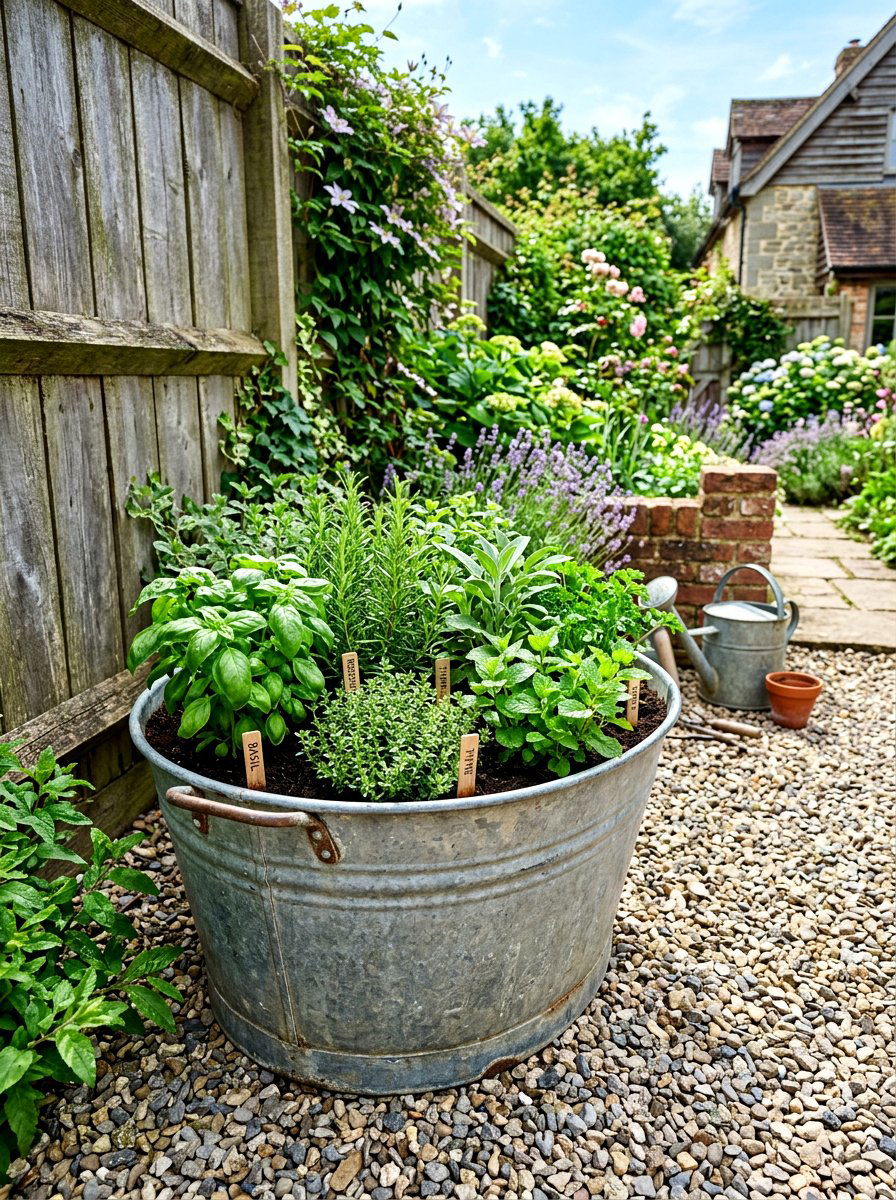
A perennial flower bed serves as the permanent backbone of any cottage garden design. Unlike annuals that need to be replanted every year, perennials come back bigger and stronger with each passing season. Flowers like shasta daisies, iris, and coreopsis provide reliable blooms year after year with very little effort. By carefully selecting a mix of early, mid, and late-season bloomers, you can ensure there is always something to harvest from the bed. Over time, these plants can be divided to create even more flowers or shared with friends. A well-planned perennial bed is a long-term investment in the beauty of your home.
21. Annual flower garden
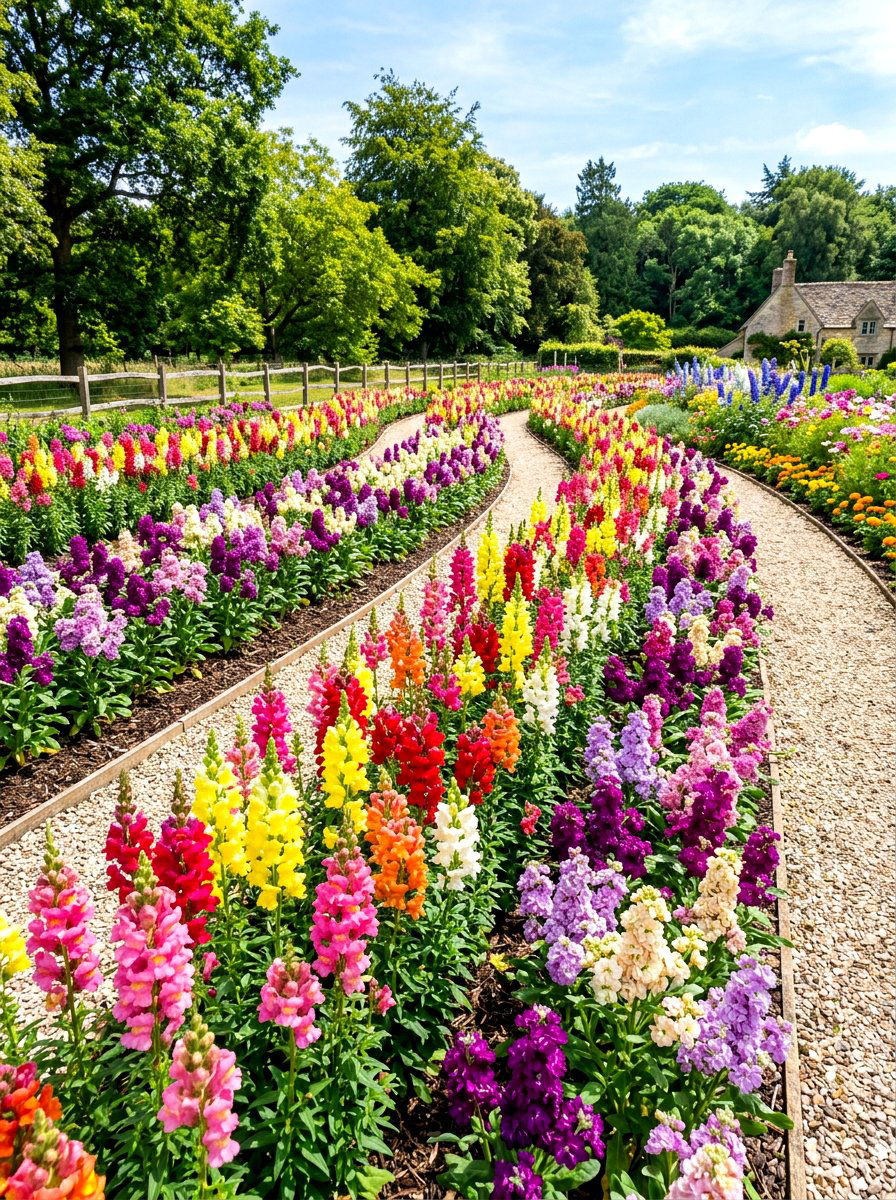
An annual flower garden allows you to experiment with different colors and varieties every single year. These plants complete their entire life cycle in one season, often producing a higher volume of flowers than many perennials. Popular choices for a cutting garden include snapdragons, larkspur, and stocks, which provide tall spikes of color and wonderful fragrance. Because annuals are relatively inexpensive to grow from seed, you can afford to fill large areas of your garden for a very low cost. This flexibility makes it easy to follow current floral trends or try out new color palettes in your arrangements throughout the summer.
22. Fragrant flower garden
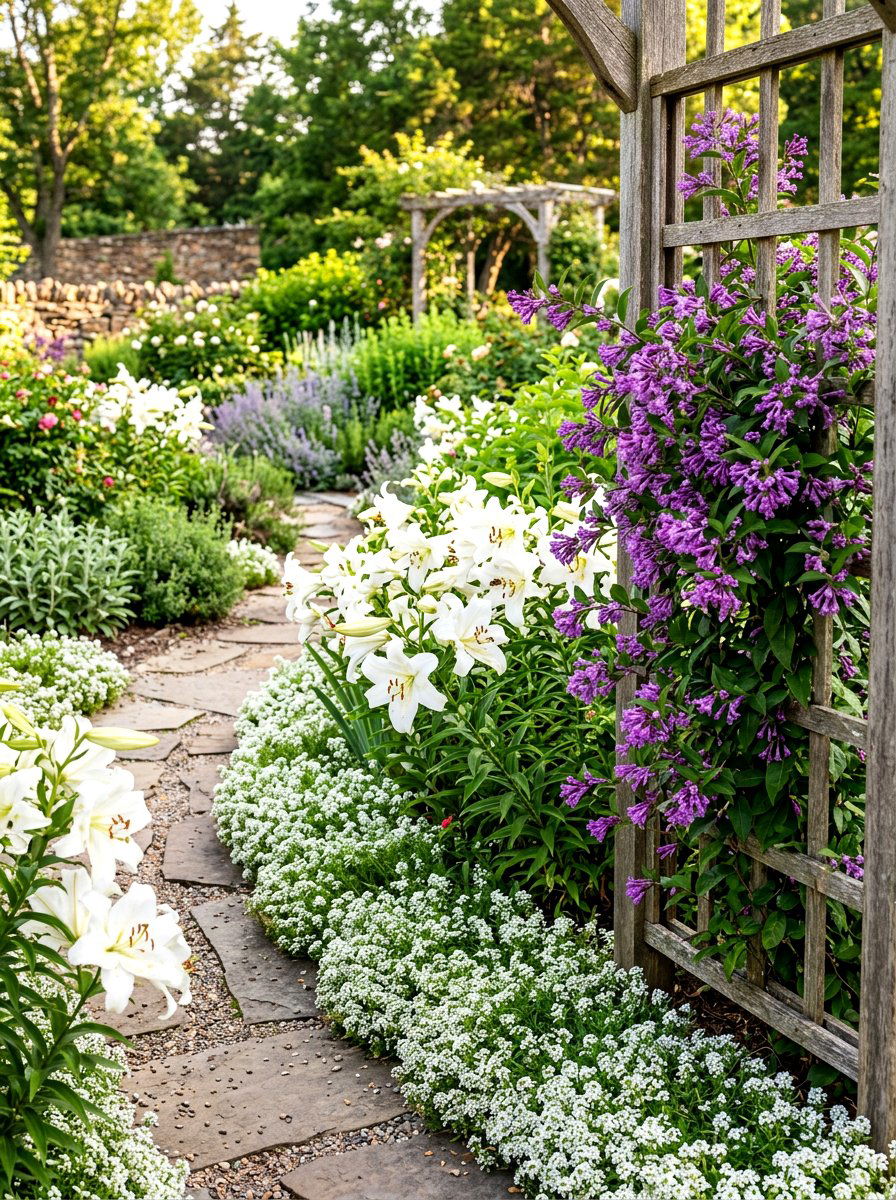
A fragrant flower garden prioritizes the scent of the blooms as much as their visual appearance. When you grow flowers like jasmine, stock, lilies, and sweet alyssum, your entire backyard becomes a perfume-filled sanctuary. These scented varieties are especially wonderful when brought indoors, as they can naturally freshen the air in your living room or bedroom. Positioning these plants near windows or seating areas allows you to enjoy their aroma even when you are not actively gardening. A cutting garden that focuses on fragrance adds another layer of sensory delight to your floral arrangements, making them even more special and memorable for guests.
23. Pollinator cutting garden
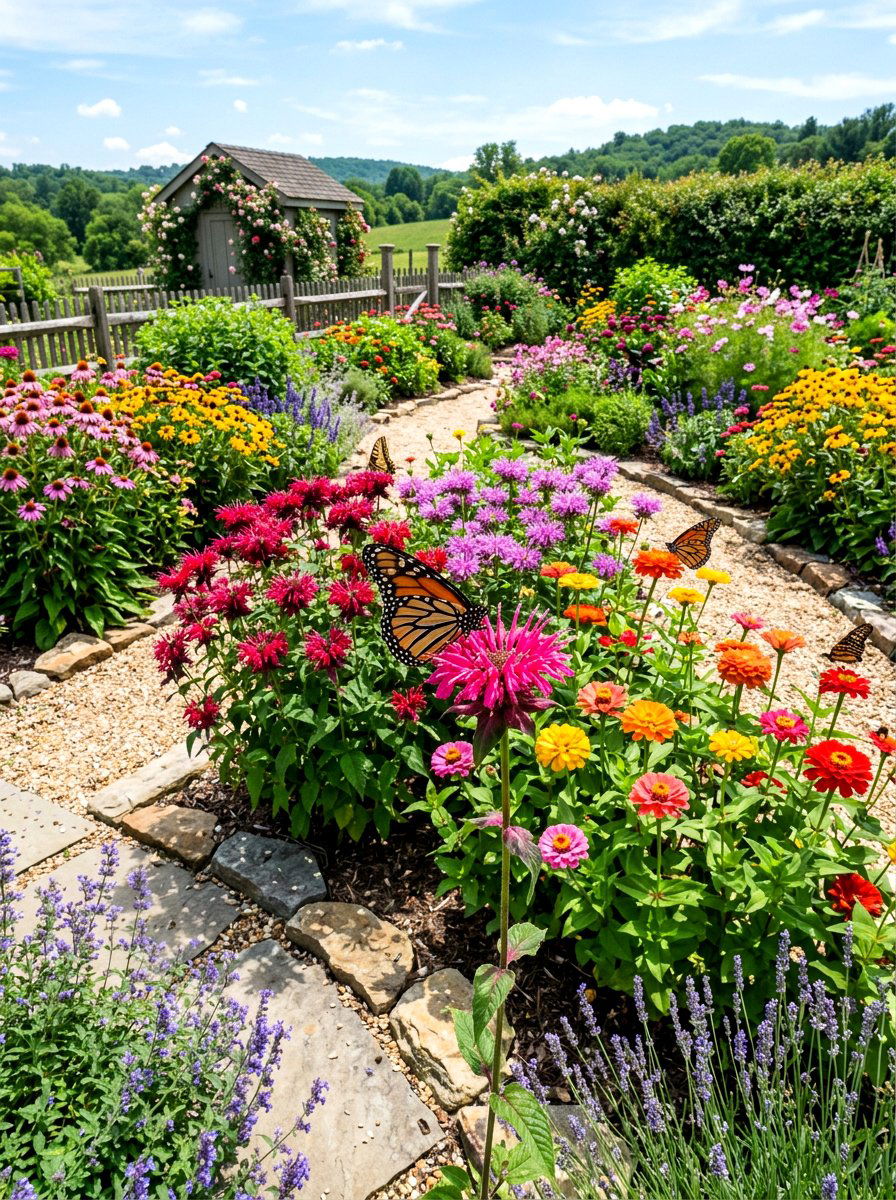
A pollinator cutting garden is designed to attract and support bees, butterflies, and hummingbirds while providing flowers for your home. By planting nectar-rich varieties like bee balm, zinnia, and butterfly weed, you create a busy hub of activity in your yard. The movement of the insects adds a dynamic element to the garden that is fascinating to watch during the day. Many pollinator-friendly plants also make excellent cut flowers, offering a wide range of colors and shapes for your vases. This type of garden promotes biodiversity and helps your local ecosystem thrive, proving that beauty and ecological function can work together perfectly.
24. Small backyard cutting garden
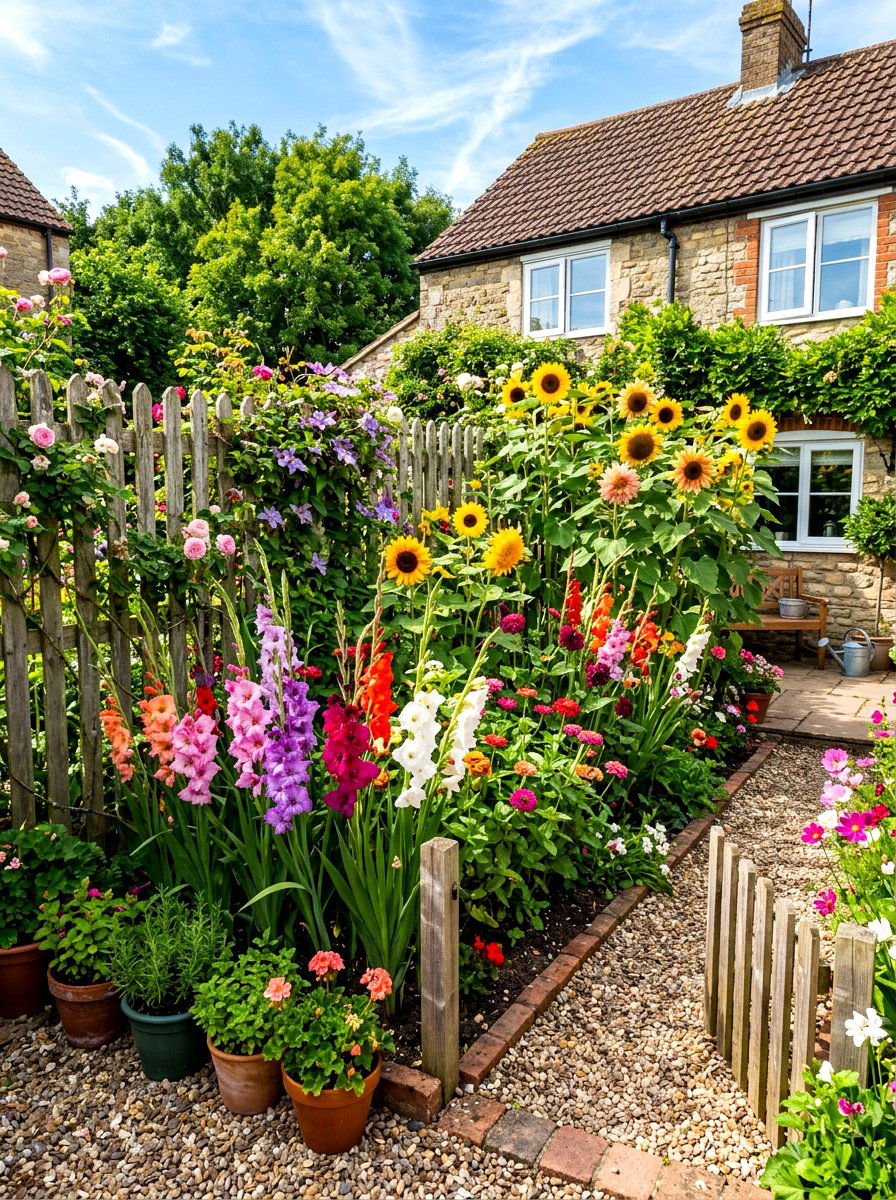
A small backyard cutting garden shows that you do not need an acre of land to produce stunning floral displays. By using intensive planting techniques and vertical space, even a tiny urban lot can become a floral paradise. Focus on high-yielding plants that take up little horizontal room, such as gladiolus or single-stem sunflowers. Utilizing large containers on a patio or deck can also expand your growing area significantly. Every square inch counts in a small space, so choose your favorite flowers carefully to ensure maximum impact. A compact garden is often easier to maintain and can feel like a cozy, private oasis.
25. White flower garden
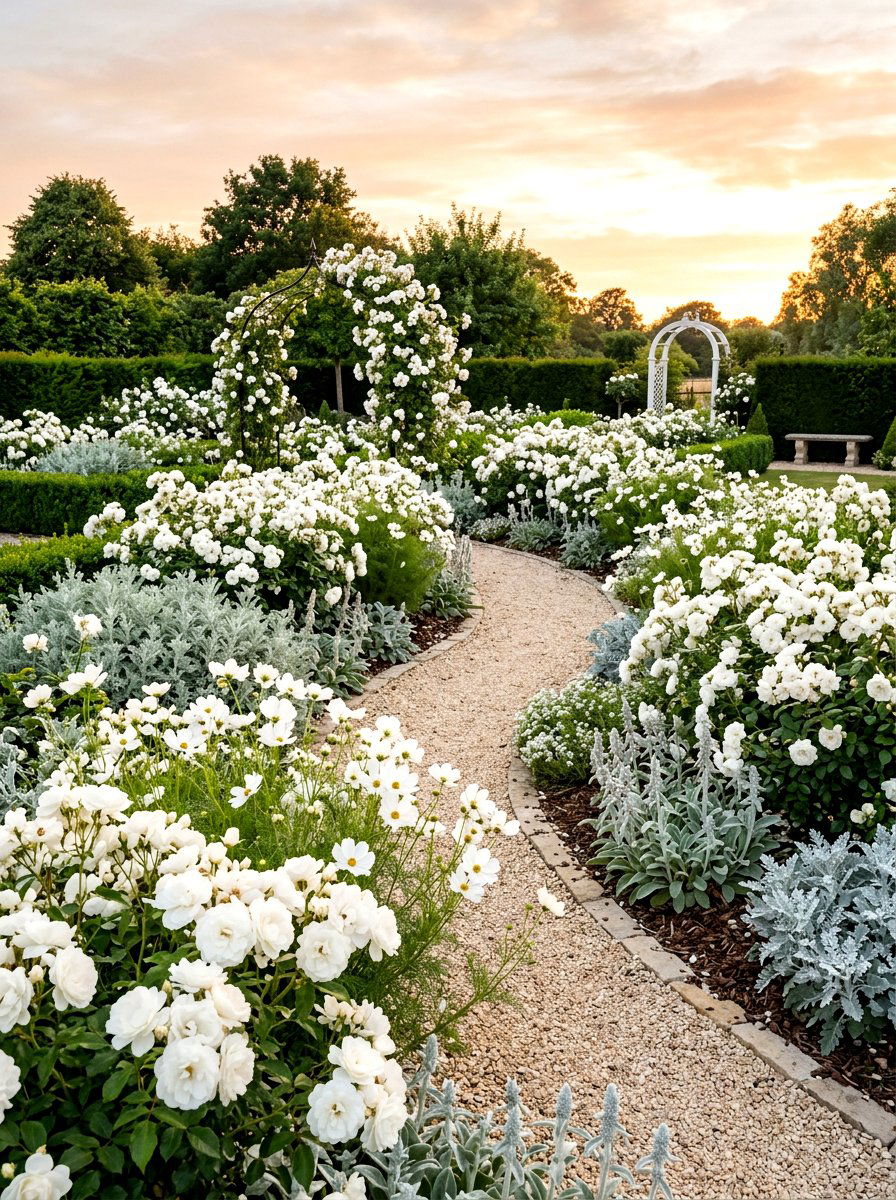
A white flower garden, often called a "moon garden, " creates a sophisticated and timeless look that glows in the twilight. Using flowers like white roses, lilies, cosmos, and baby's breath provides a clean and elegant palette for your indoor arrangements. White flowers are incredibly versatile, matching any interior decor and providing a sense of calm and purity. When planted together, the different shades of white and green foliage create a high-contrast look that is visually striking. This type of garden is particularly beautiful in the evening, as the light-colored blooms reflect the moonlight and appear to shimmer in the dark.
26. Pastel cottage garden
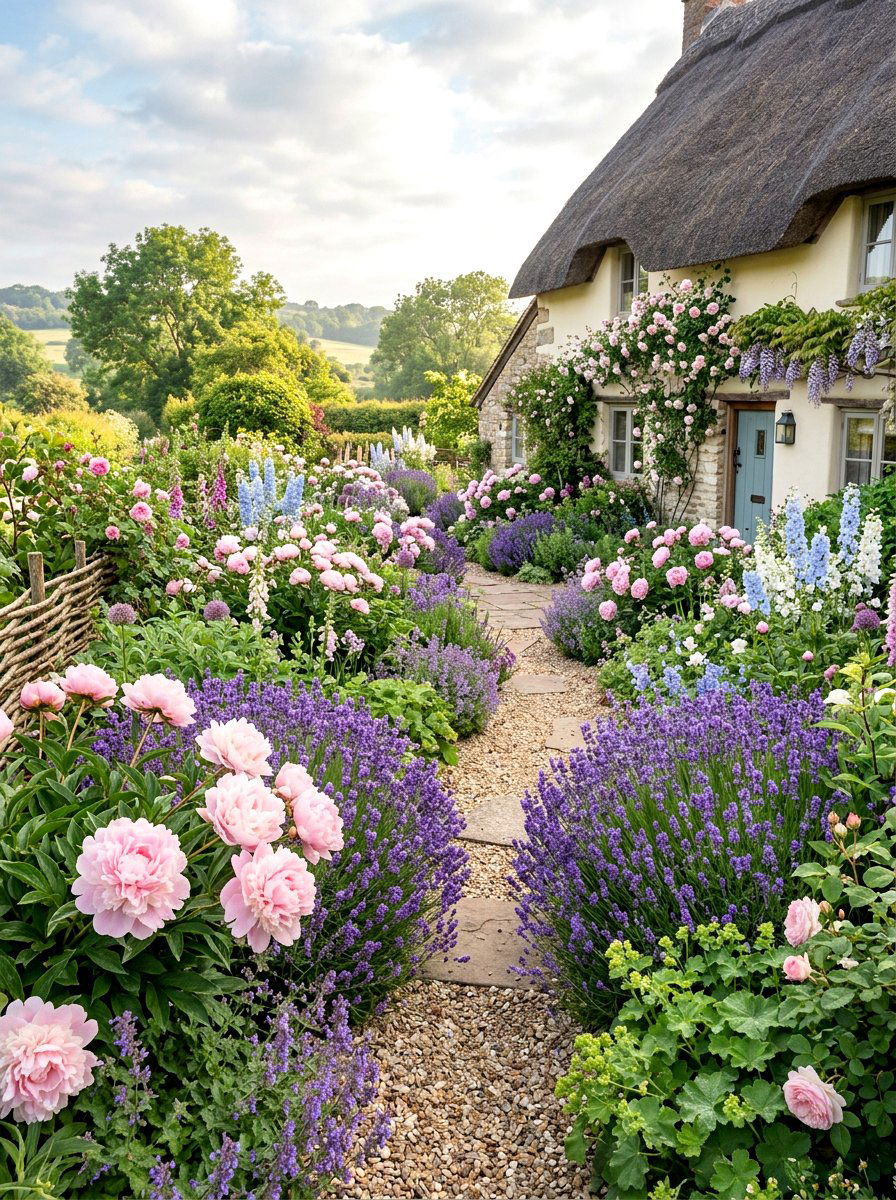
A pastel cottage garden focuses on soft, romantic hues like blush pink, lavender, pale yellow, and baby blue. This color scheme is a hallmark of the traditional cottage style and creates a gentle, soothing atmosphere in the landscape. Flowers like foxgloves, scabiosa, and sweet peas fit perfectly into this soft-toned theme. When these flowers are gathered into a bouquet, they create a dreamy and cohesive look that is perfect for gift-giving or special occasions. The subtle variations in color look beautiful under the bright summer sun and provide a delicate touch to any room in your house once they are harvested.
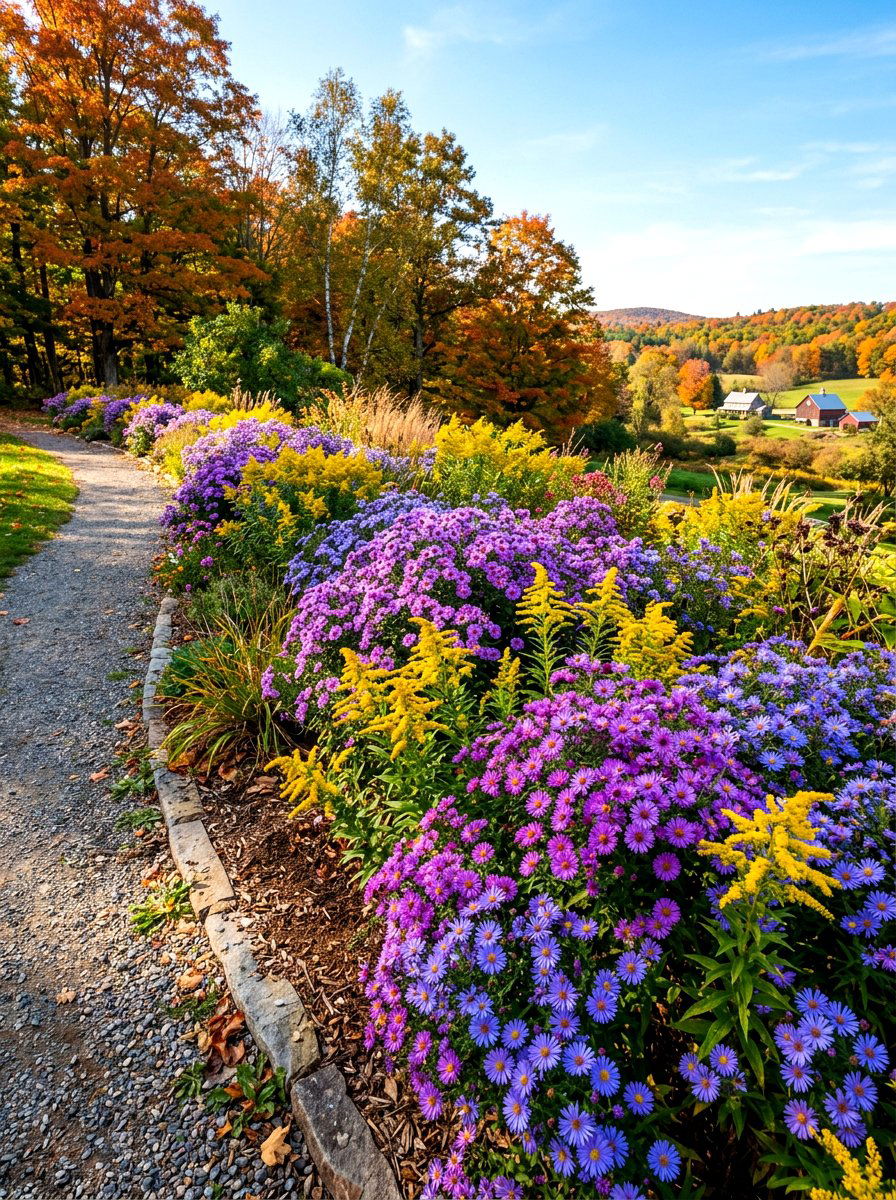
27. Fall cutting garden
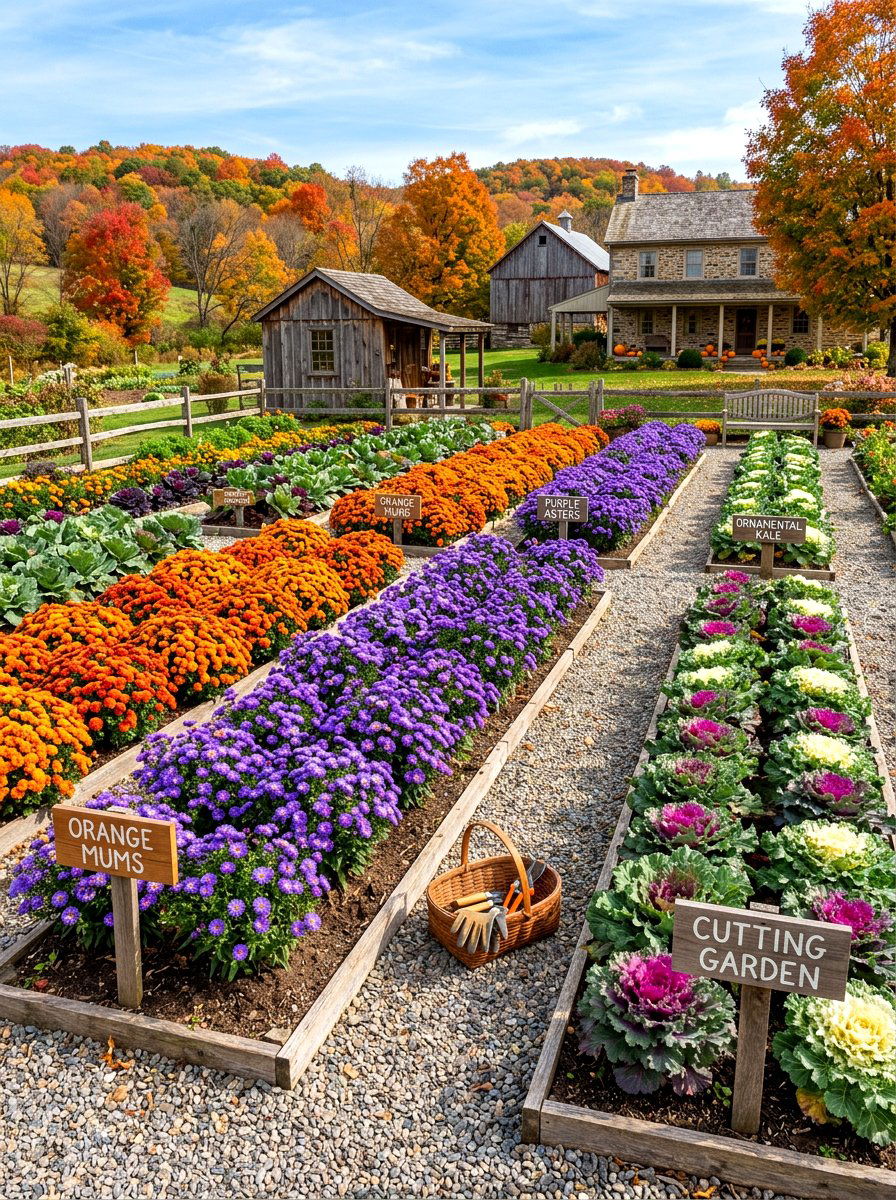
A fall cutting garden ensures that your flower harvest continues even as the temperatures begin to drop. By planting late-blooming species like chrysanthemums, asters, and ornamental kales, you can enjoy a vibrant display well into October. These plants often feature deep, rich tones like burgundy, burnt orange, and golden yellow that reflect the changing season. Many fall flowers are incredibly hardy and can withstand light frosts, keeping your garden looking productive while others are fading away. Adding dried elements like seed pods and ornamental grasses from your garden can enhance your autumn arrangements with interesting textures and a rustic, seasonal feel.
28. Rustic garden fence flowers
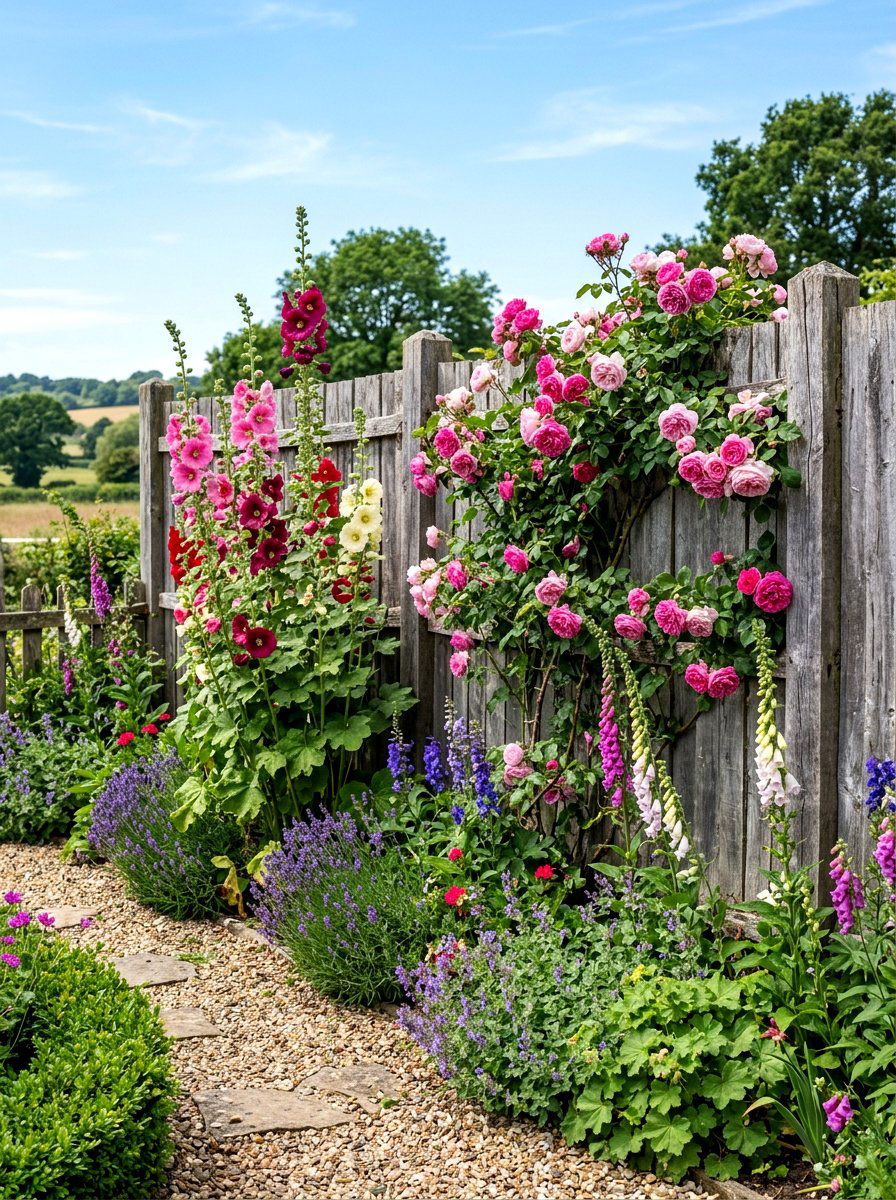
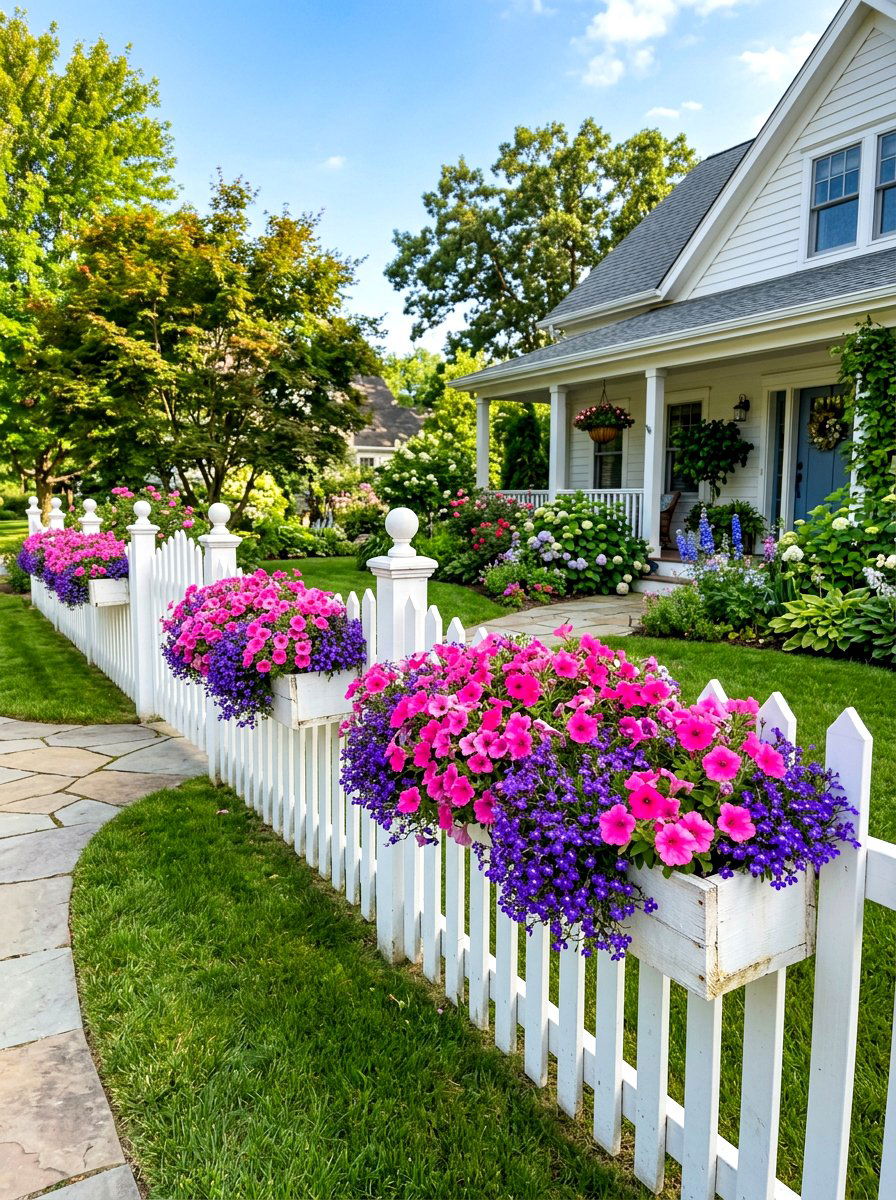
Growing flowers along a rustic garden fence is a classic way to frame your property and add charm to your landscape. Traditional wooden picket or rail fences provide the perfect support for climbing plants and tall stalks that might otherwise flop over. You can plant hollyhocks, sunflowers, or climbing roses to create a living wall of color that greets everyone who passes by. This arrangement makes efficient use of boundary space and helps to integrate your garden structures with the natural environment. The combination of weathered wood and vibrant blooms is the epitome of the cottage aesthetic, creating a very welcoming and warm look.
29. Greenhouse cutting garden
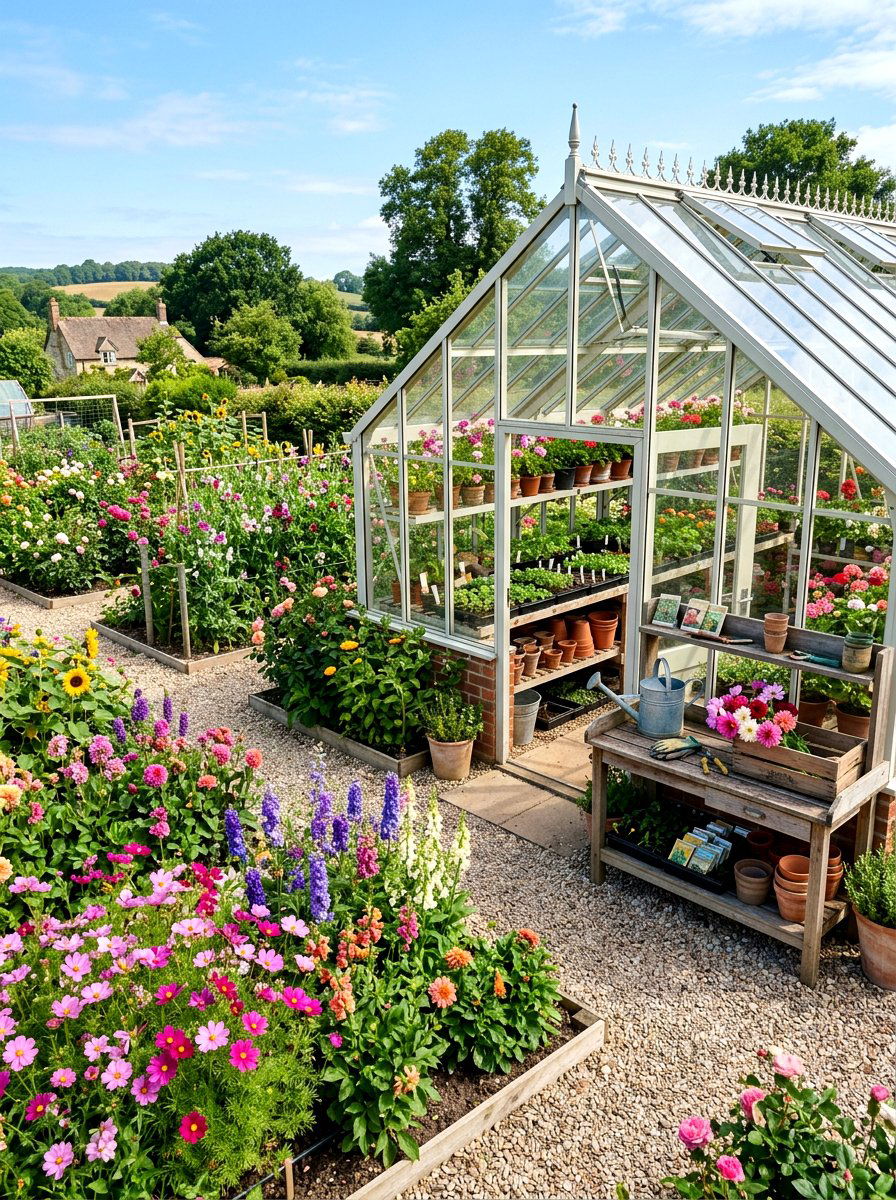
A greenhouse cutting garden allows you to start your seeds earlier in the spring and protect your delicate plants from early fall frosts. Having a controlled environment means you can grow a wider variety of flowers, including some that might be too sensitive for your local outdoor climate. A greenhouse also provides a wonderful space to work on your floral arrangements regardless of the weather outside. You can set up a dedicated potting bench for sorting and trimming your harvested stems before bringing them into the main house. This extension of the growing season ensures a year-round connection to your favorite garden hobby.
30. Container flower garden
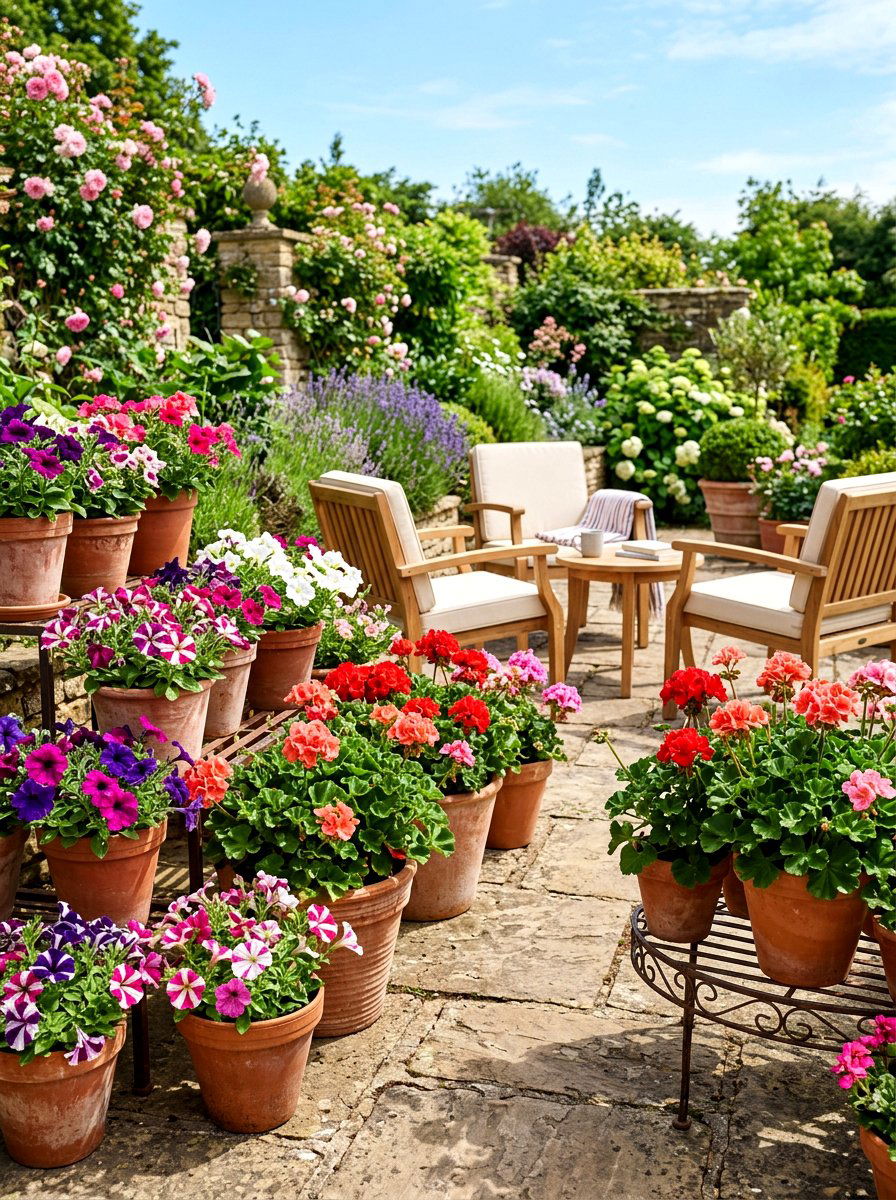
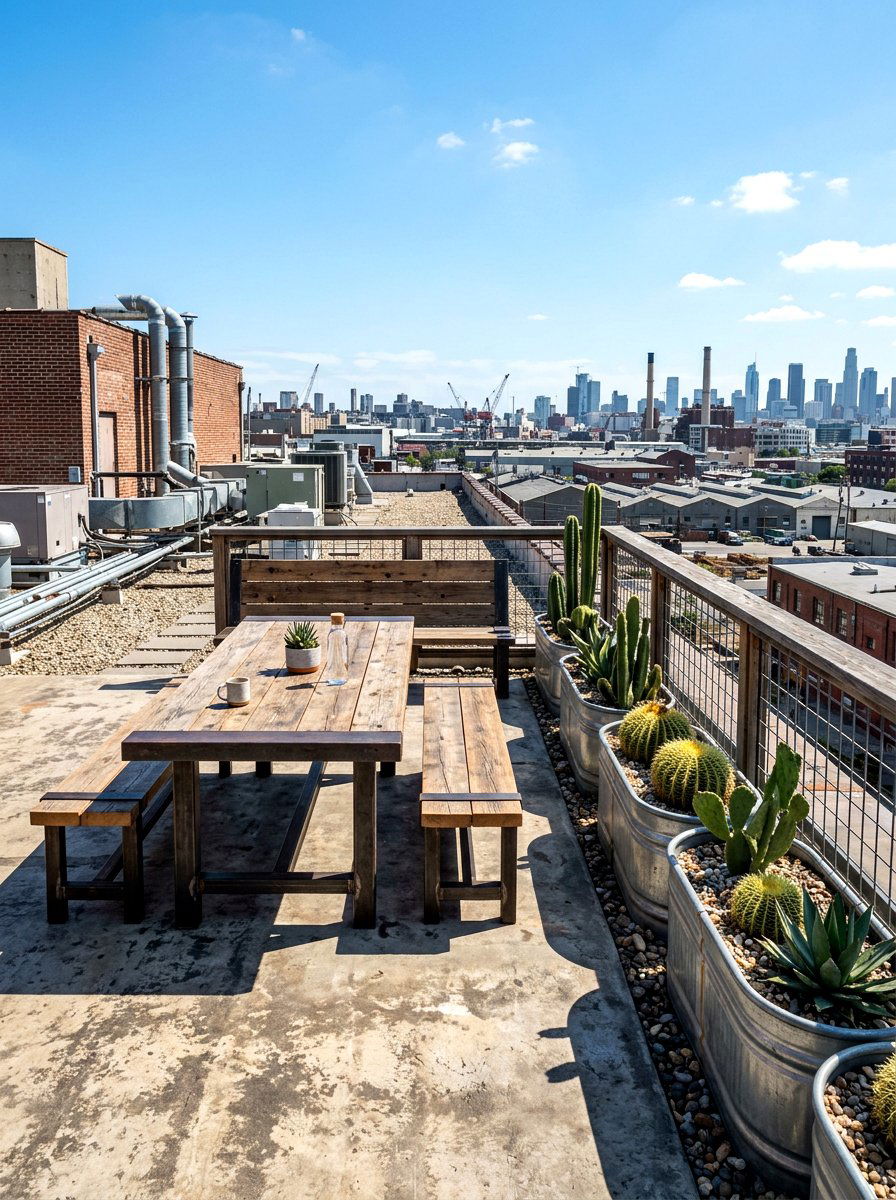
A container flower garden is the ultimate flexible solution for adding color to a patio, porch, or balcony. By choosing different sizes and styles of pots, you can create a portable cutting garden that can be rearranged whenever you like. Many annuals and some small perennials thrive in containers as long as they are provided with regular water and fertilizer. This method is perfect for people who may be renting or who have difficult soil in their main yard. You can place the pots exactly where they get the best light, ensuring that your flowers grow healthy and produce plenty of blooms for your vases.
Conclusion:
The journey of creating a cottage cutting garden is a deeply personal experience that connects you with the natural rhythms of the seasons. Whether you have a sprawling backyard or just a few sunny containers on a porch, the ability to grow your own flowers is a rewarding skill. By implementing these different layout ideas and plant choices, you can build a landscape that is as productive as it is beautiful. A cutting garden provides more than just decor; it offers a sanctuary for wildlife and a constant source of creative inspiration. Start small, experiment with different varieties, and enjoy the beauty of your homegrown bouquets.

Related posts: