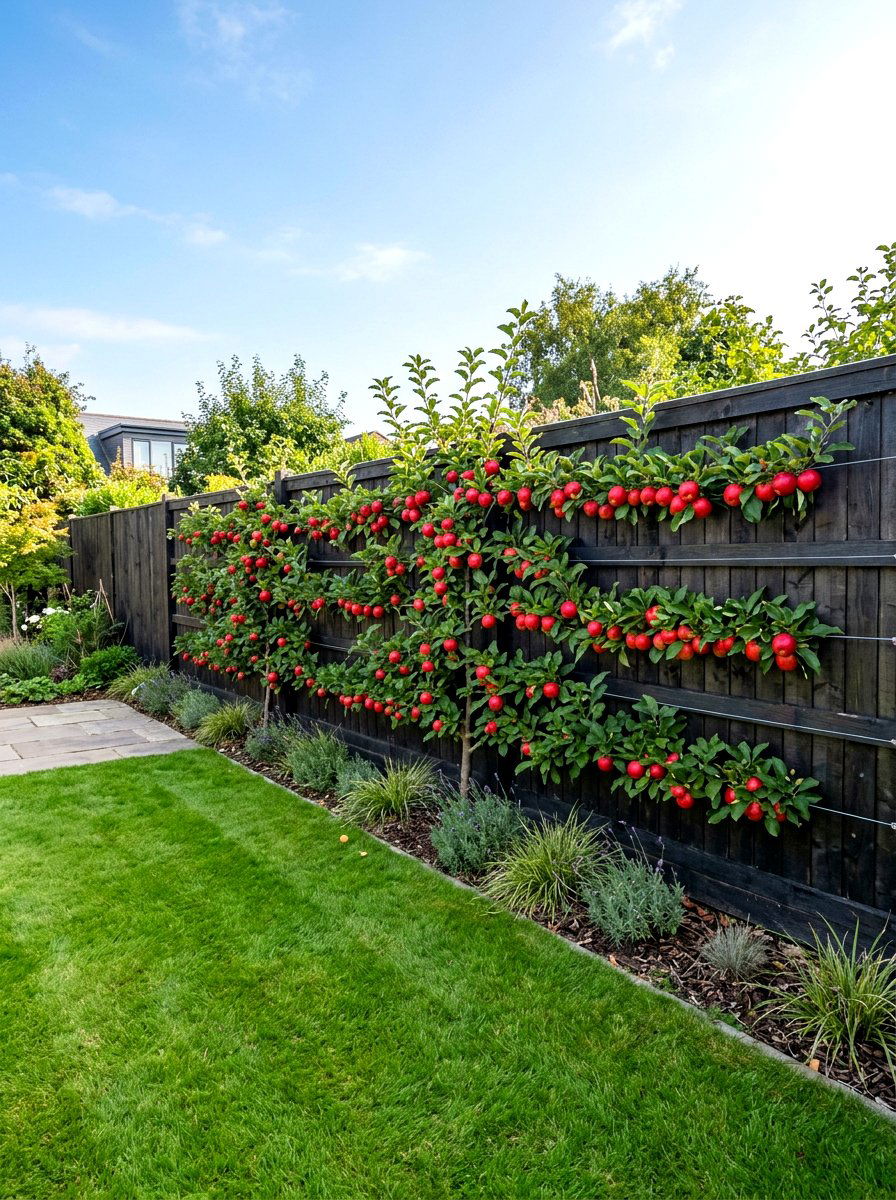
Starting a home garden doesn't require acres of land or a massive backyard to be successful and productive. Even the smallest spaces, like a sunny balcony or a tiny patio corner, can become a thriving source of fresh, organic produce for your kitchen. Growing your own vegetables allows you to control exactly what goes into your food while providing a rewarding hobby that connects you with nature. These creative solutions maximize every square inch through smart planning and vertical thinking. You will discover how to transform neglected outdoor areas into lush, edible landscapes that are both functional and visually stunning for any modern home.
1. Raised Vegetable Garden Bed
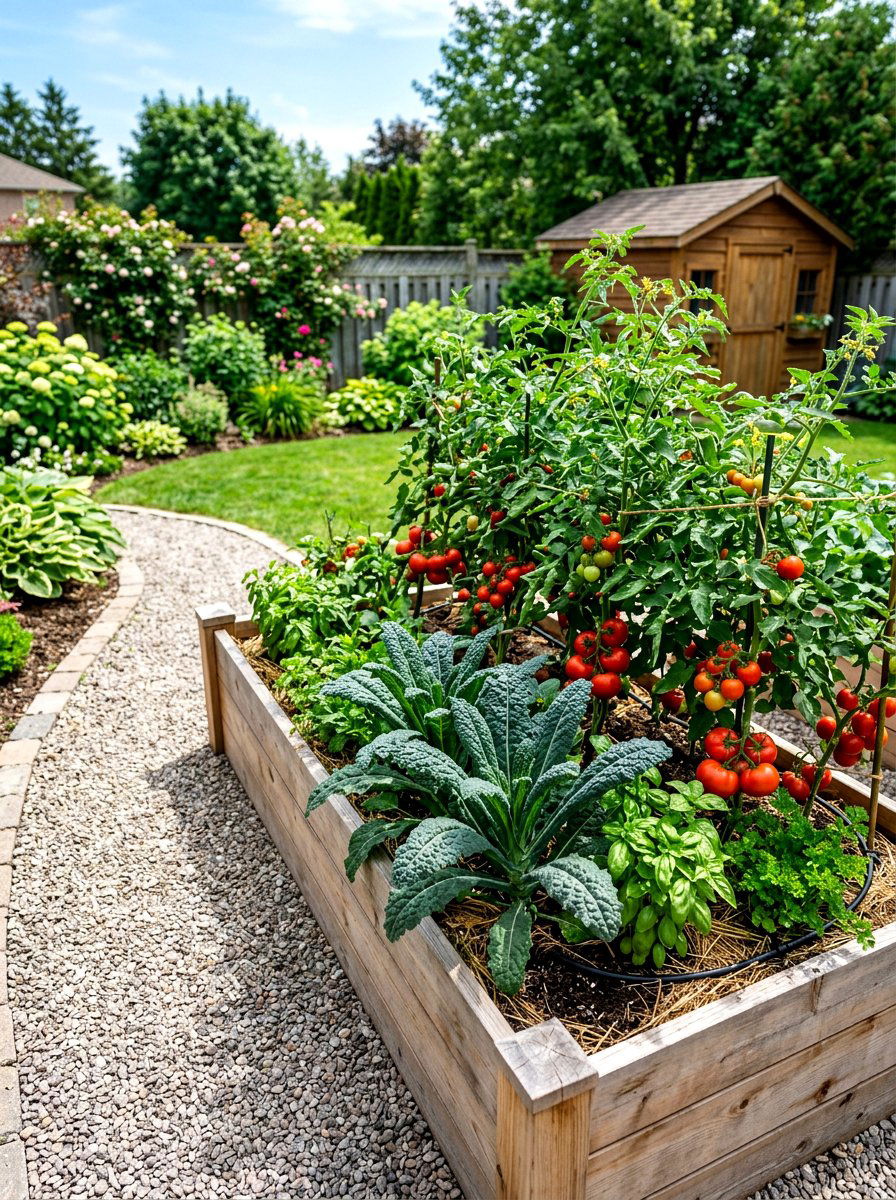
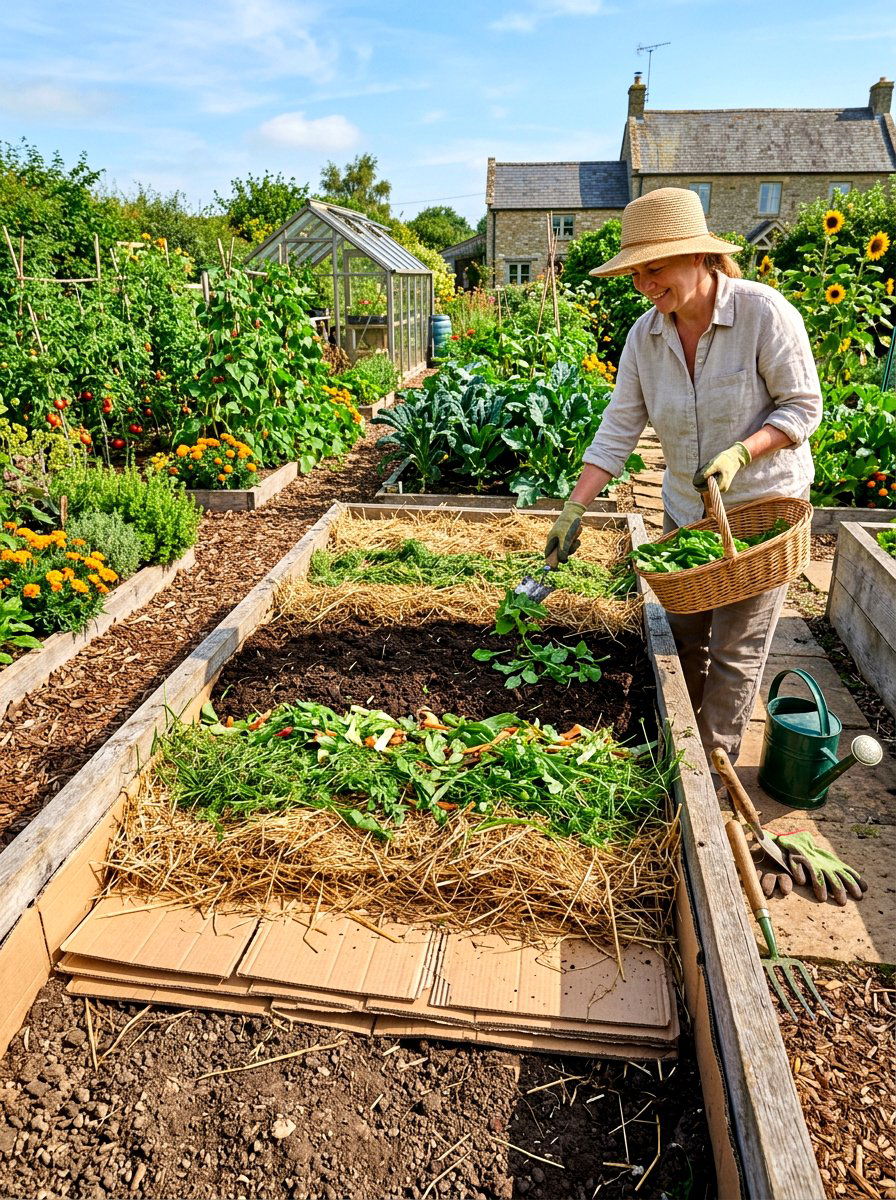
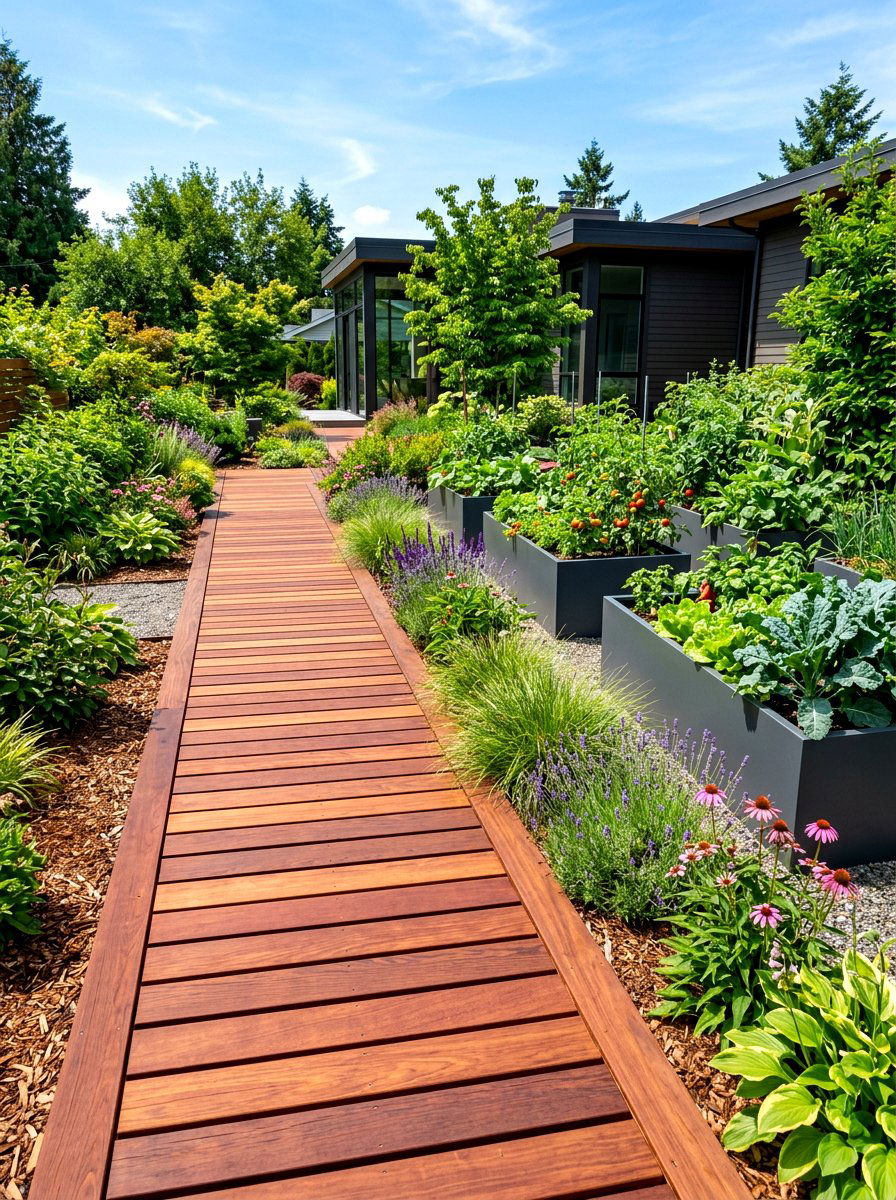
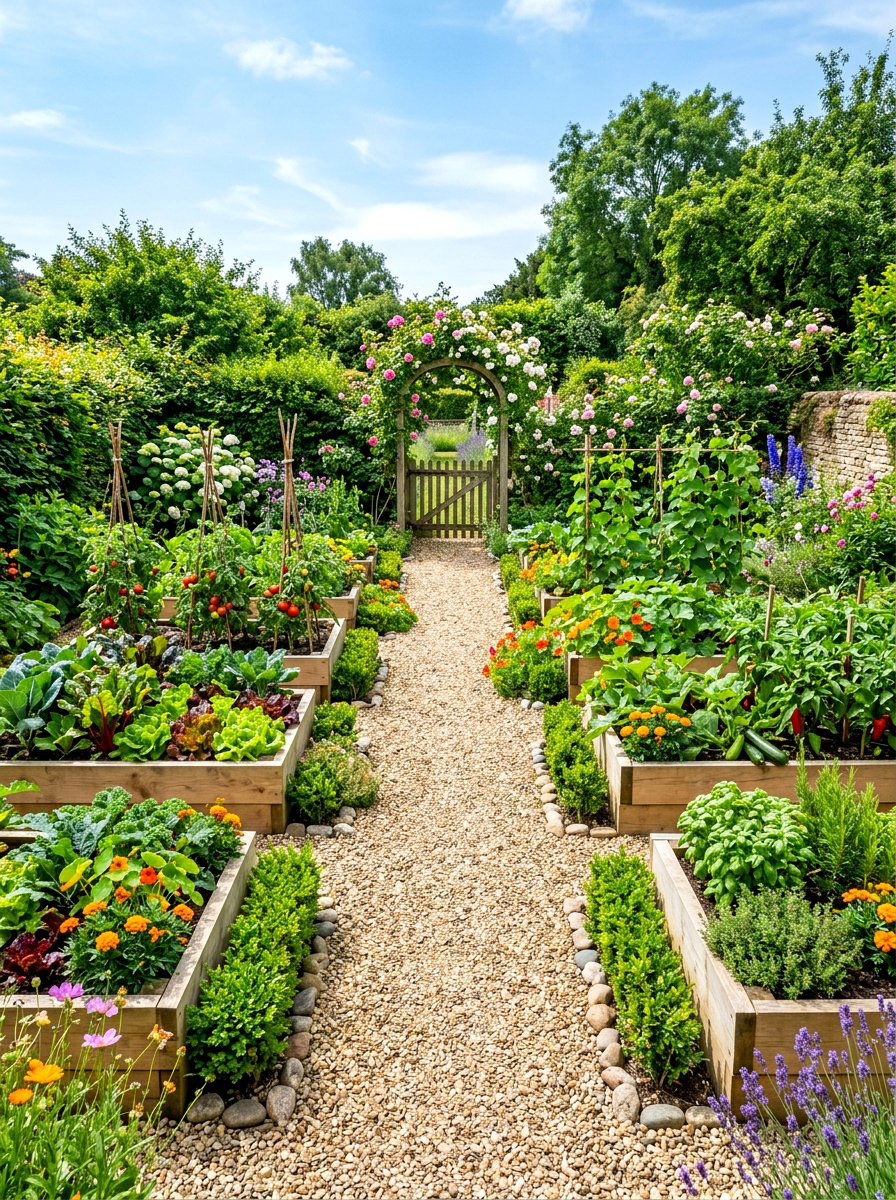
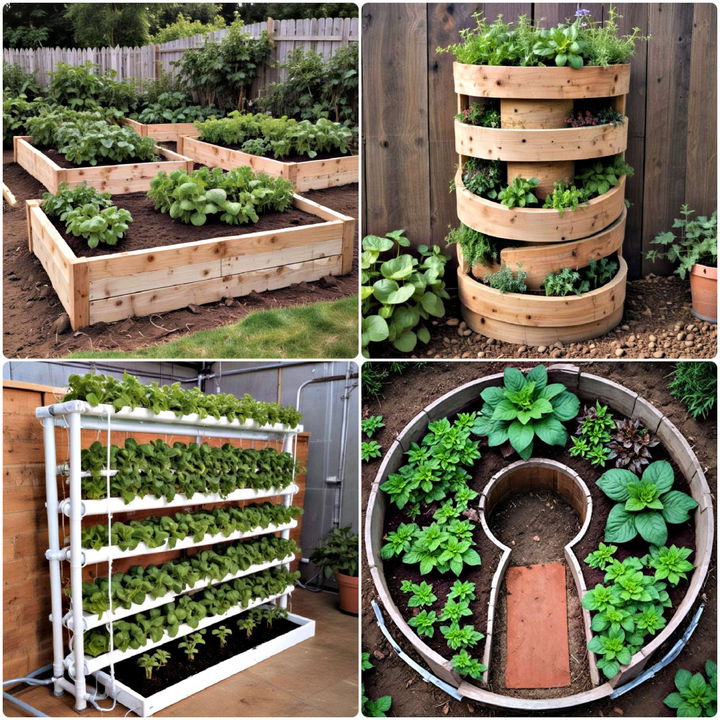
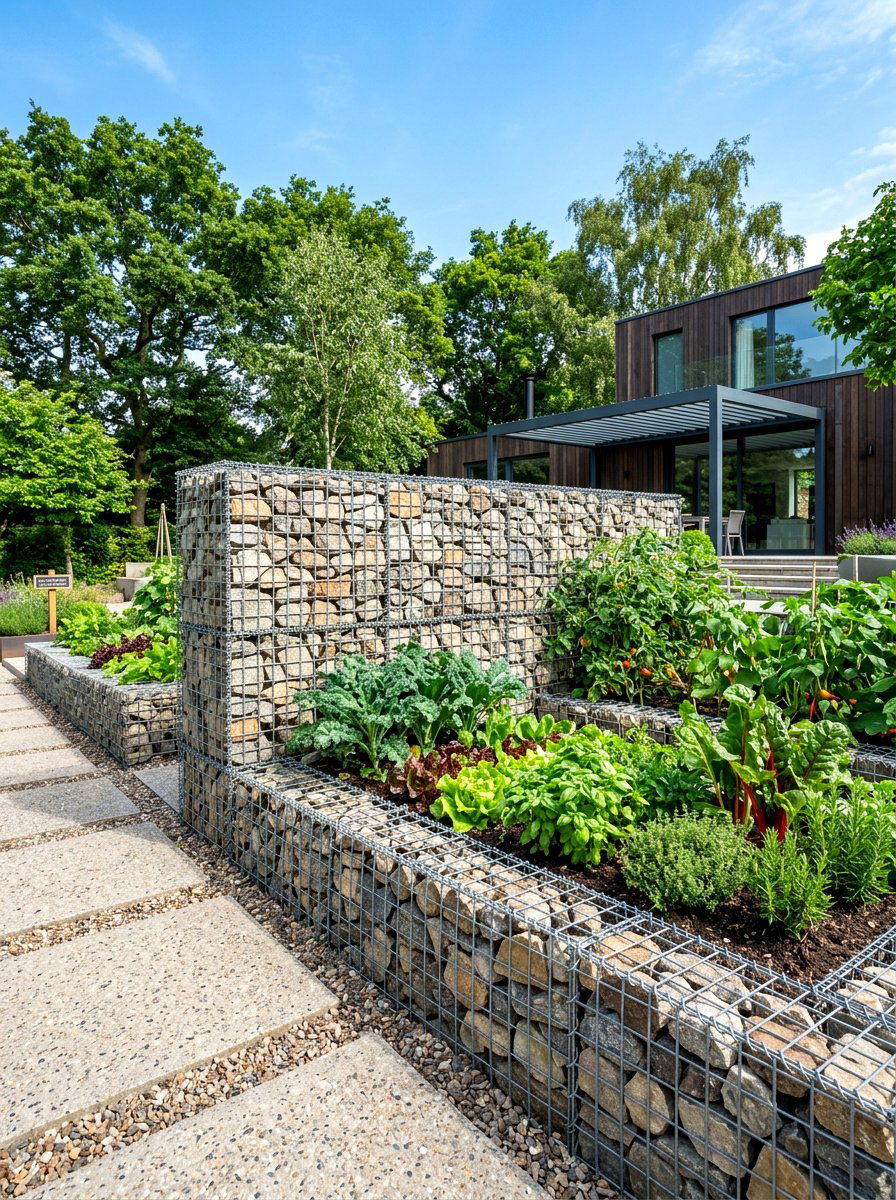
Building a raised vegetable garden bed is one of the most efficient ways to grow food in a confined area. These structures provide excellent drainage and allow you to control the soil quality from the very beginning. By lifting the growing area off the ground, you also reduce the strain on your back and knees during planting and harvesting. Cedar or redwood are popular material choices because they naturally resist rot without the need for harsh chemicals. You can place these beds on top of existing grass or even on a concrete patio to create a dedicated growing zone that looks organized and intentional in your yard.
2. Vertical Vegetable Garden Wall
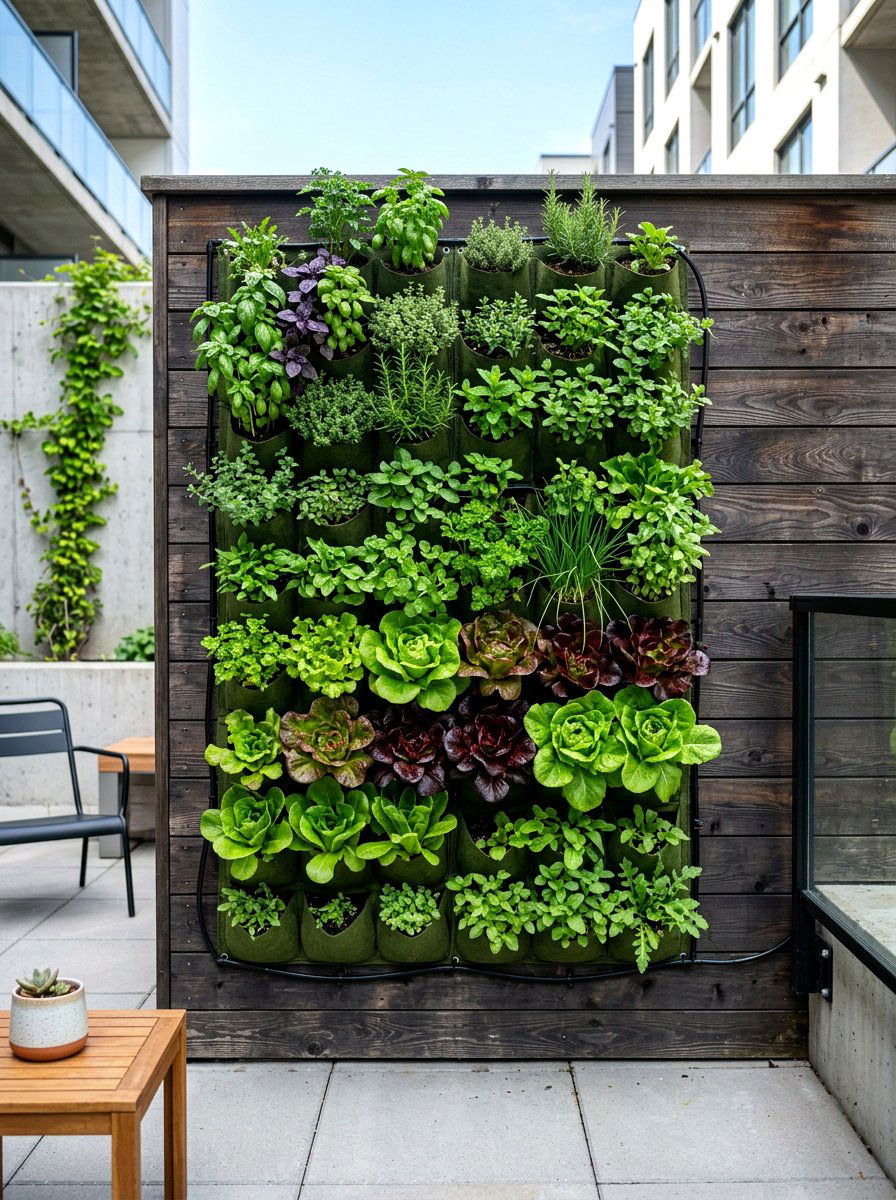
A vertical vegetable garden wall is a brilliant solution for homeowners who lack horizontal space but have plenty of vertical real estate. By utilizing walls, fences, or freestanding towers, you can grow a surprising amount of food in just a few square feet. Pocket planters, felt bags, or mounted wooden boxes are common ways to secure plants like lettuce, spinach, and herbs. This method not only saves floor space but also creates a beautiful living wall that adds texture and greenery to your outdoor living area. It is a modern approach to gardening that combines aesthetic appeal with high-yield productivity for urban dwellers.
3. Small Container Vegetable Garden
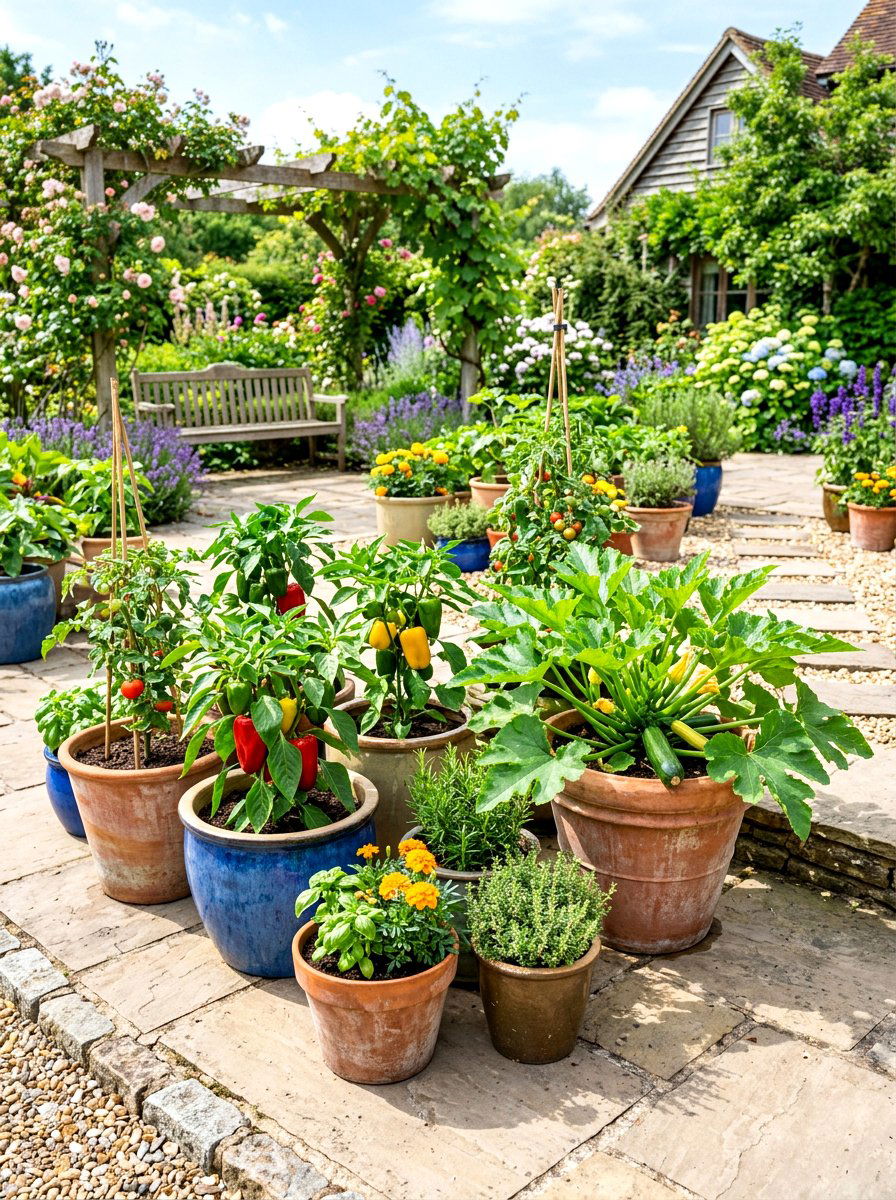
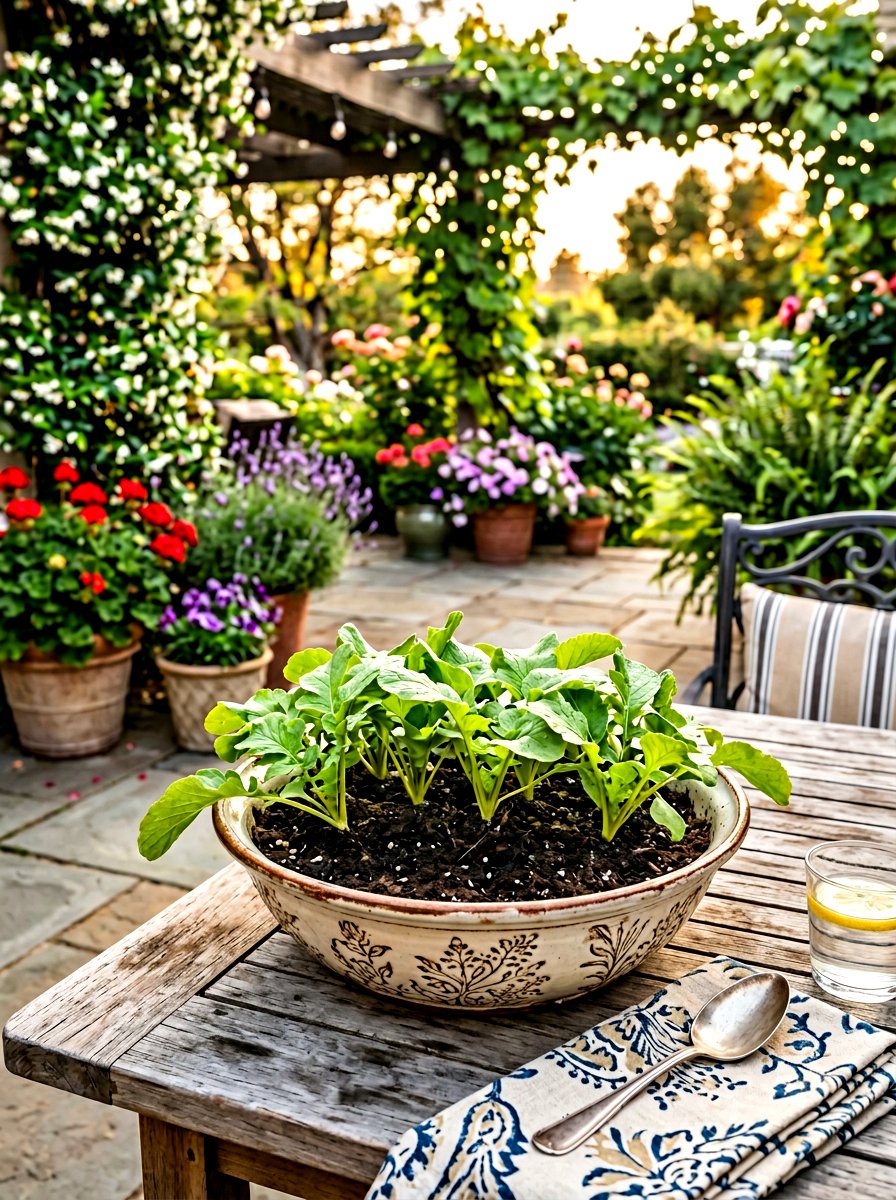
Starting a small container vegetable garden offers the ultimate flexibility for beginners or those living in apartments. You can use various vessels like large ceramic pots, plastic buckets, or resin planters to house your favorite crops. The beauty of this method is the ability to move your plants around to follow the sun throughout the day. Almost any vegetable can grow in a container if the pot is large enough and has proper drainage holes. Using a high-quality potting mix ensures your vegetables receive the necessary nutrients to thrive in a restricted environment. This setup makes gardening accessible and very easy to manage.
4. Balcony Vegetable Garden Setup
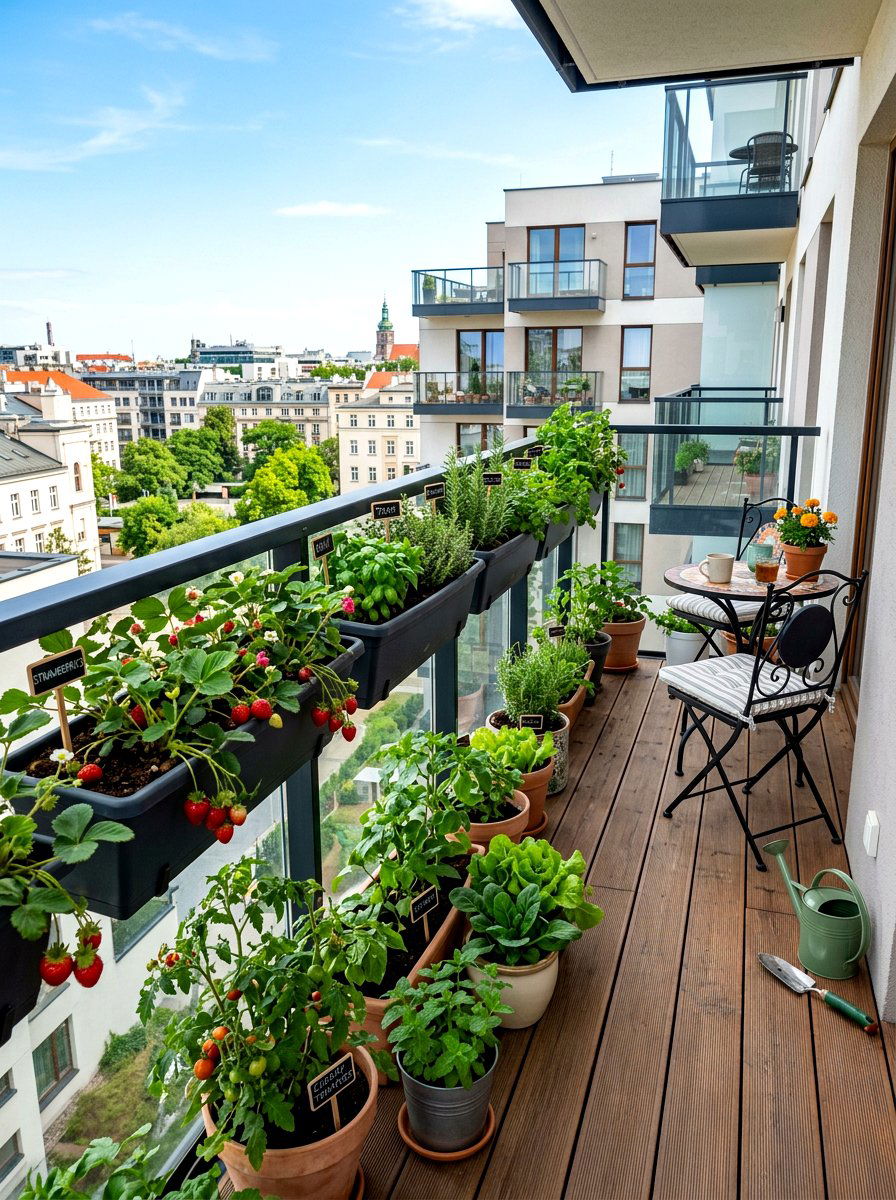
Creating a balcony vegetable garden setup allows urban residents to enjoy fresh harvests right outside their sliding glass doors. Since weight can be a factor on balconies, lightweight fiberglass or plastic pots are excellent choices for this environment. You can utilize railing planters to save floor space while growing trailing plants like strawberries or small cherry tomatoes. Adding a small bistro set next to your plants creates a cozy outdoor nook where you can relax and watch your garden grow. Proper watering is essential here, as wind and high sun exposure on balconies can dry out the soil quickly during summer months.
5. Tiered Vegetable Garden Planter
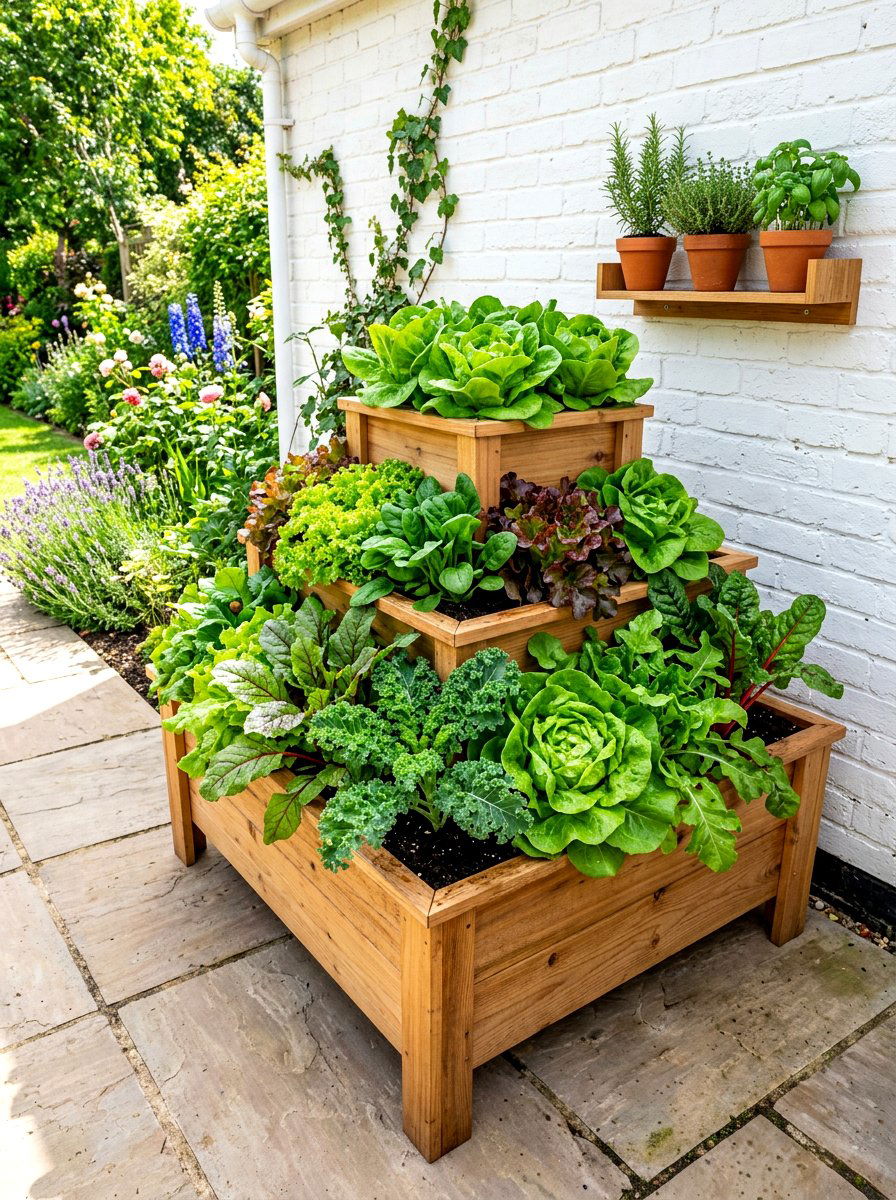
A tiered vegetable garden planter is a clever way to stack your crops and maximize production in a narrow footprint. These multi-level structures allow you to group plants with similar light and water needs together on different levels. You might place sun-loving peppers on the top tier and shade-tolerant greens on the bottom level where they are protected. The cascading effect of the foliage creates a lush, architectural look that serves as a focal point in your yard. It is an excellent choice for corners or small paved areas where traditional digging is not an option. This design brings height and visual interest.
6. Hanging Vegetable Garden Basket
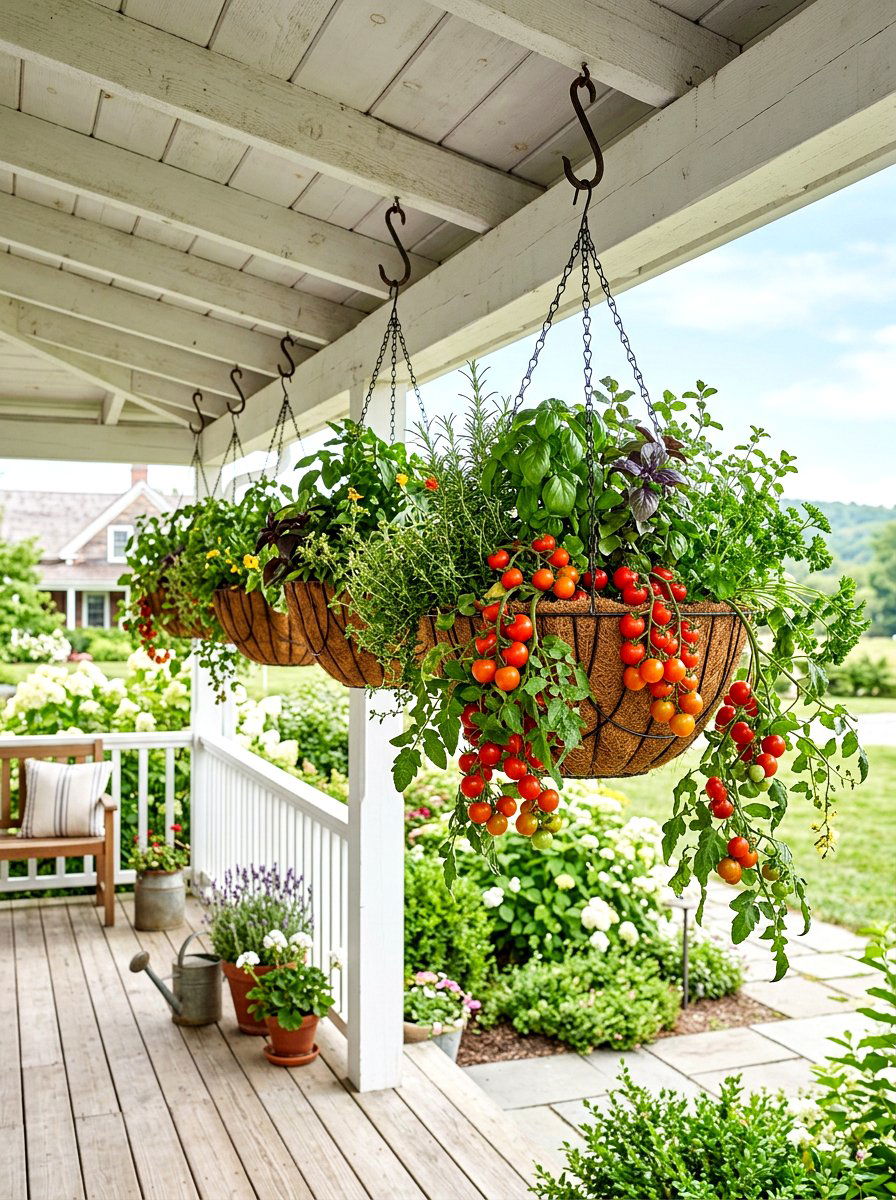
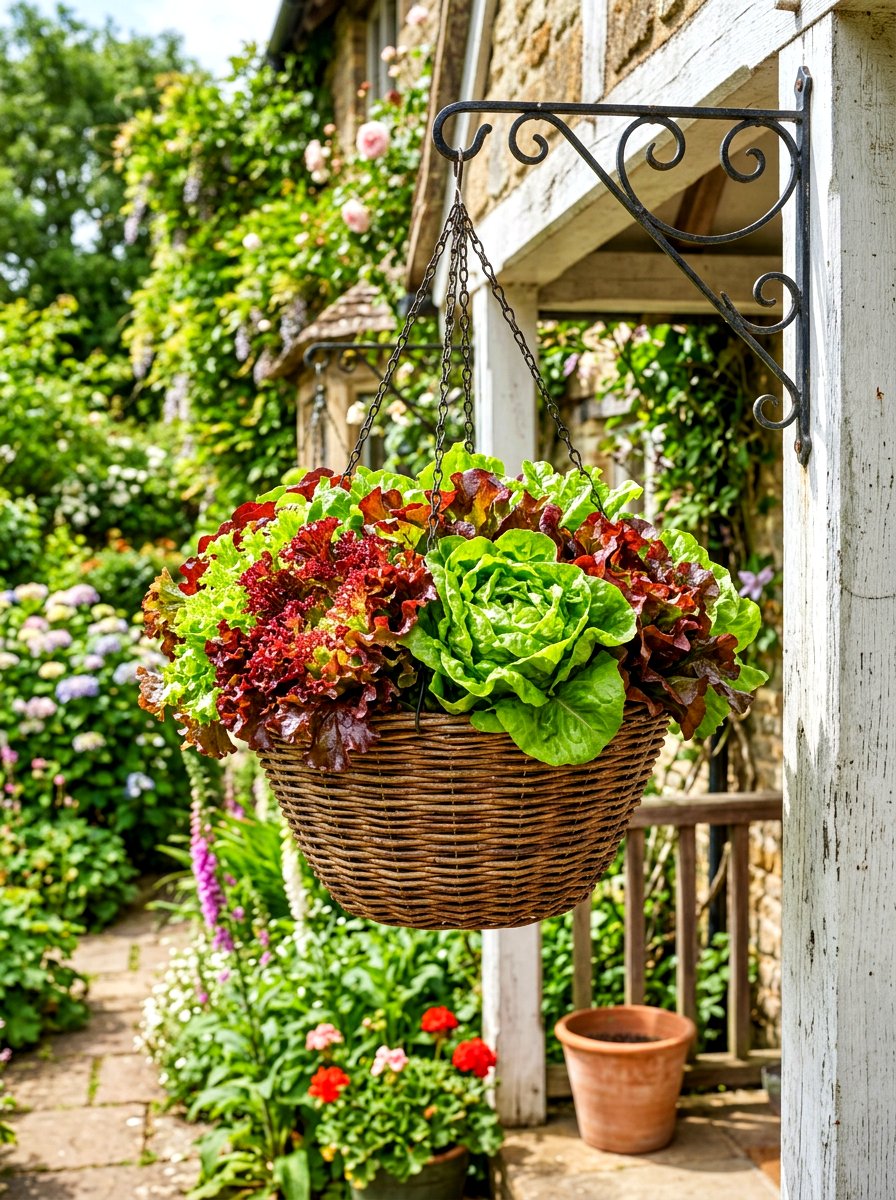
Using a hanging vegetable garden basket is a fantastic way to utilize overhead space on a porch or under an eave. Certain vegetables like cherry tomatoes, strawberries, and various herbs are perfectly suited for life in a suspended container. This method keeps your produce away from ground-dwelling pests and makes harvesting as simple as reaching up. You can choose decorative wire baskets lined with coco coir or modern self-watering plastic versions for easier maintenance. Hanging gardens add a touch of charm and whimsy to your outdoor space while providing a functional source of food that does not take up floor space.
7. Window Box Vegetable Garden
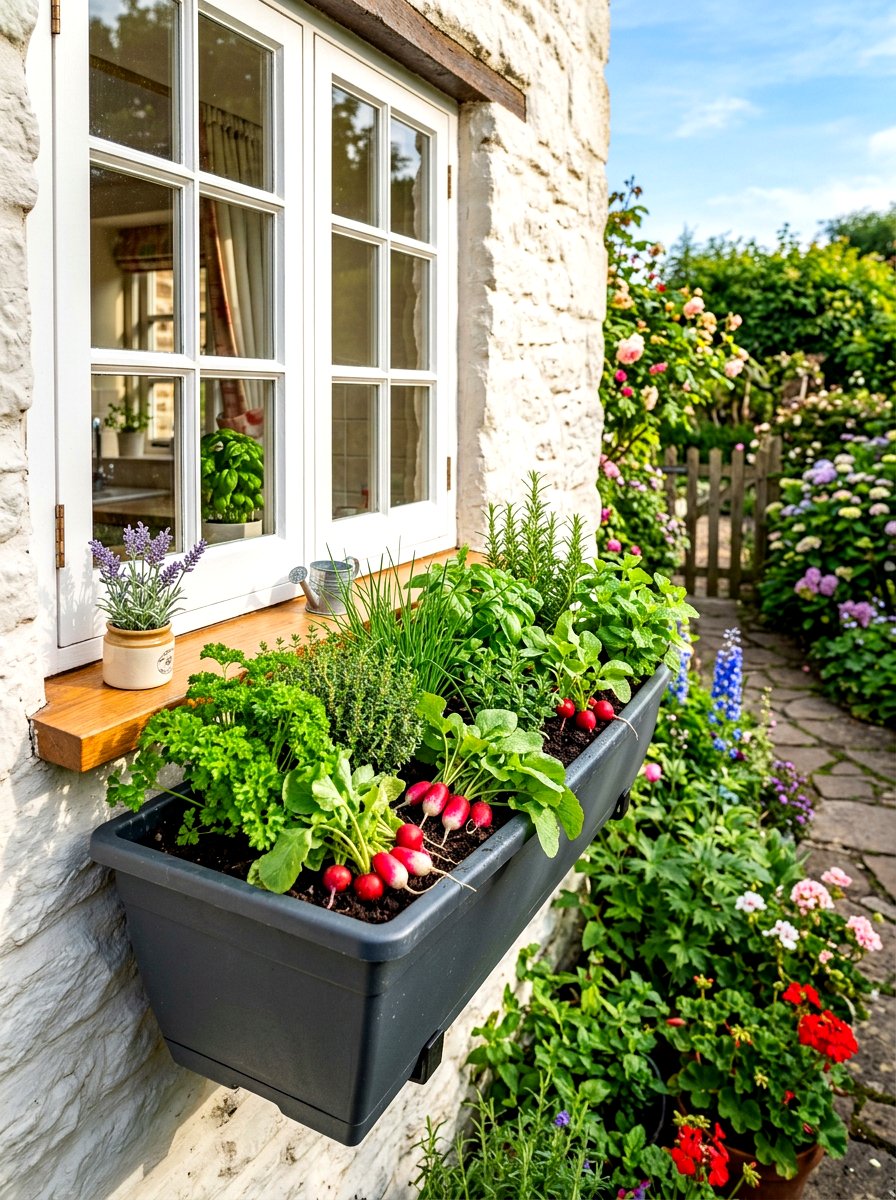
A window box vegetable garden brings your edible plants right to your fingertips, making it incredibly convenient for daily cooking. These narrow planters are perfect for growing culinary herbs, radishes, or dwarf varieties of lettuce and kale. When installed beneath a kitchen window, you can simply reach out and snip what you need for your next meal. Choosing a window box that matches your home’s exterior trim creates a cohesive and polished look. It is important to ensure the boxes are securely mounted to the wall to support the weight of wet soil and mature plants. This setup adds instant curb appeal.
8. Square Foot Vegetable Garden
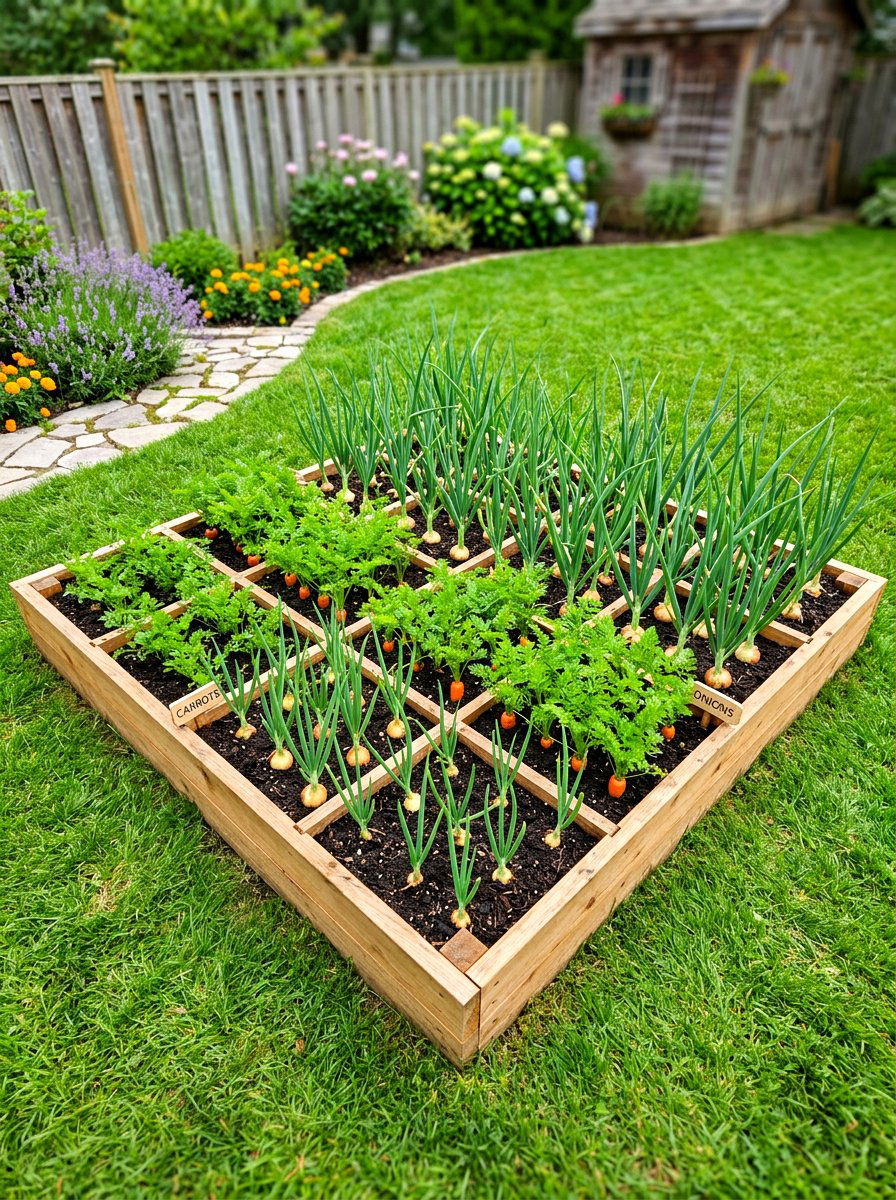
The square foot vegetable garden is a highly organized planting method that maximizes yield in very small spaces. By dividing a garden bed into one-foot squares, you can plant a specific number of different crops in each section based on their size. This intensive planting technique reduces weed growth and eliminates the need for wasted space between rows. It is a perfect system for those who want a variety of vegetables without maintaining a large plot. The clear grid system makes it easy for children or novice gardeners to understand spacing and plant care. It looks tidy and professional in any backyard.
9. Trellis Vegetable Garden System
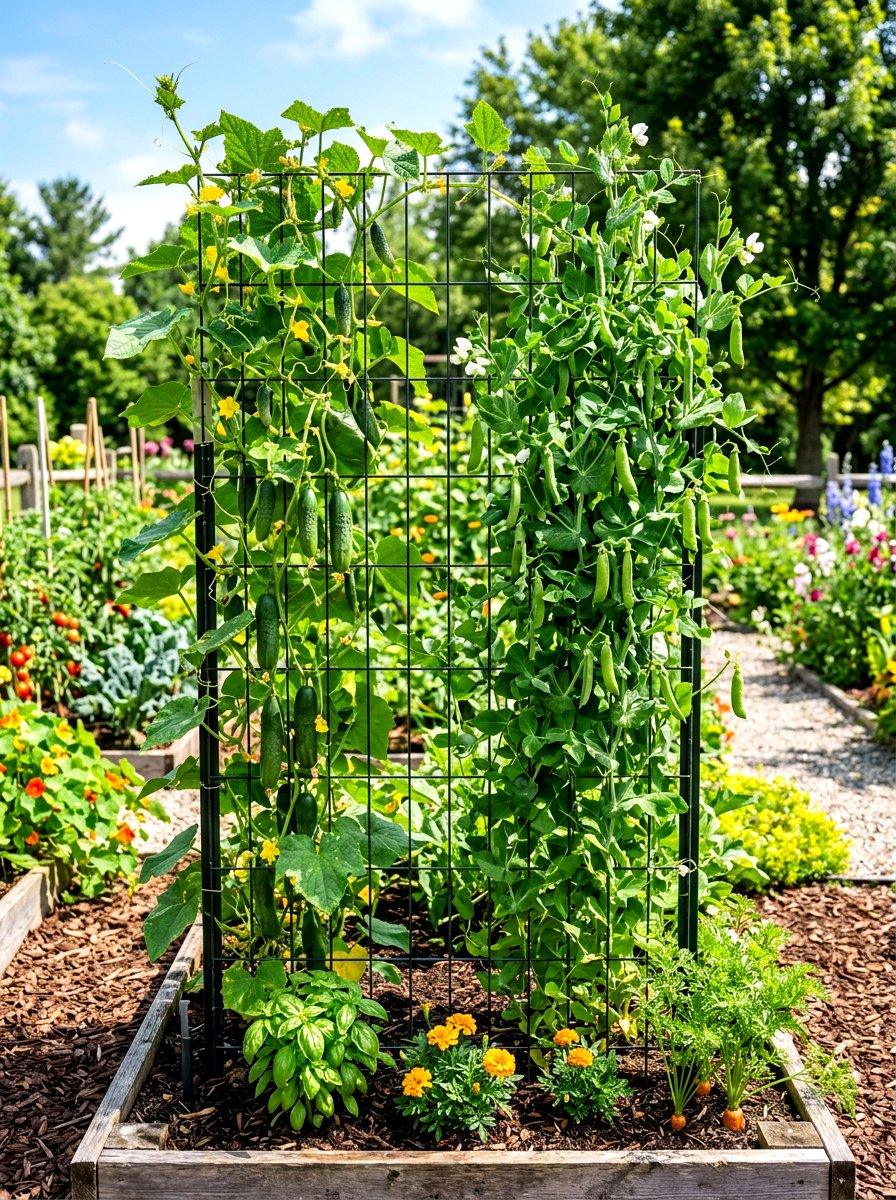
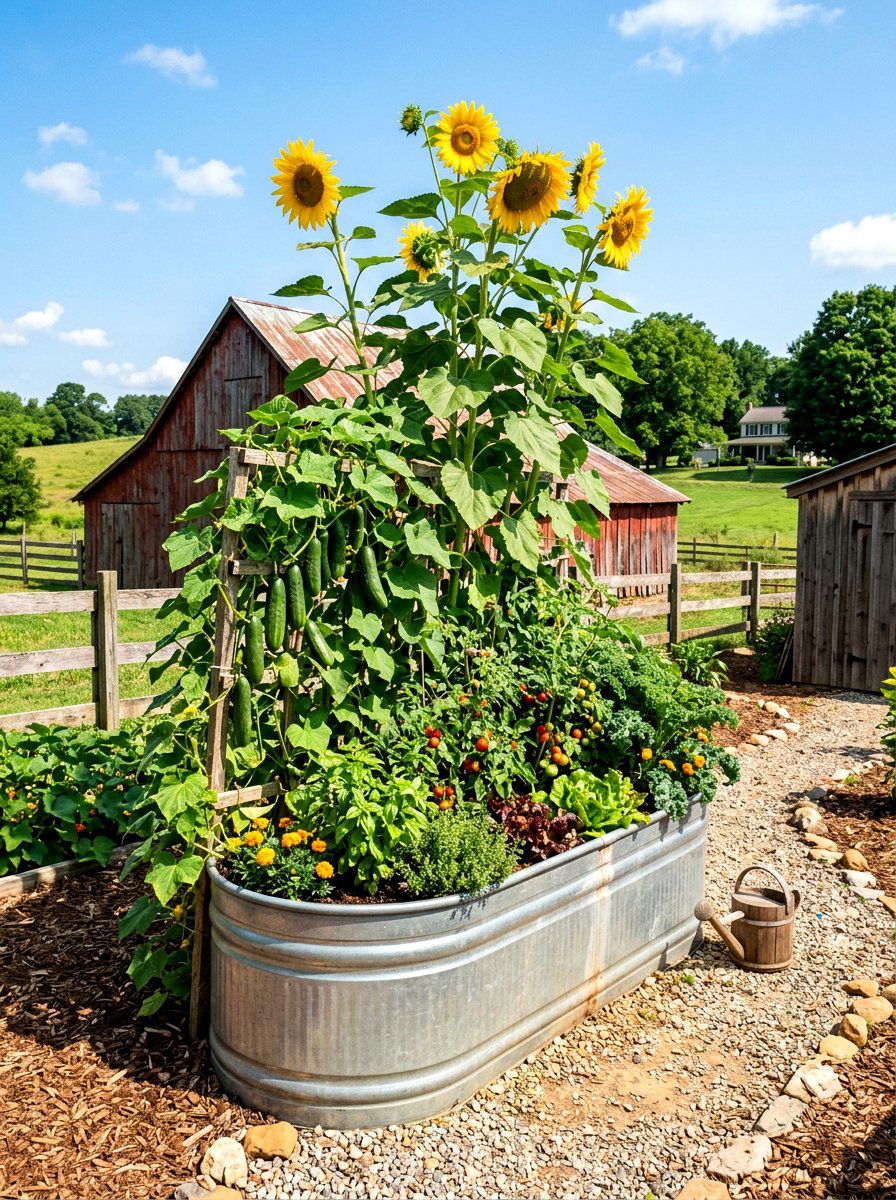
Implementing a trellis vegetable garden system allows you to grow vining plants upwards instead of letting them spread across the ground. Vegetables like cucumbers, pole beans, and peas will naturally climb a sturdy support, saving significant horizontal space. You can use wooden lattices, metal cattle panels, or simple twine setups to provide the necessary structure for your climbing plants. This method also improves air circulation around the foliage, which helps prevent common fungal diseases. Harvesting becomes much easier when the fruit is hanging at eye level. A well-designed trellis can also act as a beautiful living privacy screen.
10. Pallet Vegetable Garden Unit
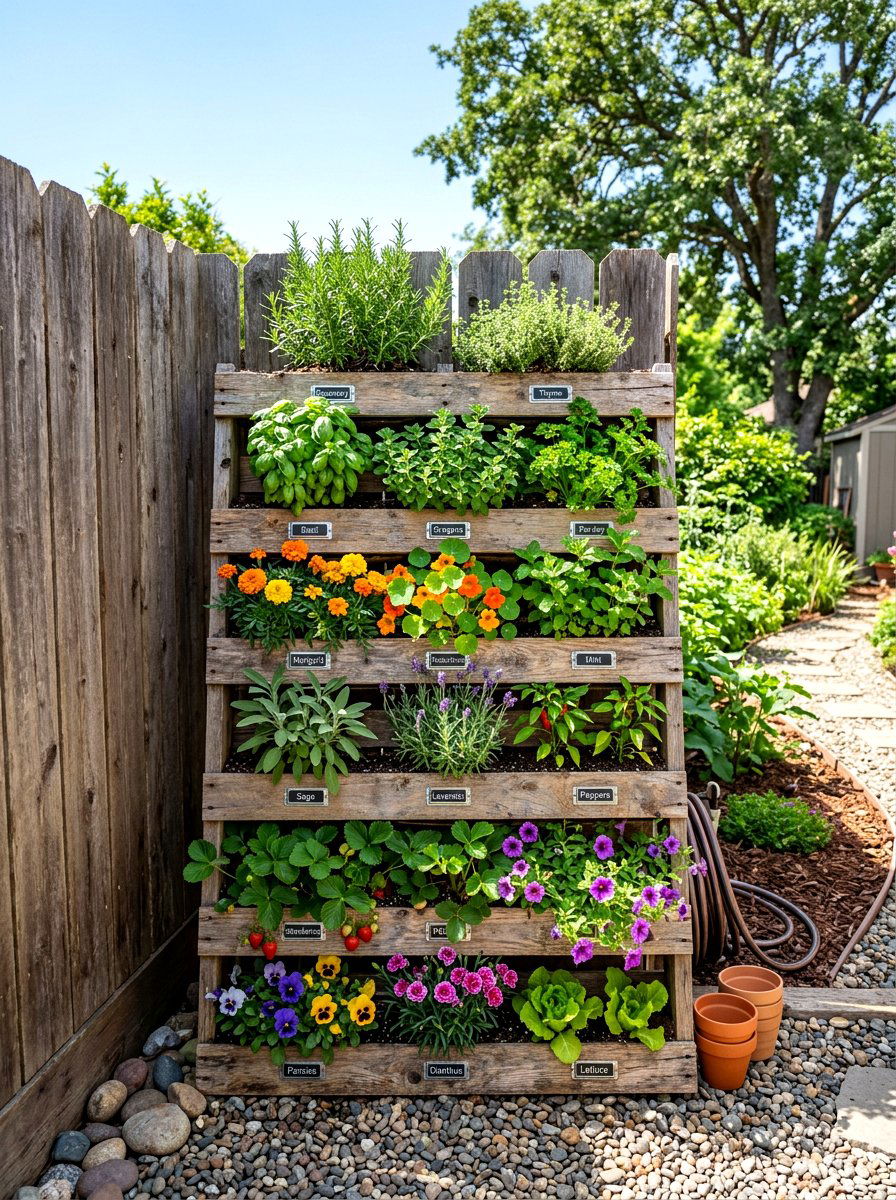
A pallet vegetable garden unit is an affordable and eco-friendly way to start your small-scale growing journey. By repurposing a heat-treated wooden shipping pallet, you can create a rustic vertical planter that is perfect for herbs and leafy greens. Simply staple landscape fabric to the back and bottom to hold the soil in place before filling the slats with dirt. This project is a great way to recycle materials while creating a functional piece of garden art. It leans easily against a wall or fence, making it ideal for narrow side yards or small patios where space is at a premium.
11. Wall Herb Garden Planter
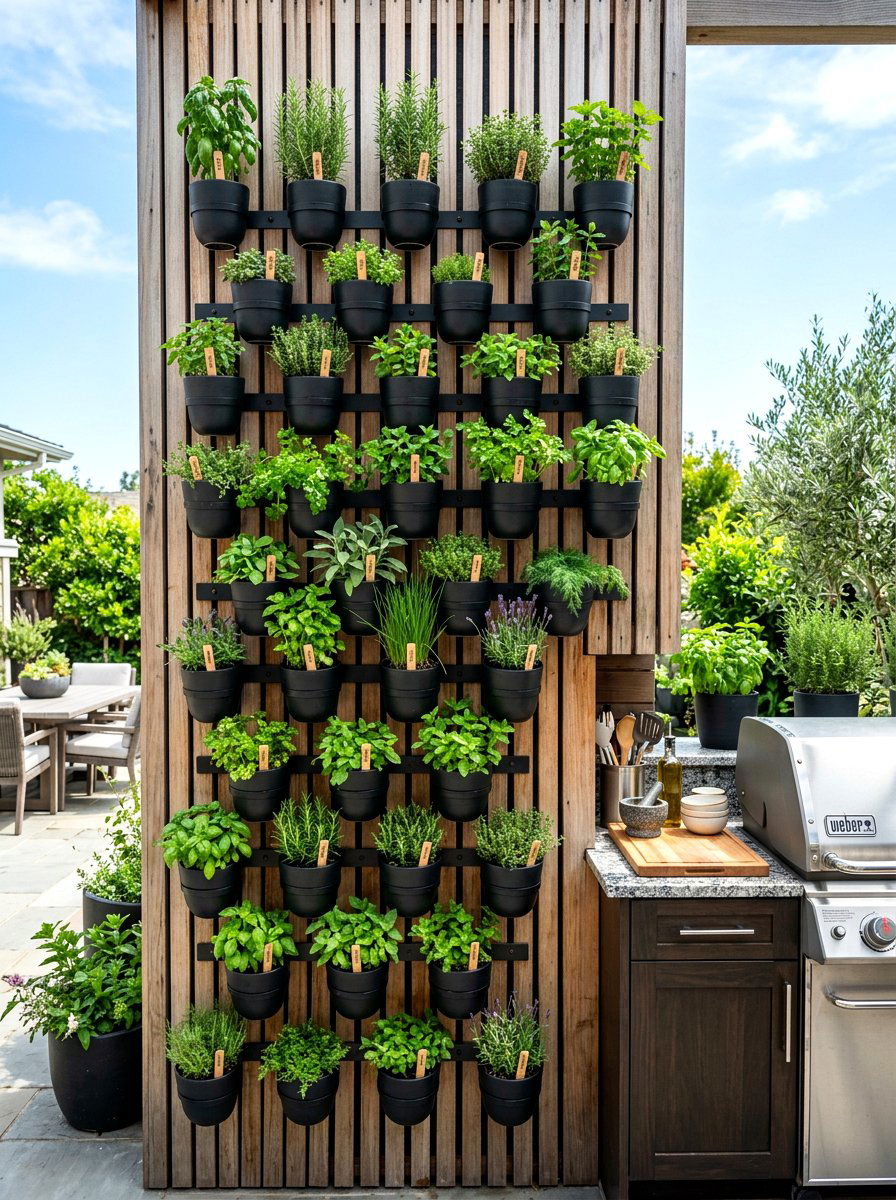
Installing a wall herb garden planter is a stylish way to keep fresh seasonings close to your outdoor grill or kitchen. You can use a variety of mounting systems, such as individual pots attached to a rail or a large integrated panel with many pockets. Herbs like basil, thyme, rosemary, and oregano thrive in these environments and provide a wonderful fragrance every time you walk by. This vertical arrangement keeps your herbs organized and easily accessible for harvesting. It also protects your plants from pets or garden pests that might wander through your patio area. This setup is both functional and decorative.
12. Mini Greenhouse Vegetable Garden
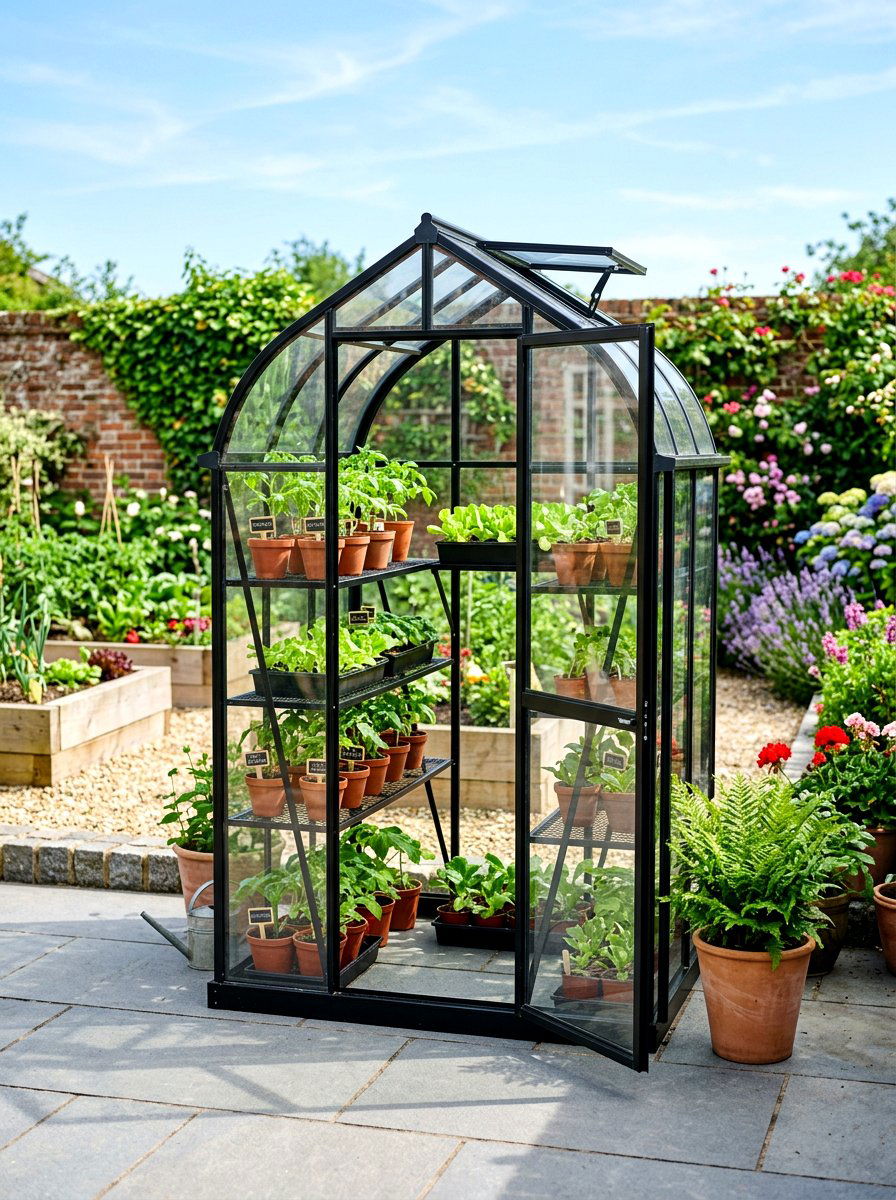
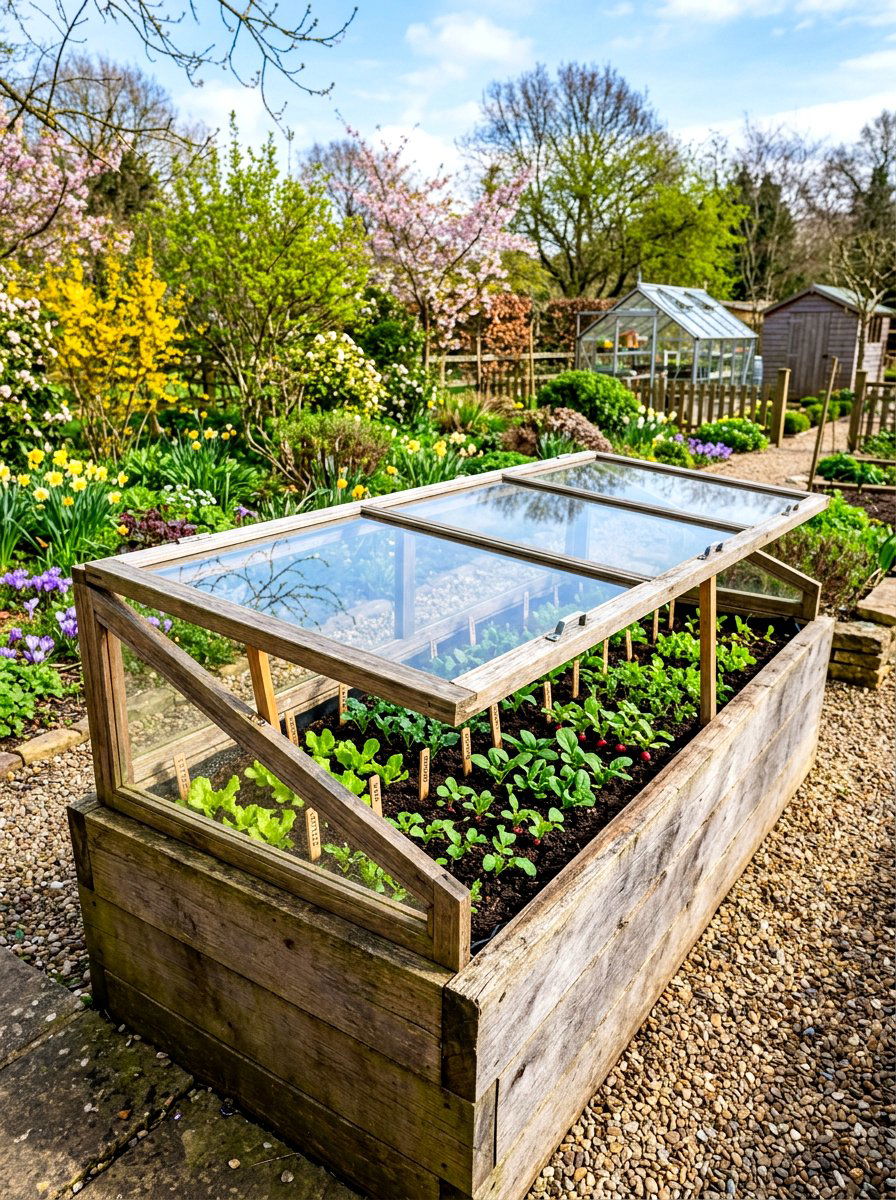
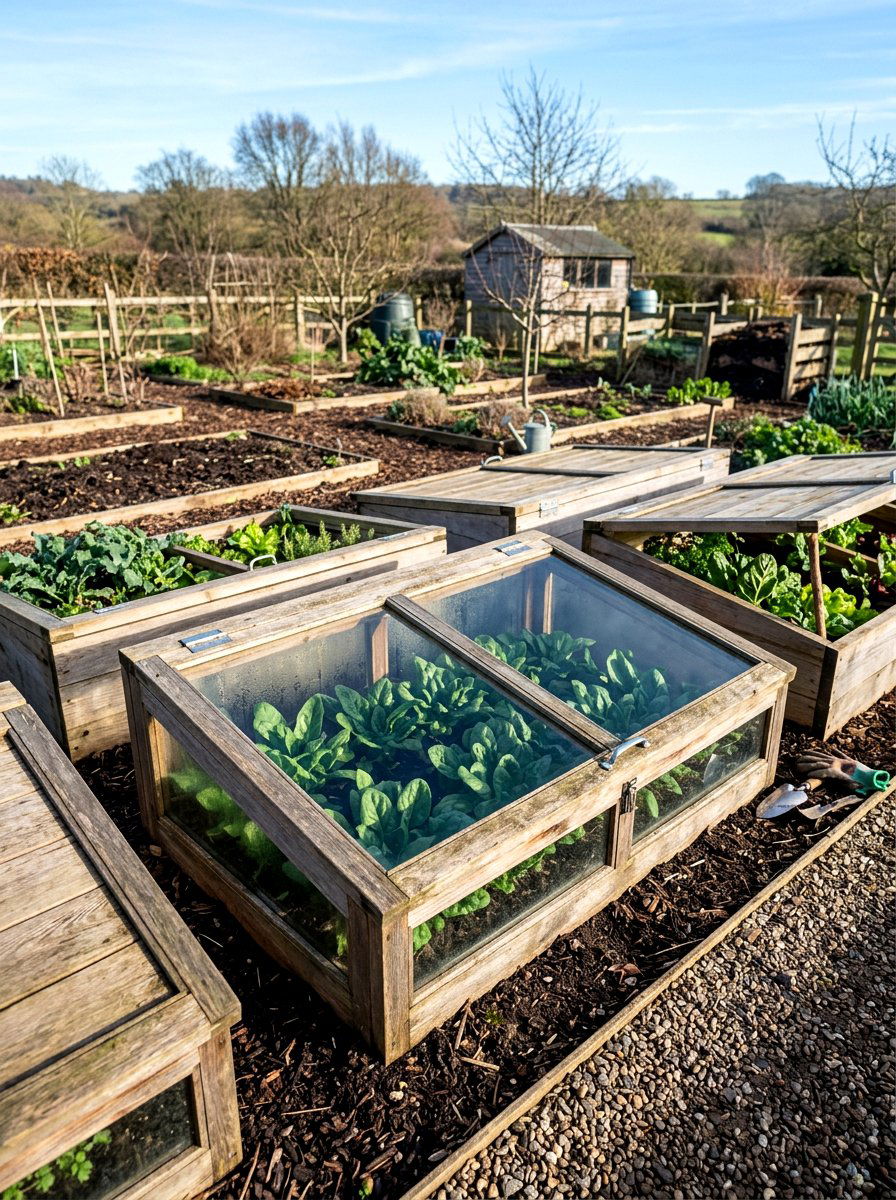
A mini greenhouse vegetable garden is an excellent investment for extending your growing season in a small space. These compact structures protect delicate seedlings from frost and trap heat to help warmth-loving plants like peppers and tomatoes thrive. You can find small, tiered models that fit perfectly on a patio or even a large balcony. The clear covers allow sunlight to penetrate while keeping out harsh winds and unwanted pests. Having a controlled environment allows you to start your garden earlier in the spring and keep it going later into the autumn. It provides a professional touch to a hobbyist gardener's setup.
13. Patio Vegetable Garden Layout
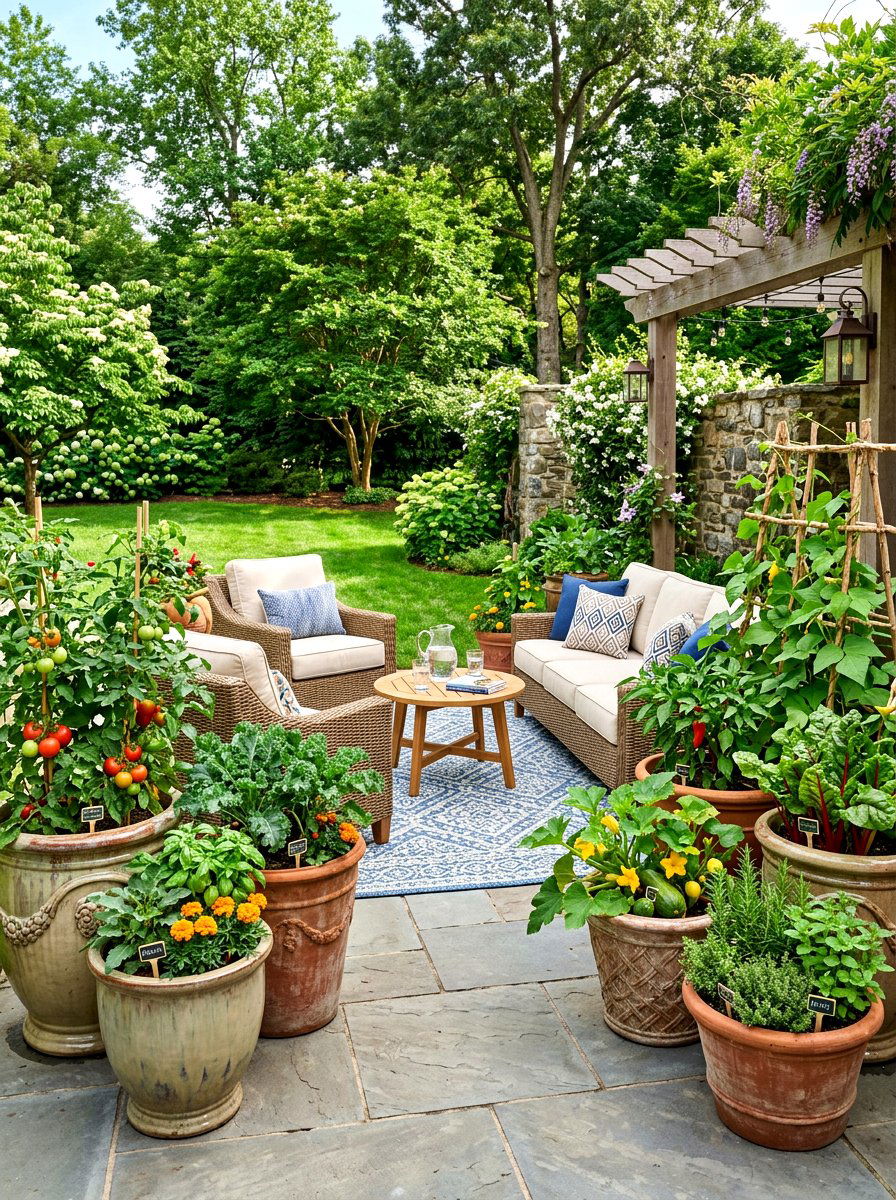
Planning a patio vegetable garden layout involves integrating your edible plants directly into your outdoor living and dining areas. You can use a combination of large planters and decorative pots to frame your seating area with lush greenery. Incorporating vegetables that have beautiful foliage, such as Swiss chard or purple kale, adds an ornamental element to your patio design. This approach turns your garden into an extension of your home where you can entertain guests surrounded by your harvest. Using uniform pot styles and colors helps the space feel cohesive and high-end. It is the perfect blend of utility and backyard luxury.
14. Gutter Vegetable Garden Rack
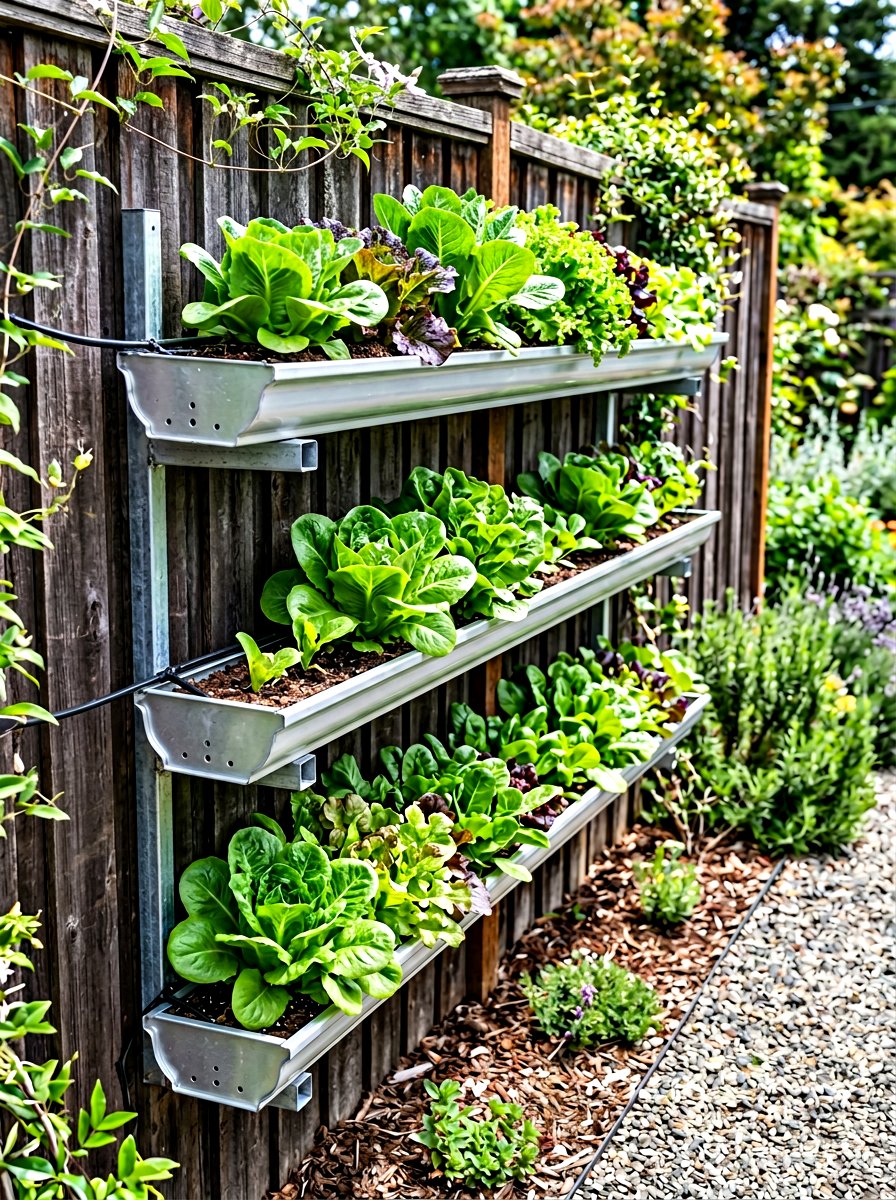
A gutter vegetable garden rack is an innovative way to grow shallow-rooted crops along a fence or wall. By mounting standard rain gutters in horizontal rows, you create long, narrow planting beds that are perfect for lettuce, spinach, and strawberries. This vertical system is very lightweight and can be installed at different heights for easy access. It is a fantastic use of space that might otherwise go completely unused in a small backyard. The sleek lines of the gutters give the garden a modern and industrial feel. Proper drainage holes are necessary to ensure the plants do not become waterlogged during heavy rains.
15. Kitchen Vegetable Garden Station
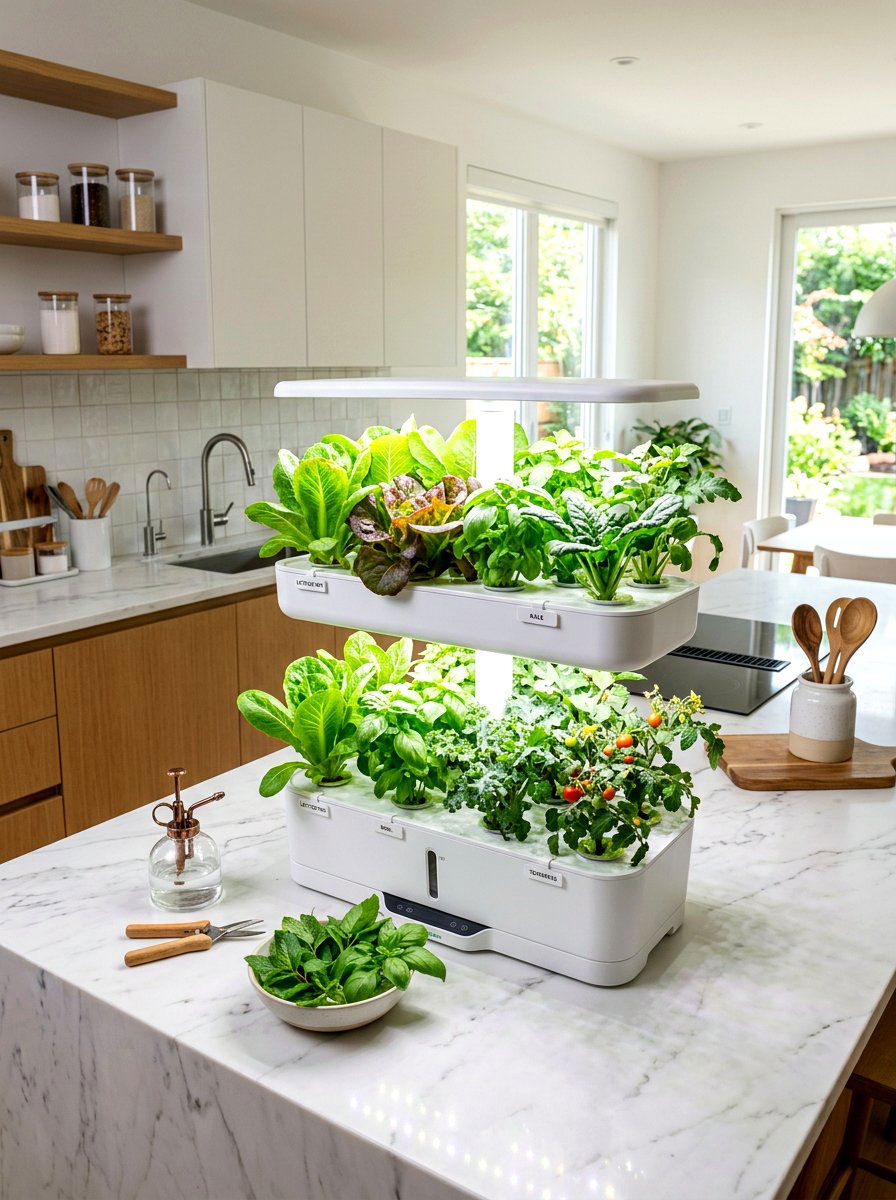
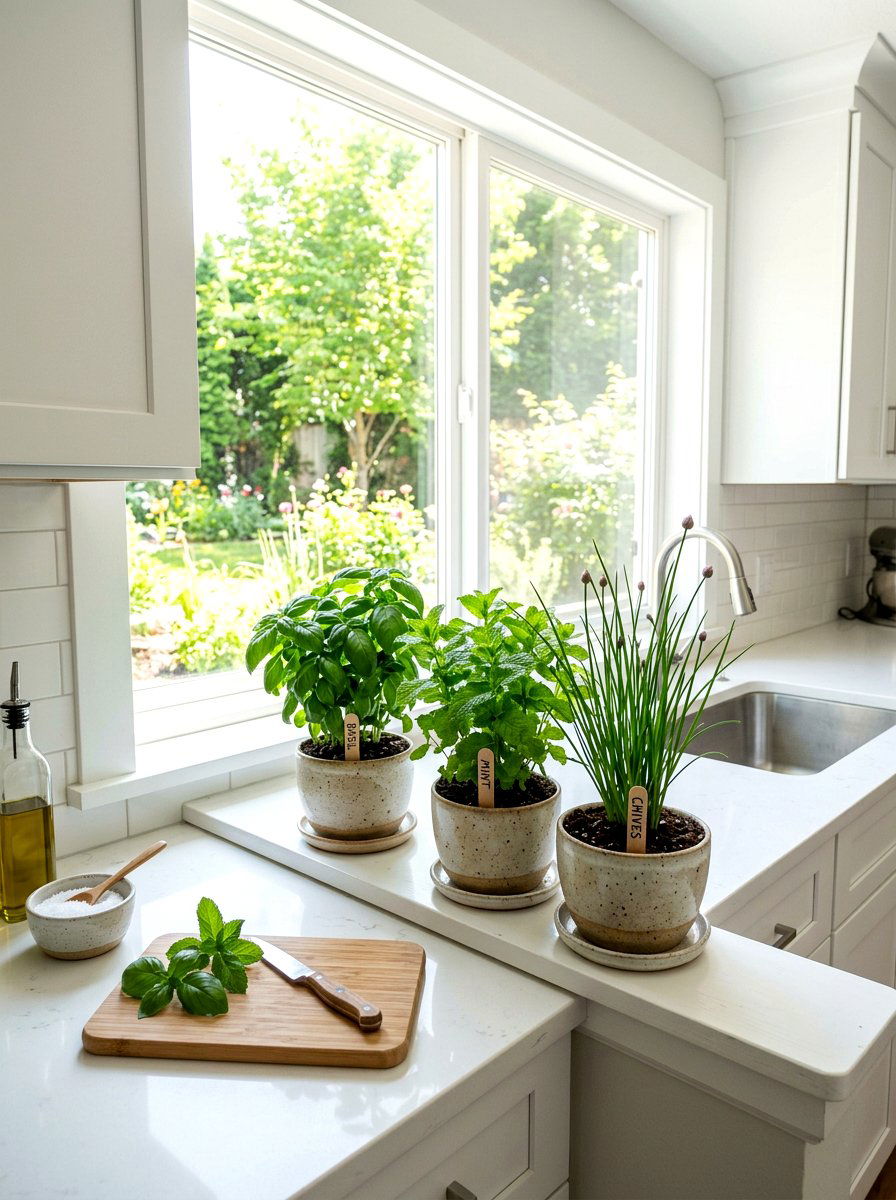
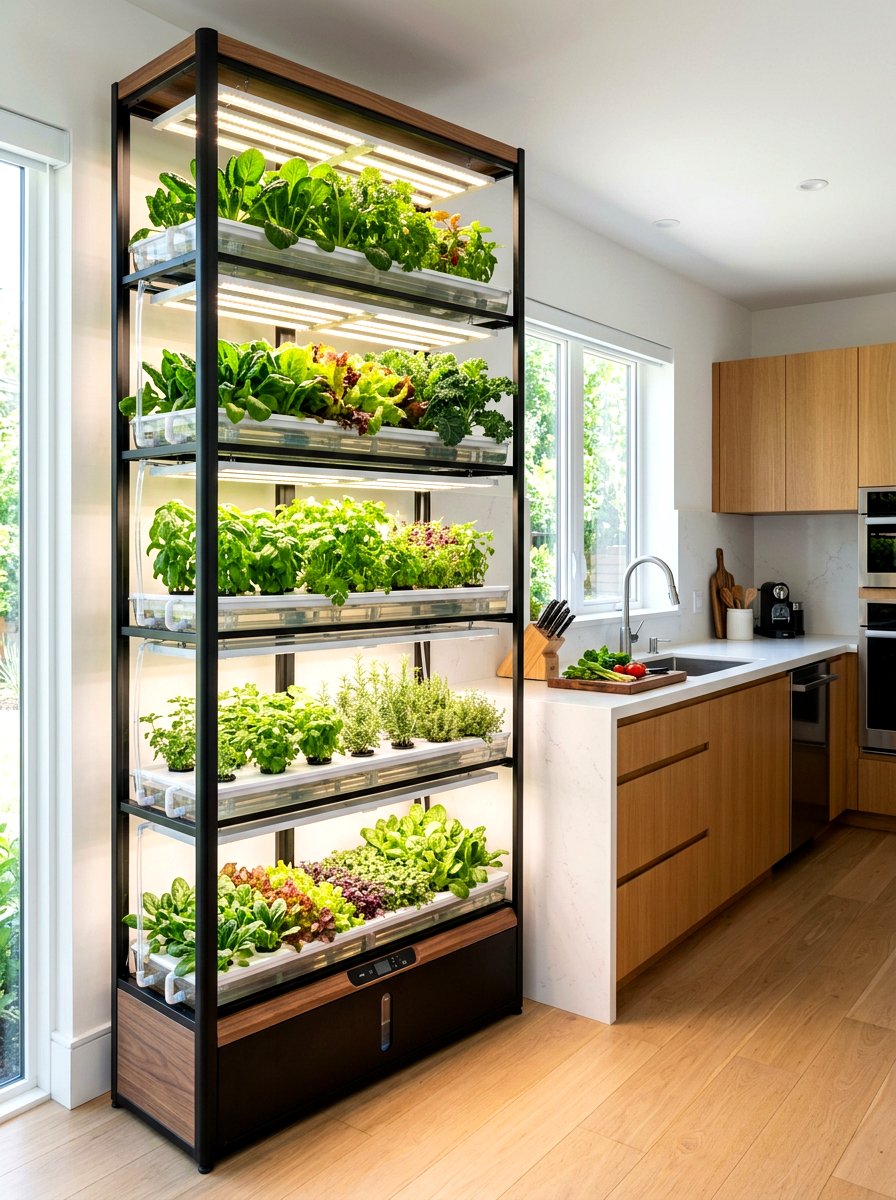
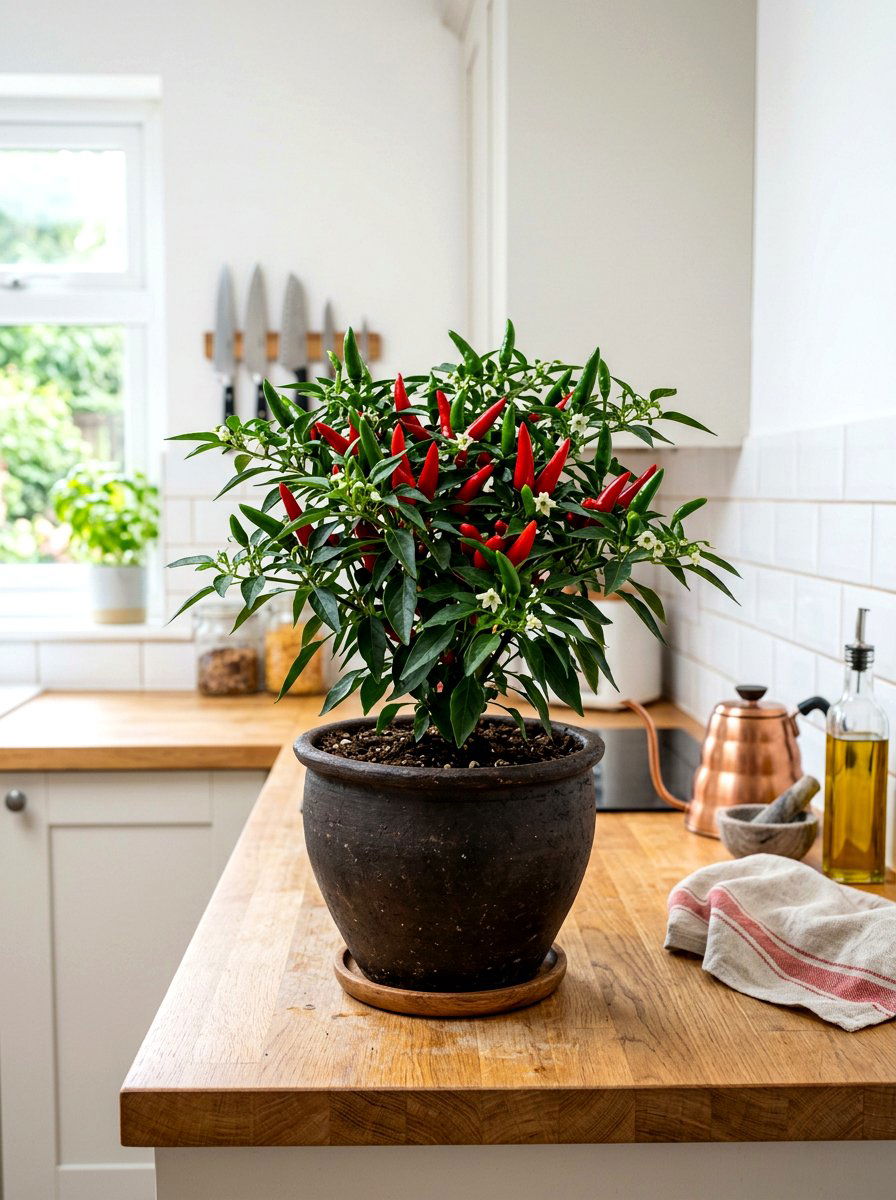
Setting up a kitchen vegetable garden station indoors allows you to enjoy fresh greens and herbs all year long regardless of the weather. These stations often include built-in grow lights and self-watering reservoirs to make maintenance simple for busy homeowners. You can place a sleek, modern unit on your countertop or a dedicated side table to keep your plants within reach. This setup is perfect for growing microgreens, herbs, and even small varieties of peppers or tomatoes. Having vibrant, growing plants in your kitchen adds a fresh energy to the room. It also encourages healthier eating habits by making fresh produce readily available.
16. Indoor Vegetable Garden Kit
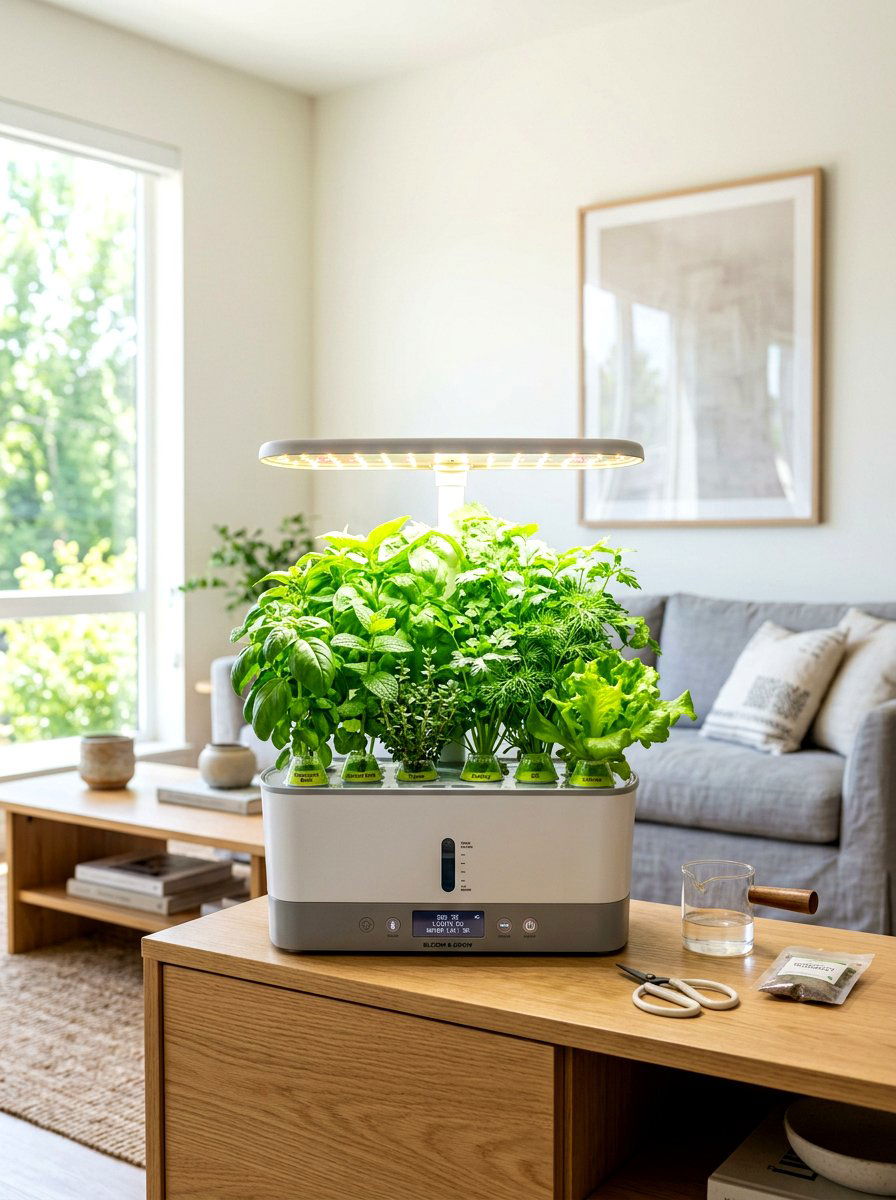
An indoor vegetable garden kit is a great starting point for those who want to grow food but have zero outdoor space. These kits often come with everything you need, including specialized pods, nutrients, and automated lighting systems. Many modern designs use hydroponics or aeroponics, meaning you can grow plants without any messy soil. These units are compact enough to fit on a bookshelf or a small desk, making them ideal for apartment living. They serve as a great educational tool for children to learn about how food grows. The bright light from the kit can also help brighten up a dark corner.
17. Potted Vegetable Garden Display
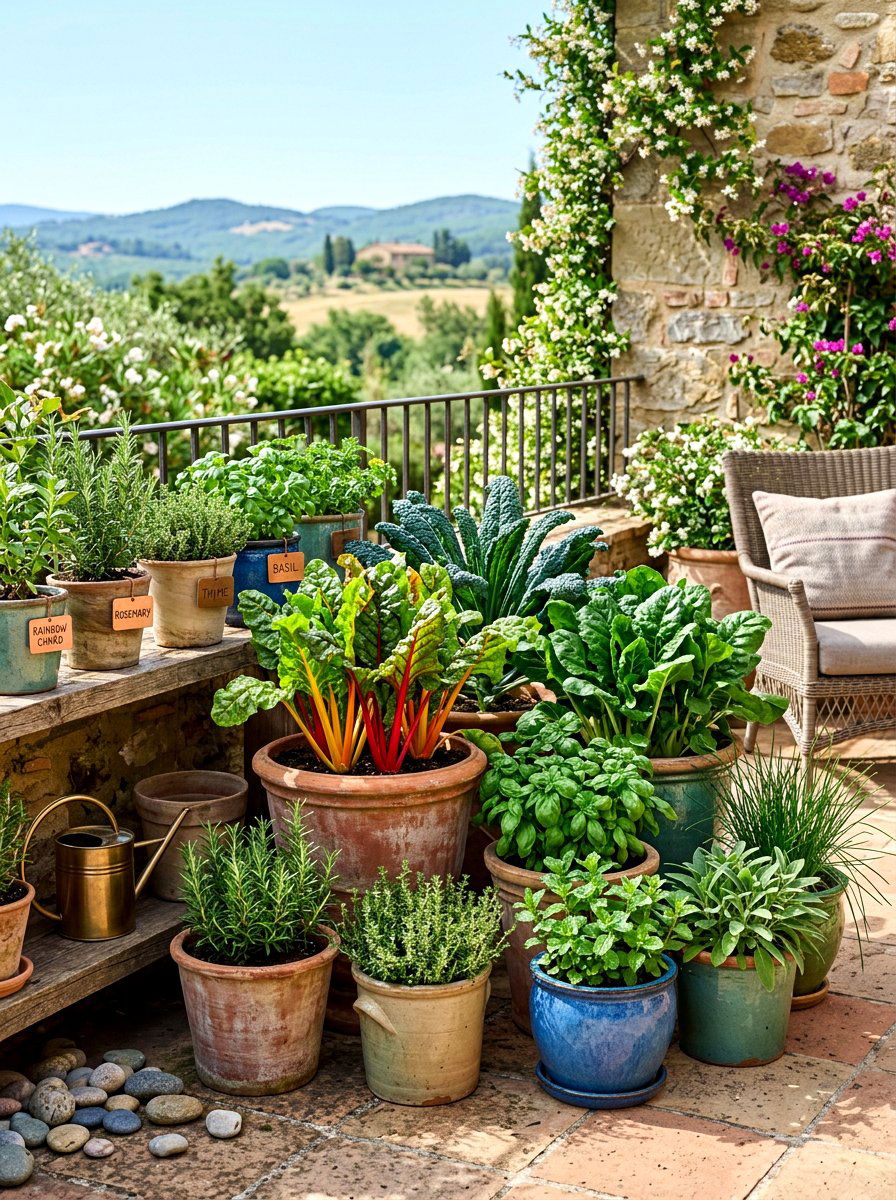
A potted vegetable garden display focuses on the aesthetic arrangement of various containers to create a beautiful garden scene. By varying the heights and sizes of your pots, you can create a layered look that feels full and abundant. Grouping pots together also helps create a microclimate that can retain moisture better than isolated containers. You can mix flowering annuals with your vegetables to attract pollinators and add pops of color to the display. This flexible approach allows you to change the arrangement whenever you like. It is a wonderful way to express your personal style through gardening and outdoor decor.
18. Ladder Vegetable Garden Stand
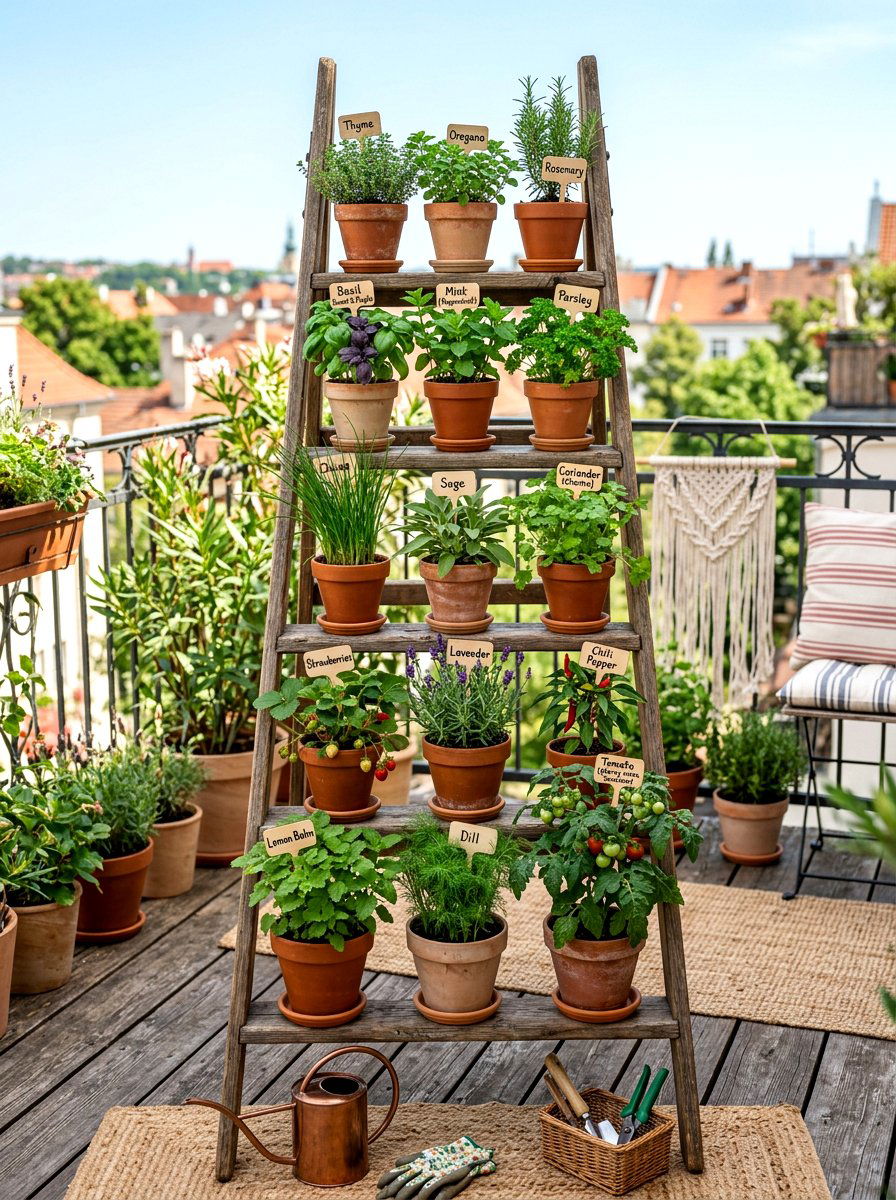
Using a ladder vegetable garden stand is a trendy and space-saving way to organize your potted plants vertically. You can repurpose an old wooden ladder or buy a modern tiered stand specifically designed for outdoor use. Each rung or shelf holds a different container, allowing you to display a wide variety of vegetables in a very narrow area. This setup is particularly effective for small patios or decks where you want to keep the center of the space clear. The vertical orientation ensures that every plant gets adequate sunlight and airflow. It adds a charming, rustic touch to any small garden area.
19. Step Vegetable Garden Stairs
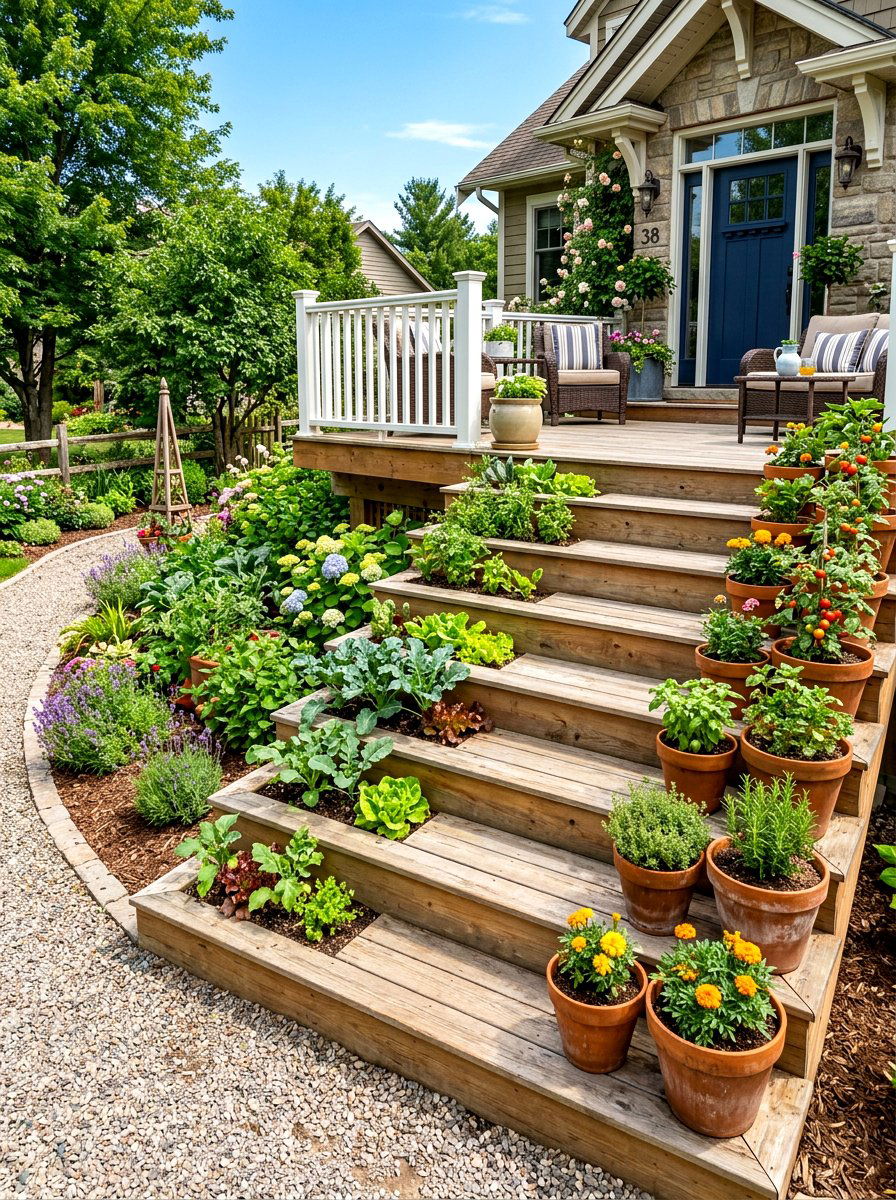
A step vegetable garden uses the natural incline of a staircase or a custom-built tiered structure to house different plants. This design is perfect for front porches or back decks where you have existing steps that can be utilized. Placing individual pots on the ends of the steps creates a beautiful entryway lined with fresh produce and herbs. If you build a dedicated step structure, it provides deep soil pockets for larger plants like zucchini or tomatoes. This method effectively turns a transition space into a productive growing zone. It is a smart way to use every inch of your property’s available surface.
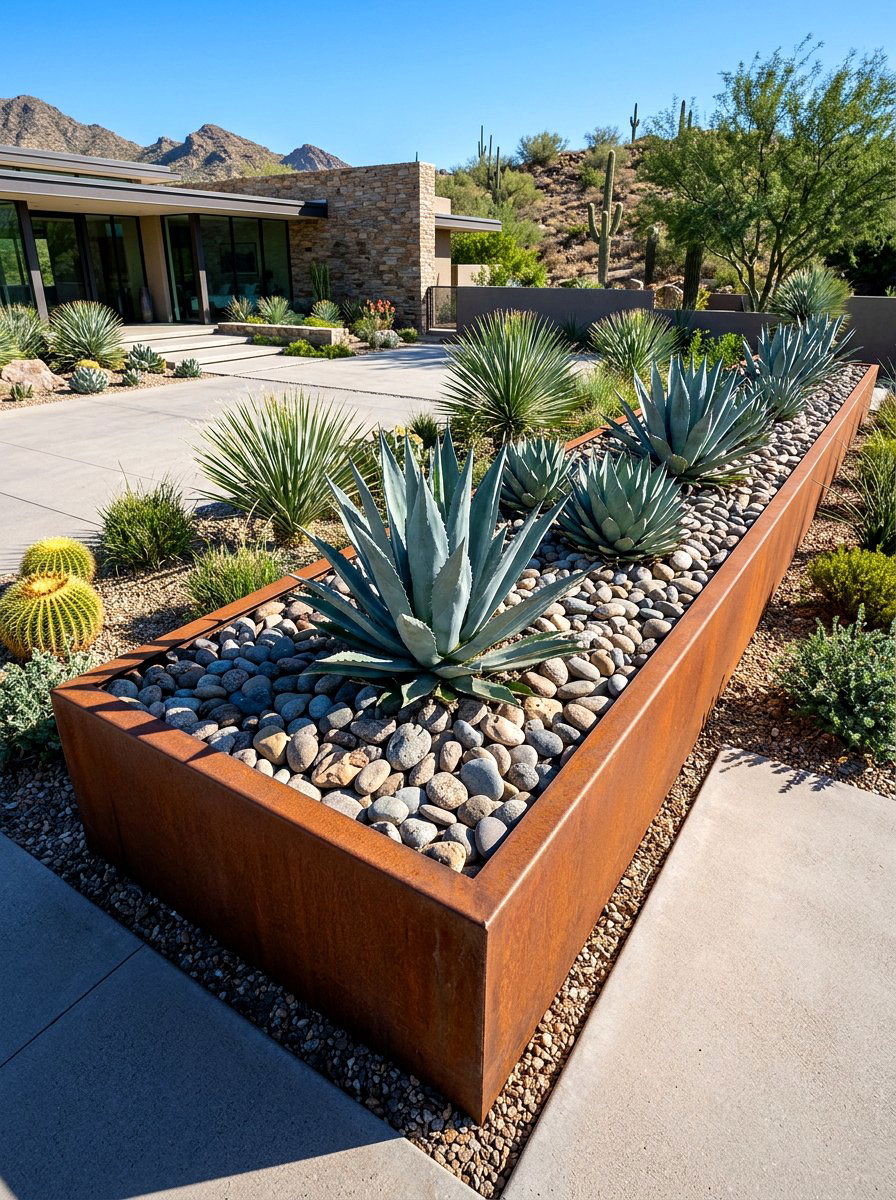
20. Compact Backyard Vegetable Garden
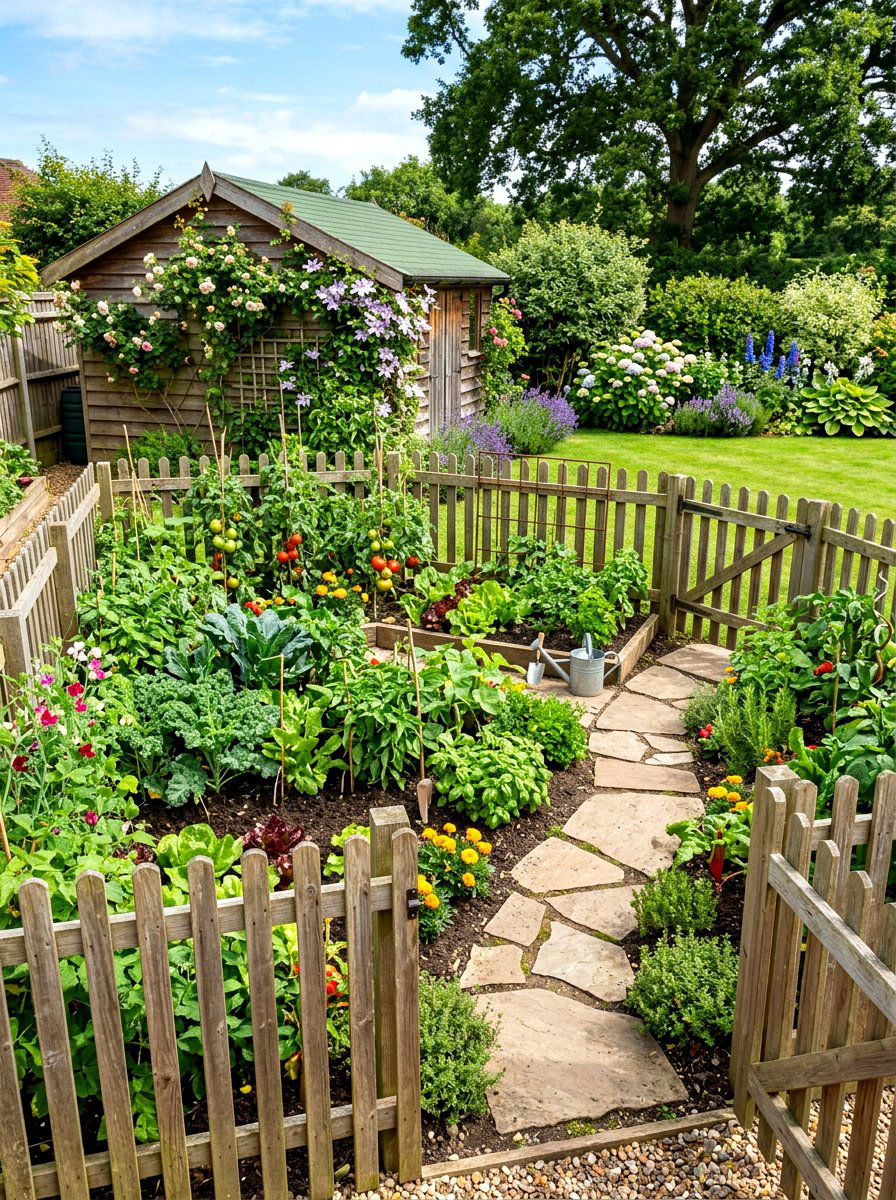
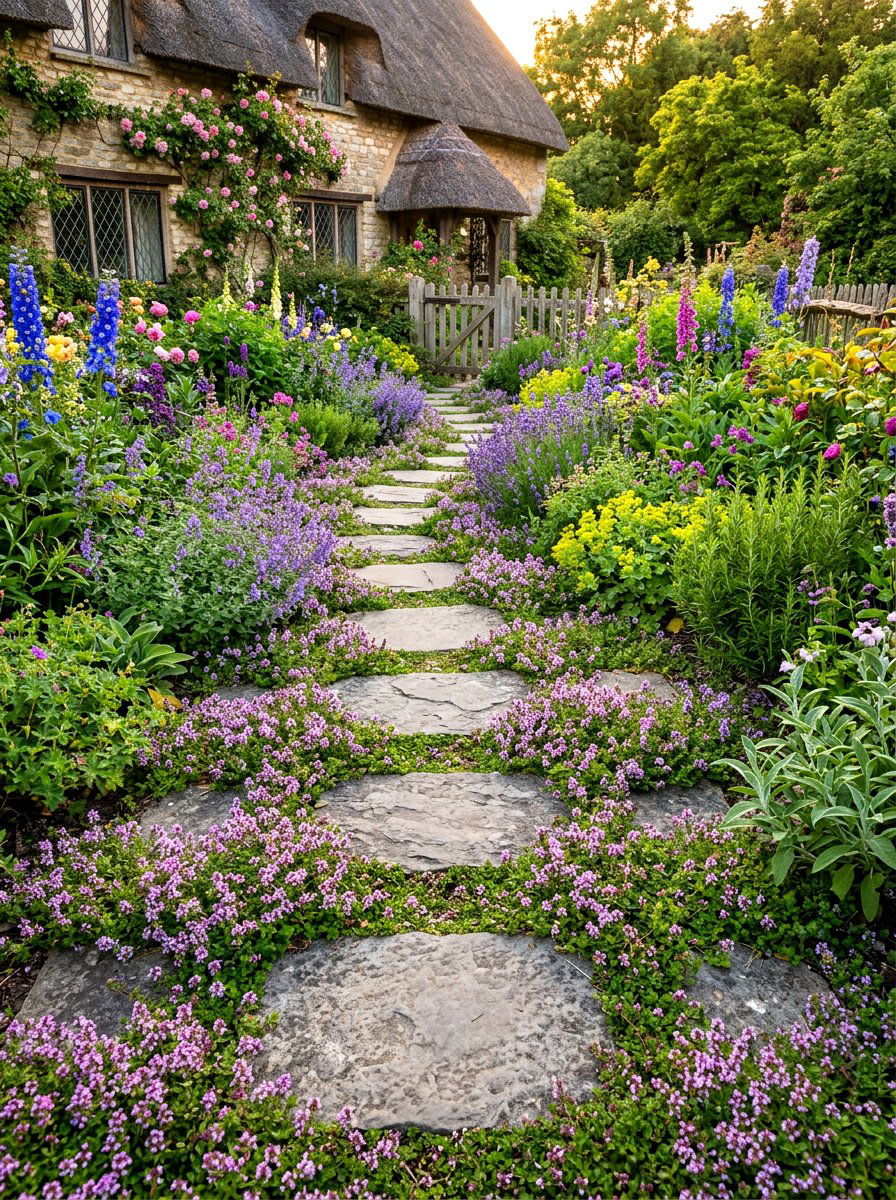
Even if you only have a tiny patch of grass, a compact backyard vegetable garden can produce a significant amount of food. By using intensive planting techniques and focusing on high-yield varieties, you can make the most of a small plot. Incorporating a few well-placed stepping stones allows you to reach the center of the garden without compacting the soil. Surrounding the plot with a small decorative fence keeps it looking tidy and protects it from wandering feet or pets. This traditional approach to gardening feels grounded and rewarding. It provides a peaceful sanctuary where you can work and enjoy the outdoors.
21. Wood Deck Vegetable Garden
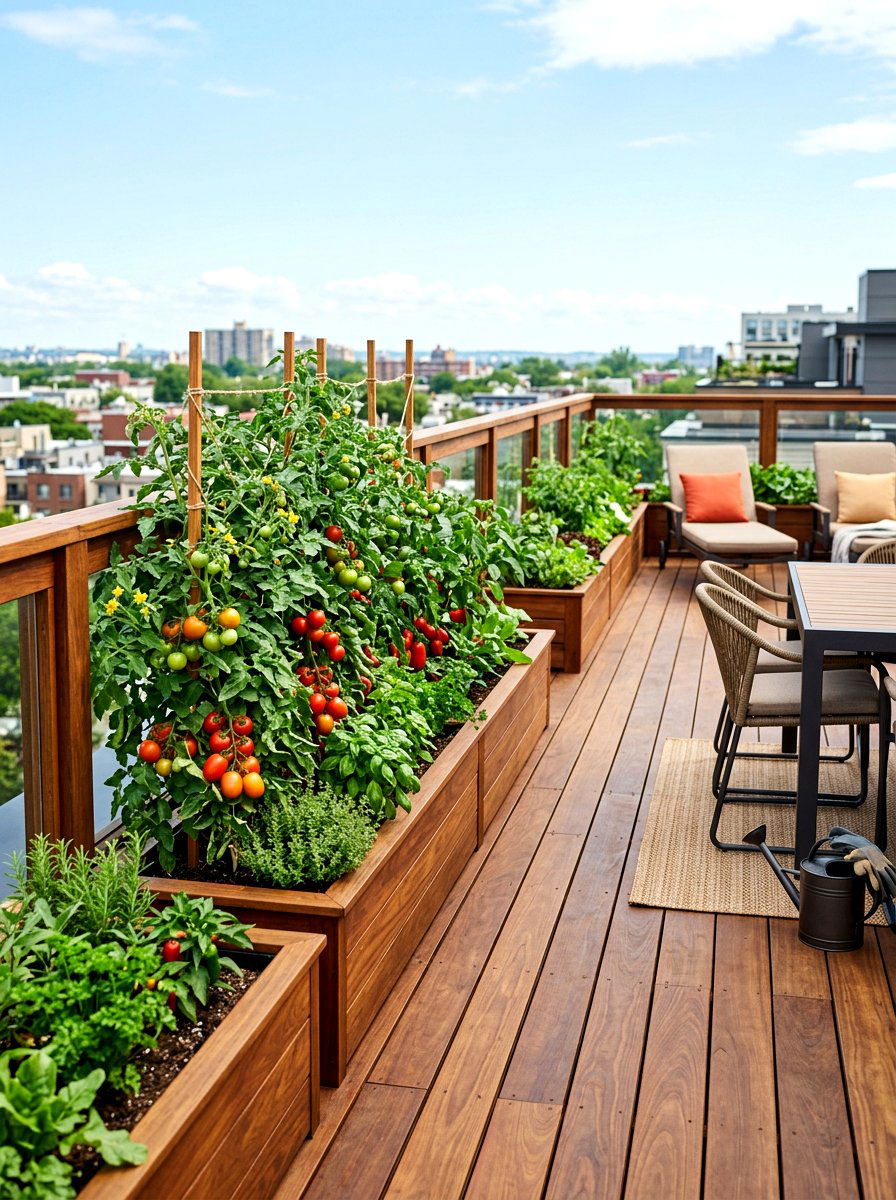
A wood deck vegetable garden integrates seamlessly with your outdoor entertainment area by using matching wooden planters. You can build long planter boxes directly into the perimeter of the deck to serve as both a garden and a safety railing. This setup keeps your vegetables at waist height, making it very comfortable to tend and harvest your crops. Growing fragrant herbs and colorful vegetables near your seating area enhances the overall sensory experience of being outside. Using the same wood finish as your deck creates a built-in, custom look. It is a sophisticated way to bring nature onto your elevated living space.
22. Fence Mounted Vegetable Garden
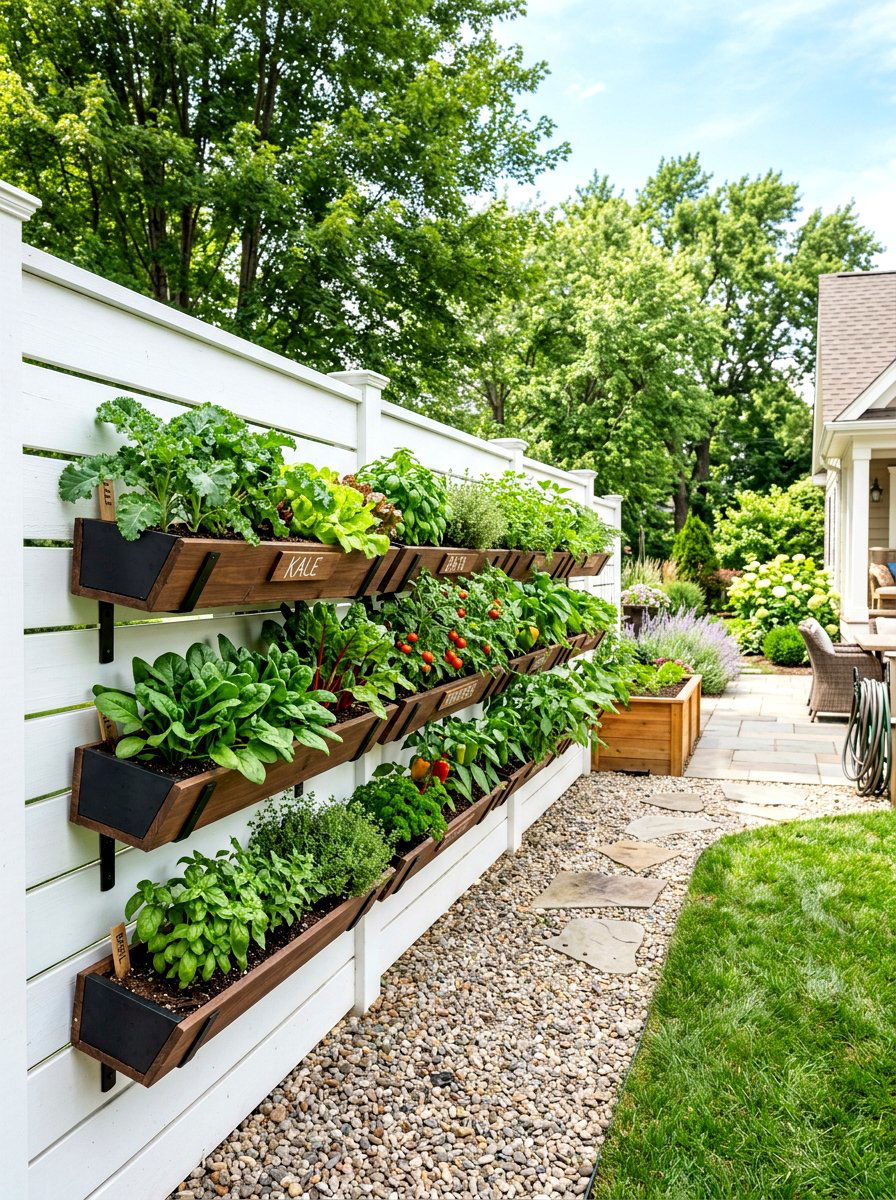
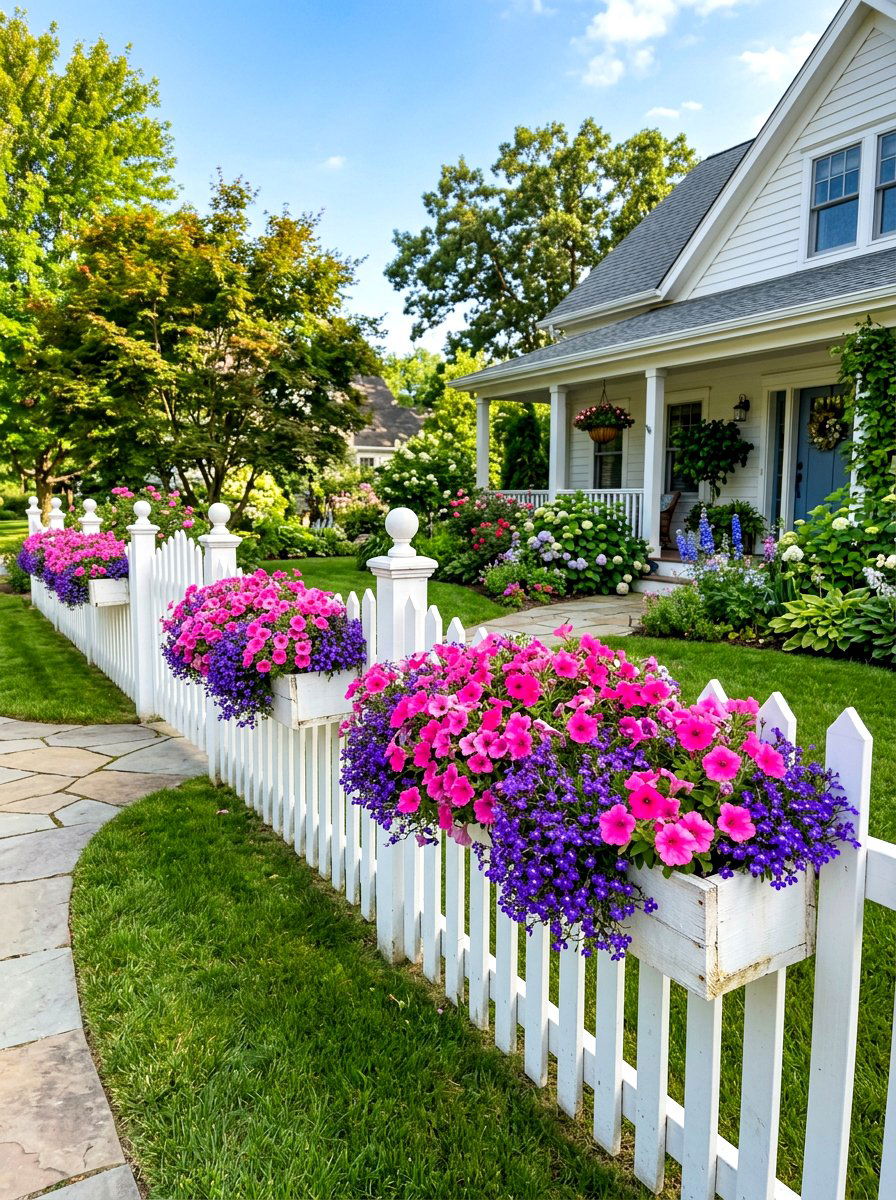
A fence mounted vegetable garden is a smart way to turn a boring boundary into a productive edible wall. You can attach various types of planters, from simple pots to long wooden troughs, directly to the vertical pickets or rails. This keeps the ground clear for lawn or paths while providing plenty of room for your plants to grow. It is an ideal solution for renters who may not be allowed to dig in the yard but can hang items on a fence. The fence provides a sturdy backdrop and can even offer some protection from wind. It transforms a functional element into a beautiful garden.
23. Hydroponic Vegetable Garden Tower
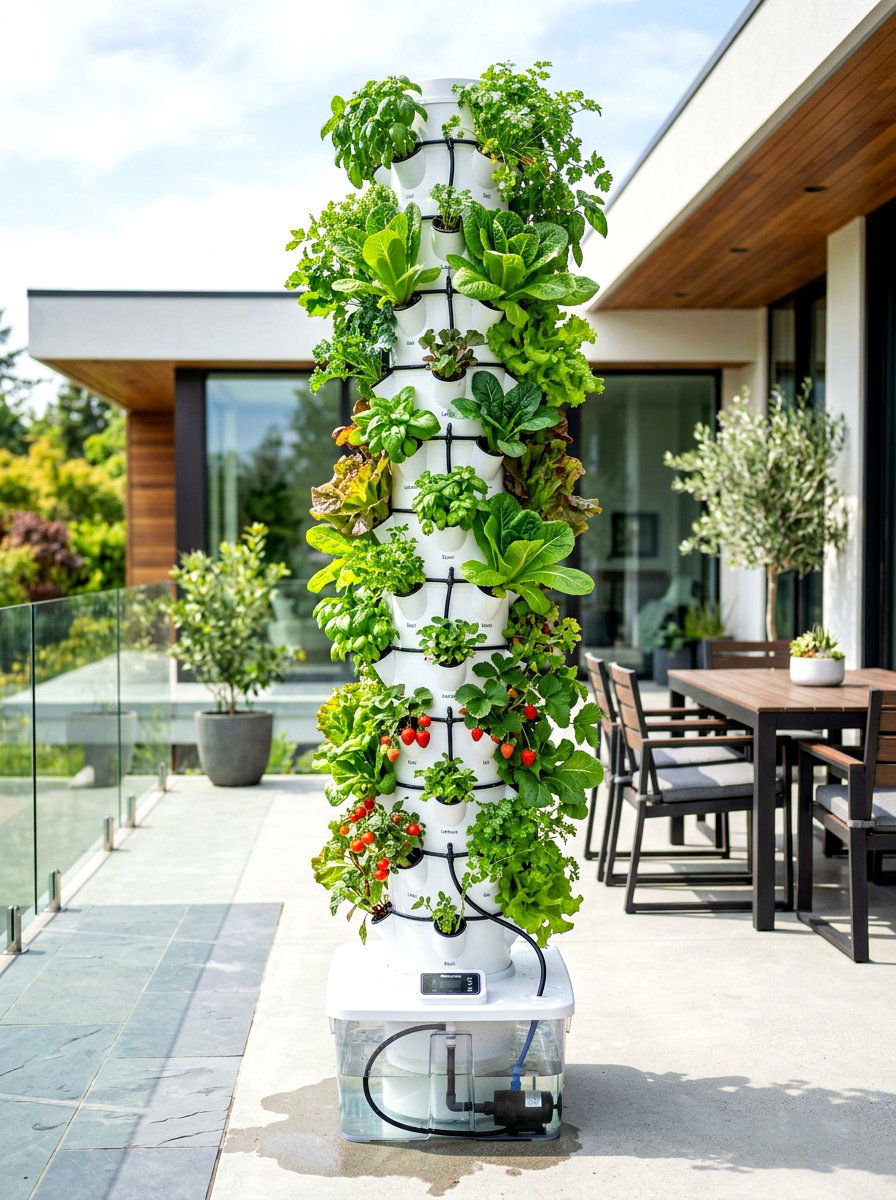
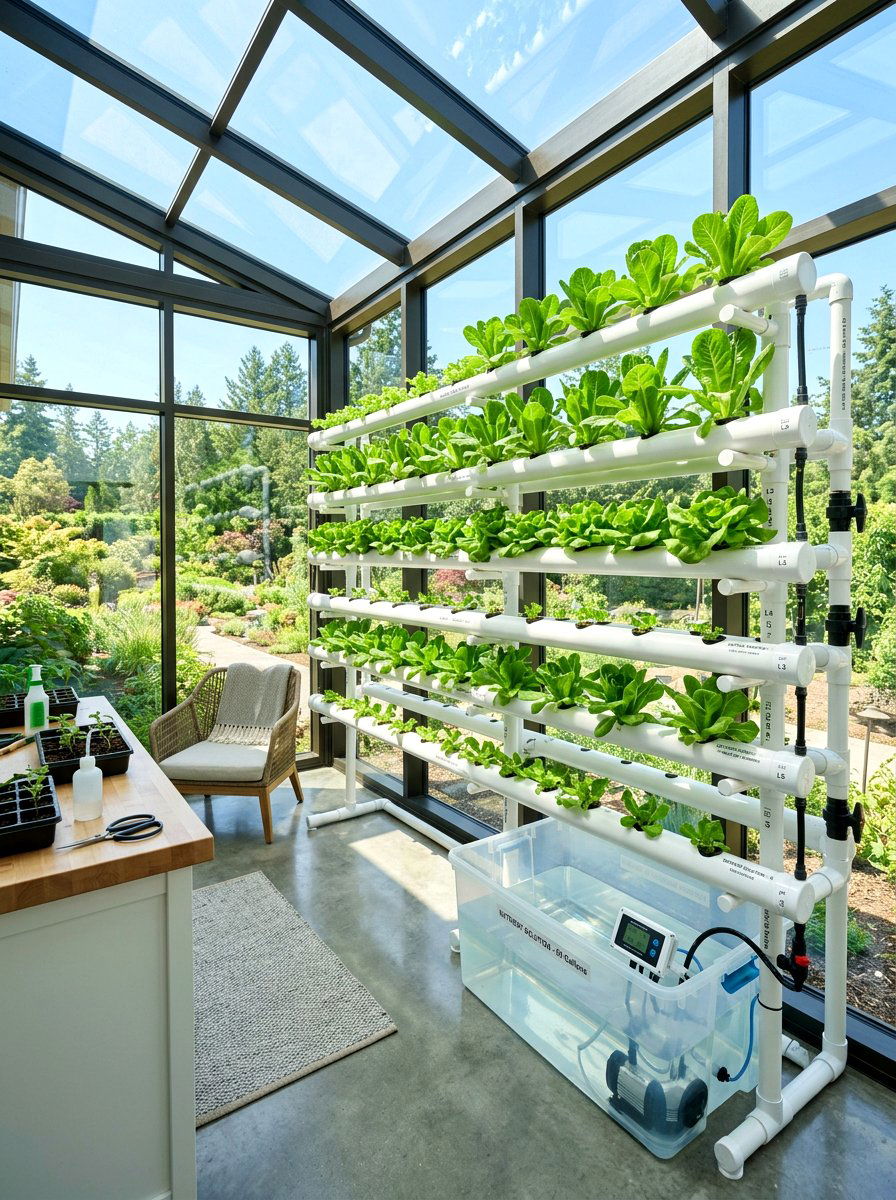
A hydroponic vegetable garden tower is a high-tech solution for growing a massive amount of food in an extremely small circular footprint. These vertical towers circulate water and nutrients directly to the plant roots, often resulting in faster growth and higher yields than soil-based methods. Because they don't use soil, they are much cleaner and can be used both indoors and outdoors. The sleek, futuristic design of the tower makes it a conversation piece in any home or yard. It is a water-efficient way to garden that is perfect for drought-prone areas. This system simplifies the growing process for people with busy lifestyles.
24. Side Yard Vegetable Garden
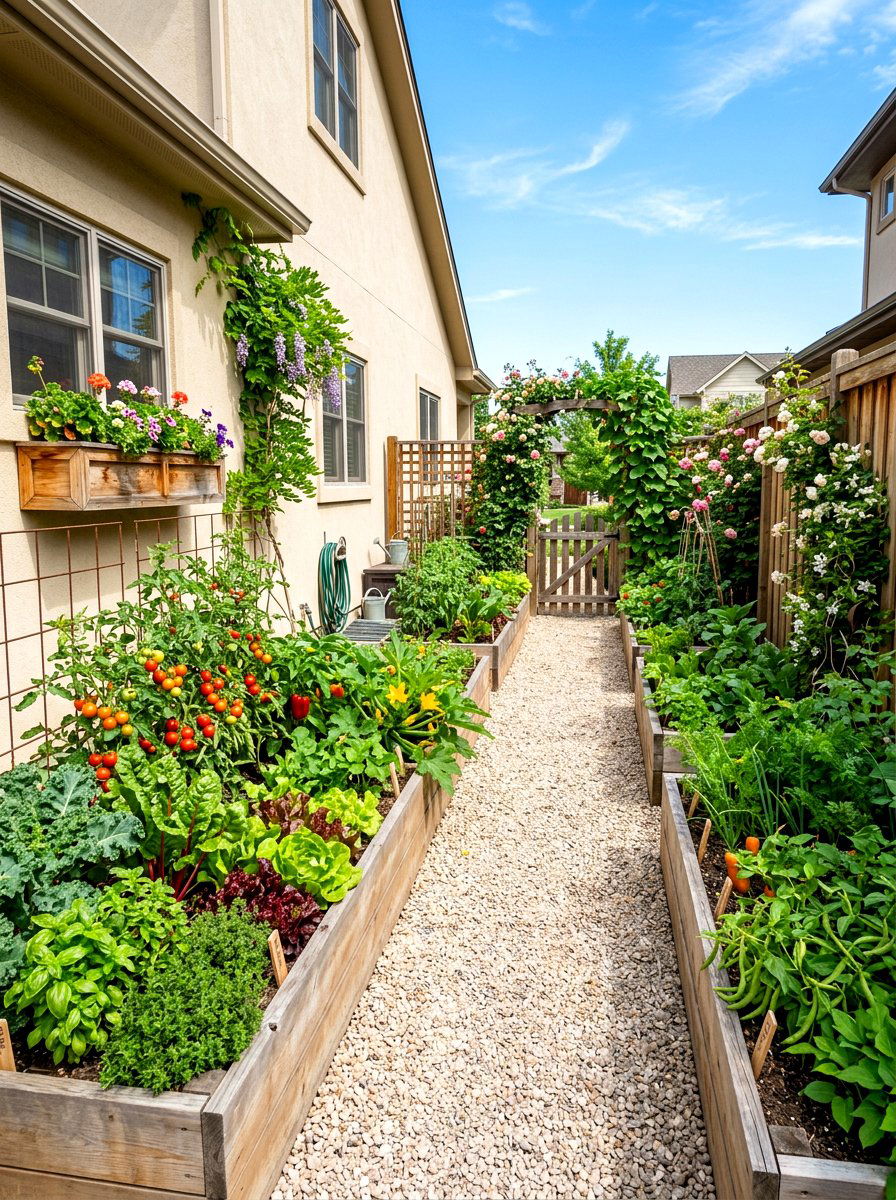
The side yard vegetable garden makes excellent use of the often-neglected narrow spaces between houses. By installing long, narrow raised beds or a series of large containers, you can transform a simple walkway into a lush garden corridor. Since side yards can sometimes be shaded, this is a great place for cool-weather crops like kale, lettuce, and parsley. Adding a simple gravel path between the beds keeps the area clean and easy to navigate even after a rainstorm. This approach maximizes your property’s potential and adds value to your home. It turns a transit zone into a destination for fresh food.
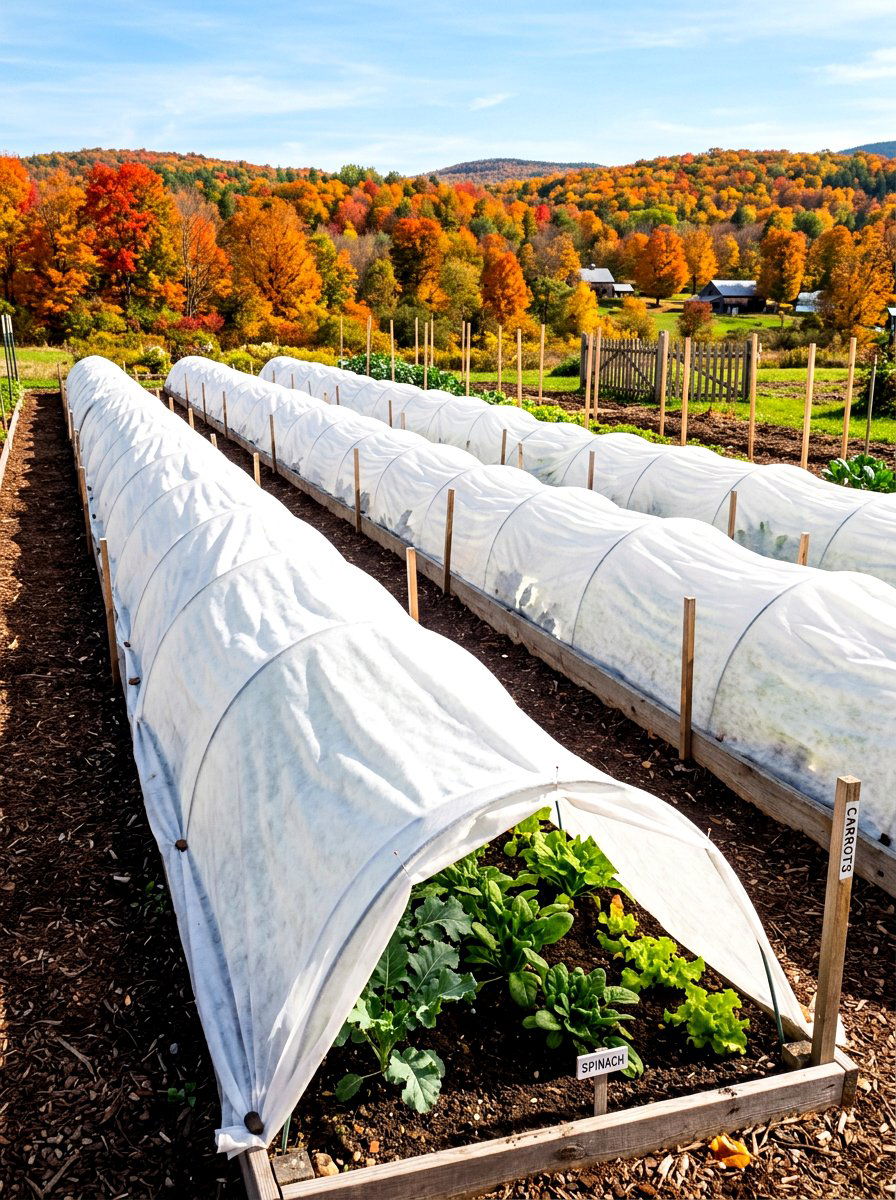
25. Wheelbarrow Vegetable Garden Bed
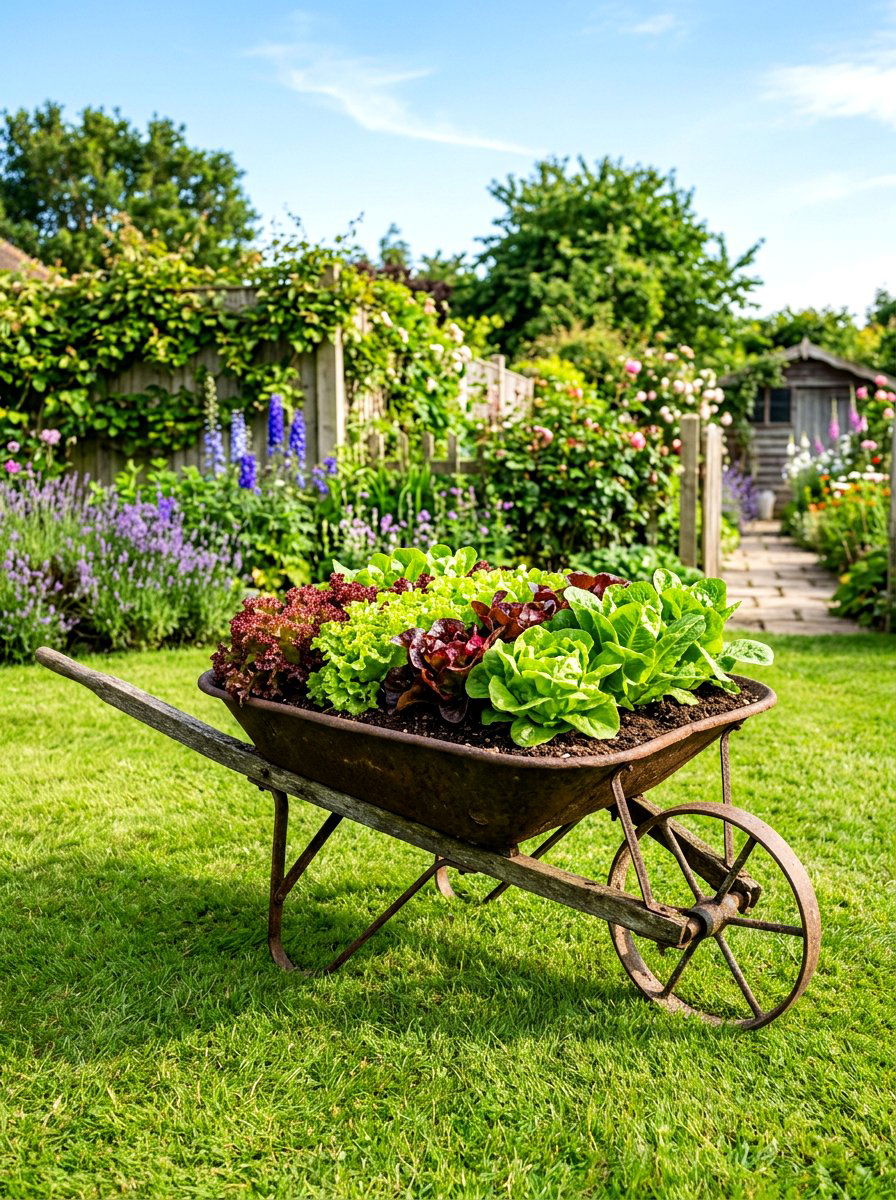
A wheelbarrow vegetable garden bed is a charming and mobile way to grow your favorite plants in a small yard. Using a vintage metal wheelbarrow adds a touch of rustic personality to your outdoor space while providing a deep enough basin for various vegetables. The best part is the ability to move the entire garden to the sunniest spot as the seasons change. It works particularly well for shallow-rooted plants like lettuce, radishes, and colorful pansies. Ensure you drill a few drainage holes in the bottom to prevent the soil from becoming soggy. This mobile planter is both a functional garden and a decorative accent.
26. Straw Bale Vegetable Garden
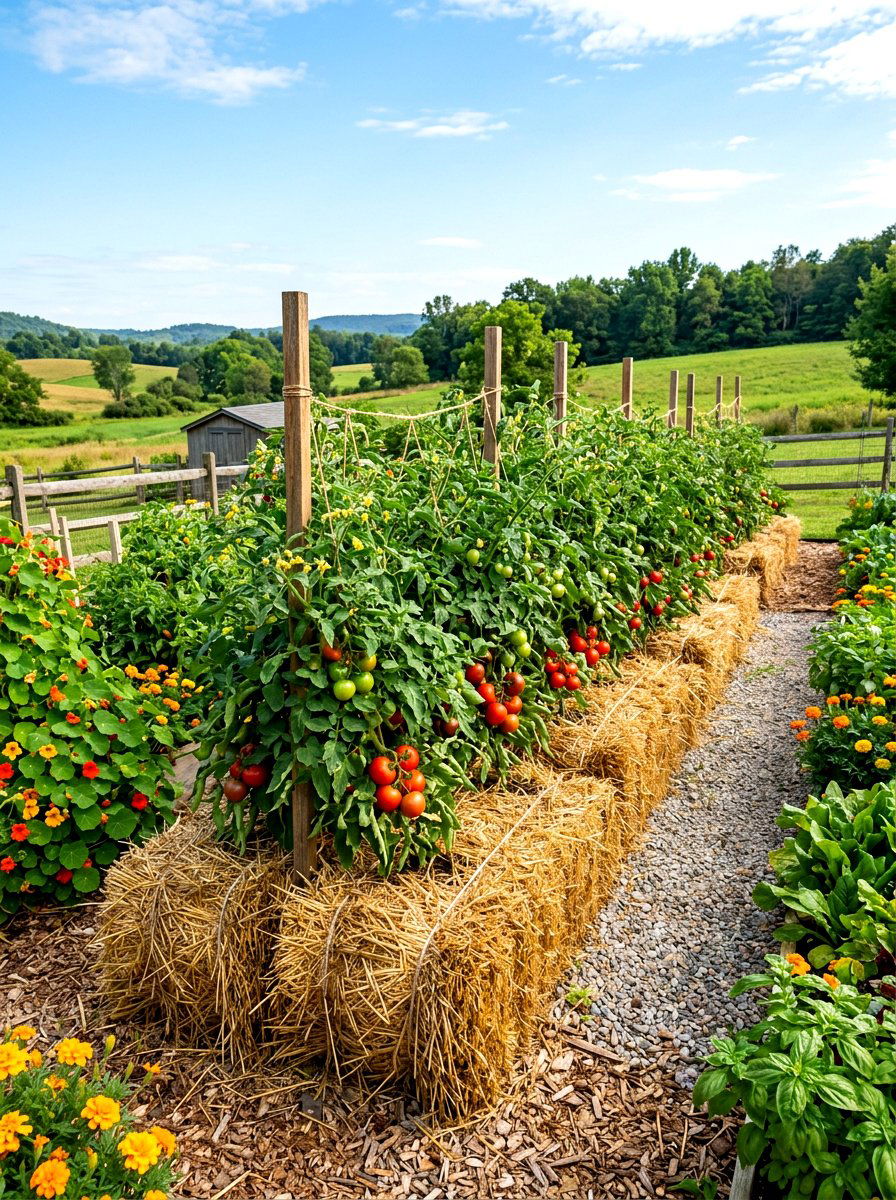
A straw bale vegetable garden is a unique and temporary way to grow food without having to dig into the ground. By conditioning a bale of straw with water and fertilizer, it becomes a nutrient-rich growing medium for your plants. This method is perfect for people with poor soil or those who want a garden that will naturally decompose at the end of the season. The height of the bales makes gardening much easier on the back and joints. You can place the bales on a driveway or a patch of weeds, and they will produce a bountiful harvest. It is an affordable and interesting experiment.
27. Vertical Tower Vegetable Garden
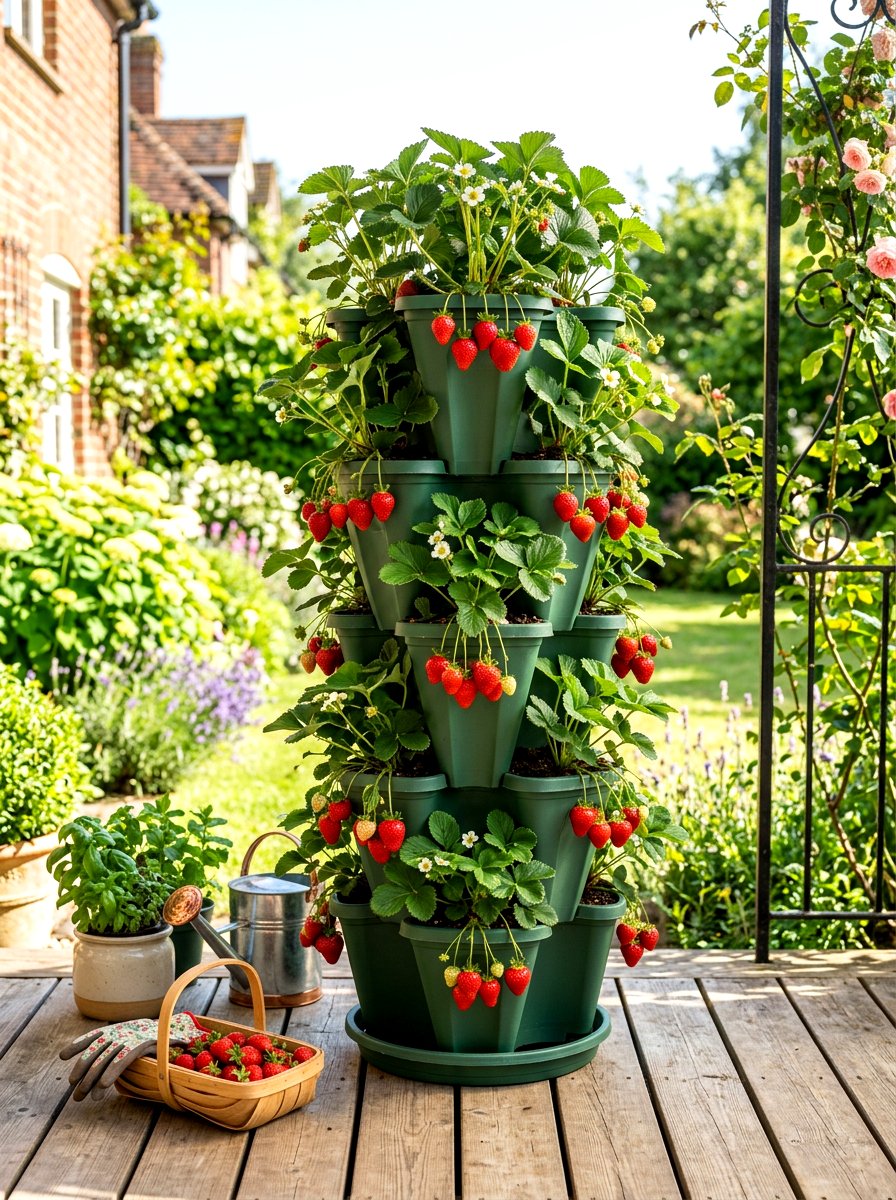
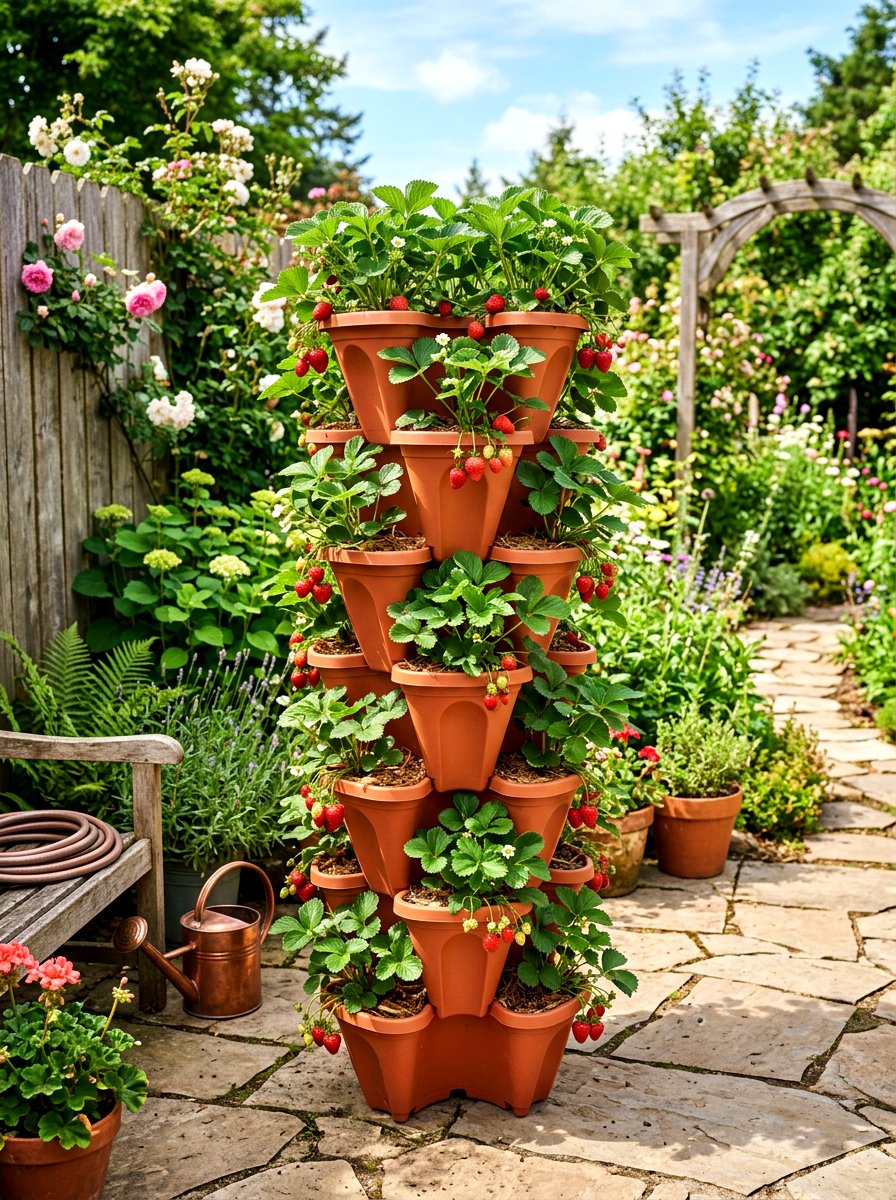
A vertical tower vegetable garden utilizes stacking planters to create a tall column of greenery. These towers are specifically designed with pockets on the sides where you can tuck individual plants. They are perfect for strawberries, herbs, and leafy greens, allowing you to grow dozens of plants in just a two-foot wide space. Most towers are made of durable, UV-resistant plastic that can withstand years of sun exposure. Some models even come with a swivel base so you can easily rotate the tower to ensure all sides receive equal sunlight. This setup is highly efficient and looks great on a small patio.
28. Edible Vegetable Garden Border
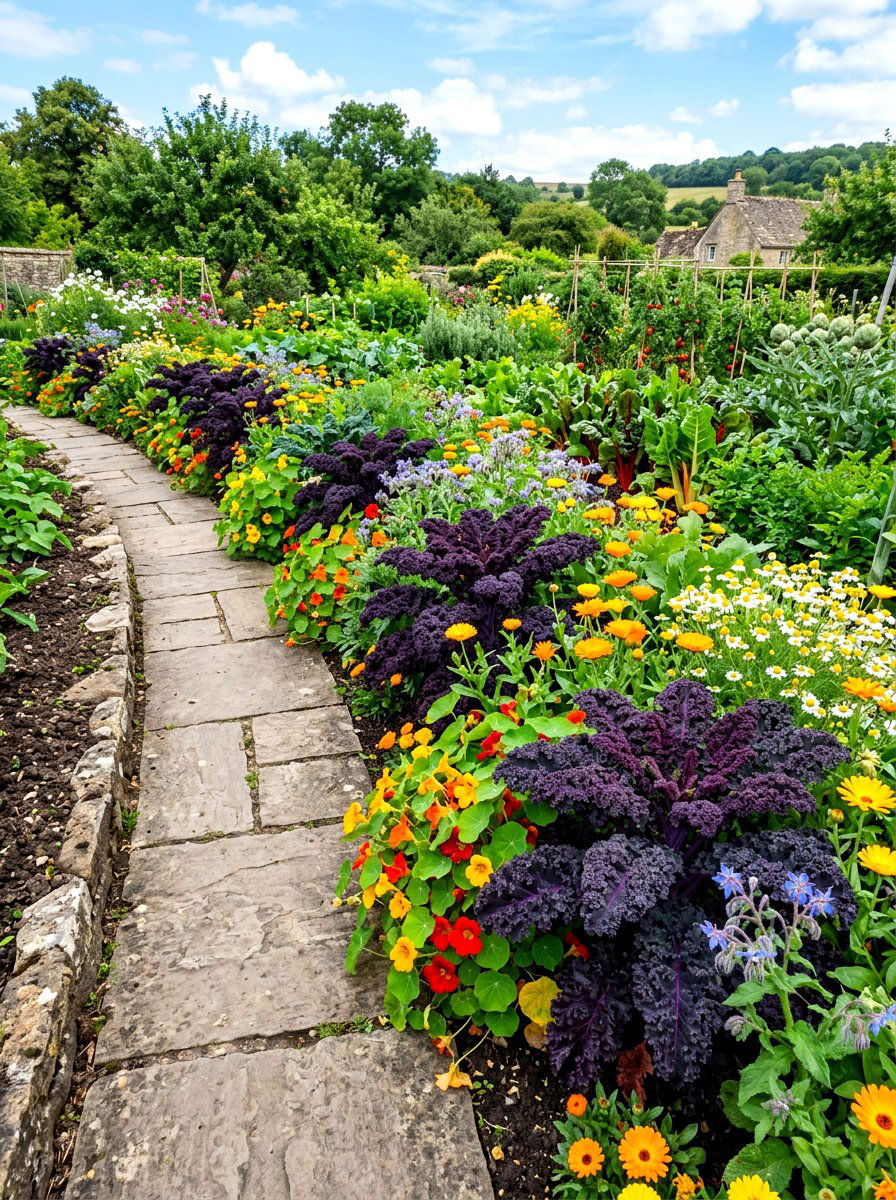
An edible vegetable garden border replaces traditional ornamental flowers with beautiful and productive vegetables along your paths or flower beds. Many vegetables, like rainbow chard, curly kale, and red-leaf lettuce, are stunningly beautiful and can hold their own against common landscaping plants. By mixing these edibles into your existing landscape, you make your yard both functional and attractive. This approach is often called "edible landscaping" and is a great way to sneak a garden into a small yard without it looking like a farm. It uses the edges of your property effectively. This design strategy creates a lush, diverse, and tasty environment.
29. Courtyard Vegetable Garden Plan
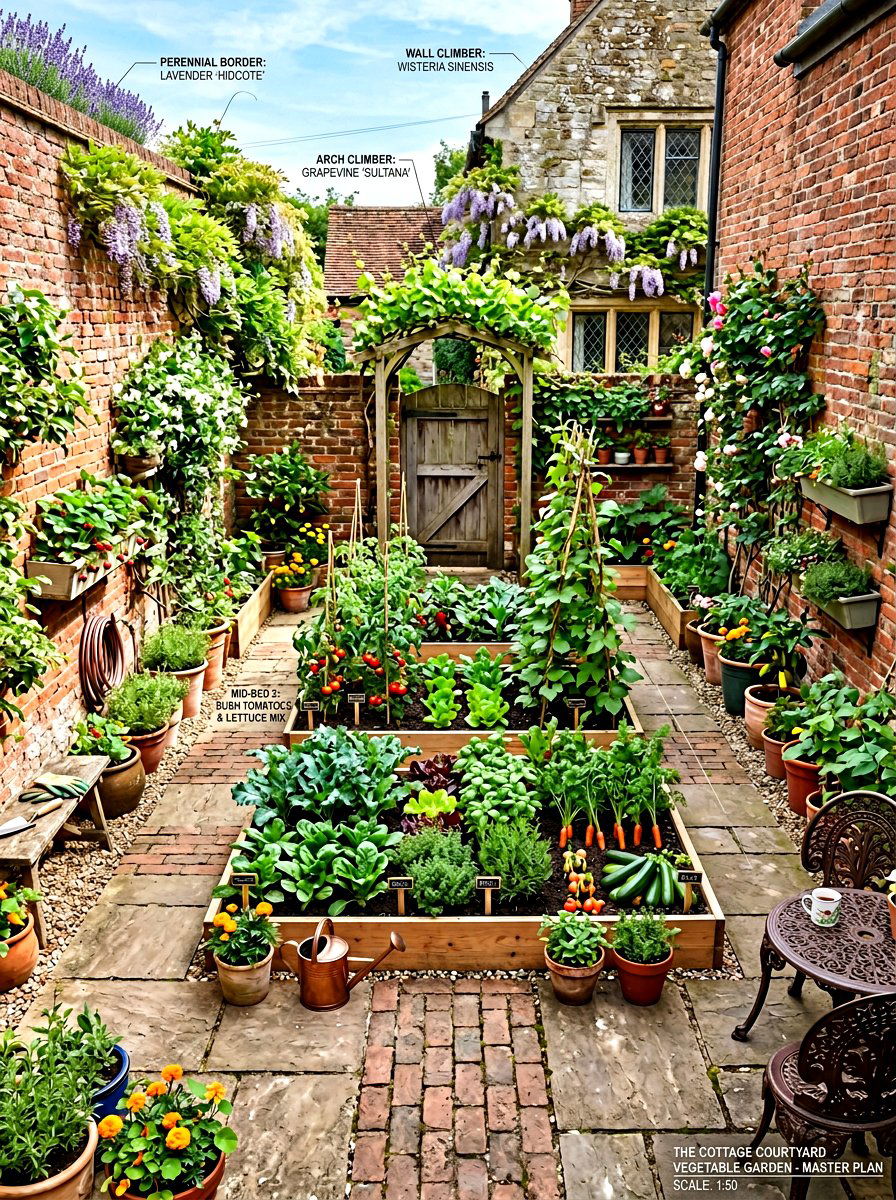
A courtyard vegetable garden plan focuses on creating a lush, enclosed sanctuary where plants are the main attraction. In a small walled area, you can use a combination of wall-mounted planters, large central pots, and corner raised beds to fill the space with life. The walls of a courtyard often create a warm microclimate that allows you to grow more sensitive plants like tomatoes or eggplants. Adding a small water feature or some fairy lights can make the space feel like a magical outdoor room. This type of garden provides a private retreat where you can relax and harvest your own organic food.
30. Front Yard Vegetable Garden
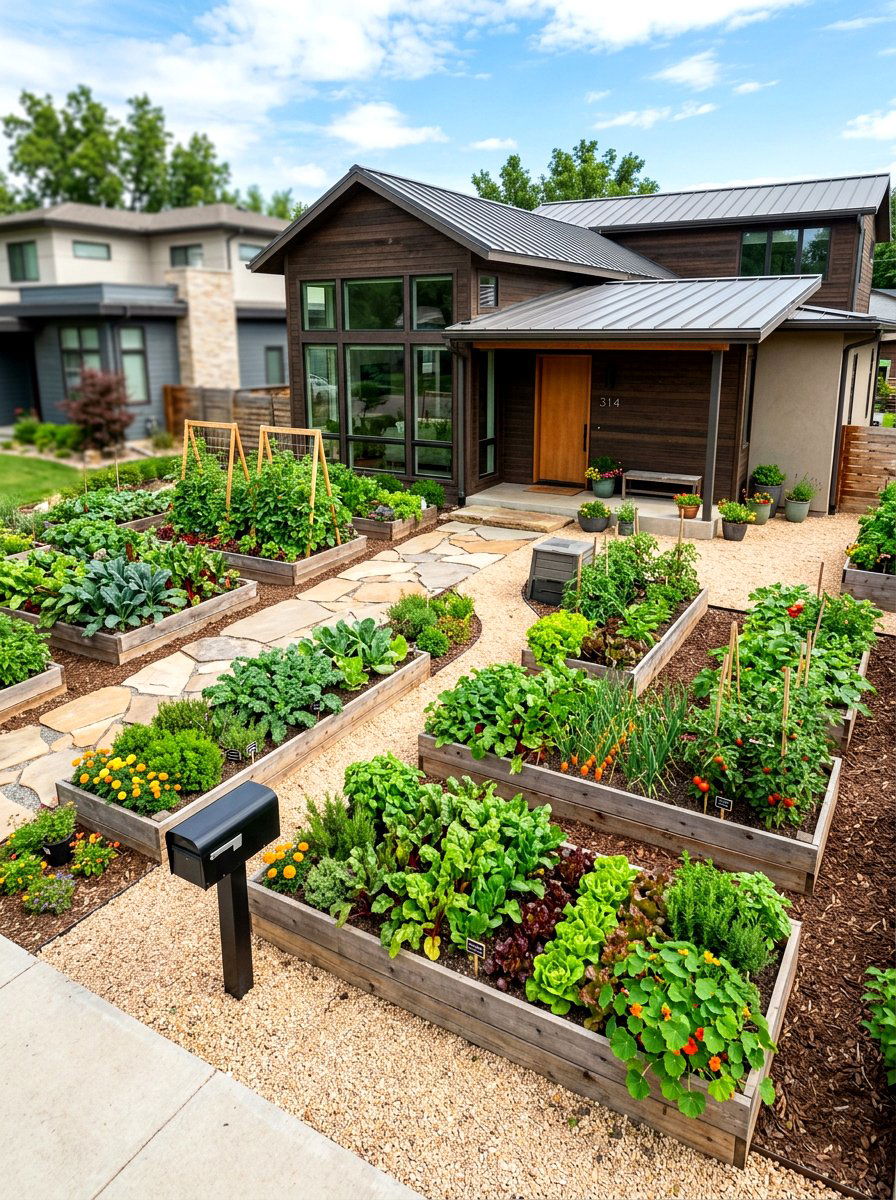
Creating a front yard vegetable garden is a bold and modern way to utilize the sunniest part of your property. Instead of a high-maintenance lawn, you can install neat raised beds filled with architectural vegetables and herbs. When designed with clean lines and high-quality materials, a front yard garden can be just as attractive as a traditional landscape. It also provides a wonderful opportunity to meet your neighbors and share your extra produce. This approach promotes community and sustainability while making the most of your available land. It is a functional and beautiful way to redefine what a front yard should look like.
Conclusion:
Embarking on a small vegetable garden journey is one of the most fulfilling ways to enhance your lifestyle and your home’s aesthetic. Whether you choose to grow on a balcony, a patio, or a tiny backyard plot, the joy of harvesting your own food is incomparable. These thirty ideas demonstrate that space limitations are simply opportunities for creative design and innovative gardening techniques. By thinking vertically and utilizing modern tools like hydroponic towers or raised beds, you can produce an abundance of fresh vegetables anywhere. Start small, experiment with different methods, and enjoy the delicious rewards of your very own compact edible landscape.

Related posts: