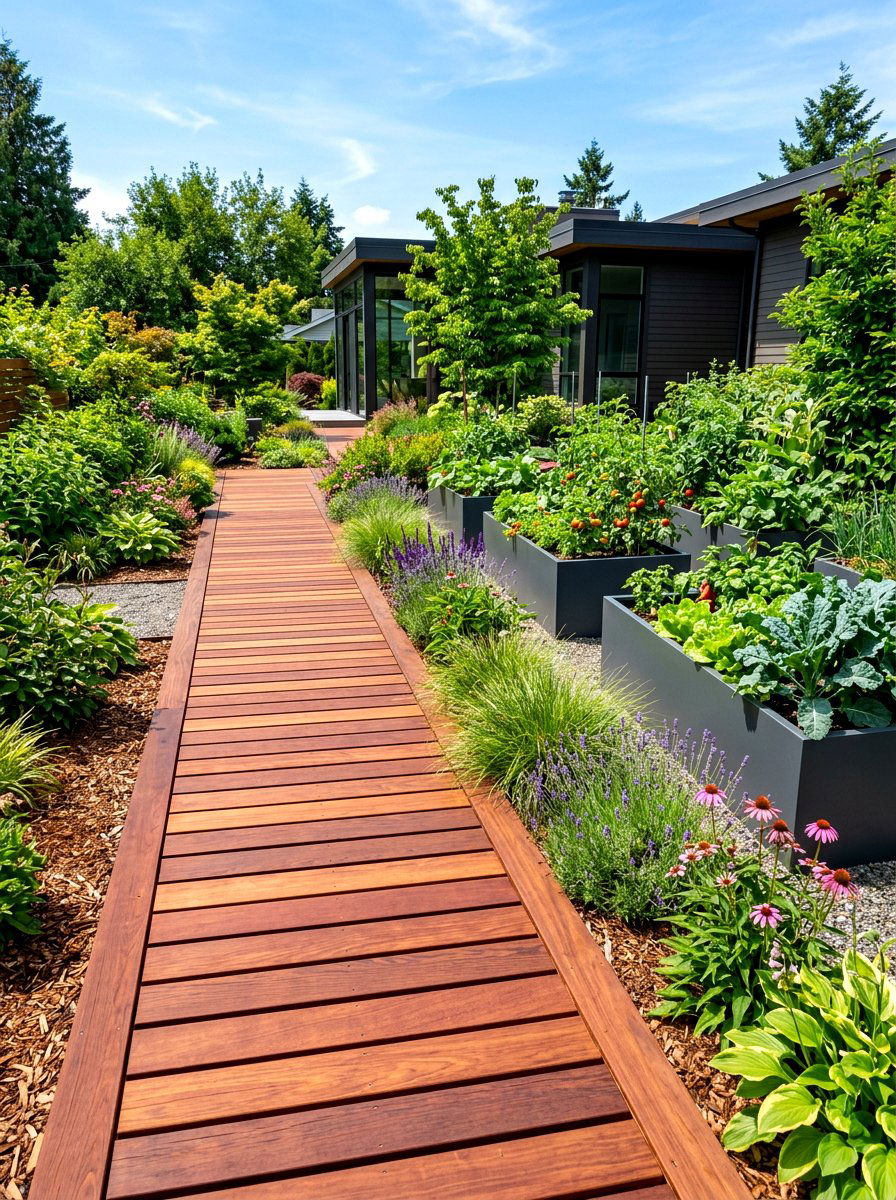
Creating a beautiful kitchen garden is a transformative way to bring fresh flavors and vibrant life right to your doorstep. Whether you have a sprawling backyard or a tiny apartment balcony, the joy of harvesting your own organic produce is truly unmatched in modern living. These functional spaces combine the practicality of a vegetable patch with the aesthetic appeal of a lush landscape, often referred to as a potager. By carefully selecting plants and organizing them into artistic layouts, you can turn a simple patch of dirt into a stunning focal point for your home. Exploring different styles and techniques allows you to customize your growing experience to fit your specific lifestyle and space requirements perfectly.
1. Raised Bed Kitchen Garden
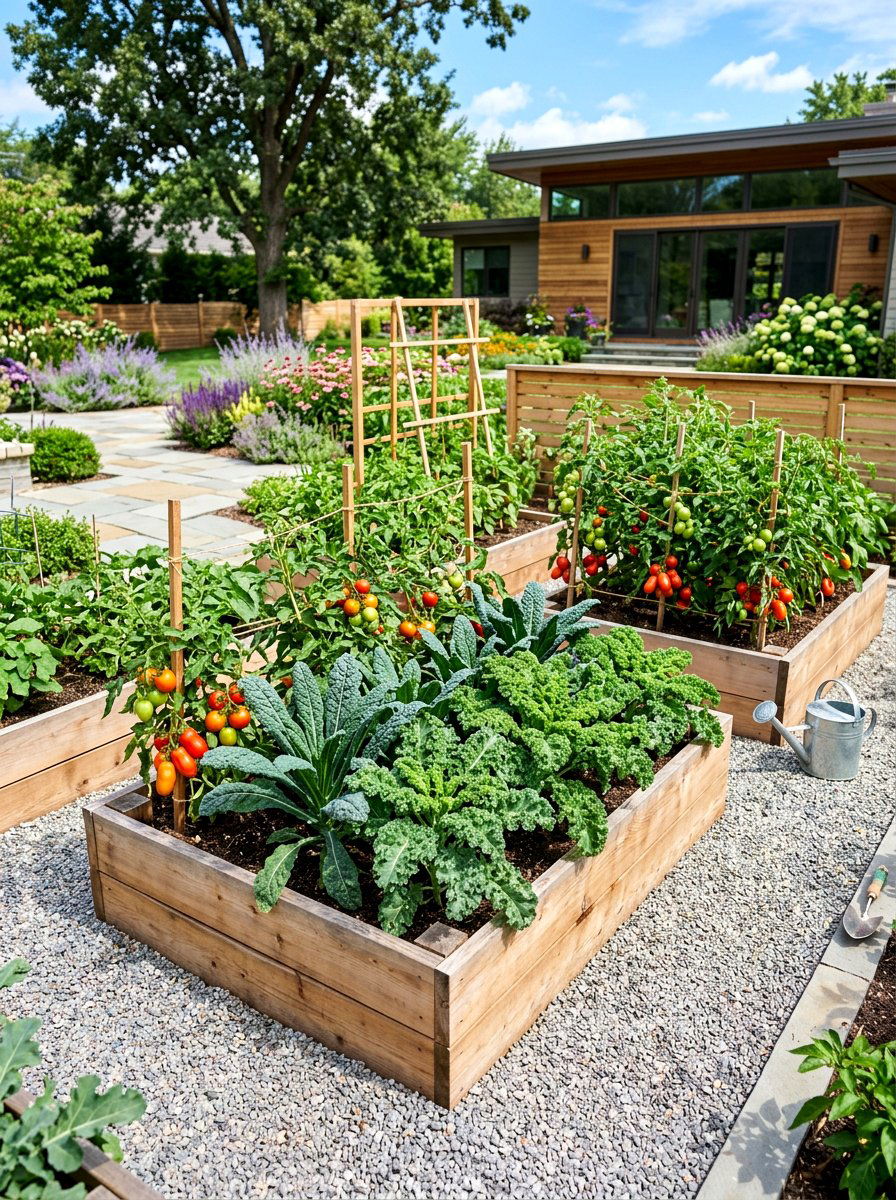
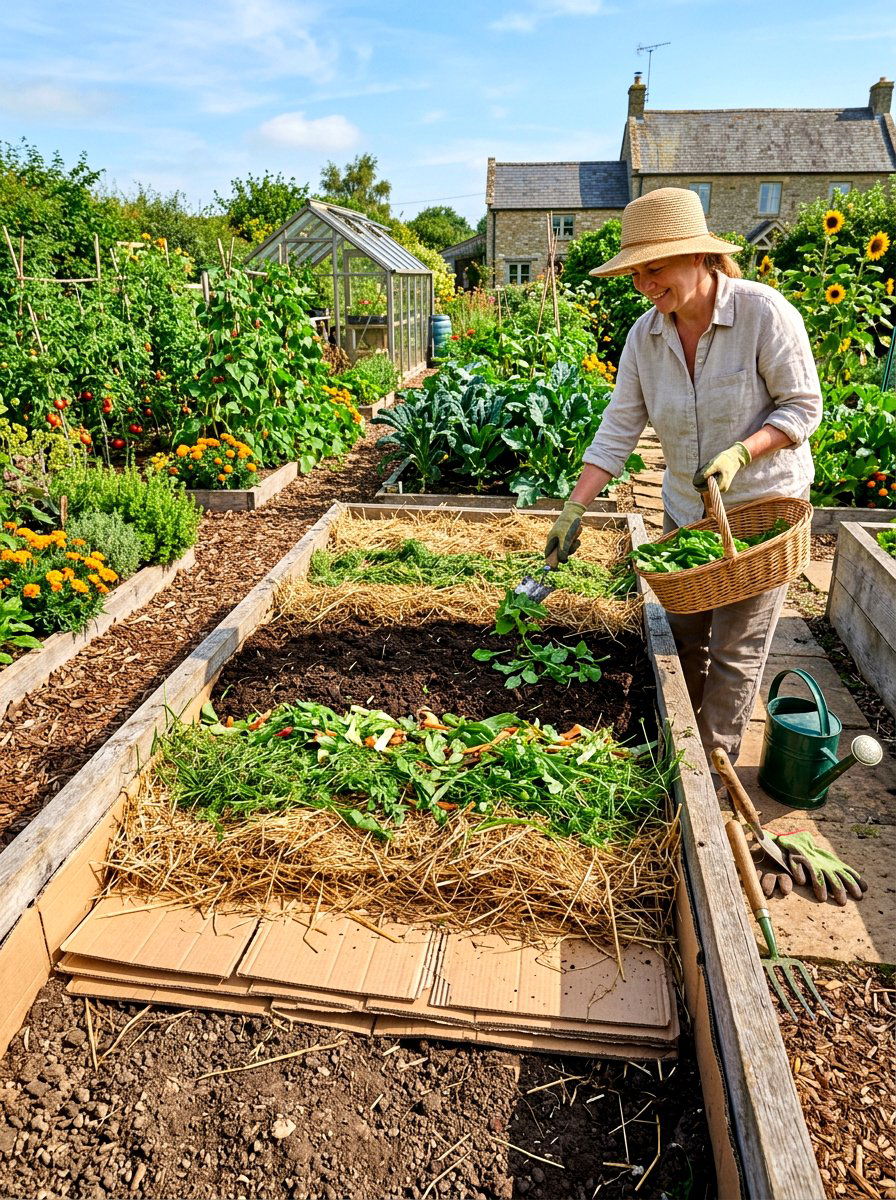
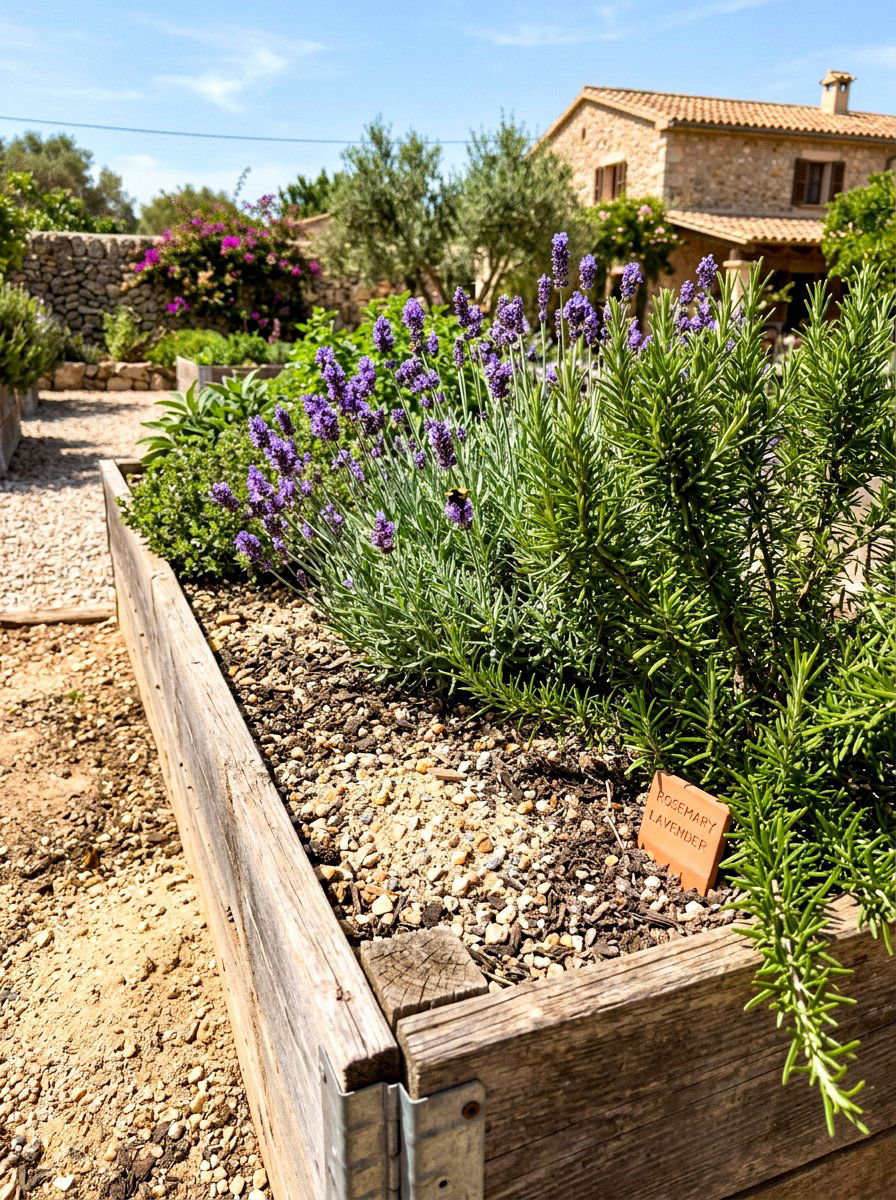
Raised bed kitchen gardens are a fantastic choice for anyone looking to maintain a tidy and highly productive growing space. By elevating the soil, you gain better control over its quality, which is essential for growing healthy vegetables and vibrant herbs throughout the year. These structures also provide excellent drainage, preventing root rot during heavy rains while keeping the soil warmer in the early spring months. Many gardeners appreciate the physical ease that comes with raised beds, as they significantly reduce the need for bending and kneeling while weeding or harvesting. You can build these beds from various materials like cedar or stone to match your home's exterior style.
2. Vertical Herb Garden
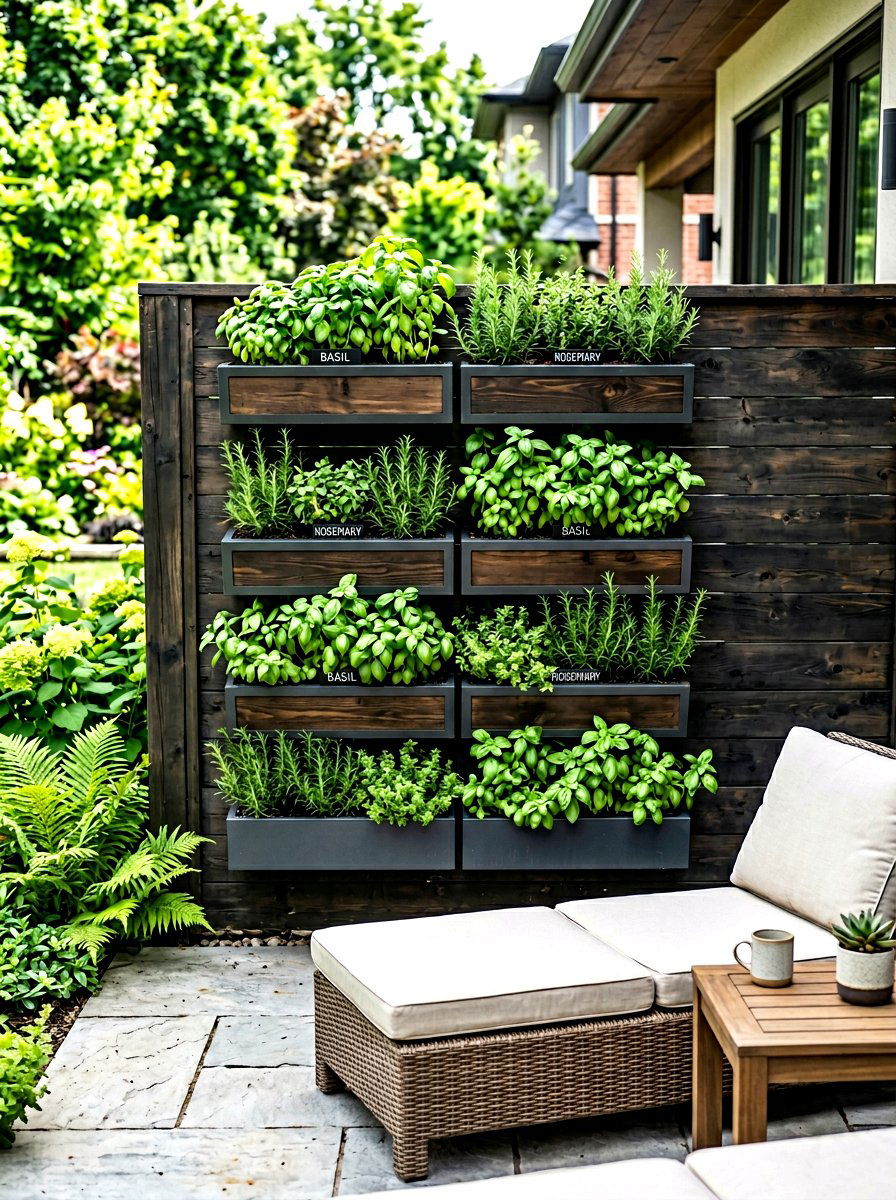
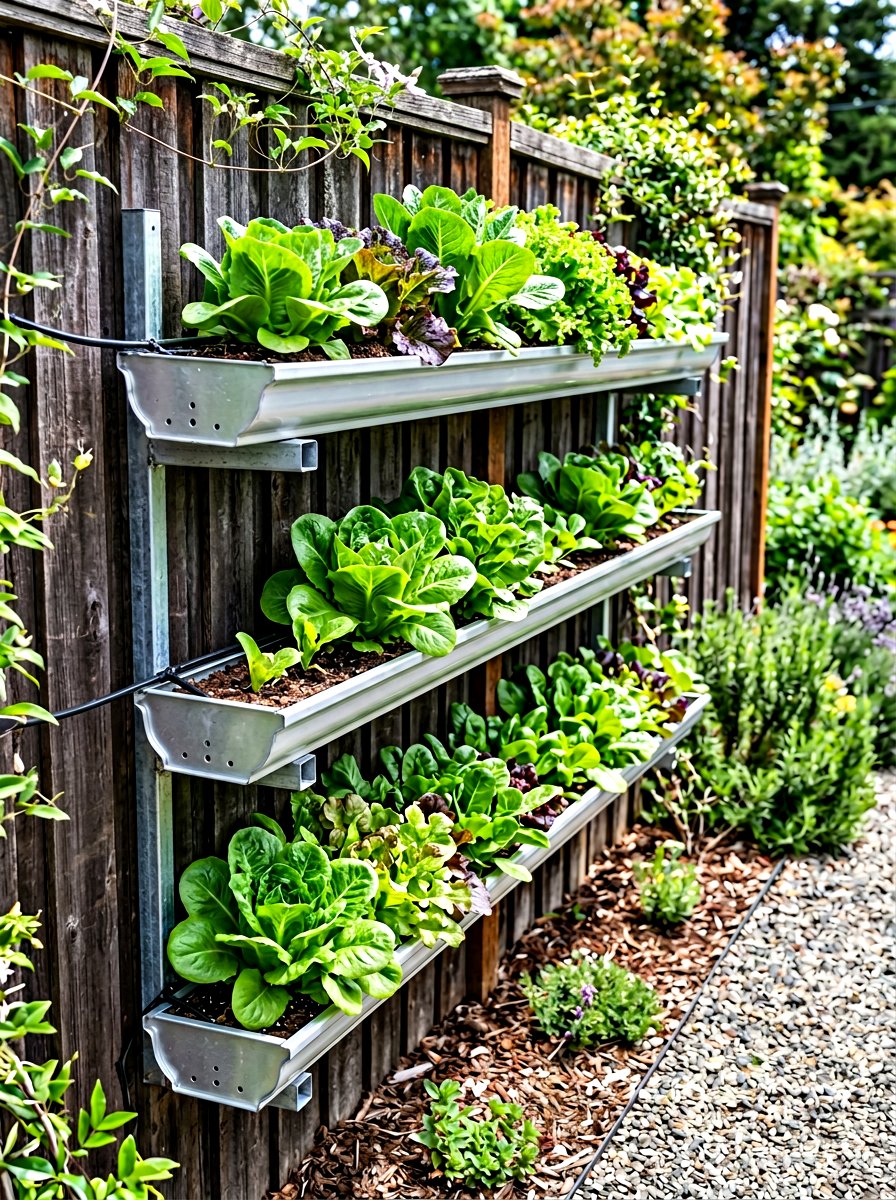
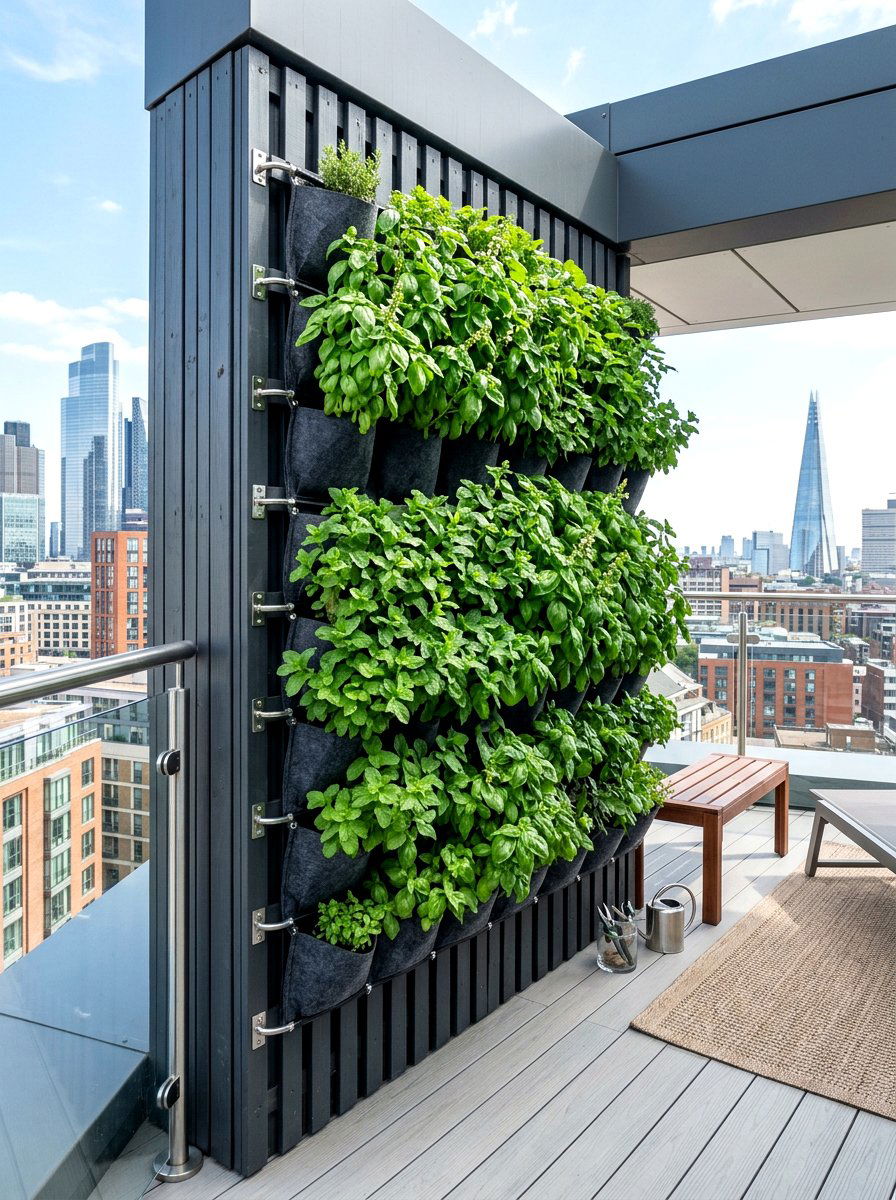
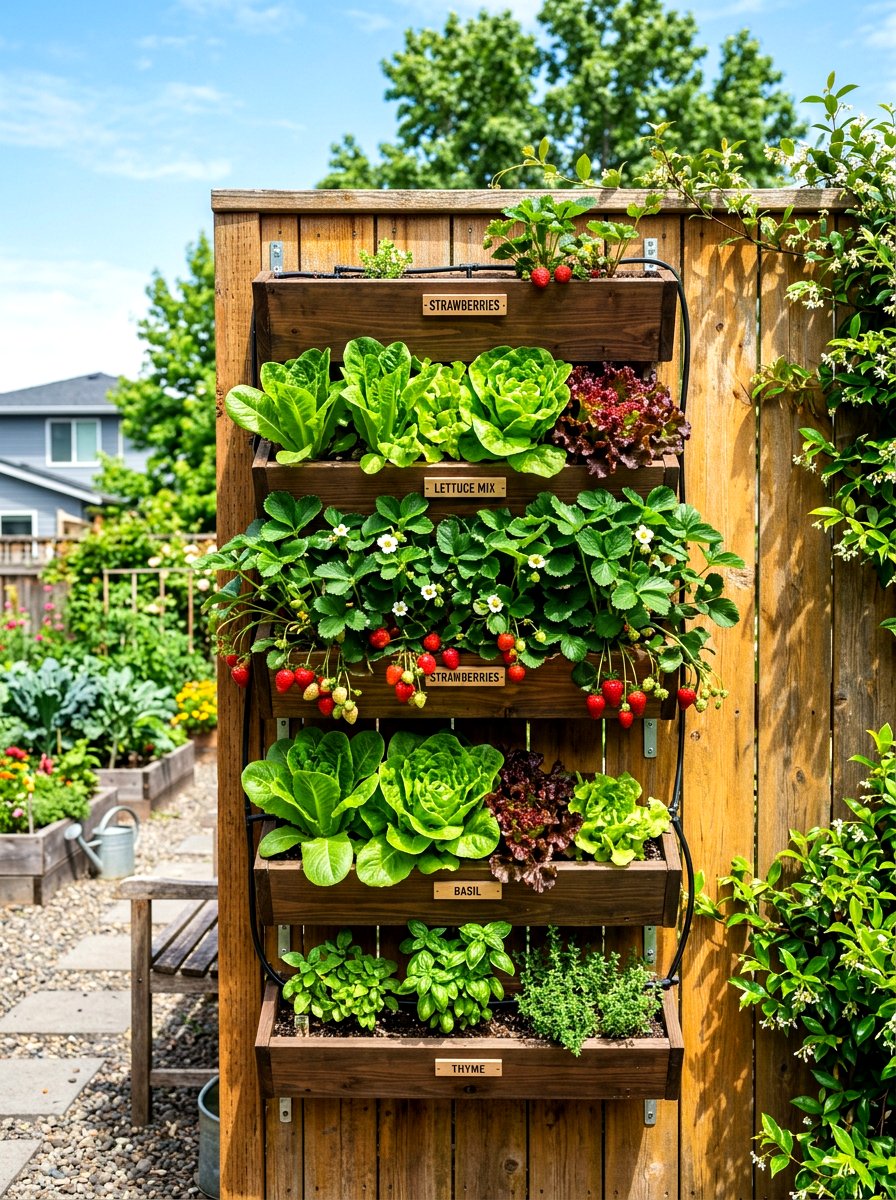
Vertical herb gardens offer a brilliant solution for those with limited ground space who still crave fresh ingredients for their cooking. By utilizing wall surfaces or fence panels, you can create a living tapestry of rosemary, thyme, and basil that adds visual interest to your patio. These systems often use pockets, hanging pots, or wall-mounted planters to maximize the number of plants you can grow in a small footprint. Beyond their space-saving benefits, vertical gardens are incredibly easy to water and maintain because everything is at eye level. This arrangement also improves air circulation around the foliage, which helps prevent many common fungal diseases that plague low-lying plants.
3. Window Box Herbs
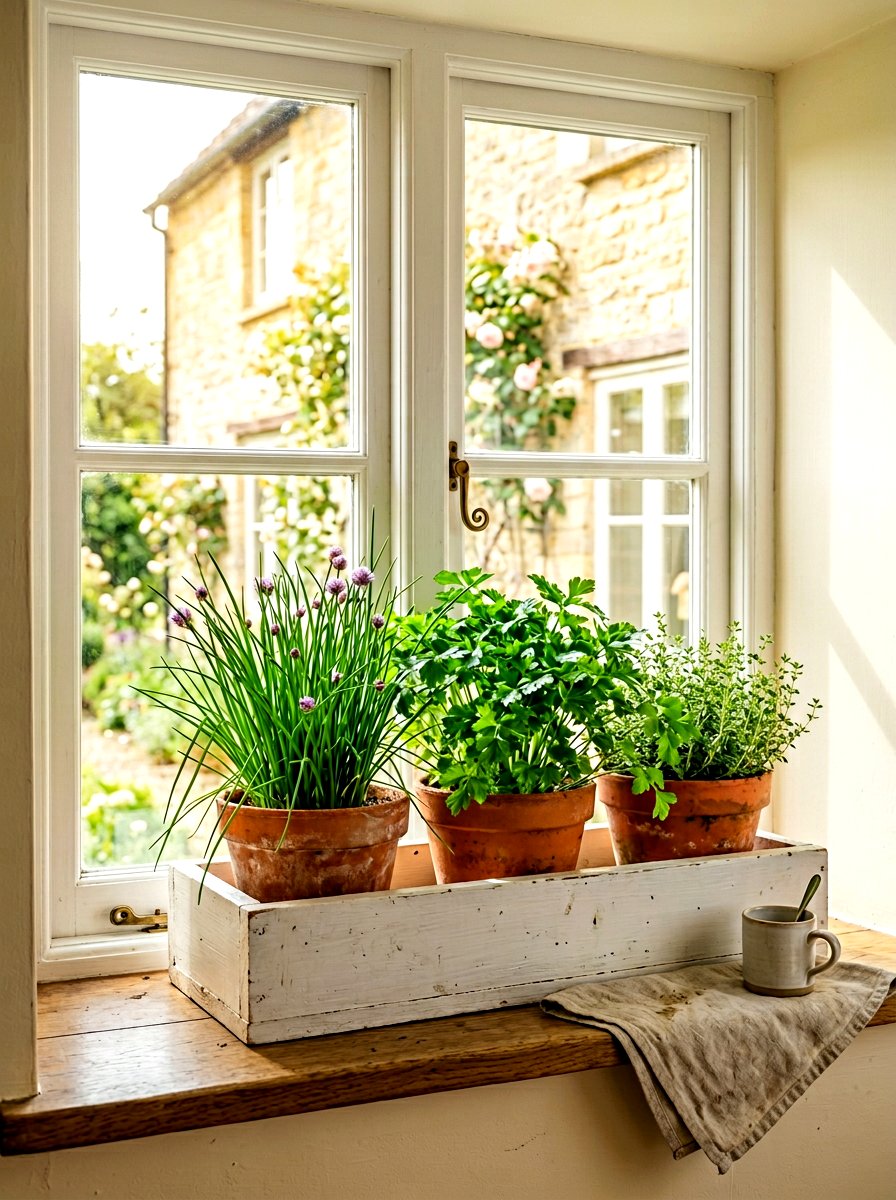
Window box herbs are one of the most accessible ways to start your own culinary garden right outside your kitchen window. These compact planters allow you to reach out and snip fresh garnishes without ever having to step outside into the main yard. They are particularly effective for sun-loving varieties like parsley, chives, and oregano that thrive in the focused light reflecting off your home's walls. When selecting a window box, ensure it has proper drainage holes to keep the roots from becoming waterlogged after a heavy rain. Styling these boxes with a mix of trailing and upright herbs creates a lush, overflowing look that enhances curb appeal.
4. Small Potager Garden
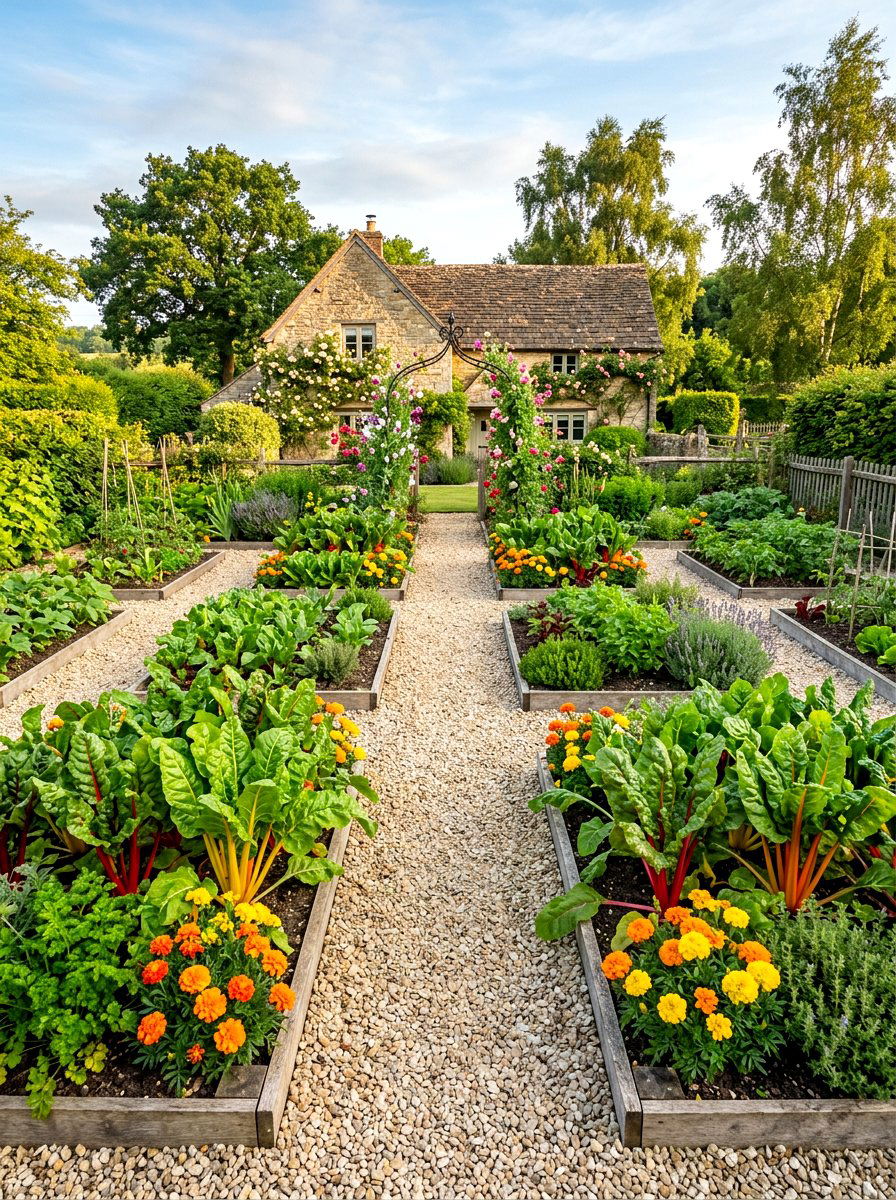
A small potager garden blends the classic French tradition of aesthetic vegetable gardening with modern space-saving techniques for a beautiful result. Unlike a standard row-based vegetable patch, a potager focuses on color, texture, and symmetry to create a space that looks like an ornamental flower bed. You can intermingle edible flowers like nasturtiums and marigolds with your lettuce and peppers to naturally deter pests while adding vibrant pops of color. Using geometric paths made of gravel or brick helps define the different sections, making the garden feel organized and intentional. It is a wonderful way to turn a productive food source into a charming landscape feature for your backyard.
5. Container Vegetable Garden
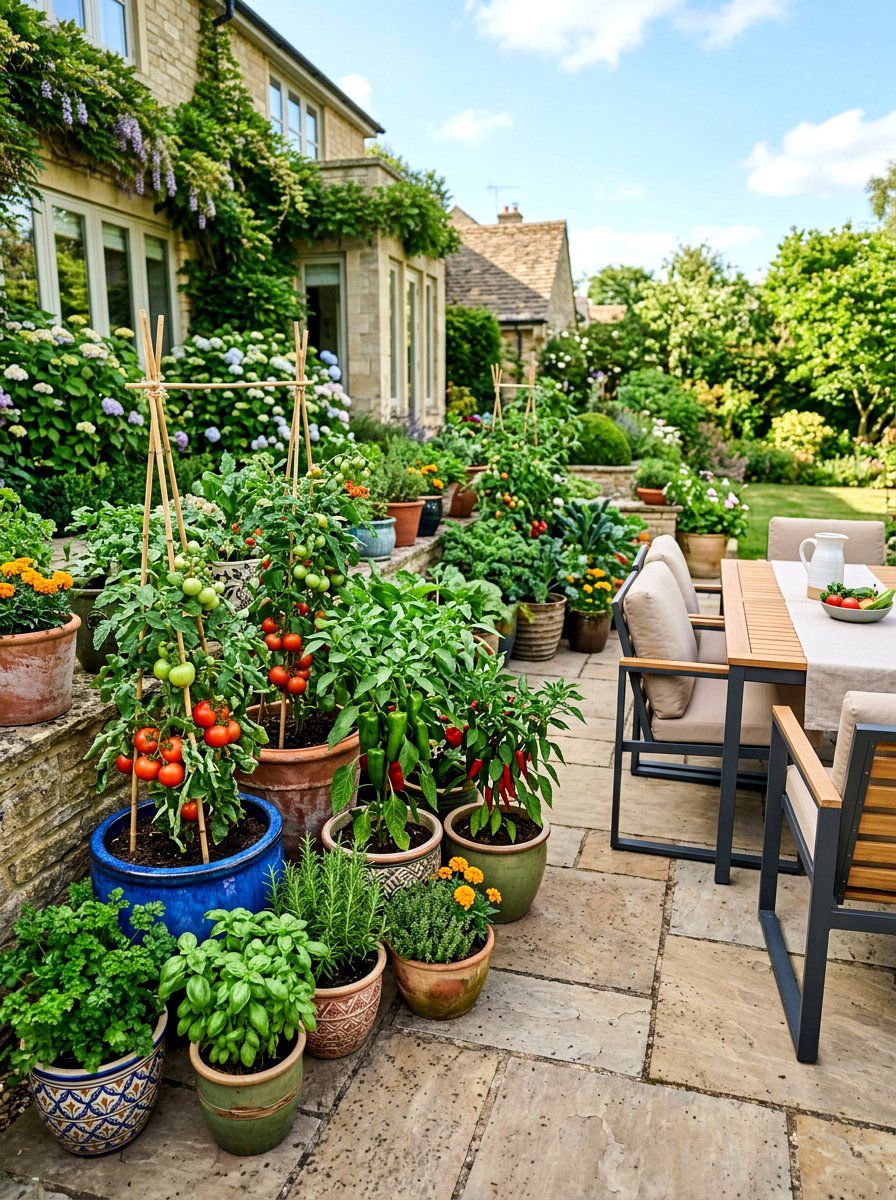
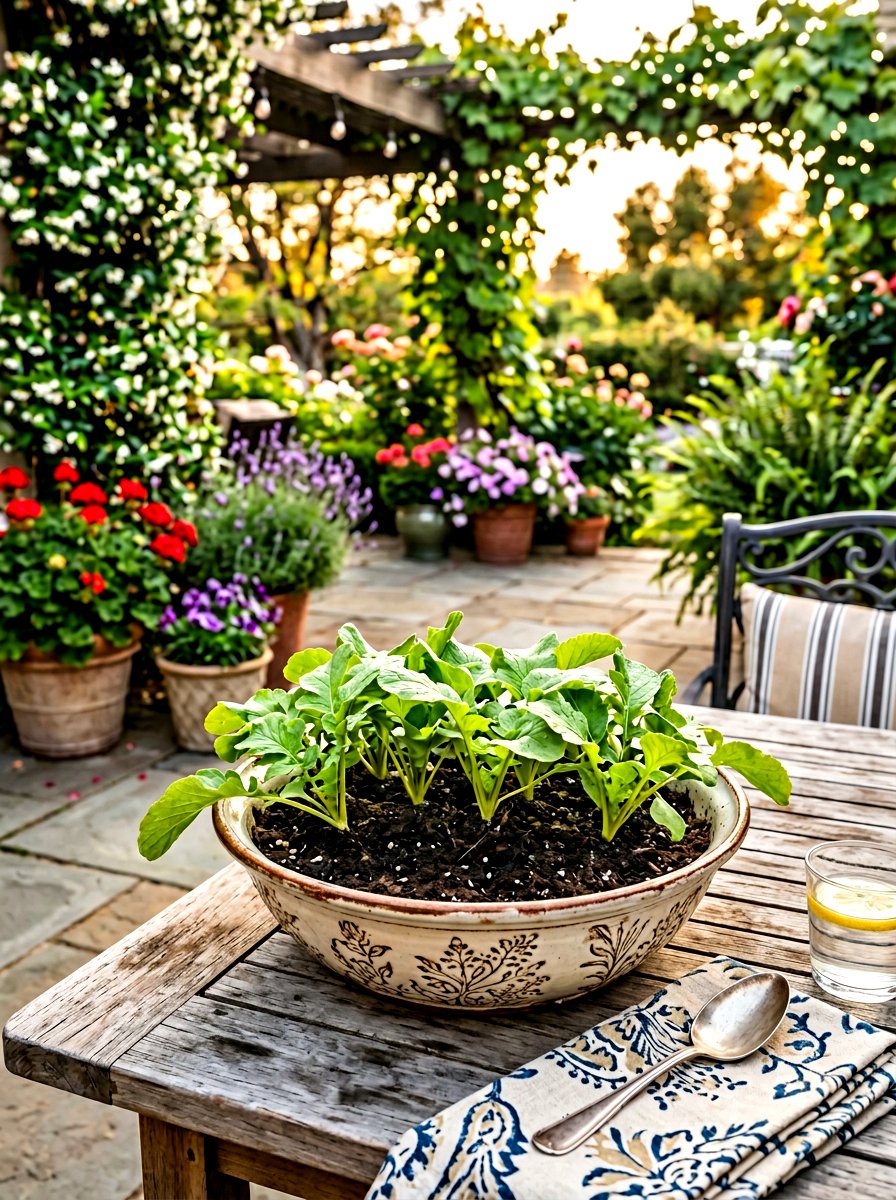
Container vegetable gardens are incredibly versatile, making them a top choice for renters or homeowners who want to keep their gardening flexible. You can grow almost anything in a pot, from large heirloom tomatoes to crunchy radishes, as long as the container is appropriately sized. The portability of pots allows you to move your plants around throughout the day to catch the best sunlight or protect them from harsh weather. Using a high-quality potting mix ensures that your vegetables get all the nutrients they need without the risk of soil-borne diseases from the ground. It is an excellent way to experiment with different varieties without a permanent commitment.
6. Pallet Herb Wall
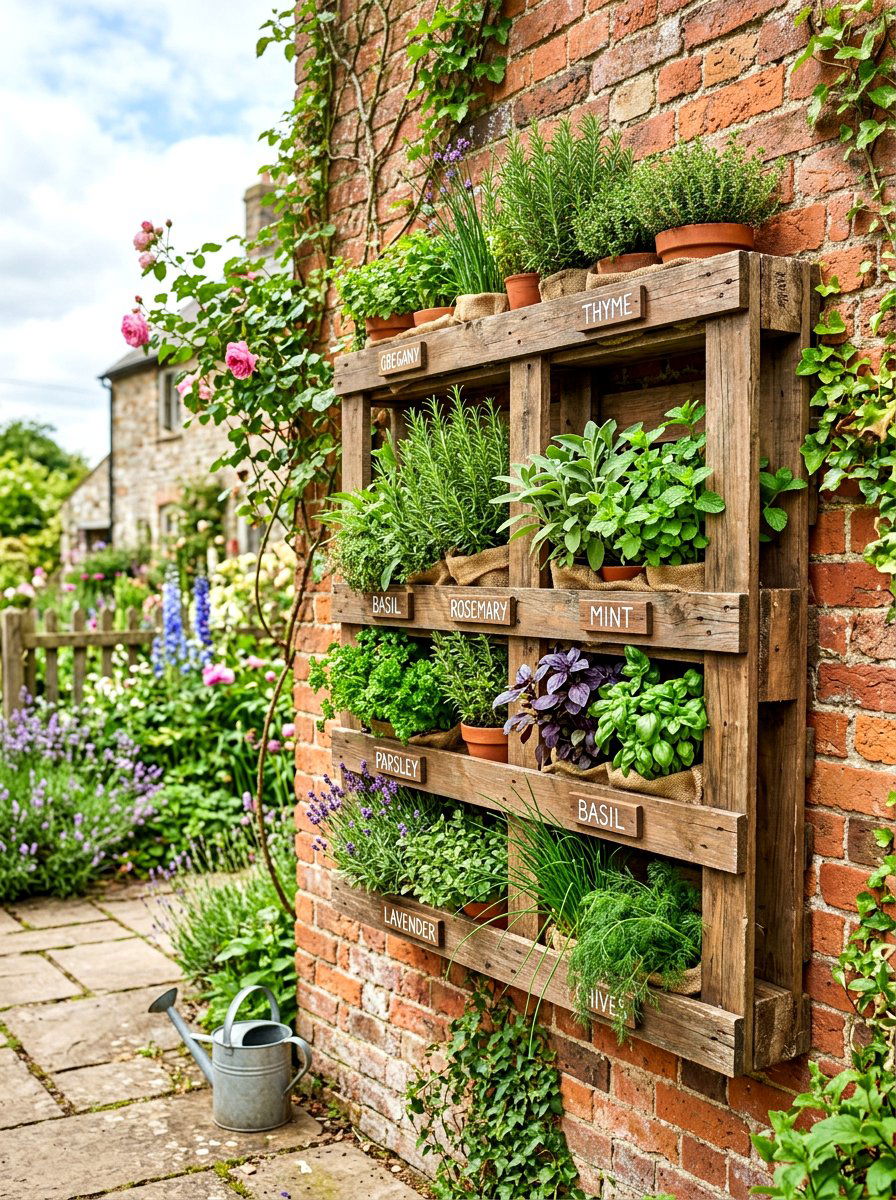
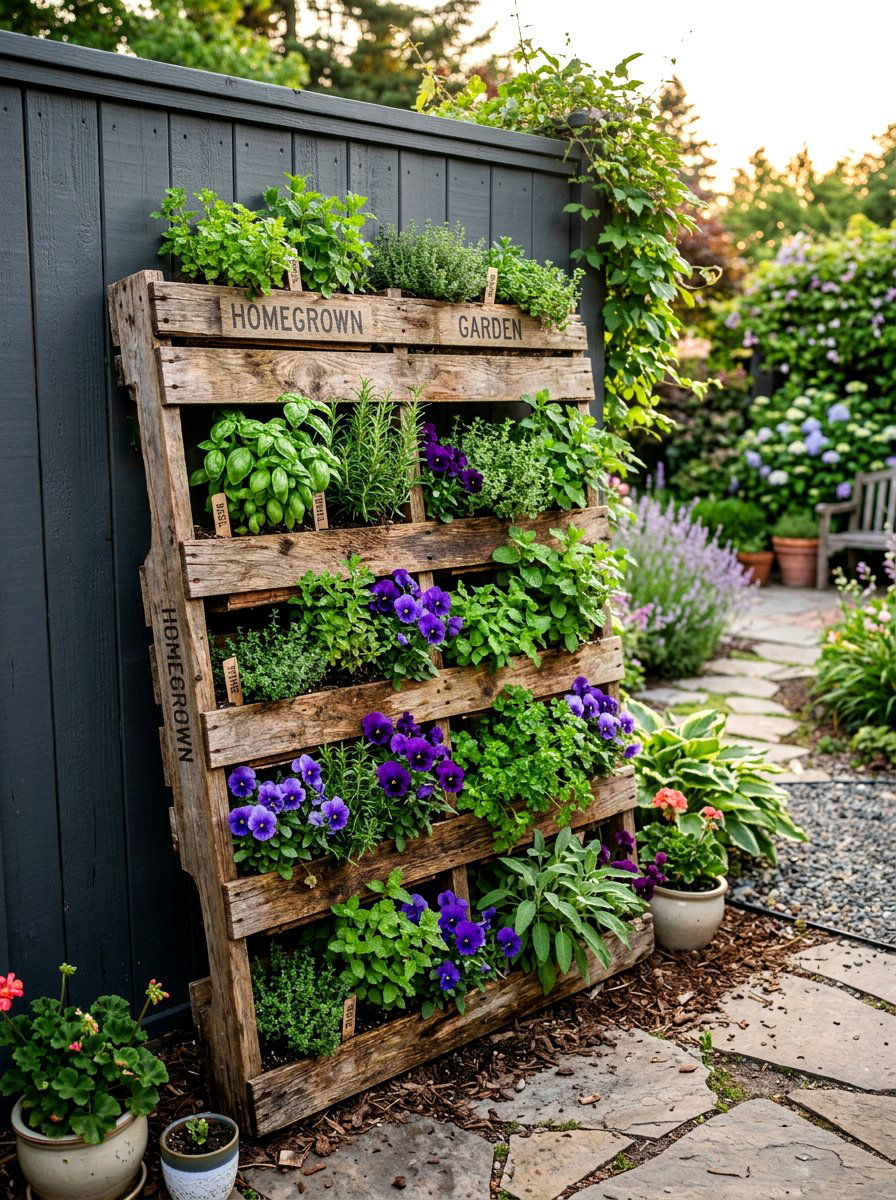
A pallet herb wall is a creative and eco-friendly way to recycle old wood while creating a massive amount of vertical planting space. By securing landscape fabric to the back and bottom of a wooden pallet, you can create long planting troughs for your favorite herbs. These rustic structures look amazing against a brick wall or a wooden fence, bringing a farmhouse feel to any outdoor area. You can even paint or stain the wood to match your existing outdoor furniture for a more cohesive and professional look. It is a low-cost project that provides a high-yield harvest of fresh flavors throughout the entire growing season.
7. Tiered Garden Planter
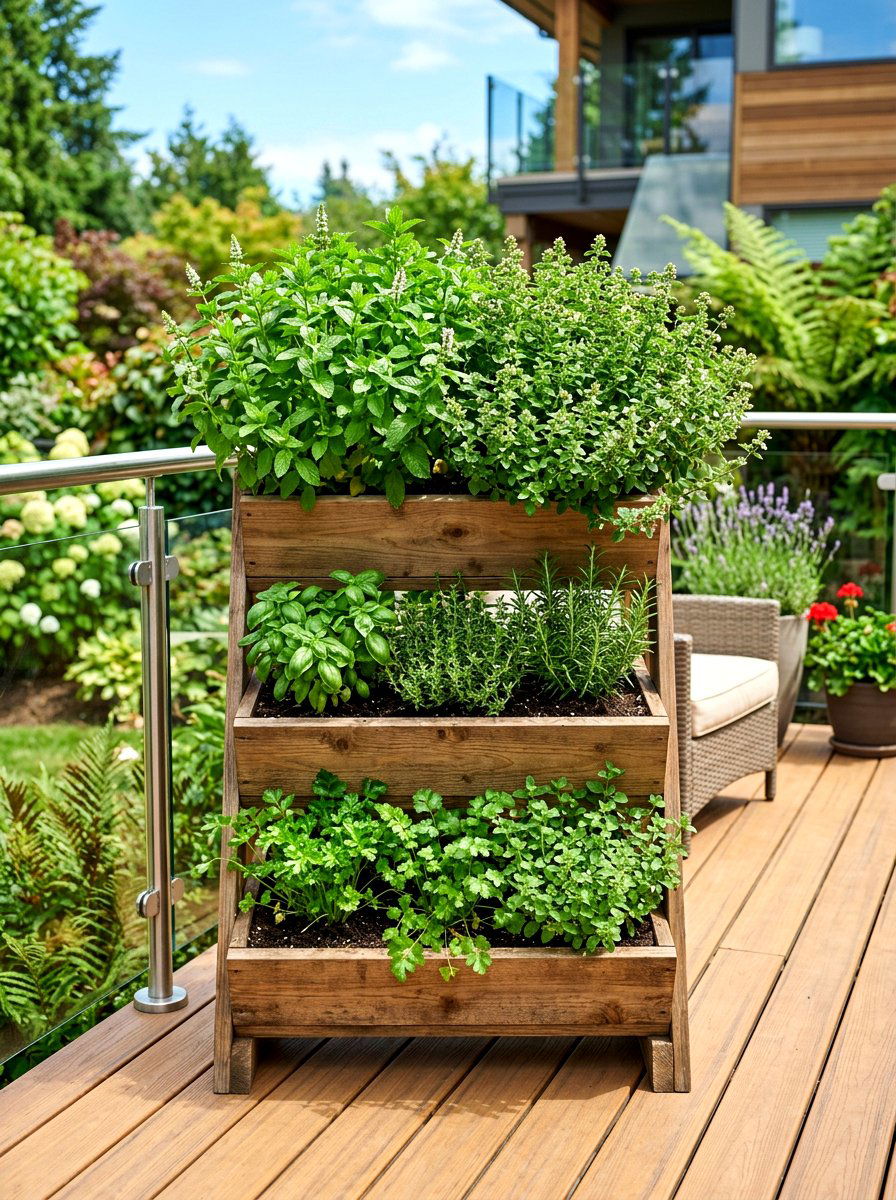
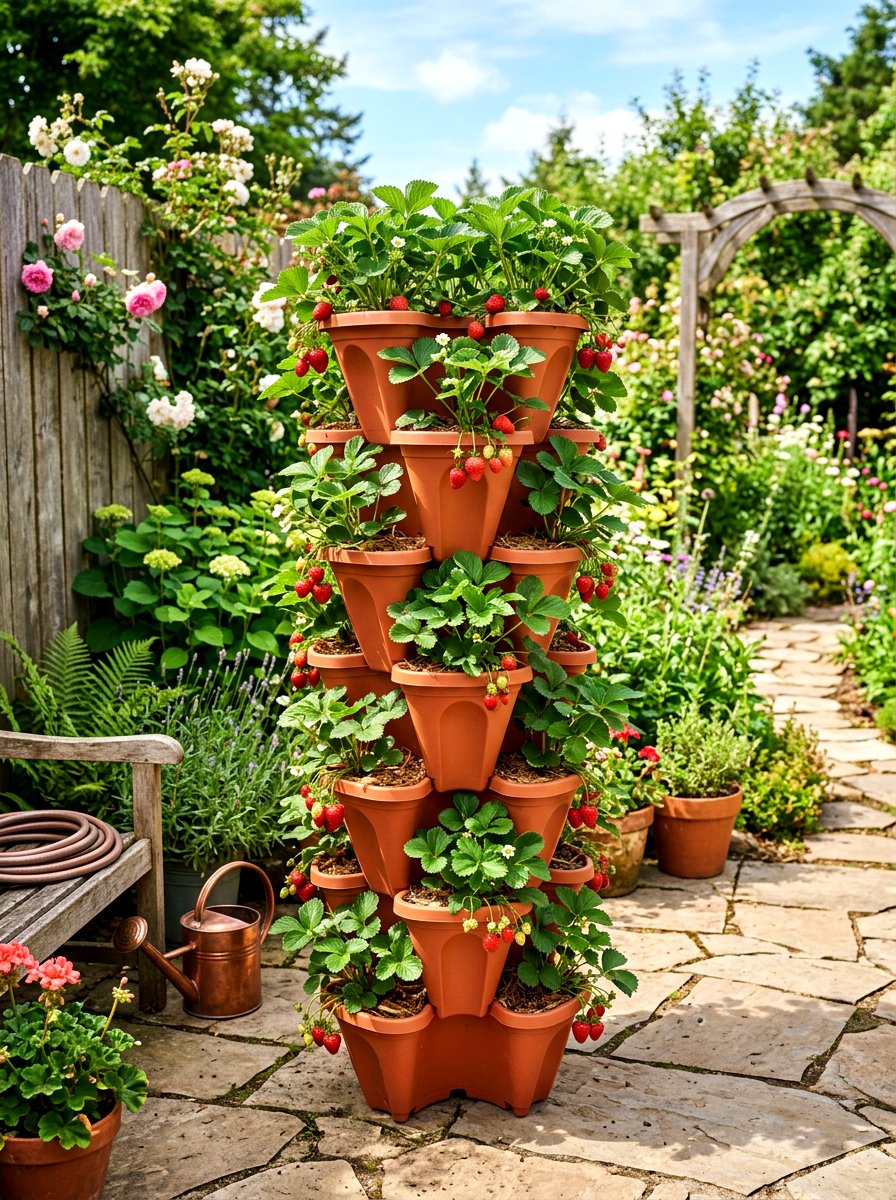
Tiered garden planters are perfect for creating a dramatic visual impact while maximizing every square inch of your available growing area. These multi-level structures allow you to group plants with similar water needs together on different steps for easier maintenance and care. For instance, you could place moisture-loving mint on the lower tiers while keeping drought-tolerant rosemary on the sunnier top level. The vertical hierarchy ensures that every plant gets adequate sunlight without being shaded out by its taller neighbors in the same container. These planters work exceptionally well on decks or small patios where you want to add height and lush greenery without taking up much floor space.
8. Modern Edible Landscape
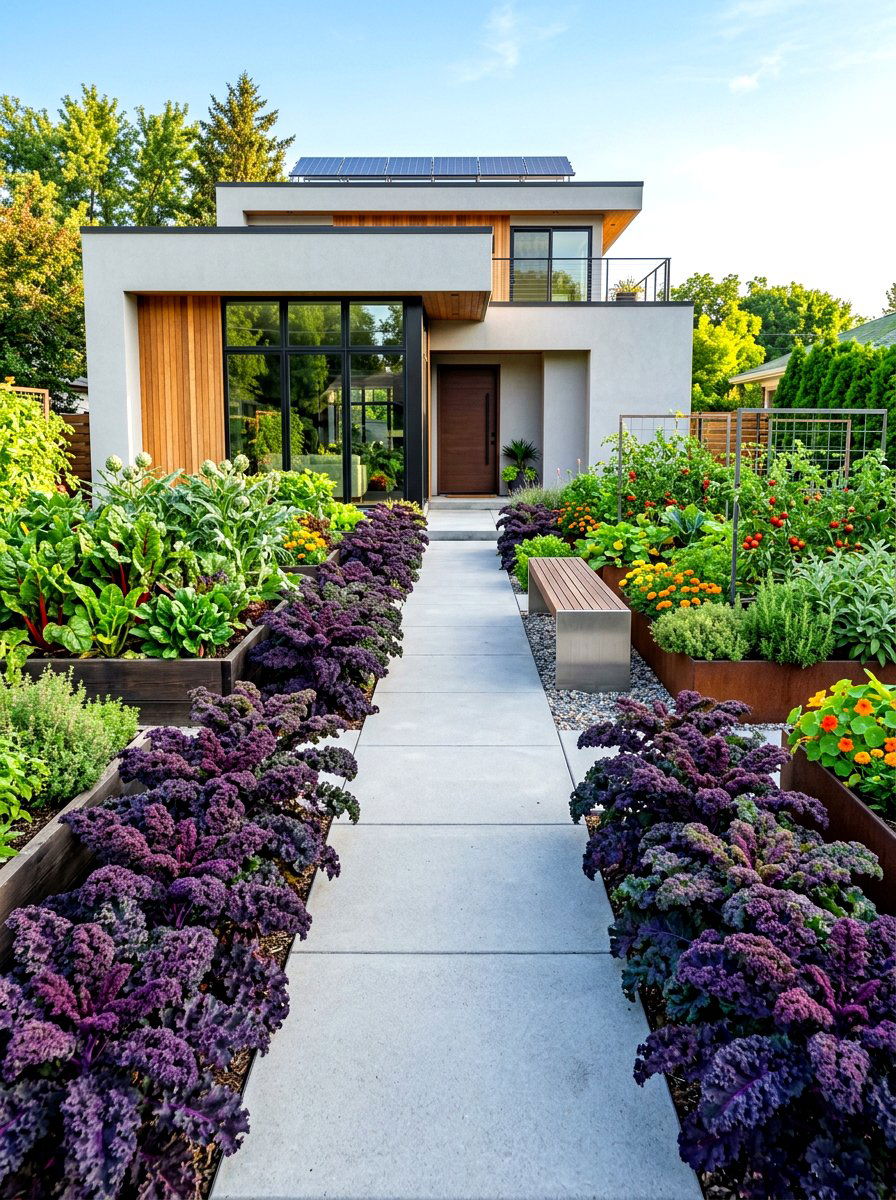
Modern edible landscapes are a sophisticated way to integrate food production directly into your ornamental garden design for a seamless look. Instead of hiding your vegetables in a back corner, you can use them as structural elements alongside traditional boxwoods and flowering shrubs. For example, the deep purple leaves of kale or the bright stems of Swiss chard make for stunning border plants in any garden. This approach allows you to enjoy the beauty of a professionally landscaped yard while reaping the delicious rewards of a fresh harvest. It challenges the idea that a vegetable garden must be messy, proving that food can be truly beautiful when planned carefully.
9. Indoor Kitchen Garden
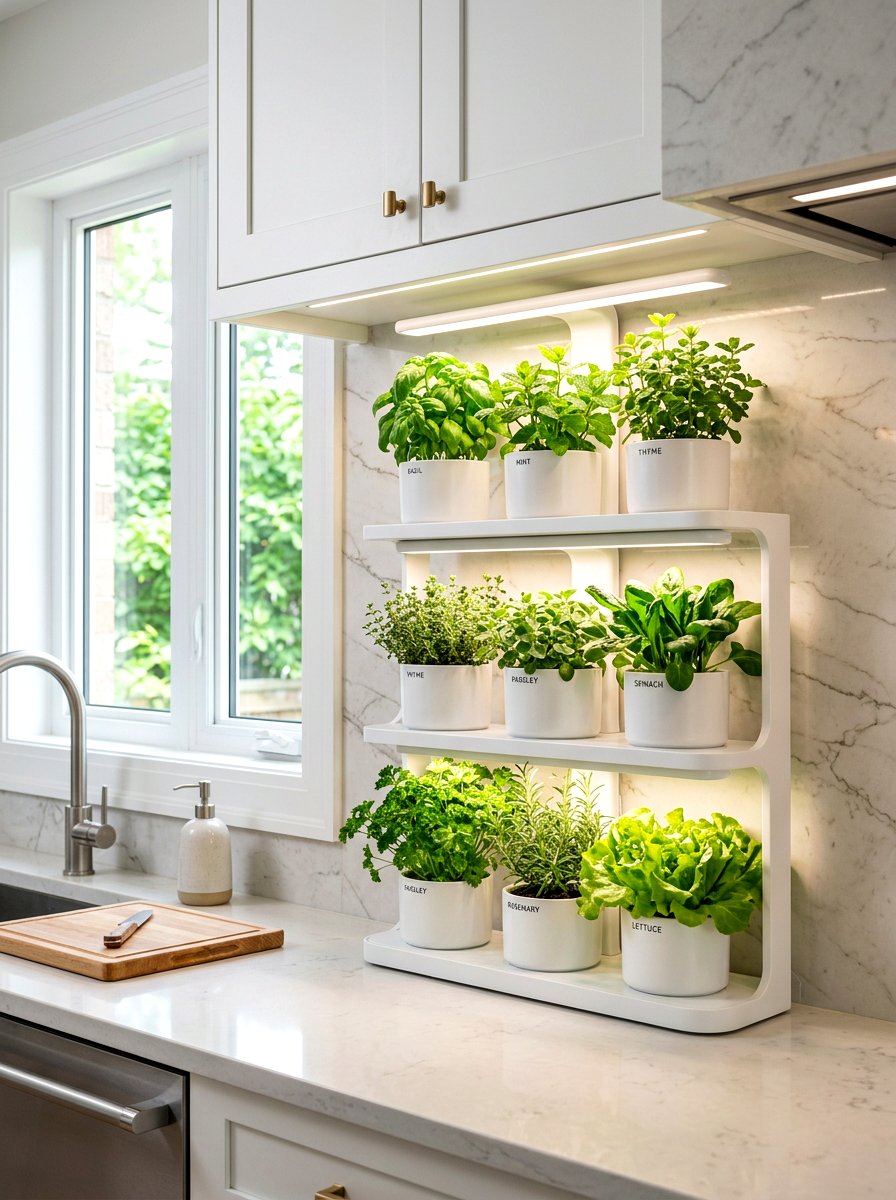
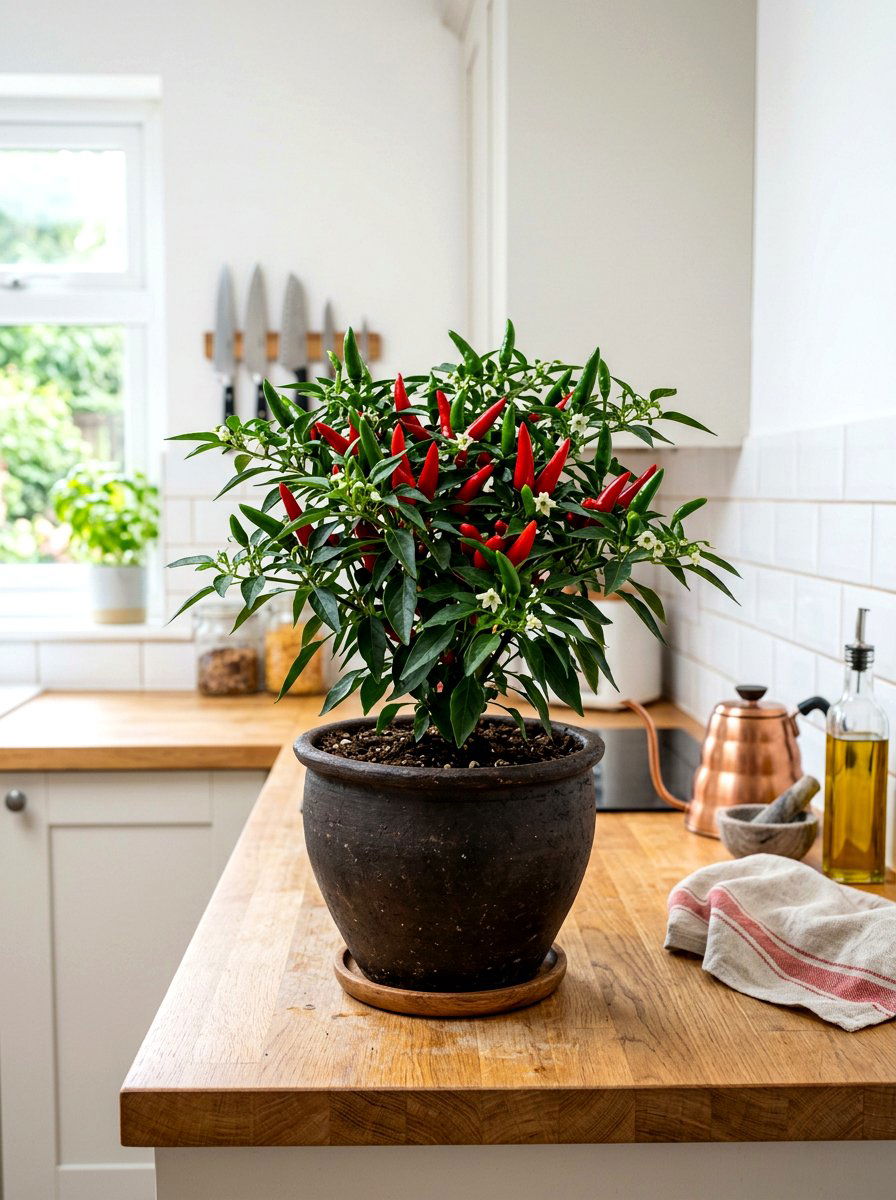
Indoor kitchen gardens bring the joy of growing fresh produce directly into your home, which is especially useful during the cold winter months. With the help of dedicated grow lights or a very sunny south-facing window, you can maintain a steady supply of herbs and greens. Modern indoor systems often feature sleek, minimalist designs that look great on a kitchen counter or a dedicated shelving unit in the dining room. Growing indoors allows you to control the environment perfectly, avoiding the pests and weather fluctuations that outdoor gardeners face daily. It is a fantastic way to keep your cooking inspired with living ingredients all year long without any hassle.
10. Greenhouse Vegetable Garden
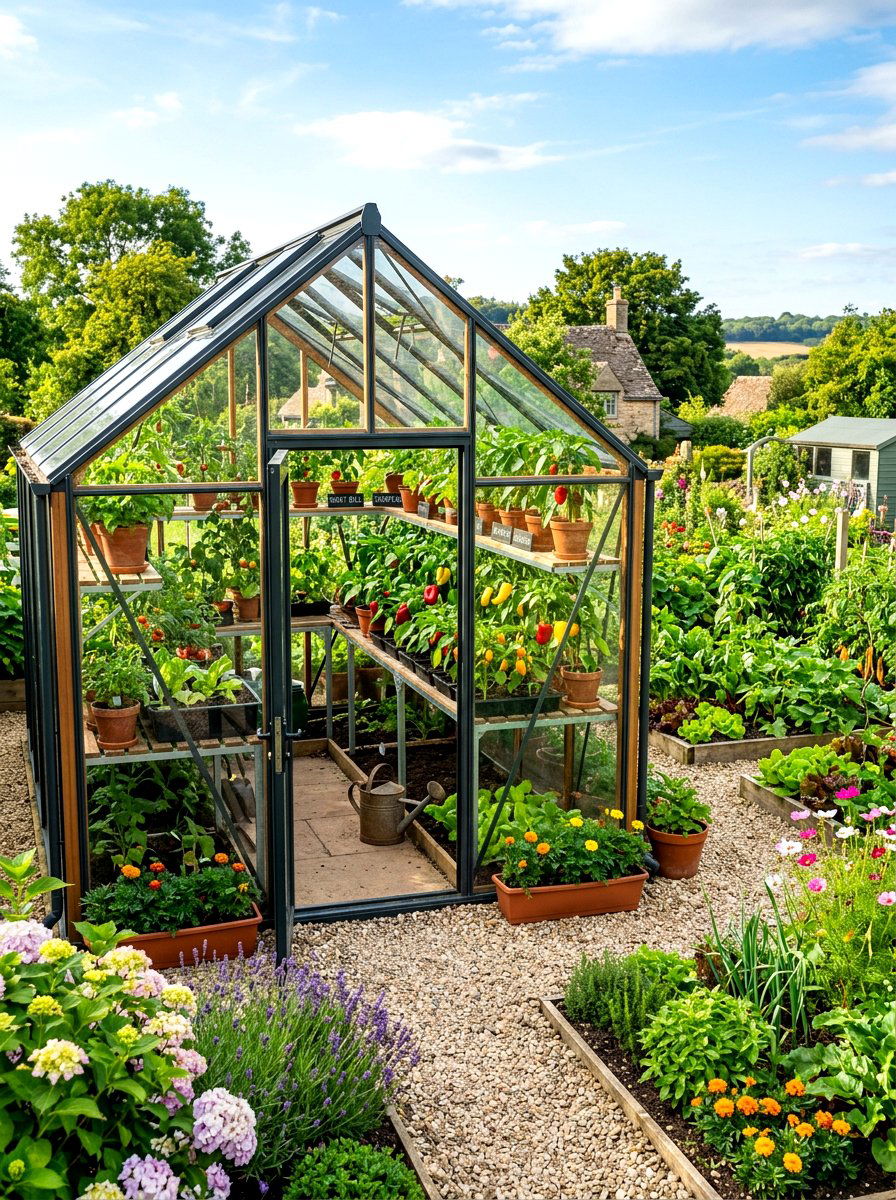
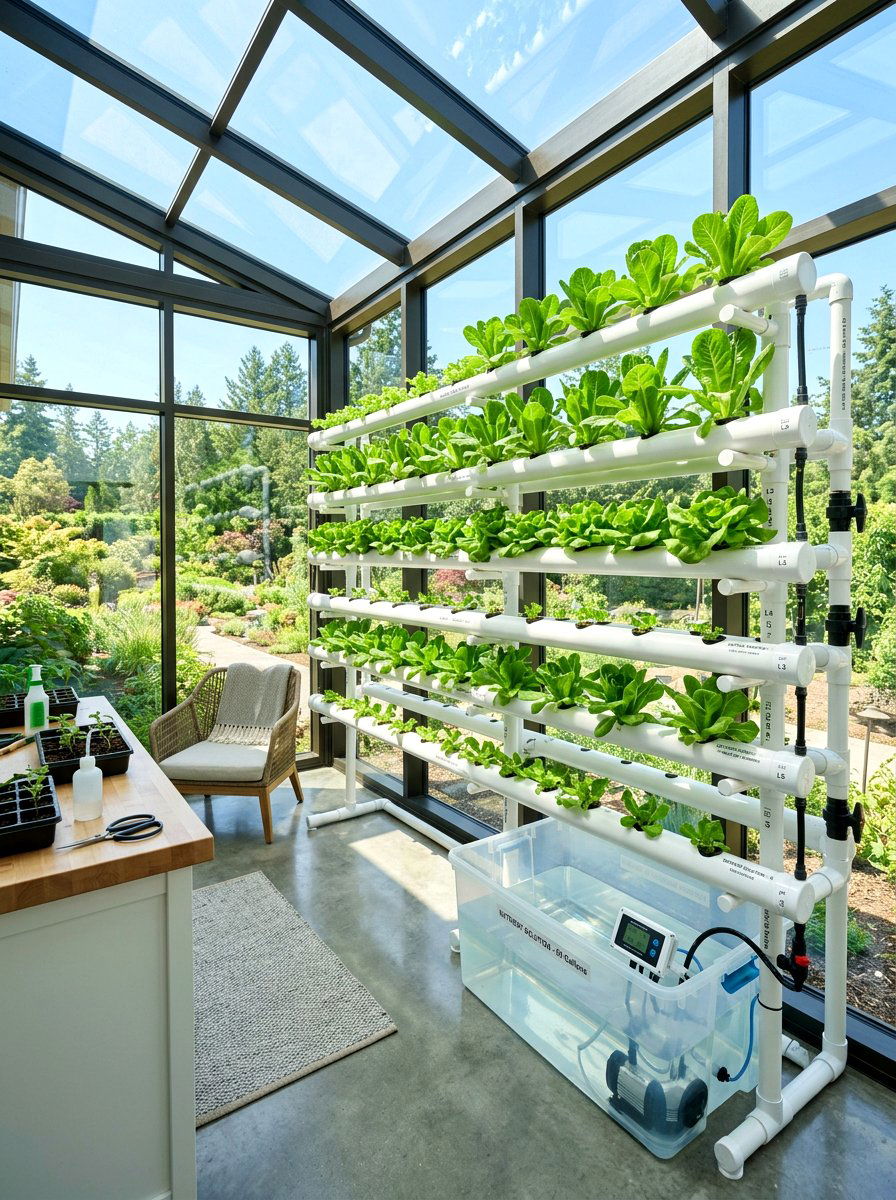
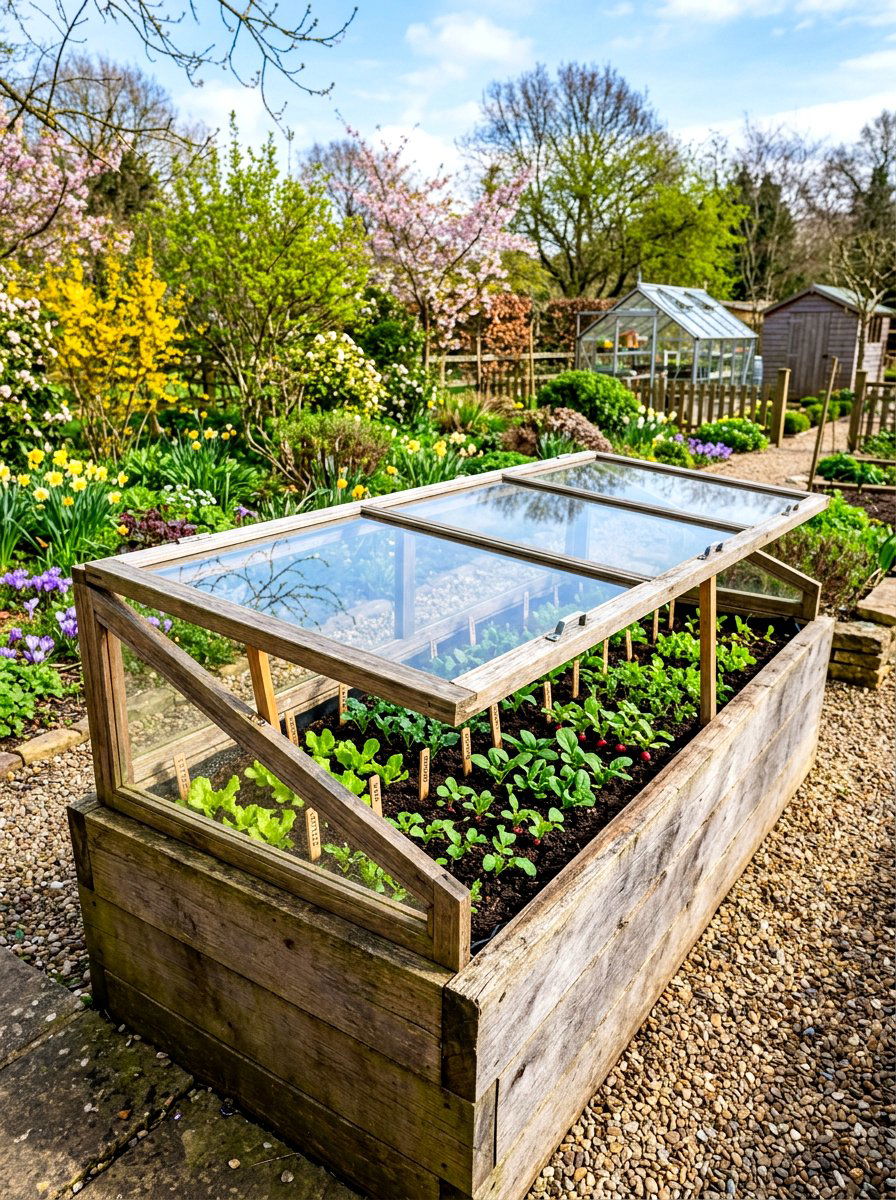
A greenhouse vegetable garden is the ultimate setup for serious growers who want to extend their harvest season into the early spring and late fall. These structures trap heat and moisture, creating a tropical-like microclimate that allows heat-loving crops like peppers and cucumbers to thrive even in cooler regions. You can organize the interior with a mix of ground-level beds and shelving for smaller pots to maximize the available vertical space. Greenhouses also provide a protected environment that keeps your delicate plants safe from heavy winds, driving rain, and hungry garden pests. It is a beautiful investment that turns gardening into a year-round hobby regardless of your local climate conditions.
11. Rooftop Kitchen Garden
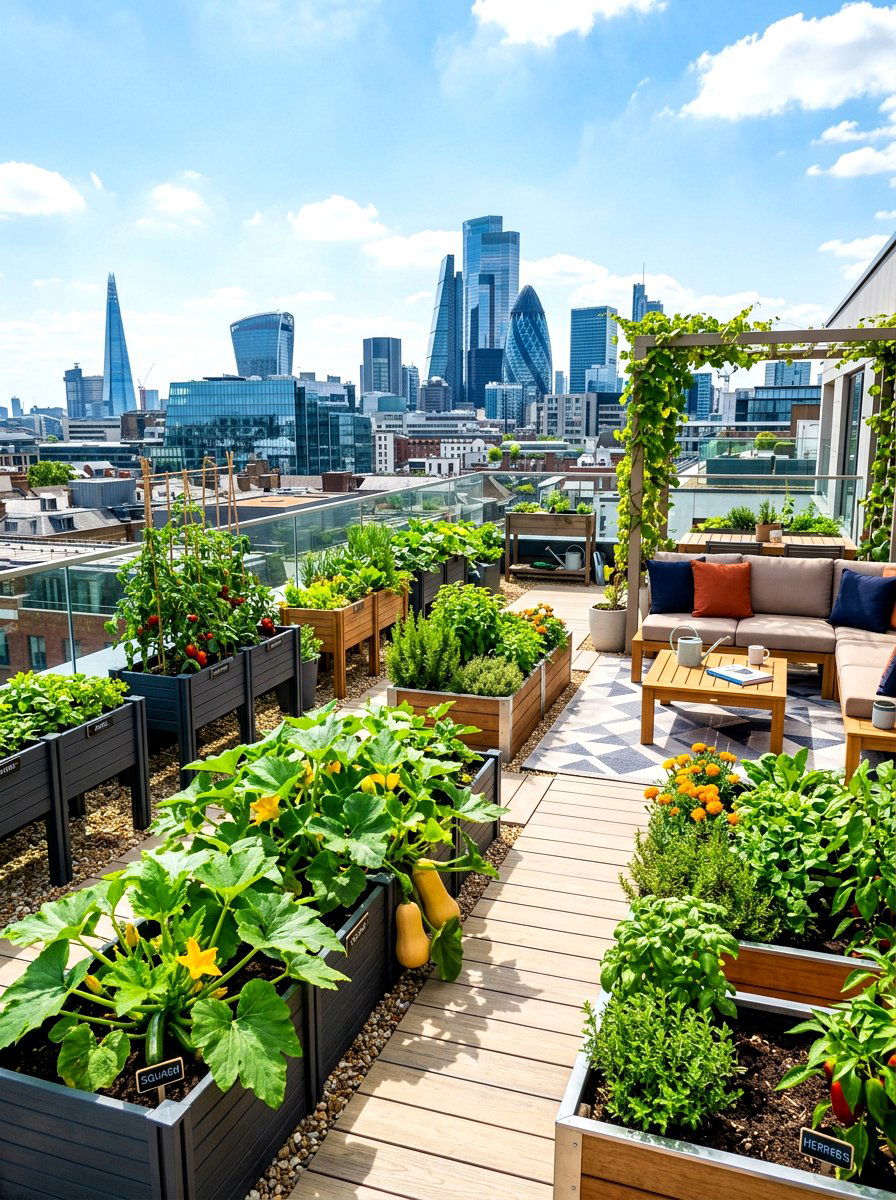
Rooftop kitchen gardens are a clever way to utilize unused urban space, turning a hot concrete surface into a lush and productive oasis. Since rooftops typically receive full, unobstructed sunlight, they are ideal environments for growing sun-drenched vegetables like tomatoes, eggplants, and various squash varieties. Using lightweight containers and specialized potting soil is crucial to ensure you don 't exceed the weight limit of your building' s structural support. These gardens not only provide fresh food but also help insulate the building and reduce the urban heat island effect in busy cities. They create a private sanctuary high above the noise of the street where you can relax and reconnect with nature.
12. Compact Herb Spiral
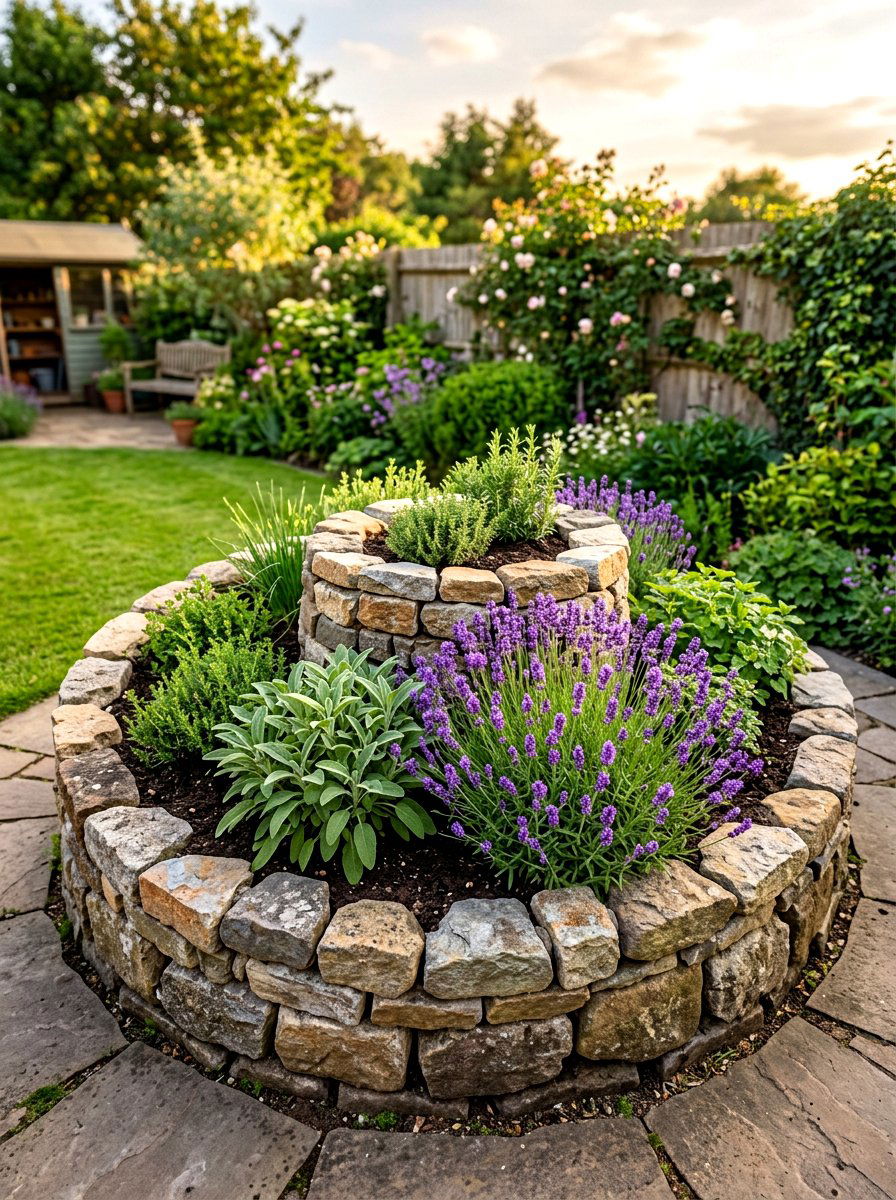
A compact herb spiral is a brilliant permaculture design that allows you to grow a wide variety of herbs in a very small footprint. The spiral shape creates several different microclimates, with the top being dry and sunny while the bottom stays cool and moist. This allows you to plant Mediterranean herbs like lavender at the peak and moisture-loving plants like watercress or parsley at the base. Building a spiral out of stones or bricks adds a beautiful sculptural element to your yard that serves as a conversation starter. It is a highly efficient way to manage water and soil health while keeping all your culinary favorites within reach.
13. Traditional English Potager
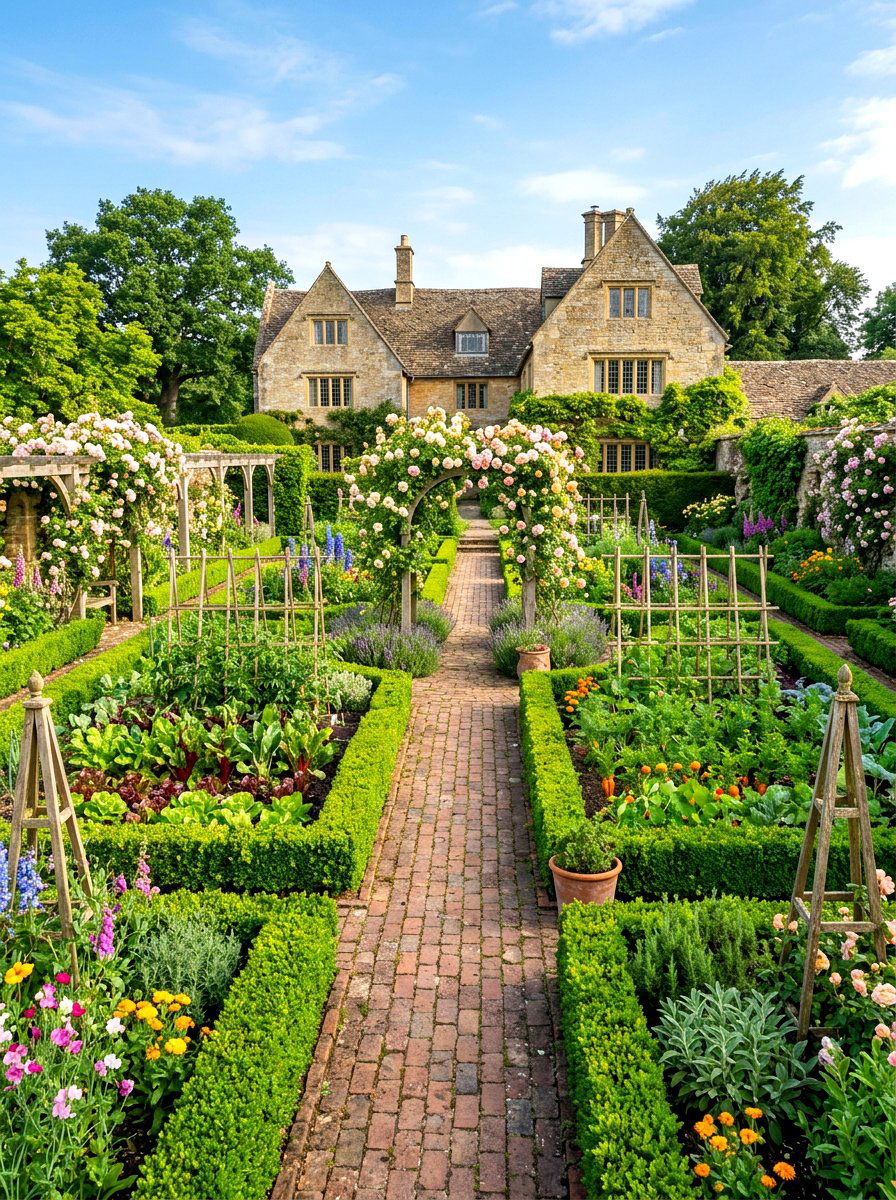
Traditional English potagers are known for their romantic, overflowing appearance and the clever integration of vegetables, fruits, and cutting flowers in one space. These gardens often use boxwood hedges or low wattle fencing to create a sense of enclosure and structure amidst the wild growth. By planting roses alongside your beans and lavender near your cabbage, you create a sensory experience that is as fragrant as it is flavorful. This style emphasizes the beauty of the plants, encouraging you to choose heirloom varieties that offer unique colors and interesting shapes. It is a timeless approach that celebrates the abundance of nature while maintaining a sense of refined, classical garden organization.
14. Urban Balcony Garden
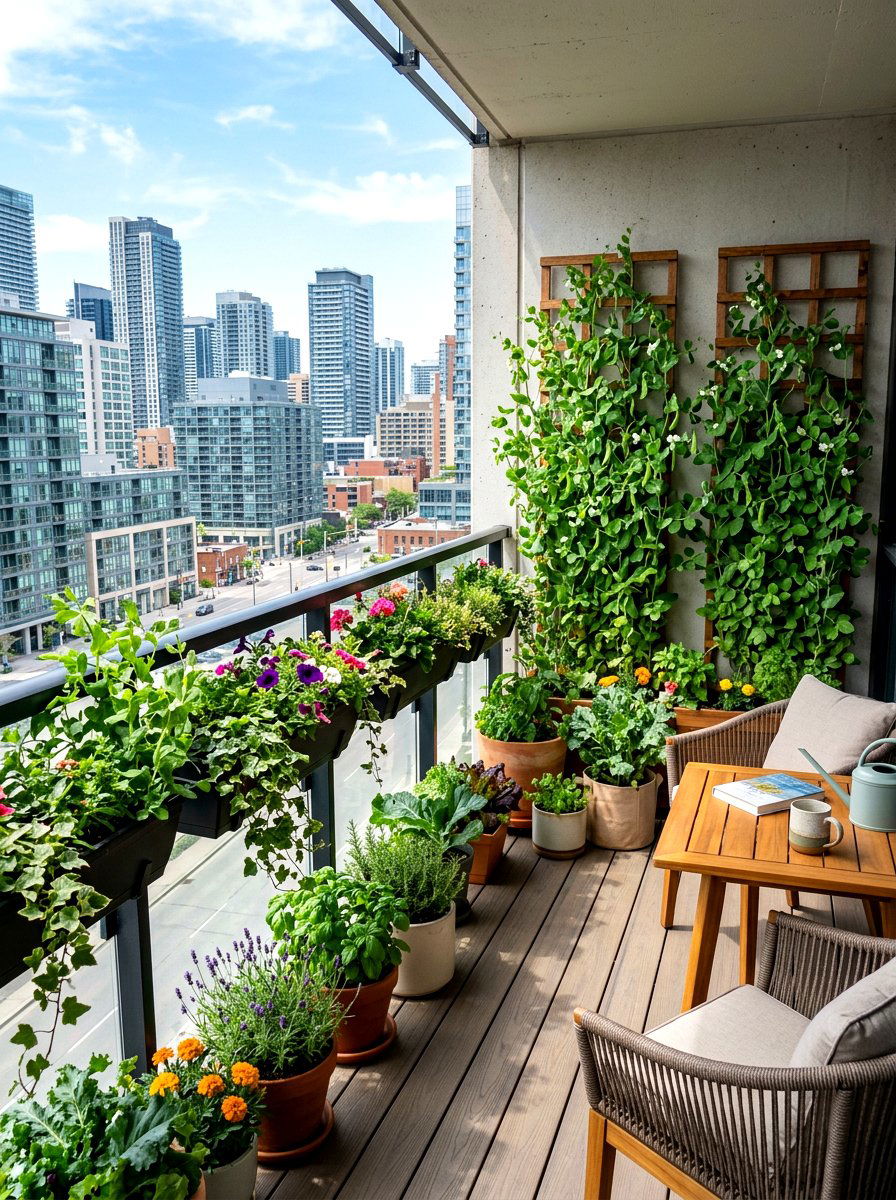
Urban balcony gardens prove that you do not need a massive yard to enjoy the benefits of growing your own organic vegetables. By using a combination of railing planters, hanging baskets, and slim floor pots, you can transform a small outdoor space into a productive hub. Focus on dwarf or patio-specific varieties of your favorite vegetables, which are bred to produce high yields in smaller containers without getting too large. Vertical trellises are also essential for growing climbing plants like peas or beans against the balcony walls to save precious floor area. With a little creativity, your balcony can become a green escape that provides fresh salad greens every single day.
15. Hanging Basket Herbs
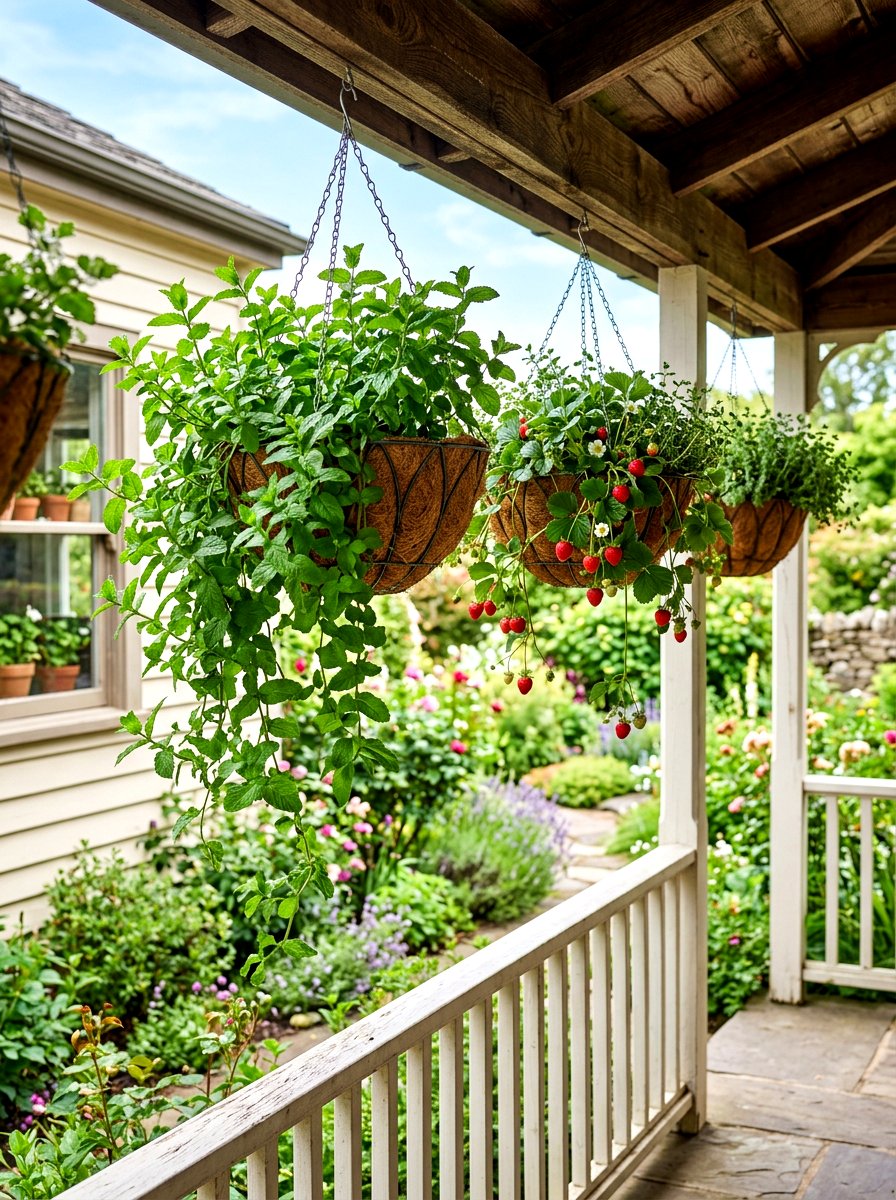
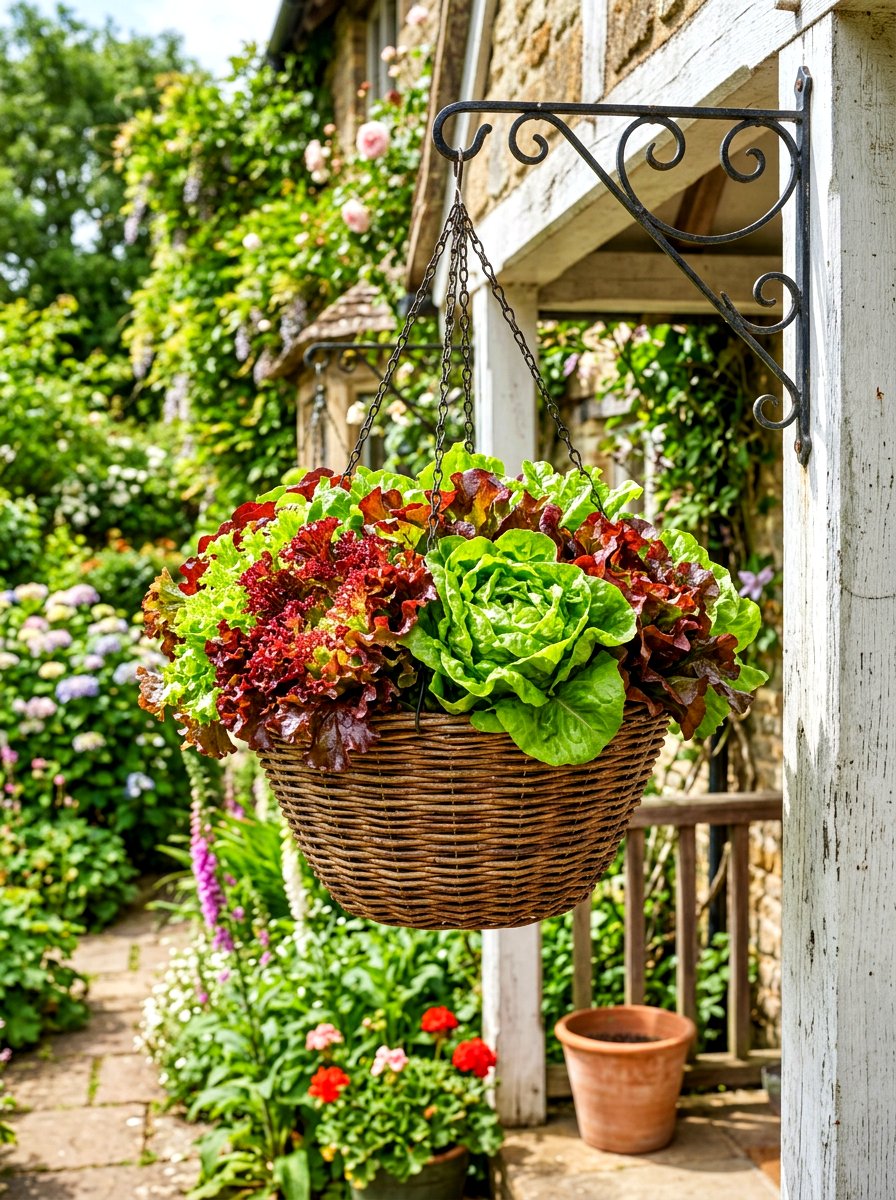
Hanging basket herbs are a delightful and space-saving way to keep your kitchen garden off the ground and away from crawling pests. These elevated planters are perfect for trailing varieties like creeping thyme, mint, or even small strawberries that can cascade beautifully over the edges. You can hang them from porch eaves, shepherd's hooks, or sturdy wall brackets to add a splash of greenery at eye level throughout your yard. Because they are suspended in the air, they benefit from excellent drainage and air circulation, which helps the plants stay healthy and vibrant. They are an easy addition to any outdoor space that needs a bit of functional vertical decor.
16. Mason Jar Herb Garden
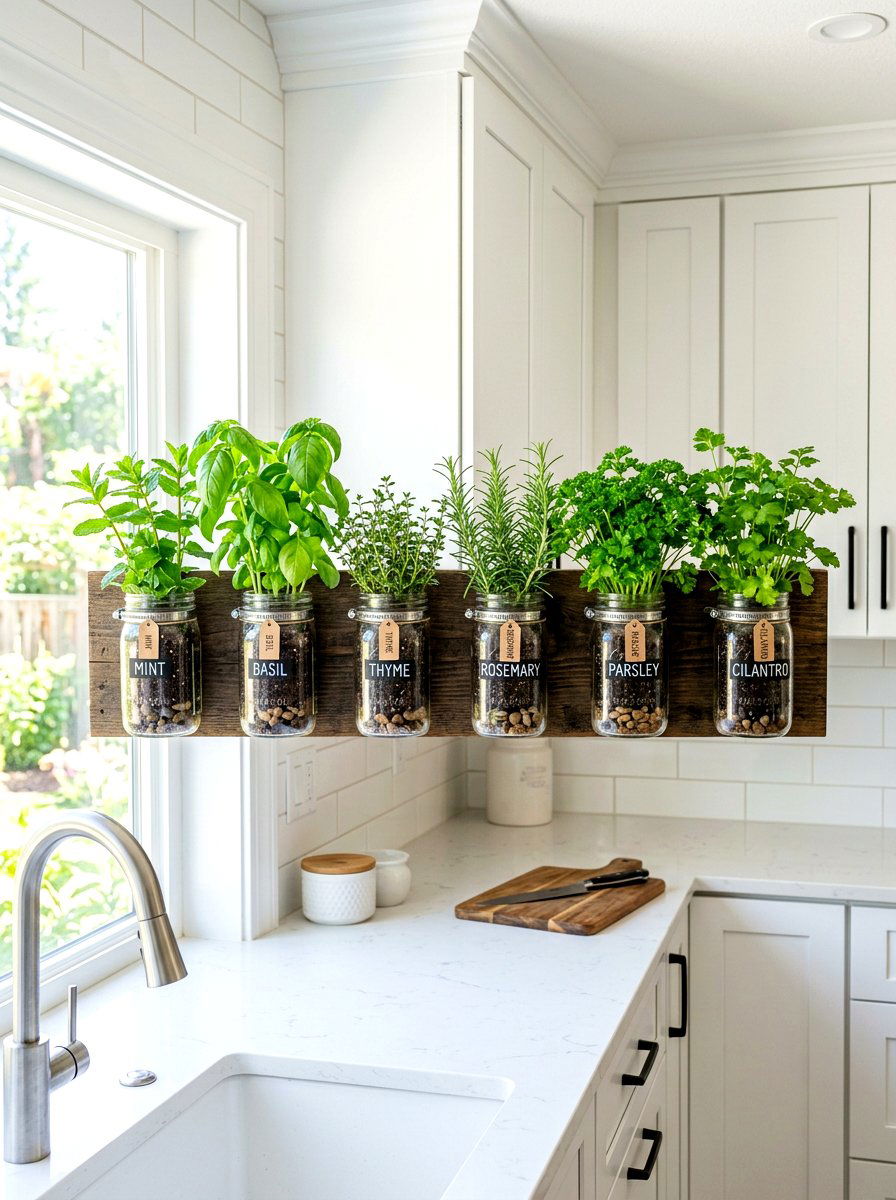
A mason jar herb garden is a popular DIY project that brings a touch of rustic charm to your indoor kitchen decor. By filling jars with pebbles for drainage and high-quality soil, you can grow small batches of basil, cilantro, and chives right on your counter. These mini gardens are perfect for those who only need small amounts of fresh herbs for garnishing their favorite homemade dishes. You can mount the jars to a wooden board for a stylish wall-hanging display that saves valuable counter space in smaller kitchens. It is a low-maintenance way to keep fresh flavors within reach while adding a personalized, handcrafted touch to your home.
17. Hydroponic Indoor System
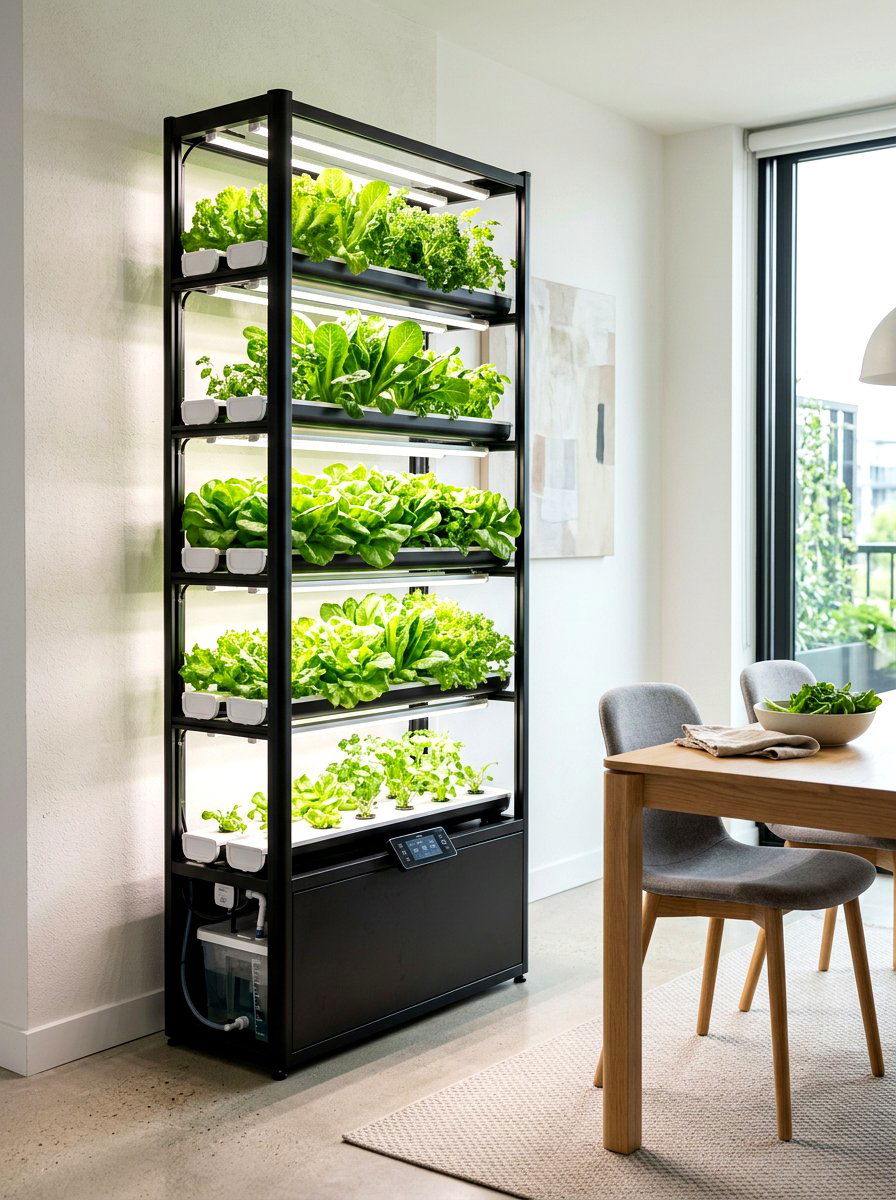
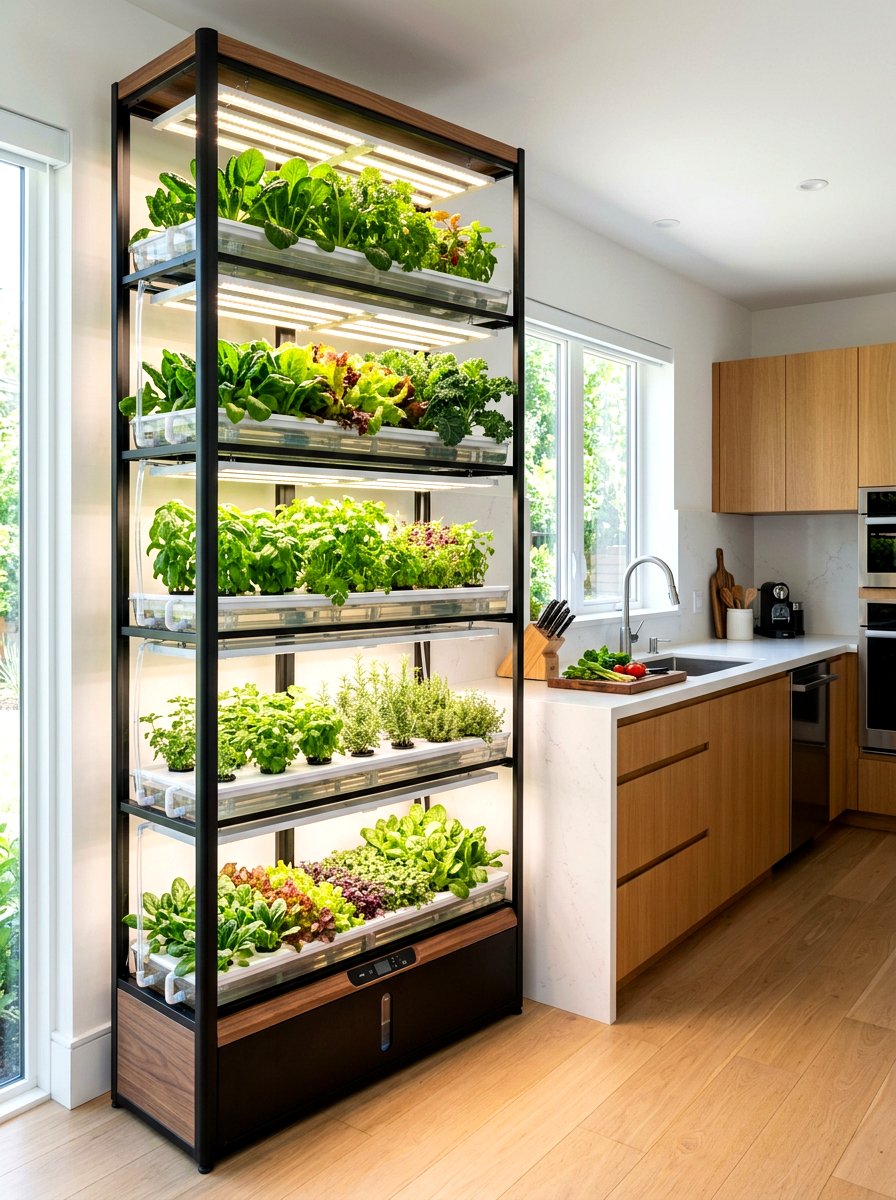
Hydroponic indoor systems are a high-tech way to grow food without any soil, using nutrient-rich water to feed the plant roots directly. These units often come with built-in LED grow lights and automated timers, making them nearly foolproof for beginners or busy city dwellers. Because the plants receive a constant supply of nutrients and light, they often grow much faster than they would in a traditional outdoor garden setup. These sleek systems are designed to fit perfectly into modern homes, offering a clean and mess-free gardening experience that looks like a piece of high-end technology. It is a sustainable way to enjoy fresh, pesticide-free produce regardless of the outdoor season.
18. Raised Corrugated Metal Bed
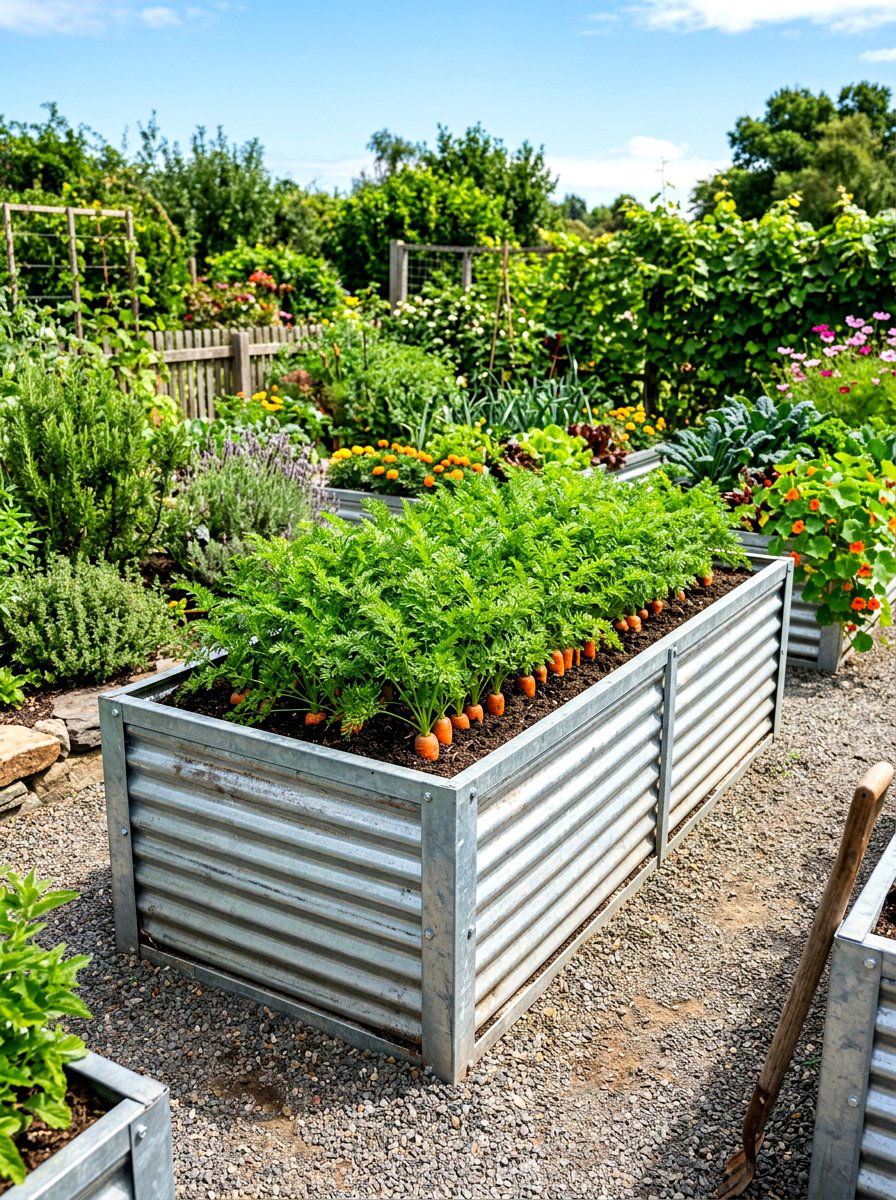
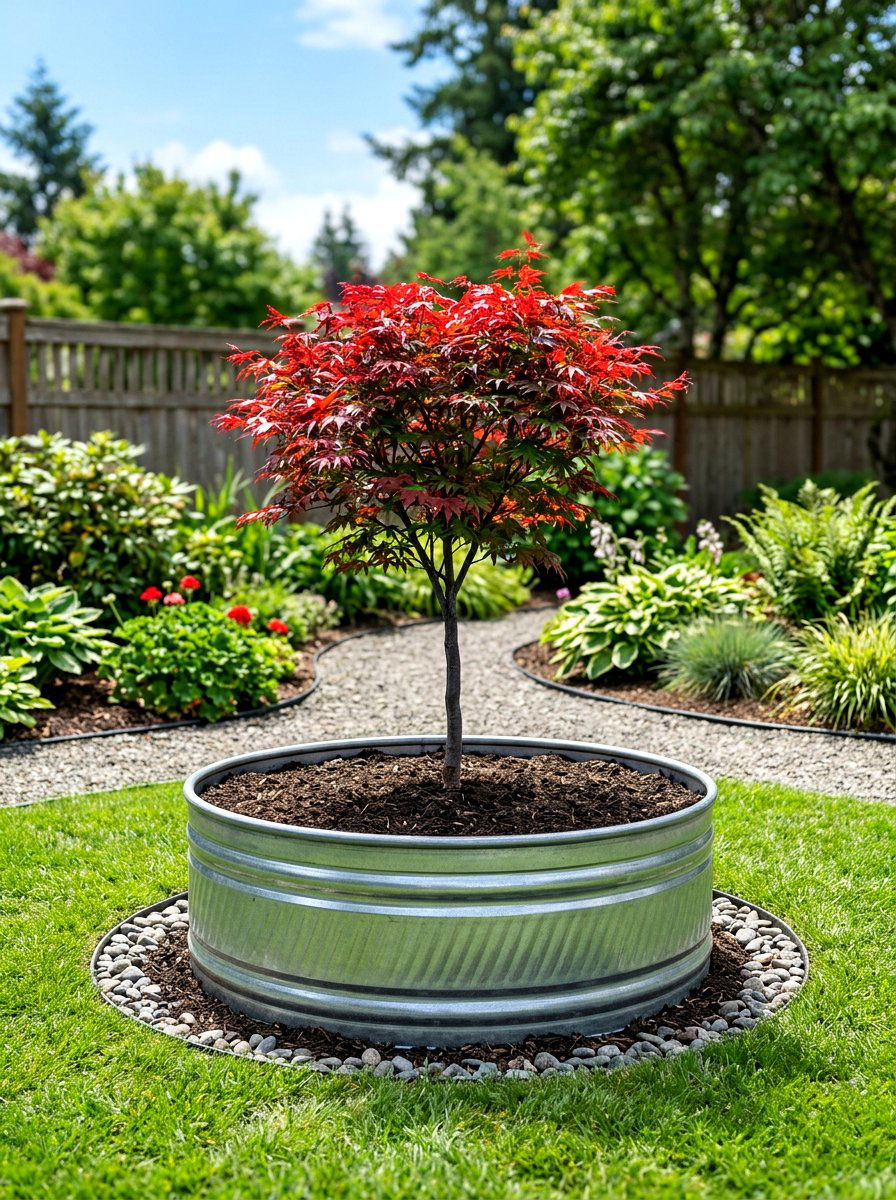
Raised corrugated metal beds offer a modern industrial aesthetic that is incredibly durable and resistant to the elements over many years of use. The metal sides reflect heat, which can help warm the soil earlier in the spring, giving your seedlings a significant head start on growth. These beds are often deep enough to accommodate root vegetables like carrots and parsnips, providing them with plenty of loose soil to grow straight. You can find them in various shapes, from sleek rectangles to soft ovals, allowing you to create a customized layout for your backyard space. They are low-maintenance options that won't rot or warp like traditional wood-based garden beds might.
19. Cedar Garden Bed
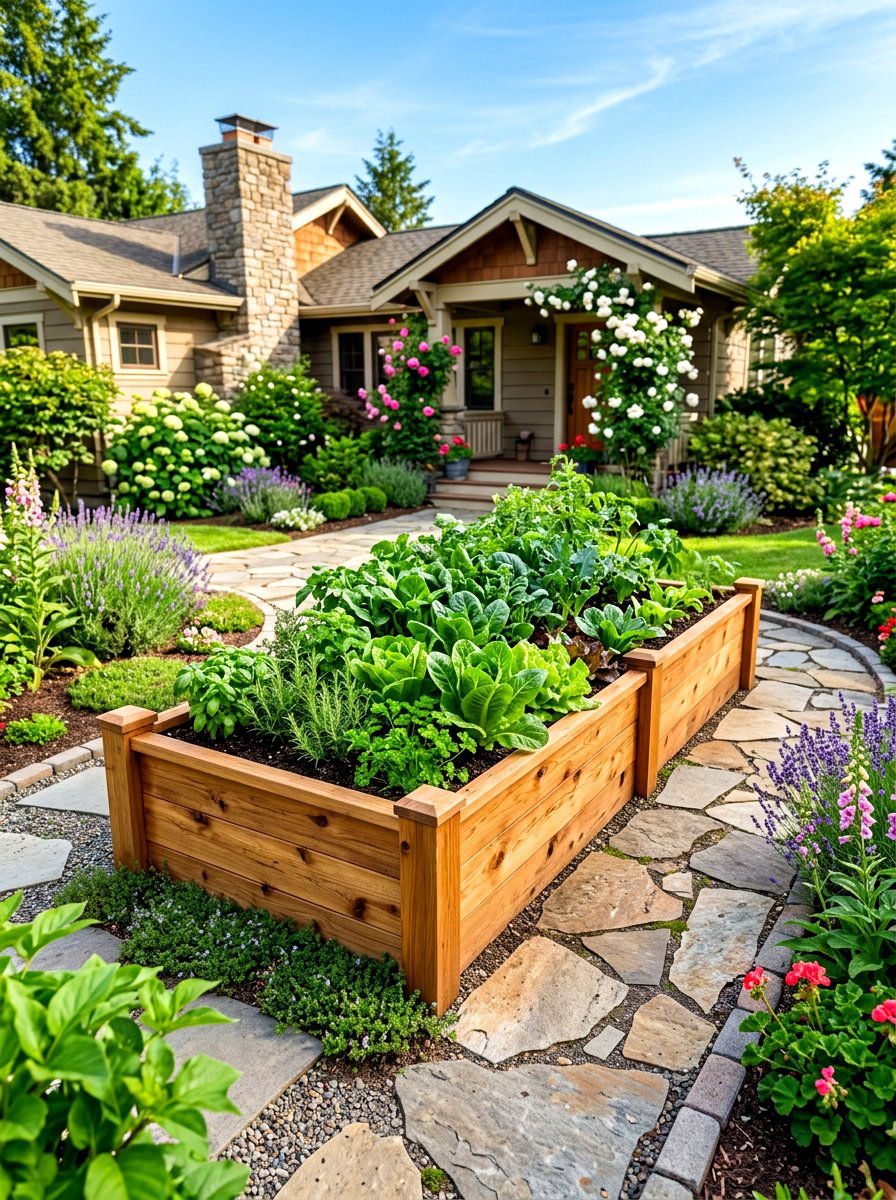
Cedar garden beds are a classic choice for kitchen gardens because the wood is naturally resistant to rot, decay, and many common insects. The warm, reddish tones of the cedar provide a beautiful natural contrast against the deep green leaves of your vegetables and herbs. Over time, the wood will weather to a soft silvery gray, blending seamlessly into a more rustic or coastal landscape design for your home. These beds are easy to assemble and provide a sturdy framework that can support heavy soil and large plants like tomatoes or peppers. Using high-quality cedar ensures that your garden structure will remain functional and beautiful for a decade or more.
20. Ladder Herb Planter
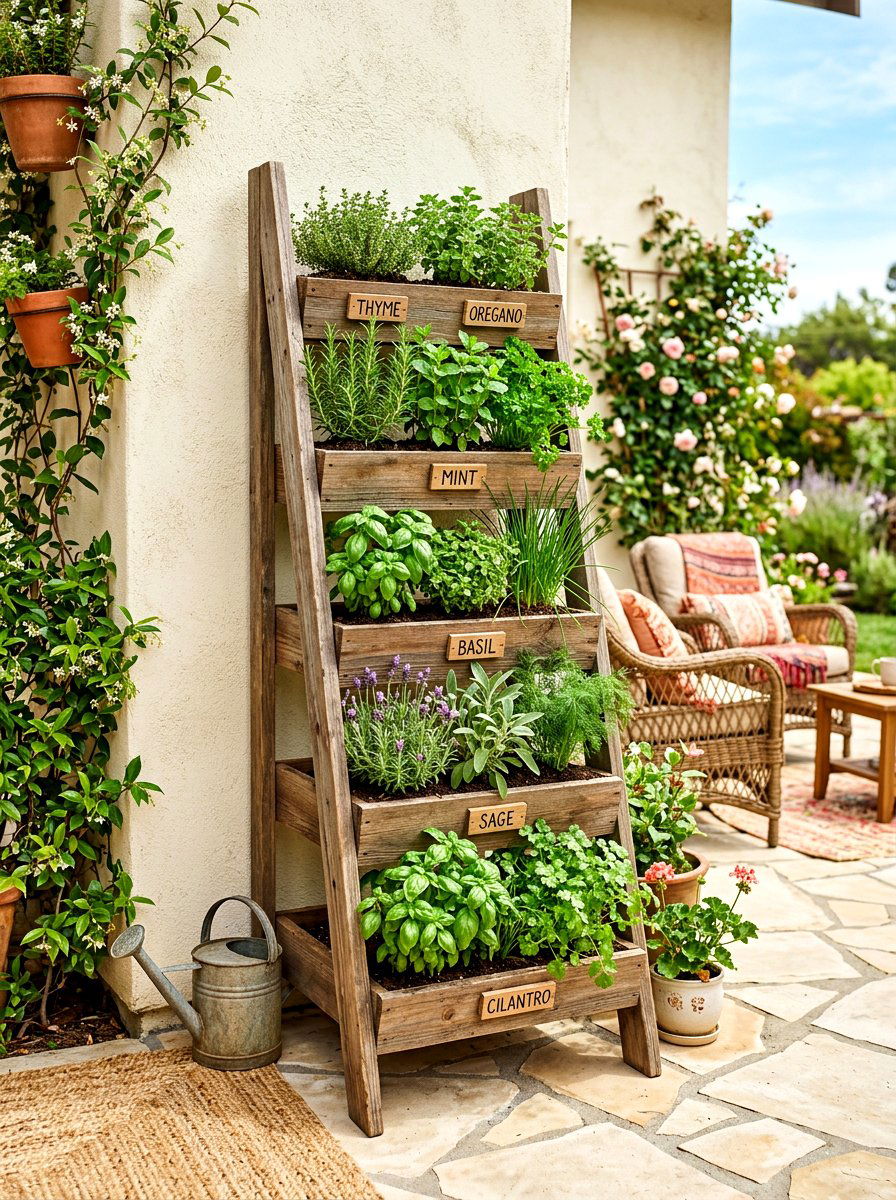
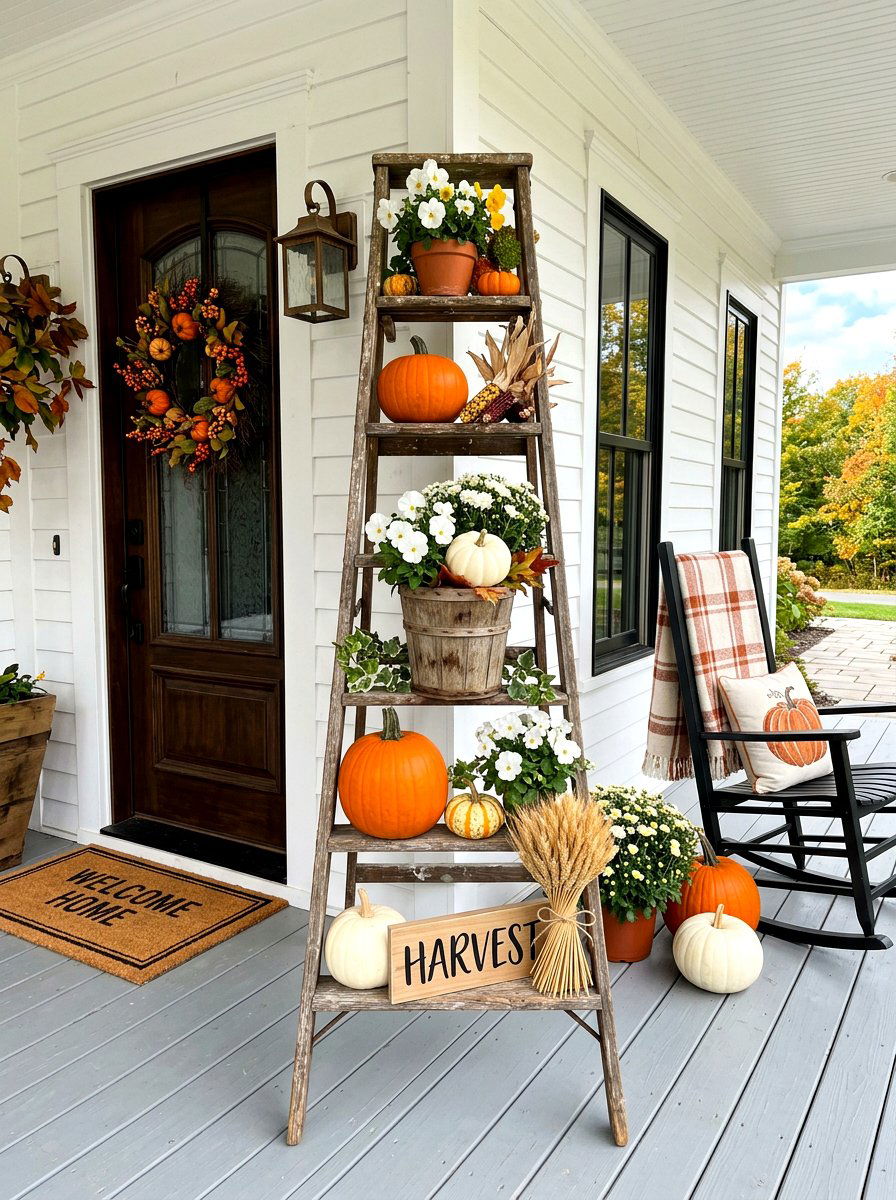
A ladder herb planter is a stylish and efficient way to display a variety of plants in a small, vertical footprint. Each rung of the ladder can hold a different trough or individual pots, allowing you to organize your herbs by their specific culinary uses. This vertical arrangement is excellent for small patios where you want to create a lush wall of greenery without blocking the walking paths. You can easily move the entire structure to follow the sun or bring it closer to the door during the peak of the harvest season. It adds a charming, tiered look to your outdoor decor while keeping your favorite flavors organized and accessible.
21. Potted Fruit Trees
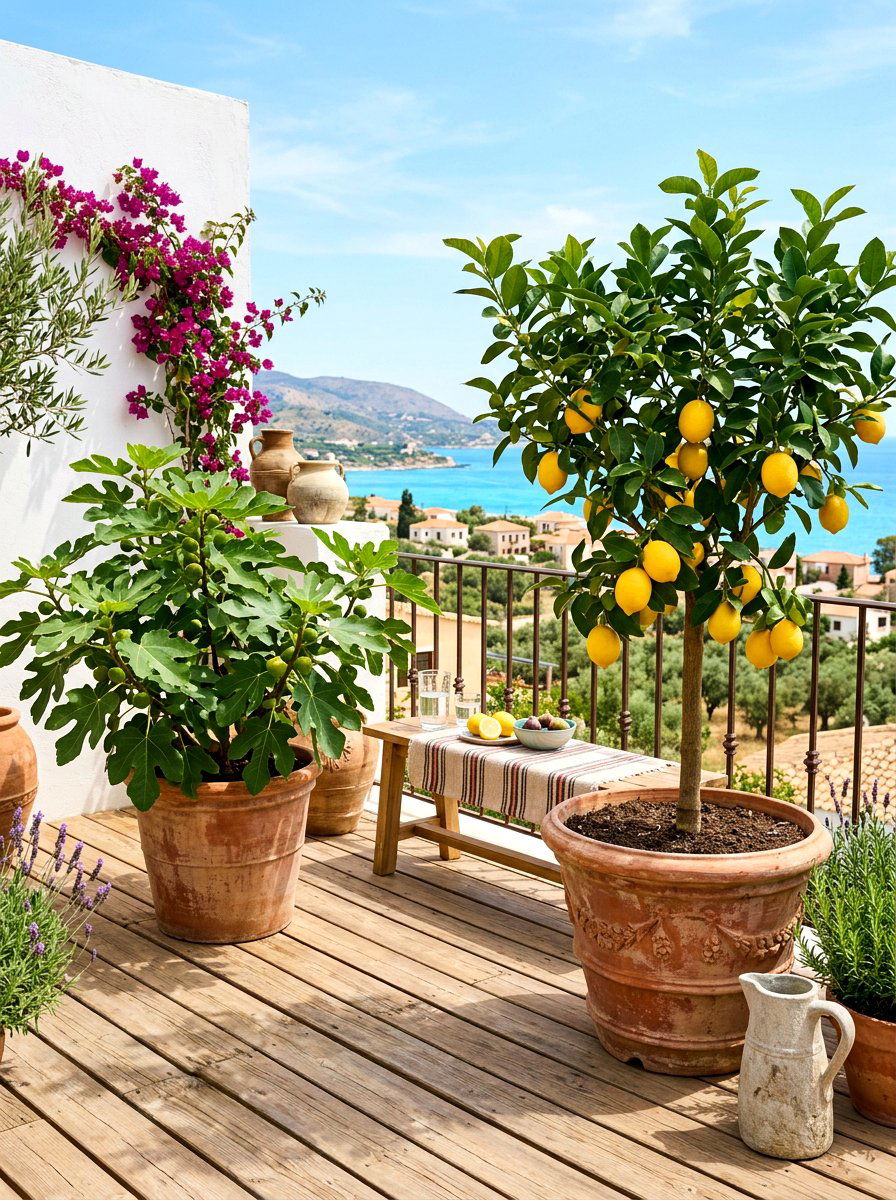
Potted fruit trees bring the luxury of a backyard orchard to even the smallest spaces, such as decks, patios, or large sunny balconies. Many modern varieties are specifically grafted onto dwarf rootstock, which keeps them at a manageable size while still producing full-sized, delicious fruit every year. You can grow lemons, limes, figs, or even columnar apples in large decorative pots that enhance your outdoor living area's overall design aesthetic. These trees add beautiful structure and height to your garden while providing fragrant blossoms in the spring and sweet harvests in the late summer. They are a wonderful investment for any home gardener looking to add a touch of edible elegance.
22. Vertical Trellis Garden
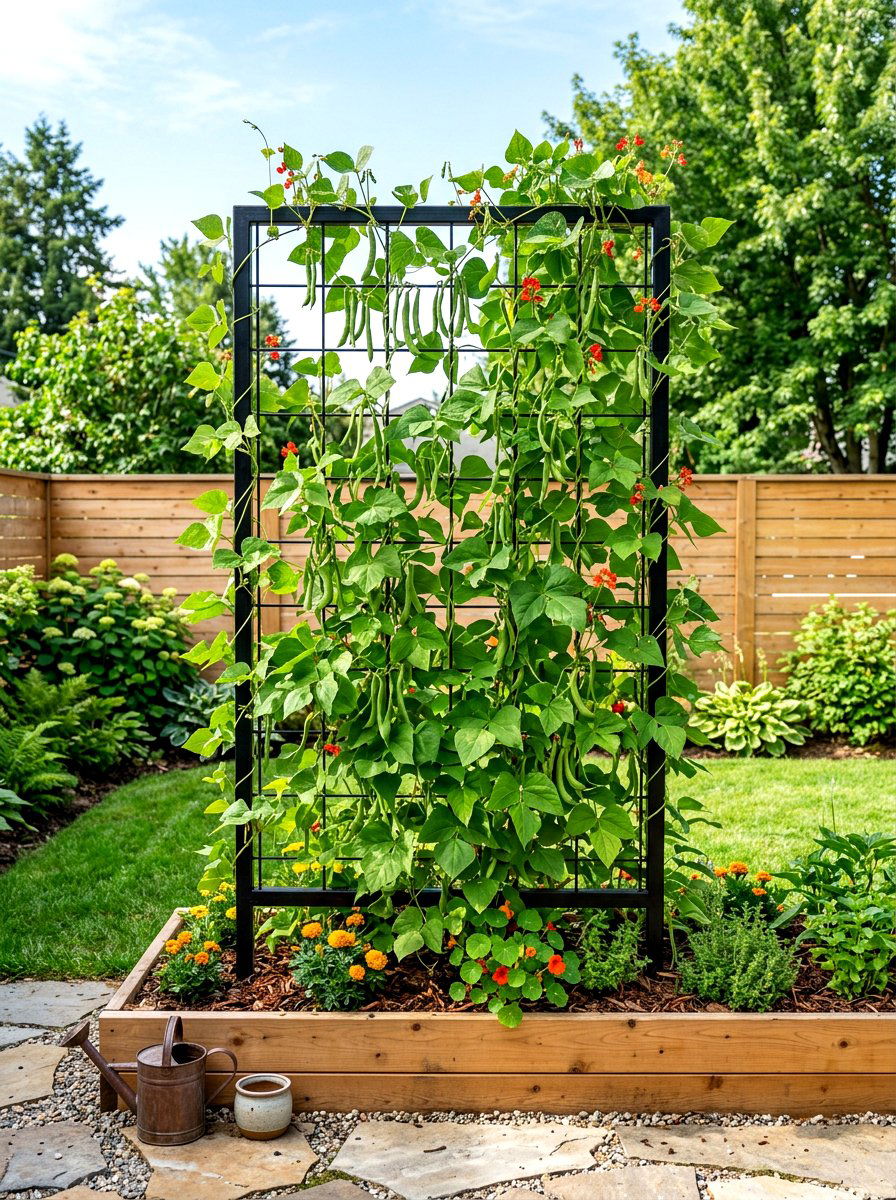
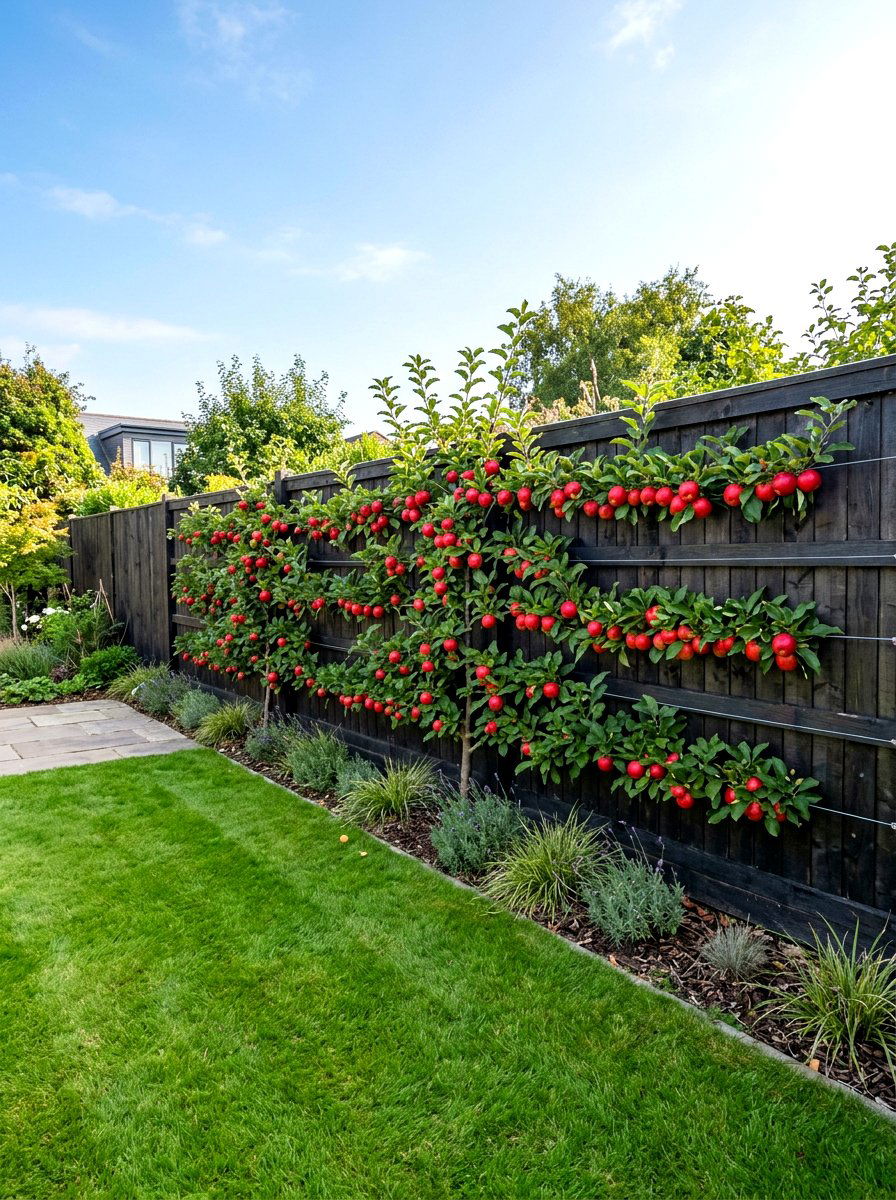
A vertical trellis garden is an essential component for any kitchen garden where you want to grow climbing plants like cucumbers, beans, or peas. By providing a sturdy structure for these plants to climb, you free up valuable ground space for smaller, low-lying vegetables like lettuce. Using decorative trellises made of wrought iron or rustic wood can add a beautiful architectural element to your garden layout as well. This vertical growth also keeps the fruit off the ground, reducing the risk of rot and making it much easier to spot and harvest your produce. It creates a lush green wall that can provide privacy and shade for your outdoor seating areas.
23. Stepping Stone Herb Path
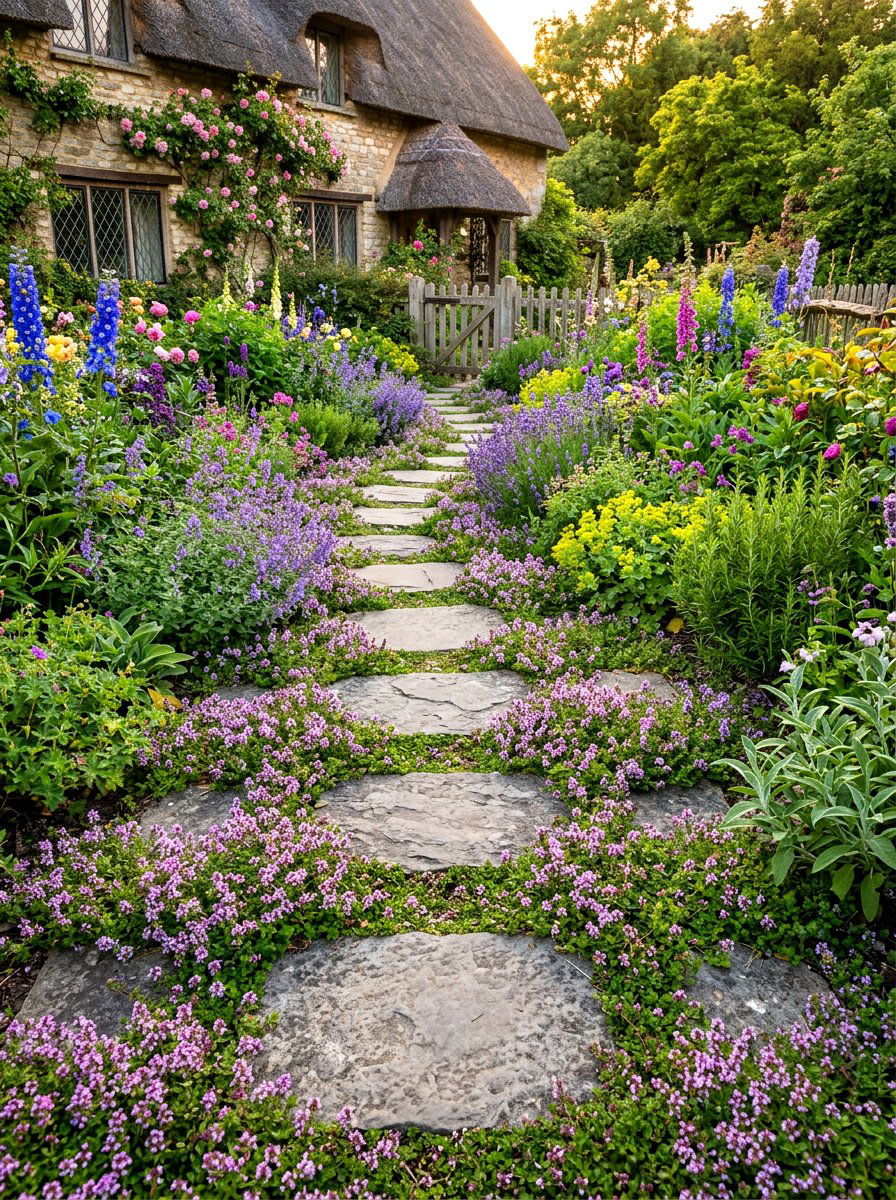
A stepping stone herb path is a functional and fragrant way to navigate your garden while adding a touch of whimsical charm. By planting low-growing, walk-on herbs like creeping thyme or Roman chamomile between the stones, you release a wonderful scent every time you walk by. These paths help define the different sections of your garden while providing a clean, dry place to stand while you are harvesting or weeding. The mix of hard stone and soft greenery creates a textured look that is much more inviting than a simple gravel or dirt walkway through the beds. It turns a basic utility feature into a sensory highlight of your entire backyard design.
24. Recycled Wood Planter
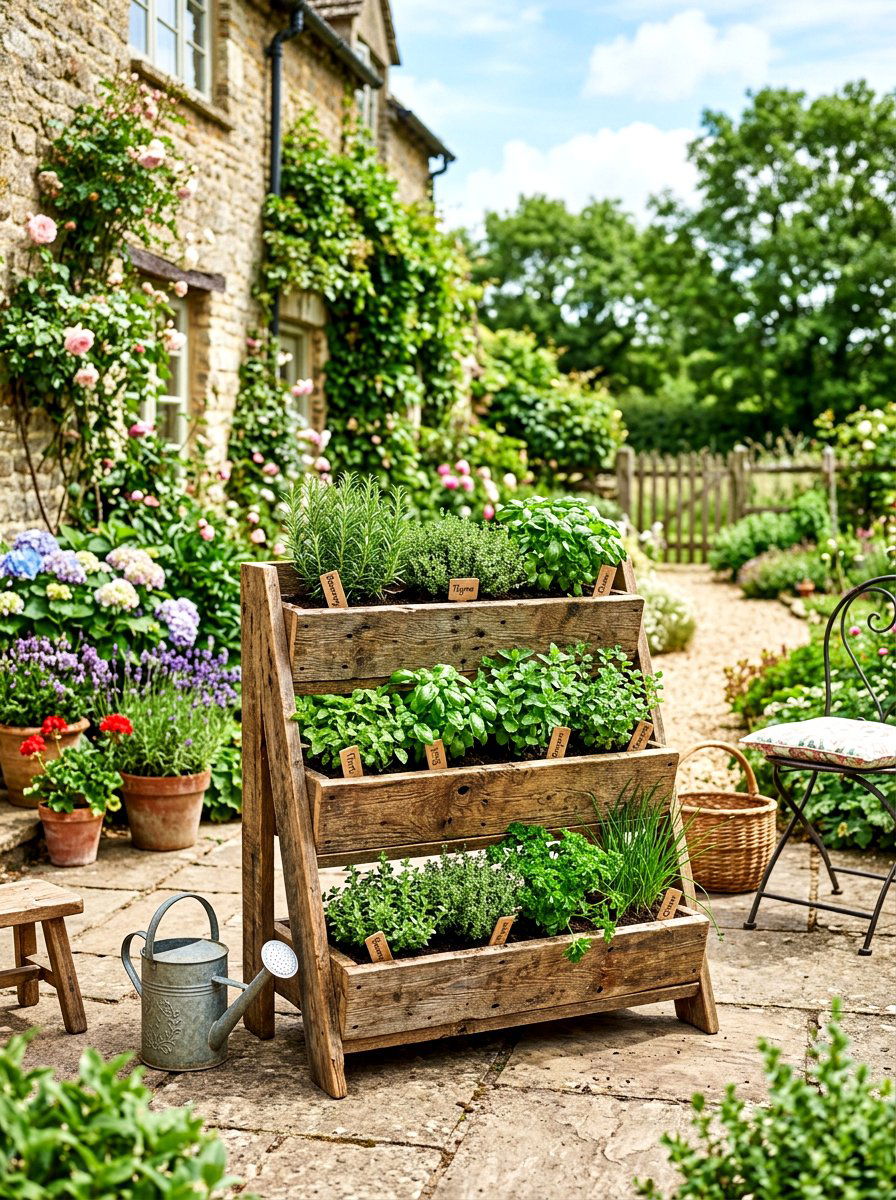
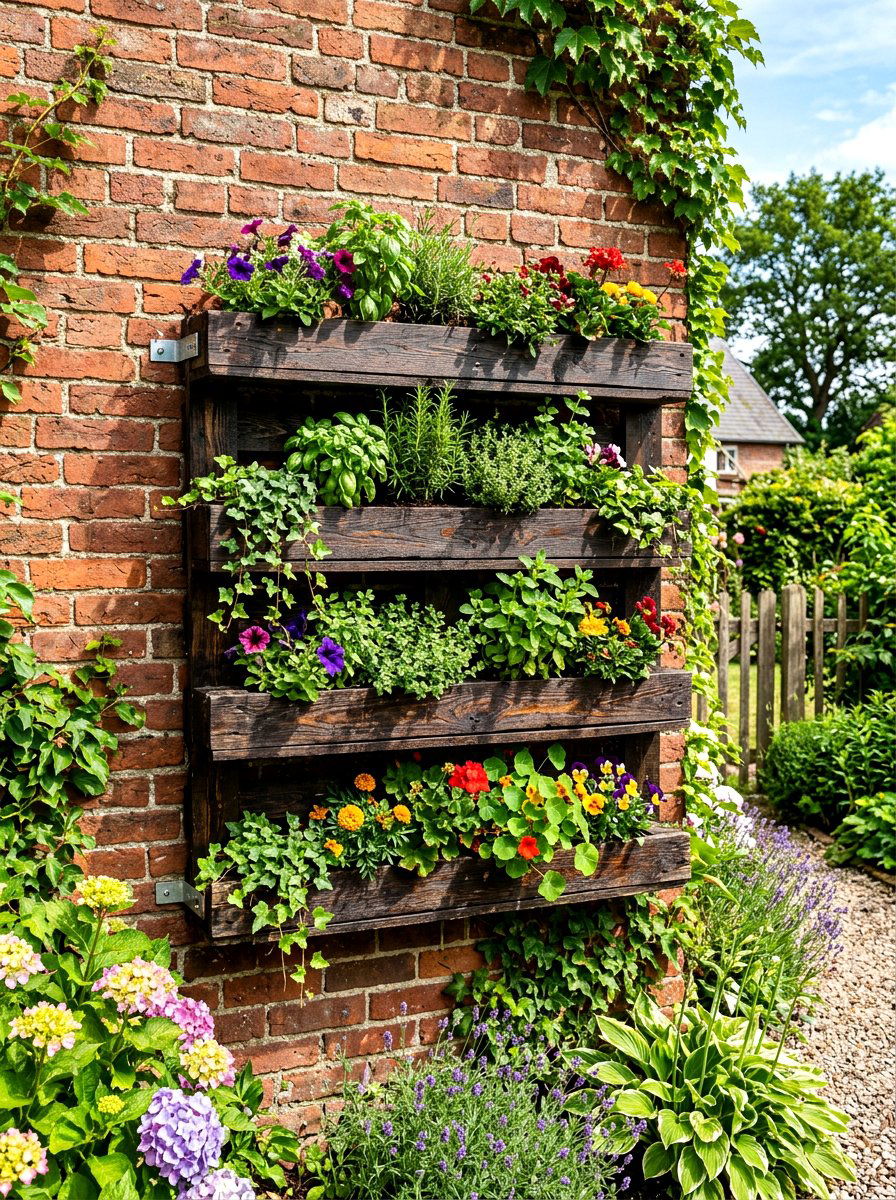
Recycled wood planters are a fantastic way to embrace sustainable gardening practices while adding a unique, rustic character to your outdoor kitchen space. You can use old barn wood, shipping pallets, or even wine crates to build custom containers that fit your specific planting needs and style. Each piece of reclaimed wood has its own history, bringing a sense of warmth and personality that new, store-bought planters simply cannot replicate. These planters are perfect for creating a cohesive look in a cottage-style garden or adding a touch of vintage charm to a modern patio. They are affordable, eco-friendly, and a great project for anyone who loves personalizing their home's exterior.
25. Window Sill Garden
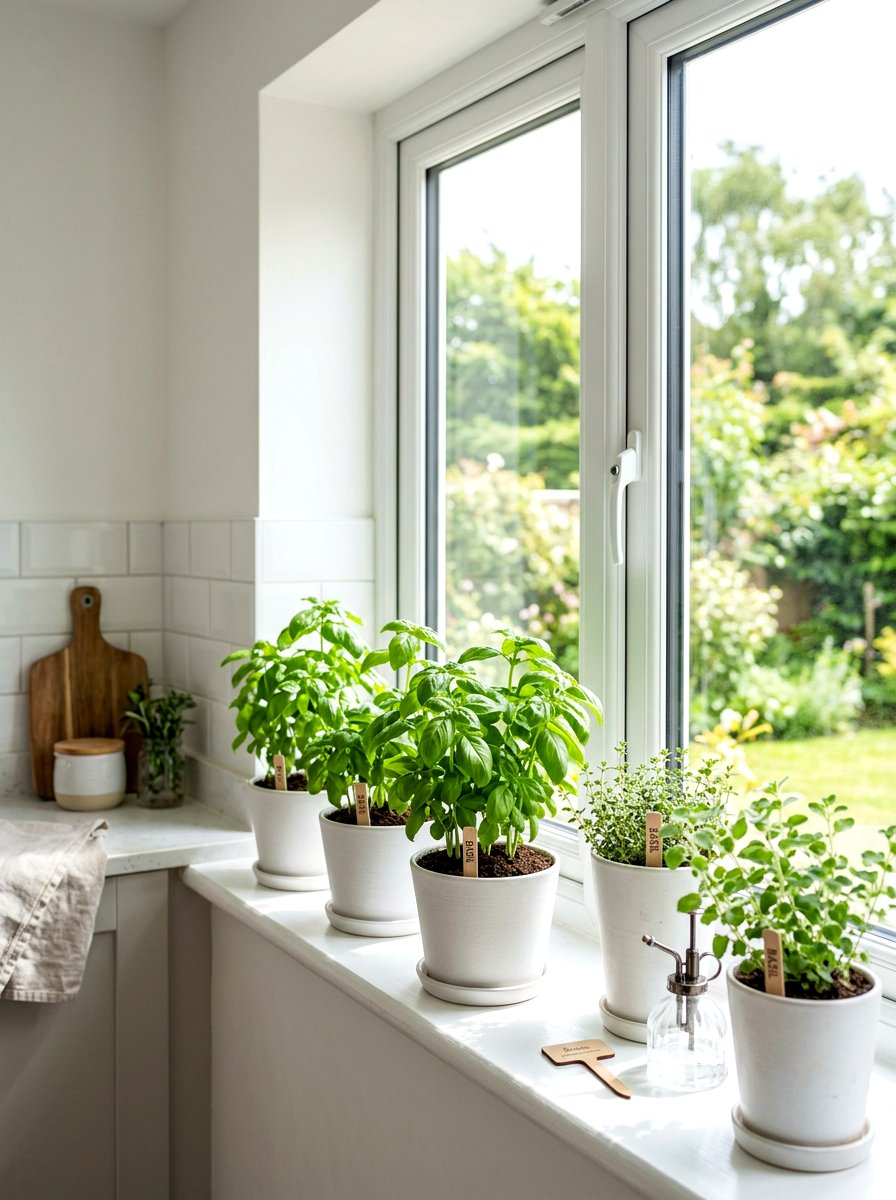
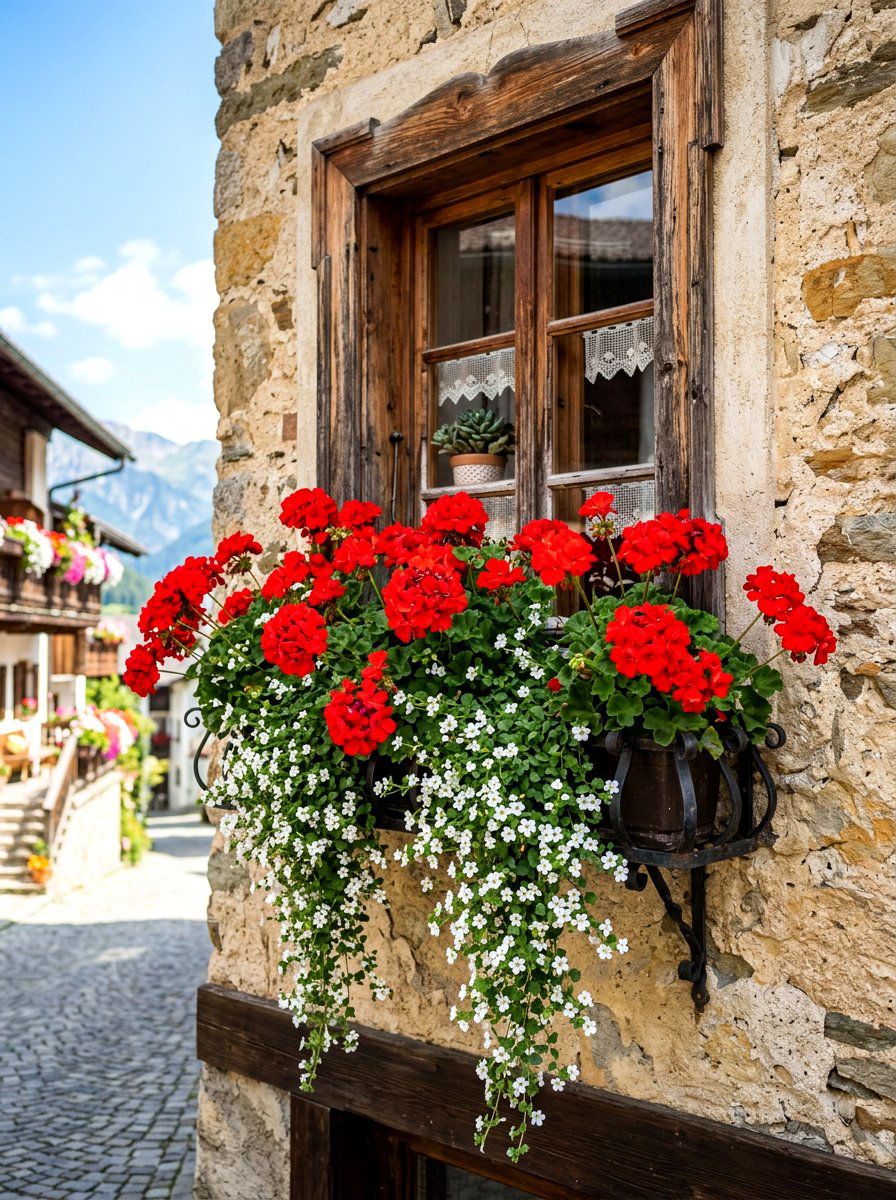
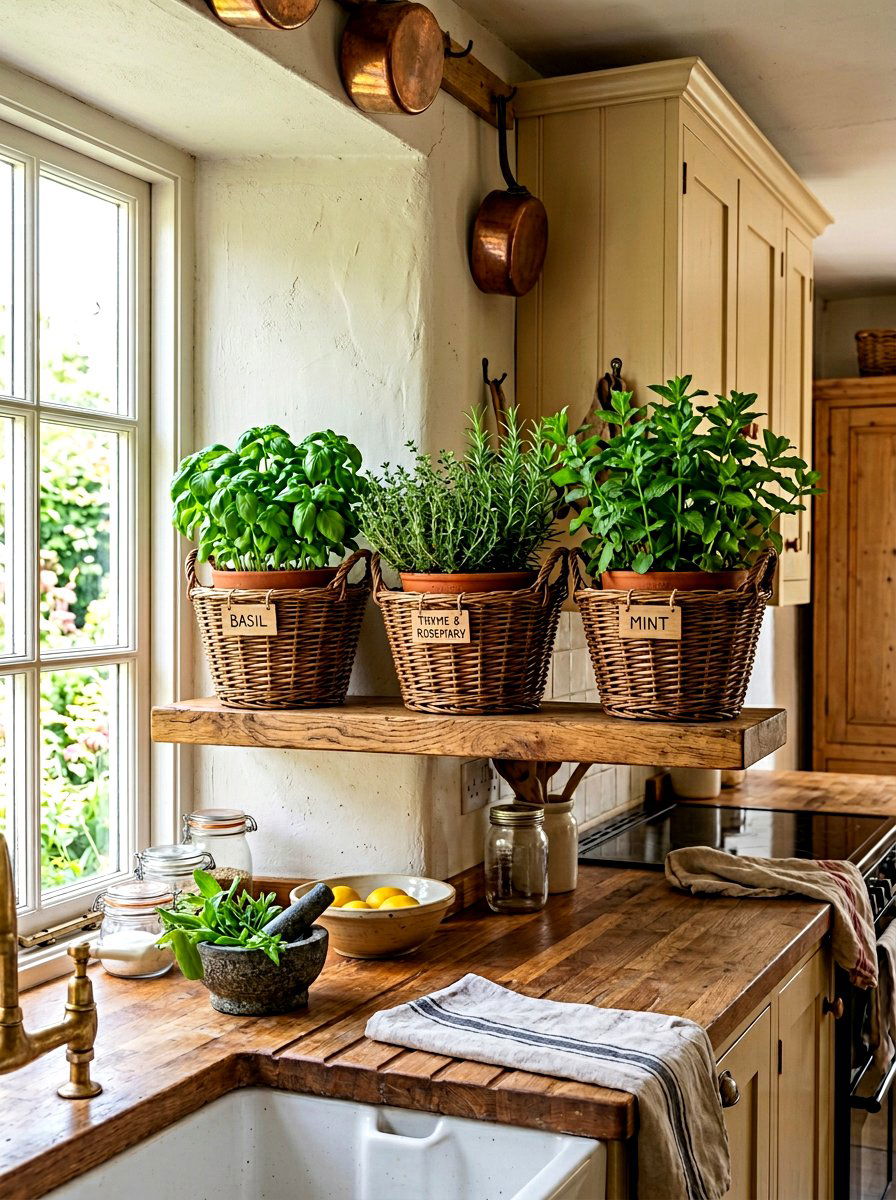
A window sill garden is the perfect starting point for anyone who wants to grow fresh herbs but has absolutely no outdoor space. Many compact herb varieties thrive in the bright, indirect light of a kitchen window, making it easy to keep flavor within arm's reach. You can use a matching set of small ceramic pots or a long, narrow planter that fits perfectly on the ledge to create a tidy look. This setup allows you to monitor your plants daily while you are washing dishes or preparing meals, ensuring they never go thirsty or unnoticed. It is a simple yet effective way to add a touch of life and greenery to your interior.
26. Minimalist Modern Garden
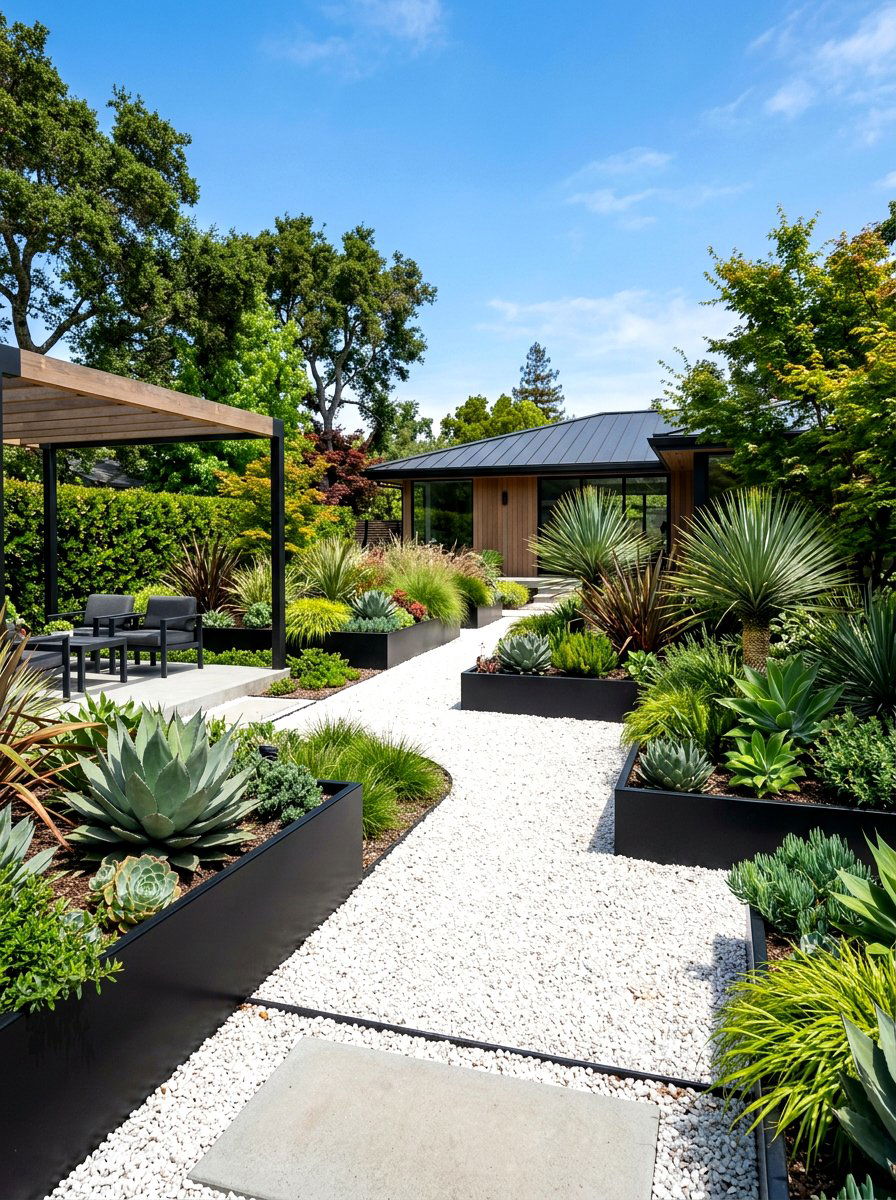
A minimalist modern garden focuses on clean lines, neutral colors, and a highly organized layout to create a serene and productive outdoor space. This style often uses sleek materials like smooth concrete, black metal, or dark-stained wood to define the planting areas and surrounding walkways. By limiting the color palette of both the containers and the plants themselves, you create a sophisticated look that complements contemporary home architecture beautifully. Strategic placement of structural plants, such as architectural kale or tall rosemary bushes, ensures that the garden remains a focal point without feeling cluttered. It is a perfect choice for those who appreciate a tidy, high-design approach to their home food production.
27. Organic Vegetable Patch
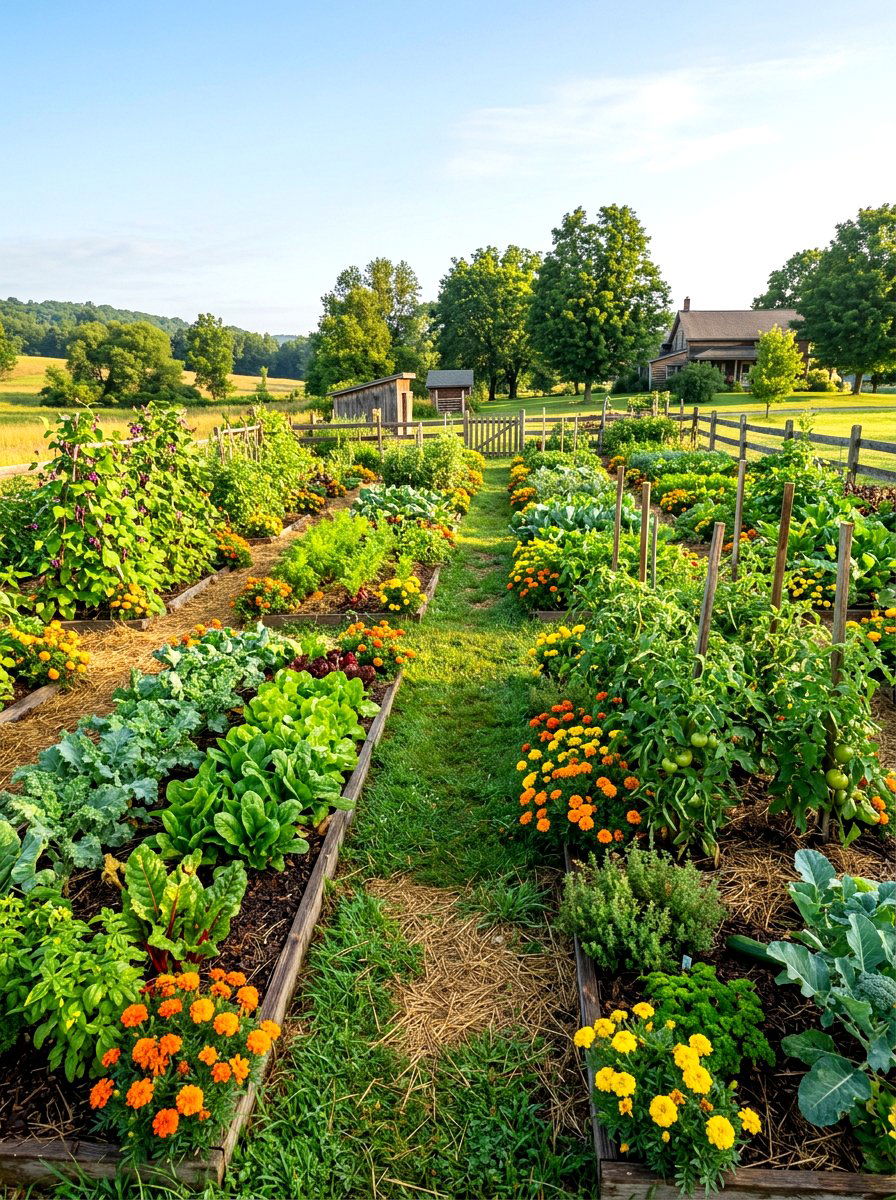
An organic vegetable patch is the heart of a healthy kitchen garden, focusing on natural soil health and sustainable pest management for the best results. By avoiding synthetic fertilizers and pesticides, you ensure that the food you harvest is as nutritious and safe for your family as possible. Incorporating plenty of homemade compost and organic mulch helps keep the soil moist and full of the beneficial microbes that plants need to thrive. Companion planting, such as placing marigolds near your tomatoes, can help naturally deter harmful insects while attracting beautiful pollinators to your yard. This traditional approach celebrates the cycle of nature, resulting in a garden that is truly alive.
28. Rustic Farmhouse Garden
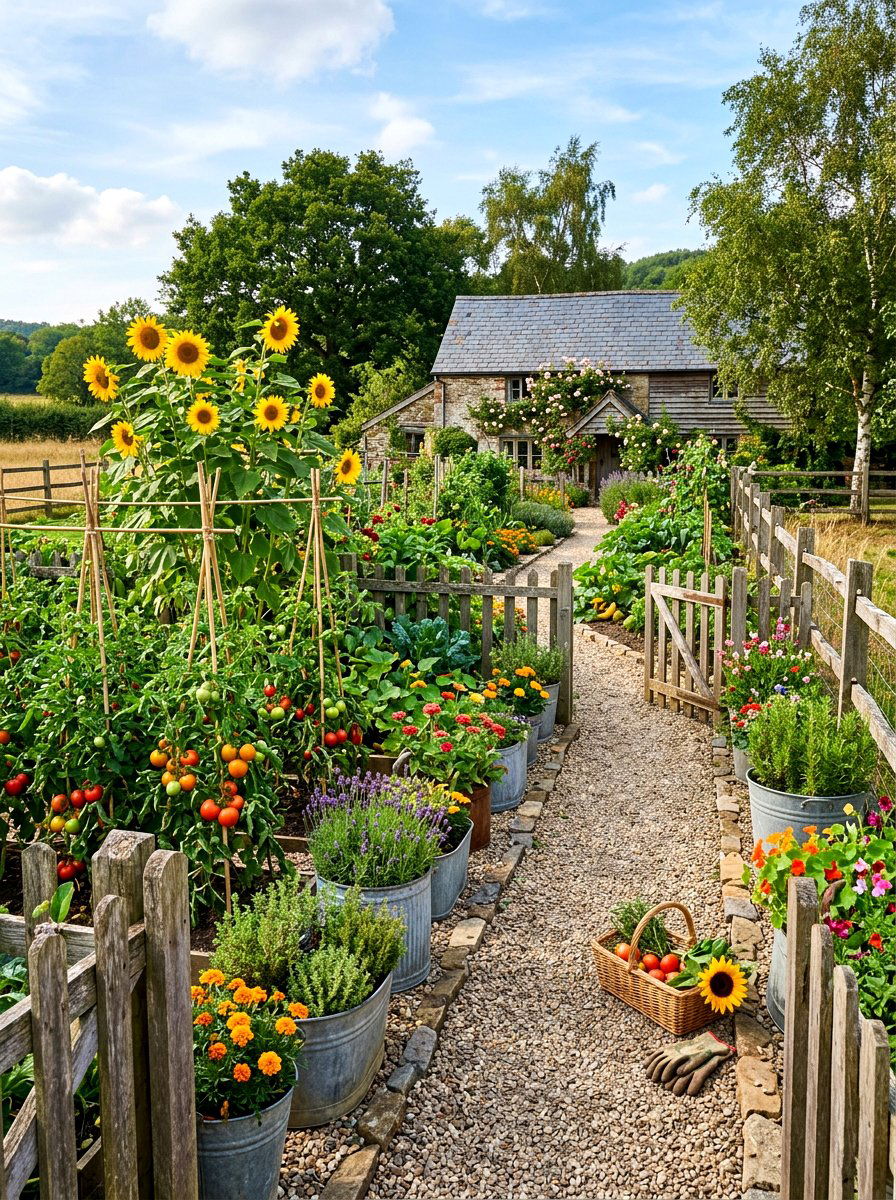
A rustic farmhouse garden captures the cozy, lived-in feel of a country home, emphasizing natural materials and a slightly informal, abundant planting style. You might see weathered wooden fences, galvanized metal buckets used as planters, and gravel paths that wind between large, overflowing vegetable beds. This style encourages a mix of edible crops and traditional flowers like sunflowers and zinnias to create a vibrant, hardworking space that feels very welcoming. Using vintage garden tools and antique decorations can further enhance the nostalgic atmosphere of this productive landscape for your family. It is a garden that prioritizes comfort and abundance, making it a favorite place for gathering and enjoying the simple life.
29. Self Watering Planter
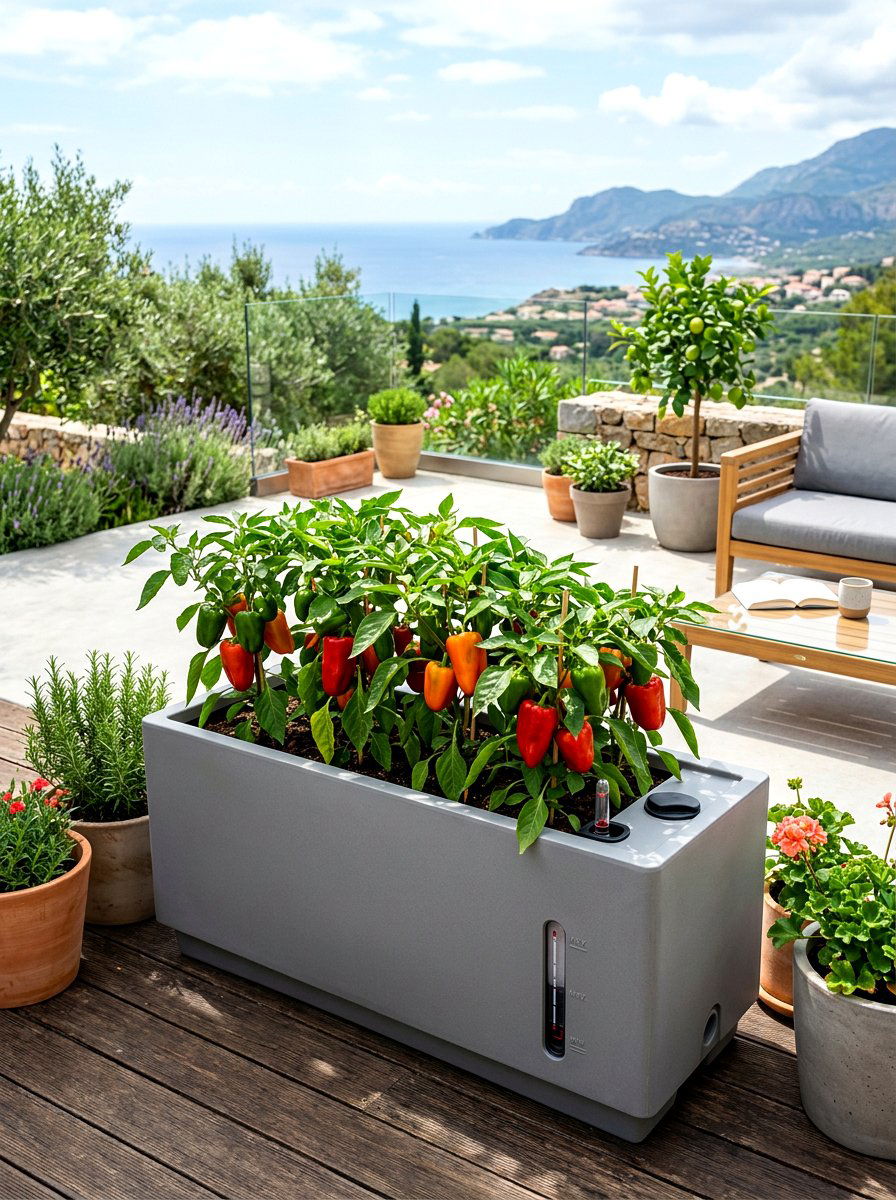
Self-watering planters are a game-changer for busy homeowners who want a thriving kitchen garden but struggle to keep up with a daily watering schedule. These containers feature a built-in reservoir at the bottom that provides a consistent supply of moisture to the plant roots through a wicking system. This helps prevent the common cycle of drying out and overwatering, which can often stress delicate vegetables like peppers or leafy salad greens. Most models also include a water level indicator, so you know exactly when it is time to refill the reservoir without any guesswork involved. They are perfect for sunny spots where plants tend to dry out quickly during the hot summer months.
30. Formal Walled Garden

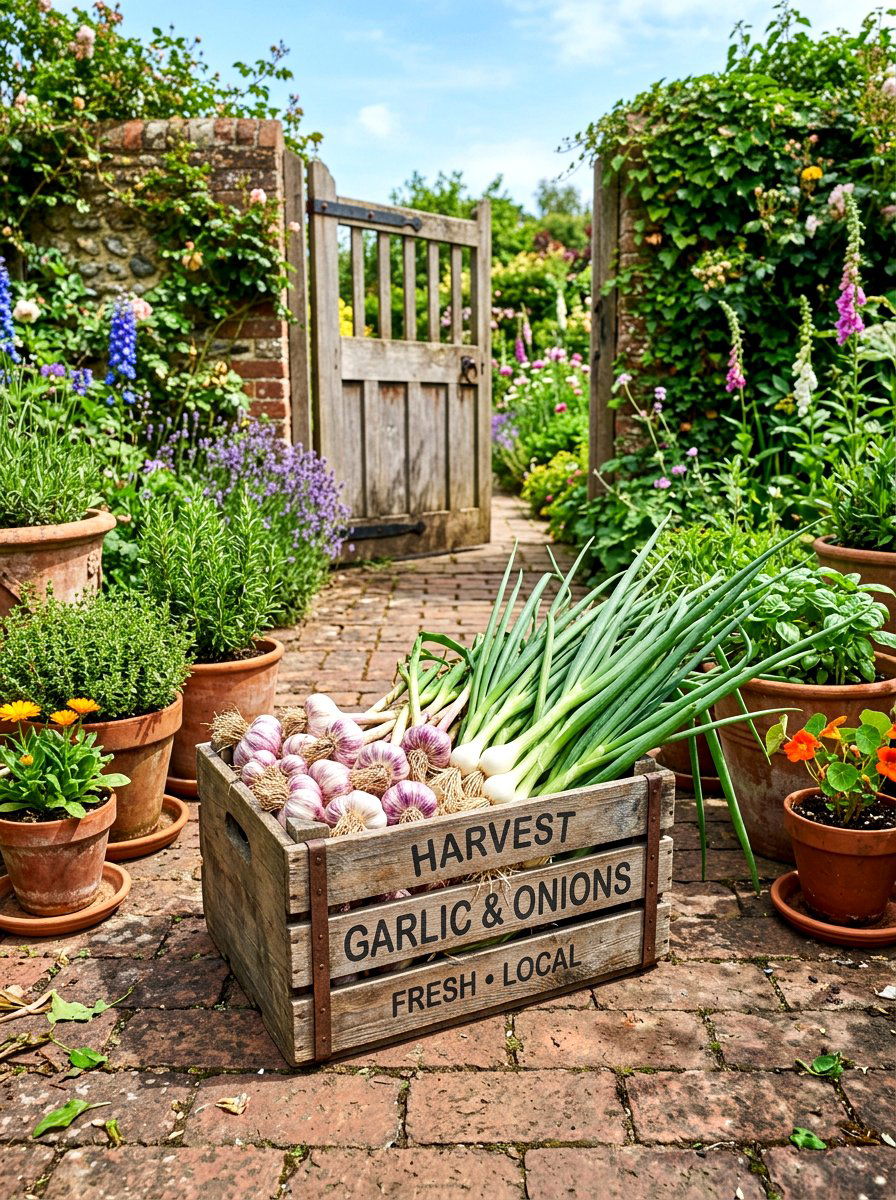
A formal walled garden provides a sense of sanctuary and permanence, using brick or stone walls to create a sheltered microclimate for your plants. These structures help trap heat during the day and release it slowly at night, which can be incredibly beneficial for growing tender fruits and vegetables. The defined boundaries allow for a highly structured layout, often featuring symmetrical beds and central focal points like a birdbath or a sundial. Walled gardens are excellent for keeping out larger pests like deer while providing a private, wind-protected area for you to enjoy your gardening hobby in total peace. It is a grand and timeless way to elevate your home landscape.
Conclusion:
Starting a kitchen garden is one of the most rewarding home projects you can undertake, offering a perfect blend of beauty, utility, and healthy living. Whether you choose the structured elegance of a formal walled garden or the simple charm of window sill herbs, the benefits of growing your own food are immense. Each of these ideas can be customized to fit your specific space and lifestyle, ensuring that your garden becomes a cherished part of your daily routine. As you watch your plants grow from tiny seeds to a bountiful harvest, you will find a deeper connection to the food you eat and the environment around you. Happy gardening!

Related posts: