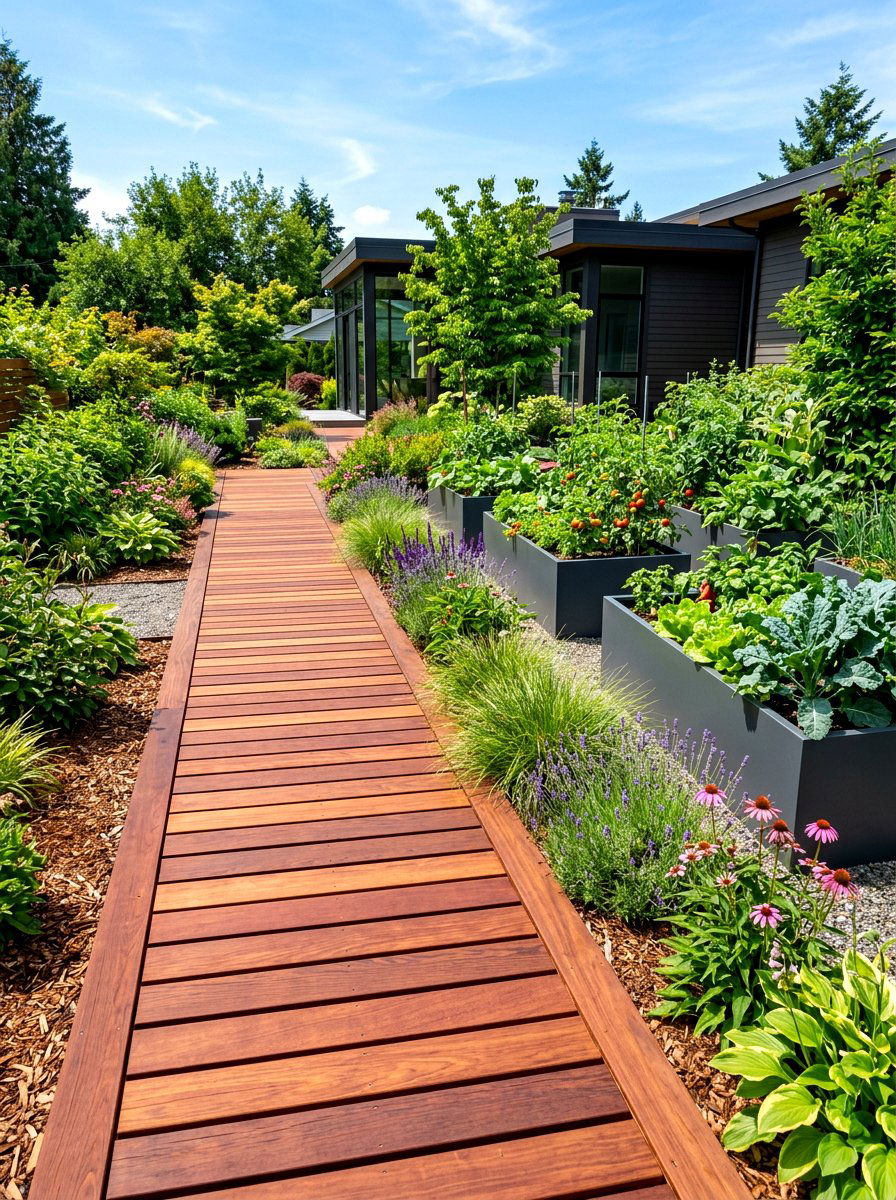
Growing your own food has never been more accessible or stylish than with a well-planned vegetable container garden. Whether you have a sprawling sun-drenched patio or a tiny urban balcony, these versatile systems allow you to cultivate fresh, organic produce right at your doorstep. Container gardening eliminates many traditional backyard hassles like tilling heavy soil or dealing with persistent ground-based pests. By choosing the right pots and nutrient-rich potting mixes, you can create a thriving edible oasis that is both productive and beautiful. This guide explores creative ways to maximize your space while ensuring a bountiful harvest of your favorite seasonal vegetables and fruits.
1. Tomato Container
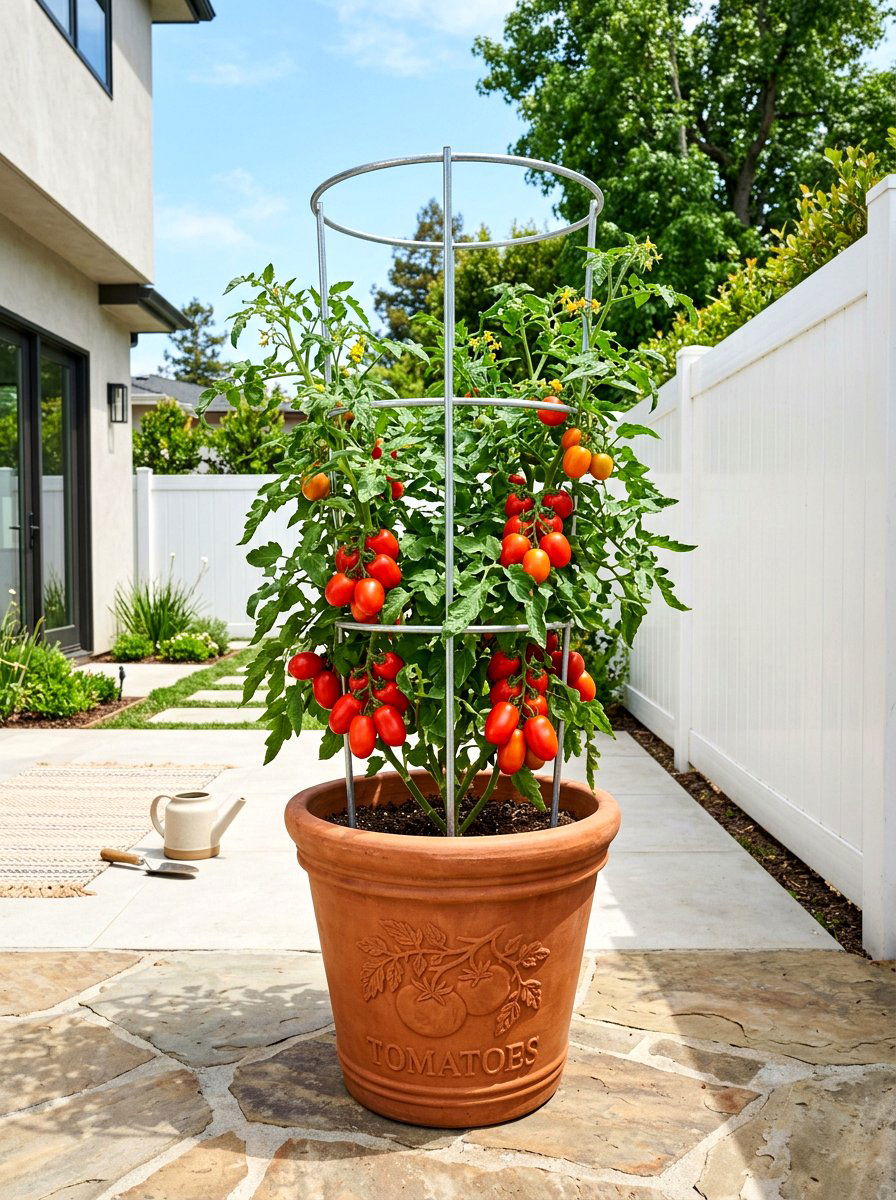
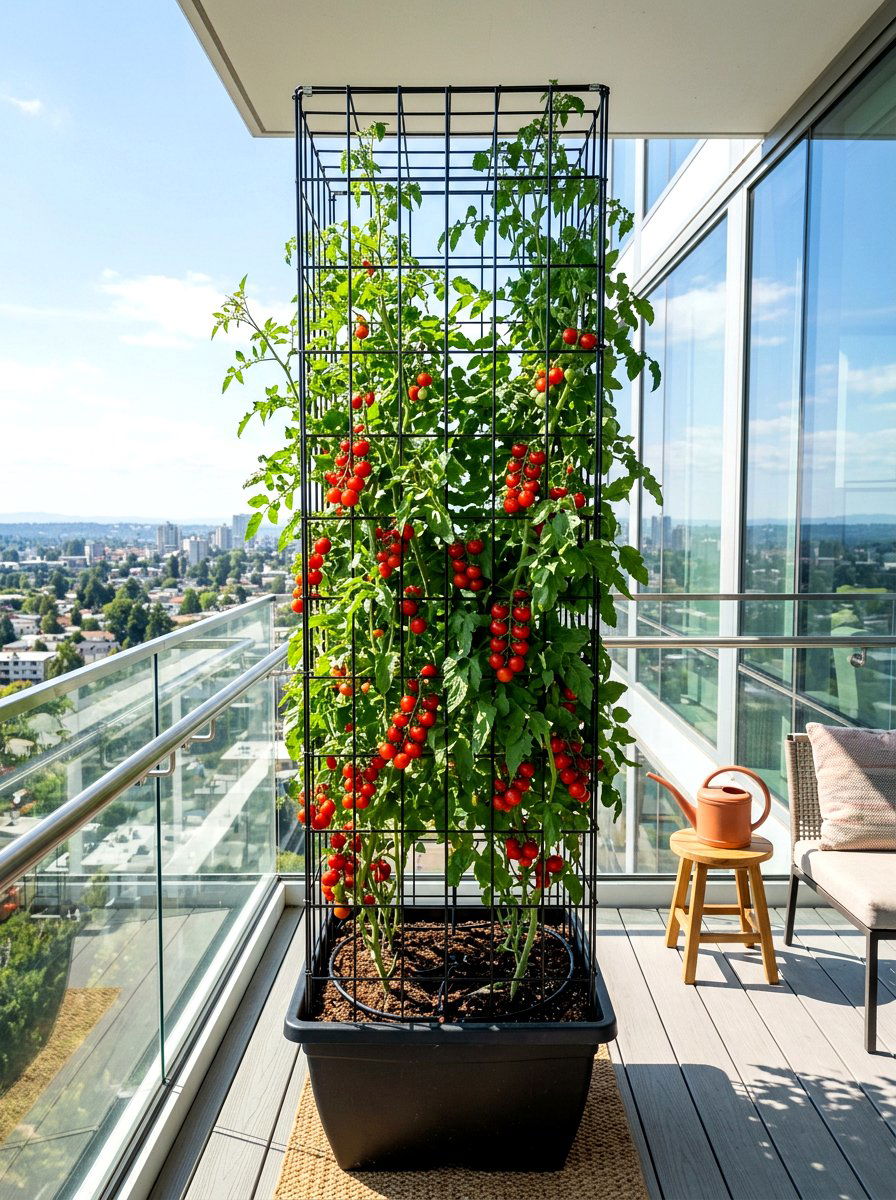
Growing tomatoes in a large pot is perhaps the most popular way to start an edible garden because the rewards are so flavorful. You should select a container that holds at least five to ten gallons of soil to provide enough room for a deep root system. For smaller spaces, look for determinate or "patio" varieties that grow to a set height and don't require massive trellises. Ensure the pot has several drainage holes at the bottom to prevent water from sitting around the roots. Placing a sturdy cage inside the pot early in the season will help support the heavy fruit as it ripens under the bright summer sun.
2. Lettuce Pot
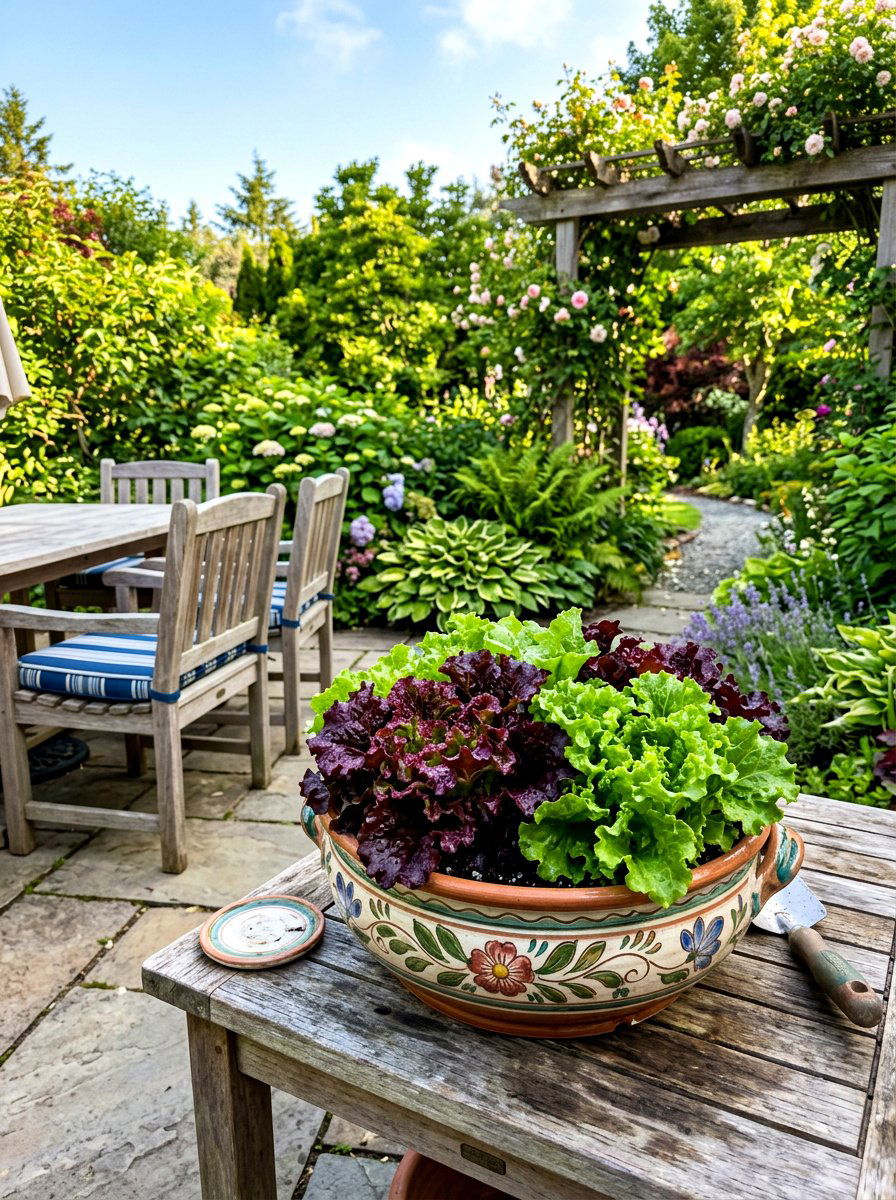
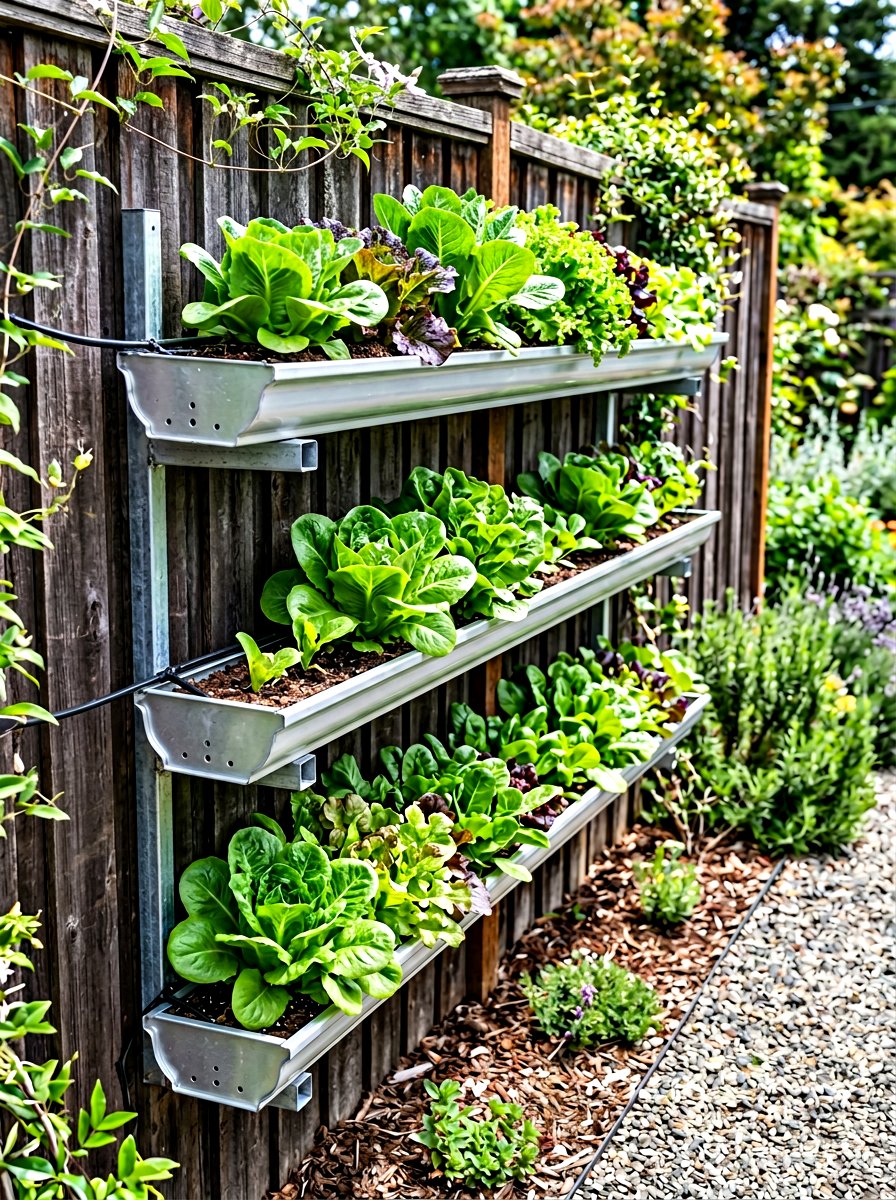
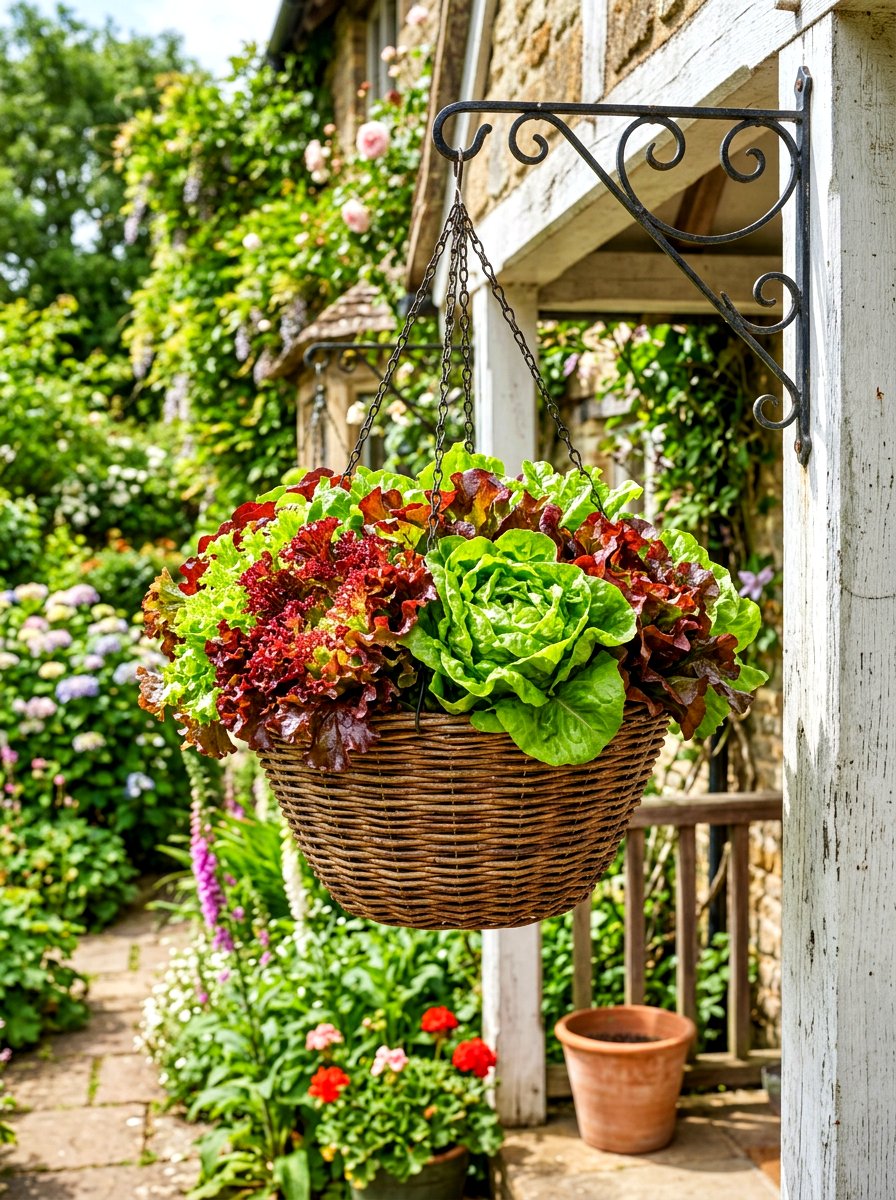
A shallow lettuce pot is perfect for anyone who wants a continuous supply of fresh greens without needing a lot of vertical space. Because lettuce has very shallow roots, you can use wide, bowl-shaped containers that are only six inches deep. Sowing seeds every two weeks ensures a constant harvest throughout the cooler spring and fall months. You can mix different varieties like romaine, butterhead, and red leaf to create a visually stunning and tasty arrangement. Keep the soil consistently moist and place the container in a spot that receives partial shade during the hottest part of the day to prevent the leaves from wilting.
3. Bush Bean Planter
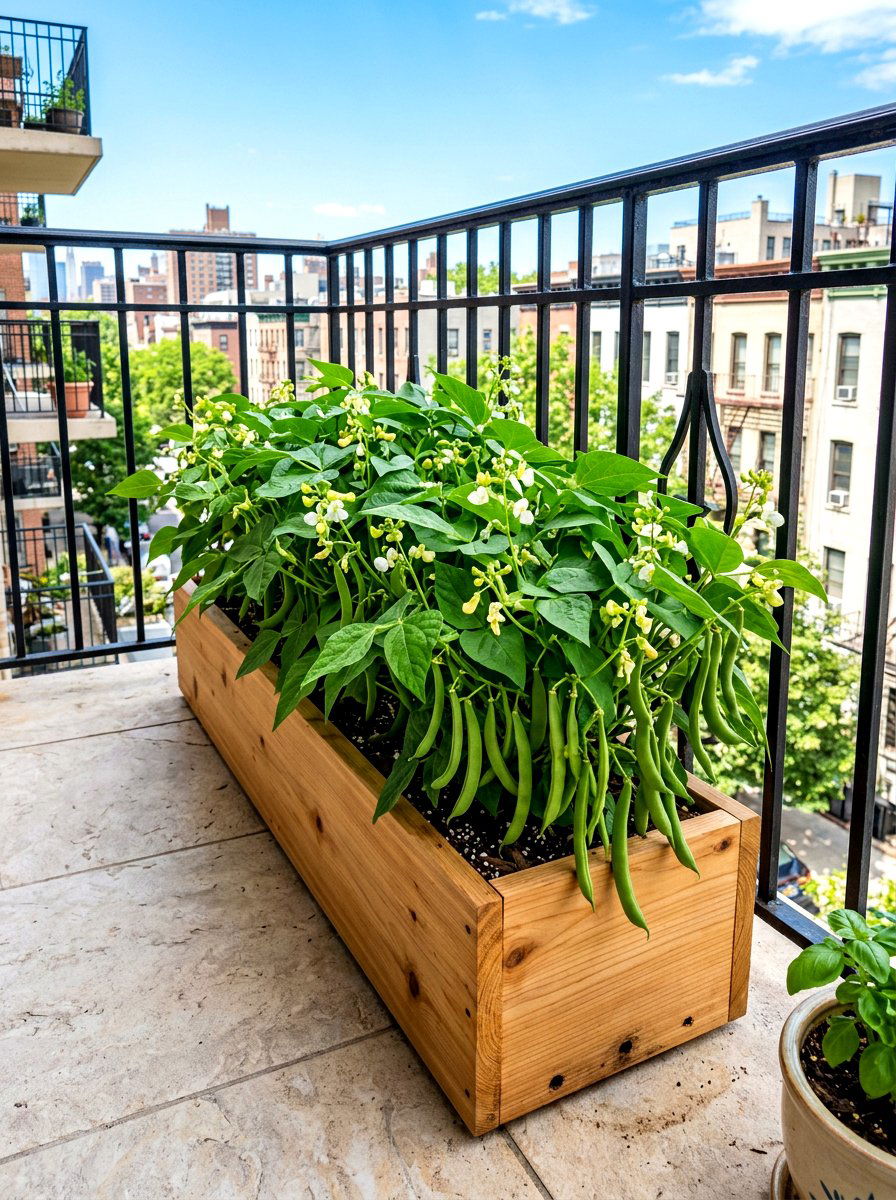
Bush beans are an excellent choice for container gardening because they grow in compact mounds rather than long, sprawling vines. A rectangular planter box or a standard round pot can easily house several bean plants that will produce a heavy crop in a short amount of time. You don't need to worry about providing tall poles or complex trellis systems for these varieties. Make sure the container is placed in full sun to encourage the best flowering and pod development. Harvesting the beans frequently will actually prompt the plant to keep producing more throughout the season, giving you plenty of fresh ingredients for your dinner table.
4. Pepper Tub
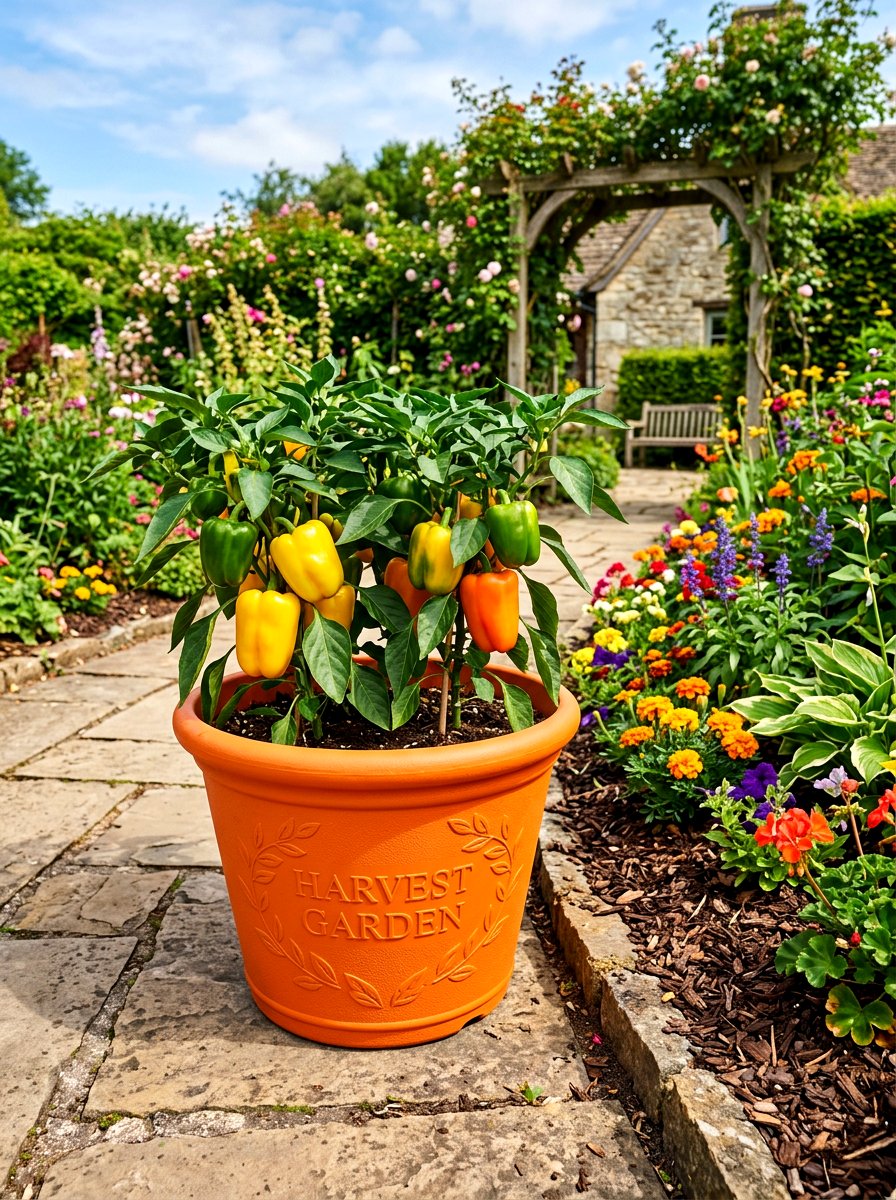
Peppers thrive in the heat, making them ideal candidates for dark-colored plastic or ceramic tubs that absorb and hold warmth from the sun. Whether you prefer sweet bell peppers or spicy habaneros, most varieties fit comfortably in a five-gallon container. These plants have a beautiful, upright growth habit and their colorful fruits often look just as ornamental as traditional flowers. Using a high-quality potting mix with added compost will provide the nutrients necessary for the plant to sustain its heavy fruit load. A small bamboo stake can help keep the main stem upright if the peppers become too heavy for the branches to support.
5. Strawberry Tower
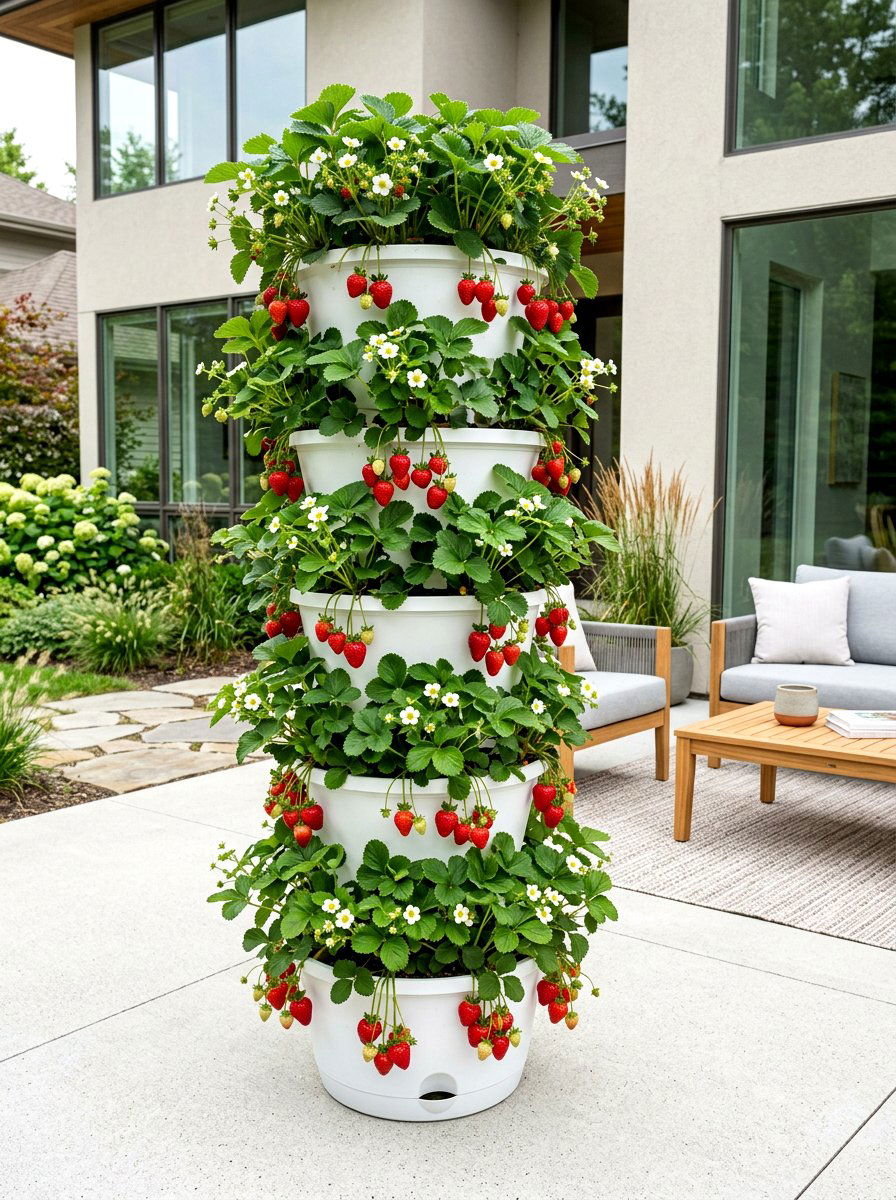
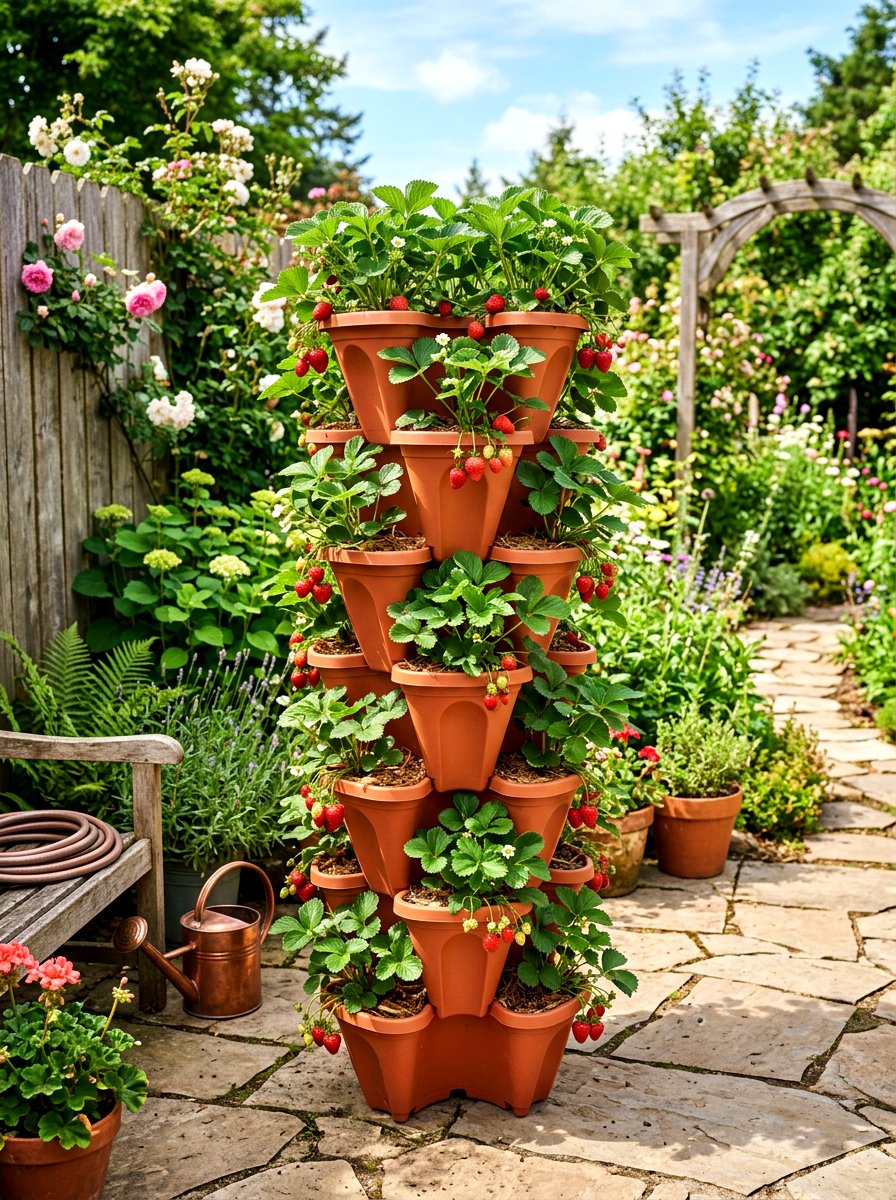
Vertical strawberry towers are a brilliant solution for maximizing fruit production in a very small footprint. These specialized containers feature multiple tiers or side pockets where individual strawberry plants can grow and hang their fruit over the edges. This setup keeps the berries off the soil, which helps prevent rot and makes it much harder for slugs or other ground pests to reach your harvest. You should rotate the tower every few days to ensure that all sides receive an equal amount of sunlight. This method is not only highly productive but also serves as a beautiful focal point on a sunny patio or balcony space.
6. Cucumber Trellis Pot
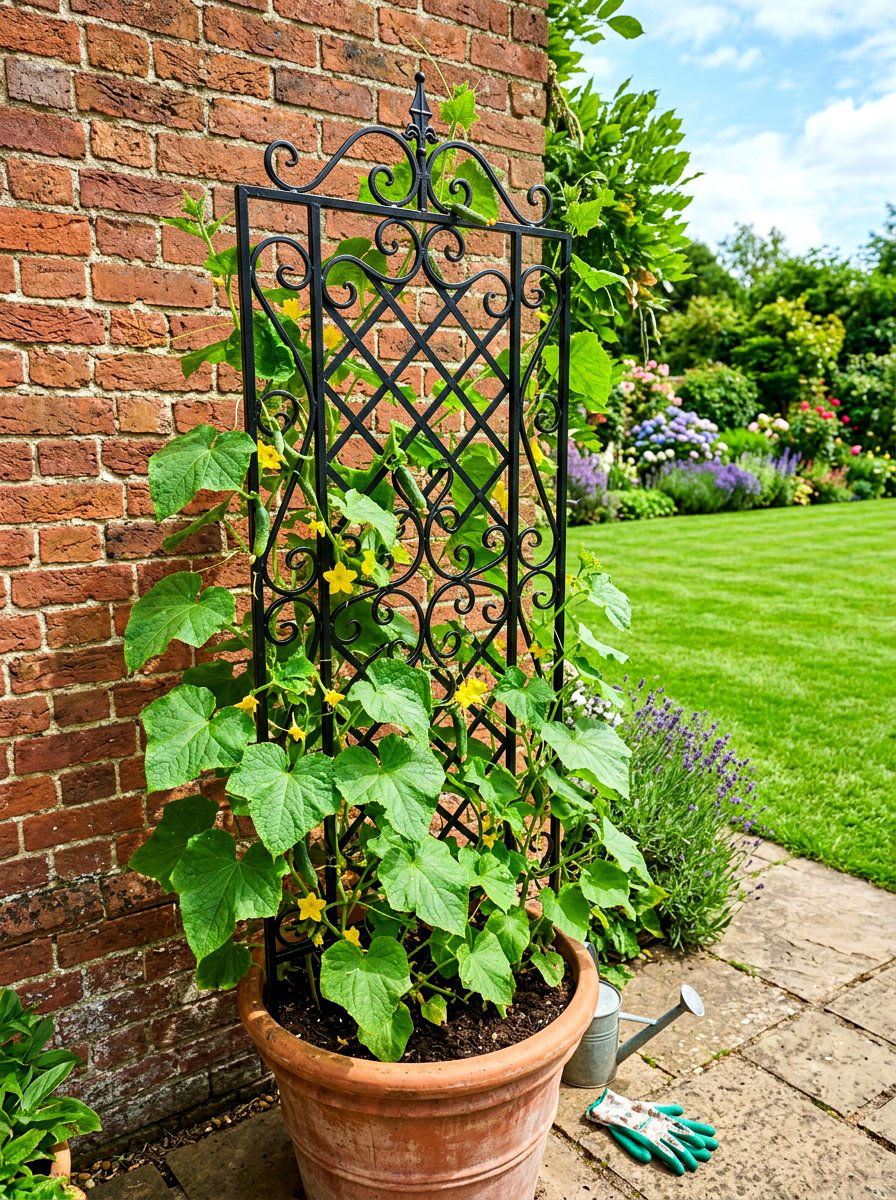
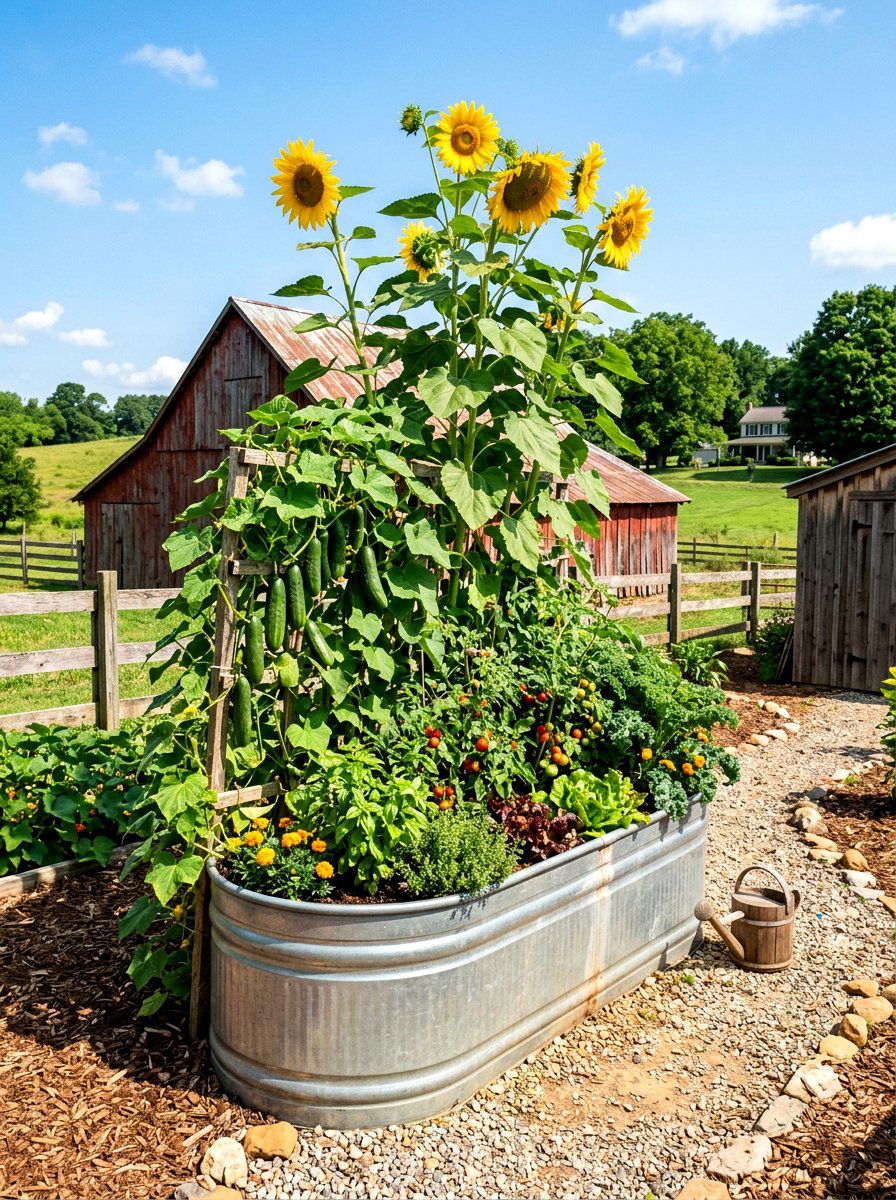
If you love fresh cucumbers but lack garden space, growing them in a pot with a vertical trellis is a fantastic alternative. Vining varieties can be trained to climb upwards, which saves valuable floor space and improves air circulation around the leaves to prevent powdery mildew. You will need a large, heavy pot to act as a stable base for the trellis or netting you provide. Selecting "bush" or "compact" cucumber varieties can also work well if you prefer a plant that stays closer to the soil. Consistent watering is crucial for cucumbers to ensure the fruit remains sweet and crunchy rather than becoming bitter.
7. Eggplant Planter
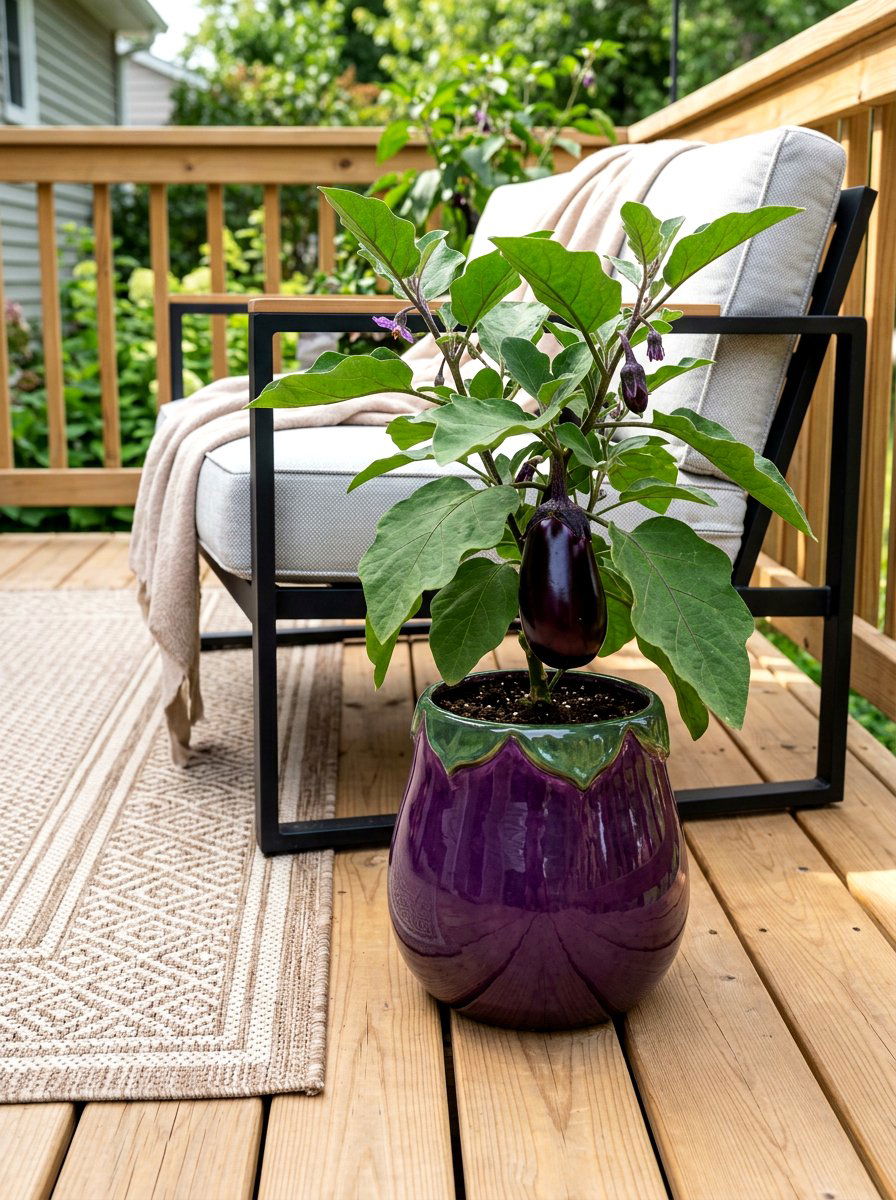
Eggplants are stunning additions to a container garden because they feature large, velvety leaves and beautiful purple flowers. Most standard eggplant varieties grow into a small bush shape that fits perfectly inside a five-gallon container. Because these plants love heat even more than tomatoes do, they should be placed in the sunniest spot available on your property. Darker pots can help keep the root zone warm, which encourages faster growth and more fruit production. Be sure to use a potting mix that drains well but retains enough moisture to keep the plant hydrated during the peak of summer when temperatures are highest.
8. Radish Bowl
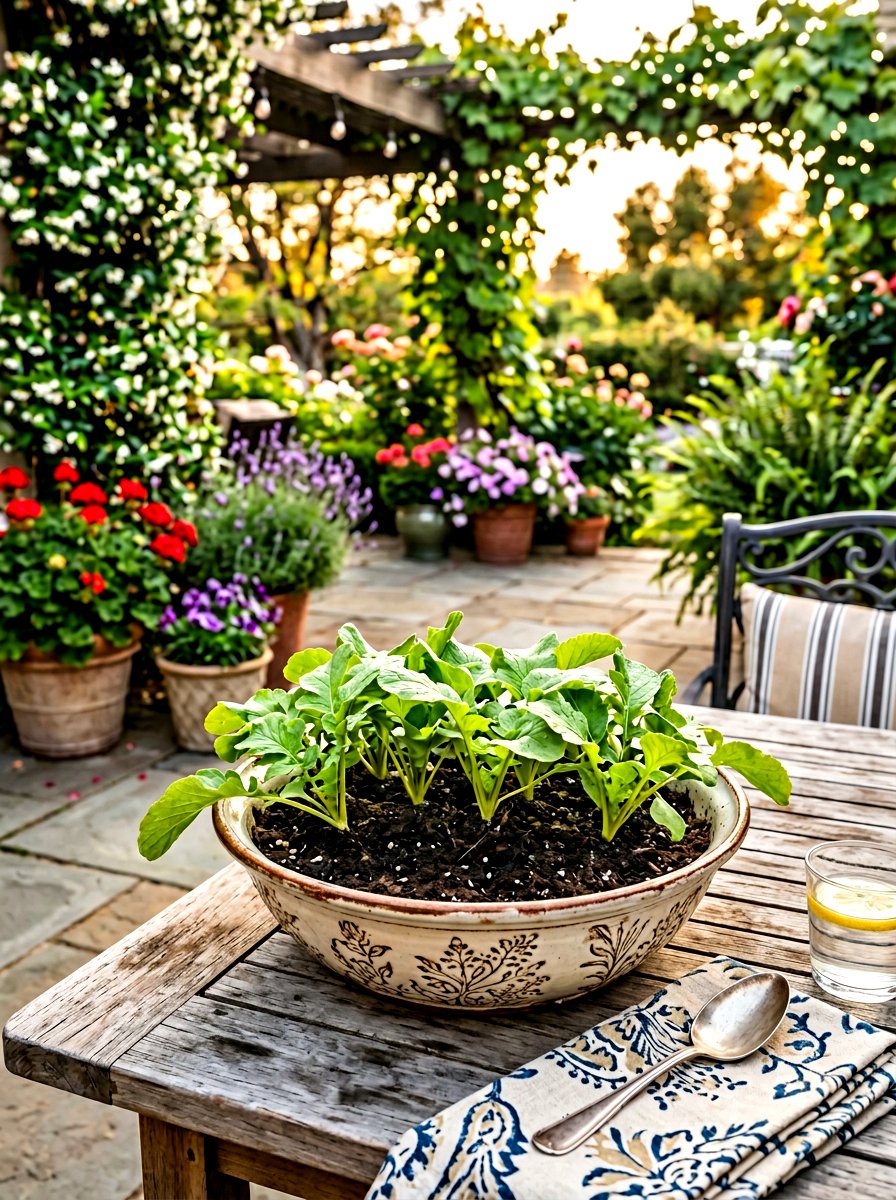
A simple radish bowl is one of the fastest and easiest ways to enjoy a homegrown harvest in as little as three weeks. These root vegetables grow very quickly and do not require deep soil, making them perfect for wide, shallow decorative bowls. You can tuck these small containers into corners of your patio or even place them on an outdoor table as a living centerpiece. Because they are cool-weather crops, they are best grown in the early spring or late autumn when the air is crisp. Thinning the seedlings early on ensures that each radish has enough space to swell into a perfect, crunchy orb.
9. Kale Container
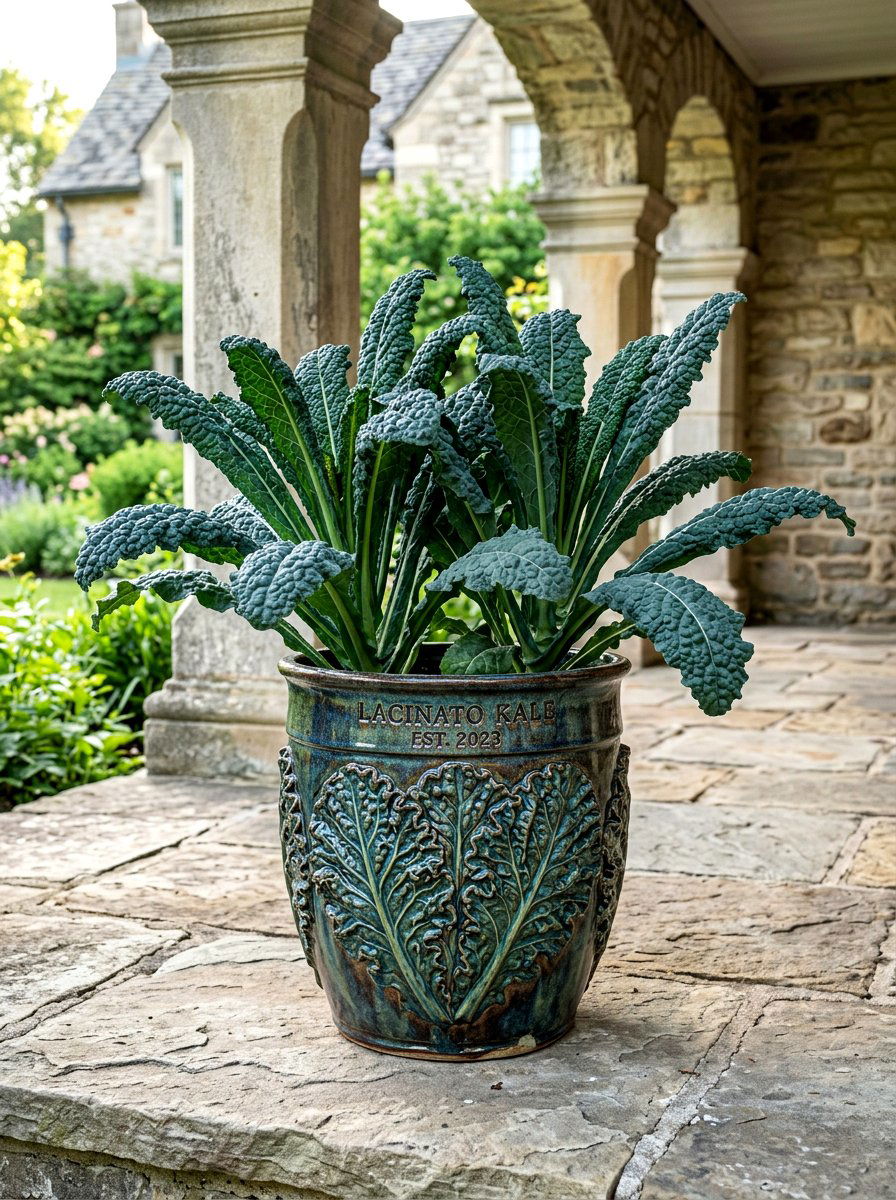
Kale is an incredibly hardy and productive green that looks fantastic when grown in a stylish ceramic or fabric container. The ruffled or textured leaves of different varieties like Lacinato or Curly kale provide wonderful visual interest to your outdoor space. These plants can tolerate cold temperatures and even a light frost, which actually makes the leaves taste sweeter. You can harvest the outer leaves individually as you need them, allowing the center of the plant to keep growing more throughout the season. A deep pot is beneficial to support the sturdy root system and keep the plant stable during windy days on a balcony.
10. Spinach Pot
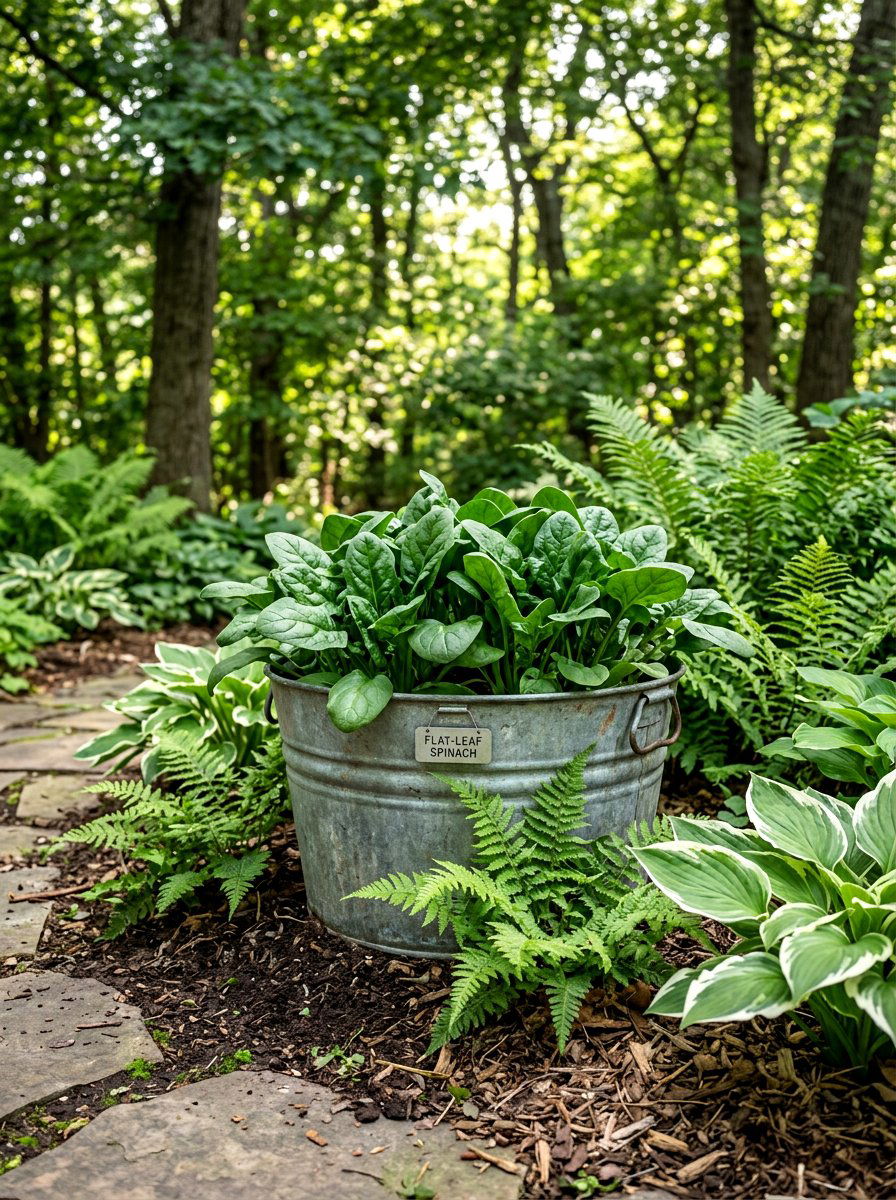
Growing spinach in a pot allows you to better manage the soil temperature and moisture levels that this delicate green requires. Spinach prefers cool weather and tends to bolt or go to seed quickly when the summer heat arrives. By using a portable container, you can move your spinach into a shaded area during the afternoon to extend your harvesting window. Shallow pots work perfectly since spinach roots do not go very deep into the soil. Planting seeds densely and using the "cut and come again" method allows you to enjoy several rounds of baby spinach leaves for salads and smoothies all season long.
11. Zucchini Tub
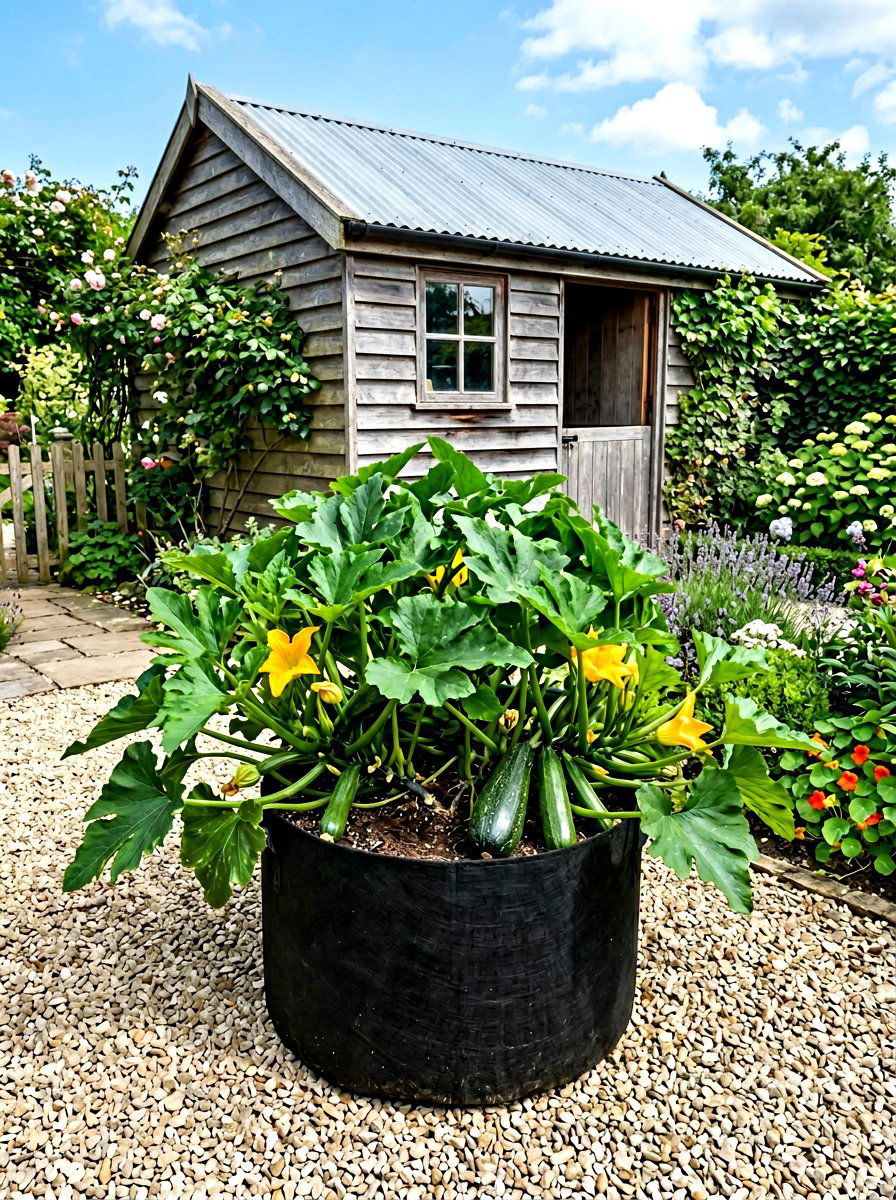
While traditional zucchini plants take up a lot of room in the ground, many modern bush varieties are specifically bred for container life. A large tub or a fifteen-gallon pot provides enough space for one vigorous plant to thrive and produce plenty of summer squash. These plants are heavy feeders, so incorporating organic fertilizer into the potting soil at the beginning is essential for a big harvest. The large, tropical-looking leaves make a bold statement in any garden setting. Watch the soil moisture closely, as the large leaves can cause water to evaporate quickly, necessitating more frequent watering during the dry periods of summer.
12. Carrot Deep Pot
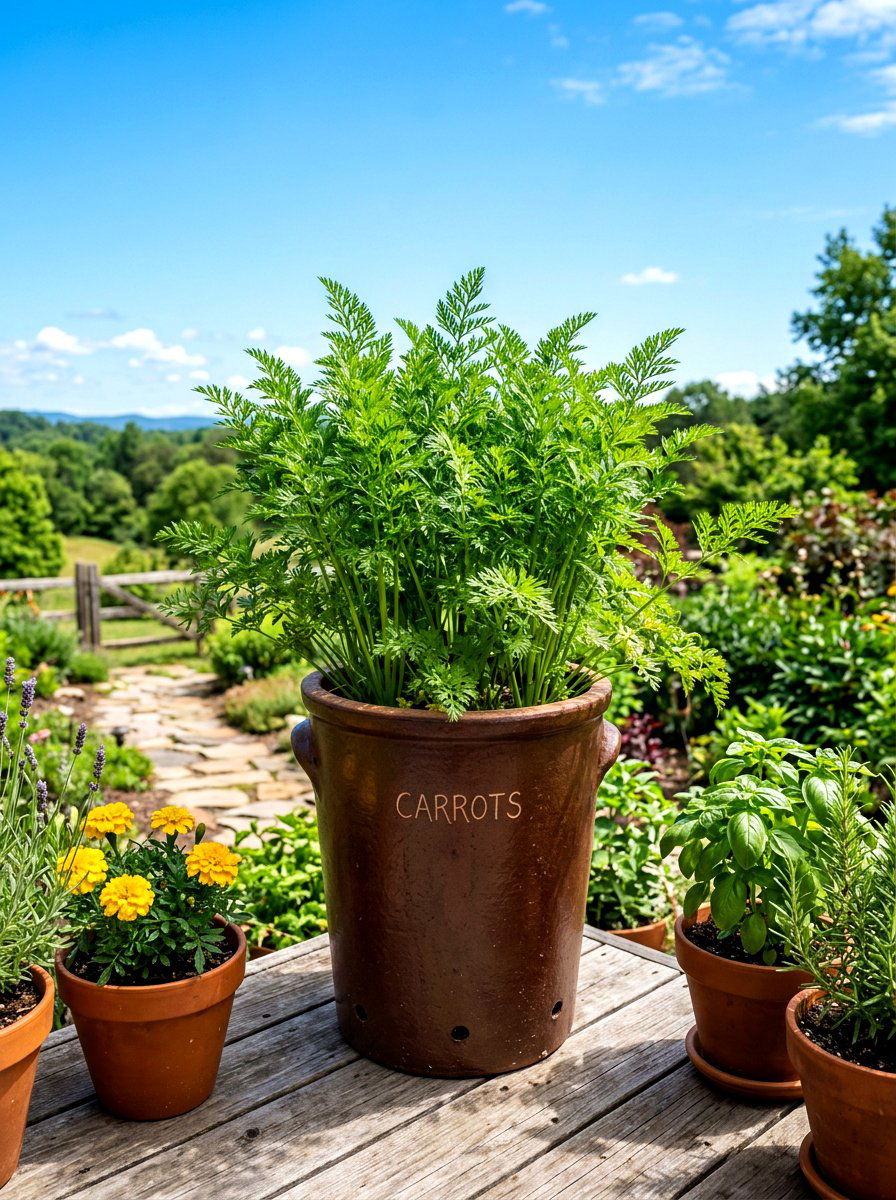
Carrots require deep, loose soil that is free of rocks and debris to grow straight and long without forking. Using a deep container or a tall grow bag filled with a sandy potting mix is the perfect way to achieve this. You should choose a pot that is at least twelve inches deep to accommodate standard carrot varieties. Sowing the seeds thinly and then thinning the seedlings once they are an inch tall will give each carrot room to expand. The feathery green foliage is quite attractive and looks lovely when paired with other pots of leafy greens or colorful flowers on a sunny porch.
13. Swiss Chard Planter
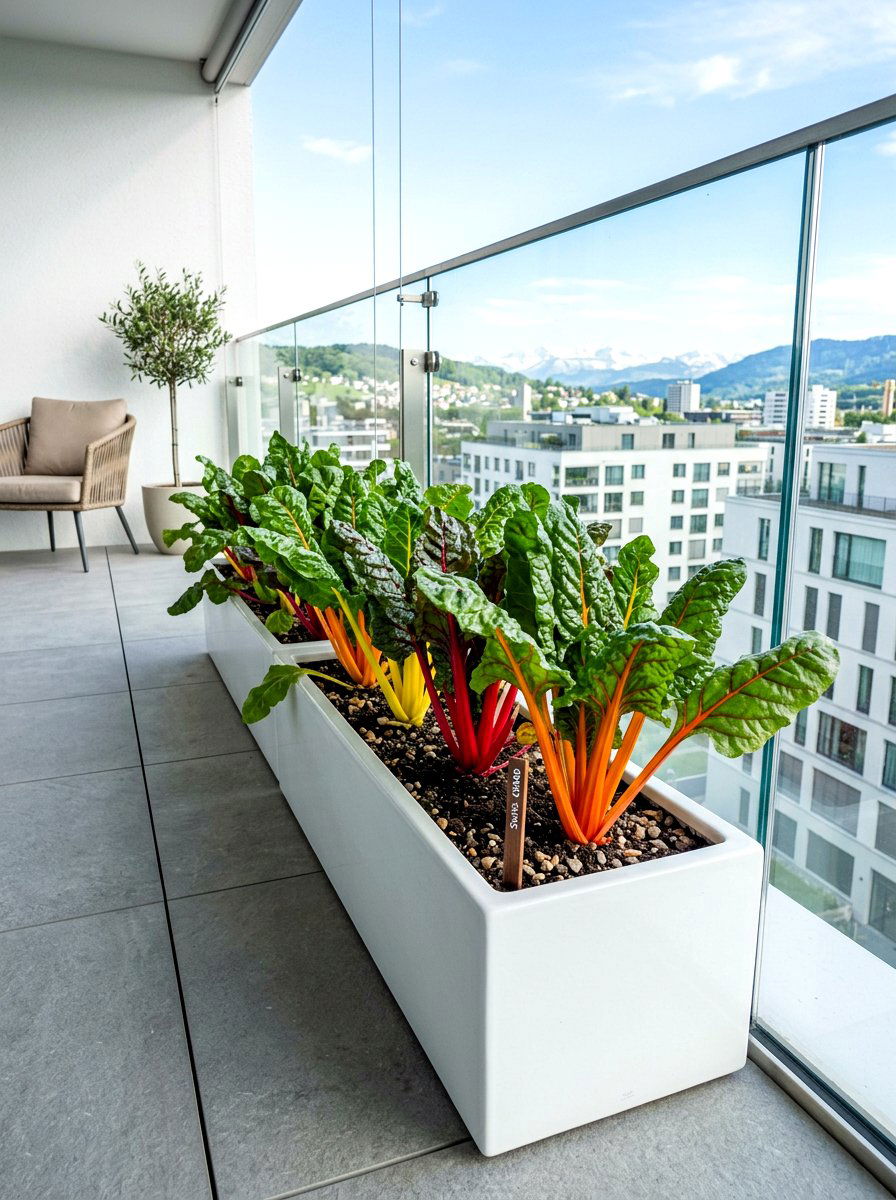
Swiss chard is one of the most ornamental vegetables you can grow, featuring stems in vibrant shades of red, yellow, pink, and orange. A medium-sized planter box can hold several chard plants, creating a rainbow effect that lasts from spring all the way through the first hard frost. Unlike spinach, chard is quite heat-tolerant and will continue to produce large, nutritious leaves throughout the hottest summer months. You can harvest the leaves as needed, and the plant will keep sending up new growth from the center. It is a very resilient vegetable that is rarely bothered by the common pests that affect other leafy greens.
14. Potato Grow Bag
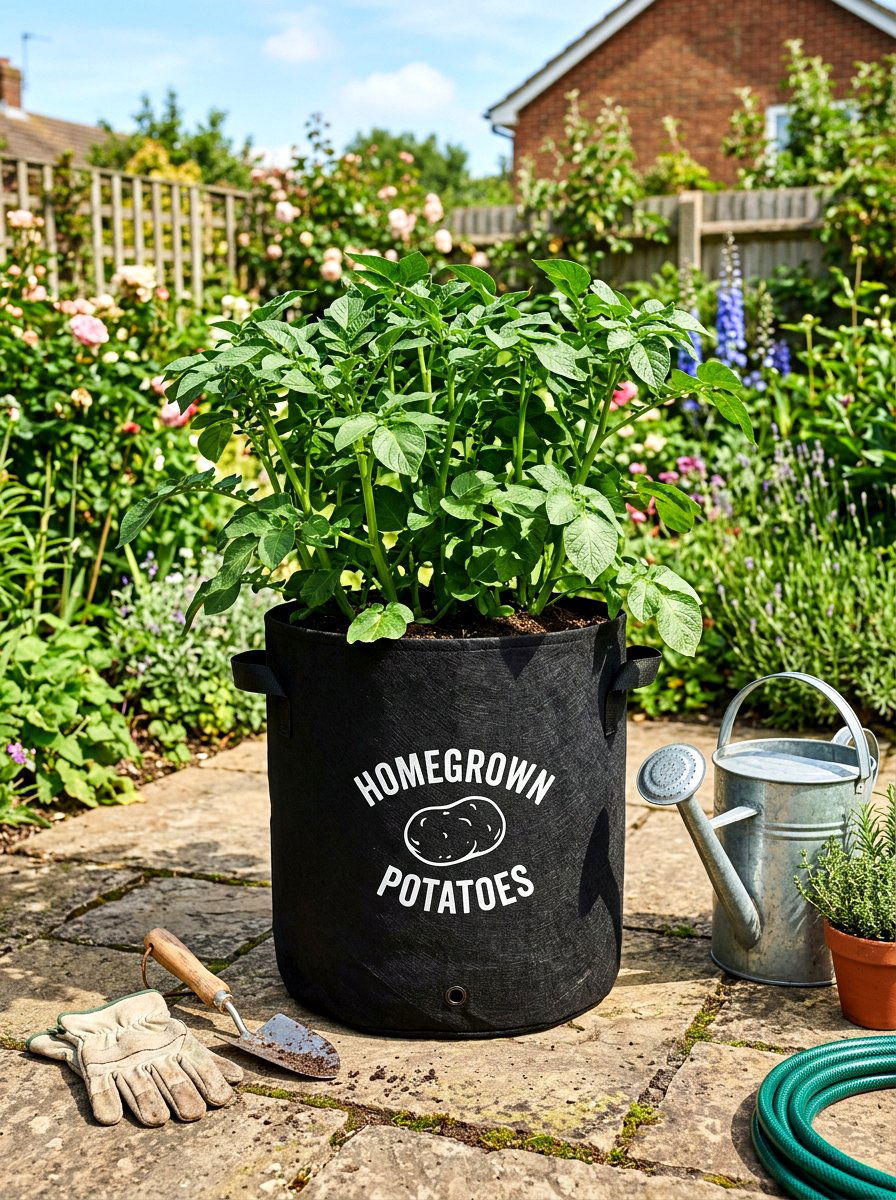
Using fabric grow bags for potatoes is a game-changer because it makes the eventual harvest incredibly simple and mess-free. You start by planting a few seed potatoes at the bottom of the bag in a few inches of soil. As the green shoots grow upward, you continue to add more soil or straw until the bag is full. This encourages the plant to grow more potatoes along the length of the buried stem. When the foliage turns yellow and dies back, you simply tip the bag over and pick out your clean, homegrown potatoes. This method also provides excellent drainage and prevents the soil from becoming compacted.
15. Garlic Container
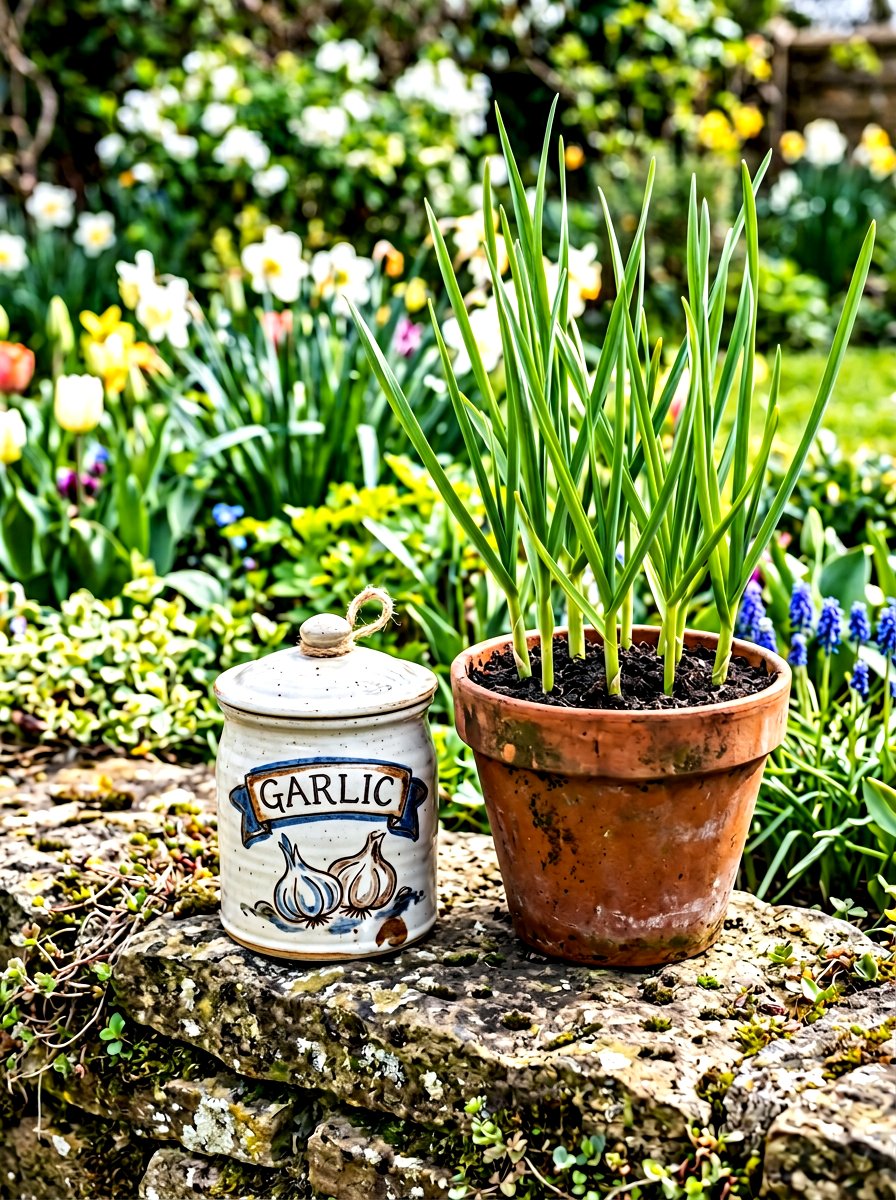
Garlic is a great crop for patient gardeners and can be easily grown in a container over the winter months. You simply plant individual cloves in a pot that is at least eight inches deep during the late autumn. The garlic will develop roots before the ground freezes and then start growing green shoots as soon as the weather warms up in the spring. A well-draining potting mix is essential to prevent the bulbs from rotting during the wet winter season. Once the lower leaves begin to turn brown in early summer, your garlic is ready to be harvested, cured, and enjoyed in your kitchen.
16. Onion Pot
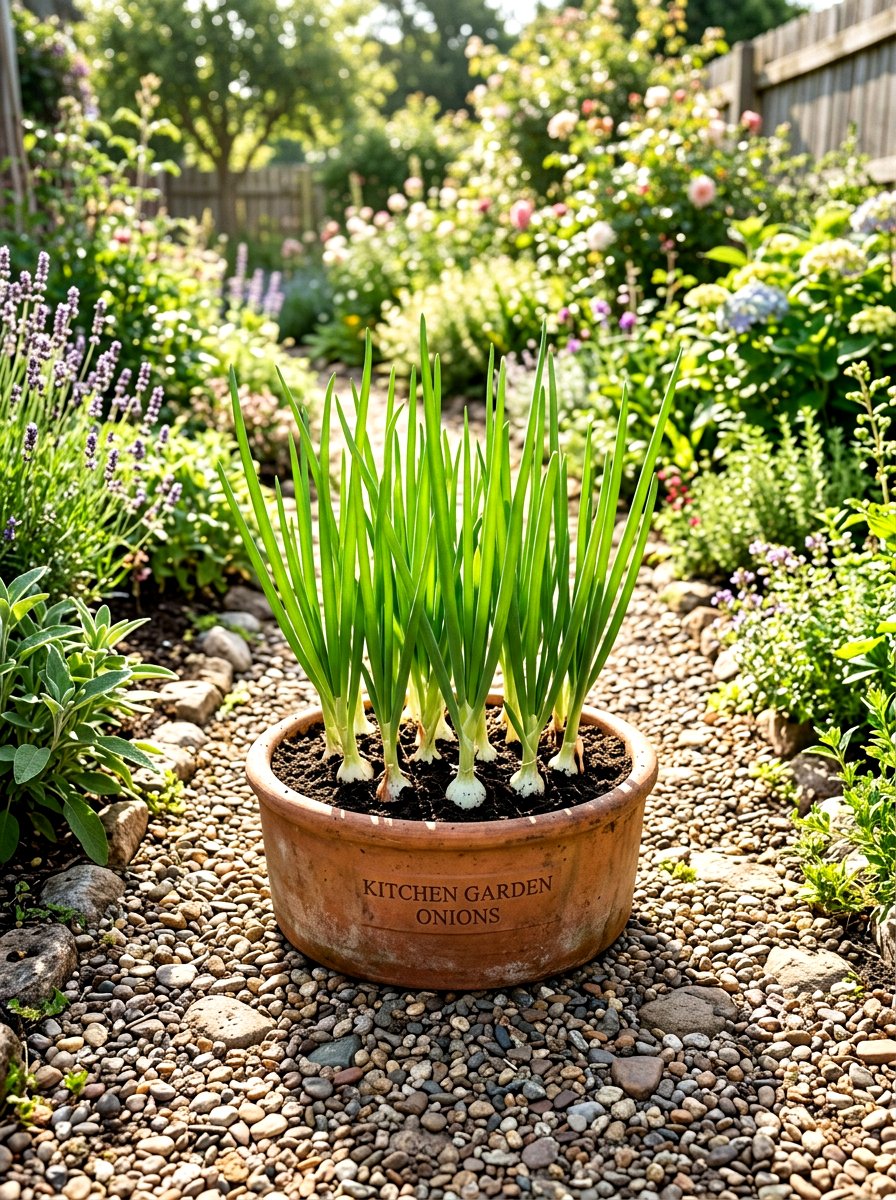
Onions are very well-suited for container life because they have a compact, upright growth habit that takes up very little horizontal space. You can grow them from sets or small bulbs planted a few inches apart in a medium-sized container. Green onions or scallions can be grown in even shallower pots and harvested within just a few weeks of planting. For larger bulb onions, ensure the pot is deep enough to allow for root development and use a soil rich in organic matter. Onions also serve as great companion plants because their strong scent can help deter some common pests from visiting your other container vegetables.
17. Pea Trellis Container
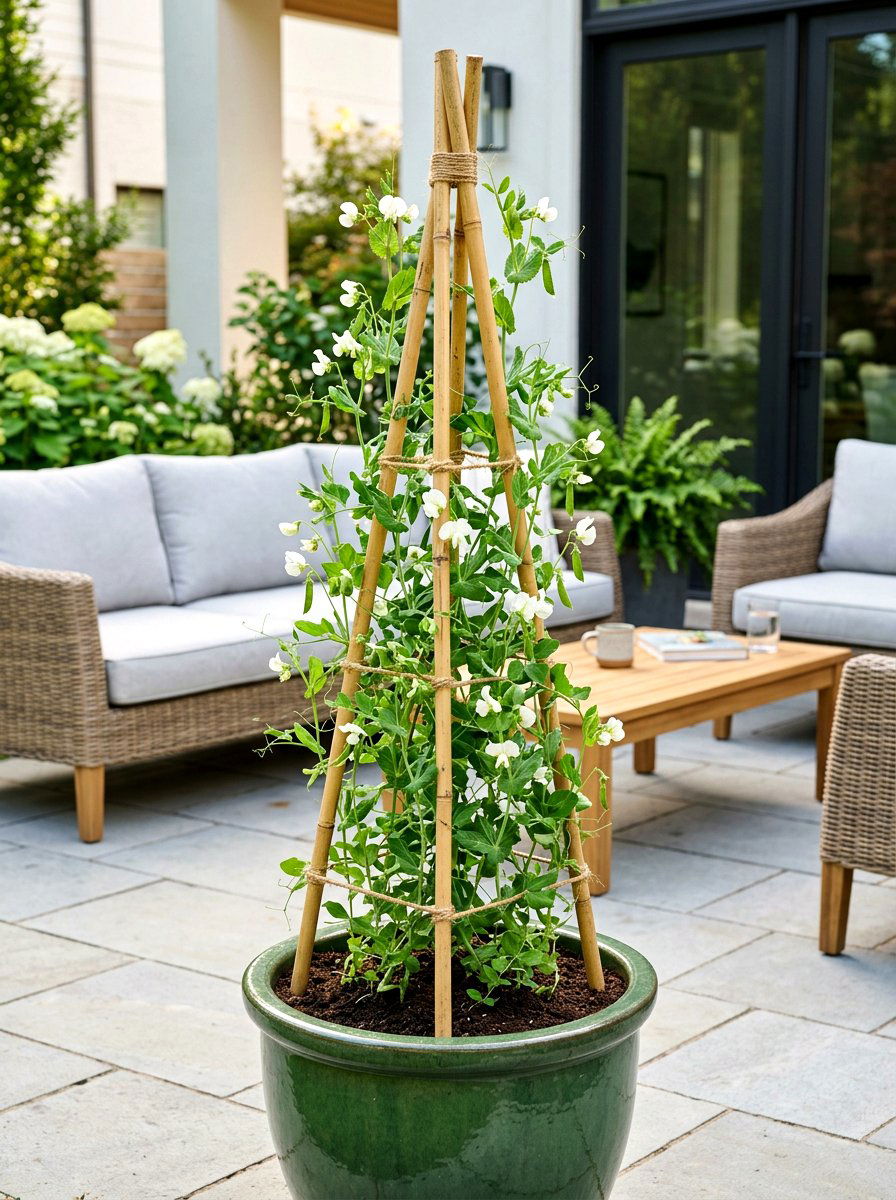
Sugar snap peas and snow peas are wonderful for vertical gardening because they naturally want to climb and reach for the light. A large pot fitted with a simple bamboo tripod or a piece of wire mesh provides the perfect support for their delicate tendrils. Peas are a cool-season crop, so they should be planted early in the spring as soon as the soil can be worked. The beautiful white or purple flowers are followed by sweet pods that taste much better when picked fresh from the vine. Once the weather gets too hot, the plants will fade, making room for a heat-loving summer crop.
18. Beet Pot
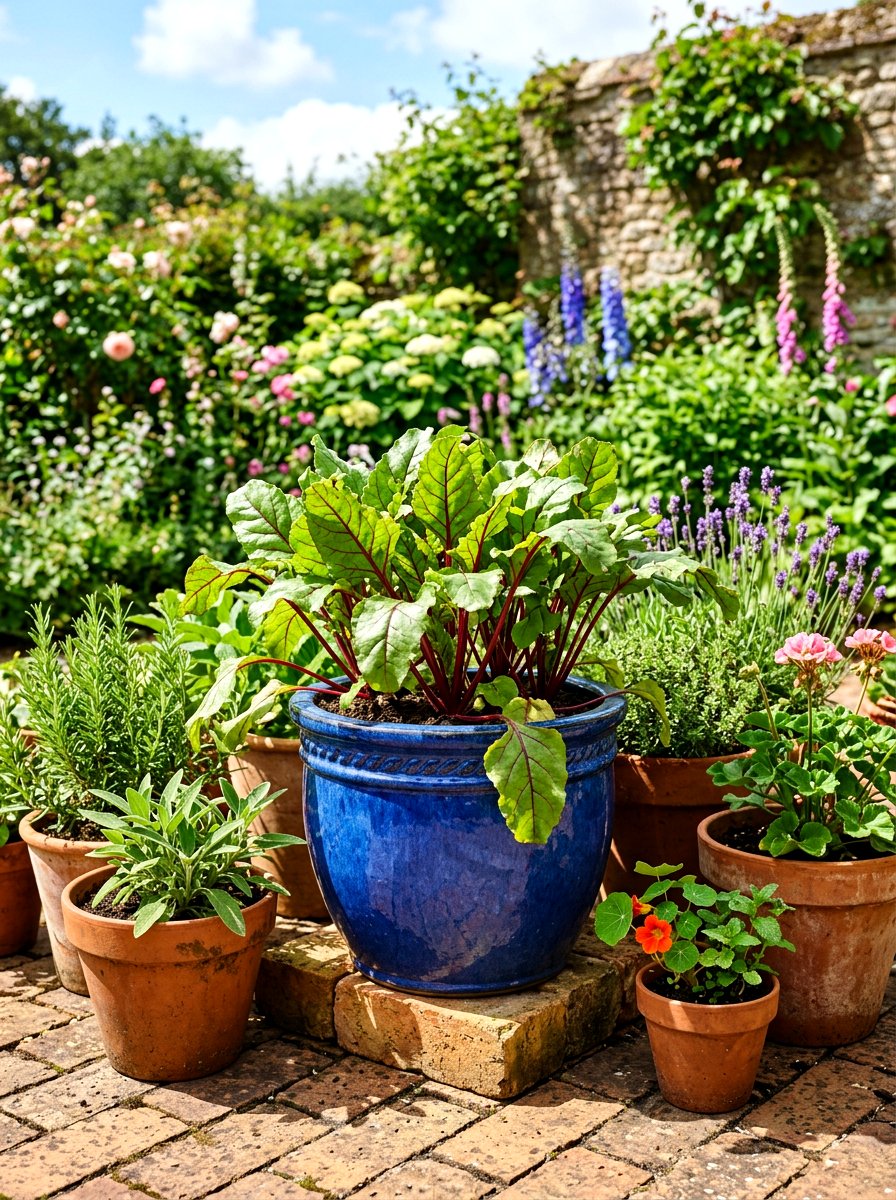
Beets are a dual-purpose crop for container gardeners since both the earthy roots and the nutritious greens are edible and delicious. A deep pot or a trough-style planter provides enough room for the roots to develop their signature round shape. You should sow the seeds about two inches apart to ensure they have enough space to grow without crowding each other. The deep red or striped "Chioggia" varieties look particularly beautiful when sliced open. Beets are fairly low-maintenance and can tolerate a bit of shade, making them a versatile choice for different parts of your balcony or patio where the sun might be limited.
19. Broccoli Planter
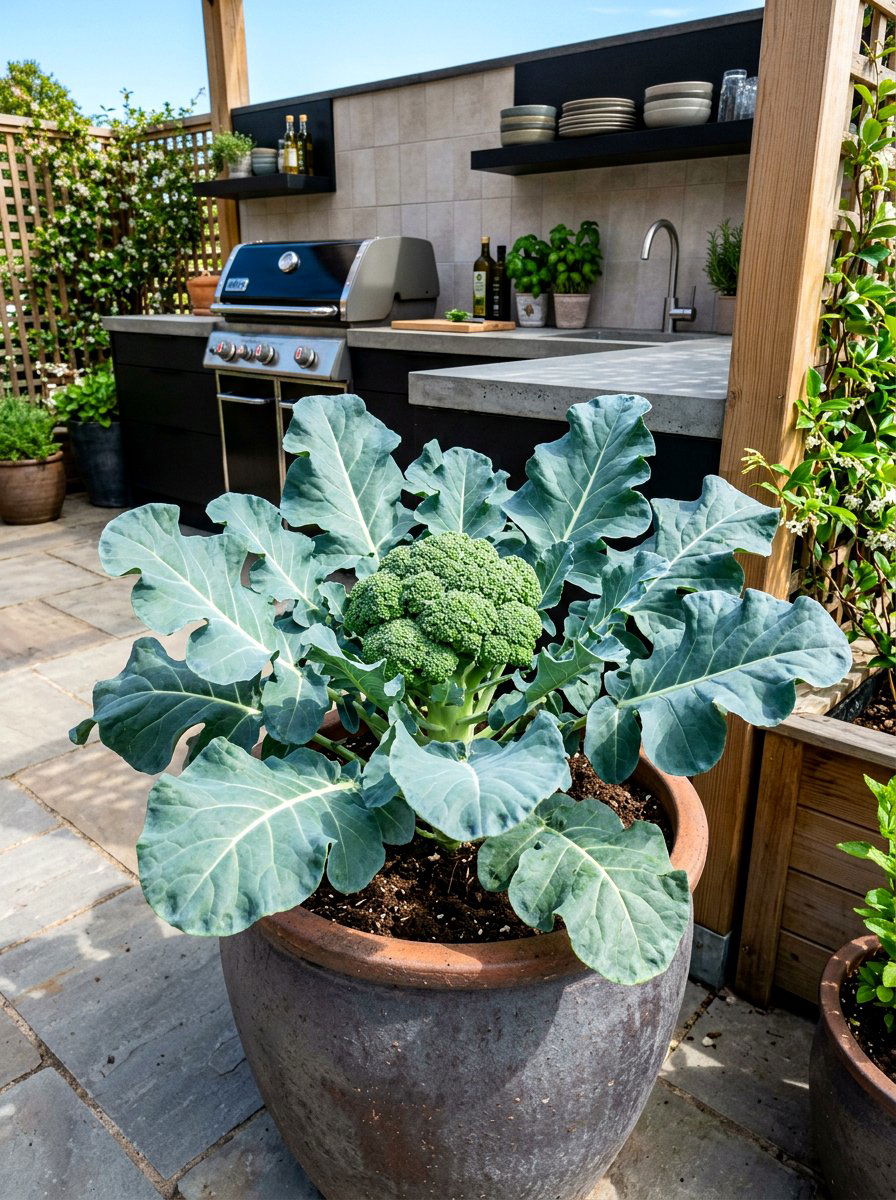
While broccoli can be a large plant, it is entirely possible to grow it successfully in a large, deep container. Selecting varieties that are known for producing plenty of side shoots after the main head is harvested will give you a much longer season. A five-gallon pot for a single plant is usually the best way to ensure it has enough nutrients and water to develop a large, tight head. Broccoli prefers the cooler temperatures of spring and autumn, so timing your planting is key to preventing the plant from flowering too early. The large, blue-green leaves also provide a nice structural element to your garden layout.
20. Cabbage Tub
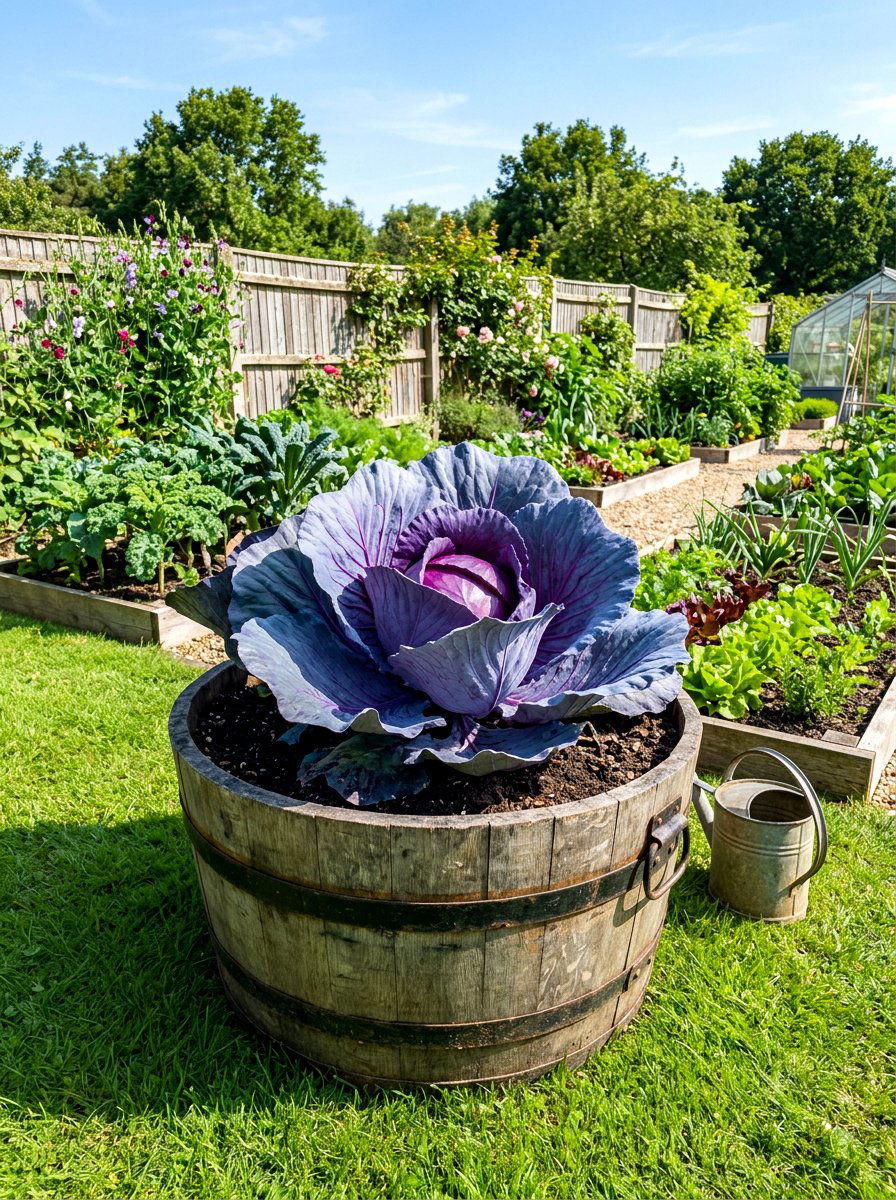
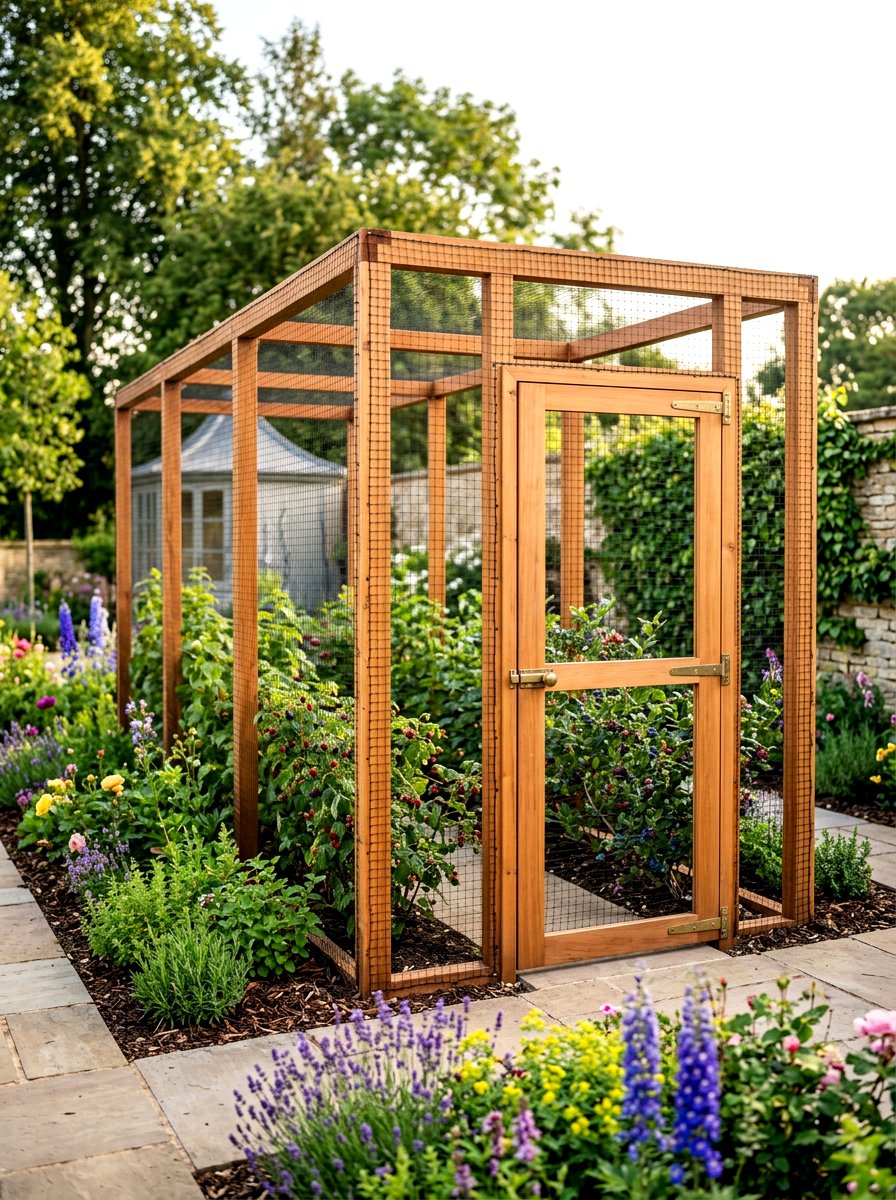
Cabbage is a hearty vegetable that grows well in containers as long as they are large enough to support its heavy head and spreading outer leaves. A ten-gallon tub or a large wooden crate is ideal for growing a single, impressive cabbage. There are many beautiful varieties to choose from, including crinkled Savoy types and deep purple red cabbages that look stunning in a decorative pot. Cabbages are heavy feeders and require consistent moisture to prevent the heads from splitting as they mature. Growing them in containers also makes it easier to protect them from common pests like cabbage worms using a simple row cover.
21. Cauliflower Pot
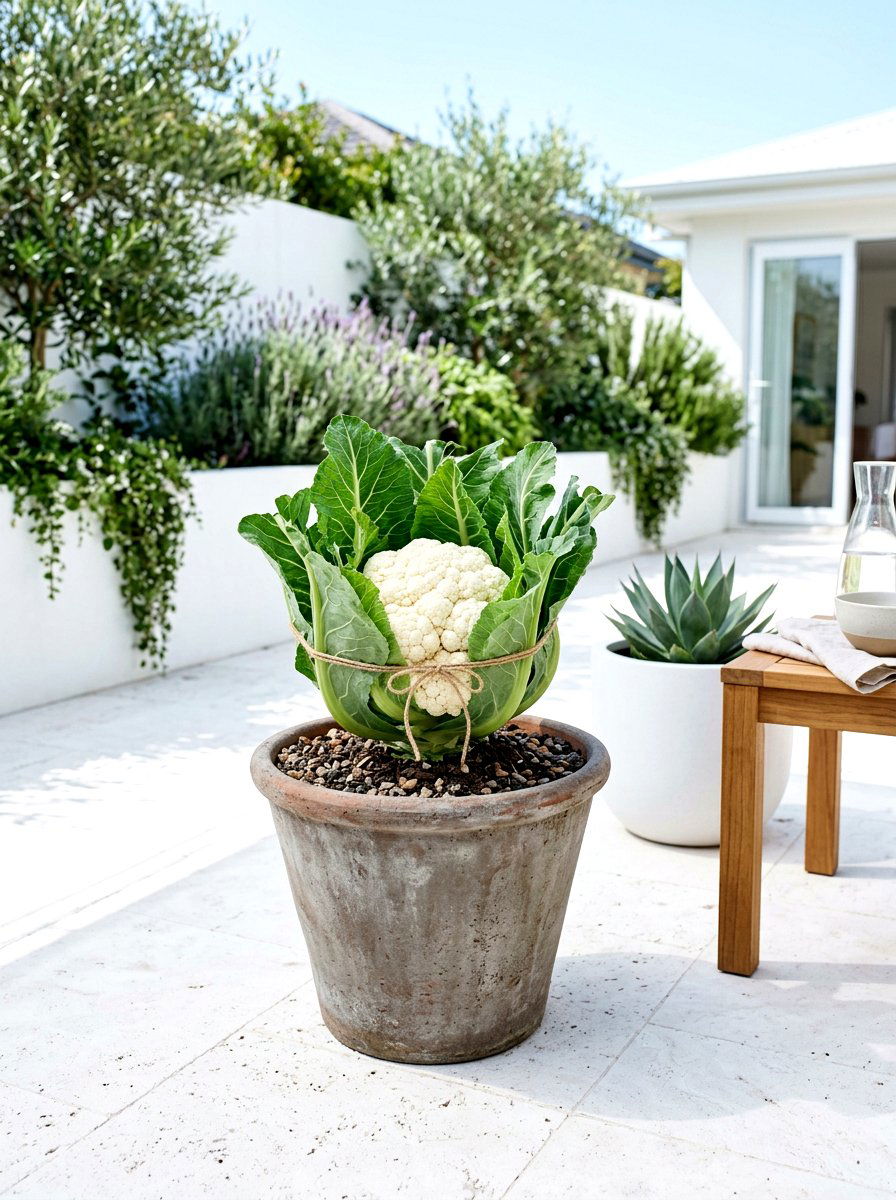
Cauliflower can be a bit more temperamental than other brassicas, but growing it in a container gives you more control over its environment. Use a large pot to allow the plant to grow a strong root system, which is essential for producing a high-quality curd. You might need to "blanch" the head by tying the outer leaves over the developing white center to protect it from the sun and keep it creamy white. There are also fun colorful varieties like orange and purple that do not require blanching and add a pop of unexpected color to your edible garden. Consistent watering and feeding are necessary for success.
22. Blueberry Container
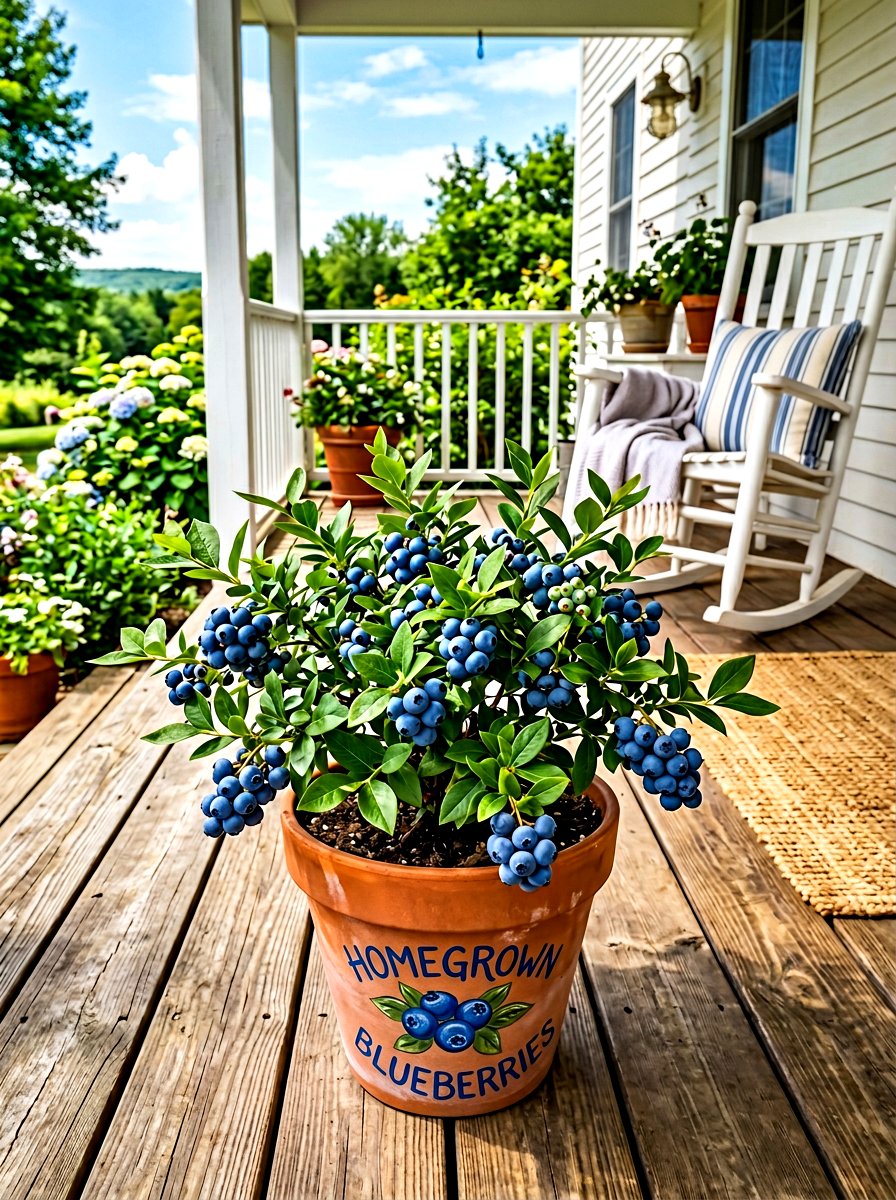
Highbush blueberries are excellent for container gardening because they require very acidic soil, which is often easier to manage in a pot than in the ground. You should look for "dwarf" or "top hat" varieties that are specifically bred to stay small and compact. A large ceramic or plastic pot filled with a mix of peat moss and potting soil creates the perfect environment for these berry bushes. Blueberries are also very ornamental, featuring delicate bell-shaped flowers in the spring and vibrant red foliage in the autumn. Having them in a container makes it much easier to net the bushes to protect the ripening fruit from hungry birds.
23. Chili Pepper Pot
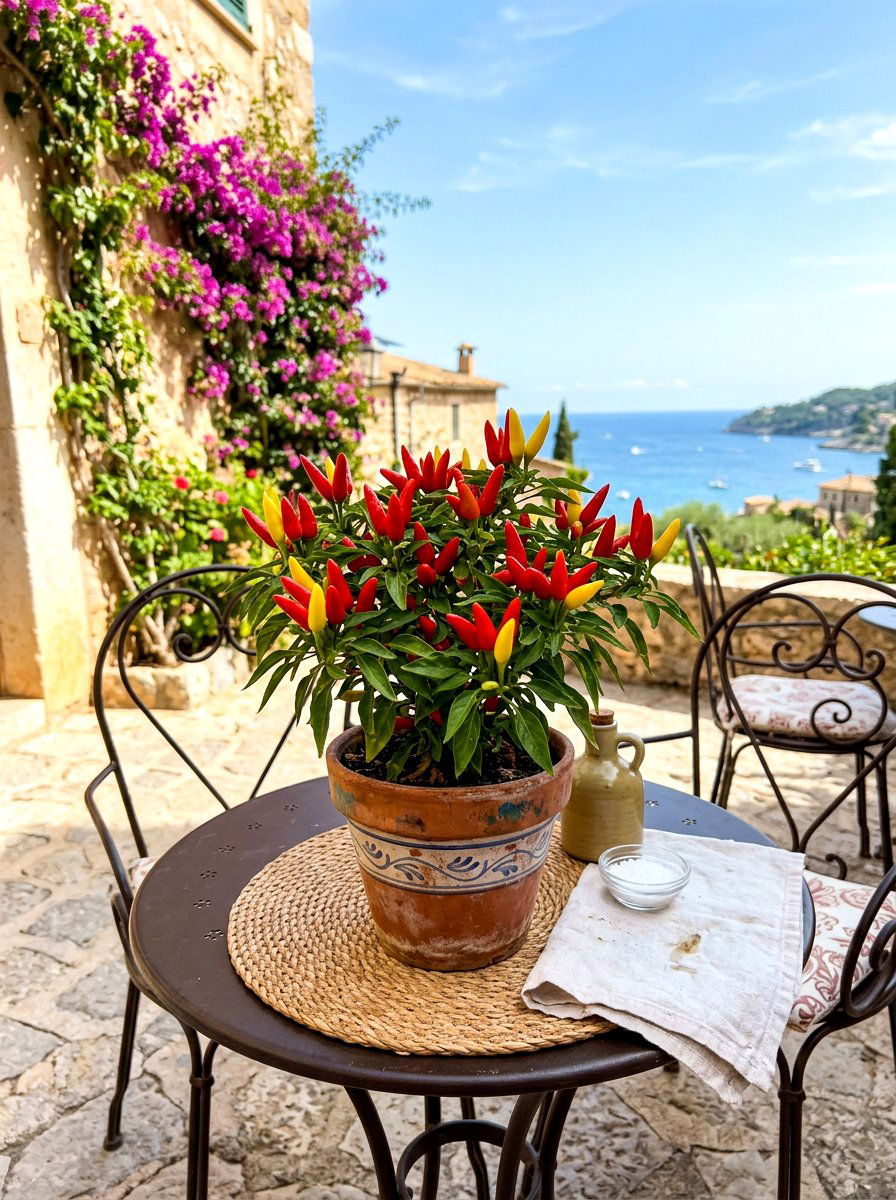
Chili peppers are a fantastic choice for small containers because many varieties stay naturally petite while producing dozens of vibrant fruits. A small terracotta pot on a sunny windowsill or a small patio table is often all you need to grow a spicy harvest. These plants love the sun and can handle slightly drier conditions than many other vegetables. The fruits come in an amazing array of shapes and colors, ranging from deep purple and bright orange to classic red. Because they are so productive, just one or two plants can provide enough heat for all your favorite spicy recipes throughout the entire summer and autumn.
24. Microgreens Tray
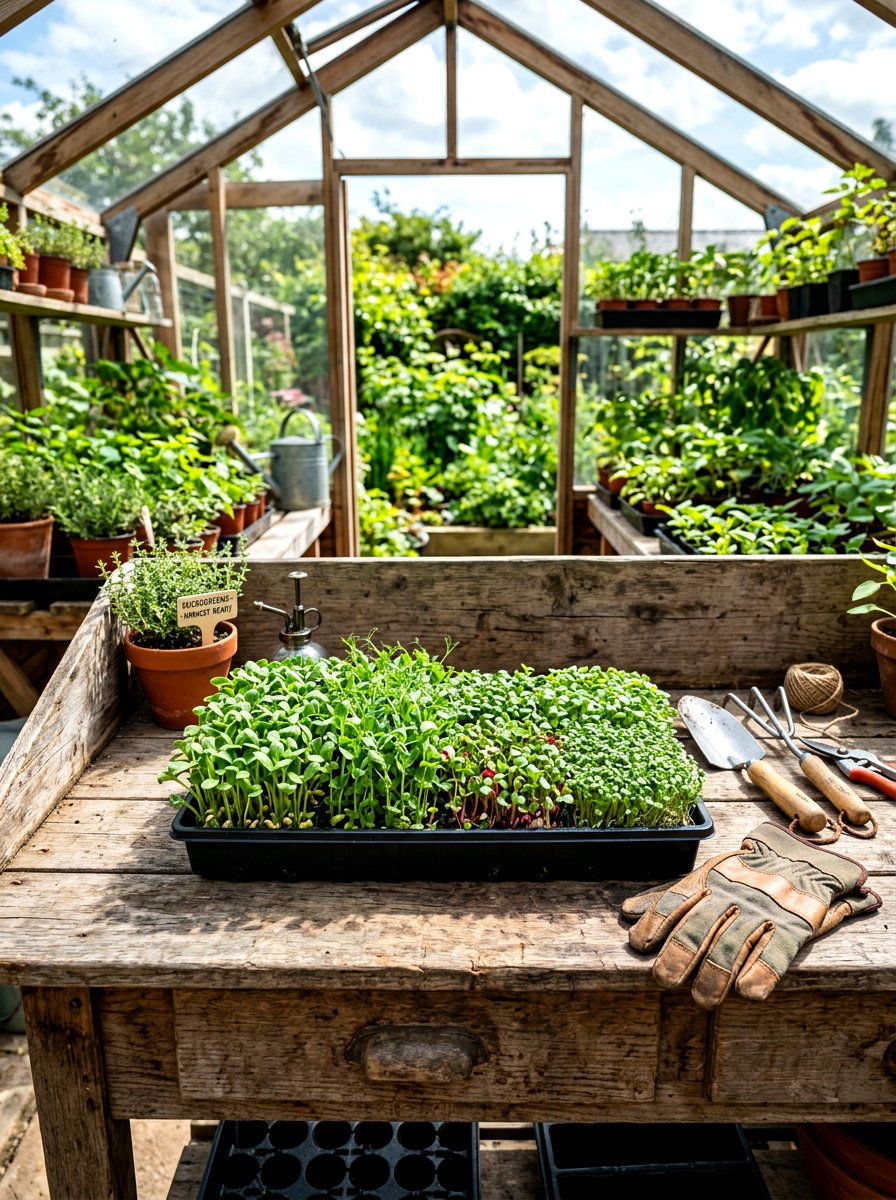
Microgreens are the ultimate container garden for those with very little time or space, as they can be grown on a simple kitchen counter. You use shallow trays filled with just an inch or two of potting mix to grow various seeds like radish, broccoli, or mustard. These tiny greens are harvested when they are only a few inches tall, usually within ten to fourteen days of planting. They are packed with concentrated nutrients and provide a fresh, gourmet touch to salads, sandwiches, and soups. Because they grow so quickly, you can start a new tray every week for a never-ending supply of fresh, healthy greens.
25. Herb Window Box
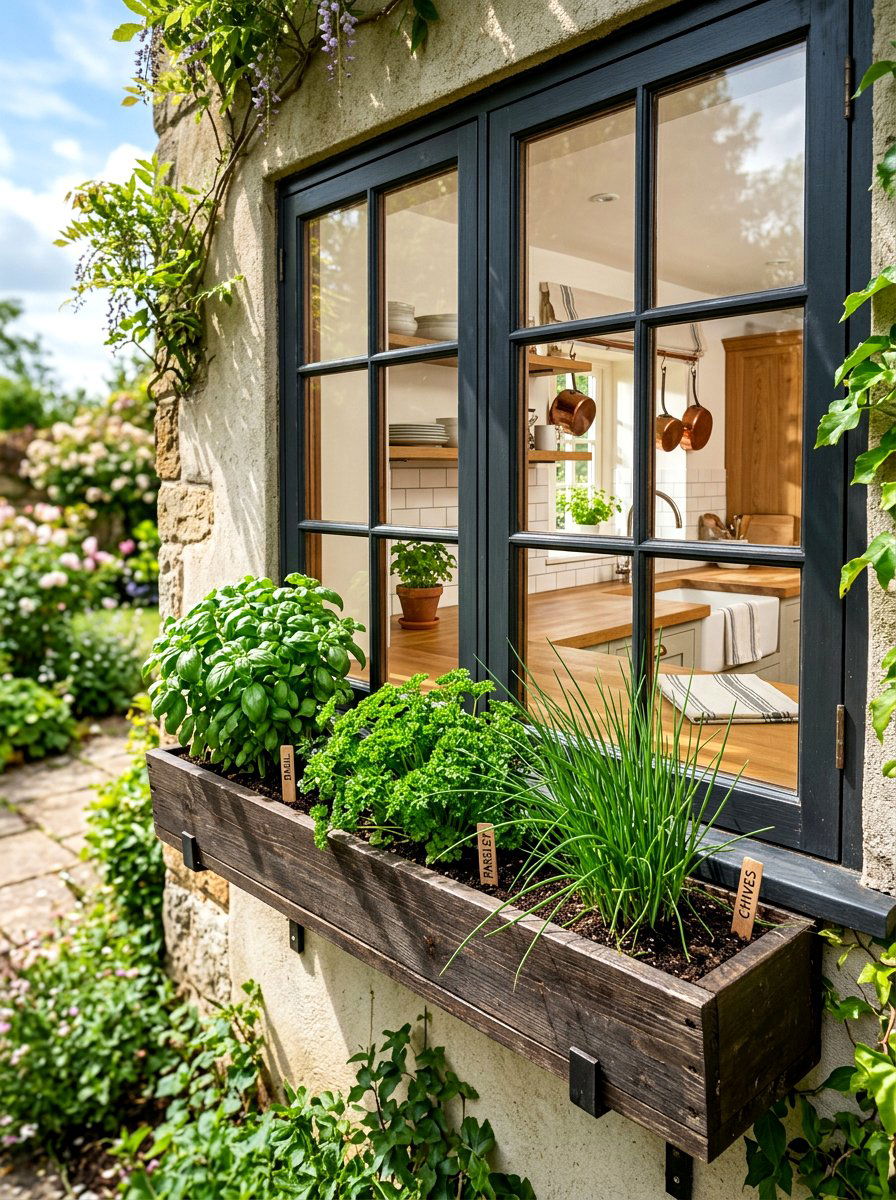
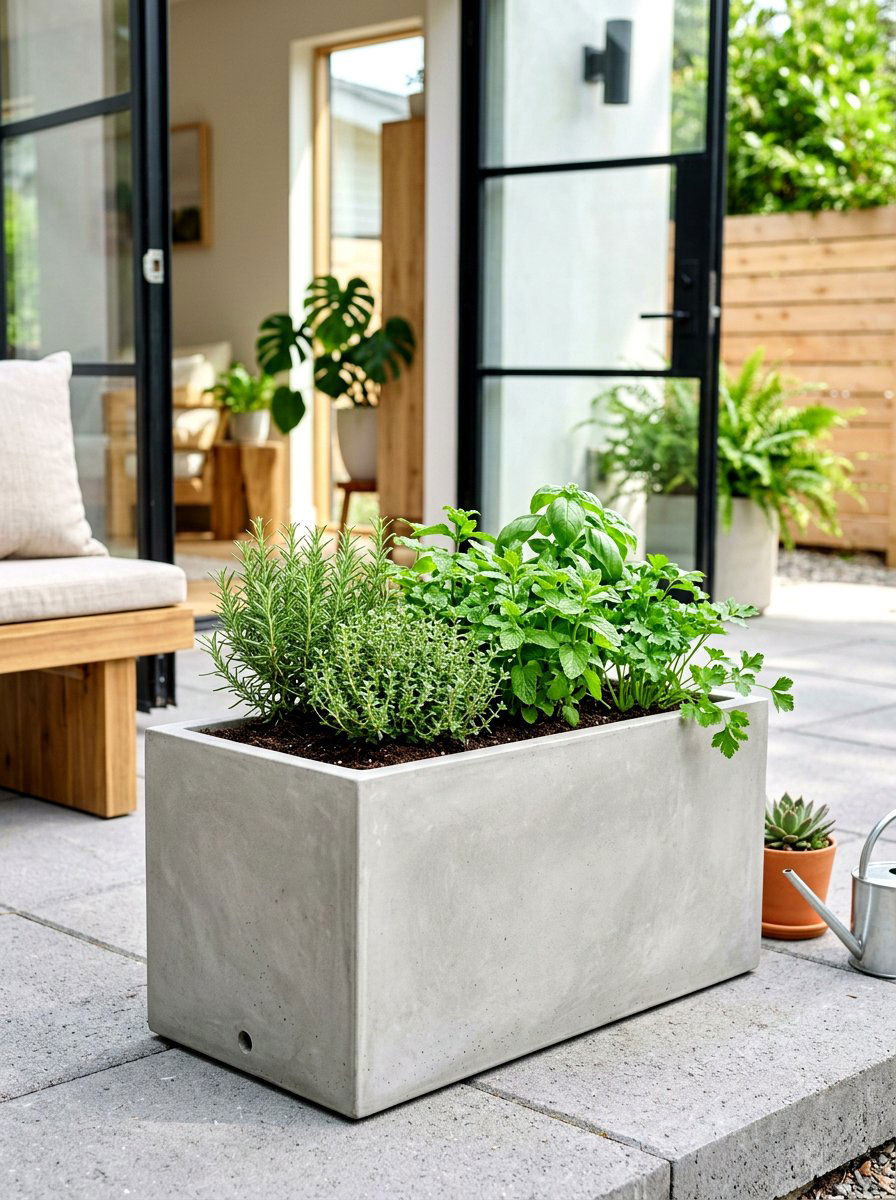
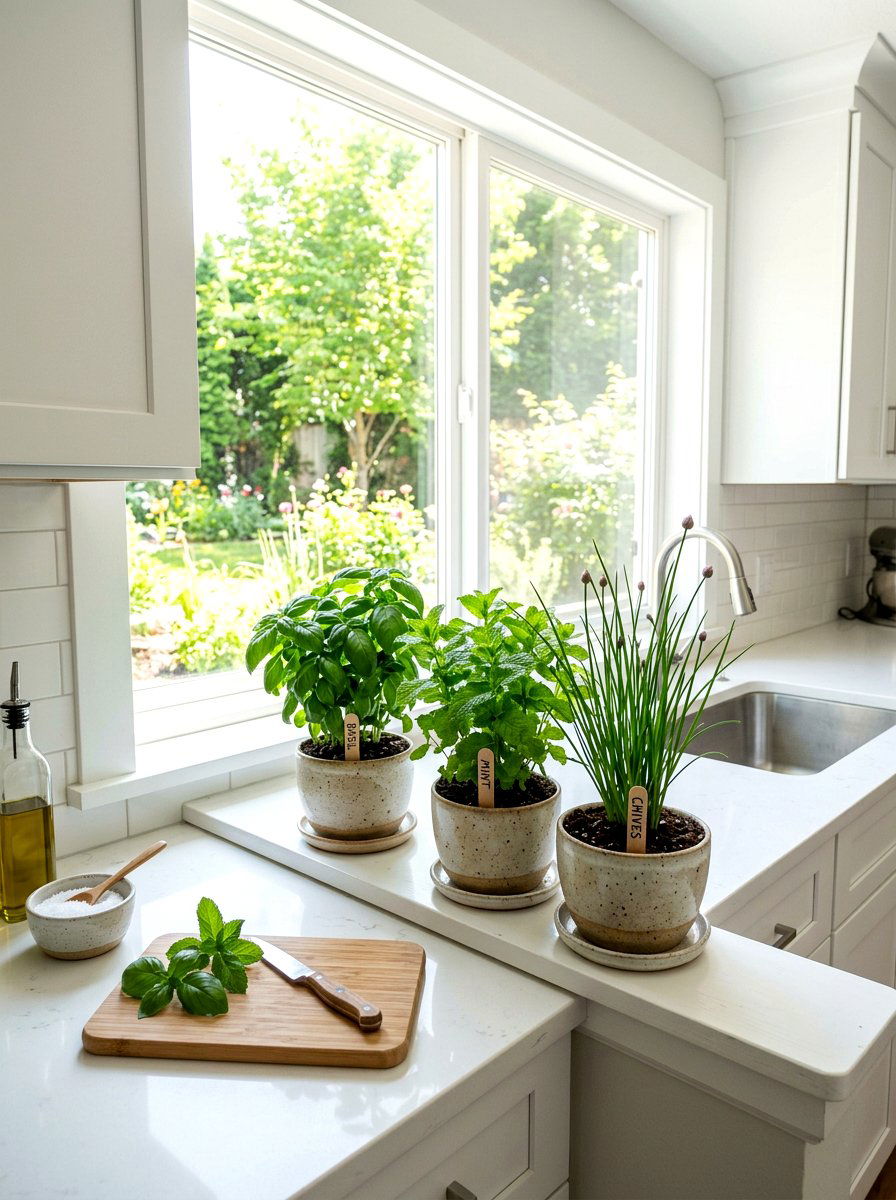
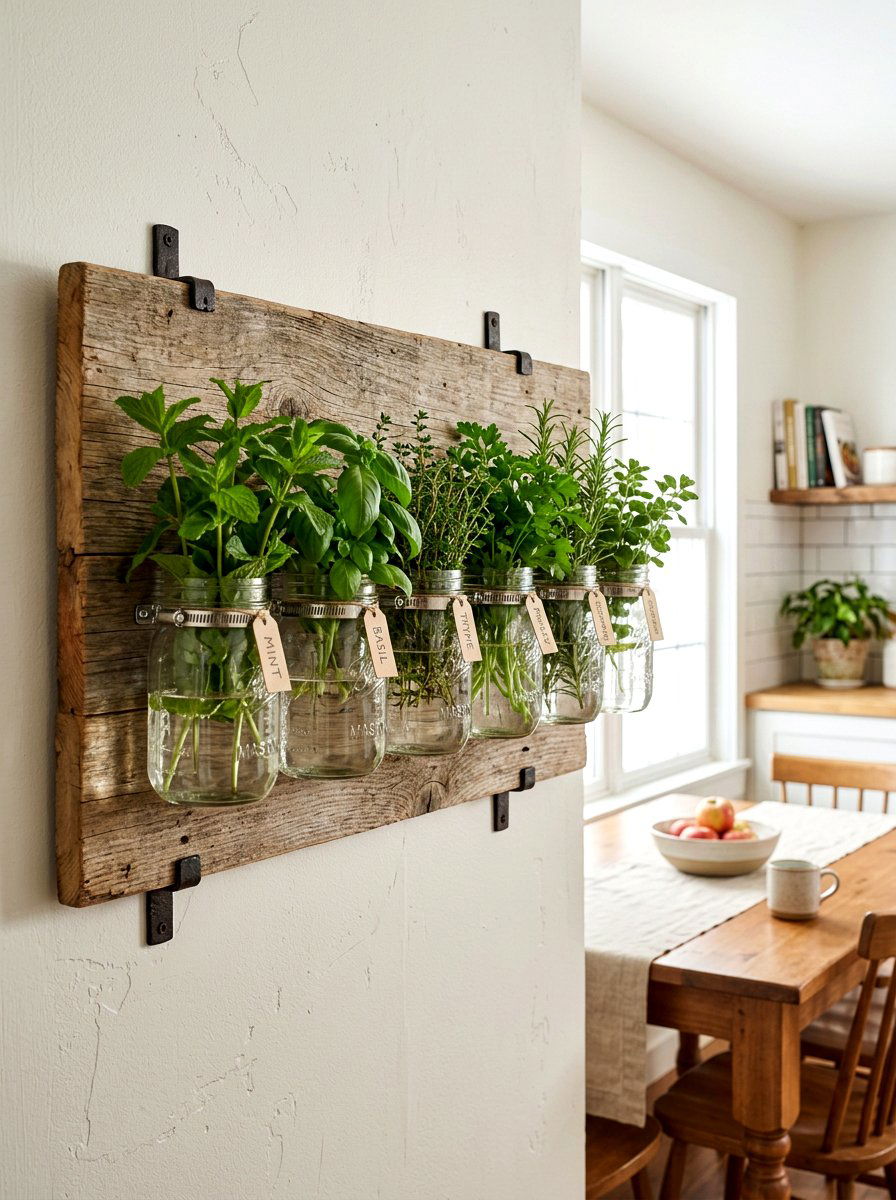
A herb window box is a classic container garden idea that brings fresh flavors directly to your kitchen. You can combine several different herbs like basil, parsley, cilantro, and chives into one long rectangular planter that sits on a sunny ledge. This arrangement makes it incredibly easy to snip a few leaves whenever you are cooking a meal. Most herbs grow very well together, though you should keep mint in its own separate pot to prevent it from taking over the entire box. Using a well-draining soil and ensuring the box gets at least six hours of sunlight will keep your herbs lush and fragrant.
26. Lemon Tree Pot
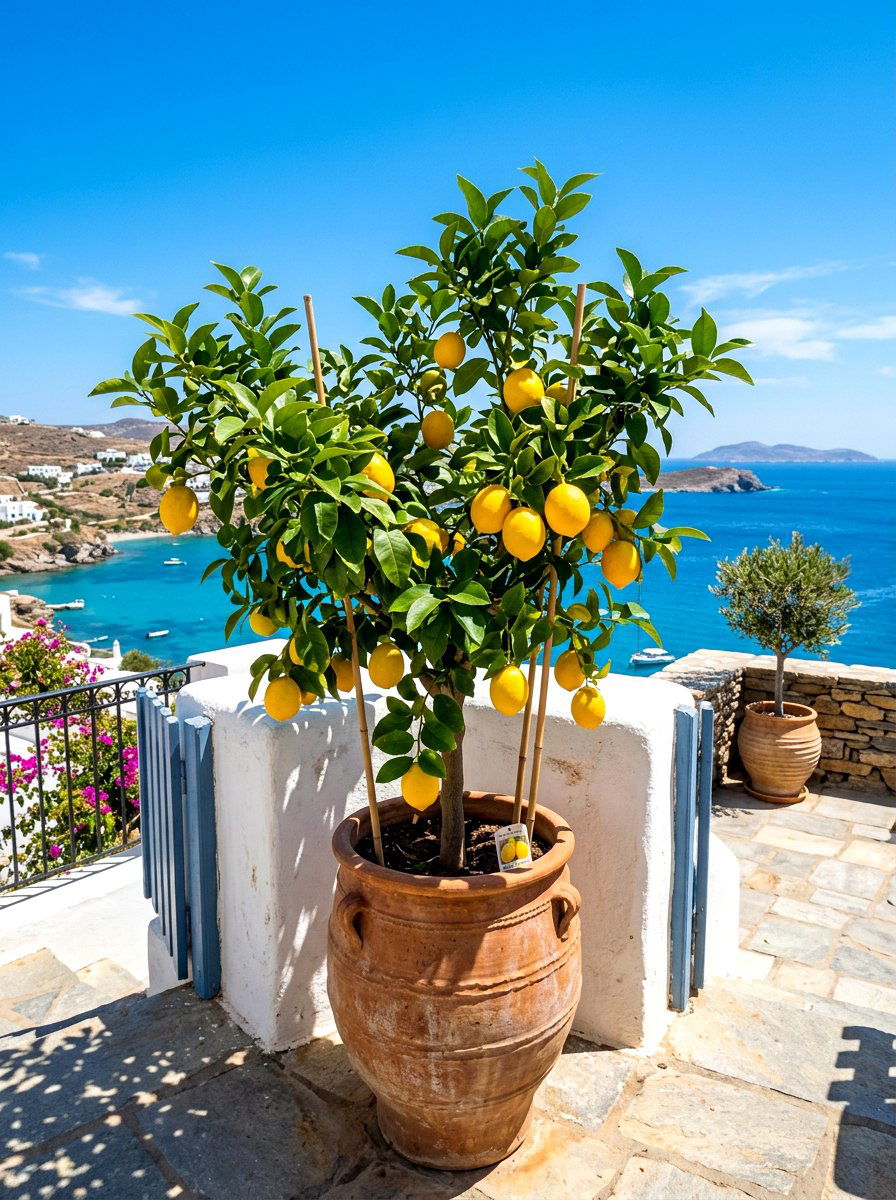
Dwarf citrus trees, such as the Meyer lemon, are perfectly suited for large containers and can even be moved indoors during the winter in colder climates. These trees produce fragrant white blossoms followed by juicy, thin-skinned fruit that is much sweeter than store-bought lemons. A large, heavy pot is necessary to provide stability and room for the tree's roots to expand over several years. Providing plenty of sunlight and a specialized citrus fertilizer will help the tree stay healthy and productive. The glossy green leaves and bright yellow fruit make a stunning tropical statement on any sunny patio or in a well-lit sunroom.
27. Fig Tree Container
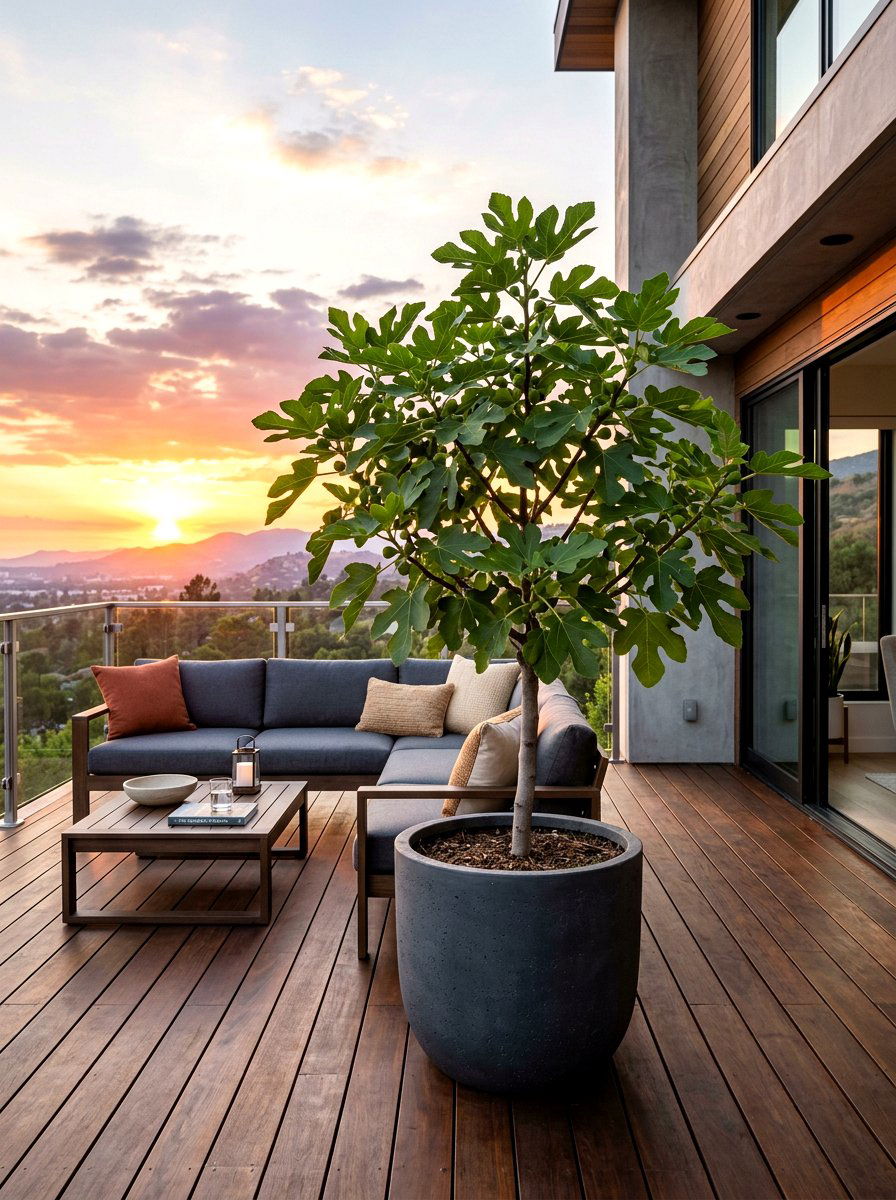
Many varieties of figs can be successfully grown in large pots, which actually helps control their size and encourages them to produce fruit more quickly. Figs have vigorous root systems, so starting with a fifteen-gallon container is a good idea to give the tree plenty of room to grow. You can prune the tree to keep it at a manageable height for your space. In colder regions, growing a fig in a container allows you to move it into a garage or basement for protection during the winter dormancy. The large, lobed leaves provide a beautiful Mediterranean aesthetic that enhances the overall look of your outdoor living area.
28. Sweet Potato Bag
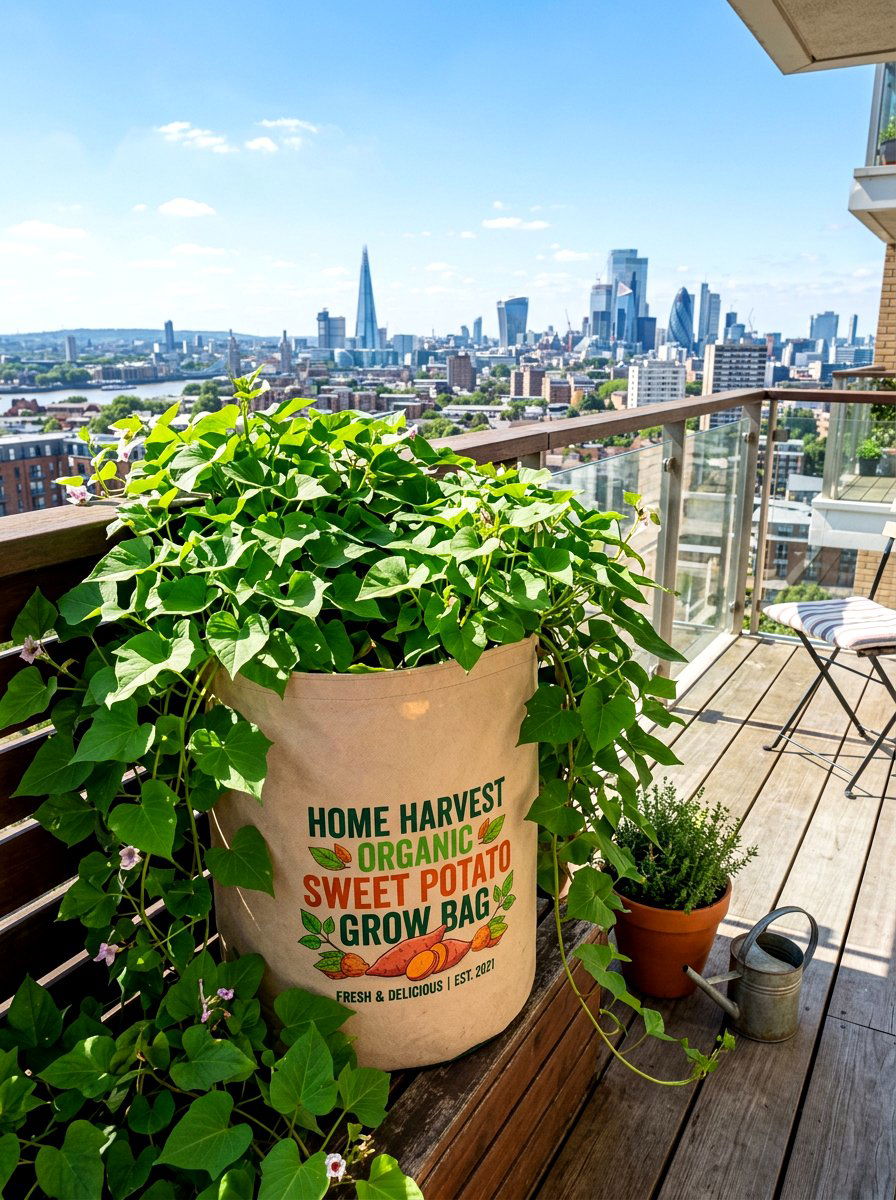
Sweet potatoes are fun and rewarding to grow in large fabric bags or deep tubs, where their trailing vines can spill over the sides. You plant "slips" or small sprouted pieces of sweet potato in a warm, loose potting mix once the weather is consistently hot. These plants love the heat and will grow rapidly throughout the summer, producing a lush canopy of heart-shaped leaves. At the end of the season, when the foliage begins to yellow, you can simply tip the container over to find the large, nutritious tubers buried inside. The vines are so attractive that they are often used as ornamental plants in decorative arrangements.
29. Okra Pot
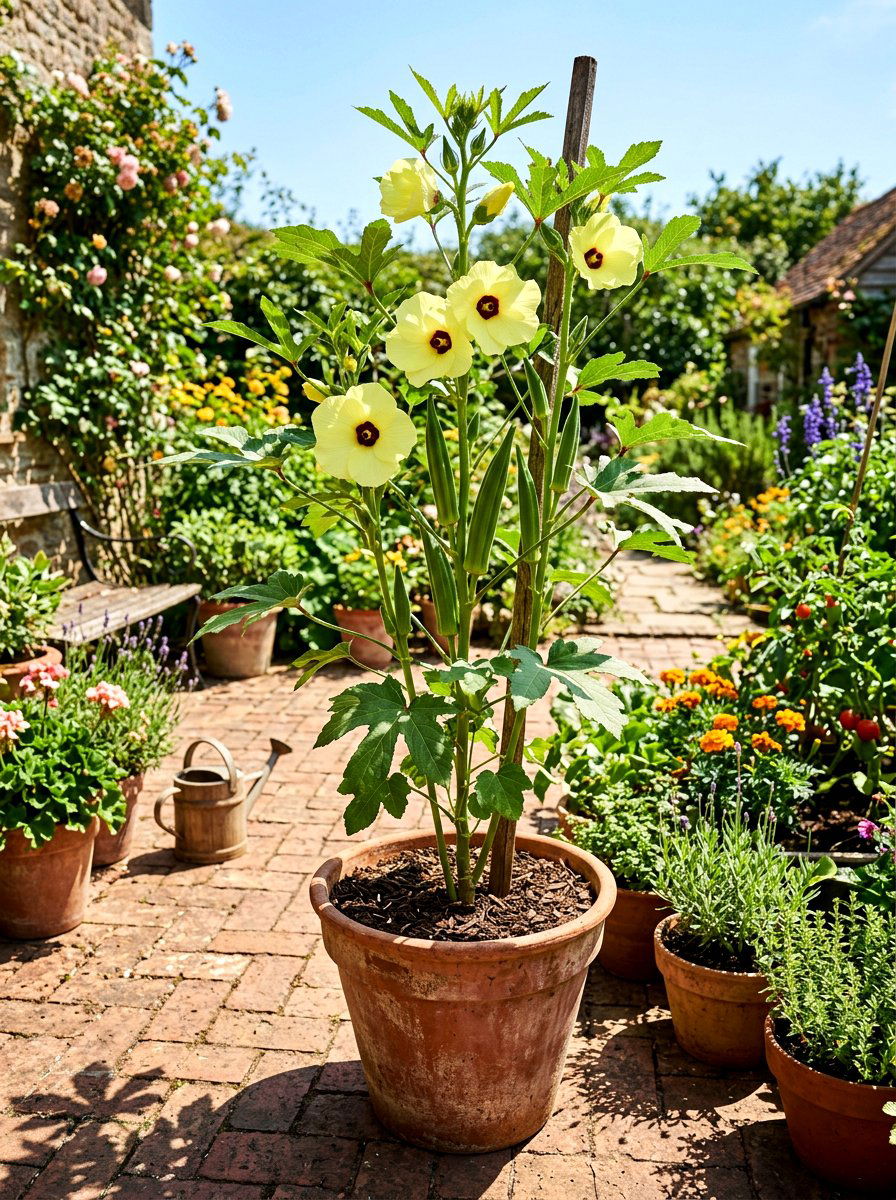
Okra is a heat-loving vegetable that features beautiful hibiscus-like flowers, making it a gorgeous addition to a sunny container garden. Dwarf varieties are best for pots, as they stay around three feet tall while still producing a heavy crop of pods. You should use a five-gallon container for each plant to ensure it has enough space and nutrients to thrive. Okra grows very quickly once the temperatures rise, and the pods should be harvested when they are young and tender for the best texture. The upright growth habit and striking blooms make this a great choice for adding height and beauty to your patio vegetable collection.
30. Arugula Bowl
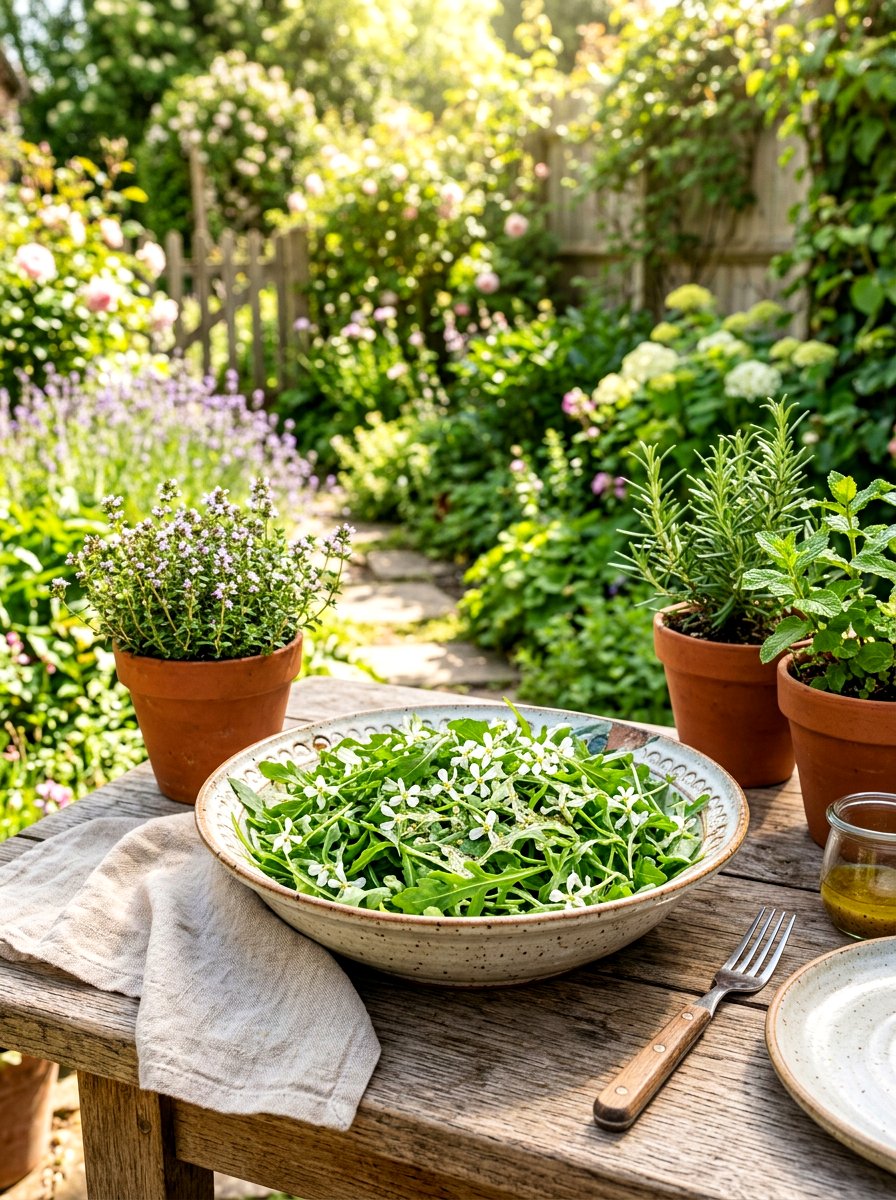
Arugula is a fast-growing, peppery green that is incredibly easy to cultivate in a shallow bowl or small planter. Like lettuce, it has a shallow root system and prefers the cooler temperatures of spring and autumn. You can sow seeds every few weeks to ensure a steady supply of leaves for your salads and pizzas. If you let some of the plants go to flower, the small white blossoms are also edible and have a mild spicy flavor. Arugula is very resilient and can often be grown in partial shade, making it a perfect choice for gardeners who don't have a spot with full day-long sun.
Conclusion:
Starting a vegetable container garden is a fulfilling way to connect with nature and enjoy the freshest produce possible, regardless of your living situation. By selecting the right varieties and containers, you can transform a simple balcony or patio into a highly productive edible landscape. The flexibility of pots allows you to experiment with different plants, move them to capture the best sunlight, and easily manage soil quality. Whether you are growing a single tomato plant or a full multi-tiered herb garden, the joy of harvesting your own food is incomparable. We hope these ideas inspire you to start your own thriving container garden today.

Related posts: