Starting a raised vegetable garden is one of the most rewarding ways to transform your outdoor space into a productive sanctuary. These structures offer incredible advantages, from superior soil drainage to significantly better pest control compared to traditional in-ground planting. By lifting your crops above the ground, you create a controlled environment where vegetables can thrive in nutrient-rich soil tailored specifically to their needs. Whether you are dealing with rocky terrain or limited backyard square footage, raised beds provide a versatile solution that fits any landscape. Beyond the practical benefits, they add a beautiful architectural element to your yard, making your gardening chores much more comfortable and organized for every season.
1. Cedar wood garden beds
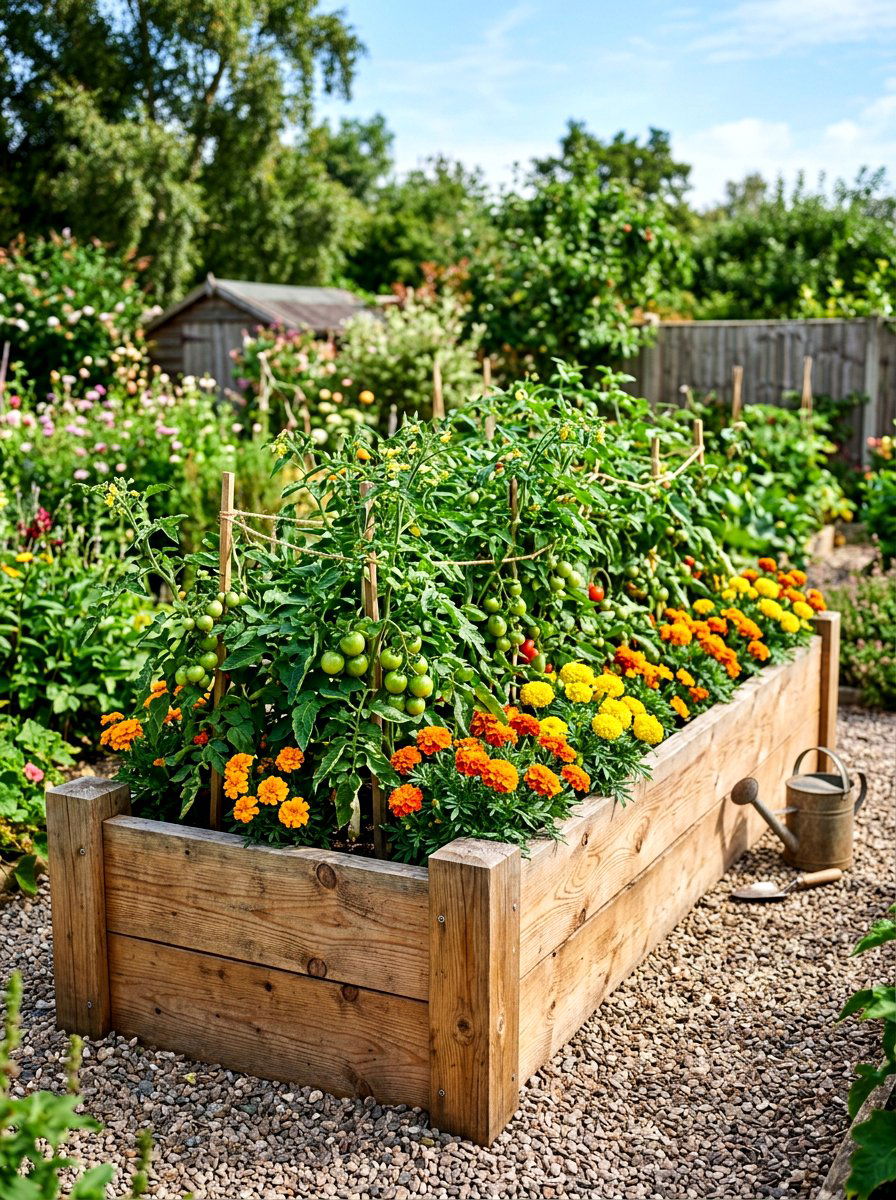
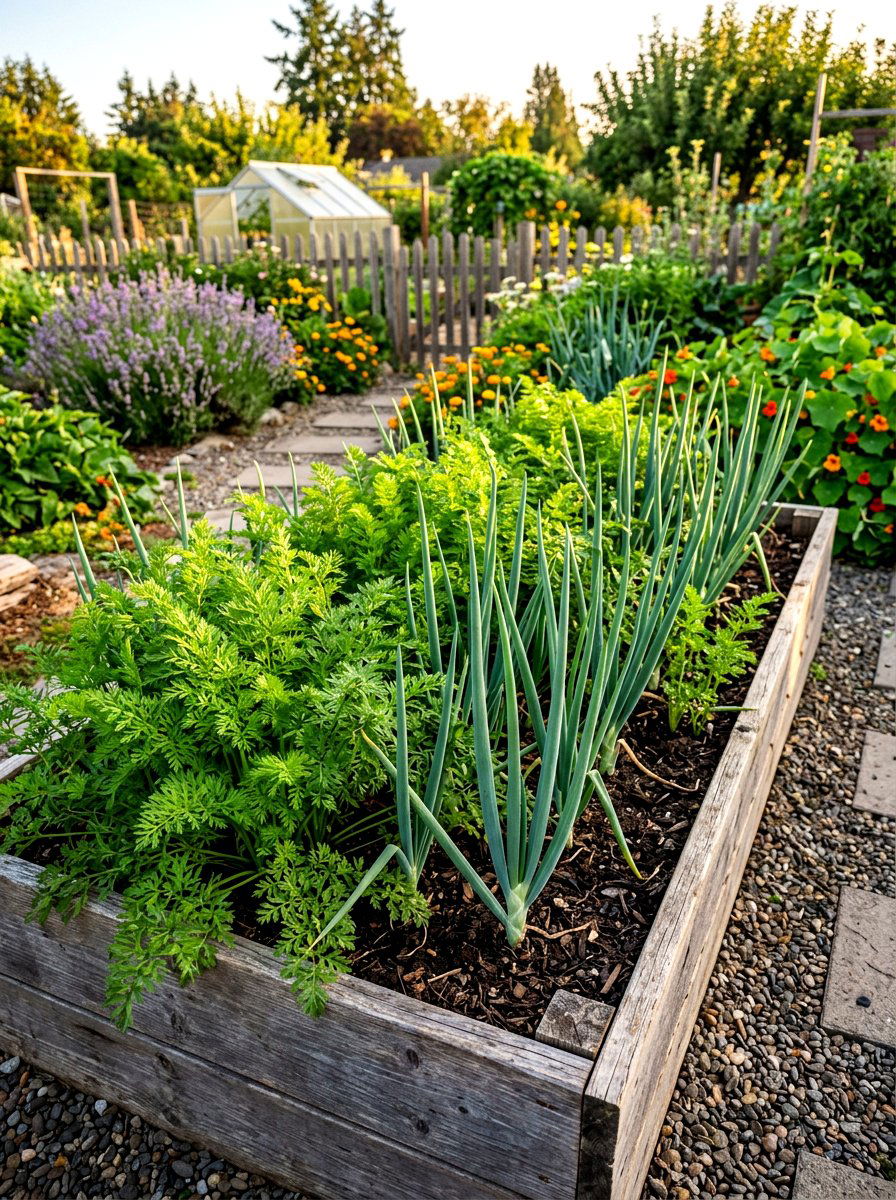
Cedar is a premier choice for many homeowners because it naturally resists rot and insects without the need for chemical treatments. These beautiful wooden structures age gracefully into a soft silver patina that blends perfectly with any natural landscape. When you build with thick cedar planks, you ensure that your garden remains sturdy and stable for many years of heavy use. The warm tones of the wood create a classic look that anchors your vegetable garden as a focal point in the yard. Because cedar is a durable material, it holds up well against moisture and temperature shifts, making it ideal for growing everything from deep-rooted carrots to leafy greens.
2. Galvanized steel garden beds
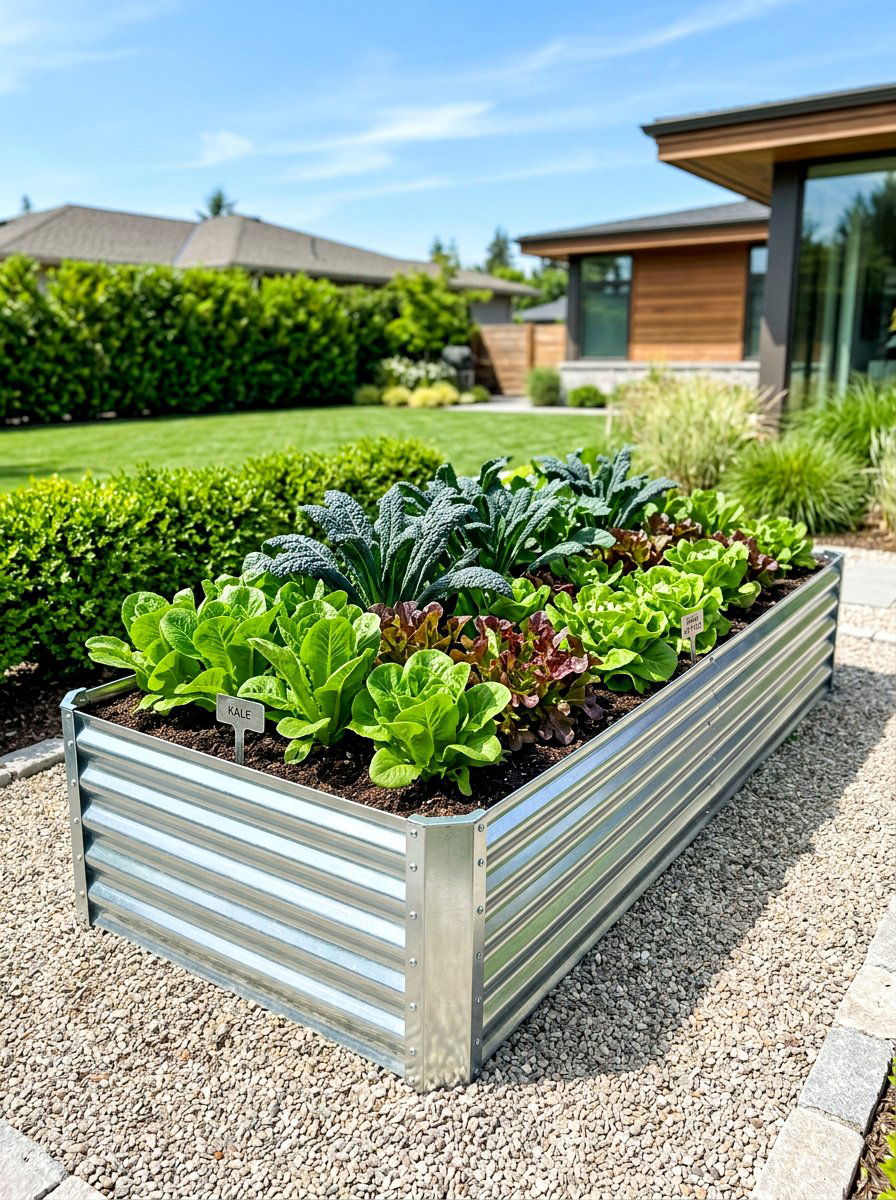
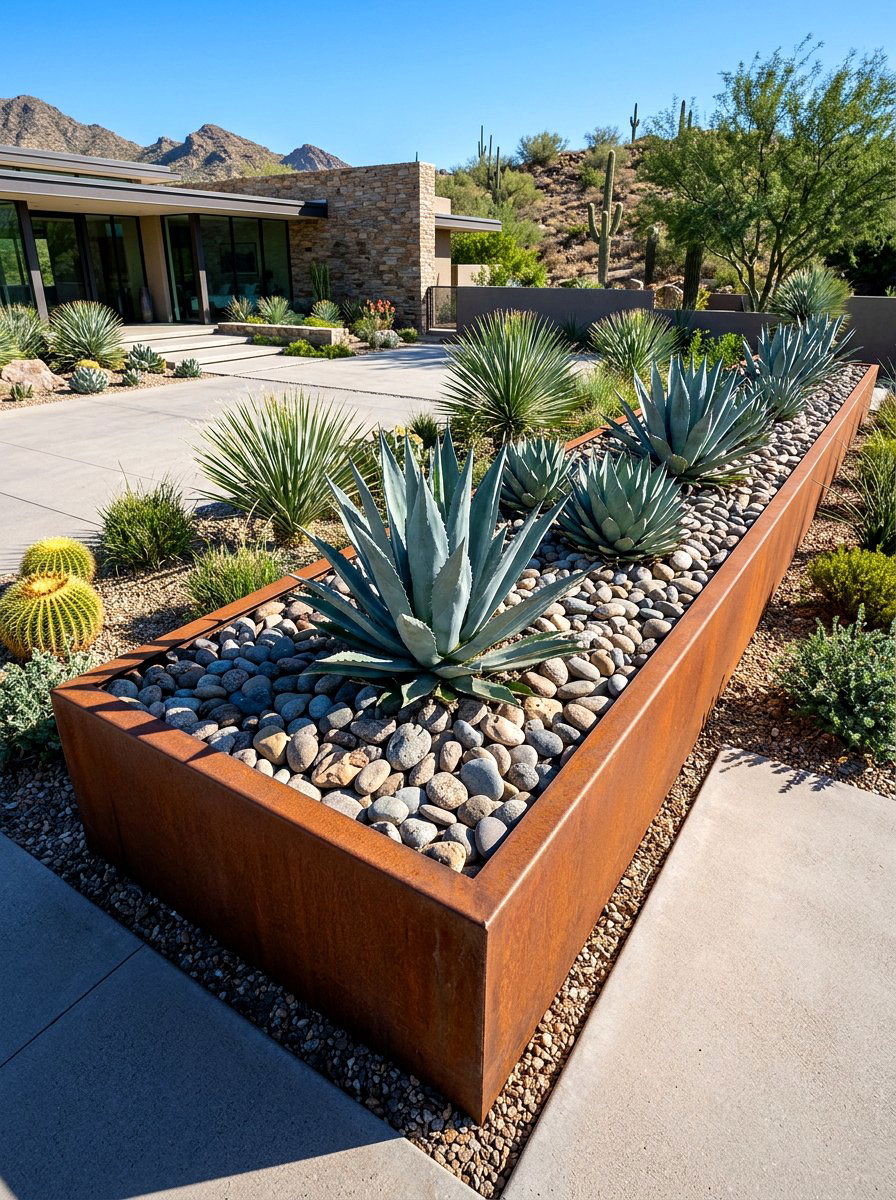
Modern gardeners often turn to galvanized steel for its incredible longevity and sleek, industrial aesthetic. These metal containers are exceptionally durable because they do not crack, rot, or warp even after years of exposure to the elements. The reflective surface of the metal can help regulate soil temperature, while the thin walls allow for more actual planting space within the footprint. Choosing a high-quality galvanized finish ensures that your beds remain rust-free and looking sharp in your backyard. Many of these units are modular, allowing you to create custom lengths and shapes that perfectly suit your specific garden layout and production goals for various vegetables.
3. Tiered vegetable garden beds
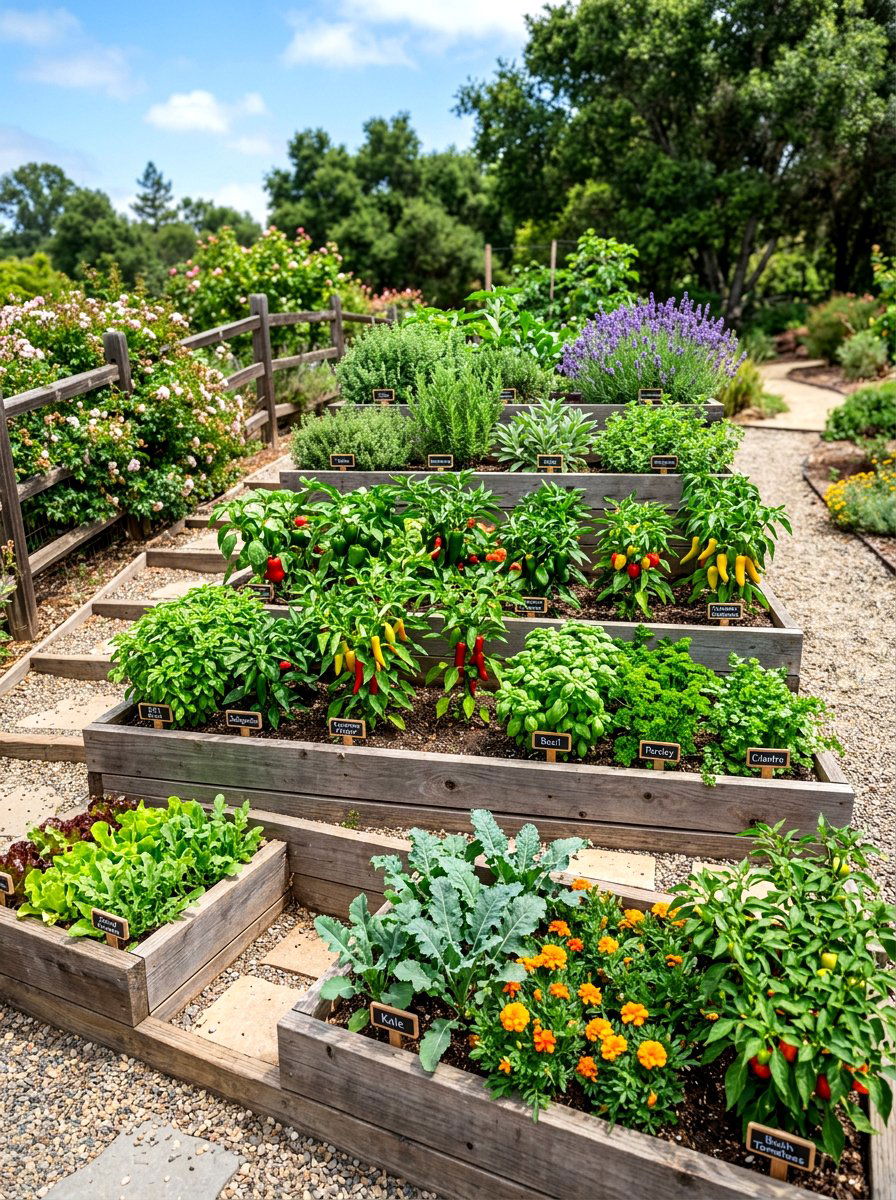
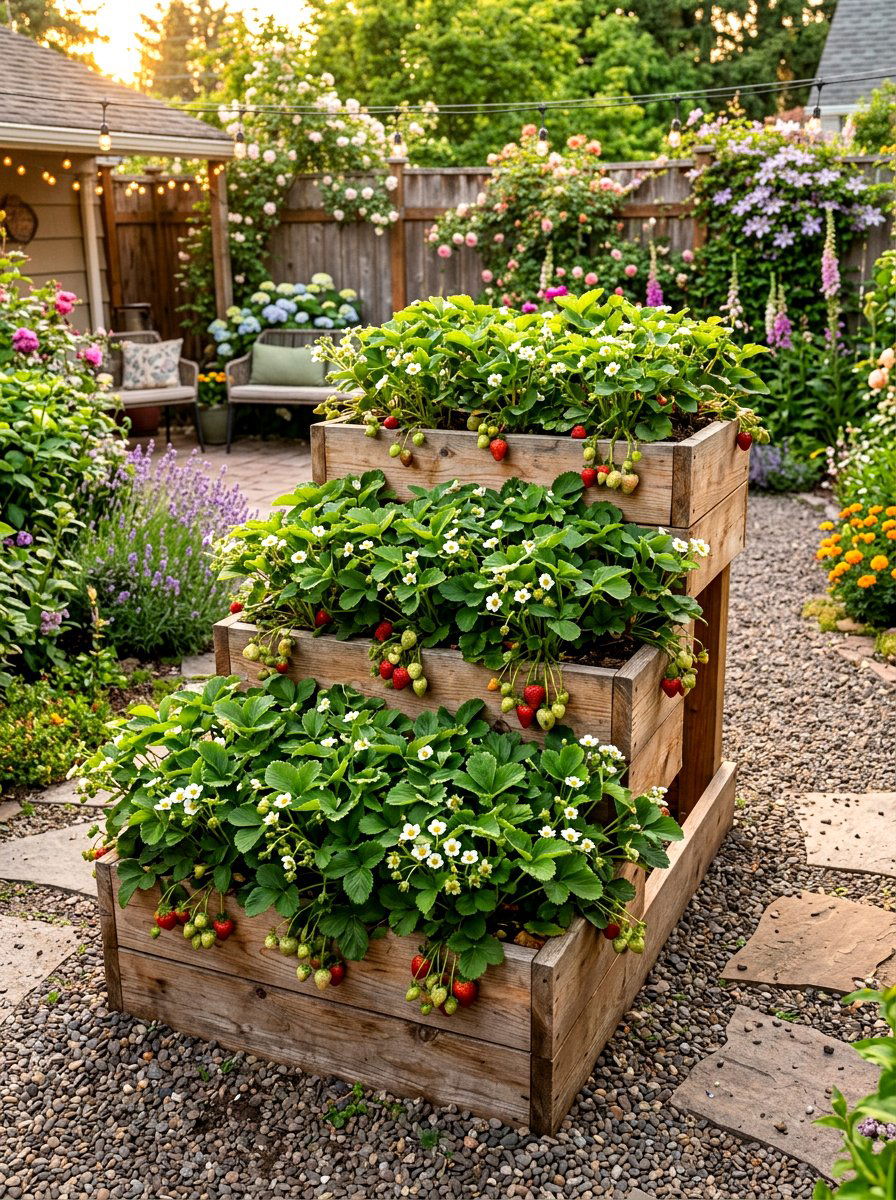
If you are looking to maximize a small space, tiered designs offer multiple levels of planting area in a compact footprint. These stair-step structures allow you to grow a variety of crops with different root depths all in one convenient location. You can plant shallow-rooted herbs on the top levels while saving the deeper bottom sections for hearty root vegetables like potatoes or parsnips. This vertical arrangement also creates a stunning visual display that adds depth and dimension to your patio or backyard. Beyond the beauty, the tiered setup makes it much easier to access every single plant without having to reach across wide, flat garden beds.
4. U-shaped garden layouts
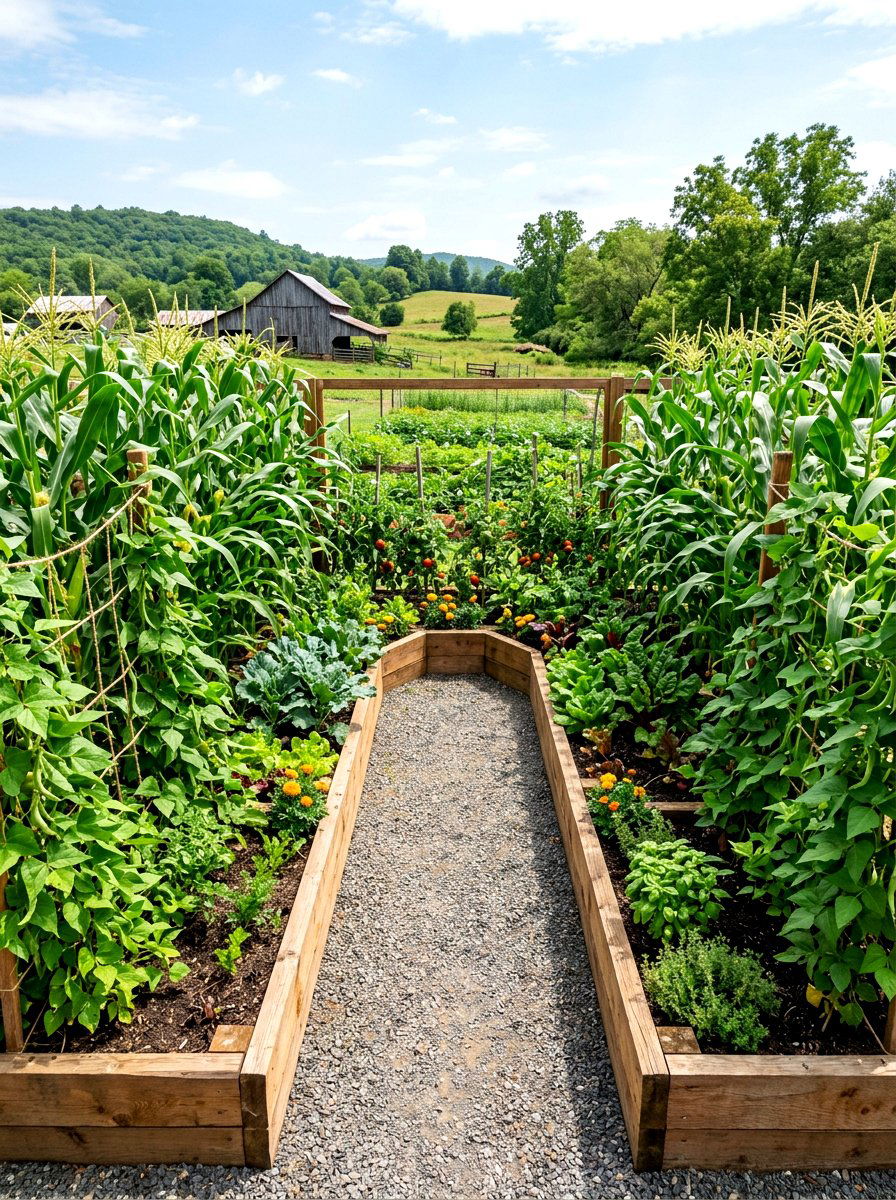
A U-shaped design is a highly efficient layout that allows you to reach every part of your garden from a central standing point. This configuration creates a walk-in experience that feels like a private outdoor room dedicated entirely to your vegetable production. By using this shape, you eliminate the need for extra pathways between multiple small beds, which saves valuable square footage in your yard. It is a fantastic choice for serious gardeners who want to grow a high volume of produce while maintaining easy access for weeding and harvesting. The surrounding walls of the U-shape can also be used to support vertical trellises for climbing vines.
5. Corrugated metal garden beds
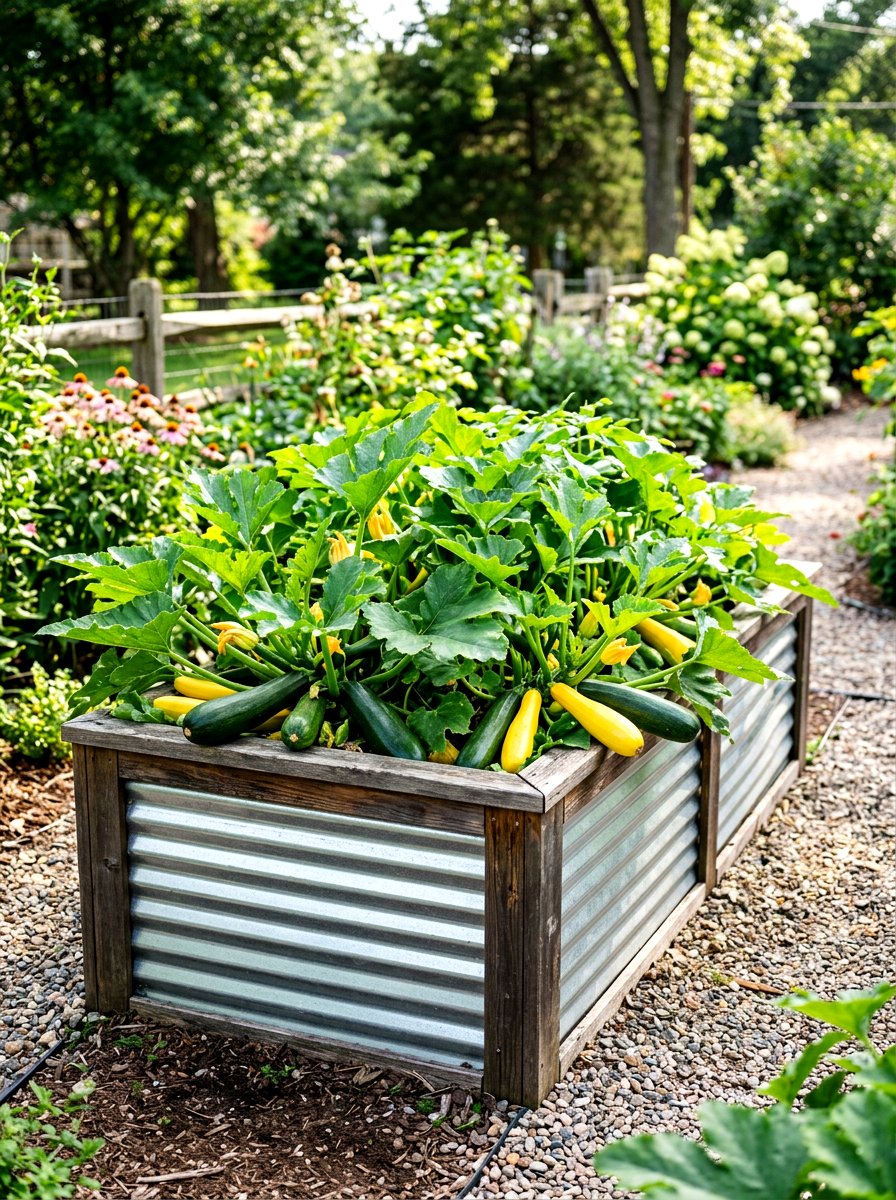
Corrugated metal provides a rustic yet modern vibe that has become a viral sensation on Pinterest for contemporary backyard designs. These beds often feature a sturdy wooden frame that holds the textured metal panels securely in place. The combination of materials creates a beautiful contrast between the organic grain of the wood and the cool, industrial feel of the steel. Because corrugated metal is lightweight and easy to work with, it is a favorite for DIY enthusiasts looking to build affordable but stylish raised gardens. These beds are excellent for holding large volumes of soil and staying rigid under the pressure of growing plants and water.
6. Keyhole garden beds
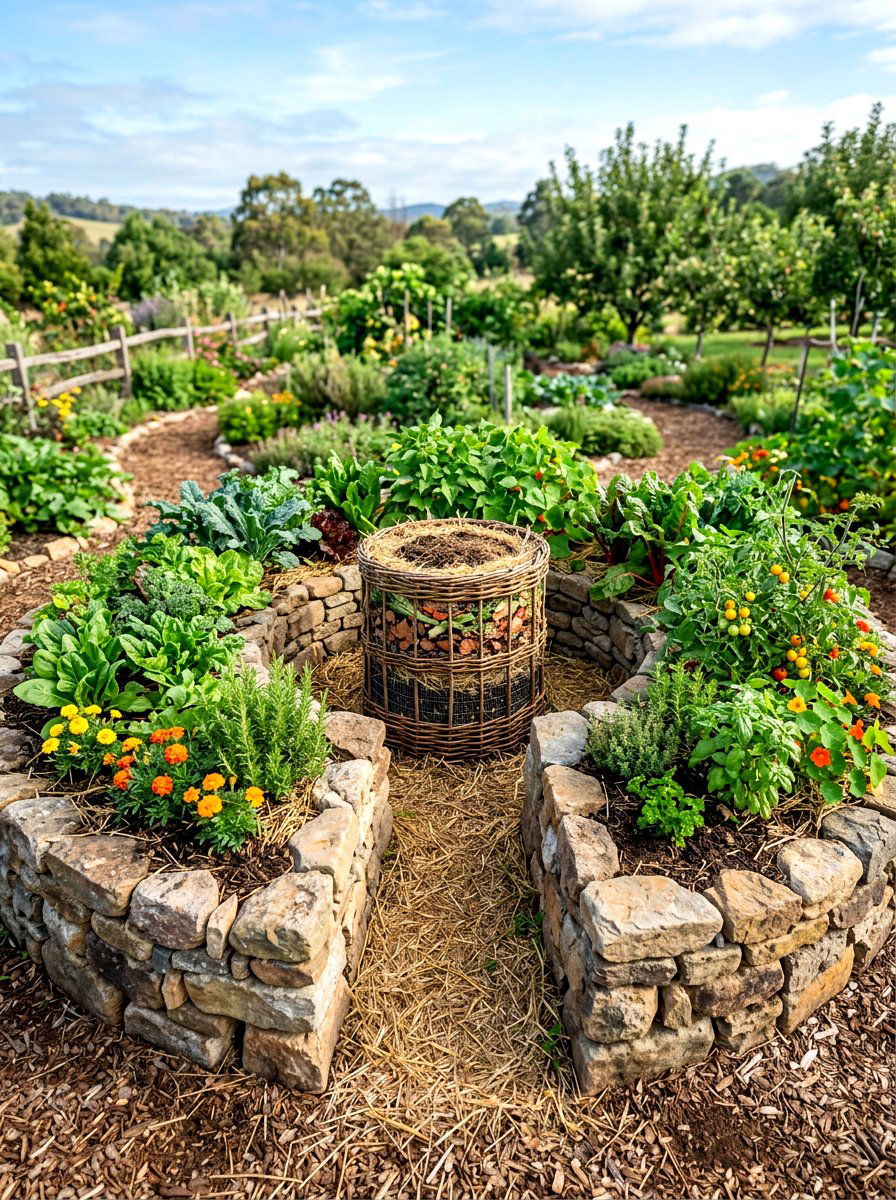
The keyhole design is a genius sustainable gardening technique that incorporates a central composting basket directly into the raised bed. A small notch or "keyhole" path allows you to walk into the center to add kitchen scraps and water the compost pile easily. As the organic matter breaks down, nutrients are naturally distributed throughout the surrounding soil to feed your vegetables. This circular shape is not only highly functional for moisture retention but also serves as a beautiful centerpiece for a permaculture-focused backyard. It is an ideal solution for gardeners who want to minimize waste and maximize the health of their soil using natural processes.
7. Brick vegetable garden beds
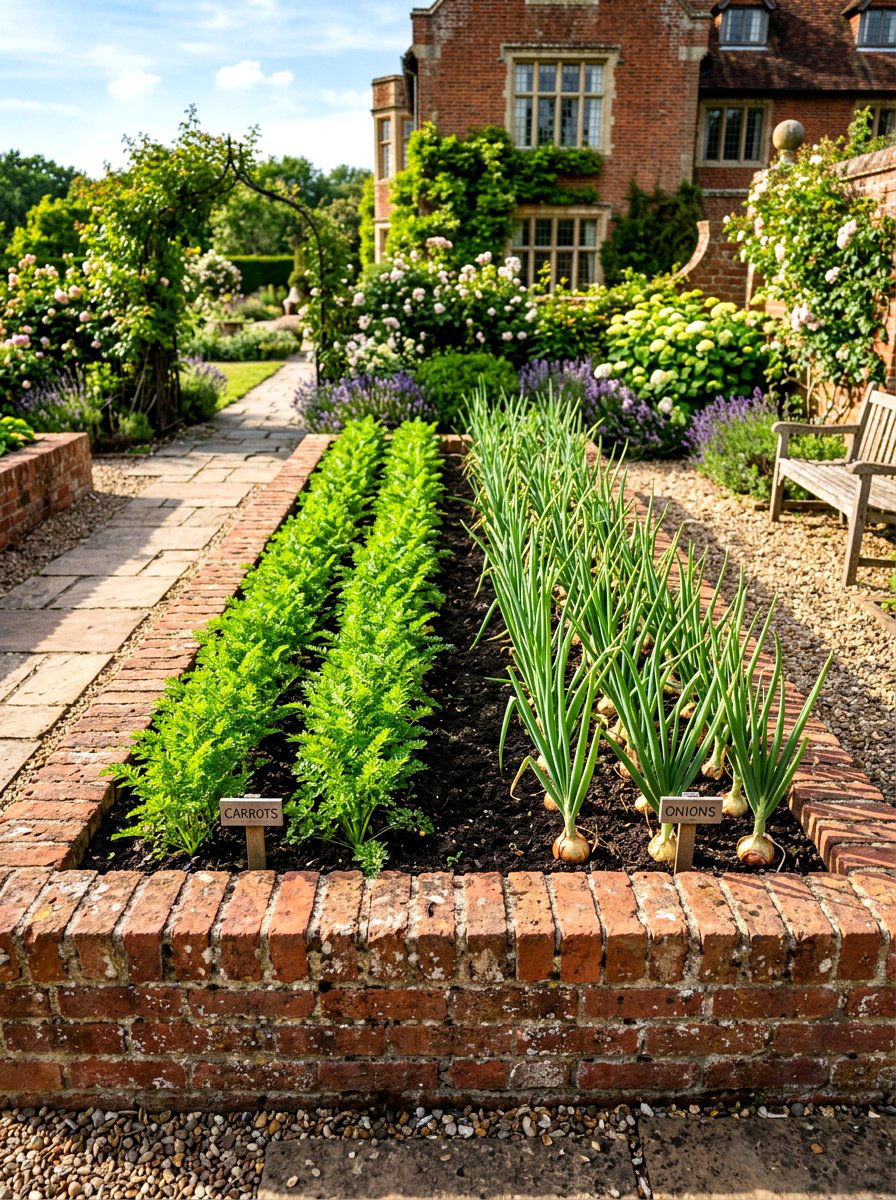
Building your raised beds with brick offers a timeless and permanent solution that coordinates beautifully with traditional home architecture. Brick is an excellent insulator, helping to keep the soil temperature stable during cold spring nights or scorching summer afternoons. These structures are incredibly sturdy and will never rot, providing a garden foundation that can last for several decades. You can use reclaimed bricks for a weathered, historical look or new bricks for a clean and formal aesthetic. The wide top edge of a brick wall can even serve as a convenient place to sit while you tend to your peppers, tomatoes, and leafy herbs.
8. Concrete block garden beds
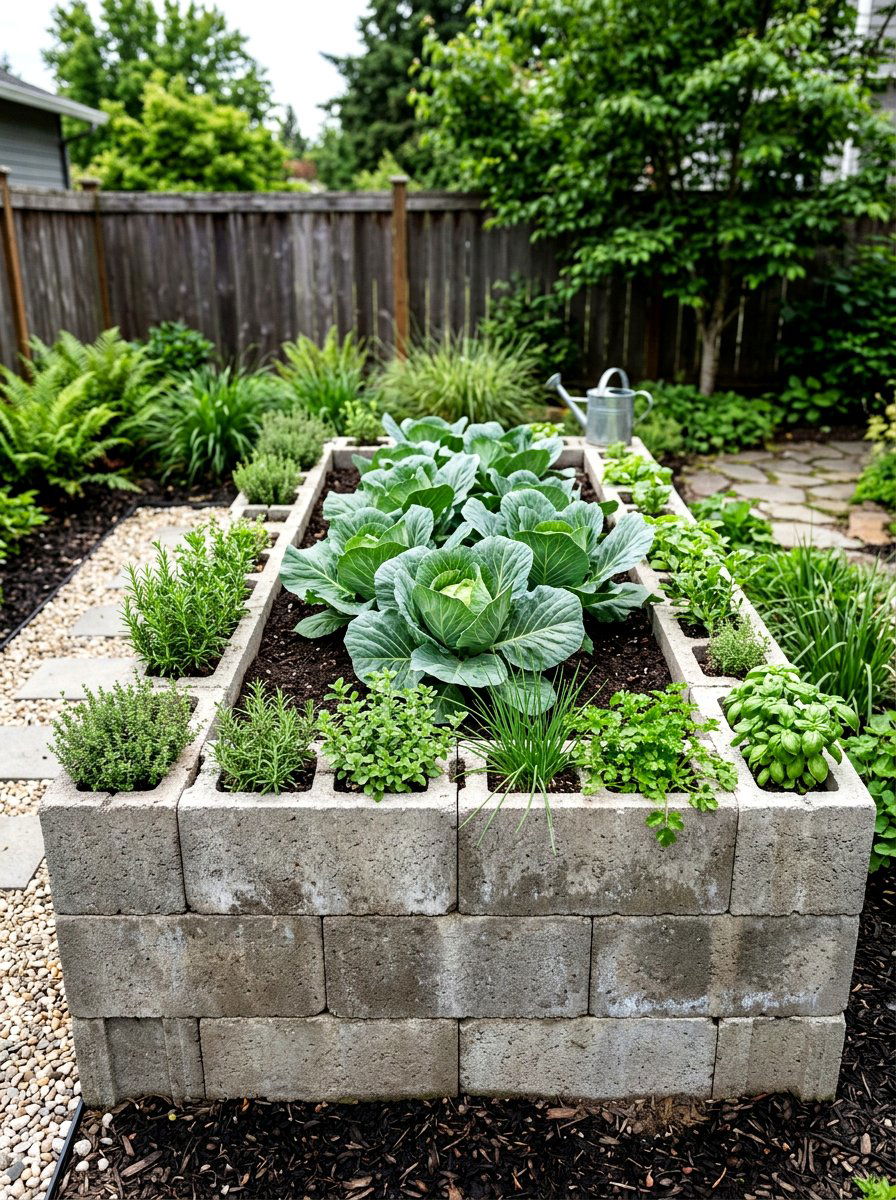
Concrete blocks are one of the most affordable and accessible materials for creating a durable raised garden in a single afternoon. The hollow cores of the blocks can be filled with soil to grow small herbs or flowers, essentially doubling your planting surface area. These blocks stay in place through their own weight, meaning you often do not need mortar to build a low-profile garden bed. The industrial gray color provides a neutral backdrop that makes the vibrant greens and reds of your vegetables really pop. Because they are modular, you can easily expand or reconfigure your garden layout as your growing needs change over the years.
9. Stone raised garden beds
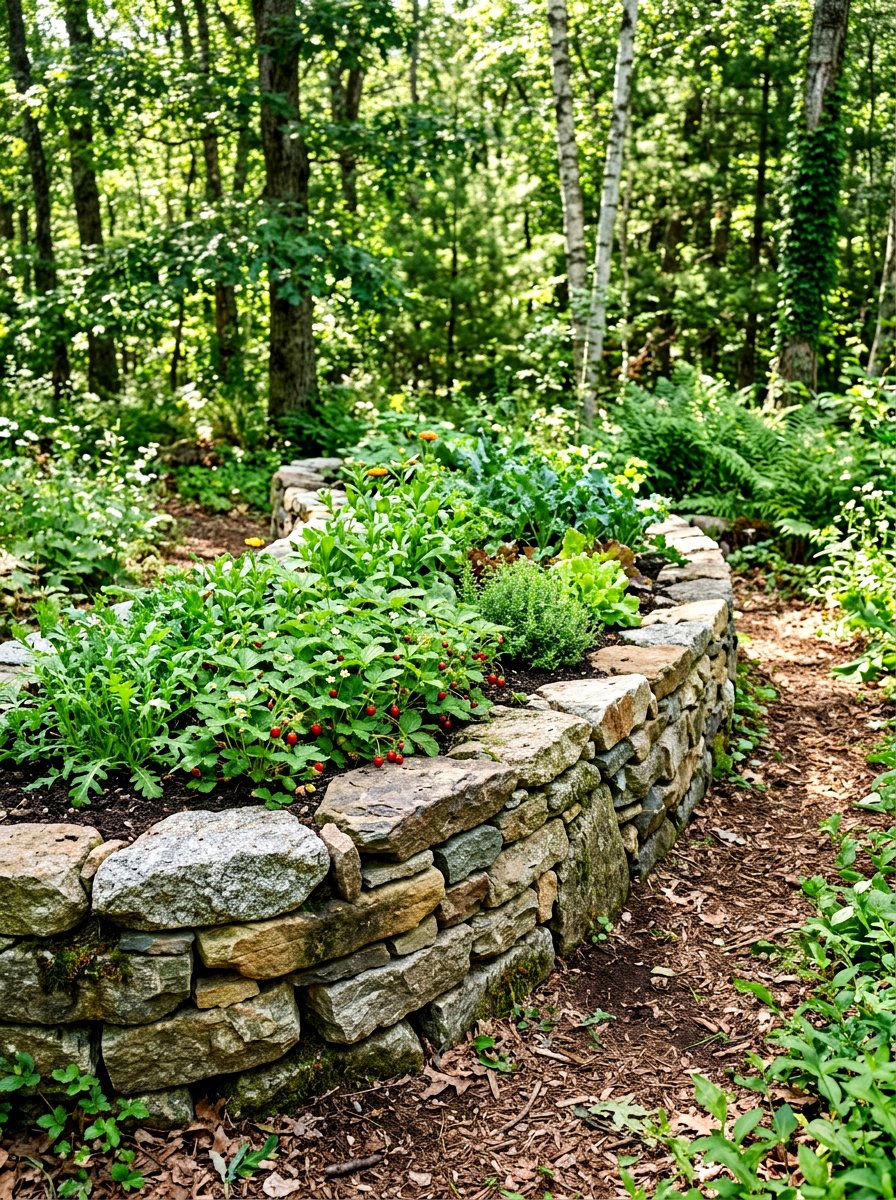
Natural stone beds bring an organic, high-end feel to any landscape, making your vegetable garden look like a permanent part of the terrain. Using fieldstone or stacked flagstone creates a rustic look that works perfectly in cottage-style gardens or woodland settings. These beds are exceptionally heavy and durable, resisting any movement from soil pressure or weather changes. While they require more labor to install, the finished result is a breathtaking architectural feature that increases the value of your property. Stone also absorbs heat from the sun during the day and releases it slowly at night, which can help extend your growing season in cooler climates.
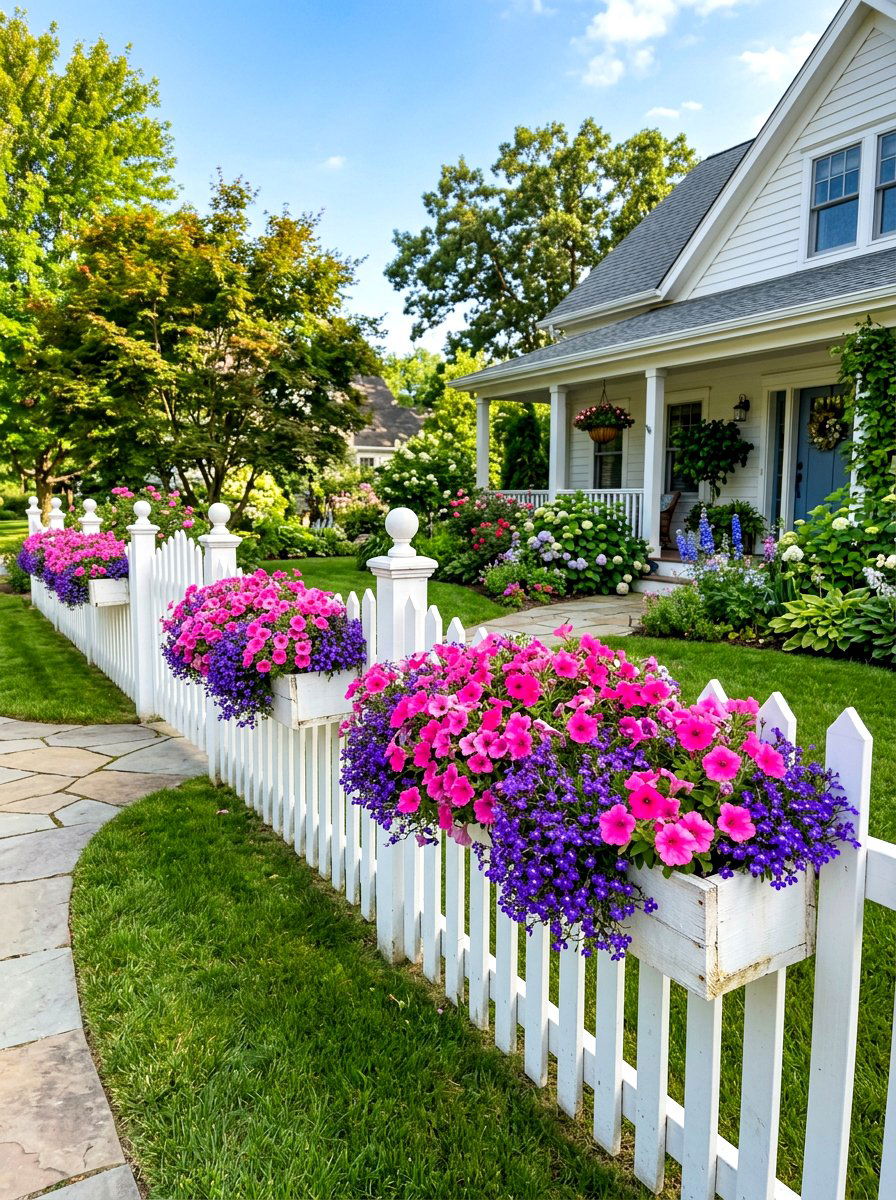
10. Vertical raised garden beds
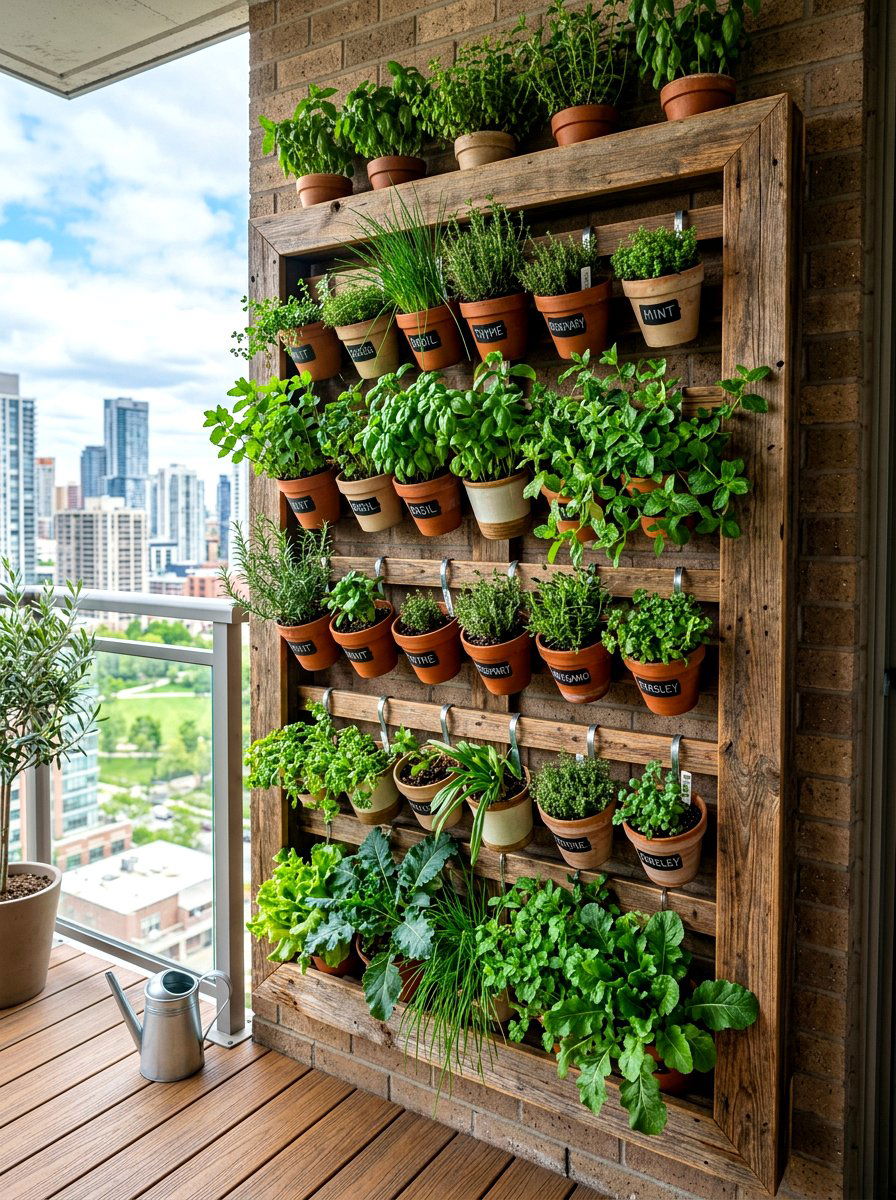
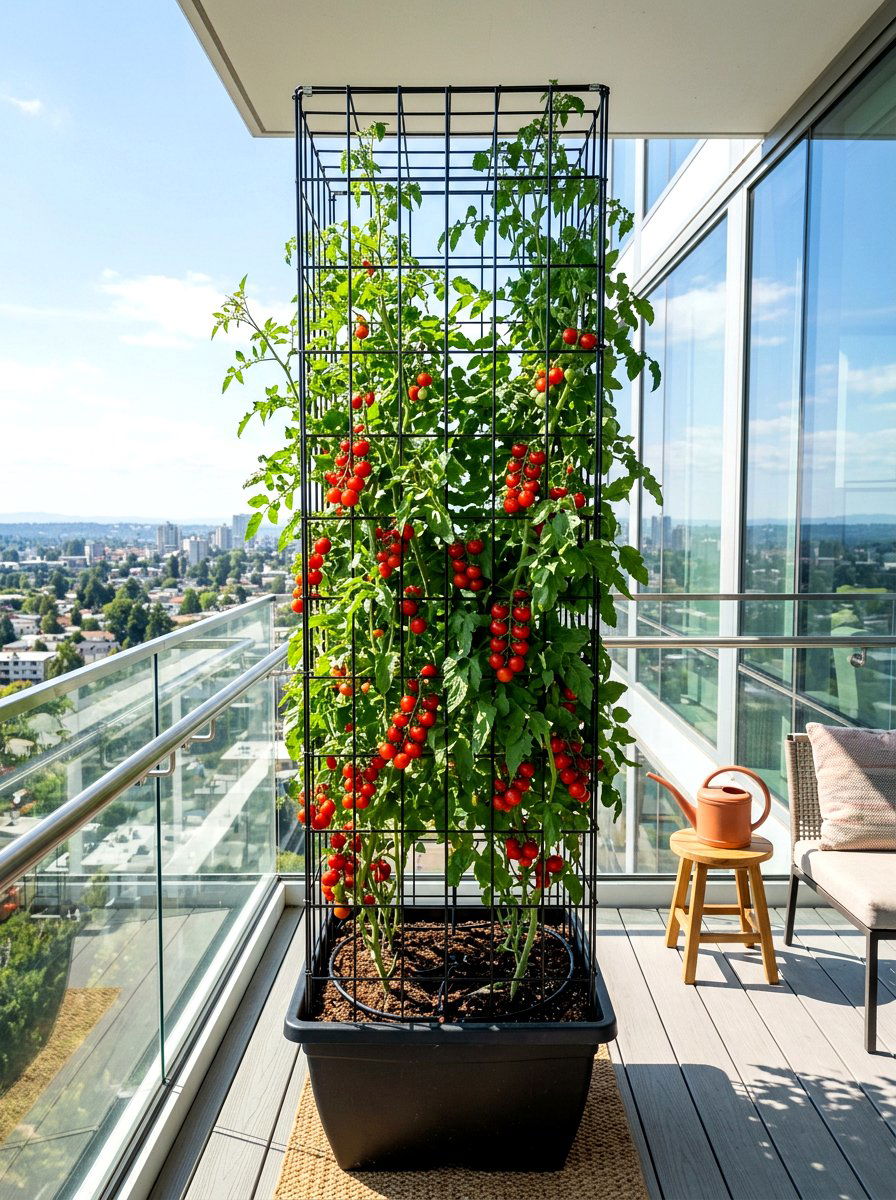
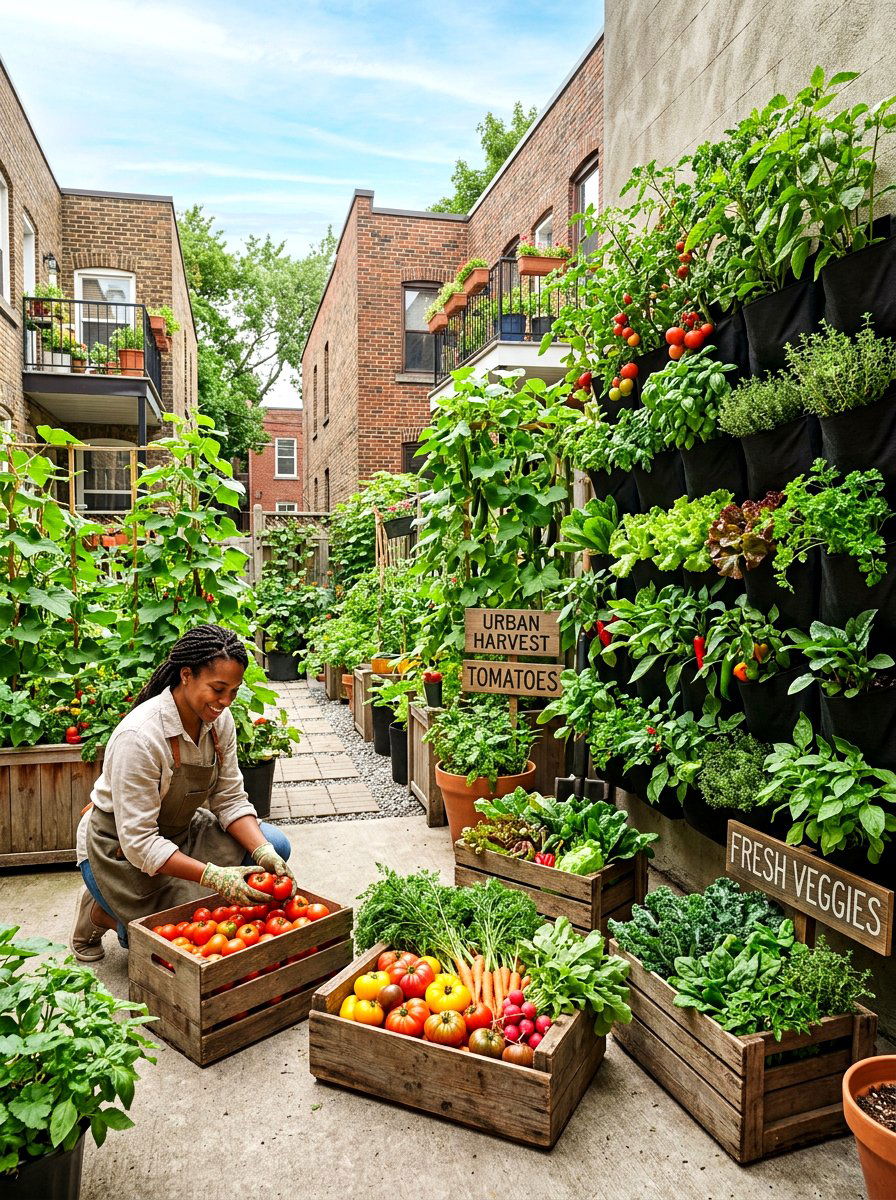
Vertical designs are the ultimate solution for urban gardeners or anyone with very limited ground space in their backyard. These structures typically feature multiple planter boxes stacked on top of each other or attached to a freestanding frame. By growing upwards, you can produce a surprising amount of food on a balcony, small patio, or narrow side yard. This method is particularly effective for growing salad greens, strawberries, and herbs that do not require deep soil. Vertical beds also keep your produce away from ground-dwelling pests and make harvesting as simple as standing up and reaching for your favorite fresh ingredients for dinner.
11. Mobile garden beds with wheels
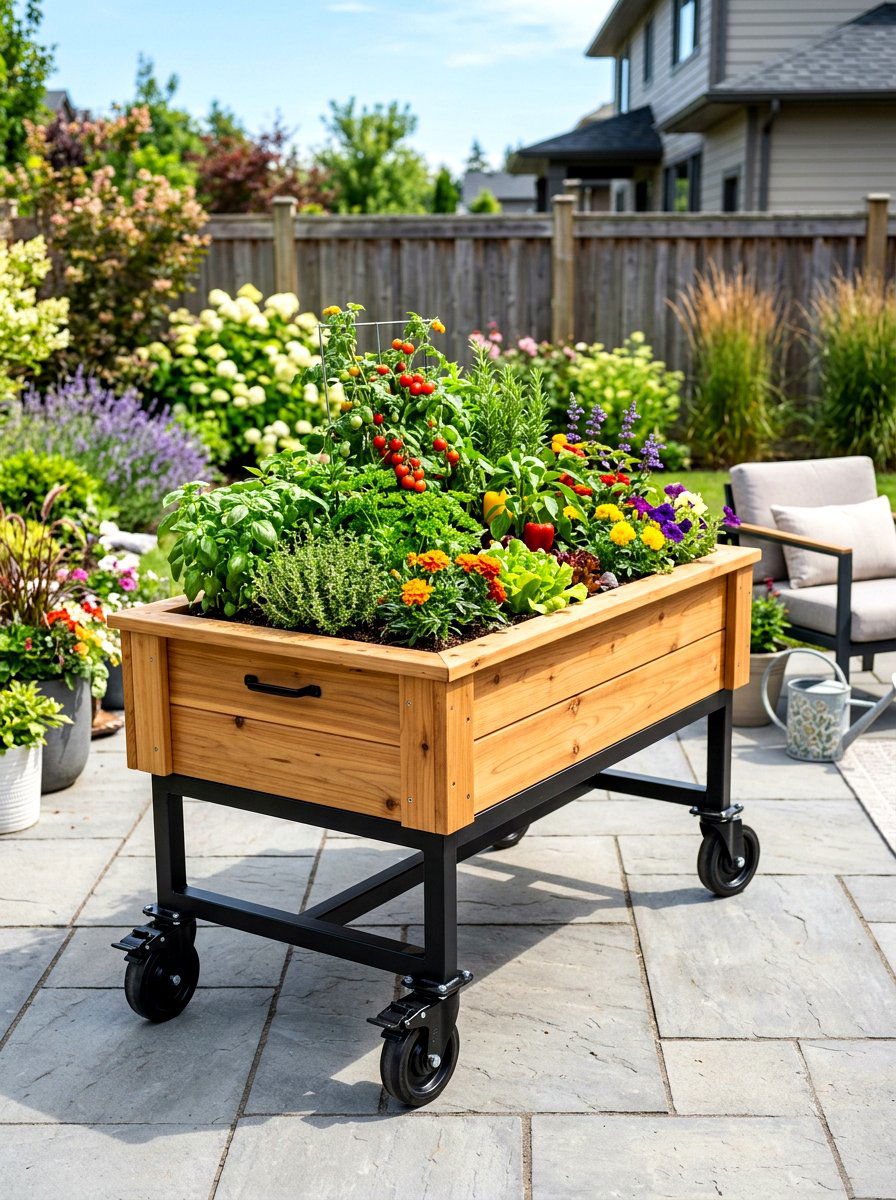
Adding wheels to your raised beds provides a level of flexibility that is perfect for changing seasons or multi-purpose outdoor spaces. You can easily roll your vegetables into the sunlight during the morning and move them into the shade during the peak heat of the day. This is also a great feature for renters who want to take their garden with them when they move to a new home. Locking casters ensure the bed stays securely in place once you have found the perfect spot on your deck or patio. Mobile beds are typically built at a comfortable waist height, reducing the need for any strenuous bending or kneeling.
12. Self-watering garden beds
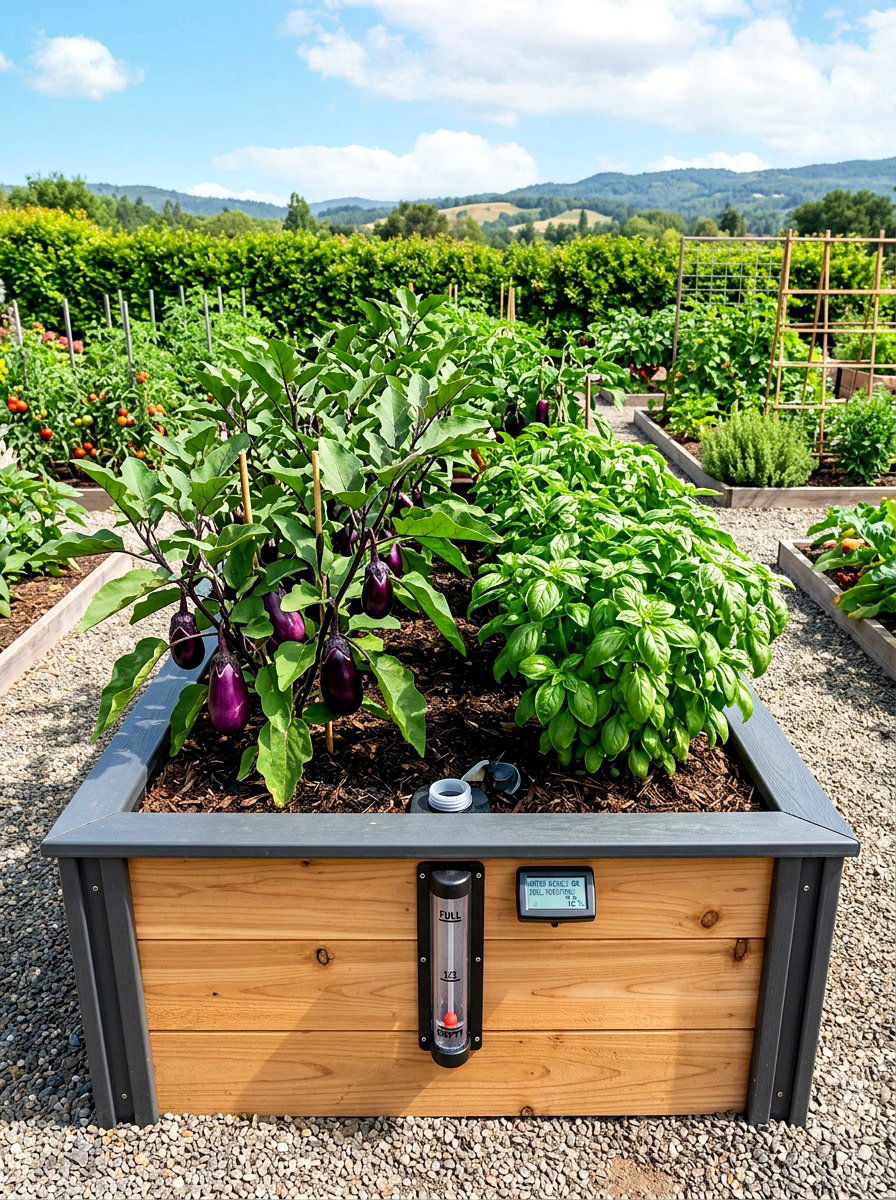
Self-watering systems take the guesswork out of hydration by using a built-in reservoir at the bottom of the raised bed. A wicking system draws moisture up into the soil as the plants need it, ensuring consistent hydration even during the hottest summer weeks. This design is a lifesaver for busy gardeners who may forget to water daily or for those living in drought-prone areas. By watering from the bottom, you also keep the foliage dry, which significantly reduces the risk of fungal diseases on your tomato and squash plants. These beds are often enclosed units that help conserve water by preventing evaporation from the soil surface.
13. Stock tank vegetable gardens
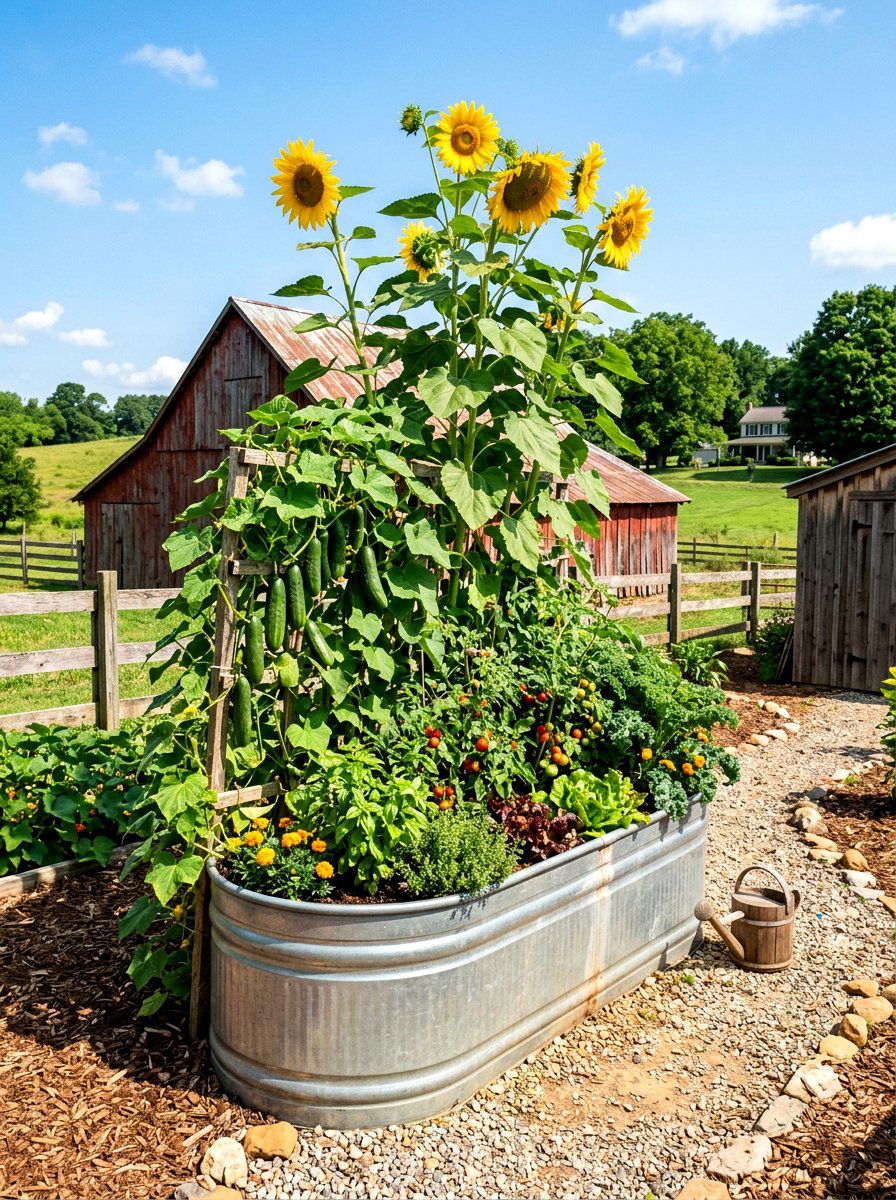
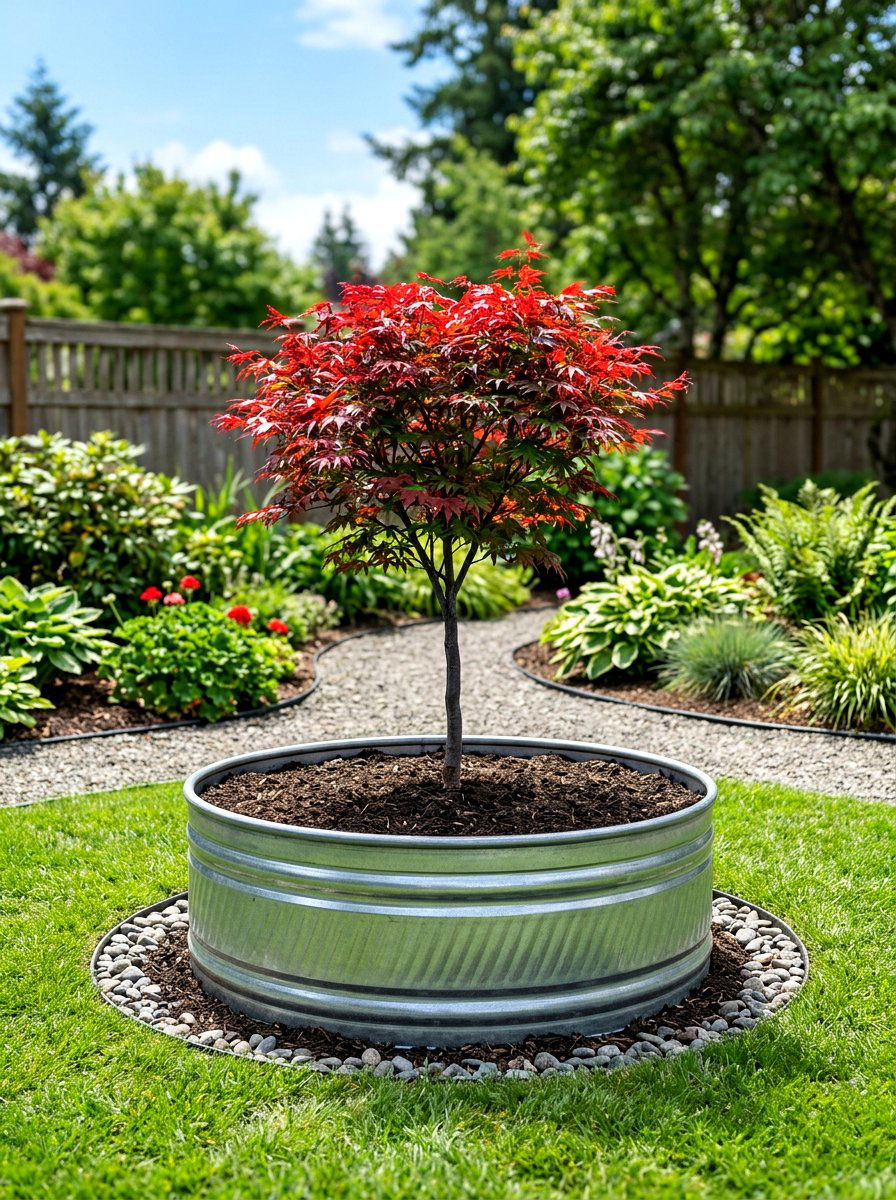
Repurposing galvanized stock tanks as garden beds is a popular trend that combines durability with a unique farmhouse aesthetic. These large metal tubs are designed to hold water for livestock, so they are incredibly tough and resistant to leaks and rust. They come in various sizes and shapes, from small rounds to long ovals, making them adaptable to almost any backyard configuration. Because they are deep, they are excellent for growing root vegetables like carrots and beets that need plenty of vertical space. You simply drill drainage holes in the bottom, fill them with high-quality soil, and you have an instant, stylish garden ready for planting.
14. Enclosed garden beds with covers
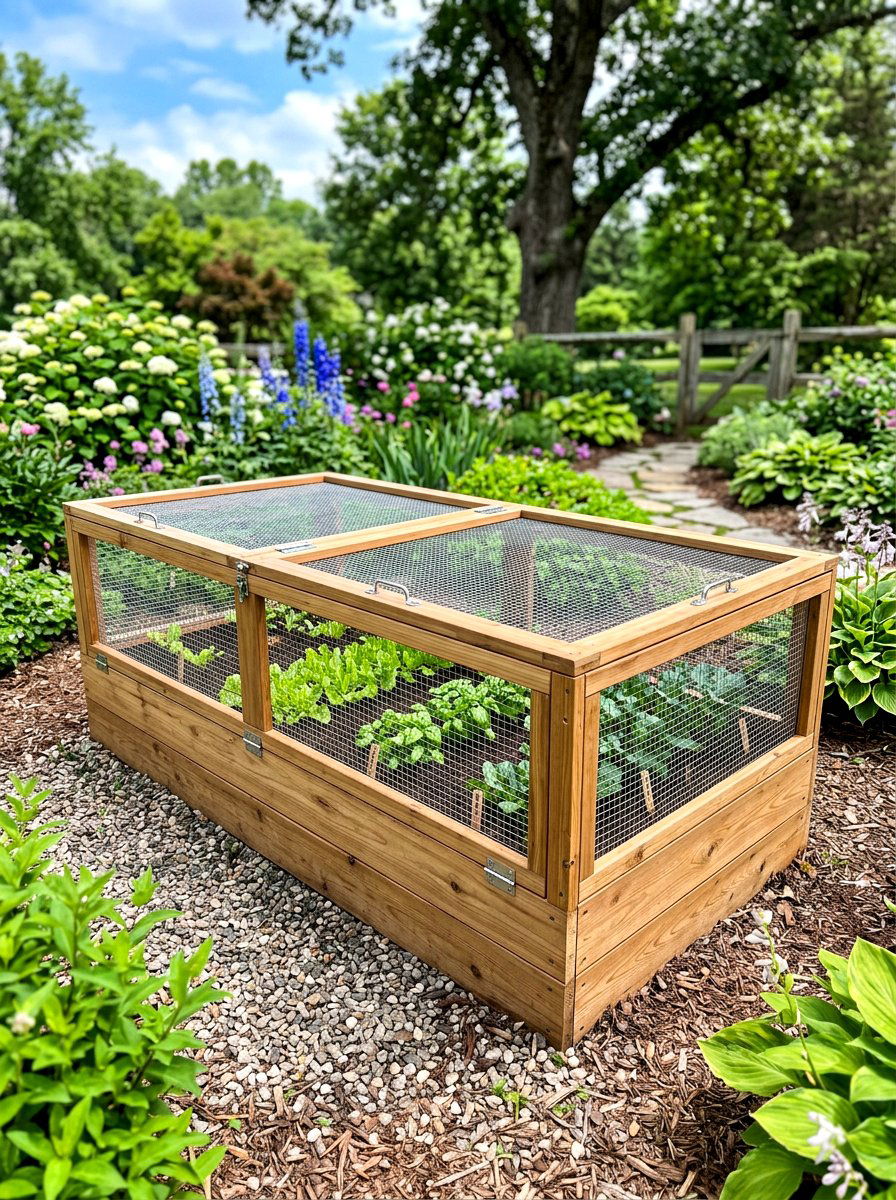
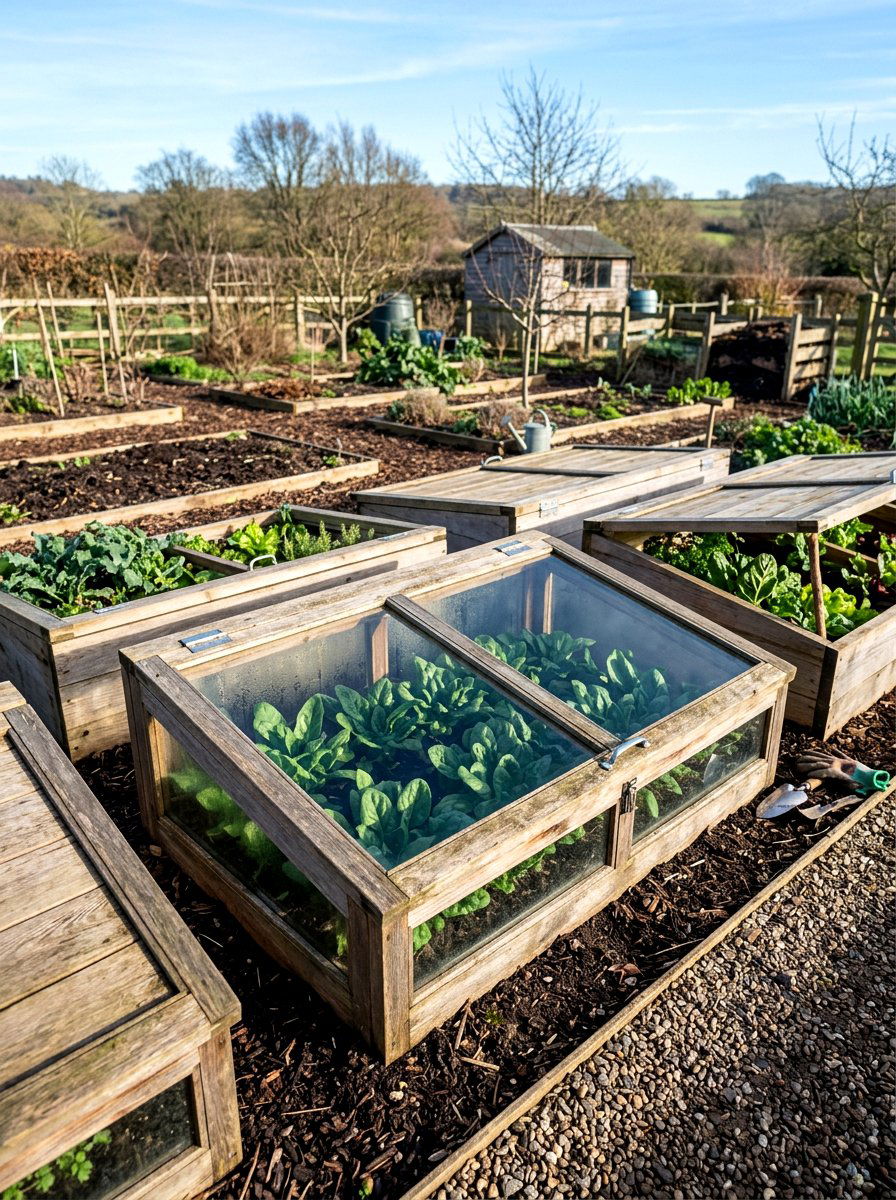
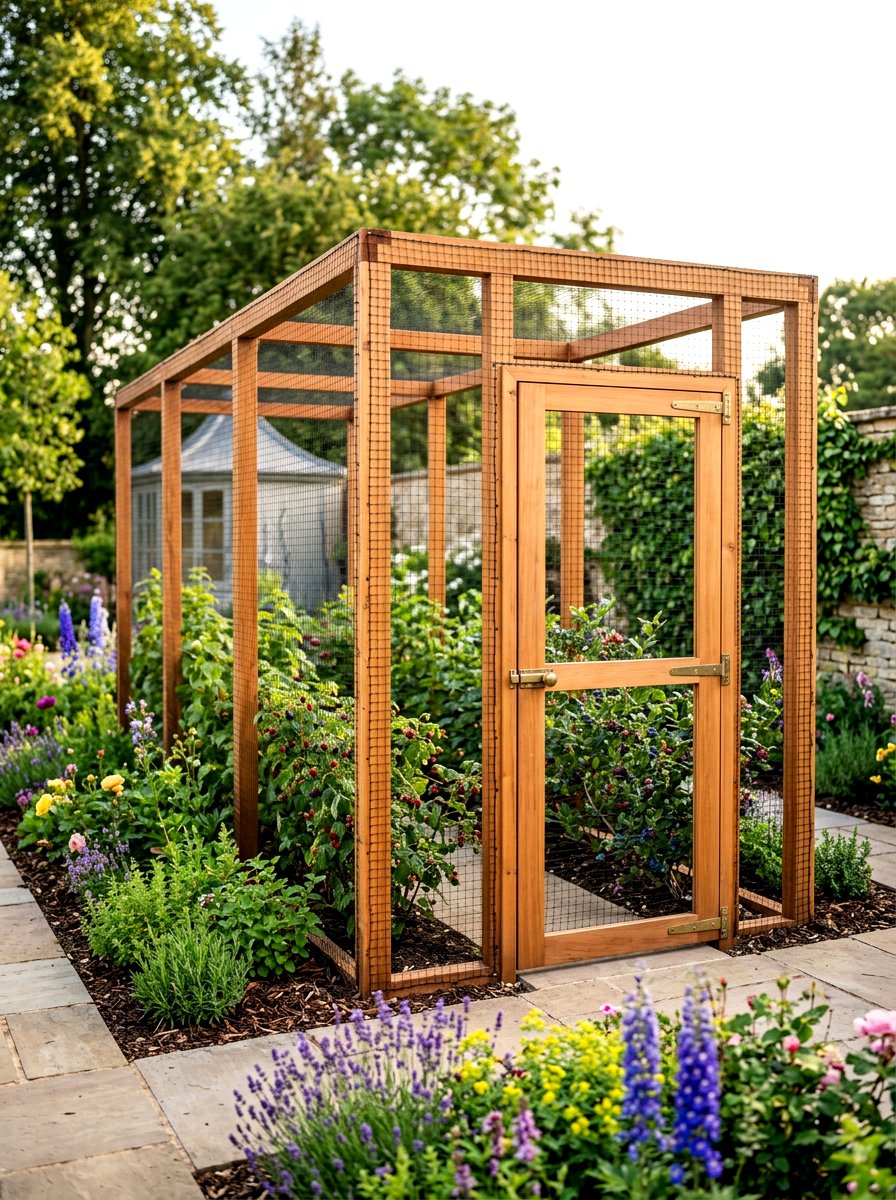
If you struggle with local wildlife eating your harvest, an enclosed raised bed with a built-in protective cover is the best solution. These designs often feature a wooden frame with a mesh or wire top that keeps deer, rabbits, and birds away from your precious vegetables. Some versions include clear plastic covers that act like a mini-greenhouse, allowing you to start your seeds earlier in the spring. The hinged lids or sliding panels provide easy access for the gardener while maintaining a secure barrier against pests. This setup ensures that you actually get to enjoy the fruits of your labor without sharing with the neighborhood critters.
15. Pallet garden beds for vegetables
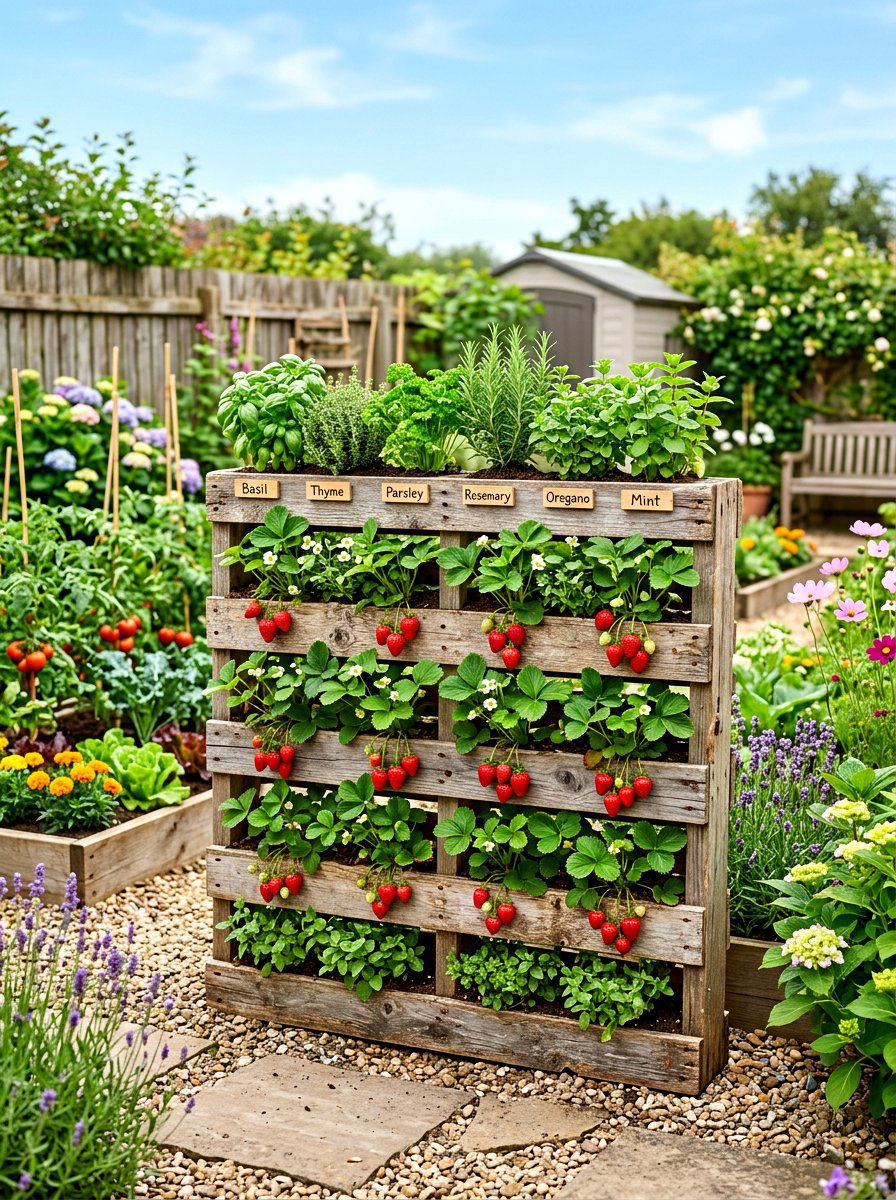
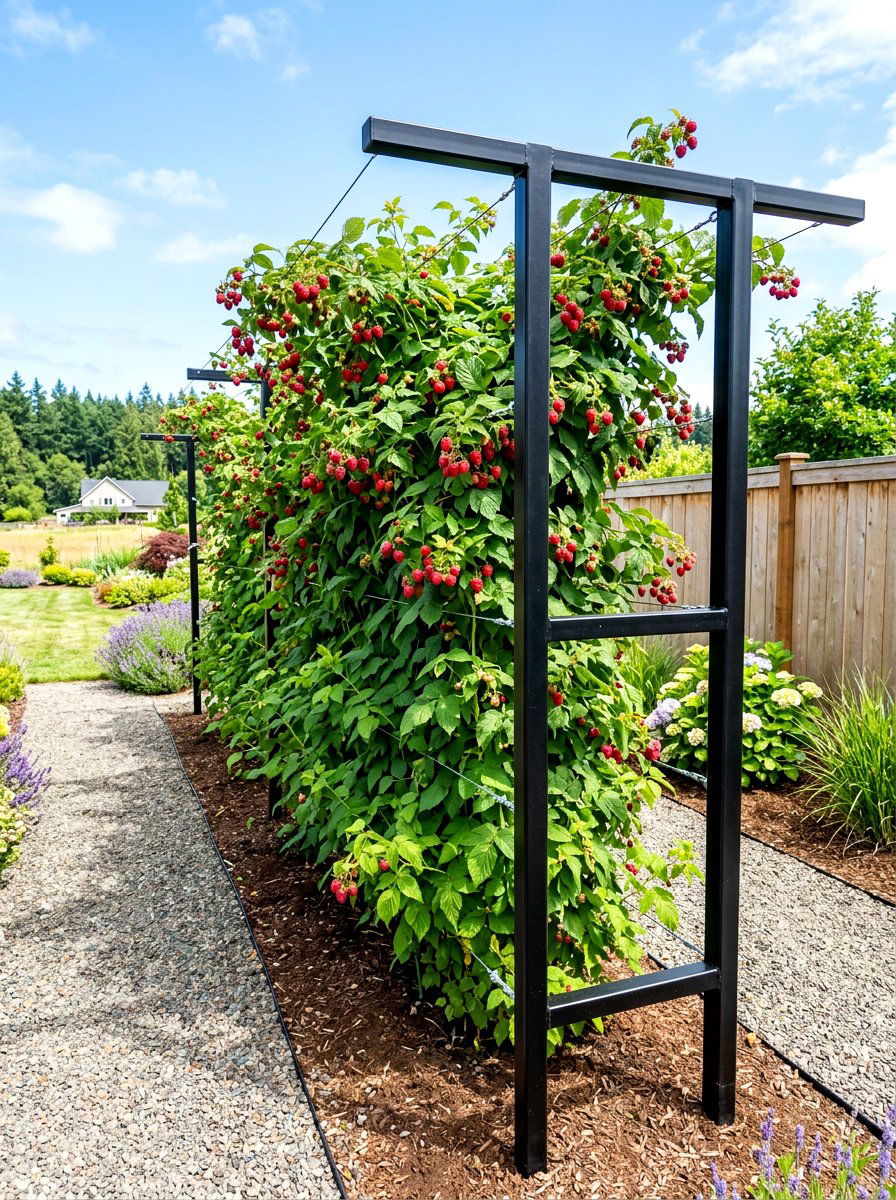
Using reclaimed wooden pallets is a fantastic way to create a budget-friendly and eco-friendly raised garden for your backyard. These versatile structures can be dismantled and rebuilt into traditional boxes or used upright for a space-saving vertical herb garden. When selecting pallets, always ensure they are heat-treated rather than chemically treated to keep your soil safe for edible crops. The rustic, weathered look of pallet wood adds a charming DIY character to your outdoor space that feels personal and creative. It is a wonderful project for anyone looking to upcycle materials while growing a healthy and productive vegetable patch on a very small budget.
16. Woven willow garden beds
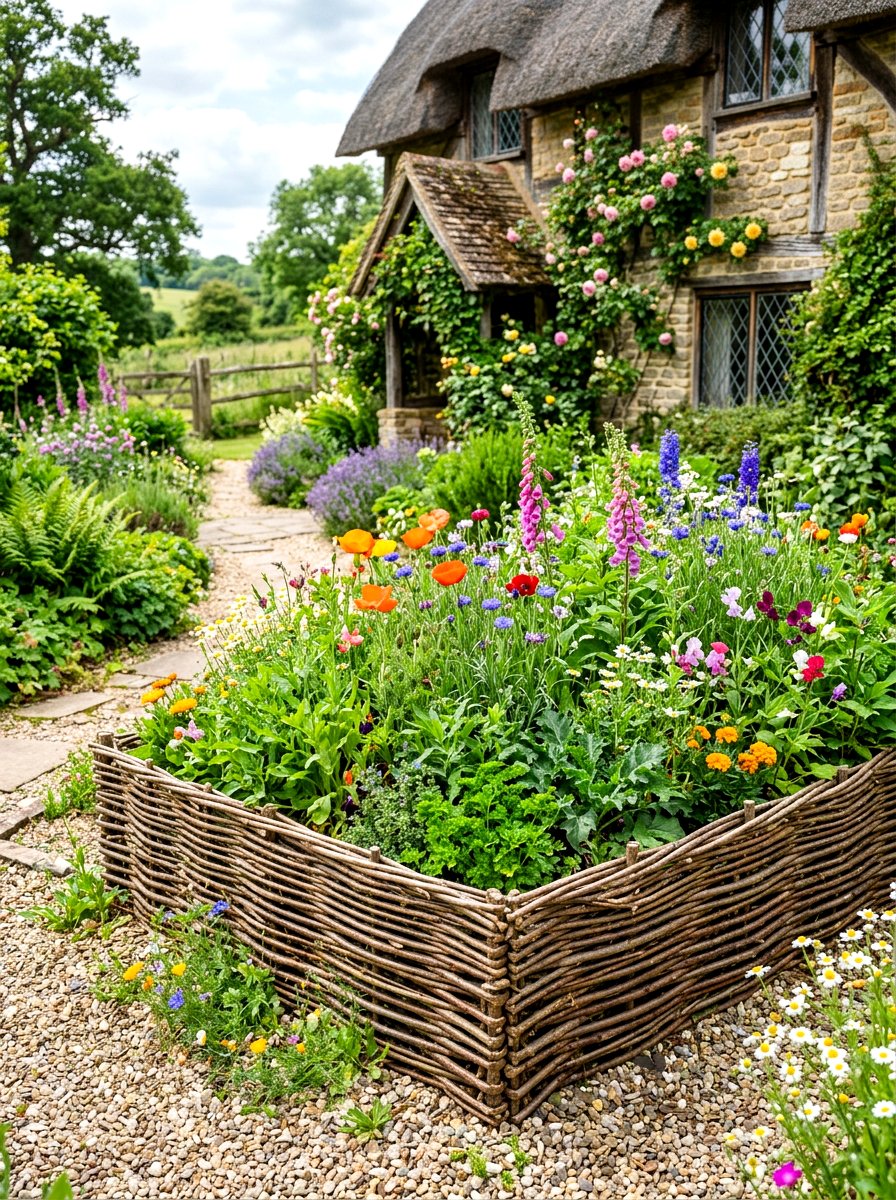
Woven willow or wattle beds offer a beautiful, fairytale aesthetic that looks right at home in a natural or cottage-style garden. This ancient technique involves weaving flexible willow or hazel branches around sturdy upright stakes to create the walls of the raised bed. The result is a textural and organic structure that allows for excellent airflow and drainage through the sides. While these beds may not last as long as stone or cedar, they are incredibly charming and can be easily repaired with new branches over time. They provide a soft, handmade look that contrasts beautifully with the structured rows of a traditional vegetable garden.
17. Log garden beds
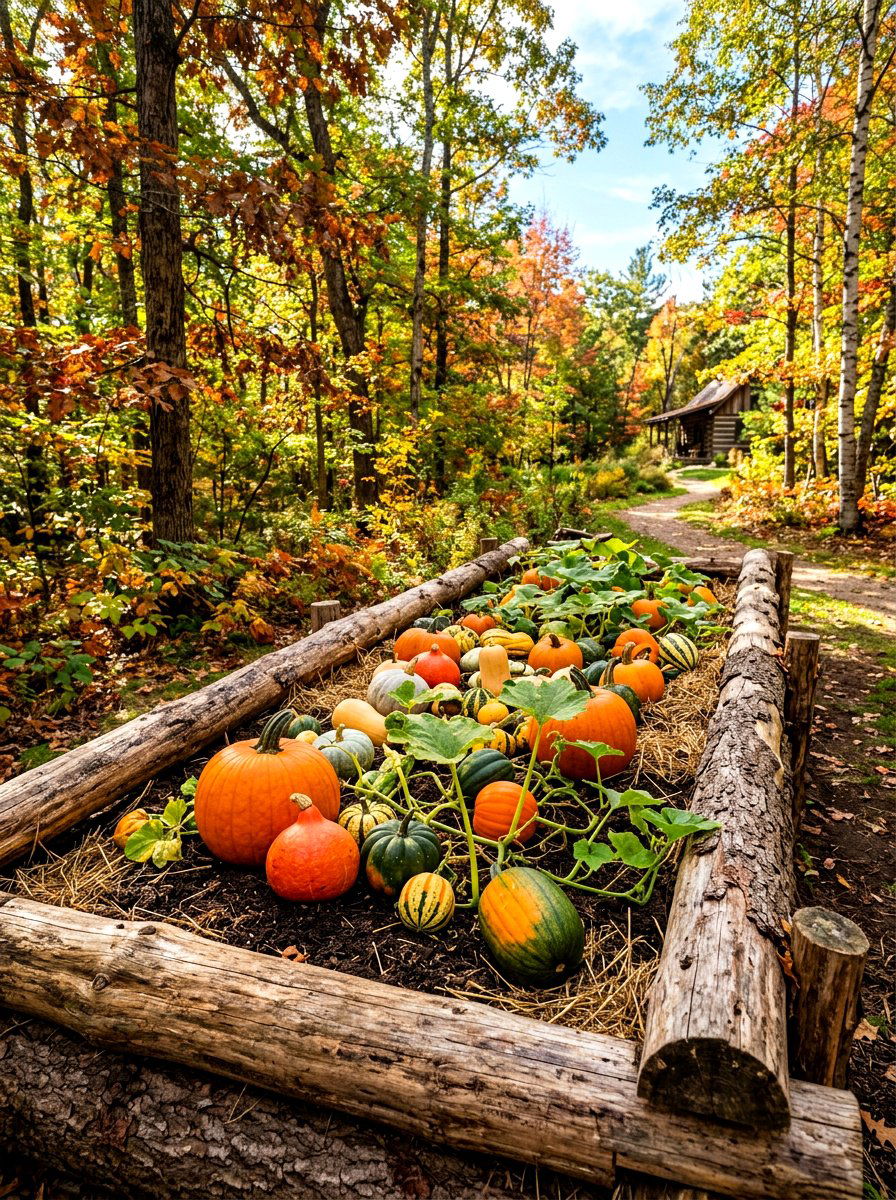
Using fallen logs or thick branches to define your garden beds is a wonderful way to embrace a rustic, woodland theme. This method is often part of a "hugelkultur" approach, where the logs slowly break down over several years, providing long-term nutrients and moisture for your plants. Log beds are practically free if you have access to downed timber on your property, making them an excellent choice for large-scale gardening. As the wood decays, it creates a rich ecosystem for beneficial fungi and insects that help your vegetables thrive. The natural, chunky appearance of the logs creates a rugged and beautiful border for any country backyard.
18. Gabion raised beds
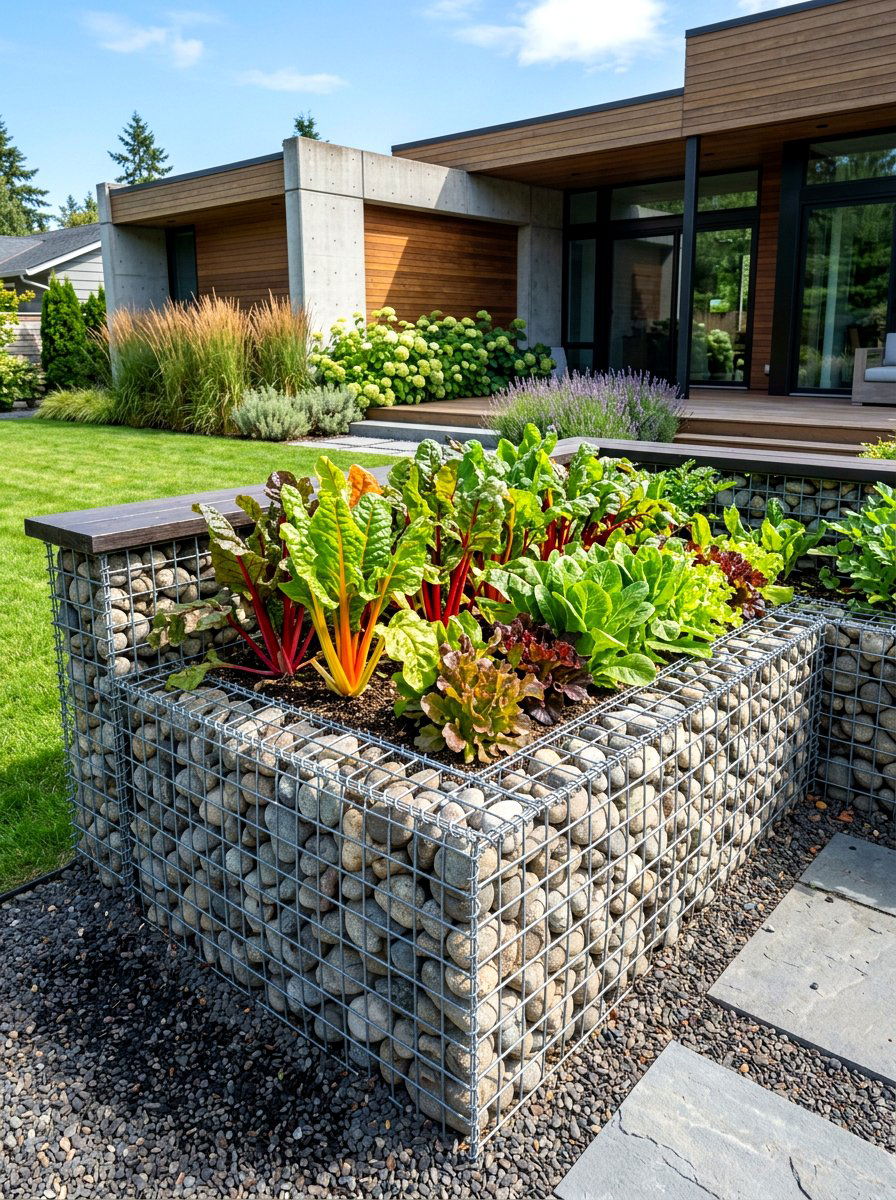
Gabion baskets, which are wire cages filled with decorative stones, offer a modern and architectural look for high-end raised garden designs. These structures are incredibly heavy and stable, providing a permanent border that will never shift or rot over time. You can choose different types of stone to match your home’s exterior, from smooth river rocks to jagged slate pieces. The wire mesh adds an industrial touch that pairs beautifully with lush, green vegetable foliage. Gabion beds also provide excellent drainage and can act as a thermal mass to help regulate soil temperatures. They are a unique way to combine hardscaping with productive vegetable gardening.
19. Raised beds with trellis
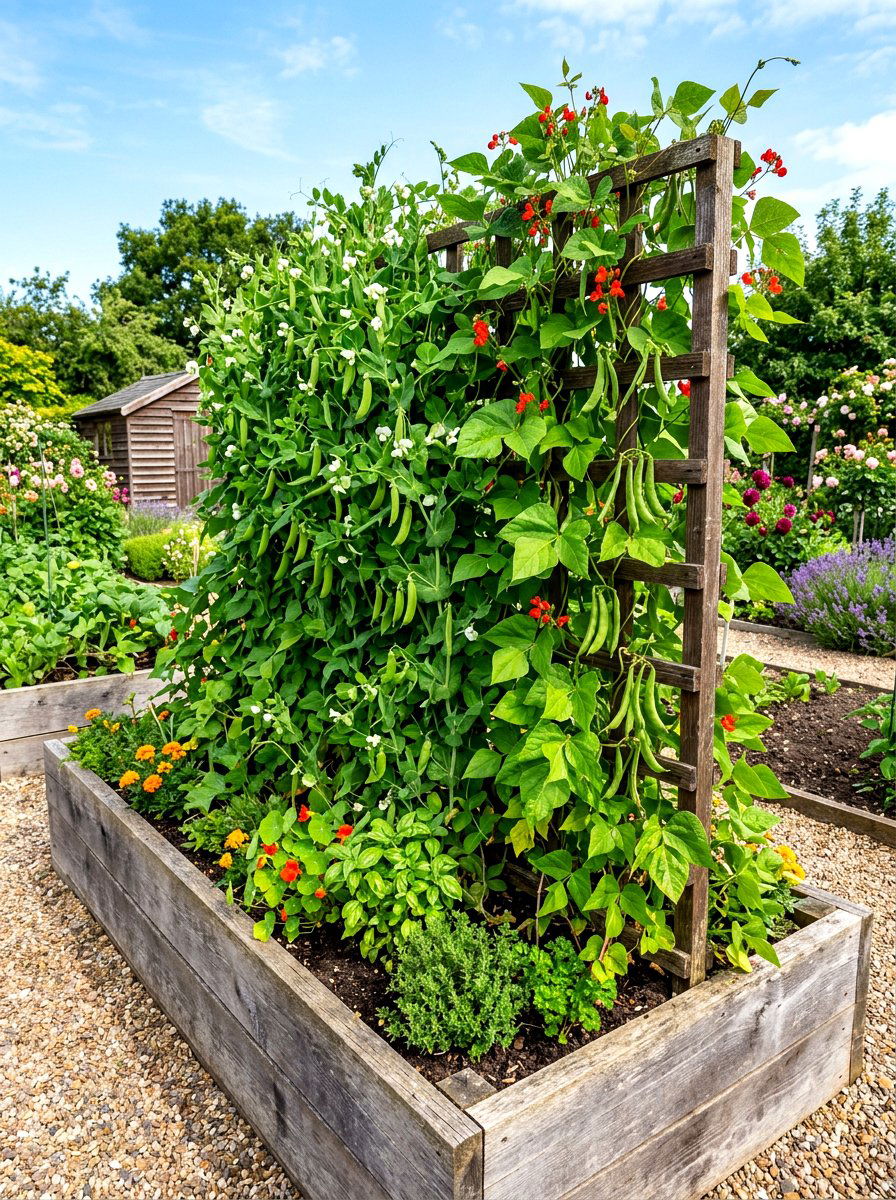
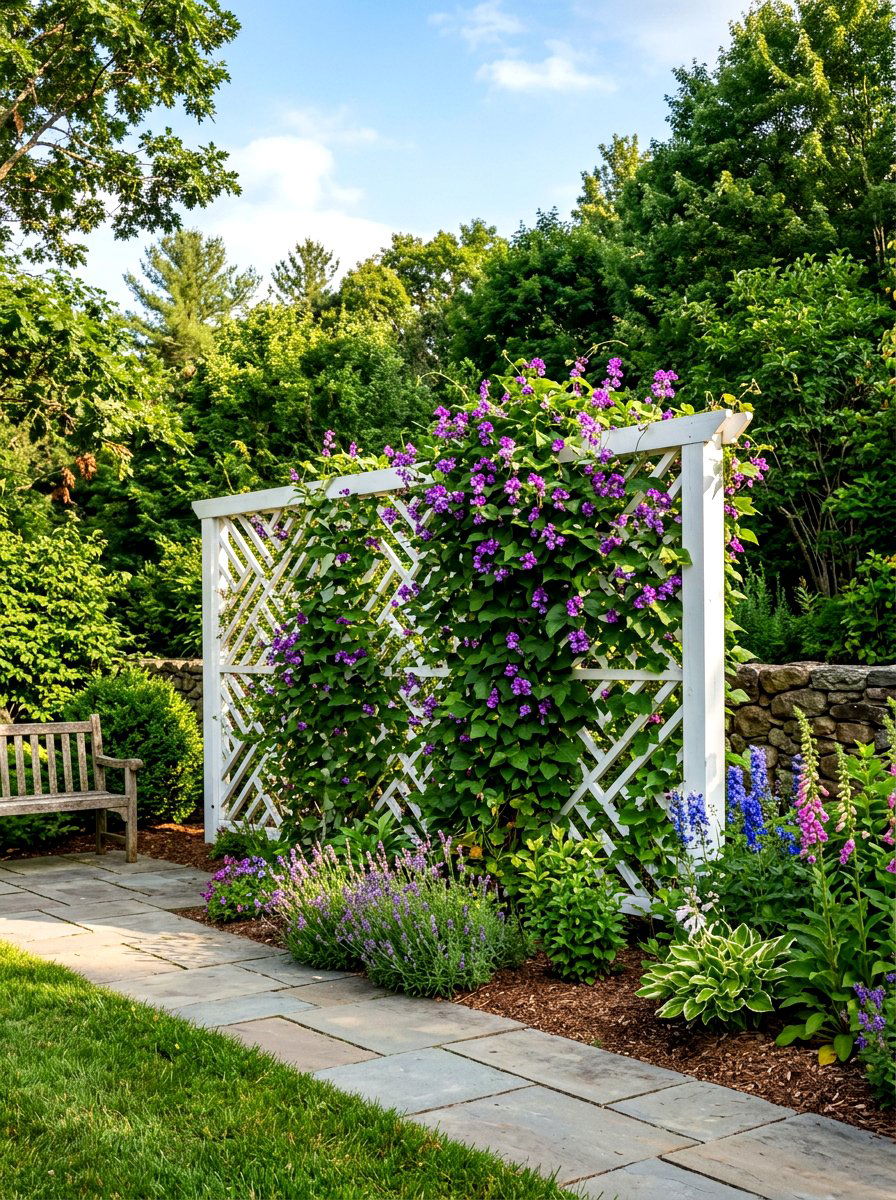
Integrating a trellis directly into your raised bed design allows you to grow vining vegetables like cucumbers, peas, and pole beans vertically. This approach saves significant ground space and keeps your produce off the soil, which helps prevent rot and makes harvesting much easier. You can use wooden lattices, metal cattle panels, or even simple twine to create the climbing structure. A trellis also adds height and visual interest to your garden, acting as a living green wall during the peak of the growing season. It is an essential feature for anyone wanting to maximize their yields in a limited amount of backyard square footage.
20. Elevated planters for seniors
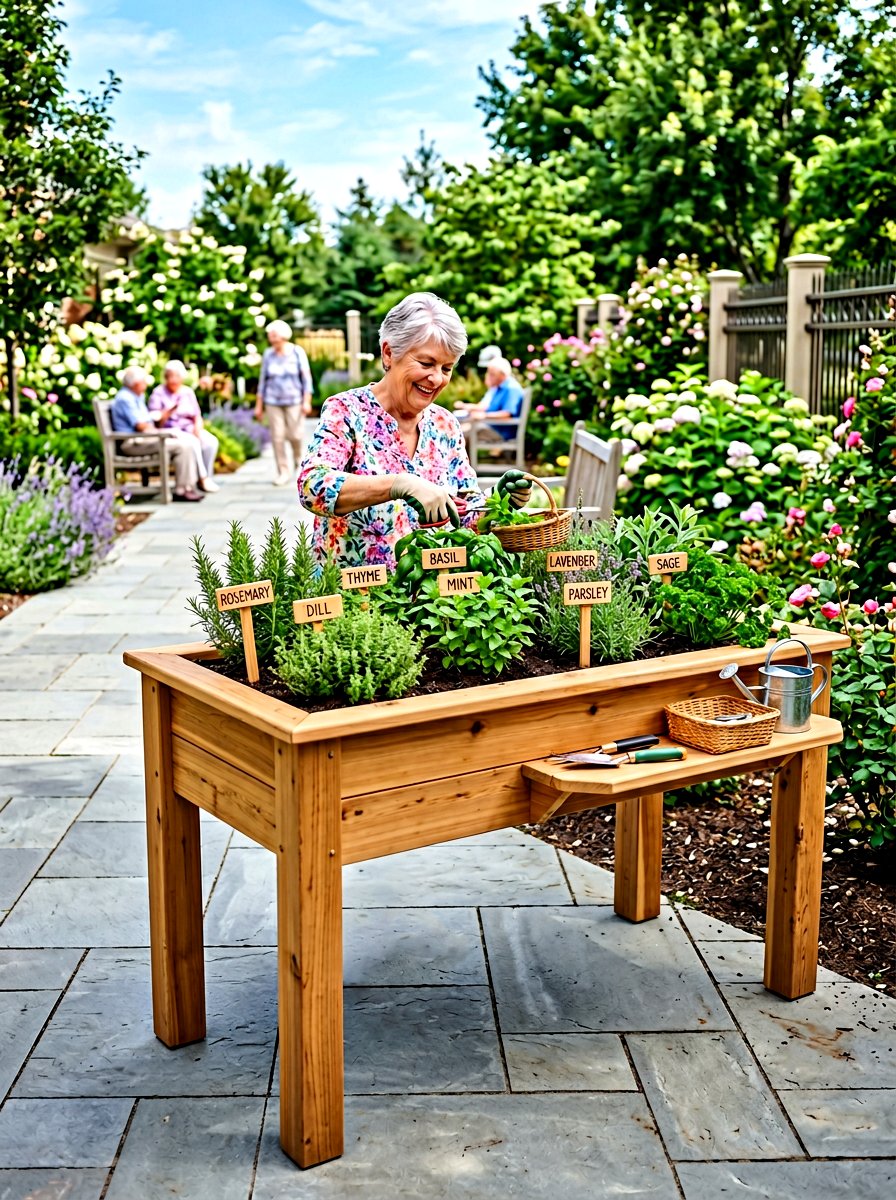
Elevated planters are designed specifically to bring the garden up to a comfortable standing or seated height, making it accessible for everyone. These beds usually sit on sturdy legs, allowing you to tend to your vegetables without any bending, kneeling, or strain on your back. They are perfect for patios, decks, or even balconies where ground space might be paved over. This design is especially helpful for older gardeners or those with mobility challenges who still want to enjoy the therapeutic benefits of growing their own food. The height also helps keep most ground-level pests, like rabbits and slugs, away from your tender vegetable plants.
21. Painted garden beds
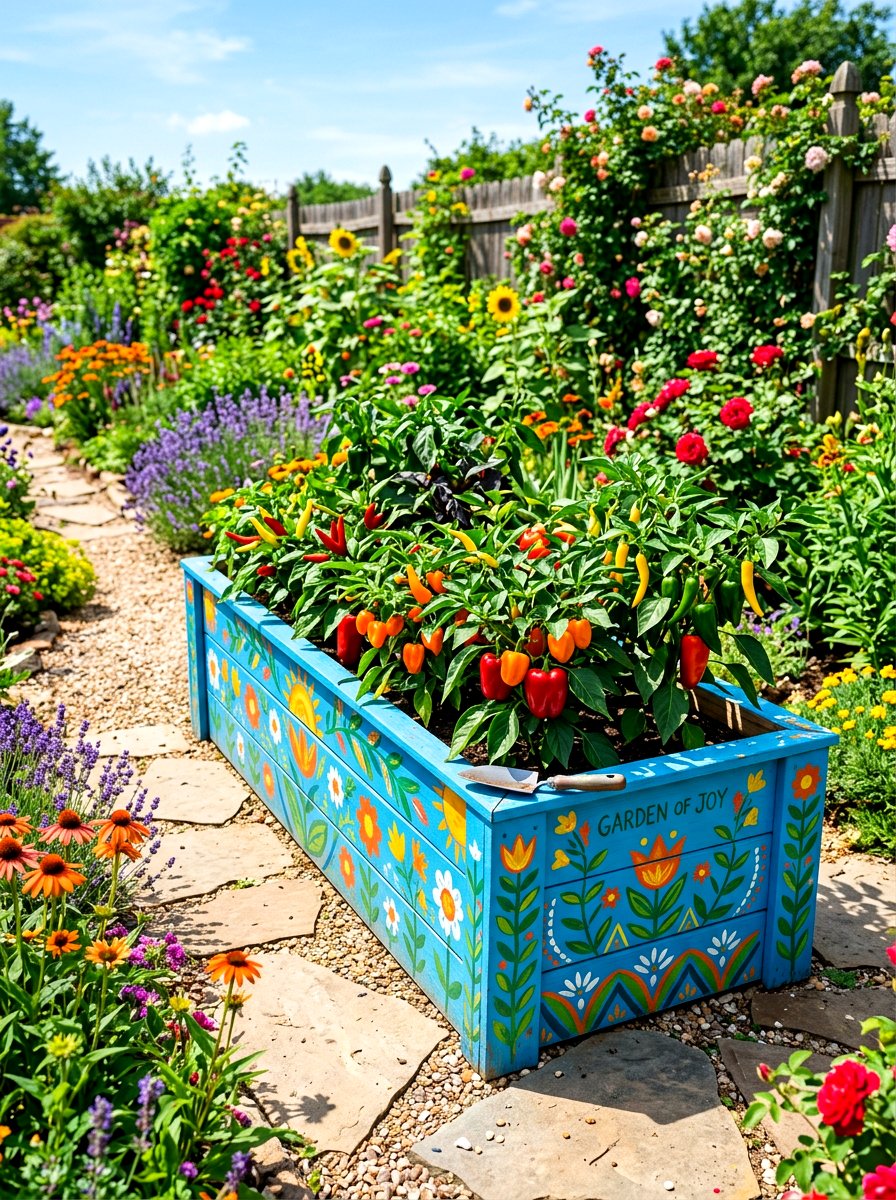
Adding a pop of color with outdoor-safe paint can transform a simple wooden raised bed into a vibrant statement piece for your yard. You can choose bold hues like cobalt blue or sunny yellow to create a cheerful atmosphere, or soft pastels for a more serene, cottage-style look. Painting your beds not only improves the aesthetics but also provides an extra layer of protection against the elements, helping the wood last longer. Always make sure to use non-toxic, eco-friendly paints that won 't leach chemicals into the soil where your vegetables are growing. This is a fun and easy way to personalize your garden and match it to your home' s decor.
22. Circular raised garden beds
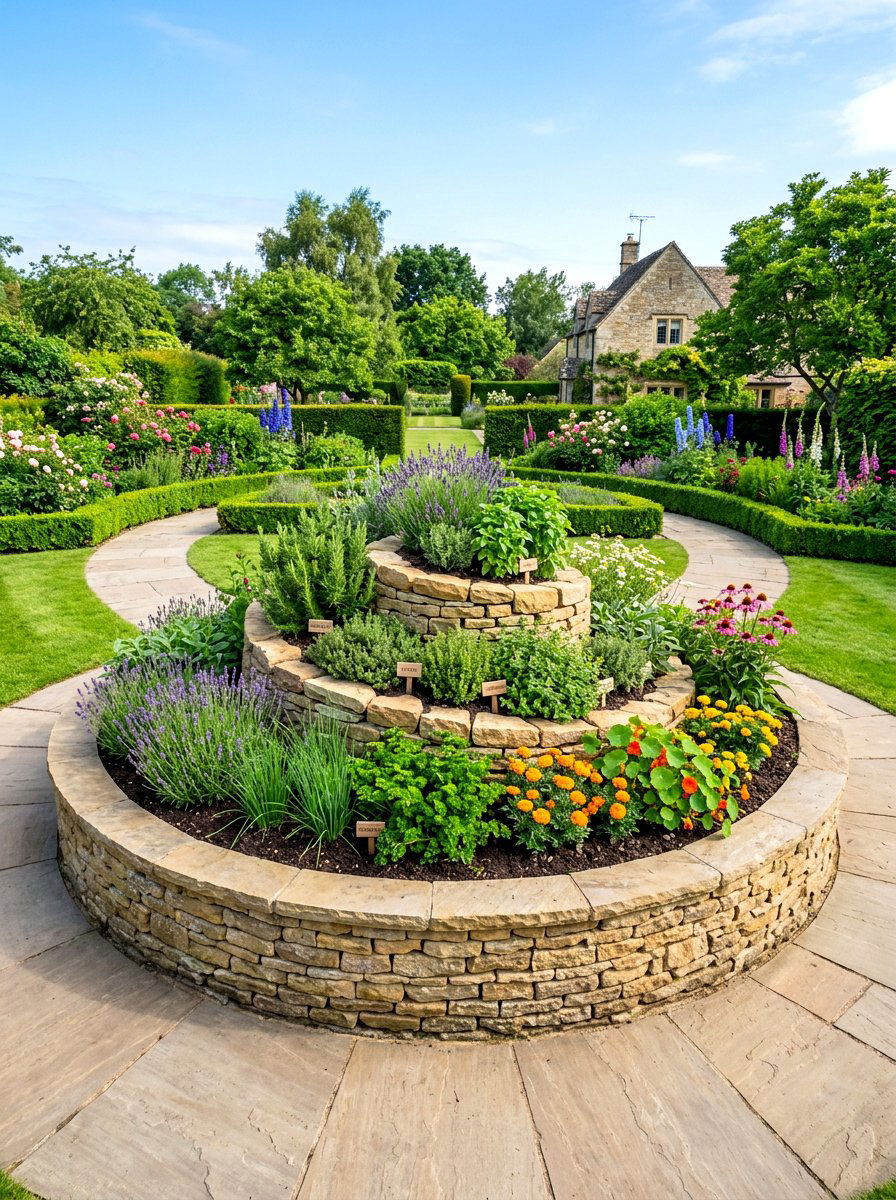
While most raised beds are rectangular, circular designs offer a soft and flowing look that breaks up the straight lines of a typical backyard. Round beds can be made from flexible metal, curved bricks, or even corrugated steel panels bent into a ring. This shape allows for easy access from all sides and creates a beautiful focal point in the center of a lawn or patio. Circular beds are often used in formal garden layouts to create a sense of balance and symmetry. They work wonderfully for grouping different varieties of herbs or creating a stunning "pizza garden" with tomatoes, peppers, and basil all in one ring.
23. Modern black garden beds
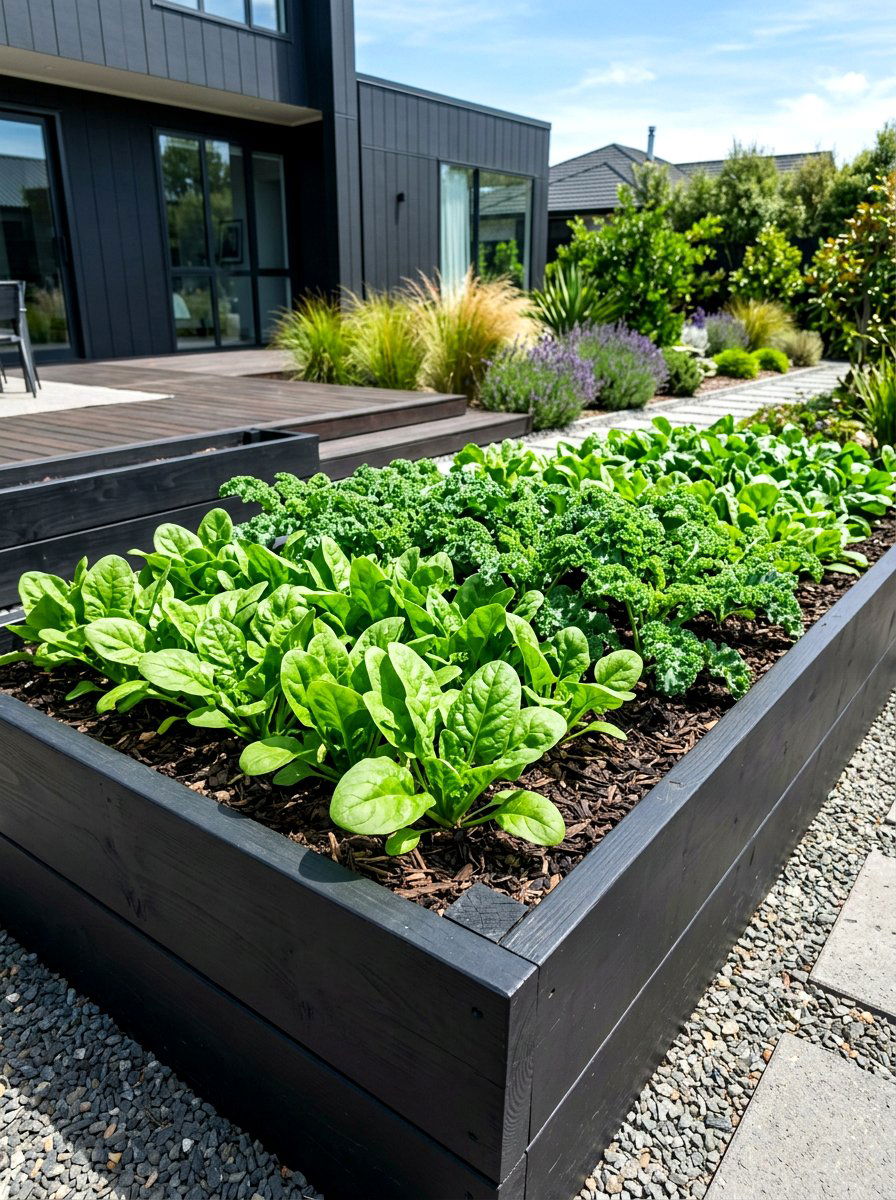
For a contemporary and sophisticated look, many homeowners are opting for raised beds finished in a sleek matte black. This dark color provides a dramatic backdrop that makes the bright green leaves and colorful vegetables stand out with incredible contrast. Black beds are often made from stained cedar or powder-coated metal, ensuring they look high-end and polished for years. Beyond the style, the dark color absorbs more heat from the sun, which can be very beneficial for warming the soil early in the spring. It is a perfect choice for modern minimalist landscapes where clean lines and bold colors are the primary design focus.
24. Reclaimed wood garden beds
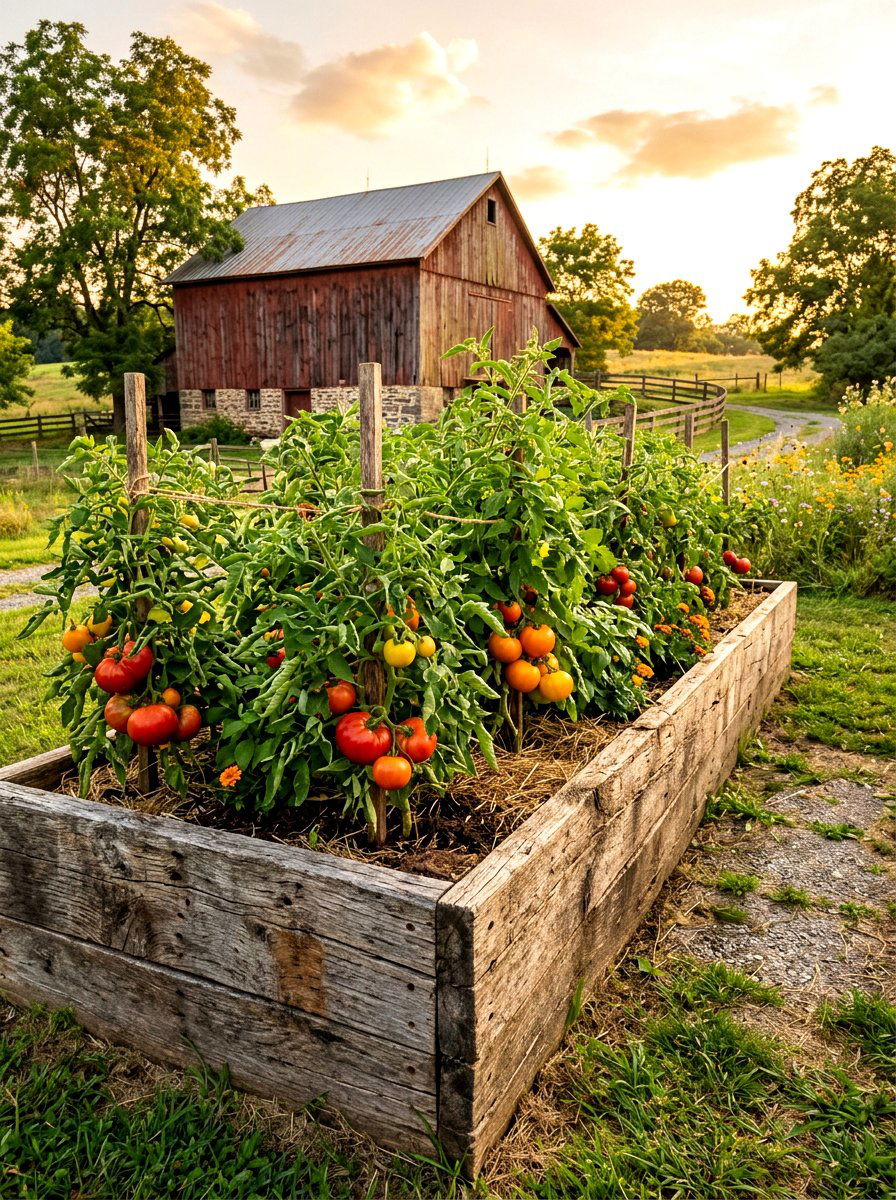
Using reclaimed lumber, such as old barn wood or salvaged beams, adds a sense of history and character to your vegetable garden. These materials often have unique textures, nail holes, and weathered grains that you simply cannot find in new wood from a big-box store. Using reclaimed materials is a sustainable choice that keeps waste out of landfills while creating a beautiful, one-of-a-kind garden space. It is important to verify that the old wood was not treated with harmful chemicals like lead paint or creosote before using it for food crops. The result is a rustic and eco-friendly garden that tells a story while providing fresh produce.
25. Straw bale vegetable gardens
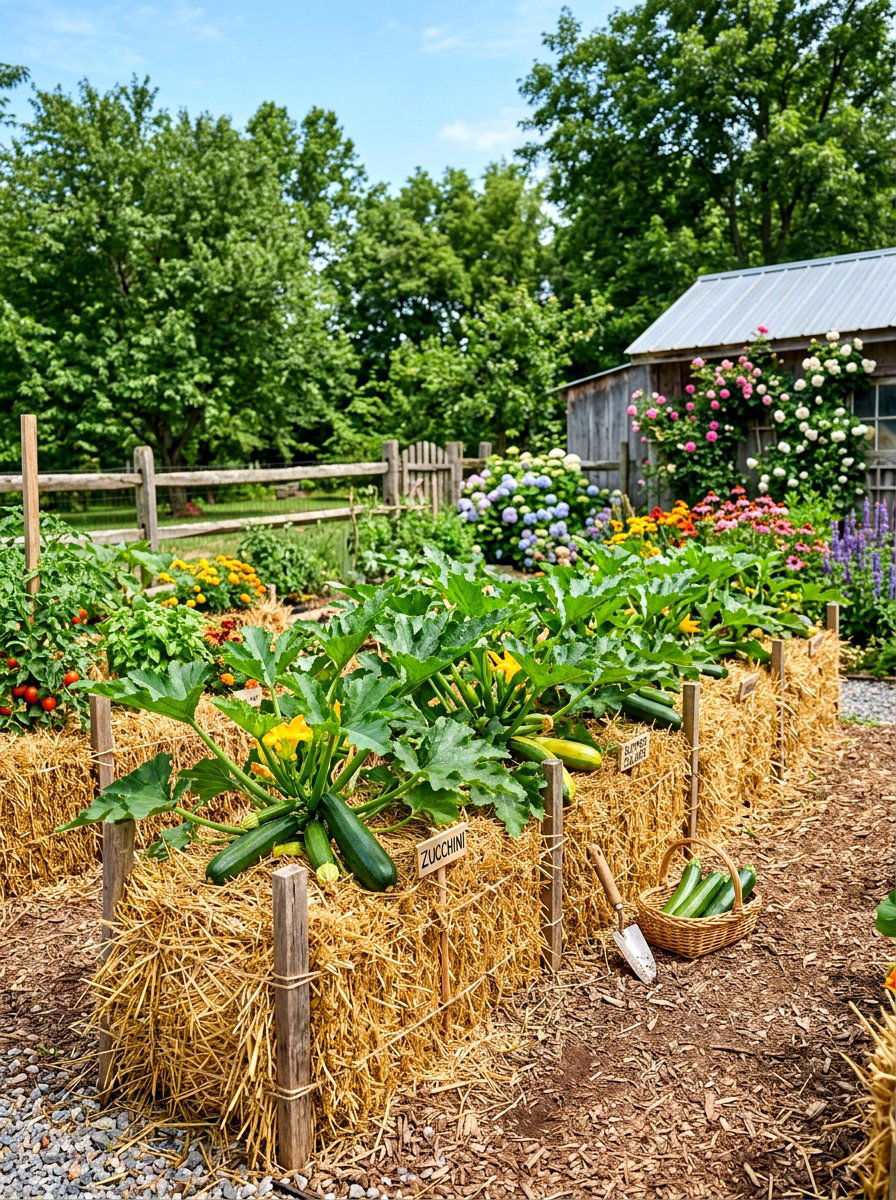
Straw bale gardening is a unique and temporary form of raised bed gardening where the bales themselves serve as both the container and the growing medium. After a short conditioning process with water and fertilizer, the inside of the bale begins to decompose, creating a nutrient-rich environment for plant roots. This is an excellent option for gardeners with terrible soil or those who want a garden that can be easily removed at the end of the season. The height of the bales makes gardening much easier on the back, and the straw provides excellent insulation for the roots. Once the season is over, the remaining straw can be composted.
26. Tiered corner garden beds
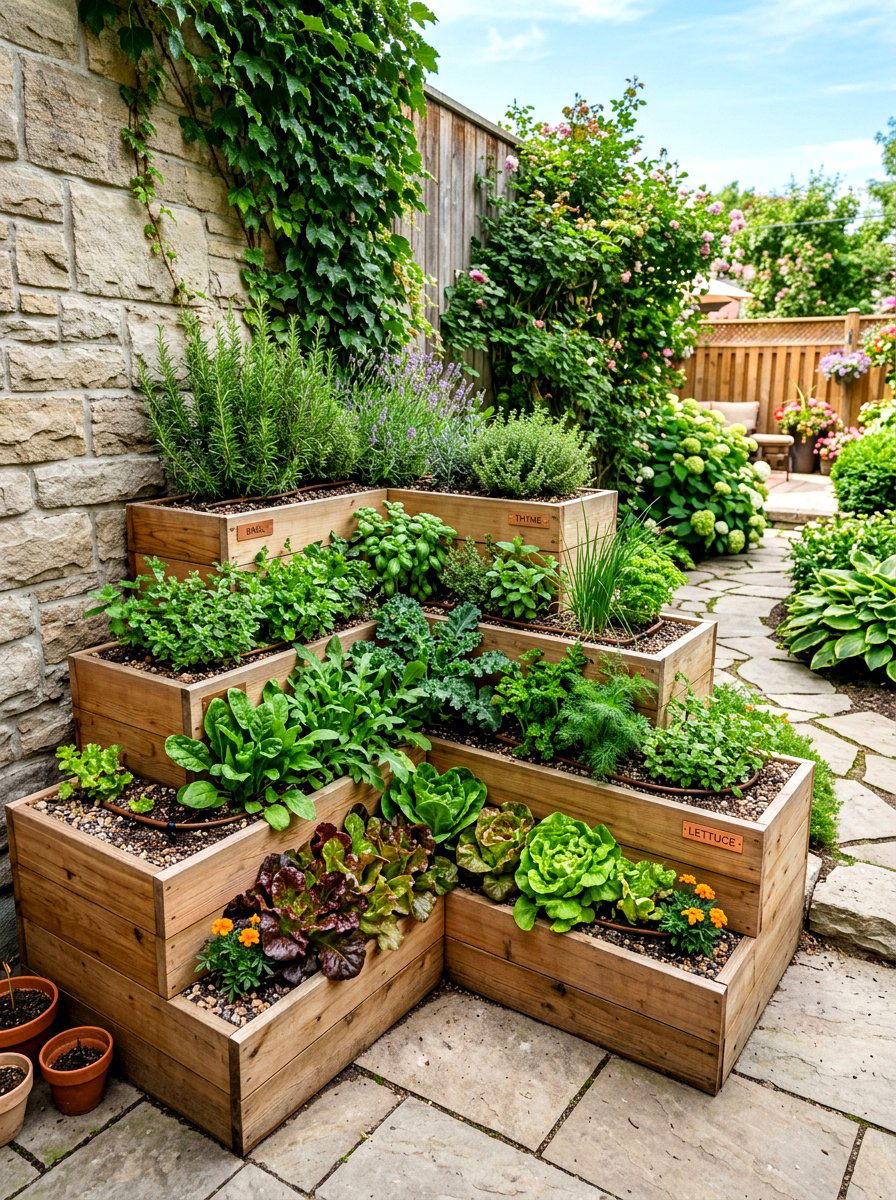
Corner units are specifically designed to tuck into the unused angles of your yard or the intersection of two fences. These L-shaped or triangular tiered structures make the most of every inch of your outdoor space without obstructing pathways. By using multiple levels, you can create a beautiful cascade of vegetables and herbs that looks like a custom architectural feature. This layout is perfect for small suburban backyards where space is at a premium but you still want a high-yield garden. The corner placement also offers some protection from wind and can help create a cozy, enclosed feeling in your private outdoor vegetable sanctuary.
27. Greenhouse top garden beds
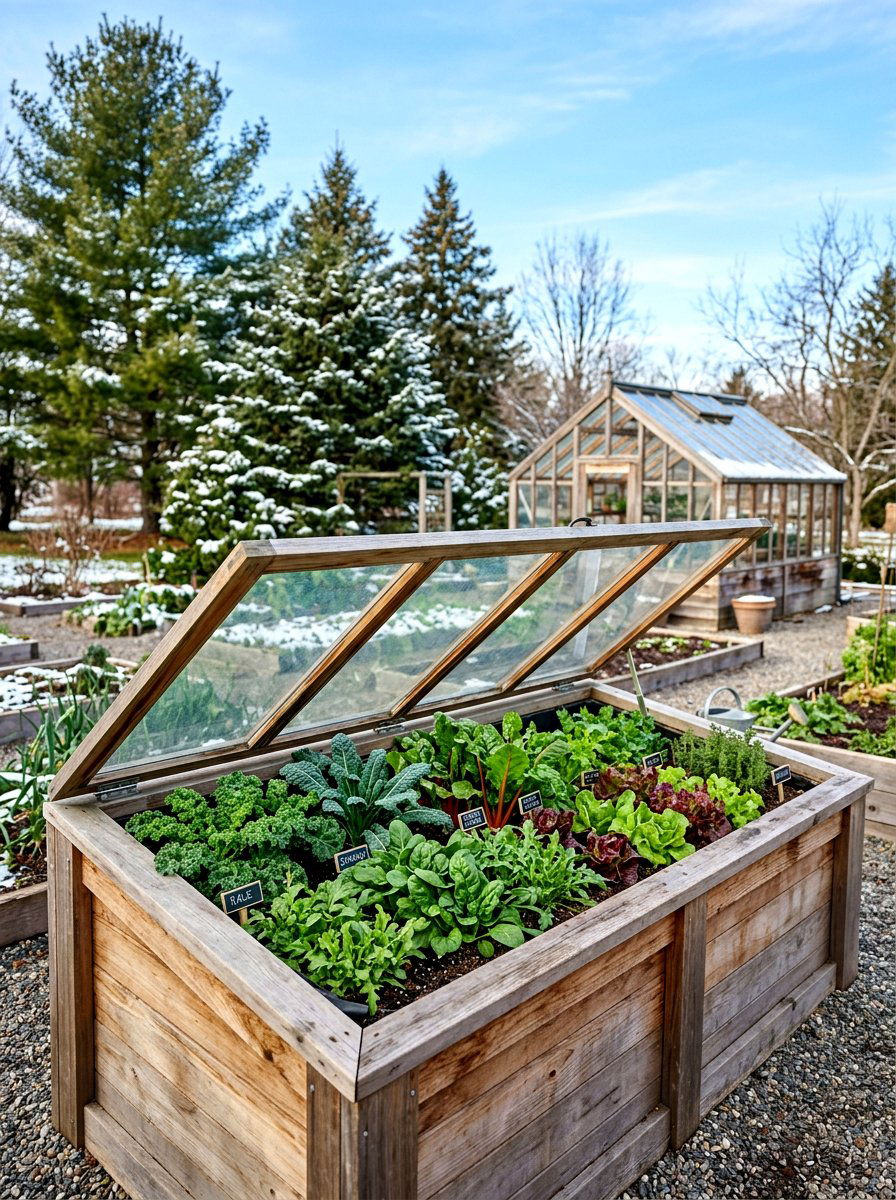
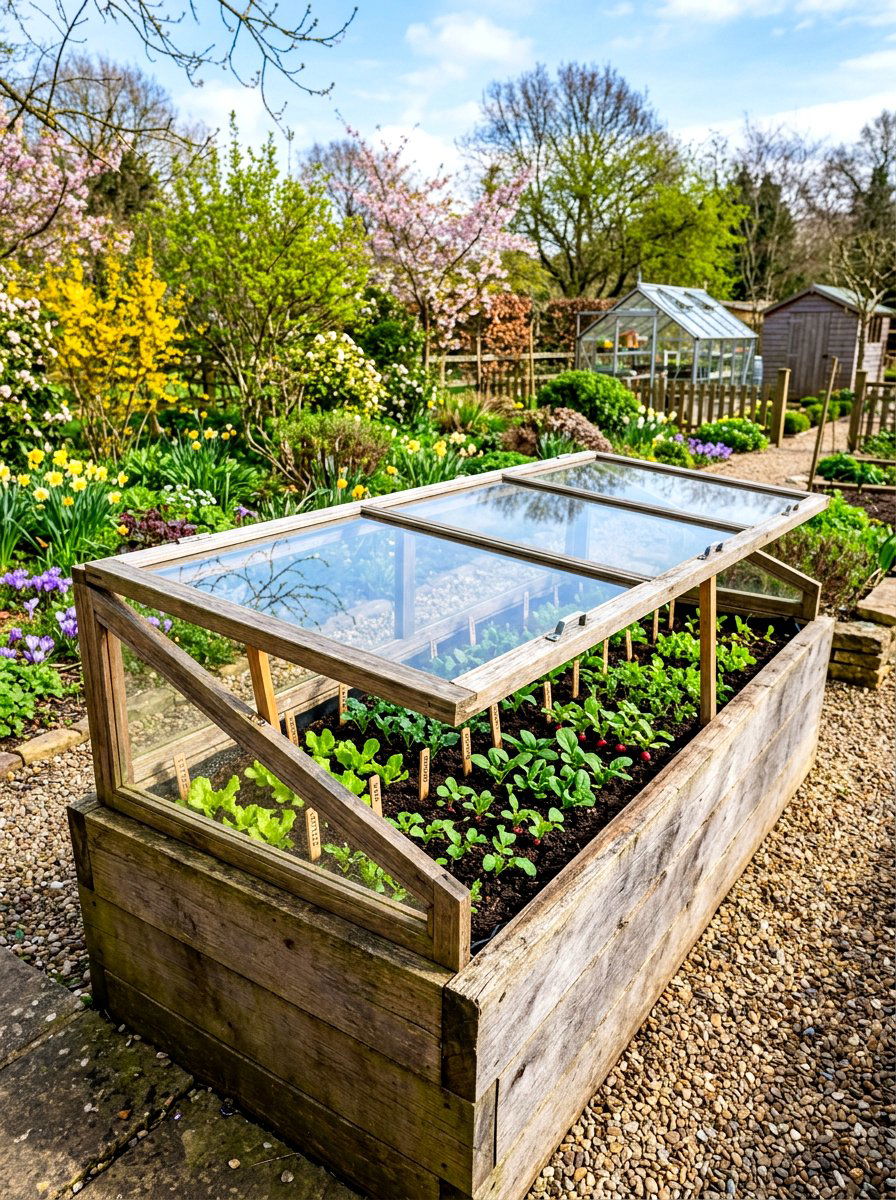
Combining a raised bed with a removable greenhouse or cold frame top allows you to garden year-round in many climates. These "topped" beds use clear panels made of glass or polycarbonate to trap heat and protect tender seedlings from frost and snow. During the warm summer months, you can remove the top entirely or prop it open for ventilation. This setup is a game-changer for anyone wanting to grow cool-season crops like spinach and kale deep into the winter. The structure provides a controlled microclimate that accelerates growth and protects your harvest from heavy rain, hail, and hungry pests throughout every single season.
28. Smart vegetable garden beds
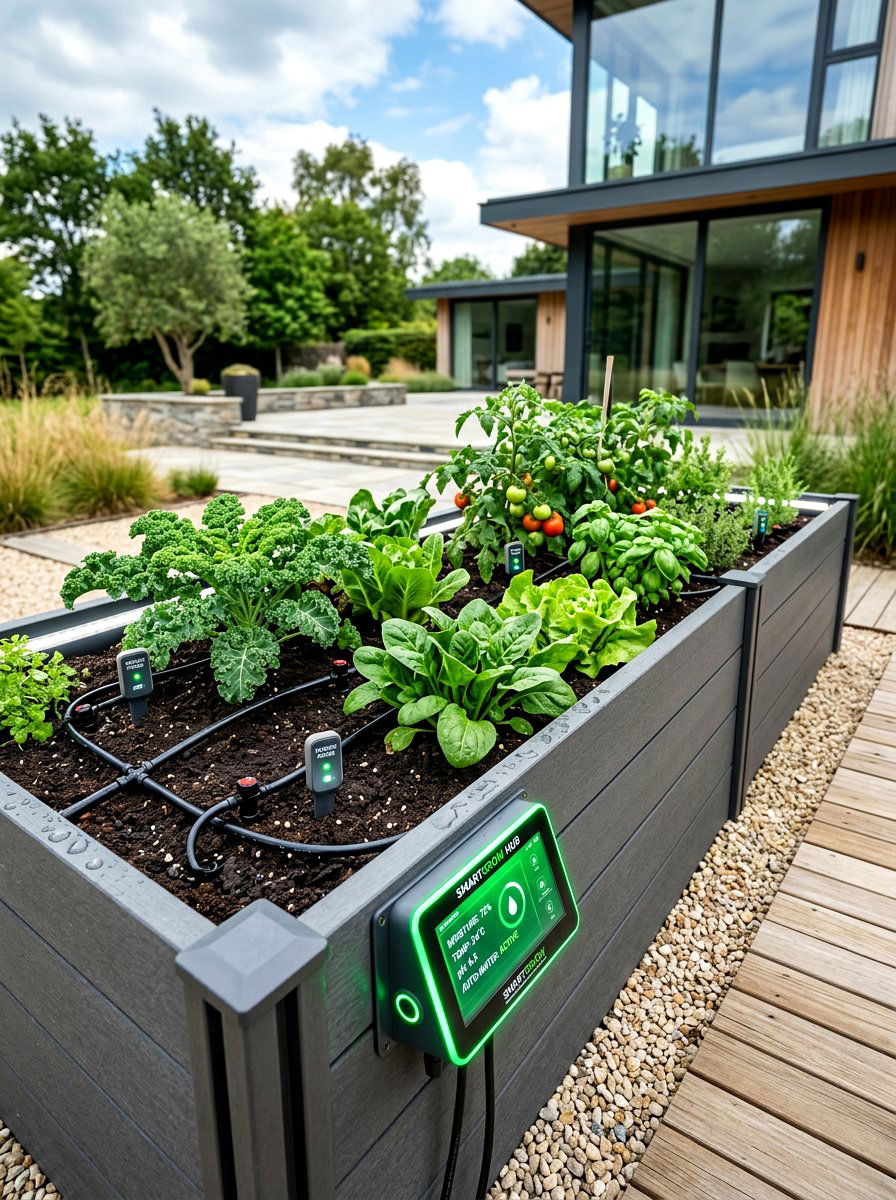
The modern era has brought technology into the garden with smart raised beds that feature automated sensors and irrigation. These high-tech systems can monitor soil moisture, temperature, and even nutrient levels, sending alerts directly to your smartphone when your plants need attention. Some models include integrated LED grow lights for indoor use or solar-powered watering systems for the backyard. Smart beds take the intimidation out of gardening for beginners by providing data-driven guidance on how to keep your vegetables healthy. It is the perfect fusion of traditional gardening joy and modern convenience for the tech-savvy homeowner who wants a guaranteed successful harvest every time.
29. Portable fabric garden beds
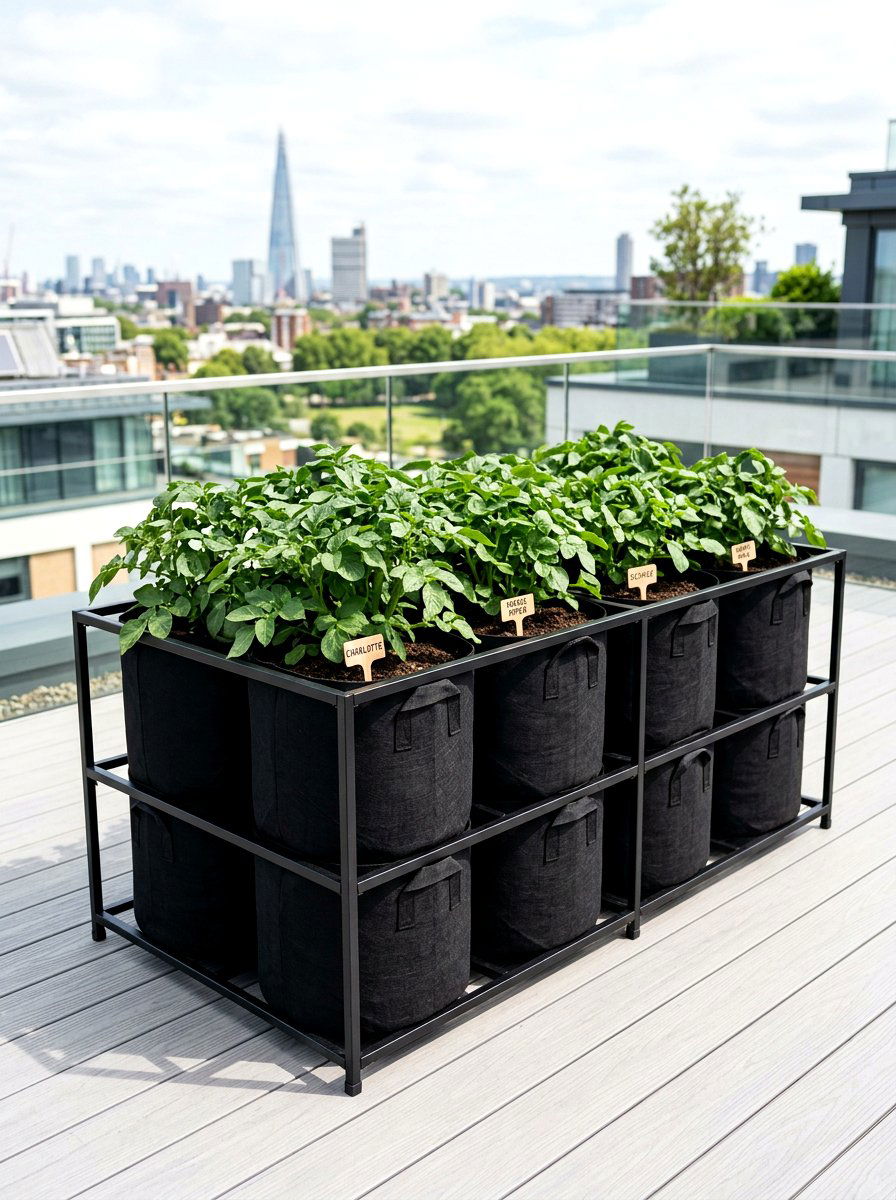
Fabric grow beds are a lightweight and highly breathable alternative to traditional wood or metal structures. Made from durable geotextile fabric, these beds allow for excellent air pruning of roots, which leads to a much healthier and more vigorous root system. They are incredibly easy to set up — simply unfold, fill with soil, and start planting your favorite vegetables. Because they are flexible, they can fit into irregular spaces where a rigid box might not work. At the end of the growing season, you can empty the soil and fold the fabric beds for easy storage. They are an affordable and effective solution for any gardener.
30. Recycled plastic garden beds
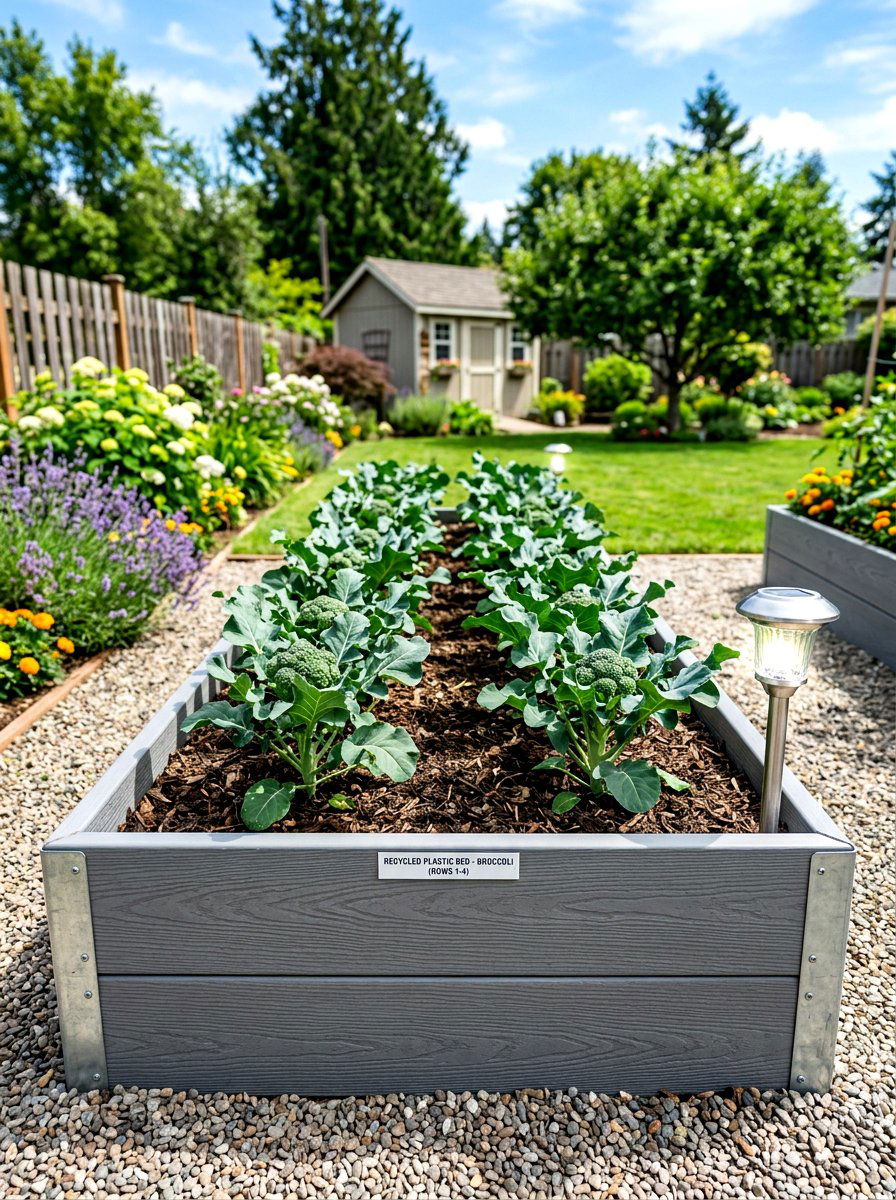
Raised beds made from recycled plastic lumber are an incredibly eco-friendly and long-lasting choice for the modern backyard. These materials are engineered to look like real wood but will never rot, splinter, or require painting and staining. They are completely impervious to moisture and pests, making them one of the most low-maintenance options available for vegetable gardeners. Using recycled plastic helps reduce environmental waste while providing a clean and safe environment for your crops. These beds are often modular and very easy to assemble with simple tools. They offer a neat, uniform look that stays beautiful and functional for many decades of productive gardening.
Conclusion:
Building a raised vegetable garden is a transformative project that brings both beauty and abundance to your outdoor living area. Throughout this guide, we have explored a wide range of materials and designs, from the timeless elegance of cedar and stone to the innovative functionality of smart beds and self-watering systems. No matter the size of your yard or the level of your experience, there is a raised bed solution that can help you grow healthy, fresh food right at home. By choosing the right design for your lifestyle, you create a sustainable resource that nourishes your family and enhances your landscape. Embrace the joy of gardening and start your journey toward a more productive and vibrant backyard today.

Related posts: