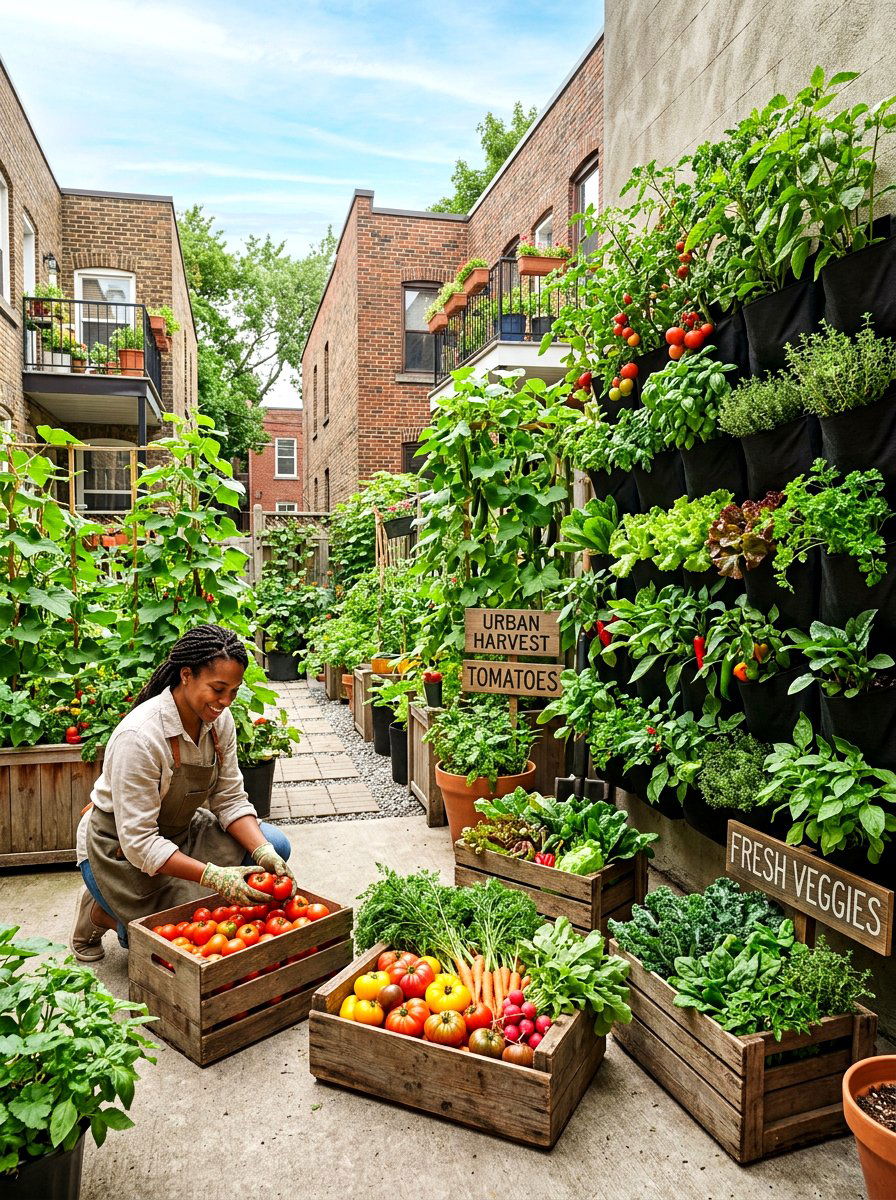
Growing your own food has never been more accessible or rewarding than it is with modern container gardening techniques. You do not need a massive backyard or a sprawling homestead to enjoy the taste of sun-ripened tomatoes and crisp, fresh greens. Even a tiny balcony or a sunny windowsill can become a highly productive farm with the right approach and a bit of creativity. Many people are turning to pots and planters to regain control over their food sources while adding lush greenery to their living spaces. This guide explores a wide variety of practical and stylish ways to cultivate a bounty of vegetables in compact environments.
1. Vertical Tomato Tower
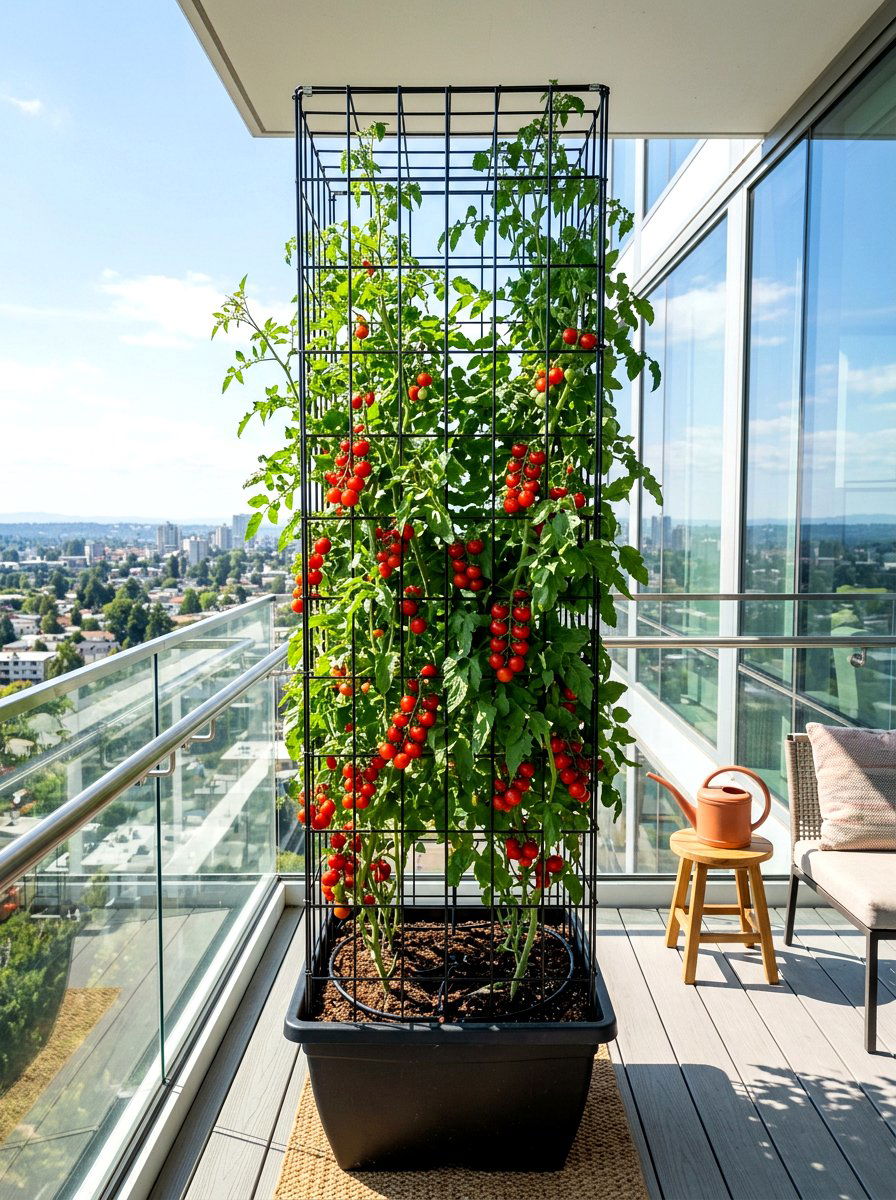
A vertical tomato tower is a fantastic way to maximize limited floor space on a patio or balcony. These systems allow you to grow indeterminate tomato varieties that would otherwise sprawl across the ground. By using a tall, sturdy cage or a specialized tower planter, you encourage the vines to climb upward toward the light. This setup improves air circulation around the foliage, which significantly reduces the risk of fungal diseases. You can easily tuck a tomato tower into a sunny corner where it will thrive. It provides a striking visual focal point while delivering a continuous harvest of juicy fruits throughout the summer months.
2. Self Watering Potato Planter
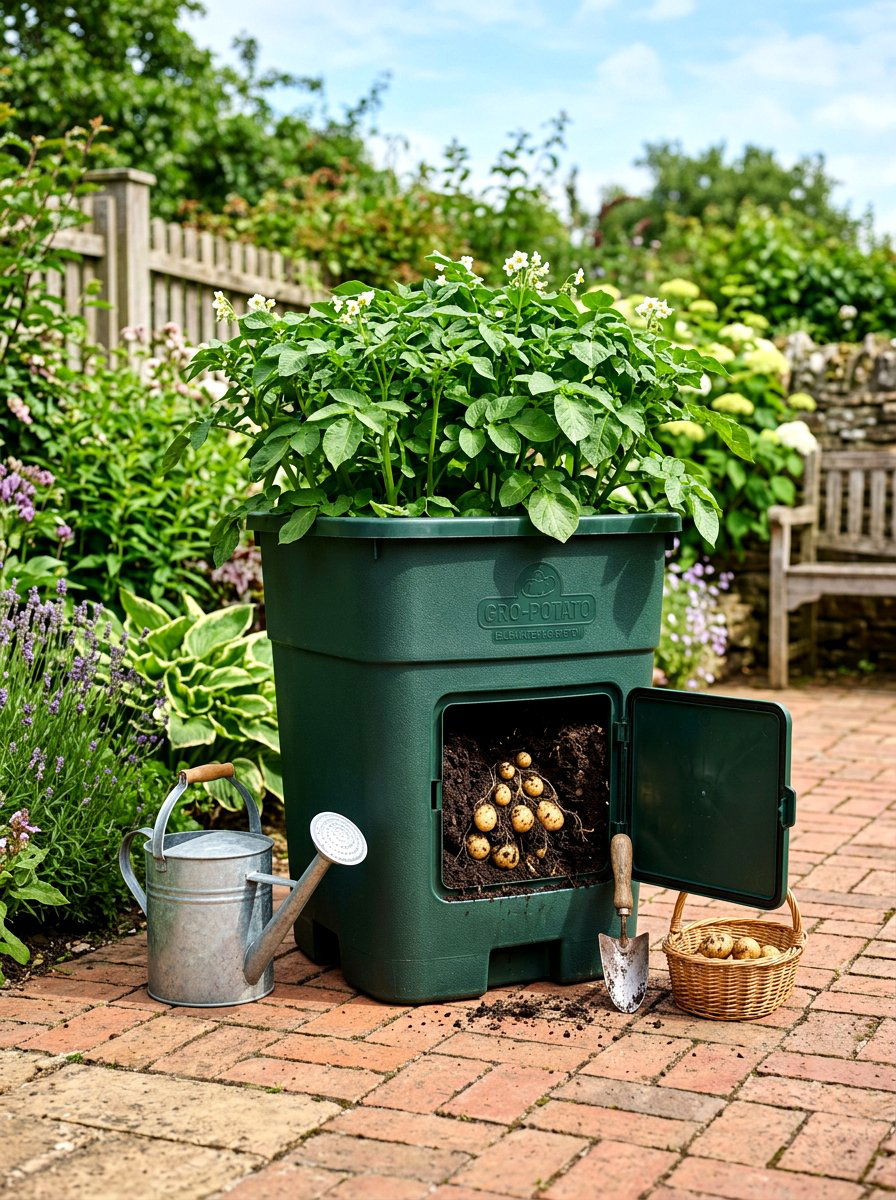
A self watering potato planter takes the guesswork out of maintaining consistent moisture levels for these heavy-feeding root crops. These specialized containers feature a reservoir at the bottom that wicks water upward as the soil dries out. This ensures that your potato plants never suffer from drought stress, which can lead to hollow hearts or stunted growth. Many of these planters also include a convenient side access door for easy harvesting. This design allows you to reach in and grab new potatoes without disturbing the entire plant. It is a clean and efficient way to grow a staple crop in a very small footprint.
3. Lettuce Window Box
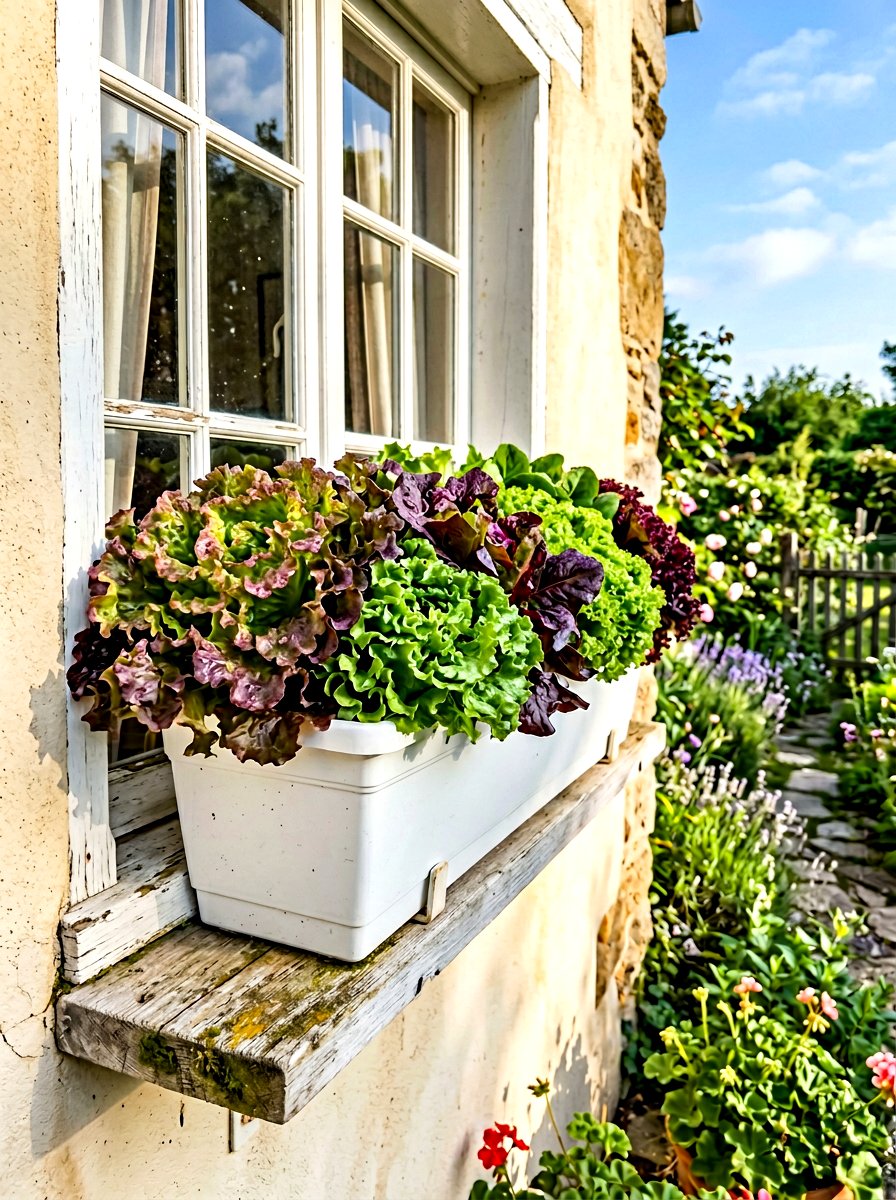
A lettuce window box is the ultimate solution for urban dwellers who want fresh salads at their fingertips. These long, shallow planters fit perfectly on external windowsills where they receive plenty of bright, indirect light. Lettuce has a very shallow root system, making it an ideal candidate for these compact containers. You can plant a variety of leaf textures and colors to create a beautiful edible display. Harvesting is as simple as snipping off the outer leaves for a "cut and come again" supply. This method keeps your greens away from ground pests like slugs while utilizing often-ignored architectural space for food production.
4. Herb Spiral Container
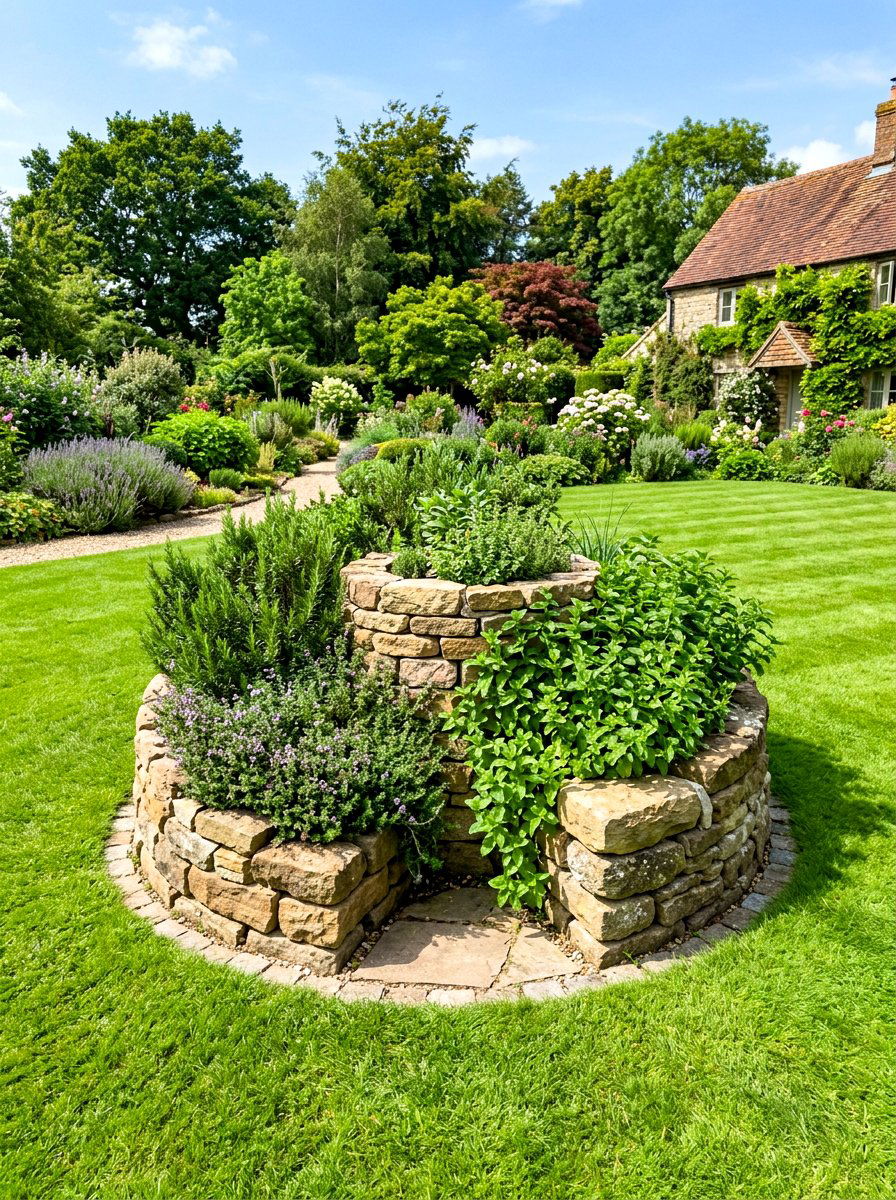
A herb spiral container uses a clever three-dimensional design to create multiple microclimates within a single footprint. By building a spiraling mound of soil held by stones or a pre-made form, you create different levels of drainage and sun exposure. The top of the spiral is drier and sunnier, making it perfect for Mediterranean herbs like rosemary and thyme. The lower sections remain cooler and more moist, which is ideal for thirsty plants like mint or parsley. This vertical approach allows you to grow a wide range of flavors in a small area. It looks stunning on a patio and provides a diverse aromatic harvest.
5. Hanging Basket Strawberry
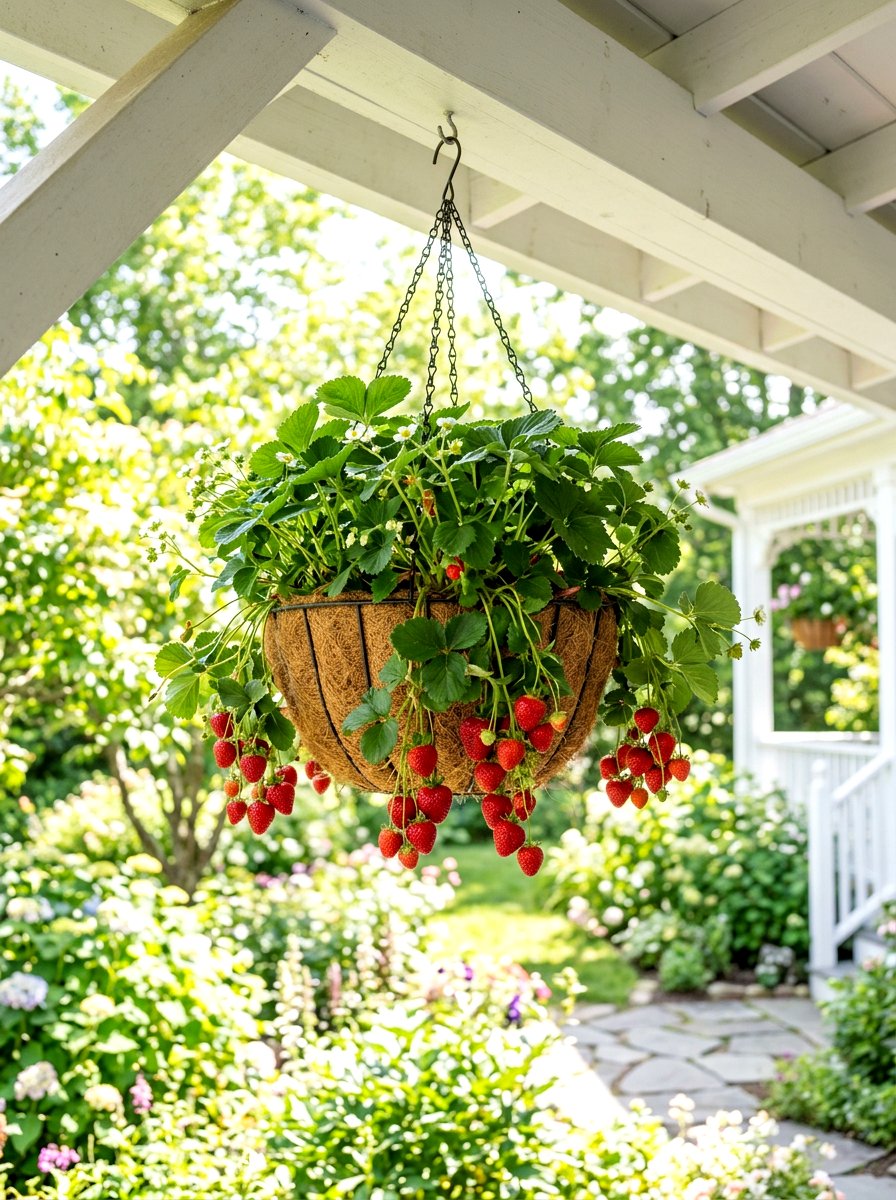
A hanging basket strawberry display is a beautiful and practical way to enjoy sweet berries without taking up any floor space. These baskets elevate the plants, allowing the fruit to dangle cleanly over the edges away from soil-dwelling pests. When strawberries are grown at eye level, they are much easier to monitor for ripeness and harvest. You should choose "everbearing" or "day-neutral" varieties to ensure you get a steady supply of fruit all season long. The trailing vines create a lush, green curtain dotted with bright red berries. It is a decorative addition to any porch that provides a delicious and healthy snack.
6. Tiered Pepper Planter
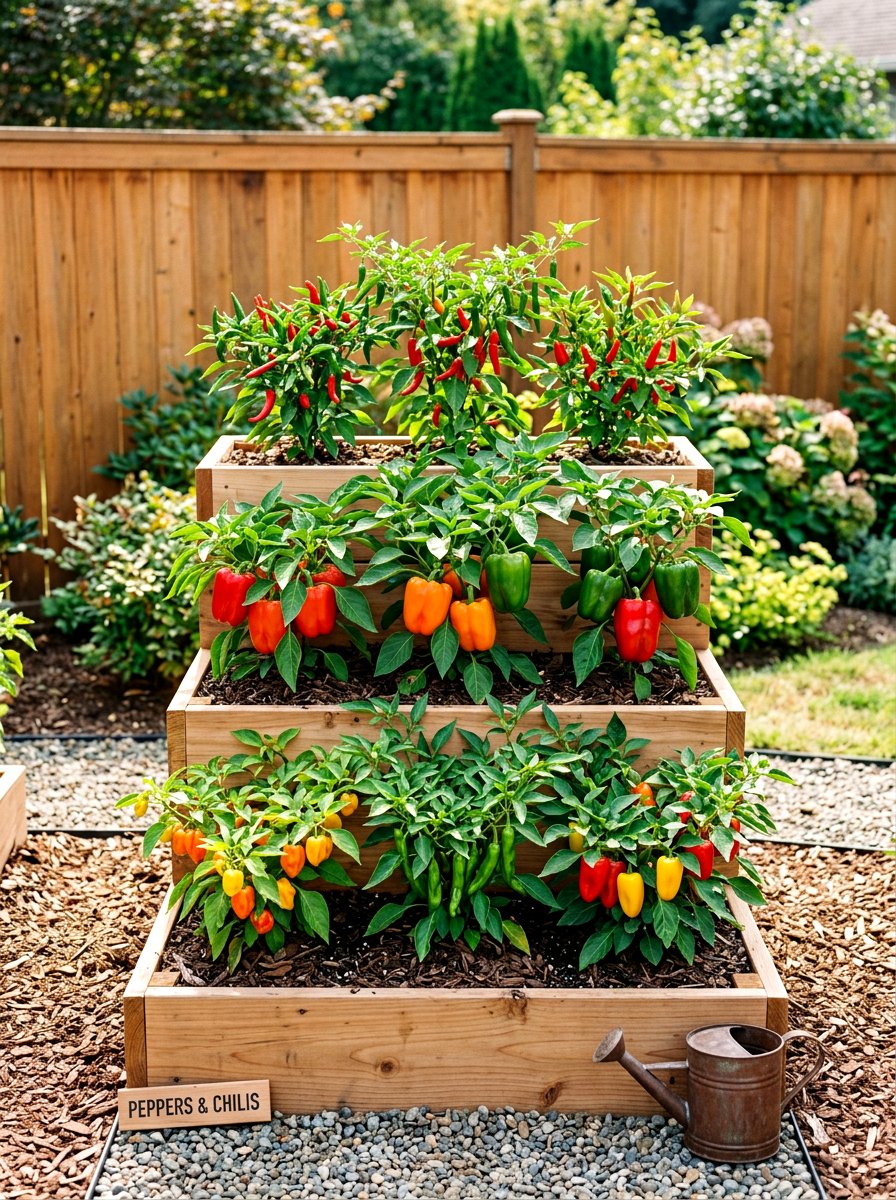
A tiered pepper planter utilizes a ladder-style or stepped design to give each plant its own dedicated space and plenty of sunlight. Peppers love heat and light, so elevating them in a tiered system helps prevent them from being shaded by taller neighbors. This arrangement makes it incredibly easy to see when the peppers are ready to pick. You can mix different varieties, such as sweet bells and spicy jalapeños, for a colorful and varied harvest. The structured look of a tiered system adds a professional touch to your garden layout. It ensures that every plant gets the airflow it needs to stay healthy.
7. Fabric Grow Bag Zucchini
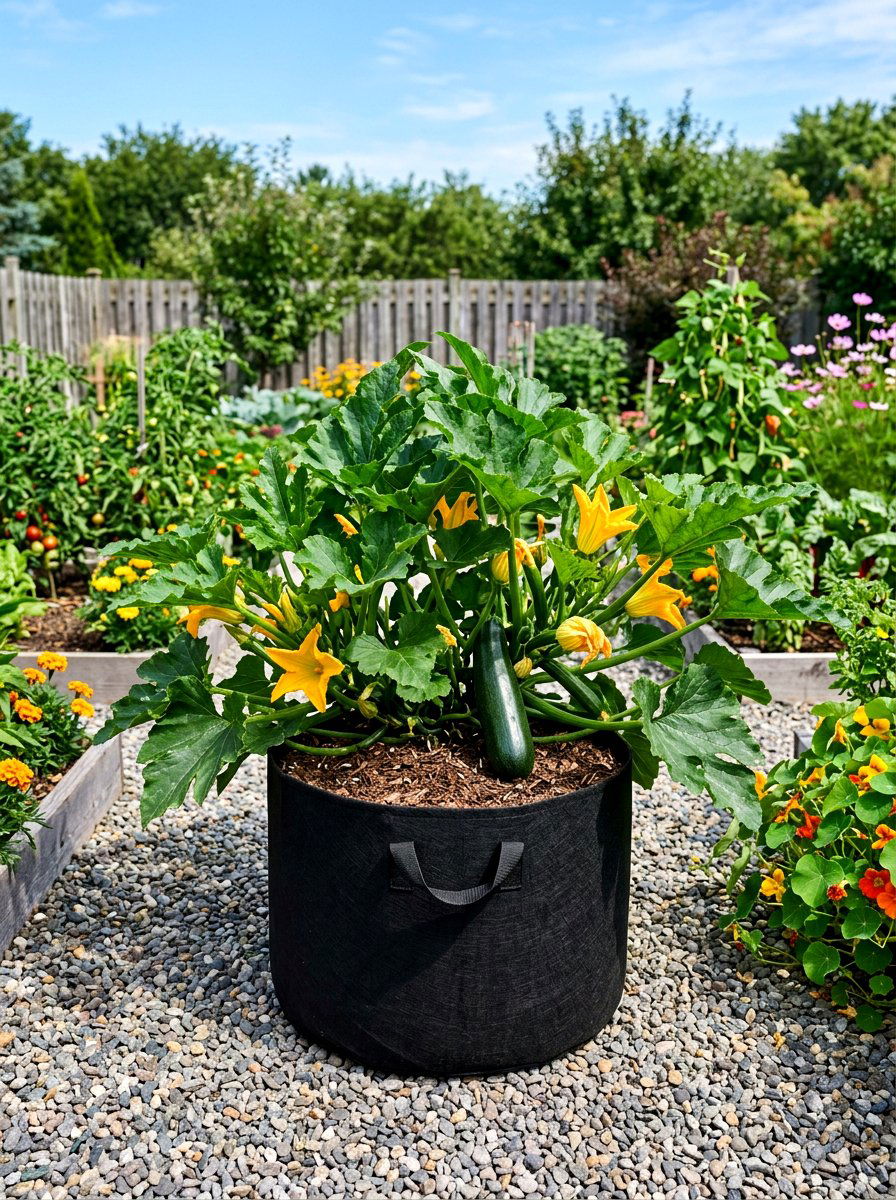
A fabric grow bag zucchini setup is perfect for those who want to grow large, prolific squash plants without permanent heavy pots. Fabric bags are made from breathable materials that allow for "air pruning" of the roots, which prevents them from becoming root-bound. This results in a much healthier and more vigorous root system compared to traditional plastic containers. Zucchini plants are notorious for their size, but a large grow bag provides enough room for their expansive roots. Because the bags are lightweight, you can easily move them around to catch the best sun. At the end of the season, simply empty and fold them.
8. Wooden Crate Carrot Garden
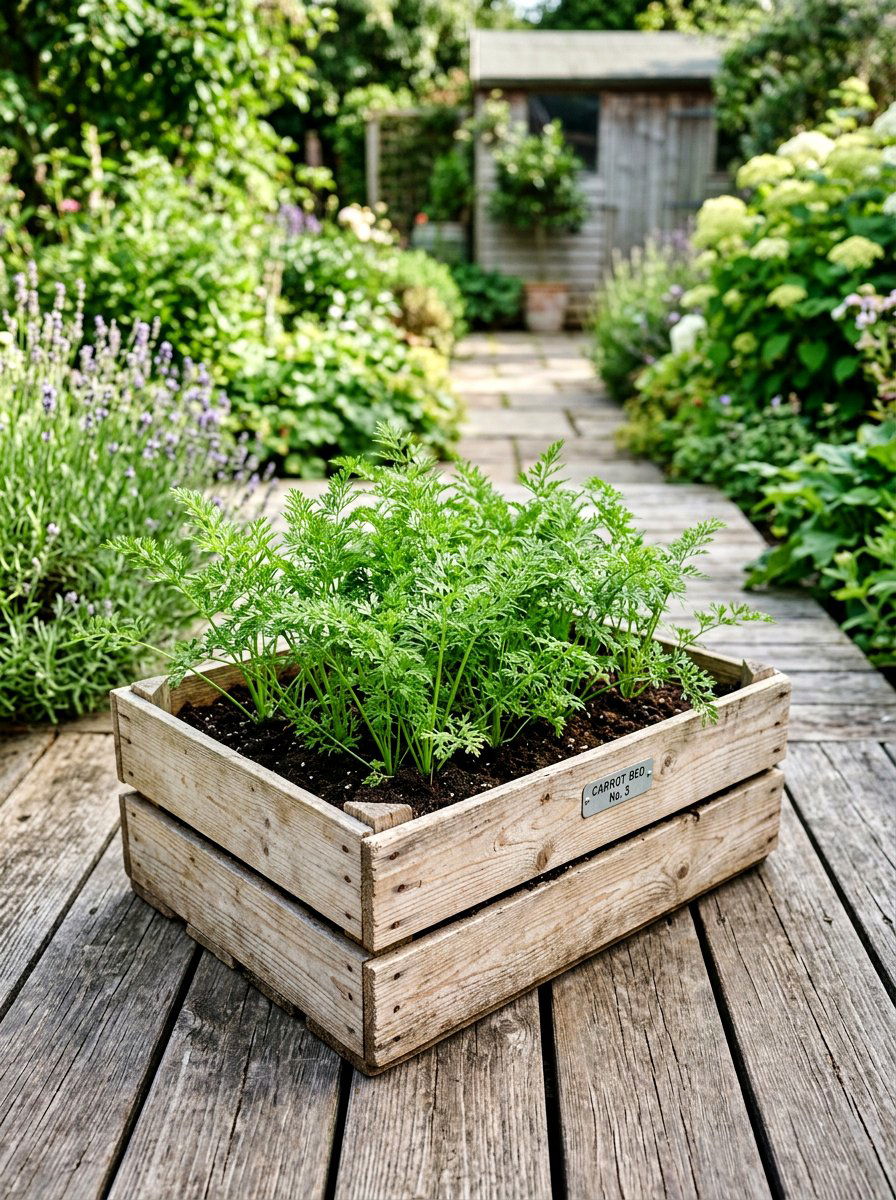
A wooden crate carrot garden brings a rustic and charming aesthetic to your outdoor space while providing the depth needed for root crops. You can line a vintage-style wooden crate with landscape fabric to hold the soil while allowing for excellent drainage. Carrots require a loose, sandy potting mix to grow straight and long without meeting resistance. The height of the crate makes it easier to manage the soil quality and keep it free of rocks. This contained environment also helps protect your harvest from carrot rust flies. It is a wonderful way to grow crunchy, sweet carrots on a deck or even a sturdy table.
9. Galvanized Bucket Cucumber Trellis
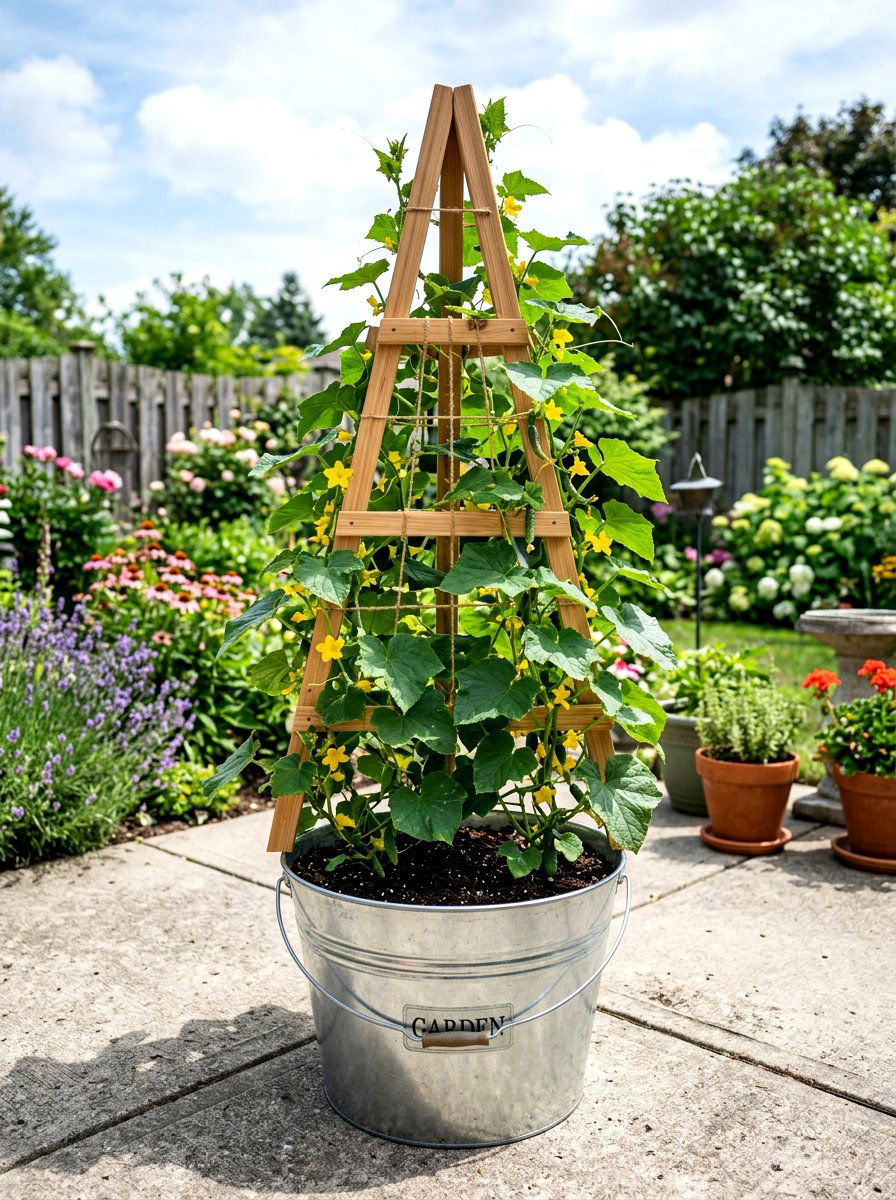
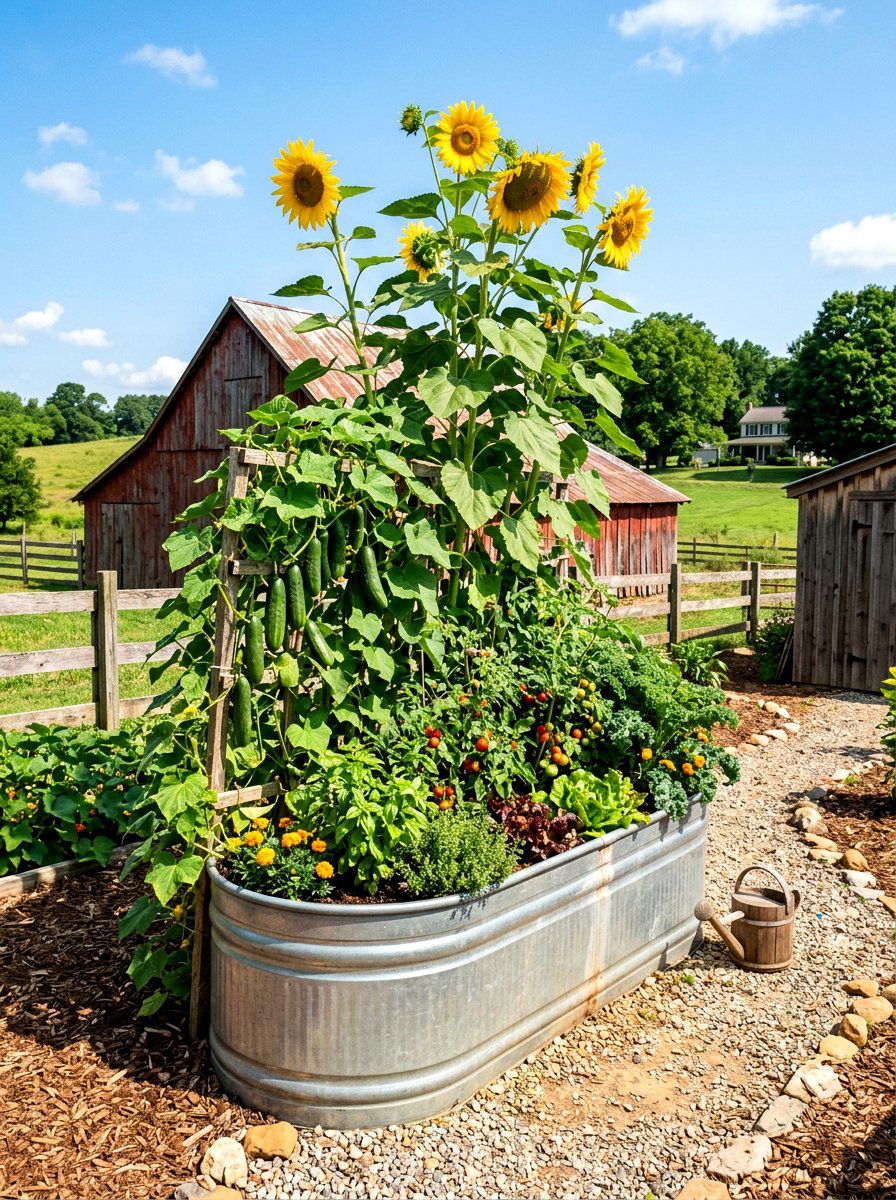
A galvanized bucket cucumber trellis combines a classic industrial look with a functional support system for vining plants. Standard five-gallon metal buckets are deep enough to support the aggressive root systems of bush or vining cucumbers. By attaching a simple A-frame or fan trellis directly to the bucket, you encourage the vines to grow upward. This keeps the cucumbers off the damp soil, preventing rot and keeping the fruit clean and straight. The reflective surface of the galvanized metal can also help provide a little extra warmth to the soil. It is a durable, long-lasting solution that looks great in a farmhouse-style garden.
10. Railing Planter Salad Greens
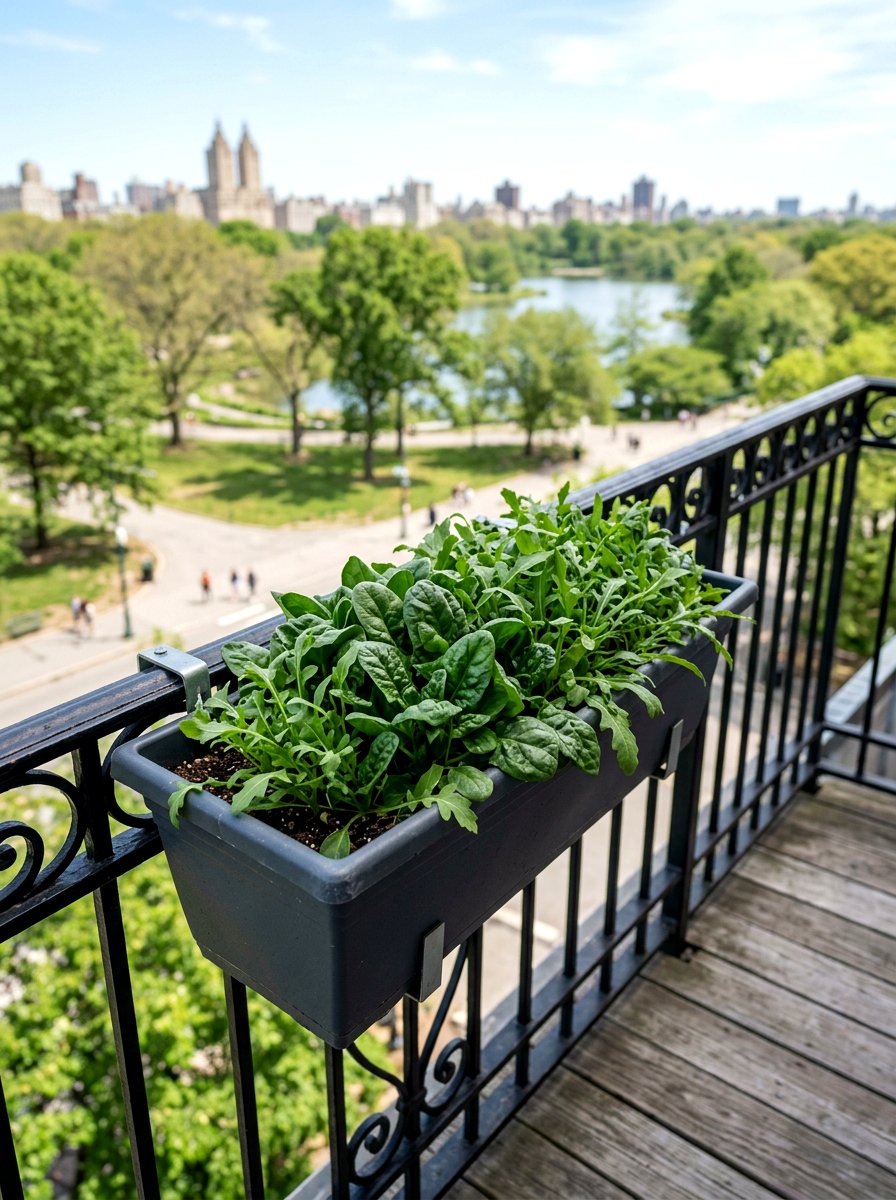
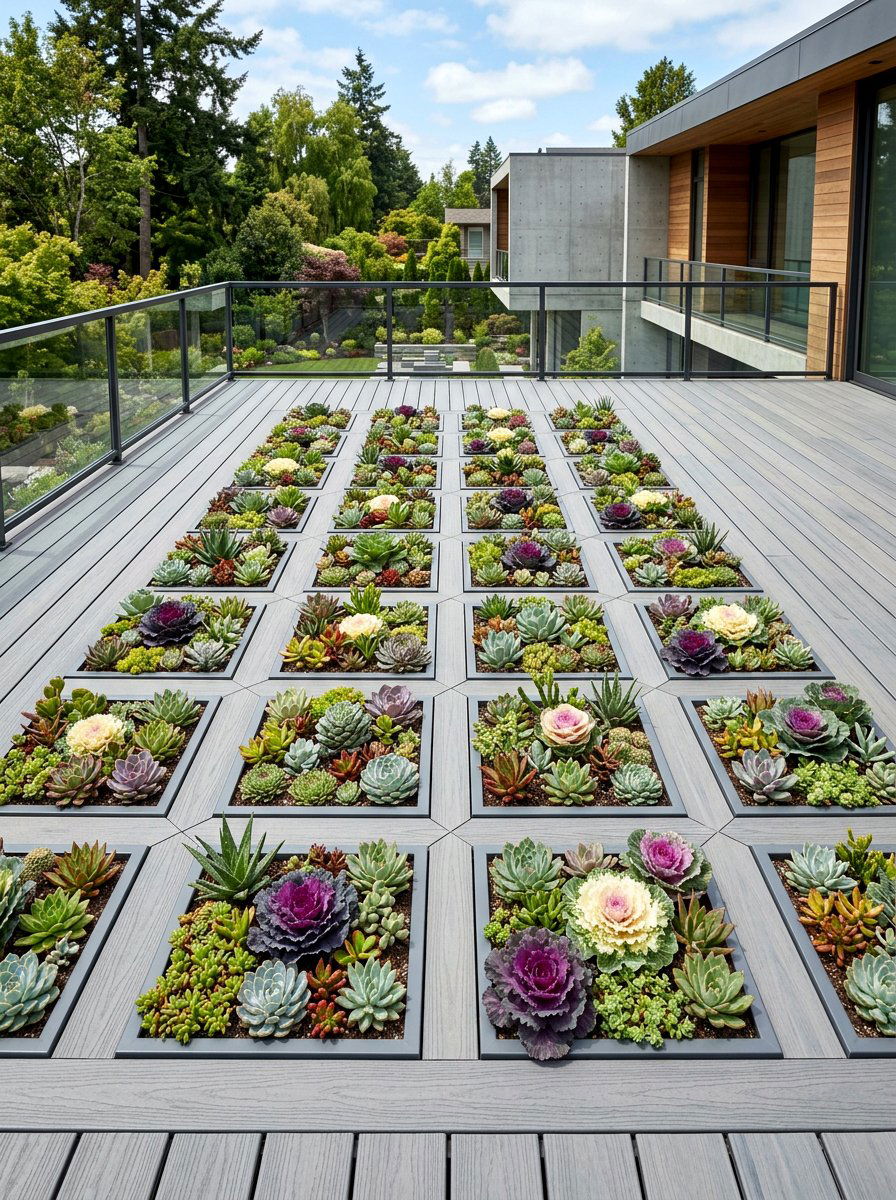
A railing planter salad greens arrangement turns your balcony or deck railing into a highly productive harvest zone. These specialized containers wrap securely around the rail, utilizing space that is often completely wasted. Because salad greens like spinach, arugula, and baby kale have shallow roots, they thrive in the limited soil volume of a railing pot. Growing them at waist height makes maintenance and harvesting incredibly convenient. You can easily snip what you need for a meal without ever having to bend over. This setup is perfect for high-traffic areas where you want quick access to fresh, organic ingredients for your daily cooking.
11. Terracotta Pot Herb Garden
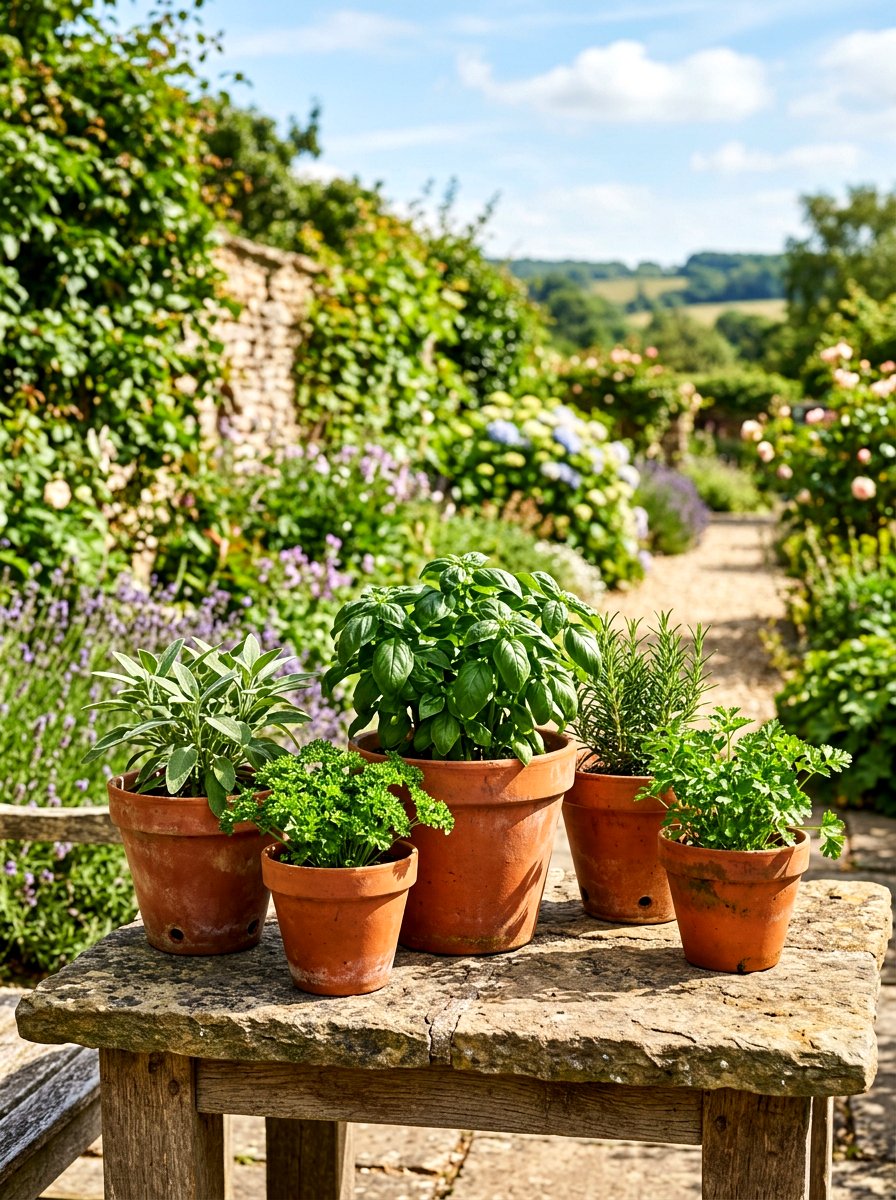
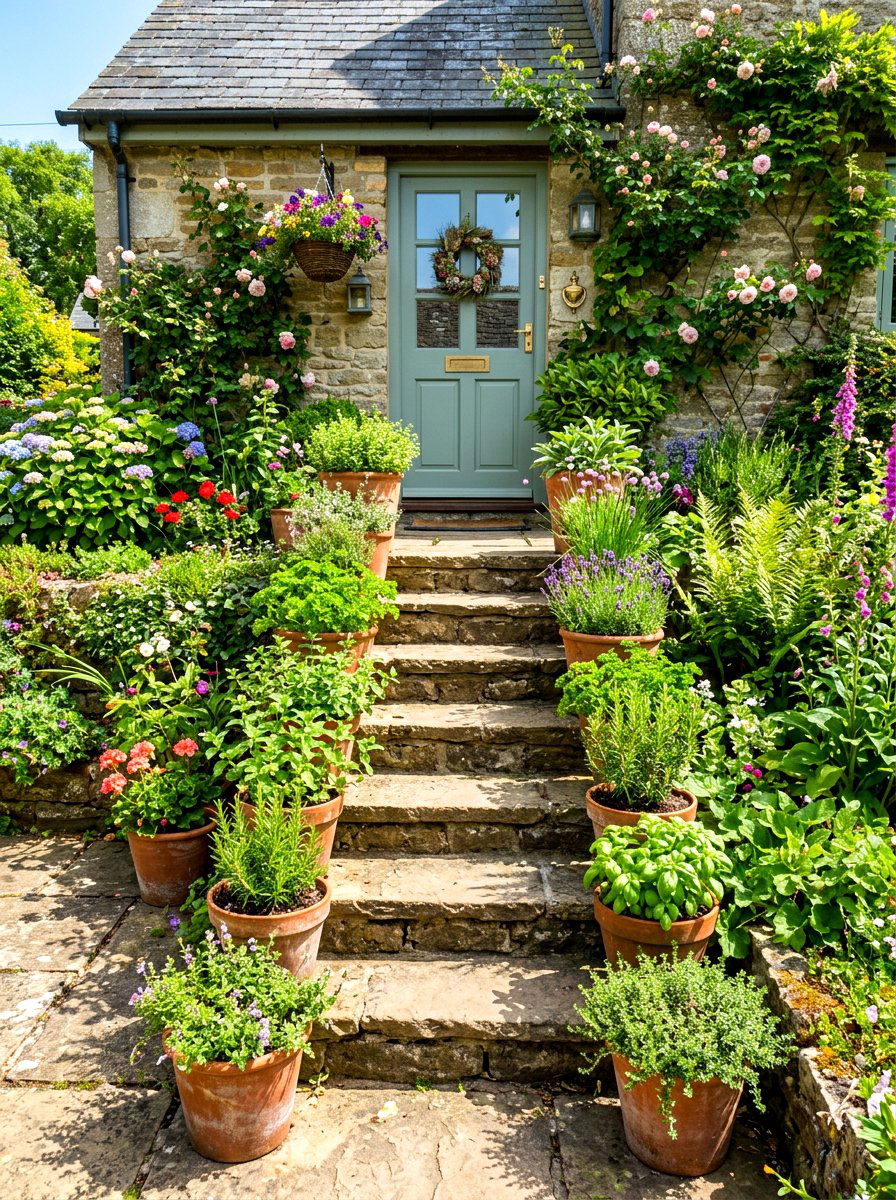
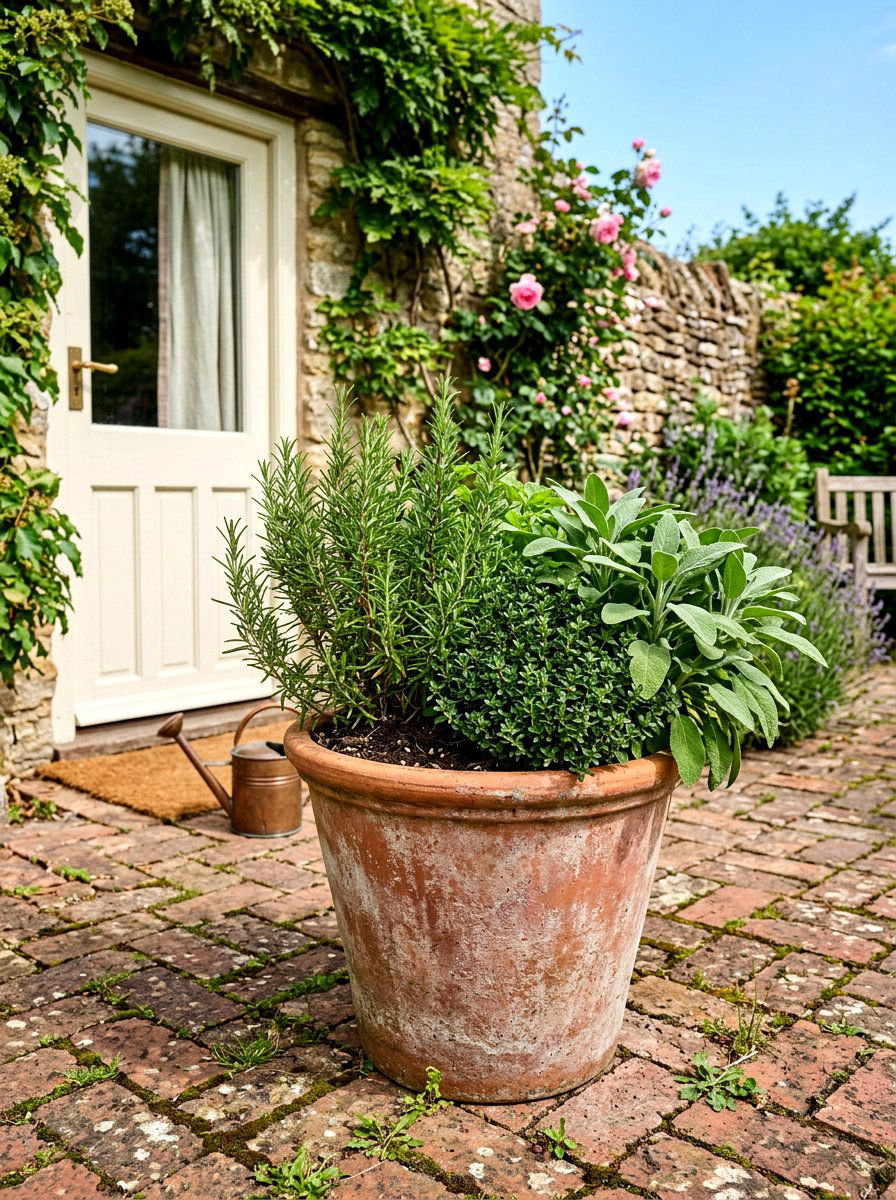
A terracotta pot herb garden offers a timeless look that fits beautifully into any outdoor or indoor setting. The porous nature of terracotta allows the soil to "breathe" and prevents the roots from sitting in stagnant water. This is especially beneficial for Mediterranean herbs like sage and oregano that prefer drier conditions. You can group pots of varying sizes together to create a textured and aromatic display. The classic orange hue of the clay provides a warm contrast to the vibrant green foliage of the herbs. It is an affordable and effective way to start a culinary garden that provides fresh flavors year-round.
12. Stackable Strawberry Tower
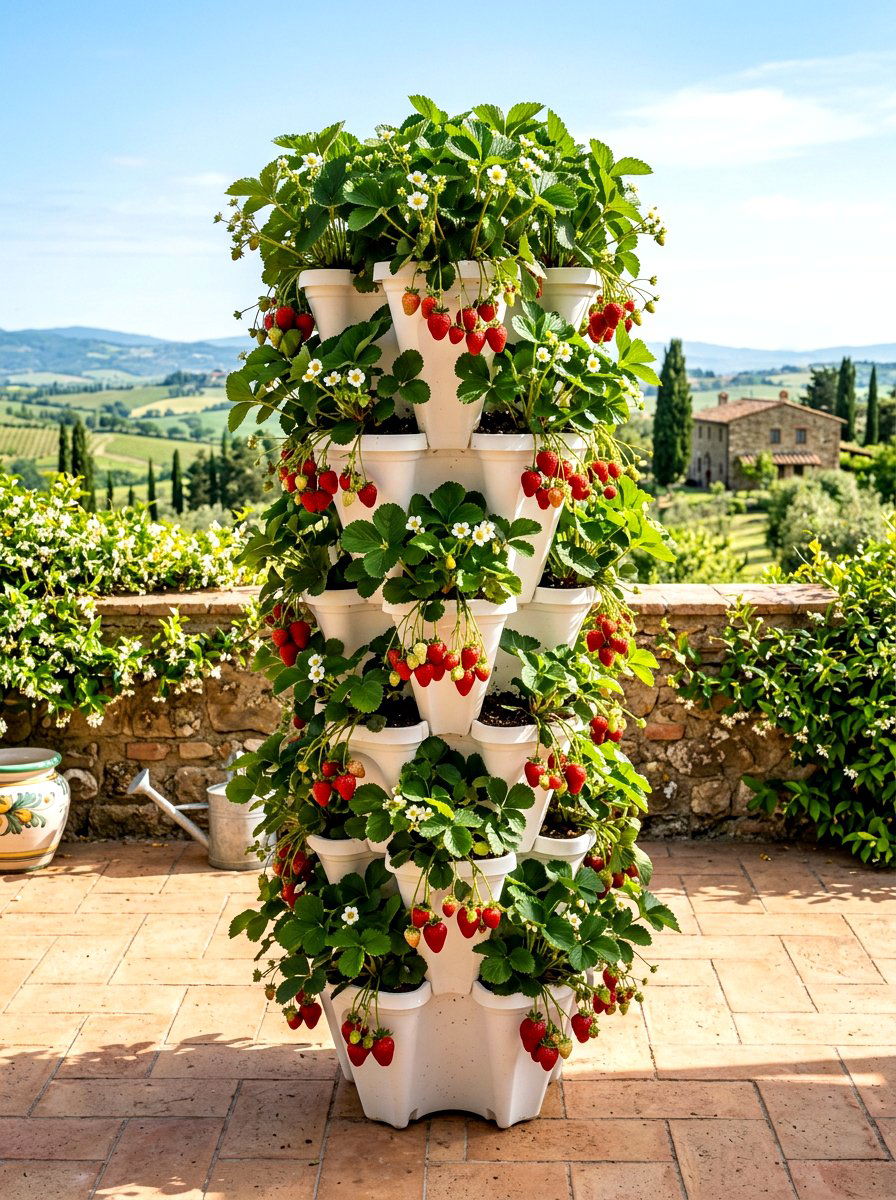
A stackable strawberry tower is a brilliant vertical solution that allows you to grow dozens of plants in a single square foot. These systems consist of interlocking tiers with multiple planting pockets on each level. As you stack the units, they create a tall pillar of greenery and fruit. Most designs include a central watering tube that distributes moisture evenly to every level from top to bottom. This ensures that no plant is left thirsty while preventing the lower levels from becoming waterlogged. It is a high-yield option for small patios and is very popular for its impressive visual impact and ease of use.
13. Plastic Tub Sweet Potato
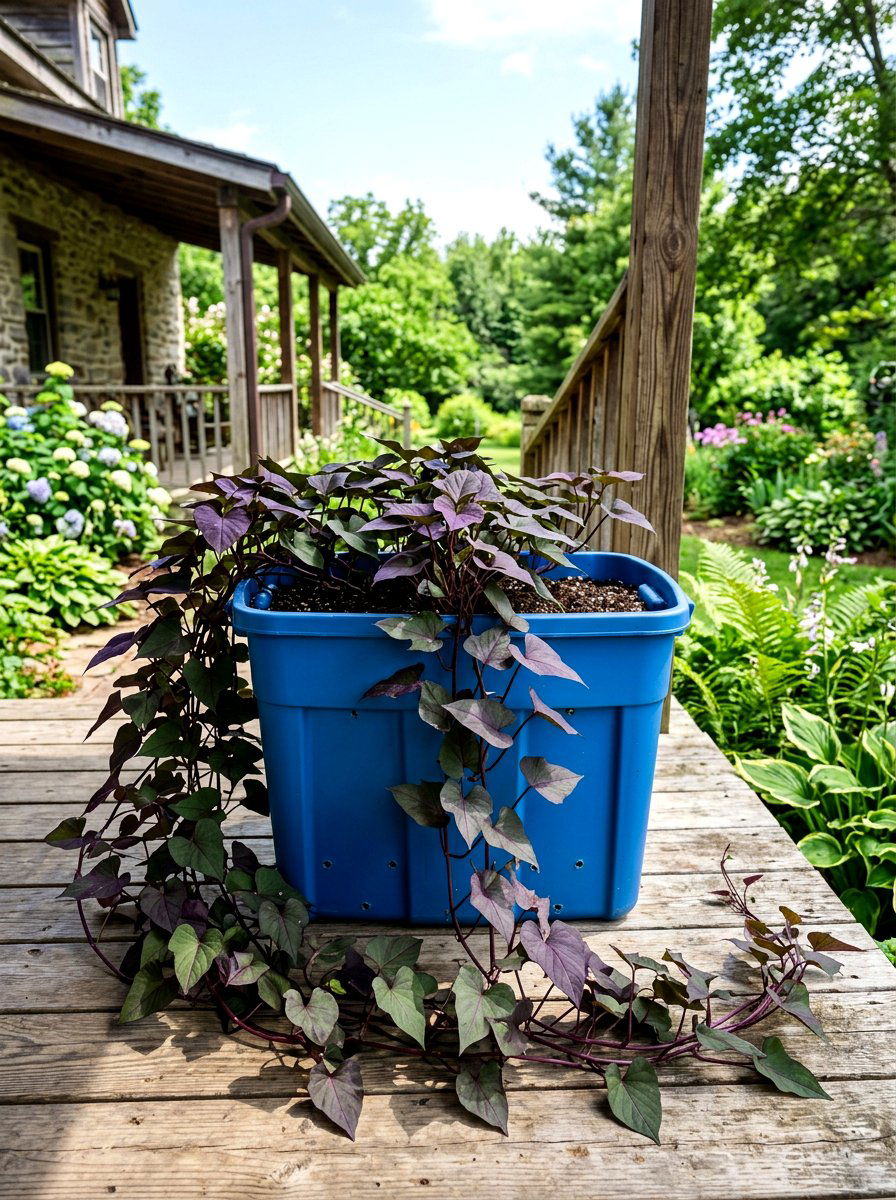
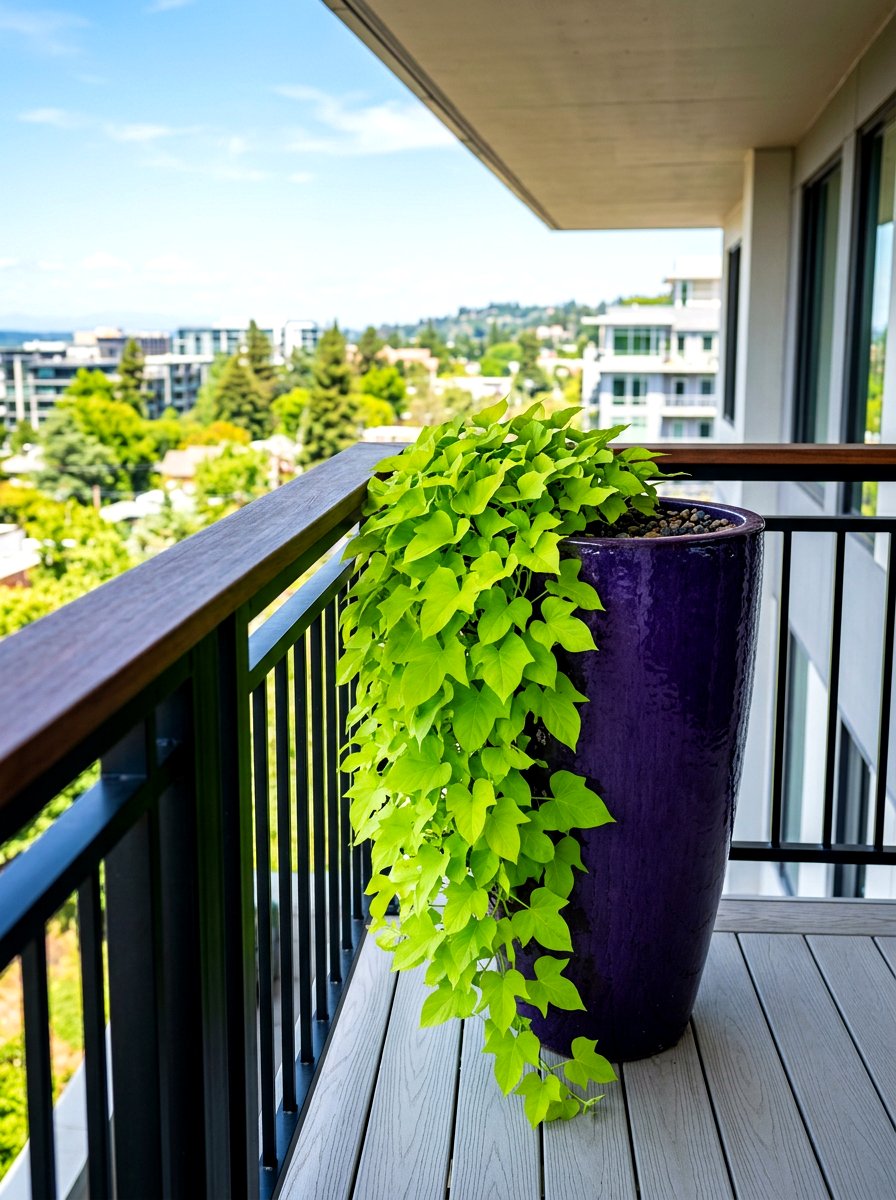
A plastic tub sweet potato garden is an easy way to grow this high-calorie crop in a contained and manageable way. Sweet potatoes need a lot of room for their tubers to develop, so a large plastic storage tub with drainage holes works perfectly. These containers hold a significant amount of soil and moisture, which sweet potatoes crave during the hot summer months. The trailing vines of the sweet potato plant are also highly ornamental, often spilling over the sides in a lush carpet of heart-shaped leaves. Using a tub makes harvesting a breeze; you simply tip it over at the end of the season.
14. Ceramic Bowl Microgreens
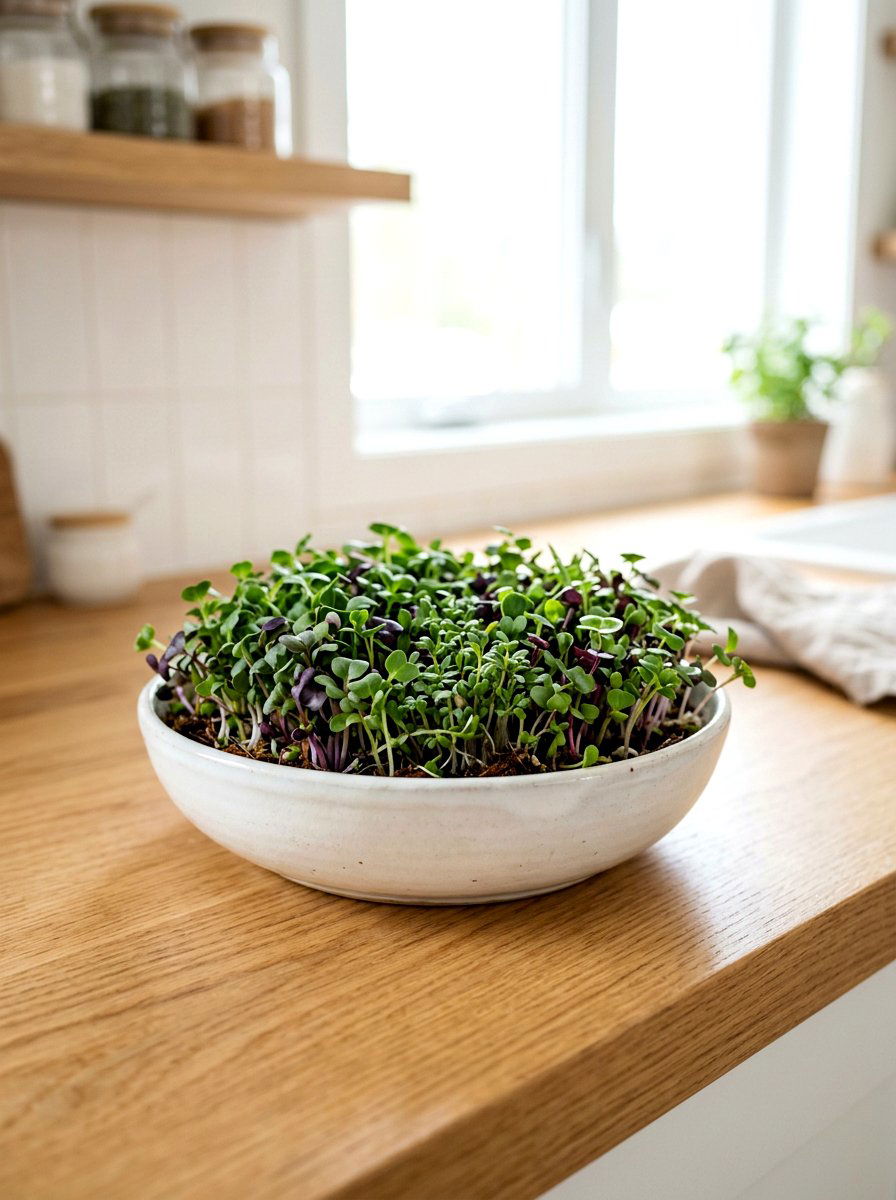
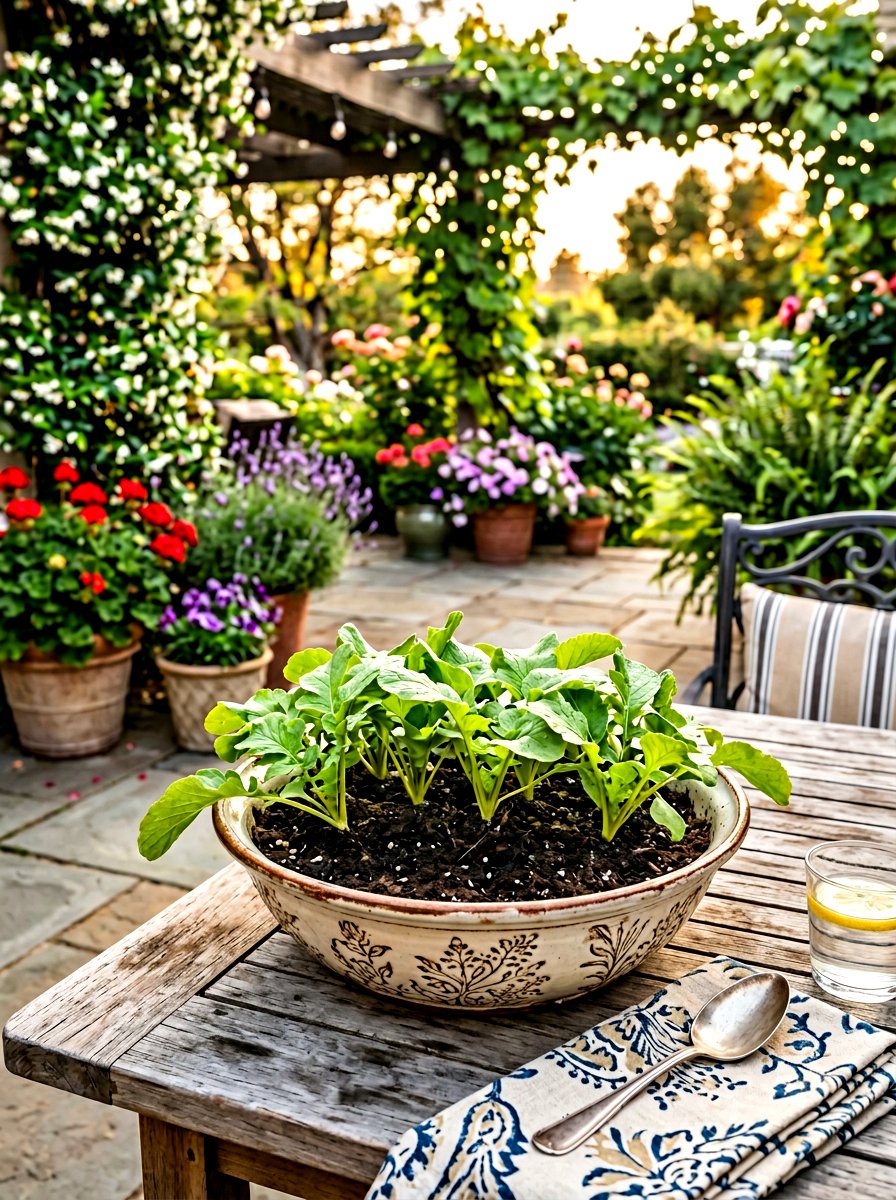
A ceramic bowl microgreens display is a sophisticated way to grow nutrient-dense greens right on your kitchen counter or dining table. Microgreens are harvested when they are just a few inches tall, so they do not require deep soil or a long growing period. A shallow, decorative ceramic bowl filled with a light seed-starting mix is all you need to get started. You can grow a variety of seeds like radish, broccoli, and mustard for a range of spicy and earthy flavors. This method provides a quick harvest in as little as ten days. It adds a touch of fresh, living decor to your indoor space.
15. Wine Barrel Squash Garden
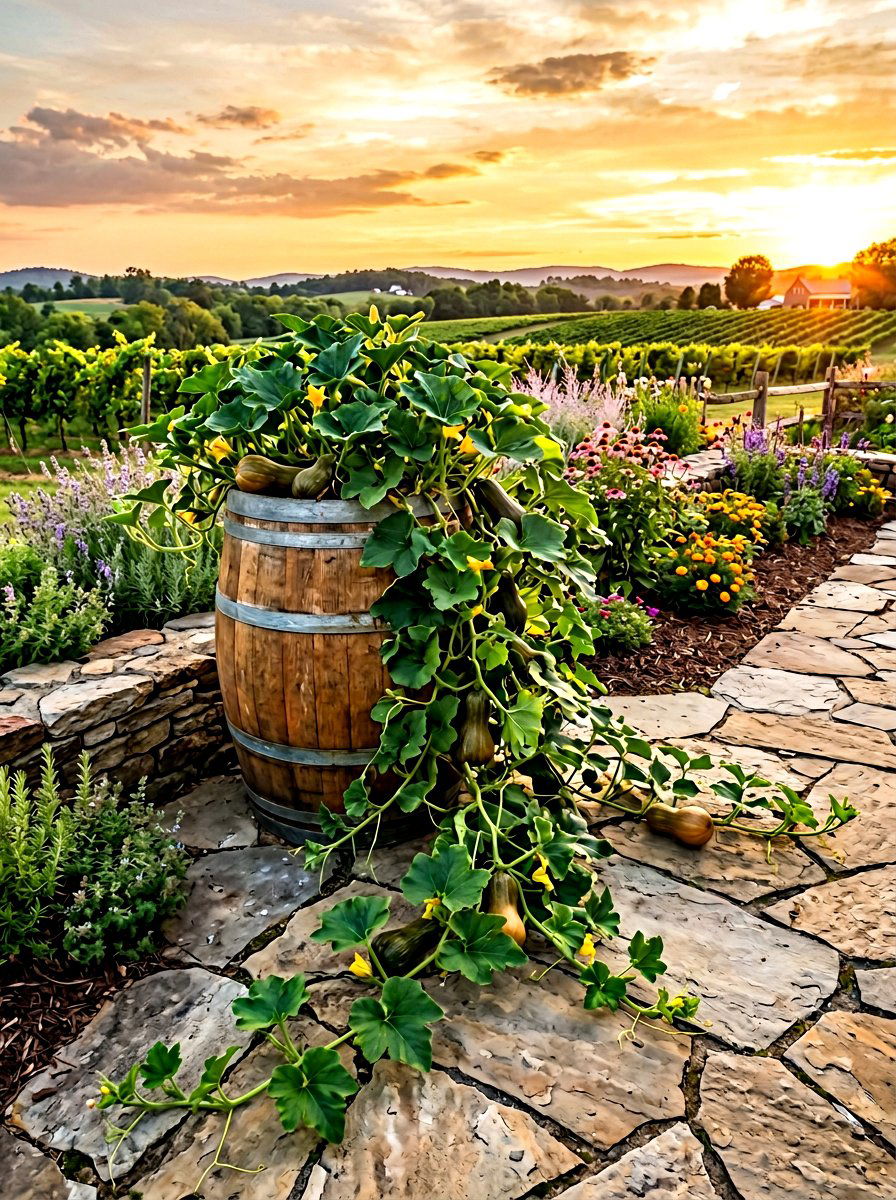
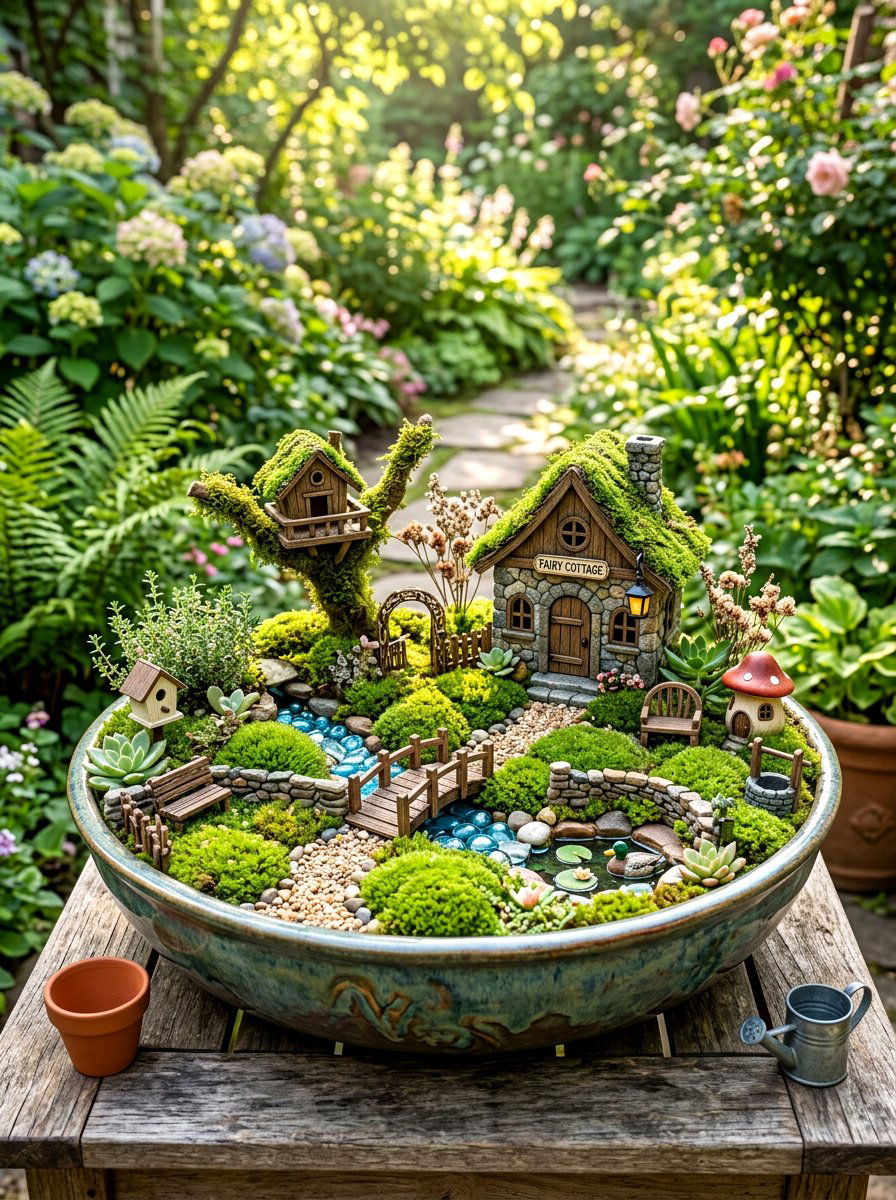
A wine barrel squash garden provides the massive amount of space and soil volume required for large vining plants like butternut or acorn squash. Half-barrels are incredibly sturdy and can hold a high capacity of rich, organic potting soil. The thick wooden walls help insulate the roots from extreme temperature fluctuations during the peak of summer. While the main plant stays rooted in the barrel, you can direct the long vines to trail across a patio or even up a sturdy fence. This setup is ideal for gardeners who want to grow substantial winter squash but lack the garden beds usually required for them.
16. Hydroponic Lettuce System
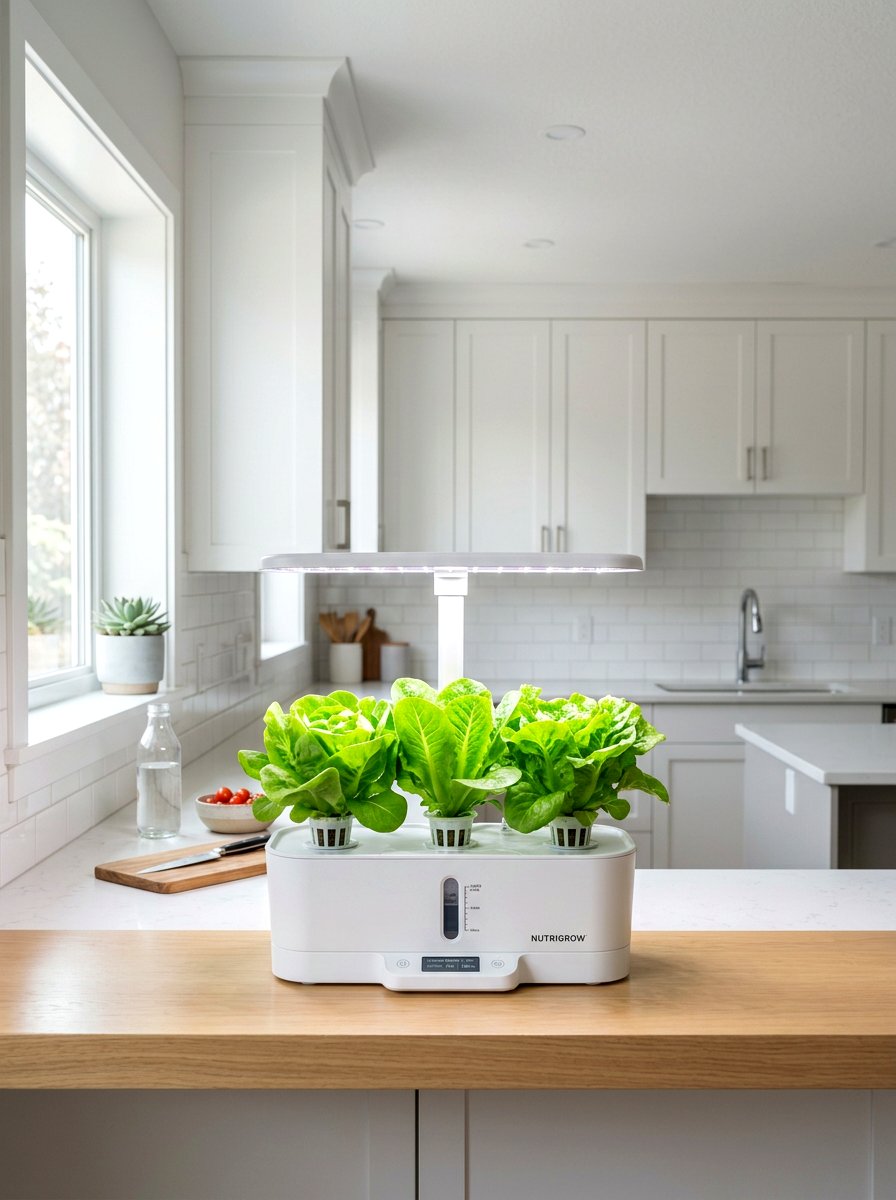
A hydroponic lettuce system represents the cutting edge of modern container gardening for those with very limited space or no soil. These systems grow plants in a nutrient-rich water solution, often using a small pump to circulate oxygen. Because the plants do not have to "search" for nutrients in the soil, they often grow much faster and produce more tender leaves. Compact countertop versions are now widely available for indoor use, featuring integrated LED grow lights. This allows you to harvest fresh, pesticide-free greens even in the middle of winter. It is a clean, soil-free, and highly efficient way to maintain a continuous supply of salad.
17. Concrete Planter Kale
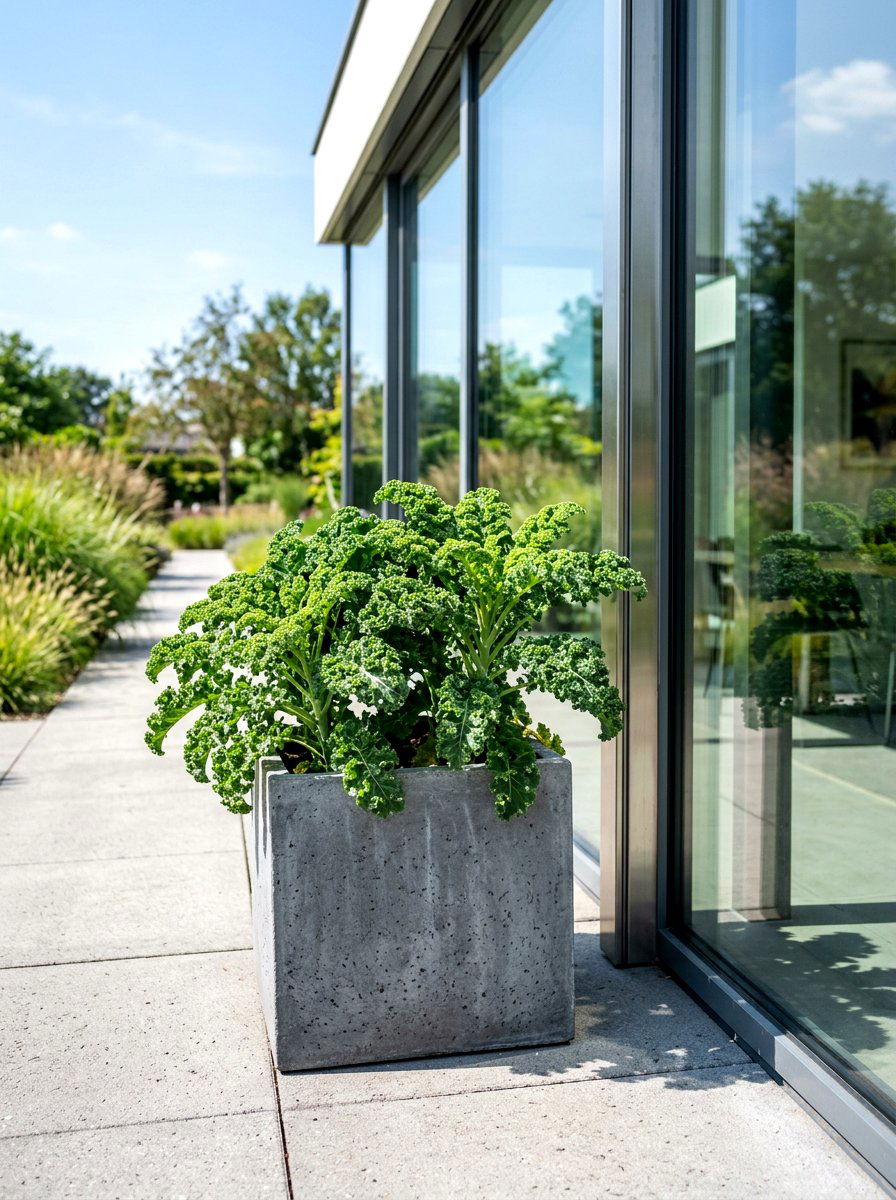
A concrete planter kale arrangement is perfect for adding a modern, industrial aesthetic to your garden while providing a stable home for hardy greens. Concrete is heavy and durable, making it an excellent choice for windy balconies or areas where lightweight pots might tip over. Kale is a tough vegetable that handles cold temperatures well, and the thermal mass of concrete can help protect its roots from freezing. You can choose varieties with curly, blue-green leaves or dark, pebbled "dinosaur" kale for a striking visual contrast. These planters look great in minimalist designs and provide a reliable harvest of nutritious leaves for many months.
18. Rolling Metal Planter
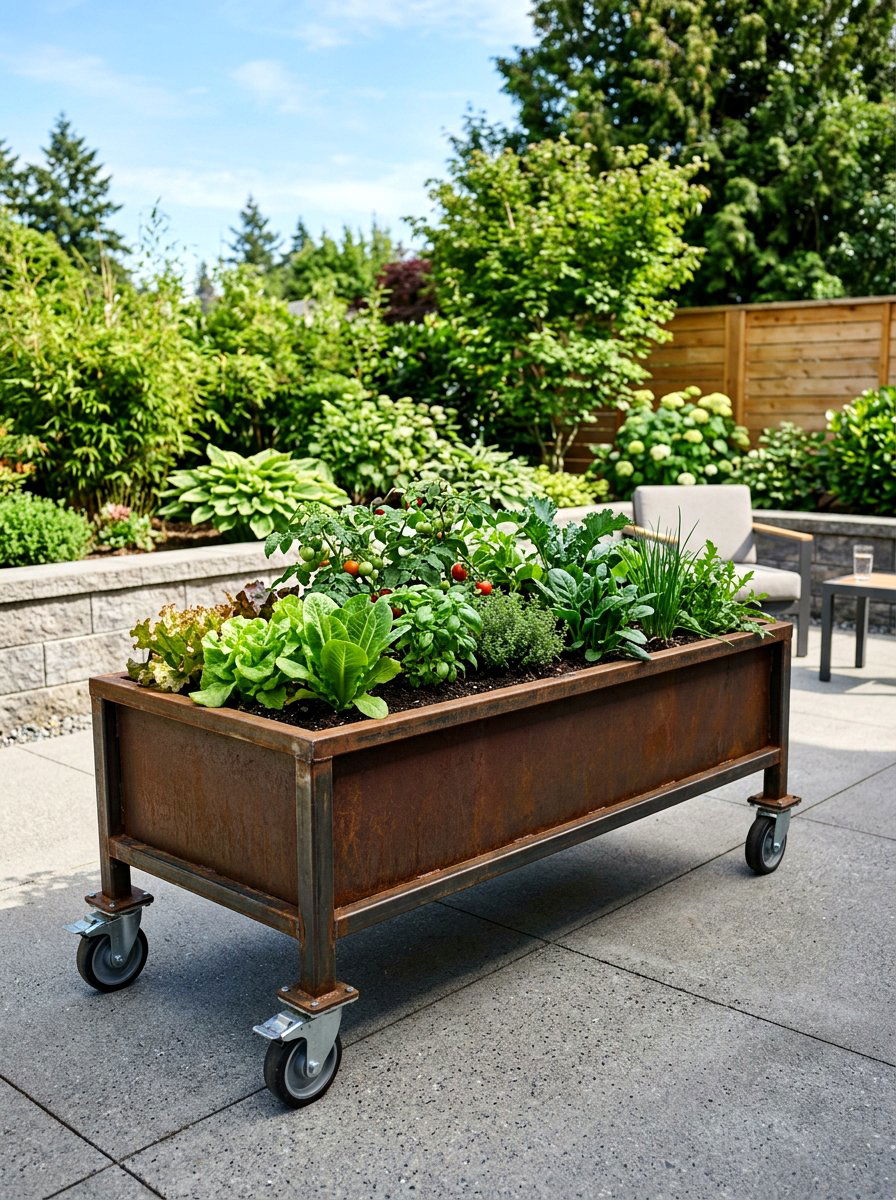
A rolling metal planter offers the ultimate in flexibility for gardeners who need to move their crops to follow the sun. Many vegetables, such as peppers and eggplants, require at least six to eight hours of direct sunlight to produce a good harvest. With heavy-duty casters attached to a large metal trough or box, you can easily shift your garden across a patio as the shadows change. This is also helpful for moving plants out of the way during outdoor gatherings or protecting them from unexpected hailstorms. The metallic finish provides a sleek, contemporary look that complements modern outdoor furniture and architectural styles perfectly.
19. Felt Wall Pocket Herbs
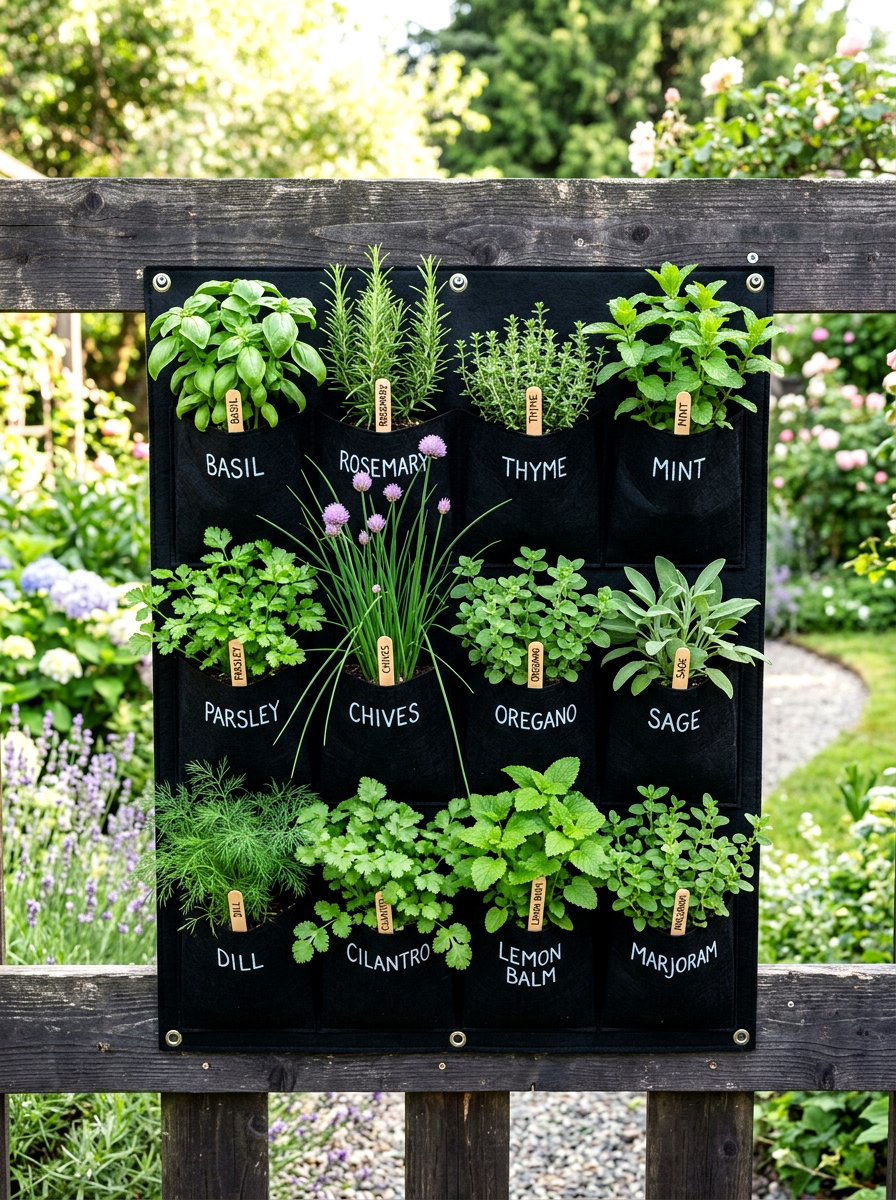
A felt wall pocket herbs installation transforms a bare outdoor wall or fence into a lush, vertical tapestry of flavor. These systems consist of rows of breathable felt pockets that are mounted directly to a vertical surface. The felt material allows for excellent drainage and aeration, which keeps the herb roots healthy and prevents rot. You can plant a different herb in each pocket, creating a organized and easily accessible culinary station. This is a perfect solution for very small balconies where floor space is non-existent. It keeps your herbs away from pests and adds a soft, green texture to hard vertical surfaces.
20. Wicker Basket Radish
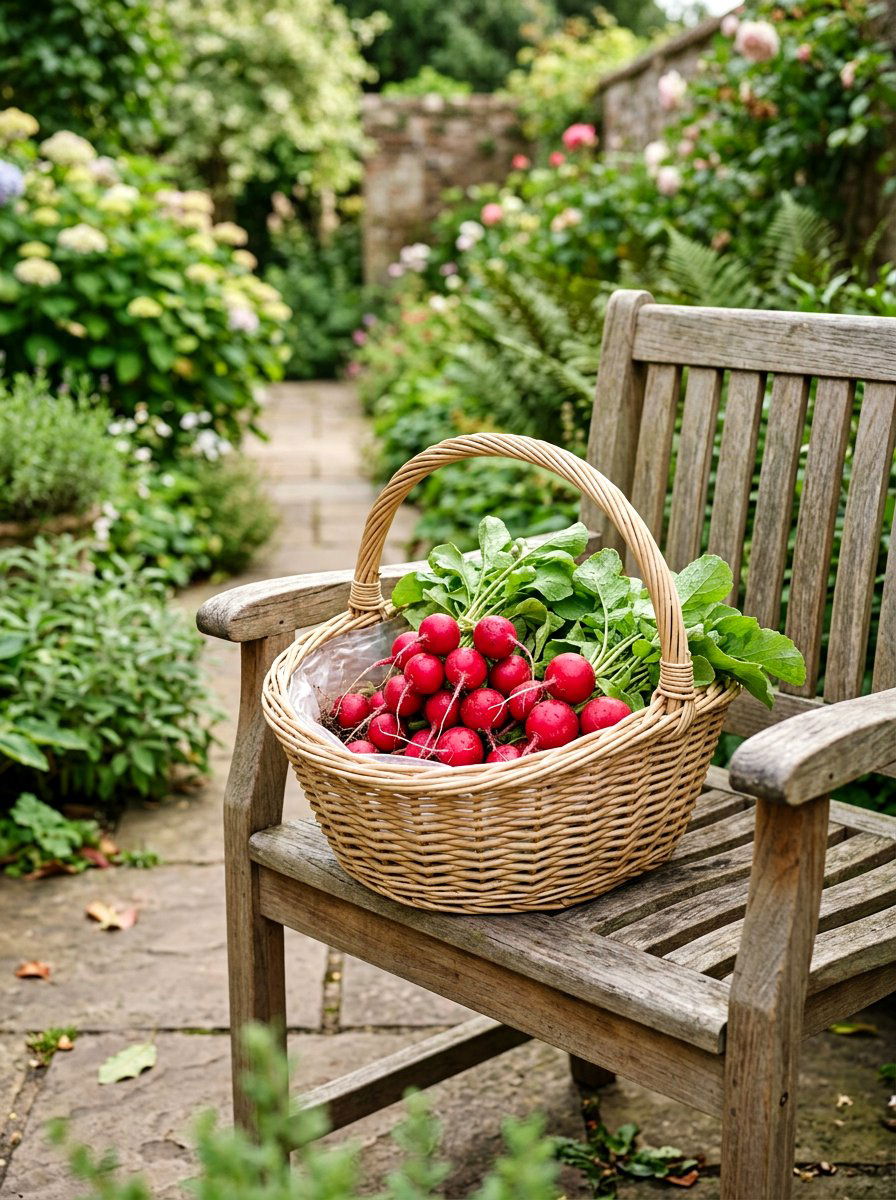
A wicker basket radish garden is a charming and portable way to grow one of the fastest vegetables in the garden world. Radishes only need a few inches of soil depth, so almost any basket can be repurposed for this task. You should line the basket with plastic and poke several holes for drainage to keep the soil moist but not soggy. The quick growth cycle of radishes means you can see results in as little as three weeks. This makes it an ideal project for children or impatient beginners. The natural texture of the wicker adds a lovely, organic feel to your container garden.
21. Resin Pot Eggplant
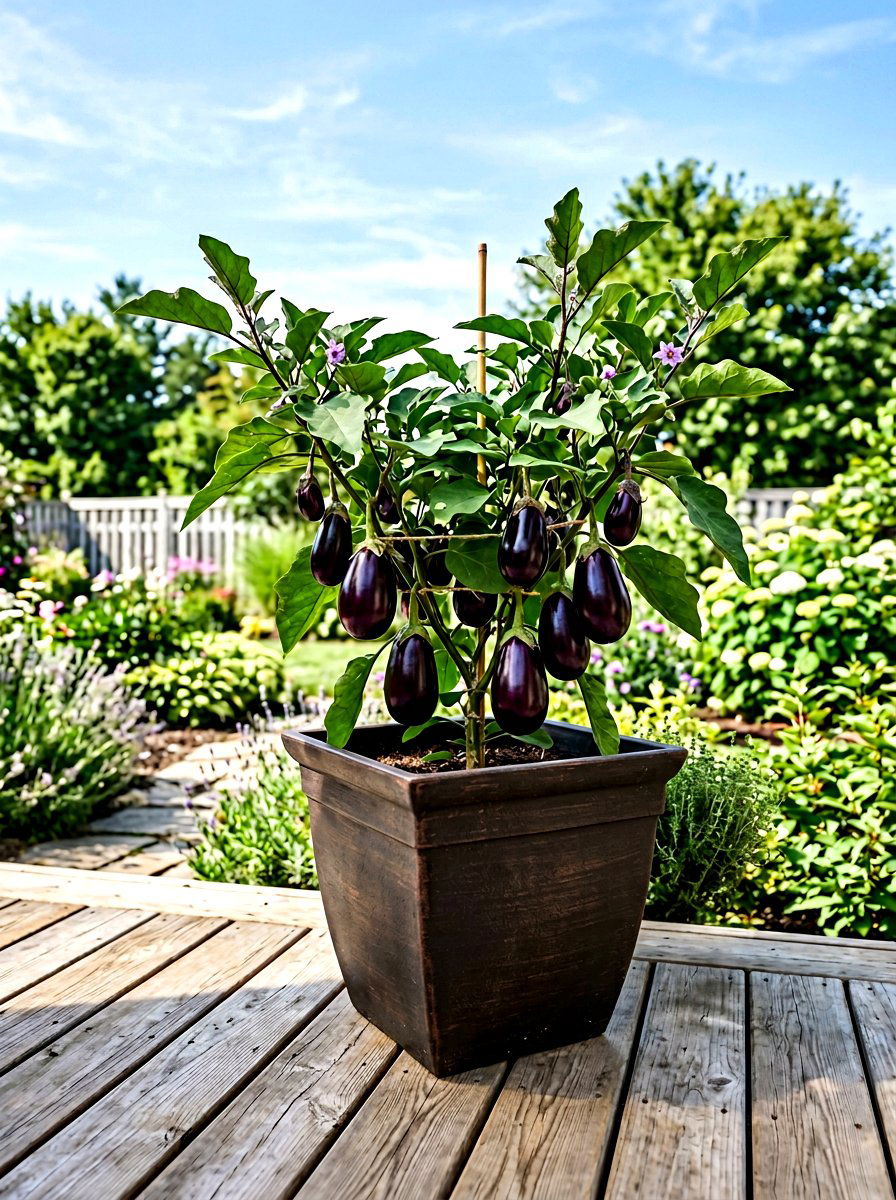
A resin pot eggplant setup provides the deep, warm environment that these heat-loving vegetables need to thrive. High-quality resin pots are lightweight enough to move but thick enough to provide excellent insulation for the root zone. Eggplants often have beautiful purple flowers and glossy, colorful fruit, making them excellent "edimental" plants that are both ornamental and edible. Because eggplants can become top-heavy when loaded with fruit, a sturdy resin pot with a wide base provides the necessary stability. You can choose compact "patio" varieties that are specifically bred to produce a high yield in a smaller container without needing extensive staking or support.
22. Five Gallon Bucket Pepper
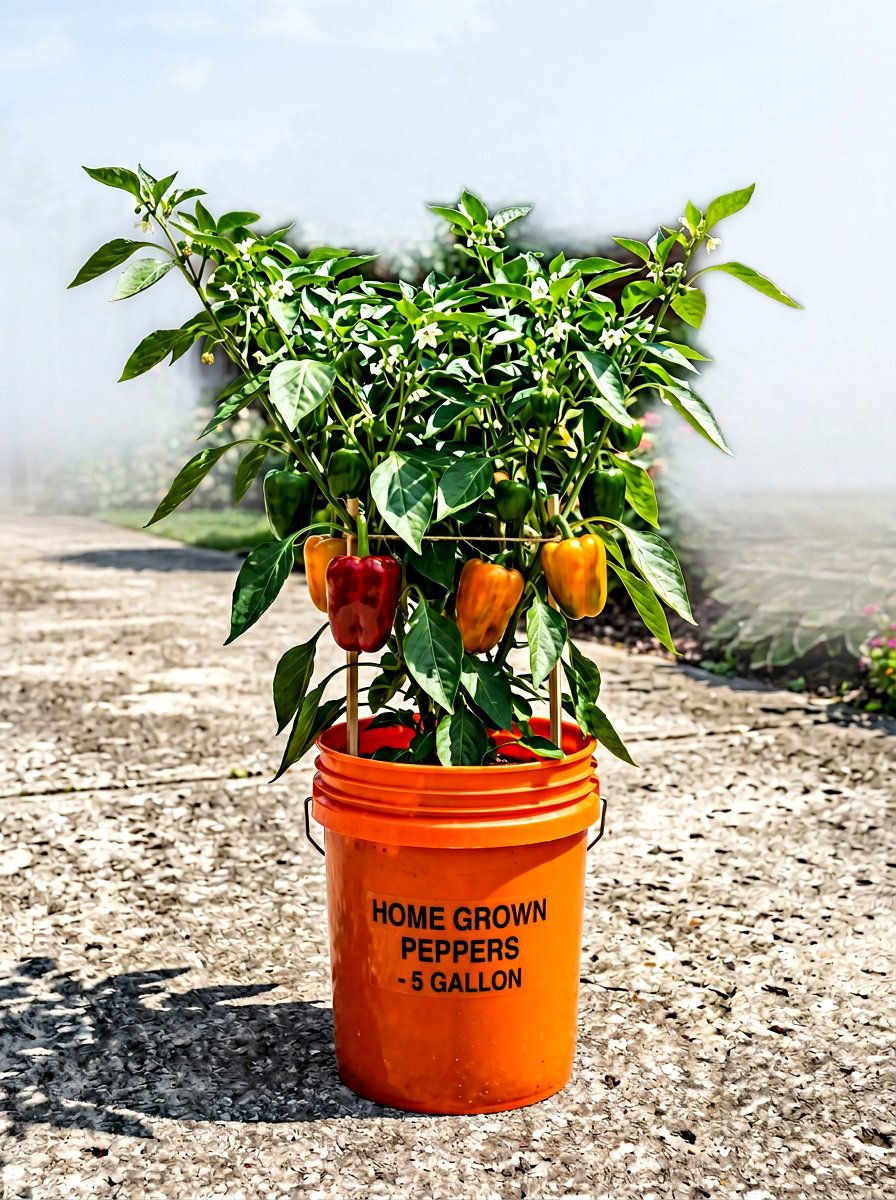
A five gallon bucket pepper garden is an affordable and highly effective way to grow various pepper varieties on a budget. These buckets are deep enough to accommodate the root systems of even the largest bell pepper plants. You must drill several drainage holes in the bottom to prevent the roots from drowning. These containers are easy to source and can be painted to match your outdoor decor if you prefer a more polished look. Because they have handles, you can easily carry them to a different spot if the light changes throughout the season. It is a practical, no-fuss approach to productive urban farming.
23. Cedar Raised Bed On Legs
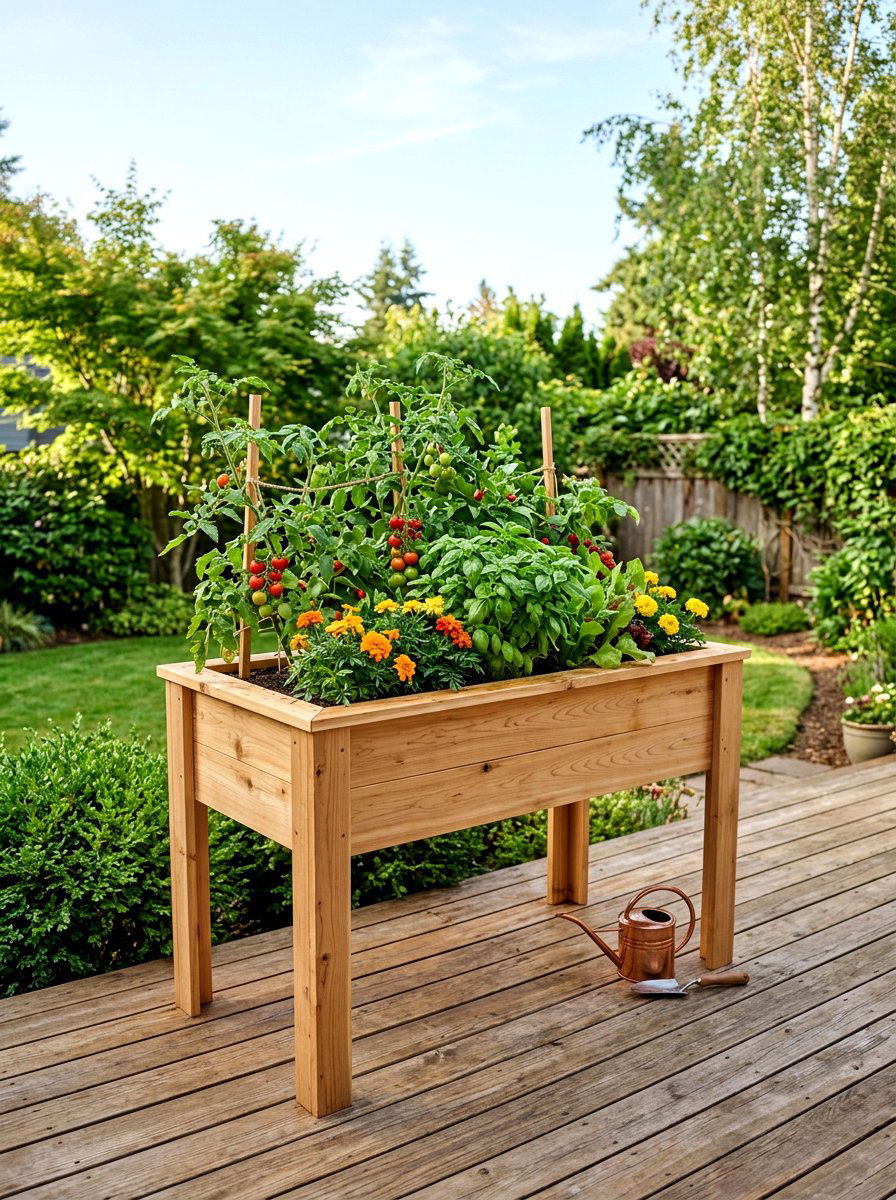
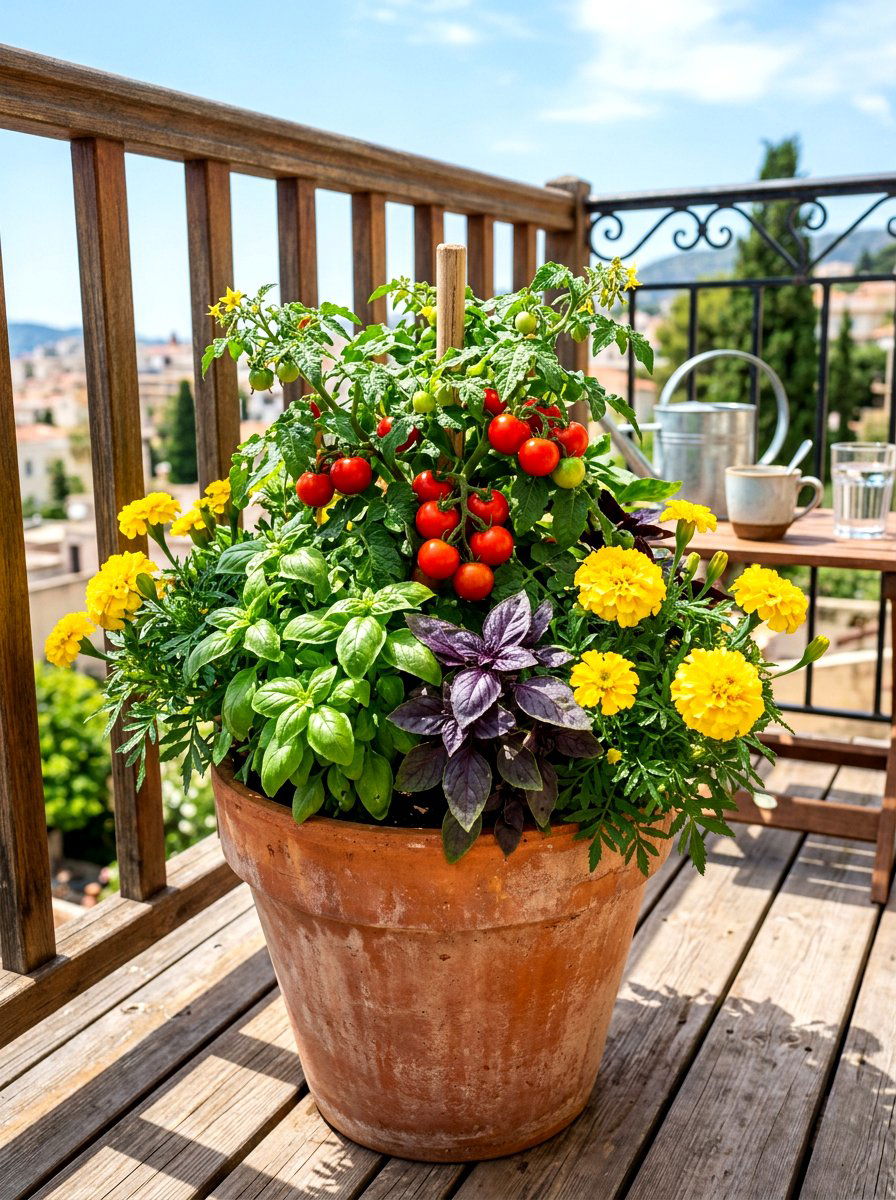
A cedar raised bed on legs is an ergonomic and stylish choice for growing a variety of vegetables without any bending or kneeling. These elevated beds bring the garden up to waist height, making it accessible for everyone. Cedar is naturally rot-resistant and provides a beautiful, high-end look for a deck or patio. You can grow a mix of companion plants, such as tomatoes surrounded by basil and marigolds, in a single elevated unit. The depth of these beds allows for a diverse range of crops, including root vegetables and leafy greens. It is a long-lasting investment that simplifies every aspect of garden maintenance.
24. Plastic Bag Vertical Potato
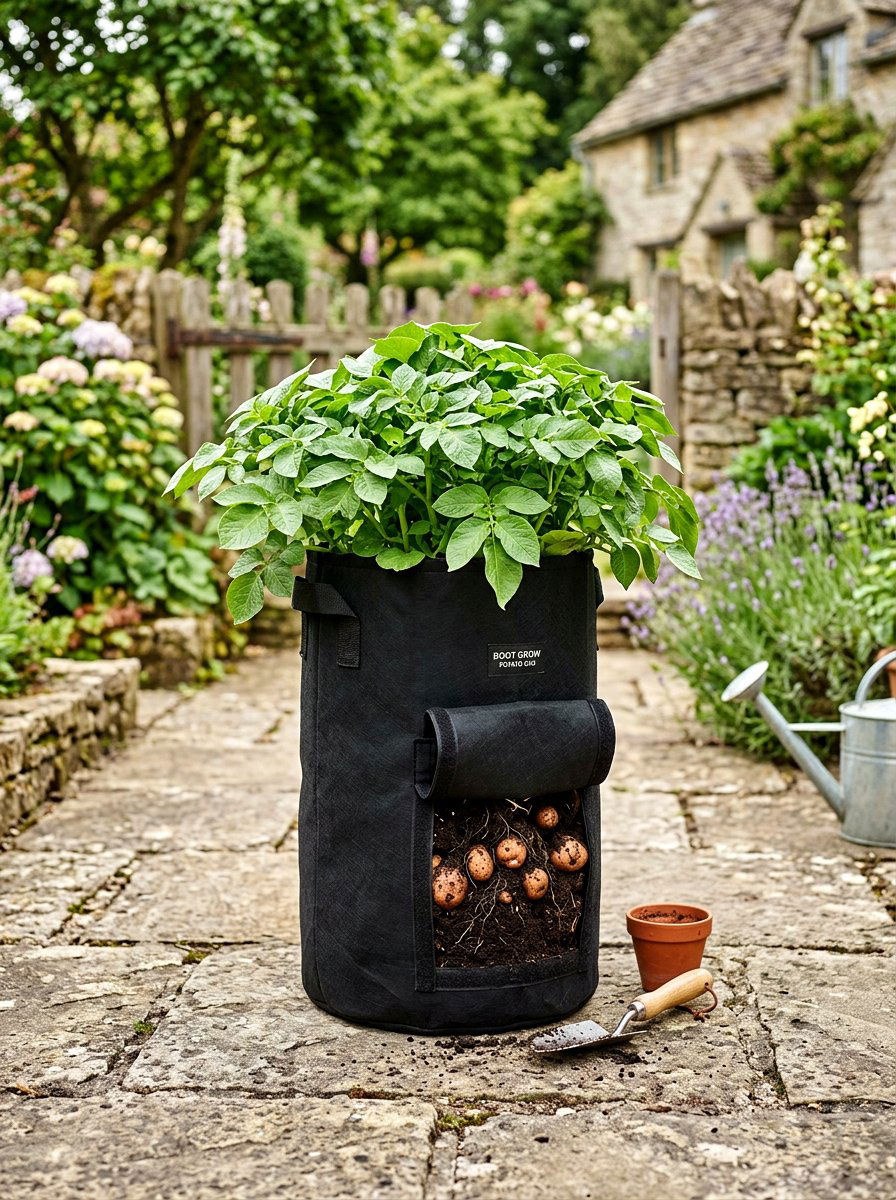
A plastic bag vertical potato garden is a space-saving technique that uses heavy-duty grow bags specifically designed for hilling. You start with just a few inches of soil at the bottom of the bag and add more as the potato plants grow upward. This "hilling" process encourages the plant to produce more tubers along the buried stems, greatly increasing your total yield. These bags often feature a flap at the bottom, allowing you to harvest "new" potatoes without killing the plant. When the season is over, you simply dump the bag and store it flat. It is an incredibly efficient use of vertical space.
25. Gutter Garden Lettuce
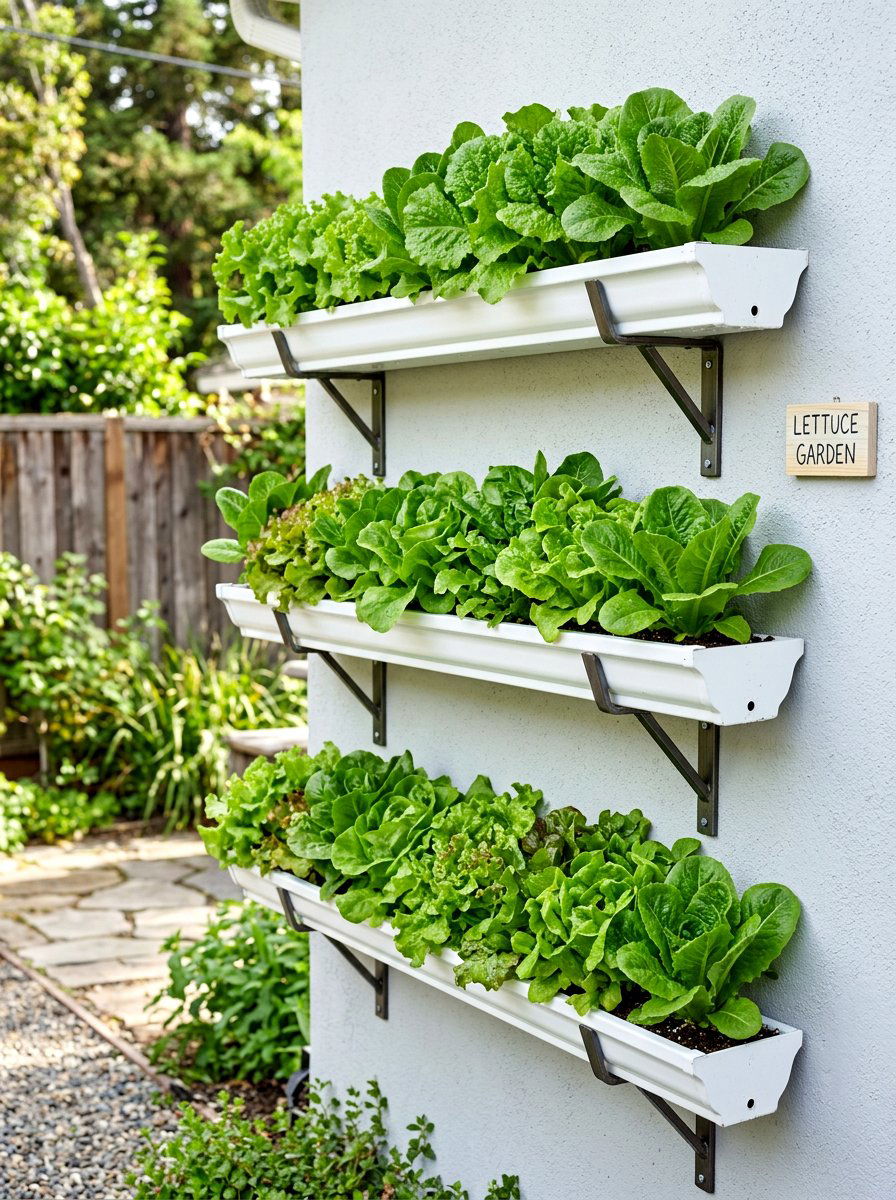
A gutter garden lettuce system uses standard rain gutters mounted horizontally to a wall or fence to create long rows of greens. This is an excellent way to utilize narrow spaces that are otherwise unusable for traditional gardening. Because lettuce and spinach have very shallow roots, the small amount of soil held by the gutter is more than enough for them to flourish. You can mount several gutters one above the other to create a wall of food. This setup makes watering very simple, as you can often set up a drip system that runs through each level. It is a modern, architectural look.
26. Painted Tin Can Herbs
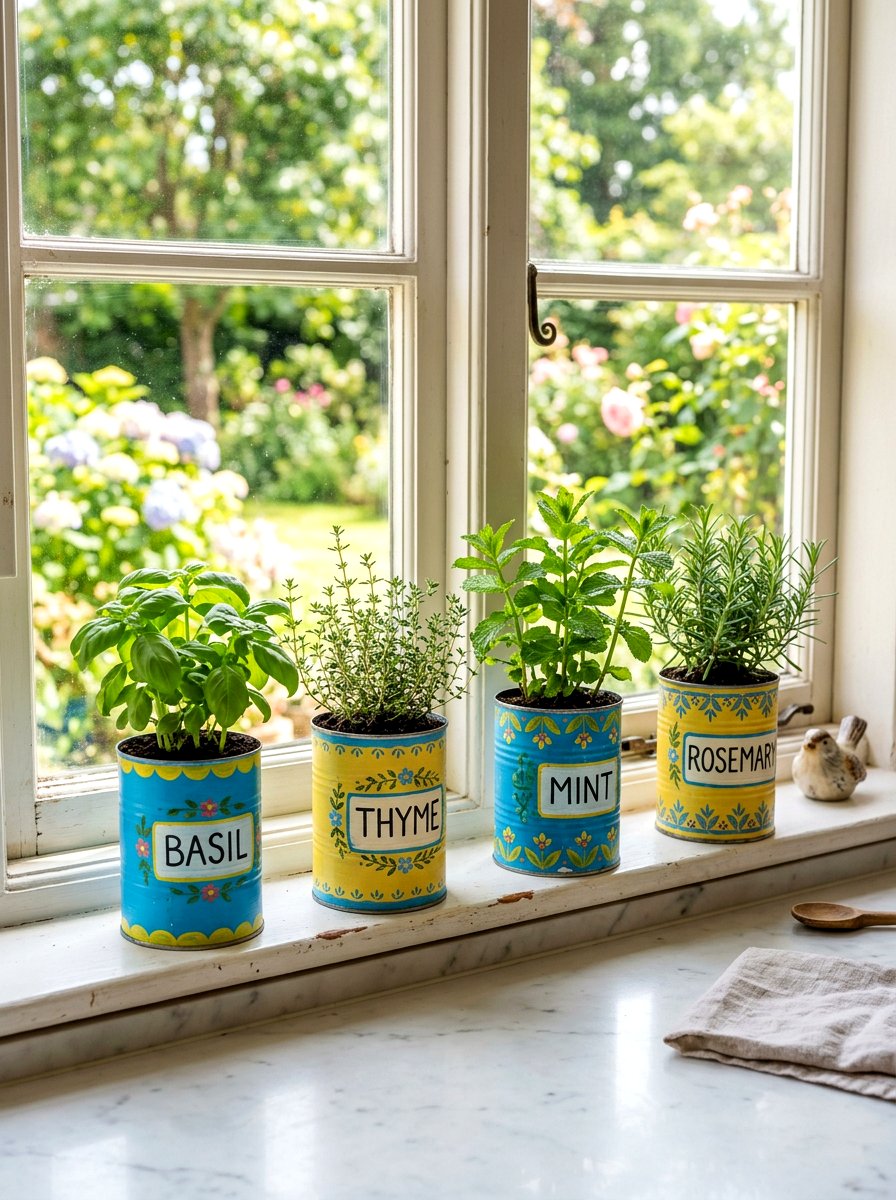
A painted tin can herbs display is a fun and eco-friendly way to upcycle kitchen waste into a colorful mini-garden. You can wash and paint large coffee or soup cans in bright colors to create a custom look for your windowsill. Be sure to punch holes in the bottom for drainage before adding your potting mix. These small containers are perfect for individual herbs like chives, cilantro, or parsley. You can line them up on a tray to keep them organized and protect your surfaces from water. It is a low-cost project that brings a cheerful, personal touch to your kitchen herb collection.
27. Ladder Shelf Vegetable Garden
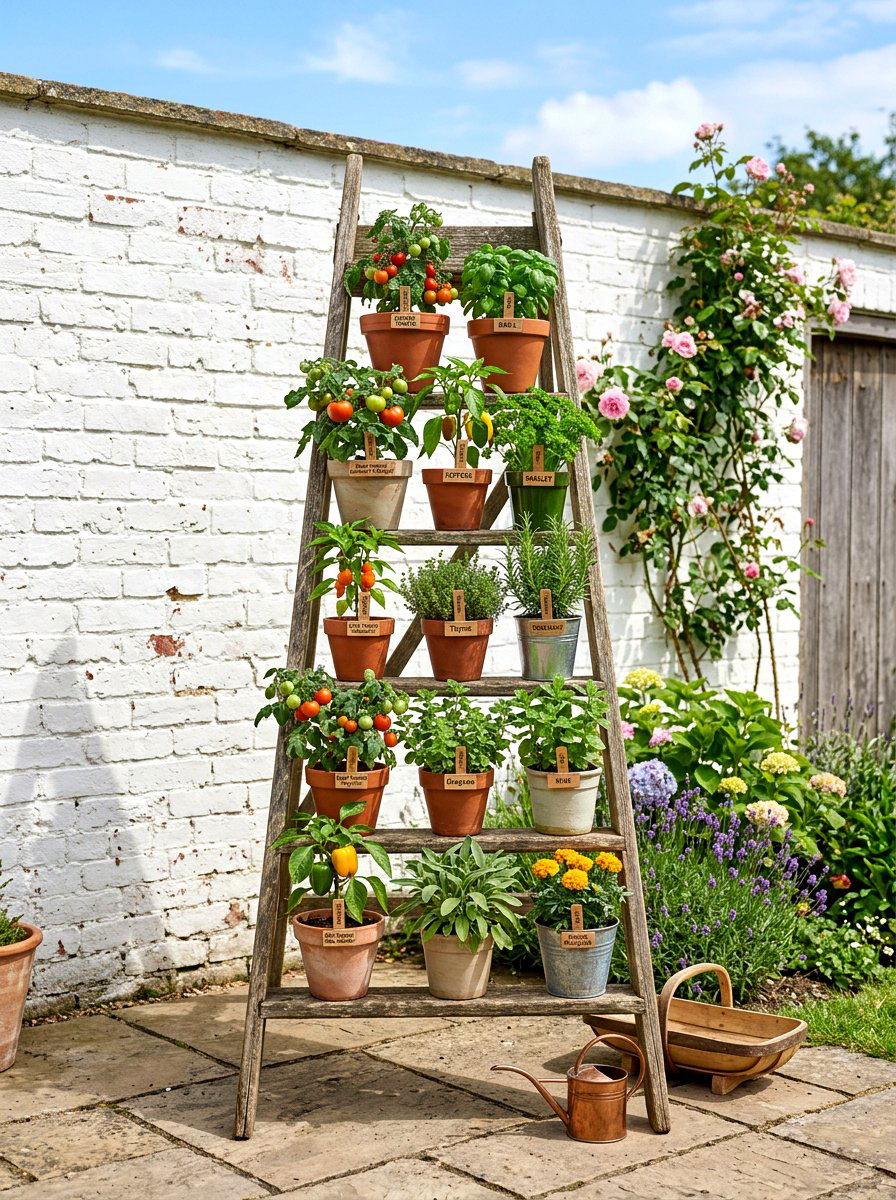
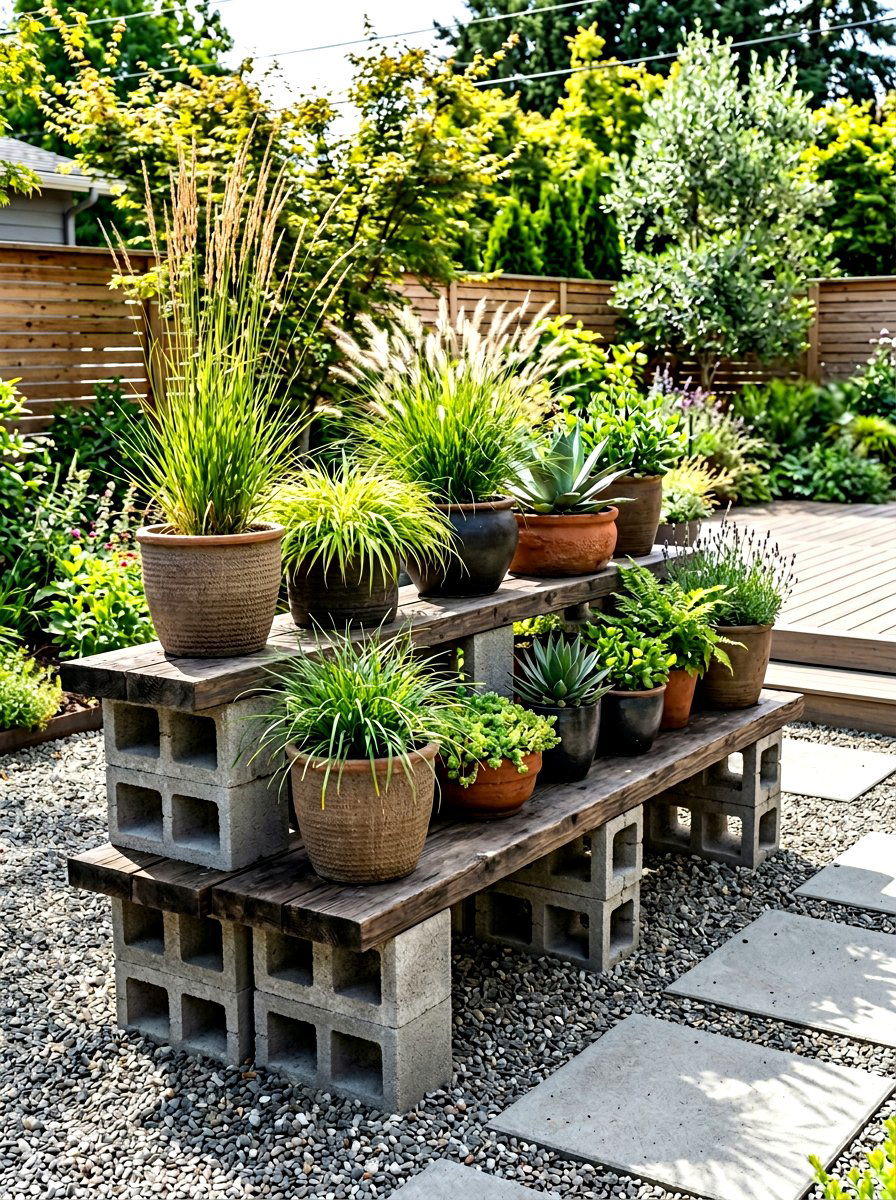
A ladder shelf vegetable garden uses an old or purpose-built ladder to create multiple levels for different containers. This vertical arrangement allows you to pack a huge variety of plants into a very narrow footprint. You can place larger, heavier pots on the bottom rungs for stability and smaller, lighter pots on the upper levels. This is a great way to separate different types of plants, such as keeping mint isolated so it does not take over other pots. The tiered structure ensures that every plant gets its own dose of sunlight. It is a trendy and functional way to organize your container collection.
28. Bamboo Pole Bean Container
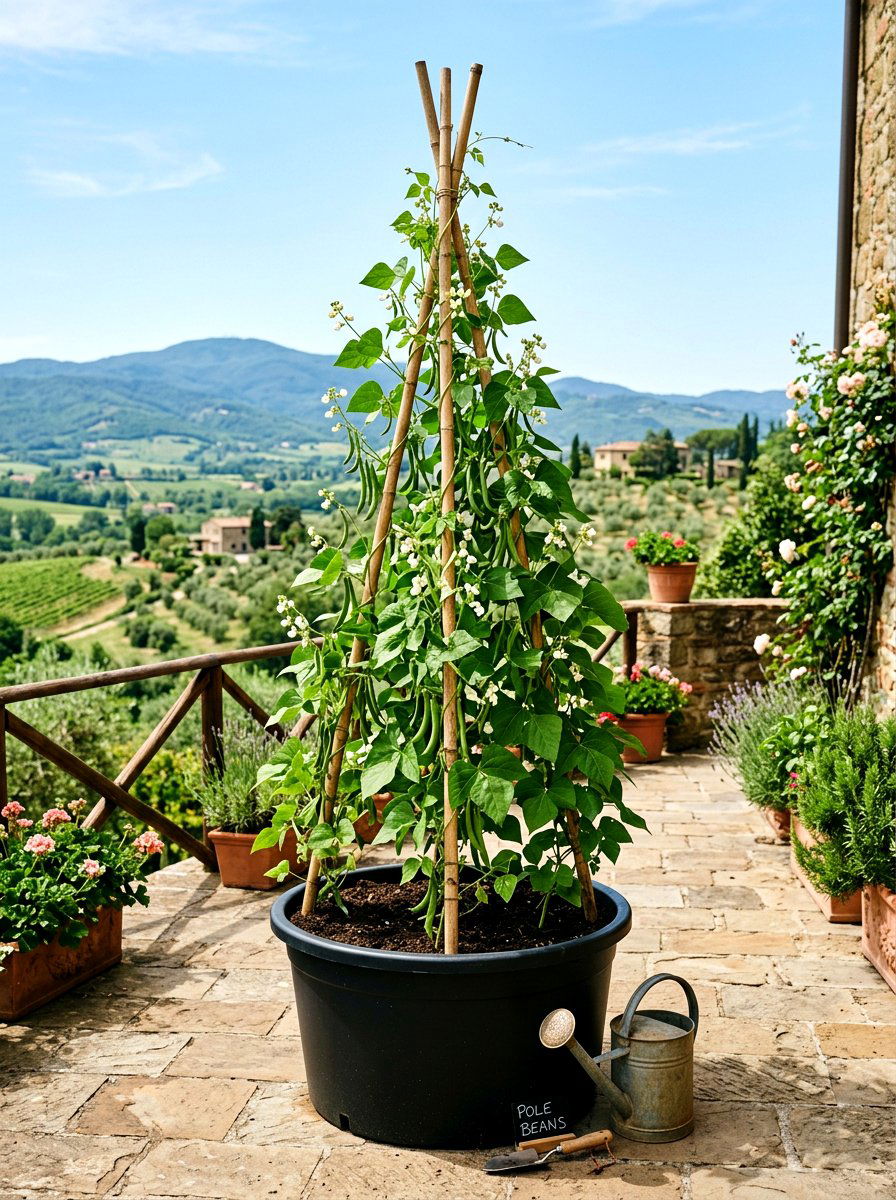
A bamboo pole bean container setup utilizes the height of a patio to grow massive amounts of protein-rich legumes. Pole beans are vigorous climbers that will quickly cover a bamboo tripod or teepee placed inside a large pot. This creates a beautiful, living green pyramid that is covered in delicate flowers and hanging bean pods. Growing beans vertically makes them much easier to find and pick compared to bush varieties. The deep roots of pole beans thrive in a large, well-draining container. This is an excellent way to add a vertical architectural element to your garden while producing a significant amount of fresh food.
29. Self Watering Reservoir Planter
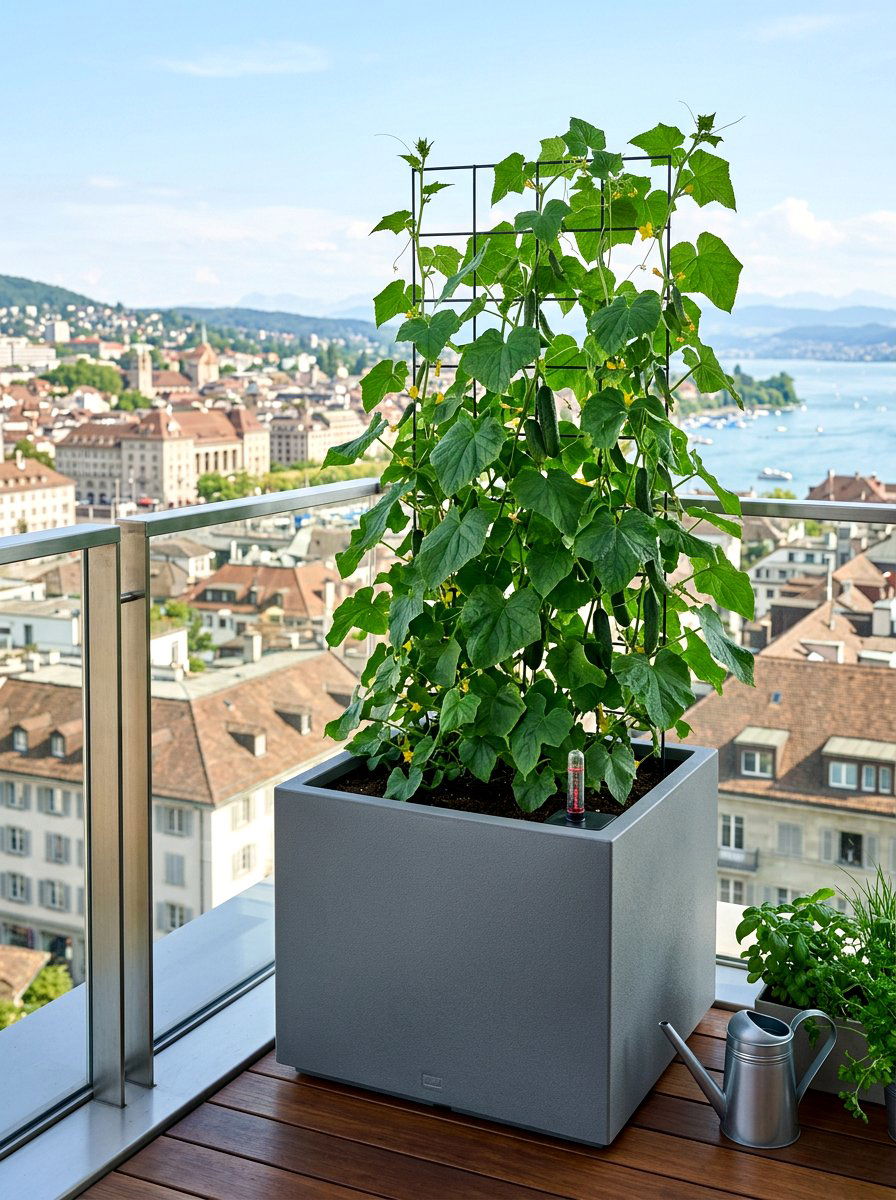
A self watering reservoir planter is a high-tech solution for busy gardeners who may not be able to water their plants every day. These planters feature a large hidden water tank at the base that can sustain the plants for several days or even a week. A moisture-wicking system ensures the soil stays at the perfect hydration level, preventing both wilting and root rot. These are especially useful for thirsty crops like cucumbers and tomatoes during the peak of summer heat. Using these containers reduces water waste and ensures your garden stays healthy even if you go away for a short weekend trip.
30. Wheelbarrow Vegetable Garden
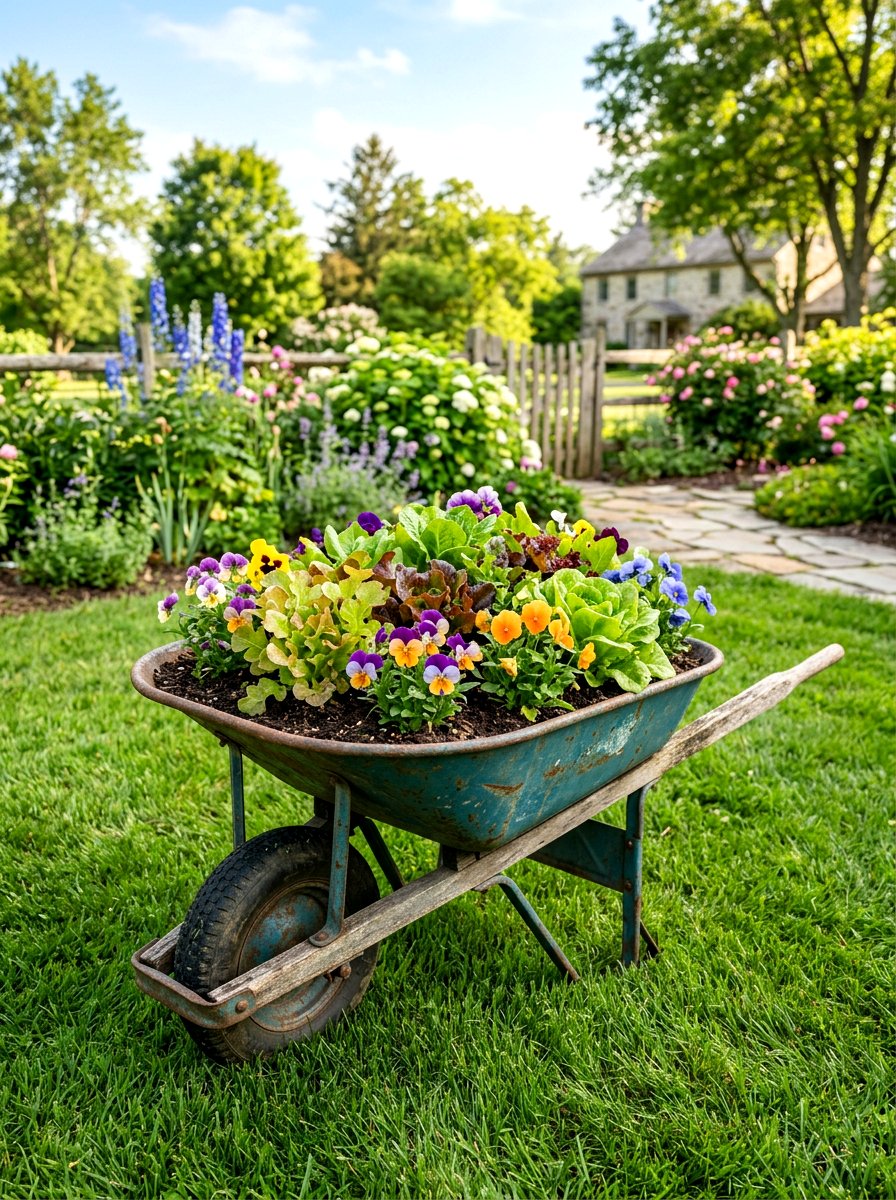
A wheelbarrow vegetable garden is a whimsical and mobile way to repurpose an old piece of garden equipment into a productive bed. The large, shallow basin of a wheelbarrow is perfect for growing a variety of herbs, lettuces, and edible flowers together. Because it has a wheel and handles, you can easily move your entire garden to follow the sun or protect it from harsh weather. This adds a charming, rustic focal point to your yard or patio. Be sure to drill drainage holes in the bottom to keep your plants healthy. It is a creative and highly functional conversation piece for any outdoor area.
Conclusion:
Embracing container vegetable gardening is a powerful way to transform any small space into a vibrant and productive sanctuary. Whether you choose to grow vertically with towers or keep things classic with terracotta, the joy of harvesting your own food is incomparable. These diverse ideas demonstrate that with a little planning and the right containers, anyone can enjoy the health benefits and superior flavor of homegrown produce. By selecting the methods that best fit your space and lifestyle, you can create a sustainable and beautiful garden. Start small, experiment with different varieties, and enjoy the rewarding journey of growing your own fresh, organic vegetables.

Related posts: