Growing your own food is one of the most rewarding experiences a homeowner can enjoy. Whether you have a sprawling backyard or a tiny balcony, planning the right vegetable garden layout is the secret to a successful harvest. A well-organized space makes maintenance much easier and ensures your plants get the light and nutrients they need to thrive throughout the growing season. Many people start gardening with high hopes but feel overwhelmed by the technicalities of spacing and placement. This guide explores thirty unique and practical ways to arrange your edible landscape for maximum productivity and aesthetic beauty. You will find inspiration for every space and skill level here.
1. Raised Bed Garden Layout
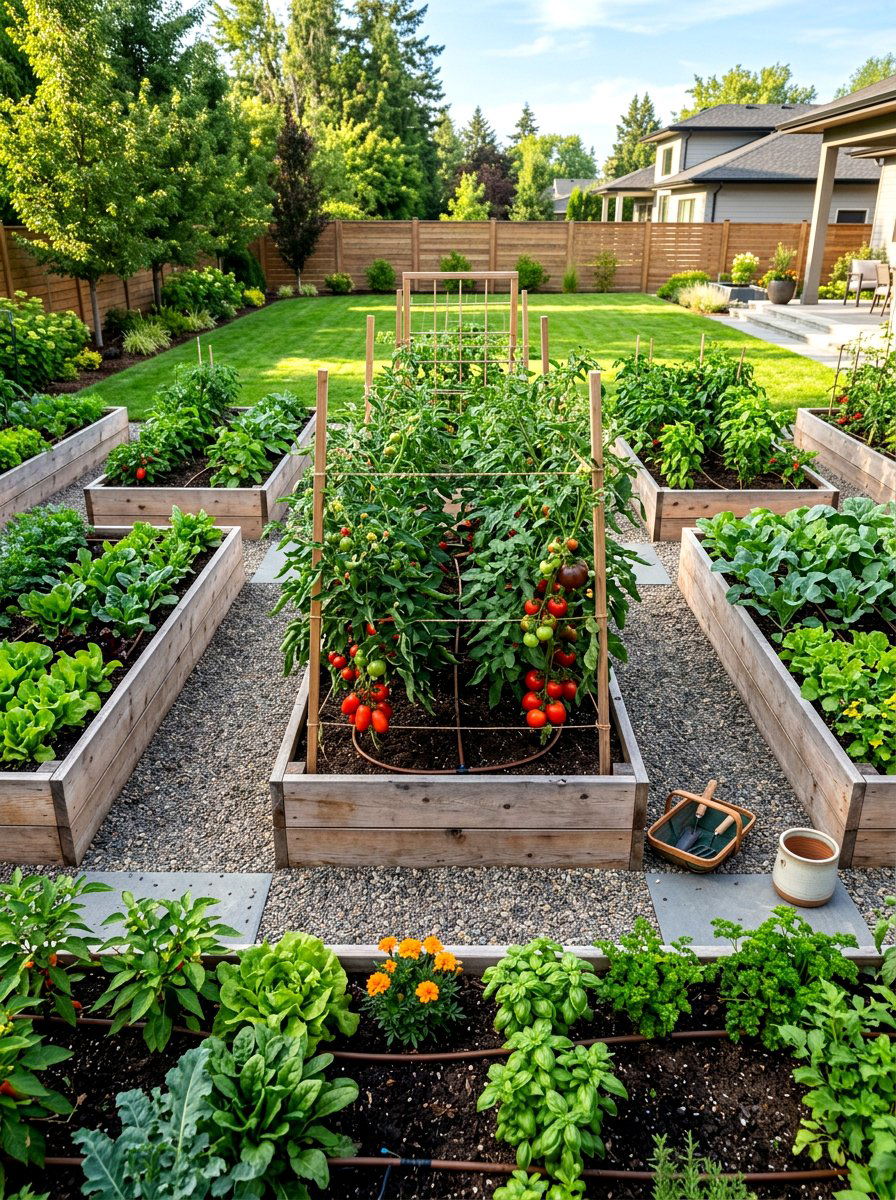
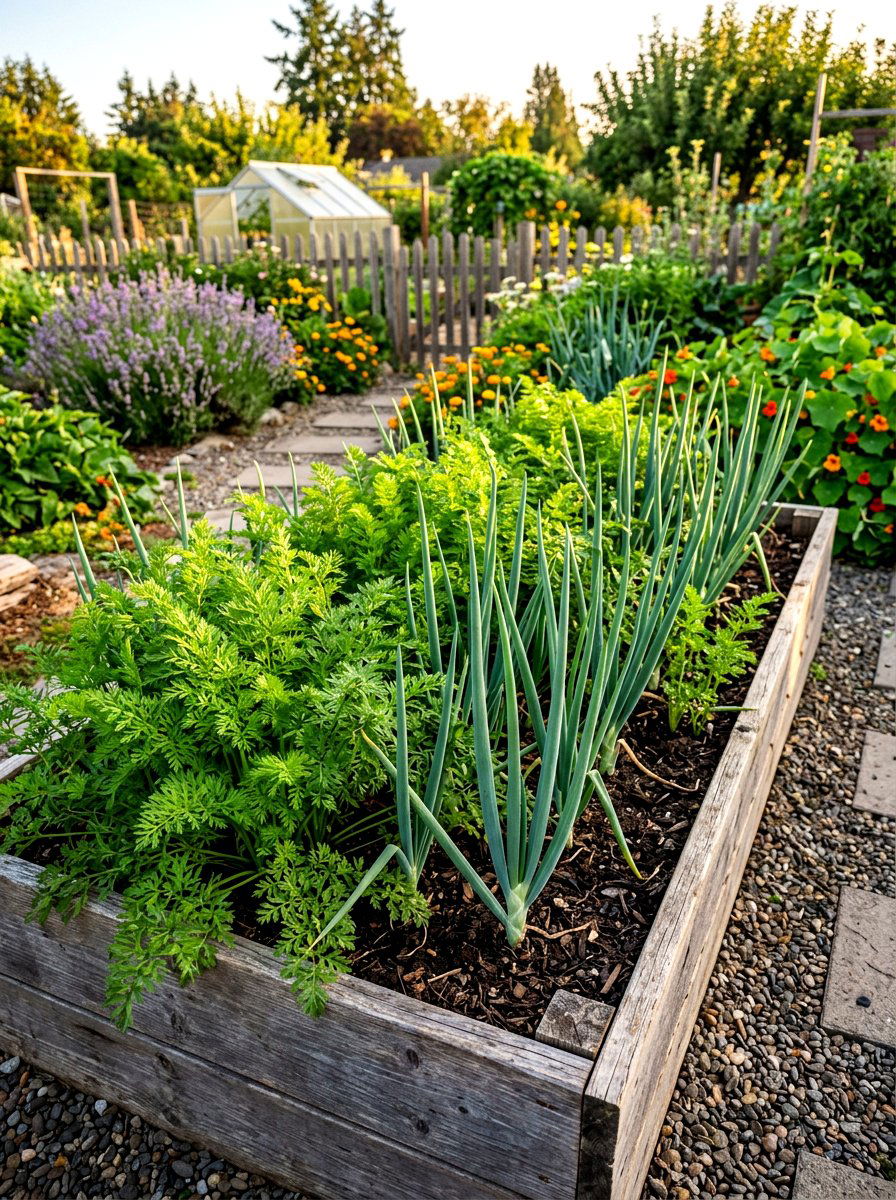
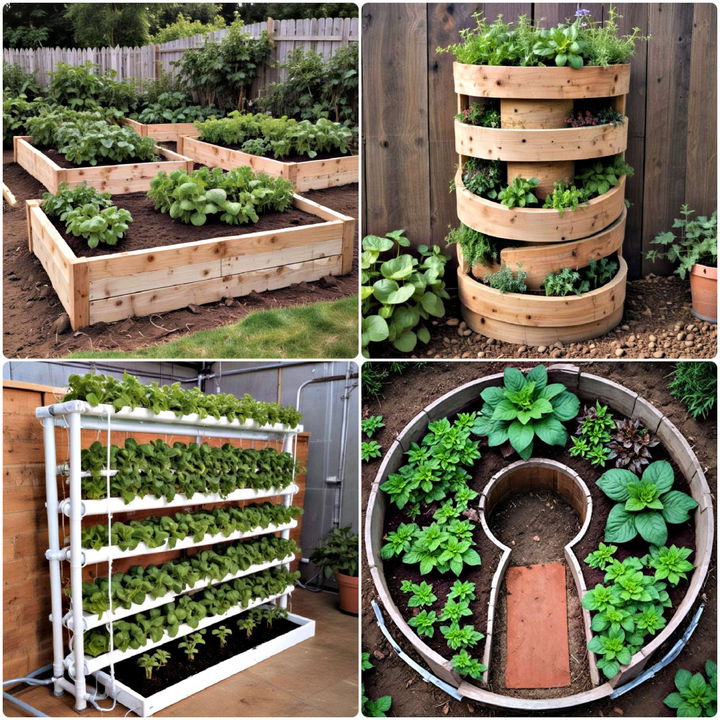
Have you ever wondered why raised beds are so popular among backyard enthusiasts? This specific layout uses elevated wooden or stone structures to hold soil above the natural ground level. It provides excellent drainage and prevents soil compaction since you never step on the growing area. You can fill these beds with high-quality compost and topsoil tailored for your specific crops. This setup also helps keep crawling pests away from your tender greens. The defined borders make the entire backyard look neat and intentional. It is a fantastic choice for beginners because it simplifies weed control and keeps the garden manageable. You can easily reach across the bed without straining your back during harvest time.
2. Square Foot Gardening Plan
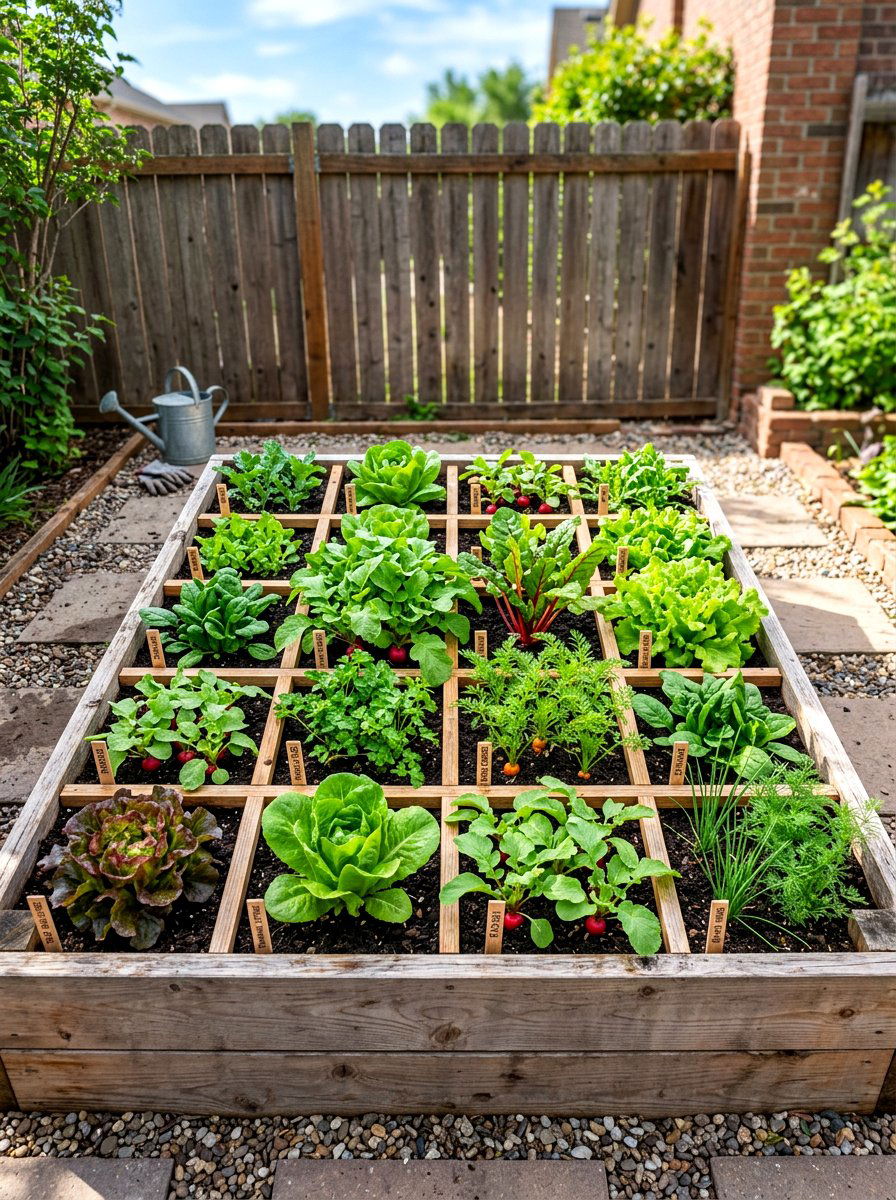
Are you trying to maximize a very small space for a huge harvest? The square foot method is a highly organized layout that divides a garden bed into one-foot squares. Instead of traditional rows, you plant a specific number of crops in each square based on their size. For example, you might plant sixteen radishes in one square but only one tomato plant in another. This intensive planting technique reduces the space needed for pathways and minimizes wasted soil. It is incredibly efficient for urban gardeners who want to grow a variety of vegetables in a single four-by-four bed. This approach makes planning your seasonal rotation simple and visually satisfying.
3. Vertical Garden Setup
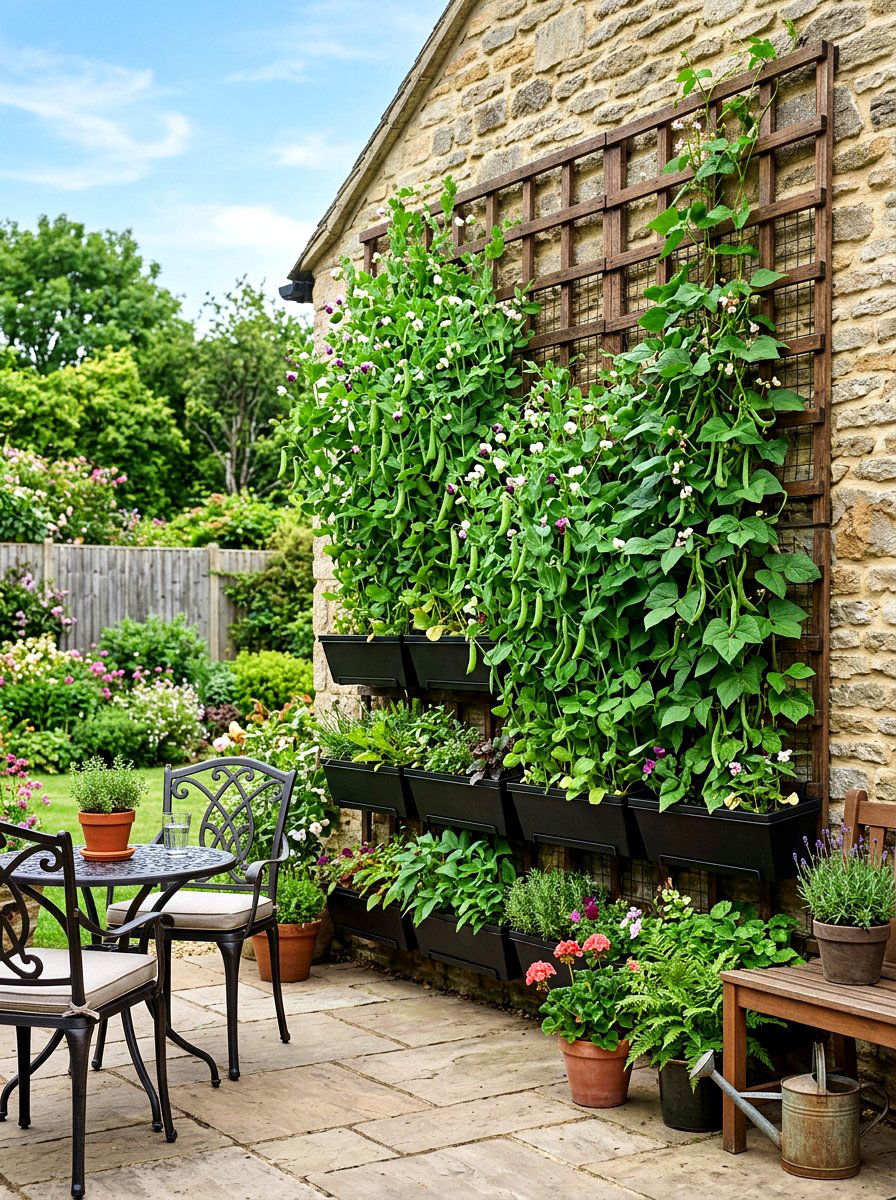
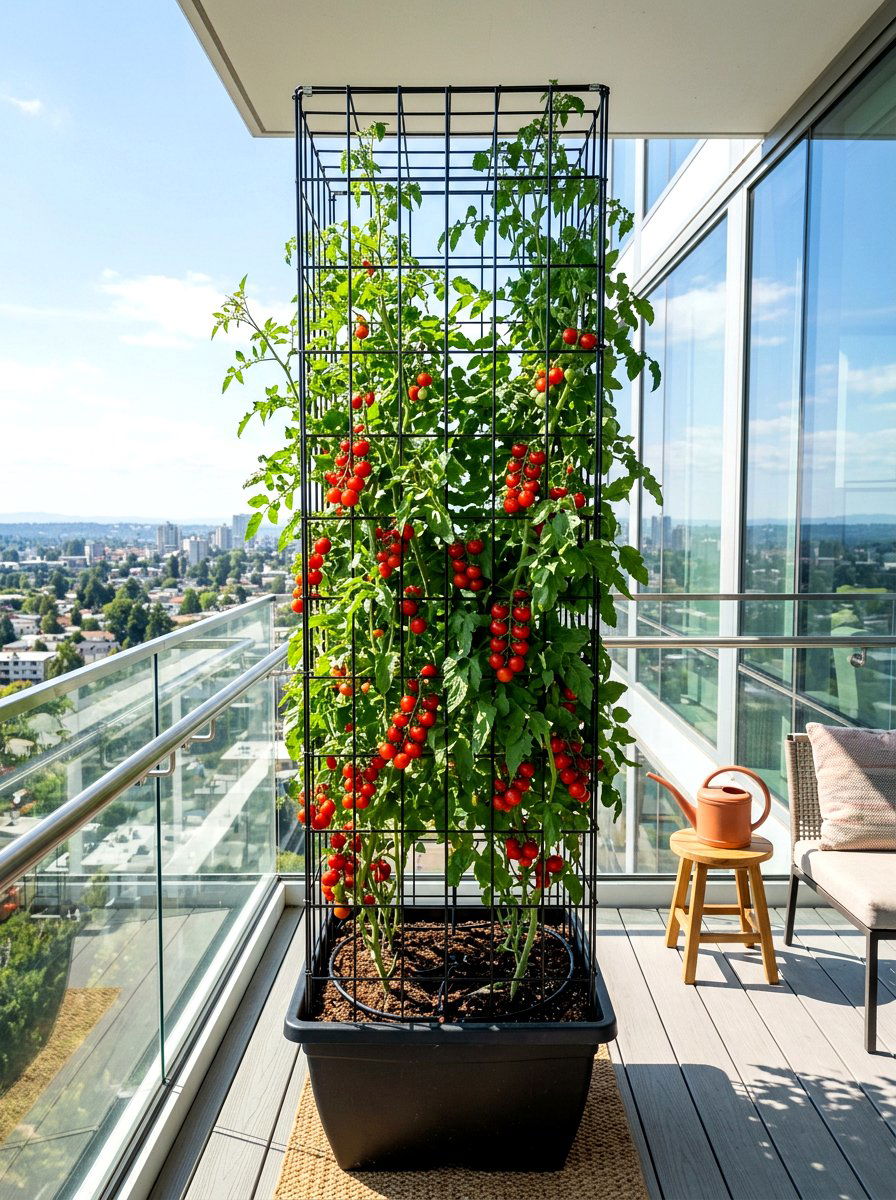
Why limit your gardening to the ground when you can grow upwards? Vertical layouts are perfect for small patios or side yards where horizontal space is limited. You can use wall-mounted planters, hanging pockets, or tall trellises to support climbing vegetables like peas, beans, and cucumbers. This method increases airflow around the foliage, which helps prevent common fungal diseases. It also keeps the fruit off the soil, resulting in cleaner and more uniform produce. A vertical wall can even act as a living privacy screen for your outdoor living area. By utilizing the vertical dimension, you can effectively double or triple your growing capacity without expanding your garden's footprint.
4. Potager Kitchen Garden
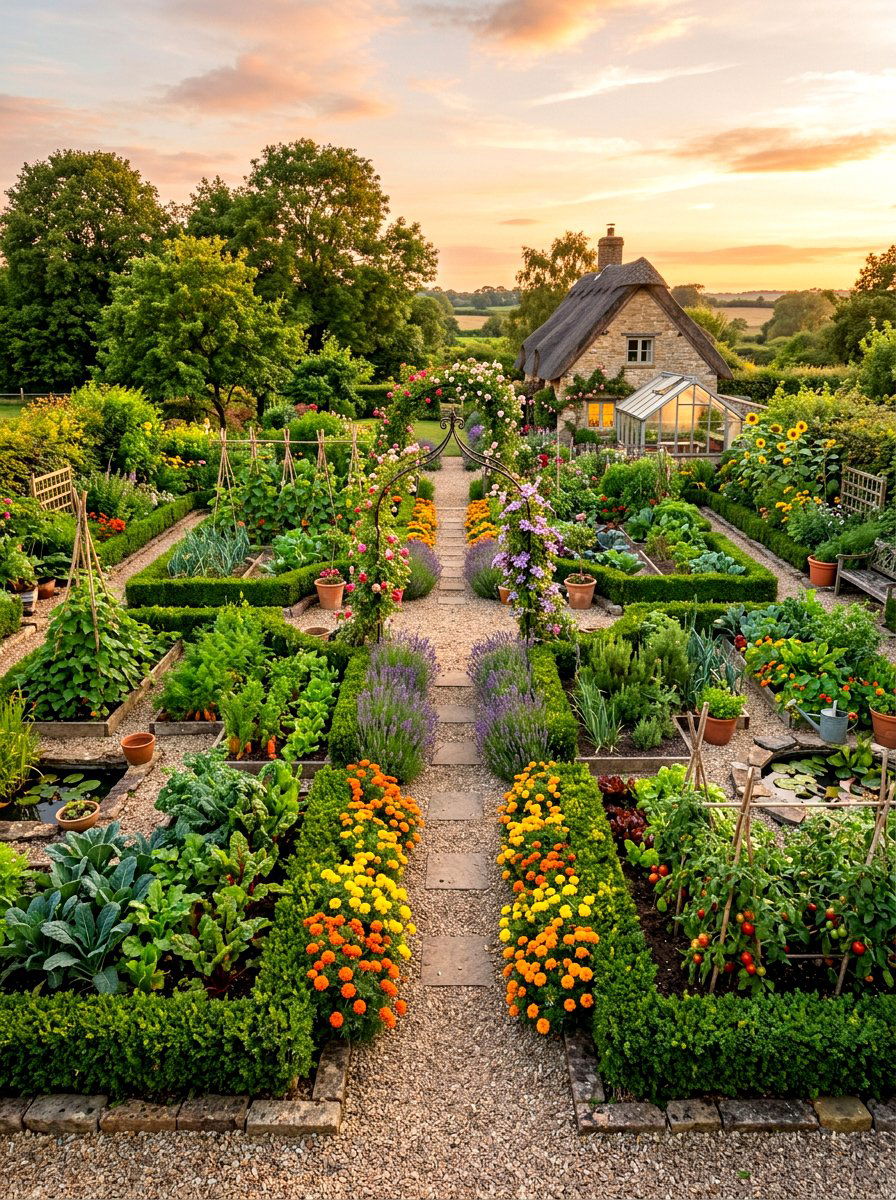
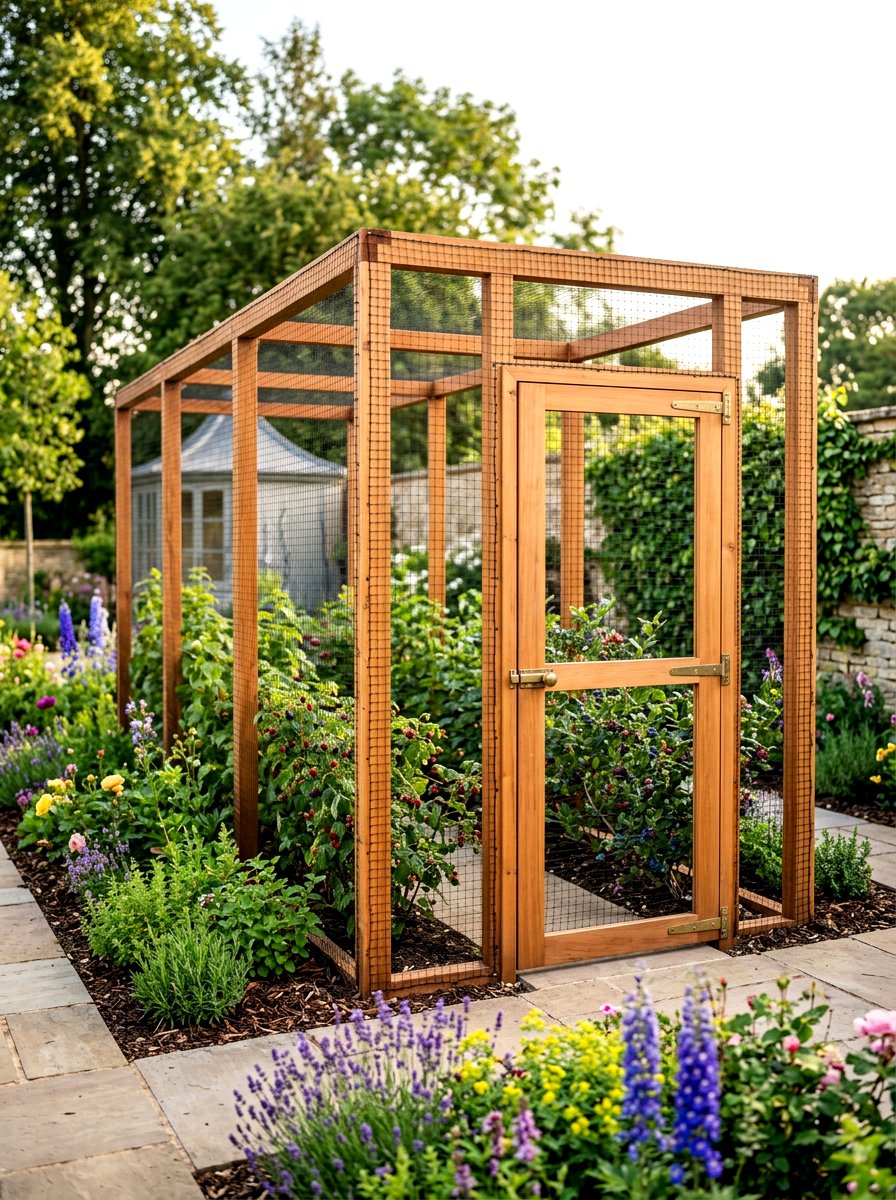
Do you want a garden that looks just as beautiful as it is productive? The potager style is a traditional French kitchen garden that mixes vegetables, herbs, and edible flowers in a decorative pattern. Unlike a standard utility garden, the potager is designed with aesthetics in mind, often featuring symmetrical paths and central focal points. You might plant colorful kale alongside bright marigolds or surround a patch of lettuce with a border of chives. This layout invites you to spend more time outdoors because it feels like a lush landscape rather than a chore. It is the perfect choice for front yards where you want to maintain high curb appeal.
5. Container Vegetable Garden
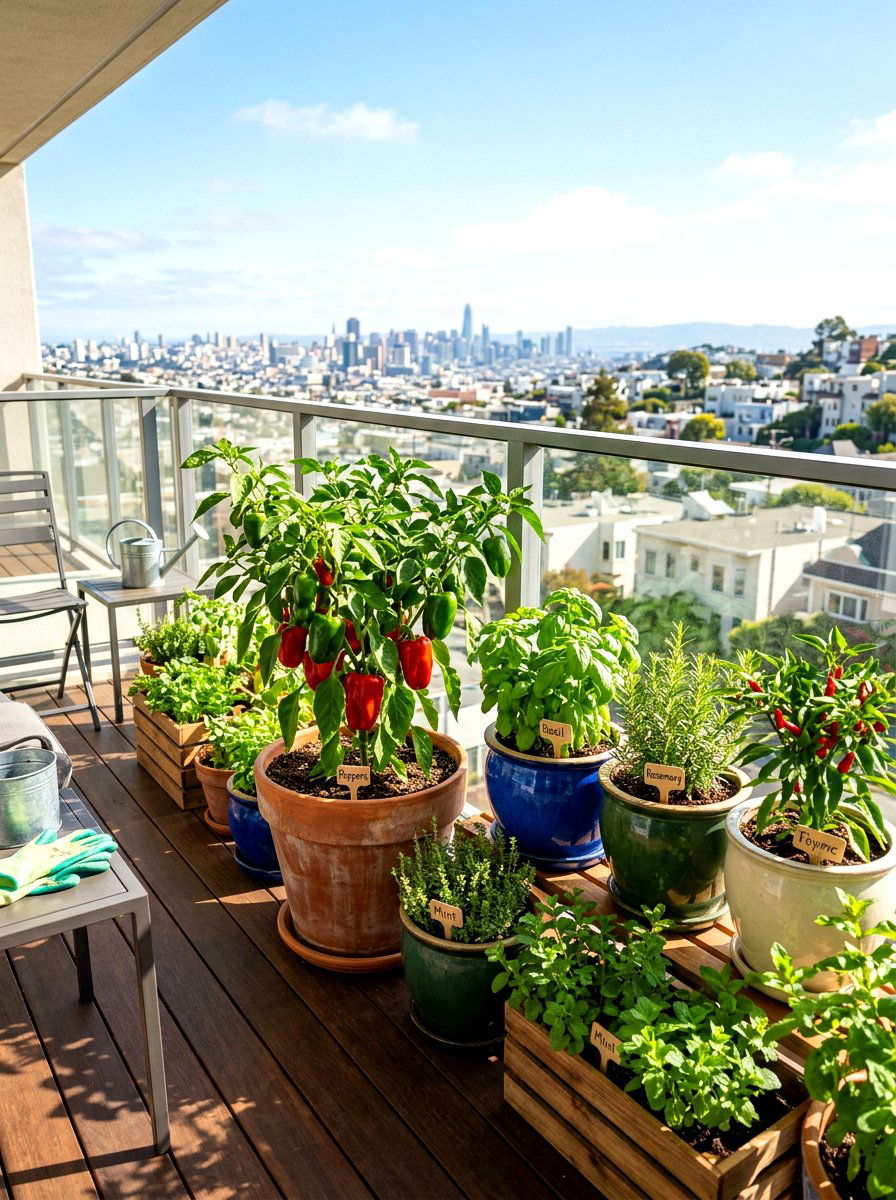
What if you do not have any yard at all for your vegetable hobby? Container gardening allows you to grow almost any vegetable in pots, buckets, or troughs on a balcony or deck. This layout offers the ultimate flexibility because you can move the plants around to follow the sun throughout the day. You can control the soil quality perfectly for each individual plant, ensuring they get exactly what they need. Large containers are great for root crops like carrots, while smaller pots work well for herbs and peppers. Using matching containers creates a cohesive and stylish look for your outdoor space. It is also the best option for renters who want a portable garden.
6. Keyhole Garden Layout
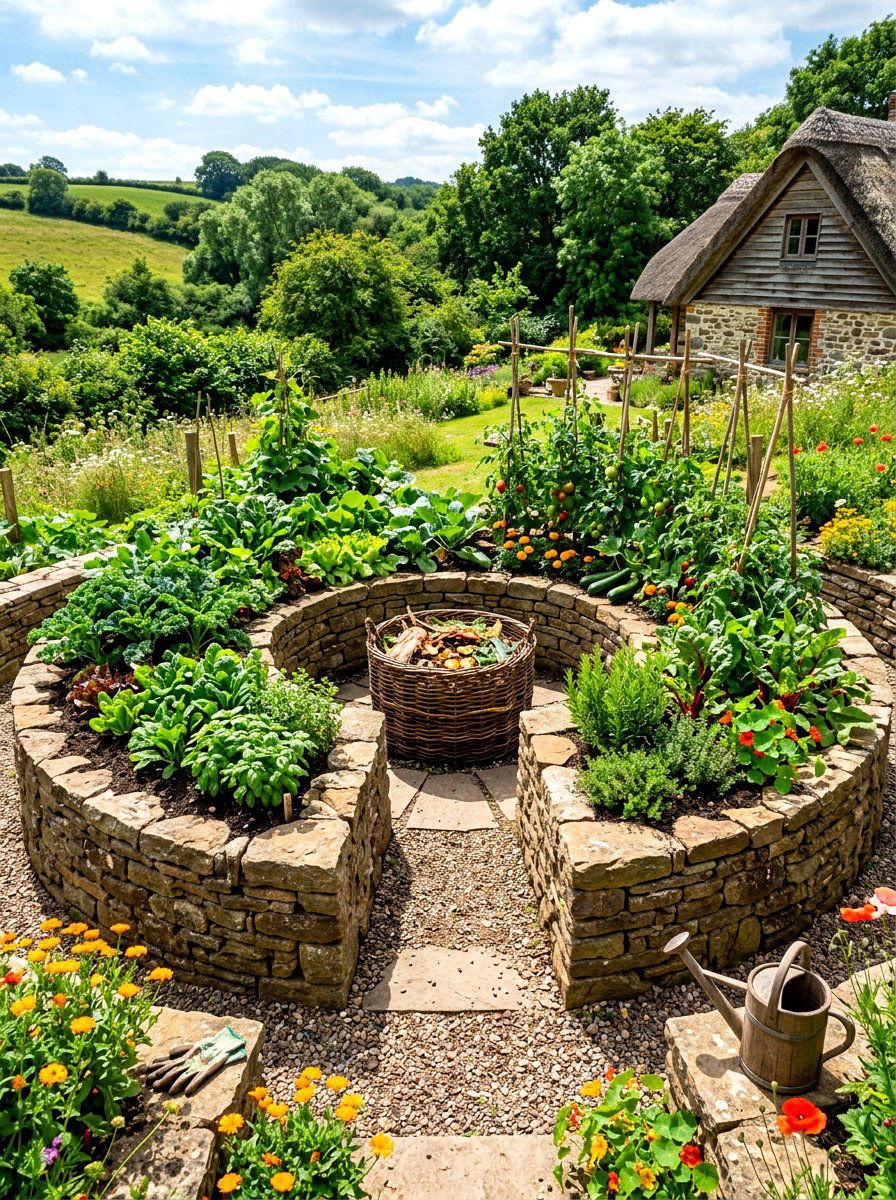
Have you heard of the ingenious keyhole design that combines composting and growing in one unit? This circular raised bed features a small path, or "keyhole, " leading to a central composting basket. You place kitchen scraps and brown waste into the center, and the nutrients leach directly into the surrounding soil as the waste decomposes. This layout is exceptionally efficient in dry climates because the high organic matter holds moisture well. The circular shape allows you to reach every plant from the central path or the outer edge. It is a self-sustaining system that reduces the need for external fertilizers. This design is both a conversation piece and a powerhouse of productivity.
7. L Shaped Garden Bed
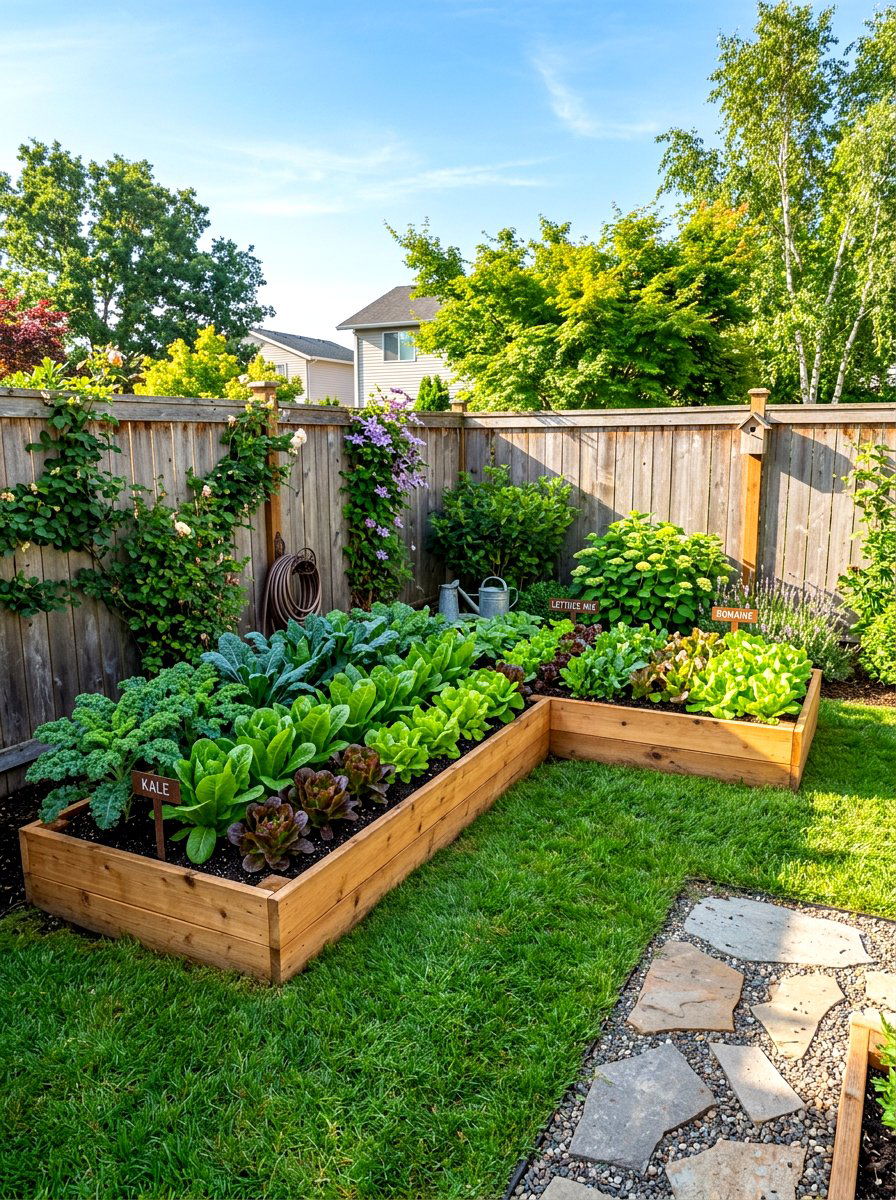
Are you looking for a way to maximize the corners of your backyard or fence line? An L-shaped raised bed is a practical layout that fits snugly into corners that might otherwise be wasted. This shape provides a large growing area while maintaining easy access to every plant from the inner or outer edges. You can use the long side for taller crops like corn or sunflowers and the shorter side for low-growing greens. Adding a small bench at the corner where the two beds meet creates a lovely spot to rest and admire your hard work. This configuration is excellent for defining the boundaries of an outdoor dining or lounge area.
8. Back To Eden Garden
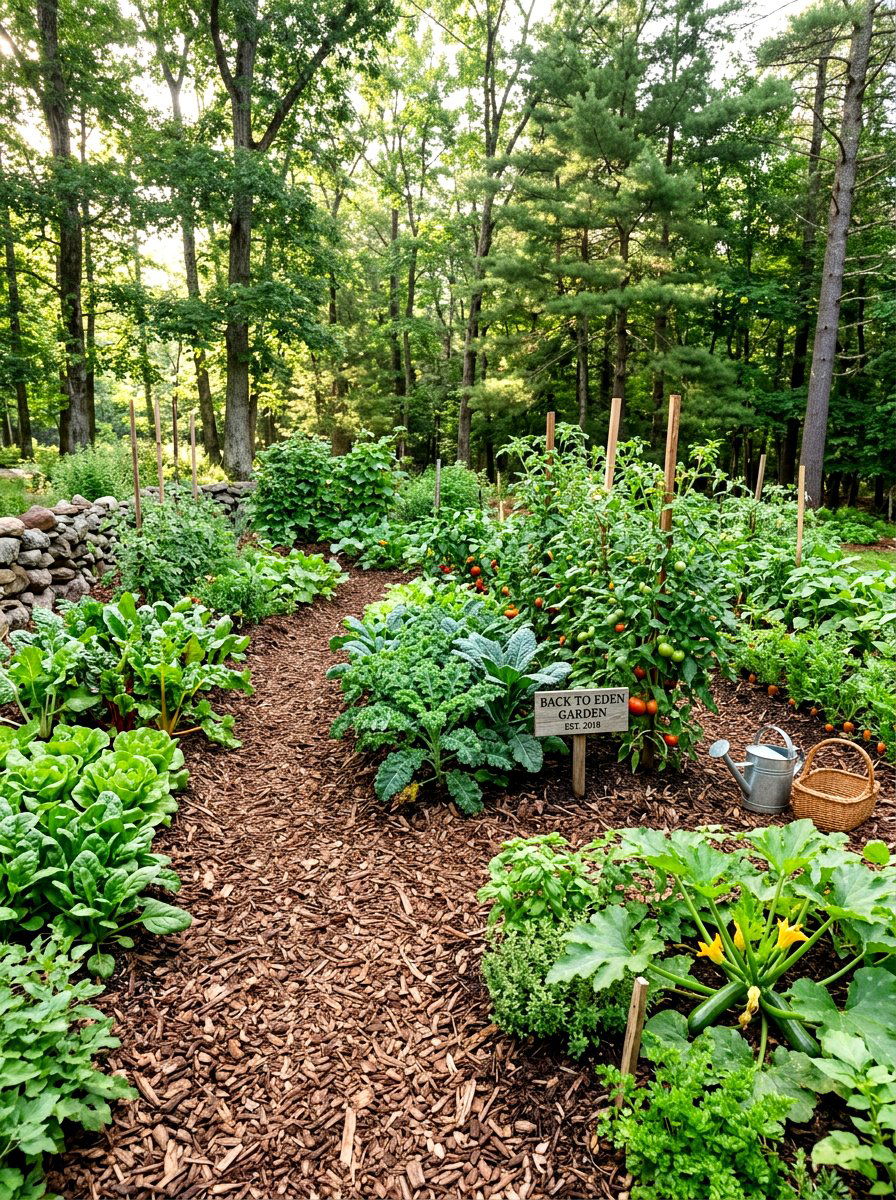
Have you considered a low-maintenance approach that mimics the natural forest floor? The Back to Eden layout focuses on heavy mulching with wood chips or straw to build rich, moist soil over time. Instead of tilling the ground, you simply add layers of organic material that suppress weeds and retain water. This method creates a thriving ecosystem for earthworms and beneficial microbes. It is a long-term investment in soil health that eventually requires very little supplemental watering. The dark mulch provides a clean, uniform look that makes the bright green colors of your vegetables pop. This sustainable approach is ideal for anyone looking to reduce their gardening workload significantly.
9. Victory Garden Plan
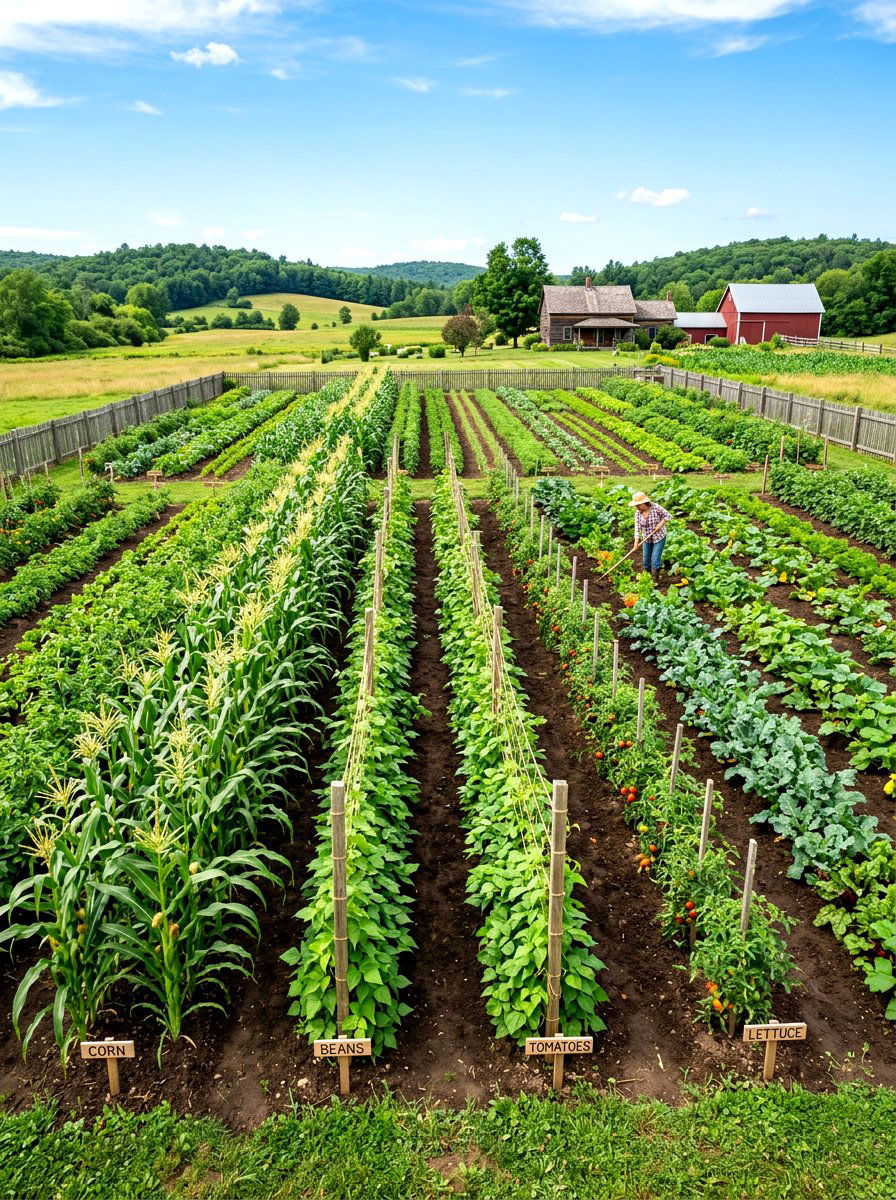
Are you interested in a classic, historical layout that prioritizes high yields and self-sufficiency? The Victory garden style typically features long, straight rows optimized for efficient planting and harvesting. This traditional design is best for larger plots where you can use tools like hoes or tillers between the rows. You can organize your crops by family or harvest time to keep the garden productive all summer long. This layout is very straightforward and helps you keep track of exactly how much you are producing. It evokes a sense of nostalgia while providing a functional way to feed a family. Wide paths between rows allow for easy wheelbarrow access during the busy season.
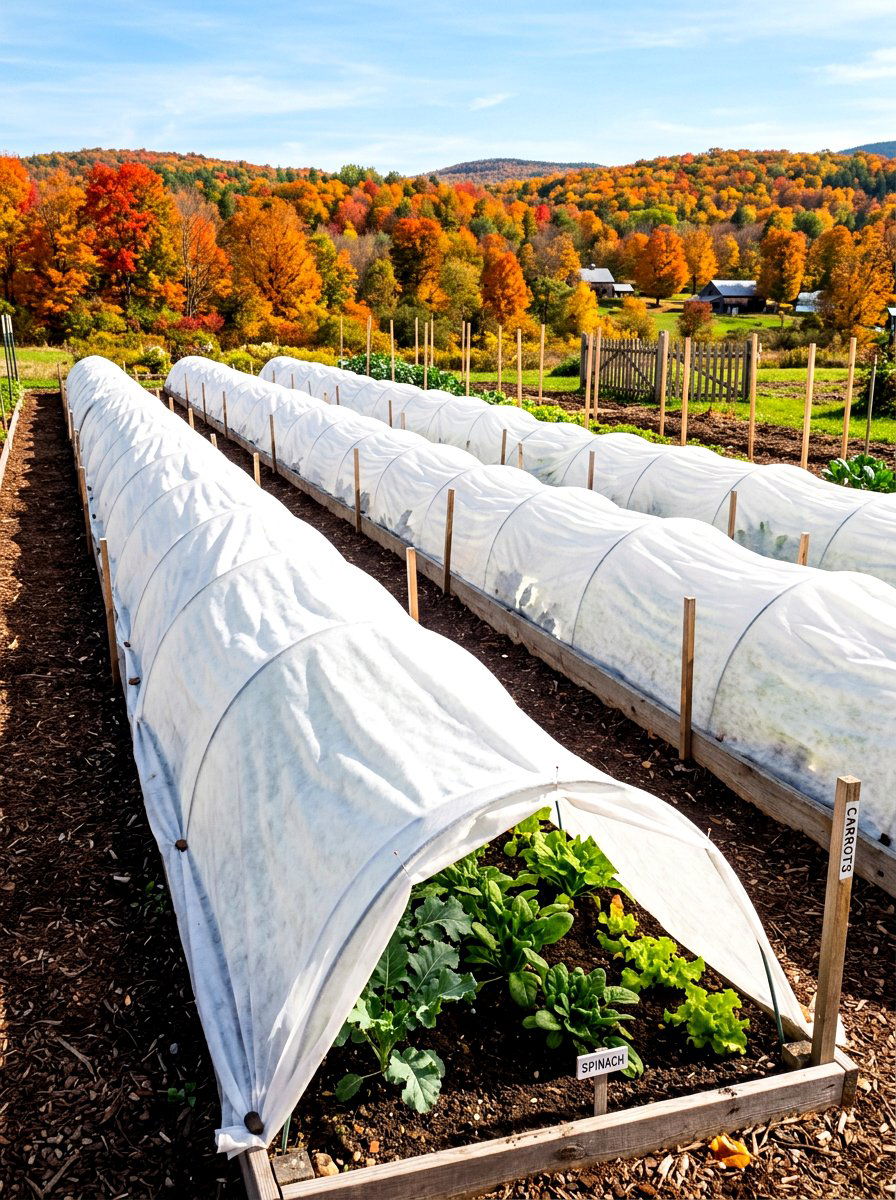
10. Greenhouse Garden Layout
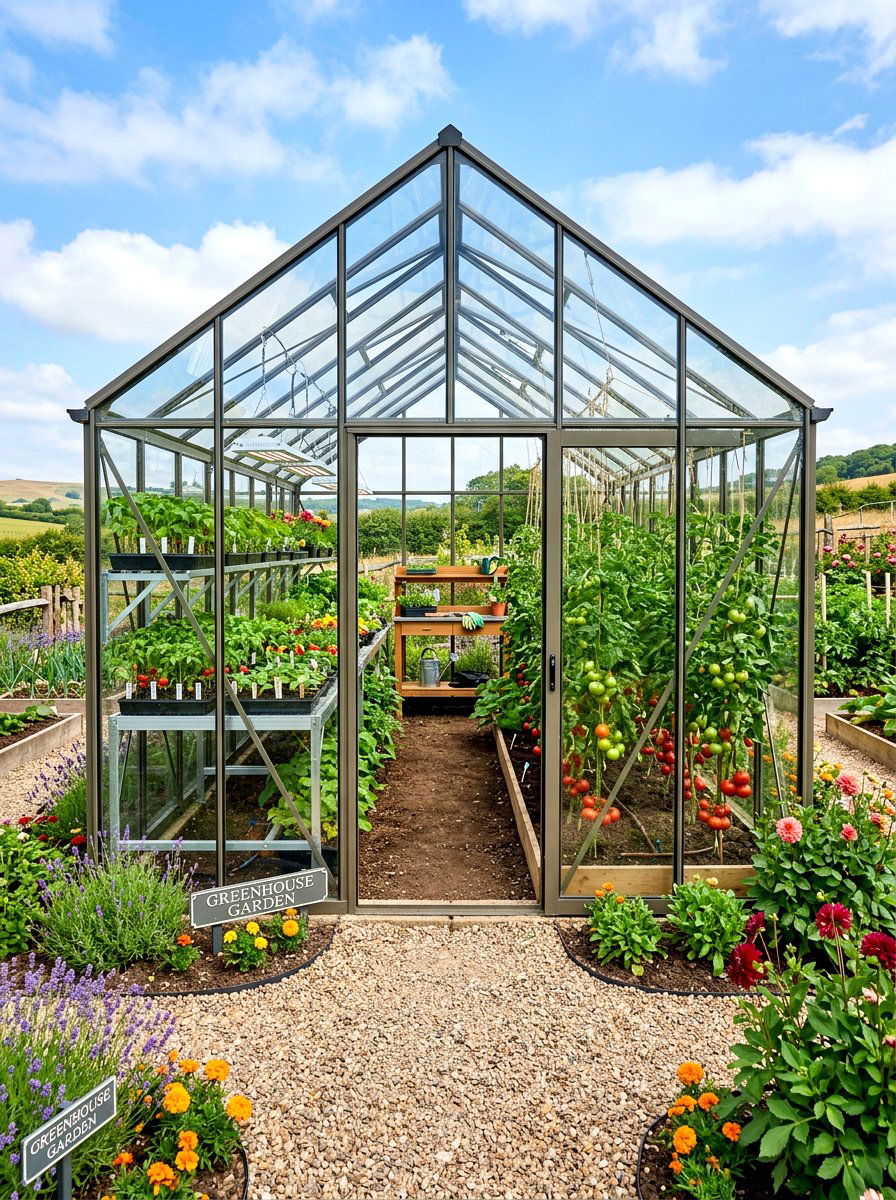
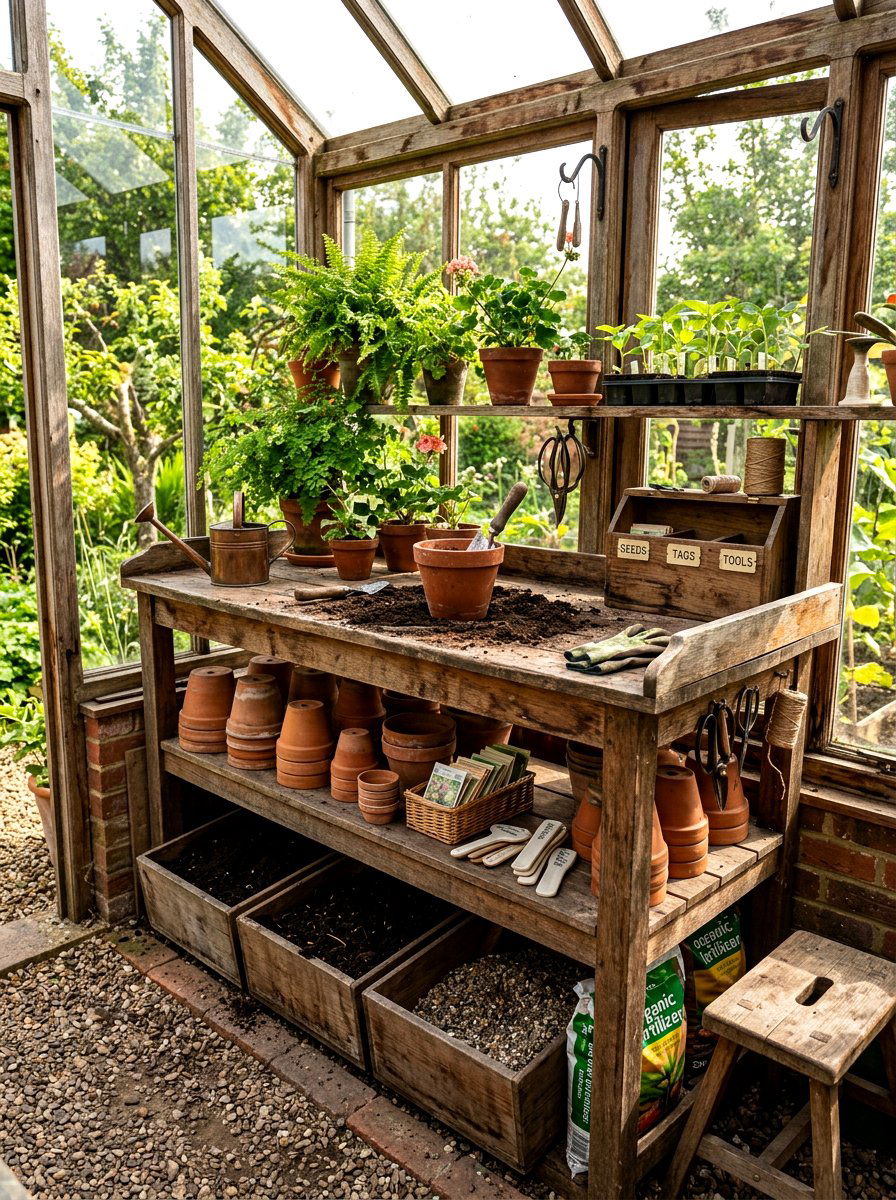
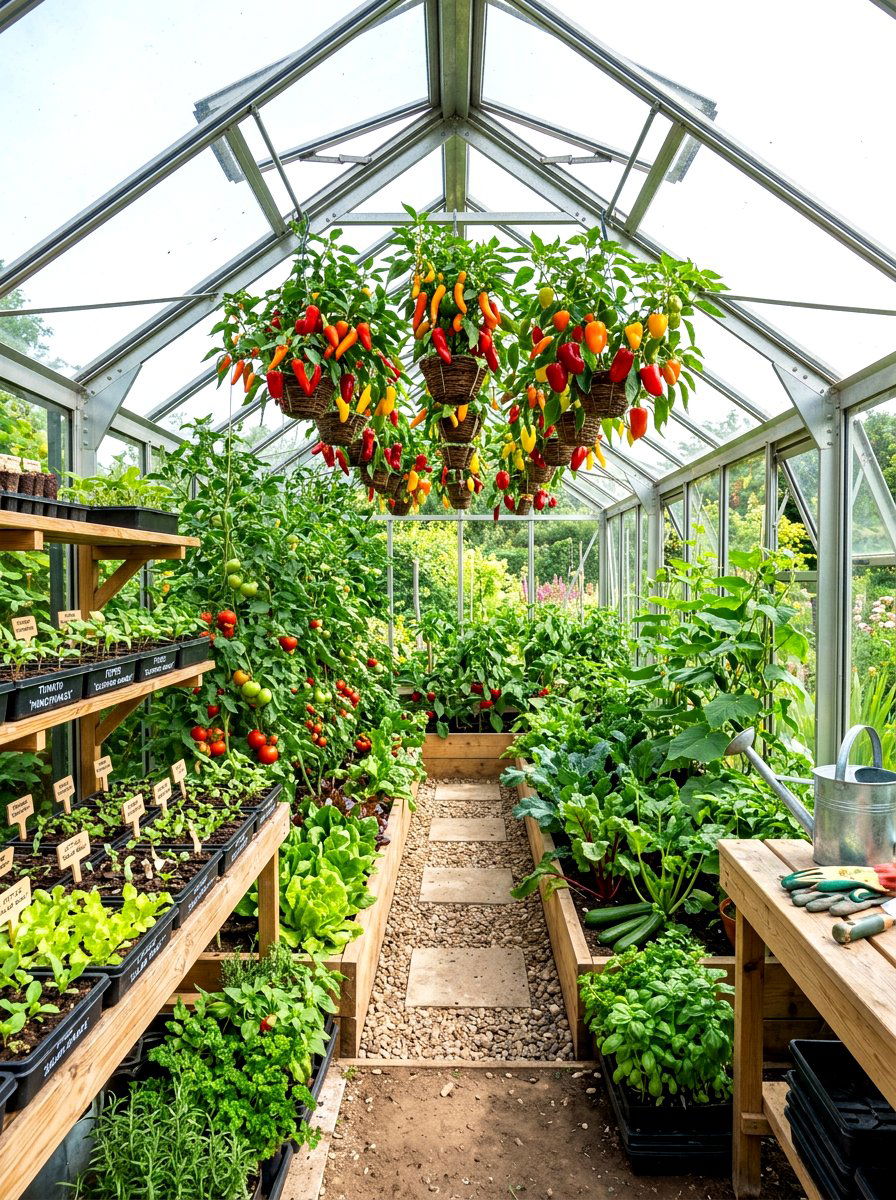
Do you live in a climate with a short growing season or unpredictable weather? A greenhouse layout allows you to control the environment completely, extending your harvest from early spring to late fall. Inside the greenhouse, you can arrange benches for starting seeds and floor-level beds for heat-loving crops like tomatoes and eggplant. This setup protects your plants from harsh winds, heavy rain, and common pests. You can also install vertical shelving to make the most of the indoor volume. A well-organized greenhouse feels like a private sanctuary where you can work regardless of the temperature outside. It is a worthwhile investment for any dedicated home gardener.
11. Pallet Vegetable Garden
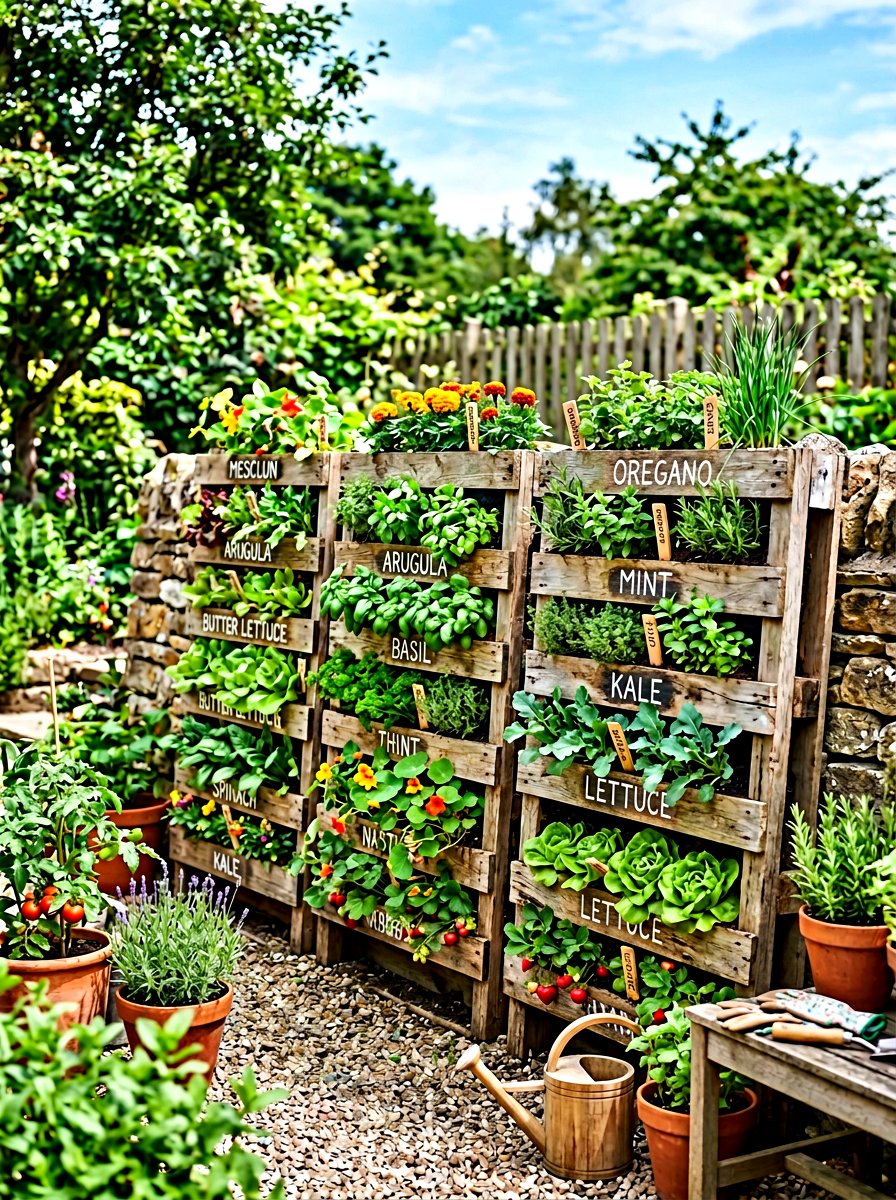
Are you looking for an affordable and recycled way to start your edible journey? A pallet layout uses repurposed wooden pallets as vertical or horizontal planting structures. You can lean a pallet against a wall to create a multi-tiered herb garden or lay it flat on the ground to create organized rows for salad greens. This method is incredibly cost-effective and helps keep small plants separated and tidy. It is especially popular for urban dwellers with limited budgets or space. Just ensure the wood is heat-treated rather than chemically treated for safety. This rustic aesthetic adds a charming, DIY feel to any backyard or patio area.
12. Herb Spiral Garden
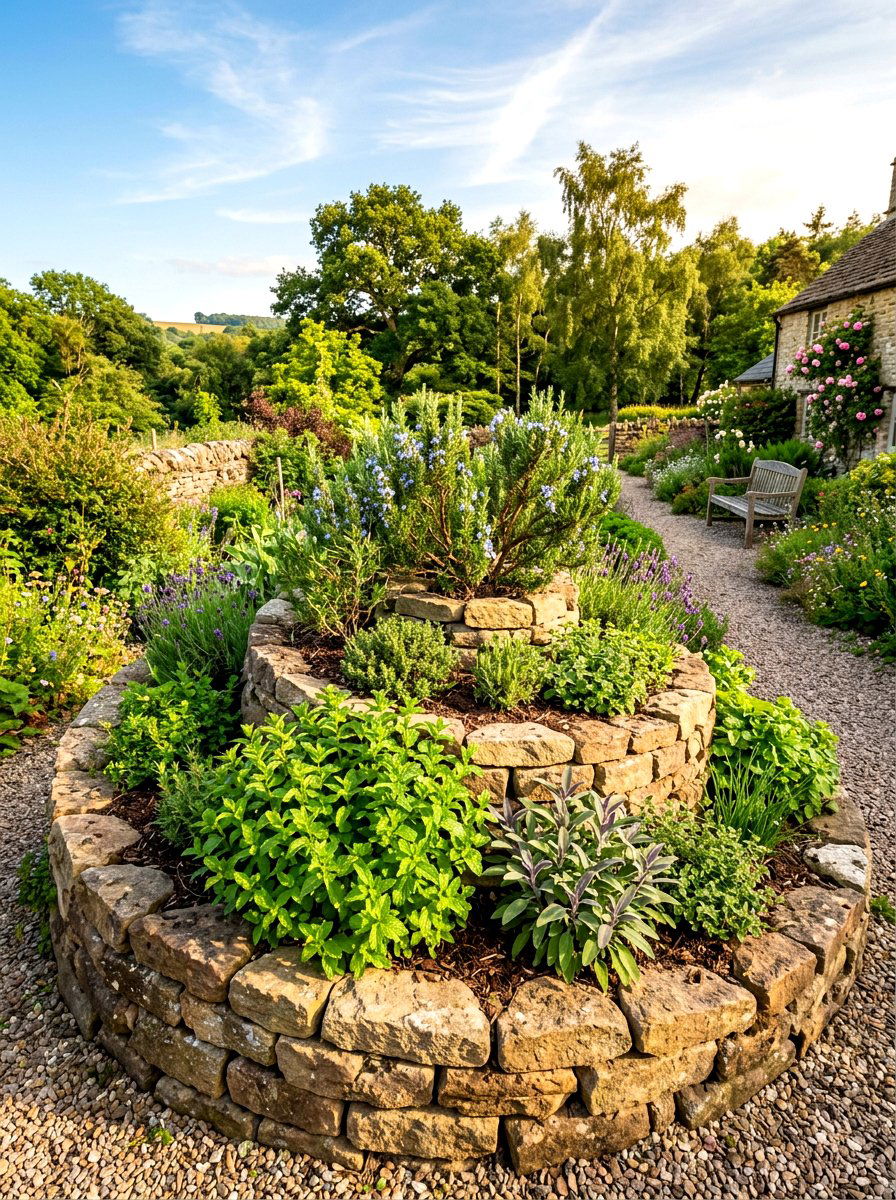
Have you ever seen a garden that uses vertical height and different microclimates in a small footprint? An herb spiral is a three-dimensional layout that winds upwards in a stone or brick spiral. The top of the spiral is drier and sunnier, making it perfect for Mediterranean herbs like rosemary and thyme. The lower levels stay cooler and moister, which is ideal for mint or parsley. This clever design packs a lot of plants into a tiny area while being visually stunning. It serves as a beautiful focal point in any landscape. The vertical nature of the spiral makes harvesting your fresh kitchen herbs easy and enjoyable.
13. Tiered Garden Layout
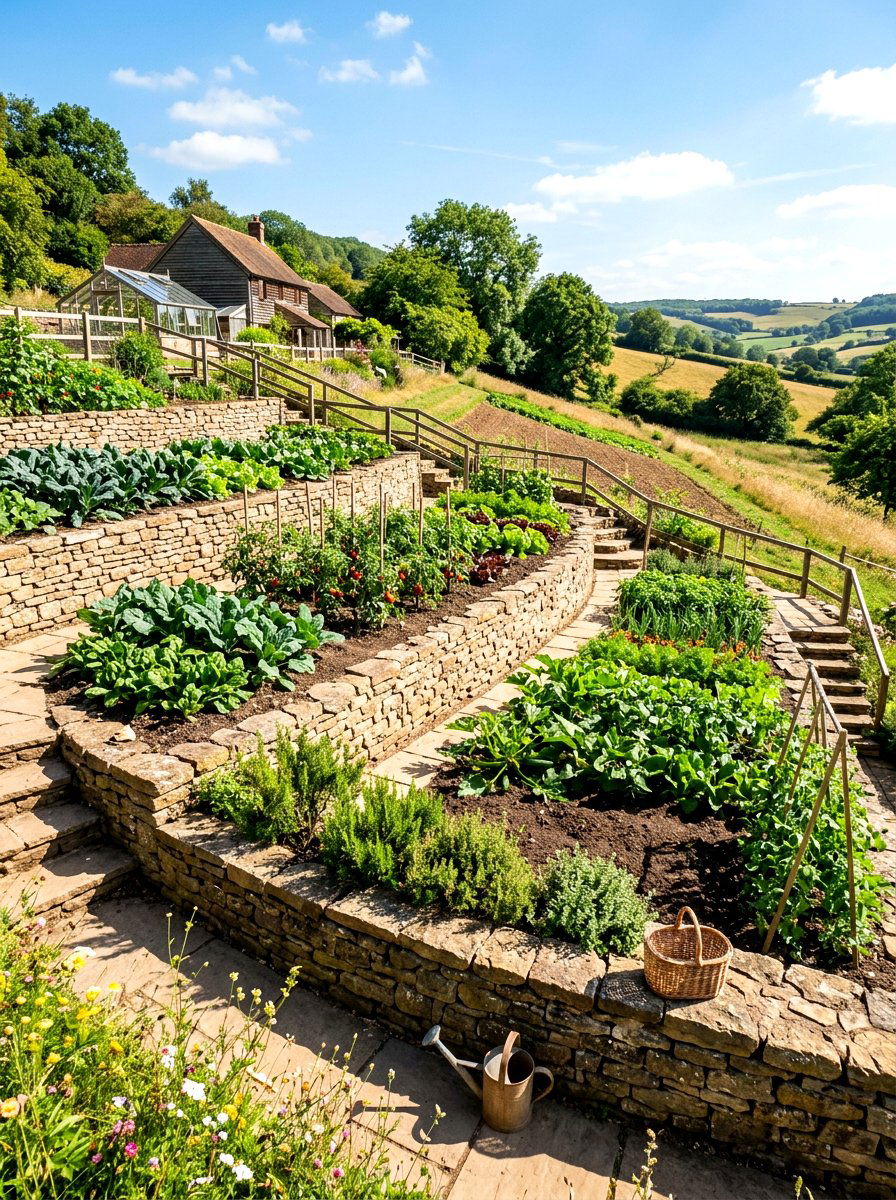
Do you have a sloped yard that seems impossible to plant effectively? A tiered layout uses retaining walls to create a series of flat, level terraces on a hillside. This prevents soil erosion and allows water to soak into the beds rather than running off the surface. Each tier can be dedicated to different types of vegetables, such as root crops on one level and leafy greens on another. This design turns a challenging landscape into a functional and eye-catching feature. You can use stone, wood, or concrete blocks to build the tiers, matching the style of your home. It provides a unique perspective of your garden from different heights.
14. Companion Planting Layout
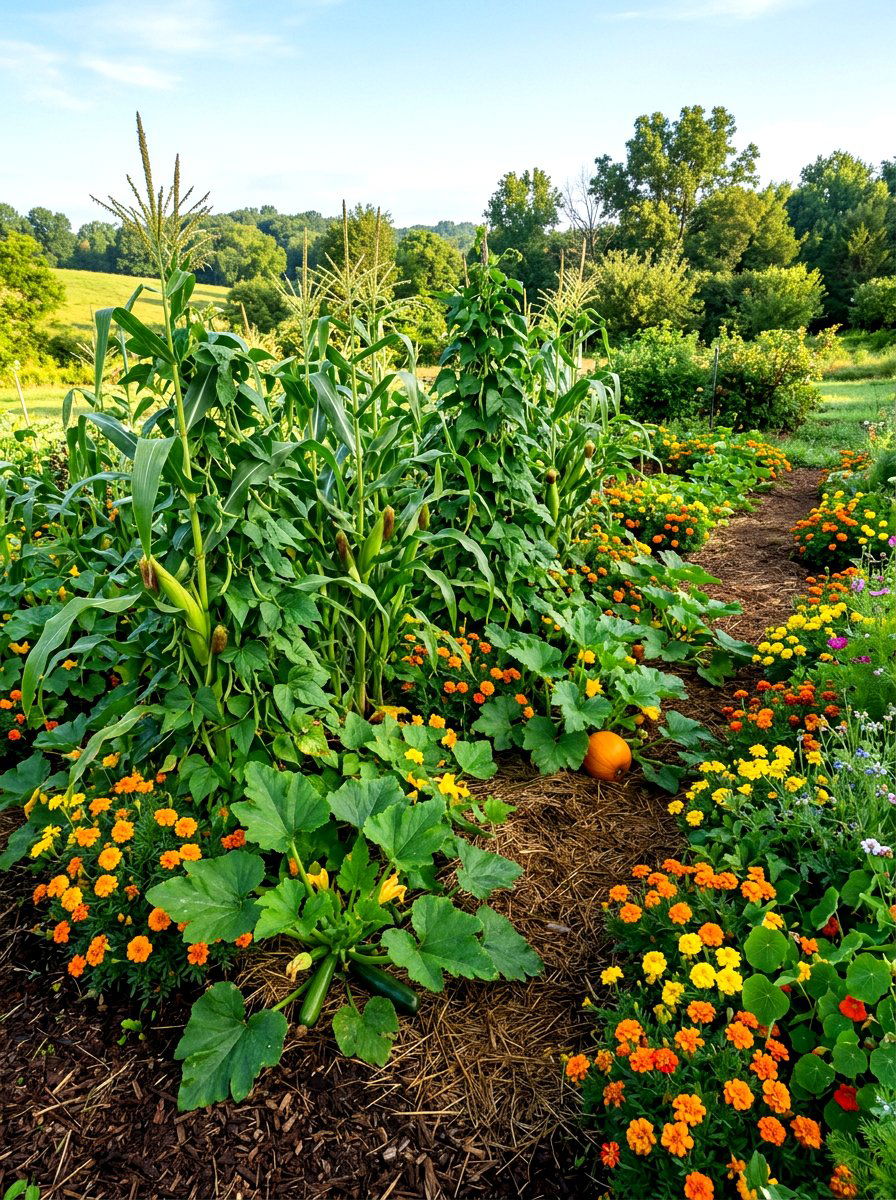
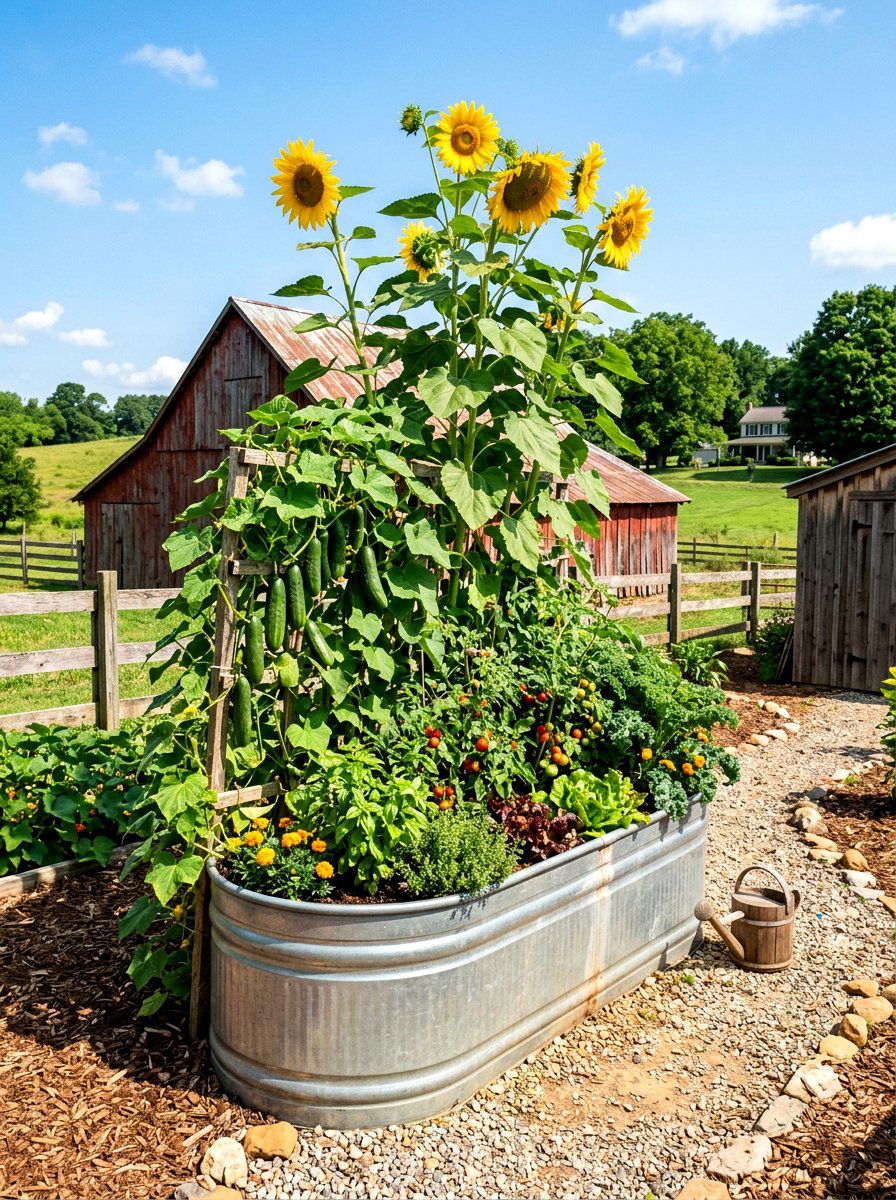
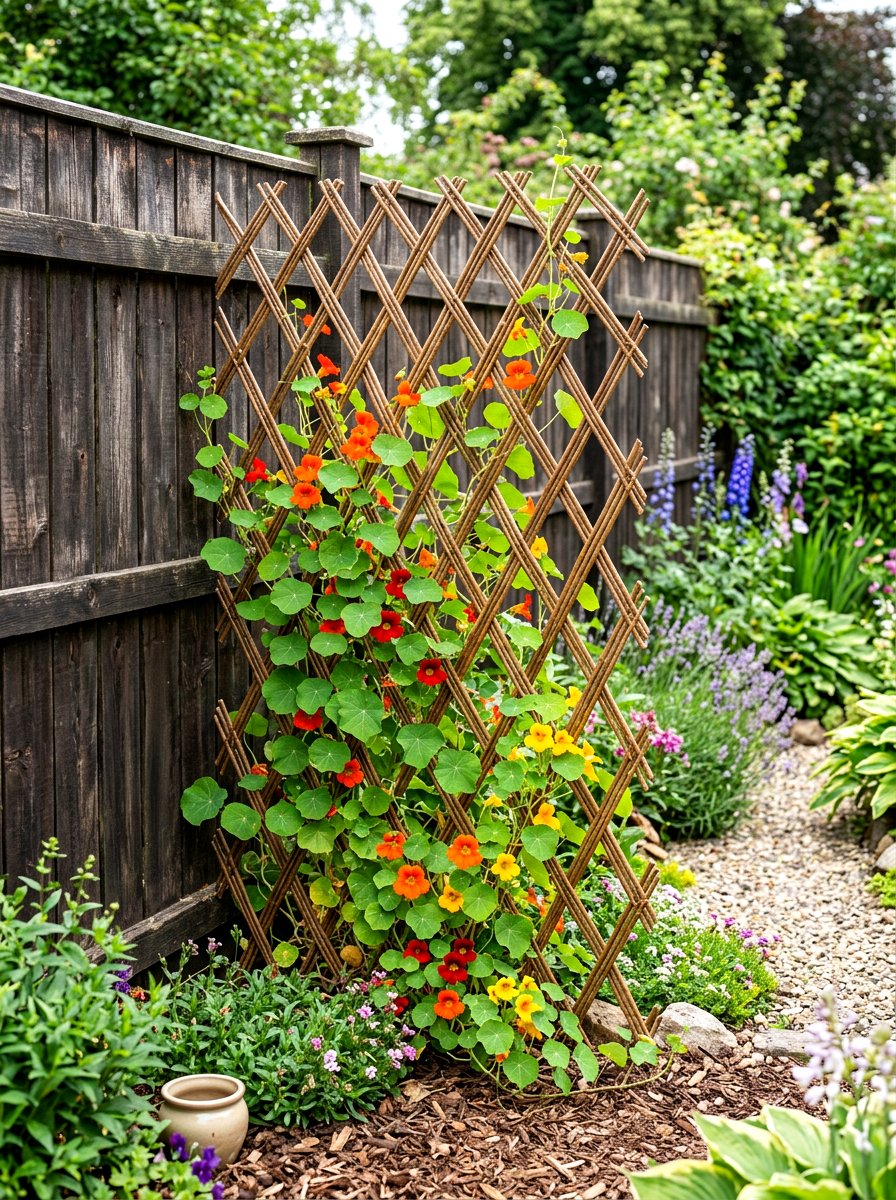
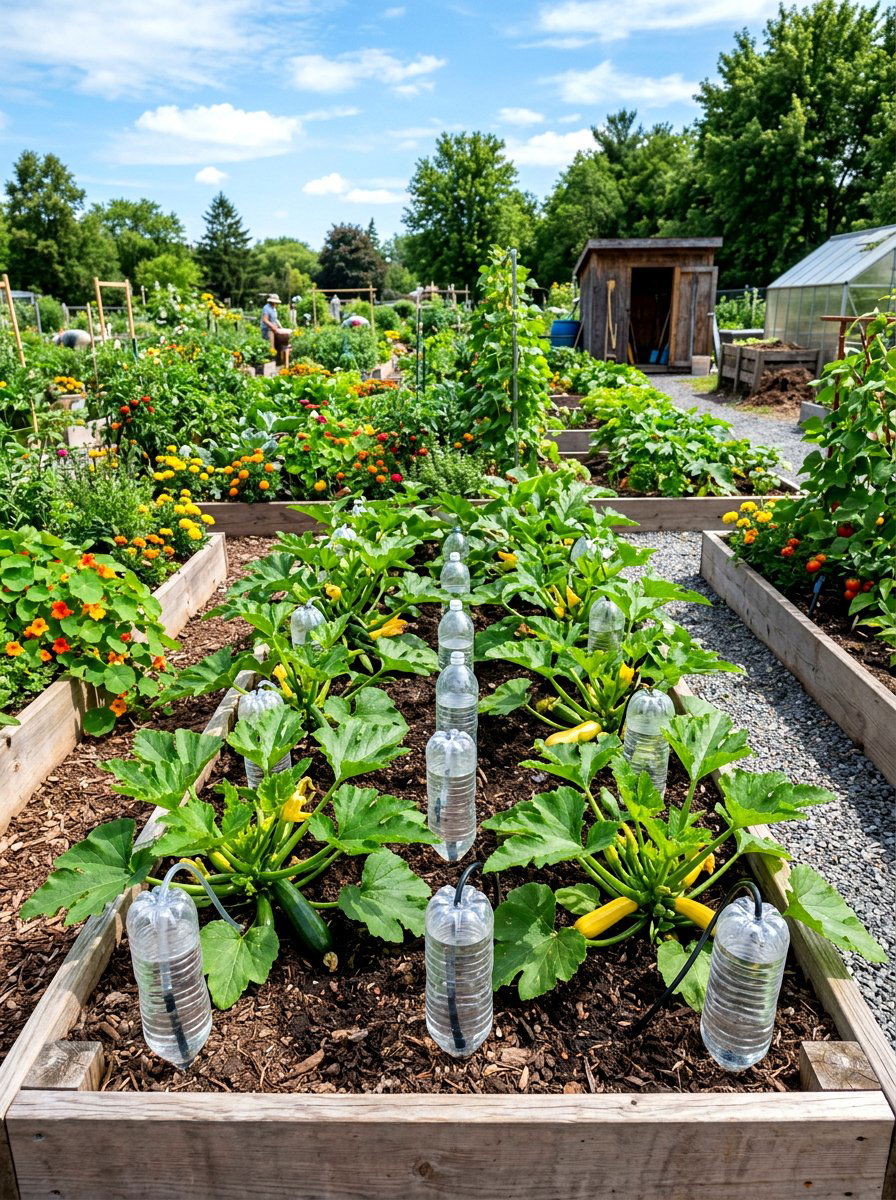
Are you interested in a garden that works like a natural ecosystem to deter pests? A companion planting layout strategically places different crops together to benefit one another. For instance, planting tall corn provides a natural trellis for beans, while squash covers the ground to suppress weeds. Marigolds and nasturtiums are often tucked between vegetables to confuse insects with their strong scents. This layout looks more natural and less "row-like" than traditional designs. It encourages biodiversity and can lead to healthier plants without the use of chemical sprays. Designing a companion garden is like solving a puzzle where every plant has a specific helpful neighbor.
15. Cattle Panel Trellis
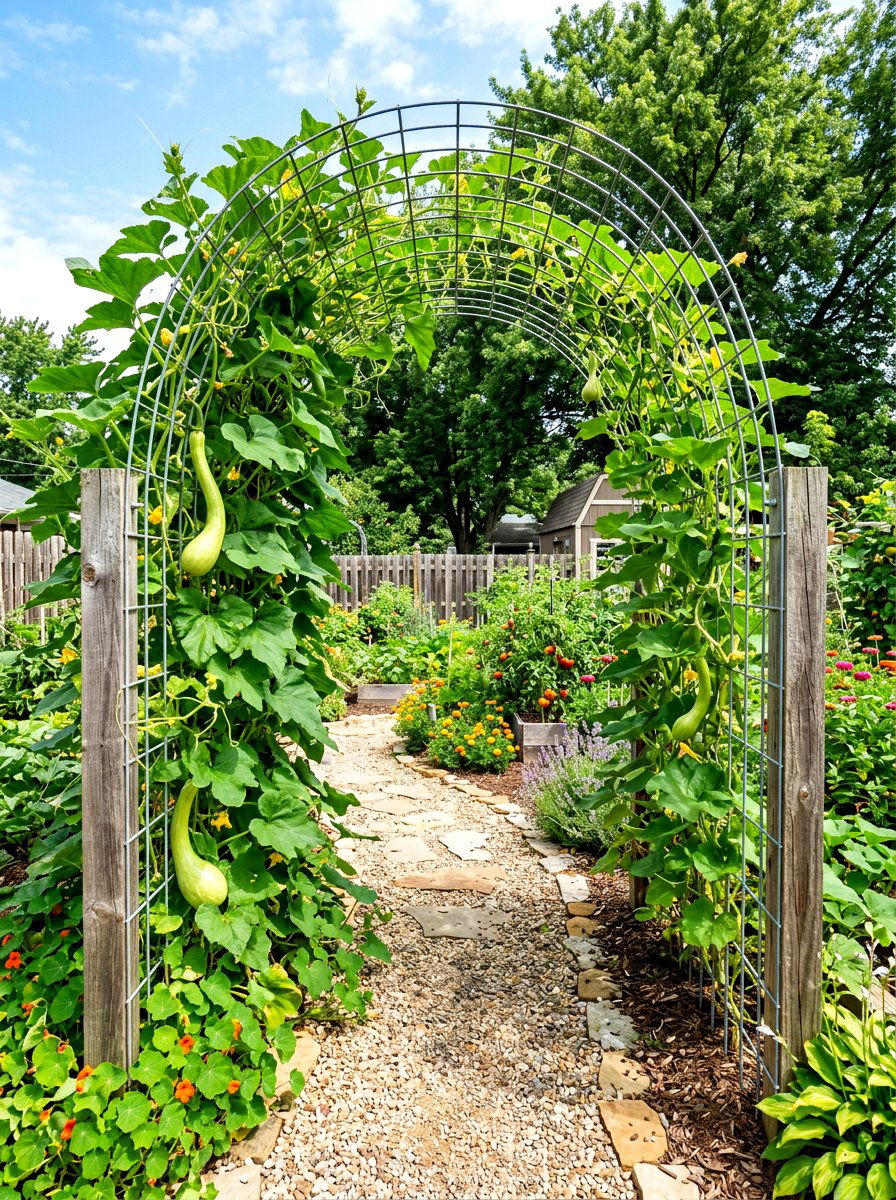
What if you want a garden layout that feels like a beautiful, edible tunnel? Using cattle panels arched between two raised beds creates a stunning walk-through trellis for climbing vegetables. You can grow heavy crops like squash or melons over the top, where they hang down for easy picking. Underneath the shade of the arch, you can plant cool-weather greens that would otherwise wilt in the summer sun. This layout is a fantastic way to add architectural interest and height to your backyard. It makes the most of the space above your beds while providing a shaded path for you to walk through and enjoy the view.
16. In Ground Row Garden

Do you have a large open area and want to keep things as simple as possible? The traditional in-ground row garden is the most straightforward layout for those with plenty of space and decent soil. You simply till the earth and plant your seeds in long, straight lines. This method is very efficient for large-scale production and allows you to easily walk between rows for maintenance. It is also the most cost-effective option since you do not need to purchase materials for beds. You can rotate your crops each year by simply shifting where you plant each variety. This classic approach is perfect for growing large quantities of staples like potatoes.
17. Small Space Garden
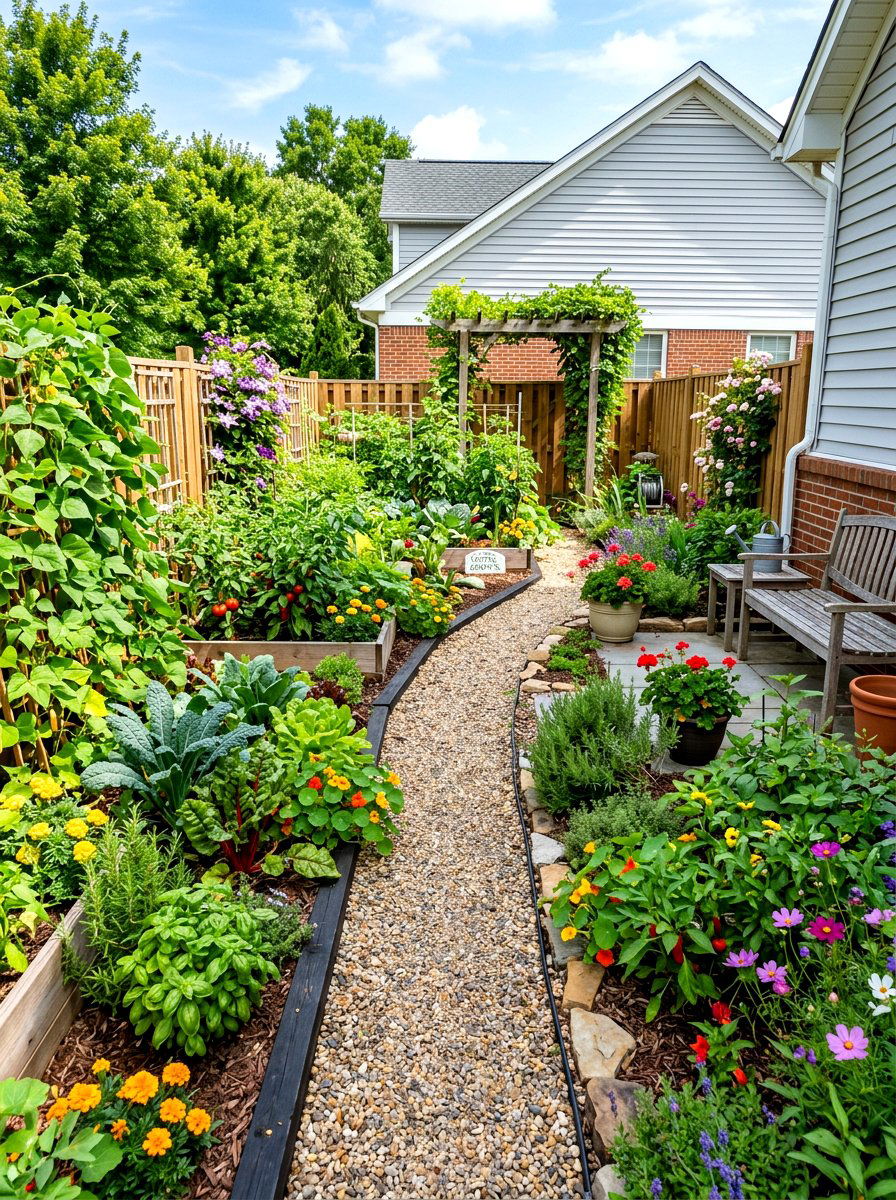
Are you struggling to fit a garden into a tiny suburban lot? A small space layout focuses on high-yield varieties and compact arrangements to maximize every inch. You might use a combination of narrow beds, wall-mounted planters, and dwarf vegetable varieties. Avoiding wide pathways and using intensive planting techniques ensures you get a big harvest from a small area. This layout often incorporates edible plants into existing flower beds to save space. It is all about being creative with the footprint you have available. A well-planned small garden can provide enough fresh produce for a couple or a small family throughout the entire summer.
18. Rooftop Vegetable Garden
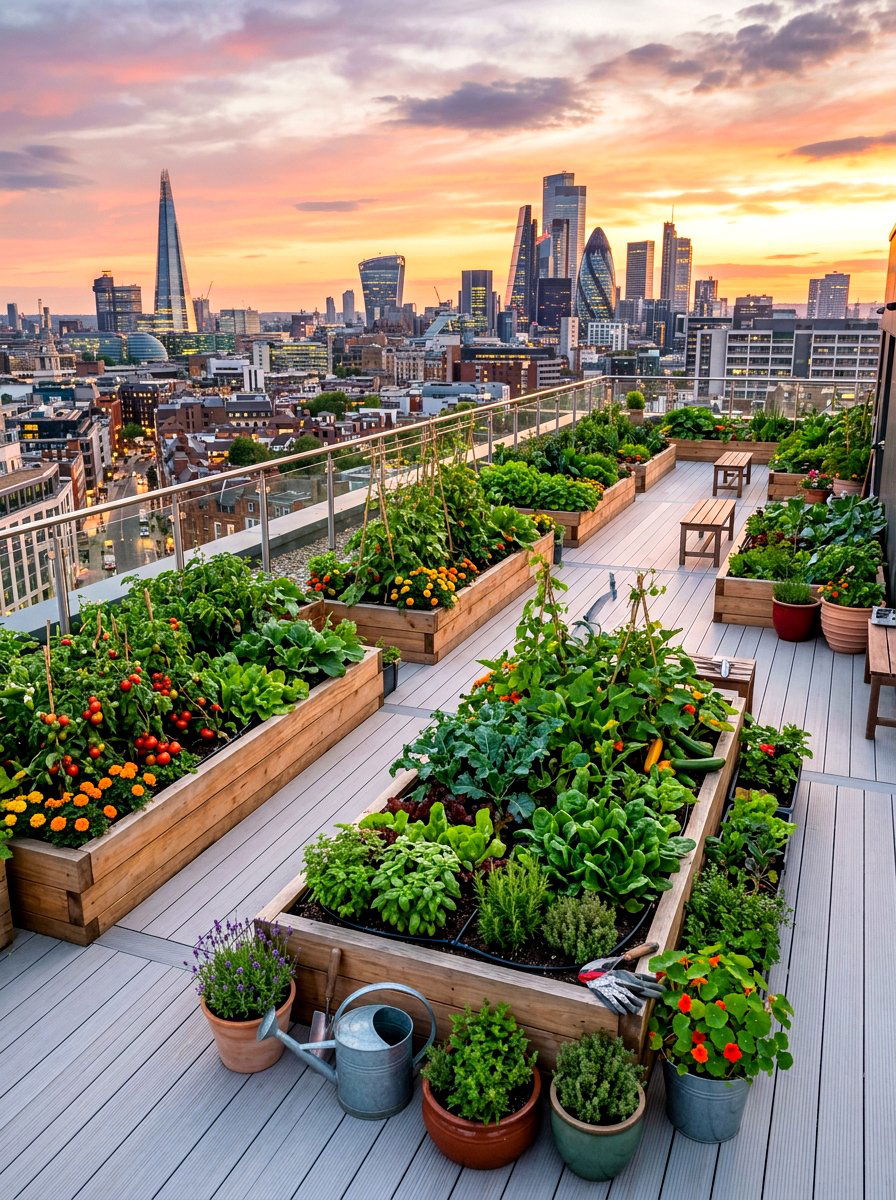
What do you do when the only available sun is on top of your building? A rooftop layout uses lightweight containers and raised beds to turn an urban roof into a productive oasis. You must consider the weight limits of the structure and the intensity of the wind and sun. Using self-watering pots and windbreaks can help your plants thrive in this unique environment. This layout provides a private escape from the city streets while growing fresh food right at home. It is a brilliant way to utilize unused space in dense urban areas. The view from a rooftop garden makes the extra effort of hauling soil upstairs completely worth it.
19. Edible Landscape Layout
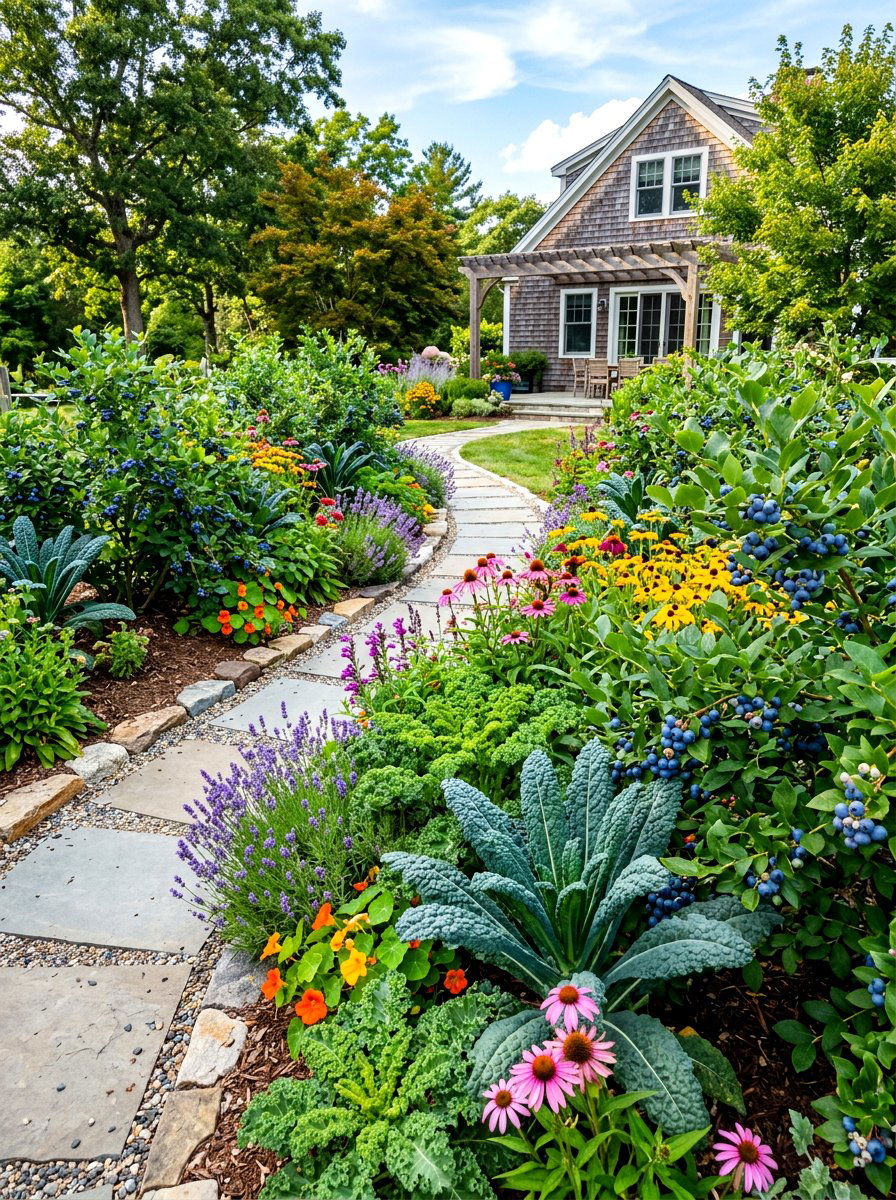
Do you want to integrate your vegetables seamlessly into your existing ornamental yard? An edible landscape layout replaces traditional shrubs and flowers with productive plants that look just as good. You might use blueberry bushes as a hedge or plant colorful Swiss chard in your flower borders. This approach blurs the line between a garden and a landscape, making your entire property useful. It is a subtle way to grow food without the look of a traditional "farm" in your yard. This design is perfect for homeowners who want to maximize their space while keeping their property looking professionally landscaped and visually appealing to the neighborhood.
20. Hydroponic Garden System
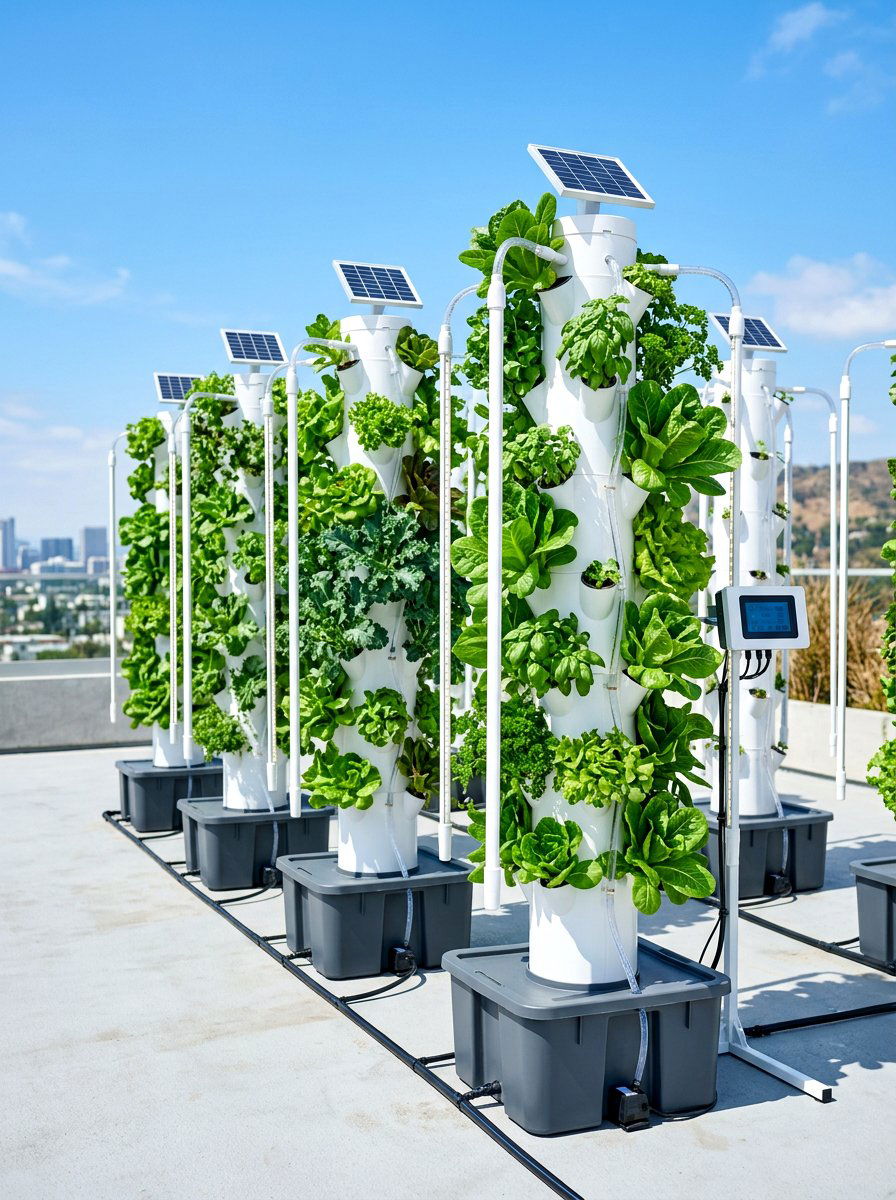
Are you looking for a high-tech layout that does not require any soil at all? A hydroponic system uses nutrient-rich water to grow vegetables in a controlled, soil-less environment. This can be set up vertically on a patio or even indoors with grow lights. This layout is incredibly efficient, as plants often grow faster and produce more when their roots have direct access to nutrients. It is a clean and modern way to garden that eliminates soil-borne pests and diseases. You can arrange the tubes or towers in a variety of configurations to fit your space. This futuristic approach is perfect for those who enjoy the technical side of growing plants.
21. Cold Frame Garden
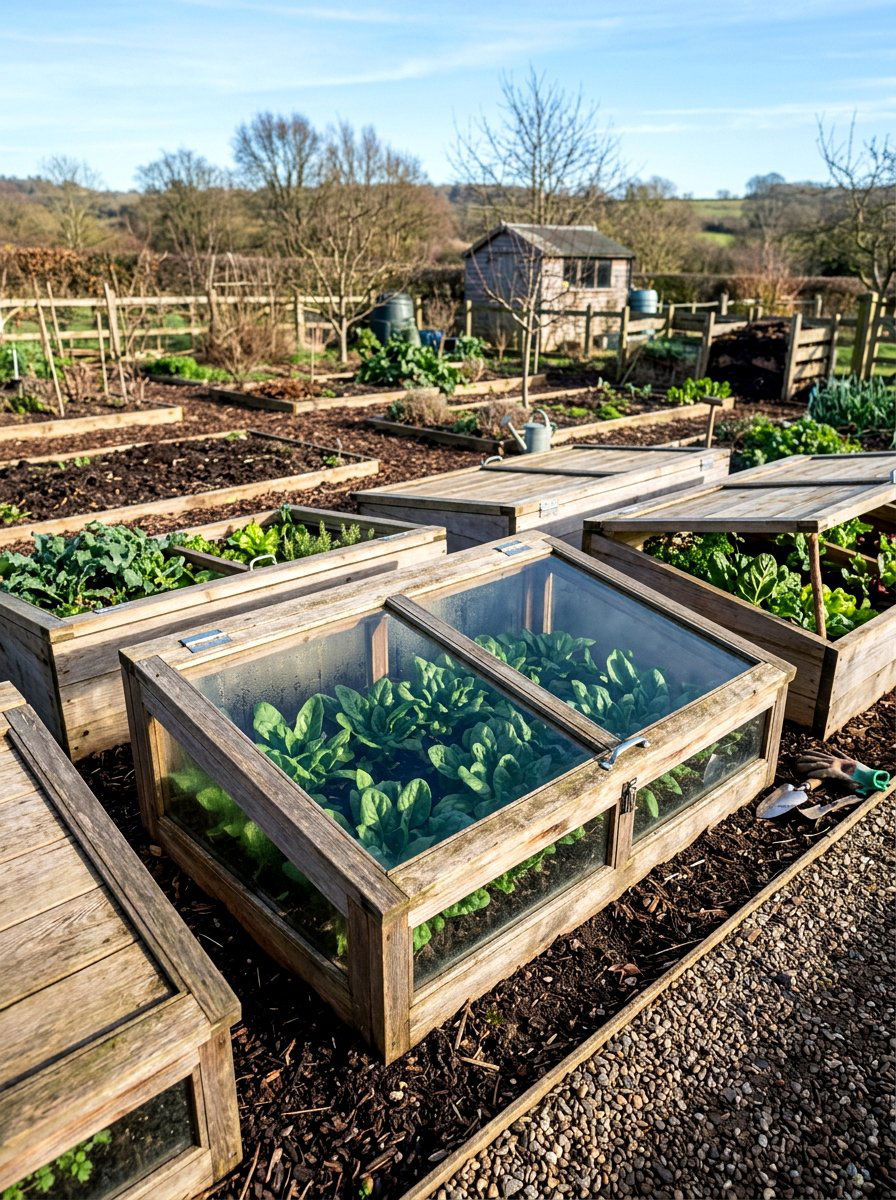
Do you want to start your garden earlier in the spring and keep it going later in the winter? A cold frame layout uses low, glass-topped boxes to create a mini-greenhouse environment right on the ground. These frames trap the sun's heat and protect tender plants from frost and cold winds. You can arrange several cold frames in a row or incorporate them into your existing raised beds. This setup is perfect for growing hardy greens like spinach and kale throughout the coldest months. It is a simple and effective way to extend your growing season without the cost of a full-scale greenhouse. This layout keeps your garden productive all year.
22. Straw Bale Garden
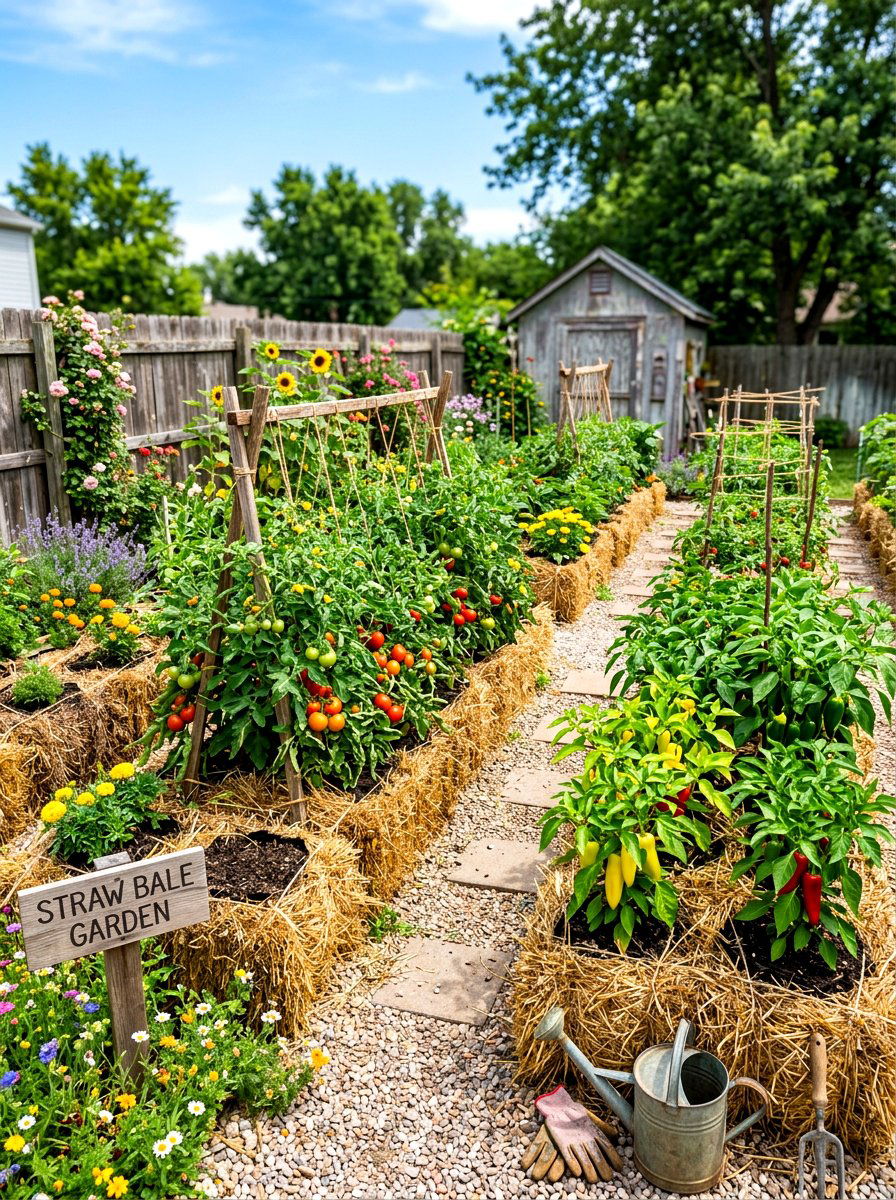
Are you looking for a creative way to garden without digging or building permanent structures? A straw bale layout uses conditioned bales of straw as the growing medium for your vegetables. You plant directly into the top of the bales, which naturally decompose and provide nutrients to the plants. This method is excellent for areas with poor soil or high pest pressure, as the plants are elevated off the ground. The bales also retain heat, which helps warm the roots and encourages faster growth. Once the season is over, the decomposed straw makes a fantastic addition to your compost pile. It is a fun and temporary way to experiment with gardening.
23. Hugelkultur Garden Bed
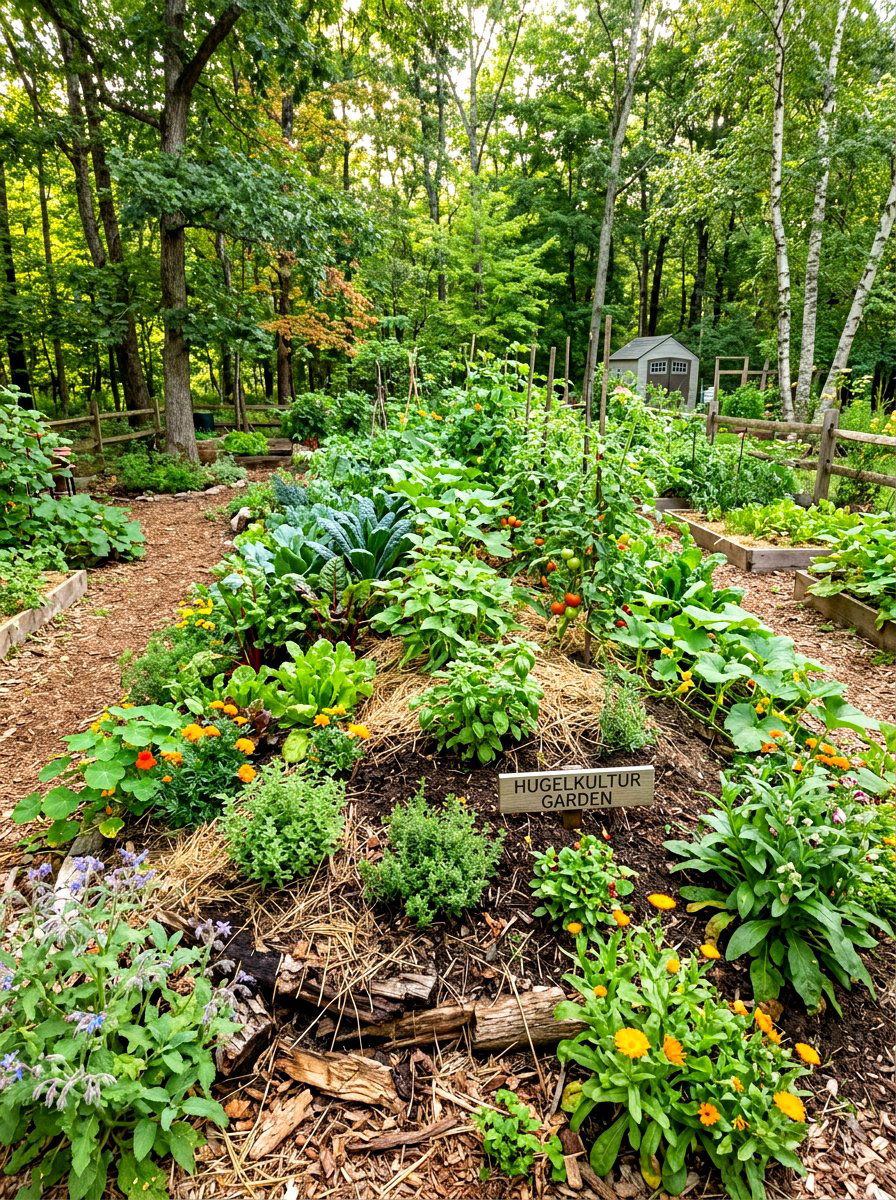
Have you considered a layout that uses buried wood to create a self-watering, long-term garden? Hugelkultur beds are mounded gardens built over a base of decaying logs and branches. As the wood breaks down over several years, it holds incredible amounts of moisture and releases nutrients slowly. The mounded shape provides more surface area for planting than a flat bed of the same size. This layout is perfect for permaculture enthusiasts who want to create a sustainable, low-input system. The height of the mounds also makes it easier to harvest without bending over. It is a great way to recycle fallen branches and wood from your property.
24. ADA Accessible Garden
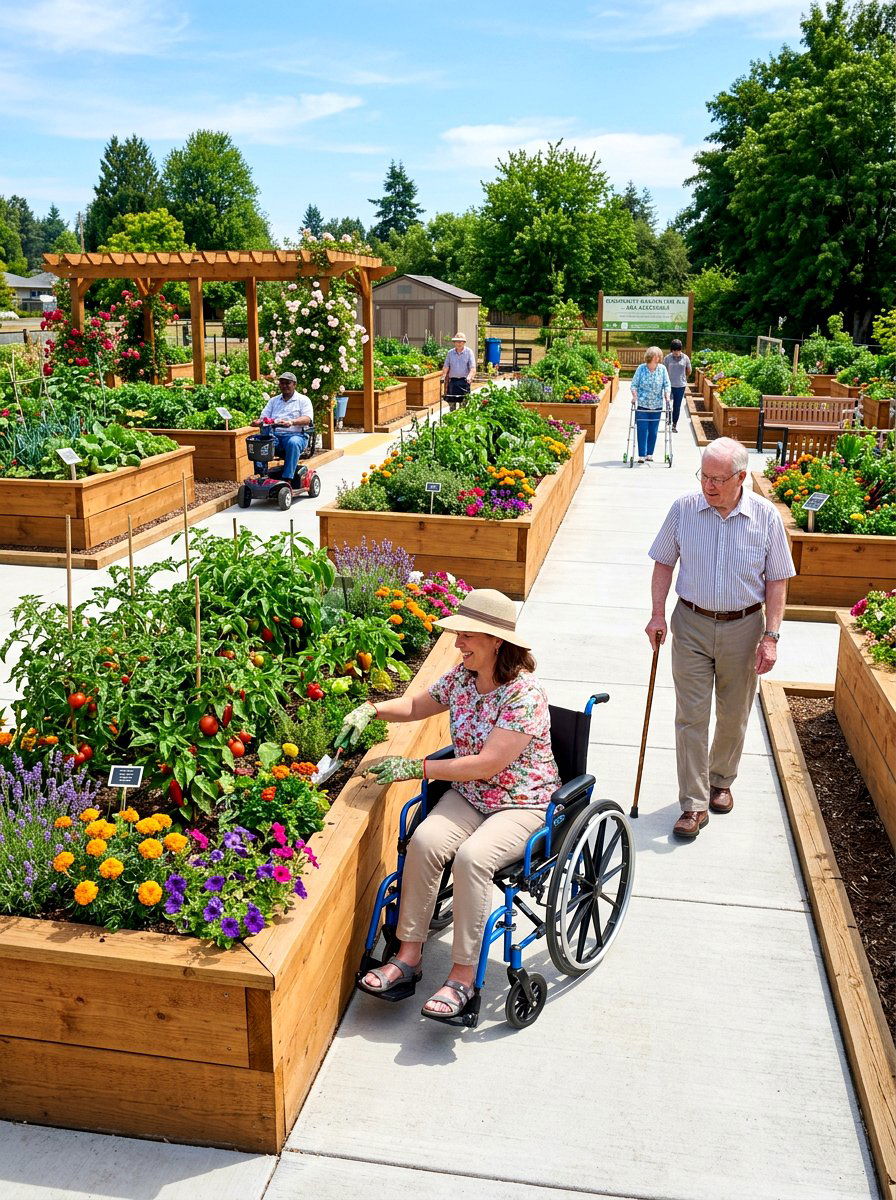
Do you need a garden layout that is easy to use for everyone, including those with limited mobility? An accessible garden features extra-high raised beds that can be reached from a seated position or a wheelchair. Wide, flat pathways made of smooth materials like pavers or concrete ensure easy movement throughout the space. You can also include vertical elements and hanging baskets at a convenient height for easy harvesting. This layout focuses on comfort and ease of use, making gardening an inclusive hobby for people of all ages and abilities. A well-designed accessible garden ensures that everyone can enjoy the therapeutic benefits of growing their own fresh vegetables.
25. Window Box Garden
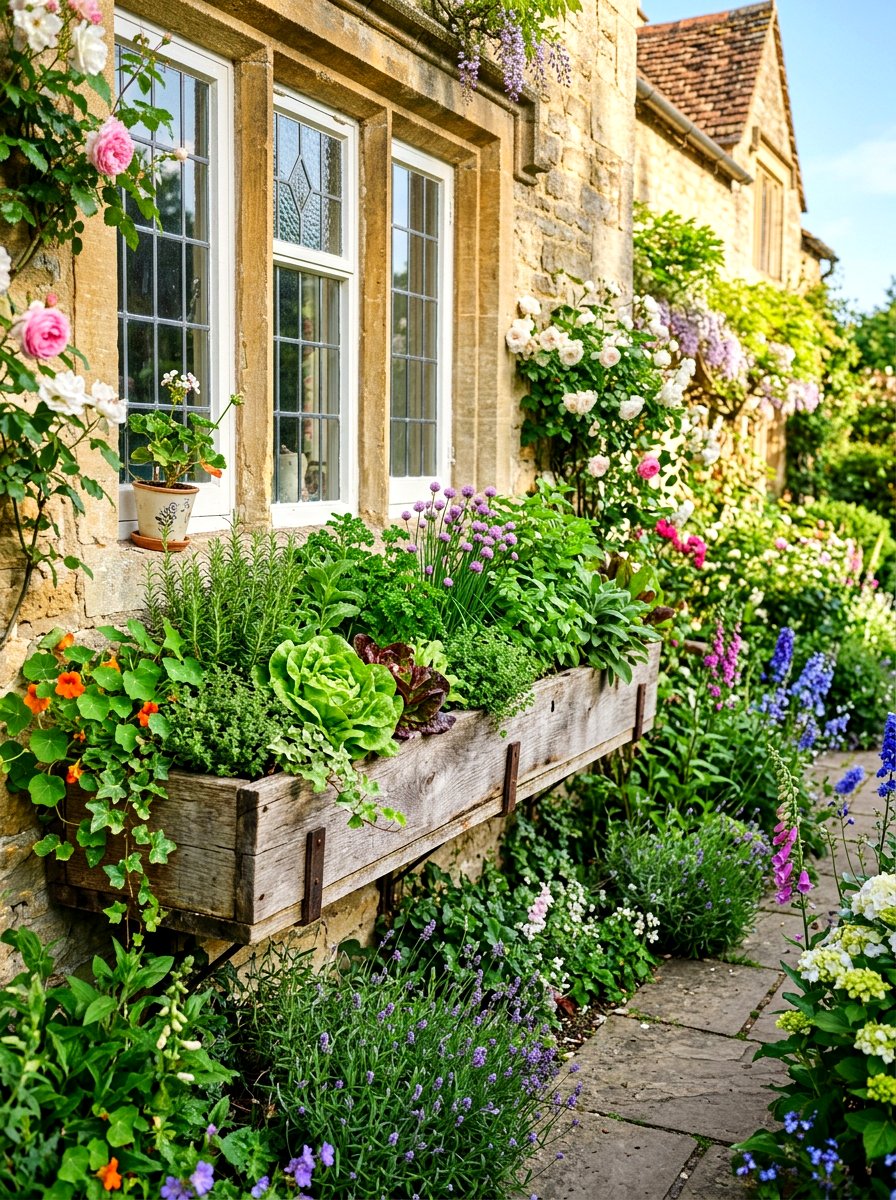
What if you only have a few windowsills to work with for your gardening dreams? A window box layout allows you to grow a surprising amount of small vegetables and herbs right outside your window. This is perfect for apartment dwellers or those with very small yards. You can plant shallow-rooted crops like lettuce, radishes, and various herbs in these long, narrow containers. This layout puts your fresh ingredients right where you need them for cooking. It also adds a splash of green and color to the exterior of your home. Using window boxes is a simple and charming way to start a garden when space is at an absolute premium.
26. Privacy Screen Garden
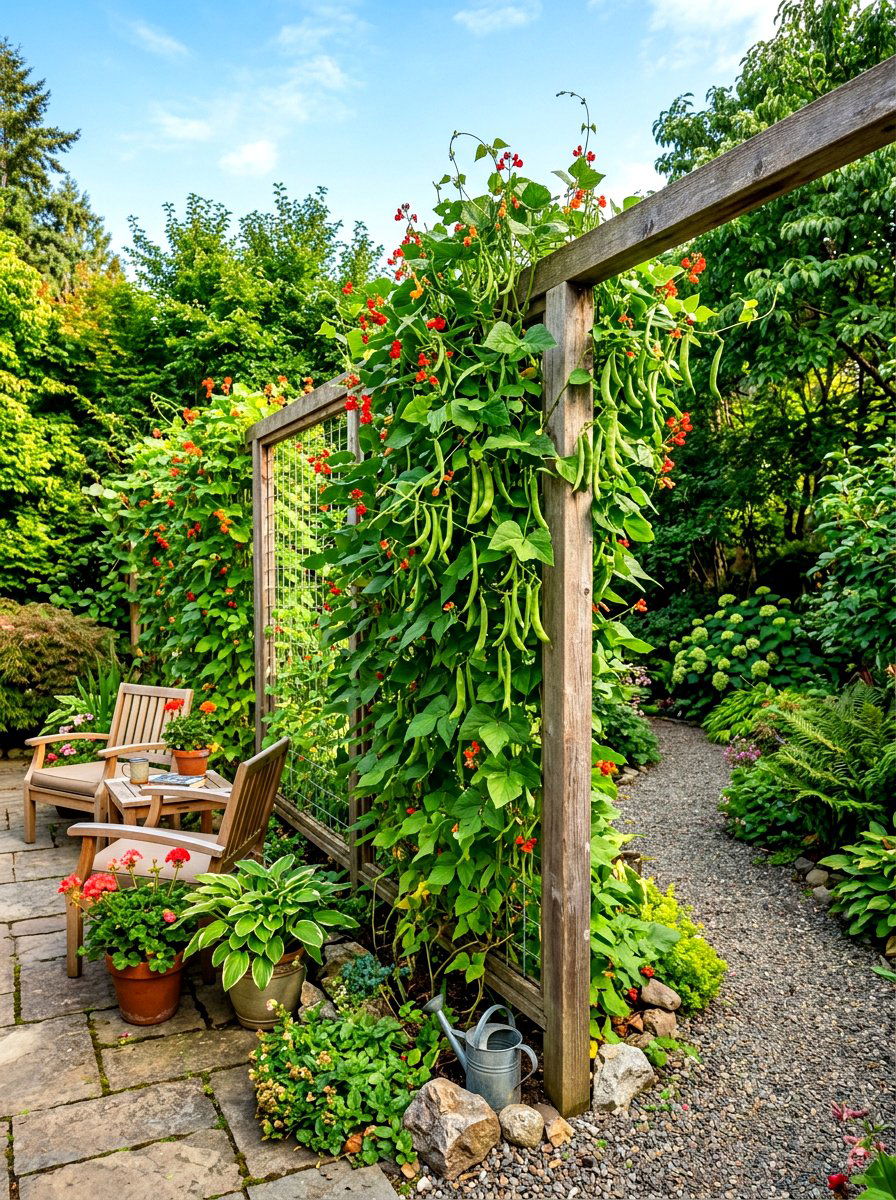
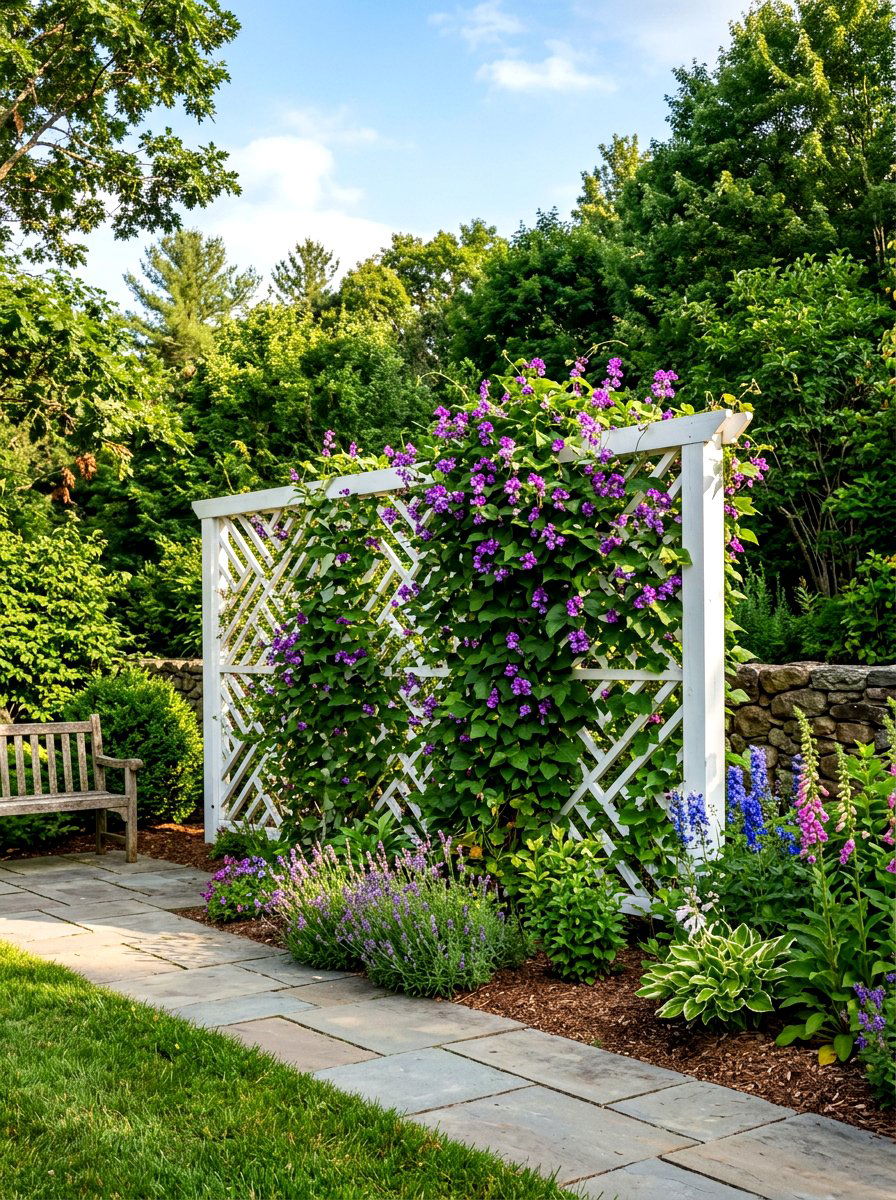
Do you want to block the view of your neighbors while growing a bountiful harvest? A privacy screen layout uses tall trellises or vertical planters to create a living wall of vegetables. You can grow climbing plants like pole beans, hops, or even vining tomatoes to fill in the gaps. This layout serves two purposes: providing you with fresh food and creating a secluded sanctuary in your backyard. It is a practical alternative to a traditional wooden fence. The lush greenery of the plants provides a beautiful and natural backdrop for your outdoor seating area. This design is perfect for narrow side yards or balconies that feel too exposed.
27. Tea Garden Layout
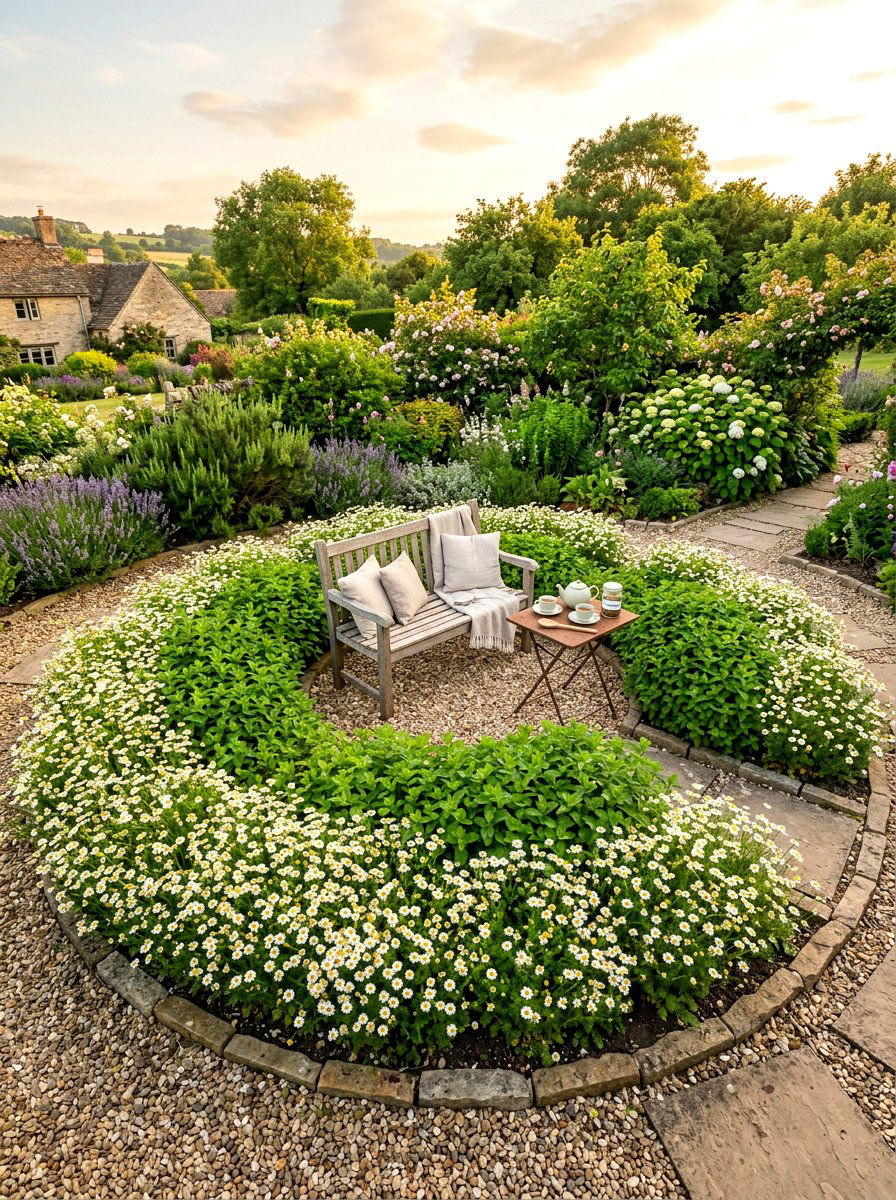
Are you interested in a specialized garden that focuses on plants you can brew into delicious drinks? A tea garden layout features a variety of edible herbs and flowers like mint, lemon balm, chamomile, and stevia. You can arrange these plants in a relaxing, circular pattern with a small seating area in the center for enjoying your home-grown tea. This layout is often more fragrant and delicate than a typical vegetable patch. It is a lovely addition to a patio or a quiet corner of the yard. Growing your own tea ingredients is a delightful way to connect with your garden and enjoy a peaceful moment in nature every single day.
28. Native Vegetable Garden
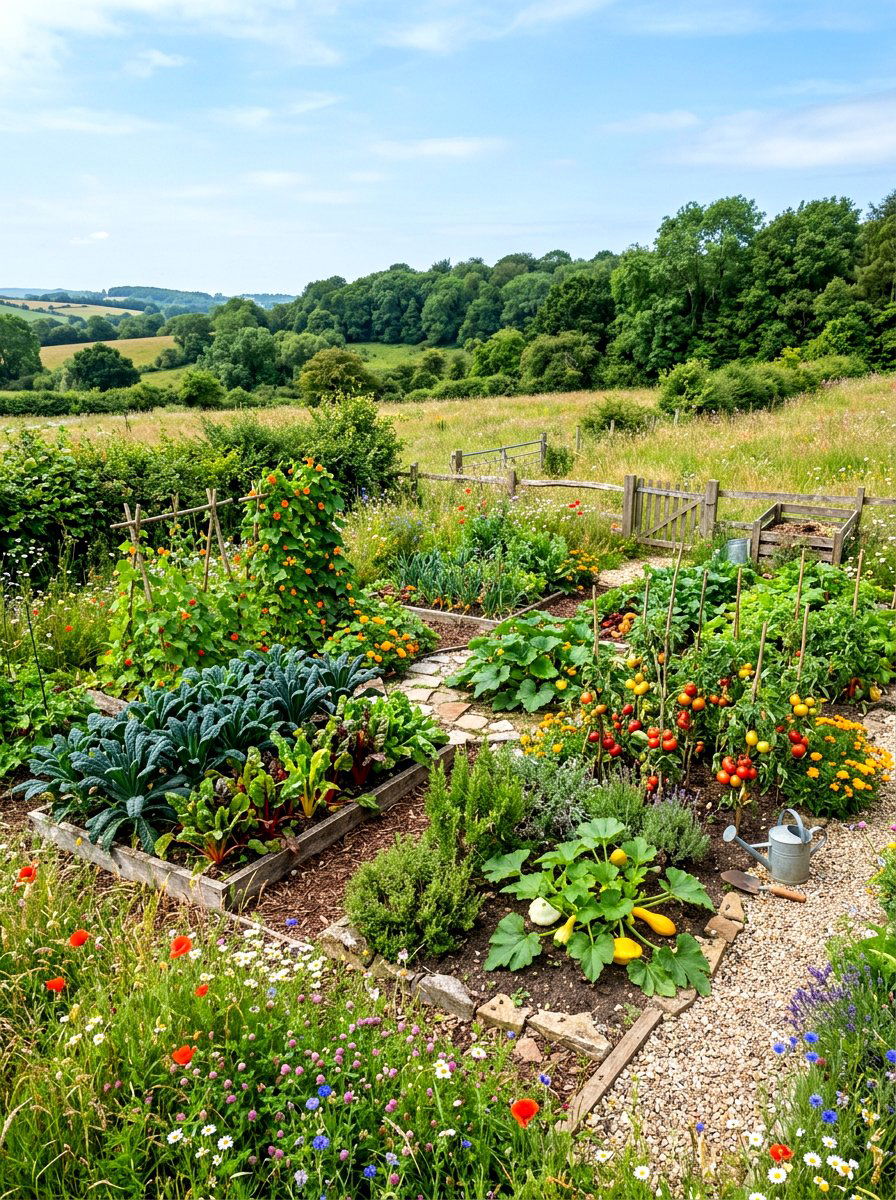
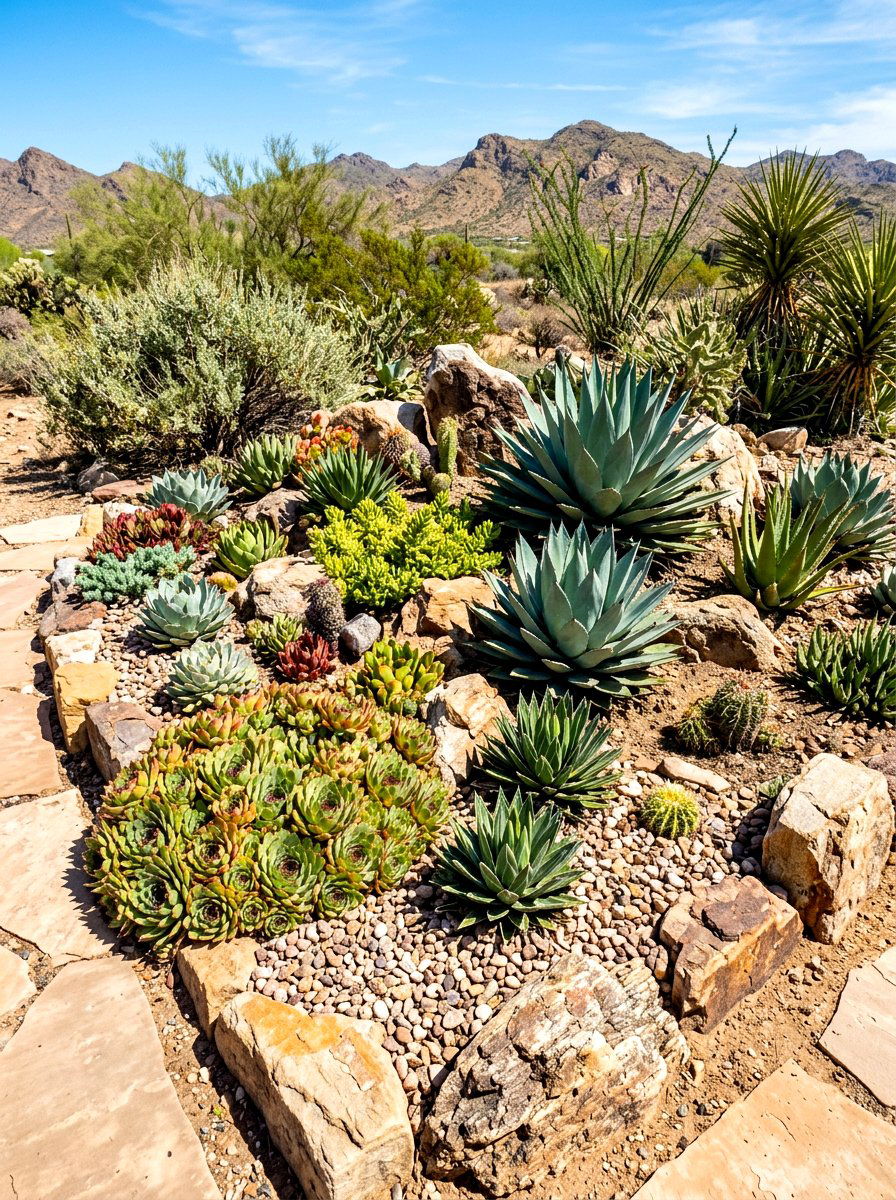
Have you considered growing edible plants that are naturally adapted to your local climate and soil? A native vegetable garden incorporates wild or heritage varieties that have been grown in your region for generations. This layout often requires less water and fewer fertilizers because the plants are already perfectly suited to the environment. It supports local pollinators and helps preserve genetic diversity in our food supply. You can arrange these plants in a more natural, meadow-like layout that fits seamlessly into a wilder landscape. This approach is sustainable and low-maintenance, making it a great choice for eco-conscious gardeners who want to support the local ecosystem while growing food.
29. Childrens Garden Plan
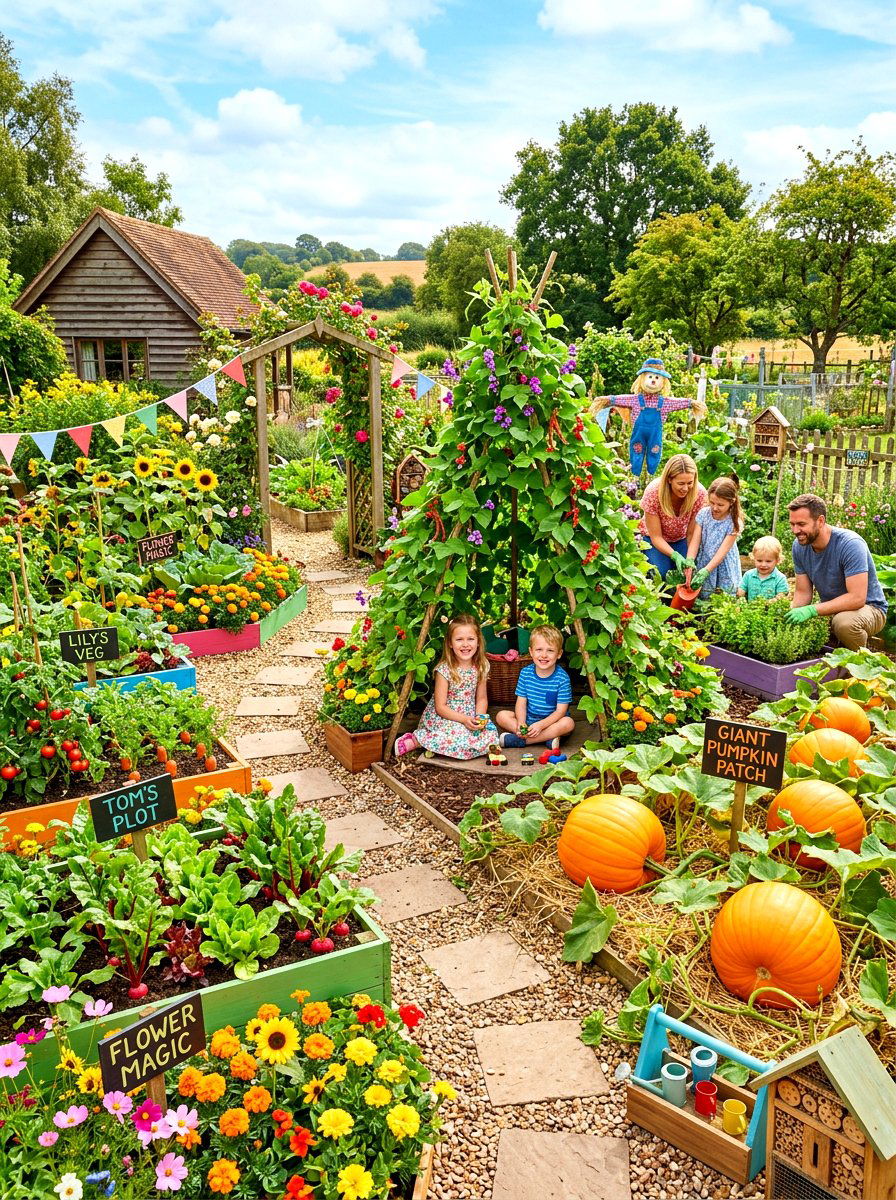
Do you want to create a space that encourages the next generation to get excited about gardening? A children’s garden layout features small-scale beds, colorful signage, and fun elements like a bean teepee or a sunflower house. You can plant "fun" crops like giant pumpkins, colorful carrots, and cherry tomatoes that are easy for small hands to pick. This layout focuses on sensory experiences, with different textures, smells, and bright colors to explore. It is a fantastic way to teach kids about where their food comes from and the wonders of nature. A well-planned kids’ garden is a place of magic, learning, and delicious discoveries for the whole family.
30. Formal Kitchen Garden
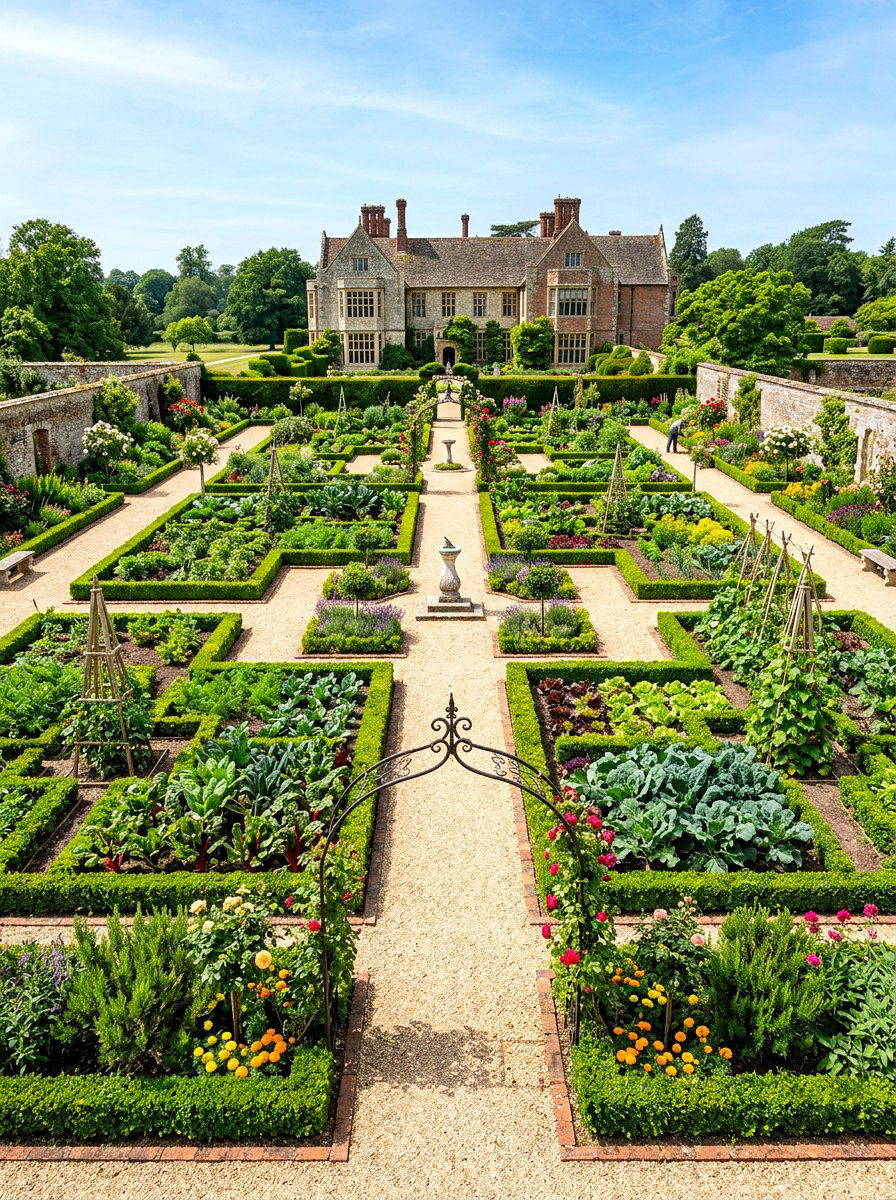
Are you looking for a highly structured and elegant way to grow your vegetables? A formal kitchen garden layout uses symmetrical paths, geometric beds, and classic materials like boxwood hedges or gravel walkways. This design is inspired by historical European estates and provides a sophisticated look for your property. You can use central features like a fountain or a sun dial to anchor the design. This layout requires a bit more maintenance to keep everything looking sharp, but the result is a stunning and productive masterpiece. It is the ultimate choice for homeowners who want their vegetable garden to be a grand and beautiful extension of their home.
Conclusion:
Choosing the right vegetable garden layout is the first step toward a successful and enjoyable growing season. Whether you prefer the orderly look of raised beds or the wild charm of an edible landscape, there is a design here for everyone. Think about your available space, your daily routine, and the types of food you love to eat most. A well-planned garden not only provides fresh, healthy produce but also becomes a beautiful sanctuary where you can relax and reconnect with nature. Start small if you need to, and watch your garden grow into a productive and inspiring part of your home life.

Related posts: