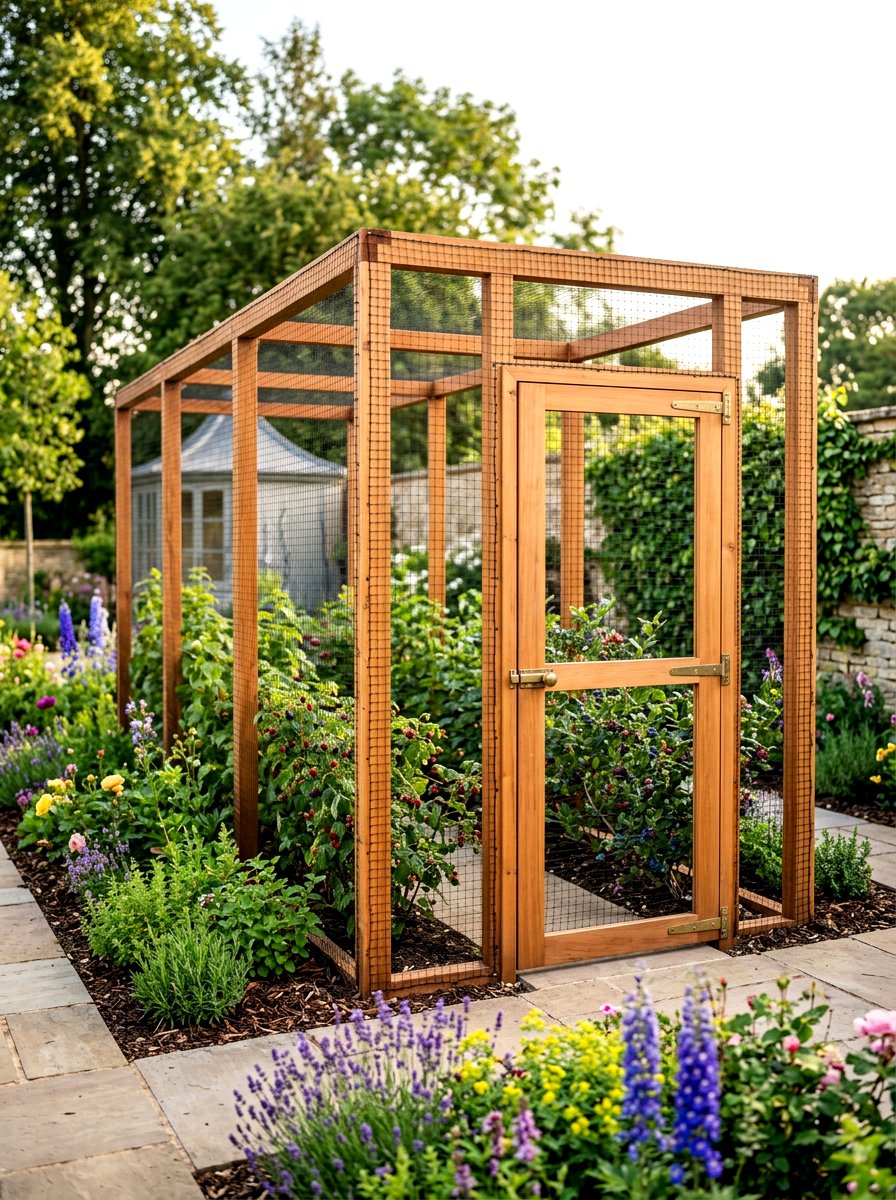
Gardening in raised beds offers a unique opportunity to create a highly controlled and productive environment for your favorite vegetables and herbs. When you embrace the art of companion planting, you are essentially mimicking natural ecosystems where different species support one another’s growth and health. This organic method helps maximize your limited space while naturally deterring pests and improving soil nutrients without the need for harsh chemicals. By carefully selecting plant pairs that share similar needs or offer mutual benefits, you can achieve a more vibrant and bountiful harvest. Whether you are a beginner or a seasoned gardener, understanding these beneficial relationships is the key to a thriving and sustainable backyard oasis.
1. Tomato And Basil Companion Planting
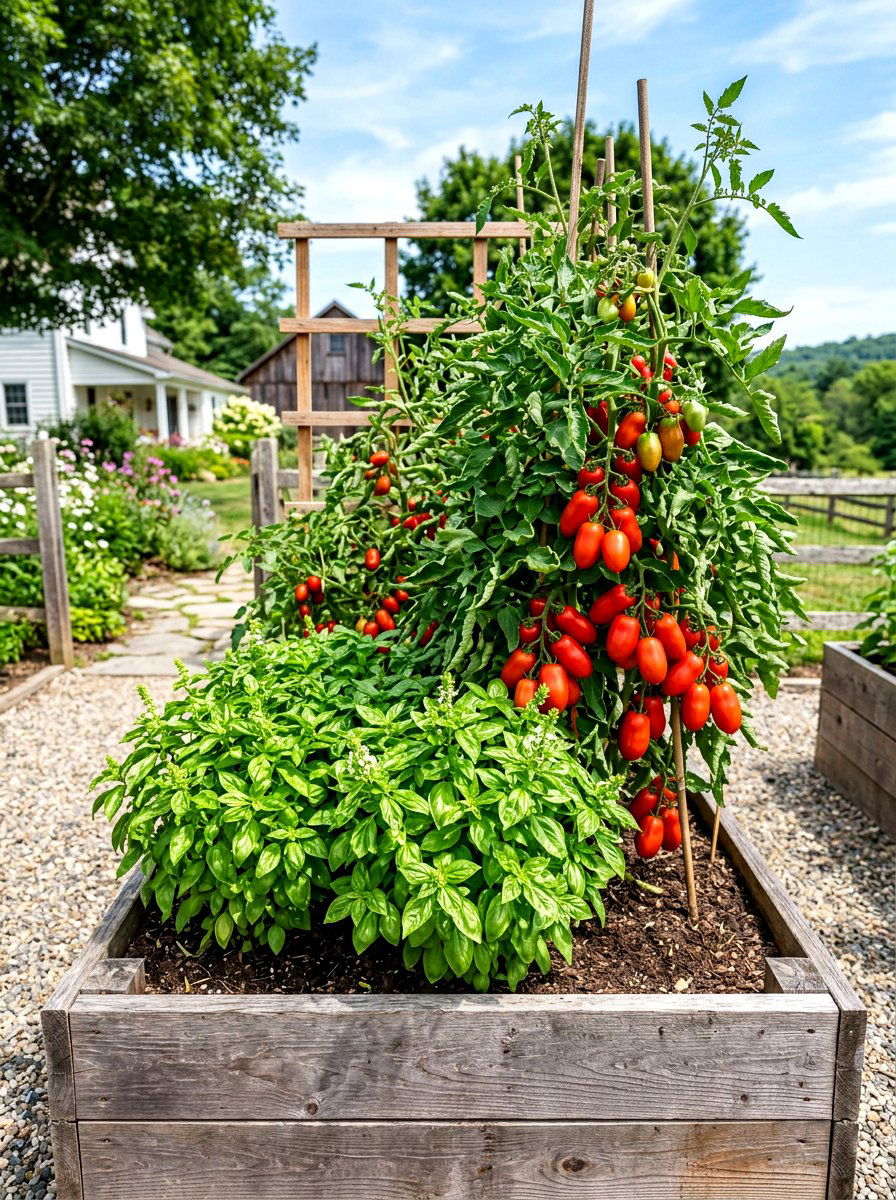
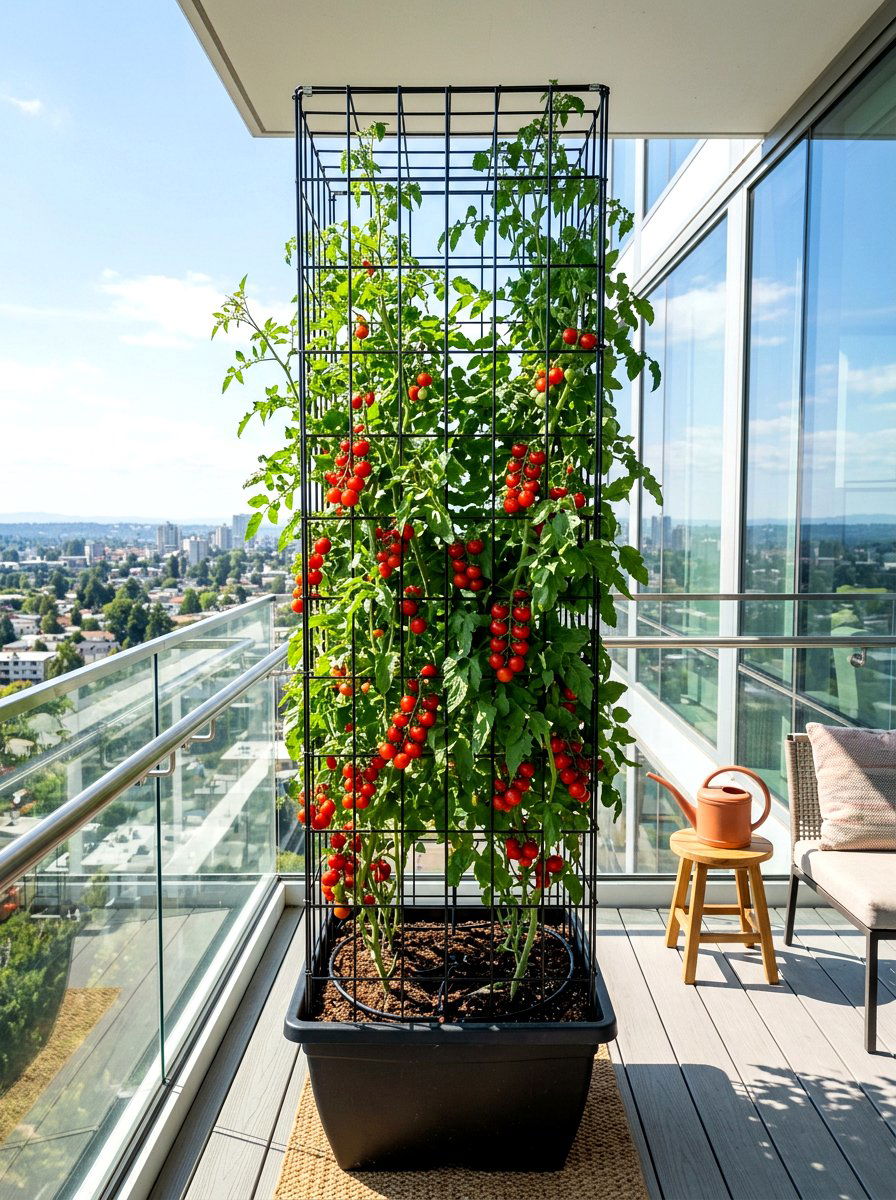
Tomato and basil are perhaps the most famous duo in the world of garden companion planting. Growing these two together in a raised bed provides more than just a convenient harvest for your kitchen recipes. Basil acts as a natural repellent for many common garden pests, including thrips and the dreaded tomato hornworm. Many gardeners also swear that planting basil near tomatoes actually improves the flavor of the fruit as it ripens on the vine. The aromatic oils of the basil mask the scent of the tomato plants, making them harder for pests to find. This combination is a perfect example of a functional and fragrant garden layout.
2. Carrot And Onion Companion Planting
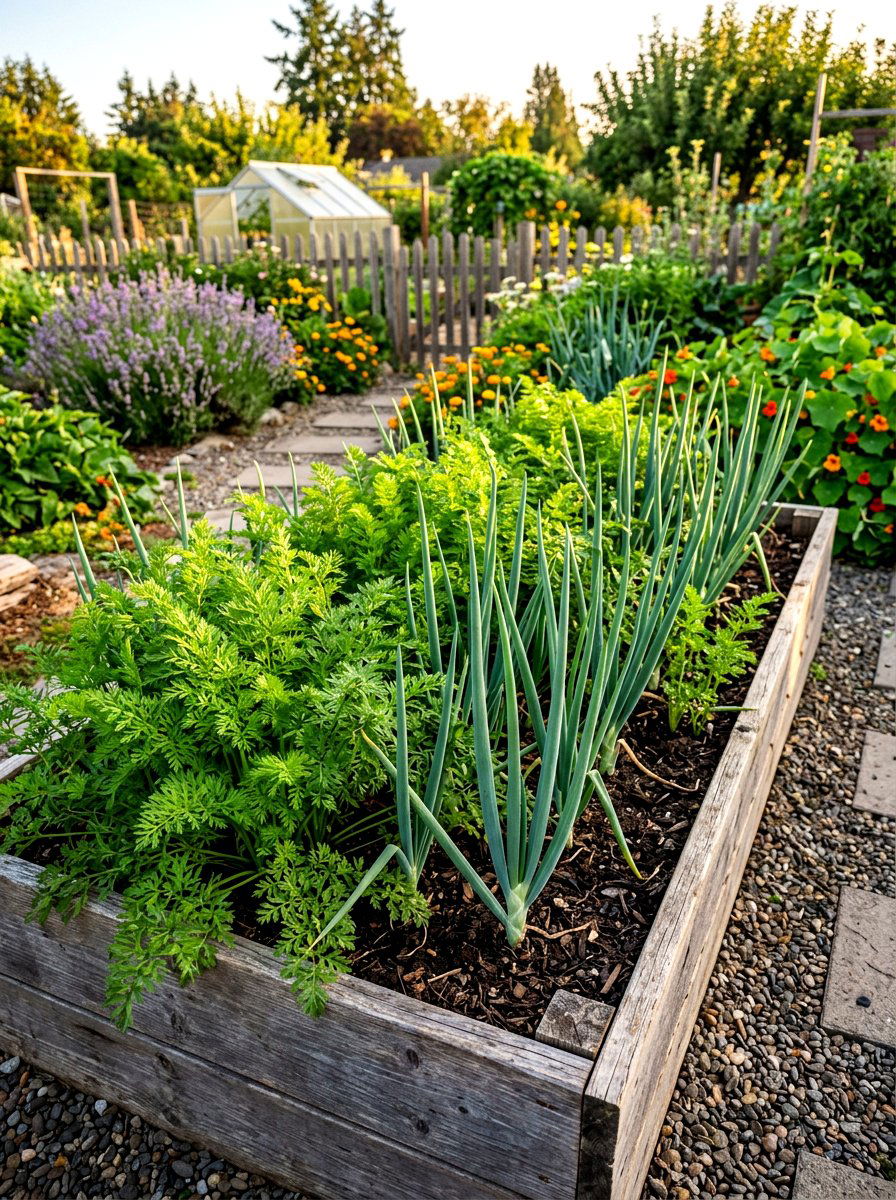
Carrots and onions are a powerhouse pairing for any raised bed gardener looking to reduce pest pressure. These two vegetables are ideal partners because they help protect each other from their most common enemies. The strong scent of onions helps to confuse and repel the carrot rust fly, which can devastate a root crop. In return, the carrot plant helps to deter the onion fly with its own foliage. Since carrots grow deep and onions have shallower roots, they do not compete for space or nutrients. This efficient use of the soil profile ensures that both crops can thrive and reach full maturity together.
3. Lettuce And Radish Companion Planting
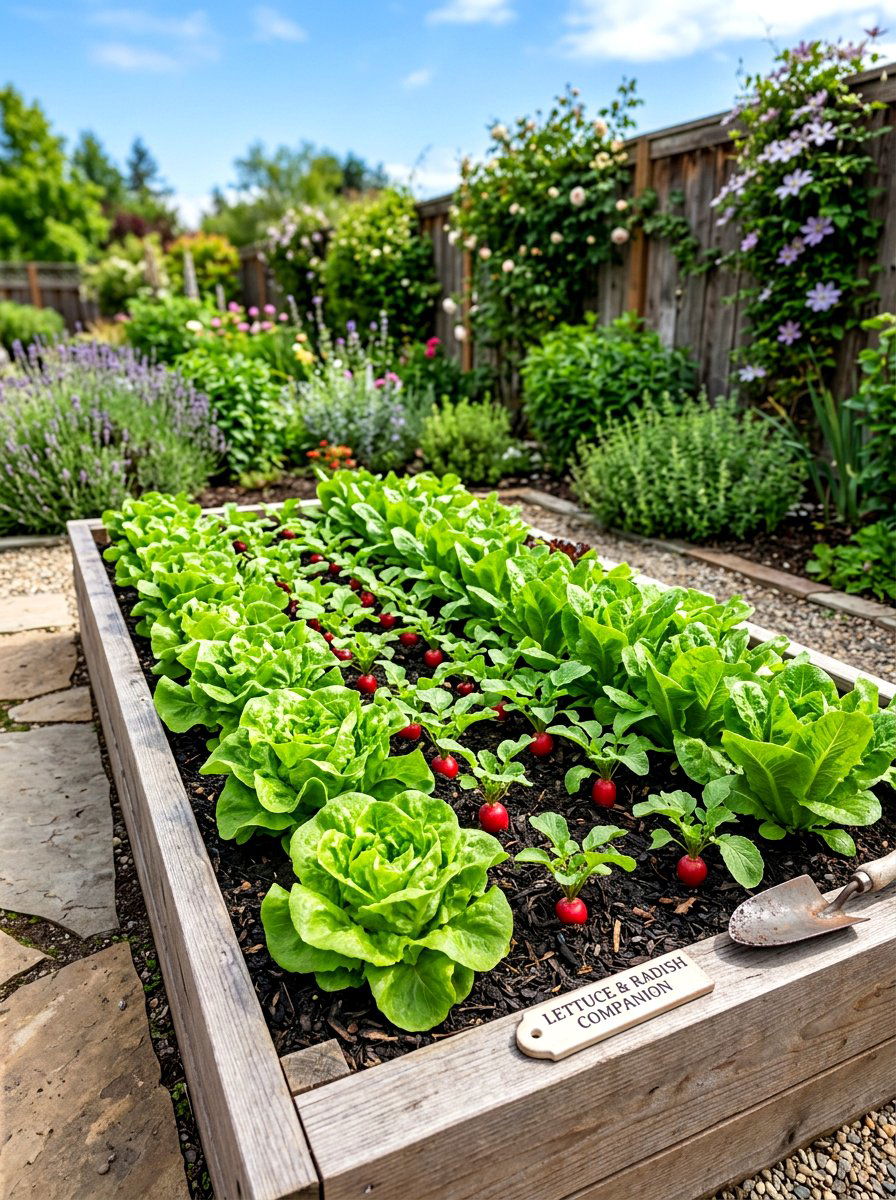
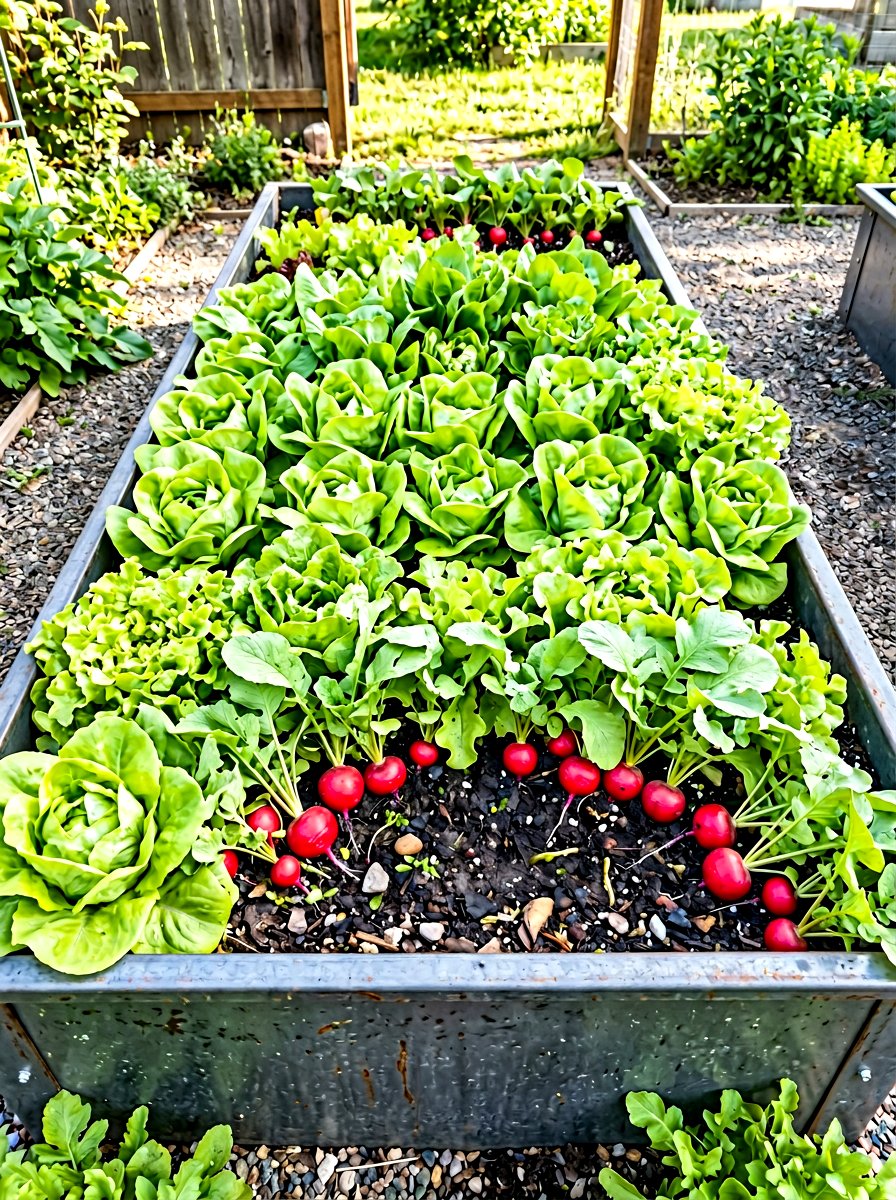
Lettuce and radishes are excellent choices for a fast-growing and space-efficient raised bed garden. Because radishes mature very quickly, they are often harvested before the lettuce plants need more room to expand. Radishes can also act as a trap crop for leaf miners, drawing them away from the tender lettuce leaves. Additionally, the broad leaves of the lettuce can provide some much-needed shade for the radish roots during the hotter parts of the spring. This symbiotic relationship allows you to get multiple harvests from the same square footage. It is a simple way to keep your garden productive throughout the entire growing season.
4. Cucumber And Dill Companion Planting
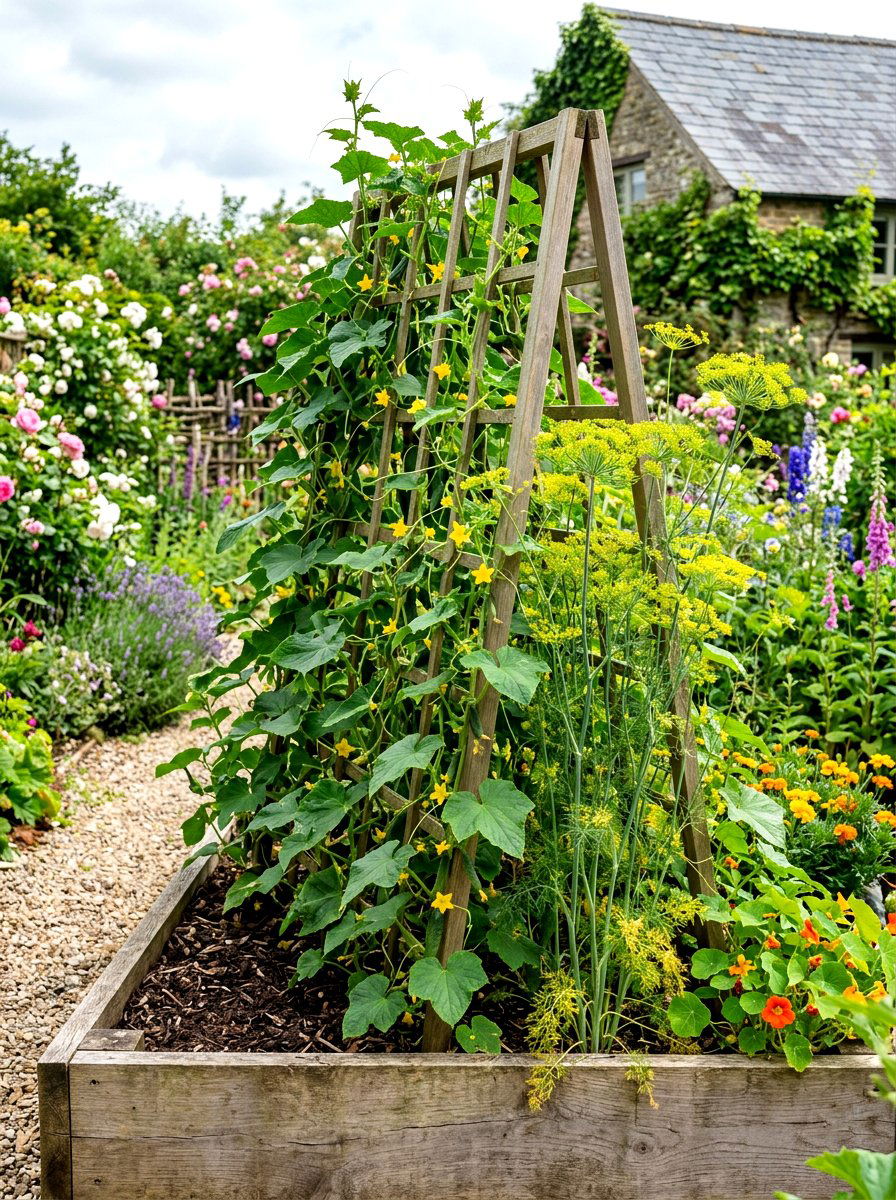
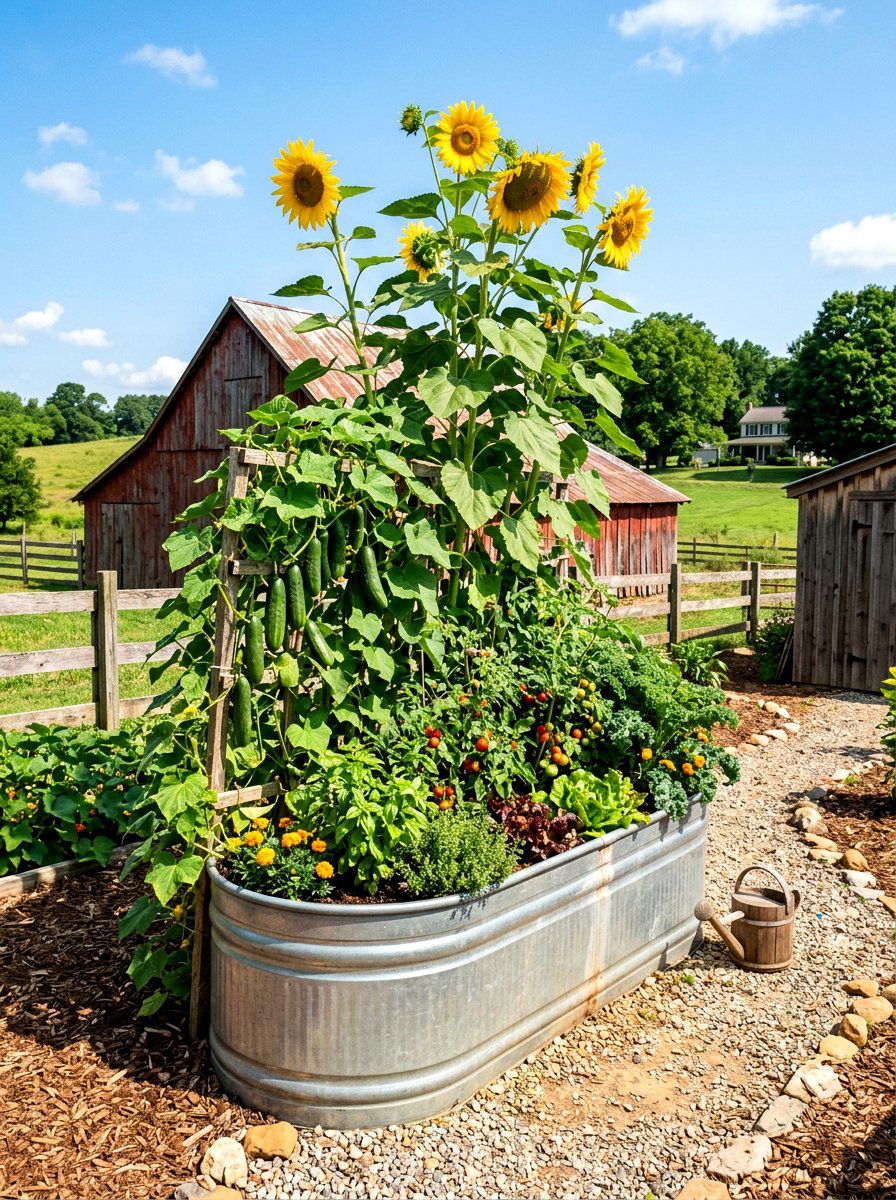
Cucumber and dill are natural companions that work together to improve pollination and health in your raised bed. Dill is well-known for attracting beneficial insects like ladybugs and hoverflies, which prey on the aphids that often plague cucumber vines. Furthermore, the tall, feathery stalks of mature dill can provide a light structural support or windbreak for young cucumber plants. Some gardeners believe that dill helps to improve the overall health and vigor of the cucumber vines throughout the summer. Planting these two together ensures a healthy ecosystem that supports a heavy yield of crisp cucumbers for your summer salads and pickling jars.
5. Pepper And Basil Companion Planting
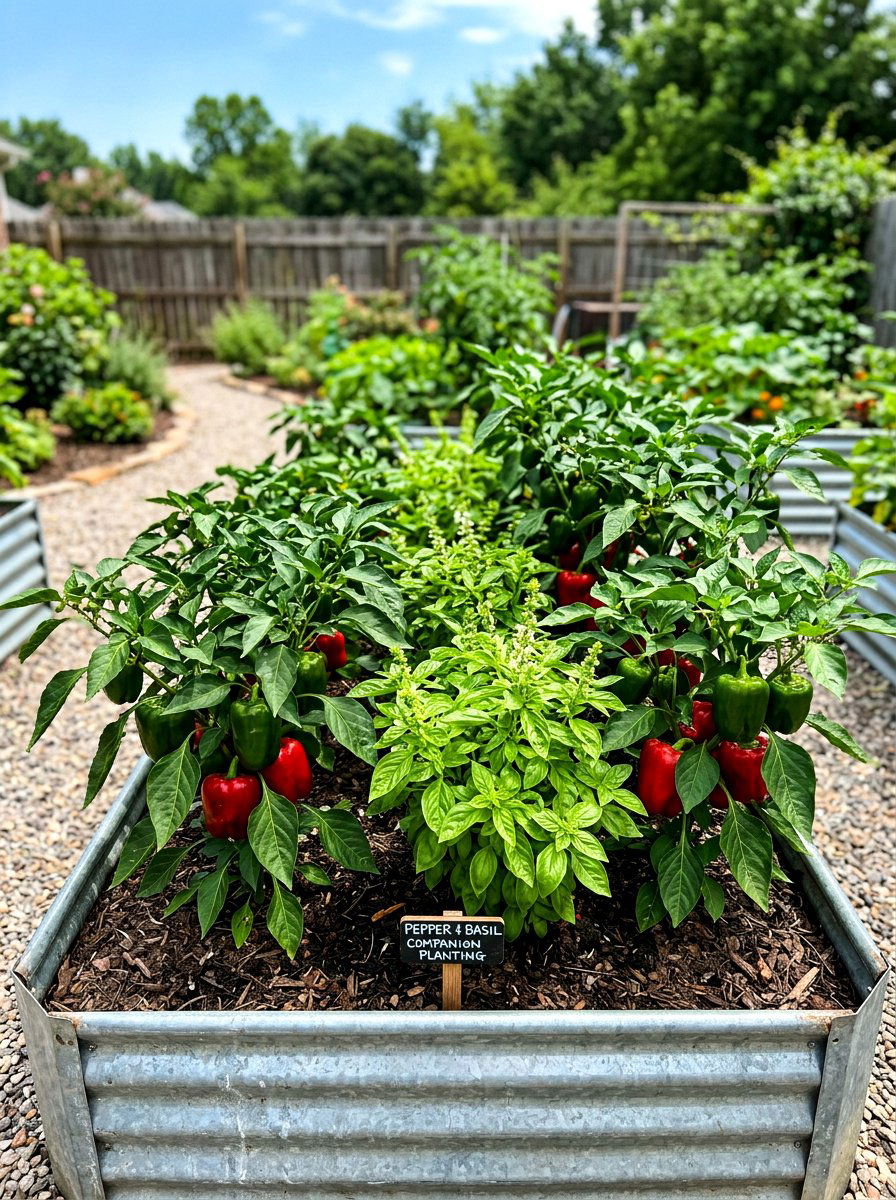
Peppers and basil make a fantastic combination in a warm-season raised bed due to their similar environmental requirements. Both plants thrive in full sun and require consistent moisture and well-draining soil to produce their best results. Basil helps the pepper plants by repelling aphids and spider mites, which are common pests that can stunt pepper growth. The bushy nature of basil also provides a bit of ground cover, helping to keep the soil cool and retain moisture during the heat of the day. This pairing is not only practical for pest management but also creates a beautiful and aromatic display in your garden.
6. Marigold And Vegetable Companion Planting
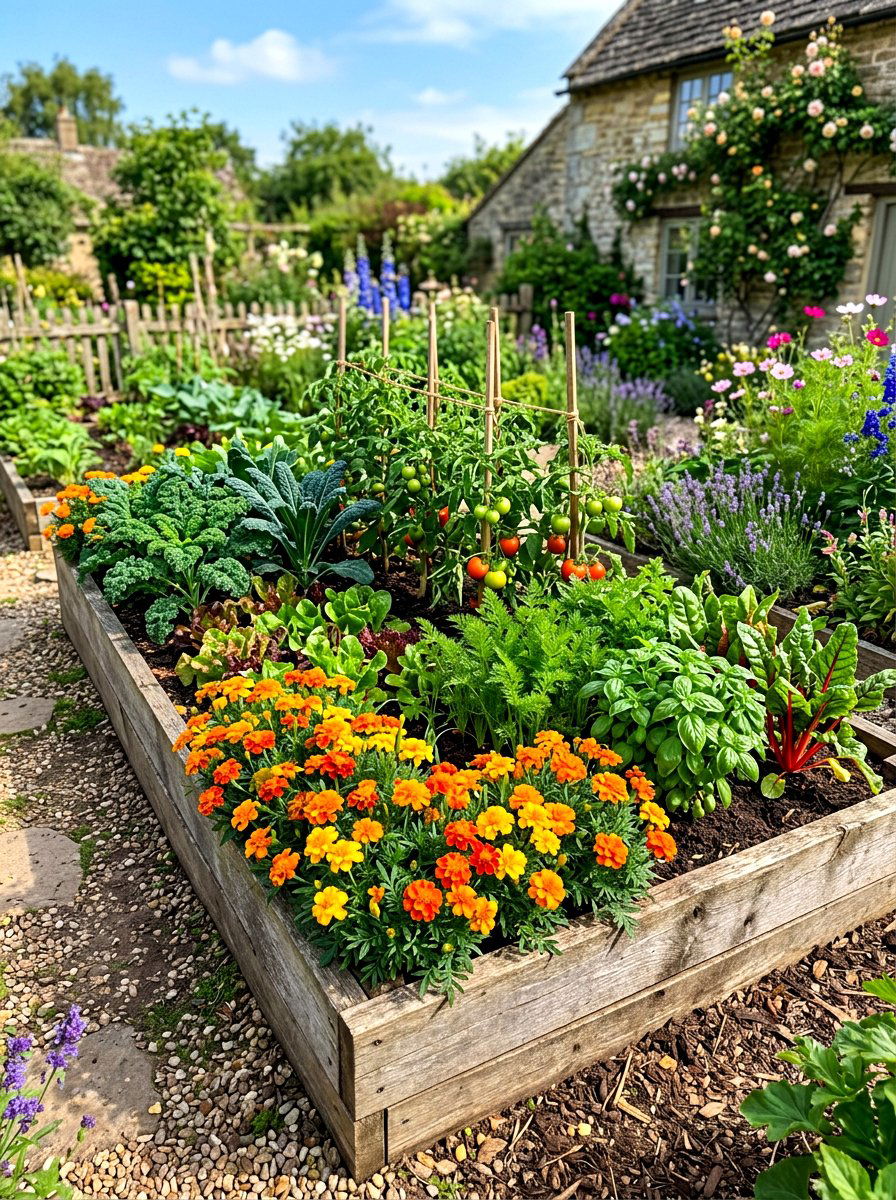
Marigolds are often considered the ultimate companion plant for a wide variety of vegetables in a raised bed. These bright and cheerful flowers produce a strong scent that is highly effective at repelling many types of garden pests. They are particularly known for deterring nematodes in the soil, which can damage the roots of tomatoes and peppers. By planting marigolds along the edges of your beds, you create a natural barrier that protects your food crops from harmful insects. Additionally, their vibrant colors attract pollinators that help increase the yield of fruiting plants. They are a must-have for any organic gardener.
7. Strawberry And Spinach Companion Planting
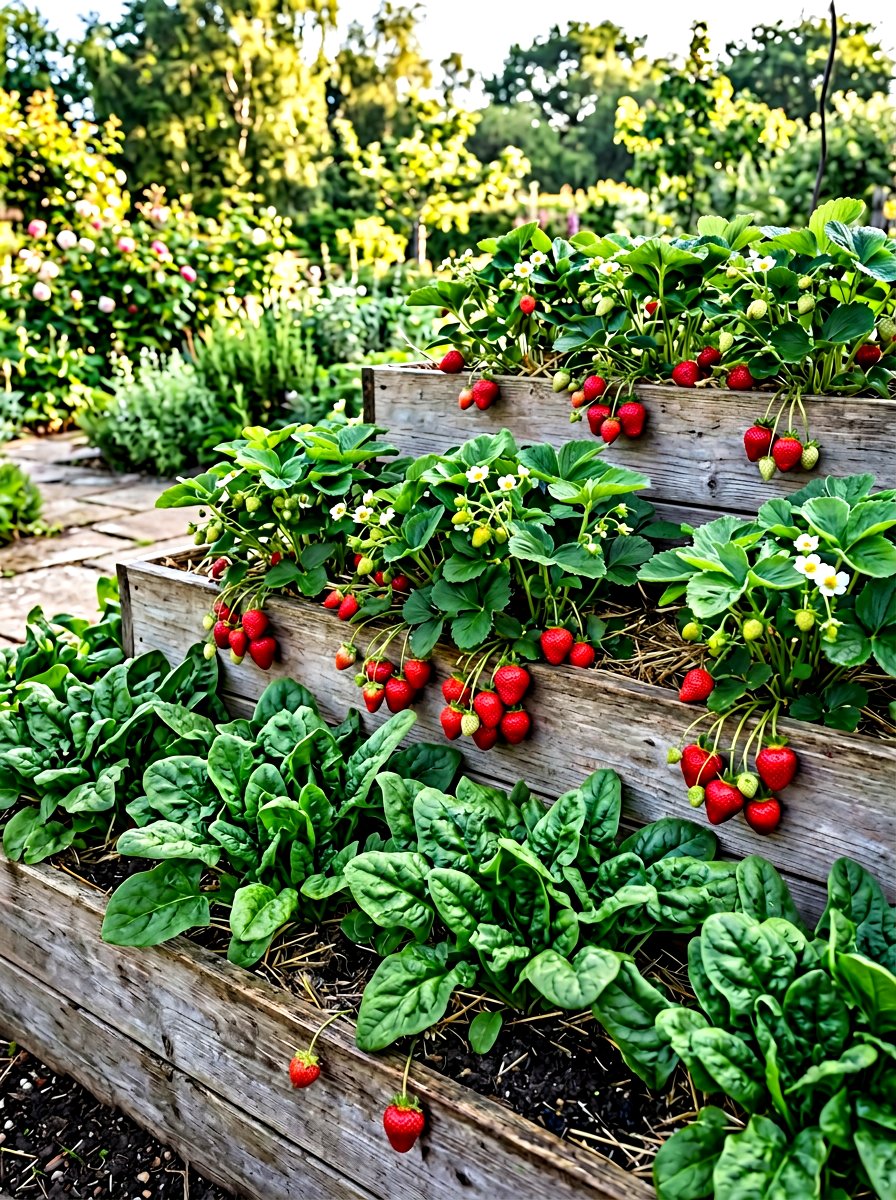
Strawberries and spinach are a wonderful pairing for a small-space raised bed because they have very compatible growth habits. Spinach is a fast-growing leafy green that prefers cooler weather, while strawberries are a perennial crop that produces fruit in the spring and summer. The spinach plants can be tucked between the strawberry runners to maximize every inch of available soil. Because spinach is harvested relatively early, it won't compete with the strawberries as they begin to set fruit and expand their reach. This combination allows you to enjoy fresh greens and sweet berries from the same garden bed with very minimal effort.
8. Corn Bean And Squash Companion Planting
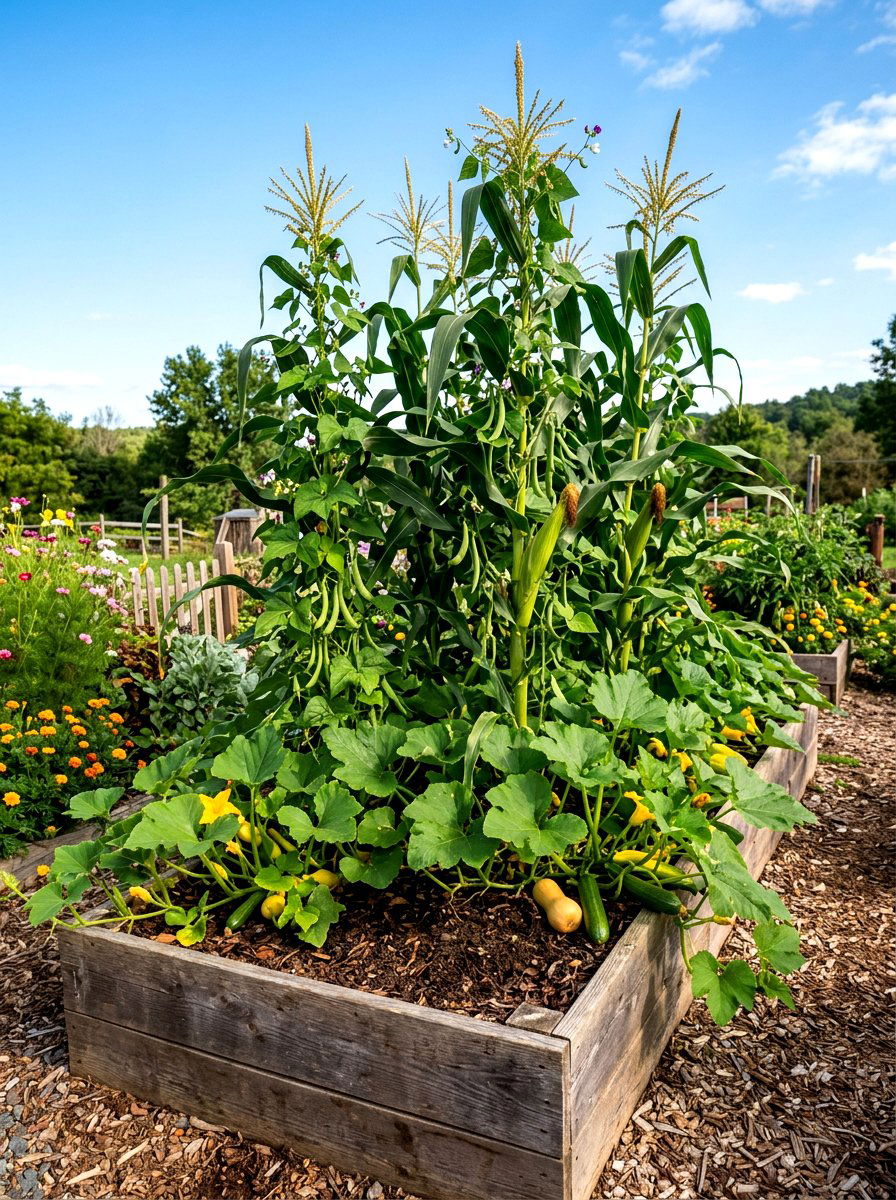
The "Three Sisters" method is a classic companion planting technique that combines corn, beans, and squash in one bed. This traditional system is incredibly efficient because each plant provides a vital service to the others in the group. The corn provides a tall, sturdy stalk for the beans to climb as they grow upward. The beans fix nitrogen in the soil, which feeds the heavy-feeding corn and squash plants. Meanwhile, the large leaves of the squash act as a living mulch, shading the soil and preventing weeds. This trio creates a self-sustaining and highly productive ecosystem that maximizes yield in a raised bed.
9. Cabbage And Thyme Companion Planting
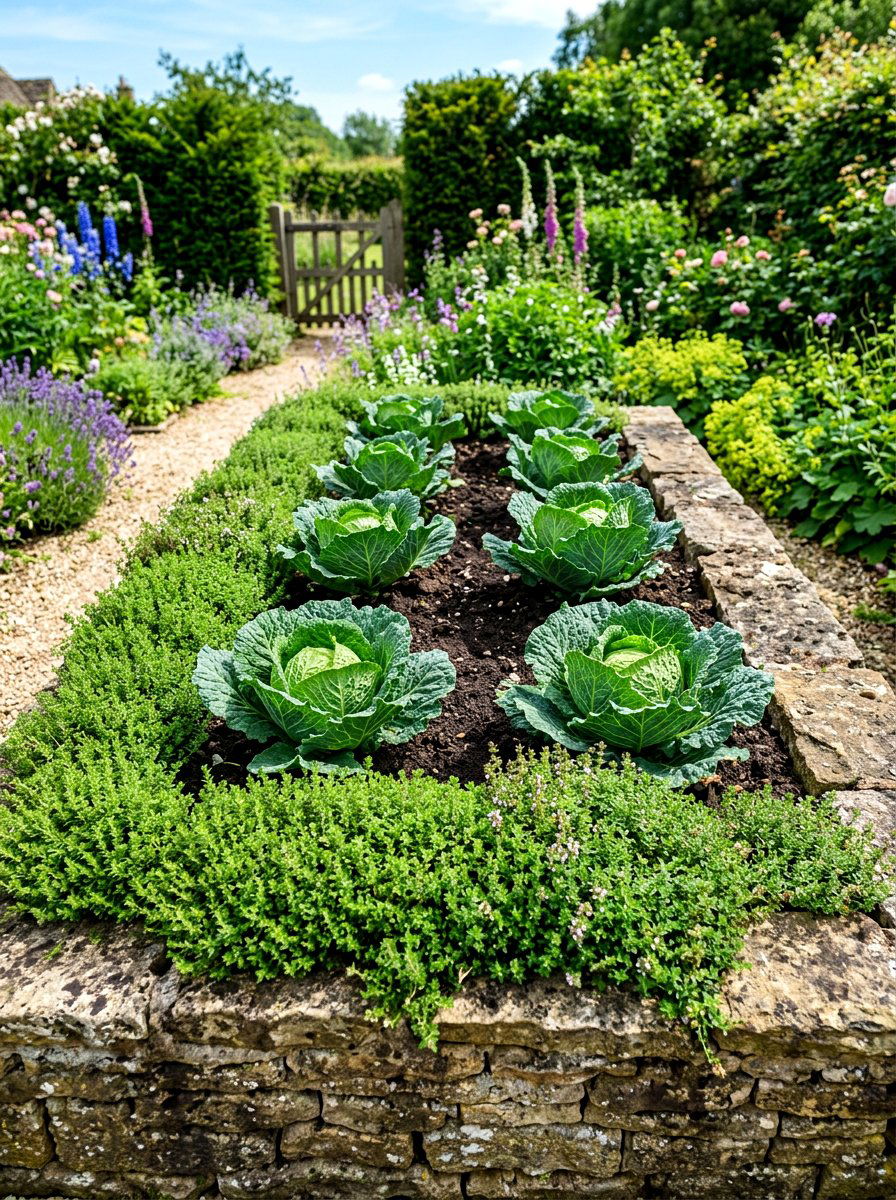
Cabbage and thyme are perfect partners for a cool-season raised bed, offering both aesthetic and functional benefits. Cabbage is frequently targeted by cabbage moths, which lay eggs that hatch into hungry caterpillars. The strong, earthy aroma of thyme helps to mask the scent of the cabbage, making it much harder for the moths to find. Thyme is a low-growing herb that doesn't compete for the same vertical space as the large cabbage heads. This allows you to plant it as a fragrant border around your brassicas. The combination results in healthier cabbage crops and a constant supply of fresh herbs for your kitchen.
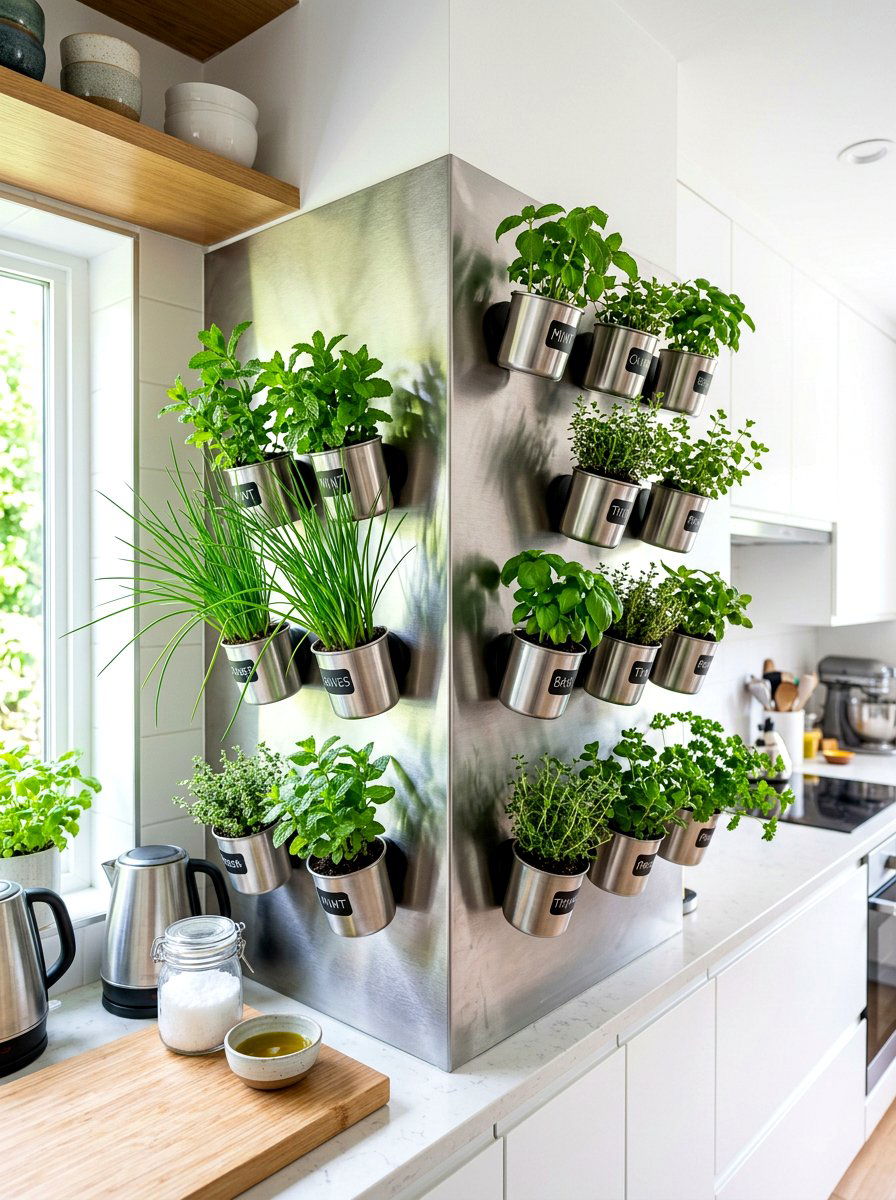
10. Broccoli And Rosemary Companion Planting
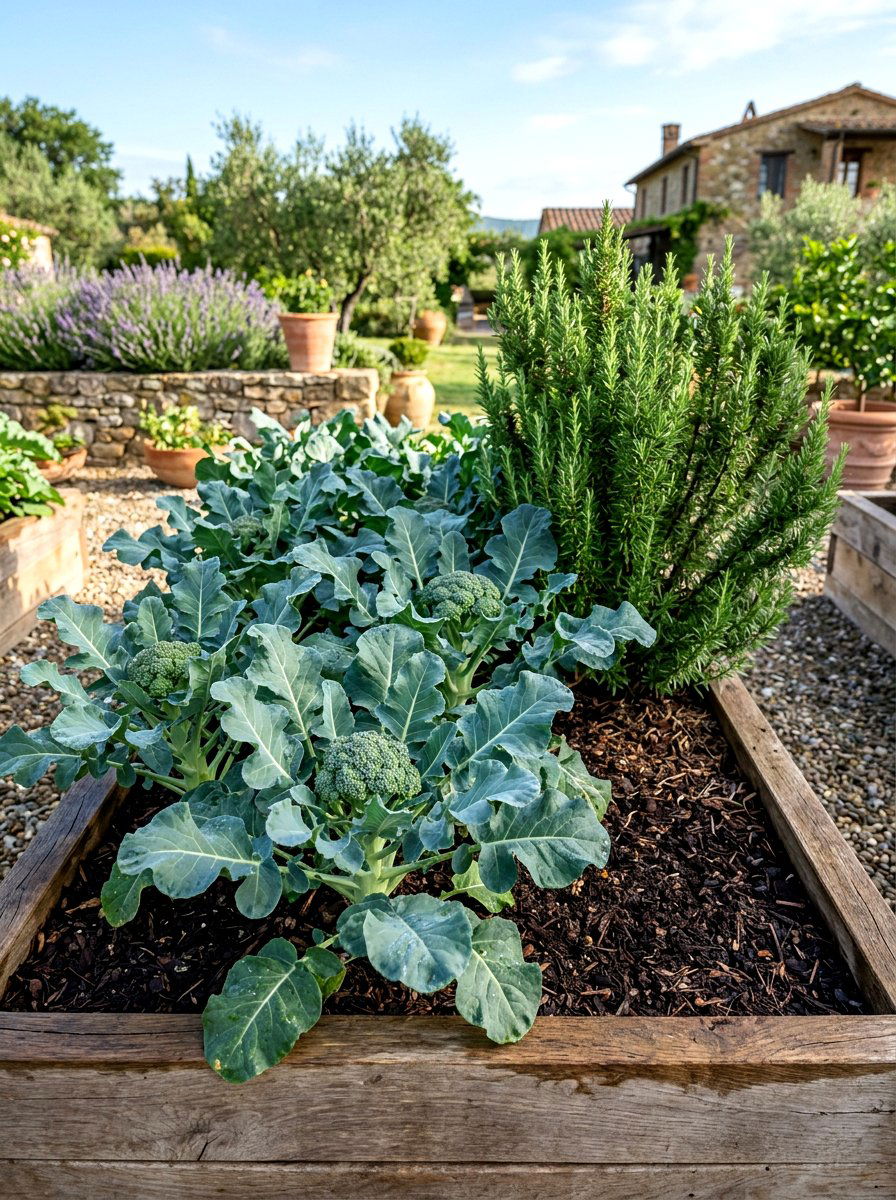
Broccoli and rosemary are excellent companions because they share a preference for similar soil conditions and provide mutual protection. Rosemary is a hardy perennial herb with a very strong scent that deters cabbage moths and other flying pests. By planting rosemary near your broccoli, you can significantly reduce the amount of damage caused by hungry larvae. The rosemary also benefits from the occasional shade provided by the tall broccoli leaves during the hottest parts of the day. This pairing is particularly useful in a raised bed where you want to maintain a clean and organized layout while effectively managing common garden pests.
11. Pea And Carrot Companion Planting
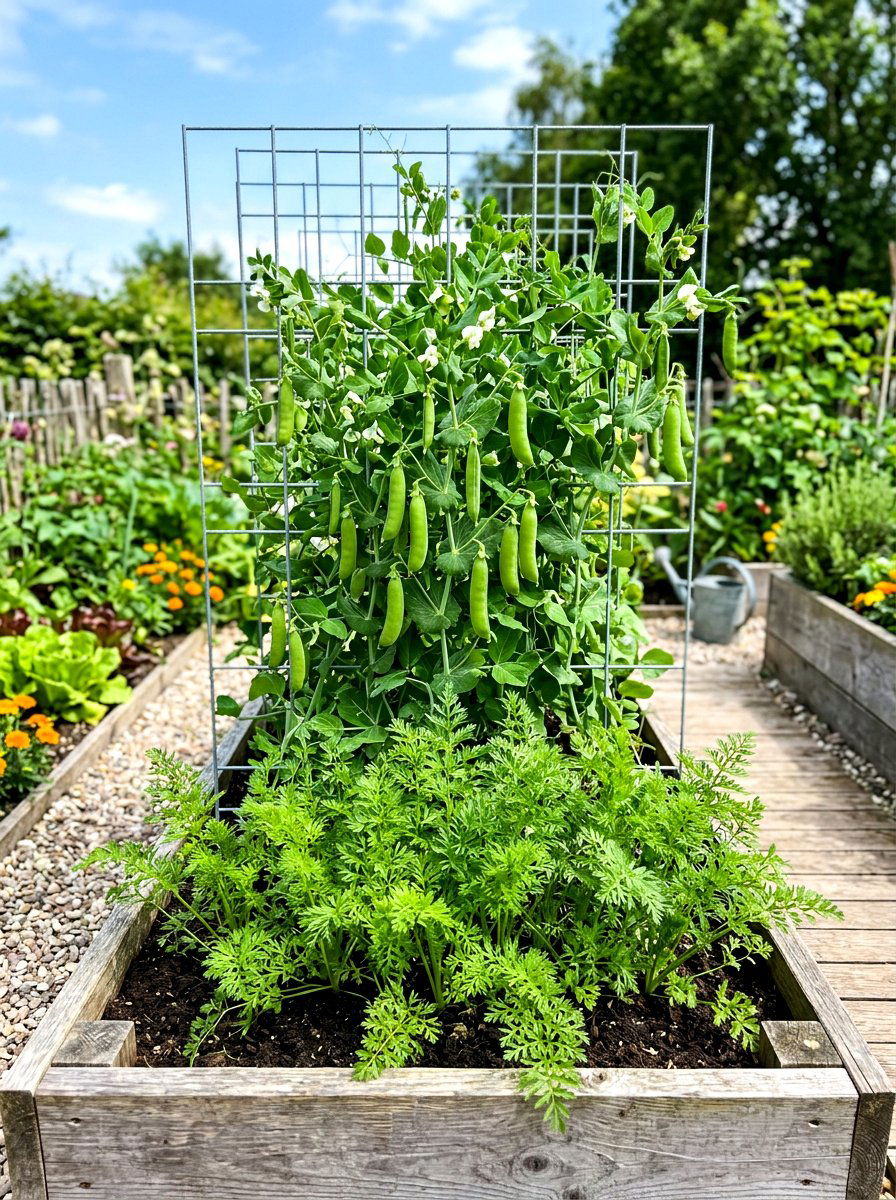
Peas and carrots are a great combination for early spring raised beds because they both enjoy the cooler temperatures. Peas are nitrogen-fixing plants, meaning they help to enrich the soil with essential nutrients that benefit the surrounding carrots. While the peas grow upward on a trellis, the carrots can grow deep into the soil directly underneath them. This vertical layering allows you to grow two distinct crops in the same footprint without any competition for light or space. The carrots appreciate the light shade provided by the pea vines as the weather begins to warm up later in the spring season.
12. Eggplant And Bush Bean Companion Planting
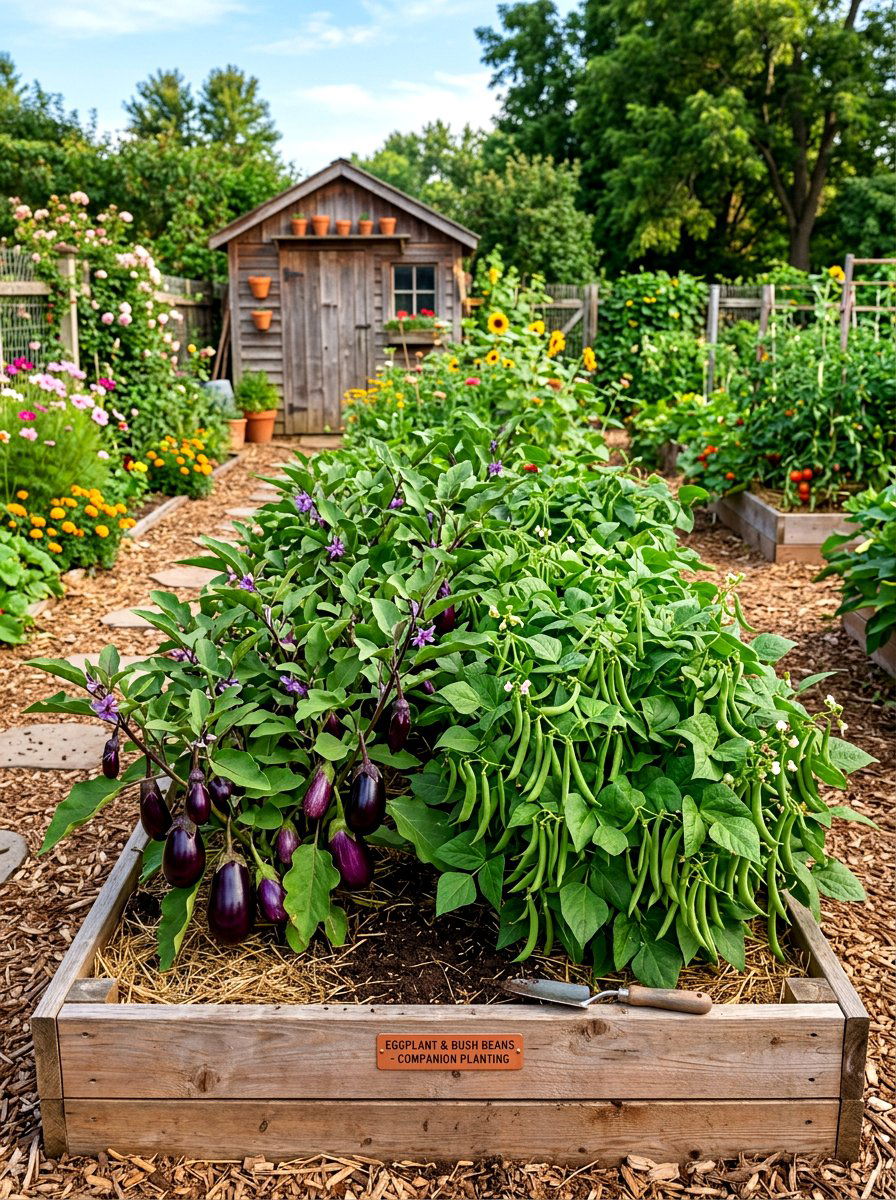
Eggplants and bush beans work together beautifully in a summer raised bed to promote healthy growth and high yields. Bush beans are excellent at fixing nitrogen in the soil, which provides a steady supply of nutrients for the eggplants. In return, the tall and sturdy eggplant stems can provide a small amount of protection and shade for the beans. This pairing is also effective at deterring certain pests, as the presence of beans can sometimes confuse the beetles that typically target eggplants. By planting them together, you create a balanced environment that supports the heavy feeding requirements of both of these popular garden vegetables.
13. Garlic And Rose Companion Planting
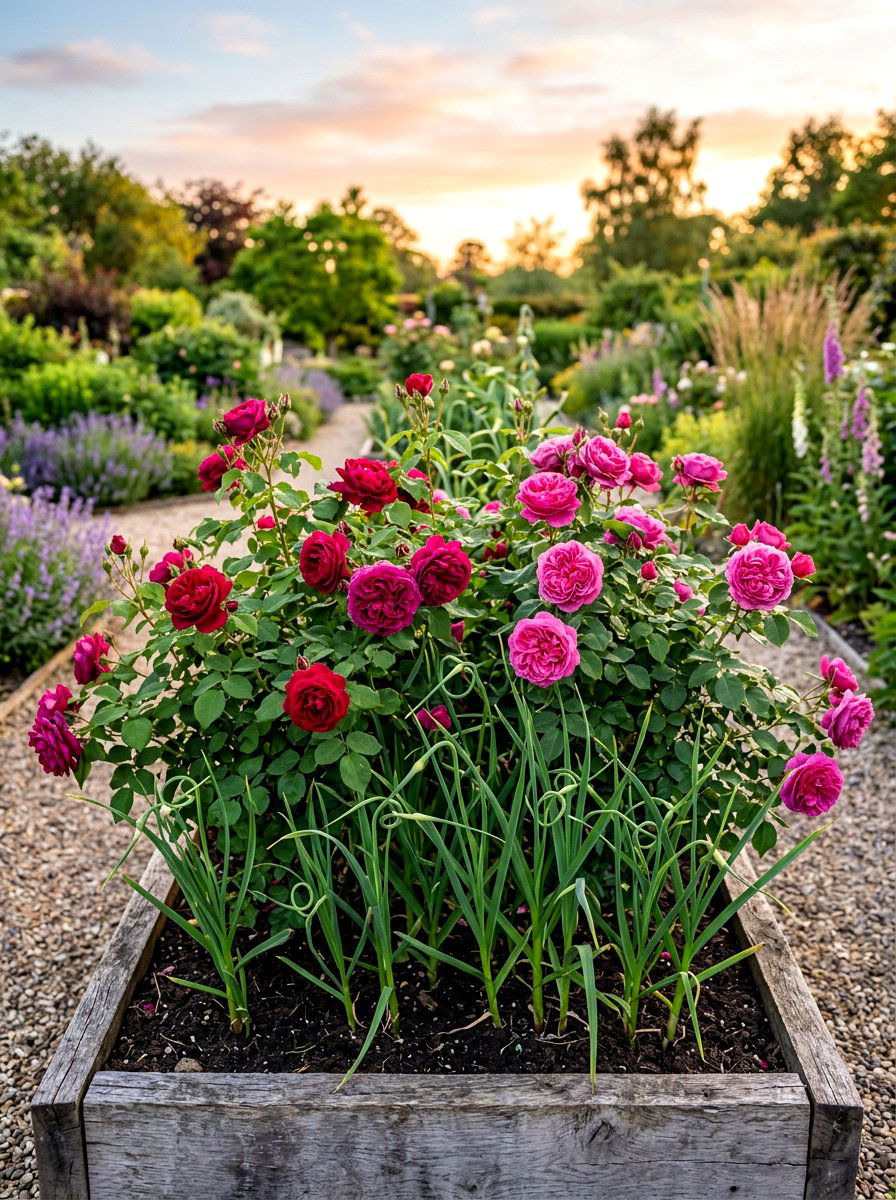
Garlic and roses might seem like an unusual pair, but they have been planted together for centuries for good reason. Garlic acts as a natural fungicide and insecticide, helping to protect delicate rose bushes from common diseases like black spot. The strong sulfur compounds in garlic also help to repel aphids and other pests that are often attracted to rose blooms. In a raised bed, planting garlic around the base of your roses keeps the soil healthy and the flowers looking their best. This combination is a perfect example of how edible plants can be used to enhance the beauty and health of ornamental gardens.
14. Potato And Nasturtium Companion Planting
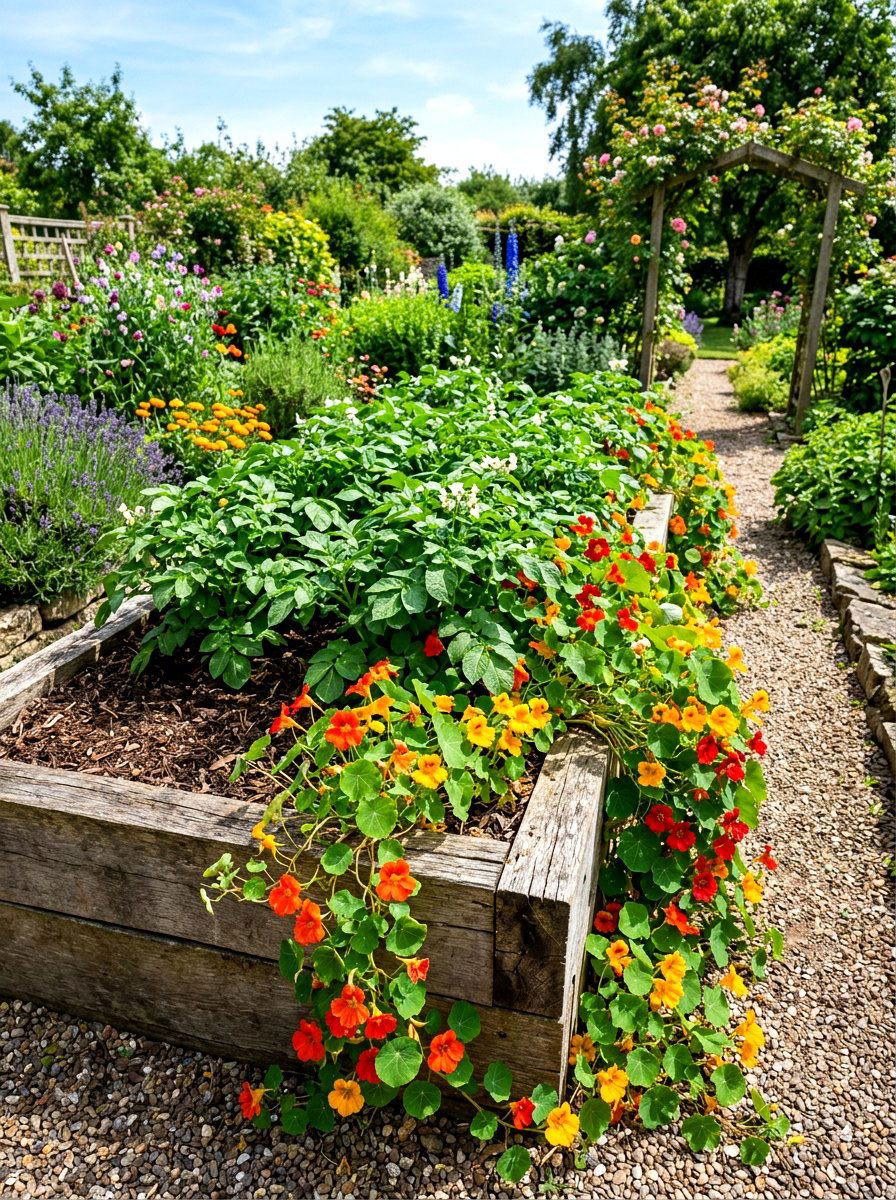
Potatoes and nasturtiums are a fantastic duo for a large raised bed where you want to maximize your harvest. Nasturtiums are colorful flowering plants that act as a trap crop for aphids and beetles, drawing them away from the potato foliage. They also help to repel the Colorado potato beetle, which is one of the most destructive pests for potato growers. The sprawling vines of the nasturtiums act as a living mulch, keeping the soil moist and cool for the developing tubers underground. This pairing not only improves the health of your potato crop but also adds a splash of vibrant color to the garden.

15. Asparagus And Parsley Companion Planting
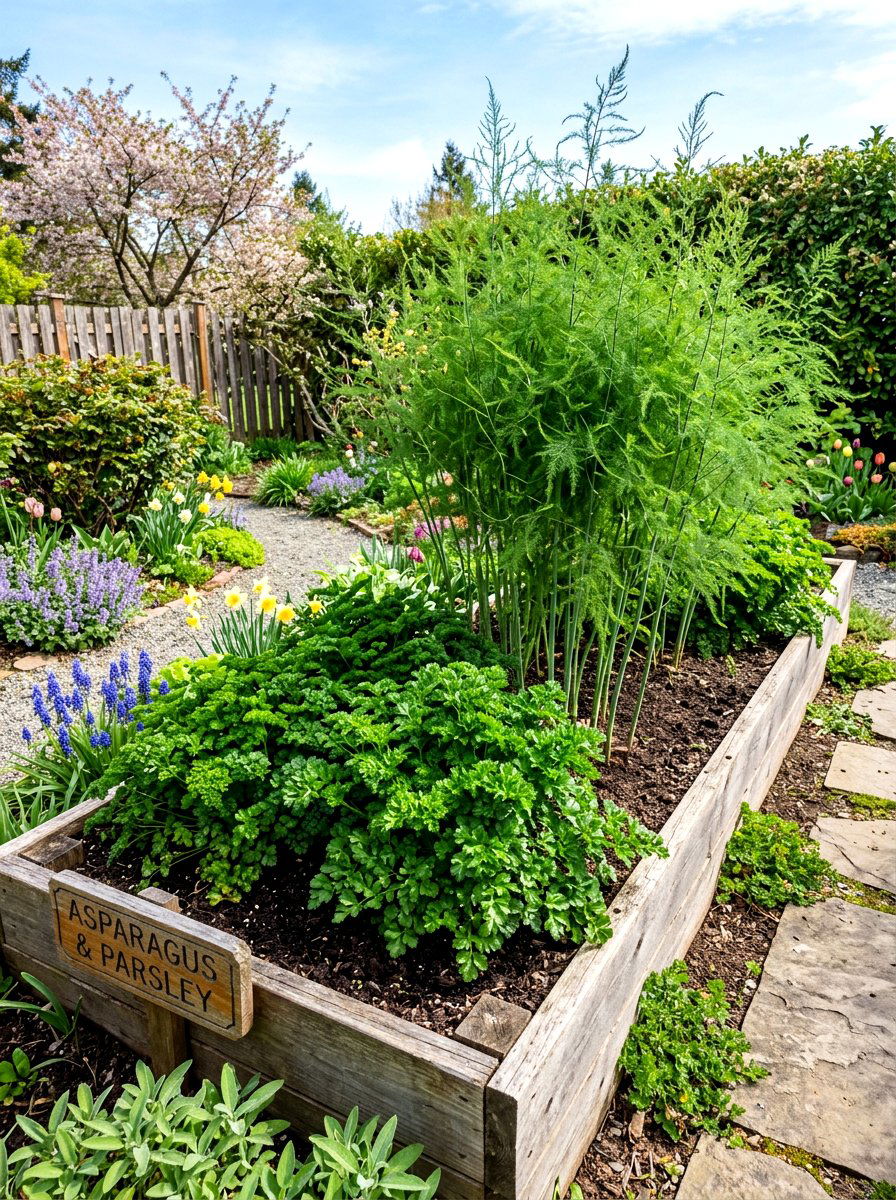
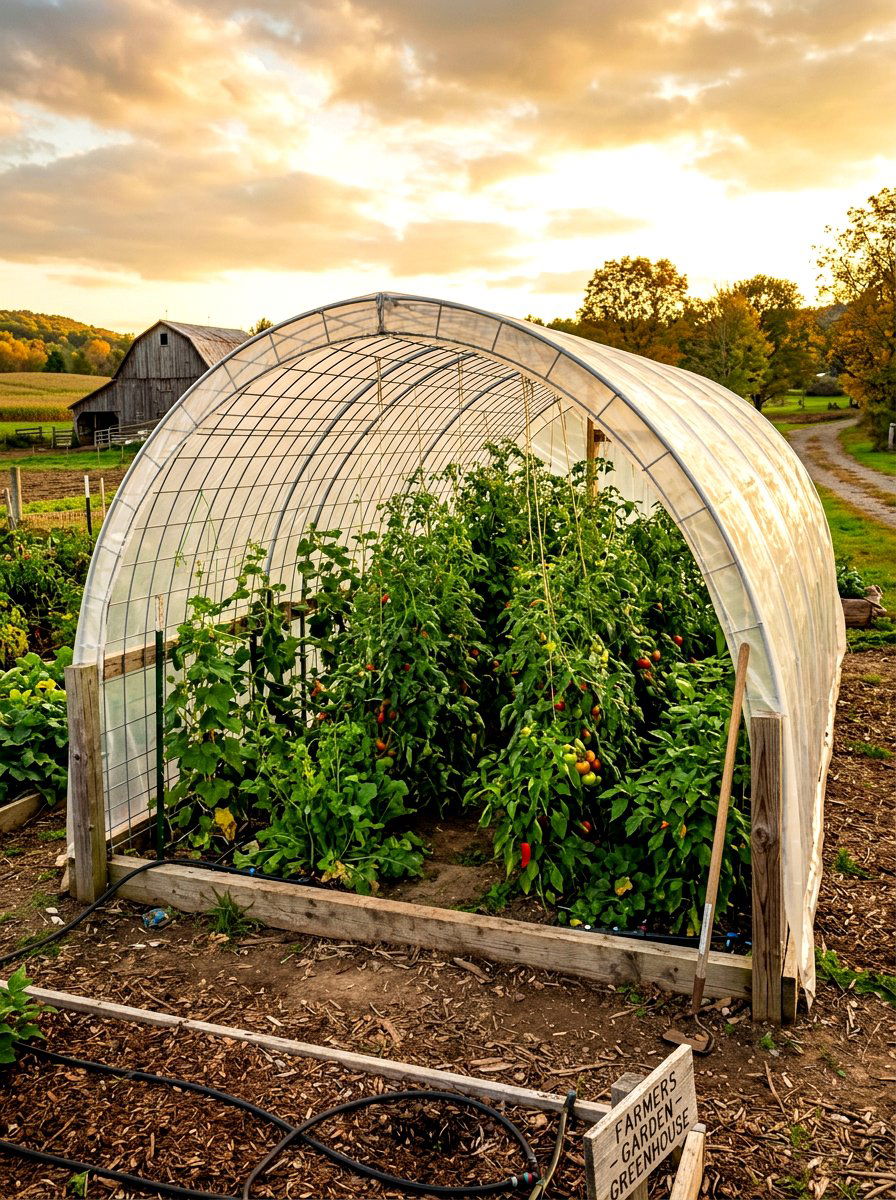
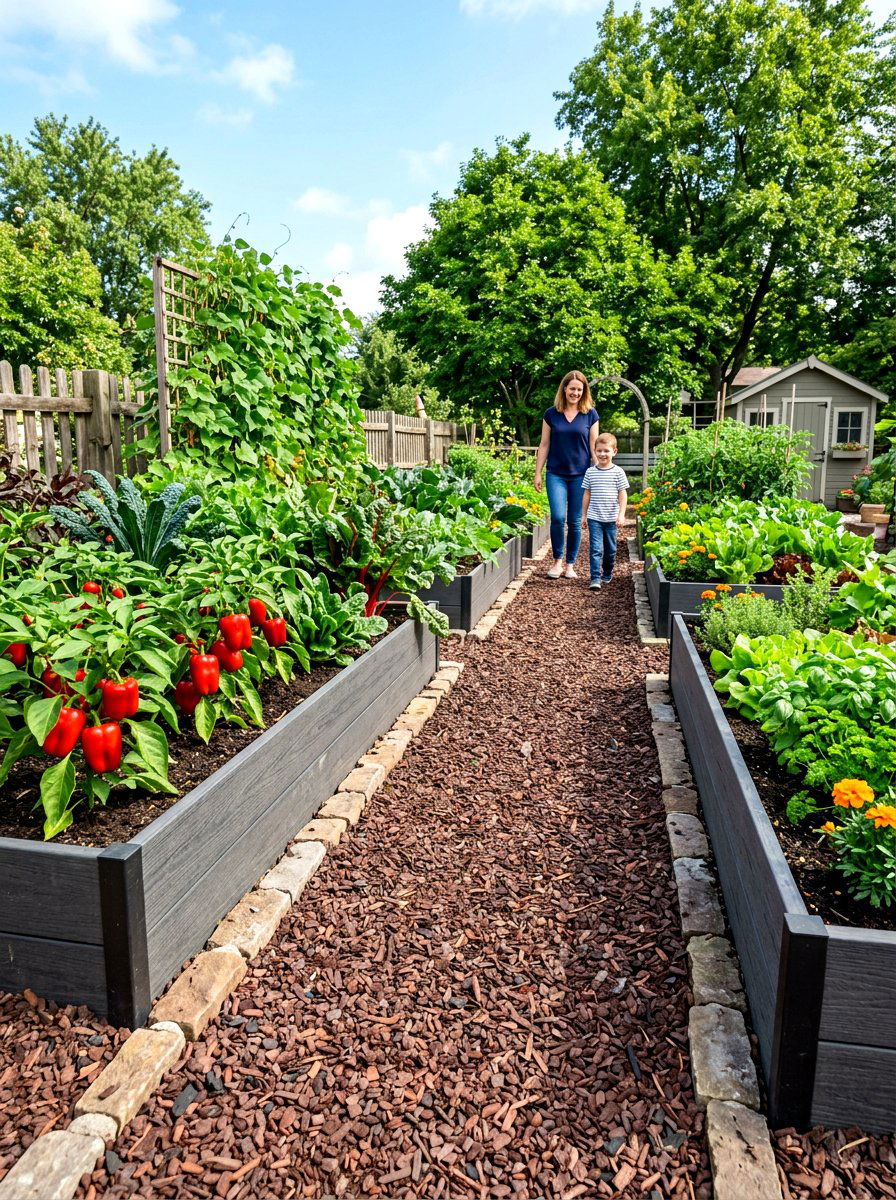
Asparagus and parsley are wonderful companions that can share a permanent spot in a dedicated raised bed for many years. Parsley is known to stimulate the growth of asparagus, leading to thicker and more vigorous spears during the spring harvest. In return, the tall and feathery asparagus ferns provide a light shade that prevents the parsley from bolting too quickly in the heat. These two plants also work together to repel the asparagus beetle, which can cause significant damage to the crop. This long-term pairing is an excellent way to establish a productive and low-maintenance perennial area in your backyard garden space.
16. Kale And Sage Companion Planting
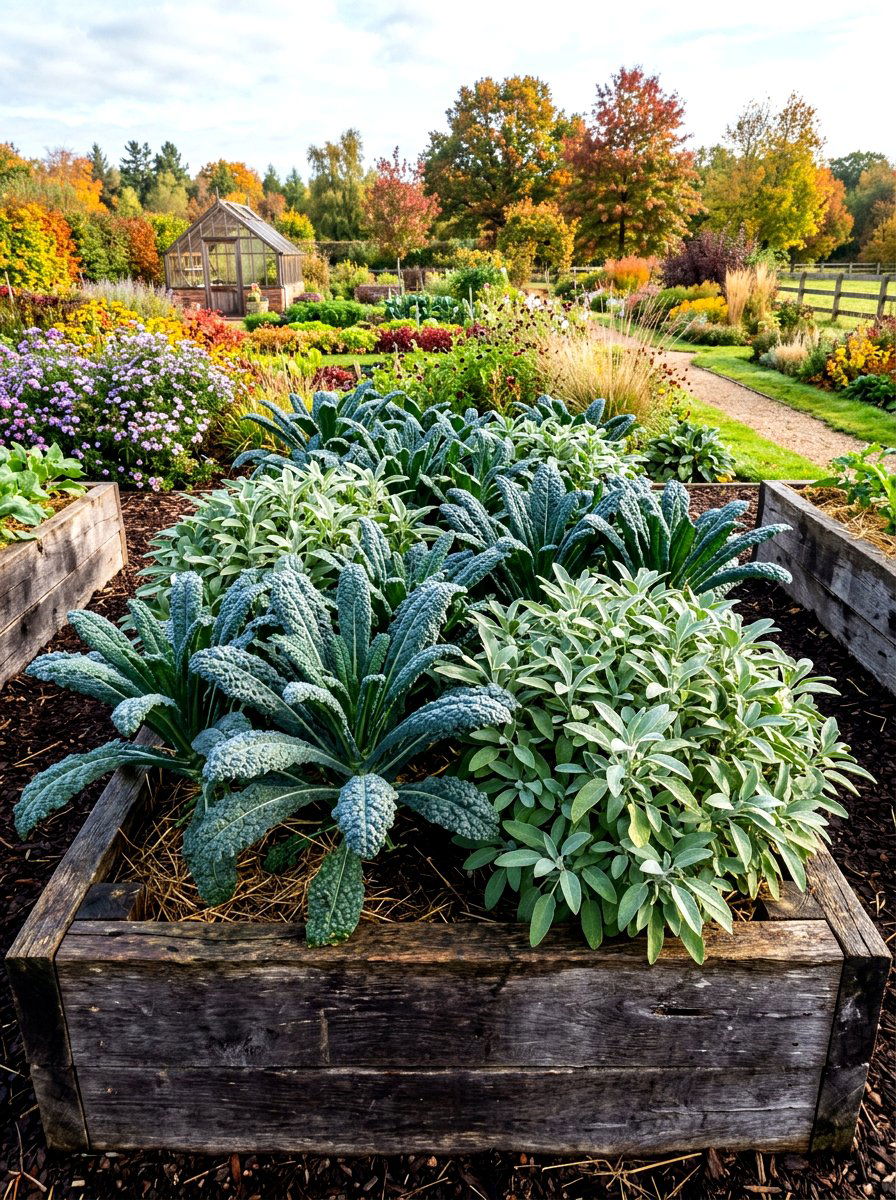
Kale and sage are a hardy pairing that performs exceptionally well in a raised bed during the cooler months. Sage is an aromatic herb that produces a scent capable of deterring cabbage moths, which often target kale leaves. By interplanting sage among your kale, you create a natural defense system that keeps your leafy greens looking healthy and hole-free. Kale is a tall grower, while sage remains a compact shrub, so they do not compete for the same physical space. This combination is also very visually appealing, with the textured leaves of the kale contrasting beautifully against the soft, silvery foliage of the sage.
17. Onion And Beet Companion Planting
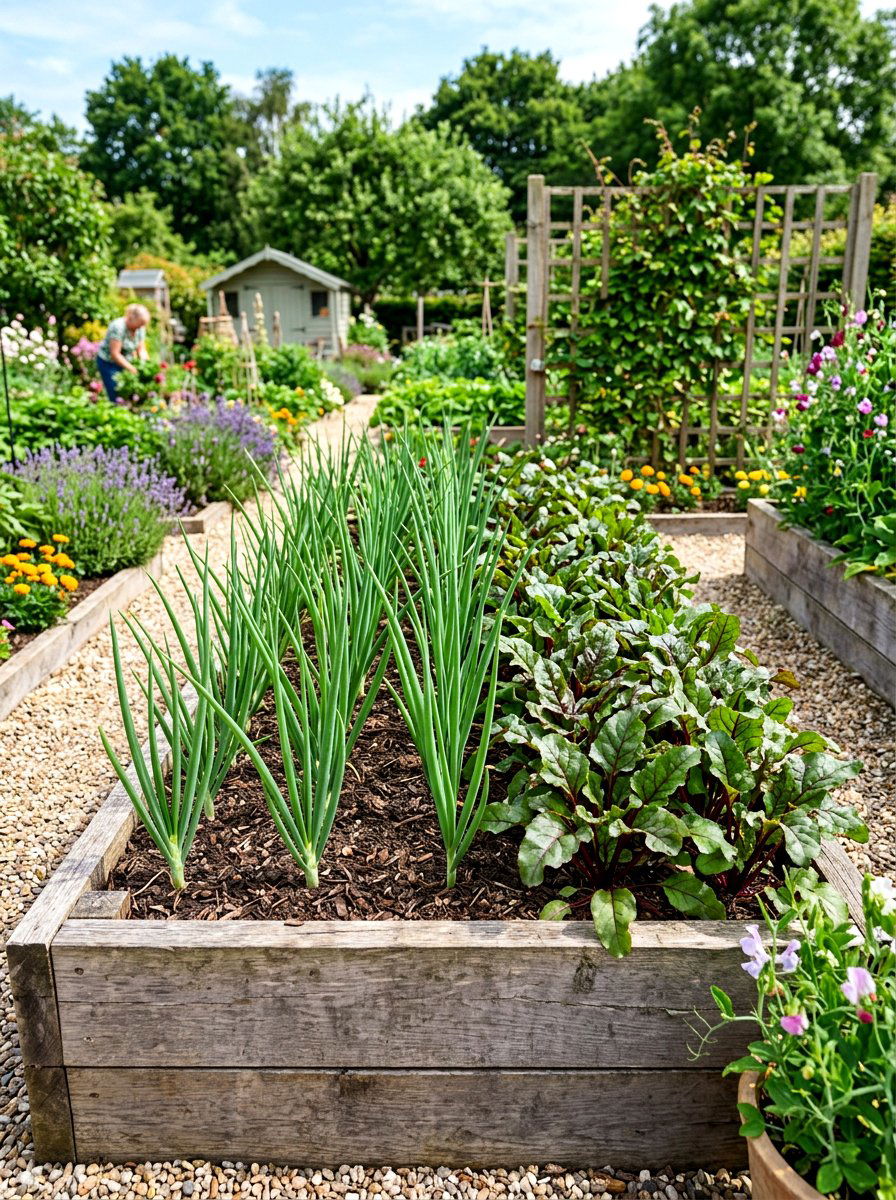
Onions and beets are ideal companions because they occupy different levels of the soil and have very compatible needs. Onions grow relatively shallowly and focus their energy upward, while beets develop their nutritious roots deeper in the ground. This means they can be planted quite close together without competing for the same nutrients or space in your raised bed. Onions also provide a helpful service by repelling many common pests that might otherwise bother the beet greens. This efficient use of space allows you to maximize your root vegetable harvest while keeping the garden bed organized and healthy throughout the entire growing period.
18. Zucchini And Borage Companion Planting
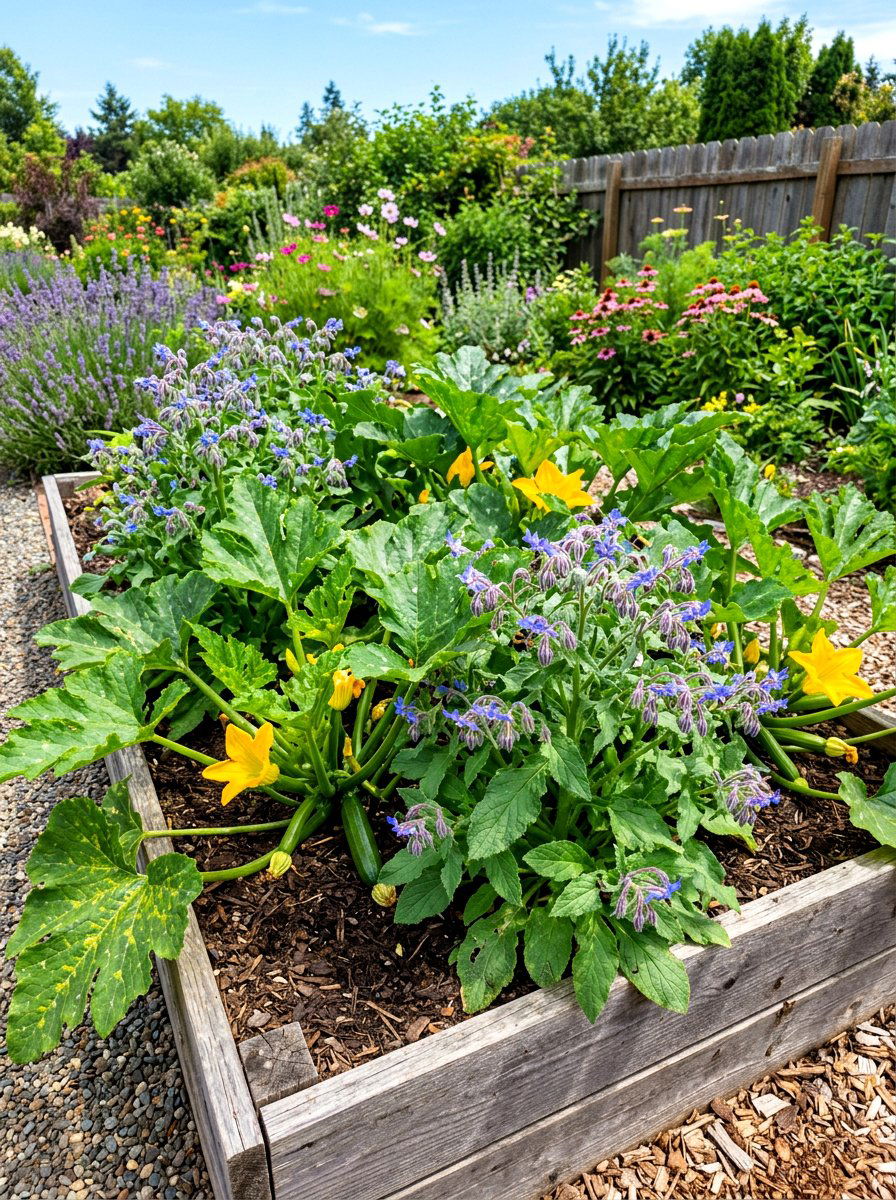
Zucchini and borage are a must-have combination for any gardener looking to improve pollination and fruit set in their beds. Borage is a beautiful flowering herb that is highly attractive to bees and other essential pollinators. By planting borage near your zucchini, you ensure that the squash blossoms are visited frequently, leading to a much larger harvest. Borage also helps to deter tomato hornworms and cabbage worms, providing a layer of protection for nearby plants. The bright blue flowers of the borage are edible and add a delightful touch to salads, making this a functional and attractive addition to your vegetable garden.
19. Cauliflower And Spinach Companion Planting
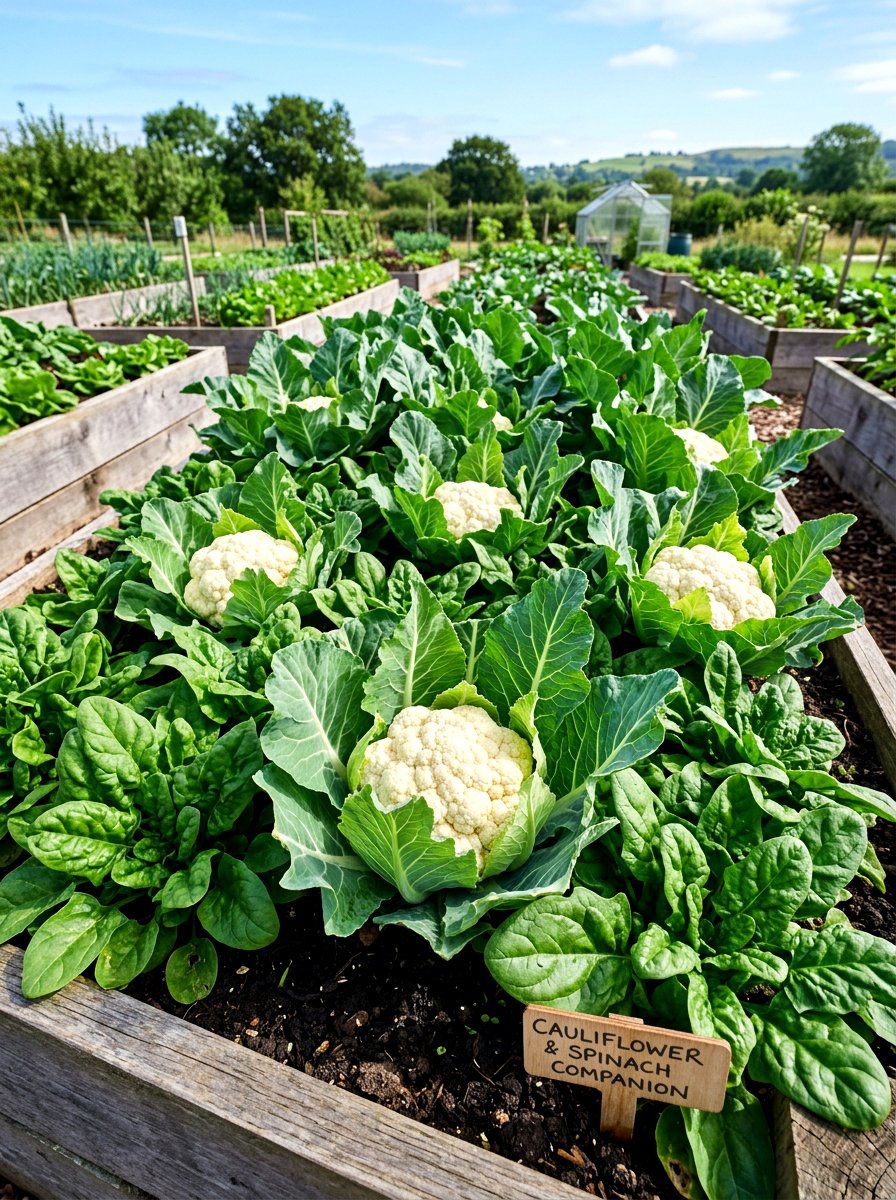
Cauliflower and spinach are excellent partners for a cool-season raised bed because they both thrive in similar temperatures. Cauliflower grows into a large, upright plant, while spinach is a low-growing crop that can fill in the gaps around the base. The broad leaves of the cauliflower provide some protection for the spinach, helping it to stay cool as the sun gets stronger. Since spinach matures much faster than cauliflower, it can be harvested and replaced before the cauliflower needs the extra space to expand. This succession planting strategy keeps your raised bed productive and maximizes the use of every available square inch of soil.
20. Pole Bean And Sunflower Companion Planting
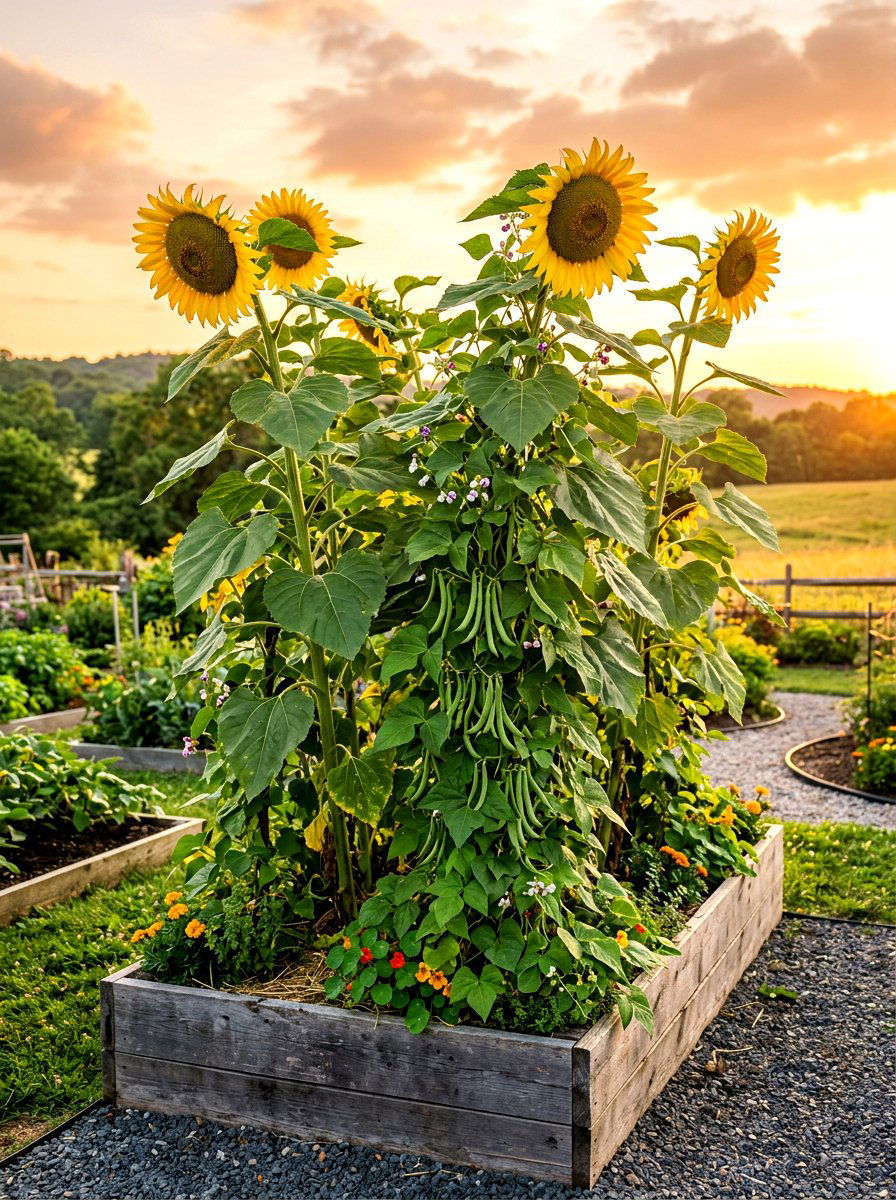
Pole beans and sunflowers are a clever vertical pairing that saves space and adds a dramatic touch to your garden. The tall and sturdy stalks of the sunflowers serve as a natural trellis for the climbing pole beans to grow upon. This eliminates the need for extra stakes or netting in your raised bed, simplifying your garden setup. The beans contribute to the partnership by fixing nitrogen in the soil, which helps the heavy-feeding sunflowers grow even taller and stronger. This combination creates a stunning visual display of giant flowers and dangling bean pods, making it a favorite for both children and adult gardeners.
21. Radish And Spinach Companion Planting
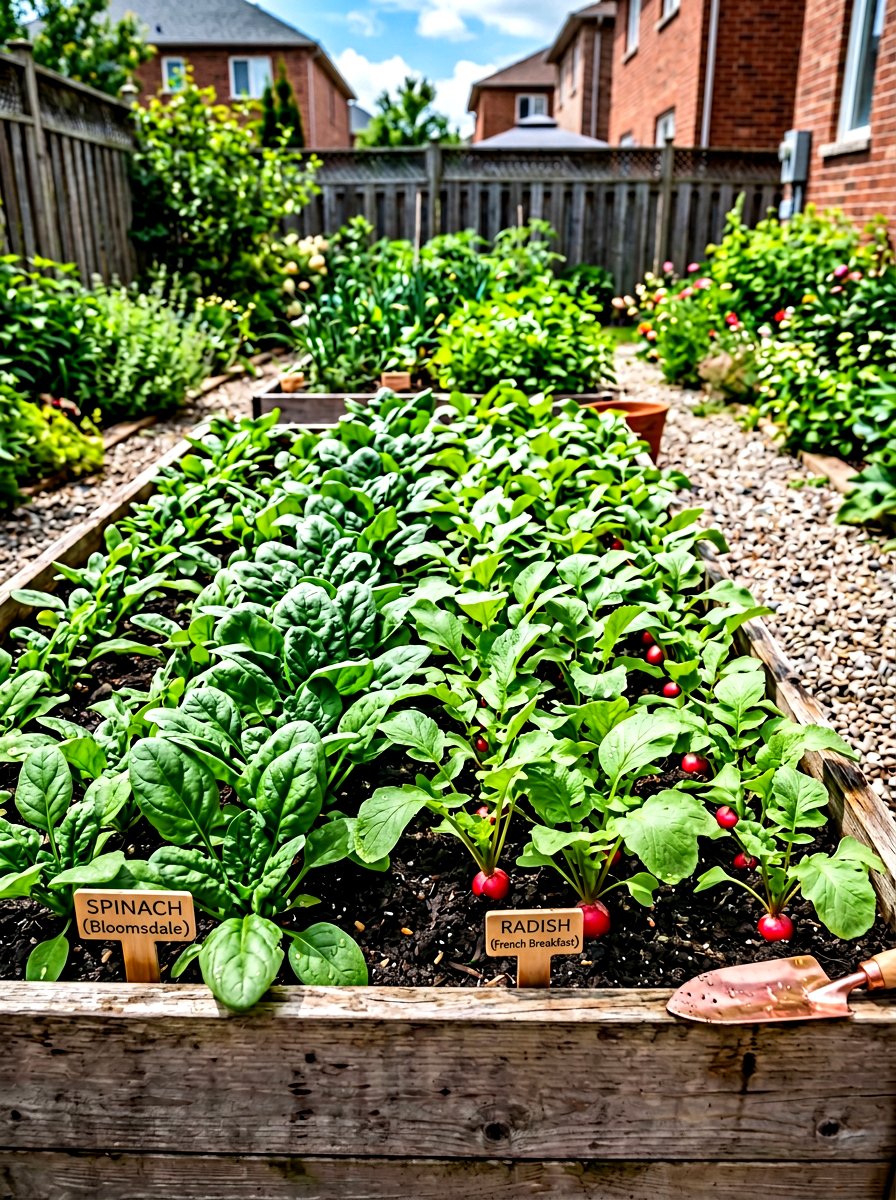
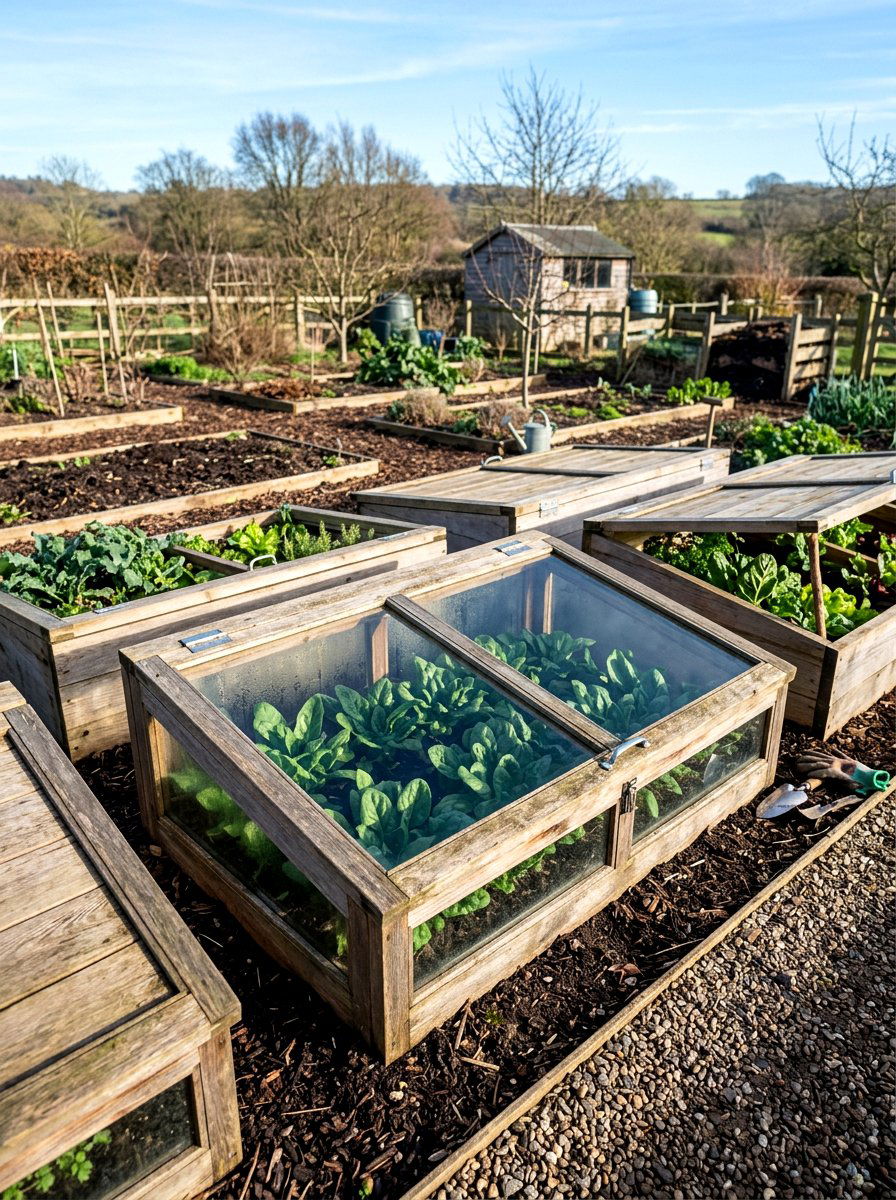
Radish and spinach are perfect for a quick-harvest raised bed in the early spring or late fall months. Both of these crops prefer the cool weather and can be planted very close together to maximize your garden's output. Radishes are often used as a trap crop for leaf miners, which helps to keep the spinach leaves clean and healthy. Because radishes grow so quickly, they are typically harvested within a month, leaving plenty of room for the spinach to mature. This pairing is an excellent way to get a jump start on the growing season and enjoy fresh, organic salads from your own backyard.
22. Sweet Potato And Oregano Companion Planting
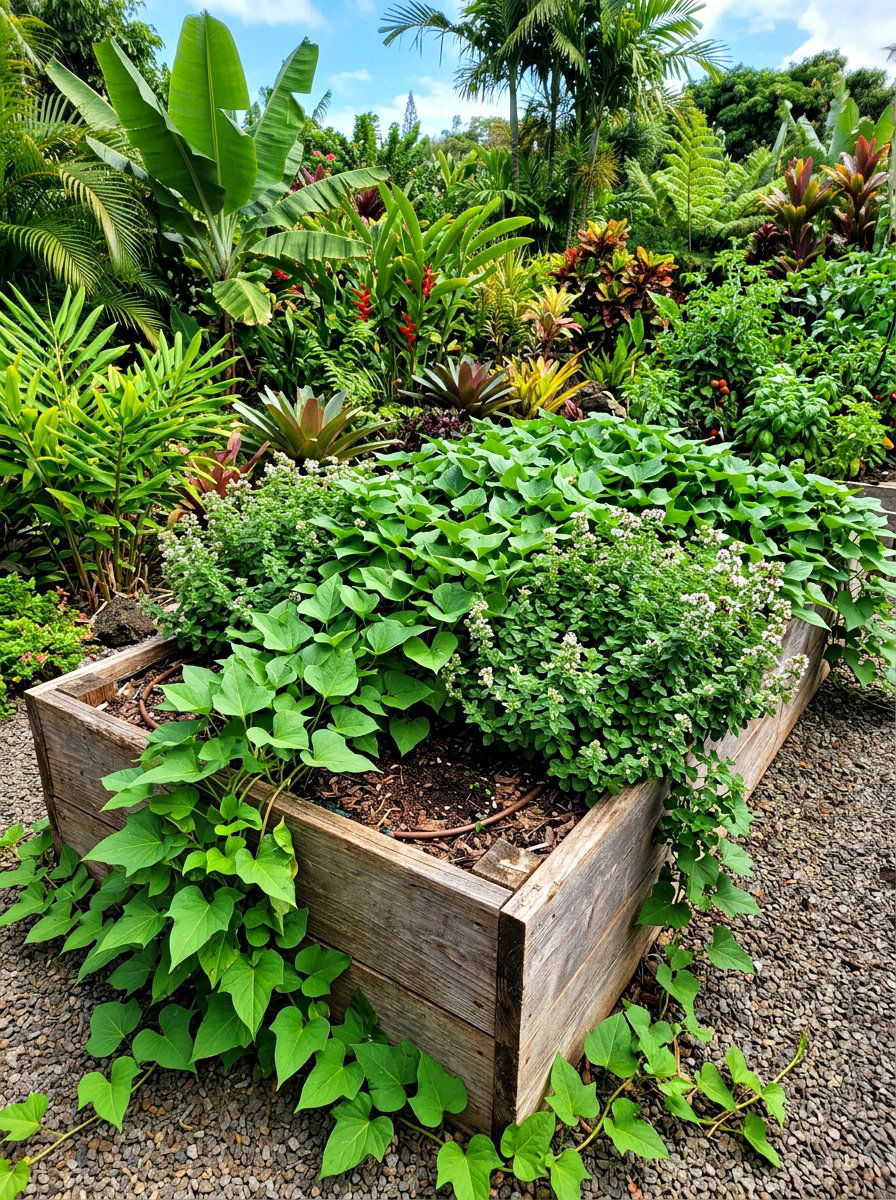
Sweet potatoes and oregano are a fantastic duo for a warm-season raised bed that requires low maintenance and high yields. Sweet potatoes are vigorous growers that produce long vines and large leaves, which act as an excellent ground cover. Oregano is a hardy herb that helps to repel various pests while also providing a fragrant and edible border for the bed. The dense foliage of both plants helps to suppress weeds and retain moisture in the soil, which is essential for sweet potato development. This combination creates a lush and productive garden space that looks beautiful and provides a bounty of food for your kitchen.
23. Leek And Carrot Companion Planting
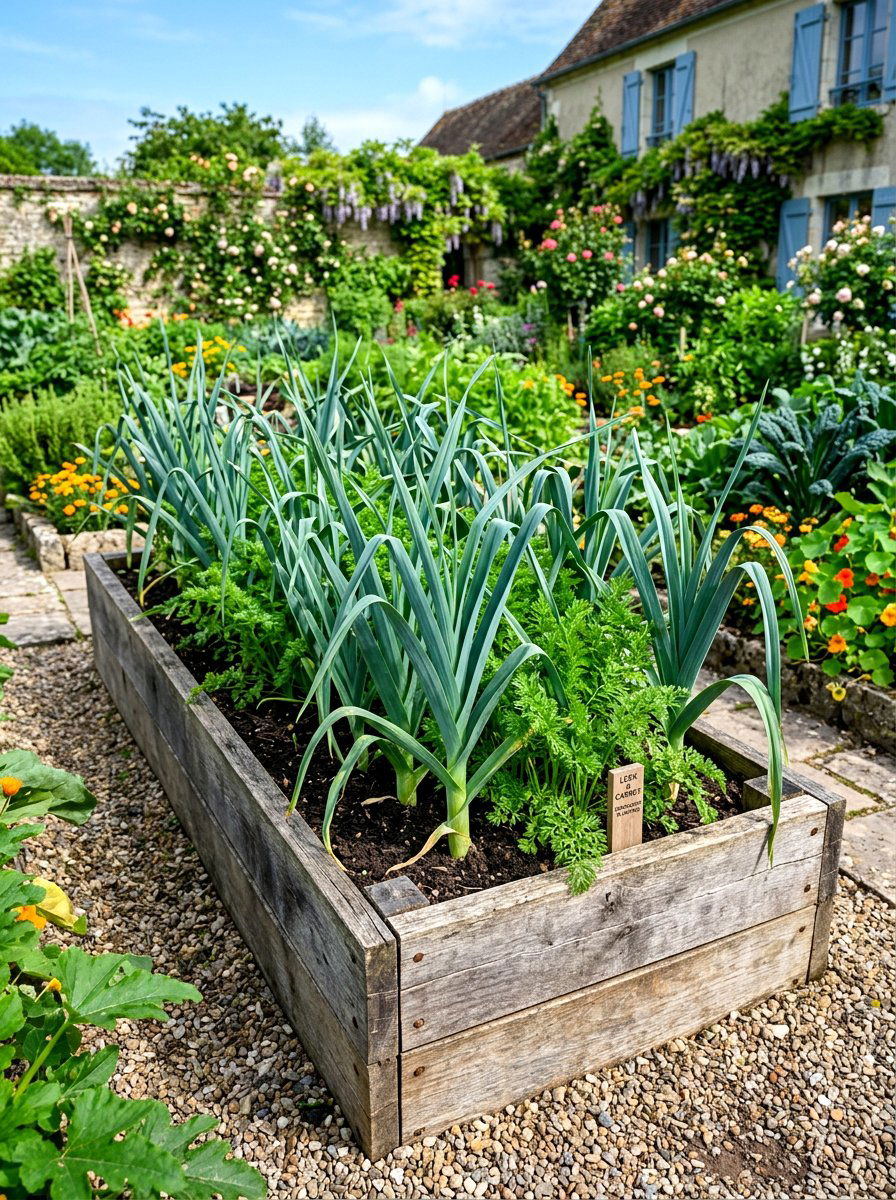
Leeks and carrots are traditional companions that work together to deter common pests and improve overall crop health. Much like the pairing of onions and carrots, leeks produce a scent that confuses the carrot rust fly. In return, the carrots help to hide the leeks from the leek moth, which can be a problem in some regions. These two vegetables have different root depths and growth habits, allowing them to be interplanted closely in a raised bed garden. This strategy ensures that you can grow a large quantity of root vegetables in a small area while naturally managing the insects that target them.
24. Celery And Leek Companion Planting
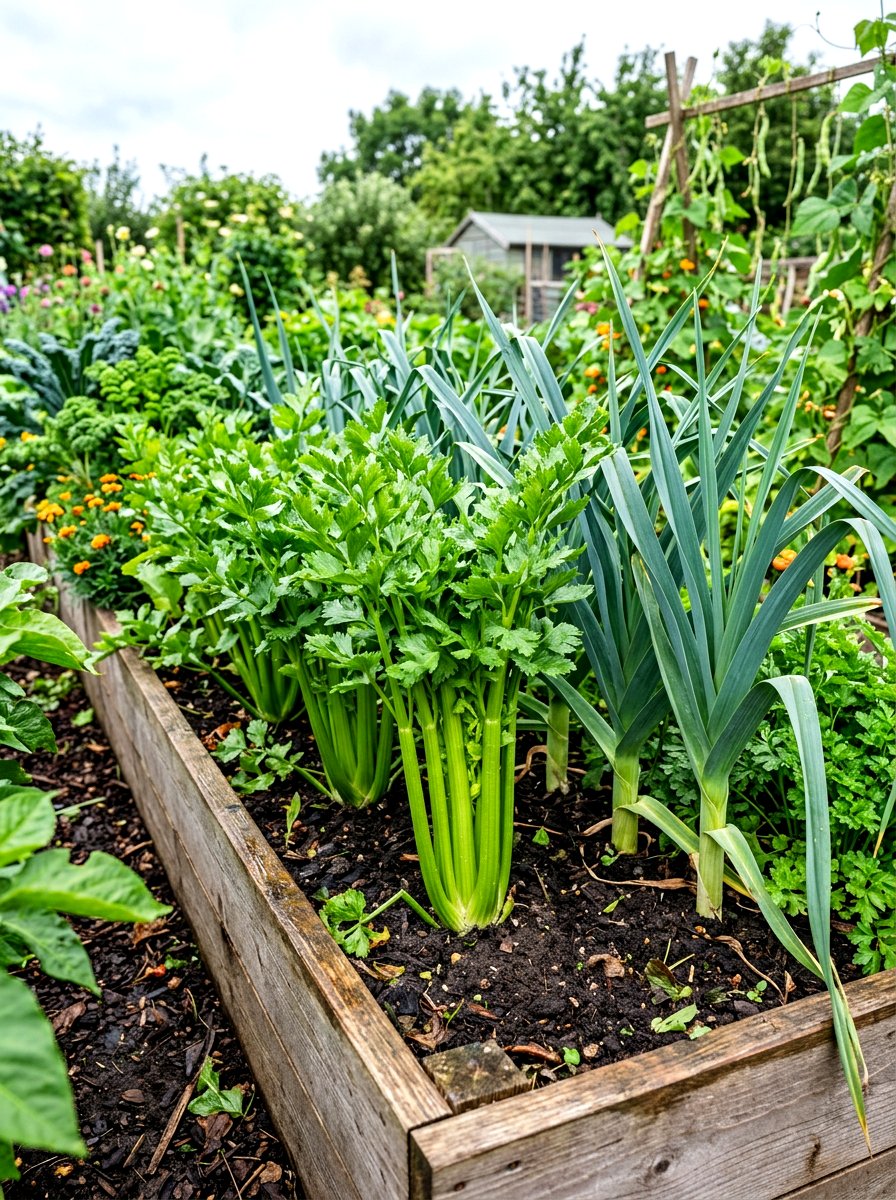
Celery and leeks are excellent companions because they share very similar requirements for moisture, nutrients, and sunlight. Both plants are heavy feeders that thrive in rich, organic soil and need consistent watering to produce the best texture and flavor. In a raised bed, they can be grown in alternating rows to create a dense and productive patch of vegetables. Leeks help to deter some of the pests that are attracted to celery, such as aphids and certain types of flies. This pairing is a great way to simplify your garden maintenance, as you can care for both crops with the same watering and fertilizing schedule.
25. Brussels Sprout And Mint Companion Planting
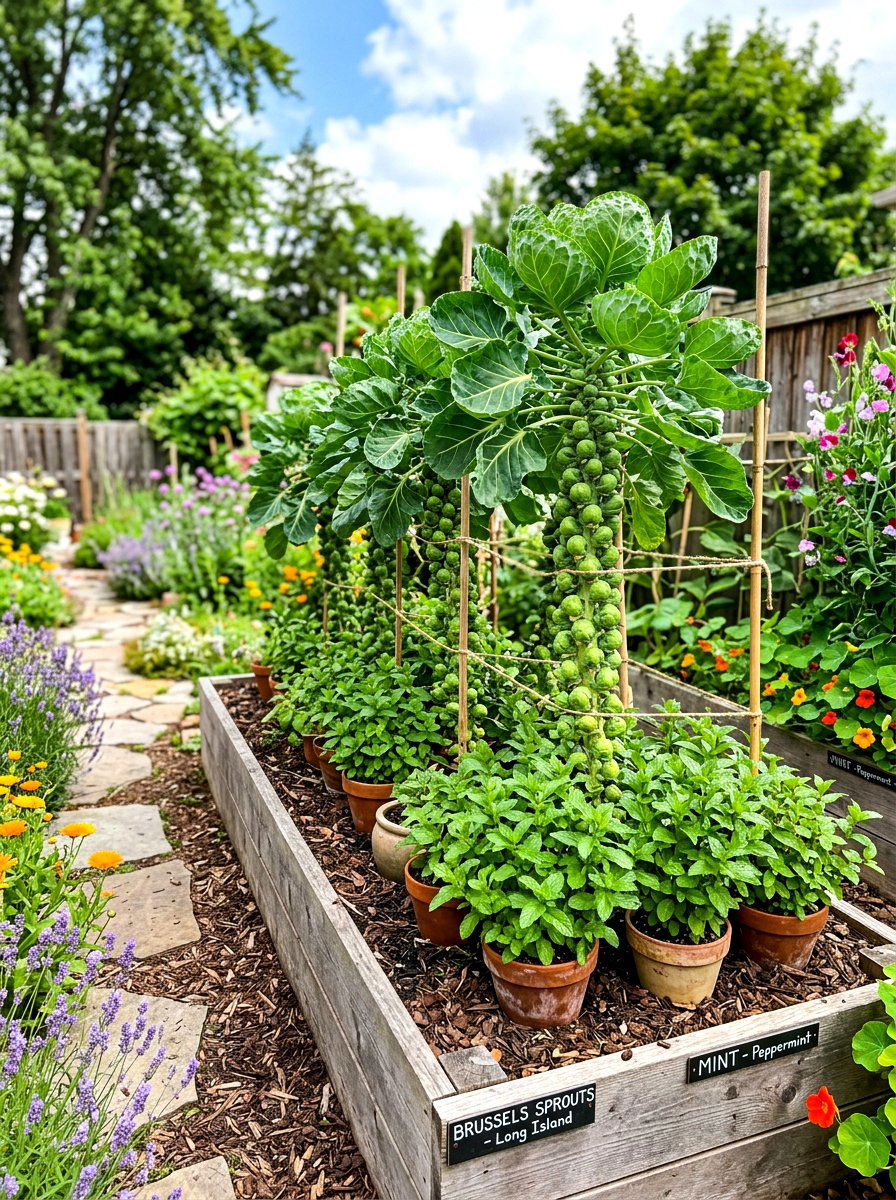
Brussels sprouts and mint are a powerful combination for controlling the pests that frequently attack cabbage family plants. Mint is highly effective at repelling cabbage moths, aphids, and flea beetles, which can quickly damage tender Brussels sprout leaves. However, because mint is a very invasive grower, it is best to plant it in small pots and place them around the base of the Brussels sprouts. This allows you to benefit from the mint's pest-repelling scent without worrying about it taking over your entire raised bed. The result is a much healthier crop of sprouts and a convenient supply of fresh mint for tea.
26. Swiss Chard And Onion Companion Planting
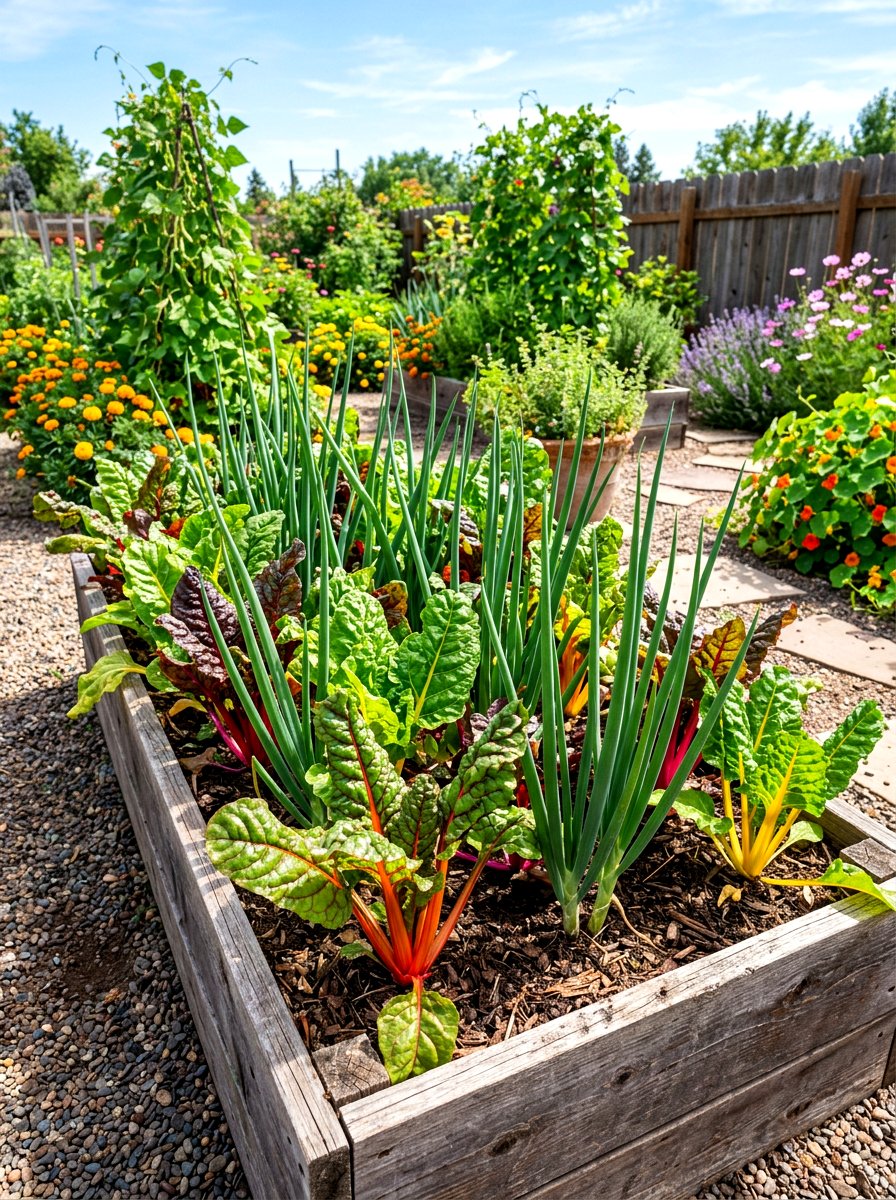
Swiss chard and onions make a beautiful and functional pairing in a raised bed due to their contrasting colors and shapes. Swiss chard produces large, textured leaves with bright stalks, while onions grow tall and thin with a more understated appearance. Onions help to repel pests that might be attracted to the leafy greens, such as aphids and beetles. These two plants do not compete for the same nutrients, as onions are light feeders and chard has a deeper root system. This combination is not only productive but also adds a stunning visual element to your garden, making it a joy to look at every day.
27. Melon And Marigold Companion Planting
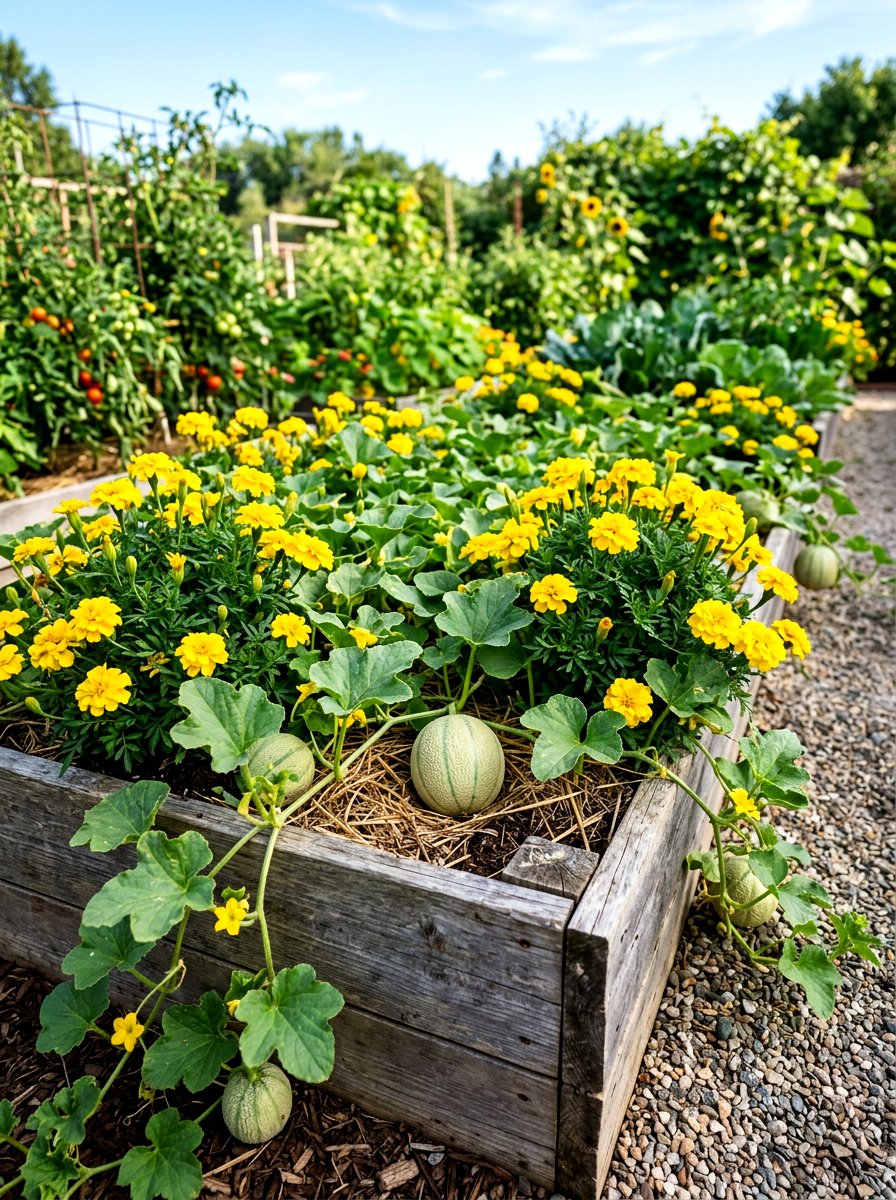
Melons and marigolds are a great choice for a summer raised bed where you want to ensure a healthy and sweet harvest. Melons require a long growing season and are often targeted by squash bugs and beetles that can transmit diseases. Marigolds act as a natural defense system, repelling these harmful insects with their strong fragrance and root secretions. Additionally, the bright flowers of the marigolds attract pollinators like bees, which are essential for the successful pollination of melon blossoms. By planting marigolds around your melon vines, you can increase your chances of a successful and bountiful crop of delicious summer fruit.
28. Parsnip And Onion Companion Planting
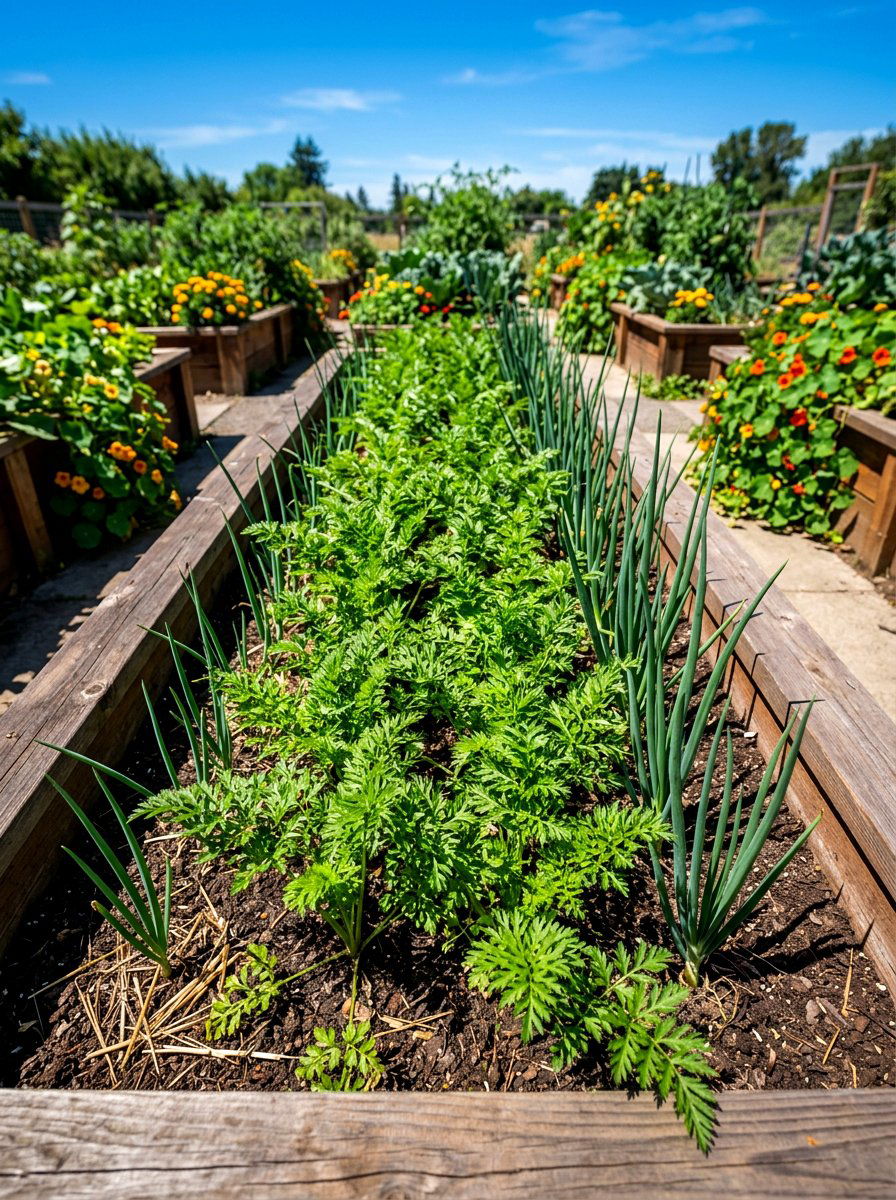
Parsnips and onions are an ideal combination for a low-maintenance raised bed that produces a large quantity of root crops. Parsnips take a long time to mature and grow deep into the soil, while onions have a much shorter growing season and shallower roots. This means you can plant onions between your parsnip rows to maximize the use of your garden space. The onions help to protect the developing parsnips from pests like the carrot rust fly, which also attacks other members of the umbellifer family. This efficient pairing allows you to harvest your onions early in the season while the parsnips continue to grow.
29. Pumpkin And Corn Companion Planting
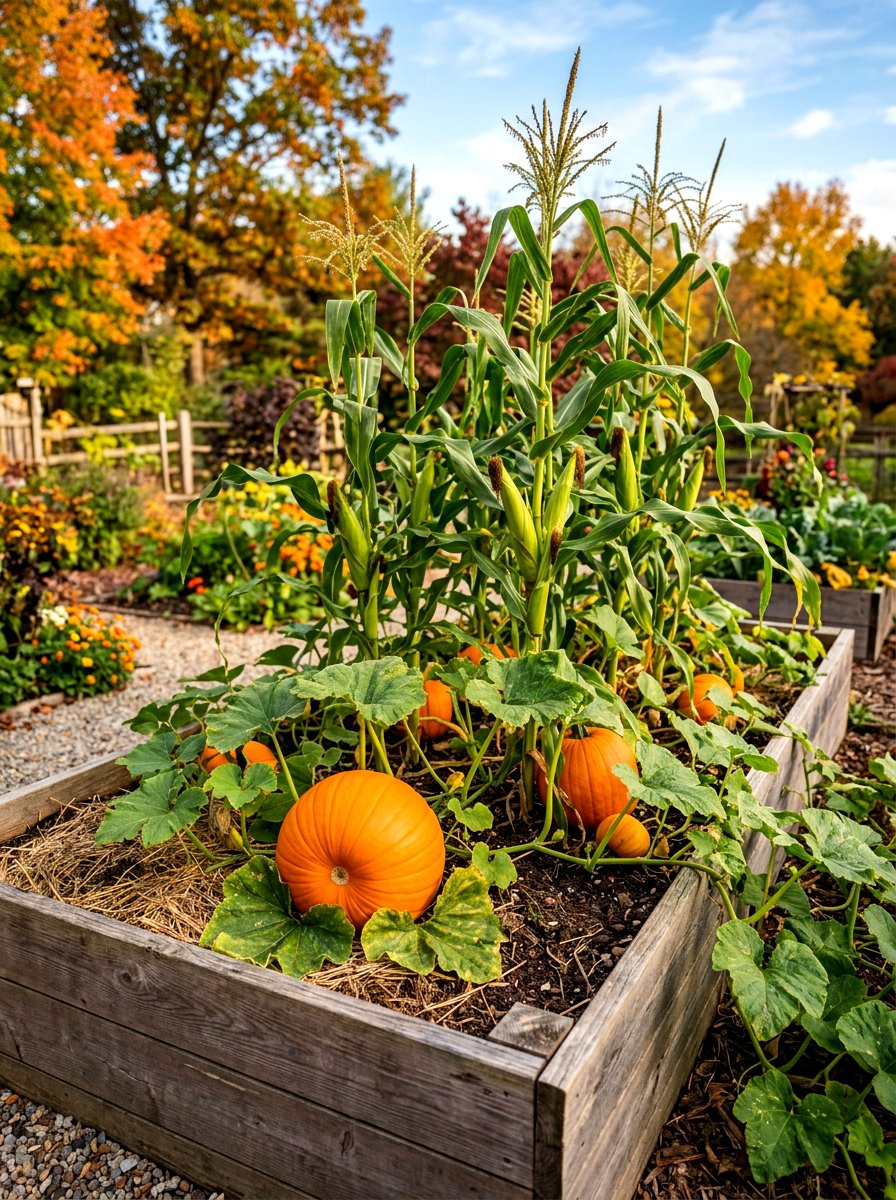
Pumpkins and corn are classic companions that have been grown together for centuries in various agricultural traditions. The tall corn stalks provide a light shade for the pumpkin vines, which can help prevent the soil from drying out too quickly. In return, the large pumpkin leaves act as a living mulch, suppressing weeds and keeping the soil cool and moist for the corn roots. This symbiotic relationship is particularly effective in a large raised bed where the pumpkin vines have plenty of room to sprawl. This combination produces a traditional and high-yielding garden that is perfect for harvesting in the late autumn months.
30. Mint And Cabbage Companion Planting
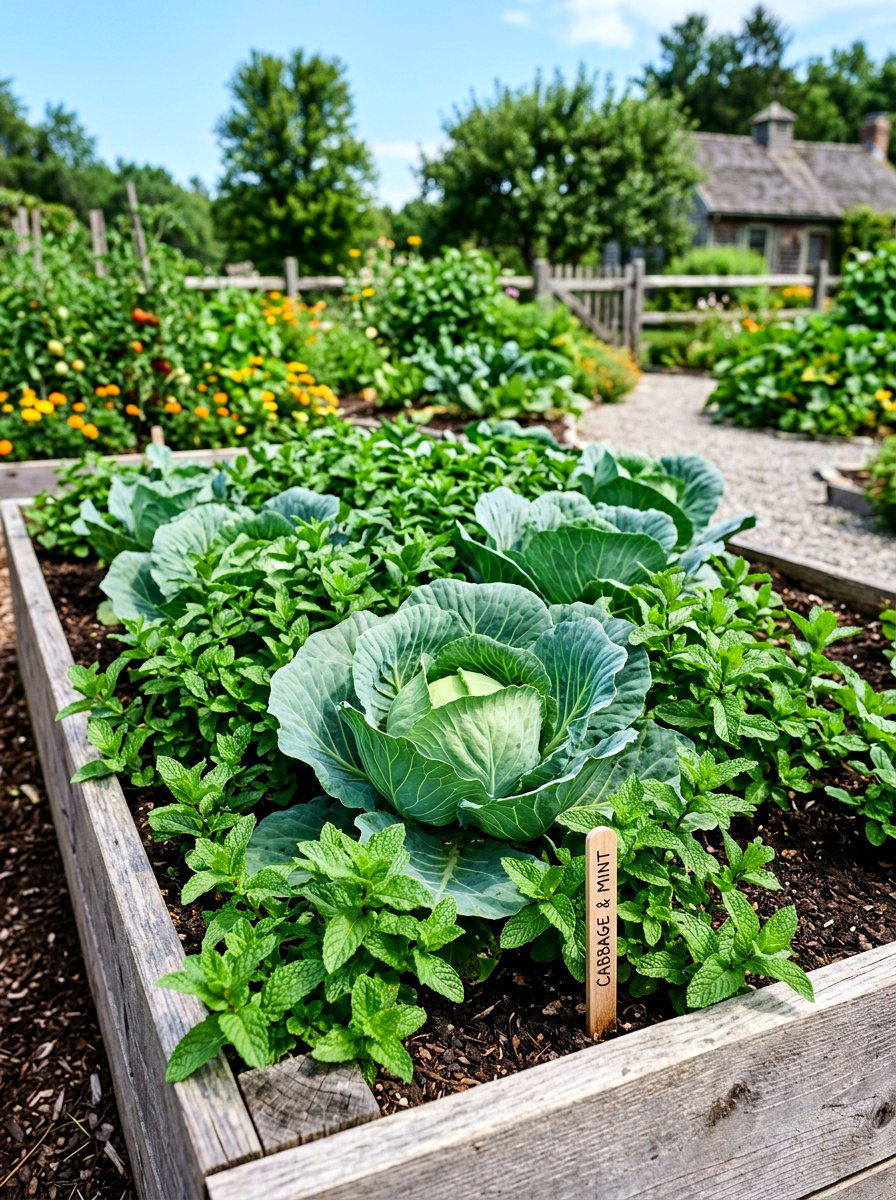
Mint and cabbage are a fantastic duo for organic pest control in a cool-season raised bed garden. Cabbage plants are often plagued by white cabbage moths, but the strong scent of mint is known to deter them effectively. To keep the mint from becoming invasive, you can use cuttings spread around the base of the plants or keep the mint in small containers. This allows the protective aroma to surround your cabbage heads without the risk of the mint roots choking out your vegetables. This simple and natural strategy helps you grow beautiful, pest-free cabbage while also having fresh herbs available for your favorite kitchen recipes.
Conclusion:
Embracing companion planting in your raised beds is a transformative way to garden that yields healthier plants and more abundant harvests. By understanding the natural relationships between different vegetables, herbs, and flowers, you can create a balanced ecosystem that thrives with minimal chemical intervention. These thirty pairings offer a starting point for any gardener looking to maximize space, deter pests, and improve the overall beauty of their backyard. As you experiment with these combinations, you will discover the unique benefits each plant brings to the table. Happy gardening as you cultivate a more vibrant, productive, and sustainable outdoor sanctuary for your family to enjoy.

Related posts: