Creating a functional and beautiful garden requires more than just picking the right plants for your soil. You need a layout that allows you to move freely between your crops without compacting the earth or getting your shoes muddy. Raised bed paths serve as the backbone of your outdoor sanctuary, offering a clean structure that defines your growing spaces. Whether you prefer a rustic wood chip look or a more permanent brick walkway, the right path transforms a simple vegetable patch into an organized retreat. Choosing the best materials ensures durability against the elements while enhancing the visual appeal of your home landscape. Let’s explore various options that blend practicality with stunning garden aesthetics.
1. Pea Gravel Path
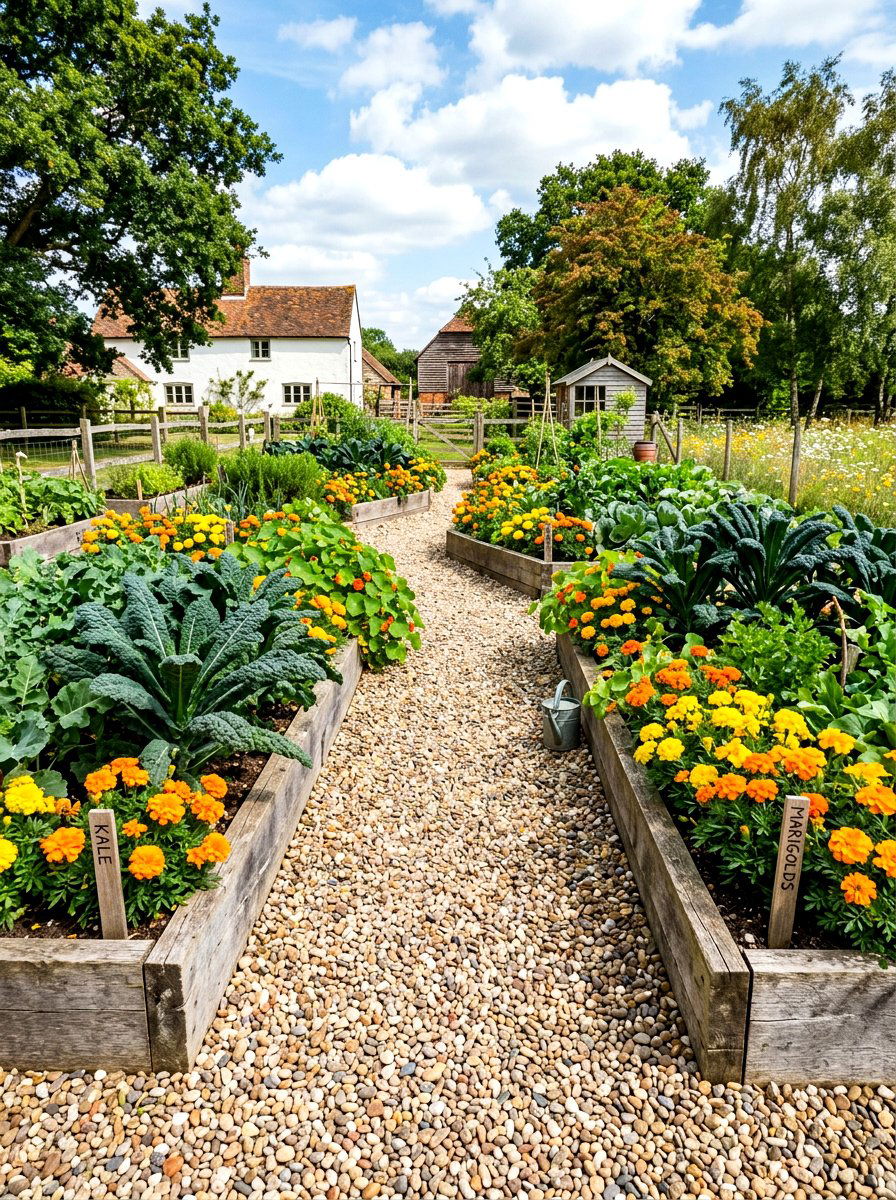
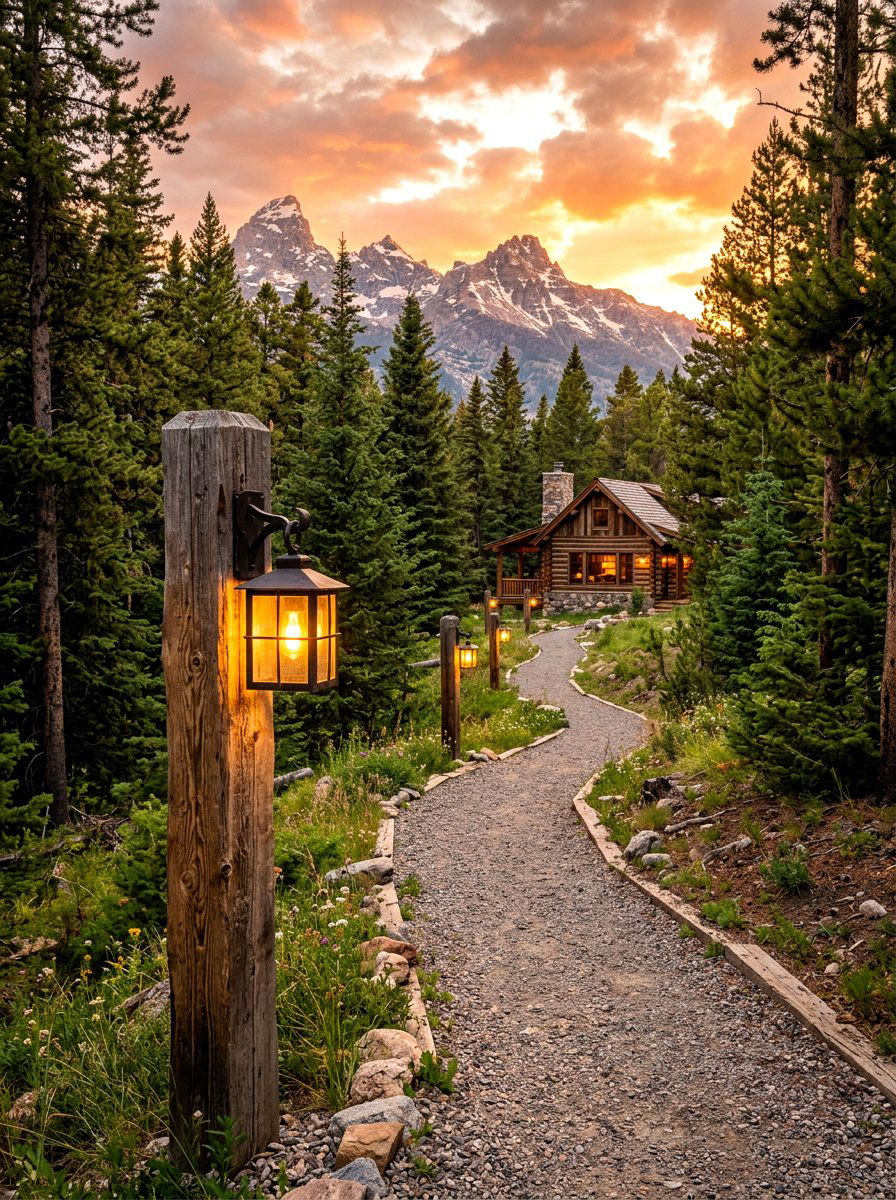
Have you ever noticed how a simple crunch underfoot makes a garden feel more traditional and refined? Pea gravel is a favorite choice for many homeowners because it provides excellent drainage and a satisfying texture. These small, rounded stones are easy to pour into narrow gaps between your elevated planters, filling every corner perfectly. You should consider using a heavy-duty landscape fabric underneath to prevent stubborn weeds from poking through the surface over time. This material comes in various natural shades, allowing you to match the stones to your existing home exterior or garden furniture. It creates a neat, professional look that requires very little maintenance throughout the changing seasons.
2. Wood Chip Path
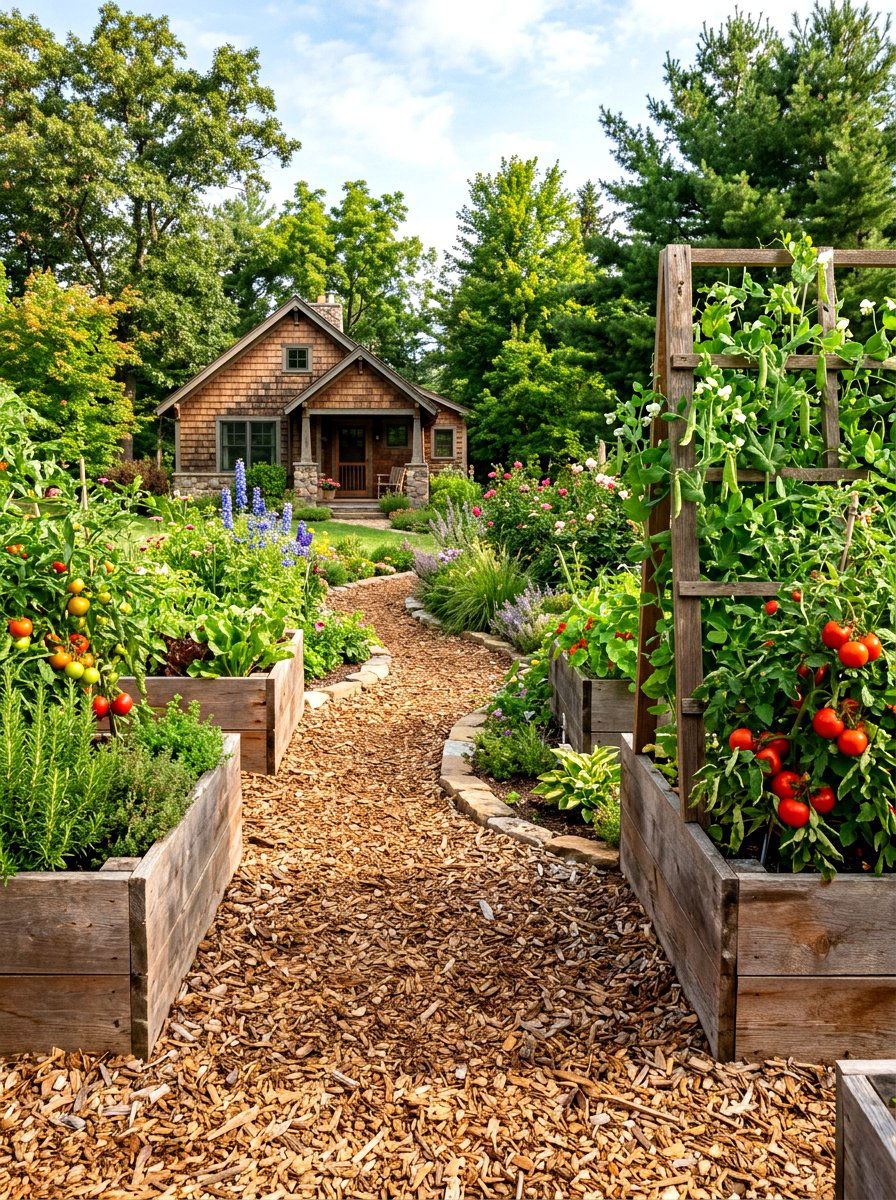
Are you looking for an organic and budget-friendly way to connect your planting areas? Wood chips offer a soft, natural surface that blends seamlessly with a backyard woodland or cottage-style garden. This material is excellent for suppressing weeds and retaining moisture in the surrounding soil as it slowly decomposes over several years. You can often source these chips for free from local arborists or buy them in bulk from landscaping centers. They provide a cushioned feel under your feet, making long hours of weeding and harvesting much more comfortable. To keep the area looking fresh, simply add a new layer of chips every spring to maintain the depth.
3. Brick Paver Path
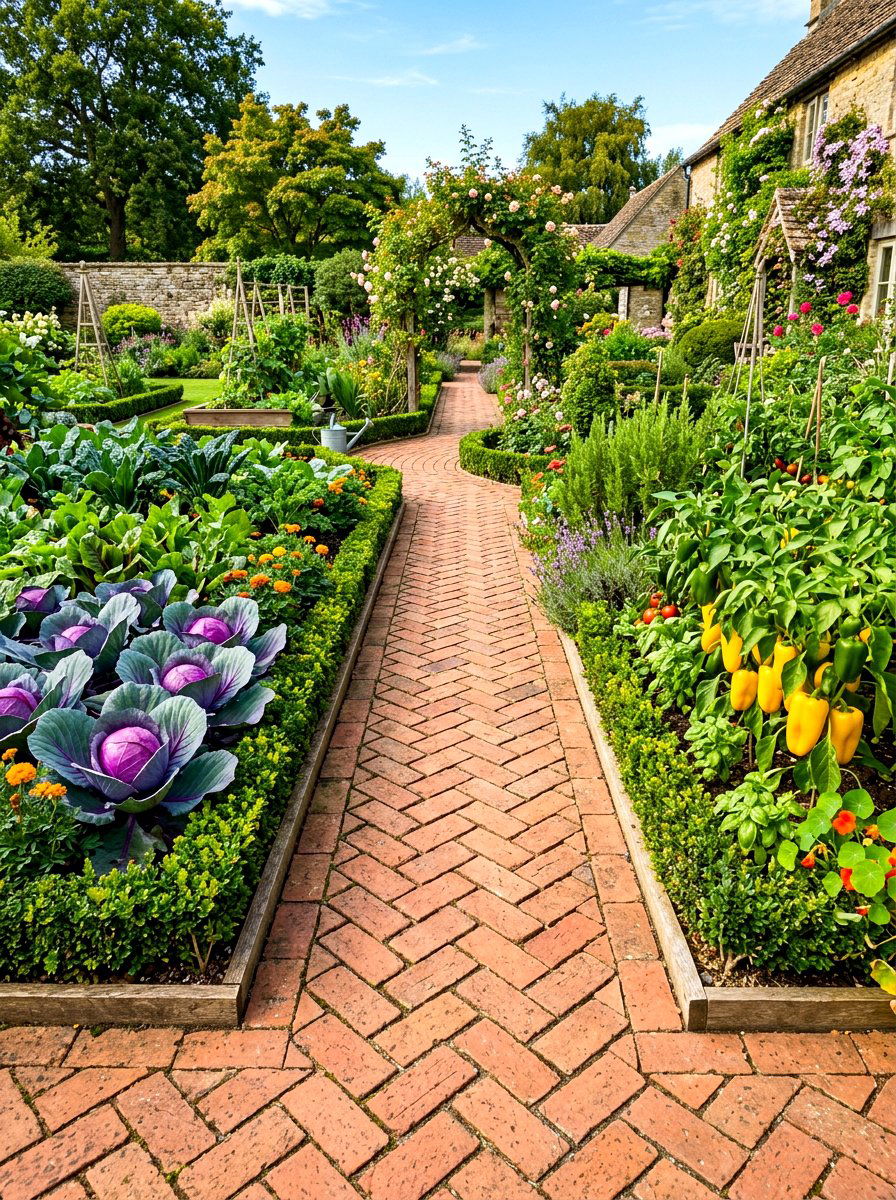
Do you want to add a sense of timeless elegance and structural permanence to your vegetable garden? Brick pavers are an incredible choice for creating straight, clean lines that contrast beautifully against lush green foliage and colorful flowers. You can arrange them in classic patterns like herringbone or basketweave to give your outdoor space a custom, high-end feel. Unlike loose materials, bricks provide a flat and stable surface that is perfect for rolling heavy wheelbarrows or garden carts. While the initial installation requires some leveling and effort, the result is a durable walkway that will last for decades. They age gracefully, developing a lovely weathered patina that enhances your home value.
4. Flagstone Path
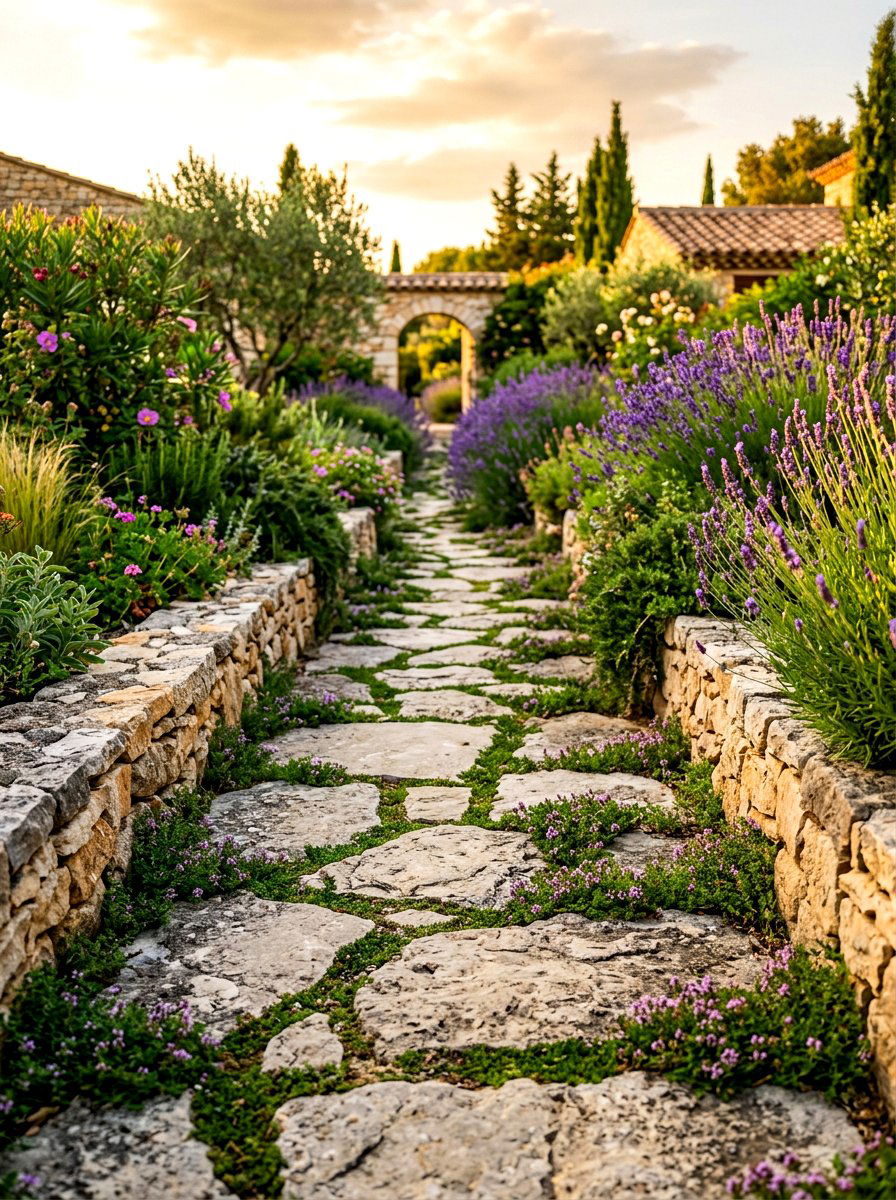
Have you considered using large, flat natural stones to create a more rugged and organic walking surface? Flagstones offer a unique look because no two pieces are exactly the same size or shape. You can fit them together like a giant puzzle, leaving small gaps for hardy groundcovers or fine gravel to create a charming "secret garden" vibe. These heavy stones stay firmly in place once they are set into a bed of sand or soil. They are perfect for uneven terrain where you need a sturdy footing that won't wash away during heavy rain. The earthy tones of flagstone complement wooden raised beds and galvanized metal planters equally well.
5. Grass Path
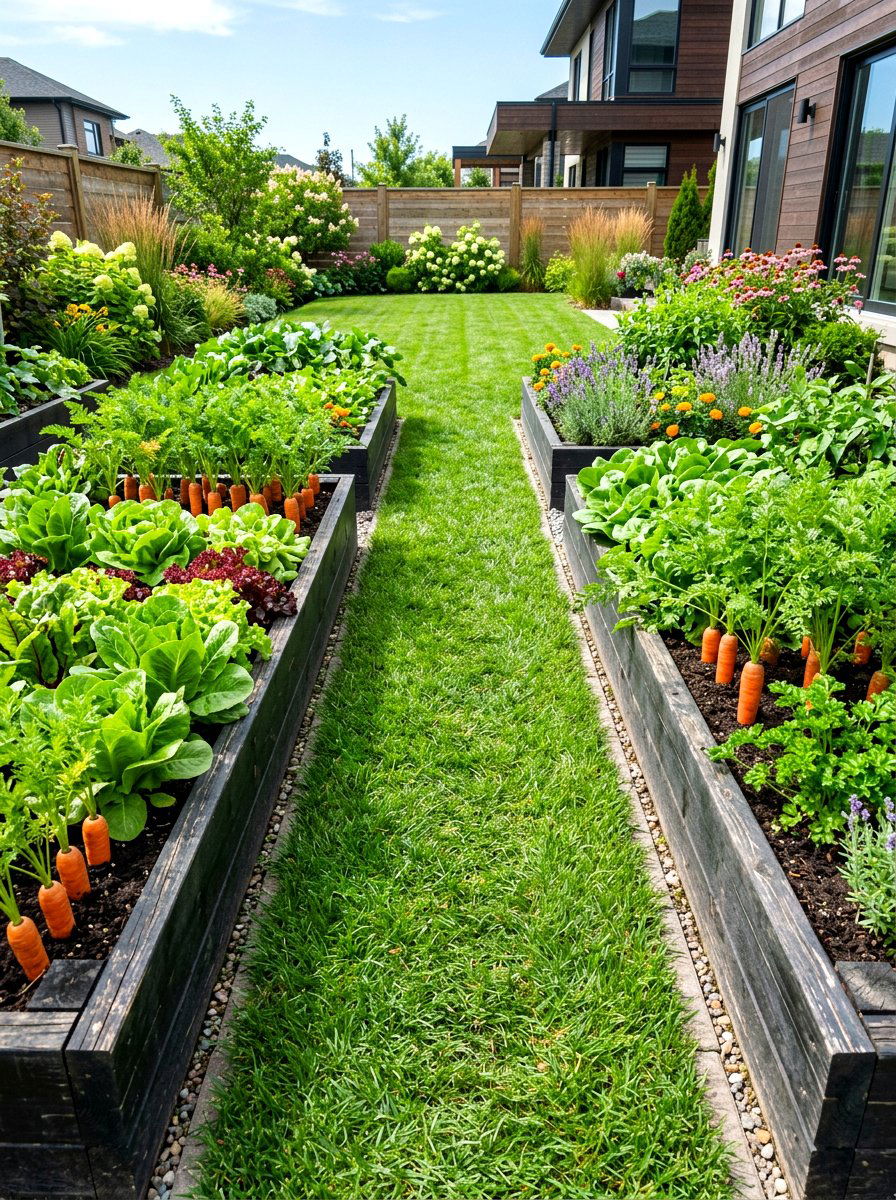
Would you prefer to keep as much greenery in your yard as possible while still having defined walkways? A well-maintained grass path provides a soft, cool surface that feels wonderful underfoot during the warm summer months. This option is very cost-effective if you already have a healthy lawn, as you simply need to mow the strips between your beds. It creates a lush, park-like atmosphere that softens the hard edges of your gardening structures. However, you must ensure the paths are wide enough for your mower to pass through easily without hitting the beds. Keeping the turf healthy requires regular watering and occasional fertilizing to handle frequent foot traffic.
6. Crushed Stone Path
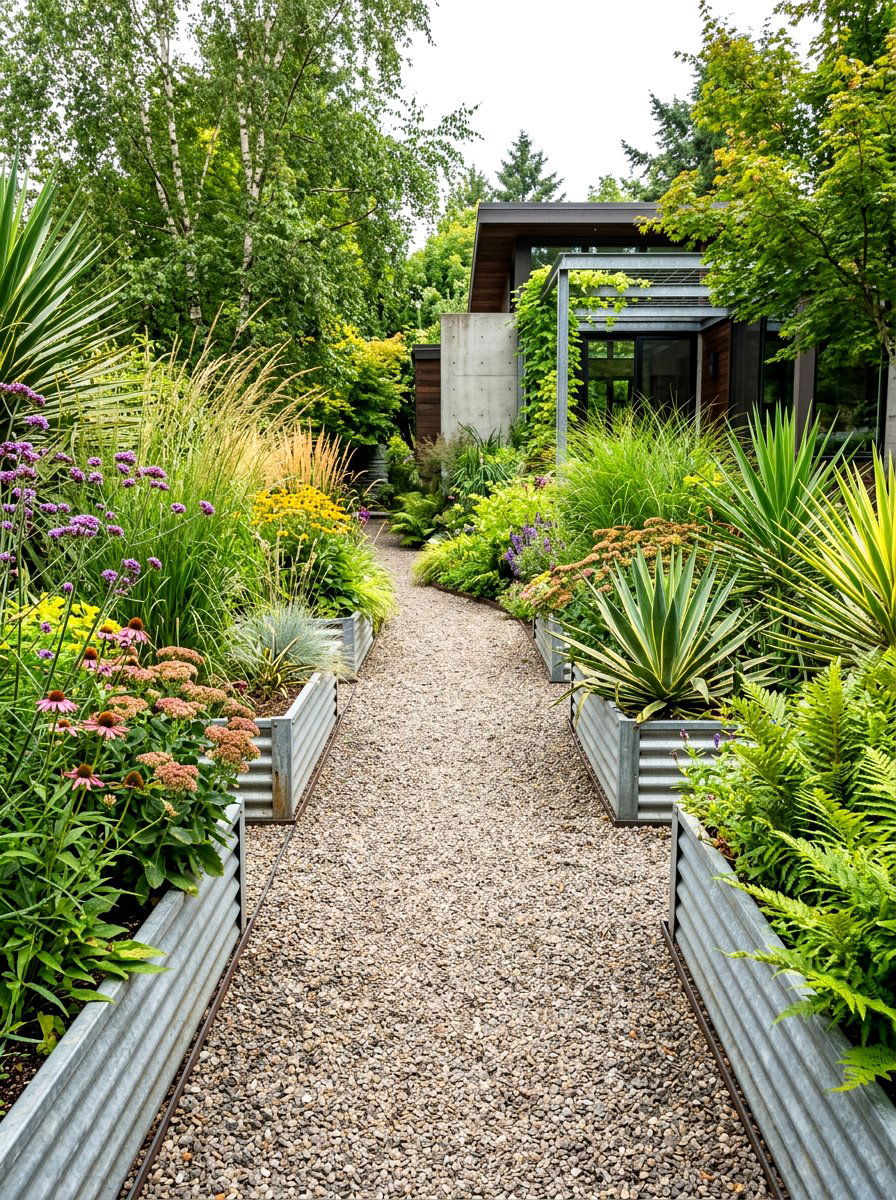
Are you searching for a modern and sleek look that also handles heavy rain without becoming a muddy mess? Crushed stone, often referred to as gravel or aggregate, features sharp edges that lock together to create a very stable walking surface. This material is much less likely to shift or "roll" under your feet compared to rounded pea gravel. It comes in various colors, from slate grey to tan, allowing you to customize the mood of your garden area. Using crushed stone helps prevent erosion and keeps the base of your raised beds dry, which can extend the life of wooden planters by reducing rot.
7. Stepping Stone Path
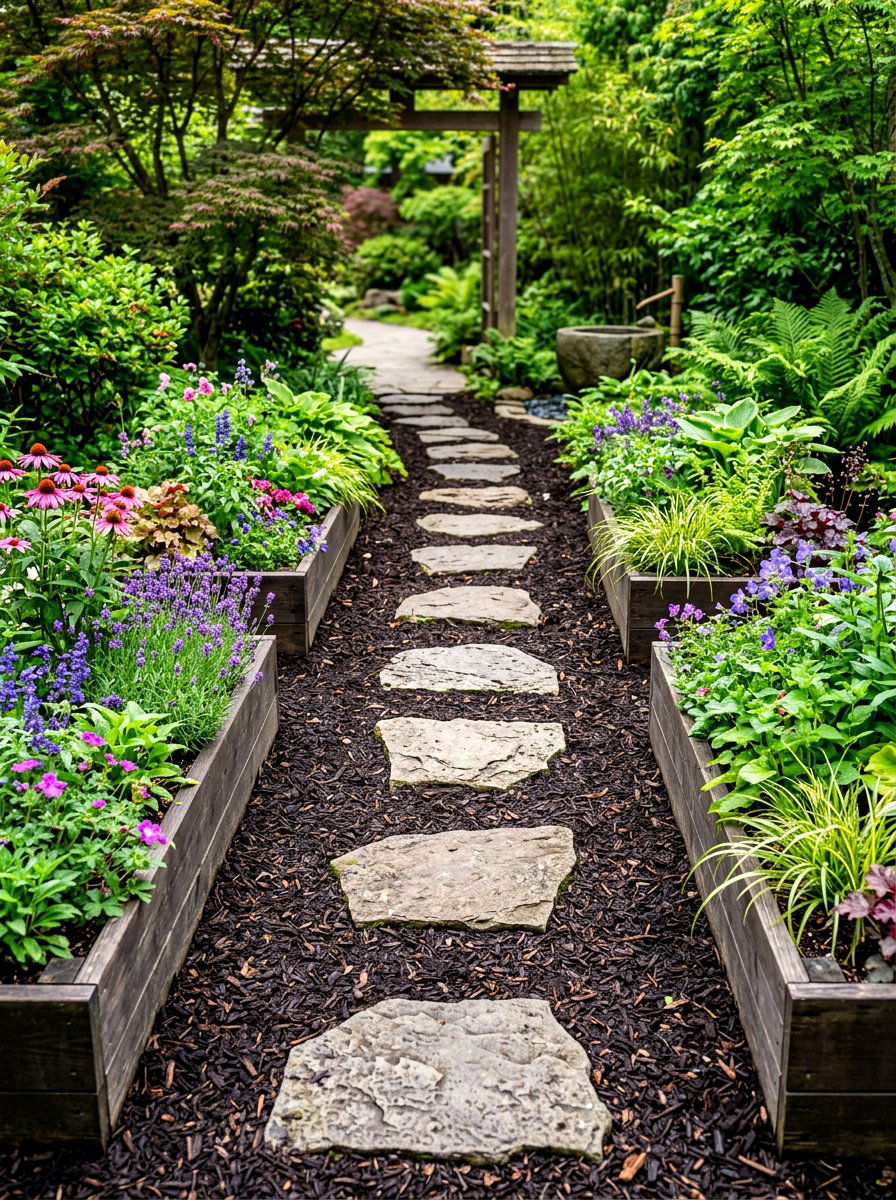
Do you want a simple and artistic way to traverse your garden without installing a full, solid walkway? Stepping stones allow you to create a clear route through your plants while leaving plenty of space for surrounding mulch or groundcover. This design choice is ideal for smaller gardens where a wide path might feel overwhelming or take up too much growing space. You can choose from natural slate, cast concrete, or even decorative ceramic tiles to match your personal style. By spacing the stones at a natural walking stride, you protect the soil from compaction while adding a playful, rhythmic element to your landscape design.
8. Wood Plank Path
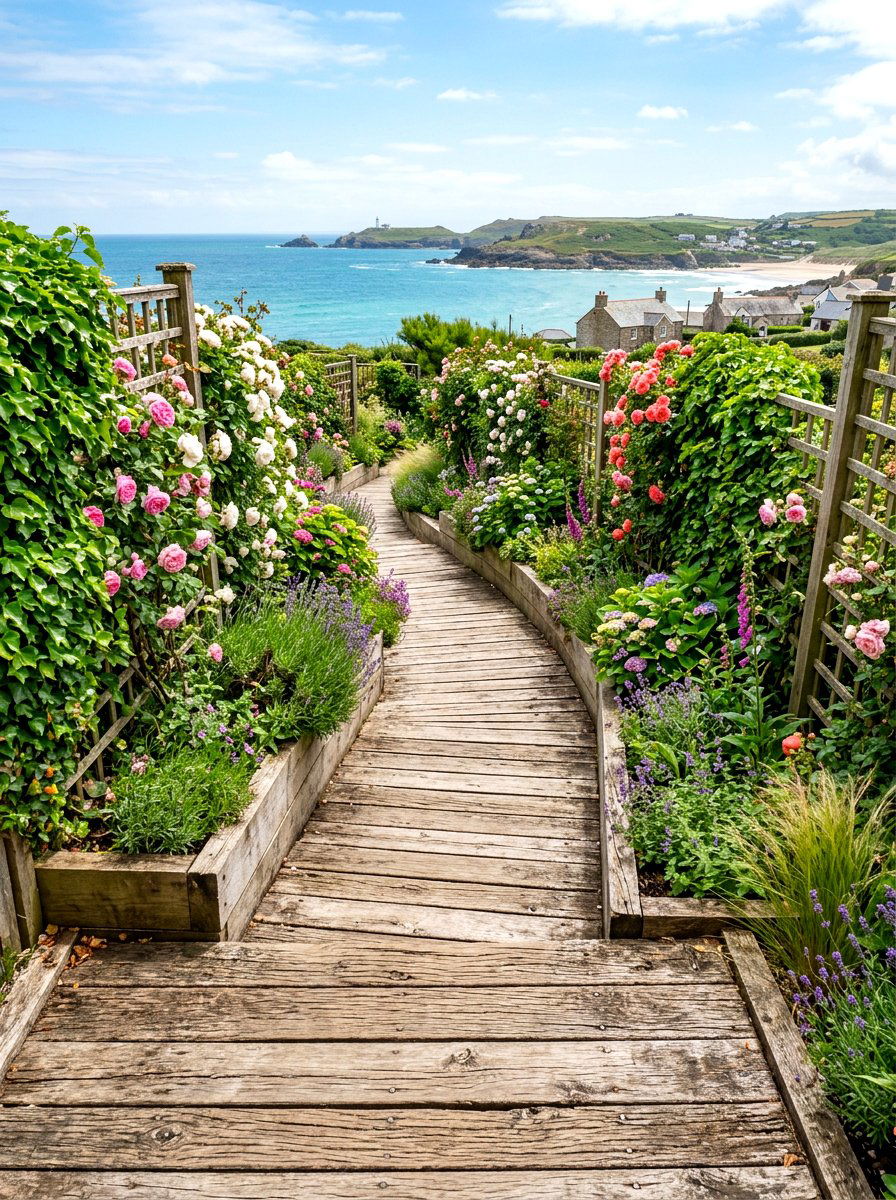
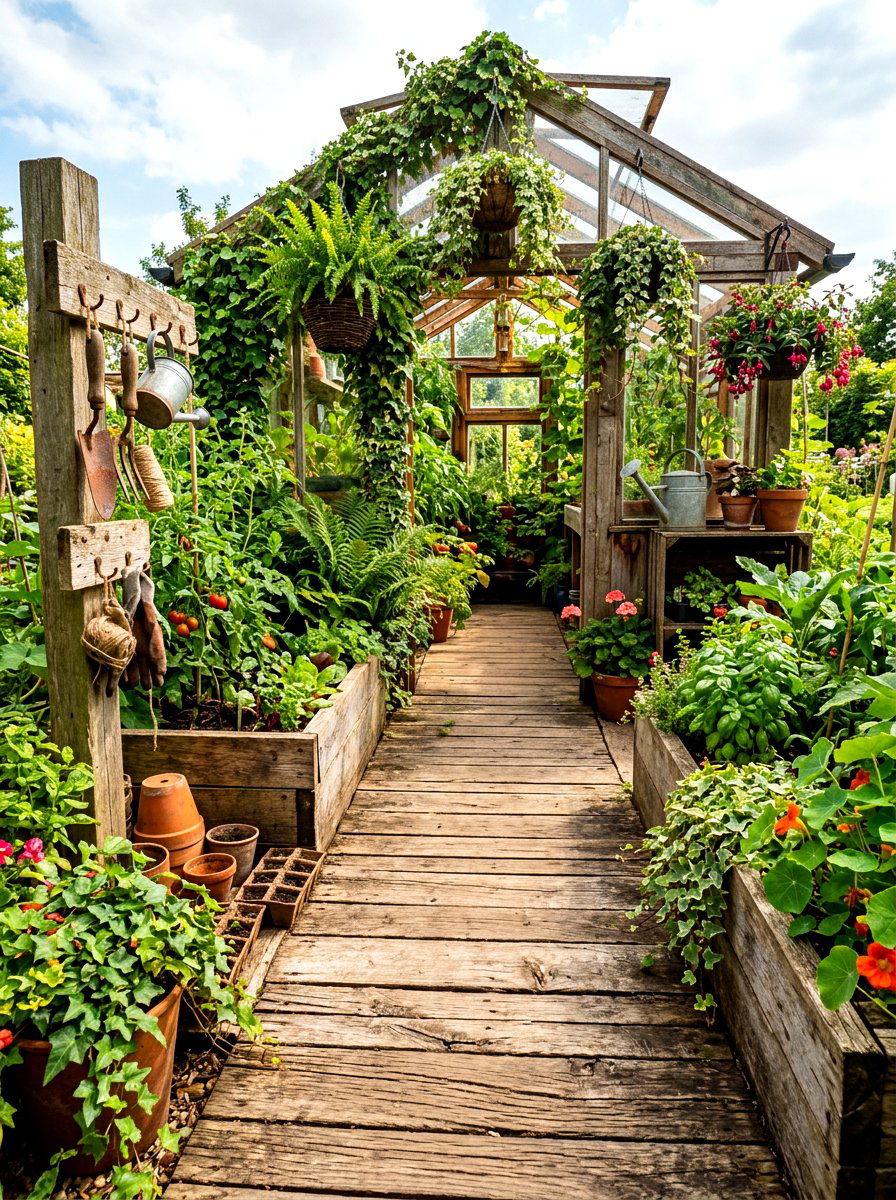
Have you ever thought about bringing the look of a boardwalk or a Japanese zen garden into your backyard? Wood planks, such as cedar or pressure-treated decking, create a raised and level surface that keeps your feet completely out of the dirt. This is an excellent solution for low-lying areas that tend to collect water after a storm. You can lay the boards horizontally for a wide feel or vertically to draw the eye toward a focal point like a birdbath or bench. Using rot-resistant wood ensures your path stays safe and sturdy for many years. It provides a clean, architectural finish that looks exceptionally modern and tidy.
9. Bark Mulch Path
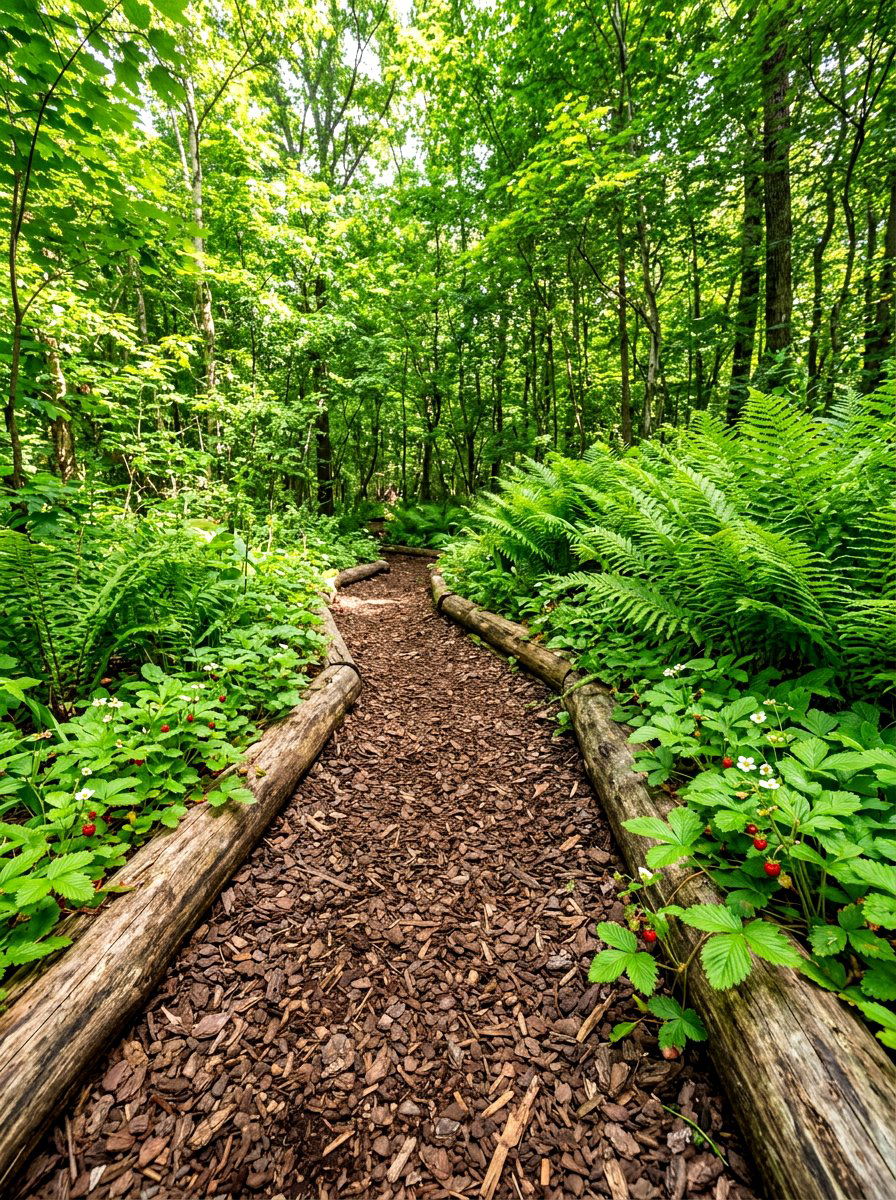
Are you interested in a rustic material that smells as good as it looks when you walk through your garden? Bark mulch is made from shredded tree bark and provides a deep, rich color that highlights the vibrant colors of your vegetables. This material is very effective at blocking sunlight from reaching weed seeds, which means less work for you throughout the growing season. It has a slightly more "forest floor" texture than standard wood chips, making it feel very cozy and settled. Bark mulch is also lightweight and easy to spread, making it a perfect weekend project for any DIY enthusiast looking to upgrade.
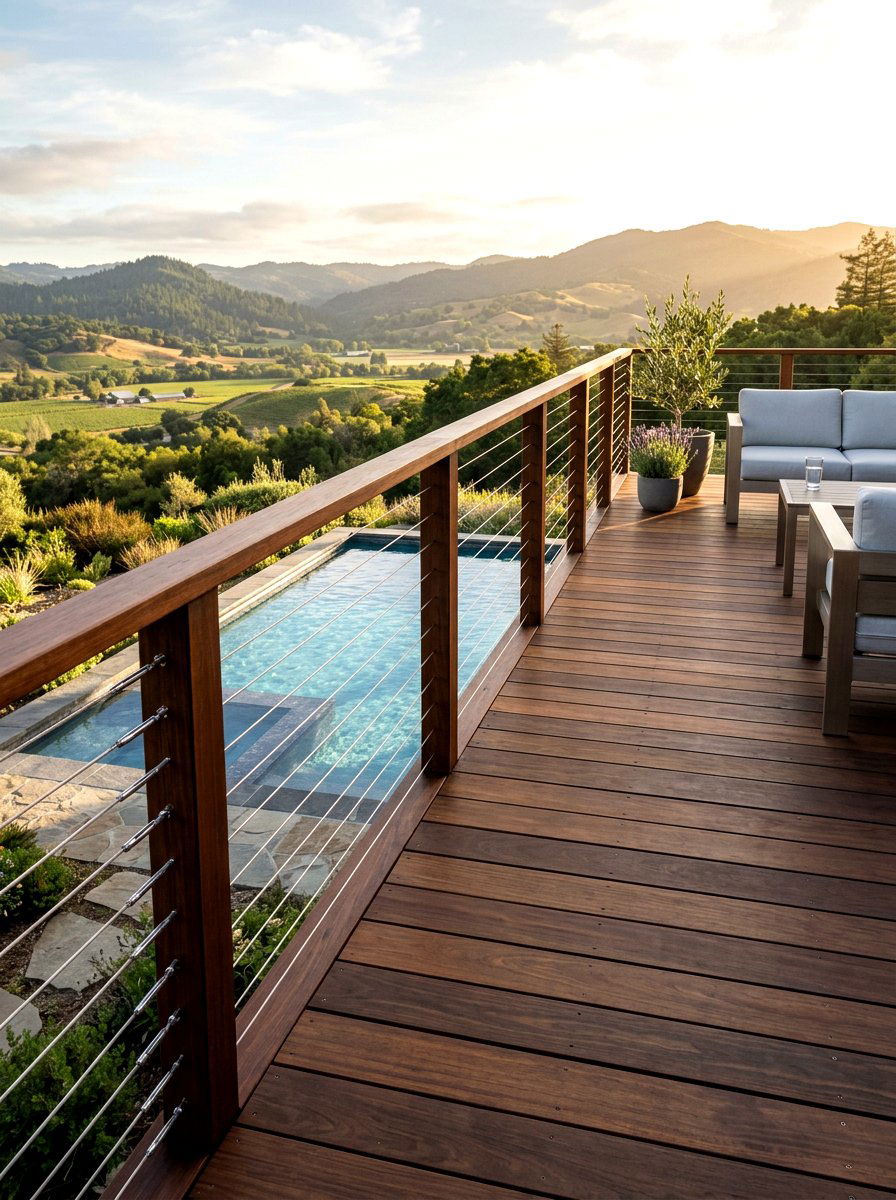
10. Decomposed Granite Path
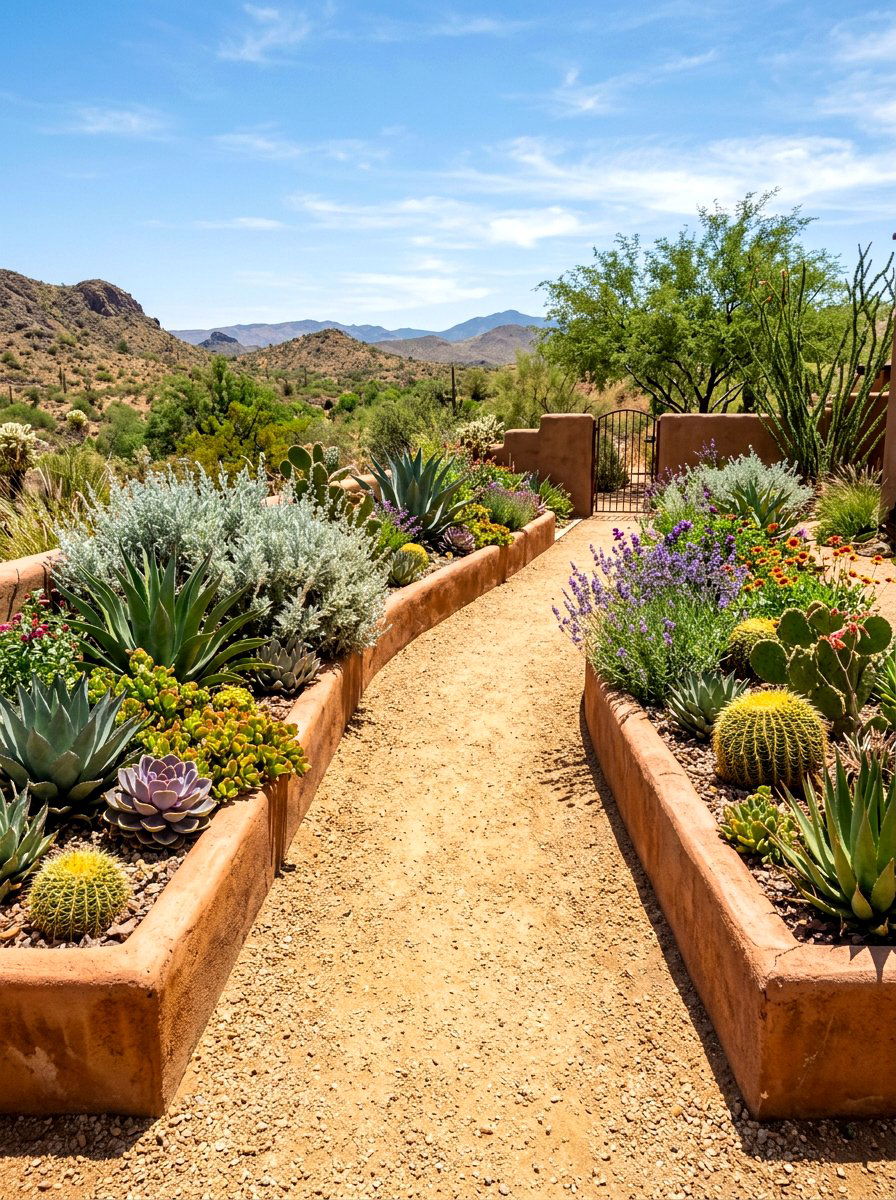
Do you need a path that feels as solid as concrete but retains a natural, earthy appearance? Decomposed granite is a popular choice for high-traffic areas because it packs down into a very hard and smooth surface. It is essentially very fine rock particles that create a permeable walkway, allowing water to soak through rather than running off. This material is available in beautiful gold, tan, and grey hues that look stunning in Mediterranean or desert-style landscapes. It provides a very clean edge against your raised beds and is easy to maintain with a light raking or the occasional addition of fresh material.
11. Concrete Paver Path
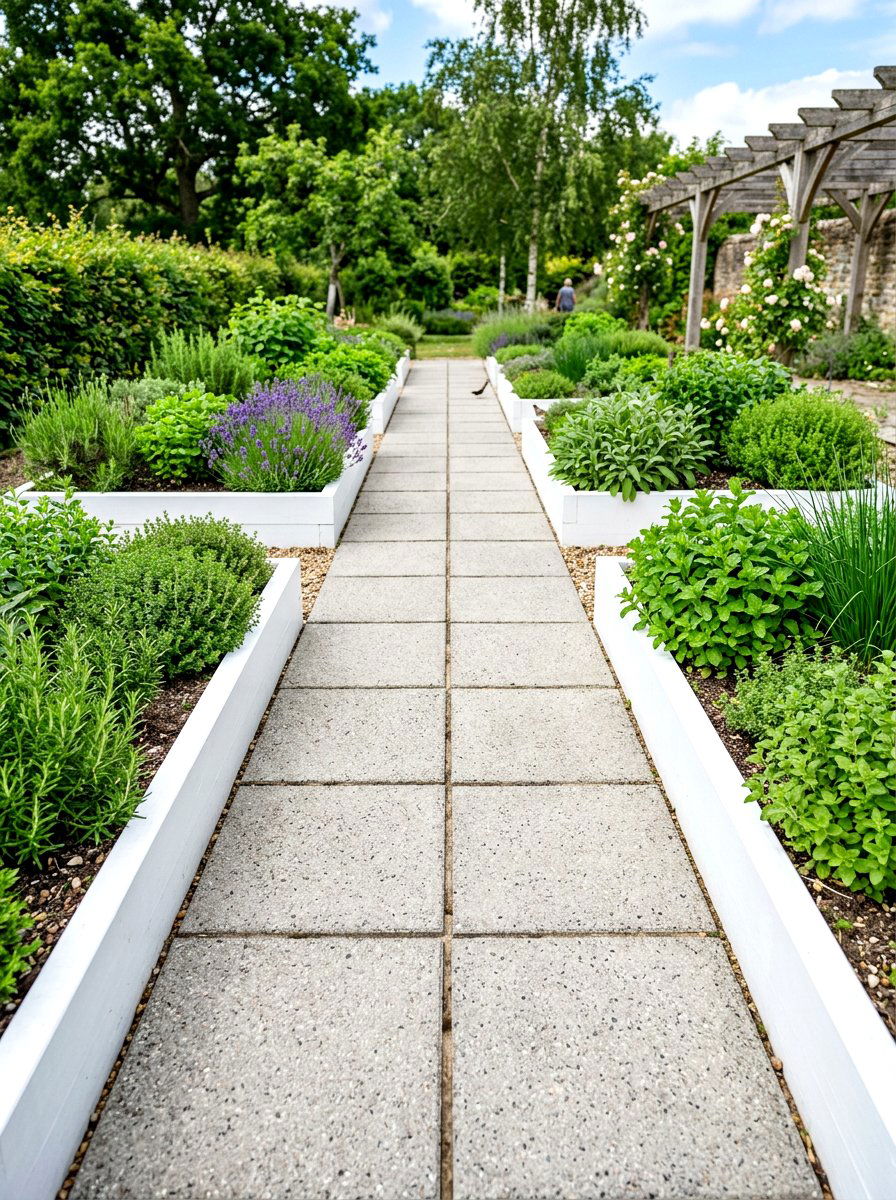
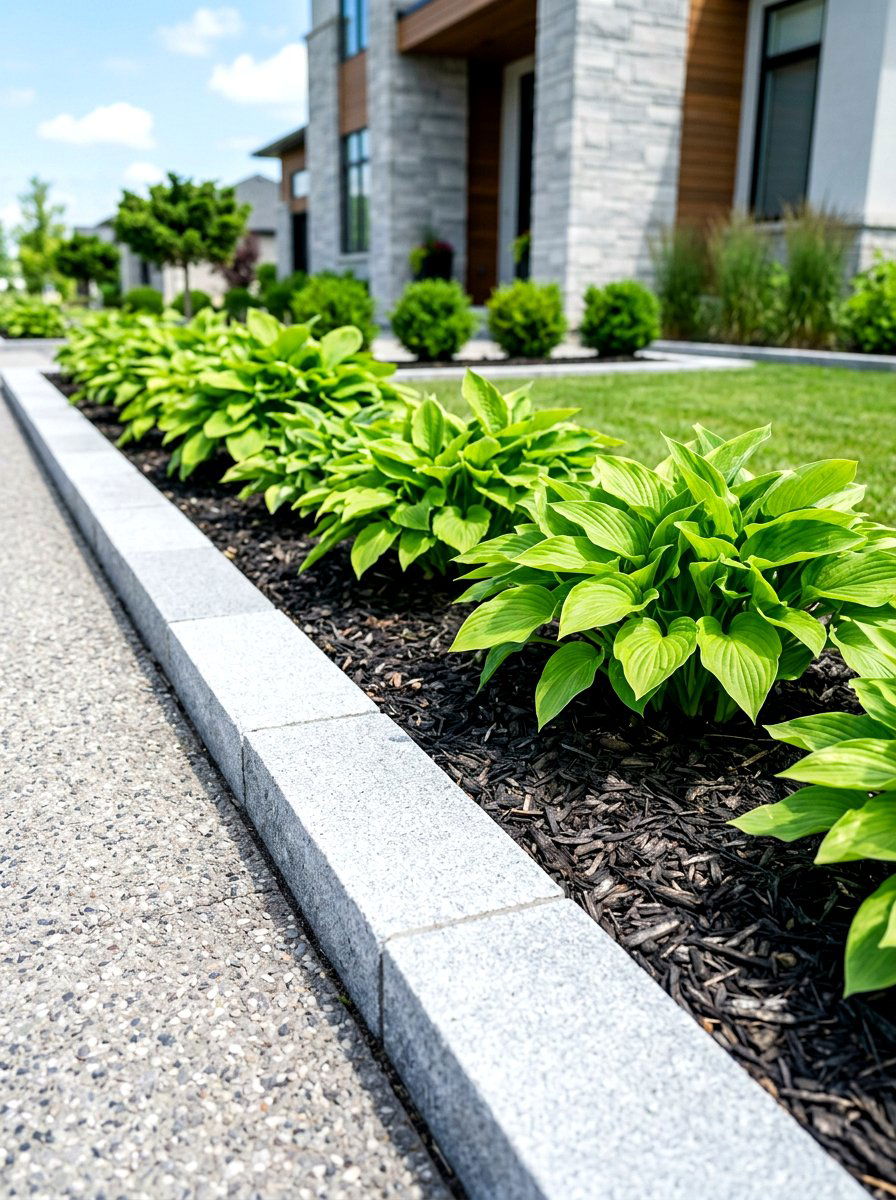
Are you looking for a versatile and affordable way to create a structured grid in your backyard garden? Concrete pavers come in a vast array of shapes, from perfect squares to interlocking hexagons, giving you total control over the design. They are incredibly uniform, which makes the installation process much faster than working with natural stone. These pavers are designed to withstand extreme weather conditions without cracking or fading, making them a very smart long-term investment. You can choose light-colored pavers to reflect heat away from your plants or darker tones to create a bold, contemporary contrast against your colorful garden crops and flowers.
12. Recycled Pallet Path
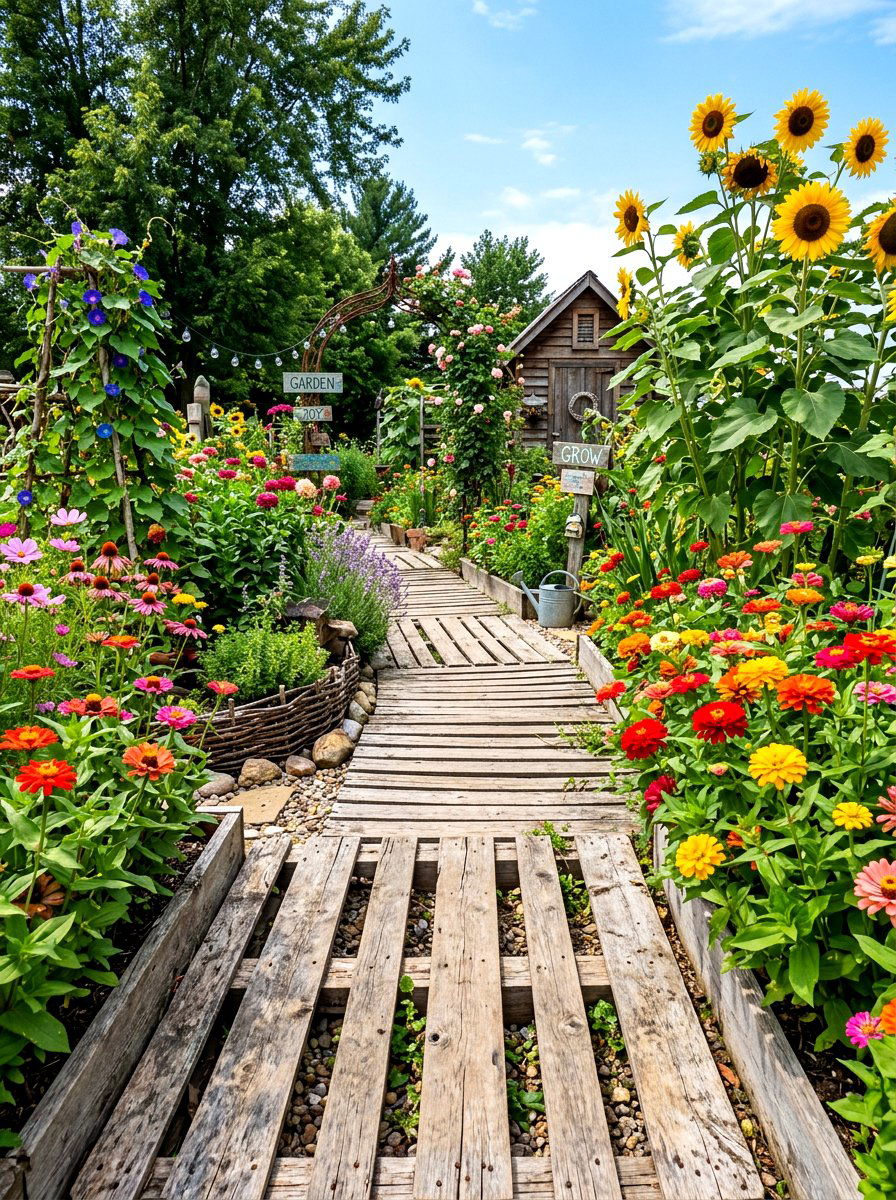
Have you been searching for a sustainable and nearly free way to build a functional walkway between your planters? Old wooden pallets can be disassembled and repurposed into a charming, rustic boardwalk that adds a lot of character to your space. By laying the slats closely together over a bed of gravel or sand, you create a stable surface that keeps your shoes clean. It is important to check that the wood is heat-treated rather than chemically preserved to ensure your soil remains safe for organic gardening. This eco-friendly approach gives a second life to discarded materials while providing a unique, hand-crafted look for your yard.
13. Rubber Mulch Path
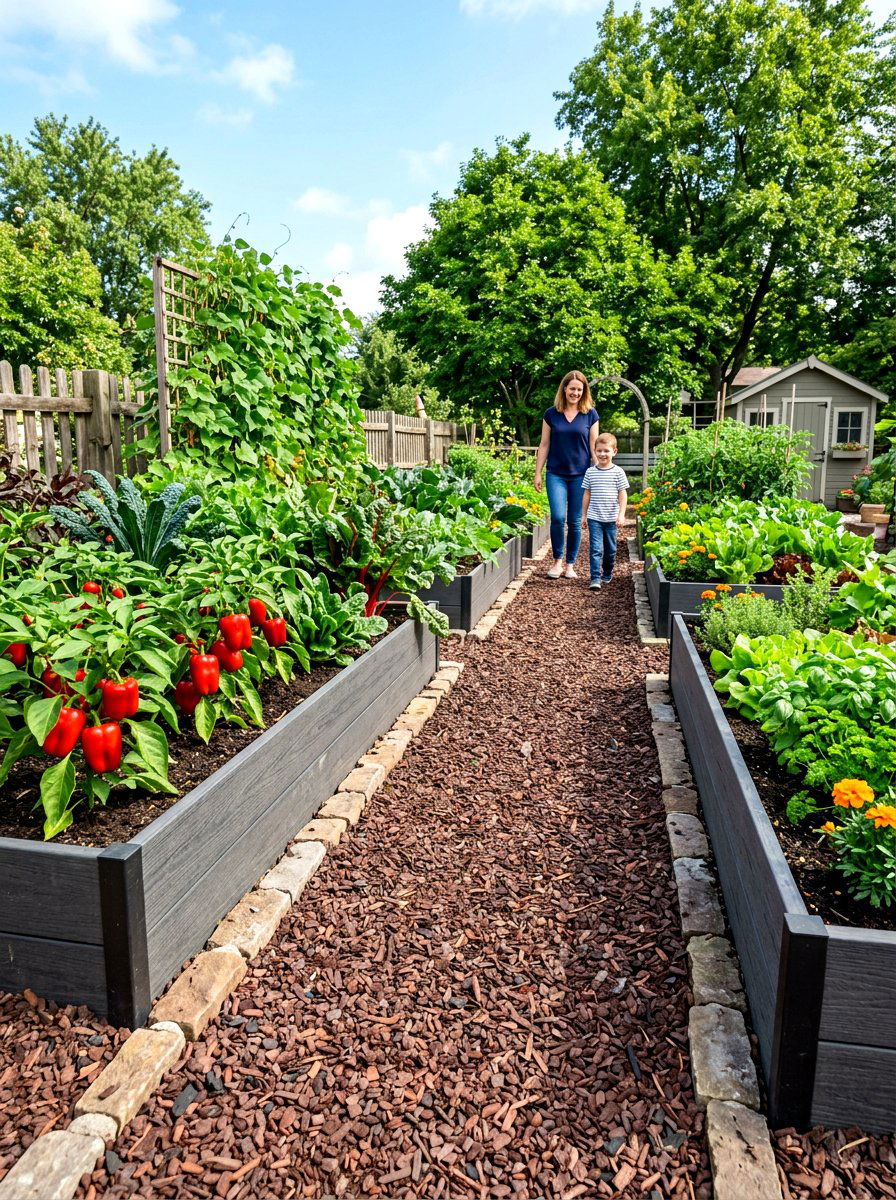
Do you want a pathway material that is virtually indestructible and provides incredible comfort for your joints? Rubber mulch, often made from recycled tires, is a soft and bouncy option that doesn 't decompose or wash away during heavy storms. It is available in various permanent colors that won' t fade under the harsh summer sun, keeping your garden looking vibrant all year long. This material is particularly good for families with children who like to help in the garden, as it provides a safe and cushioned surface. It does a fantastic job of suppressing weeds and requires almost no maintenance once it is properly installed.
14. Cobblestone Path
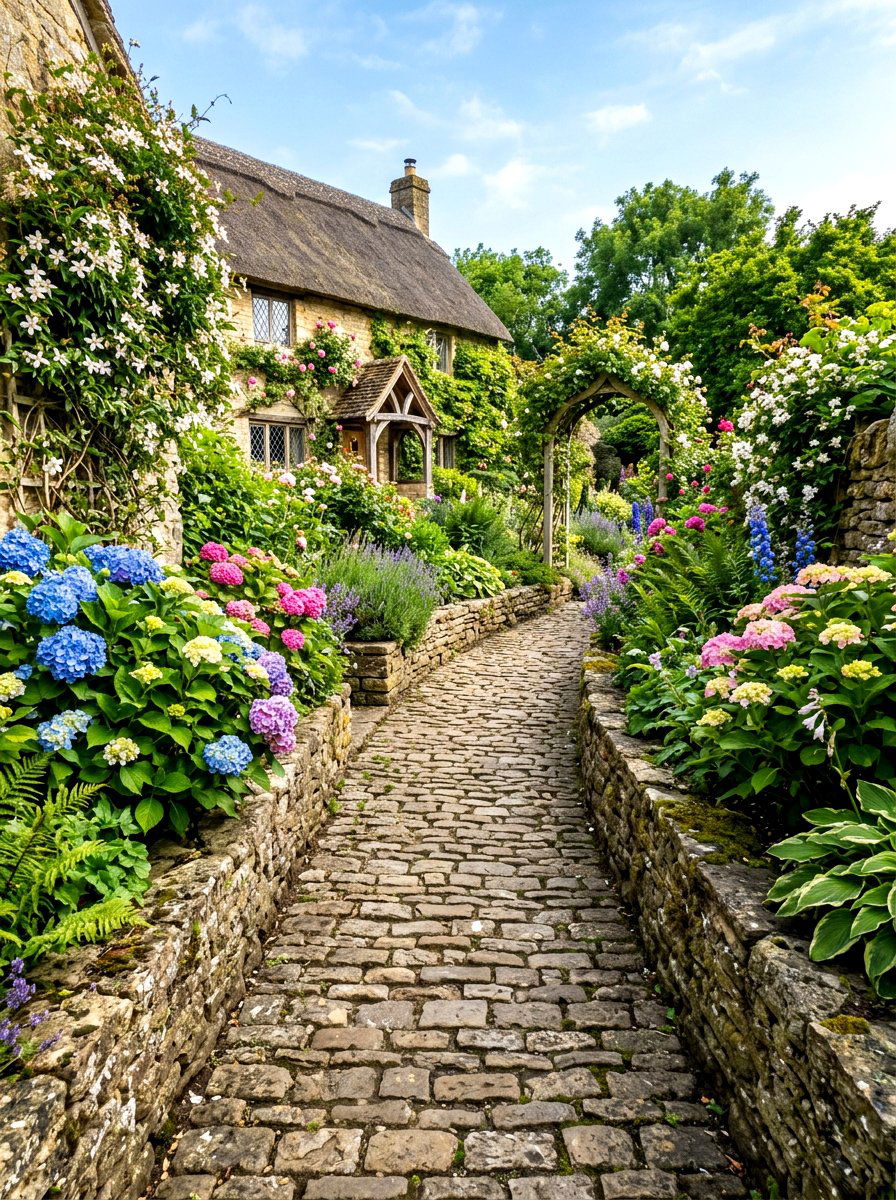
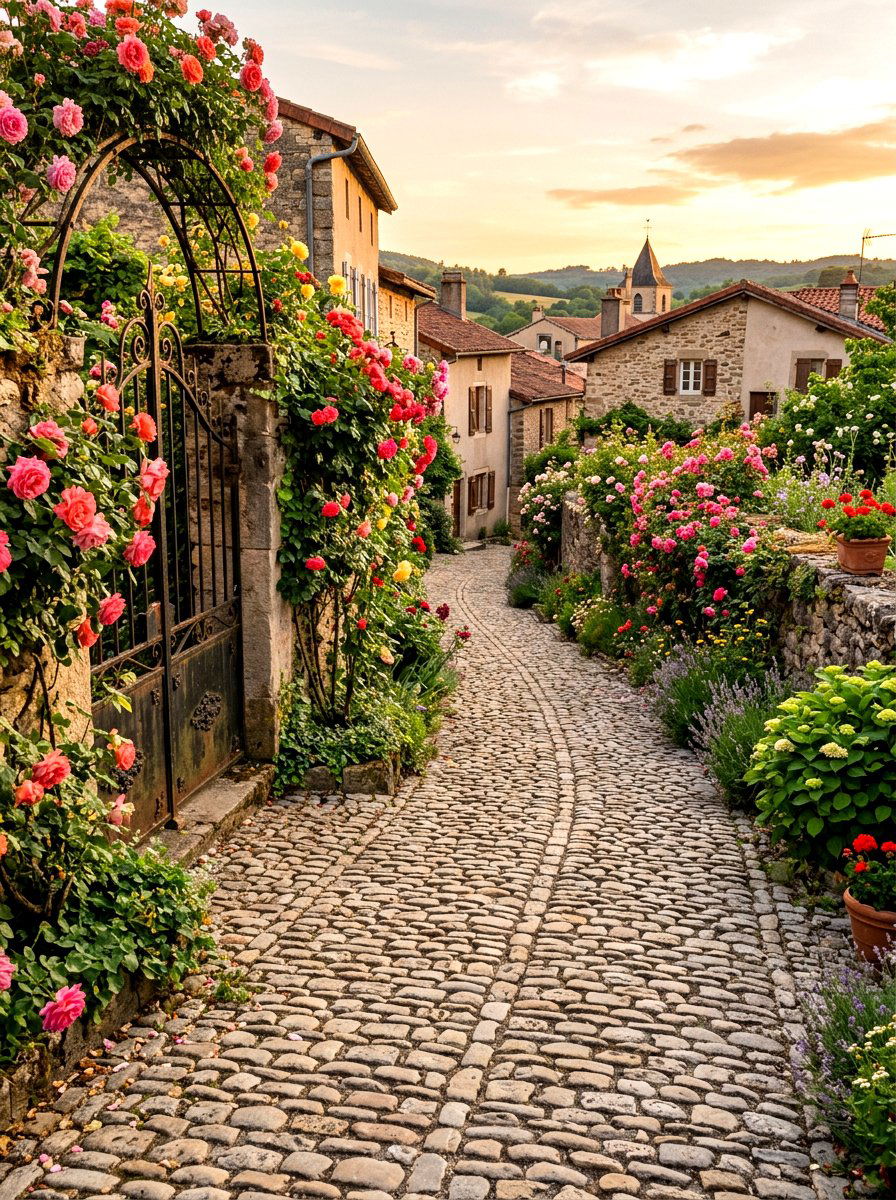
Have you ever dreamed of having a garden that feels like a quaint European village or a historic cottage? Cobblestones provide a textured and timeless look that adds instant charm and old-world character to any outdoor space. These thick, rounded stones are extremely durable and can handle heavy weight without shifting or breaking over time. While the surface might be slightly uneven, it adds a beautiful visual rhythm that leads the eye through your different planting zones. Cobblestones work wonderfully when paired with traditional wooden raised beds or even stone-walled planters. They are a permanent landscaping feature that only gets more beautiful as they age.
15. Pine Needle Path
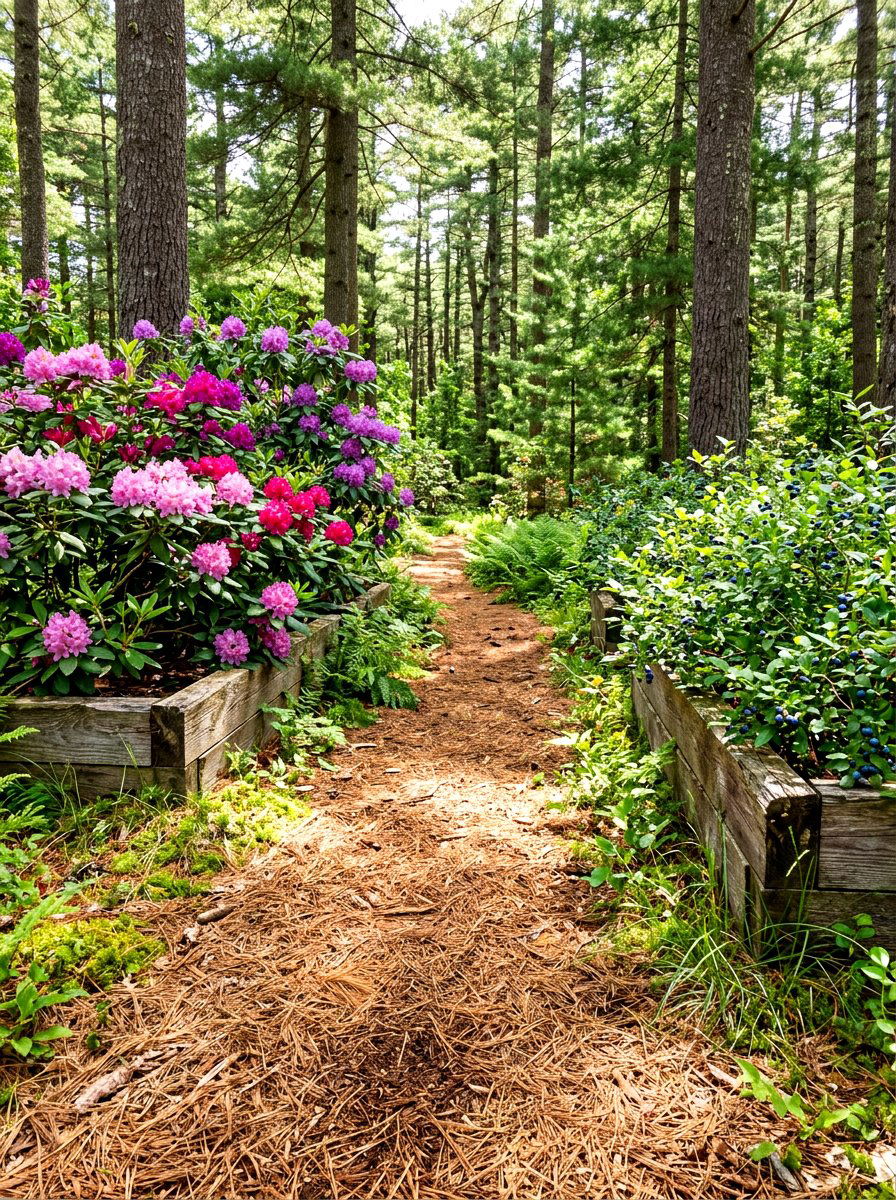
Are you lucky enough to have large pine trees on your property that provide an endless supply of free landscaping material? Pine needles, also known as pine straw, create a lightweight and fragrant path that is perfect for woodland-inspired gardens. These needles interlock naturally, which helps them stay in place even on slightly sloped ground where other mulches might wash away. They provide a soft, acidic barrier that is particularly beneficial if you are growing blueberries or other acid-loving plants nearby. This material gives your garden a very natural, "untouched" look that feels peaceful and harmoniously integrated with the surrounding trees and shrubs.
16. River Rock Path
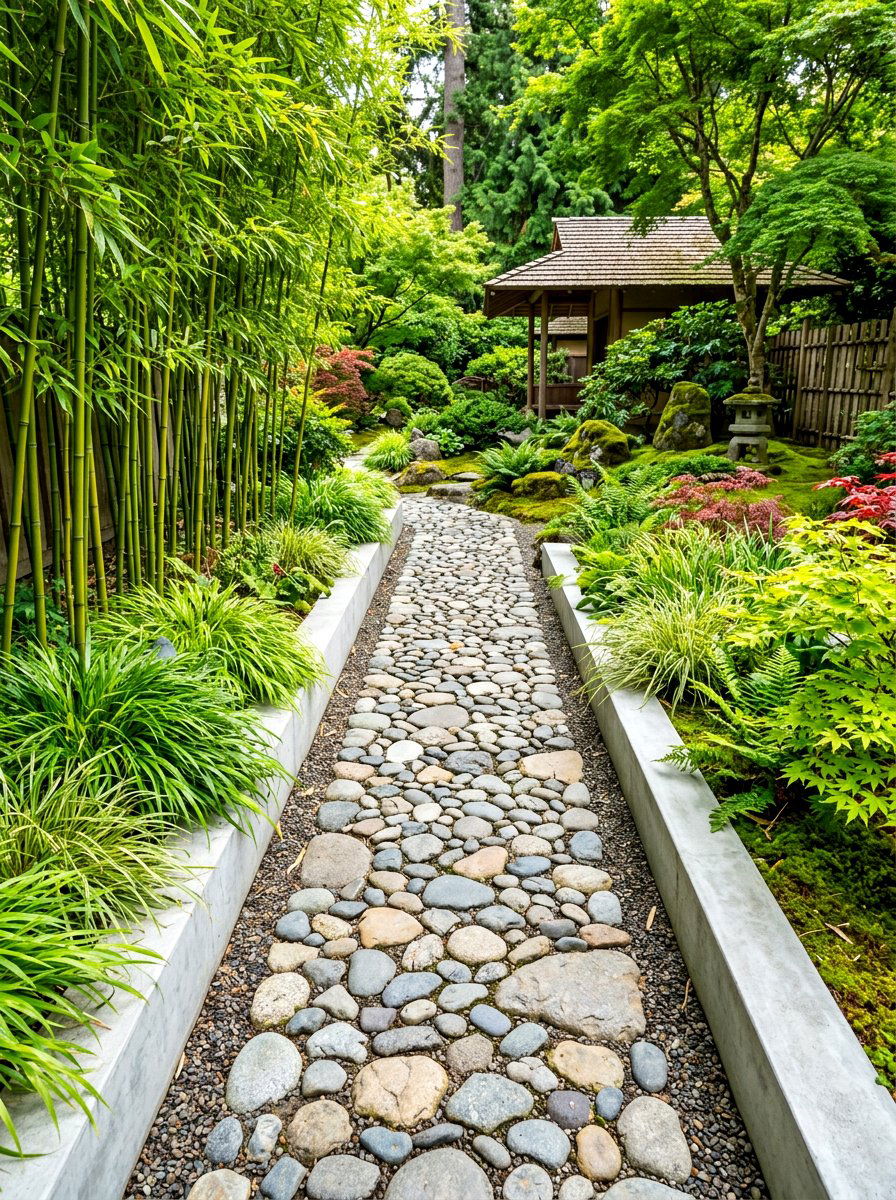
Do you love the look of smooth, water-worn stones and want to bring a sense of tranquility to your garden? River rocks come in various sizes and soft colors, from deep greys to warm tans, creating a very serene atmosphere. These stones are excellent for drainage and can be used to create a "dry creek bed" look between your raised planters. Because they are larger and heavier than pea gravel, they stay in place very well even during heavy downpours. Walking on river rocks can be a bit tricky, so many gardeners use them as a decorative border around flat stepping stones for better stability.
17. Sea Shell Path
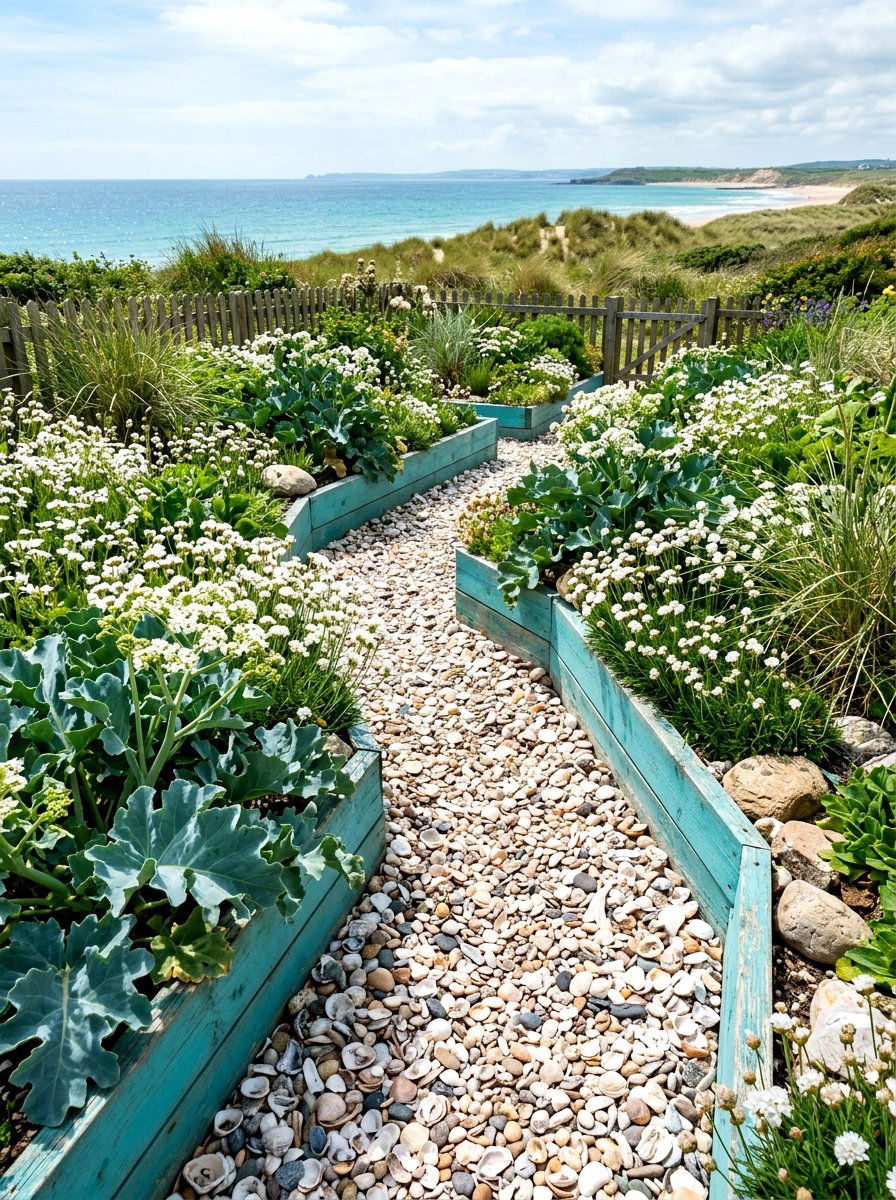
Have you considered using crushed sea shells to give your garden a coastal or beach-house aesthetic? This unique material is popular in seaside regions because it is readily available and provides a bright, reflective surface that illuminates shaded areas. As the shells are walked upon, they break down into smaller pieces, eventually forming a very stable and well-draining walkway. The high calcium content in the shells can also benefit the soil as they slowly decompose over many years. It creates a beautiful white or cream-colored path that looks stunning against the dark soil of your raised beds and the vibrant green leaves of your plants.
18. Timber Path
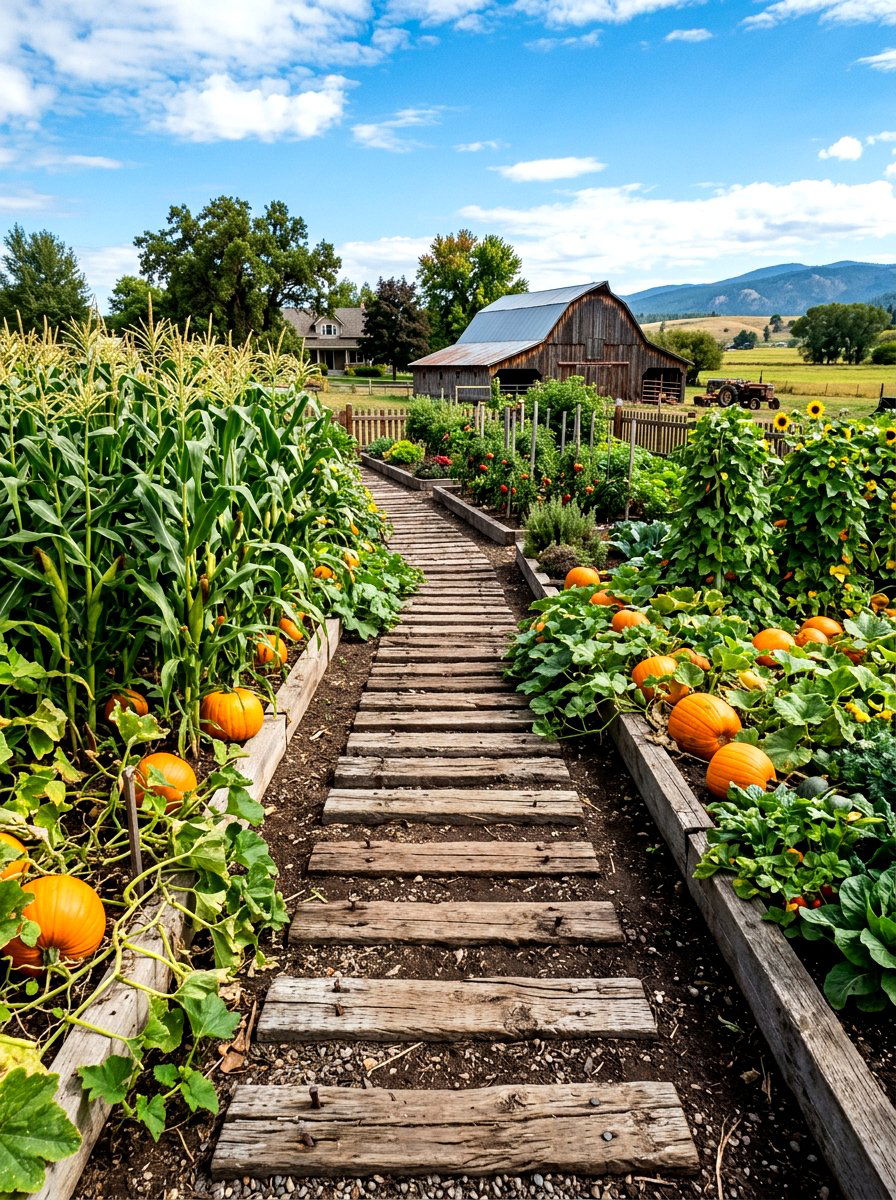
Are you interested in a bold and structural look that uses heavy materials to define your garden boundaries? Large landscape timbers or railroad ties can be laid into the ground to create a very sturdy and level walkway. These thick pieces of wood provide a wide surface that is easy to walk on and can even serve as a low bench for resting while you garden. When installed correctly, they create a very clean and organized grid that is perfect for formal vegetable gardens. Using pressure-treated or naturally rot-resistant wood ensures that your timber path remains a functional part of your landscape for many seasons.
19. Dirt Path
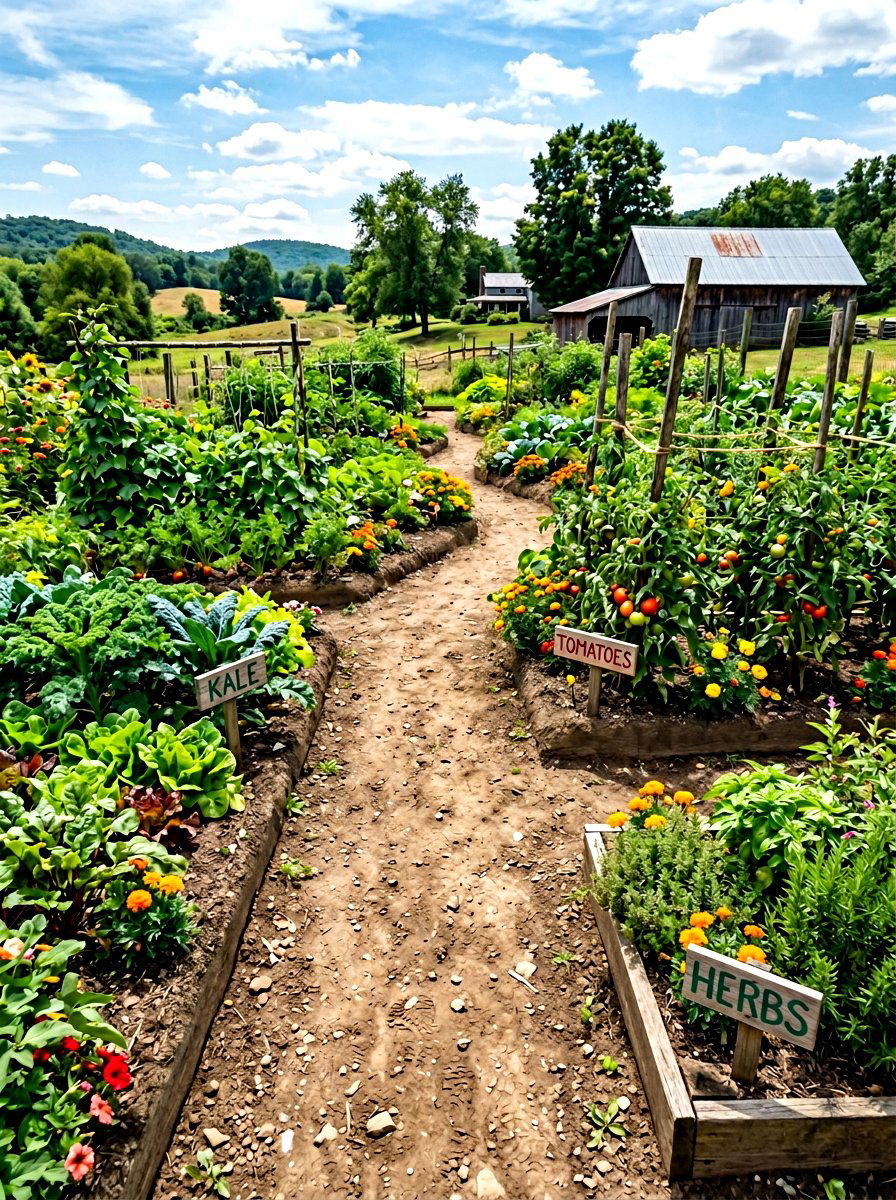
Would you prefer to keep your garden as simple and natural as possible without spending money on extra materials? A well-trodden dirt path is the most basic option, and it can be quite effective if your soil has a high clay content that packs down firmly. To keep this look tidy, you must regularly edge the path and remove any weeds that try to take root in the walkway. While it is the cheapest option, keep in mind that dirt paths can become very muddy during the rainy season or dusty during dry spells. Adding a thin layer of straw can help mitigate these issues while maintaining a rustic look.
20. Straw Path
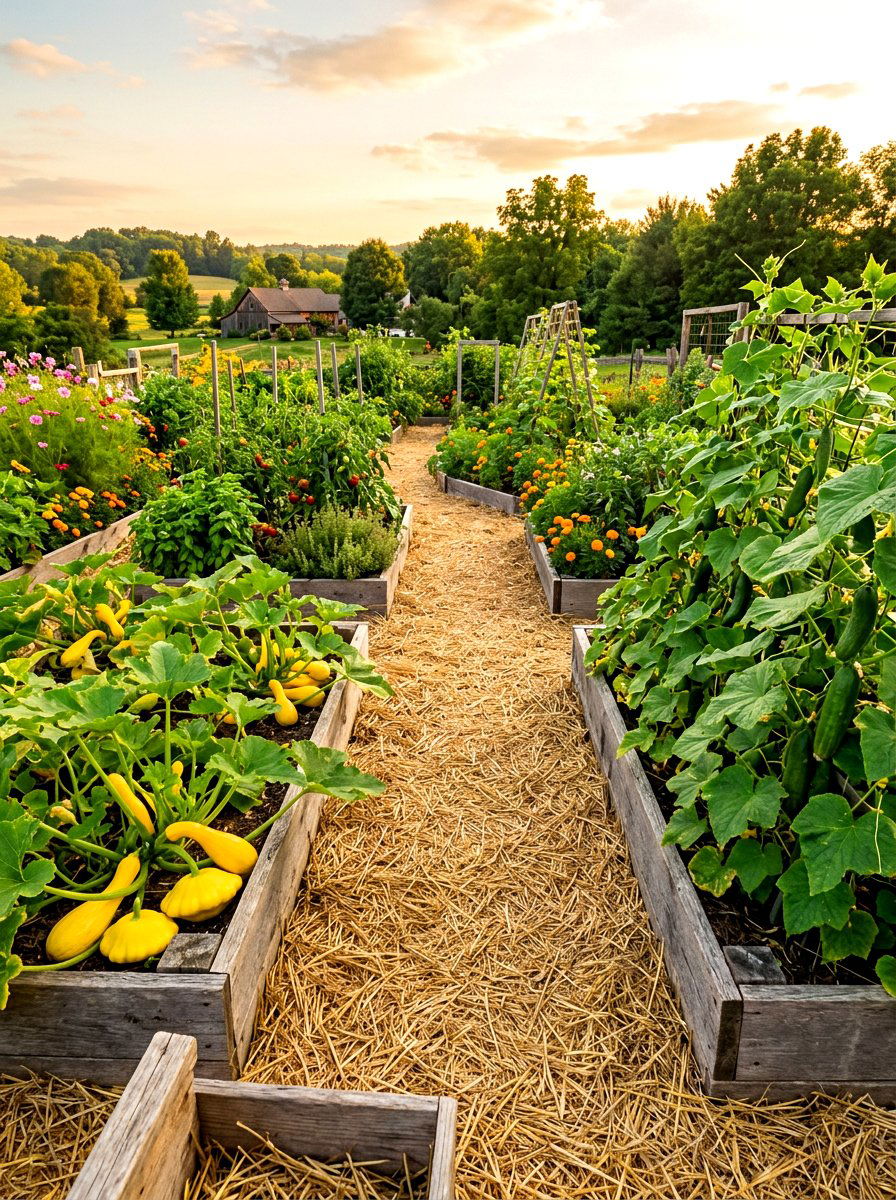
Have you ever visited a traditional farm and noticed how they use golden straw to keep the walkways clean and dry? Straw is an excellent temporary material for garden paths because it is inexpensive, easy to spread, and completely compostable. It provides a bright, cheery look that reflects sunlight and keeps the ground cool for your nearby plants. At the end of the gardening season, you can simply rake the straw into your beds to act as a soil conditioner for the following year. This is a fantastic choice for gardeners who like to change their layout frequently or those who want a very low-cost solution.
21. Slate Path
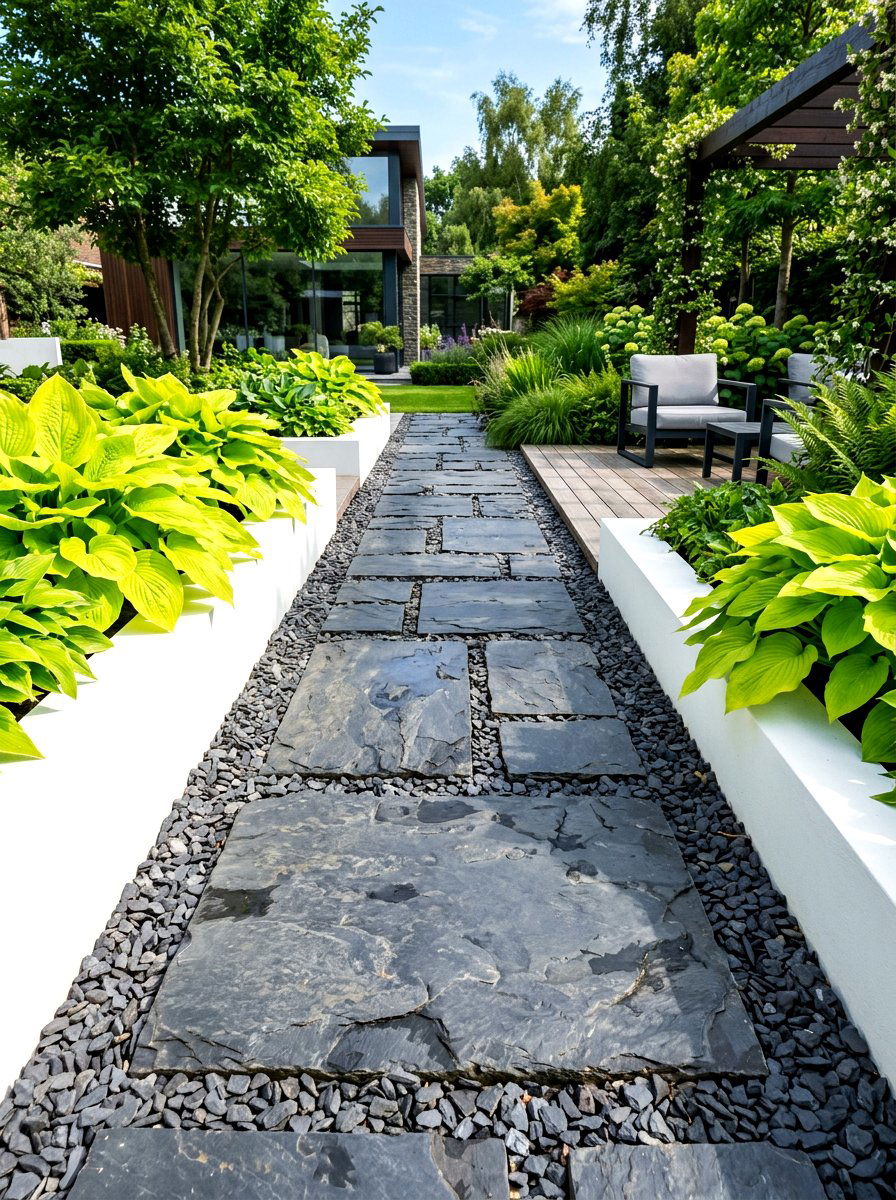
Do you want a walkway that looks incredibly modern and sophisticated with a deep, dark color palette? Slate chips or flat slate tiles provide a sleek texture that contrasts beautifully with light-colored wooden beds or bright green foliage. This natural stone is very durable and resistant to fading, ensuring that your garden looks polished and high-end for years to come. Slate is also excellent for temperature regulation, as it absorbs heat during the day and releases it slowly at night. This can create a slightly warmer microclimate for your plants, which is helpful if you live in a region with cool summer evenings.
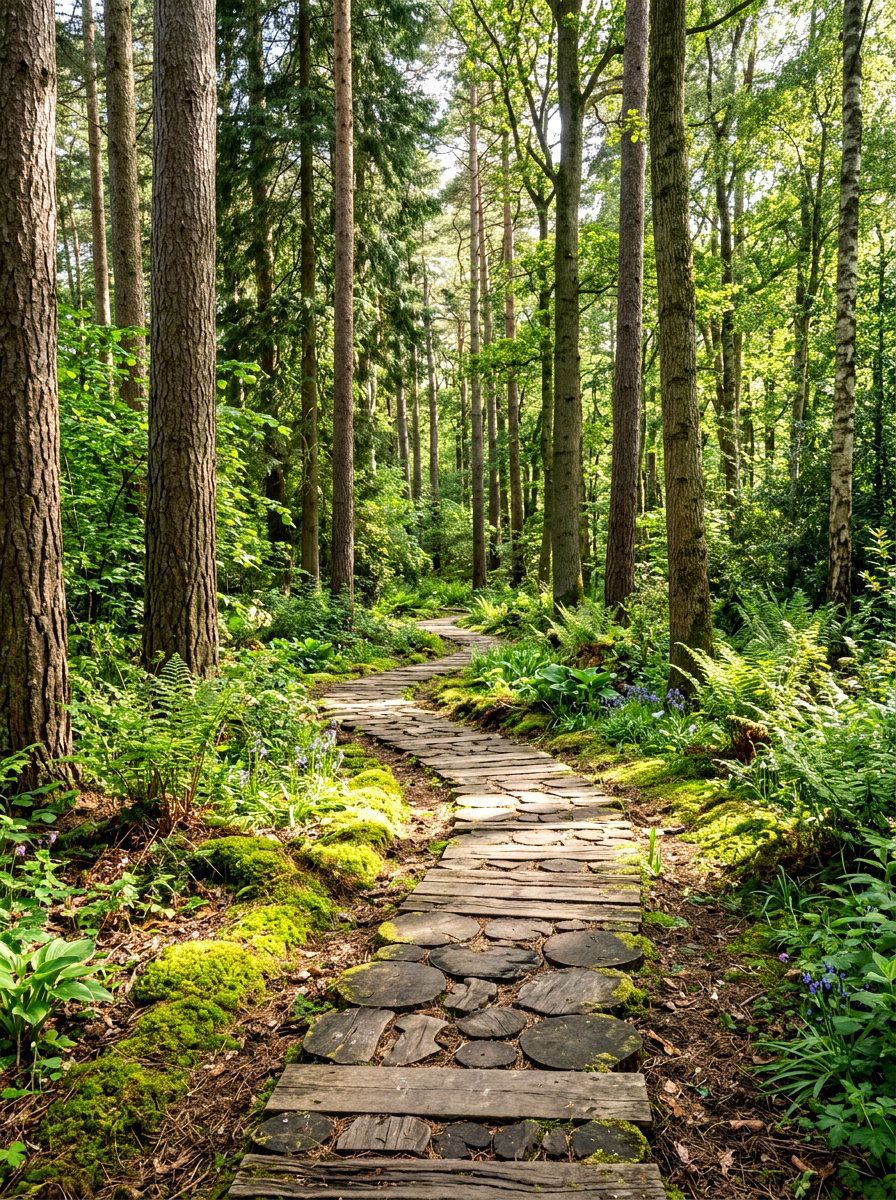
22. Wood Slice Path
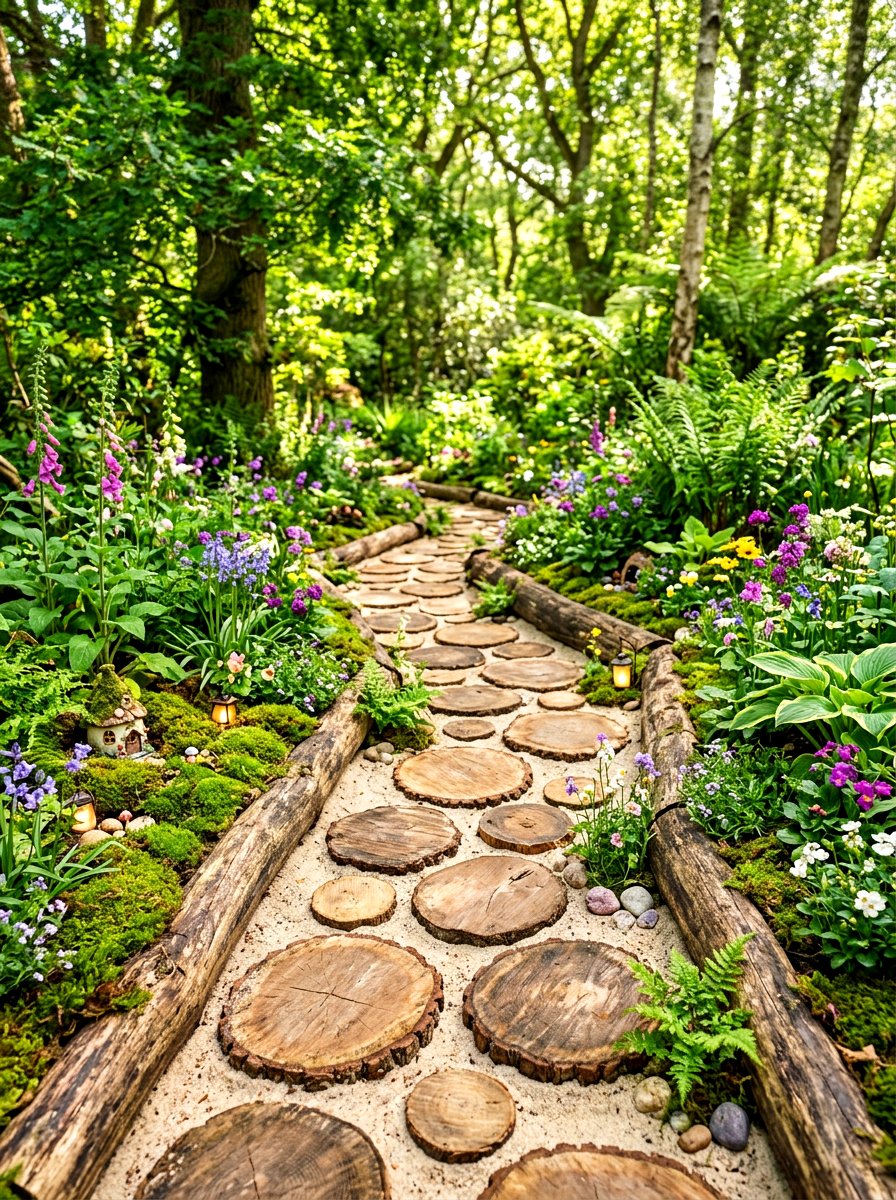
Are you looking for a whimsical and creative way to use fallen logs or tree stumps from your own backyard? Wood slices, often called "tree cookies, " can be set into the ground to create a charming and rustic stepping stone path. This DIY approach gives your garden a very personal and handmade feel that children especially love. You should treat the slices with a wood preservative to prevent rot, or simply replace them as they naturally break down over time. Placing them on a bed of sand or fine gravel helps with drainage and keeps the wood from becoming too slippery when it rains.
23. Geometric Paver Path
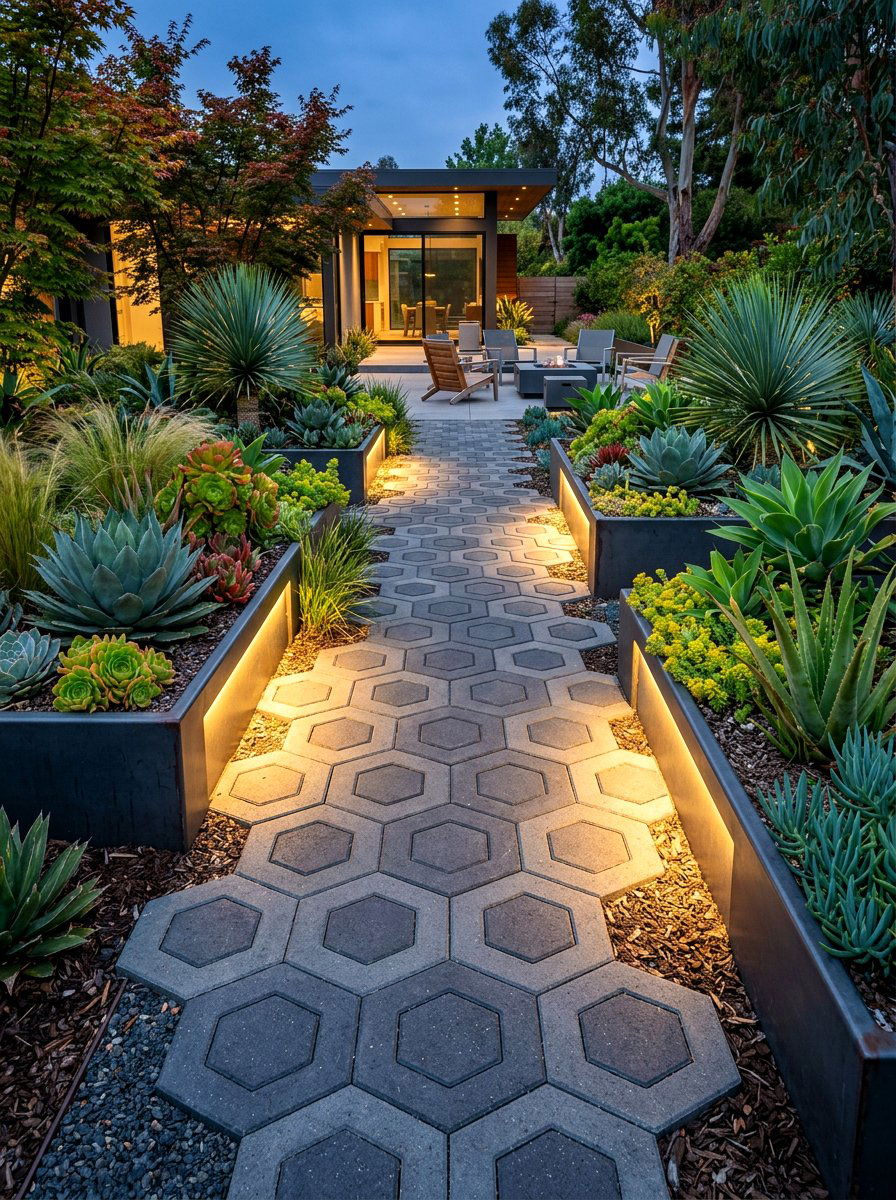
Do you love the look of clean lines and mathematical patterns in your outdoor landscaping design? Geometric pavers allow you to create intricate designs like hexagons, diamonds, or chevron patterns between your raised beds. This style is perfect for modern homes where the garden is an extension of the interior living space. By choosing pavers with sharp angles and consistent colors, you create a very intentional and architectural look that makes your garden feel like a professional installation. These paths are very stable and easy to clean with a quick spray from your garden hose, keeping your backyard retreat looking fresh and tidy.
24. Rustic Willow Path
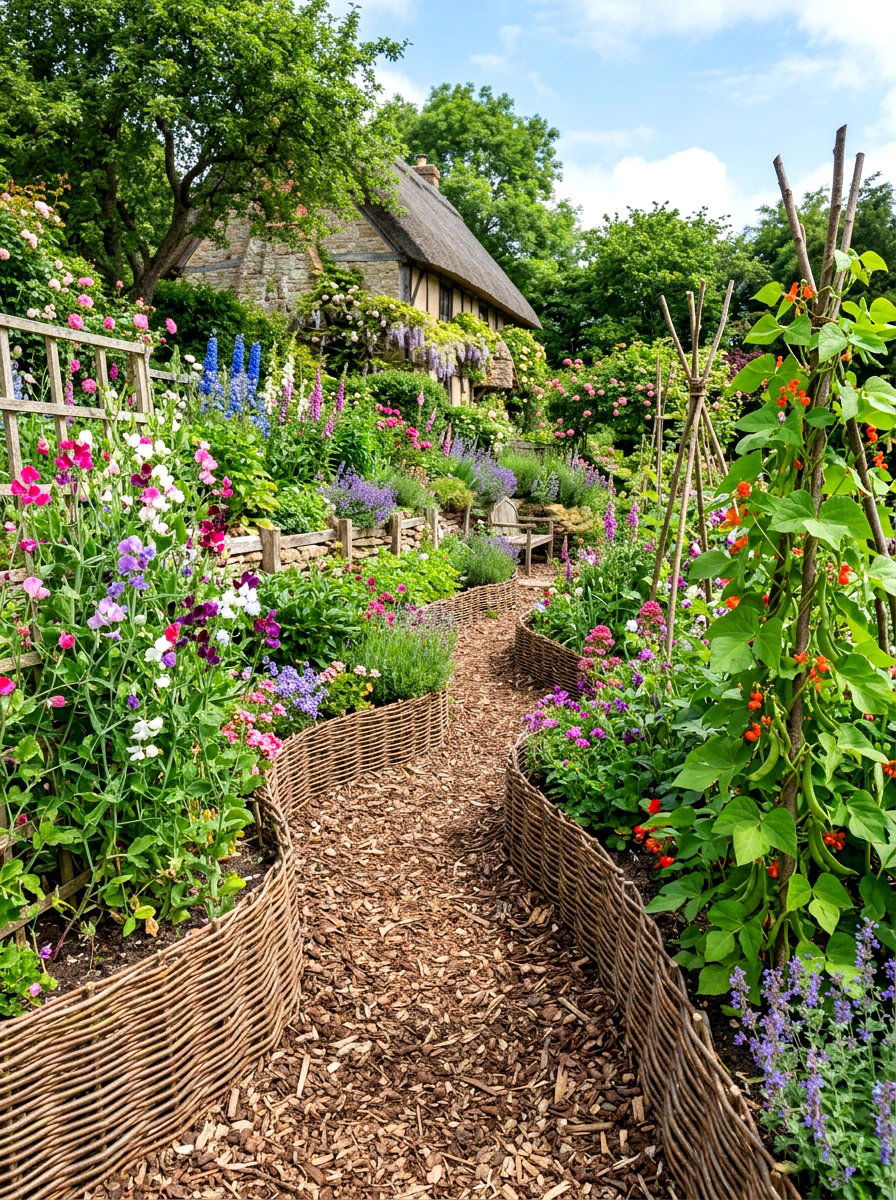
Have you ever considered using woven branches or natural edging to create a path that looks like it belongs in a fairytale? A rustic path can be defined by low-woven willow fences that keep loose mulch or wood chips perfectly in place. This "wattle" style of gardening is an ancient technique that adds a lot of texture and visual interest to your vegetable patch. It works beautifully in cottage gardens or homesteads where natural materials are preferred over plastic or concrete. The organic curves of the willow branches soften the straight lines of your raised beds, creating a more relaxed and inviting atmosphere.
25. Moss Path
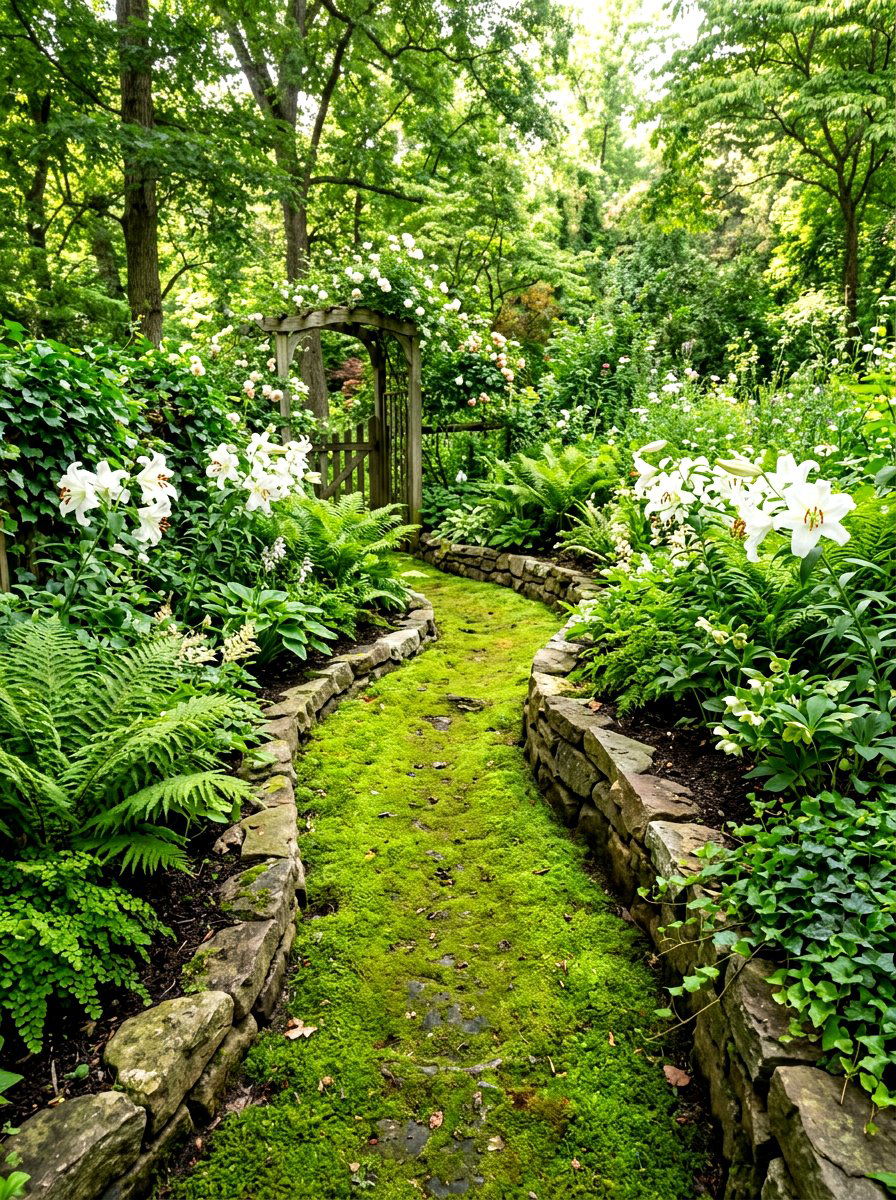
Would you like to create a magical and serene walkway that feels like a soft carpet under your bare feet? A moss path is a wonderful choice for shaded garden areas where traditional grass might struggle to grow. This living walkway requires very little maintenance once it is established, as you never need to mow it or use fertilizers. It provides a vibrant, emerald-green color that stays beautiful even in the dampest conditions. Moss paths are very gentle on the environment and help to keep the surrounding soil moist. They create a peaceful, zen-like vibe that encourages you to slow down and enjoy your plants.
26. Sloped Path
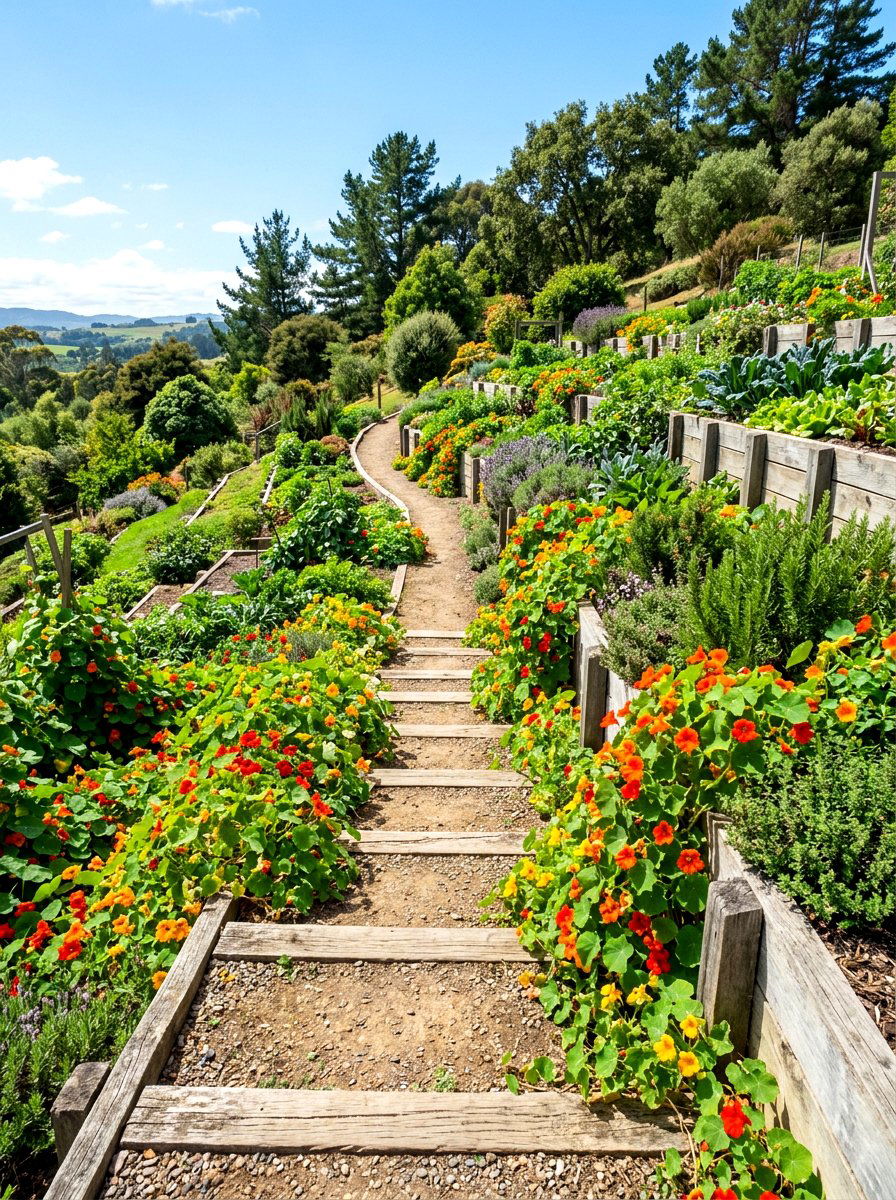
Do you have a backyard with uneven terrain or a gentle hill that makes gardening a bit of a challenge? Creating a path on a slope requires a bit more planning to prevent erosion and ensure you have a safe footing while carrying tools. You can build small "check dams" or steps using timbers or stones to create a terraced effect between your raised beds. Filling these flat sections with gravel or wood chips provides a stable surface that won't wash away during a storm. This approach turns a difficult hillside into a functional and visually striking garden that makes use of every inch of your property.
27. Permeable Path
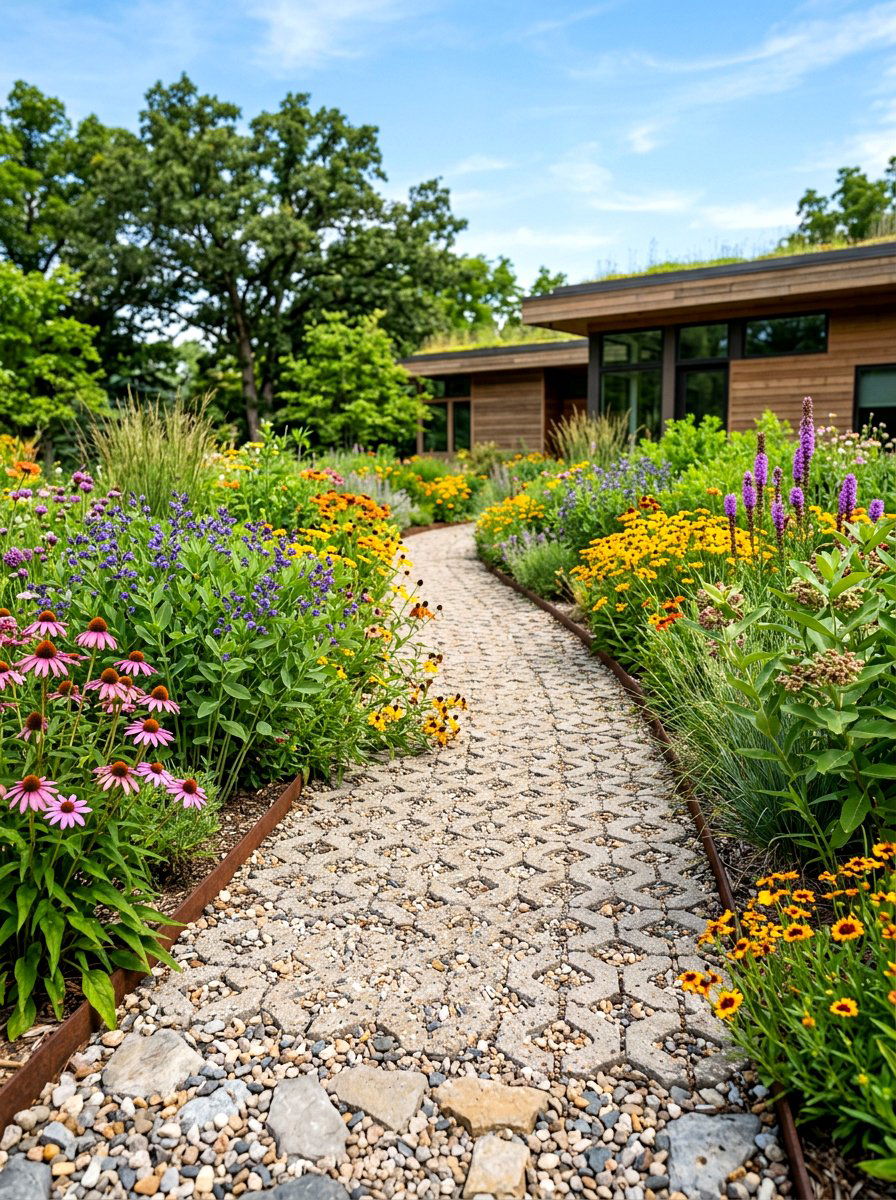
Are you concerned about water runoff and want to ensure that your garden remains eco-friendly and sustainable? Permeable paths are designed to allow rain to soak directly into the ground rather than flowing into the street or storm drains. You can use specialized permeable pavers or simply a thick layer of coarse gravel to achieve this effect. This helps to recharge the local groundwater and prevents your garden from becoming waterlogged during heavy rains. It is a smart choice for modern homeowners who want to balance a clean, structured look with responsible environmental practices. These paths are also very durable and resistant to shifting.
28. Artificial Grass Path
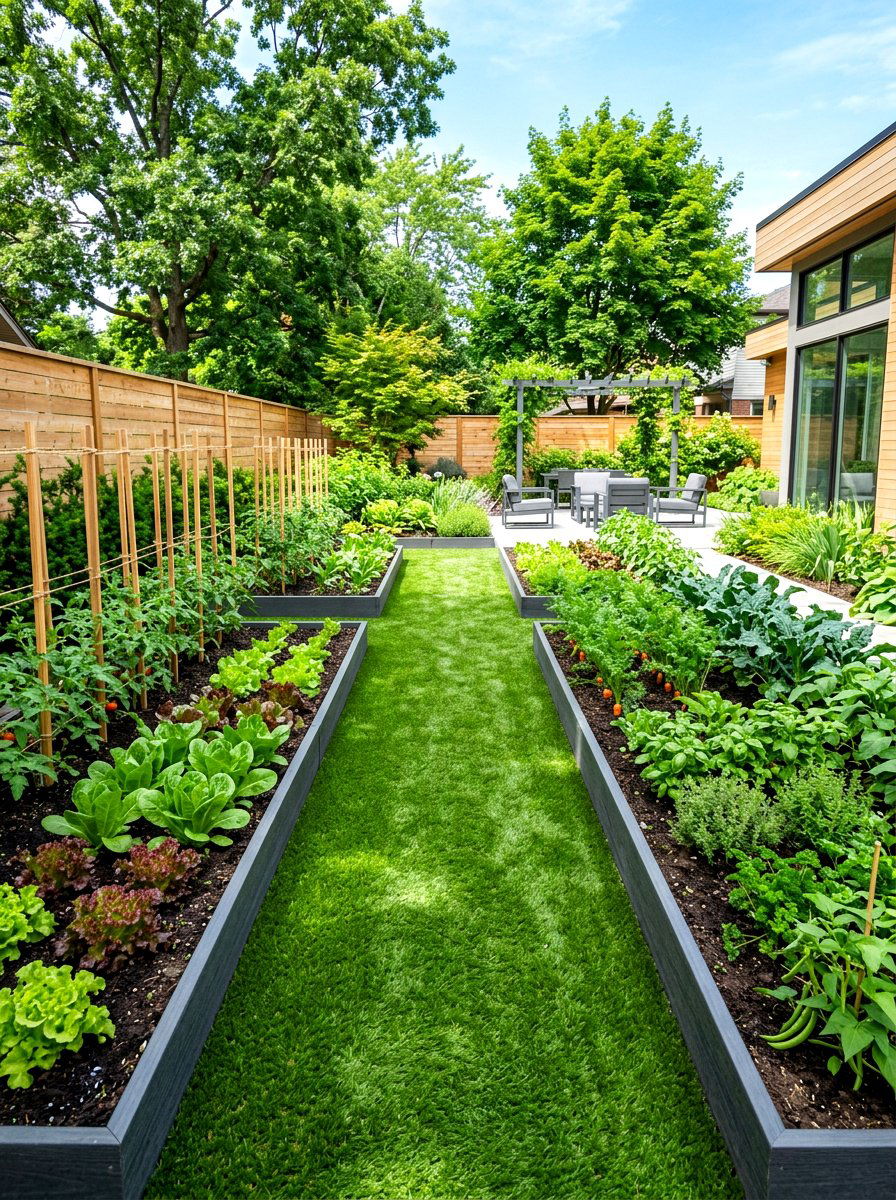
Do you want the lush look of a perfectly manicured lawn without any of the watering, mowing, or fertilizing? Artificial grass is becoming a popular choice for garden walkways because it stays vibrant and green all year long, regardless of the weather. It provides a very soft and clean surface that is perfect for gardeners who want to keep their shoes mud-free. High-quality synthetic turf is designed to drain quickly, so you won't have to worry about puddles forming between your planters. This is a great low-maintenance solution that allows you to focus all your energy on your vegetables rather than your paths.
29. Crushed Brick Path
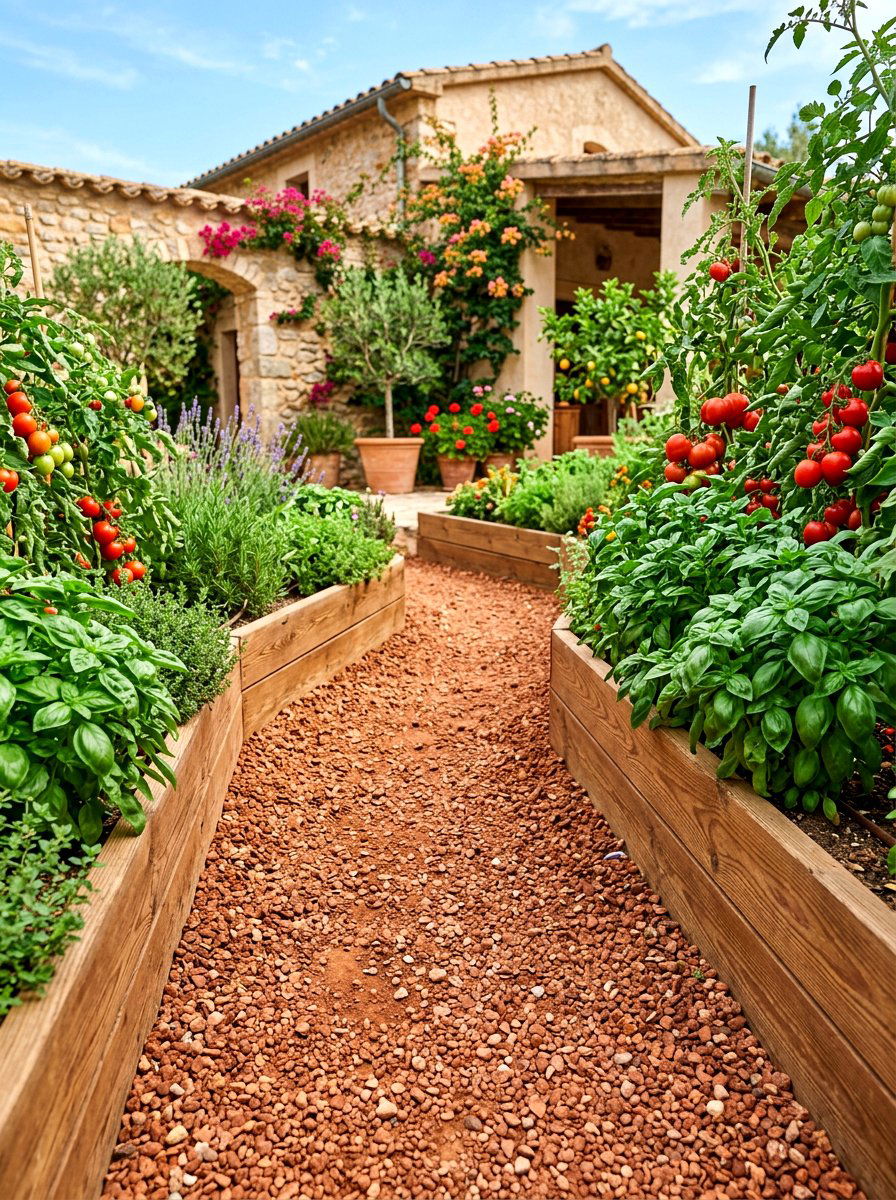
Have you thought about using recycled materials to add a warm, reddish glow to your backyard garden design? Crushed brick is a beautiful alternative to standard gravel, providing a unique color and texture that looks fantastic against green leafy vegetables. This material is often sourced from old buildings, making it an eco-friendly choice for sustainable landscaping. It provides excellent drainage and stays firmly in place once it has been tamped down into a flat surface. The warm tones of the brick help to create a cozy and inviting atmosphere, making your garden feel like a sun-drenched Mediterranean courtyard or a traditional kitchen garden.
30. Limestone Path
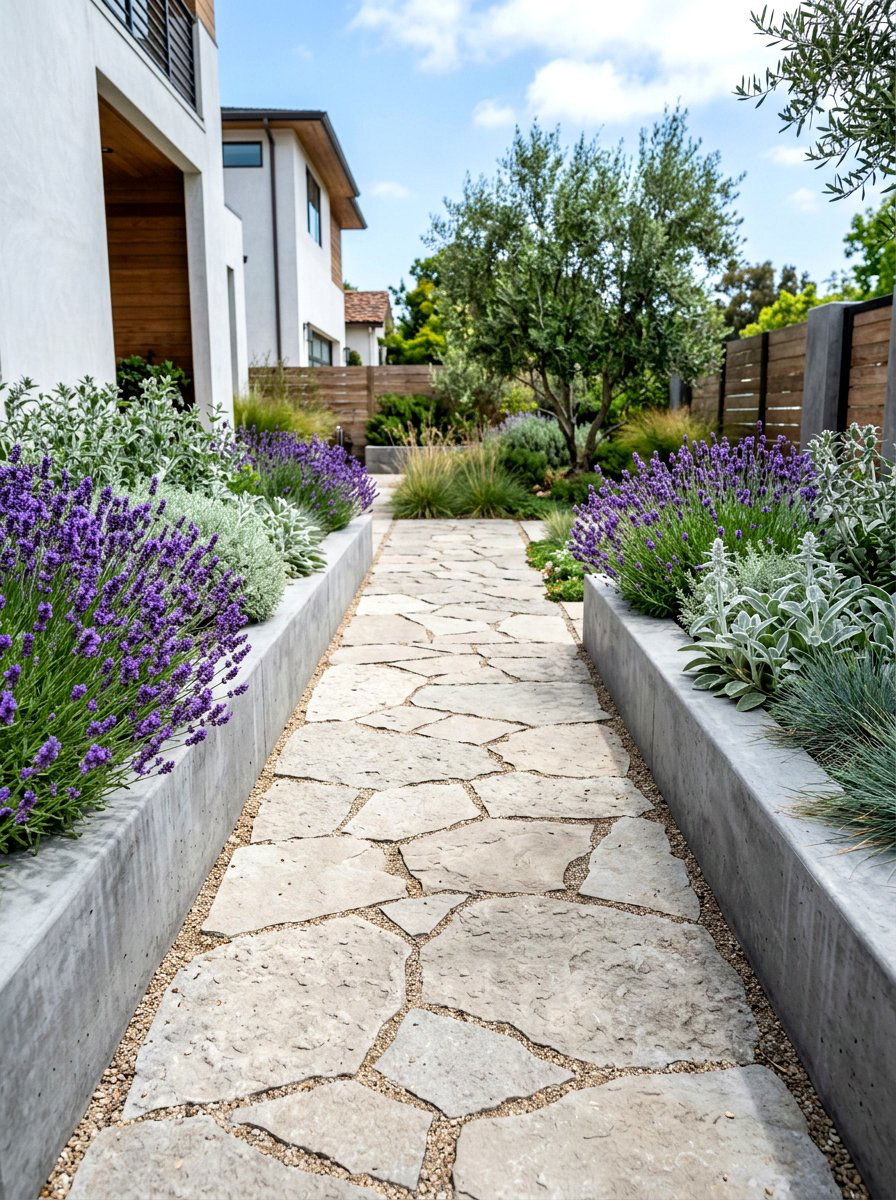
Are you looking for a path that provides a very bright and clean appearance to help lighten up your garden? Crushed limestone is a popular choice because its light grey or white color reflects sunlight, making your whole backyard feel more open and airy. This material naturally helps to neutralize acidic soil, which can be a hidden benefit for some of your neighboring plants. It packs down into a very solid and stable walking surface that is easy to navigate with a wheelbarrow. Using limestone creates a professional and tidy look that coordinates perfectly with white-painted garden fences or modern grey planters.
Conclusion:
Building a beautiful and functional garden is a rewarding journey that begins with a solid foundation. By carefully choosing the right path material, you can transform a simple backyard patch into a structured and inviting sanctuary. Whether you opt for the rustic charm of wood chips or the timeless durability of brick pavers, each choice adds a unique personality to your outdoor space. These walkways protect your soil, keep your feet clean, and provide a clear framework for your seasonal crops. We hope these diverse ideas have inspired you to create a garden layout that is as practical as it is stunning.

Related posts: