thoughtful healing Transforming your backyard into a serene escape often begins with the simple addition of a structured walkway that guides your footsteps through nature. Boardwalks are a fantastic choice for any landscape because they offer a unique combination of rustic charm and modern functionality. Whether you are dealing with a damp, muddy area or simply want to elevate your garden's aesthetic, these wooden paths provide a clean and stable surface. They help protect your delicate plants from being trampled while adding a beautiful architectural element to the space. From reclaimed timber to sleek composite materials, the options for creating a personalized path are endless. Let us explore these thirty inspiring ways to integrate a boardwalk into your outdoor living area today.
1. Cedar Garden Walkway
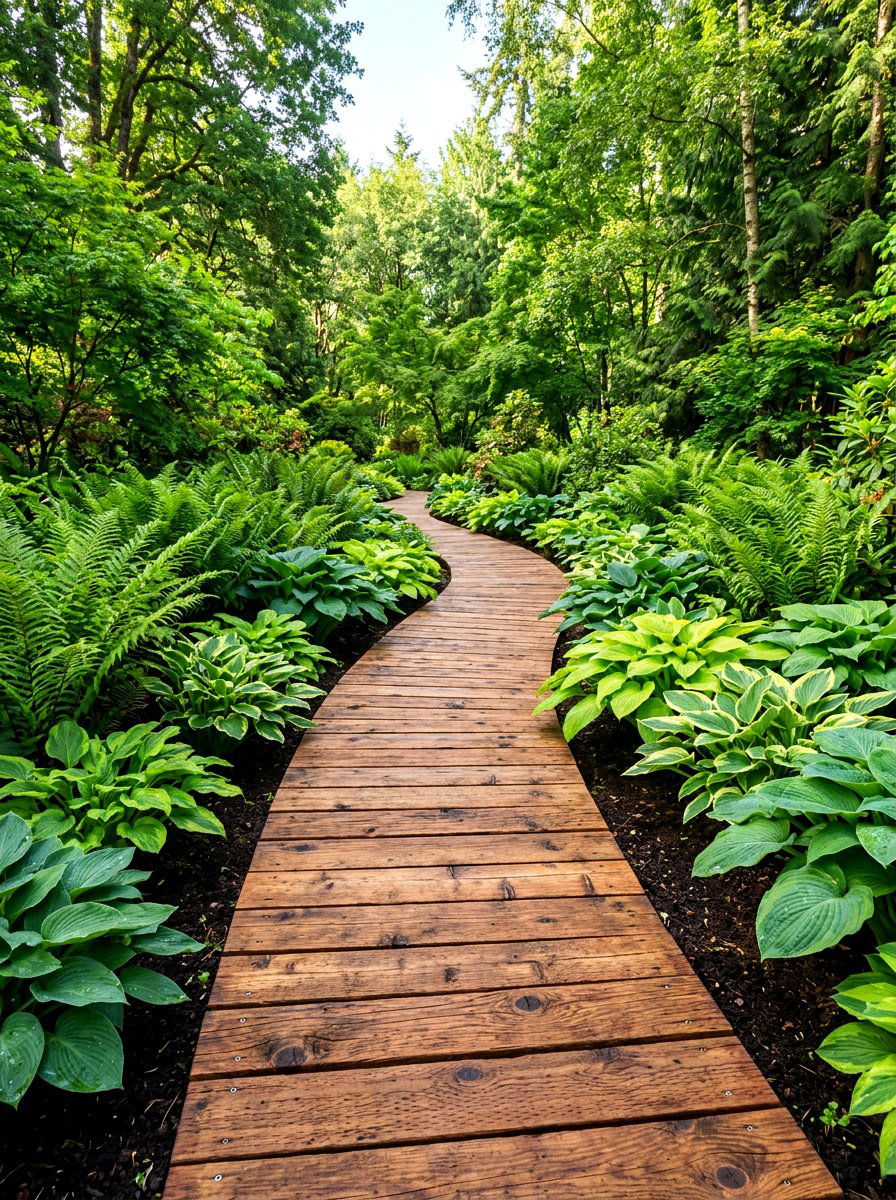
Have you ever noticed how the natural scent of fresh cedar can instantly transform a simple walk through the yard into a spa-like experience? Choosing a cedar garden walkway is a popular decision for homeowners who want longevity without sacrificing a classic, warm aesthetic. Cedar naturally contains oils that repel insects and resist rot, which is crucial for any structure sitting close to the damp earth. When you install these planks, they start with a vibrant reddish-brown hue that eventually weathers into a sophisticated silvery-gray patina if left untreated. This transition allows the path to age gracefully alongside your perennial beds. The soft texture of cedar makes it comfortable for bare feet during the summer months.
2. Tropical Garden Boardwalk
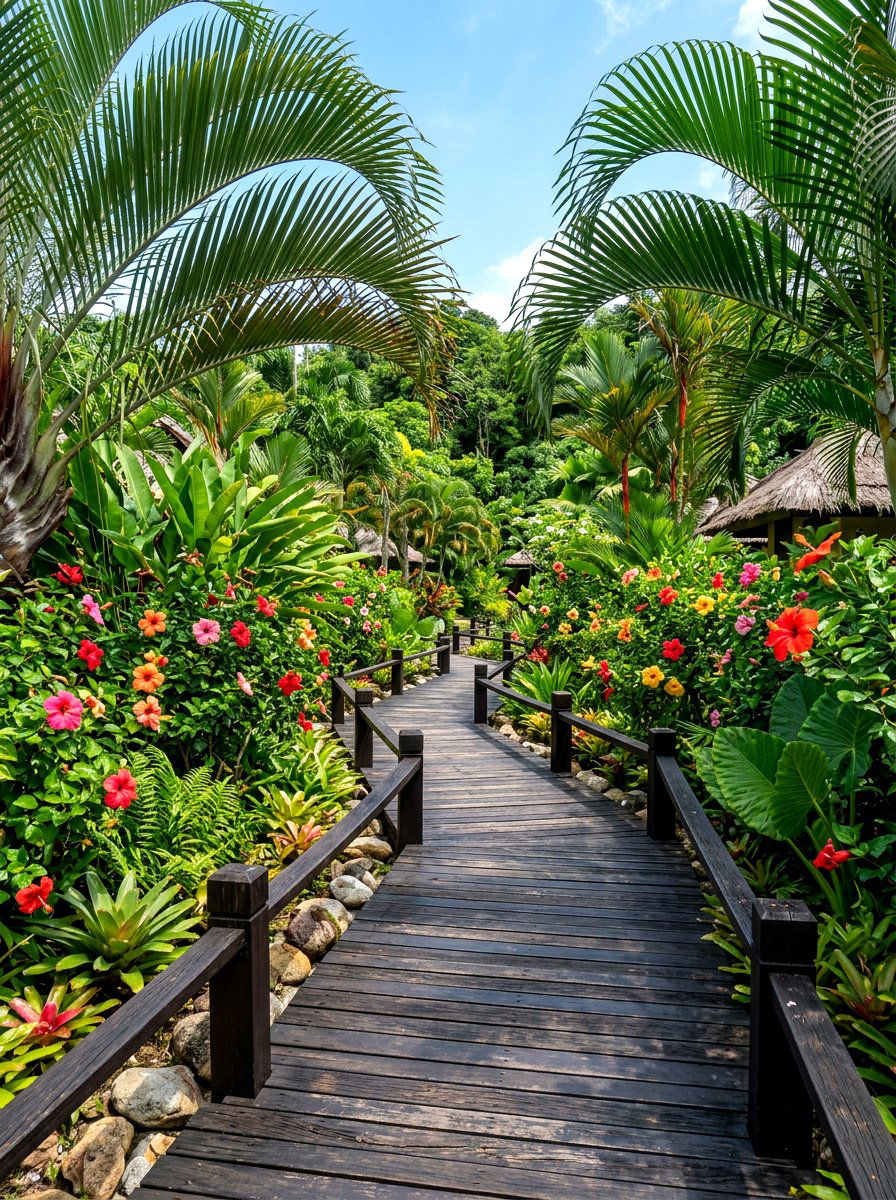
Imagine stepping outside into a lush, green jungle where a warm wooden path leads you through a sea of oversized palm leaves. A tropical garden boardwalk often utilizes dark-stained hardwoods like ipe or mahogany to contrast against the vibrant greens of exotic plants. These paths are typically elevated slightly above the ground to allow for air circulation, which is essential in humid climates. You can line the edges with large-leafed hostas, ferns, and colorful hibiscus to create an immersive, resort-style atmosphere. The sound of your footsteps on the wood creates a rhythmic experience as you navigate through the dense foliage. This design style turns any small backyard into a private island paradise.
3. Elevated Wetland Path
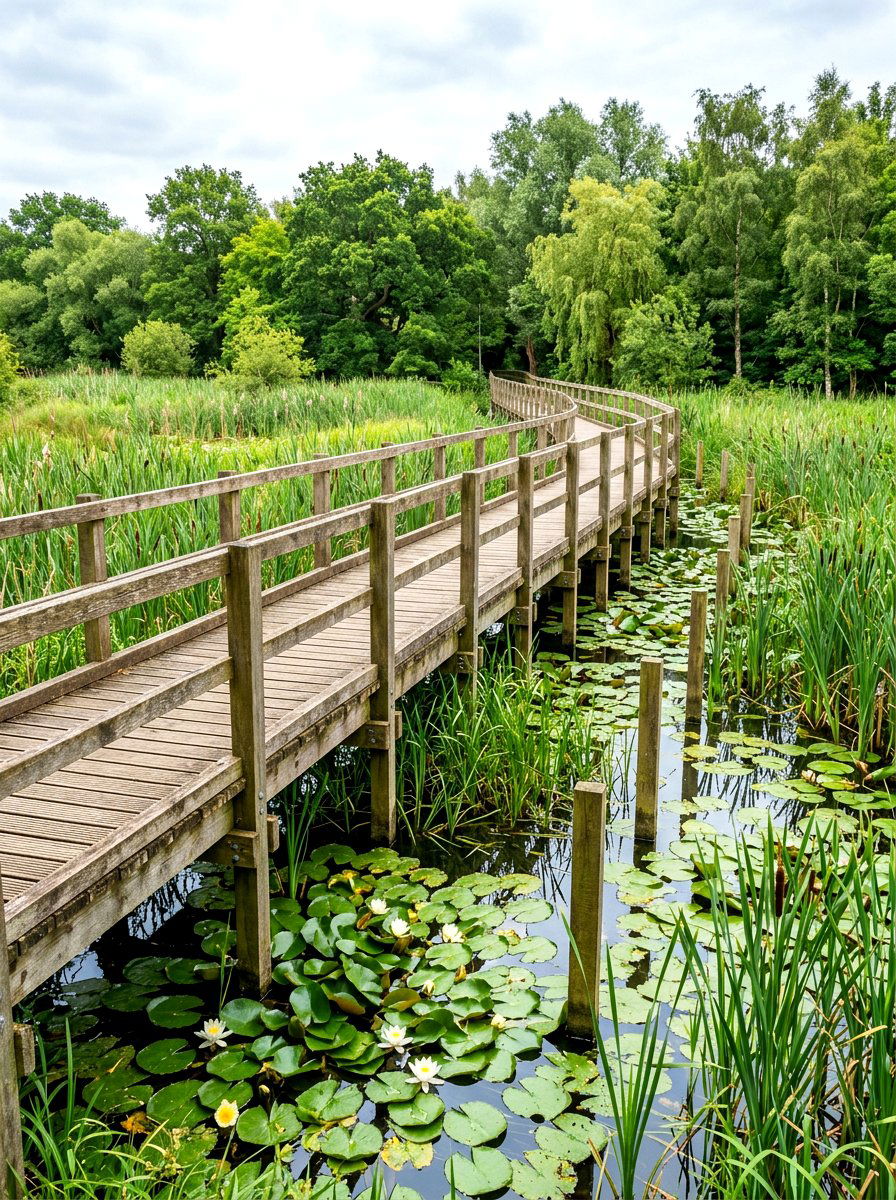
Are you struggling with a backyard that becomes a muddy swamp every time it rains? An elevated wetland path is the perfect architectural solution for boggy areas where traditional stone pavers might sink or shift. By using sturdy pressure-treated posts to lift the boardwalk a few inches or even a foot off the ground, you create a dry passage that floats above the mud. This design protects the local ecosystem by allowing water to flow naturally underneath the structure. It also provides a unique vantage point to observe moisture-loving plants like marsh marigolds or reeds. This functional walkway ensures that your boots stay clean while adding a professional, park-like feel to your property.
4. Reclaimed Wood Pathway
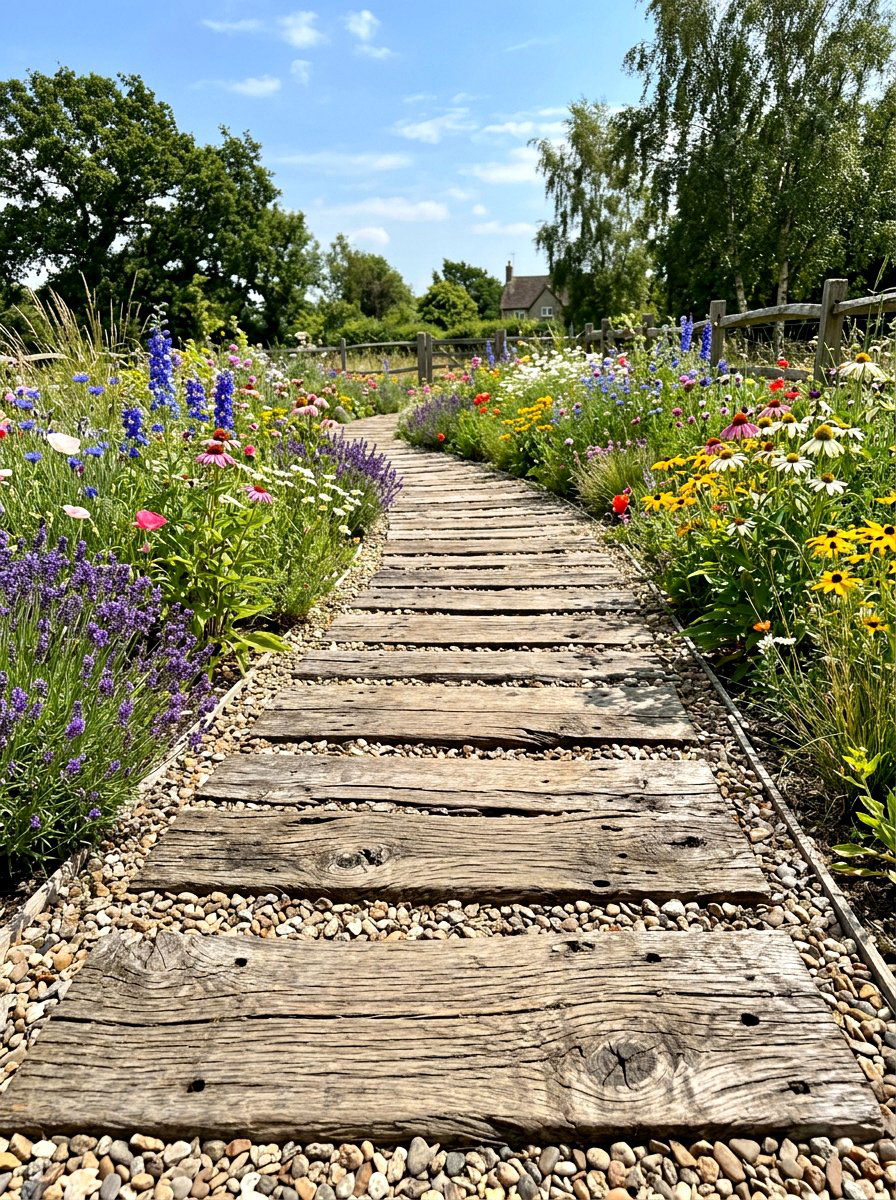
There is something deeply satisfying about giving old materials a new life in the heart of your garden. A reclaimed wood pathway uses salvaged timber, such as old barn boards or shipping pallets, to create a look full of history and character. Each plank tells a story through its unique knots, nail holes, and weathered texture. To ensure the path lasts, it is important to place these boards over a bed of gravel for proper drainage. This prevents the wood from sitting in standing water and rotting prematurely. The mismatched widths and varied colors of reclaimed wood add a casual, bohemian vibe that pairs perfectly with wildflowers and unstructured, organic planting schemes.
5. Modern Minimalist Boardwalk
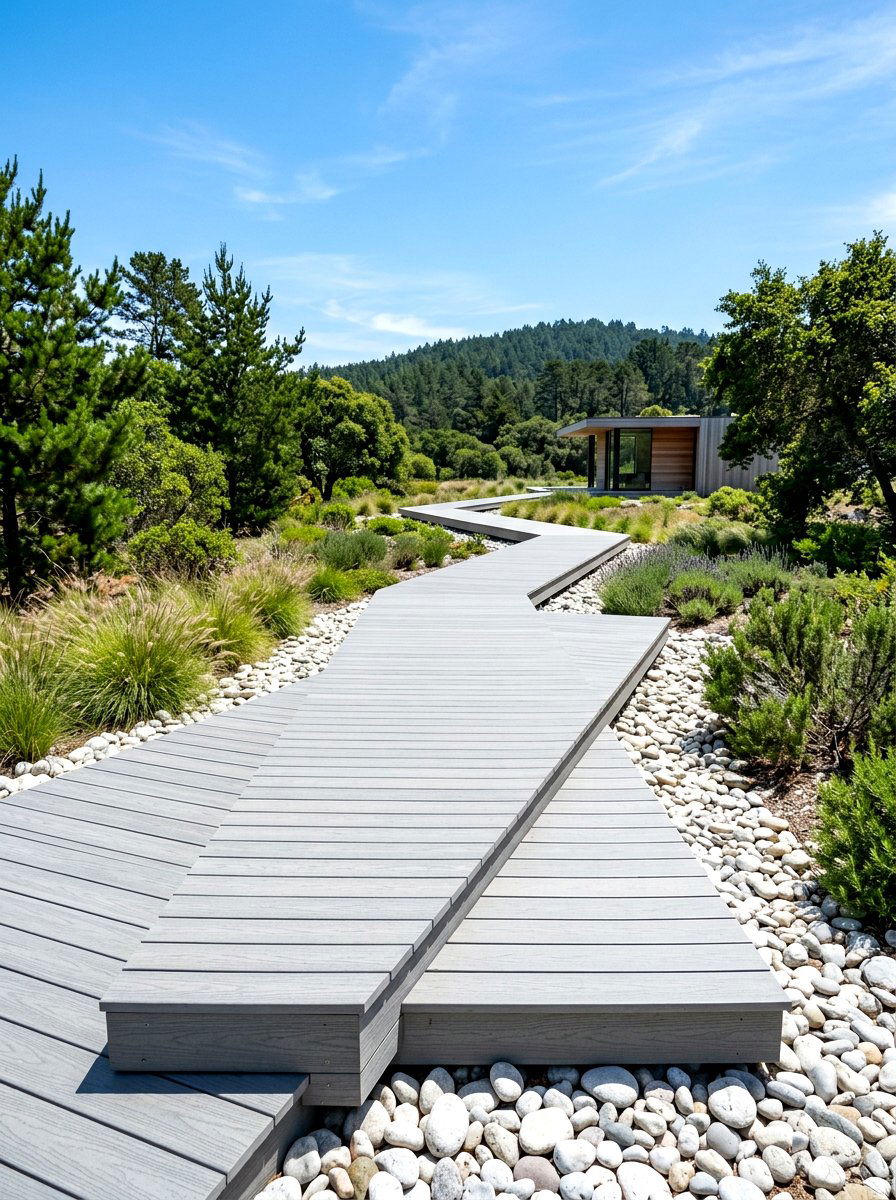
If your home features clean lines and a contemporary aesthetic, a modern minimalist boardwalk can provide a sleek transition between your patio and lawn. This style typically uses uniform planks of composite decking or light-colored wood arranged in a perfectly straight line. The edges are often crisp and lack traditional railings, creating a "floating" effect that looks incredibly sophisticated. To enhance the modern look, you can surround the boardwalk with black river rocks or white gravel. This high-contrast color palette highlights the geometry of the path. Adding hidden LED strip lighting underneath the edges of the planks can create a stunning glow at night, emphasizing the path’s architectural precision and clean design.
6. Coastal Style Boardwalk
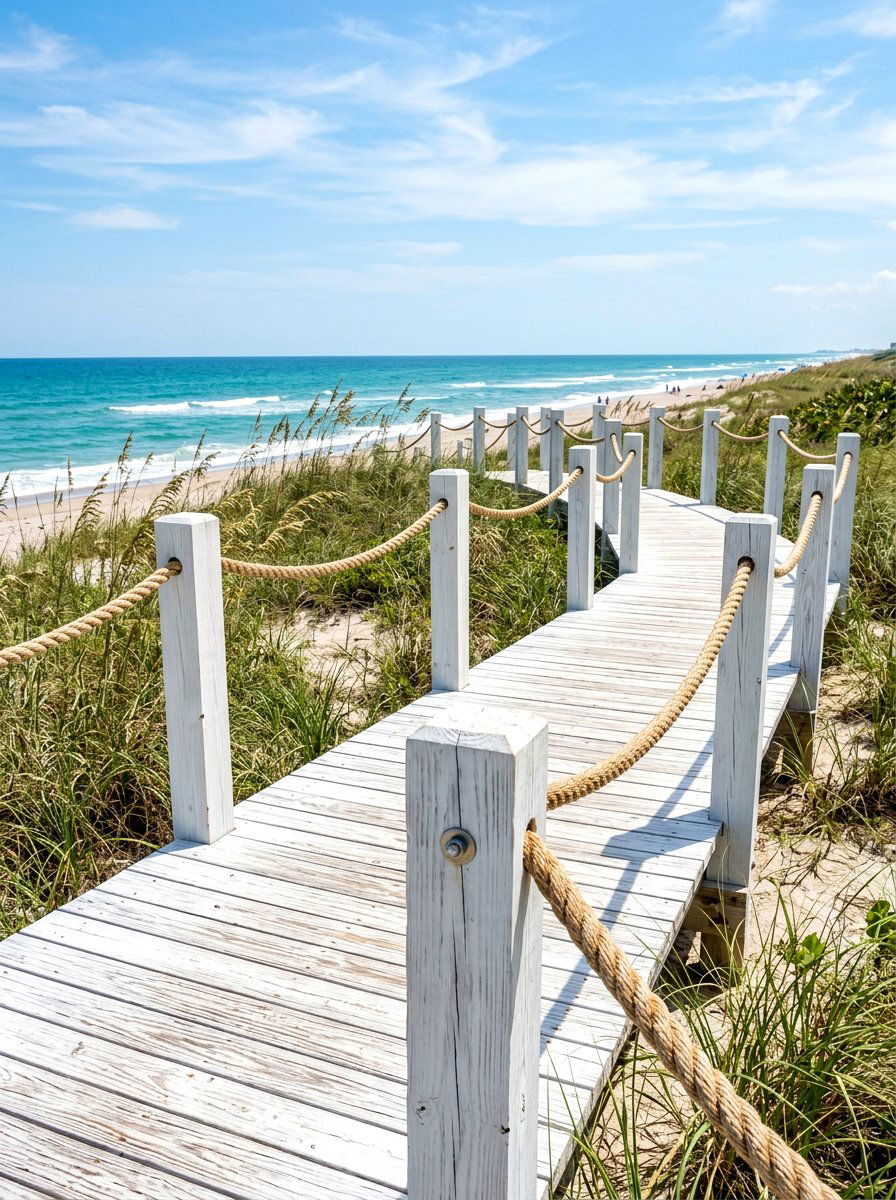
Do you dream of the seaside every time you step into your backyard? A coastal style boardwalk can bring that beachy, vacation energy to your home using light-colored wood and nautical elements. Many homeowners choose to whitewash their planks or use light gray stains to mimic the look of salt-weathered timber found at the shore. To complete the theme, you can use thick manila rope as a soft railing, threaded through simple wooden posts. Planting ornamental grasses like sea oats or blue fescue along the sides adds movement and texture. This type of path works beautifully in sandy soil or as a connection to a pool area, providing a slip-resistant and heat-friendly surface.
7. Woodland Garden Path
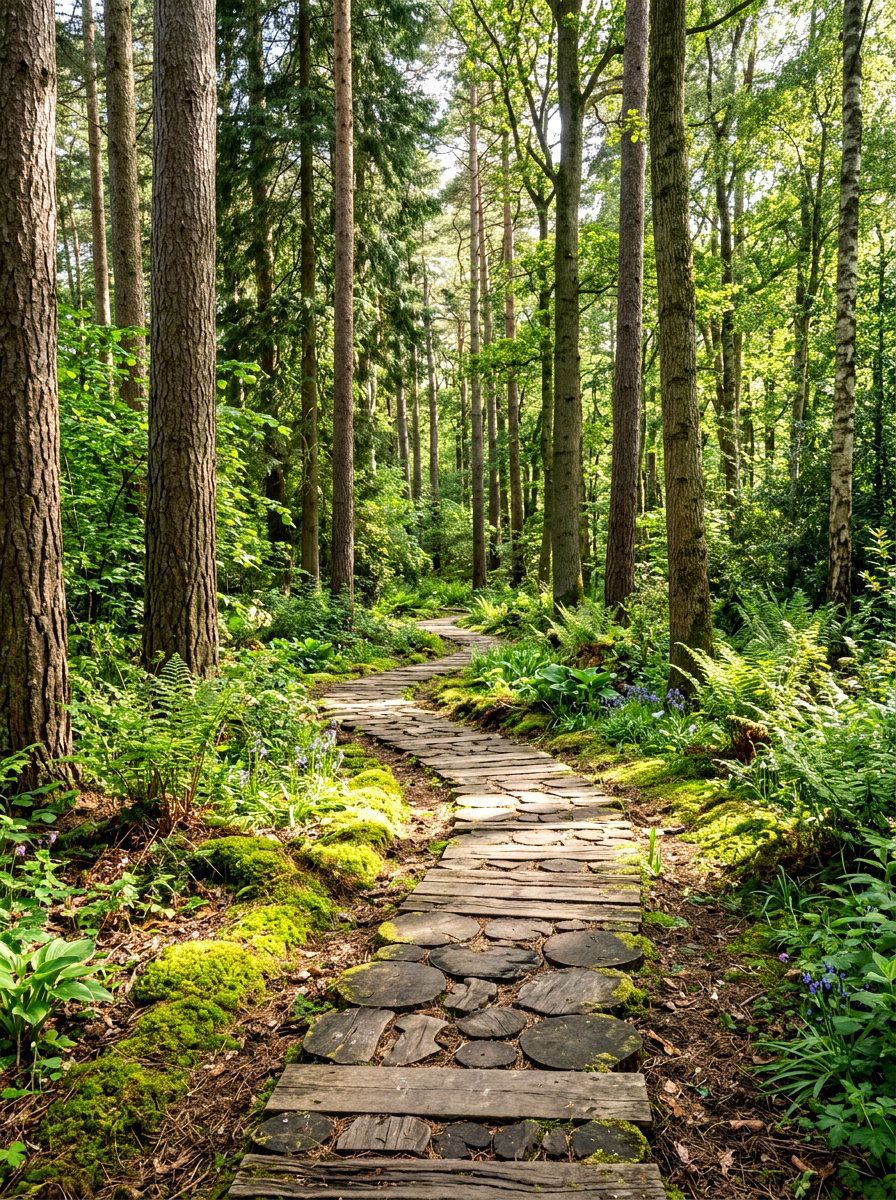
Walking through a shaded forest area feels much more magical when there is a dedicated timber path to guide your journey. A woodland garden path is designed to look as if it grew naturally among the trees. Instead of using long, straight planks, you can use shorter segments that follow the natural curves of the landscape. Surrounding the wood with thick layers of pine bark mulch or moss helps the structure blend into the forest floor. Shade-loving plants like bleeding hearts, trilliums, and native ferns can peek over the edges of the wood. This creates a soft, tucked-away feeling that encourages slow walks and quiet reflection in the cooler, dappled light of the trees.
8. Curved Wood Walkway
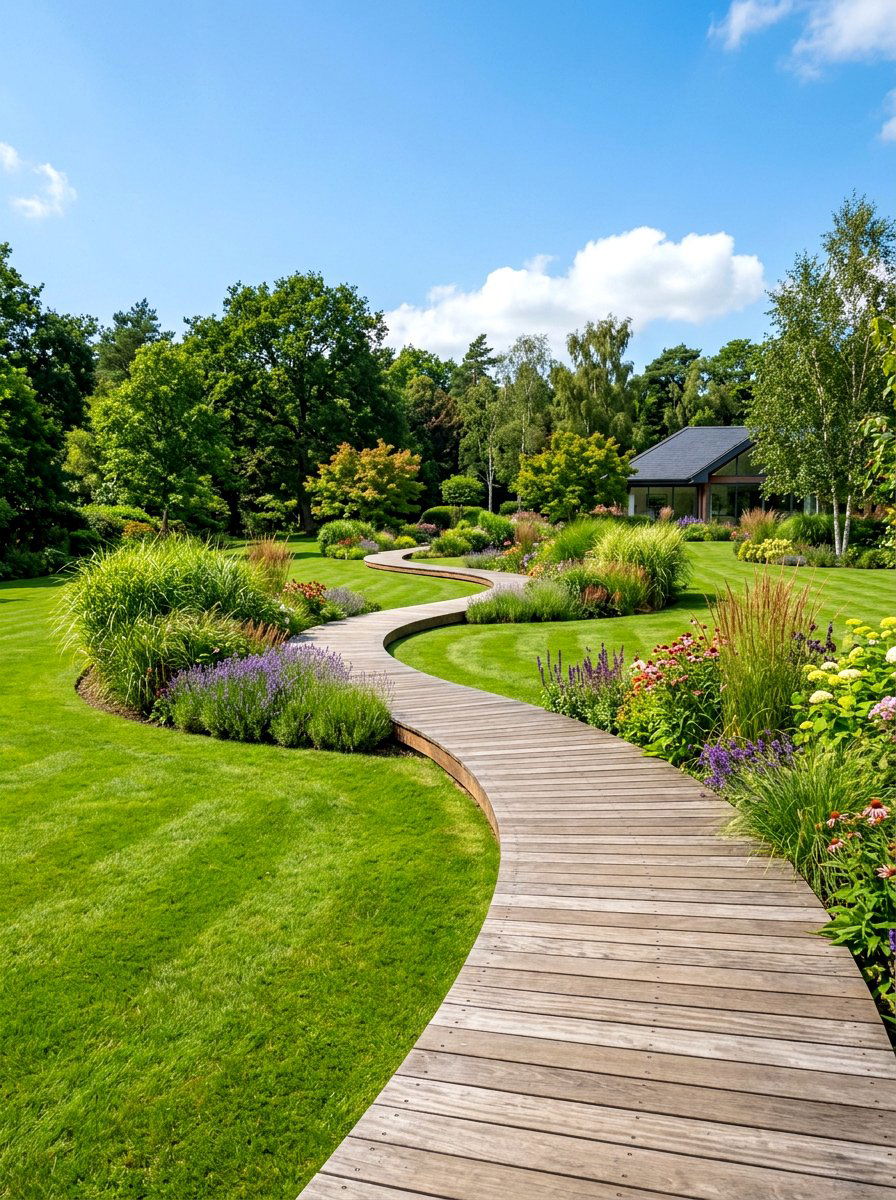
Why settle for a straight line when you can add a sense of mystery and movement to your yard with a curved wood walkway? Curving the path prevents the viewer from seeing the entire garden at once, which makes a small space feel much larger and more intriguing. Constructing a curve requires cutting the planks at slight angles or using shorter boards to navigate the turn smoothly. This layout feels more organic and follows the natural flow of human movement. You can plant tall ornamental grasses or flowering shrubs at the apex of each curve to hide the destination. This design encourages guests to linger and enjoy the different "rooms" of your outdoor living space.
9. Bamboo Garden Path
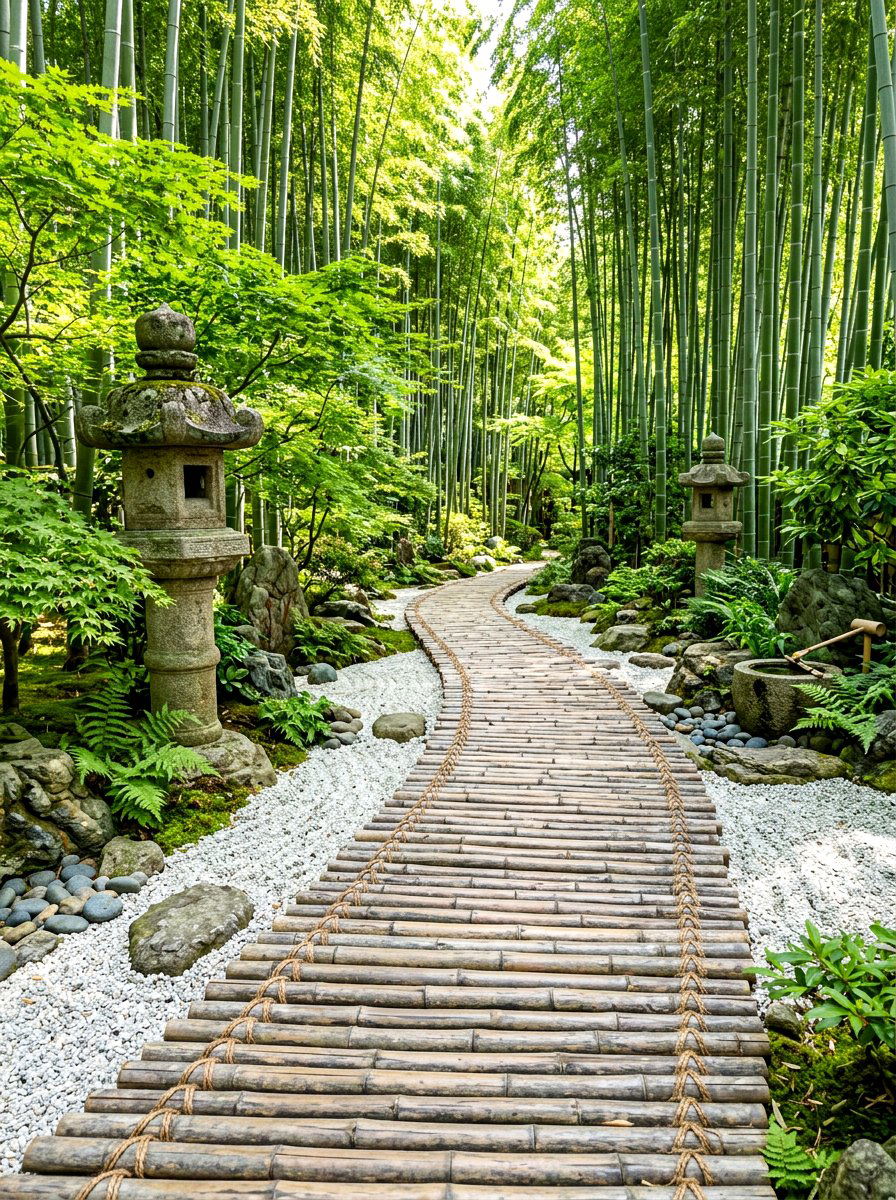
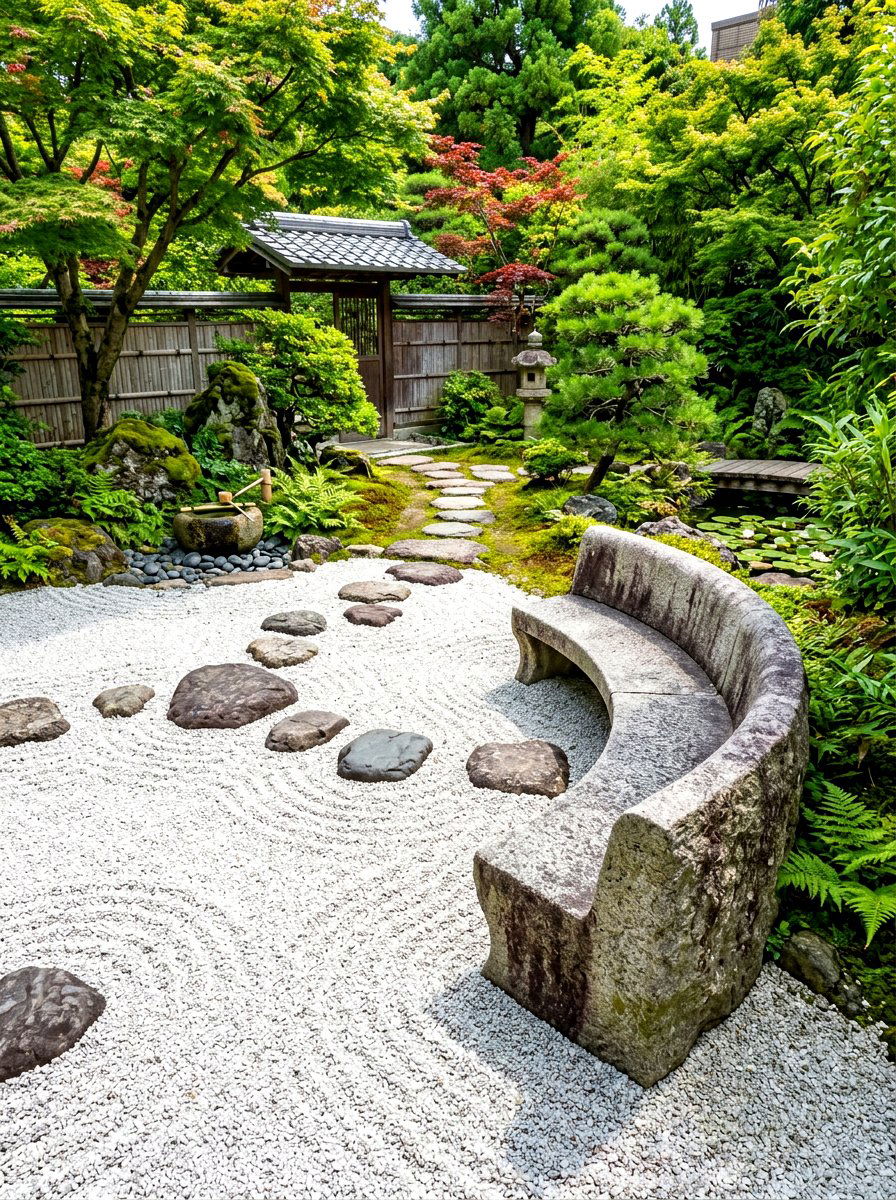
For a touch of Zen and an eco-friendly approach, consider using bamboo to create a unique garden walkway. Bamboo is a rapidly renewable resource that offers a distinct texture and a light, airy aesthetic. You can use whole bamboo poles laid horizontally or flattened bamboo slats for a more traditional boardwalk feel. This material works exceptionally well in Japanese-inspired gardens or modern landscapes. It is important to treat the bamboo with a high-quality sealant to protect it from moisture and UV damage. Pairing a bamboo path with stone lanterns, a small water feature, and minimalist raked gravel creates a peaceful sanctuary. The light color of the bamboo reflects sunlight, brightening up shaded garden corners.
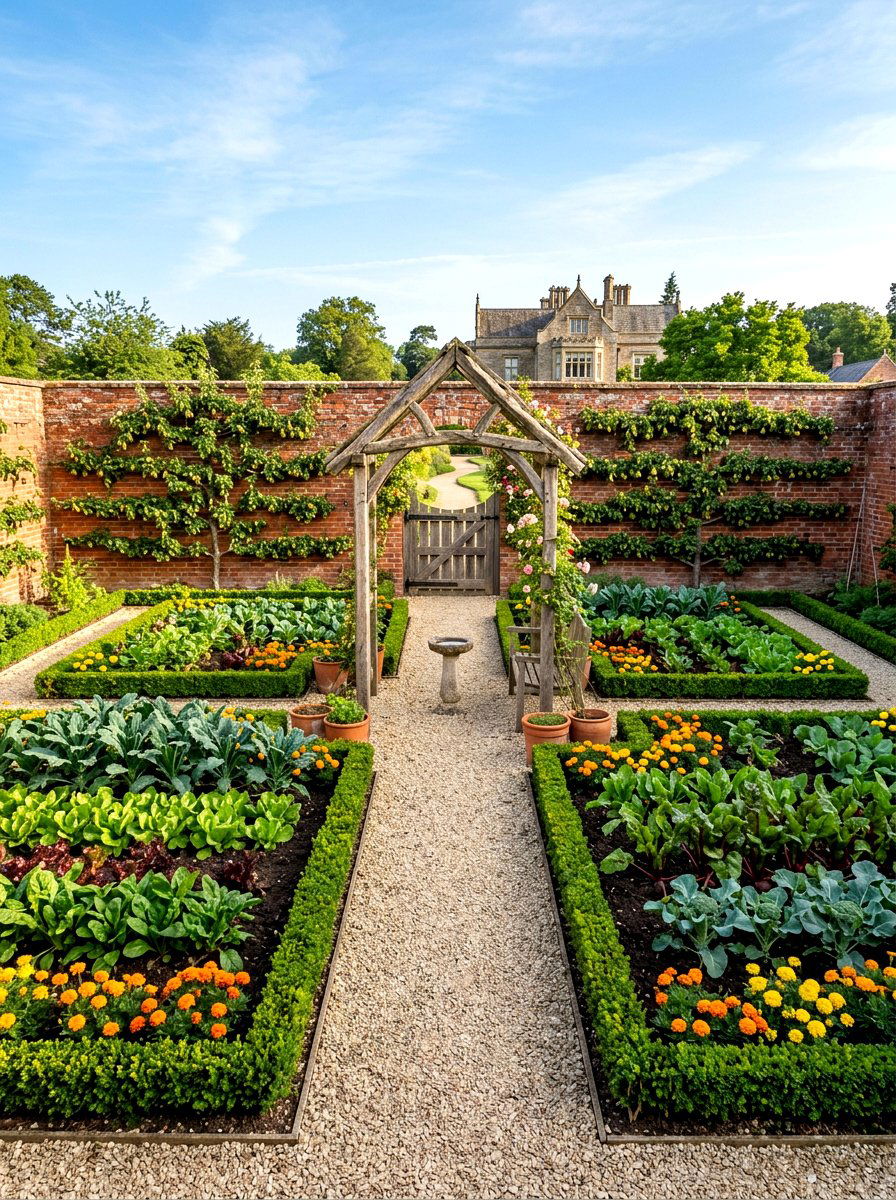
10. Pallet Wood Walkway
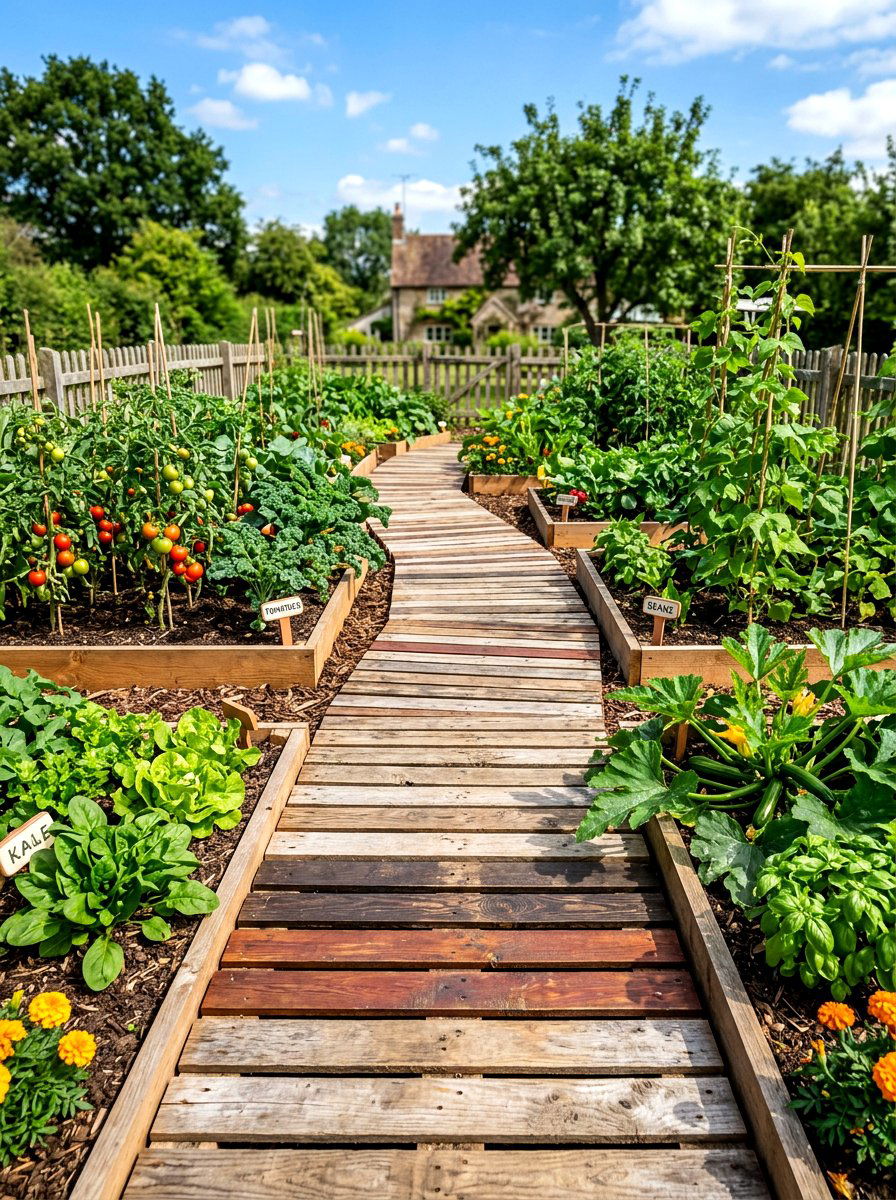
Are you looking for a budget-friendly DIY project that can be completed in a single weekend? A pallet wood walkway is an ingenious way to create a functional path without spending a fortune on expensive lumber. By taking apart heat-treated shipping pallets, you get pre-cut slats that are already the perfect width for a narrow garden trail. Sanding the boards down and applying a weather-resistant stain can make them look surprisingly high-end. Laying these slats over a weed barrier and a thin layer of sand ensures stability and prevents growth between the boards. This rustic, lived-in look is perfect for vegetable patches or cottage gardens where a relaxed and informal atmosphere is desired.
11. Japanese Zen Boardwalk
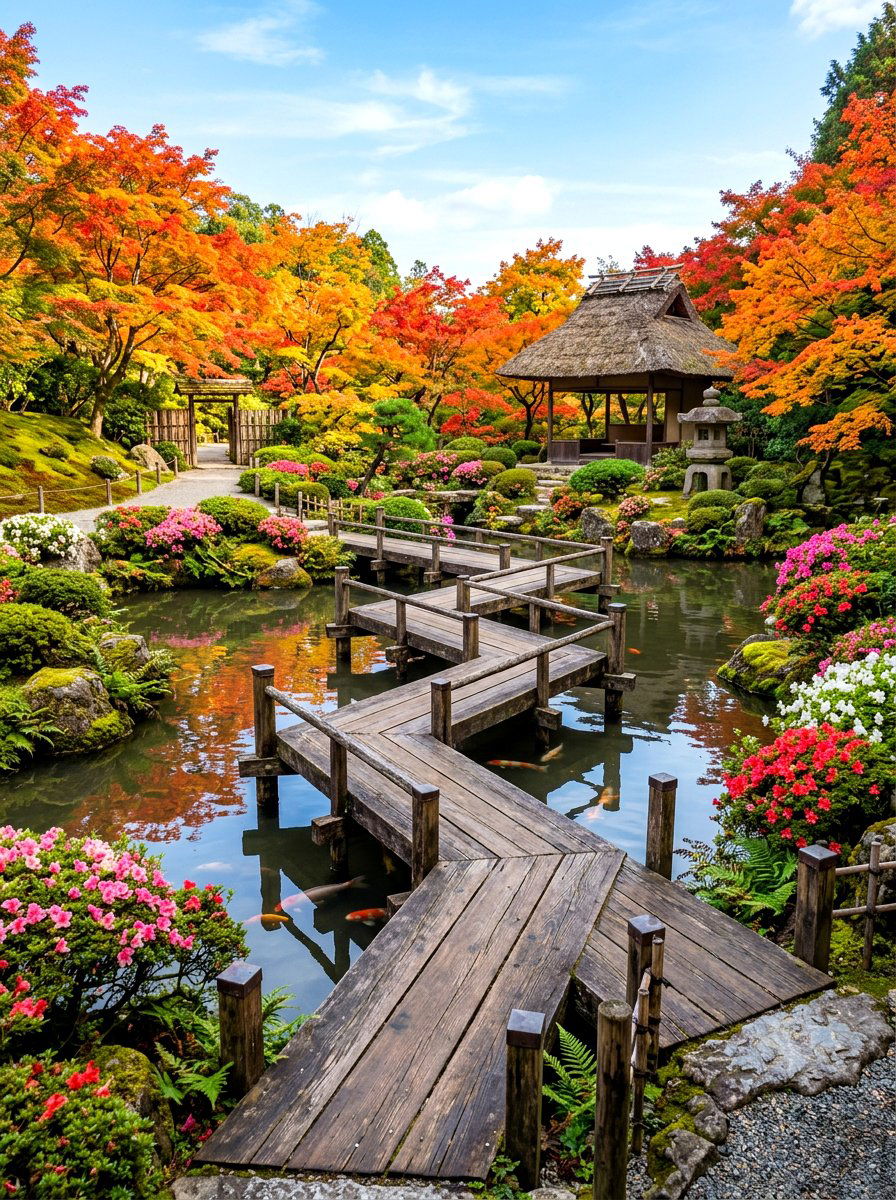
In a Japanese Zen garden, every element is chosen to promote a sense of balance and calm. A Zen-inspired boardwalk, often called a "yatsuhashi" or zigzag bridge, is designed to keep you mindful of your steps. These paths are traditionally made from heavy timber planks arranged in an offset pattern. The purpose is to slow the walker down so they can appreciate the surrounding koi pond or rock garden. You can surround the path with meticulously pruned maples, azaleas, and smooth river stones. The dark wood of the boardwalk provides a grounding element against the soft textures of the plants. This design turns a simple walk into a meditative experience for the soul.
12. Floating Wood Path
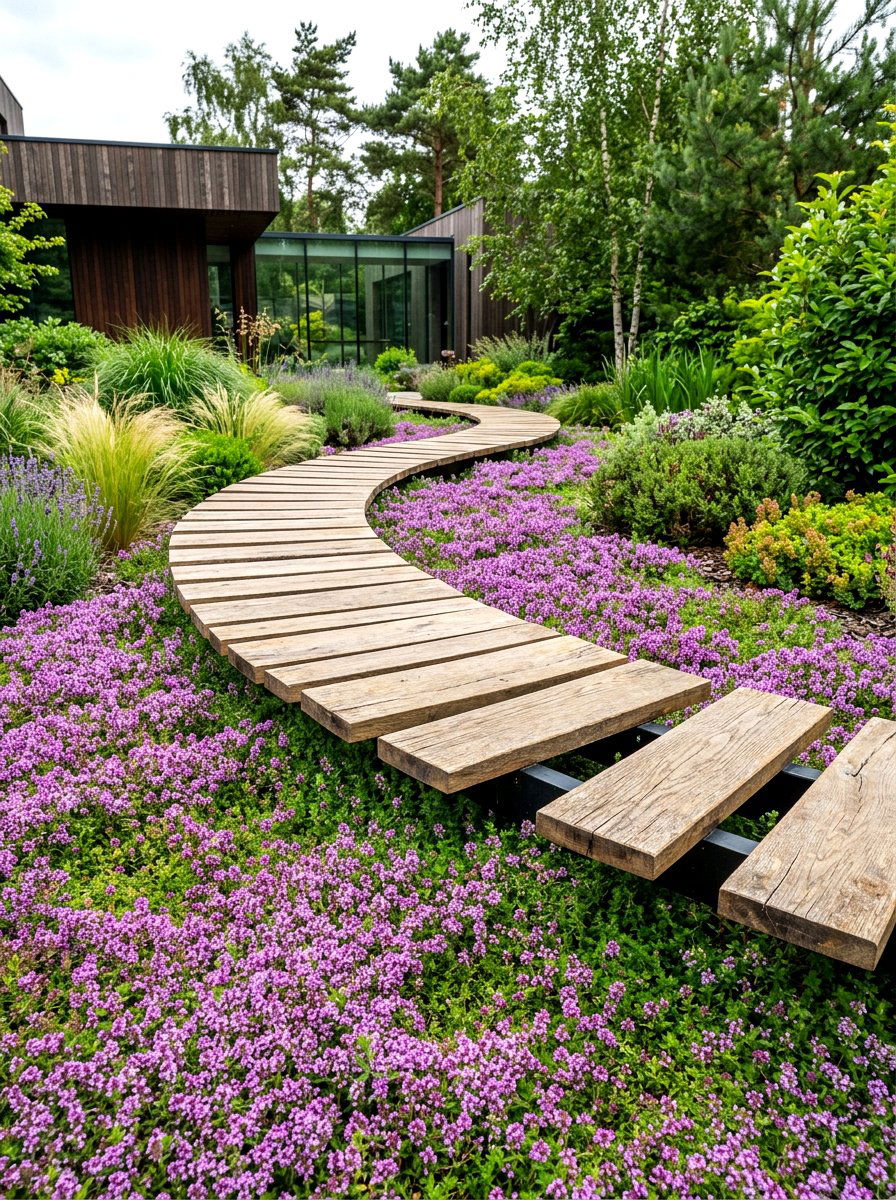
A floating wood path is a stunning design choice for modern landscapes where you want the walkway to appear weightless. This effect is achieved by hiding the support structure underneath the planks, making the wood look like it is hovering just above the ground or a bed of plants. This style is often used to cross over low-growing ground covers like creeping thyme or Irish moss. The gaps between the planks allow the greenery to peek through, softening the hard lines of the wood. This integration of nature and architecture creates a seamless transition between different areas of the yard. It is a sophisticated way to add visual interest to a flat, uninspired lawn.
13. Zig Zag Boardwalk
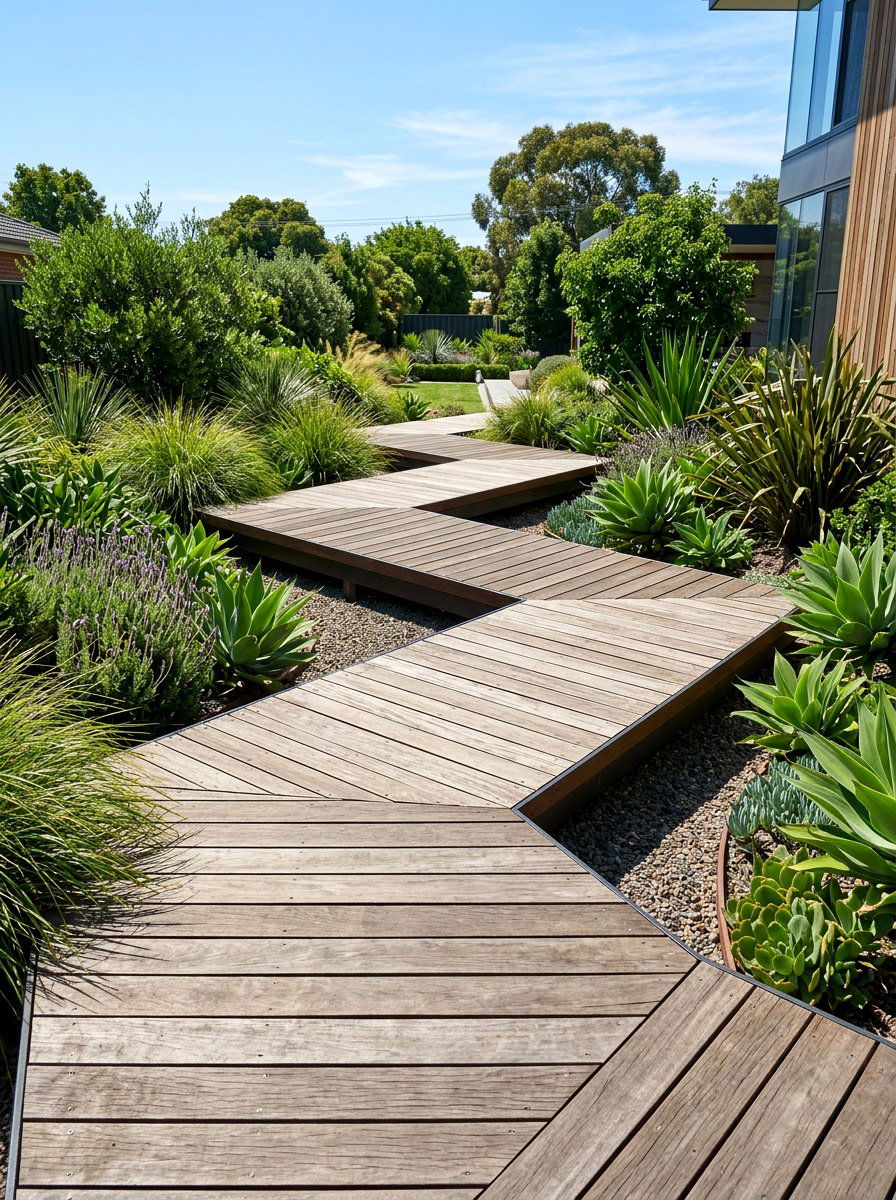
A zig zag boardwalk is not only a striking visual feature but also a clever way to navigate steep slopes or awkward garden corners. By changing the direction of the path at sharp angles, you create a dynamic journey through the landscape. This geometric style is particularly effective in modern or avant-garde garden designs. Each turn provides a new perspective on the garden, allowing you to highlight different focal points like a sculpture or a prize-winning rose bush. To keep the look cohesive, use consistent plank lengths and widths throughout the entire structure. This architectural approach adds a sense of rhythm and energy to the backyard, making the act of walking much more engaging.
14. Wood And Gravel Path
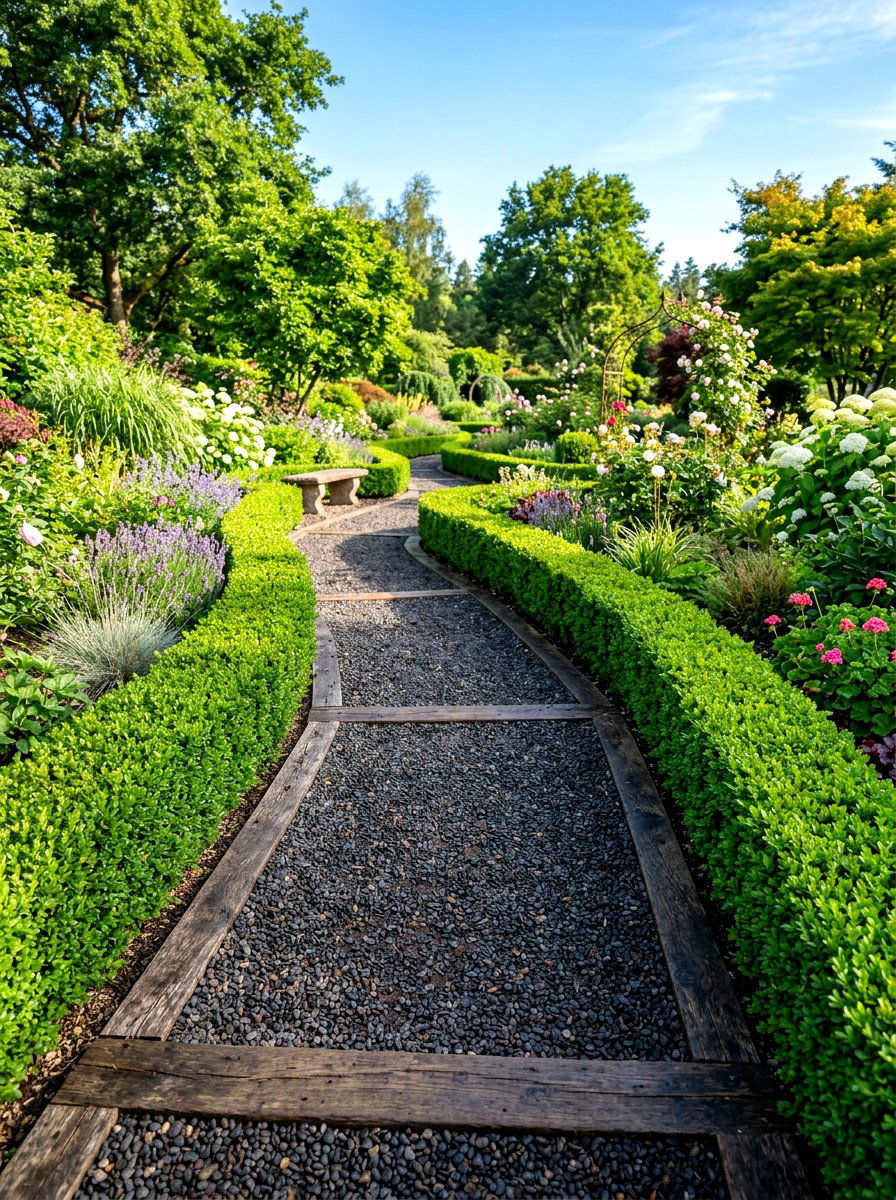
Combining different materials is a great way to add texture and professional flair to your landscape design. A wood and gravel path uses timber planks as "steps" or frames, with the gaps filled with decorative pebbles or crushed stone. This hybrid approach offers the warmth of wood with the excellent drainage and stability of gravel. You can use dark basalt gravel for a contemporary look or light-colored pea gravel for a traditional cottage feel. The crunch of the gravel underfoot provides a satisfying sensory experience. This type of path is very easy to maintain, as you can simply rake the stones back into place if they shift over time during heavy foot traffic.
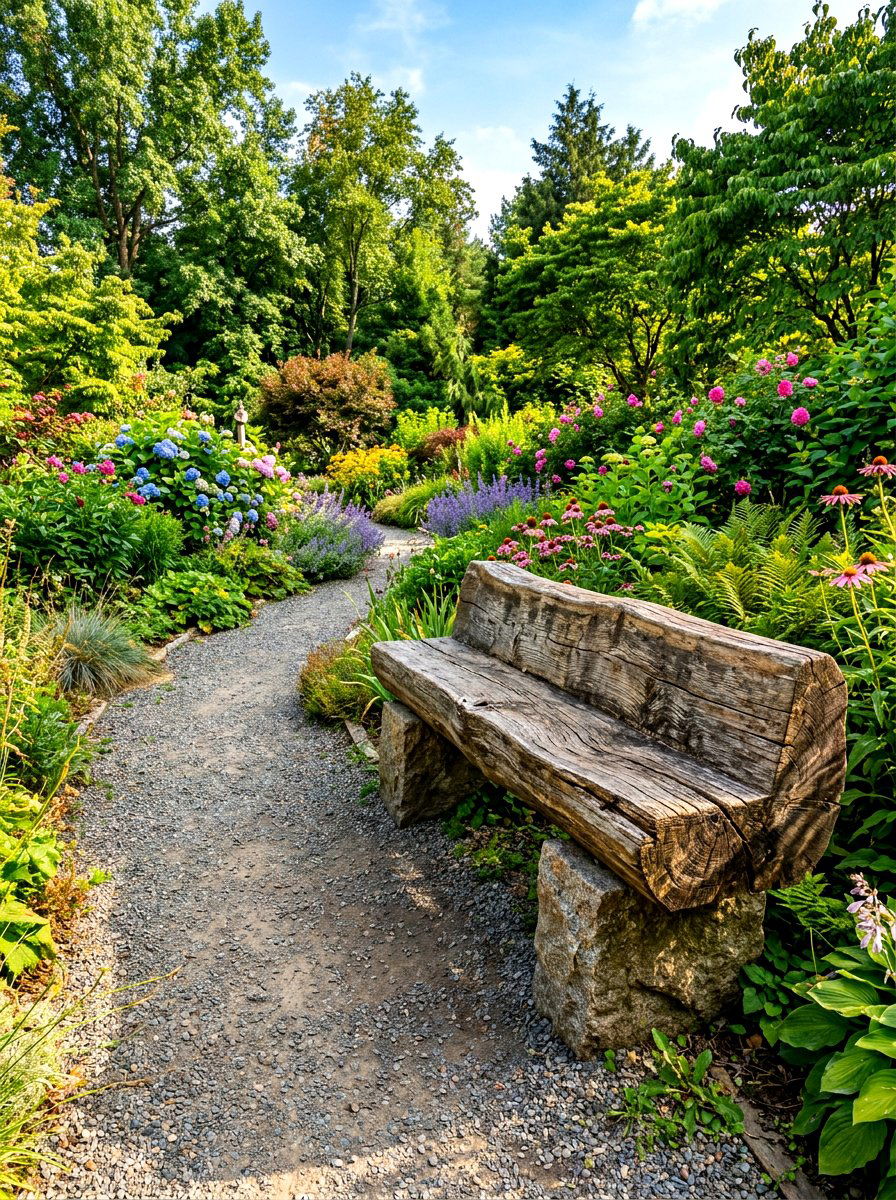
15. Composite Decking Walkway
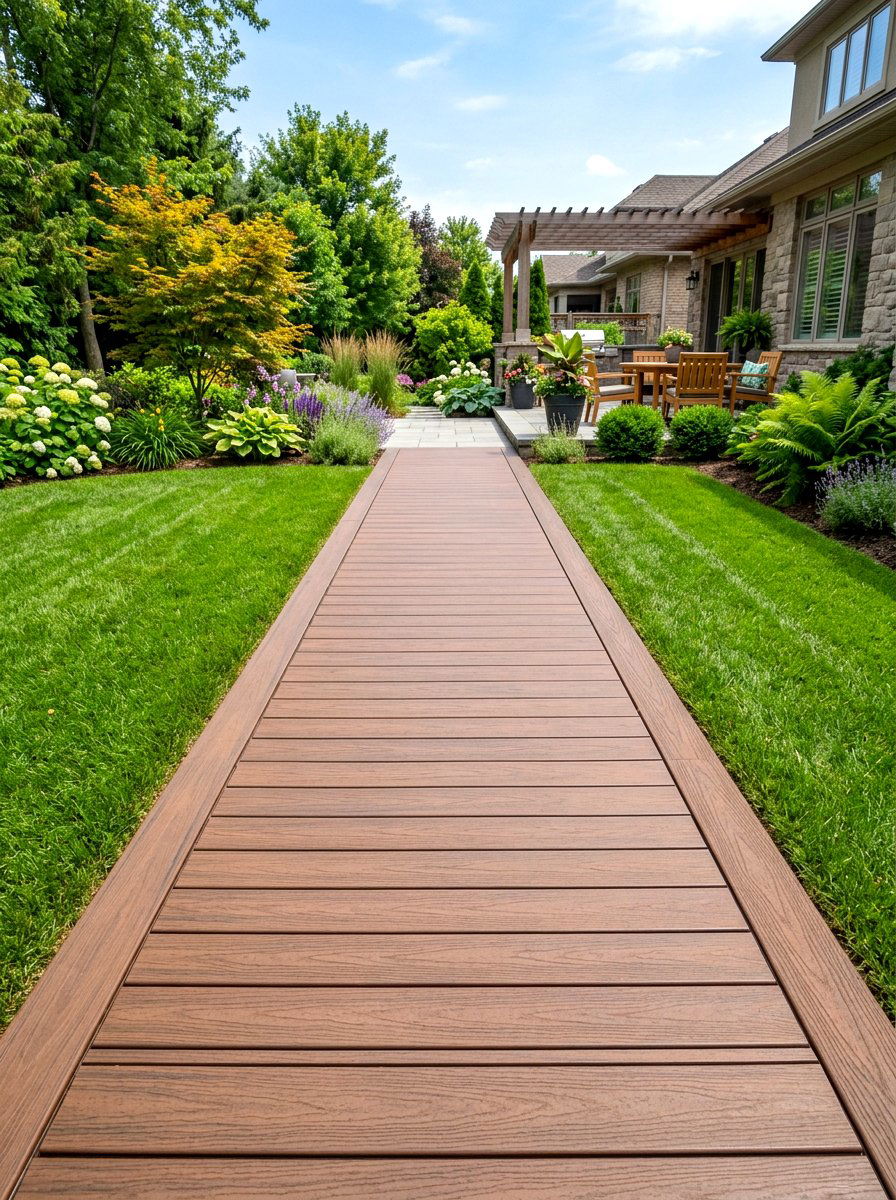
If you love the look of wood but hate the thought of annual staining and sealing, a composite decking walkway is the ultimate low-maintenance solution. Made from a blend of recycled plastic and wood fibers, composite boards are incredibly durable and resistant to fading, staining, and mold. They come in a wide variety of colors, from deep chocolate browns to modern slate grays. Many composite boards also feature a textured grain that mimics the look of real timber. This material is ideal for paths near water features or in high-traffic areas because it won't splinter or warp. It provides a clean, consistent look that stays beautiful for decades with just occasional soap and water.
16. Rope Railing Boardwalk
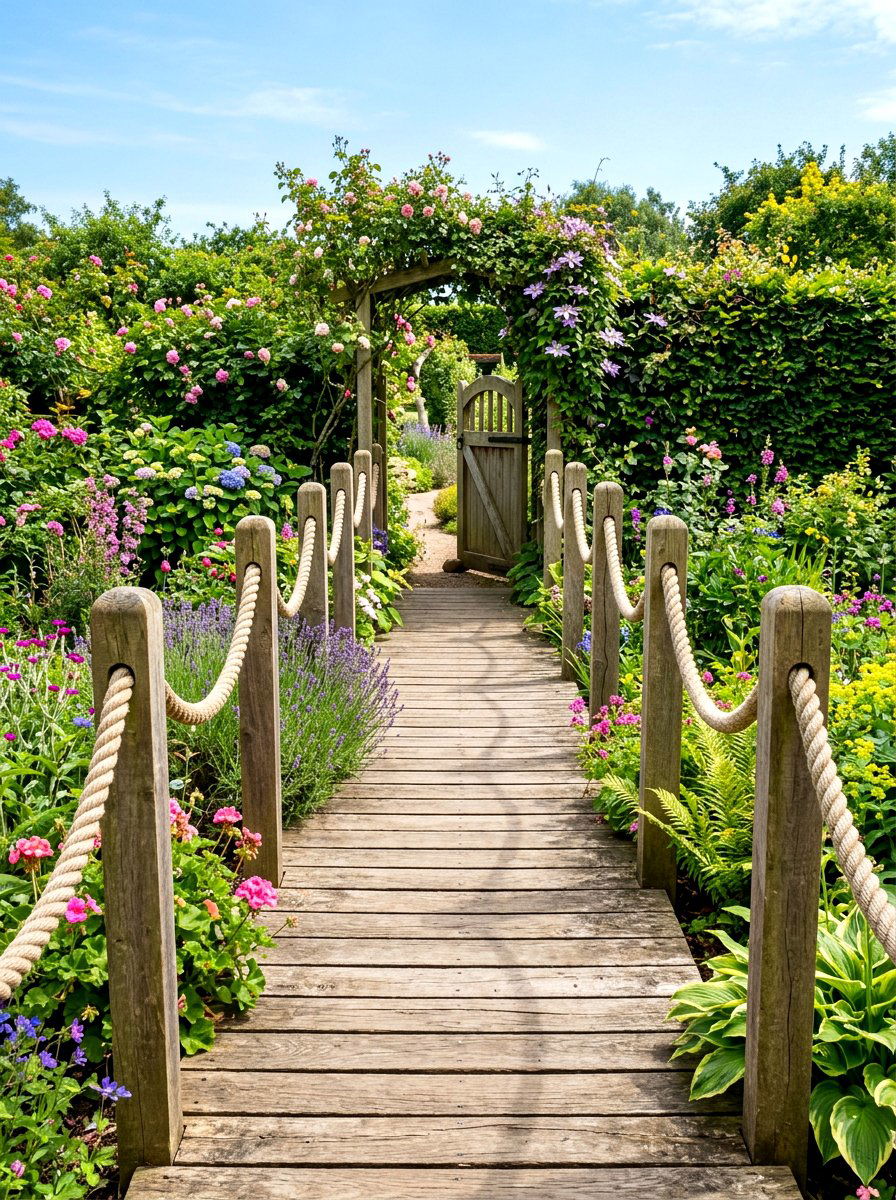
Adding a railing can transform a basic boardwalk into a safe and stylish architectural feature. A rope railing uses thick, natural-fiber ropes draped between wooden posts to provide a soft boundary without blocking the view of your plants. This look is particularly effective for coastal, nautical, or rustic garden themes. The gentle swag of the rope adds a sense of movement and relaxation to the path. It also provides a helpful guide for guests walking the path at dusk. You can use stainless steel hardware to attach the rope for a touch of modern industrial style. This simple addition makes the walkway feel like a permanent, well-thought-out part of the overall landscape design.
17. Lighted Garden Path
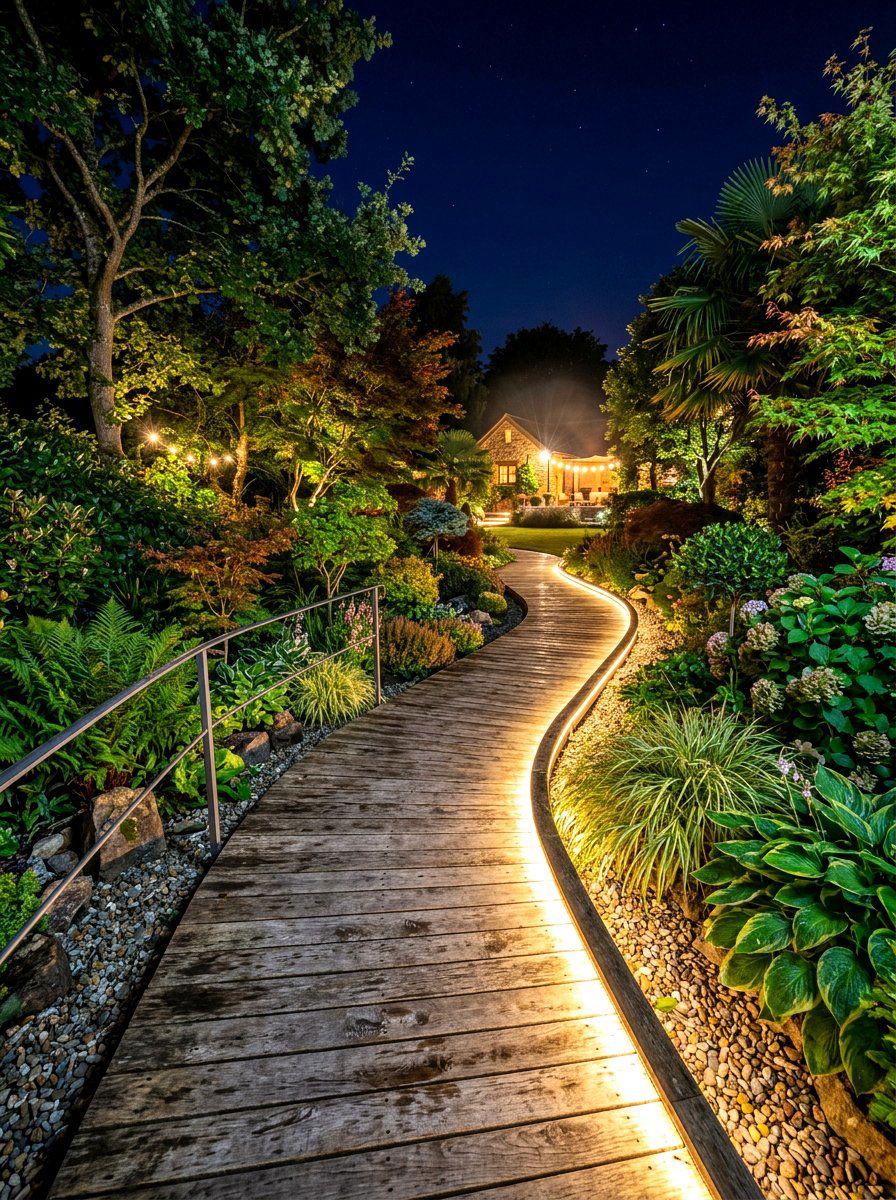
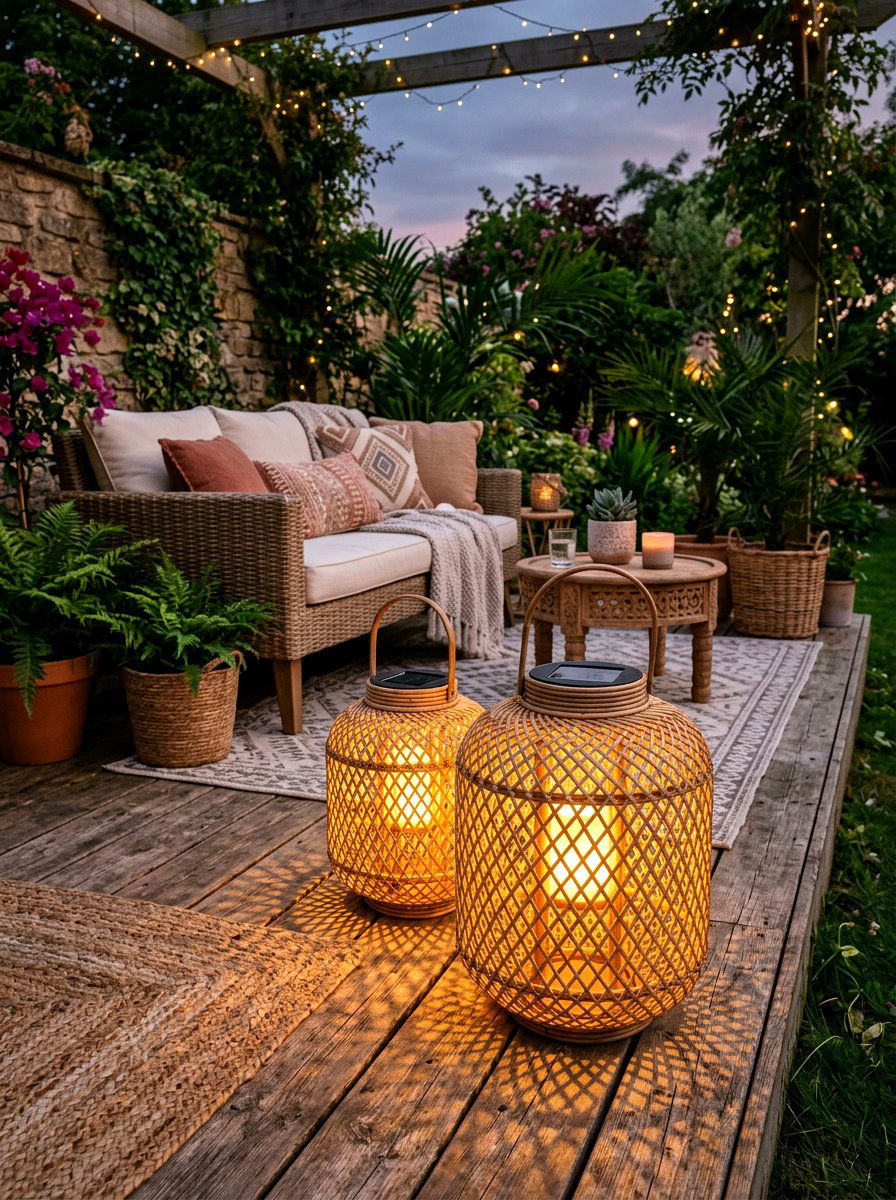
Why should your garden enjoyment end when the sun goes down? Integrating lighting into your boardwalk ensures that your path is safe and magical after dark. You can install small LED "puck" lights directly into the surface of the planks or hide strip lighting underneath the overhanging edges for a subtle, indirect glow. Solar-powered lanterns placed along the edges are an easy, wire-free option for DIYers. Lighting the path highlights the texture of the wood and the shapes of the nearby plants, creating a dramatic evening atmosphere. This not only increases the safety of your outdoor space but also makes your backyard feel like a high-end resort for late-night entertaining or quiet strolls.
18. Rustic Timber Walkway
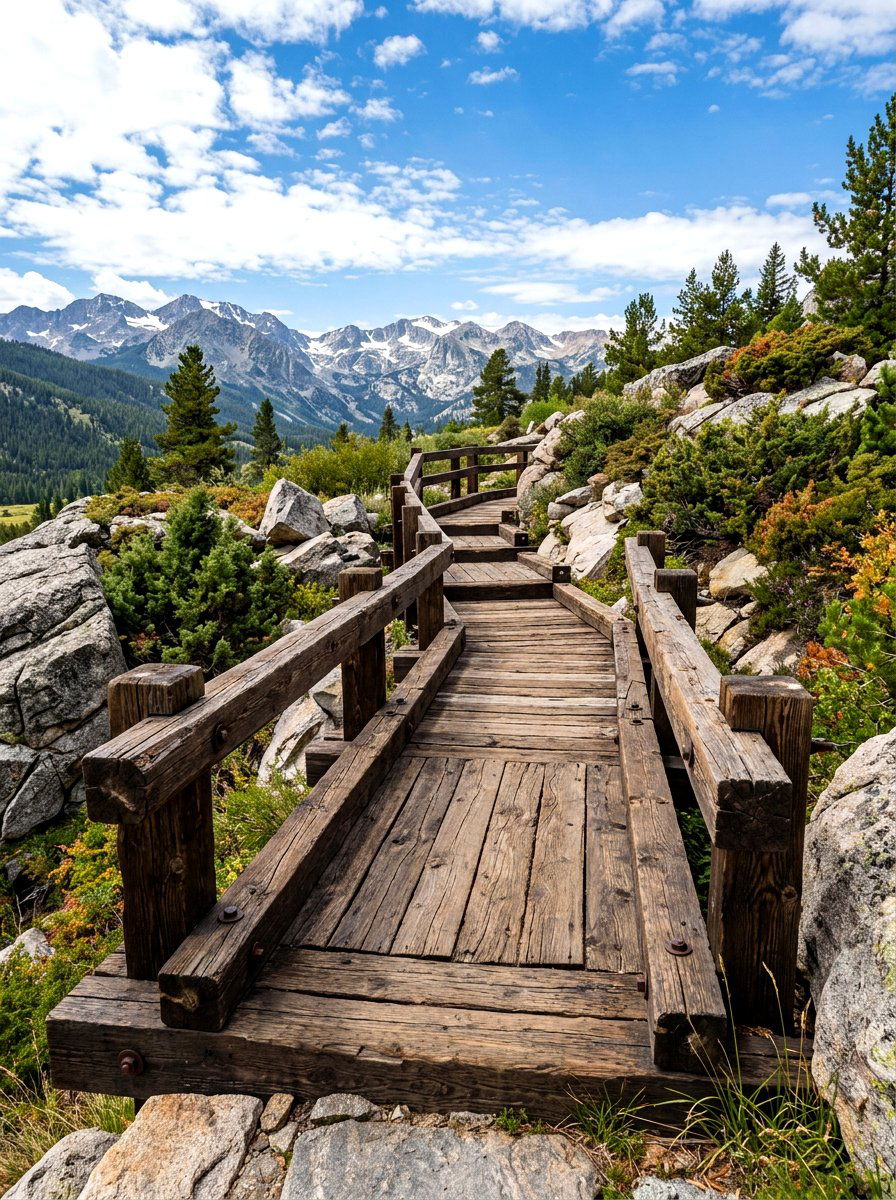
A rustic timber walkway celebrates the raw beauty of natural wood by using thick, unrefined beams or railway ties. This heavy-duty look is perfect for farmhouse, mountain, or large-scale country gardens where a delicate path would look out of place. The chunky proportions of the timber provide a sense of permanence and strength. You can leave the wood to weather naturally, allowing it to develop a rugged texture that blends in with large boulders and tall grasses. Filling the gaps between the heavy timbers with bark nuggets or large river rocks completes the earthy aesthetic. This is a very durable option that can handle heavy use and looks better as it ages over time.
19. Small Garden Boardwalk
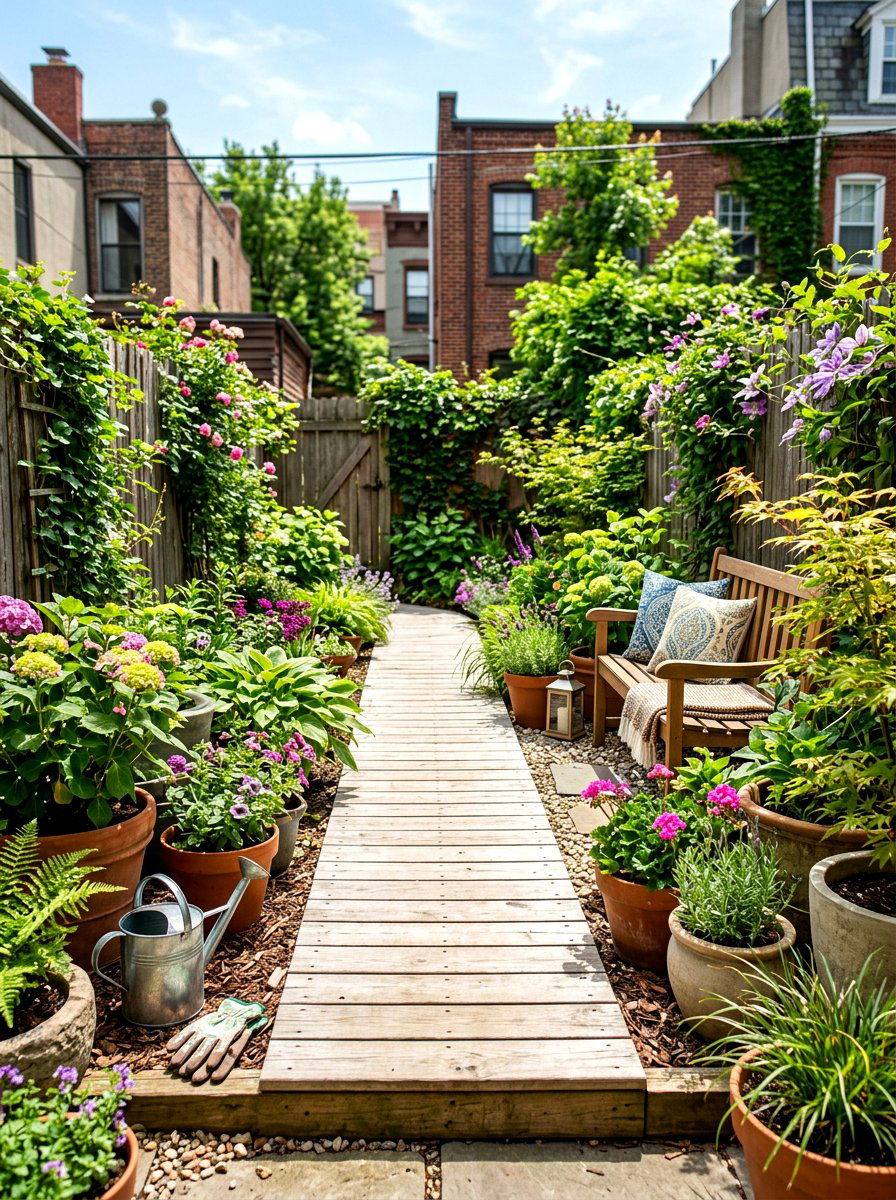
You don't need a sprawling estate to enjoy the benefits of a wooden walkway; a small garden boardwalk can work wonders in a compact urban backyard. By using narrow planks and keeping the path close to the ground, you can create a clear route through a tiny space without overwhelming it. A boardwalk can help define different zones, such as a seating area and a miniature flower bed, making the yard feel more organized and spacious. Choosing a light-colored wood can help reflect light and make the area feel brighter. This simple addition adds a professional touch to a small garden, proving that thoughtful design is possible regardless of the square footage available.
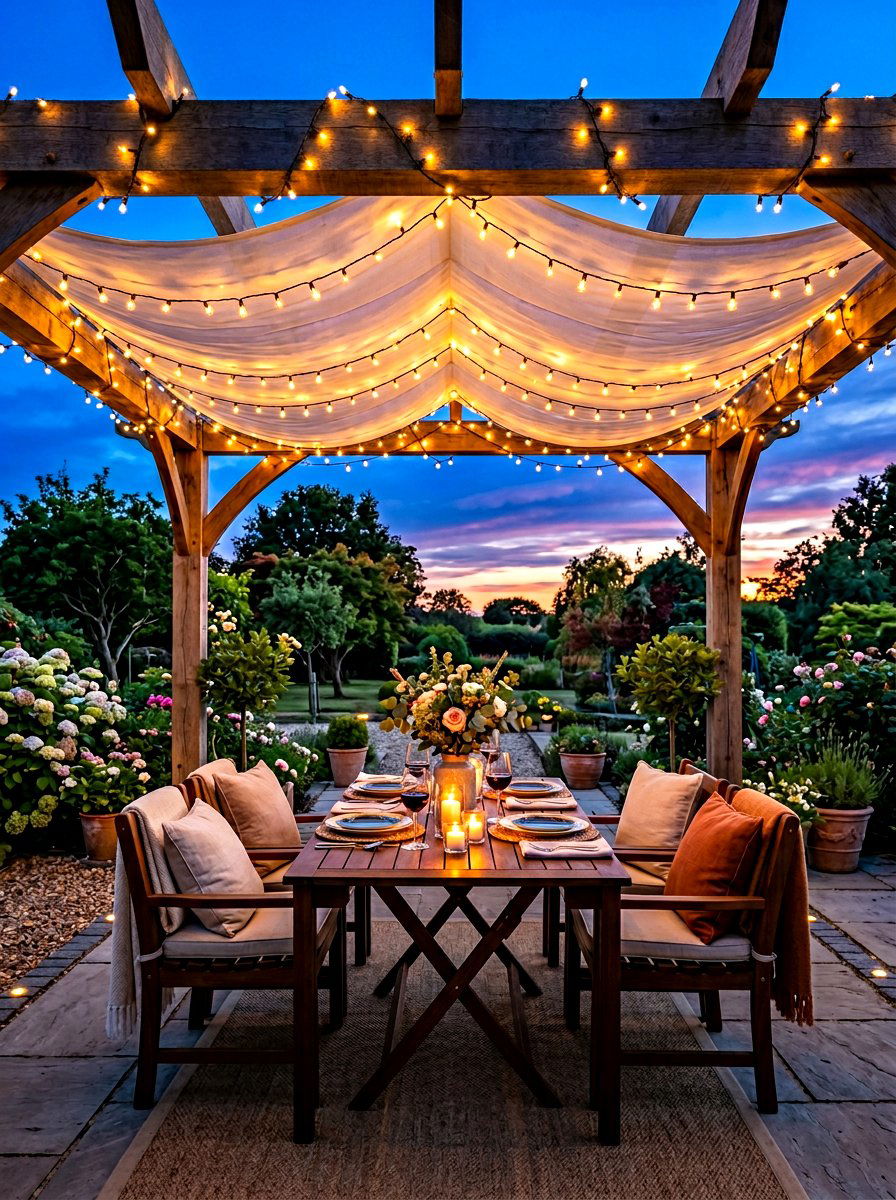
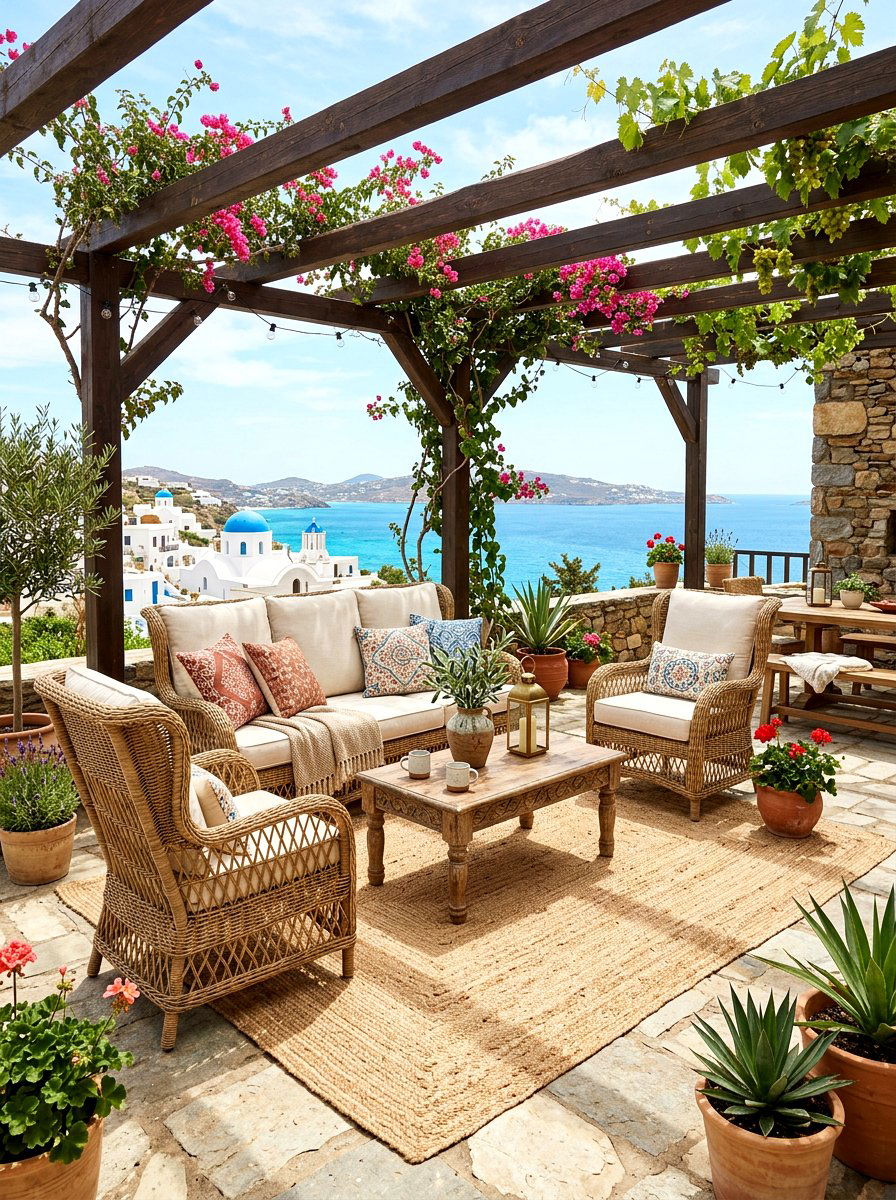
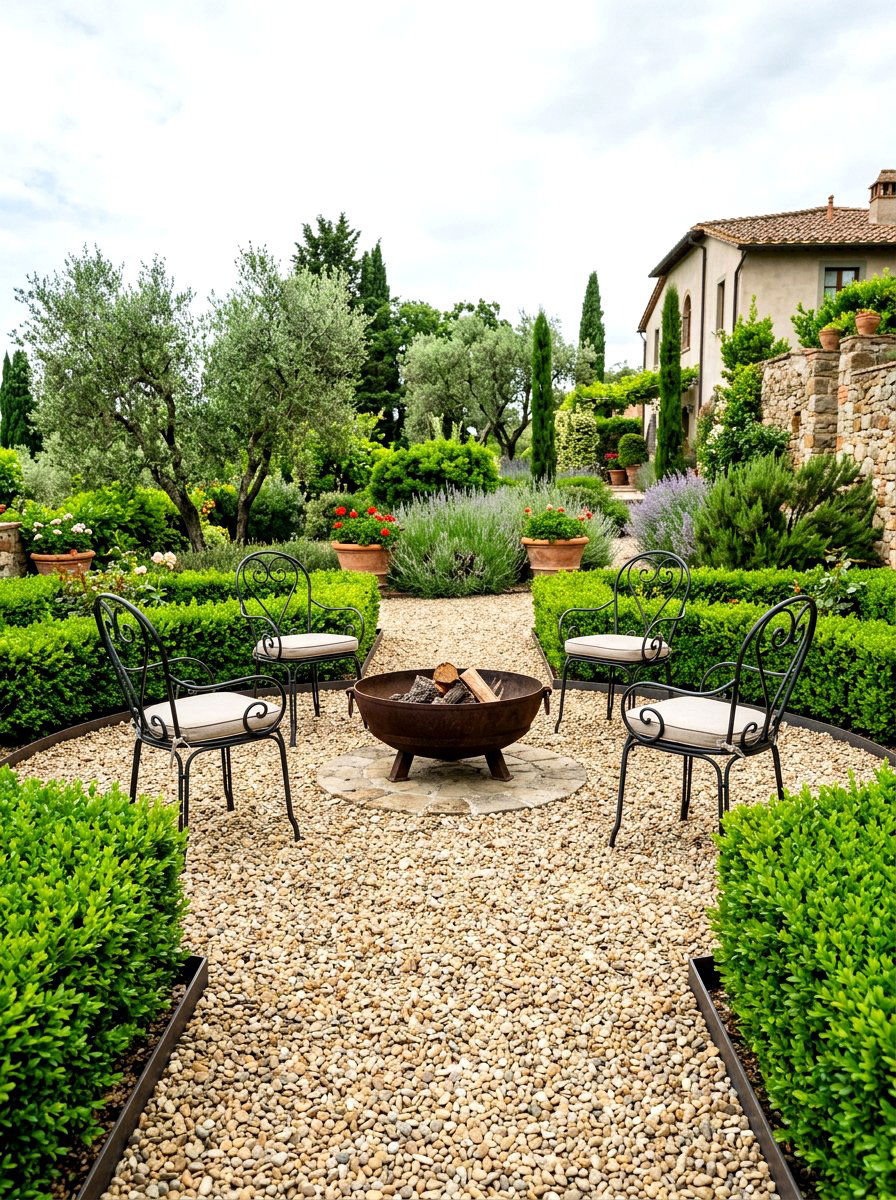
20. Pond Edge Boardwalk
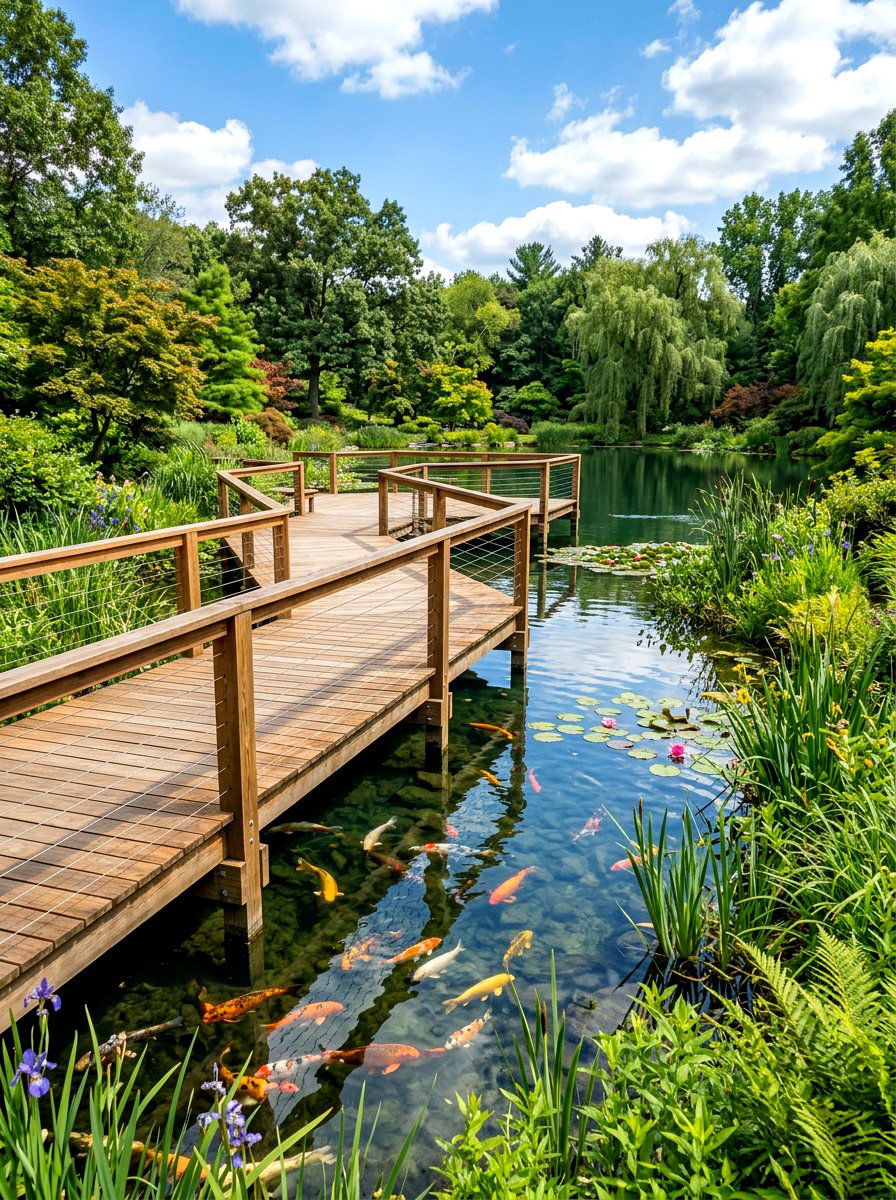
Placing a boardwalk along the edge of a pond allows you to get closer to the water's surface and enjoy the aquatic life. A pond edge boardwalk can be designed to cantilever slightly over the water, creating a stunning "floating" effect. This provides a perfect platform for feeding fish or simply watching the dragonflies. It is important to use rot-resistant hardwoods or composite materials since the wood will be in a high-moisture environment. You can surround the landward side with water-loving plants like iris or papyrus to blend the structure into the shoreline. This design creates a serene destination in the garden where you can sit and listen to the soothing sounds of water.
21. Whitewashed Wood Path
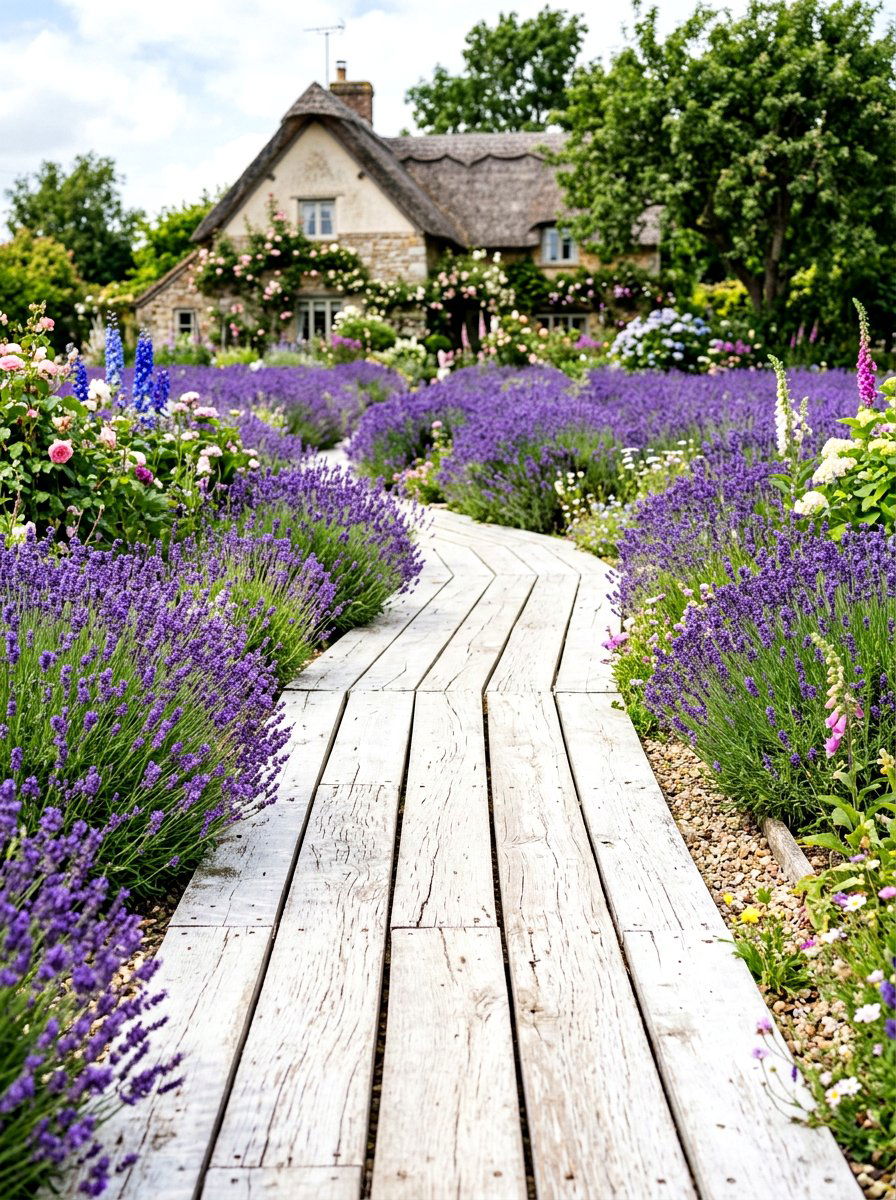
A whitewashed wood path offers a bright, airy aesthetic that is perfect for shabby-chic or French country garden styles. By applying a thin, translucent white stain to your planks, you allow the natural grain of the wood to show through while giving it a soft, sun-bleached appearance. This look pairs beautifully with pastel-colored flowers like lavender, peonies, and hydrangeas. The light color of the path makes it stand out against green lawns and dark mulch, creating a high-contrast focal point. Whitewashing also helps keep the wood cooler in direct sunlight, making it more comfortable for bare feet. It is a creative way to add a vintage, romantic feel to your outdoor living space.
22. Dark Stained Boardwalk
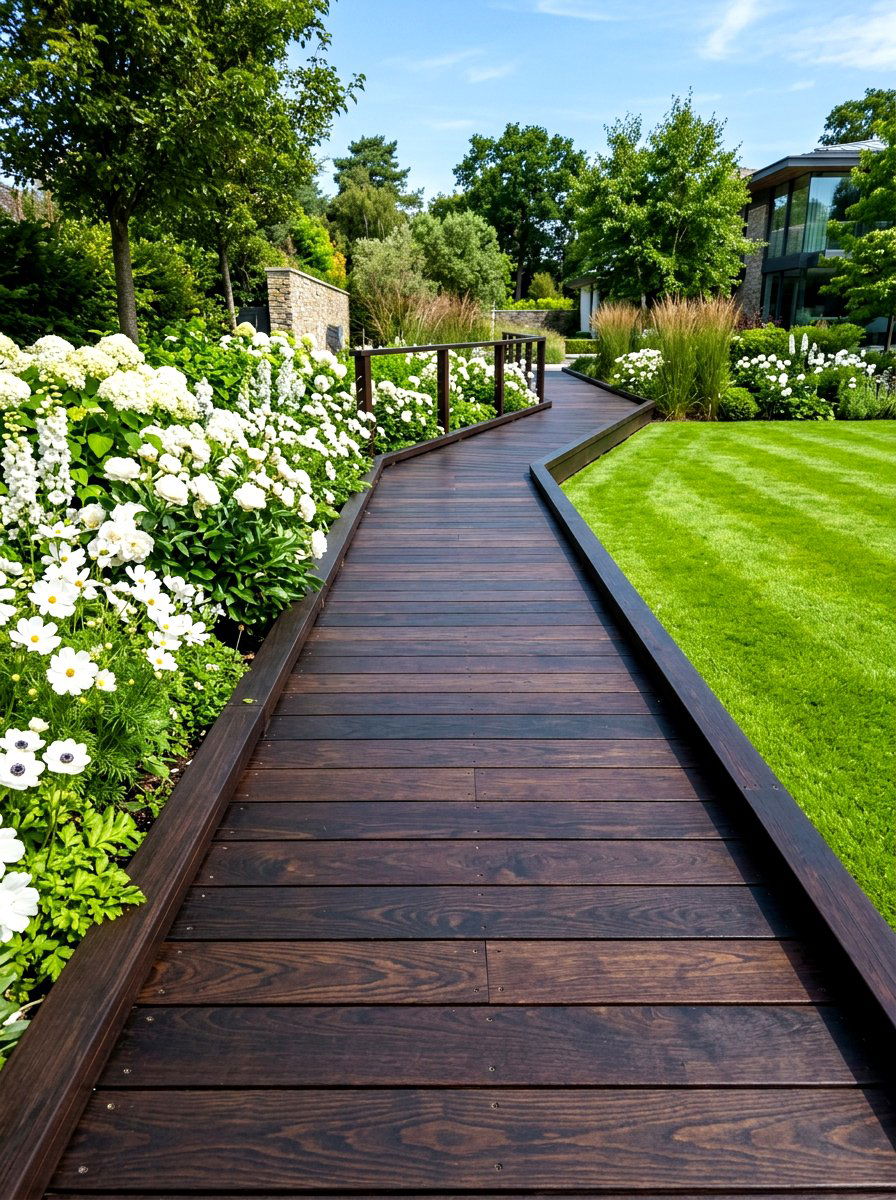
For a look that exudes luxury and modern elegance, consider a dark stained boardwalk. Using a deep espresso or charcoal stain on your wooden planks creates a sophisticated surface that looks incredibly high-end. This dark color provides a dramatic backdrop for bright green foliage and white flowering plants. Dark paths also tend to hide dirt and footprints better than lighter woods, making them a practical choice for busy households. To prevent the dark wood from absorbing too much heat in the summer, you can place the path in a shaded area or use specialized heat-reflective stains. This bold design choice adds a sense of depth and weight to your landscape architecture.
23. Forest Floor Walkway
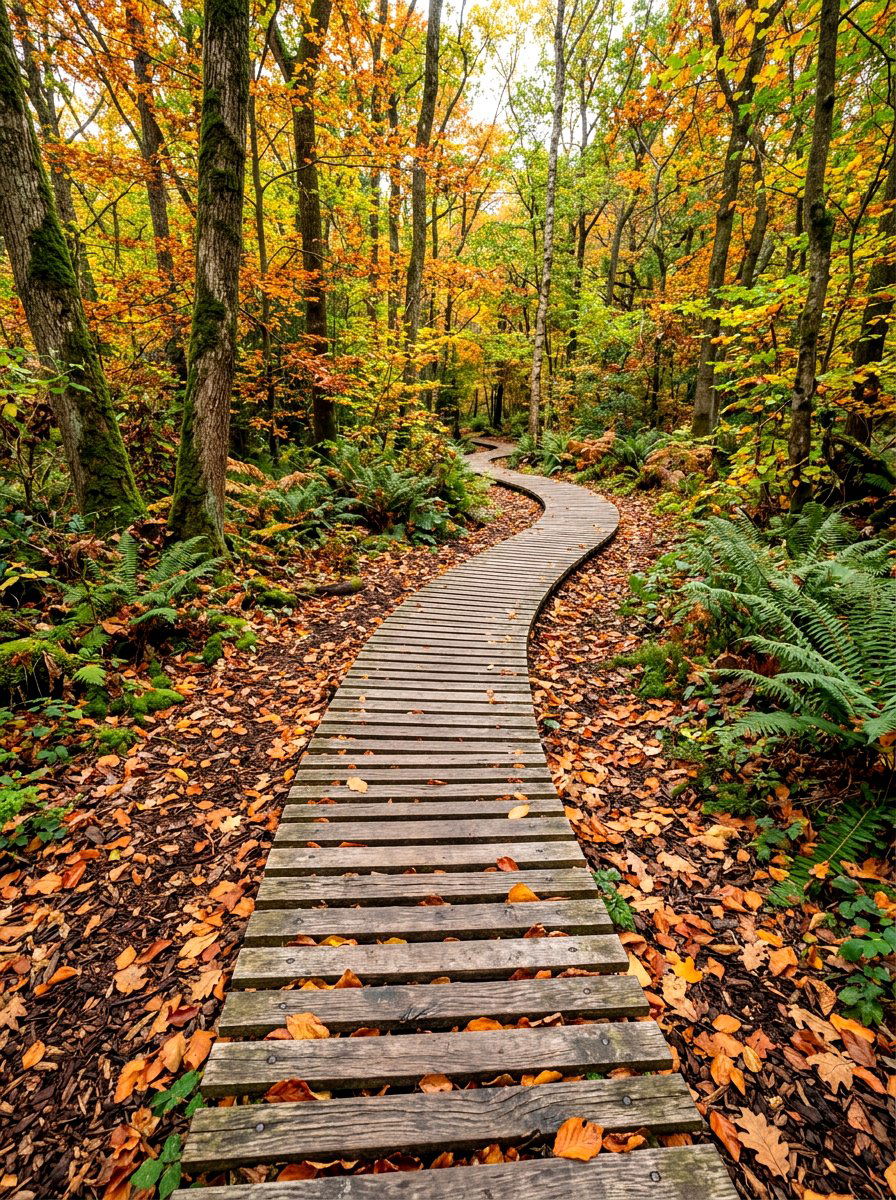
A forest floor walkway is designed to be as unobtrusive as possible, mimicking the natural paths found in deep woods. This style often uses thin, weathered slats placed directly on a bed of dark mulch or fallen leaves. The goal is to provide a stable walking surface that doesn't distract from the beauty of the surrounding trees and shrubs. You can allow native ground covers like wild ginger or violets to grow right up to and even over the edges of the wood. This approach is perfect for low-maintenance gardens where you want to encourage a "wild" and natural look. It creates a sense of discovery as you wander through the quiet, shaded parts of your yard.
24. Garden Bridge Path
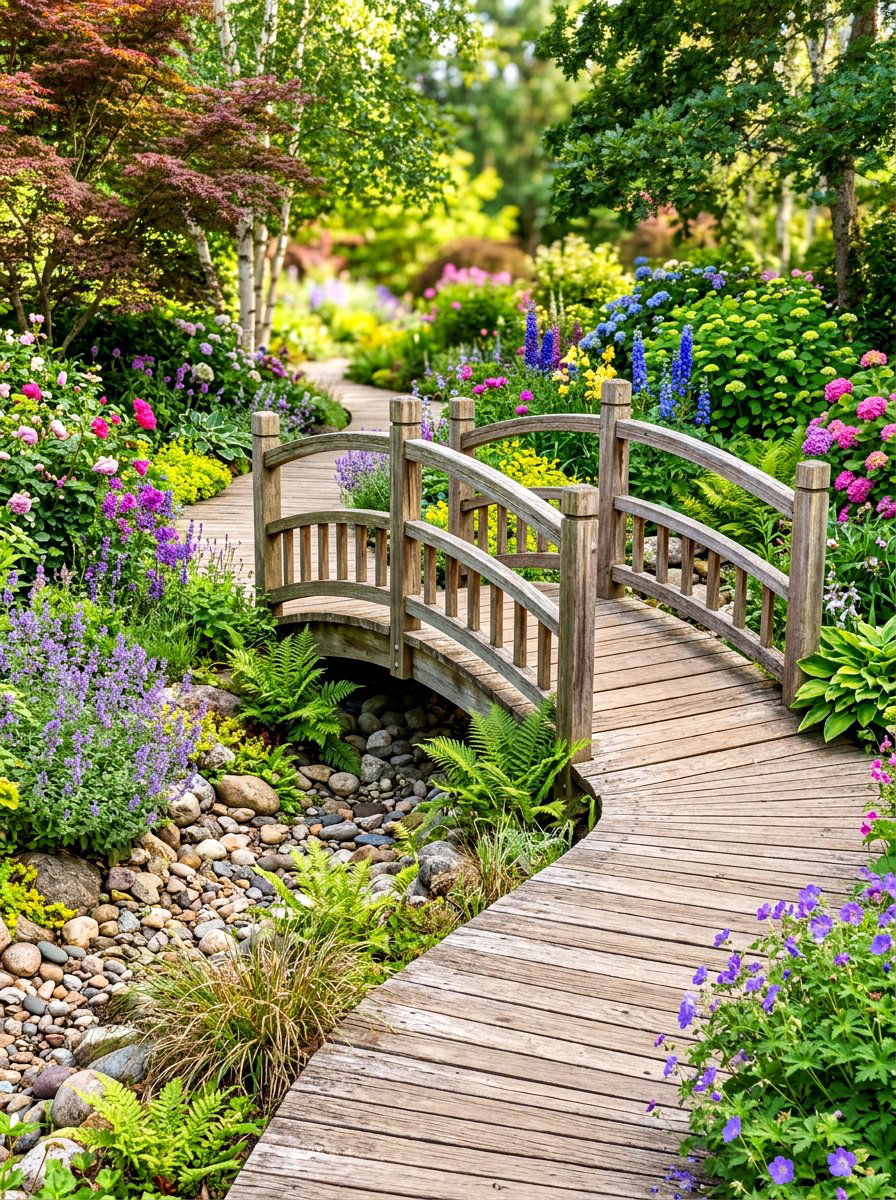
Incorporating a small bridge section into your boardwalk can add architectural height and a sense of whimsy to your garden. A garden bridge path is perfect for crossing over a dry creek bed, a small dip in the lawn, or a decorative flower border. Even a slight arch in the boardwalk can create a powerful visual focal point. You can add simple handrails to the bridge section to emphasize the change in elevation and provide extra safety. This design feature breaks up the flatness of a yard and adds a sense of adventure to your daily walk. It makes even a simple backyard feel like a carefully planned park or a hidden fairytale estate.
25. Slat Wood Walkway
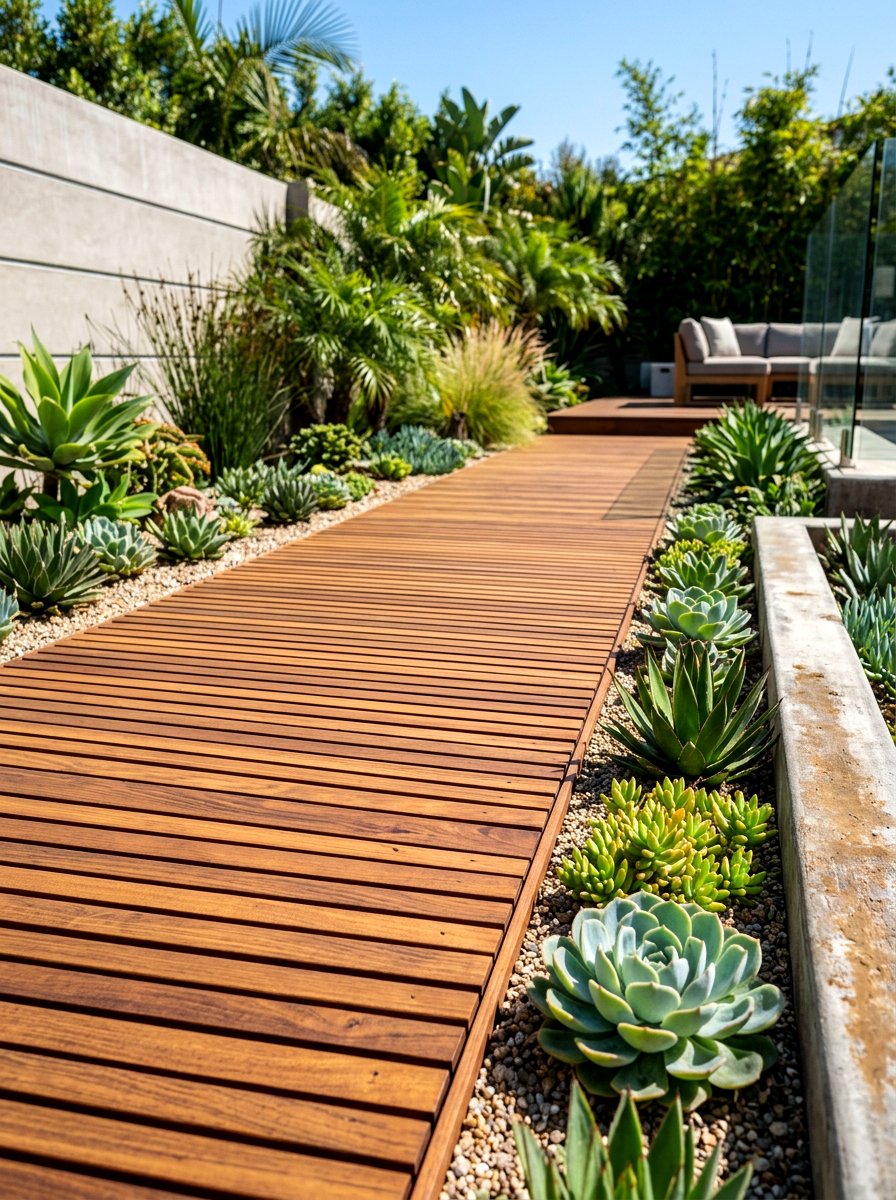
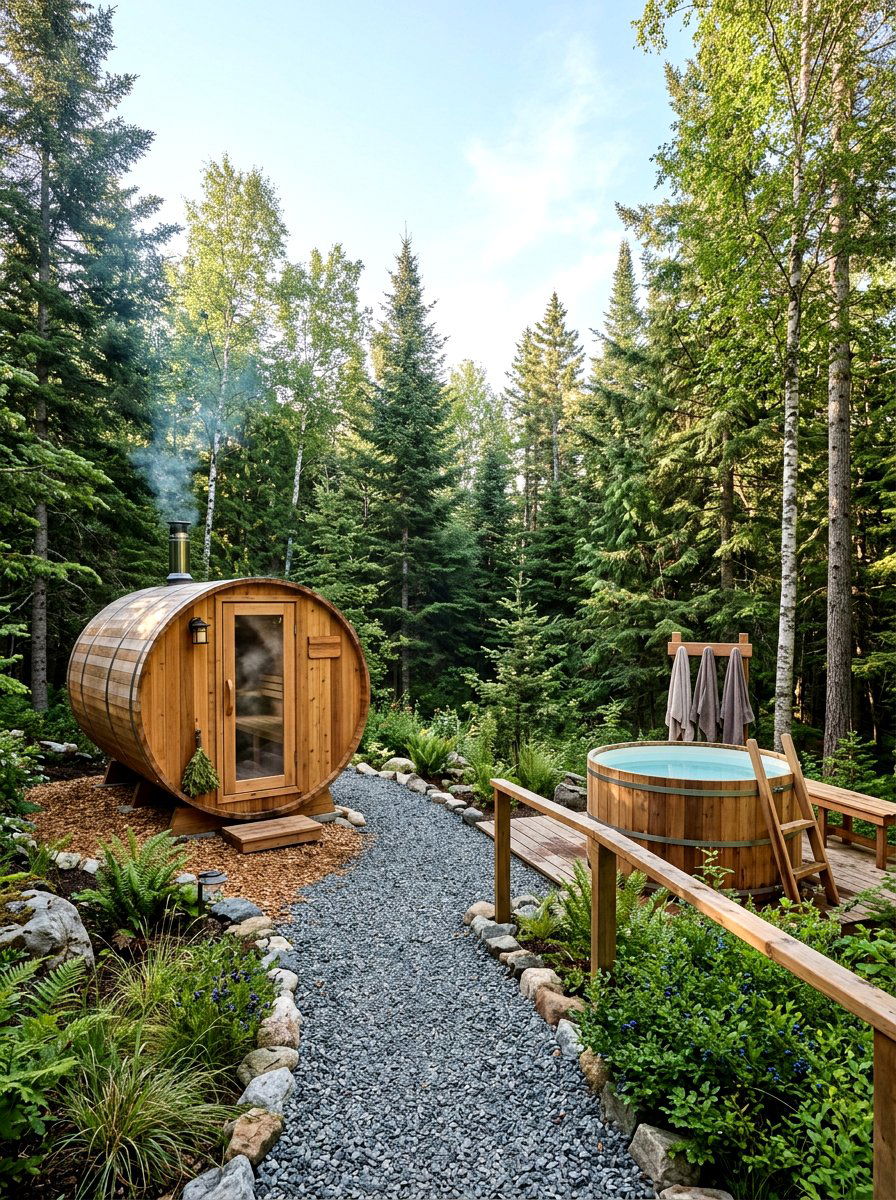
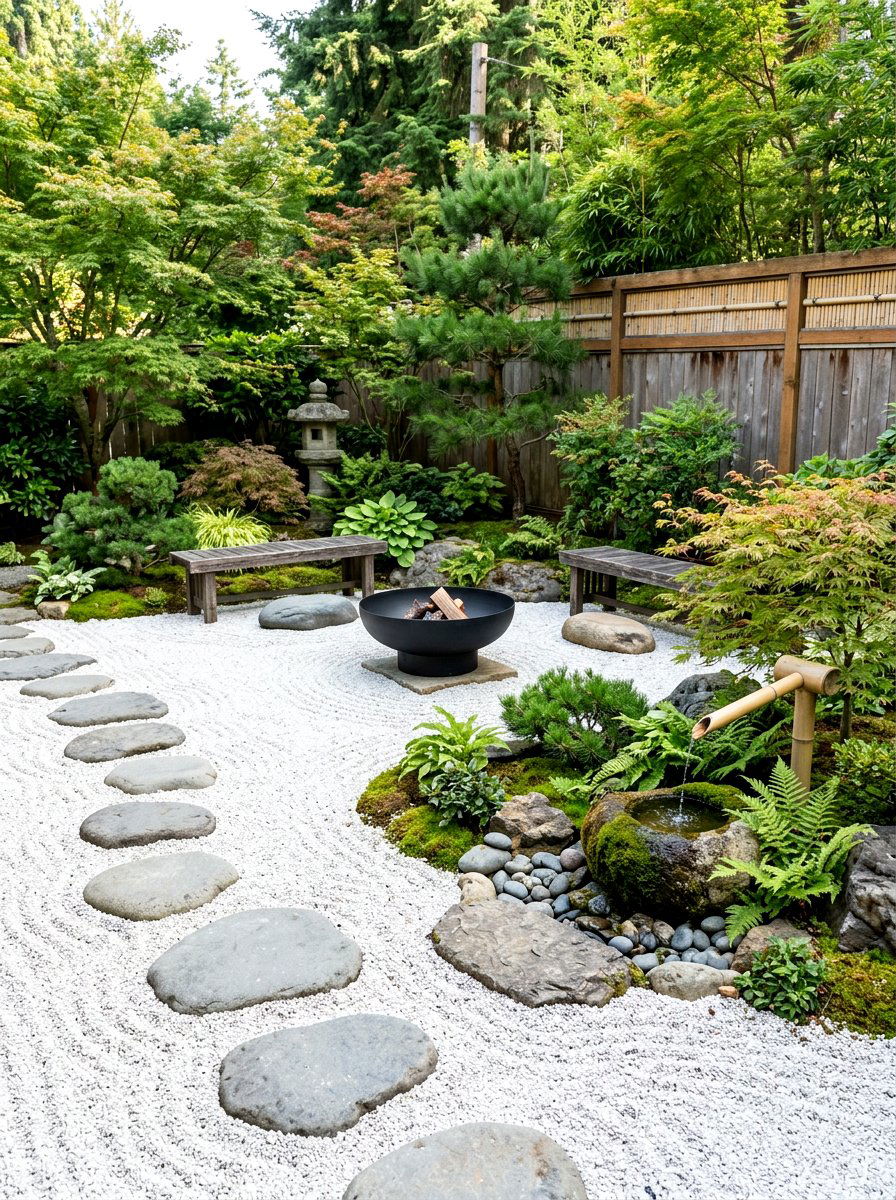
A slat wood walkway uses thin, closely spaced boards to create a fine-textured surface that looks modern and refined. This style is often seen in high-end spa designs and minimalist urban gardens. The narrow slats allow for excellent drainage and air circulation, which helps the wood dry quickly after rain. You can arrange the slats in different patterns, such as a traditional horizontal layout or a contemporary herringbone design. The repetitive lines of the slats create a strong visual rhythm that can lead the eye toward a specific destination, like a bench or a garden sculpture. This detailed approach adds a layer of craftsmanship and texture to your outdoor walking experience.
26. Multi Level Boardwalk
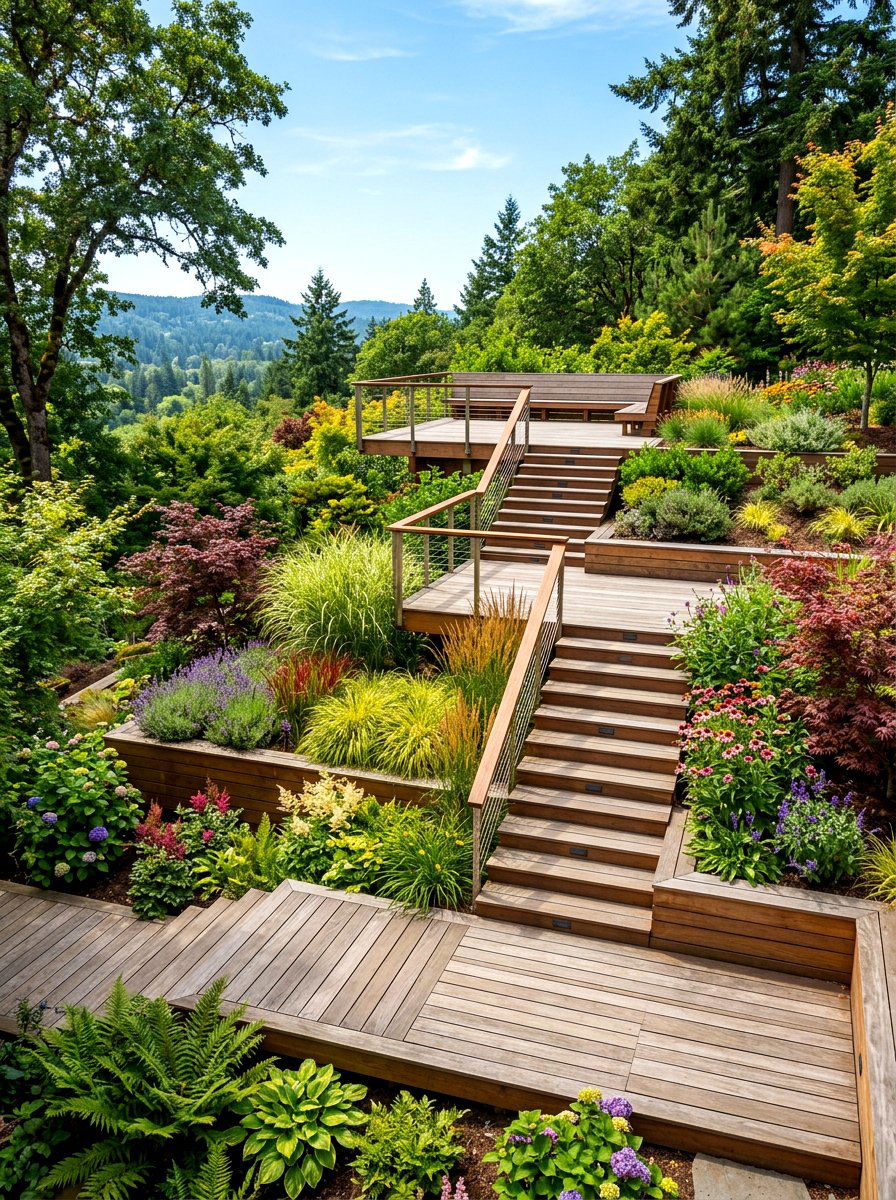
If your backyard has varying elevations, a multi level boardwalk is a brilliant way to navigate the slopes while creating distinct "stages" for your plants. Instead of one long ramp, you can create a series of flat platforms connected by wide, low steps. Each level can serve a different purpose, such as a small viewing deck or a transition to a higher garden bed. This architectural approach makes a hilly yard much more accessible and visually interesting. You can use different planting schemes for each level to create a vertical garden experience. This design turns a challenging landscape into a creative opportunity to showcase your favorite flowers and shrubs at different heights.
27. Backyard Creek Boardwalk
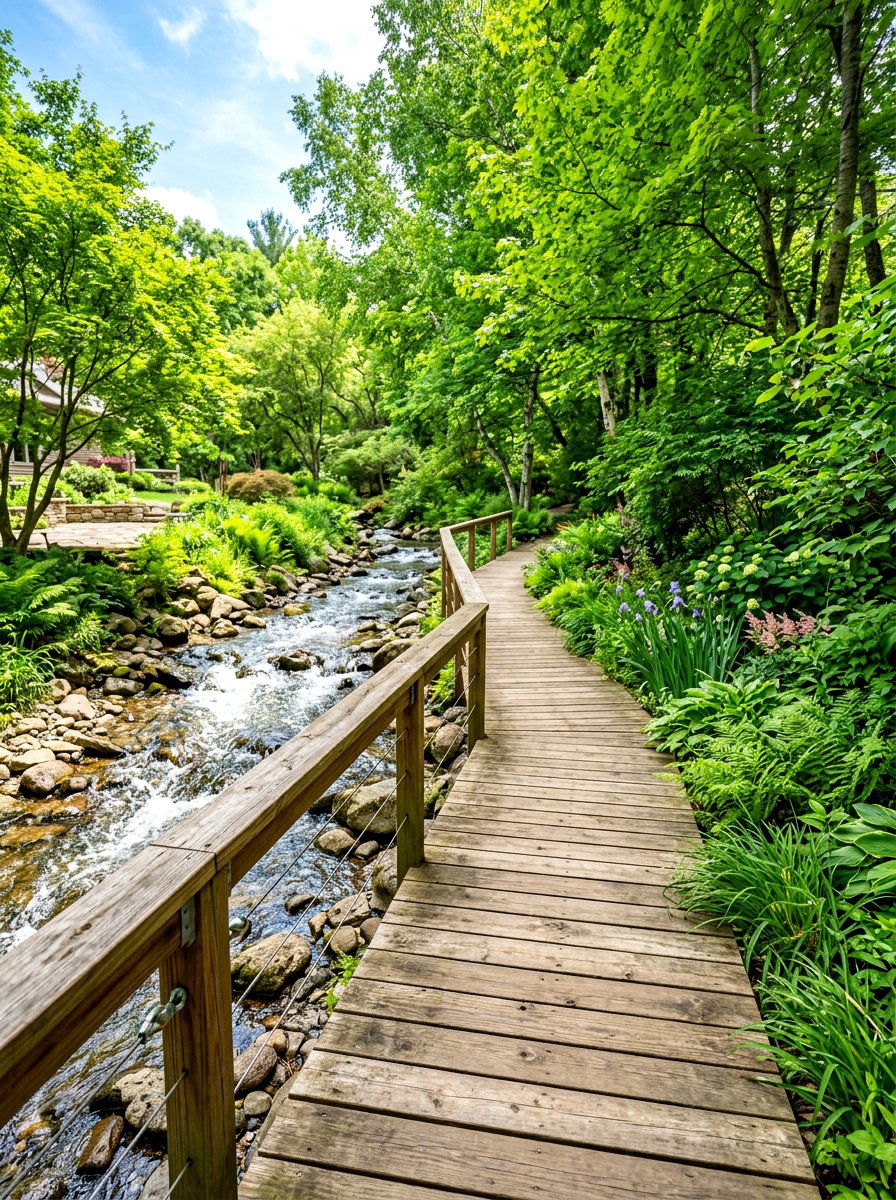
There is nothing more relaxing than the sound of moving water, and a backyard creek boardwalk lets you enjoy it to the fullest. If you have a natural stream or a man-made dry creek bed, building a boardwalk that runs alongside it creates a peaceful waterside trail. You can design the path to cross over the water at various points using small footbridges. Surrounding the path with water-smoothed stones and moisture-loving grasses enhances the riparian feel. This setup provides a perfect place for birdwatching or enjoying a morning coffee by the water. The combination of the wooden path and the flowing creek creates a sanctuary of sound and sight in your own backyard.
28. Muddy Area Solution
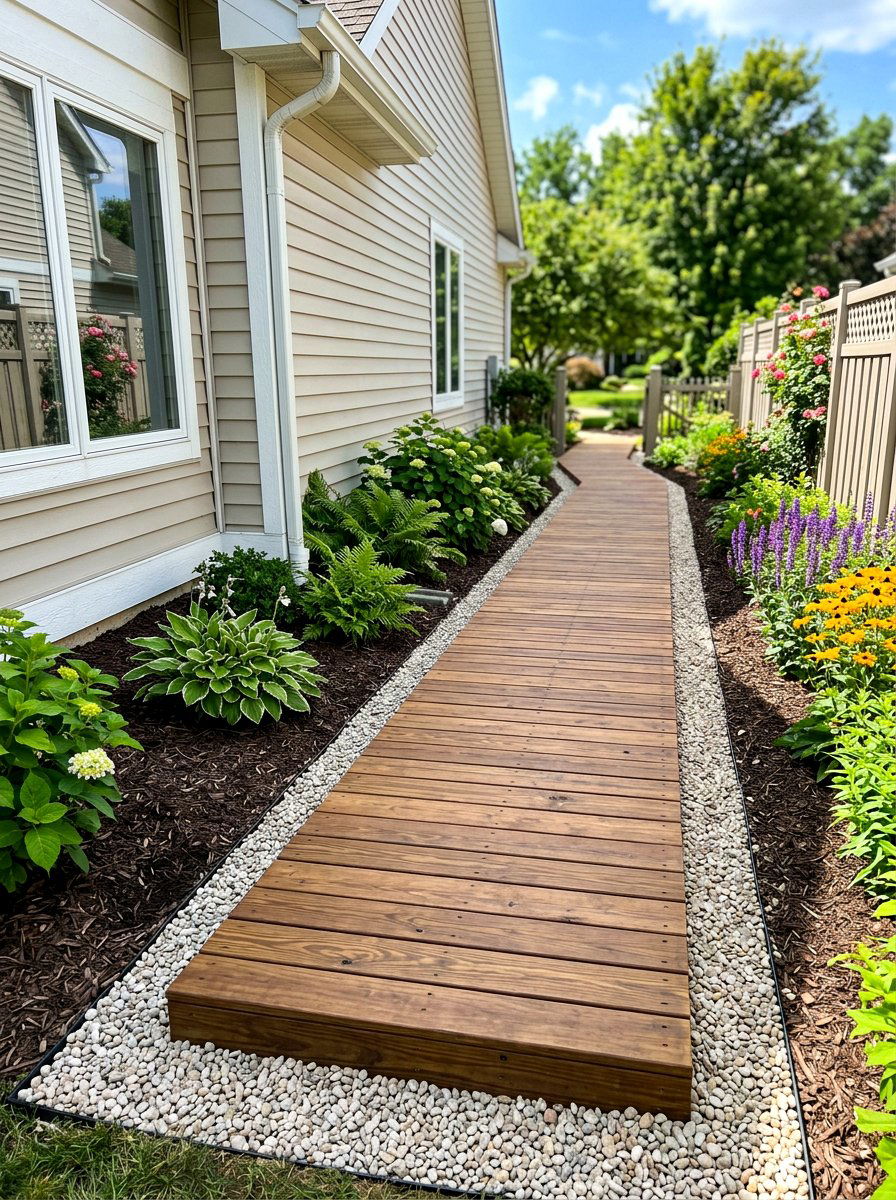
High-traffic zones in the yard, such as the path to the trash cans or the side of the house, often turn into unsightly muddy ruts. A boardwalk is the ultimate muddy area solution because it provides a permanent, clean surface that stays above the muck. Unlike stepping stones, which can sink over time, a connected boardwalk distributes weight evenly across the ground. This prevents the soil from becoming compacted and allows the area to drain more effectively. It also means you won't track mud into your home after a rainy day of yard work. This functional and practical upgrade makes daily chores much easier while keeping your landscape looking tidy and well-maintained.
29. Wildflower Border Boardwalk
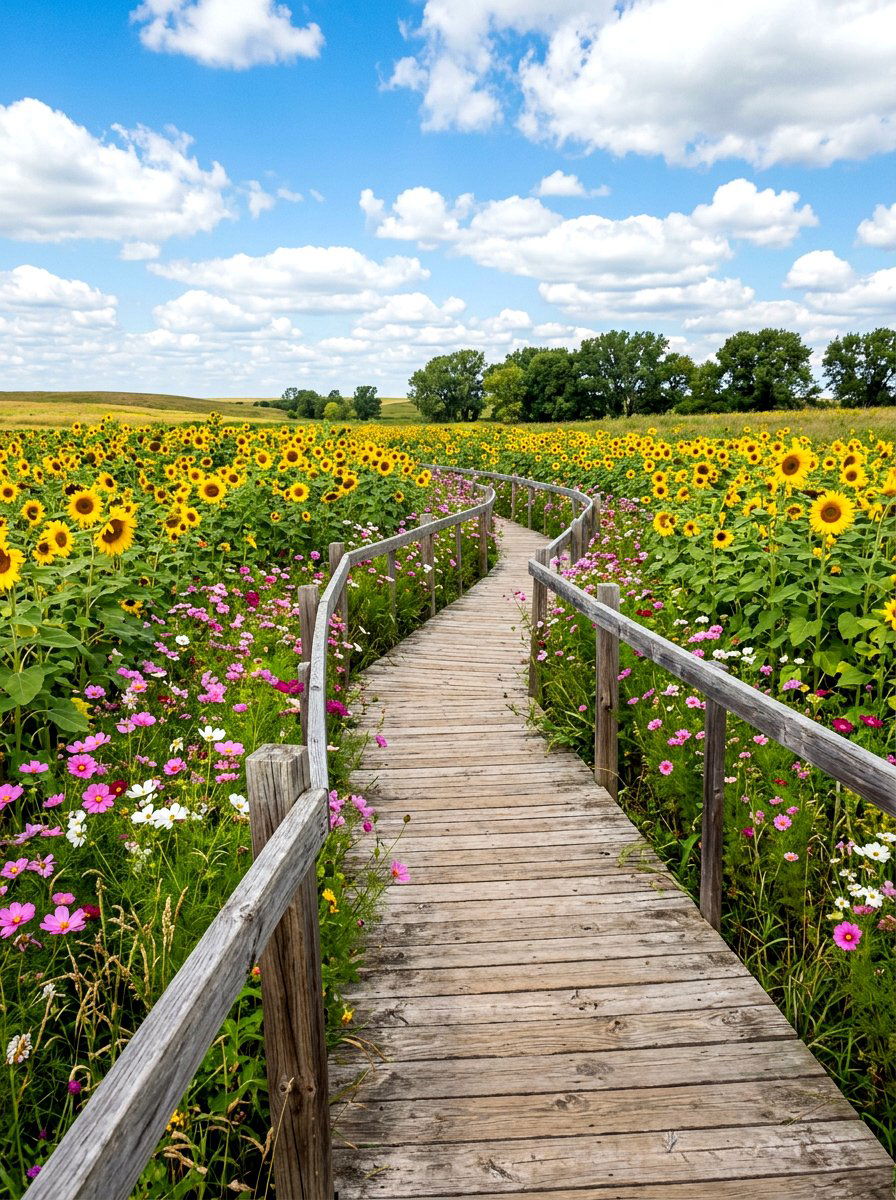
A boardwalk that winds through a tall wildflower meadow creates an enchanting, fairytale-like experience in the summer months. By lifting the path slightly, you can walk through chest-high blooms like sunflowers, cosmos, and coneflowers without damaging the delicate stems. The wood provides a clean contrast to the wild, colorful chaos of the flowers. This design encourages pollinators like butterflies and bees to thrive right alongside your walking path. As the seasons change, the view from the boardwalk evolves from the bright colors of summer to the golden tones of autumn grasses. This immersive approach to gardening turns a simple walk into a sensory journey through the heart of a blooming prairie.
30. Wide Plank Walkway
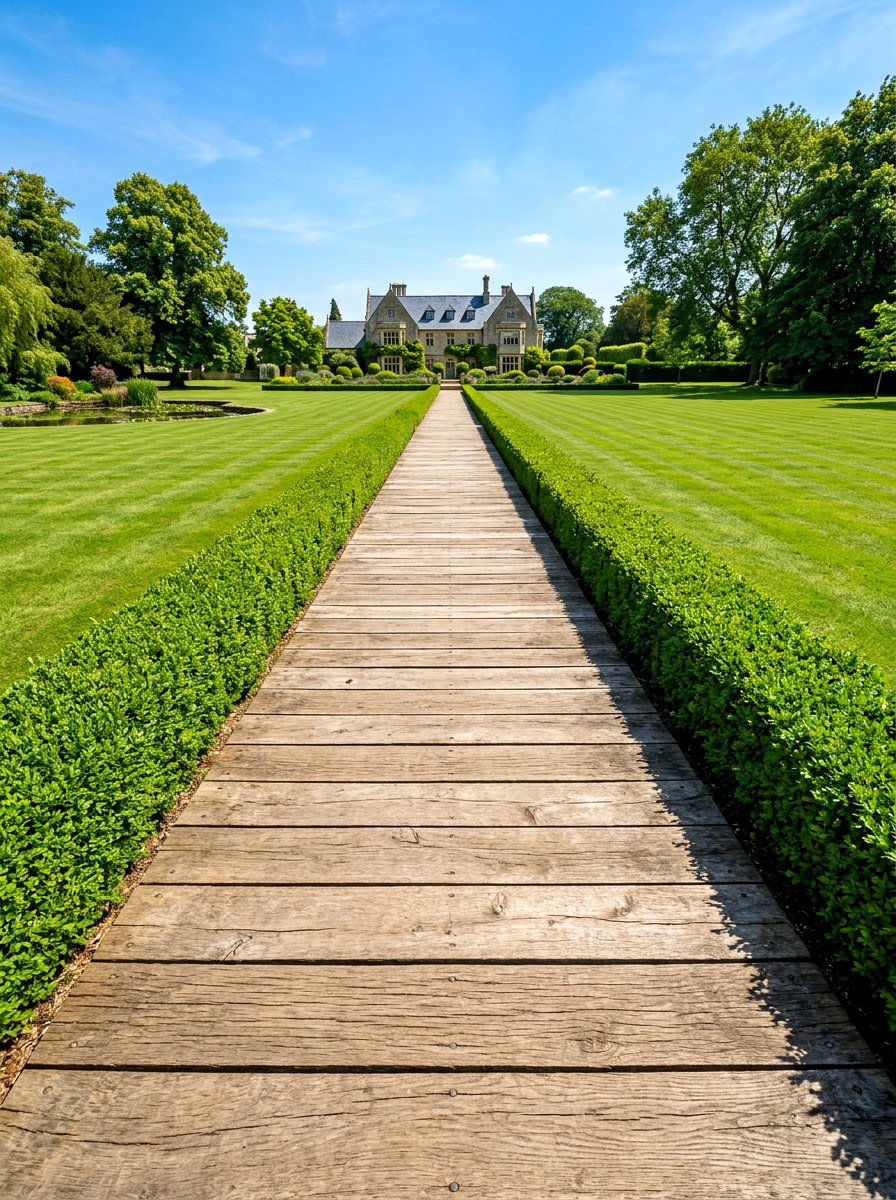
For a bold, grounded look that feels very stable underfoot, a wide plank walkway is an excellent choice. Using boards that are eight to ten inches wide creates a sturdy, substantial path that mimics the feel of a traditional pier or dock. This look is perfect for large-scale landscapes where narrow paths might get lost in the scenery. The wide planks provide plenty of room for two people to walk side-by-side, making it a social and inviting design. You can use heavy-duty timber or thick composite boards for this style. The clean, wide lines of the wood create a sense of calm and order, providing a solid foundation for the rest of your garden design.
Conclusion:
Adding a boardwalk to your garden is more than just a practical way to get from one point to another; it is an opportunity to enhance the beauty and accessibility of your outdoor world. These paths protect your soil, keep your feet dry, and provide a structured journey through your favorite plants and flowers. Whether you choose the rustic charm of reclaimed wood or the sleek durability of modern composite materials, a well-designed walkway adds value and character to your home. We hope these thirty ideas have inspired you to look at your landscape with fresh eyes and imagine the possibilities of a floating wooden trail. Your backyard sanctuary is just a few planks away from becoming a true paradise today.

Related posts: