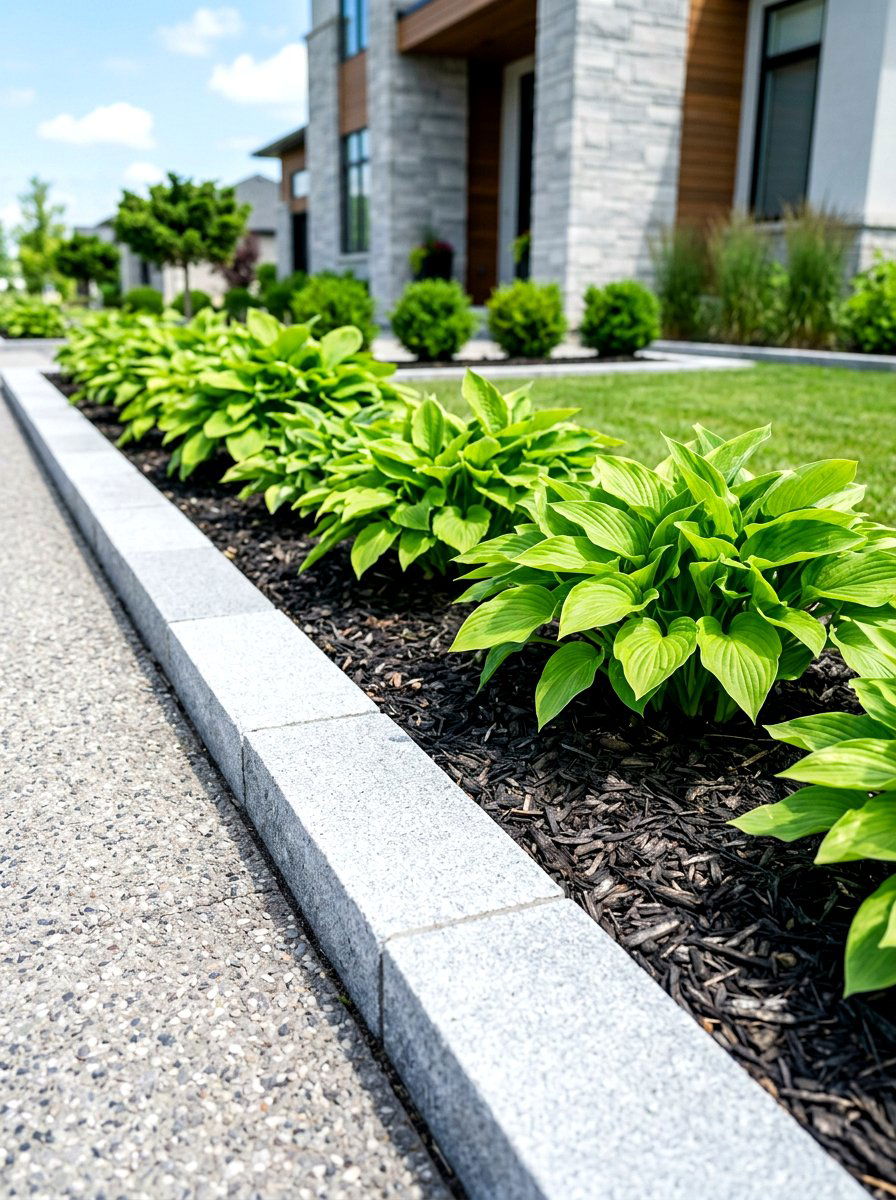
Creating a beautiful garden path is about more than just finding a way to get from one point to another; it is about crafting an experience. A well-designed walkway acts as the backbone of your landscaping, guiding your eyes and your feet through a curated outdoor journey. Whether you prefer the crunch of gravel or the solid elegance of natural stone, your choice of materials sets the mood for the entire garden. Paths protect your lawn from heavy foot traffic while adding structure and definition to your flower beds. From modern minimalist slabs to rustic woodland trails, these thirty concepts will help you transform your yard into a stunning and functional retreat today.
1. Flagstone Garden Walkway
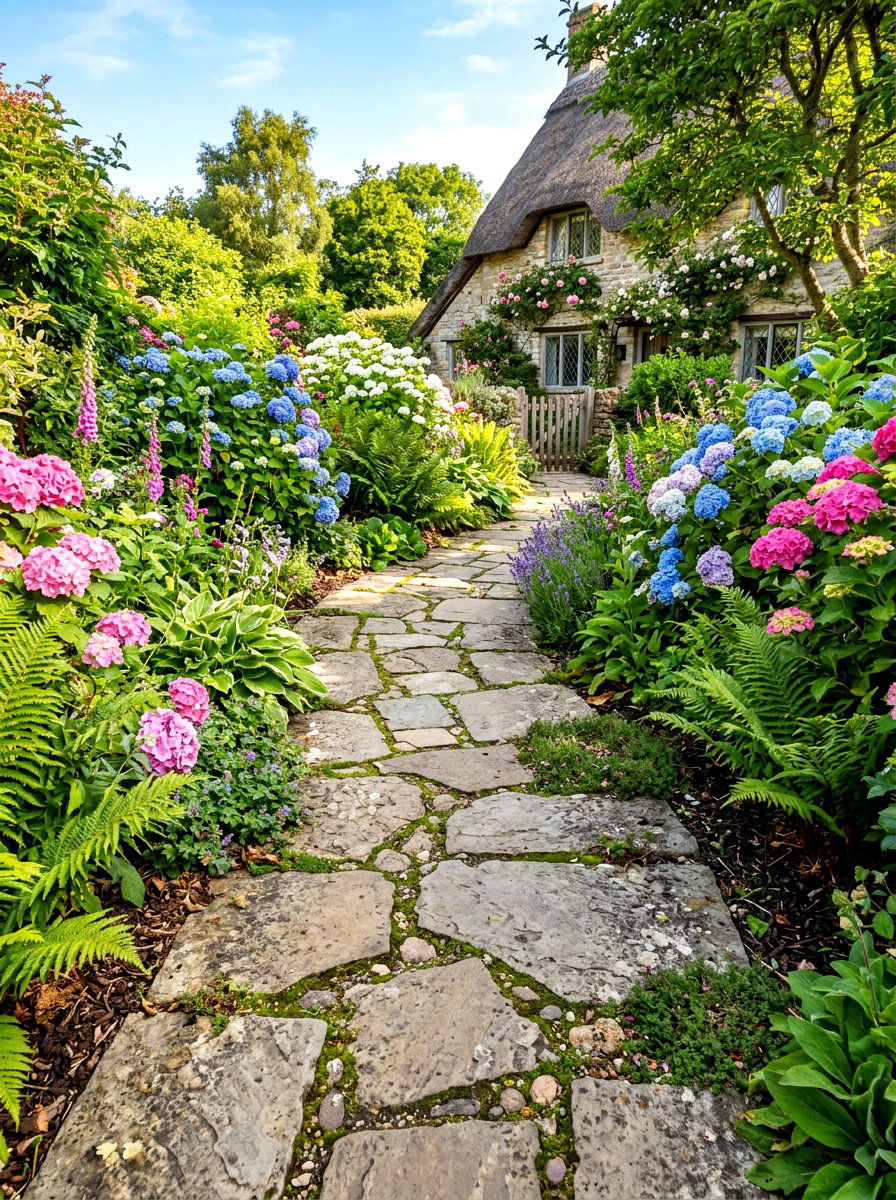
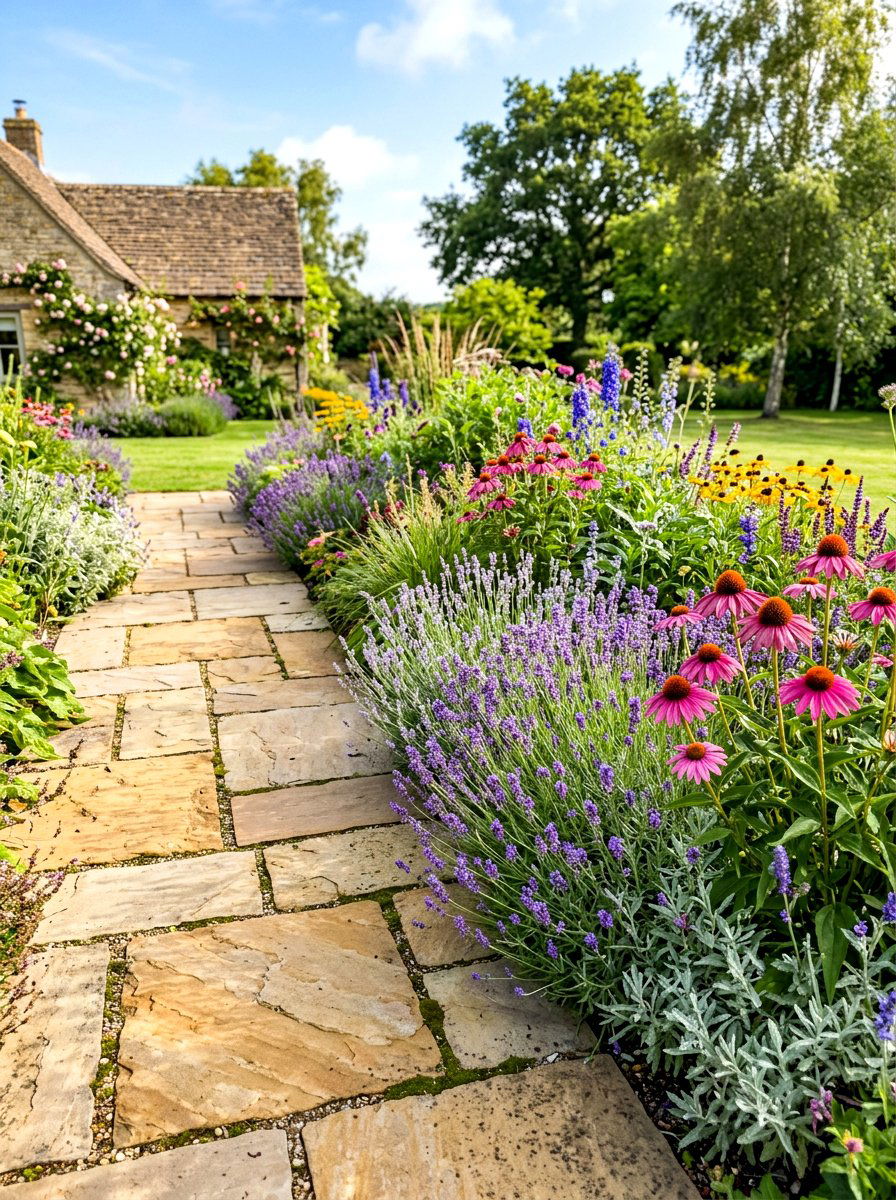
A flagstone garden walkway offers a timeless and organic feel that grounds your outdoor space with natural beauty. These irregular stones create a sturdy route that meanders through lush flower beds and dense shrubbery, making your backyard feel like a hidden sanctuary. By selecting stones with varying earthy tones, you can complement the architectural style of your home while providing a slip-resistant surface for year-round use. To soften the hard edges, consider planting creeping thyme or moss between the gaps, which adds a layer of fragrant greenery underfoot. This design choice is perfect for those who want a durable yet visually interesting path that ages gracefully over many decades.
2. Pea Gravel Path
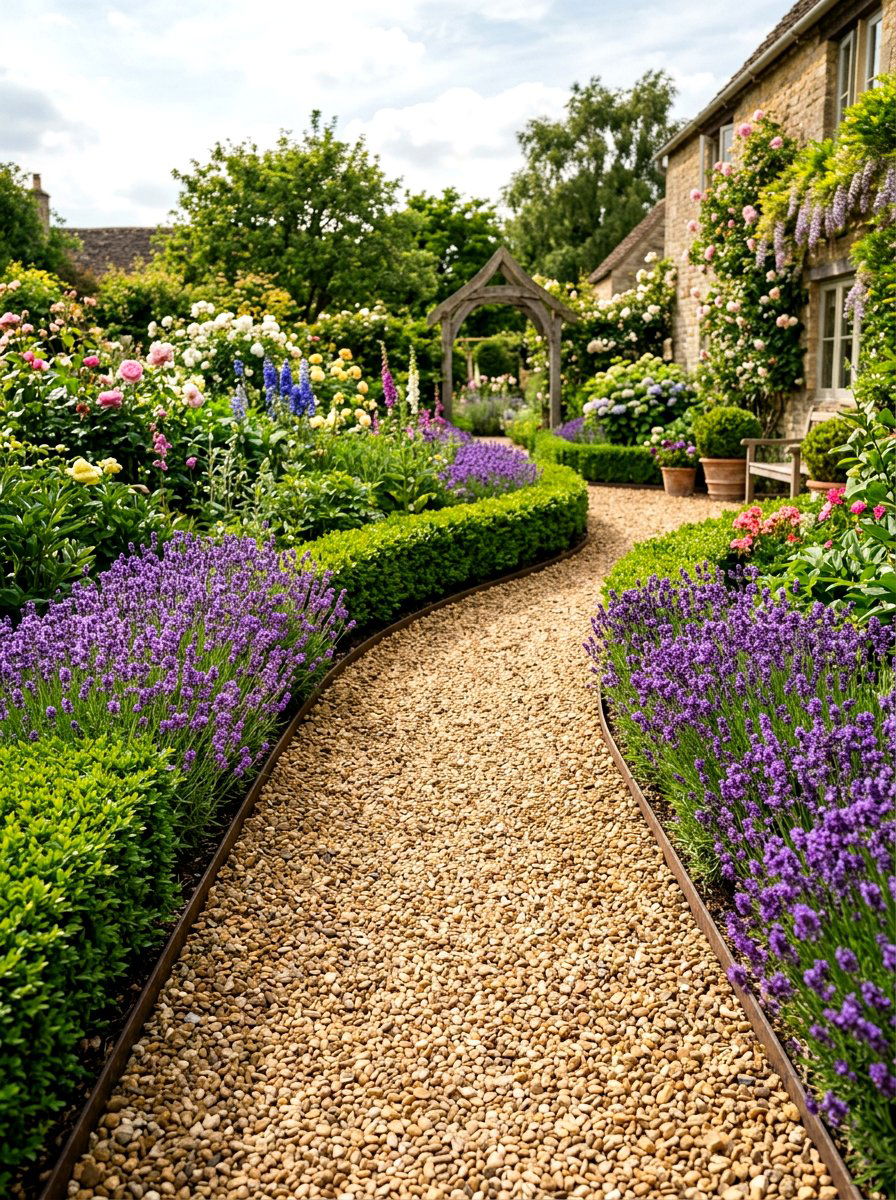
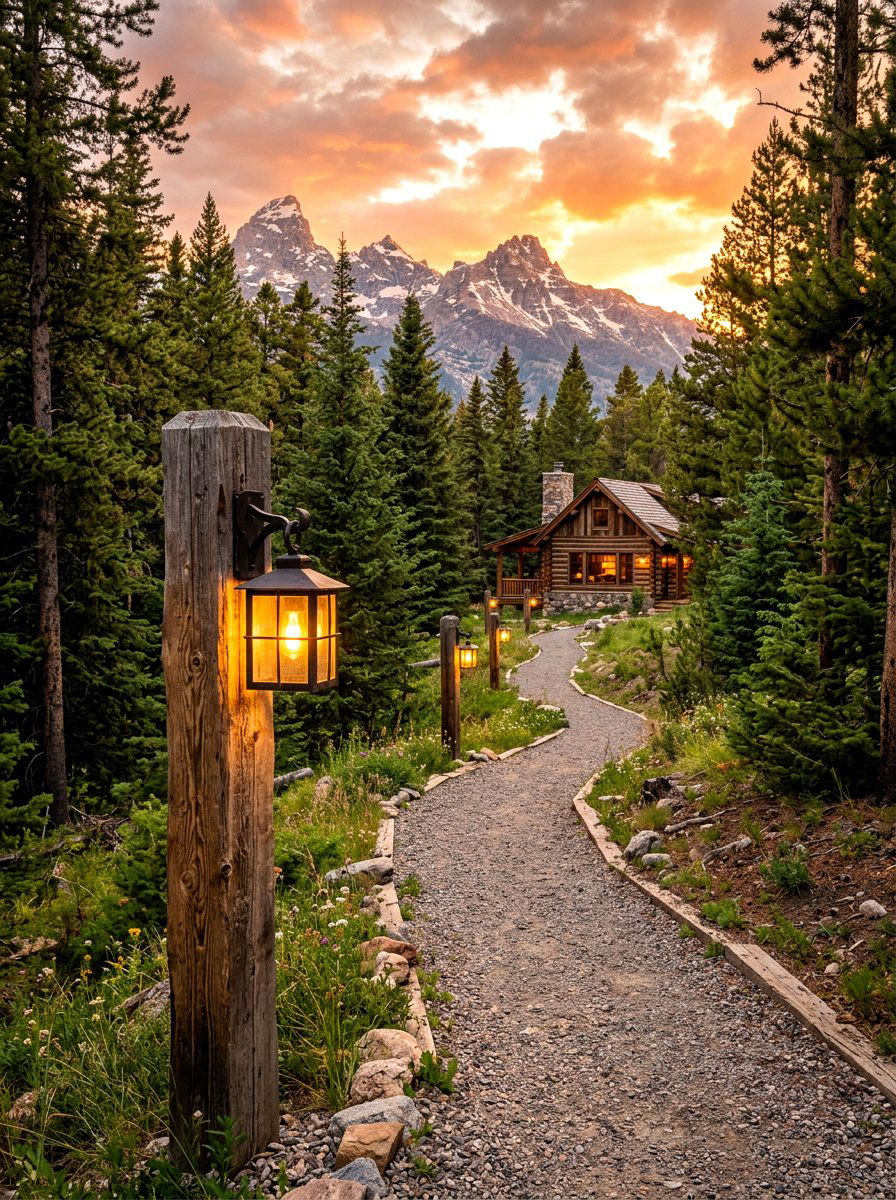
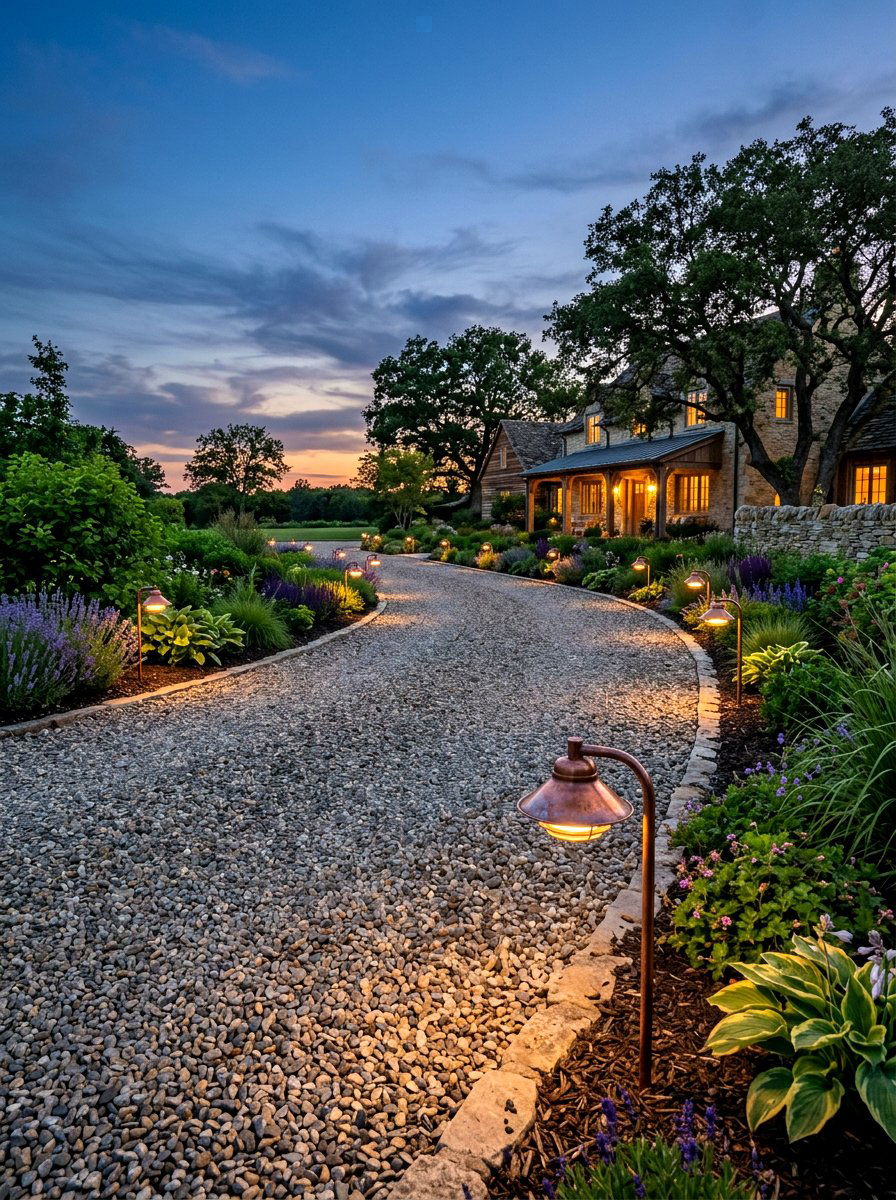
Installing a pea gravel path is an excellent way to achieve a relaxed, European-inspired look on a budget. The small, rounded stones provide a satisfying crunching sound underfoot, which acts as a natural alert for guests approaching your home. This material is highly permeable, allowing rainwater to soak into the ground quickly and preventing puddles from forming during heavy storms. You can use steel or timber edging to keep the gravel contained and create a sharp, clean border against your lawn or flower beds. This style works exceptionally well in cottage gardens where a slightly informal and textural walkway feels most at home among wild, blooming perennials.
3. Herringbone Brick Walkway
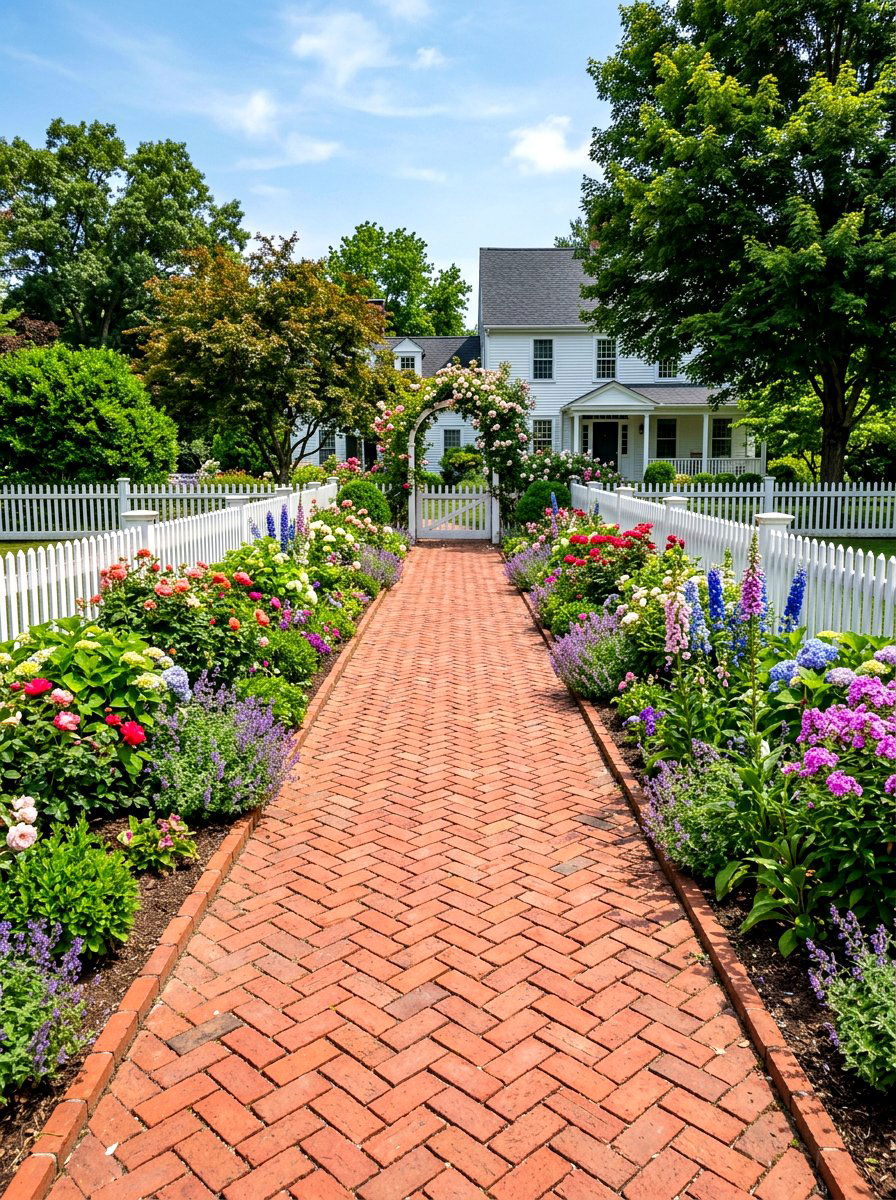
The herringbone brick walkway is a classic design that brings a sense of tradition and sophisticated pattern to any landscape. Bricks are incredibly durable and maintain their rich, warm colors even after years of exposure to the elements. Laying them in a herringbone pattern adds structural integrity to the path, preventing the bricks from shifting over time under heavy foot traffic. This formal style looks stunning when paired with manicured boxwood hedges or symmetrical flower borders that mirror the path's precise lines. It is an ideal choice for front entries where you want to create a strong first impression and a sense of permanent, high-quality architectural craftsmanship.
4. Wood Plank Garden Trail
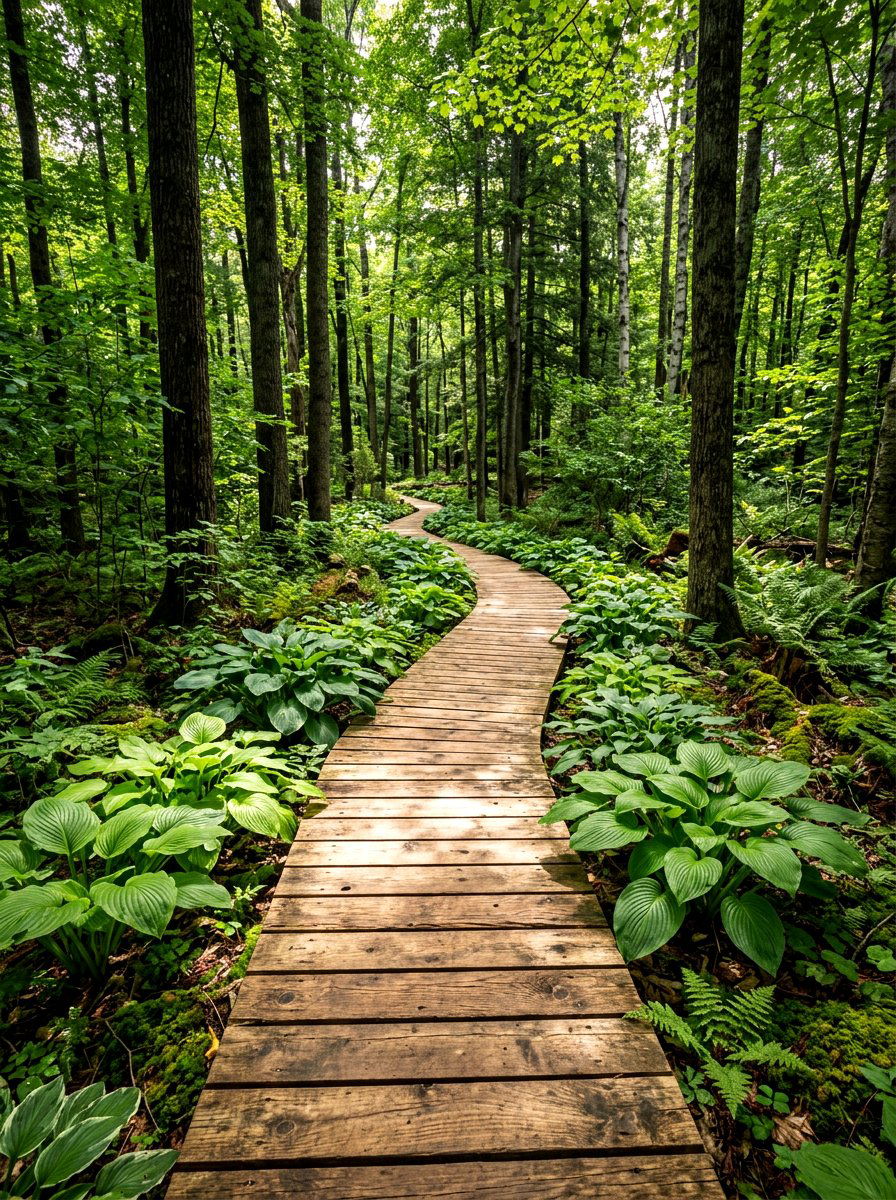
A wood plank garden trail creates a rustic boardwalk feel that is particularly effective in shaded areas or woodland settings. Using rot-resistant timber like cedar or pressure-treated pine ensures that your path remains safe and sturdy despite being in contact with damp soil. These planks can be laid horizontally to create a wide, inviting walkway that feels like a bridge over the natural landscape. This design is perfect for bridging uneven terrain or muddy patches where traditional stone might sink or become uneven. The natural grain of the wood provides a warm, organic texture that blends seamlessly with ferns, hostas, and other shade-loving plants in your backyard.
5. Modern Concrete Paver Path
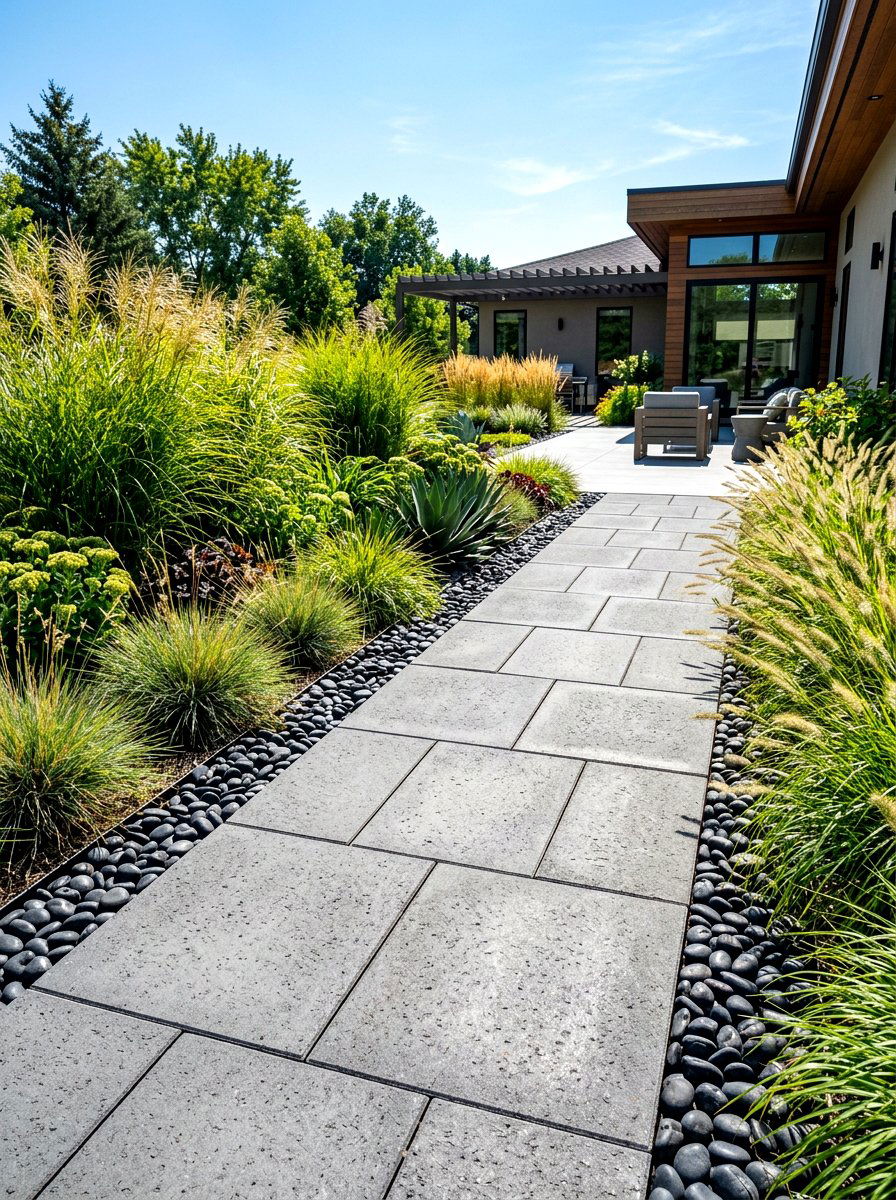
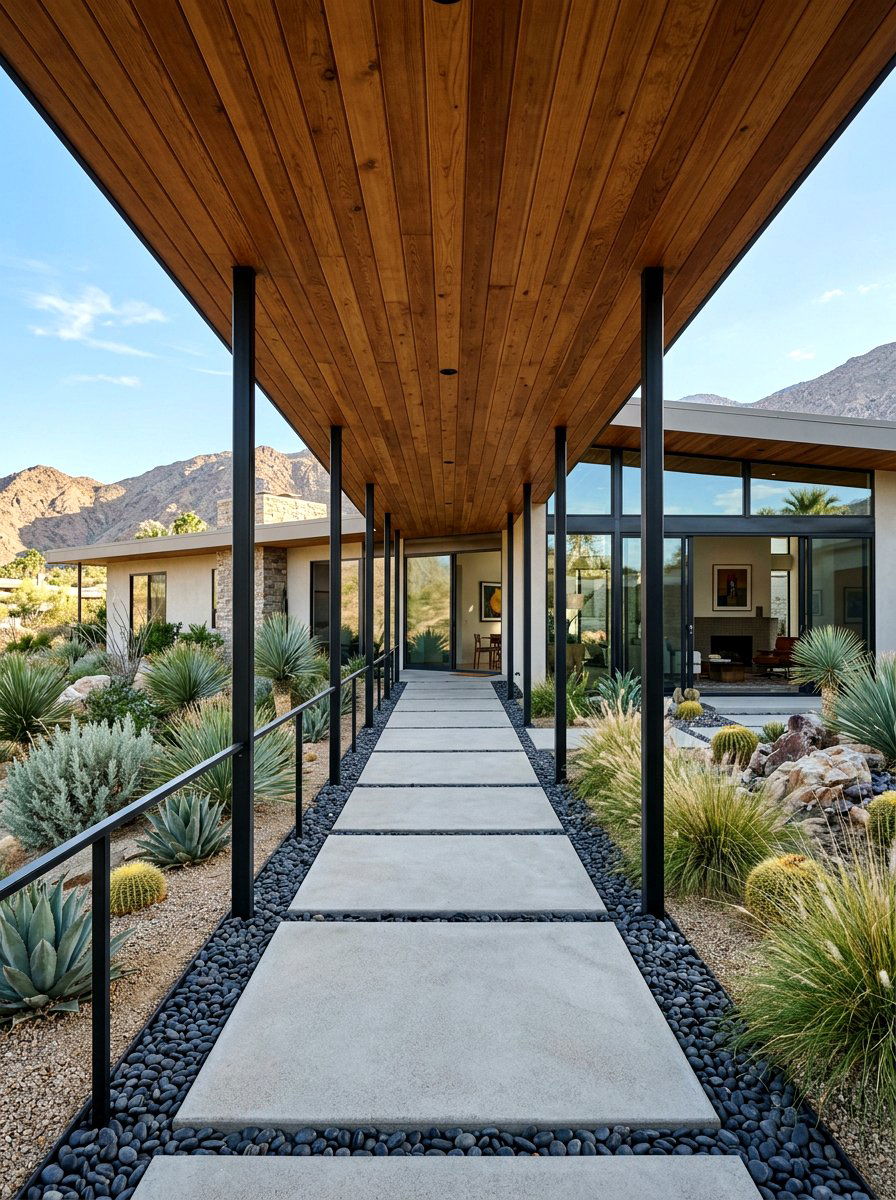
For a sleek and contemporary look, a modern concrete paver path uses large-format stones with clean, straight edges. These pavers are typically arranged in a linear or staggered fashion, often with wide gaps filled with decorative river rocks or low-growing groundcover. This geometric approach creates a sense of order and minimalism that complements modern architecture and minimalist planting schemes. The smooth surface of the concrete is easy to clean and provides a very stable walking area for all ages. By choosing cool gray or charcoal tones, you can create a sophisticated contrast against vibrant green lawns and architectural plants like ornamental grasses or succulents.
6. Decomposed Granite Walkway
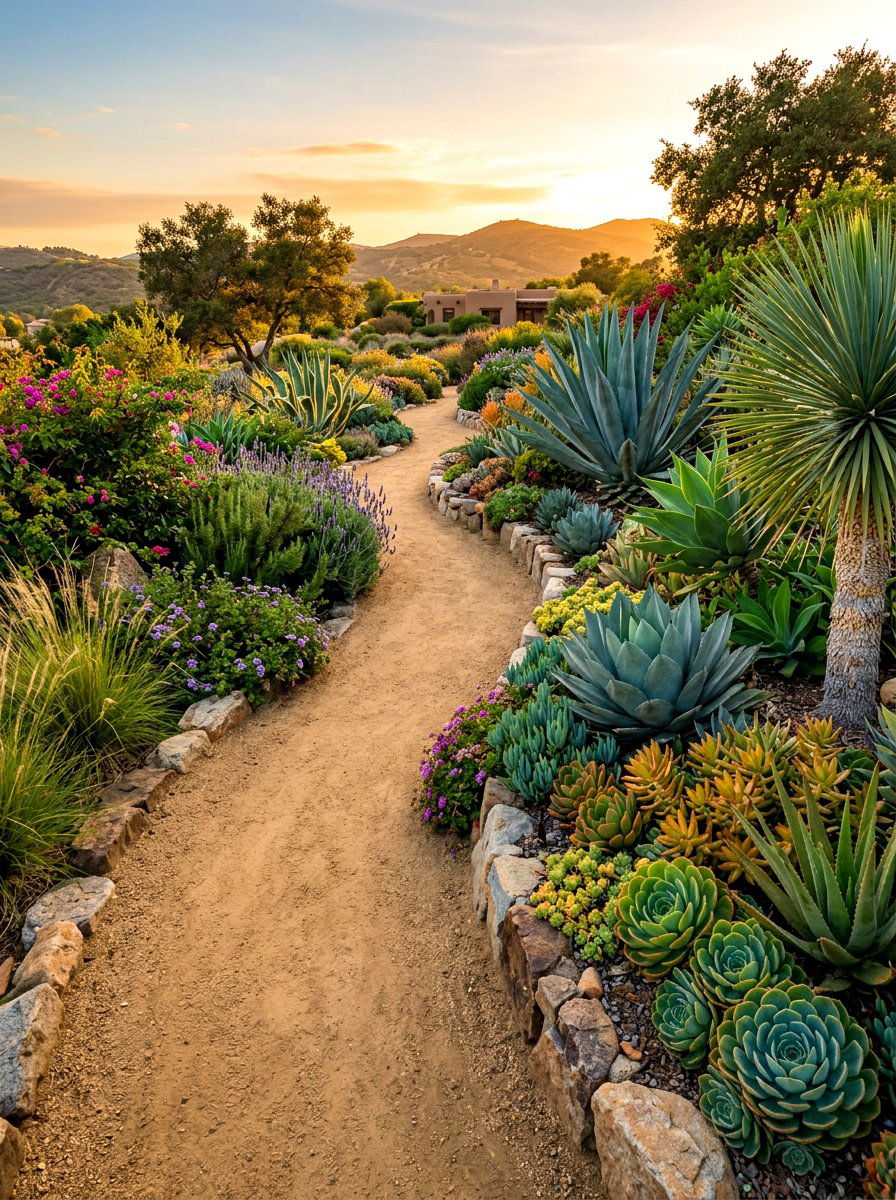
Decomposed granite is a popular choice for creating a naturalistic, earthy walkway that feels firm and stable underfoot. This material consists of tiny granite particles that pack down tightly to create a smooth surface that is easier to walk on than loose gravel. It is often used in Mediterranean or desert-style landscapes where its warm tan or gold hues complement drought-tolerant plantings. Because it is a natural stone product, it blends perfectly into the environment without looking overly manufactured. Using a stabilizer during installation helps prevent erosion and keeps the path looking tidy, providing a low-maintenance solution for long, winding trails through large garden spaces.
7. Natural Bark Mulch Path
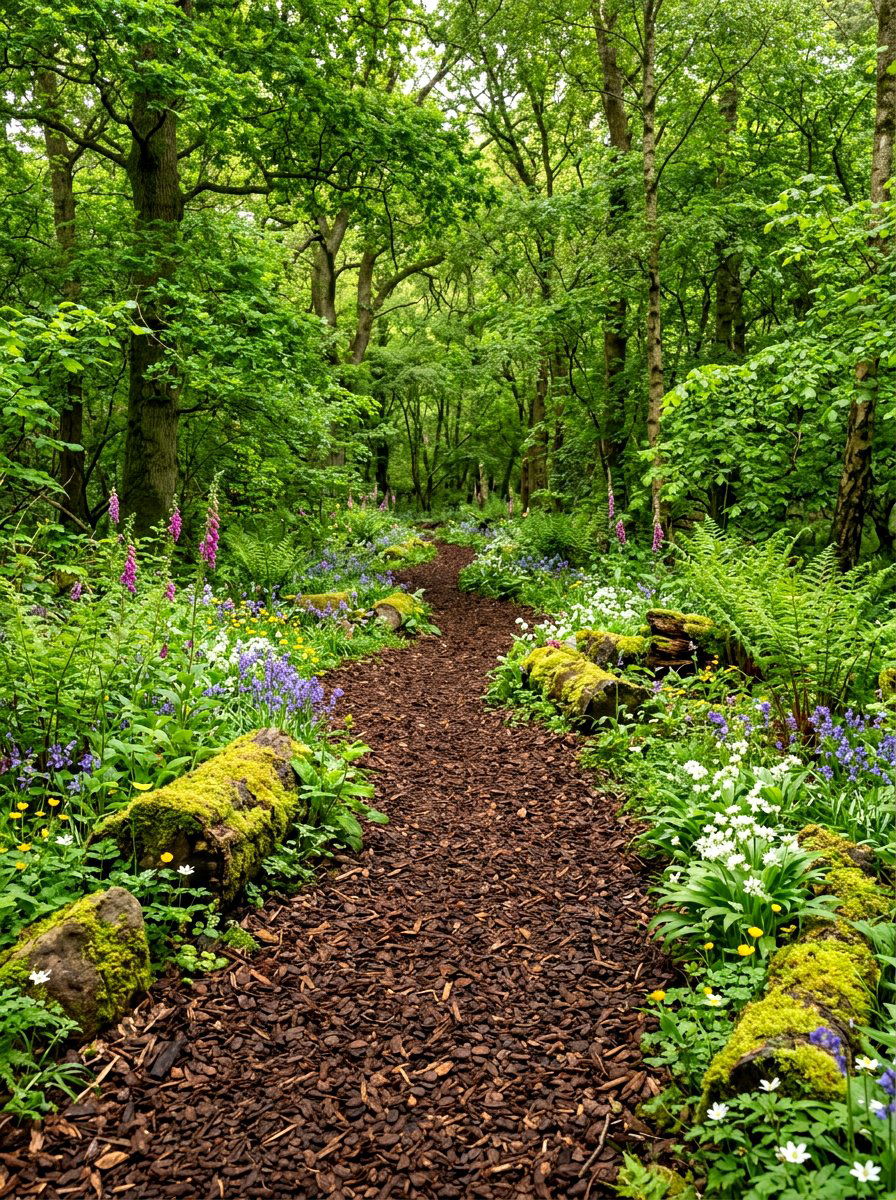
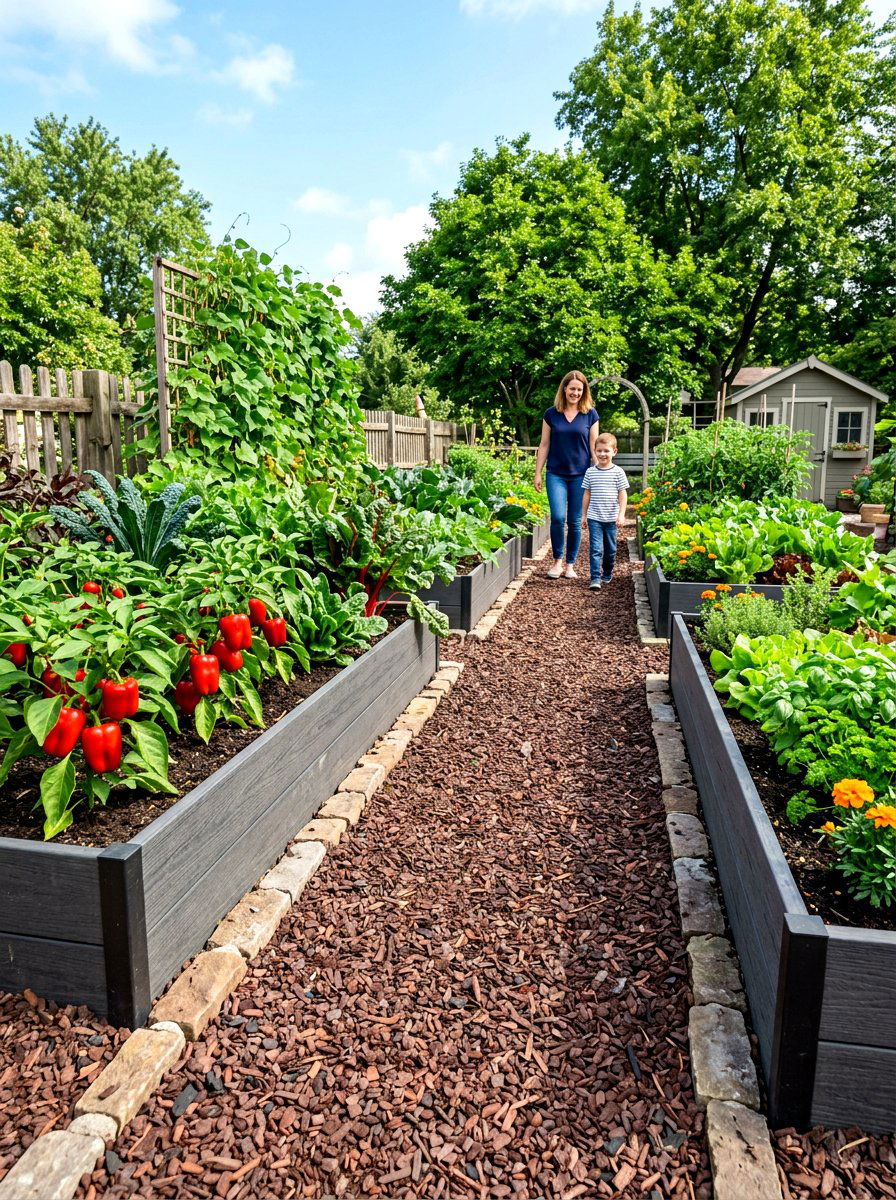
A natural bark mulch path is perhaps the most eco-friendly and cost-effective way to define a route through your garden. This soft material provides a cushioned walking surface that feels wonderful in woodland areas or vegetable gardens where a casual vibe is preferred. Mulch helps to suppress weeds and retains moisture in the soil, benefiting the plants that line the walkway as it slowly decomposes over time. While it does require refreshing every year or two, the installation process is incredibly simple and requires no specialized tools. The dark brown or reddish tones of the bark create a beautiful contrast with bright green foliage and colorful seasonal flowers.
8. Mosaic Pebble Walkway
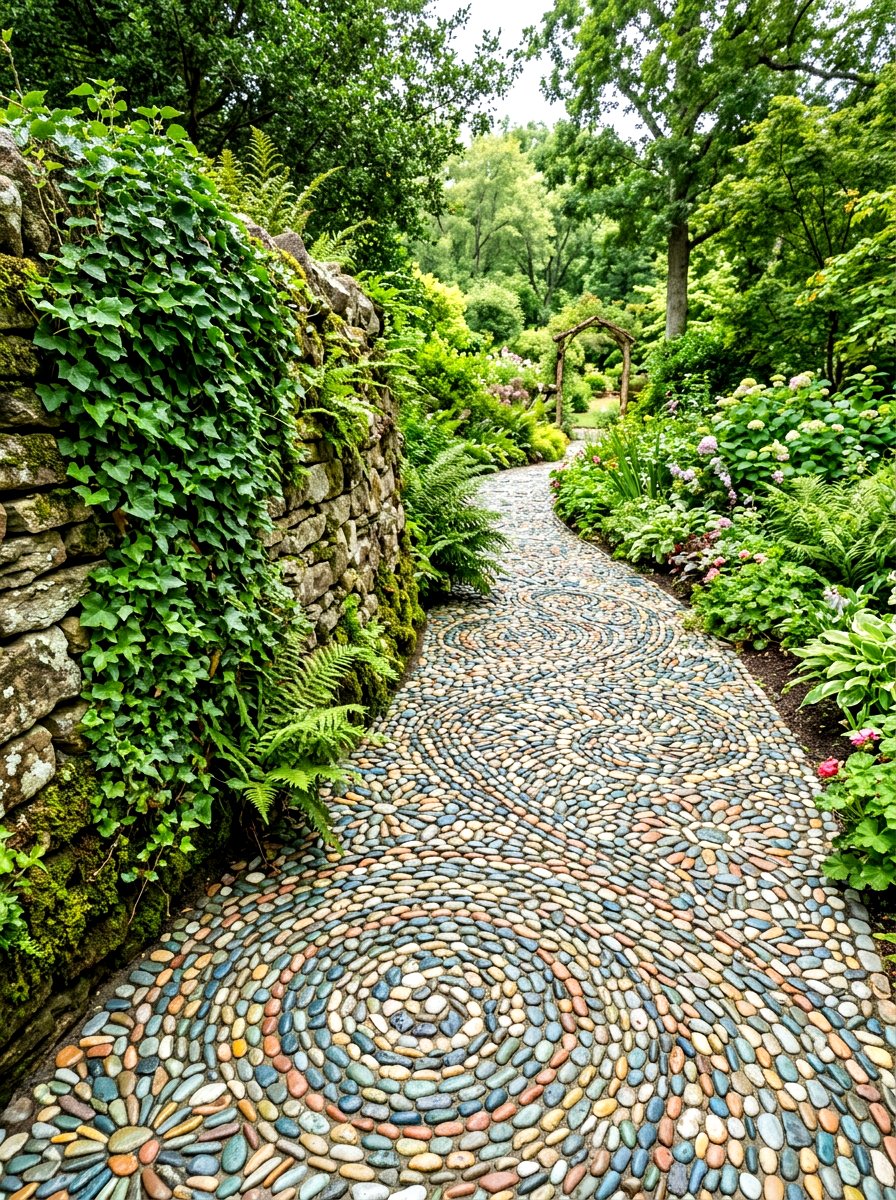
Turning your walkway into a work of art is easy with a mosaic pebble walkway. This design involves hand-setting small, smooth river stones into a mortar bed to create intricate patterns, swirls, or even floral motifs. While it requires more time and patience than other methods, the result is a unique and stunning feature that becomes a focal point of your garden. The various colors and shapes of the pebbles add a tactile dimension to the path that is visually captivating. This artistic approach is perfect for small courtyard gardens or "secret" corners where you want to add a touch of whimsy and high-end artisanal detail.
9. Reclaimed Wood Sleeper Path
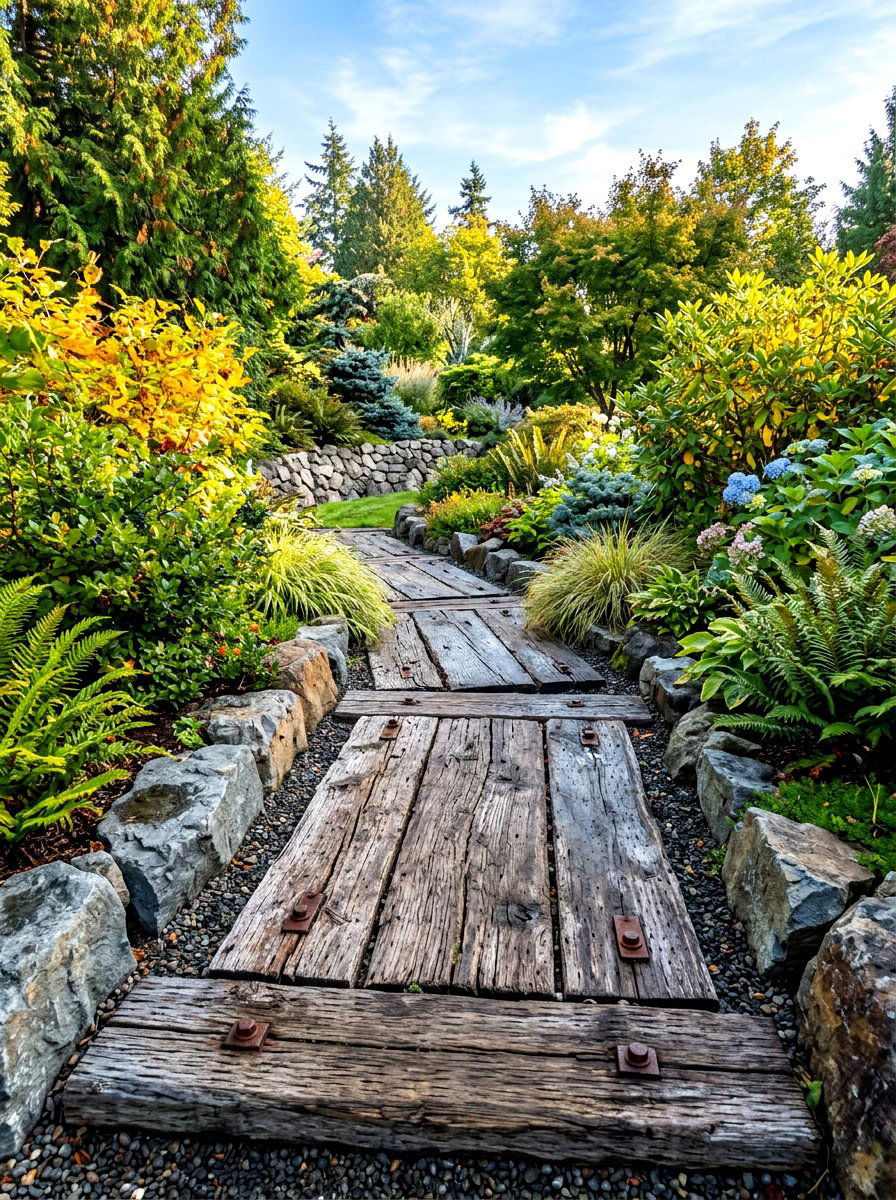
Using reclaimed wood sleepers or railway ties creates a bold, industrial-rustic walkway that makes a strong statement. These heavy timbers provide a wide and extremely durable surface that can handle significant weight and traffic without shifting. The weathered texture of the old wood adds a sense of history and character that new materials simply cannot replicate. You can space the sleepers out and fill the gaps with large gravel or stones to create a rugged, masculine look that suits farmhouse or modern-rustic homes. This style is also excellent for creating steps on sloped terrain, as the weight of the timber naturally anchors itself into the ground.

10. Log Slice Garden Walkway
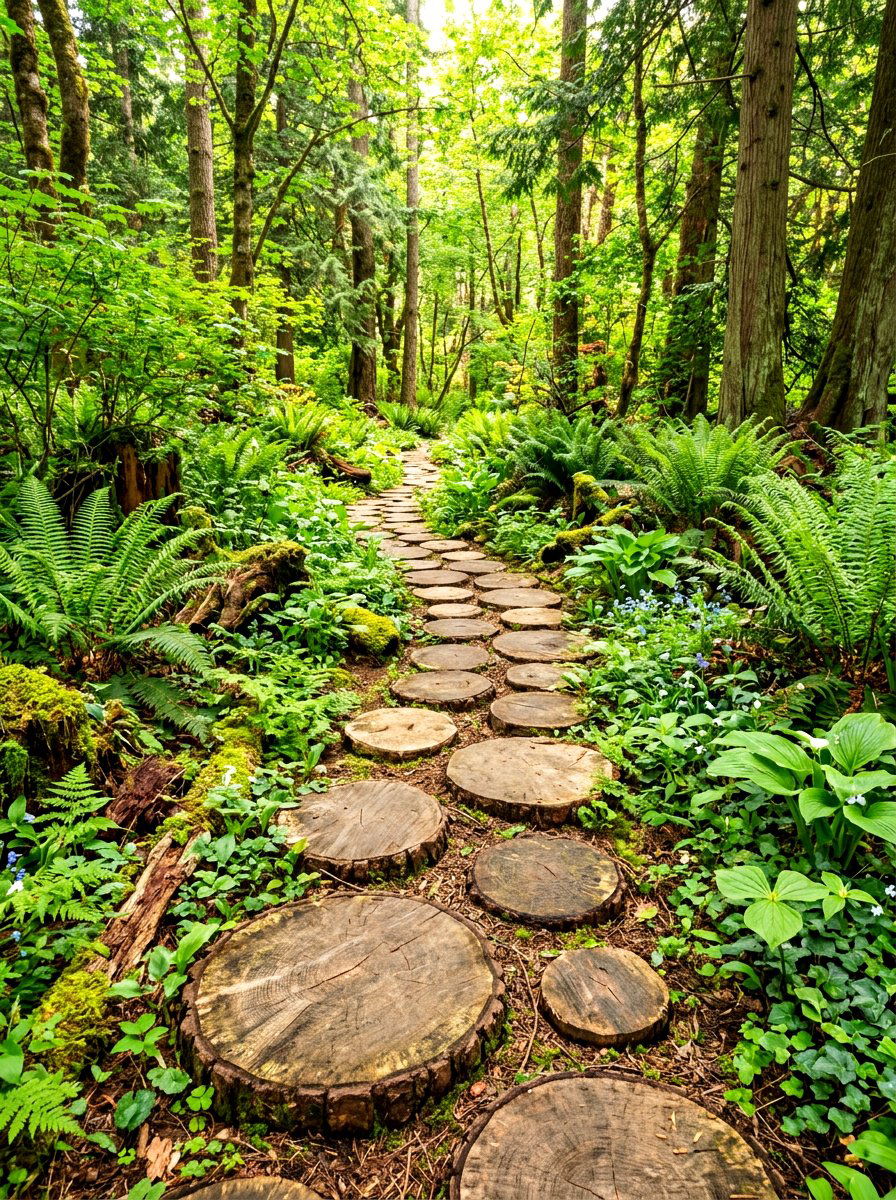
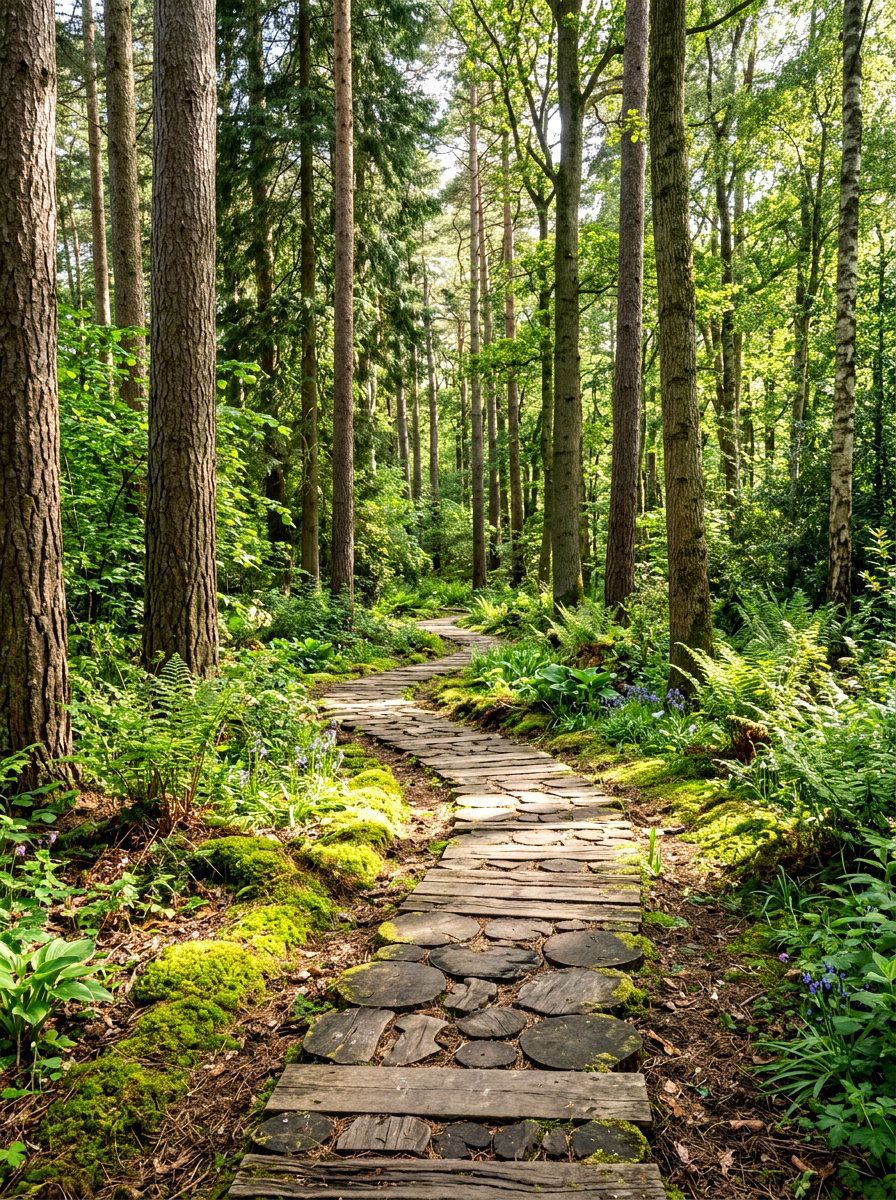
A log slice garden walkway, often called "stepping rounds, " is a charming and whimsical way to navigate through a garden. By using cross-sections of fallen trees, you create a series of natural circles that invite you to hop from one to the next. This design is highly sustainable and works beautifully in play areas or informal backyard spaces where a sense of adventure is encouraged. To prevent the wood from becoming slippery when wet, you can apply a clear anti-slip coating or nestle them deeply into a bed of dry gravel. Each slice showcases unique growth rings, adding a fascinating biological detail to every step of your journey.
11. European Cobblestone Path
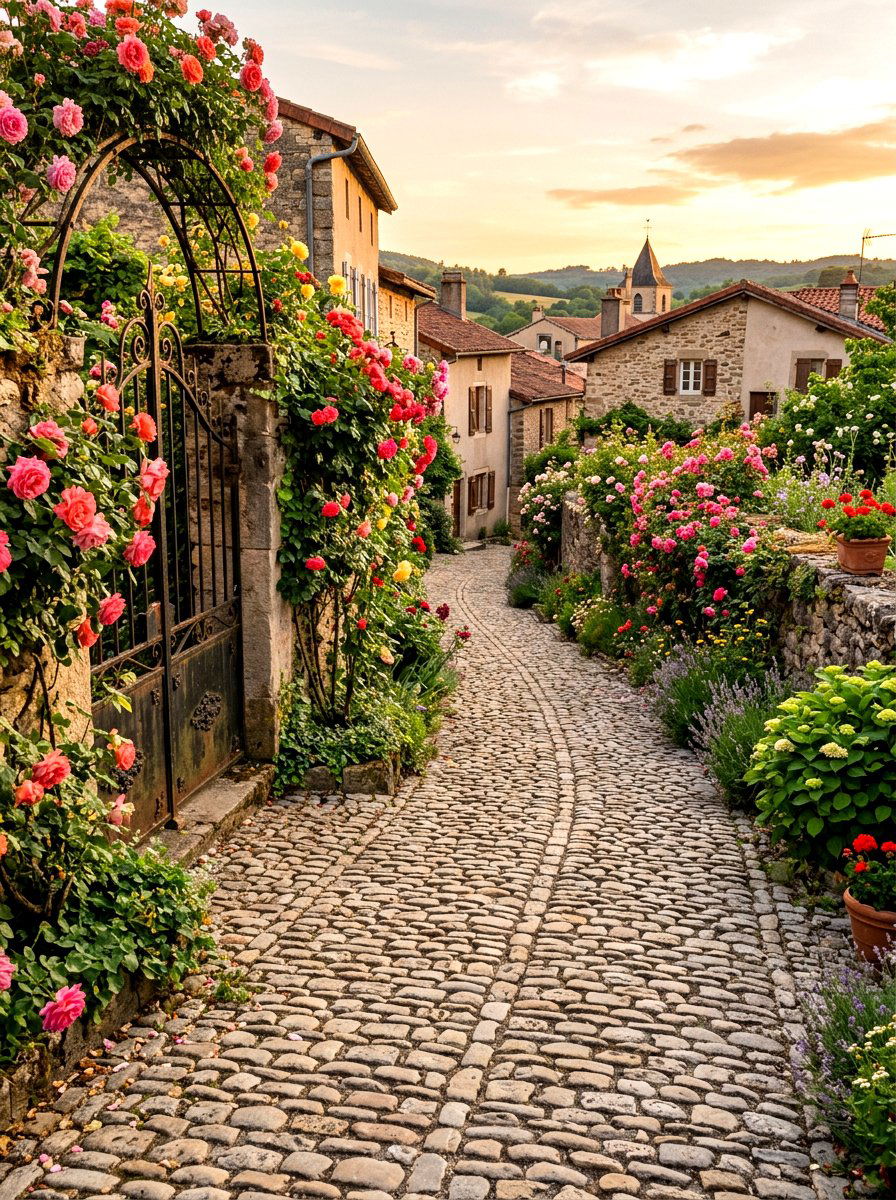
Evoking the charm of old-world streets, a European cobblestone path adds a sense of permanence and history to your home. These small, rounded stones are incredibly tough and can withstand extreme weather conditions for centuries. The irregular surface creates a beautiful play of light and shadow, especially when illuminated by low-voltage garden lighting at night. Cobblestones are ideal for driveways or main entrance paths where you want a material that feels substantial and premium. When paired with climbing roses and wrought iron accents, this walkway style creates a romantic and classic atmosphere that never goes out of fashion in traditional landscape design.
12. Green Grass Walkway
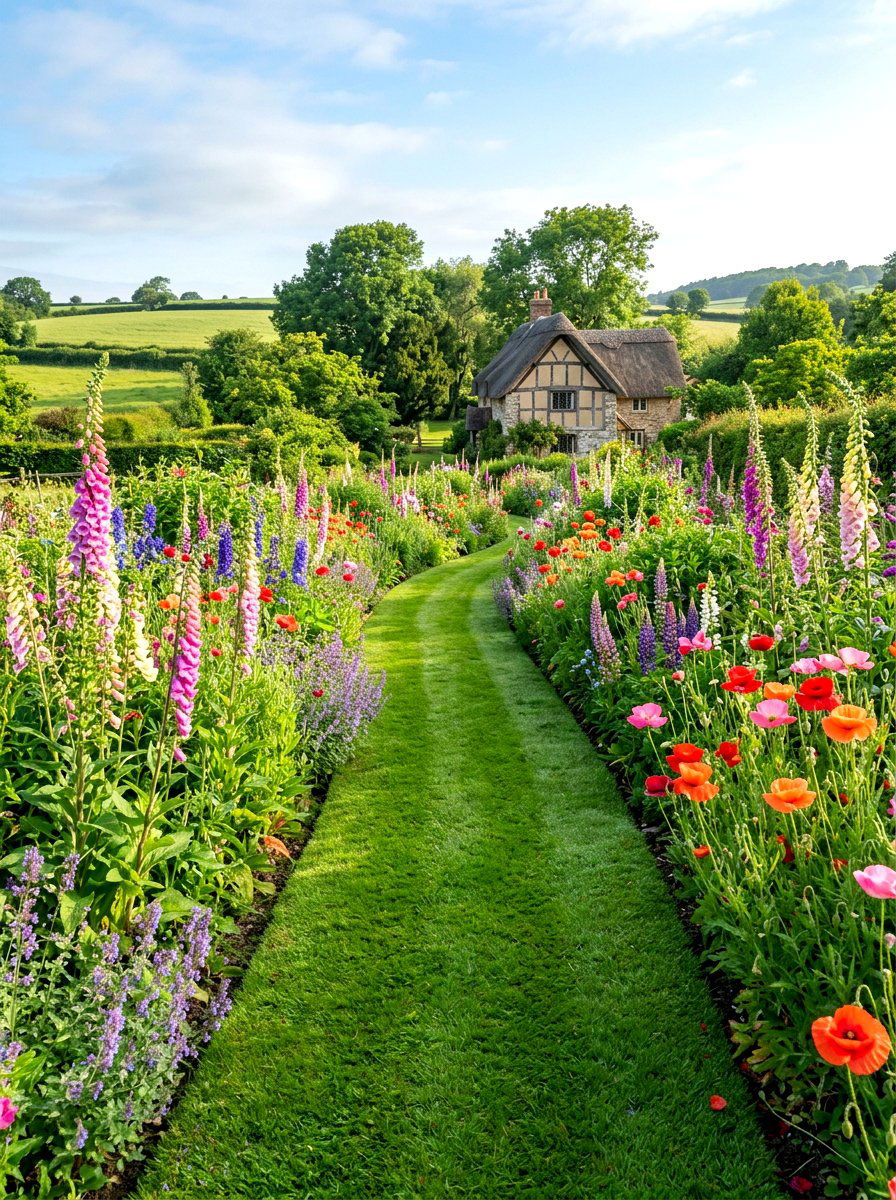
Sometimes the simplest path is the most effective, and a green grass walkway is a perfect example of minimalist beauty. By mowing a specific route through taller meadows or framing a strip of lawn with dense flower borders, you create a soft and lush path. This approach is very easy on the feet and keeps the entire garden feeling cohesive and exceptionally green. It is a fantastic choice for large estates where you want to encourage exploration without the high cost of hardscaping. The contrast between the neatly manicured grass path and the wild, uninhibited growth of the surrounding garden creates a stunning visual rhythm.
13. Slate Tile Garden Path
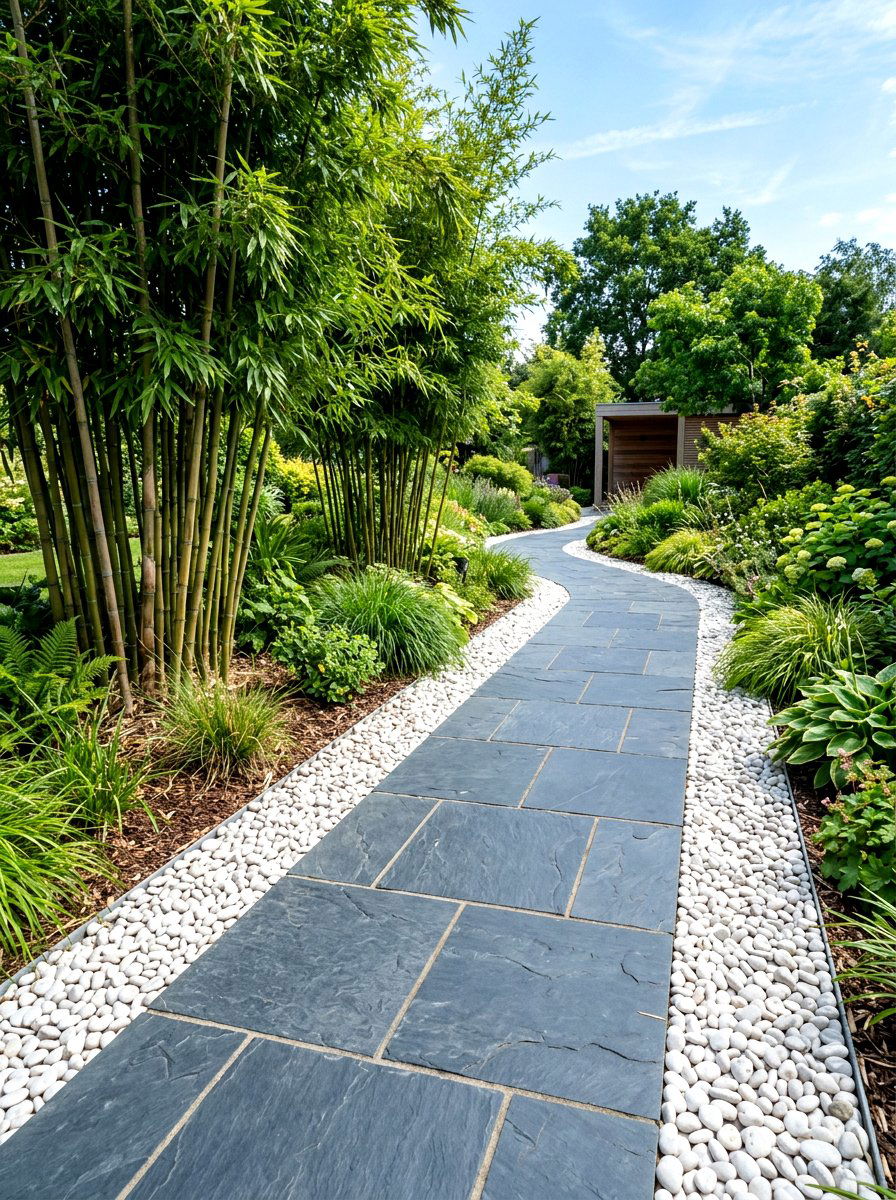
A slate tile garden path offers a sophisticated and sleek aesthetic with its natural layers and dark, moody colors. These flat tiles are often cut into precise rectangles or squares, providing a very smooth and level walking surface that is perfect for contemporary homes. Slate's natural water resistance makes it a durable choice for outdoor use, and its deep grays and blues look particularly striking when wet. You can lay these tiles on a sand or concrete base for maximum stability. When surrounded by white pebbles or bright green groundcovers, the dark slate pops, creating a high-contrast look that defines the geometry of your outdoor living area.
14. River Rock Walkway
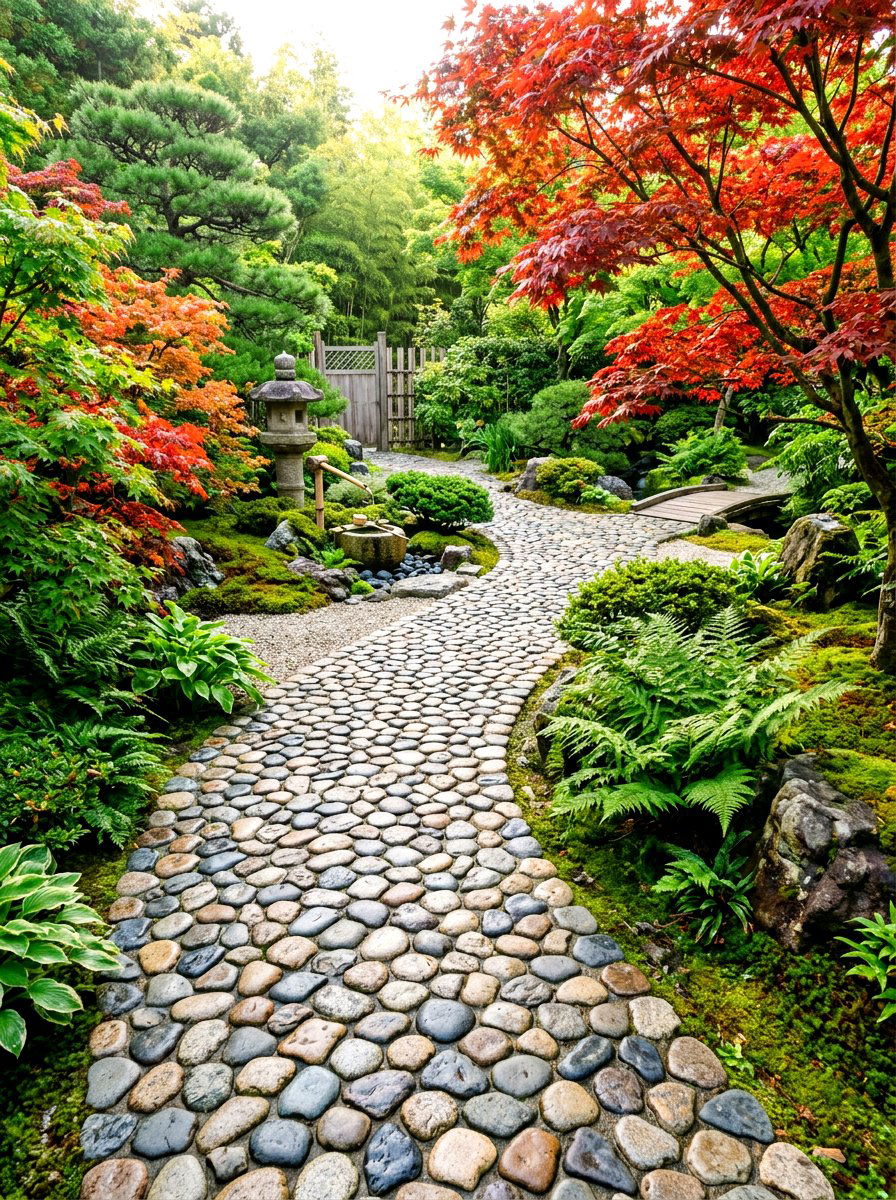
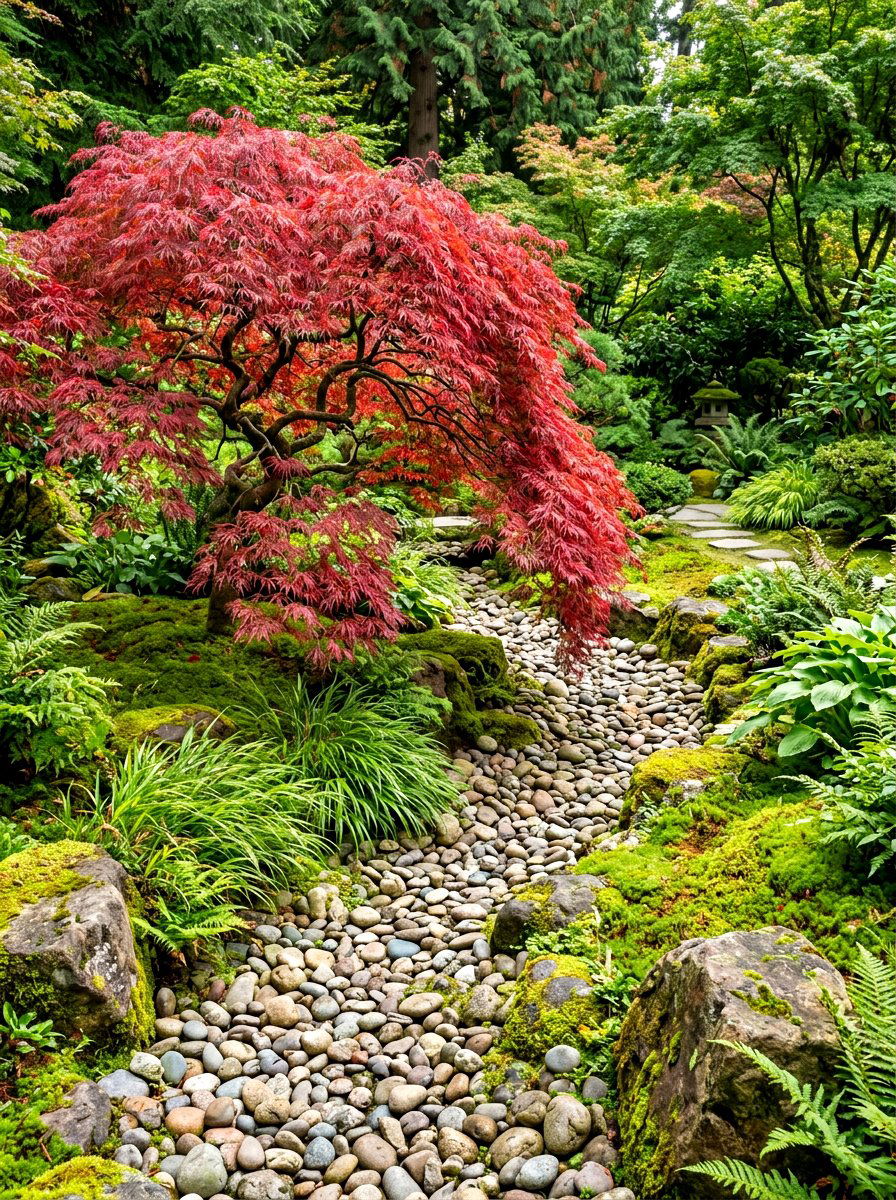
A river rock walkway utilizes smooth, water-worn stones to create a path that feels connected to the elements. These rocks come in various shades of gray, blue, and tan, providing a neutral palette that complements any plant color. While large river rocks can be difficult to walk on alone, they are often used as a decorative border for flat stepping stones or nested into the ground to create a textured "dry stream" look. This style is central to Zen garden designs, where the stones represent flowing water. The result is a calm and meditative walkway that encourages you to slow down and enjoy the peaceful surroundings of your backyard.


15. Japanese Stepping Stone Path
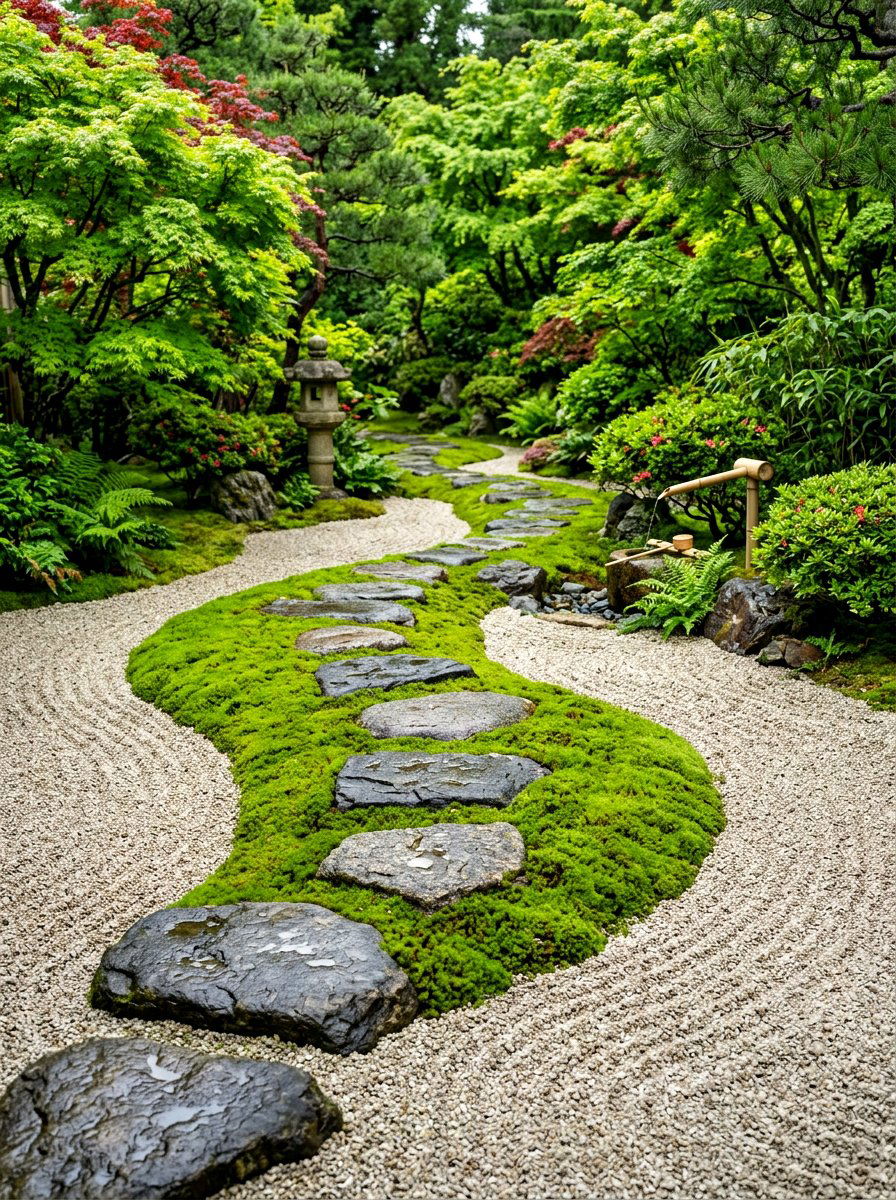
Inspired by the tea gardens of Japan, a Japanese stepping stone path is designed to slow your pace and focus your attention. The stones are carefully placed at a specific distance to match a natural walking stride, often in a slightly zigzag pattern. This layout prevents you from rushing through the garden and instead encourages you to pause and appreciate the view from different angles. Large, flat stones with natural textures are preferred, often surrounded by manicured moss or raked sand. This style of path is perfect for creating a contemplative mood in a quiet corner of the yard, emphasizing the beauty of simplicity and intentional movement.
16. Travertine Paver Walkway
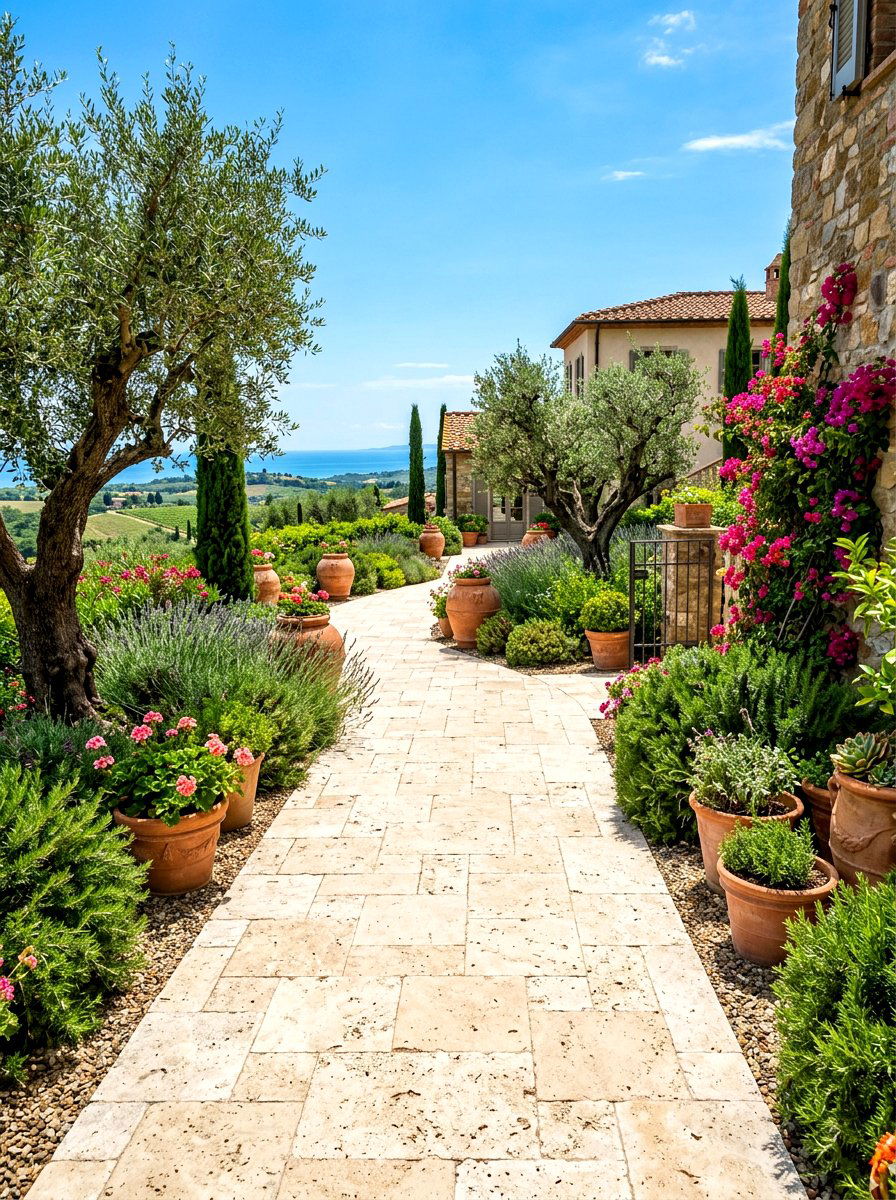
Travertine pavers are a luxury choice that brings a bright and airy Mediterranean feel to your landscape. These natural limestone stones have unique pits and textures that provide a slip-resistant surface while staying relatively cool under the hot summer sun. The creamy beige and soft silver tones reflect light beautifully, making small or shaded garden areas feel much larger and more open. Travertine is often used around pool areas or patios to create a seamless transition between different outdoor zones. Its elegant appearance pairs wonderfully with lavender, olive trees, and terracotta pots, instantly transporting your backyard to the sun-drenched hills of Italy or Greece.
17. Interlocking Stone Garden Path
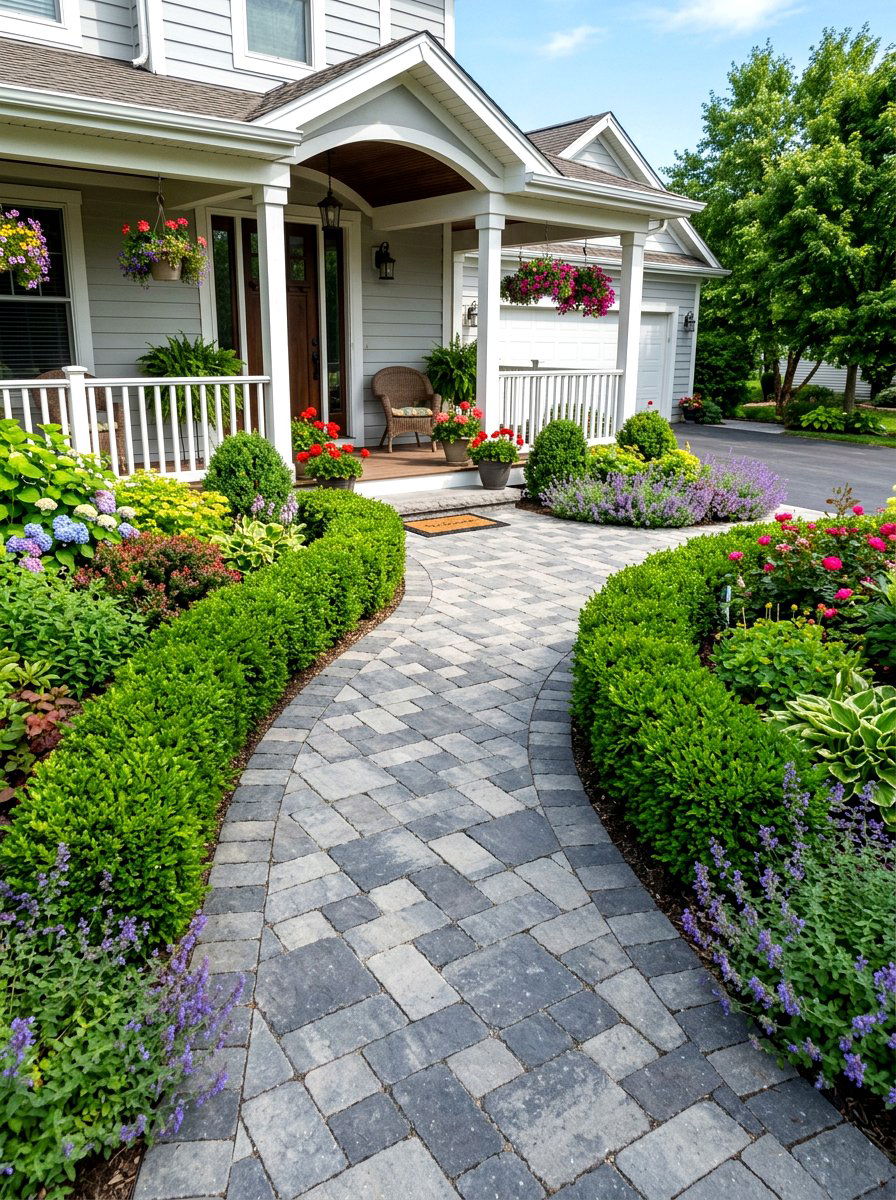
An interlocking stone garden path is the ultimate solution for high-traffic areas that require maximum durability. These stones are designed to fit together like puzzle pieces, creating a solid surface that will not shift or sink even under the weight of heavy garden equipment. Available in a vast array of colors and patterns, interlocking stones allow for complete customization of your walkway's look. They are an excellent choice for front walkways where curb appeal and functionality are equally important. Because they are installed over a compacted base of gravel and sand, they provide excellent drainage and are resistant to the cracking common with poured concrete.
18. Coastal Crushed Shell Path
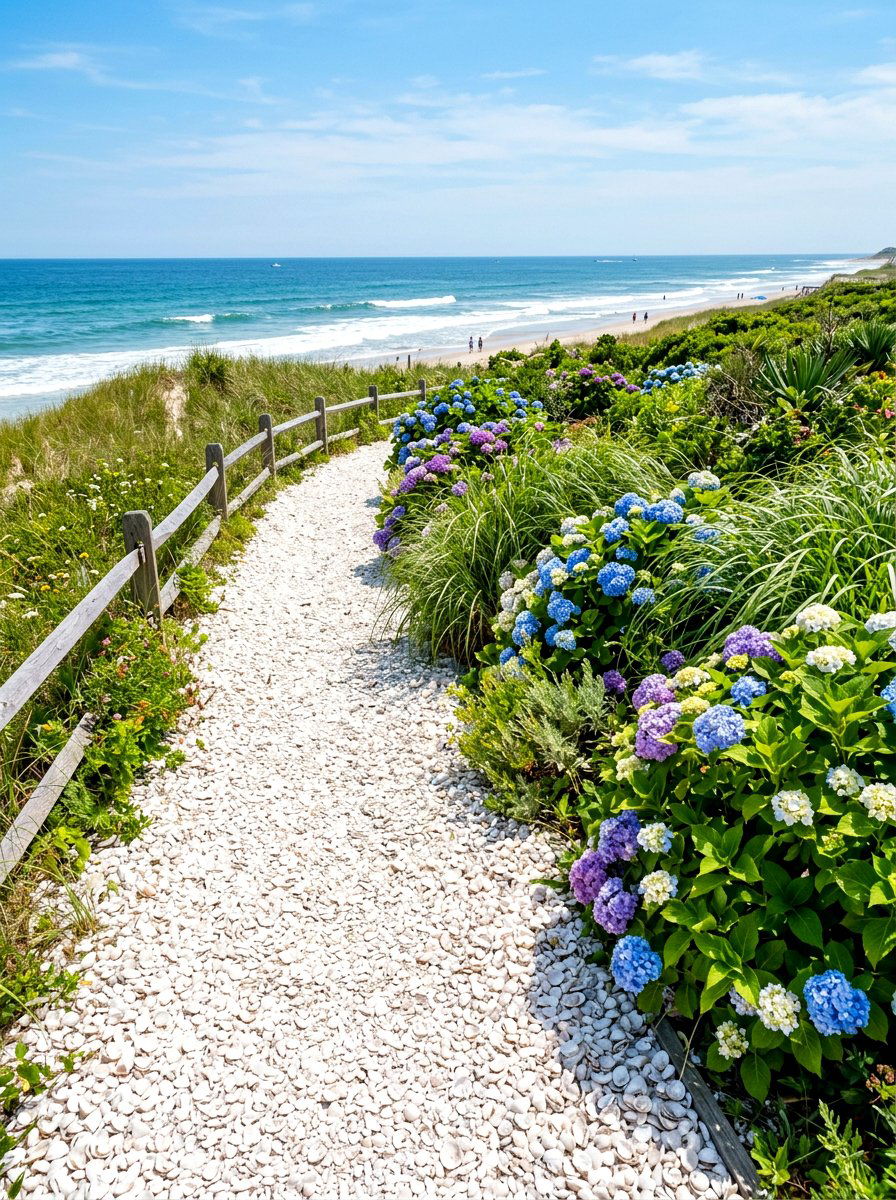
For homes near the water or those wanting a beachy vibe, a coastal crushed shell path is an authentic and charming choice. As you walk, the shells break down further, creating a sparkling and firm surface that looks beautiful in the bright sun. The white and cream colors of the shells provide a sharp contrast against coastal plants like sea grass, hydrangeas, or succulents. This material is naturally alkaline, which can be beneficial for certain soil types, and it provides excellent drainage for rainy climates. The bright, reflective quality of the shells ensures the path remains visible even in the dim light of early evening.
19. Mossy Stone Garden Trail
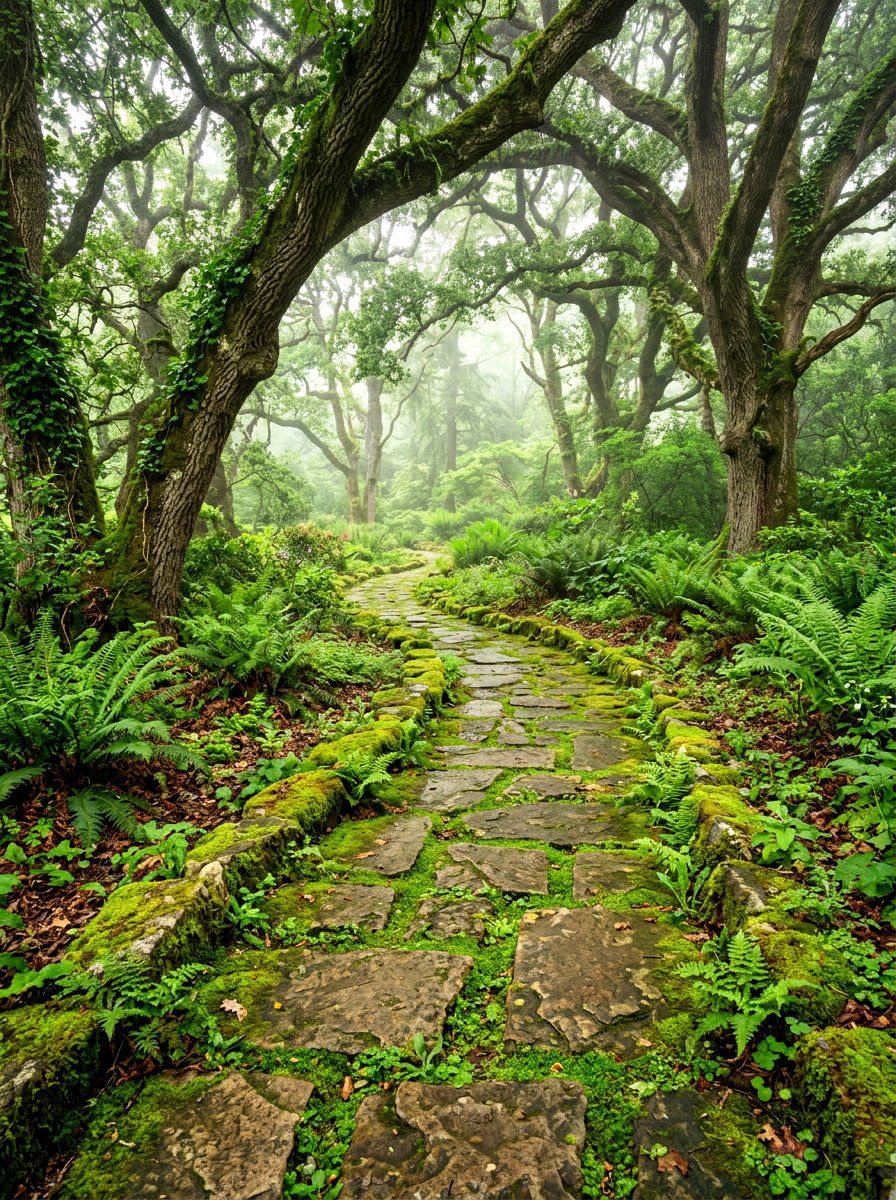
A mossy stone garden trail looks like something straight out of a fairy tale, offering an enchanted and ancient feel. This design involves using old, weathered stones and encouraging moss to grow in the damp, shaded gaps between them. The soft, velvet-like texture of the moss cushions the hard stone and creates a vibrant green tapestry that feels alive. This type of path is best suited for north-facing yards or wooded areas where moisture is naturally present. It requires very little maintenance once established, as the moss acts as a natural weed barrier. Walking on such a path feels like stepping back in time into a secret, untouched forest.

20. Circular Stone Walkway
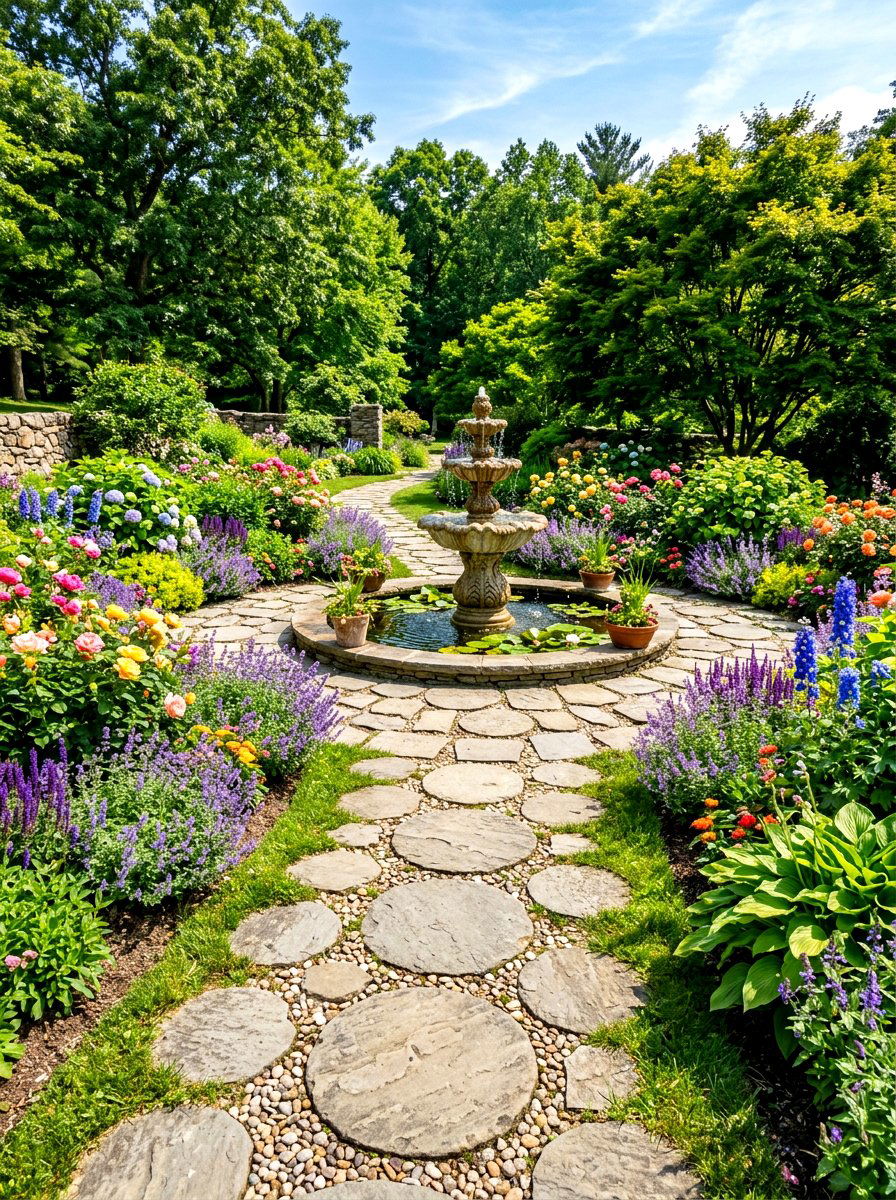
Breaking away from traditional straight lines, a circular stone walkway uses round pavers or curved stone layouts to create a sense of whimsy and movement. These circular elements can be used as individual stepping stones or clustered together to form a wider path that flows organically through the garden. This geometric theme can be echoed in the shape of your flower beds or lawn edges to create a cohesive and playful design. Circular paths are particularly effective at drawing the eye toward a specific focal point, such as a fountain, fire pit, or a beautiful specimen tree, making the journey through your garden feel like a series of discoveries.
21. Poured Concrete Garden Path
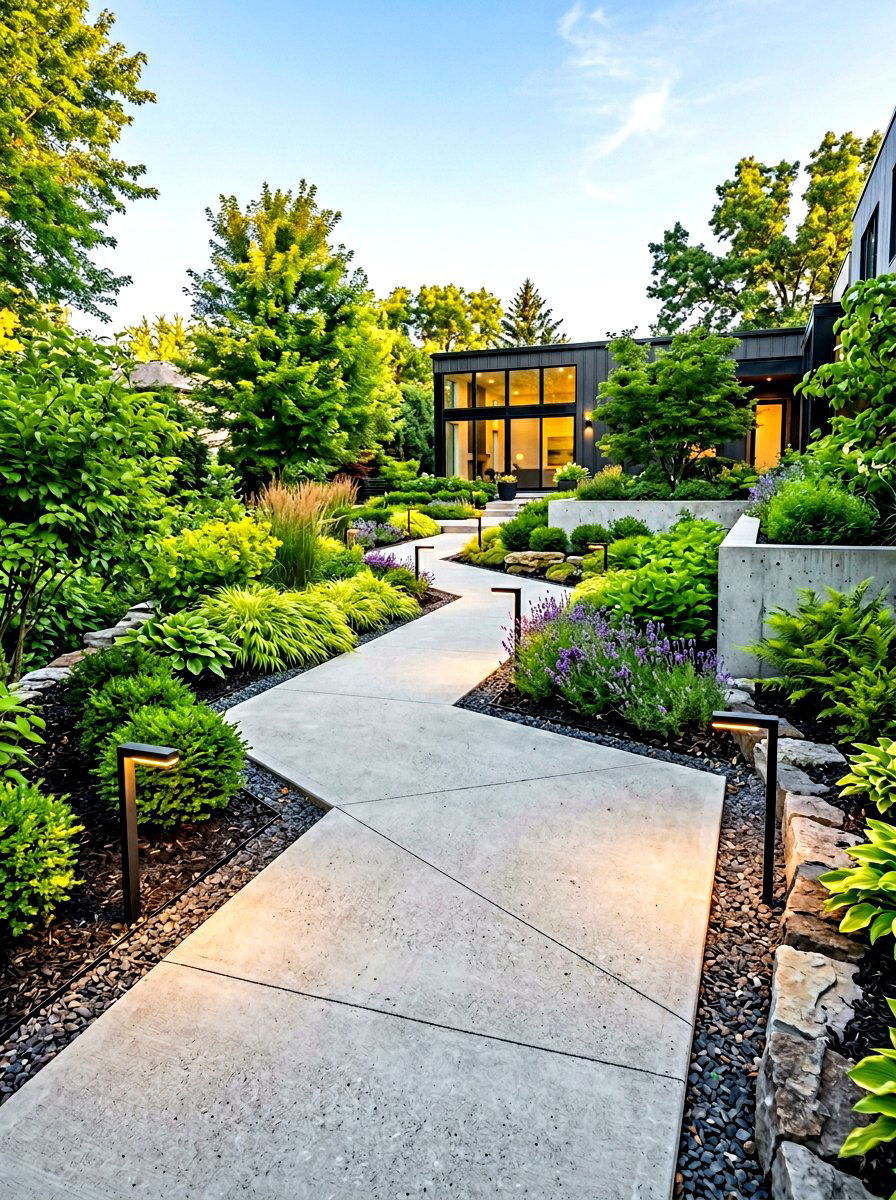
A poured concrete garden path is a versatile and modern option that can be customized with various textures and colors. By using stamps or stencils, you can make concrete look like natural stone, brick, or even wood planks at a fraction of the cost. A simple broom-finished concrete path offers a clean, industrial aesthetic that works perfectly with minimalist or mid-century modern homes. Because it is a continuous solid surface, it is one of the easiest paths to maintain and clear of snow in winter. Adding integrated LED strip lighting along the edges of a concrete path creates a high-end, futuristic look that ensures safety after dark.
22. Terracotta Tile Walkway
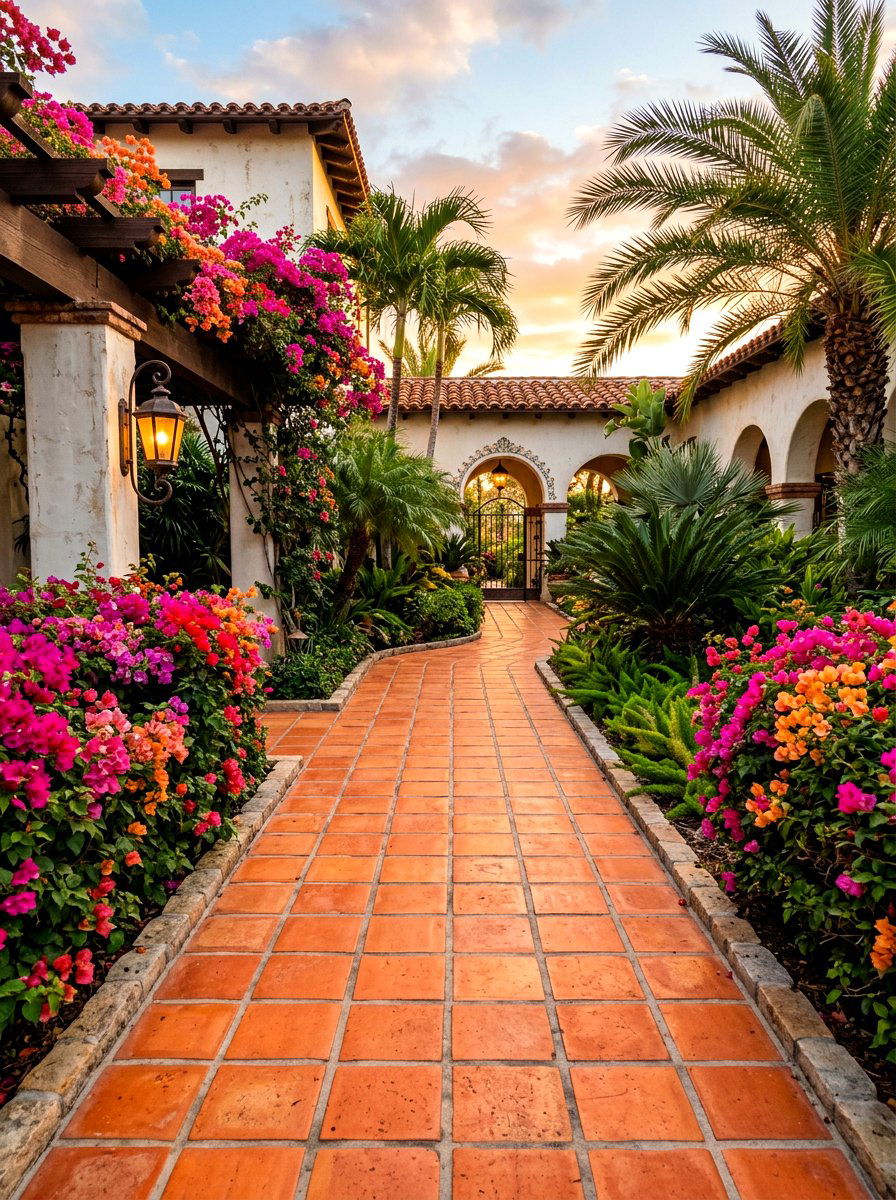
A terracotta tile walkway brings immediate warmth and a rustic, handmade feel to your outdoor space. The deep orange and red hues of the clay tiles look stunning when paired with lush green tropical plants or bright Mediterranean flowers like bougainvillea. These tiles are often used in southwestern or Spanish-style gardens where their earthy tones complement the architecture and the climate. While they require a solid base to prevent cracking, the visual impact of a tiled path is undeniable. The natural variations in the clay mean that no two tiles are exactly alike, adding a sense of artisanal character and charm to your garden's transition areas.
23. Bluestone Garden Path
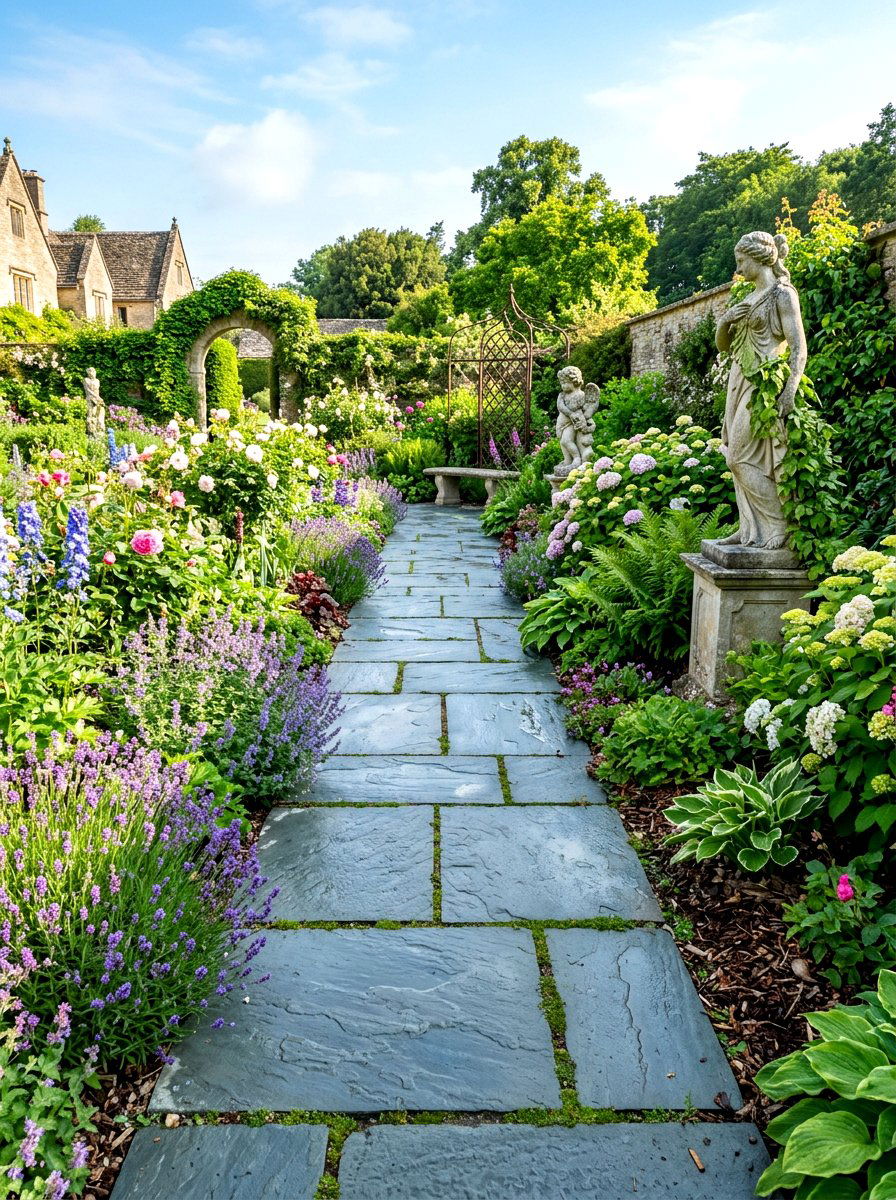
Bluestone is a premium natural sandstone that is highly prized for its beautiful blue-gray color and incredible durability. A bluestone garden path can be designed with either "natural cleft" stones for a rugged, textured surface or "thermal" stones for a perfectly smooth and uniform look. This material is heavy and stays in place well, making it ideal for creating permanent walkways that feel solid and expensive. Bluestone works exceptionally well in both traditional and modern landscapes, offering a neutral but sophisticated backdrop for colorful flower borders. Its ability to withstand harsh winters without scaling or cracking makes it a favorite for homeowners in colder northern climates.
24. White Limestone Walkway
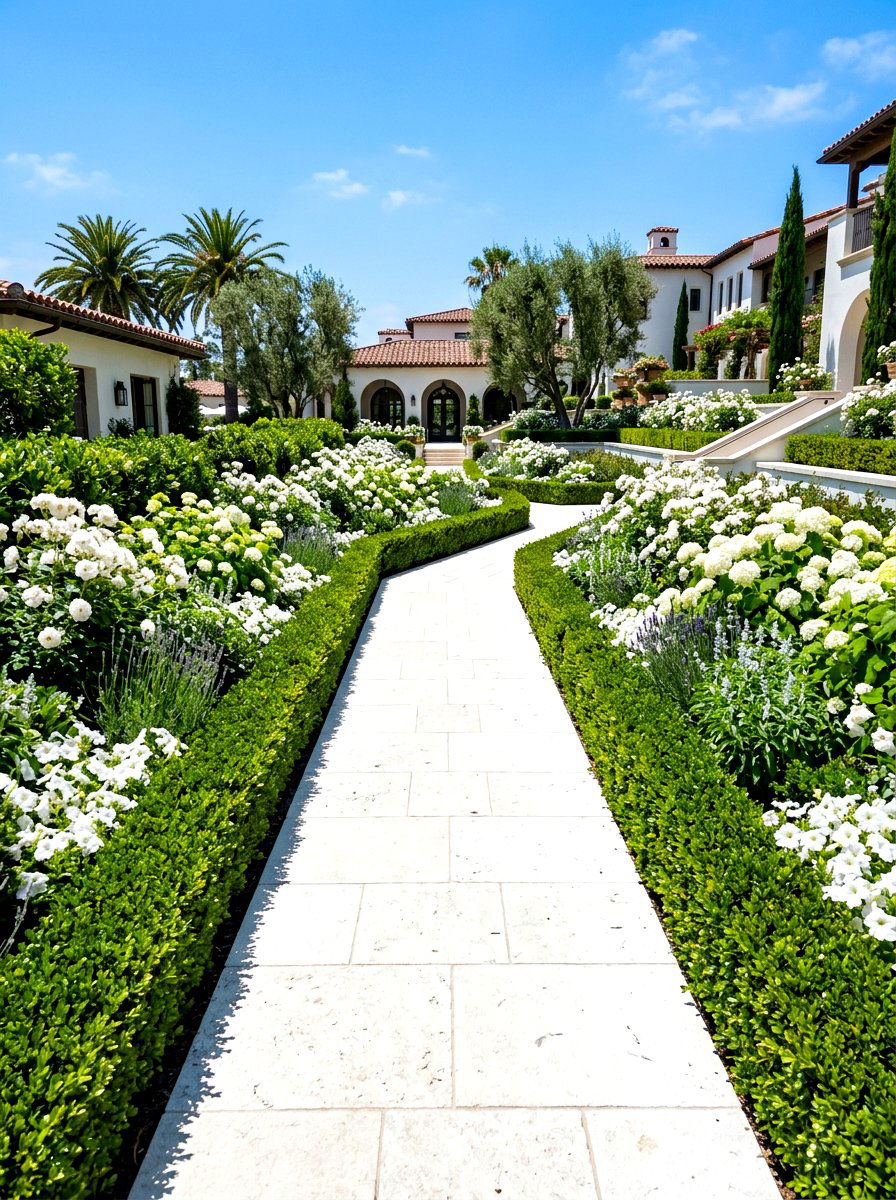
A white limestone walkway creates a bright, clean, and elegant path that makes any garden feel like a luxury resort. The light color of the stone reflects heat, keeping the path cooler underfoot during the peak of summer. Limestone can be used as large stepping stones or crushed into small chips to create a textured gravel path. This material pairs beautifully with formal garden elements like statues, fountains, and neatly trimmed hedges. Because of its bright appearance, a limestone path provides excellent visibility at night, guiding guests safely through the yard. It is a timeless choice that adds a sense of light and clarity to your outdoor environment.
25. Granite Sett Garden Path
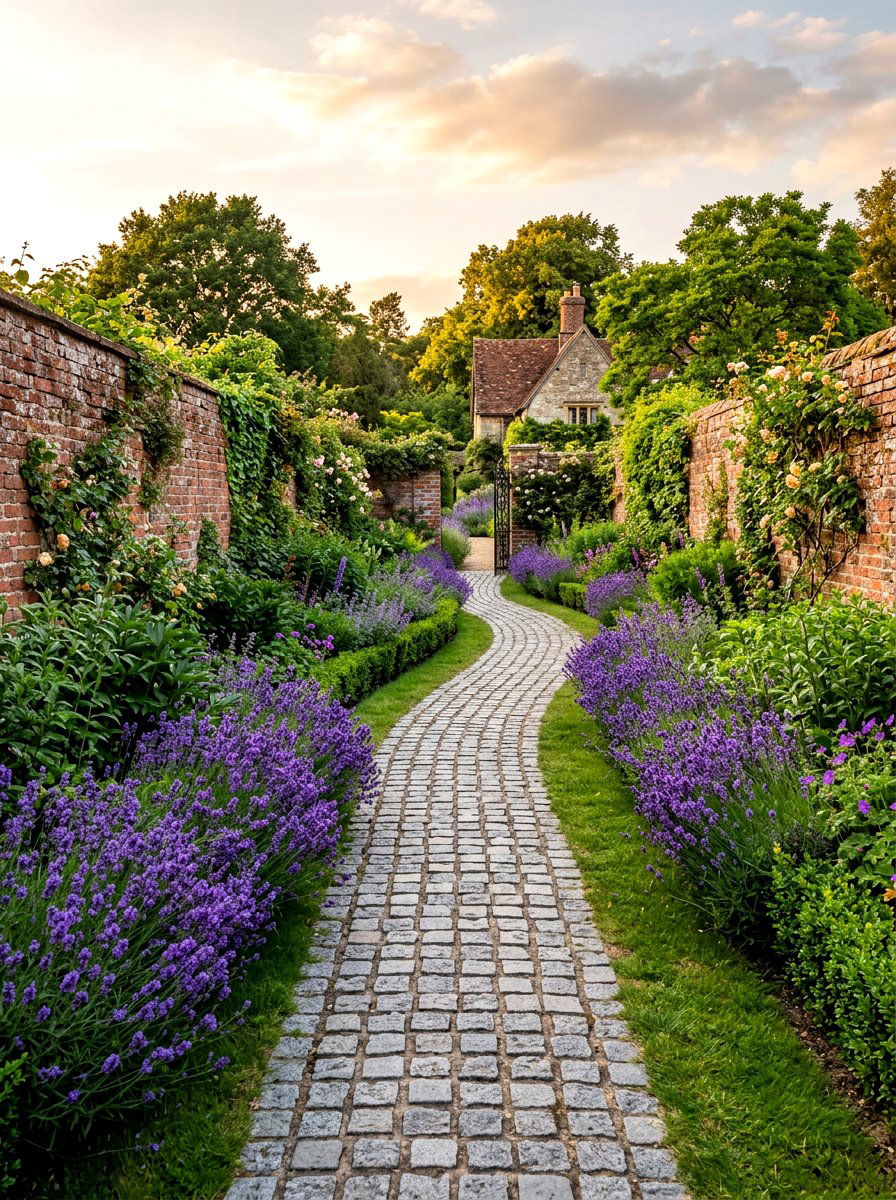
Granite setts are small, hand-cut blocks of granite that offer incredible strength and a classic European aesthetic. Often referred to as "Belgian blocks, " these setts are perfect for creating curved paths or intricate patterns that would be difficult with larger stones. Their rough, textured surface provides excellent grip, making them a safe choice for sloped walkways or areas that receive a lot of rain. A granite sett path feels incredibly permanent and can last for generations with almost no maintenance. The salt-and-pepper appearance of the stone adds a subtle, sophisticated texture that complements both historic homes and modern architectural designs with effortless grace and style.
26. Sandstone Garden Walkway
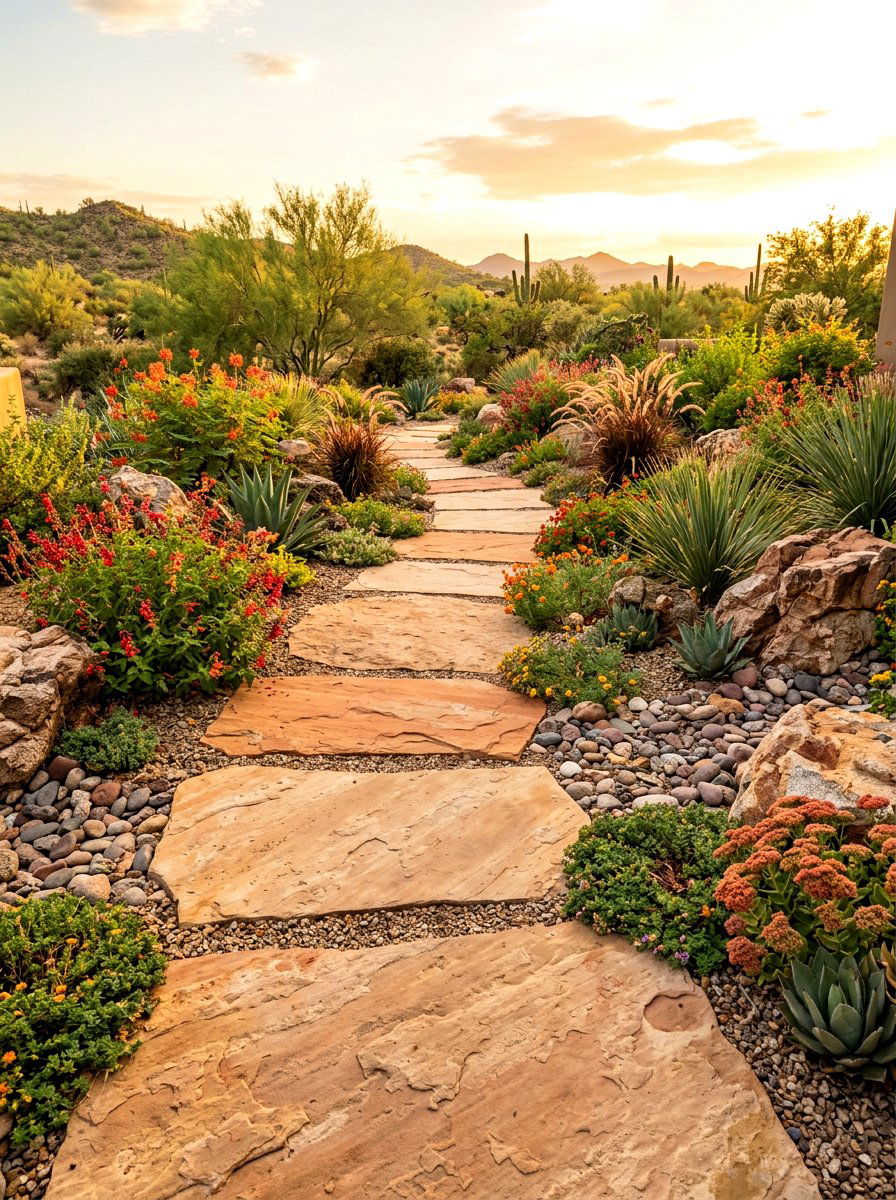
A sandstone garden walkway offers warm, desert-inspired tones that range from soft tan to rich reddish-brown. This natural stone is easy to cut and shape, allowing for a variety of design possibilities from rustic stepping stones to formal paved paths. Sandstone’s natural grain often features beautiful swirls and patterns that make each piece a unique work of geological art. It feels wonderful underfoot and blends naturally with sandy soils or rock gardens. Because it is a softer stone than granite, it is easy to work with for DIY projects, yet it remains durable enough to serve as a reliable and beautiful garden path for many years to come.
27. Living Groundcover Path
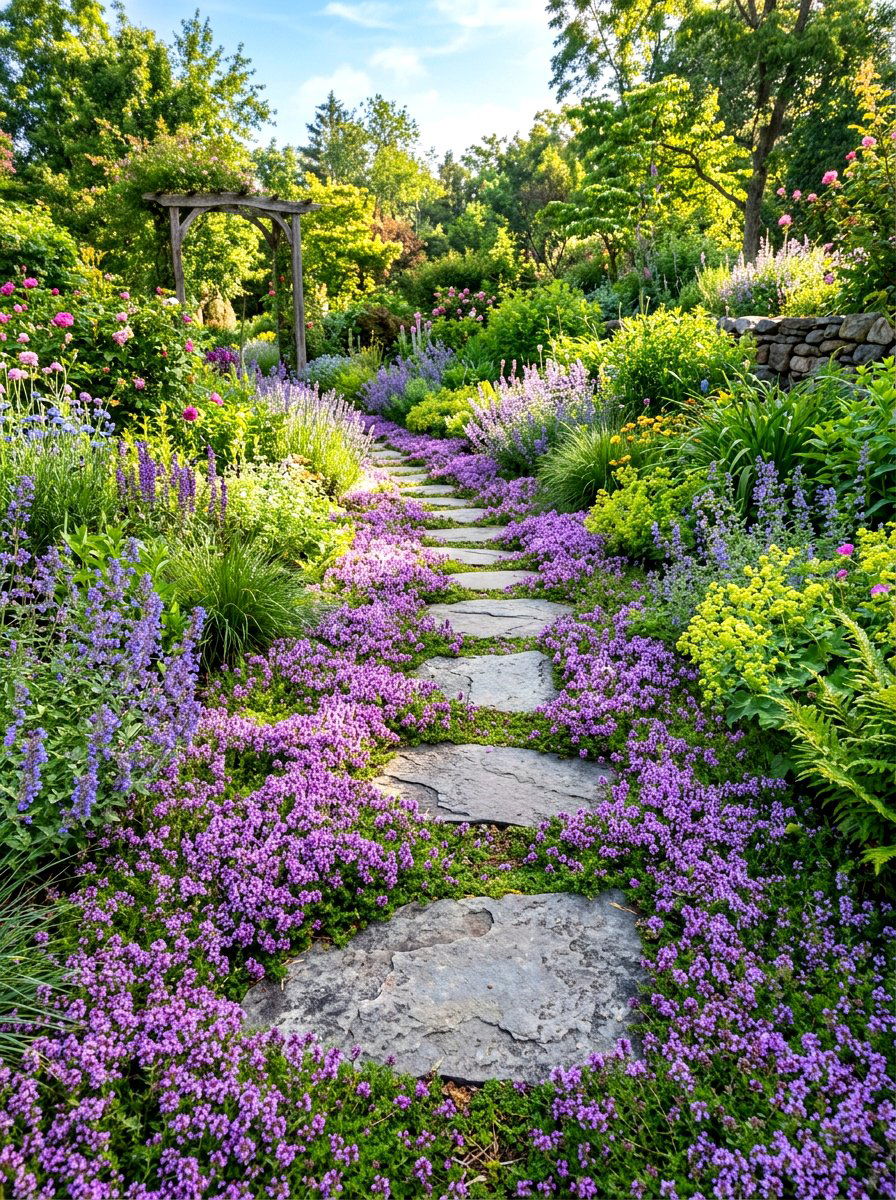
A living groundcover path blurs the line between hardscape and softscape by using resilient plants as the primary walking surface. By placing wide pavers into the ground and filling the massive gaps with creeping thyme, sedum, or clover, you create a path that feels like part of the lawn itself. These plants release a pleasant fragrance when stepped upon and require far less water and mowing than traditional grass. This "soft" walkway is ideal for side yards or secondary paths where you want a natural look that supports local biodiversity. The result is a lush, textured carpet that changes color and blooms throughout the different seasons of the year.
28. Staggered Paver Walkway
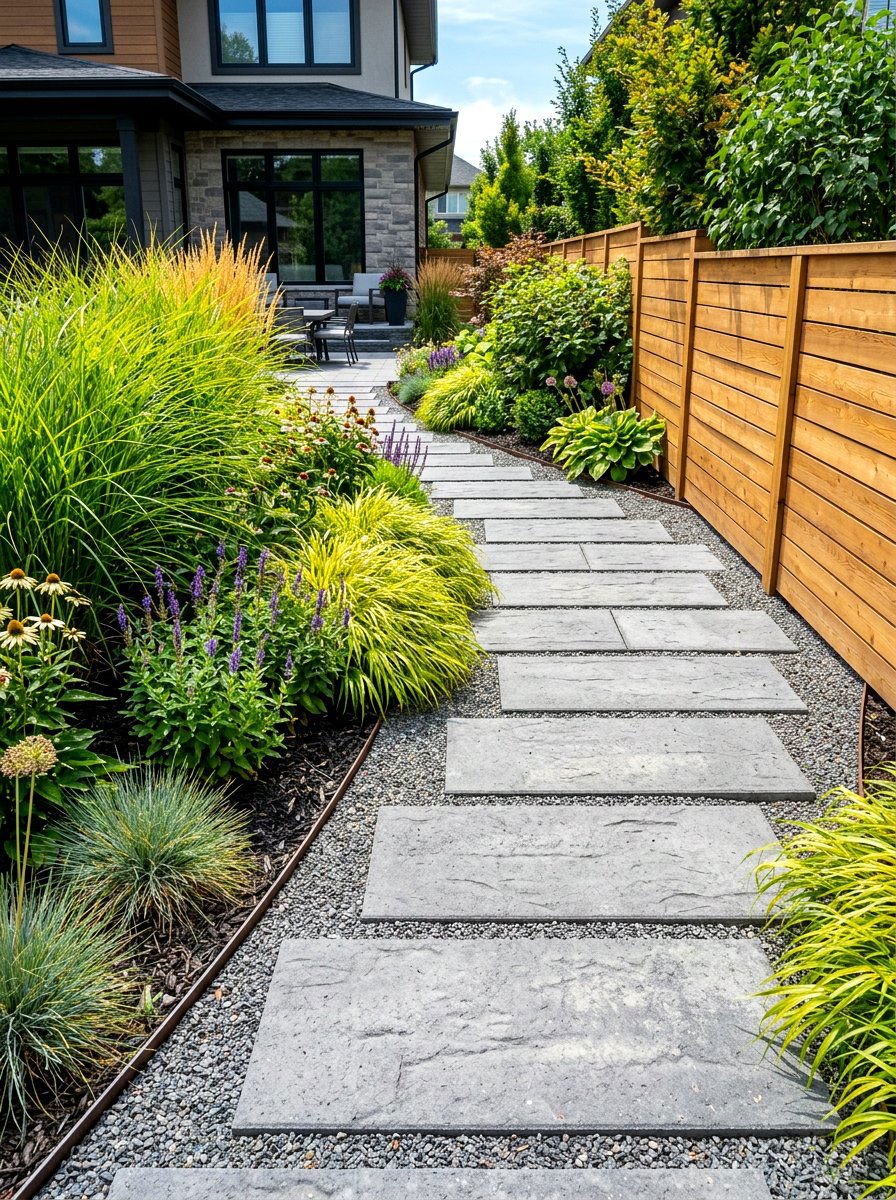
A staggered paver walkway uses rectangular stones laid in an offset pattern to create a sense of rhythm and modern style. This layout is visually more interesting than a simple straight line and can make a narrow garden feel wider by drawing the eye across the path. By using pavers of slightly different lengths or colors, you can create a dynamic and custom look that reflects your personal taste. This style works well with both natural stone and concrete pavers, providing a clean and organized aesthetic that grounds your outdoor furniture and planting beds. It is a versatile choice that bridges the gap between formal structure and casual garden design.
29. Raised Decking Garden Path
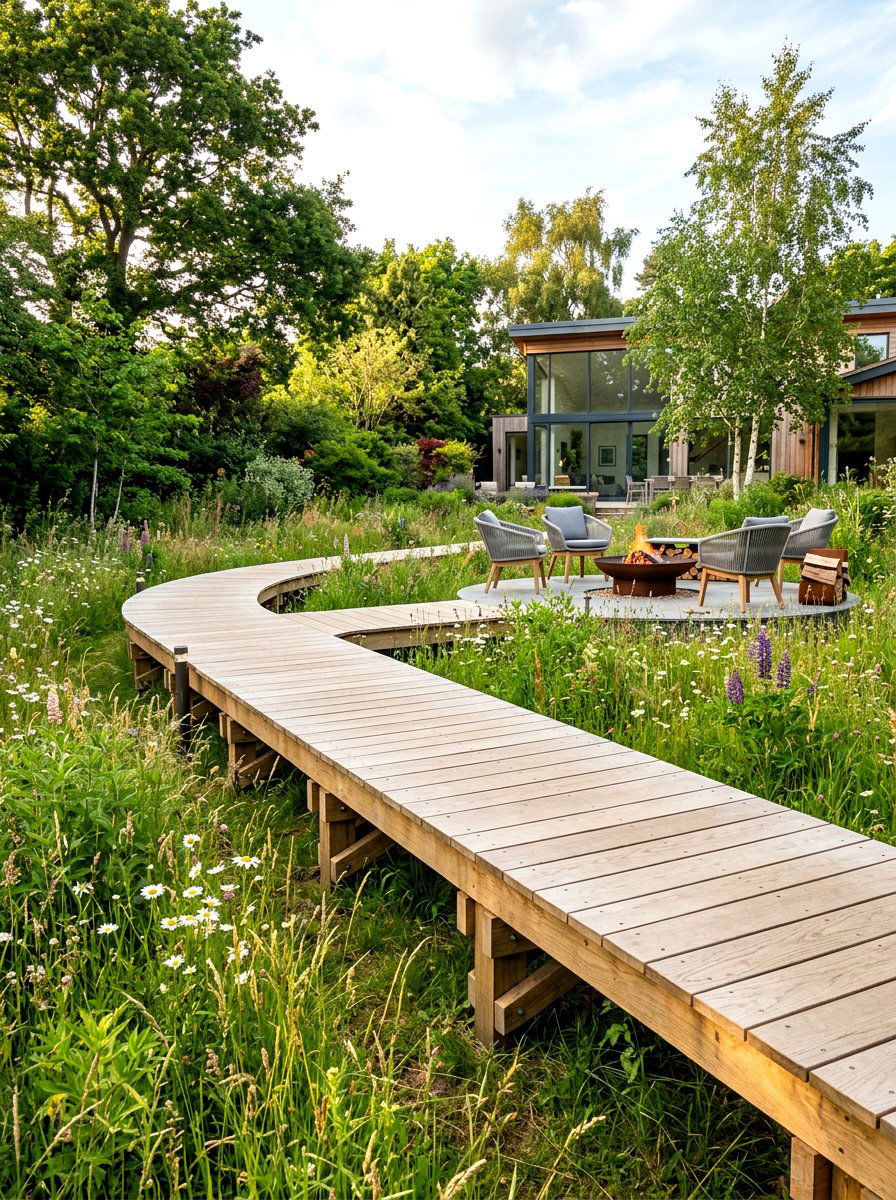
A raised decking garden path, or "garden boardwalk, " is the perfect solution for uneven terrain, damp soil, or protecting sensitive ecosystems. By elevating the walkway a few inches above the ground, you create a floating effect that feels light and architectural. This design allows water to flow freely underneath and prevents the path from becoming muddy or slippery during the rainy season. Using high-quality composite or hardwood decking ensures a long-lasting and low-maintenance surface that feels like an extension of your indoor living space. This style is particularly effective for connecting a back porch to a distant seating area or a garden shed with modern elegance.
30. Dry River Bed Walkway
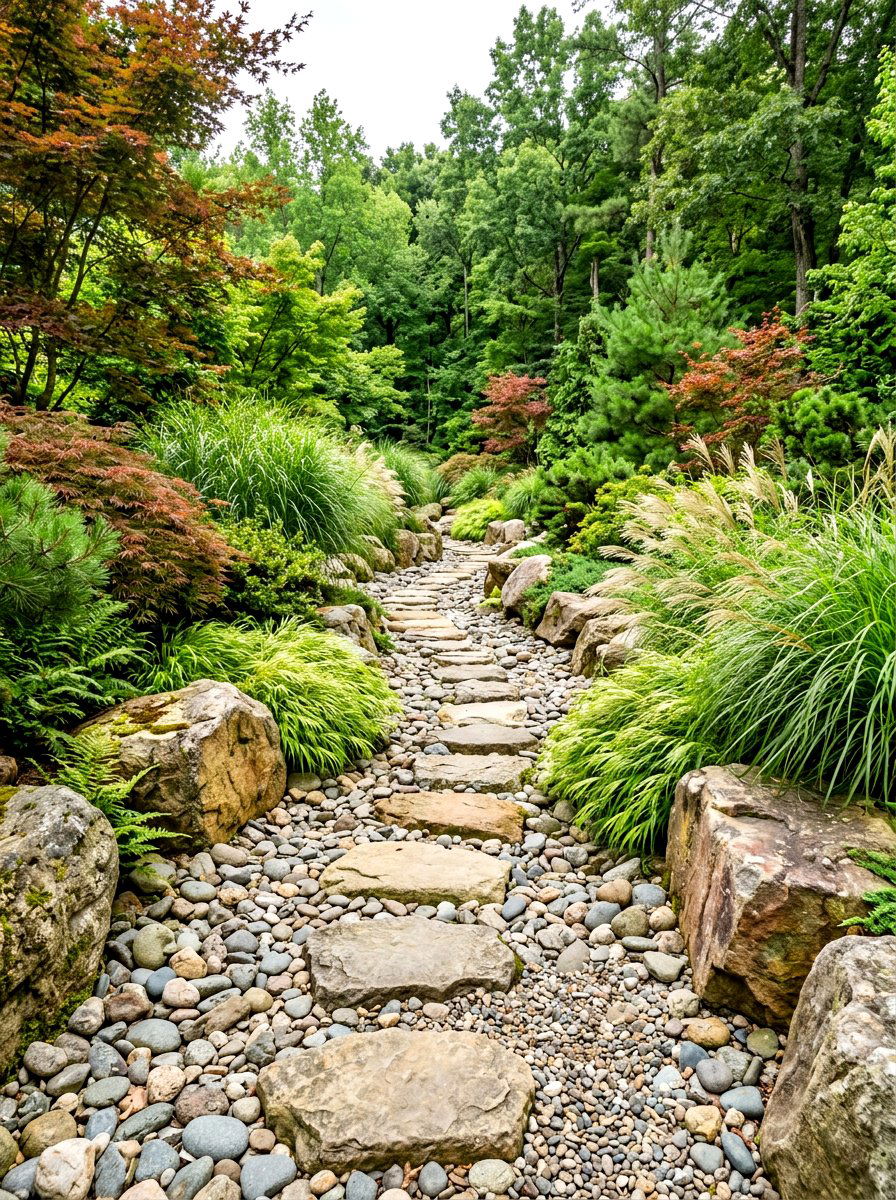
A dry river bed walkway combines large boulders, smooth river rocks, and flat stepping stones to mimic the look of a natural stream. This design serves a dual purpose: it acts as a functional path and a beautiful landscaping feature that handles drainage during heavy rain. The variation in stone sizes and shapes creates a highly textured and organic look that works perfectly in Japanese or rustic-style gardens. By winding the "river" through ornamental grasses and flowering shrubs, you create a sense of movement and tranquility. This path encourages a slow, mindful walk, making every trip through your backyard feel like a refreshing journey through a natural landscape.
Conclusion:
Choosing the perfect path for your garden requires a balance between your personal aesthetic and the practical needs of your specific landscape. As we have seen, the materials you select can completely change the atmosphere of your outdoor space, turning a simple yard into a sophisticated sanctuary or a whimsical woodland. Remember to consider factors like drainage, maintenance, and how the colors will interact with your existing flora throughout the changing seasons. A thoughtful walkway does not just connect two spaces; it invites exploration and provides a sense of order. With these thirty diverse ideas, you are now ready to design a garden path that reflects your unique style perfectly.

Related posts: