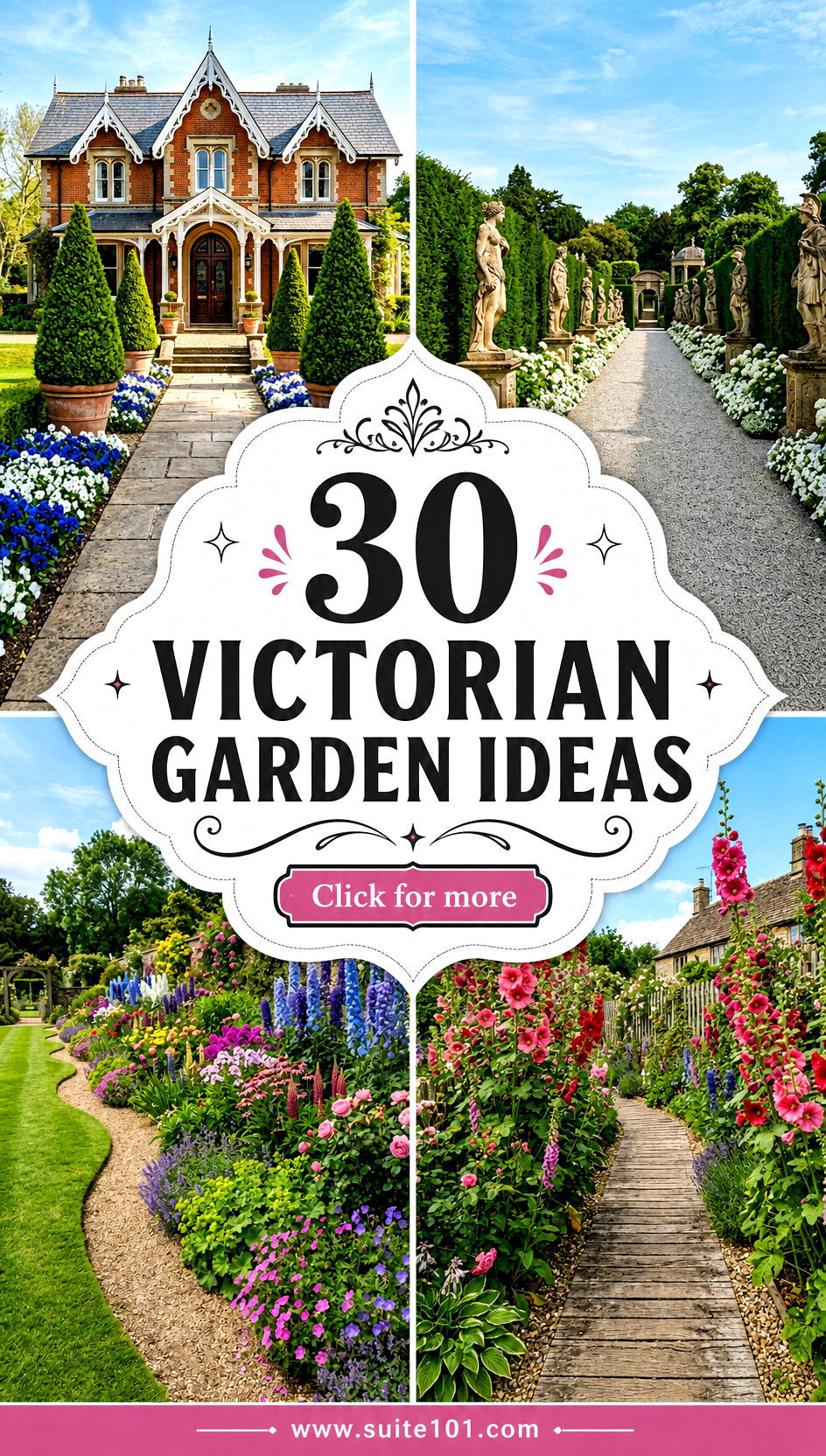
Victorian gardens represent a unique blend of scientific curiosity and romantic artistic expression from the nineteenth century. These outdoor spaces often combine highly structured geometric layouts with a wilder profusion of colorful flowers and exotic plant species. Many homeowners today look toward this era for inspiration to create a sense of timeless elegance and historical charm in their own backyards. From the intricate patterns of low-growing hedges to the grand presence of cast iron structures, every element serves a purpose in telling a story of nature tamed by human hands. Embracing these classic design principles allows you to transform a modern lawn into a sophisticated sanctuary that celebrates both order and beauty.
1. Formal Boxwood Parterre
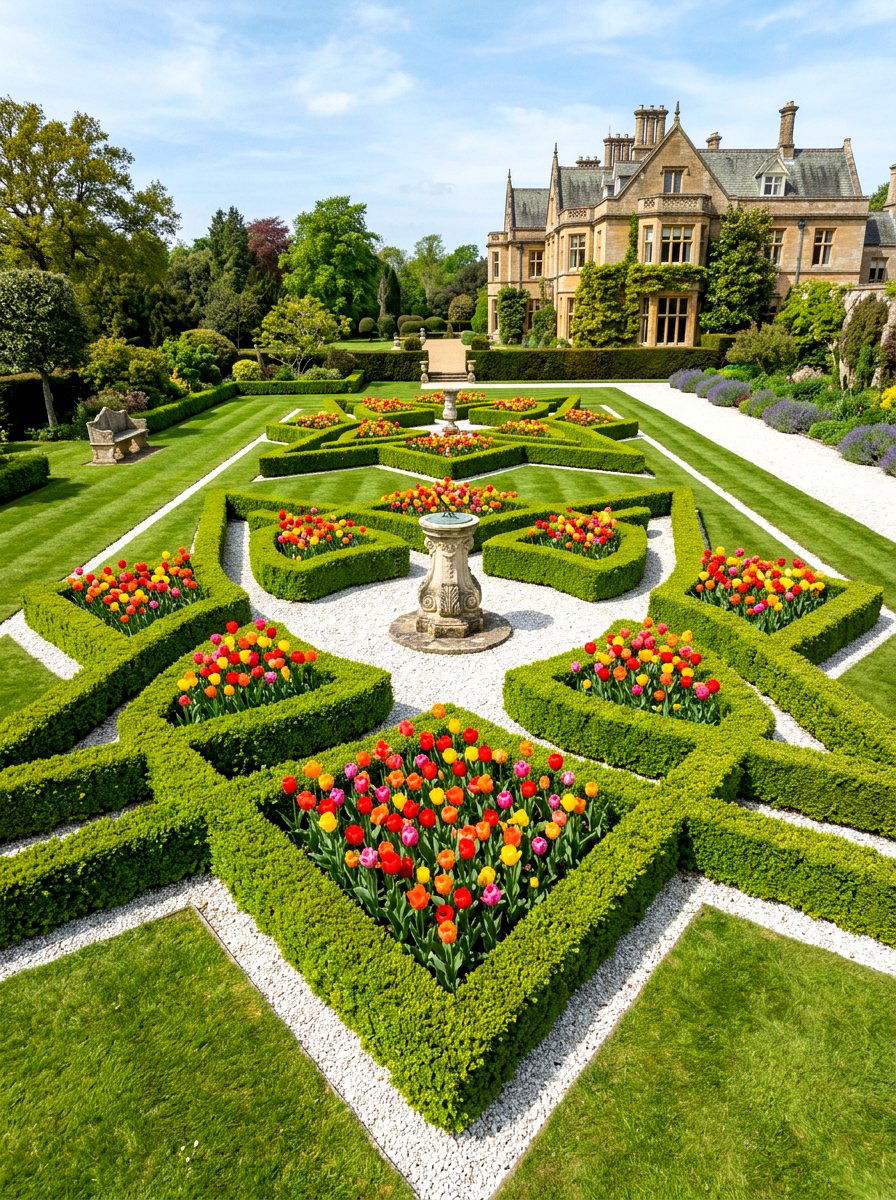
A formal boxwood parterre is the ultimate symbol of order and precision in a classic Victorian landscape. This design features low-growing evergreen hedges arranged in intricate geometric patterns such as circles, squares, or diamond shapes. The spaces between these green walls are often filled with colorful annual flowers or neatly raked gravel to create high visual contrast. This structured approach provides a year-round framework that looks just as beautiful in winter as it does during the peak of summer. It works best in a flat area where the full layout can be appreciated from a higher vantage point or a nearby window. Adding a central ornament like a sundial enhances the traditional aesthetic perfectly.
2. Walled Kitchen Garden
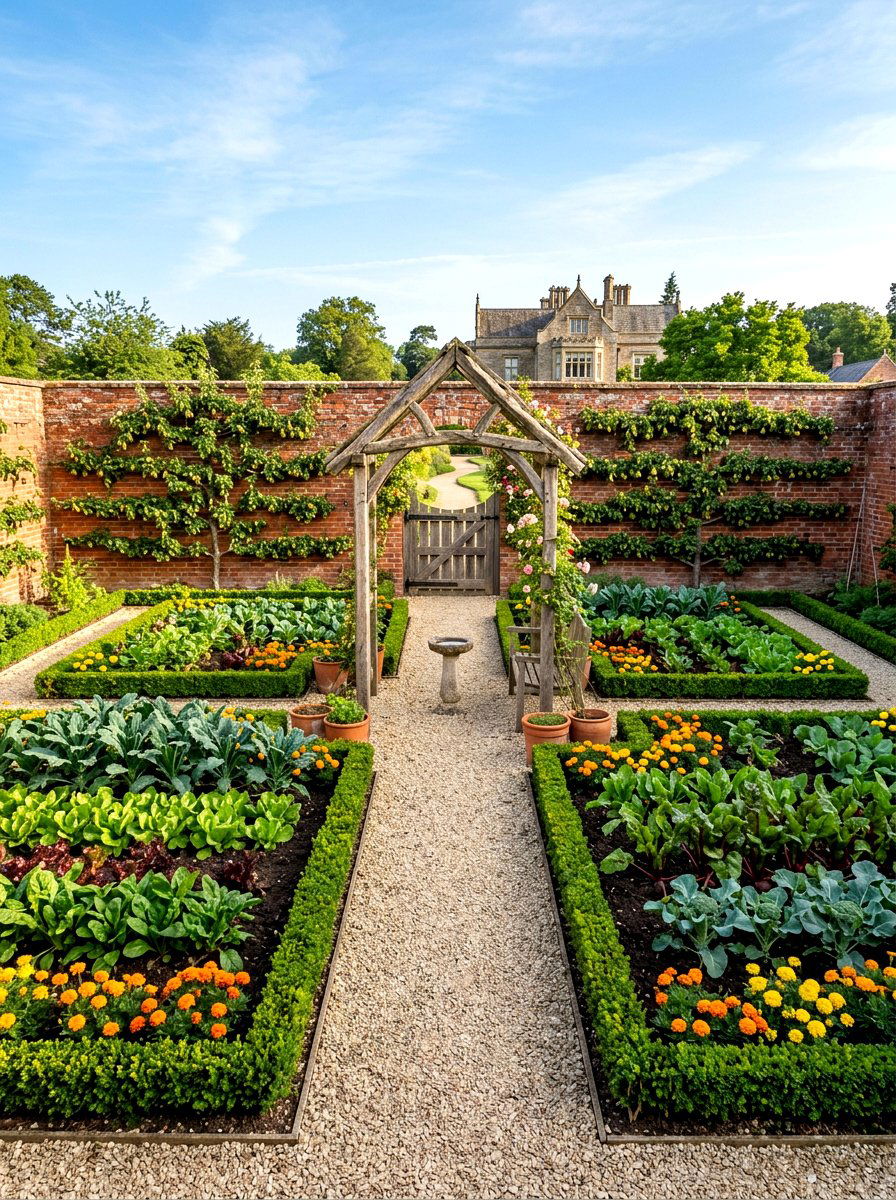
The walled kitchen garden was a functional yet beautiful staple of large Victorian estates that provided fresh produce for the home. These gardens are typically enclosed by high brick walls that create a warm microclimate for growing delicate fruits and vegetables. Inside, the space is divided into neat quadrants by straight gravel paths, with espaliered fruit trees trained against the sun-warmed bricks. This design combines utility with aesthetics by mixing rows of leafy greens with bright marigolds to deter pests. It offers a sense of privacy and timelessness, making it feel like a secret sanctuary. The structure helps protect plants from wind while providing a picturesque backdrop for every season.
3. Romantic Rose Garden
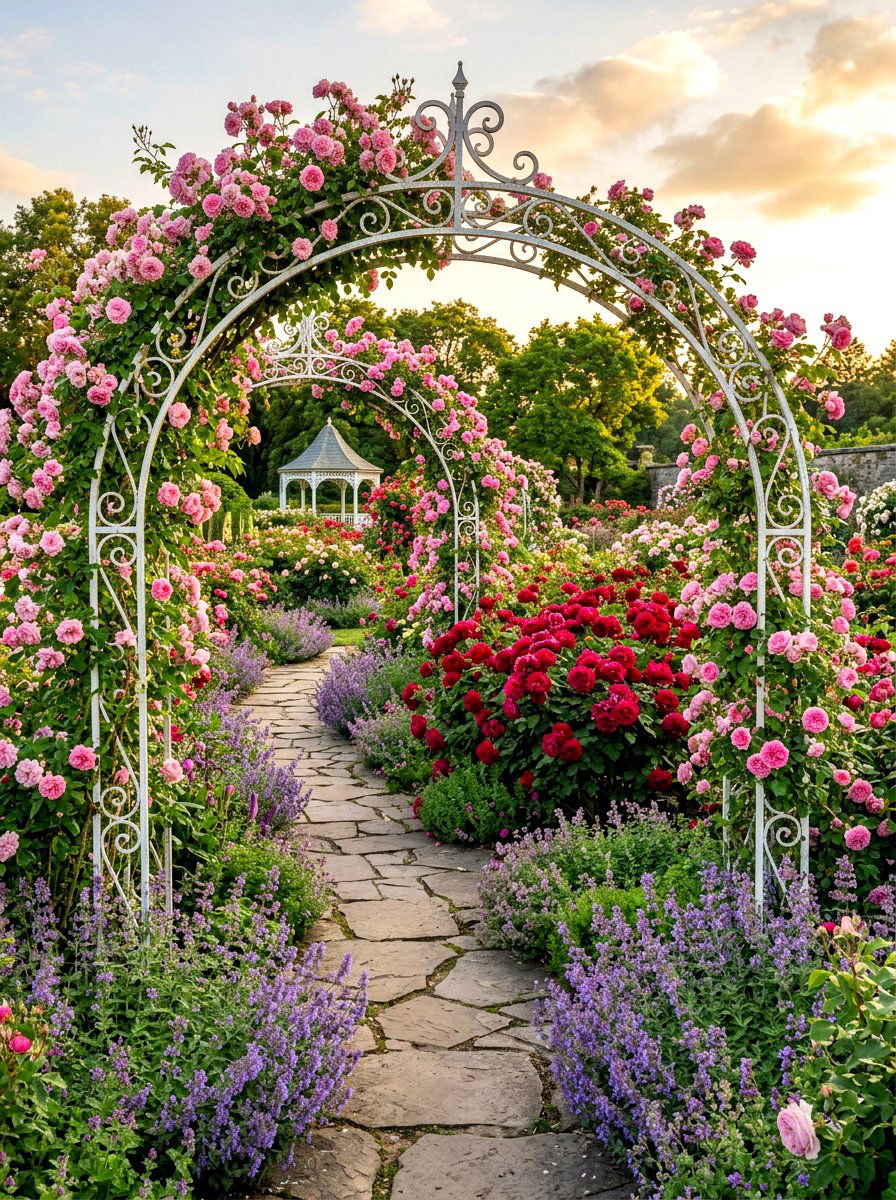
A romantic rose garden captures the soft and fragrant essence of nineteenth-century horticulture with its abundance of colorful blooms. This design prioritizes variety, featuring climbing roses that scale tall iron arches alongside bushy shrub roses with heavy, multi-petaled heads. Traditional varieties like cabbage roses are often chosen for their intense scent and classic appearance. The layout usually includes winding paths that encourage visitors to slow down and enjoy the perfume of the flowers. Soft colors like pale pink, cream, and deep crimson dominate the palette, creating a dreamy atmosphere. Underplanting with silver-leafed perennials like lamb's ear adds texture and helps the bright rose colors pop against the greenery.
4. Glass Greenhouse Conservatory
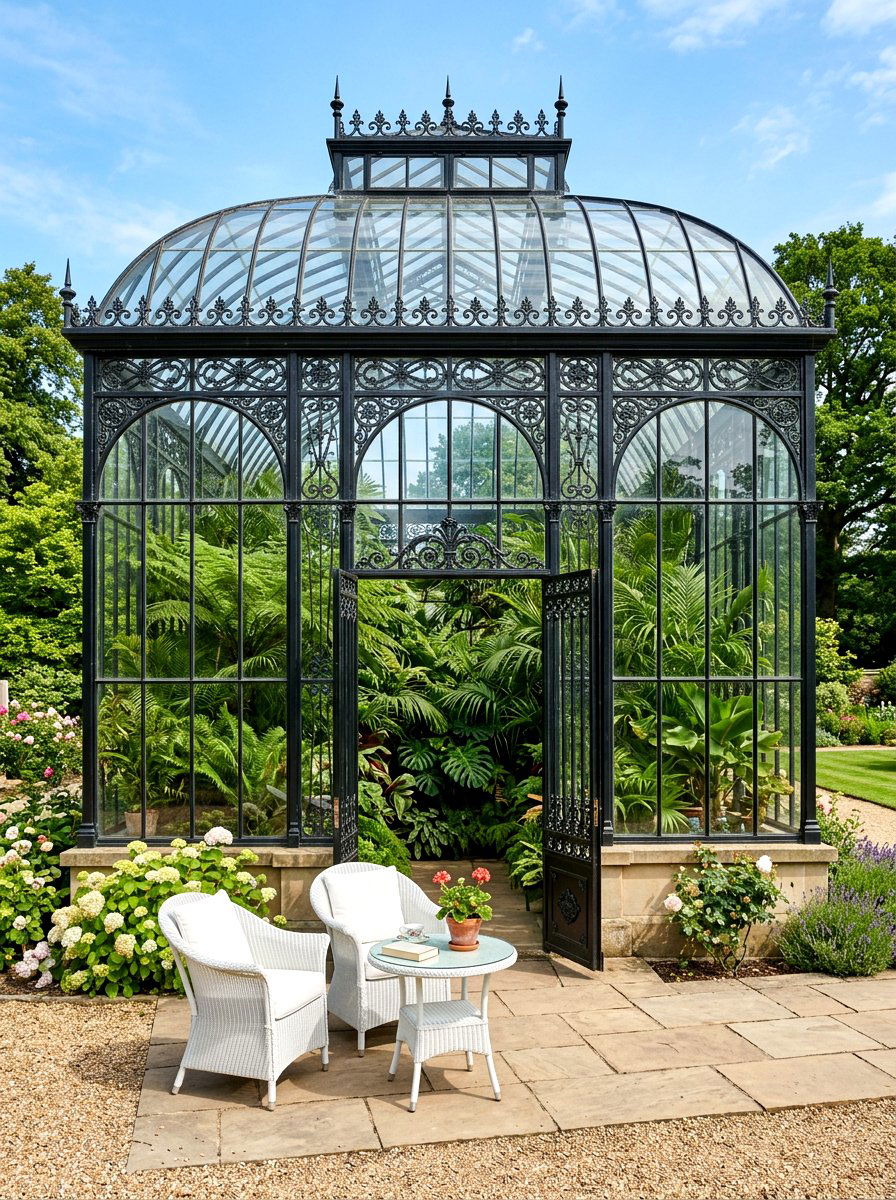
A glass greenhouse conservatory serves as a stunning focal point while allowing for the cultivation of exotic and tropical plant species. Victorian versions often feature ornate wrought iron frames and decorative glass panels that mimic the grand structures seen in public parks. This design creates a transition between the indoor and outdoor worlds, providing a bright space to enjoy nature even in cold weather. Inside, you can arrange tiered shelving for potted ferns, palms, and orchids to showcase botanical collections. Placing the conservatory near a stone patio allows for a seamless flow when entertaining guests during summer evenings. It reflects the era's fascination with science and global plant discovery.
5. Classic Cottage Garden
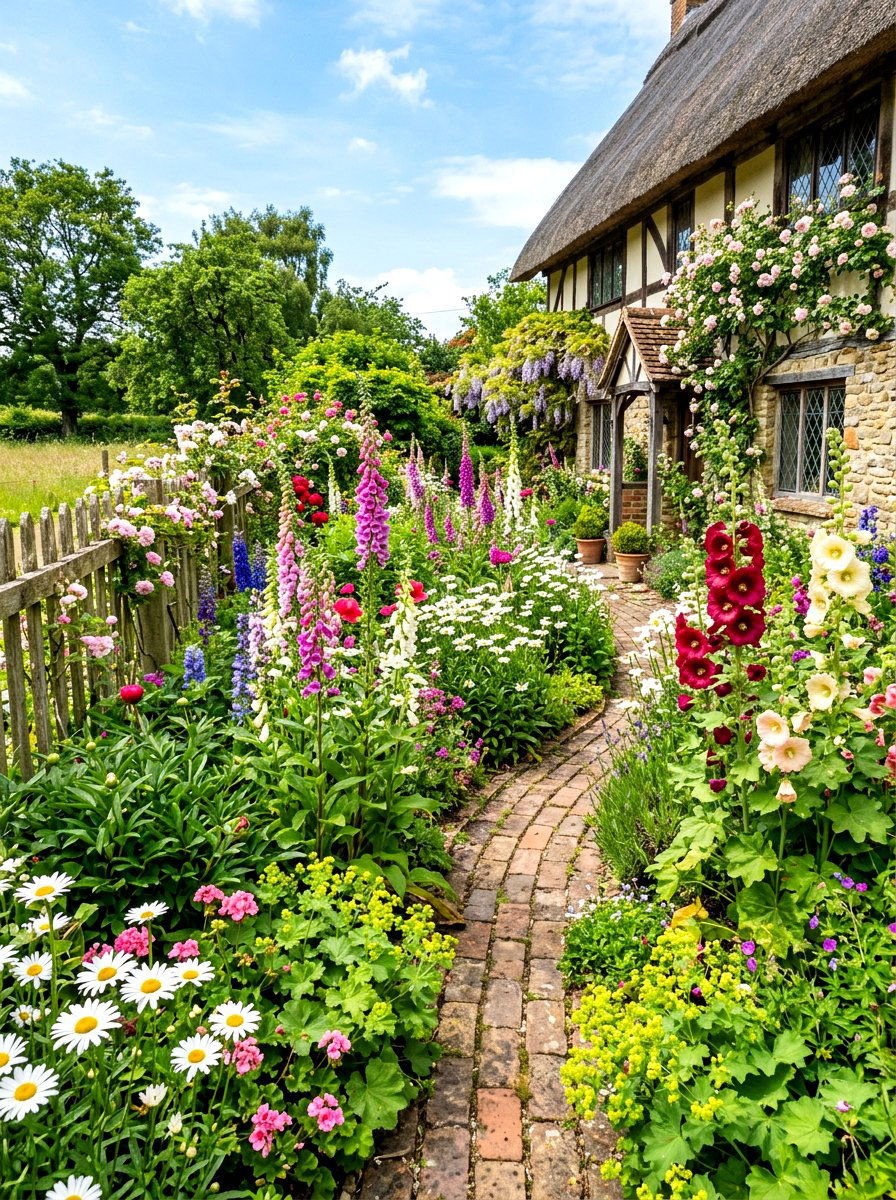
The classic cottage garden offers a more relaxed and informal alternative to the rigid symmetry of formal Victorian estate designs. This style is characterized by a profusion of hardy perennials, annuals, and herbs all "joyfully crammed together" in dense borders. Self-seeding flowers like foxgloves and hollyhocks add height and a sense of natural movement to the space. Narrow winding paths made of weathered brick or natural stone guide you through the floral chaos. The focus is on a riot of color and fragrance rather than perfect order. This garden style feels intimate and welcoming, making it ideal for smaller backyards that want to achieve a lush, historical look easily.
6. Symmetrical Entry Garden
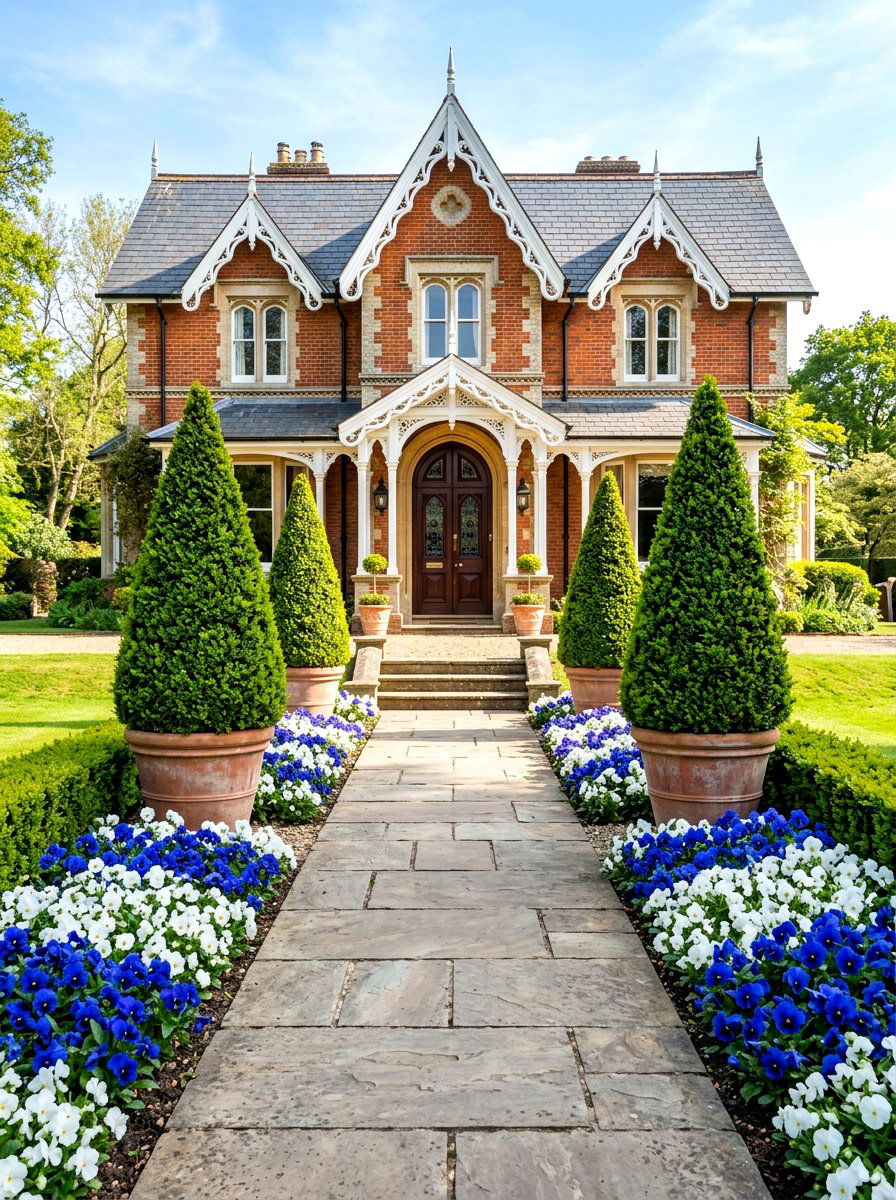
A symmetrical entry garden creates a grand and balanced first impression for any home inspired by the Victorian era. This layout typically features a central walkway leading to the front door, flanked by identical flower beds on either side. Matching evergreen shrubs, such as cone-shaped topiaries or rounded boxwoods, provide structure and year-round greenery. Colorful seasonal bedding plants are often arranged in rows to create a clean and organized appearance. This design emphasizes the architecture of the house by mirroring its proportions in the landscape. Adding matching stone urns or black iron lanterns on both sides of the path further reinforces the sense of formal elegance and curb appeal.
7. Victorian Fernery Garden
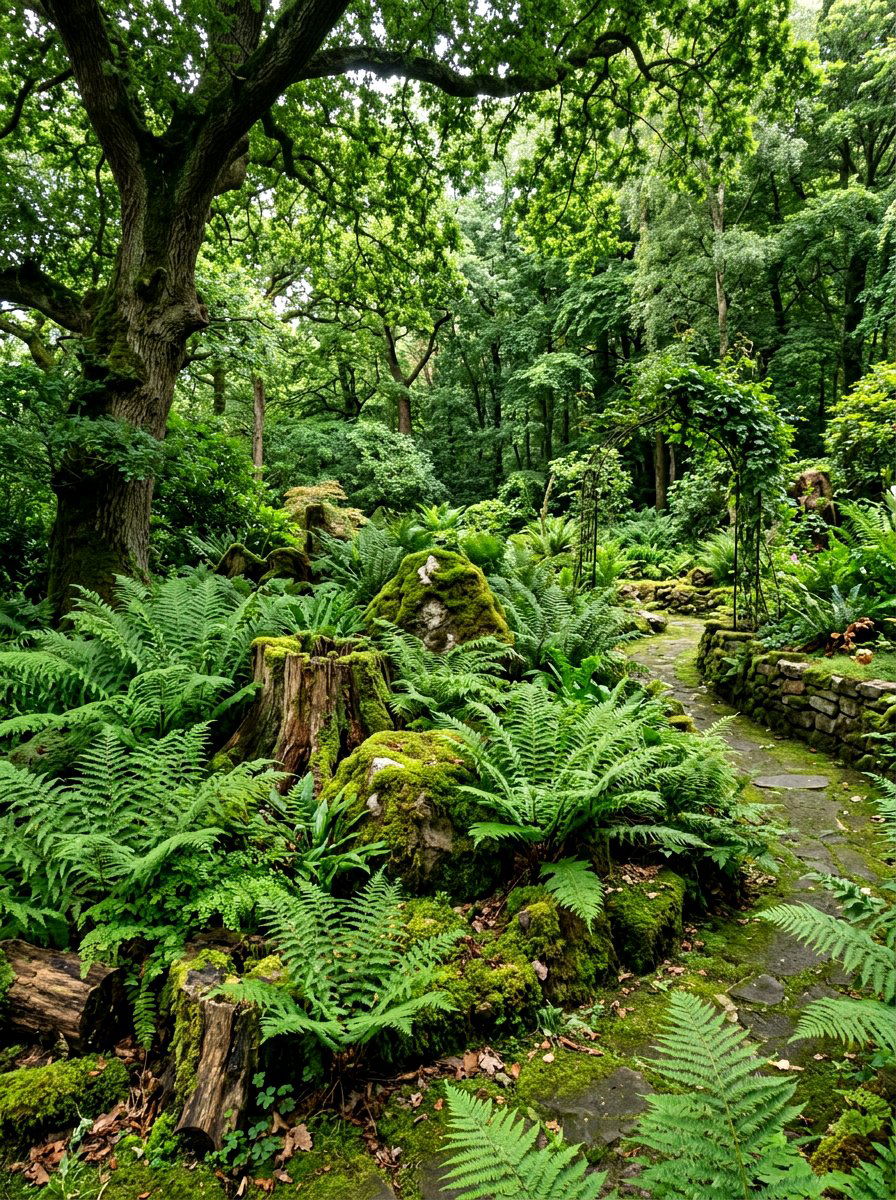
A Victorian fernery garden provides a cool and leafy retreat that thrives in the shaded areas of a property. During the nineteenth century, "fern fever" led many gardeners to create dedicated spaces for collecting and displaying diverse fern species. This design often incorporates naturalistic elements like moss-covered rocks and old tree stumps to mimic a forest floor. The varying textures of the fronds create a lush, green tapestry that feels incredibly peaceful. Using a mix of native and exotic ferns ensures visual interest through different heights and shades of emerald. This style is perfect for narrow side yards or under large trees where grass might struggle to grow well.
8. Ornate Fountain Courtyard
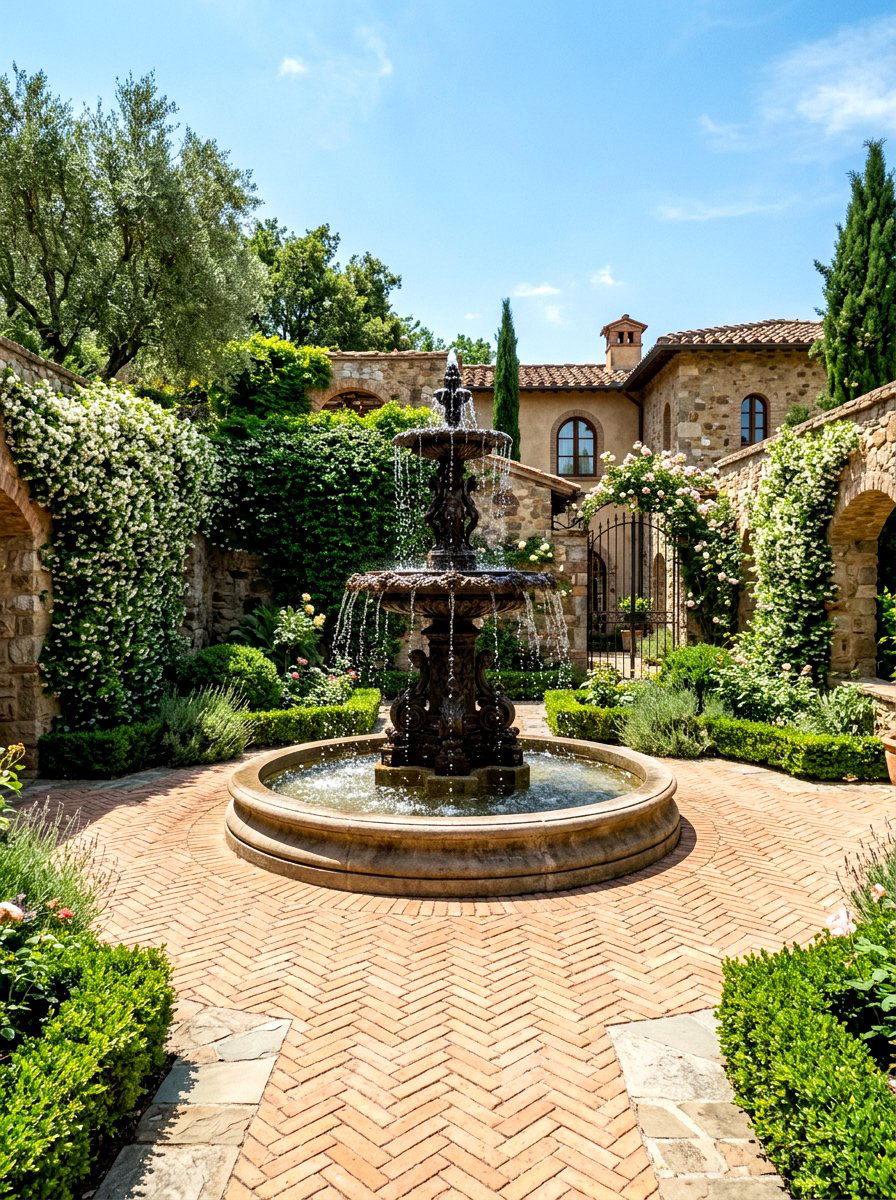
An ornate fountain courtyard brings the soothing sound of moving water and a touch of luxury to a Victorian landscape. A tiered cast iron or stone fountain usually serves as the central focal point, surrounded by a circular paved area. The courtyard might be finished with intricate mosaic tiles or traditional red bricks laid in a herringbone pattern. Around the edges, low stone walls or decorative iron railings can define the space and provide extra seating. Planting fragrant flowers like jasmine nearby ensures that the air is as pleasant as the sound of the water. This design creates a sophisticated spot for outdoor dining or quiet morning coffee.
9. Geometric Carpet Bedding
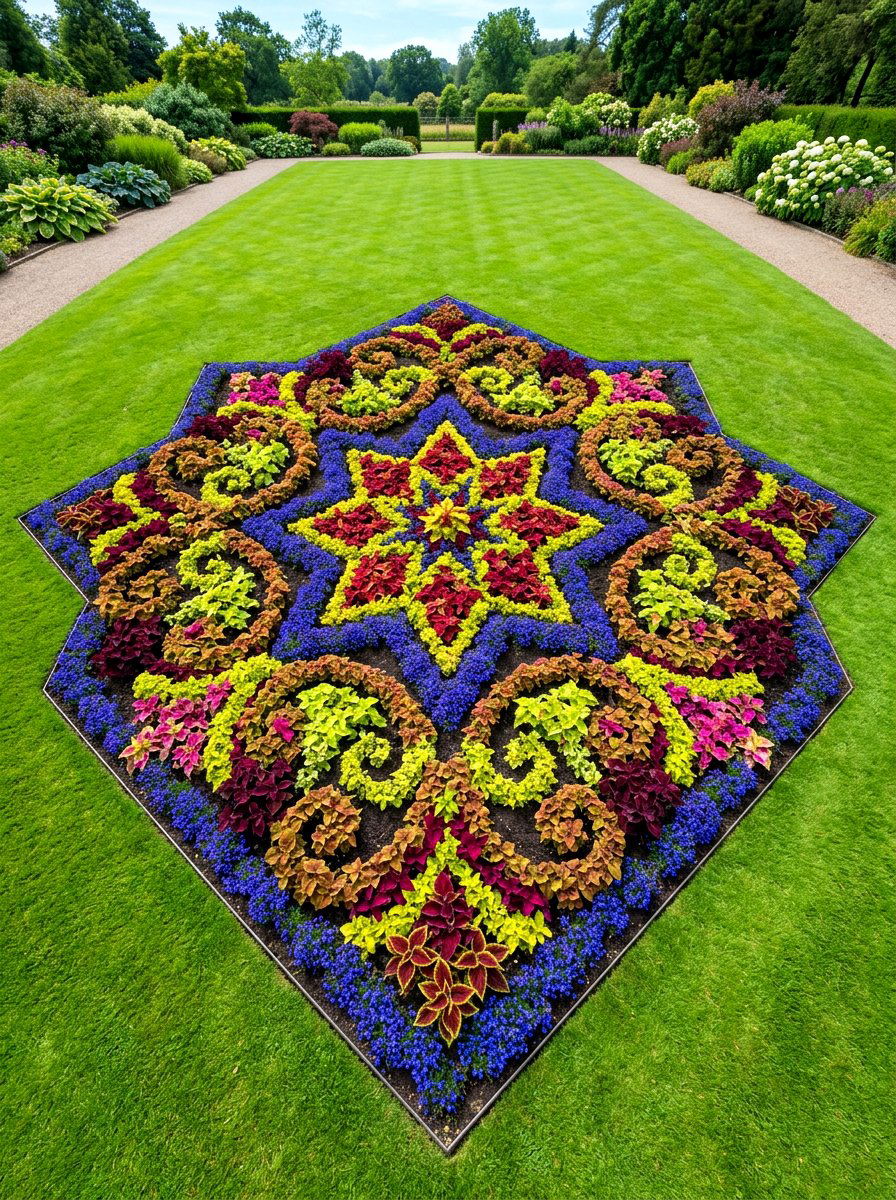
Geometric carpet bedding is a bold technique that uses thousands of low-growing plants to create intricate, rug-like patterns on the lawn. This design requires precision, with plants like coleus and lobelia chosen for their vibrant foliage and consistent height. The patterns can include stars, crescents, or complex scrolls that showcase the gardener's skill and attention to detail. This style was popularized in public parks but can be adapted for home gardens as a striking island bed. It offers a high-impact splash of color that changes throughout the seasons depending on the plants used. The flat, dense texture of the plants creates a unique visual effect unlike any other border.
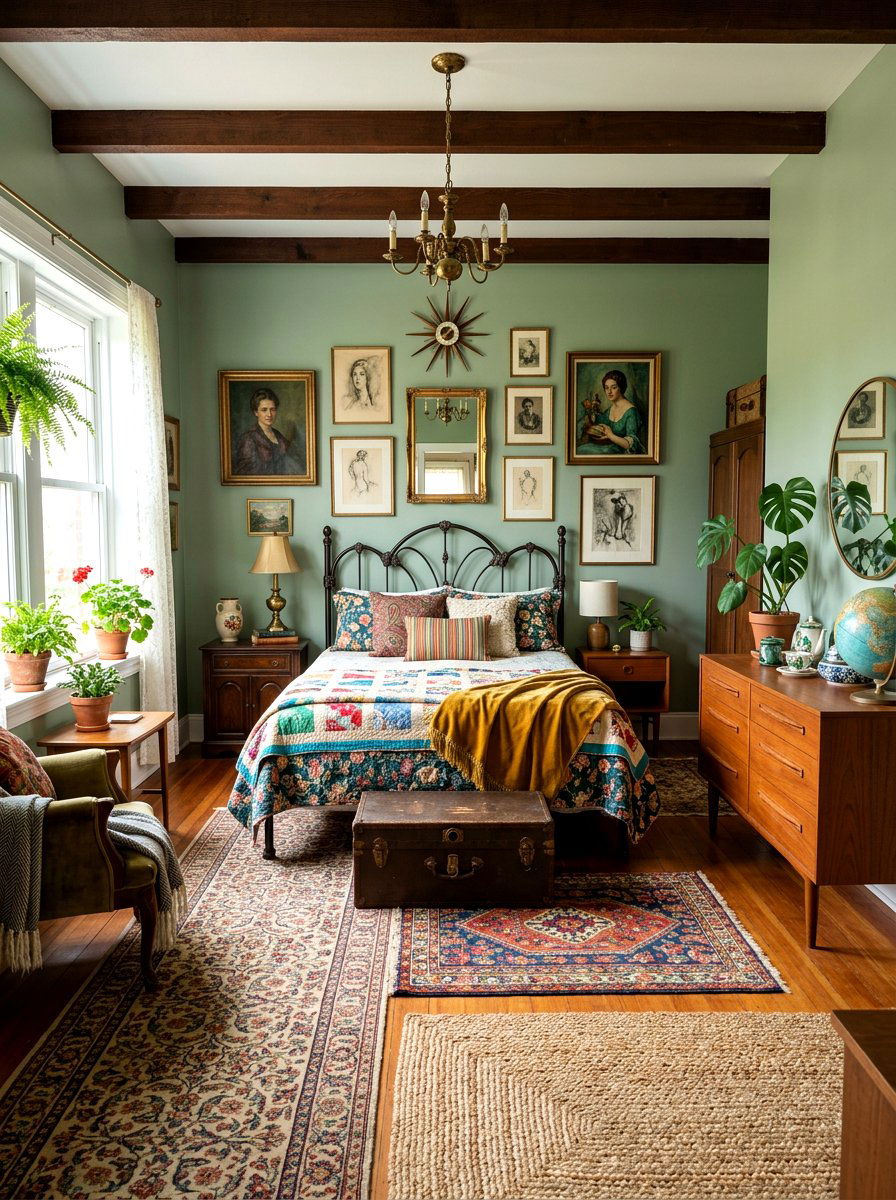
10. Secret Grotto Garden
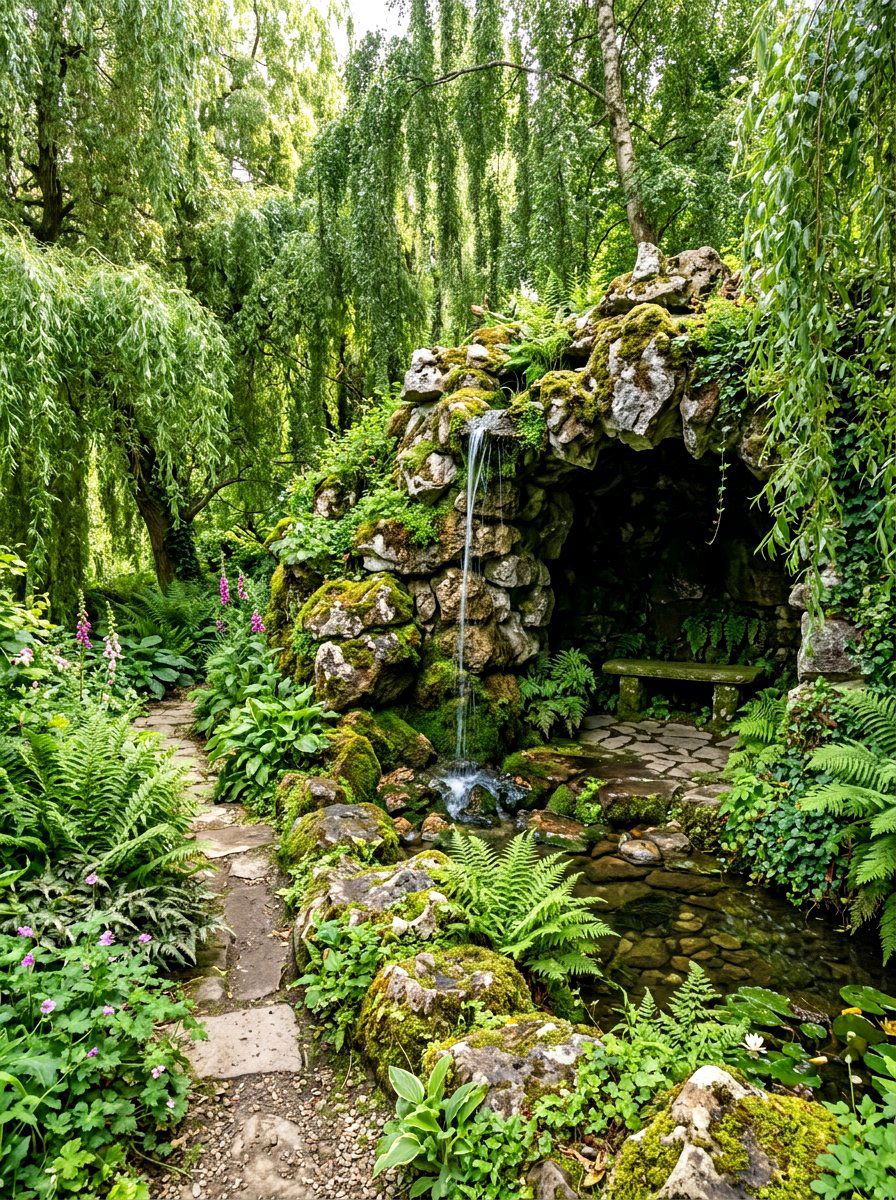
A secret grotto garden offers a sense of mystery and escape by incorporating artificial caves or rocky alcoves into the landscape. Victorians loved creating these romantic retreats using limestone, flint, or large boulders to form a natural-looking stone structure. Often hidden behind a screen of weeping trees or tall shrubs, the grotto provides a cool and damp environment for mosses and ferns to thrive. Inside, a small stone bench offers a secluded place for reflection away from the rest of the world. Adding a tiny trickling waterfall over the rocks enhances the magical, fairytale atmosphere. This design is perfect for adding an element of surprise to a larger garden.
11. Alpine Rockery Garden
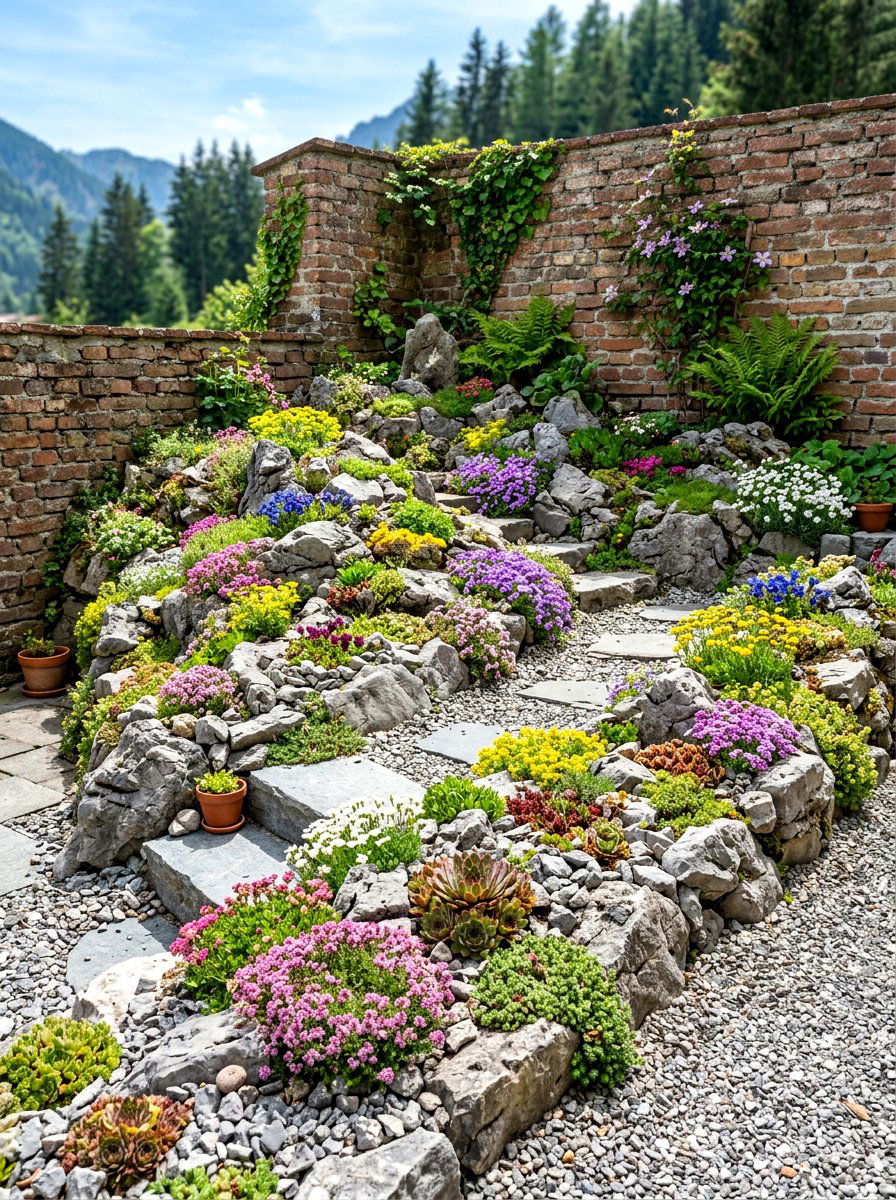
An alpine rockery garden allows for the display of small, hardy plants in a setting that mimics a rugged mountain landscape. This design features carefully placed stones and gravel slopes that provide the excellent drainage these mountain species require. Victorians were fascinated by plants collected from high altitudes, and this style gave them a dedicated home. Tucking colorful succulents and alpine flowers into the crevices between rocks creates a miniature world of texture and color. The use of varied stone sizes and shapes adds a sculptural quality to the garden even when plants are not in bloom. It is a low-maintenance way to add vertical interest to a flat yard.
12. Woodland Shade Garden
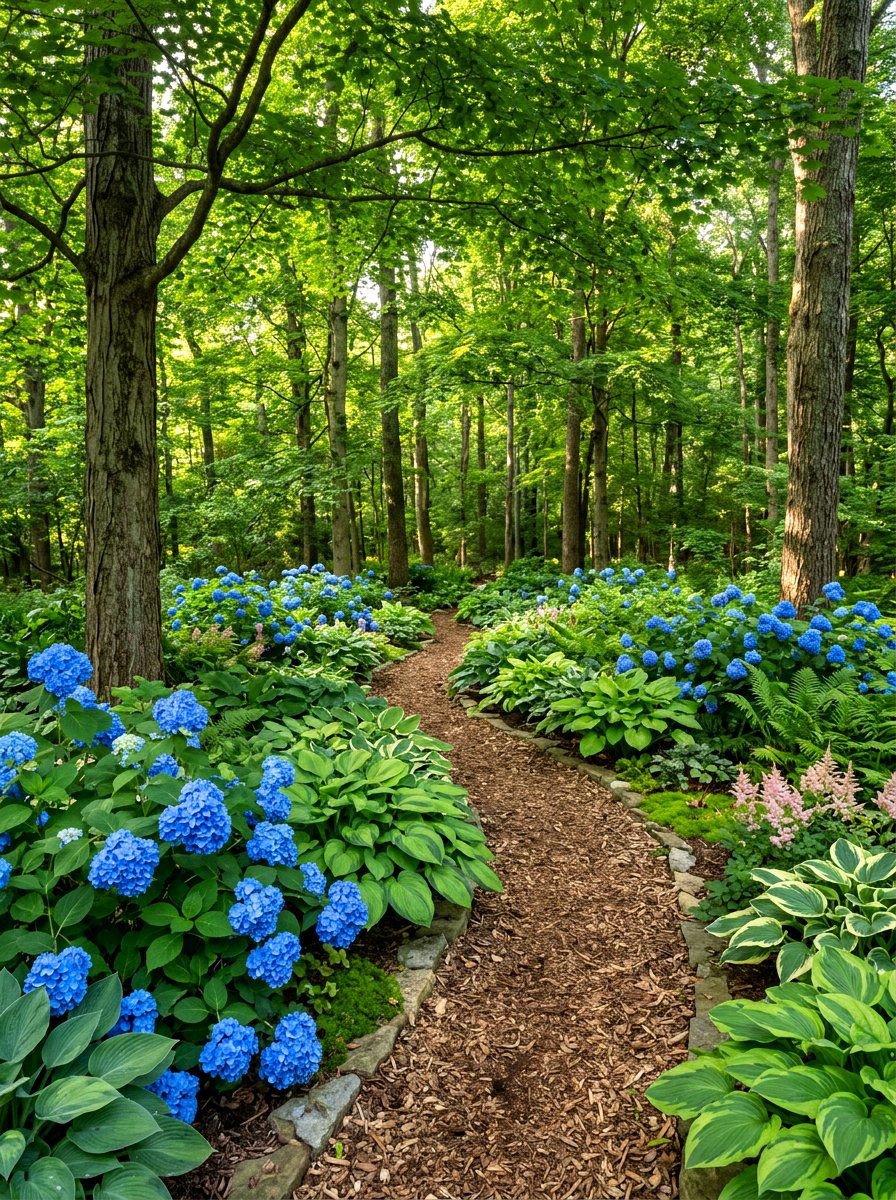
A woodland shade garden celebrates the beauty of native trees and the delicate plants that grow beneath their canopy. This design focuses on a naturalistic layout with winding dirt or woodchip paths that disappear into the greenery. Large shade-providing trees like oaks or maples form the upper layer, while hydrangeas and hostas provide lush foliage below. Traditional Victorian shade-lovers like lily of the valley and bluebells add pops of color in the spring. This garden style is designed to feel like a slice of wild nature that has been gently curated. It provides a sanctuary for birds and beneficial insects while offering a cool respite from the hot summer sun.
13. Victorian Gazebo Garden
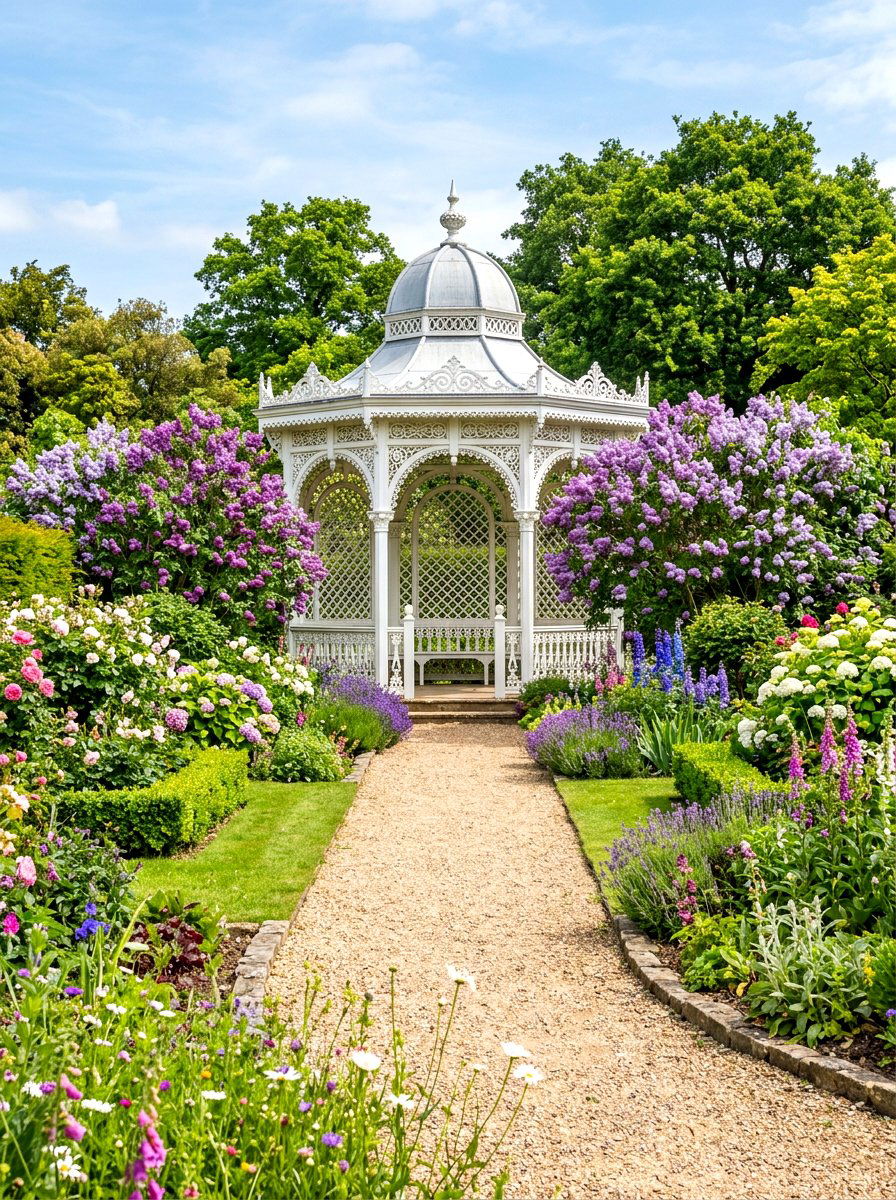
A Victorian gazebo garden features an ornate wooden or iron pavilion as the primary architectural element of the backyard. These structures often boast intricate scrollwork, lattice panels, and a pointed roof that draws the eye upward. Placing the gazebo at the end of a long path or on a slight rise makes it feel like a grand destination. Inside, you can furnish the space with comfortable wicker chairs and small tables for outdoor relaxation. Surrounding the base with flowering shrubs like azaleas or lilacs helps ground the structure into the landscape. This design offers a sheltered spot to enjoy the garden view regardless of the weather conditions.
14. Fragrant Lavender Garden
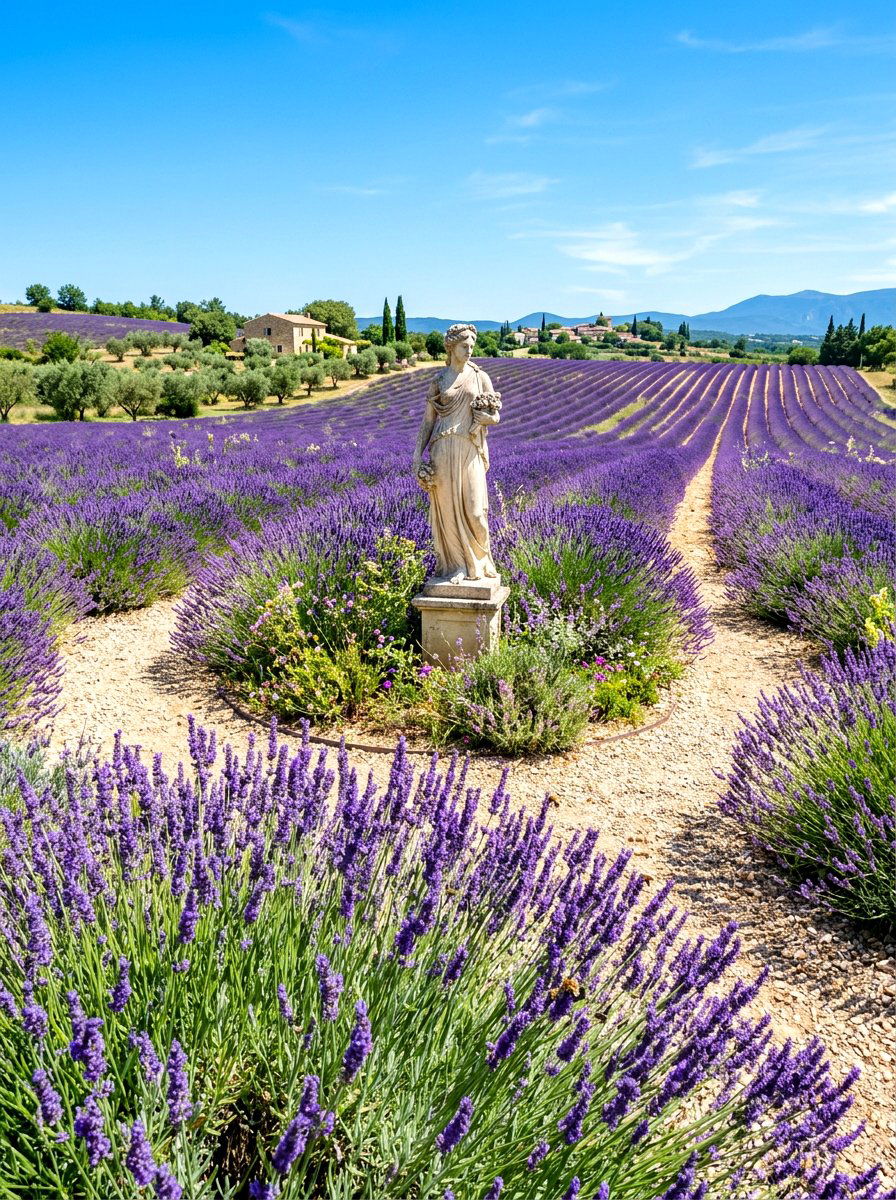
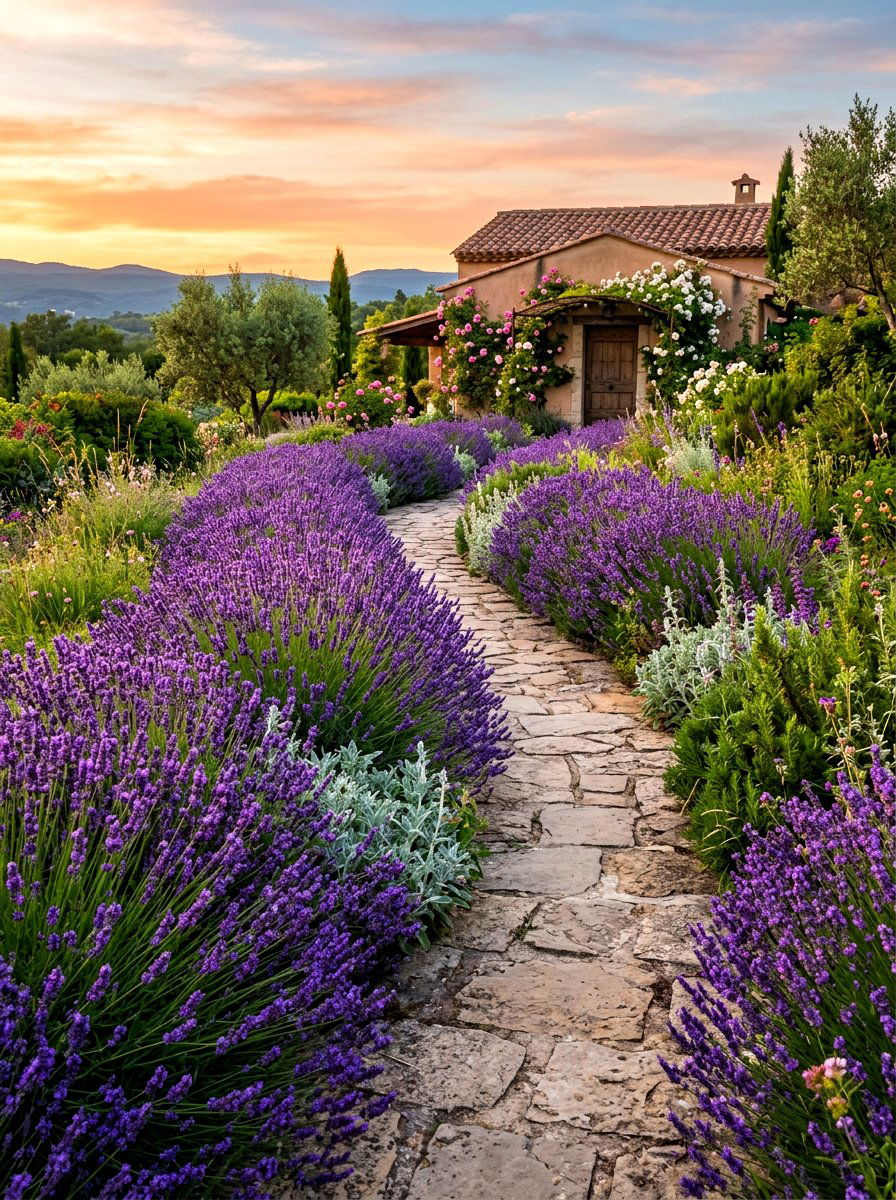
A fragrant lavender garden utilizes mass plantings of this purple herb to create a sensory experience that is both visual and aromatic. Victorians prized lavender for its clean scent and used it in borders, hedges, and sachets for the home. This design often features long, straight rows of lavender lining a path to release its perfume as people walk by. The silver-green foliage provides a soft, muted backdrop that complements the bright colors of other garden flowers. Lavender thrives in sunny spots with well-drained soil, making it a hardy choice for many climates. Adding a few stone statues among the purple blooms adds a touch of classic formality.

15. Traditional Croquet Lawn
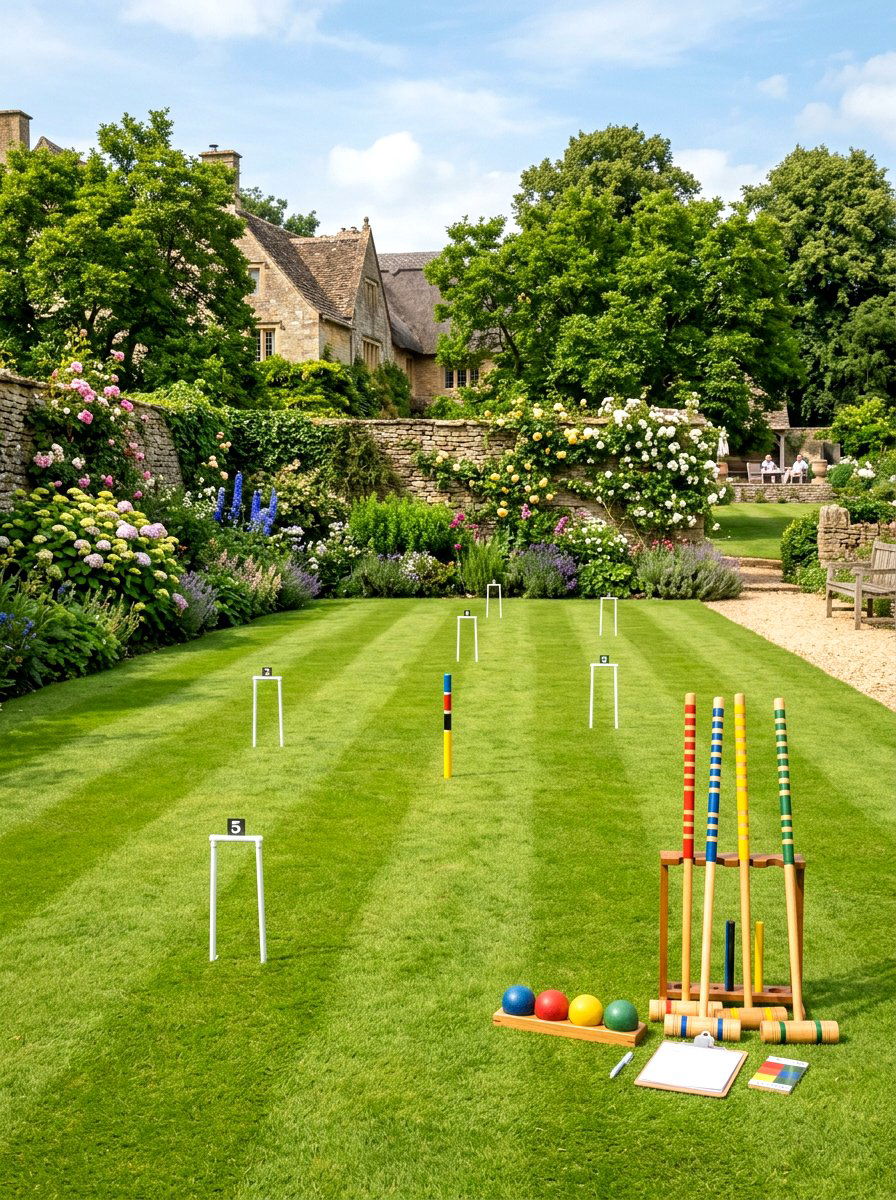
A traditional croquet lawn offers a large, open space dedicated to one of the most popular outdoor pastimes of the Victorian era. This design requires a perfectly flat and immaculately maintained rectangle of green grass, often bordered by low stone curbs or floral beds. The simplicity of the open lawn provides a restful visual break from the busy textures of the surrounding flower borders. This area can also serve as a versatile space for other garden parties and outdoor gatherings. Surrounding the lawn with tall hedges or iron fencing provides privacy while defining the "room" outdoors. It represents the era's focus on leisure and organized social activities in nature.
16. Wisteria Trellis Garden
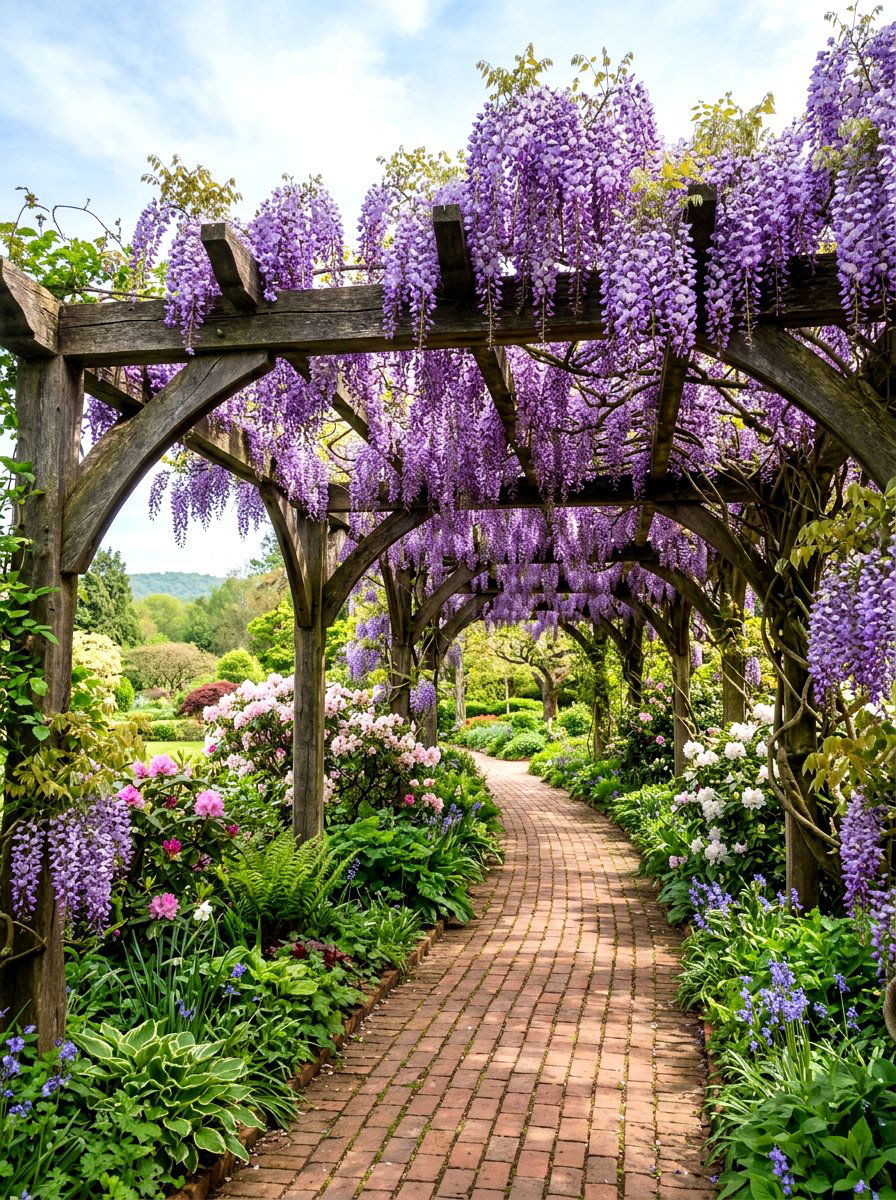
A wisteria trellis garden uses the dramatic, drooping purple flowers of the wisteria vine to create a stunning overhead canopy. This design typically features a heavy-duty wooden or iron pergola that supports the weight of the vigorous vines as they grow. In late spring, the long clusters of fragrant blooms hang down, creating a tunnel of color and scent that is truly breathtaking. Underneath the trellis, a simple brick or gravel path allows visitors to walk through the floral display. This vertical garden element is perfect for adding height and architectural interest to a flat backyard. It also provides deep, cool shade during the height of the summer.
17. Statuary Walkway Garden
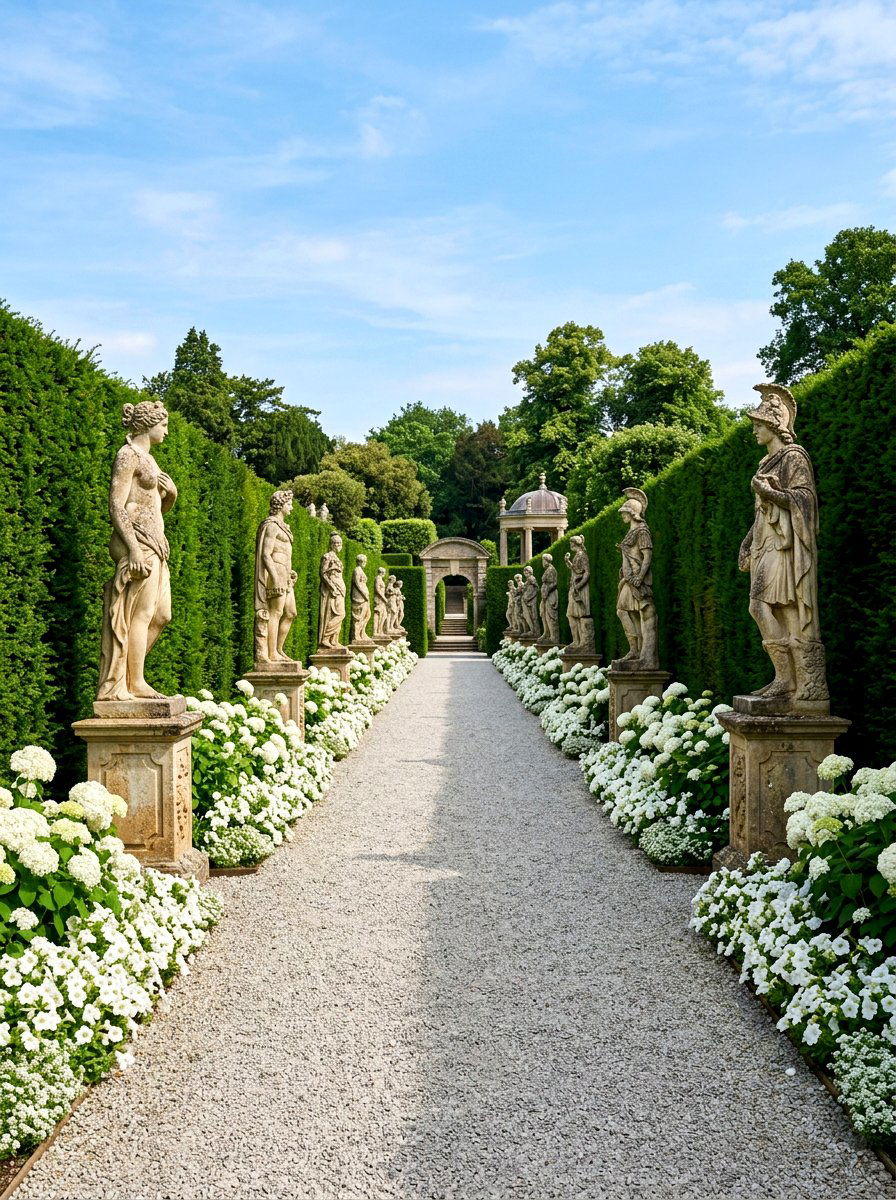
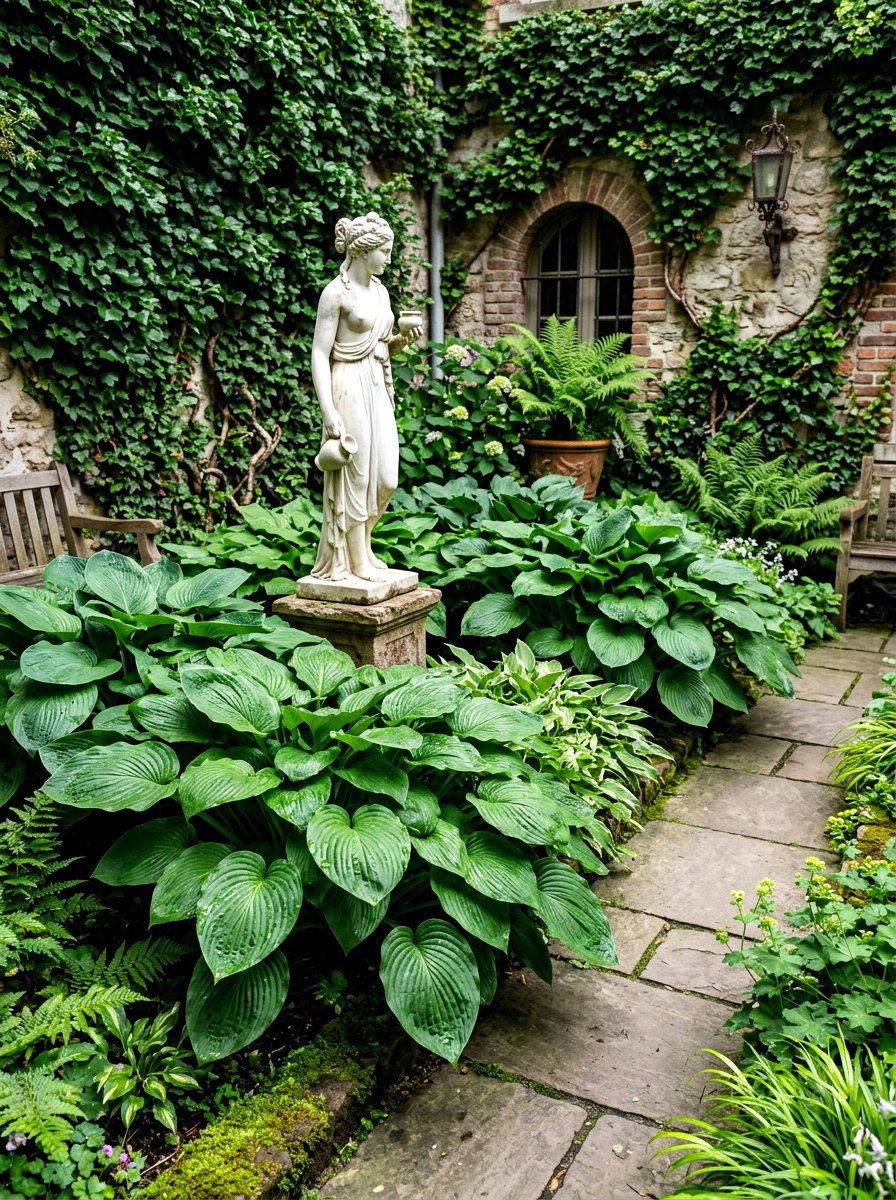
A statuary walkway garden uses classical stone or bronze sculptures to add a sense of history and culture to the landscape. Victorians often placed figures of mythological gods, animals, or children along main garden paths to serve as points of interest. This design involves positioning statues at the ends of vistas or nestled into leafy alcoves for a sense of discovery. Each piece is framed by surrounding plants, such as dark green yew hedges or bright white flowers, to make the art stand out. The use of statuary turns a simple walk through the garden into a curated experience. It reflects the nineteenth-century desire to bring classical European art into the private home.
18. Herbaceous Border Garden
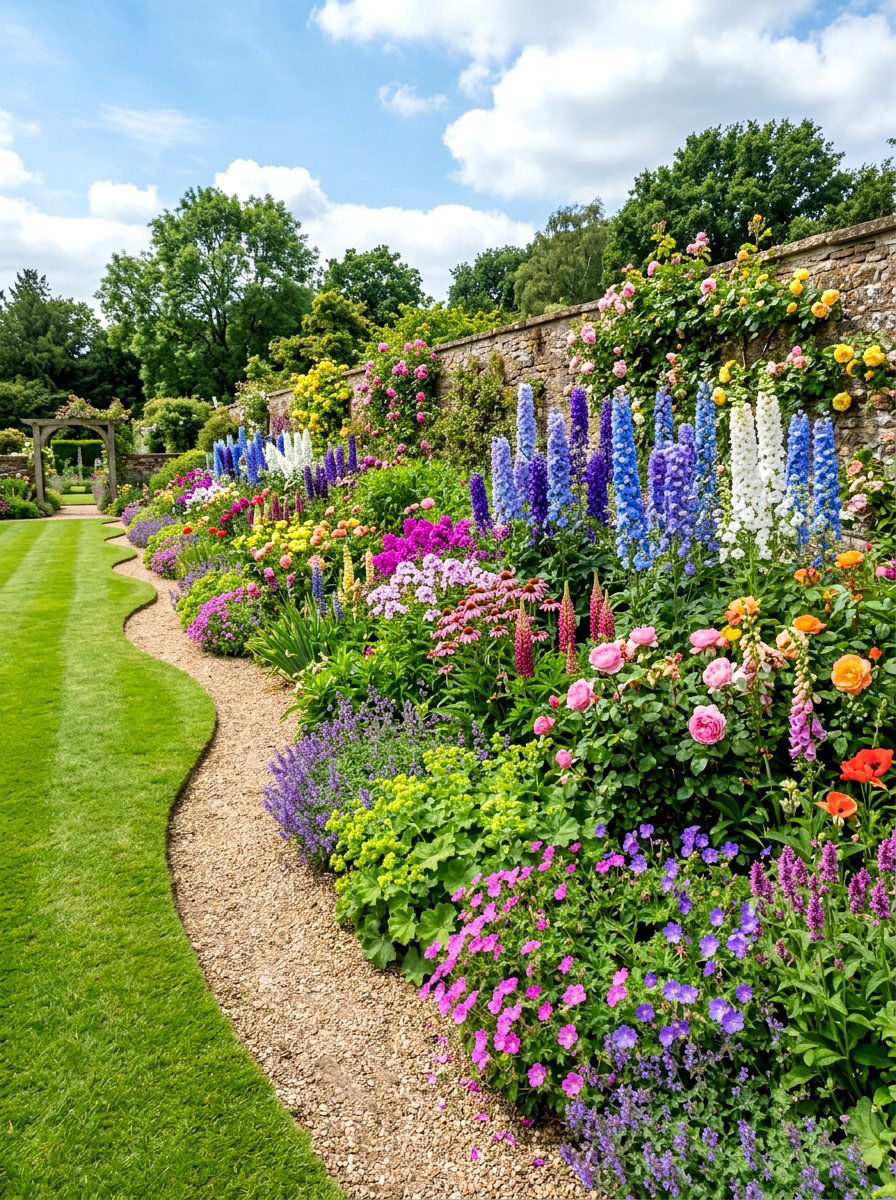
An herbaceous border garden follows the principles popularized by Gertrude Jekyll, featuring a long, wide bed filled with a variety of flowering plants. This design arranges plants by height, with the tallest species at the back and the shortest at the front edge. The goal is to create a seamless wall of color that evolves throughout the growing season. Using a mix of perennials and annuals ensures that there is always something in bloom from spring through autumn. This style prioritizes color harmony, often using drifts of the same plant to create a more natural and painterly effect. It is a classic way to fill a garden boundary with life.
19. Mosaic Path Garden
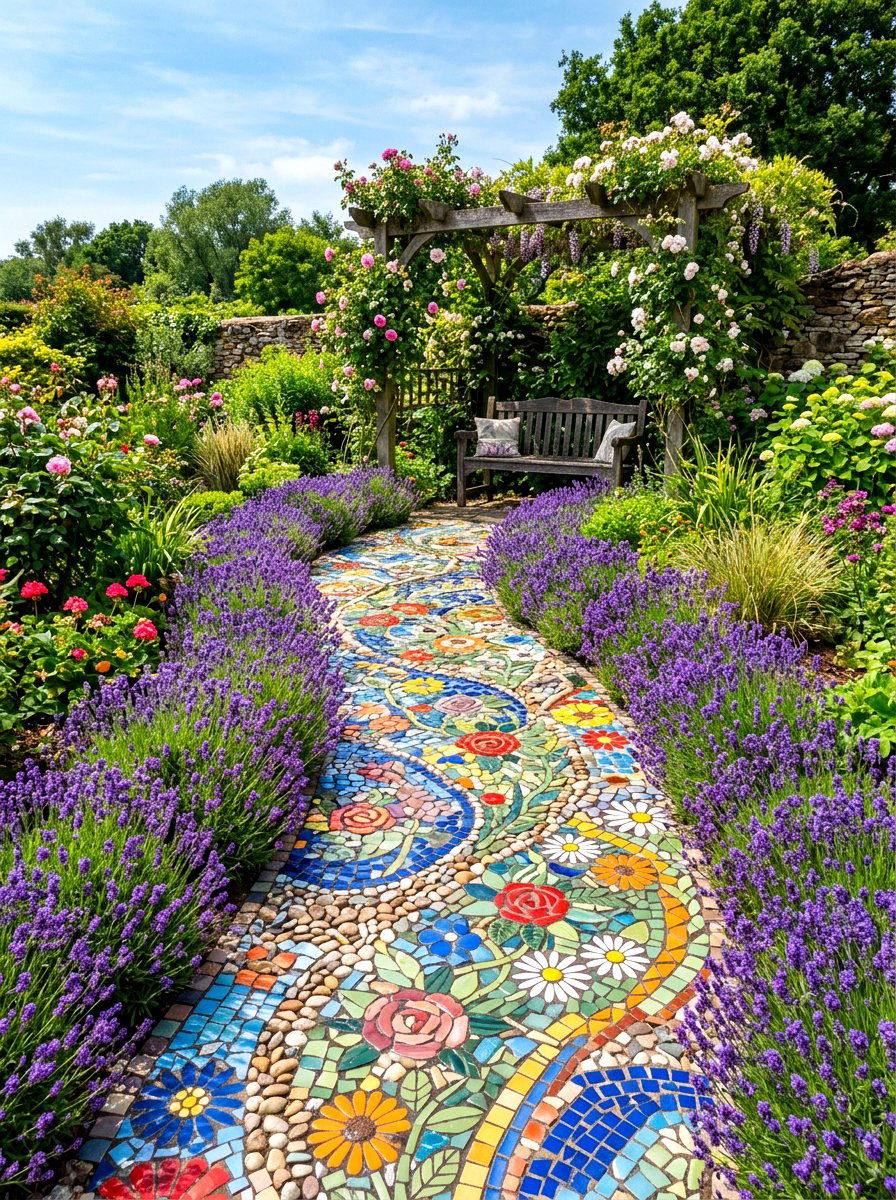
A mosaic path garden uses decorative paving to add artistic detail and texture to the ground level of the landscape. Victorians often used small tiles, colorful stones, or varied bricks to create geometric or floral patterns in their walkways. This design transforms a functional path into a work of art that guides the eye through the garden. The use of different colors and shapes can help define different zones or highlight a central feature like a fountain. Mosaic paths are durable and provide a stable surface for walking in all weather conditions. This detail adds a layer of craftsmanship that makes even a small garden feel very special and well-planned.
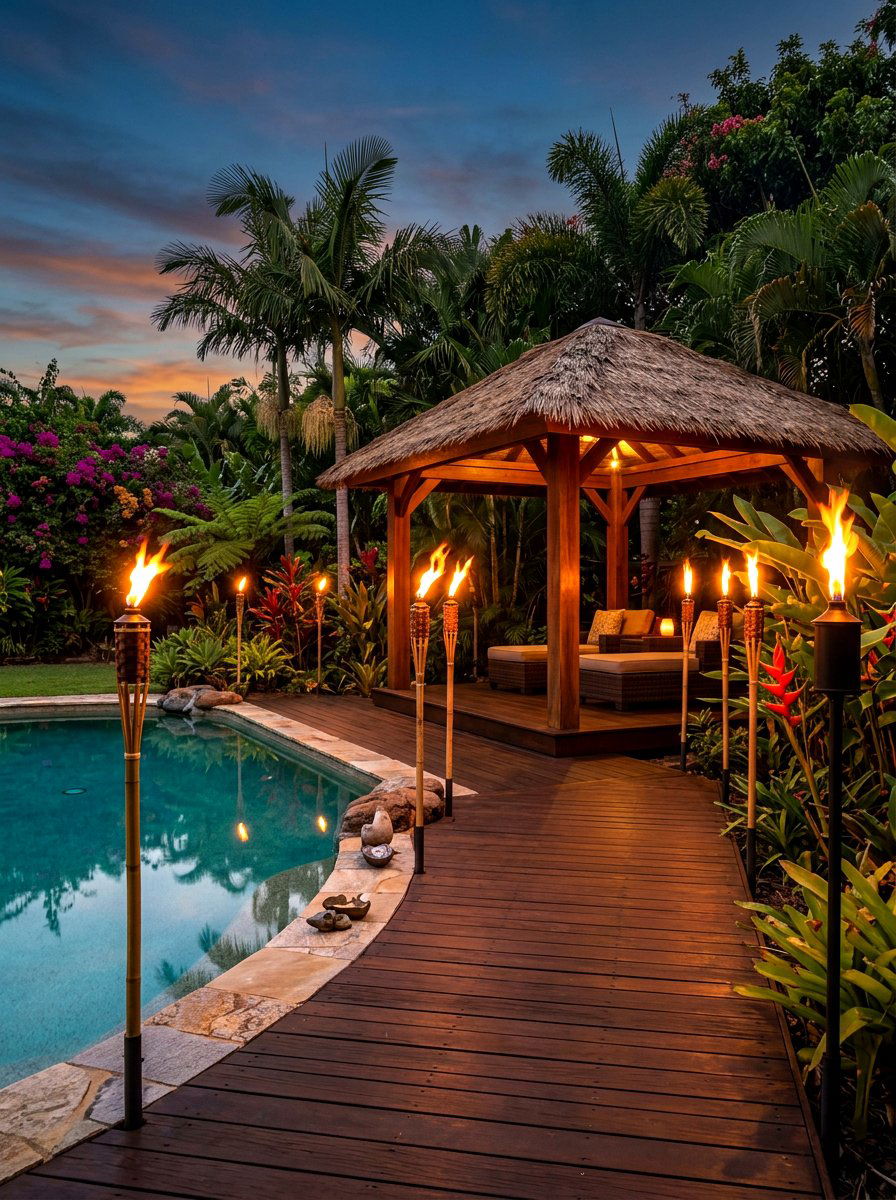
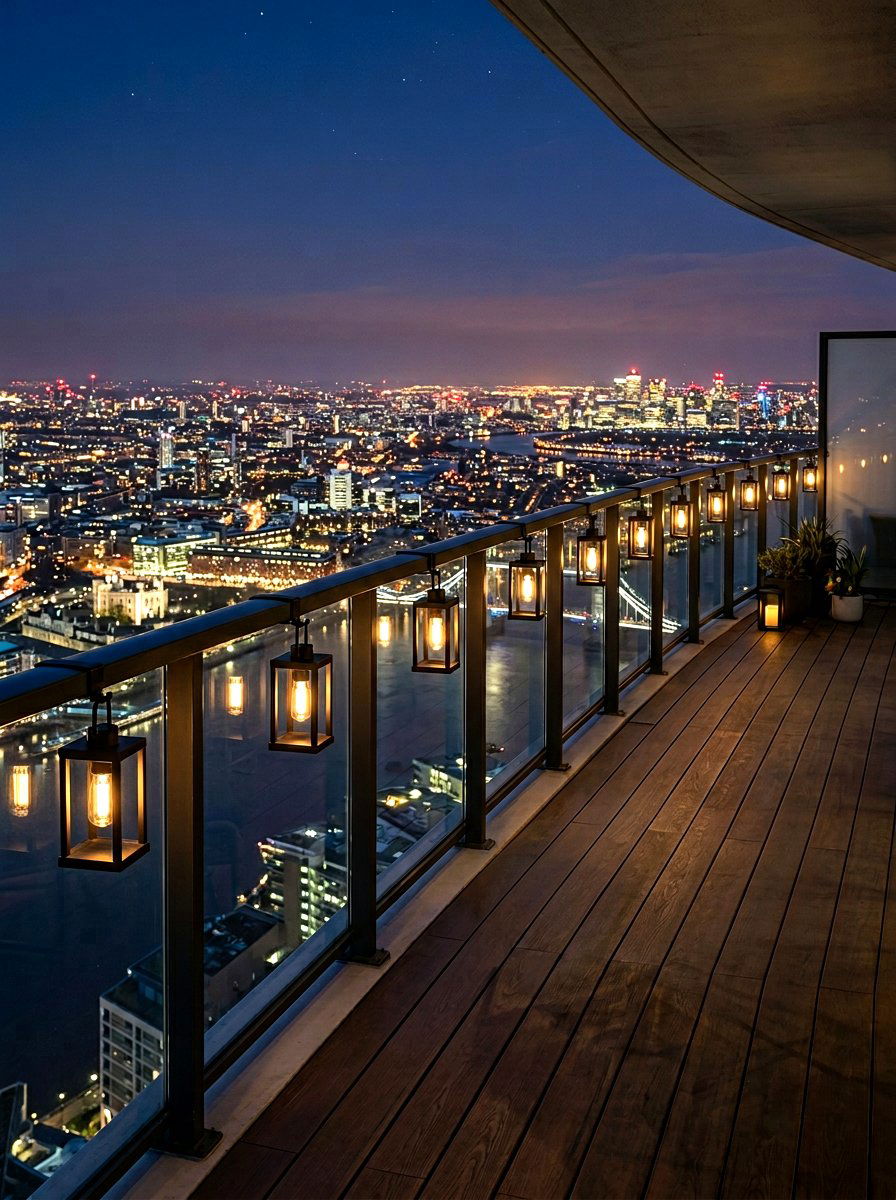
20. Iron Gate Garden
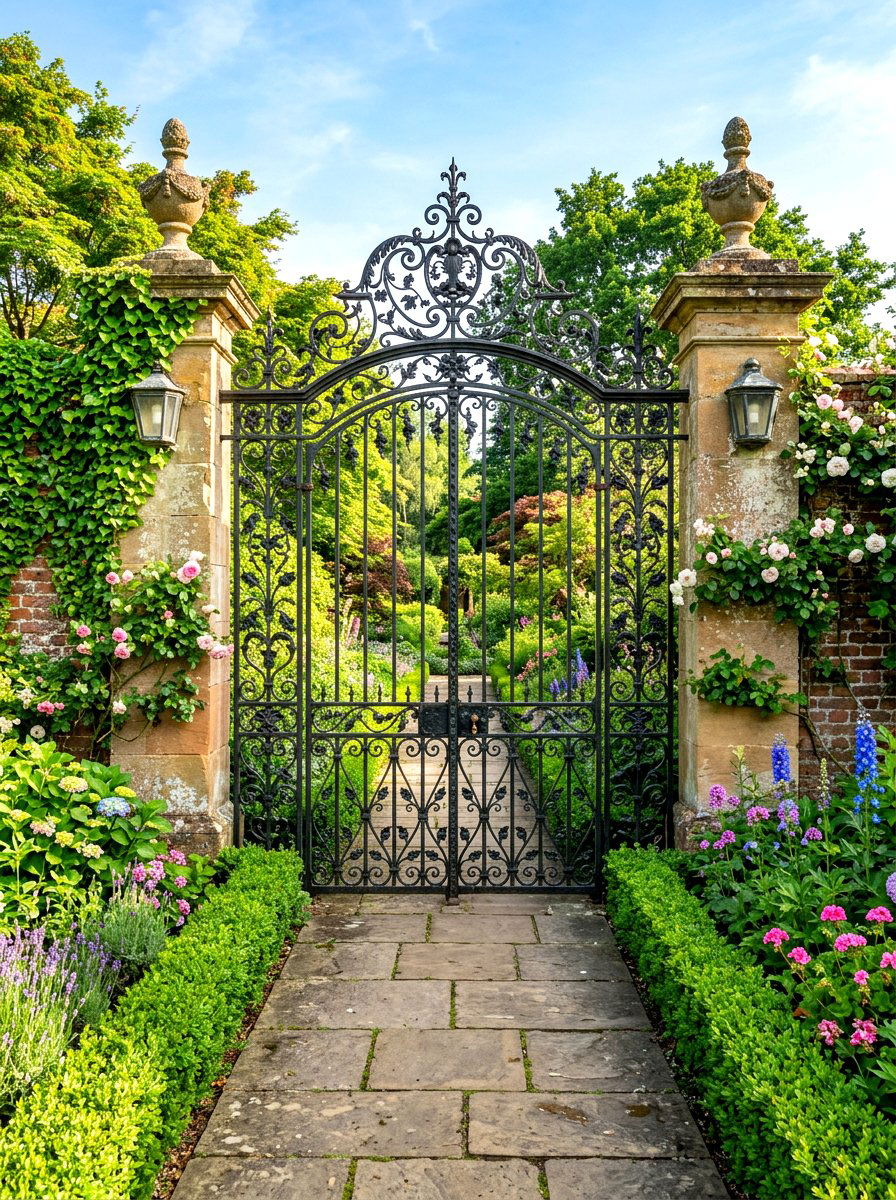
An iron gate garden focuses on a grand entrance as the starting point for the entire outdoor design. A tall, ornate wrought iron gate with swirling leaf or flower motifs sets a sophisticated tone before anyone even enters the space. This gate is often flanked by stone pillars or high brick walls covered in climbing ivy to enhance the sense of privacy. Inside, the design might feature a straight axis path that leads directly from the gate to the house or a central fountain. This approach emphasizes the boundary of the property and creates a clear transition from the public street to the private sanctuary. It adds a touch of security and class.
21. Weeping Willow Garden
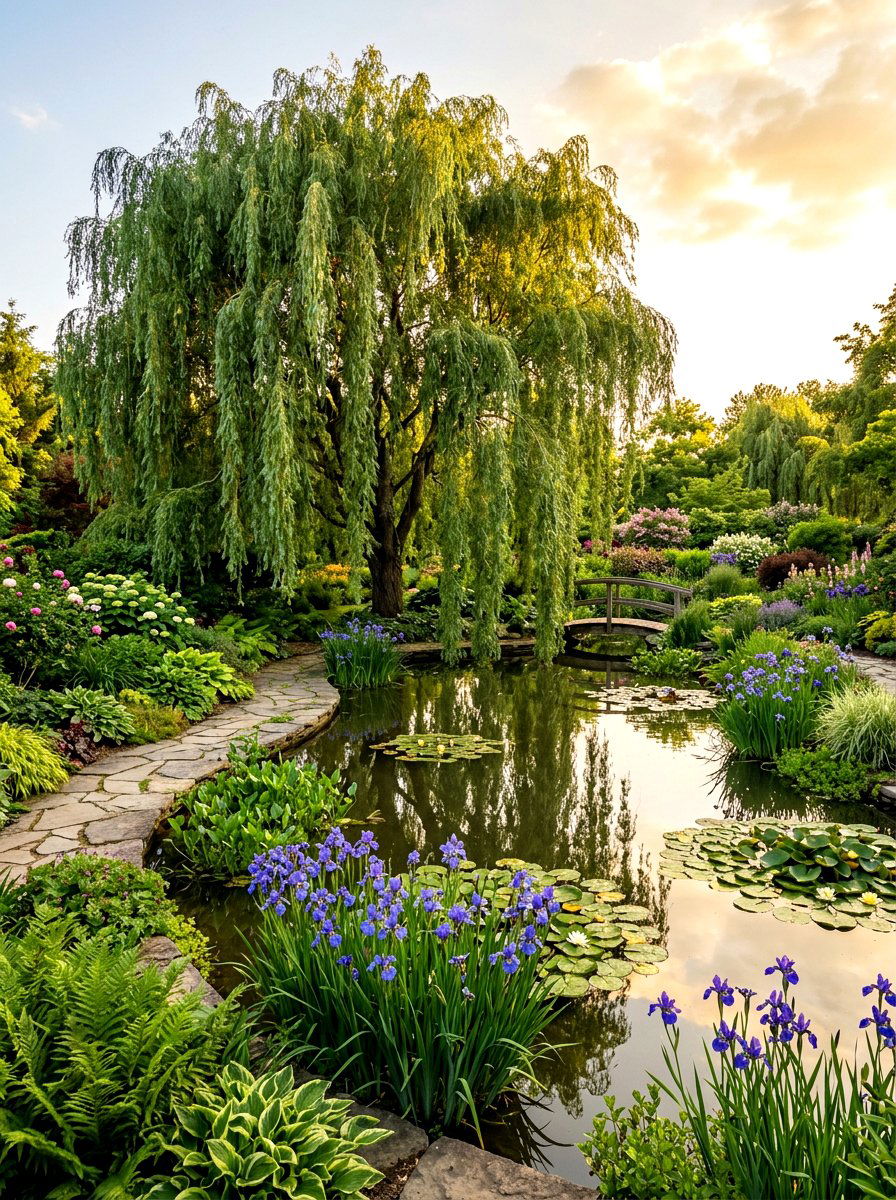
A weeping willow garden centers on the graceful, cascading branches of a willow tree to create a romantic and soft landscape. This design is particularly effective near a small pond or stream, where the tree's reflection can be seen in the water. The long, swaying branches provide a sense of movement and a natural curtain that creates a secluded area beneath the canopy. Surrounding the base with water-loving plants like irises and marsh marigolds completes the waterside look. The weeping form of the tree offers a dramatic contrast to the rigid lines of formal hedges or ironwork. It is a classic Victorian symbol of beauty and quiet contemplation.
22. Townhouse Courtyard Garden
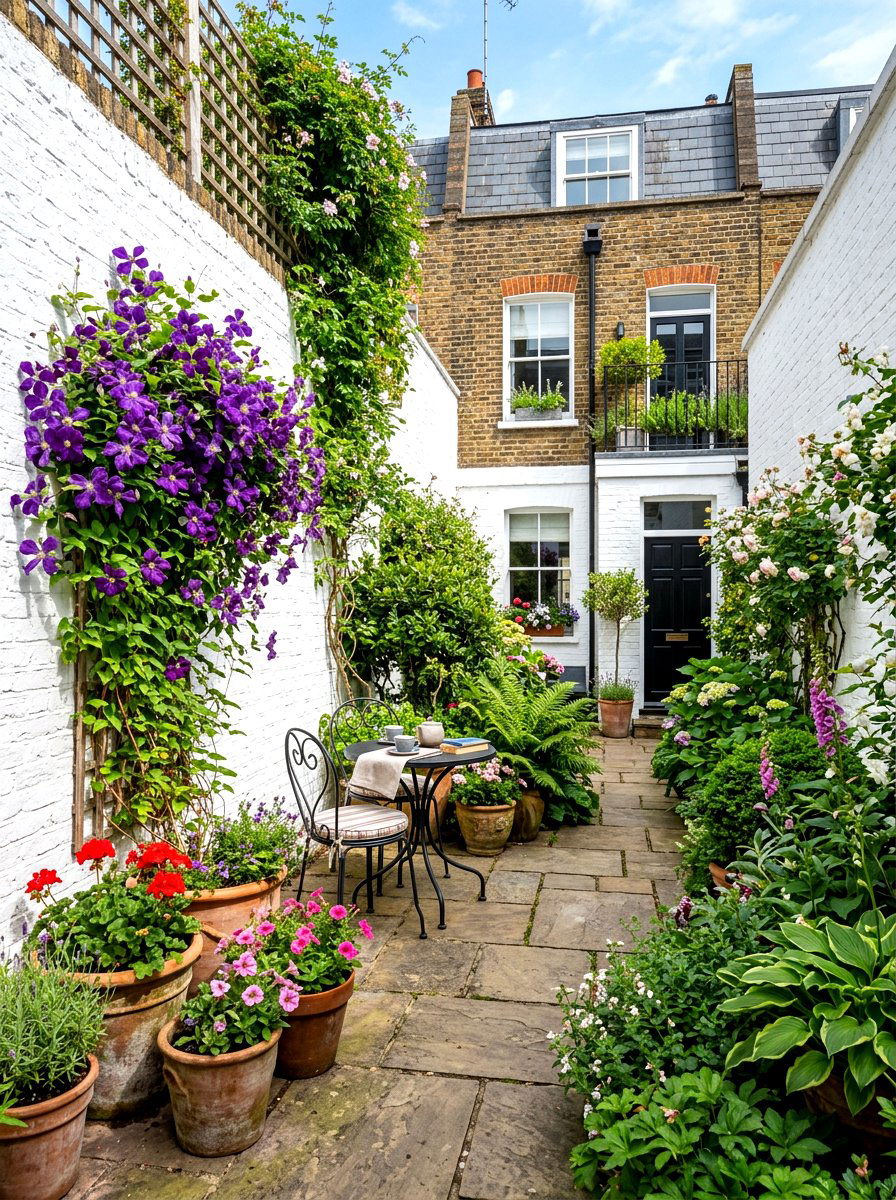
A townhouse courtyard garden maximizes limited urban space by using vertical elements and structured containers to create a lush escape. This design often features high brick walls painted in light colors to reflect sunshine into the small area. Climbing roses or clematis are trained up trellises to add greenery without taking up precious floor space. Large terracotta pots filled with seasonal flowers and small shrubs provide flexibility and seasonal color. A central small table and chairs set on a pattern of stone pavers create an inviting spot for morning coffee. This style shows that you do not need a large estate to enjoy the elegance of Victorian garden design principles.
23. Terracotta Container Garden
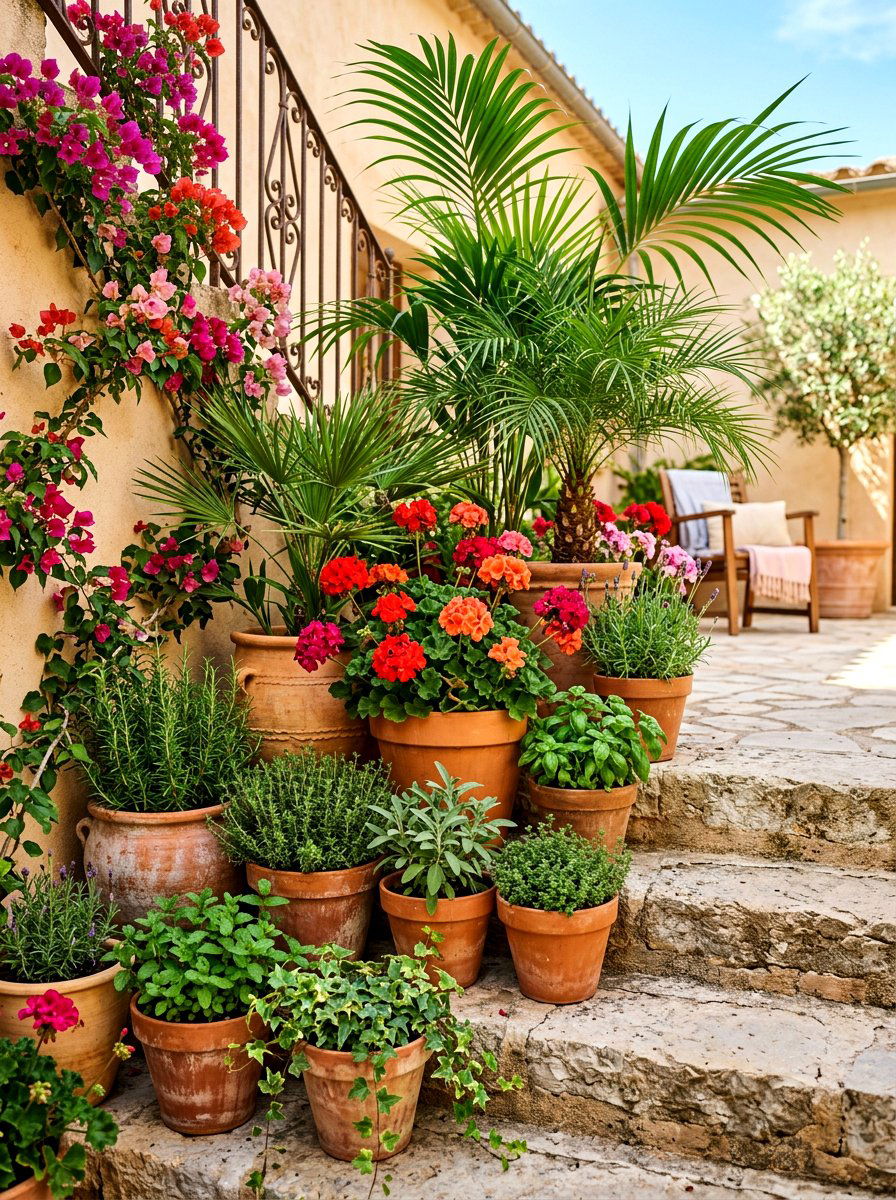
A terracotta container garden uses a collection of clay pots in various sizes to bring life to patios, porches, or steps. Victorians loved to showcase their botanical finds in decorative urns and traditional terracotta planters. This design allows you to grow a wide variety of plants, from aromatic herbs to exotic palms, in a controlled environment. Grouping the pots in clusters of three or five creates a more natural and visually appealing arrangement. The warm orange hue of the clay provides a beautiful contrast to the green foliage and colorful blooms. This is an excellent way to add a historical touch to hardscaped areas where planting in the ground is not possible.
24. Wrap Around Veranda
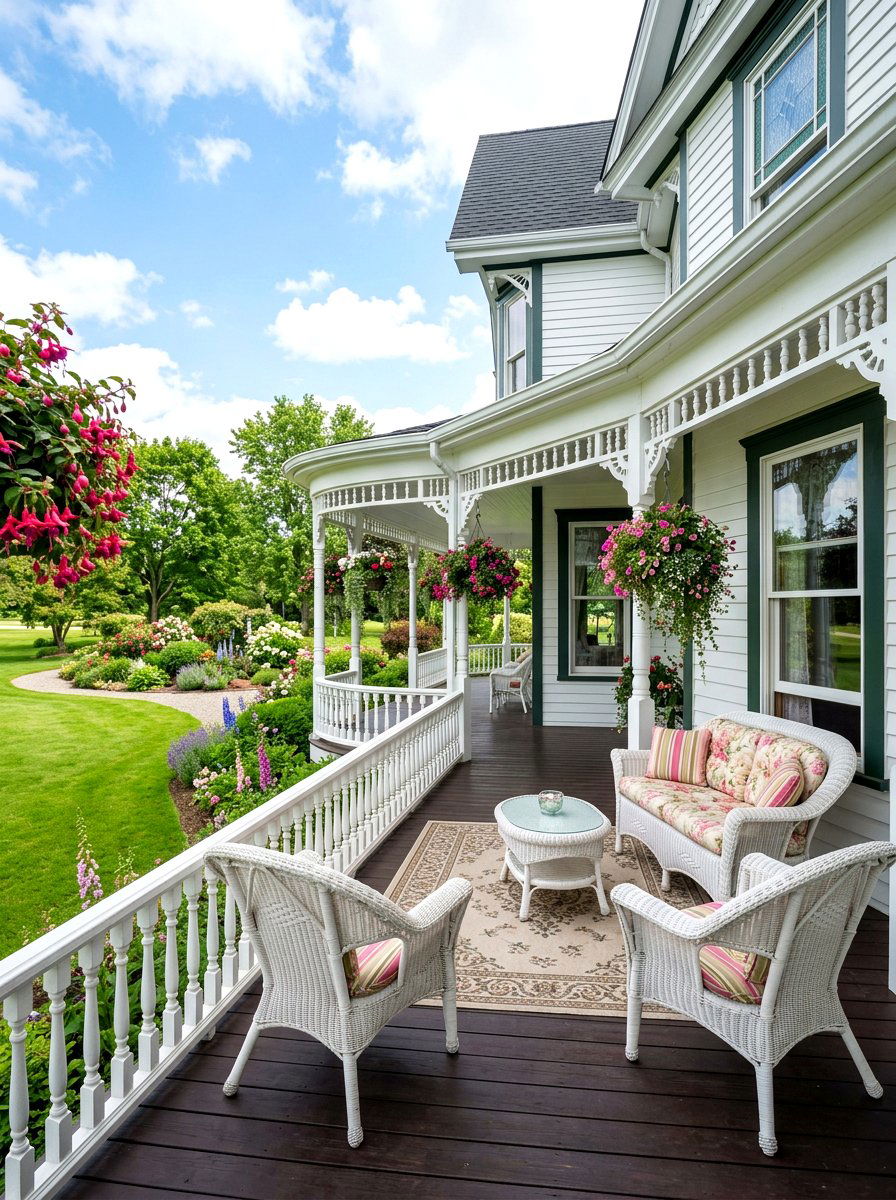
A wrap around veranda serves as a covered outdoor room that connects the Victorian house directly to the garden. This architectural feature often includes decorative wooden railings, gingerbread trim, and a comfortable wooden floor. Hanging baskets filled with trailing fuchsias or petunias are commonly hung between the pillars to bring the garden up to the house. The veranda provides a sheltered space to enjoy the garden views during rain or extreme sun. Furnishing the area with wicker chairs and small tables creates a seamless transition for indoor-outdoor living. This design encourages homeowners to spend more time outside, observing the seasonal changes in their landscape from a comfortable and shaded vantage point.
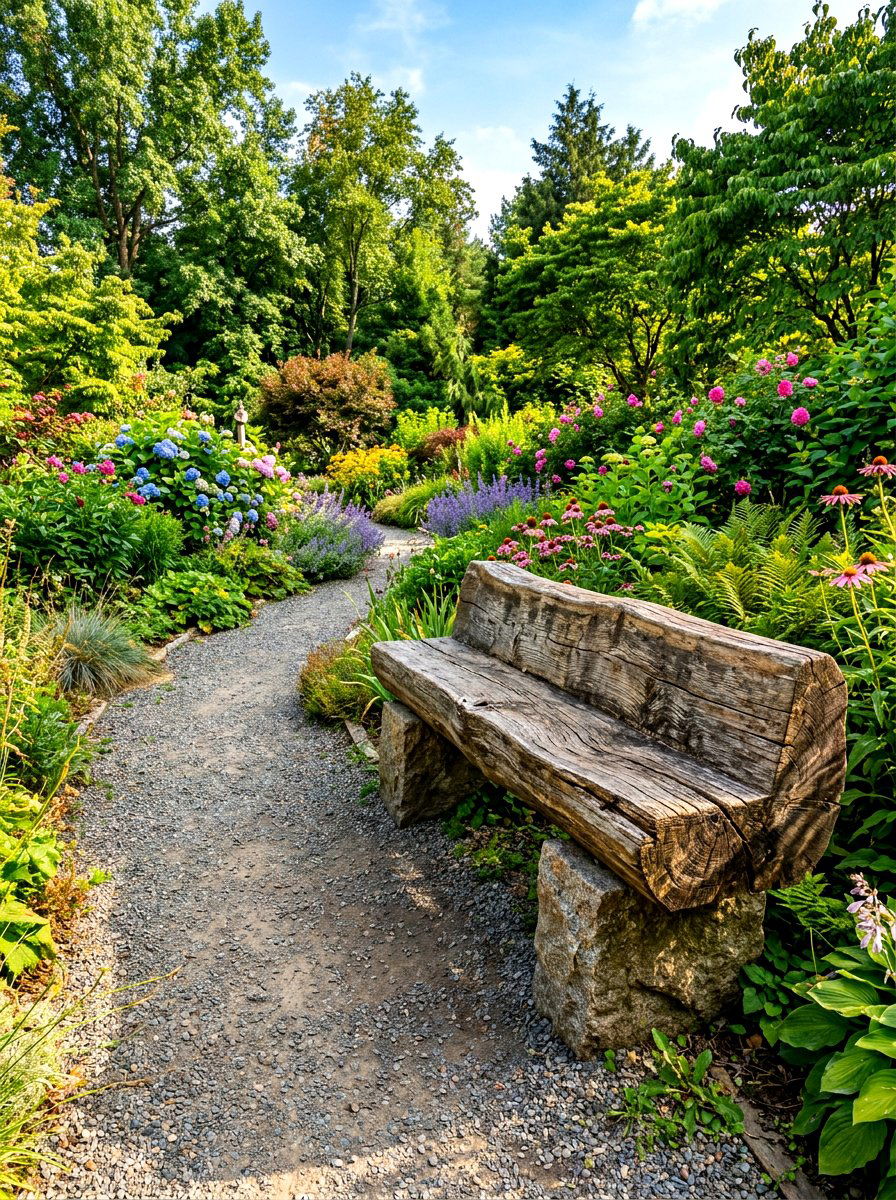

25. Pedestal Bird Bath
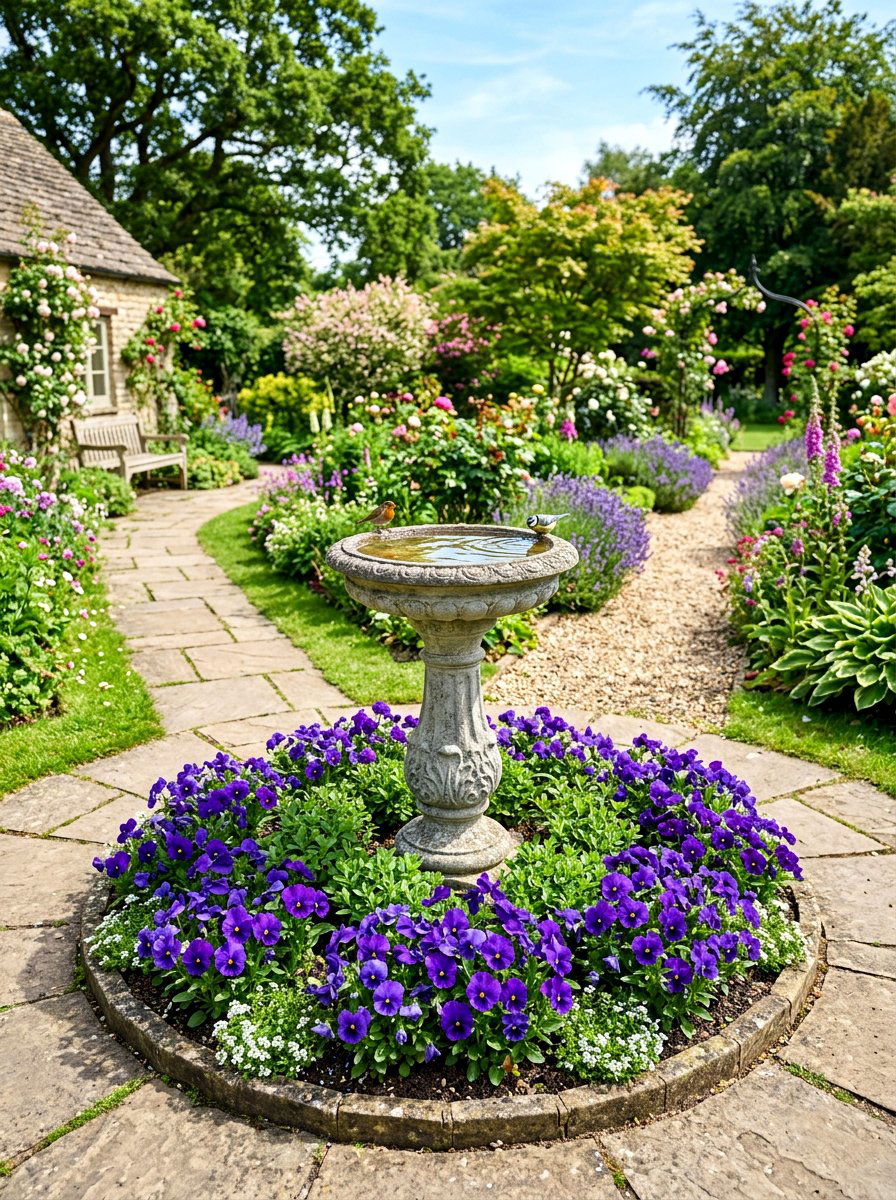
A pedestal bird bath garden uses a classic stone or metal basin as a charming focal point to attract local wildlife. This design involves placing the bird bath in the center of a small circular flower bed or at the end of a garden path. Surrounding the base with low-growing flowers like pansies or alyssum ensures the feature is always framed by color. The height of the pedestal allows for easy viewing of the birds from a nearby window or bench. Keeping the water fresh provides a vital resource for birds while adding the gentle sound of splashing to the environment. It is a simple yet effective way to add a historical accent.
26. Clipped Topiary Garden
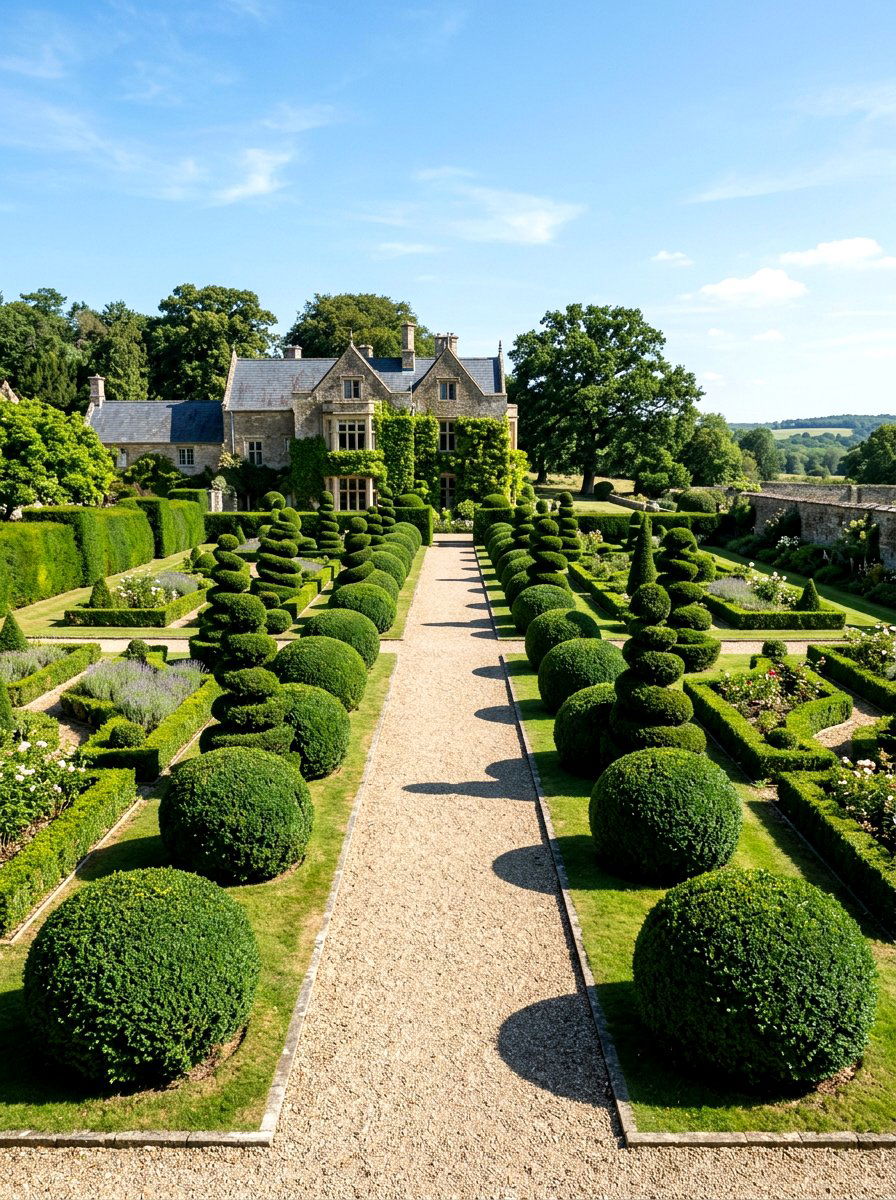
A clipped topiary garden showcases the art of pruning shrubs into specific geometric or whimsical shapes. This design uses evergreen plants like boxwood or yew, which are carefully trimmed into cones, spheres, spirals, or even animal forms. These living sculptures provide strong vertical interest and a sense of architectural structure to the garden. Placing a pair of matching topiaries on either side of a doorway or path creates a formal and grand entrance. This style requires regular maintenance but offers a unique and sophisticated look that stays green all year long. It reflects the Victorian era's desire to demonstrate human control over the natural growth of plants for aesthetic pleasure.
27. Hollyhock Floral Path
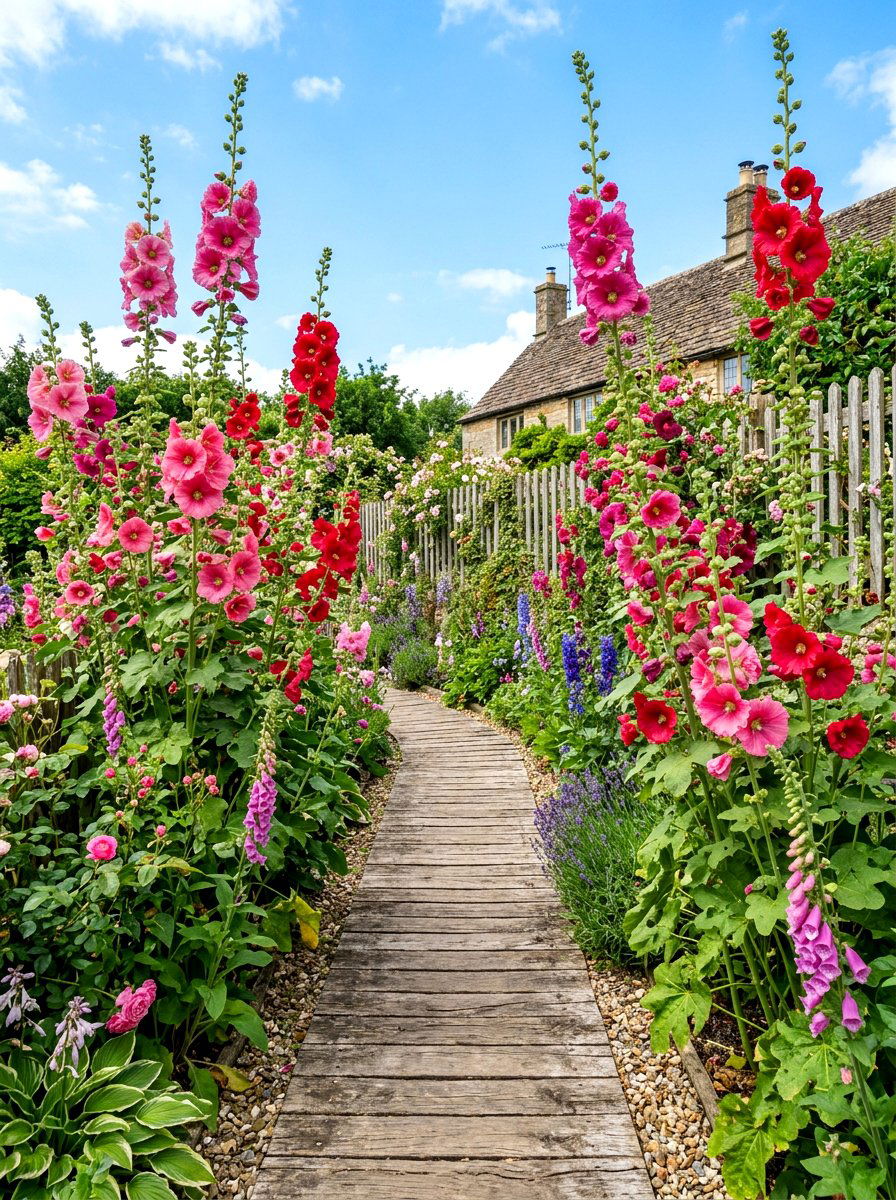
A hollyhock floral path uses these tall, stately flowers to line a garden walkway with a wall of vibrant color. Hollyhocks were a favorite in Victorian cottage gardens because they can grow up to eight feet tall and come in many shades. This design involves planting rows of hollyhocks along a fence or building to provide a vertical backdrop for shorter plants. As you walk along the path, the large, saucer-shaped blooms are at eye level, creating an immersive floral experience. They also attract butterflies and bees, adding life and movement to the space. This simple planting strategy adds a nostalgic and romantic feel to any sunny part of the backyard.
28. Stone Urn Garden
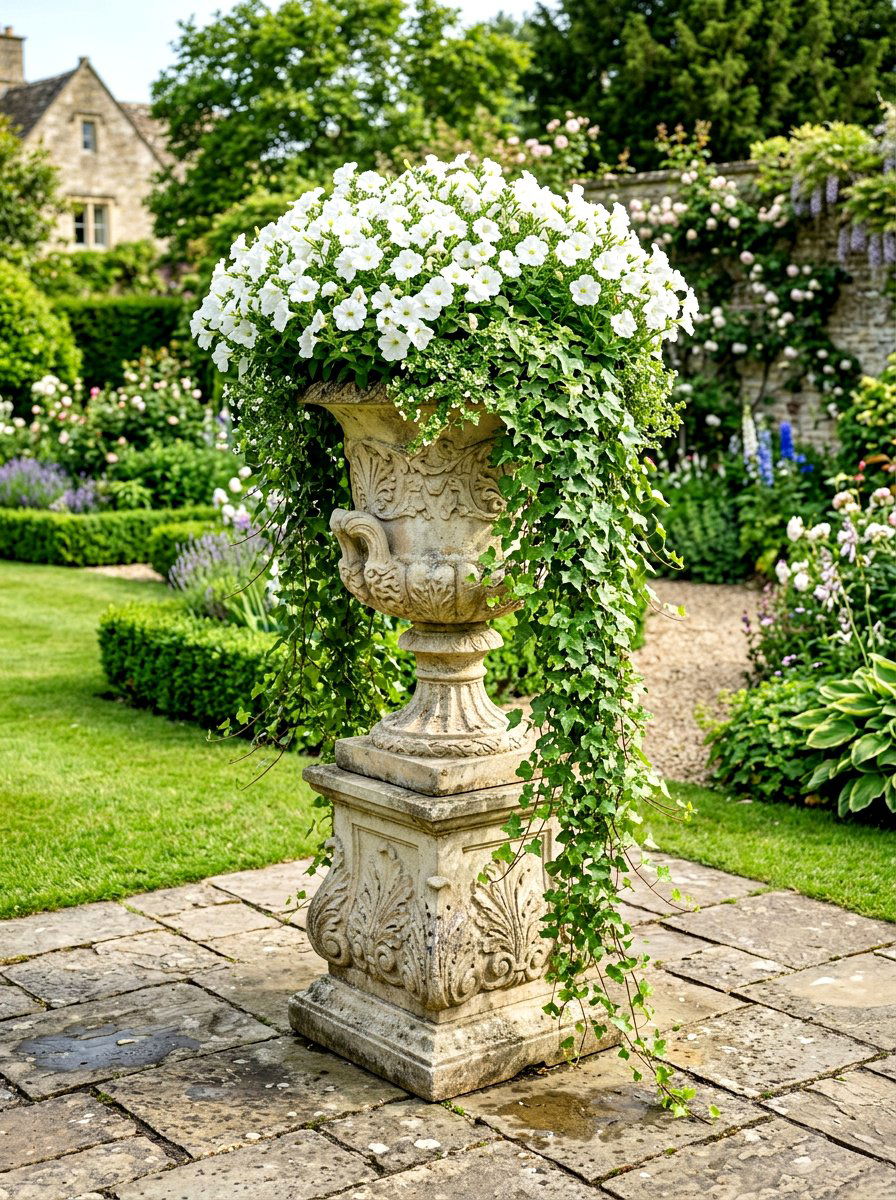
A stone urn garden features large, ornate planters as permanent architectural statements throughout the landscape. These urns are often placed on stone pedestals to give them more height and presence within the garden beds. During the nineteenth century, these vessels were frequently used to hold dramatic "thriller" plants like spikes of dracaena or overflowing "spiller" plants like ivy. This design adds a sense of permanence and grandeur, especially when the urns are placed symmetrically at the corners of a patio. Even when left empty, the weathered stone adds a sculptural quality and historical texture to the outdoors. They serve as enduring reminders of classic European garden traditions.
29. Circular Island Bed
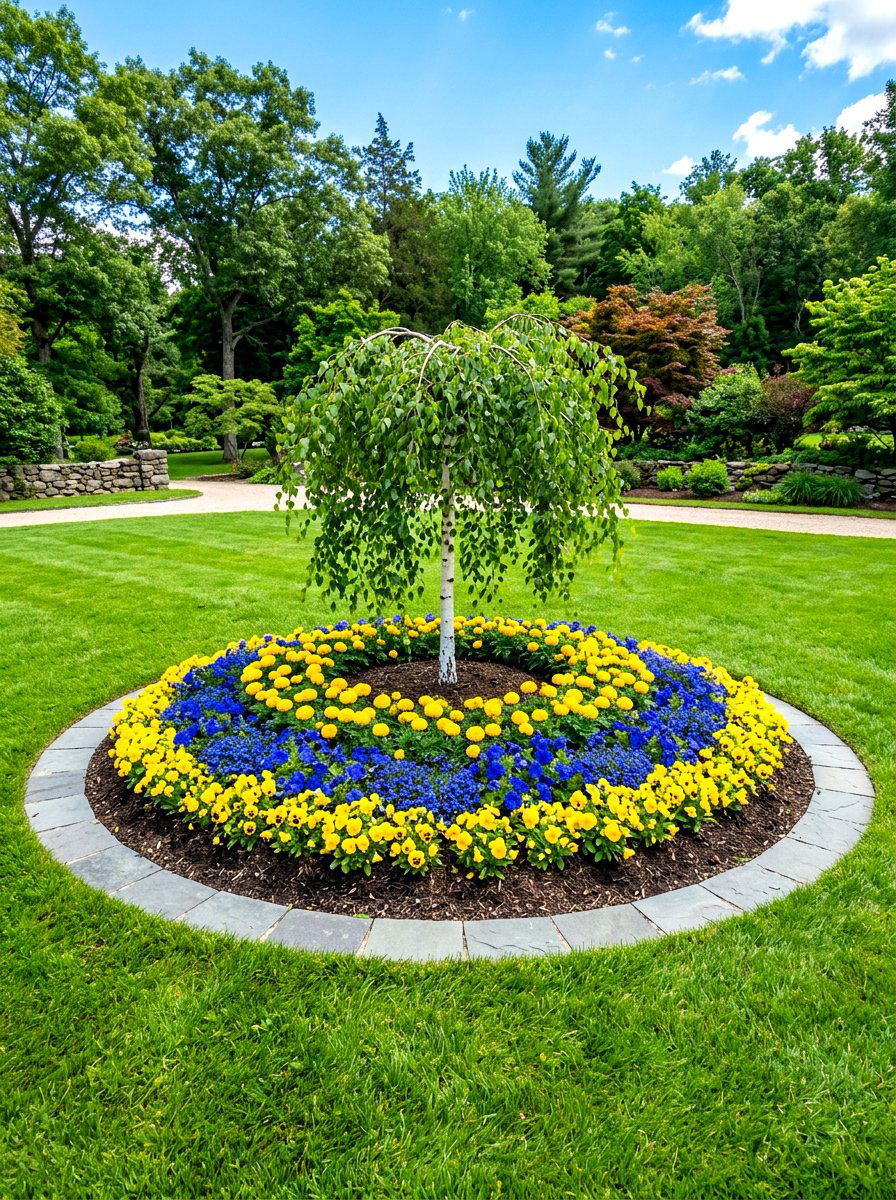
A circular island bed provides a focused splash of color and texture in the middle of a large green lawn. This design typically involves a perfectly round flower bed that is mounded in the center to show off the plants from all angles. Tall specimen plants or a small ornamental tree often occupy the center, surrounded by rings of shorter flowering annuals. The crisp edge between the dark soil and the bright green grass creates a clean and professional look. This was a very popular way for Victorian homeowners to showcase new and exotic plant discoveries in a prominent location. It breaks up the monotony of a large lawn while providing a central point of interest.
30. Victorian Summerhouse Garden
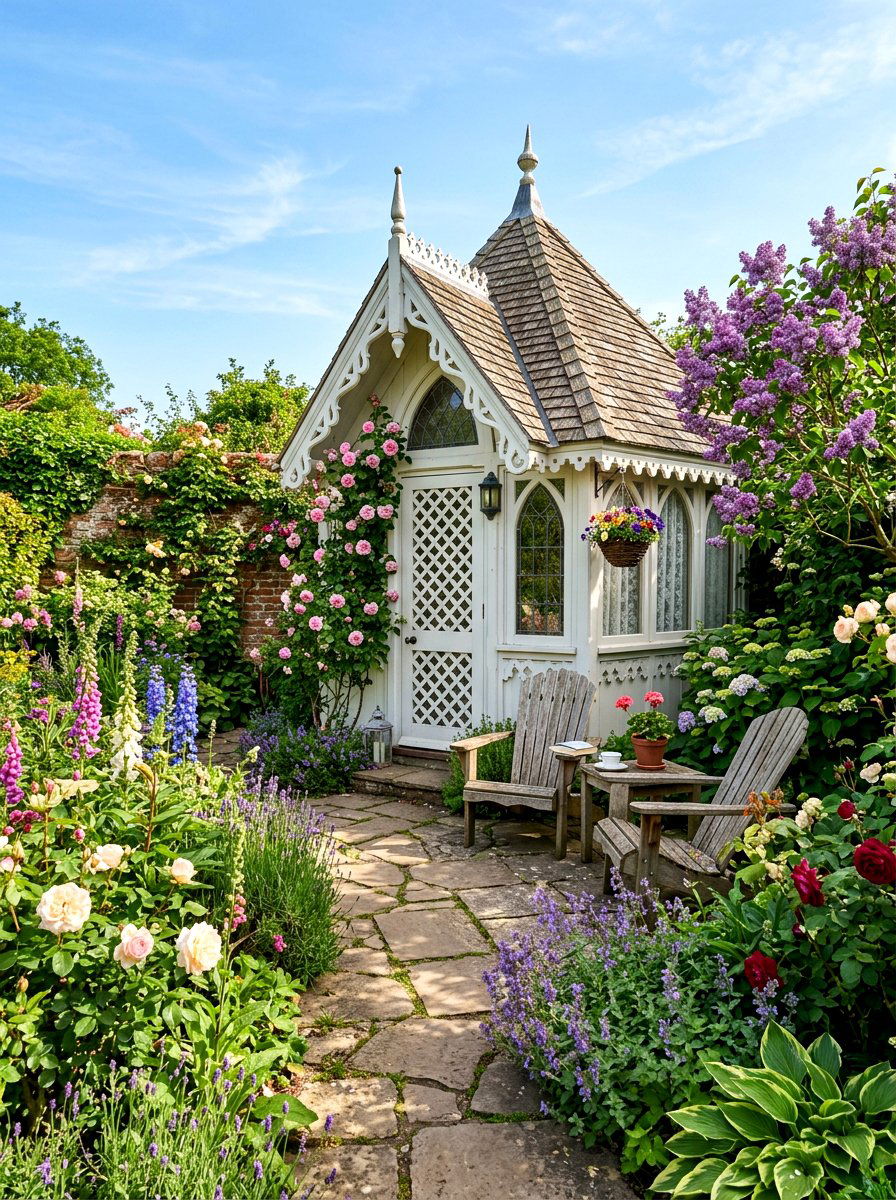
A Victorian summerhouse garden offers a private and charming retreat away from the main residence. These small wooden structures often feature ornate trim, pointed roofs, and large windows that invite the surrounding scenery inside. Surrounding the summerhouse with climbing jasmine or ivy helps it blend naturally into the landscape while providing a sweet scent. The area around the structure typically includes a small flagstone patio and comfortable seating for afternoon tea. This layout focuses on creating a quiet destination for reading or relaxing while enjoying the sight of the broader garden. It adds a picturesque architectural element that enhances the overall romantic feel of your outdoor space and provides a peaceful escape.
Conclusion:
Creating a Victorian garden is an enriching way to bring historical elegance and structured beauty to your modern outdoor living space. By balancing the rigid lines of formal hedges with the soft textures of overflowing flower borders, you can achieve a landscape that feels both organized and abundant. These classic elements work together to provide visual interest throughout every season while offering a peaceful escape from the busy world. Whether you choose to install a grand fountain or simply plant a few traditional rose bushes, the spirit of the Victorian era will shine through. Your garden will become a timeless testament to the enduring appeal of traditional landscape design.

Related posts: